


20 Controversial Biopic Casting Choices for Black Icons




Biopics about Black icons often arrive with intense scrutiny, and casting can become the lightning rod—raising questions about authenticity, representation, colorism, nationality, and the ethics of makeup or prosthetics. Some choices sparked debate before cameras rolled; others drew backlash only after trailers or stills revealed creative decisions. In several cases, families or estates objected, or communities felt sidelined in stories tied closely to their own histories. Here are twenty high-profile examples where casting ignited conversation, petitions, or public statements from those closest to the subjects.
‘Nina’ (2016)

Zoe Saldana’s casting as Nina Simone prompted criticism centered on colorism and the decision to darken the actor’s skin and use a prosthetic nose. The Simone estate publicly distanced itself from the production, and the makeup approach became a focal point of the backlash. Advocates argued the role should have gone to a darker-skinned actor whose features aligned more closely with Simone’s. The controversy overshadowed the film’s release and marketing.
‘Urban Myths’ (2017)

Sky Arts cast Joseph Fiennes, a white actor, as Michael Jackson in an anthology episode about a rumored post-9/11 road trip. The announcement drew immediate condemnation from fans and Jackson’s family members. Following the outcry and a trailer reaction, the network pulled the episode before broadcast. The incident is frequently cited in discussions about race, representation, and casting ethics.
‘A Mighty Heart’ (2007)
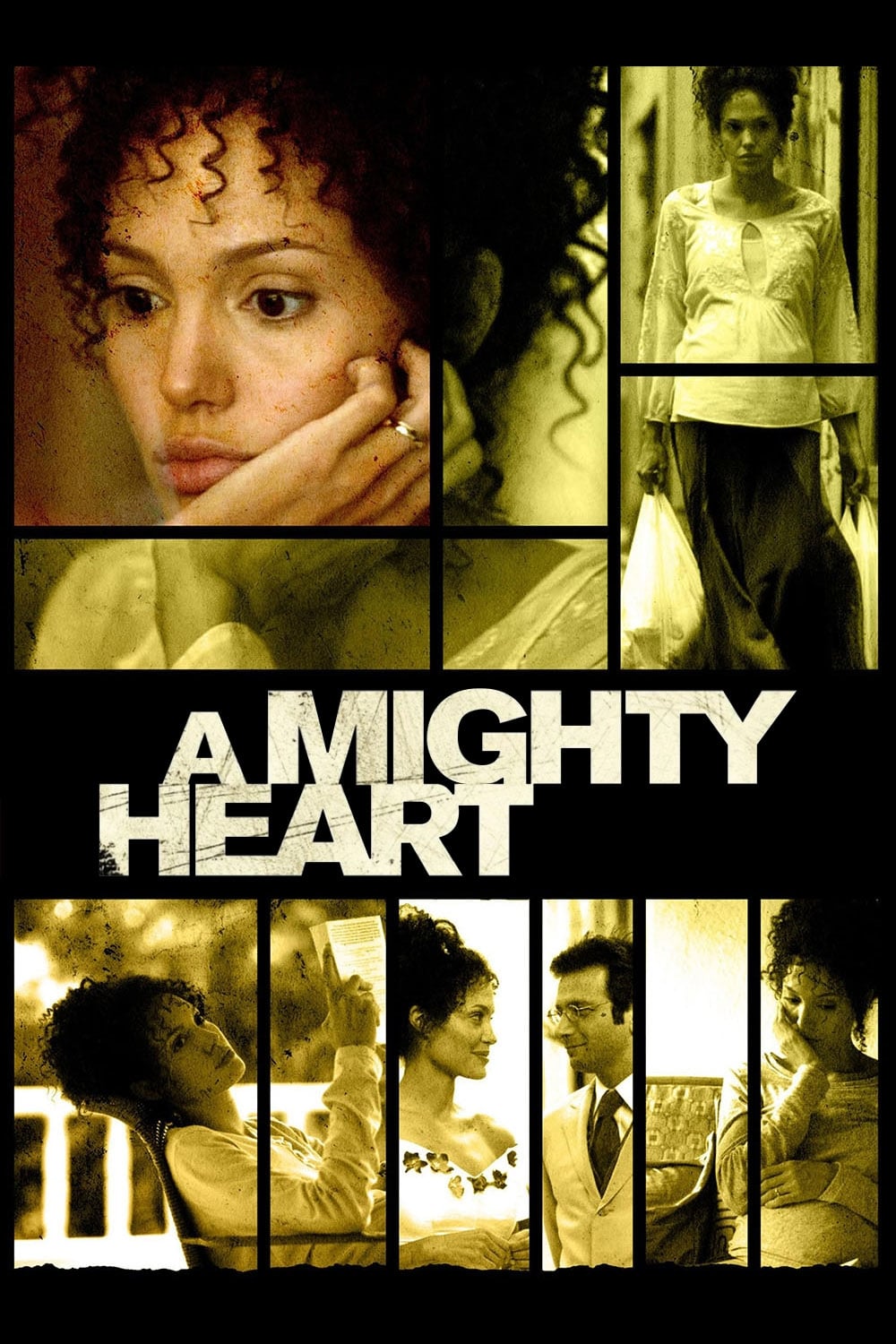
Angelina Jolie portrayed Mariane Pearl, who is of Afro-Cuban and Dutch heritage, using makeup and a hairstyle that critics said emphasized racial ambiguity. Debate centered on whether a woman of color should have been cast, given Pearl’s background. The subject, Mariane Pearl, defended Jolie’s casting at the time, emphasizing the film’s intent. Nonetheless, the discourse around racial representation persisted through release.
‘Harriet’ (2019)
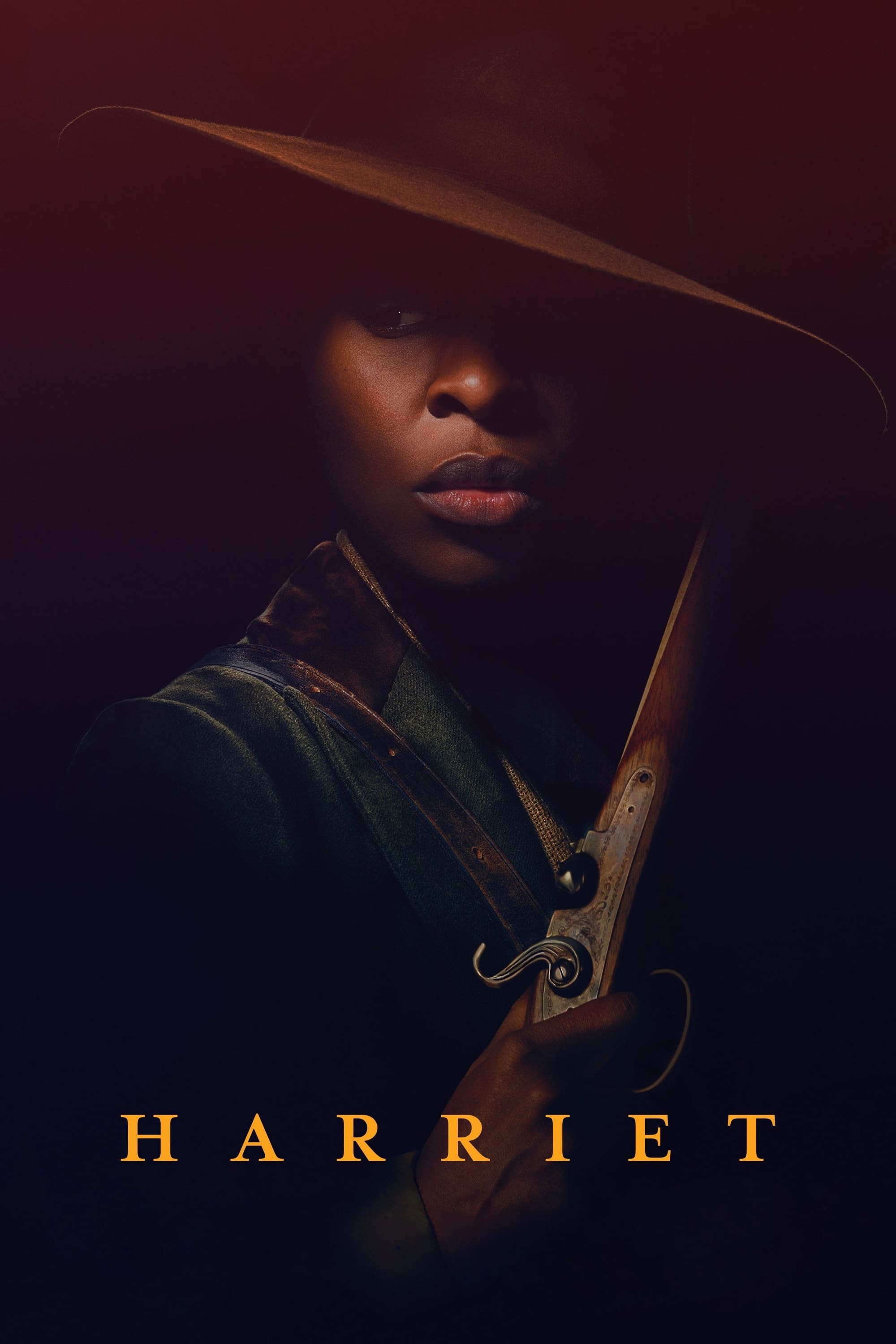
Cynthia Erivo’s casting as Harriet Tubman sparked backlash focused on nationality and online comments she had previously made that some found offensive. Critics questioned whether an African American actor should play an American abolitionist icon. Supporters highlighted Erivo’s awards-recognized stage work and the production’s decision based on auditions. The film’s rollout included public statements addressing the concerns.
‘Selma’ (2014)
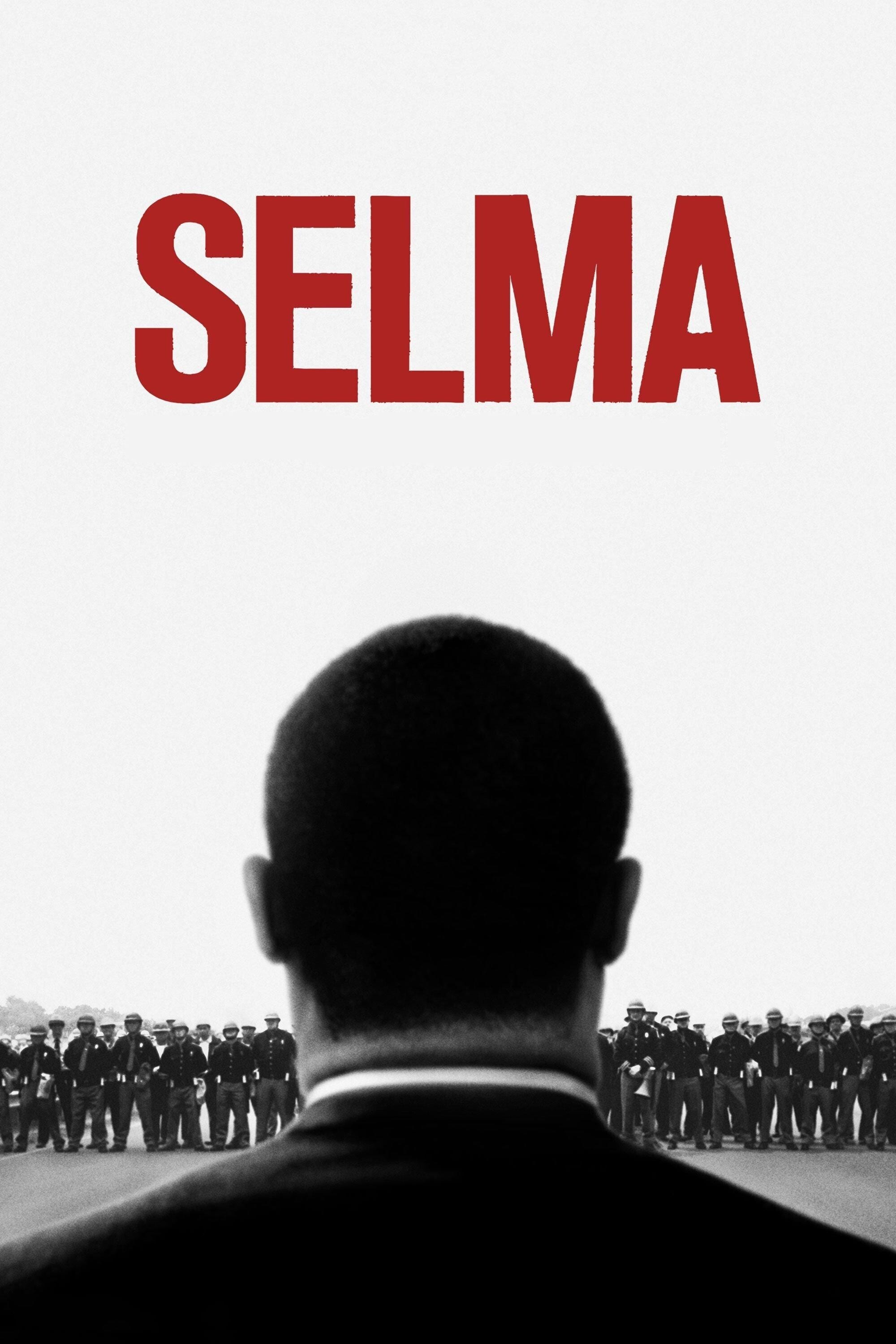
David Oyelowo, a British-Nigerian actor, played Martin Luther King Jr., prompting debate about British actors portraying American civil-rights leaders. The conversation broadened to questions of accent authenticity and opportunities for African American performers. Filmmakers defended the choice on the strength of Oyelowo’s audition and performance. The discourse resurfaced in later projects with similar cross-Atlantic casting.
‘Judas and the Black Messiah’ (2021)
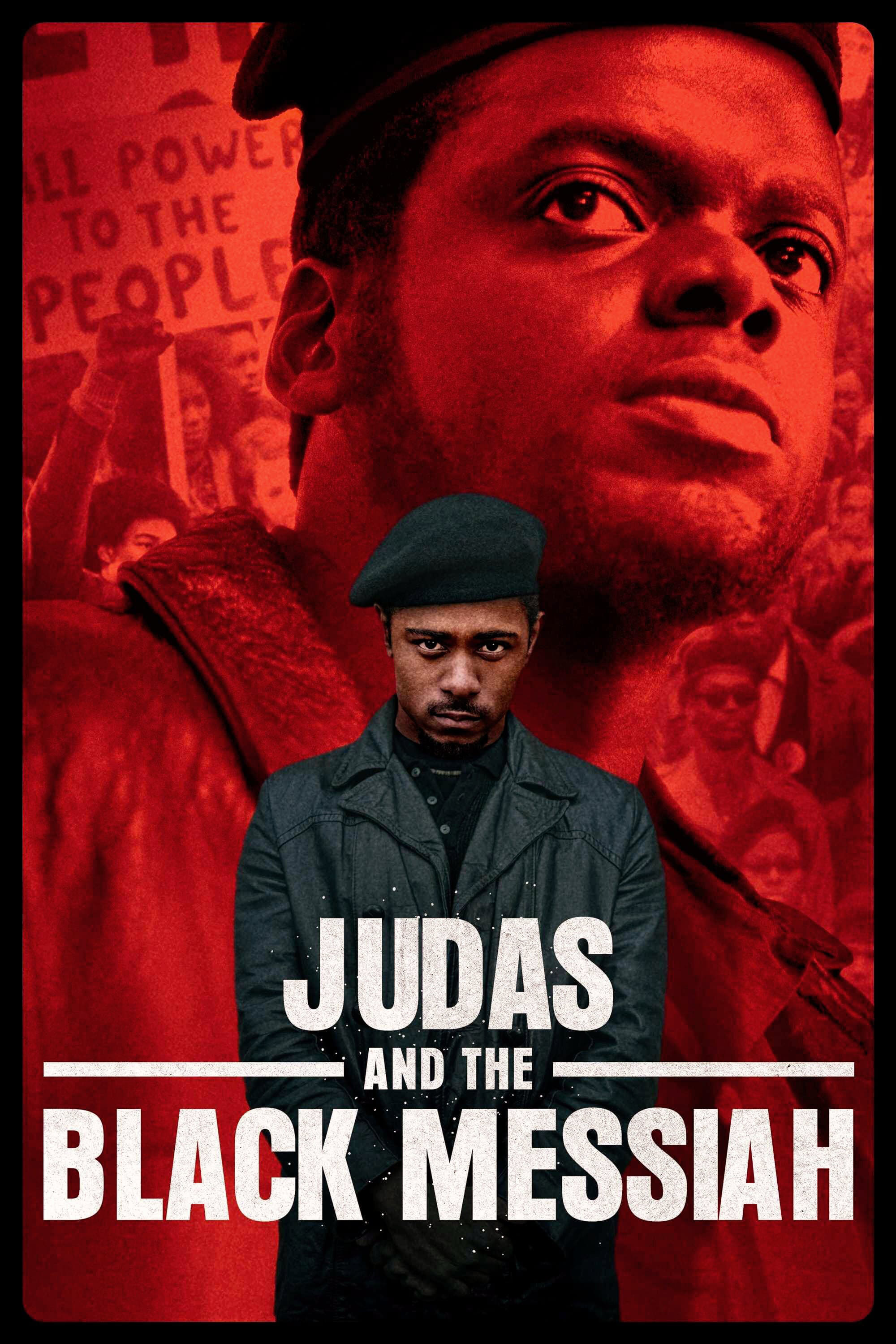
Daniel Kaluuya’s turn as Fred Hampton drew criticism from some who preferred an African American actor for the Illinois Black Panther Party chairman. The debate again touched on nationality, accent work, and cultural specificity. Members of Hampton’s family were involved as consultants, offering input during production. The film’s press cycle routinely addressed the casting concerns in interviews.
‘Marshall’ (2017)

Chadwick Boseman’s casting as Thurgood Marshall led to commentary about colorism, as the civil-rights attorney and Supreme Court justice had a lighter complexion. Boseman acknowledged the concern in interviews while emphasizing the story’s focus on a specific early case in Marshall’s career. Discussions also included Hollywood’s broader history of complexion-based casting for real figures. The topic became part of the film’s public conversation despite positive notices for the performance.
‘Whitney Houston: I Wanna Dance with Somebody’ (2022)

Naomi Ackie, a Black British actor, was chosen to portray Whitney Houston, prompting nationality-based criticism from some fans. Questions centered on accent, vocal performance, and whether American singers or actors should lead. The production used Houston’s real vocals, aligning the performance with archival recordings. Marketing materials addressed these concerns by highlighting preparation and vocal synchronization.
‘Whitney’ (2015)
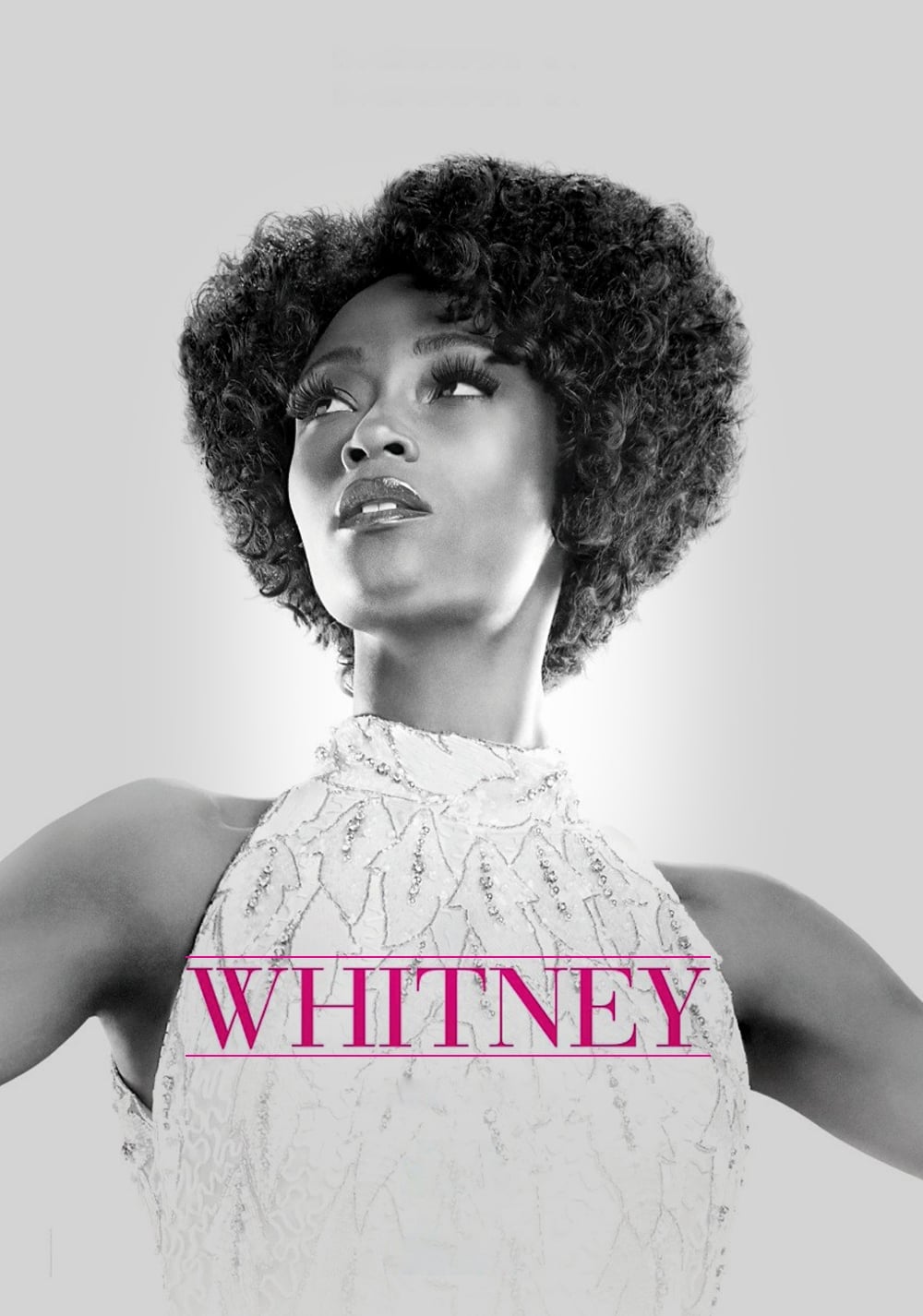
Lifetime cast Yaya DaCosta as Whitney Houston in a television biopic produced without access to Houston’s master recordings. The family’s lack of involvement and the substitute vocals fueled skepticism around the project’s authenticity. Casting debate intertwined with concerns about the film’s scope and timing. Promotional efforts emphasized DaCosta’s preparation and the creative team’s intention to celebrate Houston’s legacy.
‘Man in the Mirror: The Michael Jackson Story’ (2004)
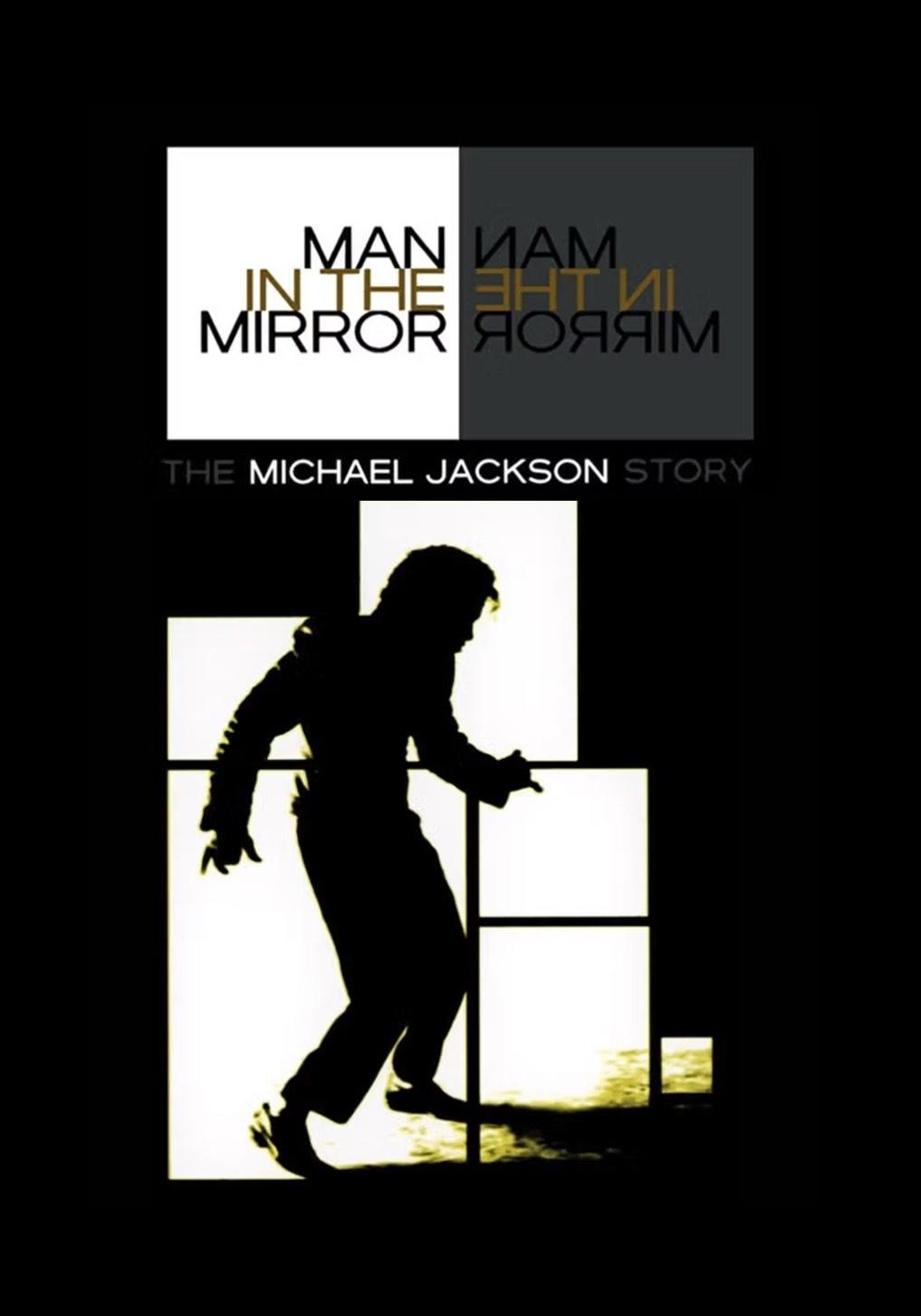
Flex Alexander’s portrayal of Michael Jackson in this TV movie attracted criticism for makeup choices and perceived physical dissimilarity. Viewers and critics highlighted the limitations of prosthetics and styling used to capture Jackson’s changing appearance. The project operated with constraints typical of television budgets, which became part of the post-airing conversation. The casting remains a reference point in discussions of biopic makeup and likeness.
‘Bob Marley: One Love’ (2024)

Kingsley Ben-Adir, a Black British actor of Trinidadian and Moroccan descent, was cast as Jamaican icon Bob Marley. Debate focused on accent authenticity, cultural specificity, and the scarcity of Jamaican leads in major biopics. The production emphasized dialect coaching and collaboration with Marley’s family, who were involved as producers. Trailers and press materials underscored musical and familial access to reassure skeptical fans.
‘Jimi: All Is by My Side’ (2013)
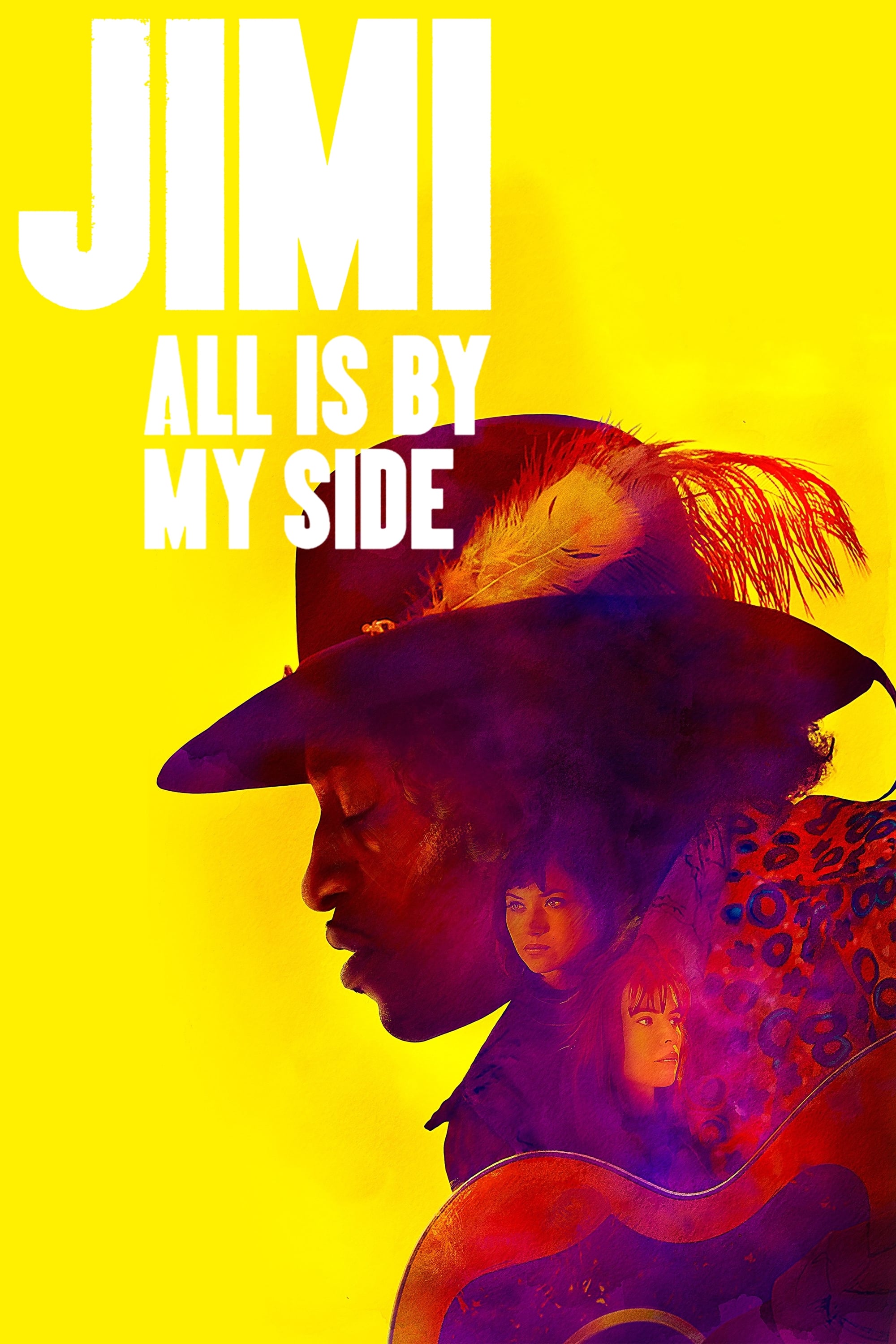
André Benjamin portrayed Jimi Hendrix in a film made without the rights to Hendrix’s original recordings, leading to questions about musical authenticity. While the estate’s position primarily affected the soundtrack, fans also scrutinized casting and performance choices. The film used period-appropriate covers to depict stage sequences. Conversations around the project frequently blended casting debate with rights and estate approval issues.
‘Ali’ (2001)
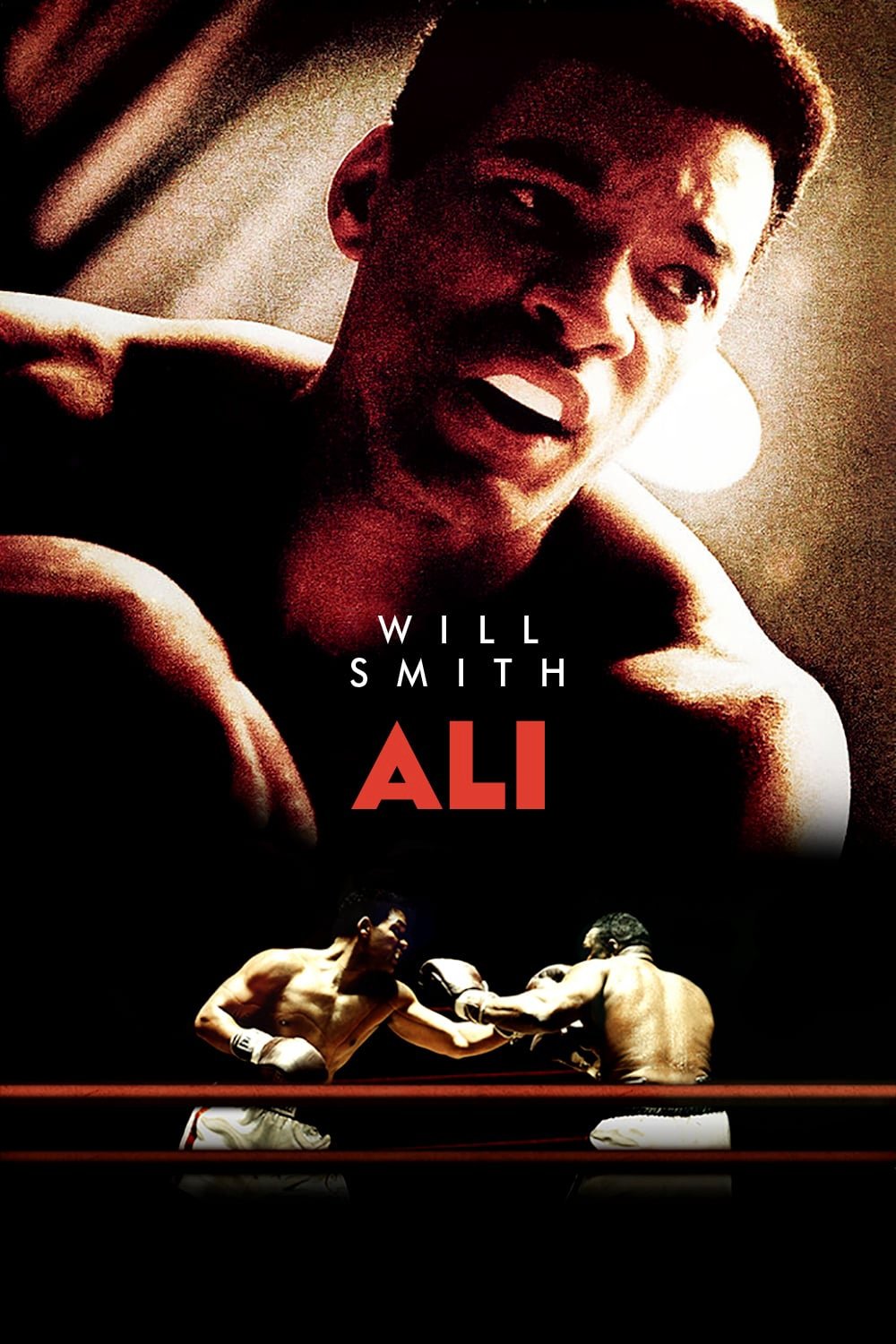
Will Smith’s casting as Muhammad Ali drew early skepticism about physical resemblance and boxing credibility. Smith undertook extensive training and weight gain to approximate Ali’s physique and style. Public discussion during production emphasized whether the transformation would be convincing onscreen. The scrutiny reflected broader expectations for biopic leads to achieve close physical and behavioral likeness.
‘Malcolm X’ (1992)
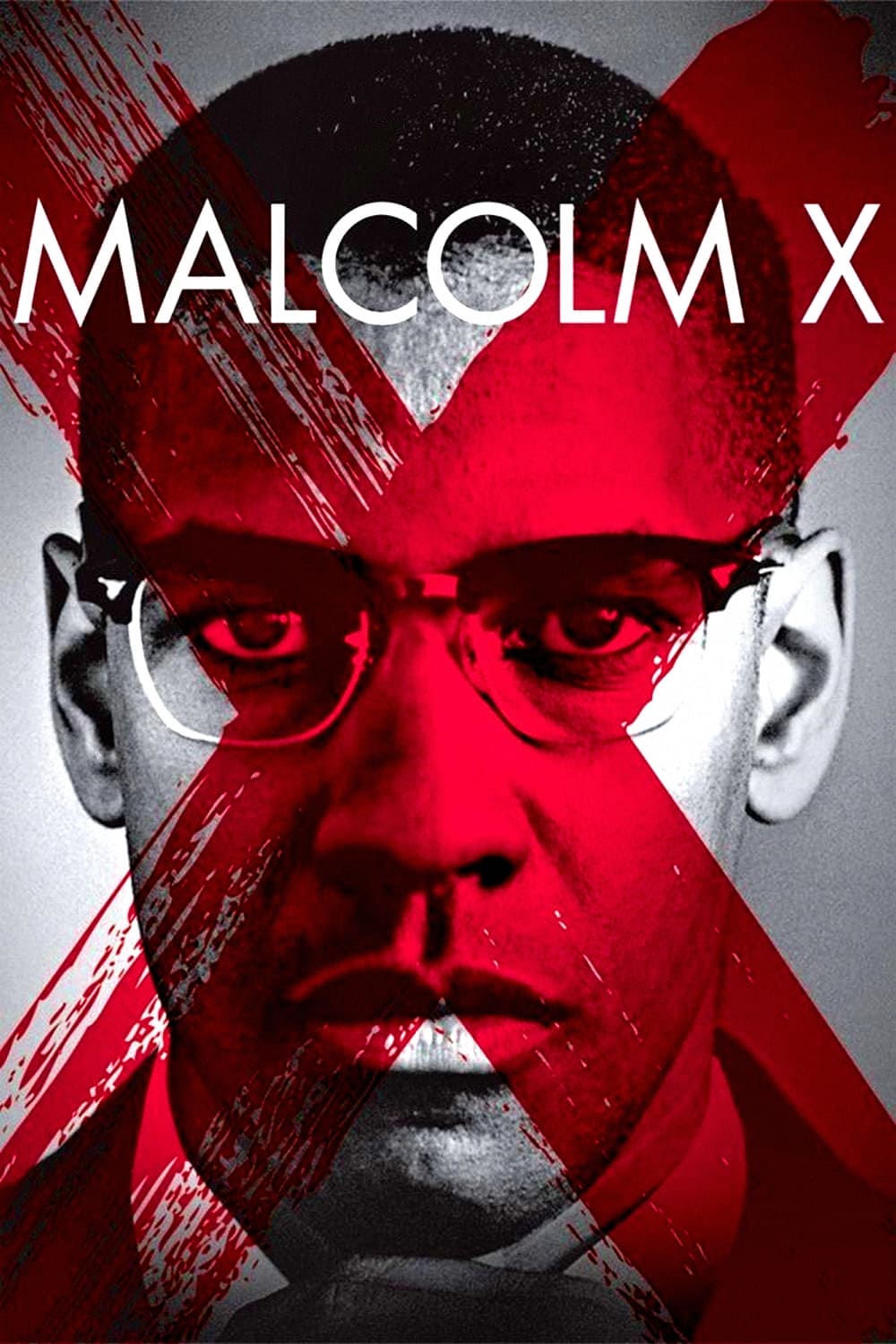
Denzel Washington’s casting as Malcolm X arrived amid intense expectations from civil-rights communities and Malcolm’s admirers. Some critics questioned whether any star could meet the burden of likeness and ideological nuance. The production navigated funding challenges and community pressure during development and release. Casting conversations were intertwined with debates about historical scope and stewardship of Malcolm’s story.
‘Mandela: Long Walk to Freedom’ (2013)
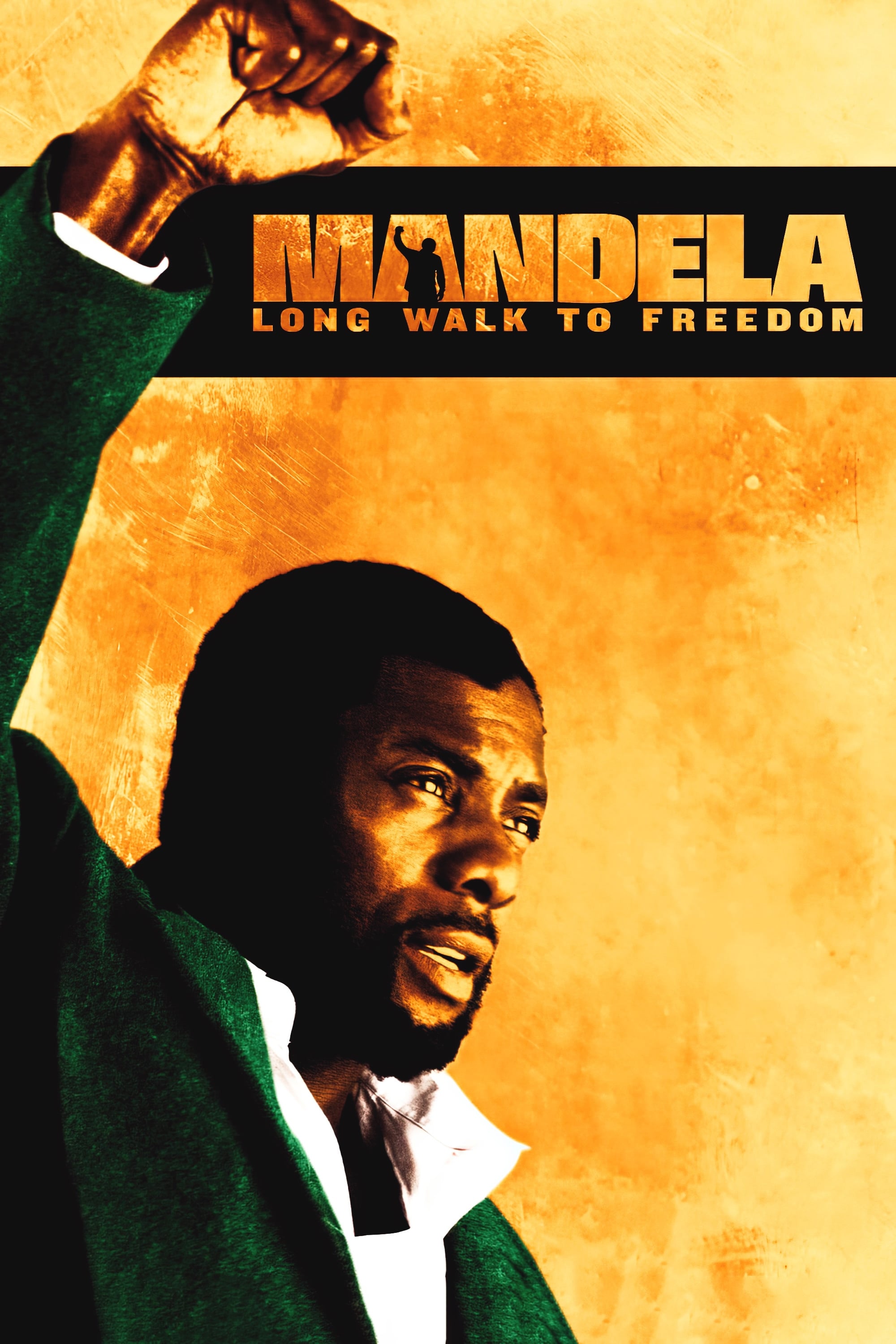
Idris Elba’s portrayal of Nelson Mandela prompted discussion about accent, stature, and the choice of a British actor for South Africa’s most famous statesman. Media coverage in South Africa tracked responses from audiences and commentators throughout release. The film’s outreach highlighted research into Mandela’s mannerisms and voice. Comparisons to earlier screen portrayals surfaced in reviews and roundtables.
‘Winnie Mandela’ (2011)
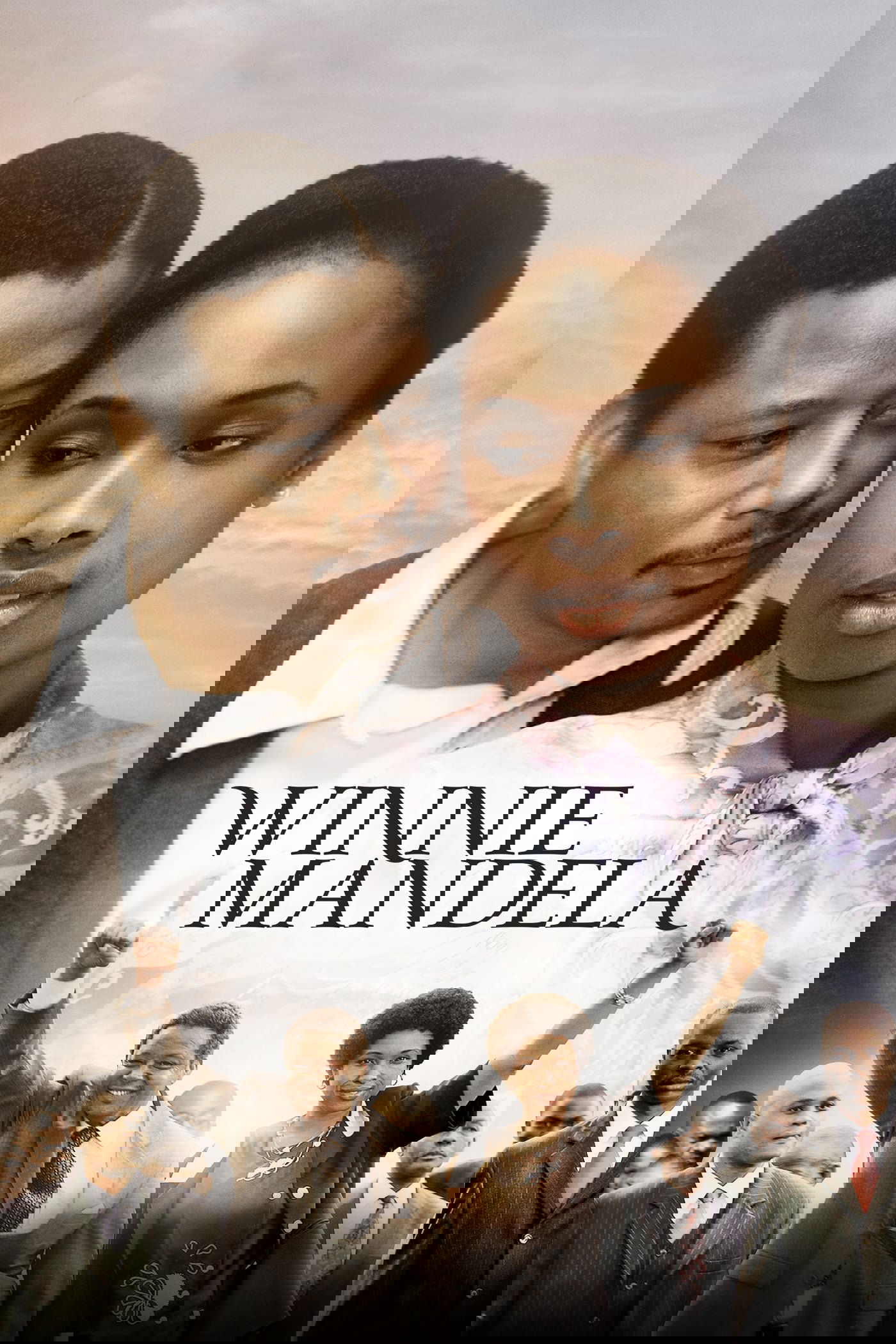
Jennifer Hudson, an American singer-actor, played South African activist Winnie Madikizela-Mandela. Critics in South Africa questioned the decision not to cast a South African lead and criticized the production’s consultation process. The subject herself raised concerns about the film’s development and accuracy. Casting discourse was inseparable from broader questions about narrative ownership.
‘Loving’ (2016)

Ruth Negga, an Ethiopian-Irish actor, portrayed Mildred Loving, who was Black and Native American. Some viewers debated nationality and cultural specificity in the casting. The filmmakers emphasized archival research and direct engagement with the Lovings’ history. Press notes and interviews addressed concerns by foregrounding preparation and historical fidelity.
‘Concussion’ (2015)
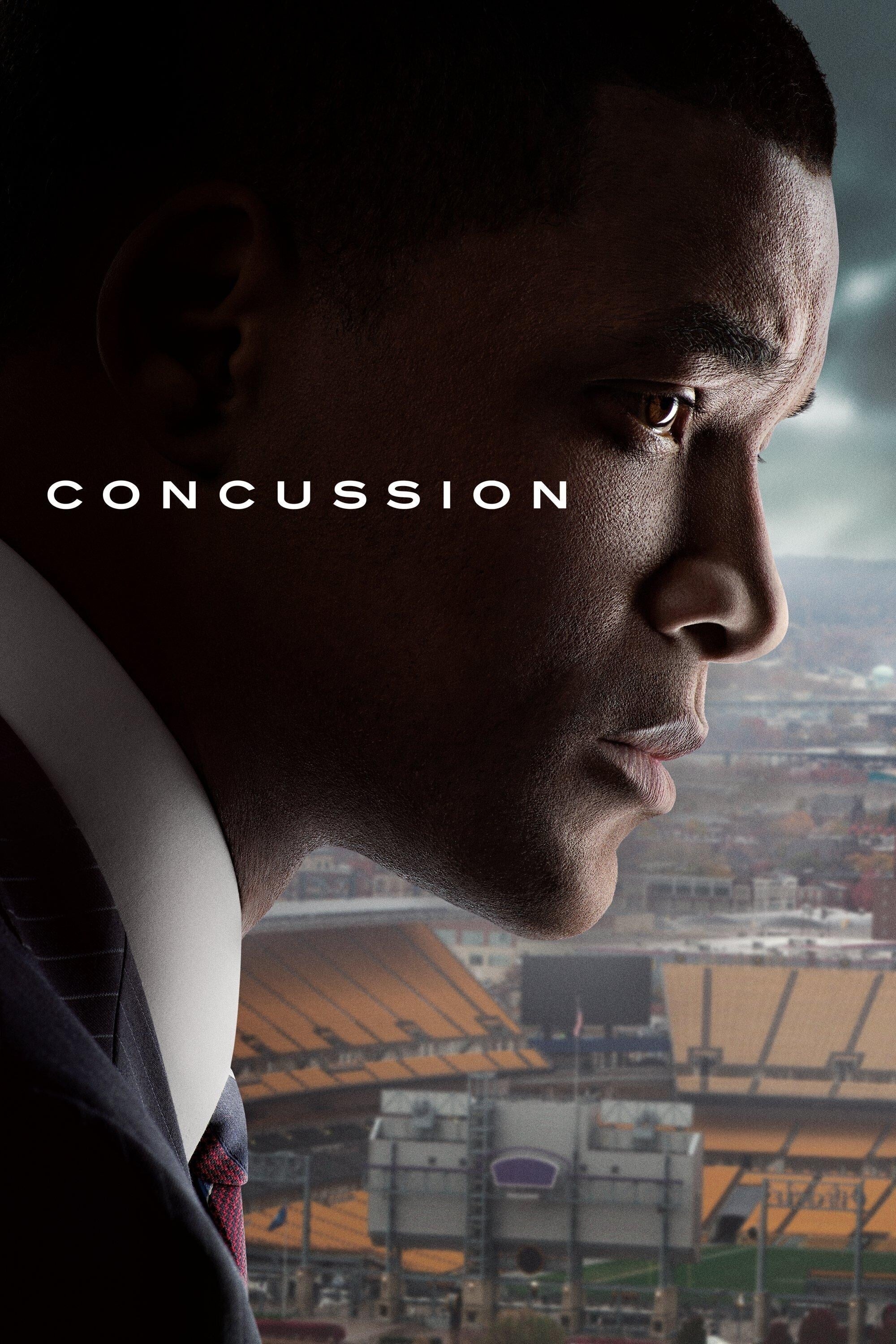
Will Smith played Dr. Bennet Omalu, a Nigerian-born pathologist who identified CTE in football players. Early reactions included criticism of Smith’s Nigerian accent and concerns about authenticity. The production consulted with Omalu and medical experts to shape the portrayal and scientific details. Discussions of casting often paralleled debates about the film’s depiction of the NFL.
‘Notorious’ (2009)
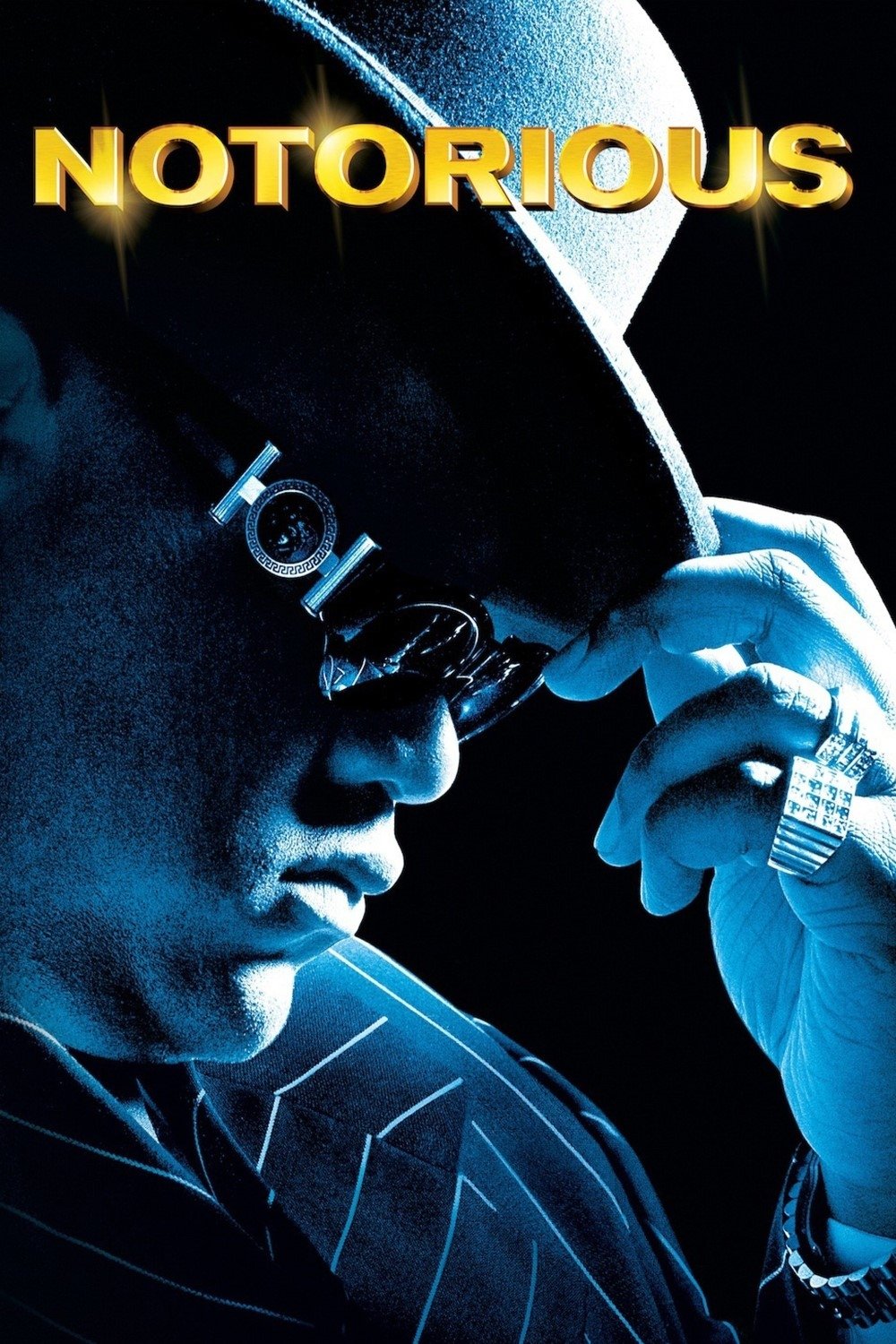
Jamal Woolard, a Brooklyn rapper, was selected to portray Christopher “The Notorious B.I.G.” Wallace. While many praised the physical resemblance, others questioned whether a first-time lead could carry a full biopic. Casting debates also involved portrayals of other hip-hop figures depicted alongside Wallace. The marketing framed Woolard’s background as an asset for capturing the artist’s presence.
Share which casting choices you think filmmakers got right—or wrong—in the comments.