

20 Early Access Success Stories That Stuck The Landing



Early access can be a long road, but some games used it to polish systems, grow communities, and ship rock-solid 1.0 releases. The picks below all launched in early access, iterated with players, and exited with stable builds packed with content. For each entry, you’ll find the developer or publisher responsible, the early-access timeline, and the core features that made the final release work. If you’re curious which projects truly “stuck the landing,” this list maps the journey from first playable to finished game.
‘Baldur’s Gate 3’ (2023)
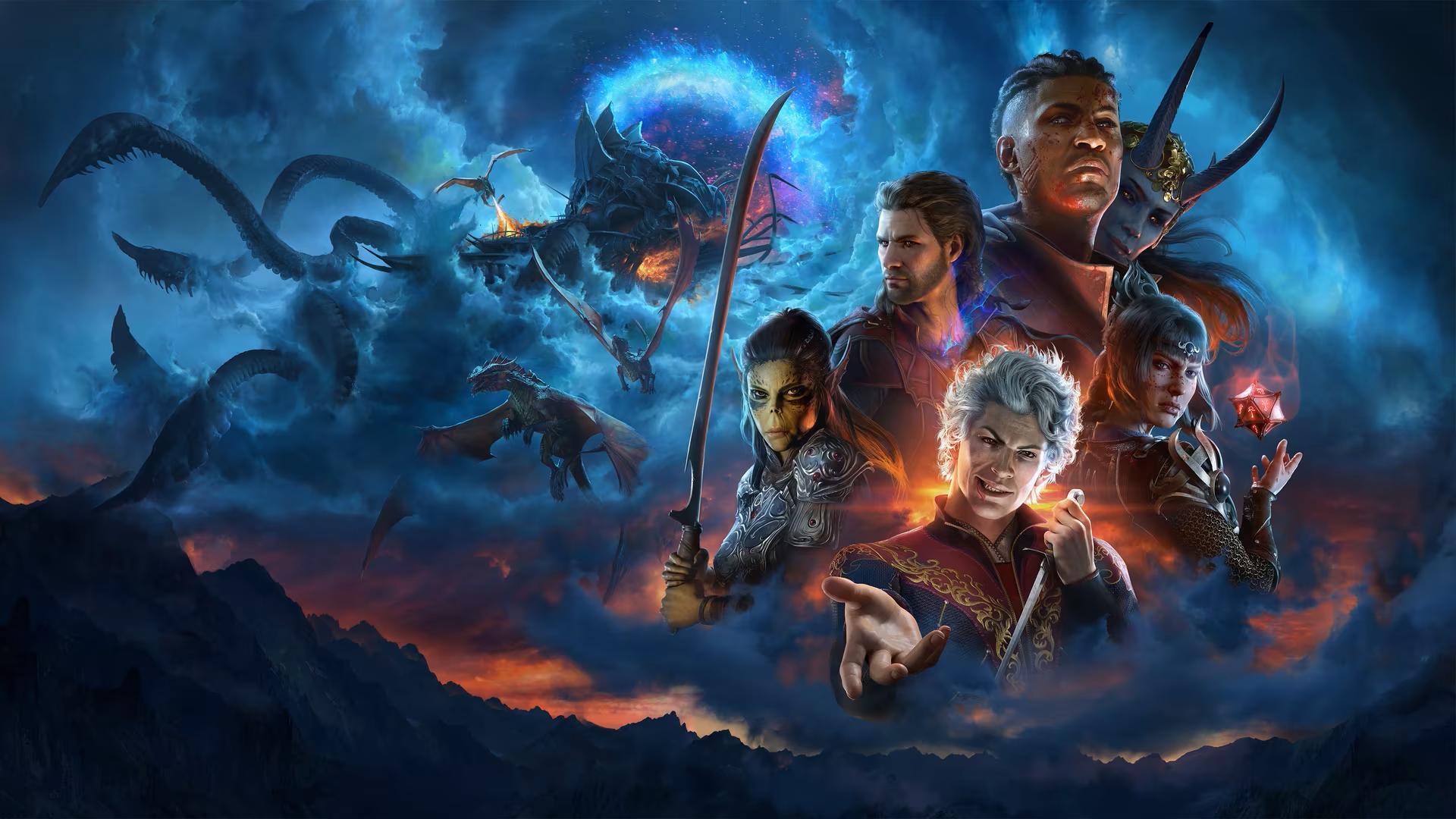
Developed and published by Larian Studios, ‘Baldur’s Gate 3’ entered early access in October 2020 and released version 1.0 in August 2023. Larian used the period to expand classes, races, and Act-based content while stress-testing complex dialogue and combat systems. The final release shipped with full controller support, extensive accessibility options, and cross-save features. Post-launch patches added performance improvements and epilogue content, building on feedback gathered during early access.
‘Hades’ (2020)
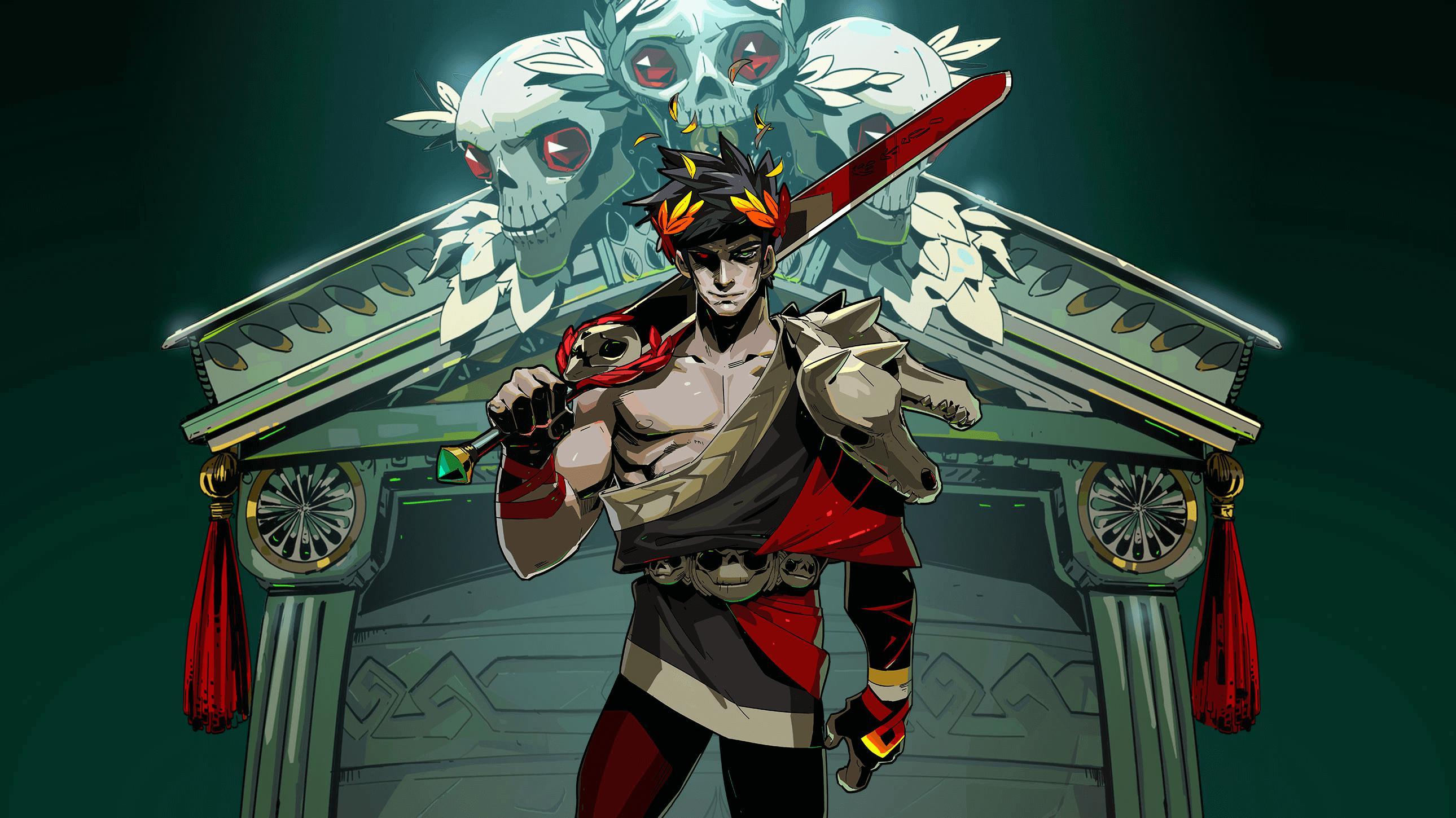
Supergiant Games brought ‘Hades’ to early access in December 2018 and reached 1.0 in September 2020. Over that time, the studio added new weapons, Olympian boons, balance updates, and full narrative arcs. The final build included complete voice acting, an endgame “Heat” system, and extensive meta-progression. Supergiant’s update cadence and public roadmaps helped players track features throughout development.
‘Slay the Spire’ (2019)
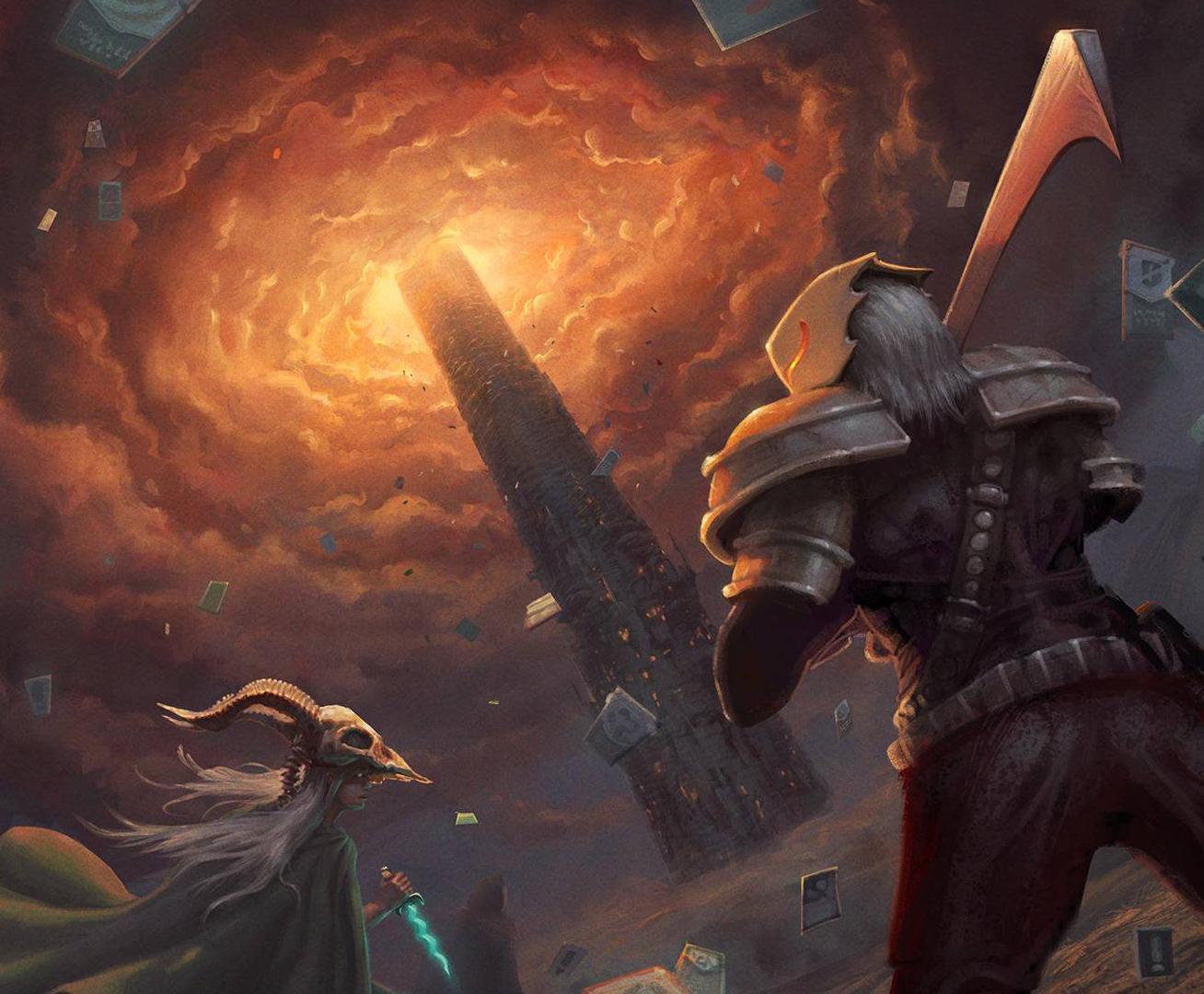
Developed by MegaCrit, ‘Slay the Spire’ launched in early access in November 2017 and hit 1.0 in January 2019. Iterations introduced new characters, relics, and card pools while refining enemy intents and map routing. The 1.0 release delivered Daily Climbs, seeded runs, and custom mode options. Post-release support added balance patches and modding hooks that grew a large workshop ecosystem.
‘Dead Cells’ (2018)
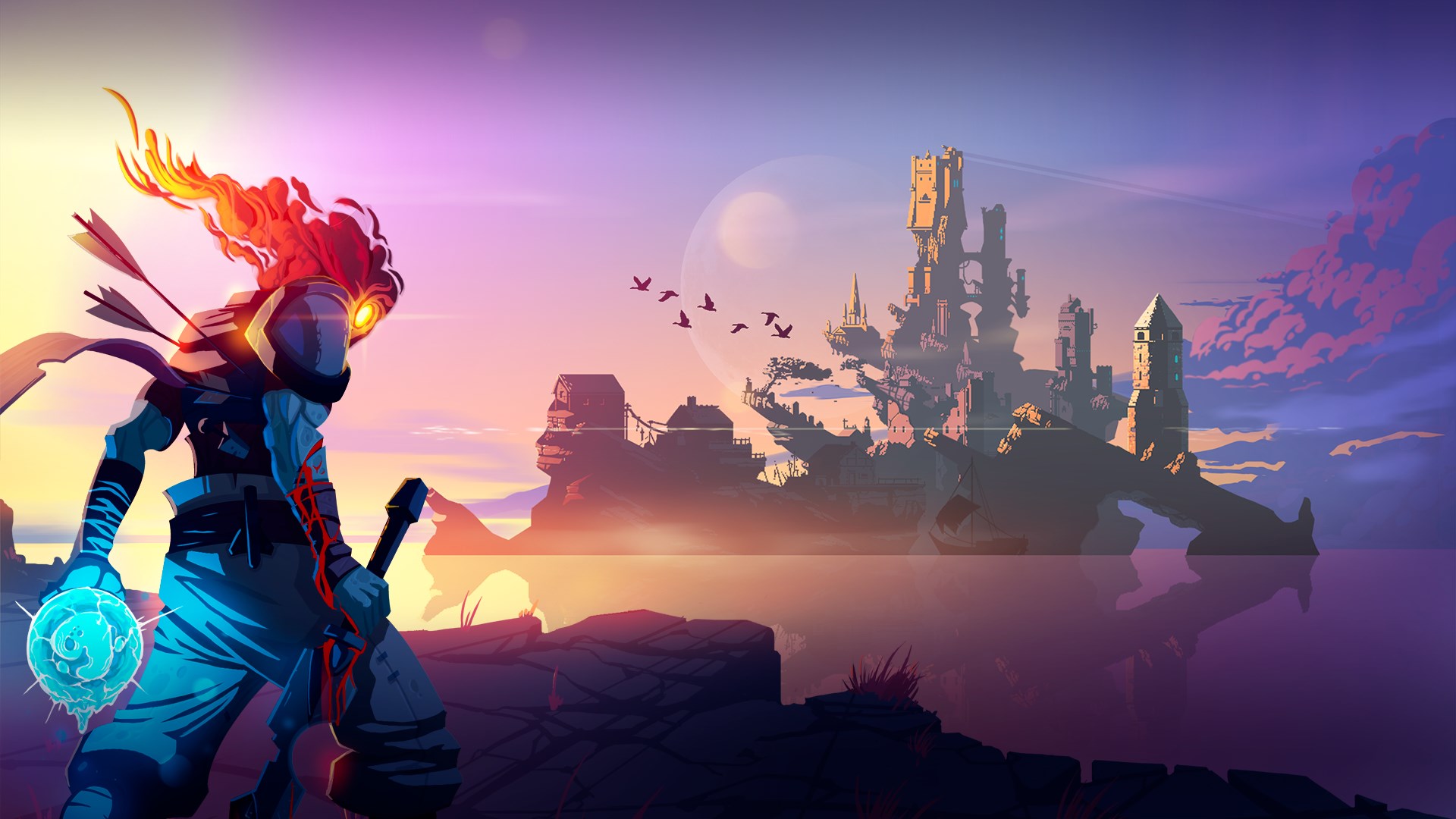
Motion Twin released ‘Dead Cells’ to early access in May 2017 and shipped 1.0 in August 2018. Development focused on biomes, weapons, and a responsive combat loop with frequent balance passes. The full release offered a complete progression structure and broad platform support. Motion Twin and Evil Empire continued post-launch with major free updates and paid DLC that integrated cleanly with the base game.
‘Subnautica’ (2018)

Unknown Worlds Entertainment entered early access with ‘Subnautica’ in December 2014 and launched 1.0 in January 2018. The studio expanded biomes, story logs, and vehicle systems while optimizing streaming for a large open world. The final version included a complete narrative path, base-building, and survival options. Ongoing patches improved performance and compatibility across platforms.
‘Factorio’ (2020)
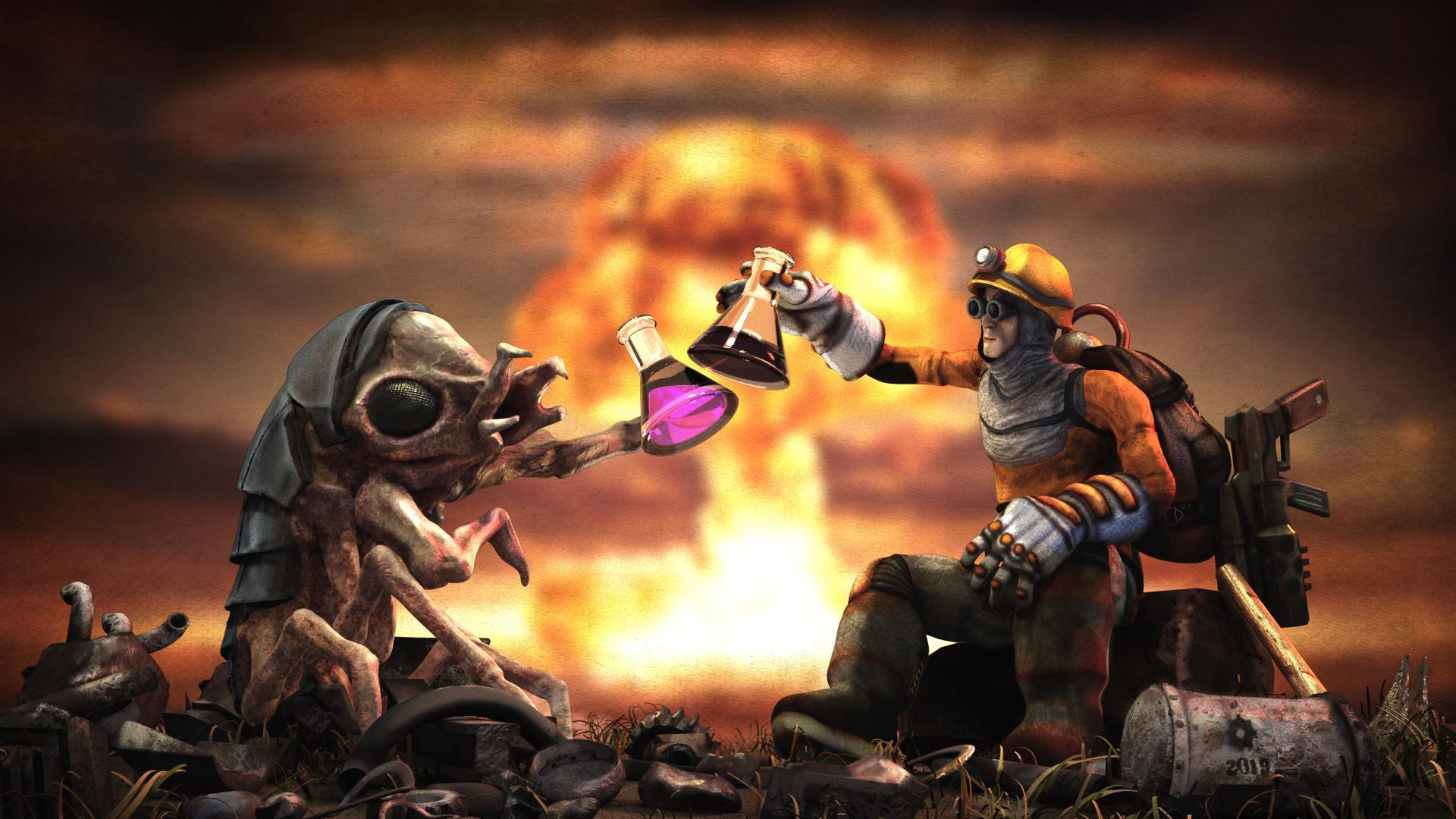
Wube Software began early access for ‘Factorio’ in February 2016 and released 1.0 in August 2020. The team focused on factory scaling, logistics, and deterministic simulation, with weekly development blogs outlining changes. Version 1.0 delivered a polished campaign, blueprint tools, and robust modding support. Later updates improved UI, UPS performance, and introduced quality-of-life features for megabase play.
‘Deep Rock Galactic’ (2020)
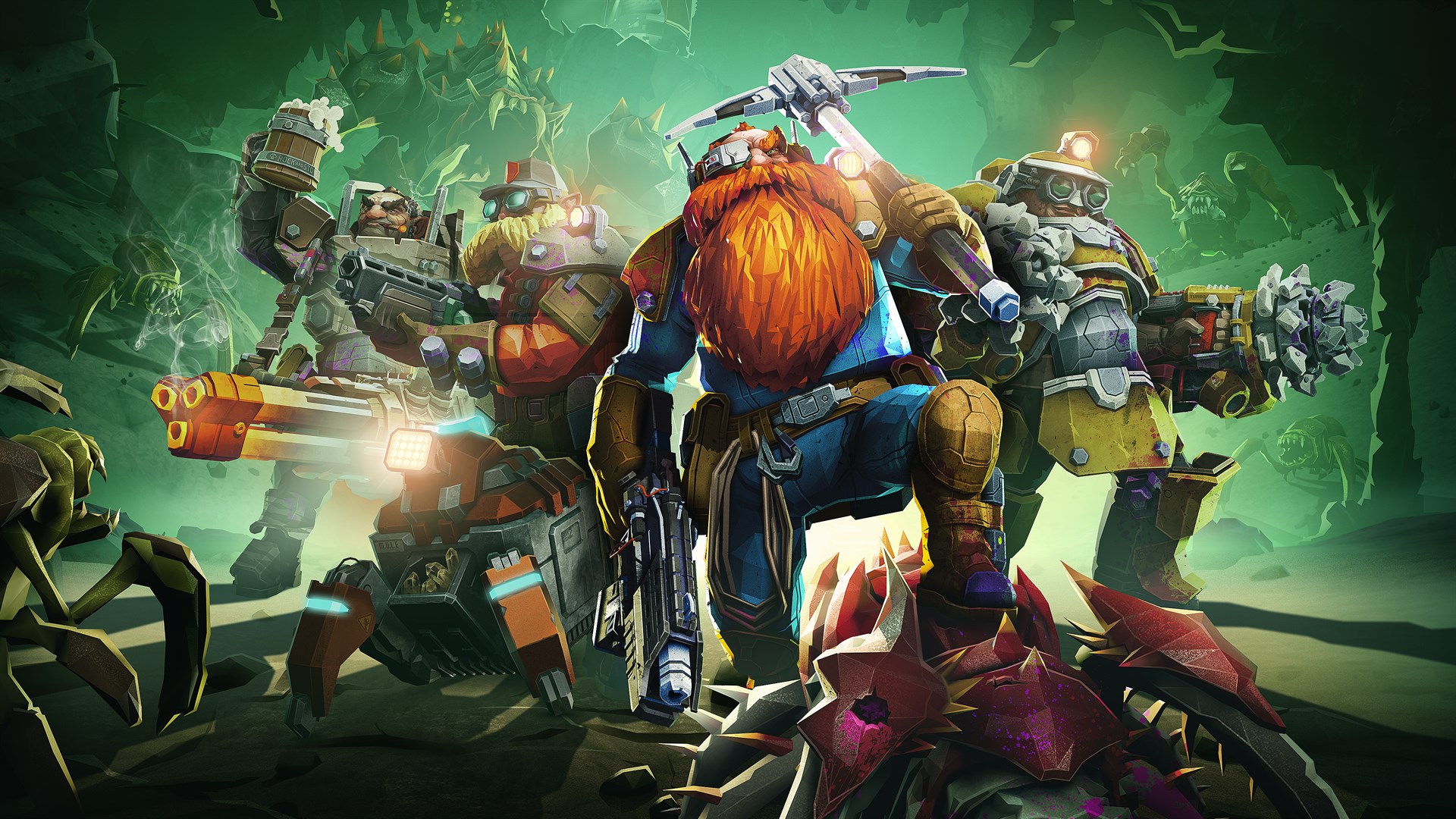
Ghost Ship Games, published by Coffee Stain Publishing, put ‘Deep Rock Galactic’ into early access in February 2018 and hit 1.0 in May 2020. Iterations added mission types, biomes, and progression layers like weapon overclocks and assignments. The 1.0 build shipped with four distinct classes, cross-play options on supported platforms, and voice chat tools. Seasonal updates and performance passes continued after release to keep matchmaking healthy.
‘Risk of Rain 2’ (2020)
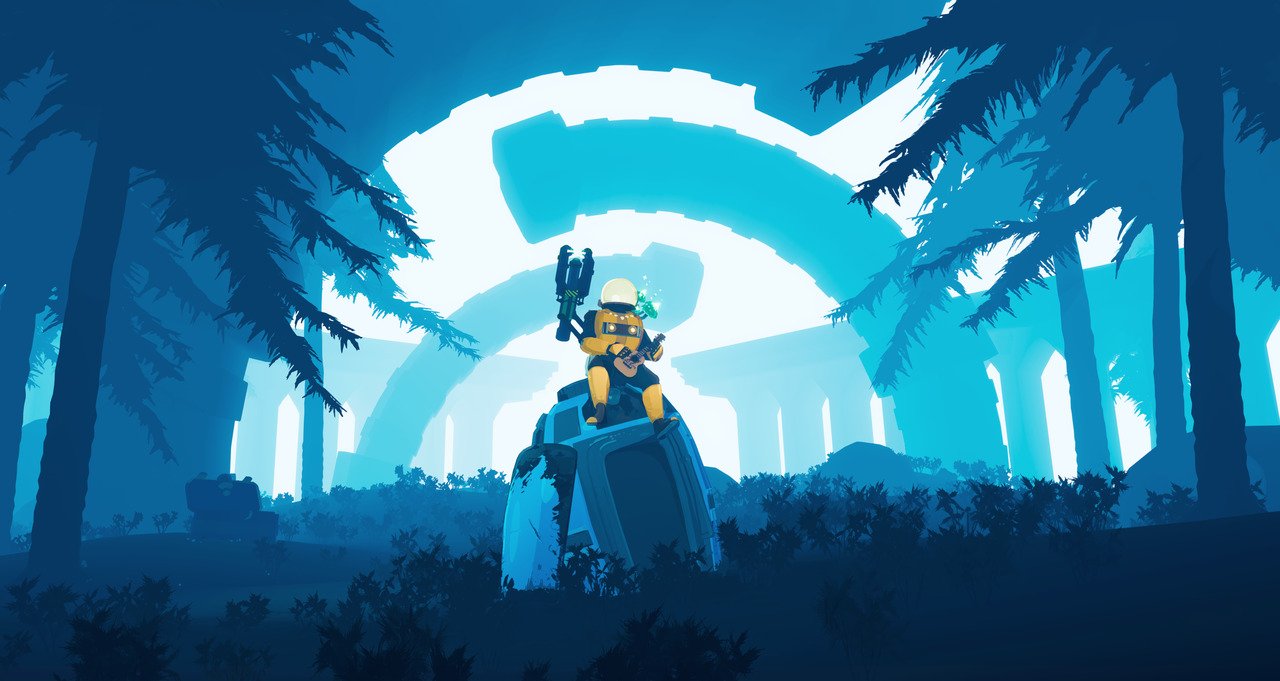
Hopoo Games, published by Gearbox Publishing, launched ‘Risk of Rain 2’ in early access in March 2019 and released 1.0 in August 2020. The studio used player telemetry to tune item drop balance, stage variety, and enemy scaling. The final build included a complete item pool, a campaign conclusion, and server browser improvements. Post-launch patches and expansions added survivors, stages, and new artifacts.
‘The Forest’ (2018)
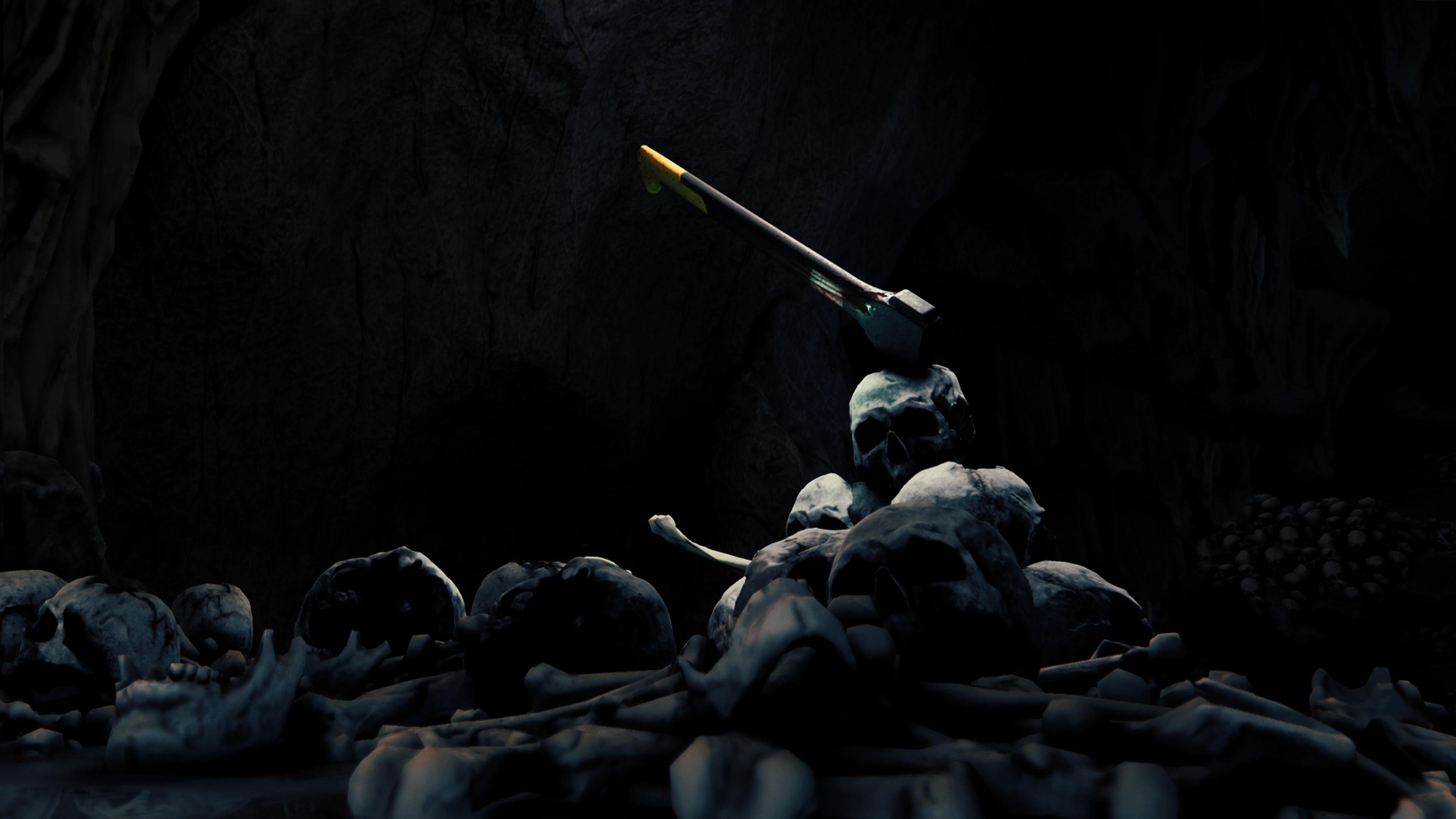
Endnight Games brought ‘The Forest’ to early access in May 2014 and shipped 1.0 in April 2018. Development emphasized AI behaviors, base-building, and cave systems while improving stability. The final release delivered a story resolution, dedicated server options, and VR support on compatible platforms. Endnight followed with updates to building mechanics and performance tuning.
‘RimWorld’ (2018)
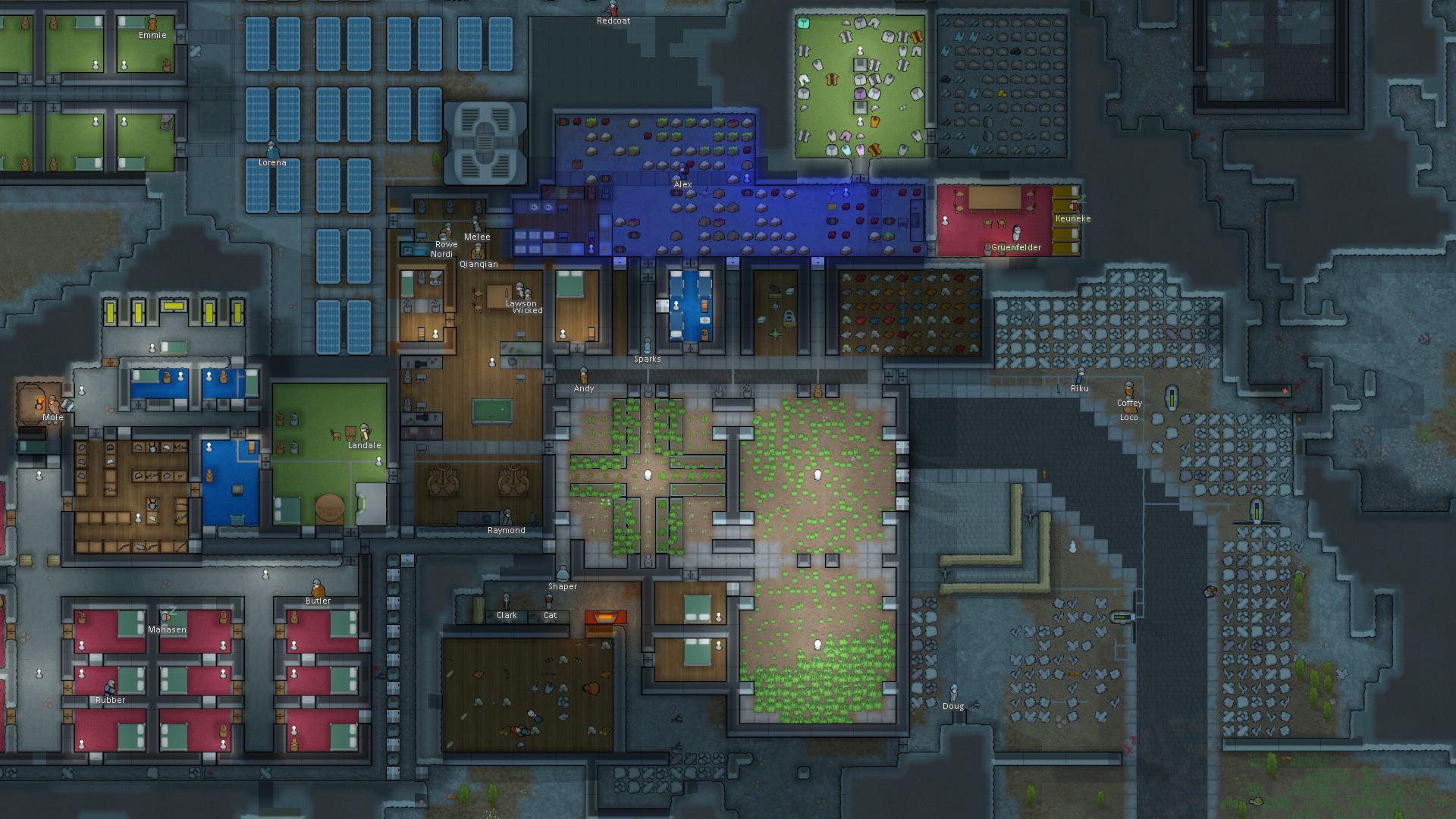
Ludeon Studios released ‘RimWorld’ in early access (alpha on Steam) in July 2016 and reached 1.0 in October 2018. The team iterated on storyteller AI, colony needs, and event systems based on community telemetry. The 1.0 version stabilized mod interfaces and supplied a complete tutorial and scenario tools. Ongoing DLC and patches expanded ideology, biotech, and world events without breaking core saves.
‘Oxygen Not Included’ (2019)

Klei Entertainment entered early access with ‘Oxygen Not Included’ in May 2017 and launched 1.0 in July 2019. Klei refined heat simulation, gas dynamics, and automation while profiling large-base performance. The final build included multiple asteroid starts, a research tree rework, and extensive tutorialization. Post-release updates added new biomes and late-game systems through expansions.
‘The Long Dark’ (2017)
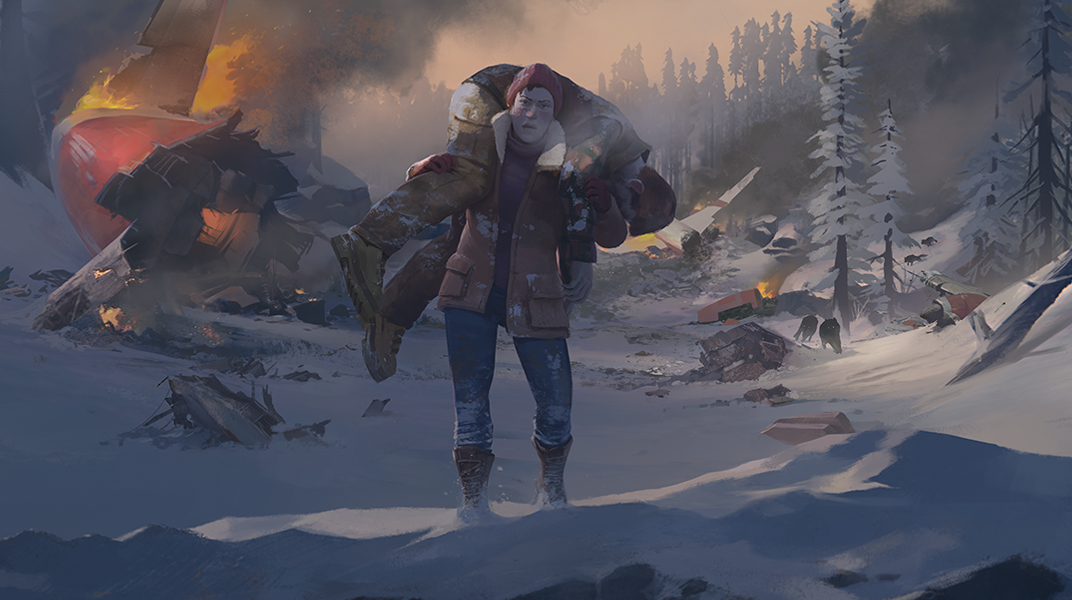
Hinterland Studio started early access for ‘The Long Dark’ in September 2014 and released 1.0 in August 2017. The studio used the period to finalize survival mechanics, region design, and the first episodes of its story mode. The launch build delivered sandbox and episodic content with save-system improvements. Subsequent updates expanded regions, revamped UI, and added accessibility settings.
‘Vampire Survivors’ (2022)
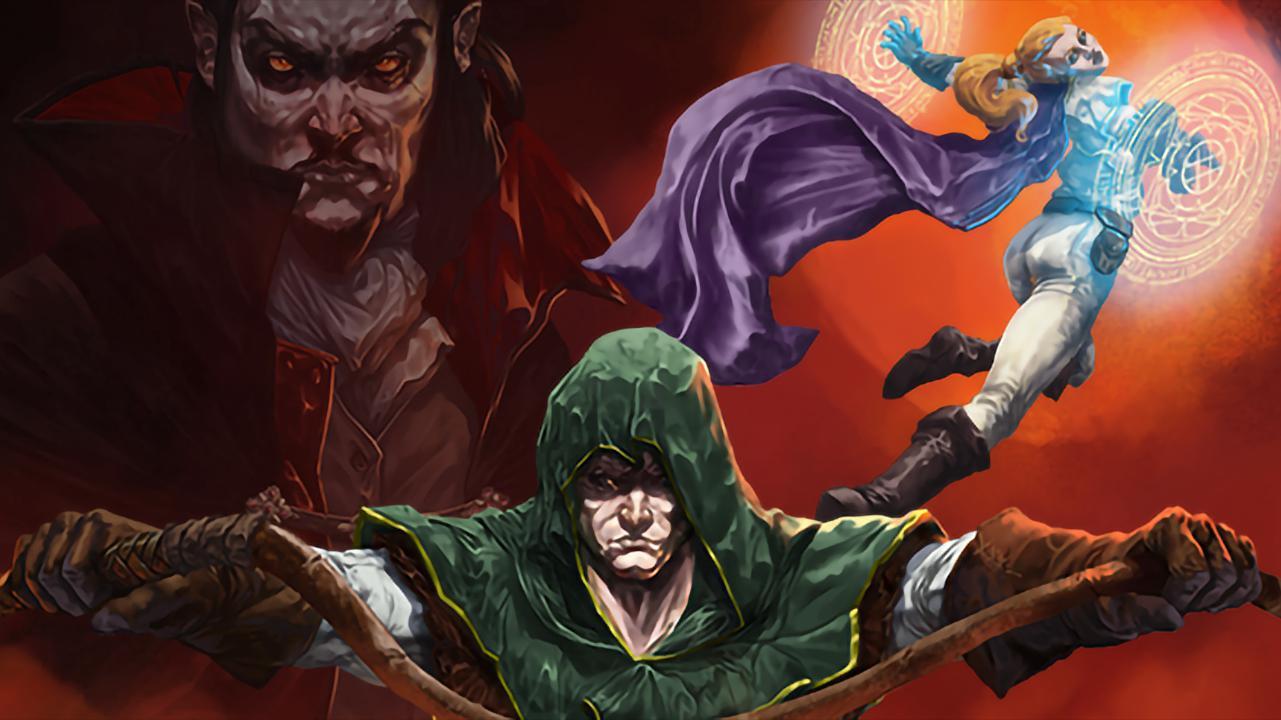
Developed and published by poncle, ‘Vampire Survivors’ entered early access in December 2021 and shipped 1.0 in October 2022. Frequent patches added characters, weapons, and stage variants while reducing load times on lower-end hardware. The final release provided a complete unlock flow and achievements across platforms. Post-launch updates introduced engine upgrades and additional modes via DLC.
‘Teardown’ (2022)

Tuxedo Labs launched ‘Teardown’ in early access in October 2020 and released 1.0 in April 2022. Development centered on voxel destruction, heist design, and performance optimizations for large physics scenes. The 1.0 version included a full campaign, sandbox tools, and Steam Workshop integration. Updates afterward added ray tracing improvements and new missions supporting mod creators.
‘Rogue Legacy 2’ (2022)
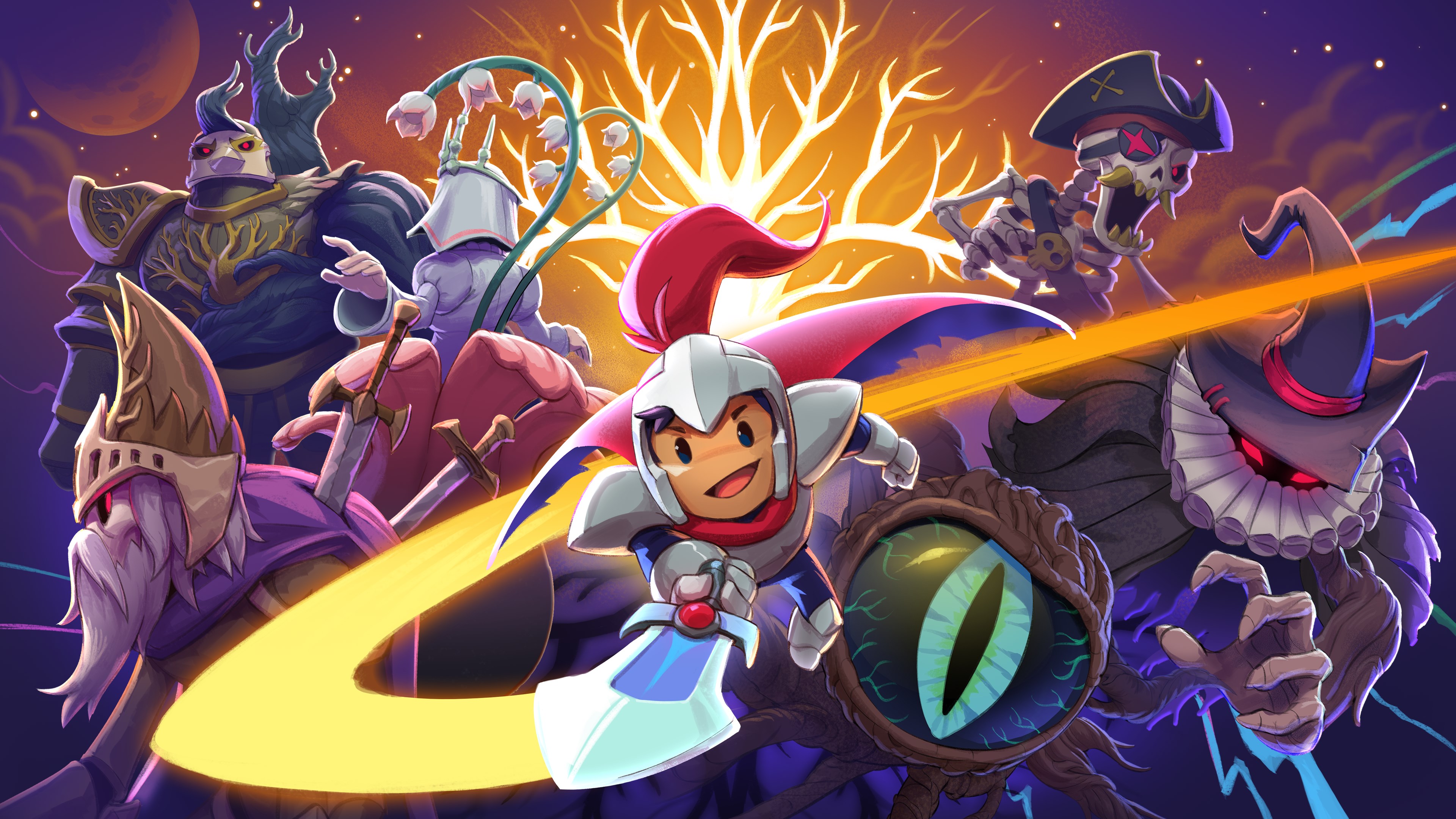
Cellar Door Games started early access for ‘Rogue Legacy 2’ in August 2020 and rolled out 1.0 in April 2022. Iterations refined class traits, biome progression, and meta upgrades while improving input responsiveness. The full release delivered a complete boss lineup, NG+ systems, and accessibility toggles. Continued patches balanced classes and added house rules for flexible difficulty.
‘Gunfire Reborn’ (2021)

Duoyi Games released ‘Gunfire Reborn’ into early access in May 2020 and launched 1.0 in November 2021. Updates expanded hero rosters, weapon pools, and ascension systems, alongside netcode improvements. The final build offered four-player co-op, controller support, and a stable endgame loop. Post-release content drops introduced new heroes and stages across platforms.
‘Across the Obelisk’ (2022)

Dreamsite Games, published by Paradox Arc, brought ‘Across the Obelisk’ to early access in April 2021 and reached 1.0 in August 2022. Development focused on co-op deckbuilding, class synergies, and event scripting. The launch version included a full campaign pathing system, meta progression, and mod support. Regular patches added hero trees, artifacts, and balance updates.
‘Sun Haven’ (2023)

Pixel Sprout Studios launched ‘Sun Haven’ in early access in June 2021 and shipped 1.0 in March 2023. The team expanded farming, skill trees, and multi-biome regions while improving multiplayer stability. The final release provided romance arcs, full questlines, and cross-platform availability on supported systems. Post-launch patches added festivals, pets, and controller improvements.
‘Satisfactory’ (2024)
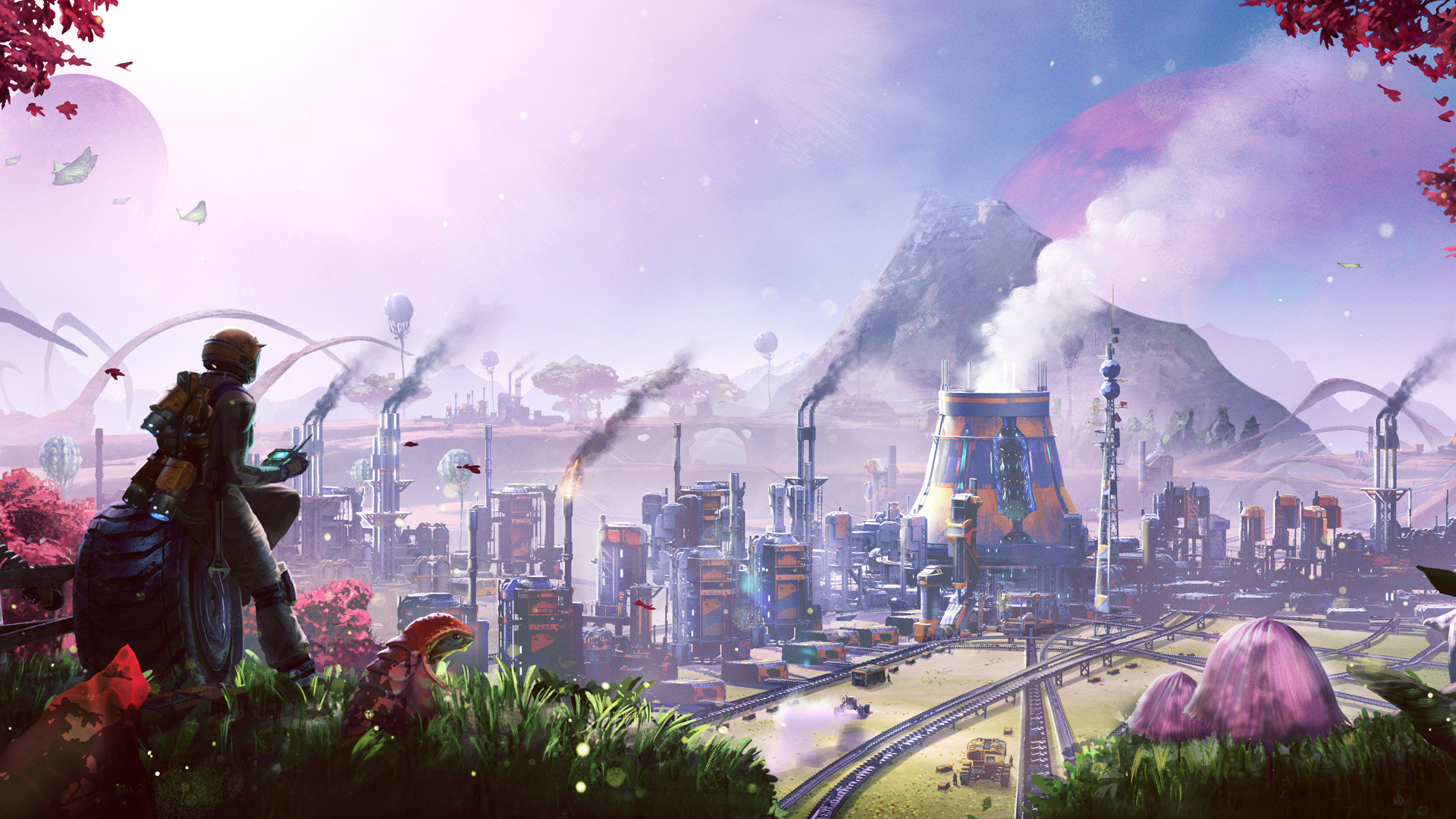
Coffee Stain Studios released ‘Satisfactory’ to early access in March 2019 and delivered 1.0 in September 2024. Iterations over multiple update branches refined trains, blueprints, and late-tier production while raising performance ceilings. The final build included a complete milestone ladder, map polish, and QoL features like build modes and logistics visualization. Continued updates addressed balance and added presets for factory planning.
‘Dyson Sphere Program’ (2024)
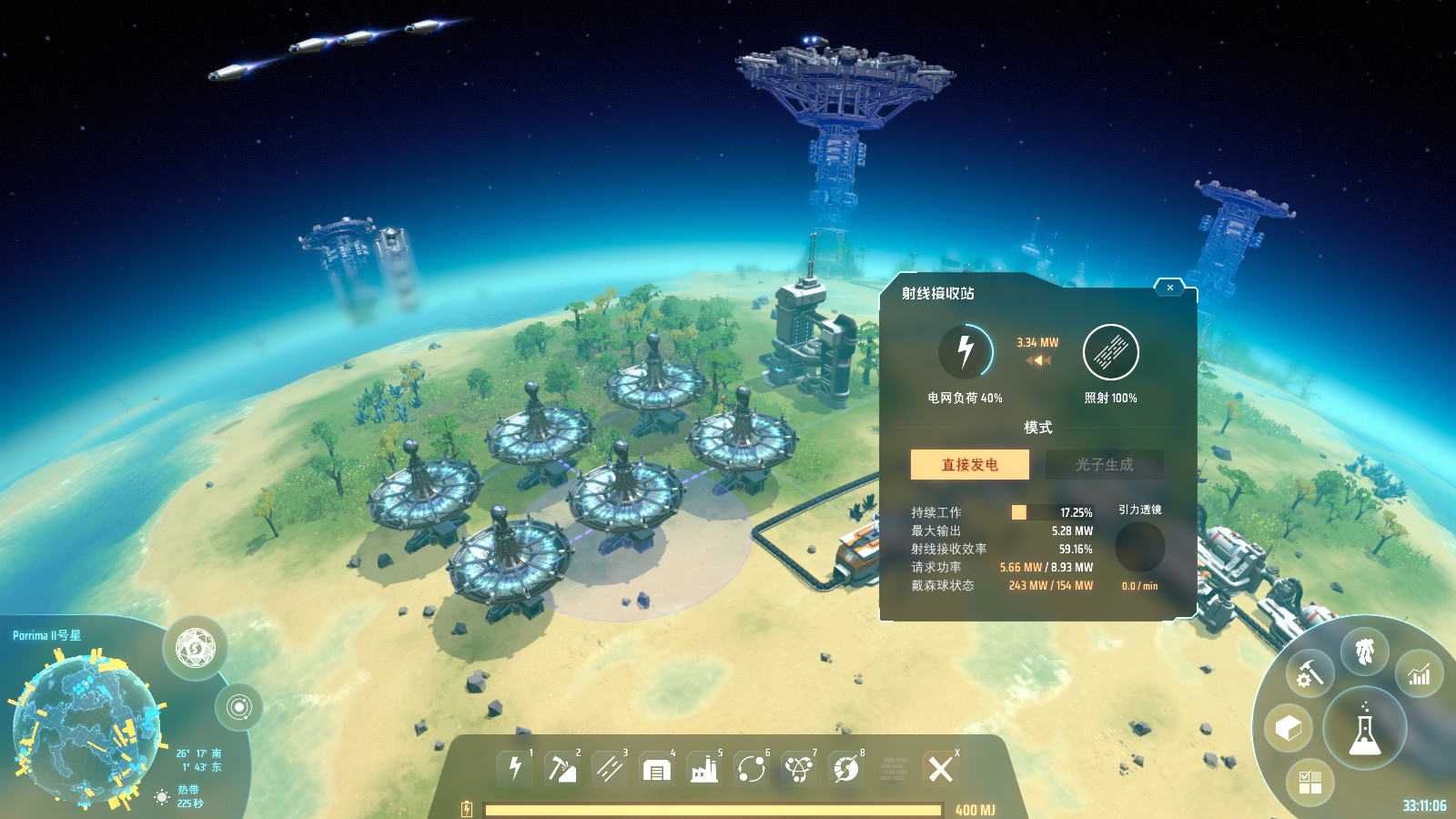
Youthcat Studio, published by Gamera Games, entered early access with ‘Dyson Sphere Program’ in January 2021 and launched 1.0 in December 2024. The team broadened star-system generation, logistics vessels, and combat while optimizing multi-planet performance. Version 1.0 shipped with a finished tech tree, endgame objectives, and controller support on applicable platforms. Post-release hotfixes stabilized saves and improved UI for large-scale factory management.
Share which early access journeys impressed you most—and the features that sealed the deal for you—in the comments!