


20 Films Where Black Directors Subverted Hollywood’s White Savior Tropes

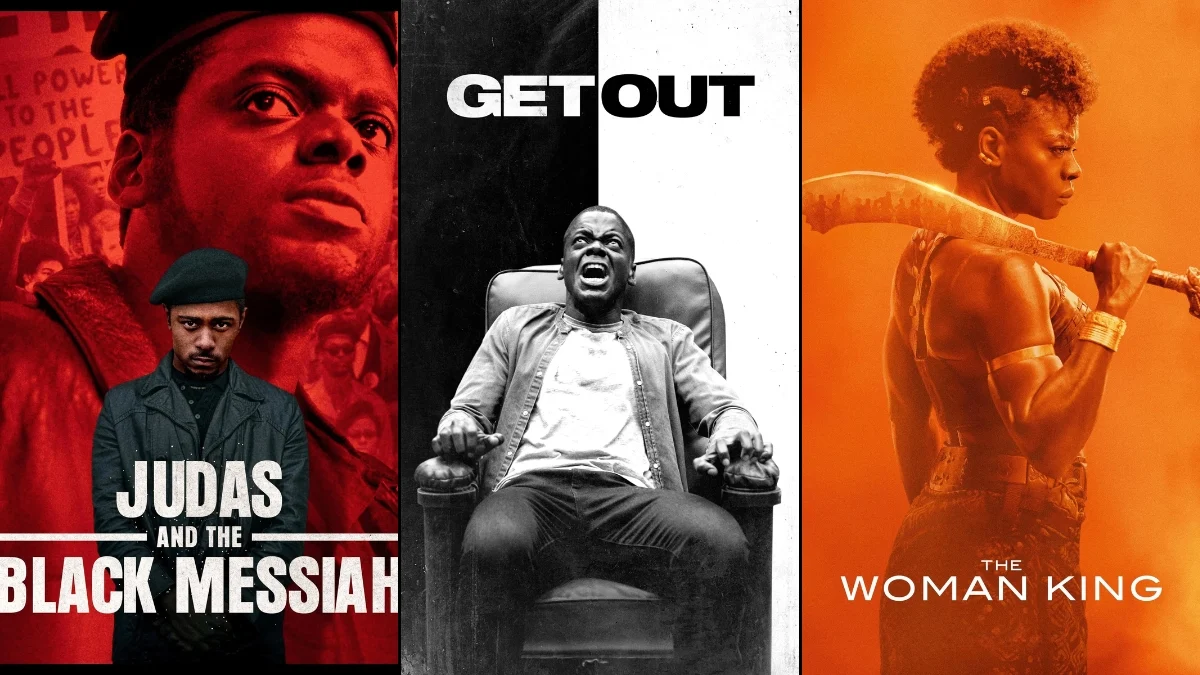


Hollywood has historically relied on the white savior trope to make stories about Black life palatable for mainstream audiences. This narrative device often reduces Black characters to passive victims who require a white protagonist to rescue or validate them. A generation of Black directors has actively worked to dismantle this cliché by centering Black agency and complexity. The following films showcase how filmmakers have reclaimed their stories and subverted traditional power dynamics.
‘Get Out’ (2017)
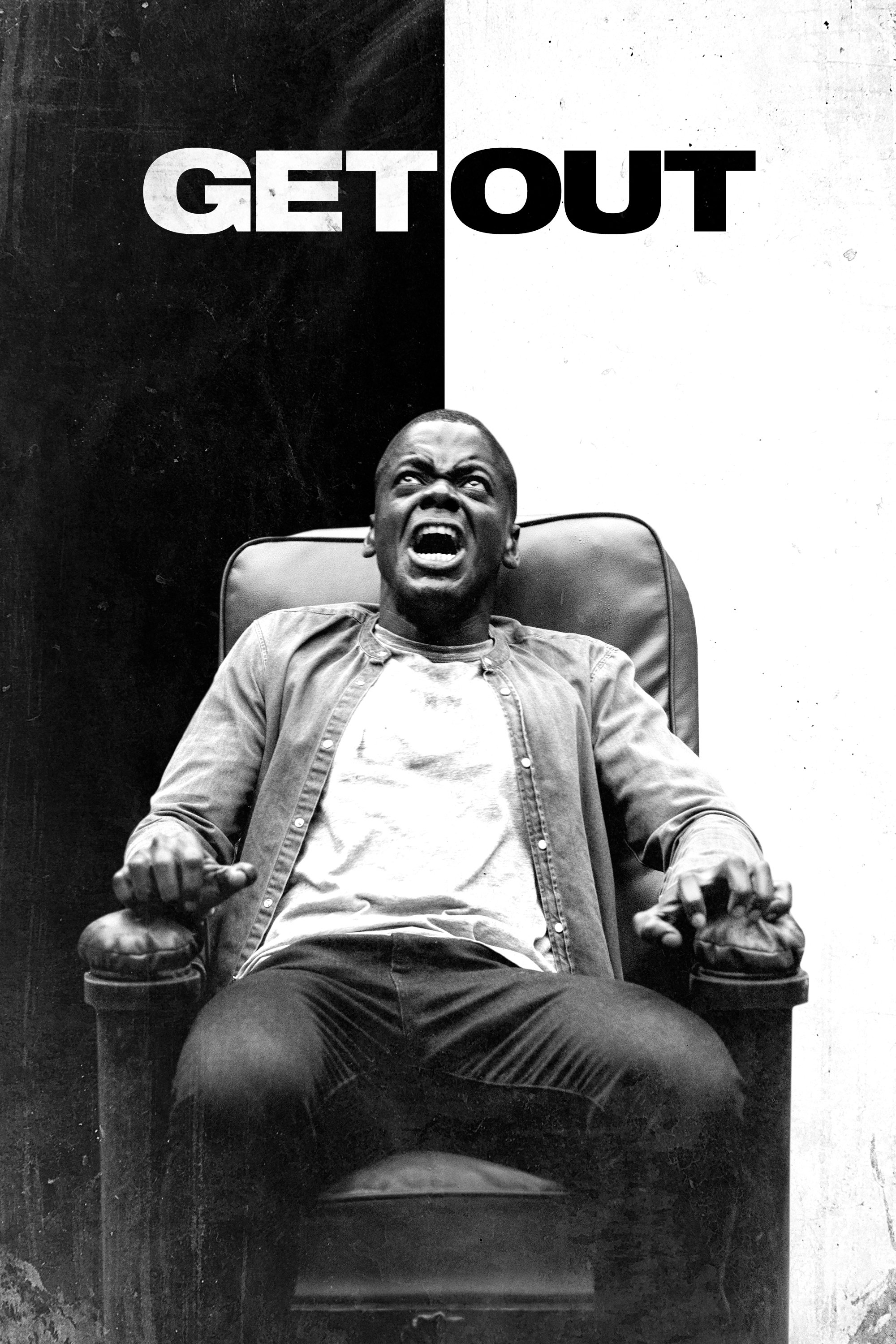
Jordan Peele deconstructs the concept of the liberal ally in this psychological horror masterpiece. Chris finds himself trapped in a nightmare scenario where white admiration for Black bodies turns predatory rather than benevolent. The film exposes the insidious nature of modern racism that hides behind smiling faces and performative gestures. Peele ensures that Chris must rely entirely on his own wits and resourcefulness to survive the ordeal.
‘Selma’ (2014)
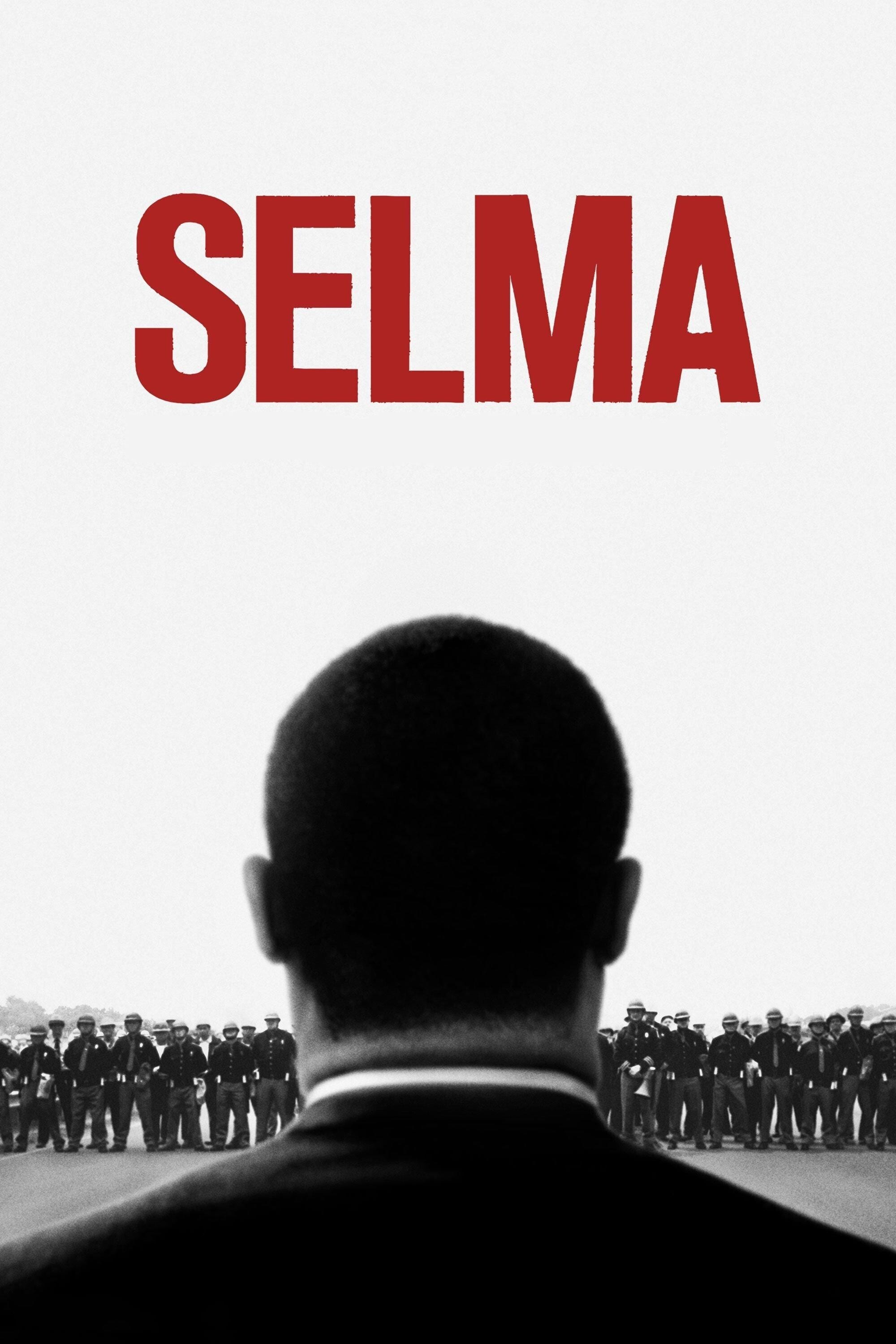
Ava DuVernay intentionally shifts the focus away from President Lyndon B. Johnson to center the agency of Dr. Martin Luther King Jr. and the civil rights organizers. Historical dramas often credit white political figures for legislative change while sidelining the activists who forced their hands. This film depicts the strategic brilliance and emotional toll experienced by the Black community during the marches. DuVernay refuses to let a white savior narrative overshadow the collective power of the movement.
‘Black Panther’ (2018)
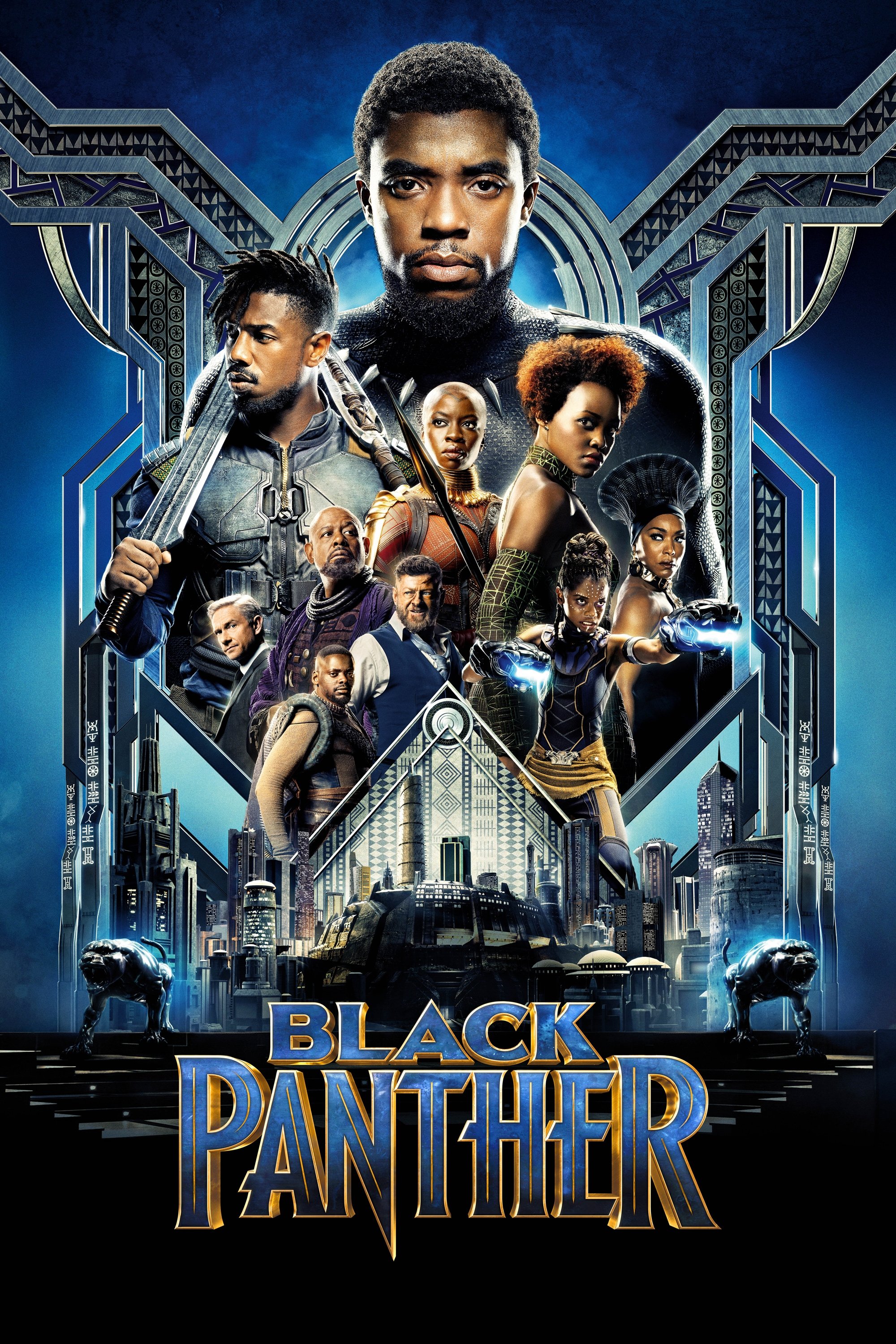
Ryan Coogler brilliantly inverts the traditional role of the white government agent in this superhero epic. Everett Ross acts as a supporting character who requires protection and guidance from the technically advanced Wakandans. The narrative centers on T’Challa and his family as they resolve their own internal conflicts without needing external validation. This framing challenges the genre convention that requires a Western outsider to bridge the gap for the audience.
‘Da 5 Bloods’ (2020)
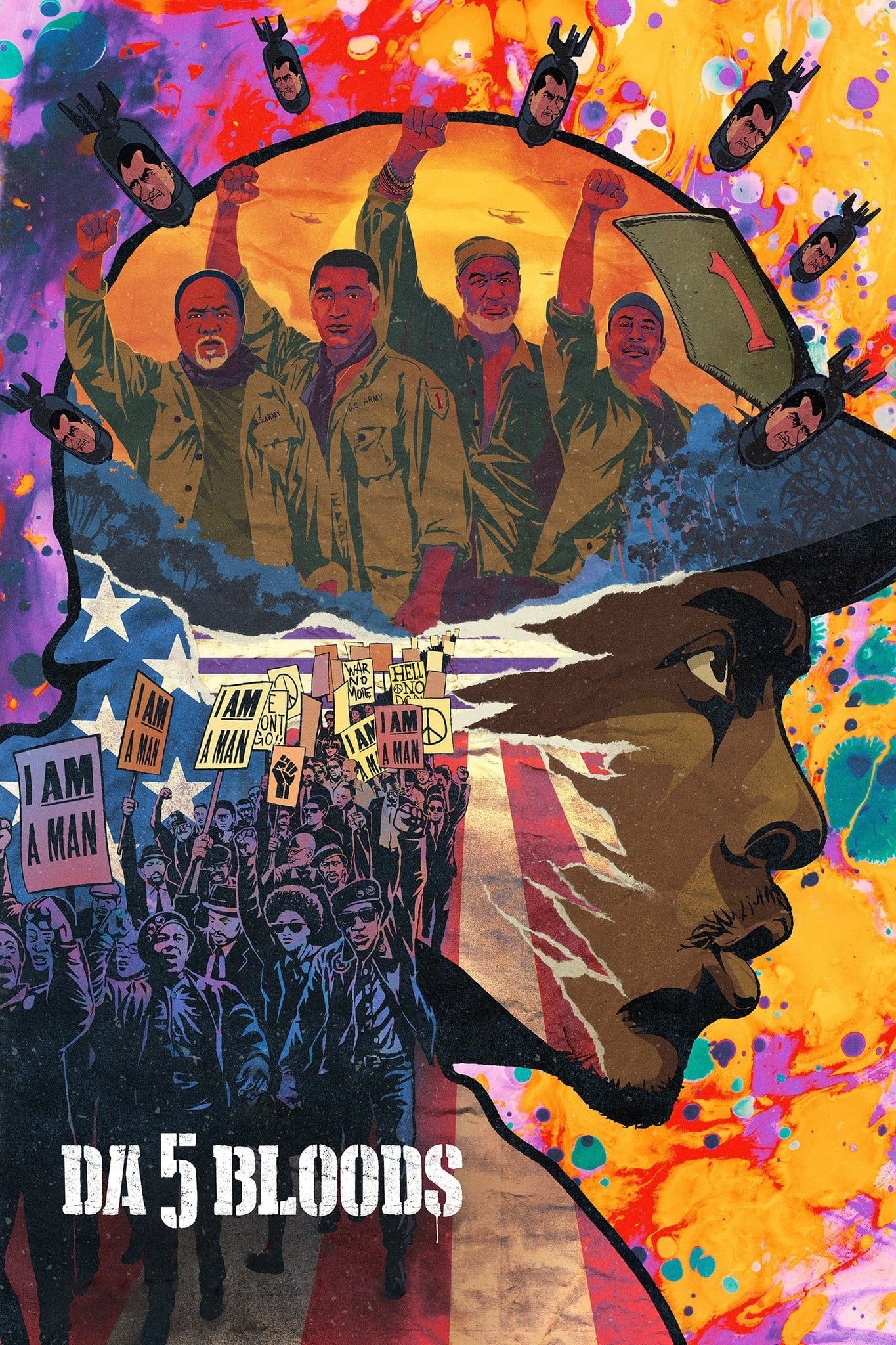
Spike Lee reclaims the Vietnam War narrative by focusing on the experiences of Black soldiers who were often erased from Hollywood depictions. Four veterans return to the jungle to retrieve the remains of their fallen squad leader and a stash of buried gold. The film confronts the paradox of fighting for a country that oppressed them back home. Lee subverts the typical war movie trope where white soldiers are the primary heroes and moral centers.
‘The Harder They Fall’ (2021)
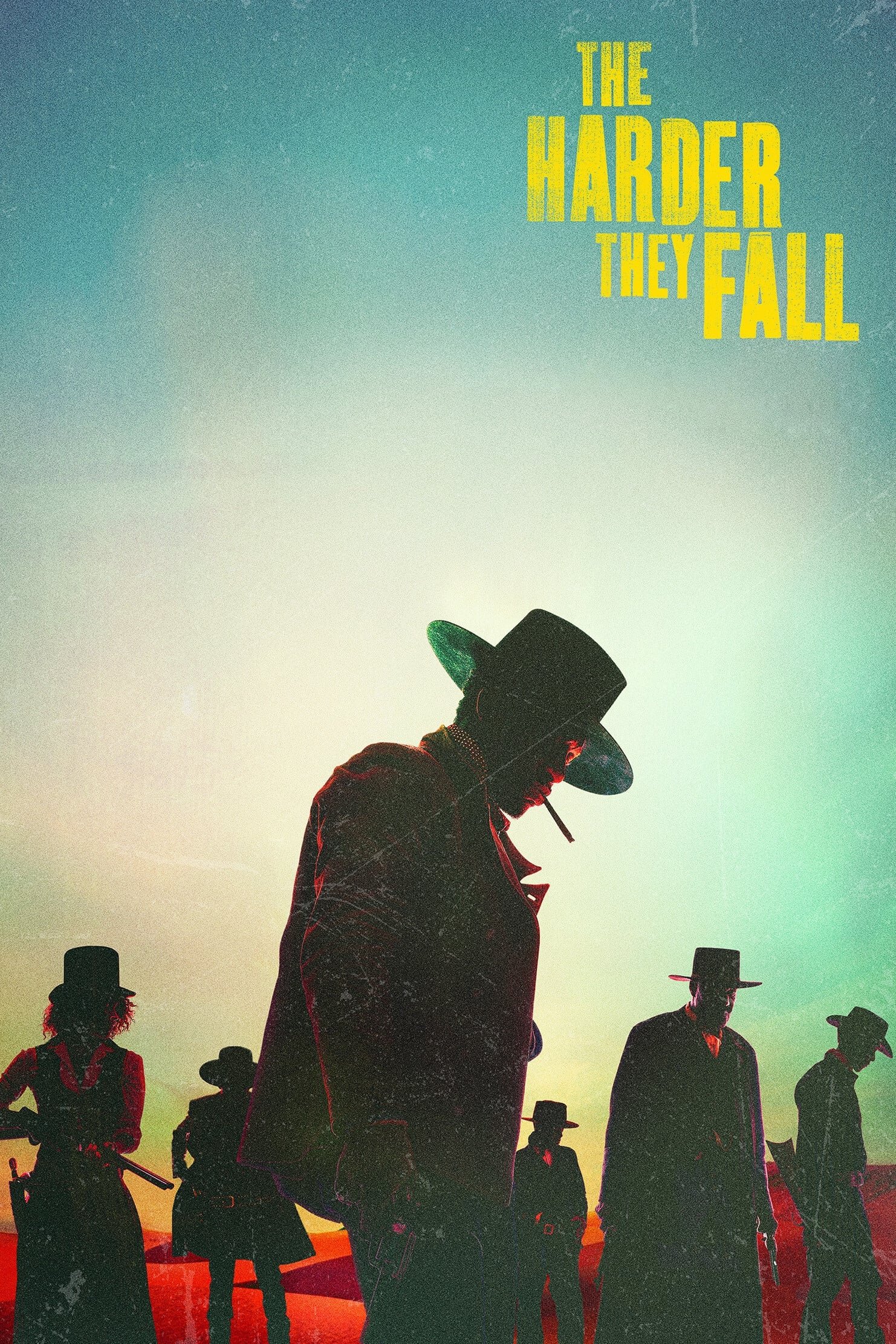
Jeymes Samuel injects style and energy into the Western genre while exclusively centering Black cowboys and outlaws. Hollywood westerns traditionally relegated Black characters to background roles or subservient positions despite their historical presence. This film allows its characters to be heroes and villains without the intervention of a white lawman. The director reclaims the frontier mythology to showcase Black autonomy and power.
‘Sweet Sweetback’s Baadasssss Song’ (1971)
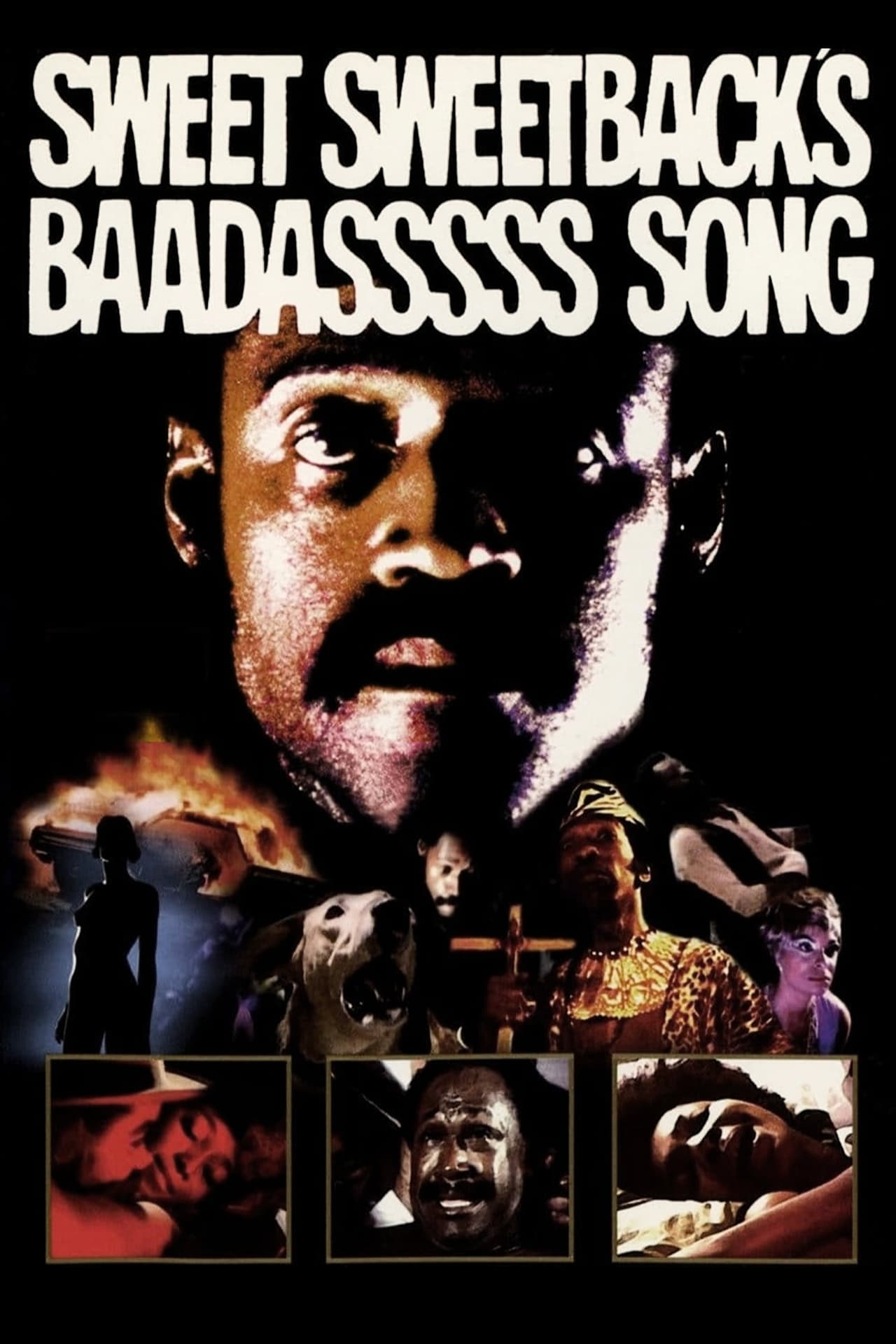
Melvin Van Peebles wrote and directed this independent film to counter the passive depictions of Black men in cinema. The protagonist refuses to die or surrender after being framed for a crime by a corrupt police force. It launched the blaxploitation era by proving audiences wanted to see Black characters win against systemic oppression. The film remains a landmark for its refusal to seek white approval or redemption.
‘American Fiction’ (2023)
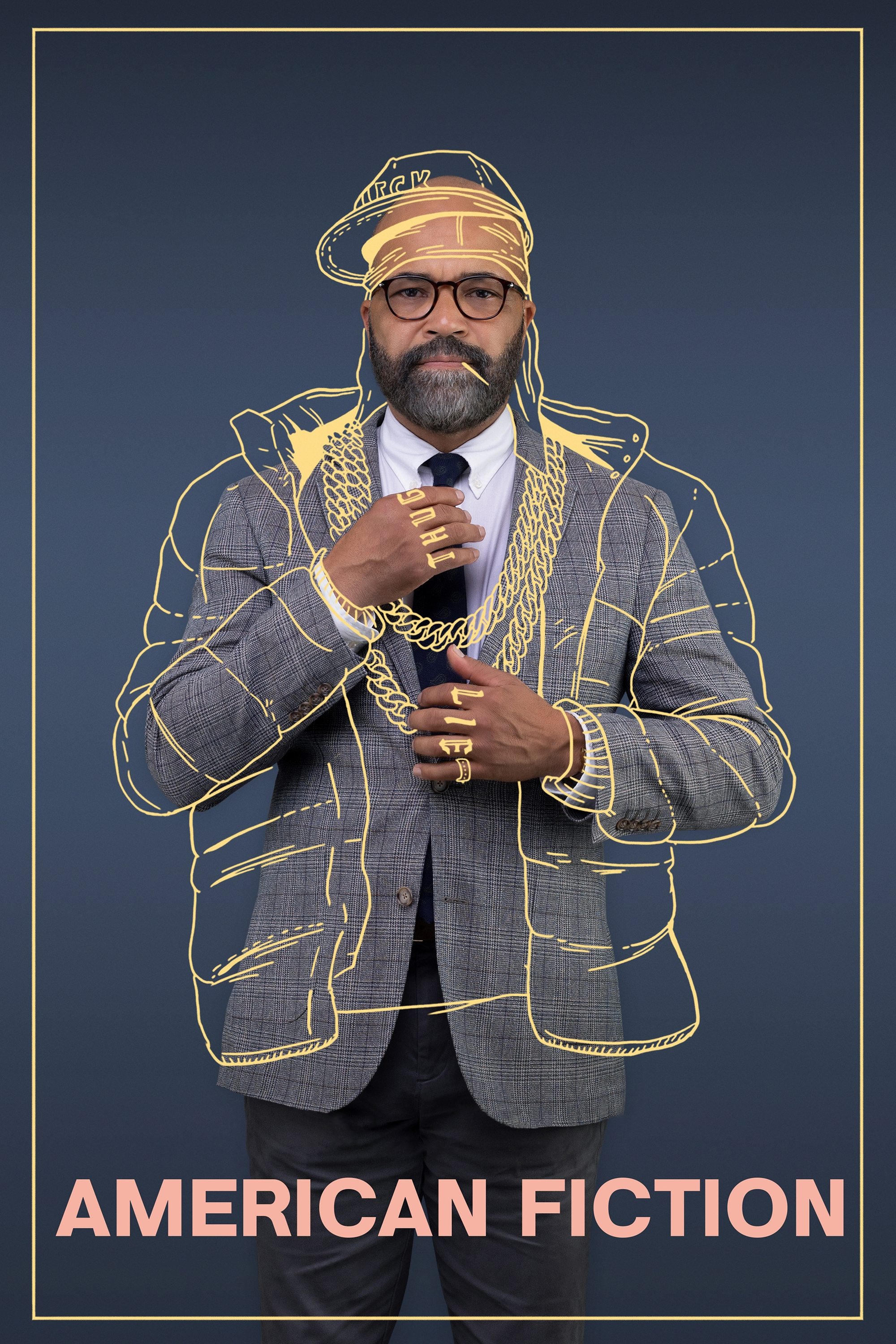
Cord Jefferson satirizes the entertainment industry’s appetite for stereotypical trauma porn in this sharp comedy. The protagonist writes a parodic book full of offensive tropes that white executives immediately praise as authentic and raw. The film critiques how white audiences and gatekeepers demand narratives that reduce Black life to suffering and crime. Jefferson exposes the commercial machinery that incentivizes the very stereotypes Black artists try to avoid.
‘Judas and the Black Messiah’ (2021)
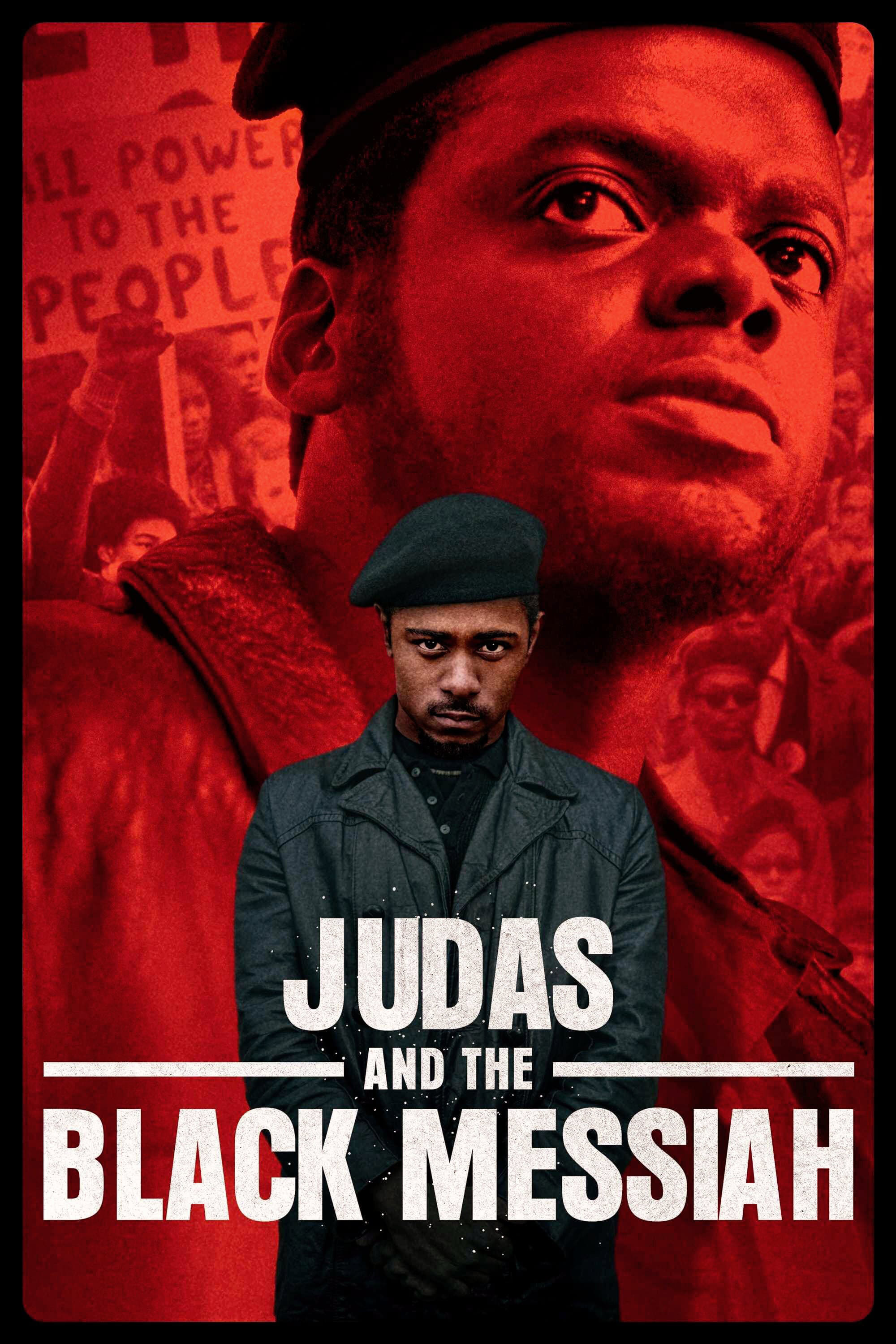
Shaka King focuses intensely on the betrayal within the Black Panther Party without softening the FBI’s malicious role. The film avoids creating a sympathetic white bridge character within the government enforcement agencies. Fred Hampton is portrayed as a revolutionary leader whose community programs threatened the status quo. King ensures the narrative weight remains on the complex dynamic between O’Neal and Hampton.
‘Nope’ (2022)

Jordan Peele tackles the history of film and spectacle by highlighting the erased legacy of the Black jockey in the first motion picture. The Haywood siblings attempt to capture evidence of an extraterrestrial entity on their own terms. Peele critiques the industry’s tendency to exploit trauma for entertainment while erasing the people behind the camera. The characters navigate the threat without the guidance of scientific or military authorities.
‘Malcolm X’ (1992)
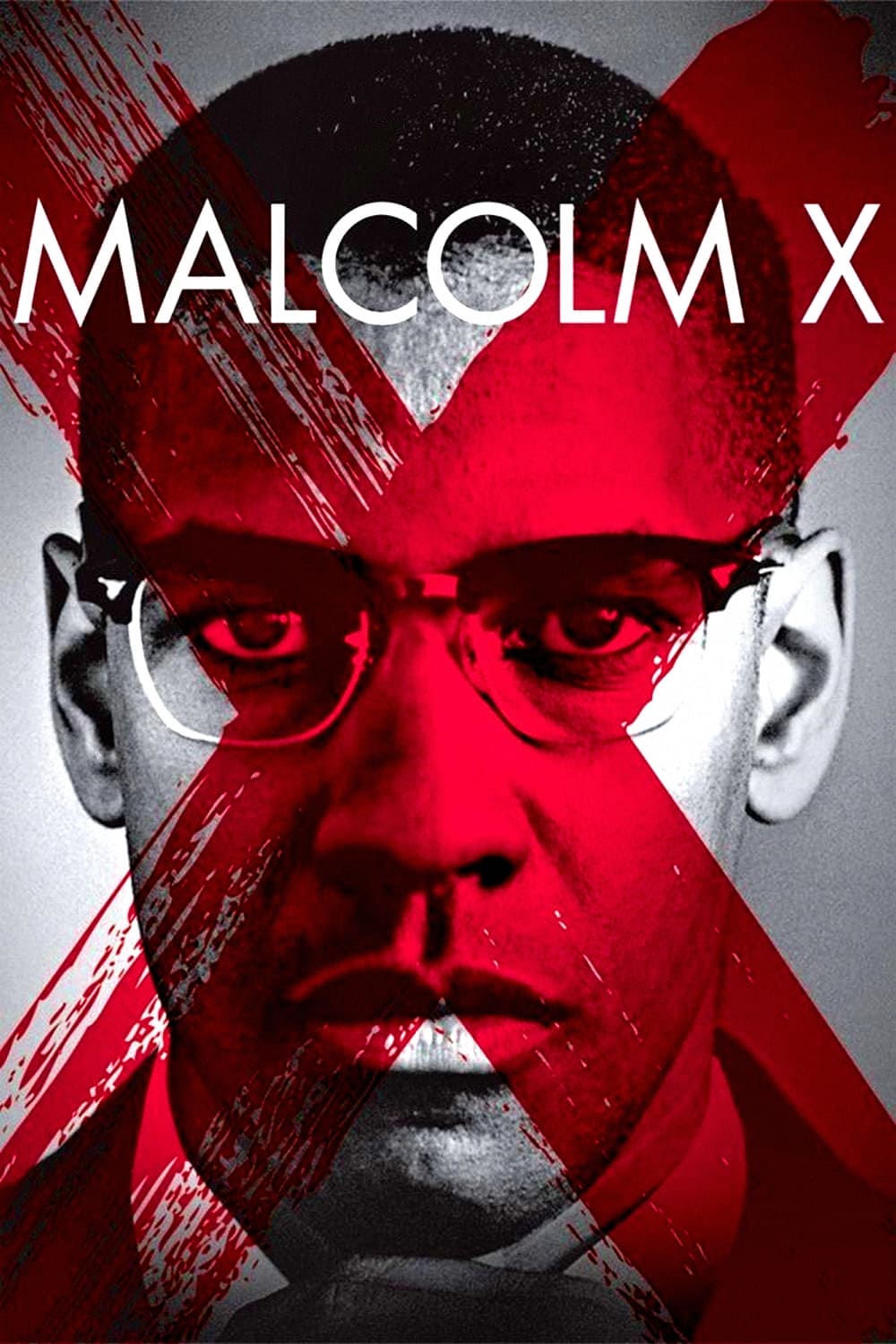
Spike Lee fought to ensure this biopic maintained the radical integrity of the civil rights icon. The film traces Malcolm’s evolution from a street hustler to a spiritual leader without sanitizing his message for mainstream comfort. Lee emphasizes self-determination and Black pride throughout the lengthy runtime. The director prevents the narrative from being filtered through a less controversial lens.
‘Mudbound’ (2017)
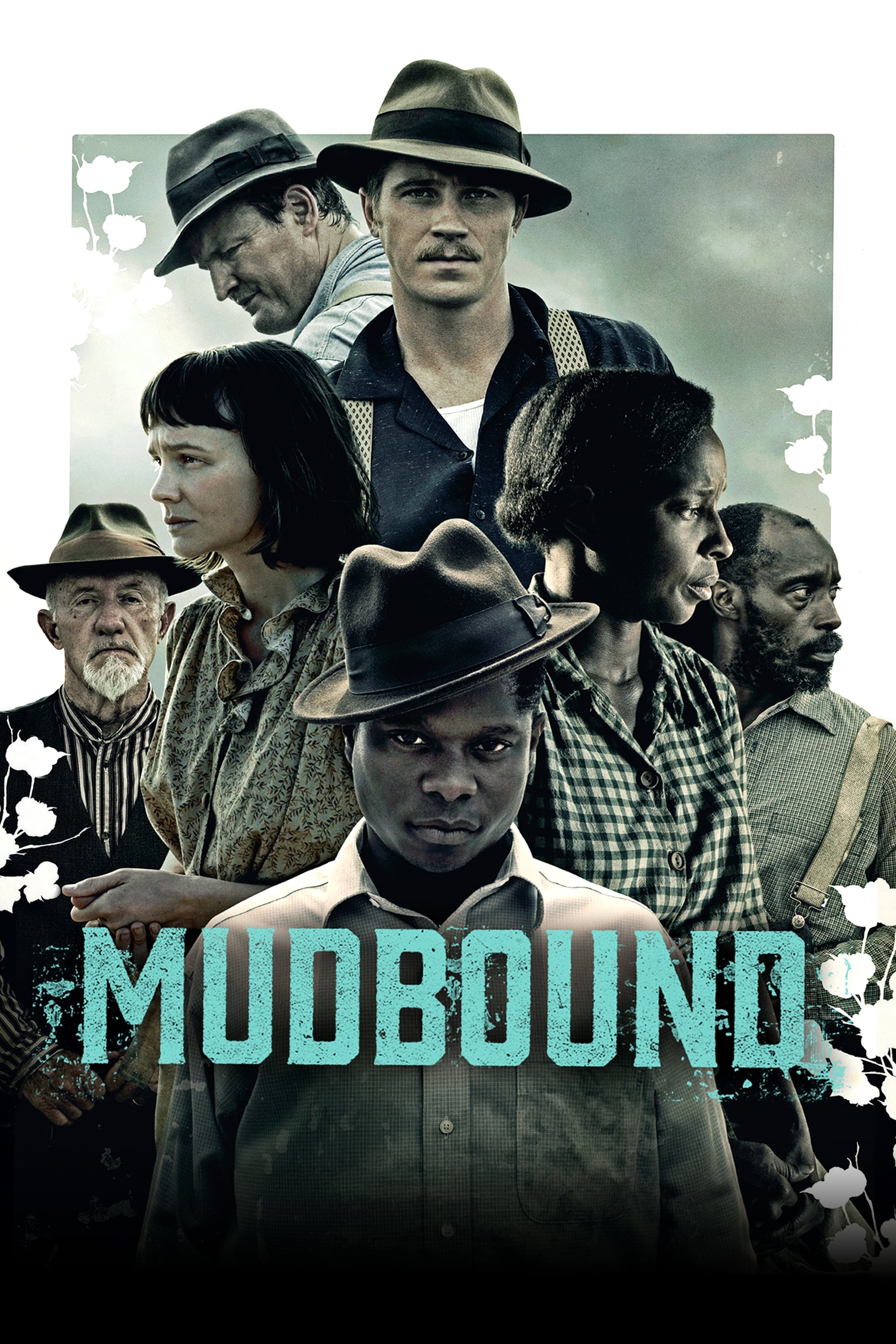
Dee Rees explores the entangled lives of two families in the Jim Crow South with a stark and unyielding gaze. The film grants equal narrative weight to the Black family rather than treating them as background for white character development. Ronsel Jackson returns from war a hero only to face violent racism at home. Rees refuses to offer a tidy resolution that would absolve the white characters of their complicity.
‘Candyman’ (2021)
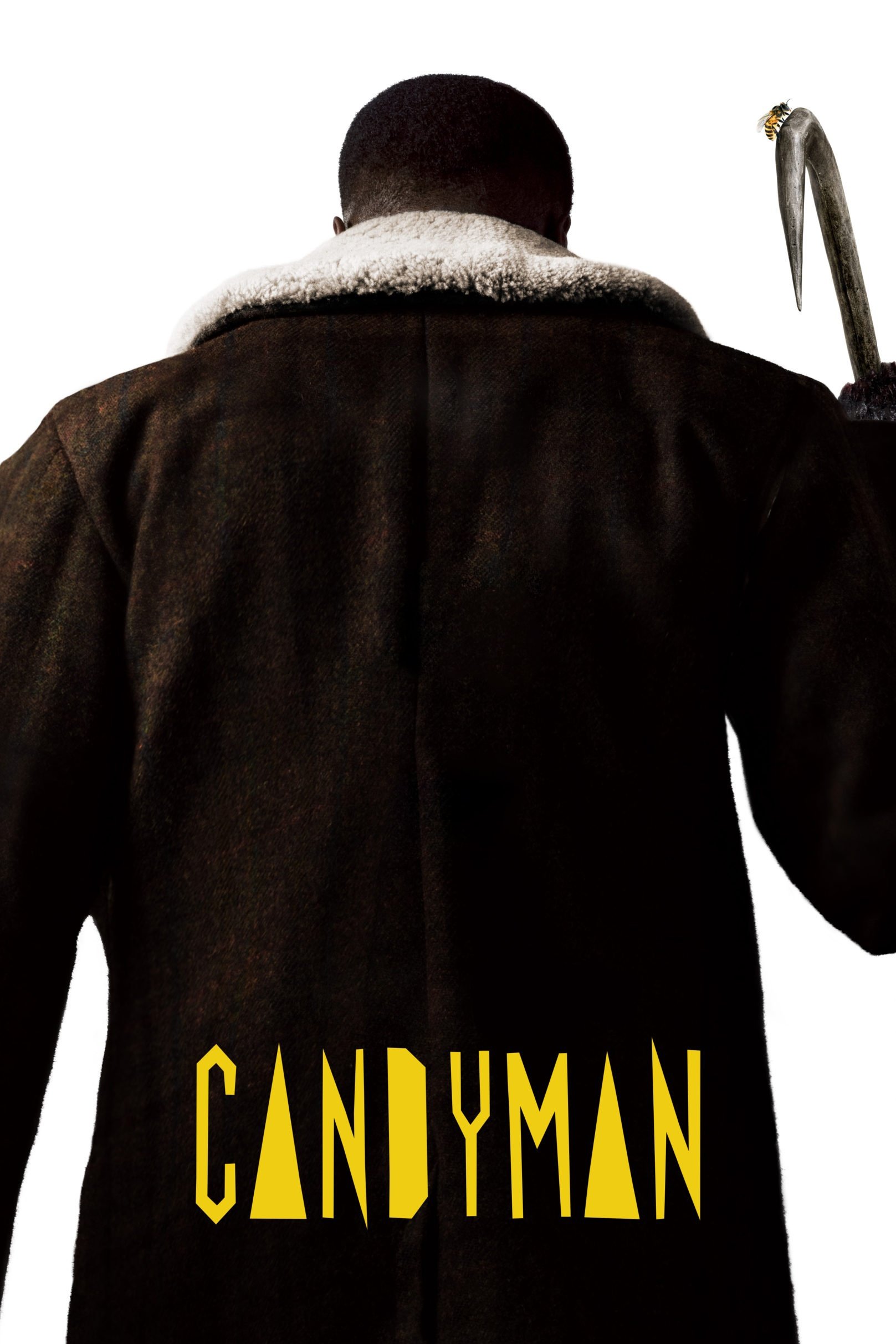
Nia DaCosta reimagines a horror icon by exploring the generational trauma and gentrification that created him. The film shifts the perspective from a white academic observer to a Black artist living within the community. DaCosta transforms the titular character from a simple boogeyman into a tragic figure born of racial violence. This approach reclaims the folklore to address the haunting legacy of lynching.
‘Harriet’ (2019)
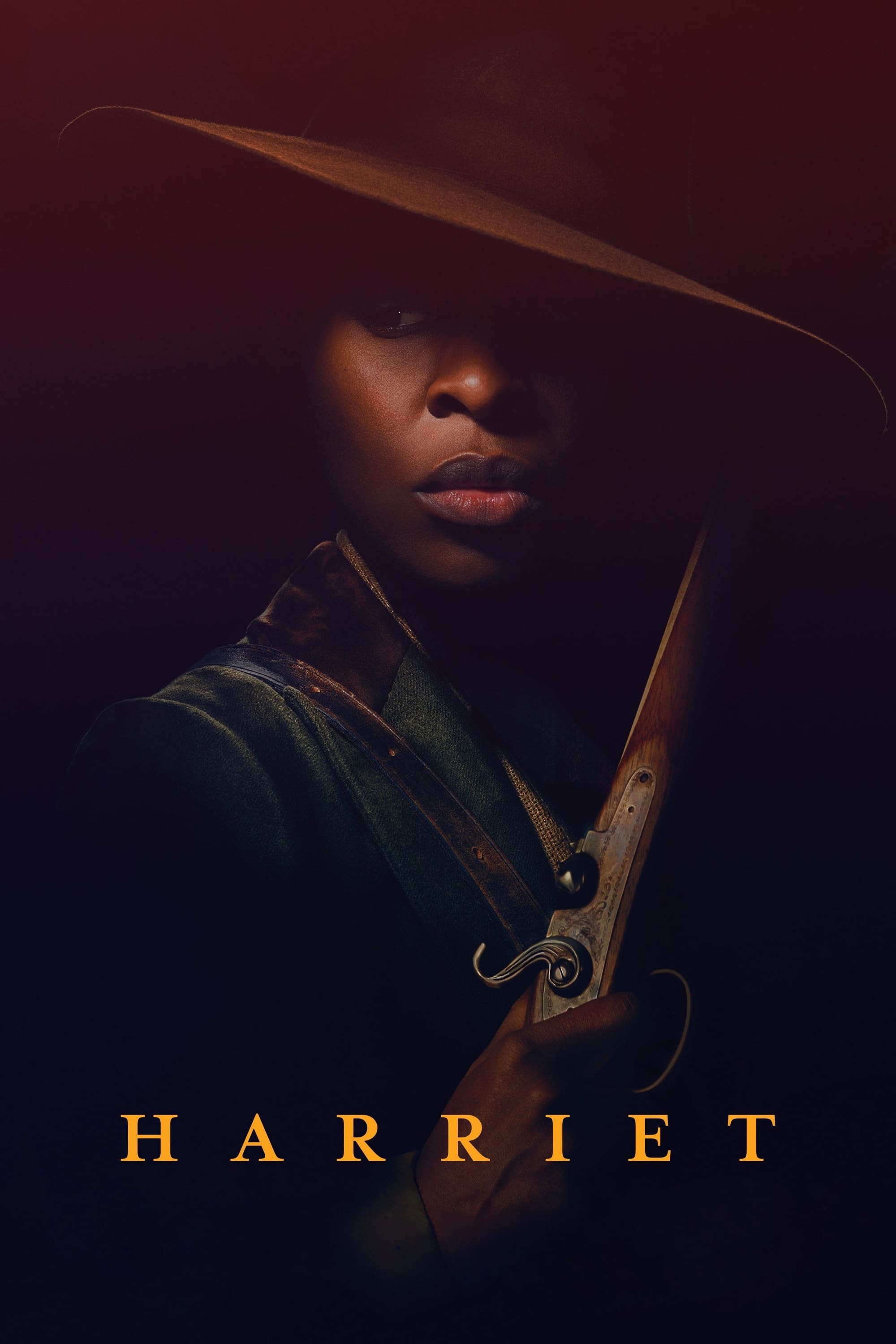
Kasi Lemmons presents Harriet Tubman as an action hero with divine purpose rather than a passive victim of slavery. The film focuses on her incredible physical feats and strategic mind as she liberates herself and others. Lemmons minimizes the role of white abolitionists to ensure Tubman receives full credit for her agency. The narrative celebrates her unyielding will to fight for freedom against impossible odds.
‘Sorry to Bother You’ (2018)
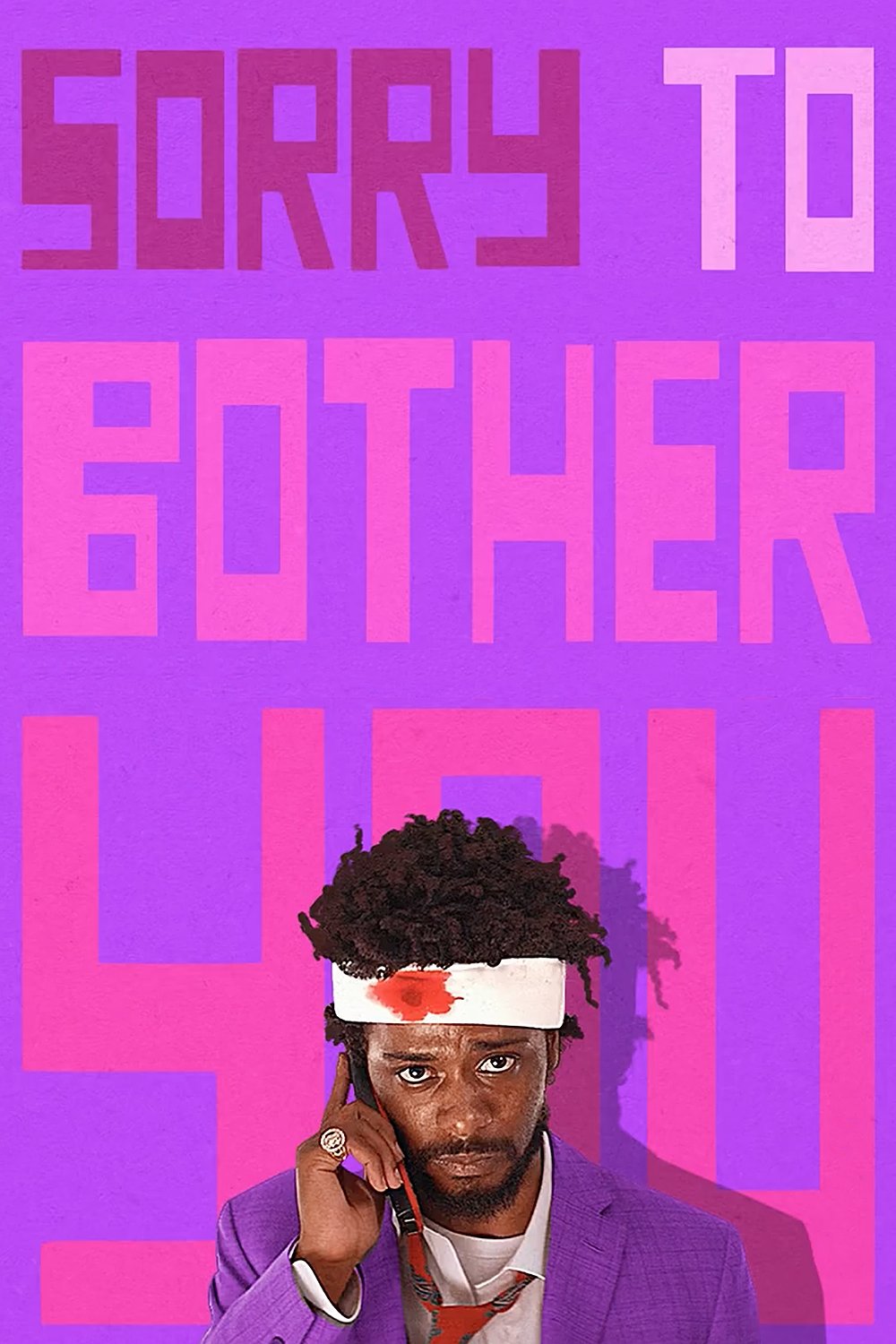
Boots Riley delivers a surreal critique of capitalism and code-switching in the modern workplace. The protagonist discovers he can only succeed in telemarketing by adopting a white voice. Riley uses absurd humor to expose how corporate structures force assimilation and exploit labor. The film rejects the idea that proximity to white power equates to safety or success.
‘The Woman King’ (2022)
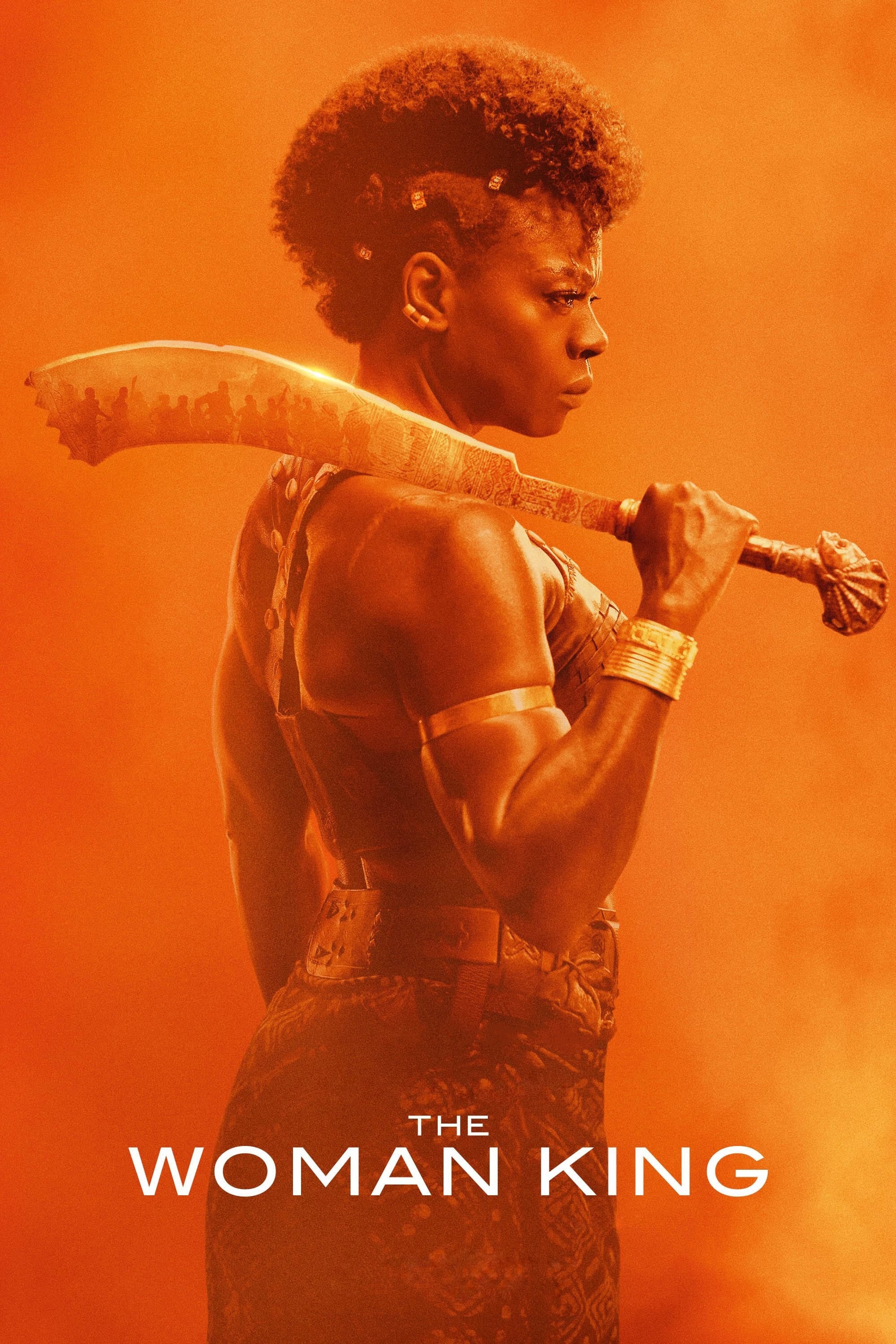
Gina Prince-Bythewood centers the Agojie warriors of Dahomey in a historical action epic rarely seen in Hollywood. The film focuses on the sisterhood and military discipline of the all-female unit. Viola Davis leads a cast that fights for their kingdom’s survival against both European colonizers and rival empires. Prince-Bythewood prioritizes the internal politics and strength of the African nation over external perspectives.
‘Fruitvale Station’ (2013)
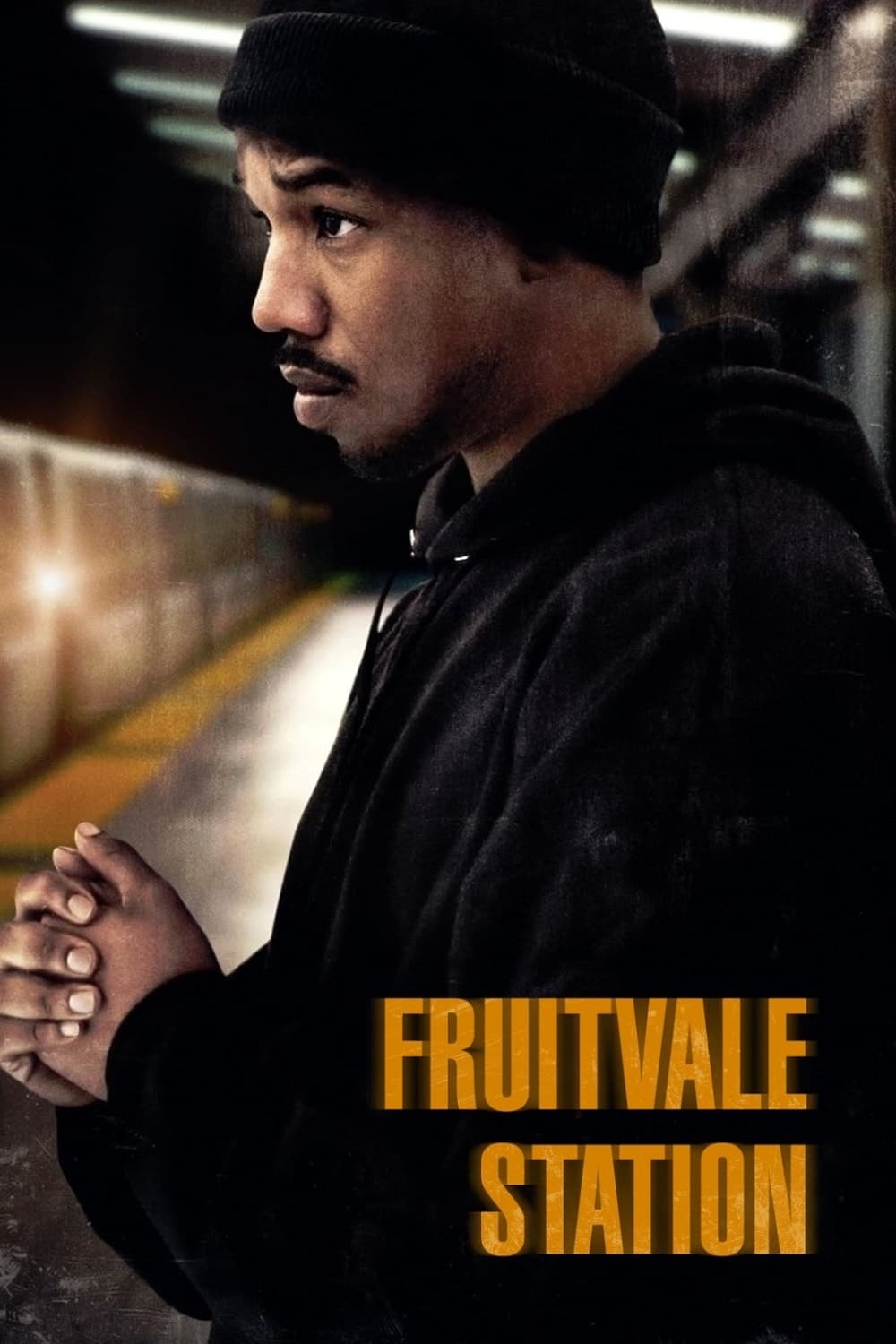
Ryan Coogler humanizes Oscar Grant III by depicting the final day of his life with intimacy and care. The film avoids sensationalizing the violence until the inevitable tragic conclusion. It serves as a counter-narrative to media portrayals that often criminalize Black victims of police brutality. Coogler forces the audience to sit with the loss of a human life rather than a statistic.
‘Boyz n the Hood’ (1991)
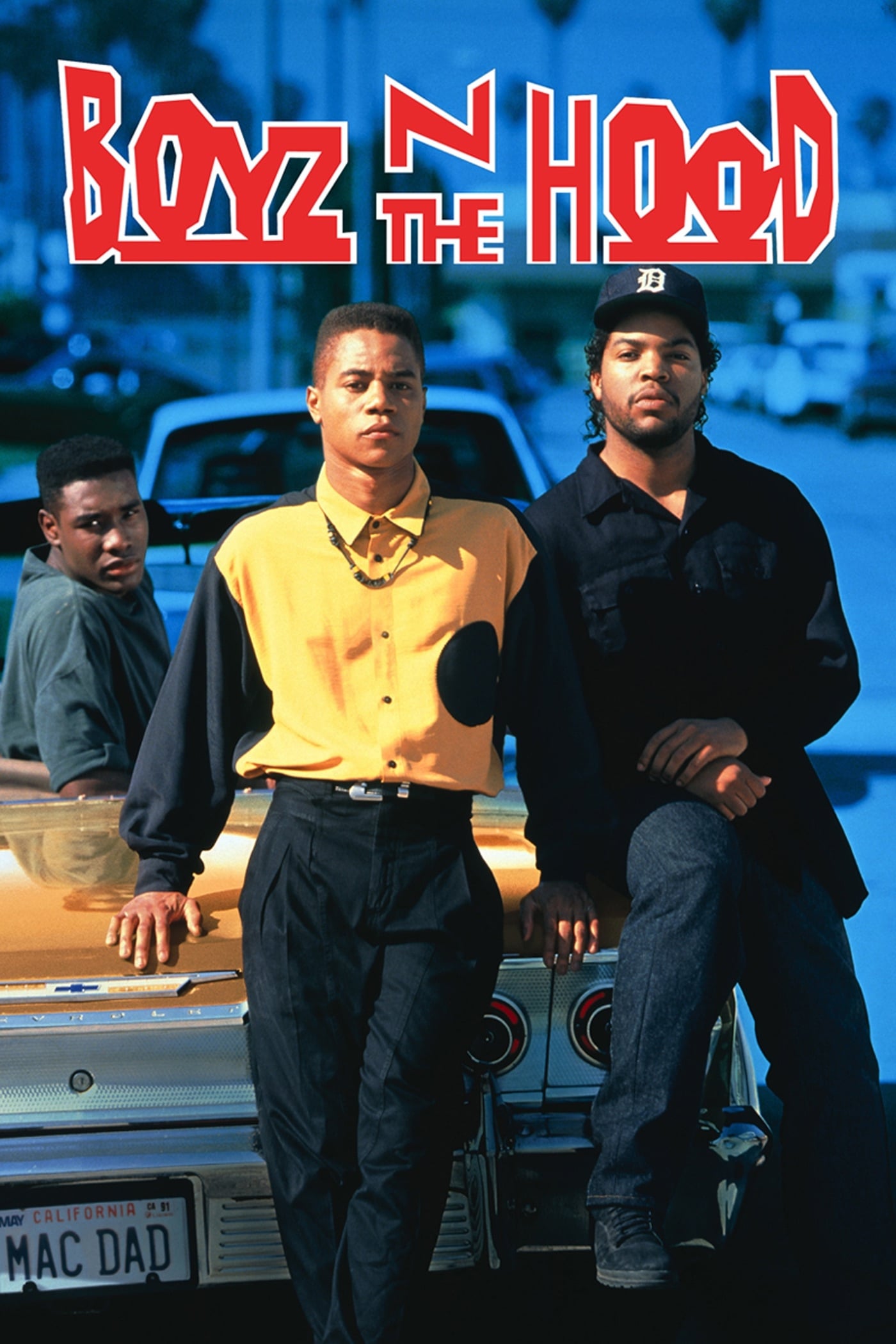
John Singleton brought an authentic vision of South Central Los Angeles to the screen that defied outsider stereotypes. The film emphasizes the role of a father raising his son amidst systemic neglect and violence. Singleton focuses on internal community dynamics rather than imposing a white savior teacher or cop to fix things. The story remains grounded in the reality of its characters without seeking external pity.
‘Love & Basketball’ (2000)

Gina Prince-Bythewood subverts romantic tropes by placing a Black female athlete’s ambition at the core of the story. Monica pursues her professional dreams with the same intensity as her romantic relationship. The film avoids the common Hollywood device of a white mentor guiding the inner-city athlete to glory. It celebrates Black love and excellence on equal footing.
‘Moonlight’ (2016)
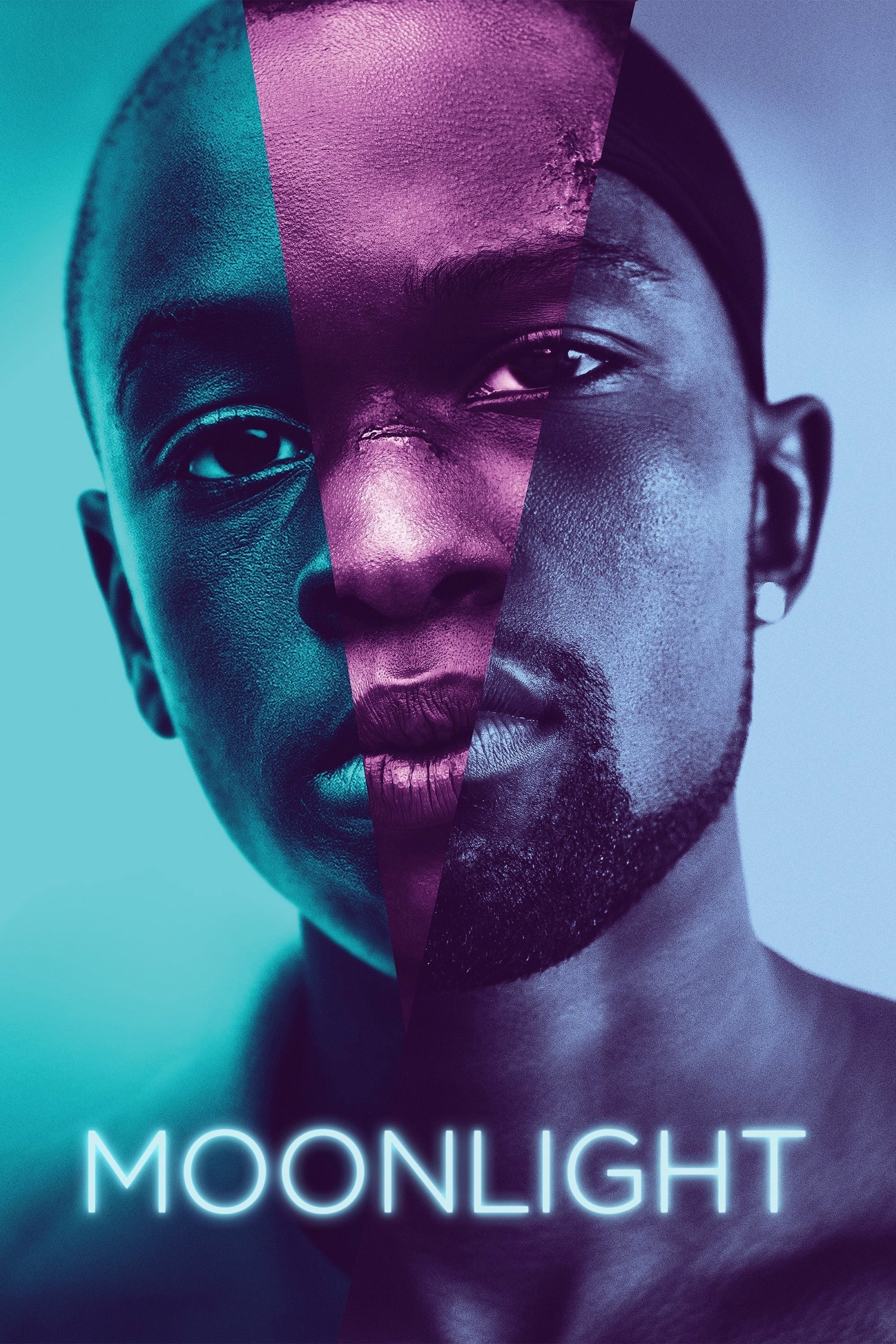
Barry Jenkins creates a deeply intimate portrait of Black masculinity that is entirely devoid of the white gaze. Chiron’s journey of self-discovery takes place in a world where white people are notably absent. The film breaks away from trauma narratives that require white intervention or validation. Jenkins focuses purely on the emotional interiority and relationships of his protagonist.
‘Us’ (2019)
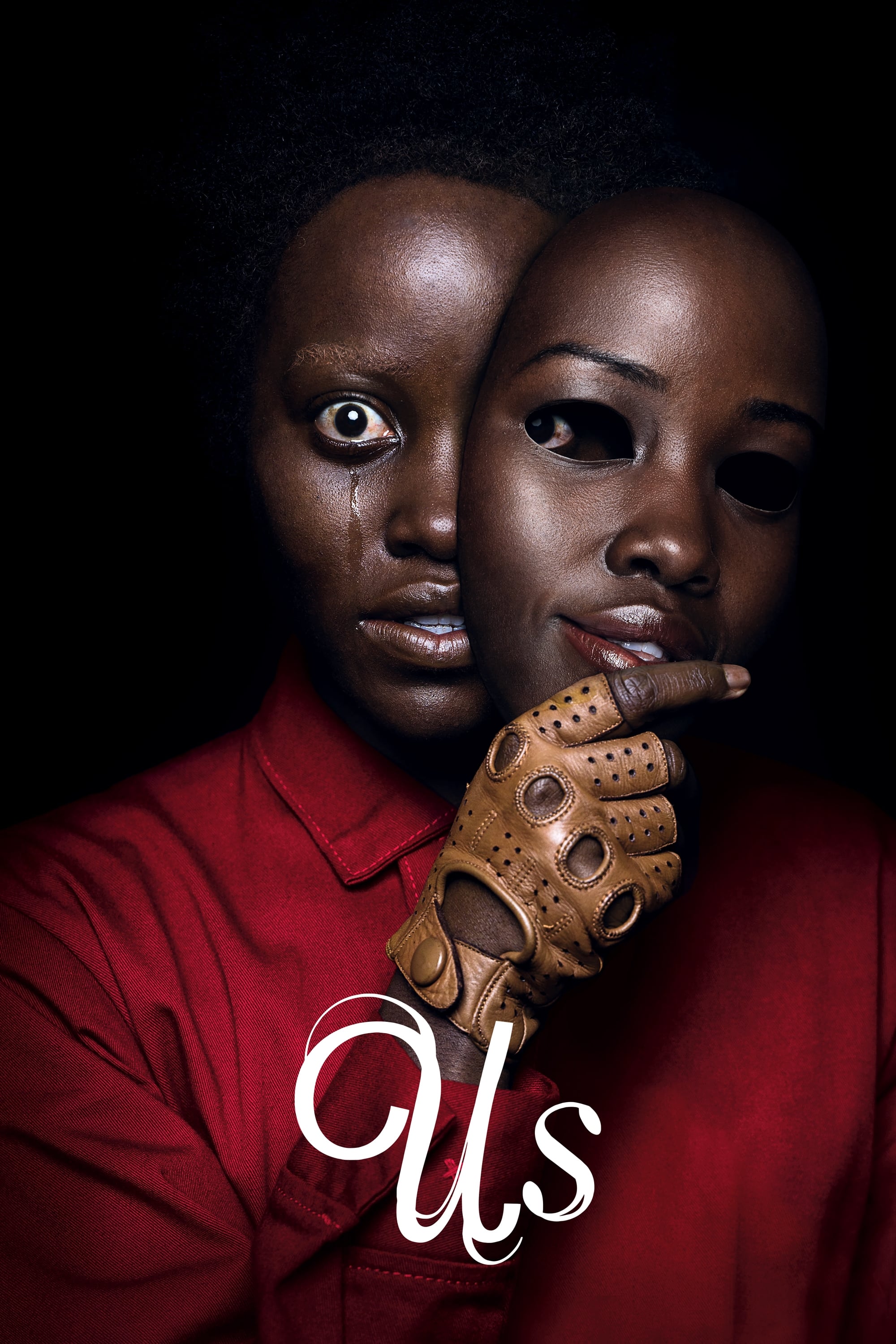
Jordan Peele utilizes the horror genre to explore themes of privilege and class without explicitly racializing the conflict. The Wilson family must battle their own doppelgangers in a fight for survival. The film subverts the expectation that a Black family in a horror movie will be the first to die or need rescue. Peele positions them as the typical American family dealing with an inexplicable catastrophe.
Tell us which of these films had the most impact on you in the comments.