


20 Films Where the Last Line Rewrites Everything You Just Watched

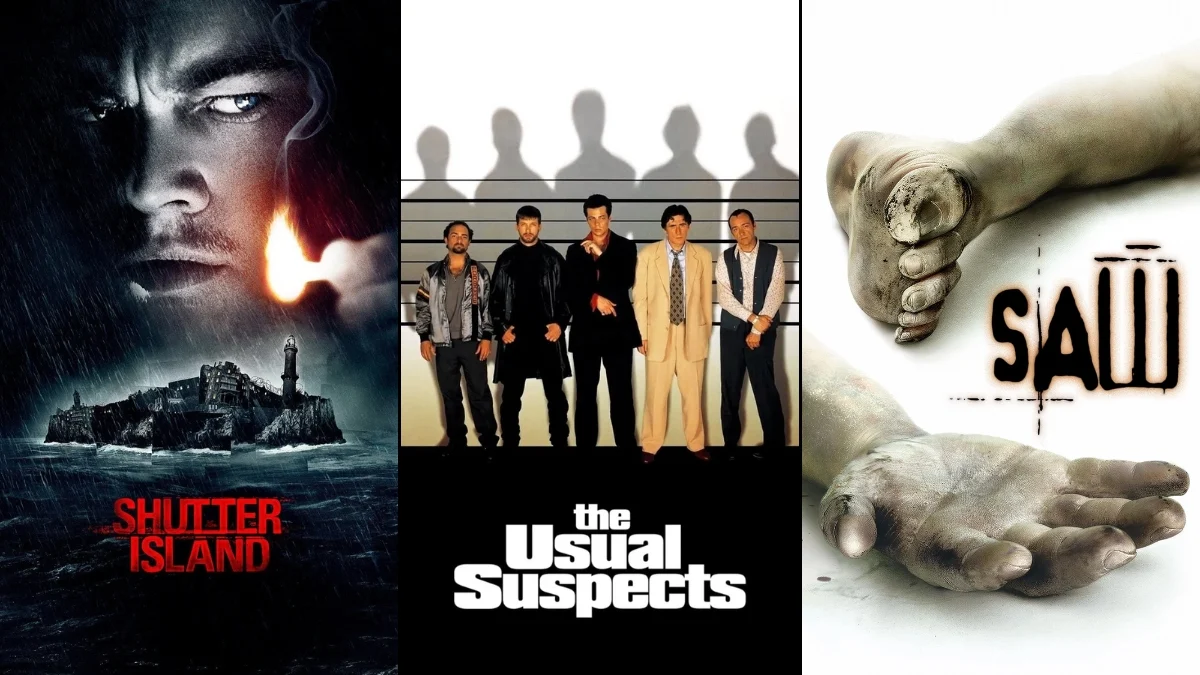


Cinema relies on the power of a strong ending to leave a lasting impression on the audience. Some movies utilize their final moments to completely upend the narrative that came before. These concluding lines often recontextualize character motivations or reveal hidden truths about the plot. A single sentence can transform a straightforward story into a complex puzzle that demands a second viewing.
‘The Usual Suspects’ (1995)
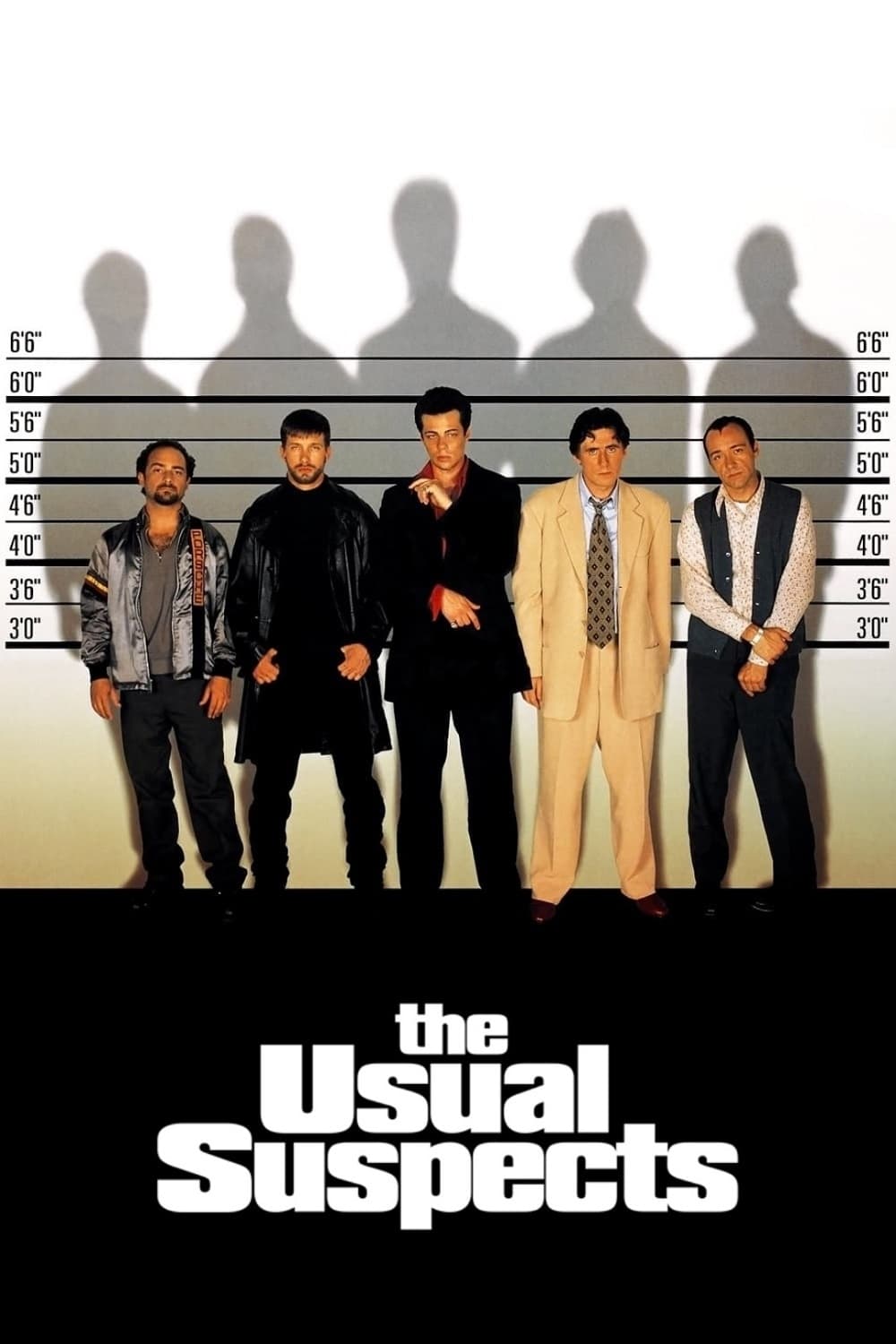
The line about the Devil convincing the world he does not exist acts as the final piece of a complex puzzle. Keyser Söze reveals his true identity through this parting wisdom just before vanishing into the crowd. The audience realizes the entire narration provided by Verbal Kint was a fabrication constructed from objects in the interrogation room. This revelation transforms the preceding crime drama into a masterclass of unreliable narration.
‘Psycho’ (1960)

Norman Bates sits alone in a holding cell while a voiceover reveals the dominant personality of his mother has taken full control. Her internal monologue claims she would not even harm a fly to prove her innocence to the watching authorities. This chilling final thought recontextualizes Norman as a victim of his own fractured psyche rather than just a cold-blooded killer. The audience sees the complete erasure of the man they watched struggle with his conscience throughout the film.
‘Shutter Island’ (2010)
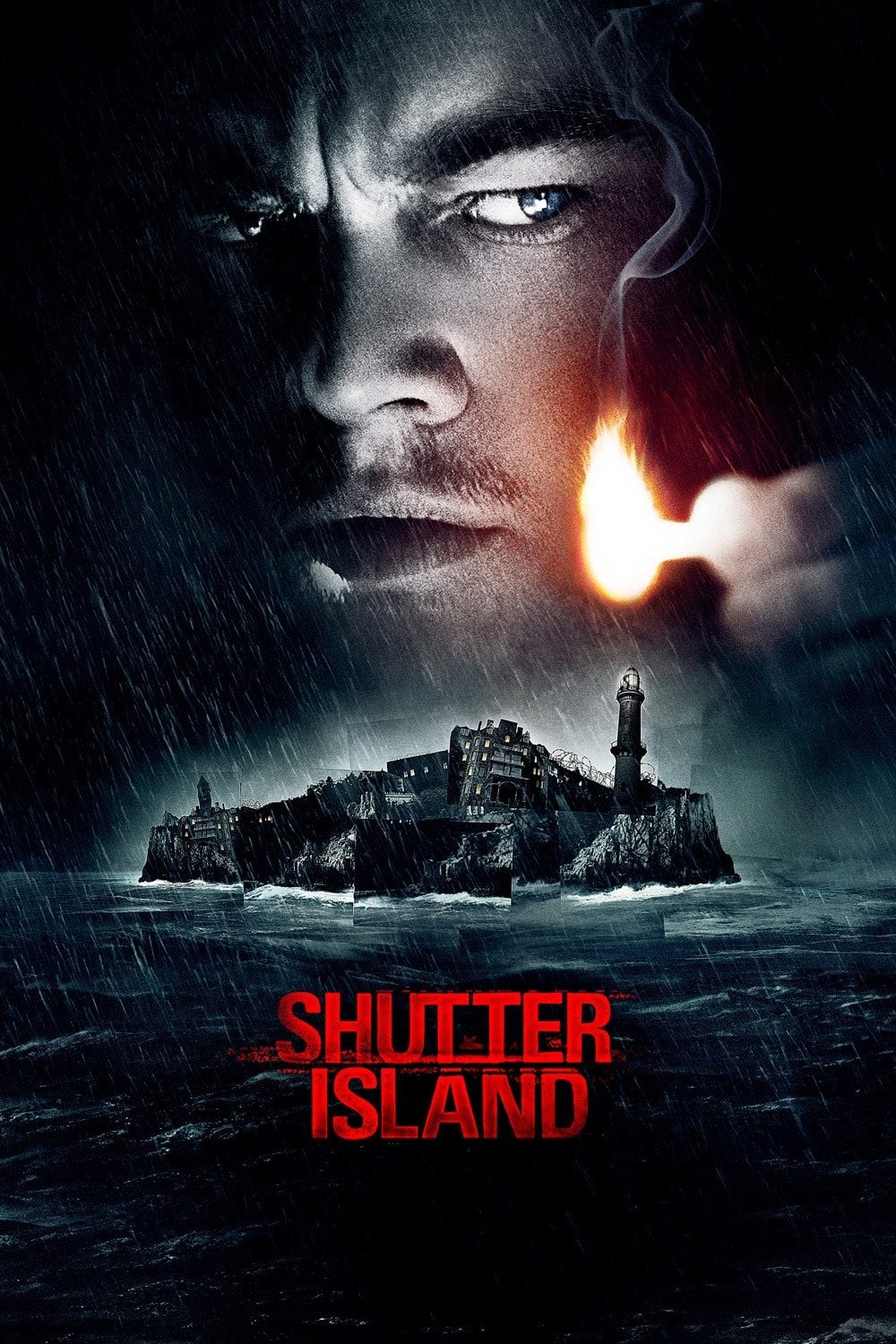
Teddy Daniels asks his partner if it is better to live as a monster or die as a good man. This question suggests the protagonist is actually lucid and chooses a lobotomy over living with the guilt of his past actions. The ambiguous statement upends the assumption that the treatment failed to cure his delusion. Viewers must reconsider the entire investigation as an elaborate roleplay designed to bring a patient back to reality.
‘Soylent Green’ (1973)
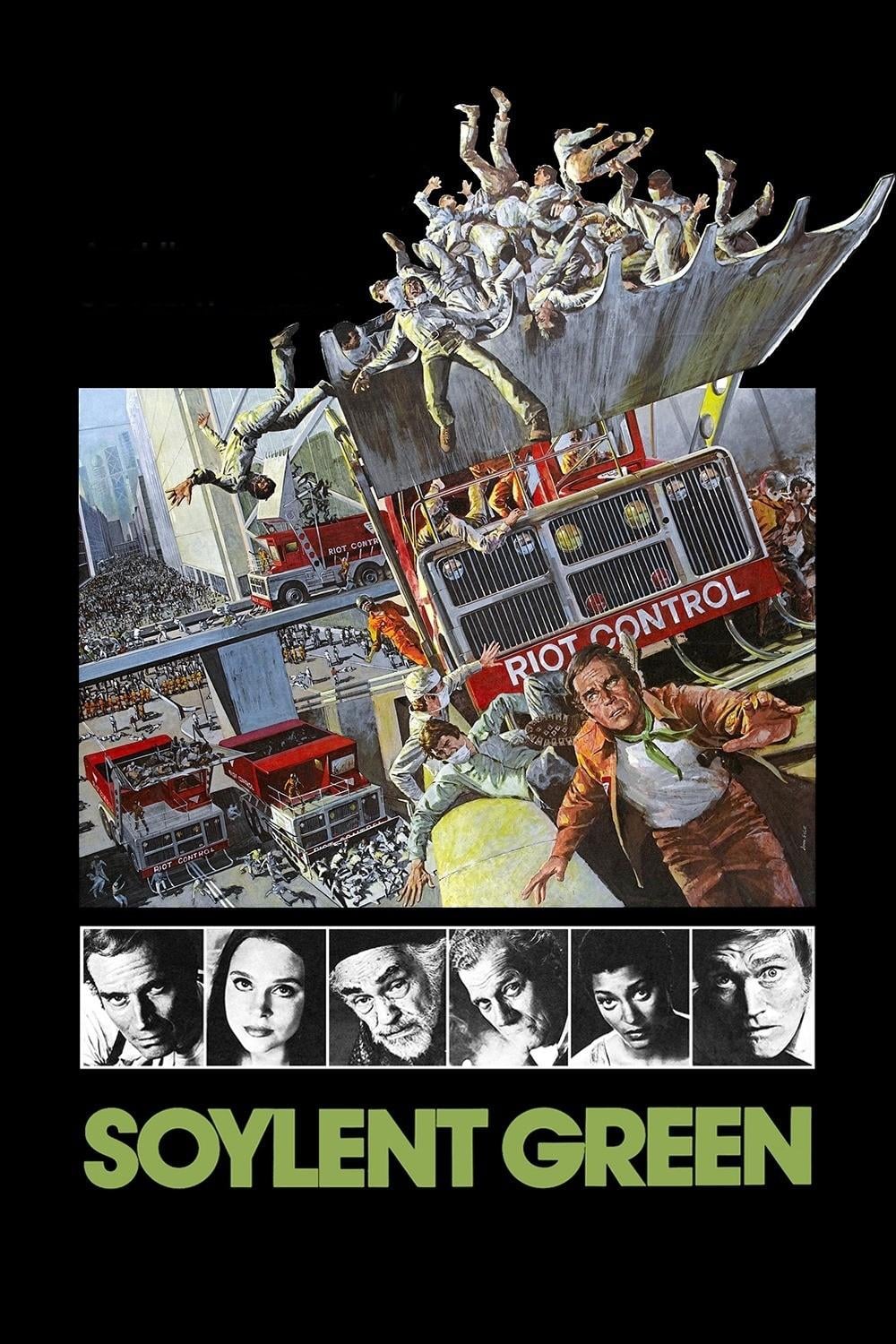
Detective Thorn screams the horrifying truth about the titular food source as he is carried away on a stretcher. His revelation that the high-protein sustenance is made from people exposes the ultimate depths of the dystopian society. The investigation into a simple murder uncovers a state-sponsored cannibalism conspiracy necessitated by overpopulation and environmental collapse. This grim declaration turns a police procedural into a nightmare about human survival.
‘Planet of the Apes’ (1968)

George Taylor falls to his knees upon seeing the ruins of the Statue of Liberty half-buried in the sand. He curses humanity for finally destroying their civilization with nuclear warfare. This discovery proves he has been on Earth the entire time rather than a distant alien planet. The realization shifts the film from a space adventure to a cautionary tale about the Cold War.
‘Chinatown’ (1974)
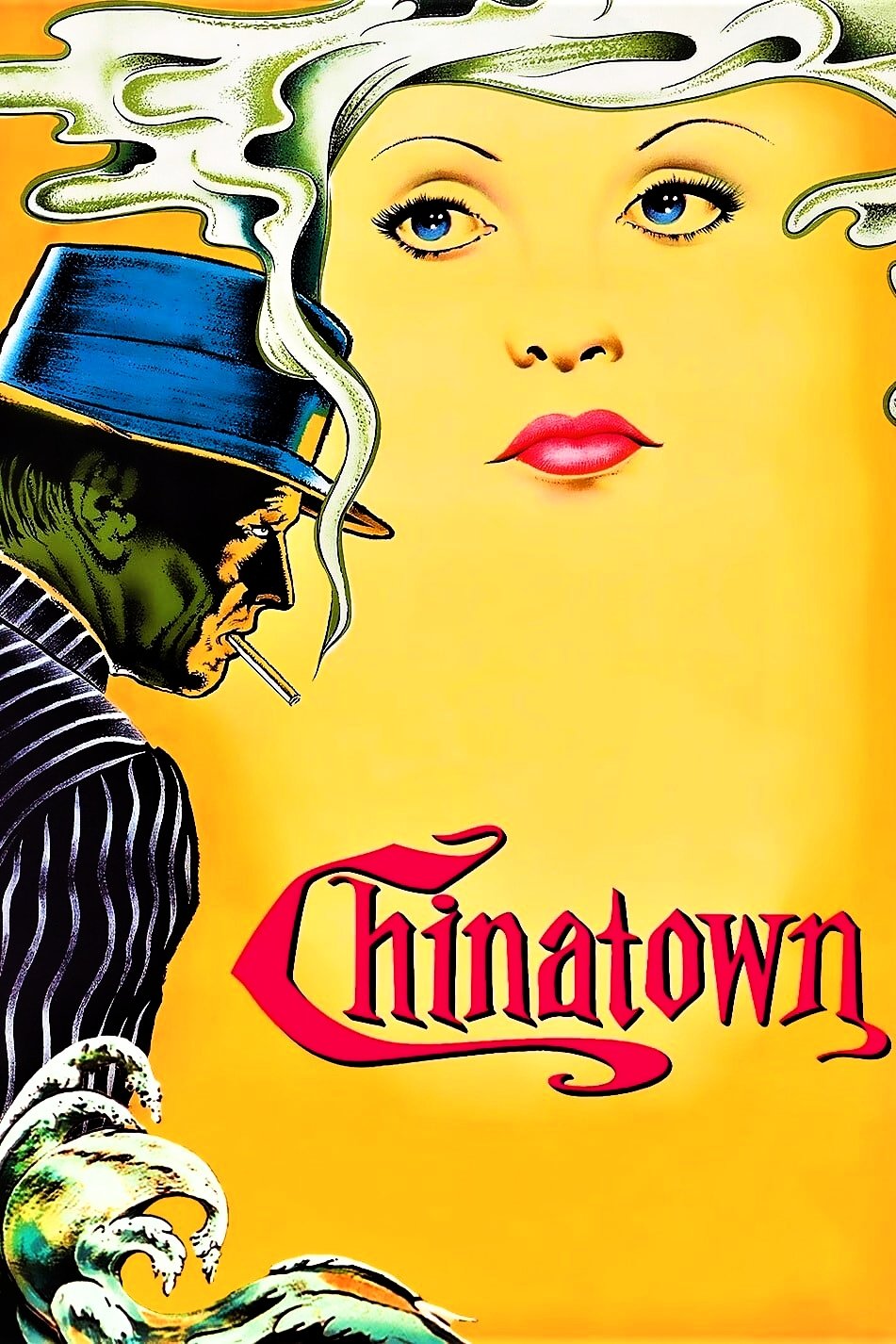
A colleague tells the protagonist to forget the tragic events because the corruption of the district is insurmountable. The line highlights the futility of good intentions in a world governed by wealth and power. Jake Gittes stands helpless as the villain escapes with the victim in a devastating conclusion to the mystery. This cynical dismissal cements the film as a subversion of the typical noir trope where justice always prevails.
‘Se7en’ (1995)
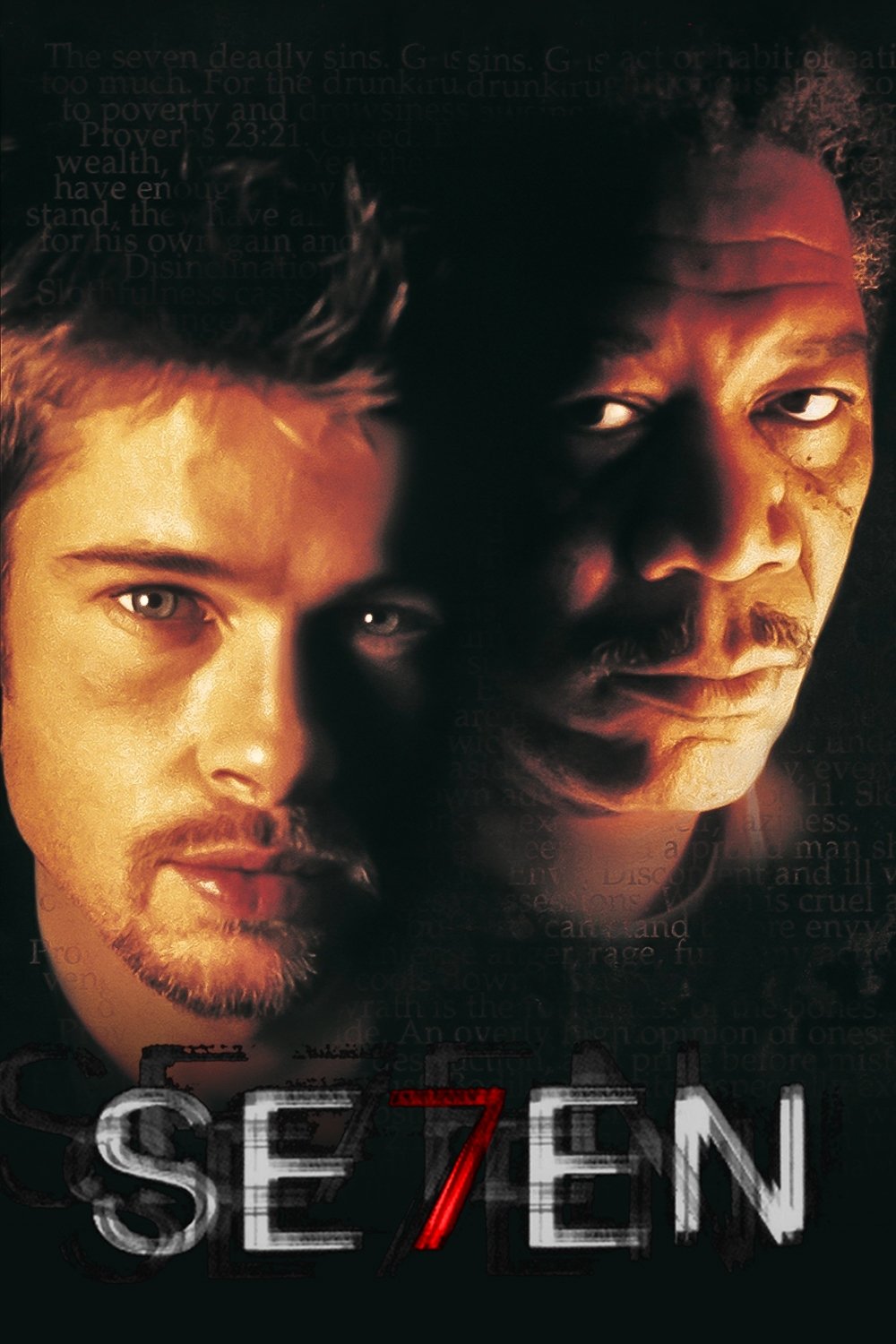
Somerset quotes Hemingway about the world being worth fighting for and admits he only agrees with the second part. This bleak affirmation follows the realization that the killer successfully completed his masterpiece of sin. The detective decides to remain in a city he despises to continue a seemingly hopeless battle against moral decay. It serves as a thematic anchor for a story that offers no comfort or traditional resolution.
‘Atonement’ (2007)
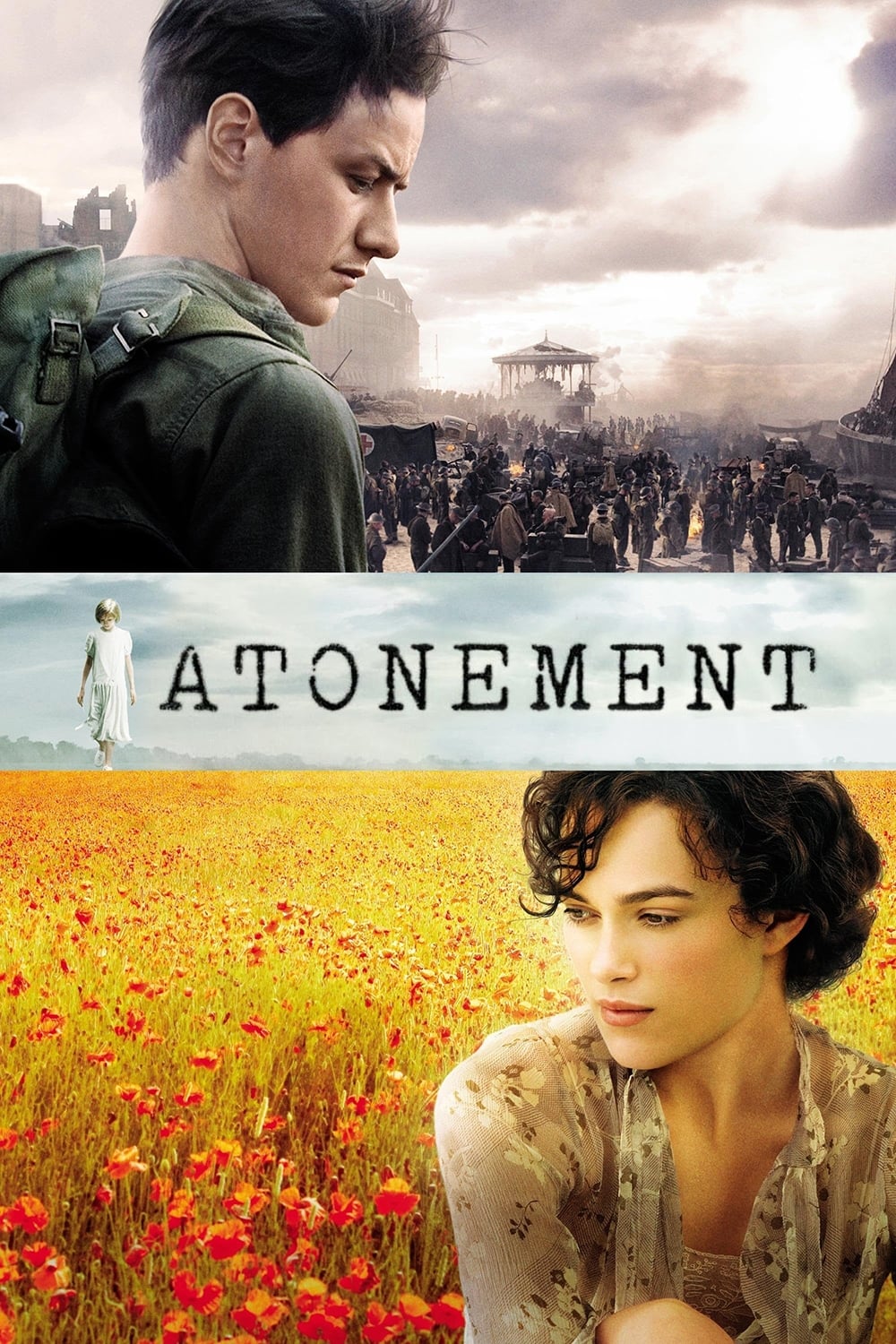
Briony reveals she wrote the preceding romantic reunion as a fictional kindness to the lovers she wronged. She admits the couple actually died apart during the war before they could ever find their way back to each other. This confession exposes the entire third act as an elaborate literary penance rather than reality. The audience learns the power of storytelling can offer redemption but cannot alter historical tragedy.
‘American Psycho’ (2000)

Patrick Bateman looks at the camera and states his confession has meant nothing. His lawyer and peers fail to acknowledge his admitted crimes which leaves the reality of the murders in question. The lack of consequences suggests either a mass delusion or a society too self-absorbed to notice a serial killer. This ambiguity forces the viewer to question the validity of every violent act witnessed on screen.
‘Some Like It Hot’ (1959)
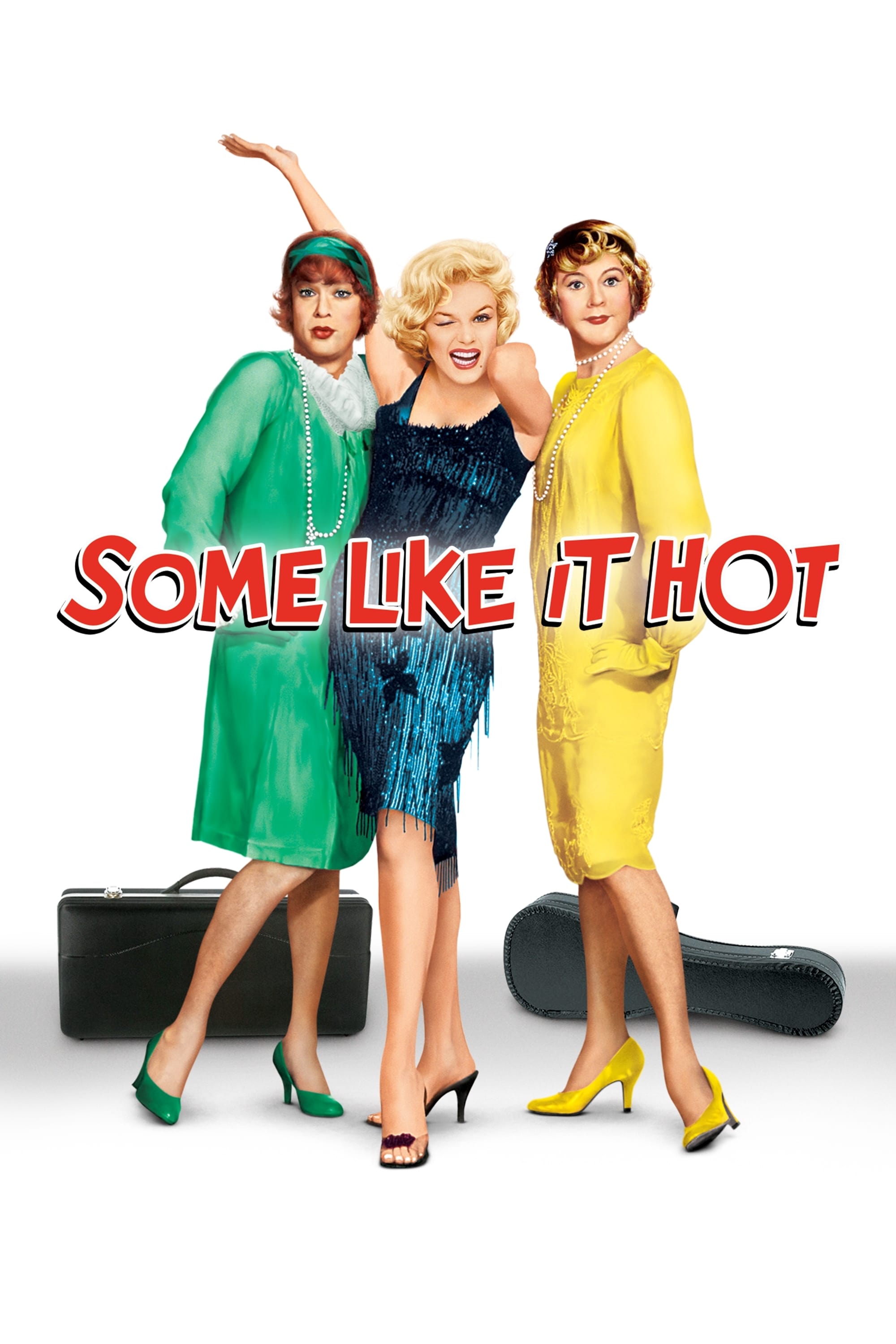
Osgood Fielding III dismisses the revelation that his fiancée is actually a man by simply saying nobody is perfect. This punchline subverts the expected panic or anger that typically follows such unmaskings in comedies of the era. The acceptance allows the two characters to ride off together in a moment of progressive absurdity. It remains one of the most famous closing lines for how effectively it undercuts the central conflict.
‘Saw’ (2004)

The corpse in the middle of the room rises to reveal himself as the mastermind Jigsaw. He declares the game over as he slams the door on the screaming protagonist. This twist proves the killer was present and watching the victims struggle for survival the entire time. The ending completely shifts the perspective on the traps and the perceived freedom of the characters.
‘Sunset Boulevard’ (1950)
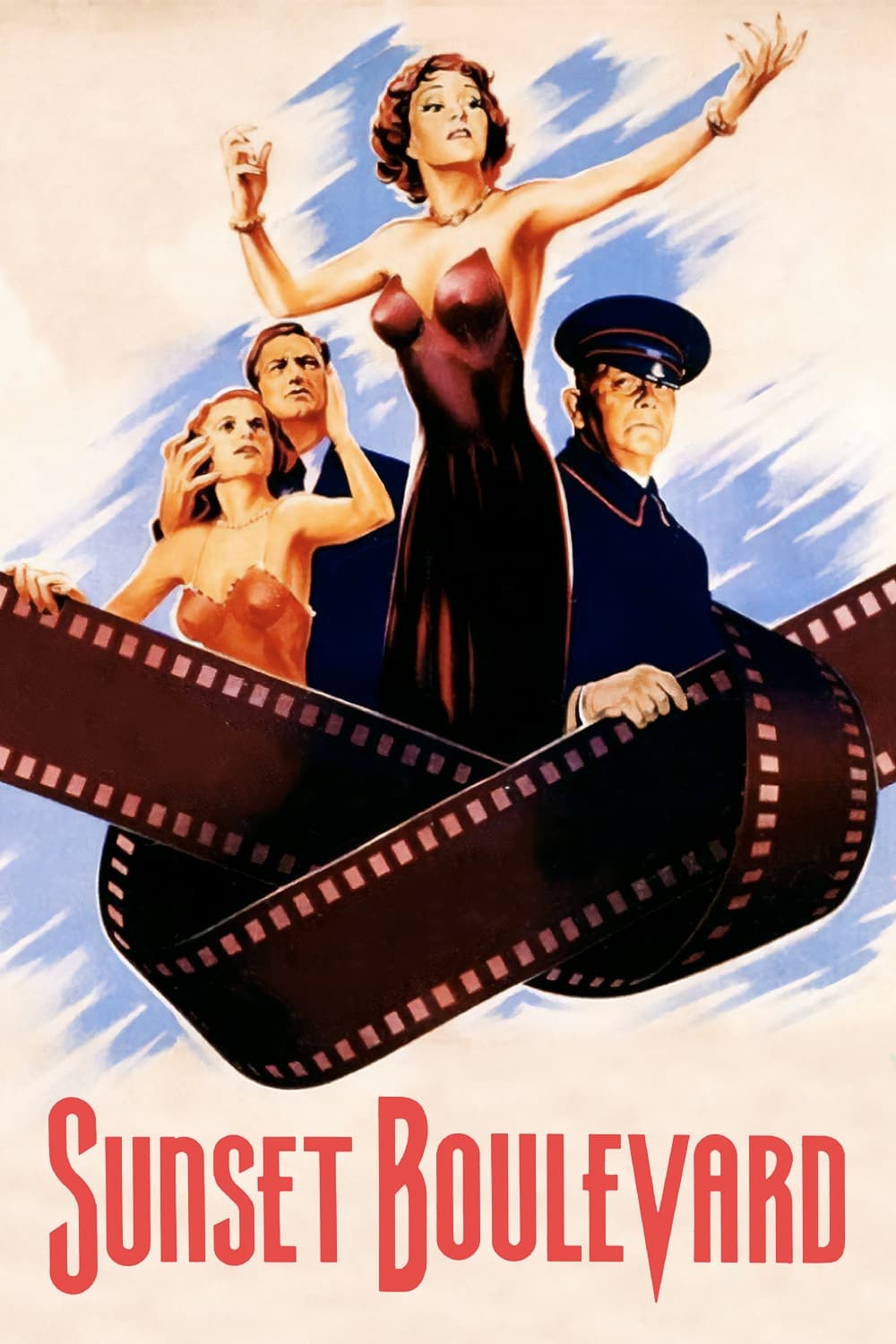
Norma Desmond descends her staircase and tells the news cameras she is ready for her close-up. Her detachment from reality is complete as she mistakes the police for a film crew capturing her return to stardom. The line underscores the tragic delusion of a faded icon who cannot distinguish between life and performance. It transforms a murder confession into a grotesque parody of a Hollywood premiere.
‘King Kong’ (1933)

Carl Denham looks at the fallen giant and asserts it was beauty that killed the beast rather than airplanes. This romantic observation attempts to ennoble the tragic exploitation of the creature for spectacle. It shifts the blame from the reckless ambition of the filmmakers to the inherent tragedy of the monster’s affection. The line attempts to turn a monster movie into a classical tragedy.
‘The Silence of the Lambs’ (1991)
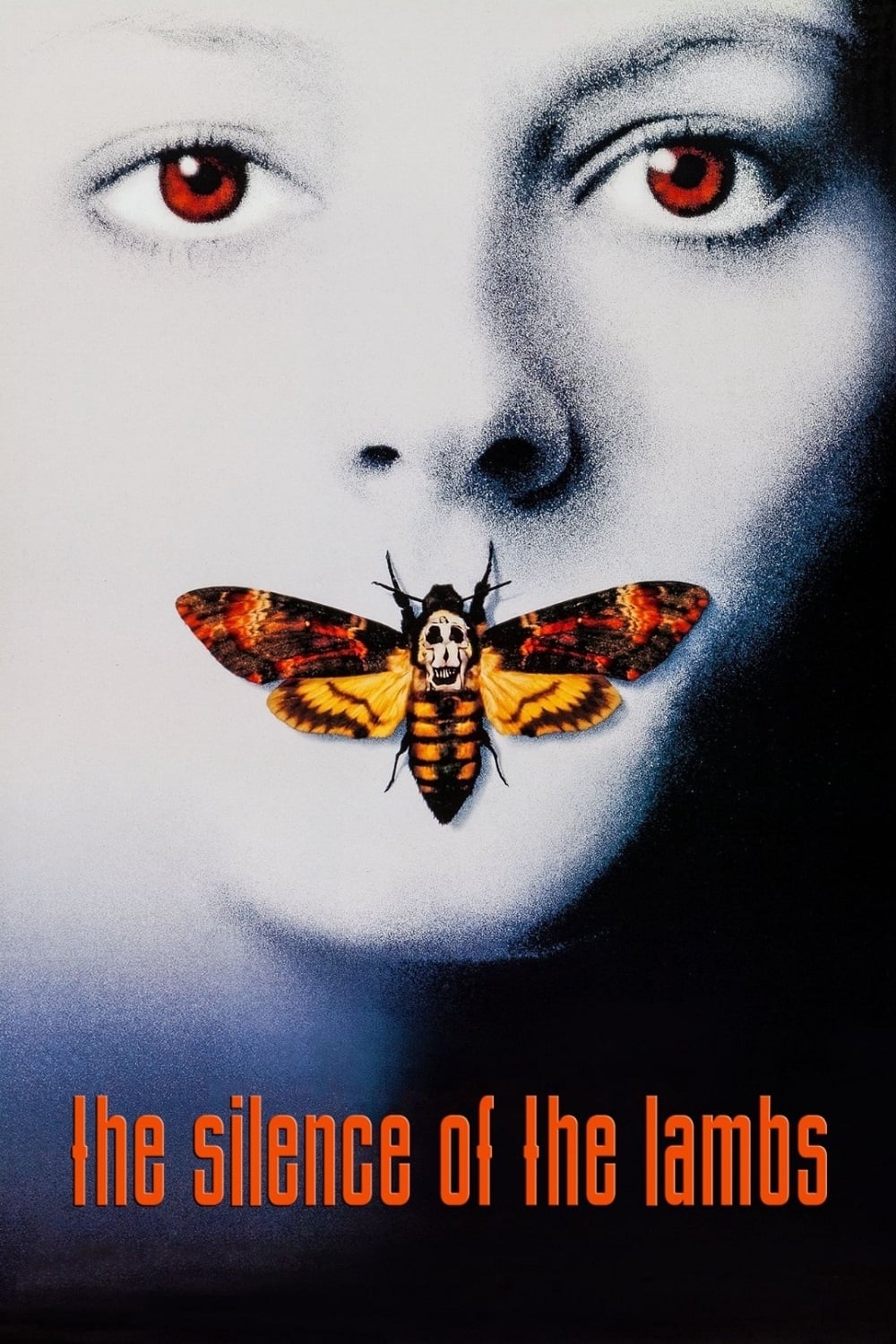
Hannibal Lecter ends his phone call to Clarice Starling by saying he is having an old friend for dinner. The double entendre confirms the cannibal has escaped and intends to eat his tormentor. This witty threat reestablishes the danger of the character after he helped the FBI catch another killer. It leaves the audience with the unsettling knowledge that the villain is free to hunt again.
‘Burn After Reading’ (2008)

A CIA superior asks what they learned and concludes they likely learned not to do it again. The characters struggle to find any meaning or lesson in the violent chain of events they just witnessed. This dismissal emphasizes the nihilistic satire of intelligence operations and bureaucratic incompetence. The film ends by acknowledging the entire plot was a pointless series of misunderstandings.
‘The Prestige’ (2006)
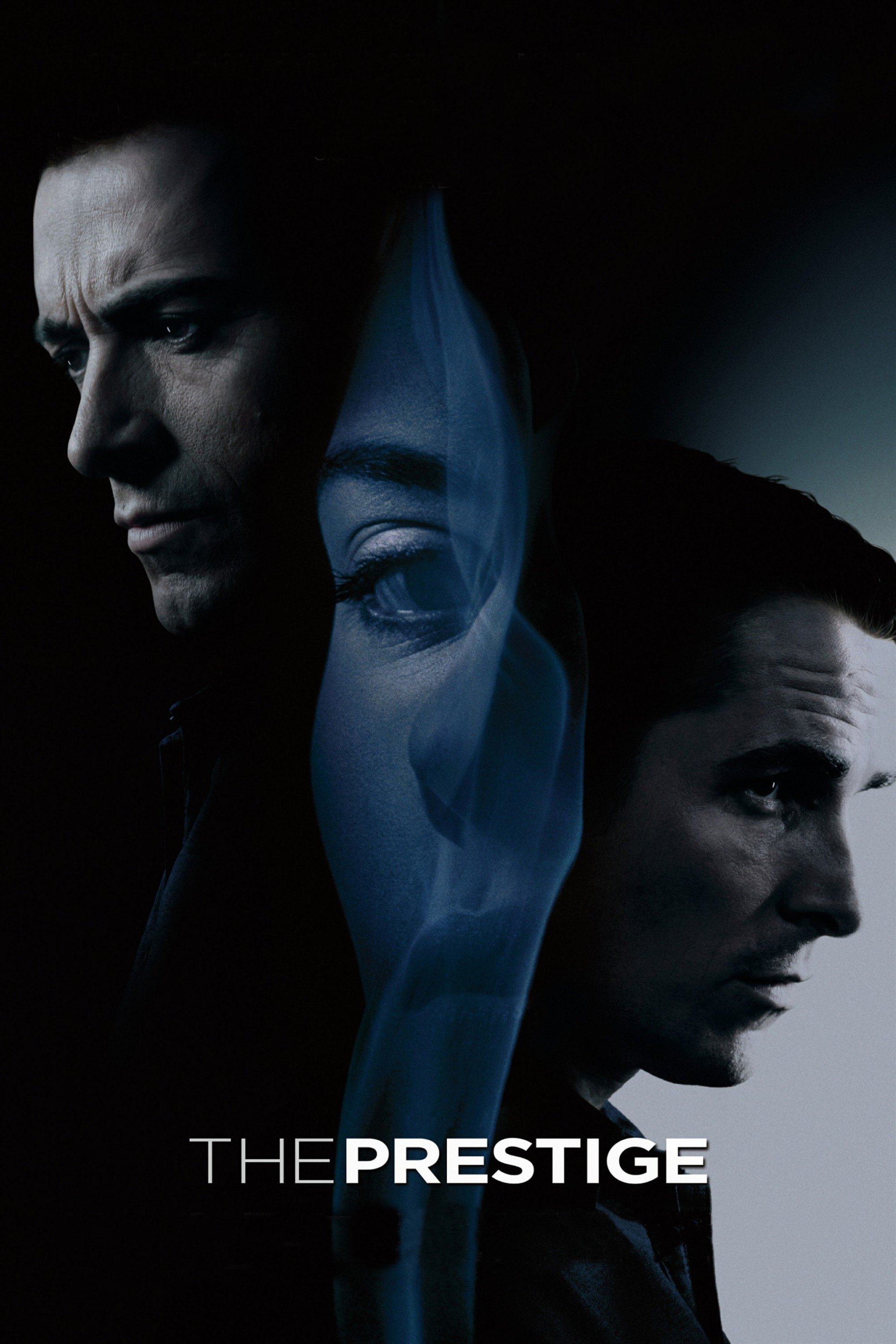
Cutter narrates that the audience wants to be fooled as the secret of the transported man trick is revealed. The visuals show the horrific cost of the magic act through the tank of drowned clones. This monologue recontextualizes the rivalry as a destructive obsession rather than professional competition. The final words remind the viewer that the allure of the illusion often hides a terrible reality.
‘Gone Girl’ (2014)
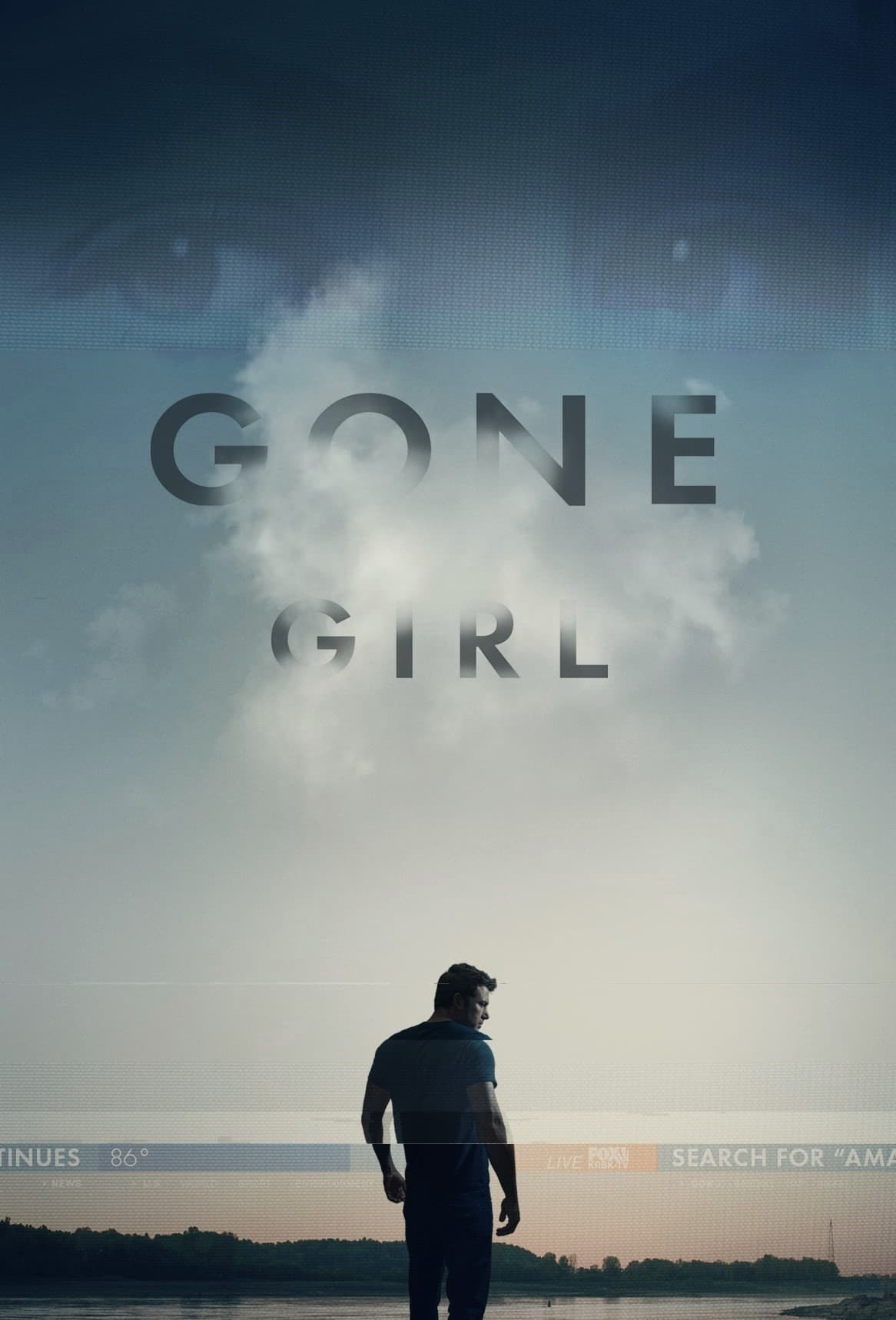
Nick Dunne asks his wife what they have done to each other and what they will do in the future. He decides to stay in the toxic marriage despite knowing she framed him for murder. The line signals his resignation to a life of performative happiness with a sociopath. It changes the genre from a mystery thriller to a domestic horror story about mutually assured destruction.
‘Life of Pi’ (2012)
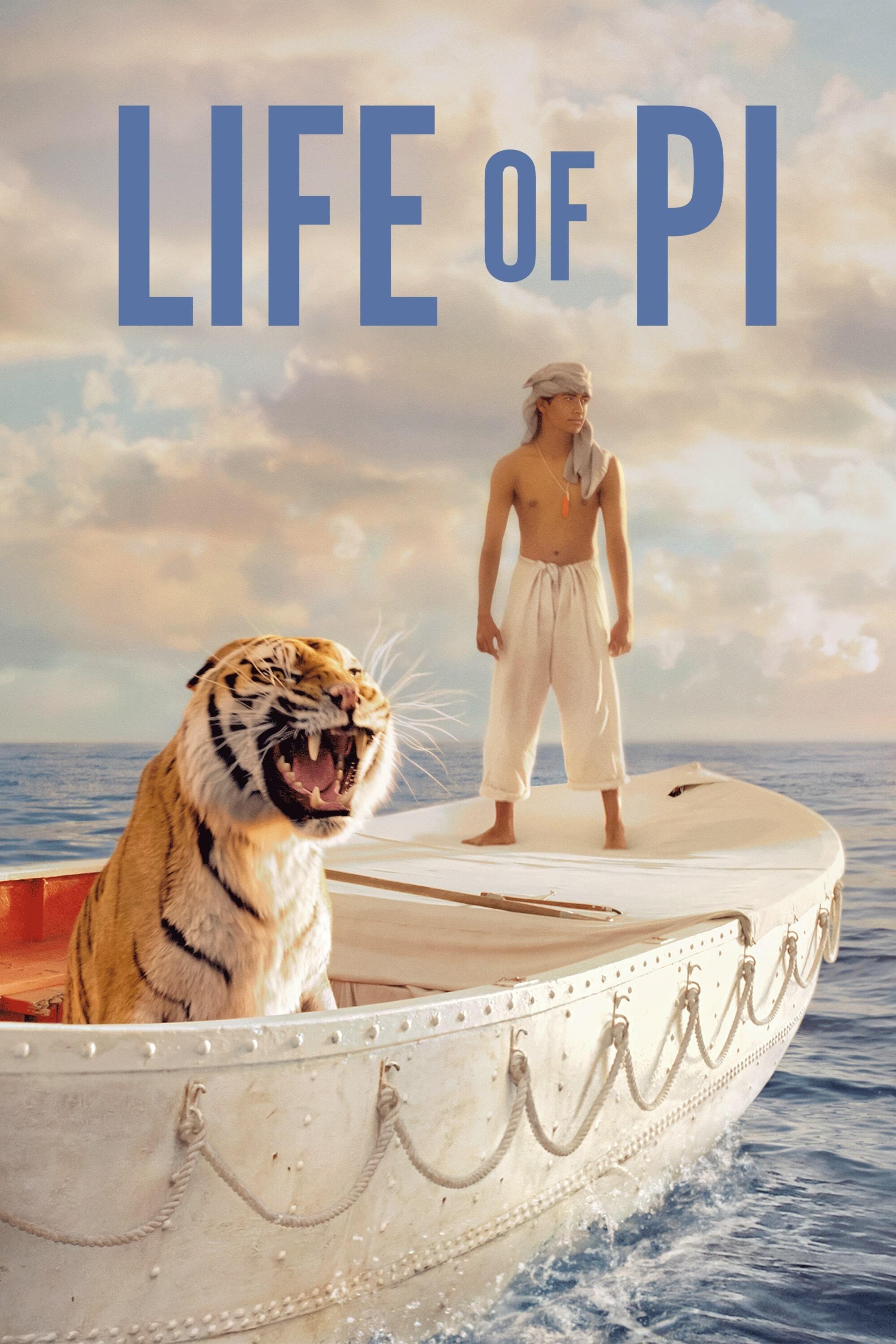
The writer notes that the story with the tiger is the better story and concludes so it goes with God. This validates the fantastical version of events over the brutal reality of human cannibalism on the lifeboat. The line suggests faith is a choice to believe in the more beautiful narrative despite evidence to the contrary. It forces the audience to choose which version of the truth they prefer to accept.
‘Stand by Me’ (1986)
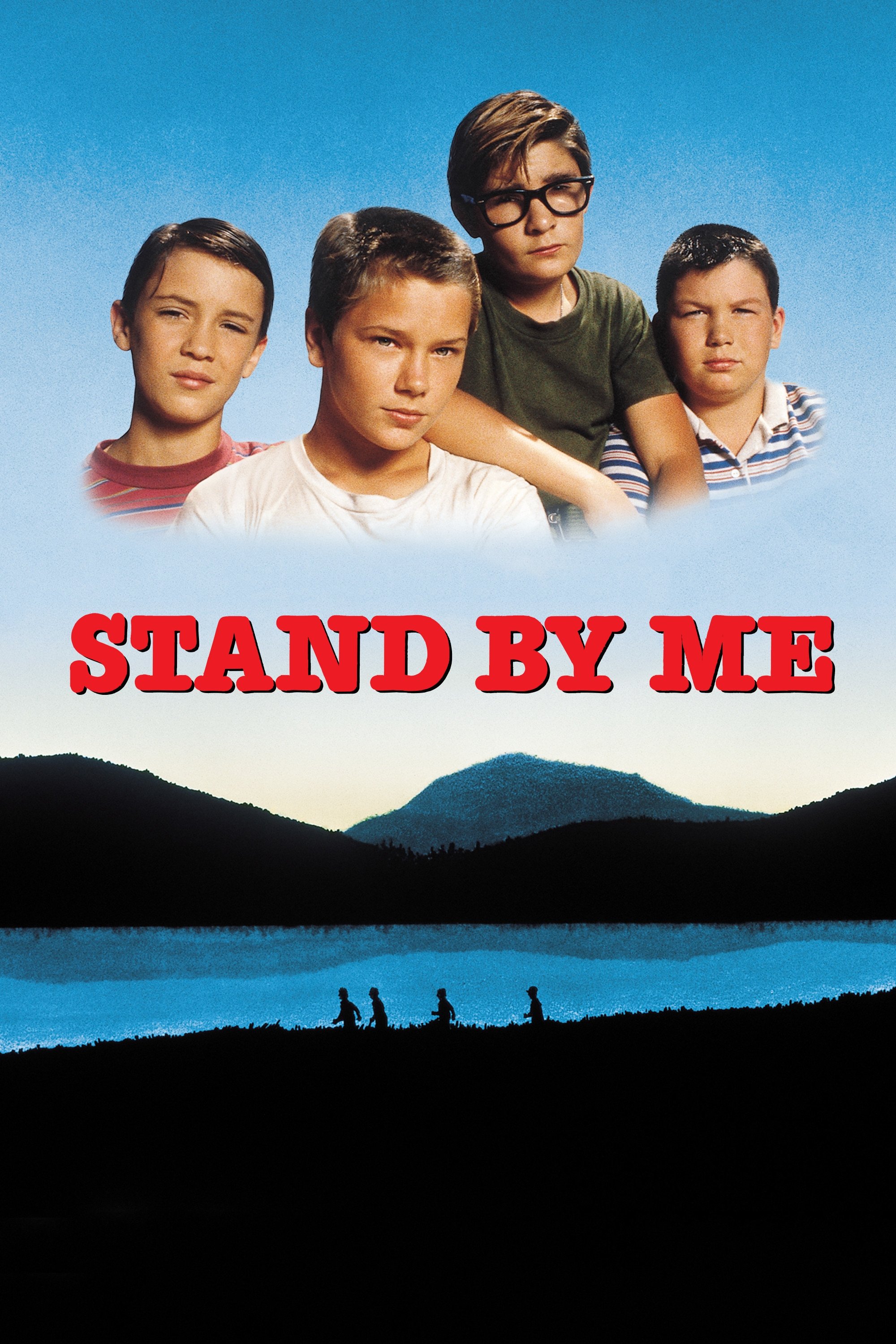
The narrator writes that he never had friends later on like the ones he had when he was twelve. This sentiment captures the fleeting innocence of childhood friendships that dissolve with time. The nostalgia frames the preceding adventure as a singular moment that can never be replicated in adulthood. It elevates a simple coming-of-age story into a poignant meditation on loss and memory.
‘Fallen’ (1998)
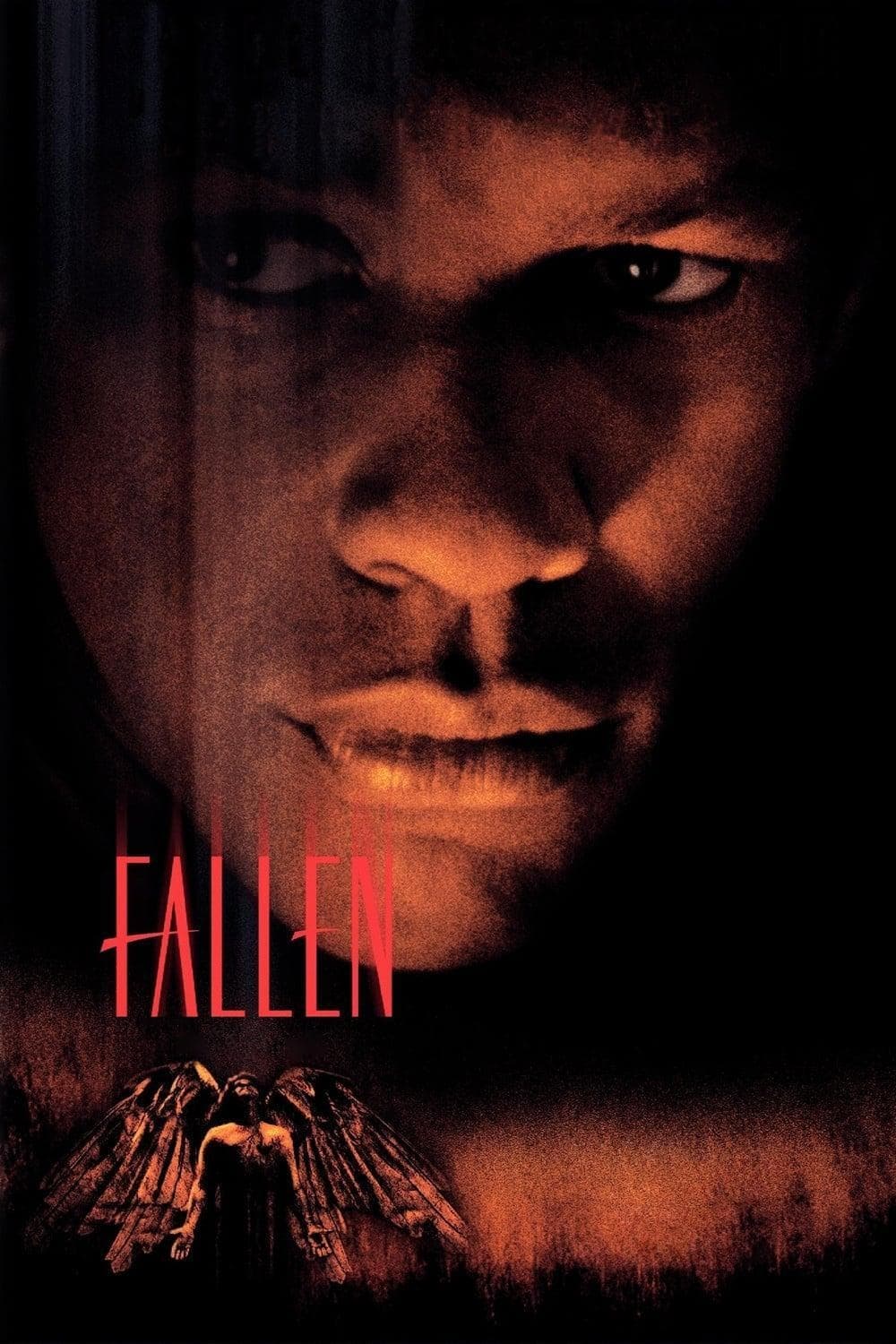
The narrator reveals the time he almost died was actually the moment the demon possessed him. The voiceover implies the antagonist won the battle and is now roaming free in a new host. This twists the standard hero victory into a horrifying defeat for the protagonist. The story ends by breaking the convention that the narrator must survive the events of the film.
Tell us which movie ending blew your mind the most in the comments.