

20 Free-To-Play Games Worth Your Time



Free-to-play doesn’t have to mean bare-bones—today’s biggest games offer full-fat modes, deep progression, and cross-platform play without an upfront purchase. Below are twenty widely available titles you can jump into right now; each entry notes the studio and publisher behind it, core modes or systems, and how the monetization works so you know exactly what you’re getting.
‘Fortnite’ (2017)
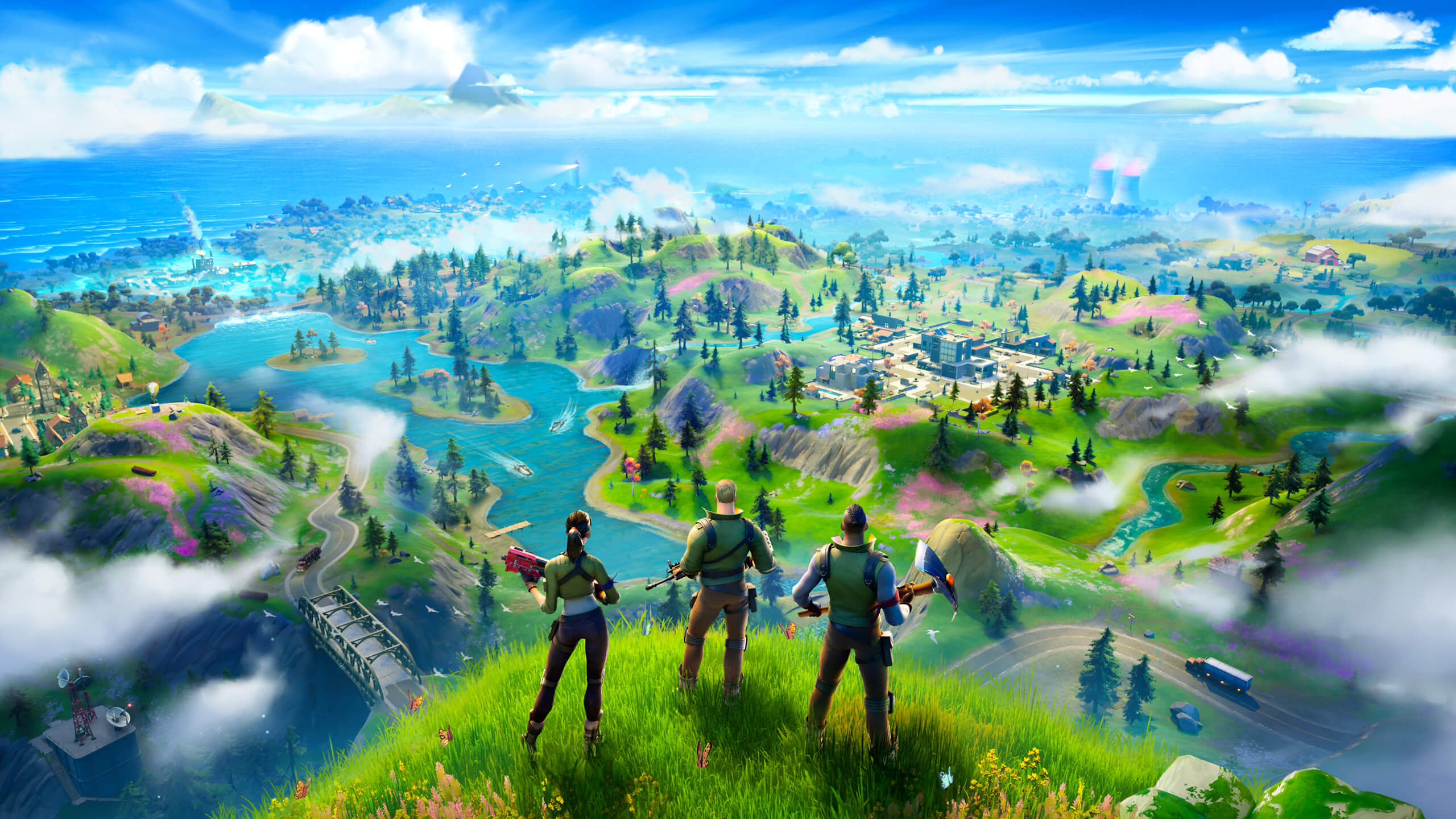
Developed and published by Epic Games, ‘Fortnite’ is a battle royale with 100-player matches, frequent limited-time modes, and an ever-evolving island. The game runs on PC, consoles, and mobile (via cloud), with full cross-play and cross-progression through an Epic account. Creative and Lego modes let players build maps, experiences, and UEFN projects beyond the competitive core. Monetization is cosmetic-only via a rotating shop and seasonal battle passes.
‘Genshin Impact’ (2020)
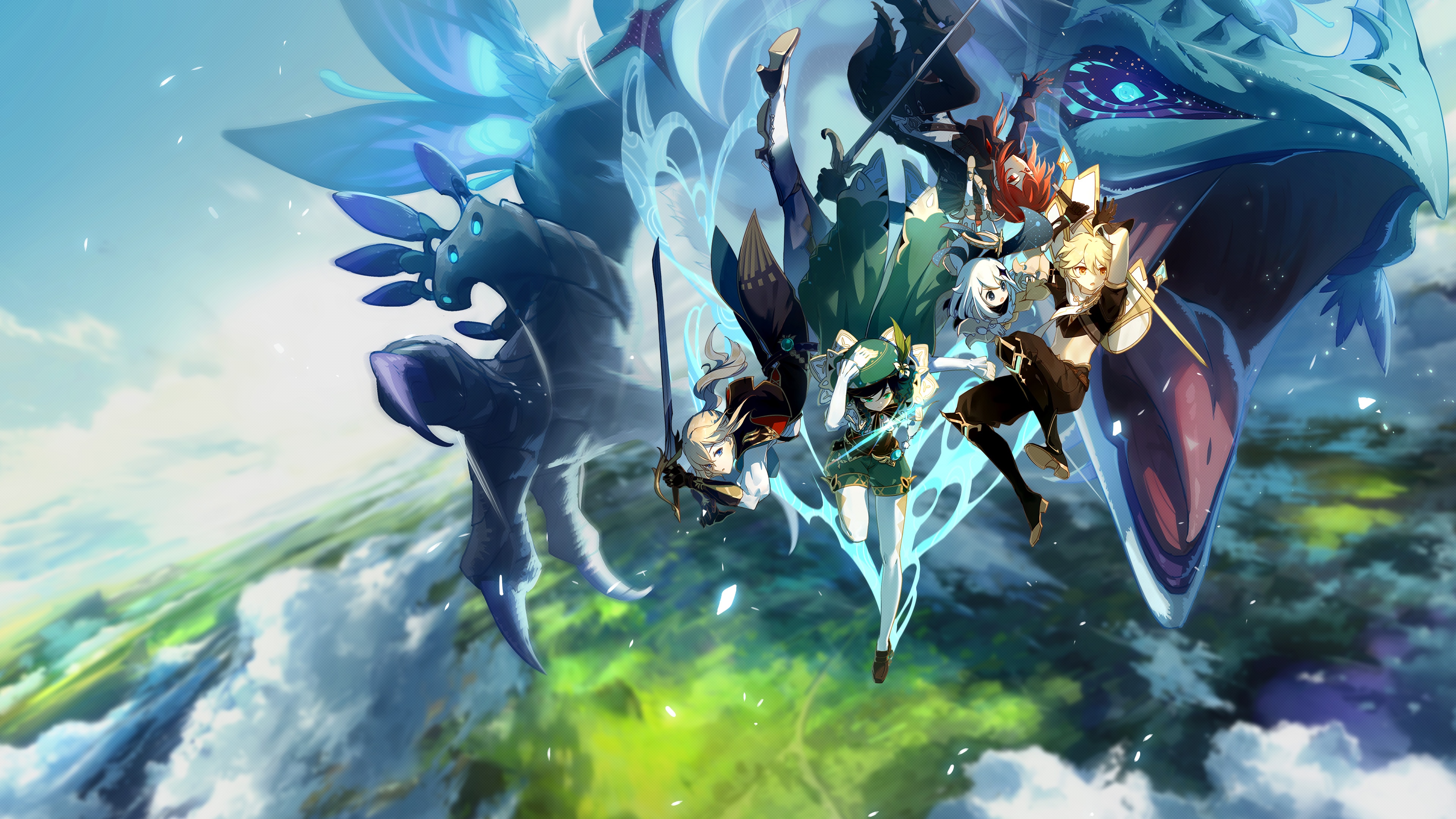
From miHoYo/HoYoverse, ‘Genshin Impact’ is an open-world action RPG where you assemble elemental teams and explore large regions like Mondstadt, Liyue, and Sumeru. It’s available on PC, PlayStation, and mobile with cross-save between supported platforms. Characters and weapons arrive through time-limited banners, with resin gating certain upgrade activities. Spending is optional—story zones, events, and co-op are accessible without purchases.
‘Apex Legends’ (2019)
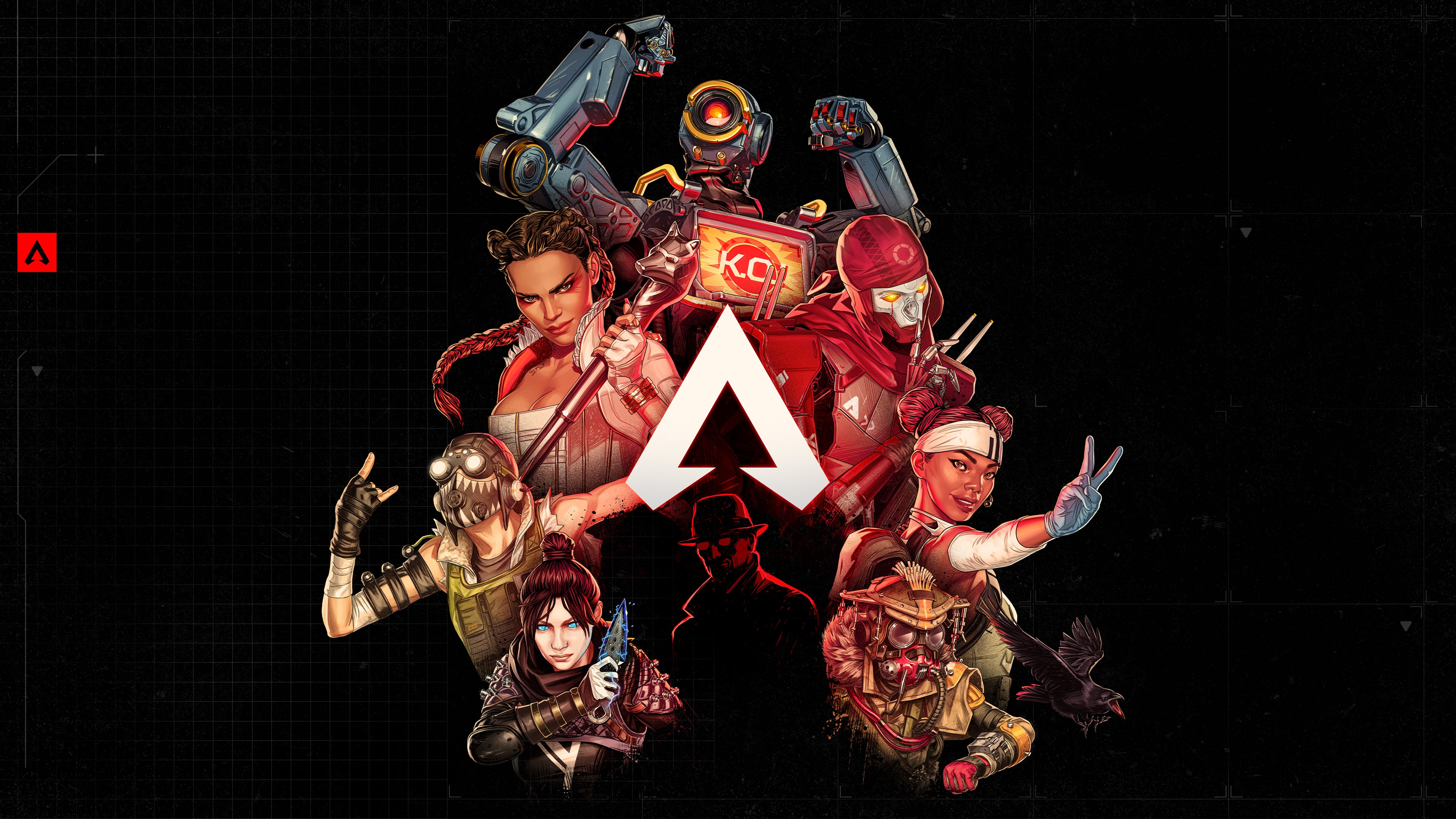
Respawn Entertainment and Electronic Arts built ‘Apex Legends’ as a squad-based battle royale with hero abilities, fast movement, and a ping system for quick comms. The game supports cross-play on PC and consoles and routinely rotates maps and limited-time modes. Ranked leagues run in seasonal splits with MMR and entry costs tied to performance. Cosmetics fund development through battle passes, event collections, and store bundles.
‘Call of Duty: Warzone’ (2020)
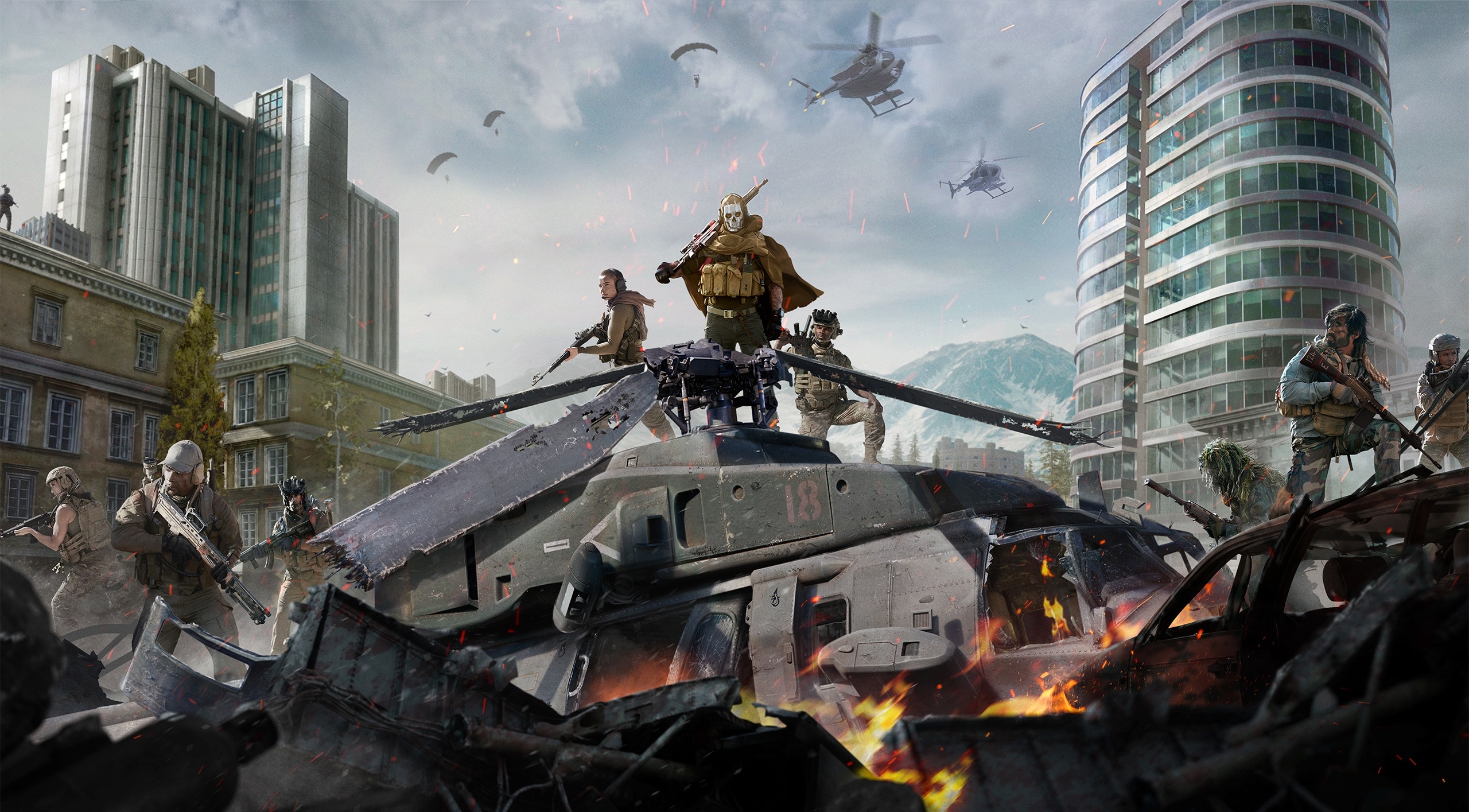
Developed by Infinity Ward, Raven Software, and others for Activision, ‘Call of Duty: Warzone’ is a large-scale free mode featuring battle royale and Resurgence playlists. Weapon progression syncs with current ‘Call of Duty’ releases, and the game updates maps and loadout metas seasonally. Cross-play and cross-progression are supported across PC and consoles via Activision accounts. Monetization centers on cosmetic bundles and a seasonal battle pass.
‘League of Legends’ (2009)
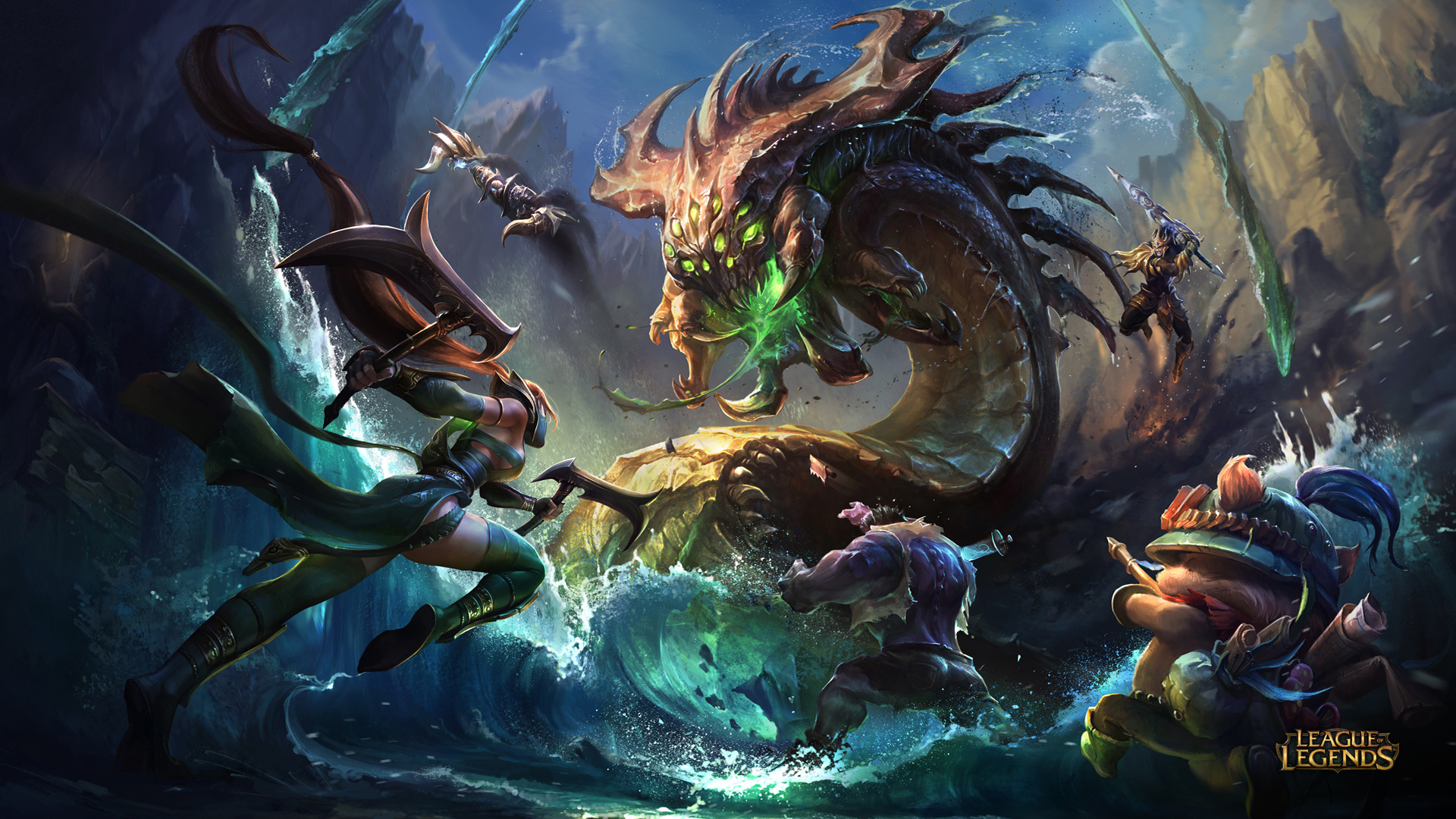
Riot Games’ ‘League of Legends’ is a 5v5 MOBA built around three lanes, jungle objectives, and a huge champion roster. The client includes Draft, Ranked, ARAM, and rotating event modes, plus an in-client practice tool. Champions can be unlocked with Blue Essence earned through play, with skins, chromas, and event passes sold for RP. Regular patches adjust balance, introduce new champions, and refresh items.
‘Dota 2’ (2013)
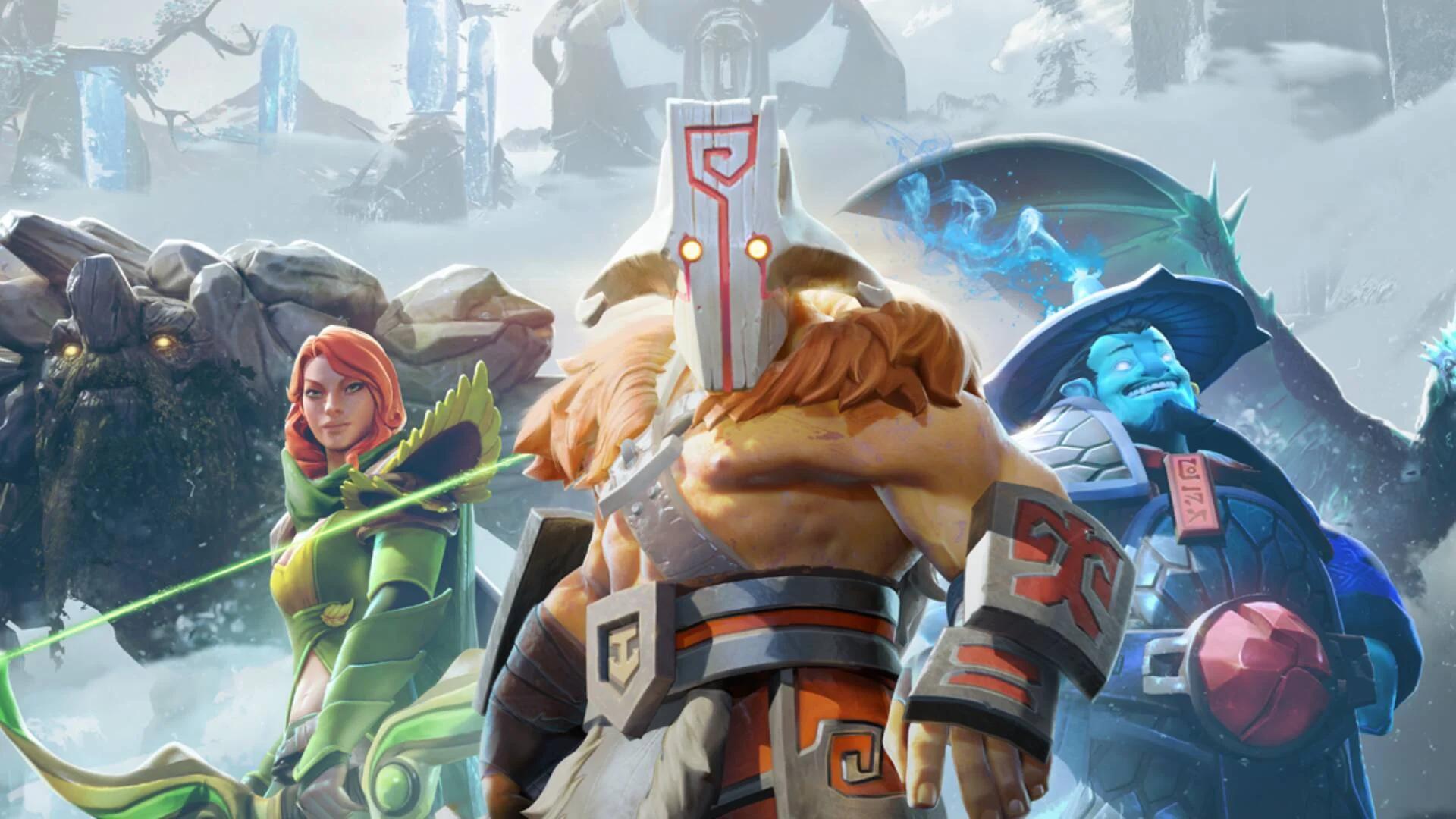
Valve’s ‘Dota 2’ offers a complex MOBA with over a hundred heroes, intricate itemization, and a captain’s mode favored in esports. The game runs on the Source 2 engine and includes custom lobbies, a demo range, and user-made Arcade modes. All heroes are free from day one; monetization is cosmetic through treasure collections, seasonal events, and tools like the Dota Plus subscription. Frequent updates tweak heroes, map objectives, and neutral items.
‘Valorant’ (2020)
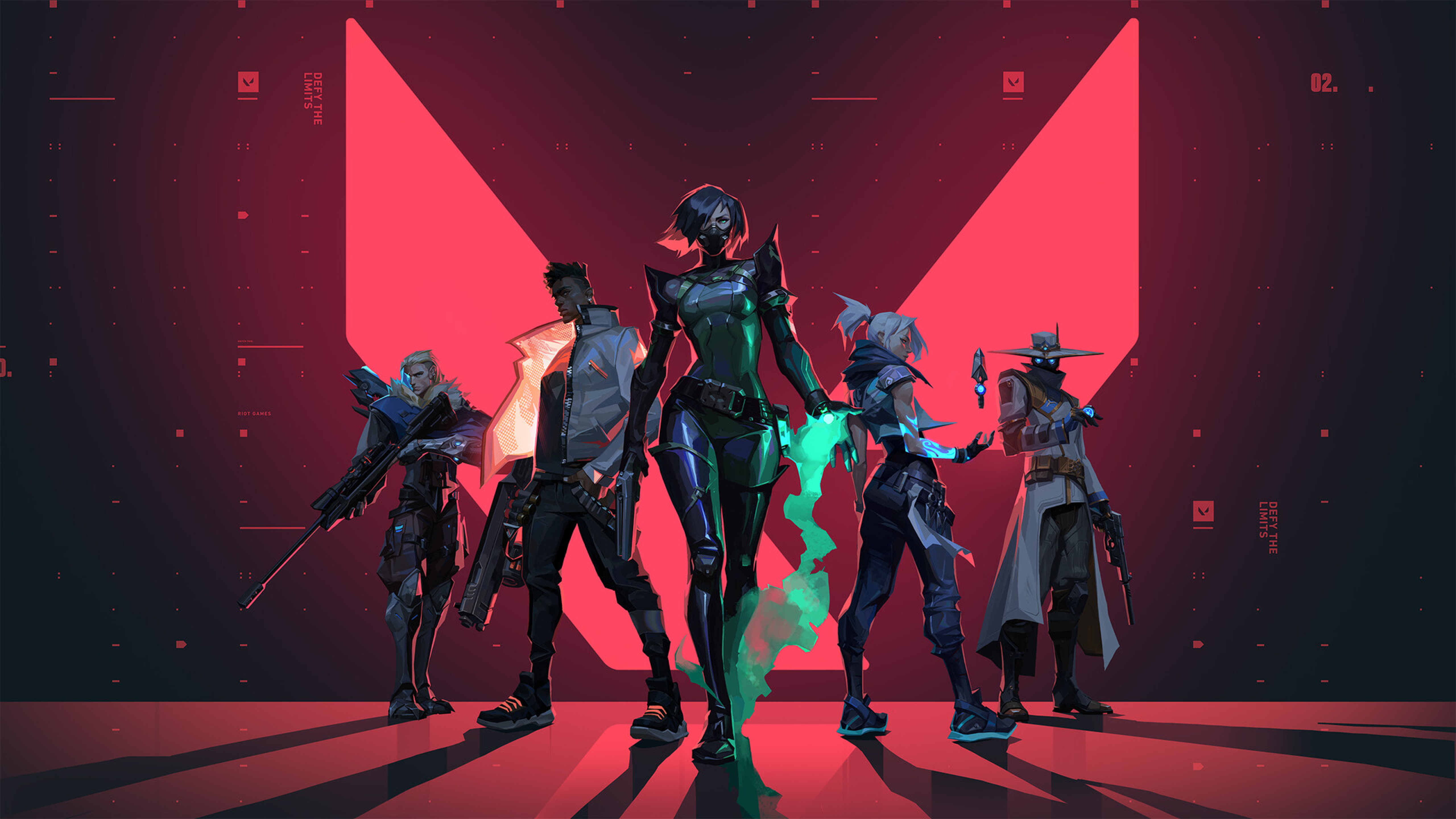
Riot Games created ‘Valorant’ as a 5v5 tactical shooter where gunplay meets agent abilities. It features competitive, unrated, and fast-cue modes like Swiftplay and Spike Rush, plus a comprehensive practice range. Anti-cheat operates at the kernel level, and ranked progression uses a visible RR system. Agents can be unlocked via play or purchased, while skins and battle passes provide optional cosmetics.
‘Counter-Strike 2’ (2023)
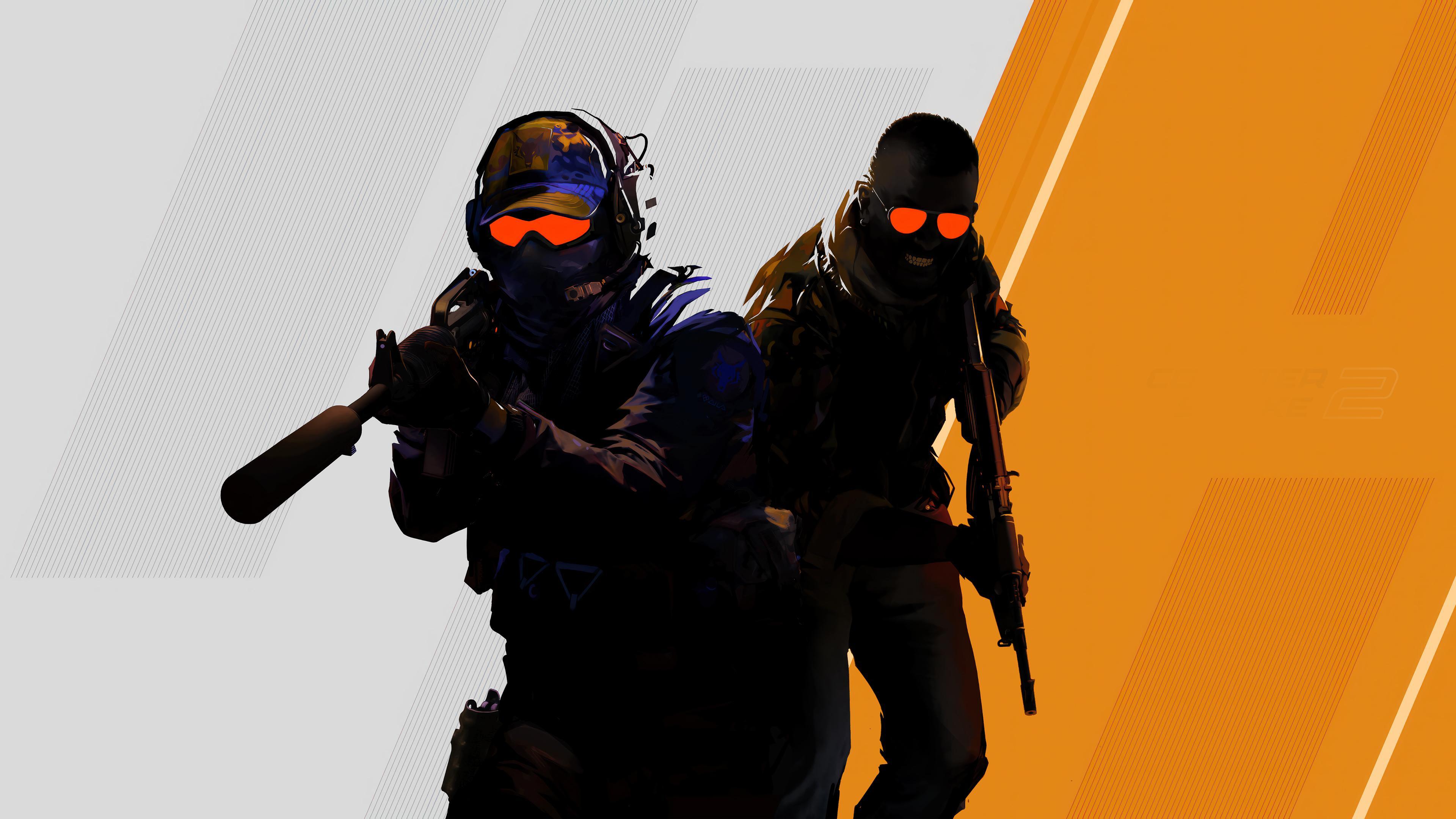
Valve’s ‘Counter-Strike 2’ updates the classic formula with sub-tick netcode, responsive smokes, and Source 2 maps. Core modes include Competitive, Premier with map pick/ban, and casual playlists, with skill groups tracking performance. Legacy CS:GO inventories carry over, and community servers and Workshop maps remain a draw. Revenue comes from case keys, operation/event passes, and market-tradeable cosmetics.
‘Path of Exile’ (2013)

Grinding Gear Games’ ‘Path of Exile’ is an ARPG known for its massive passive tree, league mechanics, and deep item crafting. New challenge leagues arrive roughly every few months, adding mechanics that later fold into the core game. All story acts and endgame mapping are free, with optional stash tabs and cosmetics in the shop. Trading, build planners, and strong community tools support long-term play.
‘Warframe’ (2013)
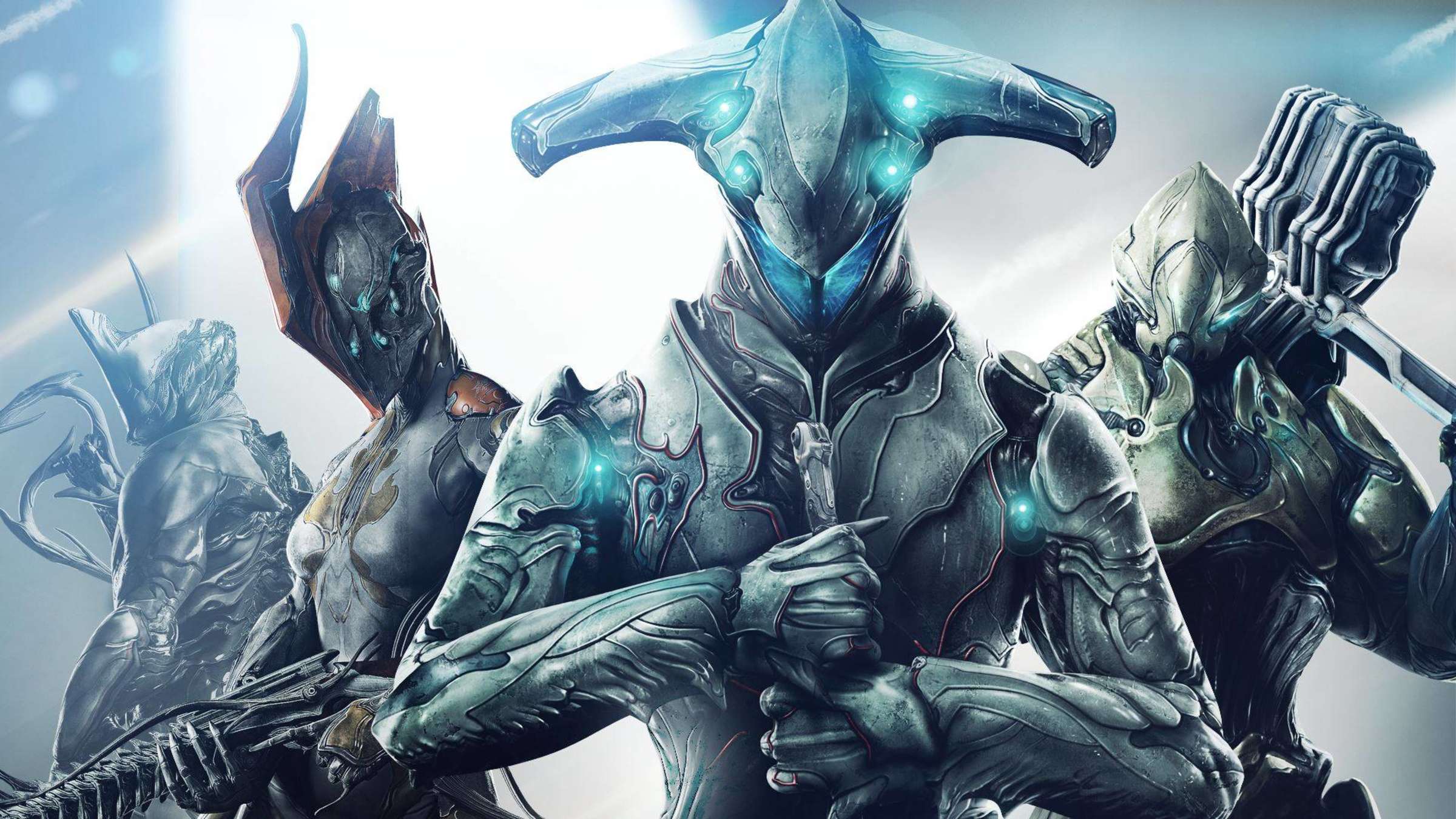
Digital Extremes’ ‘Warframe’ is a co-op looter-shooter where players control distinct Warframes with unique kits across star-chart missions and open zones. The game spans PC and consoles with cross-save and cross-play, and it adds story quests and frames through regular updates. Crafting uses blueprints, resources, and Foundry timers, while premium currency can be traded between players. Monetization is cosmetic and convenience-oriented, with all gameplay content earnable.
‘Destiny 2’ (2017)
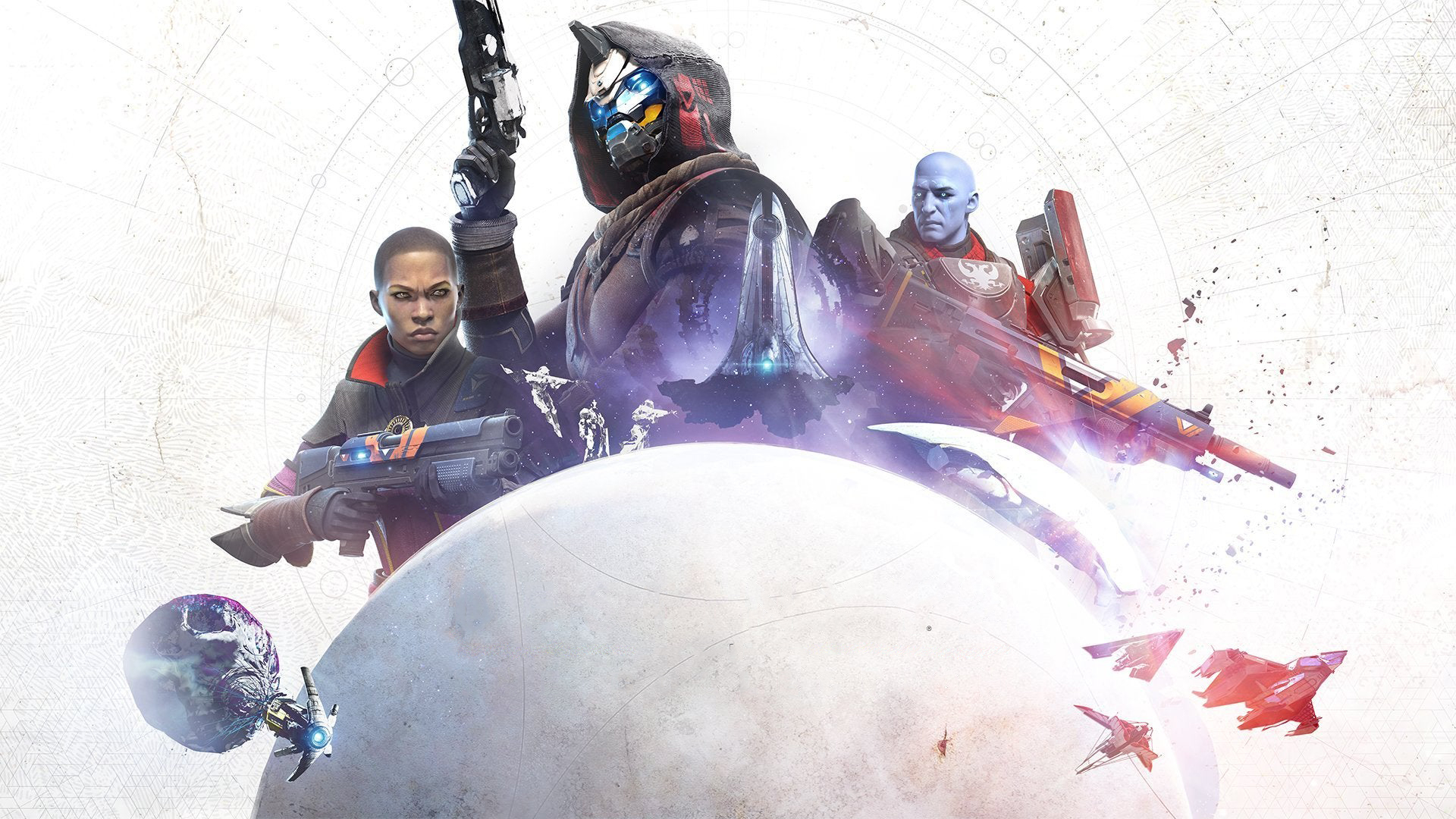
Bungie’s ‘Destiny 2’ offers a free ‘New Light’ entry that includes the base campaign introduction, core playlists, and selected activities. Seasonal updates rotate artifact mods, loot pools, and limited-time events like Festival of the Lost. Raids and most expansions are paid, but onboarding, Crucible quickplay, Gambit, and Vanguard Ops are accessible without purchases. Cross-save and cross-play are supported across all major platforms.
‘PUBG: Battlegrounds’ (2017)
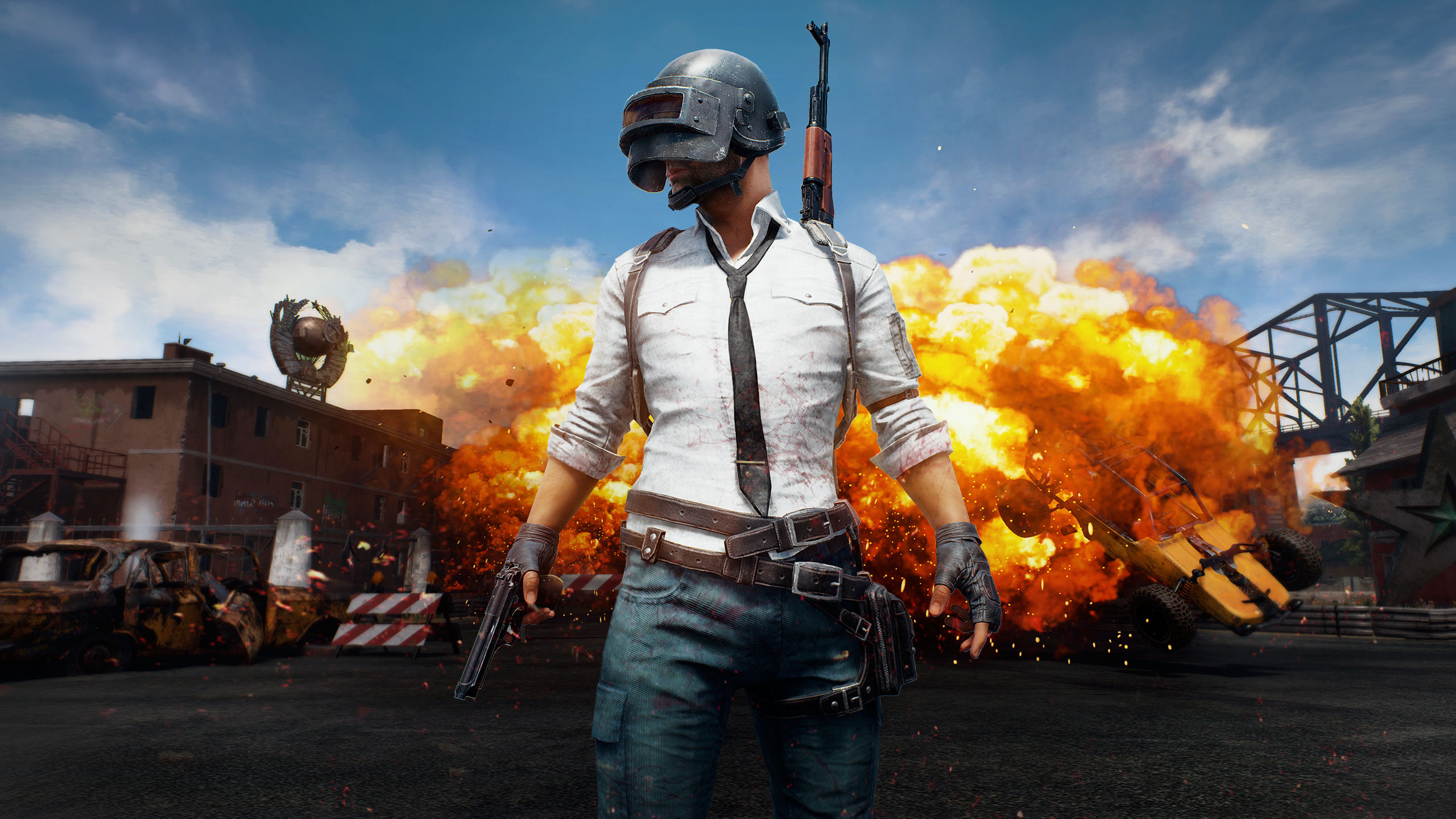
Developed by PUBG Studios under Krafton, ‘PUBG: Battlegrounds’ brings realistic gunplay and ballistics to large, open-map battle royale matches. The title transitioned to free-to-play with an optional premium ‘Battlegrounds Plus’ account for extra ranked features. Regular updates rotate maps, weapons, and arcade modes like Team Deathmatch. Monetization includes cosmetic crates, store bundles, and a seasonal pass.
‘Overwatch 2’ (2022)
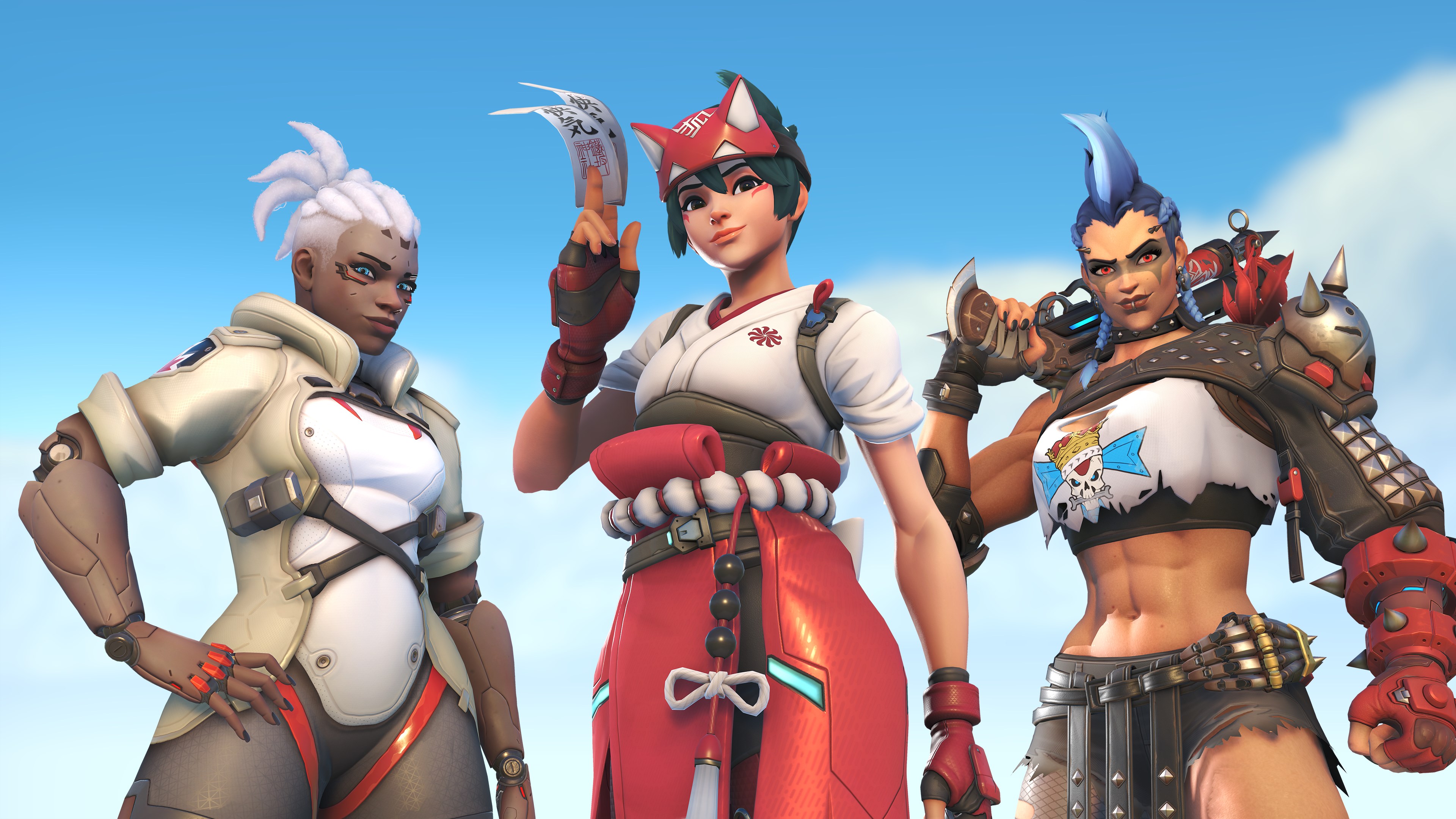
Blizzard Entertainment’s ‘Overwatch 2’ is a 5v5 hero shooter with role-queue, arcade variants, and seasonal events. New heroes unlock via the battle pass track, with legacy heroes available to new accounts after completing quick onboarding challenges. Cross-progression links through Battle.net, and competitive ranks reset each season. Cosmetics—skins, emotes, and souvenirs—fund ongoing development.
‘Halo Infinite’ (2021)
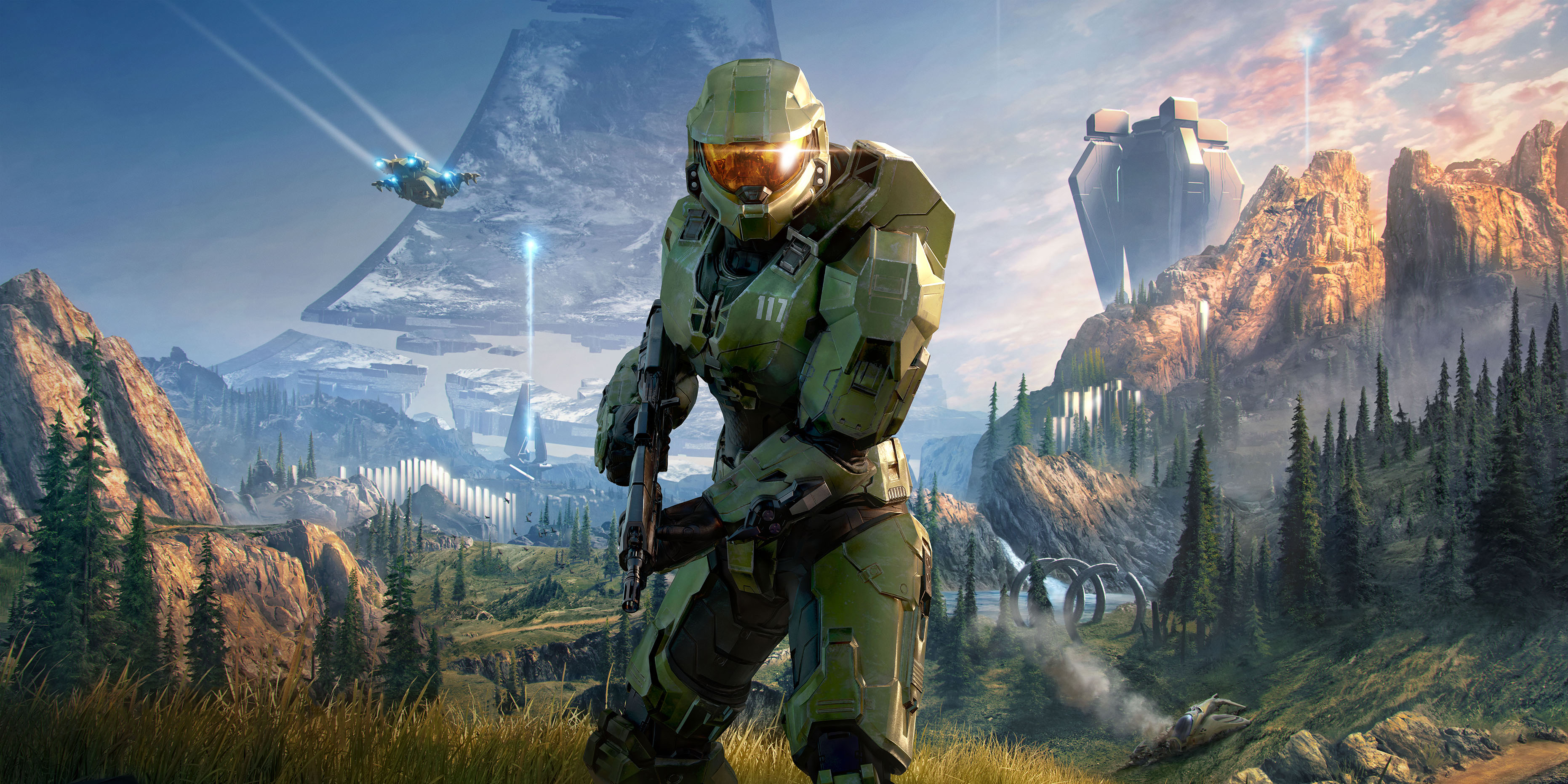
343 Industries and Xbox Game Studios offer ‘Halo Infinite’ multiplayer as a standalone free download on PC and Xbox. Playlists include Arena, Big Team Battle, Ranked, and rotating event modes, with Forge user content integrated into matchmaking. Progression uses seasonal battle passes that never expire once owned, and store bundles provide cosmetics and coatings. Aim, movement, and sandbox updates roll out with regular tuning passes.
‘Rocket League’ (2015)
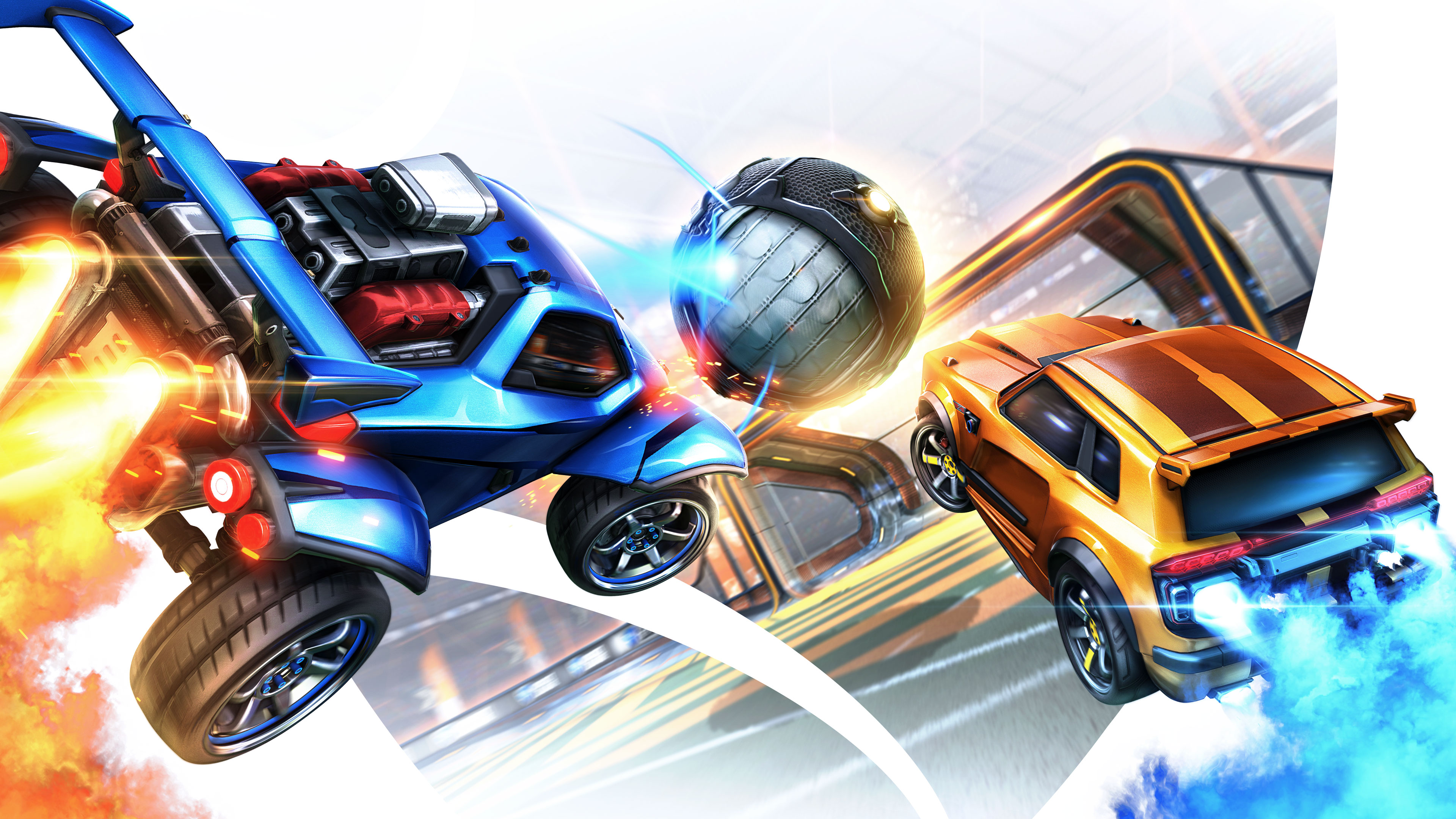
Psyonix’s ‘Rocket League’ mixes soccer with rocket-powered cars in 1v1 to 4v4 playlists and competitive ranks. The game went free-to-play in 2020 and supports cross-play across all platforms with an Epic account. Custom training, Workshop maps (on PC), and limited-time mutators extend core play. Monetization uses seasonal Rocket Passes and cosmetic item shops; all gameplay modes are free.
‘Brawlhalla’ (2017)
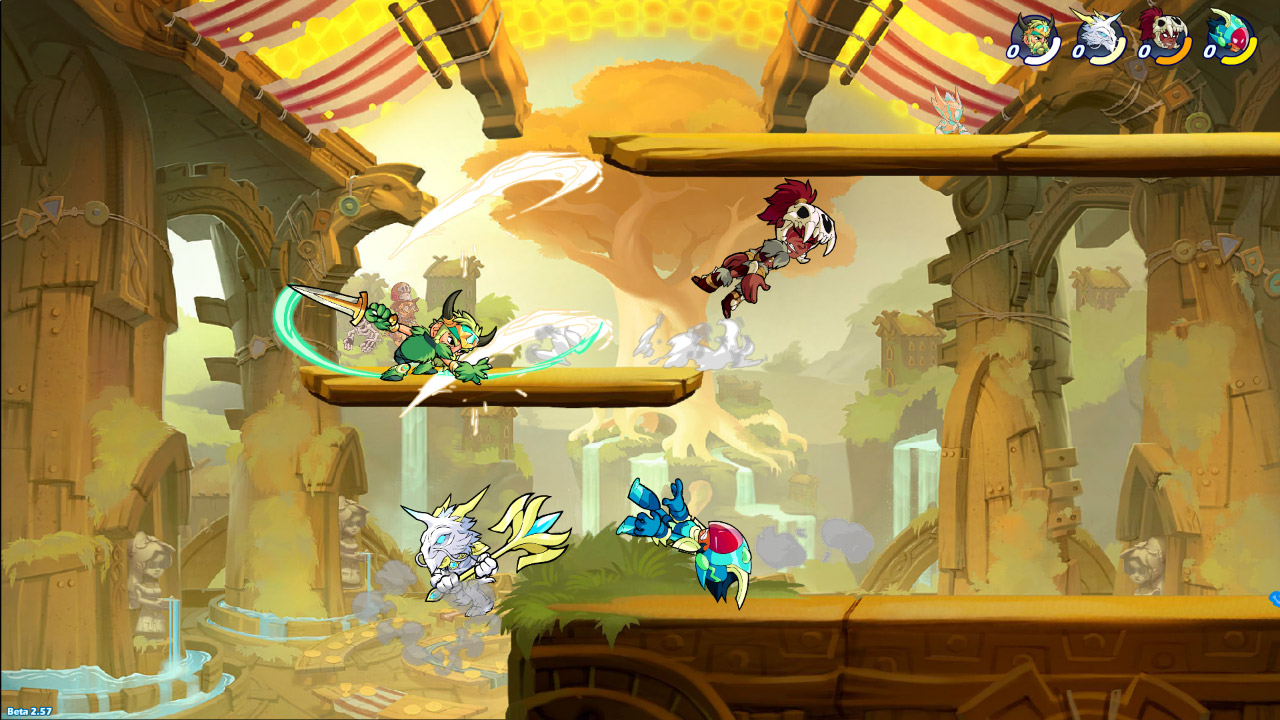
Blue Mammoth Games and Ubisoft deliver ‘Brawlhalla’, a platform fighter with a weekly free-rotation of Legends and a permanent earnable roster. Online features include 1v1 ranked, 2v2 ranked, and party brawls, with robust local modes. Cross-play covers PC, consoles, and mobile, and input options are flexible. Optional purchases focus on cosmetics and instant Legend unlocks.
‘Dauntless’ (2019)
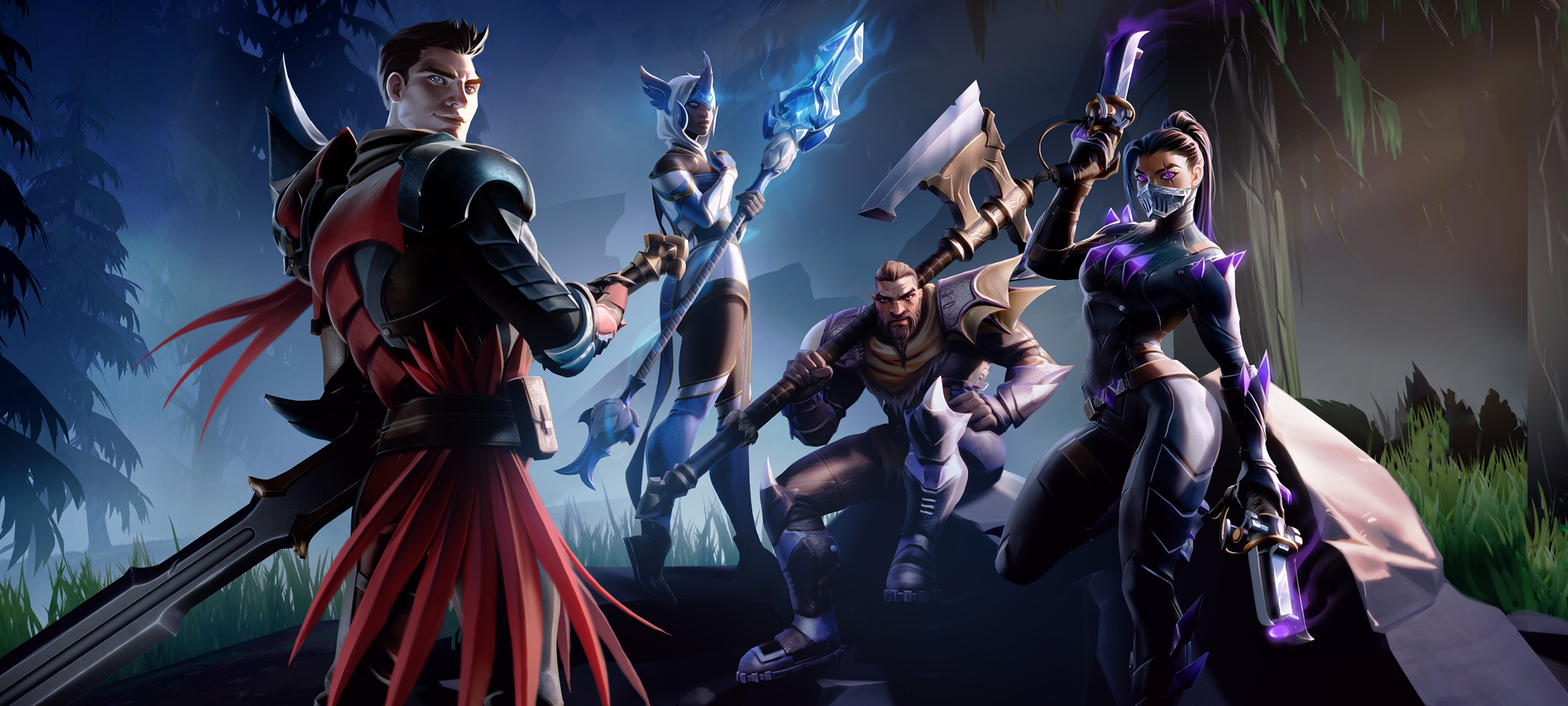
Phoenix Labs’ ‘Dauntless’ is a co-op action game where slayers craft gear by hunting Behemoths across islands. It features cross-play and cross-progression on PC, consoles, and Switch via an Epic account. Gear progression revolves around elemental strengths, unique Behemoth parts, and mod cells. Monetization is cosmetic—hunt passes and stores—while all hunts and core systems are free.
‘Legends of Runeterra’ (2020)
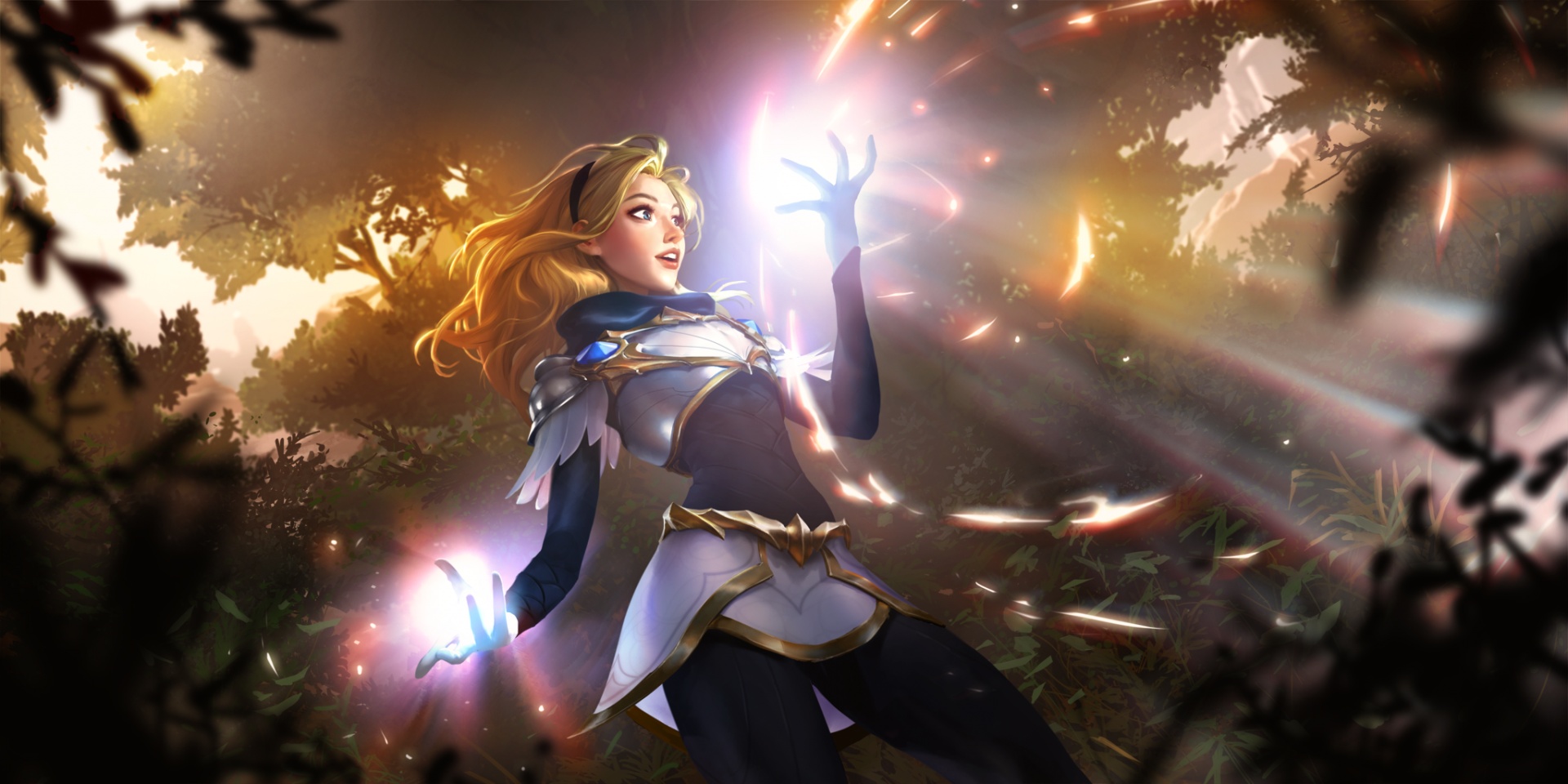
Riot Games’ ‘Legends of Runeterra’ is a digital card game set in the ‘League of Legends’ universe, built around alternating attack/defense rounds. Players earn wildcards, capsules, and region rewards through play, reducing reliance on purchases. Regular expansions add champions and keywords, while labs and gauntlets provide alternate formats. Cosmetics include boards, guardians, and card backs.
‘Marvel Snap’ (2022)
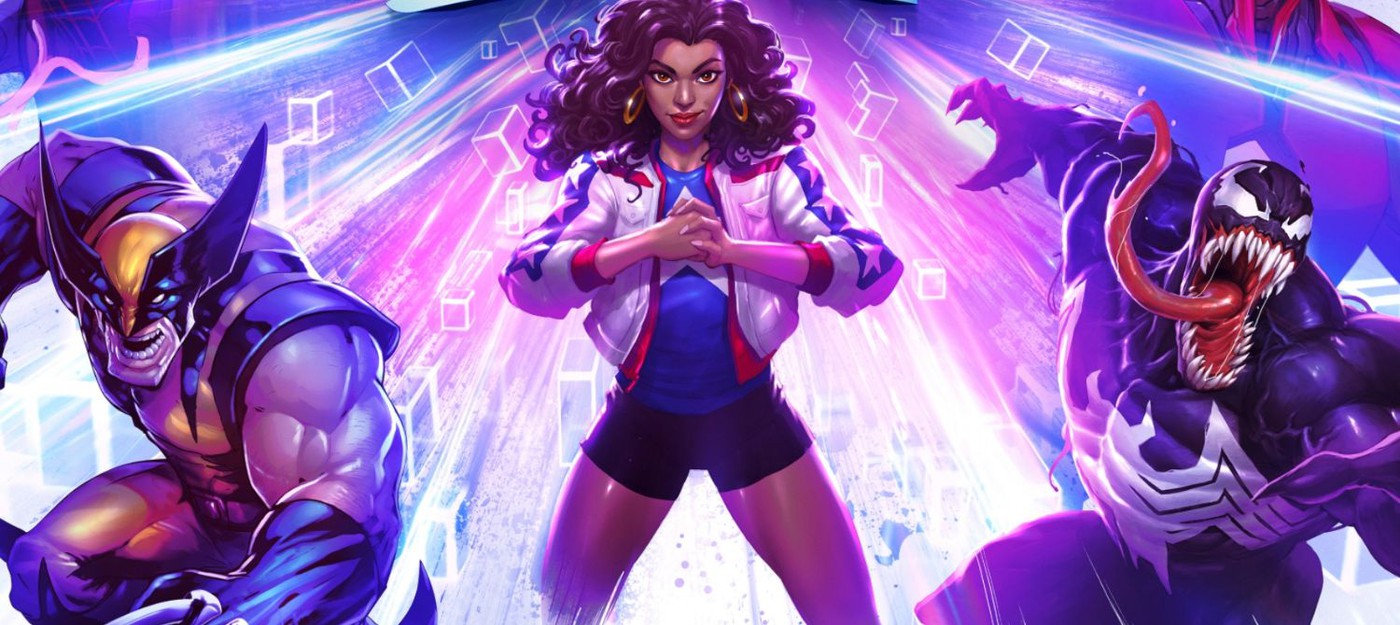
Developed by Second Dinner and published by Nuverse, ‘Marvel Snap’ is a fast, three-lane card battler with simultaneous turns and a cube-based ranking system. Matches last a few minutes, making it easy to play on mobile or PC. New cards enter monthly via seasons and series drops, with collection level and tokens guiding unlocks. Spending targets cosmetics and season passes; gameplay cards are earnable over time.
‘Honkai: Star Rail’ (2023)
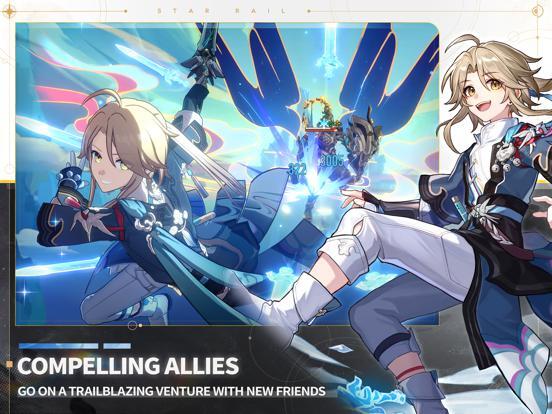
From miHoYo/HoYoverse, ‘Honkai: Star Rail’ is a turn-based RPG with a trailblazing squad exploring planets like Jarilo-VI and Xianzhou Luofu. The game is available on PC, PlayStation, and mobile with cross-save and regular version updates that add story chapters, characters, and events. Relic and Light Cone systems handle build depth, while daily and weekly activities gate progression. Monetization uses character and weapon banners, but the main story and events are playable for free.
Share your favorite free-to-play pick—and the mode you spend the most time in—in the comments!