

20 Games That Nail Non-Linear Storytelling




From branching dialogue webs to time loops that let you tackle mysteries in any order, some games are built so your choices and playstyle genuinely reshape what you see next. The picks below span classic RPGs, experimental indies, and investigative adventures, but they all give you latitude to approach goals, unlock scenes, and even alter who lives or dies. Each entry notes the studio responsible and highlights the specific systems—conversation checks, rumor maps, butterfly effects, and more—that make the narrative unfold differently from player to player.
‘Disco Elysium’ (2019)
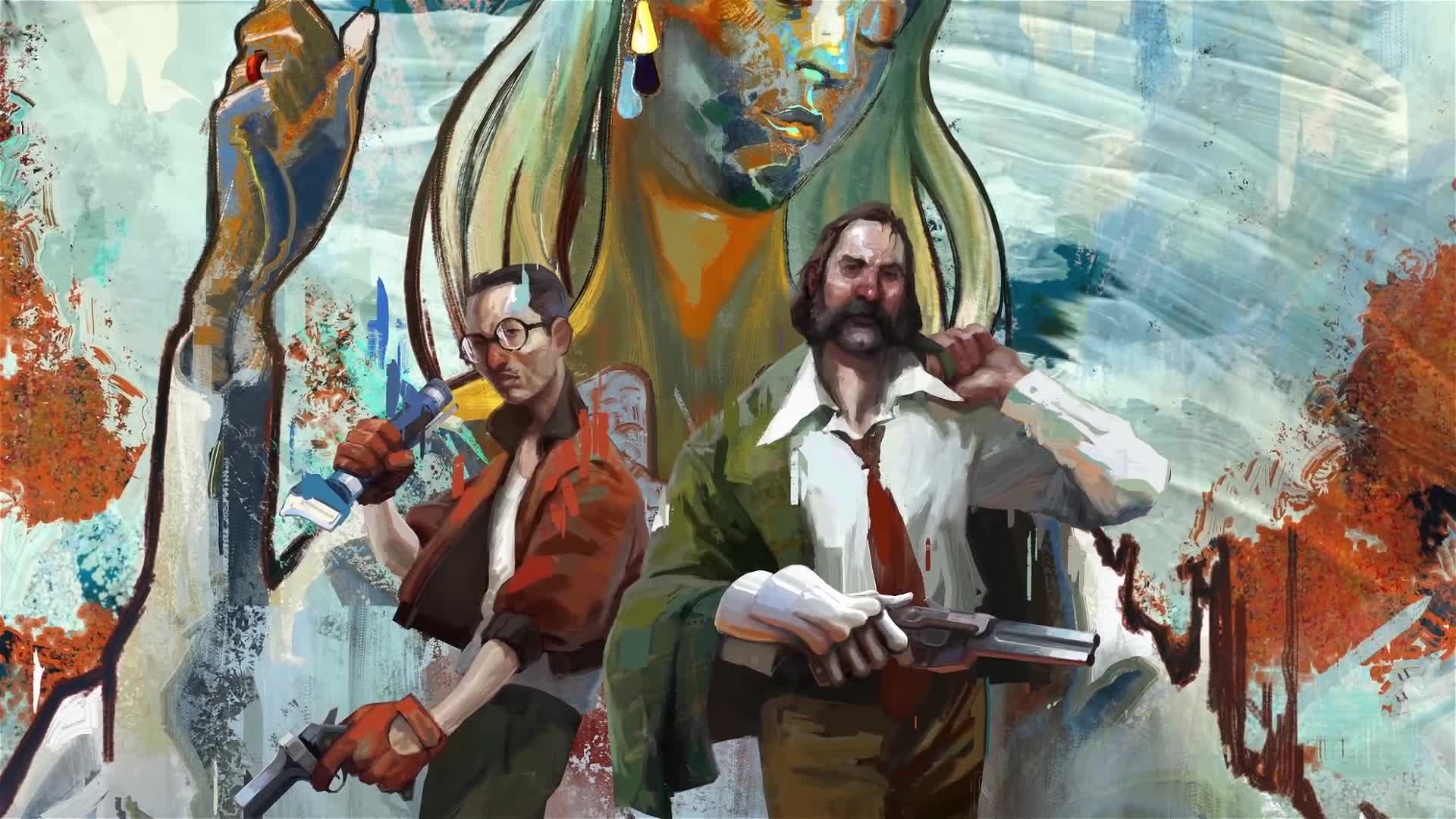
This is a dialogue-driven RPG where skill checks and interior “Thought Cabinet” choices steer investigations, unlock unique lines, and even change your detective’s inner voice; it was developed by ZA/UM. Failing a check often branches to fresh leads rather than dead ends, so cases progress along different paths. Political alignments reframe how characters respond and which tasks appear, while clothing, drugs, and partner dynamics influence rolls. Entire quest chains can be missed or resolved differently depending on where you walk first in Martinaise.
‘Planescape: Torment’ (1999)
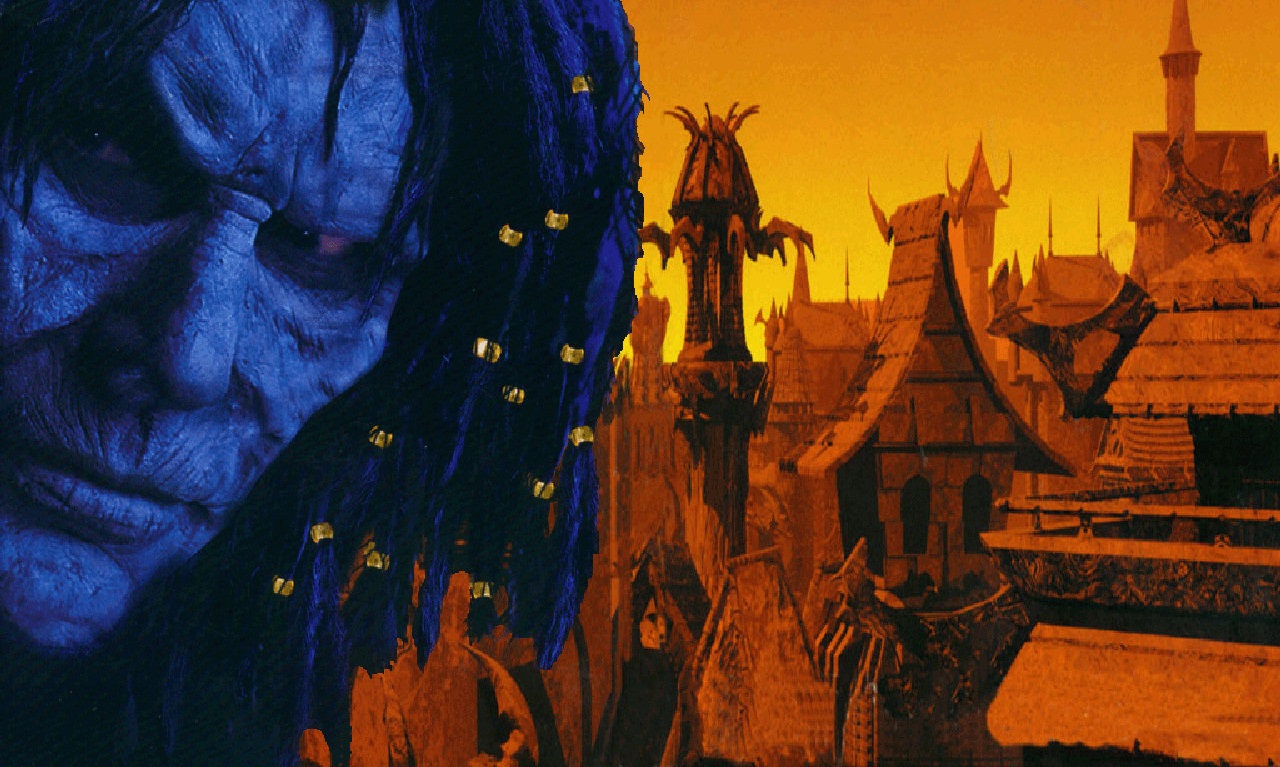
Built by Black Isle Studios, this D&D RPG centers on The Nameless One and uses dialogue and belief to reshape outcomes rather than combat. Your choices alter companion arcs, faction relations, and how the city of Sigil reacts, culminating in multiple resolutions to the central mystery. Stats like Wisdom and Intelligence open radically different conversation routes and lore reveals. Many quests resolve through persuasion or philosophy, letting scenes be approached in varied orders with distinct consequences.
‘The Witcher 3: Wild Hunt’ (2015)

CD Projekt Red designed quests whose consequences ripple across regions, changing rulers, settlements, and character fates. Side stories such as the Bloody Baron thread branch based on investigation steps and dialogue, not simple good-evil toggles. Timed choices, missed meetings, or tackling contracts first can lock or unlock later scenes. The structure lets you weave witcher work and personal searches in flexible sequences that still converge into markedly different states.
‘The Stanley Parable’ (2013)

Developed by Galactic Cafe, this first-person narrative comedy reacts to whether you obey or defy an omniscient narrator. Each decision at a door, hallway, or console splits into new commentary tracks and endings, many accessible in any order. The design emphasizes player authorship by making small detours trigger bespoke narration. Replays reveal meta-paths and hidden logic loops that subvert prior choices.
’80 Days’ (2014)
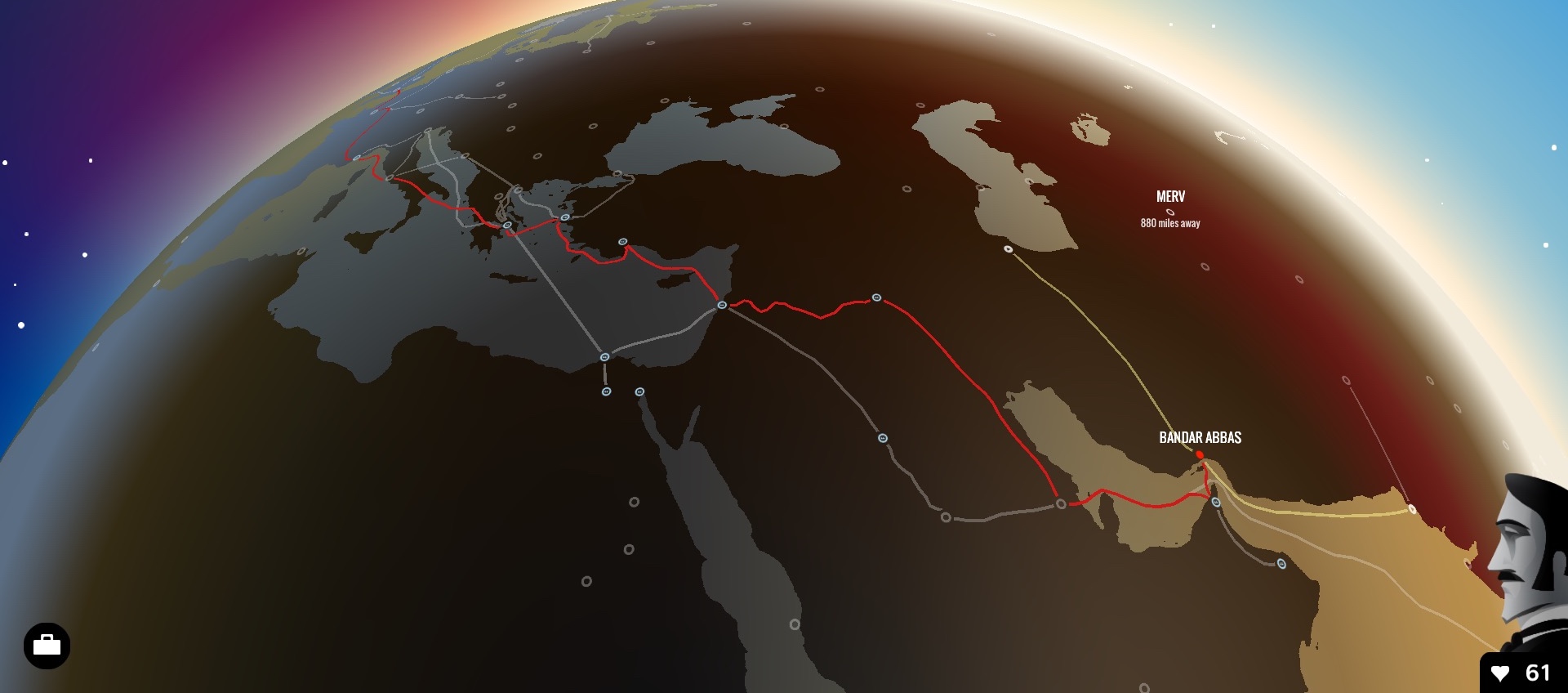
Inkle’s interactive fiction adapts Verne’s globe-trotting race with a massive route network authored in the Ink engine. The studio built city storylets that interlock, so the path you chart—by rail, airship, or submersible—surfaces unique characters and crises. Time and money pressures push you toward different legs of the journey on repeat playthroughs. Companionship with Passepartout and equipment decisions further branch events and outcomes.
‘Detroit: Become Human’ (2018)
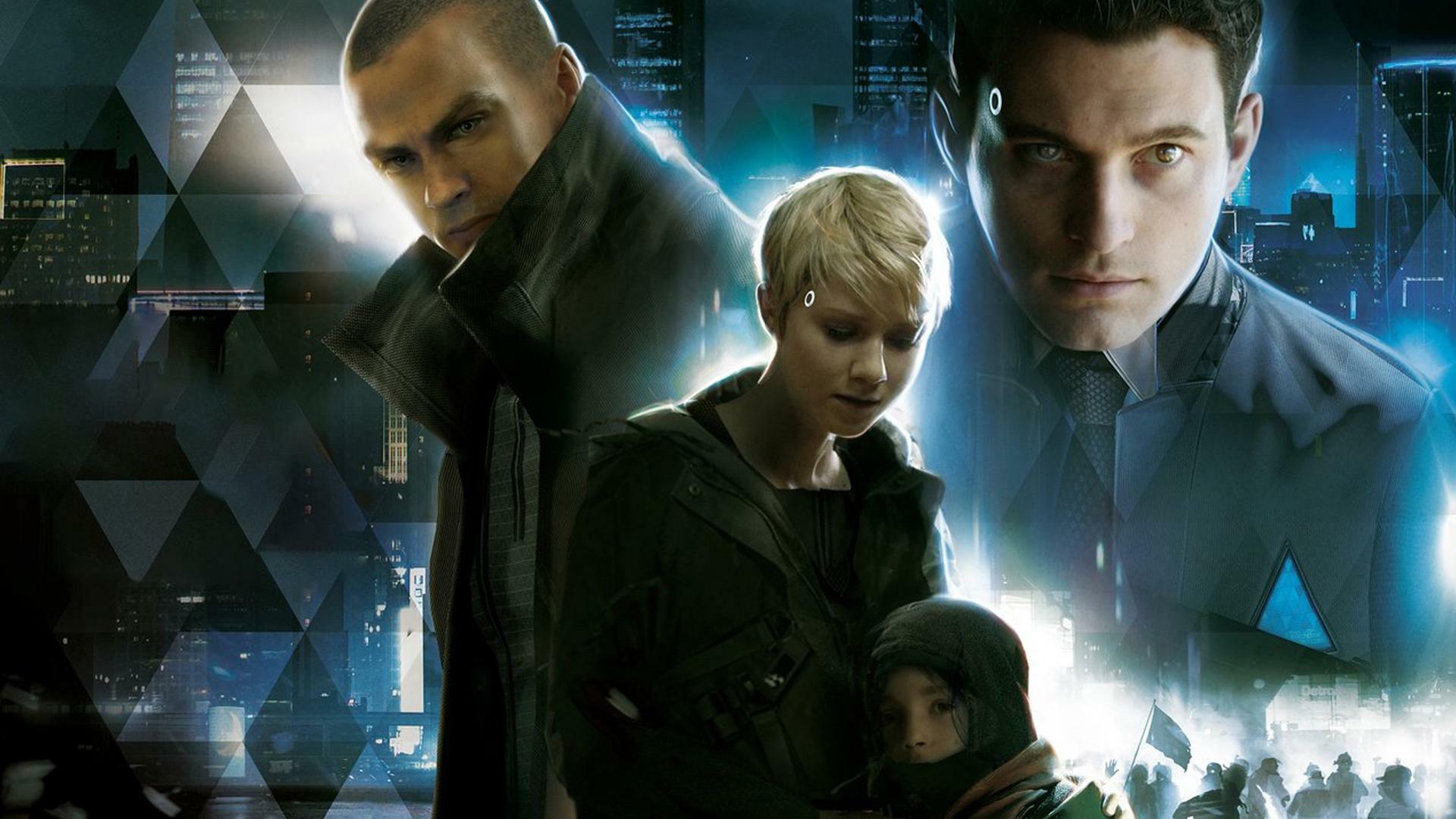
Quantic Dream uses explicit flowcharts to map every branch for three protagonists, with scenes that persist or vanish based on who survives. Quick-time events, exploration finds, and dialogue choices can permanently lock future chapters or open new ones. The same encounter can escalate or defuse depending on earlier empathy-building actions. The structure supports wildly different play orders for clues and confrontations across Connor, Kara, and Markus.
‘Until Dawn’ (2015)
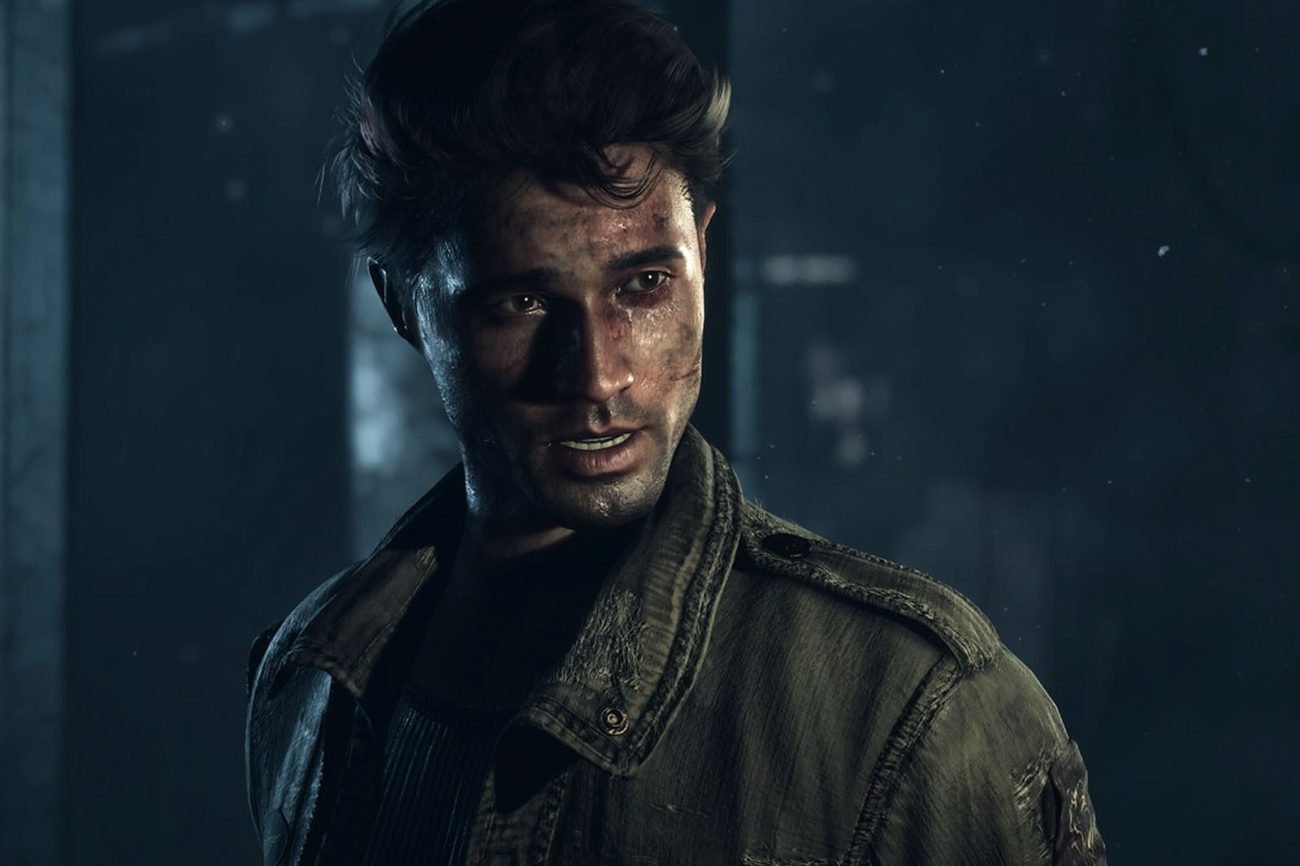
Supermassive Games’ “butterfly effect” system tracks micro-choices that alter evidence, routes, and character survival. Missed totems, dialogue tone, and QTE performance create cascading variations, producing distinct late-game scenes. The game’s chapter format lets investigations and relationships evolve based on which teens remain alive. Discoveries in one path can recontextualize hazards encountered in another.
‘Mass Effect 2’ (2010)
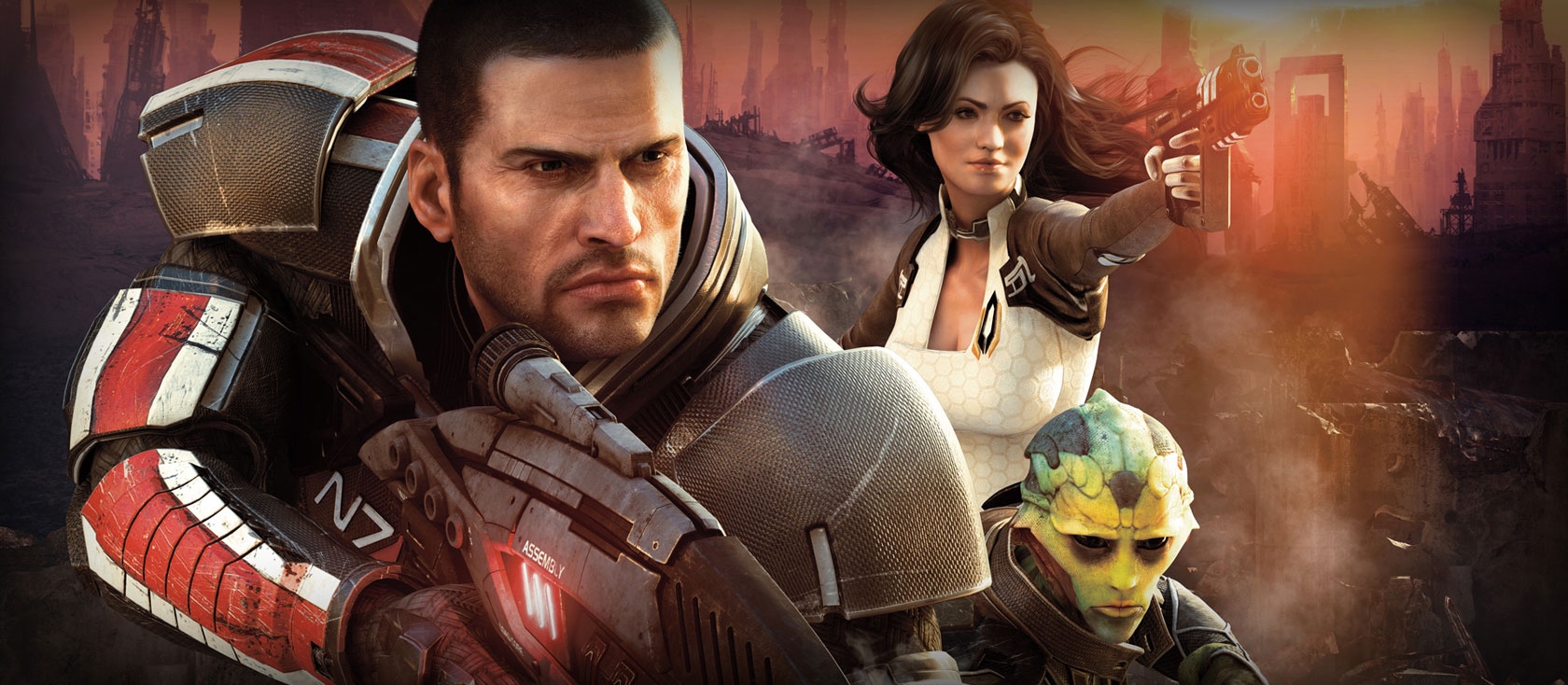
BioWare’s loyalty missions and ship upgrades feed directly into the Suicide Mission’s branching survival matrix. Recruiting in different orders changes inter-squad banter, interrupts, and mission availability. Class checks and discovered evidence open alternative negotiation outcomes throughout the galaxy. Consequences also import from earlier saves, layering additional permutations on the campaign.
‘Baldur’s Gate 3’ (2023)
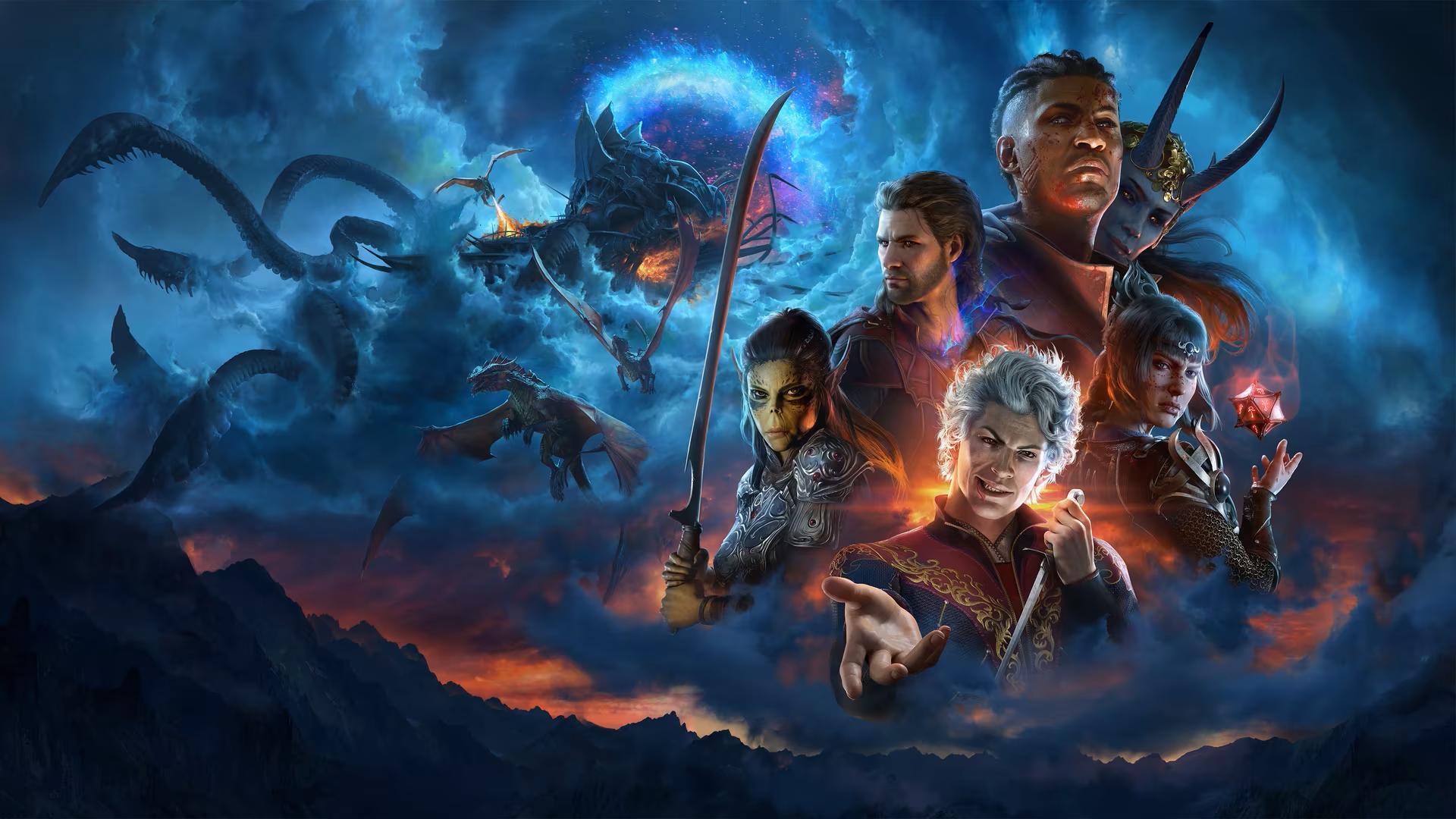
Larian Studios applies systemic D&D 5e rules—dice checks, turn-based combat, and environmental interactions—to narrative gates. Origin characters can become companions or protagonists, and failures often redirect scenes rather than halt progress. Entire quest lines pivot based on who you side with in Acts 1–3, affecting locations, boss states, and epilogues. Exploration order meaningfully changes who you meet first and which conflicts you can still avert.
‘Undertale’ (2015)

Created by Toby Fox, this RPG tracks every spare or kill, enabling pacifist, neutral, and genocide arcs with bespoke scenes. Enemy encounters can be resolved via contextual actions that transform dialogue and boss behavior. Save data persistence allows the story to “remember” past runs and comment on them. The order in which you explore and how you treat characters governs endings and late-game events.
‘Outer Wilds’ (2019)

Mobius Digital built a 22-minute time loop where knowledge—rather than stats—unlocks progress. Planets can be visited in any sequence, and each discovery updates a rumor map that points to new leads. Since the universe resets, you route-plan your own investigation, creating non-linear paths to revelations. Clues found on one world meaningfully reframe hazards or puzzles on another.
‘Heaven’s Vault’ (2019)
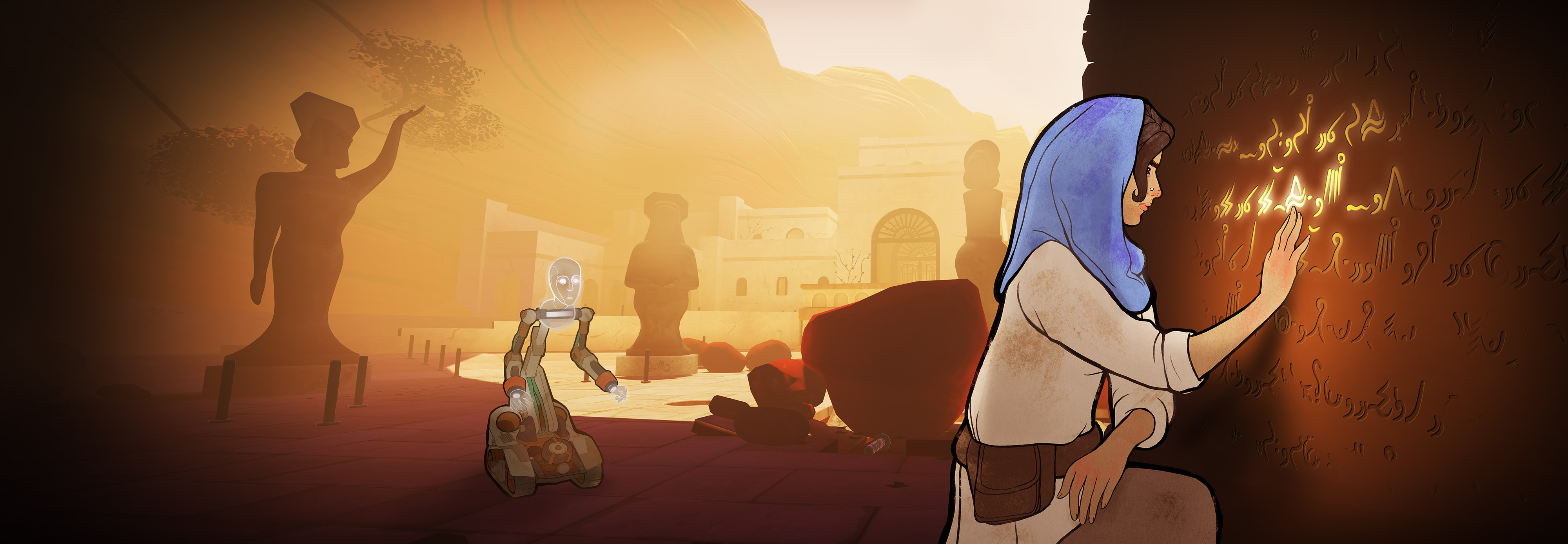
Developed by Inkle, this archaeology adventure centers on deciphering an ancient language that branches the narrative. Translation hypotheses persist and influence future inscriptions, changing dialogue and interpretations of history. You chart your course across the Nebula via free-form sailing, deciding which sites and people to prioritize. Scenes subtly realign based on earlier linguistic choices and relationships.
‘Kentucky Route Zero’ (2020)
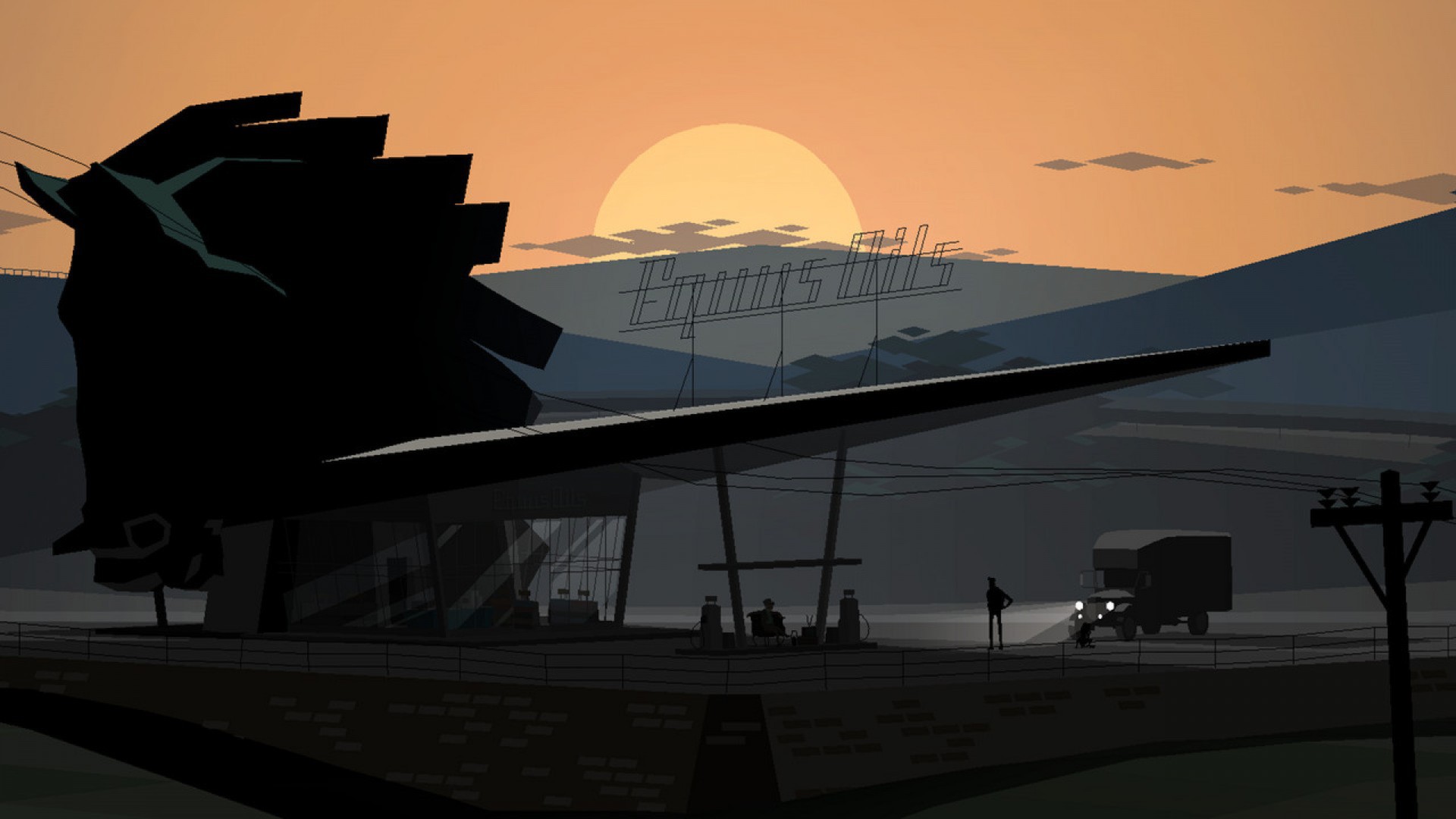
Cardboard Computer’s five-act road-mystery, completed with its TV Edition release, uses choices to sculpt scenes rather than tally morality. You select dialogue that defines perspectives, jobs, and even entire vignettes that appear or remain unseen. Interludes and optional detours can be engaged in flexible order, altering how characters cross paths. The result is a collage that assembles differently depending on what you attend to.
‘Chrono Trigger’ (1995)
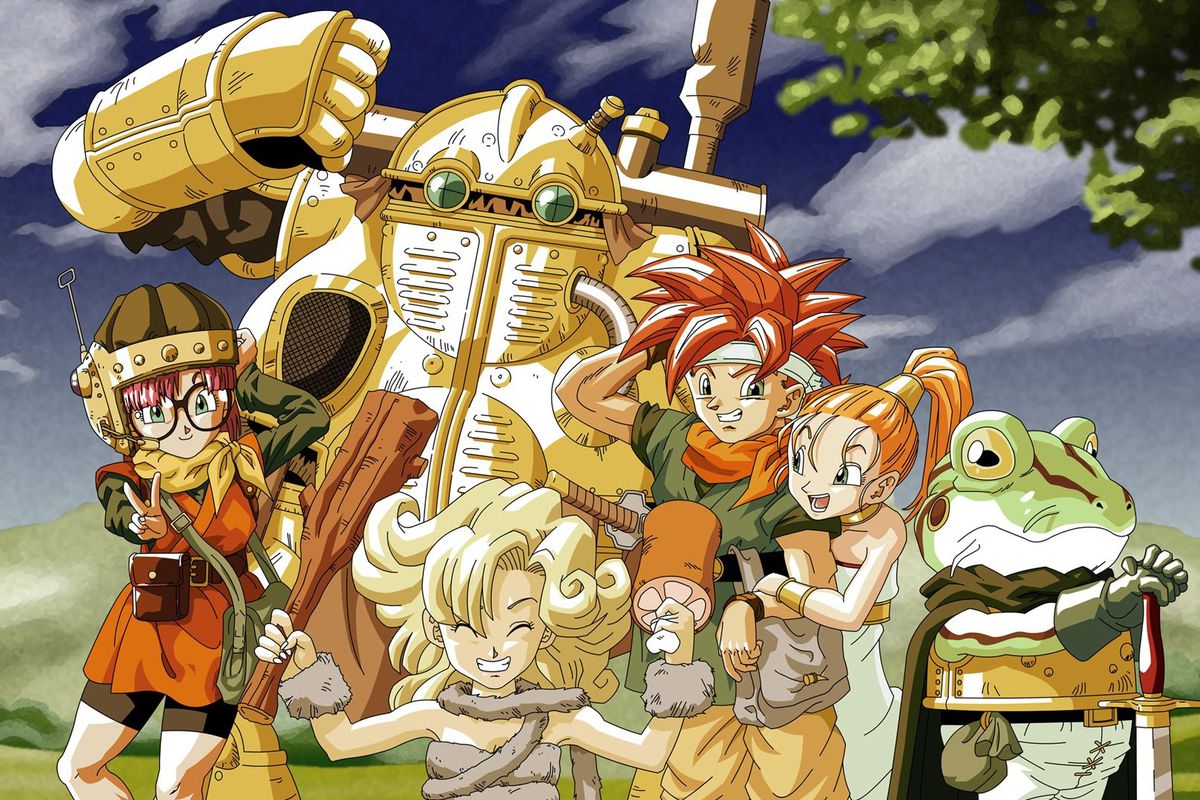
Square designed time-travel chapters where decisions and quest completion order modify future eras and the world state. New Game+ enables early finales, yielding a wide set of endings and epilogues. Optional character arcs, like restoring certain kingdoms or aiding companions, change late scenes. The open structure of sidequests lets players sequence narrative beats to their preference.
‘Pathologic 2’ (2019)
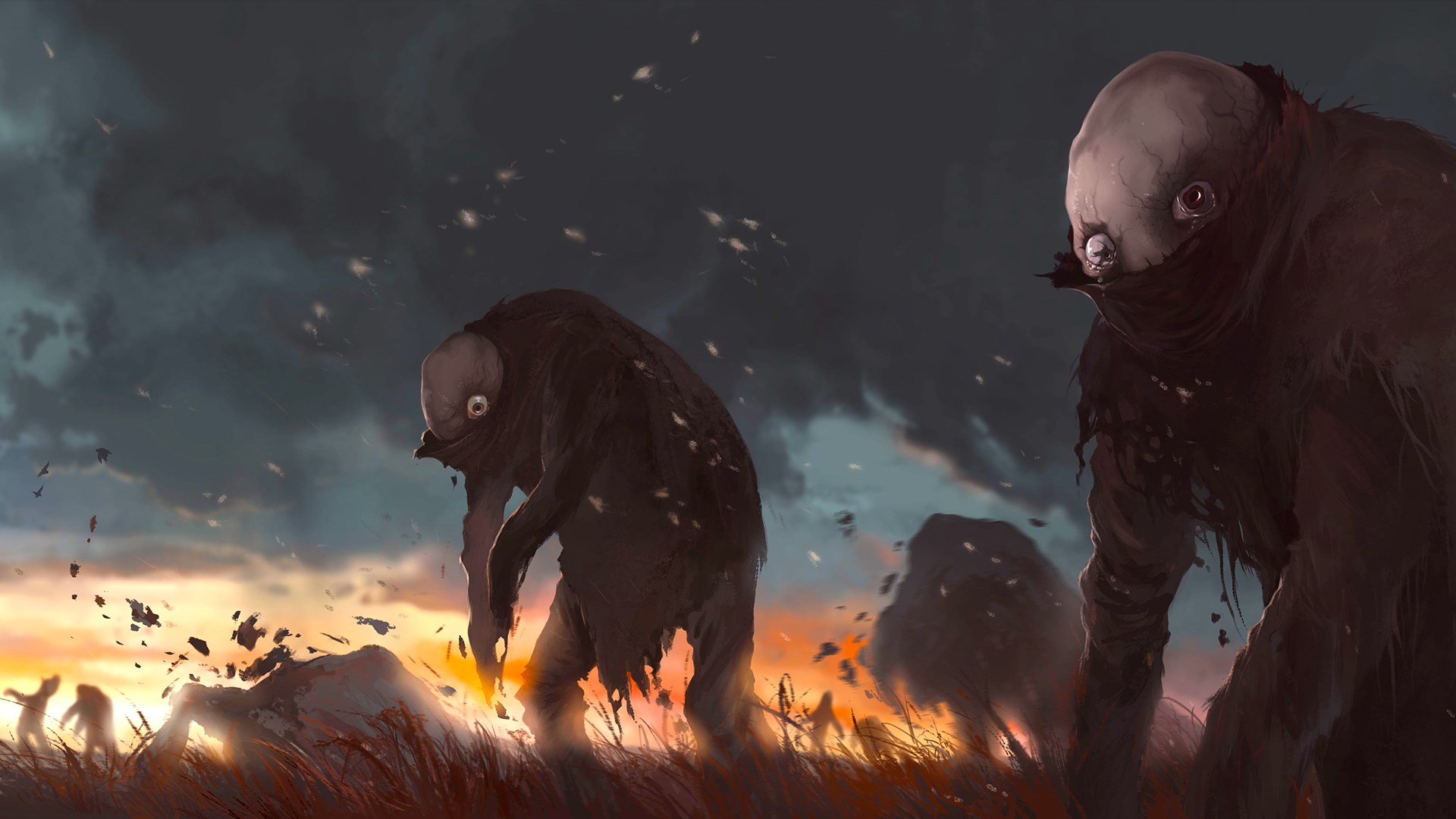
Ice-Pick Lodge reimagined its cult classic as a survival-driven drama where time advances regardless of your actions. Daily schedules, resource scarcity, and who you prioritize create branching town conditions and character fates. Quests expire or mutate if you arrive late, leading to different revelations and losses. Dialogue options and hard trade-offs determine which districts endure and which stories you learn.
‘Return of the Obra Dinn’ (2018)
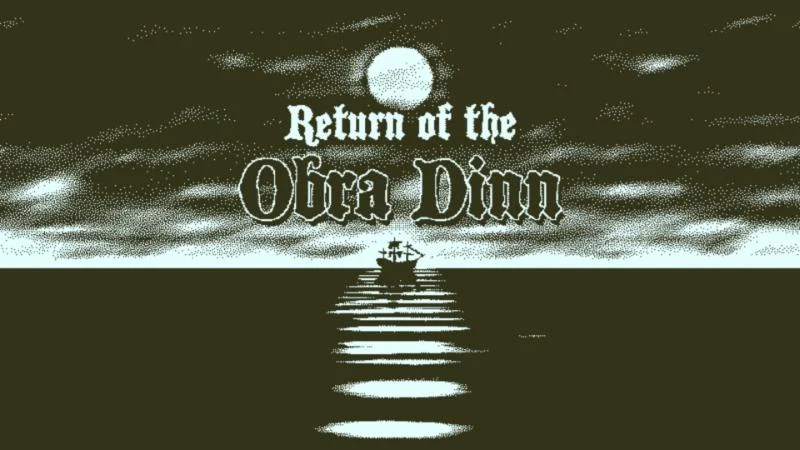
Lucas Pope (3909 LLC) crafted an open-ended investigation where you can deduce any crew member’s fate in any order. The Memento Mortem shows death vignettes non-linearly, and correct identifications unlock further scenes. Since no quest markers exist, your reasoning path shapes narrative assembly. Progress flows from inference, making each player’s sequence of breakthroughs unique.
‘Fallout: New Vegas’ (2010)
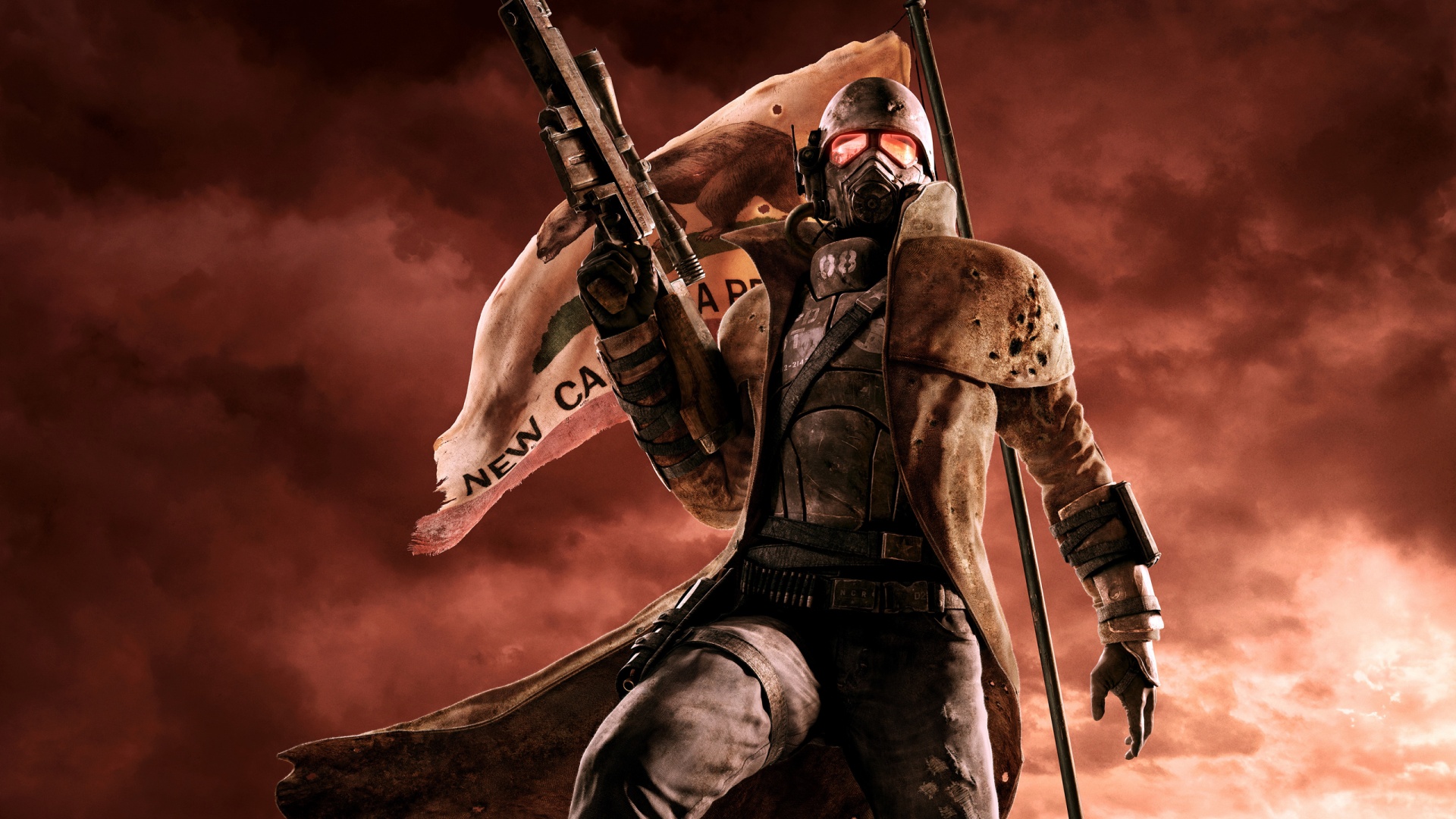
Obsidian Entertainment structured the Mojave around faction allegiances that steer main-quest branches and settlements’ futures. Speech, Barter, and skill checks open alternative resolutions to standoffs and town problems. Side-quest outcomes and companion quests feed into regional power shifts and the Hoover Dam endgame. Exploration order determines which groups recruit you and which conflicts you can still influence.
‘NieR: Automata’ (2017)
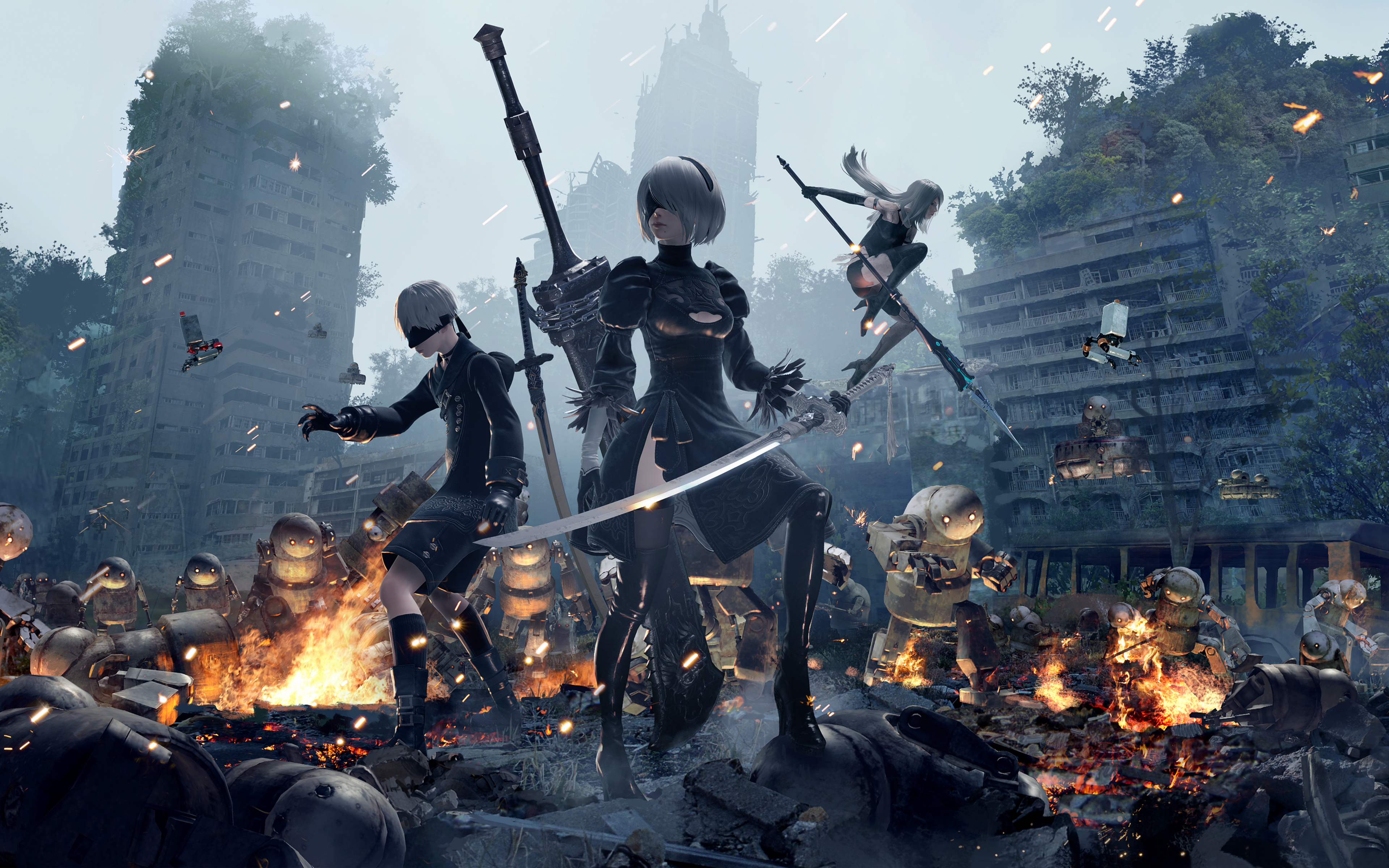
PlatinumGames built multiple “routes” that recontextualize earlier chapters through new perspectives and mechanics. Progression across endings A–E reveals story layers, with choices and play performance changing scenes and availability. Data logs, side quests, and weapon stories expand or alter late-game sequences. Save-file systems and credits interactions integrate player decisions into the narrative form.
‘The Forgotten City’ (2021)
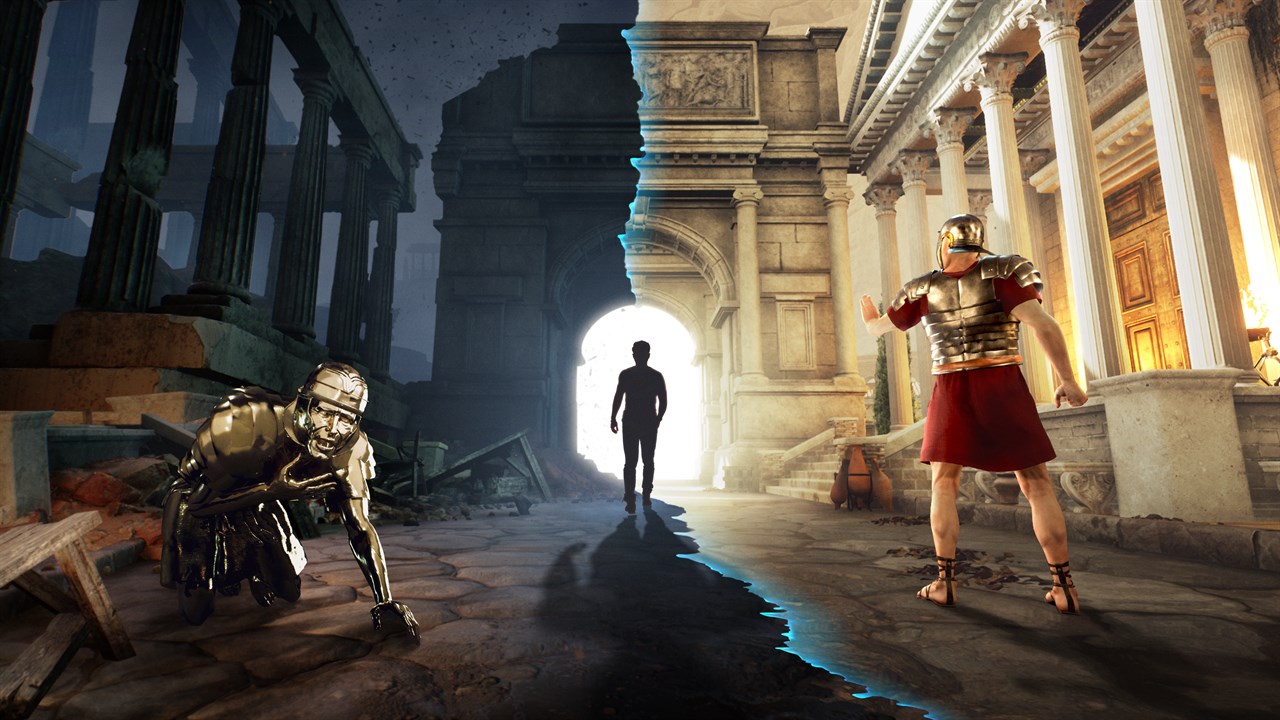
Modern Storyteller’s time-loop mystery lets you tackle leads in any order across a compact ancient settlement. Solving one character’s problem often unlocks evidence for another, and knowledge carries through resets. Dialogue, ethics choices, and found shortcuts open alternate paths to multiple endings. The structure encourages experimentation, using learned solutions to branch conversations and outcomes.
‘Sunless Sea’ (2015)

Failbetter Games set its roguelike exploration in the Fallen London universe, using modular storylets that combine differently per voyage. Ambitions, officer relationships, and port reports change which narratives become available. Scarcity, risk, and permadeath create divergent personal histories for each captain. The map’s semi-randomized opportunities and your chosen trade routes shape how the story develops.
‘Alpha Protocol’ (2010)
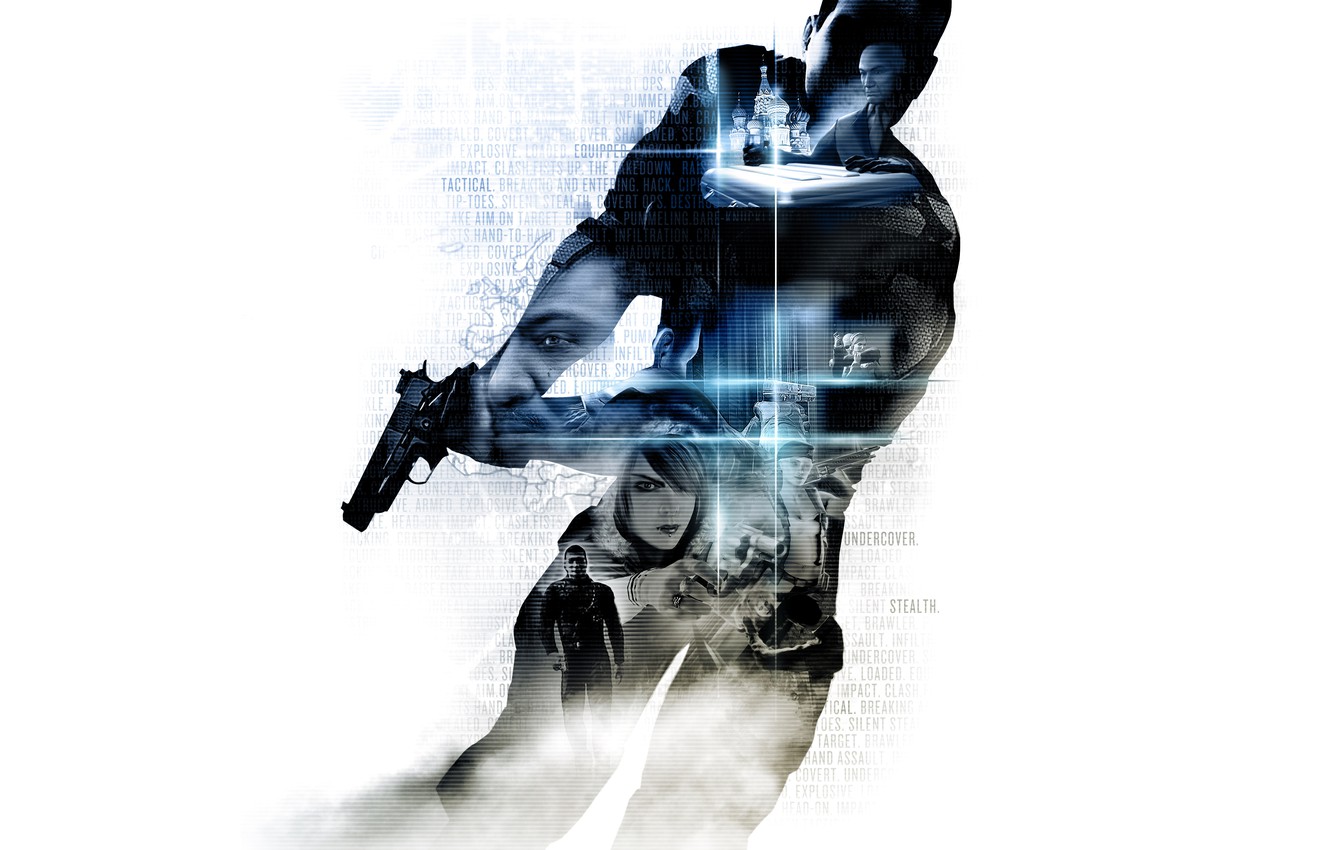
Obsidian Entertainment’s espionage RPG uses a “stance-based” dialogue system where tone and timing shift alliances and intel access. Mission order determines who backs you in later operations and which bosses or safehouses you encounter. Emails, dossier finds, and gear selection further alter briefings and outcomes. Multiple endings and mid-mission variations reflect the web of relationships you’ve cultivated.
Share your favorite non-linear moments—and the games we missed—in the comments!