

20 Games That Revolutionized Graphics

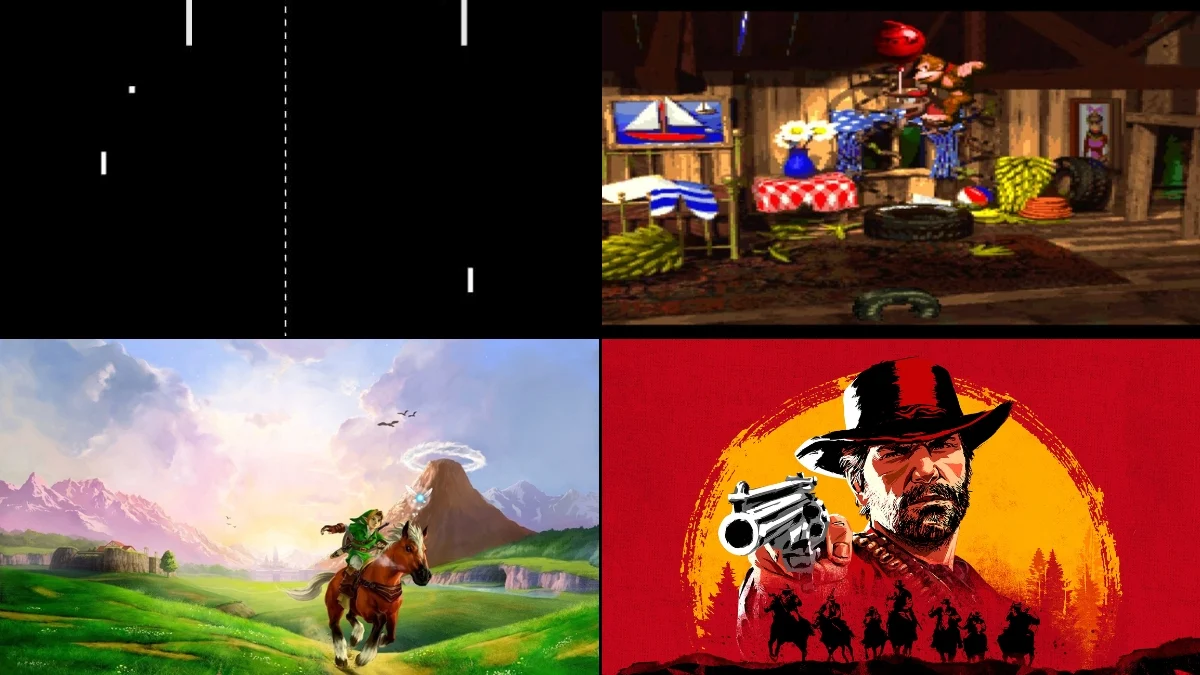


Video game graphics have undergone a radical transformation from simple pixels to photorealistic environments that blur the line between reality and digital art. Throughout the decades certain titles have acted as milestones by introducing groundbreaking technologies and artistic techniques. These advancements often required the development of new engines and specialized hardware to render complex animations and lighting. The evolution of visual fidelity continues to define the medium as developers strive for immersion through increased detail and cinematic presentation.
‘Pong’ (1972)

Atari released this arcade classic which introduced the concept of electronic tennis to a mass audience. Developed by Allan Alcorn the game used simple monochromatic blocks to represent paddles and a ball. It established the foundational visual language for the interactive entertainment industry during its infancy. This title demonstrated that moving electronic images could effectively simulate physical sports on a television screen.
‘Super Mario Bros.’ (1985)
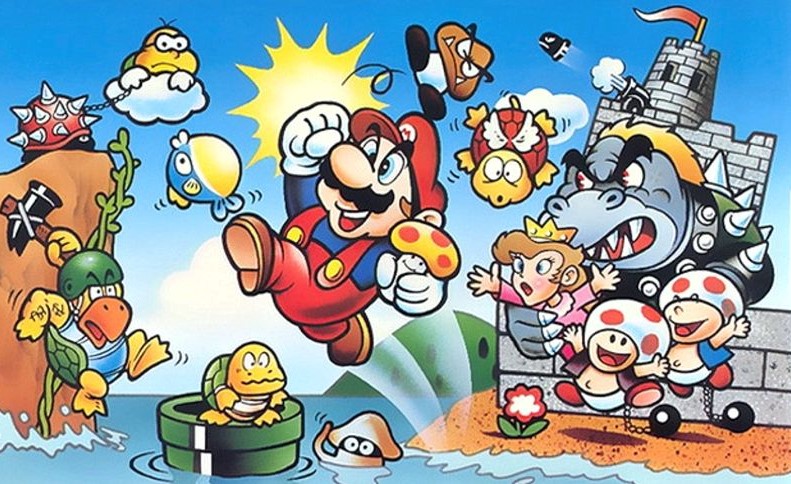
Nintendo developed and published this side scrolling platformer for the Nintendo Entertainment System. The game introduced vibrant color palettes and detailed sprite animations that far surpassed the visual quality of previous home console titles. It utilized smooth horizontal scrolling to create a sense of vast interconnected worlds within the Mushroom Kingdom. This project set the standard for level design and character consistency in two dimensional gaming.
‘Wolfenstein 3D’ (1992)
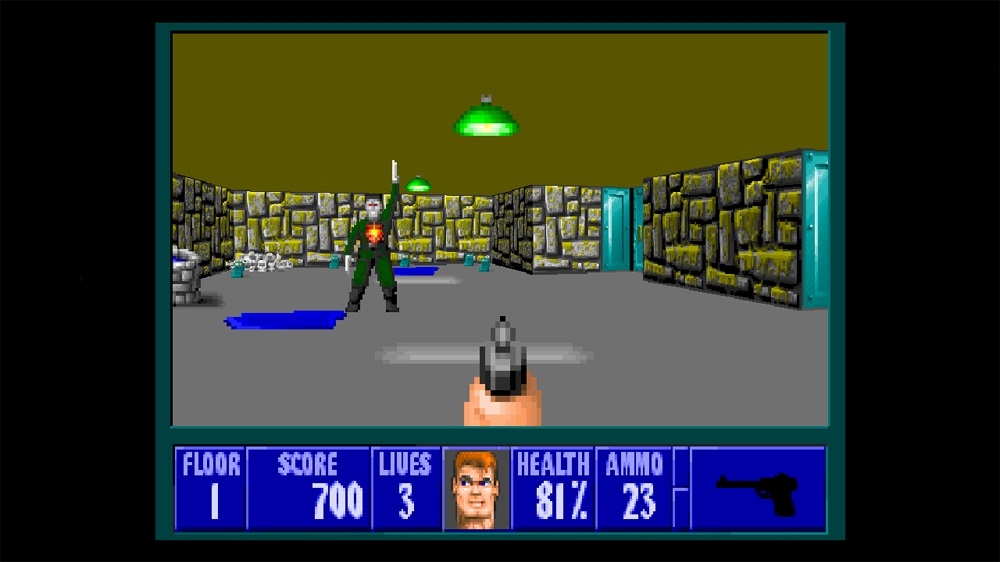
Developed by id Software and published by Apogee Software this title popularized the first person shooter genre. The engine utilized ray casting technology to create a three dimensional perspective on hardware that typically only supported two dimensions. Players navigated through textured corridors that provided a sense of depth and immersion previously unseen in action games. It served as a technical proof of concept for the fast paced gameplay that would define the industry in the following decade.
‘Virtua Fighter’ (1993)

Sega AM2 developed this arcade fighting game which became the first of its kind to feature fully three dimensional polygonal graphics. It used the Model 1 hardware to render smooth character models and fluid animations at a high frame rate. The game abandoned traditional hand drawn sprites in favor of wireframe and flat shaded polygons to represent human anatomy. This shift toward 3D modeling paved the way for the visual evolution of the entire fighting game genre.
‘Doom’ (1993)
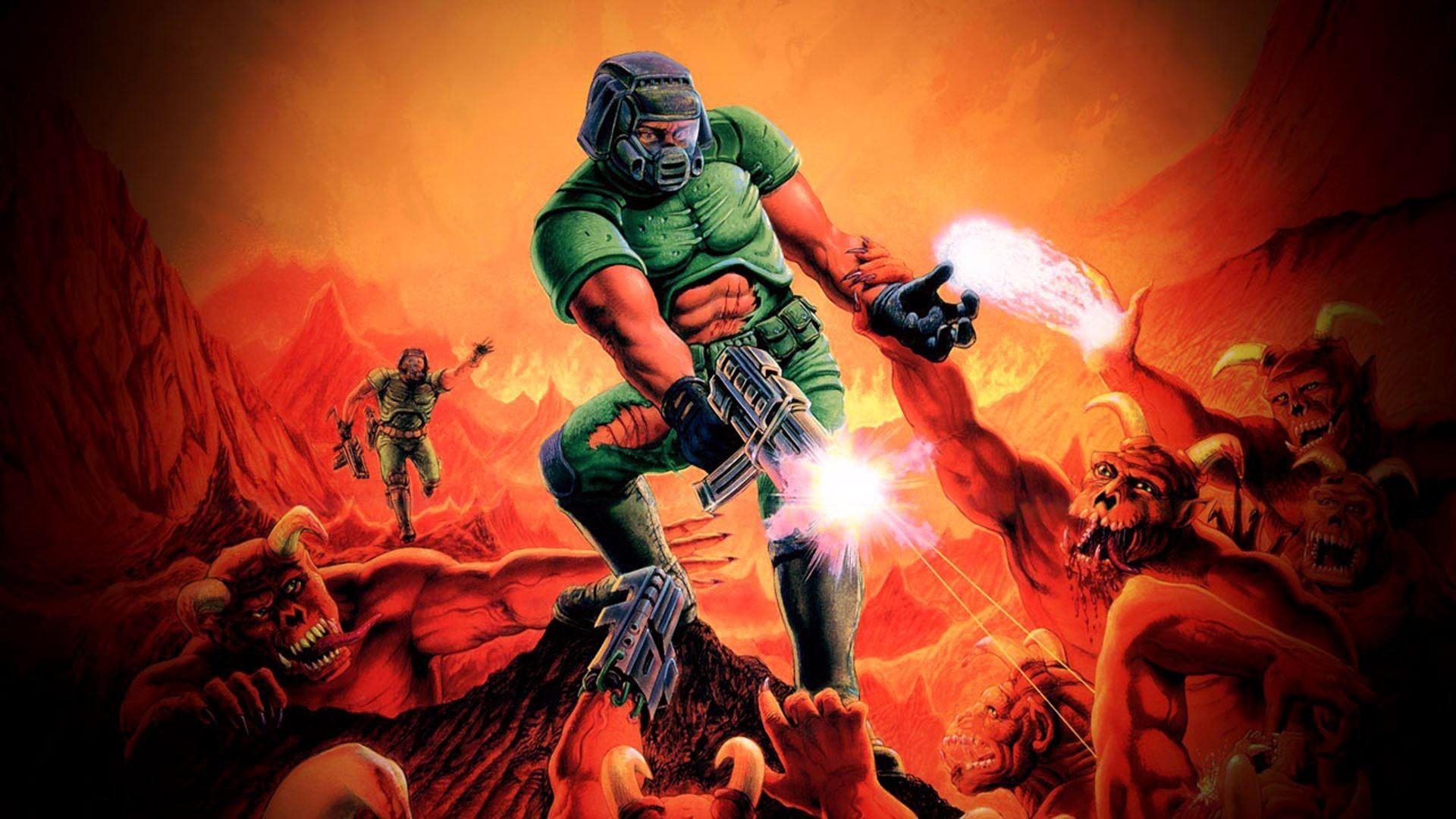
The team at id Software released this landmark title which significantly improved upon the graphical foundations of their previous work. It introduced varying floor heights and non perpendicular walls alongside advanced lighting effects to create atmospheric environments. The engine allowed for complex level geometry and the simulation of shadows to enhance the horror aesthetic. This game remained a visual benchmark for years and encouraged the widespread adoption of 3D acceleration hardware.
‘Donkey Kong Country’ (1994)

Rare developed this platformer for Nintendo using advanced Silicon Graphics workstations to create pre rendered three dimensional models. These high fidelity assets were then converted into sprites that the Super Nintendo hardware could display with incredible detail. The game featured fluid animations and rich textures that mimicked the appearance of 3D environments on a 16 bit console. It became a commercial success largely due to its cutting edge visual presentation that rivaled next generation systems.
‘Super Mario 64’ (1996)

Nintendo Entertainment Analysis and Development created this platformer as a flagship title for the Nintendo 64 console. It introduced a dynamic camera system and a fully three dimensional world that allowed for free movement in any direction. The game used Gouraud shading and mipmapping to provide smooth textures and realistic lighting across the diverse environments in the castle of Princess Peach. This title defined the standards for 3D character control and environmental interaction for future generations of developers.
‘Quake’ (1996)

John Carmack and the team at id Software developed this title to push the boundaries of real time 3D rendering. It was one of the first games to feature fully polygonal environments and character models instead of 2D sprites. The engine supported true three dimensional movement and light mapping to create realistic shadows and depth. This technical achievement led to the creation of many other popular games built on the same foundational technology.
‘Final Fantasy VII’ (1997)

Square developed this epic role playing game for the PlayStation to showcase the power of the CD ROM format. It combined pre rendered cinematic backgrounds with three dimensional character models during exploration and combat. The game featured high quality computer generated cutscenes that seamlessly integrated with the gameplay to tell a complex narrative. This approach to visual storytelling influenced the production values of the entire industry for years to come.
‘The Legend of Zelda: Ocarina of Time’ (1998)

Nintendo Entertainment Analysis and Development created this masterpiece to redefine the action adventure genre in three dimensions. The game introduced a targeting system called Z targeting that revolutionized how players interacted with enemies in a 3D space. It featured expansive environments with a day and night cycle that changed the lighting and world behavior in real time. The visual design captured a grand sense of scale that became a blueprint for many future open world titles.
‘Metal Gear Solid 2: Sons of Liberty’ (2001)

Konami released this stealth action title developed by Kojima Productions to demonstrate the capabilities of the PlayStation 2. The game featured highly detailed character models with expressive faces and realistic cloth physics. It utilized advanced weather effects and real time shadows to create a sense of cinematic realism throughout the Big Shell facility. The level of environmental interactivity and graphical polish in ‘Metal Gear Solid 2 Sons of Liberty’ set a new standard for the sixth generation of consoles.
‘Half-Life 2’ (2004)
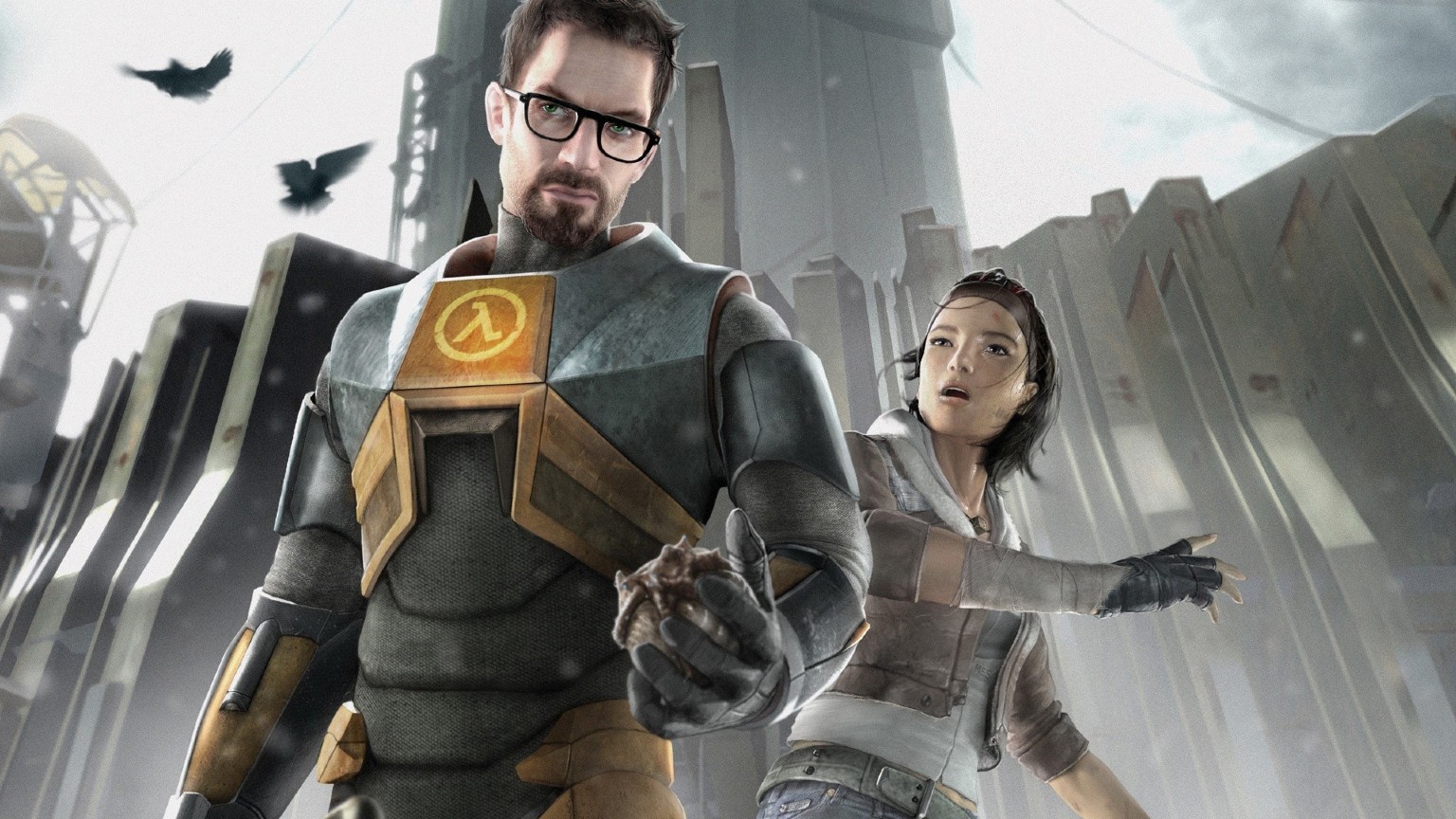
Valve developed and published this sequel using the Source engine to introduce groundbreaking physics and facial animations. The game featured a skeletal animation system that allowed characters to display a wide range of realistic emotions and lip sync to dialogue. It incorporated a sophisticated physics engine that enabled objects to react naturally to the environment and player actions. The detailed textures and lighting helped create the oppressive and believable atmosphere of City 17 in ‘Half Life 2’ for a global audience.
‘Crysis’ (2007)

Crytek developed this first person shooter and Electronic Arts published it as a showcase for the CryEngine 2. The game featured advanced lighting effects and lush tropical environments that pushed hardware limits for many years. It introduced real time foliage interaction and detailed water physics that set a new benchmark for PC gaming visuals. Many enthusiasts used ‘Crysis’ as a way to test the performance of the most powerful computer hardware available.
‘Uncharted 2: Among Thieves’ (2009)
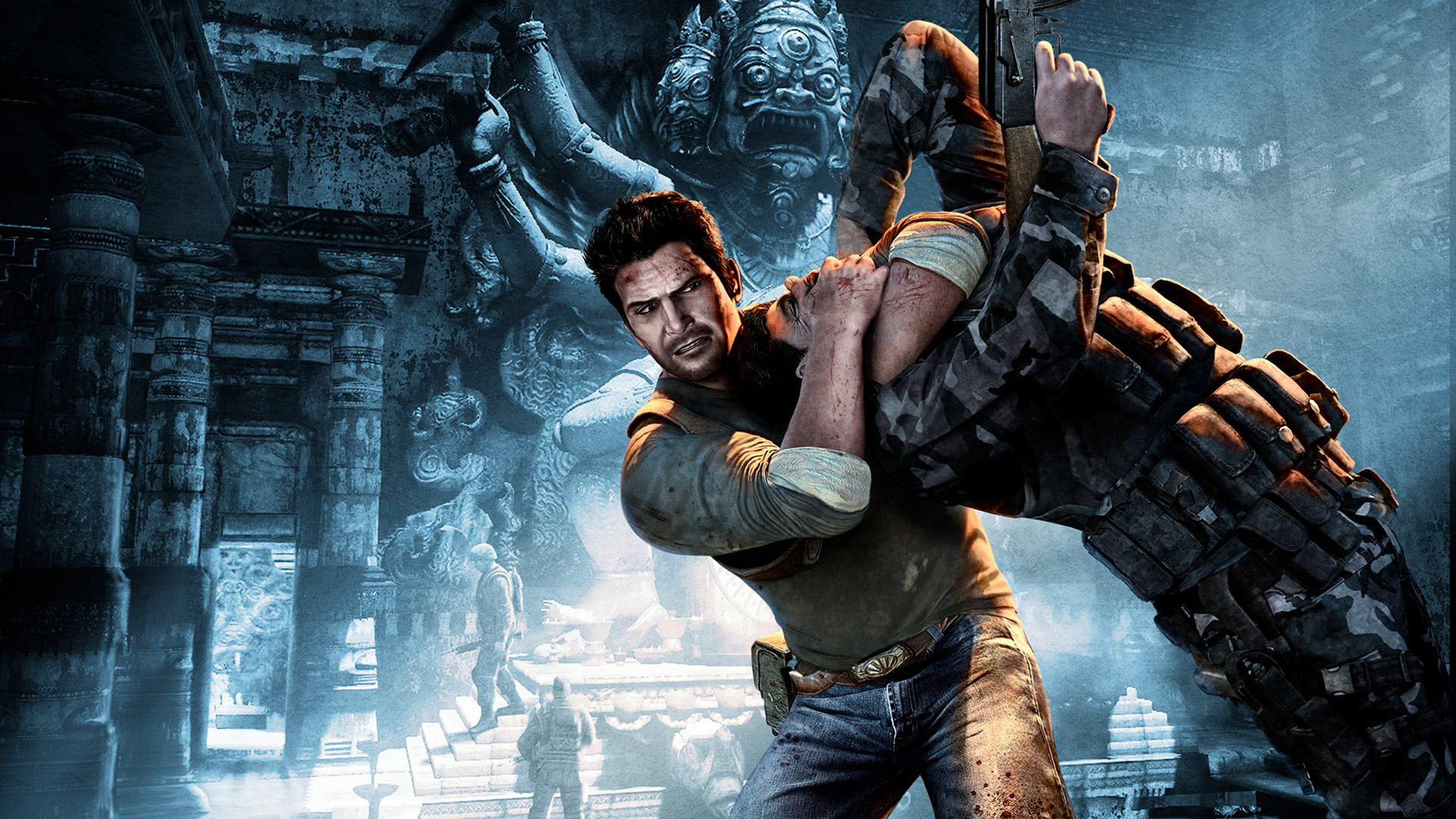
Naughty Dog developed this action adventure title for the PlayStation 3 to push the limits of the Cell processor. It featured massive set pieces with dynamic environments and seamless transitions between gameplay and cinematic cutscenes. The game used advanced texture mapping and lighting to create realistic snow and ice effects in the Himalayan setting. The high level of visual detail and character performance in ‘Uncharted 2 Among Thieves’ helped establish a new standard for narrative driven games.
‘The Last of Us’ (2013)

Naughty Dog and Sony Computer Entertainment released this title which showcased the absolute peak of visual fidelity on the PlayStation 3 hardware. The game utilized sophisticated lighting and post processing effects to create a gritty and realistic post apocalyptic world. Character animations and facial expressions were meticulously crafted to convey deep emotional resonance during the journey of Joel and Ellie. This project demonstrated that high quality art direction could overcome the technical limitations of aging console hardware.
‘The Witcher 3: Wild Hunt’ (2015)

CD Projekt Red developed and published this open world role playing game featuring the proprietary REDengine 3. The game delivered a massive and detailed world filled with diverse biomes and realistic weather cycles. It utilized advanced foliage rendering and hair simulation technology to provide a high level of visual immersion. The scale of the environments in ‘The Witcher 3 Wild Hunt’ combined with the intricate detail of the characters made it a landmark in visual design.
‘Red Dead Redemption 2’ (2018)

Rockstar Games developed and published this western epic which features some of the most detailed environments ever seen in a video game. The game utilizes advanced volumetric lighting and atmospheric effects to create a living and breathing world. Character models exhibit realistic aging and physical responses to the environment while the wildlife follows complex behavioral patterns. This level of graphical detail and environmental simulation remains a benchmark for the industry several years after its release.
‘Microsoft Flight Simulator’ (2020)

Asobo Studio developed this simulation title and Xbox Game Studios published it to leverage cloud computing and satellite imagery. The game uses Bing Maps data and artificial intelligence to recreate the entire planet with incredible accuracy. It features real time weather patterns and volumetric clouds that react to the lighting of the sun and moon. This technical feat allows players to fly over photorealistic recreations of cities and natural landmarks across the globe.
‘Cyberpunk 2077’ (2020)
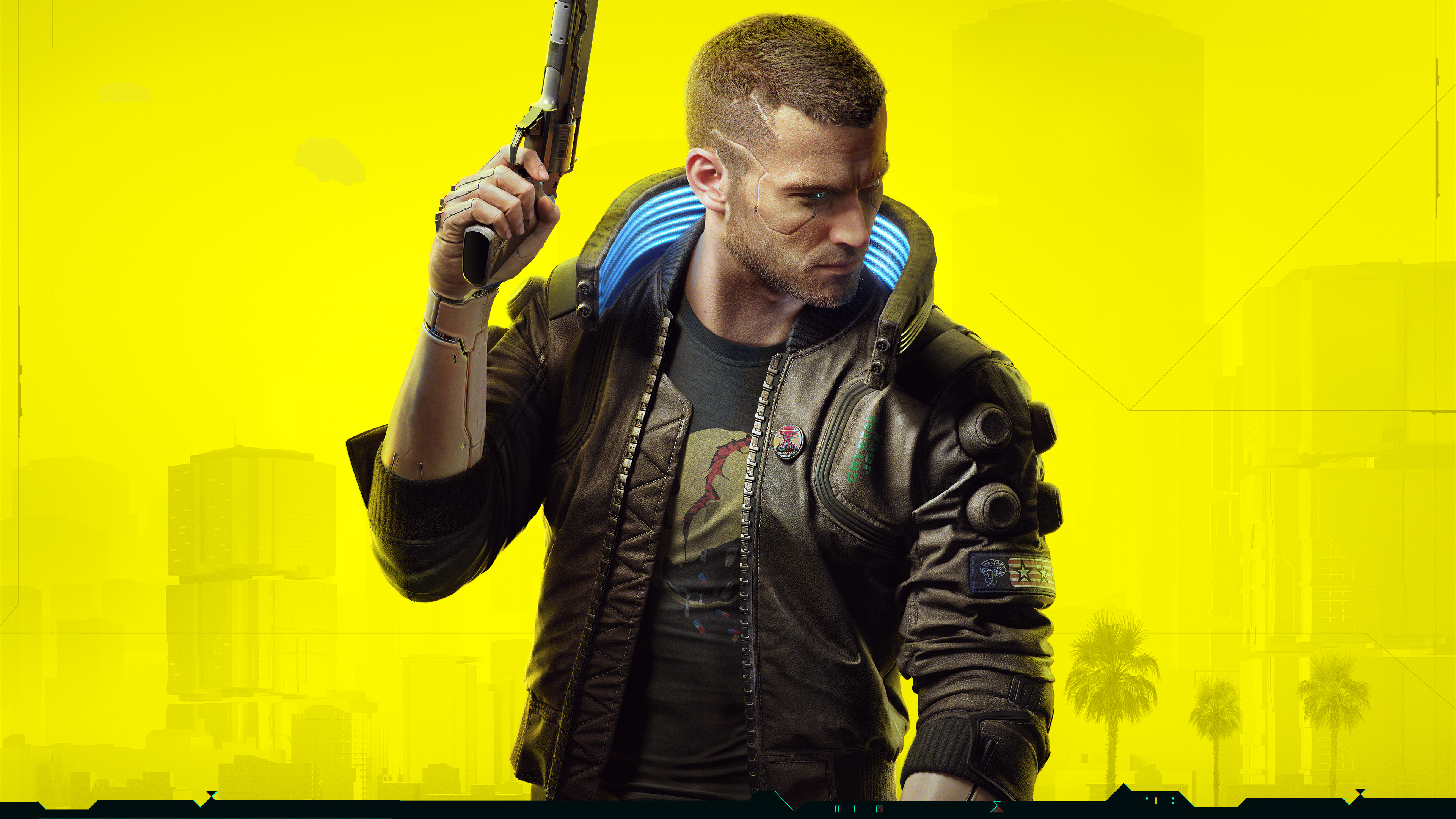
CD Projekt Red released this futuristic title which pushes the boundaries of real time ray tracing and lighting technology. The game features a dense urban environment with complex neon lighting and highly detailed character models. It utilizes advanced global illumination and reflections to create a convincing and immersive vision of Night City. Ongoing updates and technical improvements have ensured that it remains one of the most visually impressive games on high end hardware.
‘Alan Wake 2’ (2023)

Remedy Entertainment developed this psychological horror sequel and Epic Games Publishing released it to critical acclaim for its visual fidelity. The game utilized the Northlight engine to implement full path tracing and highly detailed character models that blurred the line between live action and digital rendering. It featured complex lighting and mesh shaders that allowed for incredibly dense and atmospheric environments. The seamless transition between different realities and the high level of environmental detail set a new benchmark for modern gaming graphics.
Please share your thoughts on these graphical milestones in the comments.