

20 Games With Brilliant Environmental Storytelling

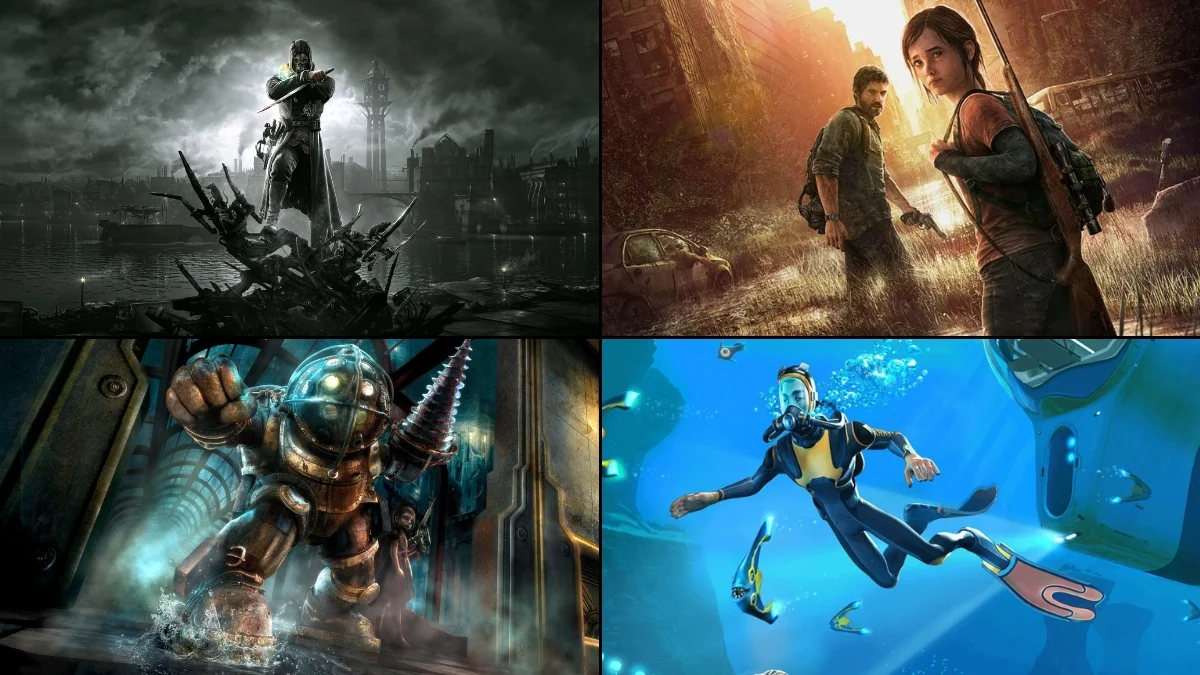


Environmental storytelling turns spaces into narratives, letting players piece together history, culture, and character motives from level layouts, props, signage, and ambient details rather than direct exposition. The games below use architecture, item placement, and world logic to communicate context—often through readable artifacts, visual motifs, and cause-and-effect scenes that reward close observation. You’ll see everything from abandoned workstations and cracked hazard seals to ritual sites and improvised shelters, each element adding to the plot without a single cutscene. Here are twenty strong examples and what they actually do to make their worlds talk.
‘BioShock’ (2007)
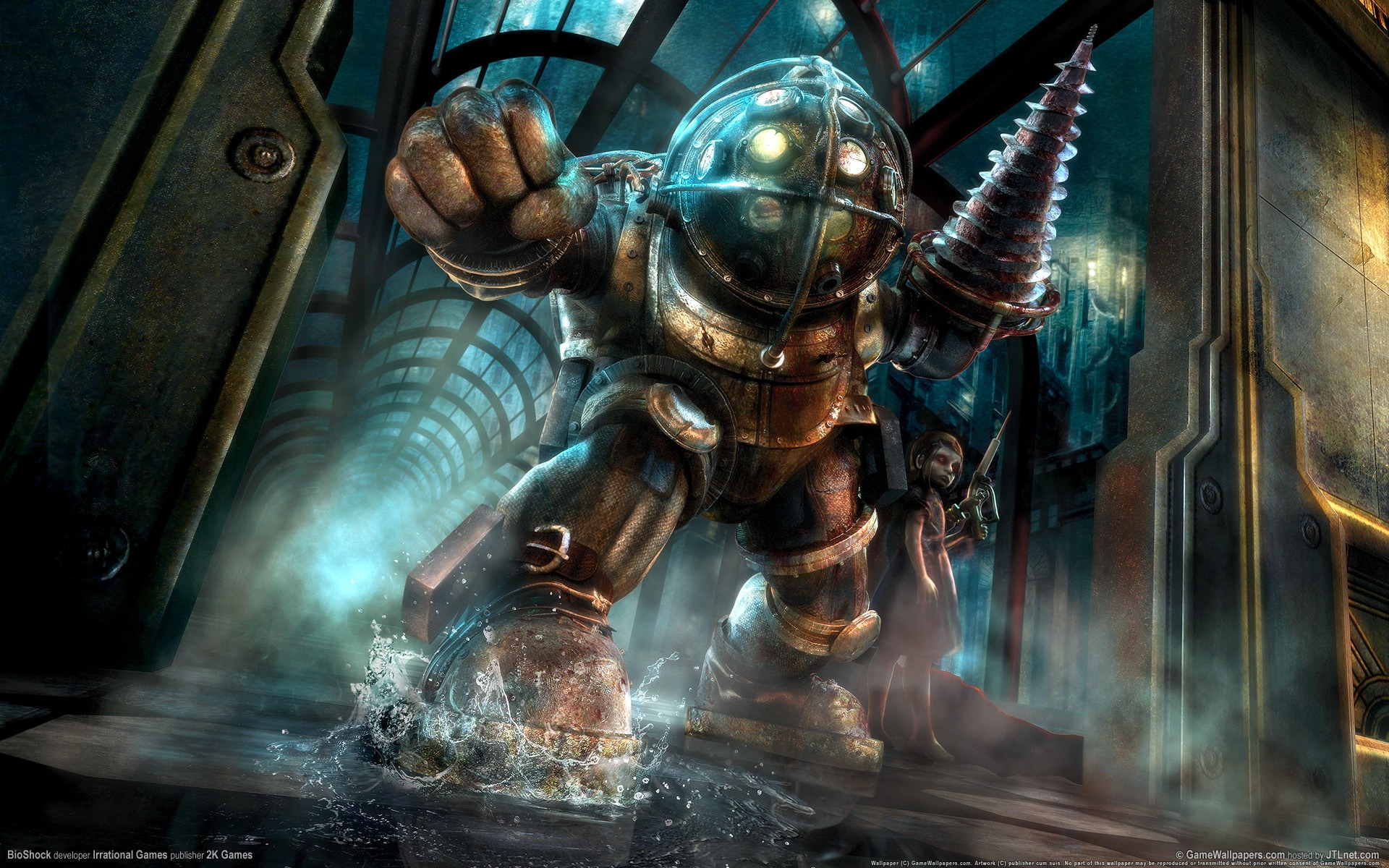
Rapture’s art-deco corridors communicate class divisions through ruined boutiques, propaganda posters, and waterlogged maintenance routes that bypass elite spaces. Audio diaries reinforce this with location-specific context, but the city’s social collapse is legible from improvised barricades and Splicer graffiti alone. Systemic cues—like vending machine placements and security turret sightlines—show how commerce and surveillance intertwined. Developed by 2K Boston/Irrational Games and published by 2K Games, it uses environmental layouts to map ideology onto everyday infrastructure.
‘Dark Souls’ (2011)

Lordran embeds history in architecture: collapsed buttresses, repurposed keeps, and enemy placements trace cycles of conquest and decline. NPC corpses with item descriptions near specific vistas hint at failed pilgrimages and past encounters. Shortcut design—doors unlocking into earlier hubs—illustrates how communities once circulated through the city. FromSoftware and Bandai Namco enable lore reconstruction through spatial relationships rather than direct narration.
‘Half-Life 2’ (2004)
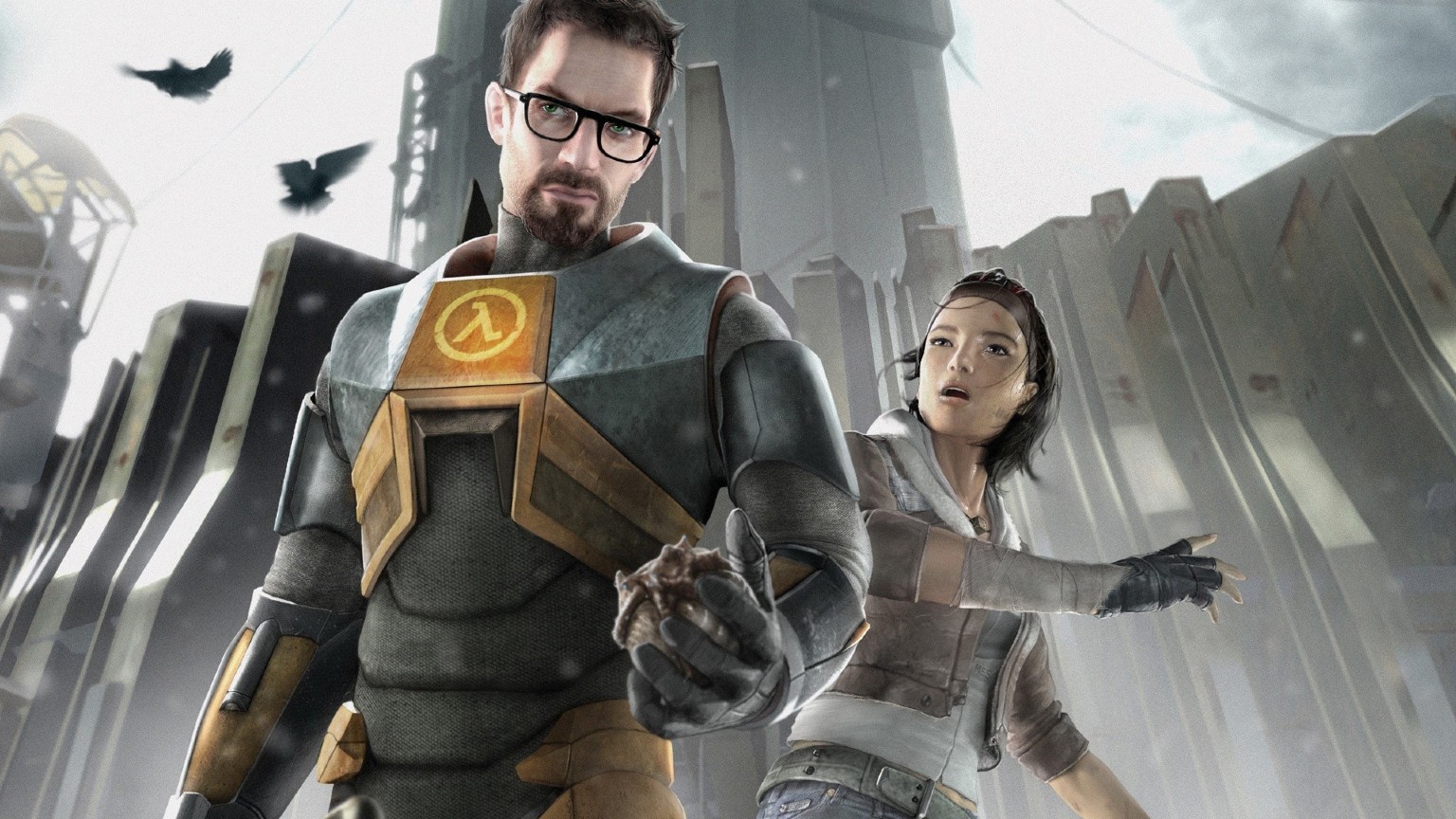
City 17’s ration lines, scanners, and Combine checkpoints explain occupation policies through staged urban routines. Environmental puzzles—like routing power through abandoned industrial plants—double as tours of the regime’s resource extraction. Resistance hideouts show DIY communication networks with maps, codes, and field kits placed by workstations. Valve uses transit corridors and sightlines to reveal governance structures and everyday coping tactics.
‘The Last of Us’ (2013)
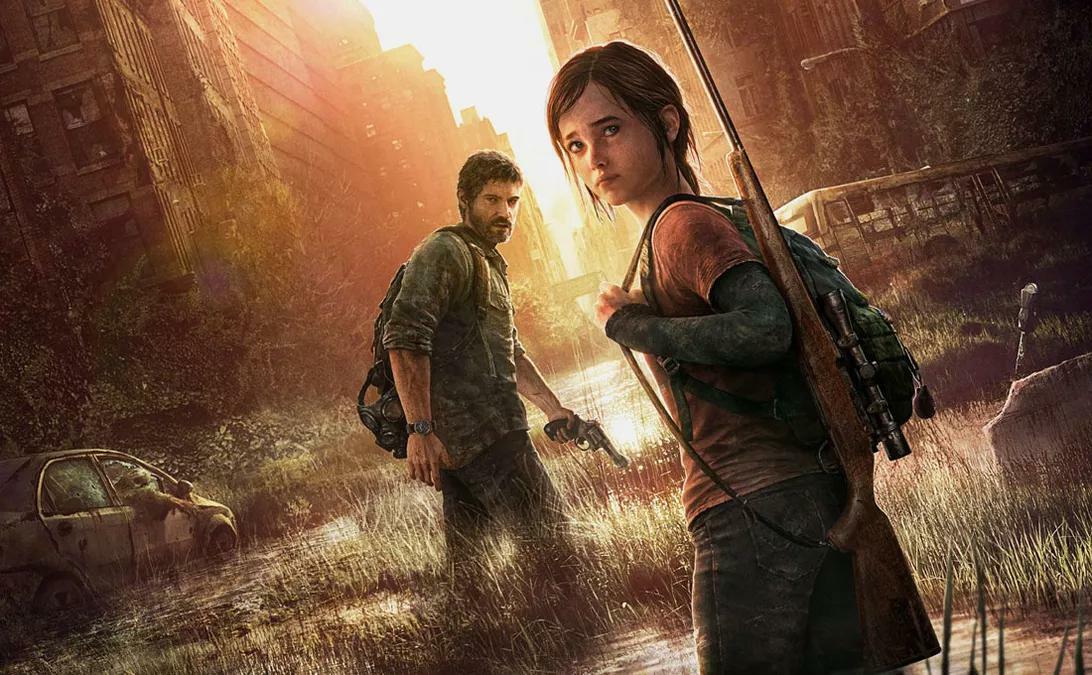
Quarantine zones, handwritten notes, and overgrown storefronts document the switch from municipal order to survival micro-economies. Child bedrooms turned into infirmaries, hydroponic setups in office towers, and taped-over signage all chart shifting priorities. Factions are distinguished by signage and camp layouts: patrol routes, weapon benches, and ration crates tell you who controls a block. Developed by Naughty Dog and published by Sony, the world’s physical clutter records lives interrupted.
‘Outer Wilds’ (2019)

Fossilized ruins, sand-carved tunnels, and orbital debris lay out a scientific civilization’s research program across a clockwork solar system. Contraptions—warp pads, gravity crystals, and brittle hulls—show experimentation methods and failure points. Time-sensitive transformations, like rising sands or collapsing caverns, reveal narrative layers in scheduled windows. Mobius Digital and Annapurna Interactive make planetary geology a readable archive.
‘Gone Home’ (2013)

A single family home tells a year of personal upheaval via rearranged rooms, annotated mixtapes, and boxes left mid-move. The house’s locked drawers, light switch placements, and taped-up cables convey habits and tensions without a cast on screen. Zines, report cards, and receipt trails let players assemble timelines and social circles. The Fullbright Company self-publishes a domestic space as primary source material.
‘What Remains of Edith Finch’ (2017)
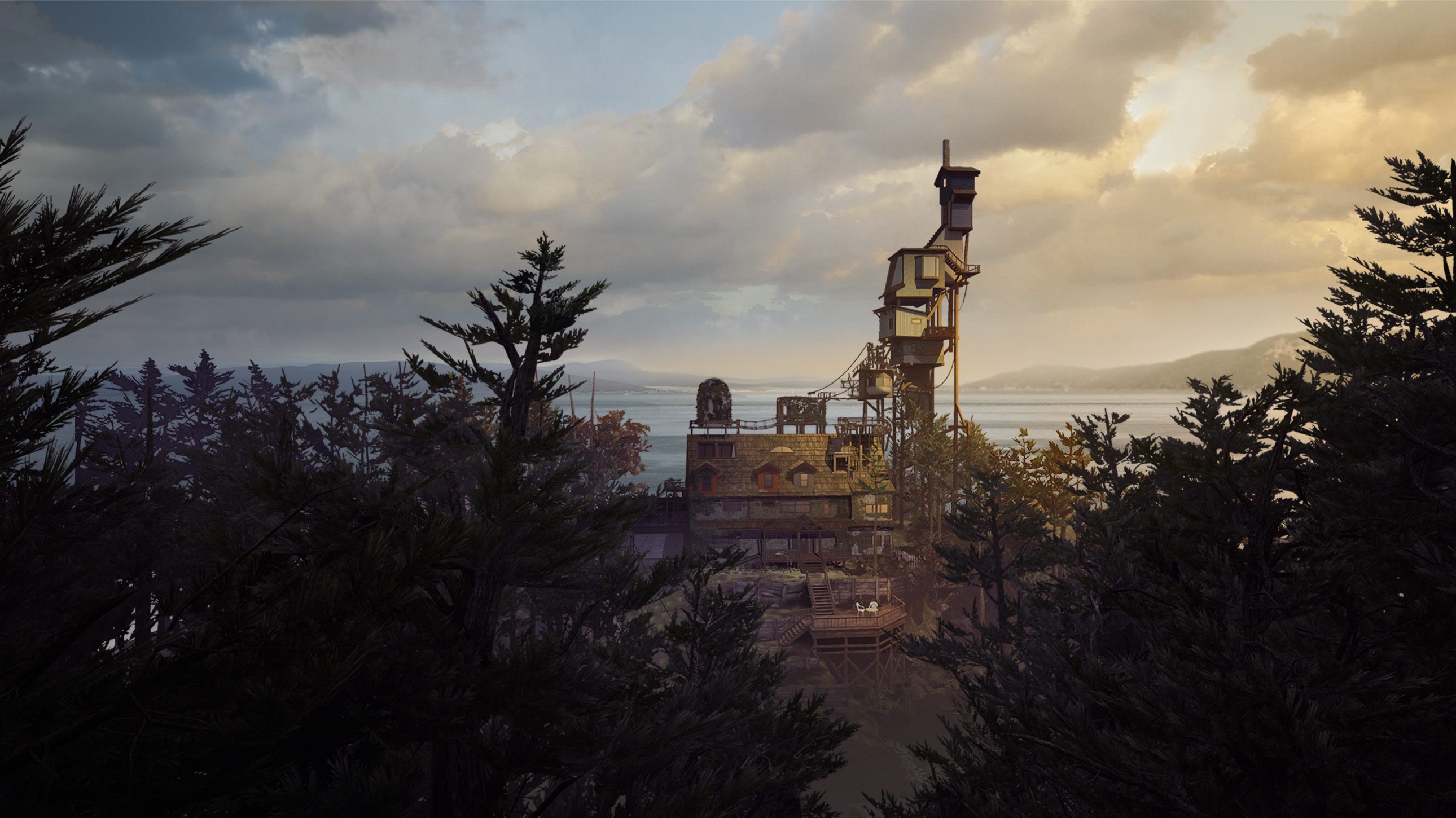
Each sealed bedroom is a preserved diorama that freezes a family member’s final chapter, with fixtures and clutter reflecting obsessions and fears. Secret passages, peepholes, and hand-built shrines show how the household mythologized its history. Interactive vignettes repurpose everyday objects into playable metaphors, mapped onto the house’s structure. Giant Sparrow and Annapurna Interactive use architecture as a generational memory palace.
‘Dishonored’ (2012)
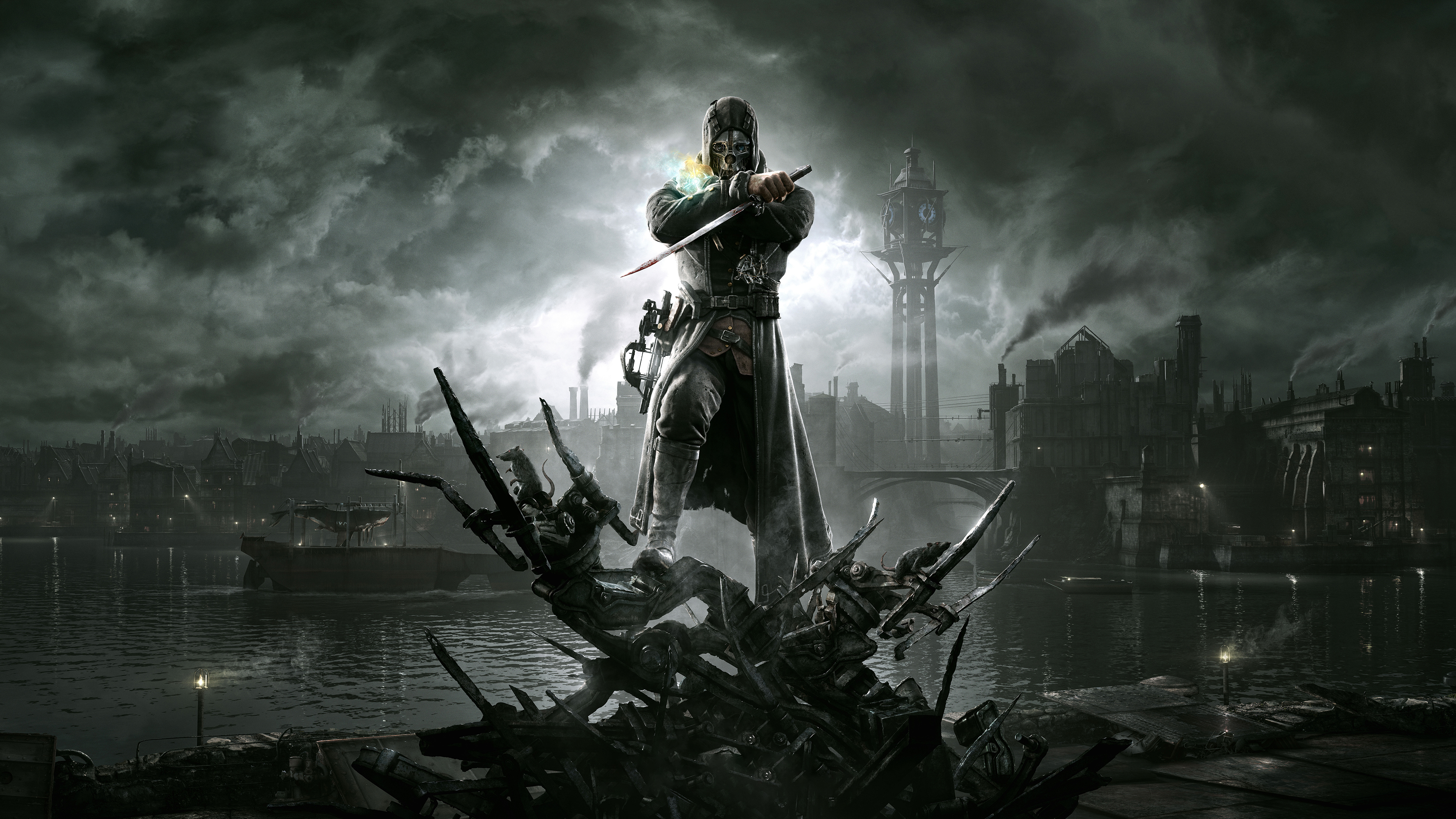
Dunwall’s whale-oil industry is legible from refinery layouts, dockside machinery, and the placement of Tallboy patrols guarding logistics chokepoints. Class divides appear in wall-mounted security, air quality, and maintenance access between manor and slum. Runewords hidden in natural crevices and shrines show how folklore coexists with technology. Arkane Studios and Bethesda Softworks embed politics in street geometry.
‘Prey’ (2017)
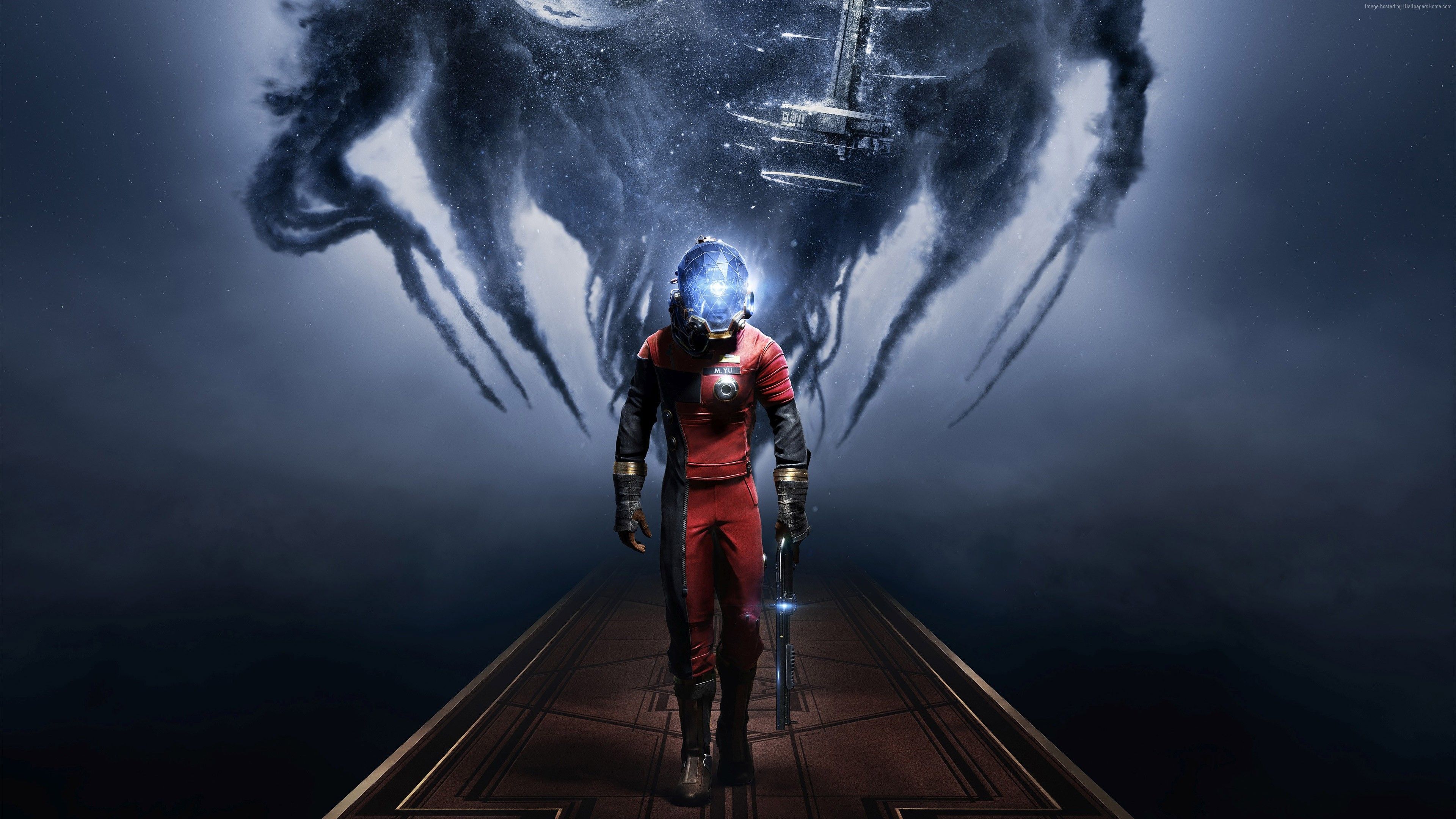
Talos I presents a corporate timeline through mismatched station modules: art-deco executive wings bolted to Soviet lab shells and practical cargo bays. Whiteboards, test chambers, and coffee-stained kiosks reveal experiments in-progress and where containment failed. Vent routes and maintenance hatches double as a map of how staff actually moved around policy barriers. Arkane Studios and Bethesda Softworks make office clutter and signage crucial forensic tools.
‘Return of the Obra Dinn’ (2018)

The ship’s deck plans, cargo manifests, and wear patterns on railings tell crew routines and rank proximity. Scene reconstructions lock to exact positions, letting prop placement—tools, ropes, blood trails—resolve identities. Uniform cut, insignia, and workstations narrow roles before any dialogue is parsed. Created by Lucas Pope and published by 3909 LLC, the vessel itself functions as a solvable database.
‘Hollow Knight’ (2017)

Hallownest’s districts broadcast culture through materials and fauna—city marble, fungal growths, crystalline mines—each with distinct hazards and byproducts. Benches, tram stations, and wayfinding markers outline collapsed public services. Graveyards, cocoons, and abandoned workshops show lifecycle stages of inhabitants without explicit cutscenes. Team Cherry’s map reveals history through traversal friction and ambient remnants.
‘Control’ (2019)

The Oldest House rearranges itself, but fixed departments—Records, Containment, Executive—still signal bureaucratic functions through signage and furniture. Case files, hotline recordings, and altered-item storage setups detail incident handling procedures. Visual noise—floating debris, sticky notes, and red emergency lighting—tracks where containment is losing ground. Remedy Entertainment and 505 Games turn office design into a living case study of anomalies management.
‘Red Dead Redemption 2’ (2018)

Camp layouts evolve with story phases, showing resource flow and morale via cooking stations, ammo crates, and ledger entries. Homesteads and rail projects offer regional backstories through tools, work orders, and owner memorabilia. Ambient encounters—wrecked wagons, burned cabins, grave sites—present micro-histories without quest markers. Rockstar Games uses material culture and supply chains to chart frontier transitions.
‘Cyberpunk 2077’ (2020)
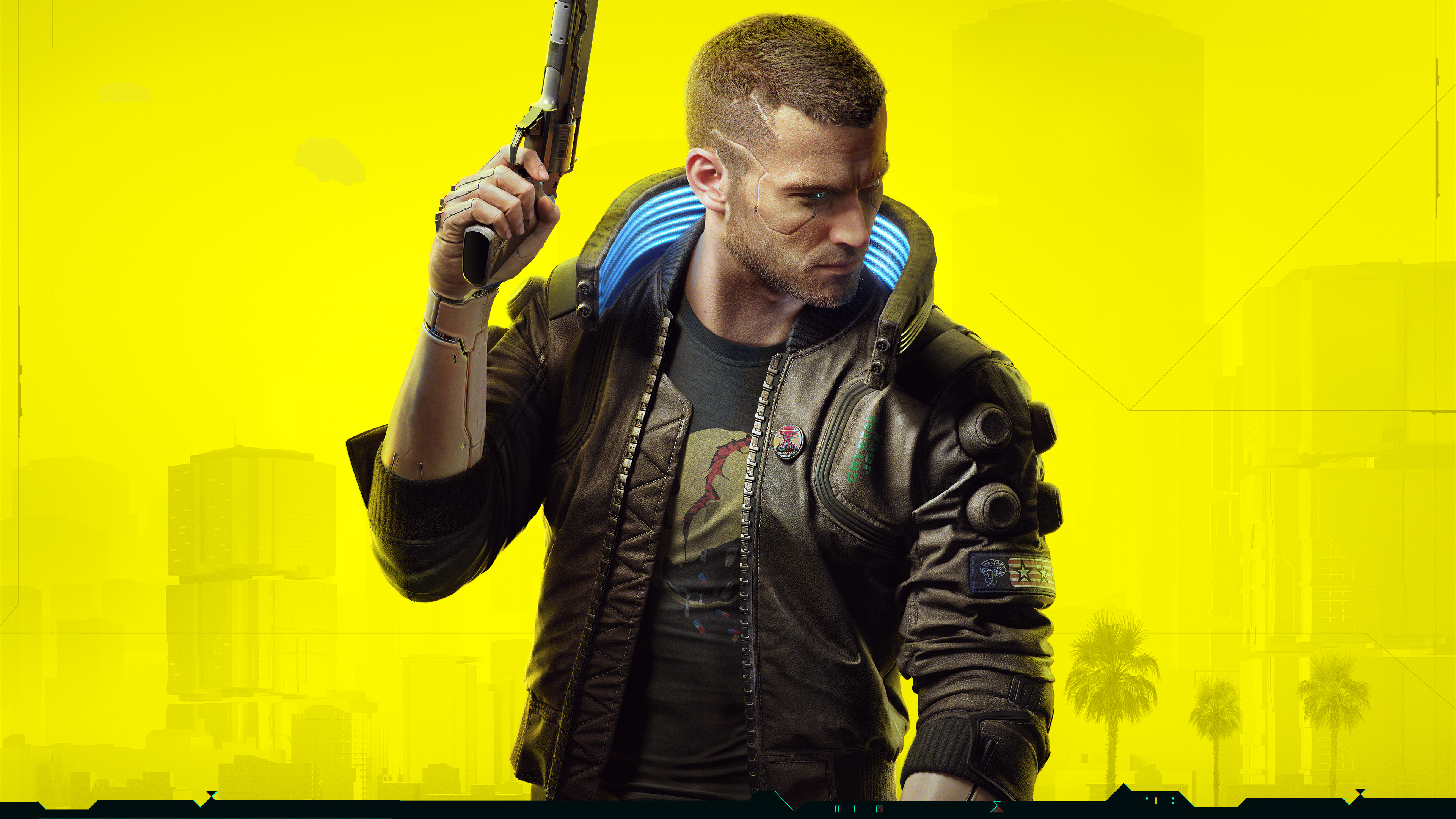
Night City districts encode economics—billboards, trash density, and vendor mix reflect targeted demographics. Megabuilding interiors show vertical communities through laundries, kiosks, and security zones stacked by access level. Corpo offices and ripperdoc clinics use equipment placement and patient queues to convey business models. CD Projekt Red maps social stratification to lighting, noise, and maintenance states.
‘The Elder Scrolls V: Skyrim’ (2011)

Nord barrows communicate funerary practice via trap design, burial goods, and draugr arrangement, linking enemy behavior to ritual logic. Dwemer ruins contrast with mechanical hazards and oil slicks that telegraph industrial processes. Civil War skirmish sites leave banners, broken siege gear, and supply crates to outline shifting fronts. Bethesda Game Studios builds lore into dungeon ecology and regional clutter.
‘Subnautica’ (2018)

Wreck fragments, habitat modules, and tool caches sketch a survival timeline from crash to self-sufficiency. Alien facilities show research goals through specimen tanks, energy conduits, and quarantine checkpoints. Biome-specific wreckage—sand-scoured panels, reef-tangled cables—ties story beats to ocean conditions. Unknown Worlds Entertainment uses material degradation and lab layouts to narrate discovery and risk.
‘S.T.A.L.K.E.R.: Shadow of Chernobyl’ (2007)
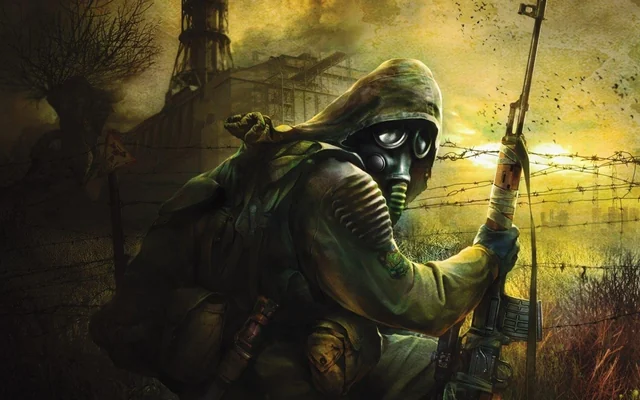
The Zone’s anomaly fields and artifact routes carve informal economies into abandoned Soviet infrastructure. Faded signage, military checkpoints, and scientific outposts display competing interpretations of the disaster. Stalker camps with cookfires, repair kits, and bulletin boards reveal social contracts and reputations. GSC Game World and THQ ground the narrative in environmental hazards and scavenger logistics.
‘Metroid Prime’ (2002)

Scan logs tied to specific rooms connect Chozo rituals and Space Pirate experiments to machinery and fauna. Environmental puzzles that use thermal and x-ray visors highlight hidden power conduits and security protocols. Biomes transition logically with containment doors and research equipment indicating purpose. Retro Studios and Nintendo make the act of reading architecture central to progress.
‘Journey’ (2012)

Sandflow patterns, cloth glyphs, and ruins aligned to distant peaks outline a migration myth without text. Sliding pathways and wind corridors guide movement like stage directions embedded in terrain. Murals placed in rest spaces recap milestones using consistent iconography. thatgamecompany and Sony publish a level design that doubles as a silent narrative.
‘Kentucky Route Zero’ (2013)
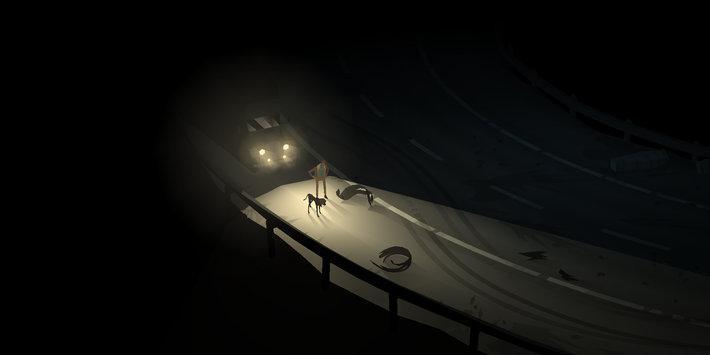
Roadside businesses, basement theaters, and debt-ledger offices convey a magical-realist economy through signage and inventory. Revisited spaces accrue changes—new flyers, moved chairs, altered stock—documenting offscreen labor. Ambient sounds and lighting states communicate shifts in ownership or purpose more than dialogue does. Cardboard Computer and Annapurna Interactive use liminal infrastructure as an ongoing archival record.
Share your favorite examples of subtle worldbuilding in games in the comments!