

20 Games With Mind-Blowing Plot Twists (No Ending Spoilers)

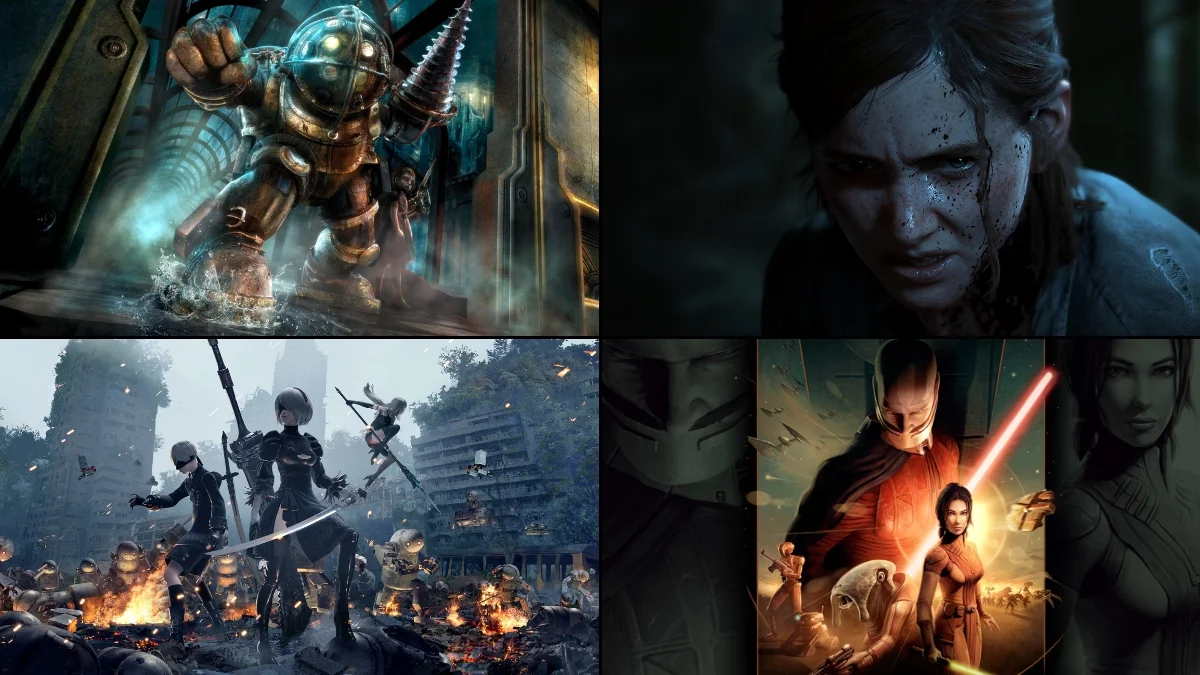


Some games pull the rug so hard you end up replaying scenes in your head for days. This list rounds up twisty titles that keep their surprises well before the credits, so you can jump in without the endgame being ruined. You’ll find smart narrative tricks, perspective flips, and reality-bending reveals—plus who made them—so you know what kind of wild ride you’re signing up for.
‘BioShock’ (2007)
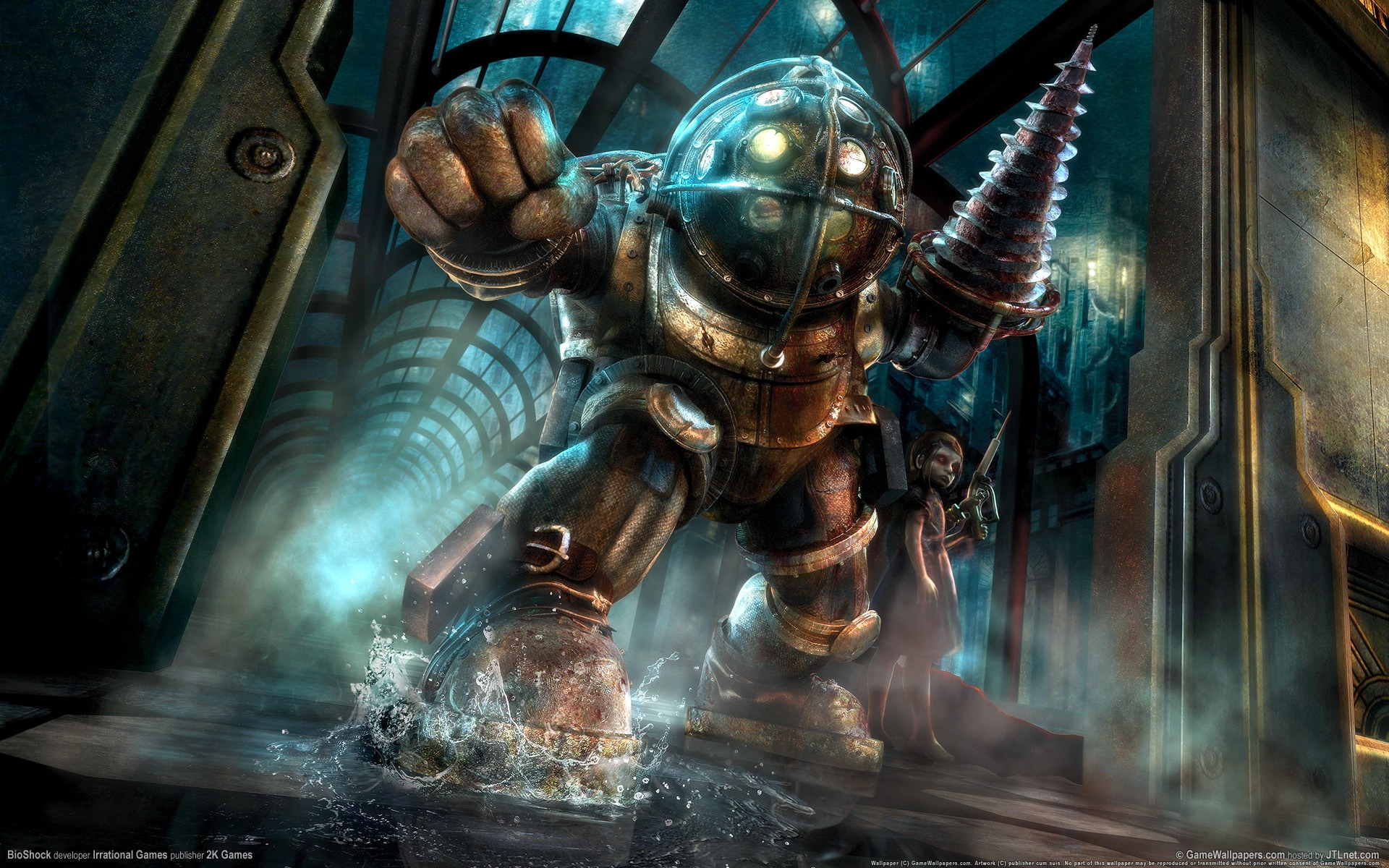
Set in the underwater city of Rapture, this shooter folds world-building into every corridor and audio diary while nudging you toward unsettling truths about control and choice. Developed by Irrational Games and published by 2K, it uses environmental storytelling to seed its reveal long before you notice. The plasmid system and Little Sister decisions seem straightforward at first, then reframe earlier actions. Expect a mid-campaign heel-turn that reshapes your understanding of the entire premise.
‘BioShock Infinite’ (2013)
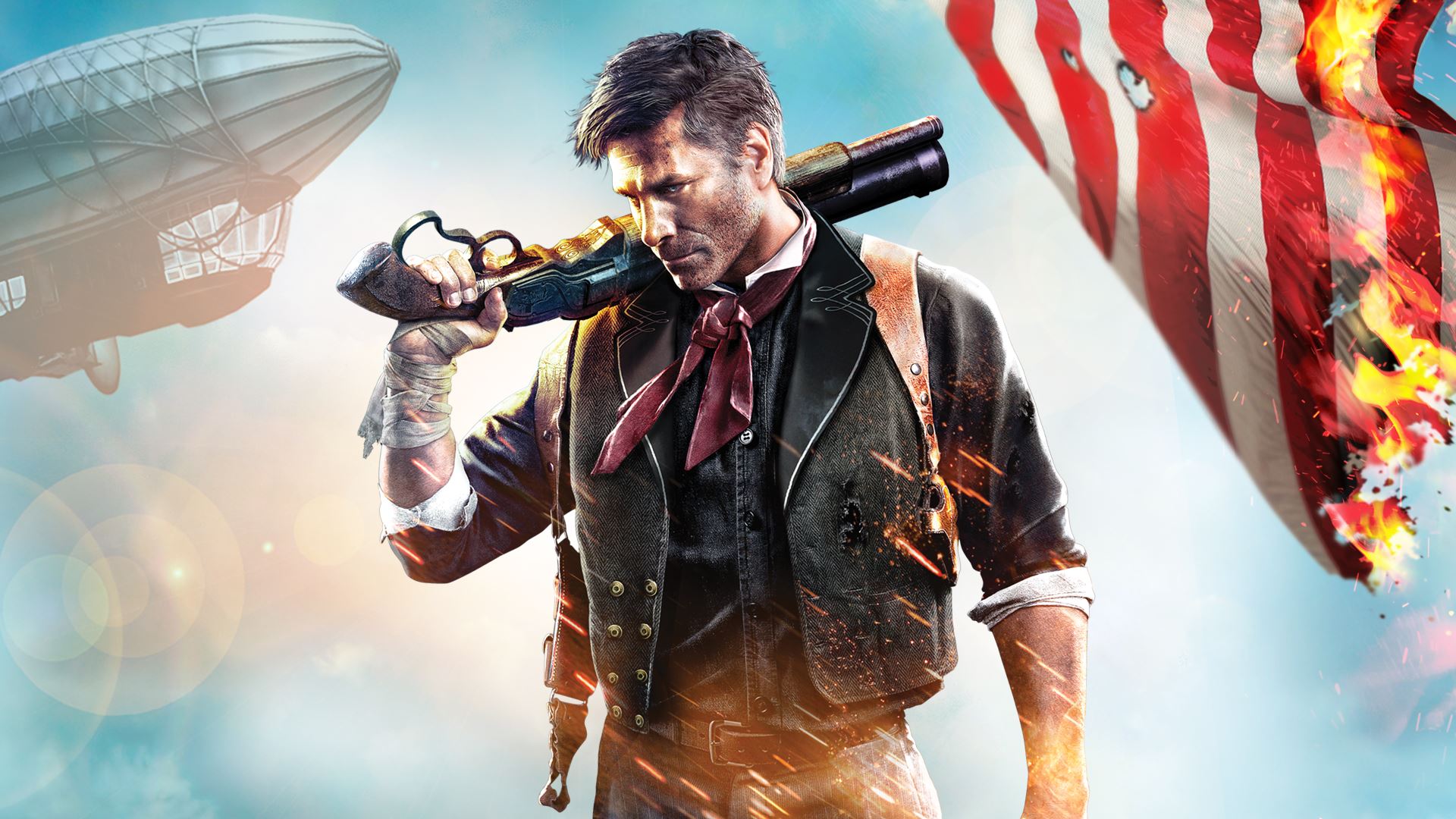
Floating city, smiling faces, and a ruthless ideology hide a story about constants, variables, and the cost of rewriting fate. Built by Irrational Games and released by 2K, it blends brisk gunplay with kinetoscopes, voxphones, and Elizabeth’s powers to drip-feed clues. The game toys with parallel timelines and identity in ways that reward careful listening. Its late-game sequence ties disparate threads together without relying on a single gotcha.
‘Spec Ops: The Line’ (2012)
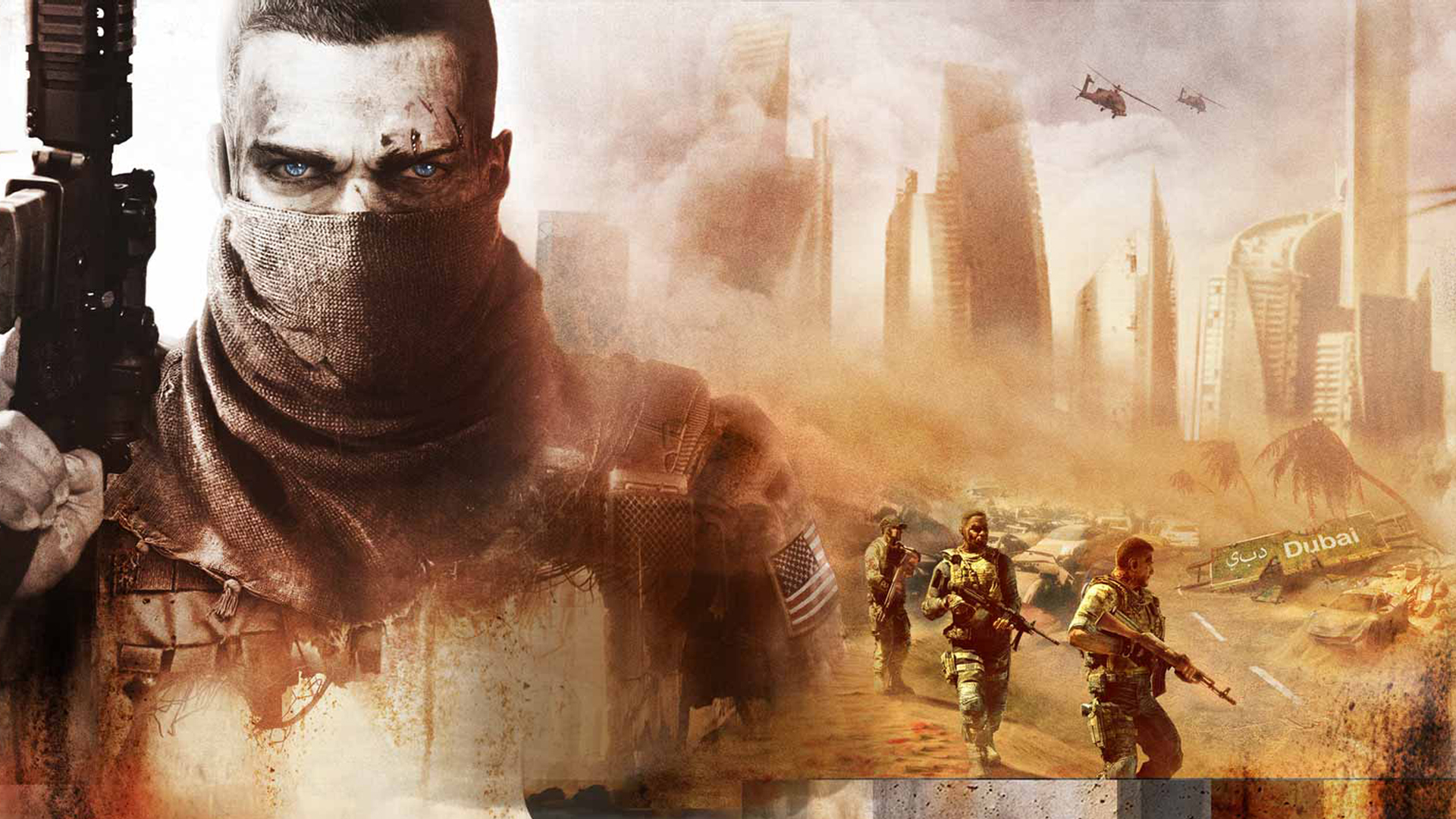
What looks like a conventional military shooter becomes a psychological descent that interrogates player agency. Developed by Yager and published by 2K, it uses sand-choked Dubai as a stage for unreliable perception and moral drift. Radio chatter, loading-screen text, and visual distortions collaborate to make you doubt what you’re seeing. The pivotal chapter forces reflection on complicity rather than a simple plot flip.
‘Star Wars: Knights of the Old Republic’ (2003)
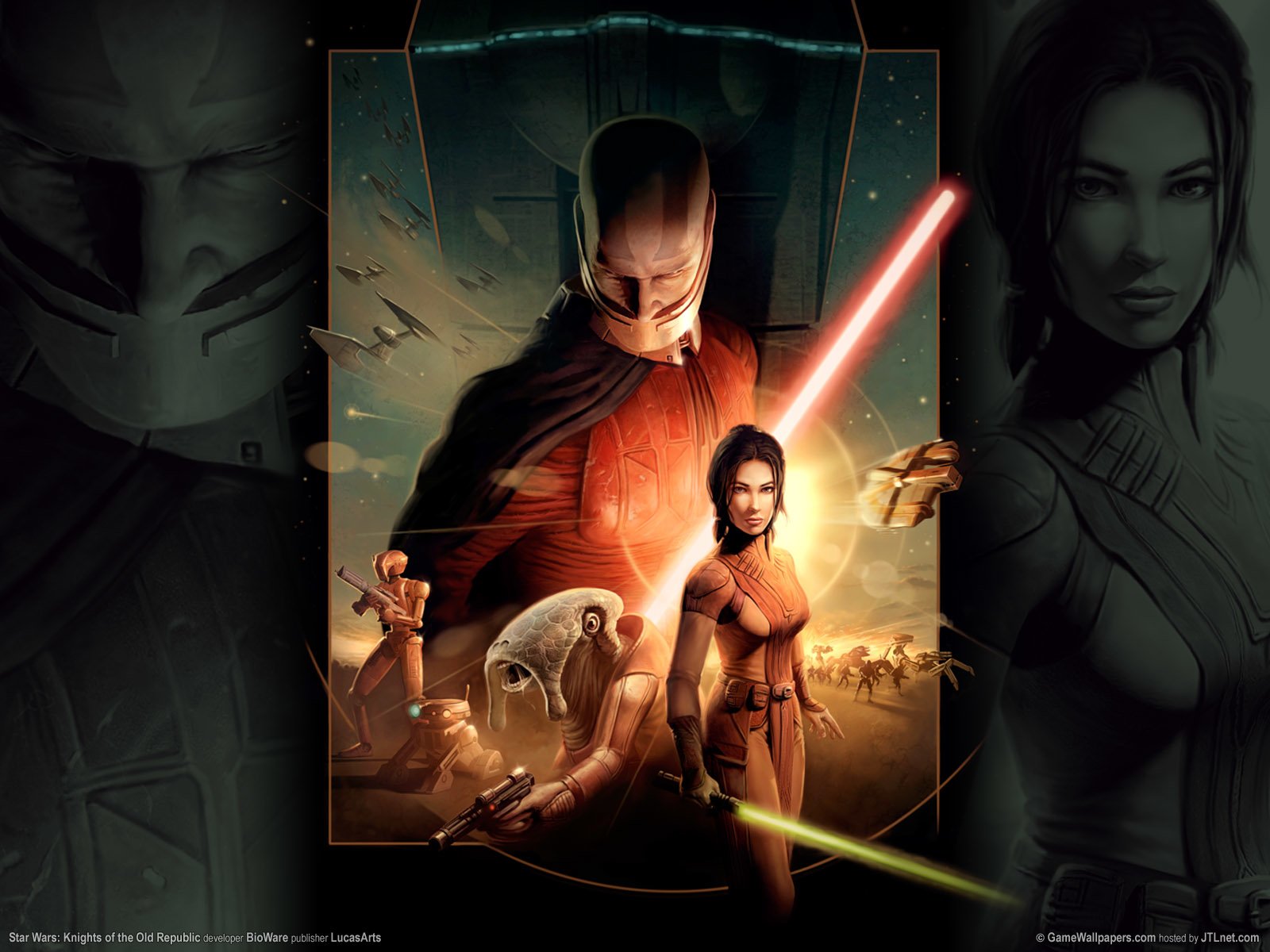
This RPG lets you craft a lightsaber-wielding hero while chasing a Sith threat across the galaxy. Created by BioWare and published by LucasArts, it layers Force visions, dialogue checks, and companion loyalty arcs that subtly point toward a buried truth. Choice-driven quests feed into a reveal that reshapes party dynamics and certain planetary arcs. The twist lands because it’s anchored in character history, not just spectacle.
‘The Last of Us Part II’ (2020)
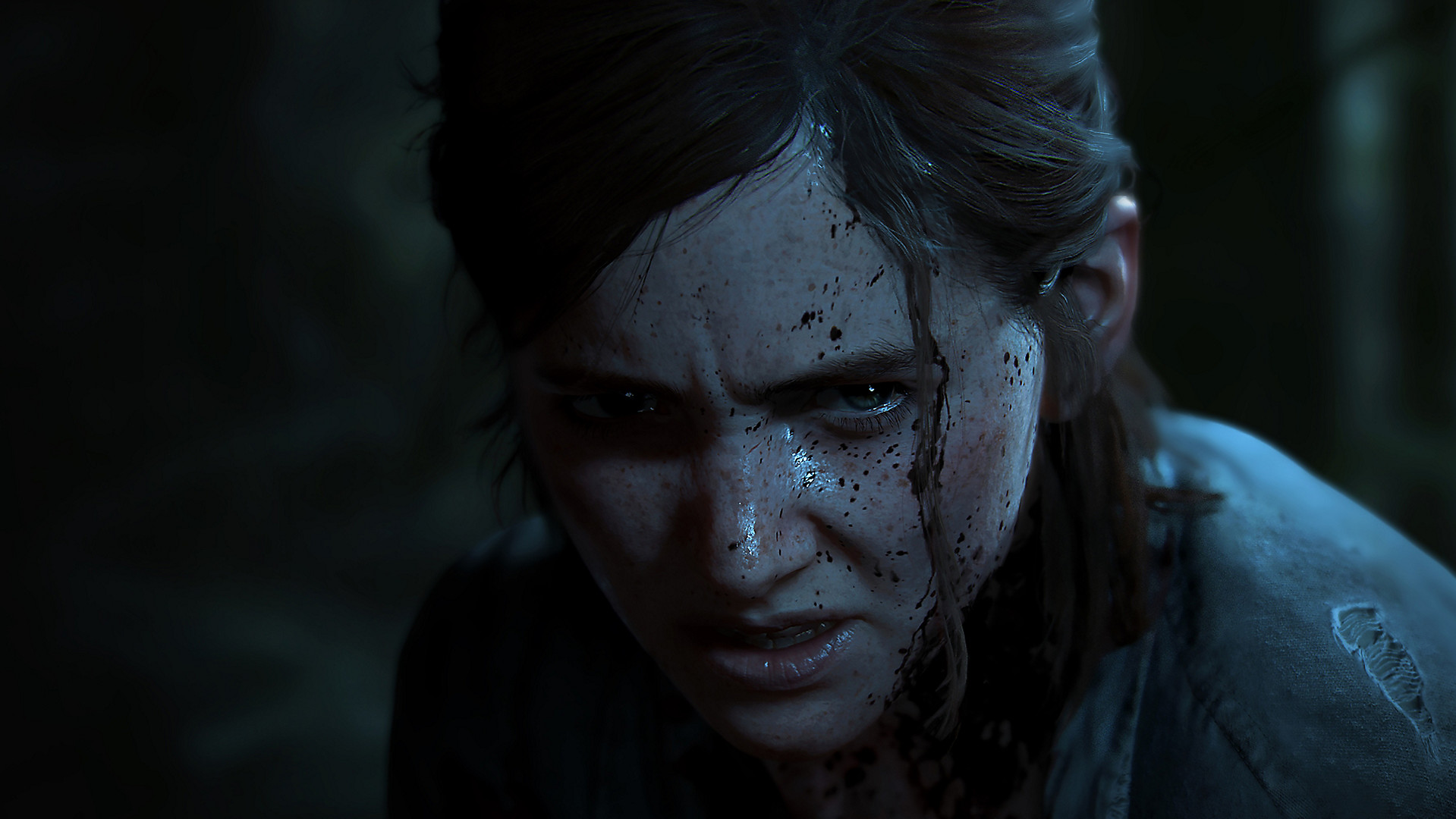
A revenge story shifts focus in ways that challenge your perspective on violence, empathy, and cycles of harm. Developed by Naughty Dog and published by Sony Interactive Entertainment, it uses parallel timelines, shifting viewpoints, and meticulous environmental notes to reframe motives. Combat systems and stealth spaces echo character psychology, reinforcing the narrative turns. The game’s bold structure is the twist—who you play as and when changes how everything reads.
‘Metal Gear Solid 2: Sons of Liberty’ (2001)
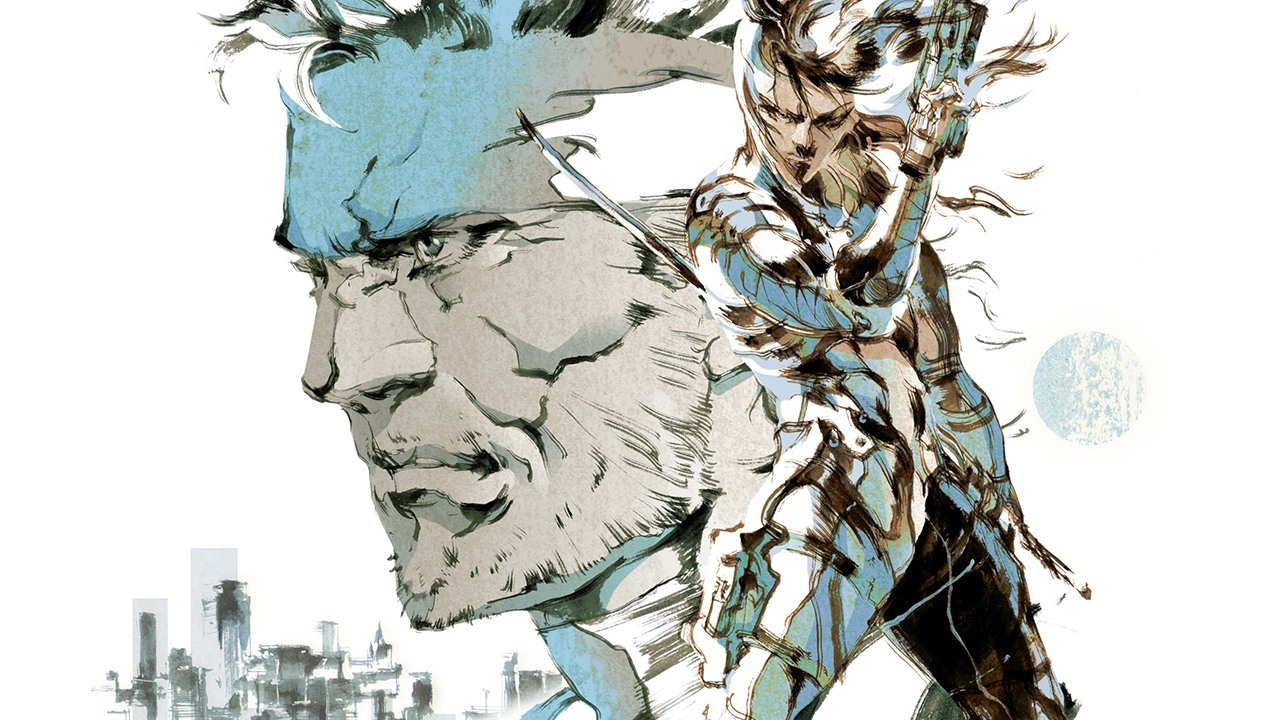
What starts as a familiar infiltration morphs into a meta-commentary on information control and player expectation. Produced by Kojima Productions within Konami, it swaps protagonists and leans into fourth-wall nudges, AI monologues, and staged scenarios. Codec conversations and mission briefings deliberately mislead to make a point about curation and manipulation. The late narrative cascade recontextualizes earlier set-pieces without spoiling the end.
‘Metal Gear Solid V: The Phantom Pain’ (2015)
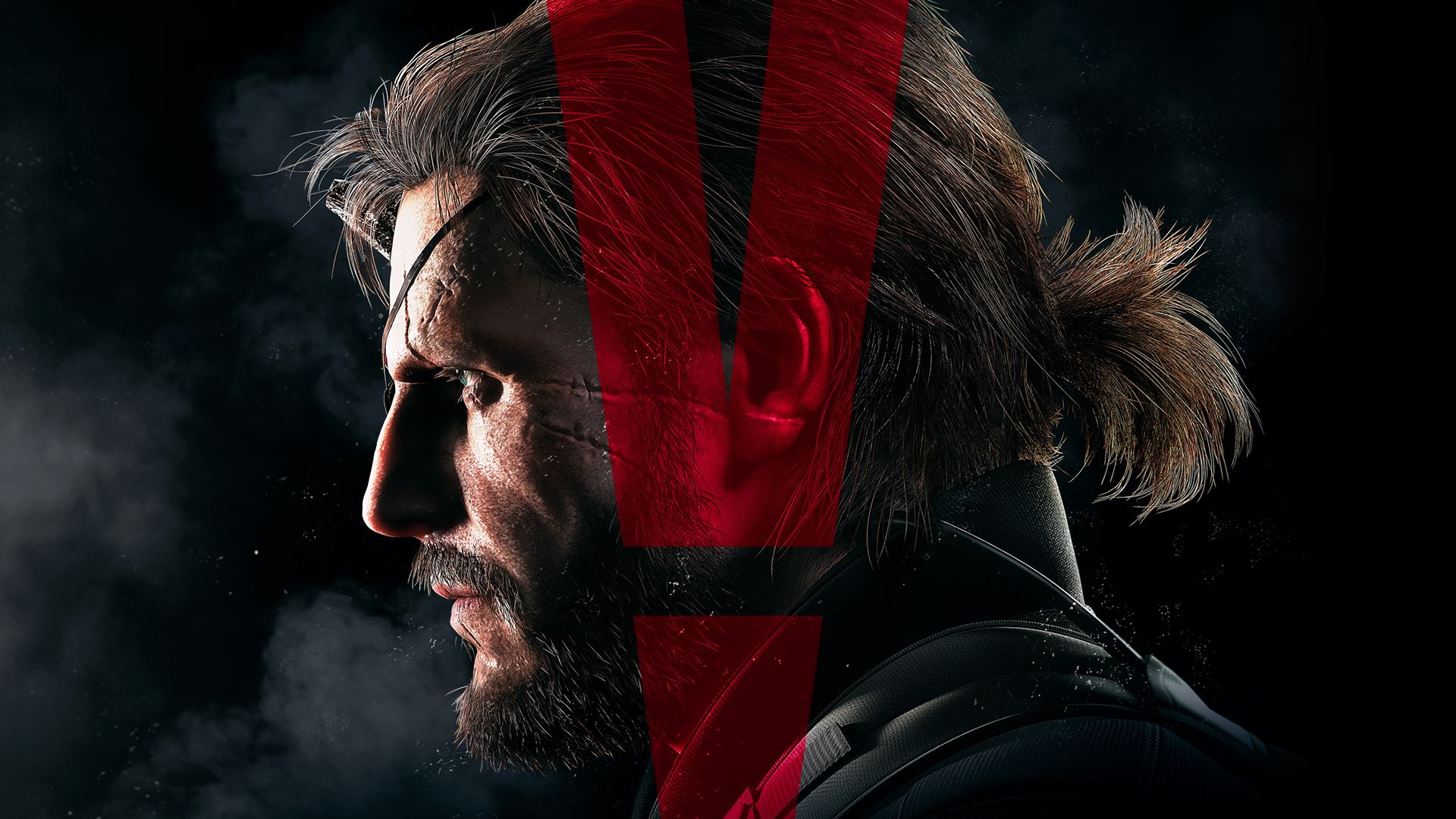
This open-world stealth epic quietly embeds its reveal inside mechanics, bases, and mission replays. Developed by Kojima Productions and published by Konami, it uses cassette tapes, medical logs, and character behavior to hint at identity and authorship. The episodic structure and repeated incursions are clues, not filler. Key tapes and side-ops unlock context that shifts your view of who’s really steering events.
‘Nier: Automata’ (2017)
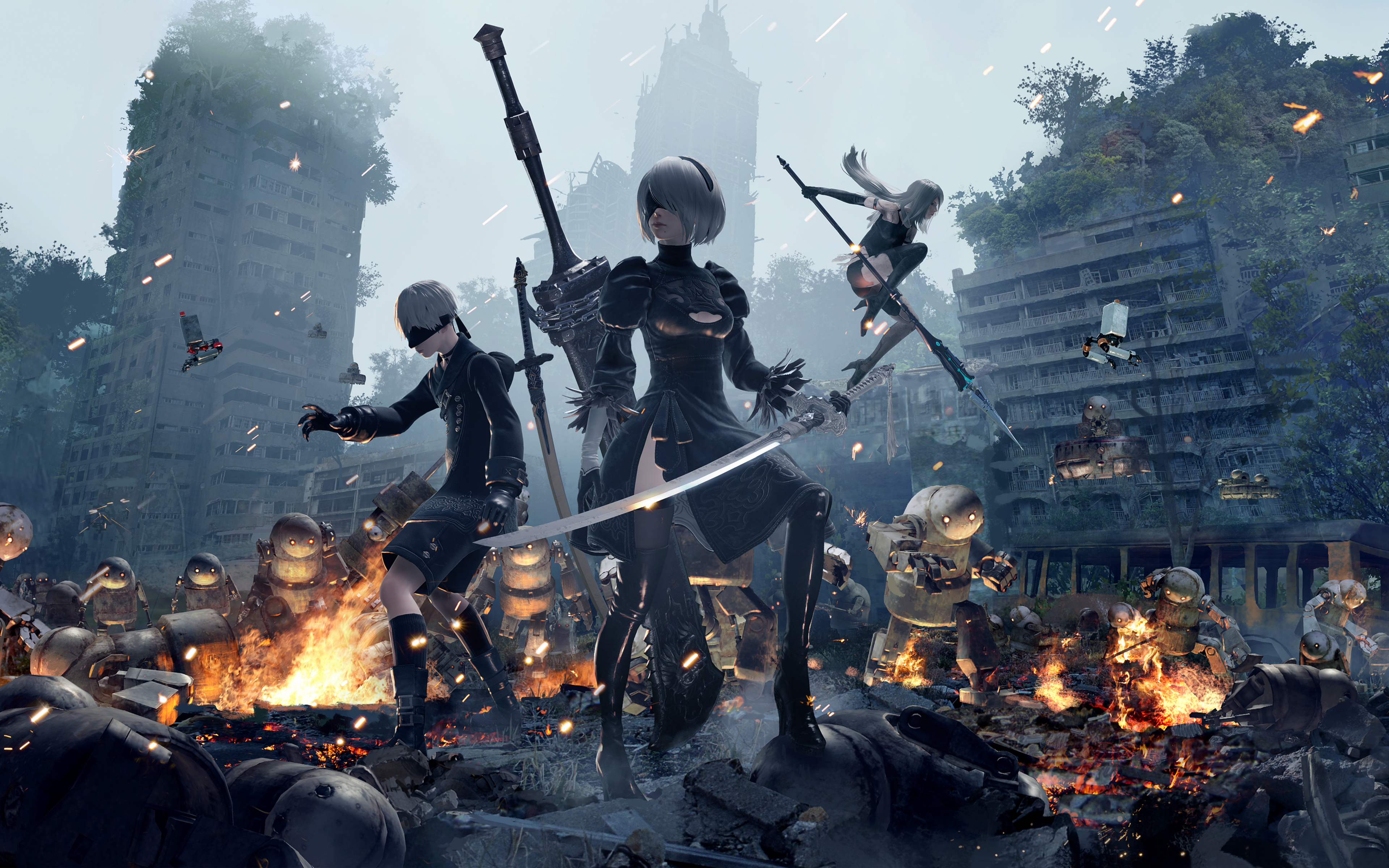
Androids battling machines in a ruined world mask a layered tale about consciousness, cycles, and meaning. Made by PlatinumGames and published by Square Enix, it expects multiple playthroughs, each adding scenes and systems that change interpretation. UI elements, menu choices, and even credits are part of the narrative toolkit. The most striking turns arrive mid-journey as routes converge and diverge.
‘Nier’ (2010)
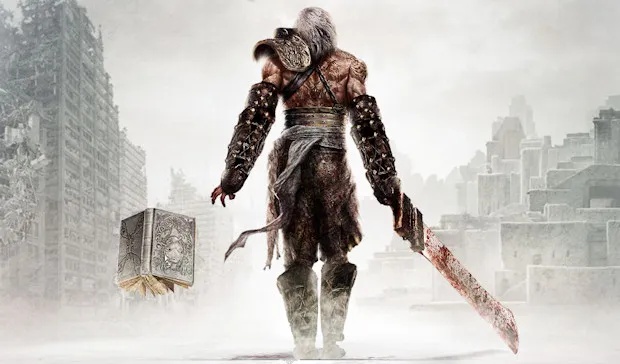
A seemingly straightforward quest to save a loved one hides perspective tricks that only surface after new paths open. Developed by Cavia and published by Square Enix, it sprinkles seeds through Grimoire entries, boss lines, and language you can’t initially parse. Subsequent runs unlock dialogues that retroactively shift moral weight. The twist relies on empathy built through repetition, not a single final sting.
‘Portal’ (2007)
Beneath its clean test chambers lies a darkly comic deception about purpose and promises. Created by Valve, the game teaches you physics-bending portals while a synthetic voice narrates your progress with suspicious cheer. Environmental scrawl and hidden rooms expose an alternate account of events. The tonal swerve hits before the finale, reframing the whole experiment.
‘Portal 2’ (2011)
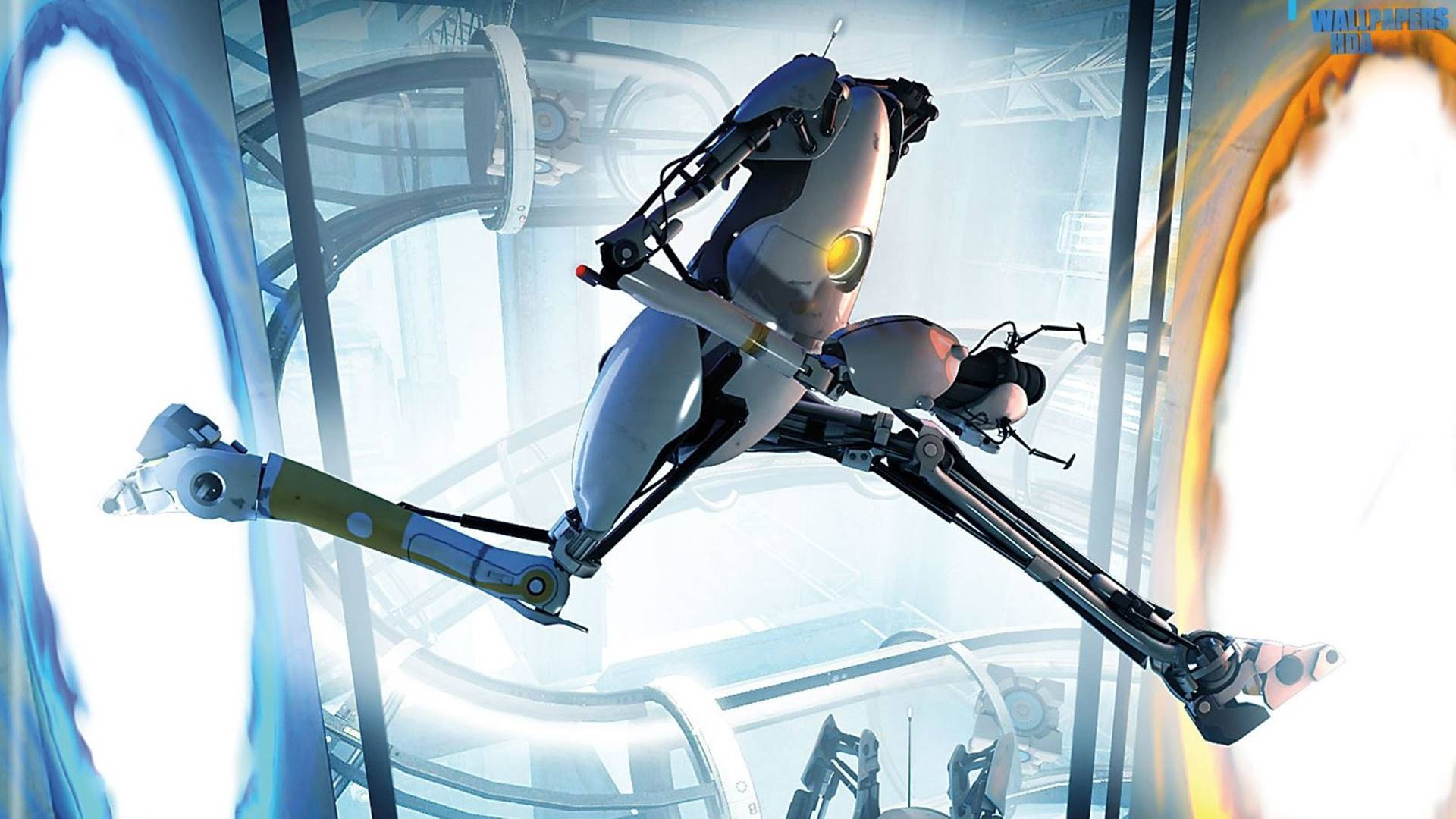
This sequel builds on character dynamics and swaps allegiances in ways that play into puzzle design. Developed and published by Valve, it uses new gels, light bridges, and personality cores to stage narrative reveals mid-campaign. Dialogue timing during test sequences plants jokes that double as foreshadowing. Structural flips keep you guessing who’s in charge and why the facility keeps changing.
‘Outer Wilds’ (2019)
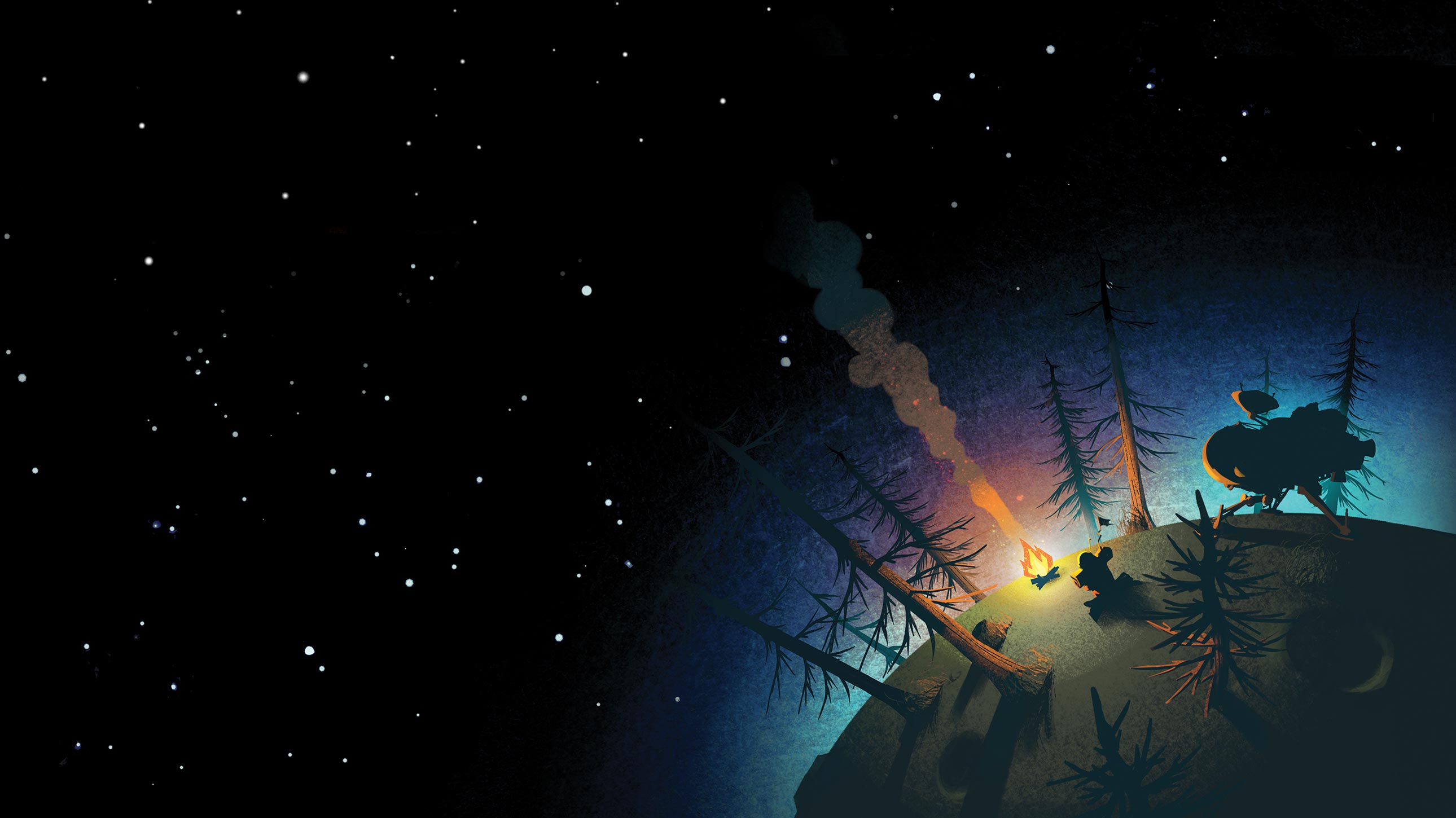
A 22-minute time loop turns cosmic sightseeing into a detective story about ancient tech and personal curiosity. Made by Mobius Digital and published by Annapurna Interactive, it hides answers in planet interiors, brittle crusts, and translated inscriptions. Ship logs stitch clues together, letting you pursue revelations in any order. The biggest surprises live in the rules of the universe, discovered well before the end.
‘The Witness’ (2016)
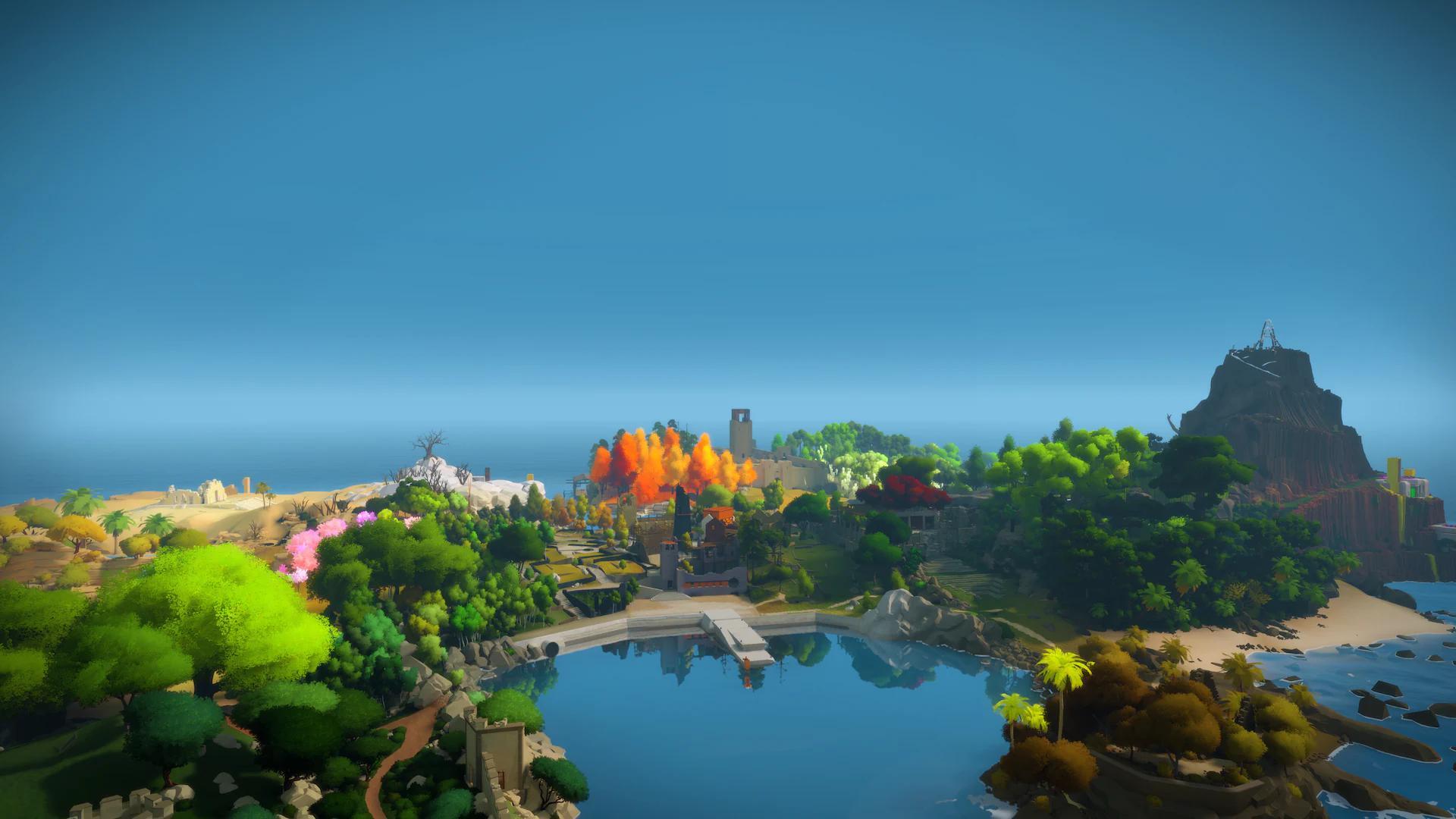
Dozens of line puzzles mask a quiet narrative about perception, insight, and how we learn. Developed by Thekla, Inc., the island’s architecture, recordings, and perspective tricks are the real storytellers. The environment itself teaches a language that later twists expectations. A certain optional sequence flips your sense of what counts as a puzzle without spoiling the resolution.
‘Twelve Minutes’ (2021)
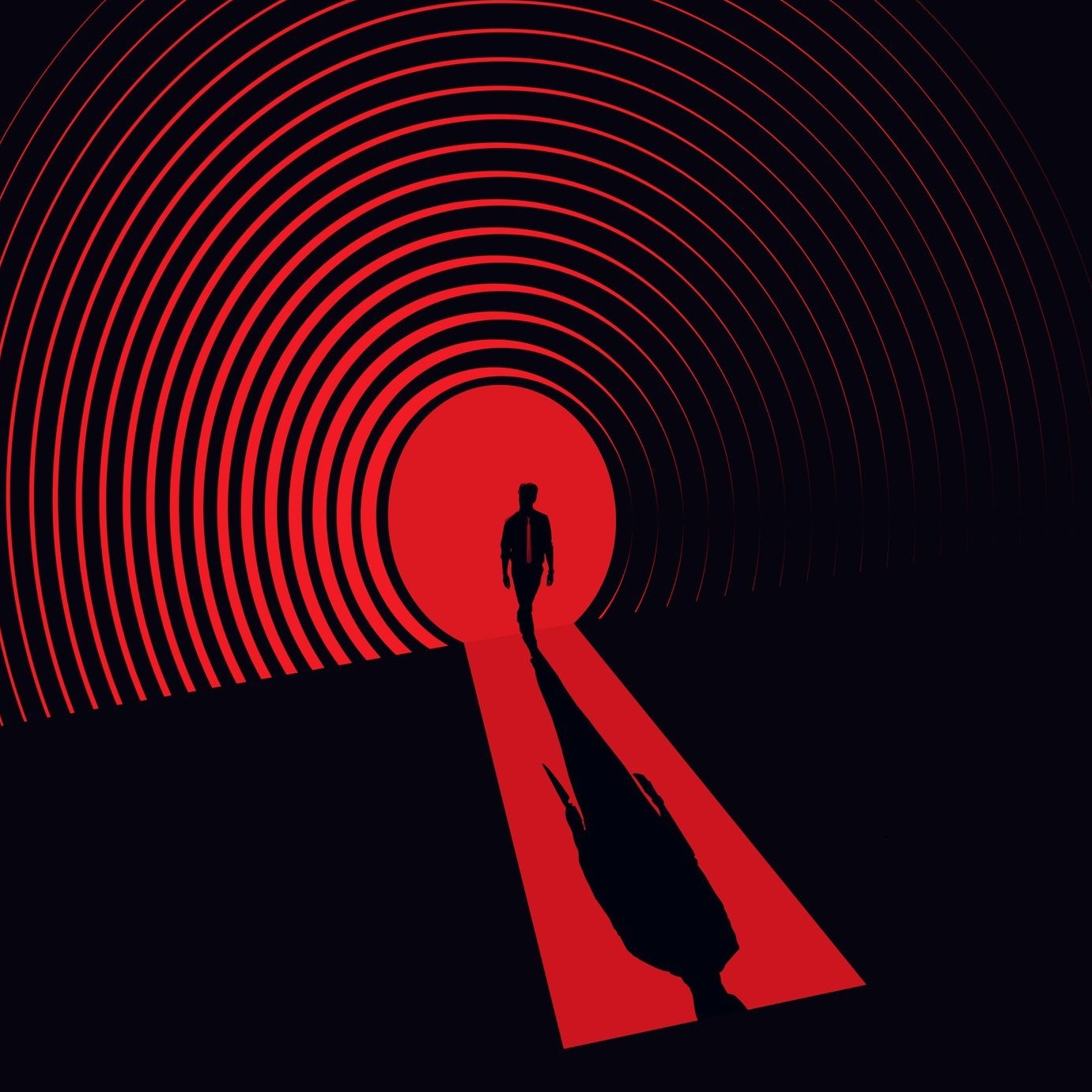
A domestic evening repeats with small variations until hidden relationships and motives surface. Directed by Luis Antonio and published by Annapurna Interactive, it confines action to a compact apartment where each loop preserves your knowledge. Item placement, dialogue branches, and timing windows act as investigative tools. The core reveal emerges from how the loops intersect, not from a final cutscene.
‘Return of the Obra Dinn’ (2018)

You’re an insurance investigator piecing together a vanished crew using a pocket watch that rewinds to moments of death. Designed by Lucas Pope and released by 3909 LLC, it turns logic grids and deduction into narrative propulsion. Visual style and audio cues guide you toward identities and causes without overt hints. The “twists” arrive as cascading realizations while you fill the ledger.
‘Her Story’ (2015)

You sift through a police database of video clips to reconstruct what happened, one search term at a time. Created by writer-director Sam Barlow and published independently, it makes your queries the engine of discovery. Non-linear viewing means the “big moment” can land early or late, depending on what you type. The shifting self-presentation across interviews is where the narrative flips occur.
‘Silent Hill 2’ (2001)
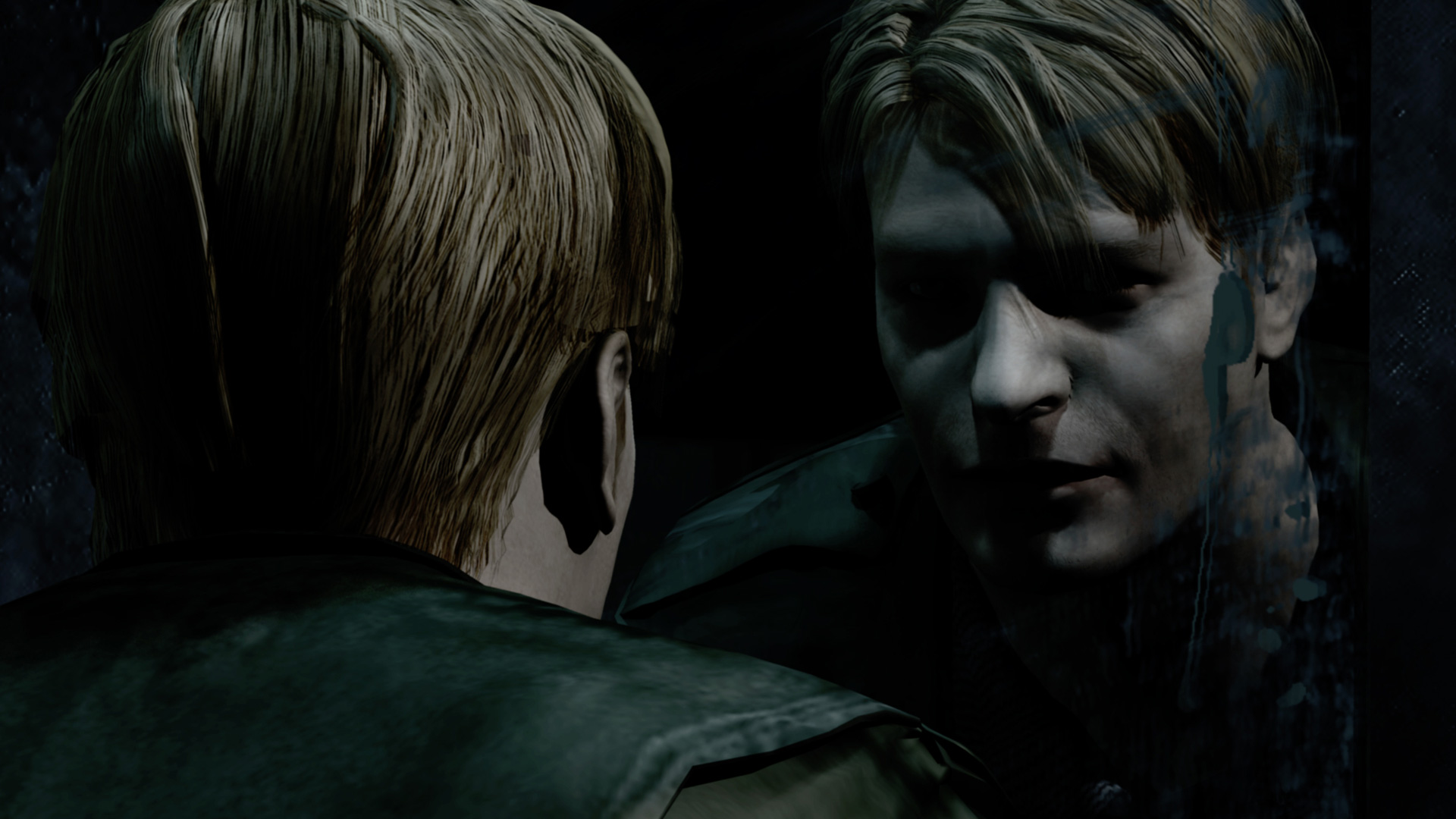
A letter from a deceased spouse draws you to a fog-draped town that reflects guilt more than geography. Built by Team Silent and published by Konami, it uses monster design, environmental symbolism, and audio to hint at buried truths. Optional scenes and item choices subtly alter context before any ending rolls. The most important reveal is threaded through exploration, not a last-minute shock.
‘Danganronpa: Trigger Happy Havoc’ (2010)

Class trials in a locked-down academy turn deductions into kinetic showdowns. Developed by Spike (later Spike Chunsoft) and published by Spike Chunsoft, it mixes visual-novel chapters with rhythm-like rebuttals and evidence bullets. Each case includes a pivot that reinterprets earlier testimony or crime-scene details. Mid-arc revelations expand the scope of the mystery beyond the classroom walls.
‘999: Nine Hours, Nine Persons, Nine Doors’ (2009)

Nine strangers trapped on a sinking ship must solve deadly puzzles under a strict time limit. Created by Chunsoft (now Spike Chunsoft) and released on handheld first, it uses branching routes and a flowchart-free structure that relies on memory. Specific puzzle solutions and dialogue choices unlock scenes that transform your reading of prior routes. The key twist emerges from how information carries between playthroughs.
‘The Stanley Parable’ (2013)
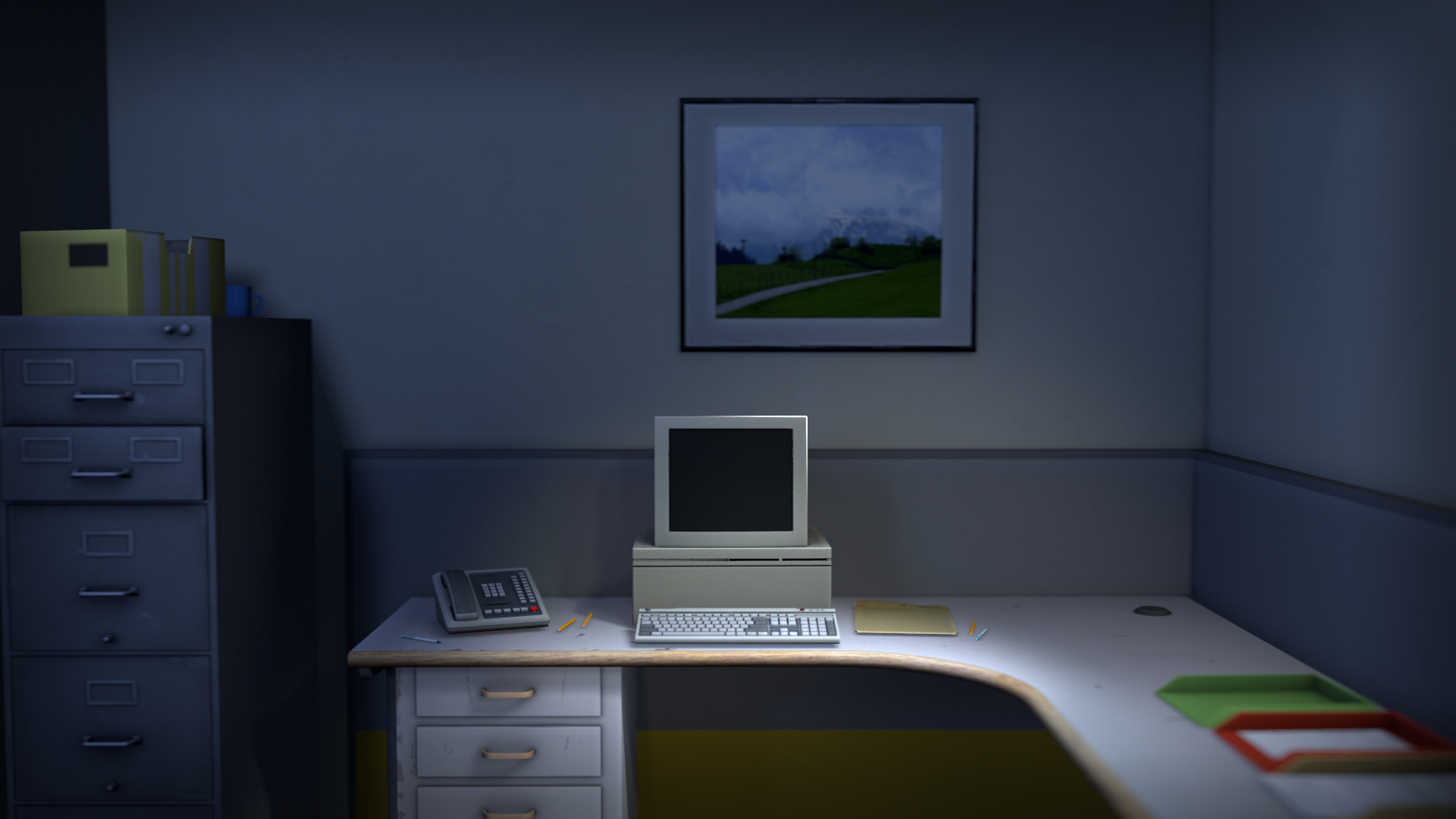
A narrator describes your every move—until you decide to disobey—or obey too literally. Developed by Galactic Cafe, this first-person experiment weaponizes choices to expose how games script “freedom.” Routes fold back on each other, and even menu options become part of the gag. The sharpest turns happen mid-exploration as narration reacts in ways you don’t expect.
Share your favorite jaw-dropping game twists—without ending spoilers—in the comments!