

20 Games With Physics That Make Chaos Fun

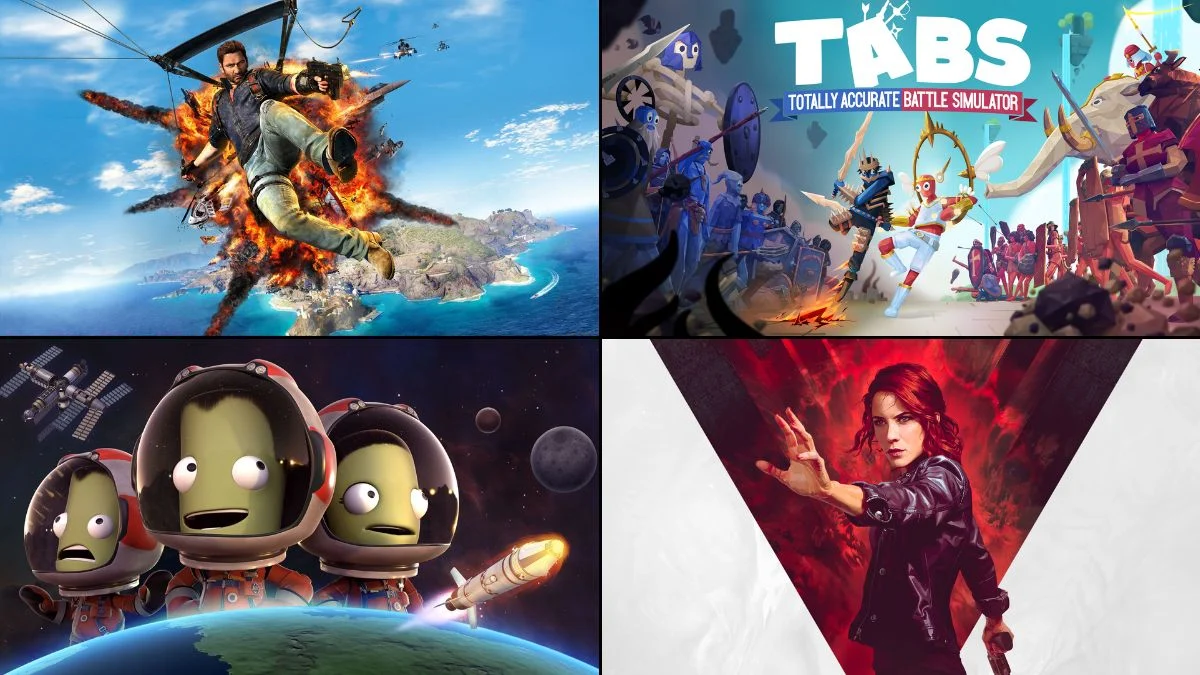


When physics systems are more than background math, they become toys—letting you improvise solutions, topple structures, and chain together glorious domino effects. The picks below lean on simulated materials, destructible environments, soft bodies, or systemic forces so that explosions, impacts, and even clumsy movement behave in ways you can poke and bend. Each entry includes the studio behind it so you know who to thank for the mayhem. Dive in and see how these sandboxes turn simple rules into endlessly surprising outcomes.
‘Red Faction: Guerrilla’ (2009)
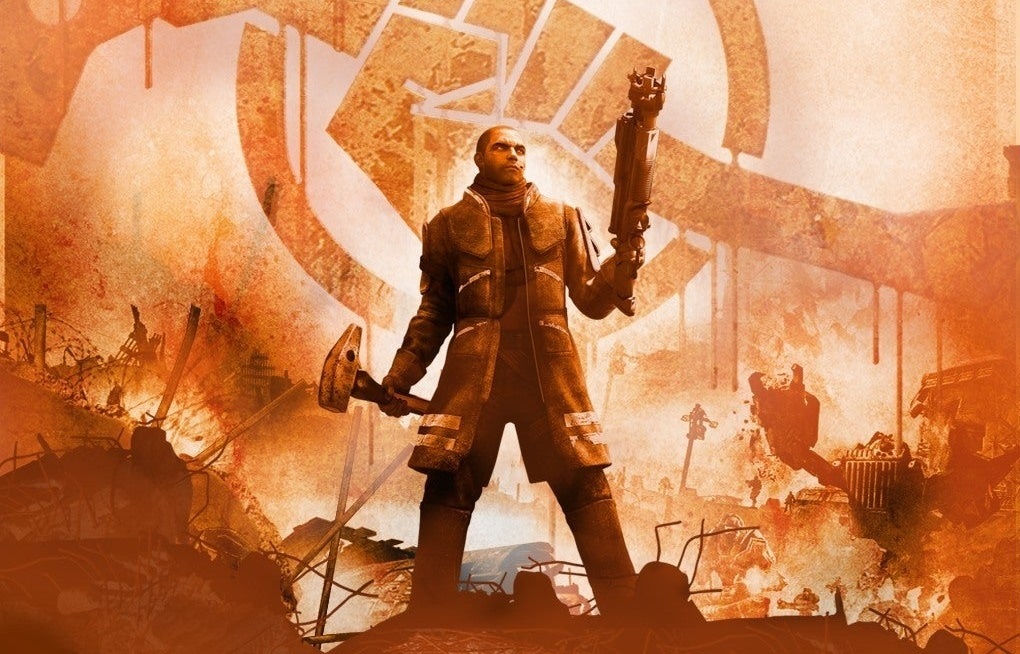
Volition built its GeoMod 2.0 engine around finite-element destruction, so buildings on Mars collapse based on actual structural stress rather than pre-baked breakpoints. Demolitions play like engineering puzzles: remove supports, overheat welds, and watch entire facilities pancake realistically. Vehicles, blast waves, and the iconic sledgehammer all feed force into the same simulation, making debris behave consistently. THQ published the game, which remains a staple example of systemic destruction in open worlds.
‘Just Cause 3’ (2015)
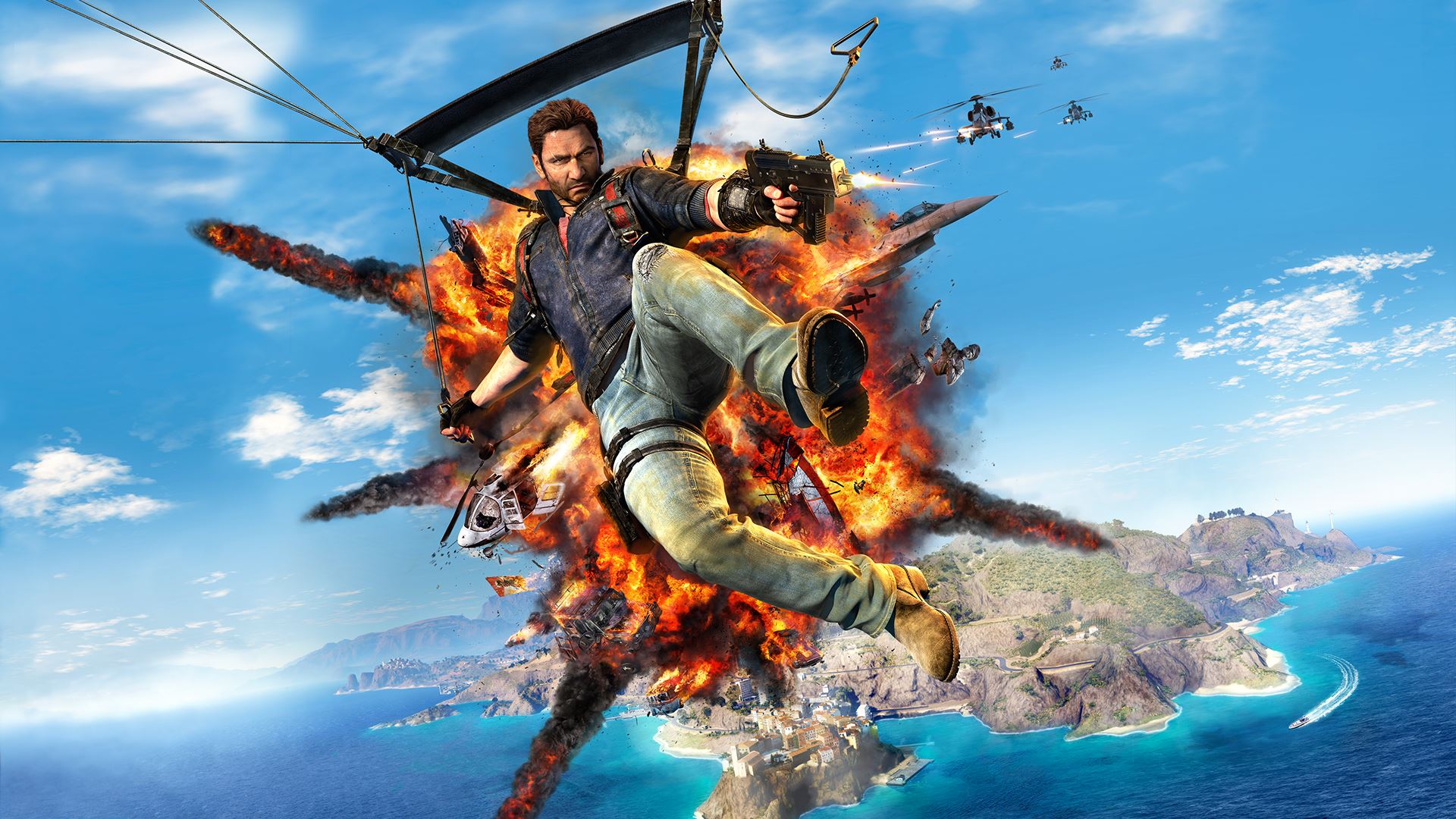
Avalanche Studios linked explosives, tether physics, and a wind-tracked wingsuit into one coherent sandbox of forces. Fuel tanks and bridges are modeled with breakable joints, so detonations propagate damage through connected pieces. The grappling hook applies impulses you can tune—reeling objects together or slingshotting them apart for mid-air collisions. Square Enix published the game and its sprawling open world encourages chain reactions that obey the same physics across land, sea, and air.
‘Teardown’ (2022)
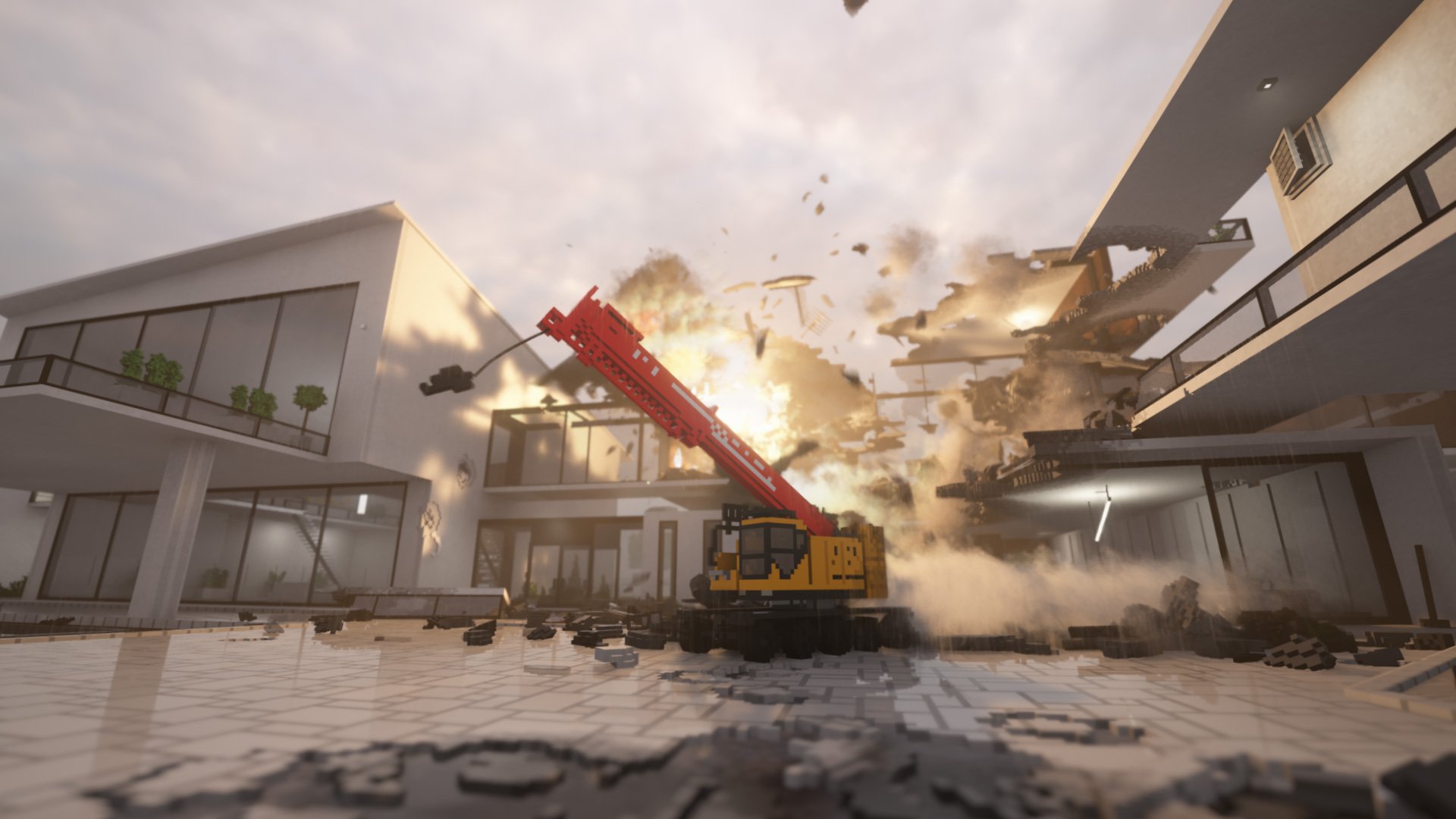
Every wall, floorboard, and prop is a voxel—meaning Tuxedo Labs simulates levels as fully destructible grids. Explosions carve out volumes of matter, fire spreads cell-by-cell, and debris piles up with mass you can stack or bulldoze. Heists hinge on routing: you sculpt shortcuts by literally reshaping the map before triggering alarms. The unified voxel physics let vehicles, rubble, and smoke interact predictably for player-made Rube Goldberg solutions.
‘Besiege’ (2020)

Spiderling Studios created a soft-body, joint-based builder where wooden beams, axles, and braces transmit torque and shear stress. Machines break where forces exceed material limits, so reinforcing a chassis or rebalancing weight directly affects survivability. Moving parts collide with terrain and enemies using the same collision system, enabling flails, catapults, and rotors to transfer momentum accurately. The campaign and sandbox both reward careful engineering grounded in real-ish mechanics.
‘Kerbal Space Program’ (2015)
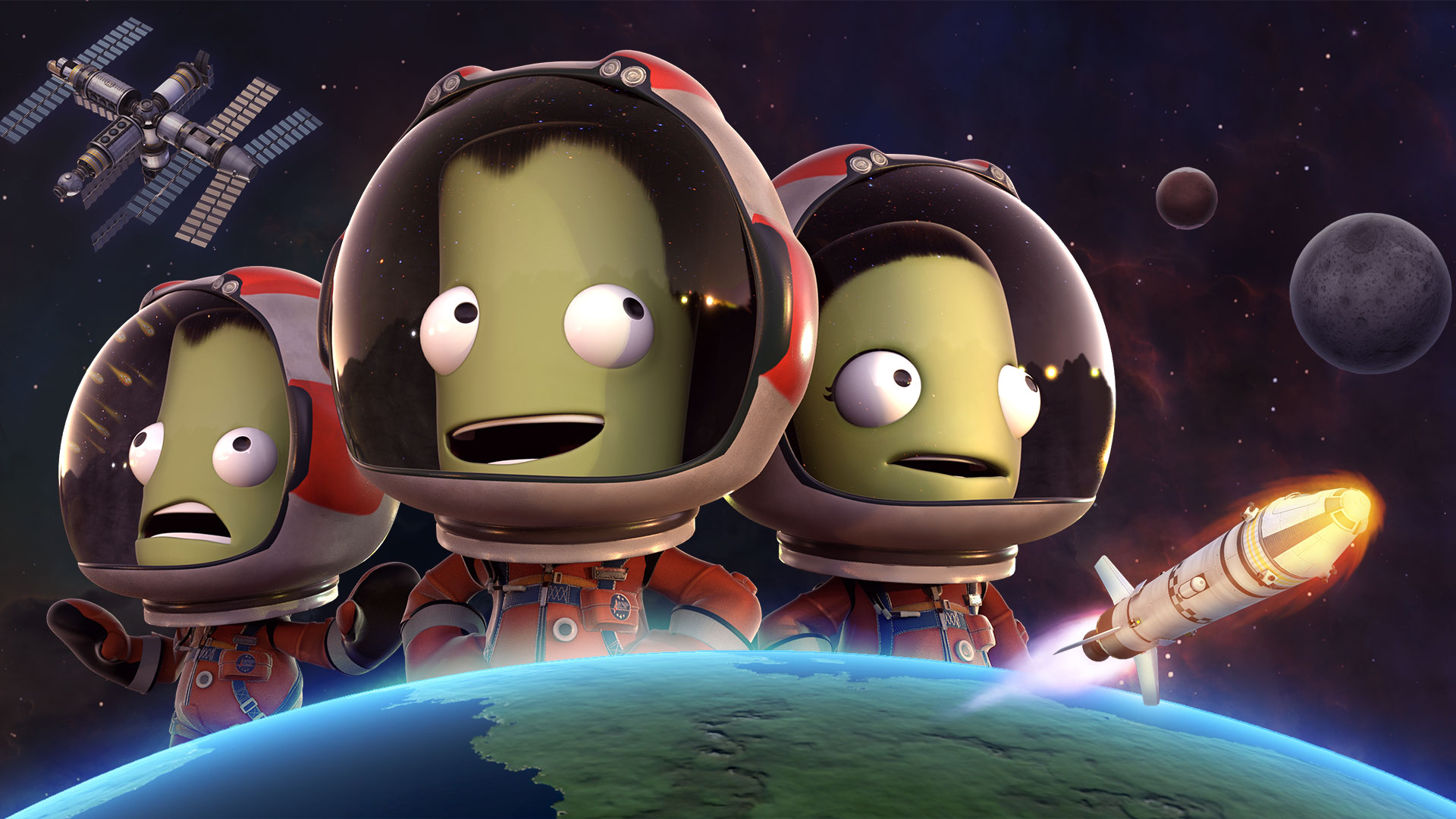
Squad’s orbital simulator uses patched-conics for celestial mechanics and per-part physics for rockets, so staging and thrust vectors truly matter. Aerodynamics model drag and lift across craft surfaces, meaning fairings, control surfaces, and re-entry angles change outcomes. Structural joints can wobble or fail under load, translating design flaws into mid-flight chaos you can diagnose. Private Division published the 1.0 release, cementing it as a physics playground for spaceflight.
‘BeamNG.drive’ (2015)
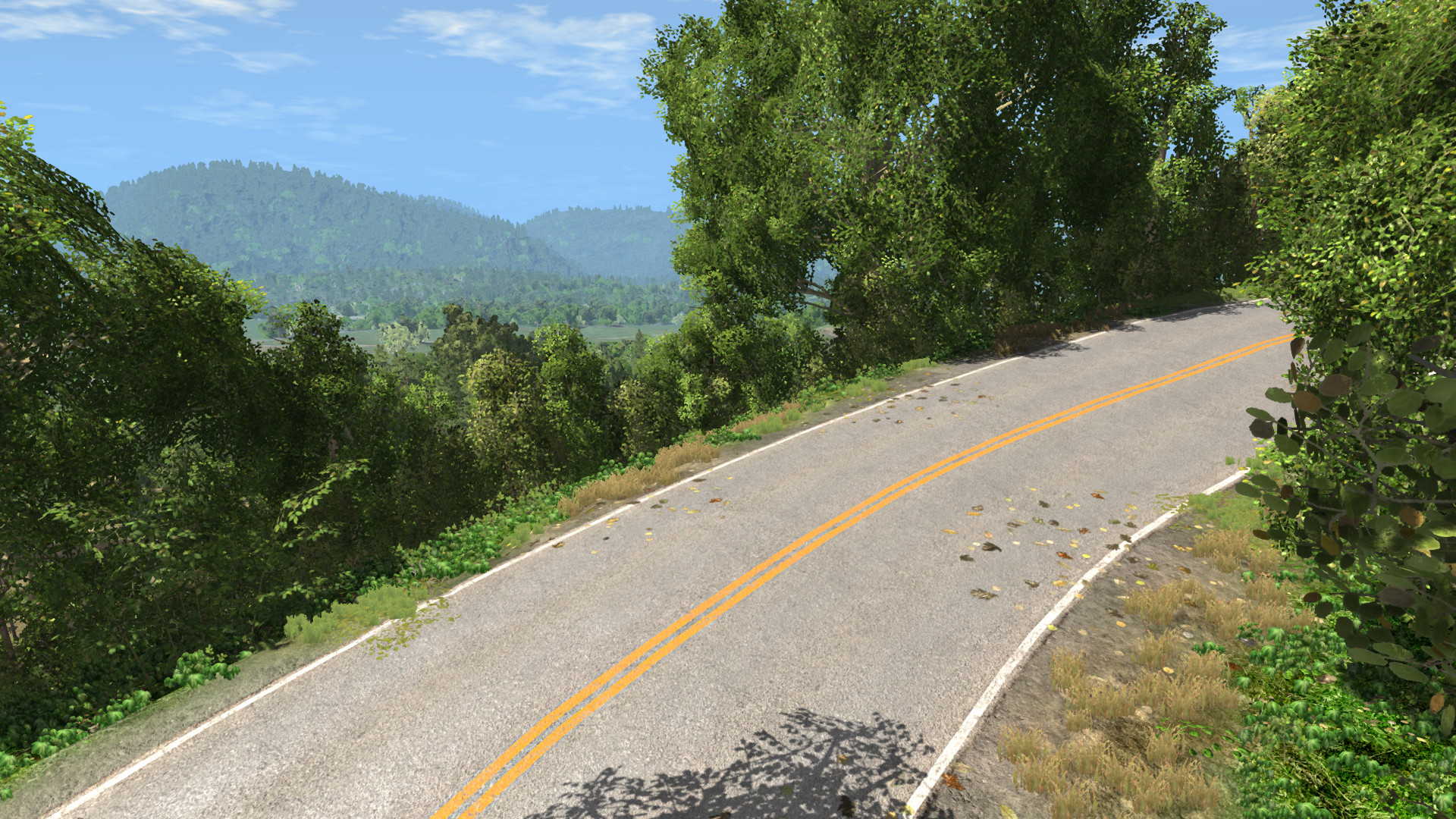
BeamNG GmbH’s soft-body engine simulates vehicles as deformable node-beam networks, giving crumple zones, suspension, and frames authentic behavior. Collisions produce persistent damage that alters alignment, cooling, and handling, so every crash changes later physics. Terrain, props, and tow cables interact via the same solver, enabling rollovers, winch rescues, and stunt chains that feel tactile. Scenarios highlight how mass, traction, and momentum interplay in believable ways.
‘Wreckfest’ (2018)
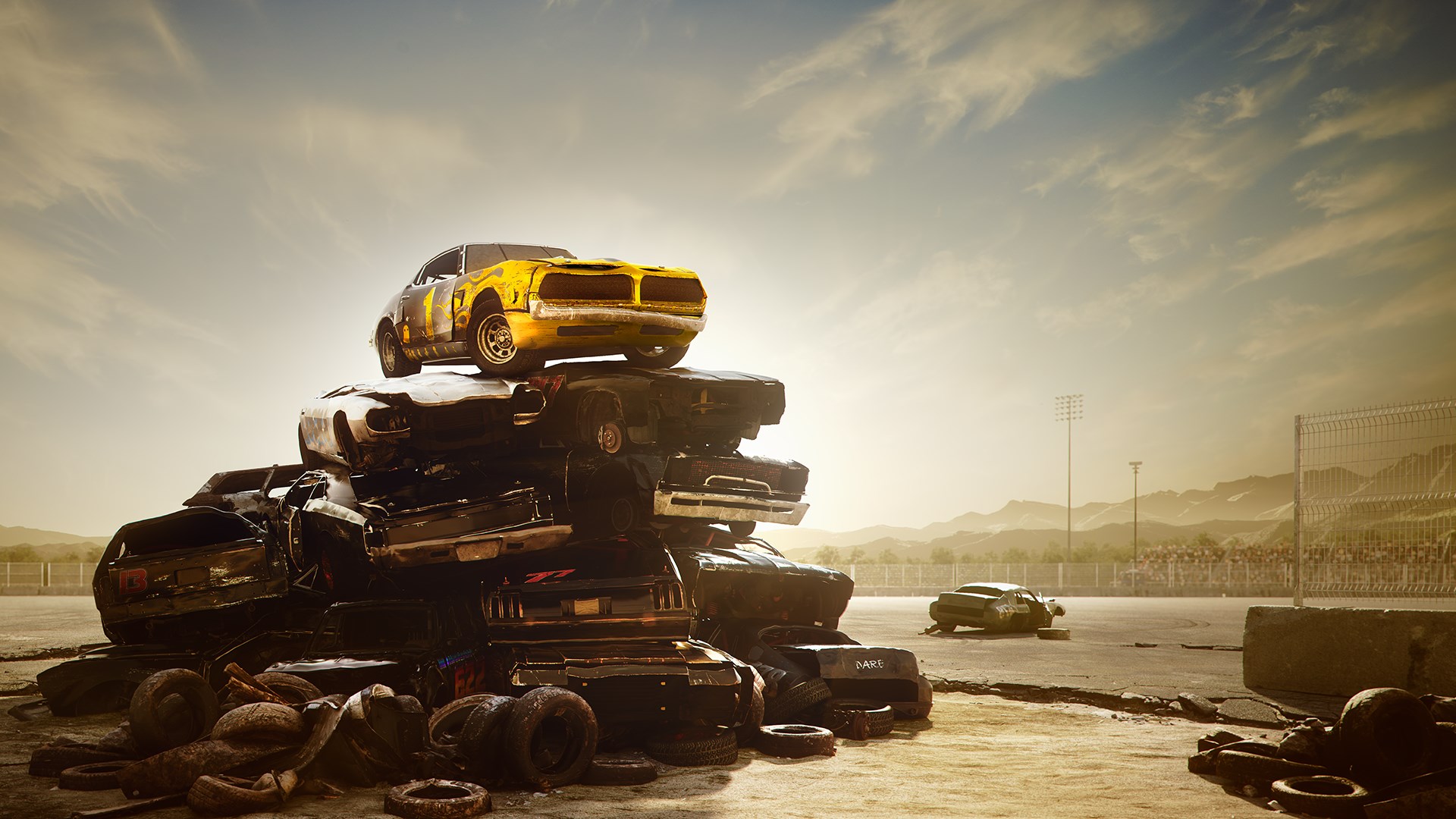
Bugbear Entertainment built derby racing around realistic weight transfer, suspension travel, and persistent deformation. Impacts dent chassis geometry that then influences tire contact patches and steering response over a race. Track objects—tires, fences, and barriers—are fully simulated, so pileups create dynamic obstacles. THQ Nordic published the game, which pairs satisfying crash physics with robust handling to keep chaos readable.
‘Half-Life 2’ (2004)
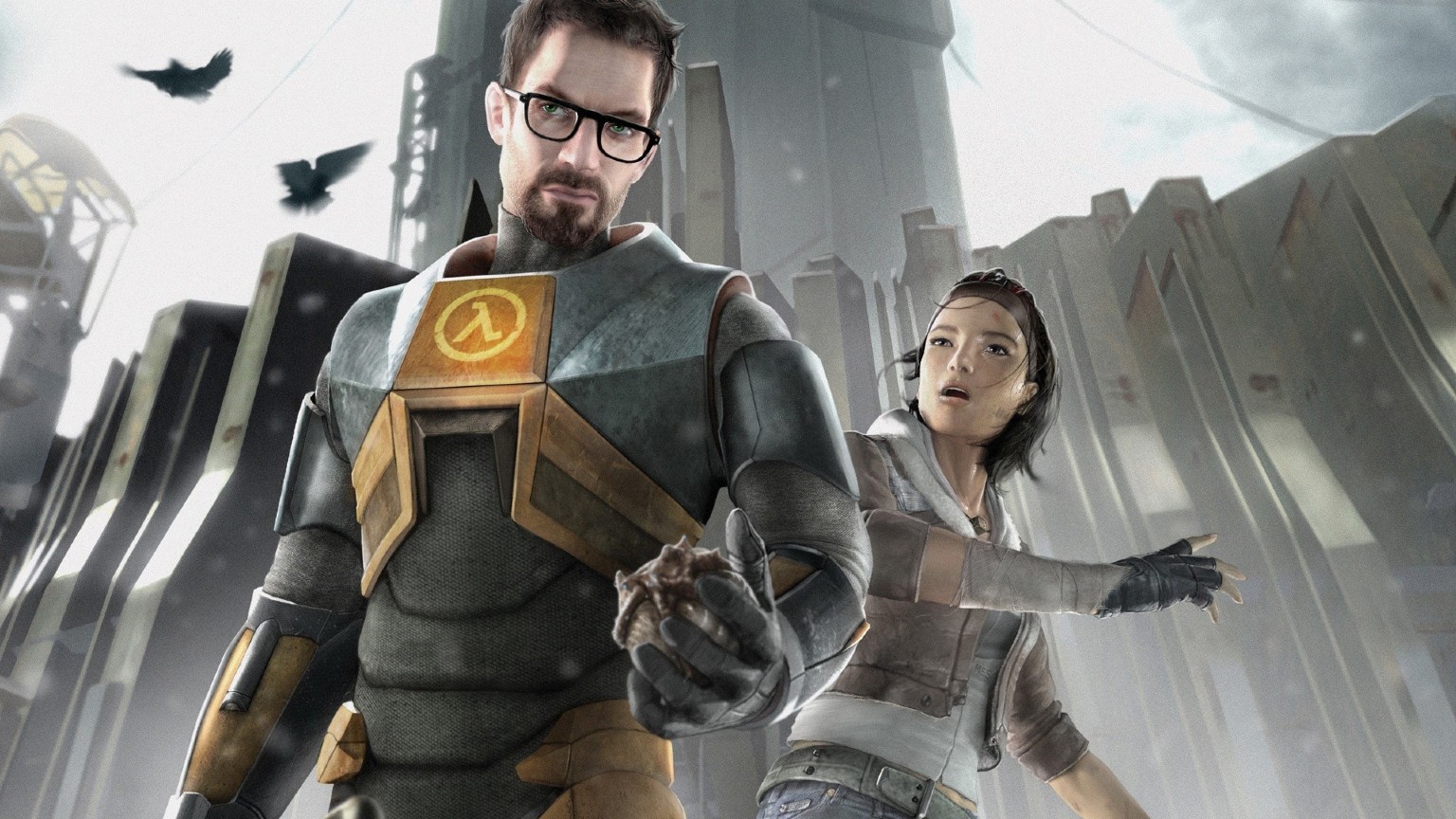
Valve’s Source engine introduced rigid-body physics and constraints to first-person puzzles at a blockbuster scale. The Gravity Gun manipulates mass and momentum, letting you convert props into projectiles that obey arcs and restitution. Floaty, buoyant objects solve water puzzles, while seesaws and breakable boards incorporate torque and leverage. The simulation ties combat and environmental problem-solving into one consistent ruleset.
‘Portal 2’ (2011)
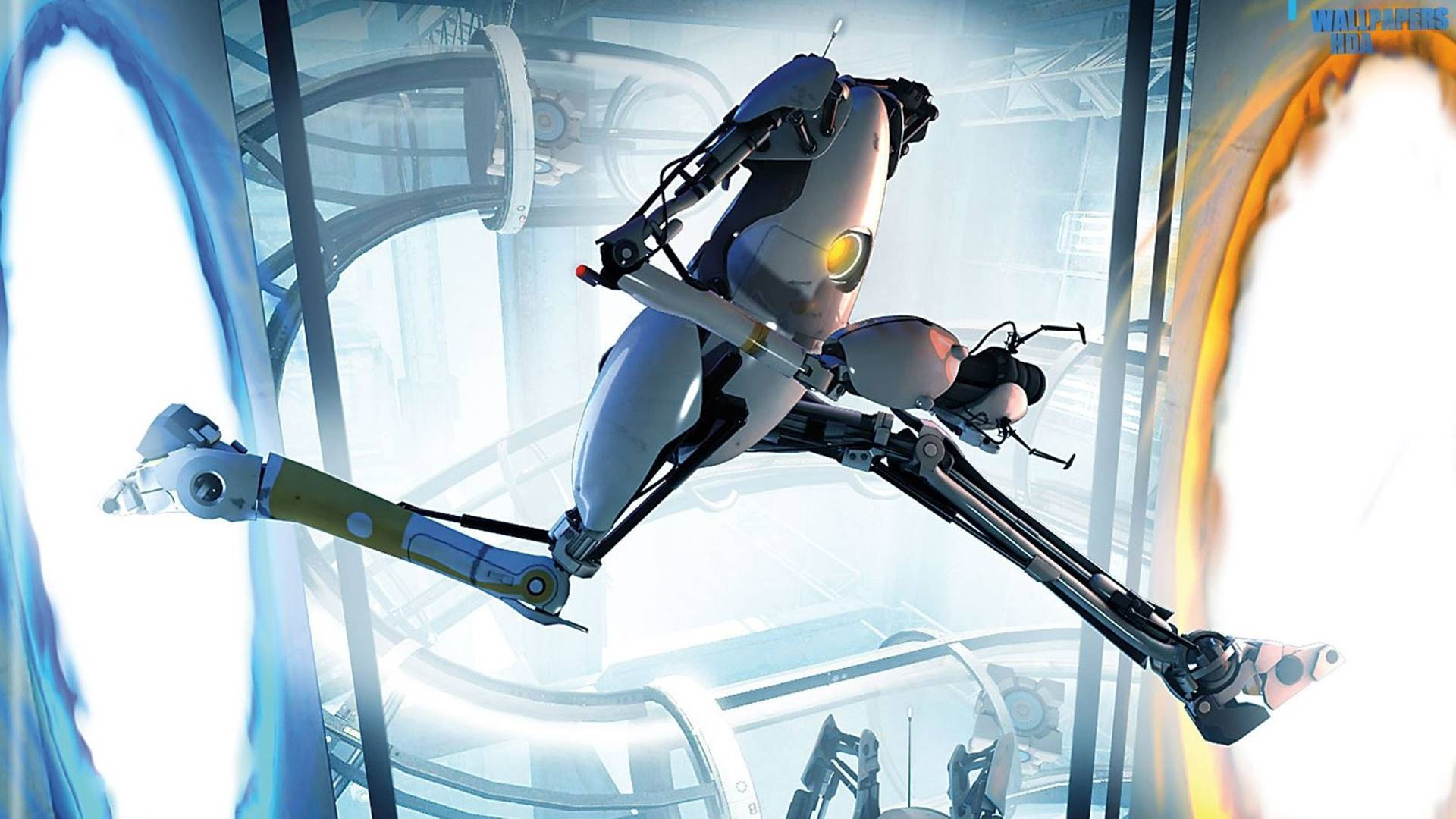
Valve extended its physics toolset with gels that modify surface properties: speed gel reduces friction, while bounce gel increases restitution. Cubes, lasers, and excursion funnels all obey consistent forces so multi-stage contraptions work reliably. Portals conserve momentum, enabling “fling” solutions that turn vertical drops into horizontal velocity. Co-op adds synchronized mass and timing problems that double down on the same deterministic simulation.
‘Noita’ (2020)

Nolla Games simulates every pixel as a material with properties like temperature, state, and conductivity. Fire, liquids, and gases spread through cellular automata, creating emergent reactions—steam bursts, cave-ins, and toxic floods. Spells are modular projectiles that interact with matter types, so drilling, freezing, or electrifying alters the terrain in consistent ways. The run-based structure ensures new permutations without changing the underlying rules.
‘Human: Fall Flat’ (2016)
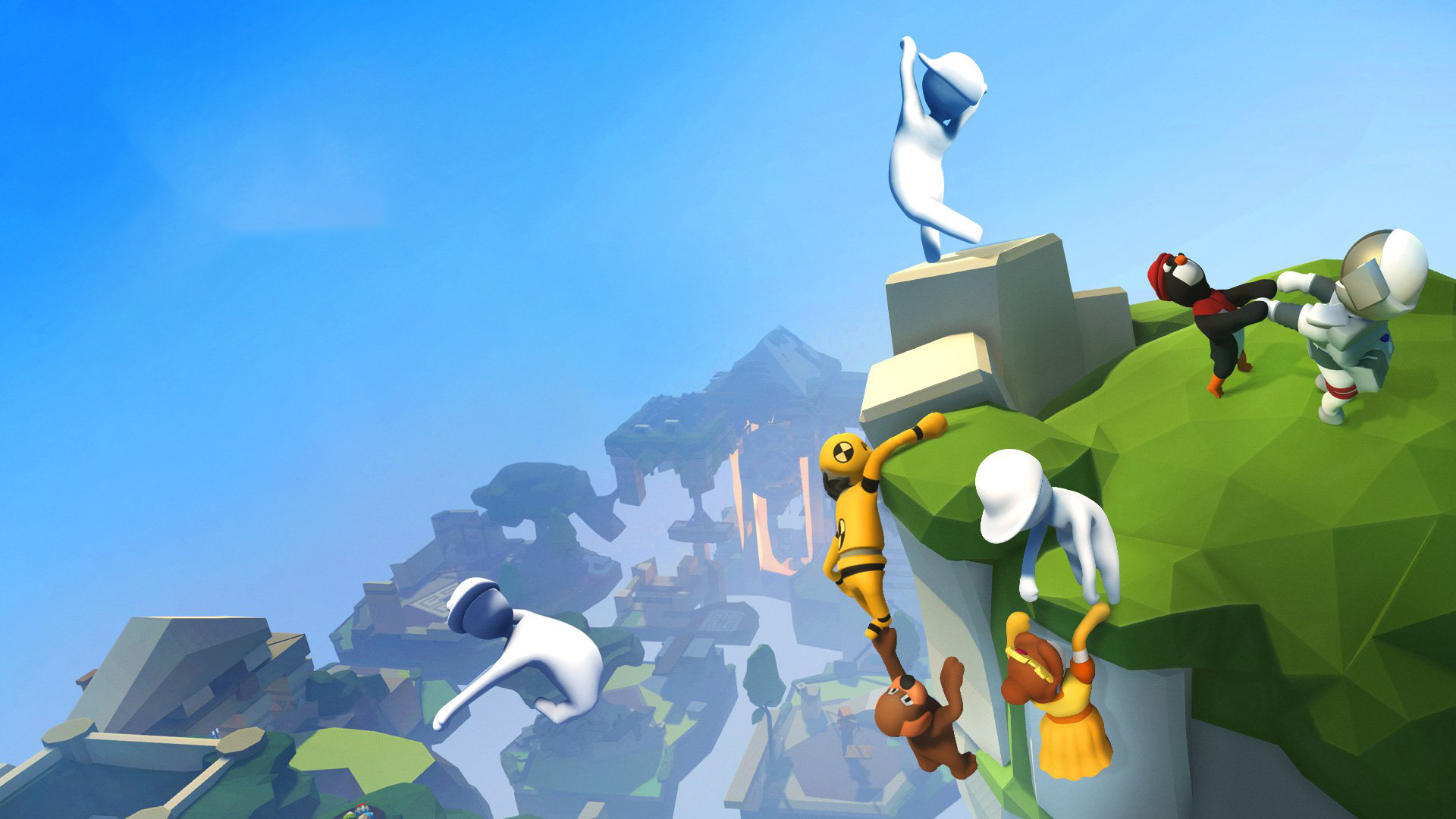
No Brakes Games built a ragdoll platformer where joint constraints, center of mass, and friction define every climb and swing. Players grip surfaces independently with each hand, turning physics into the core traversal puzzle. Objects have believable heft, and moving them shifts your stance, so momentum management matters. Curve Digital published the game, which makes cooperative hauling and improvised bridges feel grounded by the same rules.
‘Gang Beasts’ (2017)

Boneloaf’s brawler uses springy joint constraints for limbs, producing unpredictable—but consistent—grapples and throws. Knockouts, ledge hangs, and environmental hazards all rely on the same physics, so positioning and leverage decide outcomes. Breakable props and moving platforms inject additional forces that can turn a clinch into a tumble. Its sandbox arenas become laboratories for momentum, grip strength, and center-of-mass tricks.
‘Totally Accurate Battle Simulator’ (2021)
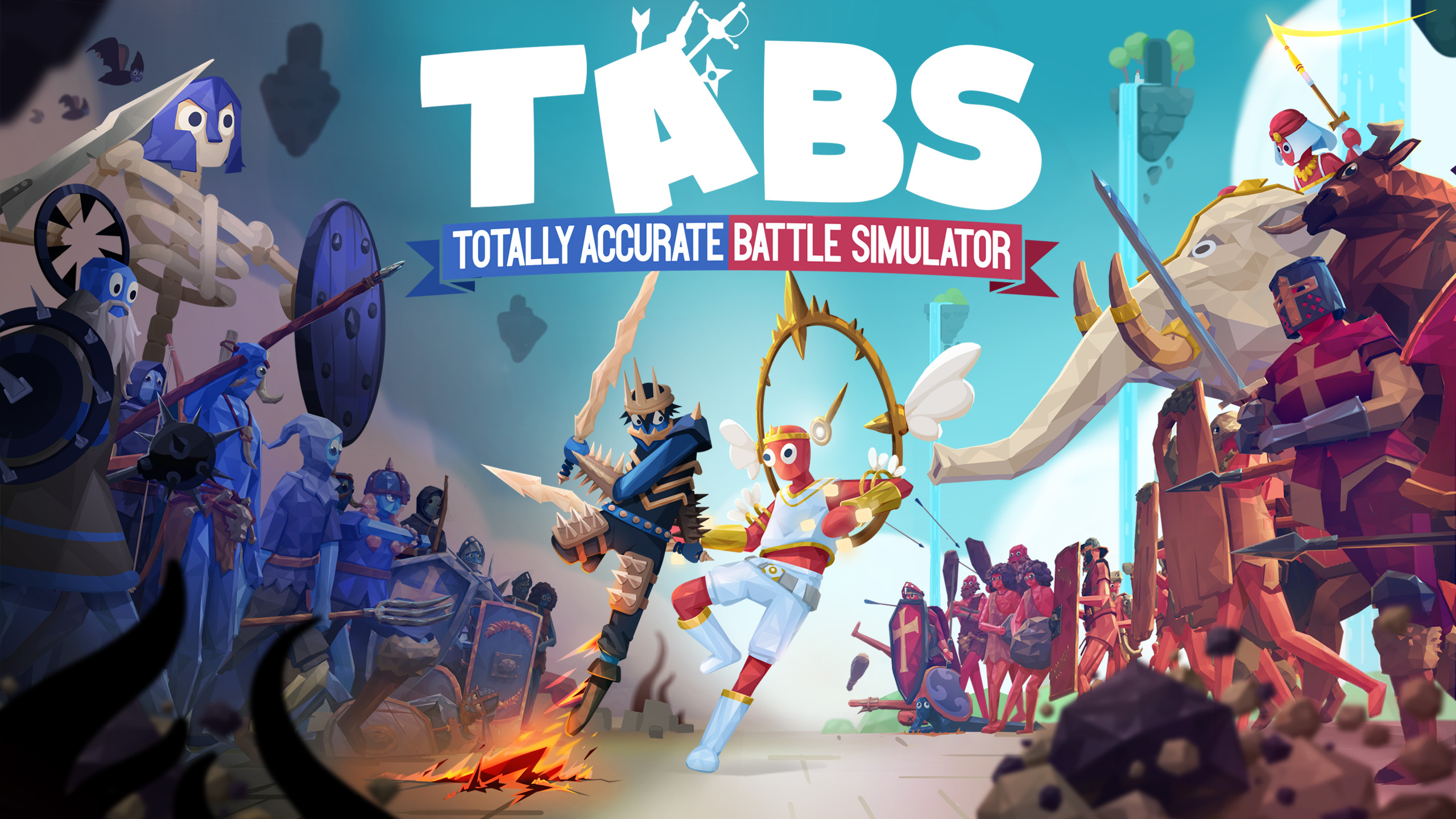
Landfall Games powers its wobbling units with inverse-kinematics and ragdoll constraints, yielding battles where mass and impulse tell the story. Weapons collide with soft targets and shields using real hit detection rather than canned animations. Formations and terrain influence how forces propagate—charges transfer momentum through crowds for domino-like collapses. The simulation ensures every replay remains varied while following the same physics.
‘Totally Reliable Delivery Service’ (2020)
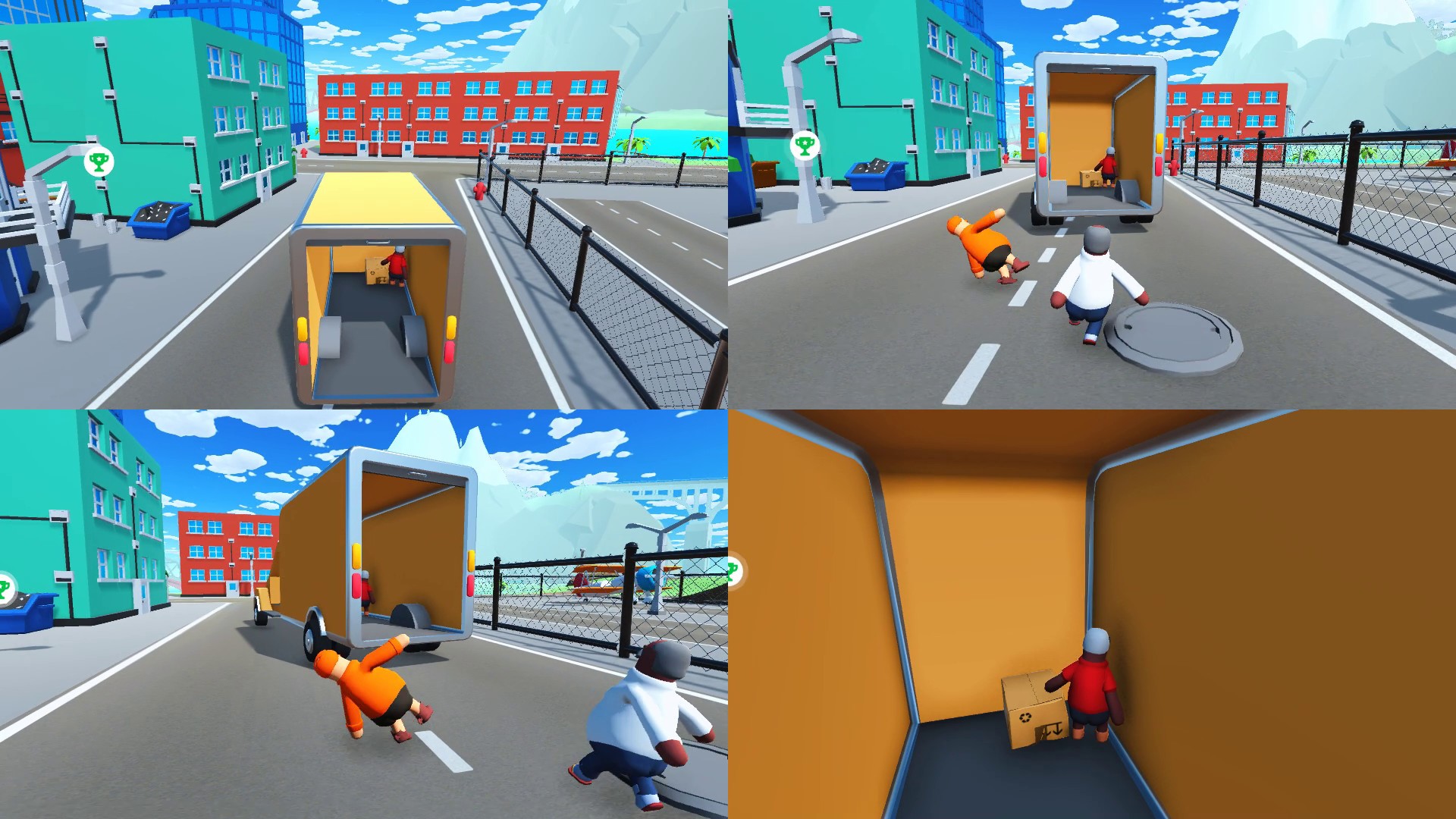
We’re Five Games centers comedy on a unified ragdoll driver model that respects torque, drag, and collision forces. Vehicles and packages follow the same physics, so weight distribution and throttle control affect stability. Co-op deliveries become experiments in tethering, winching, and counter-balancing to keep cargo intact. tinyBuild published the game, with maps designed to expose new vehicular and prop interactions.
‘Control’ (2019)

Remedy Entertainment turns the Oldest House into a destructible office where concrete, glass, and furniture fracture under force. Telekinesis applies impulses based on object mass, so hurling a desk carries more momentum than a clipboard. Debris persists and can be re-used, making firefights evolve as cover erodes and shrapnel accumulates. 505 Games published the title, showcasing particle-rich destruction tied to consistent rigid-body rules.
‘Battlefield: Bad Company 2’ (2010)

DICE’s Frostbite engine enables micro-destruction of walls and macro-destruction of entire structures with stress-based collapse. Explosives and tank shells punch holes that change sightlines and cover dynamically. Ballistics with drop and travel time make suppression and ranging matter across shifting terrain. Electronic Arts published the shooter that popularized large-scale, physics-driven map transformation in multiplayer.
‘Tom Clancy’s Rainbow Six Siege’ (2015)
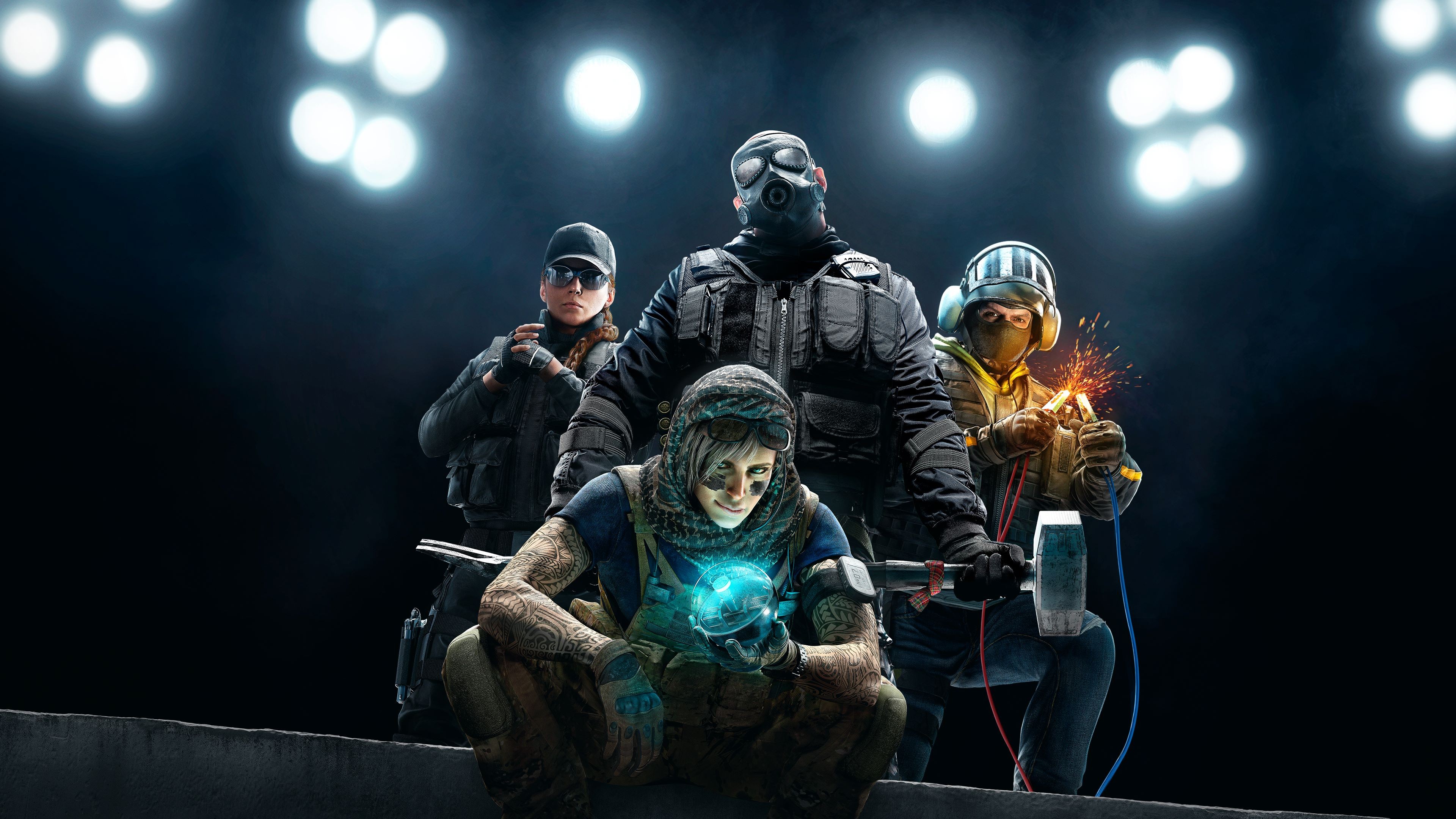
Ubisoft Montreal built tactical play around per-material penetration, recoil physics, and procedural breaching. Bullets interact with surfaces to create sight holes or full entries, while gadgets apply forces—like explosions—to open line-of-sight. Barricades, floors, and hatches respond differently depending on tools and angle of attack. Ubisoft published the game, ensuring its esports meta revolves around reliable, testable destruction rules.
‘The Legend of Zelda: Tears of the Kingdom’ (2023)
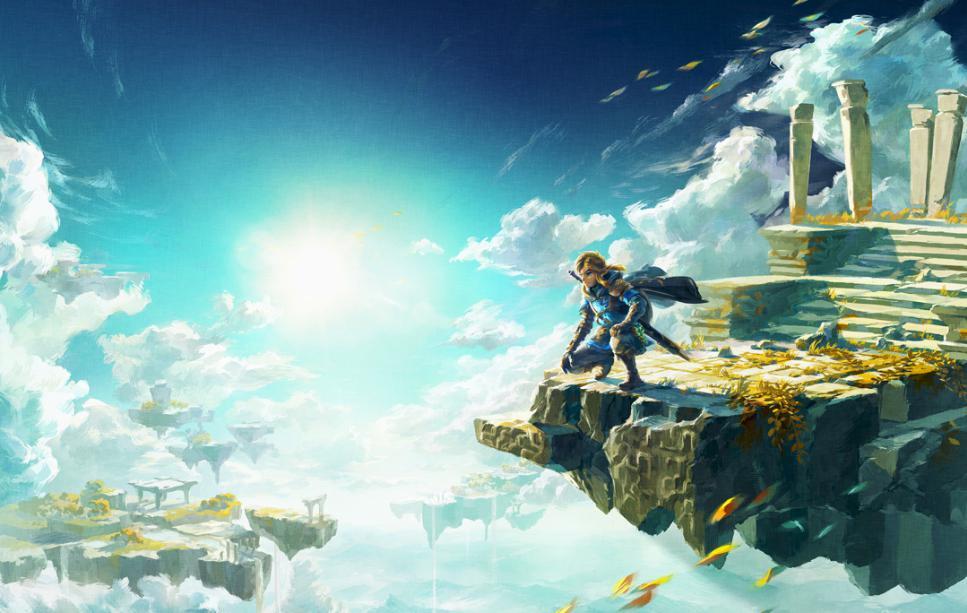
Nintendo EPD’s Ultrahand and Fuse systems let you assemble vehicles whose lift, thrust, and torque follow consistent rules. Zonai devices provide force vectors—fans, rockets, wheels—you combine to solve traversal and combat problems. The physics sandbox supports conduction, friction, and buoyancy, making contraptions behave predictably across land, air, and water. Nintendo published the game, expanding the systemic foundation established by its predecessor.
‘Goat Simulator 3’ (2022)

Coffee Stain North leans into exaggerated ragdoll physics that still follow consistent impulse and collision responses. Props, vehicles, and the goat’s body interact through a single physics layer, enabling chain reactions across the map. The tongue tether functions as a physics joint, letting you drag objects to stage set-piece pileups. Coffee Stain Publishing released the game with systems designed to escalate chaos through experimentation.
‘Universe Sandbox’ (2015)
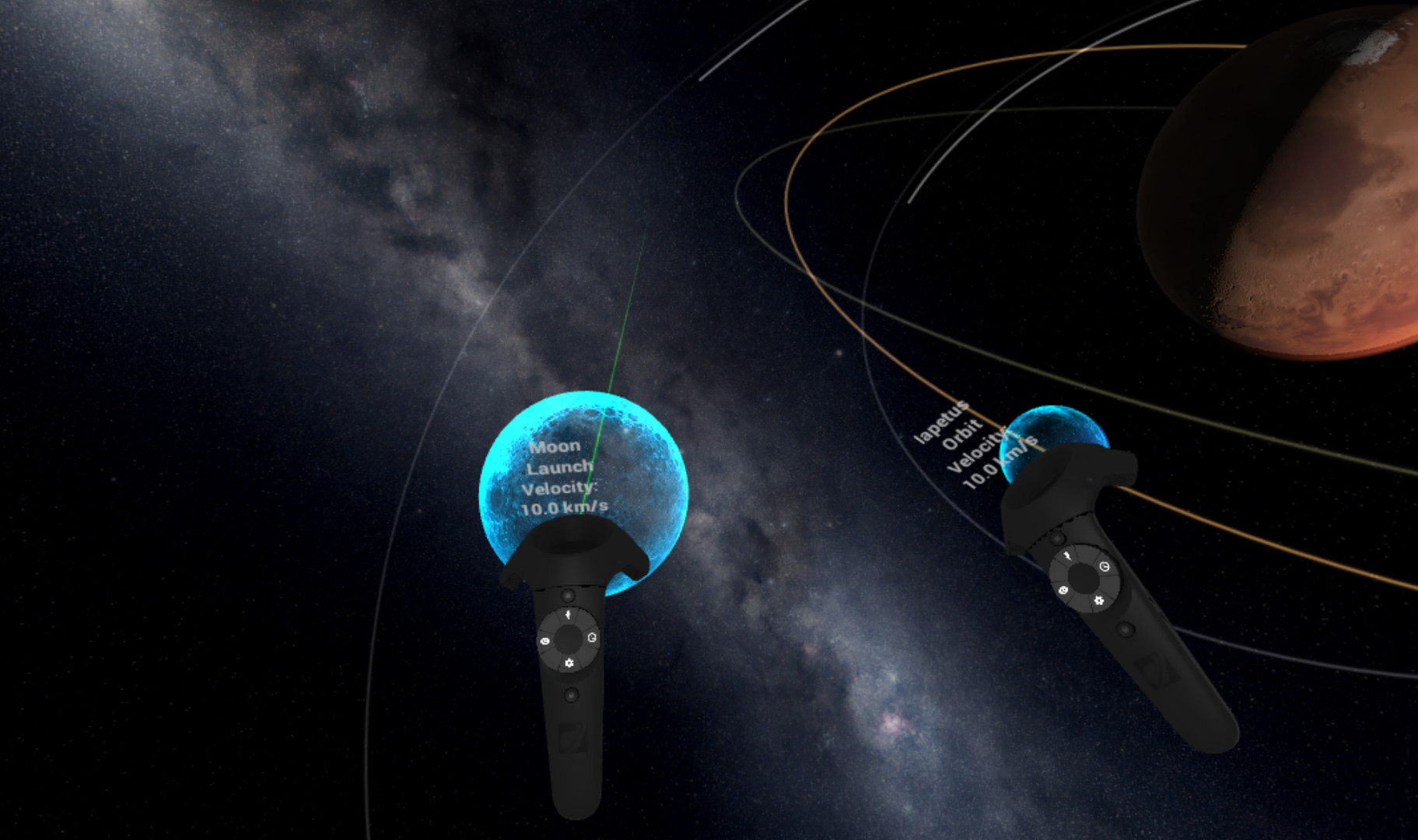
Giant Army simulates n-body gravity, fluid-like star layers, and orbital mechanics at astronomical scales. Planetary collisions conserve momentum and mass, producing debris fields that evolve over time. You can tweak physical constants, composition, and temperature to watch systems stabilize—or spiral into cataclysm. Its unified solver makes galaxy-level chaos readable through the same rules applied to moons and planets.
Tell us which physics sandbox has given you the wildest chain reaction, and what unexpected combo set it off in the comments!