

20 Games With Smart Difficulty Options (Not Just “Easy/Hard”)




Smarter difficulty settings can help more people enjoy games without dulling what makes them special, and plenty of titles now go beyond the old “easy/normal/hard” switch. From granular sliders and adaptive systems to assist modes that scale as you play, these features tweak combat, exploration, timing windows, and even UI support. Below are standout examples across genres, each using flexible tools to tailor challenge to player skill, preference, or accessibility needs. You’ll also find the studios behind them noted, so you know who’s responsible for these thoughtful designs.
‘Celeste’ (2018)
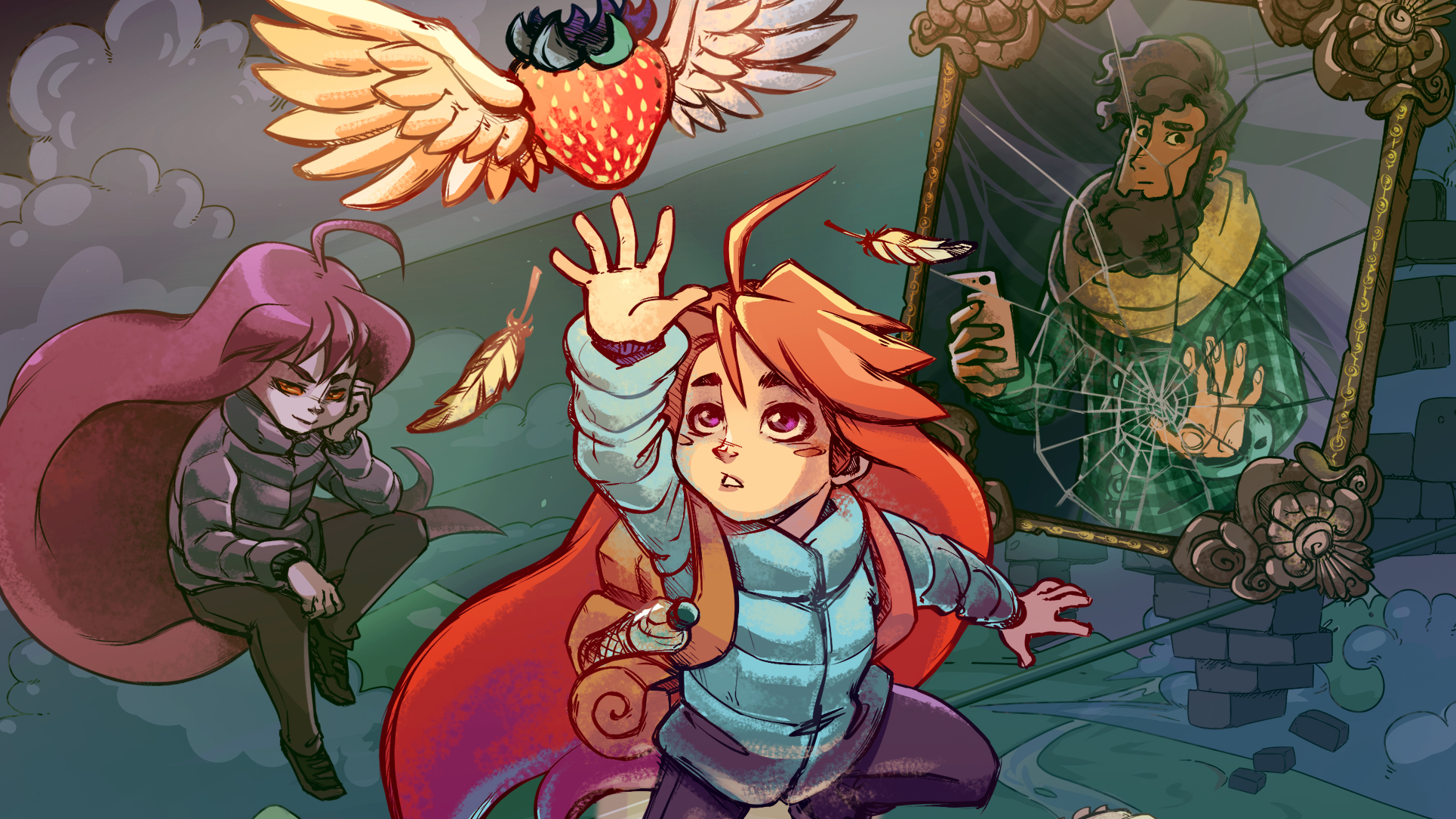
‘Celeste’ includes an Assist Mode that lets you independently toggle things like game speed, infinite stamina, and extra dashes without touching the core platforming for anyone who doesn’t use it. The options work as modular supports, so players can mix settings to address specific hurdles rather than lowering the entire game’s challenge. These tools are framed to reduce frustration while preserving progression and collectibles. The game was developed and self-published by Matt Makes Games (now Extremely OK Games).
‘Hades’ (2020)
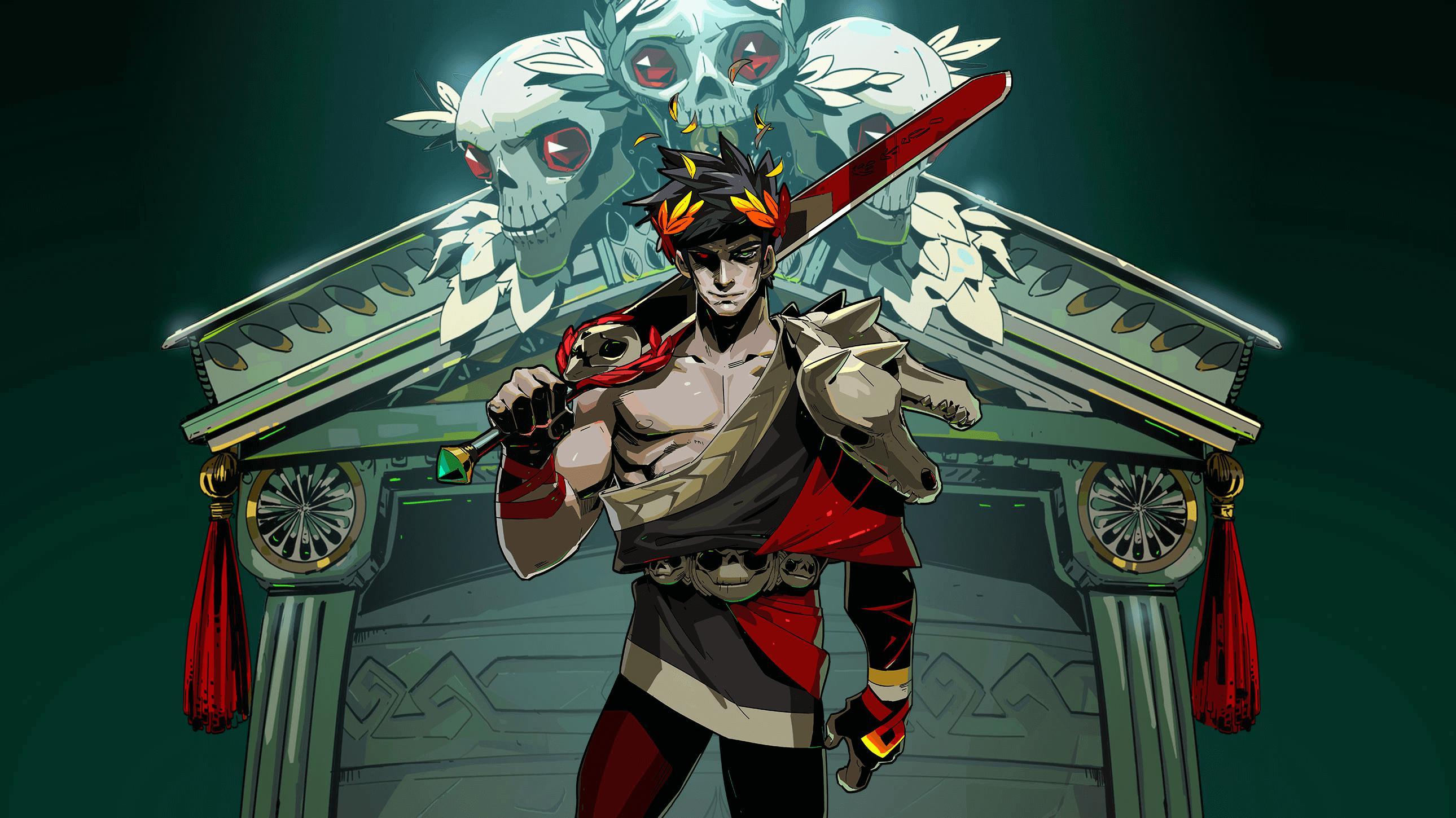
‘Hades’ offers God Mode, a progressive damage-resistance feature that increases your defense a little each time you die until you clear more content. This creates a gentle ramp that respects the roguelike loop while helping you learn boss patterns. Players can enable or disable it at any time, keeping weapon aspects, keepsakes, and boons intact. Supergiant Games developed and published the title.
‘Dead Cells’ (2018)
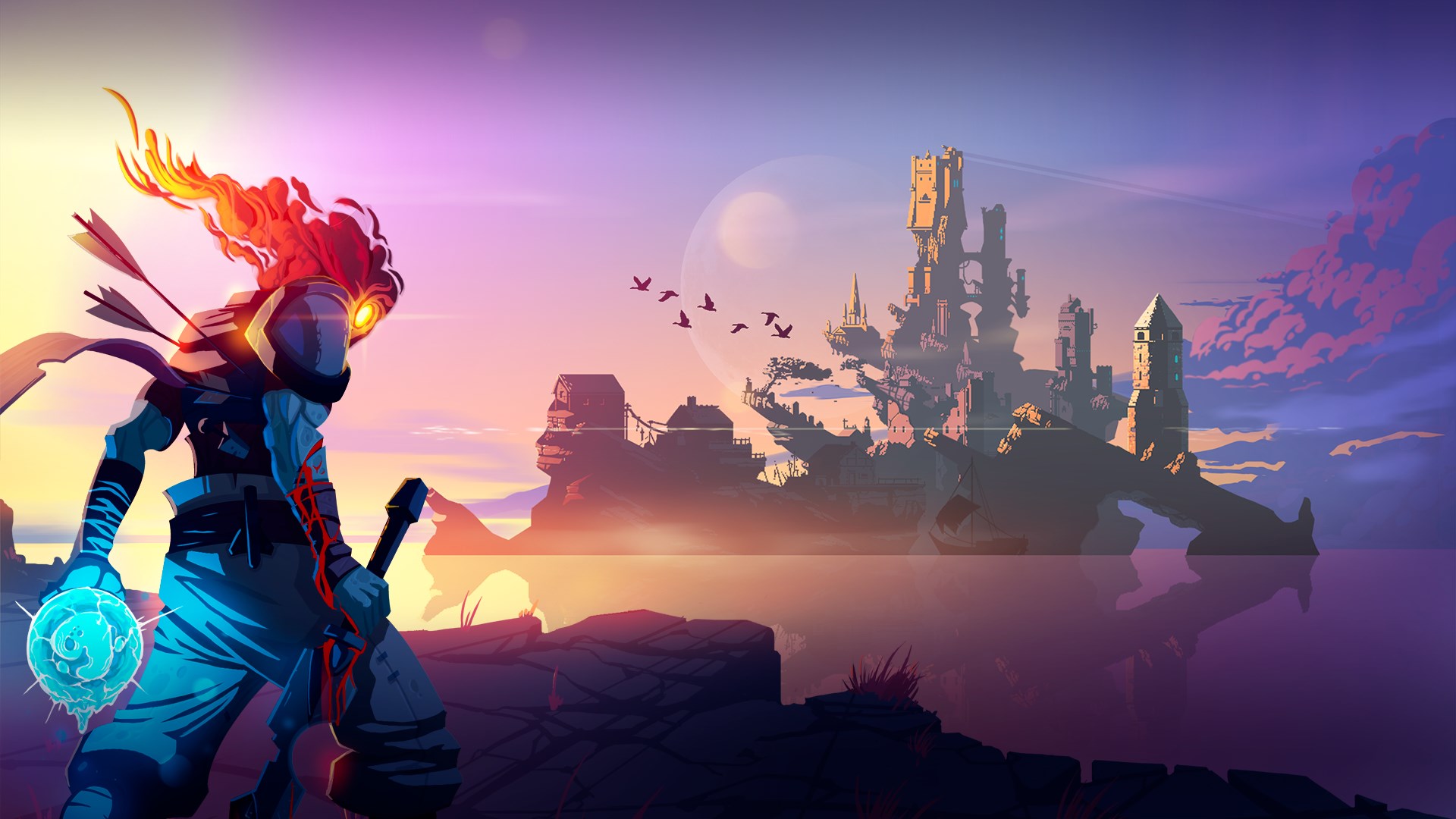
‘Dead Cells’ replaces traditional modes with a Boss Cell system that scales difficulty upward as you beat the game, unlocking new enemy variants and biomes. Players choose how many Boss Cells to activate, adding layers of challenge at their own pace. Accessibility options later introduced Assist Mode features like damage reduction and auto-hit to fine-tune runs. Motion Twin (with Evil Empire on live support) developed the game, self-published by Motion Twin.
‘Resident Evil 4’ (2005)
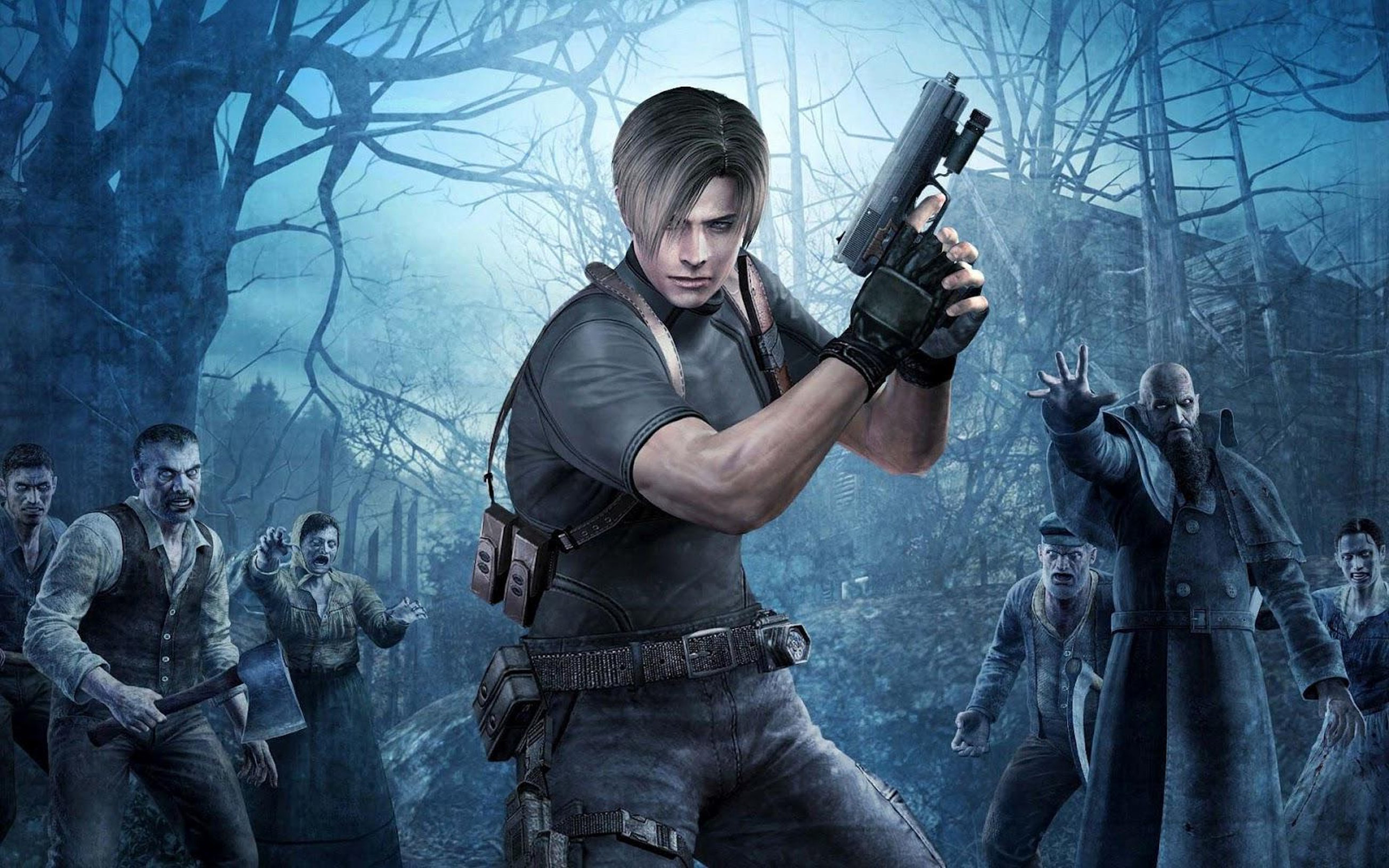
The original ‘Resident Evil 4’ uses an under-the-hood adaptive difficulty that adjusts enemy toughness and item drops based on your performance. Play well and you’ll quietly face harder encounters; struggle and the game subtly eases up. The remake also adds visible options like Assisted, Standard, and Hardcore, plus aim assist and crafting tweaks to tailor pacing. Capcom developed and published both versions.
‘Left 4 Dead’ (2008)
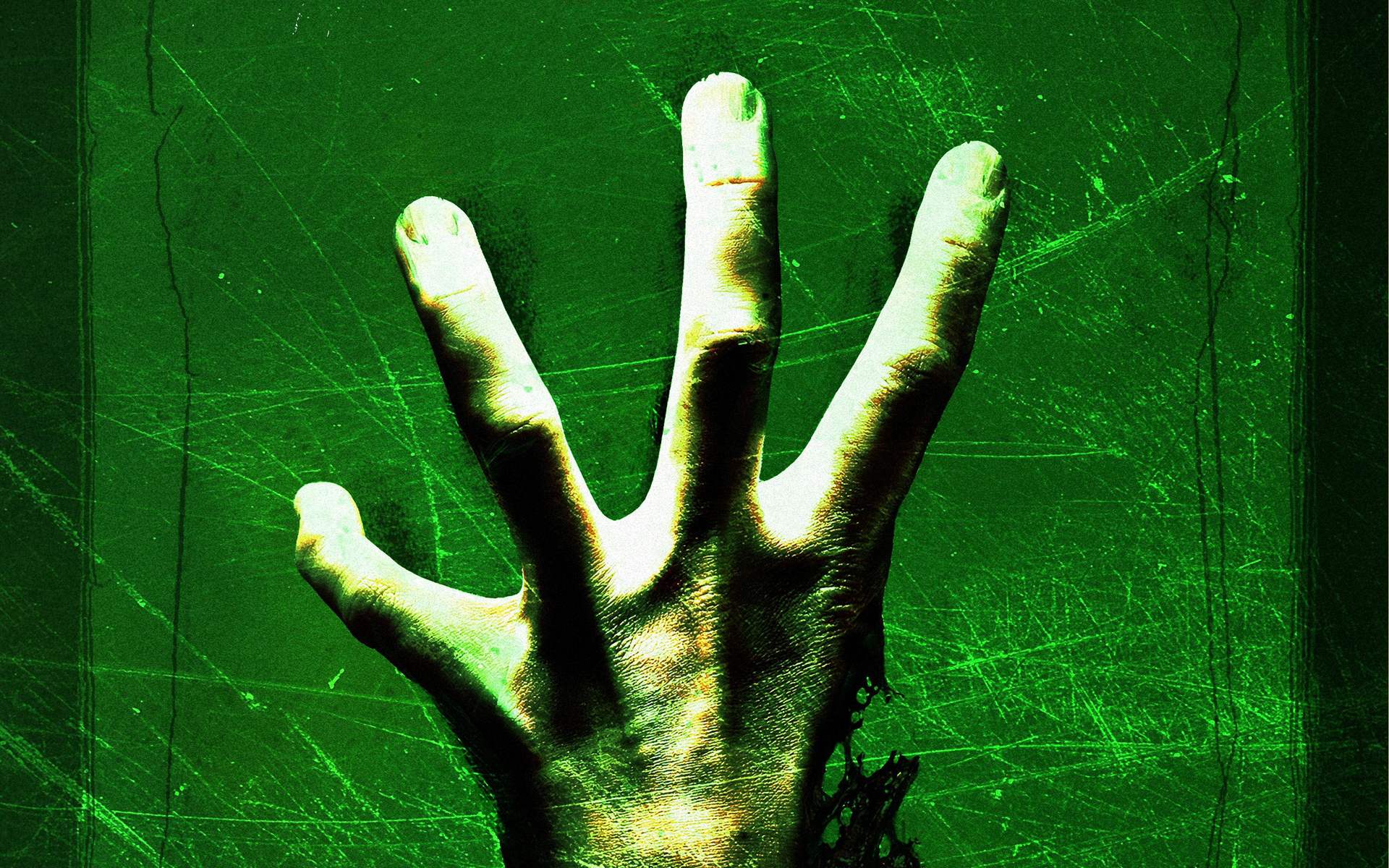
‘Left 4 Dead’ features the AI Director, which monitors player stress and performance to dynamically vary horde timing, special infected spawns, and item placement. This keeps tension balanced for new and veteran squads without manual difficulty tinkering mid-mission. The Director ensures replayability by reshuffling pressure points each run. Valve developed and published the game.
‘Forza Horizon 5’ (2021)

‘Forza Horizon 5’ lets you toggle assists like braking, traction, stability, driving line, and rewinds, each tied to credit bonuses so you’re rewarded for turning aids off at your pace. Drivatar difficulty can be nudged up or down, and the game suggests changes if you’re winning too easily. EventLab rules and race modifiers add further, optional layers of challenge. Playground Games developed it, published by Xbox Game Studios.
‘State of Decay 2’ (2018)
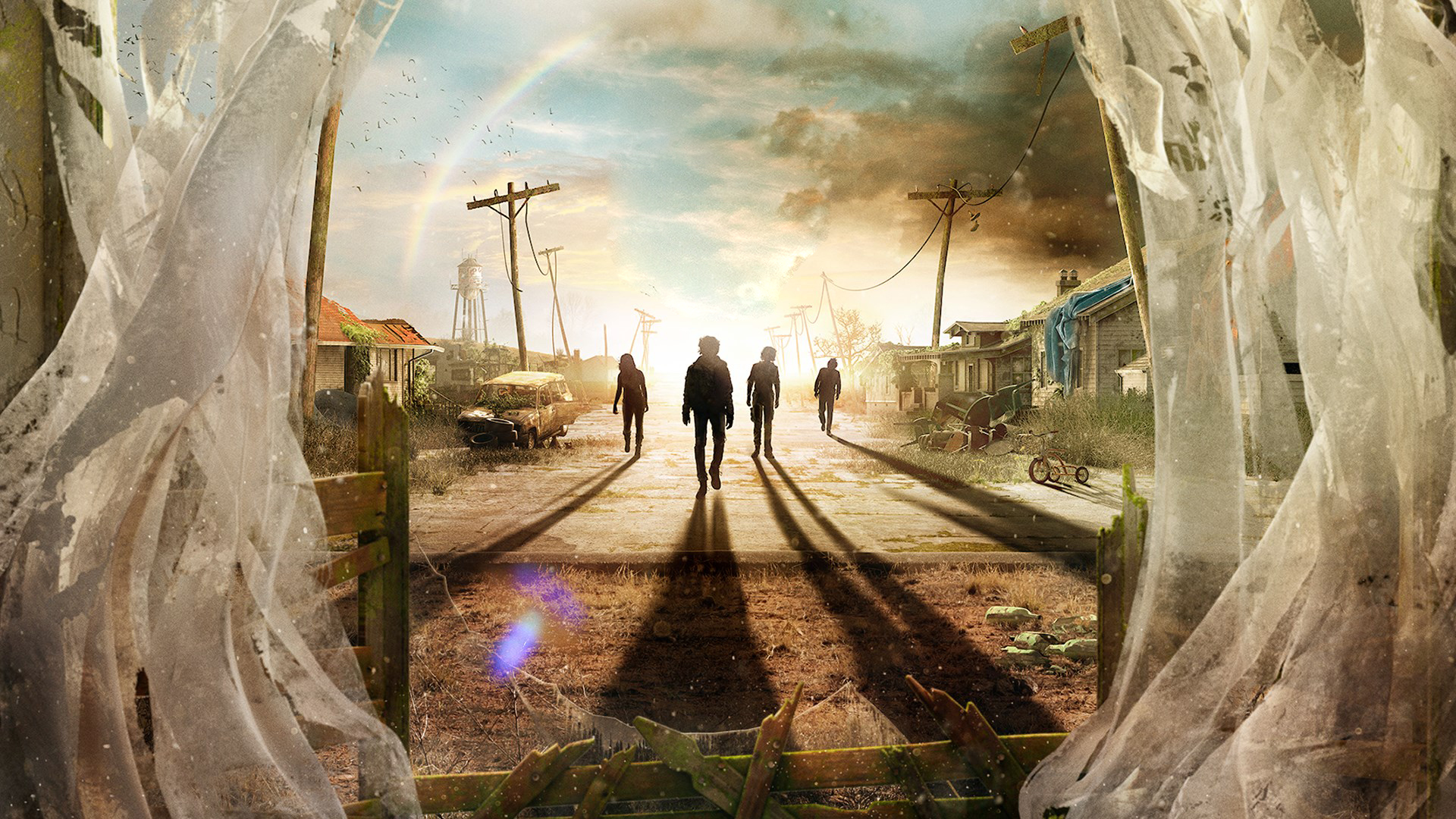
‘State of Decay 2’ introduced Custom Difficulty, letting you set separate levels for Action, Community, and Map—affecting combat lethality, survivor needs, and resource scarcity independently. Players can craft a gentle survival loop or a punishing simulation without restarting communities. Later updates added Lethal Zone and more granular sliders to refine the experience. Undead Labs developed the game, with Xbox Game Studios publishing.
‘Shadow of the Tomb Raider’ (2018)
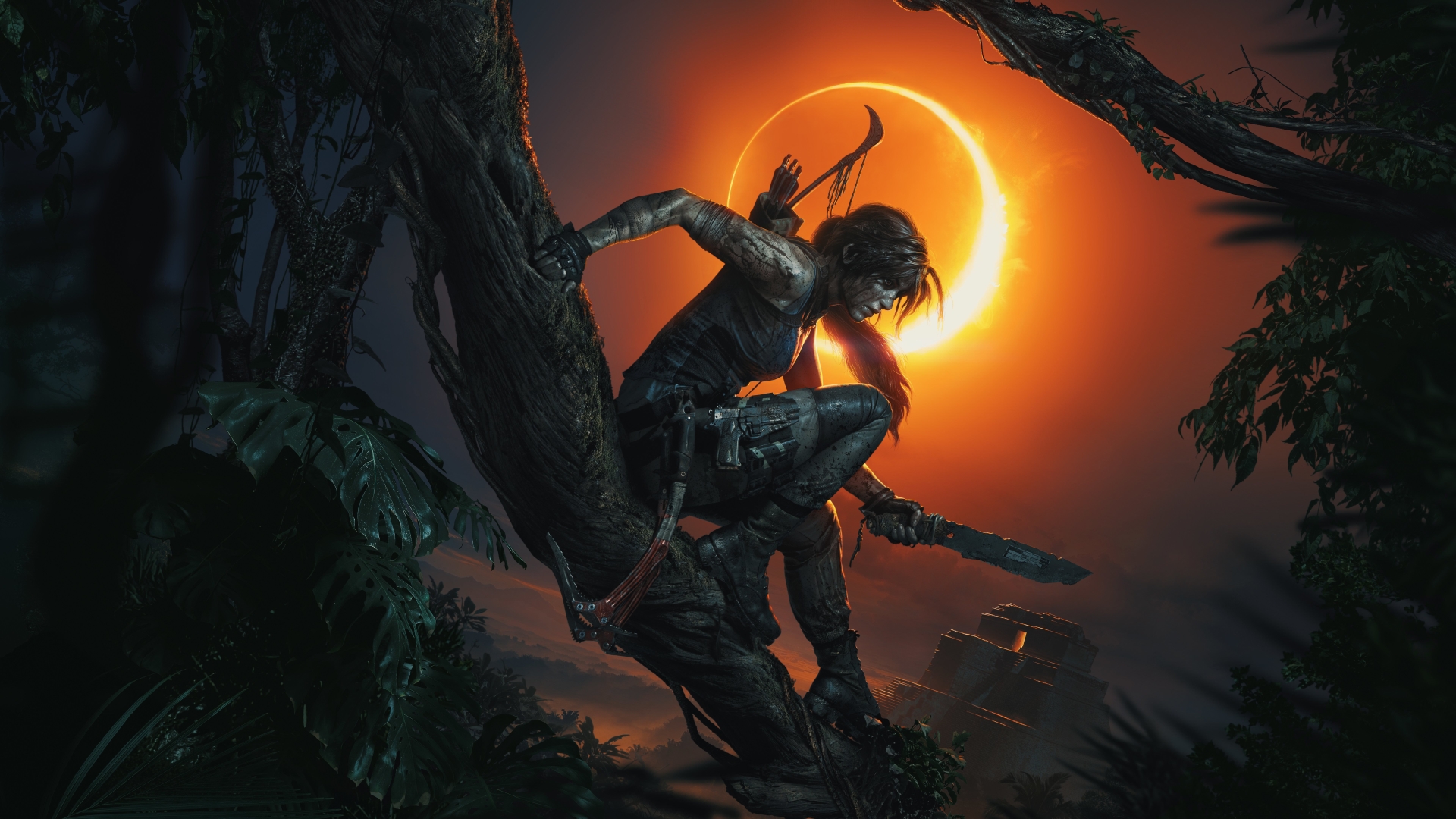
‘Shadow of the Tomb Raider’ splits difficulty into Combat, Exploration, and Puzzles, so you can, for example, amplify tomb complexity while easing firefights. Puzzle settings alter hints, iconography, and object visibility; exploration settings affect traversal cues and wayfinding. This separation keeps the adventure’s strengths intact while accommodating different skill sets. Eidos-Montréal and Crystal Dynamics developed it, with Square Enix publishing.
‘Horizon Forbidden West’ (2022)
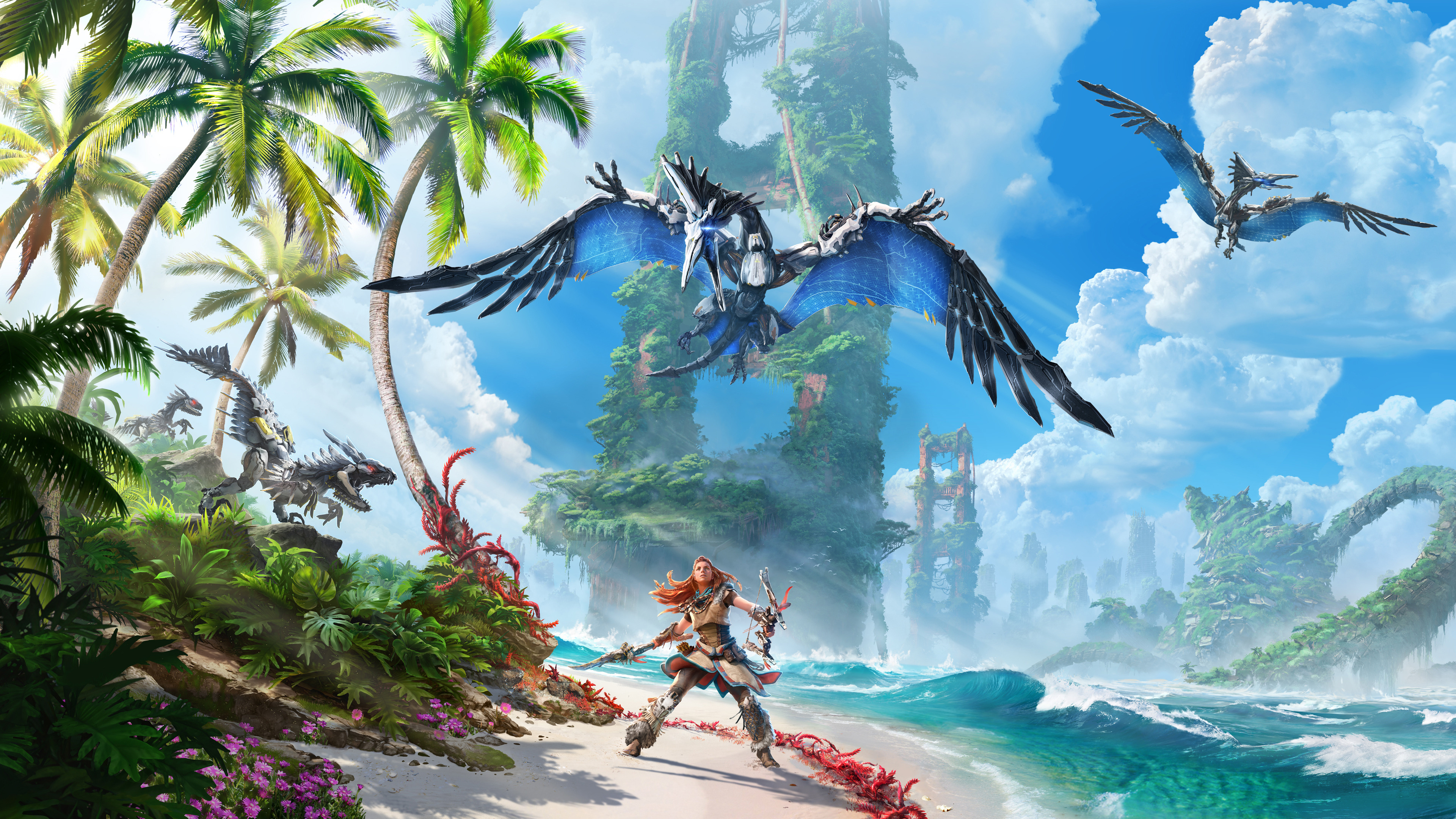
‘Horizon Forbidden West’ supports Custom Difficulty, letting you adjust enemy damage, received damage, and other combat parameters individually. The Easy Loot option ensures components drop without needing to shoot off specific parts first, reducing grind while preserving tactic depth for those who prefer it. Additional assists cover weapon aim, focus duration, and puzzle timing. Guerrilla Games developed the game, published by Sony Interactive Entertainment.
‘God of War Ragnarök’ (2022)
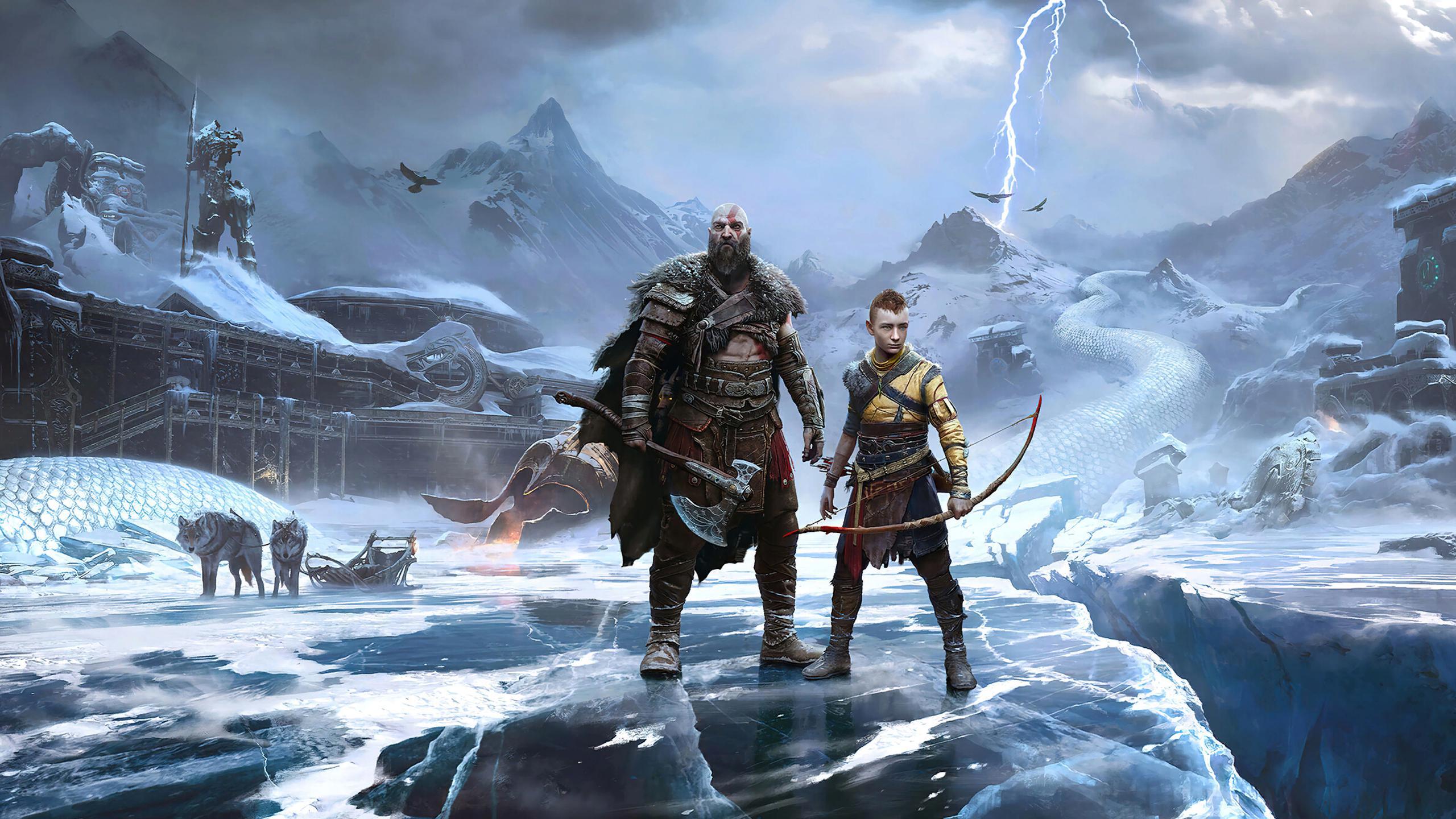
‘God of War Ragnarök’ includes granular accessibility and difficulty tools such as puzzle-minigame timing options, navigation assists, and aim/defense tuning separate from overall mode choice. You can also extend parry and evasion windows or alter traversal input holds to reduce strain. These supports can be toggled mid-play without impacting story or progression. Santa Monica Studio developed it, with Sony Interactive Entertainment publishing.
‘Ratchet & Clank: Rift Apart’ (2021)
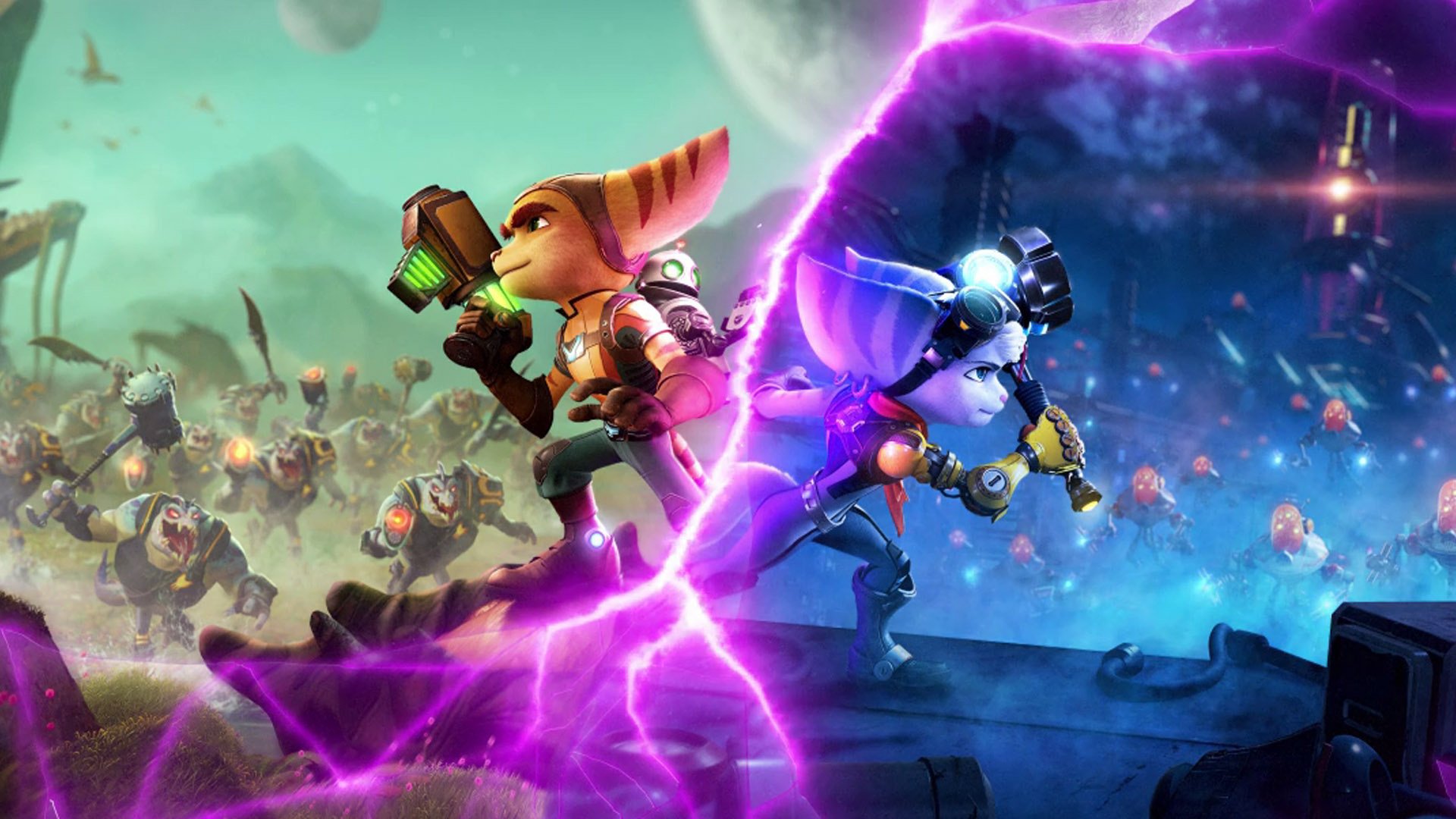
‘Ratchet & Clank: Rift Apart’ adds detailed assist options like game speed adjustment, lock-on tweaks, rapid-fire toggles, and HUD readability changes alongside traditional difficulty levels. You can independently tune aim assist strength and traversal inputs, helping with precision platforming or fast combat. The features maintain weapon upgrade flow and arena challenges while improving comfort. Insomniac Games developed the title, published by Sony Interactive Entertainment.
‘Nier: Automata’ (2017)
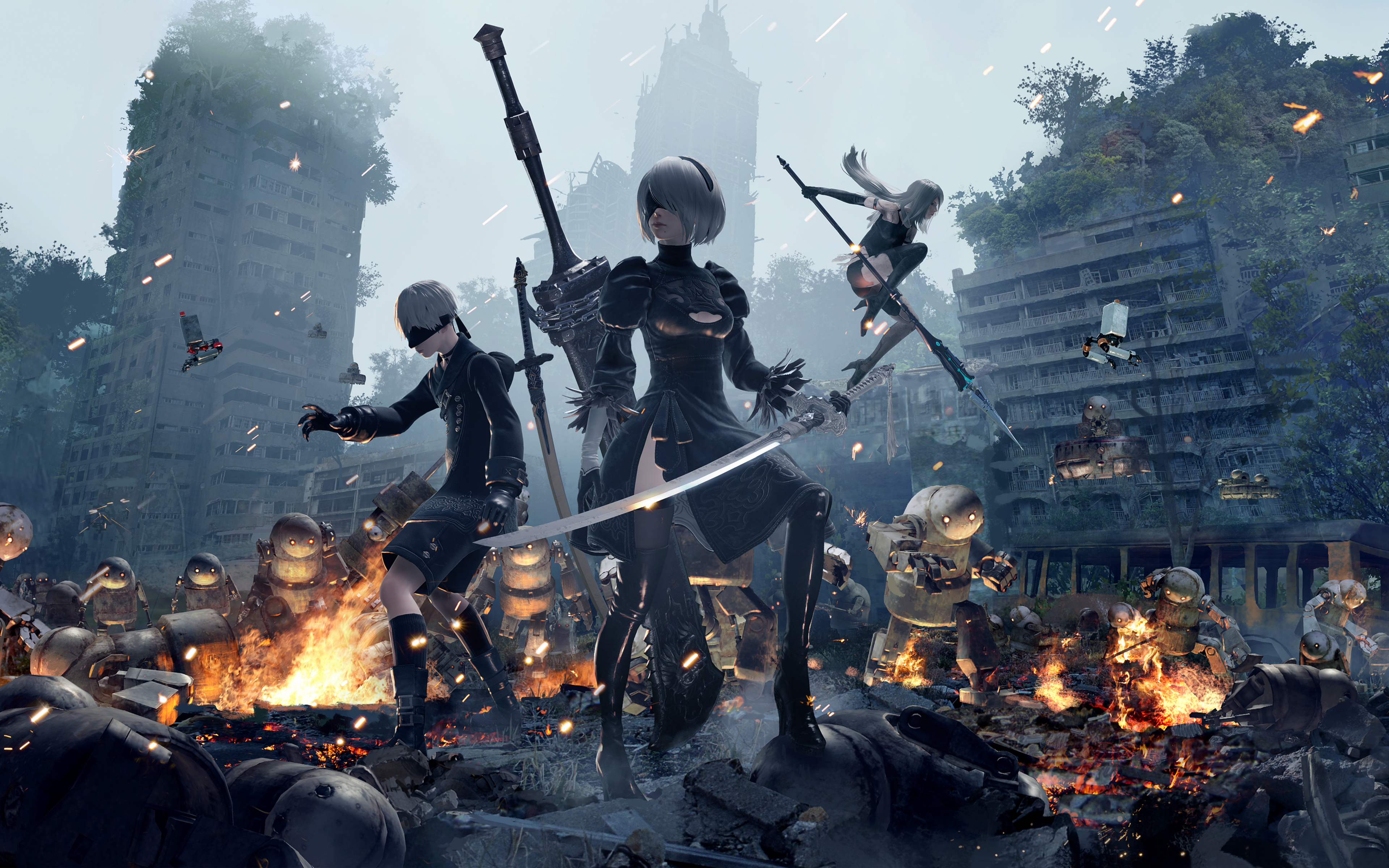
‘Nier: Automata’ uses Plug-in Chips to enable auto-attack, auto-shoot, and auto-evade behaviors on lower settings, effectively acting as modular assists. Players decide which automation to equip, trading chip capacity for helper functions while still managing resources and positioning. This system lets you scale involvement rather than flipping a single difficulty switch. PlatinumGames developed the game, with Square Enix publishing.
‘Metal Gear Solid V: The Phantom Pain’ (2015)

‘The Phantom Pain’ quietly offers the Chicken Hat or Lil’ Chicken Hat after repeated failures, reducing enemy detection and damage without locking progress behind a difficulty reset. You can refuse the assistance or use it temporarily to learn encounter layouts. Stealth systems, equipment loadouts, and buddy choices remain fully in your control for fine-tuned challenge. Kojima Productions developed the game, published by Konami.
‘Mario Kart 8 Deluxe’ (2017)

‘Mario Kart 8 Deluxe’ includes Smart Steering and Auto-Accelerate toggles that can be mixed with engine classes and items for a wide spectrum of difficulty. These assists help new players stay on track while letting experienced racers disable them and chase tighter lines. Local and online play settings respect each player’s preferences per controller. Nintendo developed and published the game.
‘Sifu’ (2022)

‘Sifu’ added post-launch options to tailor parry windows, enemy aggression, and death-counter behavior, alongside new presets for broader accessibility. You can modify the age mechanic’s penalties to practice bosses or emphasize mastery runs. These tools preserve the core martial-arts design while smoothing sharp difficulty spikes for practice. Sloclap developed and published the game.
‘Rogue Legacy 2’ (2022)
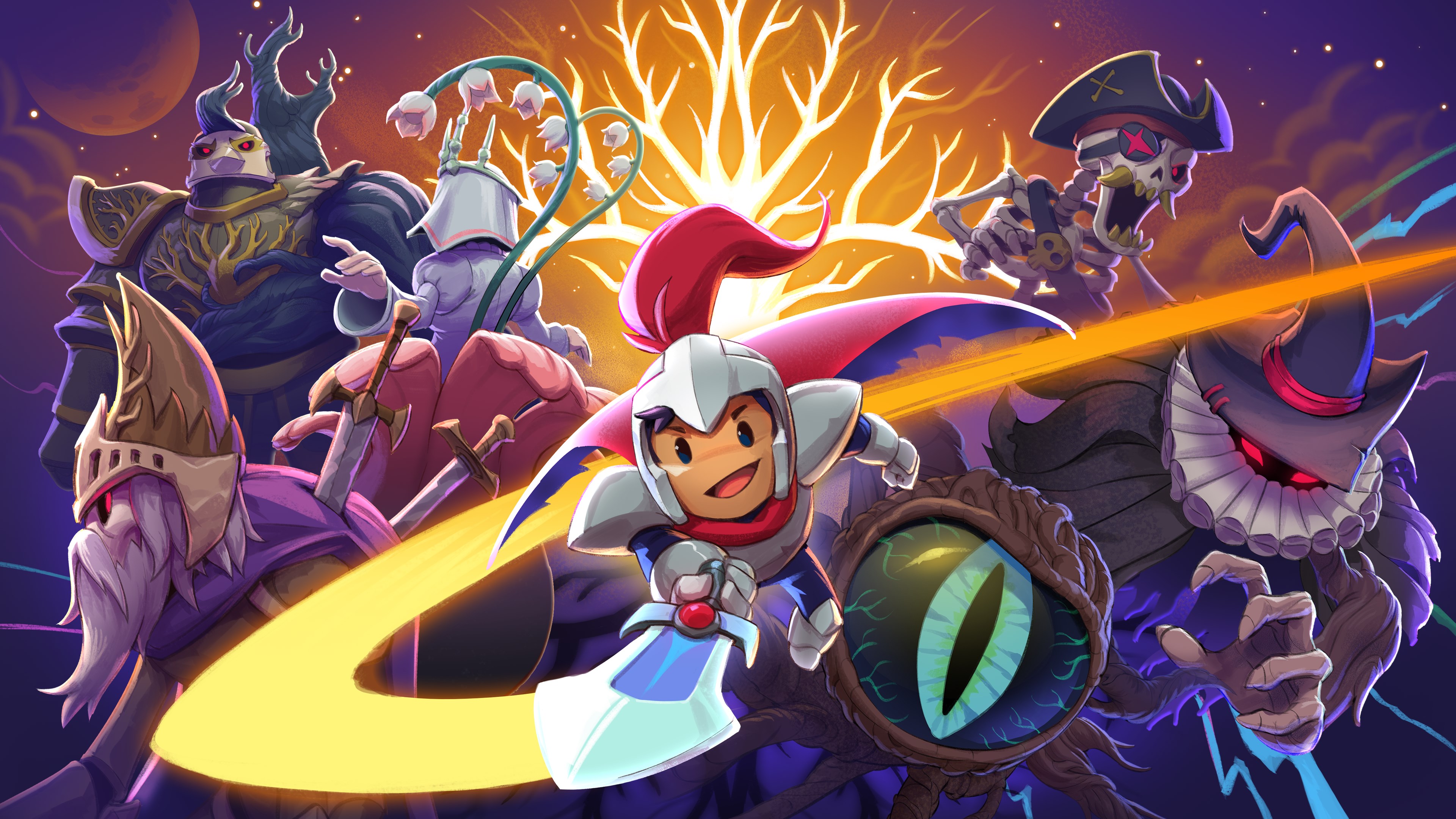
‘Rogue Legacy 2’ features House Rules, letting you adjust enemy health and damage, enable flight, or turn on contact damage toggles independently. Players can practice platforming or boss patterns with specific assists before removing them for full runs. The system complements class variety and biome scaling without gating unlocks. Cellar Door Games developed and published the title.
‘Deep Rock Galactic’ (2018)
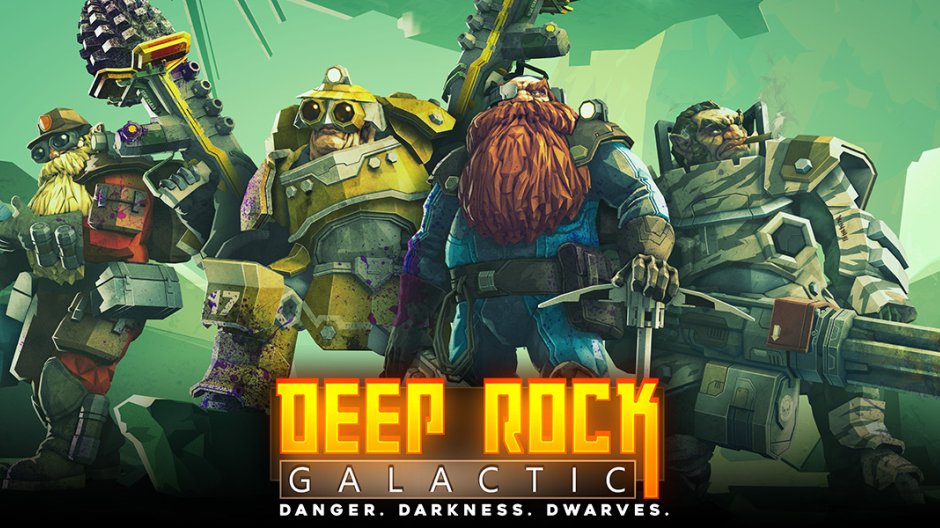
‘Deep Rock Galactic’ layers Hazard levels with mission Length, Complexity, and optional Mutators, creating fine-grained control over pressure and rewards. You can opt into warnings like Low Oxygen or Cave Leech Clusters for bespoke challenges. The setup scales well for solo with Bosco or full squads, maintaining progression pacing and perk unlocks. Ghost Ship Games developed it, with Coffee Stain Publishing releasing.
‘Monster Hunter: World’ (2018)
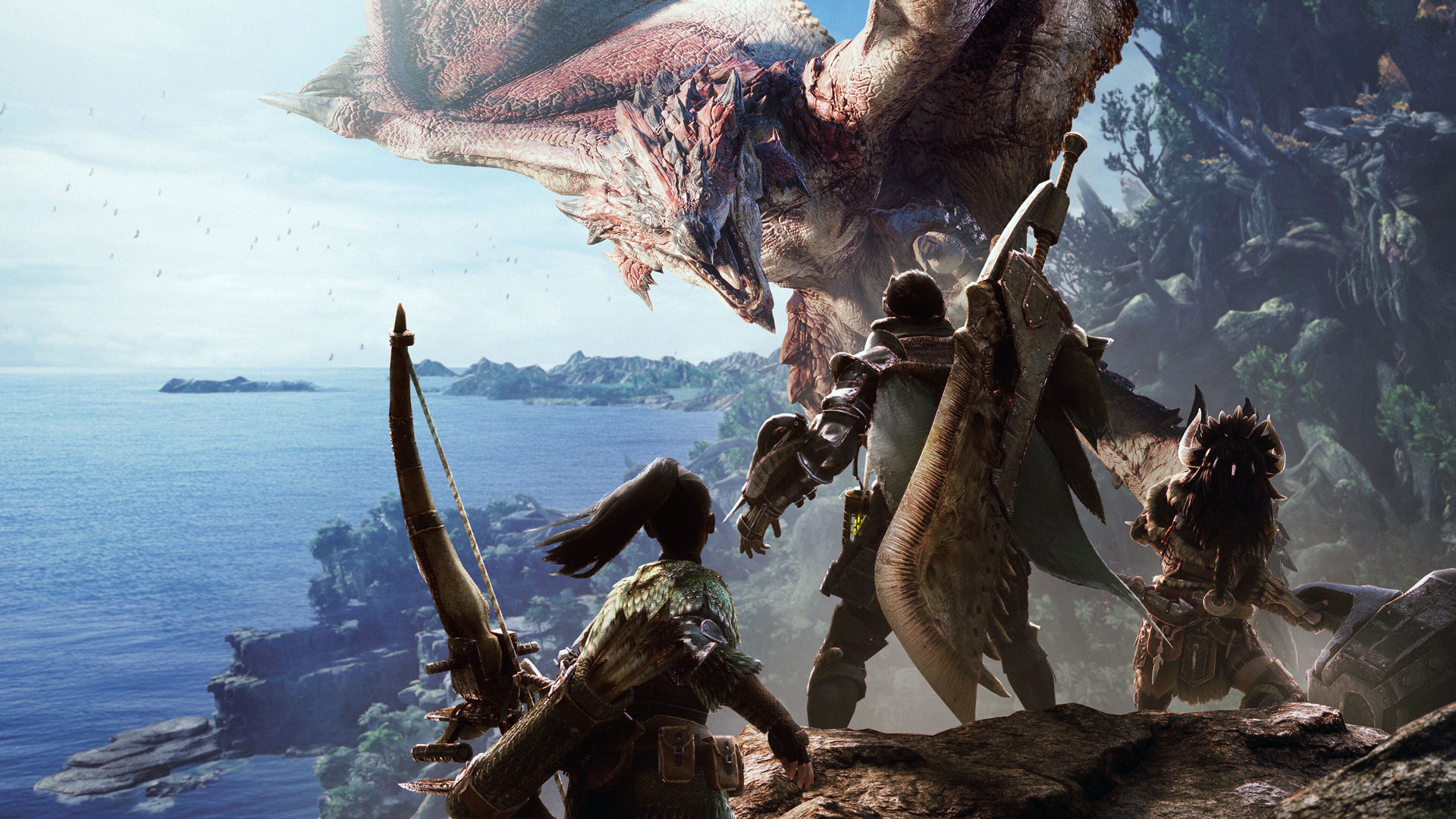
‘Monster Hunter: World’ dynamically scales monster health based on the number of players in a hunt and allows SOS flares to bring help mid-quest. Optional Tempered and Arch-Tempered investigations add calibrated difficulty tiers for endgame builds. These systems keep gear progression meaningful while letting teams of different sizes participate. Capcom developed and published the game.
‘Grounded’ (2022)
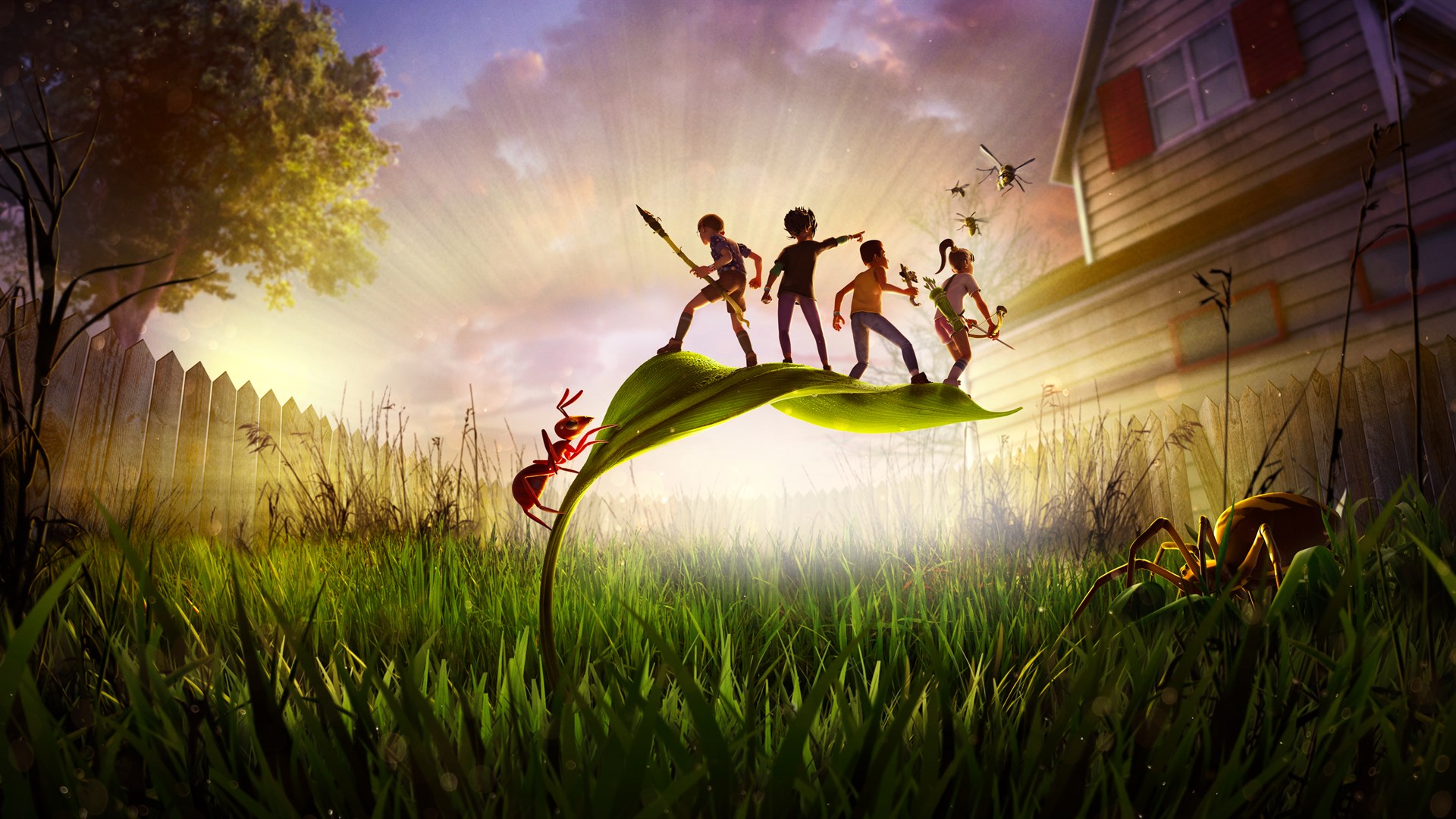
‘Grounded’ includes an Arachnophobia slider that gradually alters spider models while leaving gameplay intact, plus Custom settings for stamina, thirst, and creature aggression. Players can tune resource drain and combat intensity for long base-building sessions or high-risk expeditions. Shared-world options respect each profile’s comfort without breaking crafting and research loops. Obsidian Entertainment developed it, with Xbox Game Studios publishing.
‘Assassin’s Creed Valhalla’ (2020)
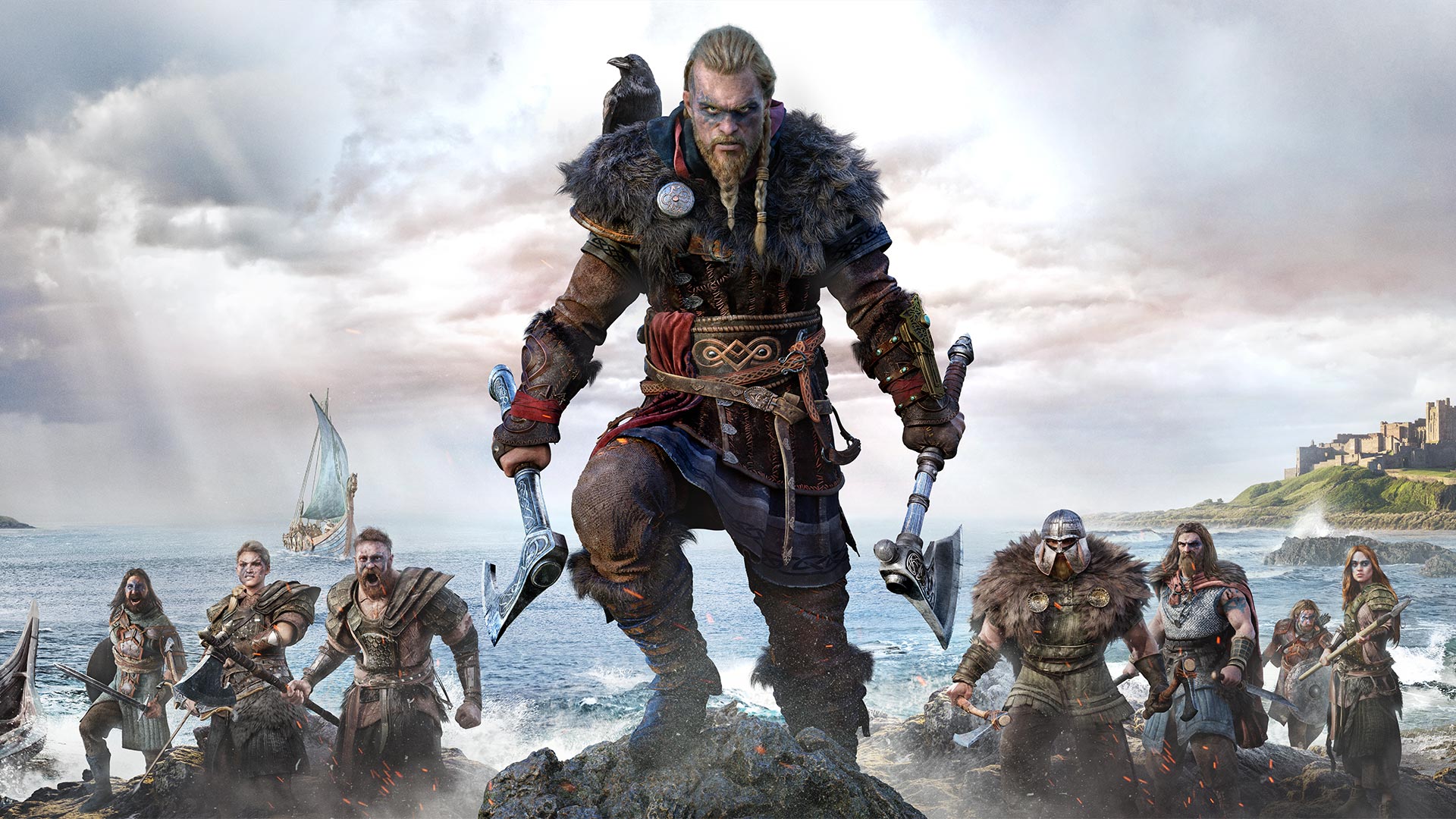
‘Valhalla’ separates Combat, Stealth, and Exploration difficulties, letting you change enemy ferocity, detection sensitivity, and UI guidance independently. Level-scaling options further refine how the world matches your power, from under-leveled to constantly challenging. This keeps raiding, mysteries, and stealth infiltrations tuned to preference across long campaigns. Ubisoft developed and published the game.
Share your favorite smart difficulty settings—and the games you think do them best—in the comments!