

20 Games With Surprisingly Deep Lore

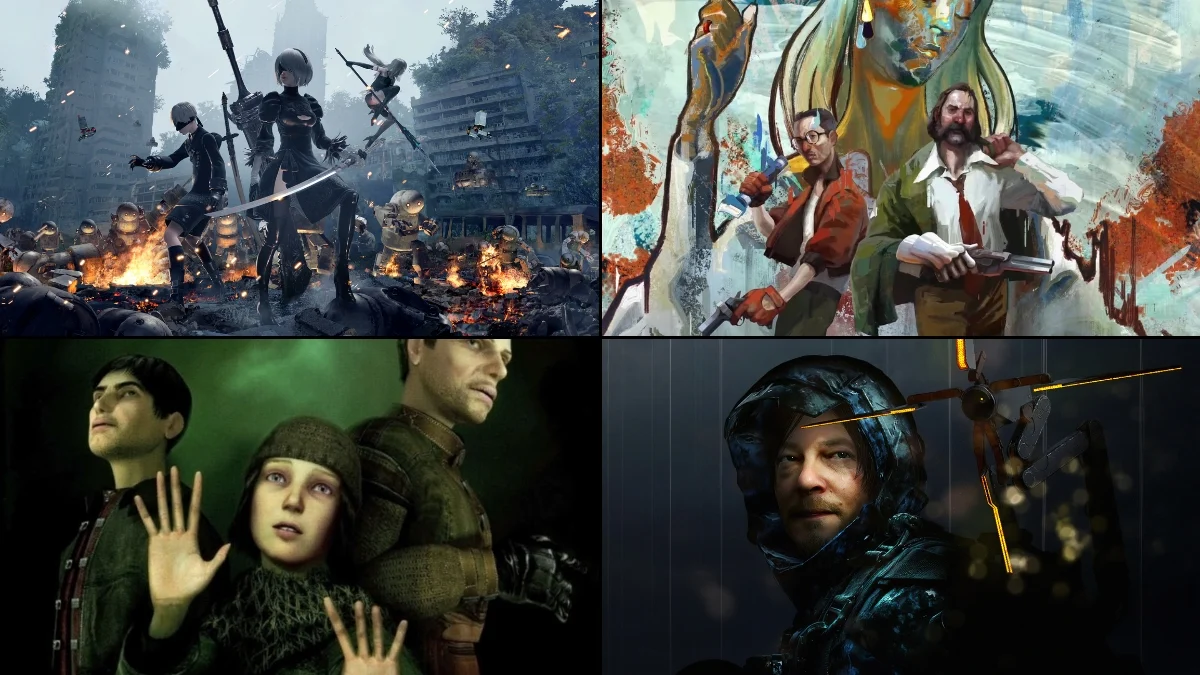


You don’t always expect a game to hide a labyrinth of history, factions, and timelines behind its moment-to-moment action, but plenty do—often rewarding curious players with codices, item descriptions, ARGs, and environmental storytelling that spiral far past the main plot. The picks below each tuck away world-building worth digging into, from corporate memos and alien biomes to multiverse conspiracies and myth retellings. For each one, you’ll find quick pointers on where the deeper threads live—and who made the game—so you know exactly how to start pulling.
‘Hollow Knight’ (2017)
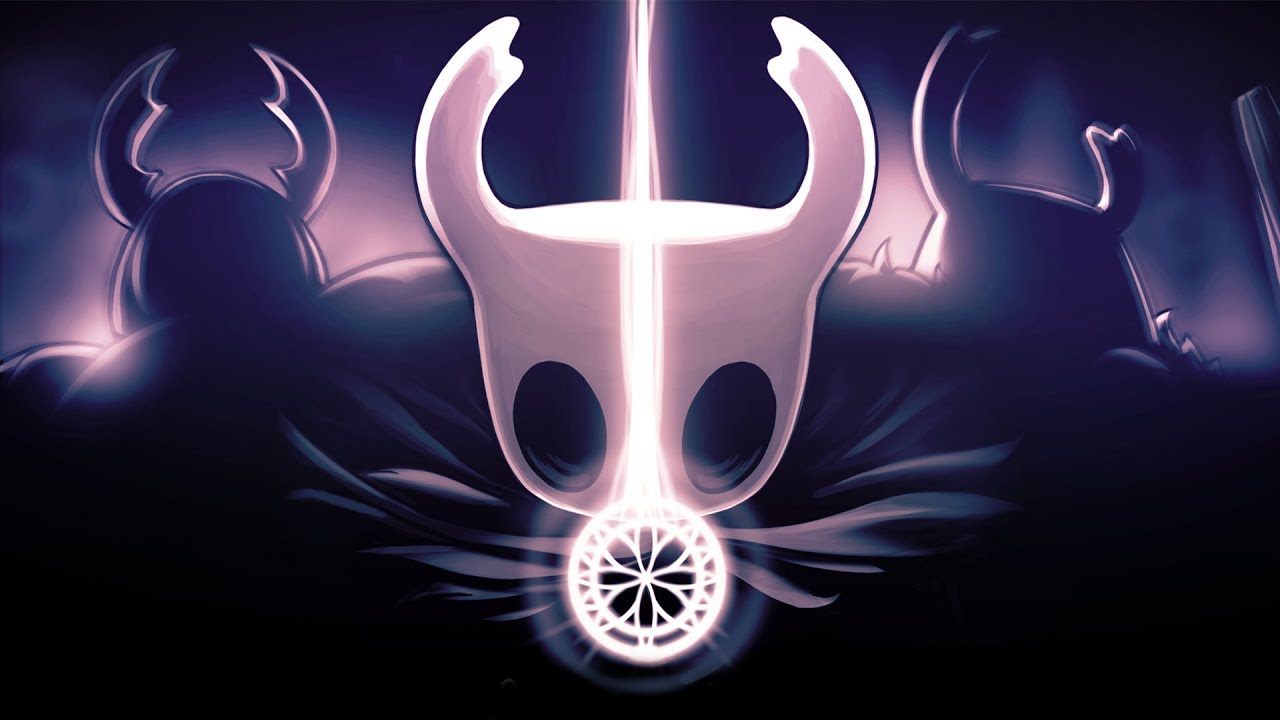
Team Cherry’s Metroidvania hides the fall of Hallownest in mask fragments, dream-nail whispers, and cryptic NPC lines scattered across intersecting regions. The Pale King’s experiments, the Radiance’s infection, and the Vessel lineage are pieced together through lore tablets and boss arenas rather than explicit cutscenes. Multiple endings depend on optional items like the Void Heart and the Grimm Troupe questline, which reframe the kingdom’s history. Team Cherry developed and self-published the game, with ongoing free content updates expanding its legends.
‘Control’ (2019)
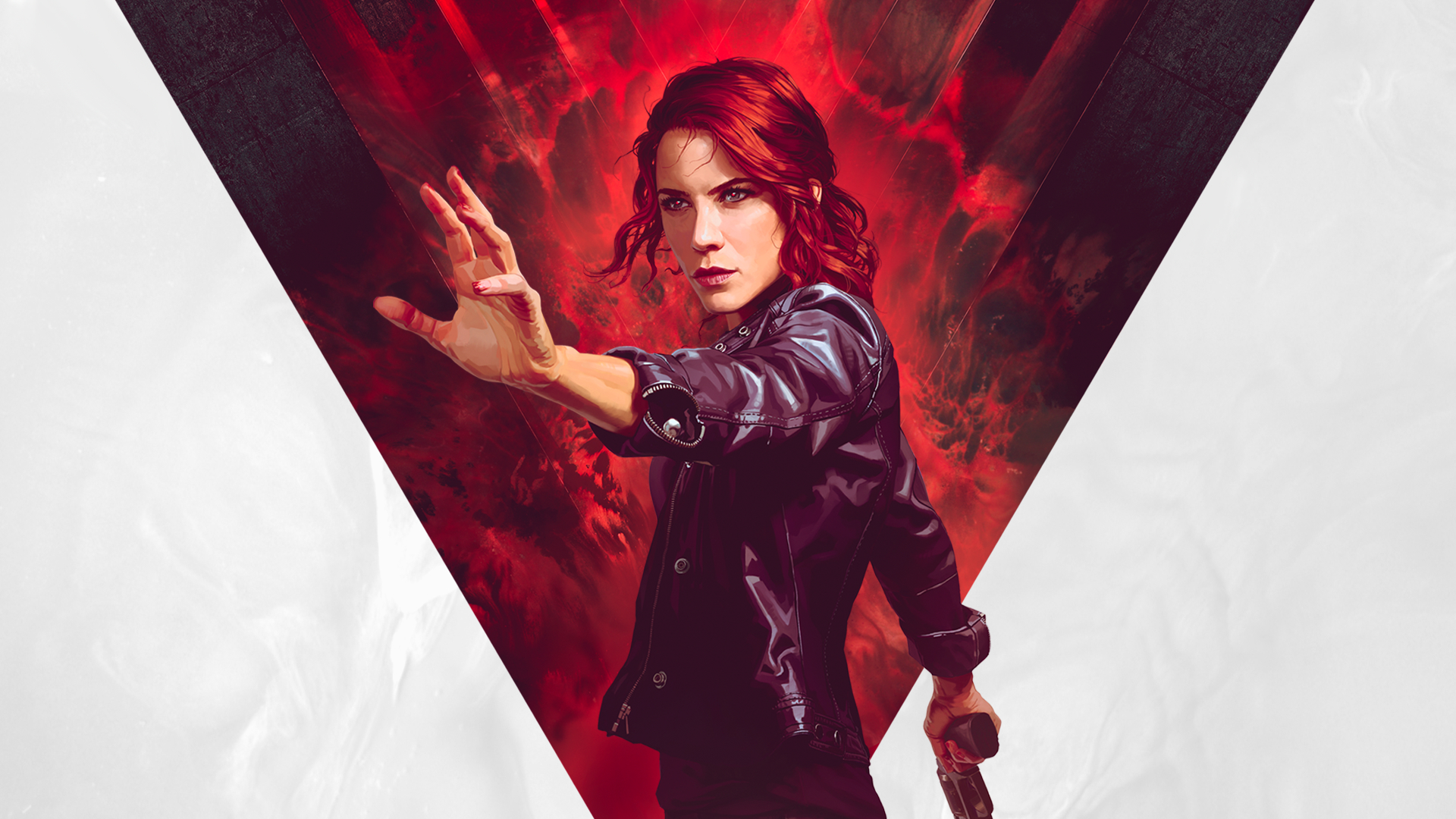
Remedy Entertainment and 505 Games built the Federal Bureau of Control as a bureaucracy of the paranormal where every collectible file hints at urban legends made real. The Oldest House’s shifting architecture, Objects of Power, and the Hiss invasion are documented through live-action briefings and case studies. Side missions expose altered items tied to folklore—like a refrigerator that must be watched—or entire sealed sectors with their own incident reports. The Alan Wake AWE connections and in-universe FBC procedures turn the game into a cross-property mythos.
‘Subnautica’ (2018)
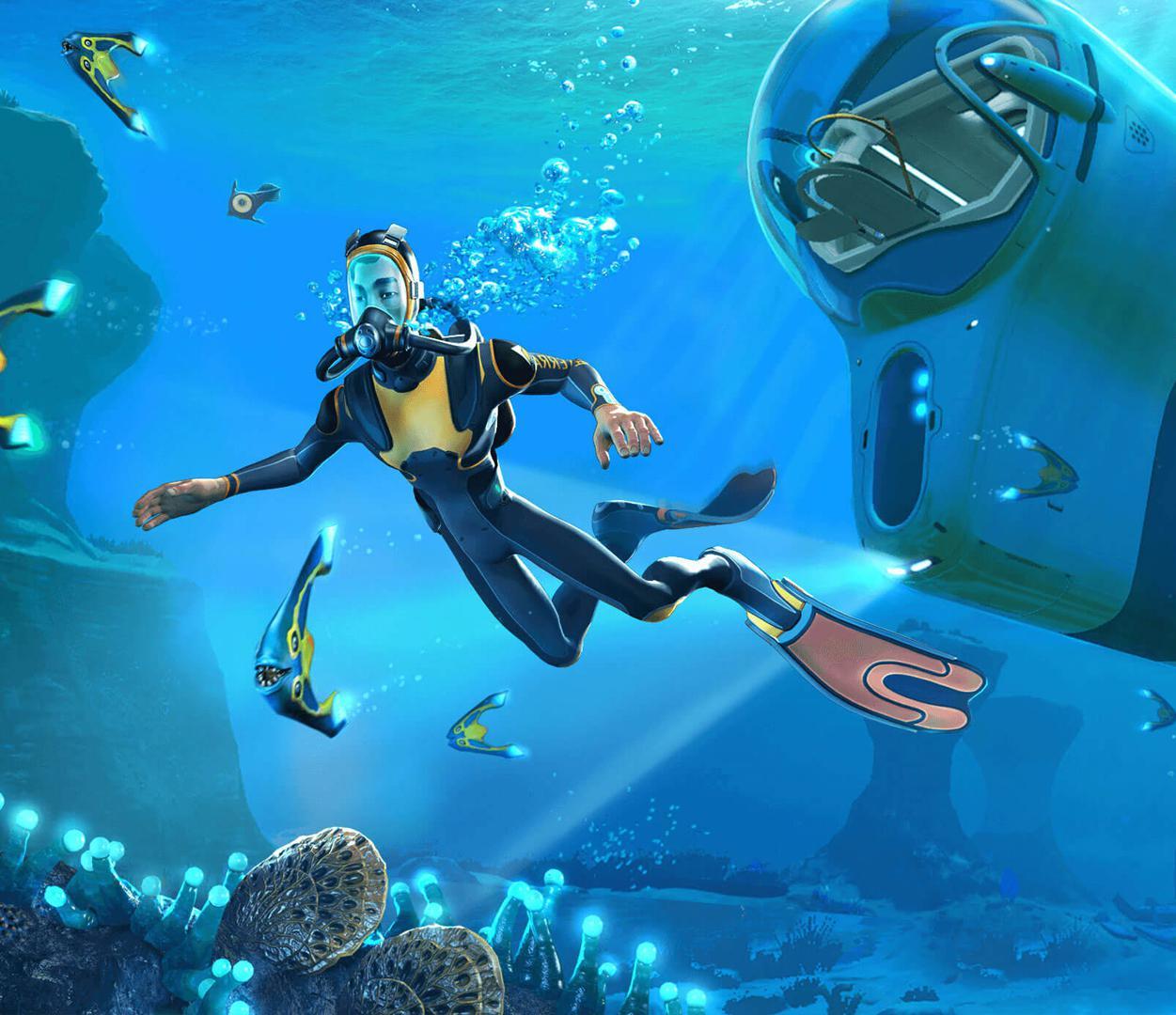
Unknown Worlds Entertainment crafted a planetary survival tale whose deeper plot emerges through PDAs, alien facilities, and ecosystem design. The Kharaa bacterium, the Precursors’ failed cure attempts, and the Sea Emperor’s role are unraveled as you dive biome by biome. Habitat fragments and databanks reveal corporate motives and the crash history of the Aurora. Unknown Worlds developed and published the game, embedding most exposition in environmental logs rather than linear cutscenes.
‘Deep Rock Galactic’ (2020)
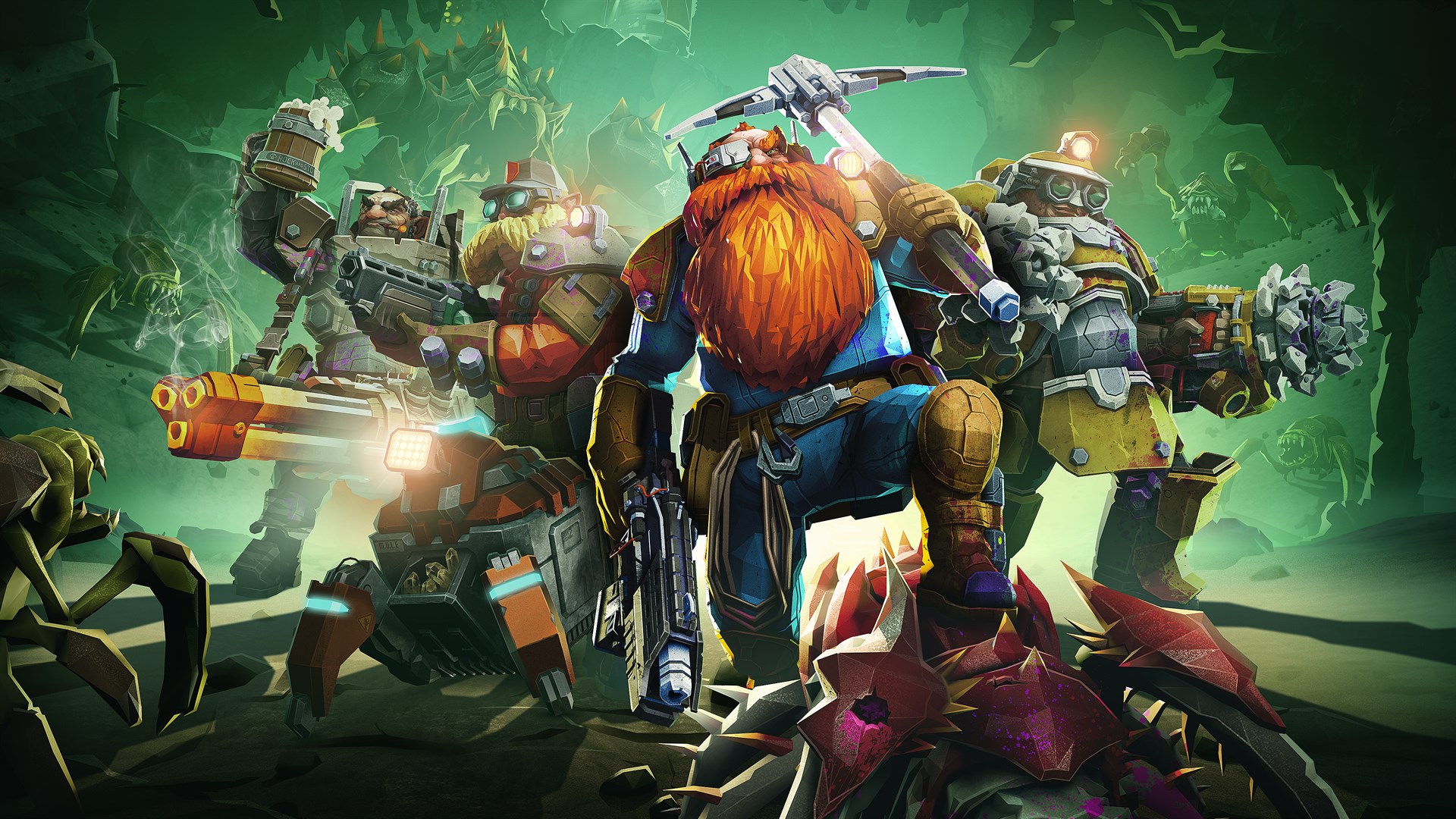
Ghost Ship Games and Coffee Stain Publishing dress a co-op shooter in a satire of space-mining capitalism, then flesh out Hoxxes IV with fauna entries, mineral histories, and corporate memos. Bestiary scans connect creature behavior to the planet’s geology, while assignment briefings and Space Rig terminals detail rival companies and union jokes that imply a broader economy. Seasonal events add new threats like Rockpox and expand the corporate timeline. Ghost Ship’s in-game terminals, unlock texts, and collectibles quietly do the world-building work.
‘Warframe’ (2013)
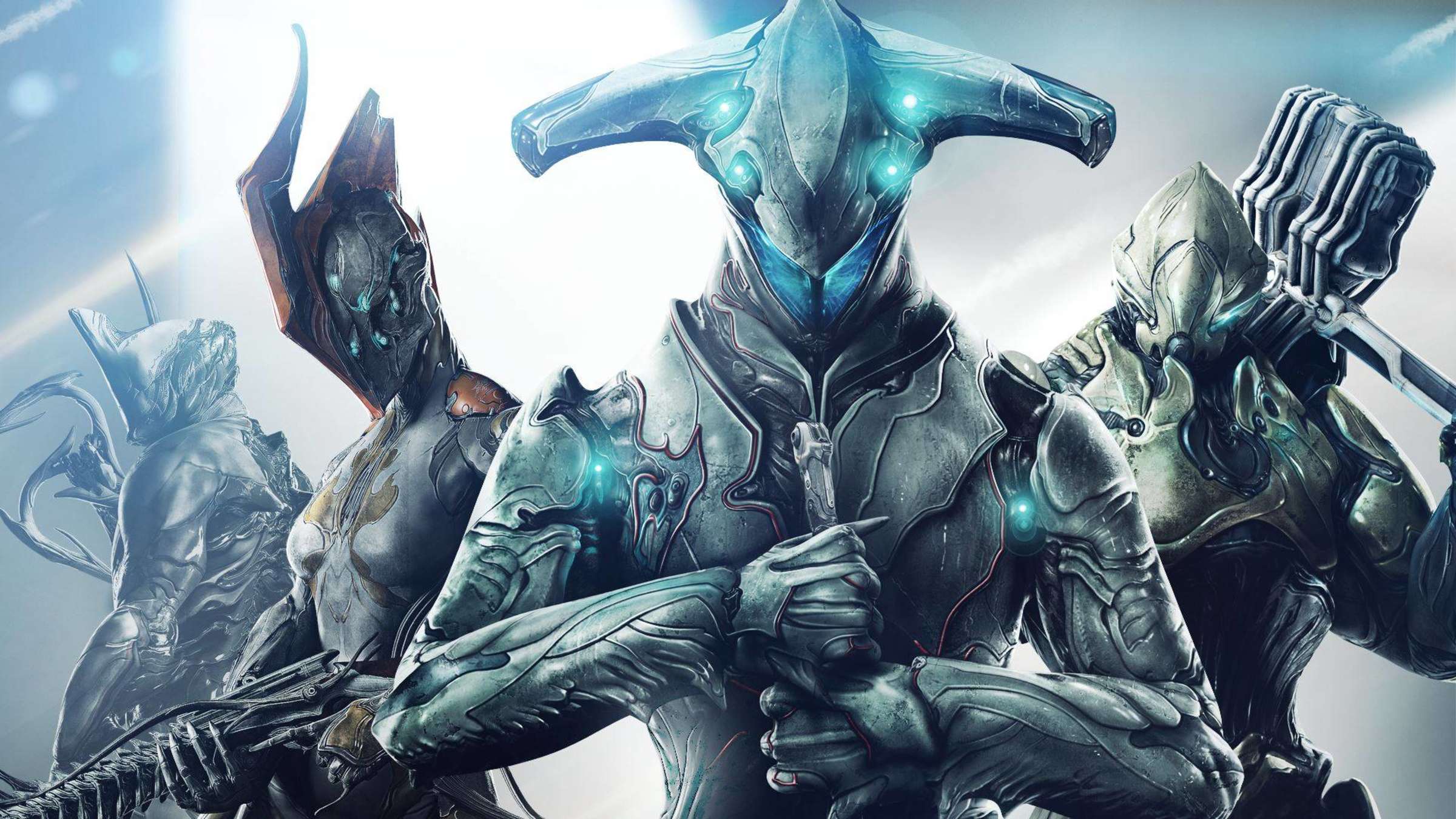
Digital Extremes layers a decade-spanning space-opera across quests, codex scans, and cinematic arcs. The Lotus, the Orokin, and the Tenno’s origins reshape themselves through key quests like “The Second Dream,” “The War Within,” and “The New War.” Faction entries outline the Grineer’s decay, Corpus profiteering, and Sentient evolution, while open-world hubs add regional myth and slang. Digital Extremes develops and publishes the game, continuously expanding the canon through updates and events.
‘Pathologic’ (2005)
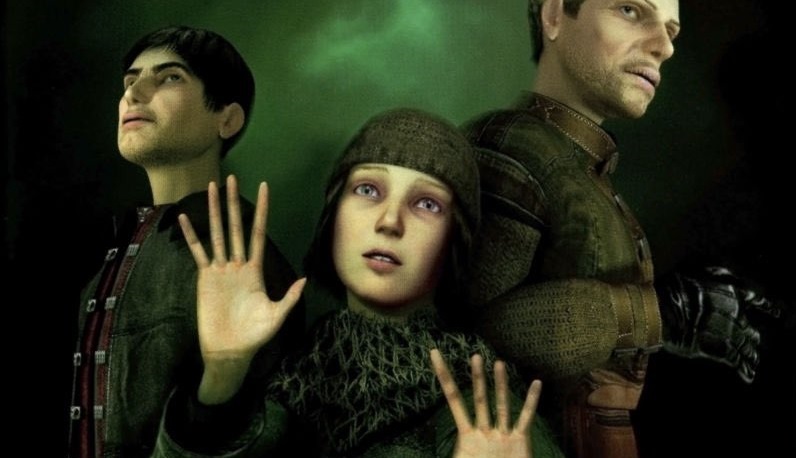
Ice-Pick Lodge’s plague-stricken town hides metaphysical rules that the player deciphers via journals, theater interludes, and route-specific conversations. Playing as the Bachelor, Haruspex, or Changeling surfaces contradictory “truths” about the Sand Pest, the Polyhedron, and the Kin’s rituals. The in-game theater stages nightly “performances” that themselves comment on the plot’s artificiality. Ice-Pick Lodge created the game with various regional publishers, and each translation preserves the layered, unreliable lore delivery.
‘Darkest Dungeon’ (2016)
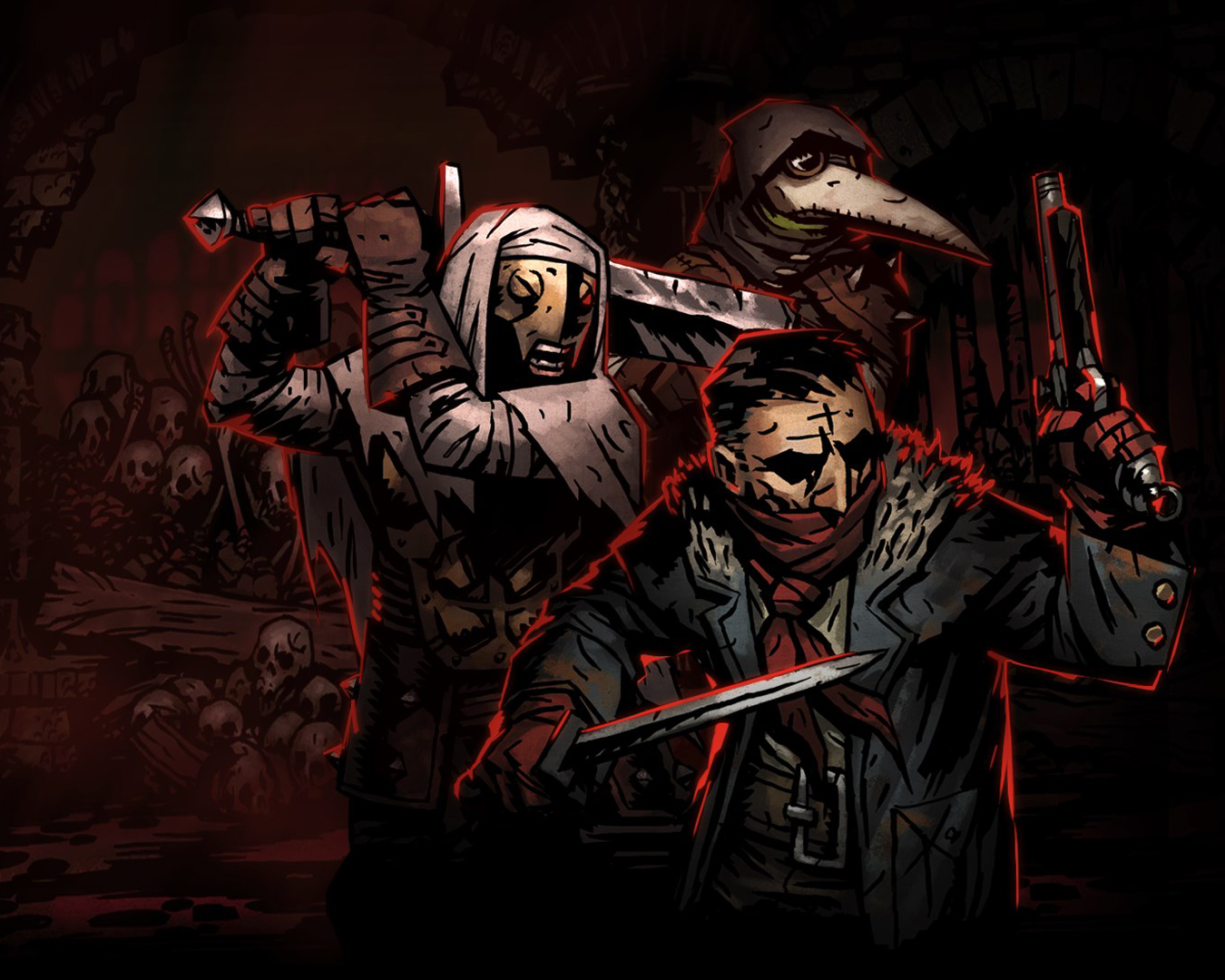
Red Hook Studios’ gothic crawler drips history through Ancestor memoirs, trinket descriptions, and boss epitaphs. The Estate’s catacombs connect to a broader myth of eldritch corruption that escalates toward the Heart of Darkness. Class backstories—from the Flagellant’s penance to the Leper’s fall—are implied through skill names and barks rather than cutscenes. Red Hook developed and published the title, using narration and item text to sketch a sprawling, Lovecraft-tinged lineage.
‘The Talos Principle’ (2014)
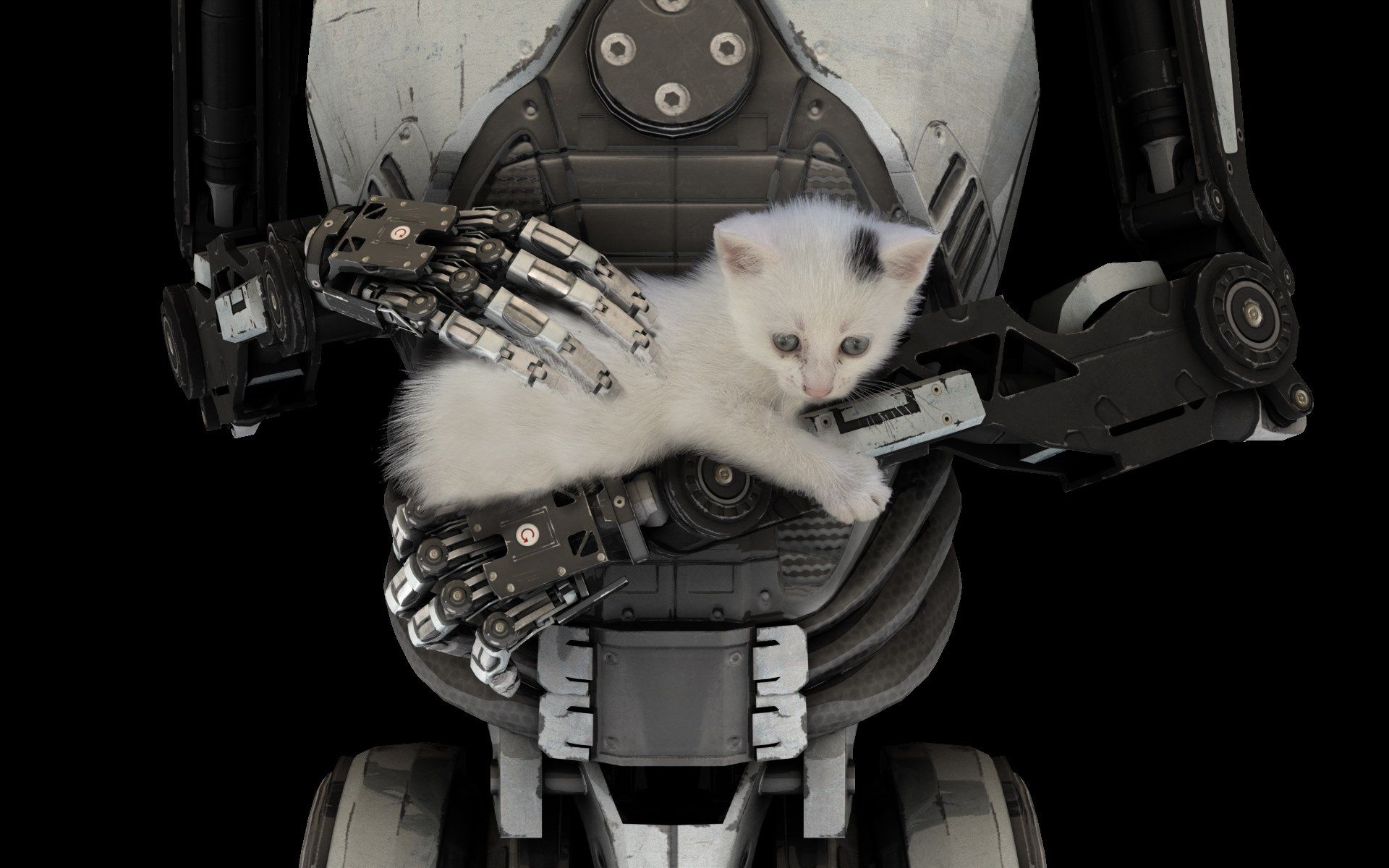
Croteam and Devolver Digital frame a philosophical puzzle game inside a post-human archive overseen by Elohim. Computer terminals, emails, and Milton Library Assistant dialogues reveal a civilization’s collapse and a Turing-test-like ascent. Hidden stars and secret recordings deepen the debate about free will and consciousness. Croteam’s terminals and optional texts deliver most of the narrative payload without interrupting puzzle flow.
‘Outer Wilds’ (2019)
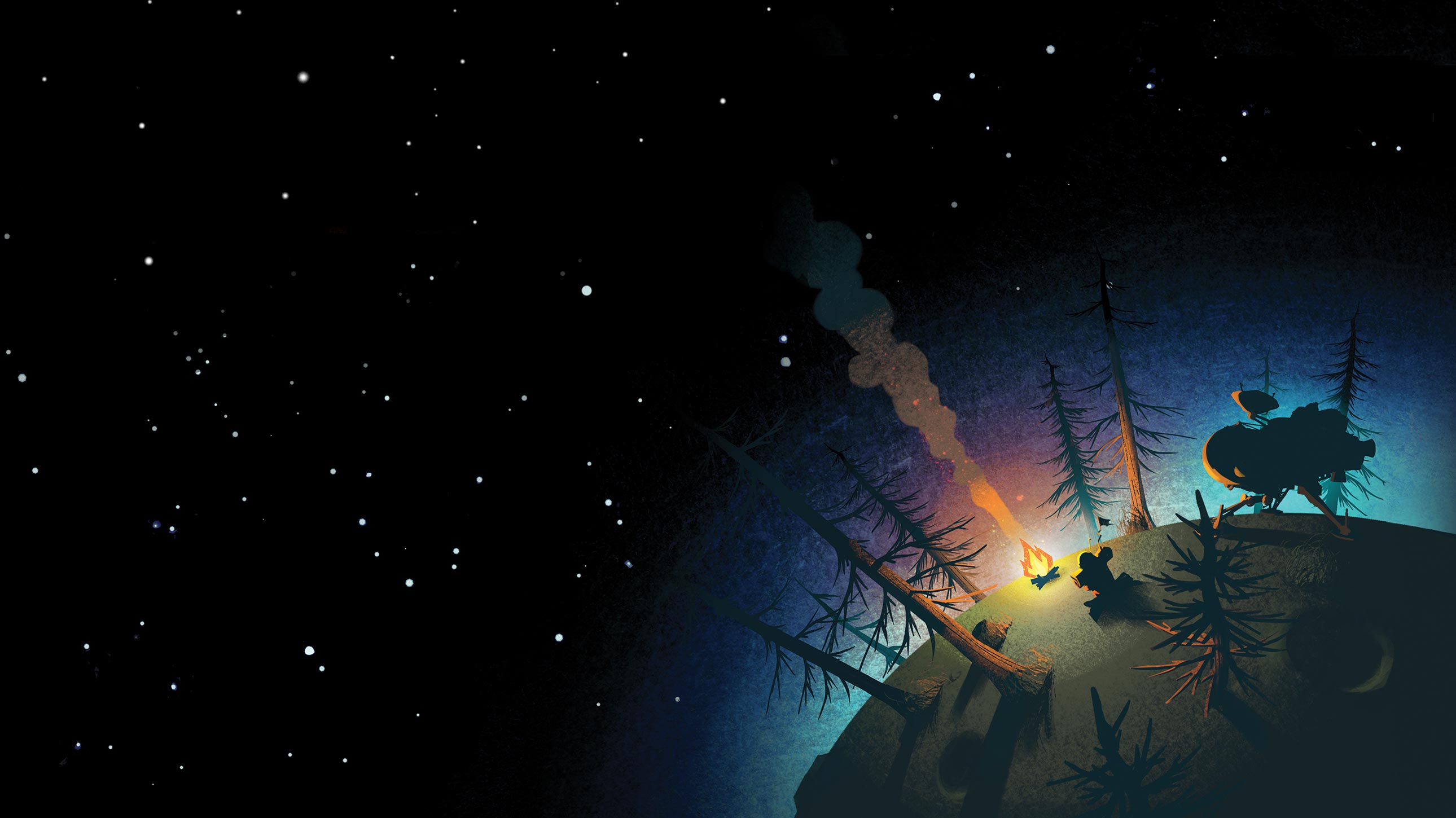
Mobius Digital and Annapurna Interactive construct a time-loop archaeology where ship logs, murals, and Nomai writings collectively tell a cosmic story. Each planet hides a piece of a failed experiment, from Ash Twin’s project to the Quantum Moon’s rules. The lore is entirely discoverable—no upgrades—so knowledge itself advances the game. Mobius developed a unified log system that maps hard-won discoveries into a coherent star-spanning chronology.
‘Inscryption’ (2021)
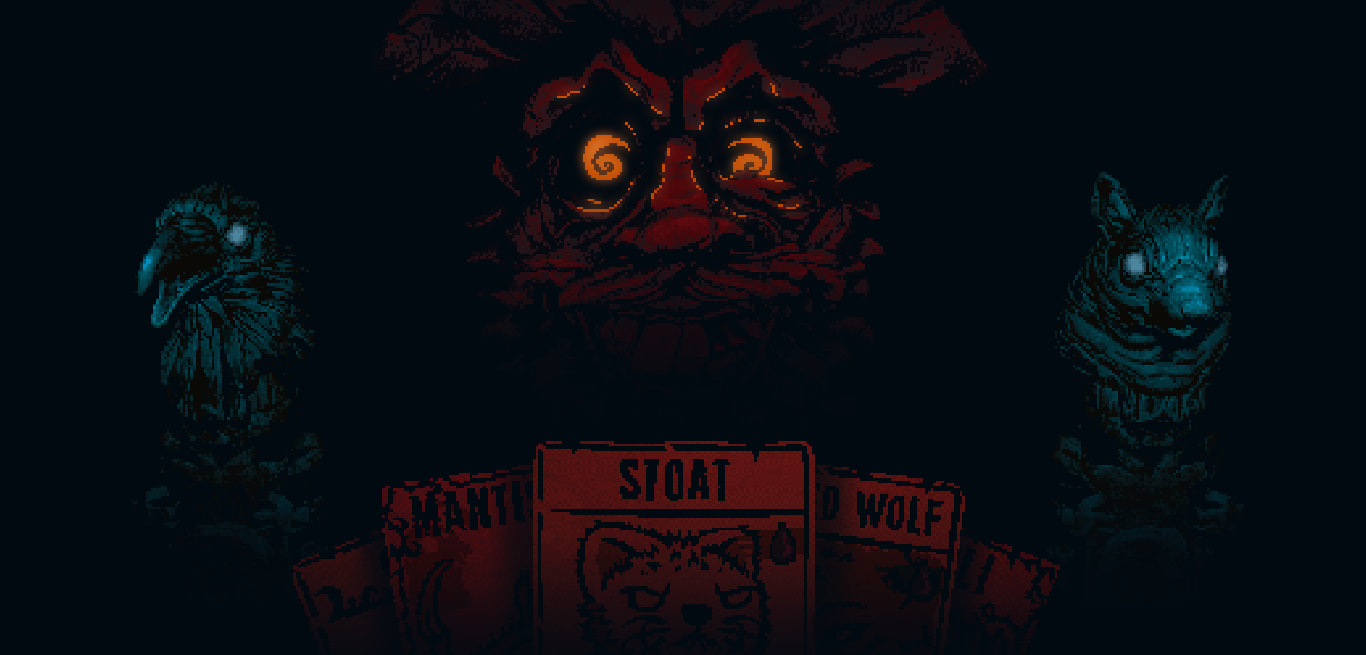
Daniel Mullins Games and Devolver Digital hide an ARG-like meta-narrative inside found footage, trading-card dossiers, and developer logs. The Scrybes’ domains, Kaycee’s Mod notes, and hidden coordinates extend beyond the cabin into a broader conspiracy. Mechanics shift between acts to surface different slices of the same mythos. Daniel Mullins developed the game, with the publisher supporting the multi-layered secrets that spill outside the executable.
‘Titanfall 2’ (2016)
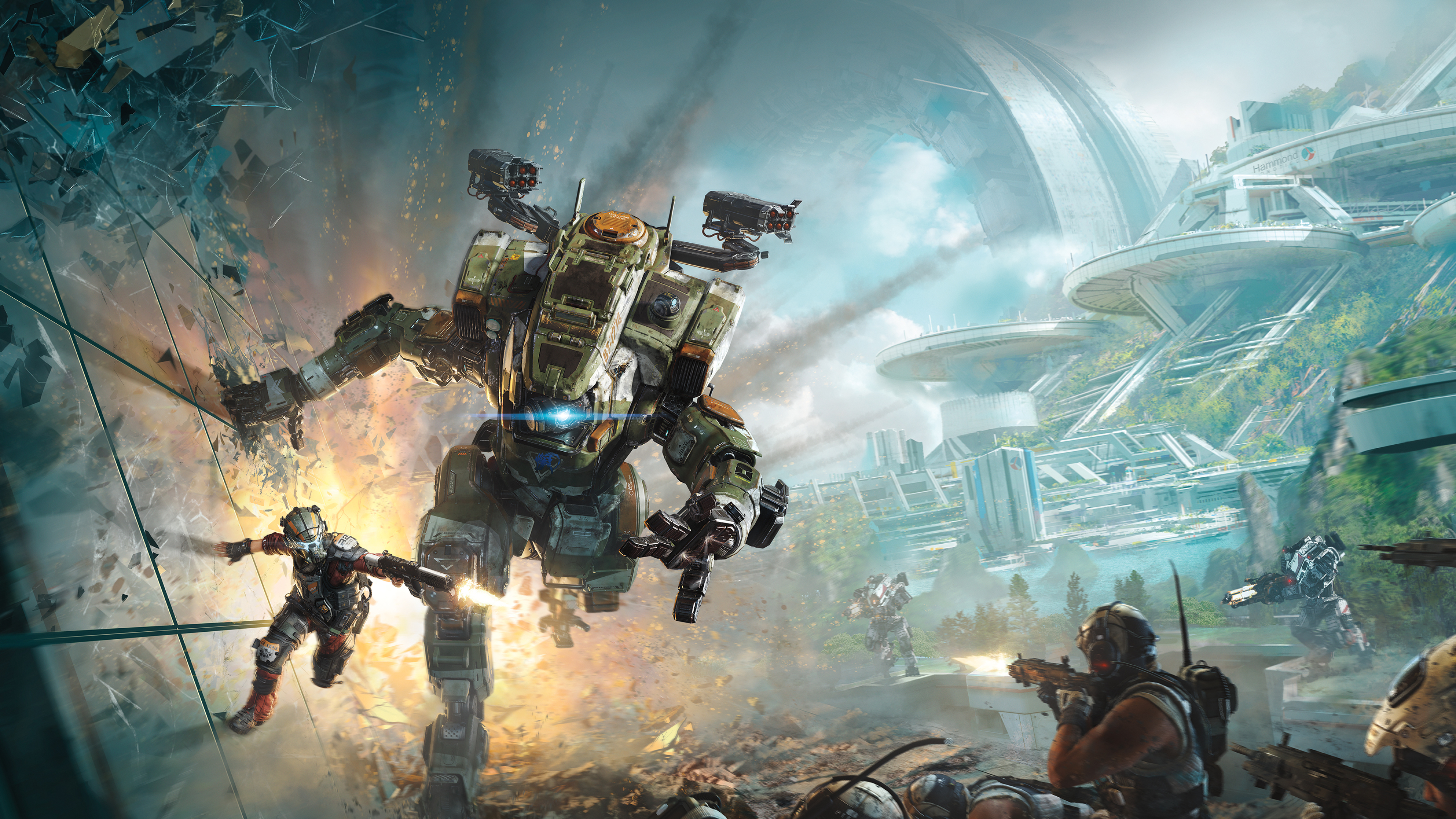
Respawn Entertainment and Electronic Arts weave a frontier war’s history through mission briefings, faction chatter, and datapads. The IMC’s industrial colonization, the Militia’s resistance, and the purpose of BT-7274 tie into larger tech and corporate power arcs. Environmental set-pieces like the Fold Weapon facility are packed with logs that place the player inside ongoing research programs. Respawn’s universe-building later branches into related games, reinforcing a shared setting.
‘NieR: Automata’ (2017)
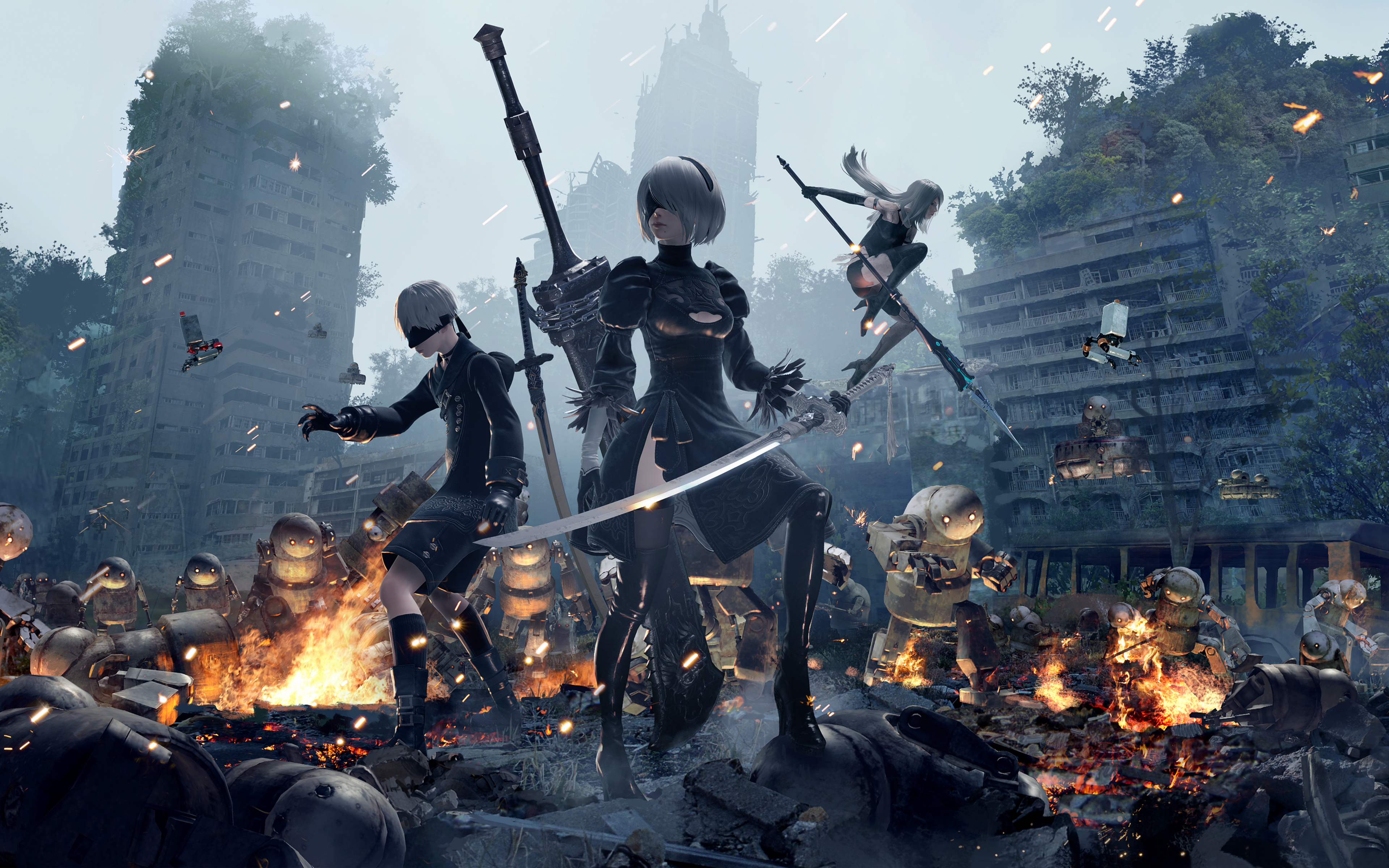
PlatinumGames and Square Enix expand a post-apocalyptic timeline through weapon stories, side-quest logs, and multiple route replays. Each ending reframes the meaning of YoRHa, machine village philosophies, and humanity’s status. Unit biographies and text adventures embedded in boss fights reveal personal tragedies and systemic lies. The developers use data archives and plug-in chips to turn UI into canon.
‘Disco Elysium’ (2019)
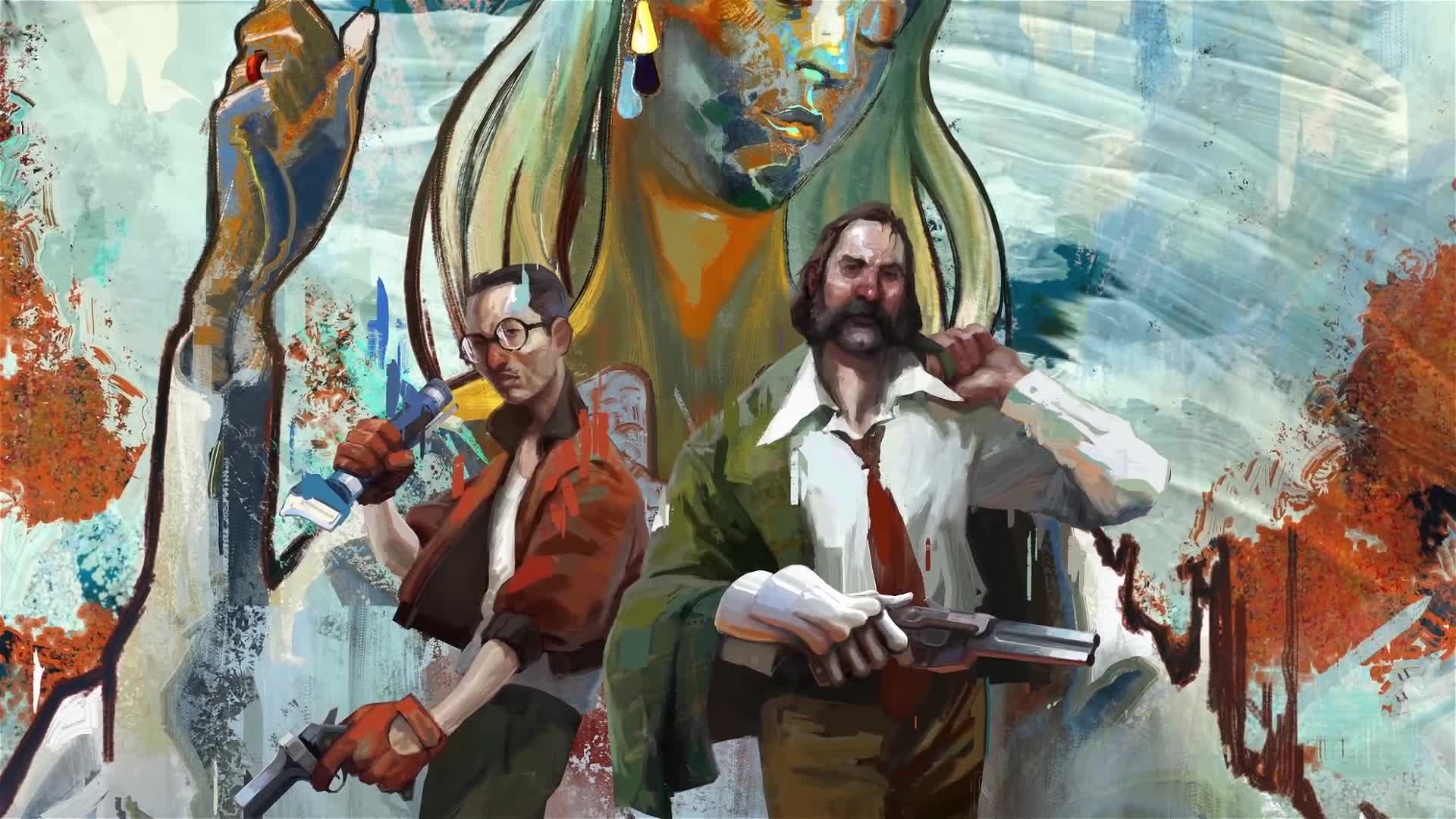
ZA/UM’s isometric RPG stores the city of Revachol’s political, economic, and cultural centuries inside dialogue checks, thought cabinet entries, and encyclopedia rolls. Factions like the Union, the RCM, and the Moralintern each carry histories that surface only through specific builds. Clothing tooltips, graffiti, and books sketch a continent-wide upheaval. ZA/UM developed and published the game, letting skill voices serve as living lore wikis.
‘Splatoon’ (2015)
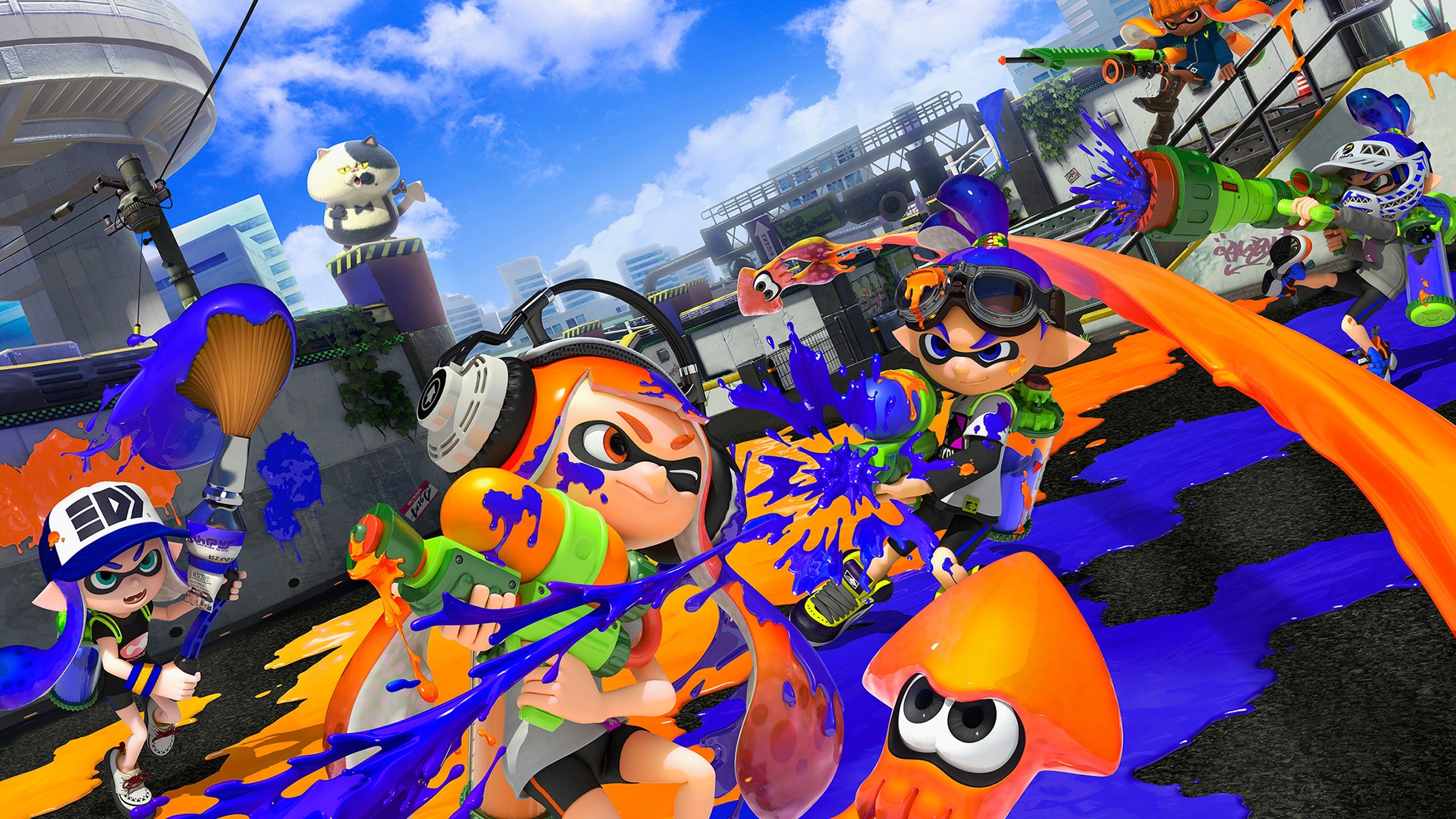
Nintendo EPD hides a surprisingly bleak post-human backstory in Sunken Scrolls and campaign terminals. Inklings and Octolings evolved after a sea-level cataclysm, and their pop-idol culture masks long wars and scientific experiments. Each entry’s collectible lore ties weapons, idols, and bosses to a broader timeline that continues across sequels. Nintendo developed and published the series, with single-player campaigns acting as the main lore conduit.
‘Five Nights at Freddy’s’ (2014)

Created and published by Scott Cawthon, the series scatters its timeline across minigames, hidden screens, and phone calls. Corporate memos and newspaper clippings suggest a chain of restaurants, cover-ups, and missing children cases. Animatronic behavior and night sequences hint at possession, shell companies, and family ties that fans reconstruct chronologically. Later entries and spin-offs complicate dates and identities, encouraging theory-driven reading of every frame.
‘Sea of Thieves’ (2018)
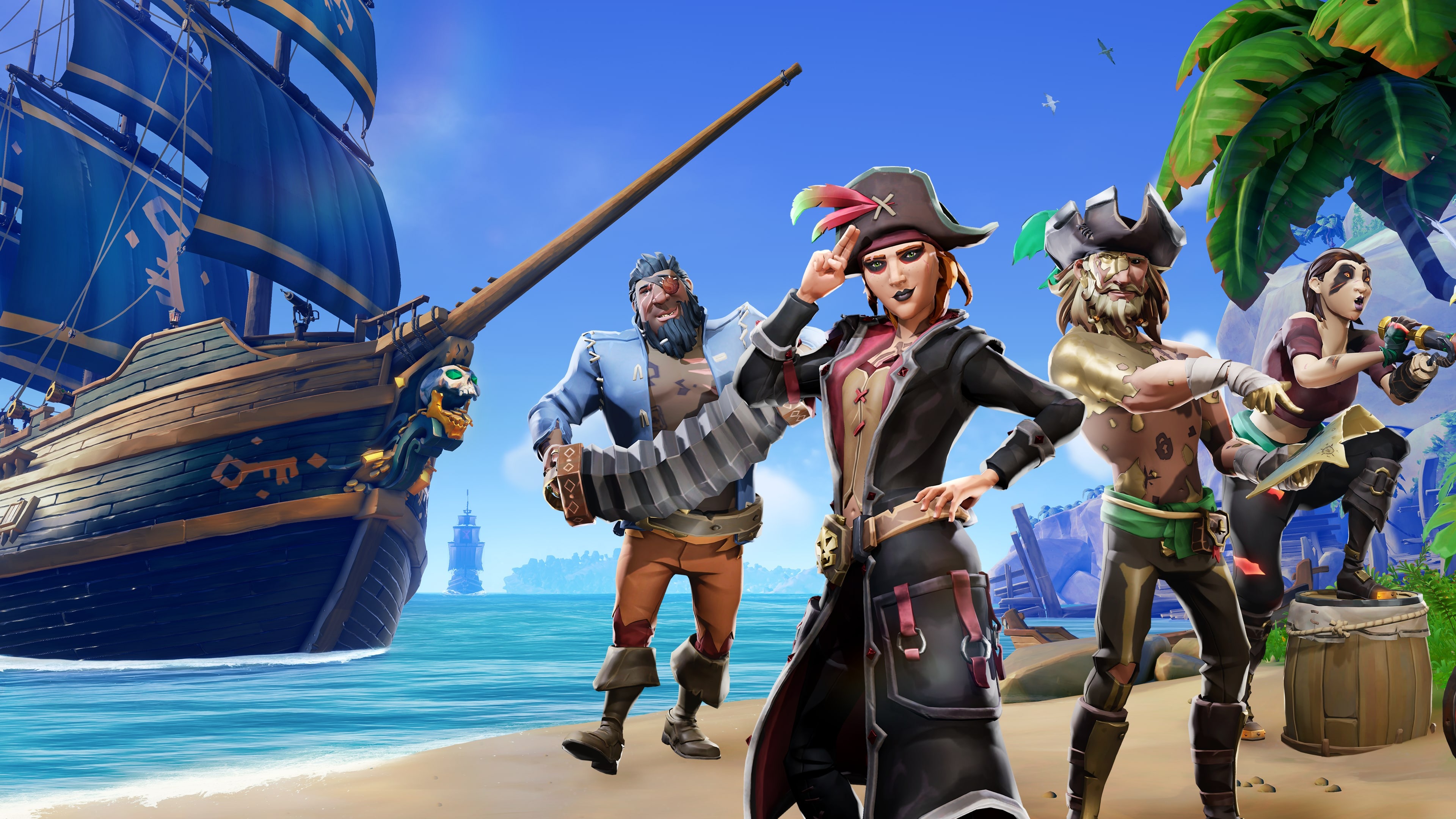
Rare and Xbox Game Studios bake lore into Tall Tales, island journals, and emergent world events. Ancient civilisations, the Shroudbreaker’s origins, and the arrival of spectral fleets are documented in diaries and shrine murals. Live adventures alter the map and NPC allegiances, updating the canon in real time. Rare’s Adventure logs and outpost characters act as the ongoing record of the Sea’s shifting powers.
‘Hades’ (2020)
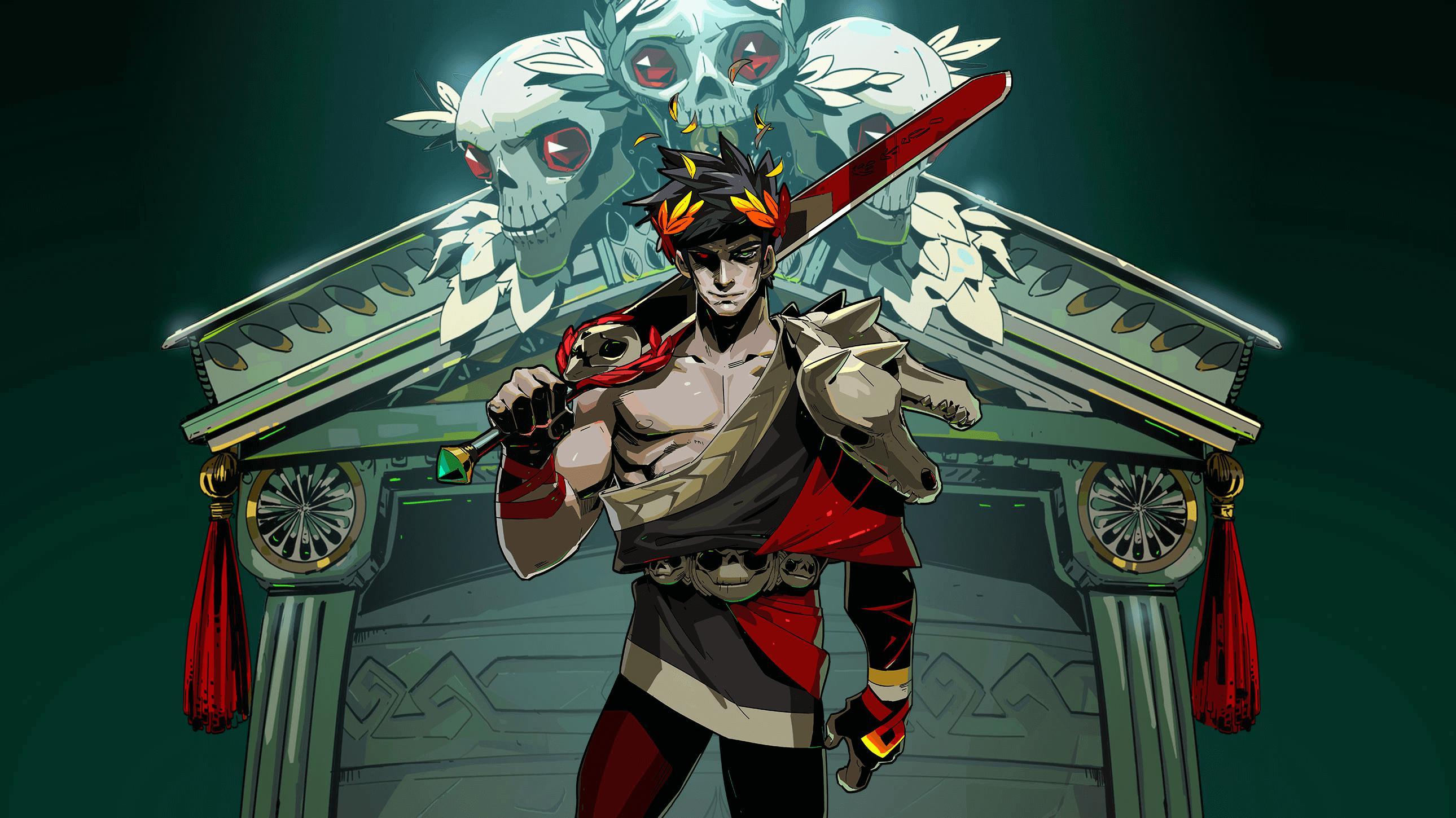
Supergiant Games retells Greek myth through repeat runs that unlock codex entries, relationship events, and House of Hades renovations. Conversations evolve based on weapons used, bosses spared, and favors completed, gradually clarifying family histories. Keepsakes and prophecy lists serve as in-world documentation of Zagreus’s network. Supergiant developed and published the game, using roguelike structure to drip-feed mythic context.
‘Overwatch’ (2016)

Blizzard Entertainment extends its hero shooter’s world through animated shorts, comics, and in-game map details. Omnic Crisis history, the fall of the original team, and corporate or national responses are chronicled outside the matches as well as in environmental props. Character bios, voice lines, and seasonal events place heroes within a shared global timeline. Blizzard develops and publishes the franchise, maintaining a transmedia lore archive.
‘League of Legends’ (2009)
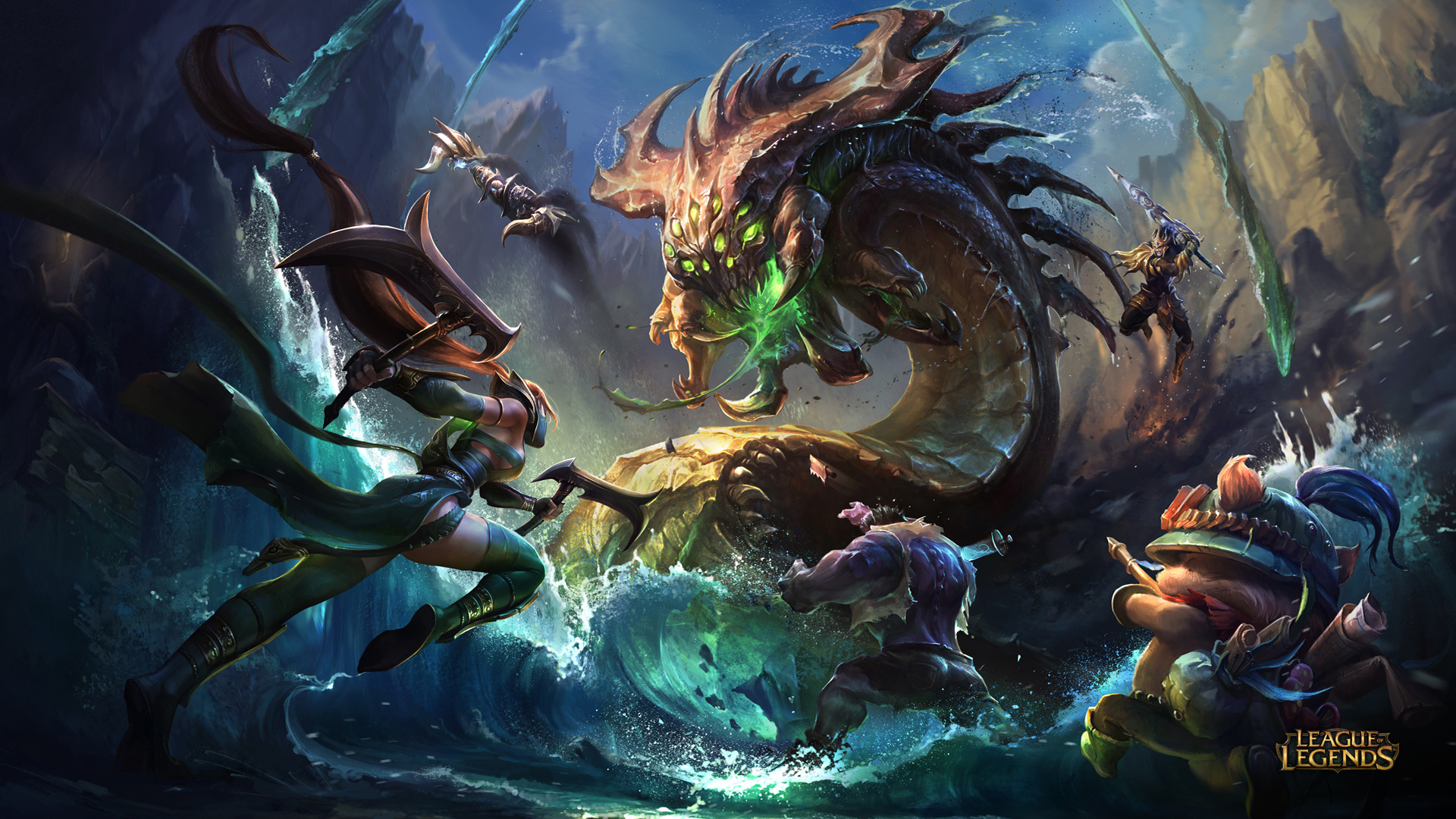
Riot Games rebuilt Runeterra’s canon via Universe articles, champion bios, and region-focused events. Freljord’s tribes, Shurima’s resurrection, and Zaun-Piltover tech politics are expanded through short stories and animated shorts. In-client tooltips and item lines cross-reference historical conflicts and organizations. Riot develops and publishes the game, coordinating updates so new champions slot into established histories.
‘Death Stranding’ (2019)
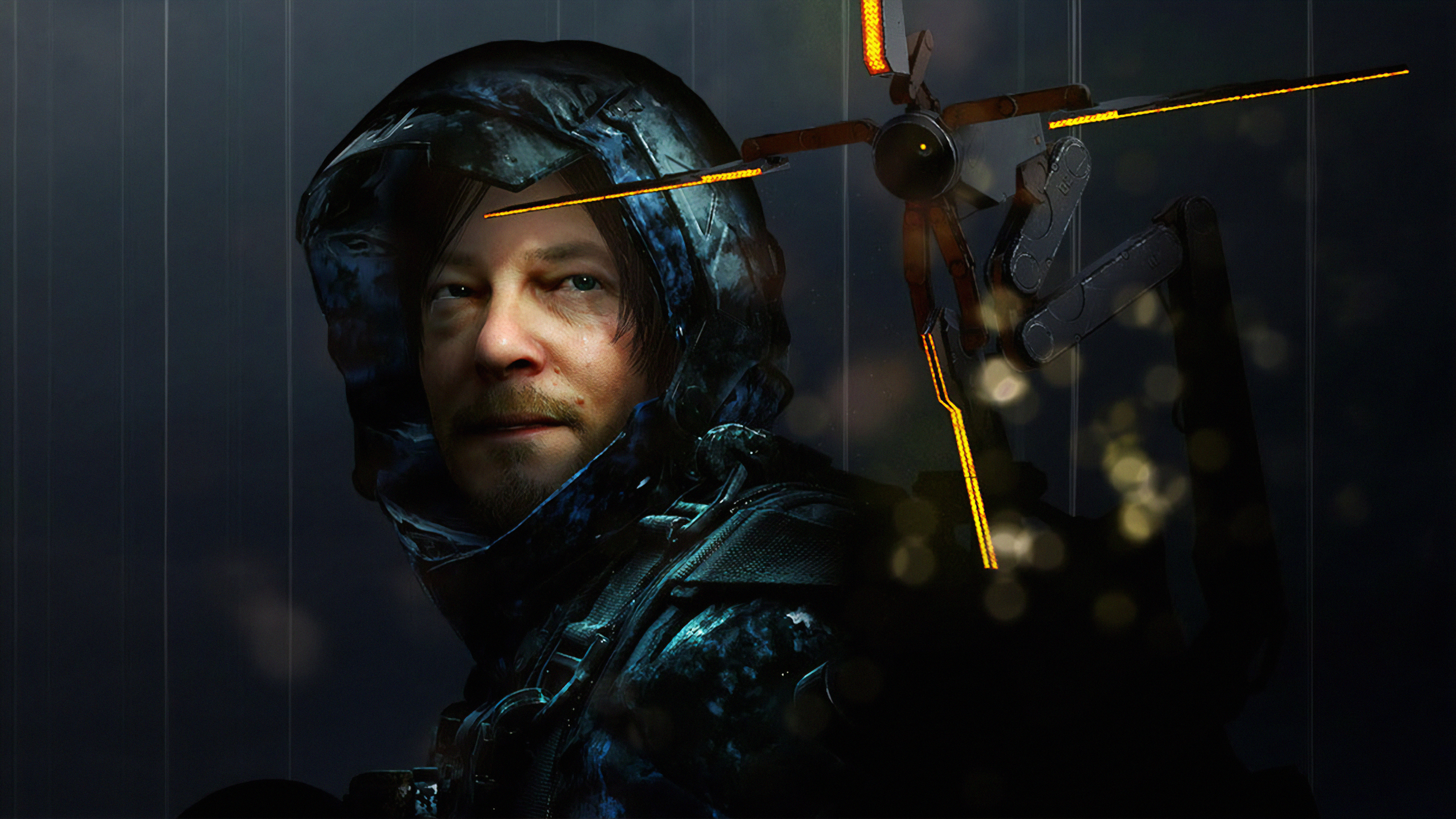
Kojima Productions and Sony Interactive Entertainment (with 505 Games publishing the PC version) construct a post-cataclysm America explained through emails, interviews, and facility data. The Death Stranding event, BT ecology, and DOOMS phenotypes are mapped in research logs as you reconnect nodes. Gear descriptions and delivery orders hint at pre-collapse industries and philosophical debates about connection. The studio uses the chiral network as both a mechanic and a narrative archive that fills in the world’s science and politics.
‘Outer Worlds’ (2019)
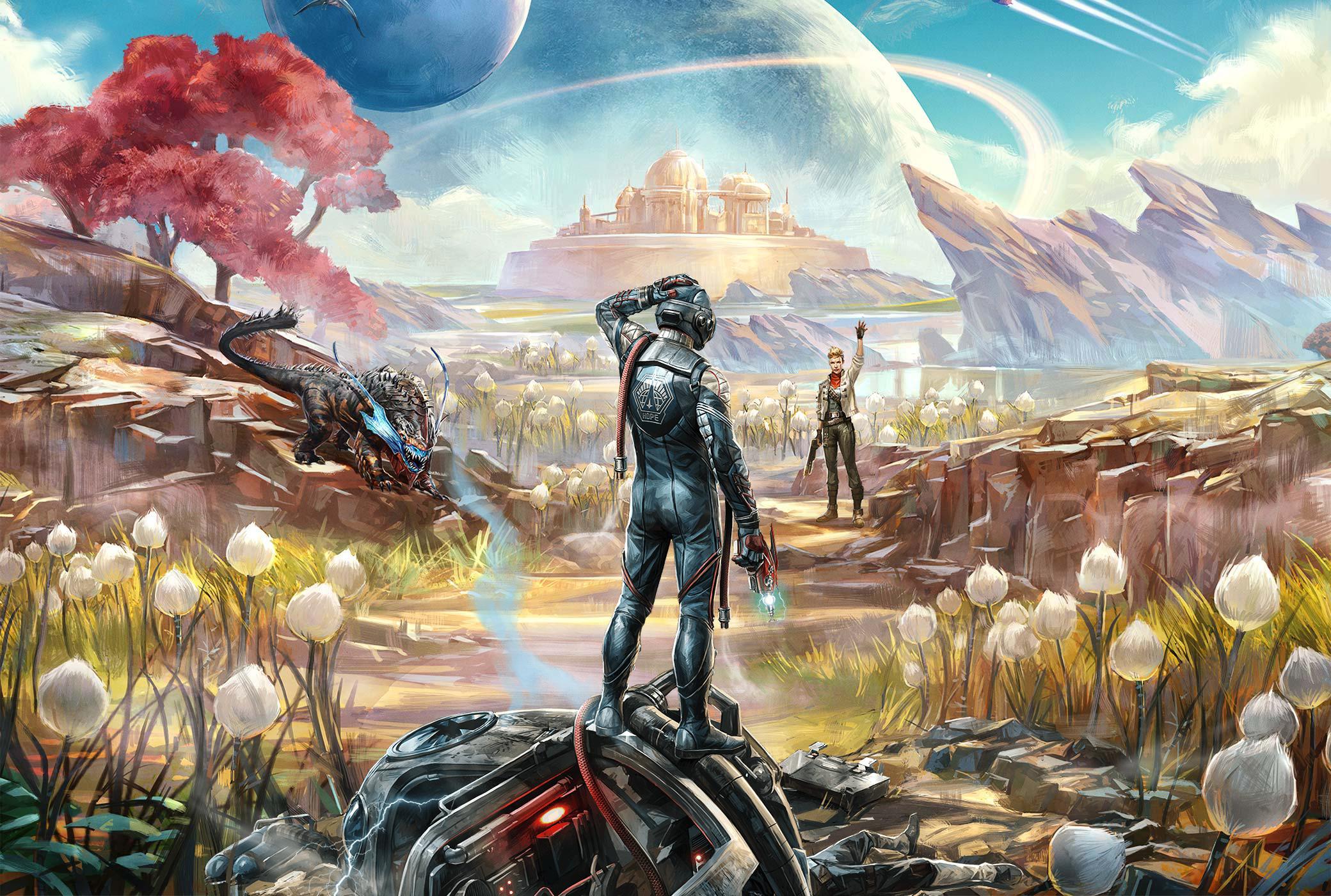
Obsidian Entertainment and Private Division satire a corporate-run colony while detailing Halcyon’s charter, board politics, and colony failures through terminals and quests. Company slogans, employee files, and lab notes expose the economics behind each settlement. Companion questlines reveal faction histories and personal stakes tied to larger governance problems. Obsidian’s codex-lite approach uses dialogue skills and exploration to surface deeper corporate lore.
Share your own favorite deep-lore discoveries—and which entries we should add next—in the comments!