

20 Games With The Best Idle Animations




Idle animations are the little flourishes that bring characters to life when you set the controller down, and some games turn those moments into tiny showcases of personality and craft. From characters tapping their feet to full-on gag routines, these touches can hint at world-building, reflect status effects, or even trigger secrets. Below are standout examples across platformers, fighters, RPGs, and open-world epics. Each entry notes who made the game and what the idle actually does so you know why it sticks in players’ memories.
‘Sonic the Hedgehog’ (1991)
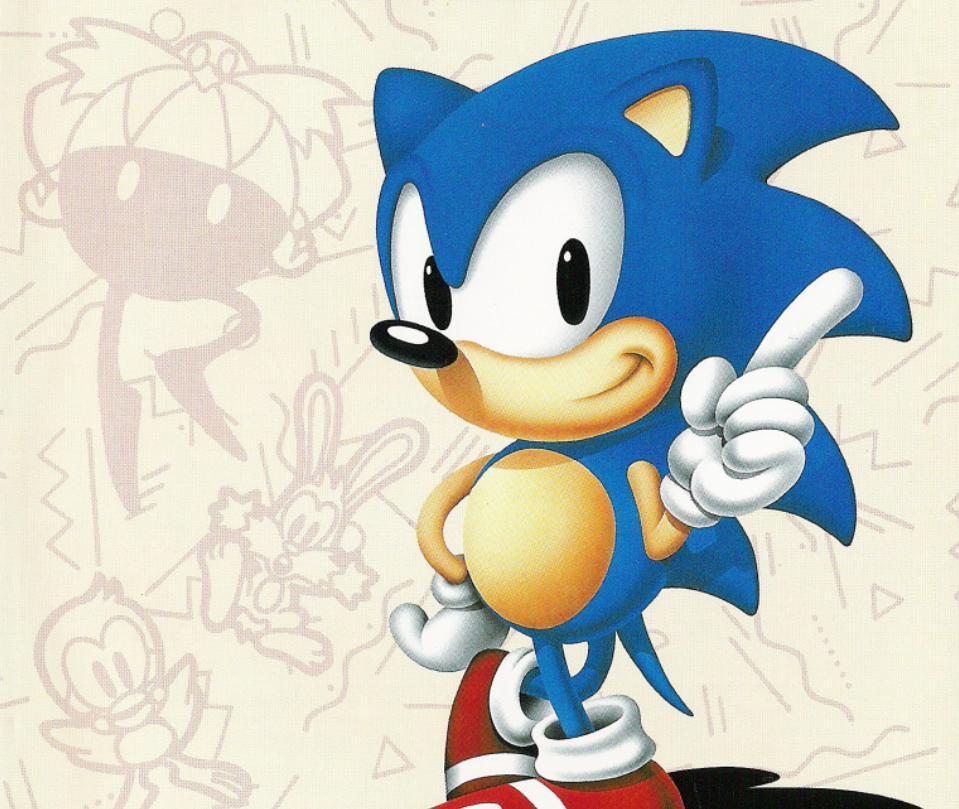
Developed by Sonic Team and published by Sega, this classic gives Sonic a signature foot-tapping stare-down if you stop moving on a platform. The idle triggers within seconds and loops, visually nudging players to keep the pace up. It’s a simple animation cycle that reinforces the franchise’s speed-first design philosophy. The animation became a series hallmark, referenced and iterated on in later entries.
‘Sonic CD’ (1993)
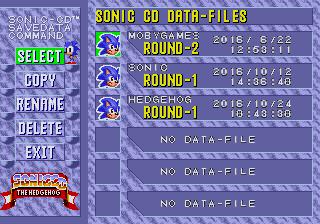
Created by Sega for the Sega CD, this entry expands the idea by letting Sonic literally leap off the screen if you ignore him long enough. After several idle cycles, he glances at the camera and eventually dashes away, prompting a level reset. It’s an uncommon use of idle as a mild “punishment” that fits the game’s momentum-driven identity. The routine is time-based and can be observed on most standard stages.
‘Earthworm Jim’ (1994)
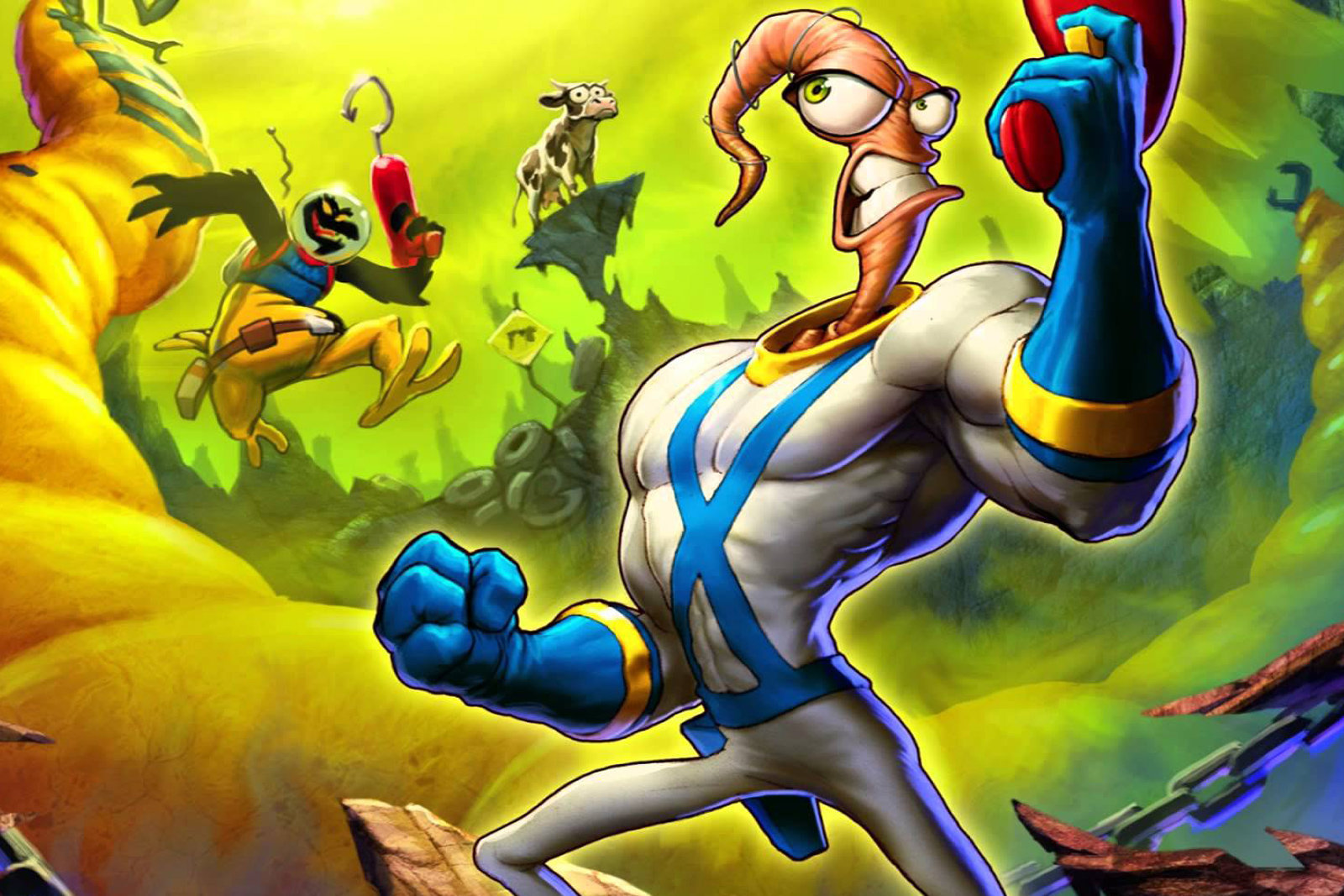
Shiny Entertainment developed and Playmates Interactive published this platformer packed with slapstick idles. Jim twangs himself like a guitar, lassos his own worm body, or plays with his blaster depending on context and duration. The idles are multi-stage, swapping gags if you wait longer, which gives them unusual depth for the era. They’re purely cosmetic but became a marketing hook for the game’s humor.
‘Donkey Kong Country’ (1994)
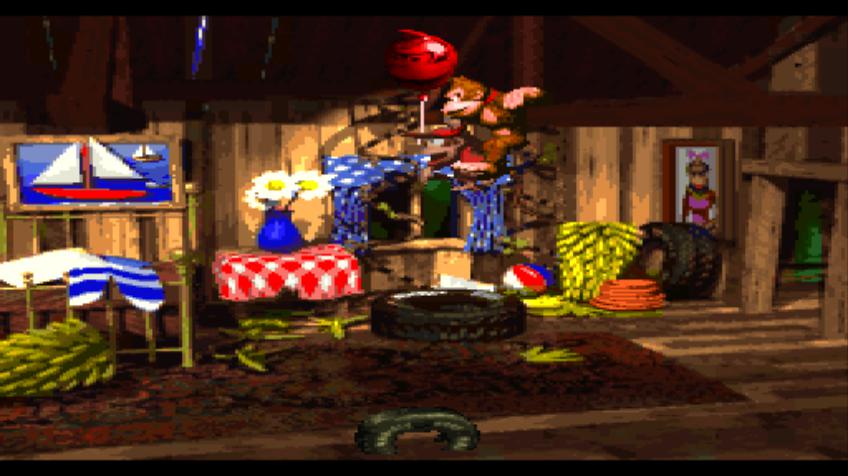
Built by Rare and published by Nintendo, this game uses pre-rendered sprites to make expressive idles. Donkey Kong drums on the ground while Diddy tosses and juggles his cap, with variations depending on which character is active. The animations help distinguish roles without HUD changes and subtly communicate character temperament. Idle timing is short, so the loop appears frequently during cautious platforming.
‘Rayman’ (1995)
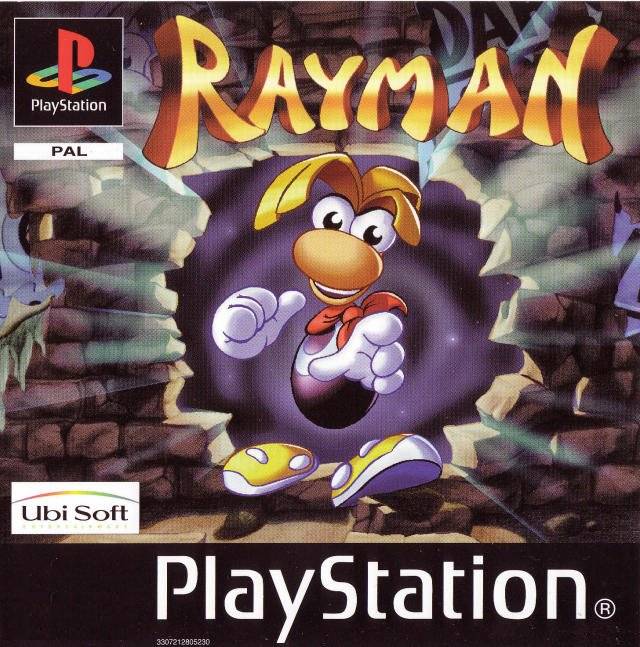
Developed by Ubisoft Montpellier and published by Ubisoft, this side-scroller features Rayman crossing his arms, stretching, and glancing around when left alone. The limbless design makes the idle’s squash-and-stretch especially readable. It reinforces the cartoon tone while showcasing smooth frame counts for mid-’90s 2D animation. Different environments don’t alter the idle, keeping it consistent across stages.
‘Super Mario 64’ (1996)
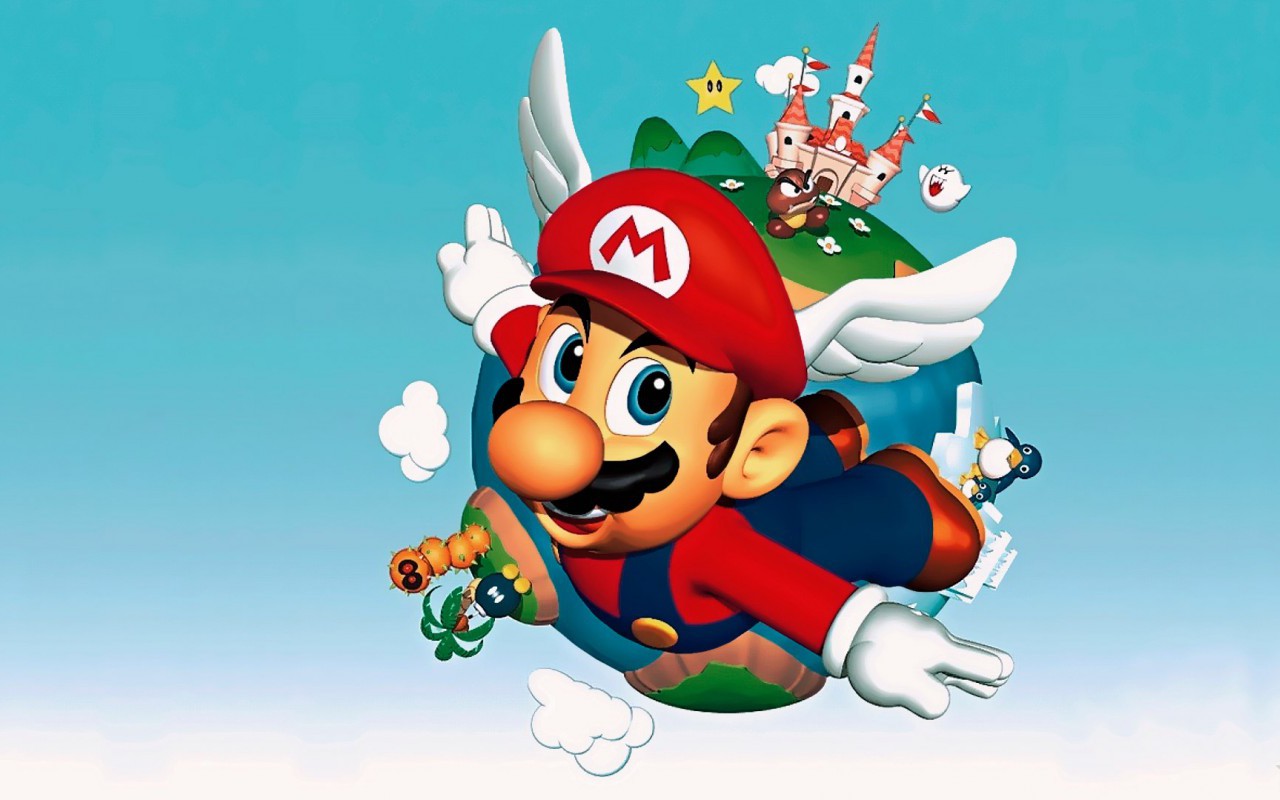
Nintendo EAD developed and Nintendo published this 3D landmark where Mario eventually sits, nods off, and starts snoring if you pause too long. He murmurs about spaghetti and ravioli, an audio touch that pairs with a multi-phase sleep animation. The sequence resets once you move the stick, and it does not affect health or power-ups. It’s a gentle reminder of the game’s playful character focus in a new 3D space.
‘Crash Bandicoot’ (1996)
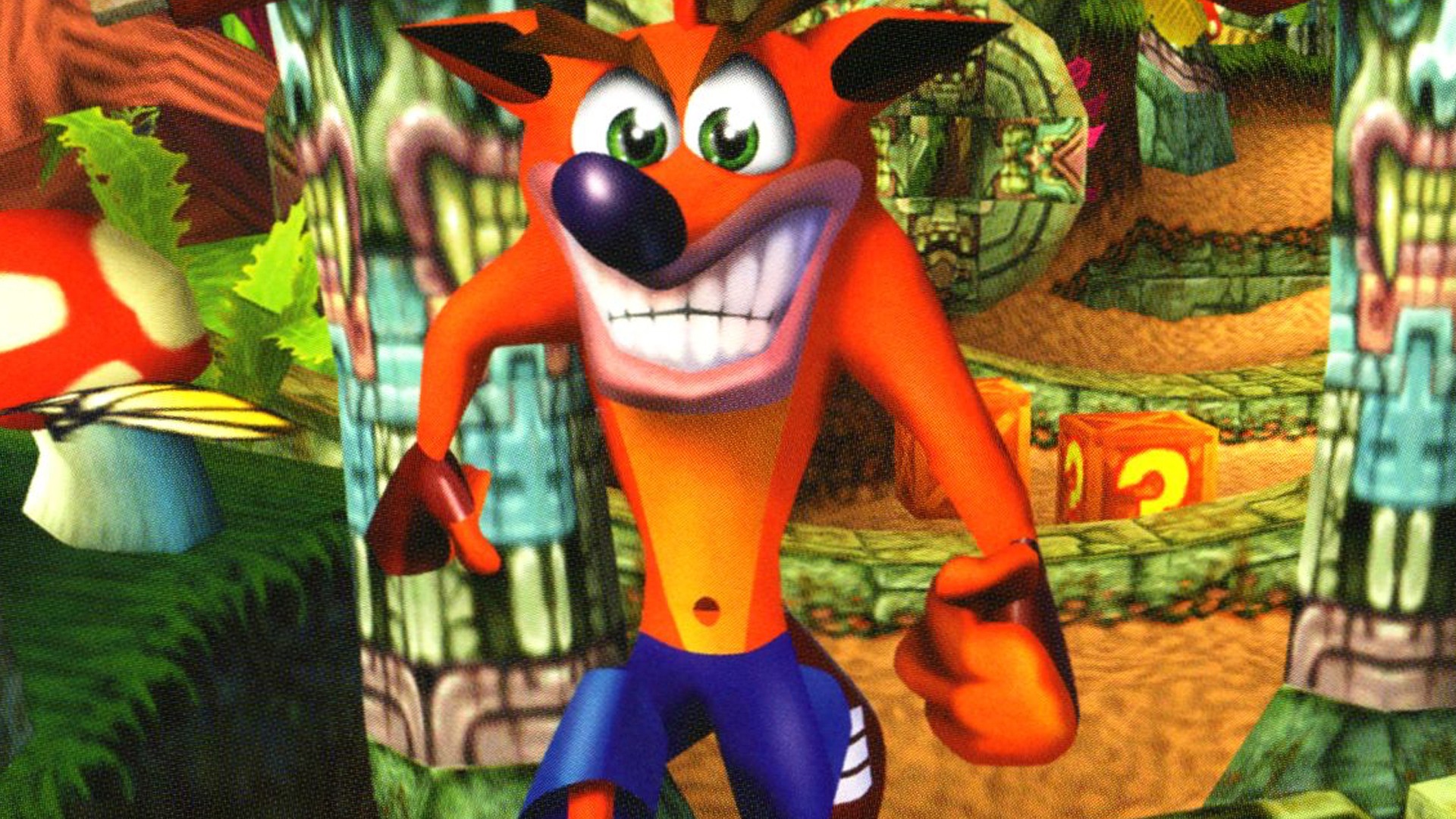
Created by Naughty Dog and published by Sony Computer Entertainment, this platformer has Crash yawn, scratch, and perform a goofy dance after extended inactivity. The routine varies slightly by entry, but the first game’s idle already establishes his chaotic energy. The cycles are timed so short idles show quick fidgets while longer waits trigger bigger bits. It complements crate-breaking slapstick with character-building downtime.
‘Banjo-Kazooie’ (1998)
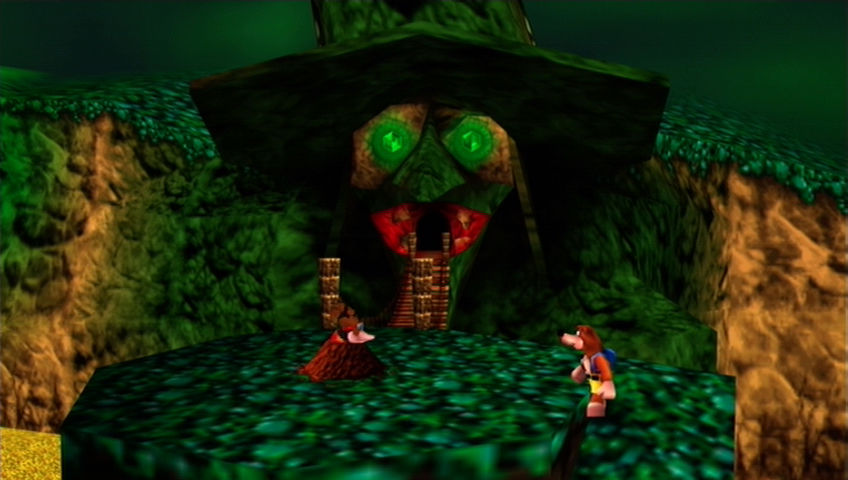
Developed by Rare and published by Nintendo, this collect-a-thon features Banjo dozing off while Kazooie pecks or shifts impatiently in the backpack. The duo’s shared idle sells their odd-couple dynamic without dialogue. Timing changes which character “leads” the bit, giving multiple beats if you linger. It’s a small, readable loop that matches the game’s warm, character-driven design.
‘Spyro the Dragon’ (1998)
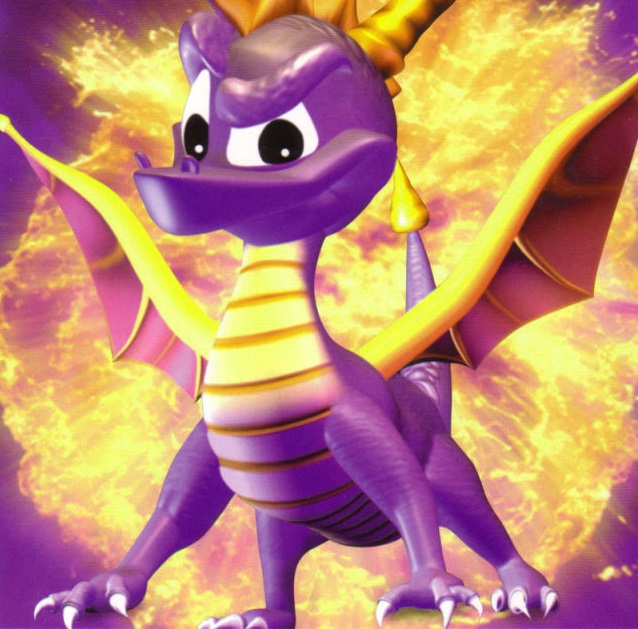
Insomniac Games developed and Sony Computer Entertainment published this colorful platformer where Spyro scratches his head, snorts smoke, and tracks butterflies during idle. These subtle loops help sell his curious, youthful persona. The animations also telegraph the world’s liveliness as nearby critters react on their own schedules. Different camera angles keep the idle appealing during exploration pauses.
‘Street Fighter III: 3rd Strike’ (1999)
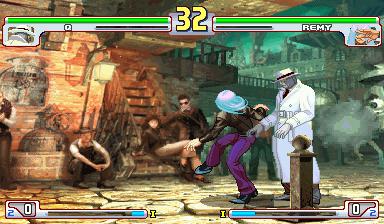
Capcom developed and published this fighter with some of the most intricate idle stances in the genre. Every character’s neutral pose subtly breathes, shifts weight, or readies a guard—Makoto’s bouncing stance and Dudley’s composed guard are standouts. The idles are frame-rich and emphasize each combatant’s style before any attack is thrown. They also provide clean visual baselines for hitbox readability at neutral.
‘Jak and Daxter: The Precursor Legacy’ (2001)
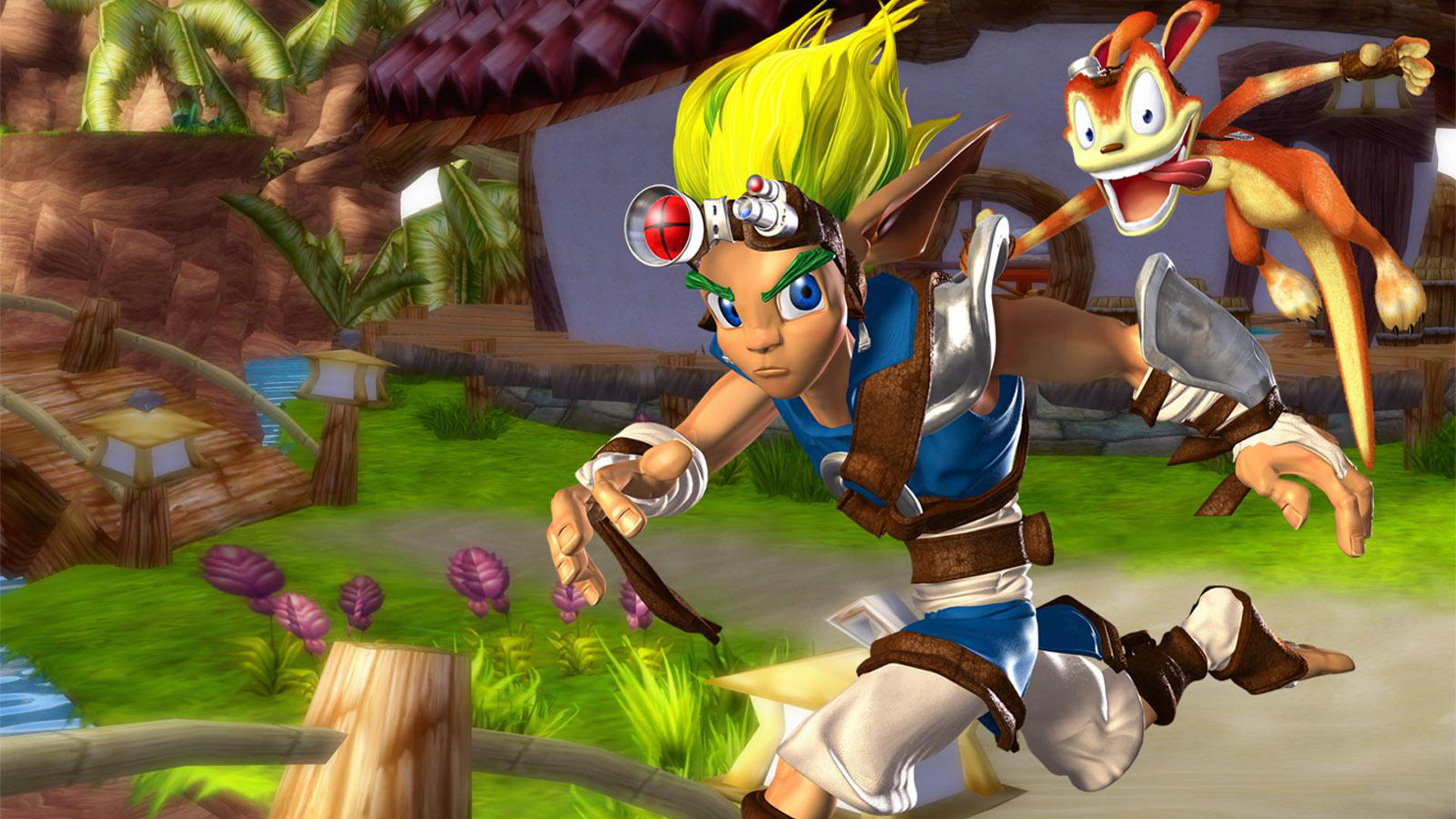
Developed by Naughty Dog and published by Sony Computer Entertainment, this adventure has Jak stretching while Daxter cracks jokes or reacts during idle. The animations cue light personality moments between platforming sections. Longer wait times can trigger extra gags, rewarding curiosity without affecting progression. It’s a bridge between ’90s mascot idles and more cinematic character beats.
‘The Legend of Zelda: The Wind Waker’ (2002)
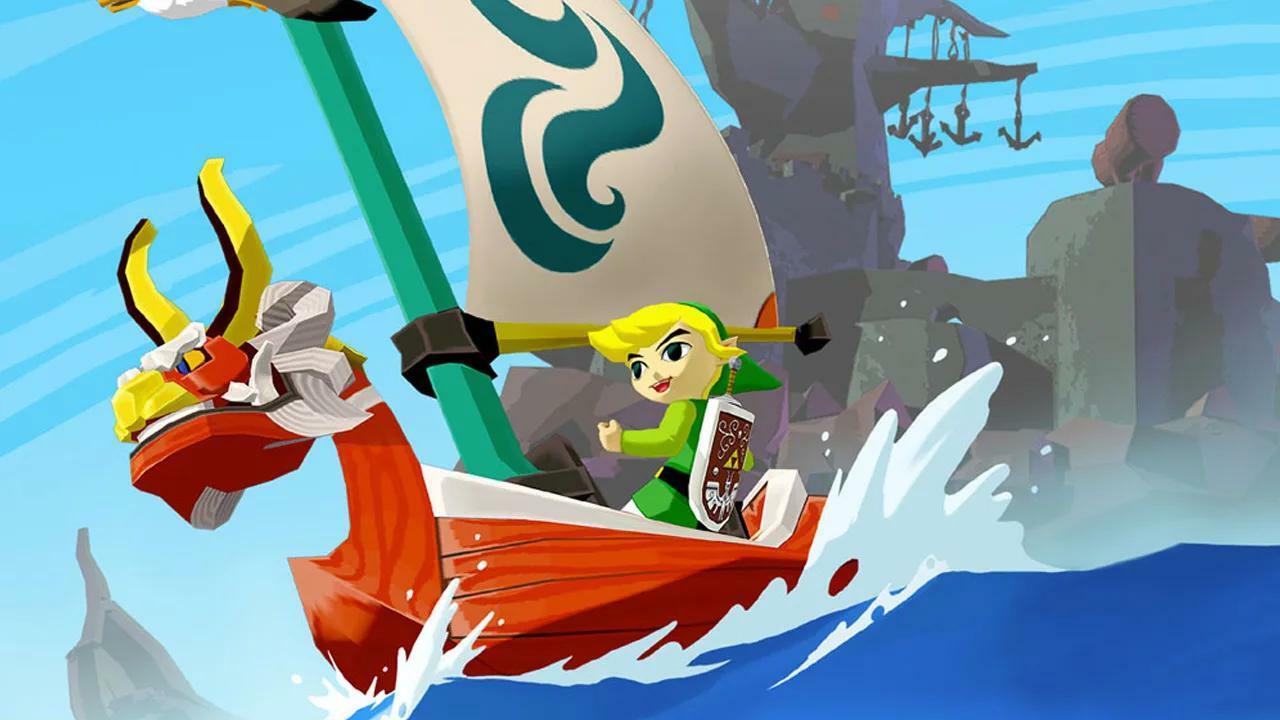
Nintendo EAD developed and Nintendo published this cel-shaded entry where Toon Link blinks, shifts his stance, and lets his eyes track points of interest during idle. The expressive face rig keeps micro-movements readable at distance. These idles integrate with the game’s broader “expressive eyes” system that hints at interactable objects. It’s aesthetic and functional, supporting exploration without UI prompts.
‘Ratchet & Clank’ (2002)
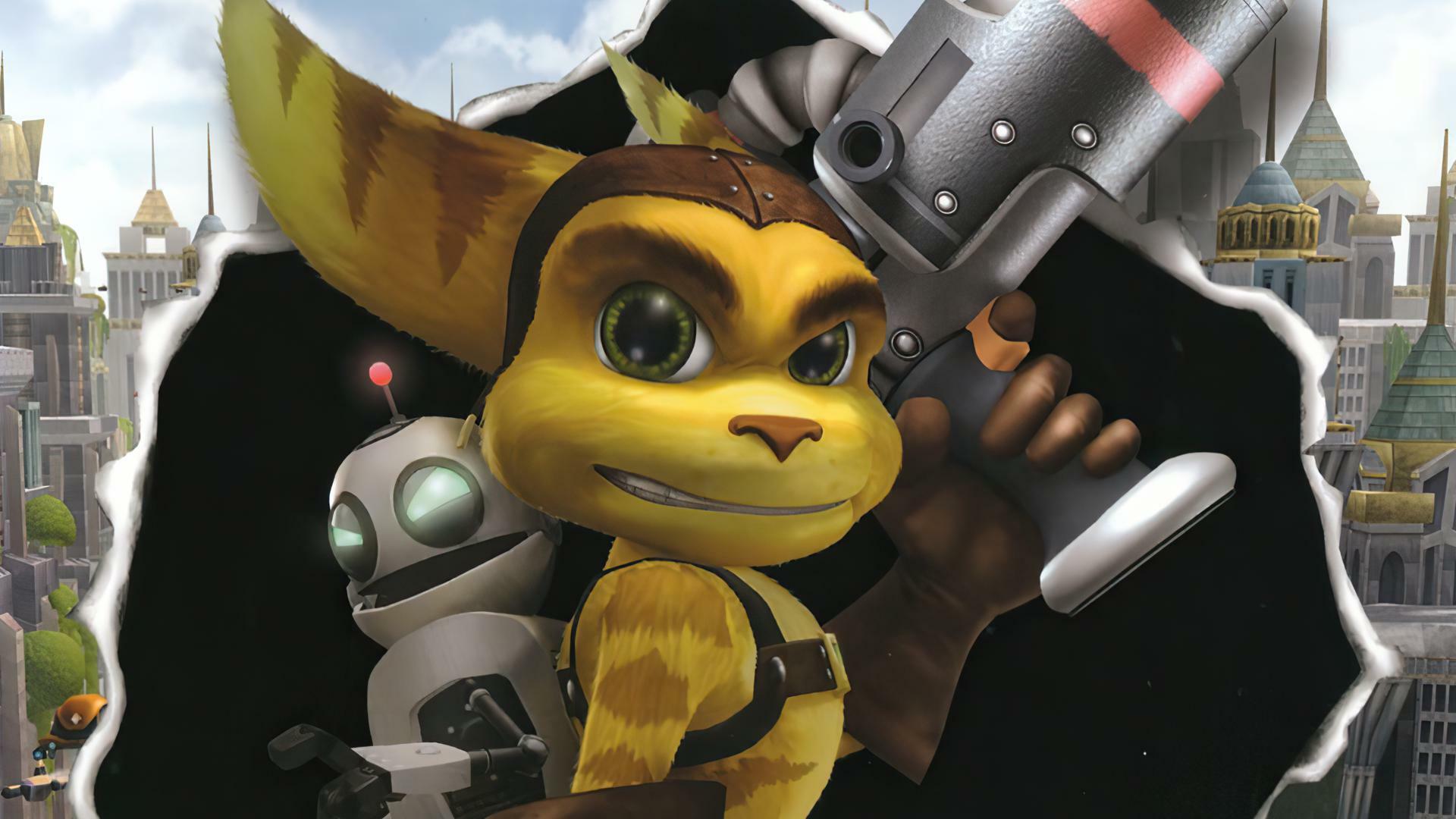
Insomniac Games developed and Sony Computer Entertainment published this action-platformer featuring Ratchet twirling his wrench or glancing at Clank when idle. Weapon-specific idles subtly vary based on what’s equipped. The loops underline tool-centric gameplay while giving personality to the duo’s partnership. They occur frequently in hub areas, keeping downtime visually engaging.
‘Kingdom Hearts’ (2002)
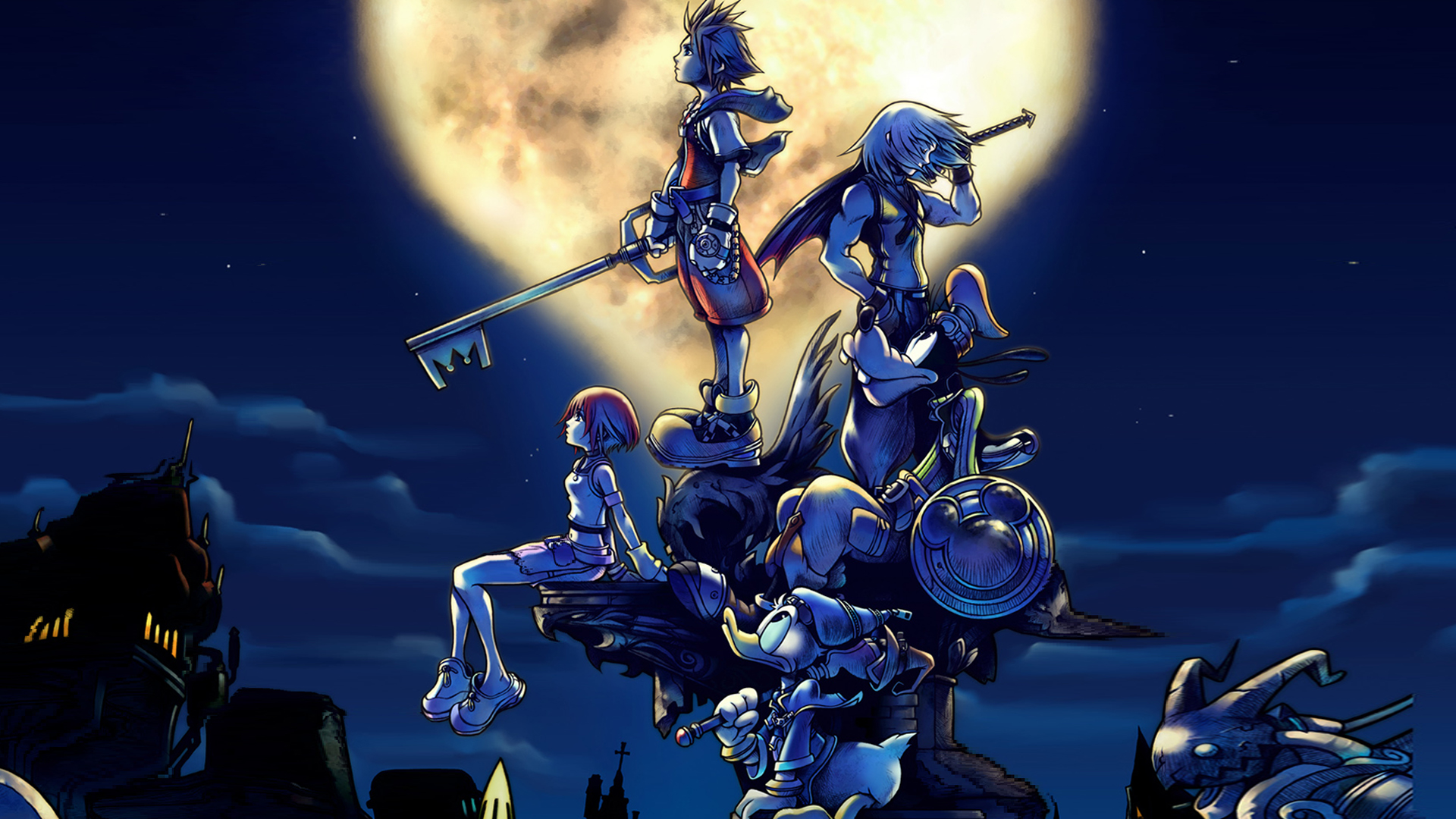
Developed by Square (later Square Enix) and published by Square, this crossover has Sora shifting weight while Donald and Goofy run their own idle cycles. Party idles differ per character, reinforcing combat roles at a glance. The animations continue in towns and fields, maintaining world cohesion between battles. They’re purely cosmetic but deepen the Disney–Square mash-up’s character readability.
‘LittleBigPlanet’ (2008)
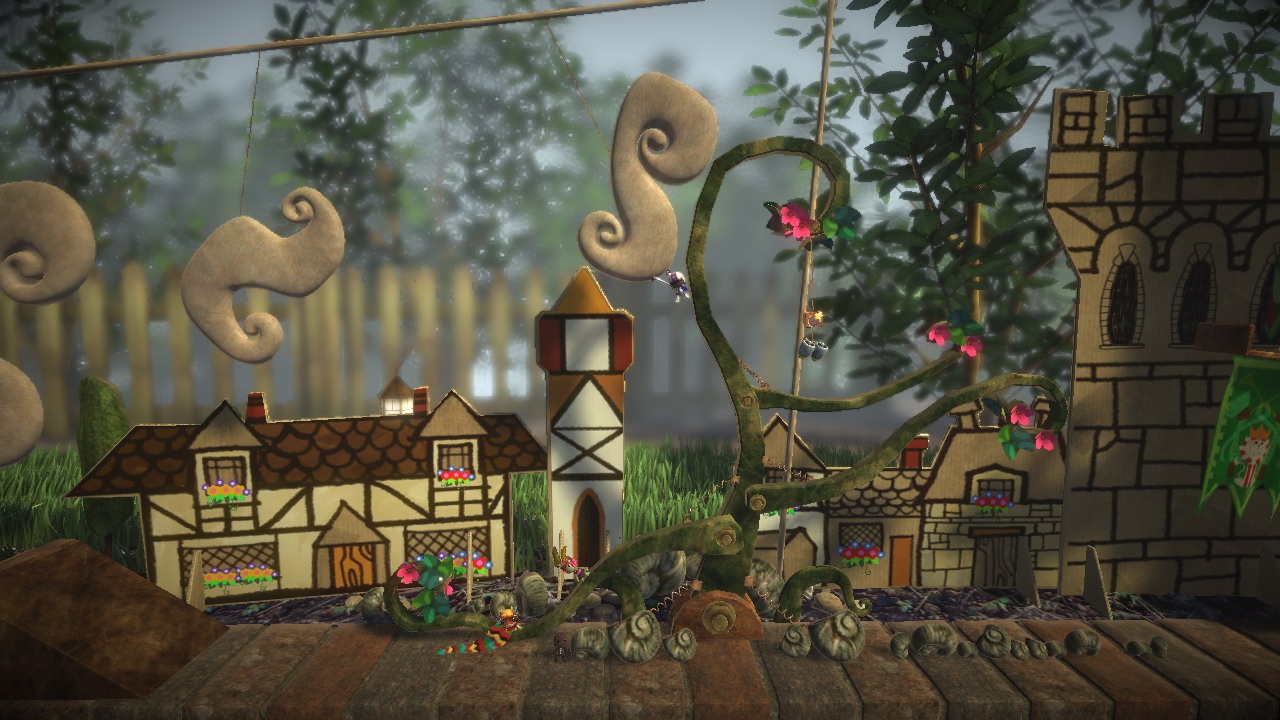
Media Molecule developed and Sony Computer Entertainment published this creation-platformer starring Sackboy, whose idle reacts to physics and expression inputs. He slumps, looks around, or teeters if perched on edges, all using the same puppet-style rig. The animations are deliberately gentle to spotlight user-made levels rather than distract. They also blend with emotes, encouraging playful customization.
‘Ori and the Blind Forest’ (2015)
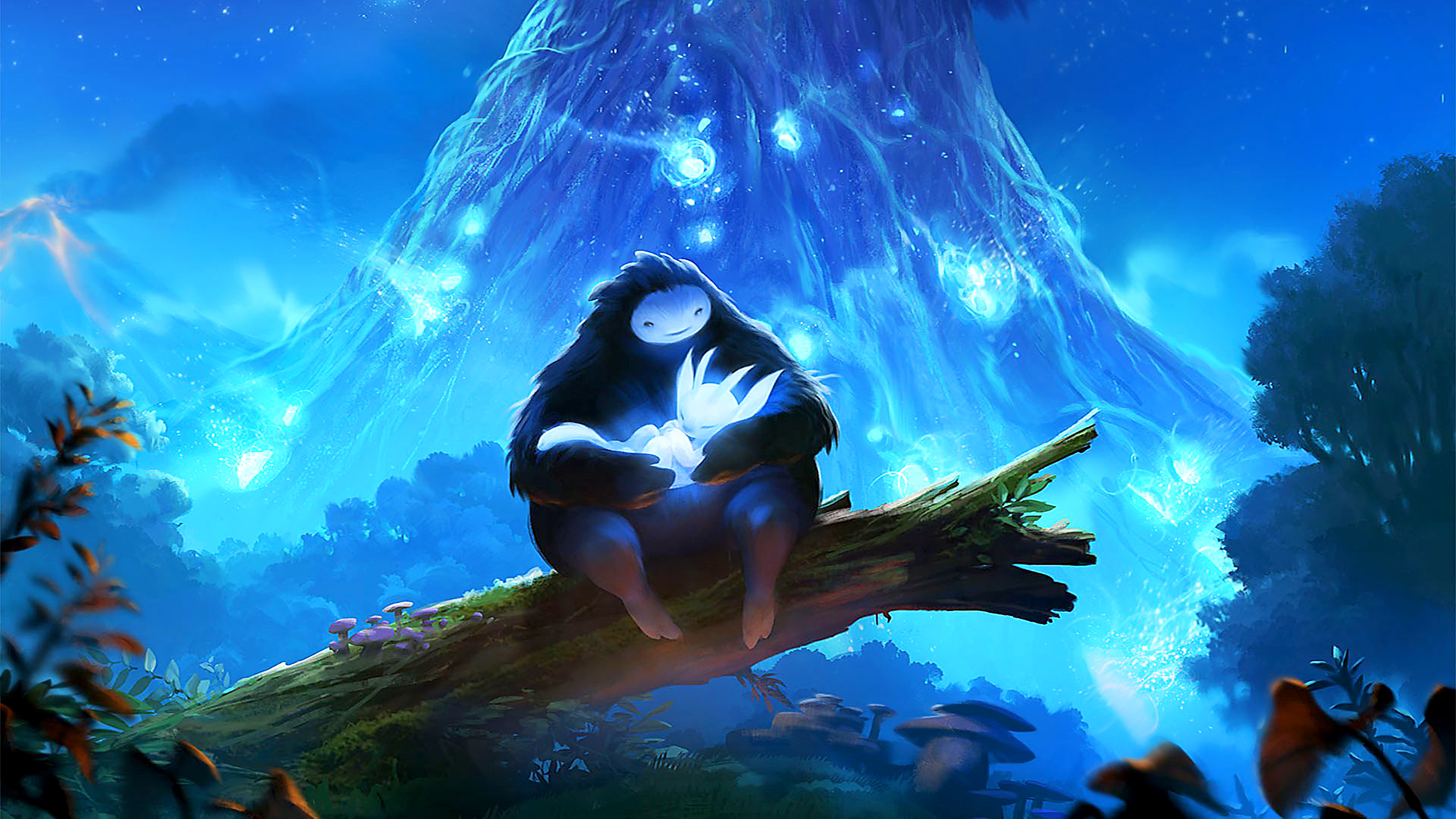
Developed by Moon Studios and published by Microsoft Studios, this metroidvania gives Ori a delicate breathing idle with ear twitches and tail sways. The animation emphasizes fragility in contrast to the dangerous environments. Subtle ambient particles and lighting make the idle feel rooted in the scene. It’s a quiet touch that highlights the game’s painterly presentation.
‘The Witcher 3: Wild Hunt’ (2015)
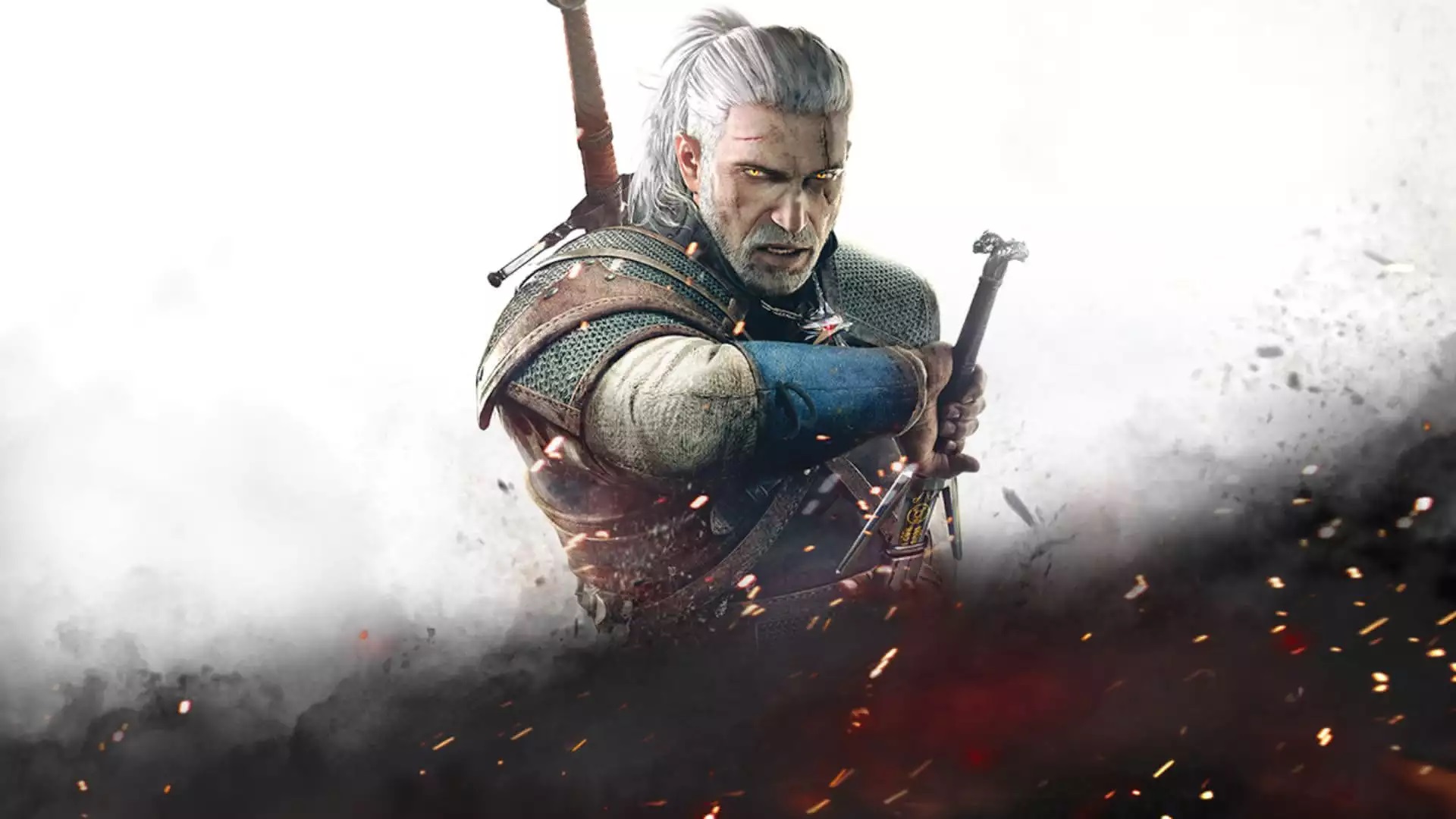
CD Projekt Red developed and CD Projekt published this open-world RPG where Geralt shifts posture, adjusts his swords, and breathes visibly in colder regions during idle. Roach also has stable idles—ear flicks, head tosses, and hoof stamps—that sell creature believability. Weather and time of day complement the cycles, keeping scenes from feeling static. These idles help conversations and exploration feel grounded.
‘The Legend of Zelda: Breath of the Wild’ (2017)
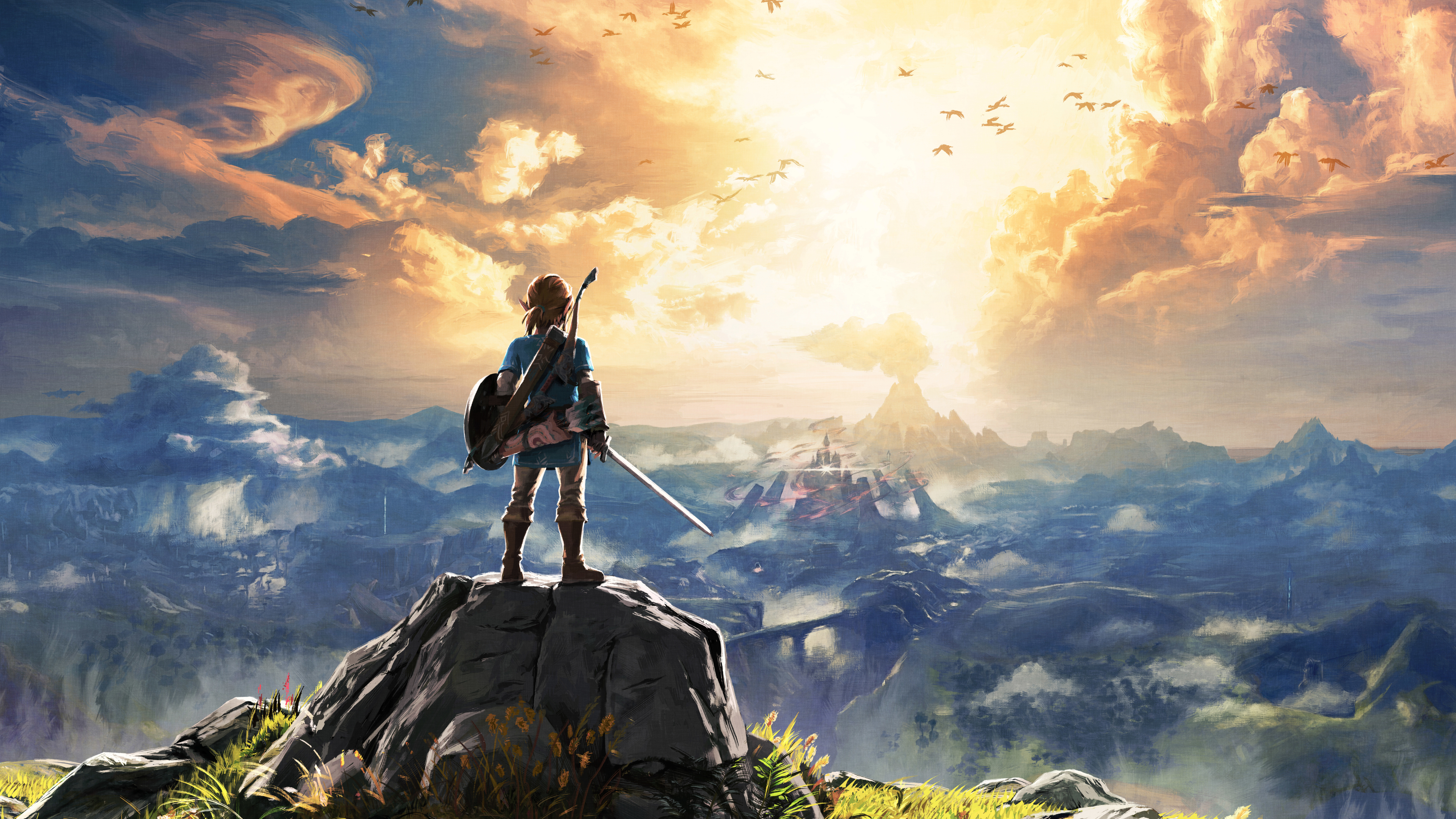
Developed by Nintendo EPD and published by Nintendo, this open-world entry lets Link shiver in cold, fan himself in heat, and casually adjust gear when idle. These context-aware idles communicate environmental status without relying solely on UI. They also sync with clothing choices, reinforcing survival systems at a glance. The animations reset smoothly once you input movement or actions.
‘Cuphead’ (2017)
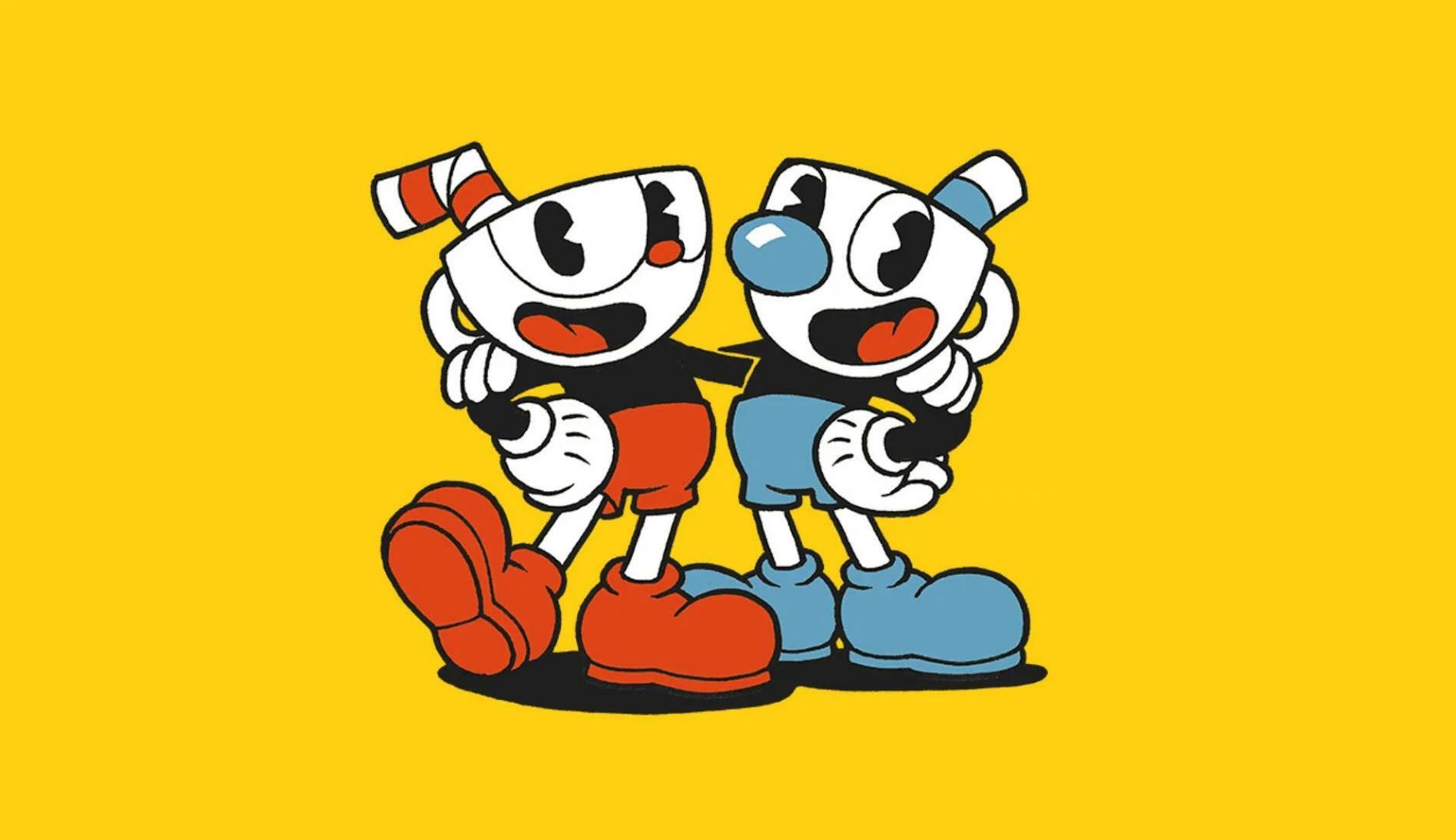
Studio MDHR developed and published this run-and-gun with 1930s cartoon idles where Cuphead bounces on rubber-hose limbs and finger-guns click subtly at rest. The cycles are timed to the music’s tempo in many areas, keeping visual rhythm. Bosses feature their own micro-idles that foreshadow attack patterns. The cohesive animation direction makes even standing still feel stylistically on-beat.
‘Red Dead Redemption 2’ (2018)
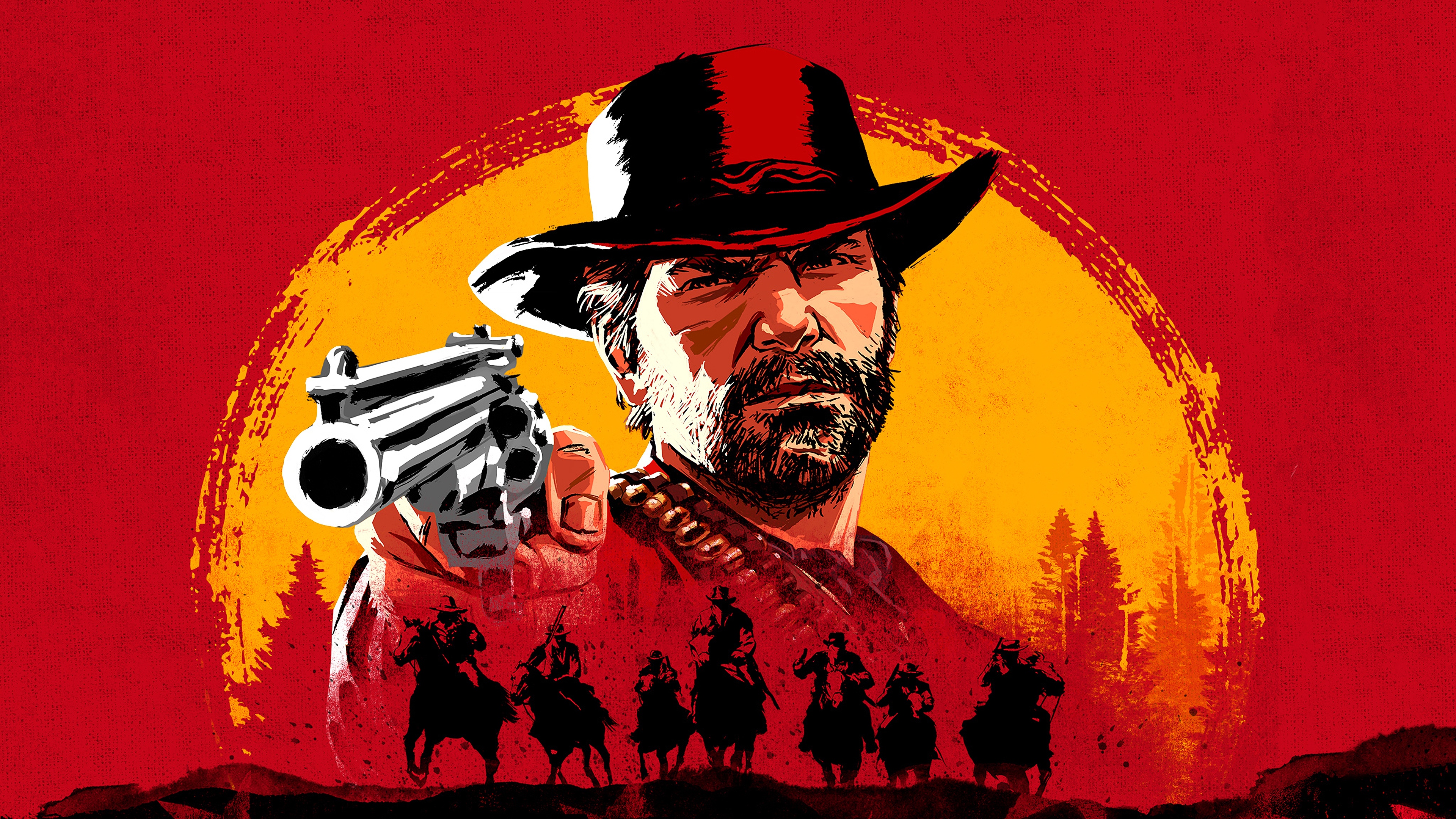
Rockstar Games developed and published this open-world epic with systemic idles for Arthur Morgan, from coat adjustments to checking his revolver. NPCs, animals, and your horse run independent idle loops, creating dense ambient life. Weather, mud, and fatigue influence how often certain fidgets appear, reinforcing simulation depth. These background cycles knit scenes together during camp downtime and long vistas.
Share your favorite idle animations in the comments—what did we miss, and which tiny details made you smile?