

20 Iconic Voice Performances In Gaming

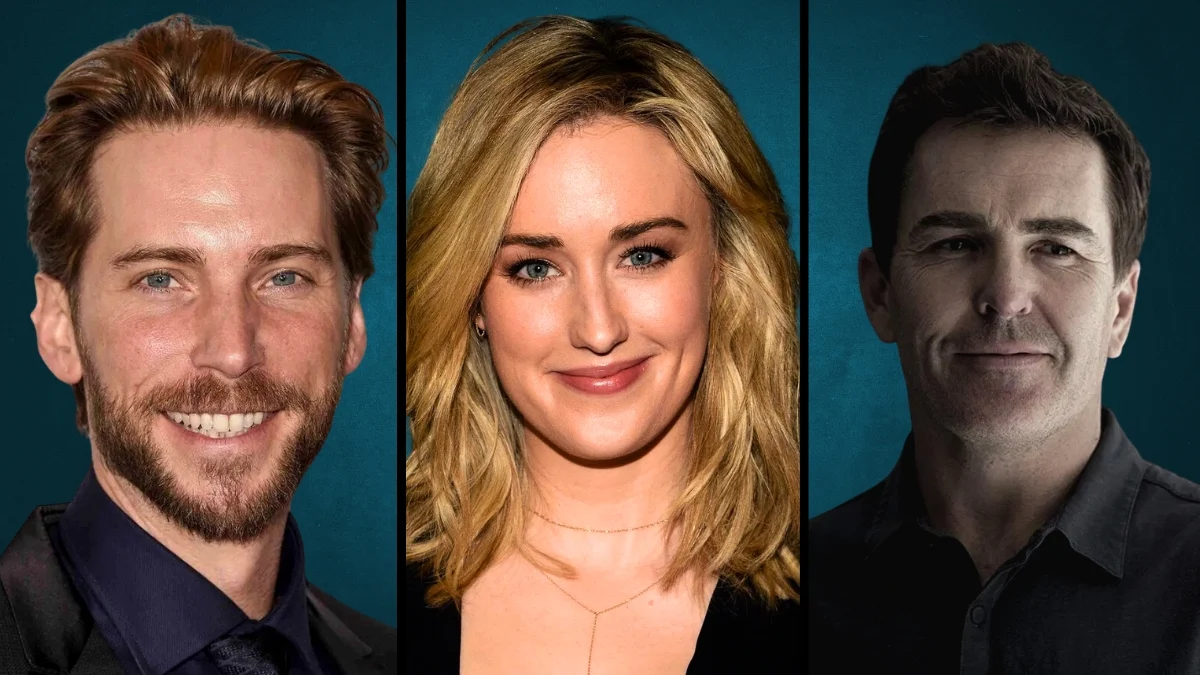


From gravelly anti-heroes to AI with a cutting wit, game characters live or die by the voices behind them. These performances shaped series identities, defined entire eras of console generations, and set technical benchmarks for performance capture, localization, and sound design. Below are standout roles that paired meticulous direction with actors who built fully realized characters across multiple entries, remasters, and ports.
Nolan North as Nathan Drake — Uncharted series
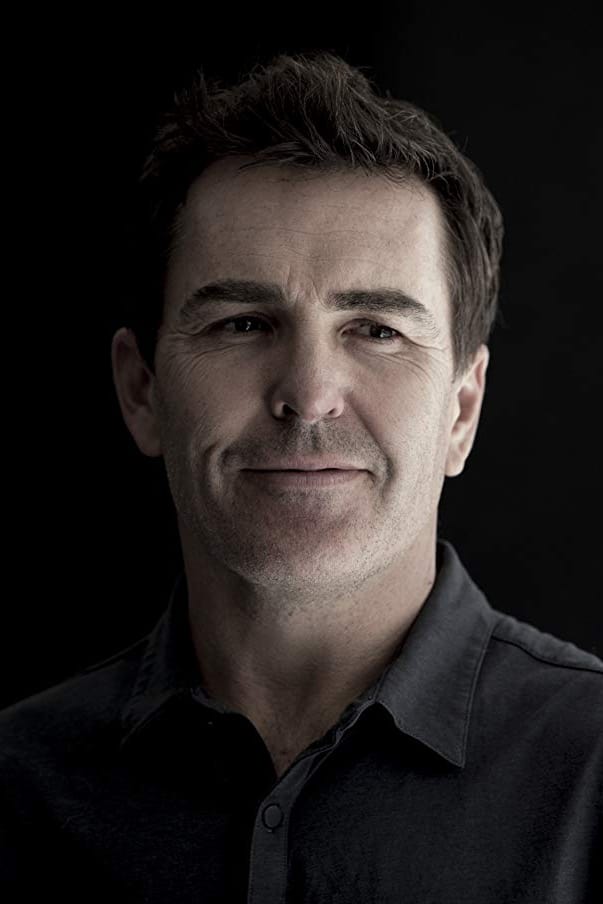
North originated treasure-hunter Nathan Drake in Naughty Dog’s ‘Uncharted: Drake’s Fortune’ on PlayStation 3, continuing through sequels, the PS4 remasters, and ‘Uncharted 4: A Thief’s End’. The role blended full performance capture with extensive stunt and facial work on Sony’s stages. North also recorded reactive barks for traversal, puzzle hints, and combat systems to support systemic gameplay. The character’s voice set the template for action-adventure leads throughout the late 2000s and 2010s.
Troy Baker as Joel — The Last of Us series
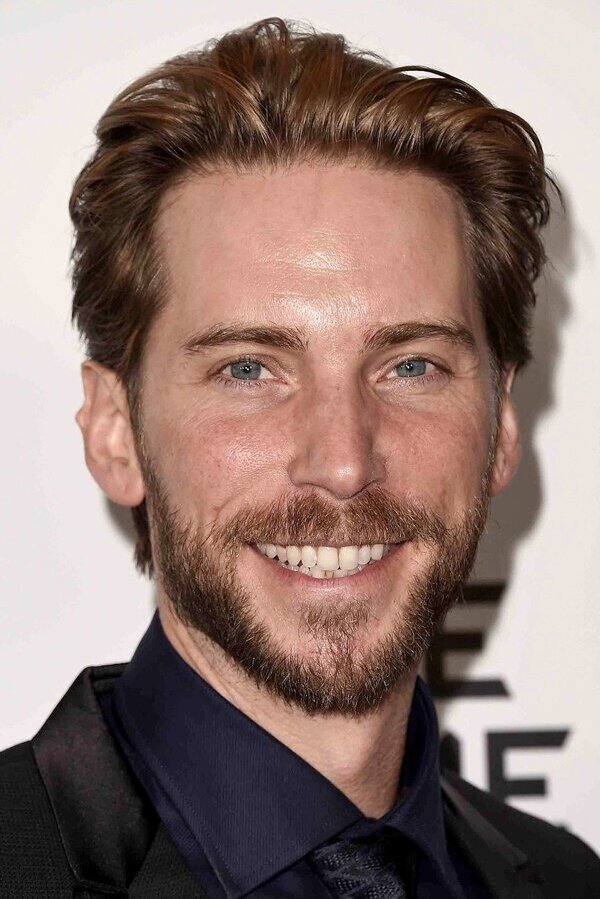
Baker portrayed Joel in Naughty Dog’s 2013 release and its later entries, combining voice with facial and body capture. Sessions were recorded alongside scene partners to preserve timing for narrative beats. The character’s dialogue covers stealth, crafting, and companion commands, requiring alt takes for dynamic encounters. Baker reprised the role for remasters and expansions across PlayStation generations and PC.
Ashley Johnson as Ellie — The Last of Us series
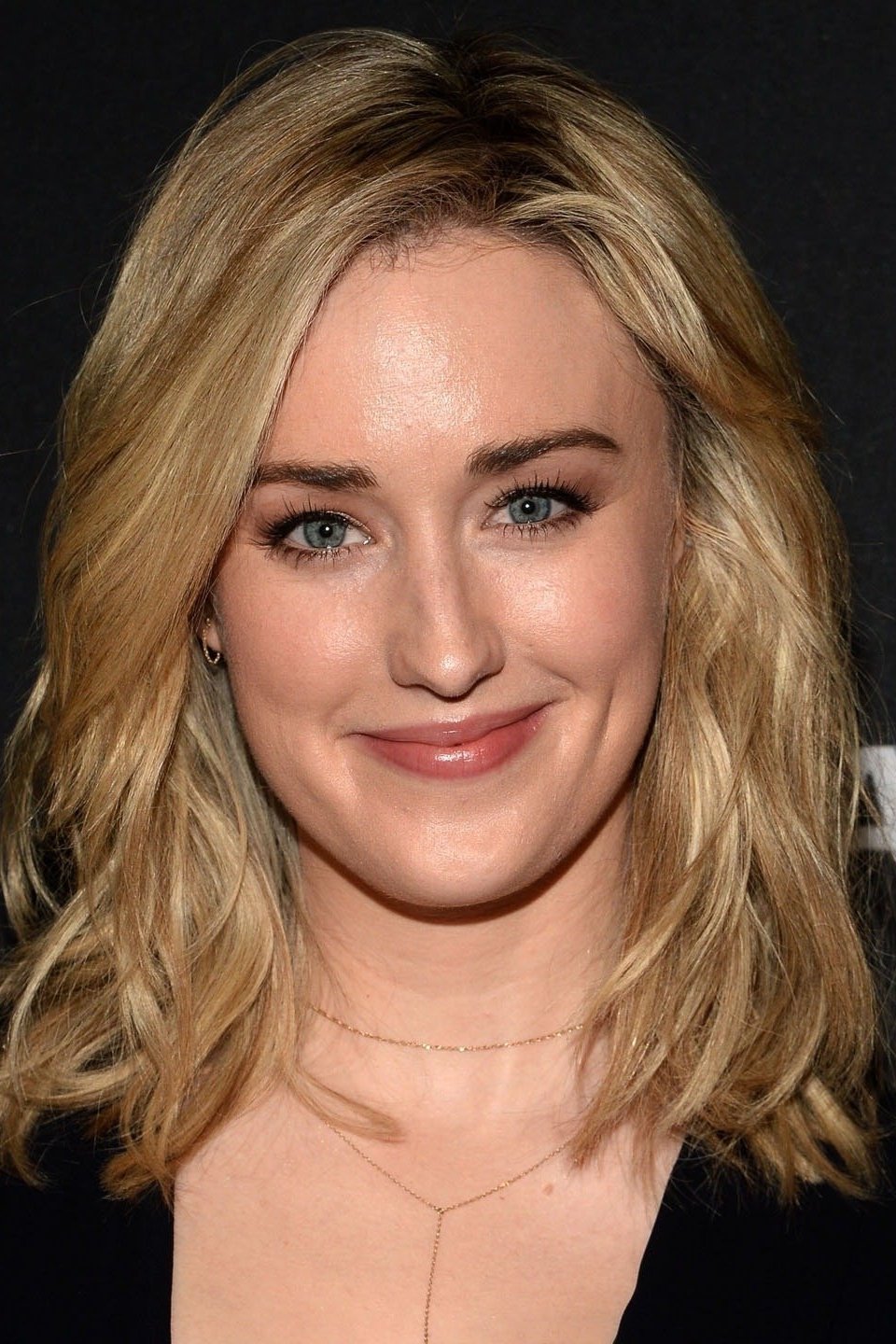
Johnson played Ellie from the original game through subsequent chapters and standalone content. The production captured full-body performances, with extensive on-set work to sync combat grunts, melee impacts, and cinematic dialogue. Recording included youth to adult vocal ranges to match time jumps and flashbacks. Ellie’s systemic lines were localized into multiple languages using Johnson’s tracks as the reference cadence.
Jennifer Hale as Commander Shepard — Mass Effect series
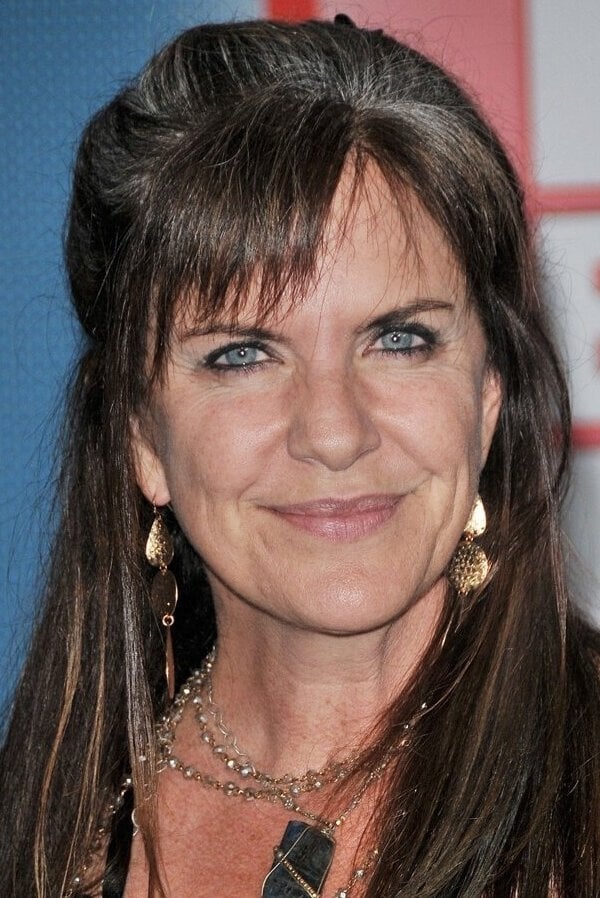
Hale voiced the female version of Commander Shepard across BioWare’s trilogy and the Legendary Edition. The role required recording branching dialogue trees supporting Paragon and Renegade paths, squad banter, and romance routes. Sessions coordinated with a cast of squadmates to maintain conversational continuity despite non-linear player choices. Hale’s performance anchors shipboard systems, from codex entries to combat callouts.
Mark Hamill as The Joker — Batman: Arkham series
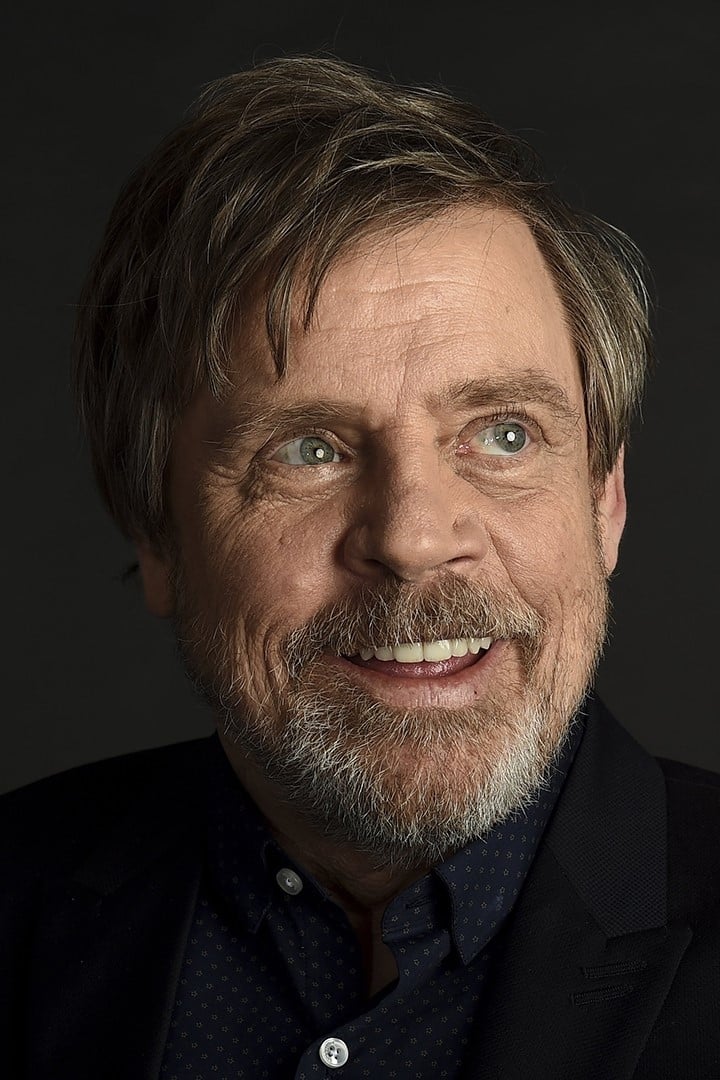
Hamill brought The Joker to Rocksteady’s ‘Batman: Arkham Asylum’ and its sequels, delivering both cinematic scenes and in-world PA taunts. The role leveraged multi-mic setups to capture laughter peaks without clipping while preserving clarity for stealth spaces. Hamill recorded alternate reads for detective mode and boss phases to support gameplay states. His tracks integrate with environmental audio cues throughout the Asylum and Gotham locations.
Kevin Conroy as Batman — Batman: Arkham series
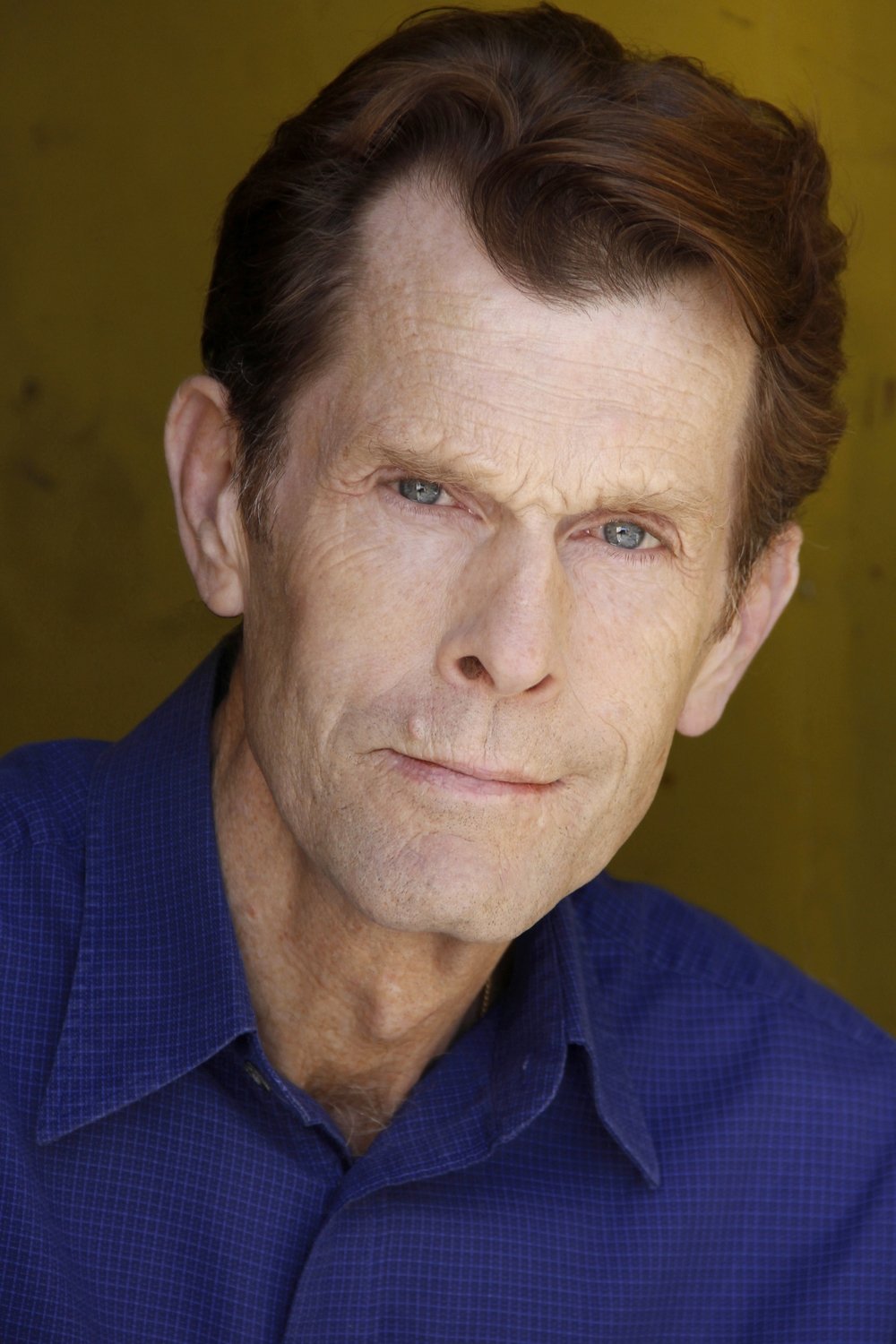
Conroy voiced Bruce Wayne/Batman across Rocksteady’s trilogy, including detective narration, predator encounter barks, and Batmobile comms. The performance encompassed two registers—the public Bruce voice and the suit-filtered vigilante tone. Dialogue was engineered with subtle processing to match cowl acoustics without obscuring diction. Conroy’s work ties into R&D gadget tutorials and AR training modules.
Ellen McLain as GLaDOS — Portal series

McLain performed the Aperture Science AI in Valve’s ‘Portal’ and ‘Portal 2’, recording processed lines later pitched and filtered to a signature timbre. The delivery spans tutorial prompts, environmental storytelling, and end-credit sequences synced to music cues. Alternate lines trigger contextually based on puzzle solutions and player deaths. Her voice is embedded into test chamber systems, turrets, and the facility’s PA network.
David Hayter as Solid Snake/Big Boss — Metal Gear Solid series
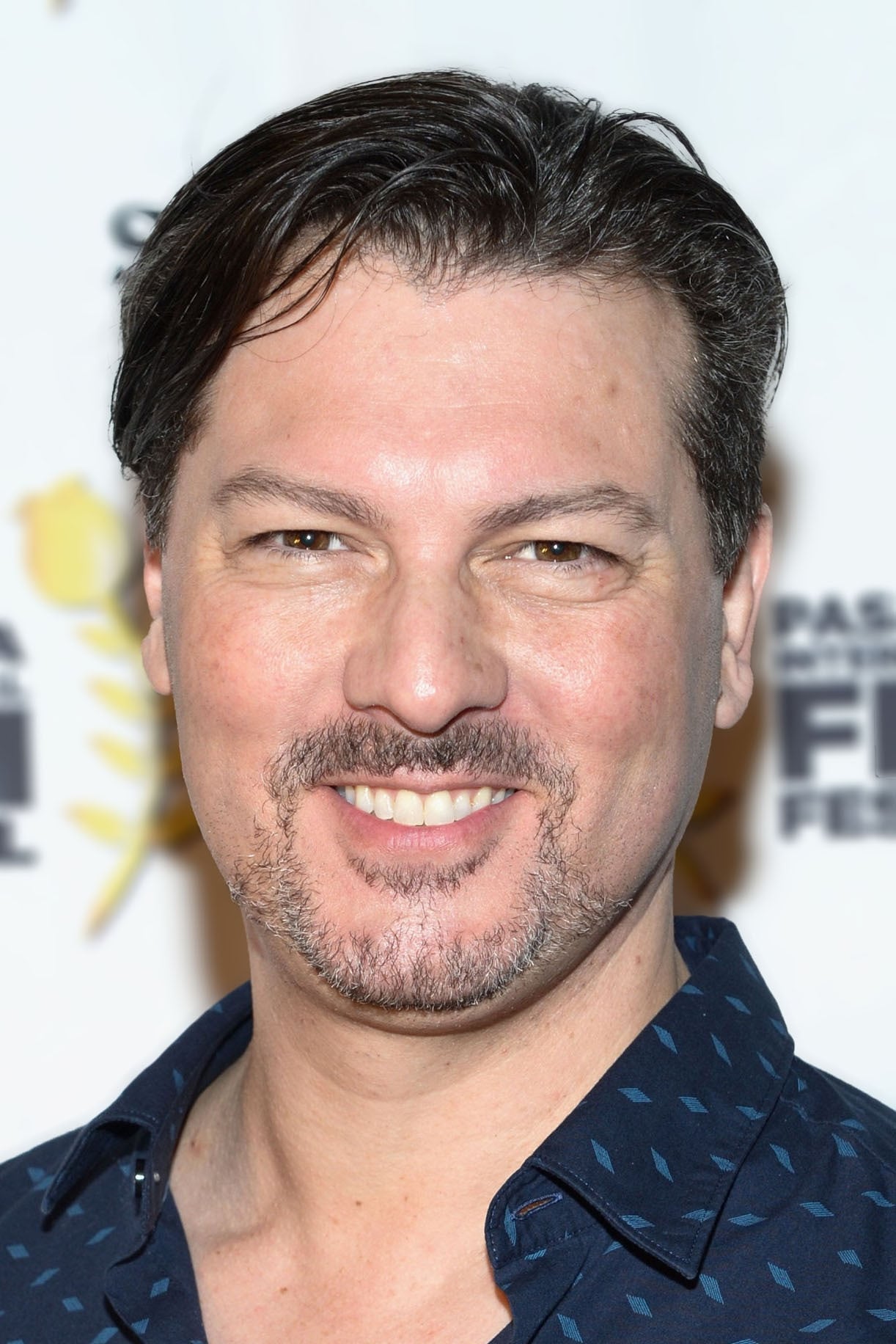
Hayter voiced Solid Snake in ‘Metal Gear Solid’ on PlayStation and continued through major entries, also portraying Naked Snake/Big Boss in prequels. The role included extensive codec conversations that function as both exposition and gameplay guidance. Hayter’s sessions covered multiple difficulty variants and stealth states to maintain consistency across alerts and evasion. His performance became the reference for localized casting and later remakes.
Doug Cockle as Geralt of Rivia — The Witcher series
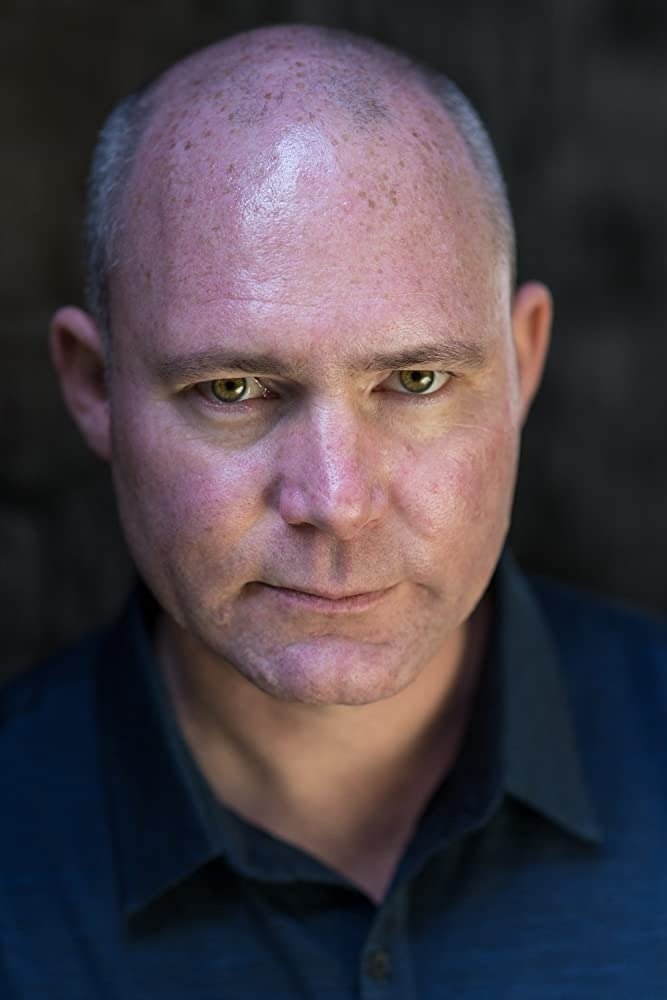
Cockle provided Geralt’s voice across CD Projekt Red’s trilogy and expansions. Recording spanned dialogue choices, combat exertions, potion toxicity states, and horse-riding barks. The team captured alternate line reads for outcomes driven by contracts, alchemy, and Signs to fit branching quest logic. Cockle’s delivery aligns with a mix system that layers ambience from Novigrad, Skellige, and rural biomes.
Roger Clark as Arthur Morgan — Red Dead Redemption 2

Clark’s role combined voice with performance capture across long takes on Rockstar’s stages. Dialogue assets include camp interactions, ambient “greet/antagonize” systems, and honor-dependent variations. The vocal set adapts to weather, health, and bounty states, providing unique lines for cholera towns and masked encounters. Clark recorded regional accents and era-specific diction to match the game’s 1899 setting.
Steven Ogg as Trevor Philips — Grand Theft Auto V
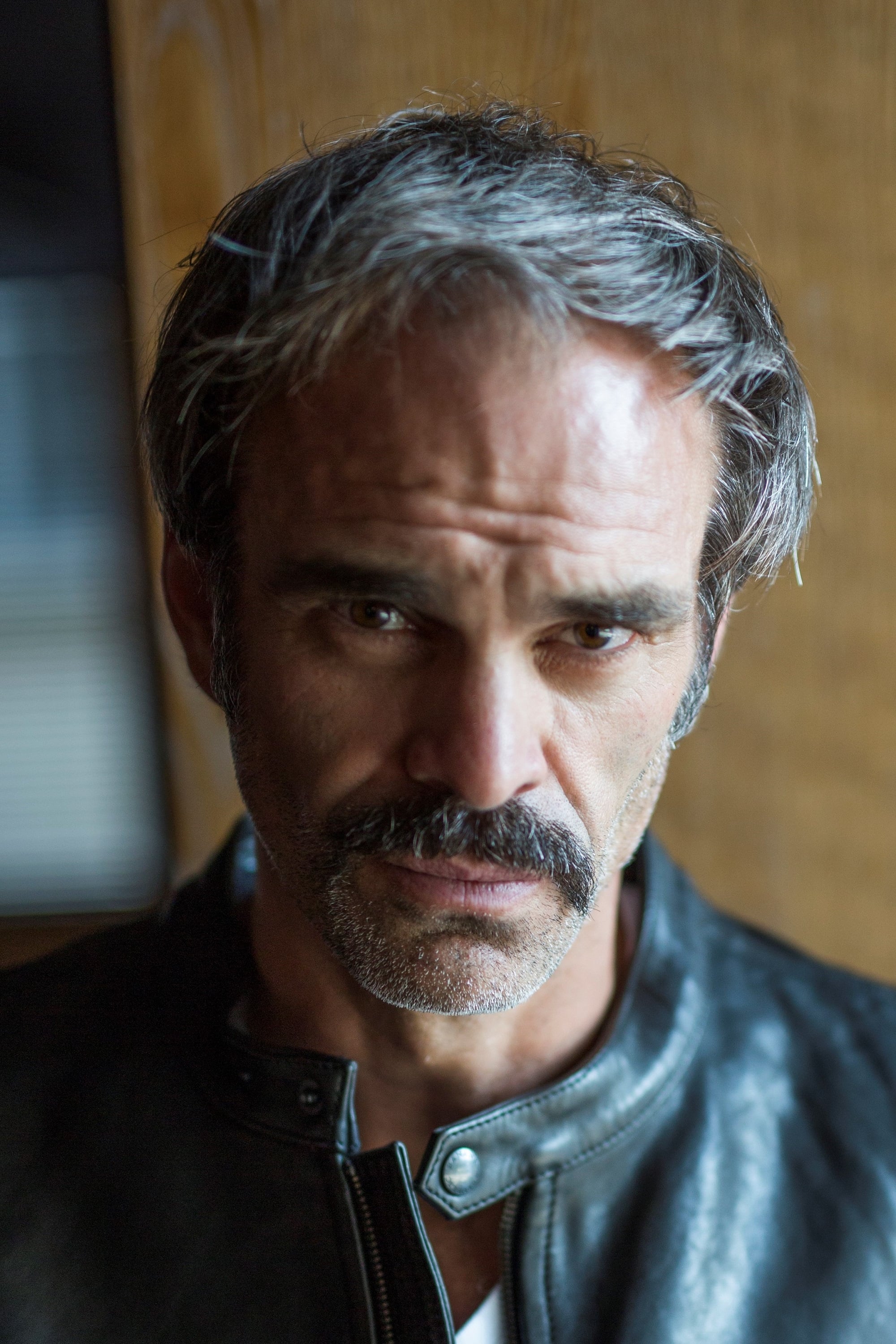
Ogg voiced and performance-captured Trevor across story missions and open-world events. The character’s lines cover heists, random encounters, and switching sequences that require seamless handoff between protagonists. VO integrates with AI behavior for companions and enemies during rampage and stealth segments. Ogg’s work extends to additional content in the online component’s narrative updates.
Michael Hollick as Niko Bellic — Grand Theft Auto IV
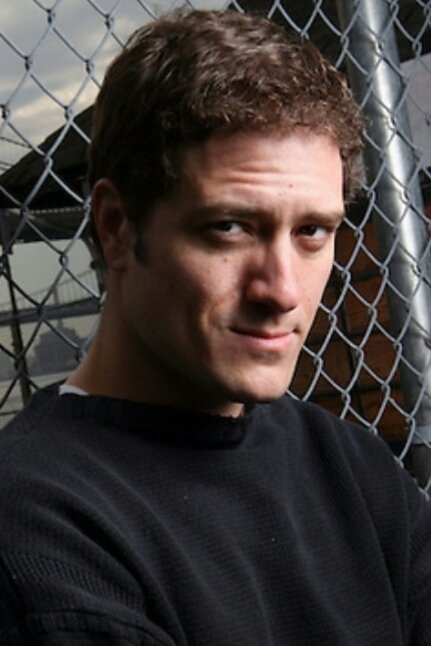
Hollick portrayed Niko in Rockstar’s Liberty City, recording cinematic scenes alongside motion capture. Dialogue includes choice-driven missions, friend activities, and phone conversations that alter mission availability. Systemic lines support driving, police evasion, and pedestrian interactions across multiple boroughs. The role anchors a branching narrative with alternate endings affecting late-game cutscenes.
Courtnee Draper as Elizabeth — BioShock Infinite
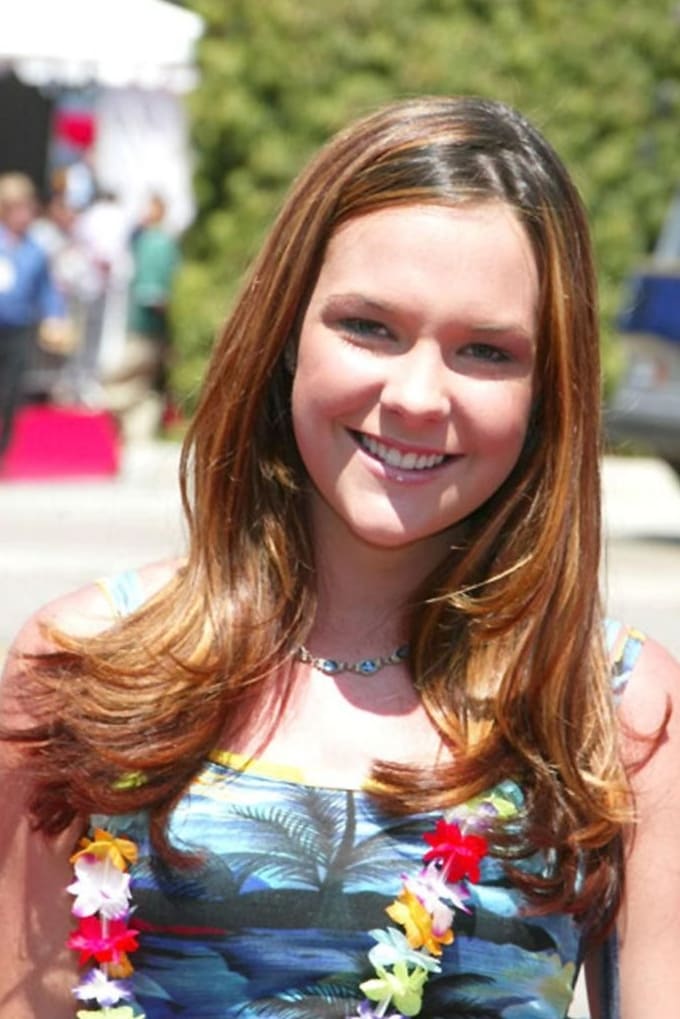
Draper voiced Elizabeth, collaborating closely with in-engine animation teams to sync emotional beats. The character features companion AI that comments on locations, unlocks, and scavenging, requiring context-aware VO. Studio Irrational recorded proximity-based lines to trigger only when the player approached points of interest. Draper’s performance interacts with music-box motifs and dynamic combat cues.
Melina Juergens as Senua — Hellblade: Senua’s Sacrifice

Juergens, a video editor at Ninja Theory, stepped into the lead role using full performance capture. Recording used binaural techniques and layered voices to represent Senua’s psychosis, integrating with 3D audio. Sessions consulted clinicians and advocates to align vocalization with the portrayal of auditory hallucinations. The game’s minimal HUD relies on her voice for guidance, puzzle feedback, and combat timing.
Dave Fennoy as Lee Everett — The Walking Dead
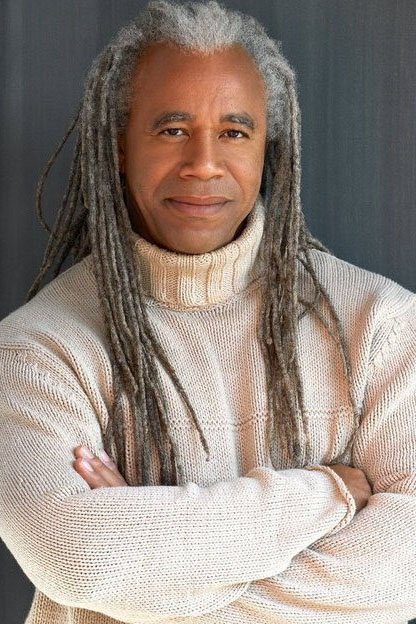
Fennoy voiced Lee in Telltale’s episodic adventure, supporting branching dialogue that persists across save files. Performance captured quiet, conversational tones to fit the game’s focus on choices and consequences. Lines were recorded with variable timing to accommodate quick-time prompts and player pauses. The character’s relationship systems trigger unique VO for companion trust and group cohesion.
Laura Bailey as Abby Anderson — The Last of Us Part II

Bailey’s portrayal used performance capture for combat and cinematics, with detailed facial tracking. Dialogue variants reflect weapon loadouts, stealth states, and companion AI observations. The role includes flashback sequences that required adjusted vocal age and intensity. Localization teams used Bailey’s reads as timing anchors for dubbing and subtitle rhythm.
Keith David as Thel ‘Vadam (The Arbiter) — Halo series
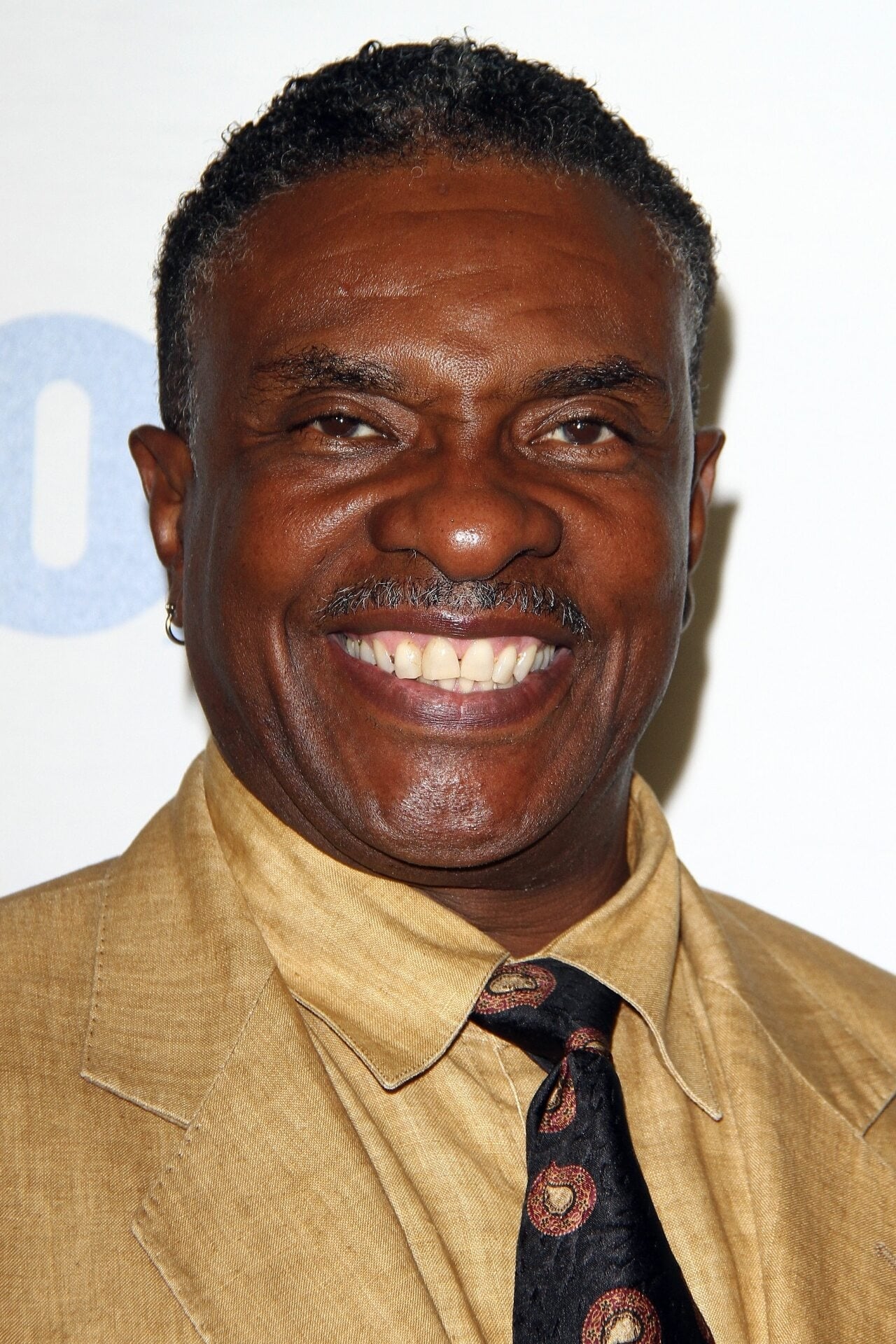
Keith David voiced the Sangheili leader across multiple ‘Halo’ entries. Lines include mission briefings, in-combat barks, and co-op callouts tuned for split-screen and online play. The performance interacts with faction AI to differentiate Covenant, Flood, and UNSC engagements. Audio engineering applied reverb profiles to match ship interiors, forerunner structures, and open battlefields.
Charles Martinet as Mario — Super Mario series
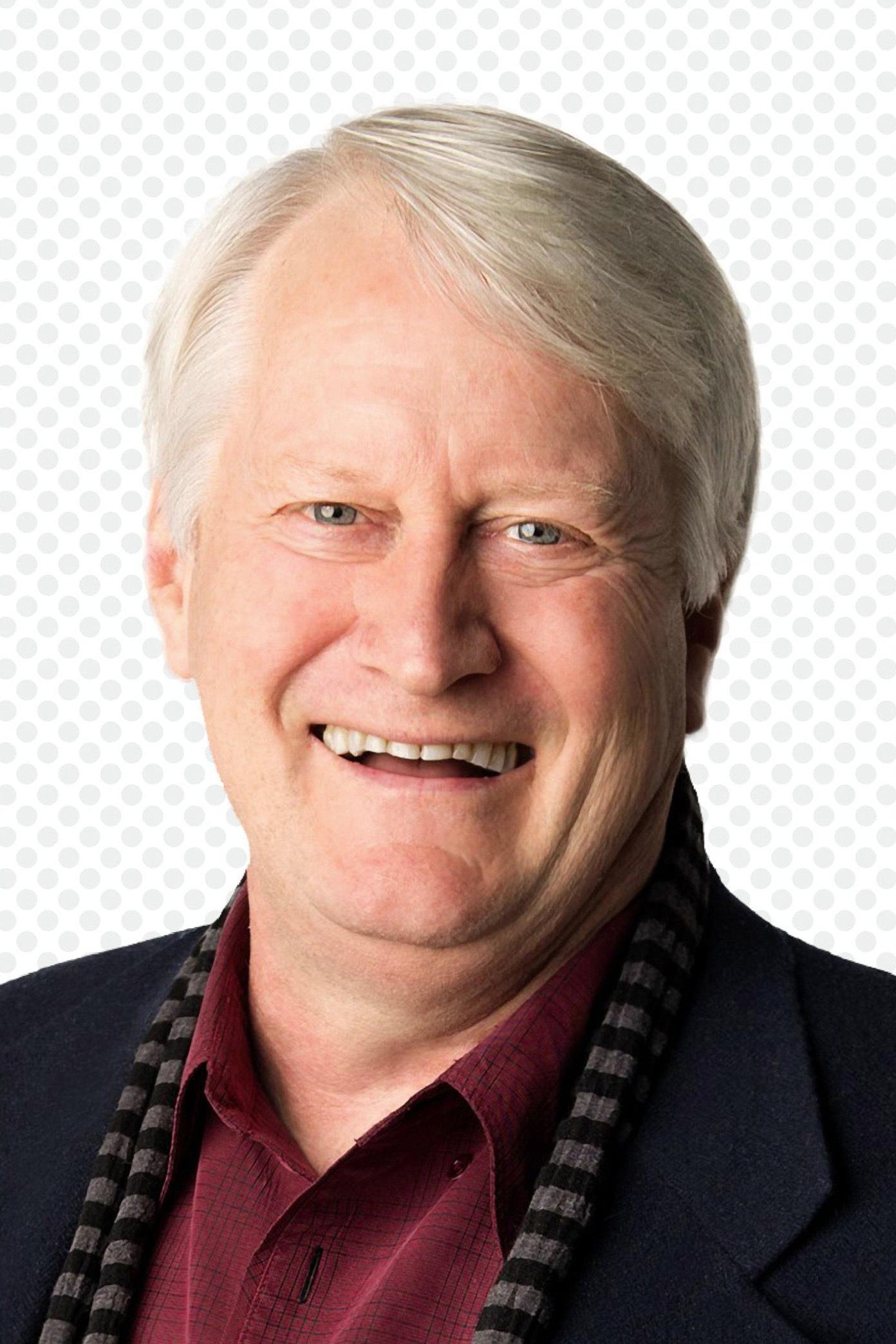
Martinet first voiced Mario in ‘Super Mario 64’, continuing through mainline entries, sports titles, and spin-offs. Recording sessions covered a library of short exclamations timed to jumps, power-ups, and damage states. Assets were designed for low memory footprints on earlier hardware, later remastered for higher fidelity. Martinet transitioned to a “Mario Ambassador” role while legacy recordings continue to ship in new releases.
Jon St. John as Duke Nukem — Duke Nukem series

St. John defined the character’s vocal identity starting with ‘Duke Nukem 3D’ in the 1990s. The role features quips tied to item pickups, secret areas, and environmental interactions. VO pipelines on early PC builds required aggressive compression and lip-sync approximations, later updated in ports. The character’s lines influenced soundboard culture and community mods across the series’ lifespan.
Charles Dance as Emhyr var Emreis — The Witcher 3: Wild Hunt

Dance voiced the Nilfgaardian emperor in CD Projekt Red’s 2015 release. Delivery focused on formal diction and courtly cadence to match political scenes in Vizima. The role appears in main quests and optional audiences that change based on player choices. Recording integrated with ambient palace soundscapes and narrative cinematics rendered in the game engine.
Share your favorite game VO moments in the comments and tell us which performances you think should be added next!