20 Most Hated Filler Arcs That Fans Still Skip

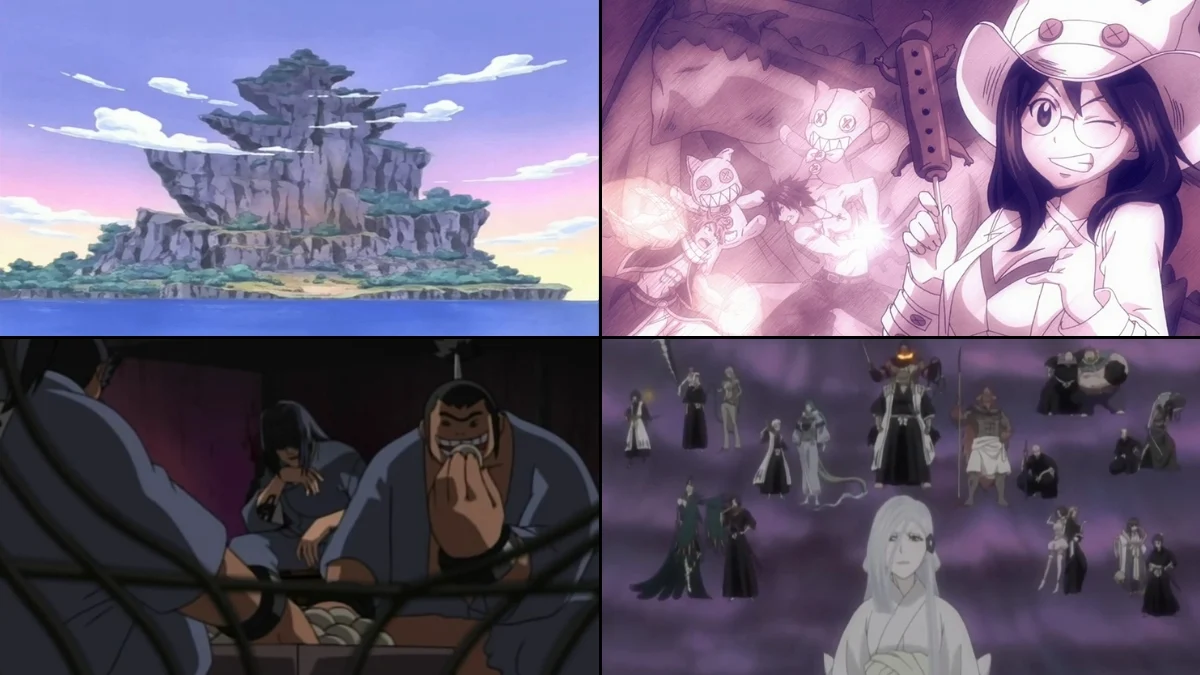

Filler arcs have a long history in anime, often produced to give manga creators time to get ahead or to tie in with side projects, games, or films; they’re usually anime-original stories that sit between major canon sagas, use familiar characters in self-contained conflicts, and sometimes experiment with new settings or villains. Below is a straightforward tour of twenty such arcs across popular series—what episodes they cover, where they slot into the broadcast timeline, and what narrative purpose they served when they aired.
‘Naruto’ (2002–2007) – Land of Tea Escort Mission
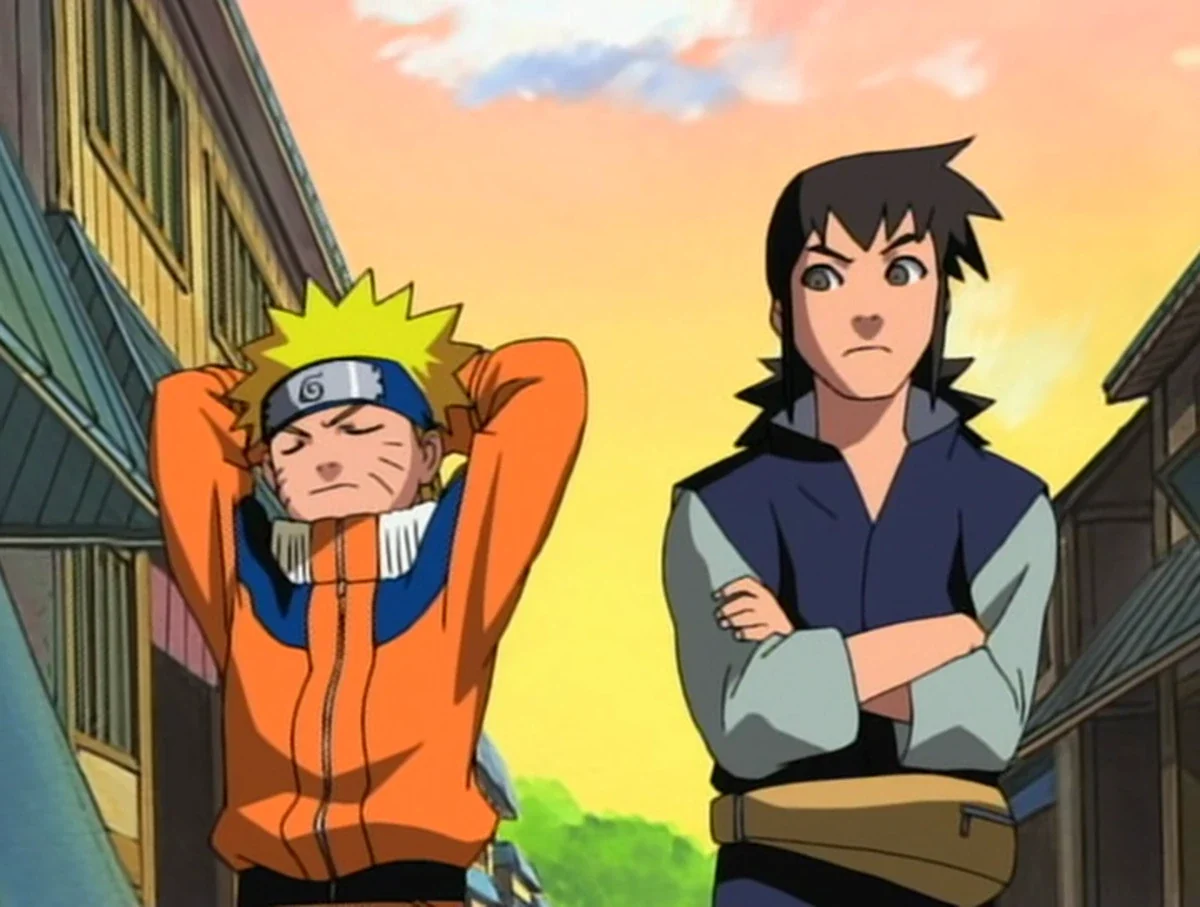
This early anime-original arc spans episodes 102–106 of ‘Naruto’. It sends Team 7 to the Land of Tea to protect a runner in a high-stakes race, introducing characters like Idate Morino who do not appear in the manga. The storyline was broadcast after the ‘Search for Tsunade’ events, serving as a buffer before later canon developments. Its self-contained plot and new setting marked the start of a long stretch of non-manga material in the series.
‘Naruto’ (2002–2007) – Mizuki Tracking Mission
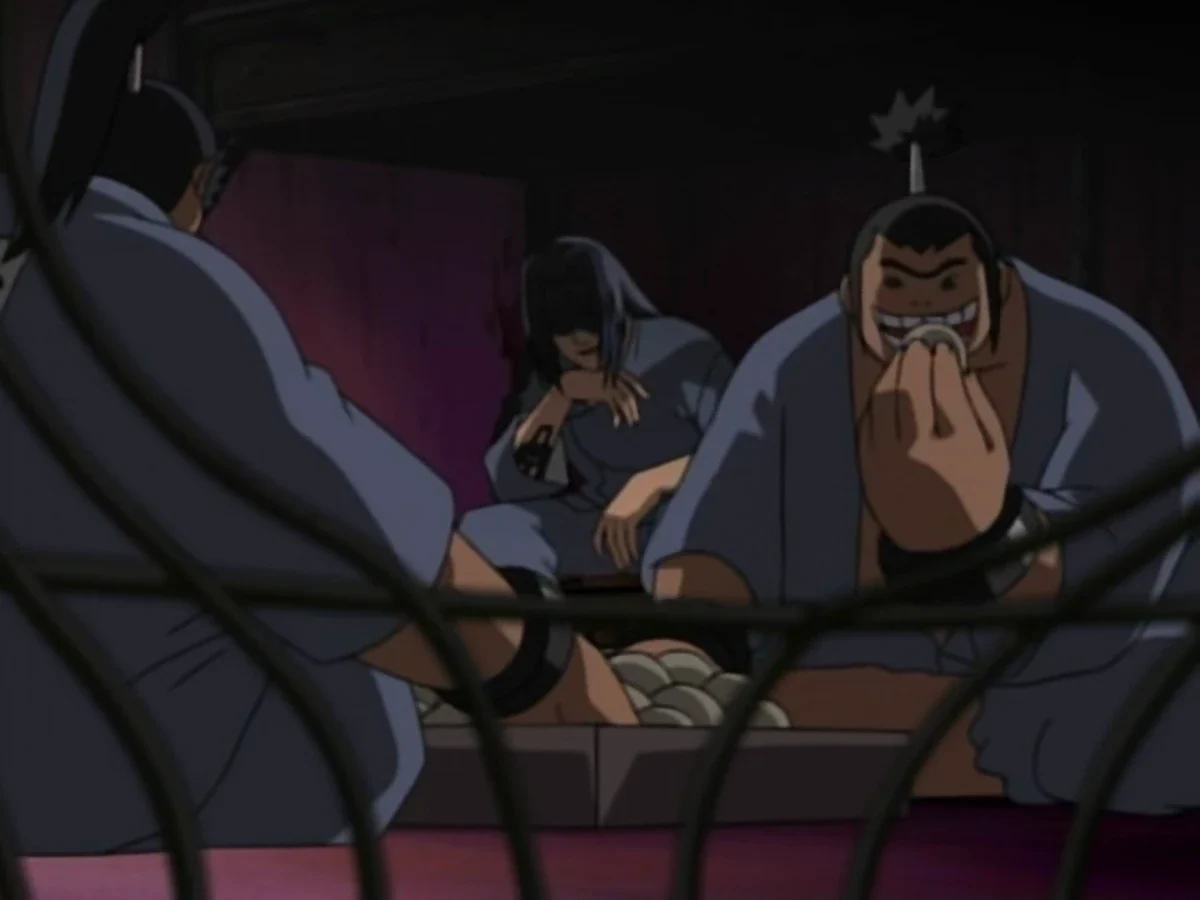
Running through episodes 142–147 of ‘Naruto’, this arc revisits Mizuki, the traitorous academy instructor from the very first episode. The story follows Naruto and Iruka as they pursue Mizuki after his prison escape, expanding on his background and alliances created just for the anime. It aired during the extended post-Sasuke Retrieval filler period. The arc provided additional missions for Konoha genin while the manga advanced.
‘Naruto’ (2002–2007) – Bikōchū Search Mission
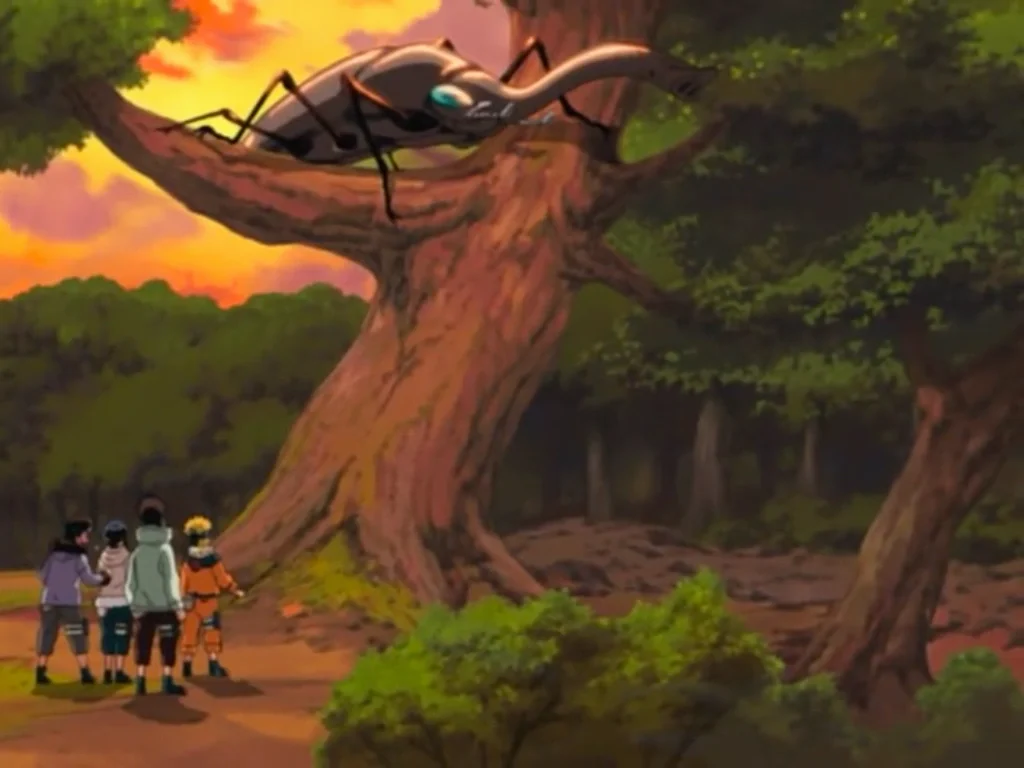
The Bikōchū Search Mission covers episodes 148–151 of ‘Naruto’. Team 8 leads a hunt for a rare insect said to track down anyone by scent, an ability used here as a device to locate Sasuke. The beetle and related techniques were created for the anime, not adapted from the manga. Broadcast during the same long filler run, it emphasized tracking skills and forest survival episodes between major arcs.
‘Naruto’ (2002–2007) – Kurosuki Family Removal Mission
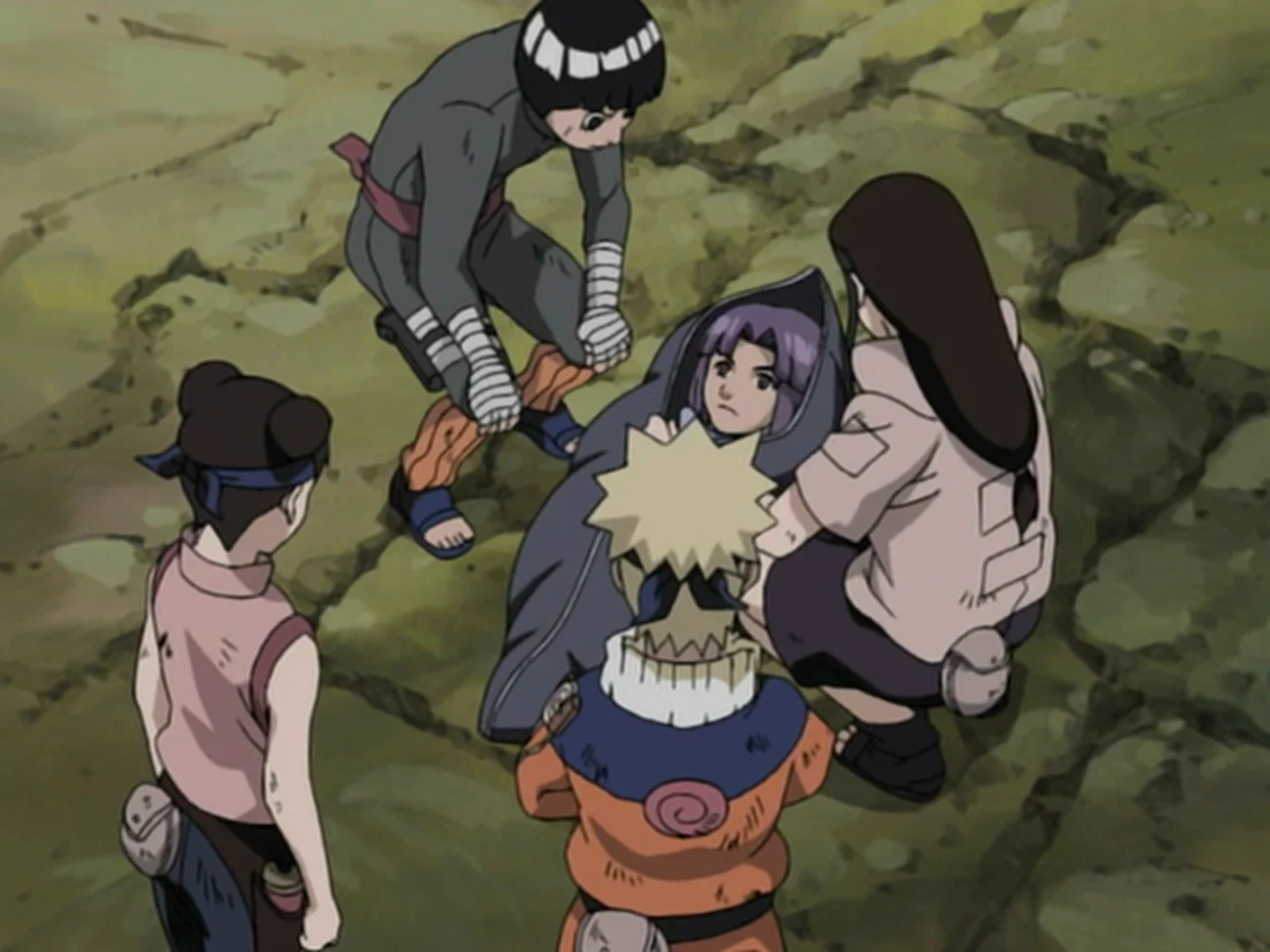
Appearing in episodes 152–157 of ‘Naruto’, this arc introduces the Kurosuki family and the anime-original swordsman Raiga. Team Guy takes point, with Rock Lee’s drunken fist style returning for additional showcase fights. The story explores a rain-soaked village under the Kurosuki’s control, separate from manga continuity. It helped maintain weekly scheduling while delaying the next canon materials.
‘Naruto’ (2002–2007) – Sea Country Arc
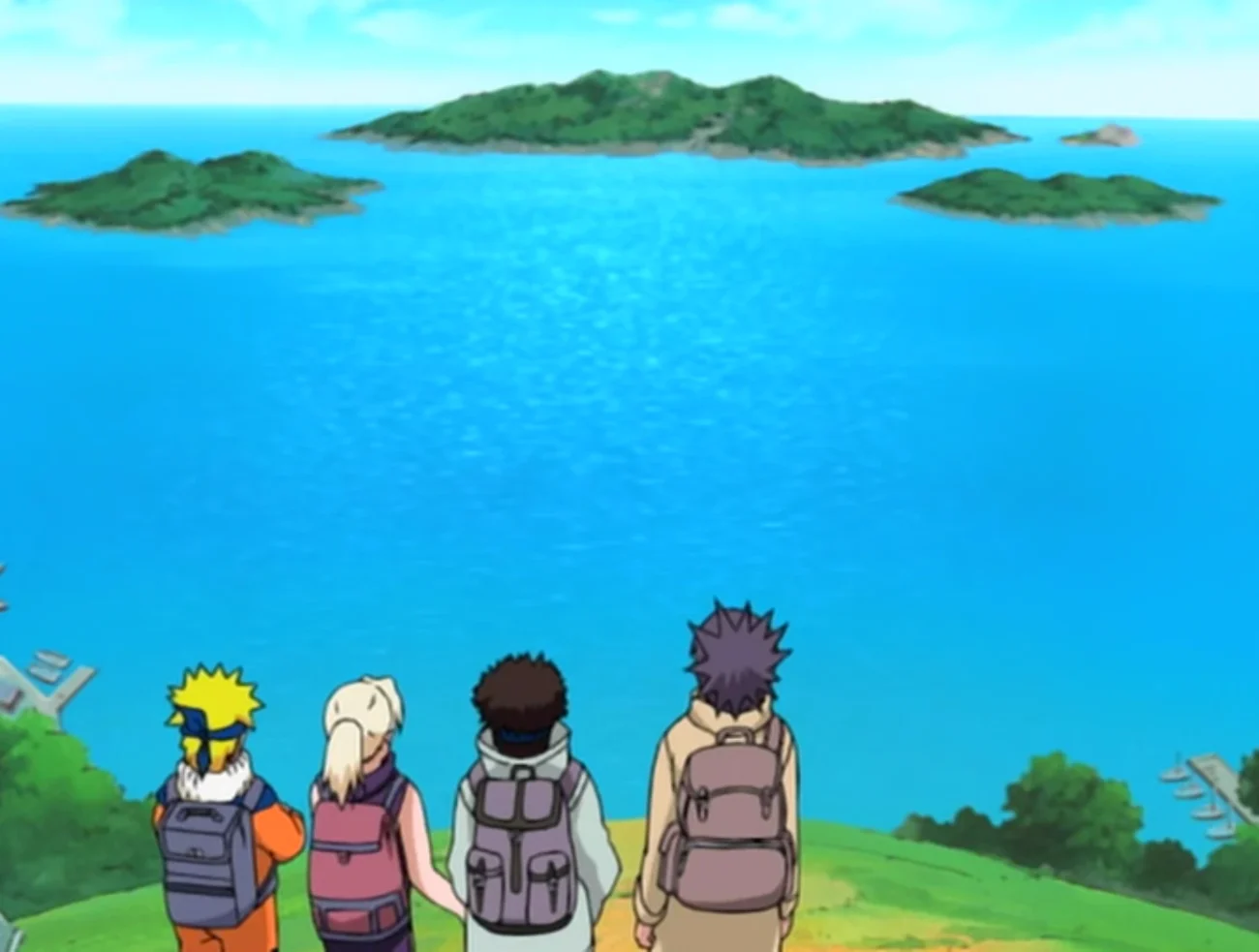
The Sea Country (Land of the Sea) Arc spans episodes 169–173 of ‘Naruto’. It features an isolated maritime nation, a mysterious research facility, and a synthetic monster created specifically for the anime’s plot. The missions involve Naruto and companions infiltrating the island to stop a destructive scheme. Aired late in the original series’ filler stretch, it continued the pattern of ocean-set, stand-alone adventures.
‘Naruto’ (2002–2007) – Menma Memory Search Mission
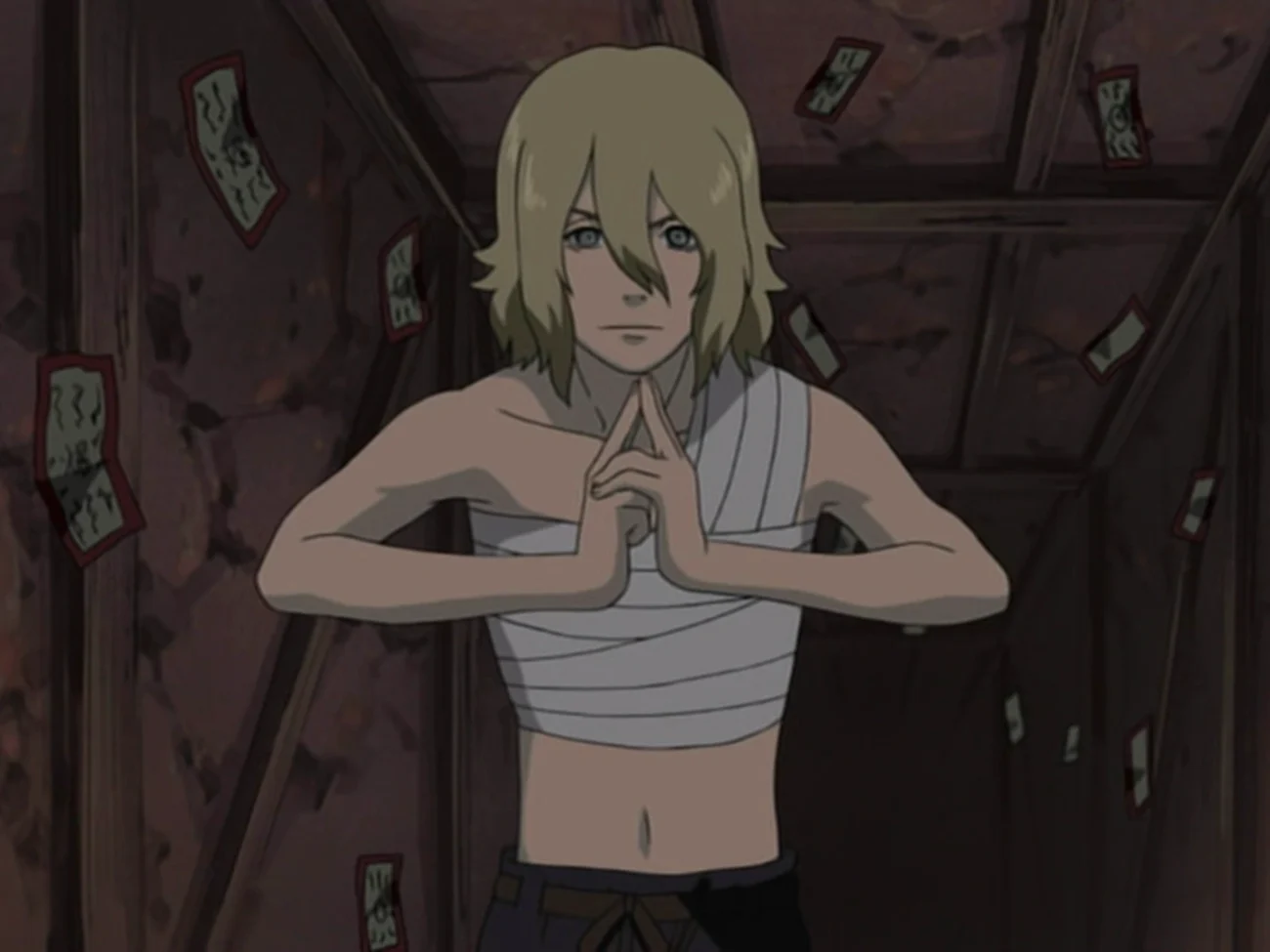
This arc runs across episodes 213–215 of ‘Naruto’. Naruto helps Menma, a boy with amnesia, uncover his past and confront a bandit group tied to his lost memories. The characters and conflict are anime-original, designed to deliver a compact three-episode narrative. It arrived near the end of the pre-‘Naruto: Shippuden’ broadcast, wrapping up one of the final filler stories before the time skip.
‘Naruto: Shippuden’ (2007–2017) – Twelve Guardian Ninja
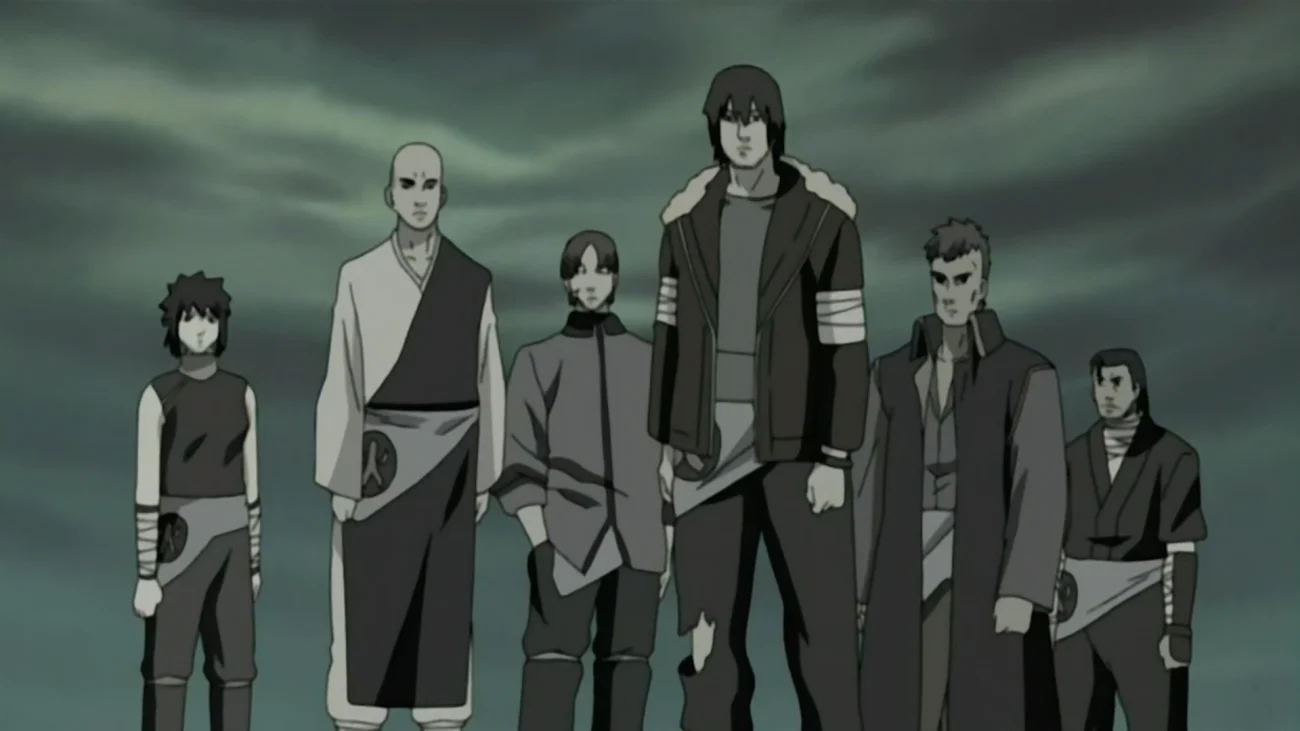
Spanning episodes 54–71 of ‘Naruto: Shippuden’, this arc centers on a group known as the Twelve Guardian Ninja and introduces the monk Sora. The plot explores a plan to resurrect a monstrous power using Nine-Tails chakra fragments, a concept created for the anime. It aired between major Akatsuki conflicts to pace the adaptation. The arc expands the world beyond the manga’s immediate focus by visiting Fire Temple locales.
‘Naruto: Shippuden’ (2007–2017) – Three-Tails’ Appearance
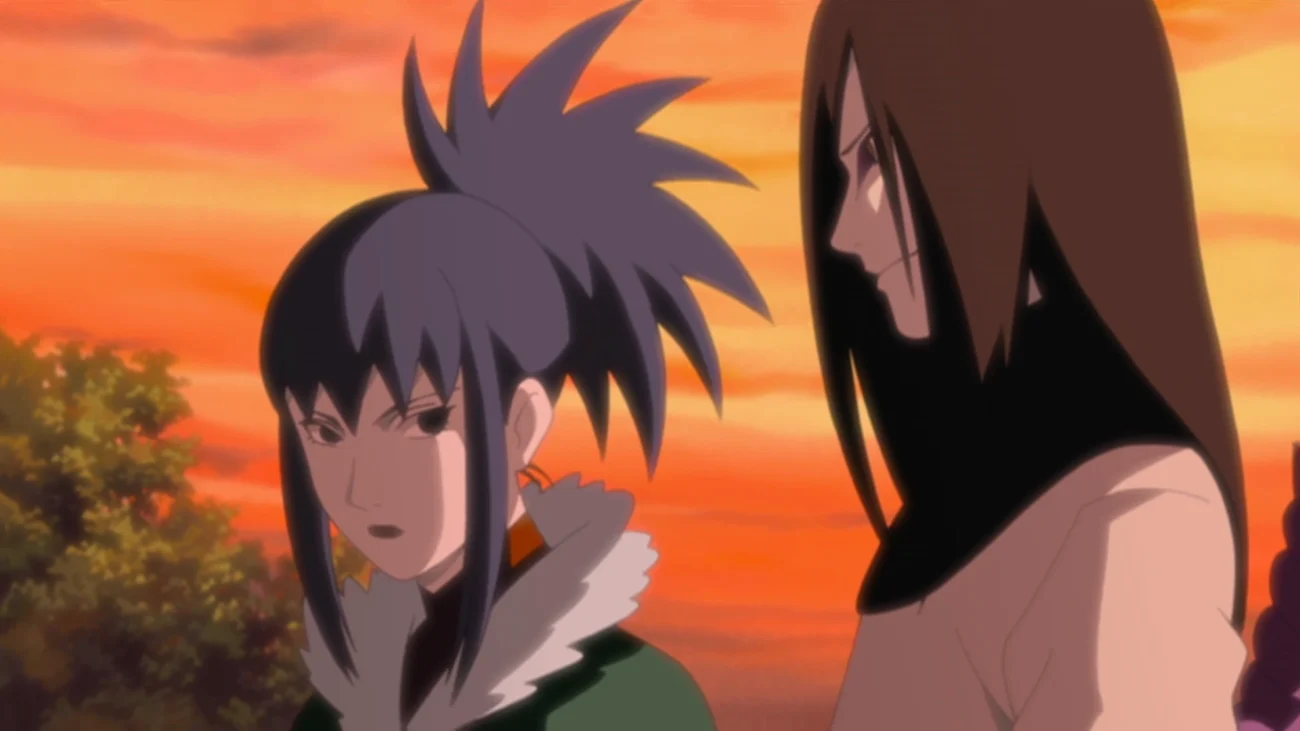
Covering episodes 89–112 of ‘Naruto: Shippuden’, this story deals with the wild Three-Tails and a scheme to capture it using a new villain faction. Characters like Guren and her Crystal Release are anime-original, and the events diverge from the manga’s version of tailed-beast activity. Broadcast amid the larger Fourth Great Ninja War setup, it functions as a lengthy detour with its own containment-and-conflict beats. The arc also crosses paths with recurring supporting characters to maintain continuity with Konoha’s roster.
‘Naruto: Shippuden’ (2007–2017) – Power (Chikara)
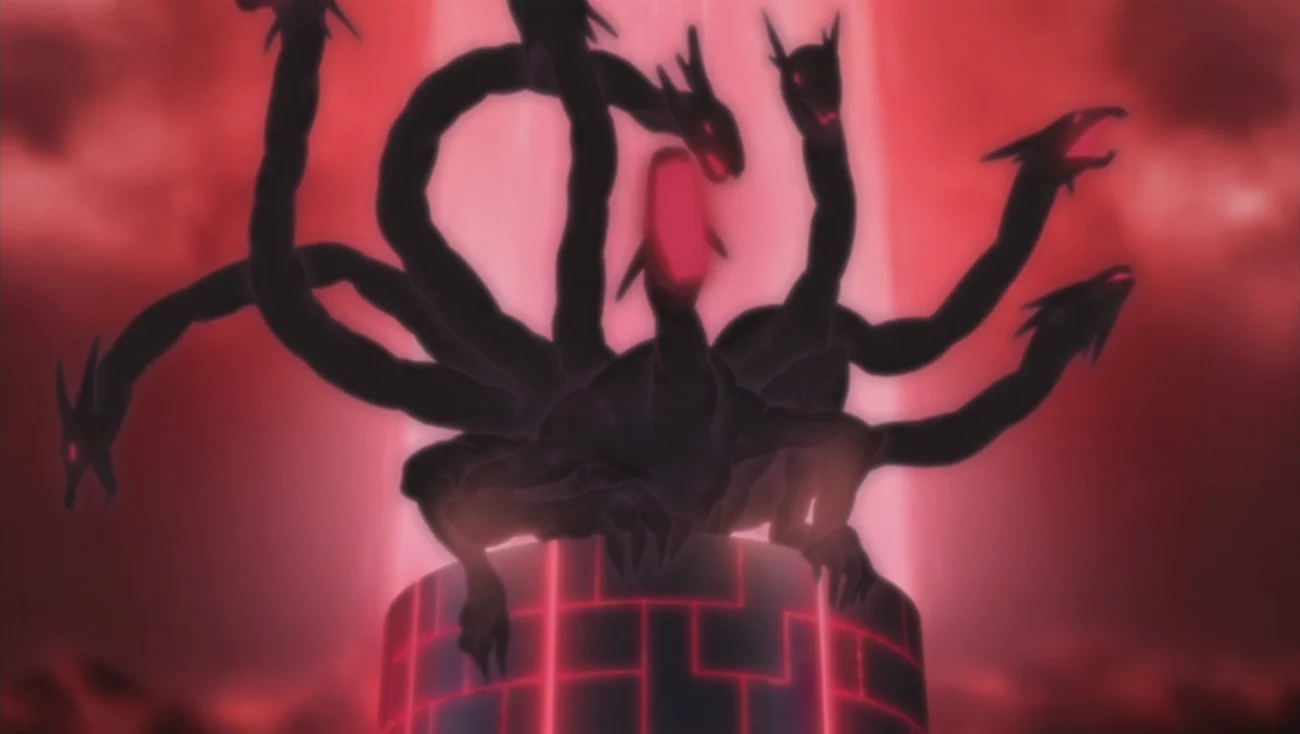
‘Power (Chikara)’ is a six-episode special arc running from episodes 290–295 of ‘Naruto: Shippuden’. Set during the war timeline but outside manga canon, it follows an investigation into mass casualties and a rogue scientific project in the Tonika Village region. The production features a self-contained villain and a cinematic presentation across consecutive weekly airings. It was scheduled as a special event block during the latter part of the series.
‘Naruto: Shippuden’ (2007–2017) – Paradise Life on a Boat
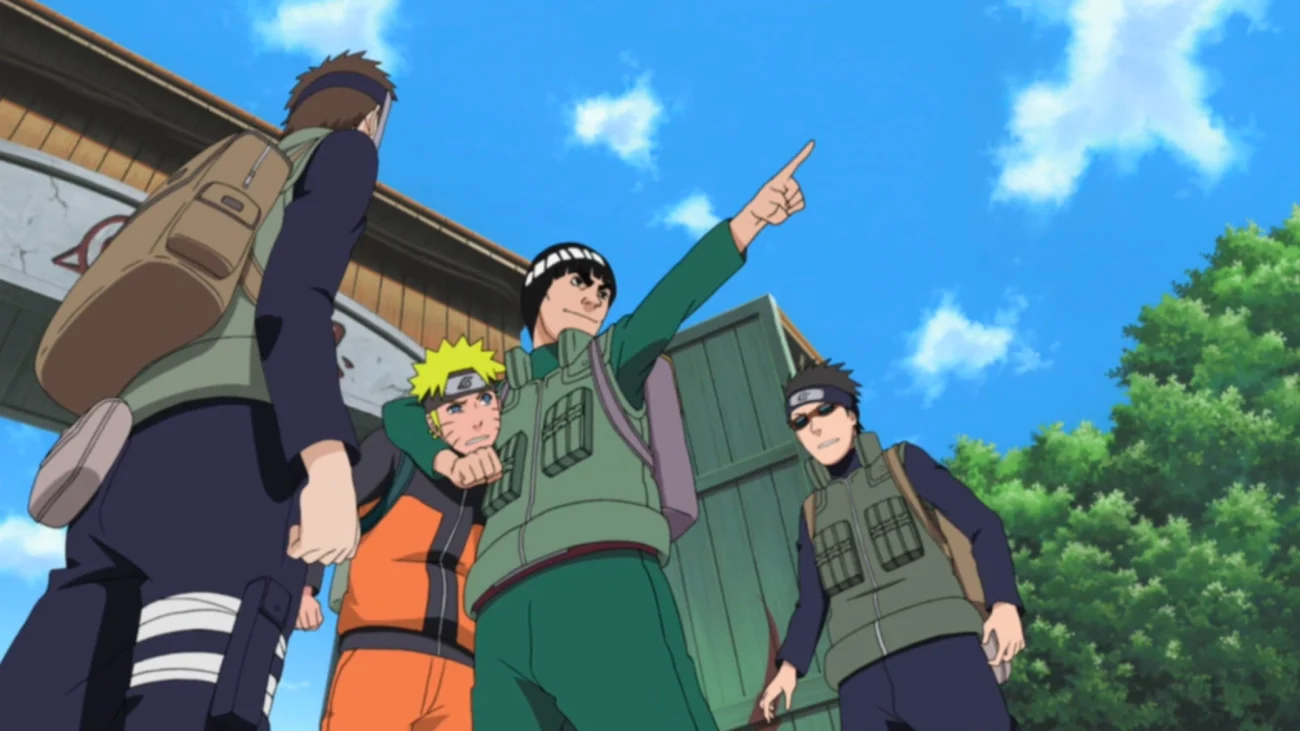
This collection of anime-original episodes aired around ‘Naruto: Shippuden’ episodes 223–242 as the cast traveled by sea toward the next major battlefield. The entries present a variety of side missions and encounters that occur aboard ships and on remote islands. The format allowed the anime to extend travel time without touching manga plot reveals. It served as a pacing bridge before the war arc resumed in earnest.
‘Bleach’ (2004–2012) – Bount Arc

The Bount storyline runs from episode 64 through 109 of ‘Bleach’, often split into the initial Bount conflict and the Bount Assault on Soul Society. It introduces the Bount, a vampire-like group created for the anime, and follows their clashes with Ichigo’s allies across the human world and Soul Society. The arc was produced to give the manga’s Arrancar material more lead time. It incorporates many new characters, abilities, and settings not present in the source manga.
‘Bleach’ (2004–2012) – The New Captain Shūsuke Amagai

This anime-original arc spans episodes 168–189 of ‘Bleach’. It centers on Shūsuke Amagai, a newly appointed captain of the 3rd Division, and a conspiracy involving the Kasumiōji family. The story unfolds entirely apart from manga canon, inserting a temporary leadership change and fresh antagonists. It aired between portions of the Hueco Mundo storyline to manage adaptation pacing.
‘Bleach’ (2004–2012) – Zanpakutō Unknown Tales
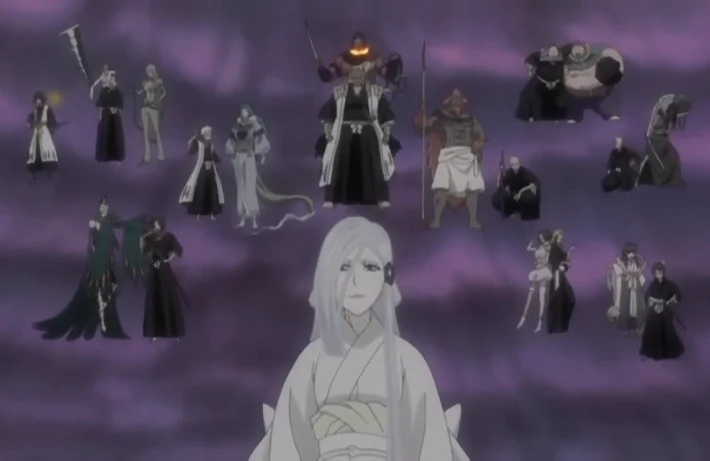
Running from episodes 230–265 of ‘Bleach’, this arc personifies the Soul Reapers’ zanpakutō spirits and stages a rebellion within Soul Society. The concept and characters like Muramasa are anime-original, allowing extended battles with alternate weapon manifestations. It was broadcast while the manga advanced toward the late Arrancar battles. The arc also provided spotlight episodes for many side characters through individualized confrontations.
‘Bleach’ (2004–2012) – Gotei 13 Invading Army
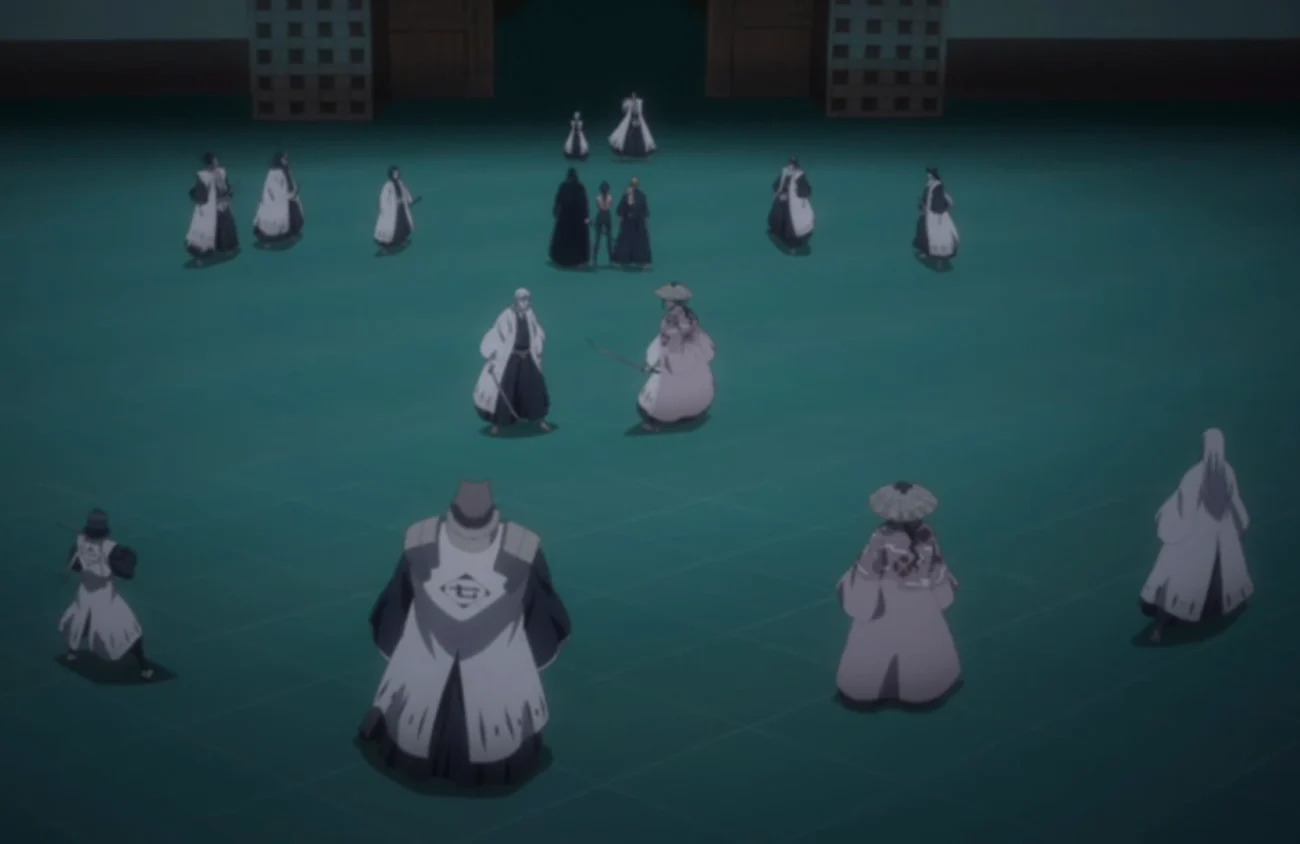
The Gotei 13 Invading Army, also called the Reigai arc, covers episodes 317–342 of ‘Bleach’. It introduces artificial Soul Reaper copies, the Reigai, as antagonists with mirrored abilities. The narrative is separate from manga events and occupies the broadcast gap after the Arrancar saga’s major climaxes. The arc culminates in large-scale internal battles within Seireitei created specifically for the anime.
‘One Piece’ (1999–2025) – Warship Island Arc
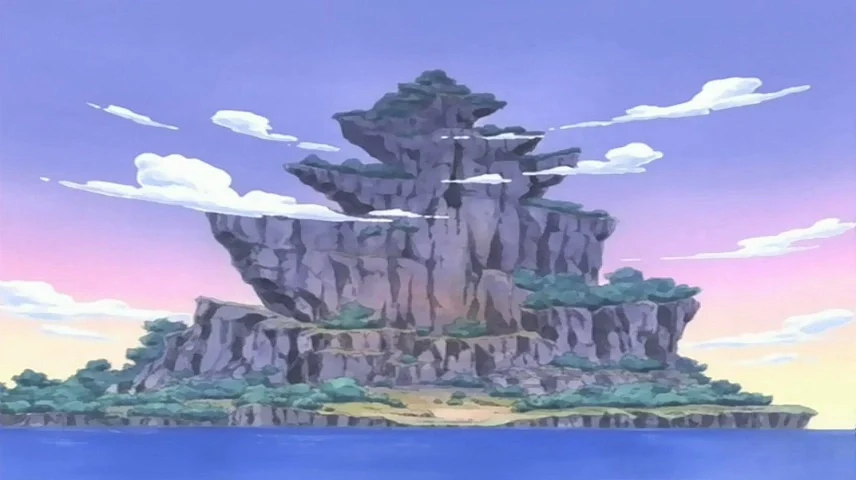
This was the first full filler arc in ‘One Piece’, spanning episodes 54–61. The Straw Hats escort a girl named Apis and encounter a millennial dragon species, both devised for the anime. It aired after the East Blue saga concluded and before the crew entered the Grand Line. The arc established the series’ pattern of inserting stand-alone voyages between major canon adventures.
‘One Piece’ (1999–2025) – Ruluka Island (Rainbow Mist) Arc
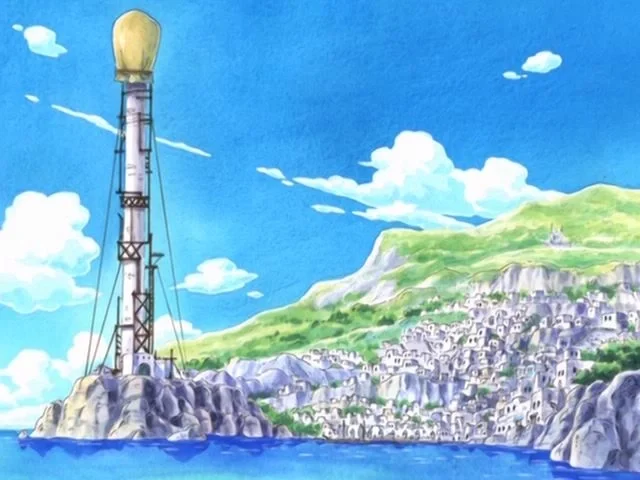
Covering episodes 131–135 of ‘One Piece’, this arc takes place on Ruluka Island and features the Rainbow Mist, a time-distorting phenomenon created for the show. The Straw Hats become entangled with island authorities and a group of children trapped within the mist. Broadcast after the Alabasta saga, it offered a pause before the Jaya and Skypiea storylines. The setting and science-fiction element are unique to the anime.
‘One Piece’ (1999–2025) – G-8 Arc
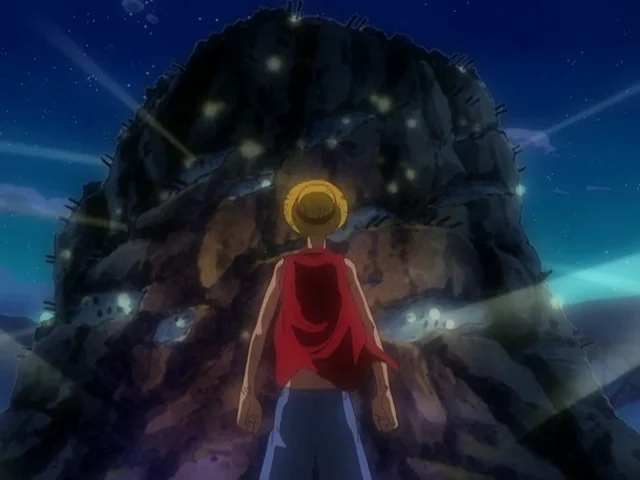
Spanning episodes 196–206 of ‘One Piece’, G-8 strands the crew inside a heavily fortified Marine base after their descent from Skypiea. The arc is anime-original, focusing on infiltration, disguise, and escape set pieces within the base’s labyrinthine layout. It served as an interlude between Skypiea and the Long Ring Long Land storyline. The narrative introduced an ensemble of Marine officers created solely for the show.
‘One Piece’ (1999–2025) – Ocean’s Dream Arc

The Ocean’s Dream Arc runs from episodes 220–224 of ‘One Piece’. Inspired by a PlayStation game scenario, it features a memory-stealing seahorse that disrupts the crew’s cohesion. The story aired between the end of the Davy Back Fight and the lead-up to Water 7. Its premise and antagonist are anime-exclusive, designed to deliver a short, self-contained detour.
‘Fairy Tail’ (2009–2019) – Daphne Arc
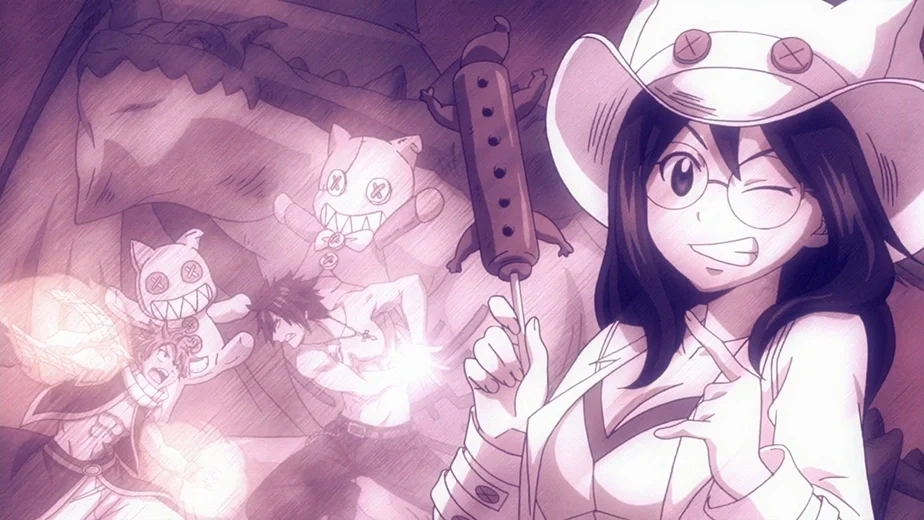
This anime-original arc spans episodes 69–75 of ‘Fairy Tail’. It introduces Daphne and the “Dragonoid,” a mechanical dragon concept created for the show. The plot focuses on a scheme in Magnolia that entangles Natsu and the guild in a city-scale crisis. Broadcast between major canon quests, it provided action set pieces without adapting manga chapters.
‘Black Clover’ (2017–2021) – Devil Banishers Arc
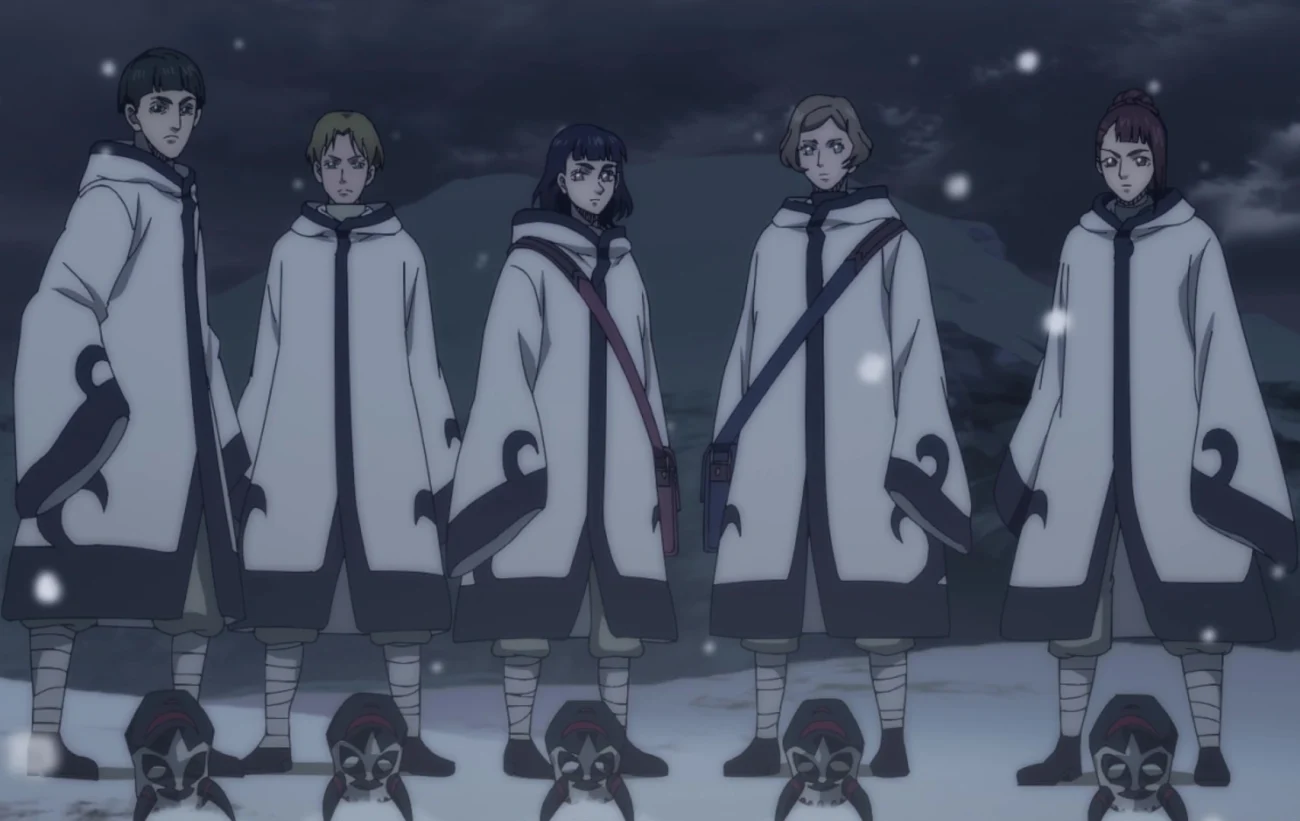
Covering episodes 133–143 of ‘Black Clover’, this arc follows the Devil Banishers (also called Devil Believers), an anime-original extremist group targeting devil hosts. The story expands the political fallout after the Elf Reincarnation saga with new antagonists and locations. It was produced to pace the adaptation before the next canon arc began. The episodes emphasize kingdom-level tensions and mobile pursuit missions across multiple regions.
Share which filler arcs you still skip—and why—in the comments!