

20 Most Hated Pokémon of All Time

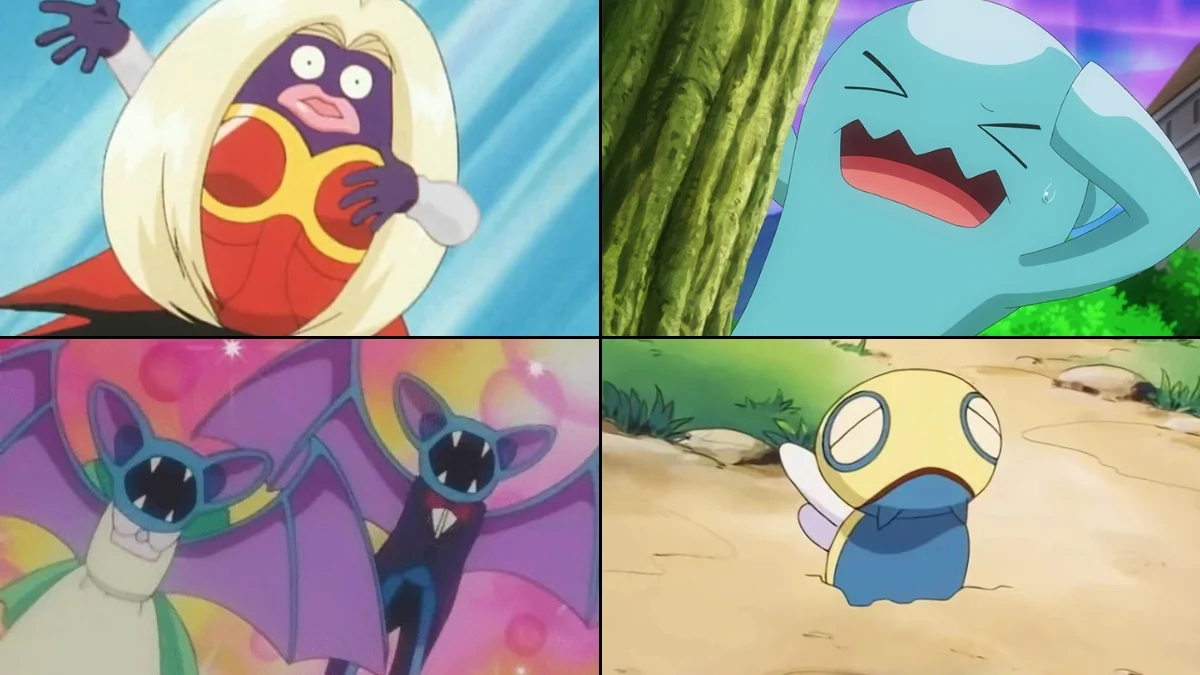


Some Pokémon earned their reputations not because of weakness or strength, but because of how they interact with the games—relentless encounter rates, tricky evolution rules, or competitive kits that slow battles to a crawl. This list gathers species that repeatedly show up in community discussions, patch notes, and tournament reports as sources of grind, stall, or simple inconvenience.
You’ll see a mix of early-route swarms, status-spam specialists, and metagame pillars that forced entire formats to adapt. To keep it useful, each entry highlights concrete mechanics—abilities, moves, encounter patterns, or evolution quirks—so you can understand exactly why these Pokémon come up whenever people trade stories about tough runs, time sinks, or lock-down battles.
Zubat
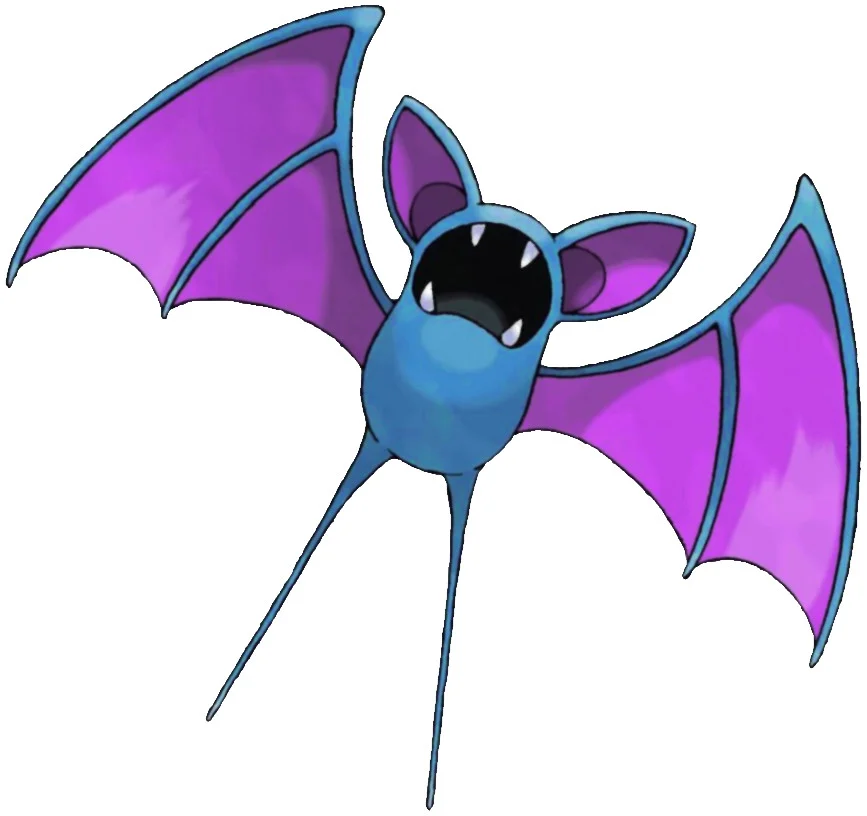
Zubat appears in large numbers in cave areas across multiple generations, frequently with high encounter rates and typically learning Supersonic early, which inflicts confusion and elongates low-level battles. Before players have solid counters or Repels, repeated Zubat encounters slow dungeon traversal and drain healing items through chip damage and self-hits from confusion.
In later games, Zubat’s line gains strong tools—like Inner Focus and high Speed after evolution—but the early-game pain point remains its ubiquity in cave tiles. Trainers moving through multi-floor dungeons often face long strings of Zubat encounters before reaching a Center or exit, making resource management and party status tracking a constant chore.
Tentacool
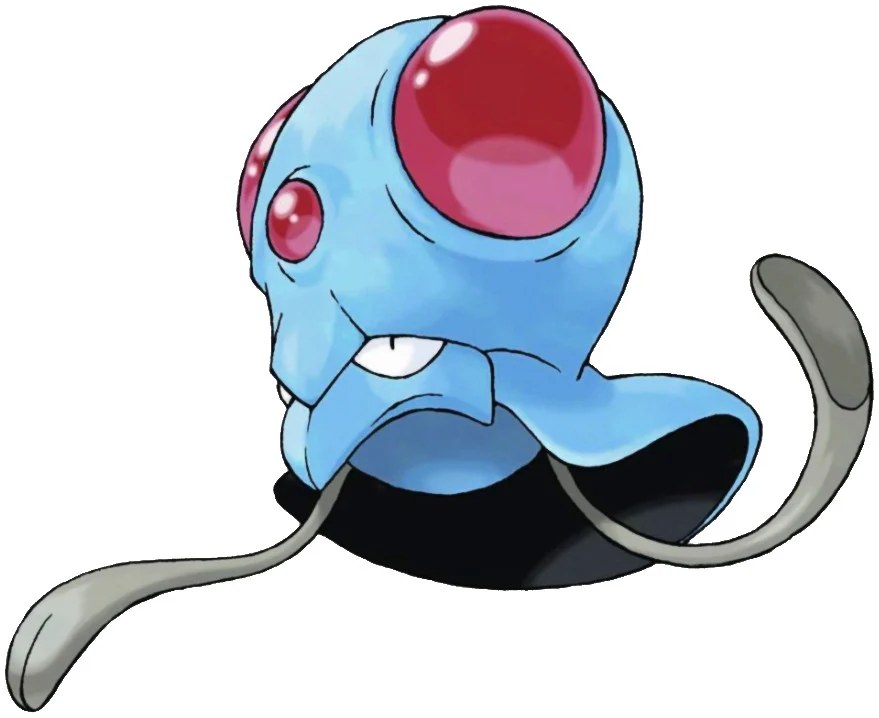
On water routes, Tentacool historically has one of the highest encounter rates when using Surf, with access to Poison-type moves that inflict status on contact. Its frequent use of Supersonic and Acid—combined with resistances that early-game teams may lack answers for—extends random encounters during long water crossings.
Tentacool’s ability pool, including Clear Body and later Liquid Ooze, punishes common strategies like draining moves. Combined with the sheer number of ocean tiles required to traverse in certain regions, repeated Tentacool spawns translate to many short, low-reward battles that add significant time to route navigation.
Bidoof
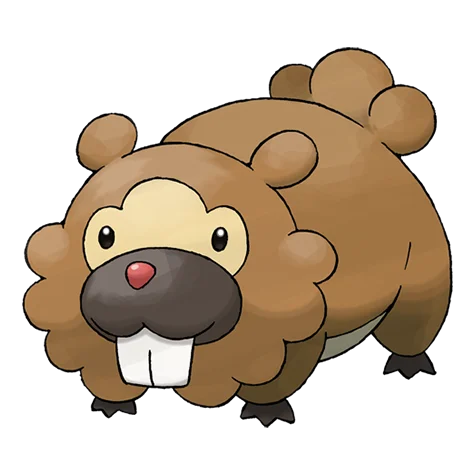
Bidoof became the de facto field-move carrier in generations that required Hidden Machines for exploration, because it learns a wide array of HM moves such as Cut, Rock Smash, and Waterfall after evolution. That utility often pushed players to reserve a party slot specifically for Bidoof or Bibarel during long stretches of the story.
As HM requirements stacked across routes and caves, teams frequently rotated Bidoof in and out to handle environmental obstacles. This mechanical role—rather than battle performance—made it synonymous with backtracking and menu micromanagement until later generations removed mandatory HM gating.
Garbodor
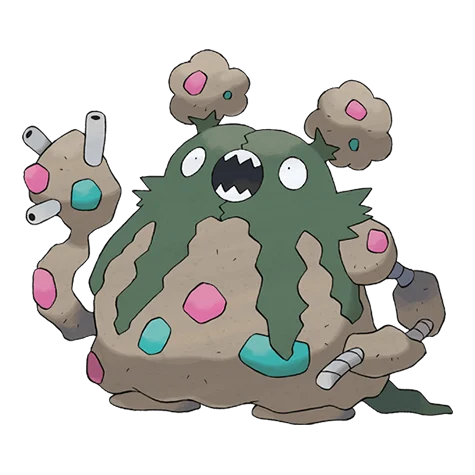
Garbodor’s design centers on Poison-type bulk and access to hazards like Spikes and Toxic Spikes, enabling long, attritional battles. With abilities such as Aftermath, it can still chip attackers on contact KOs, adding incremental damage that compounds with entry hazards.
In formats where hazard control is limited or costly, Garbodor’s toolkit turns mid-game sequences into switching puzzles. Its movepool also includes coverage like Drain Punch and Gunk Shot, allowing it to threaten common Defog or Rapid Spin users and extend the hazard game over many turns.
Vanilluxe
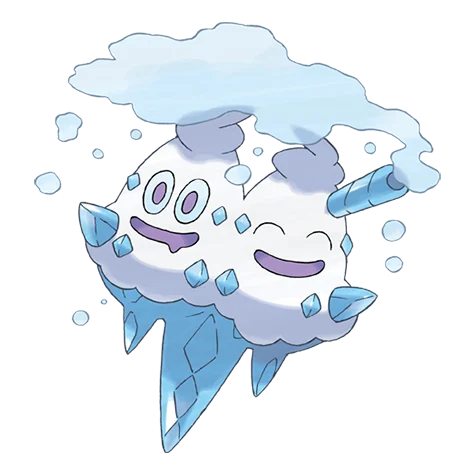
The Vanillite line is a pure Ice-type through Vanilluxe, inheriting numerous weaknesses—Fire, Rock, Fighting, and Steel—that make it precarious to use defensively. Despite those liabilities, Vanilluxe brings strong Special Attack and access to Blizzard, frequently paired with weather support to ensure accuracy.
Where available, Vanilluxe can use its Hidden Ability Snow Warning to auto-set weather, and from Generation 9 onward Hail is renamed to Snow. These options enable consistent Blizzard pressure, though the combination of exploitable weaknesses and reliance on weather or matchup often puts it in specialized roles that amplify team-building constraints.
Klefki
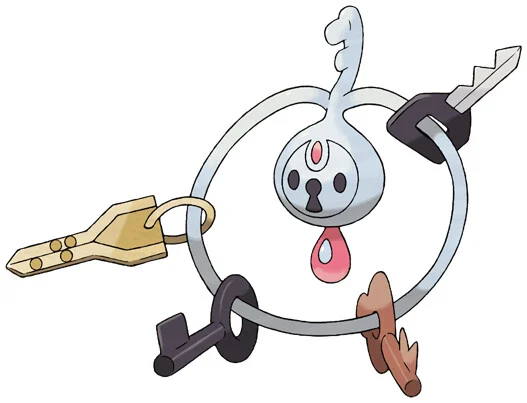
Klefki’s defining feature is Prankster, which grants priority to non-damaging moves. With access to dual screens, Thunder Wave, Spikes, and utility like Switcheroo, it compresses multiple support roles into one slot and can dictate tempo from turn one.
The Steel/Fairy typing provides numerous resistances, giving Klefki frequent opportunities to set screens or hazards and then pivot. Because priority status can bypass Speed control, teams facing Klefki must prepare clerics, Ground-types, or Taunt users, skewing drafts and in-game lines around its utility suite.
Chansey
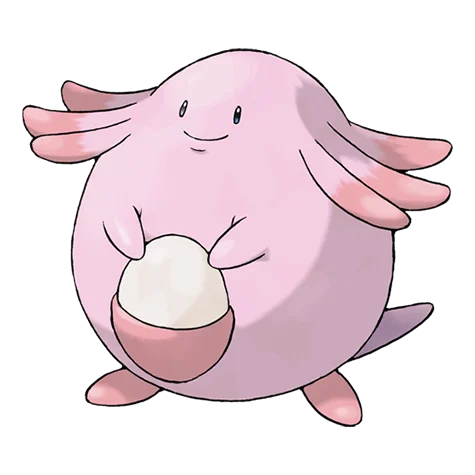
Eviolite Chansey dramatically boosts Defense and Special Defense, turning already massive HP into exceptional overall bulk. Standard sets combine Soft-Boiled, Seismic Toss, and status or utility moves, allowing Chansey to absorb repeated special attacks and outlast threats while providing team support.
Its role on stall and balance archetypes centers on special walling and cleric duties like Heal Bell or Aromatherapy in applicable generations. Counterplay often requires strong physical pressure, Knock Off to remove Eviolite, or trapping mechanics, all of which reshape how teams allocate coverage and items.
Wobbuffet
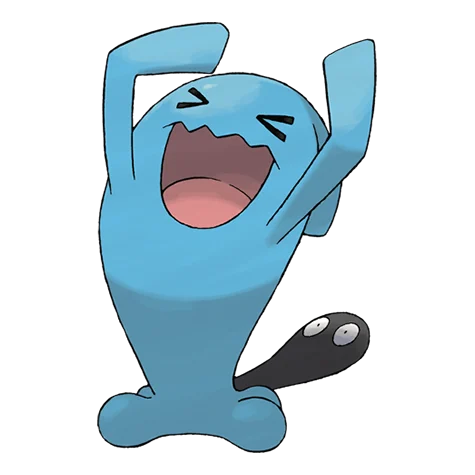
Wobbuffet’s Shadow Tag prevents opposing switches in formats where it is legal, forcing one-on-one sequences. With Counter and Mirror Coat, it reflects damage for KOs, and Encore can lock foes into non-damaging moves, creating forced-loss positions.
Because conventional pivoting fails under trapping, teams must rely on careful damage ranges, status, or specific immunities to escape disadvantageous loops. These constraints led to restrictions or bans in several rulesets, reflecting how Wobbuffet’s kit interacts with fundamental switching mechanics.
Toxapex
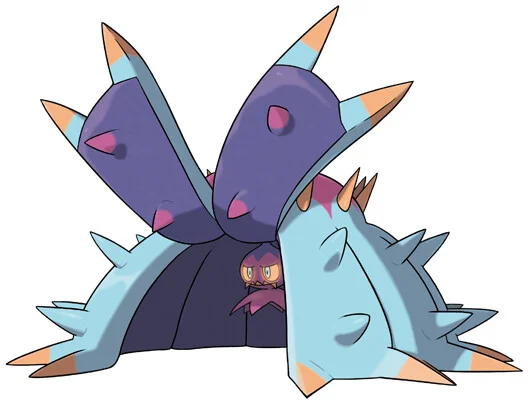
Toxapex pairs Regenerator with outstanding mixed bulk and moves like Recover, Baneful Bunker, Haze, and Toxic, enabling sustained, low-risk defensive play. It can switch repeatedly to heal, reset boosts, and inflict poison, turning battles into long sequences of incremental advantage.
Its Water/Poison typing resists many common attacking types, which, combined with Rocky Helmet or Black Sludge, punishes contact and chip-damage races. Teams often must dedicate specific breakers, strong Electric/Ground coverage, or Taunt users to prevent Toxapex from anchoring prolonged stall structures.
Ferrothorn
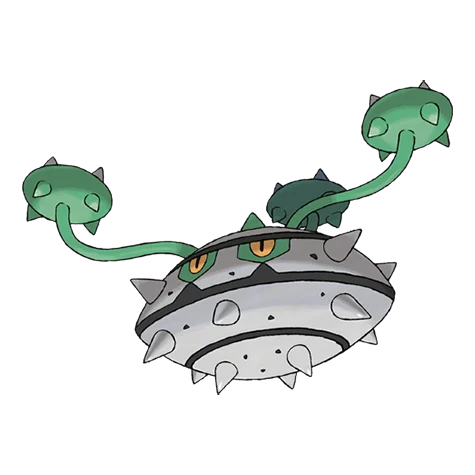
Ferrothorn’s Grass/Steel typing grants numerous resistances, and Iron Barbs punishes contact moves over time. With Stealth Rock and Spikes, plus Leech Seed and Protect variants, it exerts battlefield control while healing and chipping opponents.
Limited reliable Fire coverage on many teams historically increases Ferrothorn’s staying power, especially under rain support that halves Fire damage. Because it sets hazards and checks key threats simultaneously, it shapes both team composition and in-battle switching patterns in extended matches.
Jynx
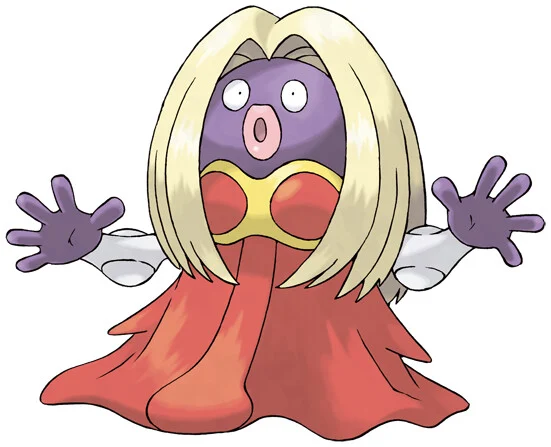
Early designs of Jynx led to a widely documented visual change in later releases, shifting to purple skin to avoid cultural insensitivity; this alteration appears across games and licensed media going forward. Mechanically, Jynx is an Ice/Psychic special attacker with access to Lovely Kiss in some generations, enabling sleep setups.
Its frailty and multiple weaknesses mean it relies on Speed and disruption to function, often using Substitute or Nasty Plot variants. In single-player campaigns, Jynx’s sleep access can trivialize encounters; in competitive rulesets where sleep is regulated, its role varies with move legality and sleep-clause enforcement.
Dunsparce
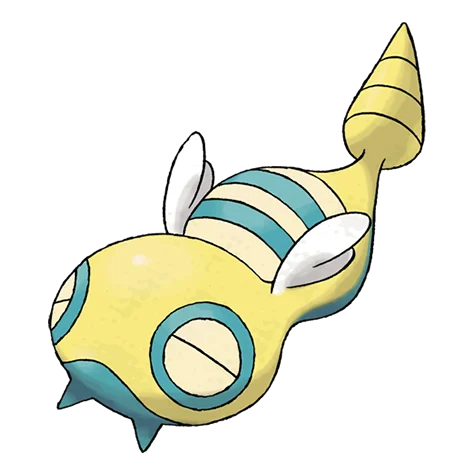
For many generations, Dunsparce had low base stats and a limited movepool, standing out mainly for Serene Grace-boosted flinch strategies via Headbutt or Rock Slide. These sets hinge on speed control and incremental odds, producing long, luck-dependent sequences.
Later, the species line received an evolution, but the core identity remained tied to status and flinch pressure with moves like Glare and Coil in certain formats. Because the strategy scales with probability rather than raw damage, battles involving Dunsparce can extend significantly when opponents lack immunity or priority answers.
Combee
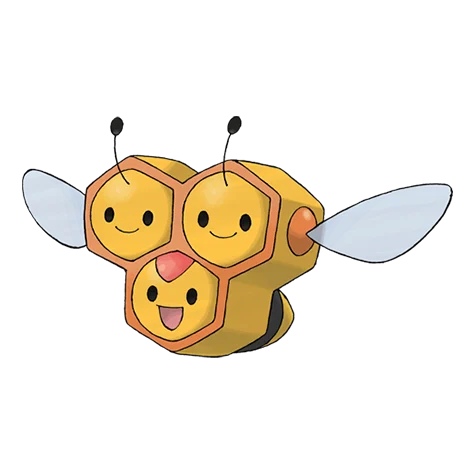
Only female Combee evolve into Vespiquen, and the species’ gender ratio skews heavily male, with females appearing at a 12.5% rate in the wild. This constraint increases time spent searching or breeding for a usable Combee during regional playthroughs.
In addition, Combee’s base stats are low, so training a non-evolving male yields limited returns in battle. Players targeting Vespiquen must plan around gender checks and encounter tables, particularly in areas where Combee’s appearance rates are already modest.
Salandit
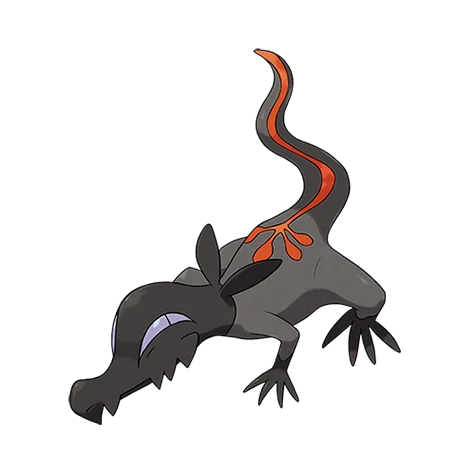
Salandit introduces an evolution condition where only females become Salazzle, while wild encounters are predominantly male, with females at a 12.5% rate. This design forces additional capture grind or breeding cycles to secure a female with suitable Nature and Ability for story or competitive use.
Once evolved, Salazzle offers unique Poison/Fire coverage and utility like Corrosion to poison Steel- and Poison-types in some contexts. The bottleneck remains the acquisition step: teams must budget time and resources to source an eligible female before benefiting from the evolved form’s speed and pressure.
Feebas
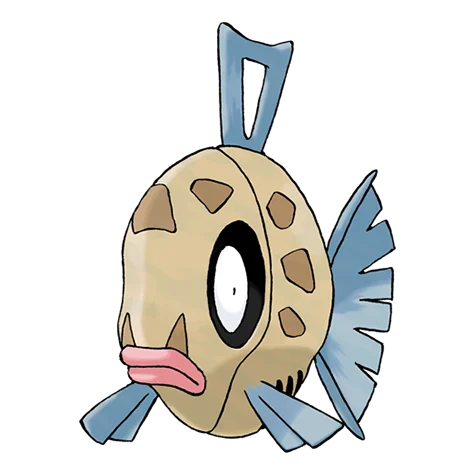
In certain generations, Feebas appears only on a handful of specific water tiles on a designated route, with those tiles randomized per save file. In the original Hoenn titles, it spawns on a small, randomized subset of water tiles on Route 119—six tiles per file—requiring tile-by-tile fishing to locate.
Evolution conditions also varied, including Beauty stat thresholds in earlier games that required Pokéblocks or Poffins. These mechanics add preparation steps beyond leveling, making Milotic-aimed runs contingent on contest or grooming systems and additional item crafting.
Abra
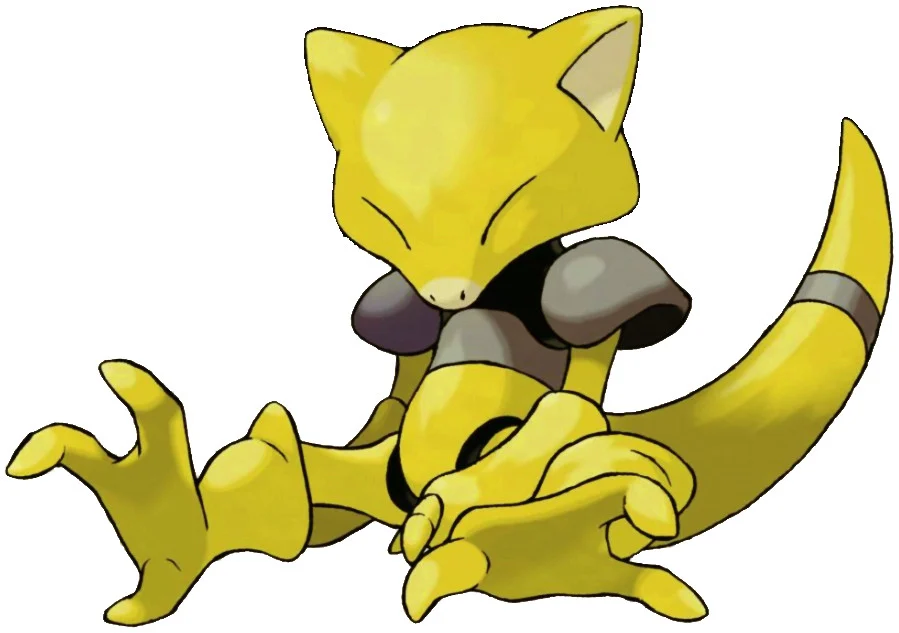
Abra’s early-game behavior is to use Teleport immediately, ending the battle unless prevented by trapping, sleep, or fast capture. This makes securing Abra in the wild a function of lead Speed, status access, or high-grade Poké Balls.
Despite the capture hurdle, the Kadabra/Alakazam line offers strong Special Attack and Speed once obtained and traded for evolution where required. The contrast between acquisition friction and later performance makes planning—like carrying Mean Look, Arena Trap users, or Quick Balls—a practical necessity.
Togekiss
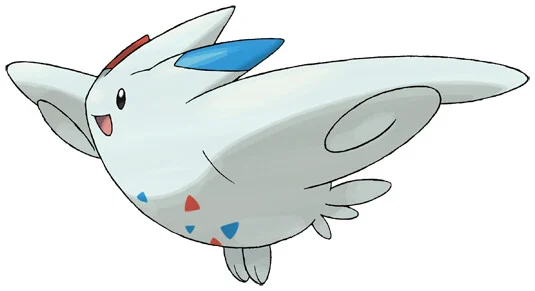
With Serene Grace, Togekiss doubles secondary effect chances, turning Air Slash into a 60% flinch move when it connects, especially effective with Speed control. Access to Thunder Wave, Nasty Plot, and reliable recovery in some formats lets it pivot between disruption and sweeping.
Its Fairy/Flying typing supplies key resistances and immunities, creating frequent switch-in windows to start the flinch-paralysis cycle. Countermeasures typically involve Electric-type pressure, Rock moves, or status-immune targets that can ignore disruption and trade efficiently.
Landorus (Therian Forme)
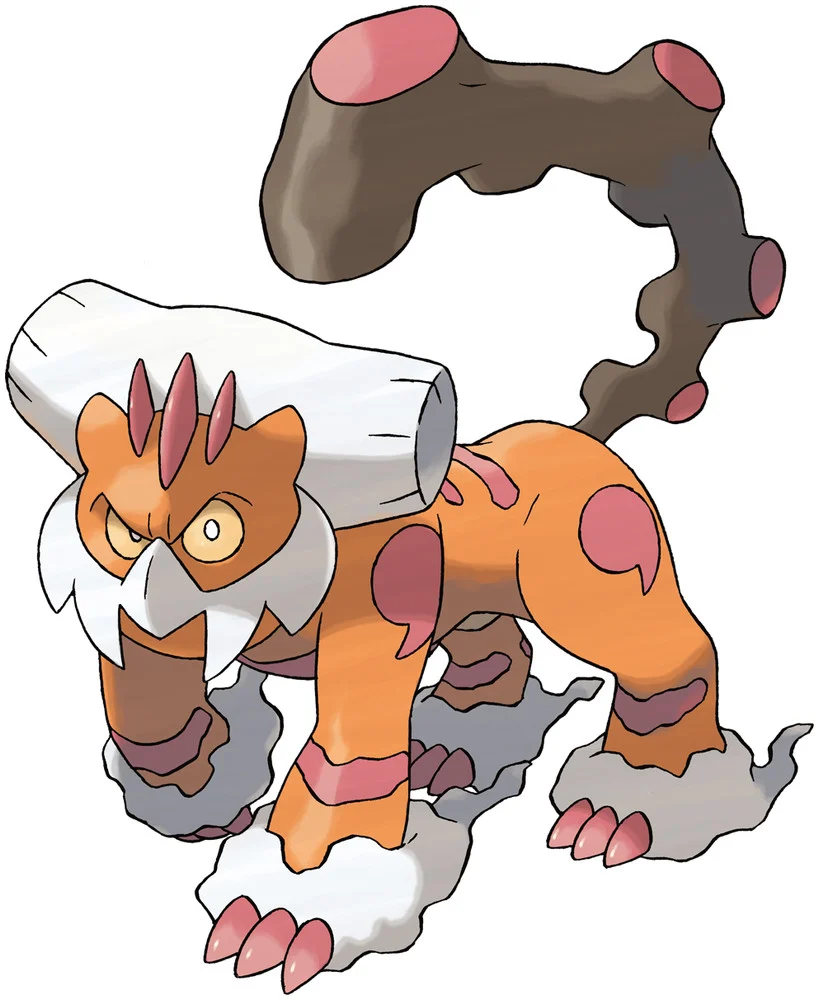
Landorus-T combines Intimidate with strong Attack, usable Speed, and Ground/Flying typing, plus Stealth Rock and U-turn. This package compresses roles—pivot, rocker, and physical check—leading to extremely high usage across multiple generations and rulesets.
Its movepool supports flexible coverage (Earthquake, Stone Edge, Knock Off) and item diversity, from Choice Scarf to defensive Leftovers sets. Opponents often must plan specific Ice or Water coverage and Flying-neutral answers, shaping drafts and in-game lines around its presence.
Aegislash
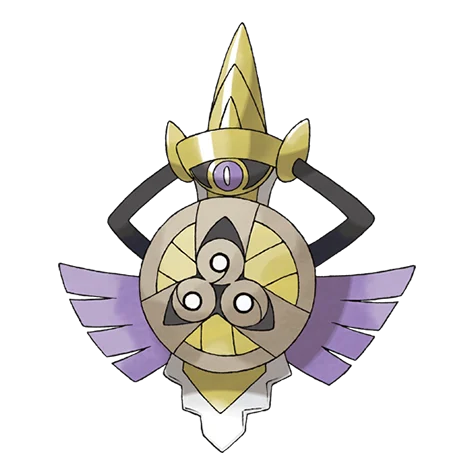
Aegislash’s Stance Change toggles between high Attack/Defense and high Special Attack/Defense modes upon using attacking moves or King’s Shield, creating unique timing and prediction layers. With wide coverage and priority options like Shadow Sneak, it threatens offense while punishing contact with additional effects.
King’s Shield reduces the attacker’s Attack by two stages on contact, which discourages direct physical pressure and forces prediction around shield turns. Teams often adopt Dark-type breakers, status, or mixed coverage specifically to limit its ability to pivot safely between stances.
Trubbish
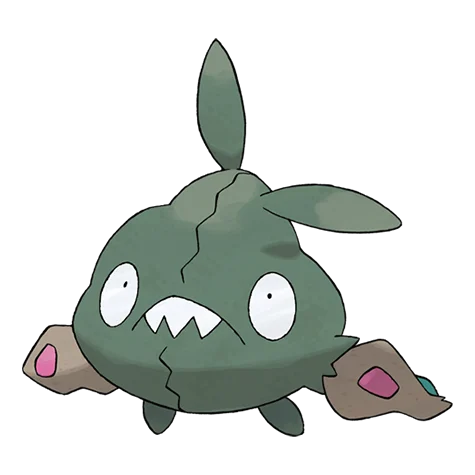
Trubbish functions as an early-to-mid game Poison-type with access to Spikes and utility moves that support hazard-centric play. Its ability options include Sticky Hold and Aftermath, each influencing item dynamics and chip-damage patterns in prolonged fights.
Sticky Hold prevents item removal, so Knock Off cannot strip Eviolite or berries from a Sticky Hold Trubbish and does not receive its power boost against it. Because Trubbish evolves into Garbodor, training it lays the groundwork for later hazard stacking, especially in regional dexes where Poison coverage and hazard pressure are otherwise scarce during the story.
Share your own picks and the mechanics behind them in the comments!