

20 Most Memorable Anime Beach Episodes (That Actually Matter)

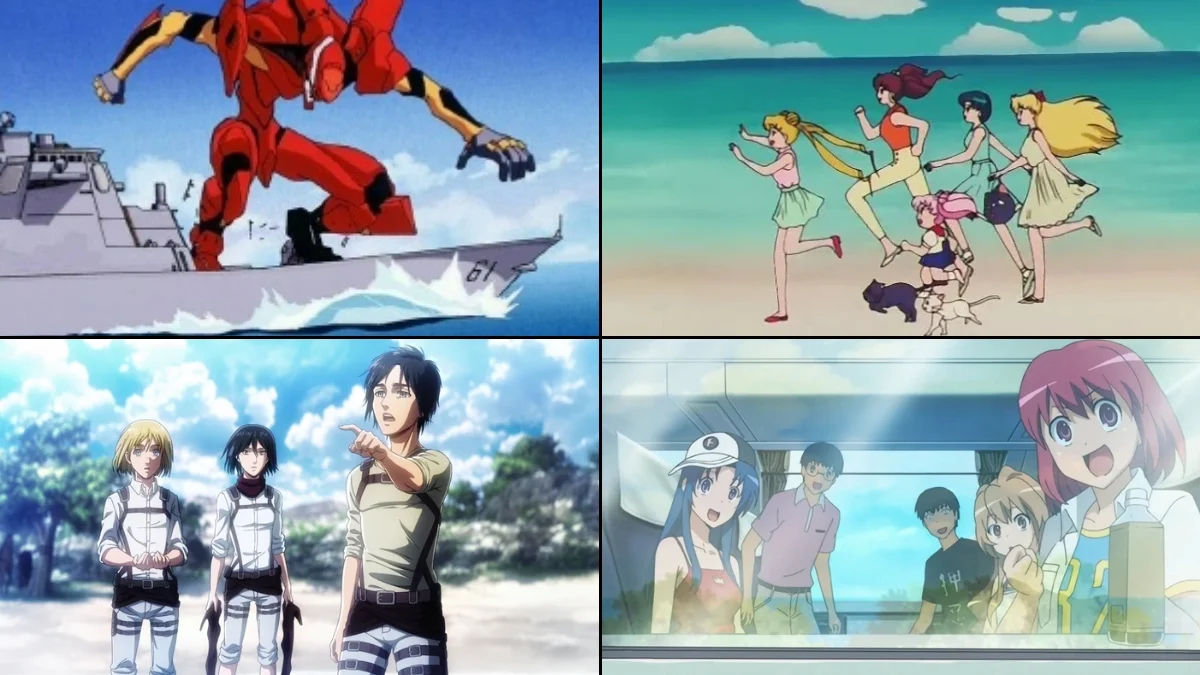


Beach episodes aren’t just fan-service detours—sometimes they push plots forward, introduce pivotal characters, or cap long arcs with scenes that reframe everything that came before. This list spotlights episodes where the shore, the sea, or a summer getaway directly shapes character decisions, escalates conflicts, or delivers lasting payoffs to a series’ main narrative. You’ll find moments of training that change power ceilings, arc-defining reveals on remote islands, and finales that use the beach as a literal edge of the world. Everything here ties back to the core story in ways that stick long after the sand is gone.
‘Attack on Titan’ (2013–2023) – “The Other Side of the Wall”
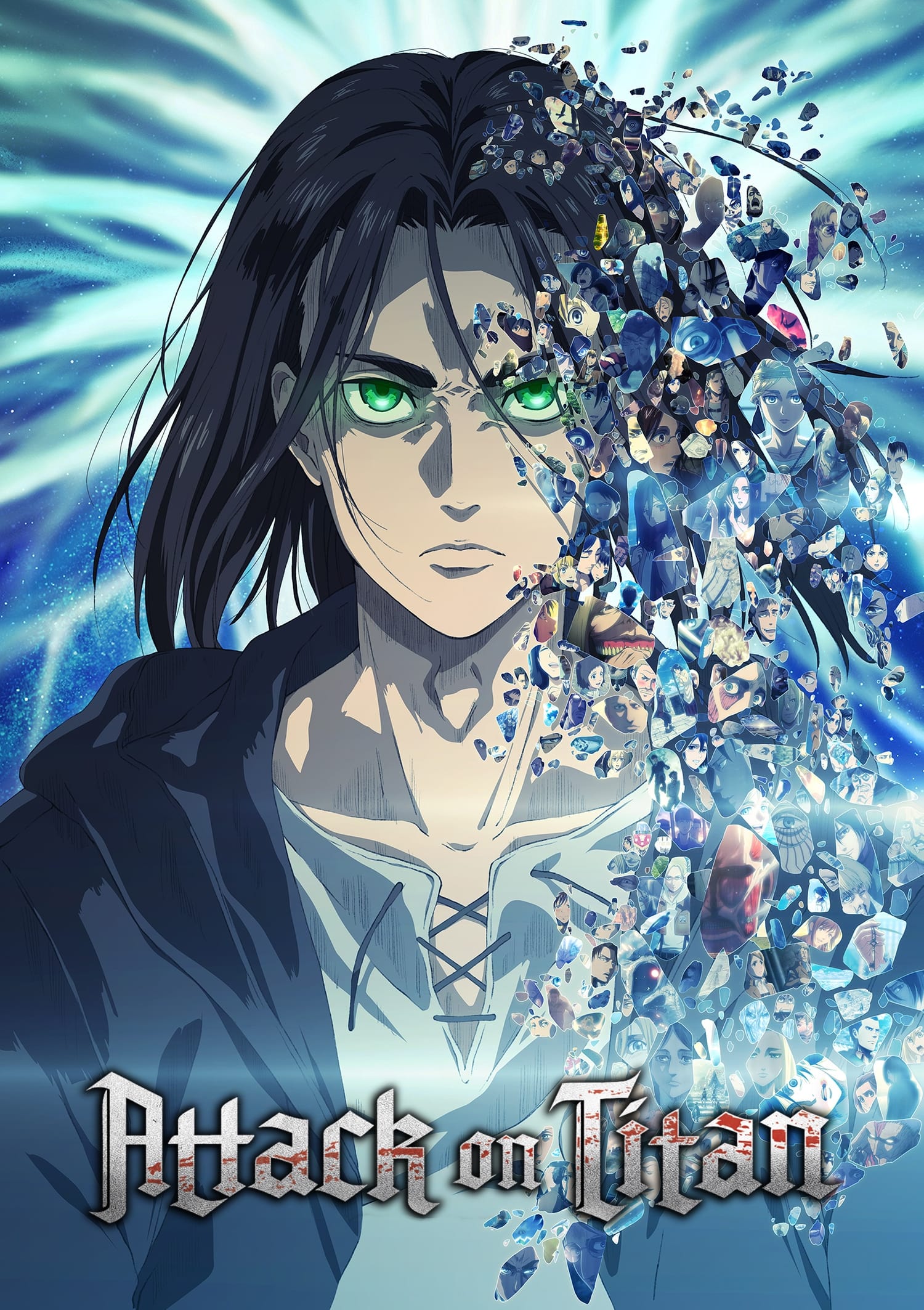
The Scouts finally reach the ocean after retaking Wall Maria, fulfilling a goal first set in motion by earlier expedition logs. The shoreline scene exposes the geographical truth of their confinement and reframes the conflict as something larger than Titans alone. Eren’s reaction foreshadows the series’ final act and the shift toward human adversaries beyond the sea. The episode closes Season 3’s storyline while setting up the international stakes of the concluding chapters.
‘My Hero Academia’ (2016– ) – “Izuku Midoriya: Origin”
Izuku begins All Might’s training regimen by cleaning Dagobah Municipal Beach, removing tons of junk to build the physique needed to inherit One For All. The beach becomes the tangible measure of his progress across months of work, culminating in him receiving the Quirk before the U.A. entrance exam. This groundwork explains how he survives early combat tests and why his body can start tolerating the power. The location reappears as a milestone marker throughout the series’ early phases.
‘The Melancholy of Haruhi Suzumiya’ (2006–2009) – “Remote Island Syndrome (Part 1)”
The SOS Brigade visits a private island with a secluded beach, where a staged vacation turns into a locked-room mystery that Haruhi expects the group to solve. The setup tests Kyon’s ability to navigate Haruhi’s reality-bending expectations without tipping the balance of her latent powers. Clues and dynamics established here feed directly into the resolution in Part 2. The island trip also reinforces the series’ pattern of extraordinary events masquerading as everyday club activities.
‘The Melancholy of Haruhi Suzumiya’ (2006–2009) – “Endless Eight I”
A summer outing that includes a beach day kicks off an 8-episode time loop in which the Brigade repeats the same two weeks 15,532 times. The casual checklist—swimming, part-time gigs, fireworks—becomes the mechanism trapping everyone in recursion. Details from this first loop provide baselines the characters later use to search for the missing variable that will end it. The beach sequence thus anchors one of the show’s most consequential structural experiments.
‘Neon Genesis Evangelion’ (1995–1996) – “Asuka Strikes!”
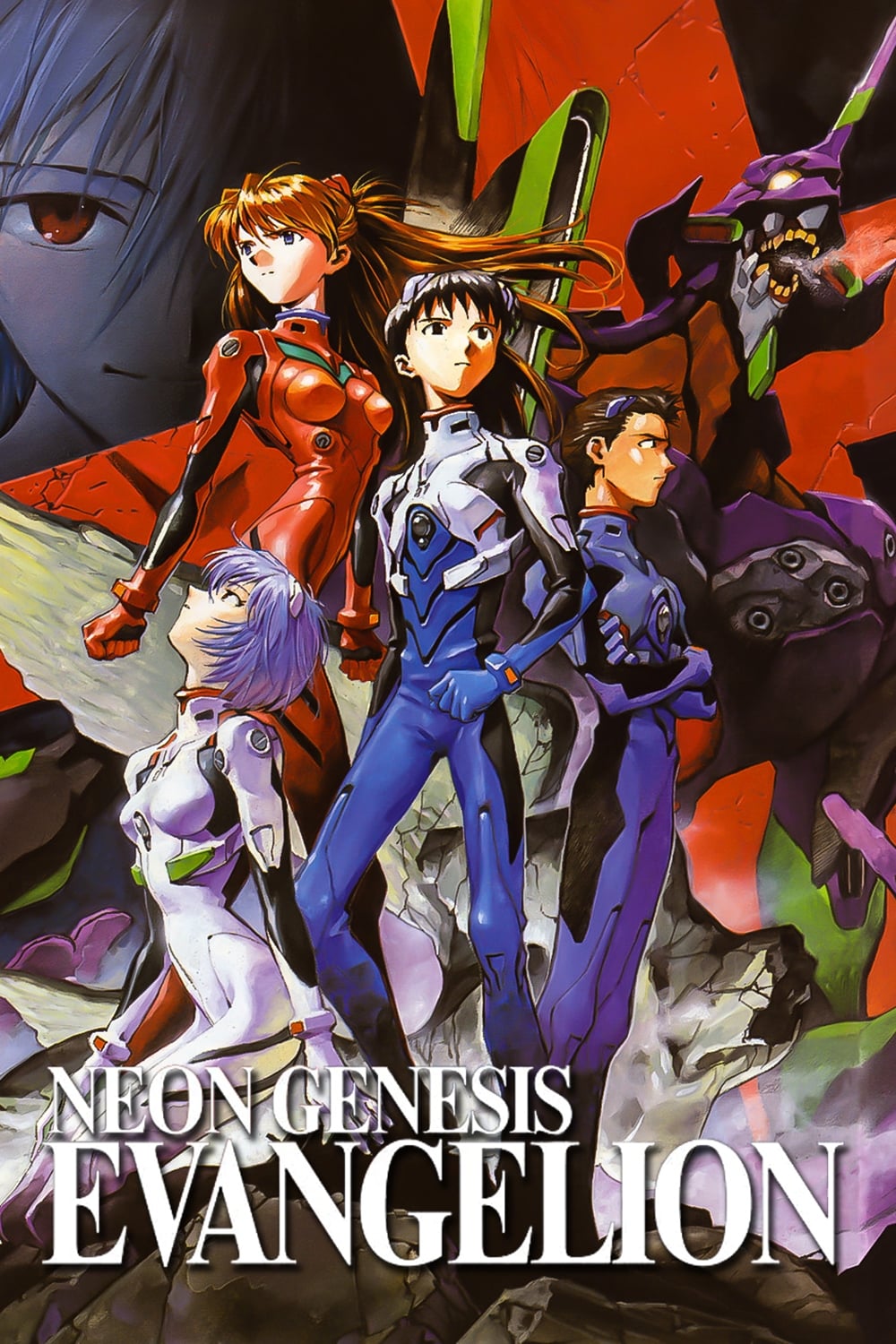
Asuka Langley Soryu debuts during a maritime operation that flows directly into shore-adjacent combat against an Angel. The episode establishes her synchronization capabilities, competitive dynamic with Shinji, and the tactical role of Unit-02. Naval assets, civilian risk, and terrain constraints around the coastline all shape the battle’s strategy. Asuka’s arrival resets team composition for subsequent operations and changes NERV’s approach to multi-Eva engagements.
‘Fruits Basket’ (2019–2021) – “I Can’t Believe You Picked It Up.”
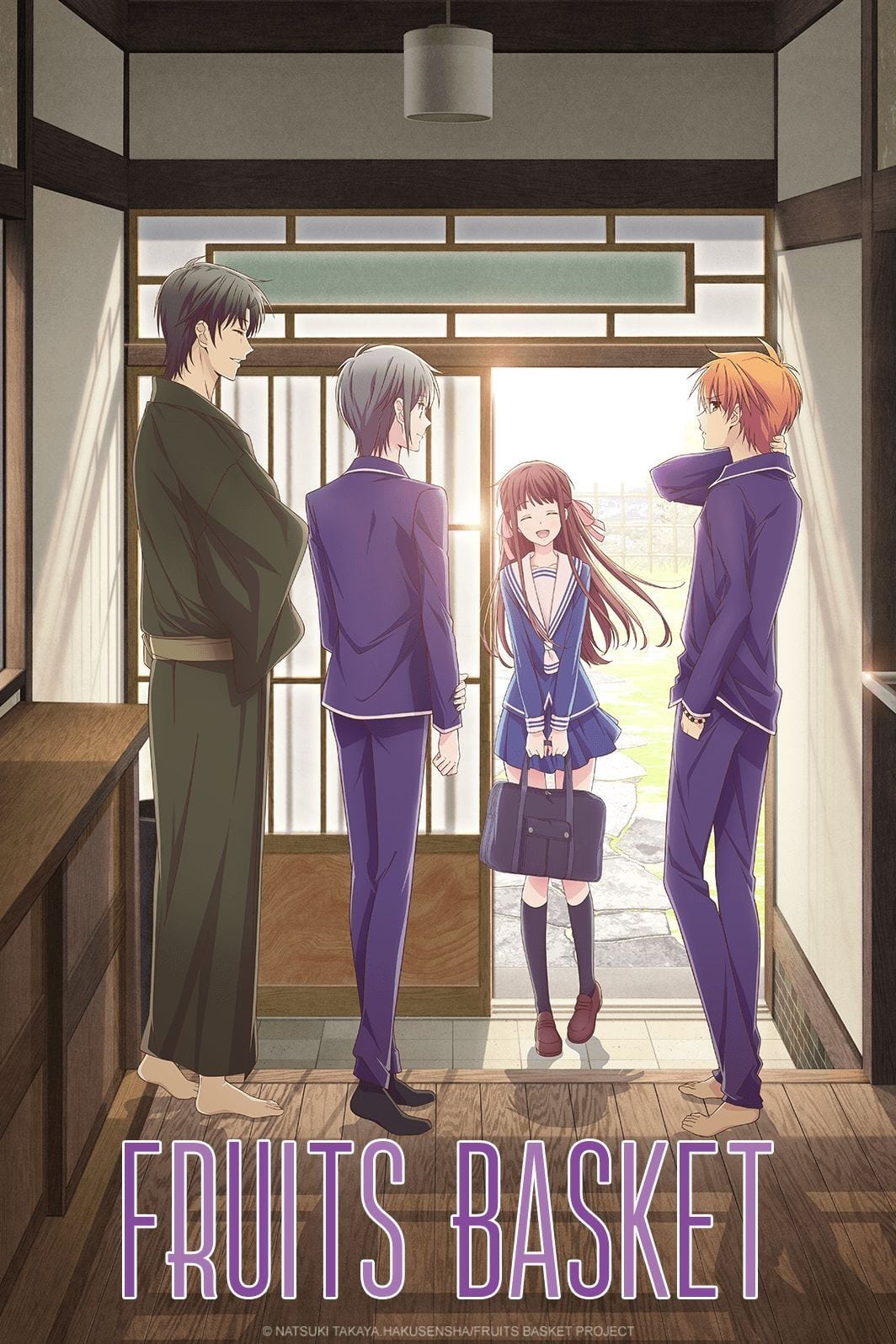
The Sohma family’s summer stay at a beach house pulls together key Zodiac members away from school, concentrating long-brewing tensions. Encounters here clarify the head of family’s control and the emotional costs of the curse on multiple characters. The seaside setting isolates the cast so important confrontations and confidences can unfold without outside distraction. Plot threads from this arc directly influence several relationships and decisions in the next run of episodes.
‘Gurren Lagann’ (2007) – “Yoko, Will You Do the Honors?”
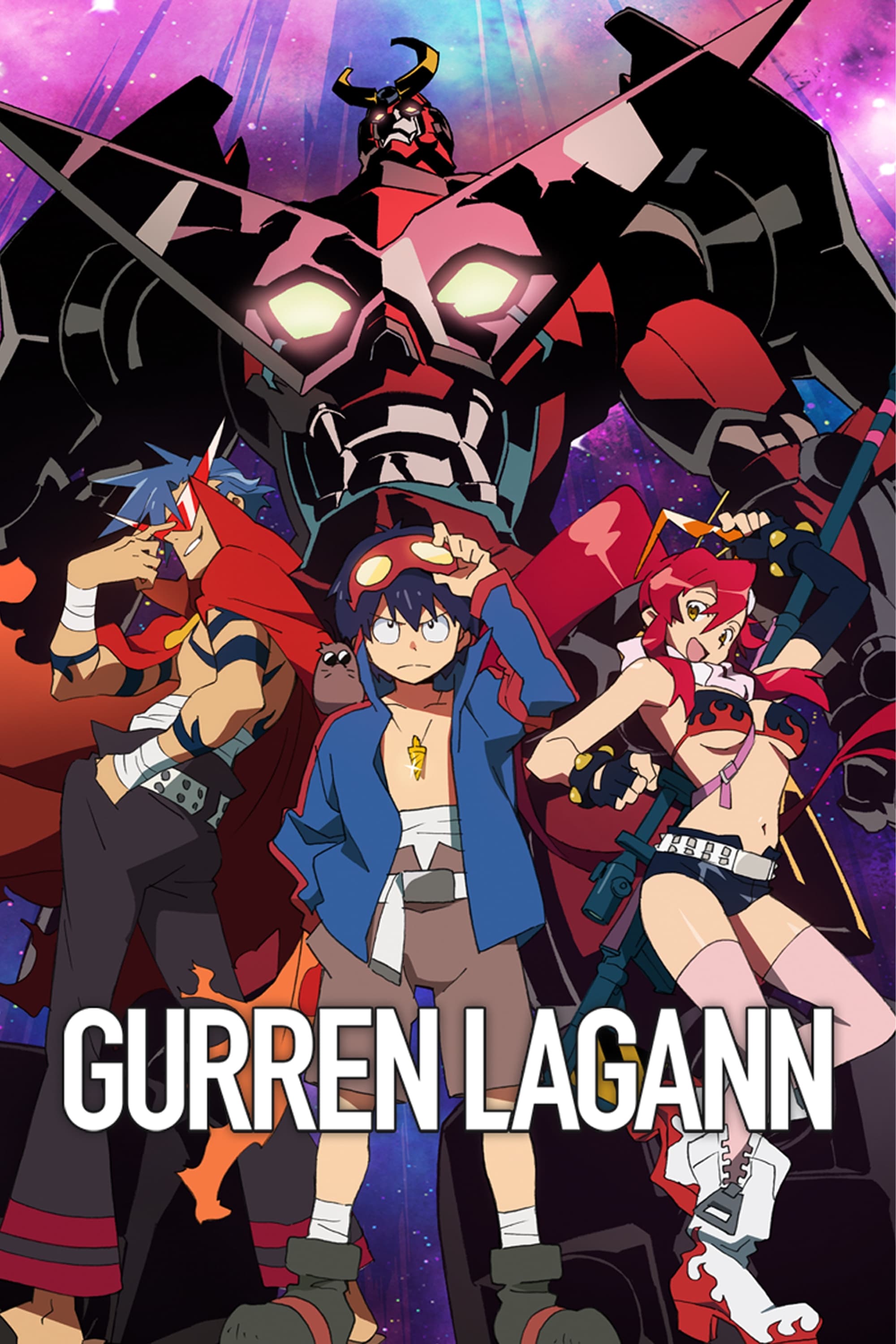
Team Dai-Gurren pauses near the sea, where a supposed respite turns into a sudden enemy strike led by a new Beastman general. The beach locale limits mobile cannon placements and forces rapid-response tactics that highlight shifting command roles. Character moves here foreshadow the coalition-building and escalation that follow in the surface war. The episode bridges early skirmishes with the broader campaign against the Spiral King’s forces.
‘K-On!’ (2009–2010) – “Training Camp!”

The Light Music Club heads to a seaside villa for practice, but the trip’s schedule and tasks evolve into concrete prep for upcoming performances. Gear checks, part assignments, and composition work are slotted between beach segments, showing the group’s actual production process. The camp codifies how the band organizes itself under real deadlines. Later concerts reference songs and arrangements that began during this trip.
‘Toradora!’ (2008–2009) – “Ocean Blue”
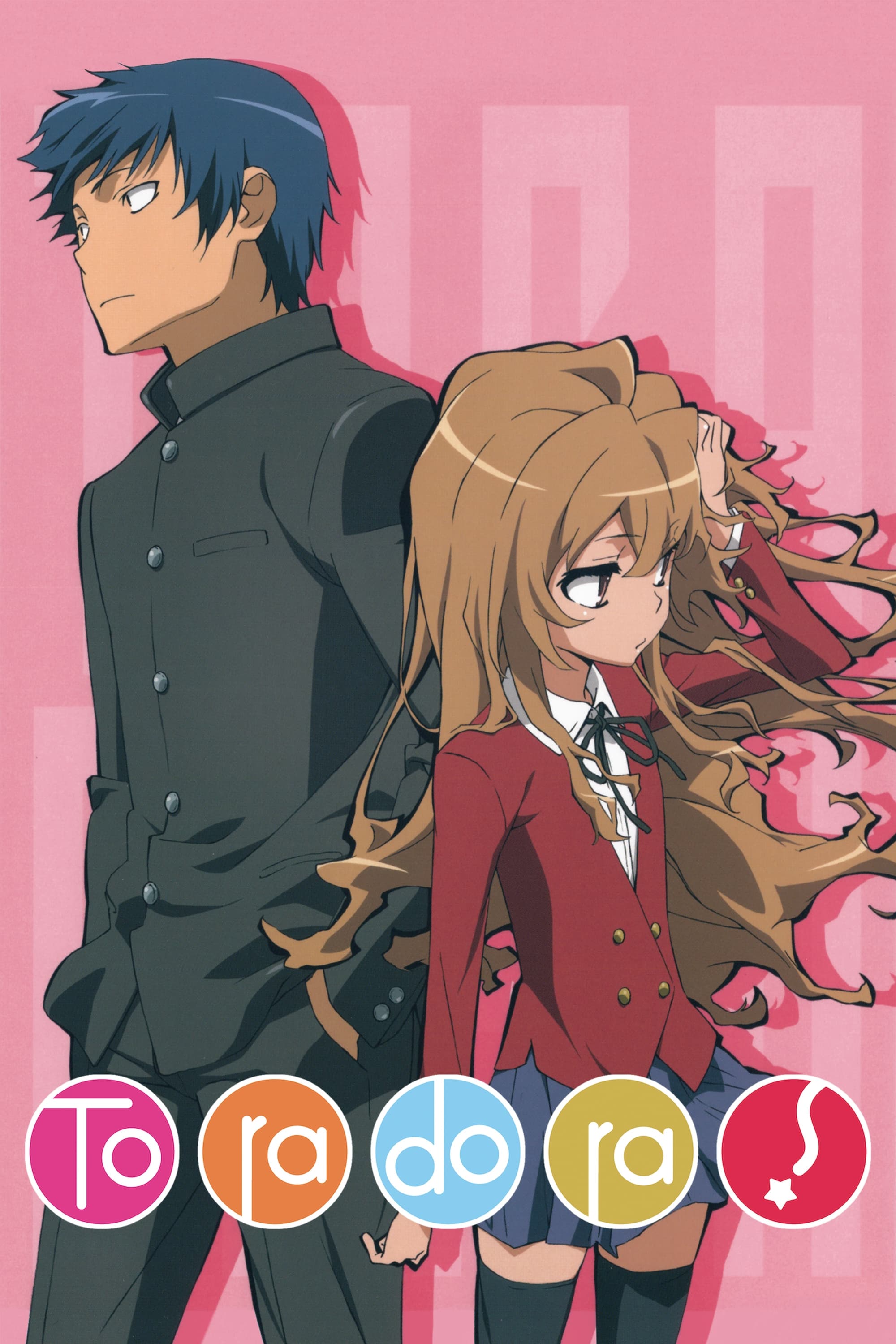
A summer beach trip orchestrates proximity between the main cast to force conversations they’ve been avoiding. The episode positions cameras, group activities, and nighttime scenes to surface shifting alliances and crush geometry. What’s said—and what’s left unsaid—here reverberates into the cultural festival arc and the fallout that follows. The seaside setting functions as a neutral ground where guarded characters finally tip their hands.
‘Grand Blue Dreaming’ (2018) – “Deep Blue”
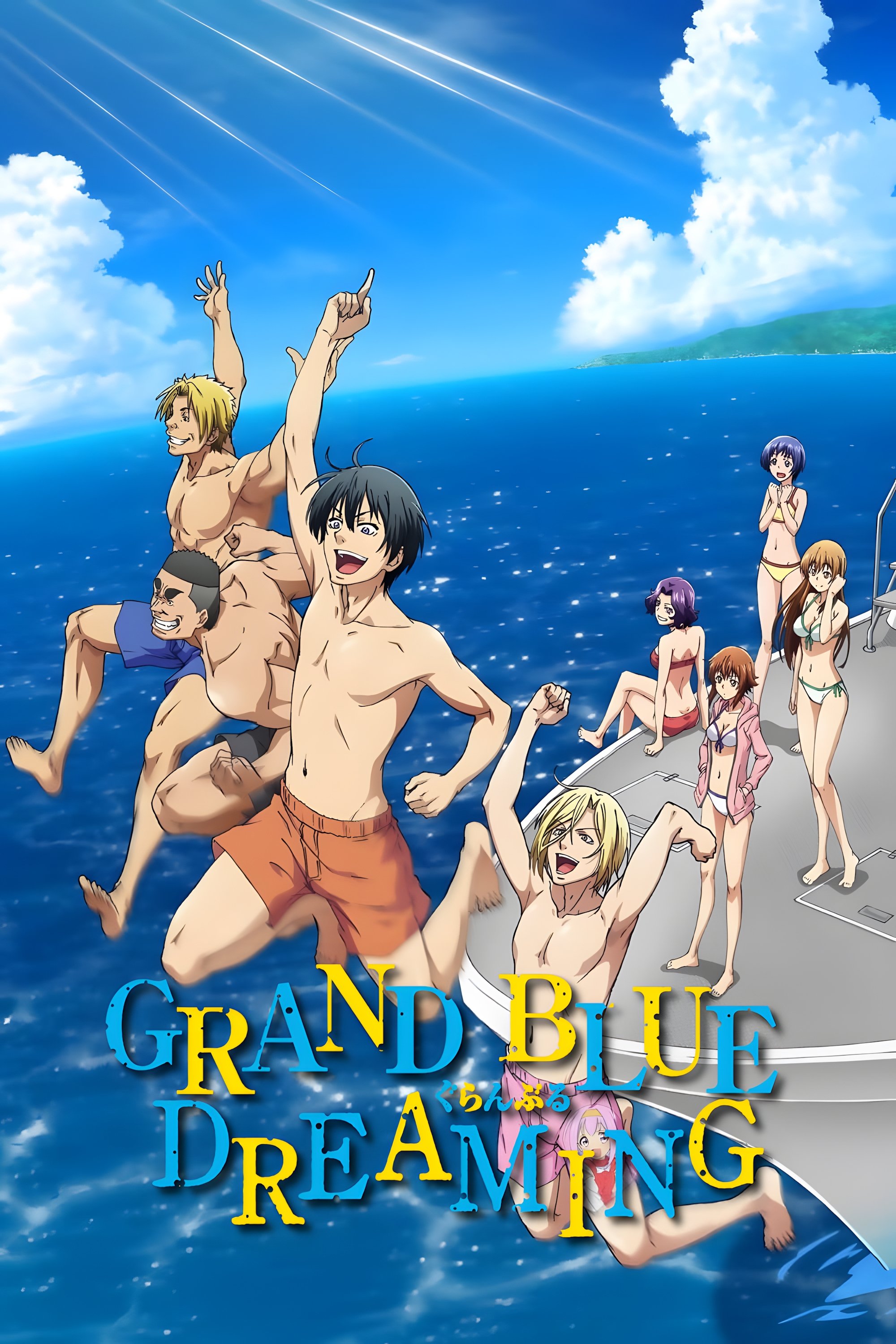
The Izu coastal town setting anchors a diving club initiation that moves from comedy to the fundamentals of safe open-water practice. The episode covers basic gear, buddy systems, and the difference between pool and ocean conditions. Early dives tie character arcs to the technical progression required for later certifications. The beach isn’t a backdrop—it’s the classroom that frames the series’ central activity.
‘Sailor Moon R’ (1993–1994) – “The Beach, the Island and a Vacation: The Guardian’s Fun Summer”
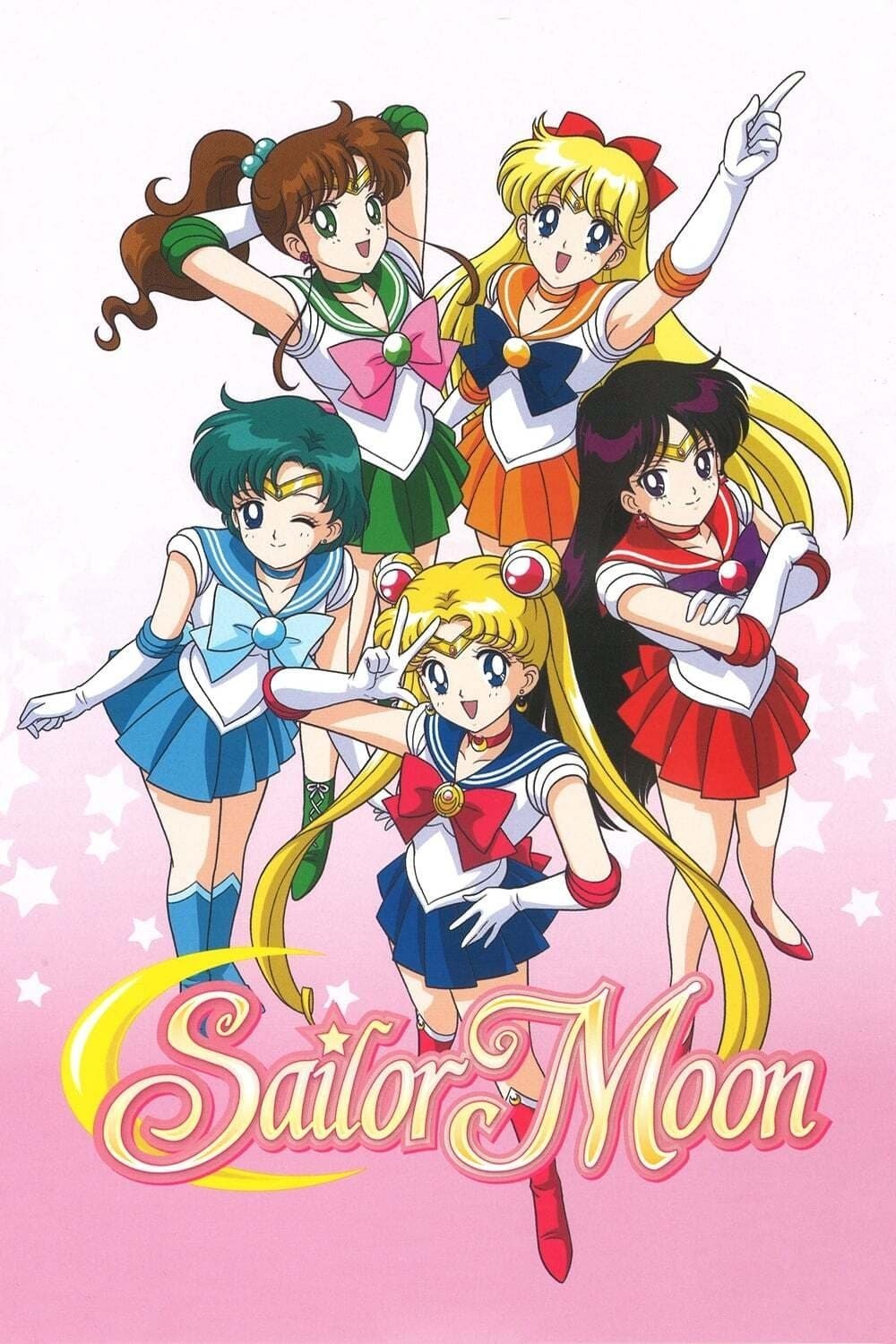
An island vacation places the Guardians in a scenario where a routine trip turns into a monster confrontation tied to the season’s antagonists. The switch from leisure to battle underscores how threats now track the team beyond Tokyo. Combat near the shoreline introduces environmental hazards and rescue stakes for civilians. Outcomes from the clash feed into the ongoing arc’s power-up cadence and enemy intel.
‘Sword Art Online II’ (2014) – “Debriefing”

A rare real-world gathering at a seaside setting lets Kirito’s group consolidate information after virtual-world conflicts. The beach scene provides the neutral space to parse threats crossing between games and reality. Decisions made here affect how the party approaches the next set of quests and investigations. It acts as a hinge from one game arc to broader, interconnected stakes.
‘Free!’ (2013) – “Memories in the Distance!”
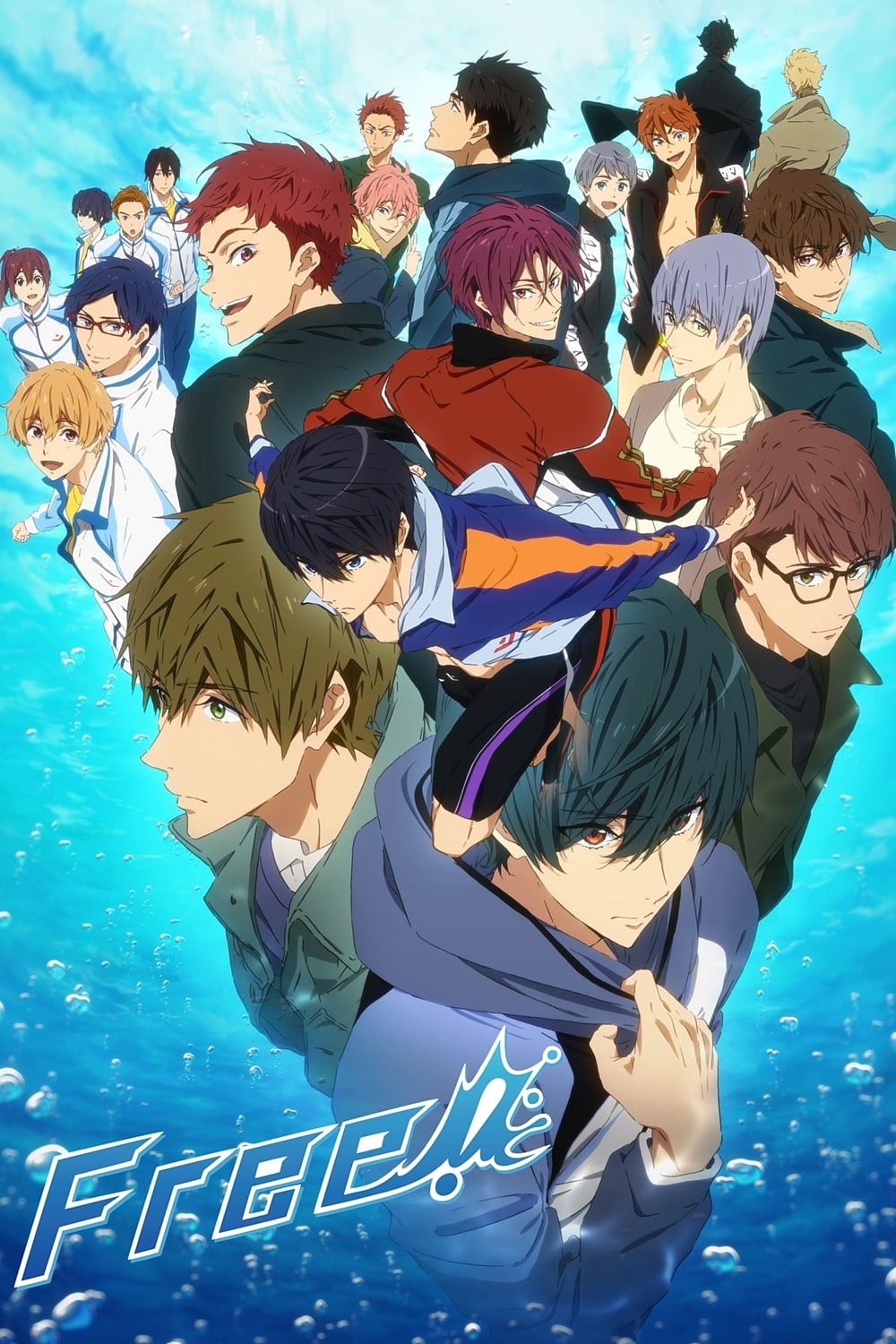
An ocean training session forces the relay squad to adjust pacing and breathing to open-water variables not found in a pool. The change in conditions sharpens the team’s communication and trust, elements they need for official meets. Technical corrections made on the shore translate directly to improved times in later events. The episode ties character motivation to measurable athletic progress.
‘Love Live! School Idol Project’ (2013–2014) – “No Brand Girls”

A seaside training camp gives μ’s the uninterrupted time to build choreography, stamina, and stage blocking for a decisive performance. The schedule interleaves beach drills and rehearsal so the group can iterate as a unit. Concrete outputs from the camp—song selection, formation changes, and endurance gains—feed the next competition. The trip marks a before-and-after in their credibility as contenders.
‘Barakamon’ (2014) – “Guys From the Sea”
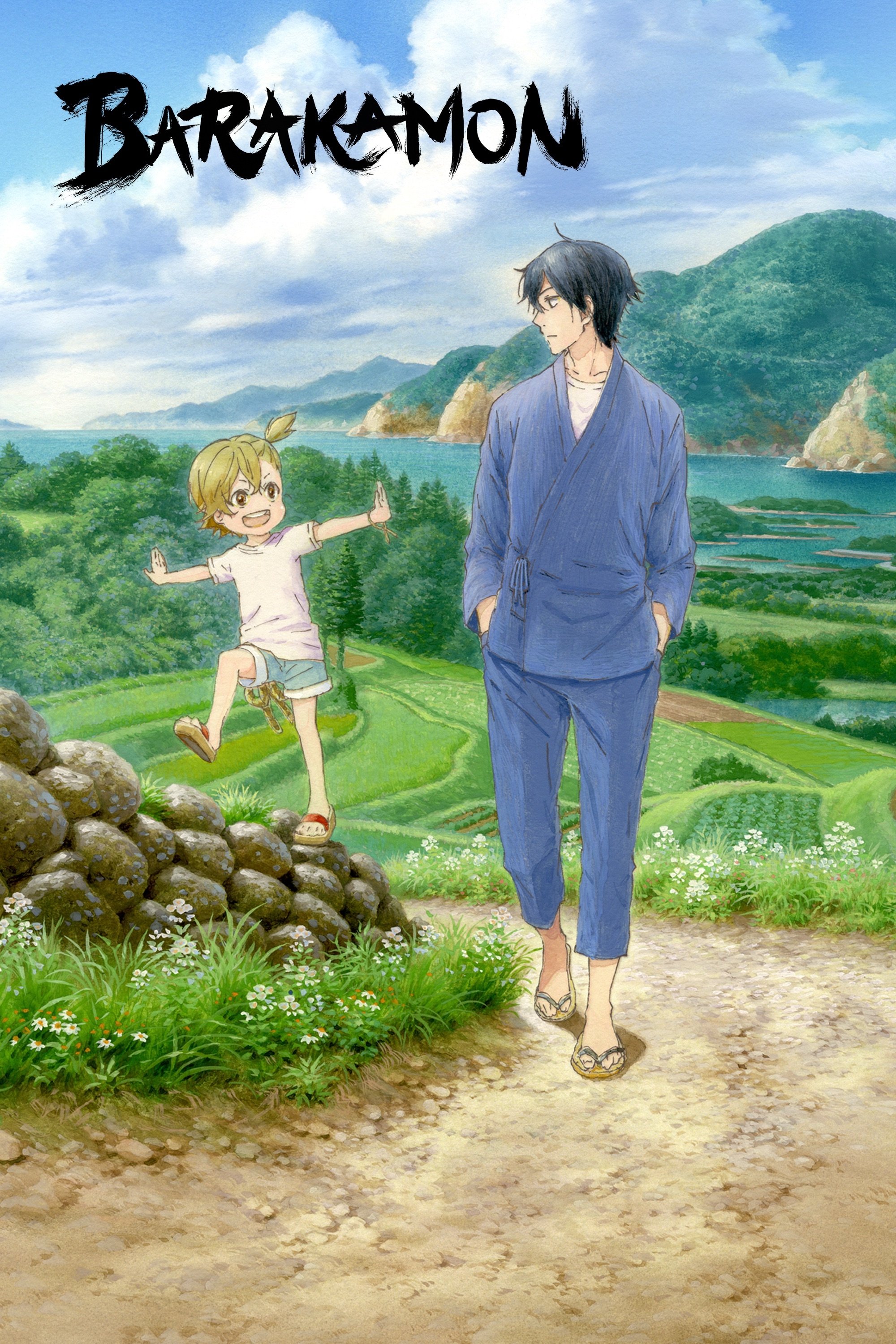
Seishu Handa’s island life intersects with the beach when local kids pull him into shoreline antics that become source material for new calligraphy. The episode documents how coastal rhythms and community routines reshape his creative process. Specific works produced afterward reflect textures and movements observed at the shore. It’s a pivot from technical perfectionism toward expression rooted in place.
‘Eureka Seven’ (2005–2006) – “Blue Monday”
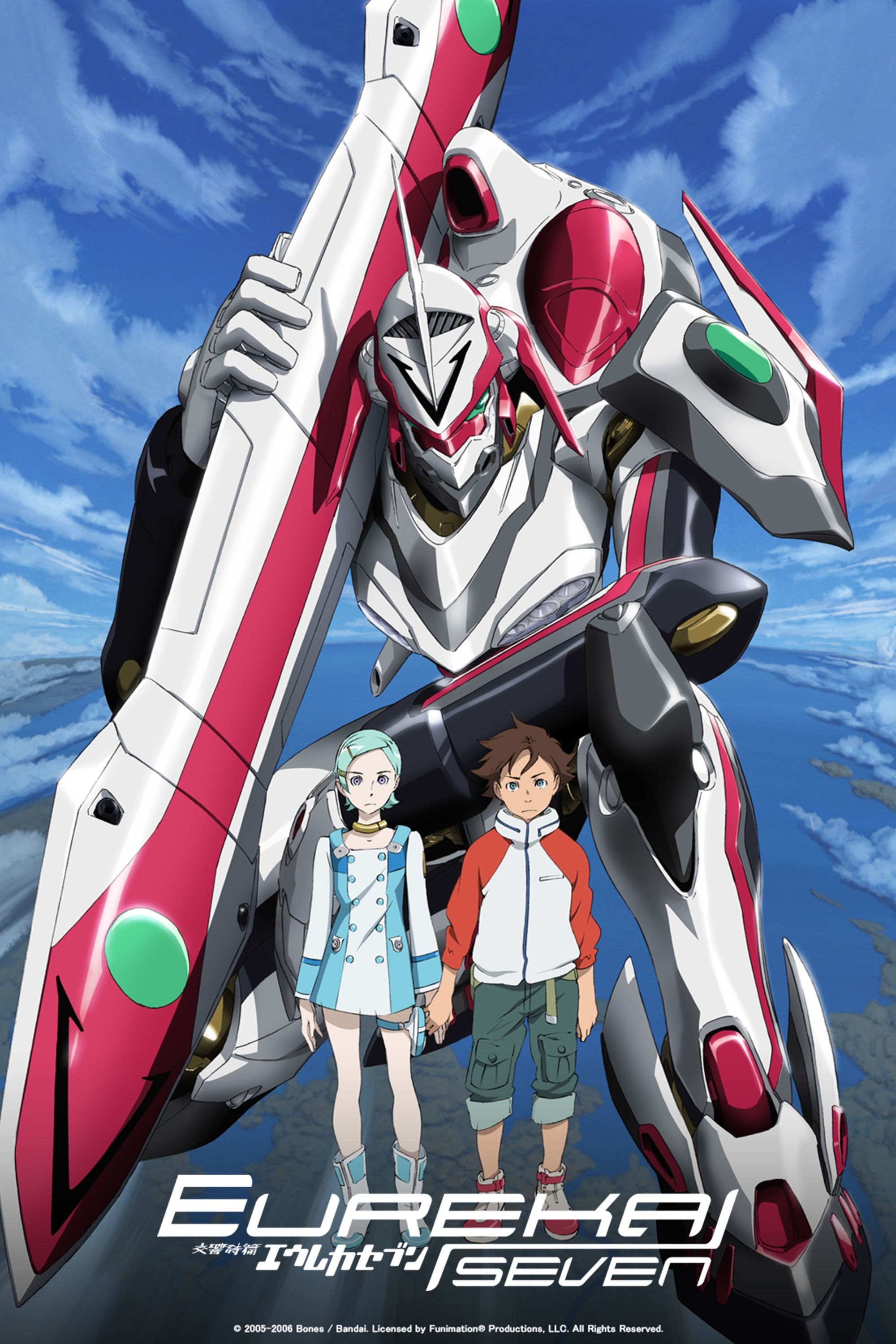
A coastal settlement provides the stage for Eureka and Renton to recalibrate after combat, highlighting the cost of missions on civilians. Supplies, repairs, and negotiations occur in parallel with moments on the beach that reveal new intel. The downtime sequences set up the Gekkostate’s next engagement and clarify alliances. The shoreline marks a temporary pause that reorganizes the team’s priorities.
‘Nagi-Asu: A Lull in the Sea’ (2013–2014) – “The Ofunehiki Shakes”
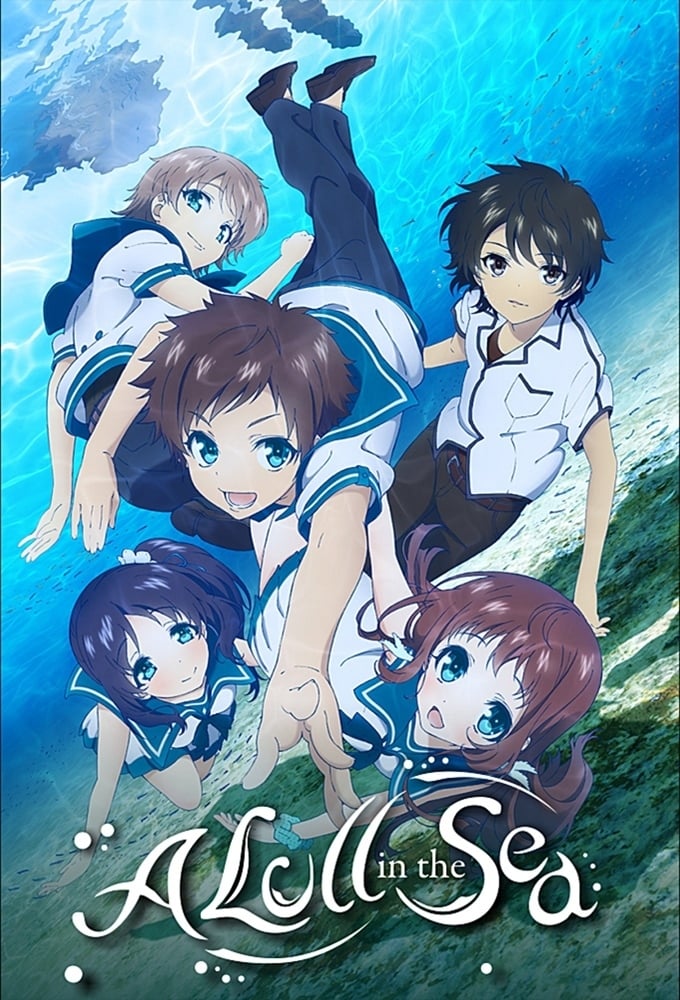
Tensions between sea and land communities crest as festival plans meet literal coastal upheaval. The episode uses the harbor and nearby beach to stage incidents that alter multiple characters’ trajectories. Ritual logistics, safety concerns, and weather all tie plot movement to maritime realities. The fallout directly reshapes relationships and the town’s strategy for the next phase of the story.
‘Bleach’ (2004–2012) – “The Entry”

Ichigo’s early training and world-building include a shoreline waypoint that explains spiritual boundaries between realms. The coastal setting helps visualize barriers and transit methods the cast later relies on. Exposition here foreshadows operational limits during invasions and rescues. It anchors abstract rules in a concrete place the audience and characters can recall.
‘One Piece’ (1999– ) – “Luffy Stands Up!”
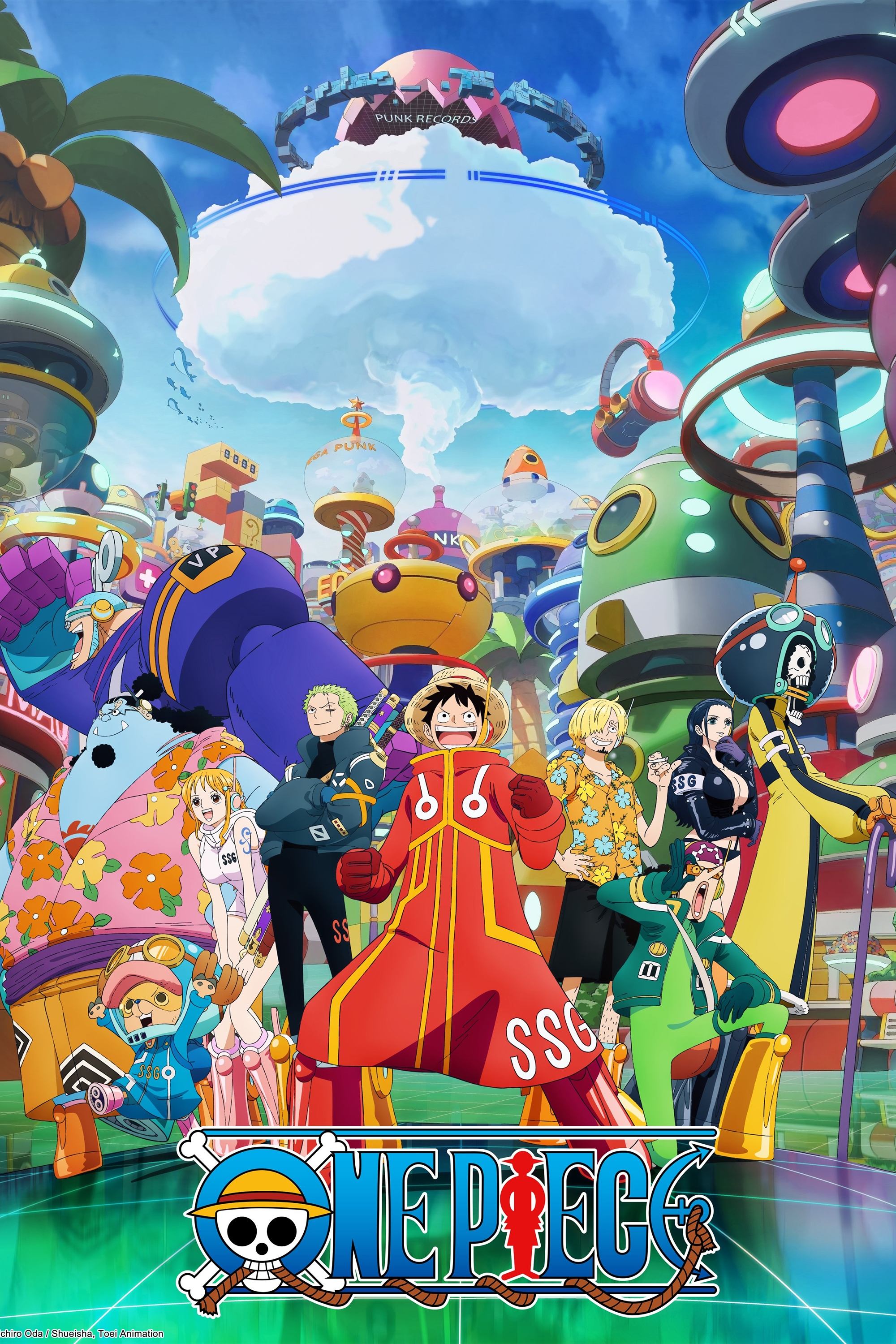
On the shore near Cocoyasi, the Straw Hats’ intervention in Nami’s home arc pivots from personal struggle to a full-scale confrontation. The beachside rally crystallizes crew resolve and local support before the Arlong Park battle. Logistics of landing, evacuation, and civilian safety all play into how the fight is staged. The moment marks a defining threshold for the crew’s identity as liberators.
‘Hyouka’ (2012) – “The Juumonji Case: The Order of Rosy Fingers Is Bound With a Chain”
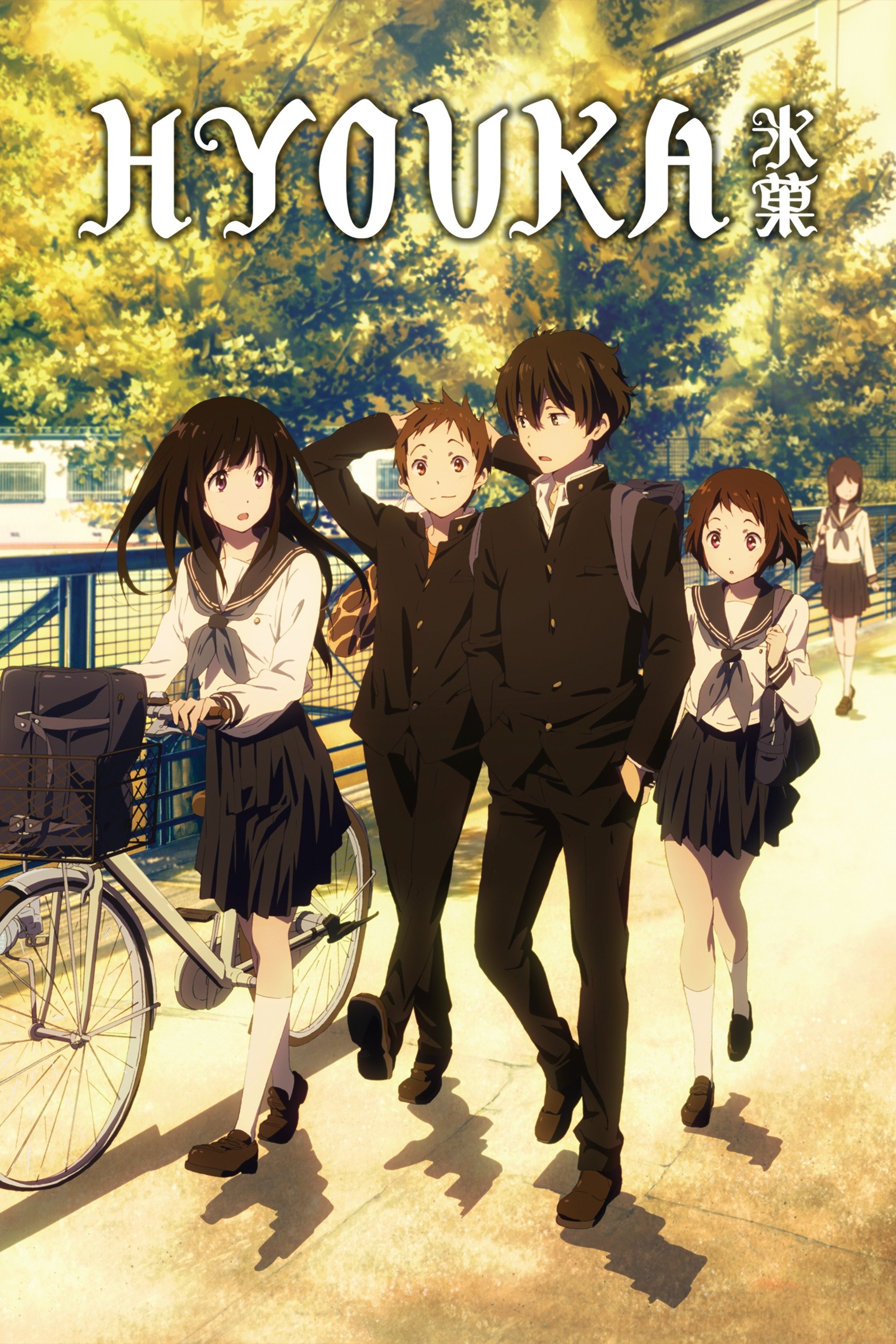
A summer club trip that includes beach time hides clues to a mystery linked to a student film project. Observations made during the outing become data points that Houtarou later weaves into his solution. The episode binds leisure, production scheduling, and deduction into one thread. Its findings directly determine the editing and narrative fix for the film within the show.
Share your own picks for beach episodes that truly move the story forward in the comments!