


20 Movies That Challenged Colorism in Black Casting Choices



Colorism has shaped who gets to be seen as a lead, a love interest, or a hero on screen, but a growing number of films have shifted that picture by putting darker-skinned Black actors at the center of their stories. The movies below did it in different ways—historical dramas, indies, epics, even superhero adventures—yet each one made deliberate casting choices that broadened representation. From ensembles filled with richly varied complexions to star turns by actors too often sidelined, these productions expanded who gets to be visible in pivotal roles. Here are 20 films whose casting pushed back against colorist norms in meaningful, on-screen ways.
‘Daughters of the Dust’ (1991)
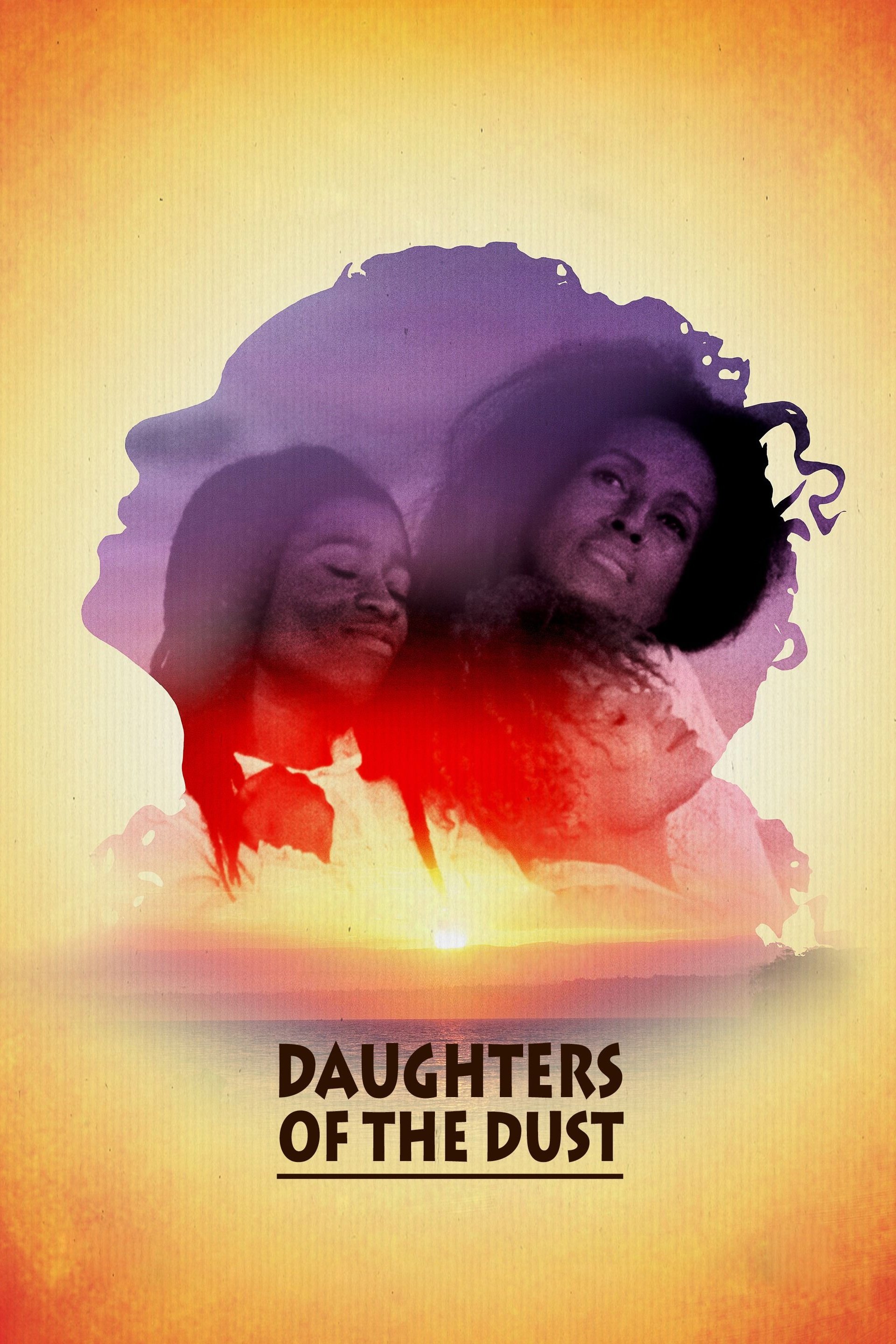
Julie Dash cast an intergenerational Gullah family with dark-skinned actresses including Cora Lee Day and Barbara-O. The film’s beachside tableaux emphasize unprocessed hair and natural complexions without soft-lighting or cosmetic lightening. Its marketing materials prominently featured darker complexions, a rarity for the period. The release influenced later visual albums and films that adopt similar imagery centered on darker-skinned women.
‘Eve’s Bayou’ (1997)
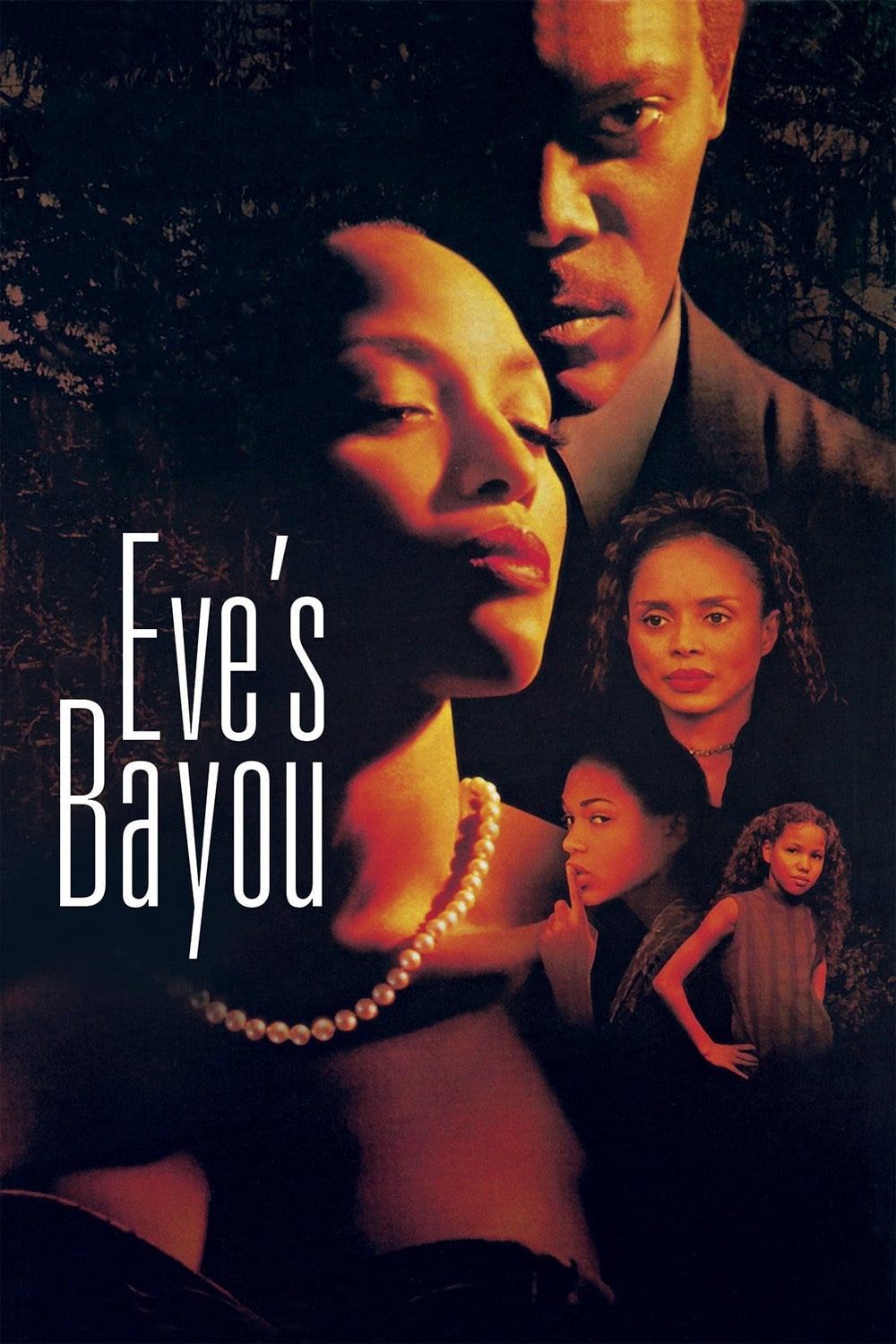
Kasi Lemmons assembled a predominantly Black cast with Lynn Whitfield, Samuel L. Jackson, and Jurnee Smollett. The film frames Southern Black affluence and intimacy without resorting to complexion-based typecasting. Cinematography highlights deep skin tones through warm interiors rather than overexposure. Its sustained theatrical run and award recognition helped normalize darker-skinned leads in prestige family dramas.
‘Pariah’ (2011)

Dee Rees cast Adepero Oduye in a coming-of-age role rarely given to darker-skinned queer Black girls. The film’s color palette is designed to retain richness in nighttime scenes rather than wash out complexions. Kim Wayans and Pernell Walker anchor a family dynamic that resists casting by skin-tone stereotype. Festival acclaim and distribution brought wider visibility to those choices.
‘Beasts of the Southern Wild’ (2012)

Quvenzhané Wallis headlines as a young heroine from the Louisiana bayou, with Dwight Henry as her father. The production drew heavily from local, nonprofessional actors whose complexions reflect the region’s communities. Handheld cinematography preserves tonal detail across natural light conditions. Wallis’s awards attention broadened expectations for who can lead a fantasy-inflected drama.
’12 Years a Slave’ (2013)
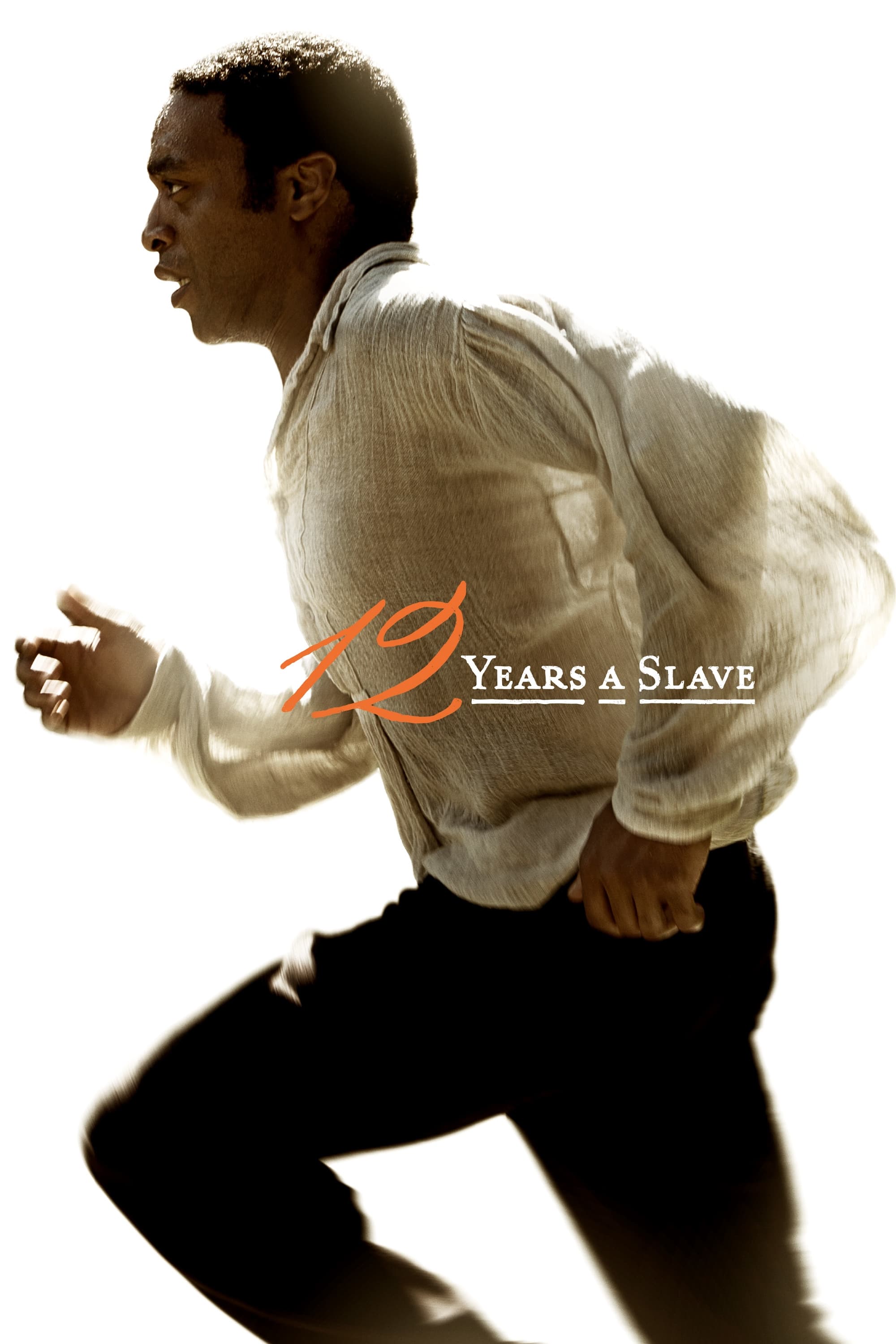
Chiwetel Ejiofor and Lupita Nyong’o lead a cast that centers darker-skinned actors in a major historical adaptation. The film’s makeup and costuming avoid complexion-altering techniques and maintain natural textures. Nyong’o’s breakout performance brought mainstream recognition without shifting her image toward industry-standard lightening. The ensemble approach places varied skin tones in primary, not peripheral, roles.
‘Selma’ (2014)
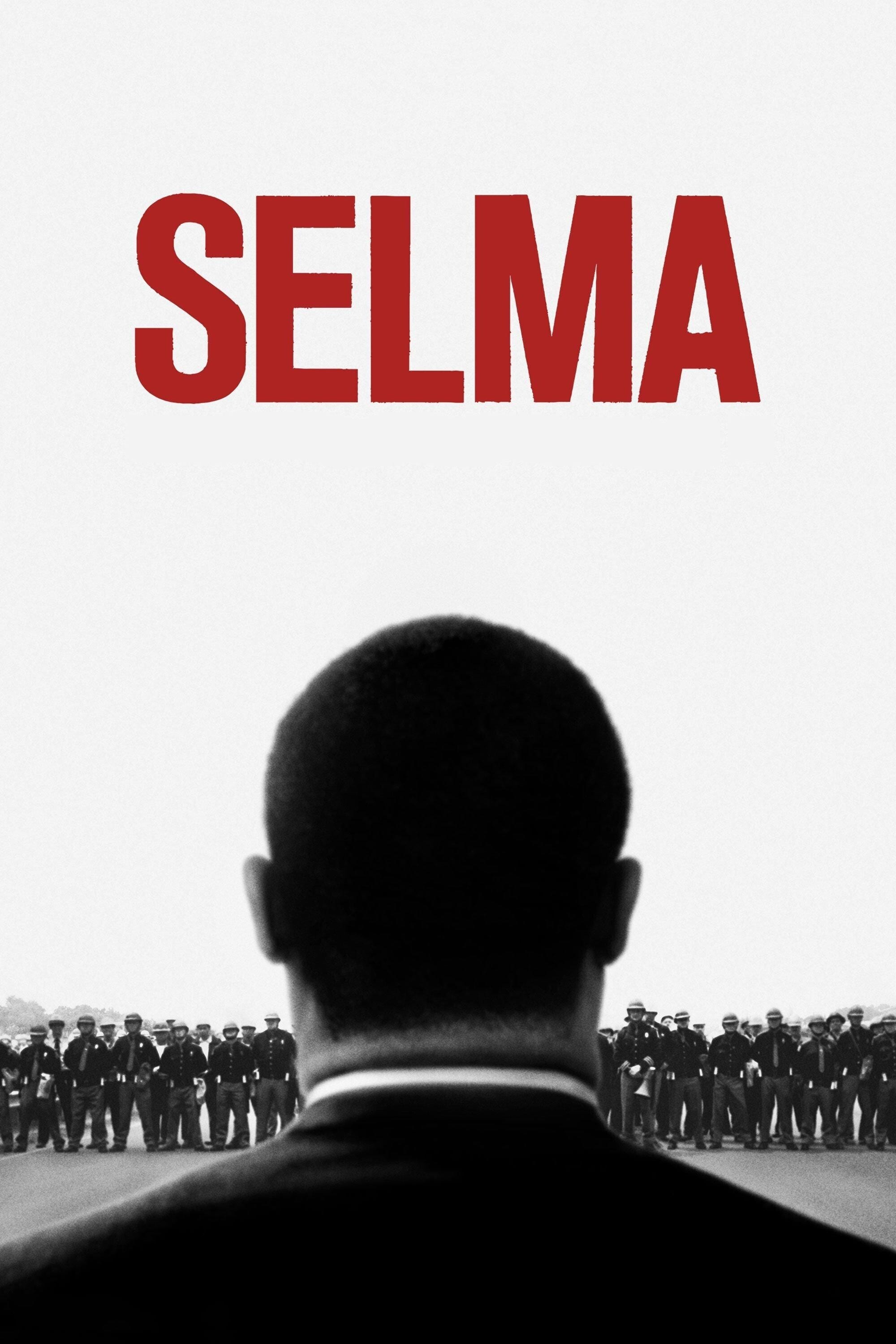
David Oyelowo portrays Martin Luther King Jr. opposite Carmen Ejogo and a broad ensemble of civil-rights organizers. Casting leans into historical accuracy without filtering for lighter complexions often favored in period pieces. Night marches and church interiors are lit to preserve depth across darker skin tones. The awards-season platform amplified these production and casting decisions.
‘Moonlight’ (2016)
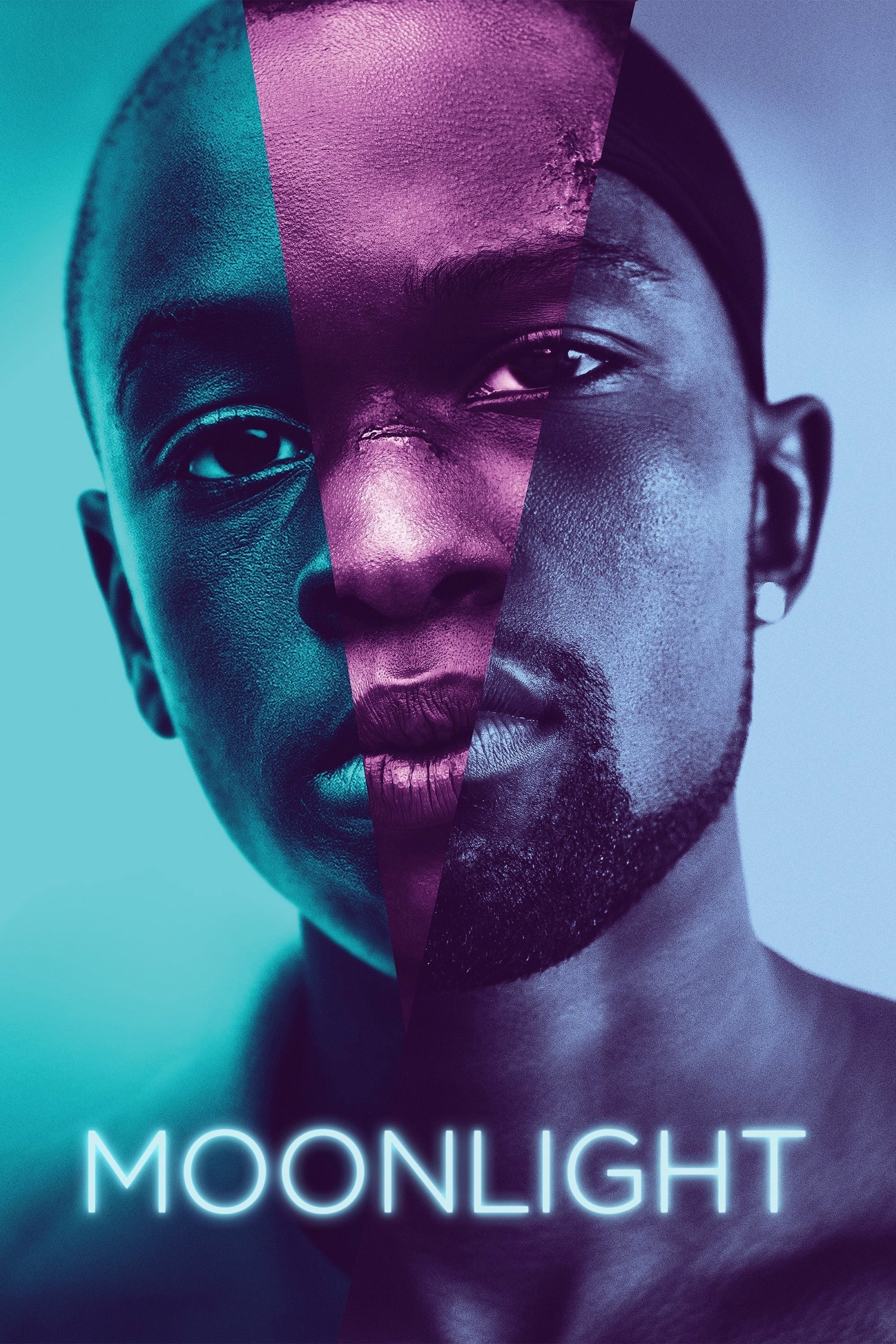
The film casts three darker-skinned actors—Alex Hibbert, Ashton Sanders, and Trevante Rhodes—to play the same character across life stages. Cinematographer James Laxton and the color team developed lighting plans to retain detail in blue and magenta hues on dark skin. Naomie Harris and Mahershala Ali’s supporting roles maintain the tonal consistency of the ensemble. Its box-office success established a template for lighting and casting that many productions have since cited.
‘Queen of Katwe’ (2016)
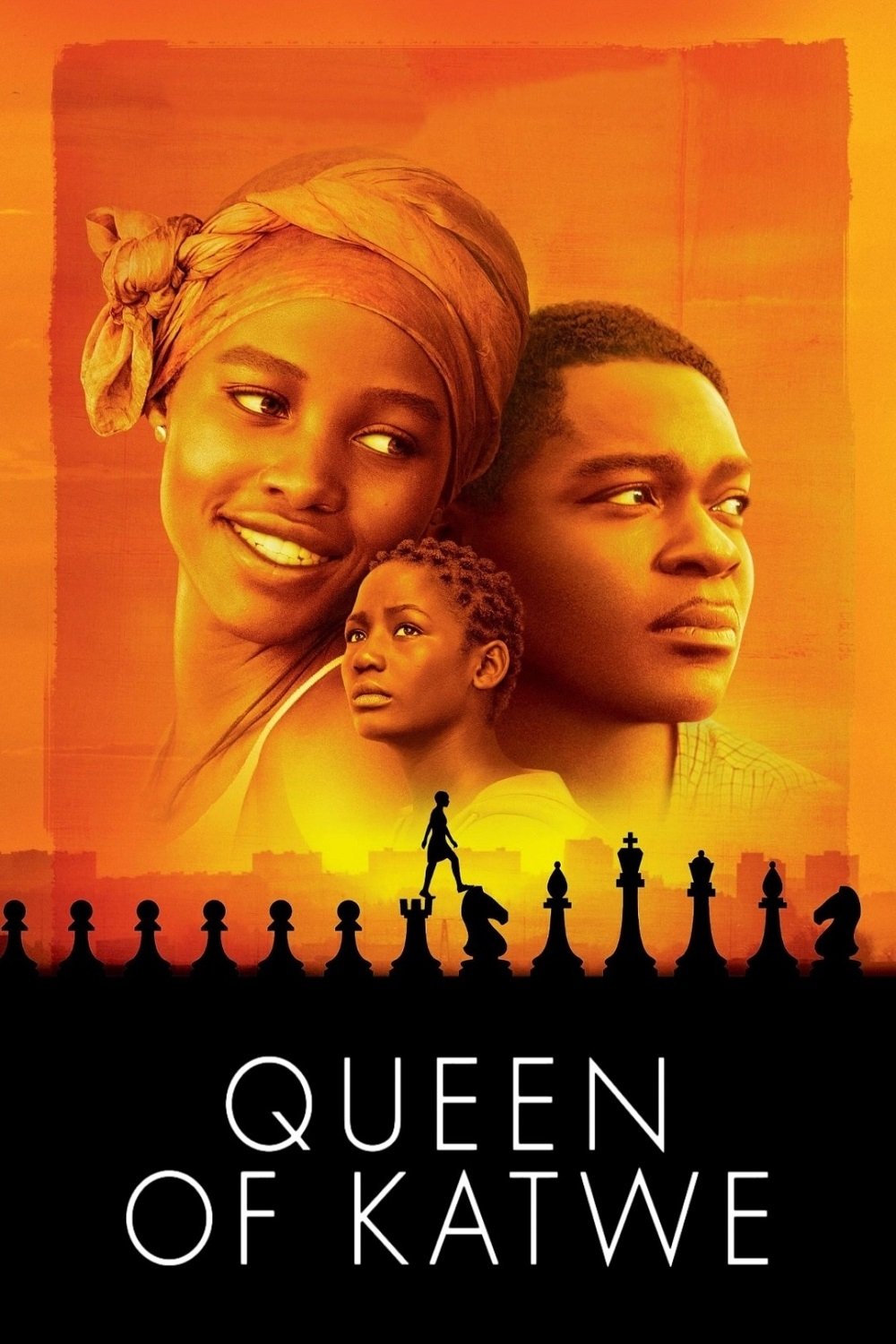
Mira Nair’s drama stars Madina Nalwanga as a Ugandan chess prodigy, alongside Lupita Nyong’o and David Oyelowo. Local casting in Kampala and Katwe brings a spectrum of deep complexions to principal and supporting roles. Wardrobe and lighting avoid over-polished finishes, emphasizing daily life and athletic settings. Disney’s global distribution placed darker-skinned African leads in a mainstream family film.
‘If Beale Street Could Talk’ (2018)
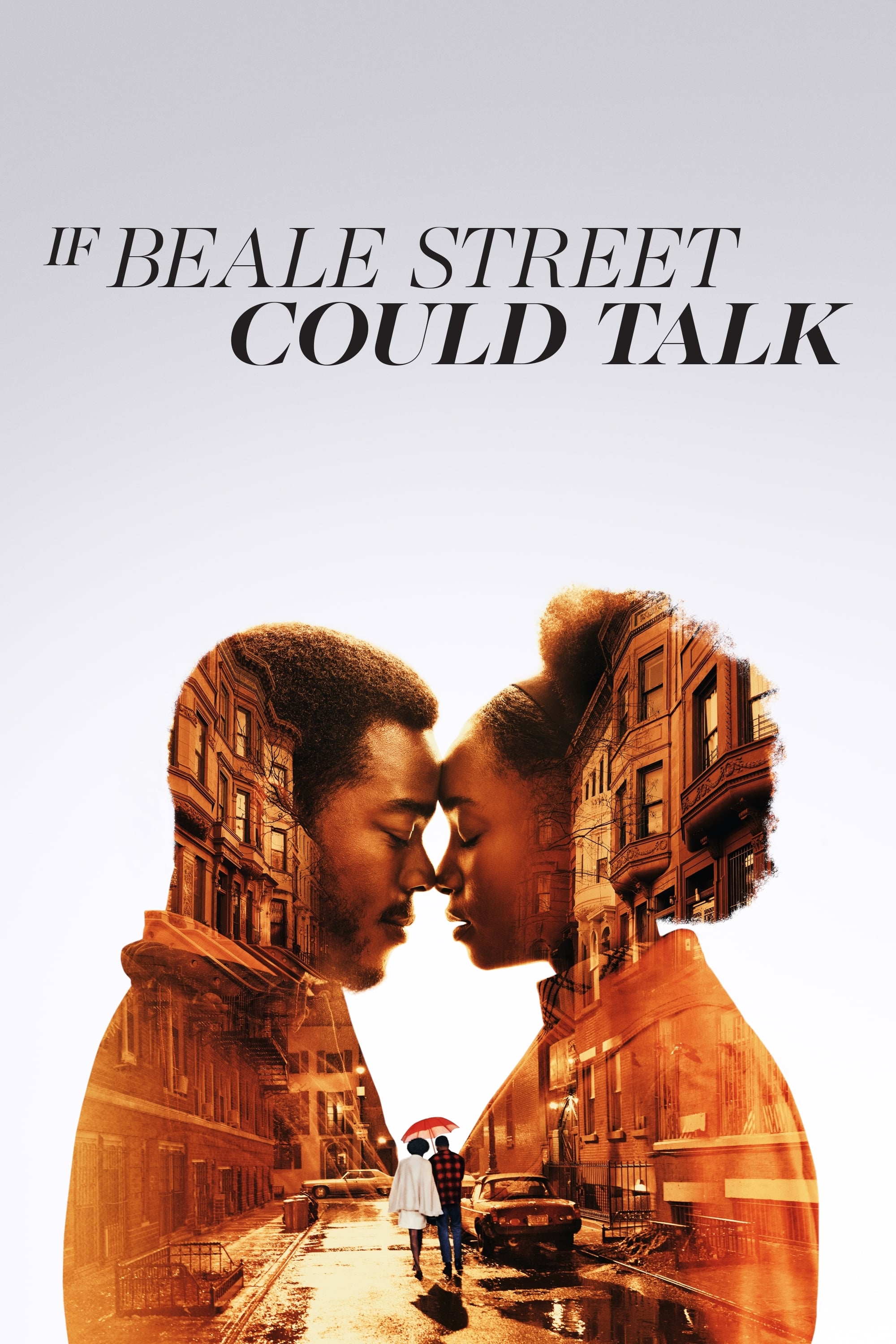
Barry Jenkins cast KiKi Layne and Stephan James as romantic leads in a narrative adapted from James Baldwin. The production’s close-ups and amber lighting accentuate darker skin tones without flattening them. Regina King’s role situates a darker-skinned mother at the story’s moral core. The film’s platform release ensured these images reached awards-season audiences.
‘Black Panther’ (2018)

The ensemble features Chadwick Boseman, Danai Gurira, Lupita Nyong’o, Letitia Wright, and Winston Duke in a pan-African setting. Hair and costuming teams foreground natural textures, shaved heads, and deep complexions across tribes and ranks. High-budget lighting plans were built to preserve skin-tone nuance in day and night action. The film’s global reach normalized darker-skinned women as warriors, scientists, and leaders in a tentpole franchise.
‘Fast Color’ (2019)
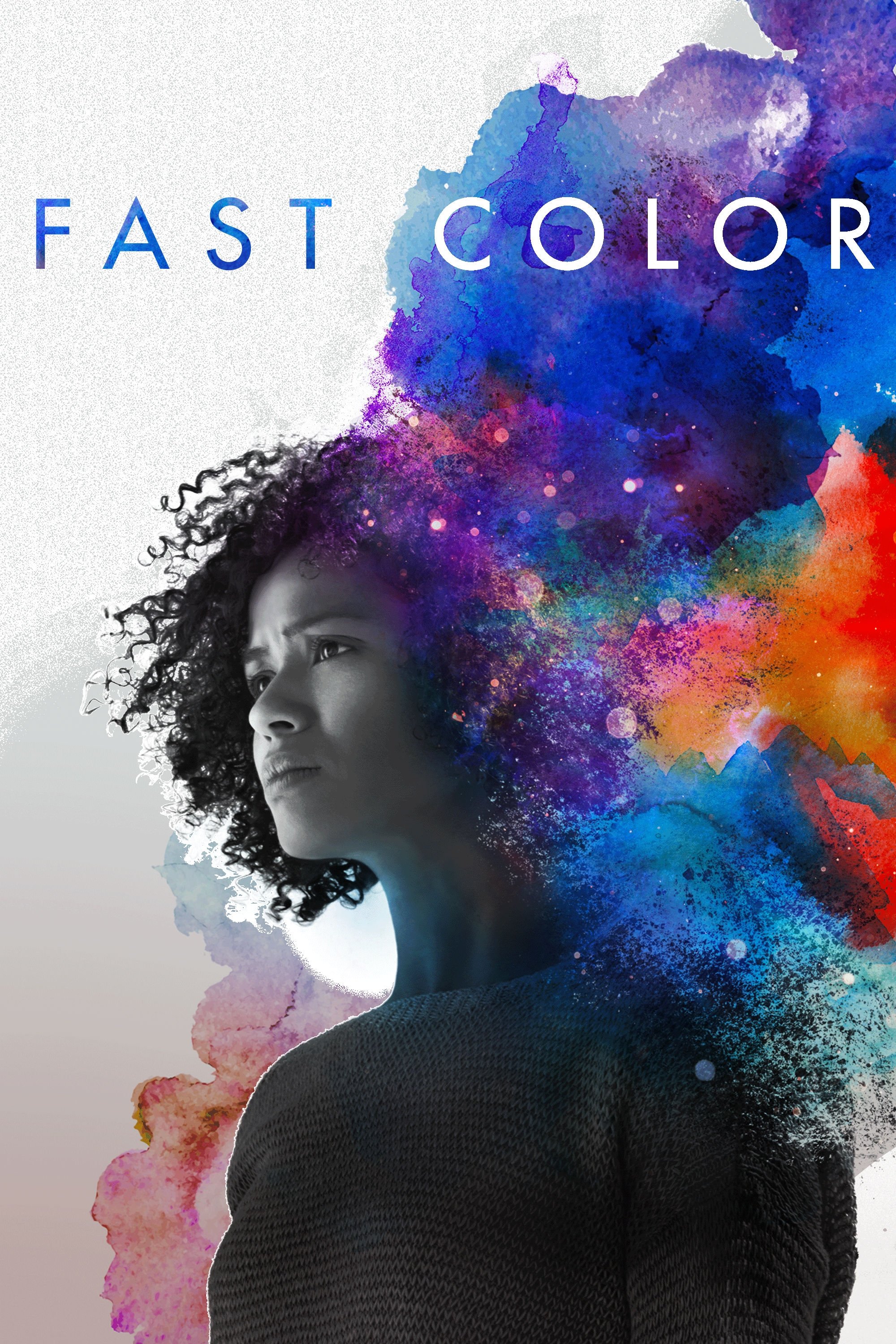
Gugu Mbatha-Raw leads a multigenerational story with Lorraine Toussaint and Saniyya Sidney. The film positions darker-skinned women as carriers of a family’s superhuman abilities, not side characters. Practical lighting in rural interiors maintains tonal accuracy without over-keying faces. Its release added a rare, character-driven superhero narrative centered on Black women.
‘Queen & Slim’ (2019)

Jodie Turner-Smith and Daniel Kaluuya headline a fugitive road story that frames them as a romantic pair. Cinematography uses sodium-vapor streetlights and car interiors to retain detail on dark skin during long night sequences. The wardrobe avoids color palettes that desaturate deeper complexions. The film’s promotional materials consistently presented both leads without complexion lightening.
‘Atlantics’ (2019)

Mati Diop casts nonprofessional Senegalese actors, led by Mame Bineta Sane and Ibrahima Traoré. The production embraces coastal dusk lighting and candlelit interiors designed around darker skin. Minimal makeup and natural hair choices reflect local styles rather than export-market expectations. International awards exposure brought these casting practices to global arthouse audiences.
‘The Photograph’ (2020)
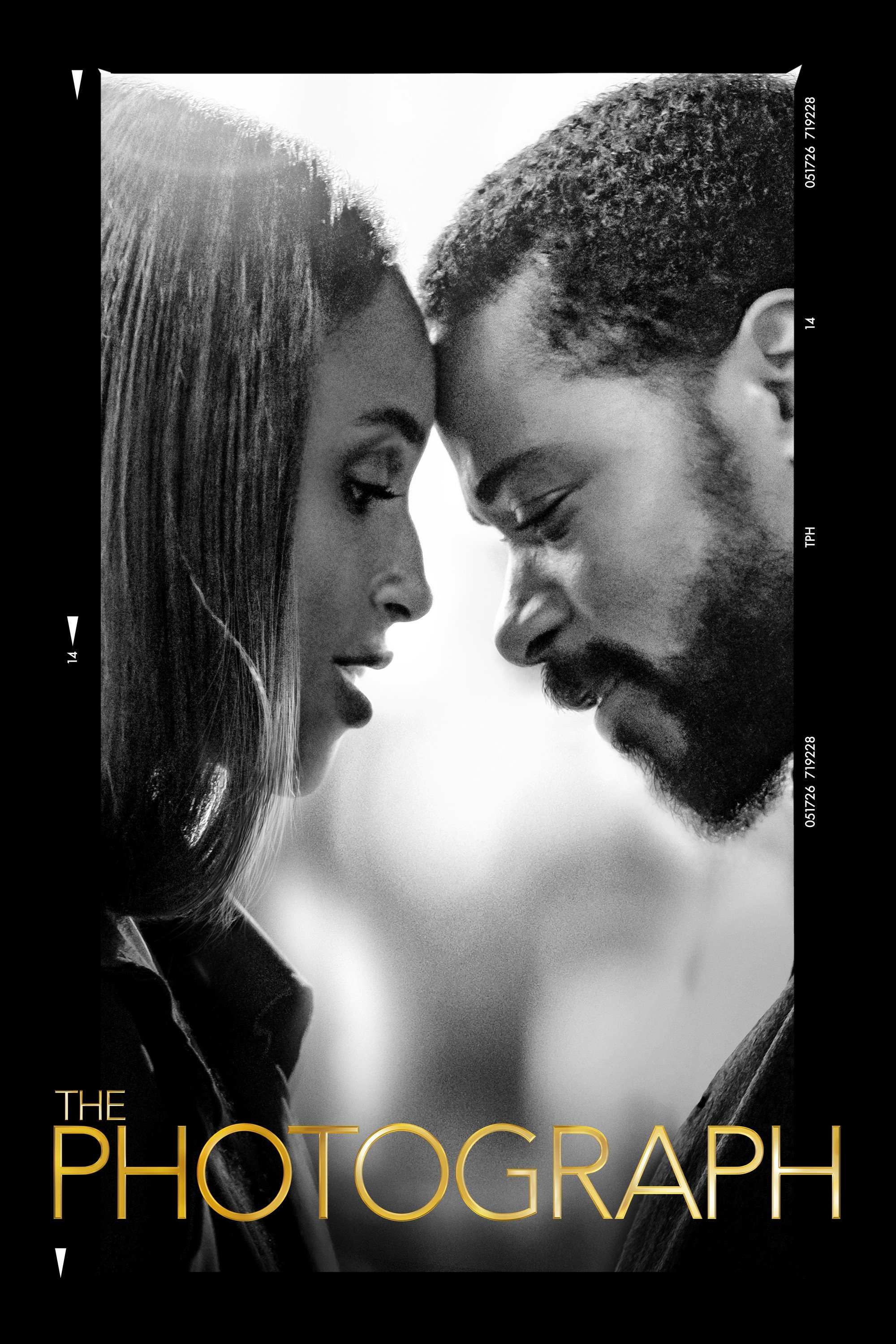
Issa Rae and LaKeith Stanfield play leads in a contemporary romance that avoids colorist pairing tropes. The production designs soft, low-contrast lighting to highlight deeper complexions in intimate close-ups. Supporting roles feature a range of skin tones without relegating darker actors to comedic or antagonist parts. Marketing art keeps natural textures intact across print and digital assets.
‘Da 5 Bloods’ (2020)
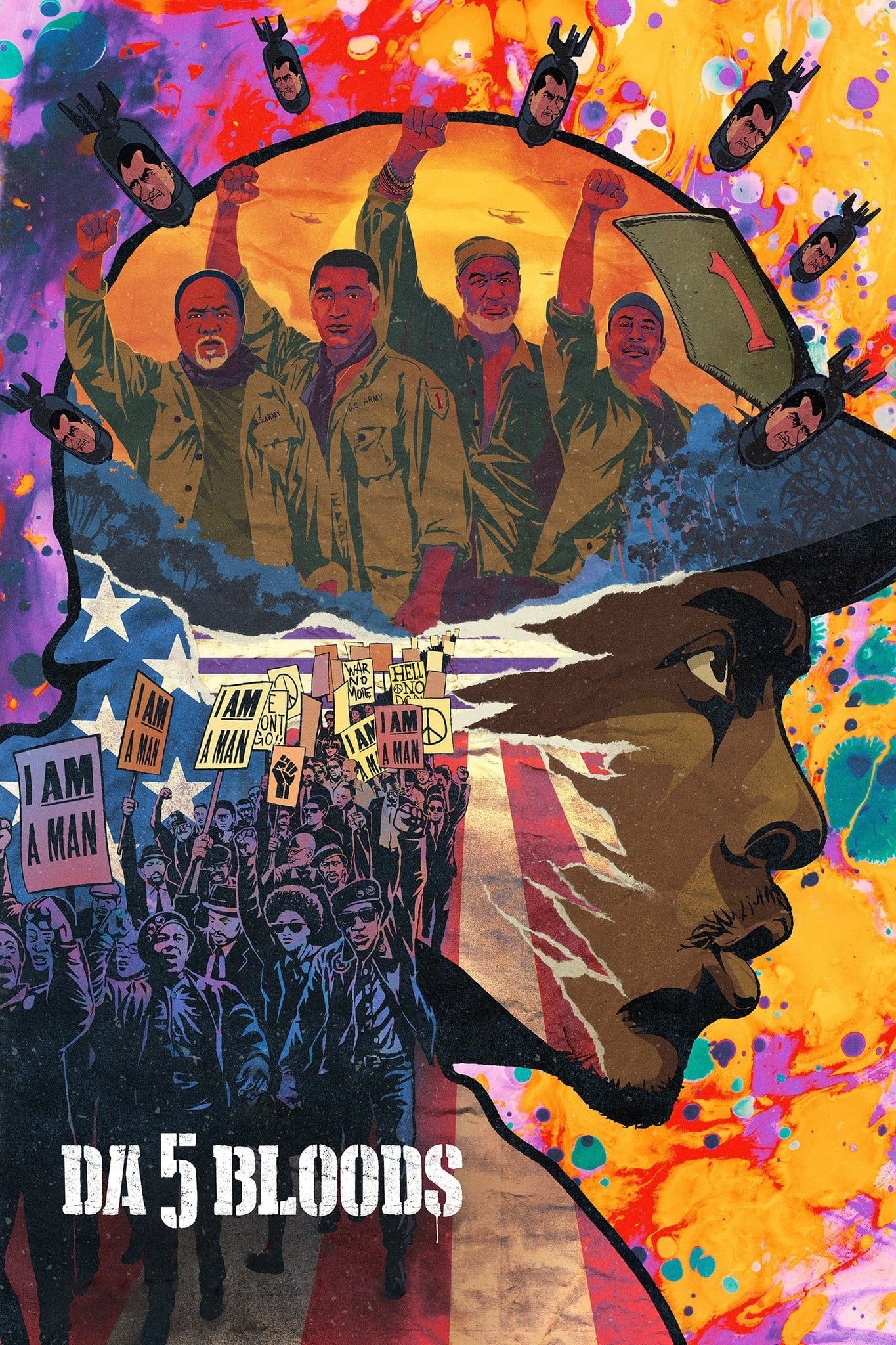
Delroy Lindo, Clarke Peters, Isiah Whitlock Jr., and Norm Lewis anchor the main ensemble. The film’s color grade preserves tonal depth in jungle exteriors and high-sun conditions. Flashback sequences maintain consistent rendering of complexions rather than brightening for period effect. Casting keeps darker-skinned veterans at the narrative’s center in both present and memory.
‘Judas and the Black Messiah’ (2021)
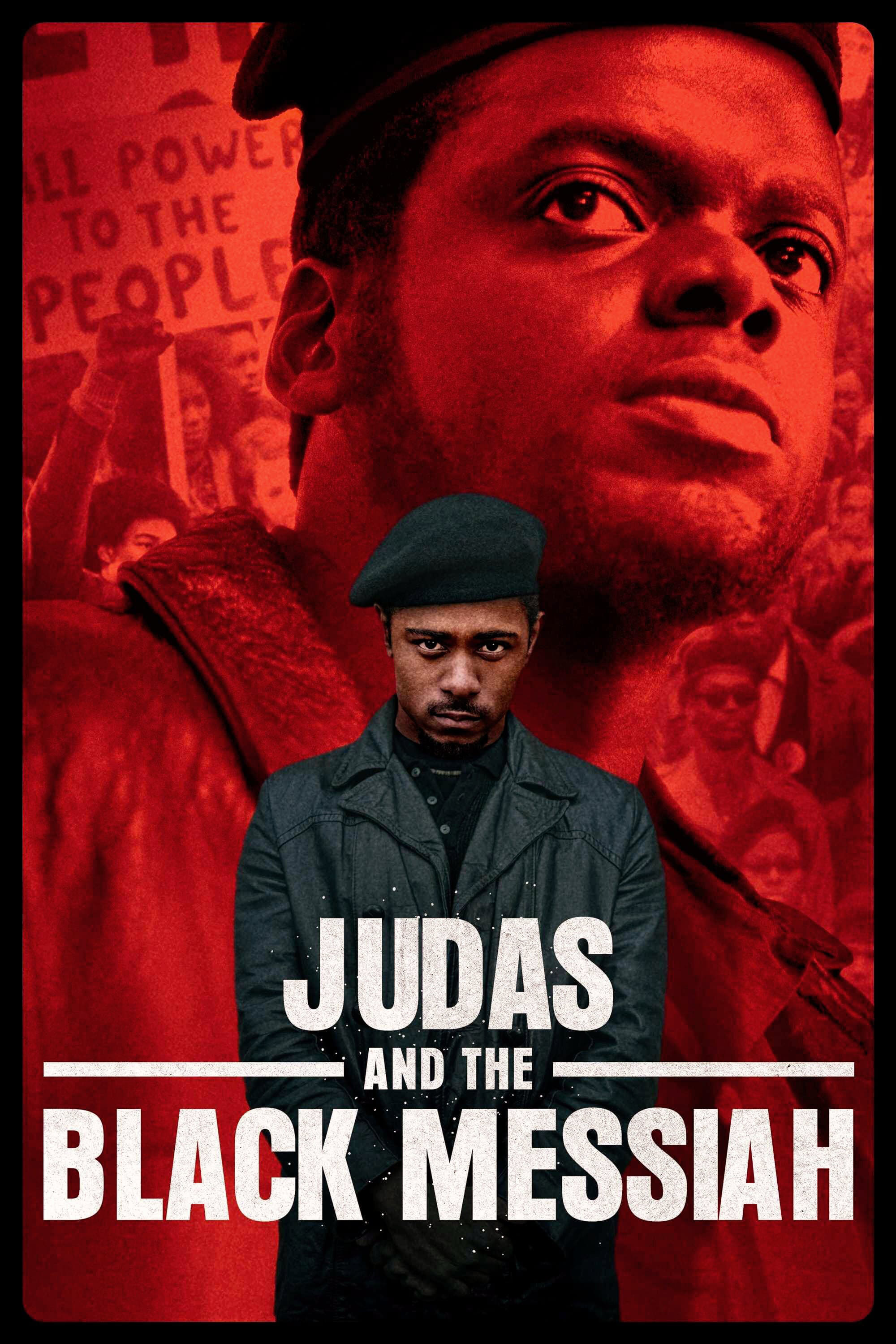
Daniel Kaluuya and LaKeith Stanfield lead a portrayal of Illinois Black Panthers and the FBI’s informant program. The production avoids glamorizing light sources that would wash out skin in crowded interiors. Hair and costuming emphasize natural textures and period styles across a dark-skinned ensemble. The release platformed darker-skinned leads in a high-profile studio drama.
‘The Harder They Fall’ (2021)
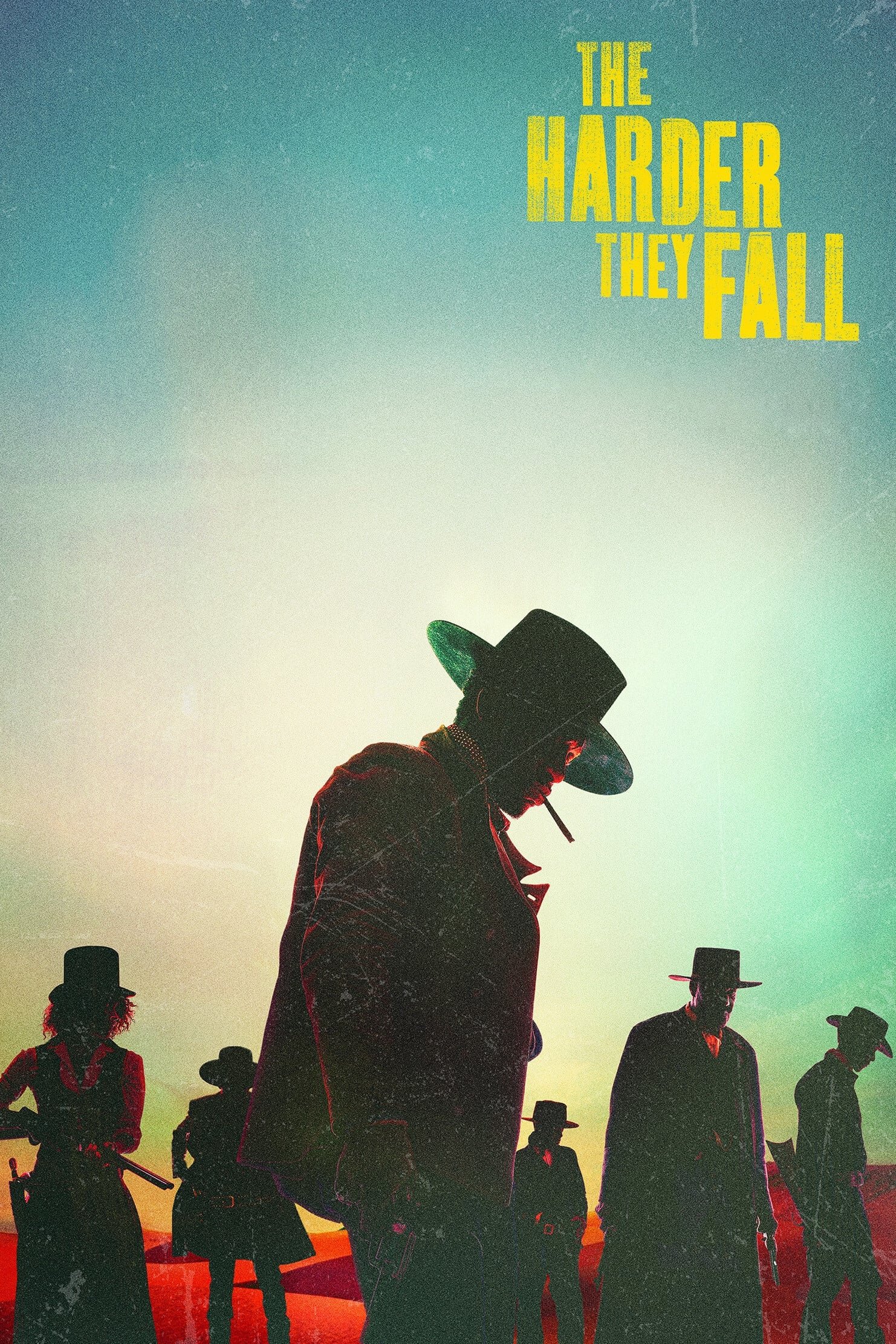
The Western stars Jonathan Majors, Zazie Beetz, Regina King, Idris Elba, and Danielle Deadwyler. Nighttime scenes and saloon interiors were lit to protect detail in deep tones during action and close-ups. Casting places darker-skinned women in positions of authority and combat expertise. The film reframes a traditionally white genre with a predominantly Black, tonally accurate ensemble.
‘The Woman King’ (2022)
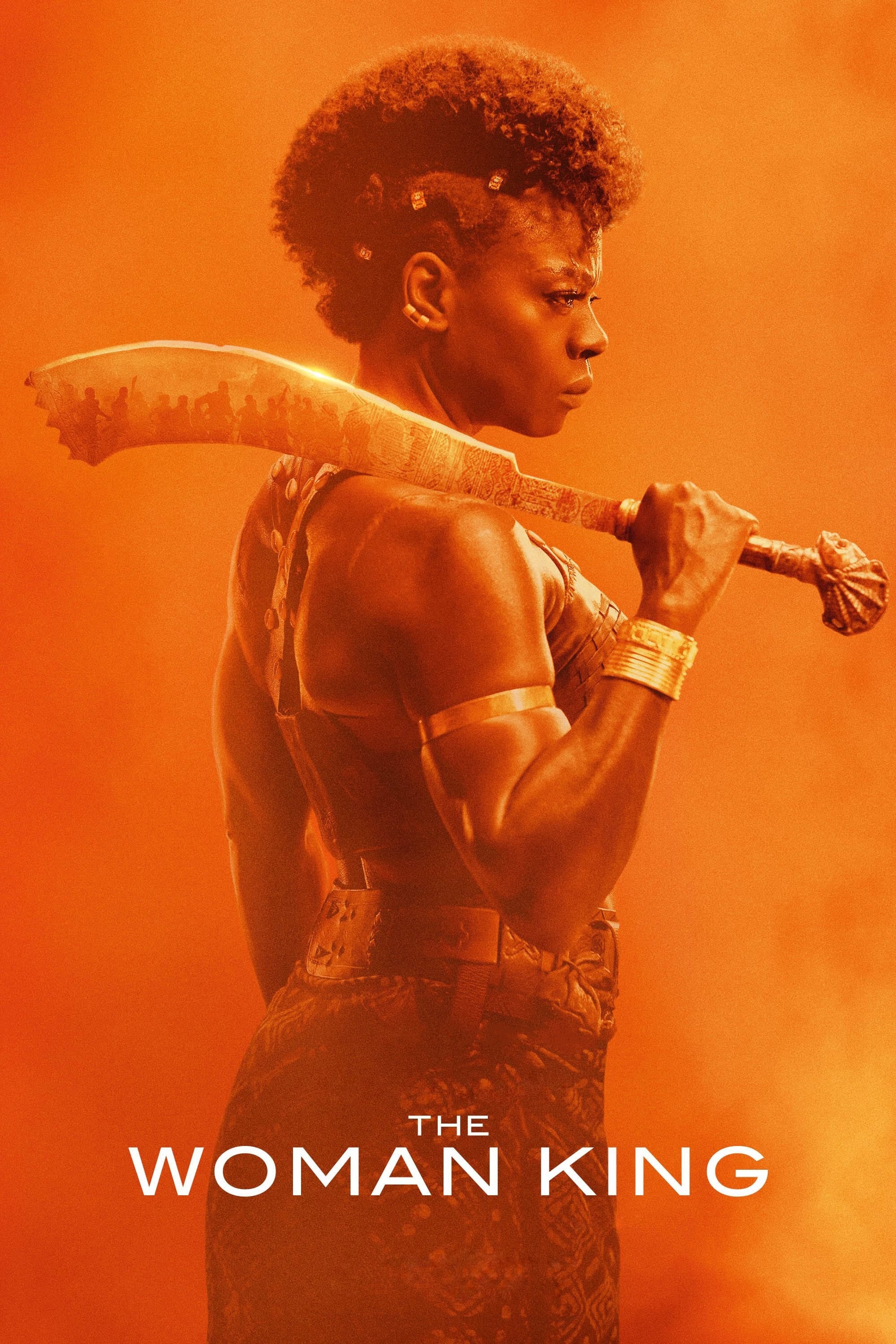
Viola Davis headlines a historical epic with Thuso Mbedu, Lashana Lynch, and Sheila Atim. Extensive exterior work uses diffusion and bounce to maintain complexion integrity in harsh sunlight. Stunt and sweat effects were calibrated to avoid reflective glare on darker skin. The ensemble’s prominence in international marketing challenged long-standing biases about who carries action epics.
‘A Thousand and One’ (2023)
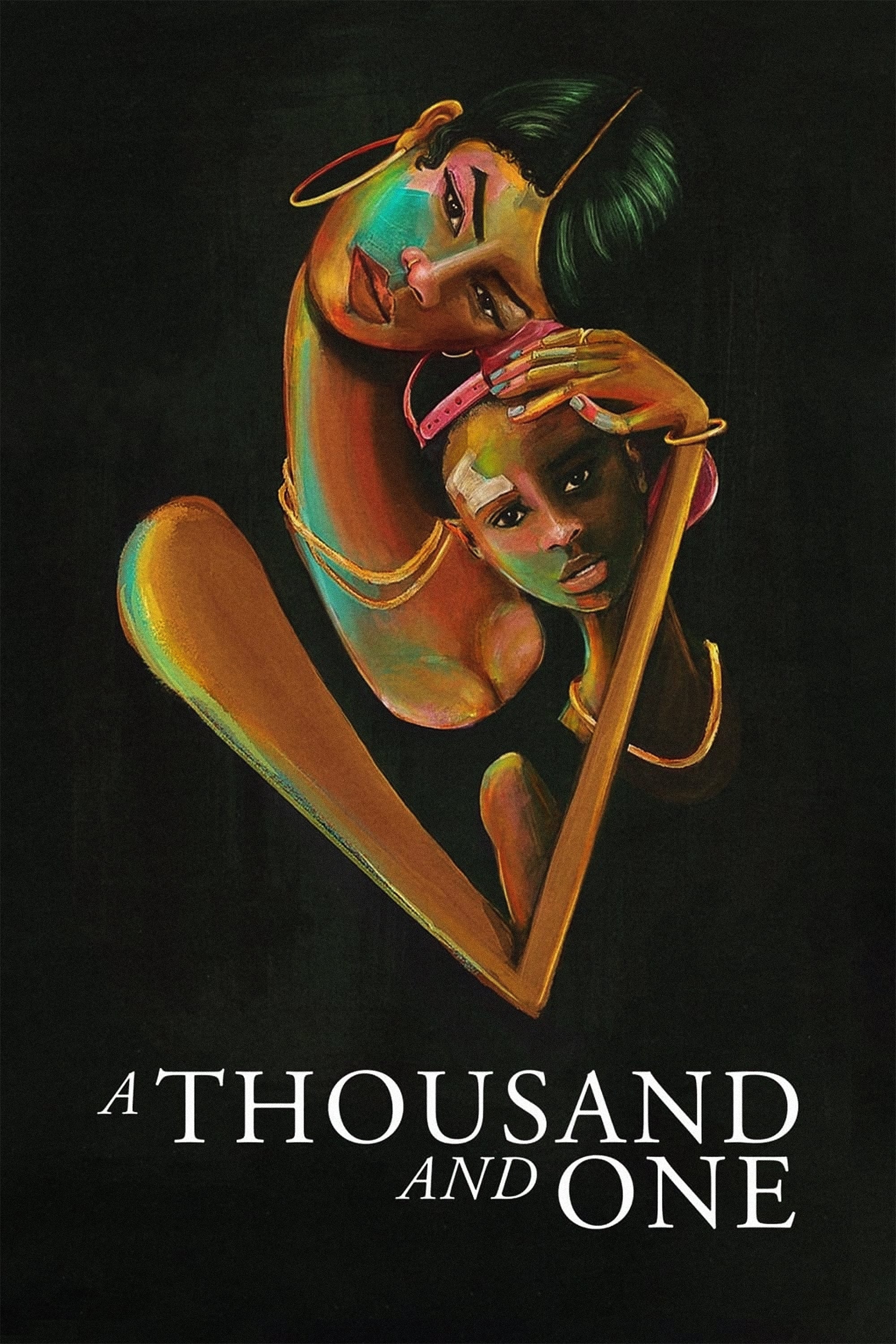
Teyana Taylor stars alongside Aaron Kingsley Adetola, Aven Courtney, and Josiah Cross in a mother-son drama set in New York. The film favors naturalistic window light and street exteriors that preserve darker complexions. Casting keeps darker-skinned actors in intimate, sympathetic close-ups throughout. Festival awards expanded the reach of its grounded, complexion-accurate imagery.
‘The Color Purple’ (2023)
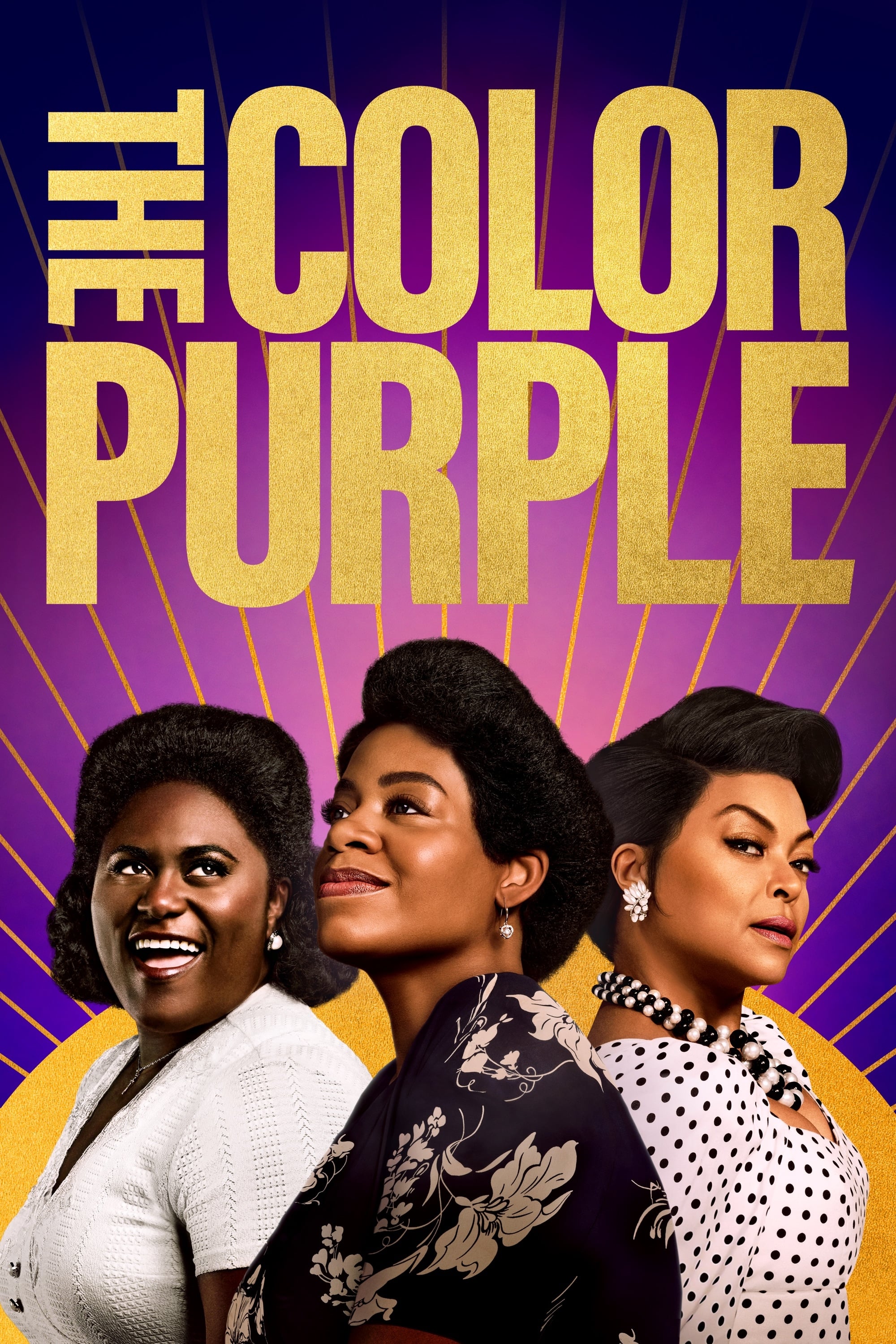
Fantasia Barrino and Danielle Brooks lead a musical adaptation with Taraji P. Henson and Colman Domingo. Production design and costuming select jewel tones that complement deep skin across large ensemble numbers. Camera placement gives darker-skinned women the key emotional beats without diffusing their features. The film’s wide release brought complexion-respectful lighting and casting to a broad holiday audience.
Share your picks in the comments: which films do you think most effectively pushed back against colorism on screen?