


20 Movies Where the Gay Subtext Was So Loud the Studio Pretended It Was Canon



Queer coding and studio-era censorship pushed a lot of same-sex attraction into winks, line readings, and clever staging—and then marketing teams or later re-releases quietly nodded along. The result is a long shadow of films where subtext became common knowledge, production lore, or even restored material, turning implication into something close to acknowledgment. From Golden Age thrillers to modern blockbusters, these movies built reputations on scenes, relationships, and publicity choices that made the intended reading hard to miss. Here are twenty cases where the text didn’t say it outright, but the studio—or its creatives—effectively treated it as if it had.
‘Ben-Hur’ (1959)
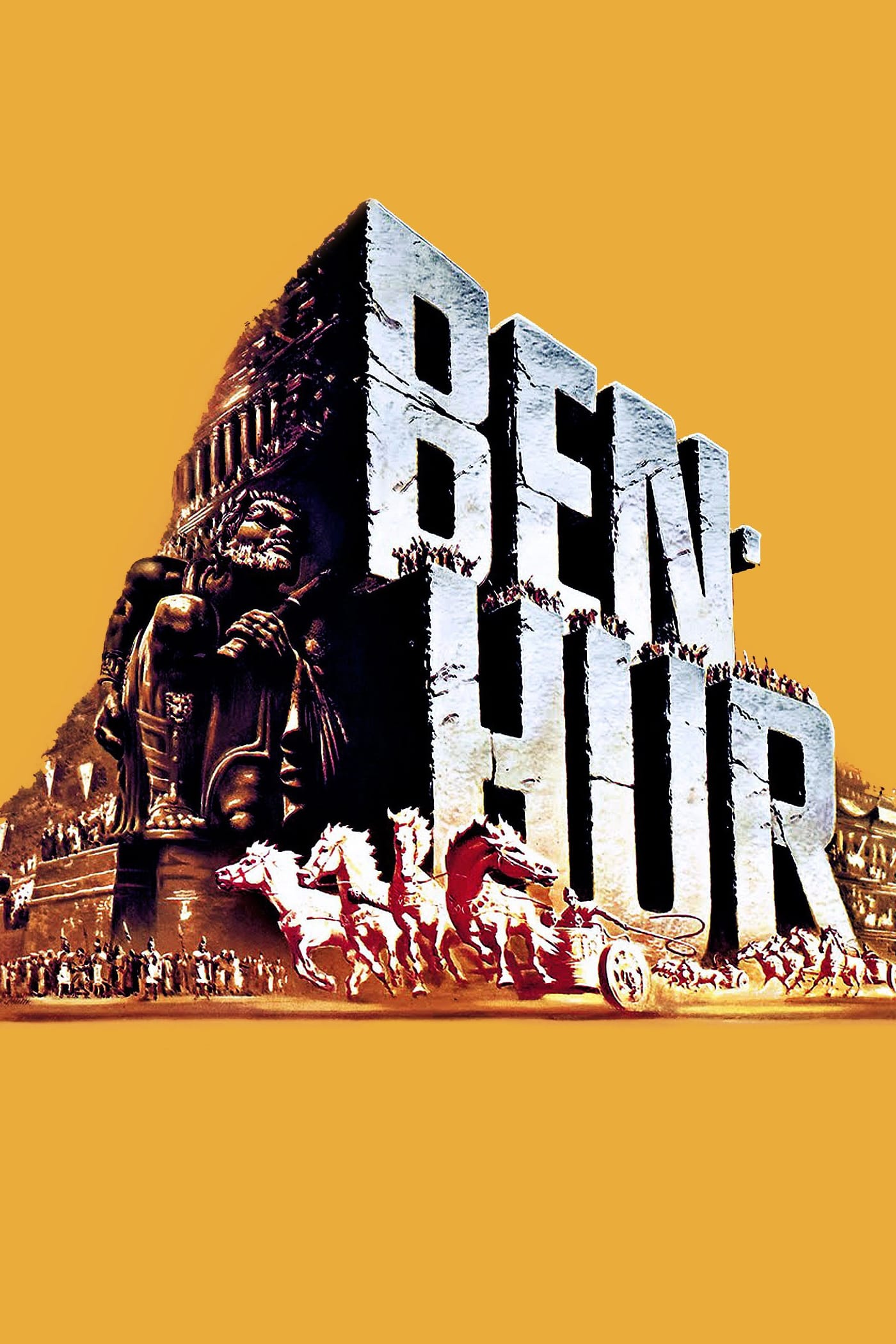
Screenwriter Gore Vidal later explained that he directed an actor to play a central relationship as a past romance, a choice not shared with the leading man due to period taboos. The film’s elaborate reunion and “friendship” beats were staged to carry that undertone without explicit dialogue. Marketing emphasized the emotional intensity of the bond while avoiding any direct statement. Over time, cast and writer interviews turned the once-hidden intention into widely circulated production history.
‘Top Gun’ (1986)
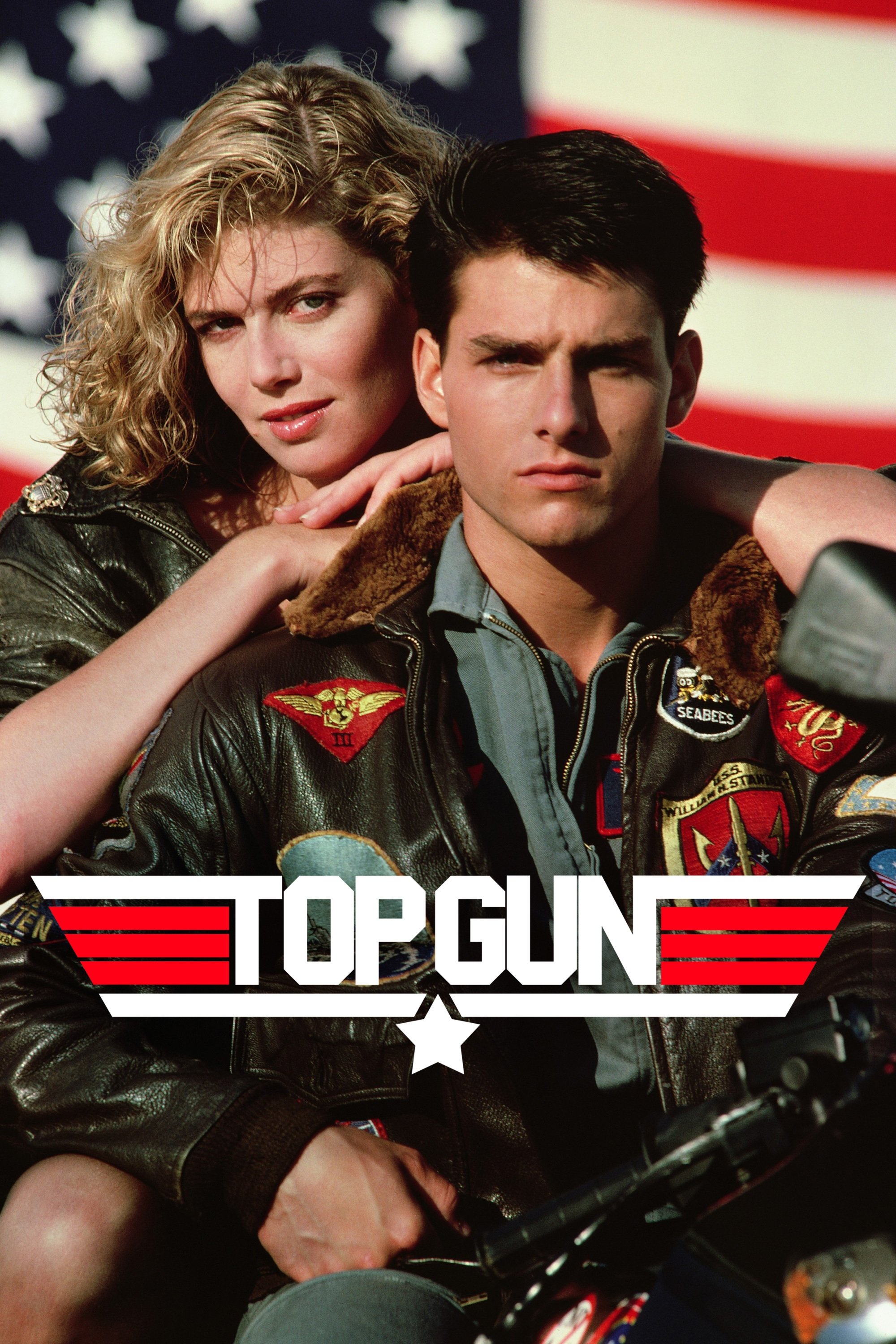
The film’s locker-room banter, beach-volleyball sequence, and rival-to-confidant arc between pilots created a reputation for pronounced homoerotic subtext. Commentary tracks and decades of press coverage cemented that reading as part of the movie’s cultural footprint. Studio anniversary materials and retrospectives routinely showcase the most-cited scenes without refuting the popular interpretation. The franchise’s ongoing promotion leans on that iconic imagery, effectively letting the subtext stand unchallenged.
‘Rope’ (1948)
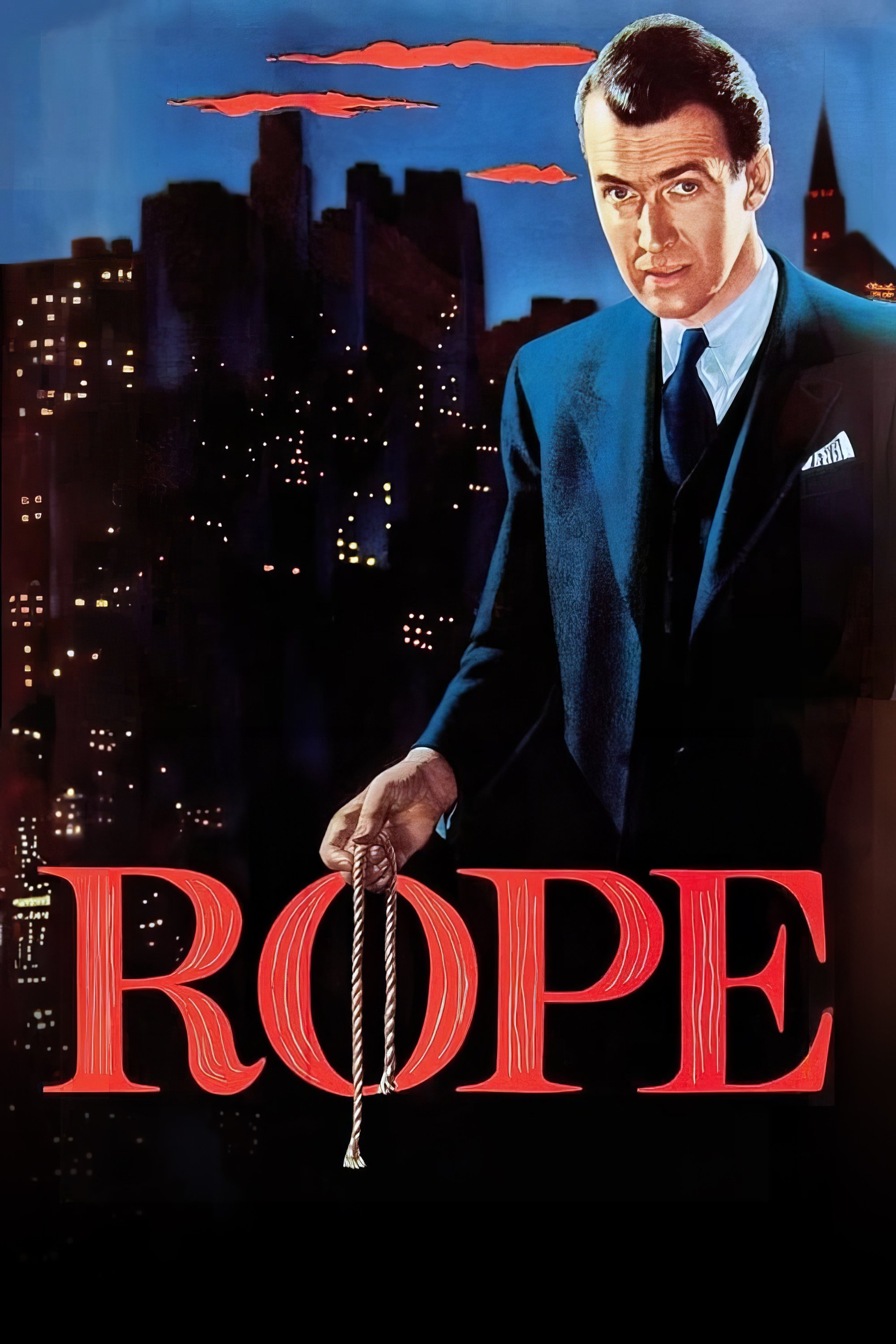
Adapted from a play inspired by a real-life case, the two killers were written and performed with the era’s familiar coding for an intimate partnership. Alfred Hitchcock’s shooting style—long takes in a confined apartment—kept the duo’s dynamic front and center. Censors forced euphemism, but publicity materials highlighted their “peculiar” bond and shared past. Later scholarship and studio-approved restorations preserved this context in home-video supplements.
‘Rebecca’ (1940)
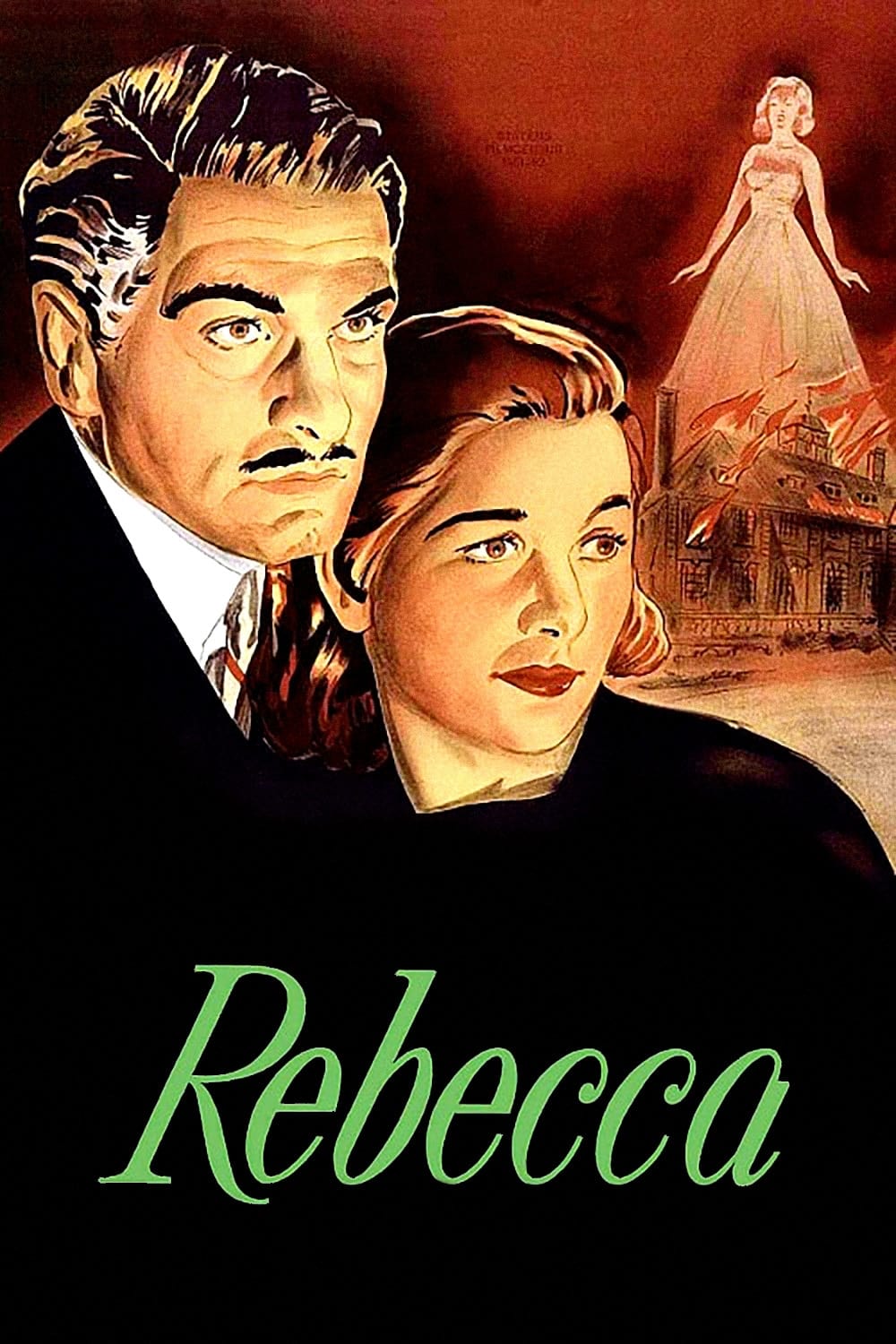
The housekeeper’s fixation on the deceased title character was framed through close-ups, tactile business with clothing, and charged monologues. The Production Code prevented any explicit acknowledgment, yet the scenes were staged to make the devotion unmistakable. Studio publicity pushed the psychological intrigue that those sequences supplied. With restorations and documentaries, the same moments are now presented as integral to the film’s legacy.
‘Gilda’ (1946)

A love triangle hinges on the insinuated attachment between two men, with camera placement and dialogue emphasizing jealousy and possessiveness. Publicity leaned into the film’s provocative aura, spotlighting the tension that drives the plot. The studio’s materials never named the subtext, but they showcased the scenes that prompted it. In later retrospectives, that reading is treated as part of the film’s enduring identity.
‘Cat on a Hot Tin Roof’ (1958)
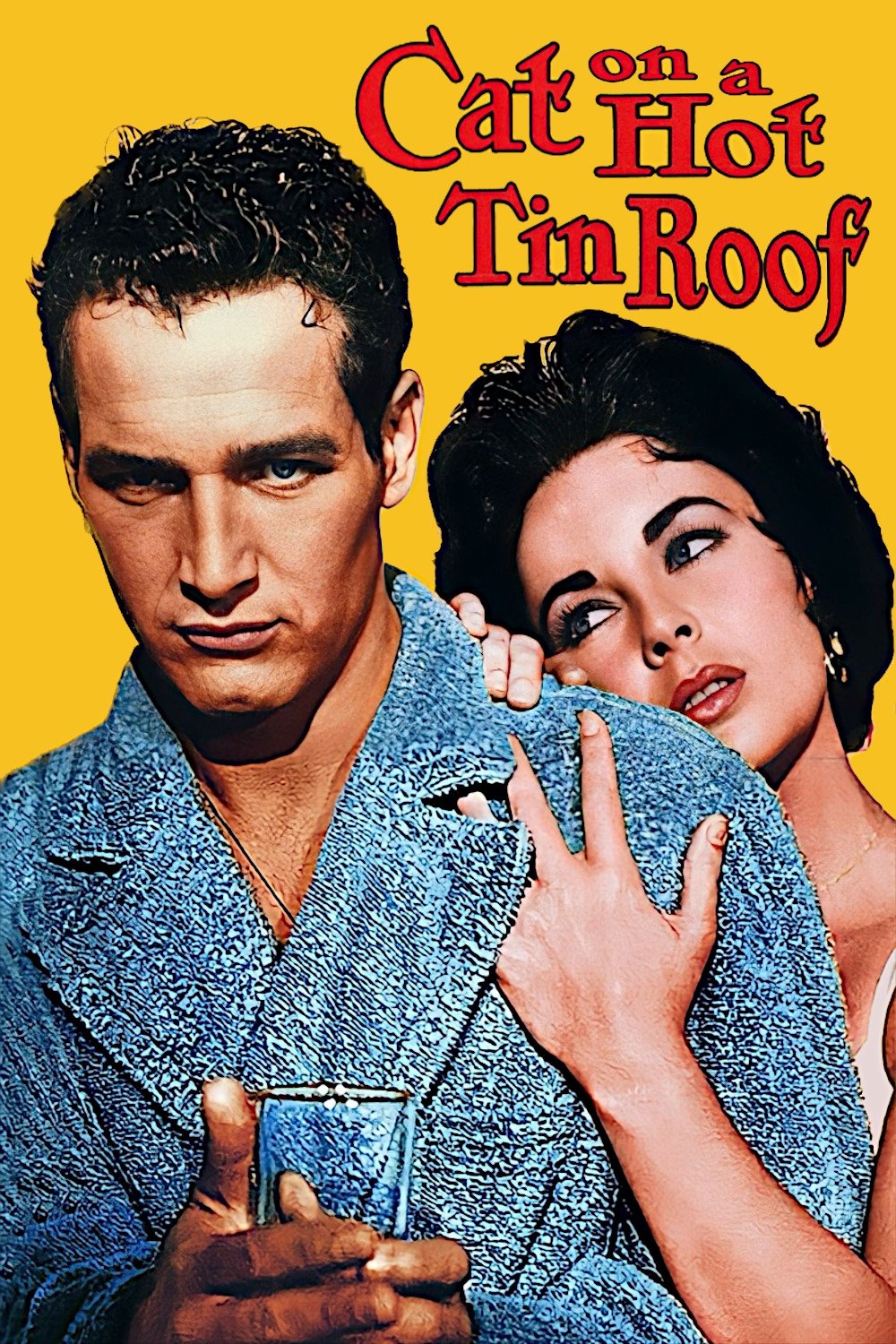
Stage-to-screen changes muted the source play’s frankest elements, but the protagonist’s grief and avoidance remain coded around a same-sex attachment. Marketing highlighted marital conflict while foregrounding the unresolved past that haunts the lead. Pressbooks and production notes referenced censorship pressures as a selling point for “bold drama.” Subsequent academic and studio featurettes discuss how the film navigated those limits.
‘Spartacus’ (1960)

A dinner conversation about “oysters and snails” allegorizes sexual preference using food metaphors to evade censors. Early releases trimmed the exchange, but later restorations—promoted by the studio—reinstated it as a notable moment. Cast and director interviews referenced the scene repeatedly, keeping its meaning in public view. Home-media releases present the restored dialogue as a celebrated piece of film history.
‘The Maltese Falcon’ (1941)
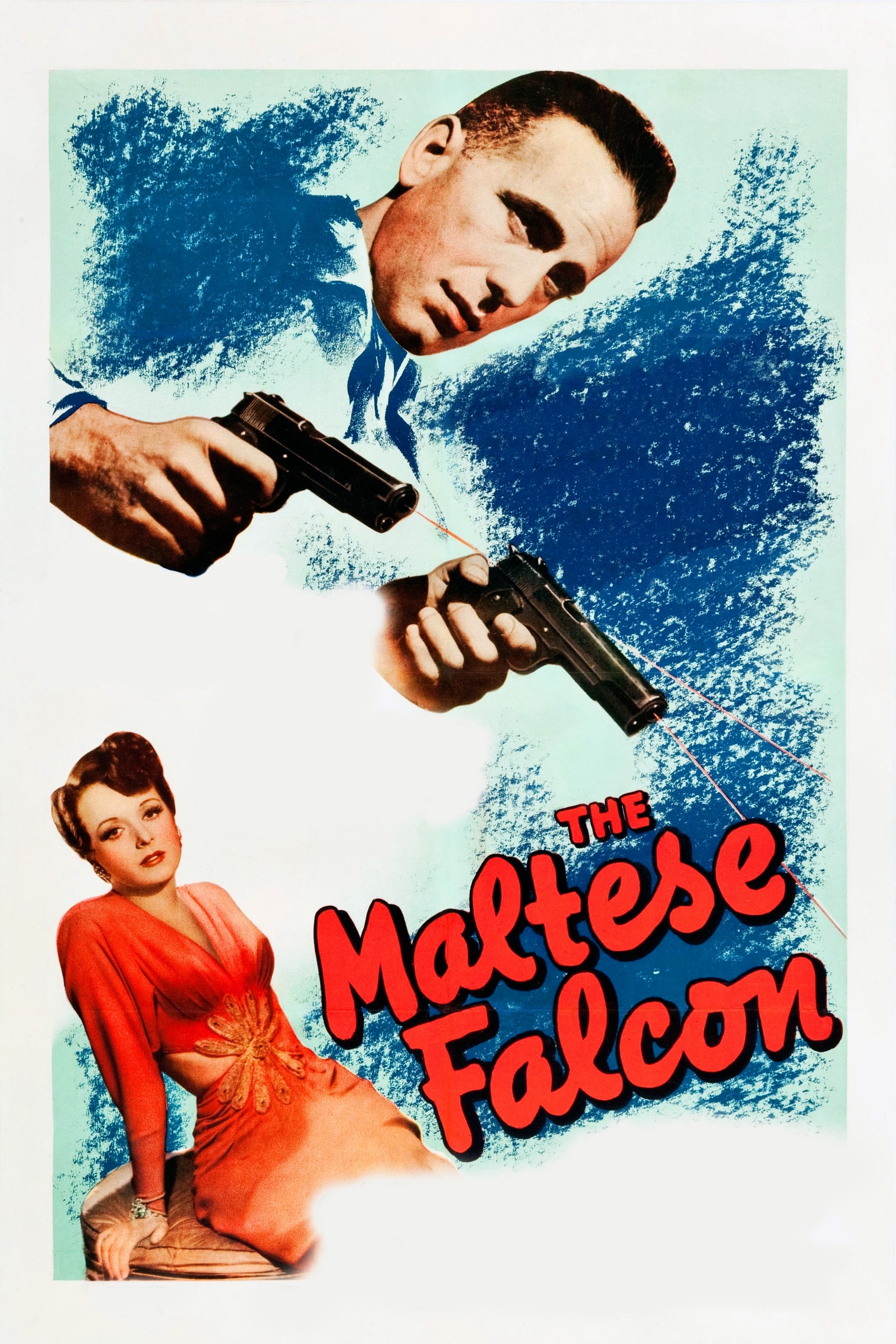
One character’s manner, perfume, and carefully chosen props indicate queerness under the Code’s constraints. The camera and dialogue underline these signals while maintaining plausible deniability. Publicity emphasized the villain’s “exotic” qualities, a period euphemism audiences recognized. Studio-sanctioned histories now cite the role as a model of classic Hollywood coding.
‘Queen Christina’ (1933)
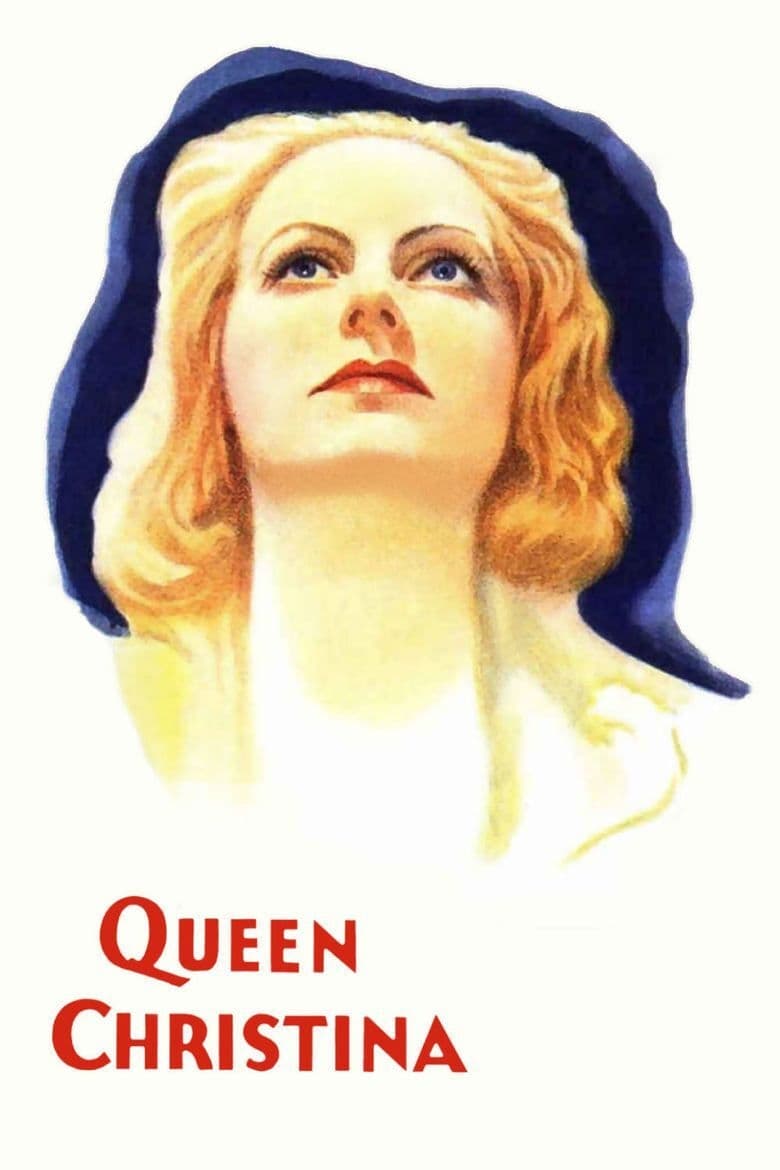
Disguise, tailored costuming, and a same-sex kiss passed the censors before later standards tightened. The studio promoted the star’s androgynous allure and the character’s independence as the film’s hook. Posters and press items spotlighted images that made the ambiguity a feature, not a flaw. In modern restorations and essays, those choices are presented as intentional and central to the film’s impact.
‘Red River’ (1948)
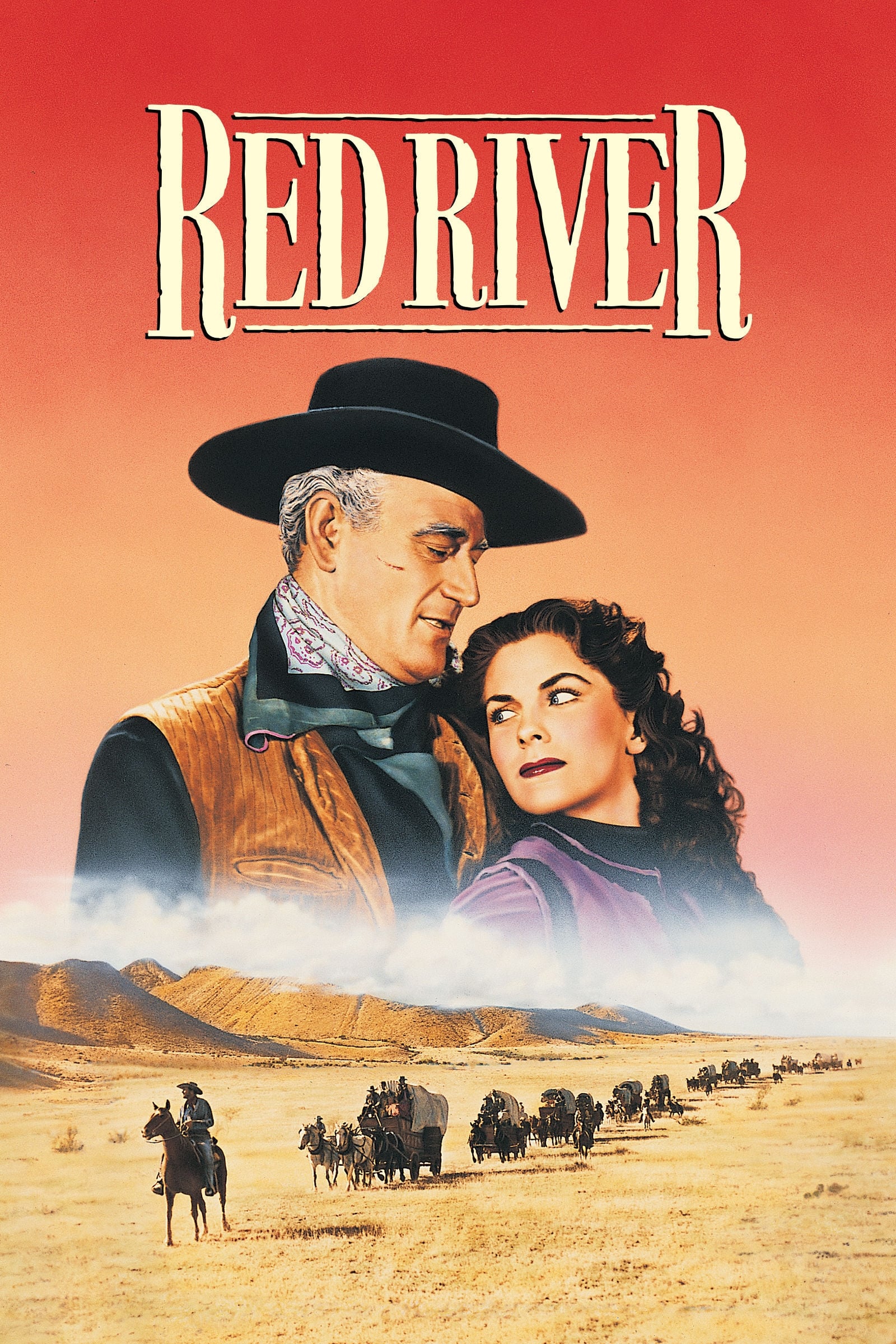
A celebrated exchange comparing pistols functions as a flirtatious duel between two cowboys. The scene’s framing and rhythm made the undertone clear to contemporary viewers familiar with innuendo. Studio marketing played up the rivalry and camaraderie that sequence embodies. Later criticism and studio-curated retrospectives preserved the moment as a textbook example of coded desire.
‘The Talented Mr. Ripley’ (1999)
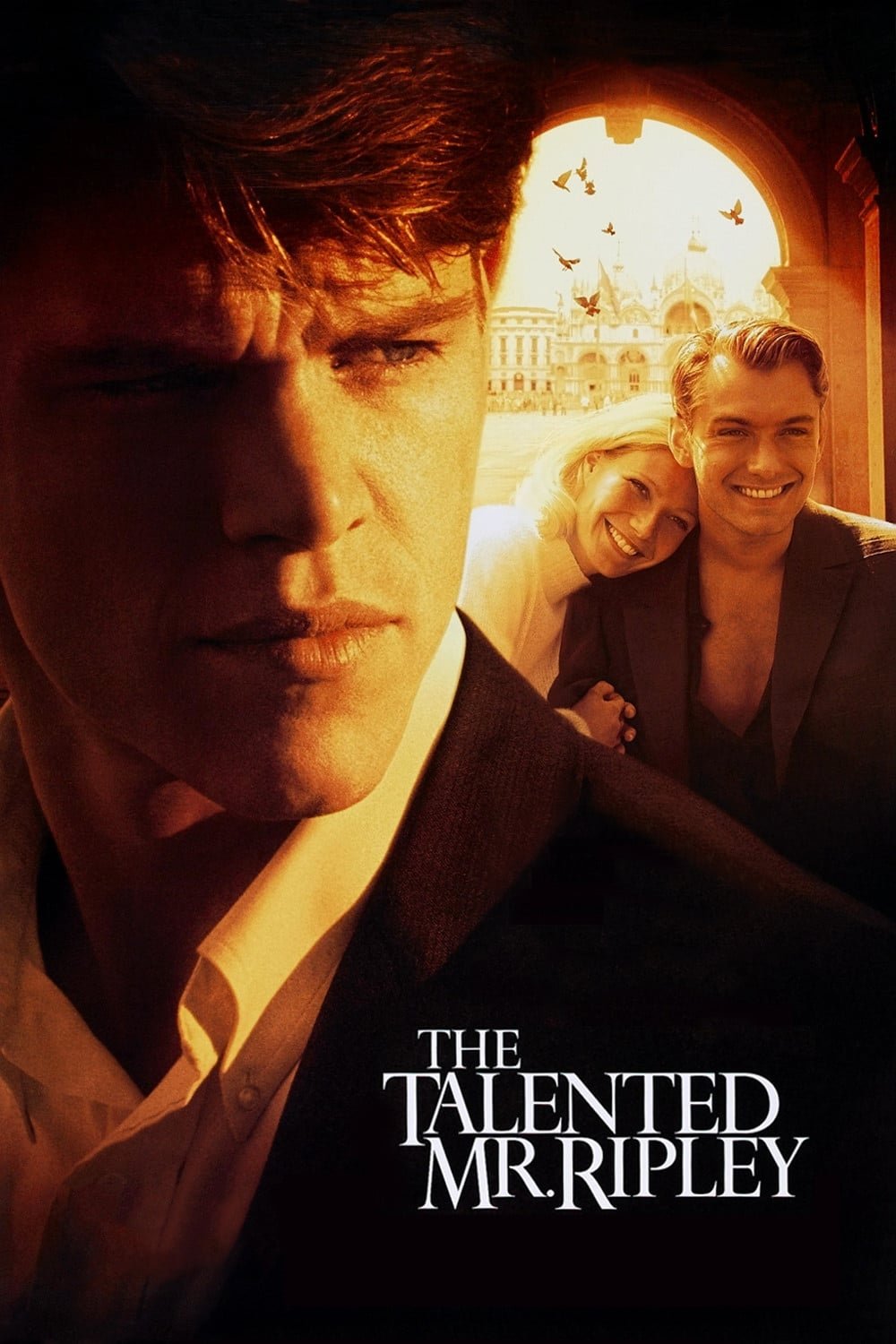
The narrative centers on a protagonist whose fixation on another man drives the plot’s deceptions and violence. Performances and blocking keep physical proximity and gaze work in focus, while dialogue avoids labels. Trailers and featurettes leaned into the “obsession” language that audiences read as romantic and erotic. Studio-approved interviews and press kits acknowledge the intensity as intentional.
‘Interview with the Vampire’ (1994)

Domestic scenes between two male leads establish a household and shared parenting, handled with sumptuous intimacy. The adaptation kept the sensual undertone from the source while eliding explicit terms. Publicity emphasized the “dark romance” and showcased images of the duo together. Later materials and anniversary pieces treat the relationship as core to the film’s appeal.
‘X-Men: First Class’ (2011)
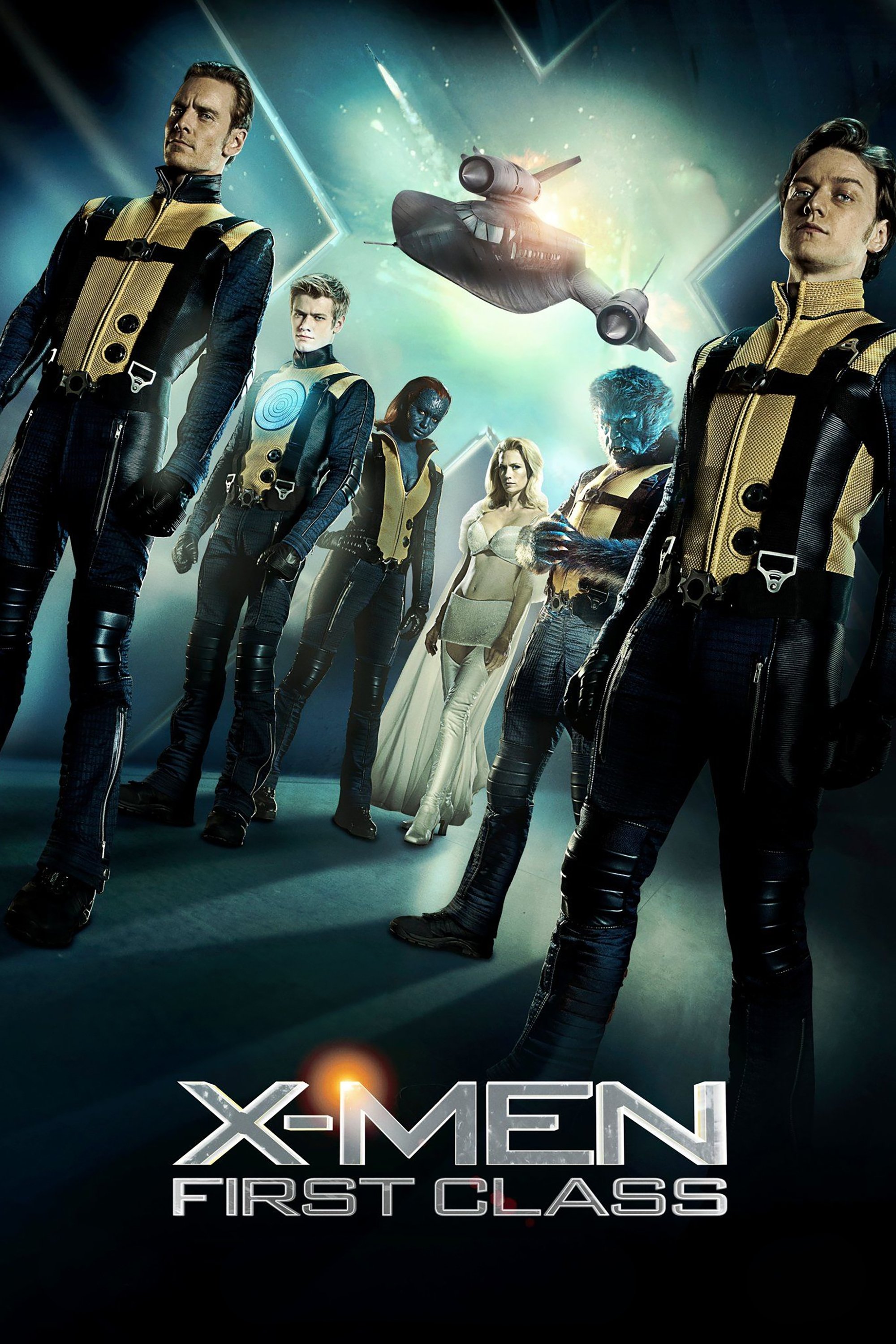
Two central characters bond in recruitment and training sequences that play like a courtship before ideological rupture. The screenplay and performances stress mutual recognition and heartbreak, with musical cues underlining the connection. Press tours repeatedly referenced the relationship as the emotional spine. Studio marketing highlighted those scenes, letting the reading flourish among audiences.
‘Skyfall’ (2012)
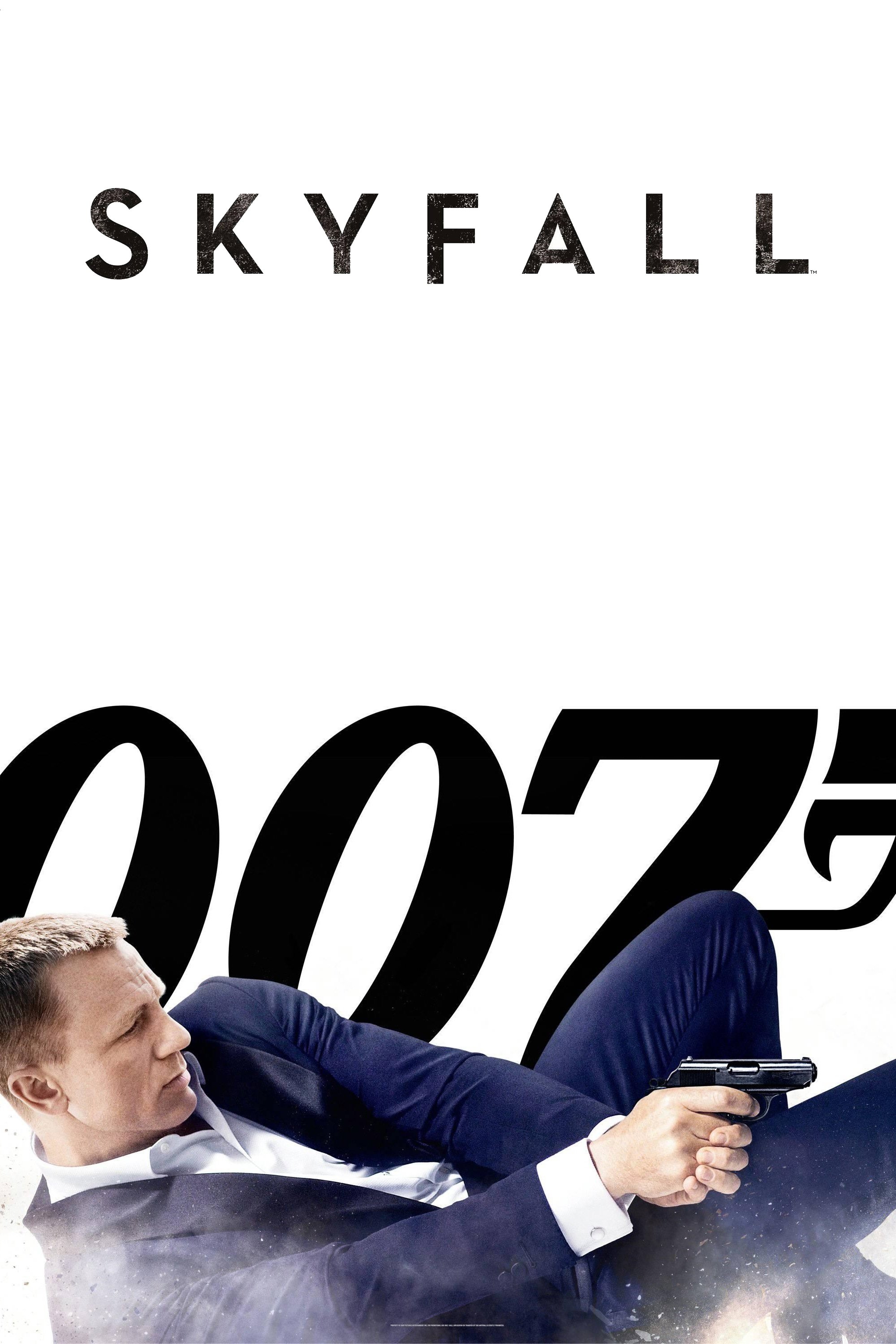
An interrogation turns flirtatious as a villain probes the hero’s boundaries with touch and suggestive dialogue. The exchange was widely quoted in trailers and TV spots, signaling a playful queering of the franchise’s dynamics. Producers fielded questions about the moment, treating it as part of the film’s modern sensibility. Home-release extras preserved the scene’s construction as a point of discussion.
‘Point Break’ (1991)
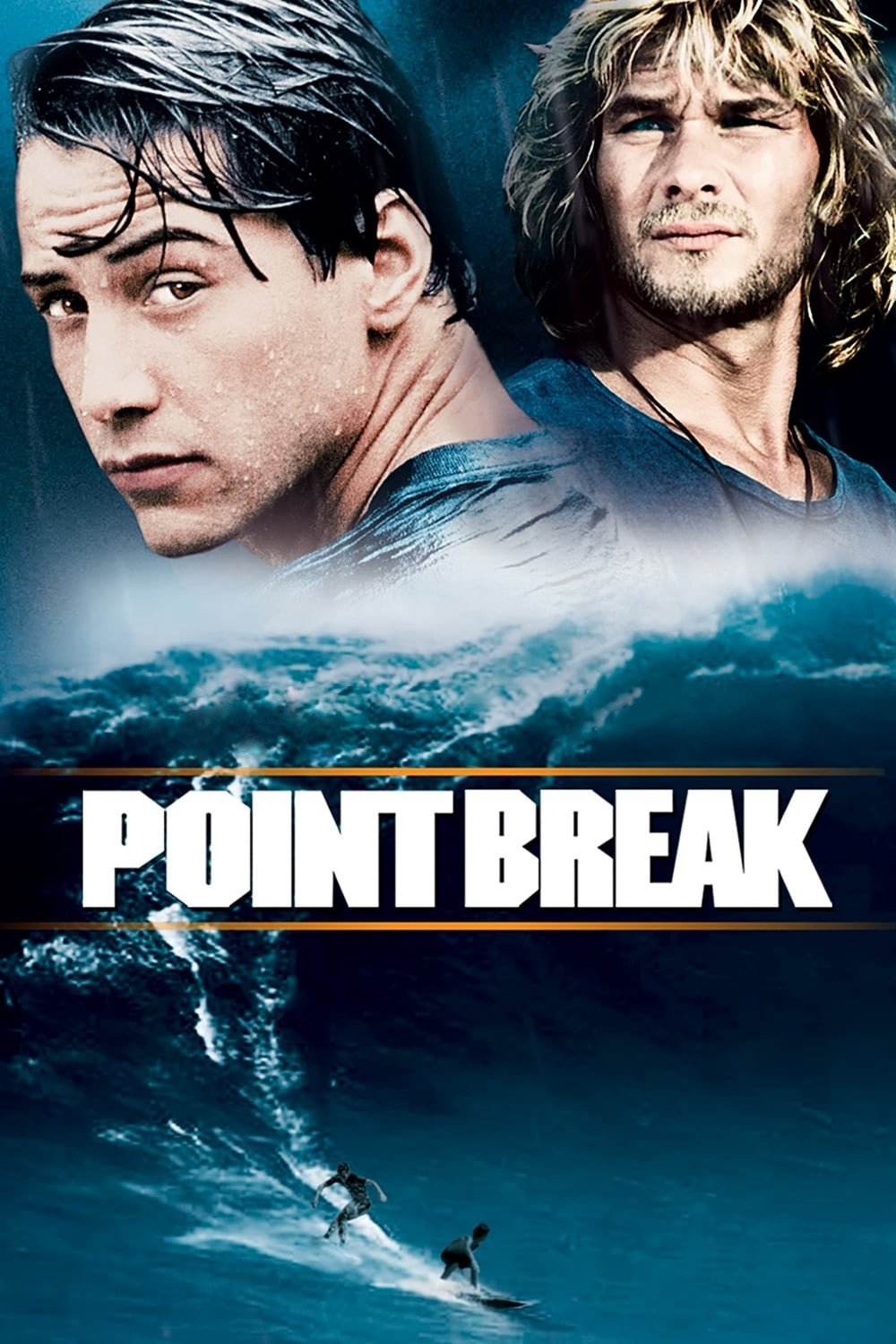
Undercover work evolves into an intense bond between cop and surfer-thief, framed through lingering close-ups and rescue set pieces. Marketing spotlighted the duo’s shared thrills and trust falls that mirror romantic beats. Cast and director interviews later described the relationship in intimate terms. The studio’s anniversary materials routinely foreground those sequences.
‘The Lost Boys’ (1987)
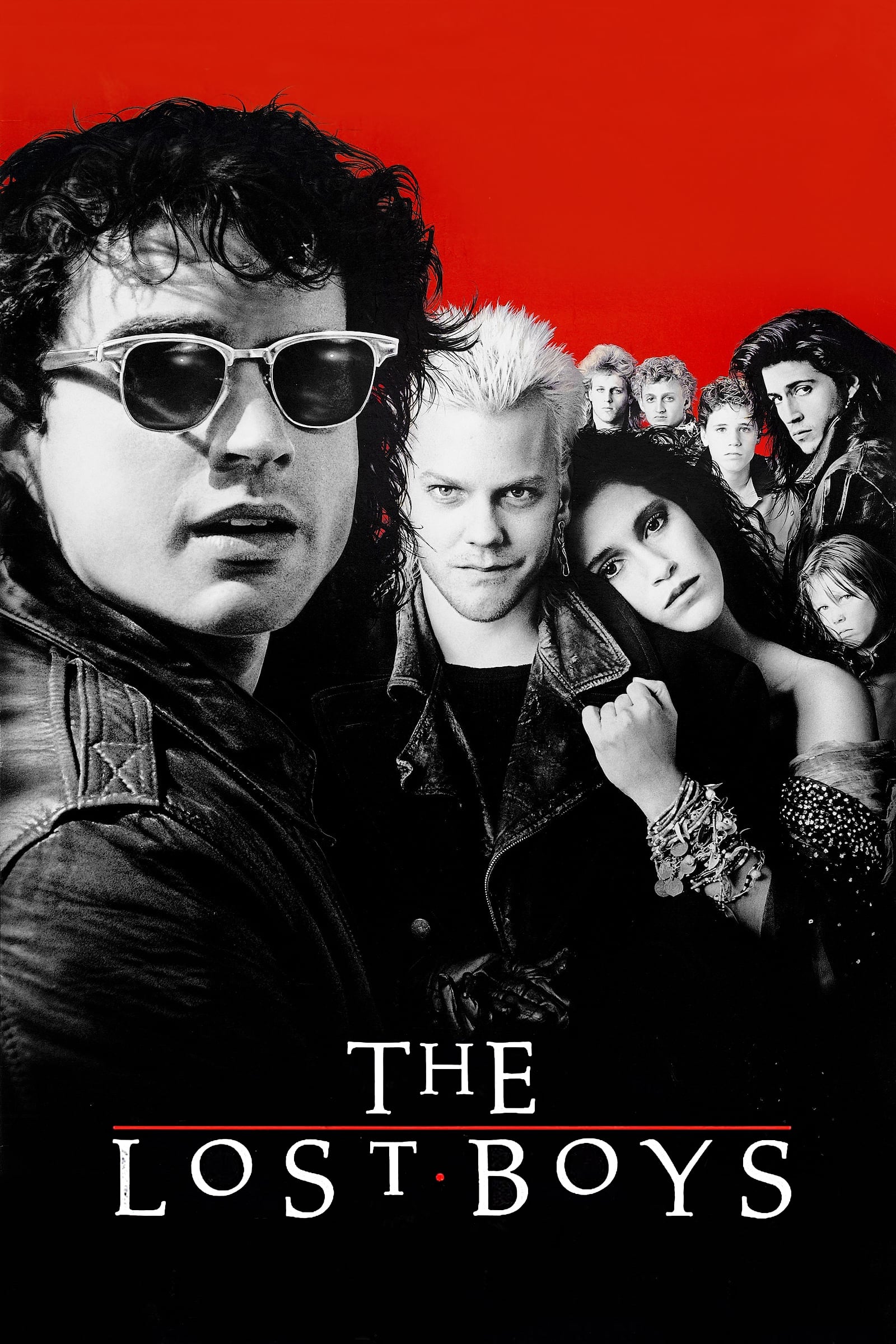
Costume, club imagery, and an initiation ritual frame the vampire pack as an alluring male cohort. Posters and music-video-style editing turned the aesthetic into a selling point. Interviews with creatives described the film’s sensual tone as intentional. Subsequent retrospectives and studio social content center on the same imagery that fuels the queer reading.
‘Fight Club’ (1999)
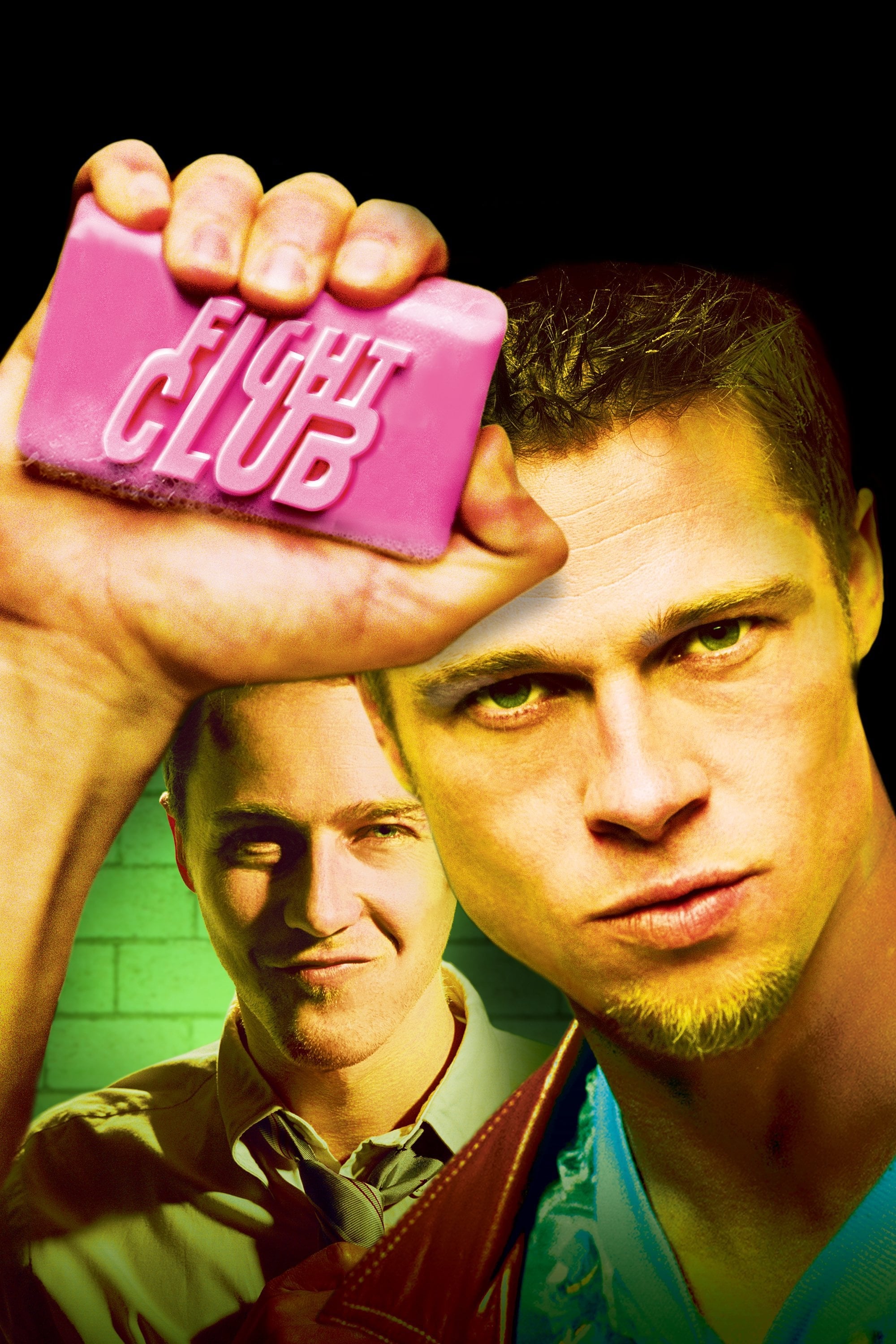
The central pairing shares a domestic arrangement, private rules, and a jealousy triangle that drives the plot. Promotional campaigns built a mystique around their exclusive bond and secret society. Press materials emphasized intimacy and co-dependence while maintaining thematic ambiguity. Over years of studio-backed reissues, that dynamic remains a headline talking point.
‘The Lord of the Rings: The Two Towers’ (2002)
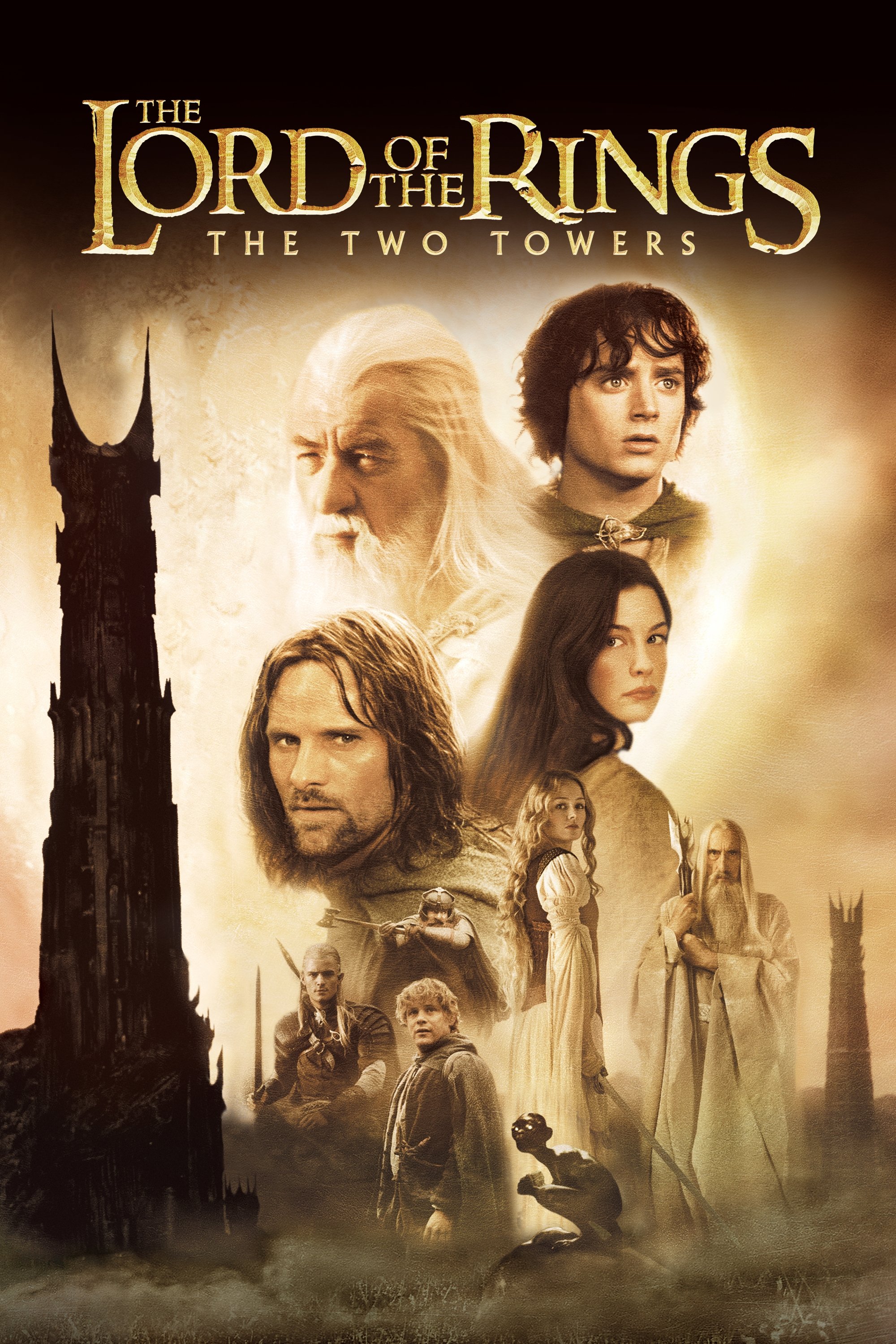
A pair of companions trade vows of loyalty, touch hands, and share tearful reconciliations that many viewers read romantically. The studio’s marketing frequently highlighted those emotional scenes in trailers and montages. Cast and creatives acknowledged the depth of the bond in interviews without defining it. Anniversary content continues to present those moments as a signature of the saga’s heart.
‘Star Wars: The Rise of Skywalker’ (2019)

Publicity and tie-in coverage amplified the closeness of two heroes after years of fan conversation about their chemistry. While the film stopped short of textual confirmation for them, promotional beats leaned on their shared arcs and reunions. Interviews treated the relationship as central to the trilogy’s momentum. Studio-sanctioned recaps and sizzle reels keep those images prominent.
‘Fantastic Beasts: The Secrets of Dumbledore’ (2022)
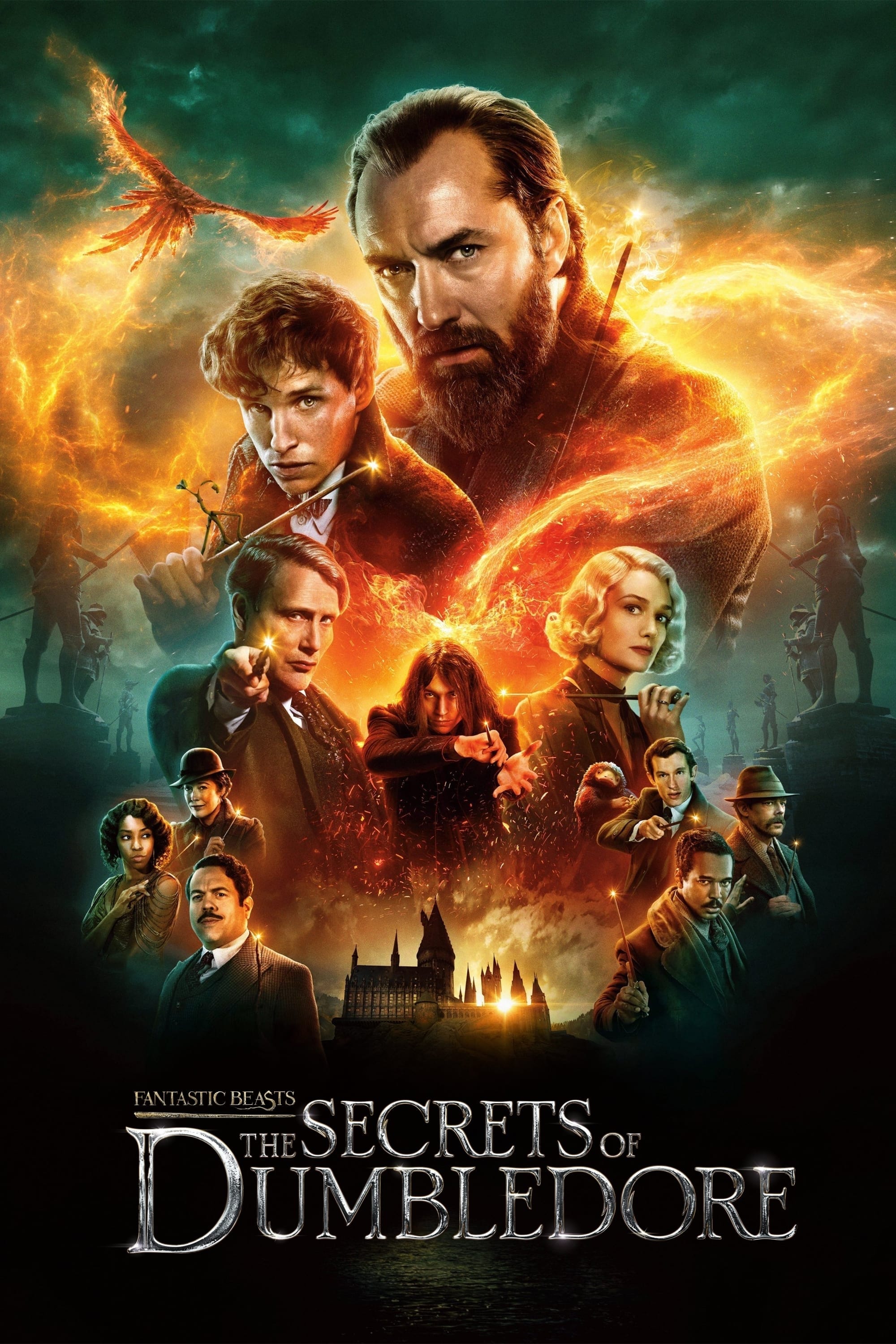
Marketing and early press explicitly referenced a past romantic relationship that earlier entries had only implied. Dialogue finally articulated that history onscreen, aligning the franchise with long-circulated statements from its creators. Trailers and featurettes centered this reveal as a narrative anchor. Studio materials framed the confirmation as an evolution of subtext into text across installments.
If we missed a favorite example—or you’ve got receipts from posters, trailers, or interviews—drop your picks in the comments and tell us why they belong on the list.