


20 Movies with the Most Inventive Use of Slow Motion

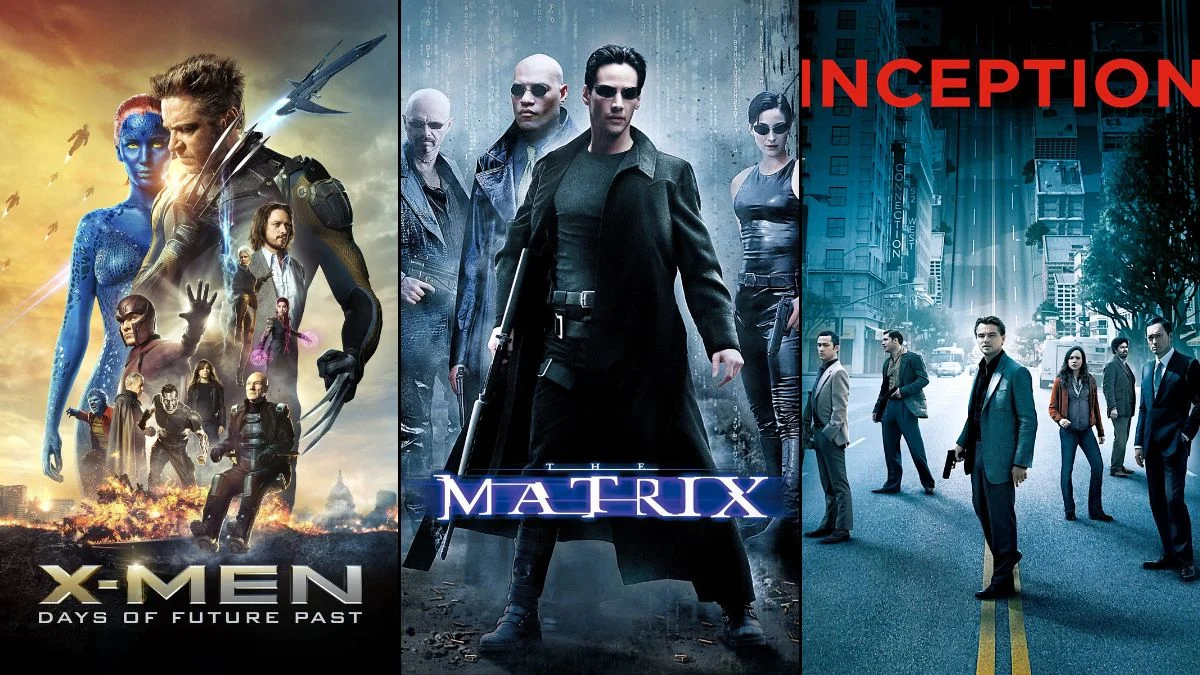


Slow motion is a cinematic technique that manipulates time to enhance the emotional or visceral impact of a scene. Directors use this tool to highlight details that the human eye might miss at normal speed or to build excruciating tension. The effect can transform a chaotic action sequence into a ballet of violence or turn a moment of realization into a profound visual statement. Filmmakers have evolved the usage of slow motion from simple camera overcranking to complex digital manipulation. The following films represent the most creative and memorable applications of this enduring technique.
‘The Matrix’ (1999)
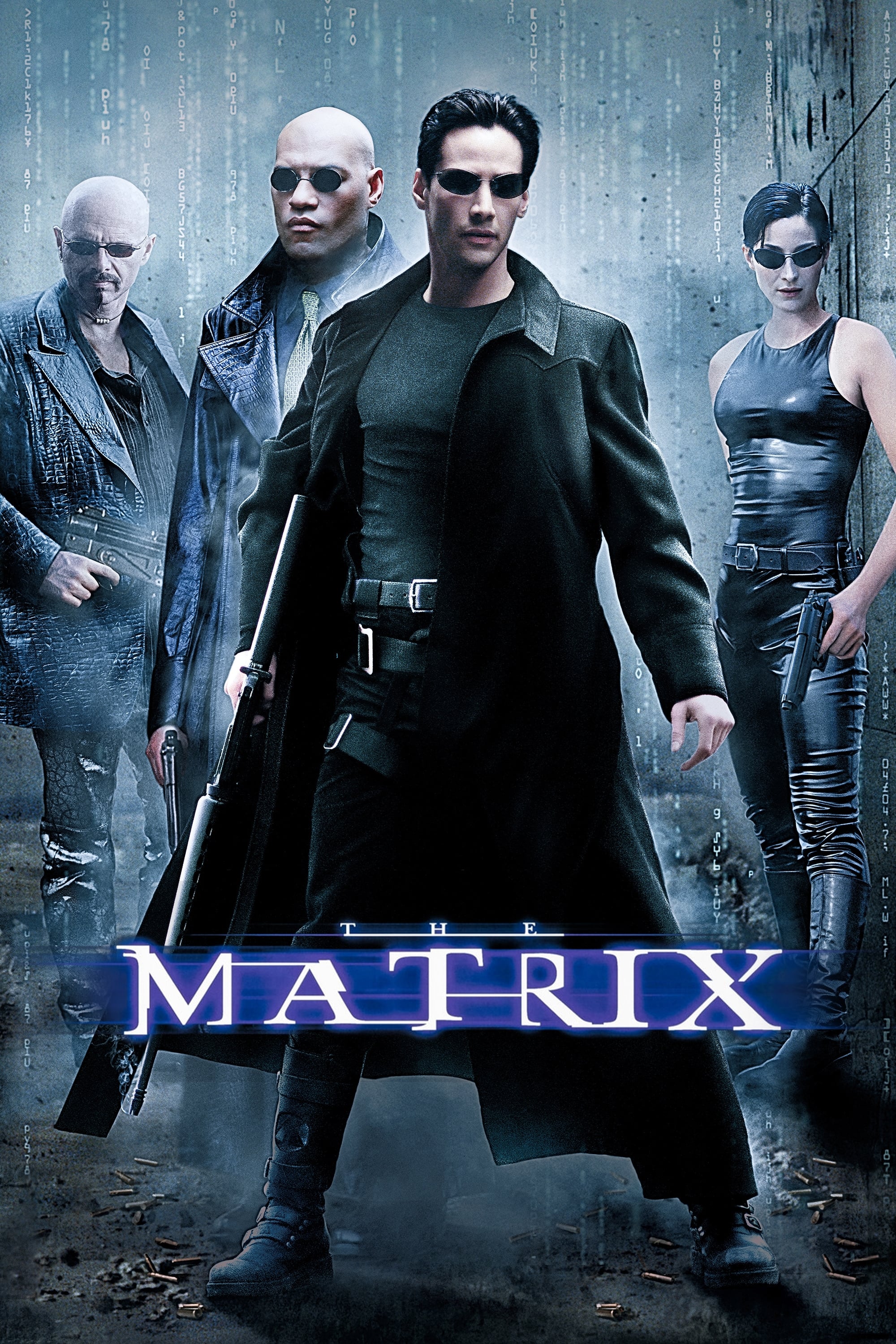
The Wachowskis revolutionized action cinema with the introduction of bullet time photography. This visual effect allows the camera to move around a motionless subject at normal speed while events appear to slow down. Neo dodges bullets on a rooftop in a sequence that defies the laws of physics. The technique requires an array of still cameras firing in sequence to create the illusion of movement. It perfectly visualizes the digital nature of the simulated reality within the film.
‘X-Men: Days of Future Past’ (2014)
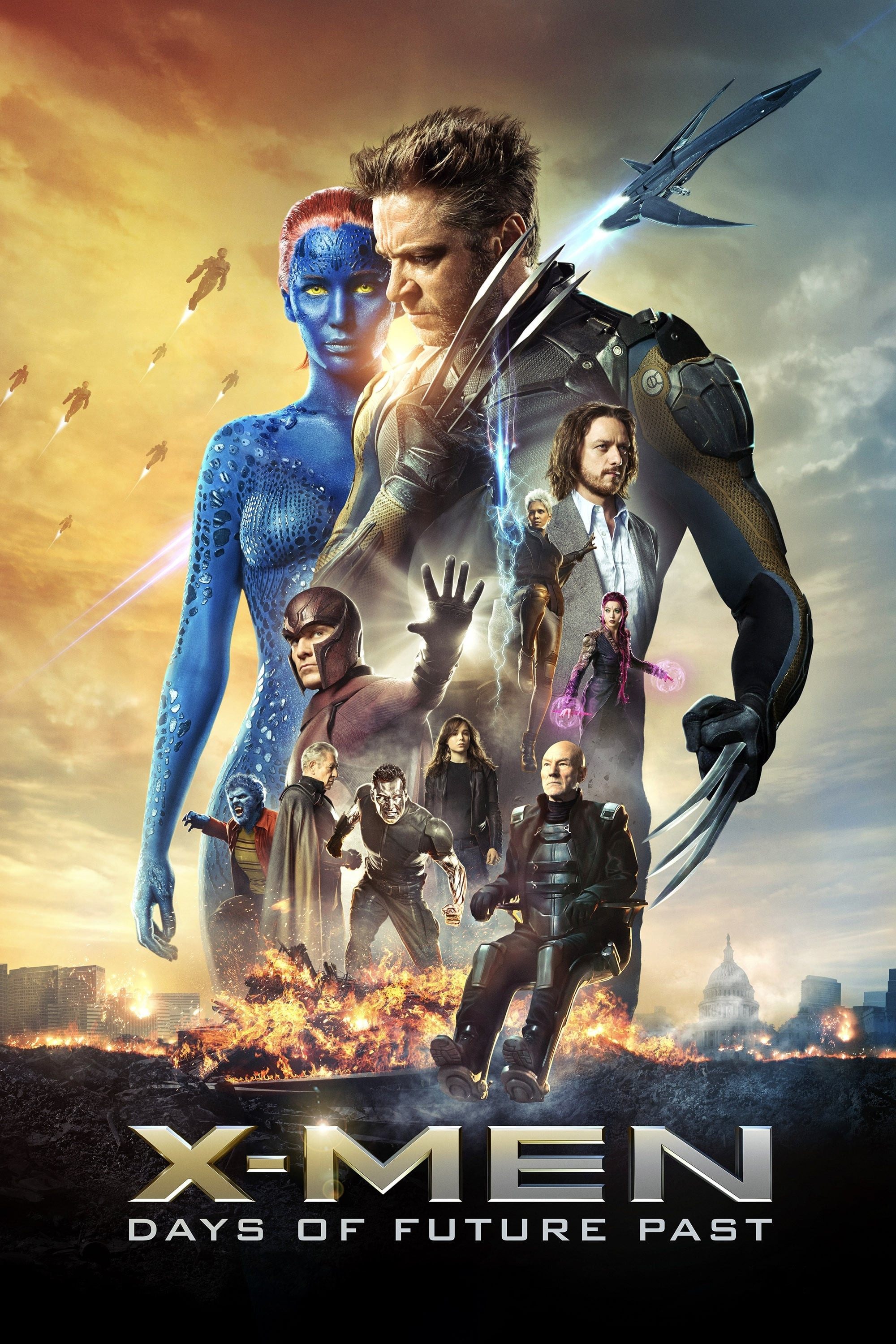
Quicksilver runs around the Pentagon kitchen to redirect bullets and manipulate objects while guards remain frozen in time. The sequence utilizes high-speed phantom cameras to capture thousands of frames per second. Viewers see the chaotic action from the perspective of the speedster as he casually tastes soup and rearranges limbs. This scene combines humor with visual spectacle to demonstrate the relative perception of time.
‘Inception’ (2010)
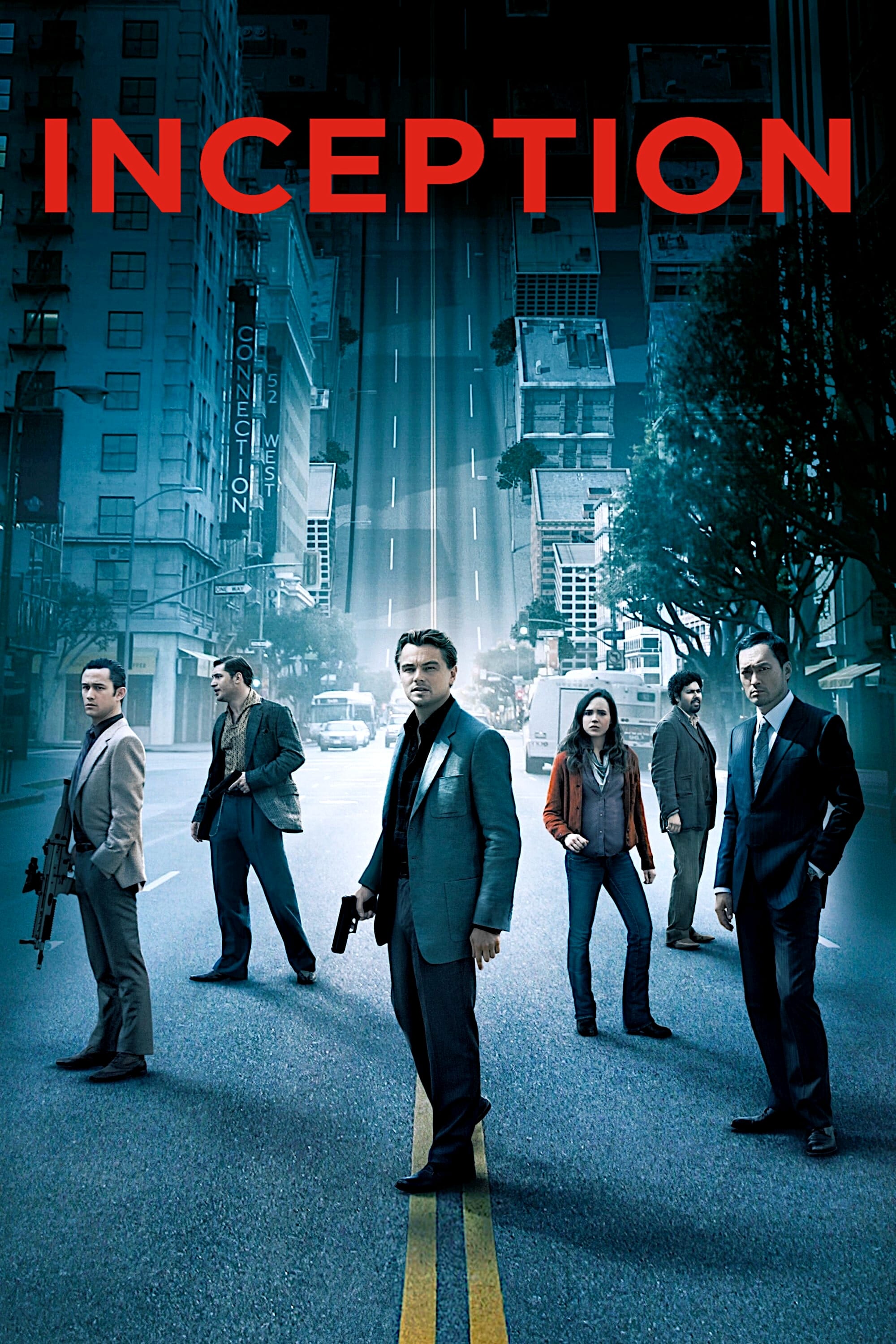
Christopher Nolan establishes different rates of time flow across multiple dream levels. A van falling off a bridge in the first layer translates to minutes of weightlessness in the second layer. Characters float through hotel corridors as gravity shifts and time expands due to the deep dream state. The editing weaves these timelines together to create massive tension during the climax.
‘300’ (2006)
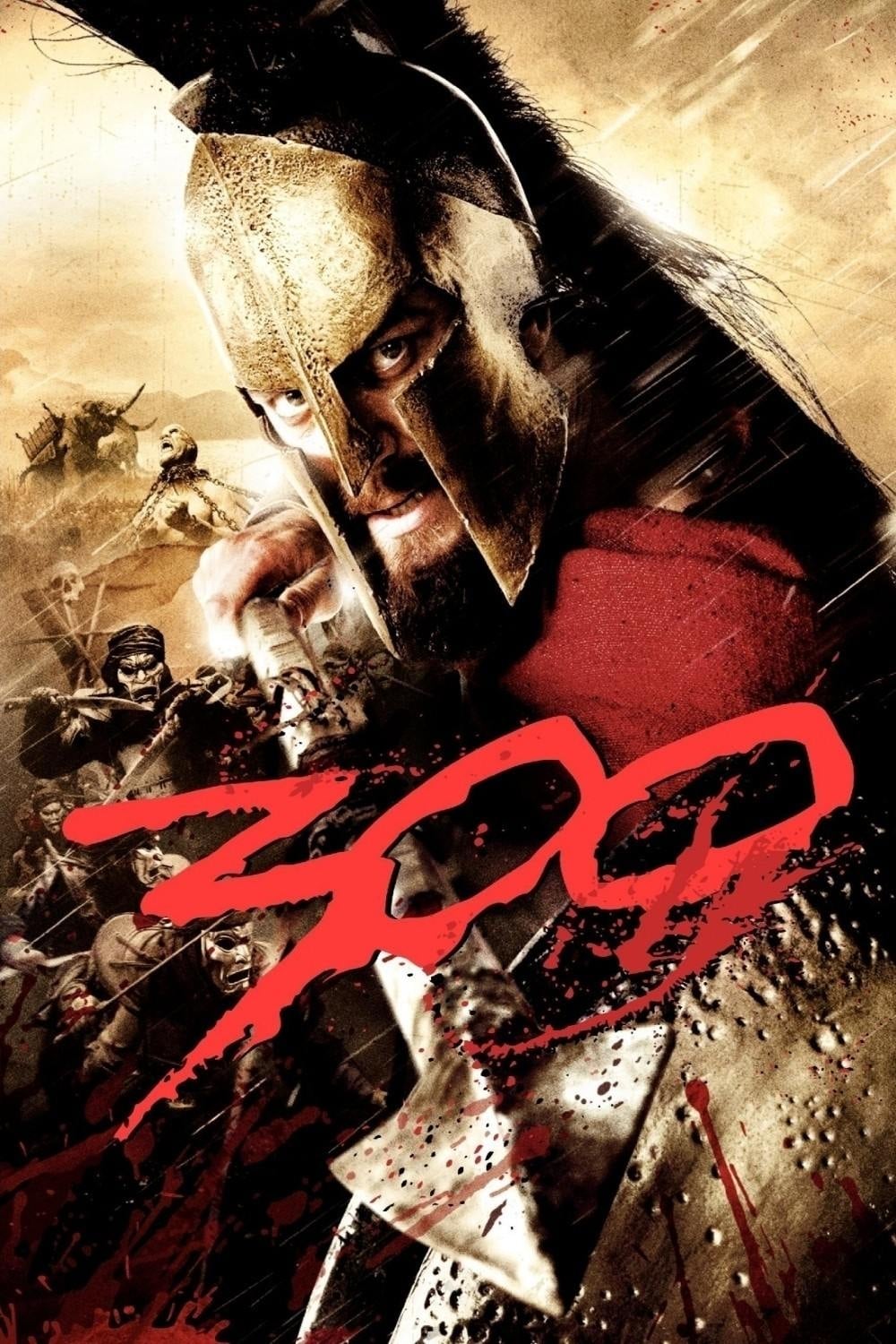
Zack Snyder utilizes speed ramping to alternate between slow motion and fast motion within a single shot. King Leonidas decimates the Persian army with brutal efficiency highlighted by these sudden tempo changes. The technique emphasizes the impact of every spear thrust and shield bash. This stylistic choice mimics the static yet dynamic panels of the graphic novel source material.
‘Sherlock Holmes’ (2009)
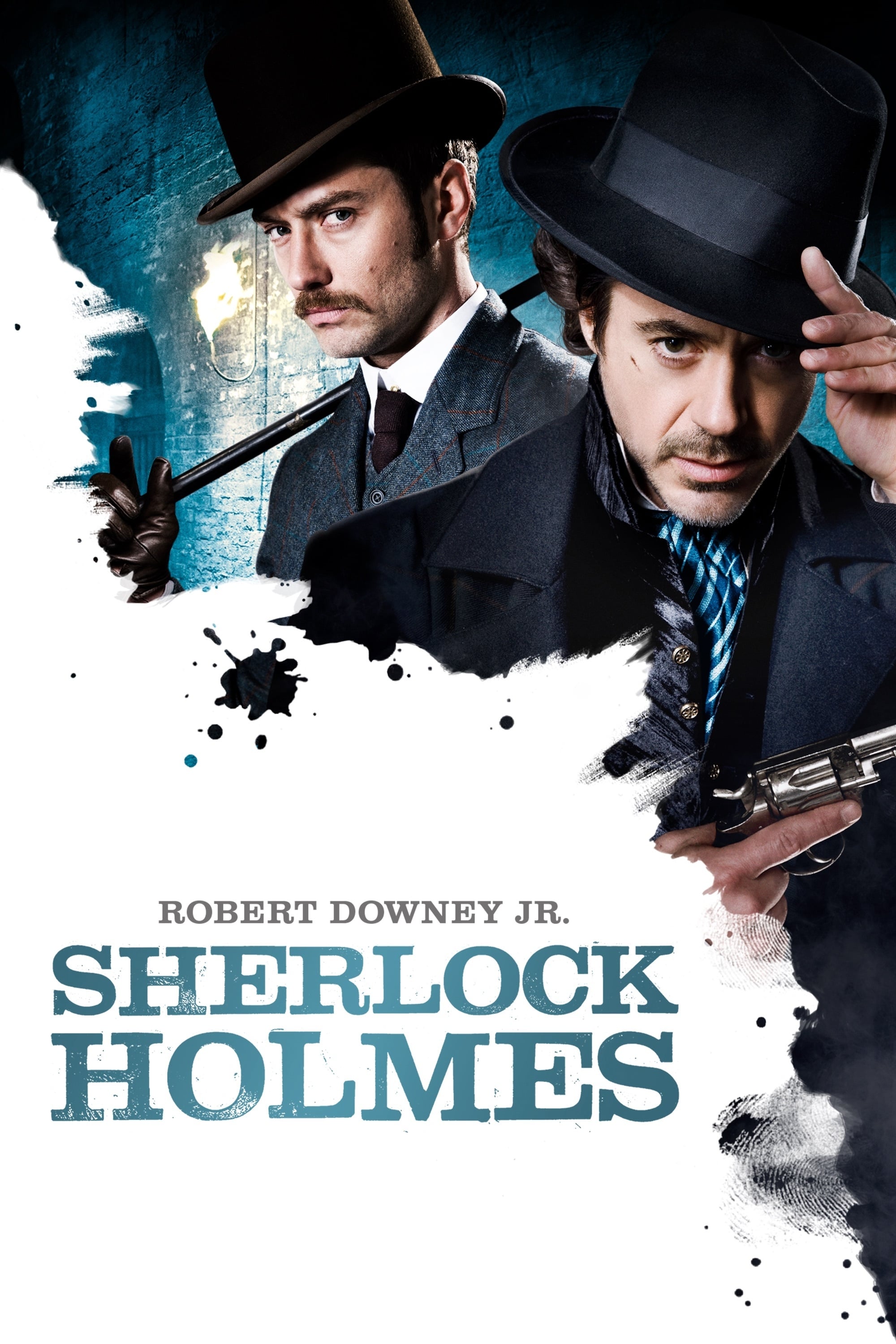
Guy Ritchie visualizes the thought process of the famous detective before the physical altercation occurs. Holmes analyzes the weak points of his opponent in extreme slow motion while narrating the inevitable damage. The film then snaps back to real time to show the fight executing exactly as planned. This creative device showcases the intellectual prowess of the character during visceral combat.
‘Dredd’ (2012)
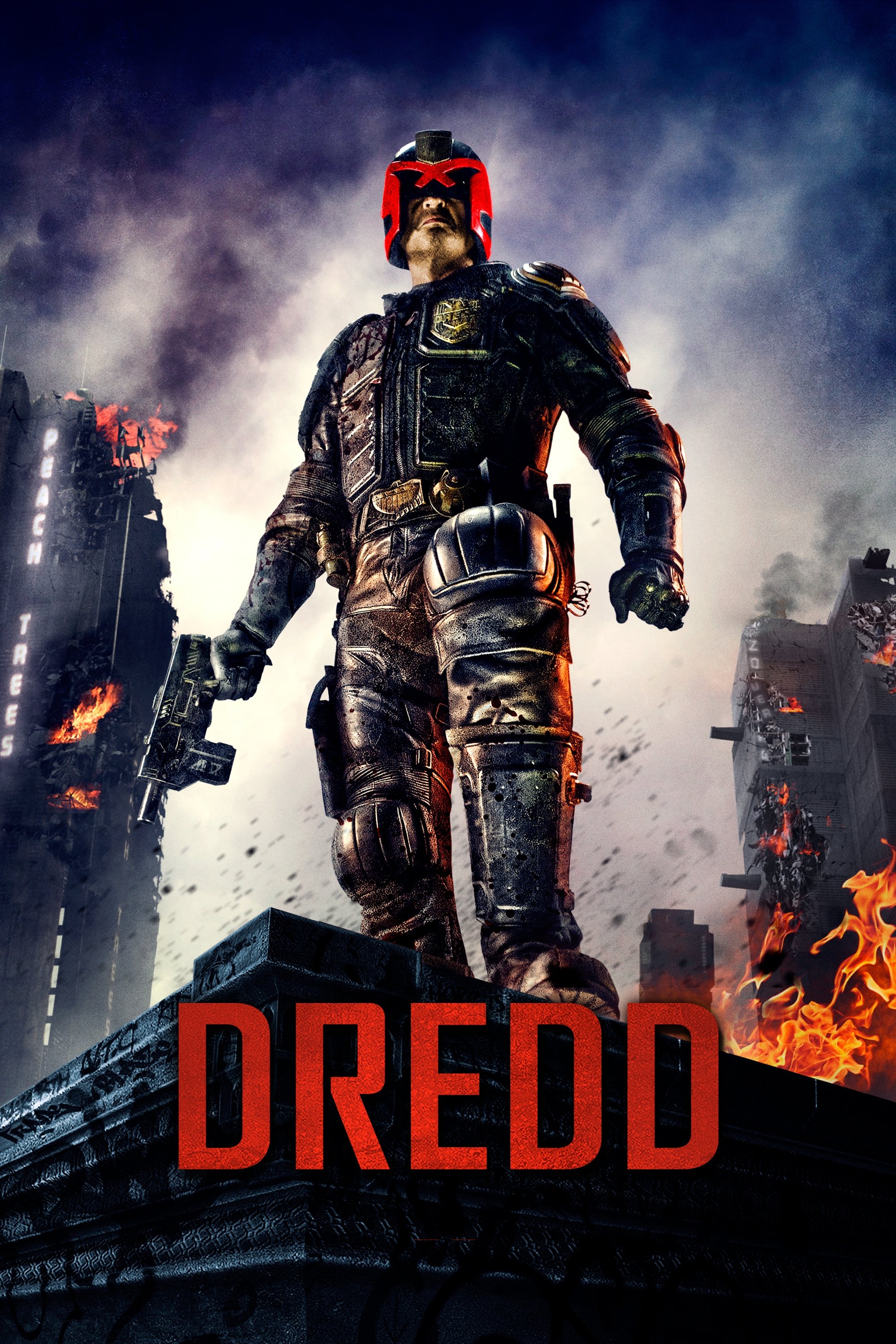
The plot centers on a drug appropriately named Slo-Mo that reduces the perception of time to one percent of normal speed. Cinematographers used high-speed digital cameras to capture vivid colors and crystalline details during drug raids. Violence becomes strangely beautiful as bullets rip through flesh and glass shatters in suspended animation. The slow motion serves a narrative purpose by placing the audience in the headspace of the drug users.
‘Hard Boiled’ (1992)
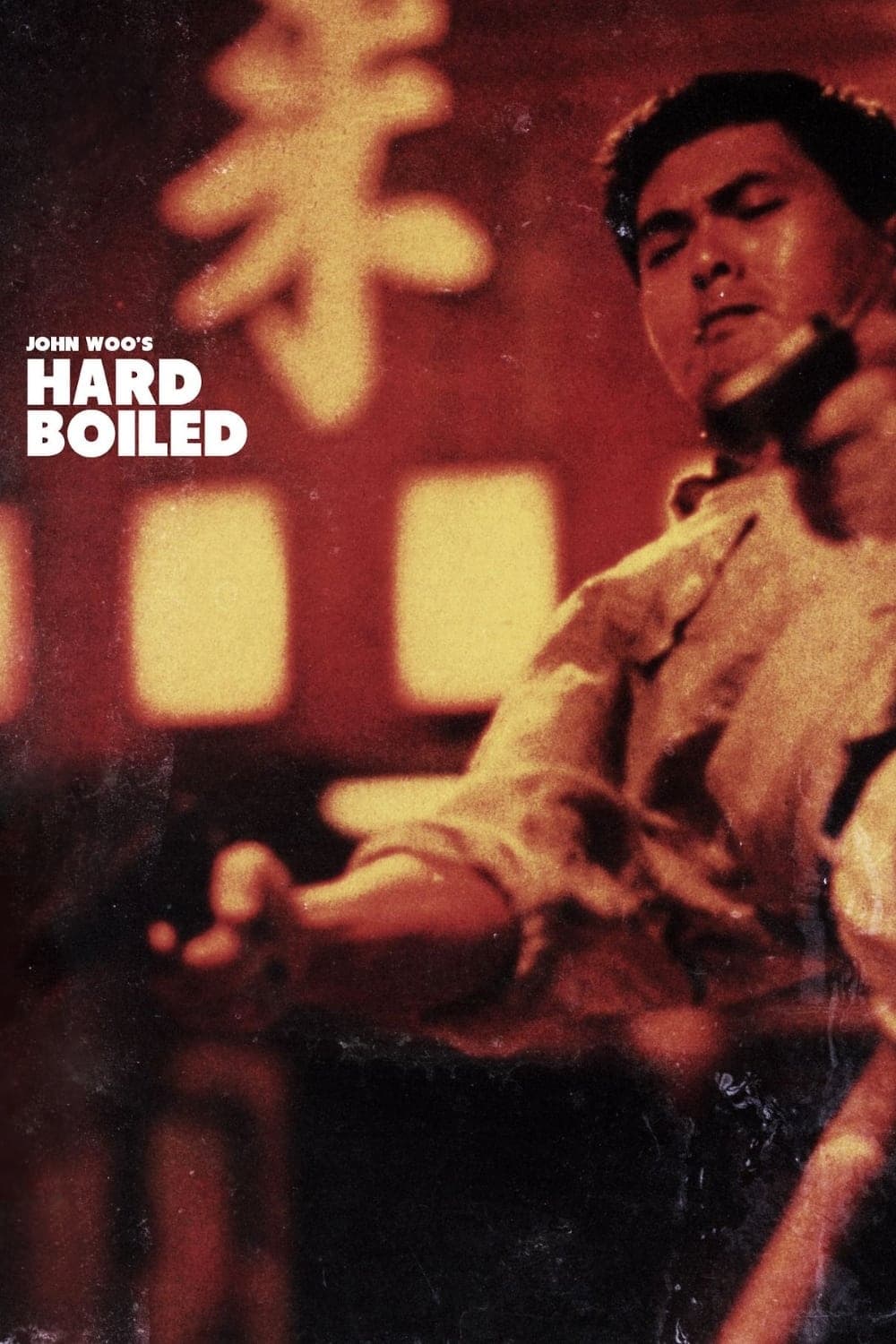
John Woo incorporates slow motion to heighten the drama and balletic nature of gunfights. Tequila Yuen slides down bannisters and leaps through air while firing dual pistols at enemies. The slowed footage allows the audience to appreciate the choreography and the massive amount of destruction. Doves flying across the screen often accompany these stylistic shootouts to contrast peace with violence.
‘The Hurt Locker’ (2008)
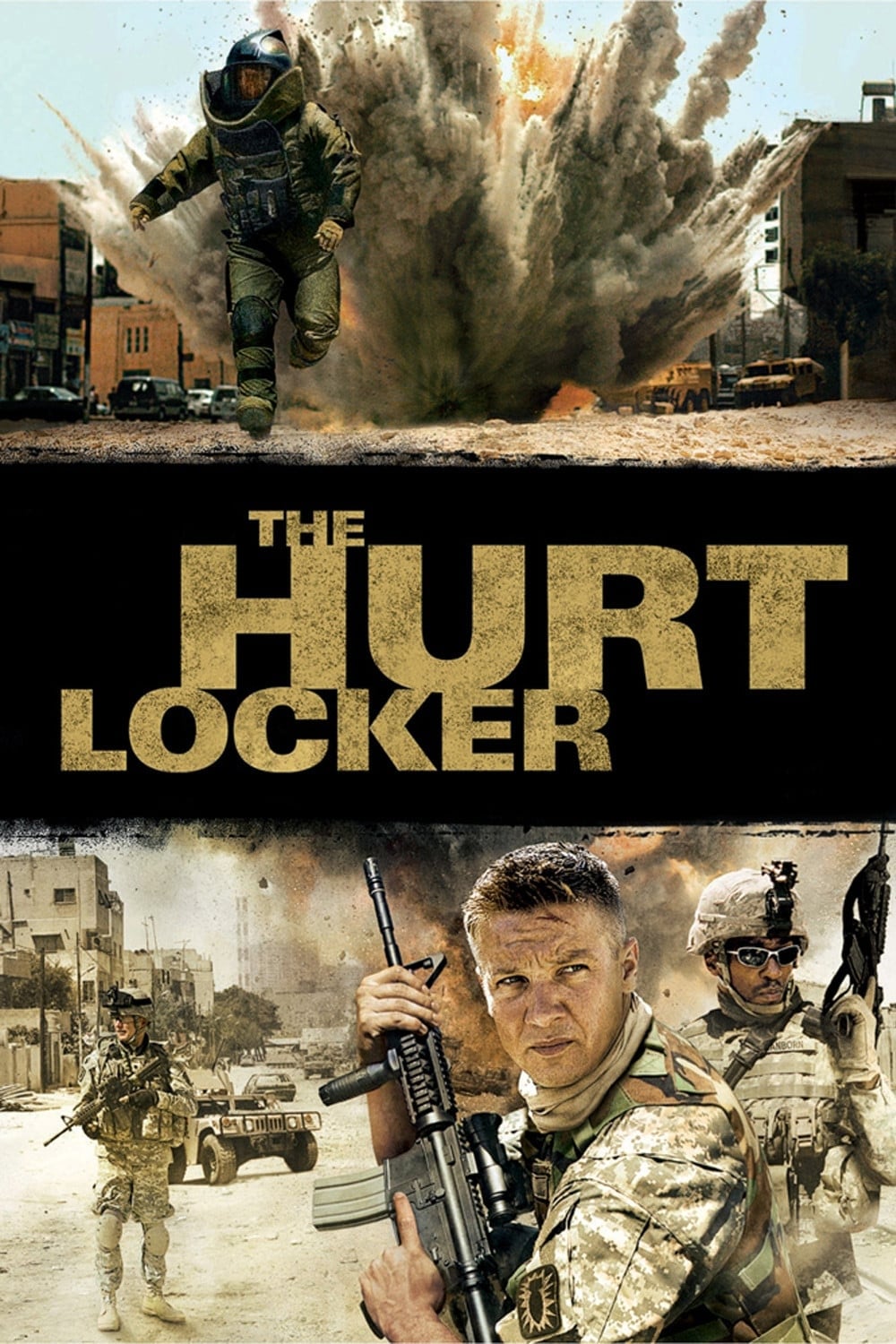
Kathryn Bigelow captures the terrifying reality of bomb disposal work through high-speed photography. A massive explosion ripples through the ground and lifts debris into the air with terrifying clarity. The slow motion emphasizes the force of the blast wave as it knocks characters off their feet. This technique focuses on the physical impact of war rather than just the visual spectacle.
‘Spider-Man’ (2002)
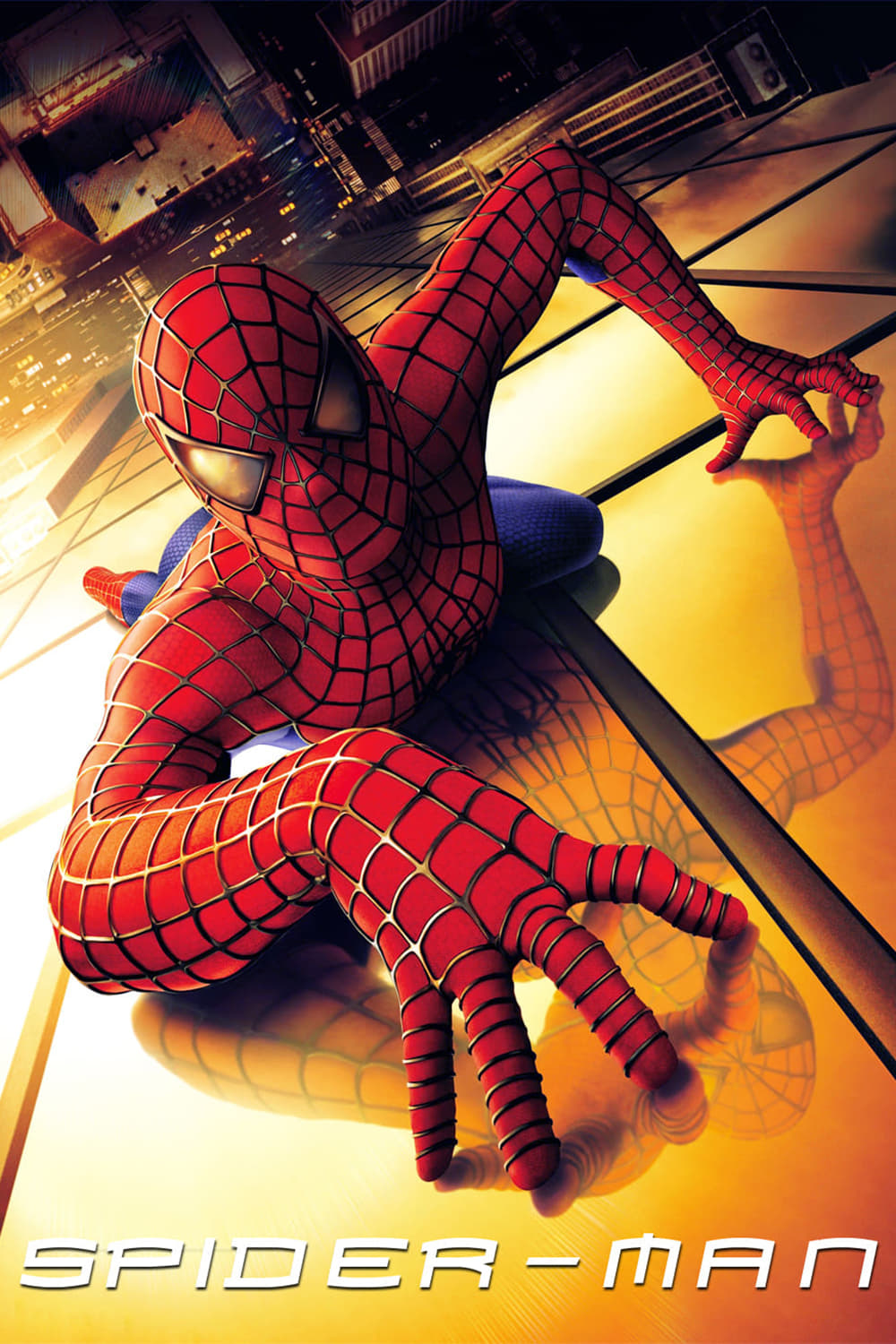
Sam Raimi visualizes the heightened reflexes of Peter Parker during a school fight scene. The protagonist sees a chaotic cafeteria confrontation unfold slowly enough to dodge punches and catch a tray of food. This perspective allows the audience to understand the superhuman reaction time of the character. It marks the first moment Peter truly understands the extent of his new powers.
‘Zombieland’ (2009)
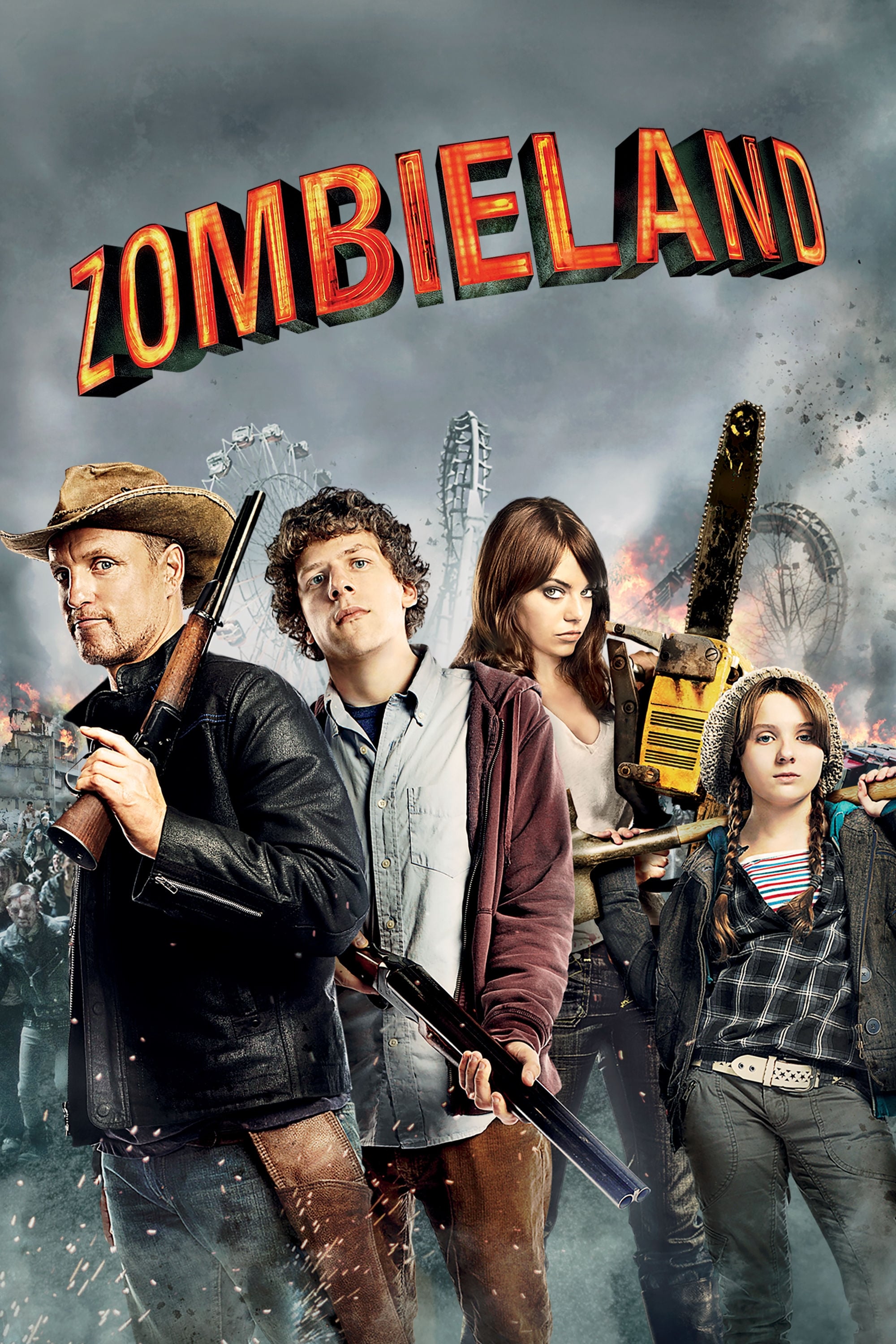
The opening credits feature vignettes of zombie attacks filmed in extreme slow motion. Characters run from the undead while dropping trays of drinks or crashing vehicles. The slowed footage highlights the absurdity and chaos of the apocalypse rather than just the horror. It sets the comedic tone of the film immediately.
‘Watchmen’ (2009)
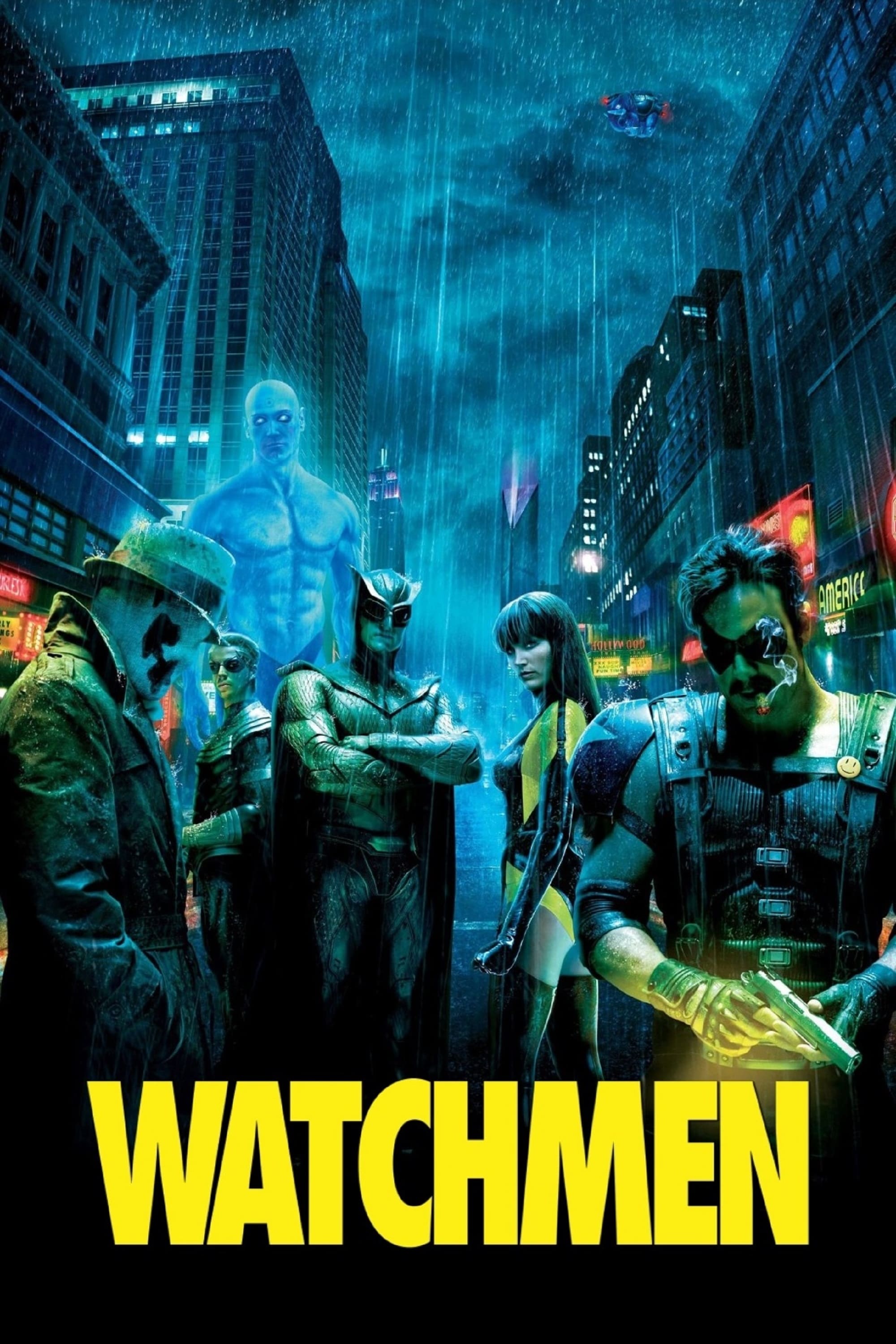
The opening credits sequence condenses decades of alternate history into a single slow motion montage. Famous historical tableaux are recreated and twisted to include masked vigilantes. The slowed speed gives each image the weight of a moving photograph or a comic book panel. It provides essential backstory and world-building without a single line of dialogue.
‘The Untouchables’ (1987)
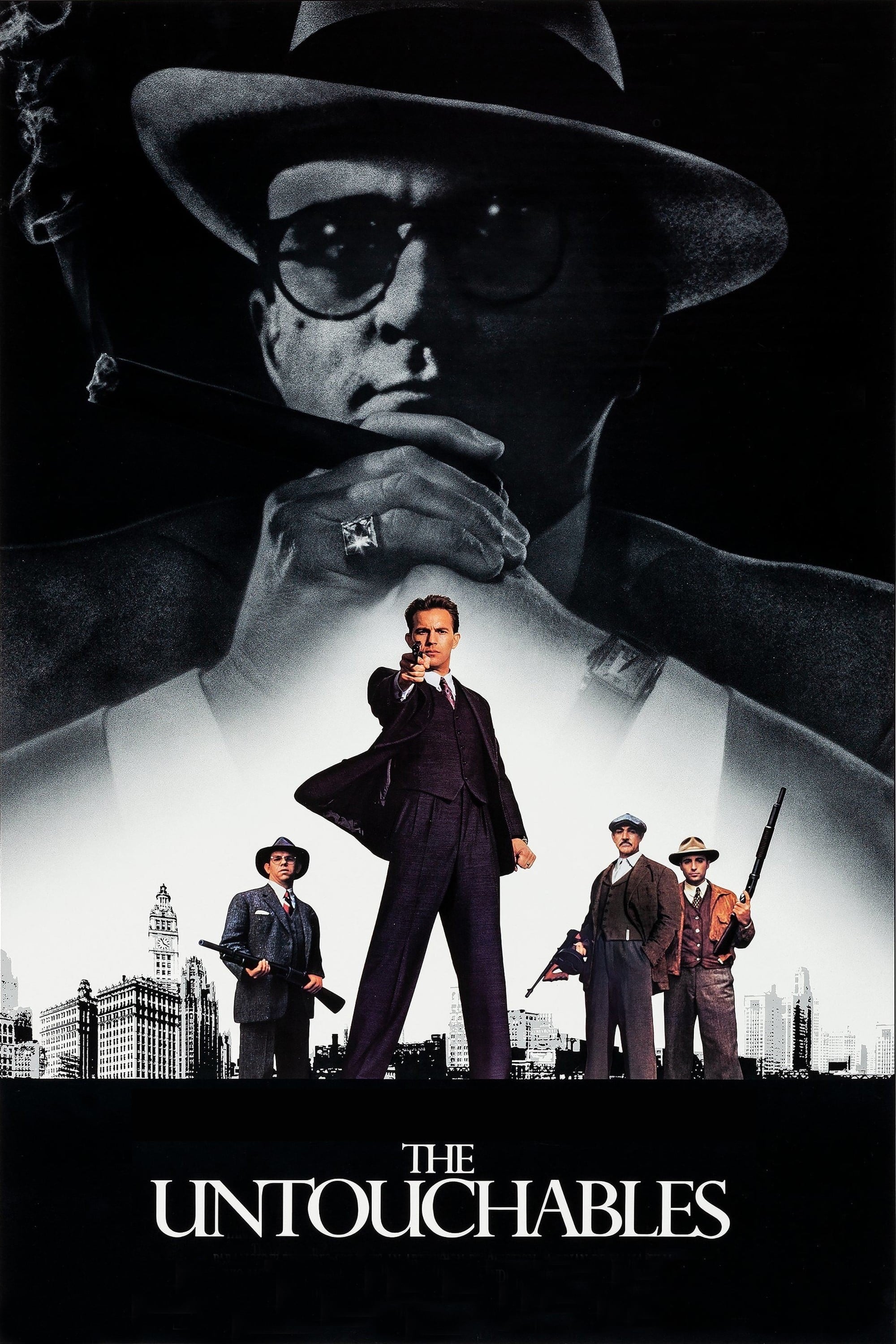
Brian De Palma builds unbearable tension during a shootout at a train station involving a baby carriage. The carriage bounces down the stairs in agonizingly slow motion while bullets fly between lawmen and gangsters. The director stretches seconds into minutes to maximize the suspense of the innocent life at risk. It serves as a direct homage to the famous steps sequence in ‘Battleship Potemkin’.
‘Reservoir Dogs’ (1992)
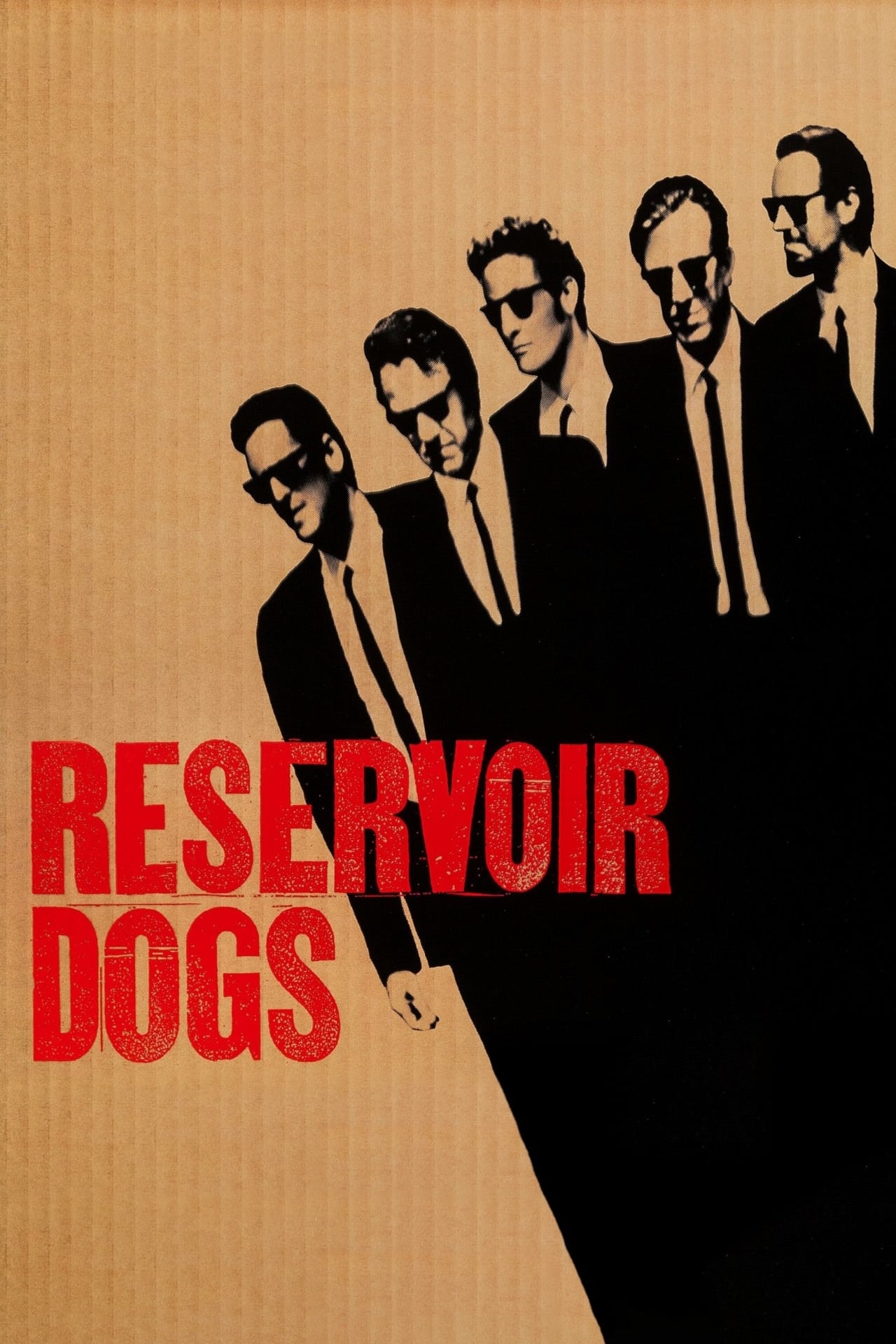
Quentin Tarantino introduces his main cast walking down the street in slow motion to a classic rock track. The simple act of walking becomes an iconic statement of style and attitude. The technique establishes the group dynamic and the cool demeanor of the criminals before the heist goes wrong. It remains one of the most recognizable opening sequences in independent film history.
‘Chariots of Fire’ (1981)
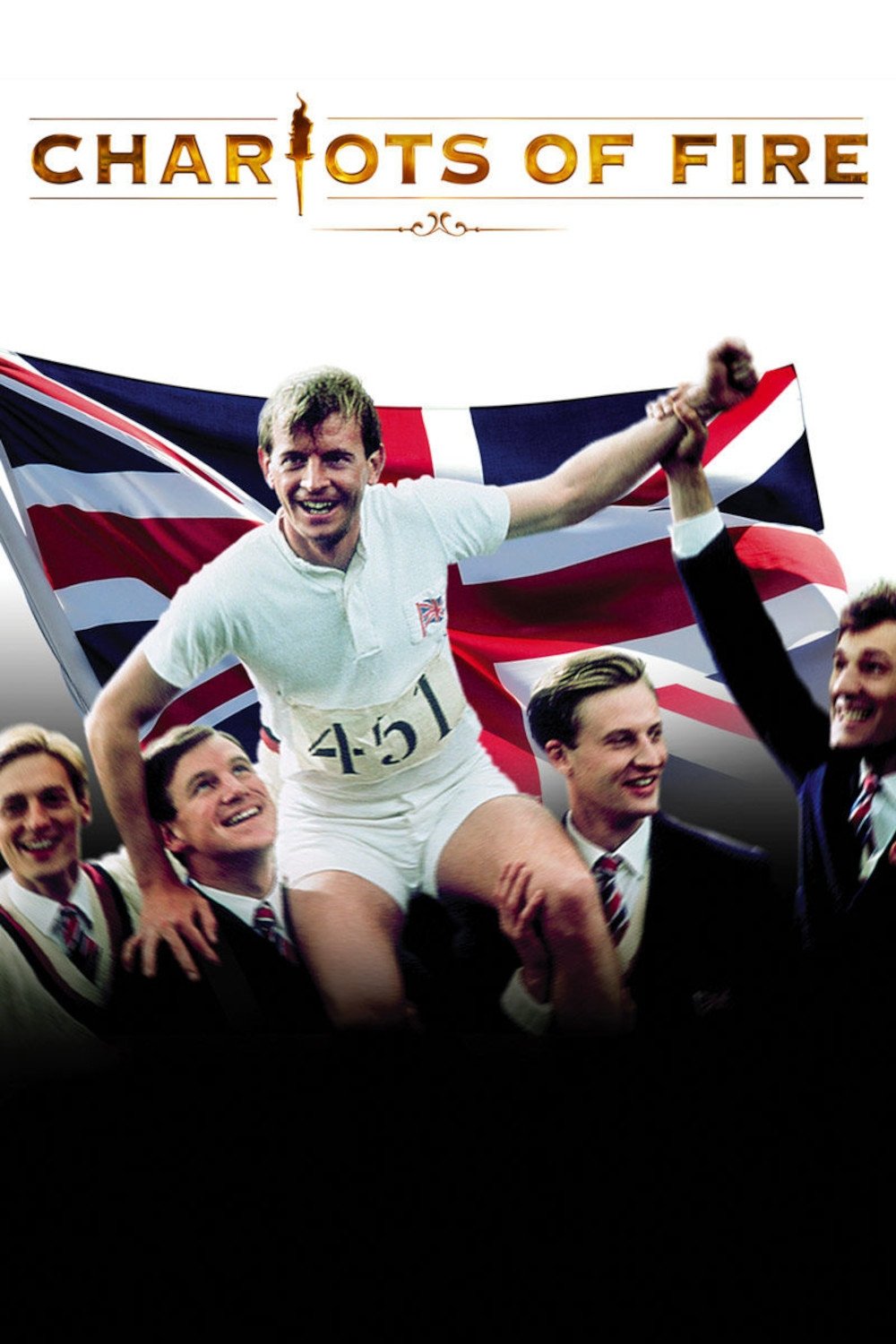
The runners on the beach are captured in slow motion to emphasize the grace and effort of the athletes. Vangelis provides the iconic synthesizer score that matches the rhythmic movement of the characters. The slowed footage transforms a simple training session into a symbol of determination and glory. This sequence defines the visual language of inspirational sports movies.
‘Platoon’ (1986)
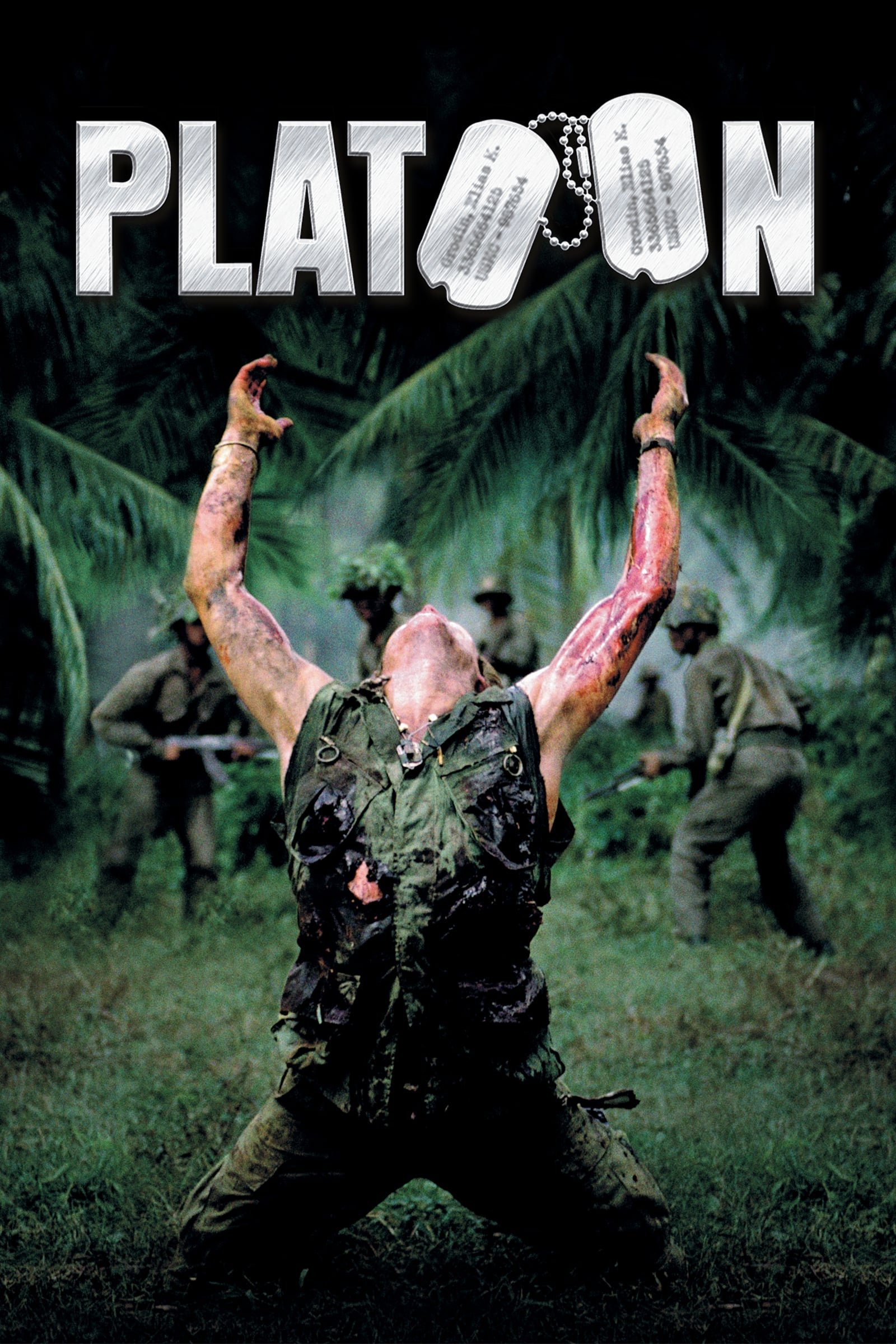
Sergeant Elias runs through the jungle while being chased by enemy soldiers. He reaches toward the sky in slow motion as he falls under a hail of gunfire. The slowed speed turns his death into a operatic and religious image of sacrifice. Oliver Stone uses this technique to underscore the loss of innocence in the Vietnam War.
‘Bonnie and Clyde’ (1967)
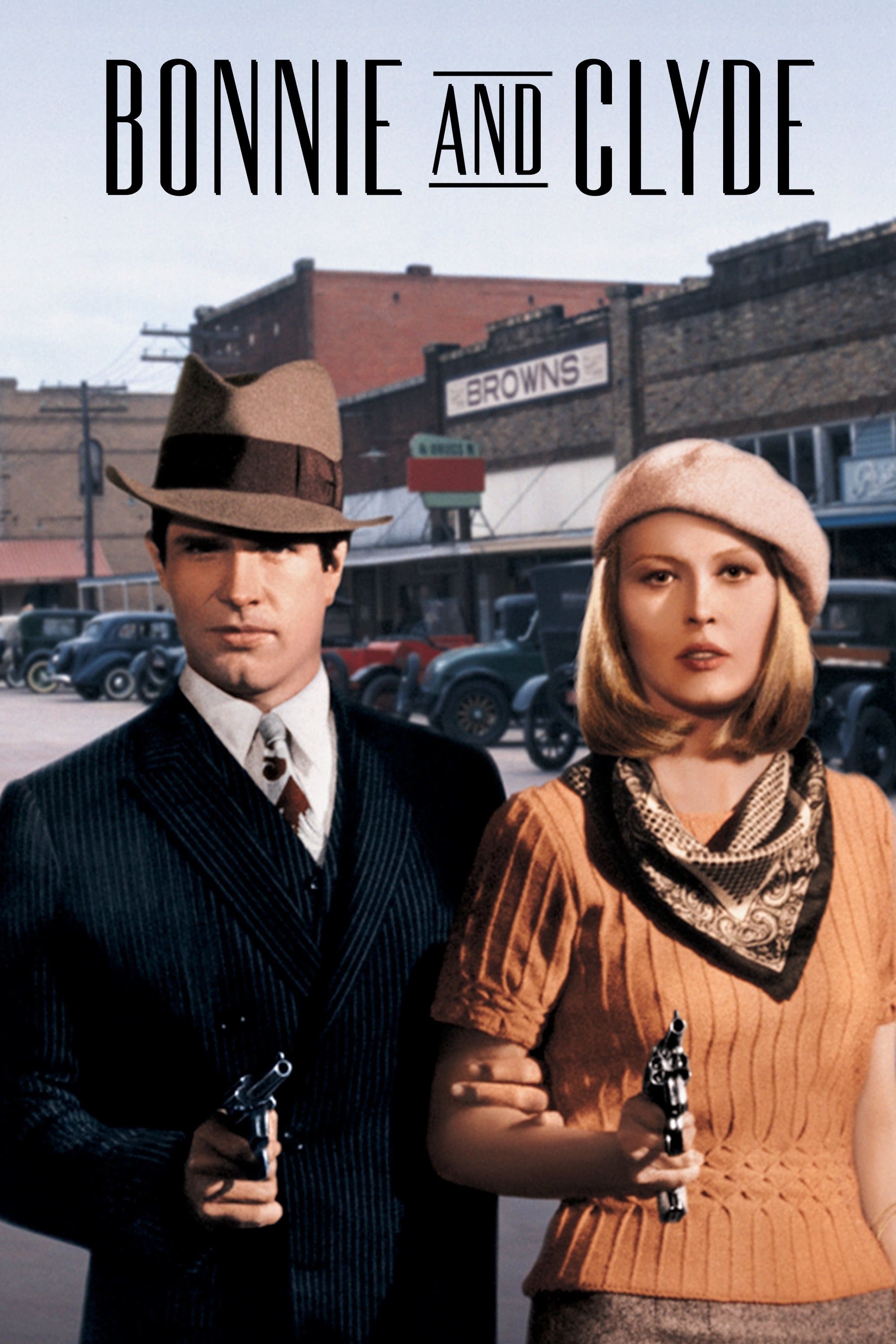
The final ambush features the titular outlaws being riddled with bullets in a jarring montage. Arthur Penn uses slow motion to extend the moment of death and emphasize the brutality of the lawmen. Bodies twitch and jerk as the film cuts between different speeds and angles. This sequence changed the way violence was depicted in American cinema.
‘The Wild Bunch’ (1969)
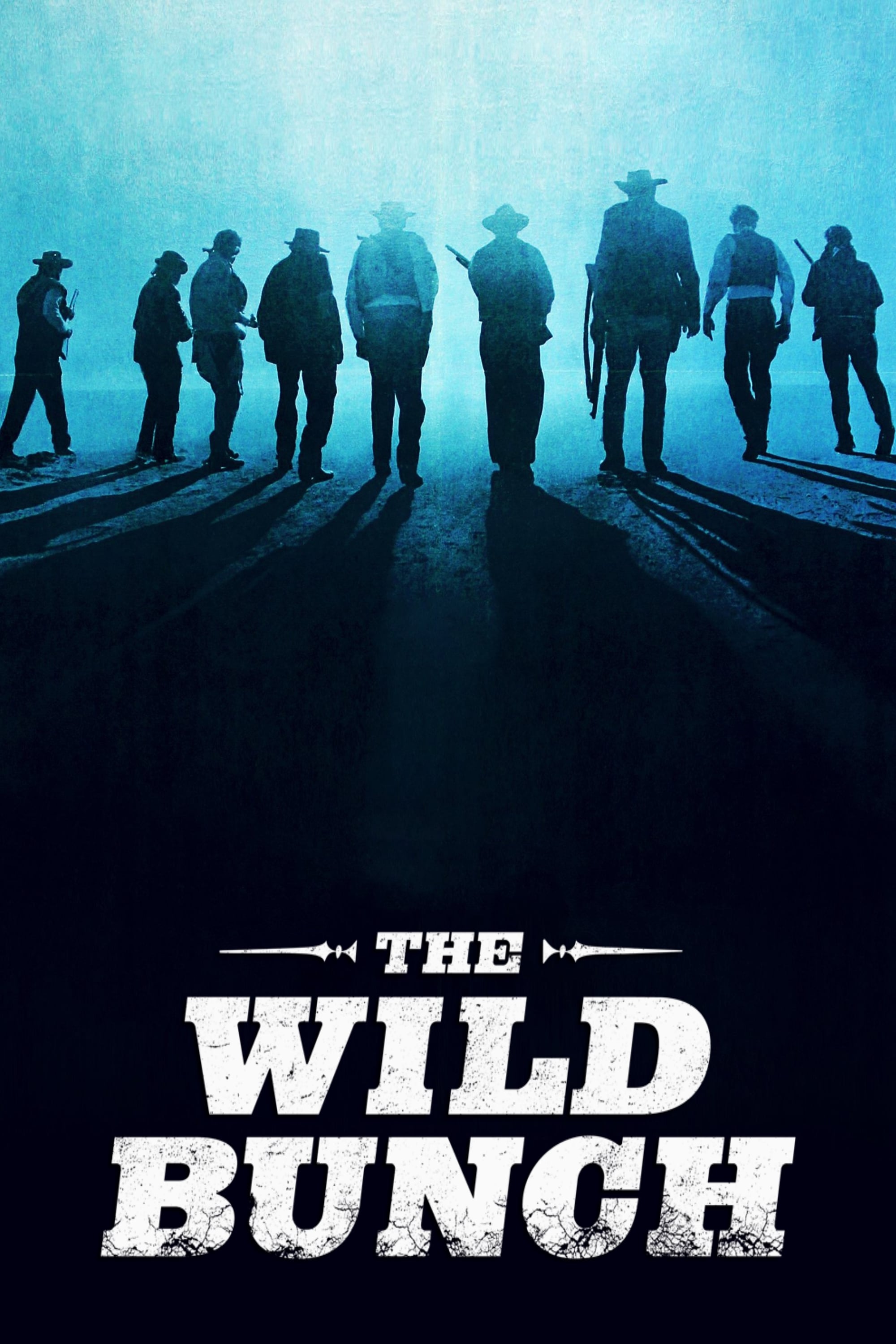
Sam Peckinpah revolutionized westerns with the final shootout that intercuts normal speed with slow motion. Bodies fall and blood sprays in stylized motion that contrasts with the frantic editing. The director expands the timeframe of the violence to force the audience to look at the carnage. It creates a visceral and exhausting experience that deconstructs the myth of the Old West.
‘Raging Bull’ (1980)
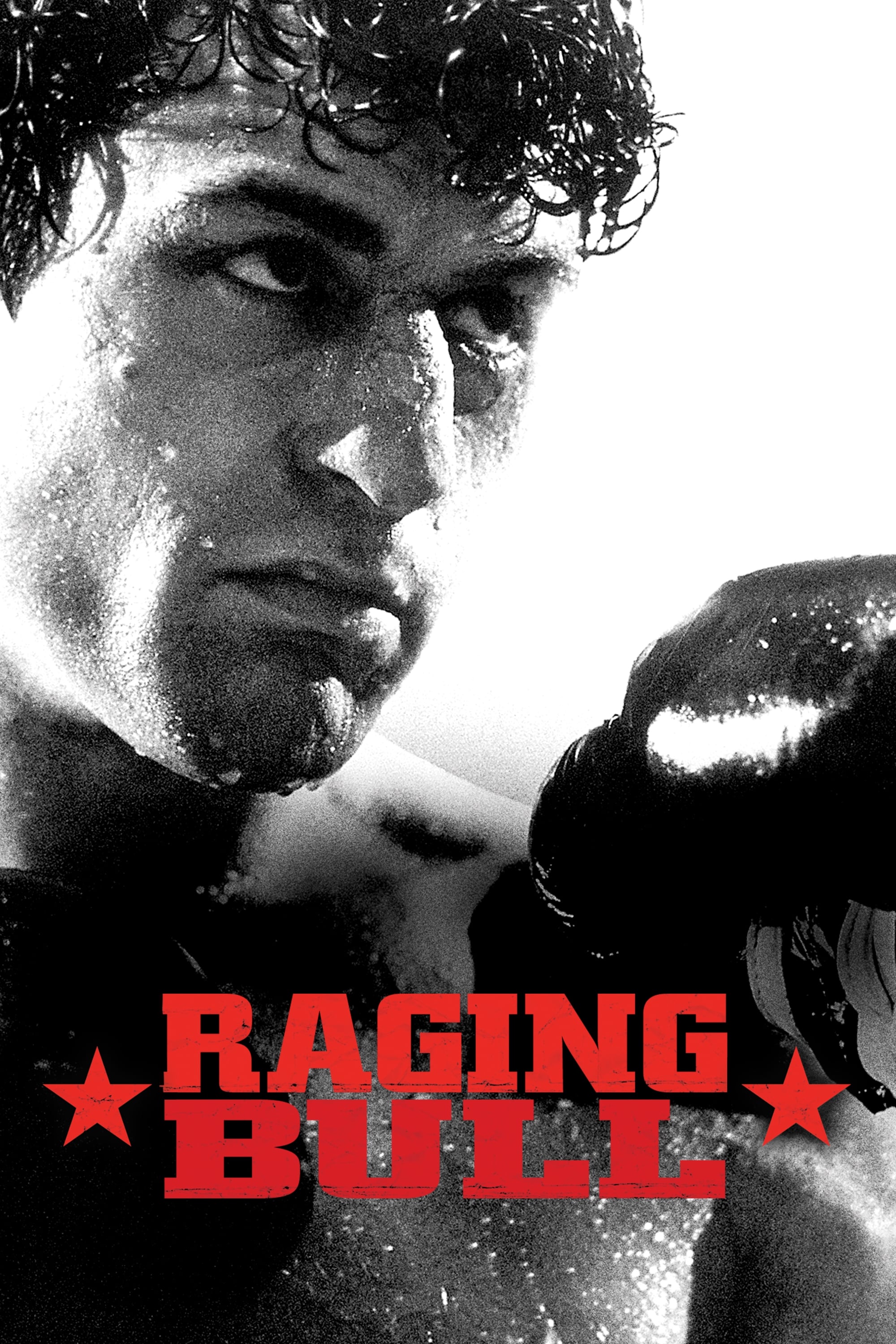
Martin Scorsese uses slow motion inside the boxing ring to reflect the internal state of Jake LaMotta. Camera flashes pop and punches land with exaggerated weight as time distorts around the fighters. The technique isolates the protagonist from the roaring crowd and focuses on his pain. It transforms the sport of boxing into a brutal and artistic expression of suffering.
‘Face/Off’ (1997)
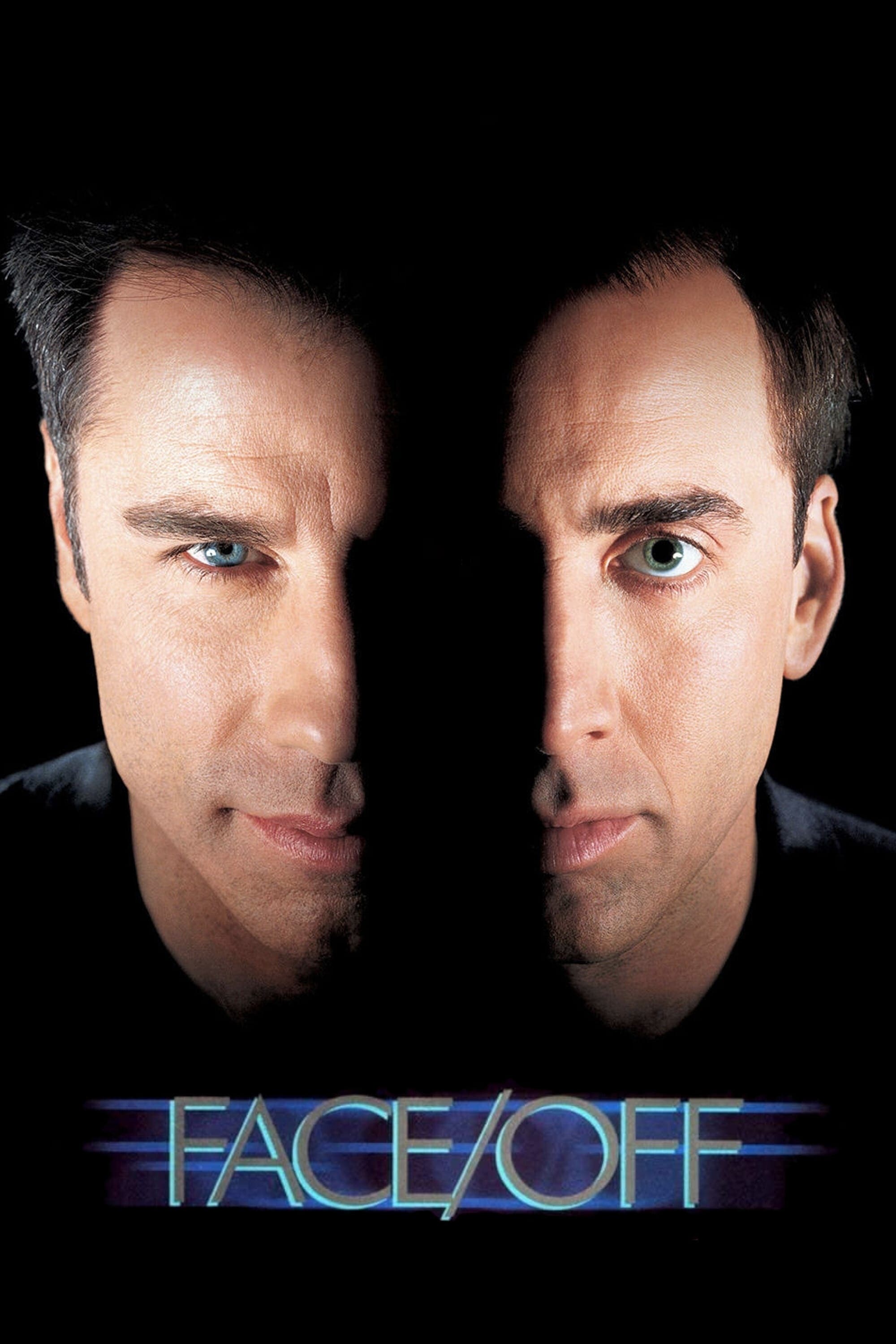
John Woo brings his signature style to Hollywood with elaborate shootouts set to emotional music. Characters fly through the air firing weapons while sparks rain down around them in slow motion. A young boy listens to ‘Over the Rainbow’ on headphones while violence erupts in the background. The juxtaposition of innocent music and slowed destruction creates a surreal atmosphere.
‘Crouching Tiger, Hidden Dragon’ (2000)
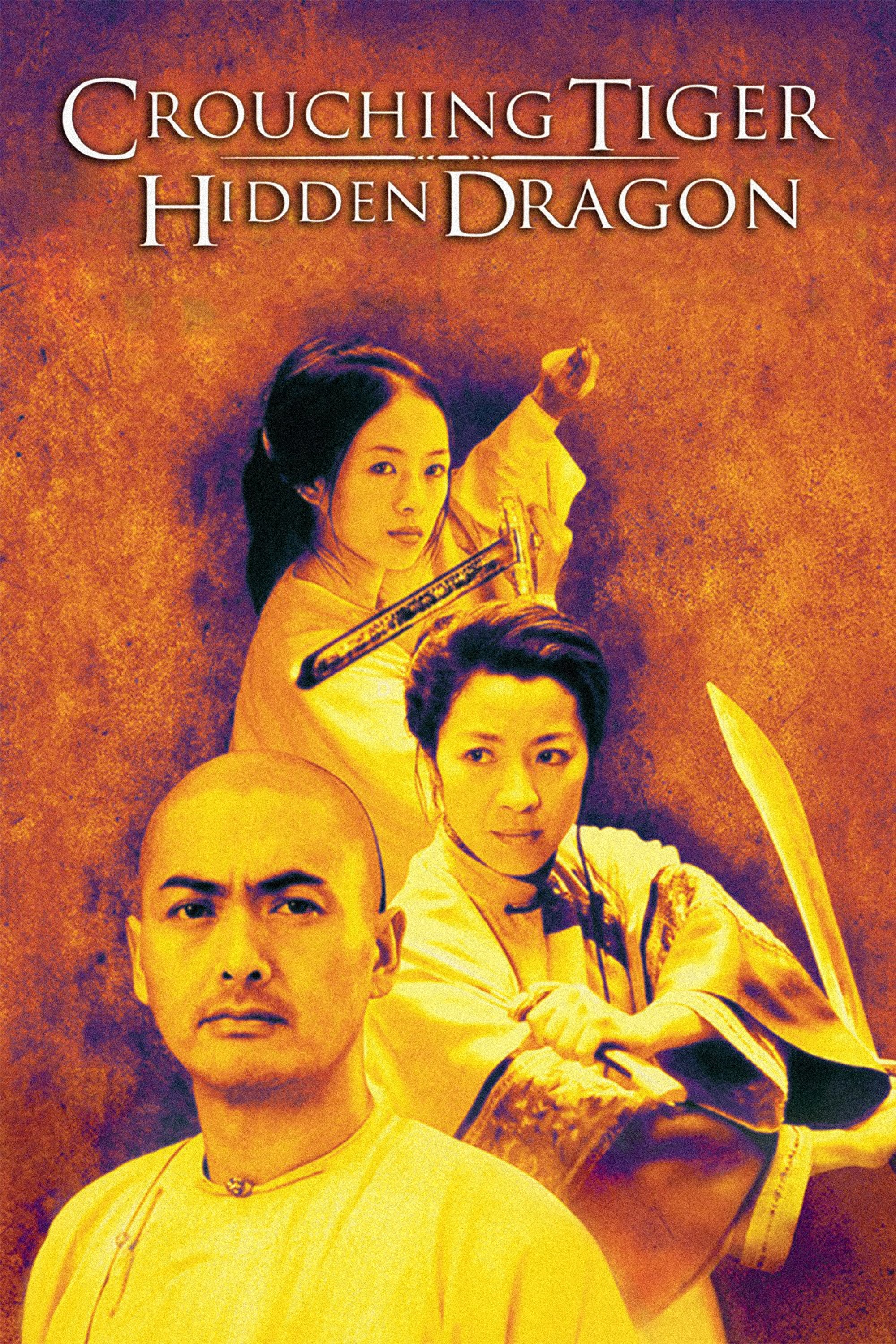
Ang Lee uses slow motion to capture the weightlessness of wuxia martial arts battles. Warriors float through the air and balance on bending bamboo branches high above the ground. The slowed movement emphasizes the elegance and spiritual control of the fighters. It turns combat into a dance where gravity is merely a suggestion.
Tell us which slow-motion scene from this list is your favorite by leaving a reply in the comments.