


20 Sci-Fi TV Narratives That Reimagined Gender Identity

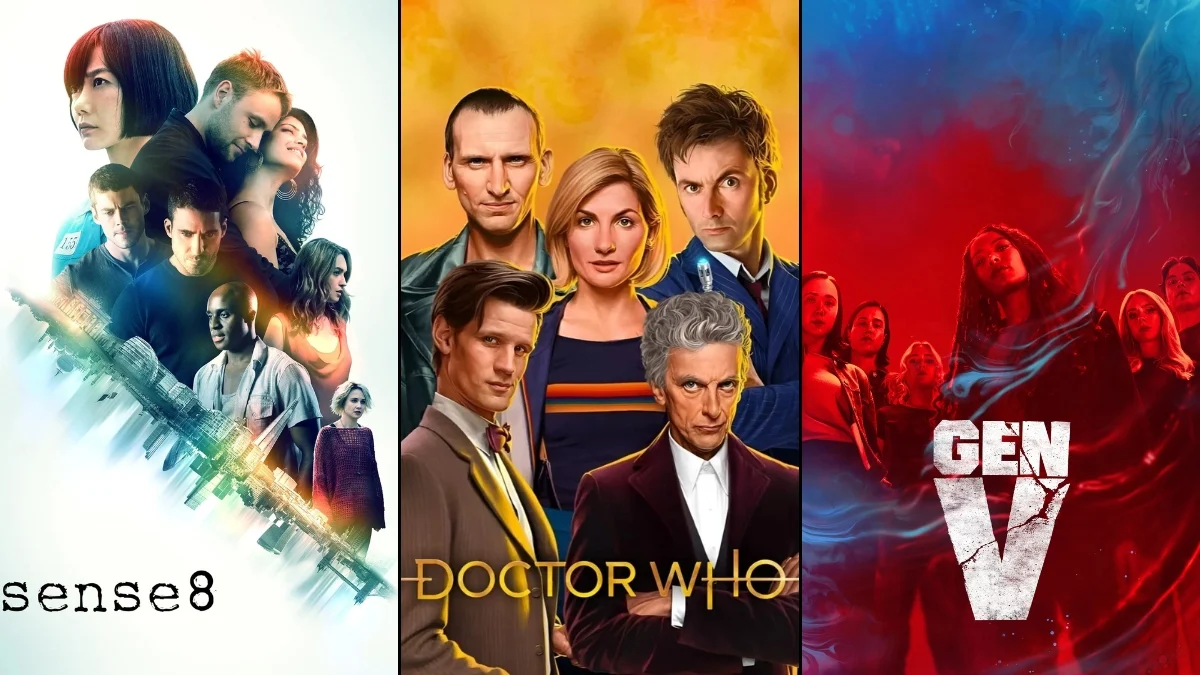


Science fiction television has frequently pushed boundaries by exploring the fluidity of human identity through futuristic concepts and alien physiologies. These shows utilize time travel and body swapping or genetic modification to challenge traditional perceptions of gender. Writers often use these narrative devices to reflect real world complexities regarding selfhood and transformation. The following series feature significant plot points where characters experience profound shifts in their gender presentation or physical form.
‘Doctor Who’ (2005–Present)
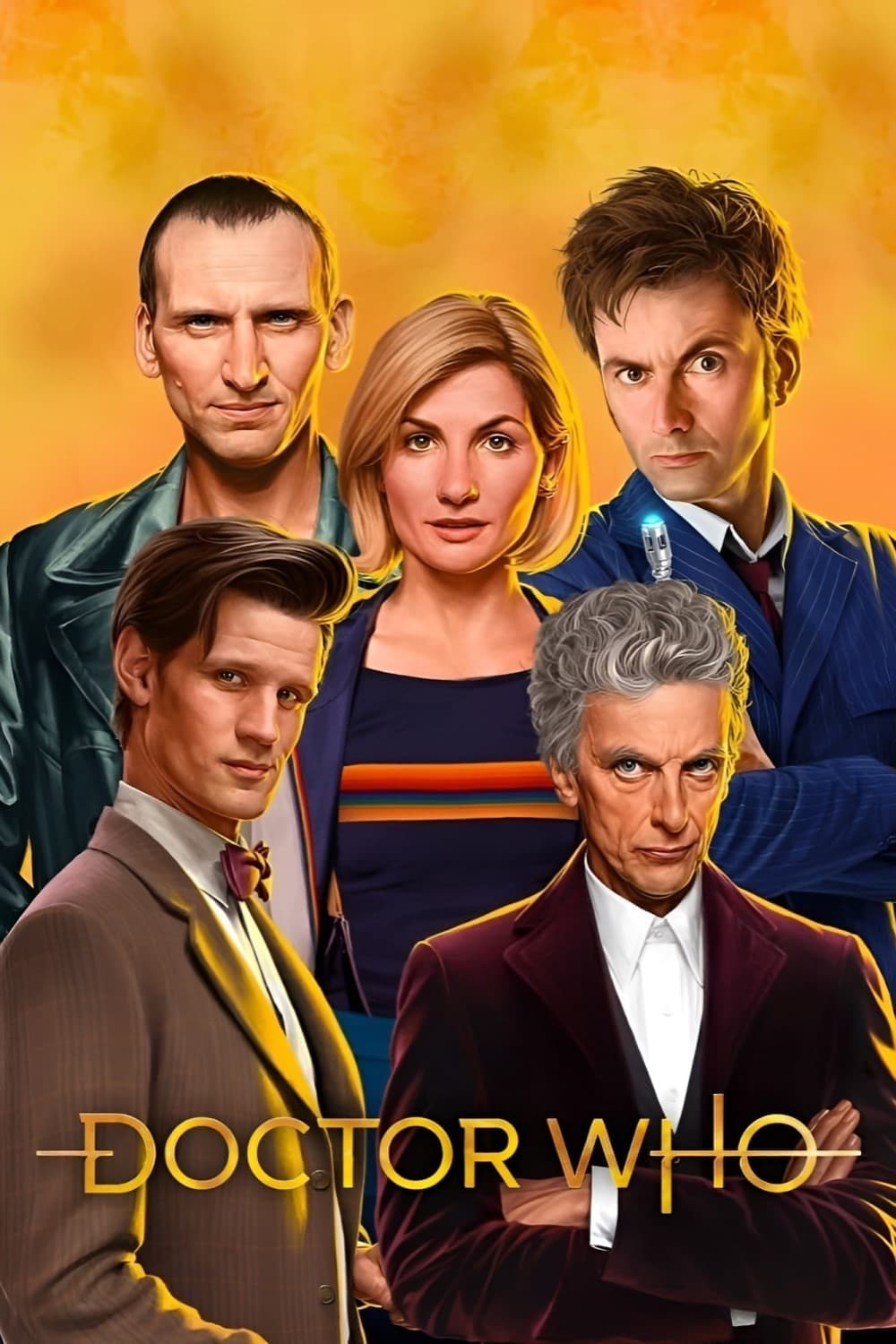
The long running British series established a major precedent when the protagonist regenerated into a woman for the first time. Jodie Whittaker stepped into the role of the Thirteenth Doctor and permanently altered the legacy of the character. This transformation confirmed that Time Lords possess a fluid biology that transcends human concepts of binary gender. The show utilized this regeneration to explore how the universe reacts differently to the Doctor when she presents as female.
‘The Umbrella Academy’ (2019–2024)
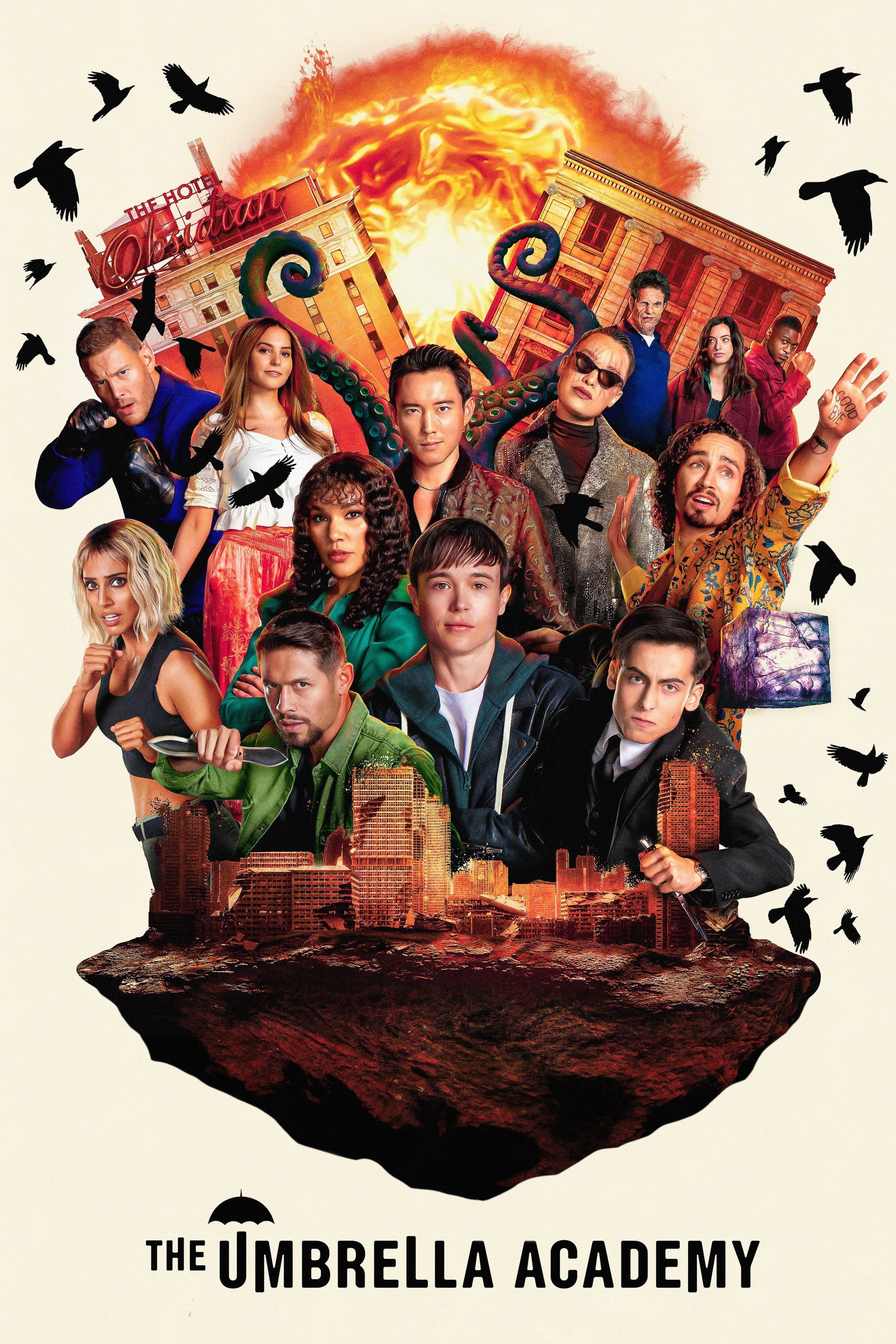
This superhero series incorporated the real life transition of actor Elliot Page into the narrative of his character. Viktor Hargreeves transitions in the third season after realizing his identity mirrors that of the actor portraying him. The family accepts his new name and identity without hesitation while they continue their mission to save the world. This storyline stands out for its grounded and affirmative depiction of a trans man within a heightened sci-fi setting.
‘Gen V’ (2023–Present)
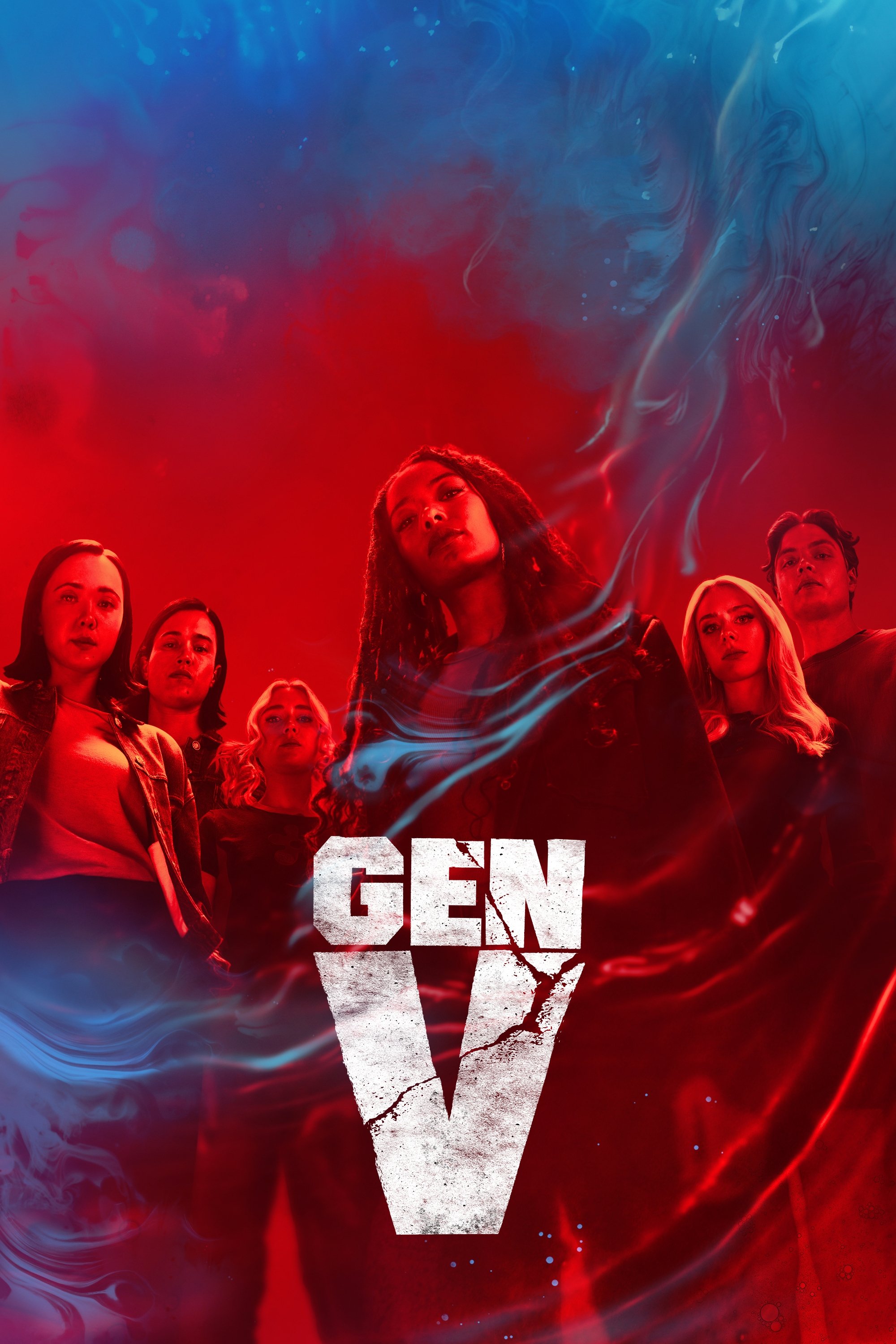
Jordan Li serves as a top student at Godolkin University who possesses the superhuman ability to shift between male and female forms at will. This bi-gender character offers a literal representation of gender fluidity where each form possesses distinct combat advantages. The male form is dense and indestructible while the female form is agile and capable of energy blasts. The narrative uses this power set to explore the societal pressures placed on Jordan by parents and university donors.
‘Black Mirror’ (2011–Present)
The episode titled Striking Vipers explores the fluidity of sexuality and gender within a virtual reality environment. Two male friends begin playing a fighting game where they assume the avatars of a man and a woman. They eventually engage in a sexual relationship within the simulation that forces them to question their real world identities. The story examines whether digital experiences can fundamentally alter one’s understanding of attraction and self.
‘The Orville’ (2017–Present)
The Moclans are introduced as a single gender species that biologically enforces male traits on all infants. A major story arc involves the character Topa who was born female but underwent forced reassignment surgery as a baby. Topa eventually realizes her true identity and undergoes a procedure to reverse the surgery against the wishes of the Moclan government. This plotline serves as a powerful allegory for bodily autonomy and the rights of trans youth.
‘Loki’ (2021–2023)
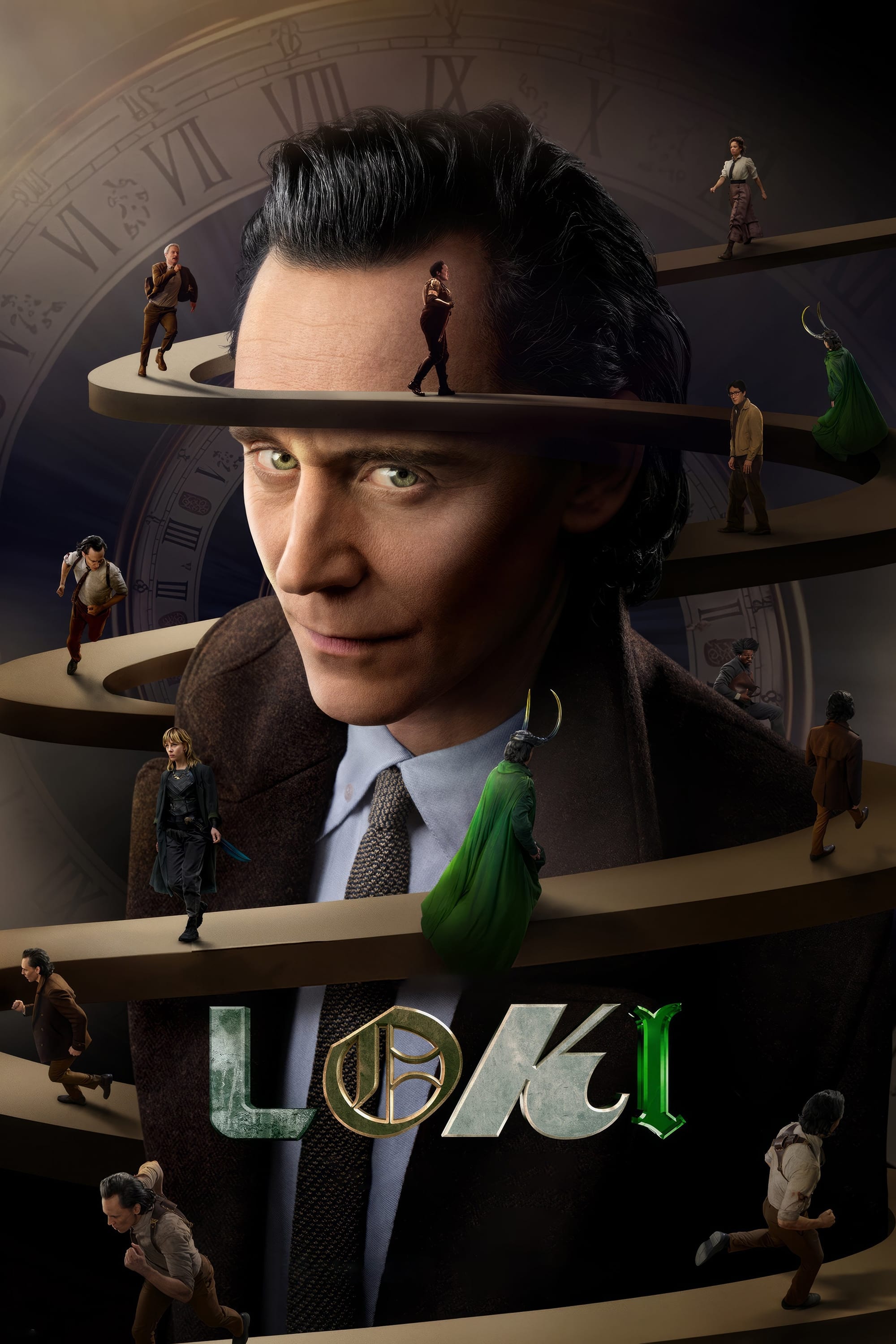
The Marvel Cinematic Universe series introduces the concept of Variants which are alternate versions of the same being from different timelines. The protagonist meets a female Variant of himself who goes by the name Sylvie. Her existence confirms that the trickster god is gender fluid across the multiverse. The dynamic between the two characters explores themes of self-love and narcissism through a literal and metaphysical lens.
‘Altered Carbon’ (2018–2020)

Human consciousness in this dystopian future can be digitized and downloaded into new bodies known as sleeves. The protagonist Takeshi Kovacs inhabits multiple bodies throughout the series including those of different races and genders. This technology renders physical gender temporary and interchangeable as the mind remains constant regardless of the biological vessel. The narrative frequently highlights how characters disconnect their internal identity from their external appearance.
‘Star Trek: Deep Space Nine’ (1993–1999)
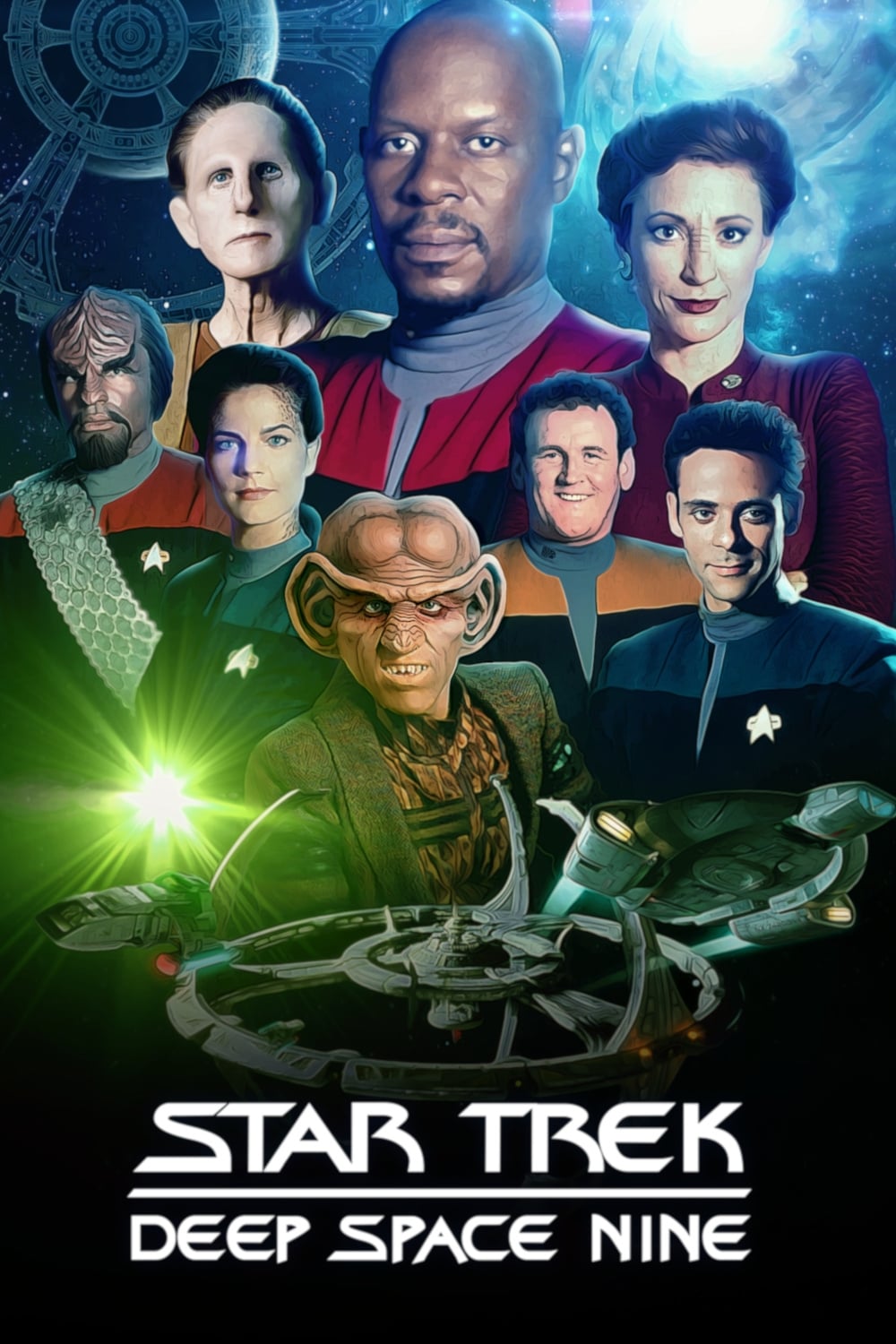
The Trill species features a symbiotic relationship where a long-lived creature joins with a humanoid host. Jadzia Dax carries the memories of all previous hosts including the curmudgeonly old man Curzon. Jadzia frequently interacts with Klingon warriors who treat her as a blood brother due to their past friendship with her male predecessor. The character offers an early television example of a person whose identity is a composite of multiple genders and lifetimes.
‘Quantum Leap’ (1989–1993)
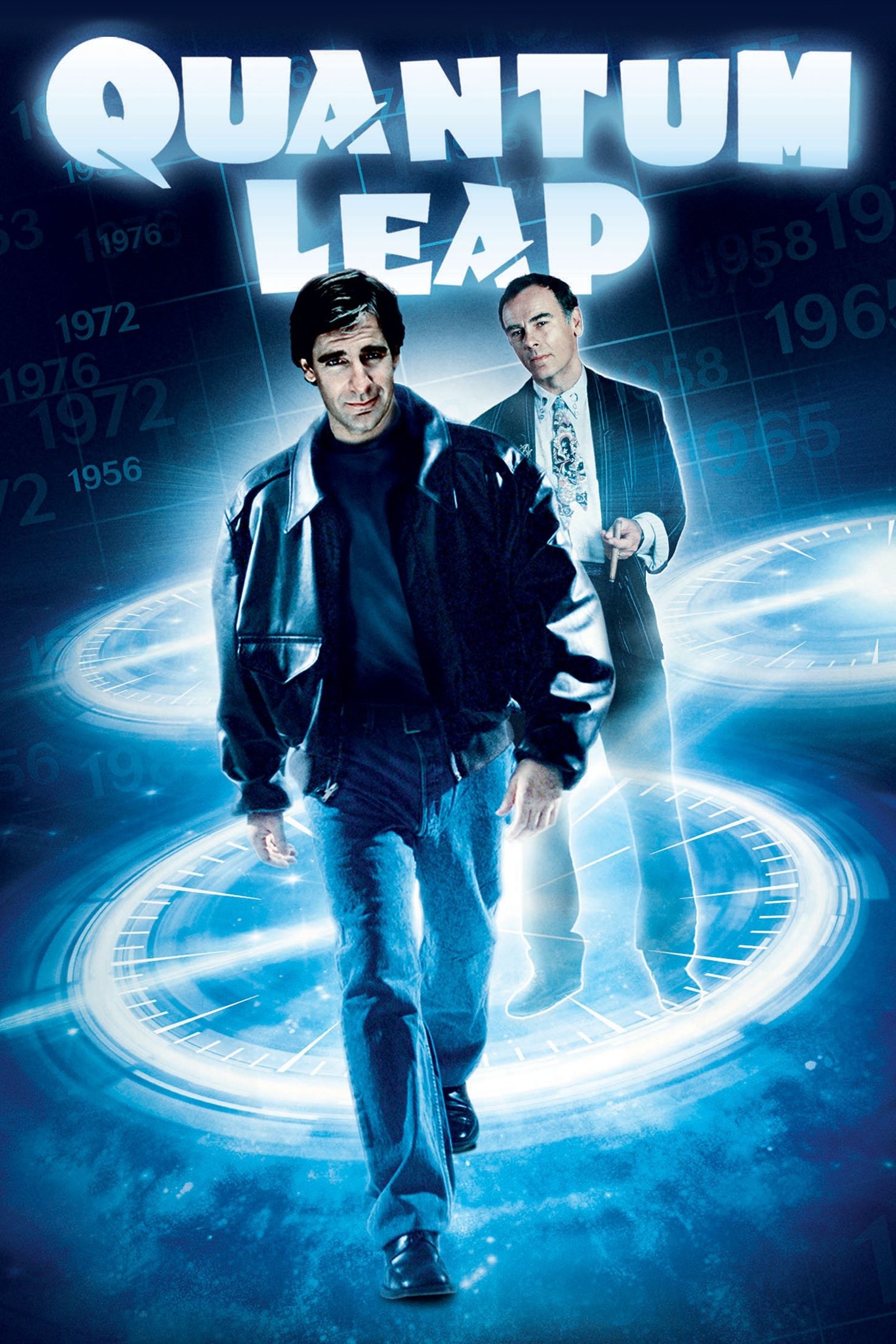
Dr. Sam Beckett travels through time by leaping into the bodies of different people to correct historical mistakes. He frequently inhabits the bodies of women and experiences the specific societal challenges they faced in different eras. These episodes force Sam to navigate the world without his male privilege while maintaining his own consciousness. The show uses these swaps to foster empathy and understanding across gender lines.
‘Orphan Black’ (2013–2017)
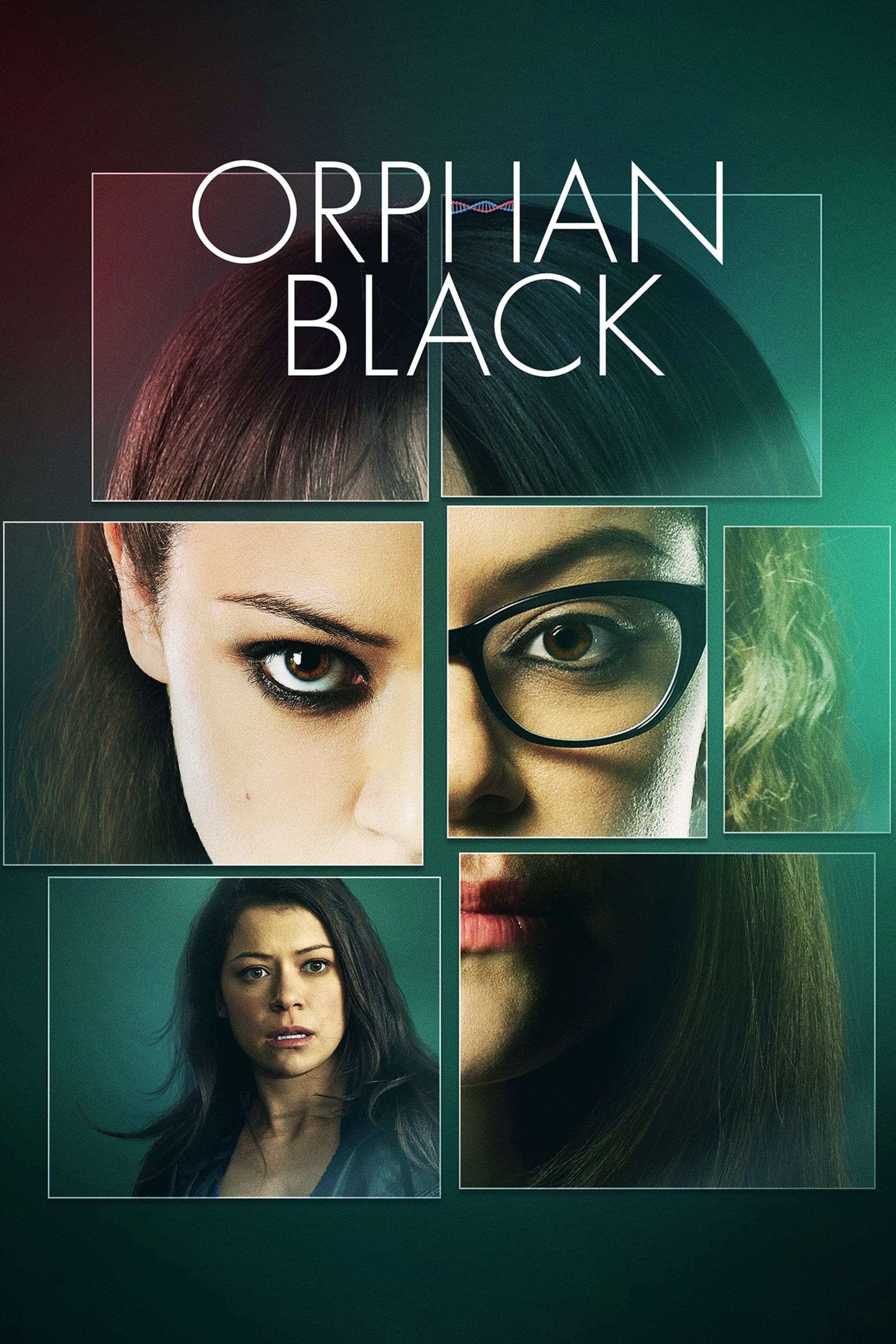
The series focuses on a group of female clones who discover they are part of an illegal scientific experiment. A surprise twist introduces Tony Sawicki who is a transgender male clone unaware of his genetic origins. His introduction proves that the clones are not bound to a single gender expression despite their identical DNA. Tony provides a unique perspective on the nature versus nurture debate central to the show.
‘Westworld’ (2016–2022)
The hosts in this park are androids programmed with specific personalities that can be rewritten or transferred. A major twist reveals that the consciousness of Dolores Abernathy has been uploaded into a replica body of executive Charlotte Hale. The character must navigate the corporate world in a different body while concealing her true identity. This plot point emphasizes the separation between physical form and the sentient mind within the show’s lore.
‘Steins;Gate’ (2011)
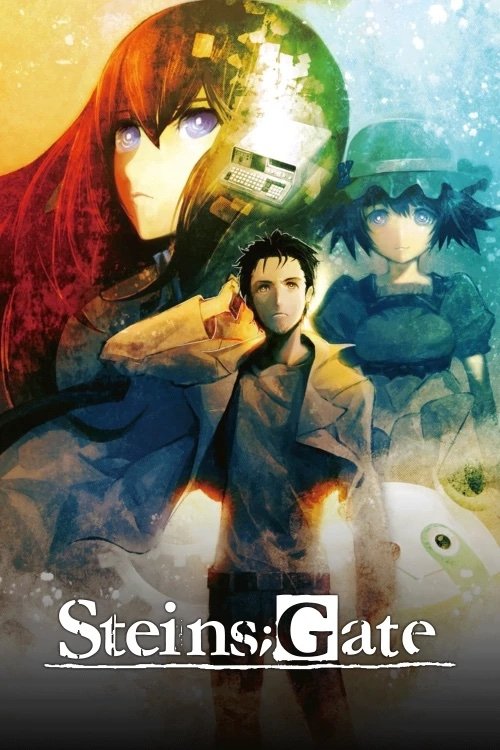
Time travel technology in this anime allows characters to send text messages to the past to alter the present. Luka Urushibara asks the protagonist to send a message to his mother during her pregnancy to change his biological sex. The timeline shifts and Luka becomes a girl who is physically consistent with her internal identity. The story treats her desire with seriousness and explores the consequences of altering time for personal happiness.
‘Misfits’ (2009–2013)
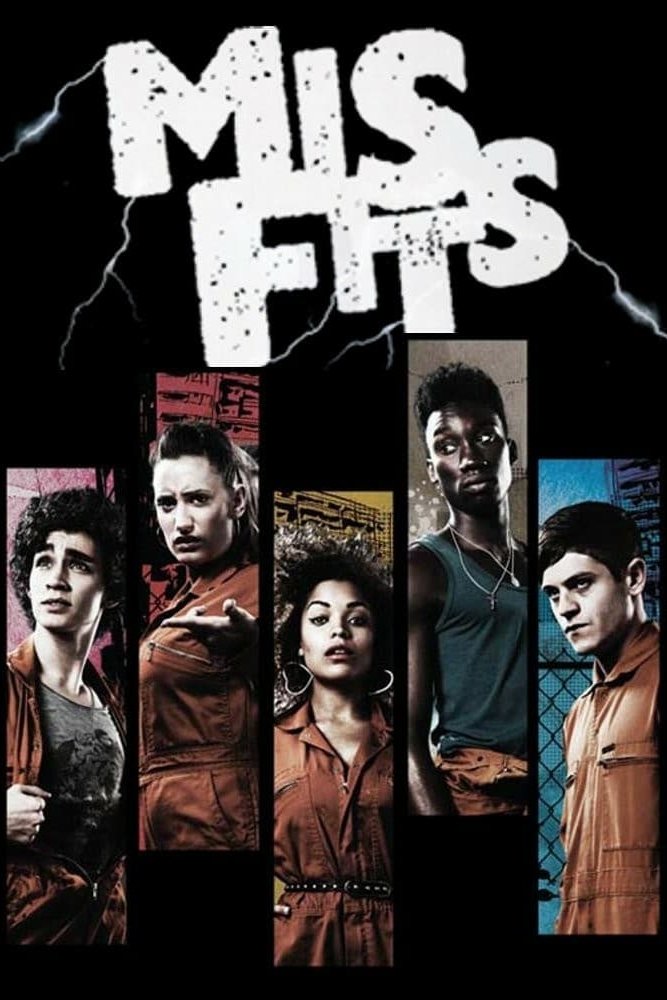
A group of juvenile delinquents gains superpowers during a mysterious electrical storm. Curtis Donovan receives the power to rewind time but later swaps this ability for the power to change his biological sex. He utilizes his female form to compete in athletics but complications arise when he becomes pregnant. The arc explores the chaotic and often humorous consequences of supernatural gender swapping.
‘The X-Files’ (1993–2018)
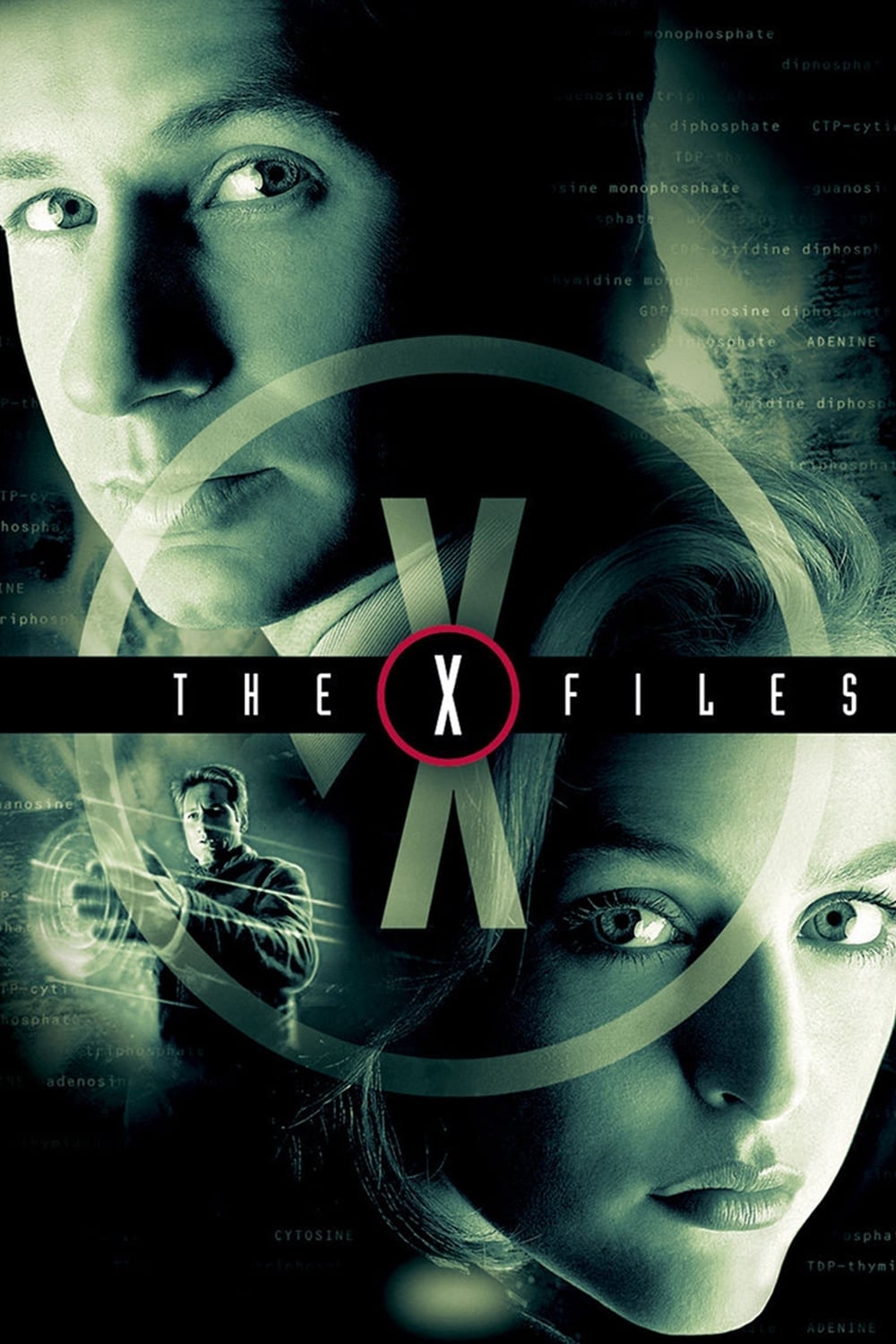
Mulder and Scully investigate a secretive religious sect in the episode titled Gender Bender. They discover that the members of the community are extraterrestrials capable of changing their sex and appearance. The killer in the episode seduces victims by switching between male and female forms to lure them into vulnerable positions. This early monster of the week story plays on fears of the unknown and fluid identity.
‘Cowboy Bebop’ (1998–1999)

Gren serves as a tragic figure who fought in a war on Titan before being subjected to experimental drug trials. The drugs caused a hormonal imbalance that resulted in Gren developing female physical characteristics. He exists in a liminal space between genders and embraces this ambiguity while seeking revenge against his betrayer. The character is often cited as a complex representation of intersex or non-binary identity in anime.
‘Twin Peaks’ (1990–1991)

DEA Agent Denise Bryson arrives in the town to assist Agent Cooper with his investigation. Denise is a trans woman who retains her position in federal law enforcement despite the prejudices of the era. Cooper accepts her identity immediately and treats her with the utmost professional respect. The character defied nineties tropes by being a competent and heroic figure rather than a punchline.
‘Dollhouse’ (2009–2010)

Actives are humans who have had their original personalities wiped so they can be imprinted with new personas for clients. The character Victor is frequently imprinted with female personalities depending on the needs of the paying customer. One episode highlights his disorientation as he retains residual memories of these female identities. The show examines the violation of bodily autonomy and the fluidity of self when technology intervenes.
‘Star Trek: Discovery’ (2017–2024)
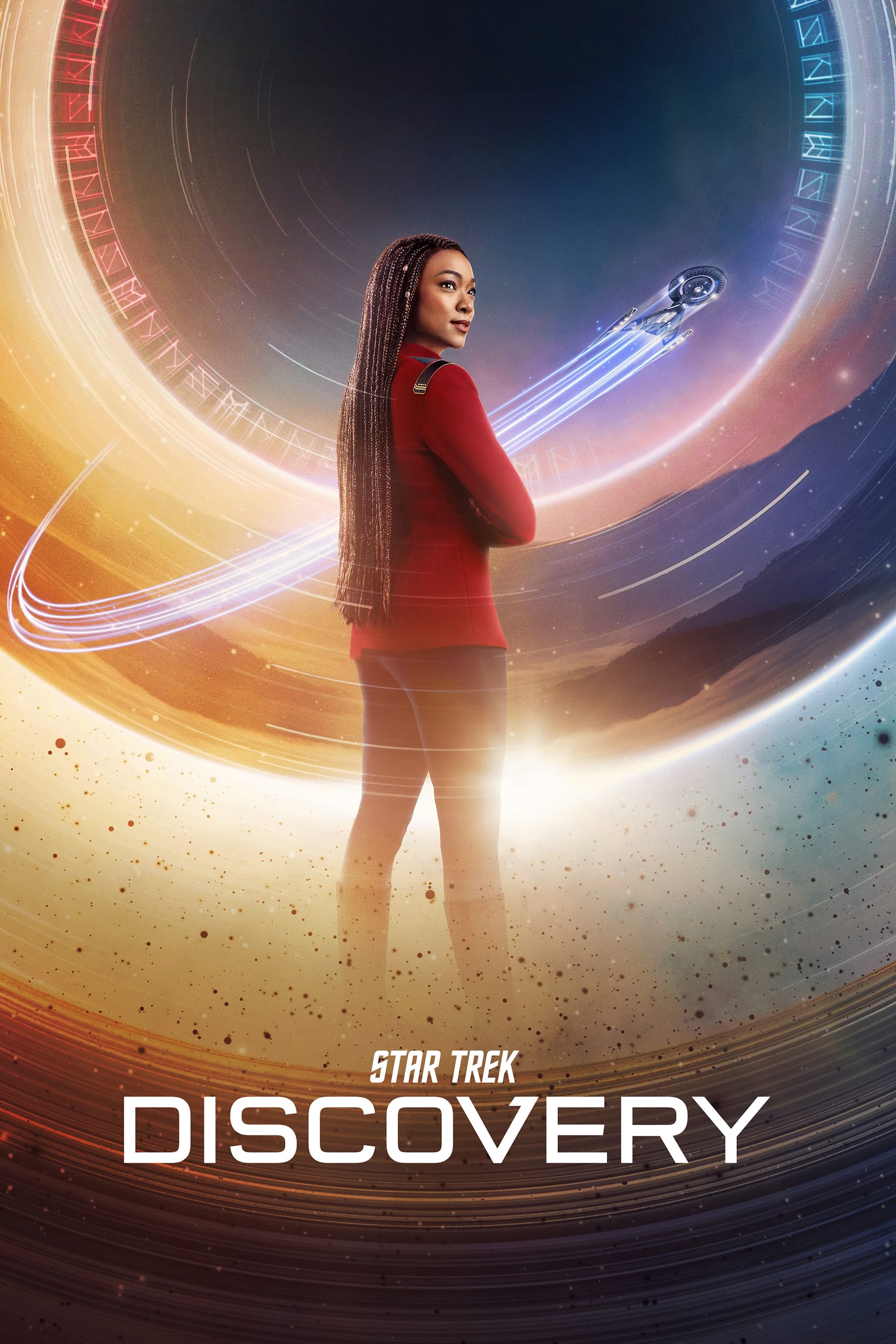
This series introduced the first non-binary and transgender human characters in the franchise history. Adira Tal is a non-binary human who becomes the host to a Trill symbiont that carries the memories of her trans boyfriend Gray. The show utilizes the sci-fi concept of the Trill consciousness to allow Gray to eventually manifest in a synthetic body. Their relationship and individual journeys are central to the themes of connection and acceptance in the later seasons.
‘The OA’ (2016–2019)
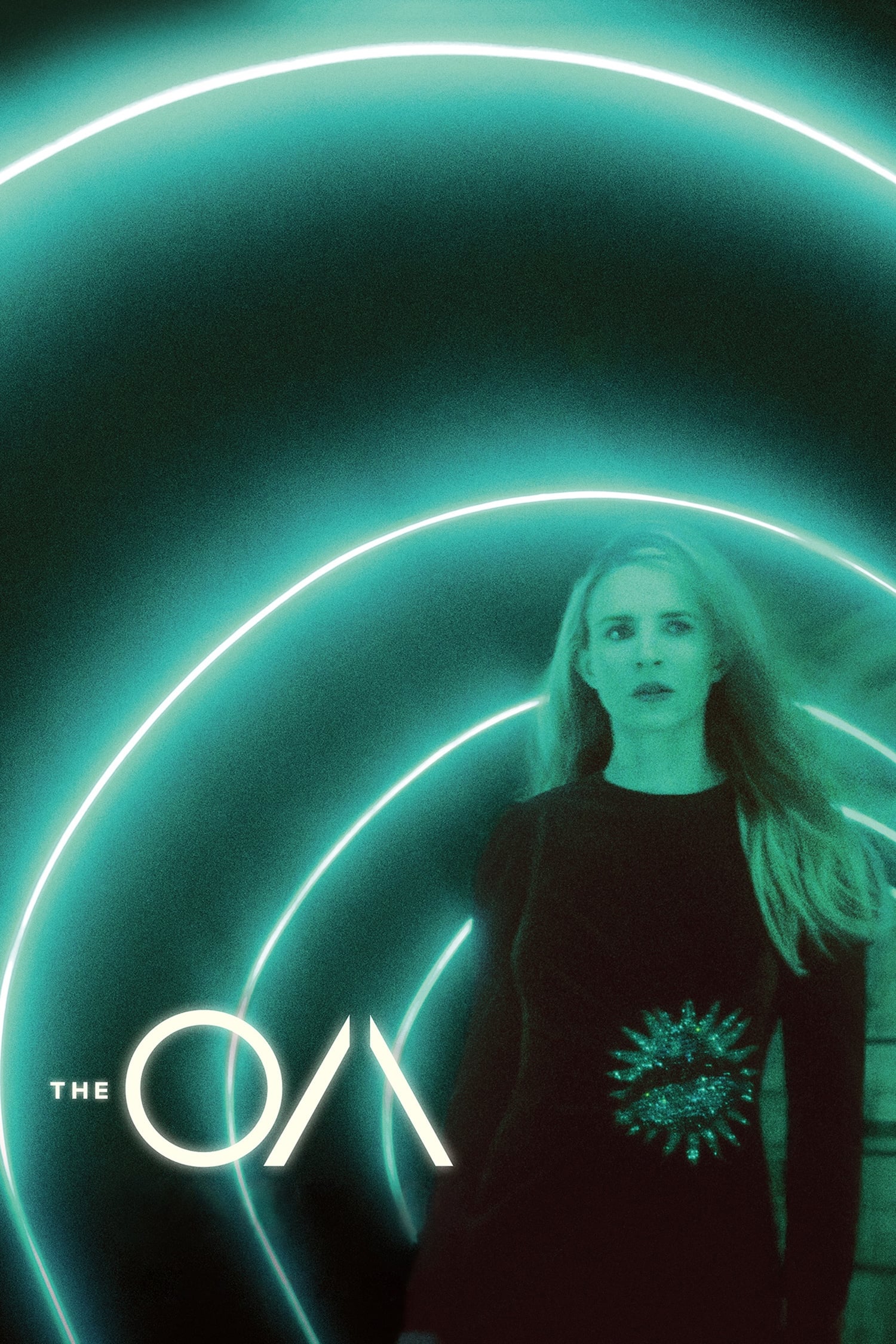
The narrative involves jumping between dimensions where characters may lead vastly different lives. In the second season a character known as Buck Vu in one dimension is revealed to be Michelle Vu in another. The protagonist traverses these realities and helps the character integrate their experiences across the multiverse. The story weaves the trans experience into the metaphysical fabric of its dimensional travel mechanics.
‘Sense8’ (2015–2018)
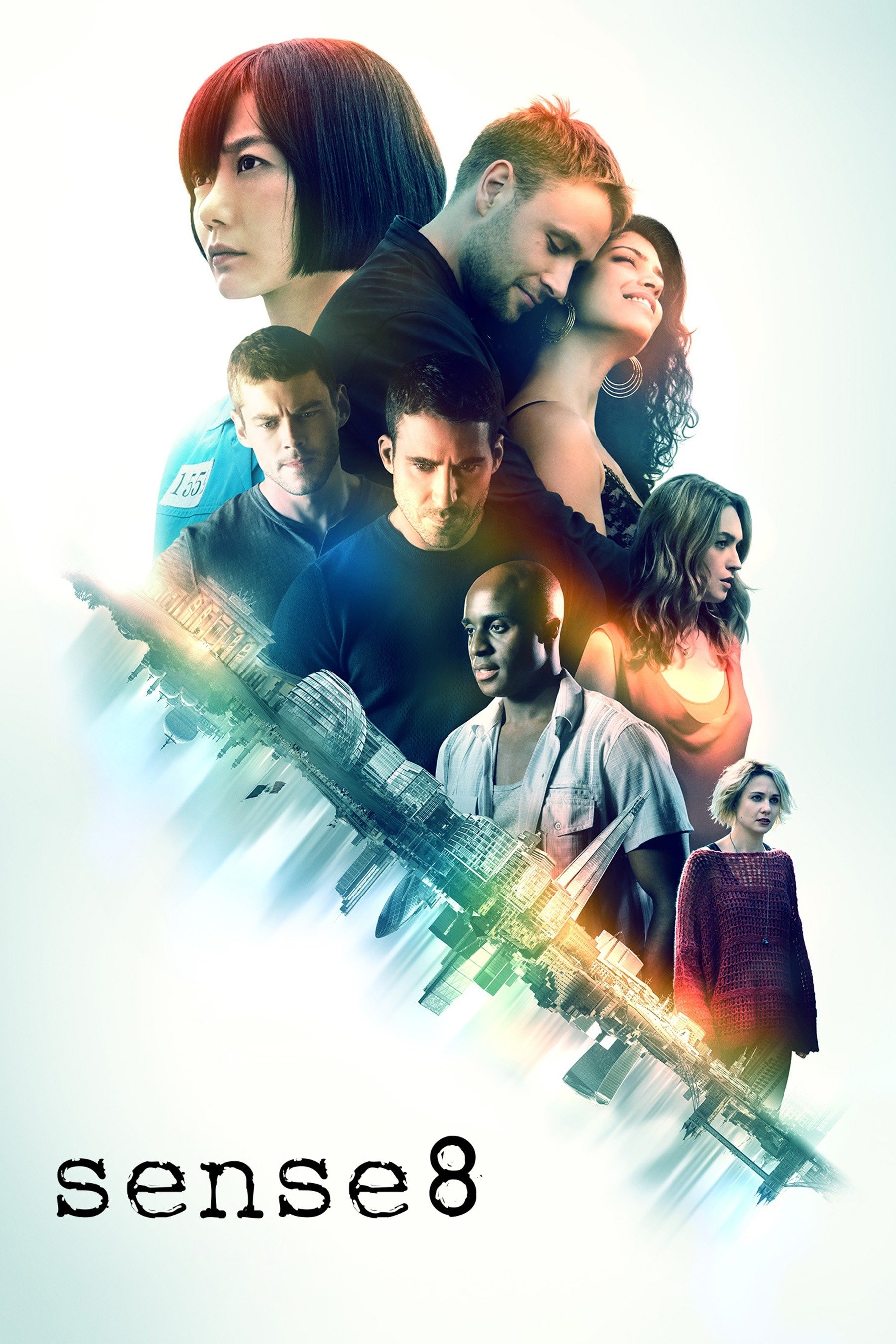
Eight strangers from around the world discover they are mentally and emotionally linked as a single organism. Nomi Marks is a trans woman and hacktivist whose skills are essential to the survival of the cluster. The sci-fi premise allows the male members of the cluster to experience her reality and physical sensations. This shared consciousness creates a radical form of empathy that completely dissolves the boundaries of gender and separation.
Share your favorite sci-fi transformations and character arcs in the comments.