20 Times Anime Nailed Historical Settings

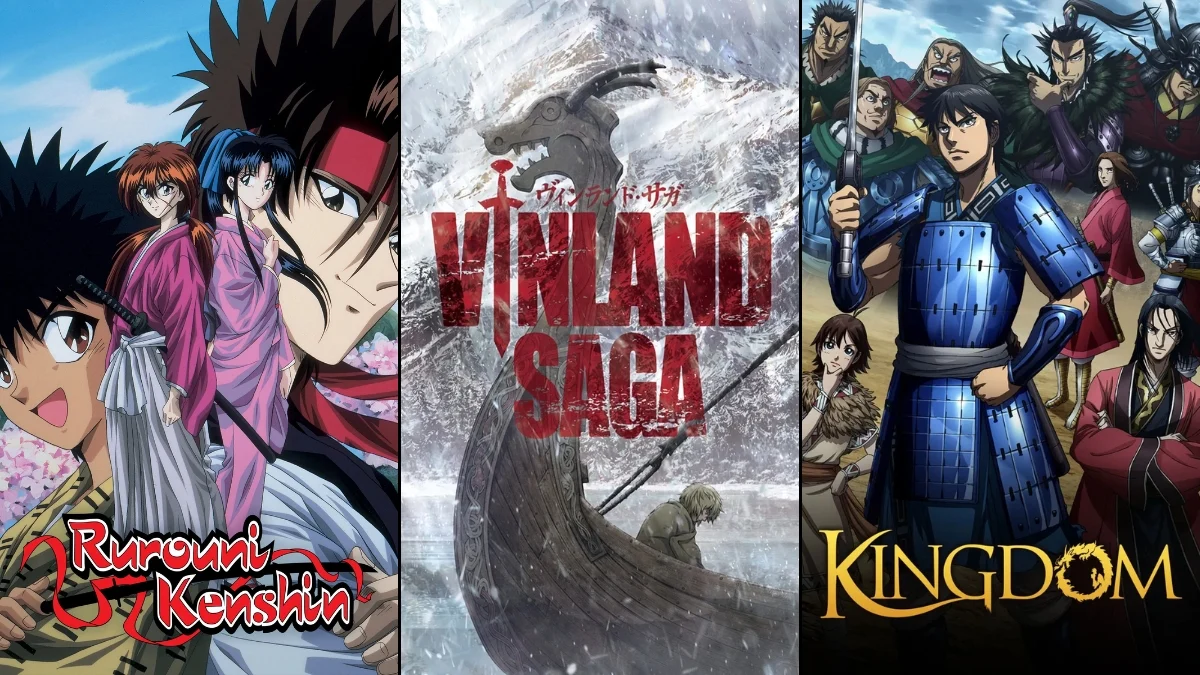

Anime often dives into real eras with surprising care, blending meticulous research with storytelling that puts viewers on the ground amid past events, places, and cultures. From the Viking Age and the Heian court to Meiji streets and Taishō parlors, these series and films lean on primary sources, material culture, and period-accurate details—language, clothing, foodways, and technology—to make history feel lived-in. Here are twenty standouts where production teams clearly did their homework and brought historical settings to life in a way that’s both specific and textured.
‘Vinland Saga’ (2019–)
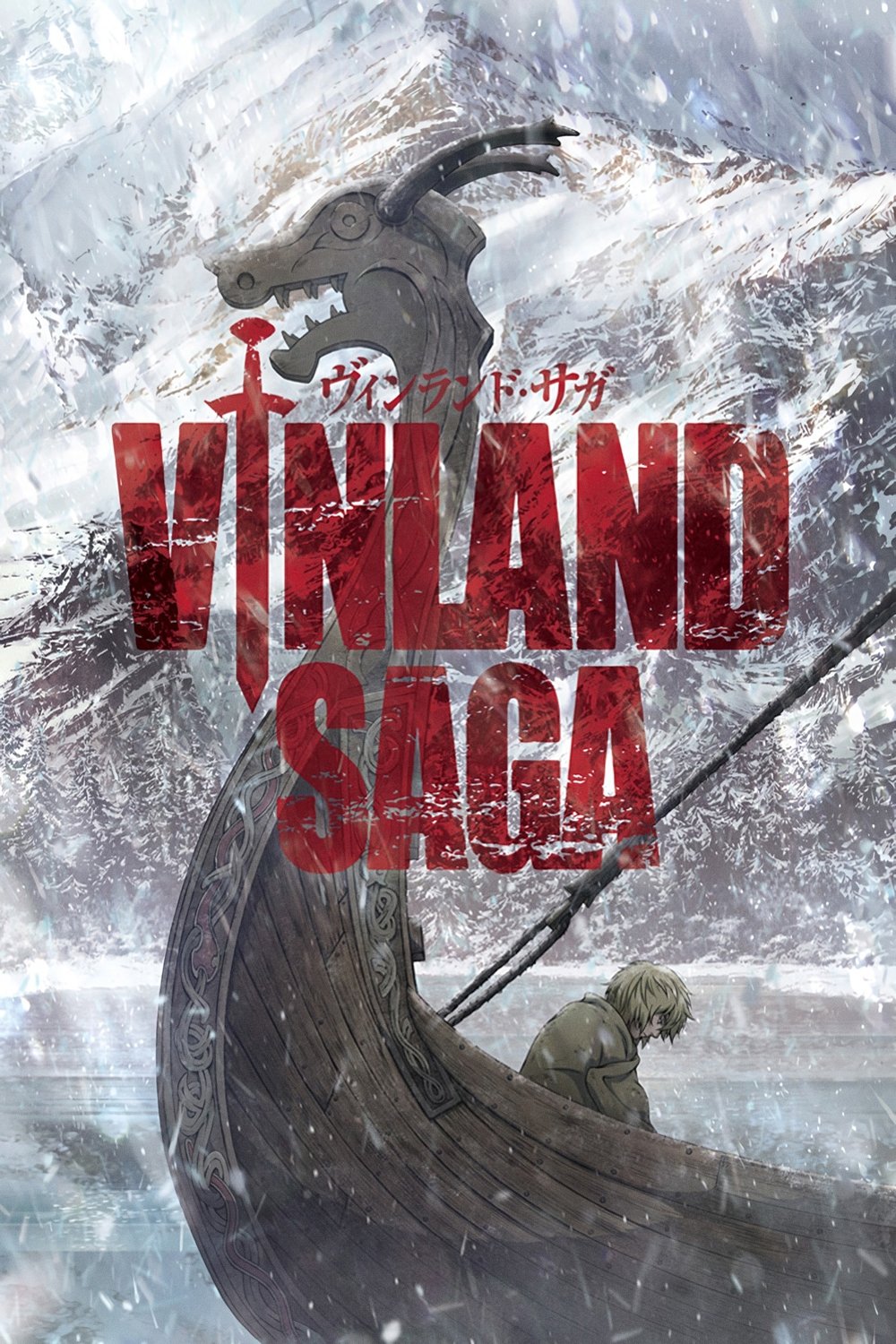
Set during the early 11th century, this series follows Norse explorers, mercenaries, and traders across Iceland, England, and the North Sea. It incorporates saga literature, referencing figures like Thorfinn Karlsefni and King Cnut while mapping campaigns tied to Danish incursions in England. Shipbuilding, navigation, and weaponry are depicted using reconstructions based on archaeological finds such as clinker-built longships. Social structures—things like thing assemblies, dueling customs, and slave markets—are shown within a consistent legal and cultural framework.
‘Golden Kamuy’ (2018–2024)

The story unfolds in Hokkaidō and Karafuto during the Meiji era, with extensive attention to Ainu language, dress, food, and ritual practices. It presents frontier military history after the Russo-Japanese War, including veteran units, surplus arms, and penal colonies like Abashiri. Maps, rail lines, and settlement patterns track to actual geographic features and migration policies of the period. Hunting methods, tools, and recipes are drawn from documented Ainu ethnography, grounding the survival aspects in real culture.
‘Rurouni Kenshin’ (1996–1998)

Set in the early Meiji period, the series uses police reforms, sword bans, and the shift from samurai to conscript armies to frame its plot. Urban backdrops model Tokyo’s evolving districts, with gas lamps, Western dress, and new transport alongside lingering Edo-period architecture. Characters’ pasts connect to late-Bakumatsu conflicts, reflecting real factions and incidents from the Restoration. Sword schools, techniques, and etiquette reference named ryūha and the era’s transition away from open carry.
‘In This Corner of the World’ (2016)
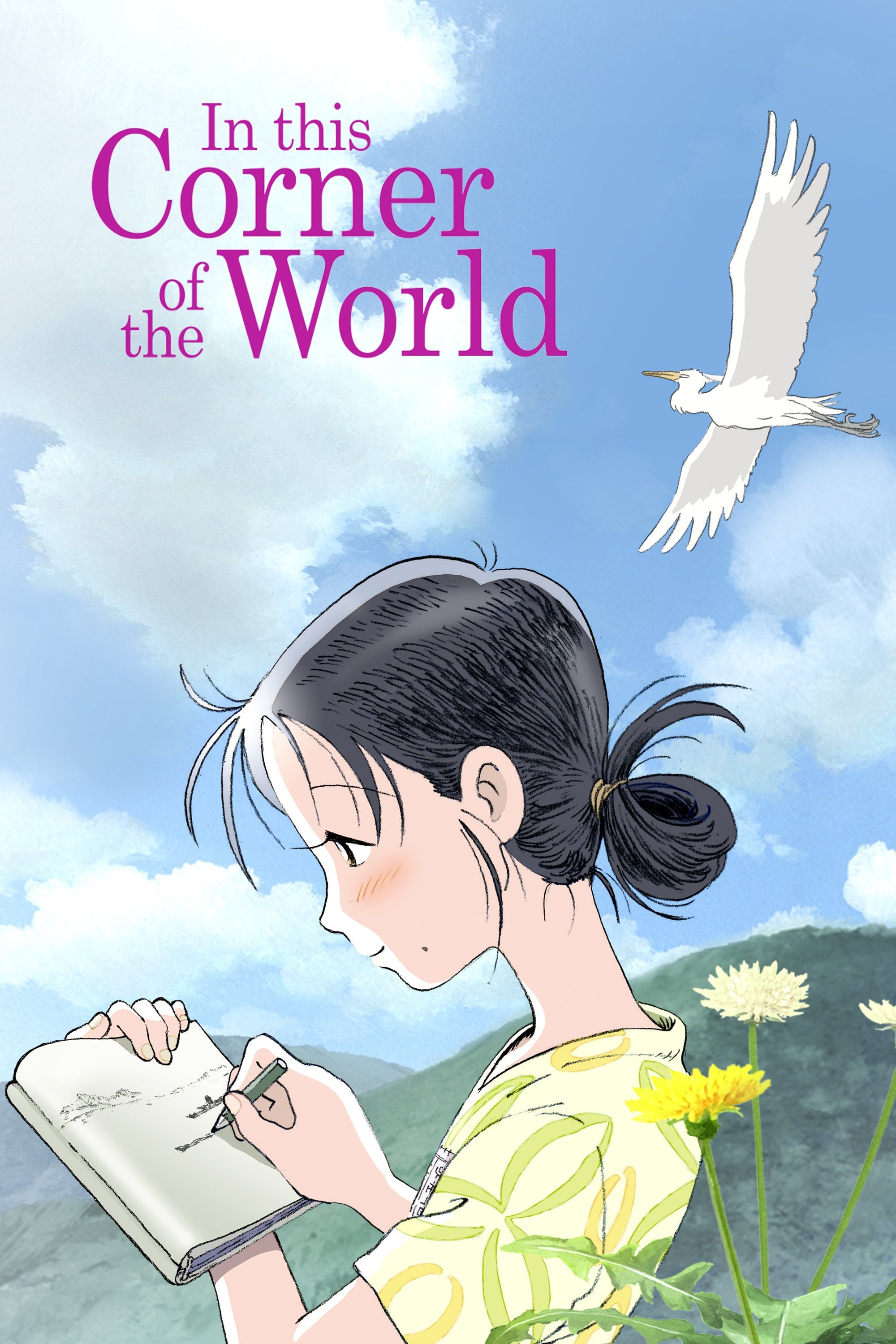
This film portrays civilian life in Kure and Hiroshima during wartime, tracking rations, blackouts, and neighborhood associations. Household scenes reconstruct clothing, kitchen tools, and seasonal menus from wartime manuals and diaries. Naval shipyards, air-raid alerts, and shelter routines are depicted using period procedures and signage. City maps and tram routes are laid onto the narrative to show how displacement and damage altered daily movement.
‘Grave of the Fireflies’ (1988)
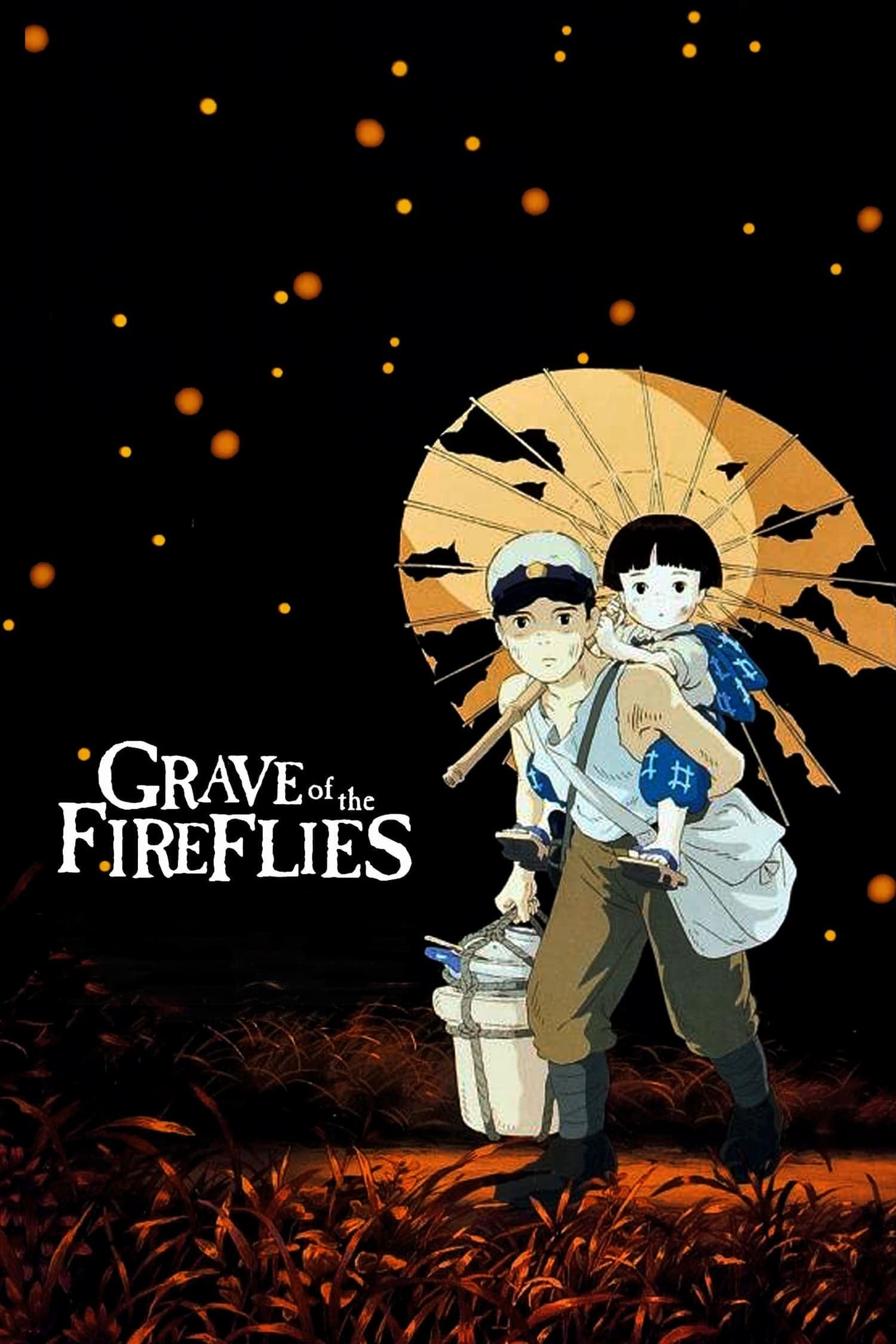
Set in Kobe during the final months of the Pacific War, the film follows two siblings navigating air raids, evacuation centers, and rationing systems. It uses real municipal practices like neighborhood distribution of limited staples and the requirement to carry identification. Shelter construction, incendiary bomb effects, and post-raid cleanup are shown with procedural accuracy. The changing landscape—rural farms, rivers, and markets—reflects supply breakdowns and informal barter networks.
‘The Wind Rises’ (2013)
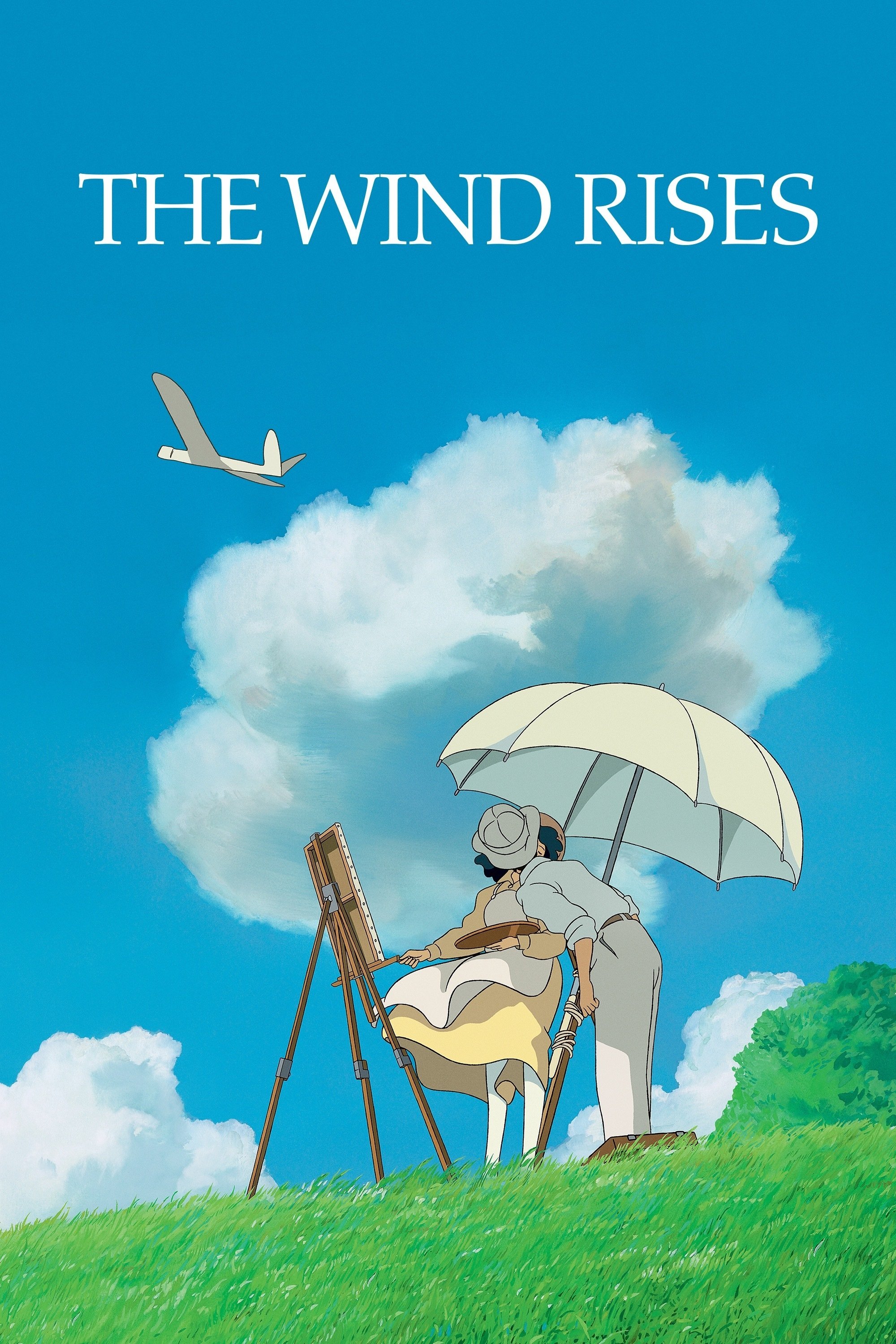
A biographical drama of engineer Jiro Horikoshi, the film covers design offices, materials testing, and airframe prototypes across interwar Japan. Slide rules, drafting tables, and wind-tunnel models are shown in step with period industrial methods. Corporate and military procurement processes—trial flights, inspections, and revision loops—mirror documented development cycles. The backdrop includes the Great Kantō Earthquake and economic pressures shaping how engineers worked and traveled.
‘Angolmois: Record of Mongol Invasion’ (2018)
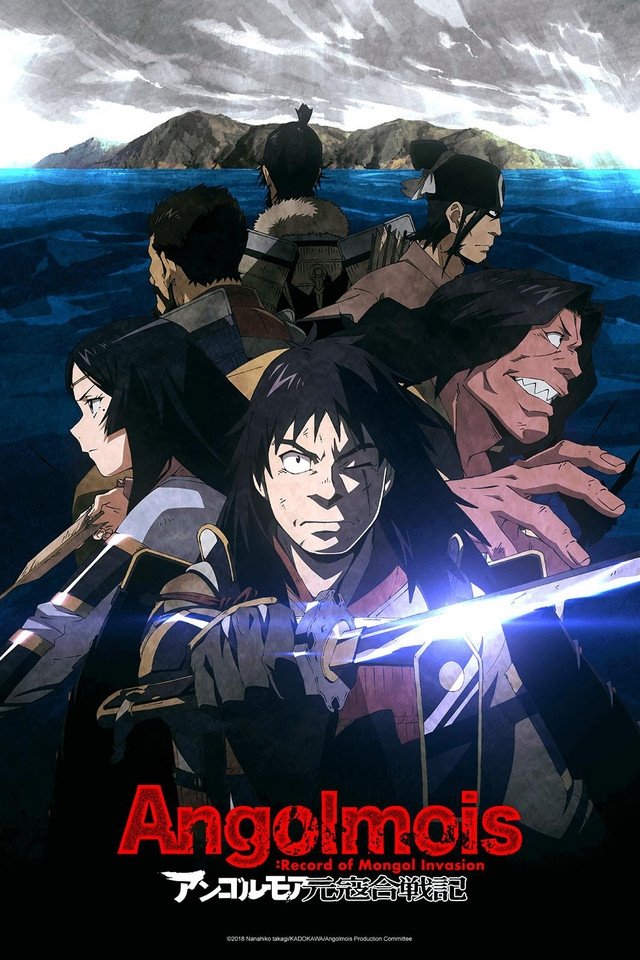
Centering on the 1274 invasion, the series stages fighting on Tsushima with equipment and formations based on Japanese and Yuan sources. Armor, signal standards, and fortifications correspond to contemporary illustrations and archaeological finds. Communication via conch shells and flags, plus coastal watch systems, is integrated into battle choreography. The geography of landing sites and mountain passes aligns with the island’s actual terrain.
‘Hyouge Mono’ (2011–2012)
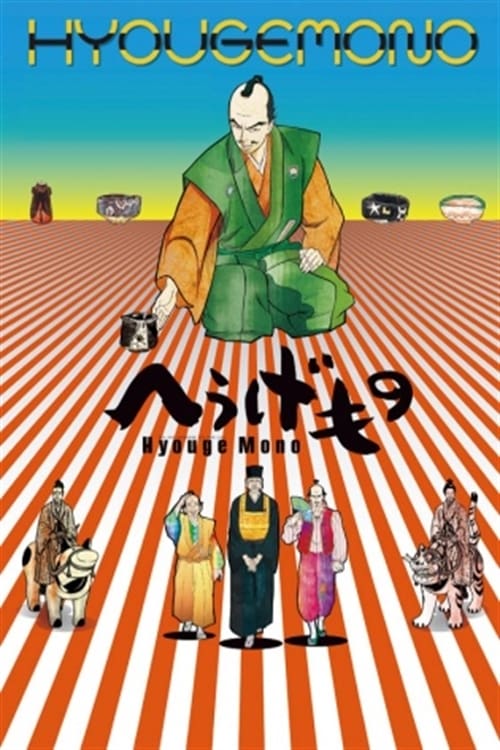
This series explores late-Sengoku politics through tea ceremony, linking daimyo strategy to taste, wabi ideals, and prized tea wares. Kiln names, glaze types, and famous utensils—Rikyū-associated pieces, Oribe ware, and imported karamono—are discussed with correct terminology. Castles, tea huts, and garden layouts reflect surviving plans and textual descriptions. It situates diplomatic gift exchanges and cultural capital as concrete tools of governance.
‘The Heike Story’ (2022)
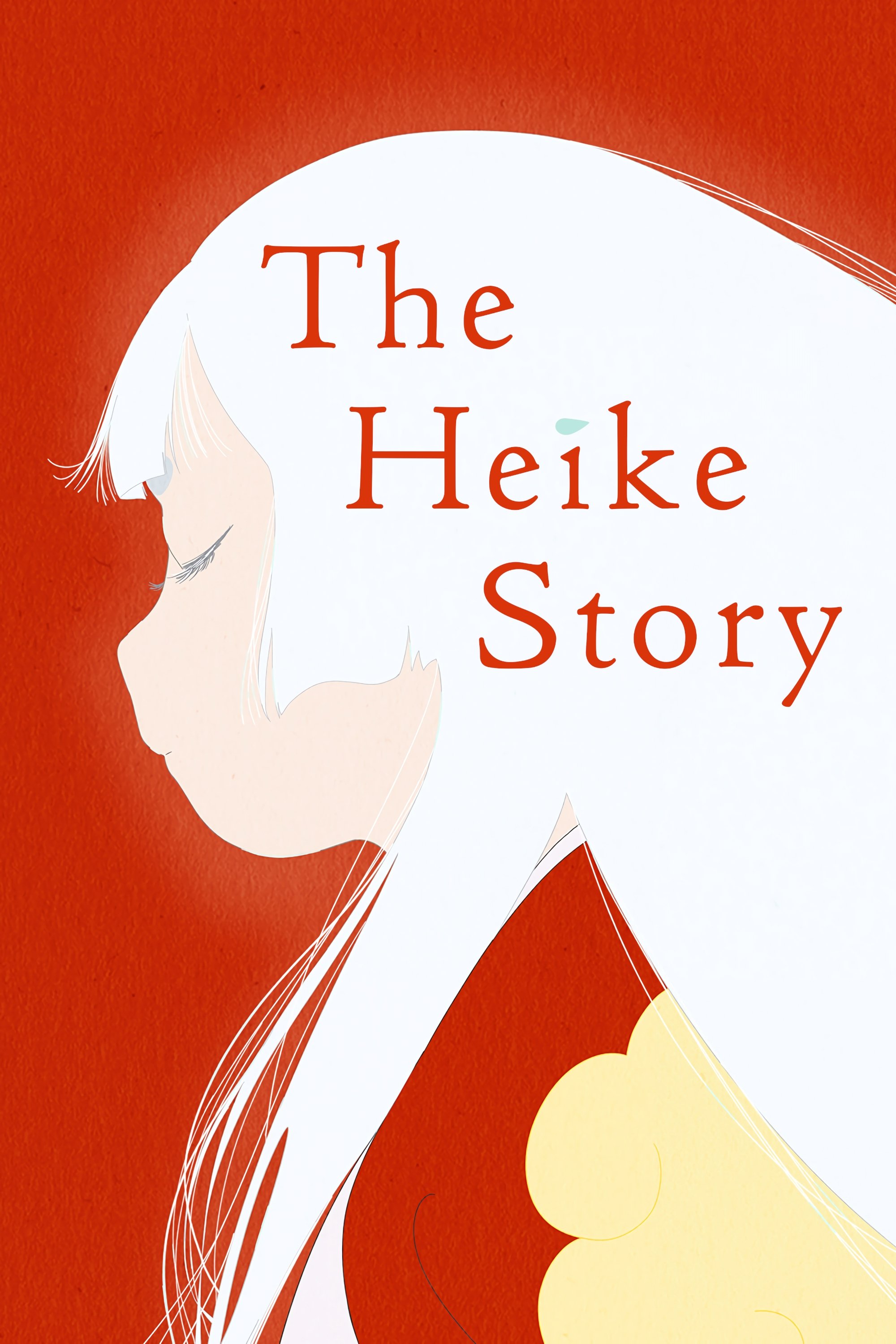
Adapting the medieval epic, the series maps court ranks, monastic networks, and military houses in the late Heian period. Clothing layers, carriage types, and courtly instruments are keyed to period iconography. Political shifts, including the Taira rise and Genpei conflict, are anchored to documented episodes and locations. Recitation practices and biwa performance styles are folded into the storytelling to show how the tale itself spread.
‘Onihei’ (2017)
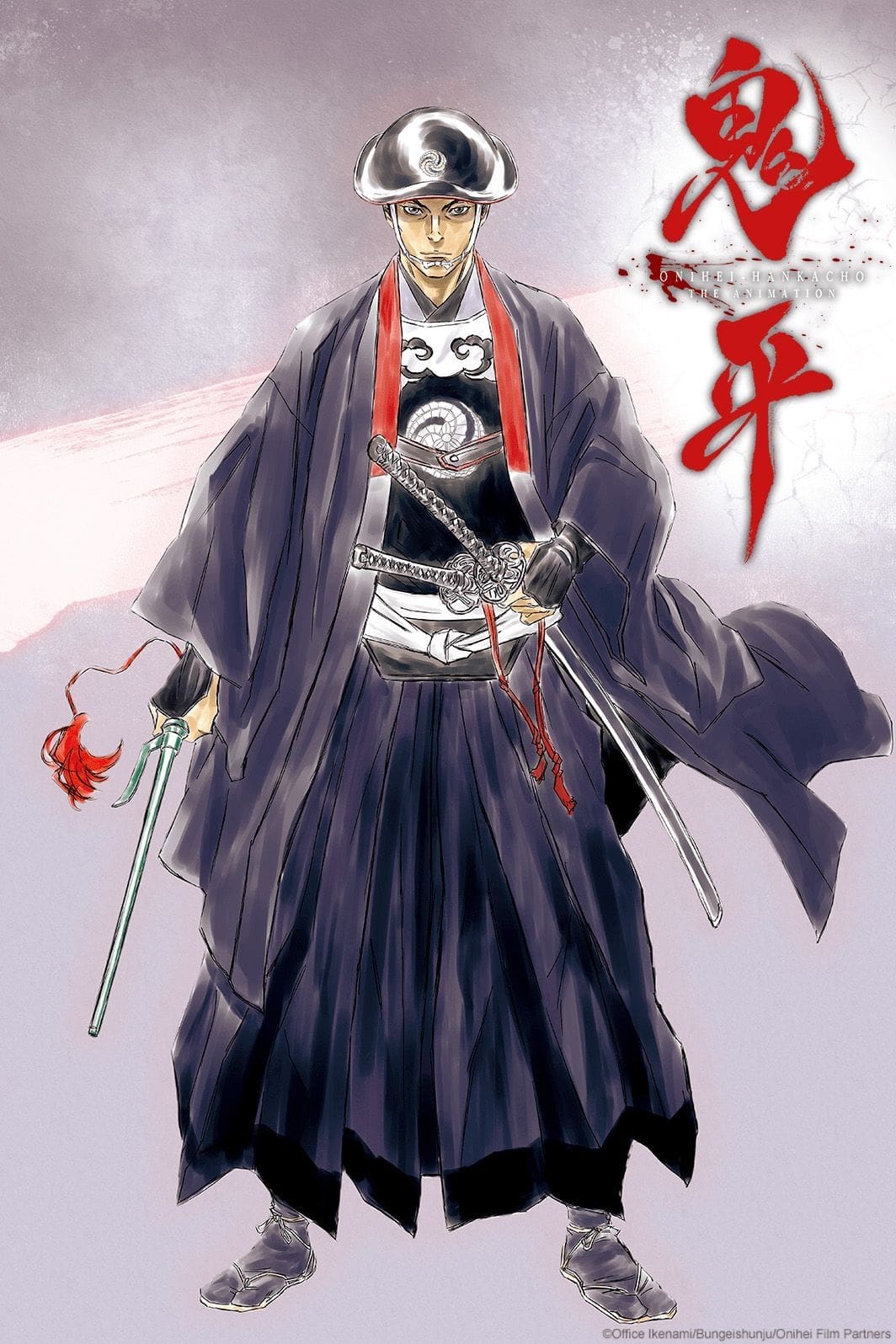
Set in Edo, the show follows the Arson Theft Control office and its investigative methods. It depicts magistrates, yoriki, and dōshin with their jurisdictional boundaries and paperwork trails. Town layouts—firebreaks, canals, and night-watch patrols—mirror the city’s urban planning. Market guilds, travel permits, and criminal slang are used to ground cases in everyday Edo administration.
‘Emma: A Victorian Romance’ (2005–2007)

This adaptation details class hierarchy, domestic service routines, and London’s urban infrastructure. Costuming distinguishes social strata with accurate fabrics, fastenings, and accessories. Public transit, reading rooms, and seaside resorts are positioned within historical leisure patterns. Courtship rules, calling cards, and employer-servant etiquette are portrayed with period norms that shape every interaction.
’91 Days’ (2016)
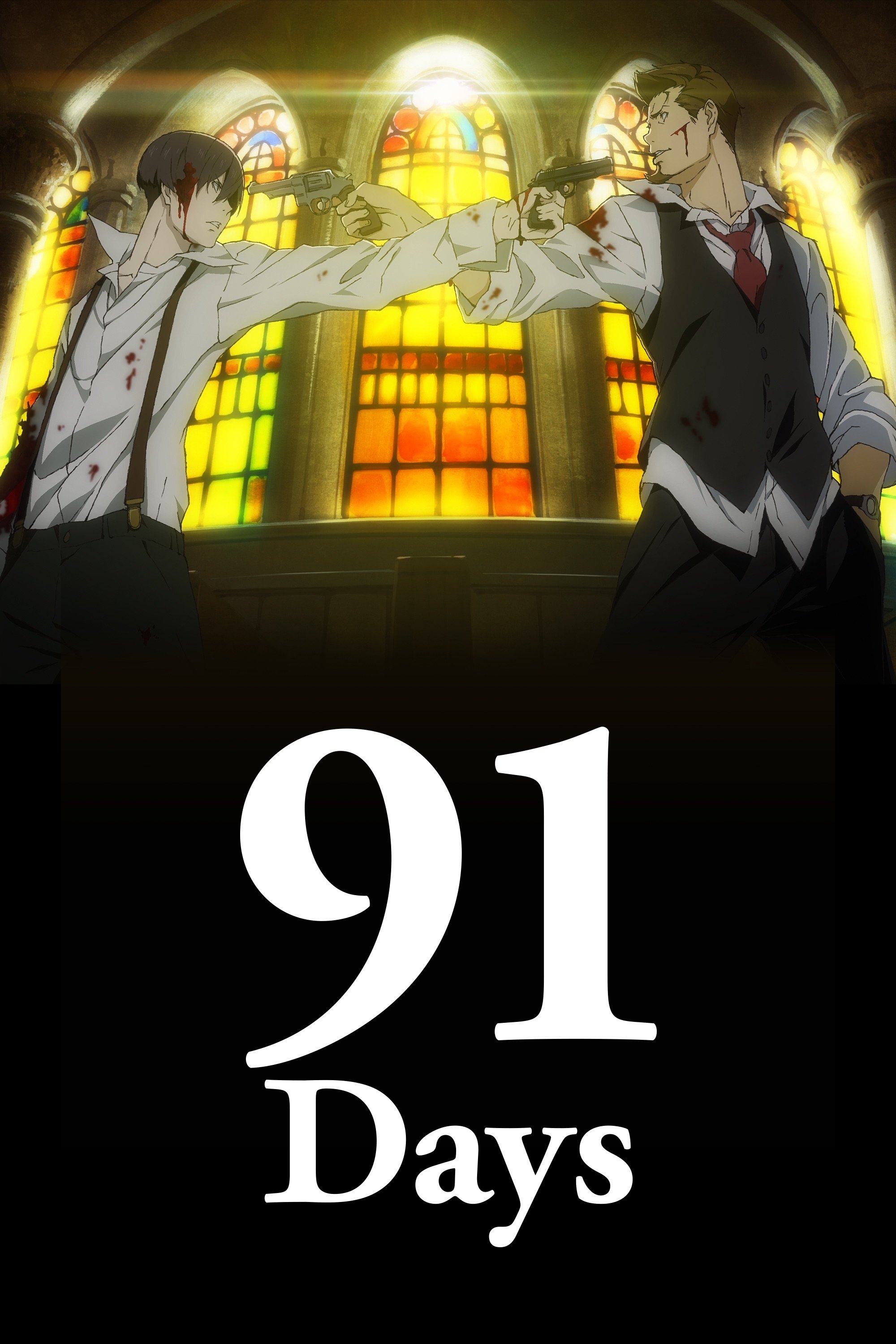
The series takes place during Prohibition in a Midwestern American city, weaving in bootlegging logistics and speakeasy operations. It shows distribution chains, from illegal distilleries to front businesses and bribed officials. Firearms, vehicles, and street layouts correspond to the era’s technology and urban design. Legal frameworks around raids, arrests, and court proceedings inform how characters plan and evade enforcement.
‘Baccano!’ (2007)
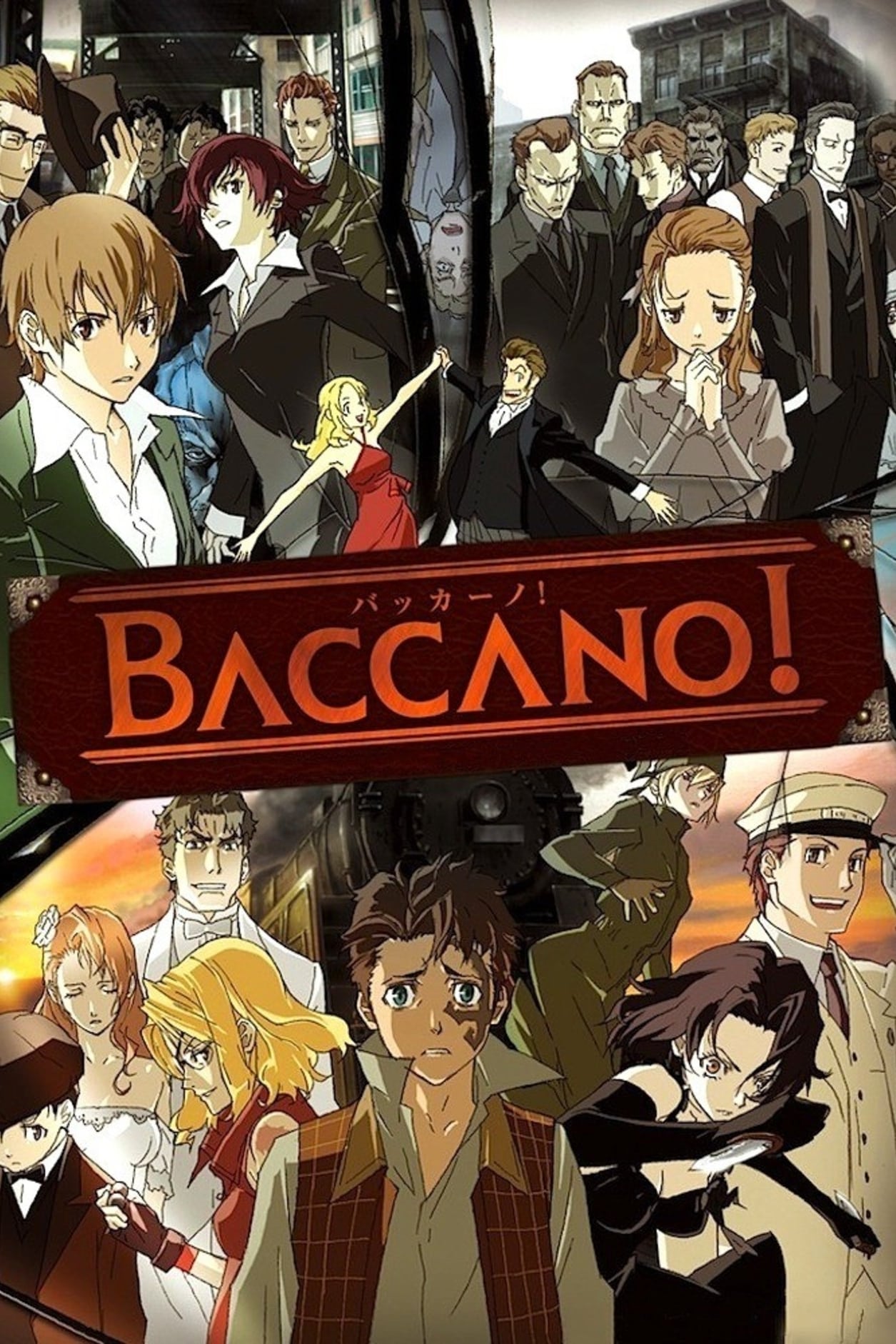
Set across the early 1930s United States, the show situates trains, hotels, and city blocks within Depression-era mobility and crime. Passenger rail timetables and rolling-stock details are central to its set pieces. It includes immigrant communities, bootleg routes, and syndicate structures consistent with the period’s underworld. Period signage, typography, and advertising lend locations a verifiable timestamp.
‘Rainbow’ (2010)
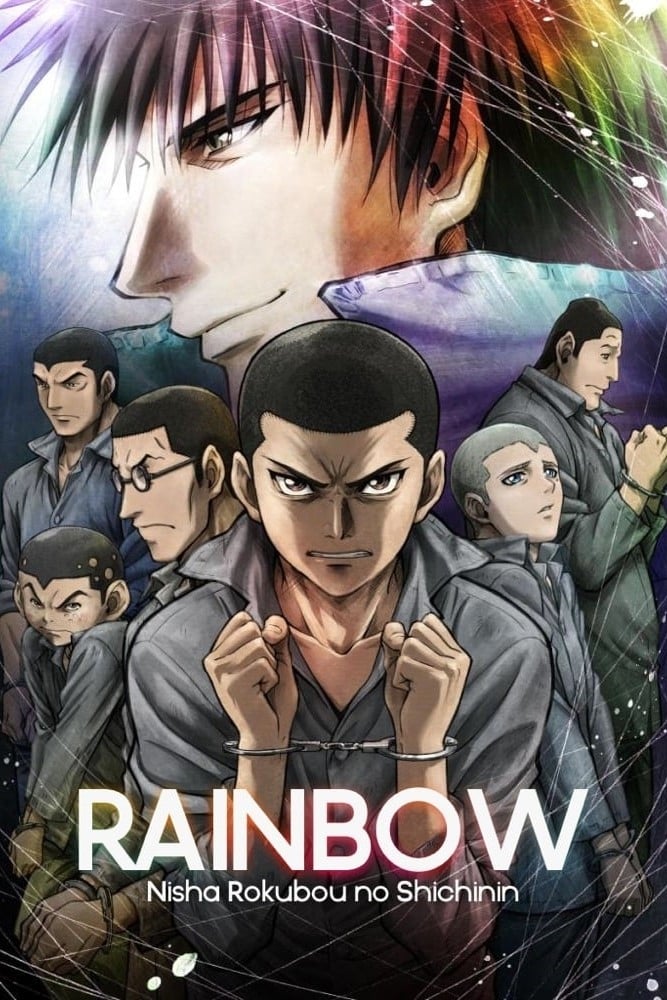
This series follows youths in a postwar reformatory, reflecting legal and social conditions of 1950s Japan. It depicts rationing aftereffects, black markets, and occupational licensing that shaped reentry into society. Institutional routines—medical exams, dorm layouts, and discipline—track to contemporary correctional practices. Street businesses, boarding houses, and labor agencies portray the era’s employment pipeline.
‘Miss Hokusai’ (2015)

Focusing on Ōei, daughter of Hokusai, the film recreates late Edo art studios, publishing houses, and street culture. Woodblock printing workflows—design, carving, and inking—are shown step by step. It references known prints, publishers, and clients to anchor the atelier’s output. Seasonal festivals, bridges, and river traffic situate the family within a mapped cityscape.
‘Giovanni’s Island’ (2014)
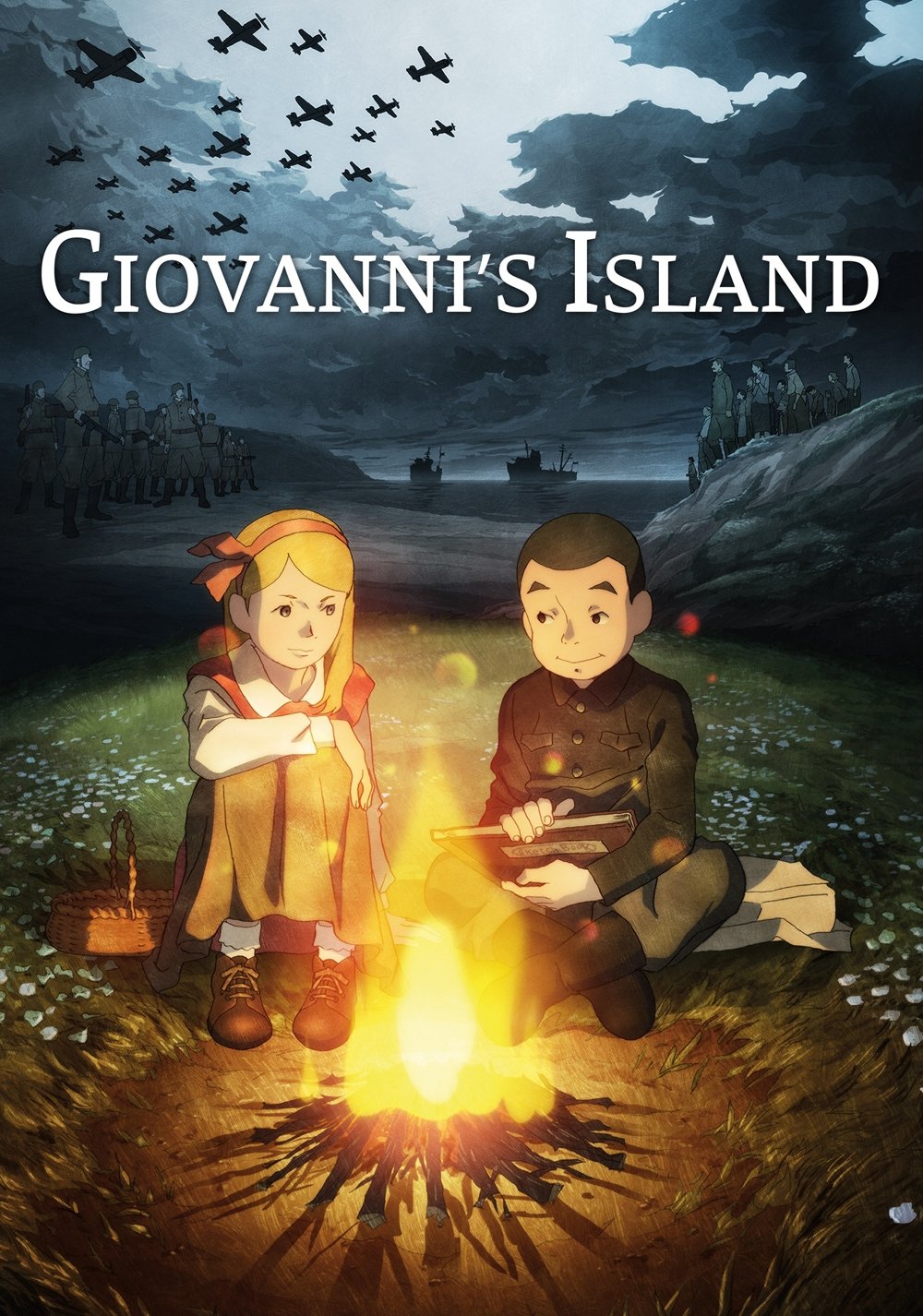
Set on Shikotan in the Kuril Islands, the film covers the Soviet occupation and civilian transfers after the war. School lessons, language barriers, and ration distribution capture administrative changes on the island. Military presence, uniforms, and harbor controls follow documented protocols. Architectural details—houses, churches, and depots—match mixed Japanese and Russian influences in the settlement.
‘Kingdom’ (2012–)
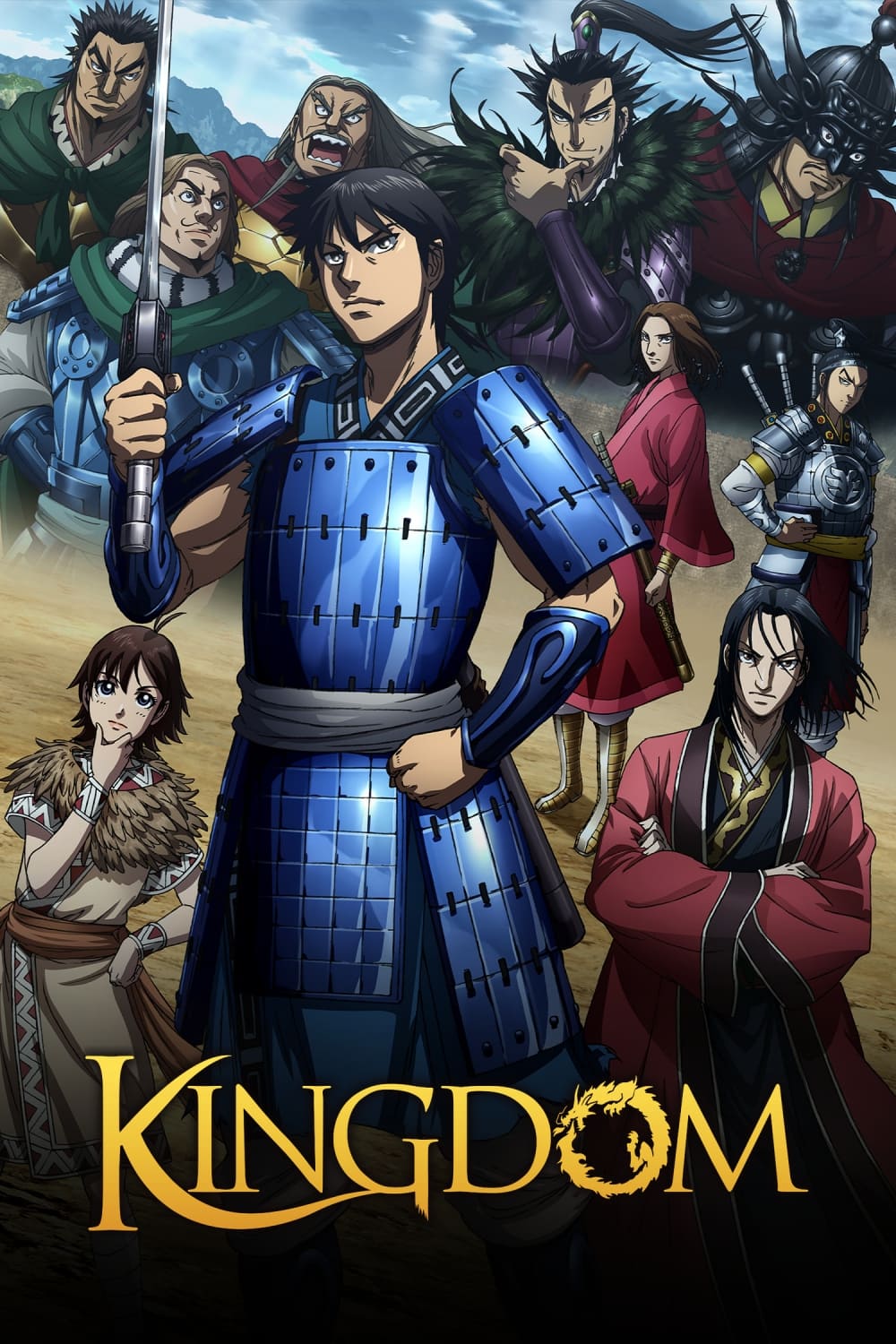
This epic adapts the Warring States period of China, staging campaigns, conscription, and logistics. Statecraft—reforms, alliances, and titles—is tied to named rulers and ministers. Fortifications, signal fires, and battlefield formations reflect treatises and archaeological evidence. The show maps river crossings, mountain passes, and city sieges to recognizable regions.
‘Peacemaker’ (2003–2004)
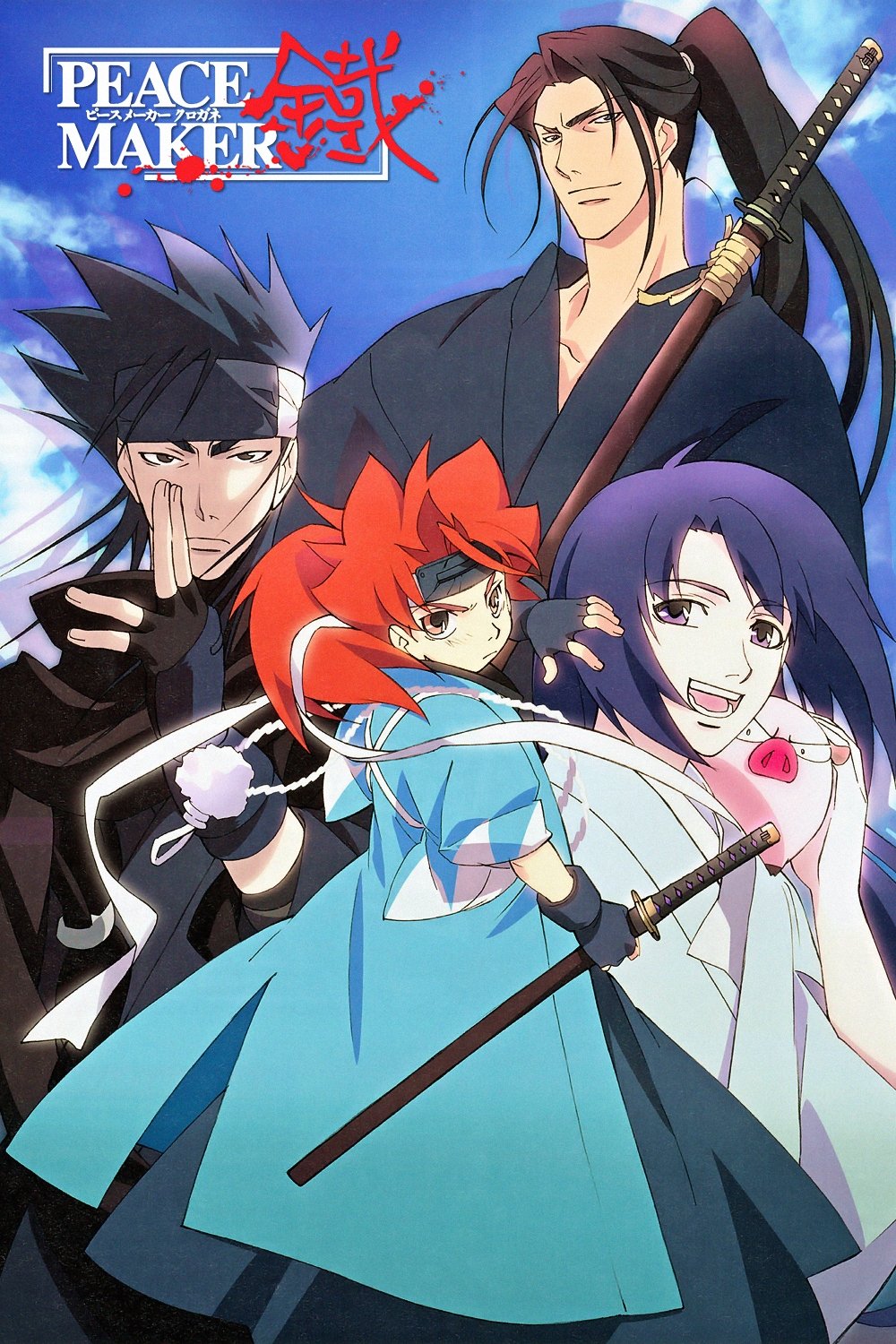
Set in Kyoto during the Bakumatsu, the series follows the Shinsengumi within their actual barracks and patrol routes. It uses real unit structures, sword regulations, and guard assignments. Political incidents, edicts, and factional violence frame how the corps interacted with domains and ronin groups. Inns, teahouses, and gates are placed in accordance with the city’s historical wards.
‘Blade of the Immortal’ (2019–2020)
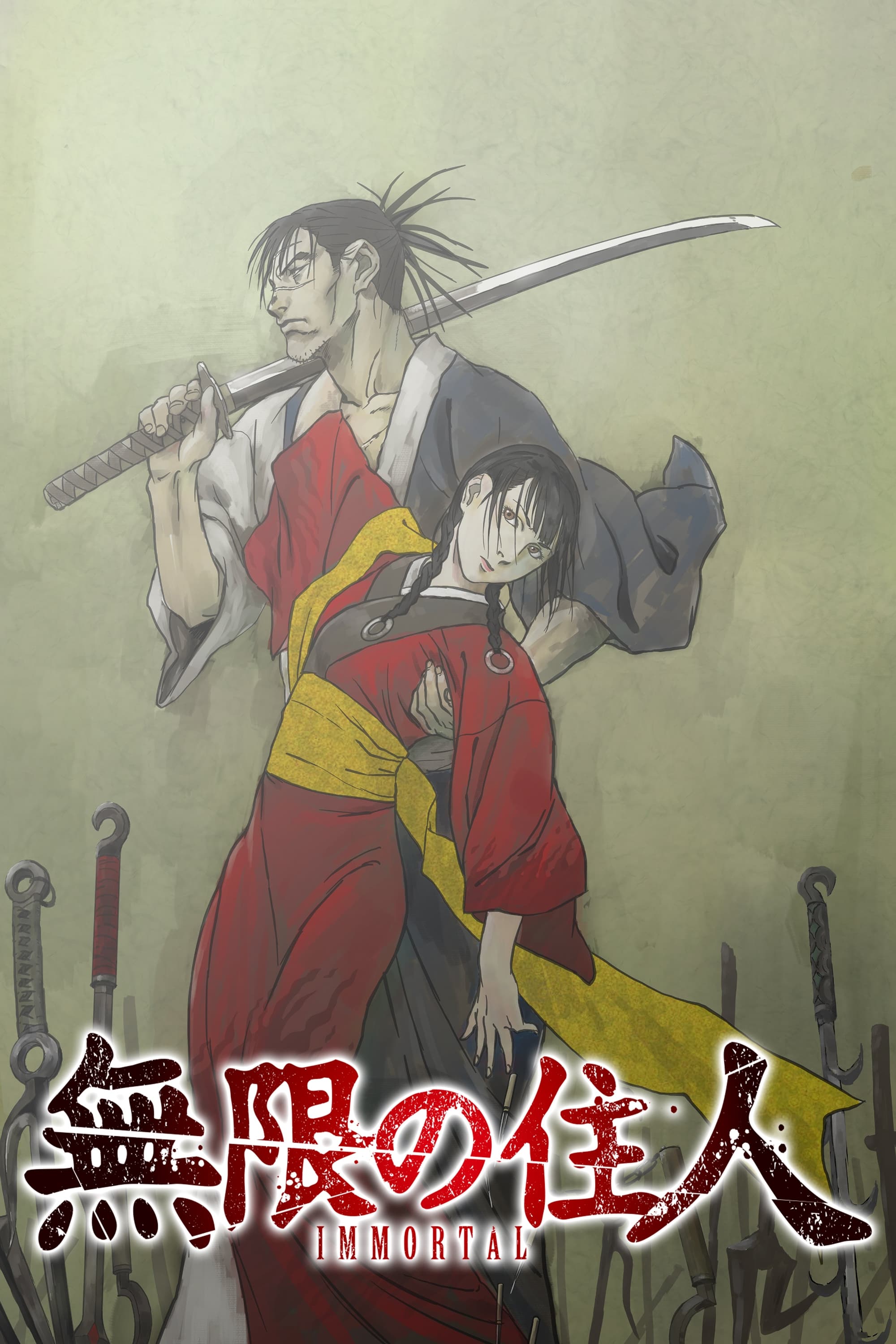
This adaptation situates its story in late-Azuchi–Momoyama to early Edo, tracking shifts in sword schools and social order. Traveling permits, checkpoints, and post stations structure characters’ movement. Weapon forms, armor bits, and dojo customs are rendered with correct nomenclature. Townscapes include merchant rows, bridges, and pleasure districts consistent with the era’s urban growth.
‘Taisho Otome Fairy Tale’ (2021)
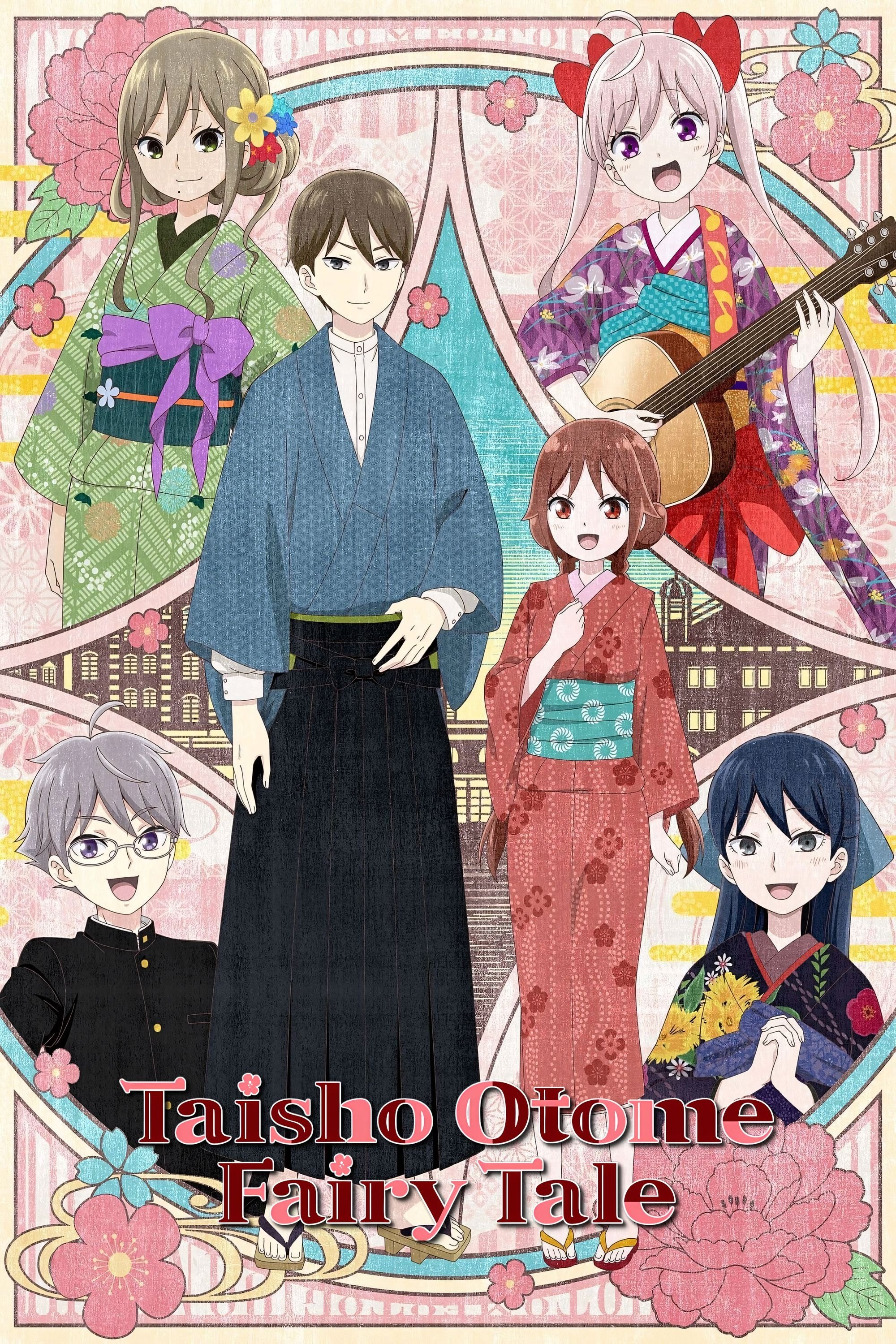
Set in the Taishō era, the series highlights regional estates, school reforms, and expanding consumer culture. It shows domestic technology like kerosene lamps, early appliances, and catalog shopping. Clothing blends kimono with Western items to reflect contemporary fashion mixing. Public health campaigns and seasonal events appear alongside postal services and rail travel that knit communities together.
Share your favorite historically grounded anime moments in the comments and tell us which titles you think captured their eras best.