


20 TV Series That Used AI for Early Concept Art Only

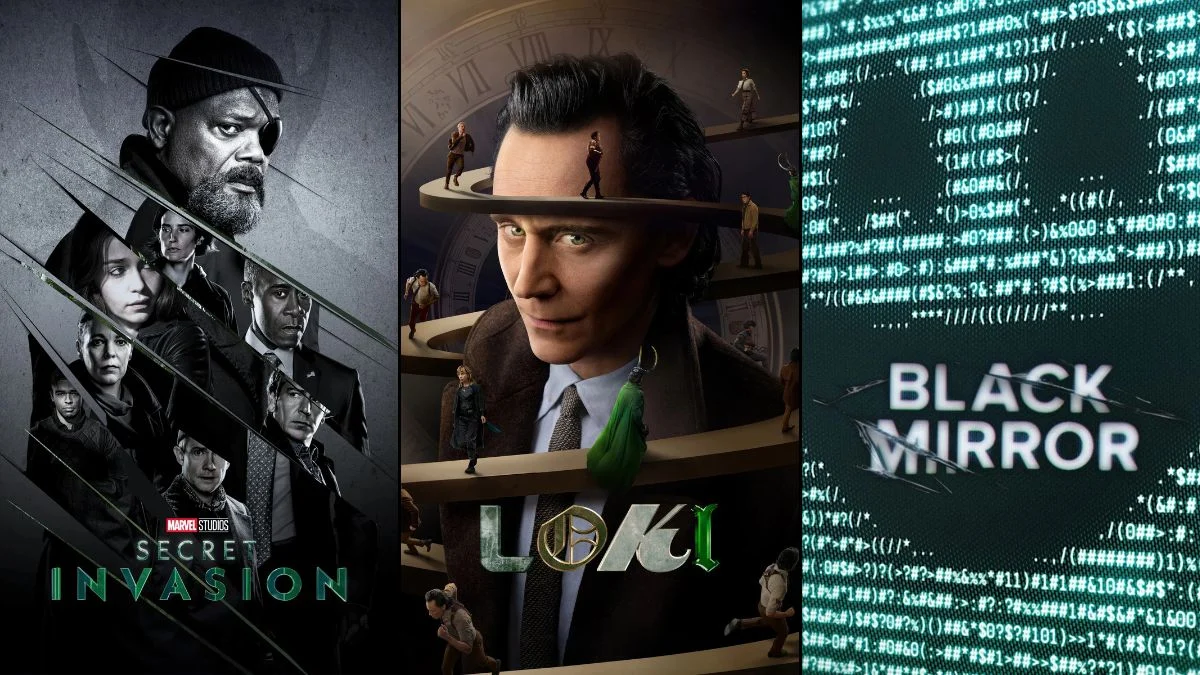


The integration of artificial intelligence into television production has sparked significant debate across the entertainment industry. While some studios have openly embraced generative tools for final visuals, others have restricted their use strictly to the pre-production and conceptual phases to aid human artists. This approach allows creative teams to rapidly iterate on mood boards, storyboards, and character designs before finalizing the aesthetic with traditional methods. The following series have utilized AI technologies during their visual development stages or faced scrutiny regarding their inclusion of AI-generated elements in early promotional materials and opening sequences.
‘Secret Invasion’ (2023)
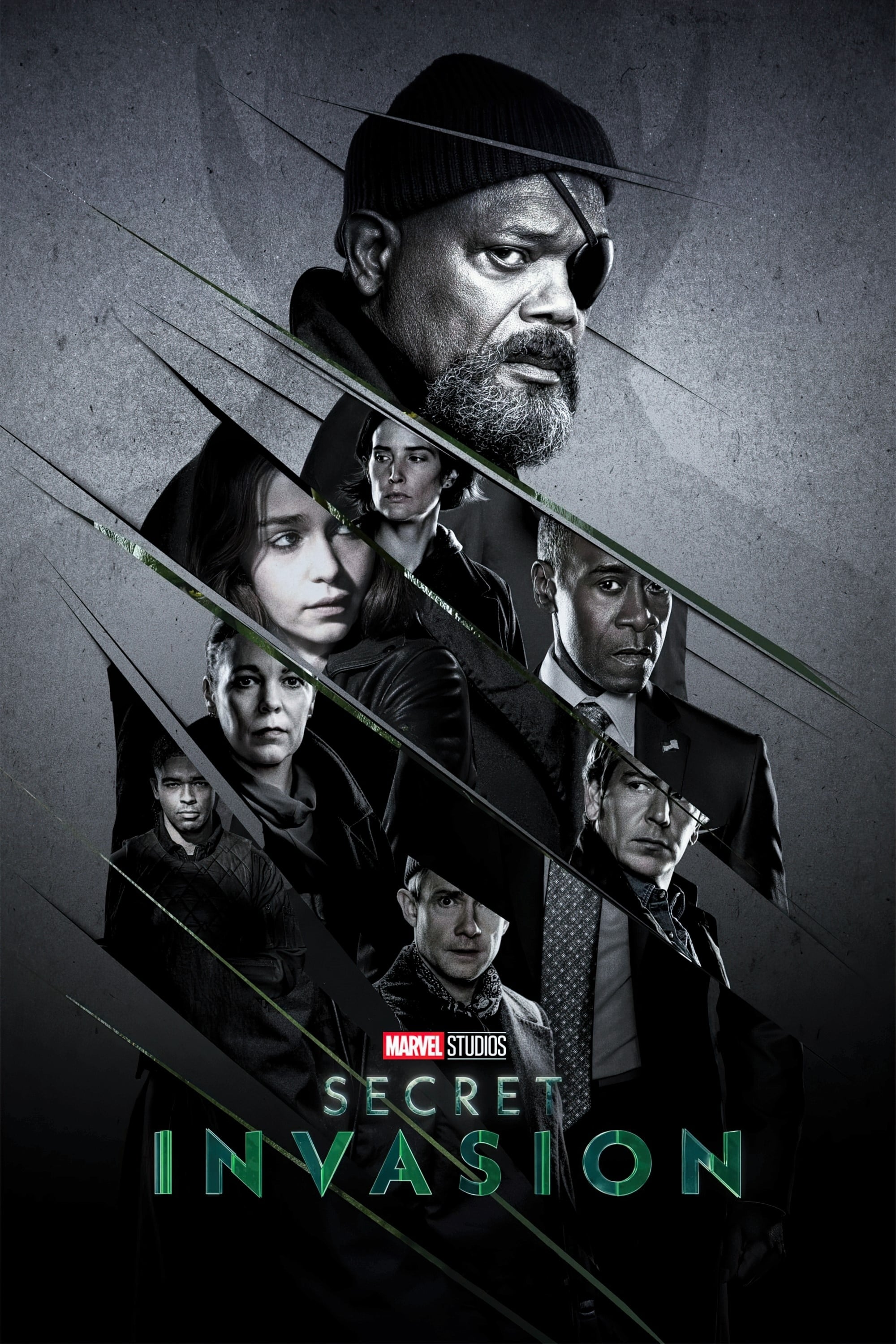
Marvel Studios utilized artificial intelligence to craft the opening title sequence for this spy thriller, sparking a widespread industry conversation. The production team collaborated with Method Studios to create a surreal and shifting aesthetic that thematically mirrored the shapeshifting nature of the Skrull antagonists. While the final sequence aired with AI-generated imagery, the technology was primarily used to explore the concept of “unreality” during the visual development phase. This artistic choice was intended to make the audience feel unsettled and question the true identity of the characters on screen.
‘The Dog & The Boy’ (2023)
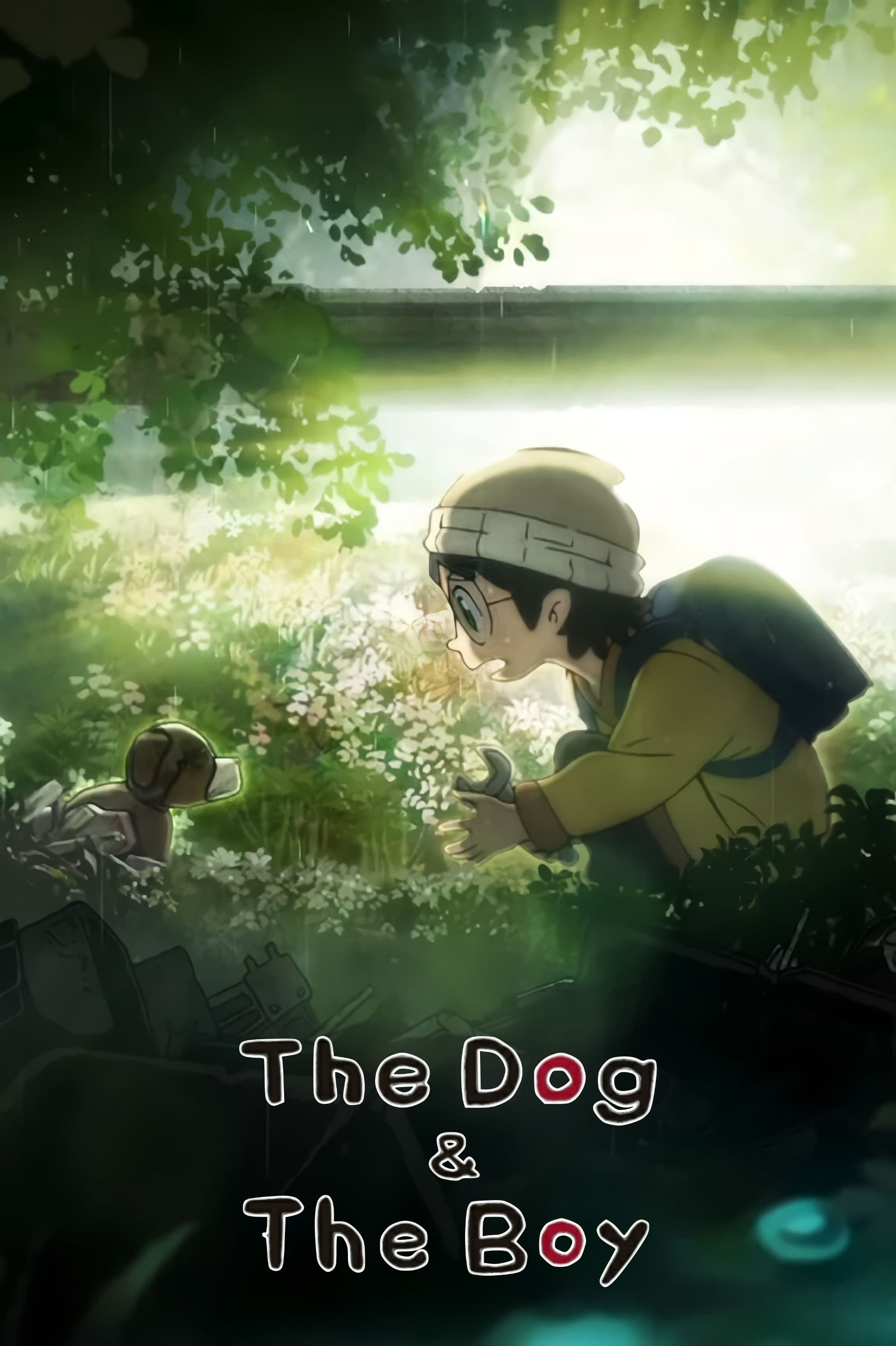
Netflix Japan released this animated project as an experimental effort to address labor shortages in the anime industry. The production pipeline explicitly used artificial intelligence to generate the background landscapes based on hand-drawn layouts provided by human artists. These AI-generated concepts were then retouched by human designers to ensure they fit the final visual style of the characters. The project served as a public test case for how generative tools could handle the labor-intensive process of background art creation in animation.
‘Loki’ (2021–2023)
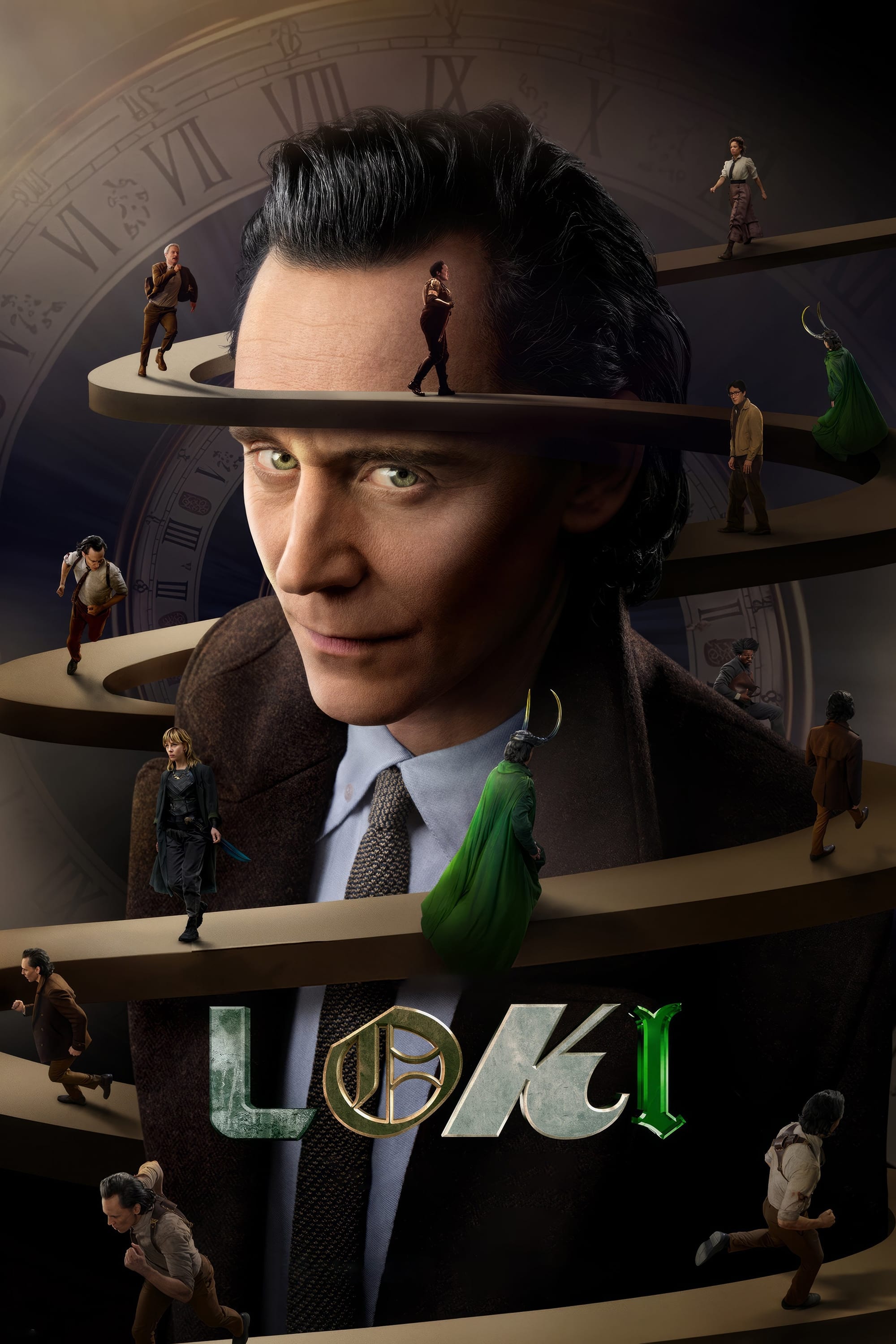
During the promotion of the second season, this Marvel Cinematic Universe series faced scrutiny regarding its marketing materials. Artifacts in the background of a promotional poster strongly resembled AI-generated stock imagery, particularly within a spiraling clock design. The controversy centered on the image lacking the consistent line work typically associated with human illustration. While the show itself features high-budget visual effects, this incident highlighted how AI tools are creeping into the early promotional and conceptual art pipelines of major studios.
‘True Detective’ (2014–)
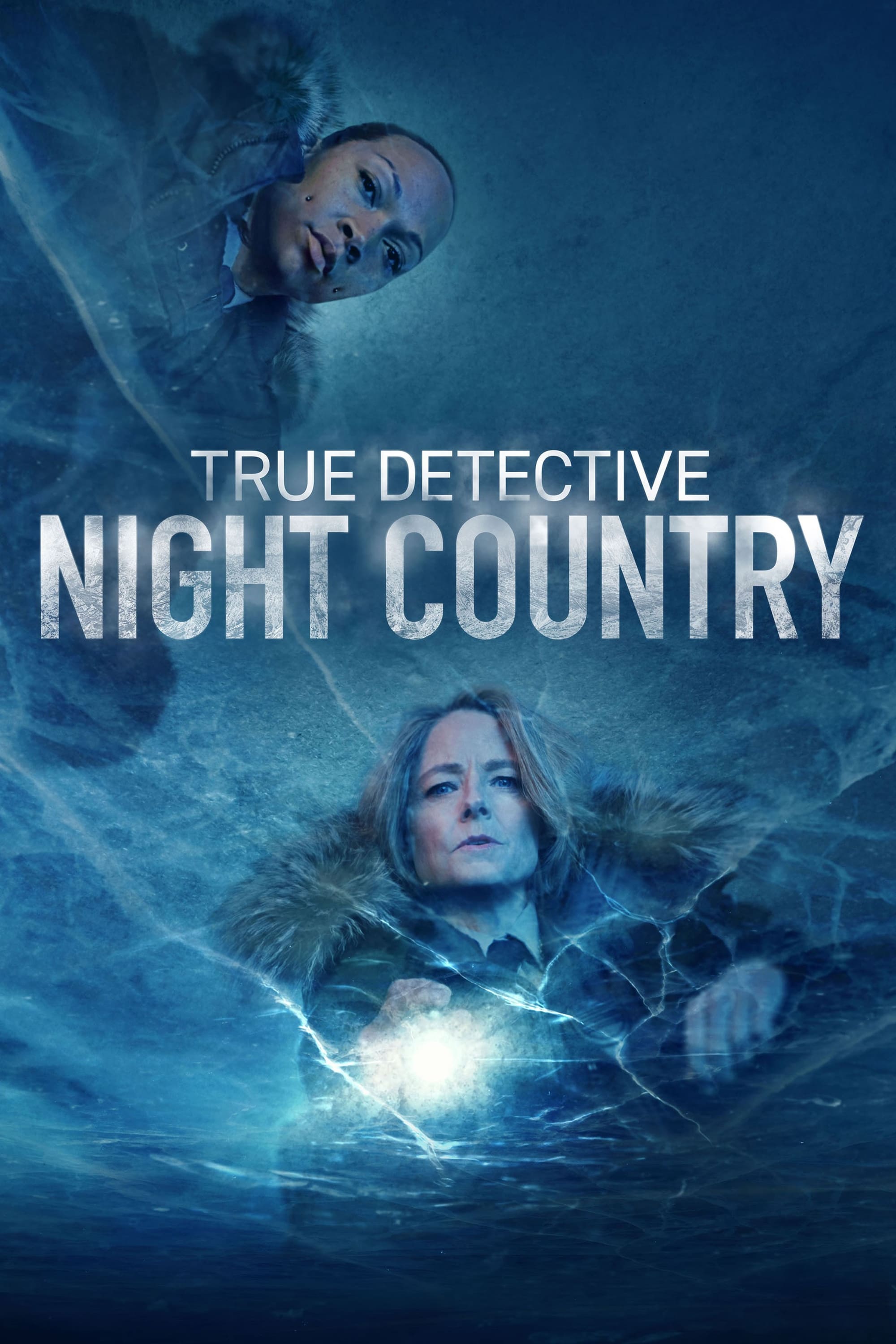
The fourth season of this acclaimed anthology series, subtitled ‘Night Country’, utilized AI-generated elements in its promotional campaign. A poster released to market the series contained background details and crowd textures that exhibited the telltale signs of generative image synthesis. This usage suggests that marketing teams are increasingly relying on these tools to flesh out conceptual posters and mood pieces before the show airs. The gritty and atmospheric tone of the season was captured in these visuals, even as the method of their creation drew criticism from the artistic community.
‘Black Mirror’ (2011–)
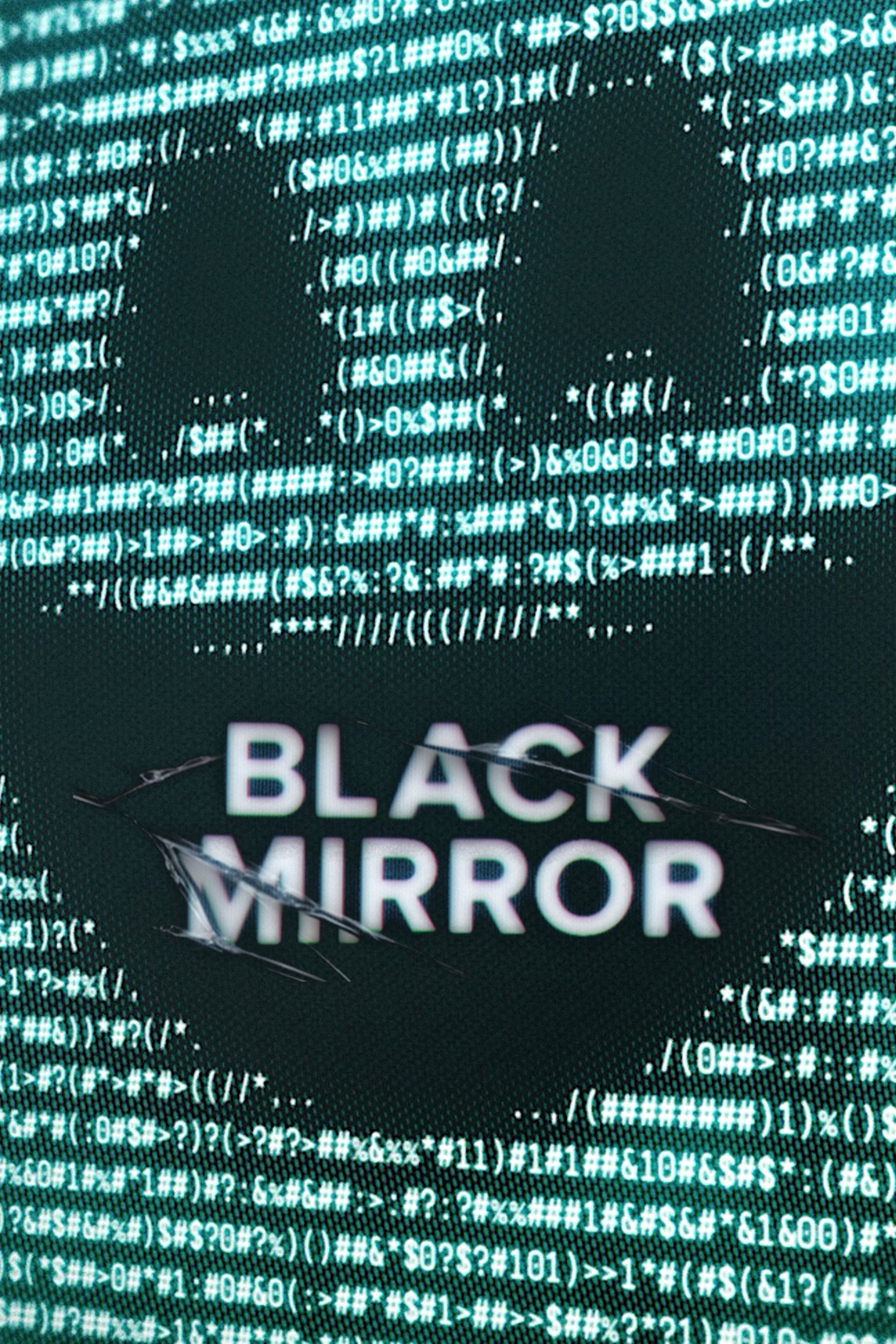
As a series that frequently explores the dark side of technology, the production has experimented with the very tools it critiques. Creator Charlie Brooker utilized AI text generators to draft script concepts, though he found the results lacking in genuine creativity. On the visual side, the sixth season episode ‘Joan Is Awful’ utilized generative imagery within the narrative to depict a streaming service creating content in real-time. This meta-commentary required the visual effects team to simulate the look of AI-generated art as part of the story’s concept.
‘The Mandalorian’ (2019–)
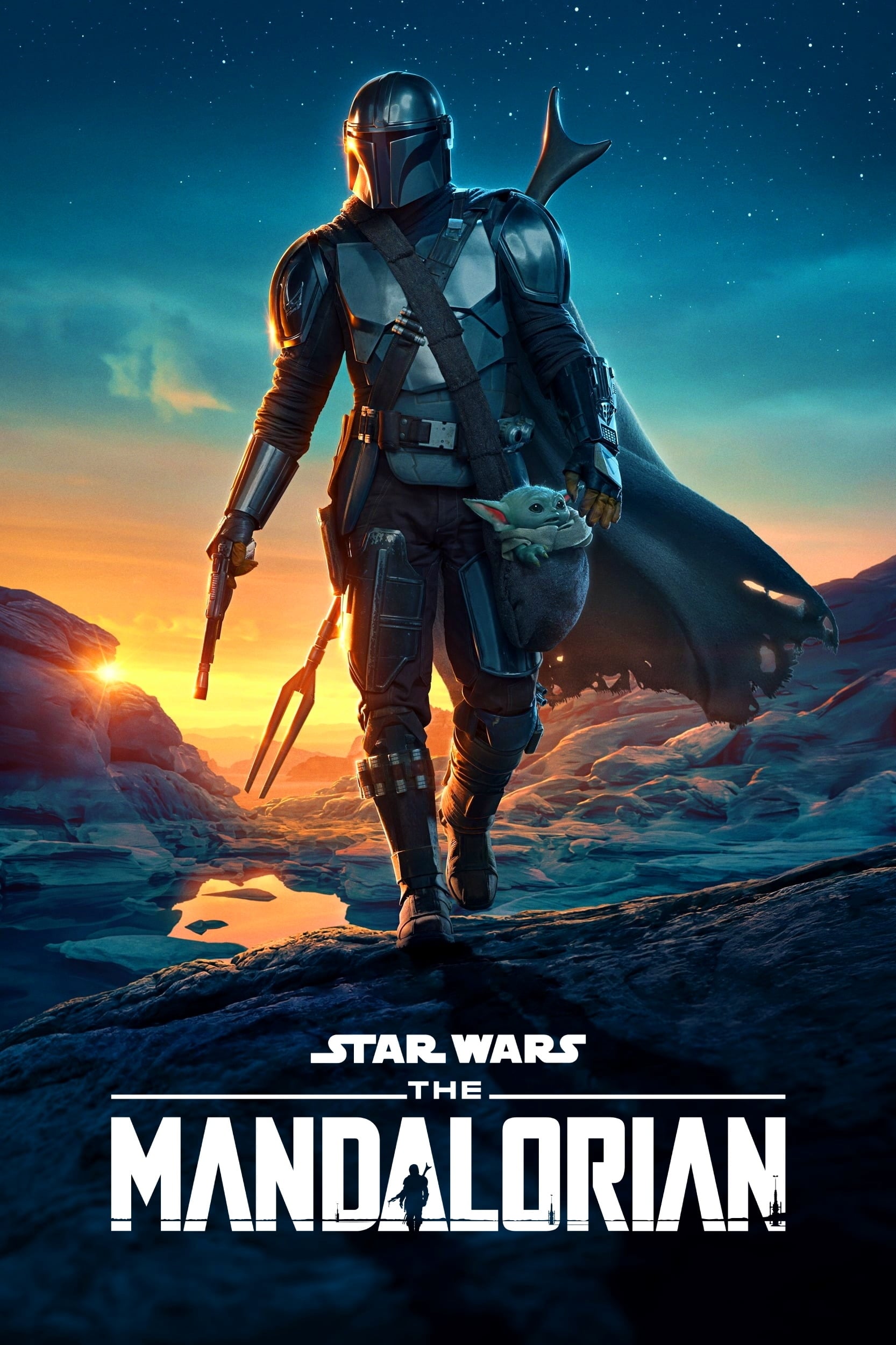
This Star Wars series revolutionized television production with its use of the Volume and StageCraft technology. While not strictly generative art in the traditional sense, the pre-production phase relies heavily on AI-driven procedural generation to create realistic background environments. Concept artists working on the show utilize advanced digital tools to feed data into the Unreal Engine, which then generates complex alien landscapes. This pipeline blurs the line between early concept art and final visual effects, as the conceptual environments are often projected directly onto the set.
‘The Book of Boba Fett’ (2021–2022)
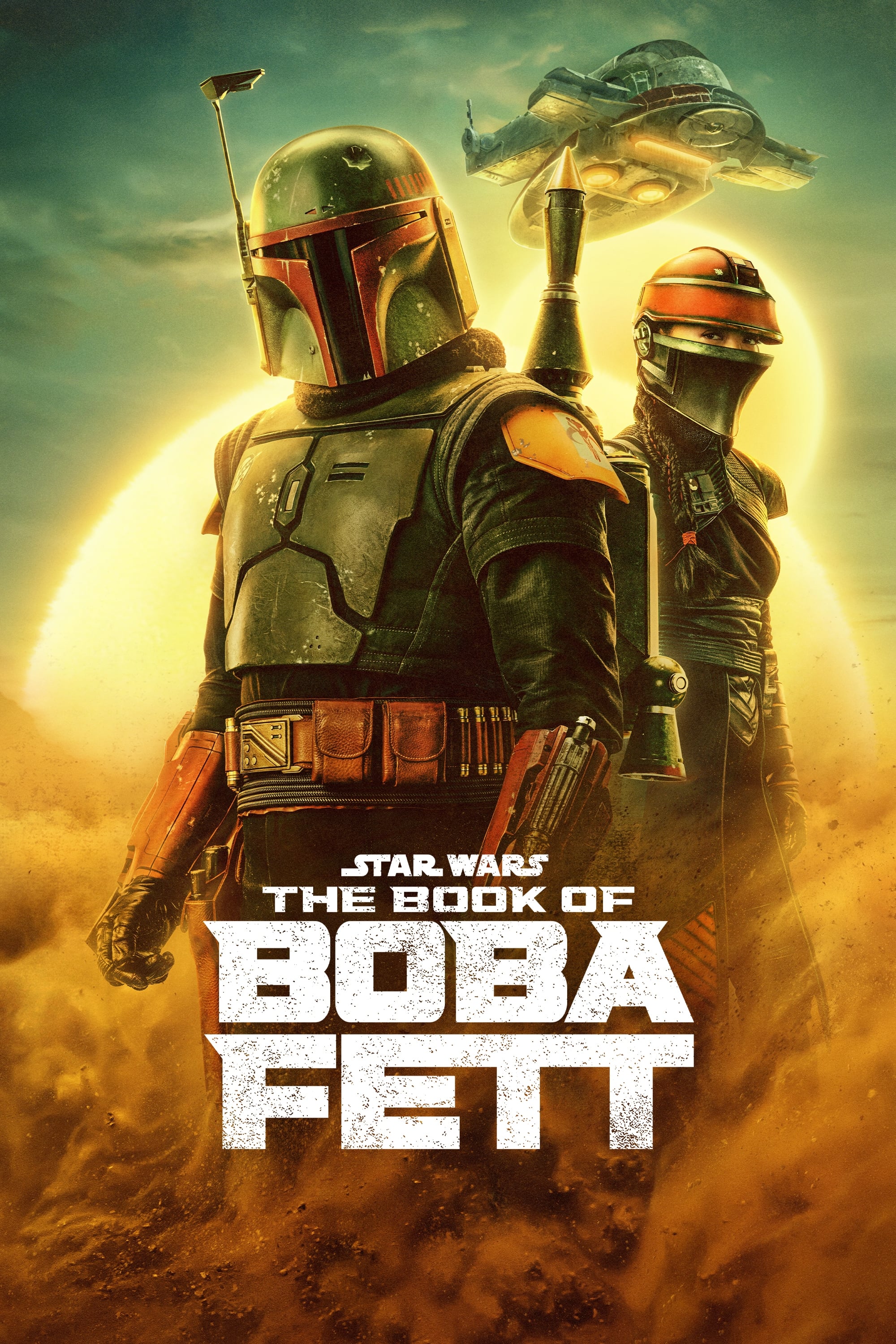
Similar to other Star Wars projects, this series utilized advanced machine learning algorithms during its visual and audio development. The production employed AI to recreate the voice of a young Luke Skywalker, a process that required extensive conceptual testing to match the original tone. Visually, the de-aging effects relied on neural networks that were trained on archival footage during the pre-visualization phase. These techniques allow the creative team to conceptualize scenes with legacy characters that would have been impossible to film practically.
‘Obi-Wan Kenobi’ (2022)
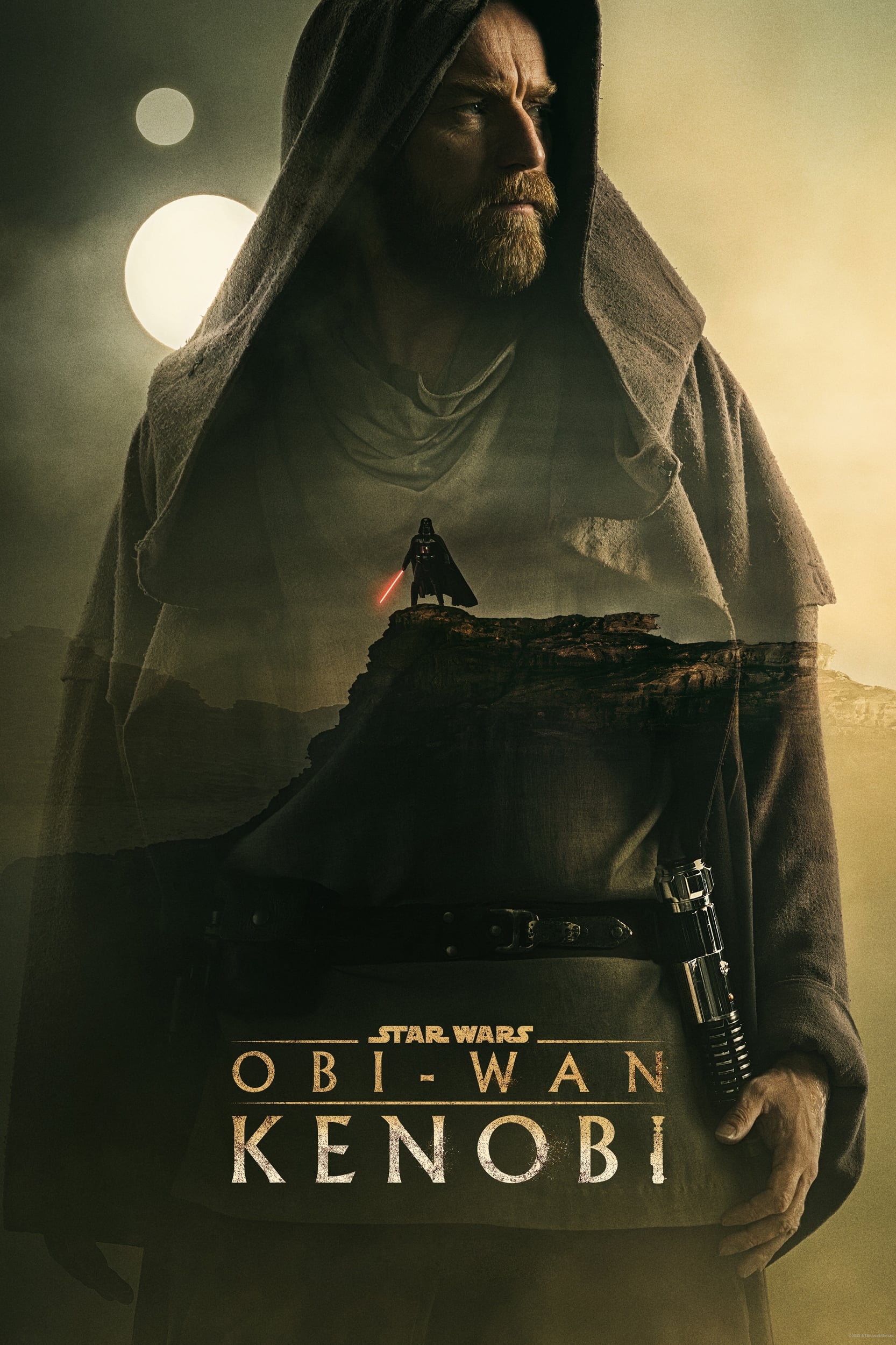
The return of Ewan McGregor to his iconic role involved a production pipeline heavily supported by new technologies. Neural rendering tools were used to assist in the de-aging of characters for flashback sequences, requiring early testing and conceptualization to get the look right. Sound designers also utilized AI models to replicate the voice of Darth Vader, blending James Earl Jones’s original performance with synthetic data. This usage demonstrates how AI is becoming a standard tool for conceptualizing and executing legacy elements in franchise television.
‘Kamen Rider Black Sun’ (2022)
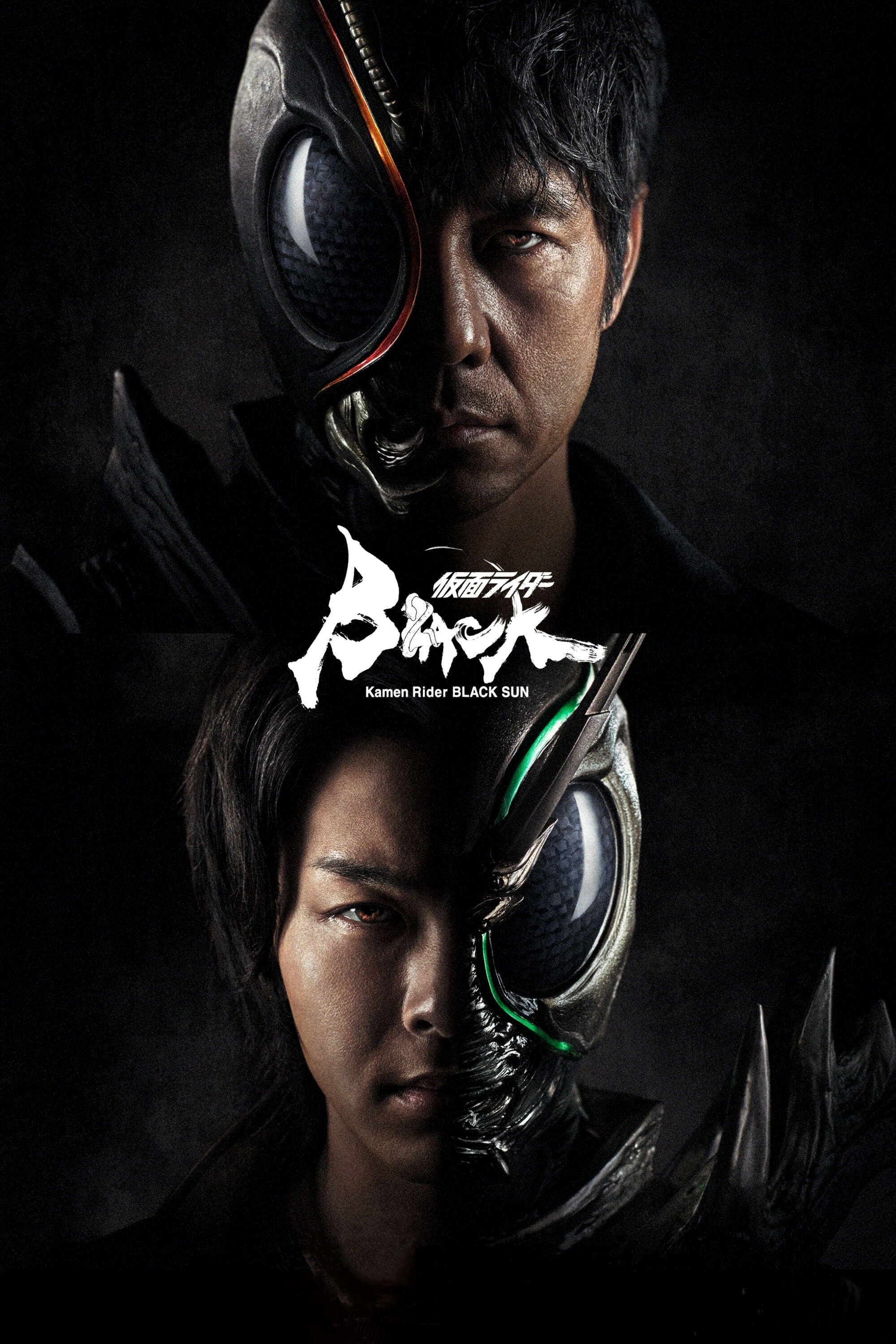
This reboot of the classic Tokusatsu series incorporated artificial intelligence into its visual presentation, specifically within the ending credits. The sequence features a distinct, dreamlike artistic style that utilizes the morphing and fluid nature of AI-generated imagery to depict the show’s dark themes. Utilizing these tools allowed the creators to achieve a surreal aesthetic that differs significantly from the live-action footage. It stands as a rare example of a production openly embracing the “glitchy” look of early AI art as a deliberate stylistic choice.
‘Game of Thrones’ (2011–2019)
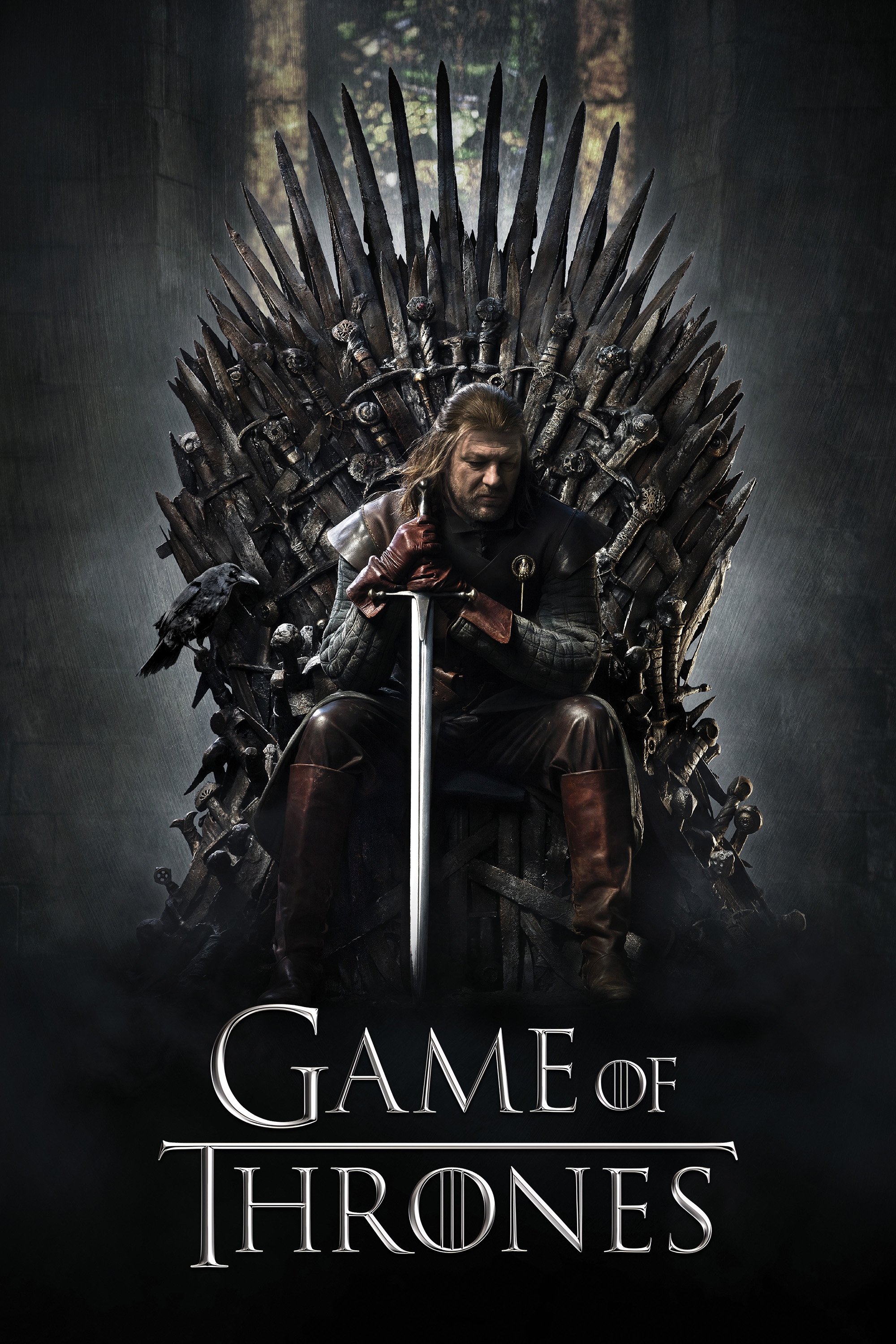
While the earlier seasons relied on traditional matte paintings, the later seasons of this fantasy epic integrated advanced crowd-simulation software powered by AI. Concept artists and VFX supervisors used these tools to visualize massive battles involving thousands of soldiers and wights during the pre-production phase. This allowed the directors to plan camera angles and shots based on AI-generated simulations of crowd behavior. The technology was essential for conceptualizing the scale of the conflicts before a single frame was shot.
‘House of the Dragon’ (2022–)
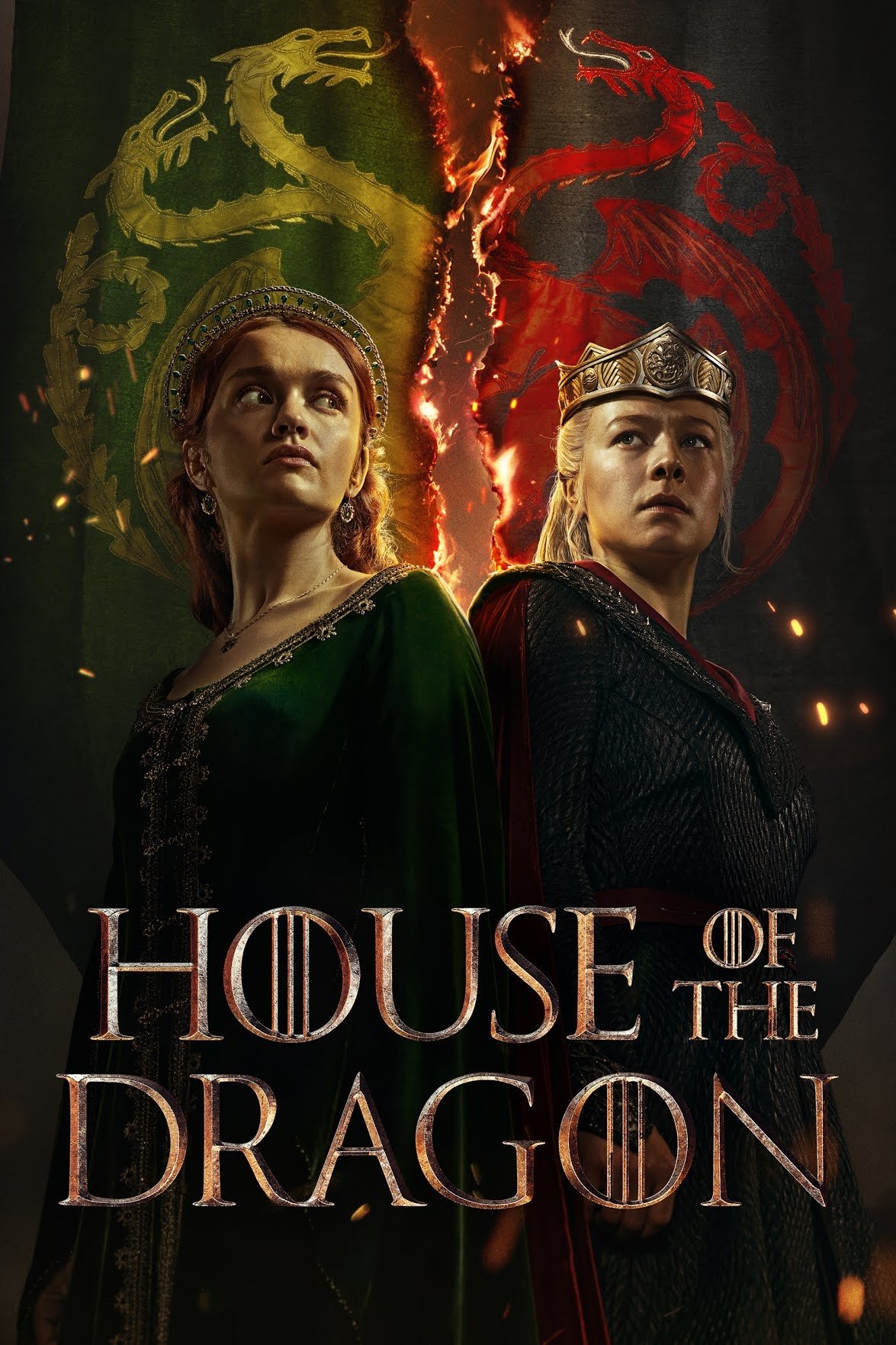
Continuing the technological legacy of its predecessor, this prequel series utilizes sophisticated pre-visualization techniques. The design of the dragons involves procedural generation tools that help artists iterate on scales, textures, and movements during the concept phase. By using AI-assisted software, the creature designers can explore hundreds of variations of dragon anatomy quickly. This rapid prototyping ensures that each beast has a unique look and personality before the expensive final animation process begins.
‘Westworld’ (2016–2022)
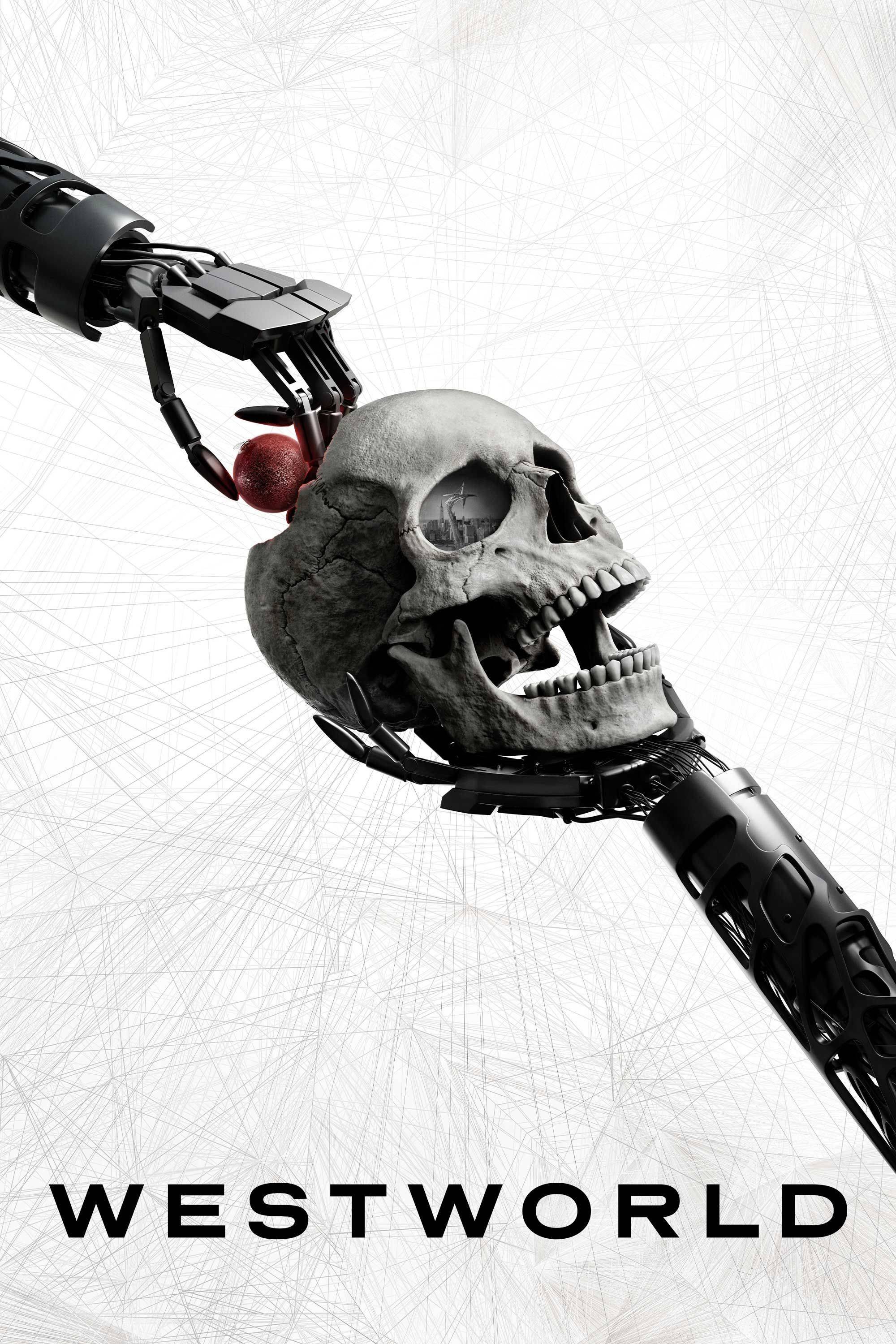
Given its narrative focus on artificial consciousness, the production design of this series naturally engaged with futuristic concepts. The visual effects team utilized procedural generation and AI algorithms to design the complex futuristic interfaces and architectural layouts seen in the later seasons. Concept artists used these tools to visualize the sterile, data-driven world controlled by the AI system Rehoboam. The show’s intro sequence also utilized computer-generated imagery that thematically referenced 3D printing and synthetic creation.
‘Love, Death & Robots’ (2019–)
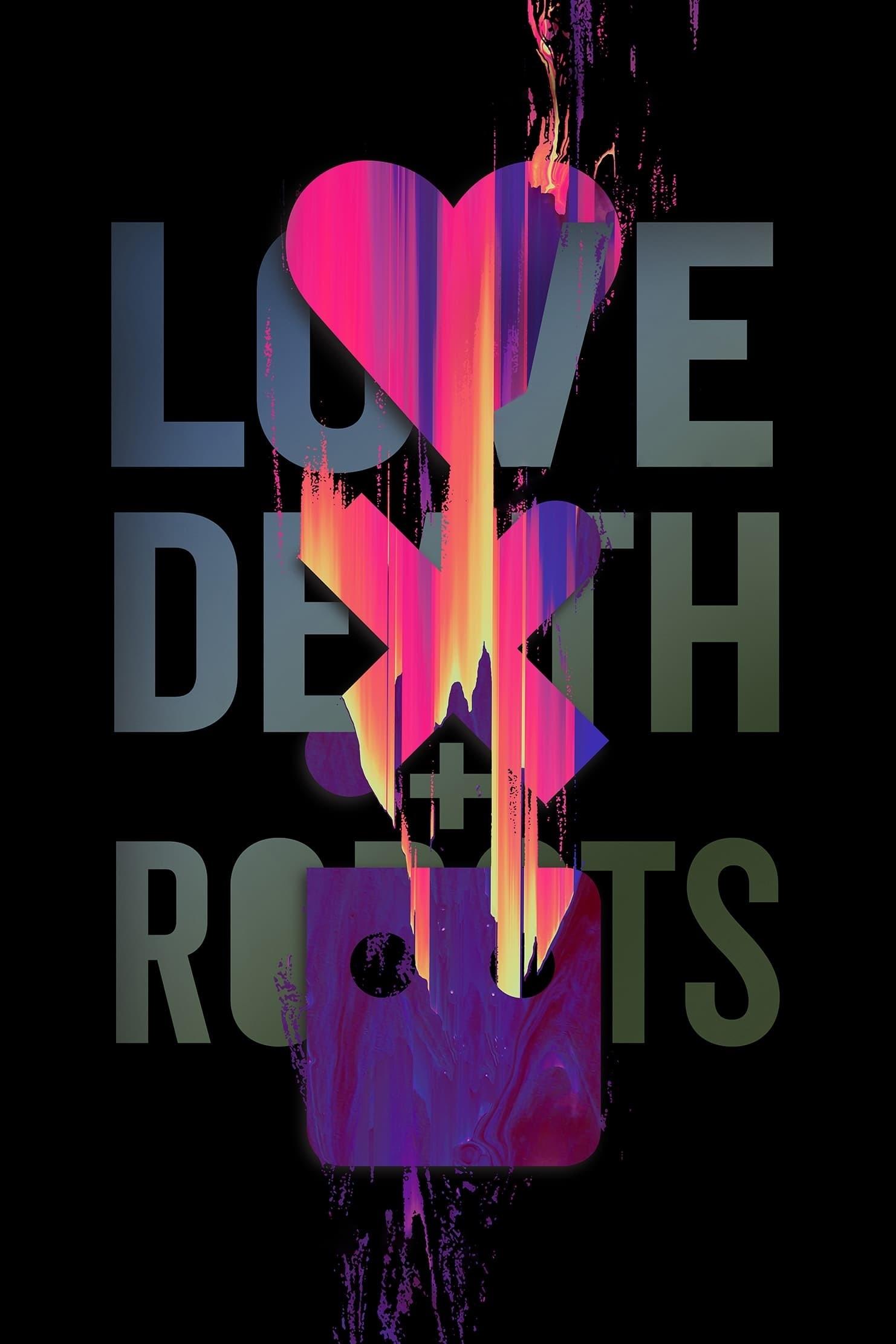
This animated anthology series is a playground for experimental visual styles and production techniques. Several studios involved in the project have utilized machine learning and AI-assisted tools to enhance their animation pipelines, particularly for realistic lighting and texture generation. The conceptual phase for many episodes involves testing new software to see how far the boundaries of animation can be pushed. This willingness to adopt emerging tech makes the series a primary candidate for early AI integration in visual development.
‘Foundation’ (2021–)
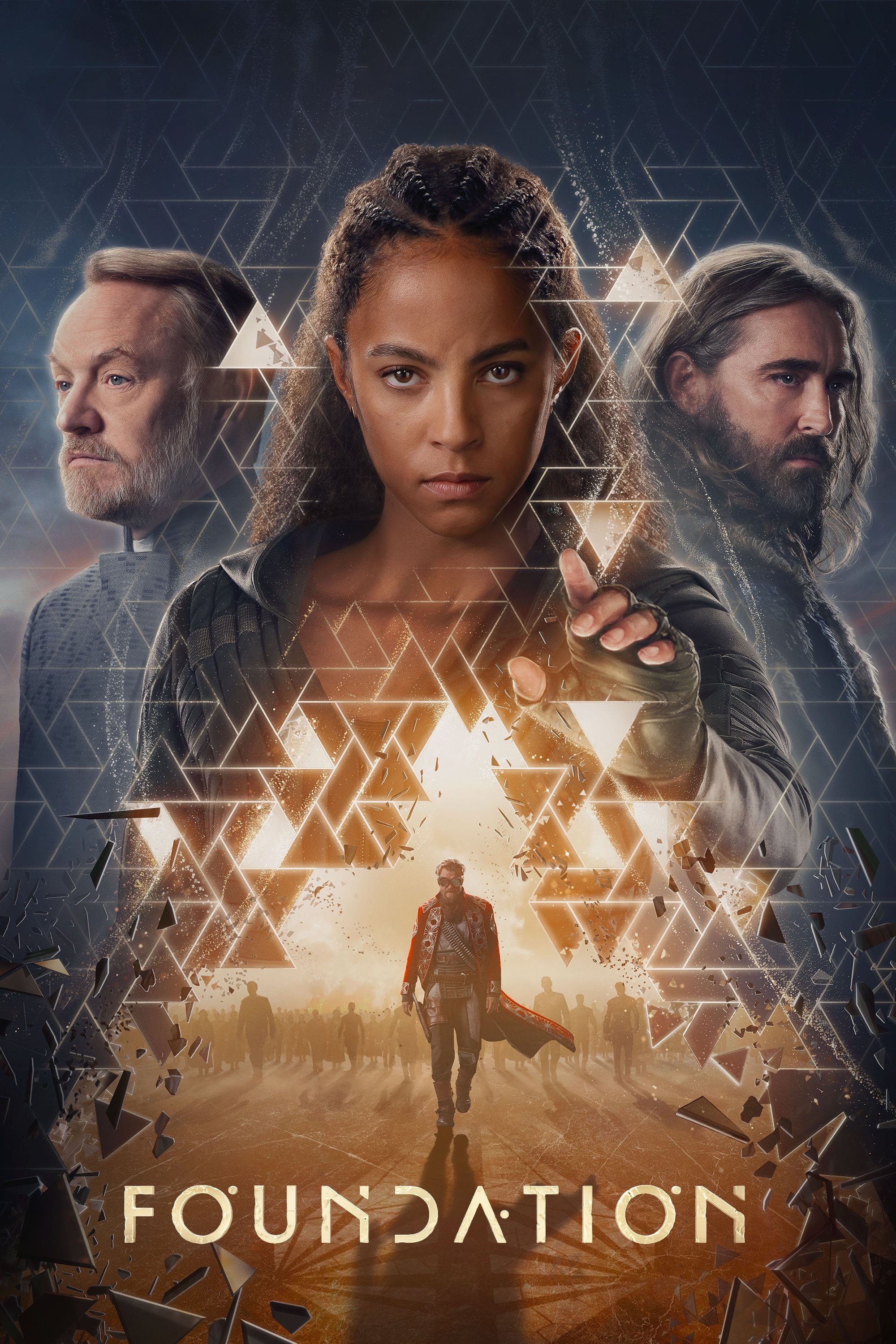
Apple TV’s adaptation of Isaac Asimov’s novels requires a visual scope that spans entire galaxies and millennia. The visual effects team employs vast procedural generation tools to create the detailed cityscapes and alien worlds. Concept artists working on the show utilize these AI-driven systems to populate massive environments with buildings and terrain effectively. This usage aids the art department in maintaining a consistent visual language across the show’s massive scale without manually painting every background element.
‘Citadel’ (2023–)
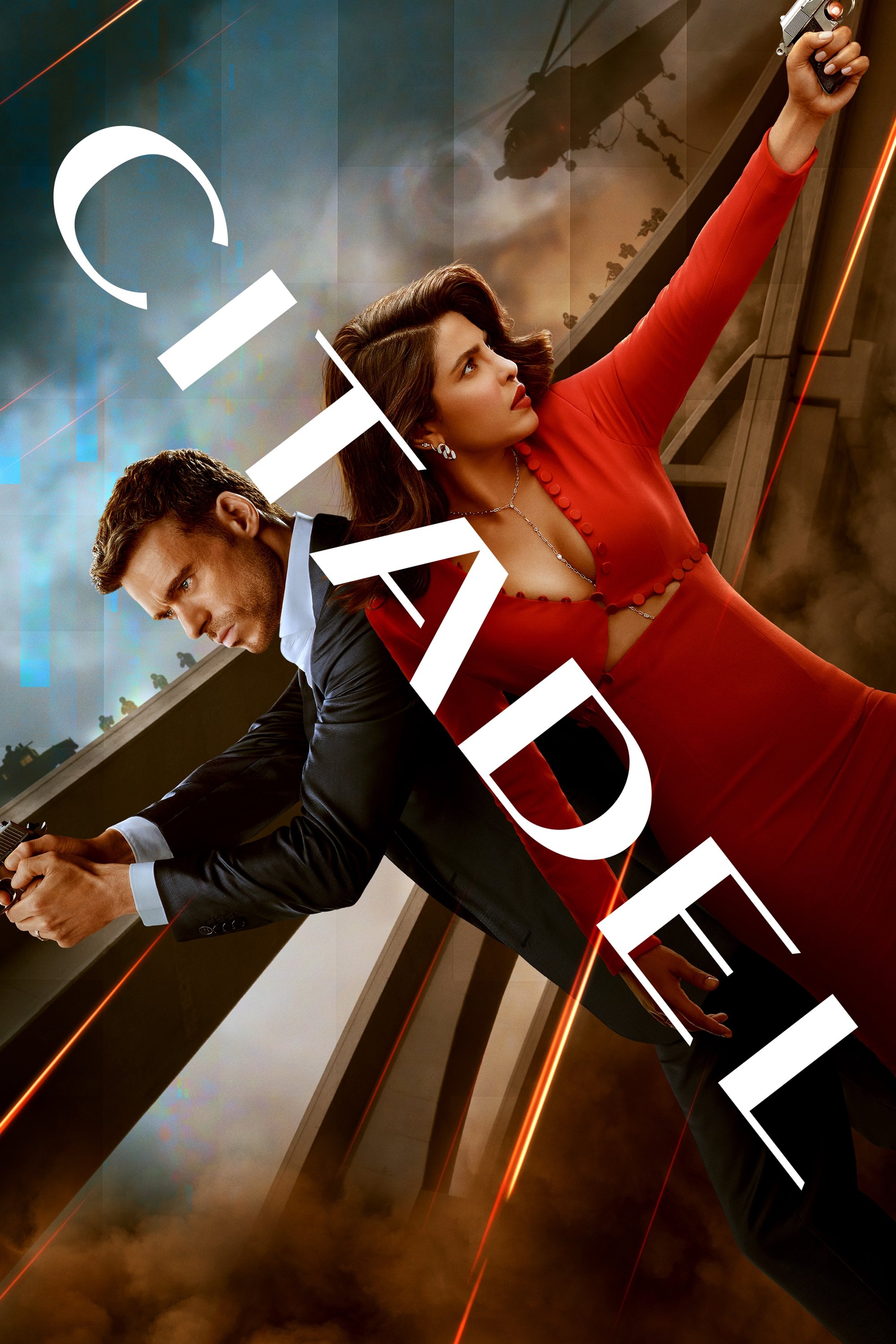
This high-budget spy series from Amazon Studios relied heavily on cutting-edge production technology. The global nature of the shoot and the futuristic gadgets required a modernized concept art pipeline. Productions of this magnitude frequently utilize AI tools for tasks like upscaling texture reference and generating background crowd variations during pre-viz. The show’s polished, high-tech aesthetic aligns with the capabilities of modern digital concepting workflows.
‘1899’ (2022)
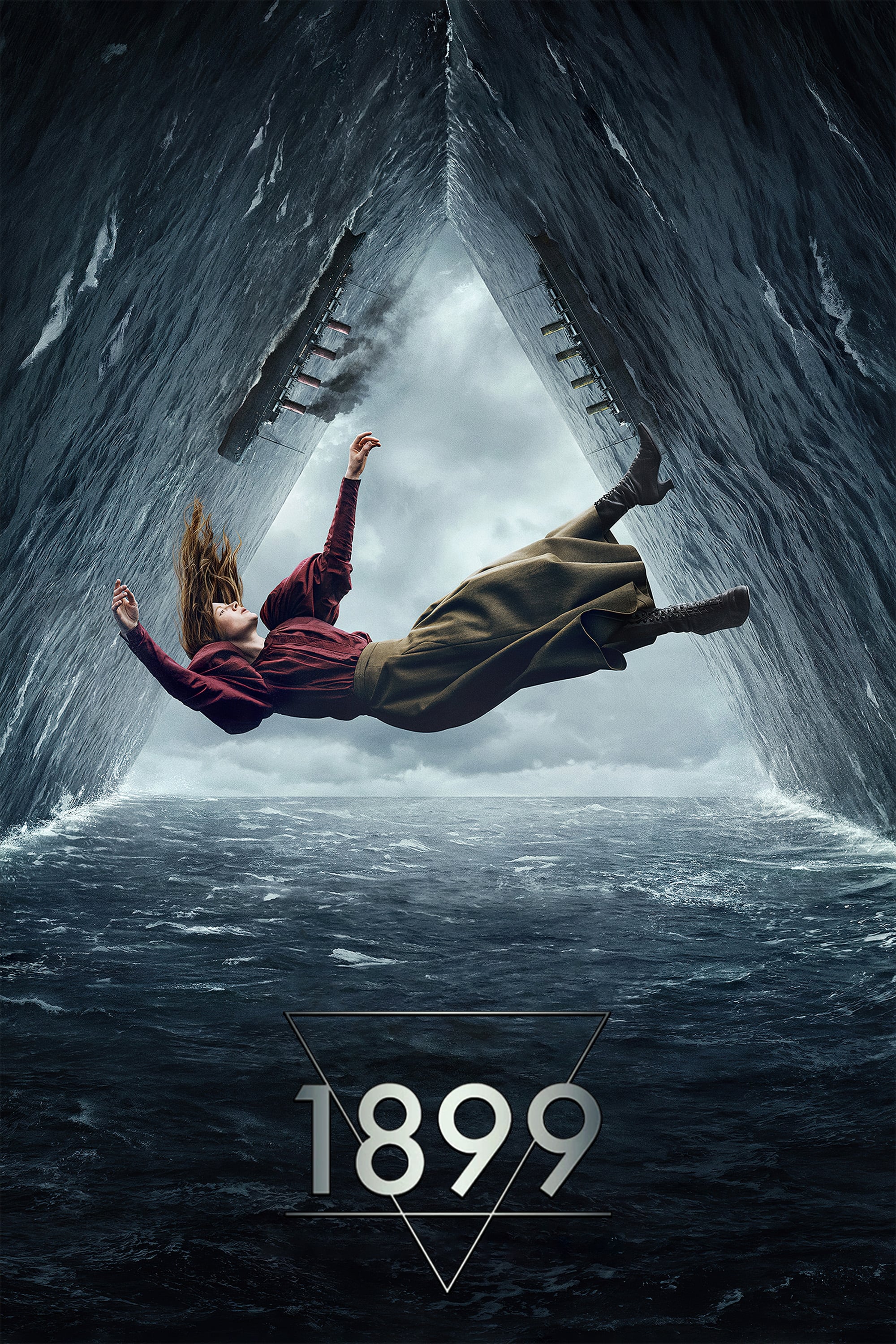
From the creators of ‘Dark’, this mystery series was filmed using a state-of-the-art LED volume stage. The creation of the digital backgrounds for the volume required immense processing power and procedural generation to render realistic ocean and landscape environments in real-time. Concept artists played a crucial role in designing these digital sets, using advanced software that utilizes AI to simulate lighting and atmospheric conditions. The technology allowed the team to conceptualize and finalize the look of the show’s mysterious settings without on-location shooting.
‘Knuckles’ (2024)
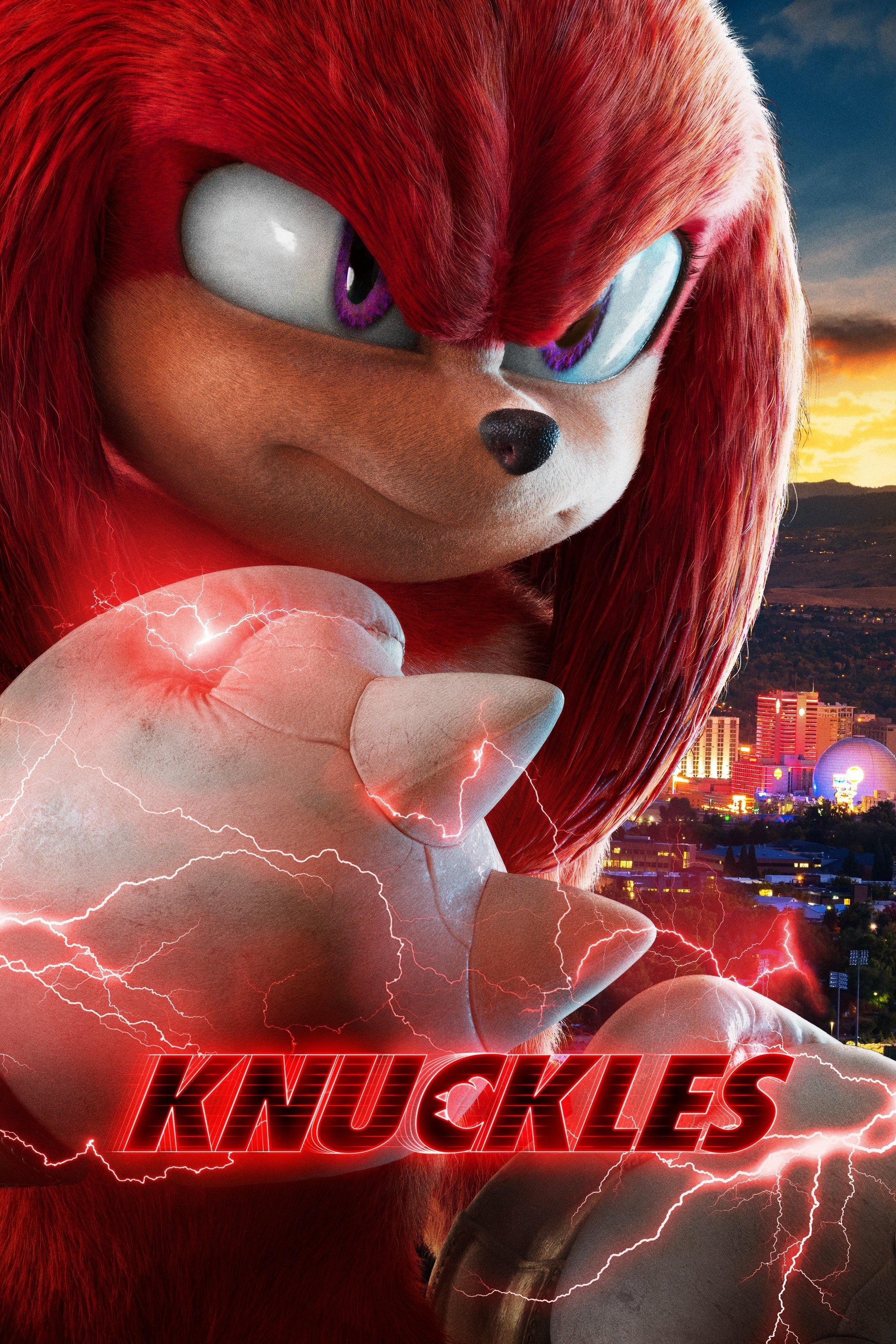
Leaked storyboards and concept art associated with this spinoff series appeared to contain AI-generated artifacts, particularly regarding the protagonist’s proportions. The images in question showed the titular character with “smudged” details characteristic of early generative tools. This suggests that the production team may have used these tools to quickly iterate on dynamic poses and environments before handing them off to human animators. While not used in the final product, the leak highlights how studios are experimenting with AI for rapid visual brainstorming.
‘She-Hulk: Attorney at Law’ (2022)
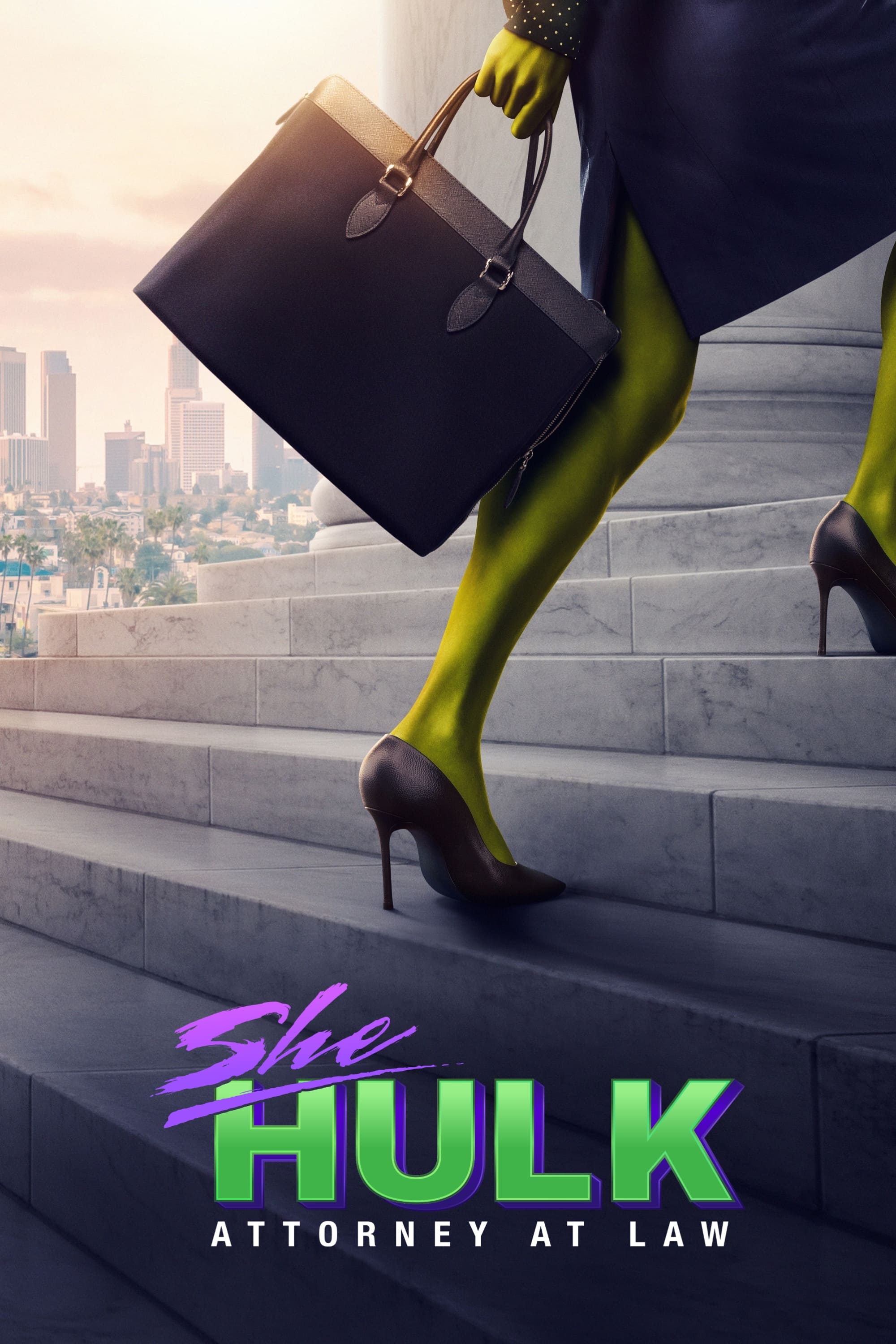
The challenge of creating a fully CGI main character for a legal comedy required a robust pipeline for facial capture and rendering. The visual effects teams utilized machine learning algorithms to map the actor’s performance onto the CGI model, a process that begins in the early concept and test footage stages. Visual development for the character involved iterating on how the Hulk form would look in casual clothing and office environments. This reliance on AI-driven facial solving was critical for conceptualizing the character’s believability.
‘Stranger Things’ (2016–2025)
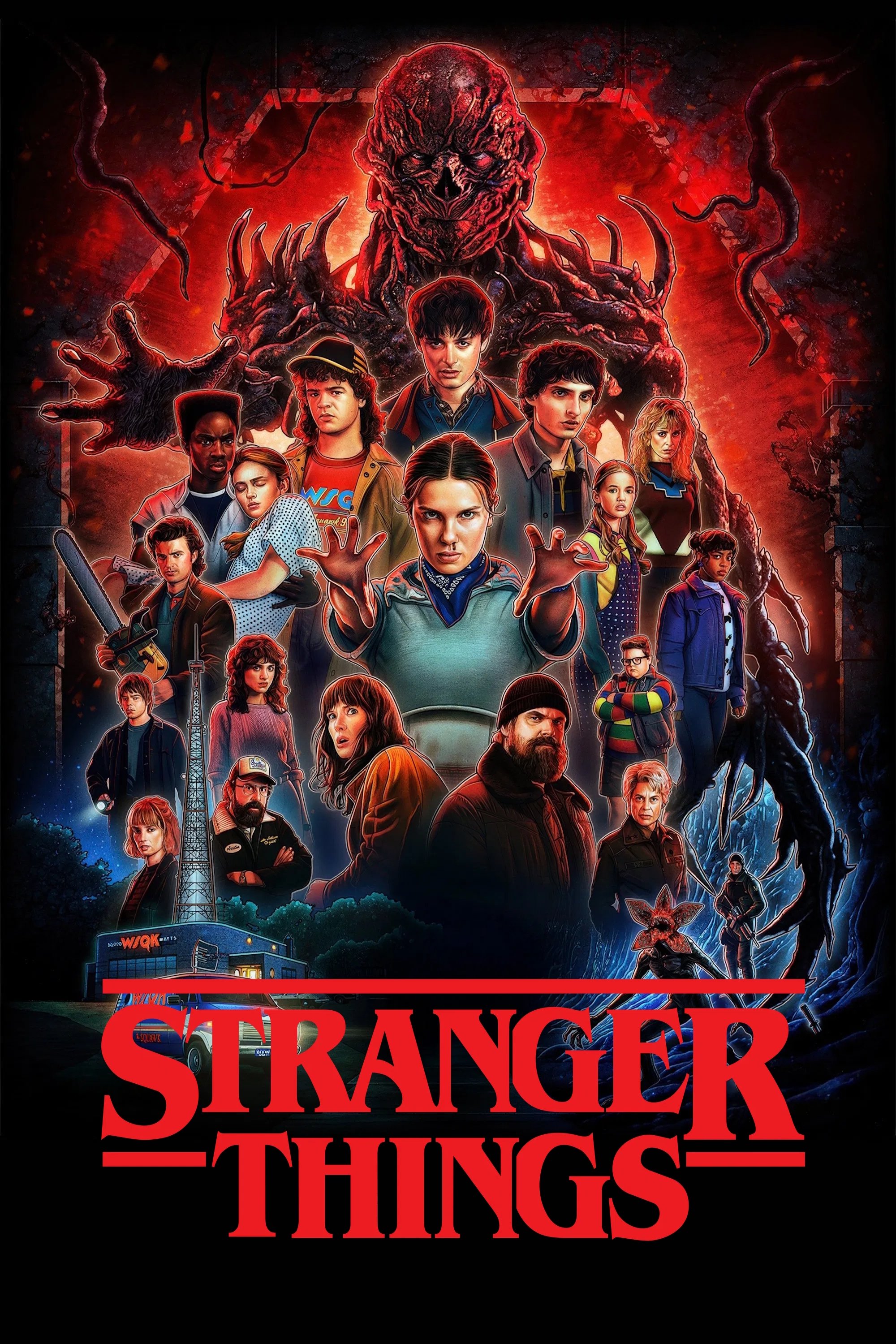
As the series has grown in scale, so has its reliance on advanced visual effects to depict the Upside Down. The concept art for the organic, vine-covered dimension often utilizes procedural texture generation to create the complex, webbing-like visuals. For the upcoming final season, the visual development team is utilizing the latest industry tools to conceptualize the merging of the two worlds. These tools allow for rapid iteration on the monstrous designs and environmental decay that define the show’s aesthetic.
‘Rick and Morty’ (2013–)
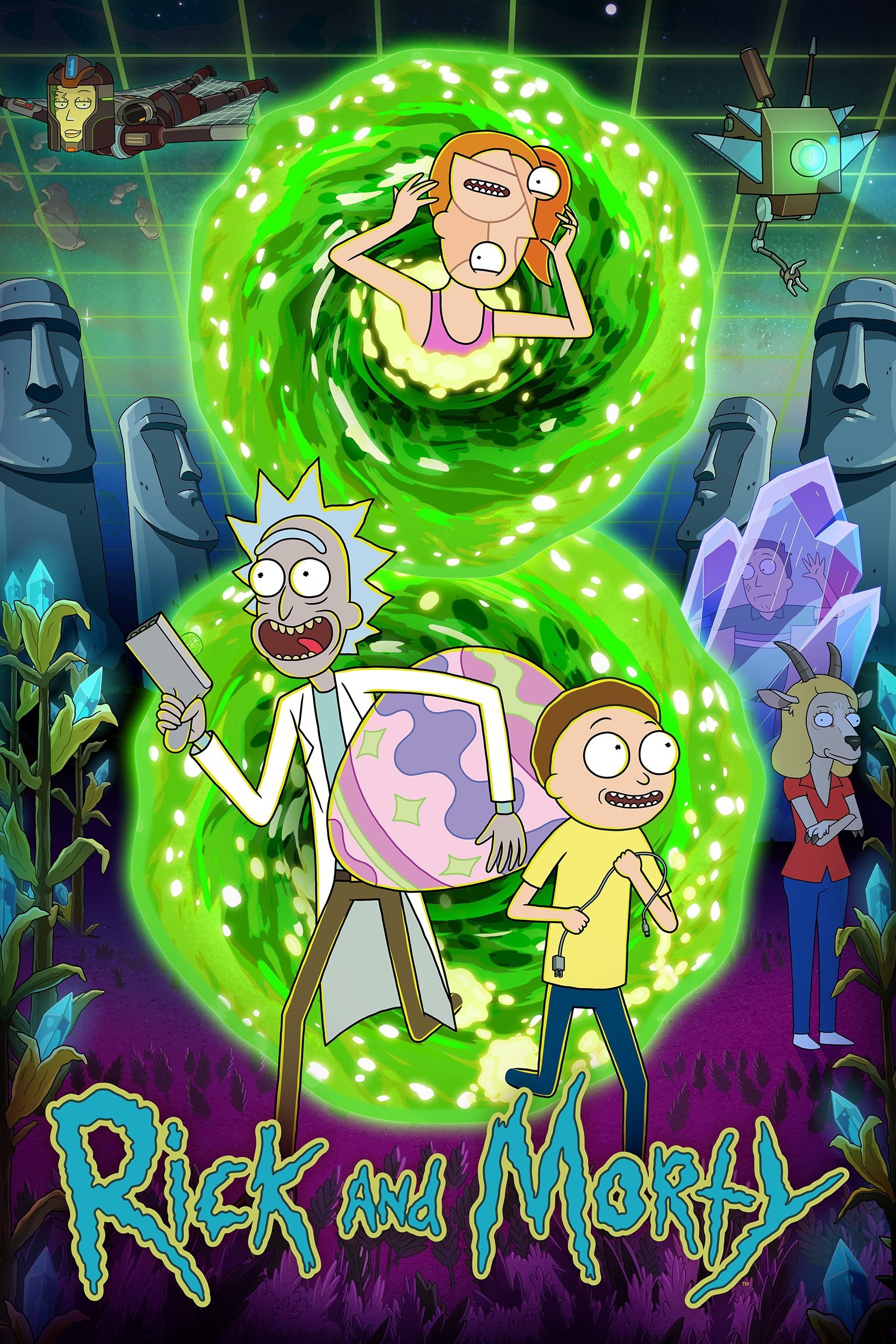
While primarily a 2D animated show, the franchise has been at the center of the AI conversation regarding voice synthesis. However, on the visual front, the creators have experimented with various animation styles in their promotional shorts and special segments. The production’s quick turnaround and sci-fi themes have led to speculation about the use of AI tools for generating background assets and alien textures in recent seasons. The show’s embrace of meta-humor and sci-fi tropes often overlaps with the very technologies transforming the animation industry.
Share your opinion on whether studios should disclose their use of AI in the comments.