


20 TV Shows From the 1970s That Are Completely Unwatchable Today

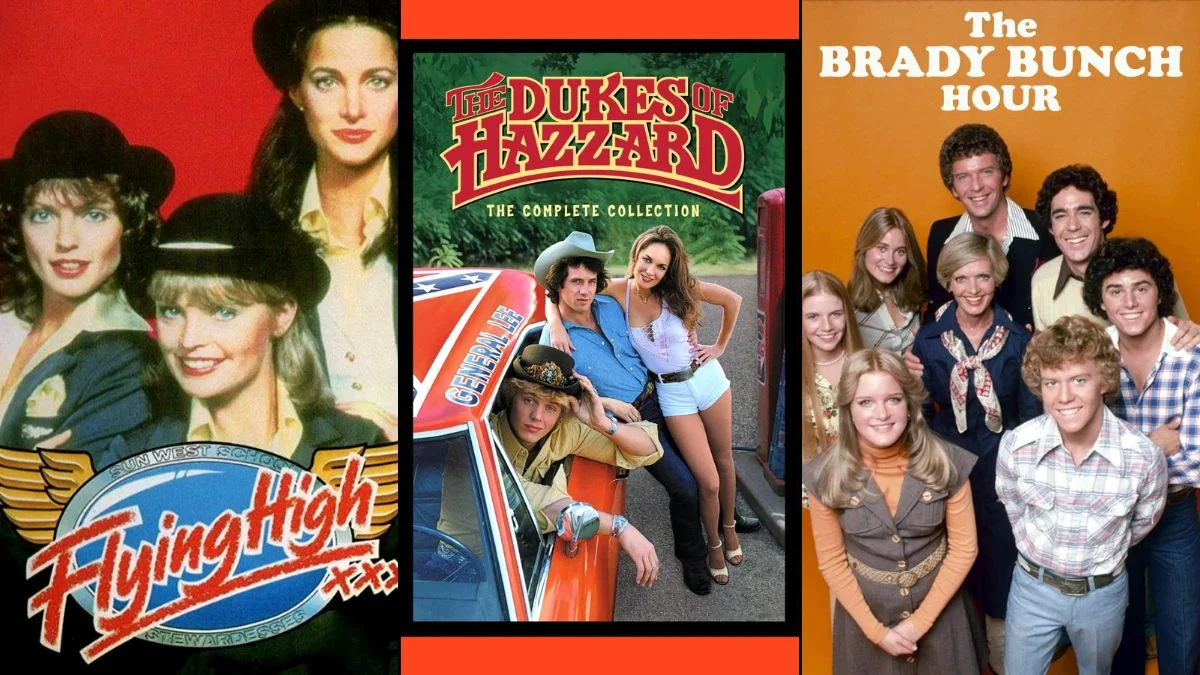


The television landscape of the 1970s was a period of immense experimentation and boundary-pushing as networks moved away from the polished innocence of previous decades. Producers frequently took risks on bizarre concepts or socially relevant themes that often resulted in polarized audiences and short-lived series. Many of these programs relied heavily on stereotypes or premises that modern viewers find deeply uncomfortable or simply baffling. Looking back at these shows reveals how much cultural standards and production values have evolved over the last half-century.
‘Mind Your Language’ (1977–1986)
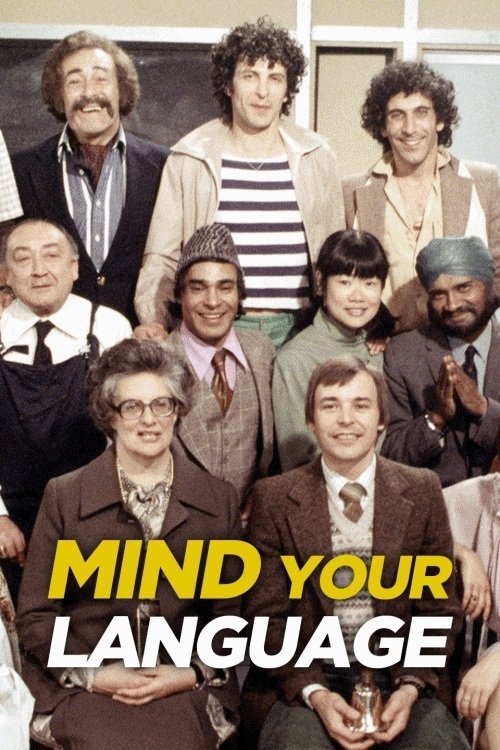
This British sitcom set in an adult education college for teaching English as a foreign language is frequently cited as a prime example of dated humor. The show relies almost entirely on broad national and racial stereotypes to generate laughs from the audience. Modern viewers often find the caricatures of different nationalities offensive rather than amusing. The repetitive nature of the jokes regarding language barriers wears thin very quickly by contemporary standards.
‘The Brady Bunch Hour’ (1977)
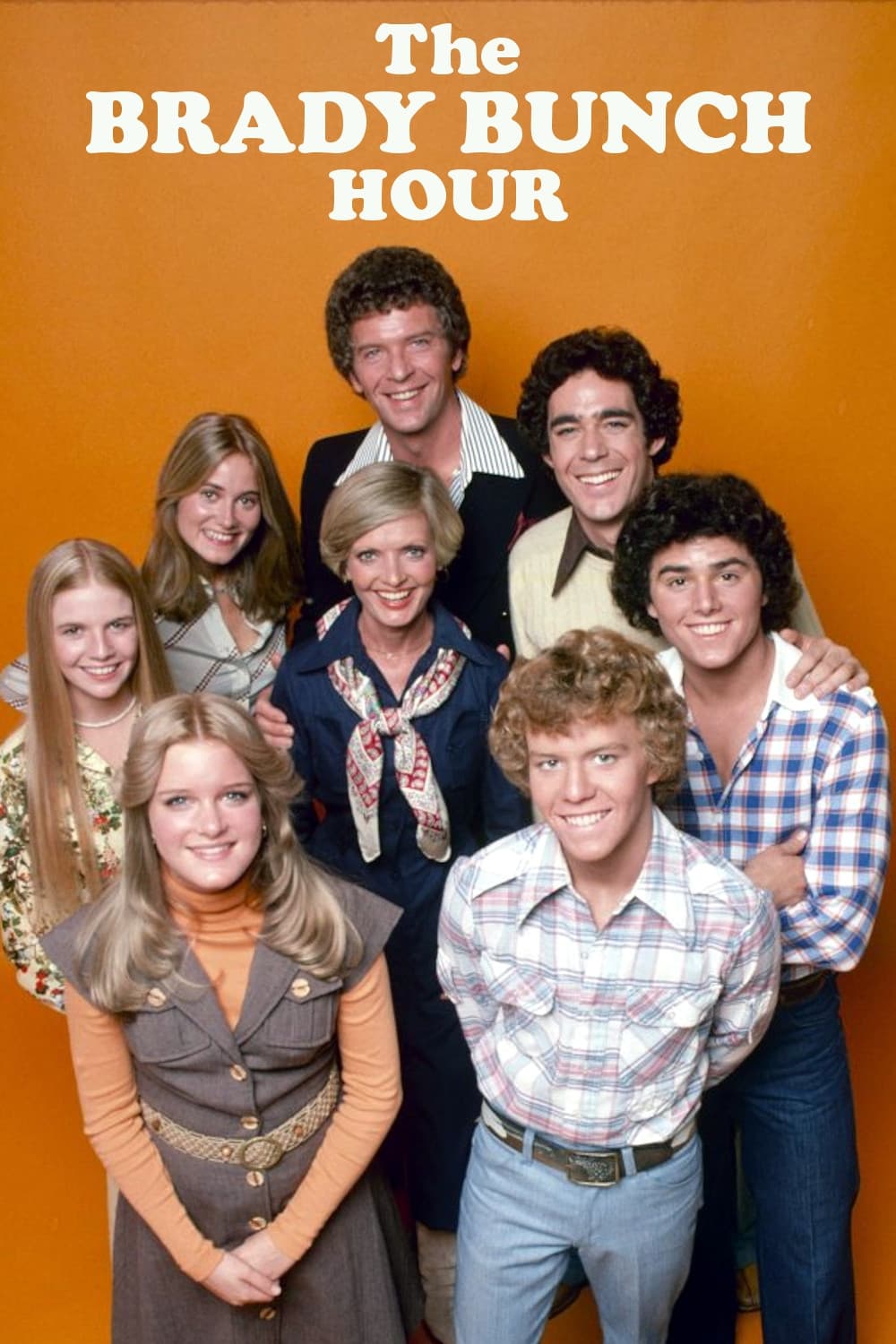
Sid and Marty Krofft persuaded the original cast of ‘The Brady Bunch’ to star in this variety show that remains a source of confusion for fans. The actors participated in singing and dancing numbers that were often synchronized poorly and executed with awkward enthusiasm. Robert Reed famously expressed his disdain for the project during its production due to the nonsensical writing. The jarring combination of 1970s disco aesthetics with the wholesome Brady brand creates a surreal viewing experience today.
‘Love Thy Neighbour’ (1973)

This American adaptation of a controversial British sitcom attempted to mine humor from racial prejudice and suburban integration. The plot featured a white couple and a Black couple living next door to one another while trading insults based on their backgrounds. Audiences today generally view the script as perpetuating division rather than effectively satirizing bigotry. The constant use of racial slurs and aggressive shouting matches makes the series difficult to enjoy as entertainment.
‘Me and the Chimp’ (1972)
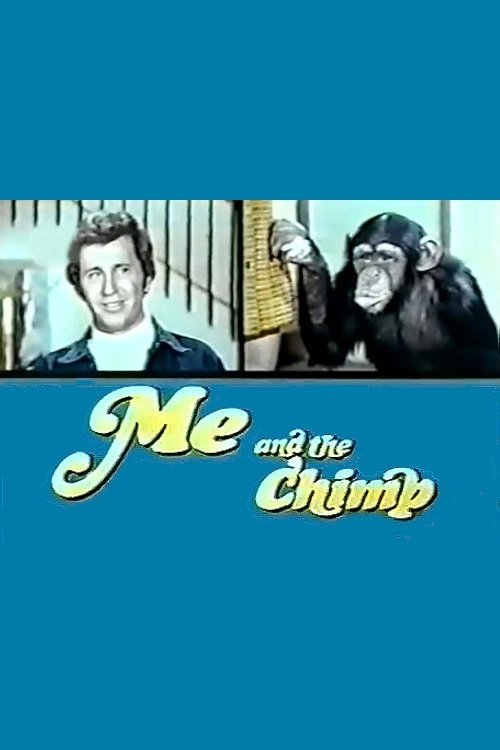
Networks in the 1970s had a strange fascination with primate-based comedy series that rarely resonated with adults. This specific show starred Ted Bessell as a dentist who reluctantly accepts a chimpanzee into his family home. The scripts revolved entirely around the animal causing destruction and the father taking the blame for the chaos. Most critics consider the laugh track and the thin premise unbearable to sit through for more than a few minutes.
‘Chico and the Man’ (1974–1978)
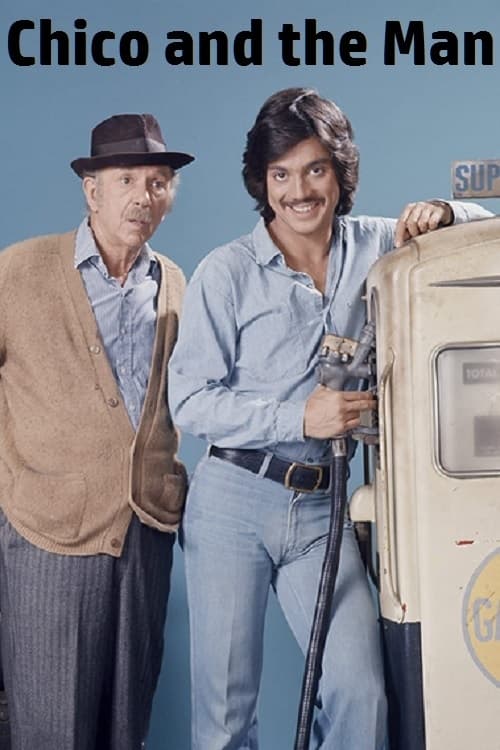
Freddie Prinze and Jack Albertson starred in this sitcom set in a struggling garage in East Los Angeles. While the show was a ratings hit during its initial run it relied heavily on ethnic clashes between the two leads. The older character frequently directed verbal abuse and derogatory terms toward his younger Chicano employee. The tragic death of Freddie Prinze casts a shadow over the series that makes the later seasons particularly depressing to revisit.
‘The Dukes of Hazzard’ (1979–1985)
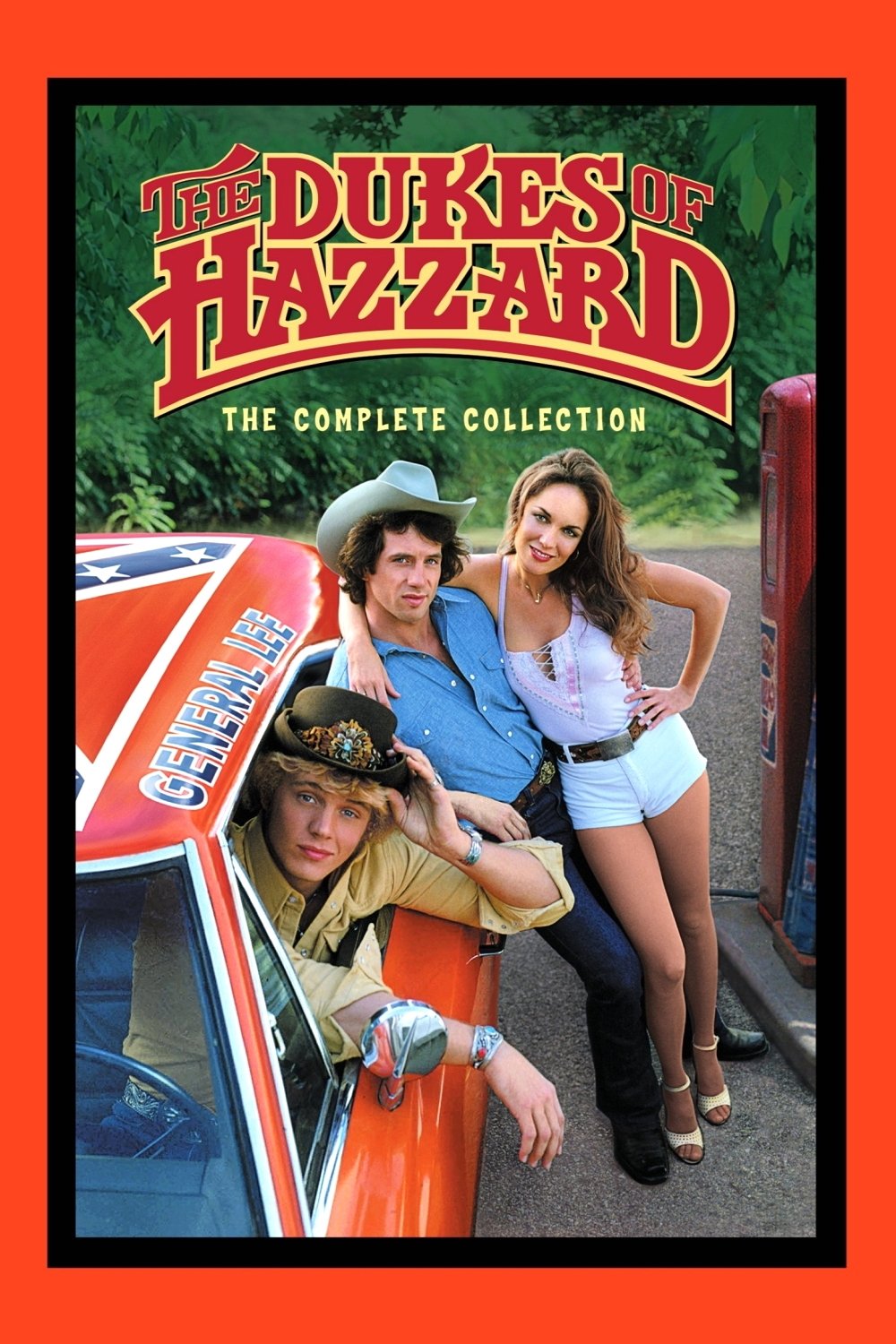
This action-comedy series about the Duke cousins was a massive cultural phenomenon that dominated Friday night television. The show is now controversial primarily due to the prominent display of the Confederate battle flag on the roof of the General Lee car. Many modern networks have removed the series from syndication because the symbol is associated with racism and slavery. The repetitive plotlines involving car jumps and corrupt local politicians also offer little variety for binge-watching.
‘Holmes & Yo-Yo’ (1976)
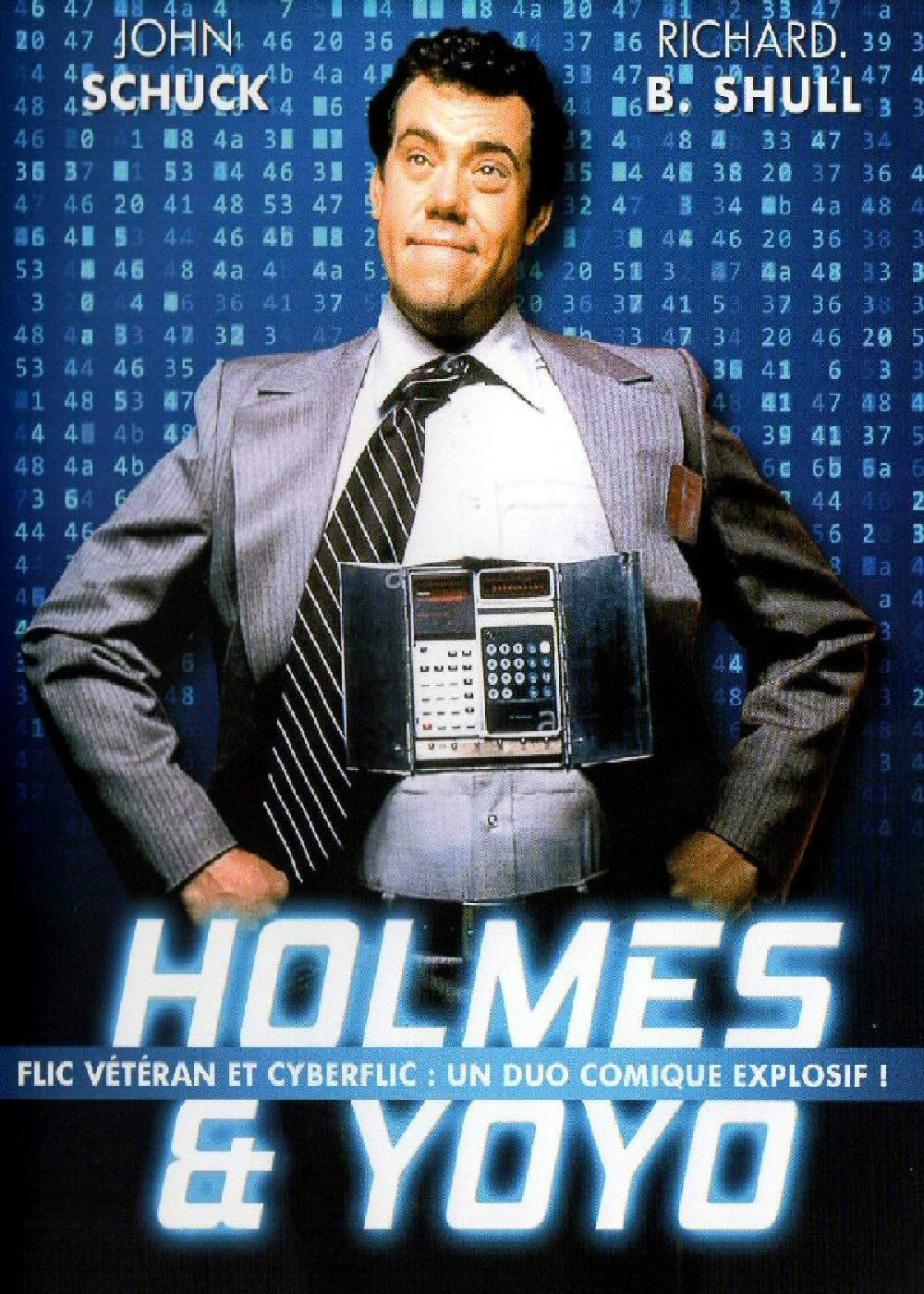
The concept of a human detective partnered with an android officer was attempted multiple times with little success. This short-lived comedy featured a robot named Yo-Yo who frequently malfunctioned in slapstick ways during serious investigations. The special effects were primitive and the physical comedy often felt forced or predictable. Viewers typically find the tone inconsistent as it tries to balance police procedural elements with cartoonish gags.
‘Supertrain’ (1979)
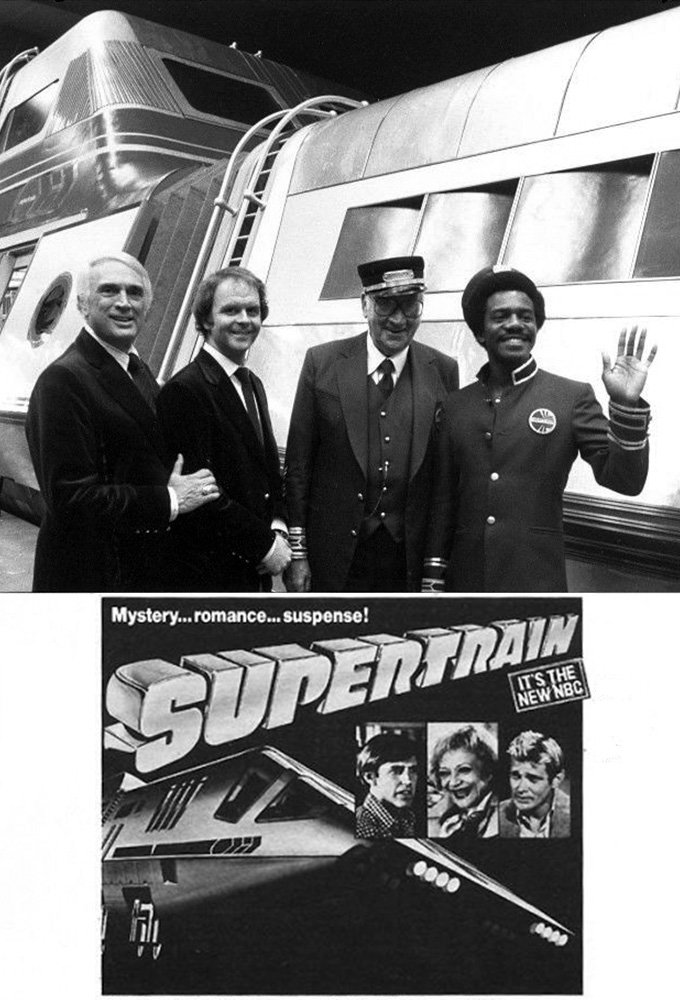
NBC poured massive amounts of money into this drama about a nuclear-powered luxury train equipped with a swimming pool and shopping center. The expensive sets could not hide the weak writing and the lack of engaging character development. Episodes featured an anthology format that failed to hook audiences who preferred established casts. The show is remembered as one of the biggest financial flops in television history and is tedious to watch.
‘Hello, Larry’ (1979–1980)

McLean Stevenson left the incredibly popular ‘MAS*H’ to star in this sitcom about a radio talk show host moving to Portland. The writing was widely criticized for being unfunny and the show struggled to find a unique identity. Scripts often leaned on suggestive humor involving the teenage daughters that feels inappropriate to modern audiences. The series stands as a cautionary tale for actors leaving hit shows to pursue ill-fated solo projects.
‘The Ropers’ (1979–1980)
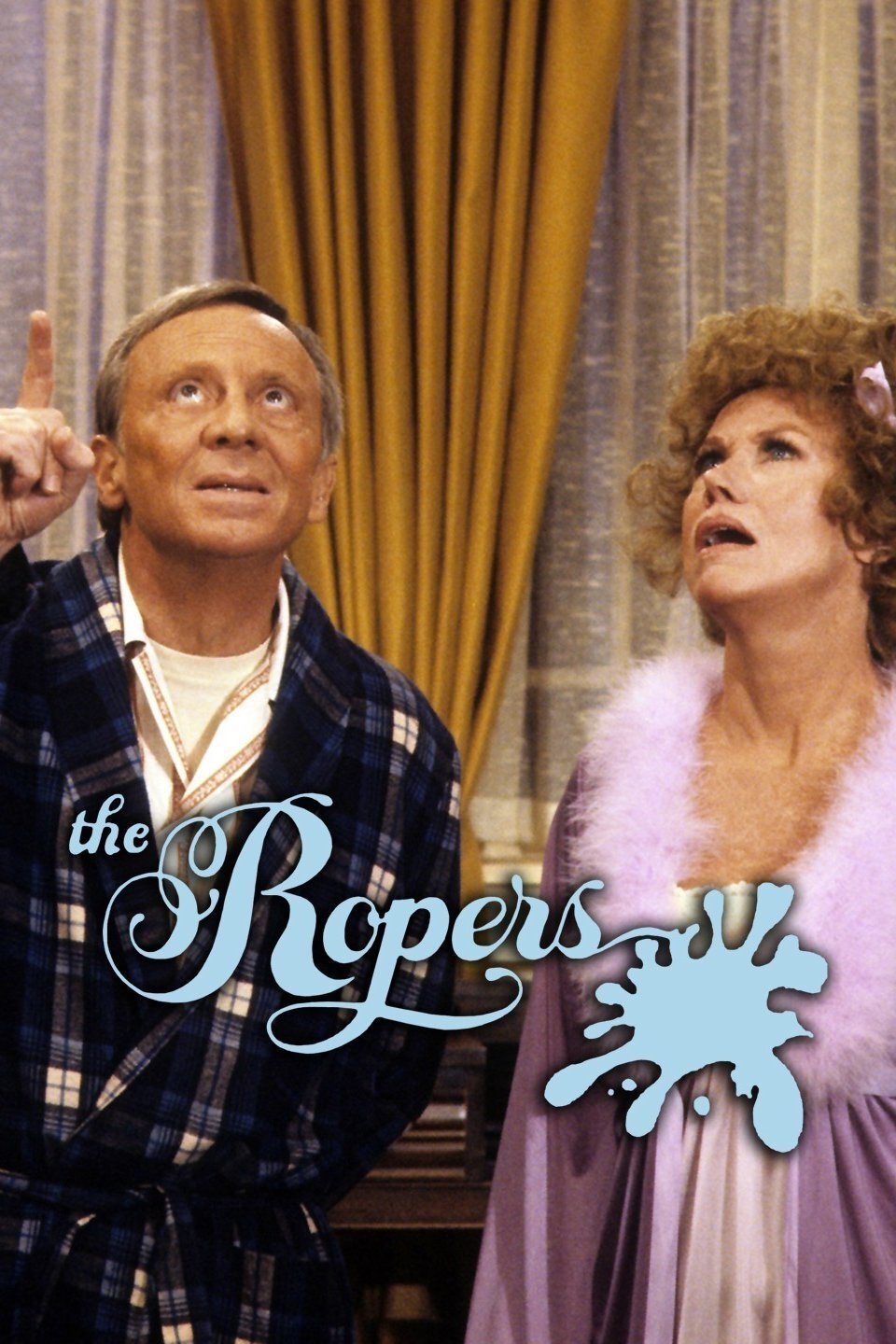
This spin-off of ‘Three’s Company’ removed the landlords Stanley and Helen Roper from their familiar setting and placed them in a high-class community. The chemistry that worked well as a supporting element failed to sustain a standalone series. Jeffrey Tambor starred as the snooty neighbor in a role that feels like a waste of his comedic talents. The constant bickering between the main couple lacks the charm it had when balanced against the younger cast of the original show.
‘Carter Country’ (1977–1979)
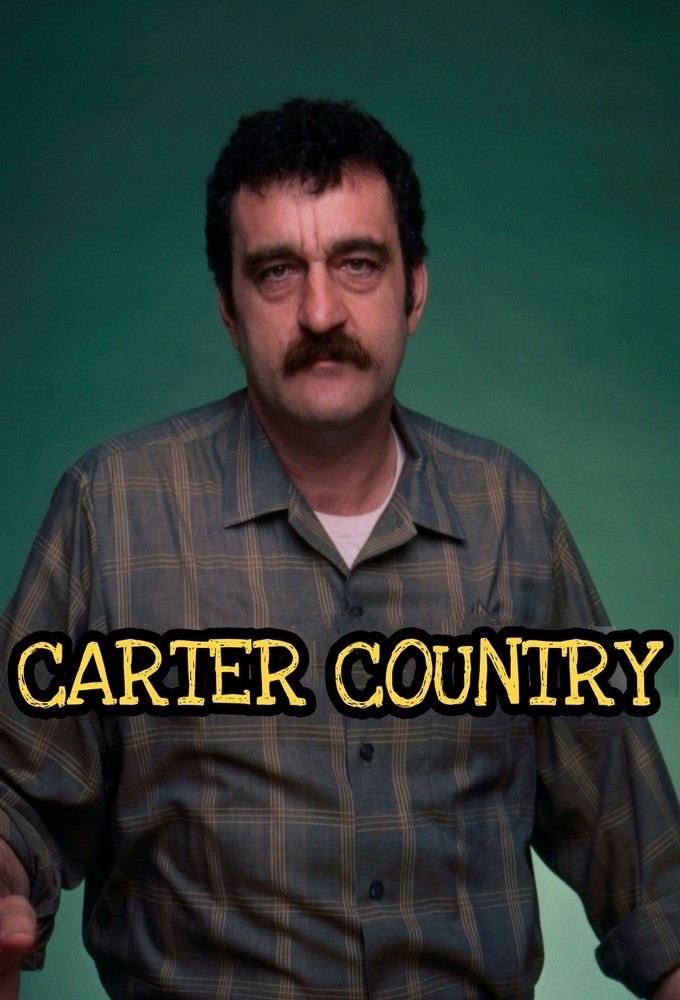
This sitcom attempted to portray a small-town police station in Georgia with a mix of white and Black officers. The show tried to handle racial issues with humor but often resorted to stereotypes that have aged poorly. The character of Mayor Burnside was a caricature of southern ignorance that feels lazy rather than satirical. Modern audiences often find the handling of police misconduct and racial tension too trivialized for a comedy setting.
‘Co-Ed Fever’ (1979)
Network executives rushed to capitalize on the massive success of the film ‘National Lampoon’s Animal House’ by creating frat-house sitcoms. This particular attempt was so disliked that it was cancelled after airing only one episode. The humor relied on chaotic partying and juvenile pranks that lacked any narrative substance. It serves as a prime example of reactionary television programming that fails to understand the source material it mimics.
‘Lancelot Link, Secret Chimp’ (1970–1971)
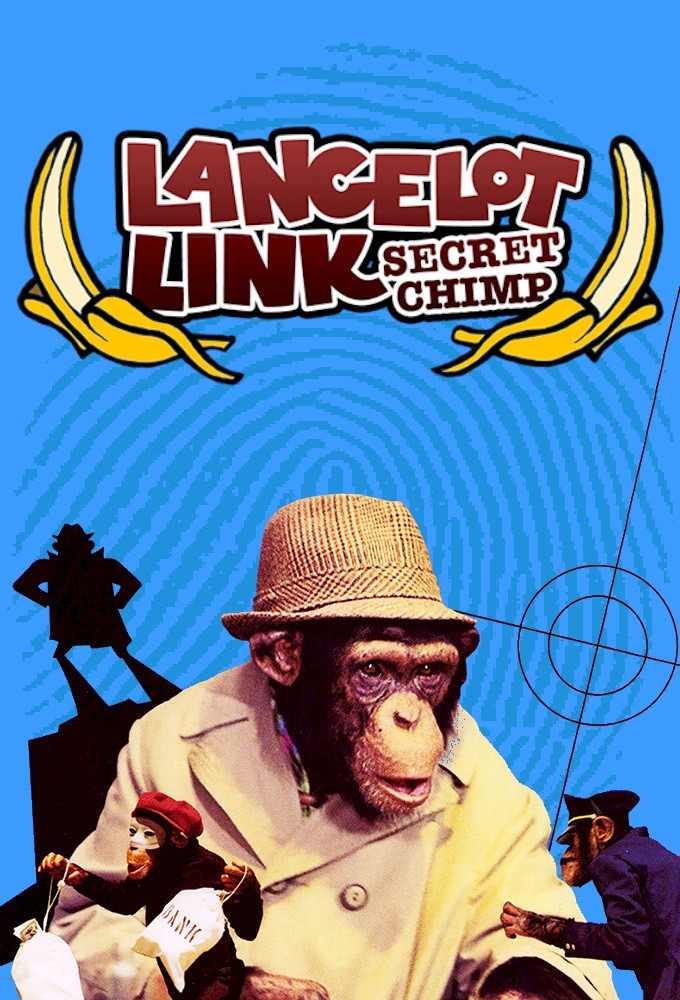
Live-action animals with dubbed human voices were the central gimmick of this spy parody series. The show featured chimpanzees dressed in costumes performing sketches that spoofed pop culture and political figures. Animal welfare advocates today criticize the treatment and training methods required to make the primates perform such human tasks. The novelty of watching dressed-up apes wears off instantly and leaves the viewer feeling uncomfortable.
‘B.J. and the Bear’ (1979–1981)
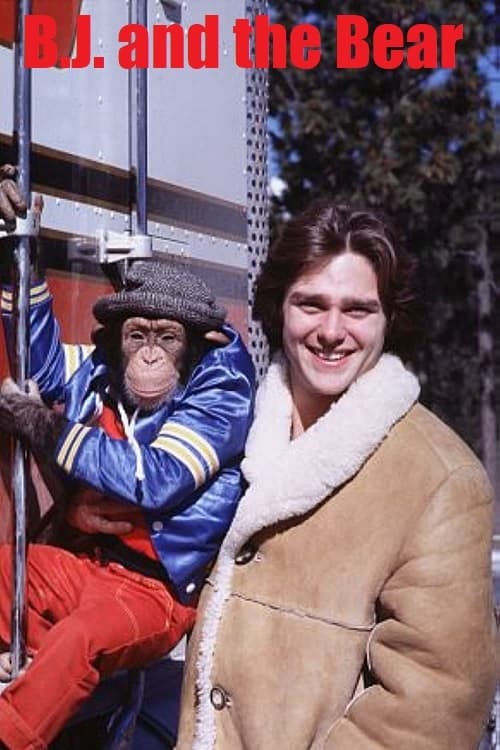
Trucking culture had a significant moment in the late 1970s and this show combined that trend with a chimpanzee companion. Greg Evigan played a freelance trucker who traveled the country with his primate friend named Bear. The plots were formulaic and usually involved corrupt law enforcement officers chasing the duo across state lines. The reliance on the animal for reaction shots and comedy relief makes the series feel like a children’s cartoon.
‘Sanford Arms’ (1977)
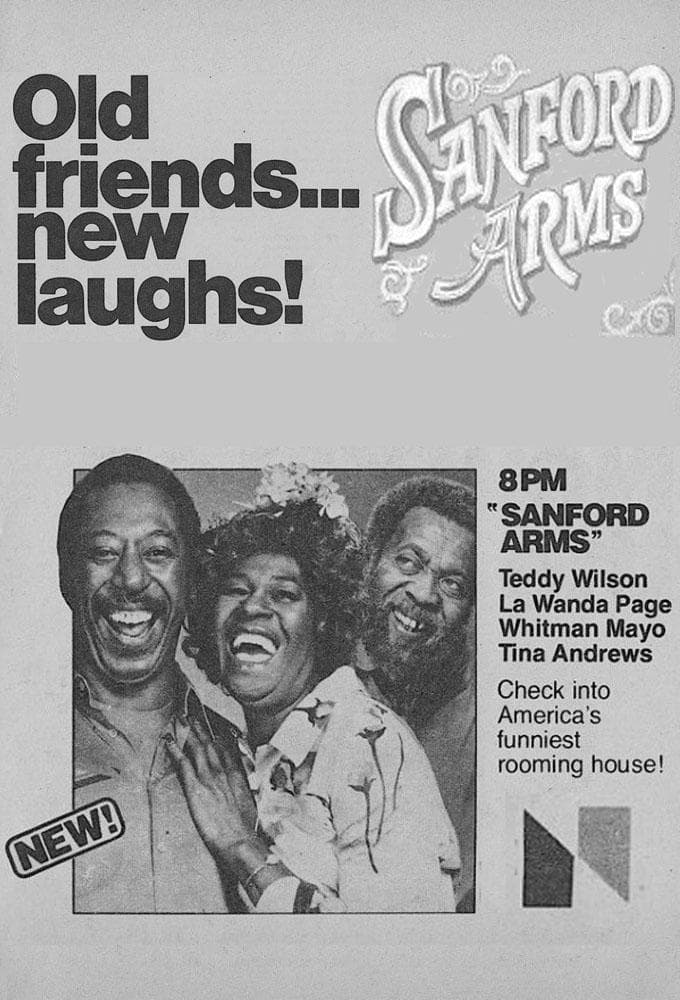
Producers attempted to keep the world of ‘Sanford and Son’ alive after Redd Foxx and Demond Wilson left the series. The show focused on the supporting characters attempting to run a rooming house next to the famous junkyard. The absence of the original stars exposed the lack of depth in the remaining cast members. It was cancelled swiftly and serves as a reminder that a spinoff cannot survive without the charisma of its original leads.
‘Sugar Time!’ (1977-1978)
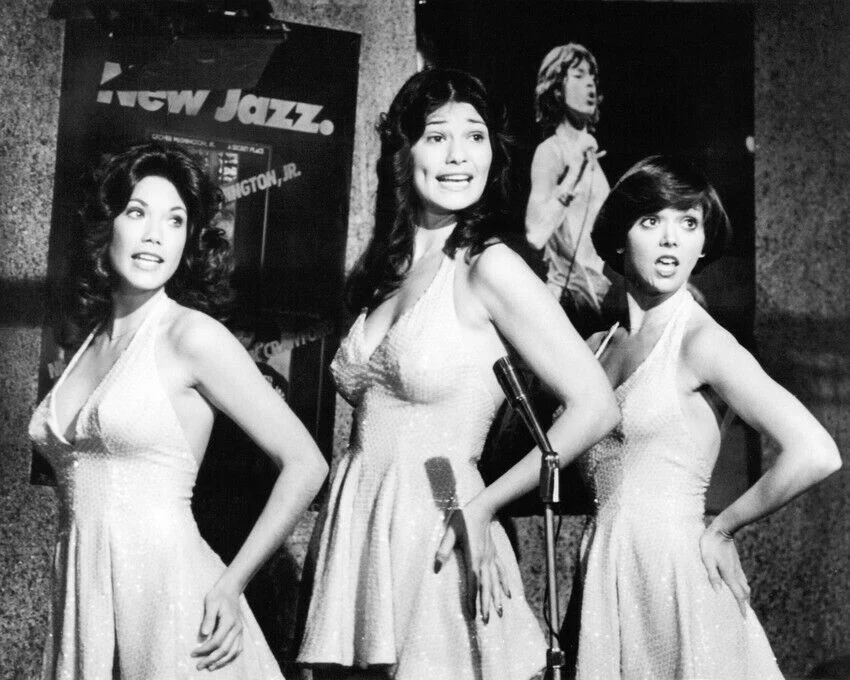
This sitcom followed three women sharing an apartment while trying to make it big as a rock group. The premise required the actresses to perform musical numbers that often halted the momentum of the comedy. Critics panned the show for its weak writing and the lack of believability regarding the band’s struggle. The mixture of sitcom tropes and subpar musical performances creates a jarring rhythm that alienates viewers.
‘Flying High’ (1978–1979)
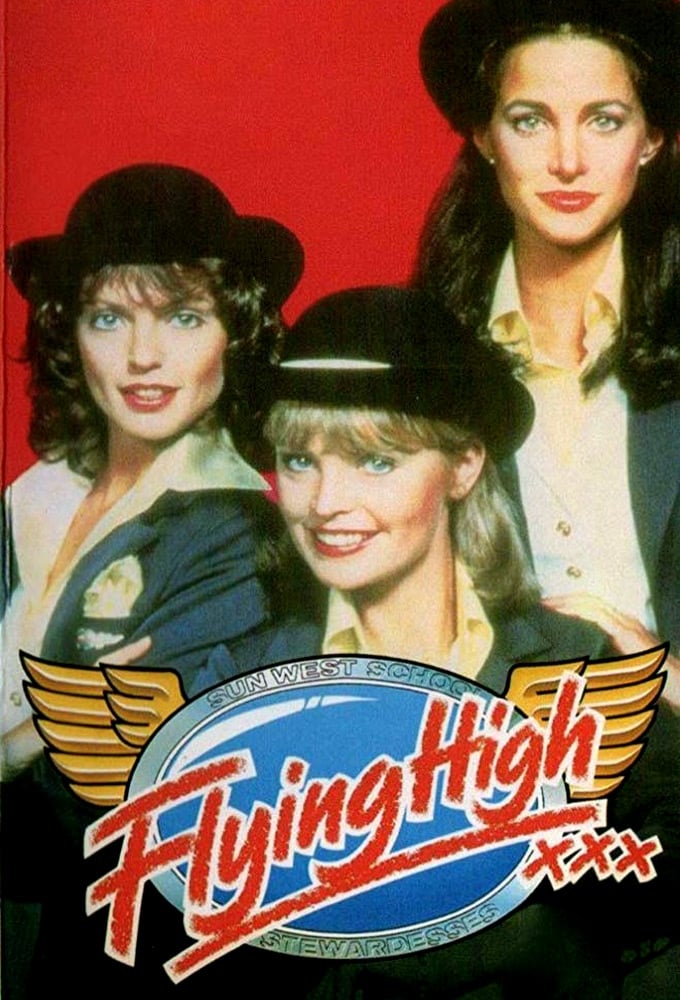
Three flight attendants navigated their careers and romantic lives in this comedy that leaned heavily on the “jiggle TV” aesthetic. The scripts prioritized revealing costumes and suggestive situations over character development or genuine wit. The portrayal of women in the workplace is hopelessly dated and often condescending. Watching the show today highlights the rampant sexism that was permissible in network primetime programming during the era.
‘C.P.O. Sharkey’ (1976–1978)

Don Rickles brought his famous insult comedy style to this sitcom set at a naval training center. The humor consisted almost entirely of Rickles screaming verbal abuse at the recruits under his command. While Rickles was a legend in stand-up his abrasive persona was exhausting to watch in a weekly narrative format. The relentless negativity and lack of heart make the episodes feel like an endurance test.
‘Wait Till Your Father Gets Home’ (1972–1974)
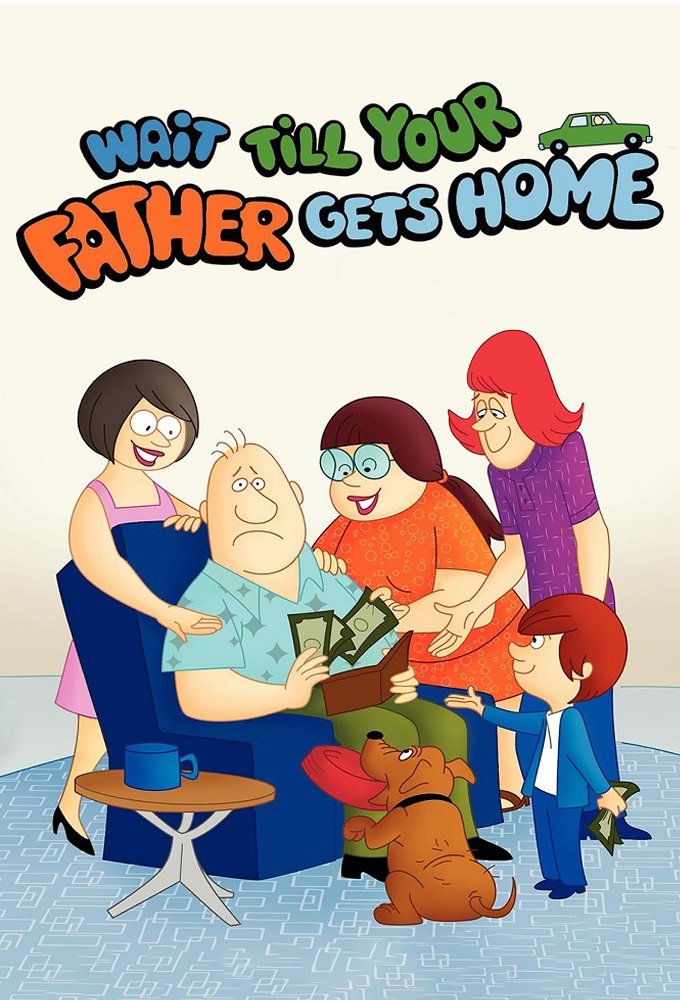
Hanna-Barbera produced this adult animated sitcom that focused on the generation gap between a conservative father and his counterculture children. The animation style is stiff and the limited budget is evident in every frame. The political arguments presented in the show feel stuck in a very specific moment of history that lacks relevance now. The attempt to create an animated version of ‘All in the Family’ failed to capture the nuance required for such topics.
‘The Misadventures of Sheriff Lobo’ (1979–1981)
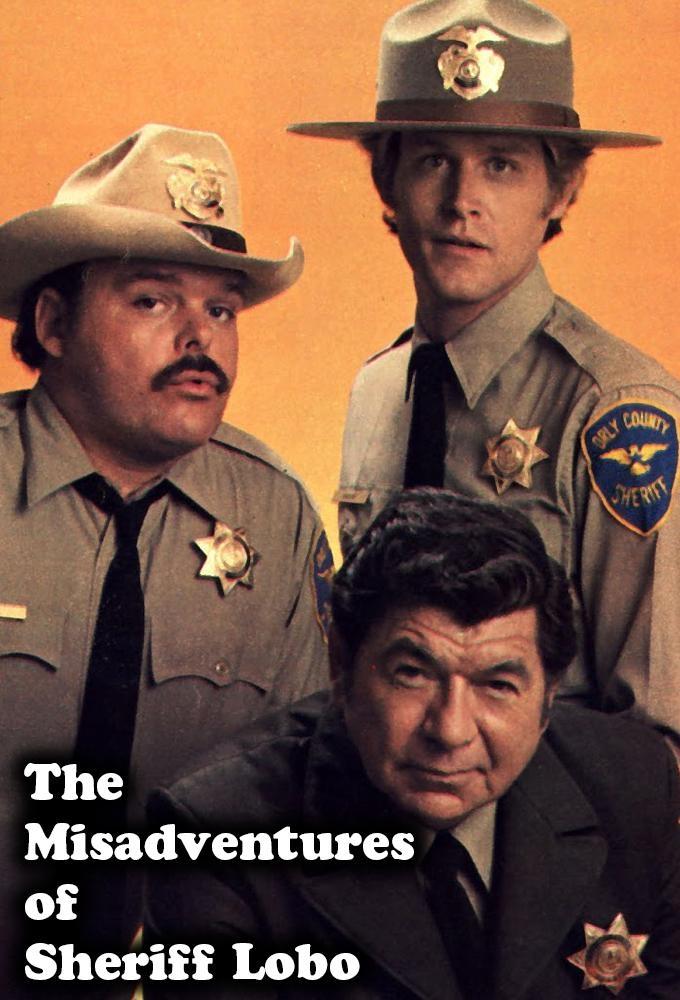
This spin-off from ‘B.J. and the Bear’ centered on a corrupt sheriff who frequently engaged in illegal activities. The show framed police corruption and incompetence as charming quirks rather than serious societal issues. The slapstick humor often involved high-speed chases that resulted in property damage played for laughs. Modern sensibilities regarding law enforcement make it difficult to root for a protagonist who actively abuses his power.
Please share your own experiences with these dated 70s programs in the comments.