


22 Movies Where Colorism in Casting Became the Actual Plot Point

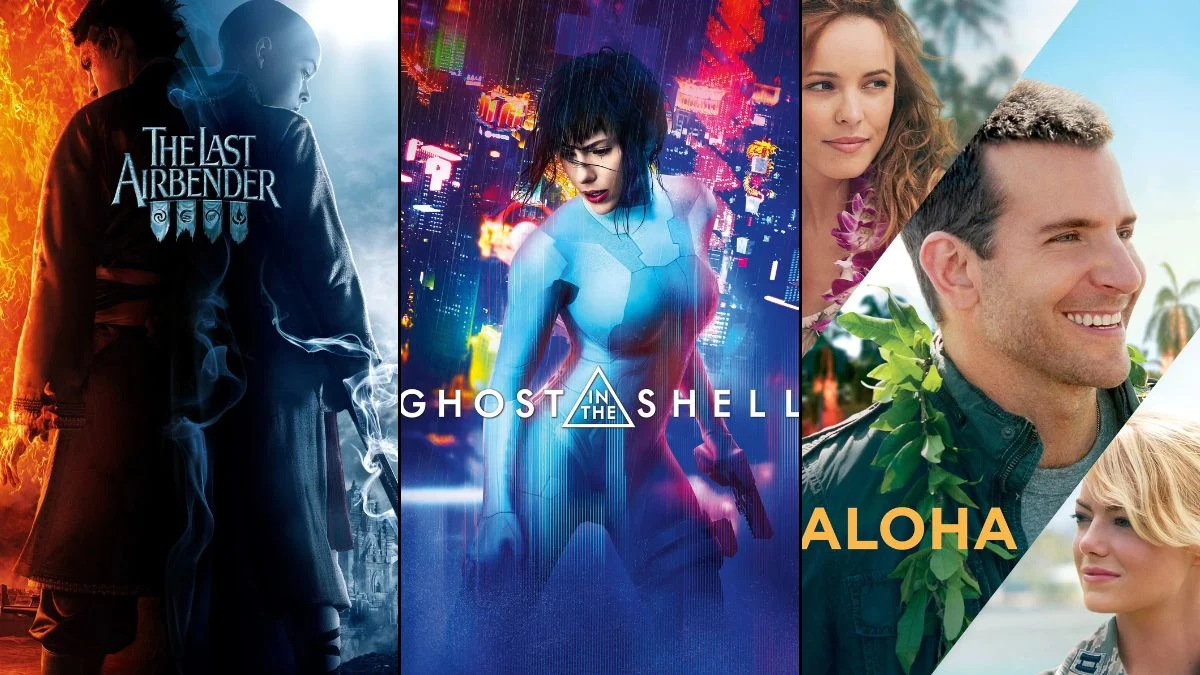


Hollywood has a long history of controversial casting choices that often overshadow the films themselves. The industry frequently faces scrutiny for placing lighter-skinned or white actors in roles originally written for people of color. These decisions spark intense debates regarding representation and the erasure of specific ethnic identities. Audiences often find it difficult to separate the narrative on screen from the production choices made behind the scenes. The following films are notable instances where the casting conversations dominated the public discourse.
‘Nina’ (2016)

The casting of Zoe Saldana as the legendary singer Nina Simone sparked immediate controversy due to her lighter skin tone. Filmmakers used darkening makeup and a prosthetic nose on the actress to achieve a resemblance to the High Priestess of Soul. Critics argued this decision erased a crucial part of Simone’s identity and her specific struggles with colorism during her career. The backlash overshadowed the release of the film and ignited a widespread conversation about colorism in Hollywood casting decisions. Saldana later expressed regret for taking the role and acknowledged she should have used her leverage to elevate a Black actress who better fit the part.
‘Ghost in the Shell’ (2017)
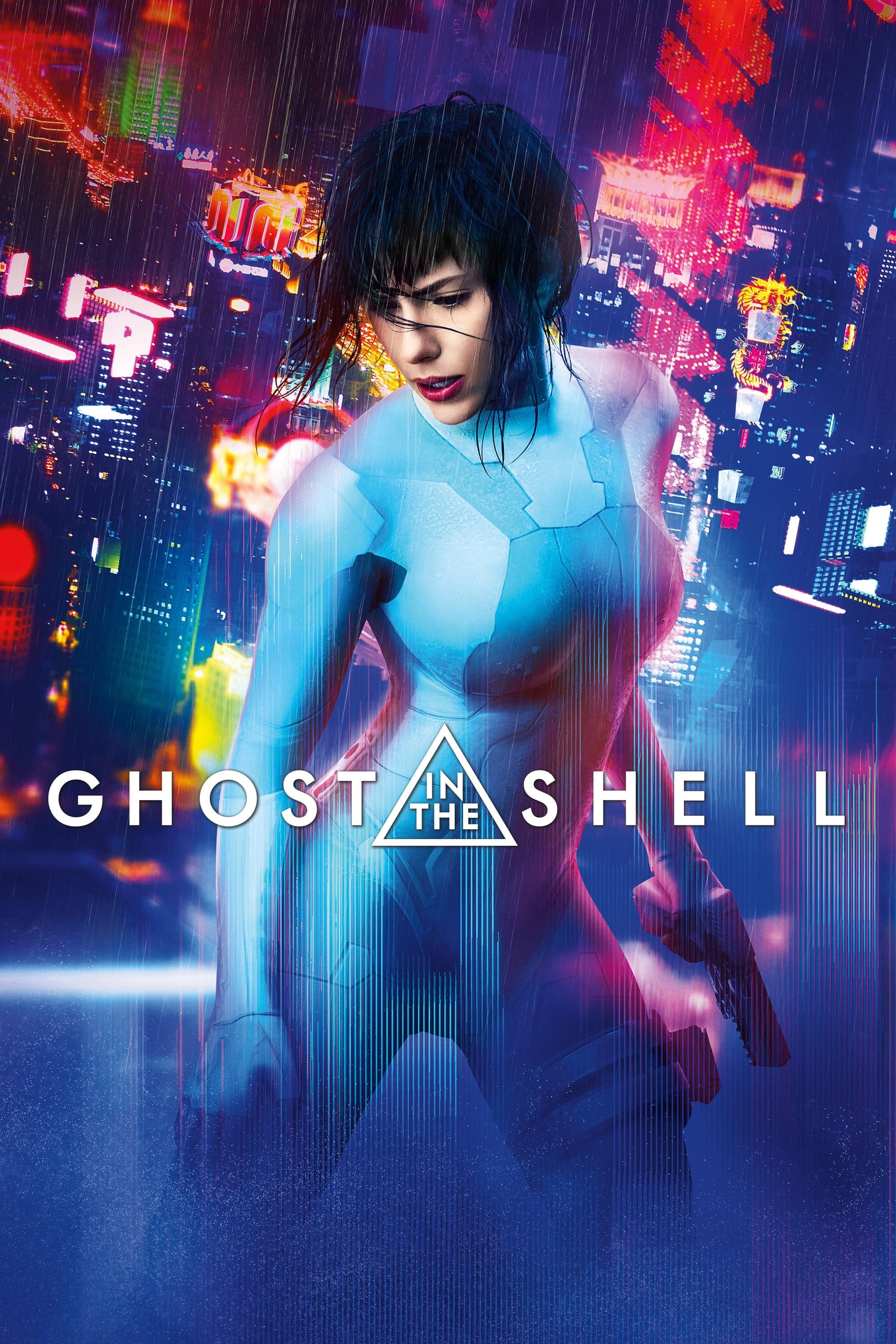
This live-action adaptation of the beloved Japanese manga drew criticism for casting Scarlett Johansson as the protagonist Major Motoko Kusanagi. Fans felt the role represented a missed opportunity to cast an Asian actress in a high-profile science fiction property. The film attempted to explain her appearance through a plot twist regarding her cybernetic body. This narrative choice only fueled the backlash as many viewers felt it justified the erasure of the character’s Japanese heritage. The controversy plagued the film leading up to its release and impacted its box office performance.
‘Aloha’ (2015)

Director Cameron Crowe faced significant scrutiny for casting Emma Stone as a character named Allison Ng. The character was described in the script as being one quarter Chinese and one quarter Hawaiian. Audiences were baffled by the decision to cast a white actress to represent a multiracial woman with deep ties to Hawaii. Crowe eventually apologized and admitted that the casting choice was misguided despite his original intentions. The film became a primary example in discussions about the lack of Asian American representation in mainstream romantic comedies.
‘The Last Airbender’ (2010)
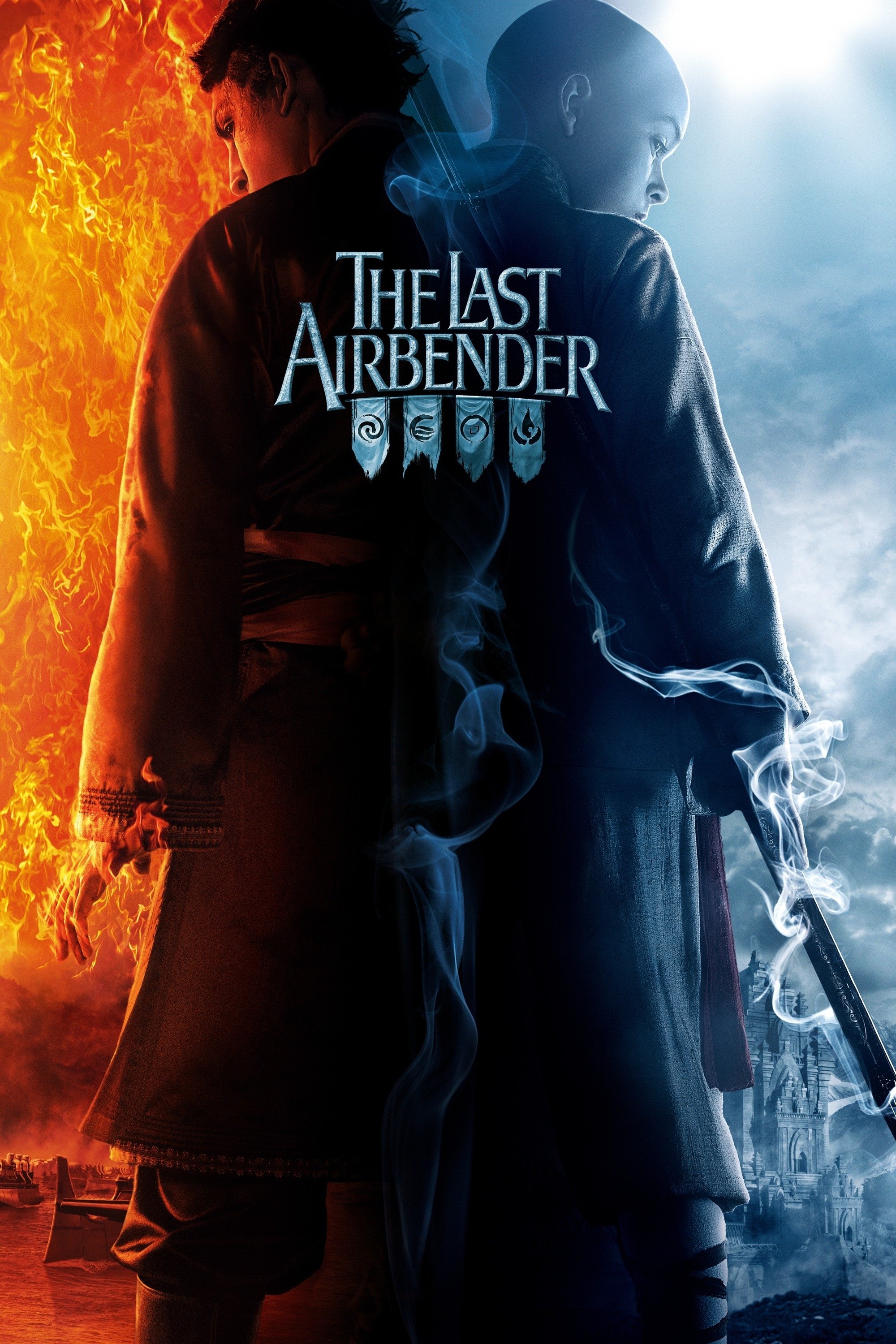
M. Night Shyamalan adapted the popular animated series but faced immediate backlash for the casting of the primary heroes. The original show featured characters clearly influenced by Inuit and East Asian cultures. The film production cast white actors for the roles of Aang, Katara, and Sokka while casting actors of color for the villains. Fans organized boycotts and protests arguing that the casting reinforced negative stereotypes and erased the cultural specificity of the source material. This controversy remains one of the most cited examples of whitewashing in modern cinema.
‘Gods of Egypt’ (2016)
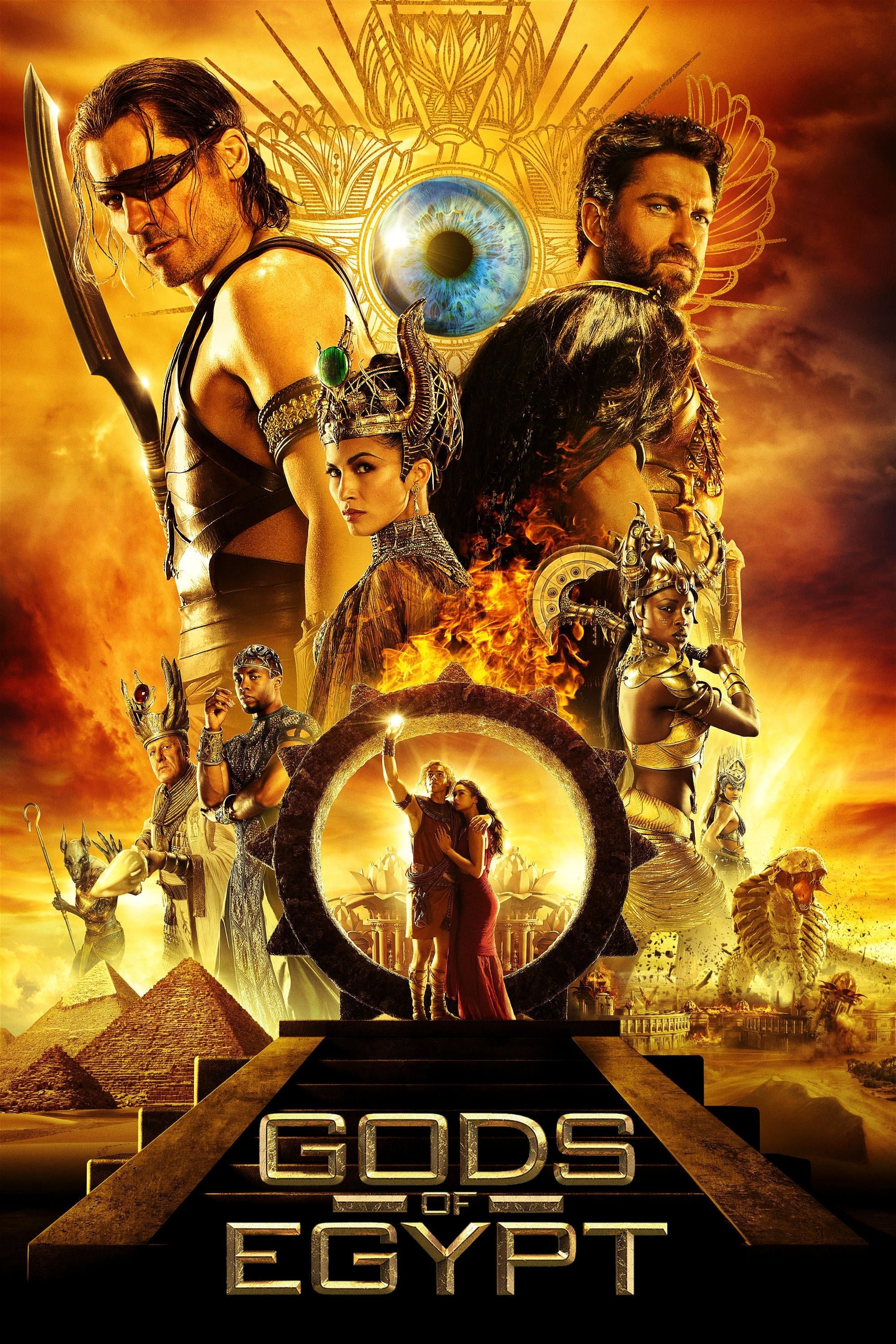
This fantasy epic faced ridicule before it even reached theaters due to its predominantly white cast playing Egyptian deities. Gerard Butler and Nikolaj Coster-Waldau portrayed the gods Set and Horus. The casting choices ignored historical context and geography in favor of bankable Hollywood stars. Director Alex Proyas and the studio issued apologies regarding the lack of diversity before the movie premiered. The conversation around the film focused almost entirely on its failure to accurately reflect the ethnicity of the region it depicted.
‘Exodus: Gods and Kings’ (2014)

Ridley Scott directed this biblical epic that featured Christian Bale as Moses and Joel Edgerton as Ramesses II. The director defended his choices by citing the necessity of having famous actors to secure financing for such a large budget. Critics pointed out that Black actors were largely relegated to roles as servants, thieves, and lower-class citizens. This hierarchy within the casting reinforced colonialist visuals that alienated many viewers. The film sparked a discussion about the economics of Hollywood and who gets to lead historical epics.
‘Prince of Persia: The Sands of Time’ (2010)
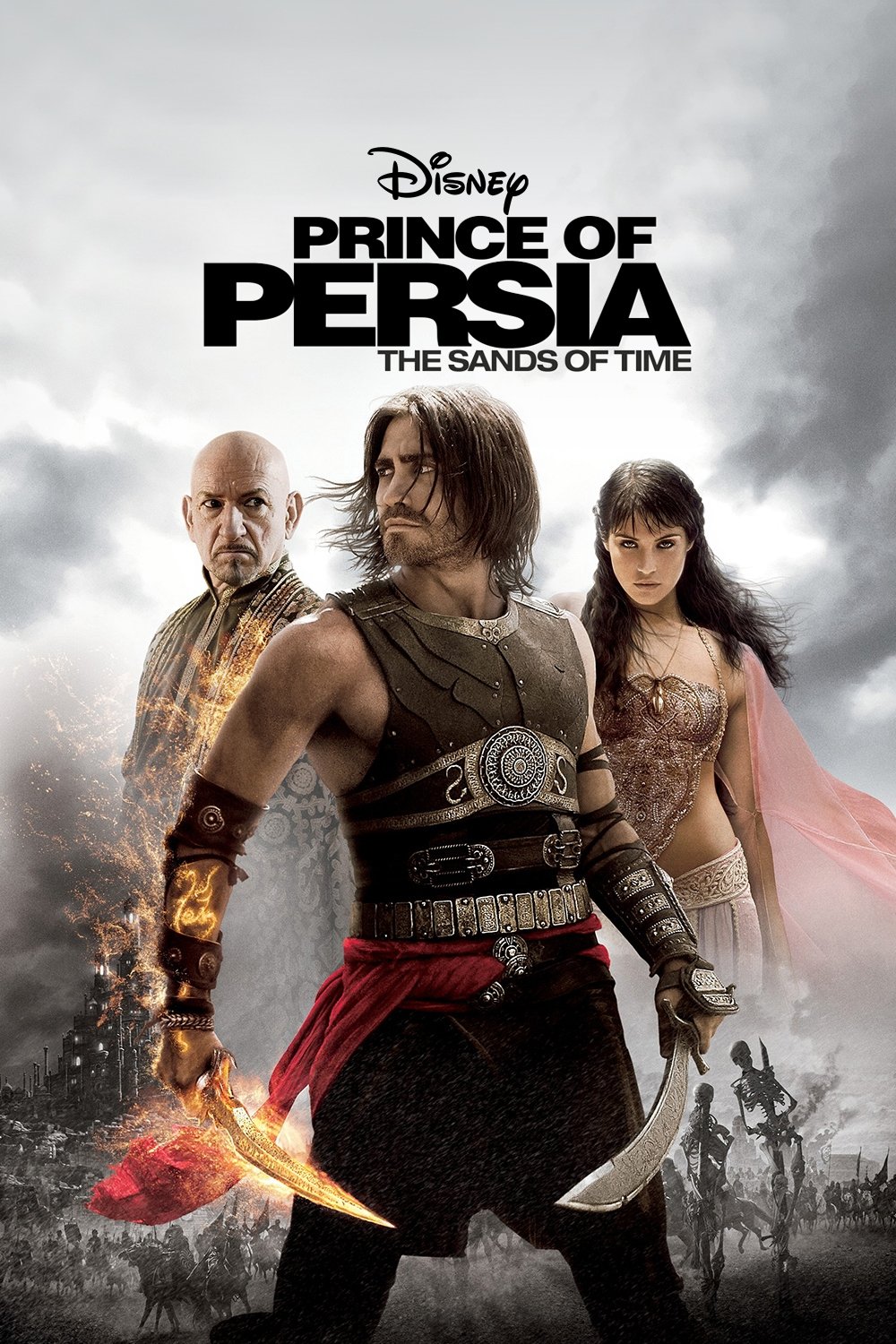
Disney attempted to launch a new franchise based on the popular video game series set in the Middle East. Jake Gyllenhaal was cast as the titular Persian prince Dastan. The studio hoped Gyllenhaal would bring star power to the role despite his lack of Iranian heritage. Criticism focused on the industry’s reluctance to cast Middle Eastern actors in heroic lead roles. The film failed to launch a franchise and is often remembered for this casting misstep rather than its action sequences.
‘Pan’ (2015)

Director Joe Wright reimagined the Peter Pan mythology but faced backlash for casting Rooney Mara as Tiger Lily. The character is originally a Native American princess in the source material. Thousands signed a petition urging the studio to stop casting white actors in roles meant for people of color. Wright stated he wanted to create a multi-racial Neverland but the decision to alter Tiger Lily’s heritage did not sit well with audiences. The film bombed at the box office and the casting controversy was cited as a major contributing factor.
‘Doctor Strange’ (2016)
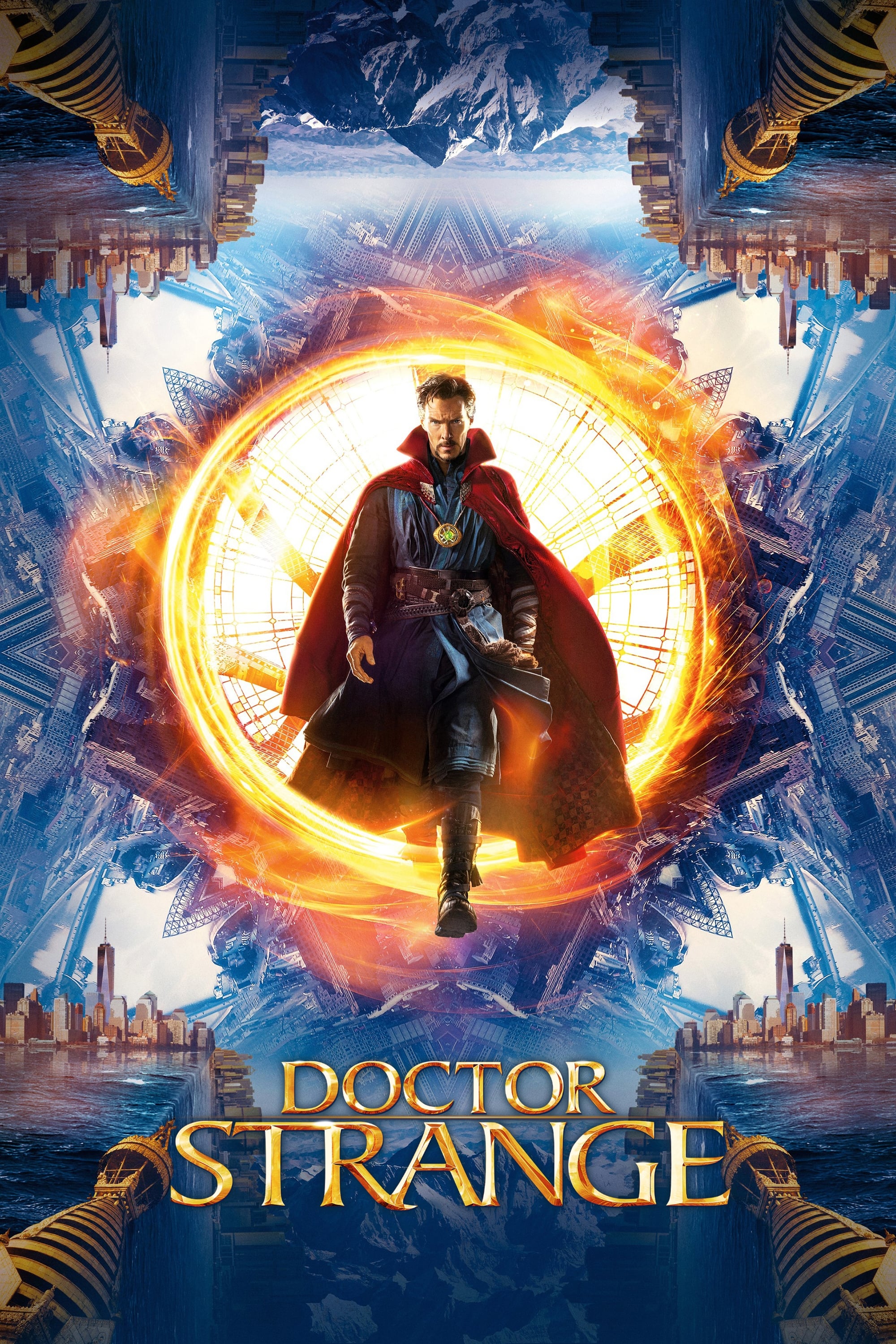
Tilda Swinton was cast as The Ancient One in this Marvel Cinematic Universe installment. The character in the comic books is depicted as an elderly Tibetan man. Screenwriters argued they changed the character to a Celtic woman to avoid racial stereotypes associated with the original iteration. Many fans felt this solution merely resulted in the erasure of an Asian role rather than a nuanced update. The discussion highlighted the complexities of adapting dated comic book tropes without resorting to whitewashing.
‘In the Heights’ (2021)
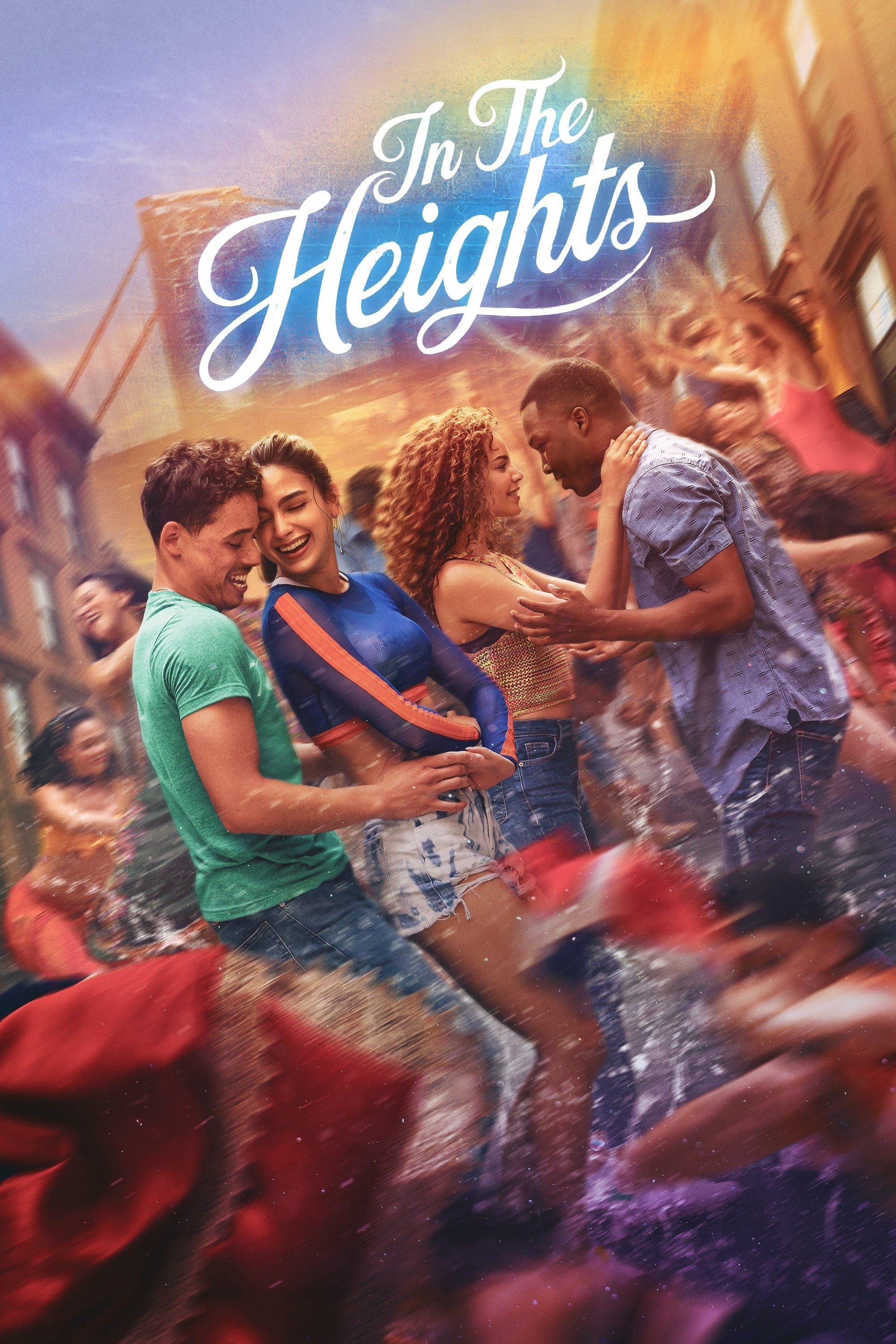
This adaptation of Lin-Manuel Miranda’s musical was celebrated for its energy but faced valid criticism regarding colorism. Viewers noted a lack of dark-skinned Afro-Latinx actors in lead roles despite the film being set in the predominantly Dominican neighborhood of Washington Heights. The conversation highlighted how colorism exists within marginalized communities and affects casting even in diverse productions. Miranda issued a statement acknowledging the hurt caused by the insufficient representation of the neighborhood’s Black population. The discourse provided a learning moment about the nuances of Latinx representation on screen.
‘West Side Story’ (1961)
The original film adaptation of the Broadway musical is a classic but contains heavily criticized casting elements. Natalie Wood played the Puerto Rican lead Maria while wearing makeup to darken her skin. Many of the Shark gang members were also white actors in brownface makeup. Rita Moreno was the only main Puerto Rican actor and even she had to wear skin-darkening makeup to match her castmates. While the film is technically celebrated, modern audiences frequently discuss how these choices reflect the exclusion of Latino actors during that era.
‘The Conqueror’ (1956)

John Wayne starring as Genghis Khan is frequently cited as one of the most confusing casting choices in history. The American western icon wore prosthetics and heavy makeup to play the Mongol emperor. The performance is widely considered offensive and inadvertently comical due to Wayne keeping his signature drawl. The film serves as a stark reminder of the era when Hollywood ignored ethnicity entirely in favor of star power. It remains a cautionary tale about the importance of cultural accuracy in casting historical figures.
‘Dragonball Evolution’ (2009)
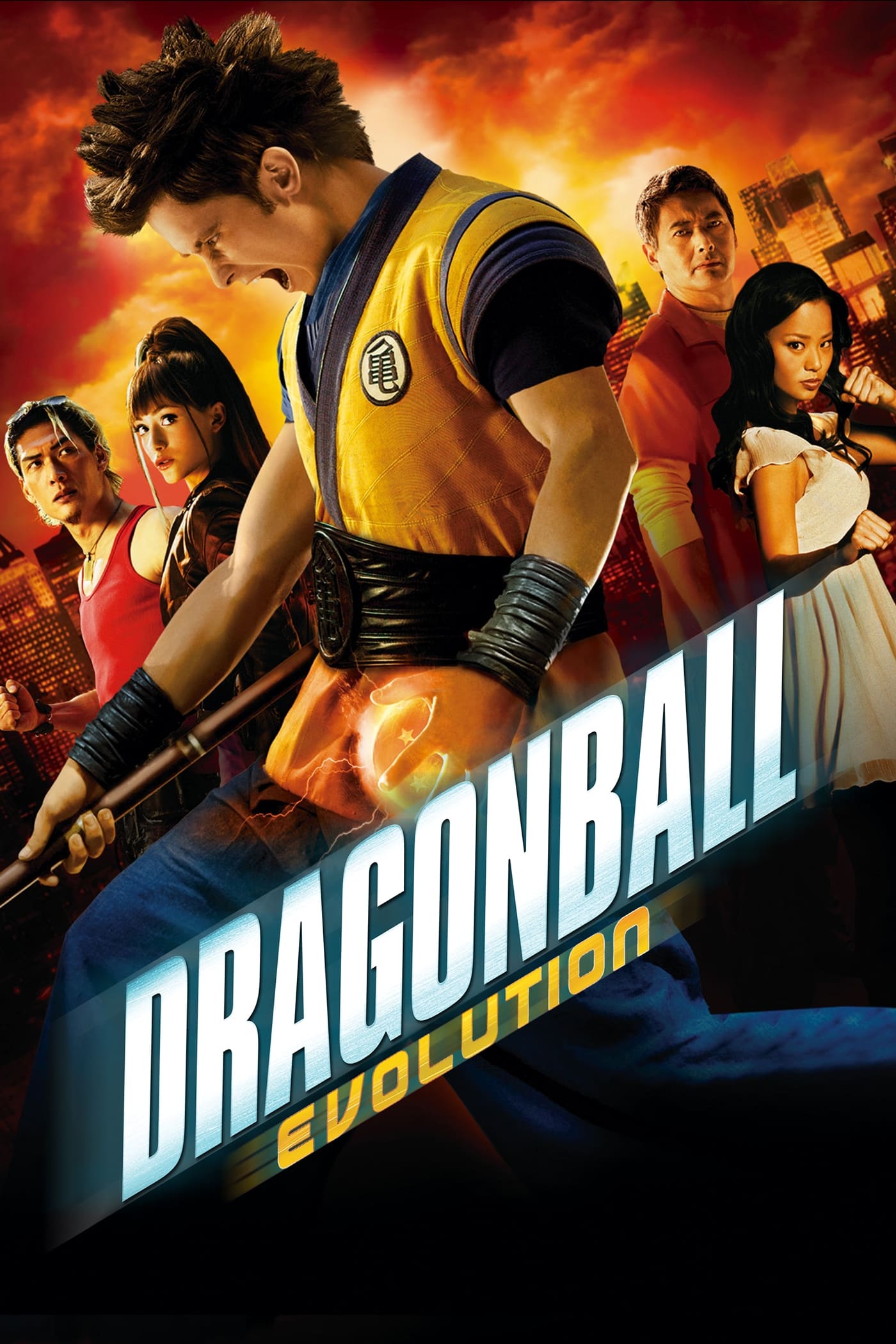
Fans of the global anime phenomenon were disappointed when Justin Chatwin was cast as the martial artist Goku. The movie took a distinctively western approach to a story deeply rooted in Eastern mythology and culture. The removal of the source material’s Asian identity alienated the existing fanbase immediately. The film is often considered one of the worst adaptations ever made partially due to its refusal to embrace the cultural origins of the story. The creator of the original manga even expressed his dissatisfaction with the Hollywood version.
‘Star Trek Into Darkness’ (2013)
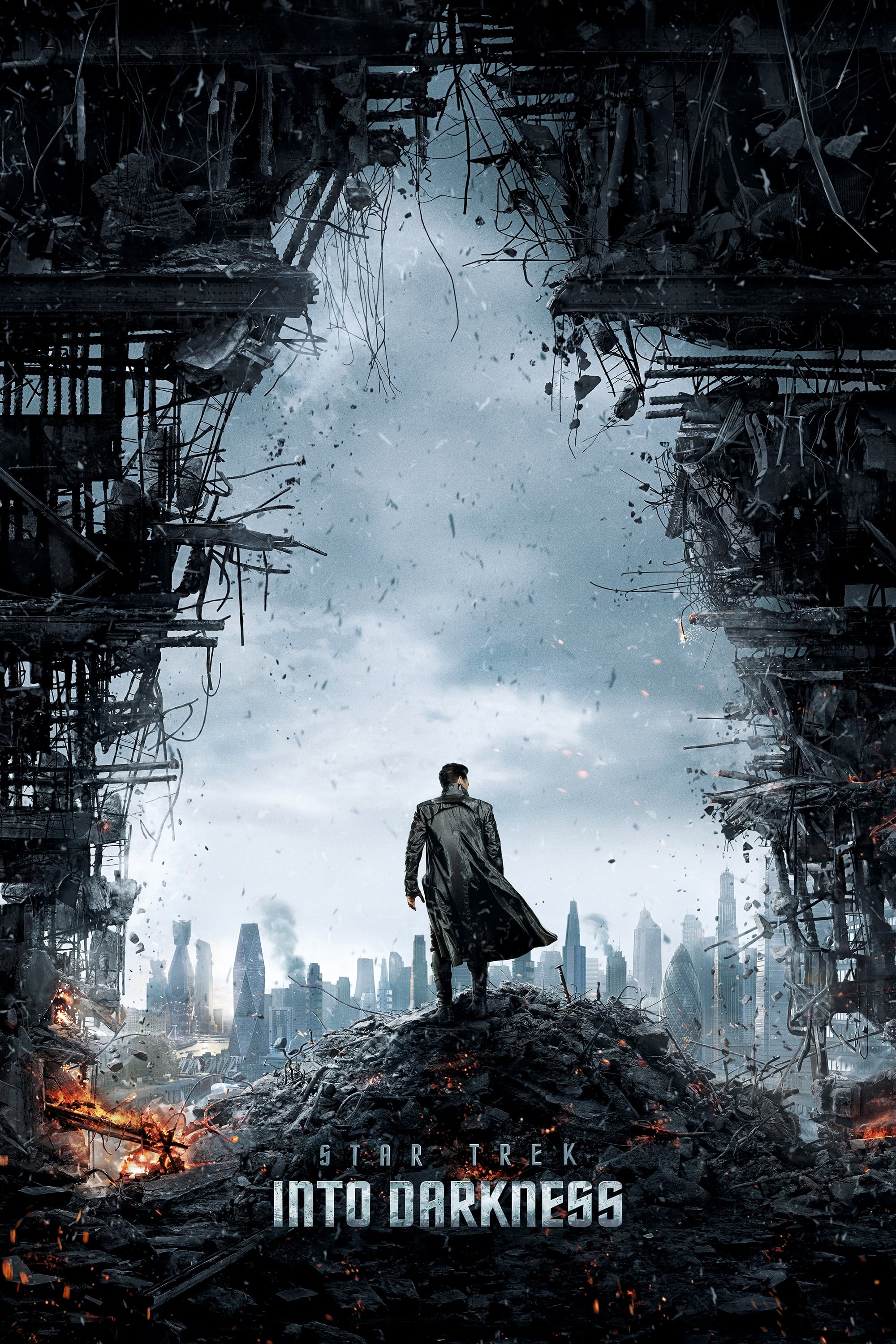
Benedict Cumberbatch delivered a menacing performance but his casting as Khan Noonien Singh confused long-time fans. The character was established in the original series as a genetically engineered superhuman from India. Casting a white British actor erased the specific ethnic background that was part of the character’s original lore. Director J.J. Abrams later admitted that they tried to preserve the mystery of the villain’s identity but the casting ultimately became a distraction. The choice sparked debates about whether race-blind casting applies when a character has a canonical ethnicity.
‘Memoirs of a Geisha’ (2005)
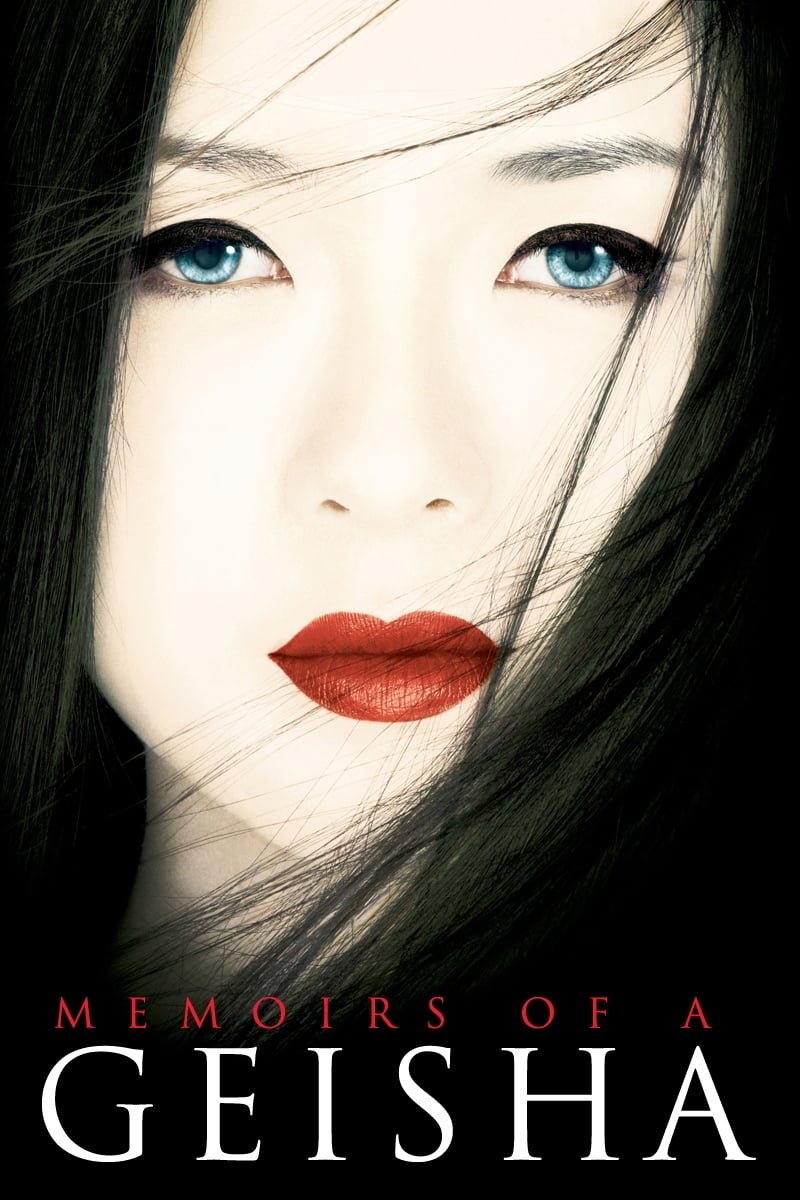
This film faced a complex controversy regarding cross-ethnic casting among Asian actors. Chinese actresses Zhang Ziyi and Gong Li were cast in the lead roles of Japanese geishas. The decision upset audiences in both Japan and China due to the historical tensions between the two nations. Critics argued that Hollywood treated Asian actors as interchangeable without regard for distinct cultural identities. The film struggled to find acceptance in the Asian markets it sought to represent because of this insensitivity.
‘The Lone Ranger’ (2013)

Johnny Depp played the Native American character Tonto with a look inspired by a painting. Disney and the producers defended the casting by claiming Depp had some Native American ancestry. Many critics and Native advocacy groups found the portrayal to be a caricature that relied on stereotypes. The choice to put a white actor in redface rather than hiring a Native American actor drew ire from the onset of production. The film performed poorly and the conversation around Depp’s casting dominated the press tour.
‘Stonewall’ (2015)
Roland Emmerich’s drama about the 1969 Stonewall riots was accused of whitewashing history. The film centered on a fictional white protagonist rather than the trans women of color who were pivotal in the real events. Activists and historians criticized the movie for pushing Marsha P. Johnson and Sylvia Rivera to the background. The backlash led to boycotts and a general consensus that the film failed to honor the true heroes of the LGBTQ+ rights movement. The casting choices distorted the historical reality of who led the charge at Stonewall.
’21’ (2008)
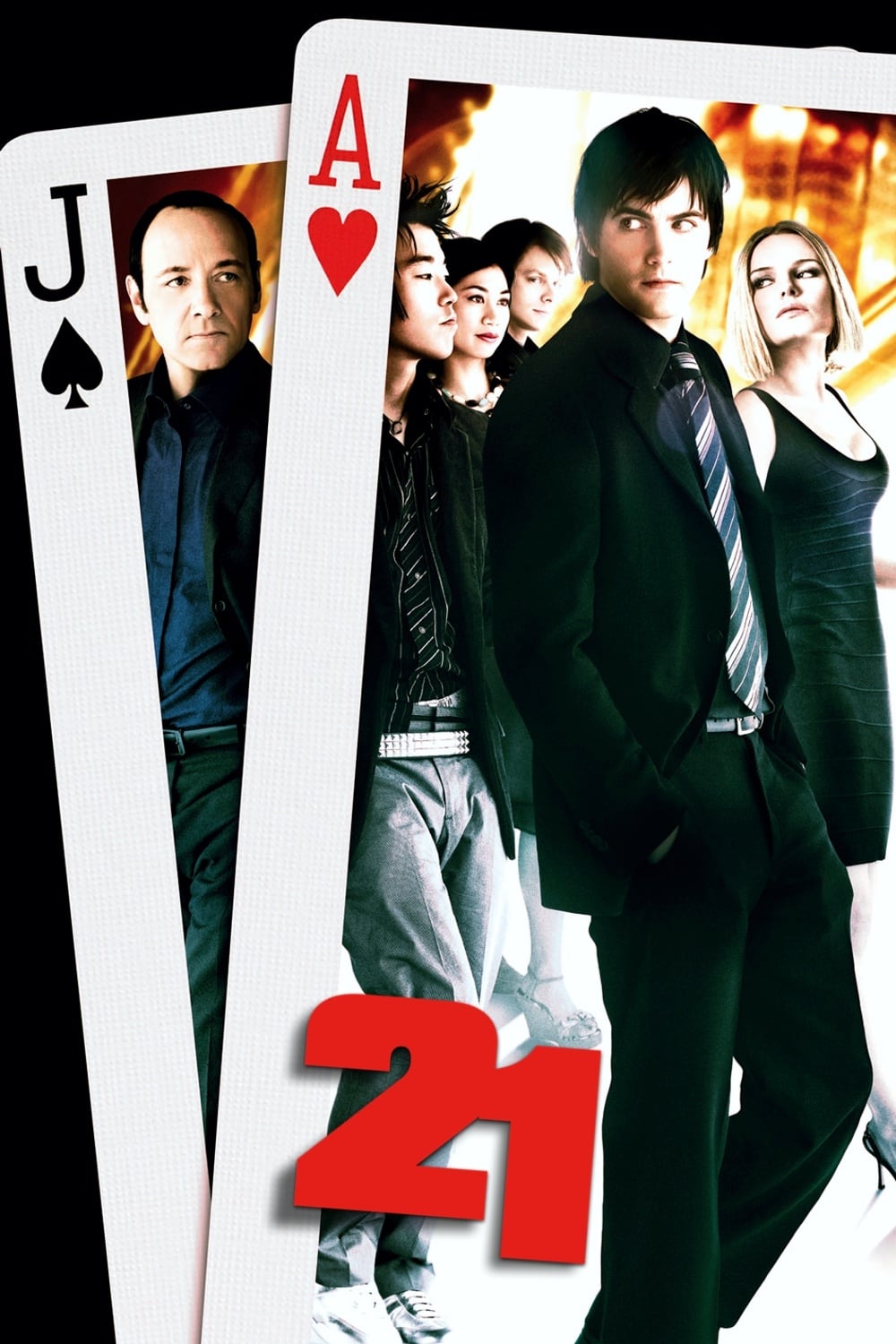
The film was based on the true story of the MIT Blackjack Team which was comprised mostly of Asian American students. Hollywood executives cast Jim Sturgess and Kate Bosworth in the lead roles effectively whitewashing the story. The real-life inspiration for the main character was Jeff Ma but the film changed the protagonist’s name to Ben Campbell. This decision stripped the story of its Asian American identity and turned it into a generic heist movie. It remains a prime example of studios fearing that Asian leads could not carry a box office hit.
‘A Mighty Heart’ (2007)
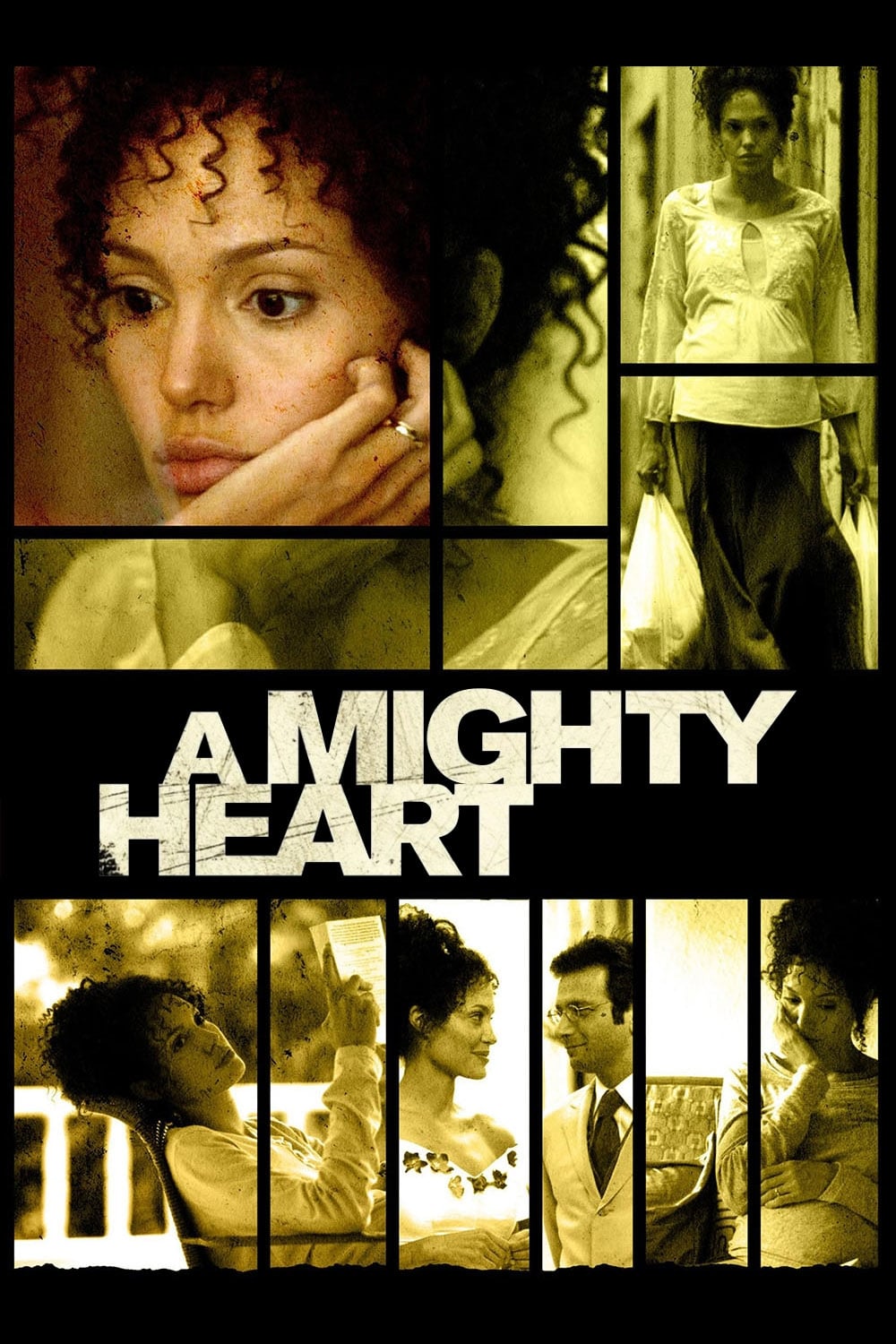
Angelina Jolie portrayed Mariane Pearl who is a journalist of Afro-Cuban and Dutch descent. Jolie wore a curly wig and makeup to darken her complexion for the role. Although Mariane Pearl gave Jolie her blessing to play the part, critics questioned why a mixed-race actress was not hired. The visual transformation required for Jolie to play the role drew uncomfortable comparisons to blackface. The discussion centered on the limited opportunities for actresses of color when even bi-racial roles go to white superstars.
‘Argo’ (2012)
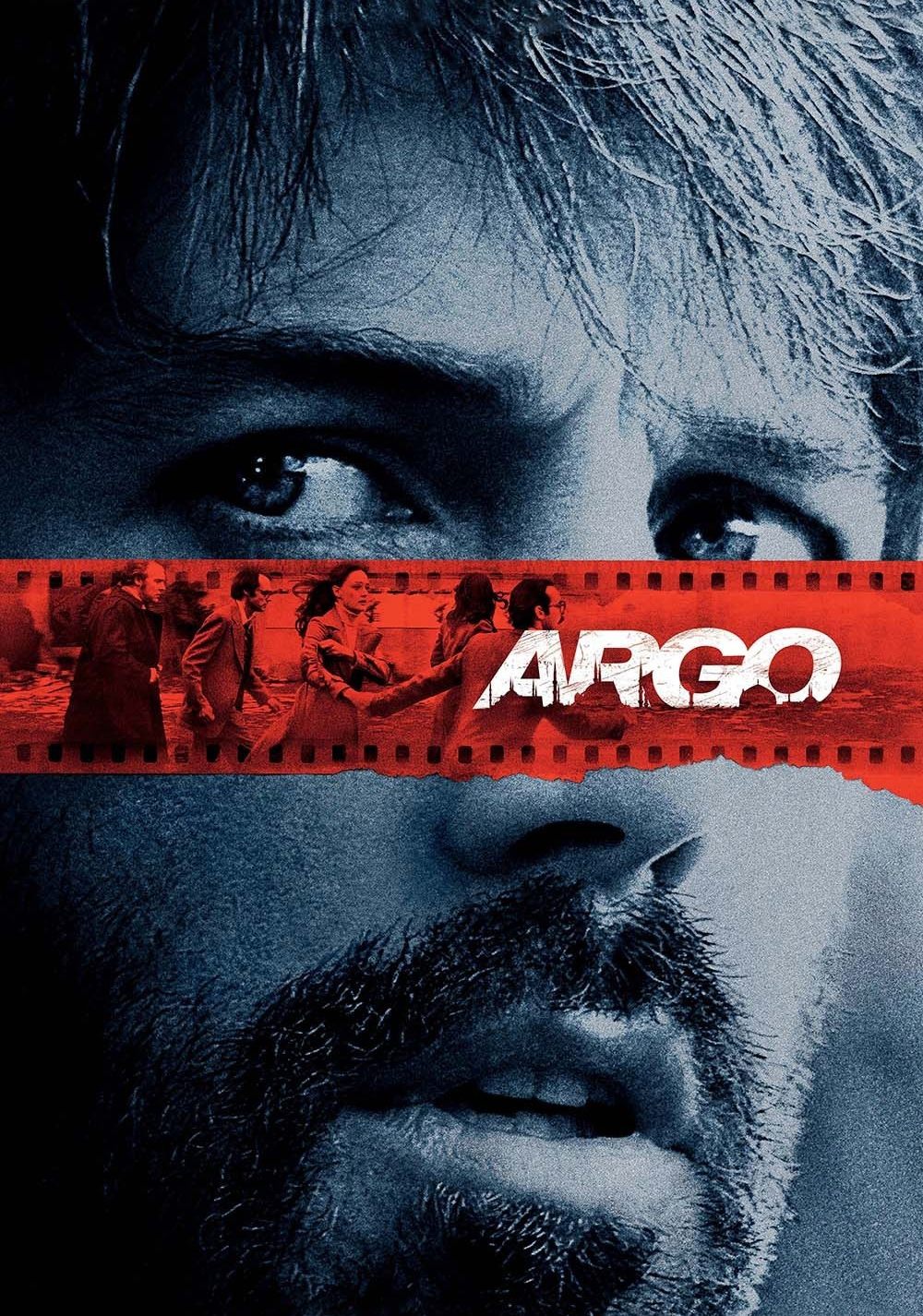
Ben Affleck directed and starred as Tony Mendez in this Academy Award-winning thriller. The real Tony Mendez was an American CIA technical operations officer of Mexican ancestry. Affleck played the role himself without any attempt to portray the character’s Hispanic heritage. While the film was critically acclaimed, Hispanic advocacy groups noted it as another instance of Latino erasure in heroic roles. The casting choice missed a chance to highlight the contributions of a Latino intelligence officer in a major historical event.
‘Breakfast at Tiffany’s’ (1961)

Mickey Rooney’s performance as Mr. Yunioshi is widely considered one of the most offensive racial caricatures in cinema history. The actor wore prosthetics and heavy makeup to play the Japanese neighbor of the protagonist. The portrayal relies on exaggerated mannerisms and stereotypes that have aged terribly. Screenings of the film often come with trigger warnings or discussions about the racist nature of this specific character. It stands as a permanent blemish on an otherwise beloved classic film.
‘Death Note’ (2017)
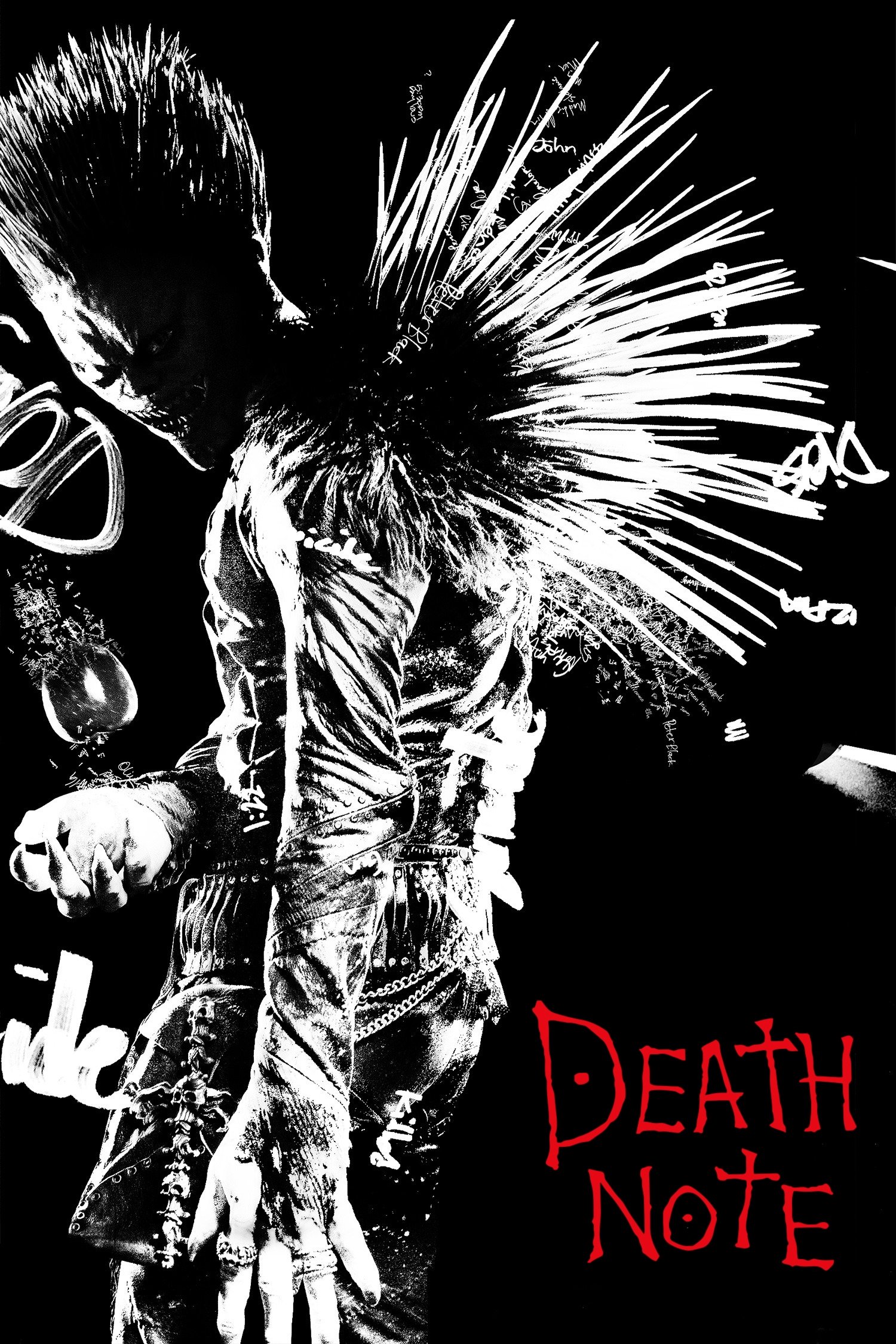
Netflix adapted the famous Japanese manga and moved the setting from Tokyo to Seattle. Nat Wolff was cast as the lead character Light Turner based on the original Light Yagami. Fans criticized the production for failing to adapt the story with Asian American actors in the lead roles. The creators argued that the setting change justified the casting but audiences felt it was another example of unnecessary westernization. The film failed to capture the essence of the original largely because it stripped away the cultural context.
Please share your thoughts on which of these casting choices shocked you the most in the comments.