


22 Movies with the Most Creative Use of Split Screen



Filmmakers utilize the split screen technique to display multiple perspectives or simultaneous events within a single frame. This visual tool allows directors to heighten tension or provide narrative context without cutting away from the primary action. The method has evolved from a clever way to bypass censorship to a sophisticated storytelling device in modern cinema. Editors manipulate the screen real estate to mimic comic book panels or to contrast a character’s expectation with reality. The following films represent the most innovative applications of this enduring editing style.
‘Pillow Talk’ (1959)
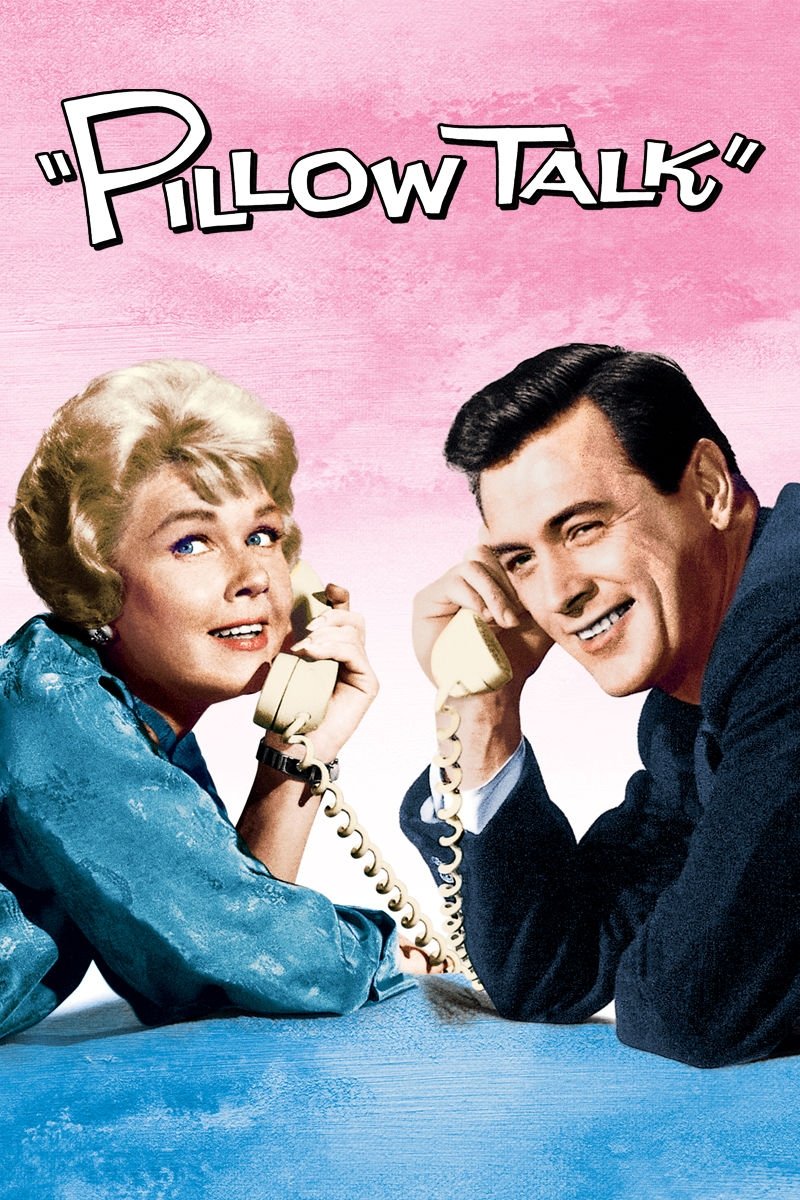
Director Michael Gordon uses split screen to bypass the strict censorship codes of the 1950s regarding unmarried couples in bed. The screen divides to show the two leads in their respective bathtubs while they speak over the telephone. Careful composition makes it appear as though their feet are touching across the divide line. This clever visual gag establishes an intimacy that was otherwise forbidden on screen at the time. The scene remains one of the most famous examples of the technique in romantic comedy history.
‘Grand Prix’ (1966)
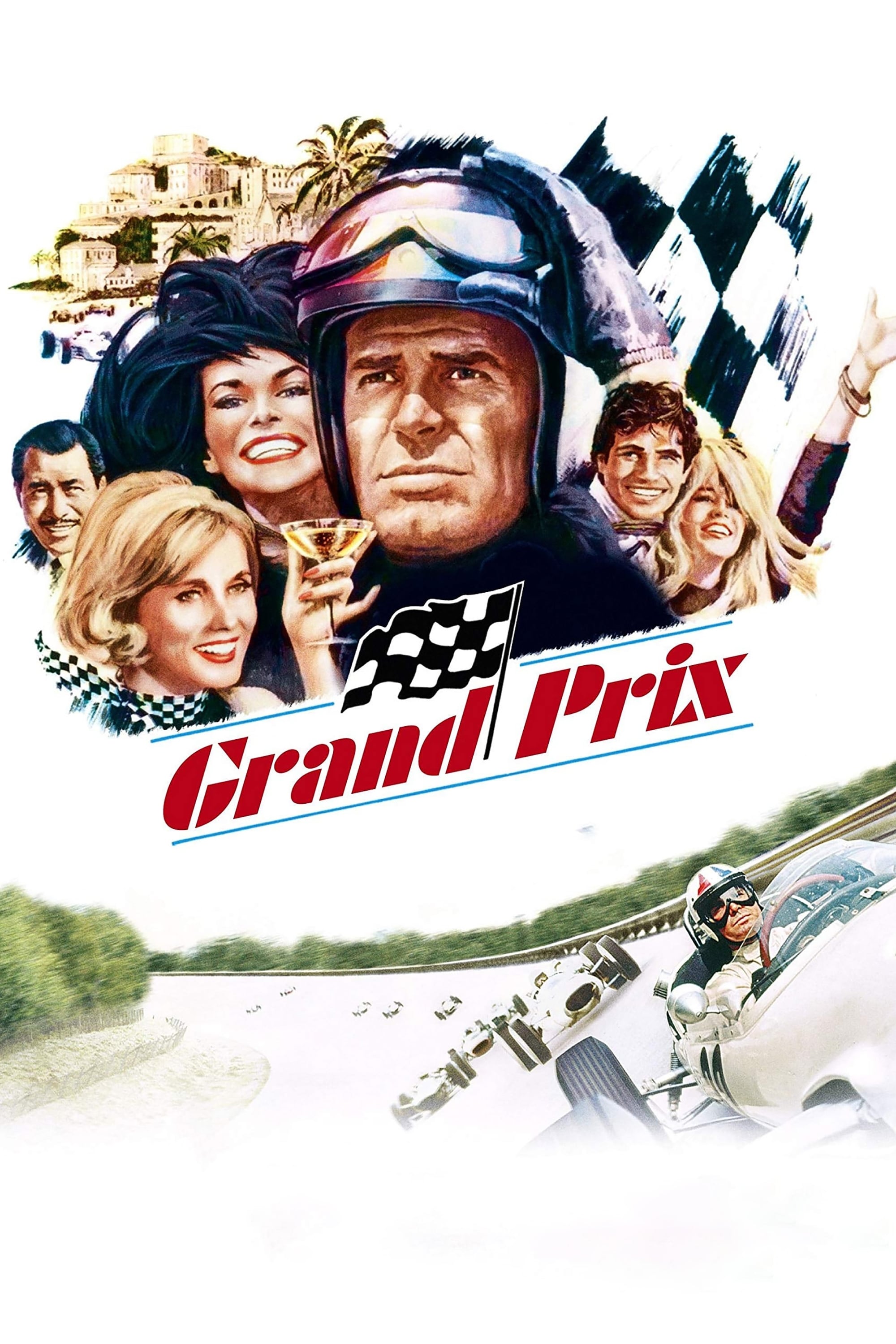
Saul Bass designed the montages to capture the frenetic energy of Formula One racing. The screen frequently fractures into multiple panels to show drivers and mechanics working simultaneously. This approach immerses the audience in the chaos and danger of the high-speed sport. The multiple views allow the viewer to track different racers without losing the sense of continuous motion. It revolutionized how sports sequences were edited for big-screen spectacles.
‘The Thomas Crown Affair’ (1968)
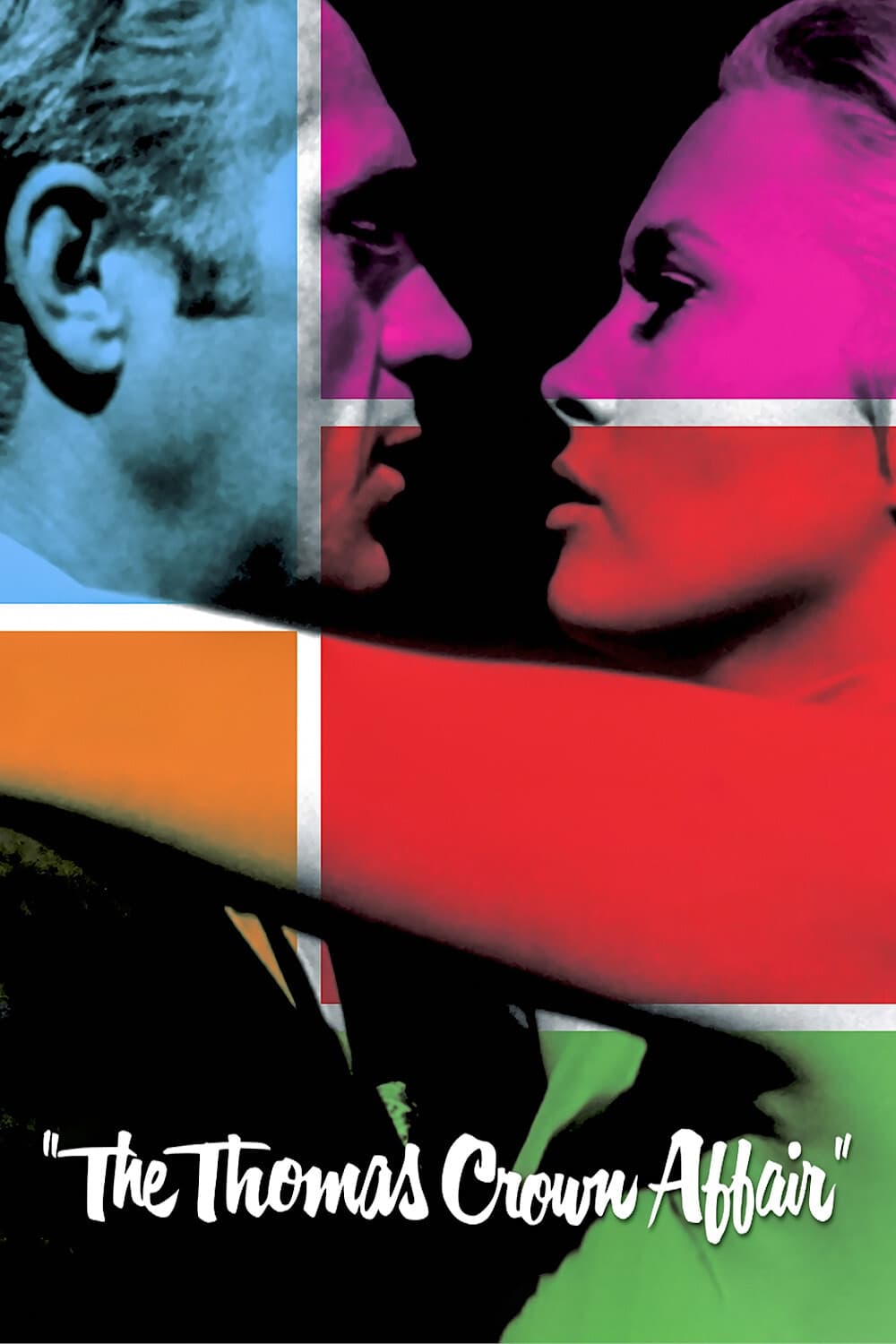
The film employs a multi-panel style known as dynamic split screen to depict the complexity of a heist. Director Norman Jewison and editor Hal Ashby use the technique to show the preparation and execution of the robbery from various angles. The polo match sequence utilizes dozens of small squares to convey the brutality and speed of the game. This aesthetic choice gives the movie a distinct modernist flair that defines the cool style of the late 1960s.
‘The Boston Strangler’ (1968)
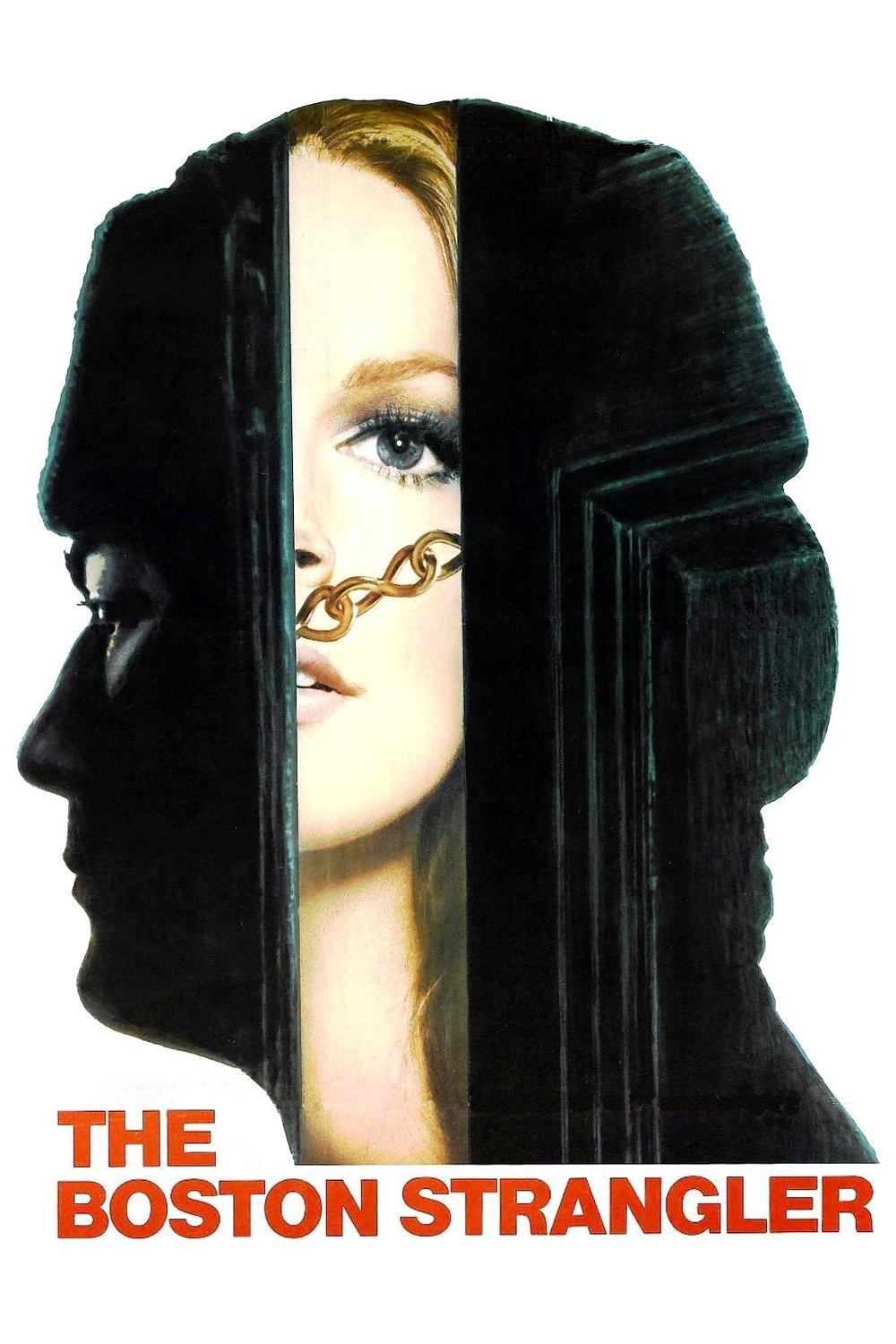
The narrative relies heavily on splitting the frame to show the simultaneous actions of the police and the killer. Director Richard Fleischer uses the device to create a sense of citywide panic and varying perspectives. The technique allows the audience to see the killer approaching a victim while seeing the victim unaware inside her apartment. This generates immense suspense by giving the viewer information the characters do not possess. The fractured screen mirrors the fractured psyche of the antagonist.
‘Woodstock’ (1970)
This documentary features a triple split screen to capture the massive scale of the legendary music festival. Editor Thelma Schoonmaker utilizes the wide frame to show the performers alongside the reactions of the massive crowd. The approach solves the problem of how to convey the intimate musical moments and the sheer size of the event at the same time. It provides a comprehensive visual record of the three-day concert experience.
‘Sisters’ (1972)
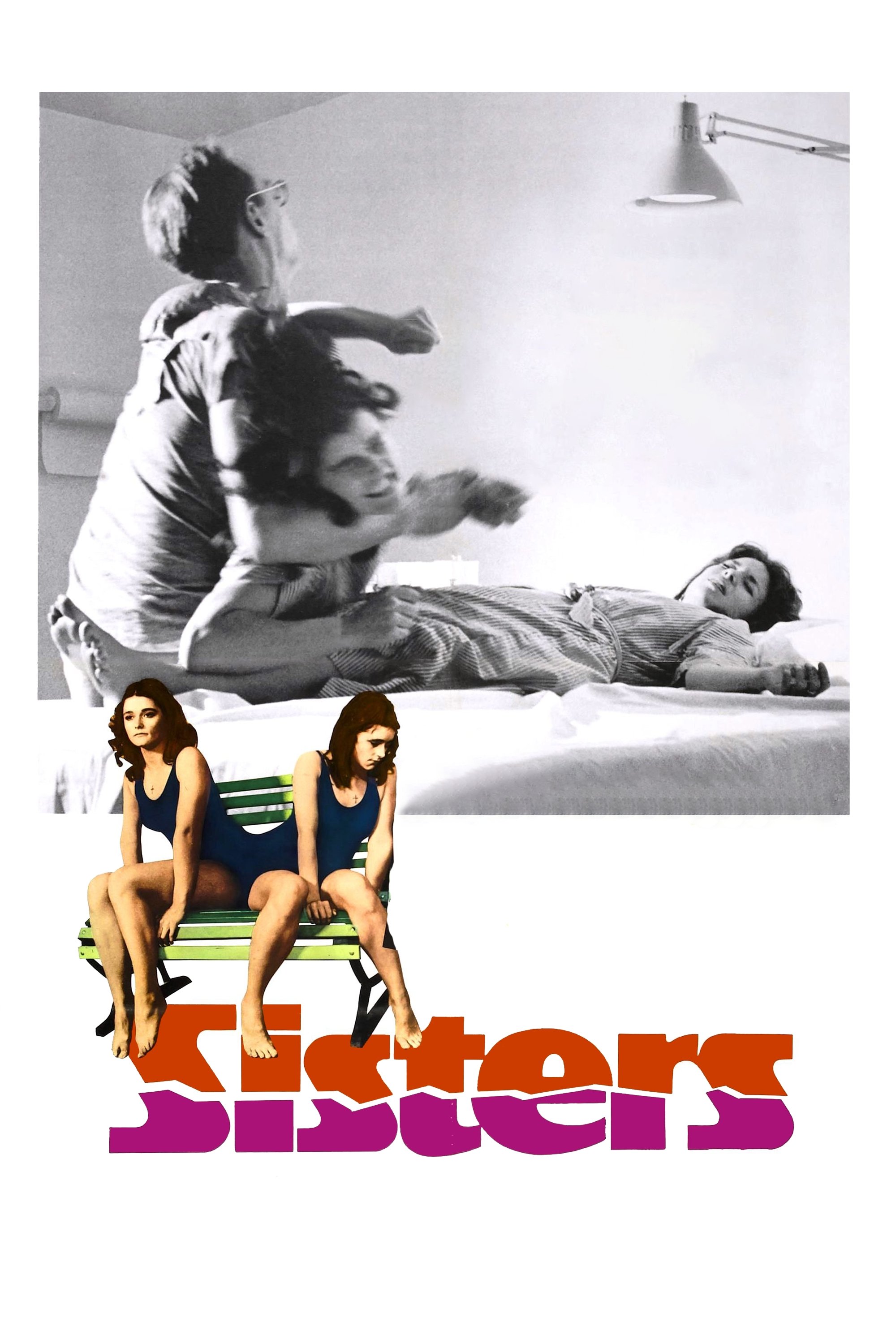
Brian De Palma pays homage to Alfred Hitchcock with his heavy use of split screen during a gruesome murder sequence. One side of the screen shows the dying victim trying to get help while the other side shows a neighbor watching from a window. The dual perspective forces the audience to witness the crime and the helpless witness simultaneously. This creates a feeling of voyeurism and inevitability that heightens the horror.
‘Carrie’ (1976)
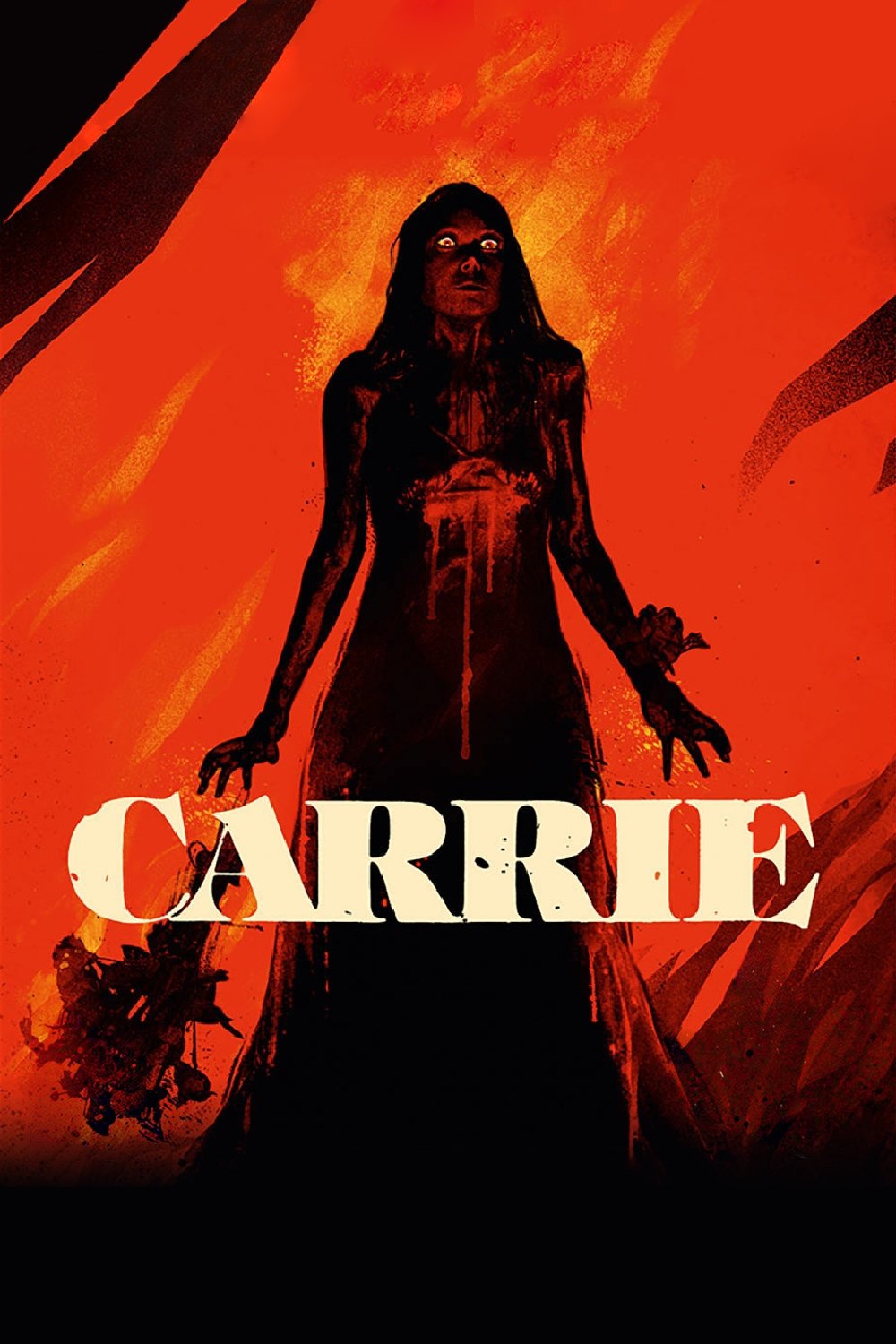
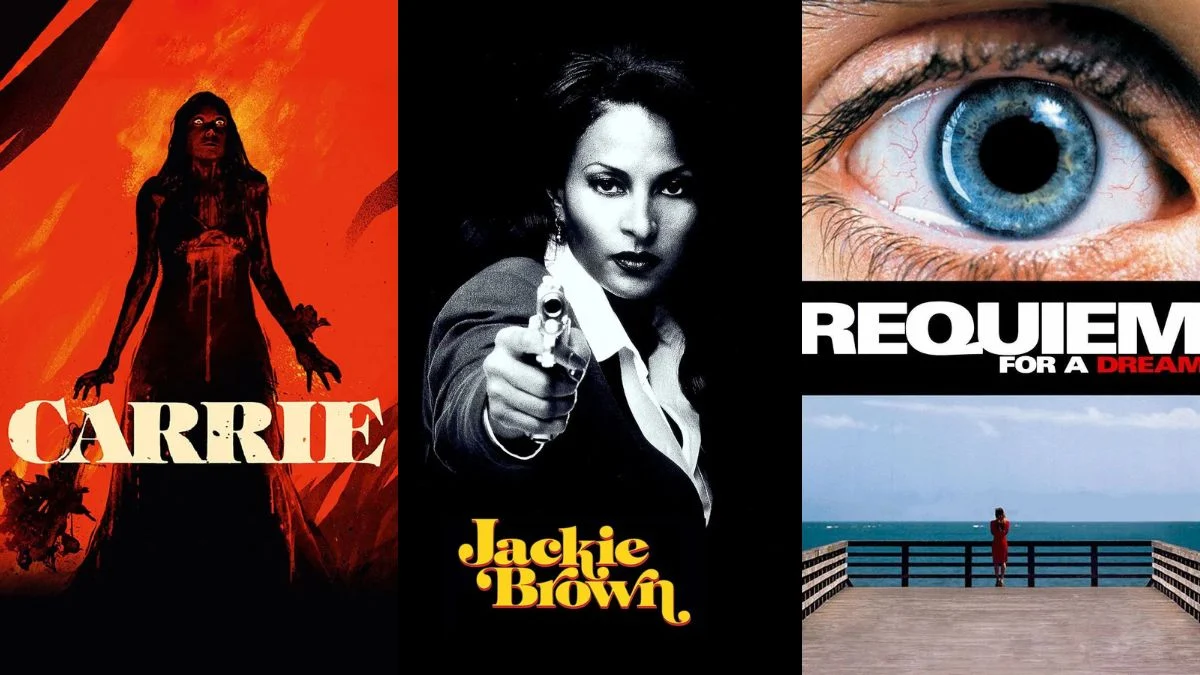
The prom sequence uses a split screen to juxtapose the chaotic destruction with the specific reactions of the students. Brian De Palma returns to the technique to show Carrie White utilizing her telekinetic powers while the gym burns around her. The duality of the frame emphasizes her total control over the situation despite the surrounding anarchy. It allows the viewer to focus on her intense gaze and the immediate consequences of her rage.
‘Annie Hall’ (1977)
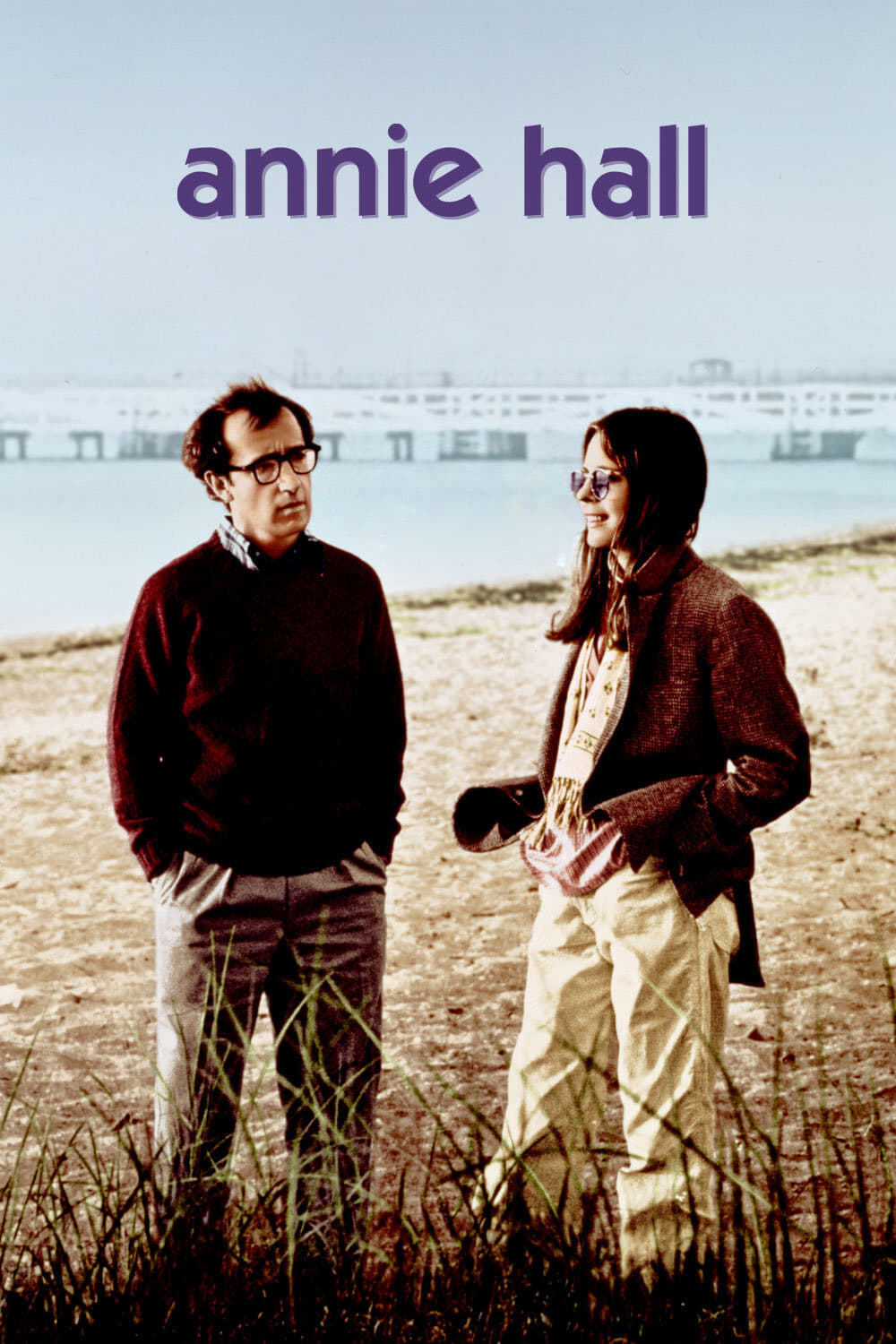
Woody Allen uses the technique to show a therapy session involving the two main characters in different locations. The screen splits to reveal Alvy and Annie answering similar questions from their respective analysts. Their answers overlap and contradict each other to highlight the differences in their perceptions of the relationship. The scene provides a humorous but insightful look into their compatibility issues.
‘Dressed to Kill’ (1980)
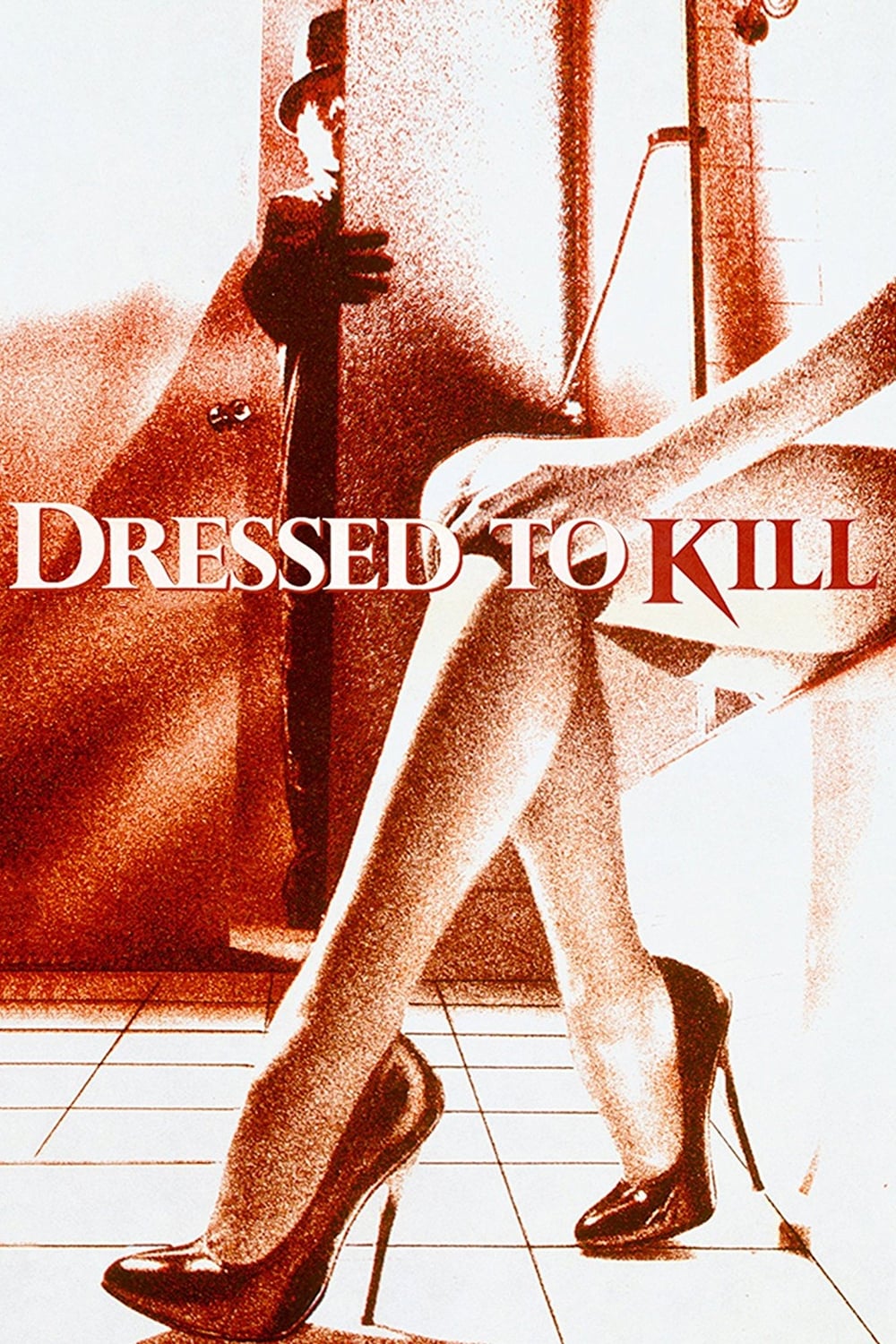
The suspense builds during a cat-and-mouse sequence inside an art museum through the use of divided frames. Brian De Palma uses the split screen to track the movements of a woman and her mysterious pursuer. The audience sees the layout of the museum and the proximity of the characters in real time. This spatial awareness adds tension as the characters move closer to a fateful encounter.
‘Jackie Brown’ (1997)
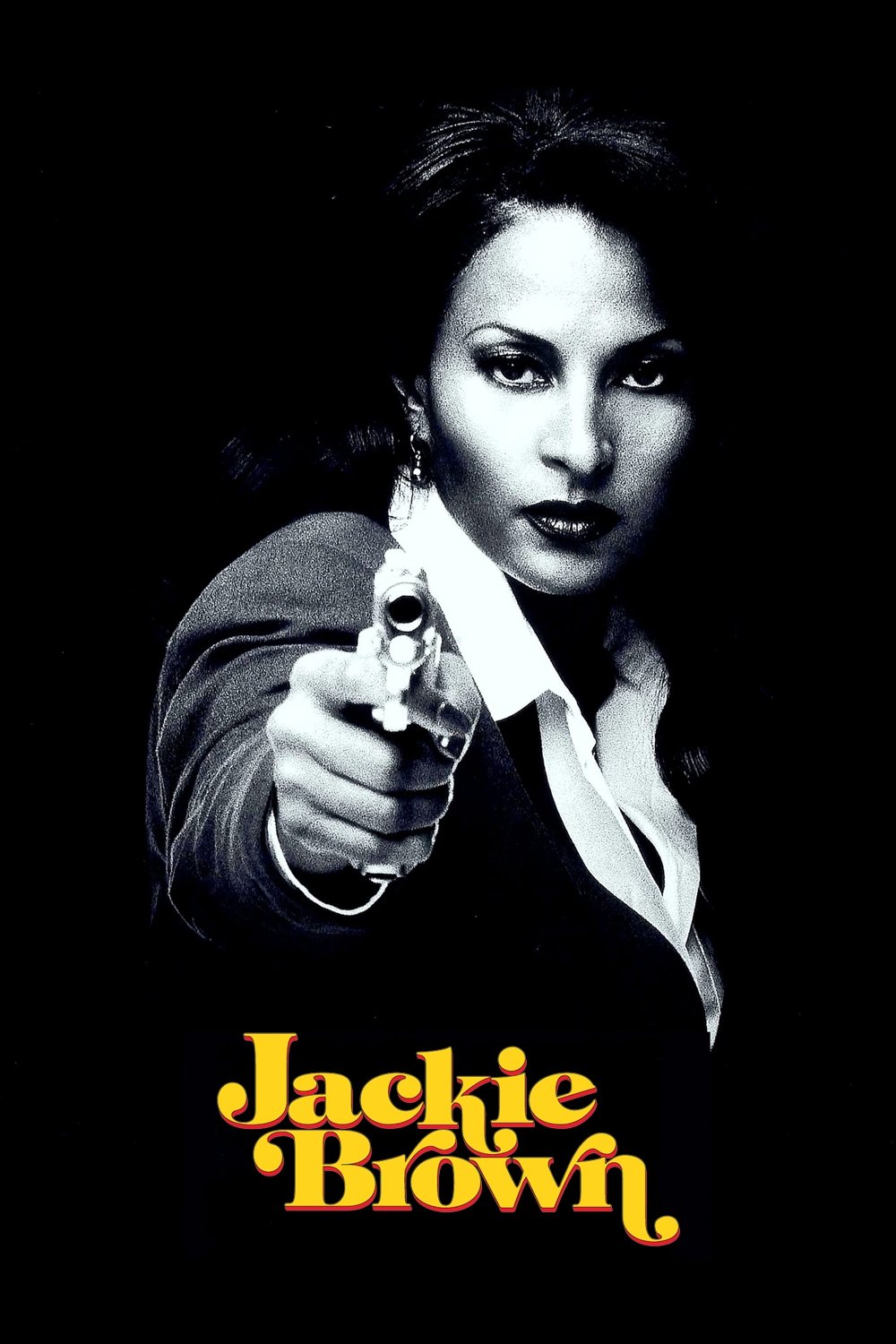
Quentin Tarantino uses a split screen sequence during a pivotal money exchange at a shopping mall. The scene shows the different participants in the heist as they move into position. This allows the audience to track the complex geography of the department store setting. The editing builds anticipation as the timeline of events converges into a single moment.
‘Run Lola Run’ (1998)
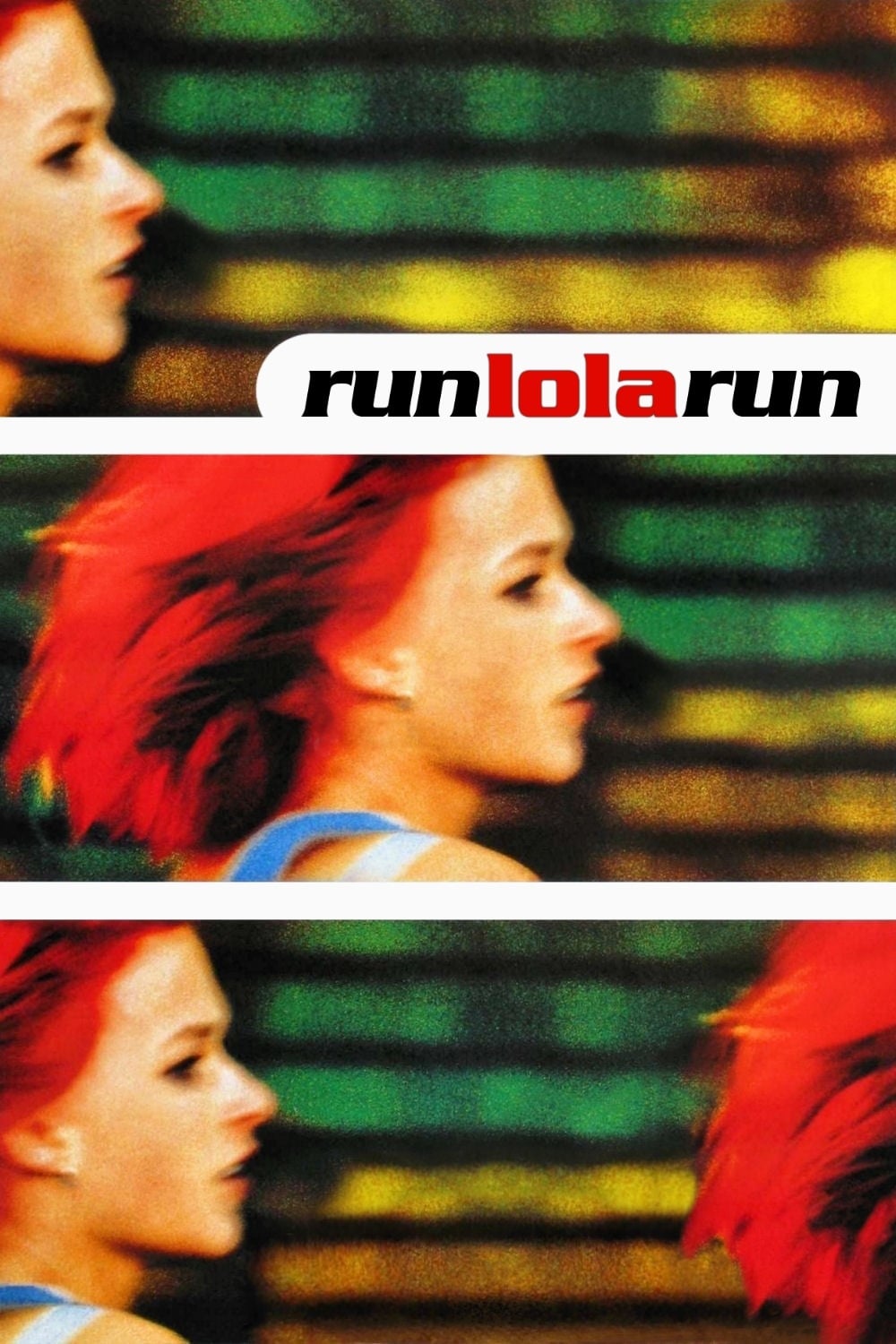
The film explores three different outcomes of the same event and uses split screen to track the passage of time. Director Tom Tykwer divides the screen to show Lola running while simultaneously showing the clock ticking down. The technique emphasizes the urgency of her mission and the pressure of the deadline. It reinforces the central theme that every second counts in her race to save her boyfriend.
‘Timecode’ (2000)
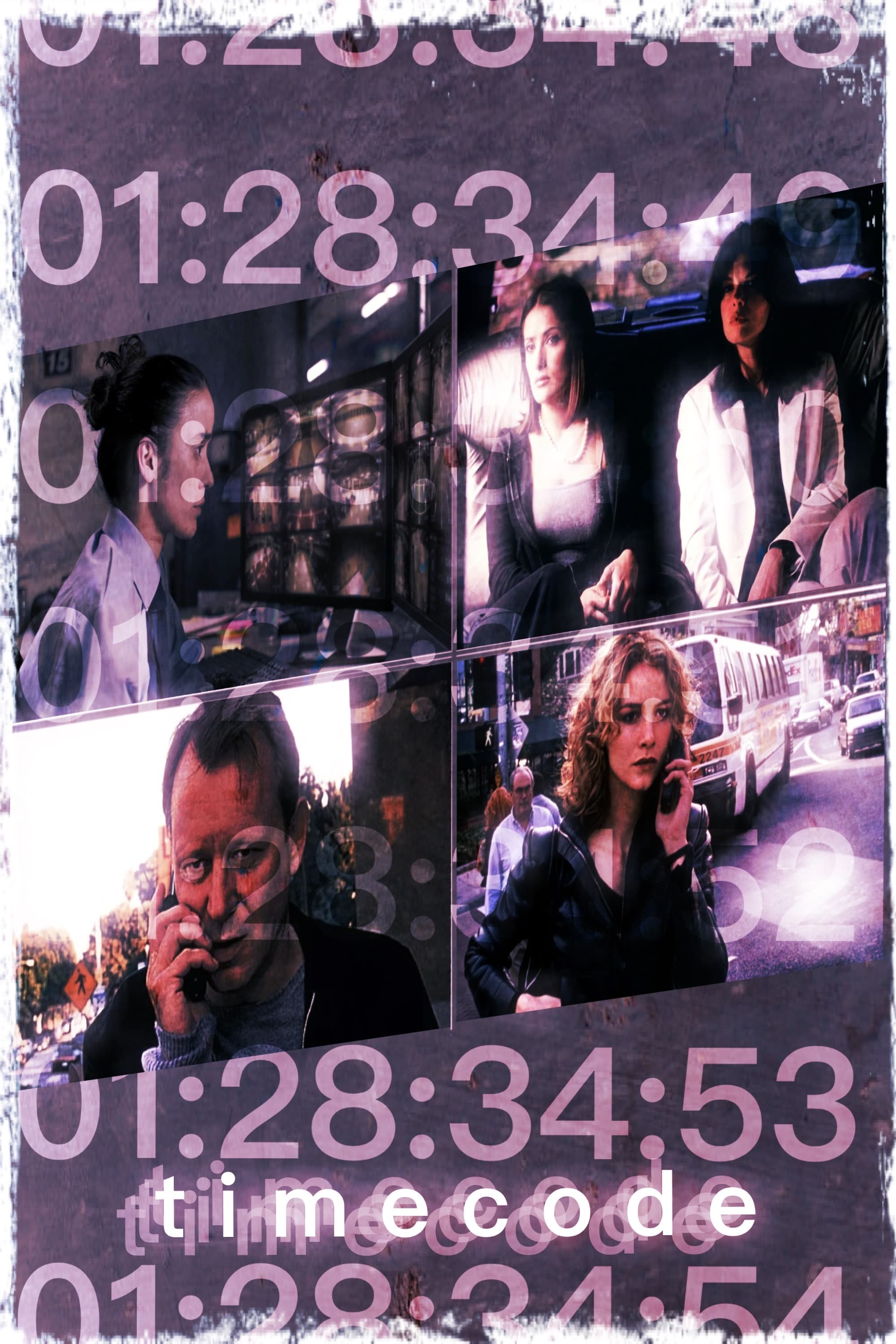
Director Mike Figgis constructed the entire film using four continuous takes shown simultaneously in four quadrants. The audio mix shifts focus to different quadrants to guide the viewer’s attention to specific plot points. Actors improvised their dialogue while synchronizing their movements across the different cameras. This experimental approach requires the audience to actively choose which narrative thread to follow.
‘Requiem for a Dream’ (2000)
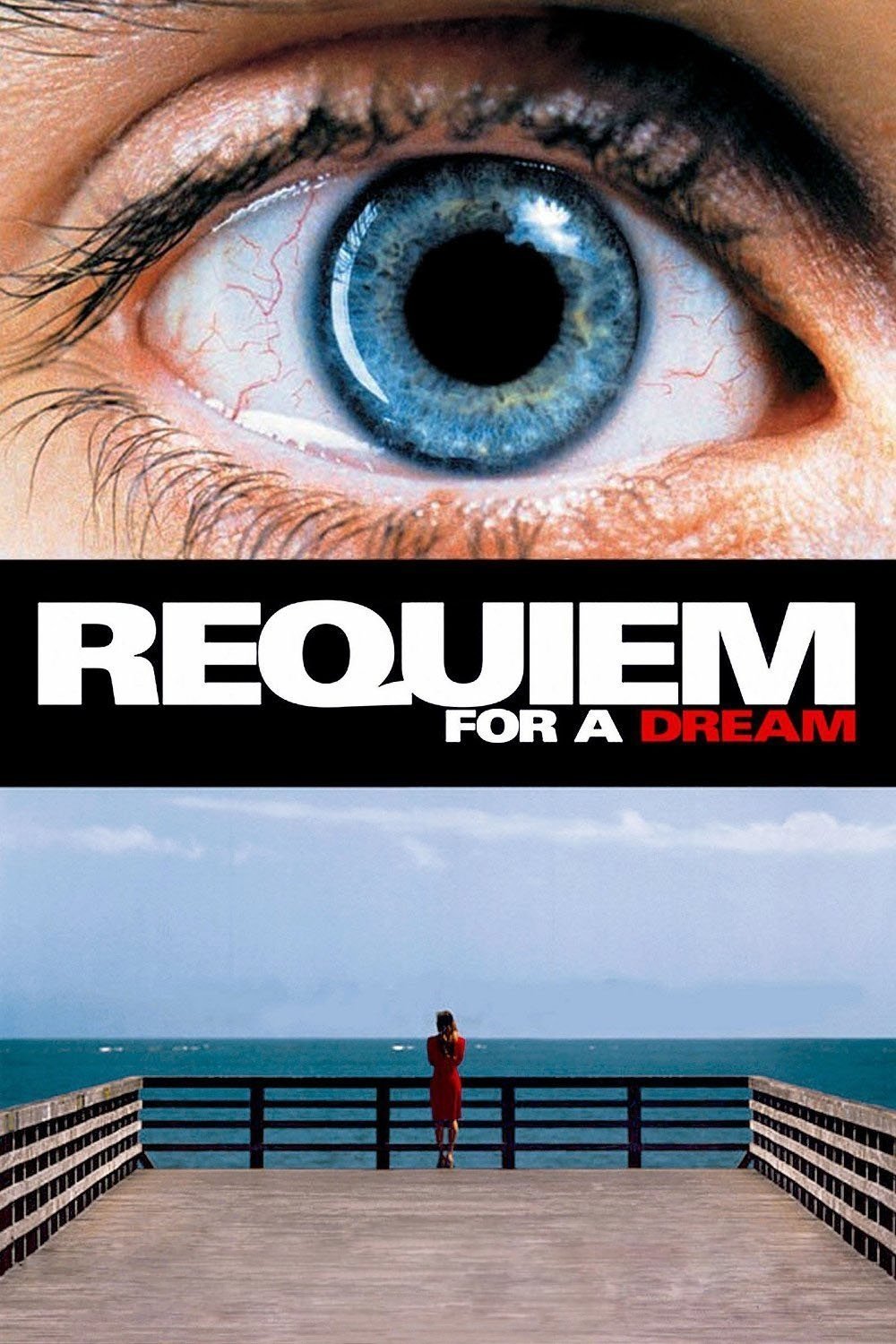
Darren Aronofsky uses split screens to show the intimate details of drug preparation and consumption. The screen often divides to show extreme close-ups of eyes dilating or cells changing alongside the characters’ reactions. This stylistic choice emphasizes the isolation of the characters even when they are physically together. The fractured visuals mirror the deteriorating mental states of the protagonists.
‘The Rules of Attraction’ (2002)
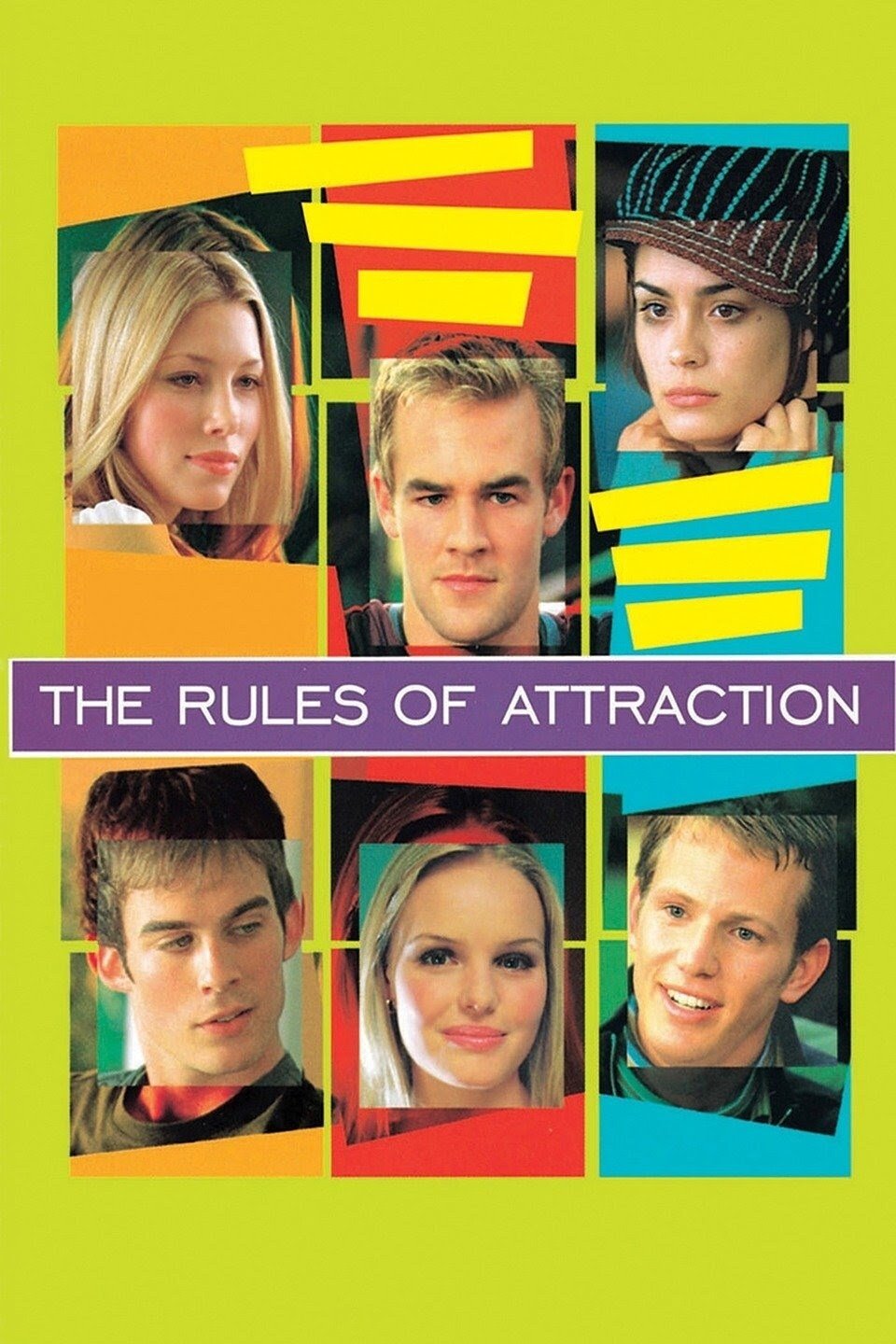
A meet-cute sequence turns into a visual experiment as two characters perform their morning routines on separate sides of the screen. As they walk toward each other on campus the divider between the screens disappears to merge them into a single shot. This seamless transition visually represents the intersection of their lives. It stands as a unique technical achievement in the rom-com genre.
‘Hulk’ (2003)
Ang Lee attempts to replicate the experience of reading a comic book by using dynamic panels on the screen. The editing mimics the layout of a manga page with shots of varying sizes and shapes appearing simultaneously. This style allows for multiple reaction shots and angles of the action to appear at once. The film embraces its source material by literally framing the movie like a graphic novel.
‘Kill Bill: Vol. 1’ (2003)
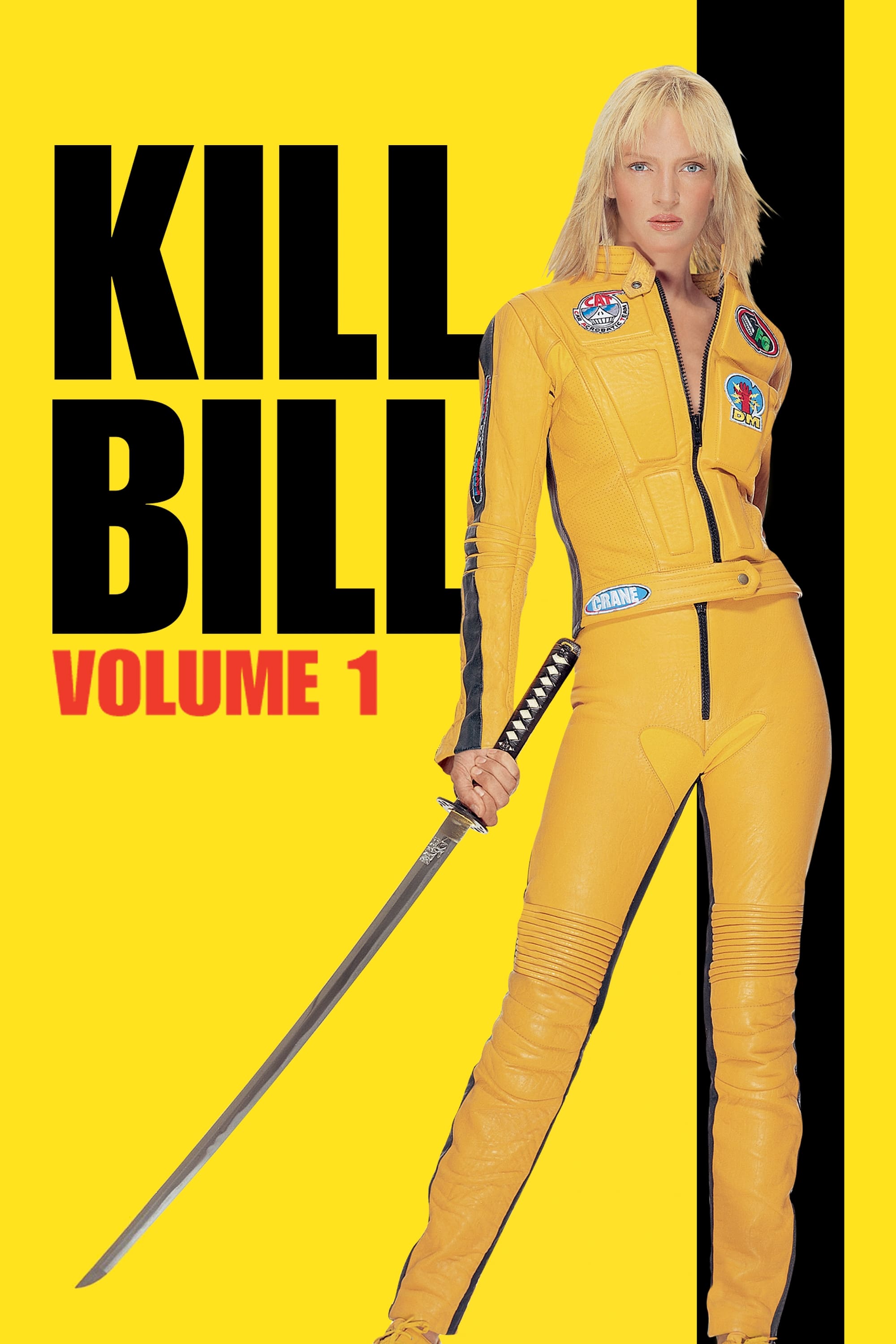
The hospital scene employs split screen to show the villain Elle Driver changing into a nurse’s uniform while the Bride lies in a coma. One side of the screen focuses on the lethal preparation while the other highlights the vulnerability of the victim. The whistling soundtrack ties the two images together to create a chilling atmosphere. It serves as a tribute to the suspense thrillers of the 1970s.
‘Sideways’ (2004)
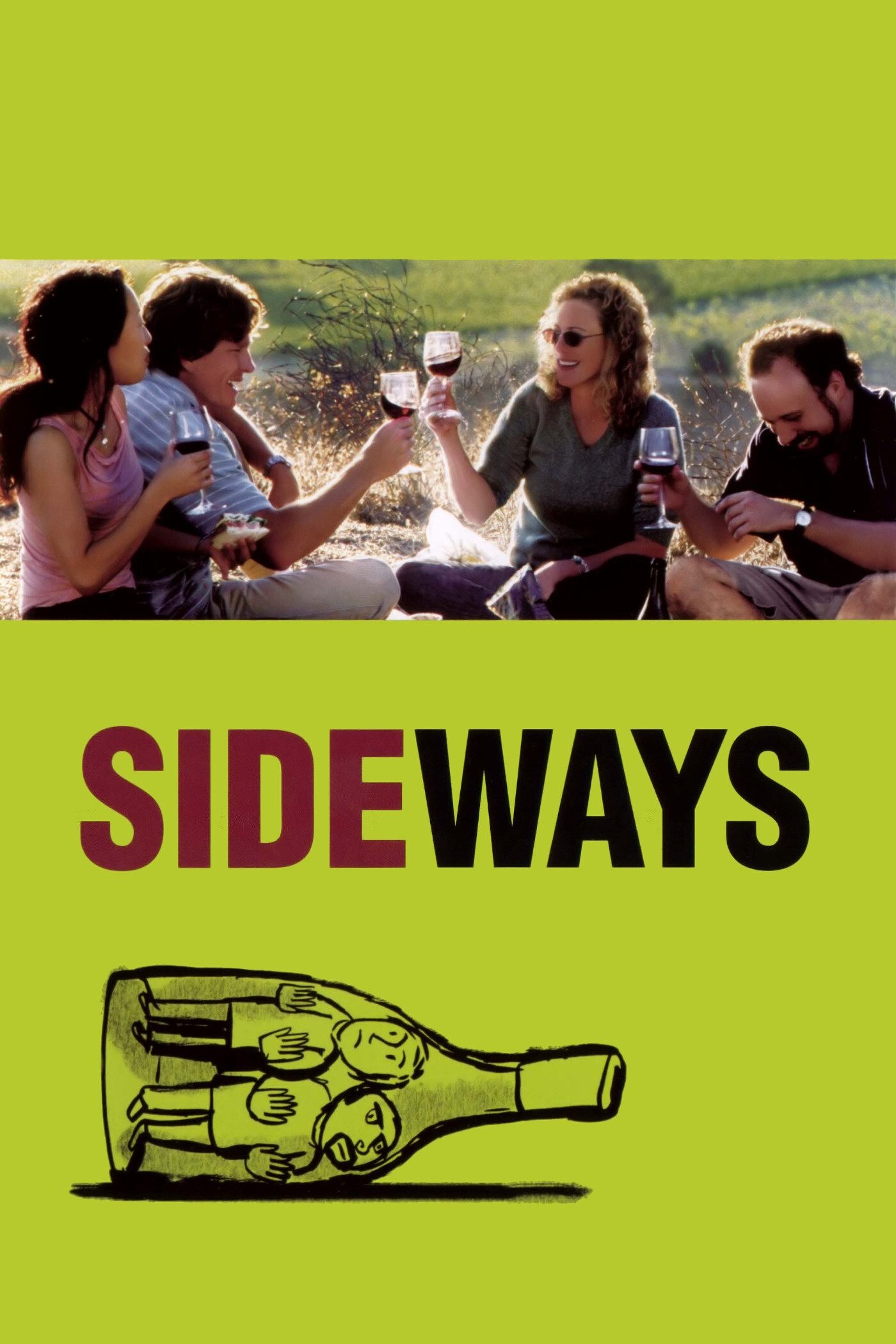
Alexander Payne uses the technique to show the passage of time and the distance between characters during a road trip. The montages display the various wineries and the road while the characters discuss their lives. This efficient storytelling device compresses the travel time while maintaining the narrative flow. It adds a dynamic visual element to a film that is largely driven by dialogue.
‘Mean Girls’ (2004)
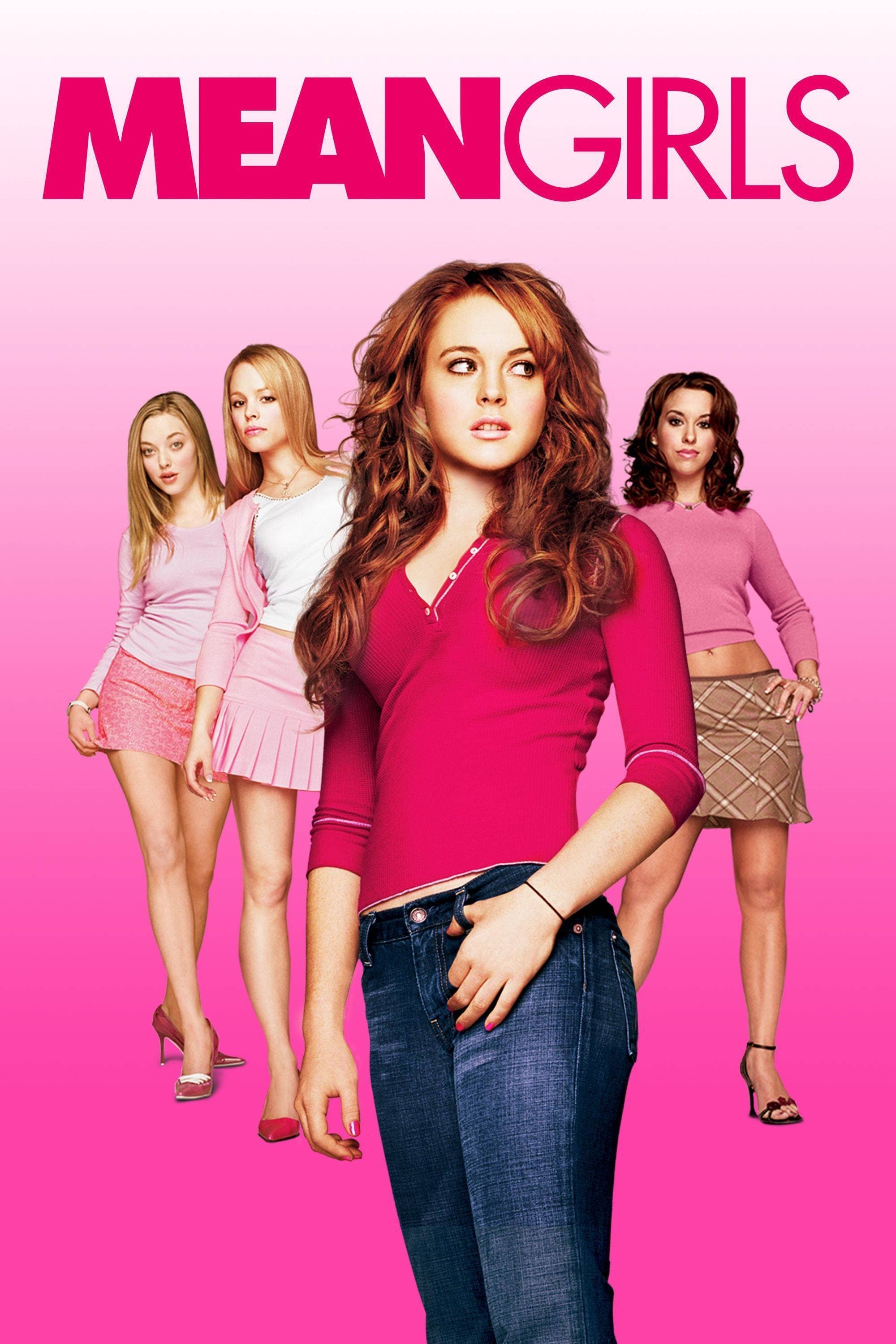
A four-way telephone call becomes a chaotic visual gag as the screen splits to show four different characters. The scene reveals the duplicity of the characters as they talk about each other on different lines. Each quadrant allows the audience to see the immediate reactions to the gossip being spread. The sequence perfectly captures the complex social dynamics of high school cliques.
‘Conversations with Other Women’ (2005)
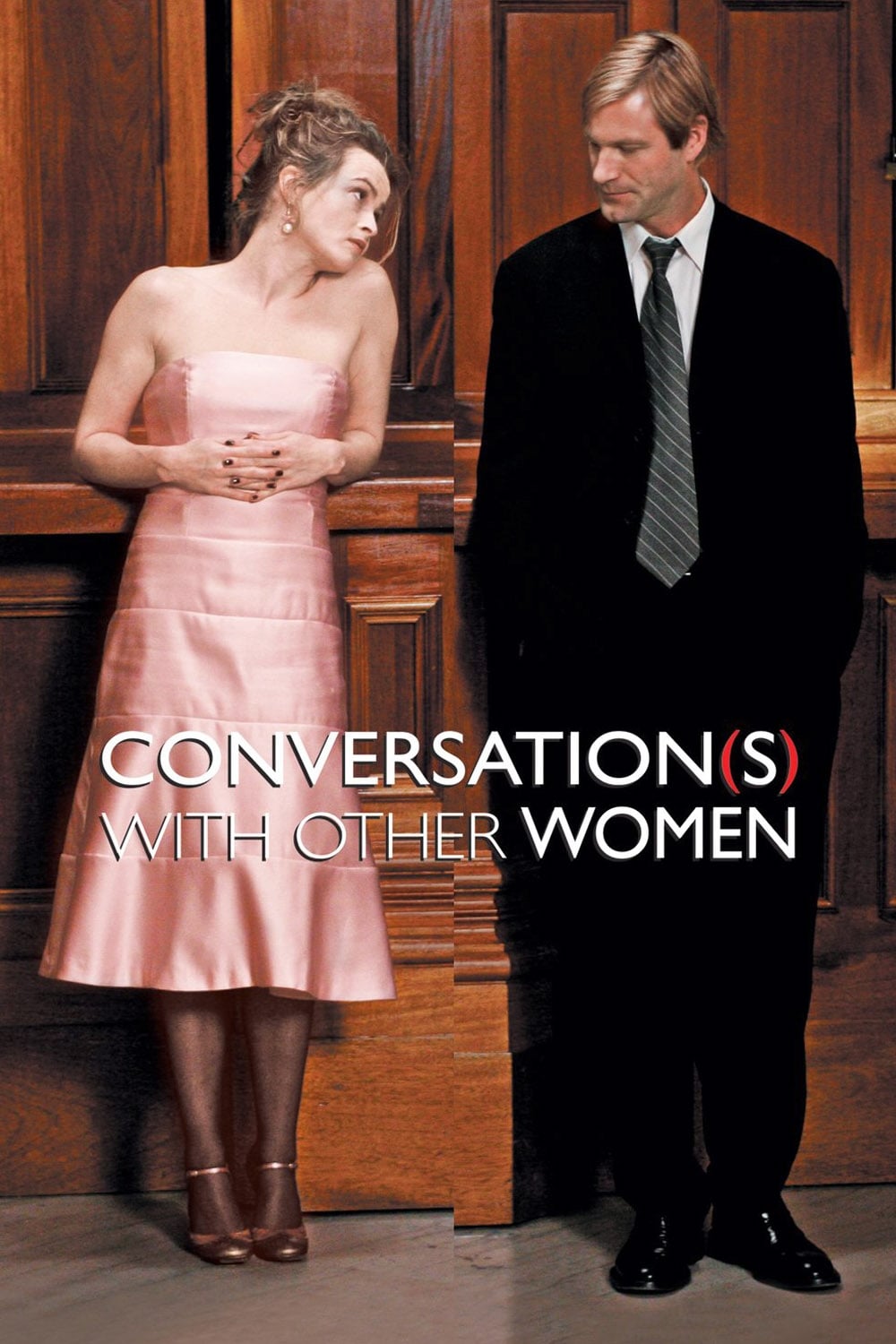
The entire film utilizes a split screen format to present the two main characters from different angles. One side typically shows the person speaking while the other shows the person listening. This constant duality allows the audience to scrutinize the subtle facial expressions and reactions of both actors. The technique creates an intimate atmosphere that suits the dialogue-heavy nature of the story.
‘500 Days of Summer’ (2009)
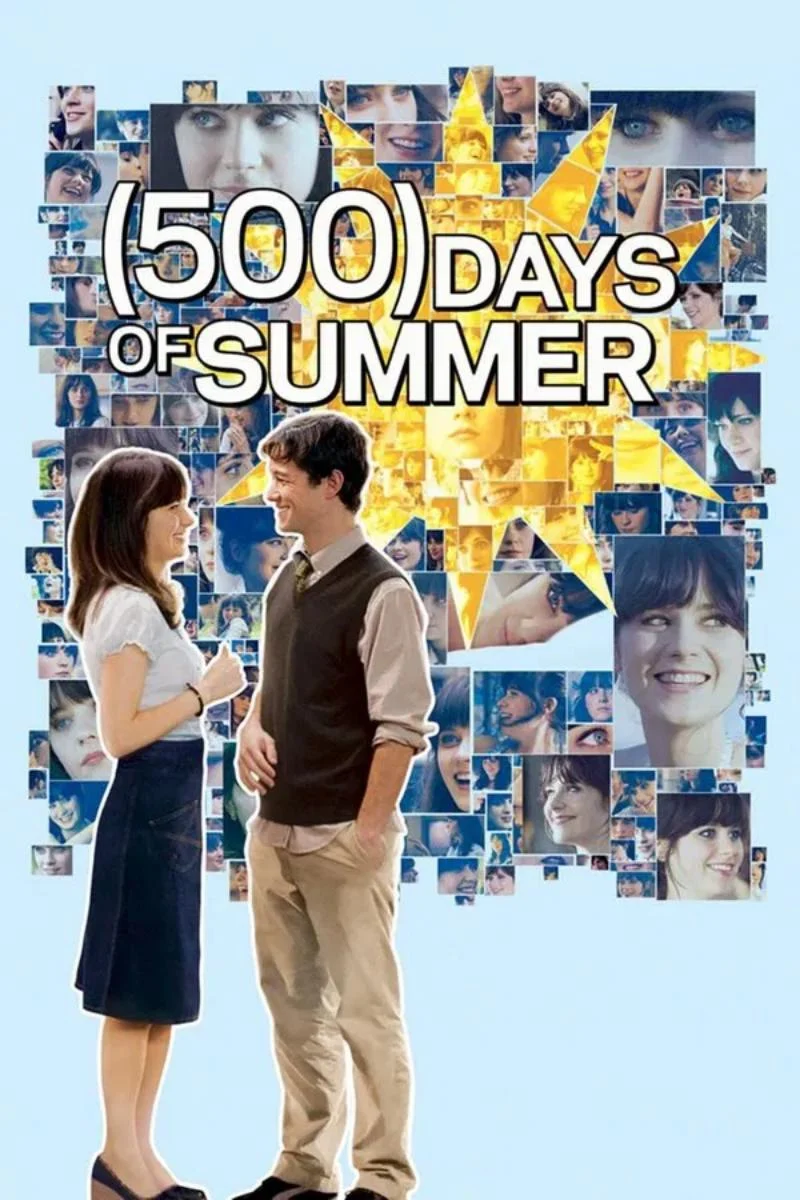
The protagonist attends a party and the screen splits to show his expectations versus the reality of the night. The left side plays out his romantic fantasy while the right side shows the awkward and disappointing truth. This direct visual comparison highlights the character’s projection and heartbreak without needing dialogue. It remains one of the most effective uses of the technique to convey emotional subtext.
‘Scott Pilgrim vs. the World’ (2010)
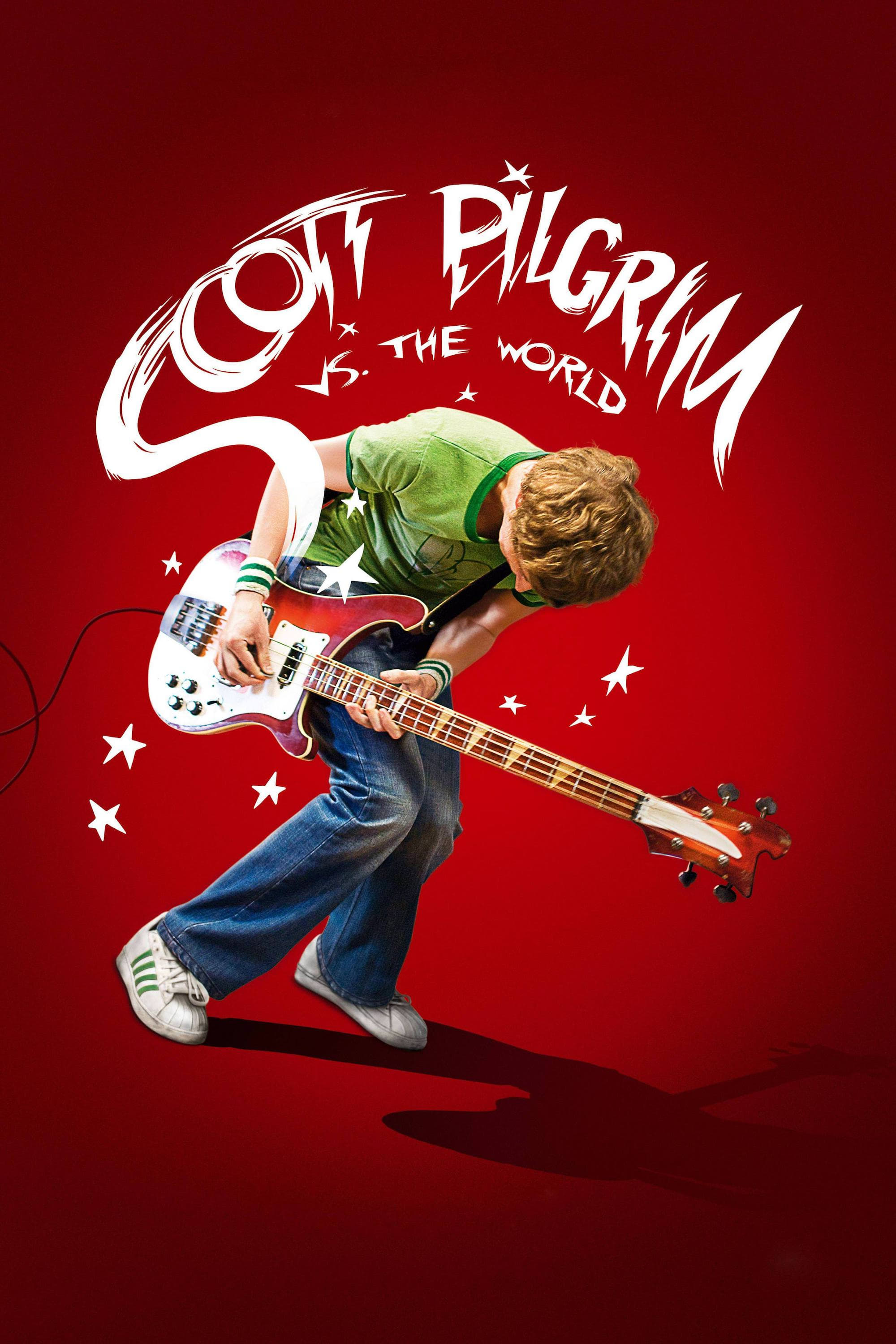
Director Edgar Wright uses split screens to mimic the aesthetic of video games and comic books. The screen divides during the battle of the bands sequences to show the musicians and their amplified powers. These visual cues enhance the frenetic energy and the surreal nature of the universe. The editing reinforces the source material’s graphic novel roots.
‘127 Hours’ (2010)
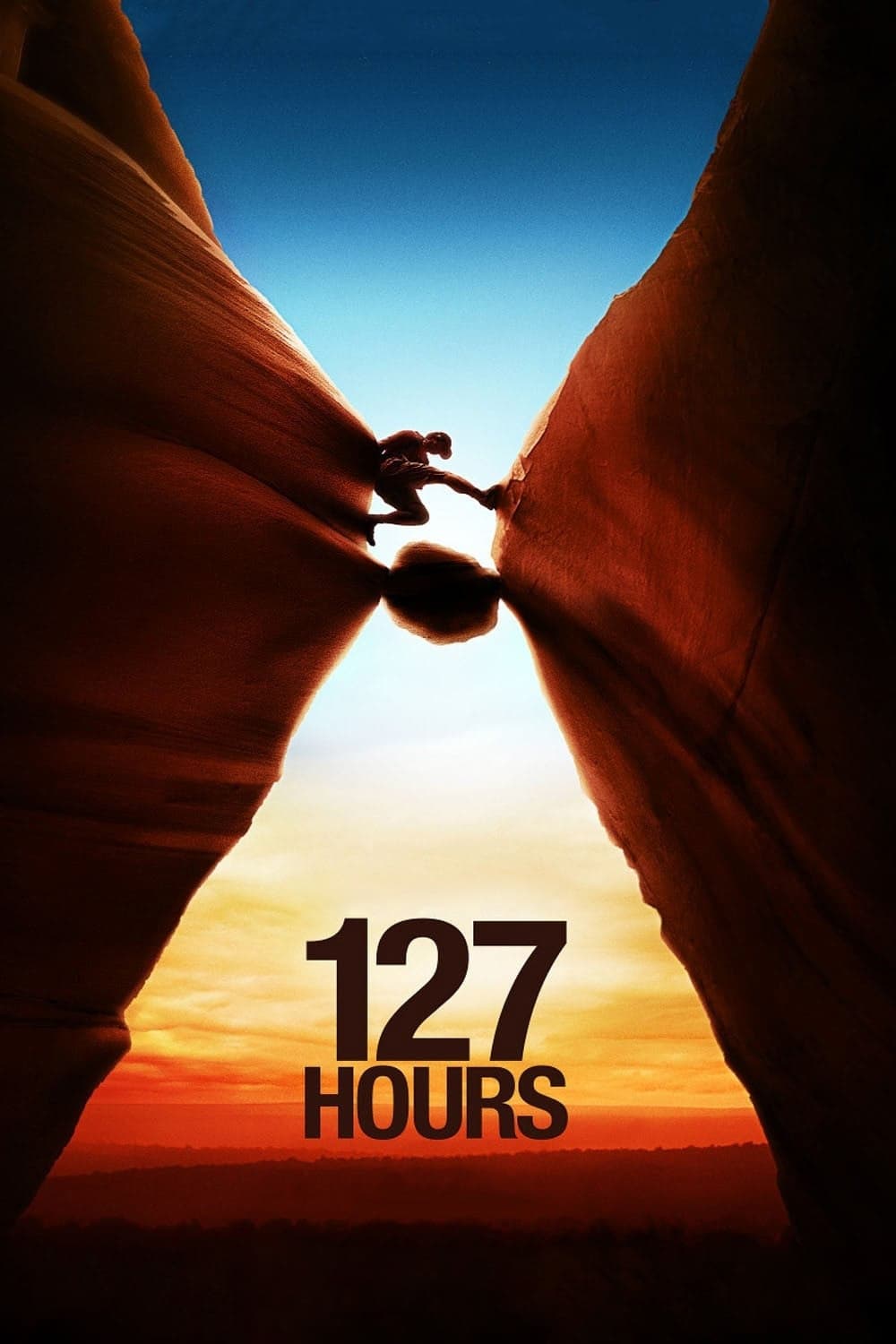
Danny Boyle uses the device to contrast the protagonist’s immobility with the busy world continuing without him. The screen fractures to show memories and hallucinations as the character suffers from dehydration and isolation. These visuals emphasize the claustrophobia of the canyon against the vastness of the life he left behind. The technique draws the audience into the character’s deteriorating mental state.
Please share your favorite use of split screen in cinema history in the comments.