


22 TV Shows with the Best Use of Montage for Emotional Impact

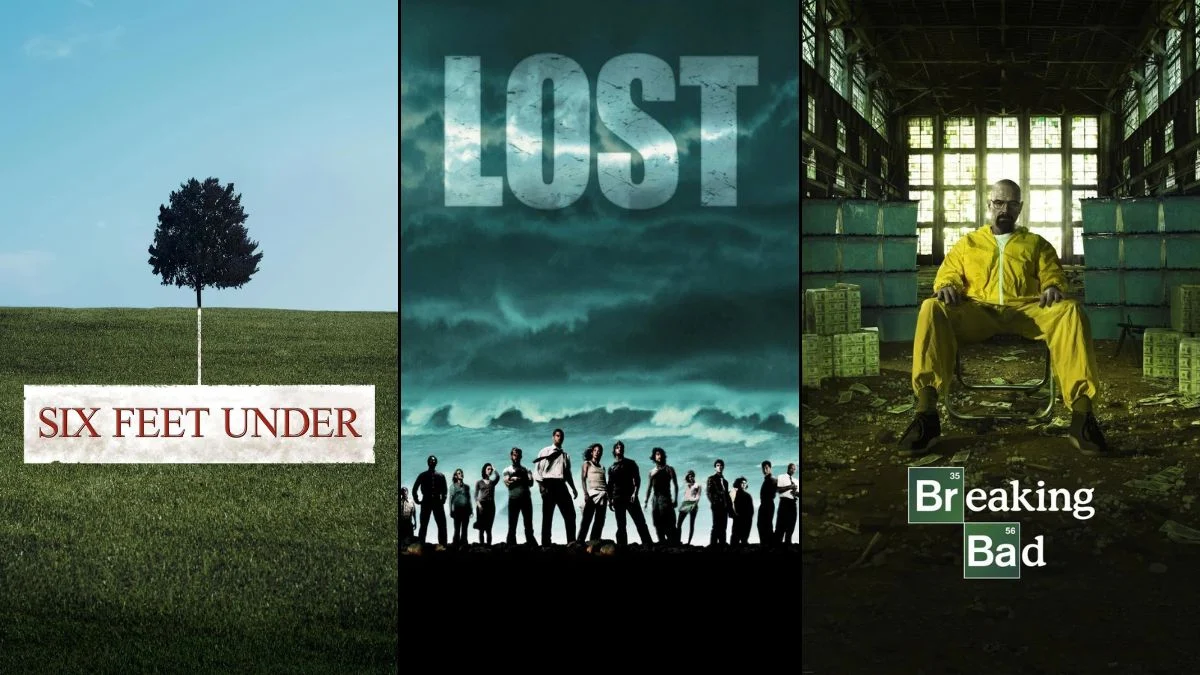


Montages serve as a powerful storytelling tool in television by condensing time or connecting thematic threads through visual language. These sequences often pair evocative imagery with carefully selected music to heighten the emotional resonance of a narrative arc. Directors and editors use this technique to convey complex information without the need for expository dialogue. The result is often a memorable cinematic moment that defines the legacy of the series.
‘Six Feet Under’ (2001–2005)
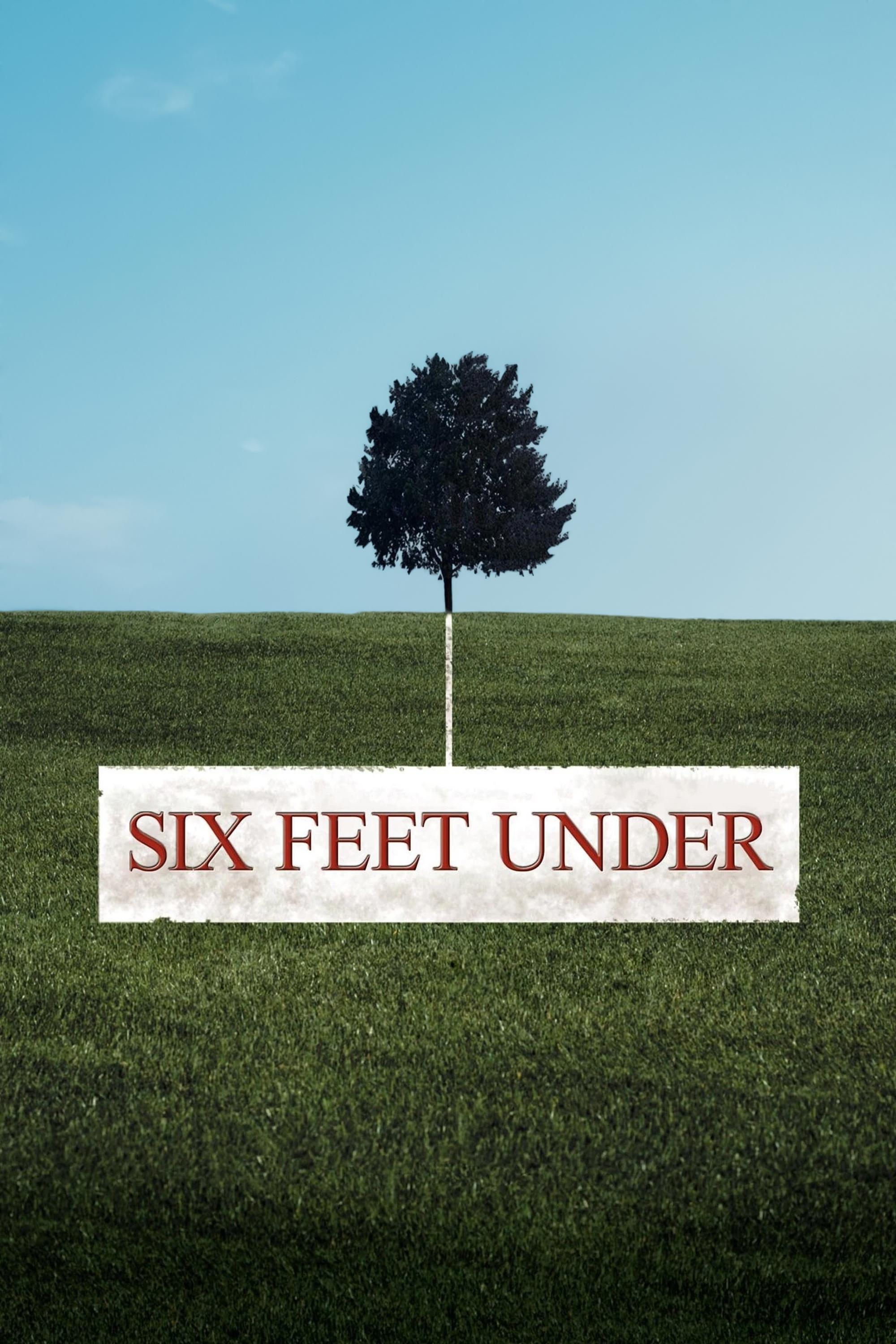
The final sequence of ‘Six Feet Under’ remains one of the most celebrated conclusions in television history. Claire Fisher drives away from her family home while a flash-forward sequence depicts the future death of every main character. The scene uses Sia’s song “Breathe Me” to underscore the inevitable passage of time and the beauty of a life well-lived. This montage provides a definitive and cathartic end to the narrative by showing the ultimate fate of the Fisher family.
‘The Wire’ (2002–2008)
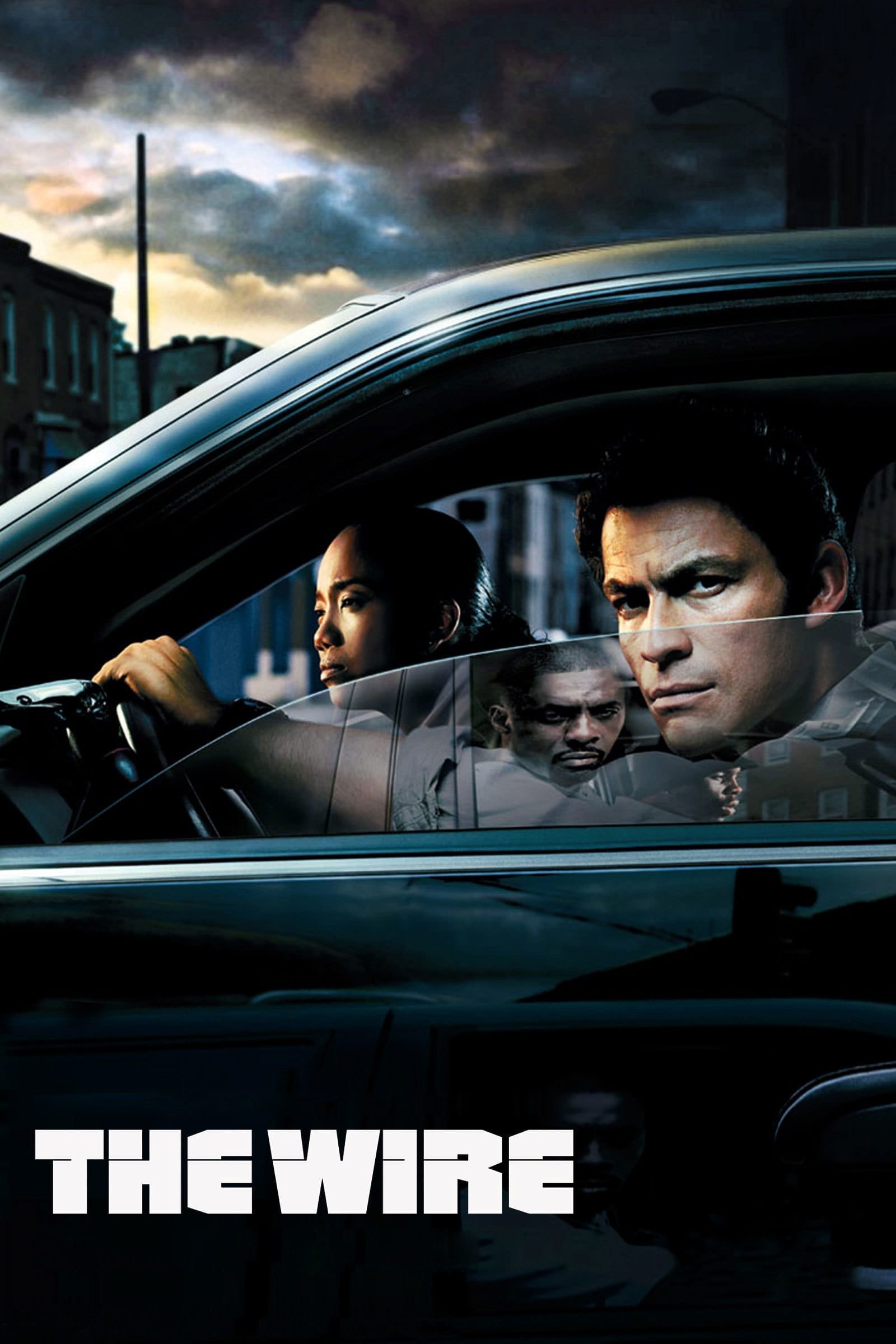
‘The Wire’ concludes each season with a comprehensive montage that surveys the ongoing cycle of life in Baltimore. These sequences often feature a specific song that captures the mood of the season while showing the shifting fortunes of the characters. The visual storytelling emphasizes the systemic nature of the institutions portrayed in the series. Viewers see how some players change while the game itself remains perpetually the same.
‘Breaking Bad’ (2008–2013)
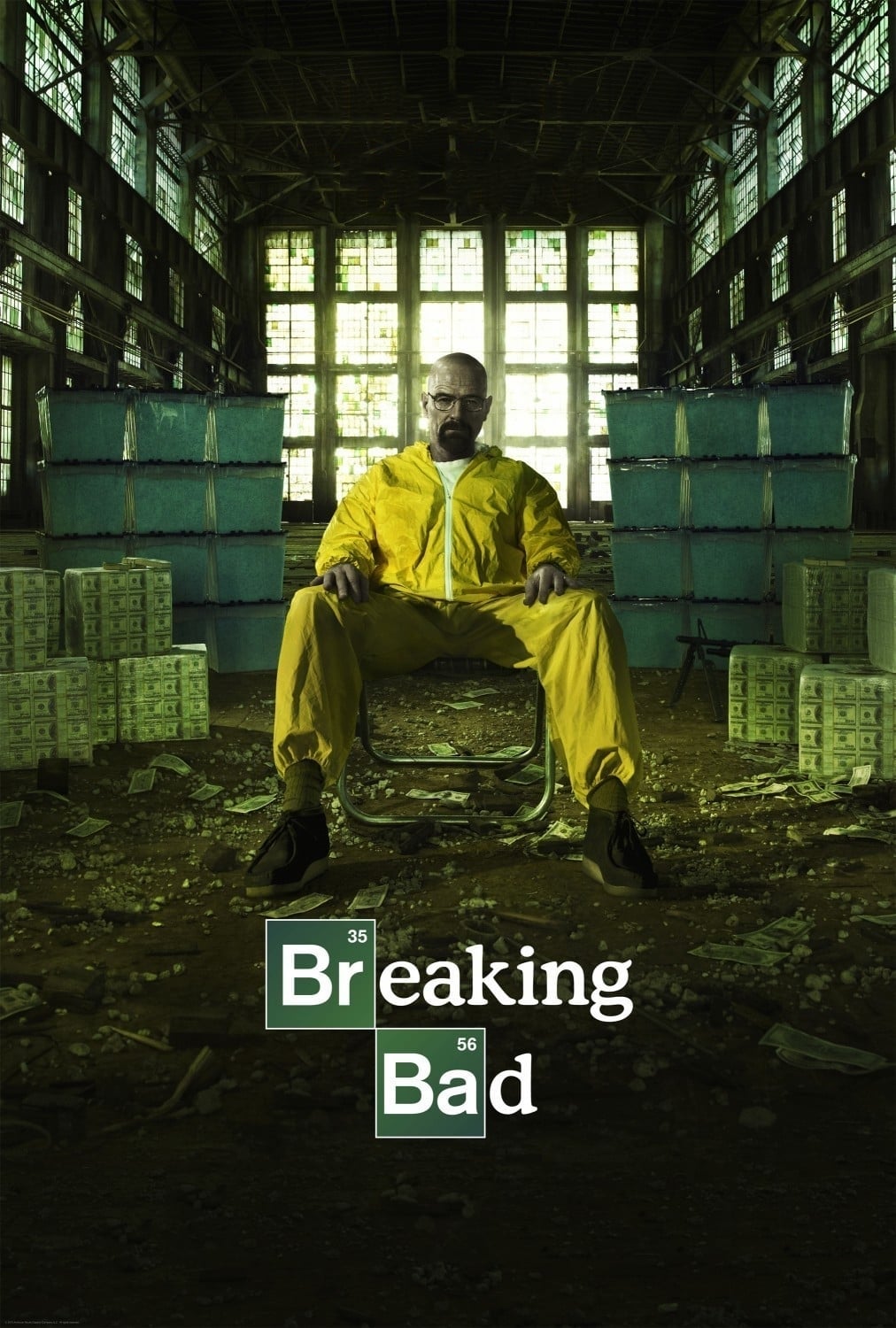
Vince Gilligan frequently utilized montages in ‘Breaking Bad’ to depict the passage of time and the mechanics of the methamphetamine trade. One notable example features Walter White and Todd Alquist cooking in various houses to the tune of “Crystal Blue Persuasion”. These sequences efficiently condense months of criminal activity into rhythmic and visually engaging segments. The juxtaposition of upbeat music with illegal activities highlights the normalization of crime for the protagonists.
‘Better Call Saul’ (2015–2022)
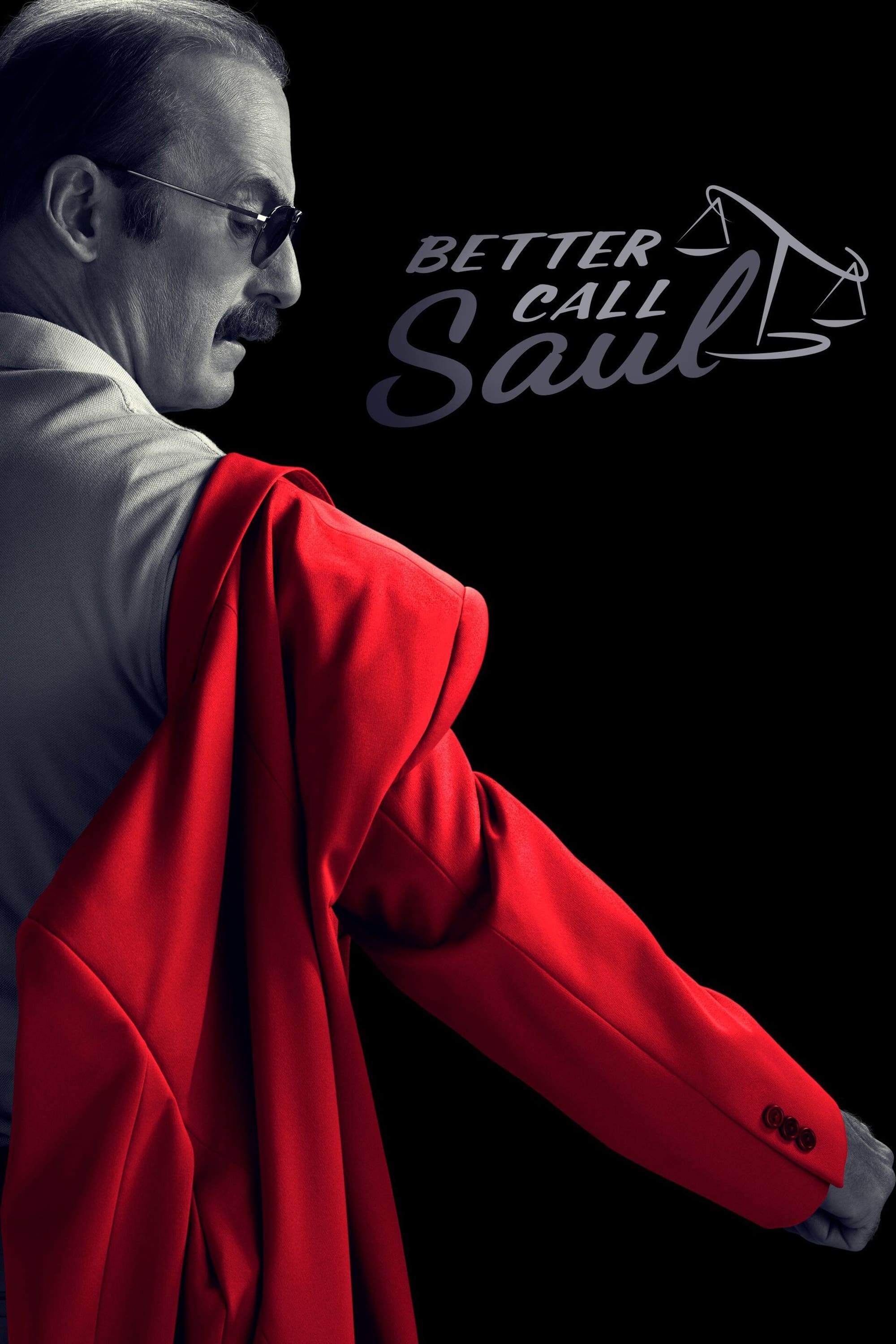
The spin-off series ‘Better Call Saul’ utilizes split-screen montages to show the diverging paths of Jimmy McGill and Kim Wexler. The sequence set to “Something Stupid” visually represents their growing emotional distance despite occupying the same domestic space. Each half of the screen details their separate daily routines until the divide becomes insurmountable. This technique allows the audience to feel the unspoken drift between the two characters without a single line of dialogue.
‘Lost’ (2004–2010)
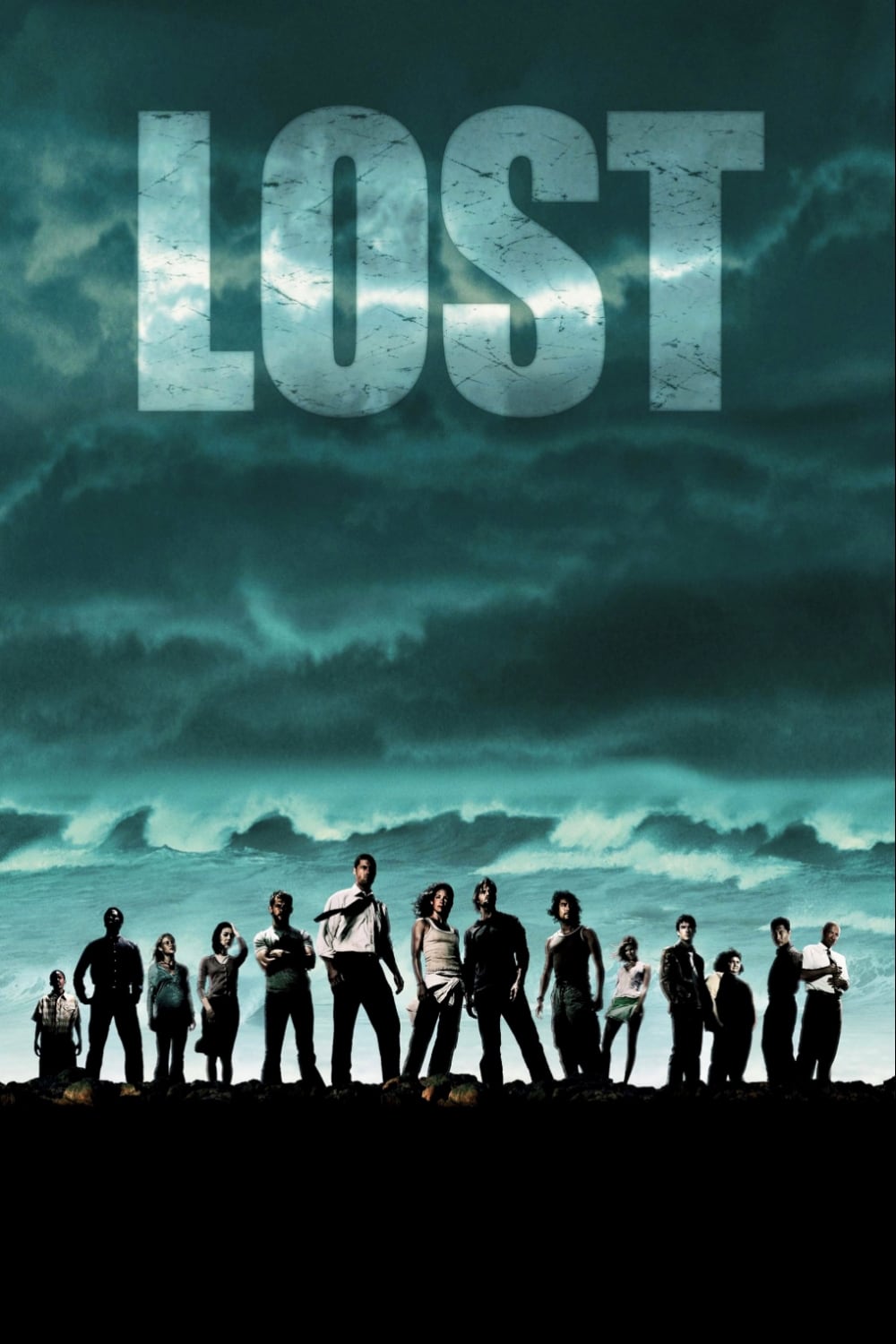
‘Lost’ frequently employed musical montages to establish the emotional state of the survivors on the island. The closing sequence of the first season captures the group boarding the raft while others stay behind on the beach. Michael Giacchino’s score swells as the camera pans across the hopeful and fearful faces of the cast. These moments ground the supernatural mystery in human emotion and community connection.
‘Mad Men’ (2007–2015)
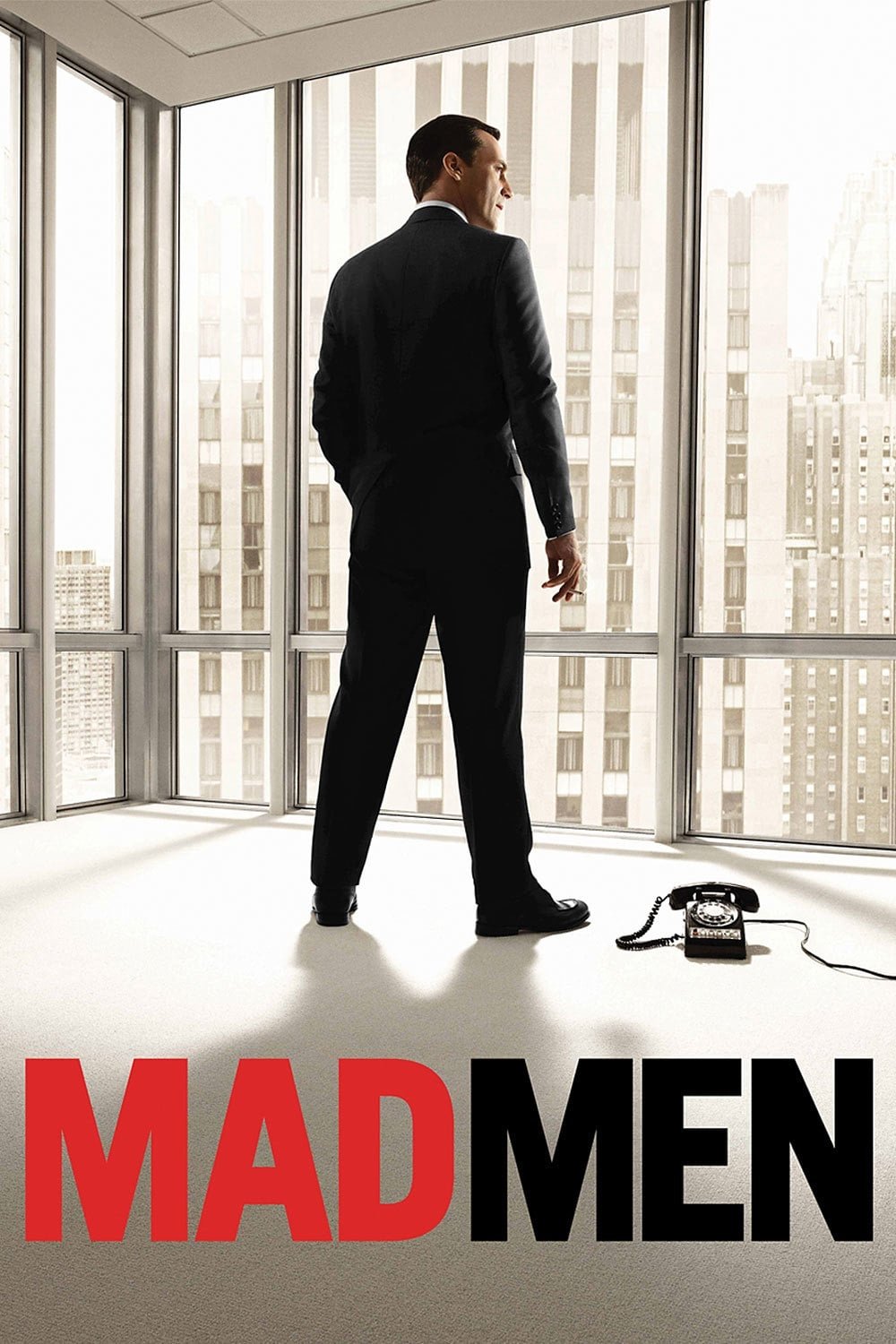
Don Draper delivers a pitch for the Kodak Carousel in ‘Mad Men’ that serves as a montage of his own family memories. The slideshow projects images of a happier past while Draper speaks about the ache of nostalgia. This scene reveals the deep unhappiness beneath his polished exterior and his longing for a time that cannot be reclaimed. The emotional weight lands heavily on both the characters in the meeting and the audience watching the personal tragedy.
‘Scrubs’ (2001–2010)
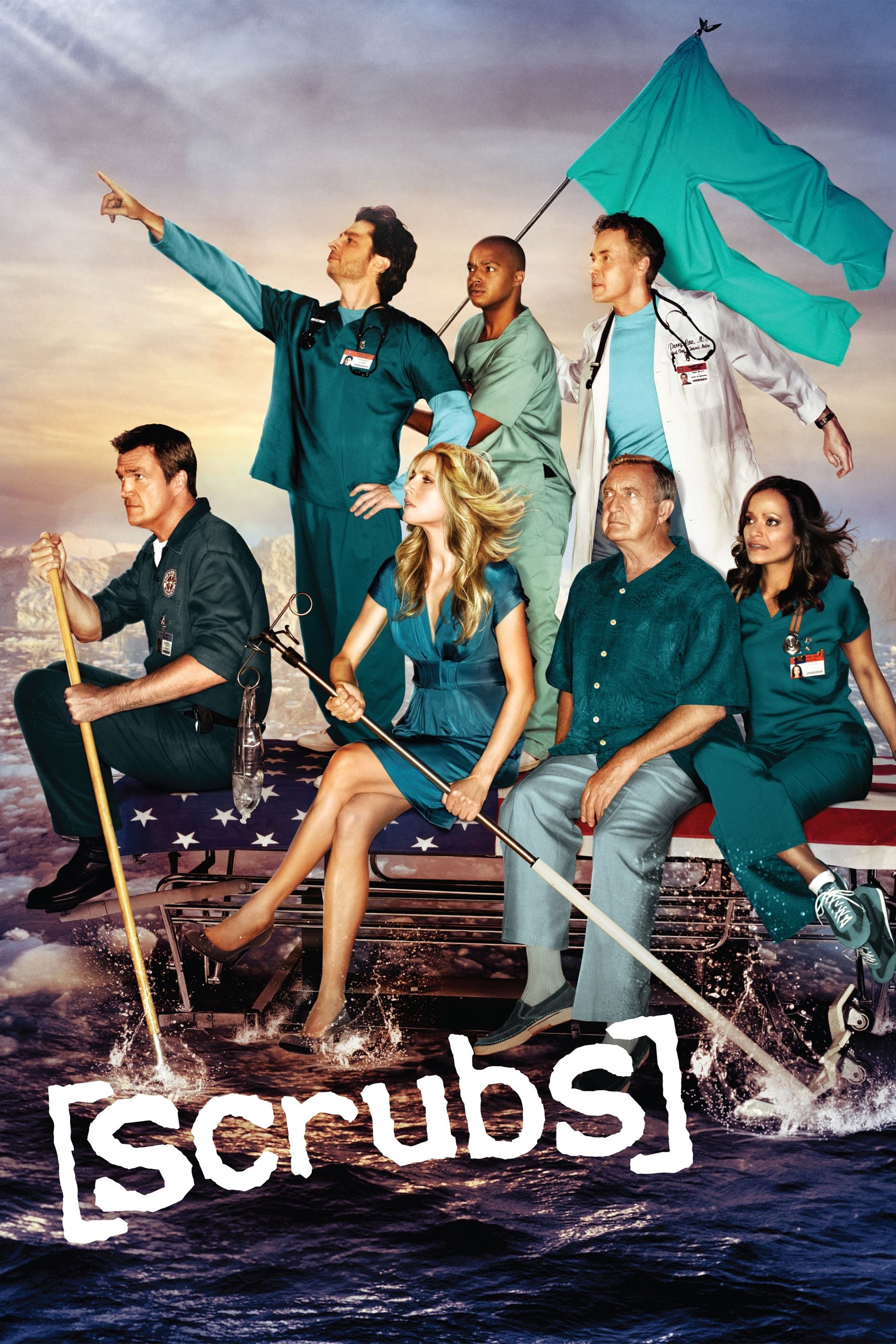
The medical comedy ‘Scrubs’ often pivoted to serious drama using music-driven montages. A pivotal episode features Dr. Cox losing three patients in a row while The Fray’s “How to Save a Life” plays in the background. The sequence strips away the humor to focus on the harsh realities of hospital work and the toll it takes on physicians. It remains a defining moment that demonstrates the show’s ability to handle grief.
‘Game of Thrones’ (2011–2019)
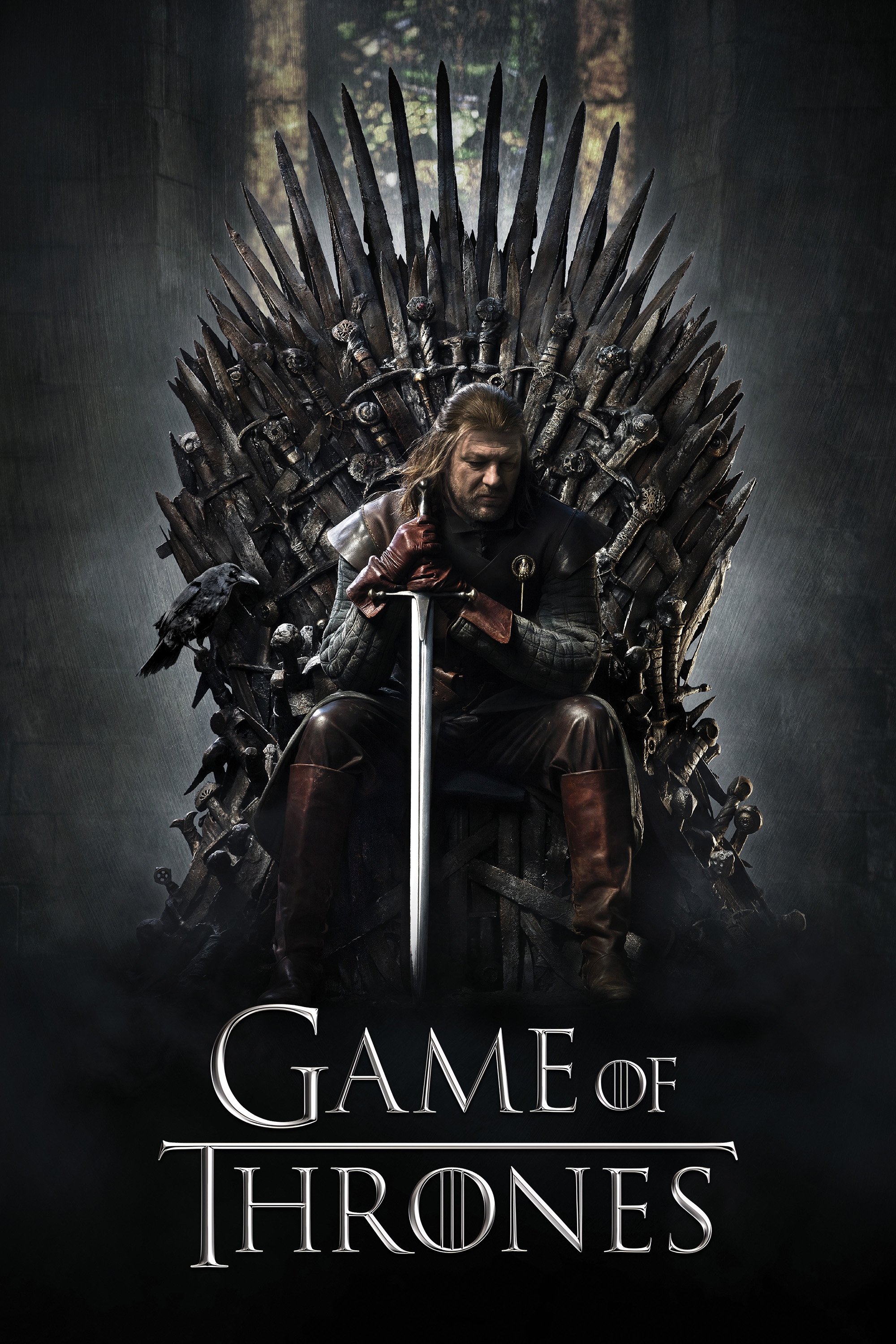
The opening sequence of the season six finale of ‘Game of Thrones’ uses a piano-led montage to build tension in King’s Landing. Cersei Lannister prepares for her trial while various characters dress for the ceremony at the Great Sept of Baelor. The music slowly builds to a crescendo as the green wildfire explosion decimates her enemies. This sequence marks a significant shift in power and tone for the remainder of the series.
‘Stranger Things’ (2016–Present)
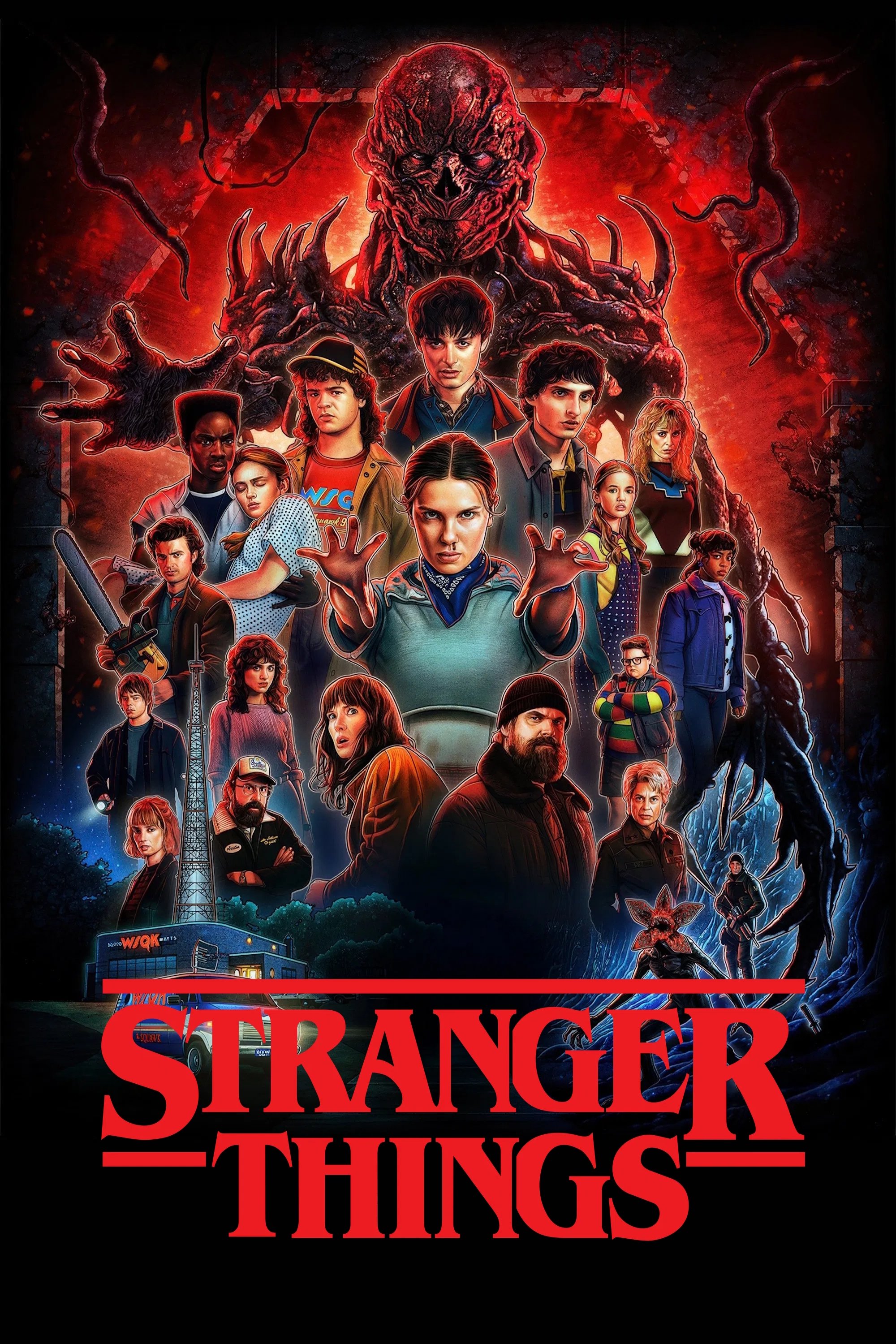
‘Stranger Things’ utilizes a powerful montage when Max Mayfield attempts to escape the villain Vecna in the Upside Down. Kate Bush’s “Running Up That Hill” plays as Max recalls happy memories with her friends to find the strength to survive. The fast-paced editing matches the intensity of the music and the desperation of the character’s sprint toward safety. This scene resonated globally for its metaphor of overcoming trauma through the power of positive memory.
‘The Bear’ (2022–Present)
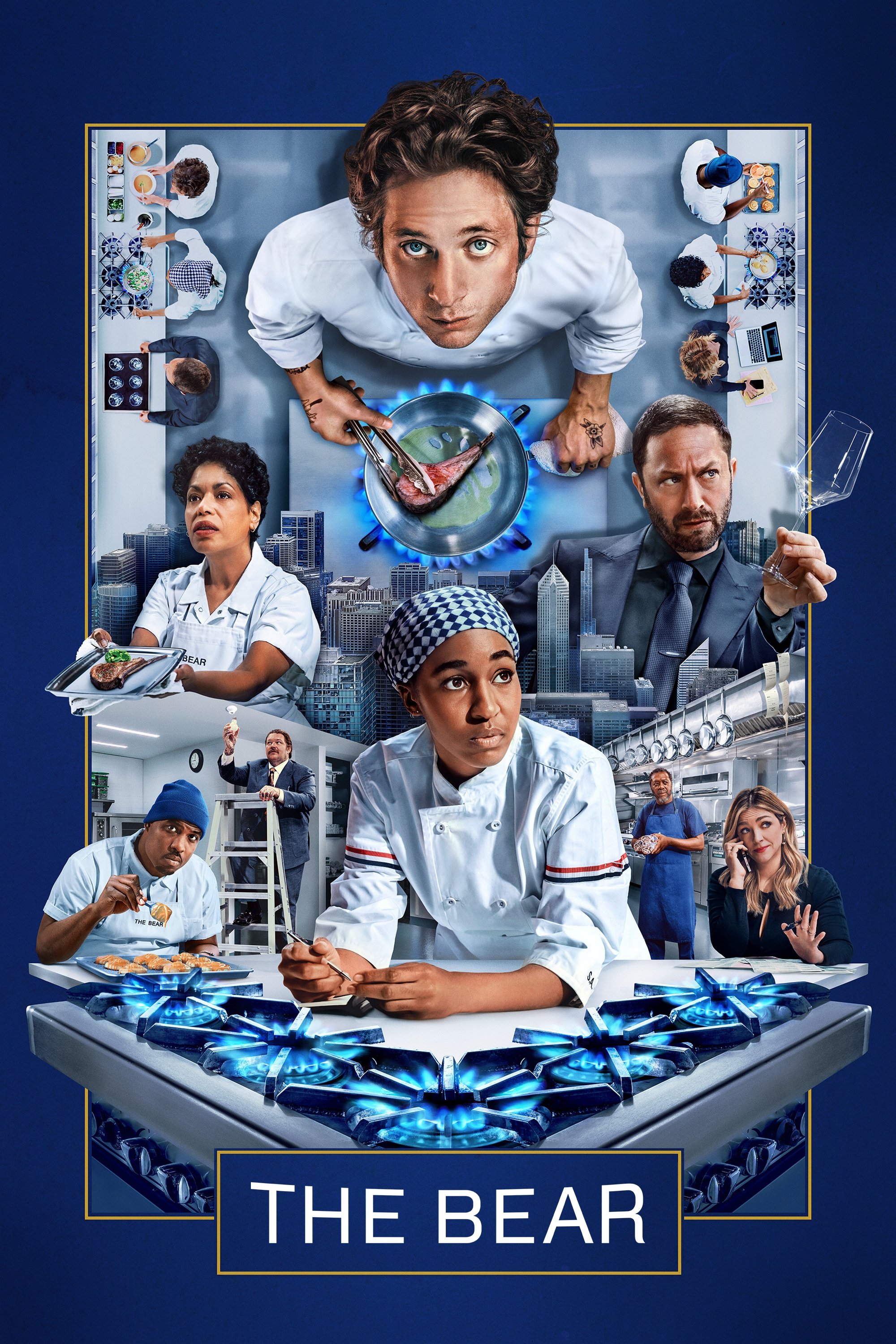
The frantic energy of the kitchen in ‘The Bear’ is often captured through rapid-fire editing and stressful montages. One sequence details the relentless preparation required to open the restaurant while showing the financial and emotional strain on the staff. The editing rhythm mimics the high-pressure environment of the culinary world. Viewers experience the claustrophobia and chaos that defines the daily lives of the chefs.
‘Succession’ (2018–2023)
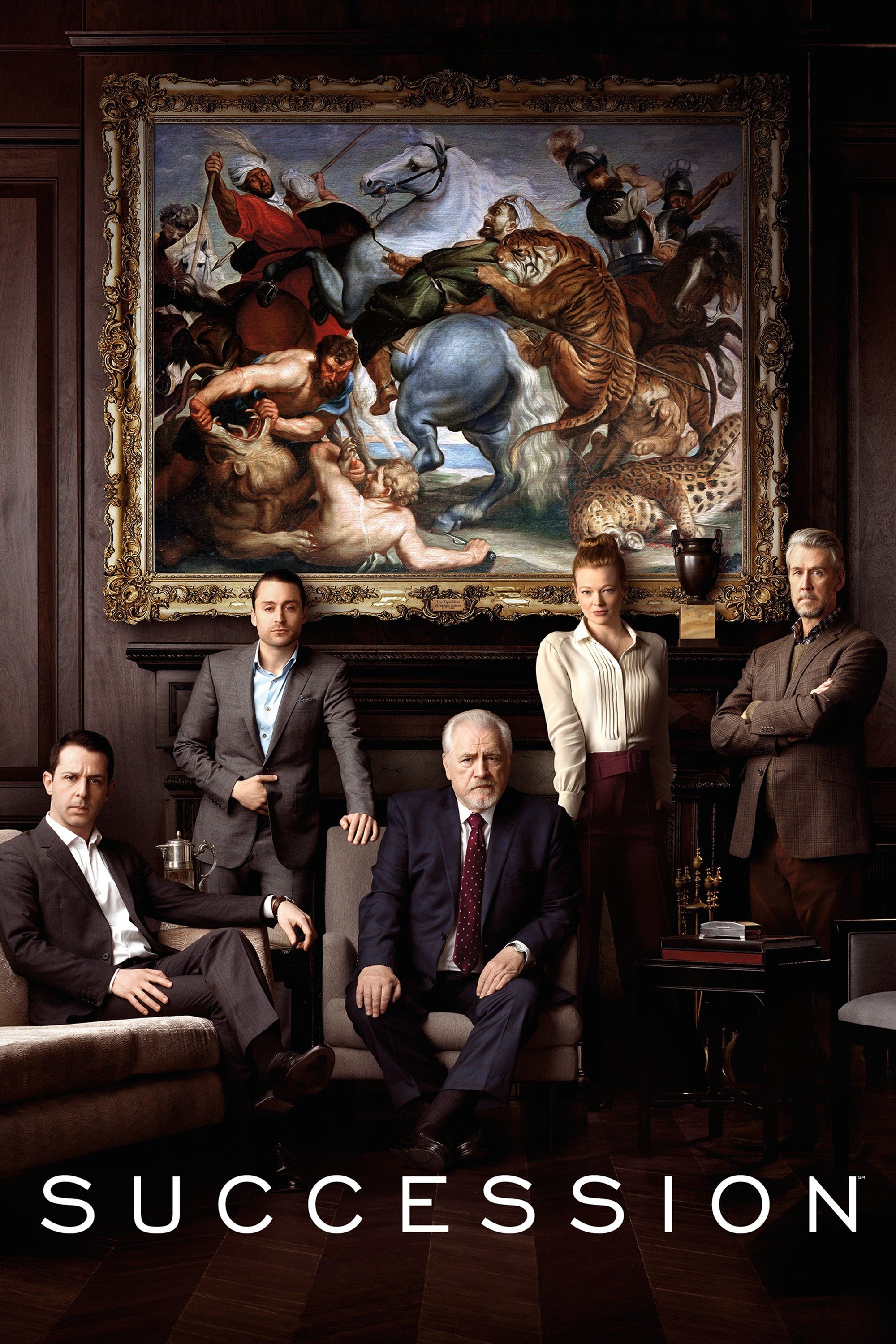
‘Succession’ uses its score and silent montages to highlight the isolation of the Roy family members. The finale often cuts between the siblings as they process their losses or victories in luxurious but empty settings. Nicholas Britell’s haunting score underscores the tragedy of their broken relationships and endless ambition. These wordless moments reveal the internal vacuity that accompanies their immense wealth.
‘BoJack Horseman’ (2014–2020)
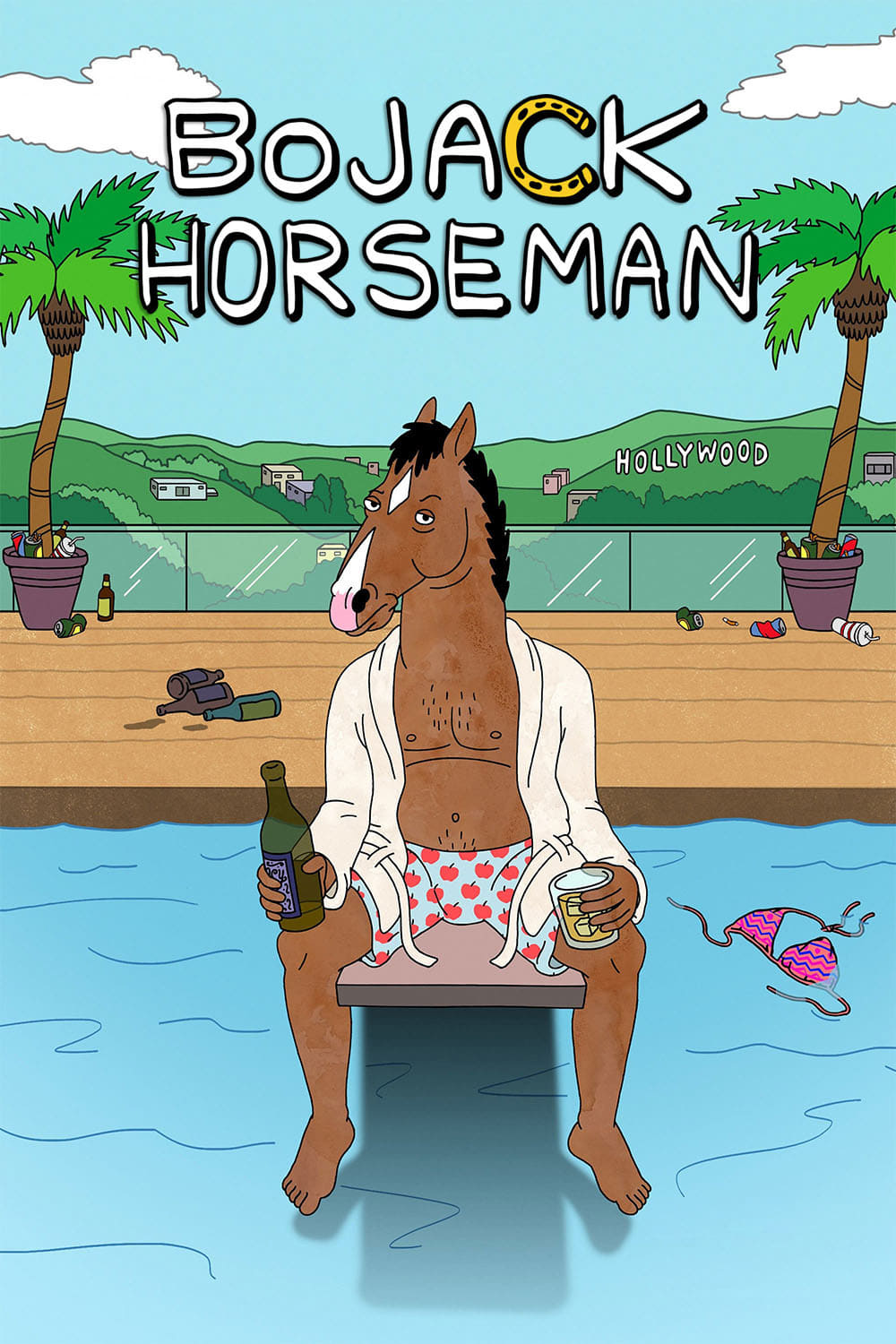
The animated series ‘BoJack Horseman’ uses visual experimentation to convey the protagonist’s depression and substance abuse. A montage involving a planetarium projection connects the characters across different timelines and states of mind. The animation style shifts to reflect the distorted reality perceived by BoJack during his lowest moments. These sequences provide a window into the character’s psyche that dialogue alone could not achieve.
‘The West Wing’ (1999–2006)
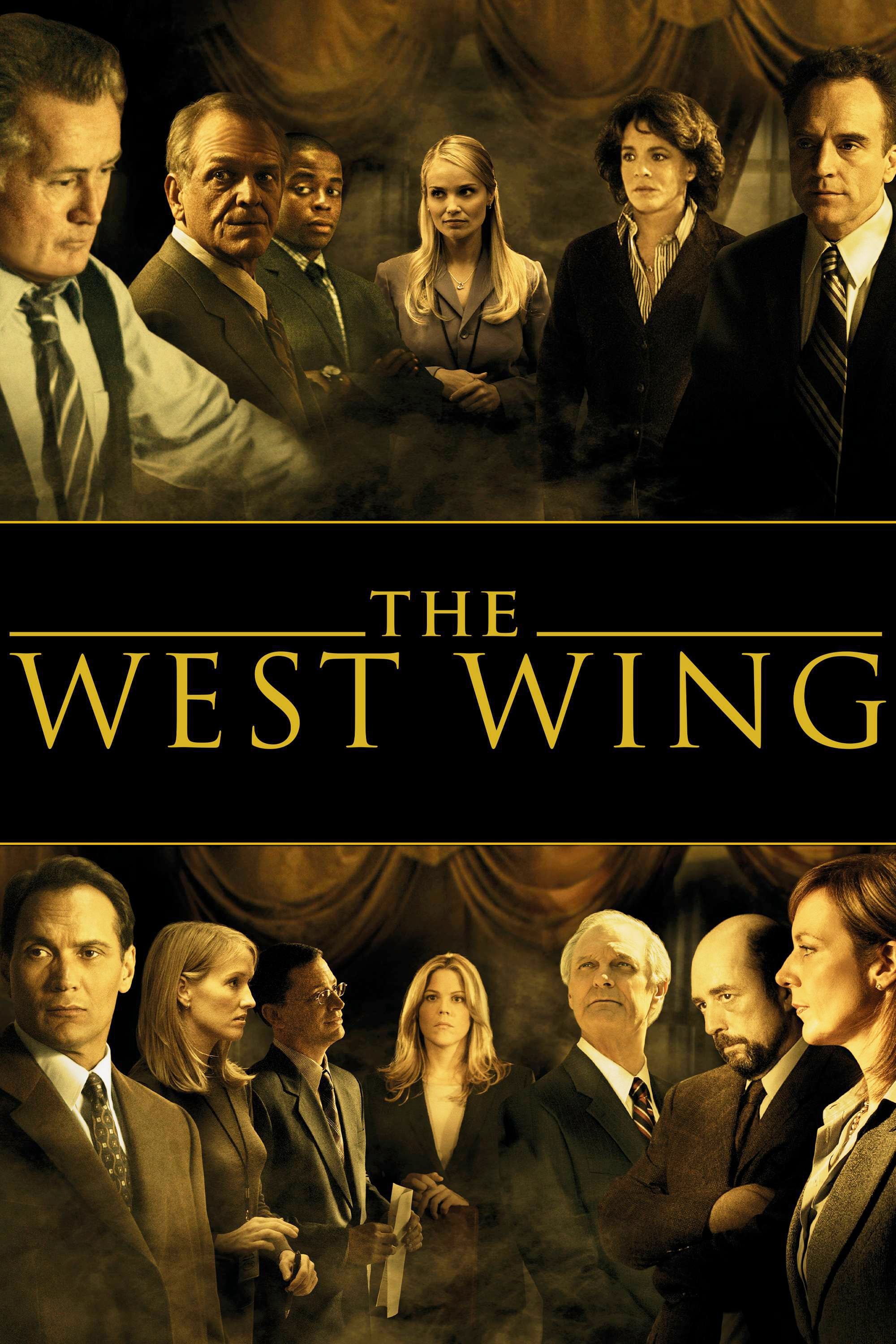
‘The West Wing’ famously used a montage set to Jeff Buckley’s cover of “Hallelujah” to depict the aftermath of a Secret Service agent’s death. Mark Harmon’s character is mourned while the main cast navigates a crisis involving a threatening arrest. The slow-motion visuals emphasize the solemnity of duty and the personal cost of public service. It stands as one of the most memorable uses of music in the series.
‘The Americans’ (2013–2018)
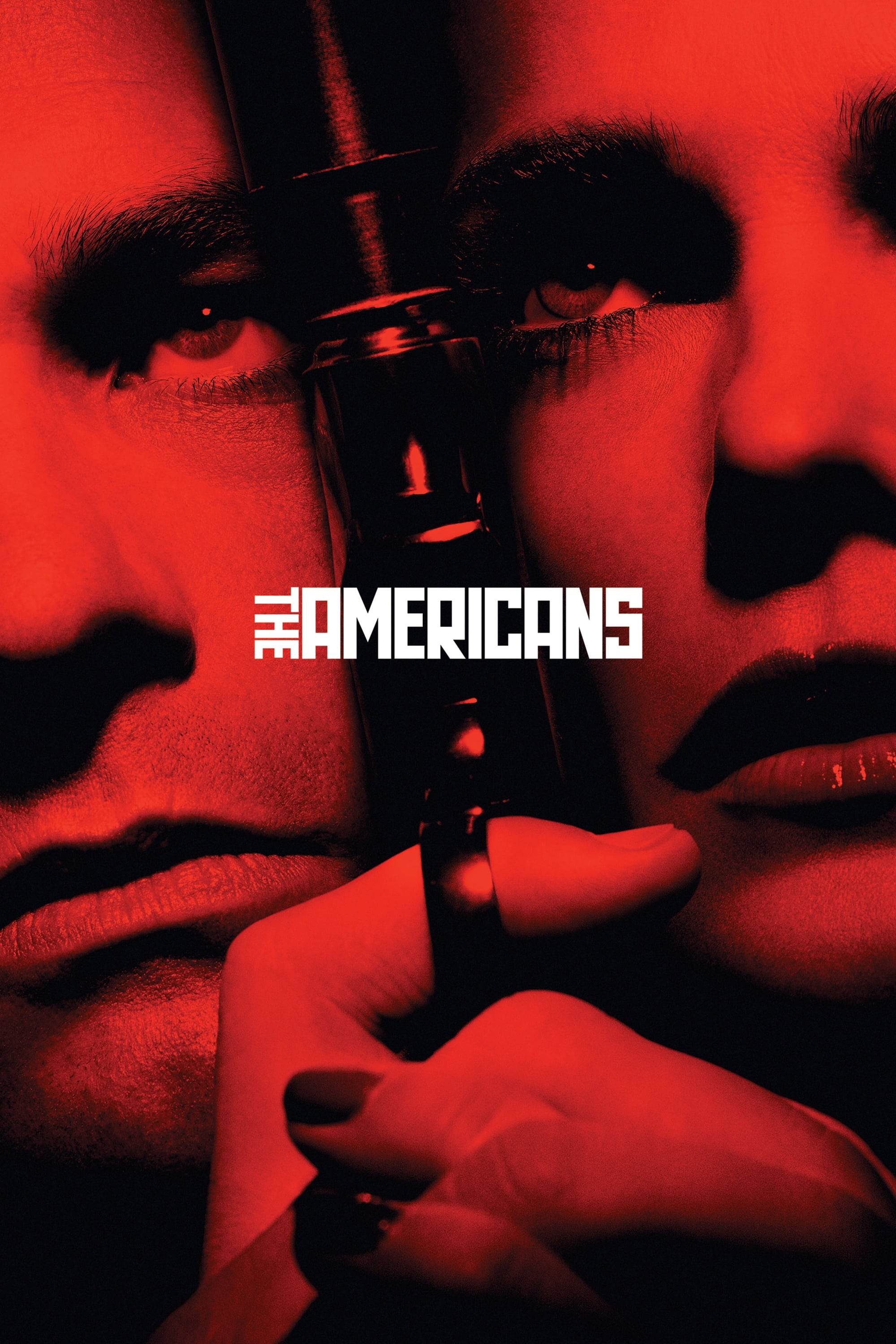
The finale of ‘The Americans’ features a tense train ride montage set to U2’s “With or Without You”. Philip and Elizabeth Jennings watch their daughter on the platform as they make their escape back to Russia. The scene conveys the heartbreaking permanence of their decision to leave their children behind for safety. No words are spoken between the family members as the distance between them grows physically and metaphorically.
‘Halt and Catch Fire’ (2014–2017)

‘Halt and Catch Fire’ utilizes Peter Gabriel’s “Solsbury Hill” to illustrate the passage of time and the evolution of the tech industry. The montage shows the characters launching a new venture and finding joy in creation after years of struggle. It captures the optimism of the early internet era and the collaborative spirit of the group. The sequence serves as a narrative bridge that revitalizes the storyline and the characters’ relationships.
‘This Is Us’ (2016–2022)
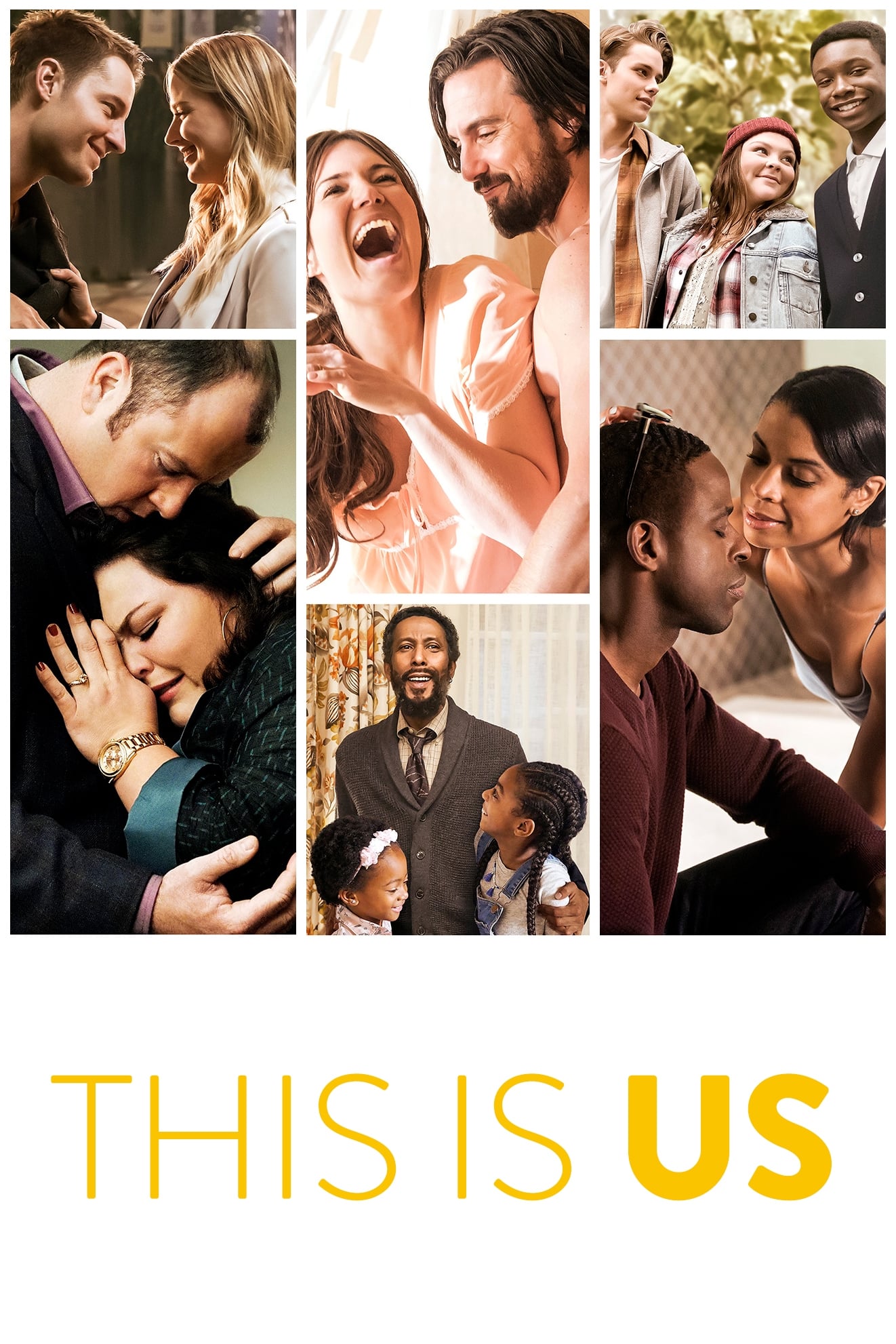
The narrative structure of ‘This Is Us’ relies heavily on montages that weave together storylines from the past and present. These sequences often reveal how a single tradition or object connects generations of the Pearson family. The editing highlights the cyclical nature of life and the endurance of familial love across decades. Viewers receive a holistic view of the family’s history that emphasizes emotional continuity.
‘Friday Night Lights’ (2006–2011)
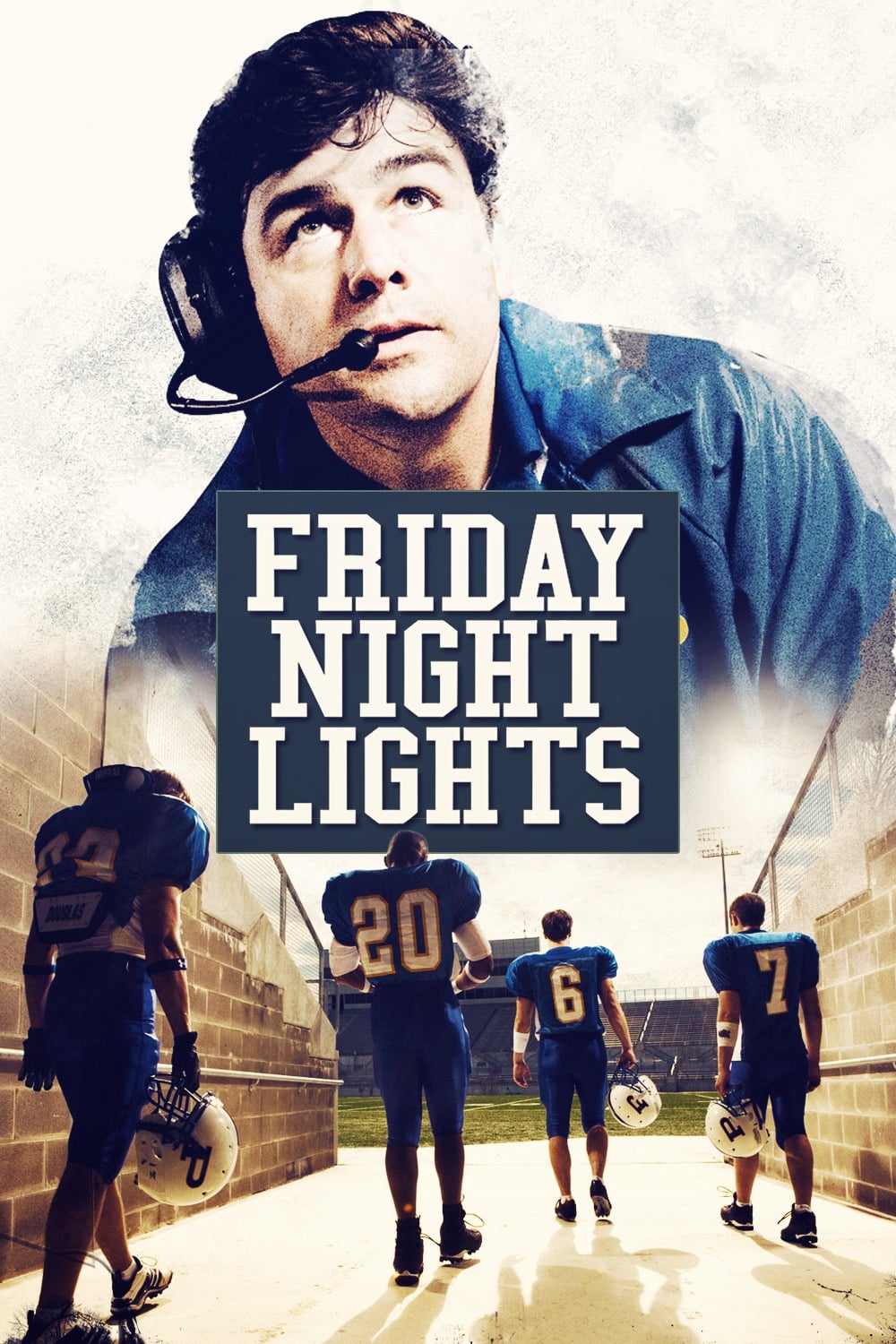
‘Friday Night Lights’ often ends episodes with atmospheric montages showing the town of Dillon under the lights. The camera lingers on the faces of players and residents as they process the outcome of the week’s football game. Explosions in the Sky provides the post-rock soundtrack that gives these moments a melancholic and reflective tone. The visuals ground the high stakes of high school football in the quiet reality of small-town life.
‘Mr. Robot’ (2015–2019)
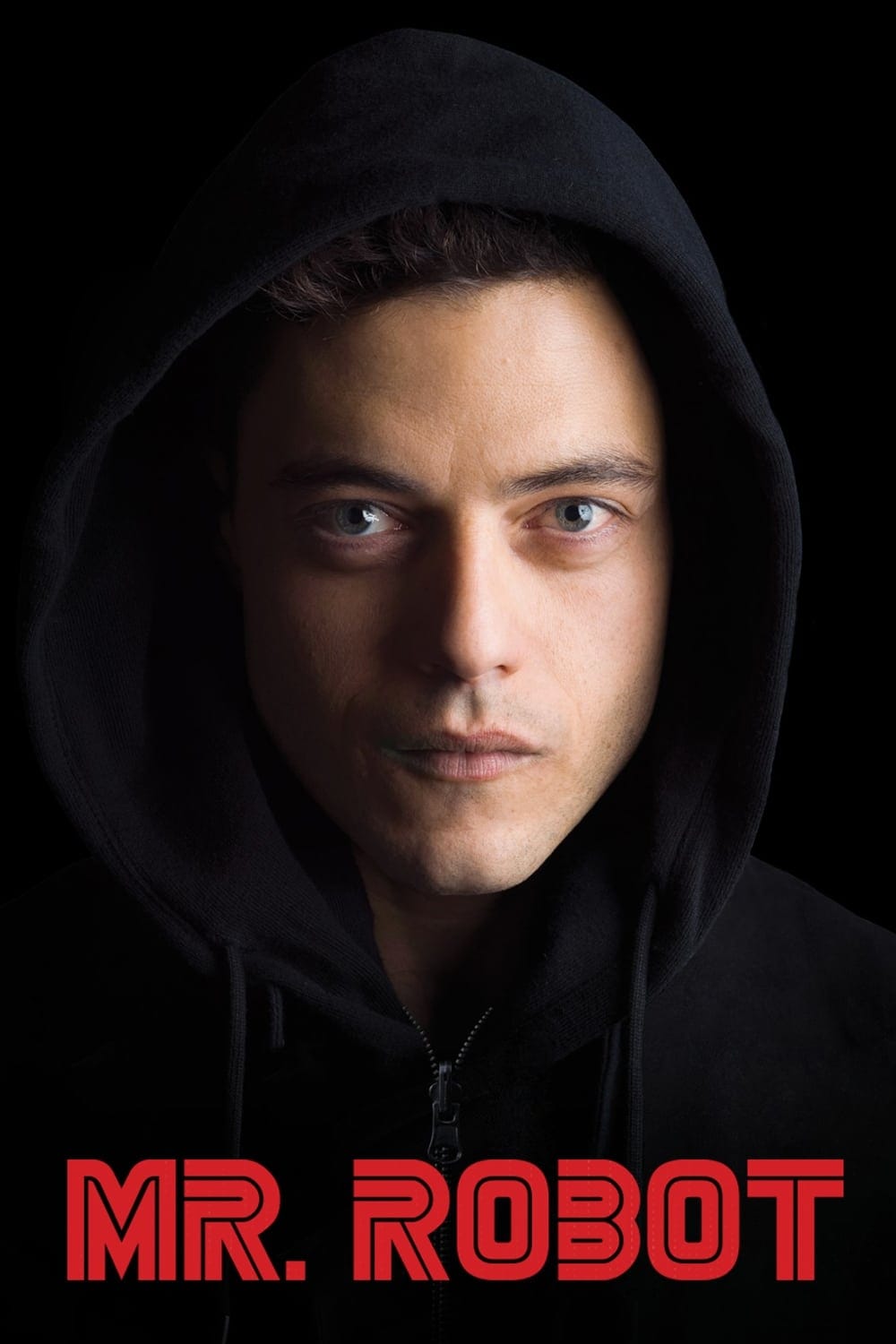
Sam Esmail uses disorienting montages in ‘Mr. Robot’ to place the audience inside the protagonist’s fragmented mind. Elliot’s hacking routines are often stylized with rapid cuts and voiceovers that blur the line between digital and physical reality. These sequences visualize the monotony of corporate life alongside the thrill of cyber-vigilantism. The visual style reinforces the themes of alienation and control that permeate the show.
‘Fleabag’ (2016–2019)
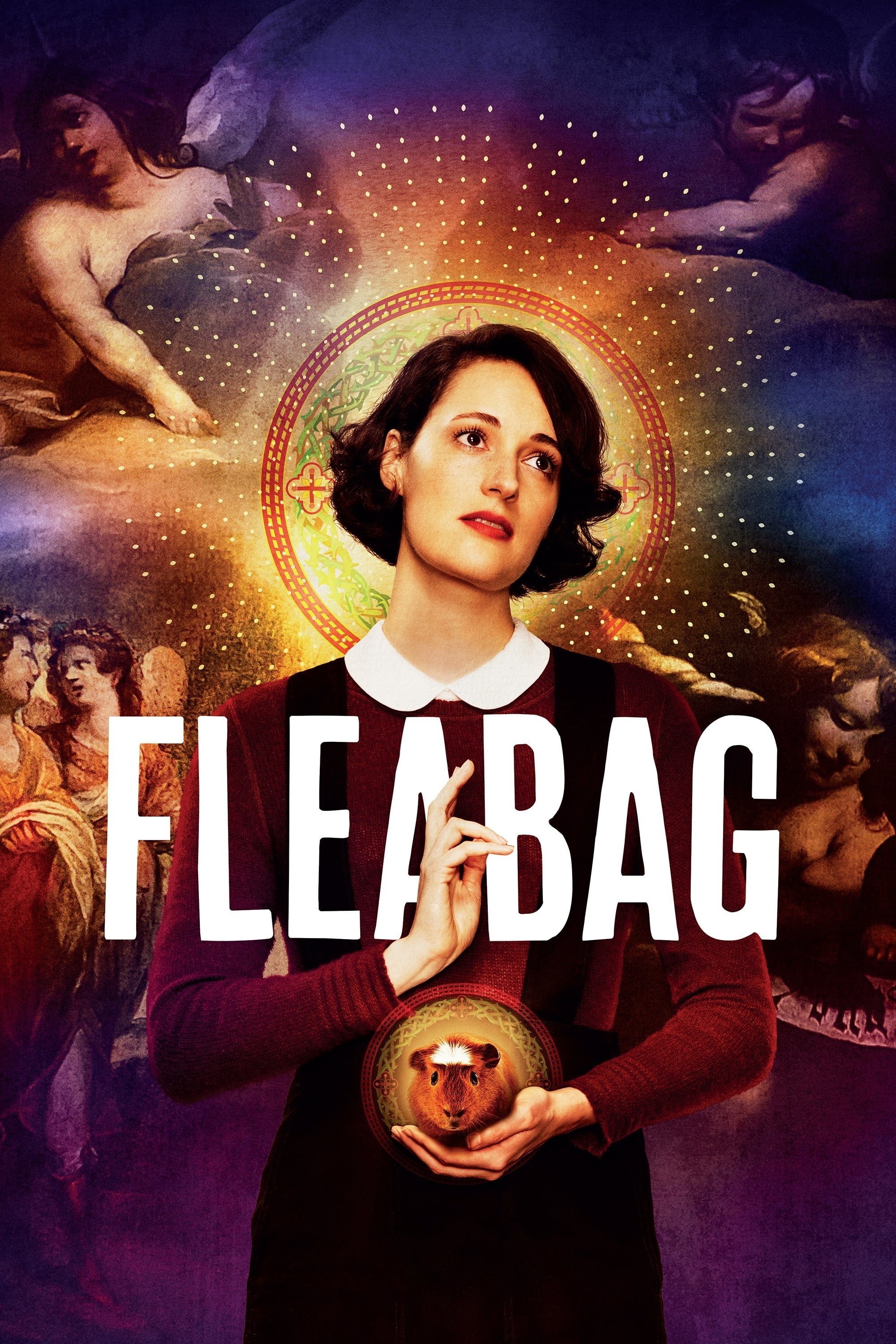
The second season of ‘Fleabag’ concludes with a montage of the protagonist walking away from the camera. She leaves behind the statue that represented her guilt and waves goodbye to the audience for the final time. This breaking of the fourth wall serves as a visual representation of her healing process. The character no longer needs the audience as a coping mechanism because she has learned to love herself.
‘Battlestar Galactica’ (2004–2009)
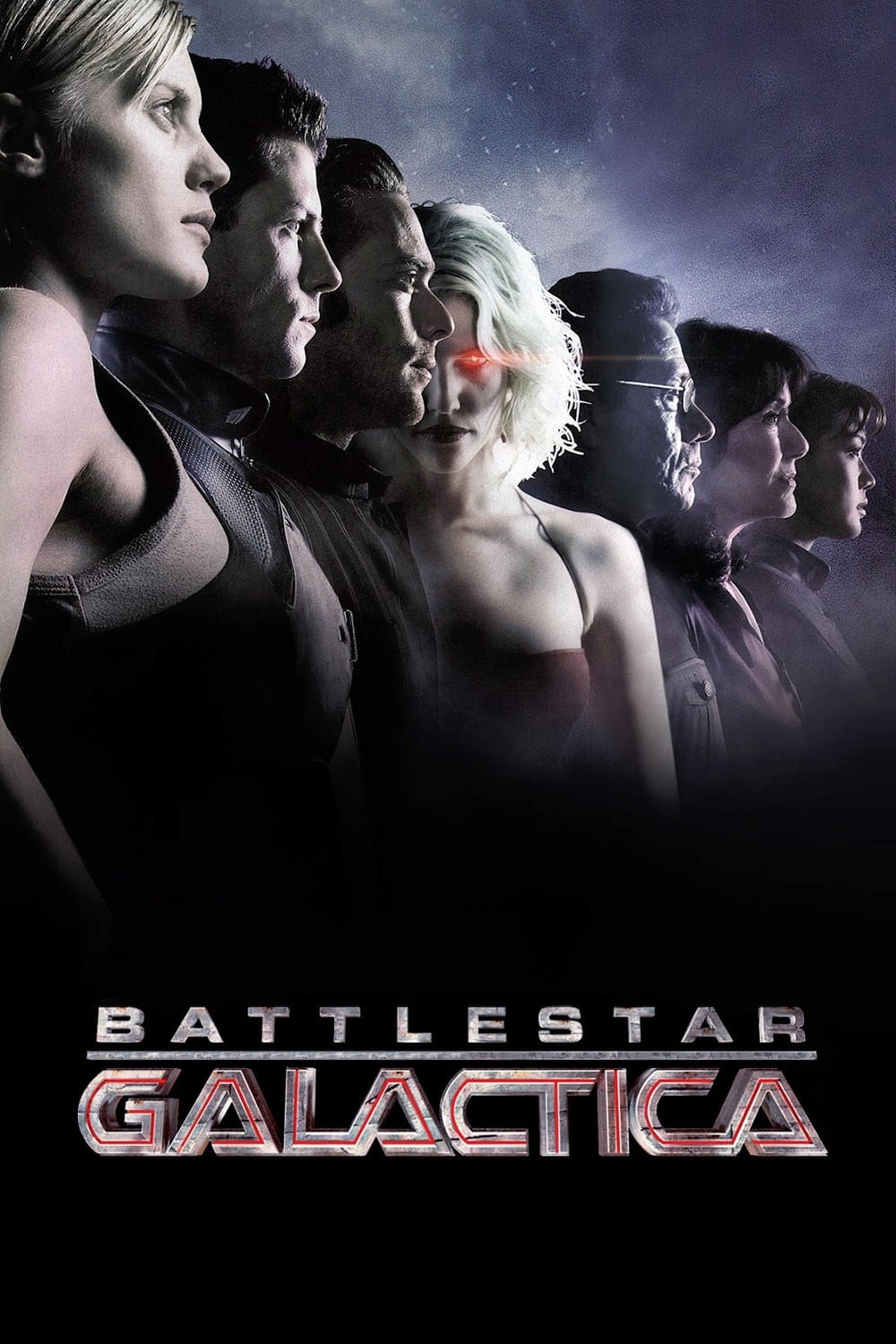
‘Battlestar Galactica’ reveals the identity of the final Cylons through a montage set to a cover of “All Along the Watchtower”. The song activates the hidden programming of the characters as they are drawn together on the ship. The juxtaposition of the classic rock lyrics with the sci-fi setting creates a surreal and ominous atmosphere. This reveal fundamentally changes the dynamic of the show and the stakes of the conflict.
‘Buffy the Vampire Slayer’ (1997–2003)
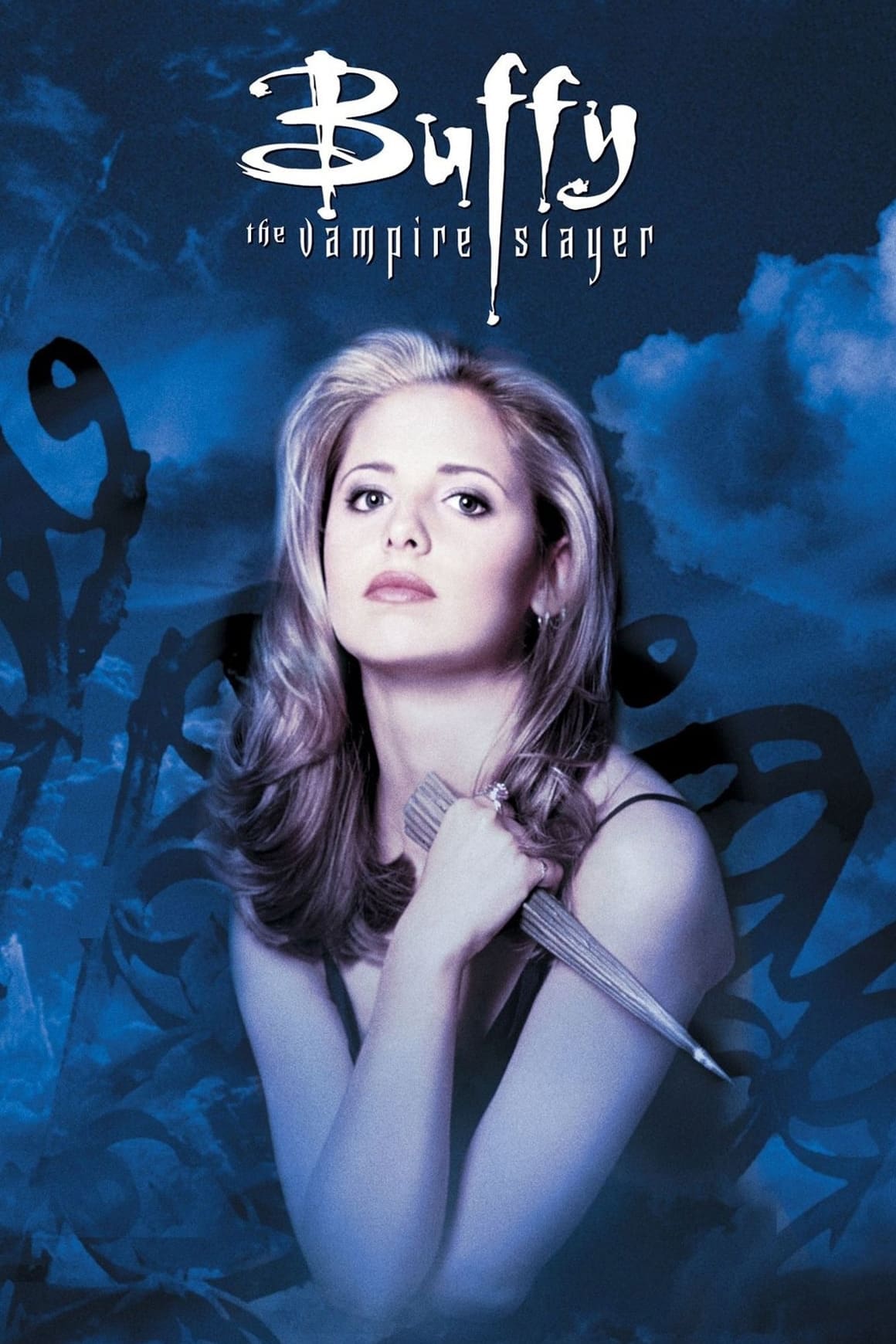
The musical episode “Once More, with Feeling” in ‘Buffy the Vampire Slayer’ acts as a grand montage of hidden feelings. The characters express their secrets through song while the editing connects their isolated struggles. It propels the plot forward by forcing the group to confront truths they had been ignoring. This approach transforms a gimmick into a profound exploration of character psychology.
‘Ted Lasso’ (2020–2023)
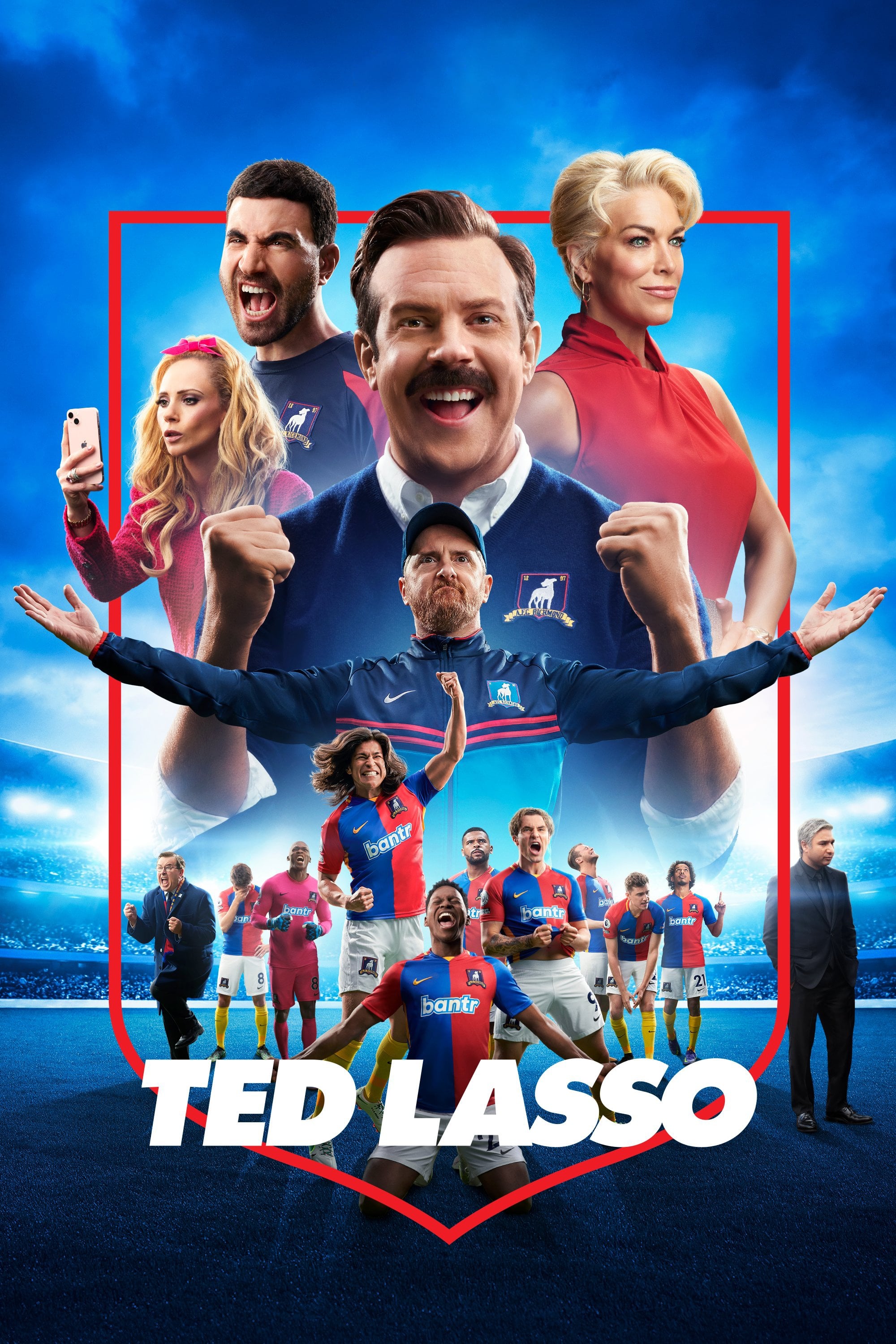
‘Ted Lasso’ pays homage to romantic comedies with a montage of Roy Kent searching for Keeley Jones. The sequence is set to “She’s a Rainbow” and hits various tropes of the genre including the run through the streets. It balances the show’s wholesome humor with genuine romantic tension and character growth. The scene culminates in a reunion that solidifies the emotional core of the series.
Tell us which TV montage made you the most emotional in the comments.