

25 Anime Where the Power of Friendship Is Literally Gay

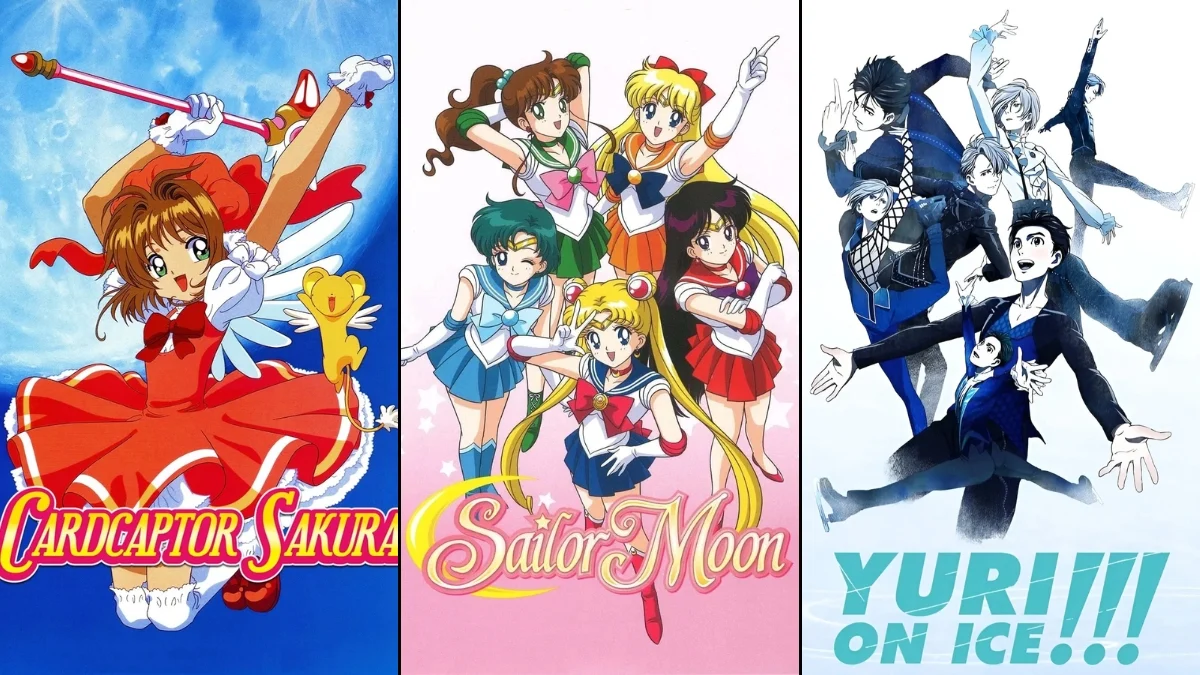


Sometimes the “we’re just friends” bond is doing far more heavy lifting than the characters let on—shaping destinies, supercharging transformations, and straight-up saving the world. In these anime, same-gender connections—romantic, queer-coded, or openly LGBTQ+—are the actual engine of the plot, the magic system, or the character growth that gets the job done. From magical girls whose love keeps resetting reality to skaters who can only land their best tricks together, these stories make it clear: the power of friendship here is, quite literally, gay.
‘Revolutionary Girl Utena’ (1997)

Utena’s bond with Anthy drives the dueling system, with their partnership determining who controls the Rose Bride’s power. The show links liberation from abusive cycles to Utena and Anthy choosing each other over patriarchal rules. Key turns in the plot hinge on their growing intimacy—emotional trust becomes the tool that breaks illusions. The series continually frames their closeness as the means to rewrite a rigged world.
‘Sailor Moon’ (1992–1997)
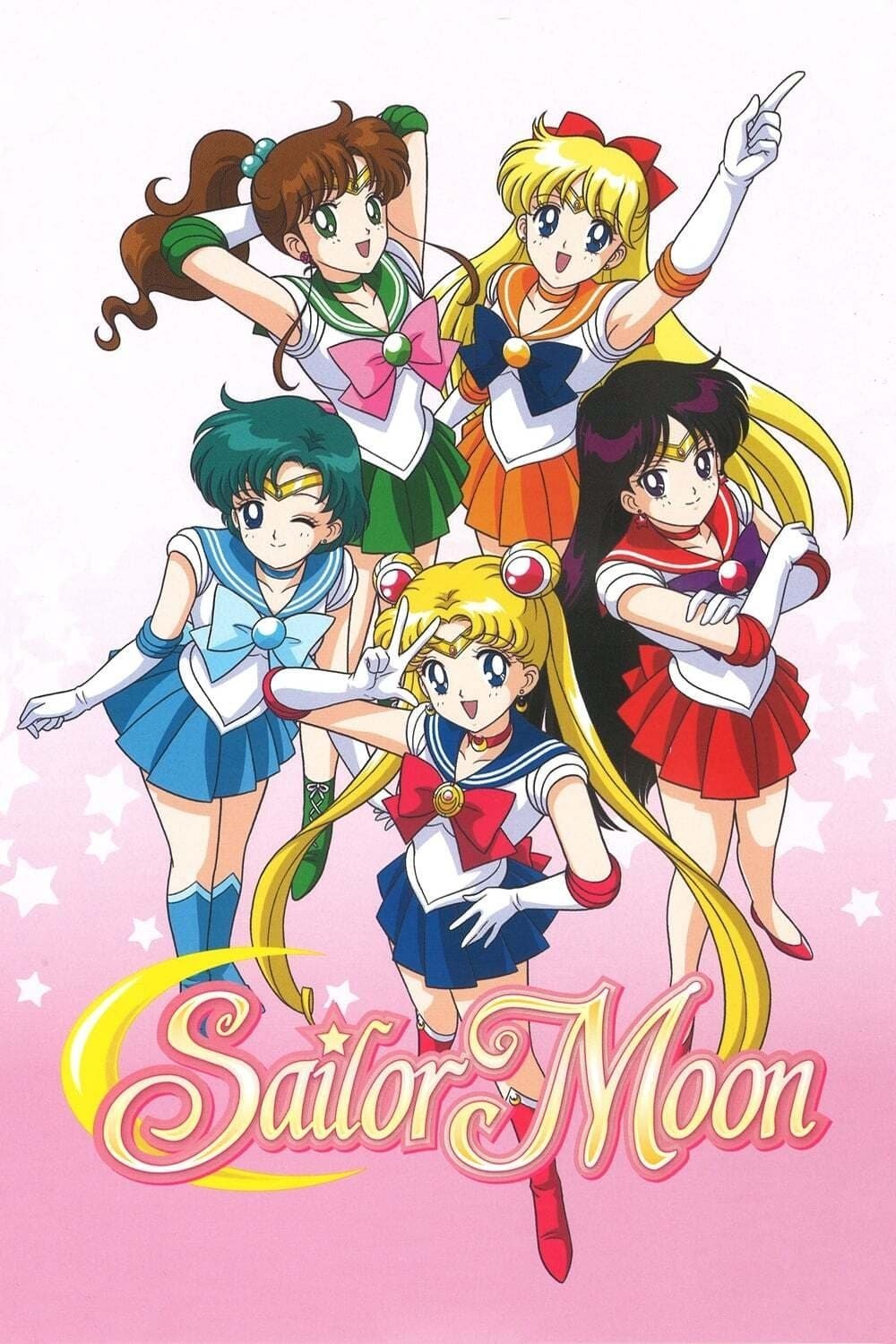
The Sailor Guardians’ victories often depend on the love and loyalty between team members, especially the canon couple Sailor Uranus and Sailor Neptune. Their partnership strengthens group resolve and repeatedly tips crucial battles. Transformations and finishing moves escalate when the girls’ bonds are reaffirmed. The narrative treats chosen family as a literal power-up against cosmic threats.
‘Cardcaptor Sakura’ (1998–2000)
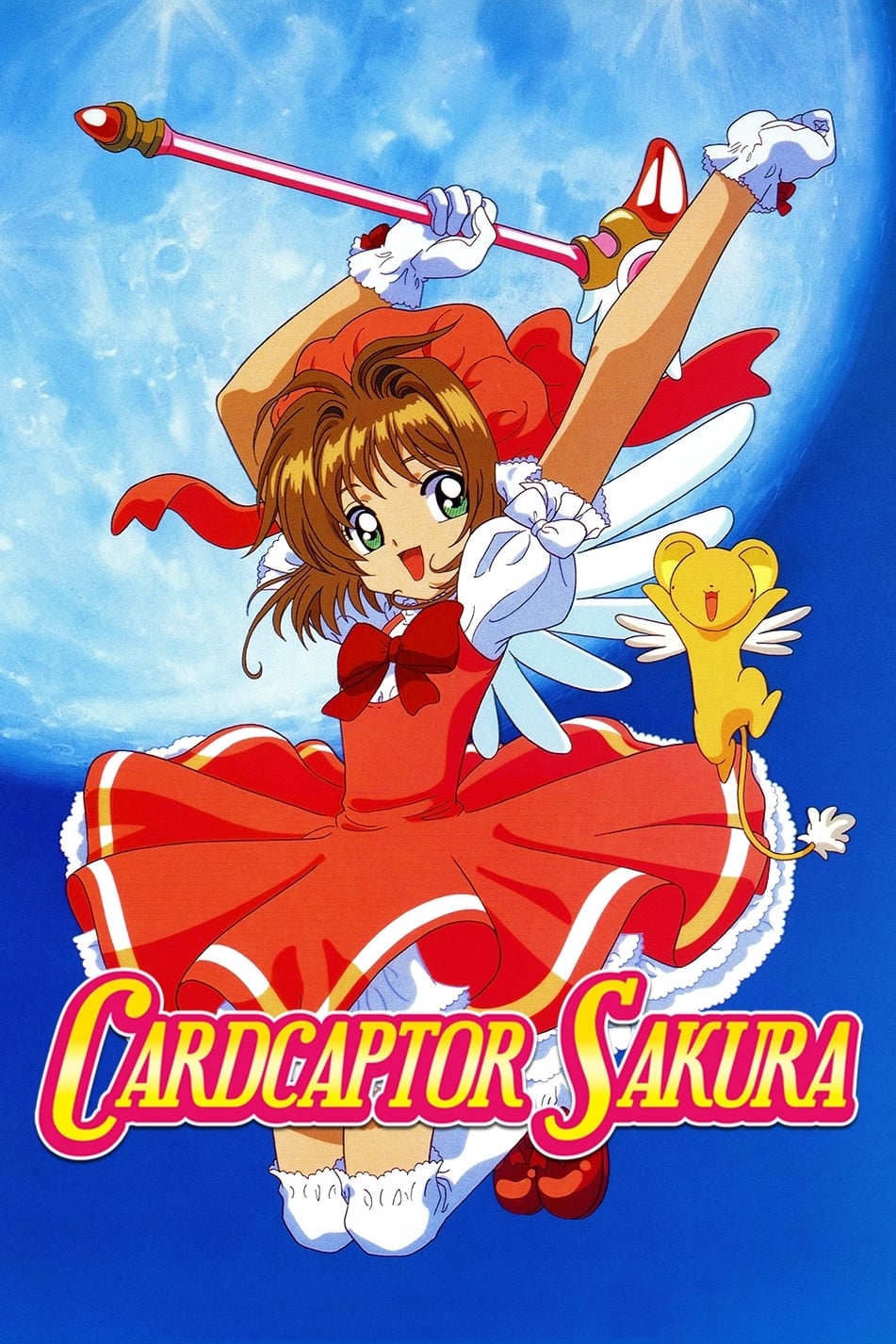
Sakura’s success capturing and transforming Clow Cards leans on gentle, sustained support from Tomoyo, whose devotion quietly reframes “friendship” as romantic care. Tomoyo’s filming, costumes, and constant presence stabilize Sakura’s magical work. Queer crushes—like Tomoyo’s feelings—are presented as steady sources of confidence. The show makes affection the infrastructure behind every triumph.
‘Yuri!!! on Ice’ (2016)
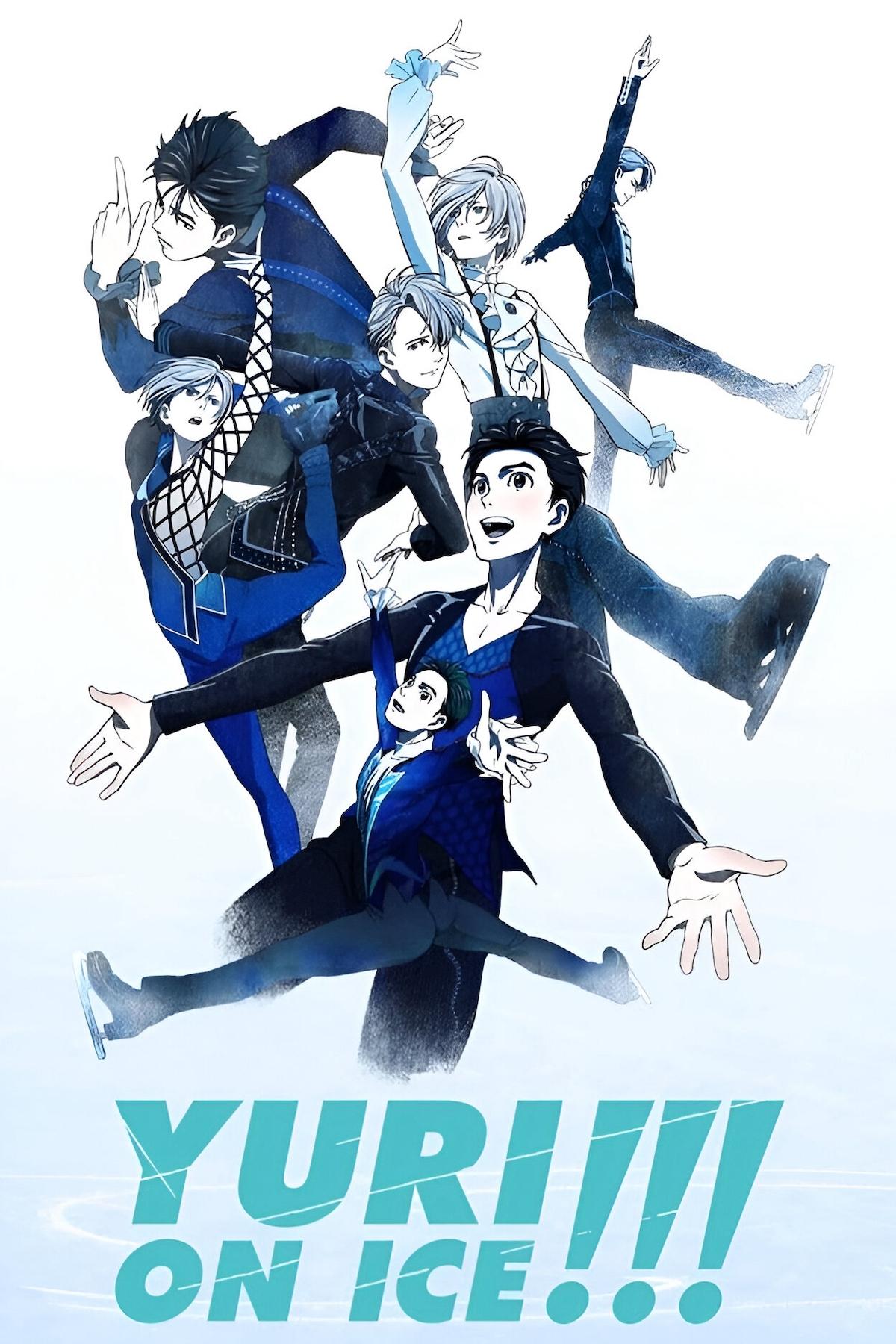
Yuuri’s competitive leaps forward are inseparable from Viktor’s mentorship and romantic attention. Their program choices, choreography, and ring exchange all translate intimacy into athletic performance. Rivals respond directly to the heat of their bond, changing how they skate. The series treats queer love as the coaching philosophy that unlocks peak form.
‘Given’ (2019)
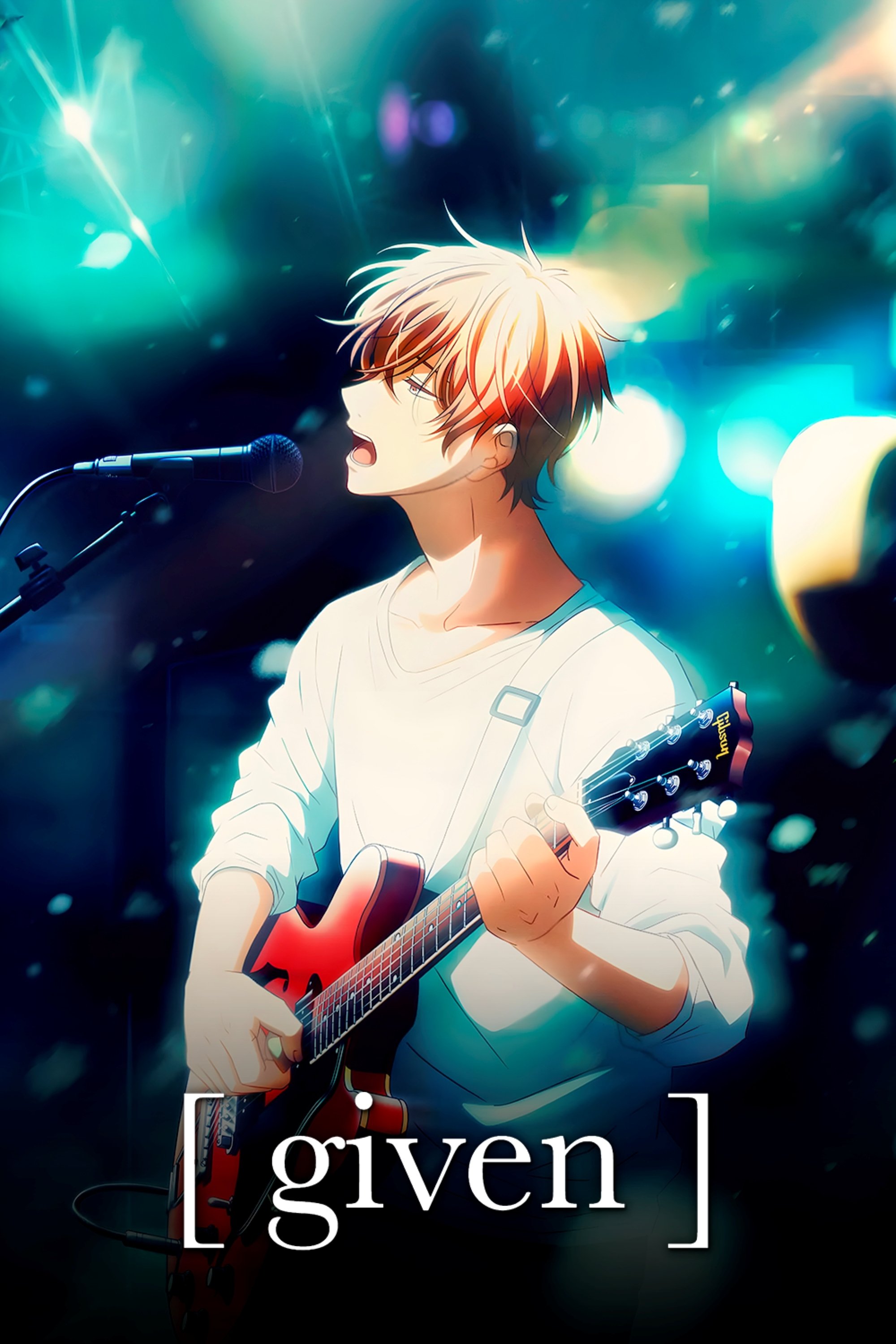
Ritsuka’s growth as a guitarist and Mafuyu’s healing through music intertwine into a band that only works because their relationship works. The group’s creative breakthroughs arrive when they face queer grief and attachment head-on. Performance scenes convert emotional honesty into musical impact. Friendship, romance, and art merge into the mechanism that moves everyone forward.
‘Banana Fish’ (2018)
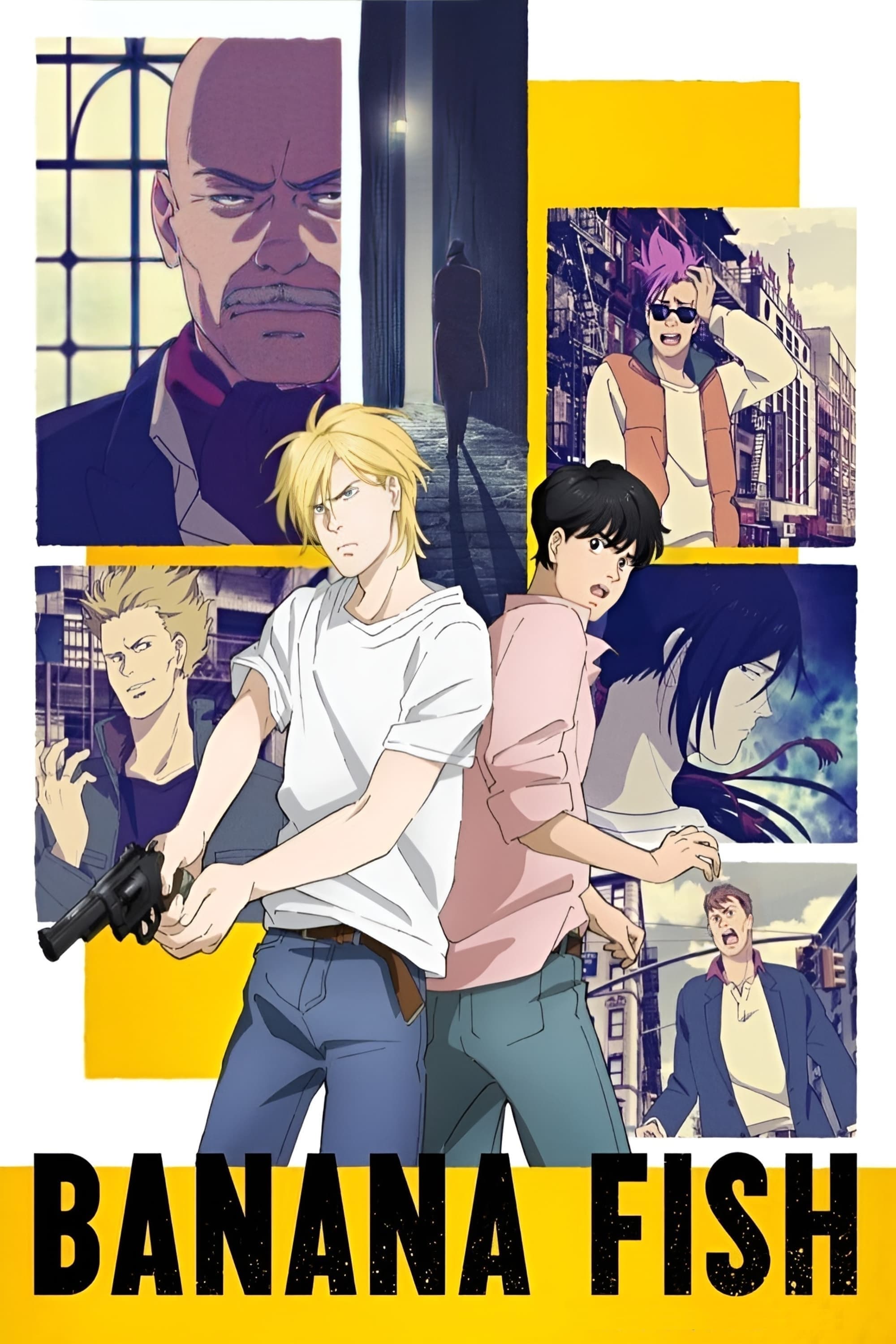
Ash and Eiji’s partnership reorients the whole underworld conflict, giving Ash both motive and anchor. Their closeness changes how allies and enemies behave, altering the strategic landscape. Key escapes and confrontations are possible only because they trust each other absolutely. The plot continually converts their bond into survival and leverage.
‘No. 6’ (2011)
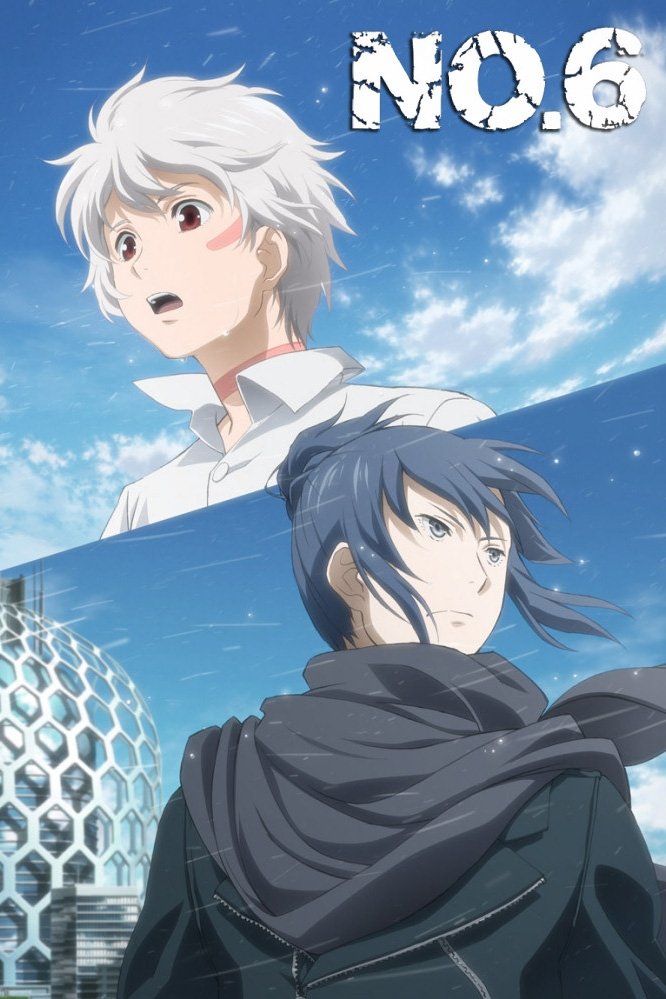
Shion and Nezumi’s relationship exposes the city’s crimes and makes rebellion viable. Their mutual protection—shelter, medicine, training—builds the capacity to challenge state power. Critical plot reversals occur when one risks everything for the other. The narrative treats their intimacy as the spark that collapses a dystopia’s facade.
‘Bloom Into You’ (2018)
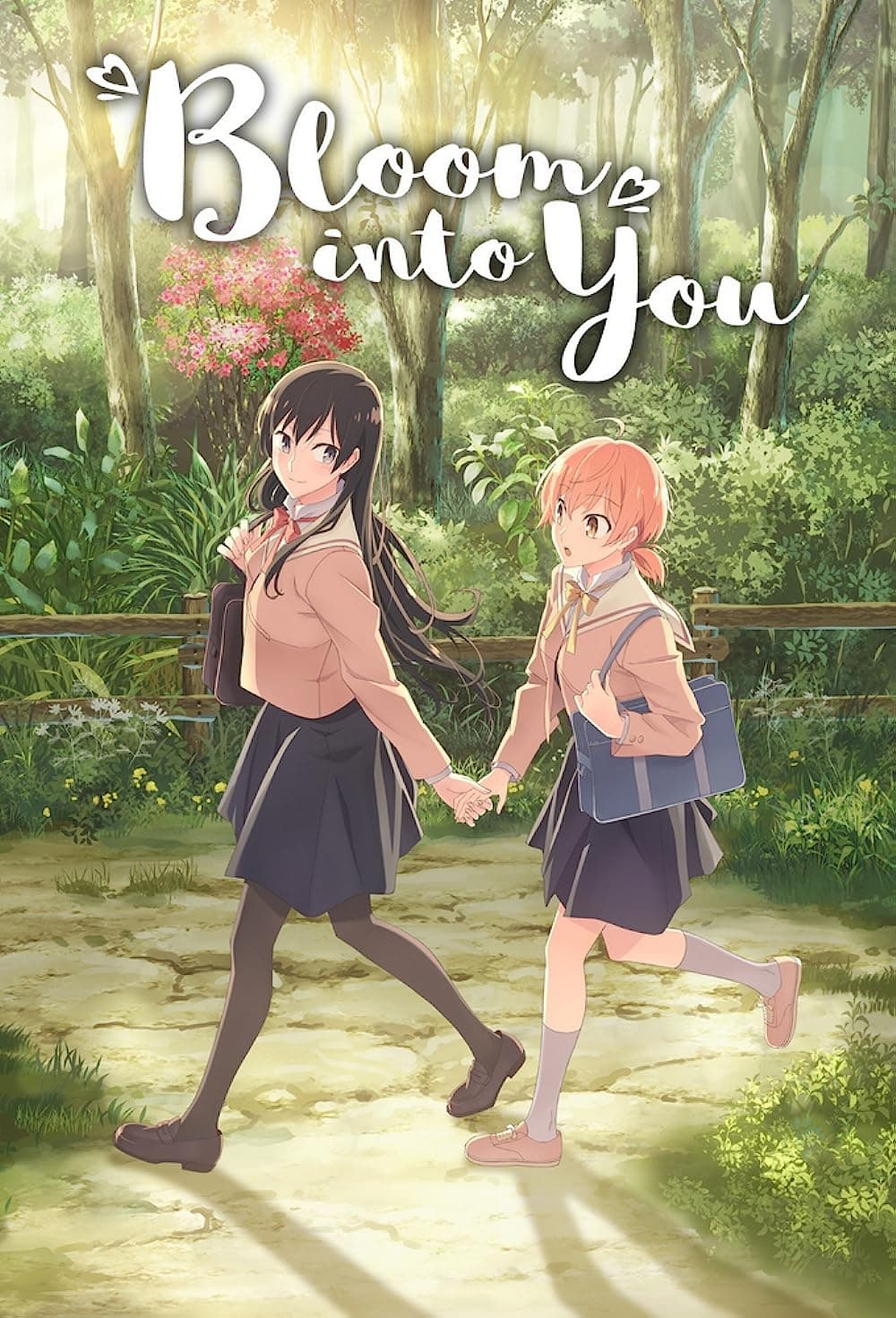
Yuu and Touko’s evolving connection powers a student-led play that confronts identity and self-image. Club collaborations and rehearsals become the arena where queer desire reshapes personal scripts. The more they acknowledge feelings, the more the production—and each girl—finds clear direction. Their bond supplies the structure that lets everyone perform their truest selves.
‘Puella Magi Madoka Magica’ (2011)

Homura’s time loops are fueled by her devotion to Madoka, turning affection into a reality-bending engine. Madoka’s ultimate wish transforms the rules of the universe because it centers compassion for other girls. Each contract, fight, and salvation depends on bonds between magical girls. The show literalizes love as metaphysical leverage.
‘Sarazanmai’ (2019)
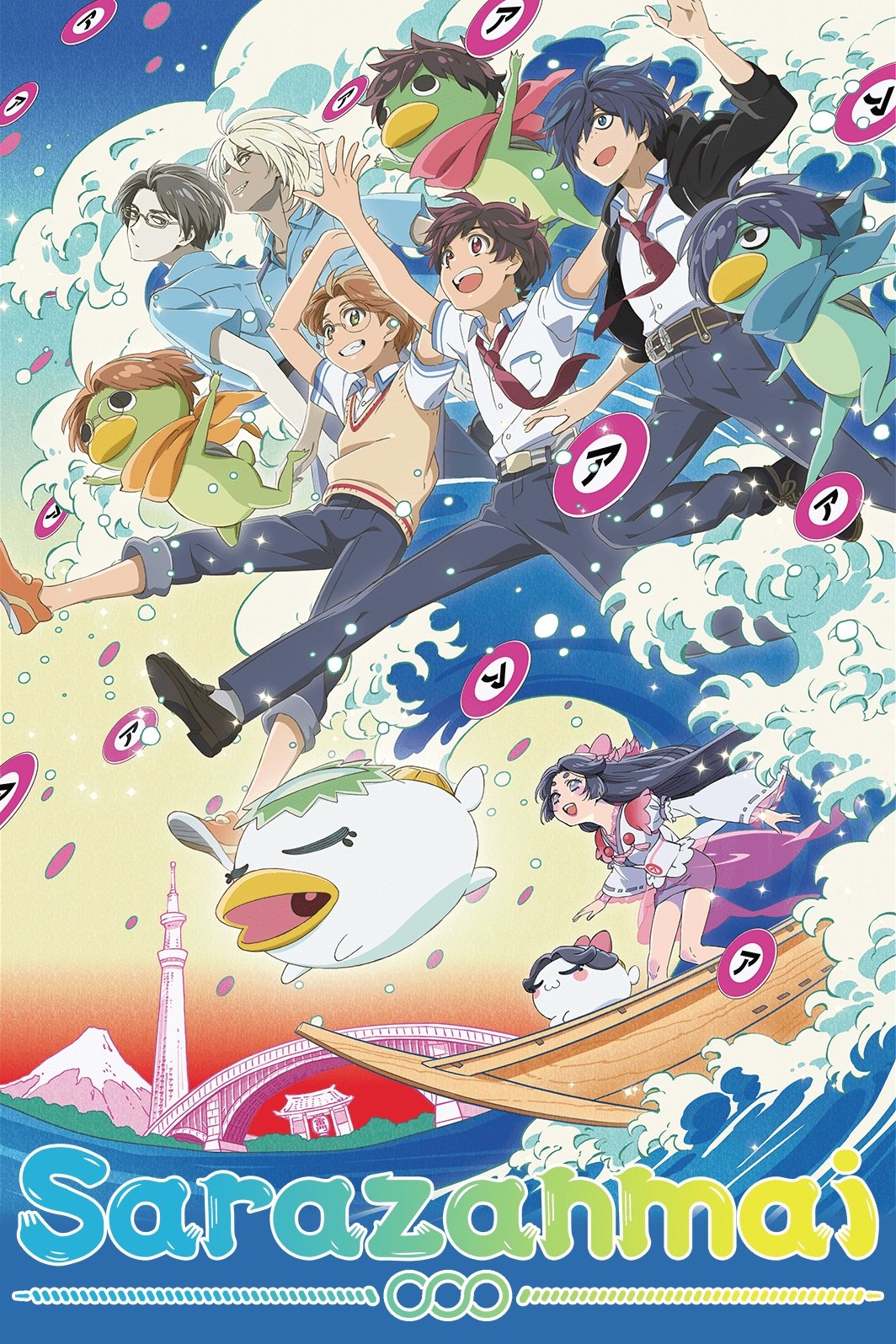
Boys transformed into kappas can only extract desires by staying in sync—often through same-gender connections and confessions. The series links queer longing and truth-telling to the teamwork that defeats monsters. Relationship misalignments disrupt combat mechanics until feelings are named. Emotional resonance is the battle system’s core requirement.
‘Yurikuma Arashi’ (2015)

Girlish love is a stated, contested force that characters must either suppress or defend to survive. Social walls criminalize desire, and breaking them requires alliances among girls. Rituals, judgments, and trials hinge on how openly love is embraced. The world changes when queer affection is affirmed as power, not threat.
‘Flip Flappers’ (2016)

Cocona and Papika’s compatibility determines how far they can dive through dreamlike dimensions. Power-ups trigger when their trust aligns during surreal challenges. Episodes repeatedly test whether their connection holds under identity shifts. The show’s adventure mechanics run on their increasingly romantic bond.
‘Kill la Kill’ (2013–2014)

Ryuko and Satsuki’s charged rivalry evolves into a partnership that weaponizes sisterhood and girl-to-girl solidarity. Synchronization with sentient uniforms depends on consent and self-acceptance. The student council’s female alliances flip the script on authoritarian control. Victories arrive when girls choose each other over imposed roles.
‘Superb Song of the Valkyries: Symphogear’ (2012–2019)
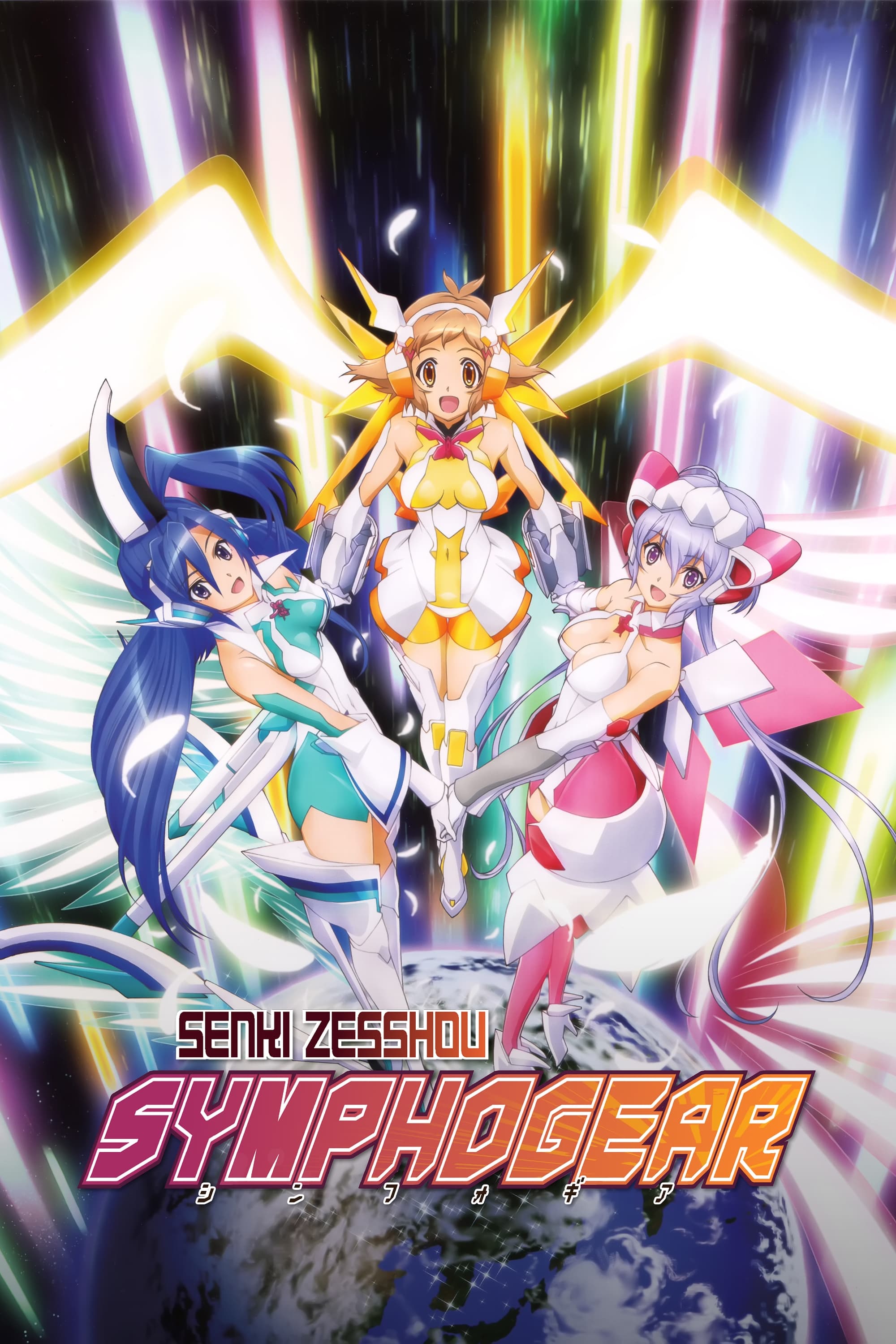
Duet and ensemble songs literally amplify combat output, and many of the most potent pairings are between girls with intimate bonds. Confessions, reconciliations, and hand-holds translate into new forms and finishers. The franchise repeatedly ties friendship and yuri-leaning closeness to world-saving decibel spikes. Emotional harmony equals tactical superiority.
‘Revue Starlight’ (2018)
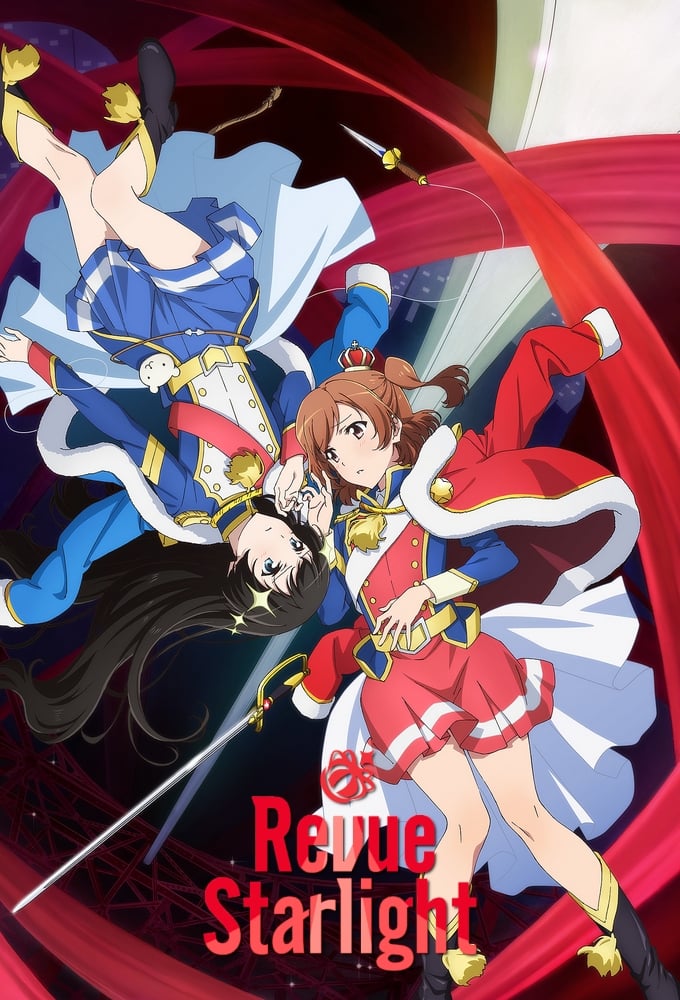
Stage duels draw power from the relationships between girls aiming for the top, especially the central pair whose promise binds the narrative. Performance outcomes depend on how candidly they face longing and jealousy. As ties are affirmed, routines and rankings shift in-world. The theater’s magic system rewards queer intimacy with literal spotlight.
‘Adachi and Shimamura’ (2020)
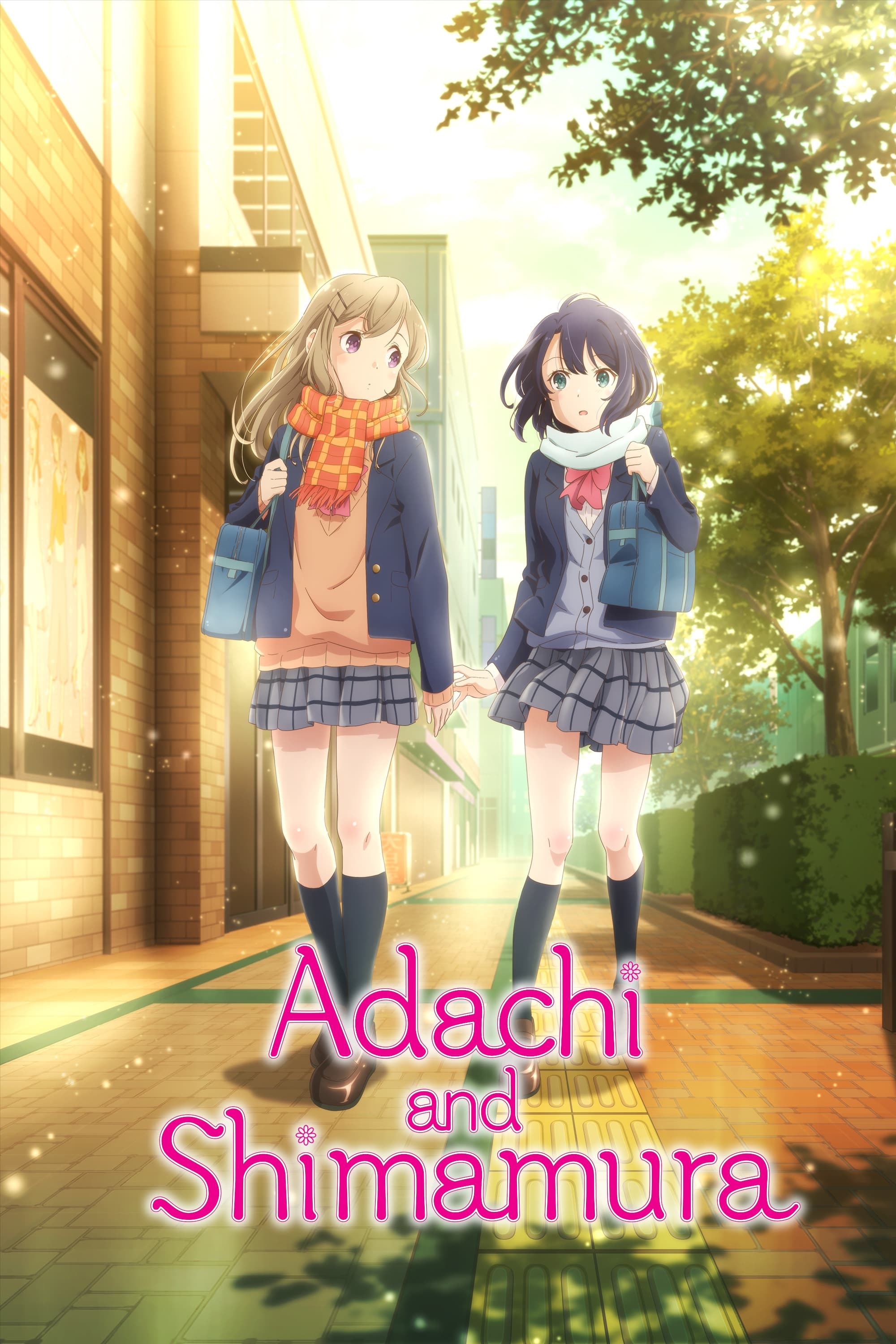
Everyday hangouts become the scaffold for two girls’ slow-burn attachment, which reorganizes their priorities and social worlds. School events and small adventures gain weight as their closeness deepens. Their decisions about clubs, friends, and time reflect a shared gravity. The series shows how gentle romance quietly powers life choices.
‘Citrus’ (2018)
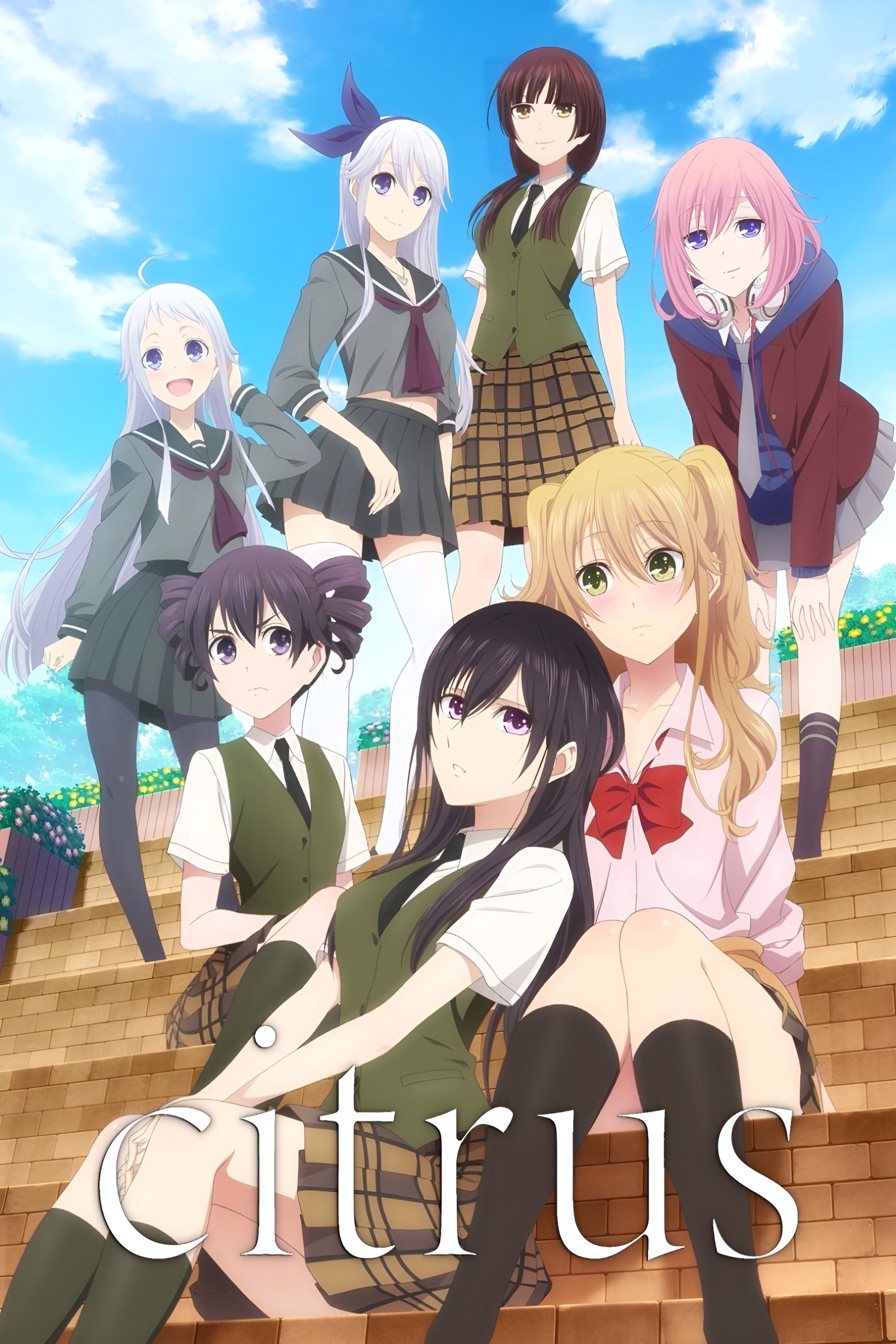
Yuzu and Mei’s complicated relationship reshapes student council dynamics and family decisions. Dorm life, school rules, and guardianship all pivot on how they navigate boundaries. Their bond forces institutions to respond, creating tangible change. The plot’s big moves flow from the pressure their attraction exerts on rigid structures.
‘Princess Principal’ (2017)

A team of girls spies their way through a steampunk city where trust is the only currency that keeps missions alive. Ange and Princess’s pact anchors risky infiltrations and escapes. Information-sharing and cover identities hold only when their bond holds. The show treats intimate loyalty as the gadget that never fails.
‘Lycoris Recoil’ (2022)
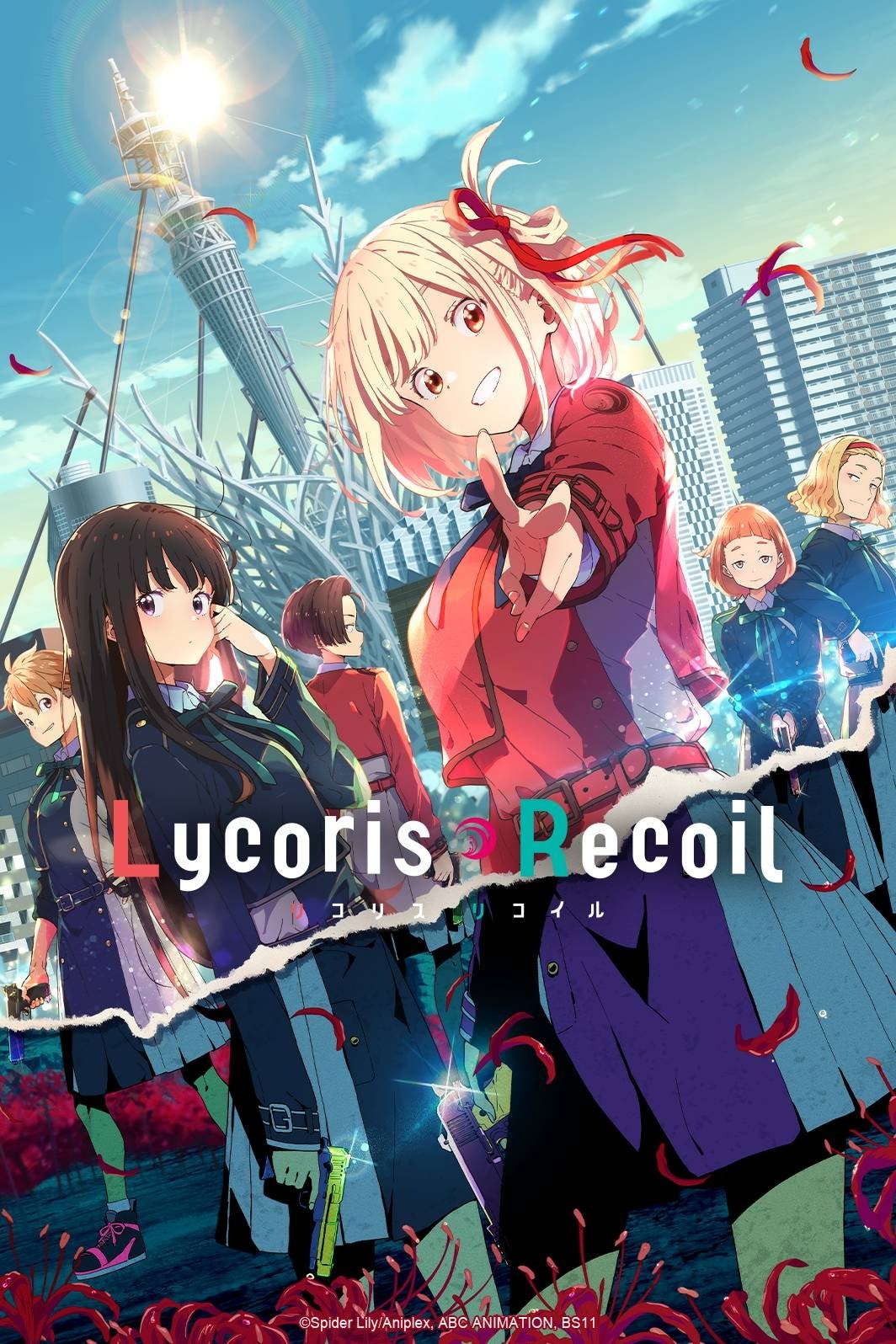
Chisato and Takina’s partnership upgrades both girls’ combat effectiveness and moral compass. Their synergy in firefights improves as they invest in each other’s lives outside work. Major plot turns—transfers, betrayals, rescues—trigger because they choose each other. The series routes national-security stakes through a tender, central duo.
‘SK8 the Infinity’ (2021)
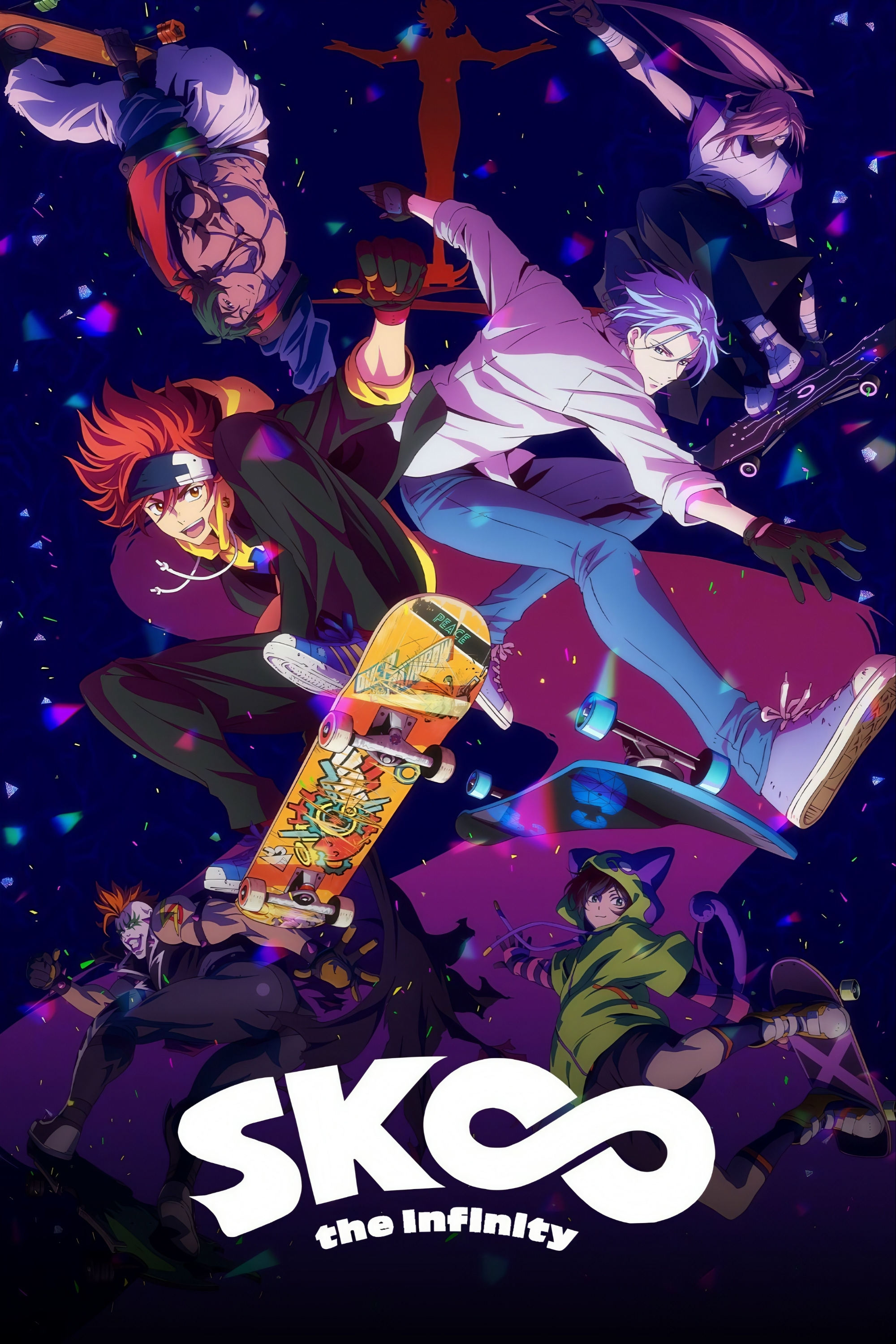
Reki and Langa’s progress as skaters directly tracks with how solid their connection is. Coaching, board design, and signature moves evolve together. Rivalries heat up in response to their chemistry, altering the underground scene’s hierarchy. The story frames friendship-turned-something-more as the tech that lands impossible tricks.
‘Land of the Lustrous’ (2017)
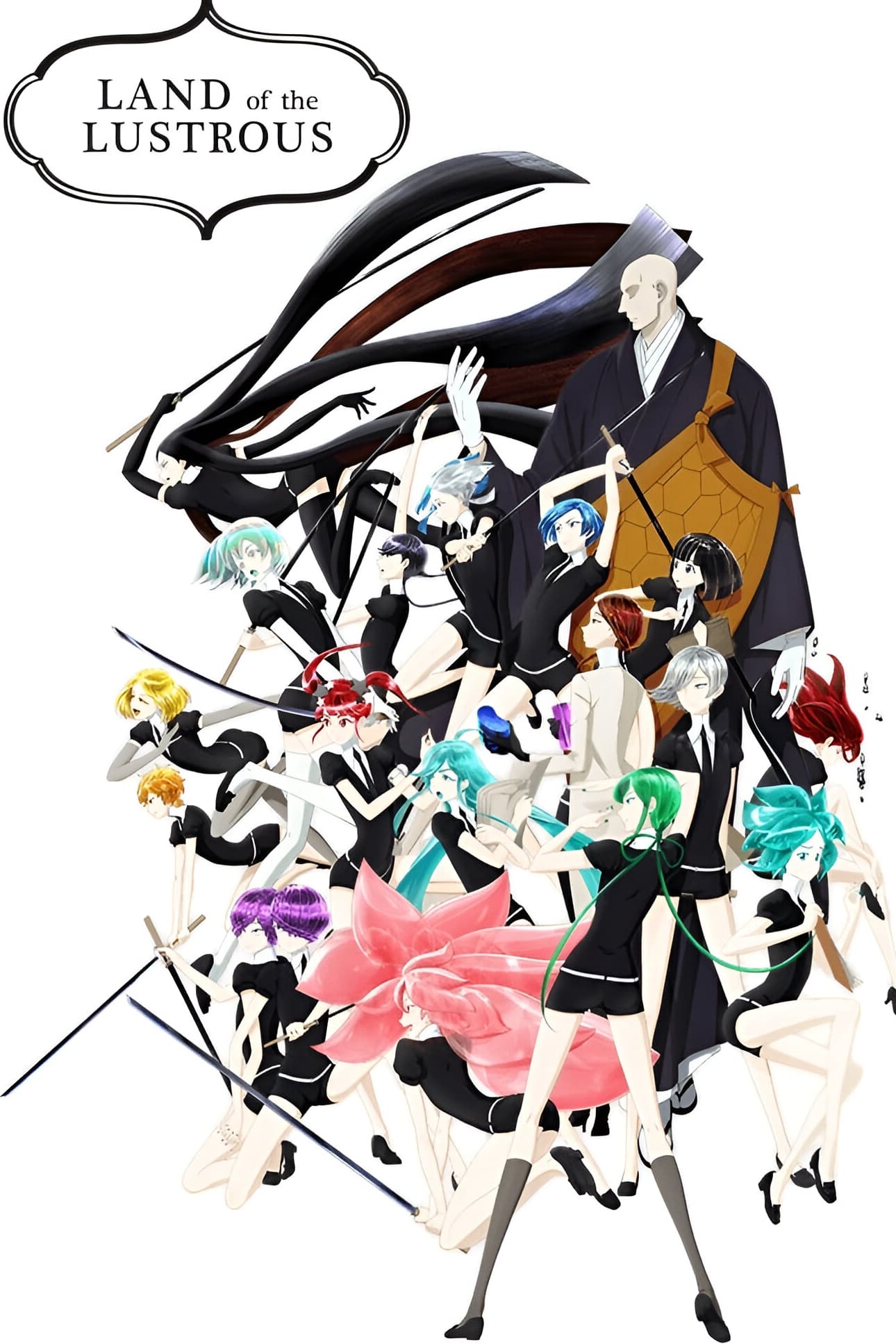
Gem people’s survival requires partnerships that balance weaknesses and strengths, with pairings often coded through same-gender intimacy. Phos’s transformations are catalyzed by attachments and losses among other gems. Shifts in alliances redefine combat readiness against Lunarians. Emotional bonds literally change bodies and abilities.
‘Miss Kobayashi’s Dragon Maid’ (2017–2021)
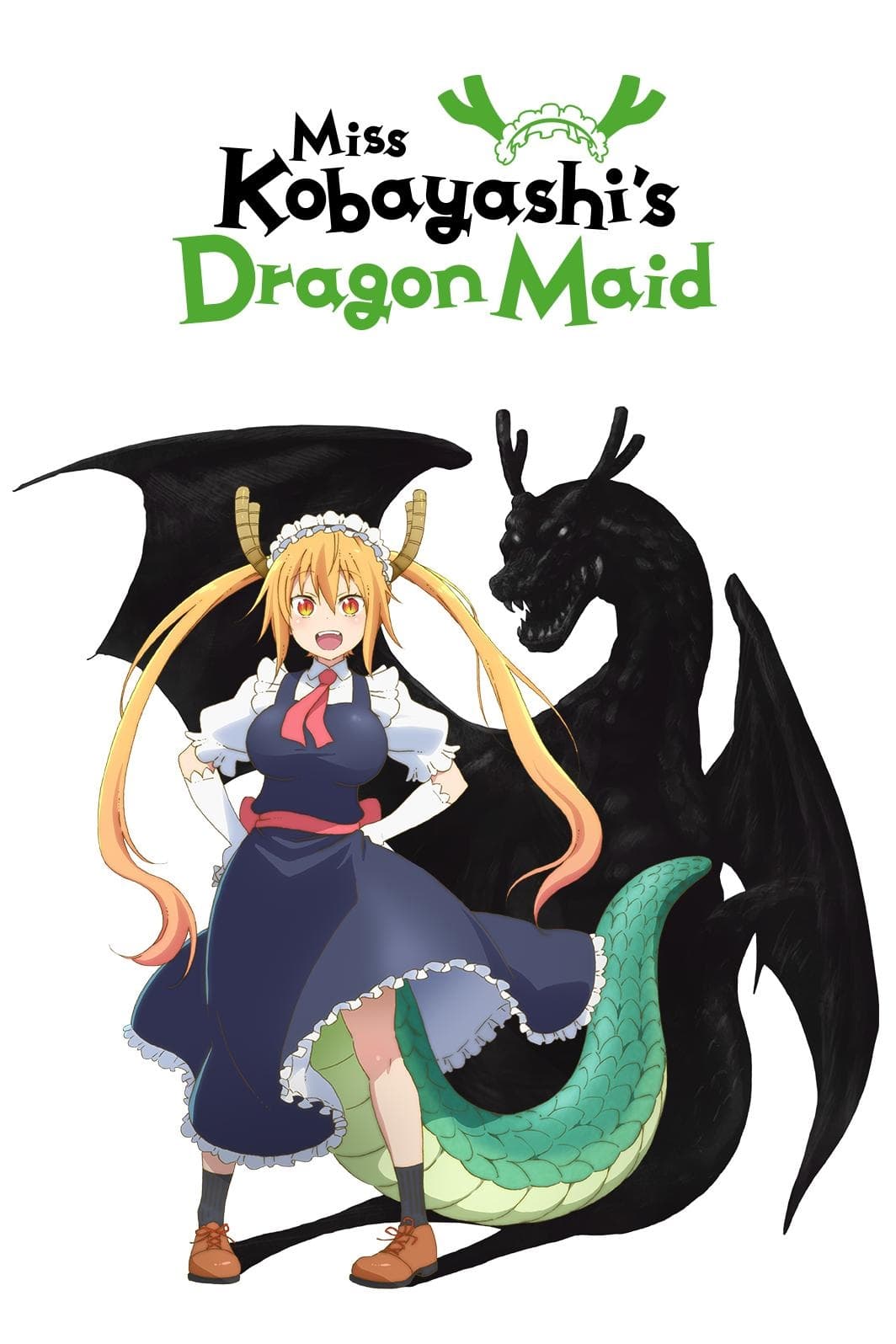
Tohru’s devotion reorganizes Kobayashi’s home, job, and community ties, building a found family from queer affection. Domestic magic—cooking, childcare, crisis response—scales with their closeness. Other girls’ feelings and friendships expand the household’s capabilities. Everyday love becomes the energy source for supernatural life management.
‘Buddy Daddies’ (2023)

Two men co-parent a child while balancing criminal work, and their partnership reshapes priorities, networks, and tactics. Logistics—school, safety, cover—are solvable only because their bond holds. Friends and foes react to the family unit as a new kind of power. The plot treats queer-coded domesticity as operational strength.
‘Whispered Words’ (2009)
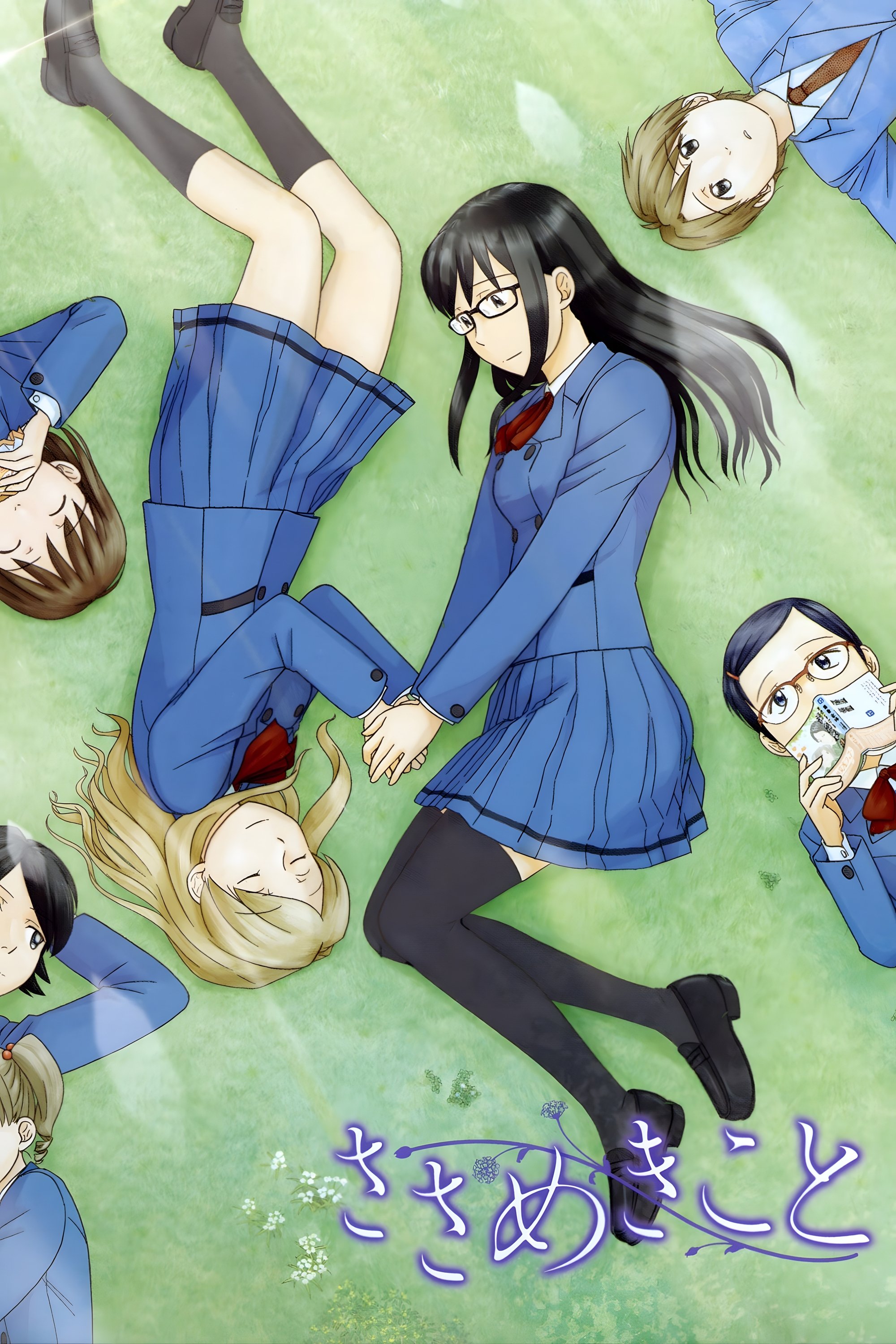
Sumika’s unspoken love for Ushio steers club choices, social navigation, and personal risk. Group activities form because of their gravitational pull toward each other. Confessions and misunderstandings shift how the class organizes around them. The series illustrates how a girl’s crush quietly structures an entire teen ecosystem.
‘Given: The Movie’ (2020)

The band’s trajectory hinges on Mafuyu and Ritsuka stabilizing their relationship during a new creative phase. Touring plans, songwriting, and performances all depend on how they handle jealousy and attachment. Supporting members’ arcs move when the central couple sets the tone. Music careers advance because queer love gives the group its pulse.
Share the titles you’d add—what anime made you feel that the “power of friendship” was unmistakably, wonderfully gay?