

25 Best In-Game Books And Codices To Read

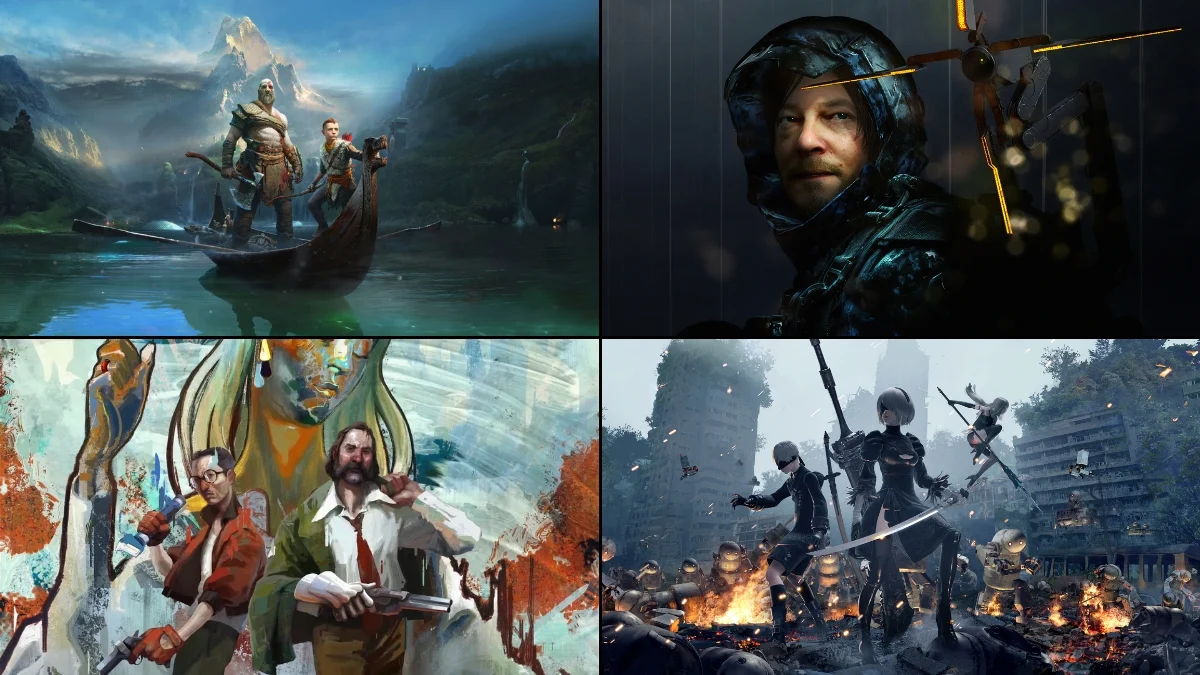


Some games hide their best worldbuilding in pages you pick up, terminals you crack, or encyclopedias that quietly expand in the background. From quest-unlocking tomes to exhaustive bestiaries and case files, these in-game books and codices pack dates, names, factions, and hard lore that make their worlds feel lived-in. Here are twenty-five standout reads—where to find them, what they cover, and how they tie into quests, mechanics, and history—along with the studios responsible for the games that house them.
‘The Elder Scrolls V: Skyrim’ (2011) – The Aetherium Wars
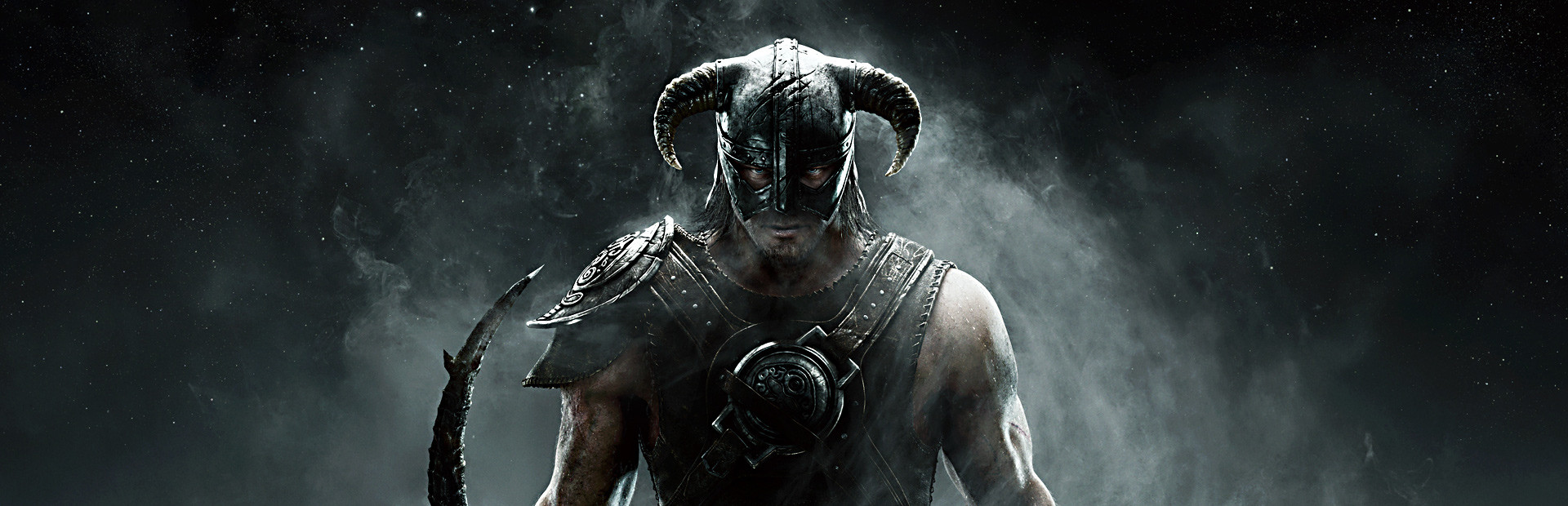
This Dwemer history volume details the collapse of the Aetherium-working city-states and the schism between their leaders. Reading it triggers the ‘Lost to the Ages’ quest, sending you to Arkngthamz and other ruins to assemble the Aetherium Forge’s relic. Copies appear in various holds, including the ruins and certain libraries. The game is developed by Bethesda Game Studios, with Bethesda Softworks as publisher.
‘The Elder Scrolls III: Morrowind’ (2002) – The 36 Lessons of Vivec
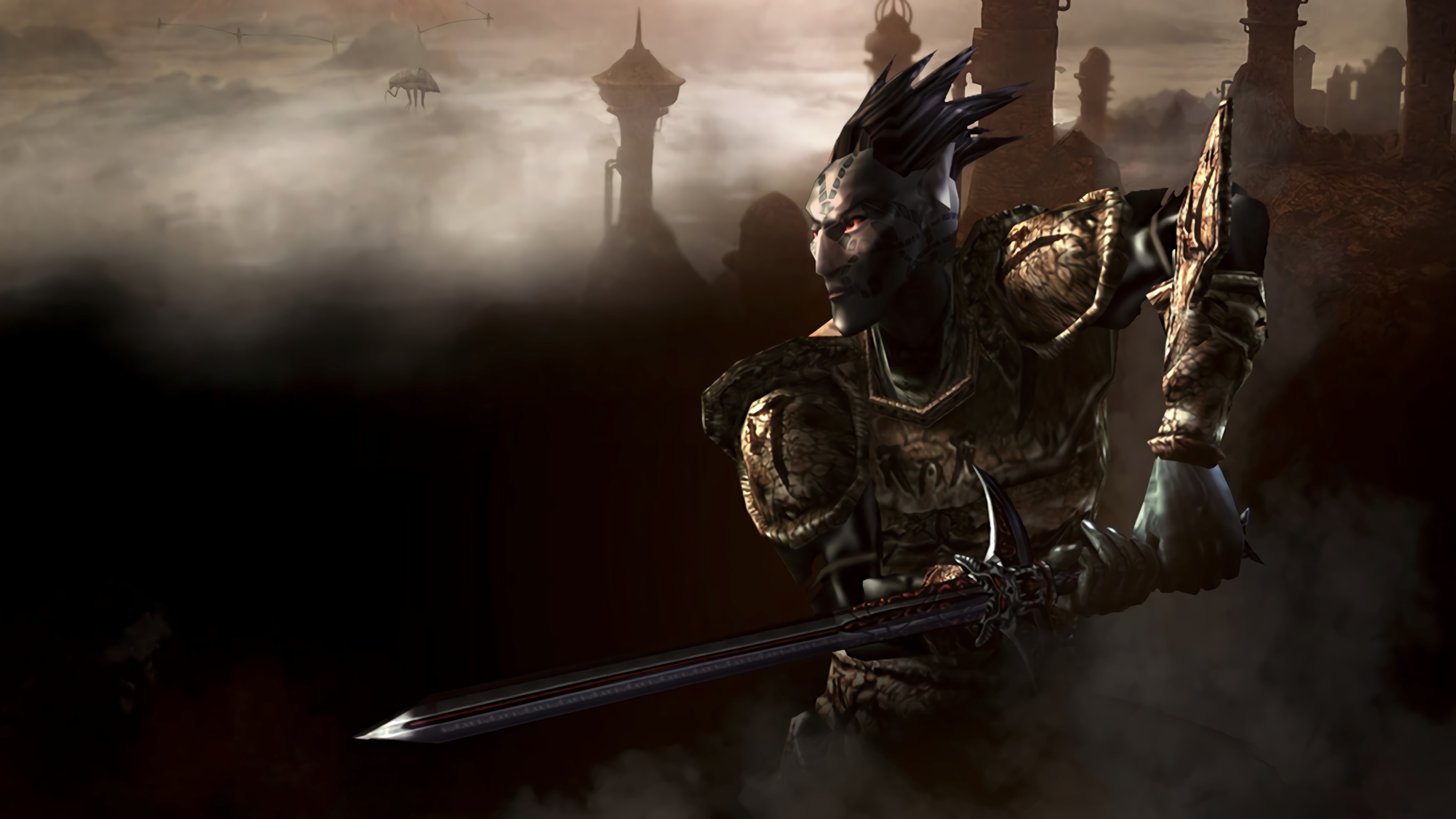
This 36-volume scripture outlines the life, battles, and sermons of Vivec, mixing mythic metaphors with concrete dates and factions of Dunmeri history. Volumes are scattered across Vvardenfell in temples, vaults, and noble houses. Several entries reference Chimer migrations, Tribunal origins, and specific saints, anchoring the theology to places you can explore. The game is developed by Bethesda Game Studios and published by Bethesda Softworks.
‘The Witcher 3: Wild Hunt’ (2015) – Bestiary
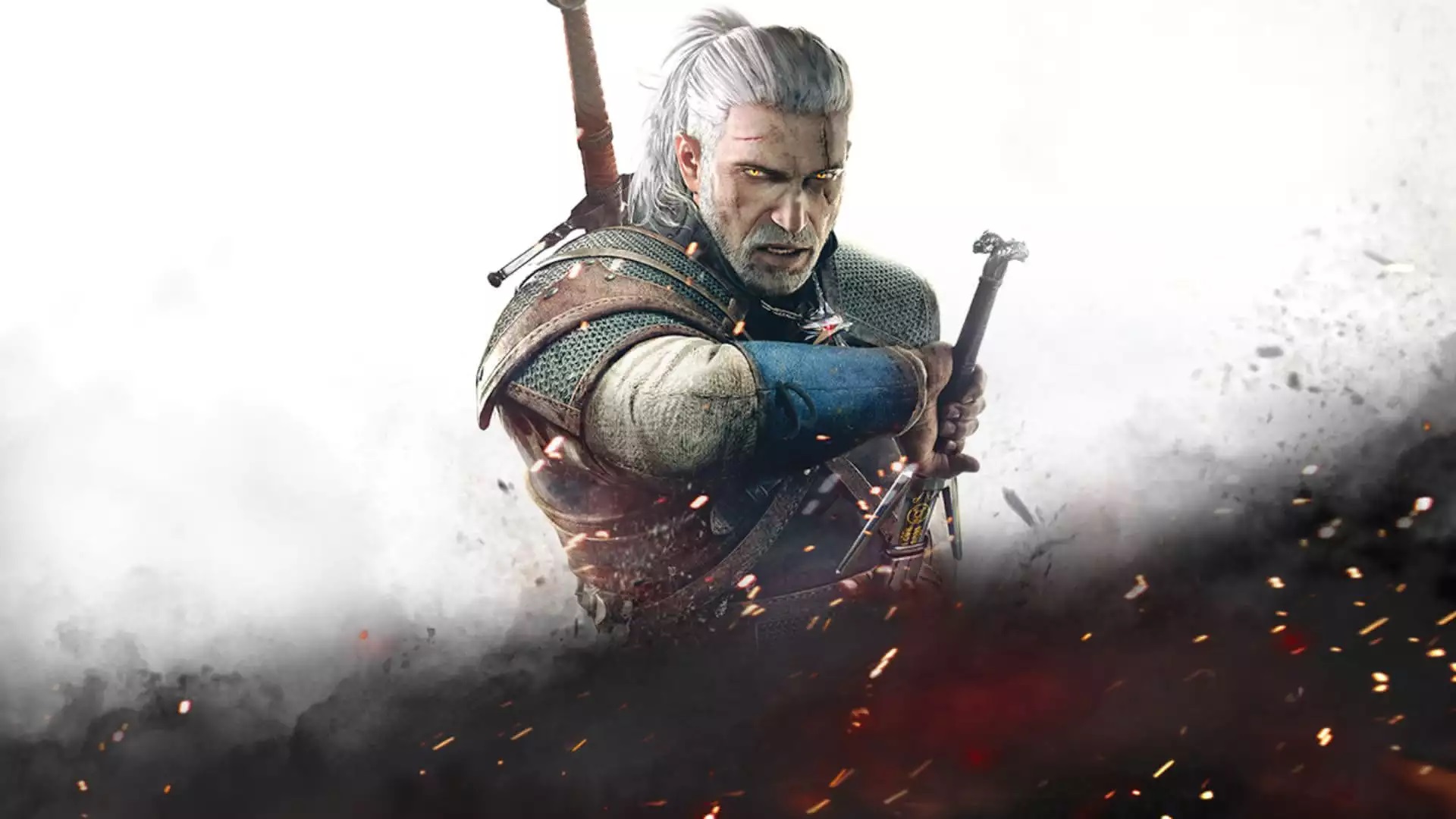
The Bestiary records every monster’s habitat, alchemical weaknesses, and combat susceptibilities unlocked by reading books and interrogating NPCs. Entries list oils, bombs, and Signs that affect each creature, updating as you collect field notes. You can open it from the menu to plan contracts and track taxonomy by region. The game is developed by CD PROJEKT RED and published by CD PROJEKT.
‘Mass Effect 2’ (2010) – Codex
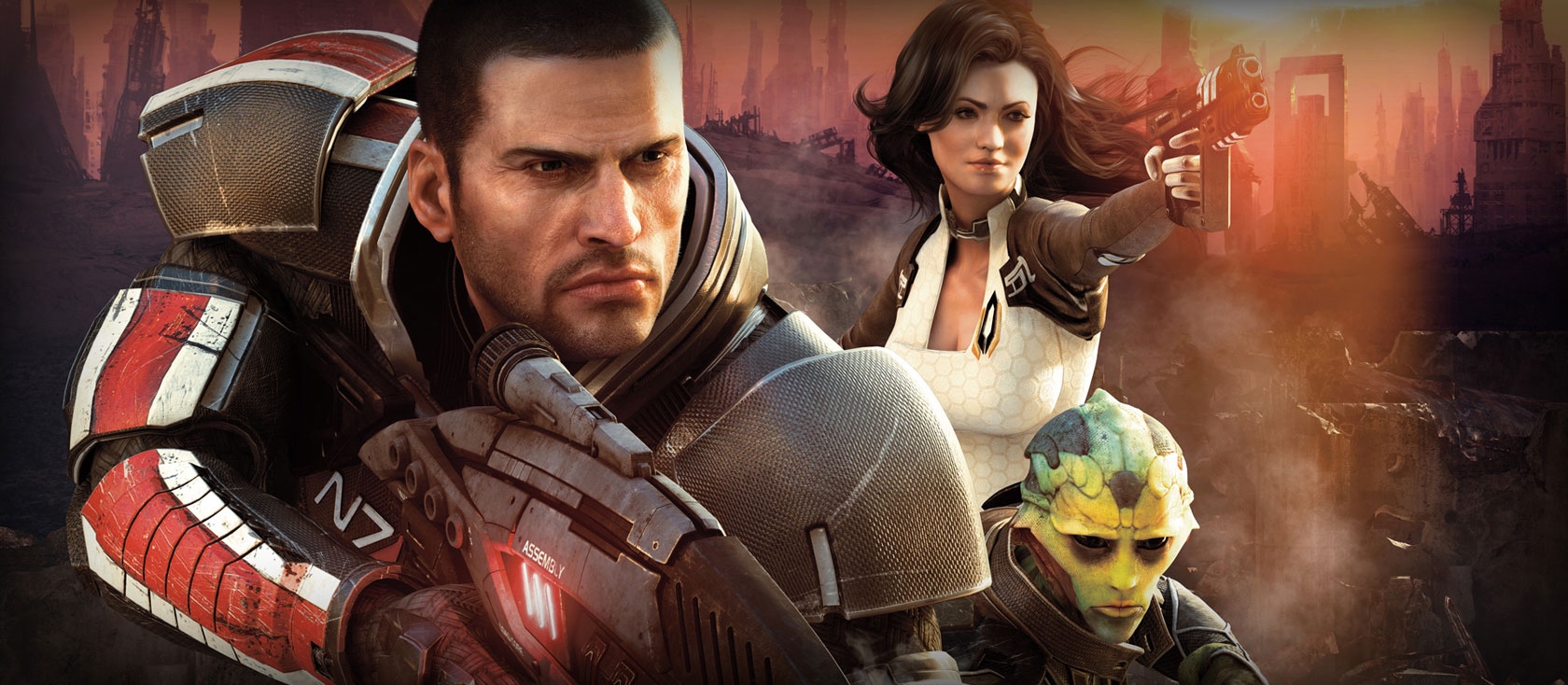
Mass Effect’s Codex catalogs alien biology, FTL physics, weapon tech, political blocs, and historical events, with primary and secondary entries unlocked by scanning and story progress. Topics such as eezo exposure thresholds and relay classifications include dates and technical parameters. Audio narration is available for key sections, aiding quick review between missions. The game is developed by BioWare and published by Electronic Arts.
‘Dragon Age: Inquisition’ (2014) – The Chant of Light (Codex)
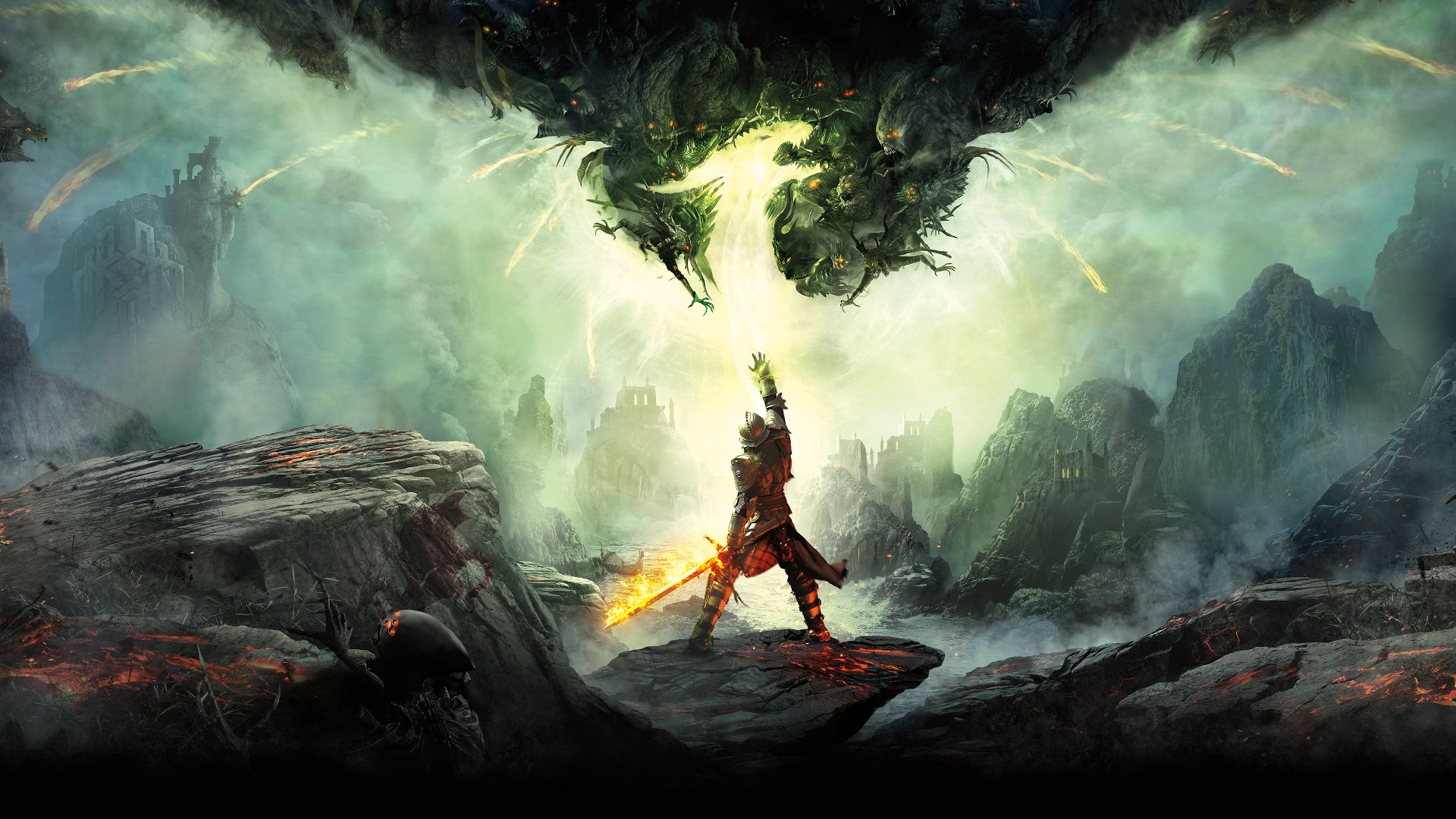
The Chant’s verses appear as codex entries that map Thedas’s theology, calendar, and Chantry schisms, including references to Andraste and the Exalted Marches. Pages are found in chantries, camps, and war table outcomes, adding sidebar notes about sects and reforms. Related entries cross-link to factions and key historical leaders. The game is developed by BioWare and published by Electronic Arts.
‘Horizon Zero Dawn’ (2017) – Ancient Datapoints
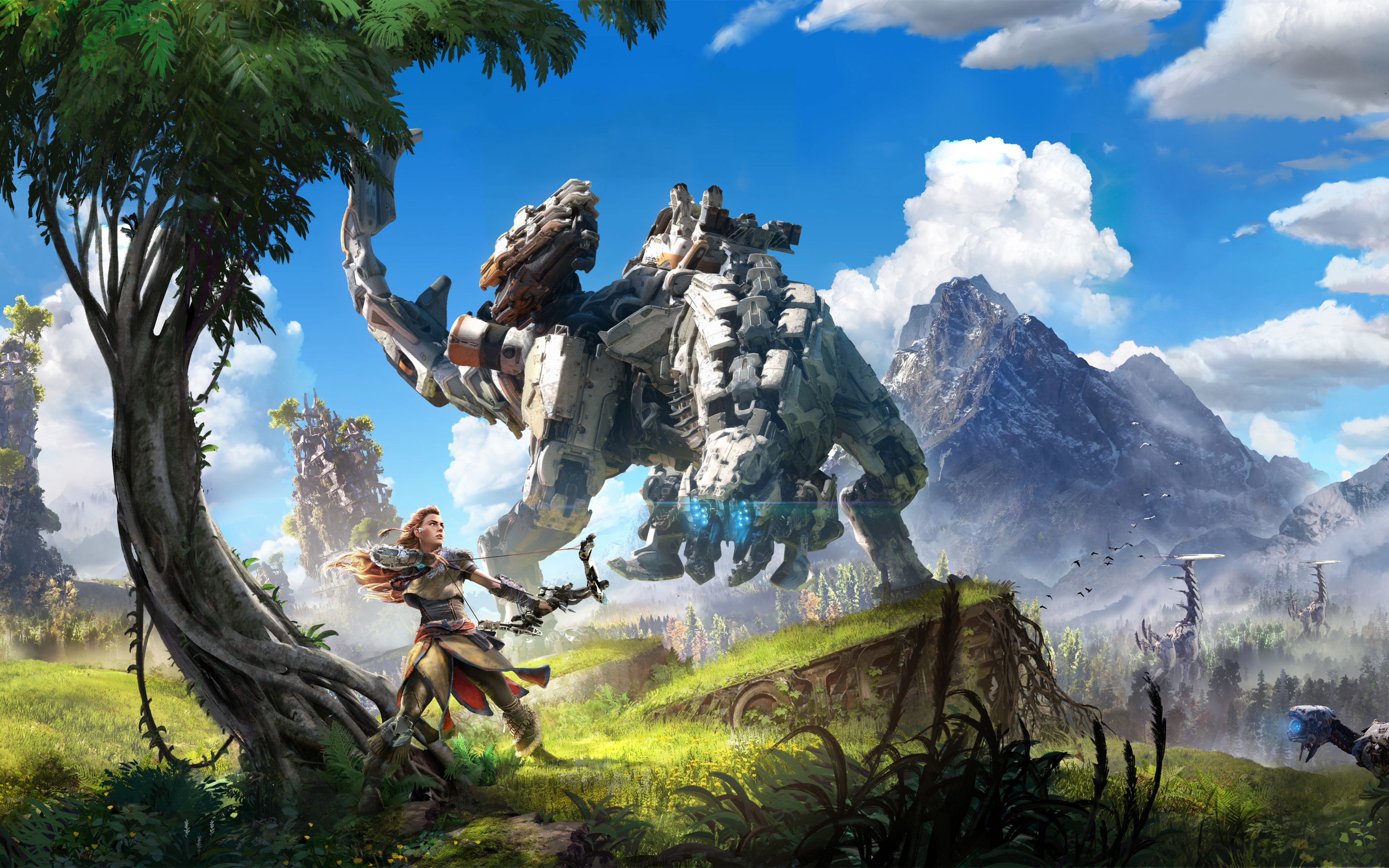
Ancient Datapoints are text logs and emails from the 21st-century collapse, covering Project Zero Dawn, corporate operations, and personal diaries. They’re embedded in ruins and cauldrons, with metadata like sender, recipient, and timestamp. Mainline datapoints include transcript excerpts from operations that explain the system architecture behind the terraforming project. The game is developed by Guerrilla Games and published by Sony Interactive Entertainment.
‘Destiny 2’ (2017) – Books of Sorrow (Lore Books)
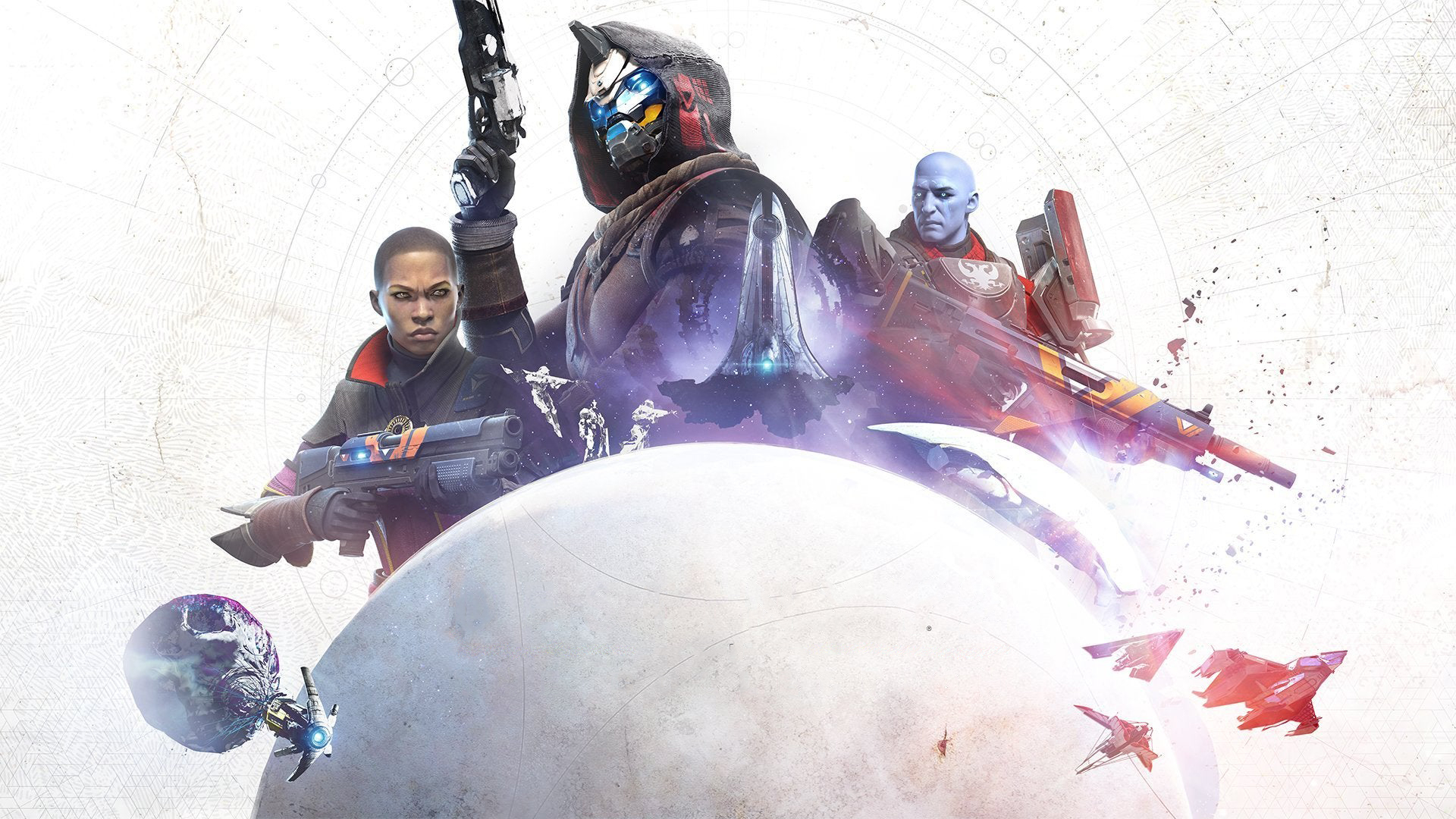
The Books of Sorrow document the Hive’s origin on Fundament, detailing pact laws, morphs, and the logic of the Sword. Lore books unlock from triumphs, season activities, and item examines, and each entry is indexed by character and era. Citations inside the text cross-reference Hive deities, fleets, and paracausal phenomena. The game is developed and published by Bungie.
‘Baldur’s Gate 3’ (2023) – The Necromancy of Thay
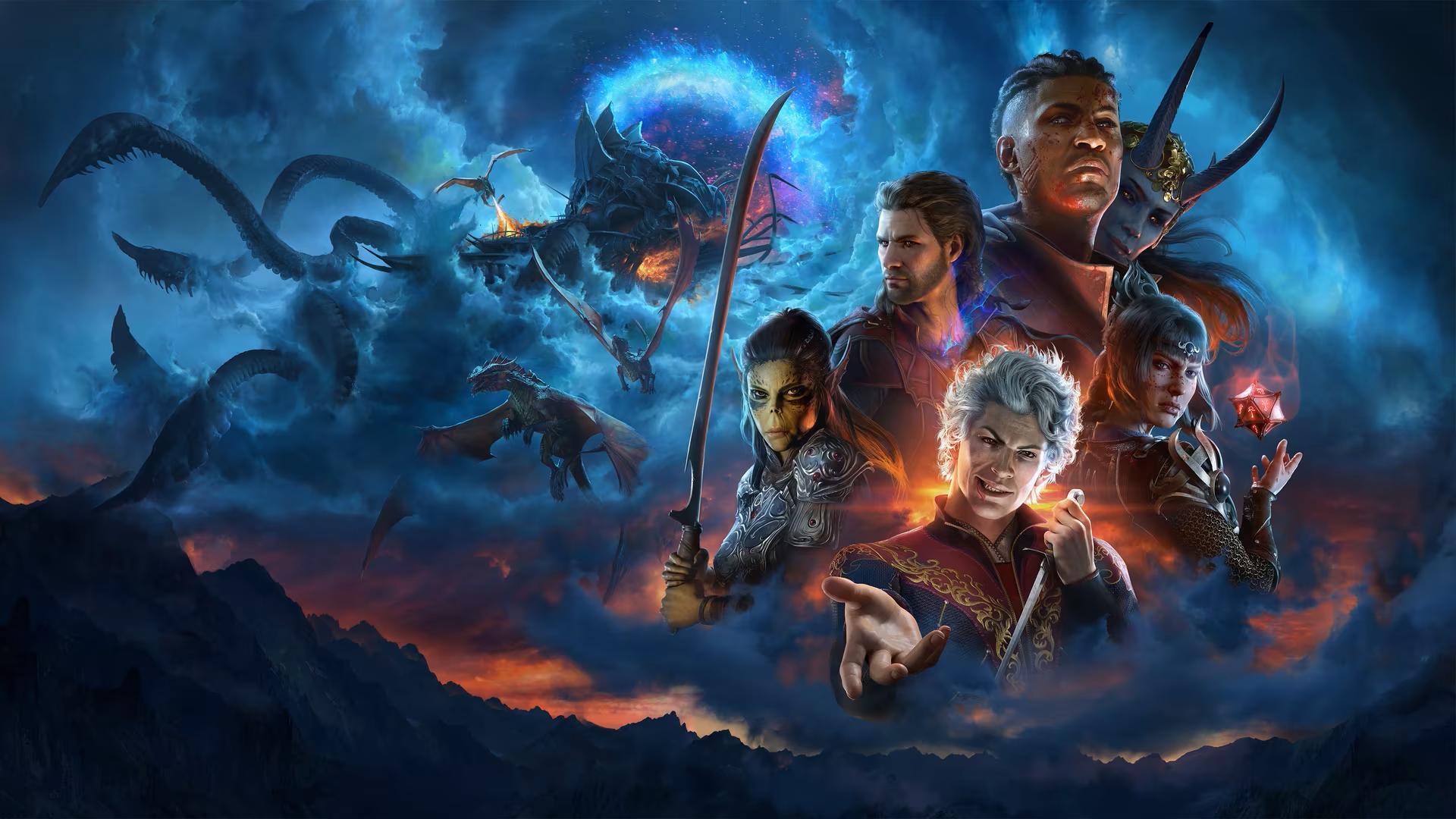
This cursed tome contains prohibited spells and annotations tied to Thayan practices, with multiple interaction stages depending on who attempts to read it. Progression requires specific keys and checks, and the outcomes persist across acts. The book’s contents reference recognizable D&D schools, components, and creature interactions. The game is developed and published by Larian Studios.
‘Pillars of Eternity’ (2015) – Cyclopedia & Bestiary
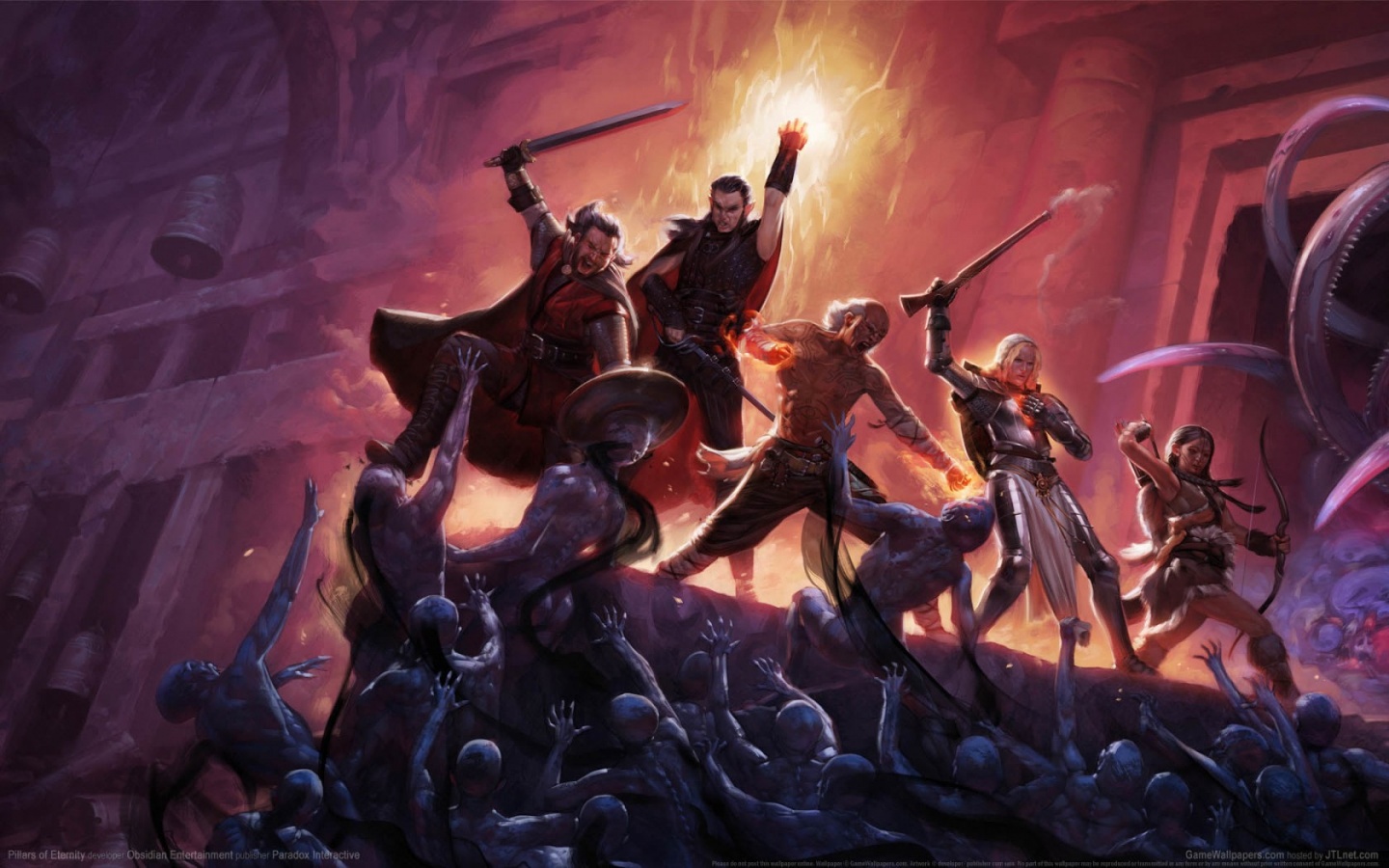
The Cyclopedia compiles clear definitions of terms, cultures, and mechanics, while the Bestiary fills with enemy statistics and behaviors as you fight them. Entries include damage thresholds, creature families, and ability summaries, updating as kill counts increase. Both systems help plan encounters and track Eoran history by nation and godlike lineage. The game is developed by Obsidian Entertainment and published by Paradox Interactive.
‘Control’ (2019) – Altered World Event Case Files

These declassified Federal Bureau of Control documents describe objects of power, altered items, and site-specific incidents with dates, locations, and redactions. Files are organized by investigation type, with hotline transcripts and research notes adding procedural context. Many documents link to containment procedures and personnel rosters. The game is developed by Remedy Entertainment and published by 505 Games.
‘God of War’ (2018) – Jötnar Shrines & Atreus’s Bestiary
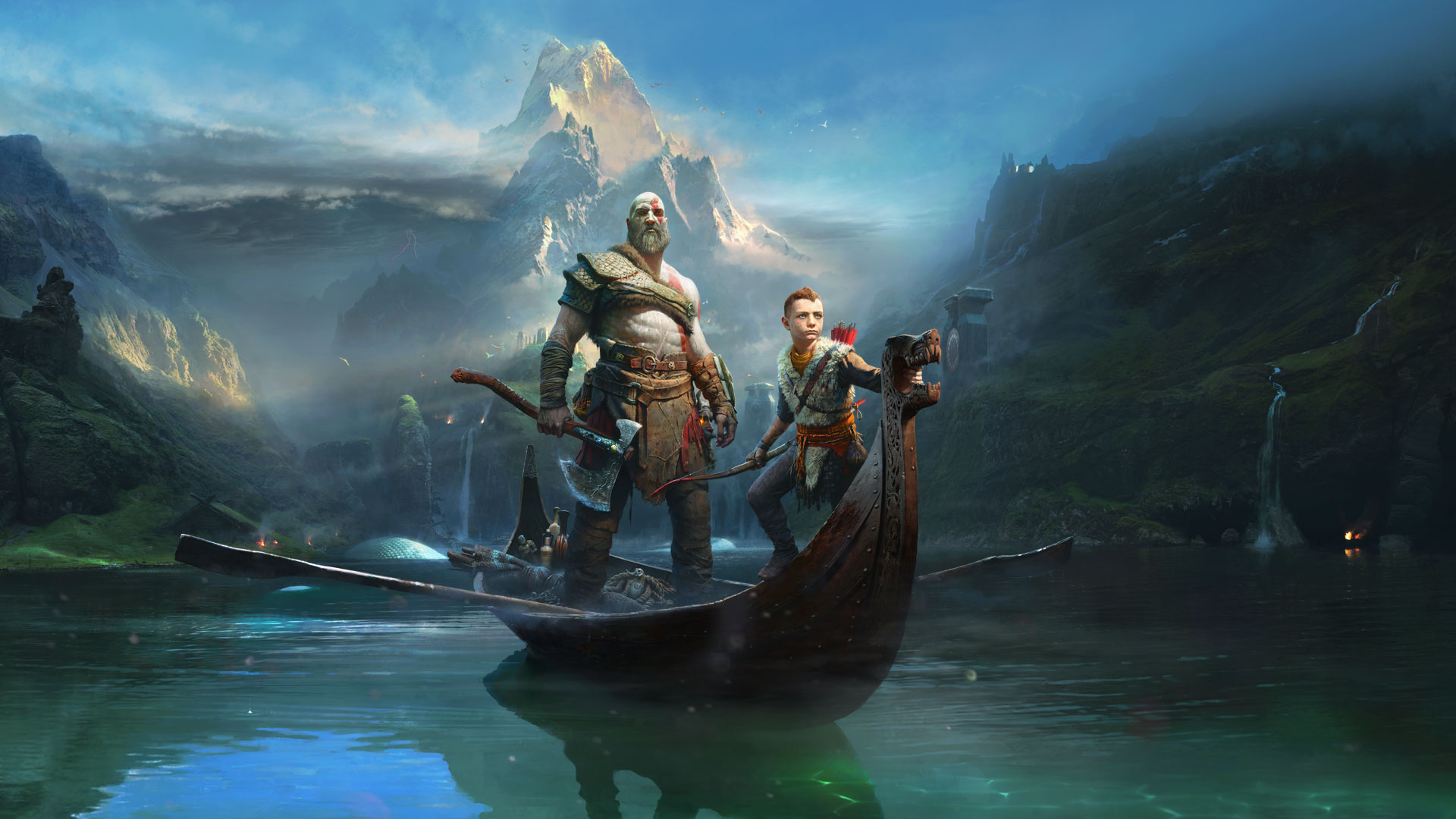
Jötnar shrines are large stone panels that unlock illustrated entries about giant lore, while the Bestiary records enemy traits and tactical notes. Atreus updates the codex after encounters, listing resistances and attack patterns. Shrines are tied to exploration milestones and optional areas, promoting route planning. The game is developed by Santa Monica Studio and published by Sony Interactive Entertainment.
‘Elden Ring’ (2022) – Item Descriptions (Armaments & Remembrances)
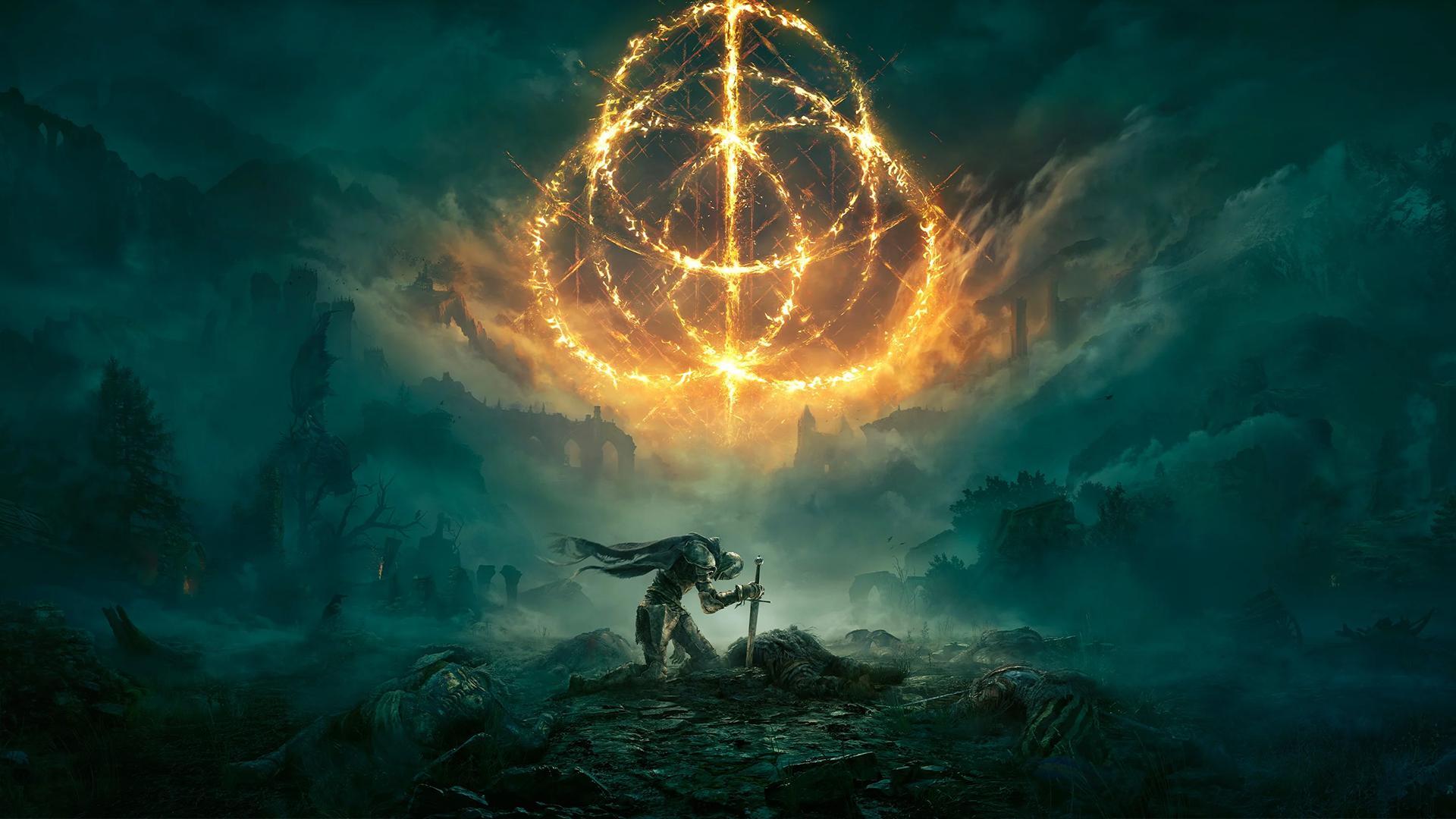
Weapon, armor, and Remembrance descriptions include lineage, makers, and locations tied to the Shattering timeline. Reading them reveals affiliations among demigods and the properties of great runes. The texts also reference crafting techniques and regional cults that match enemy placements. The game is developed by FromSoftware and published by Bandai Namco Entertainment.
‘Fallout: New Vegas’ (2010) – Lying, Congressional Style
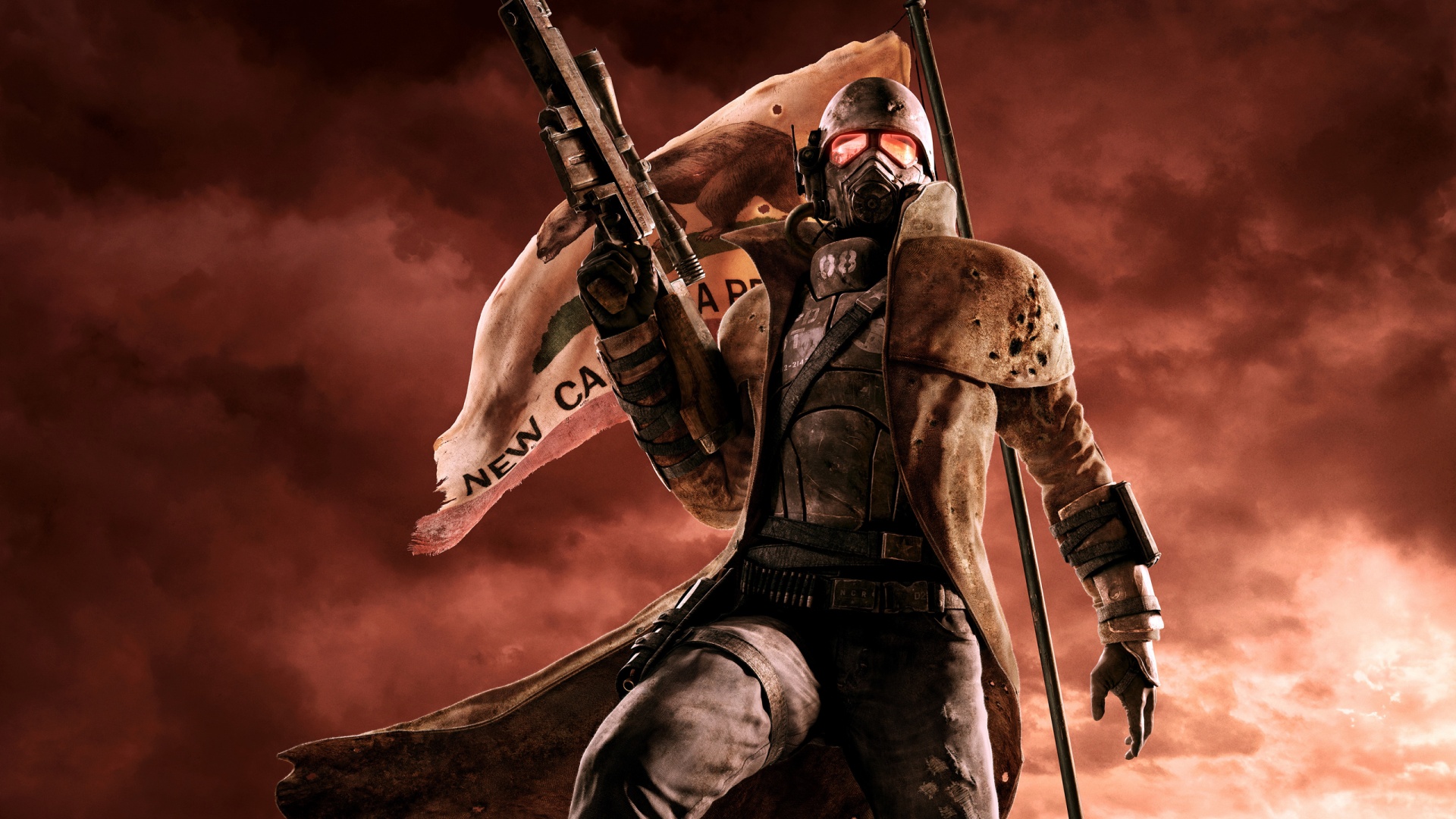
This pre-War manual increases the Speech skill when read and includes satirical guidance on persuasion techniques. Copies can be found in offices, vaults, and vendor inventories, with respawn rules varying by cell. It’s part of a wider set of skill books tracked by perks and magazines. The game is developed by Obsidian Entertainment and published by Bethesda Softworks.
‘Diablo III’ (2012) – Cain’s Journal
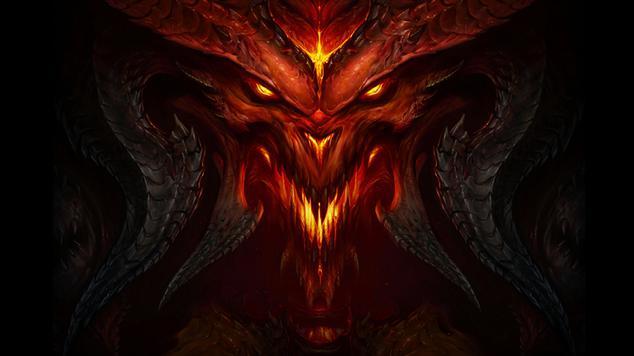
Deckard Cain’s entries unlock per act and summarize demon hierarchies, historical sieges, and artifact provenance with dates and locations. Journals can be replayed from the collection tab after pickup. Related logs from Leah and other figures add viewpoints on the same events. The game is developed and published by Blizzard Entertainment.
‘NieR: Automata’ (2017) – Unit Data & Archives
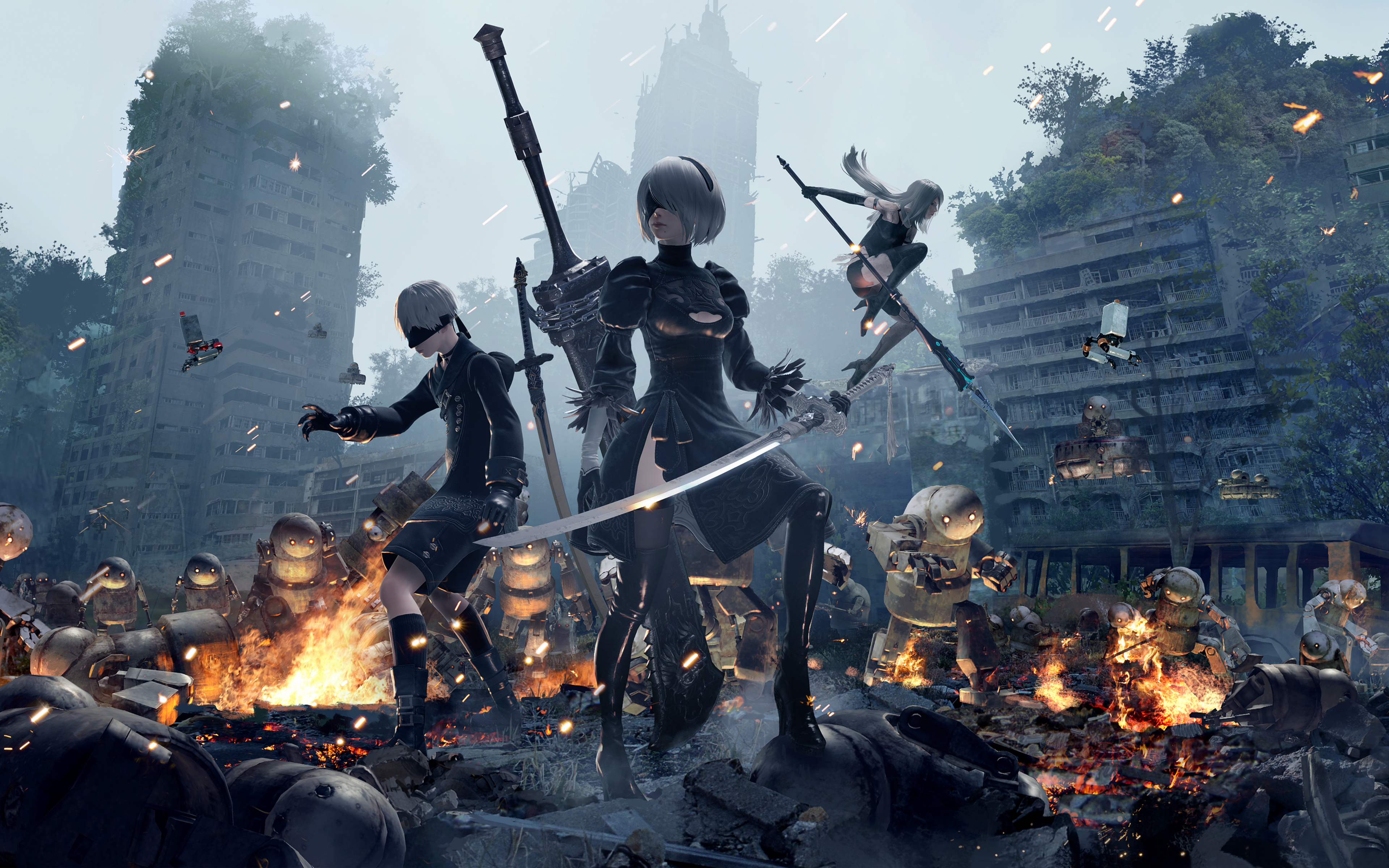
Unit Data lists enemy models, habitats, and attack sets as they’re scanned or defeated, while Archives store recovered texts from the old world. Files carry timestamps and origin labels that tie into route-specific reveals. The logs can be filtered by category to track mechanical families and weapon stories. The game is developed by PlatinumGames and published by Square Enix.
‘Cyberpunk 2077’ (2020) – Shards

Shards are data chips containing corporate memos, personal messages, and technical notes on cyberware, fixers, and gangs. They’re found on bodies, in apartments, and during gigs, and many add map points or quest hints. Each shard records its author, date, and encryption or distribution tags. The game is developed by CD PROJEKT RED and published by CD PROJEKT.
‘Death Stranding’ (2019) – Interviews & Data
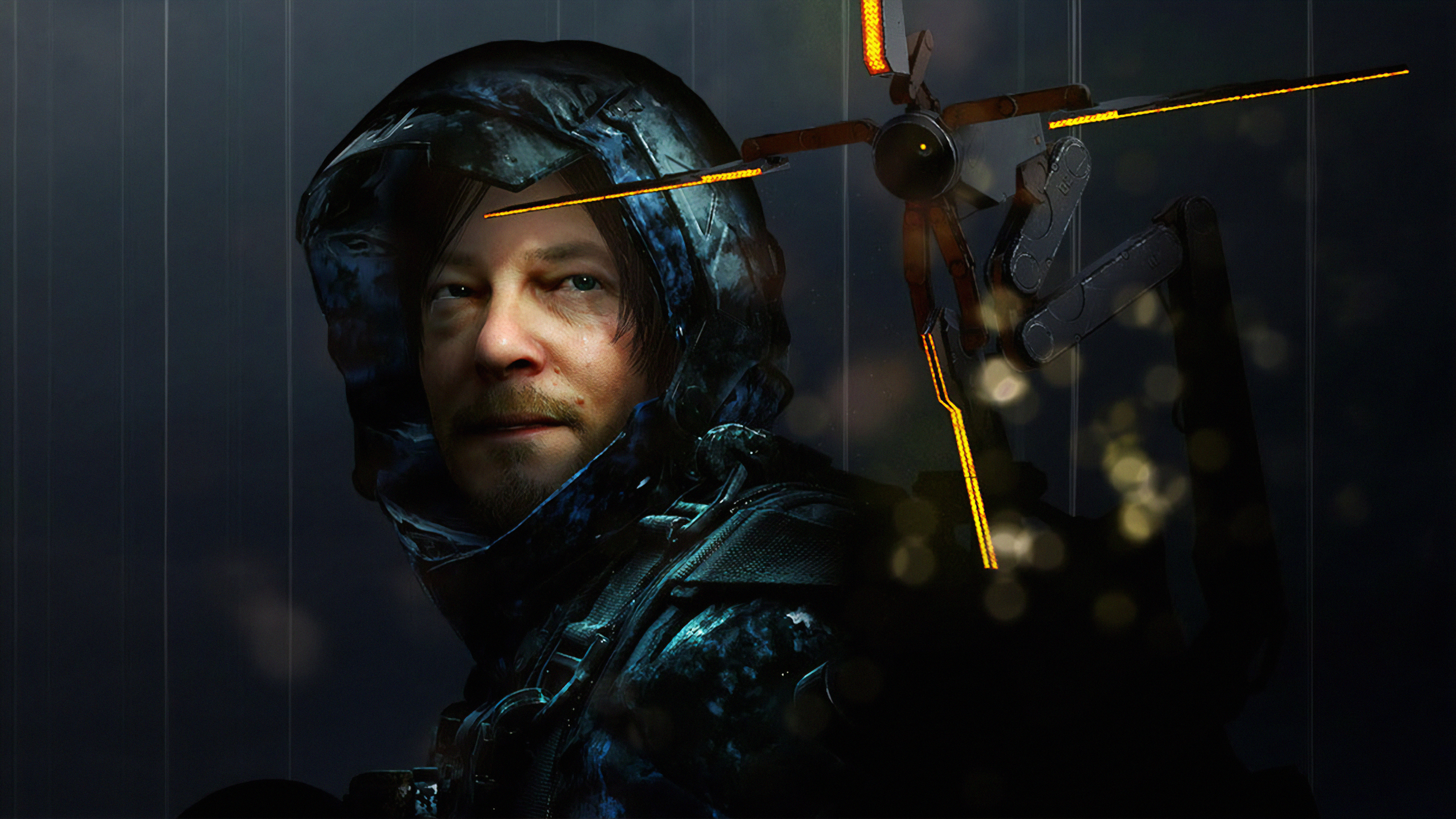
Interviews compile accounts from preppers, scientists, and Bridges personnel that explain the chiral network, BT phenomena, and delivery infrastructure. Unlocks are tied to star ratings and story progress, and entries are sorted by contributor. Many notes reference lab equipment and event timelines that match facility locations. The game is developed by Kojima Productions and published by Sony Interactive Entertainment (console) and 505 Games (PC).
‘Monster Hunter: World’ (2018) – Hunter’s Notes
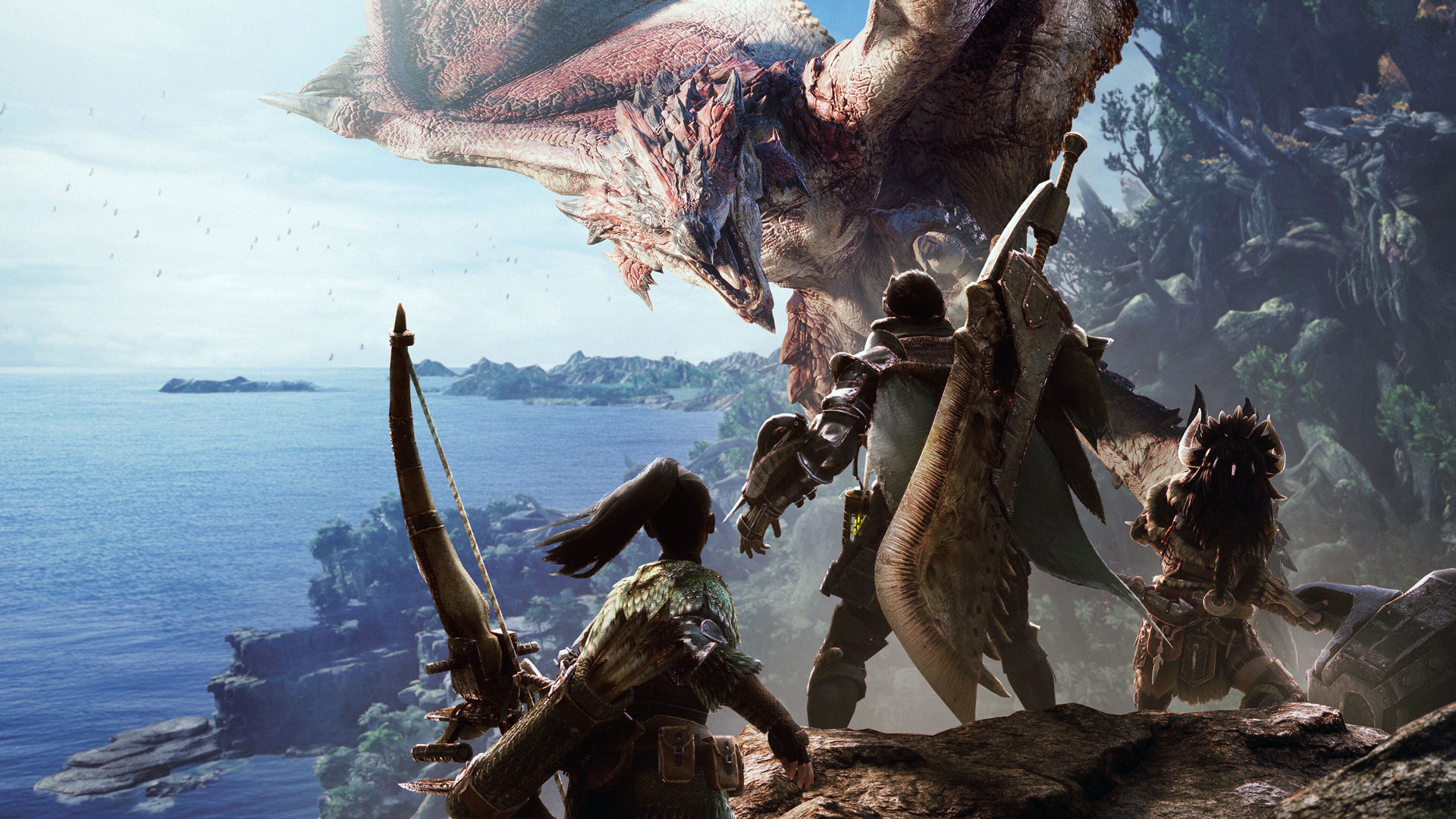
Hunter’s Notes document monster physiology, breakable parts, elemental weaknesses, and ailment effectiveness as you research and hunt. The entries expand via tracks collected and Ecological Research levels. Material drop tables and habitat zones are listed per rank for planning builds. The game is developed and published by Capcom.
‘Assassin’s Creed Origins’ (2017) – Animus Database
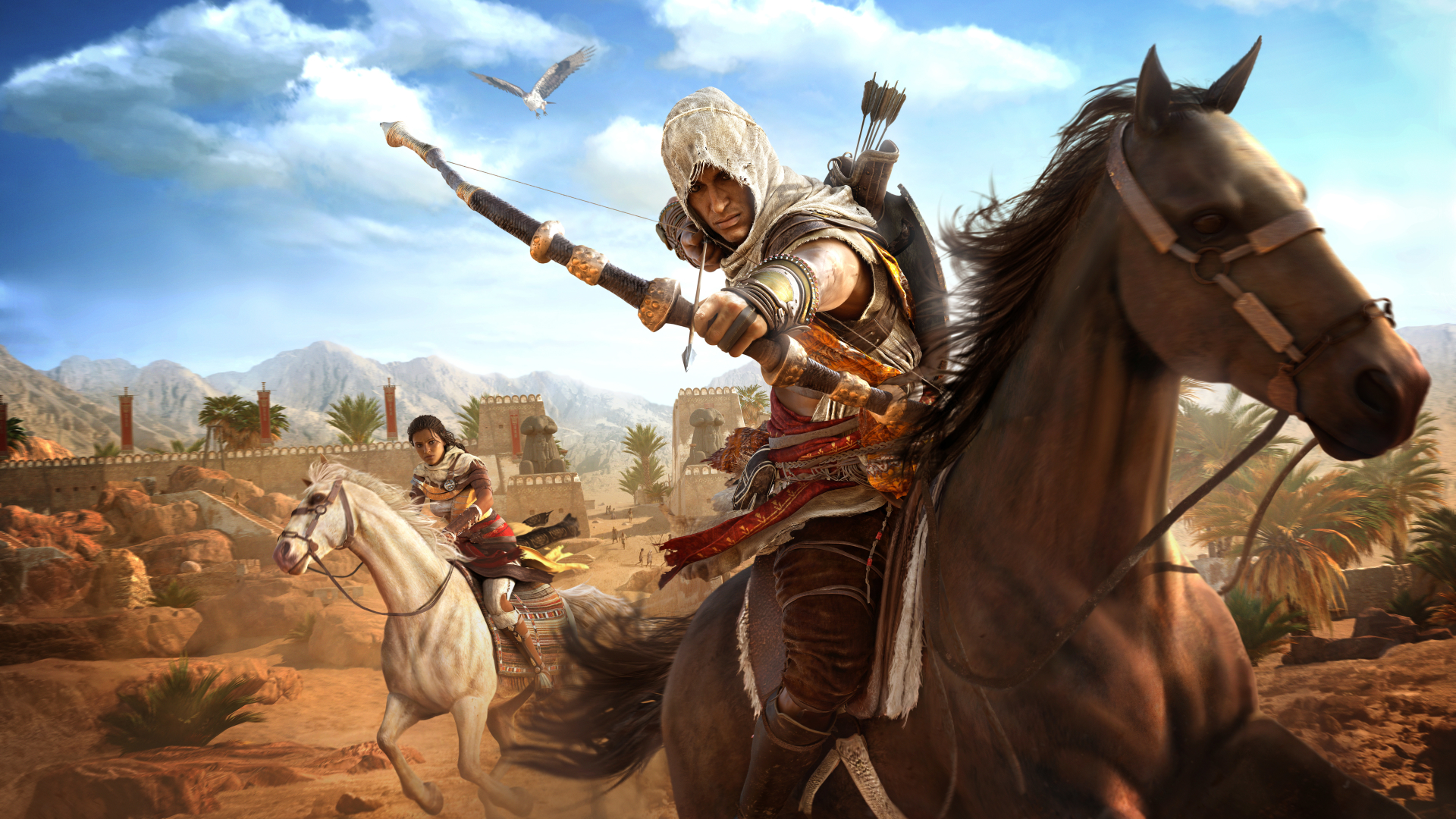
The Animus Database provides historical context for Ptolemaic Egypt’s sites, leaders, and artifacts, unlocked through exploration and quest progress. Entries include dynastic dates, architectural terms, and cross-references to regional politics. Discovery Tour mode adds fully narrated stops with academic sources. The game is developed by Ubisoft Montreal and published by Ubisoft.
‘Halo 4’ (2012) – Terminals
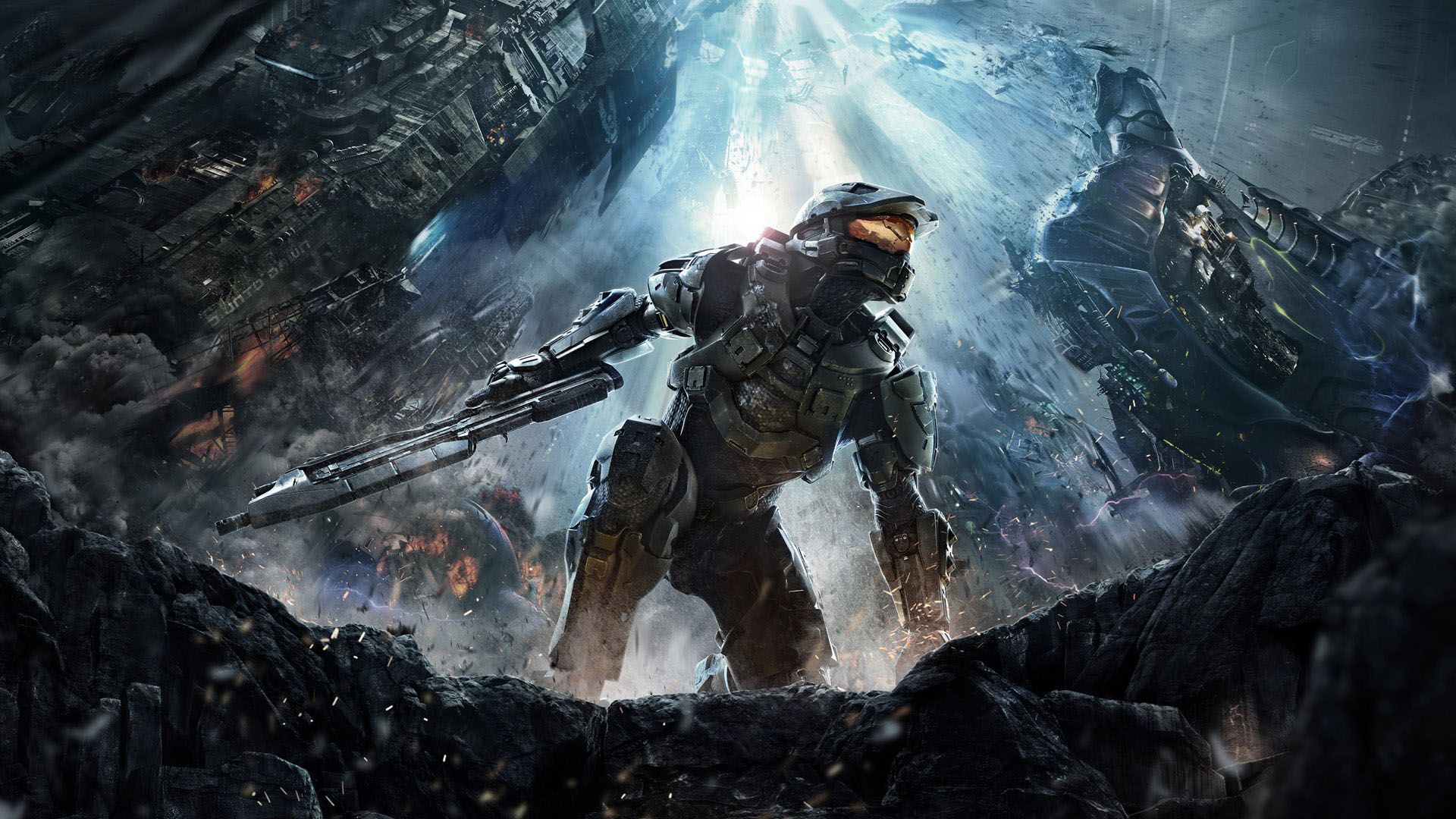
UNSC and Forerunner terminals deliver video-and-text dossiers that outline Didact history, Librarian projects, and pre-human conflicts. Collecting them unlocks chronological sequences accessible from the main menu. Each terminal is tied to a campaign mission and logs its recovery in the service record. The game is developed by 343 Industries and published by Microsoft Studios.
‘Star Wars: Knights of the Old Republic’ (2003) – The Code of the Sith (Datapads)
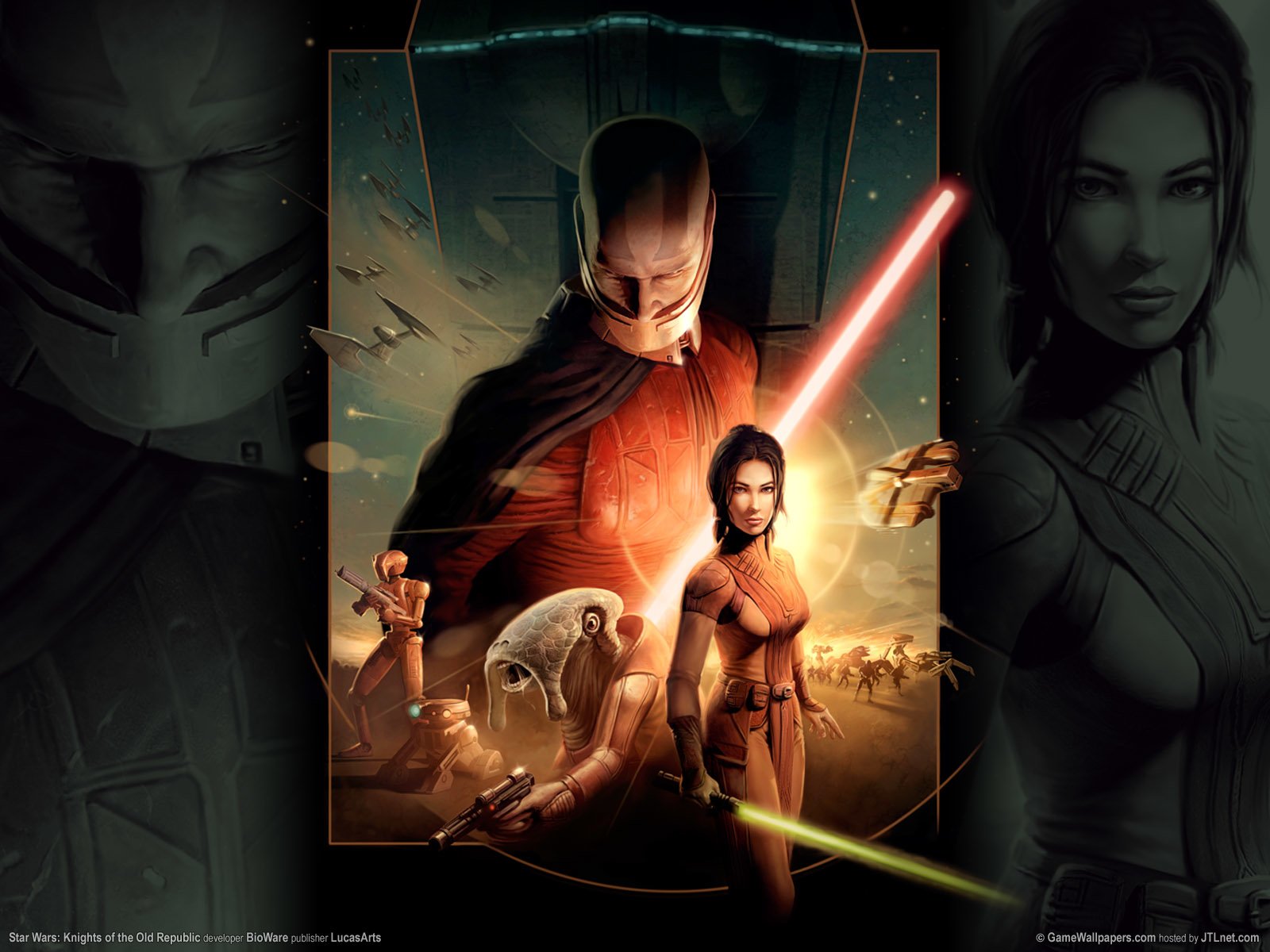
Datapads and terminals on Korriban present the Code of the Sith and academy lesson notes, including tests and expedition logs. Entries include artifact catalogs and tomb schematics with specific names and vault markers. Several logs provide passcodes or clues to progress within tombs. The game is developed by BioWare and published by LucasArts.
‘The Elder Scrolls Online’ (2014) – Lorebooks (Mages Guild)
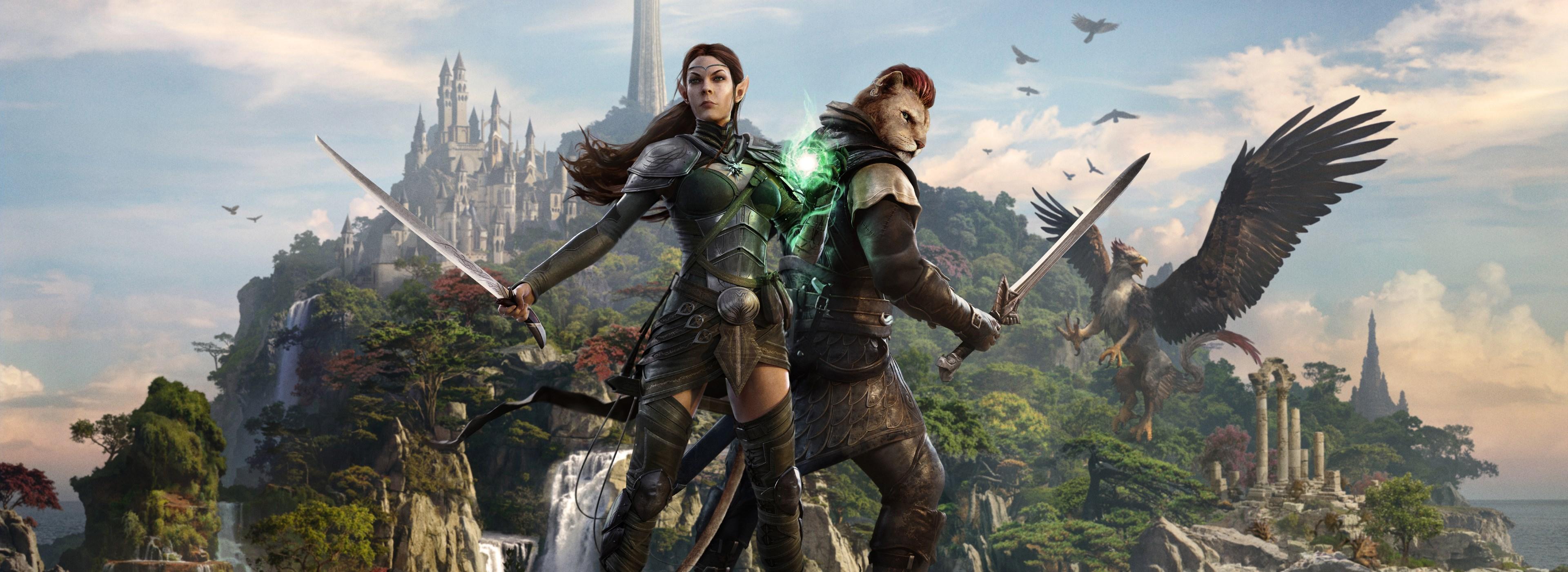
Lorebooks are categorized by author and theme, and collecting regional sets advances Mages Guild skill line progression. Each book is tied to a precise zone and sub-zone, with map compendiums tracking completion. Entries include dates, saints, and local customs that match zone questlines. The game is developed by ZeniMax Online Studios and published by Bethesda Softworks.
‘World of Warcraft’ (2004) – The History of Azeroth
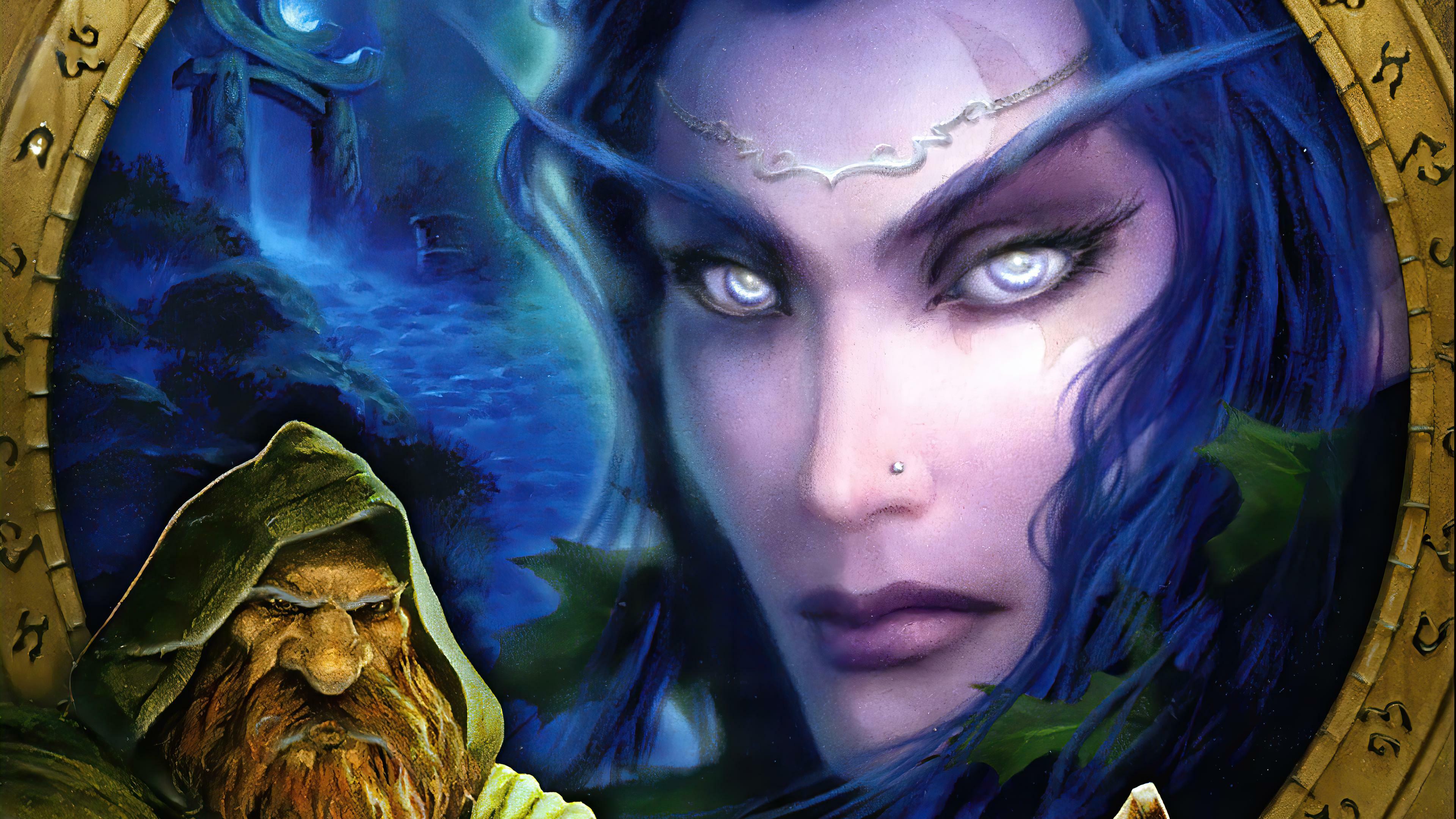
This multi-volume in-game series outlines titans, Old Gods, sundering events, and early kingdoms, with volumes placed in libraries and keeps. Reading them fills in chronology that correlates with dungeon backstories and raid locales. Additional tomes like regional histories and biographies expand faction timelines. The game is developed and published by Blizzard Entertainment.
‘Disco Elysium’ (2019) – Ledger Case Files
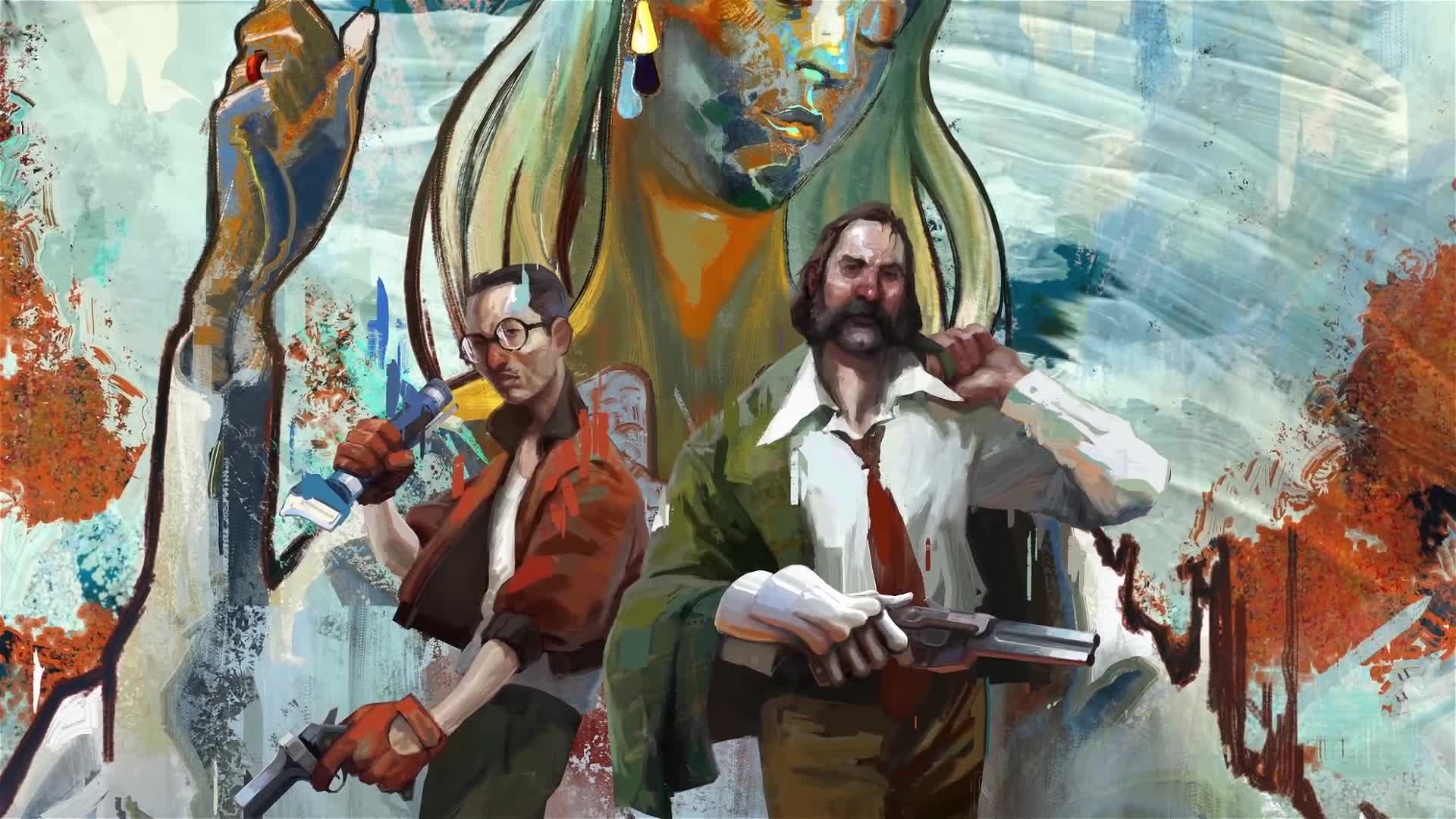
The ledger stores archived case summaries with dates, incident types, and outcomes, and can be examined in detail at specific story beats. Files reference precinct procedures, evidence categories, and colleagues, with cross-links to internal codes. Review options affect dialogue checks tied to skills and thoughts. The game is developed and published by ZA/UM.
‘Starfield’ (2023) – Old Earth Books
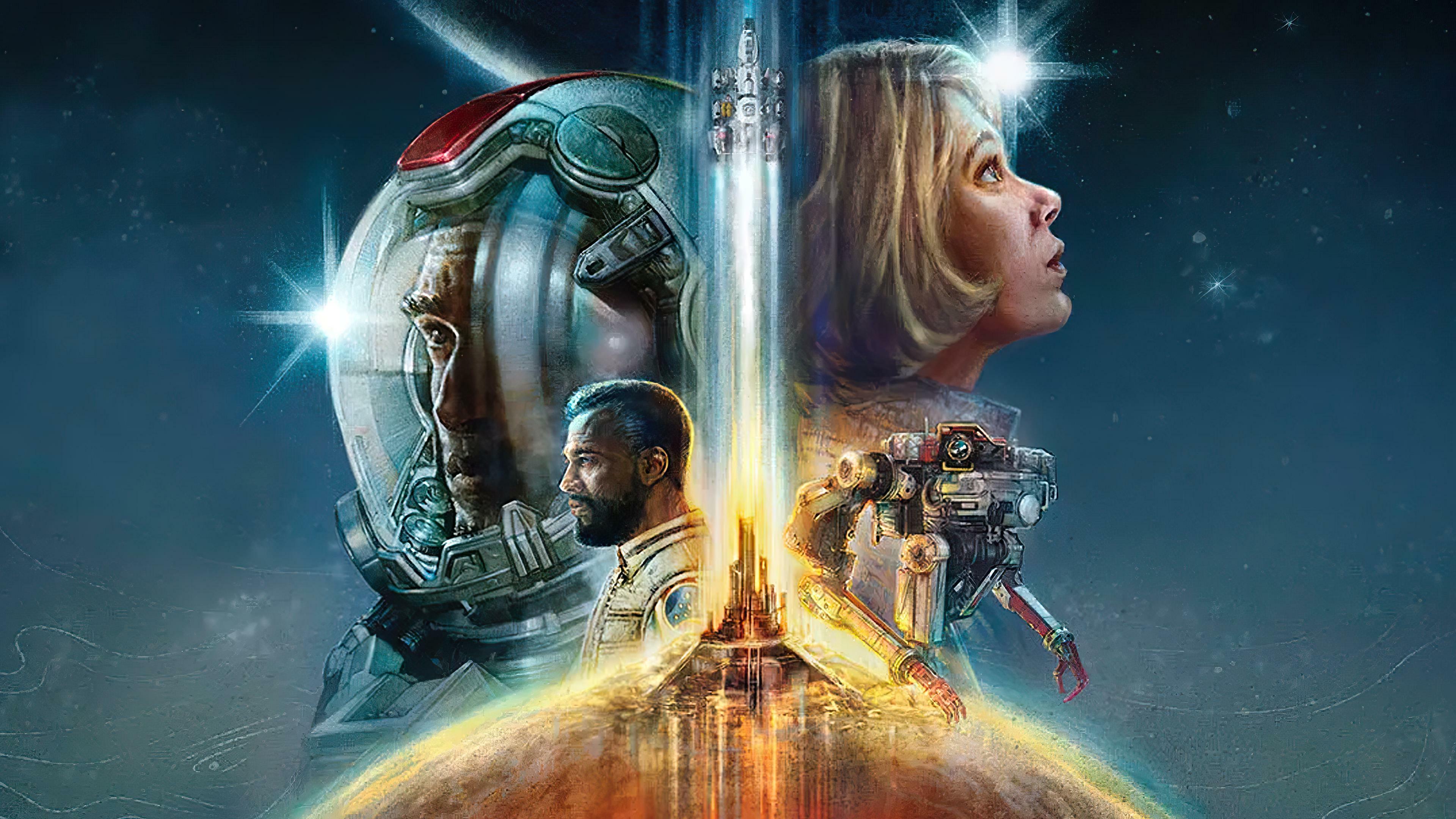
These physical volumes—classics like ‘The Count of Monte Cristo’ and other public-domain works—are placed in libraries, ships, and settlements and can be collected. Picking them up adds items with author, publisher, and original release data in the inventory. Several books are tied to faction spaces and display cases that reflect regional culture. The game is developed by Bethesda Game Studios and published by Bethesda Softworks.
Share your favorite in-game reads—or the one that surprised you most—in the comments!