

25 Best Licensed Songs Used In Games



Licensed tracks can shape a moment in a game as much as visuals or gameplay, instantly anchoring scenes to a time, place, or feeling. From needle-drops that kick off unforgettable missions to radio staples that define open-world wandering, these songs didn’t just play in the background—they became part of the experience. Below are standout examples of how developers integrated well-known music directly into levels, missions, menus and in-game radios to memorable effect.
‘Tony Hawk’s Pro Skater’ (1999) – “Superman” by Goldfinger
Neversoft built levels around short, looping runs, and “Superman” became a high-energy menu and level staple that introduced many players to the game’s ska-punk vibe. Activision licensed a broader soundtrack, but “Superman” often accompanied early goals and free-skate sessions, reinforcing the title’s quick-reset flow. The track’s tempo fits the game’s two-minute runs, making combo experimentation feel natural. Its placement across menus and sessions helped establish a recognizable audio identity for the series.
‘Tony Hawk’s Pro Skater 2’ (2000) – “Guerrilla Radio” by Rage Against the Machine
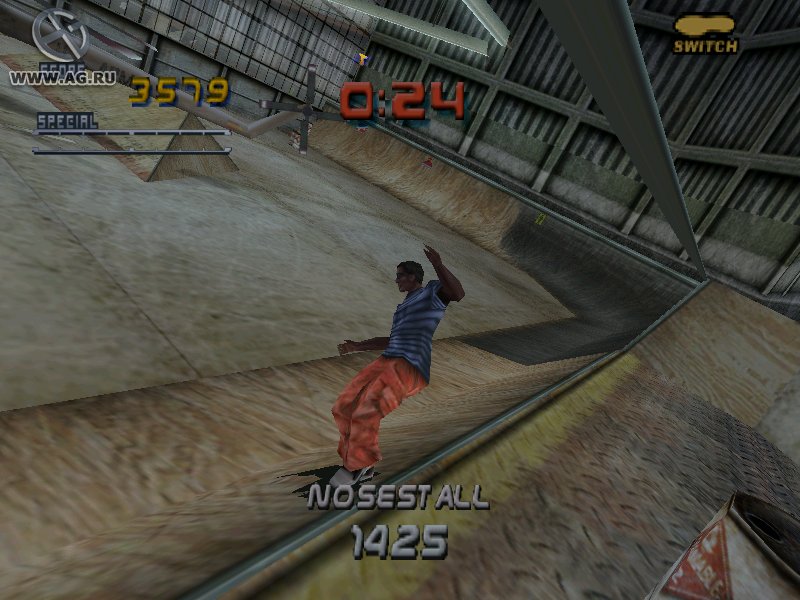
Neversoft expanded the soundtrack brief, using “Guerrilla Radio” to underscore bigger park designs and the create-a-skater loop. Activision’s licensing placed the song in goals, score attacks, and free-skate, where its start-stop riffs matched vert-street transitions. The track’s mix level and loop length slotted into the two-minute timer without crowding trick sounds. Its consistent rotation ensured it became tied to early career goals and the Hangar level.
‘Grand Theft Auto: Vice City’ (2002) – “Billie Jean” by Michael Jackson
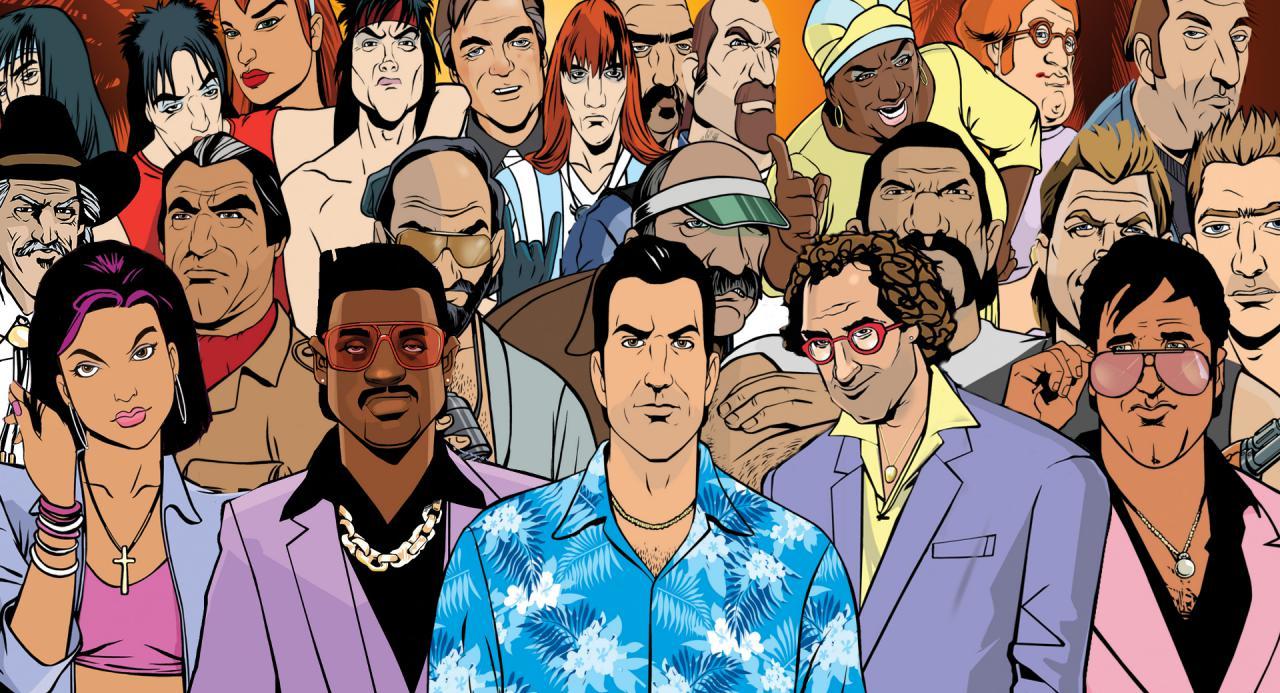
Rockstar North curated multiple in-game radio stations, and “Billie Jean” headlined the pop-heavy 80s lineup on Wave 103 and Flash FM rotations. The track plays during standard driving, mission commutes, and free roaming, triggered like any radio selection. Its inclusion required high-profile licensing to anchor the setting’s 1980s Miami inspiration. The song’s prominent placement helped define the feel of cruising the neon-lit map between objectives.
‘Grand Theft Auto: San Andreas’ (2004) – “Welcome to the Jungle” by Guns N’ Roses
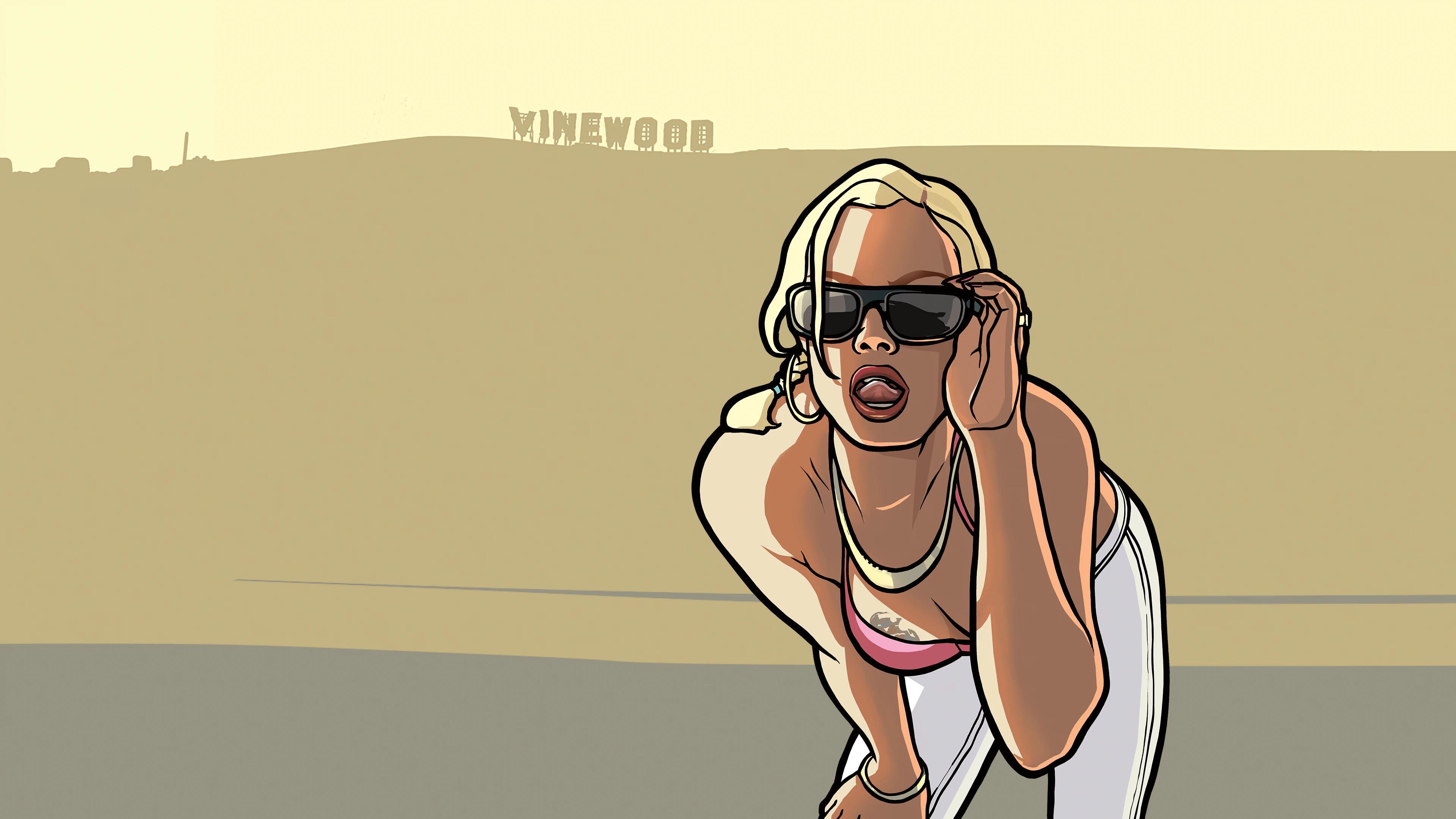
Rockstar North placed this track on Radio X, where it accompanies long highway drives and mission travel across the state. The station system lets the song trigger dynamically, continuing through cutscenes when appropriate. Licensing the hard-rock catalog supported the game’s West Coast atmosphere and CJ’s cross-county progression. With vehicle radio persisting between missions, the track often underscores extended gameplay sessions.
‘Grand Theft Auto V’ (2013) – “Still D.R.E.” by Dr. Dre feat. Snoop Dogg
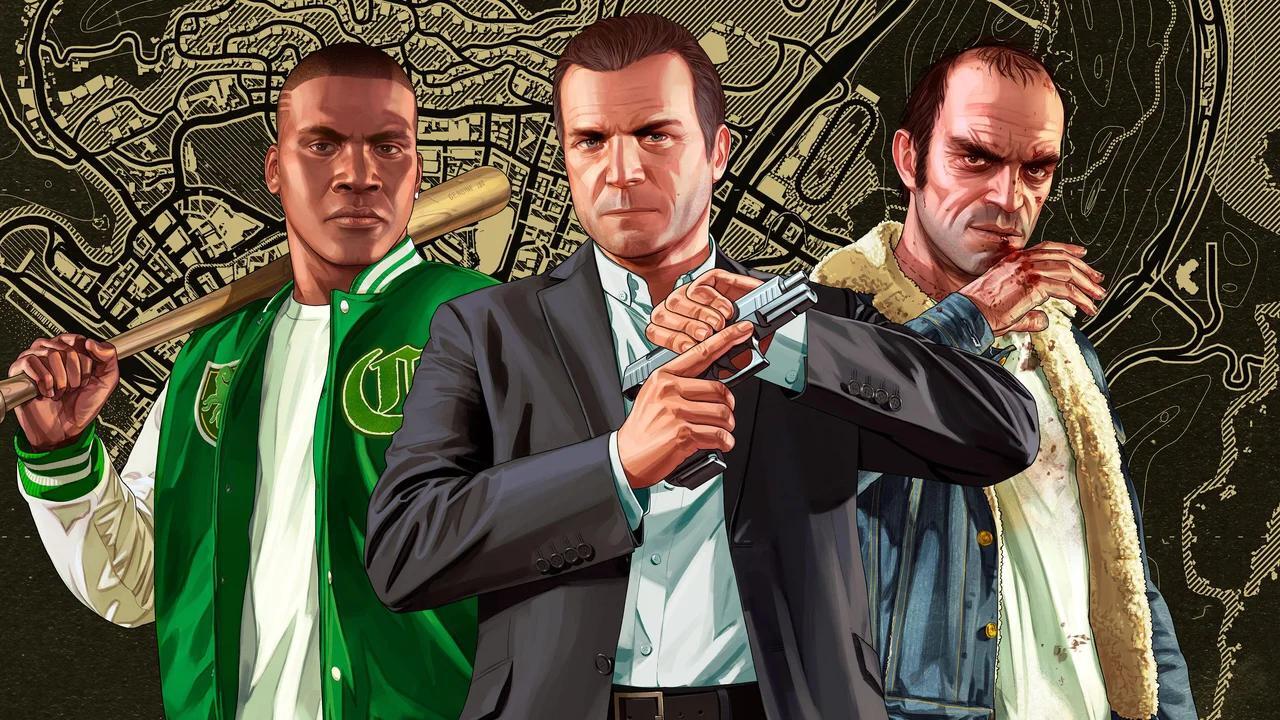
Rockstar North included “Still D.R.E.” on West Coast Classics, letting it play during free roam, mission commutes and heist setup travel. The radio logic preserves the track during many transitions, so it can carry through traffic chases and longer drives. Its availability in Story Mode and GTA Online free driving ensures broad exposure over time. Licensing integrates the song into the station’s curated DJ chatter and period-specific bumpers.
‘Red Dead Redemption’ (2010) – “Far Away” by José González
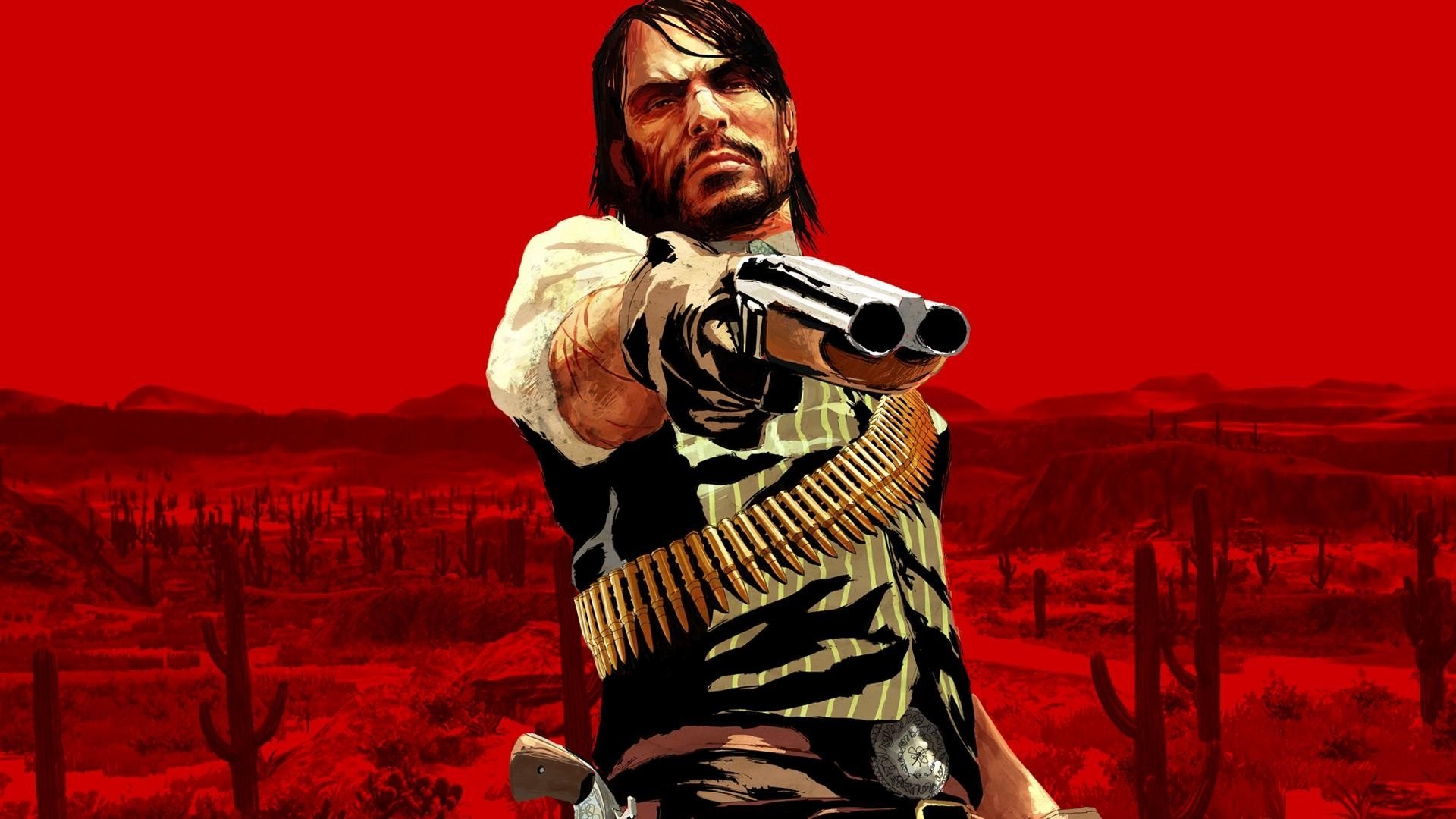
Rockstar San Diego scripted this song to trigger diegetically when John Marston first rides into Mexico, marking a major chapter shift. The needle-drop occurs after a loading transition, giving the ride a continuous, unbroken audio bed. Unlike radio tracks, this usage is a one-time, story-locked event that emphasizes narrative pacing. The mix prioritizes vocals over ambient horse and trail sounds to center the moment.
‘Red Dead Redemption 2’ (2018) – “May I? Stand Unshaken” by D’Angelo
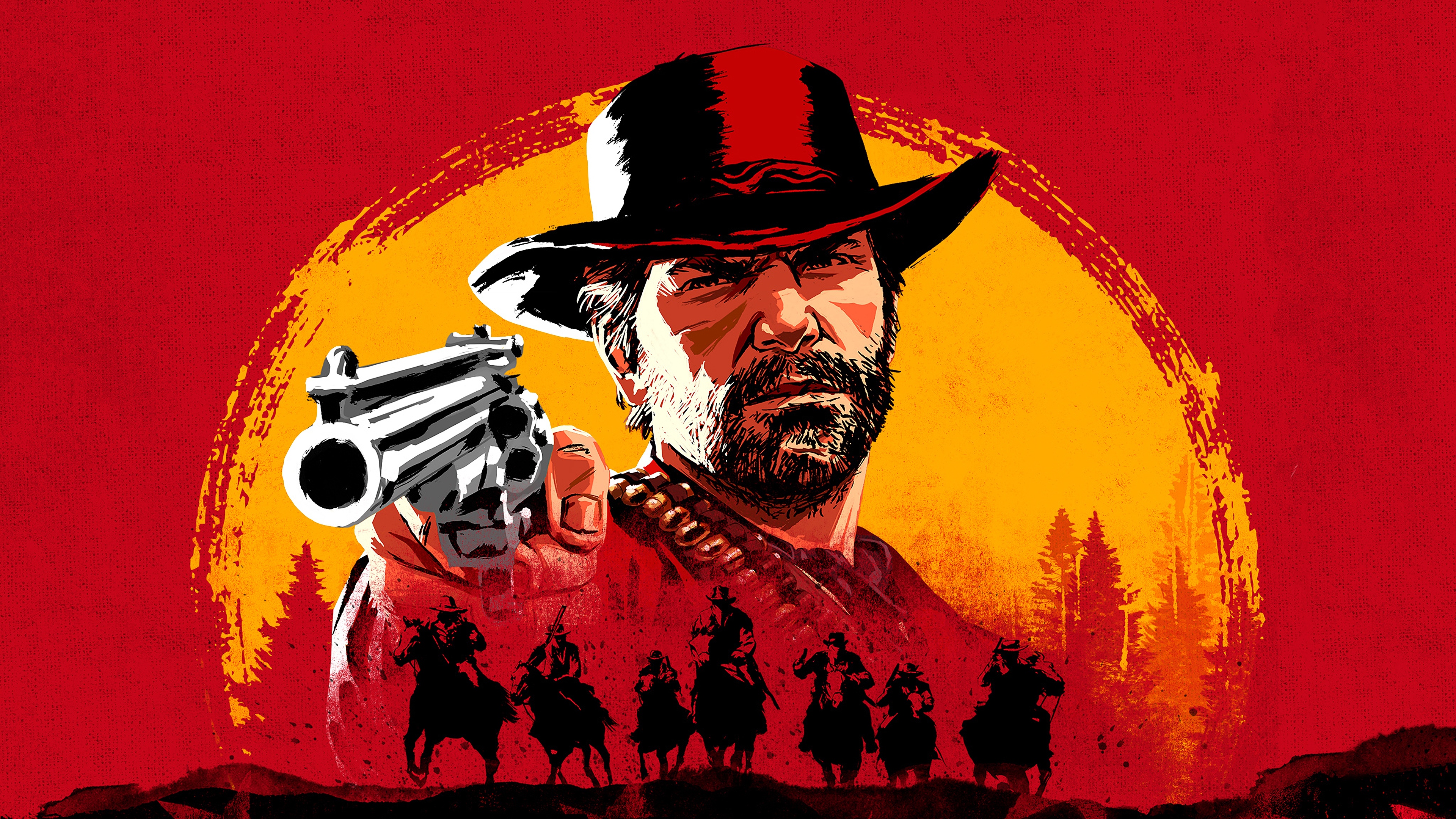
Rockstar Studios implemented this song in a late-game mission as a scripted cue during a pivotal return sequence. The track is mixed to sit above environmental audio, turning traversal into a narrative beat. It is not available on radios, ensuring it remains tied to story progression. The placement supports a shift in tone without interrupting player control.
‘Metal Gear Solid V: The Phantom Pain’ (2015) – “The Man Who Sold the World” by Midge Ure
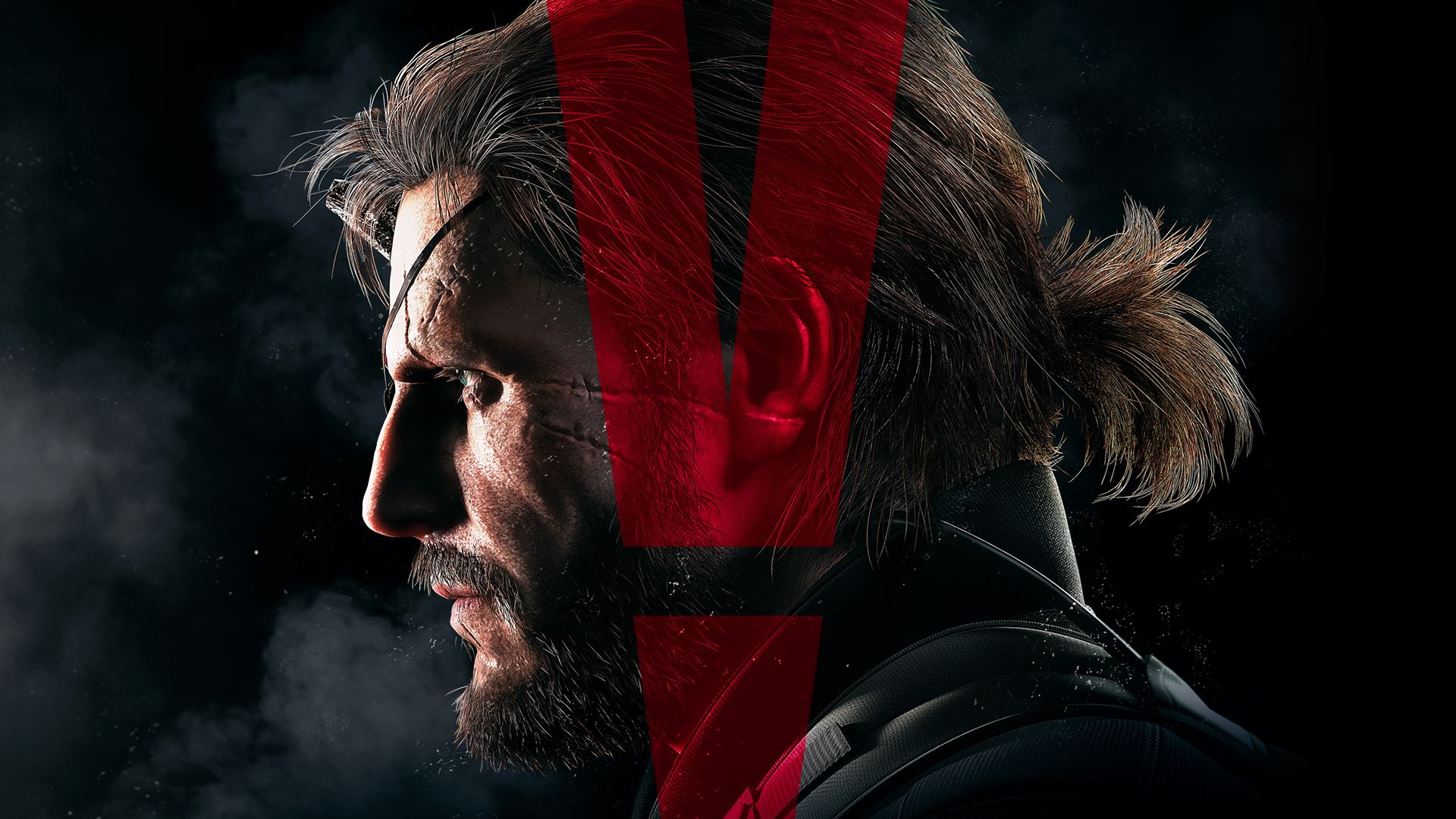
Kojima Productions uses this version of the song during the hospital prologue to set the story’s time period and themes. The tape-based music system later lets players collect and equip 1980s tracks for helicopter arrivals. Licensing supports both fixed cinematic moments and player-selected infiltration music. The audio implementation crossfades between diegetic sources and score to preserve stealth readability.
‘Death Stranding’ (2019) – “I’ll Keep Coming” by Low Roar
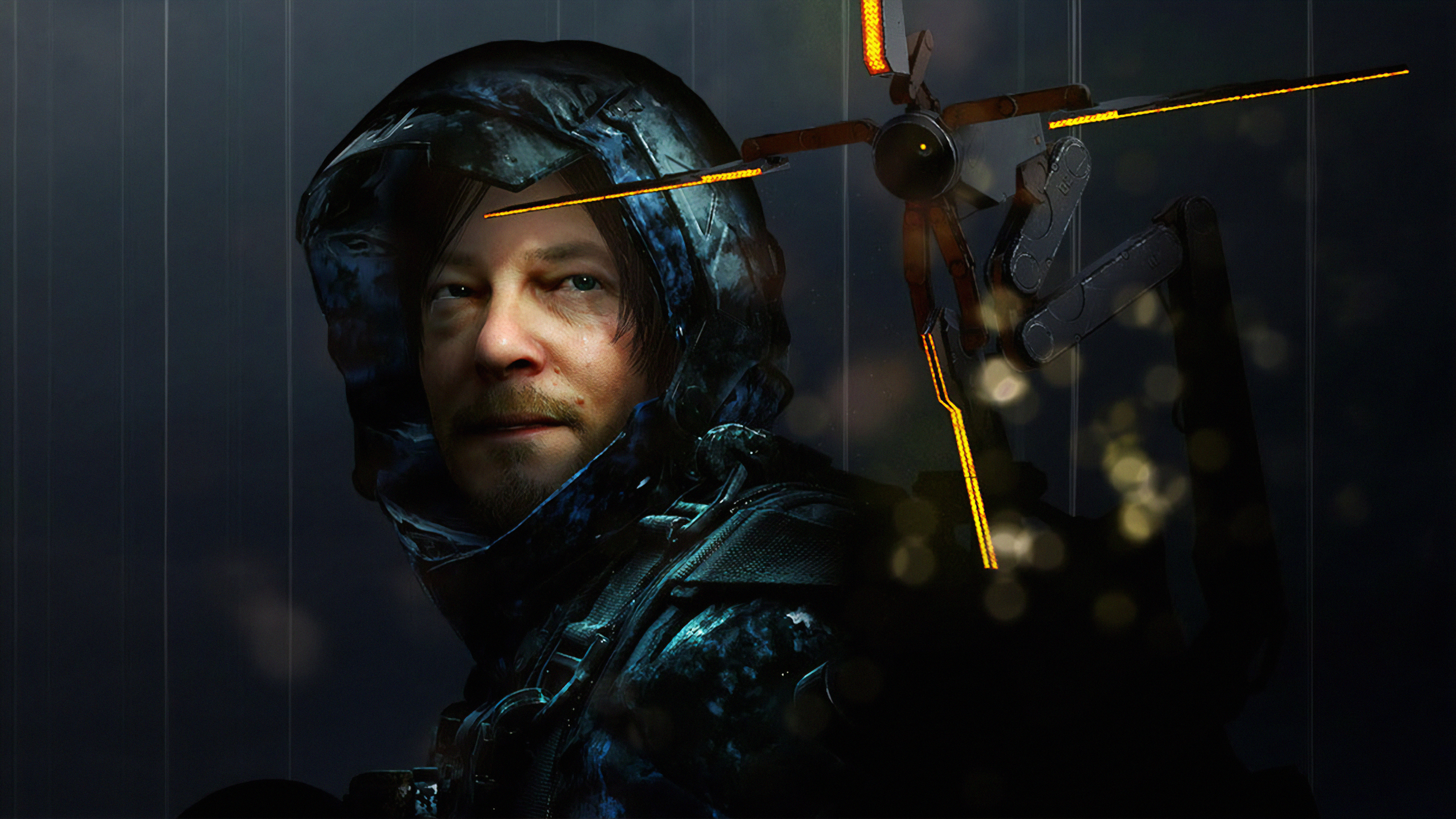
Kojima Productions designed stretches of traversal where licensed tracks fade up as you crest terrain or enter new regions. The system sets waypoints that trigger full-length plays, aligning music with vistas and pathfinding. These cues function outside of cutscenes, maintaining control while adding structure to long journeys. The soundtrack curation relies on licensing multiple Low Roar tracks to keep the approach consistent.
‘Life Is Strange’ (2015) – “To All of You” by Syd Matters
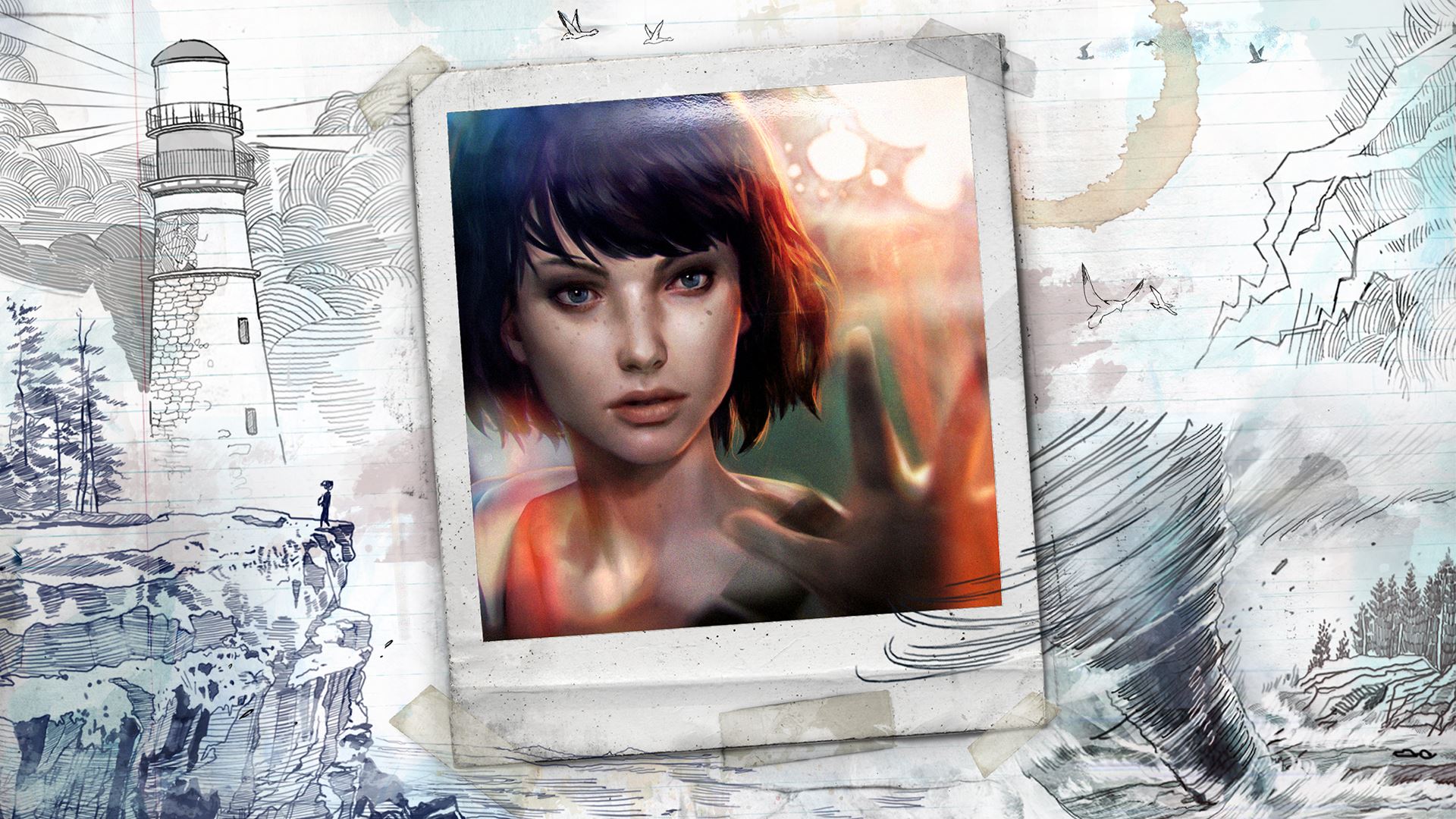
Dontnod Entertainment uses the track in early campus exploration, introducing the game’s reflective tone and episodic pacing. The scene’s camera framing and slow-walk controls ensure lyrics remain audible as players observe points of interest. Licensing supports playback in a space with low ambient noise so dialogue and prompts remain clear. The cue also recurs in menus, tying the episode’s theme to the interface.
‘Alan Wake’ (2010) – “Coconut” by Harry Nilsson
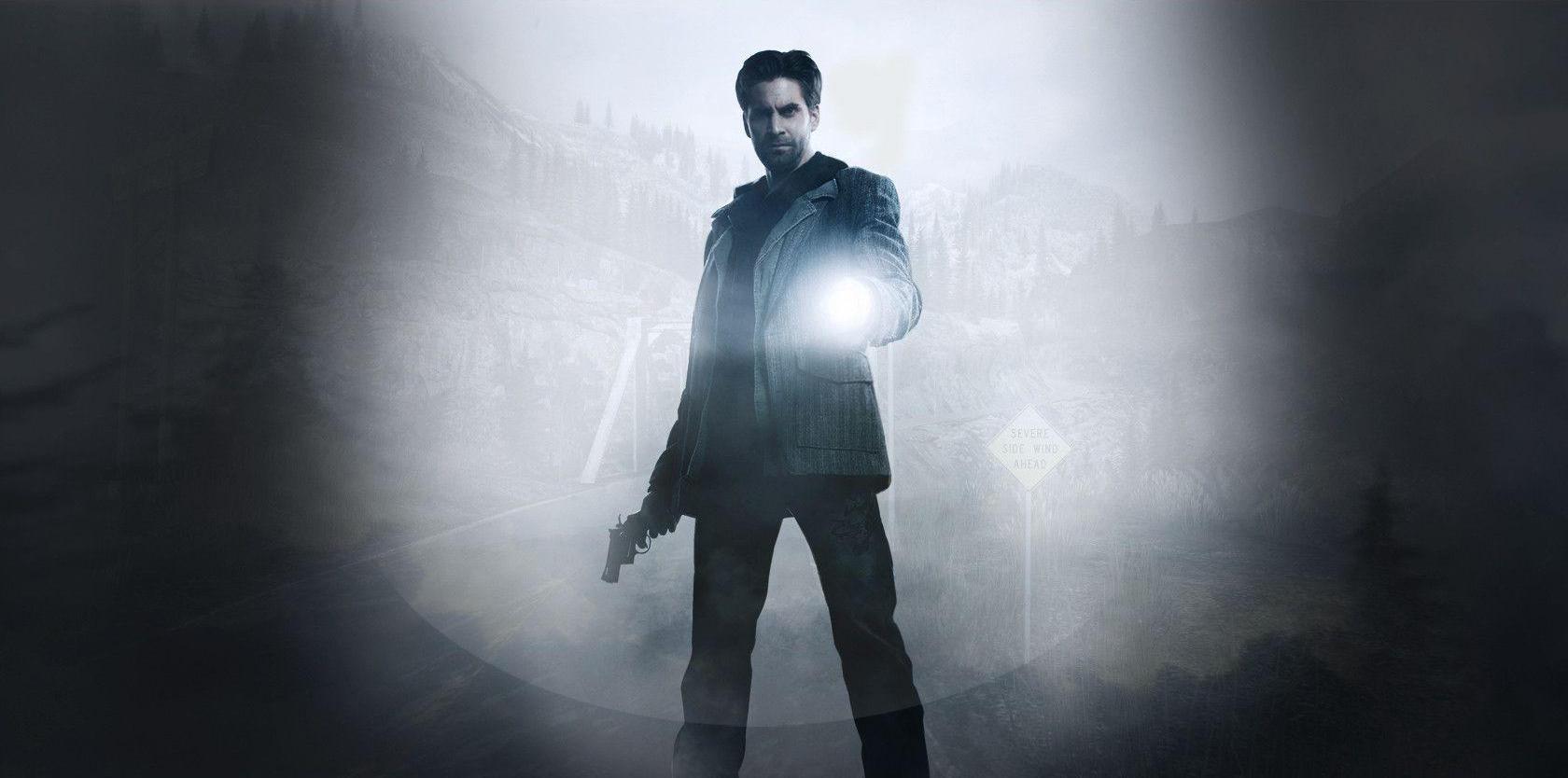
Remedy Entertainment pipes this song diegetically through radios and scripted transitions to offset darker sequences. The licensing contrasts with the game’s thriller elements, providing levity between combat segments. Audio placement maintains spatialization, so the track grows louder as players approach radio props. Its repeatable triggers give towns and safe rooms a recognizable sound marker.
‘Saints Row: The Third’ (2011) – “Power” by Kanye West
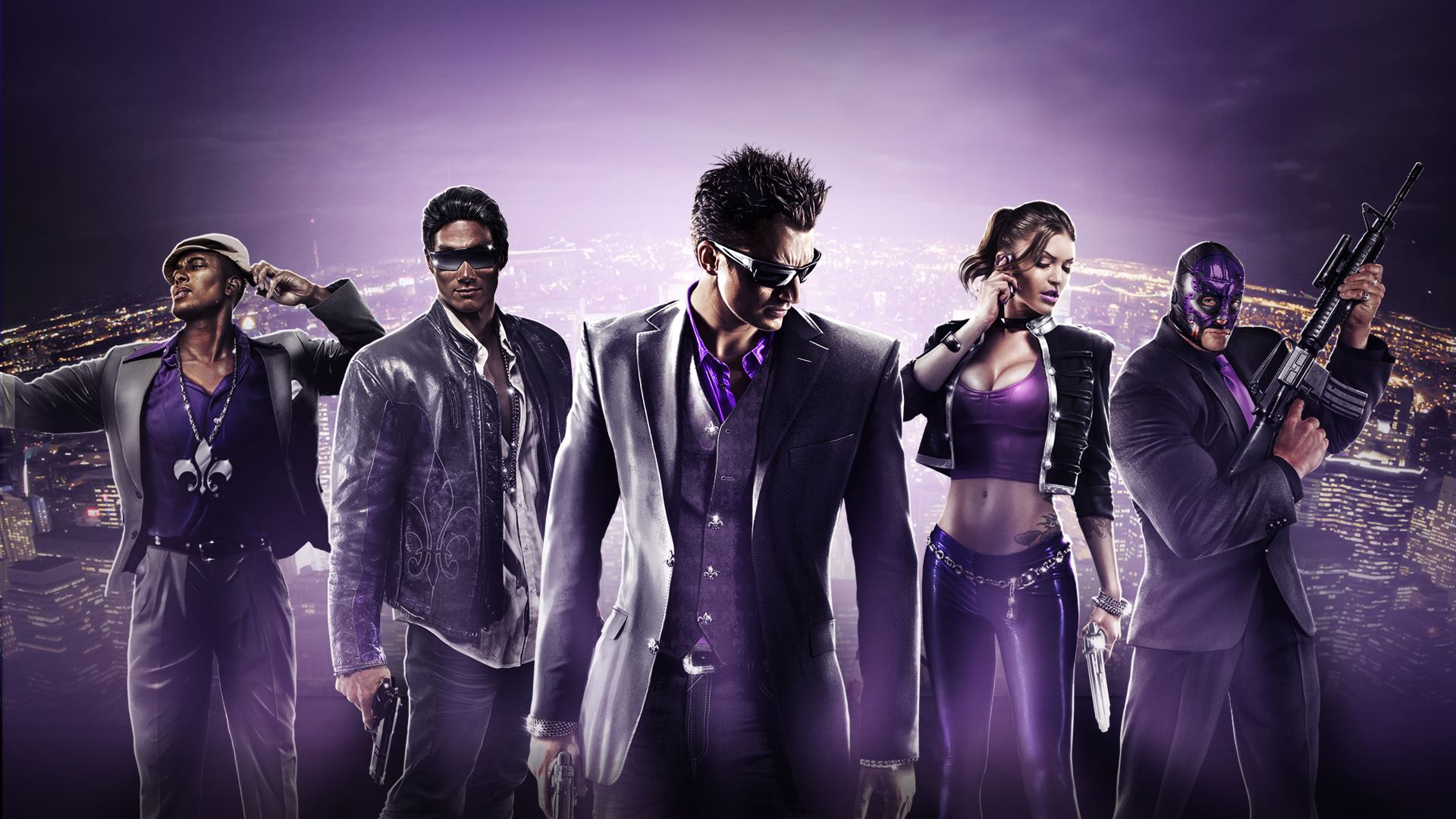
Volition uses “Power” during the airplane heist opening, syncing set-piece beats to musical phrases. The song also appears via in-game radio rotation, but the scripted intro ensures every player encounters it once. The mission’s choreography relies on careful editing of vocals and instrumental breaks to match gameplay. Licensing integrates the track into the title’s larger radio catalog for later free-roam use.
‘Saints Row IV’ (2013) – “What Is Love” by Haddaway
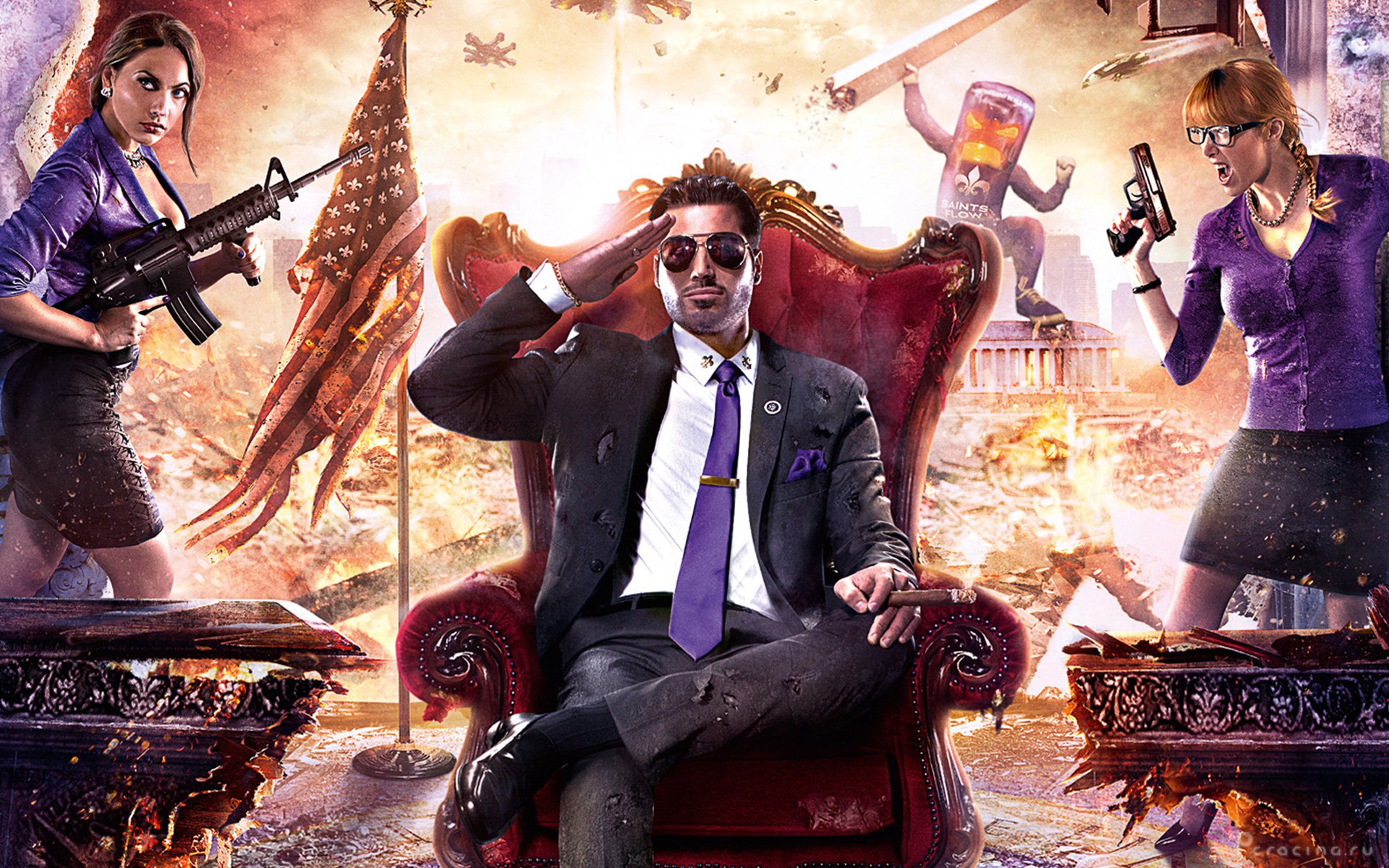
Volition scripts this track into an early driving sequence in the simulation, framing character interactions and controls. The cue is timed to linear dialogue, turning a commute into a short musical set-piece. The radio system later enables the track during open-world driving like other stations. Its placement showcases the series’ approach to pairing licensed music with mission-specific comedy.
‘Forza Horizon’ (2012) – “Levels” by Avicii
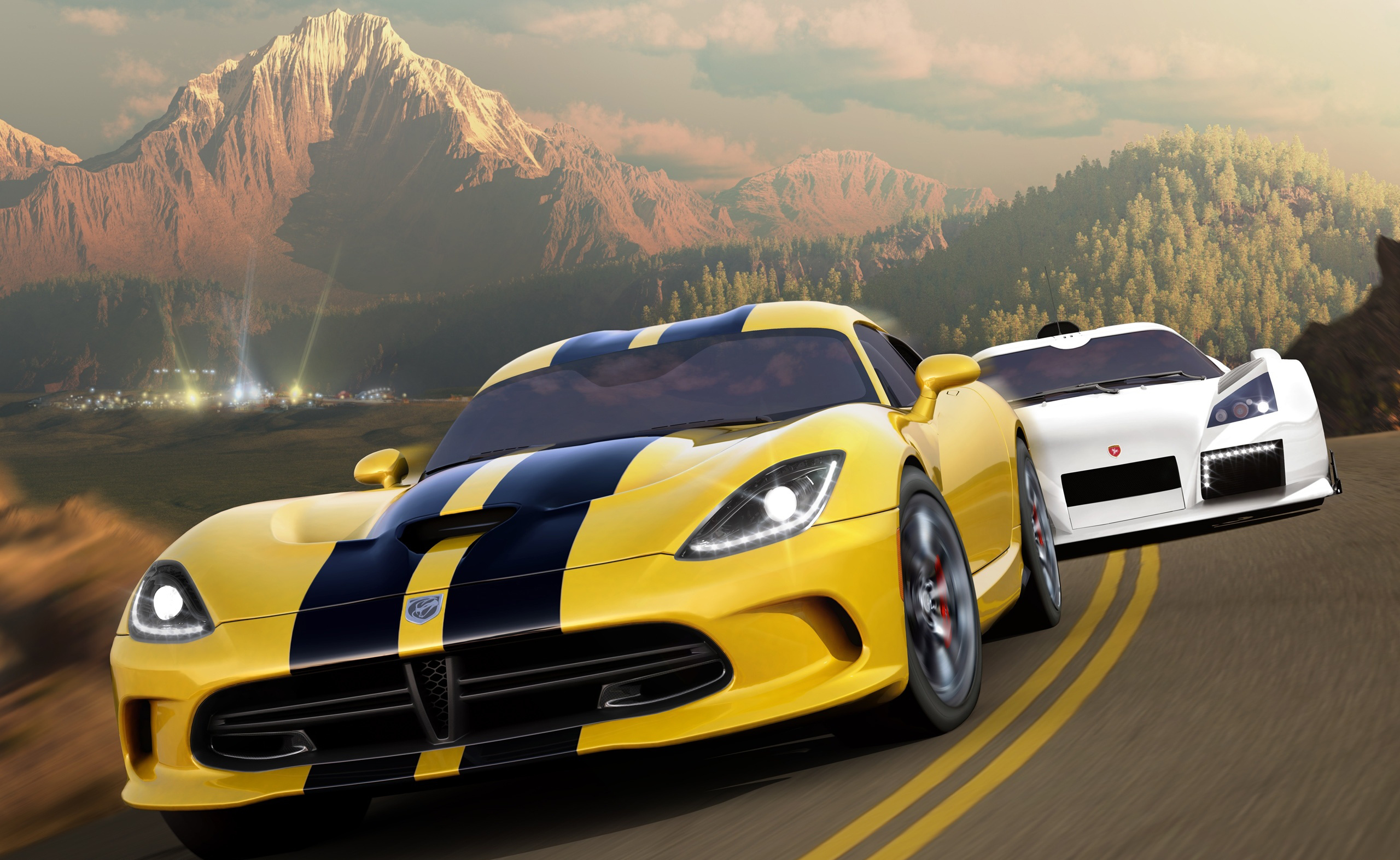
Playground Games built an in-world festival, and “Levels” anchors one of the EDM-forward radio stations during free driving. The track’s BPM aligns with highway pacing, encouraging continuous cruising between events. The game’s radio controls allow quick station swaps, but this song often features in default rotations. Licensing supports the title’s fictional festival branding and audio stingers.
‘Need for Speed: Most Wanted’ (2005) – “Nine Thou (Superstars Remix)” by Styles of Beyond & The Crystal Method
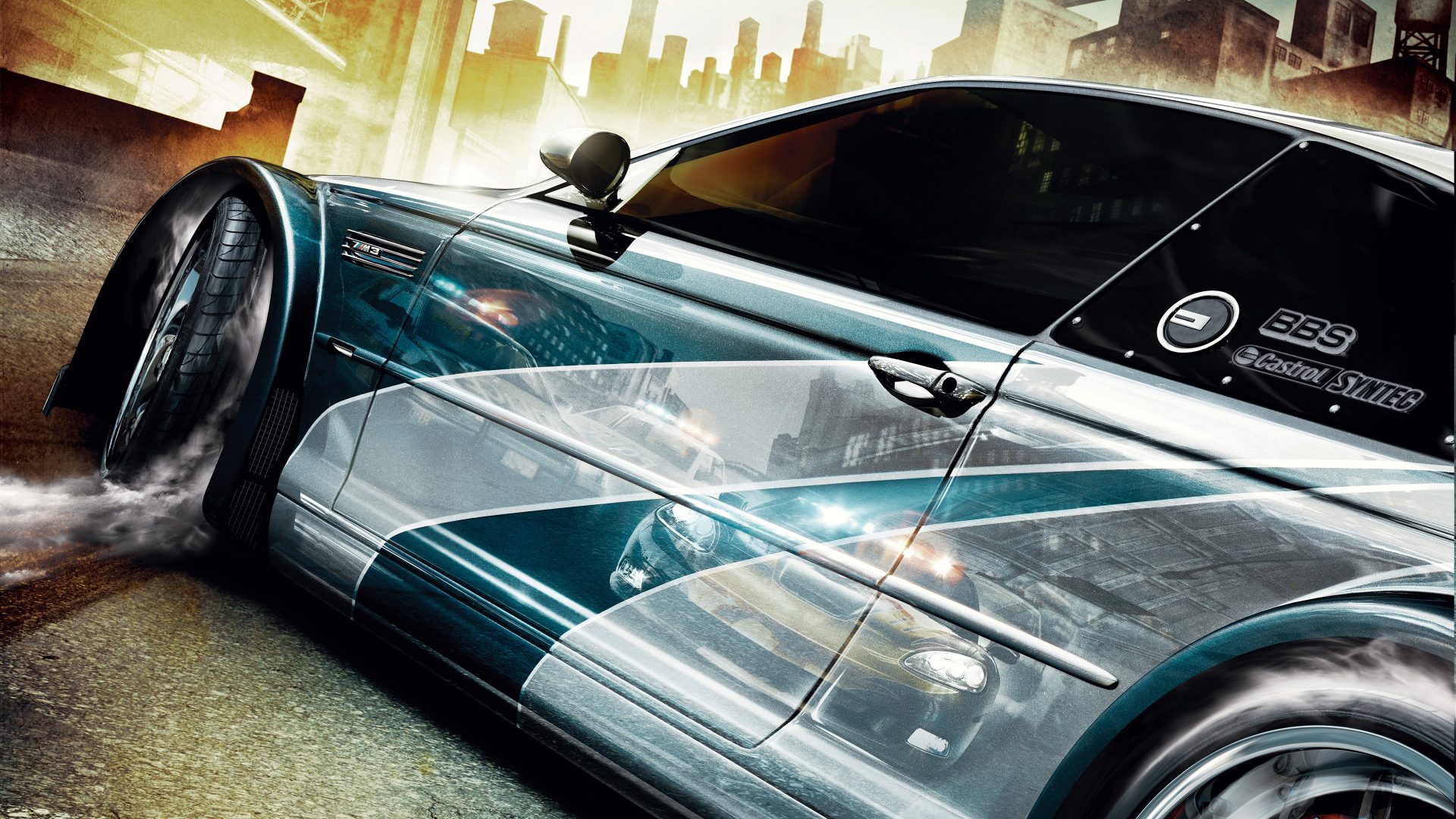
EA Black Box uses this track across menus and pursuit transitions, matching its tempo to high-speed chases. The song loops cleanly to cover car customization and blacklist ladder navigation. Audio ducking keeps police chatter and sirens intelligible while the track plays. Licensing ensured the remix version could be used consistently across regions.
‘Need for Speed: Underground 2’ (2004) – “Riders on the Storm (Snoop Dogg Remix)” by The Doors & Snoop Dogg
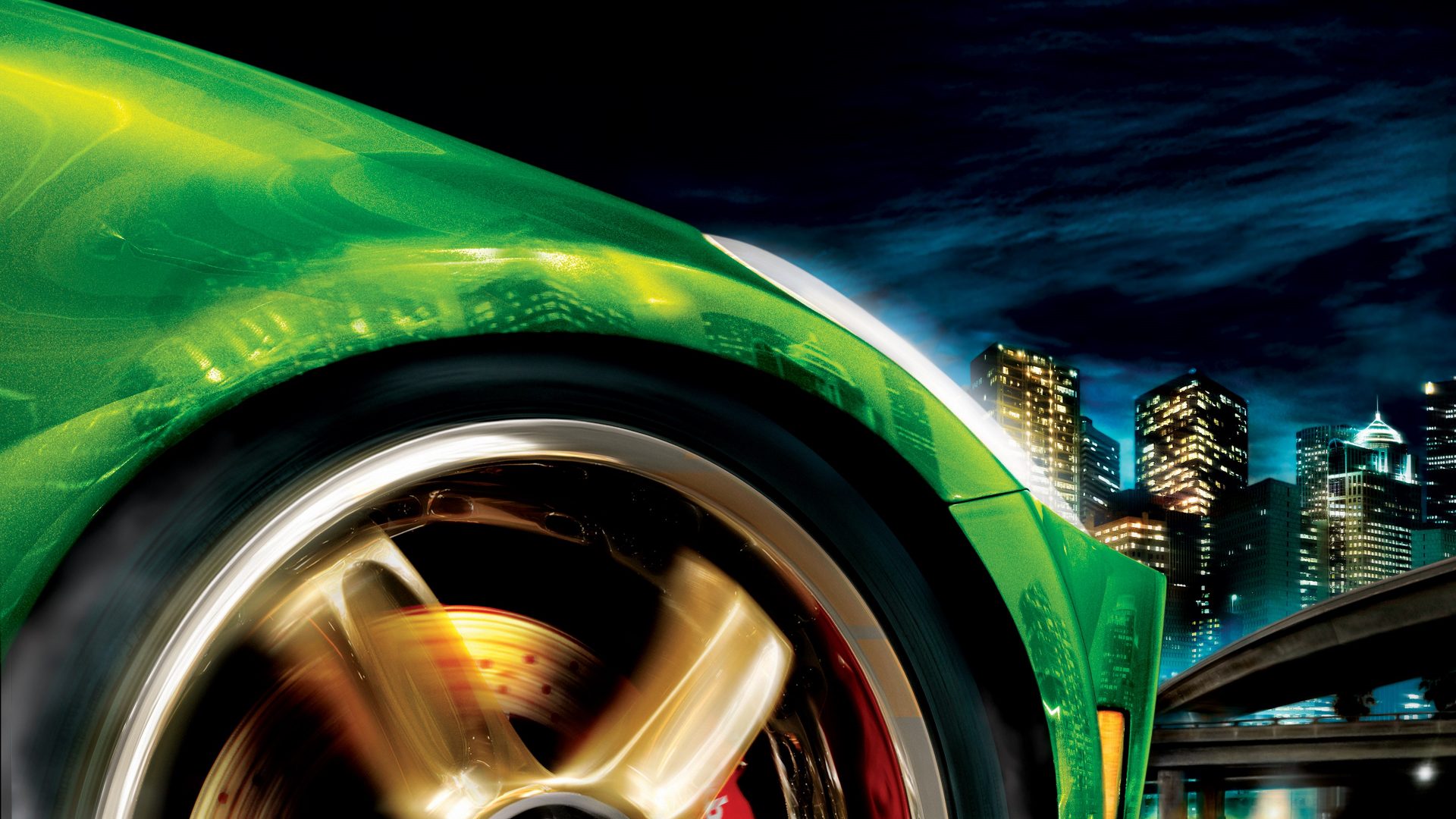
EA Black Box integrated this exclusive remix into menus and open-world cruising at night. The track’s extended intro allows for loading and map transitions without abrupt cuts. Mixing prioritizes engine sounds during races while keeping vocals clear in free roam. Licensing included the collaborative remix, differentiating the soundtrack from other racing titles.
‘FIFA 98: Road to World Cup’ (1997) – “Song 2” by Blur
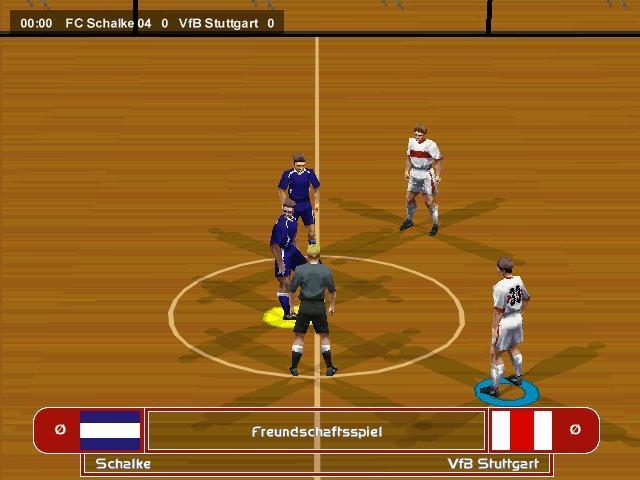
EA Canada deployed this song on menus and pre-match sequences, giving quick bursts of audio around lineup screens. The short, punchy structure fits loading windows and formation edits. Volume calibration keeps commentary dominant once matches begin, while the track owns interface spaces. The licensed single became a series touchpoint for late-90s entries.
‘Mafia II’ (2010) – “Ain’t That a Kick in the Head” by Dean Martin
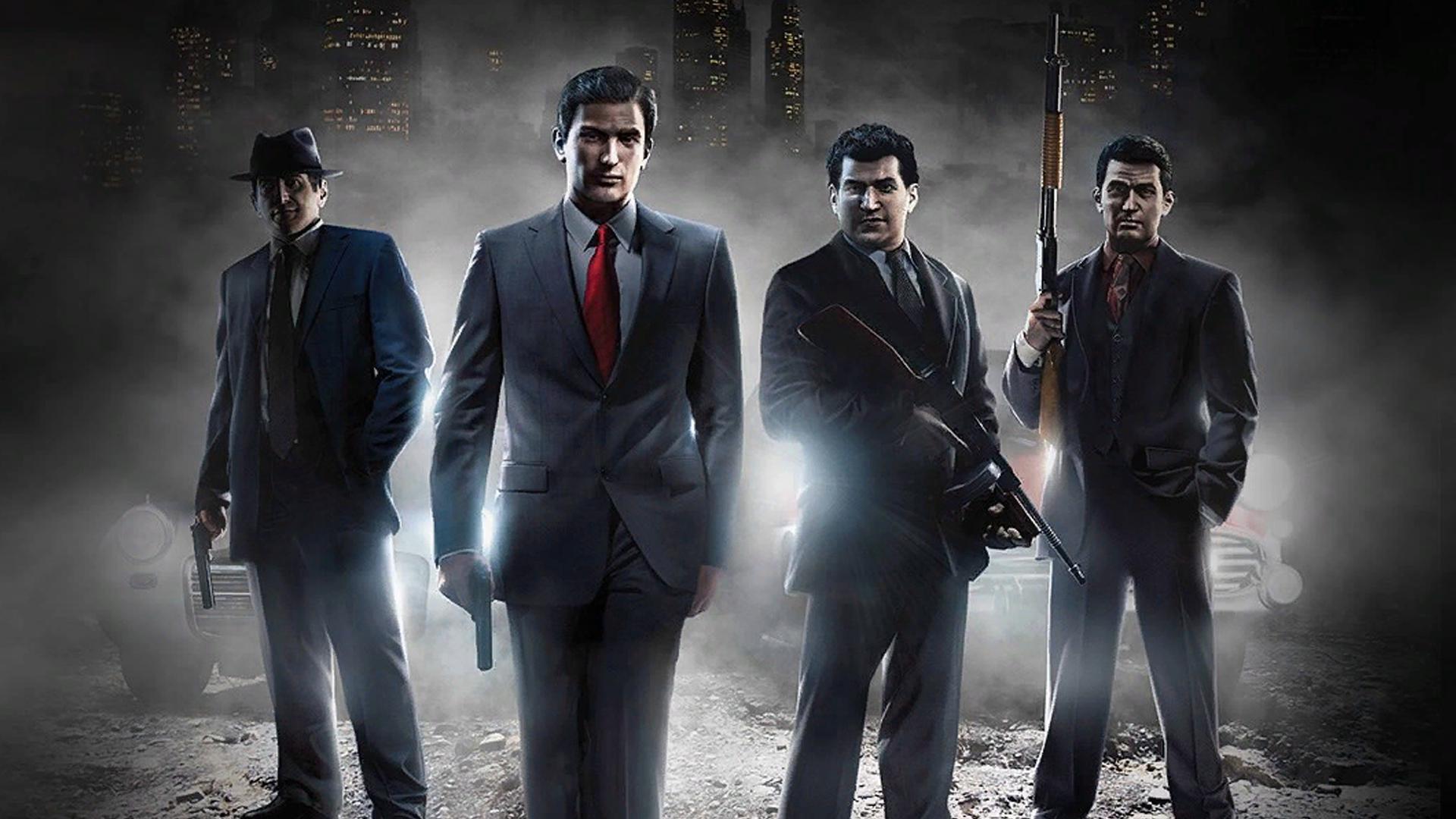
2K Czech placed period music across car radios to reinforce the 1940s–50s setting. The track plays during free driving and certain mission commutes, with station curation reflecting in-game years. Audio occlusion preserves interior acoustics, so the song sounds different in vehicles versus open streets. Licensing a broad catalog let the game shift playlists as the story timeline advanced.
‘Marvel’s Guardians of the Galaxy’ (2021) – “Take On Me” by a-ha
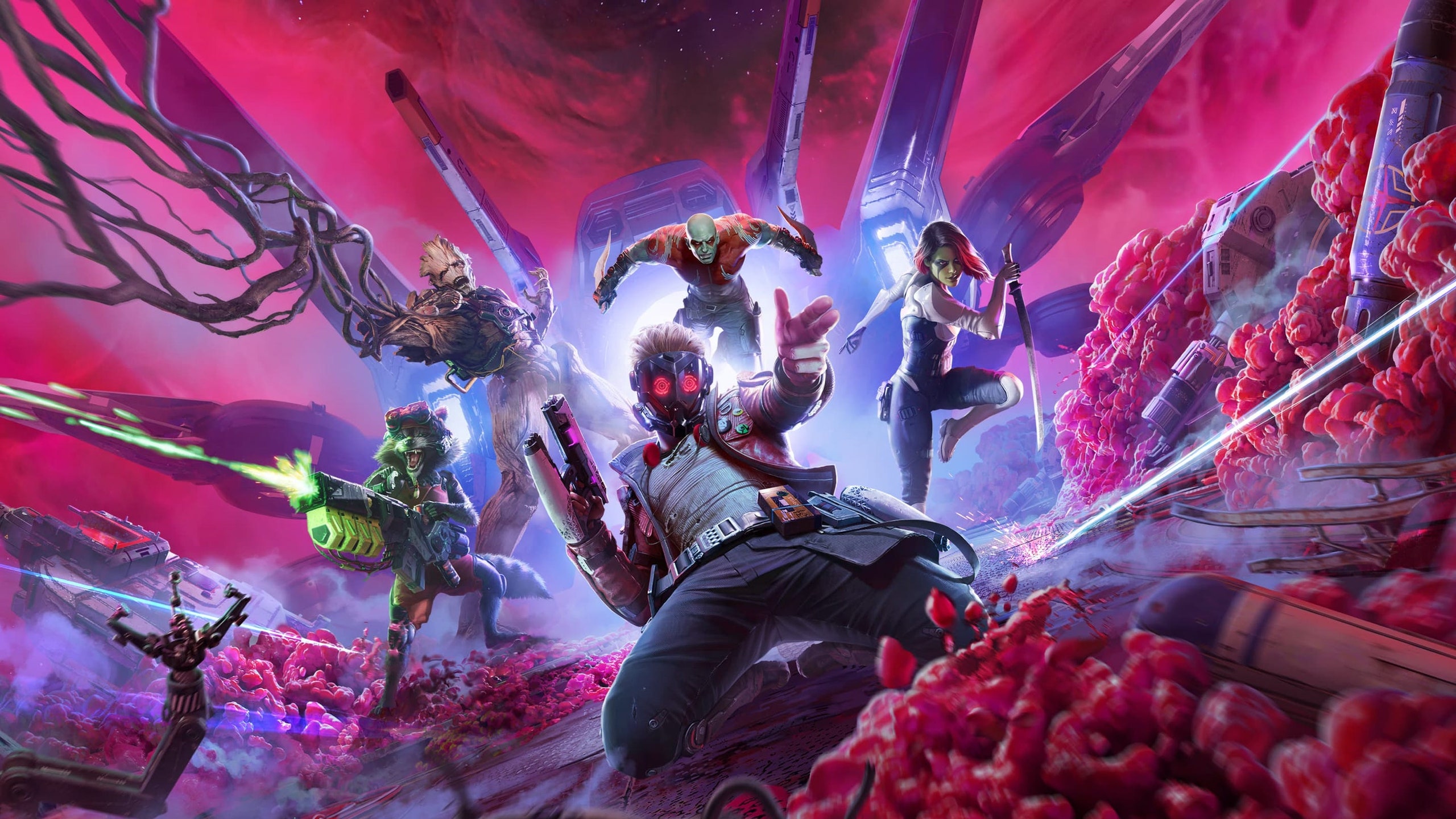
Eidos-Montréal embedded licensed 1980s tracks in both combat “Huddle” sequences and narrative beats. “Take On Me” can trigger as a combat buff payoff, where music overrides standard battle themes. The system ducks sound effects to keep lyrics audible while maintaining callouts from teammates. Licensing spans multiple hits to support randomized selections across repeated encounters.
‘The Last of Us Part II’ (2020) – “Take On Me” by a-ha
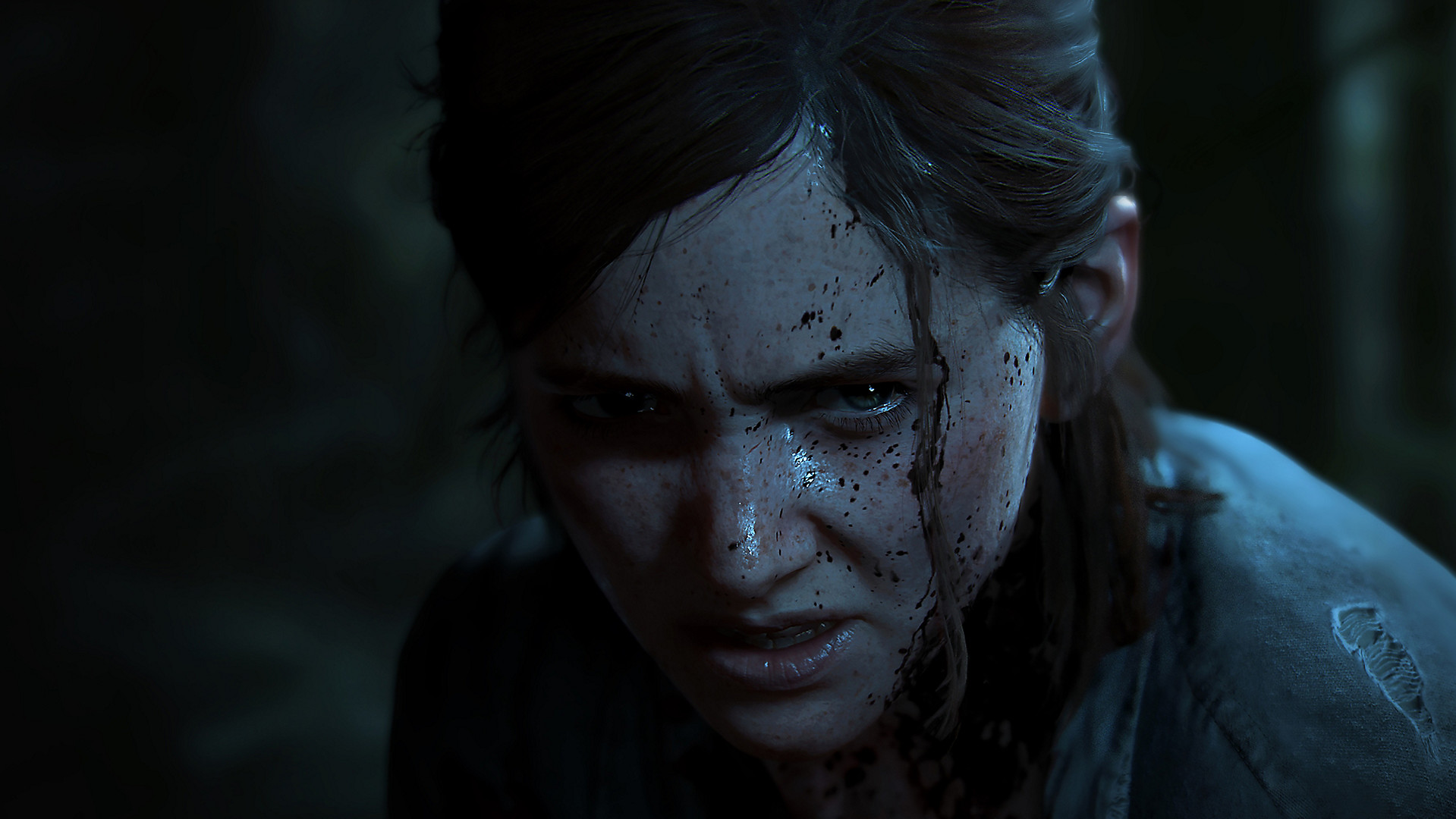
Naughty Dog uses the song as an acoustic diegetic performance during an optional exploration scene. The arrangement is recorded in-engine with character vocals, requiring composition licensing rather than a master recording. The moment is fully playable—players can continue exploring while the performance completes. The mix situates the guitar in a small room, with reverb tuned to the environment.
‘Guitar Hero III: Legends of Rock’ (2007) – “Through the Fire and Flames” by DragonForce
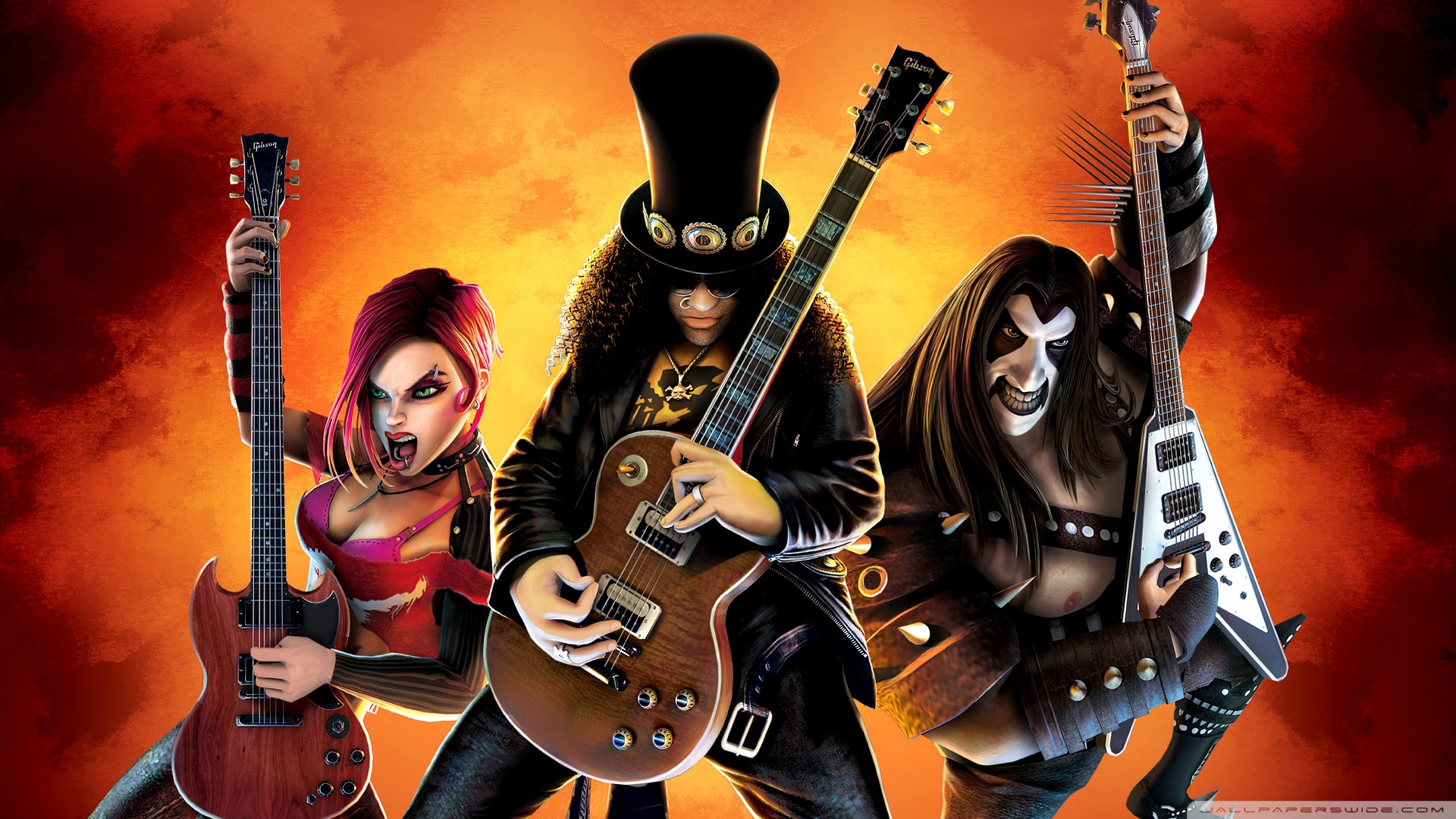
Neversoft licensed the master recording for a late-game unlock and bonus mode placement. The track’s length and tempo required specialized note-chart authoring to maintain playability. Audio stems separate guitar parts so missed notes can be muted in real time. The song’s inclusion broadened difficulty options in quick play and competitive modes.
‘Rock Band’ (2007) – “Don’t Fear the Reaper” by Blue Öyster Cult
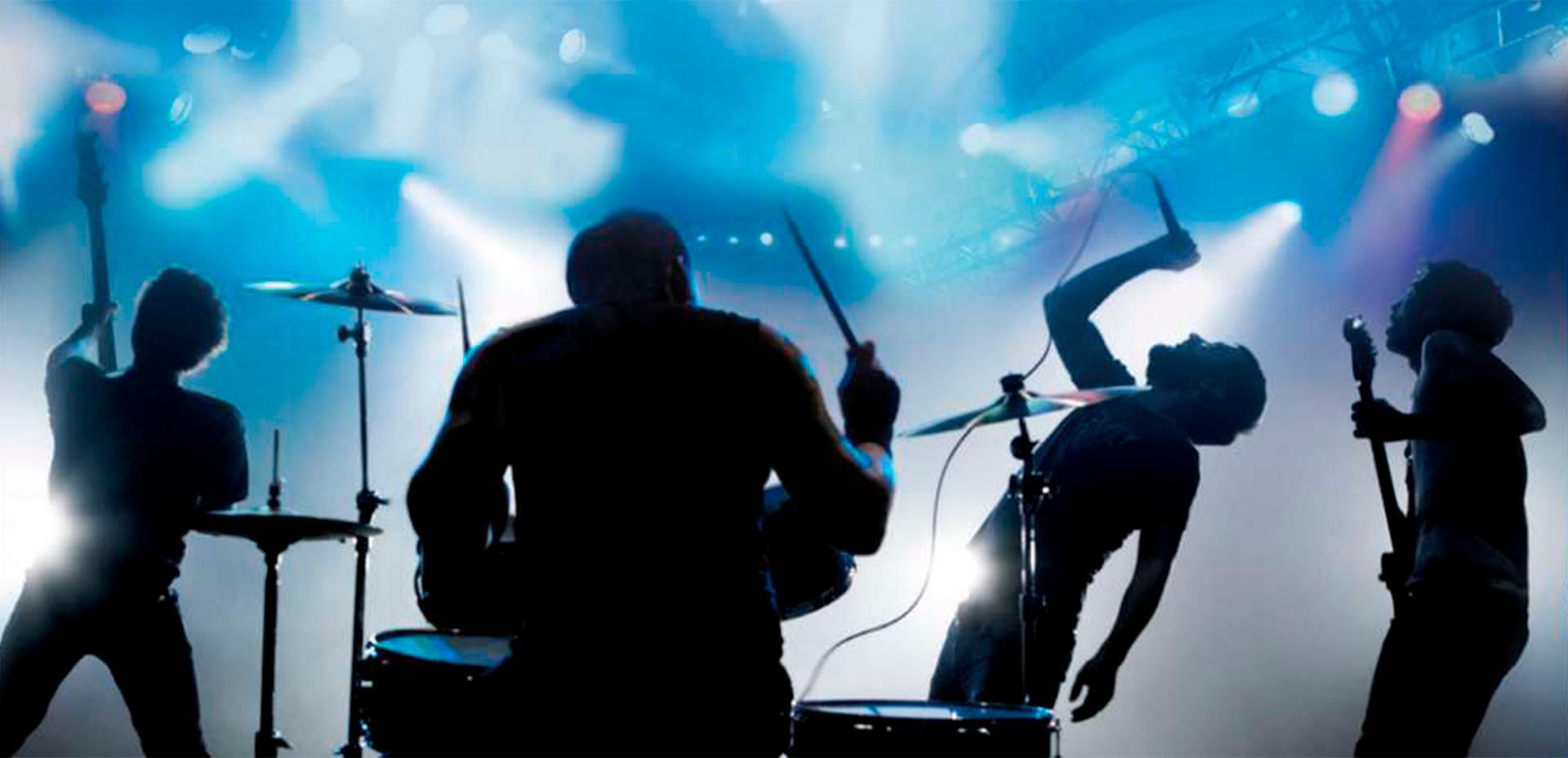
Harmonix licensed multitrack stems so each instrument part could drop out on mistakes. The note charts account for the song’s extended instrumental sections and cowbell accents. Calibration tools align the track with different display and audio latencies for living-room setups. The track appears in career tiers and quick play, with difficulty scaling for all parts.
‘Battlefield: Vietnam’ (2004) – “Fortunate Son” by Creedence Clearwater Revival
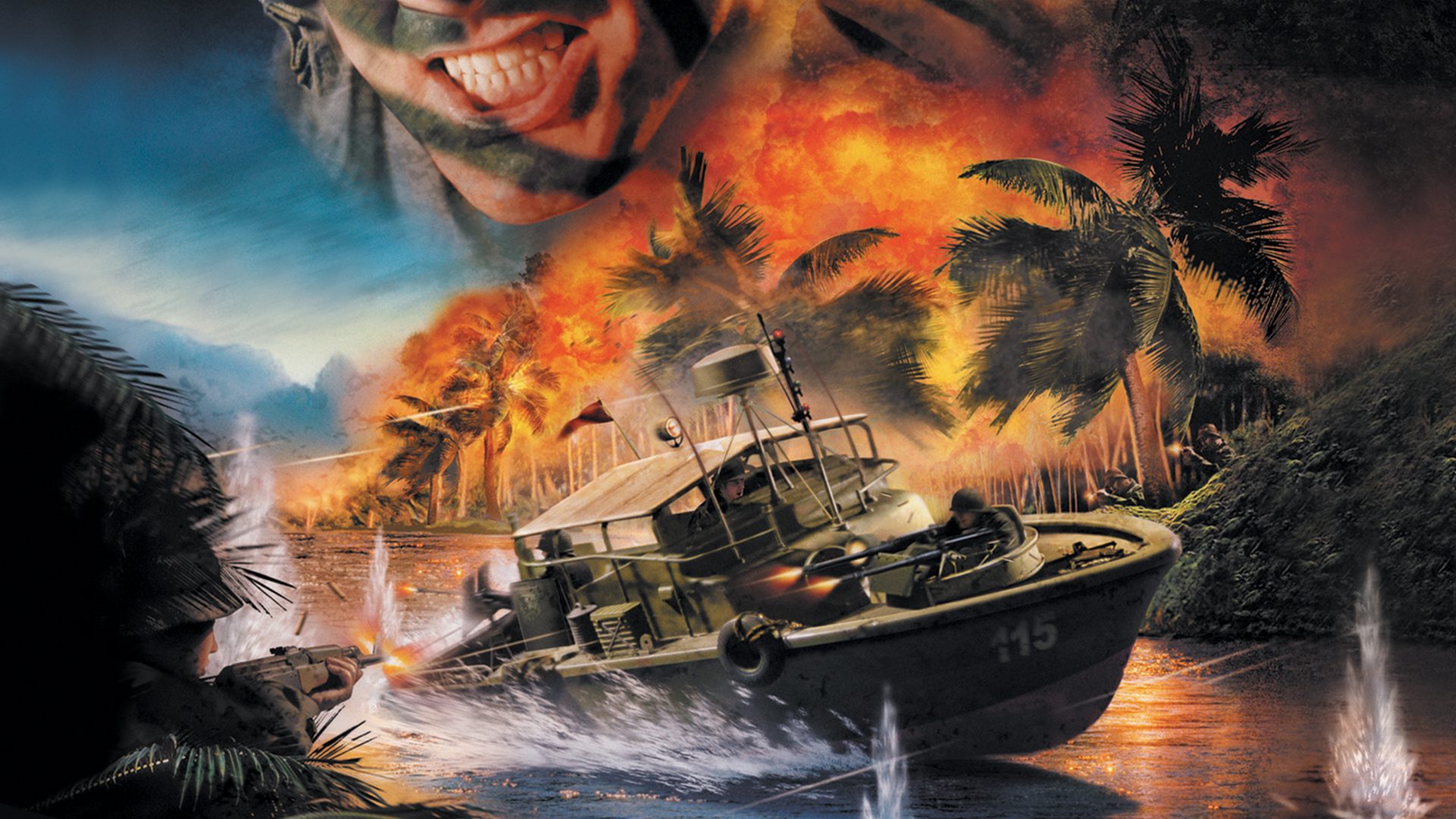
Digital Illusions CE implemented vehicle radios that play era-appropriate tracks during multiplayer and single-player. The song can be heard while piloting helicopters or driving troop transports, blending with combat audio. Server options allow admins to adjust track rotations to match map cycles. Licensing supports a curated selection of late-60s tracks that cycle between respawns.
‘Metal Gear Solid V: Ground Zeroes’ (2014) – “Here’s to You” by Joan Baez & Ennio Morricone
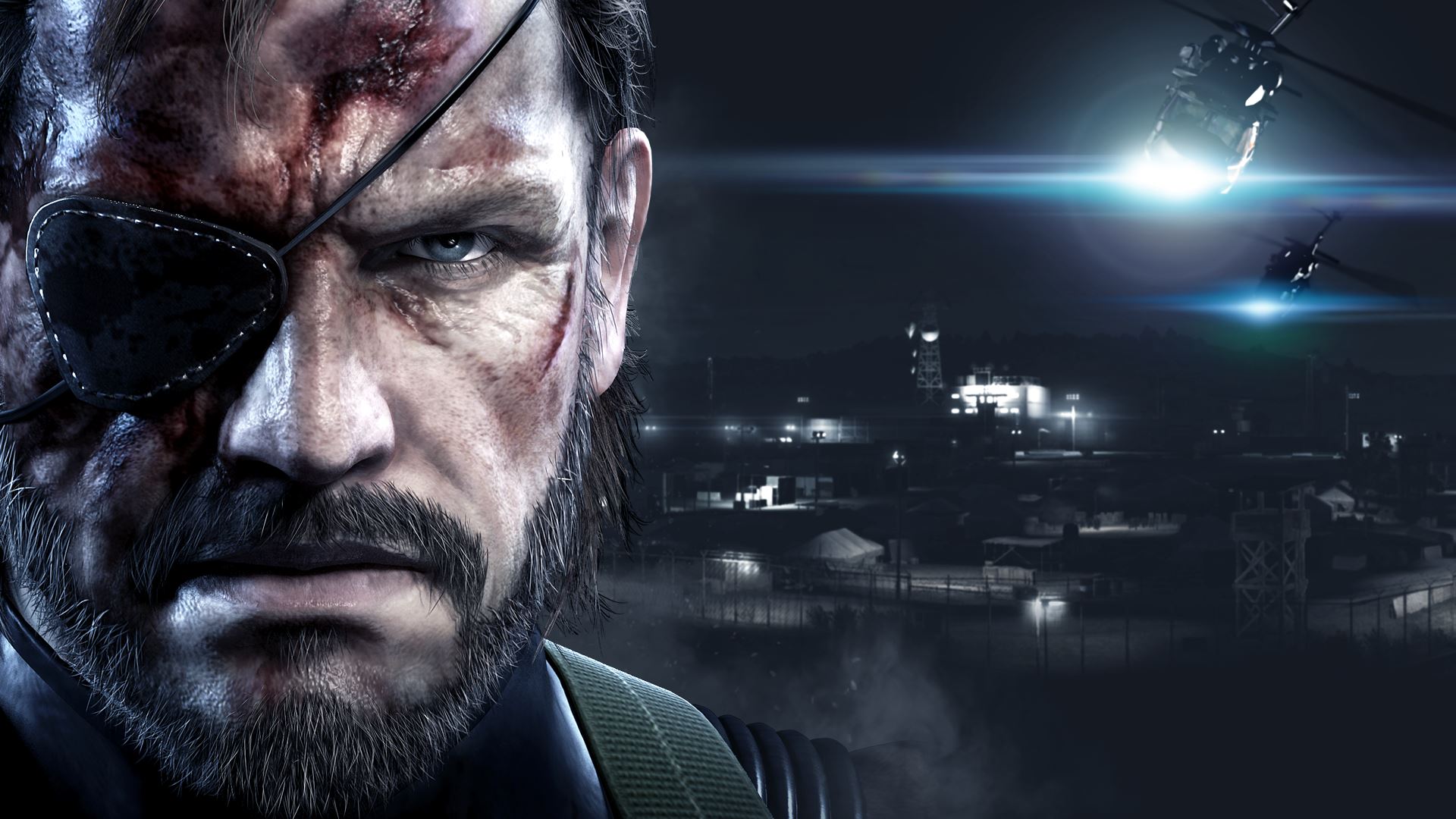
Kojima Productions uses the song over end credits to bookend the mission’s themes. The cue is non-interactive, preserving full vocal clarity after gameplay concludes. It ties into cassette collectibles that reference historical and cinematic influences. Licensing the original recording ensures the credits sequence matches the intended tone.
‘Forza Horizon 3’ (2016) – “Wasted Love” by Gorgon City feat. Law Holt

Playground Games rotates this track on the festival’s dance-oriented stations during free drive and event travel. The radio system persists across convoy sessions, keeping music synchronized for co-op road trips. Volume scaling preserves navigation callouts and skill-chain sound effects while the song plays. Licensing leans into the game’s Australian festival theme with a mix of house and pop cuts.
Share your favorites and the moments they scored in the comments!