

25 Best Sound Effects in Games You’ll Recognize Instantly

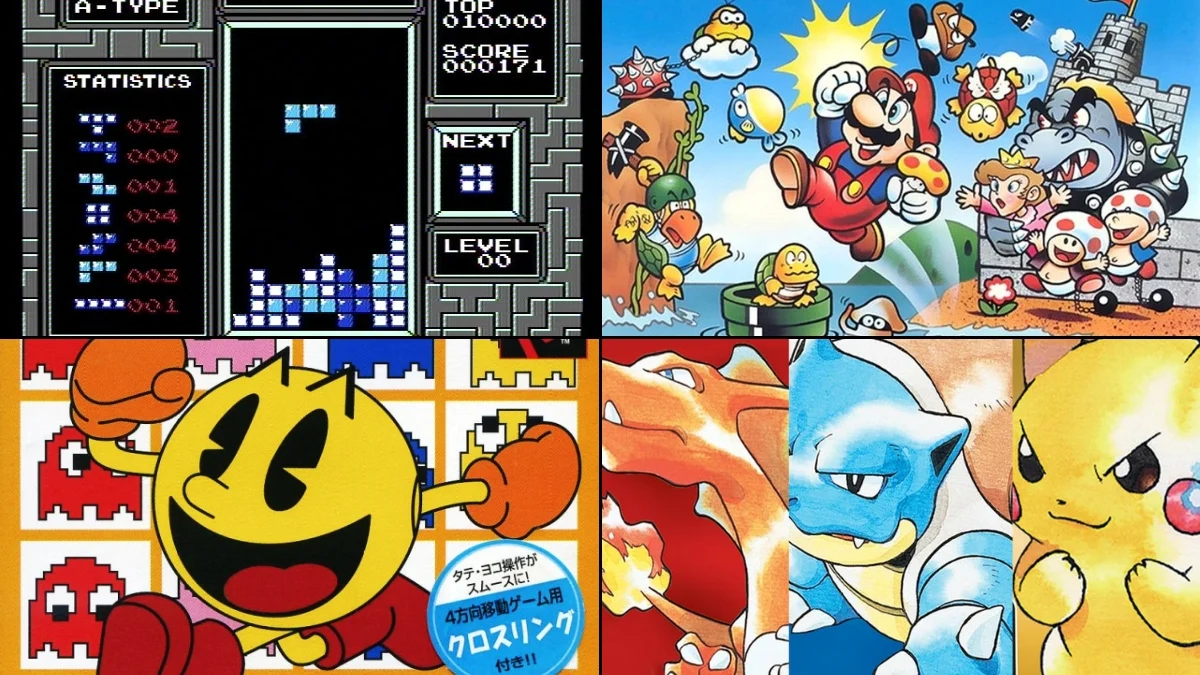


Some game sounds are so distinct that you can place them in a heartbeat, even without a screen in sight. These audio cues don’t just feel familiar—they carry information about health, progress, danger, or rewards, and they’re woven into how the game plays. Below are iconic effects you can identify on sound alone, with a quick note on what they signal in-game and who made them. You’ll also see the studios and publishers that brought each title to life, since these teams shaped the audio design that stuck in our heads.
‘Super Mario Bros.’ (1985)
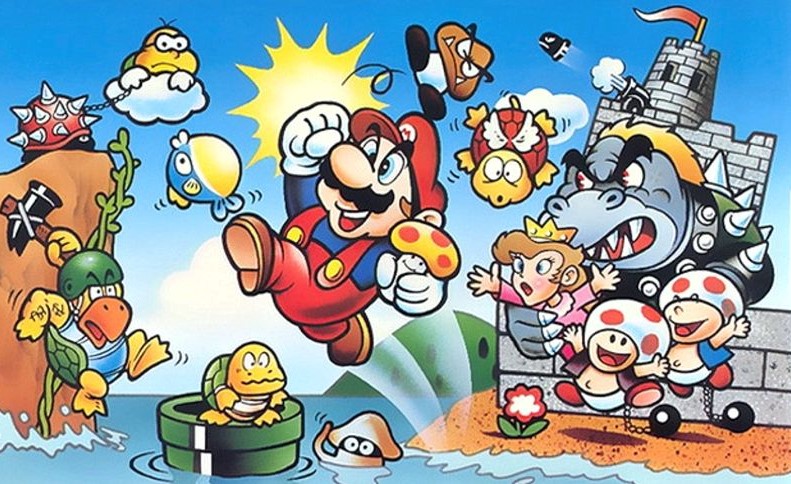
The bright “coin” chime and springy jump sound immediately tell you when you’ve collected currency or cleared a gap. Power-up cues—like the mushroom grow effect—signal changes to Mario’s state without needing to check the HUD. The 1-Up trill is a short confirmation that you’ve earned an extra chance. Developed and published by Nintendo for the Famicom/NES, these sounds became a template for readable arcade-style audio.
‘The Legend of Zelda’ (1986)
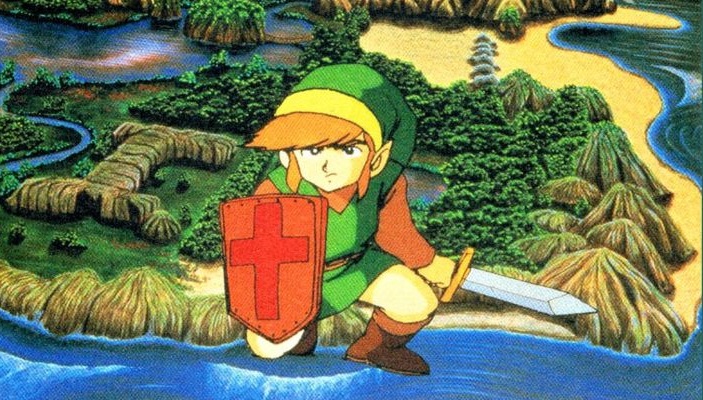
The secret-found jingle plays when you push a block, bomb a wall, or discover a hidden passage, confirming environmental interactions. Low-health beeps warn you to seek hearts before engaging enemies. The item-pickup chime clarifies that a key or tool has been added to your inventory. Nintendo developed and published the game, establishing audio cues that guide exploration without text.
‘Metal Gear Solid’ (1998)
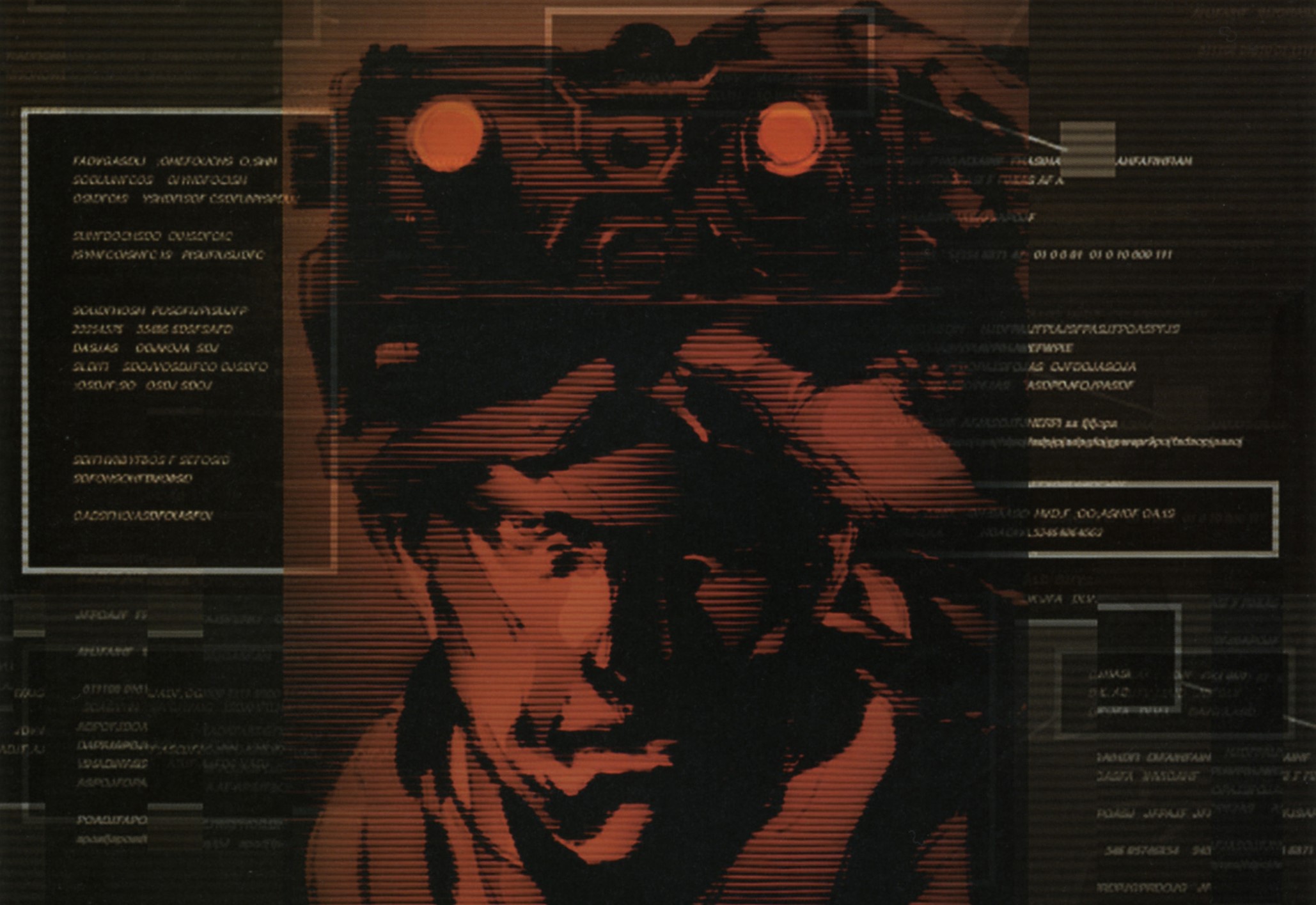
The exclamation “alert” ping instantly communicates that a guard has spotted you, transitioning the AI into a higher search state. The “codec” connect chirp identifies incoming comms and pauses gameplay for story delivery. Footstep and wall-knock effects help you gauge noise propagation during stealth. Developed by Konami Computer Entertainment Japan and published by Konami, its soundscape defined stealth readability.
‘Minecraft’ (2011)
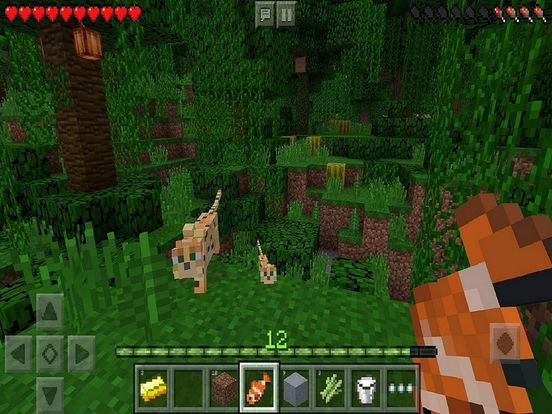
The creeper’s rising hiss warns of imminent explosion and prompts immediate evasion. Block-break and placement clicks provide tactile confirmation of mining and building actions. Nightfall and ambient cave tones subtly flag risk levels as light decreases. Mojang Studios developed and published the game (later under Microsoft), with utility-first effects that support survival and crafting feedback.
‘Halo: Combat Evolved’ (2001)
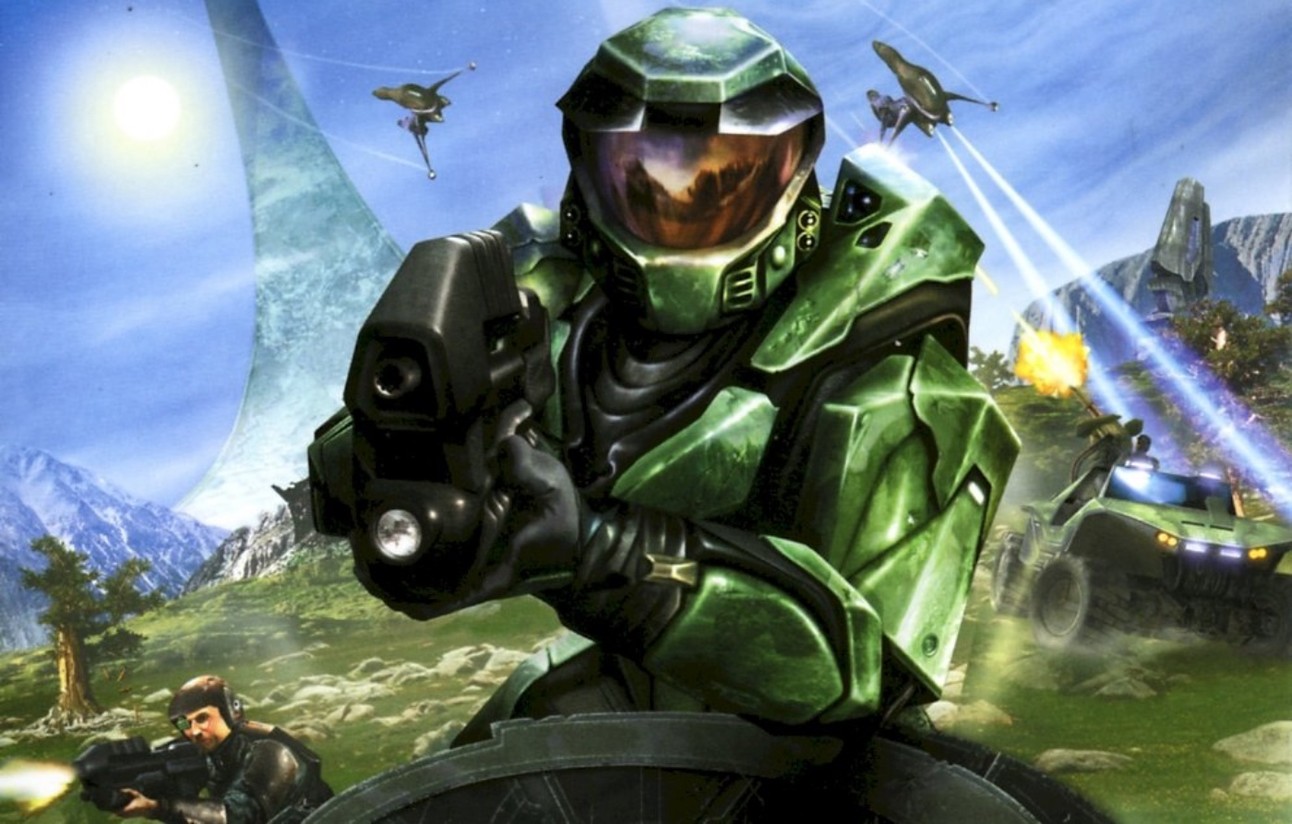
The shield-recharge hum indicates your energy barrier is recovering and you can re-engage. A distinct “shield break” crackle tells you to seek cover before health damage begins. The plasma pistol charge-up whine communicates shot potency and timing. Developed by Bungie and published by Microsoft Game Studios, these cues anchor the series’ combat rhythm.
‘Call of Duty: Modern Warfare 2’ (2009)
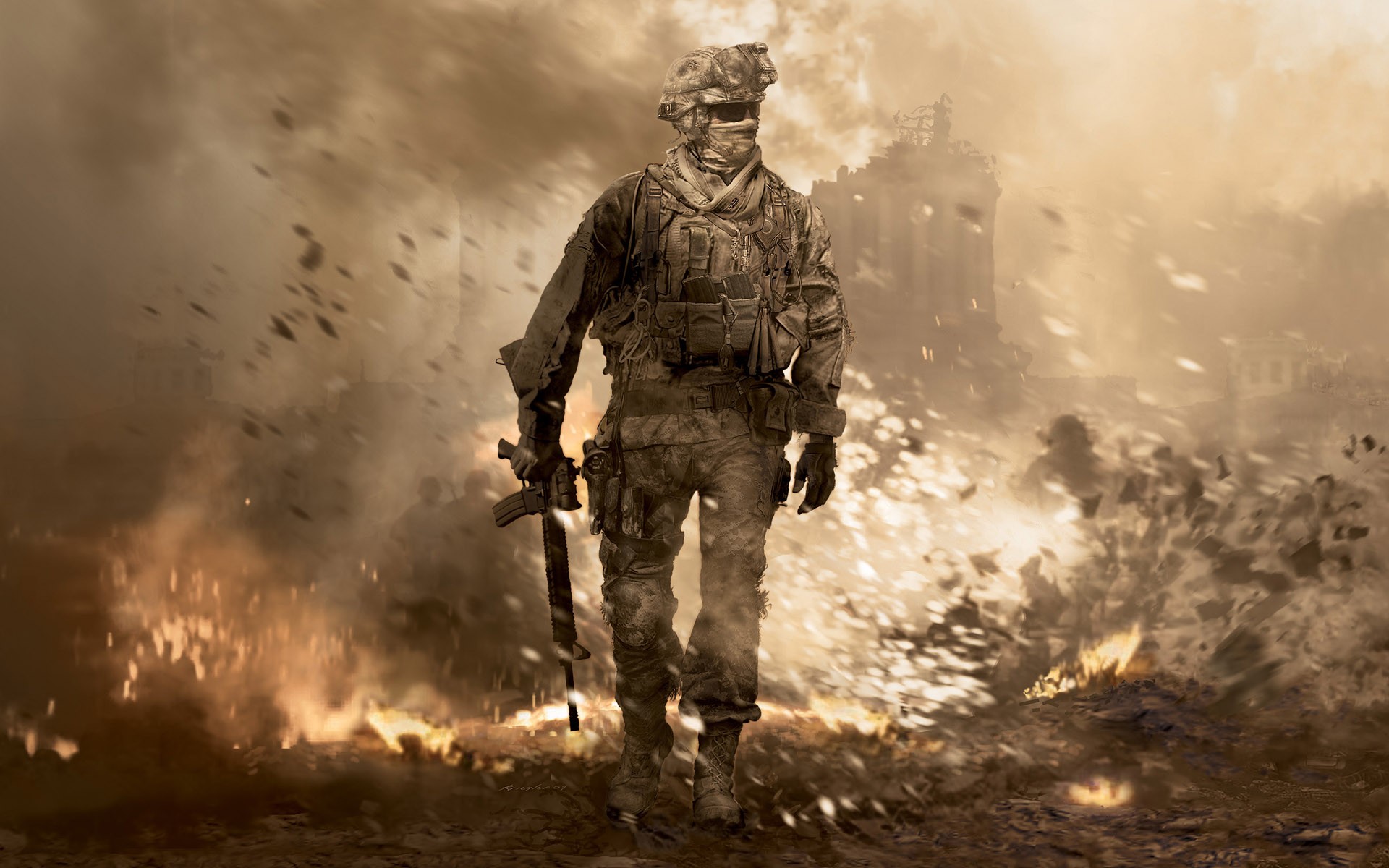
The hitmarker tick confirms bullet connection and assists with recoil correction and tracking through smoke or cover. A unique headshot snap distinguishes critical damage from body shots. Grenade “pin-pull” and danger pings signal throw timing and proximity threats. Infinity Ward developed and Activision published the game, standardizing audio confirmations across competitive shooters.
‘Resident Evil 4’ (2005)
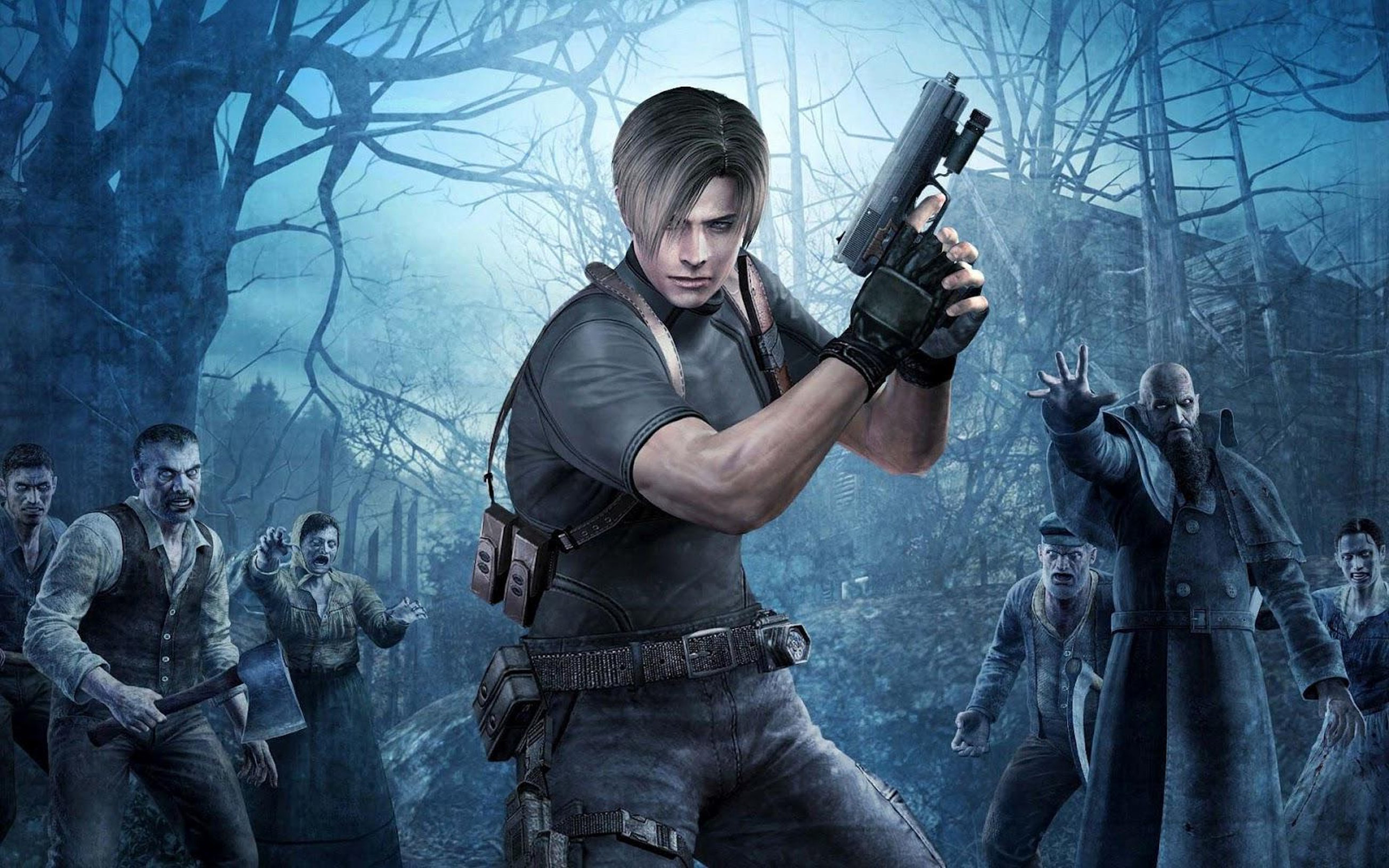
The typewriter save clack confirms data persistence in a world with limited checkpoints. The attaché-case click-and-snap sounds communicate precise inventory placement during grid management. Ganado vocal barks and chainsaw revs warn of enemy types and priority threats. Capcom Production Studio 4 developed and Capcom published, pairing sound with survival-horror resource logic.
‘Street Fighter II’ (1991)
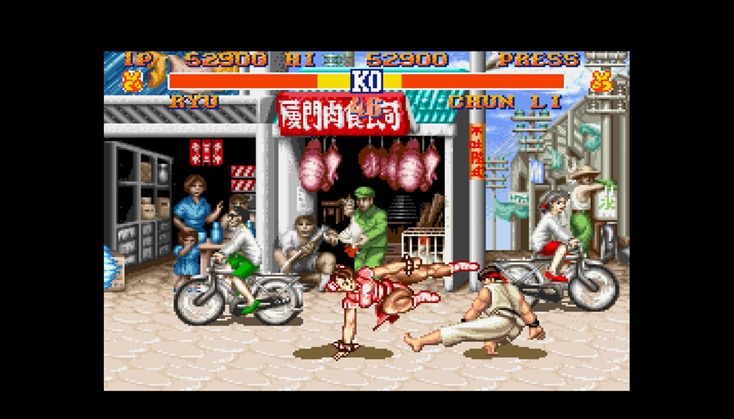
Projectile and special-move voice calls—like “Hadouken!”—telegraph attack type and timing for counters. Distinct hit sparks and block thuds differentiate damage from defense, informing frame-by-frame decisions. The KO gong confirms round end without needing to watch the timer. Capcom developed and published the game, setting audio standards for 2D fighters.
‘Pac-Man’ (1980)
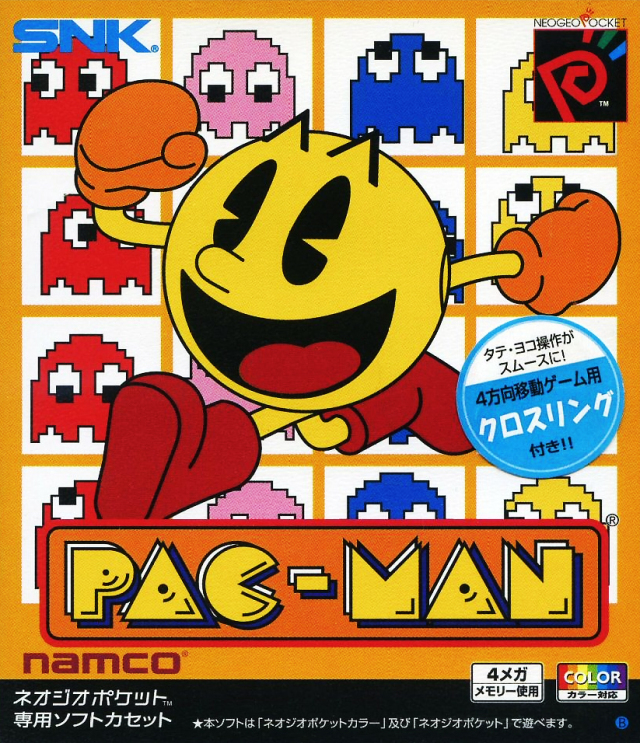
The “waka-waka” chew loop maps precisely to tile consumption and movement cadence. Power-pellet tones switch to a lower motif as ghosts become vulnerable, then return as the effect ends. The death warble communicates a full state reset after contact. Namco developed and published the arcade original, using minimal sounds to convey state changes.
‘Sonic the Hedgehog’ (1991)

The ring pickup chime instantly confirms collection and buffers against damage. When rings scatter with a metallic burst, the sound tells you how many you’ve lost and whether to scramble to recover. Speed-shoes and invincibility cues distinguish temporary power states. Sonic Team developed and Sega published the game, focusing audio on momentum and risk.
‘Half-Life 2’ (2004)
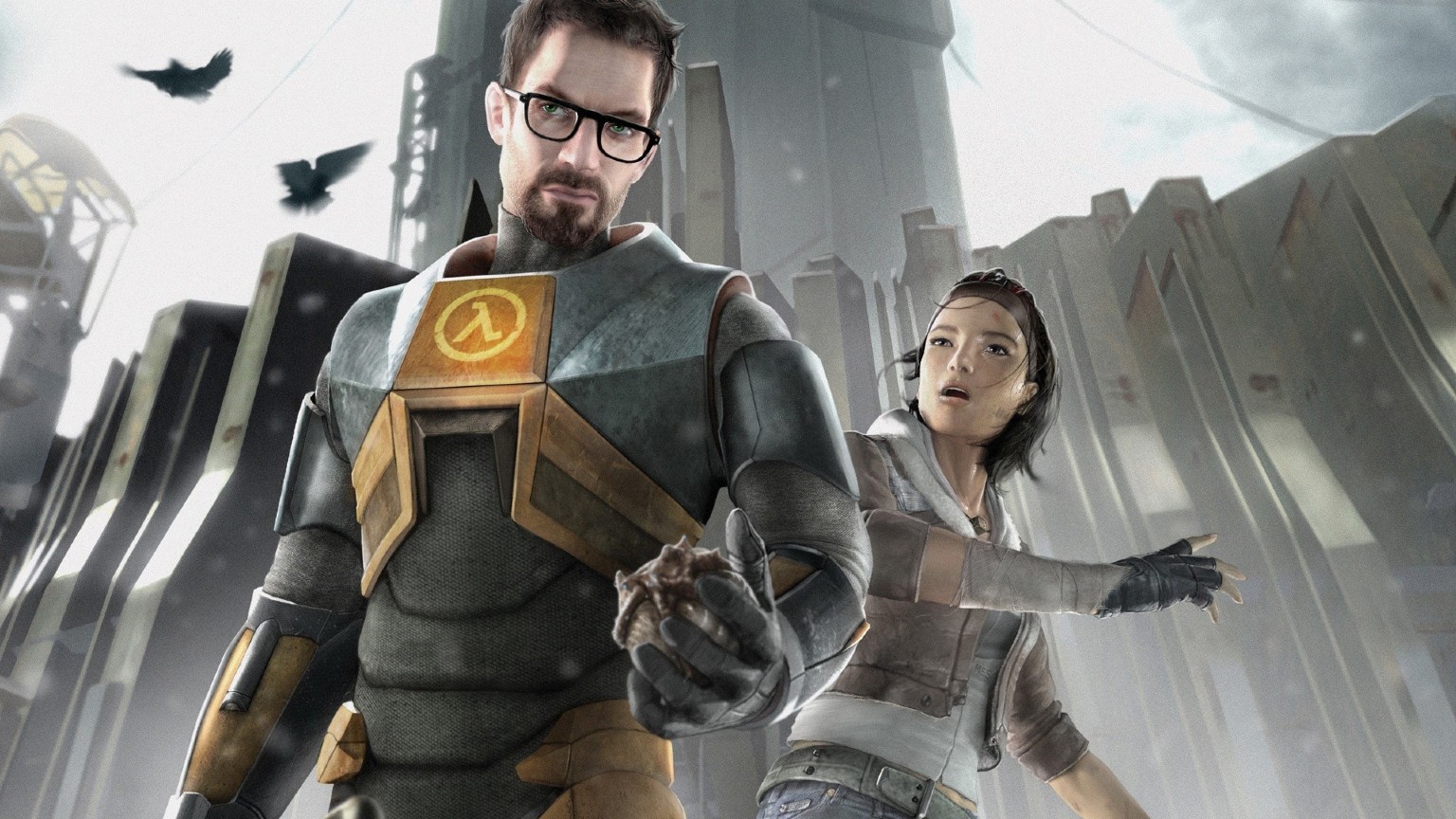
The HEV suit alarms call out low health, radiation exposure, and biohazards with distinct voice prompts. Gravity Gun hums at different intensities to signal object grab, charge, and fire states. Civil Protection radio bursts reveal enemy presence and positioning through occlusion. Valve developed and published (with distribution via Vivendi at launch), tying sound tightly to physics and AI.
‘Portal’ (2007)
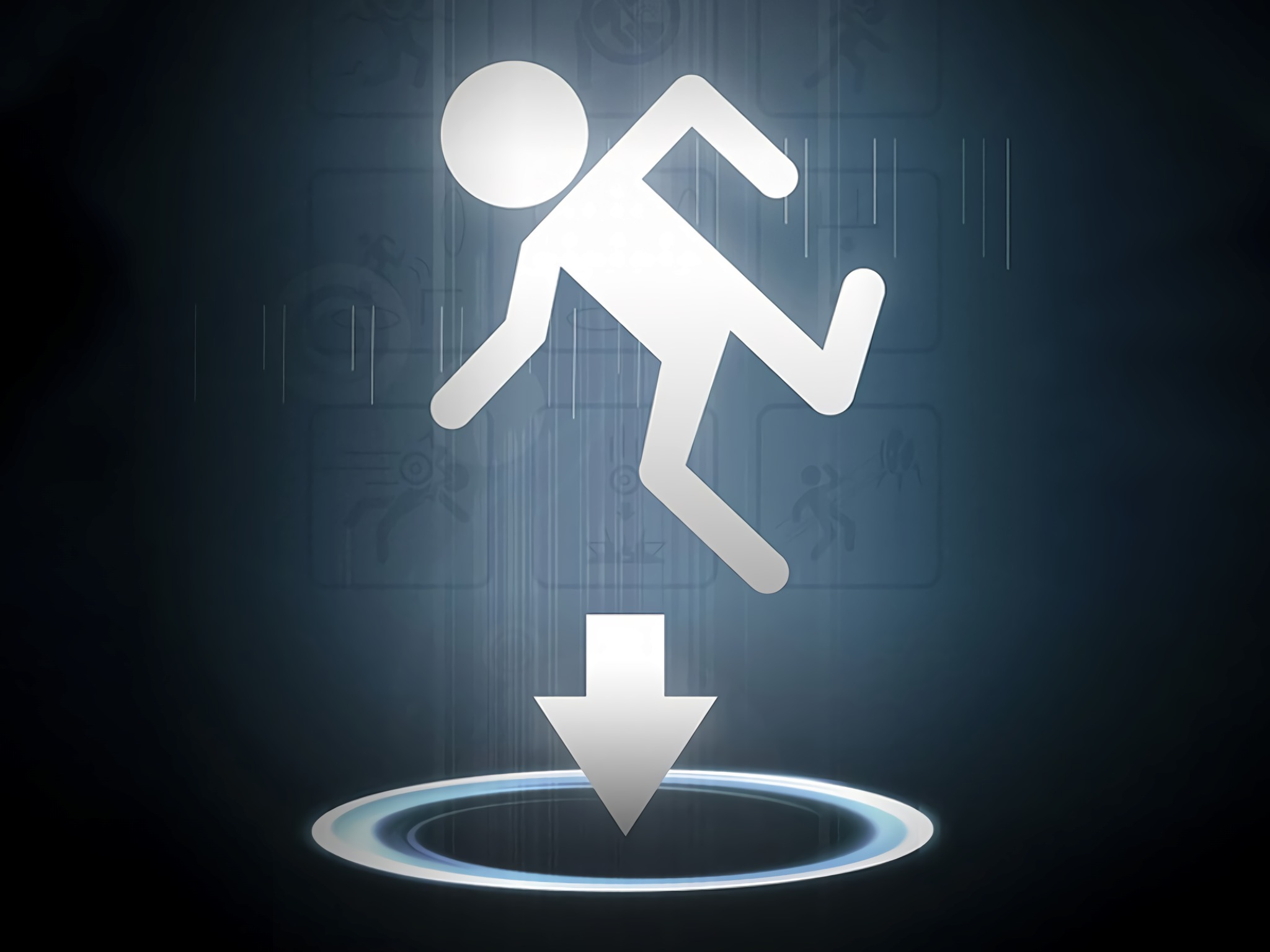
The portal device emits two discrete shots—one for each portal color—so you can track entry and exit links by ear. The door and button actuations provide mechanical confirmation of puzzle states. Turret targeting beeps and laser sweeps communicate line-of-sight changes. Developed and published by Valve, the audio reinforces spatial logic in test chambers.
‘Doom’ (1993)
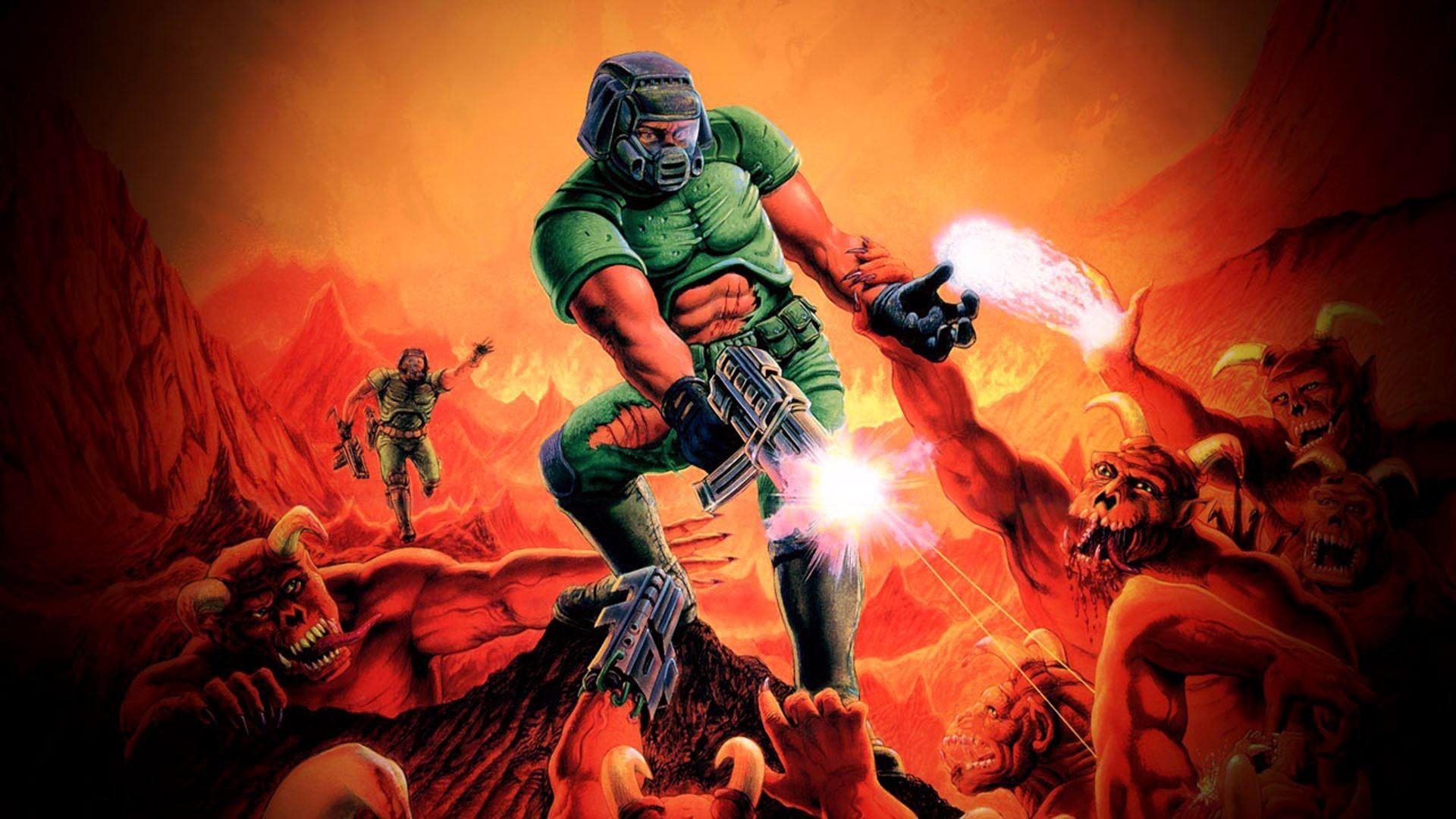
The shotgun blast and pump cycle are paced to the weapon’s damage and recovery window. Door whooshes and demon roars leak level layout and encounter direction through stereo cues. The keycard bleep confirms access progression on locked routes. id Software developed the game, with GT Interactive as publisher, pioneering readable combat audio in fast FPS play.
‘Overwatch’ (2016)
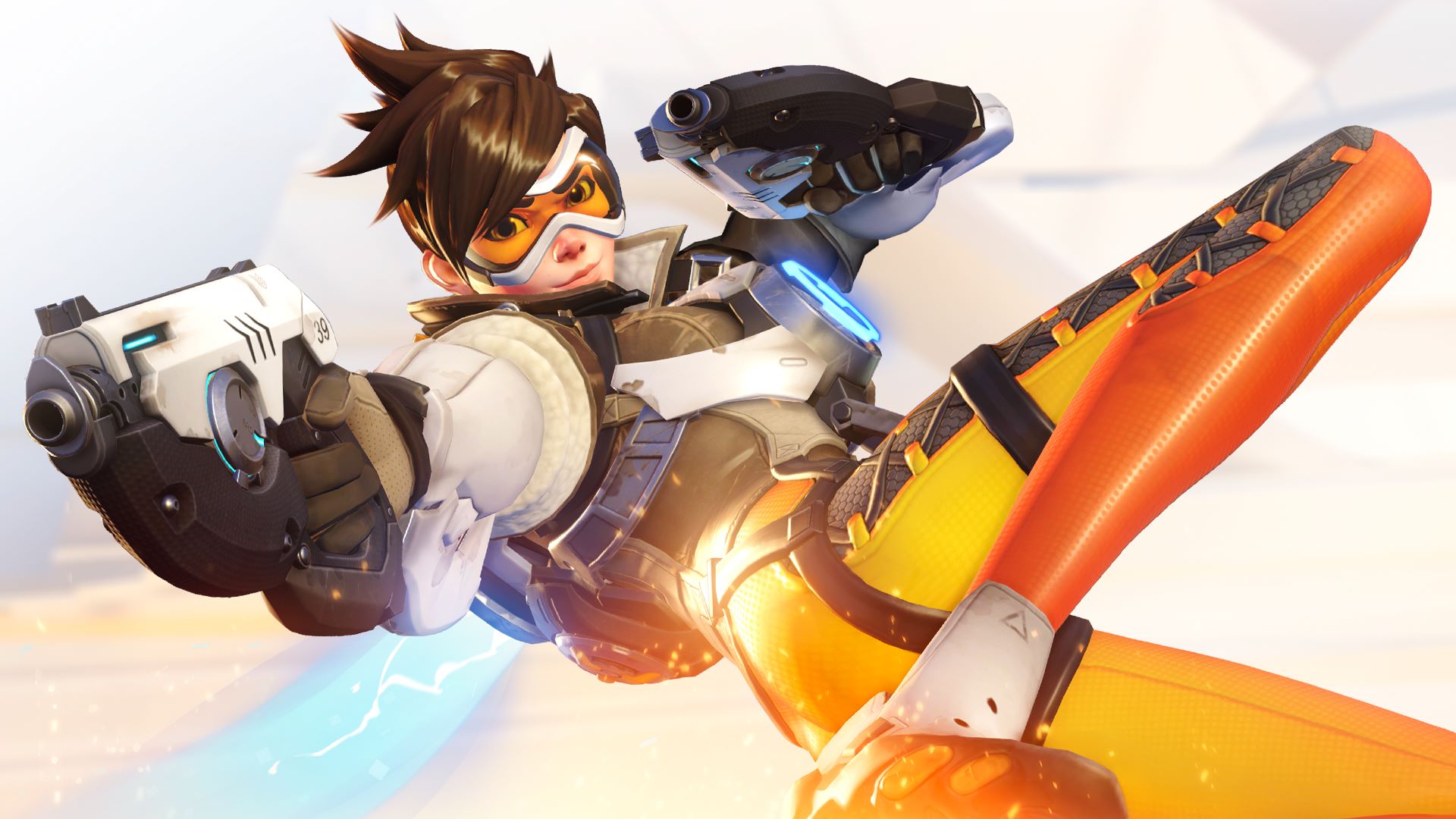
Each ultimate ability has a unique voice line and charge stinger, warning both teams of imminent effects. Footstep filters and hero-specific movement sounds identify classes—like flankers versus tanks—without visual contact. The elimination chime confirms target removal during chaotic fights. Blizzard Entertainment developed and published the title, emphasizing clarity for team coordination.
‘Fortnite’ (2017)
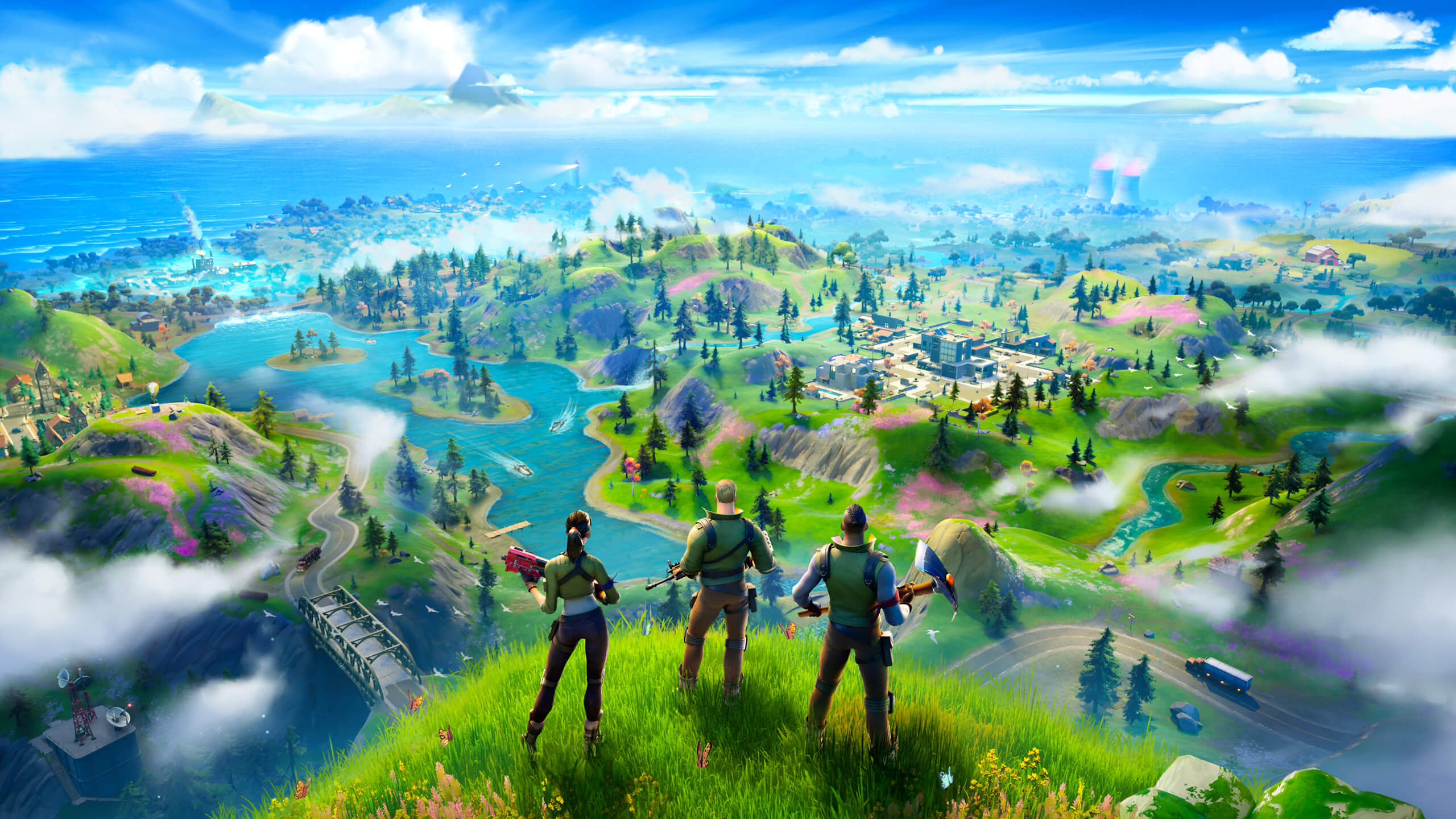
The chest hum and sparkle guide you to loot through walls and floors. Build placement pings and edit swishes confirm structure state changes in real time. The down-but-not-out cue distinguishes a knock from a full elimination in squad modes. Epic Games developed and published, tuning effects for construction, looting, and battle-royale pacing.
‘The Elder Scrolls V: Skyrim’ (2011)
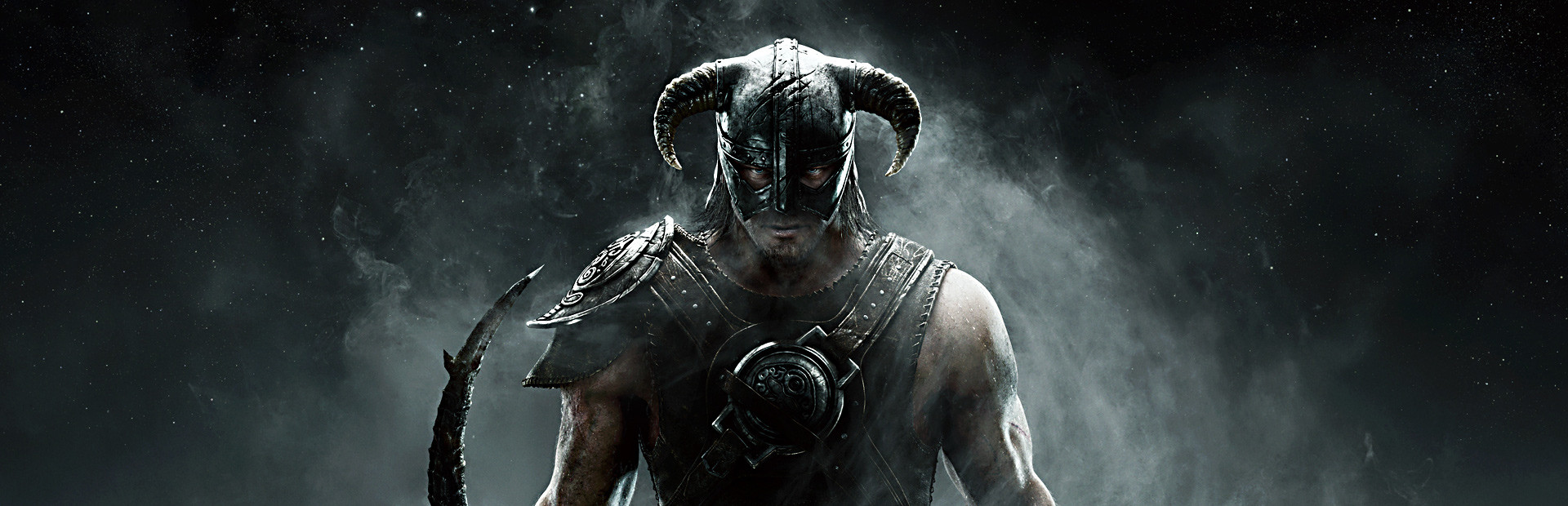
Dragon shouts fire with layered breath, word, and impact elements that signal range and effect. The lockpicking clicks indicate tension and near-break states for precise inputs. Quest update and skill-increase cues confirm progression without menu checks. Bethesda Game Studios developed and Bethesda Softworks published, using sound to mark systemic feedback in an open world.
‘Counter-Strike: Global Offensive’ (2012)
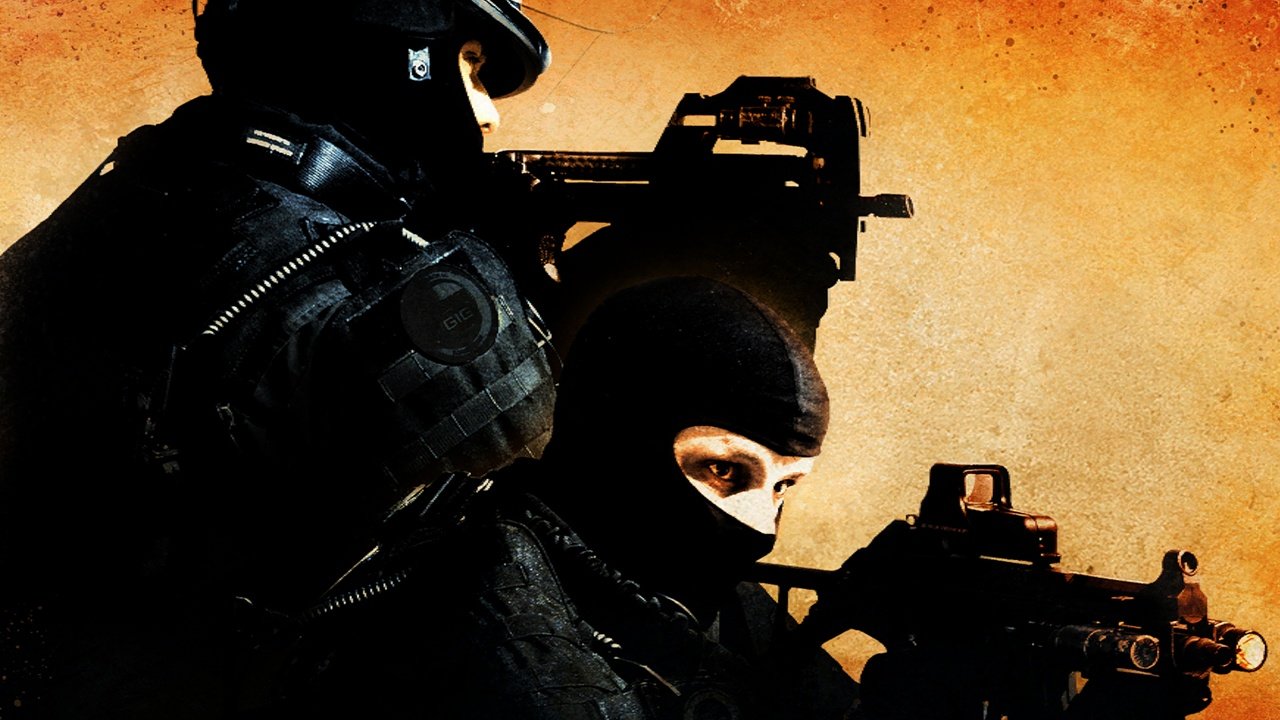
The distinctive “dink” on headshot contrasts with body hit audio to communicate damage outcomes instantly. Bomb plant and tick rates escalate, giving timing information for rotates and defuses. Footstep material differences—wood, metal, sand—help deduce locations and approaches. Valve (with early support from Hidden Path Entertainment) developed and Valve published, optimizing competitive readability.
‘Grand Theft Auto: San Andreas’ (2004)
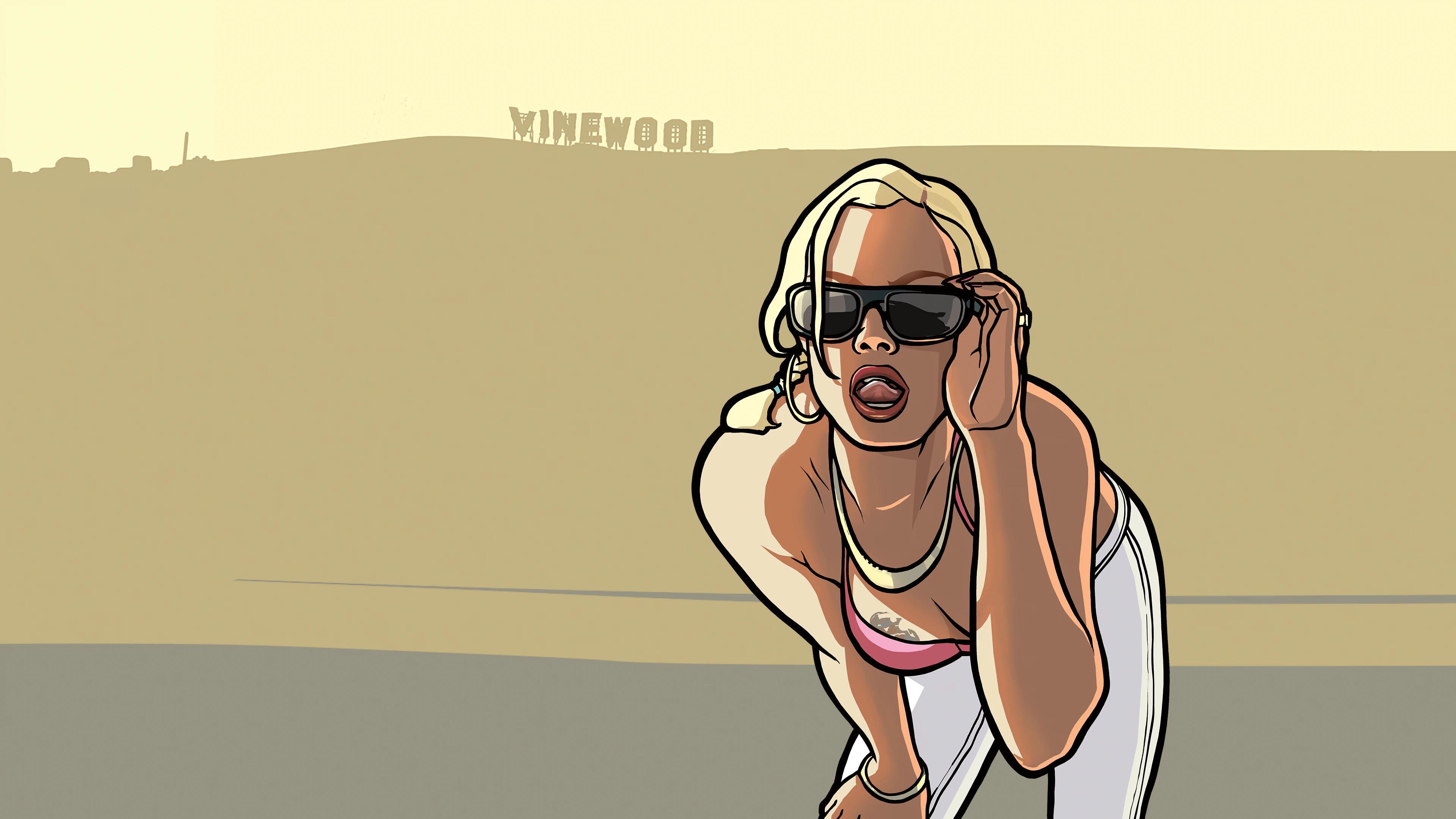
The “Mission Passed” sting confirms completion and cash reward without needing an overlay. Wanted-level siren logic communicates escalating police engagement around the player. Vehicle engine, tire, and collision sounds convey damage and traction changes during chases. Rockstar North developed and Rockstar Games published the title, integrating SFX tightly with open-world systems.
‘Pokémon Red and Blue’ (1996)

The low-HP beep warns you to heal before another turn lands. The Poké Ball shake clicks and final capture chime communicate catch success or failure. Menu and move selection tones confirm choices in turn-based battles. Developed by Game Freak and published by Nintendo, these cues support strategy on limited hardware.
‘Tetris’ (1989)
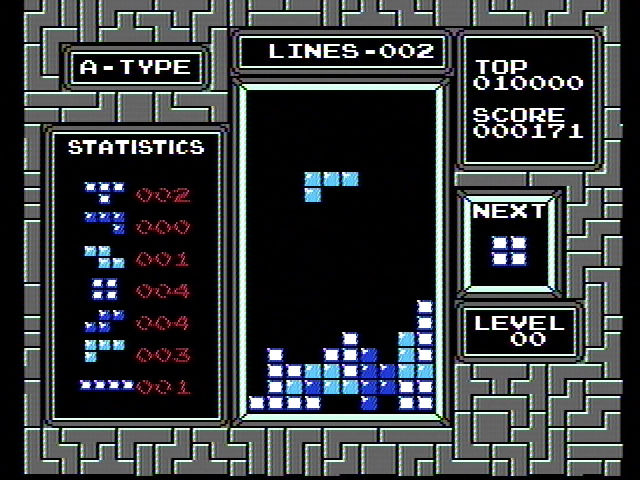
The line-clear zap confirms completed rows and frees space for incoming pieces. A distinct drop thud for hard placements communicates board commitment. The level-up ding signals speed increases and rising difficulty. Nintendo produced the Game Boy version, adapting Alexey Pajitnov’s design with clear feedback for handheld play.
‘The Last of Us’ (2013)
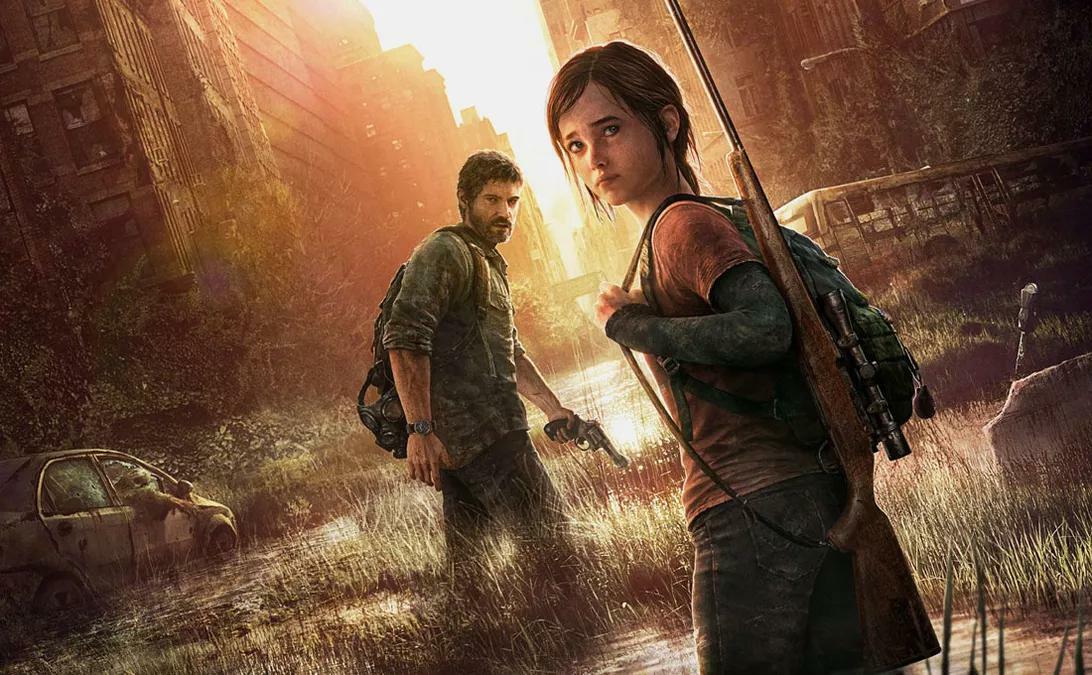
Clicker vocalizations provide spatial warnings for echolocating enemies, even through cover. Stealth takedown muffles and alert barks indicate whether you stayed hidden or were detected. Crafting and backpack sounds confirm item assembly under time pressure. Naughty Dog developed and Sony Computer Entertainment published, aligning audio with stealth-survival mechanics.
‘Among Us’ (2018)
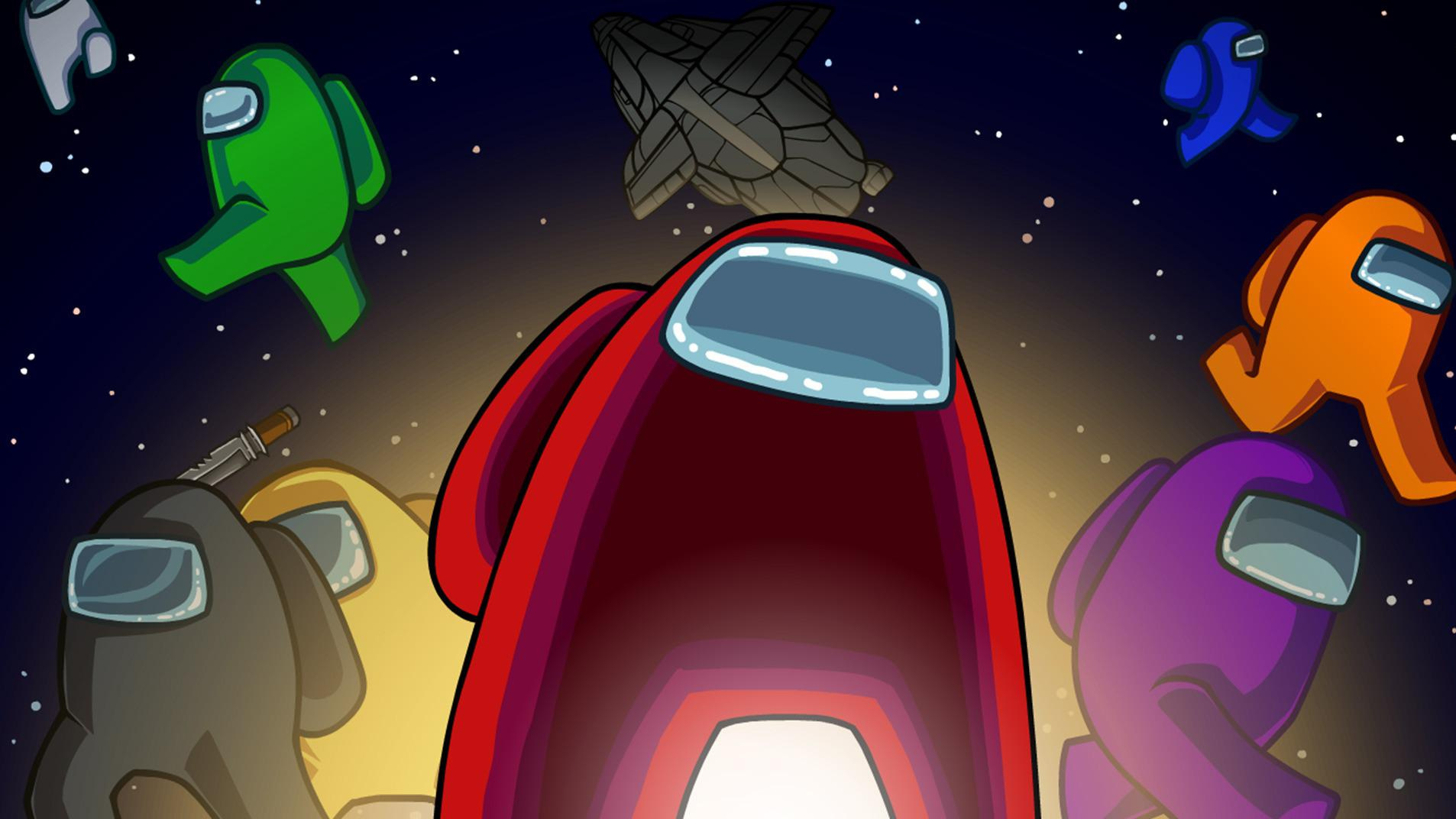
The emergency-meeting buzzer cuts through play to announce a discussion phase. The elimination whoosh confirms a voted-off player and returns the lobby to tasks or sabotage. Kill sounds are short and unmistakable, signaling an impostor strike. Innersloth developed and published the game, relying on minimal cues for social deduction flow.
‘League of Legends’ (2009)
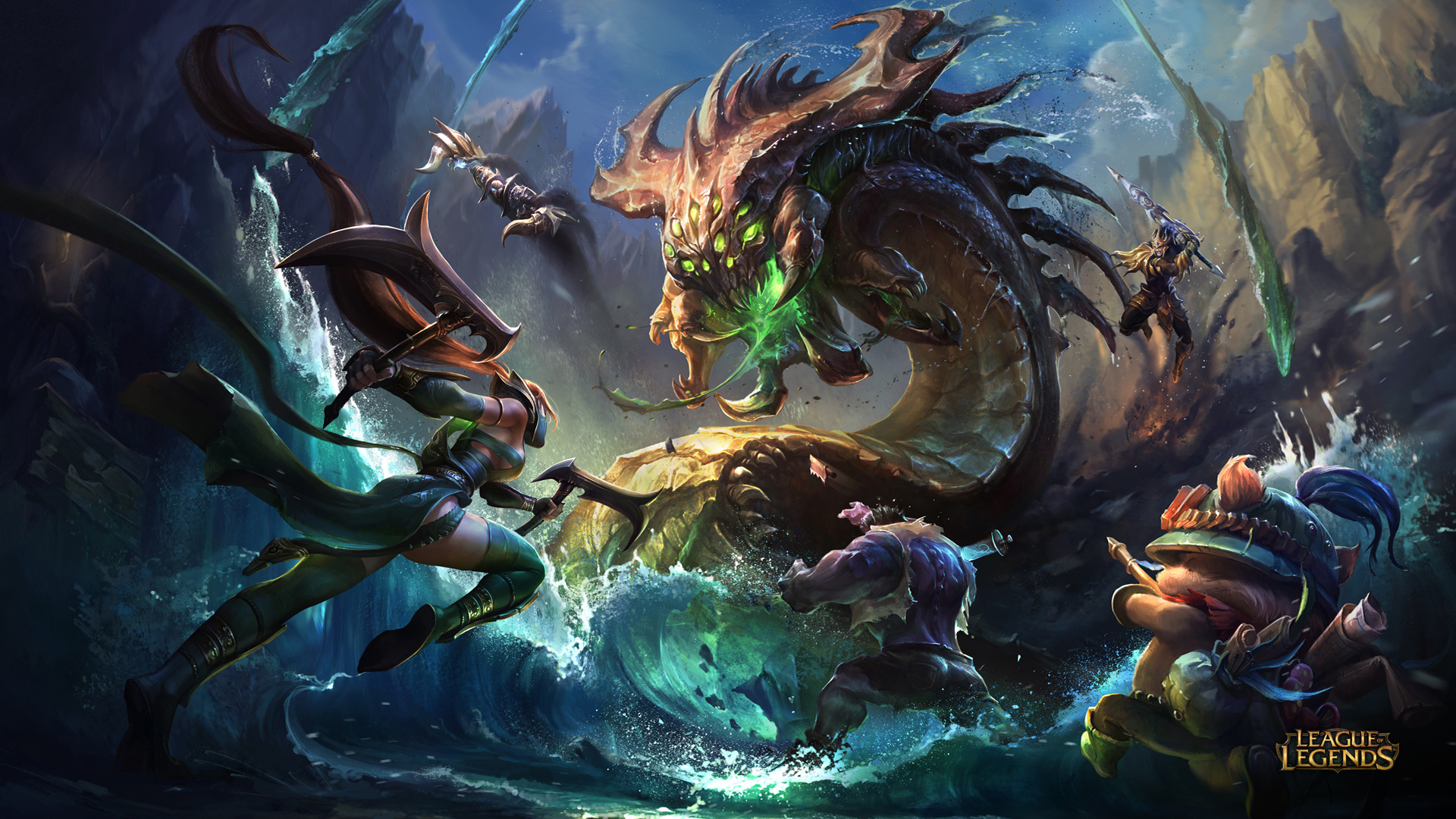
The level-up chime and gold “last-hit” clink provide continuous feedback on lane progress. Distinct jungle objective roars and death sounds broadcast Baron and Dragon states to nearby players. Announcer callouts for kill streaks and shutdowns convey macro momentum. Riot Games developed and published, standardizing MOBA audio for clarity across the map.
‘World of Warcraft’ (2004)

The quest-complete flourish confirms objective turn-ins and experience gains. Mailbox and vendor interaction sounds distinguish service types in busy hubs. Raid boss emotes and ability cues cue positional and timing mechanics. Blizzard Entertainment developed and published, using sound to manage information in large-scale PvE and PvP.
‘Metroid’ (1986)
The item-acquisition fanfare and door-unlock chime confirm exploration milestones. The morph ball roll and bomb pops communicate traversal options in tight spaces. Energy pickup beeps and missile reload clicks track resources without constant UI focus. Nintendo R&D1 developed and Nintendo published, pairing minimalist HUD with strong audio signposting.
Share the sound you recognized first—and the one you think we missed—in the comments!