

25 Best Survival Games For Cooperative Play




Survival games become entirely different beasts when you’re figuring things out together—splitting roles, sharing resources, and tackling tough encounters as a team. Whether you prefer crafting Viking longhouses, braving zombie-infested towns, or building bases that can tank a horde night, these co-op picks cover a wide spread of settings and systems. Each entry below notes the studio and publisher behind it, along with core co-op details, progression hooks, and what you’ll actually be doing session to session. Grab a friend—or three—and dive in.
‘Valheim’ (2021)
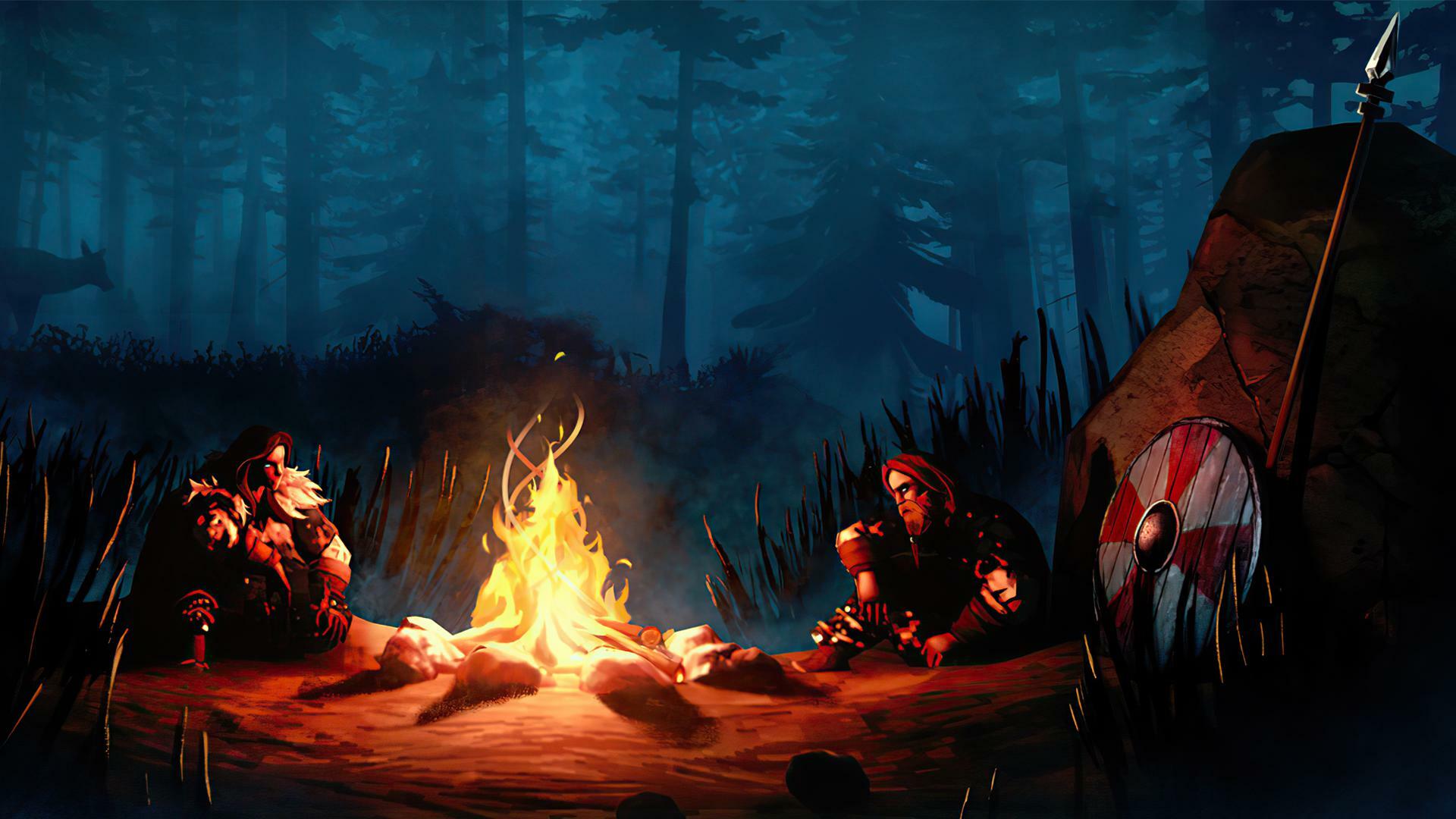
Developed by Iron Gate Studio and published by Coffee Stain Publishing, this Viking-themed survival game supports up to 10 players per world. Co-op groups gather resources, build bases, and tackle boss summons that unlock new crafting tiers and biomes. Progression revolves around improving gear through metals and crafting stations, with sailing and portal networks connecting distant zones. Dedicated servers, permissive building tools, and portal logistics make long-term co-op worlds straightforward to manage.
‘Don’t Starve Together’ (2016)
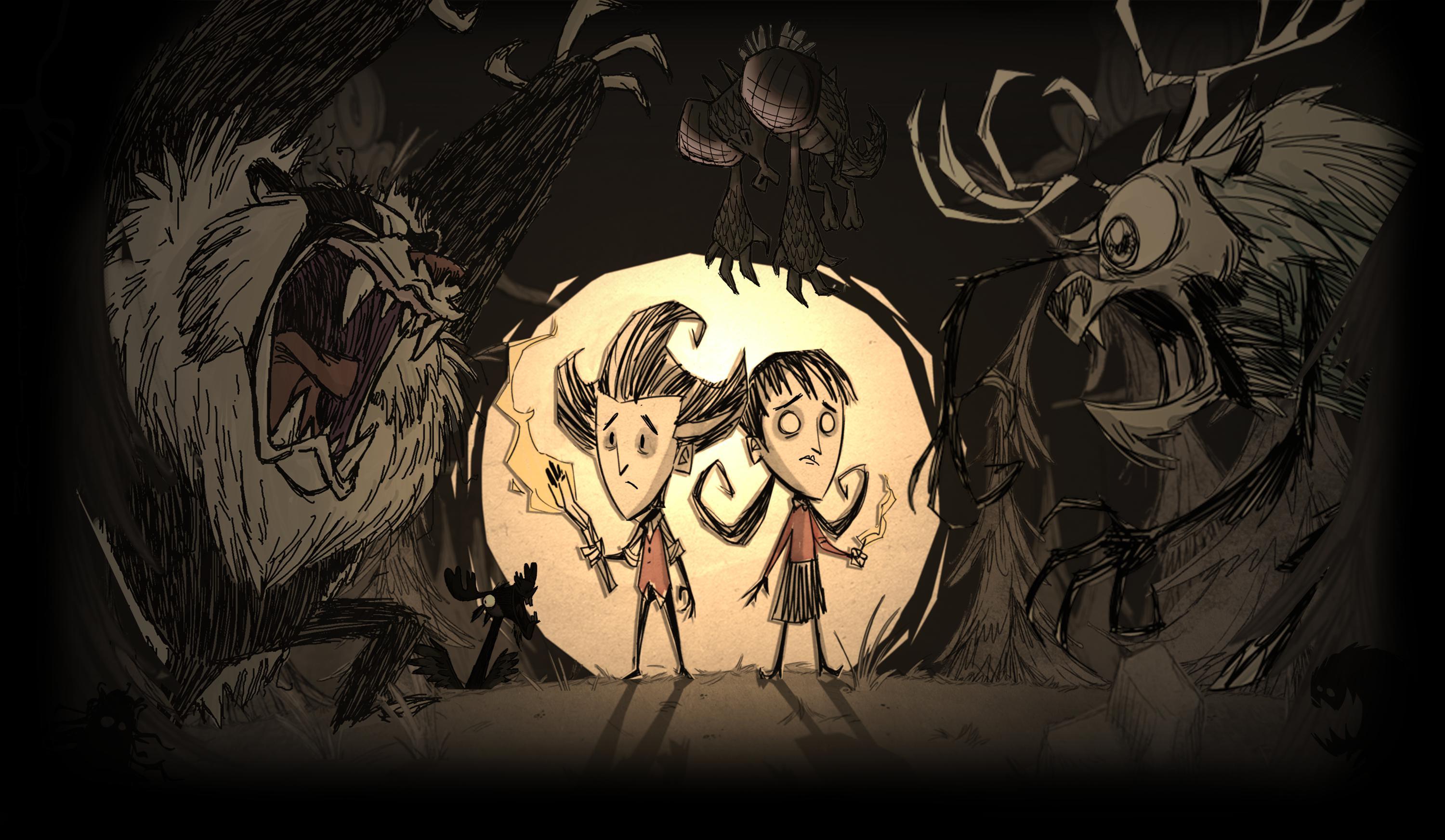
Klei Entertainment developed and published this standalone co-op expansion of the original survival classic. Teams share a world with seasonal threats, sanity mechanics, and character-specific perks that shape roles—like healing, cooking, or tanking. Progress hinges on crafting science machines, farming renewable food, and preparing for harsh seasons such as Winter and Spring. Regular content drops and toggleable world events let groups tailor difficulty and replayability.
‘Minecraft’ (2011)
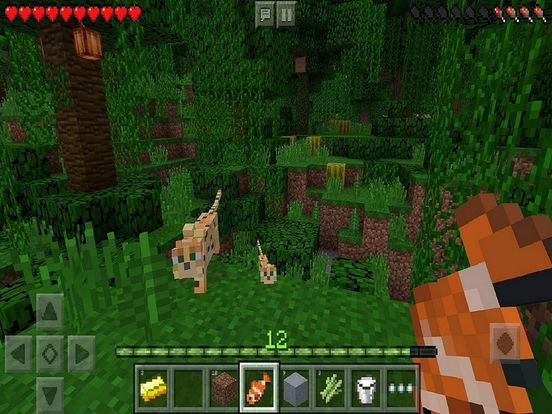
Mojang Studios developed and published this sandbox survival staple with flexible co-op across local and online play. Survival mode emphasizes gathering, crafting, and building while managing hunger and health in procedurally generated worlds. Players can share bases, automate farms with redstone, and coordinate trips to the Nether and End for boss milestones. Realms and dedicated server options keep cooperative worlds persistent and easily accessible.
‘Terraria’ (2011)
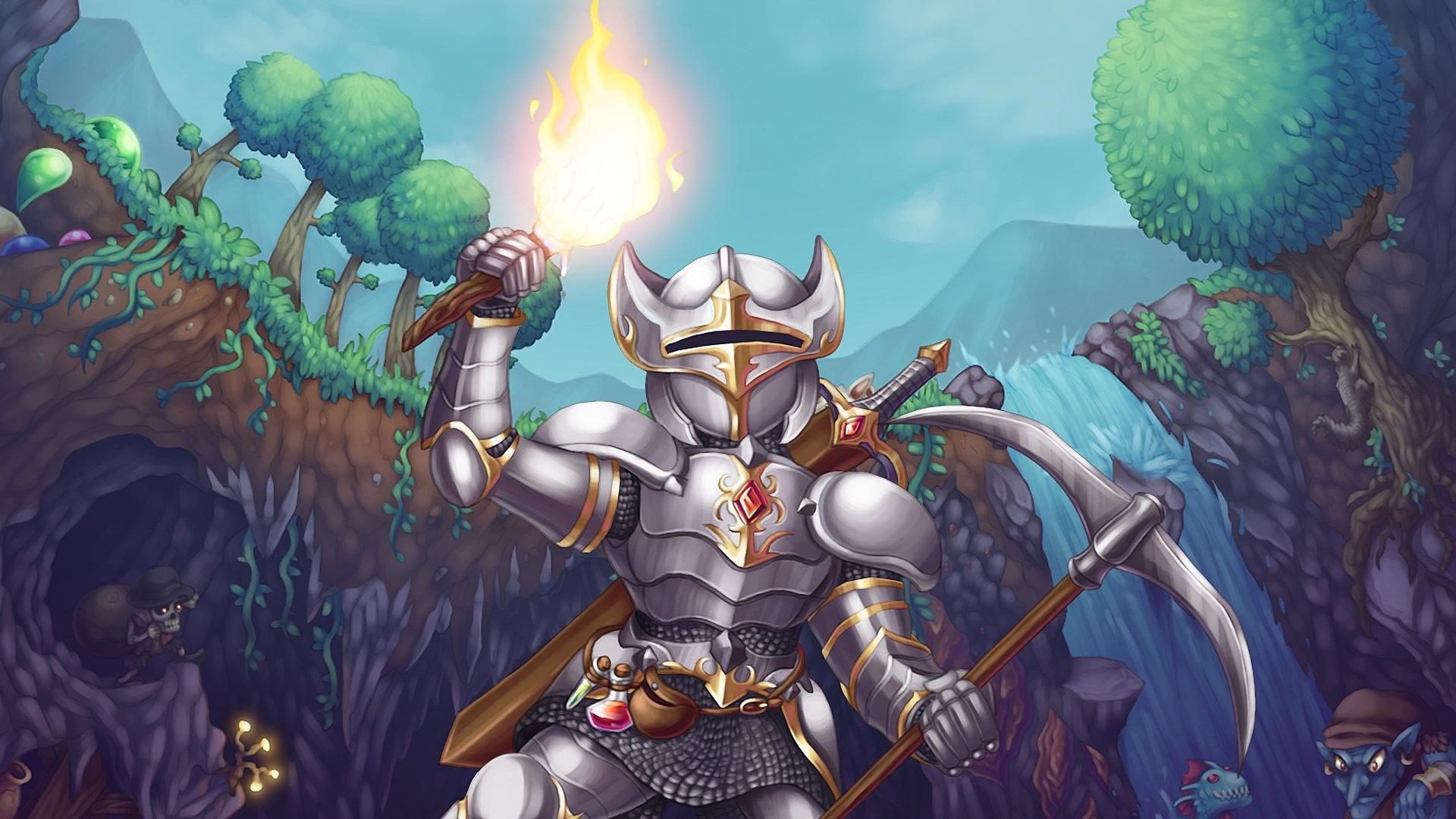
Re-Logic developed and published this 2D survival-crafting adventure with up to 8-player co-op on most platforms. Teams expand NPC towns, mine progressively harder ores, and summon bosses that unlock higher gear tiers. Crafting trees, biome-specific drops, and event nights encourage players to split tasks for faster progression. World seeds and difficulty modes let co-op groups tune exploration and combat intensity.
‘7 Days to Die’ (2013)
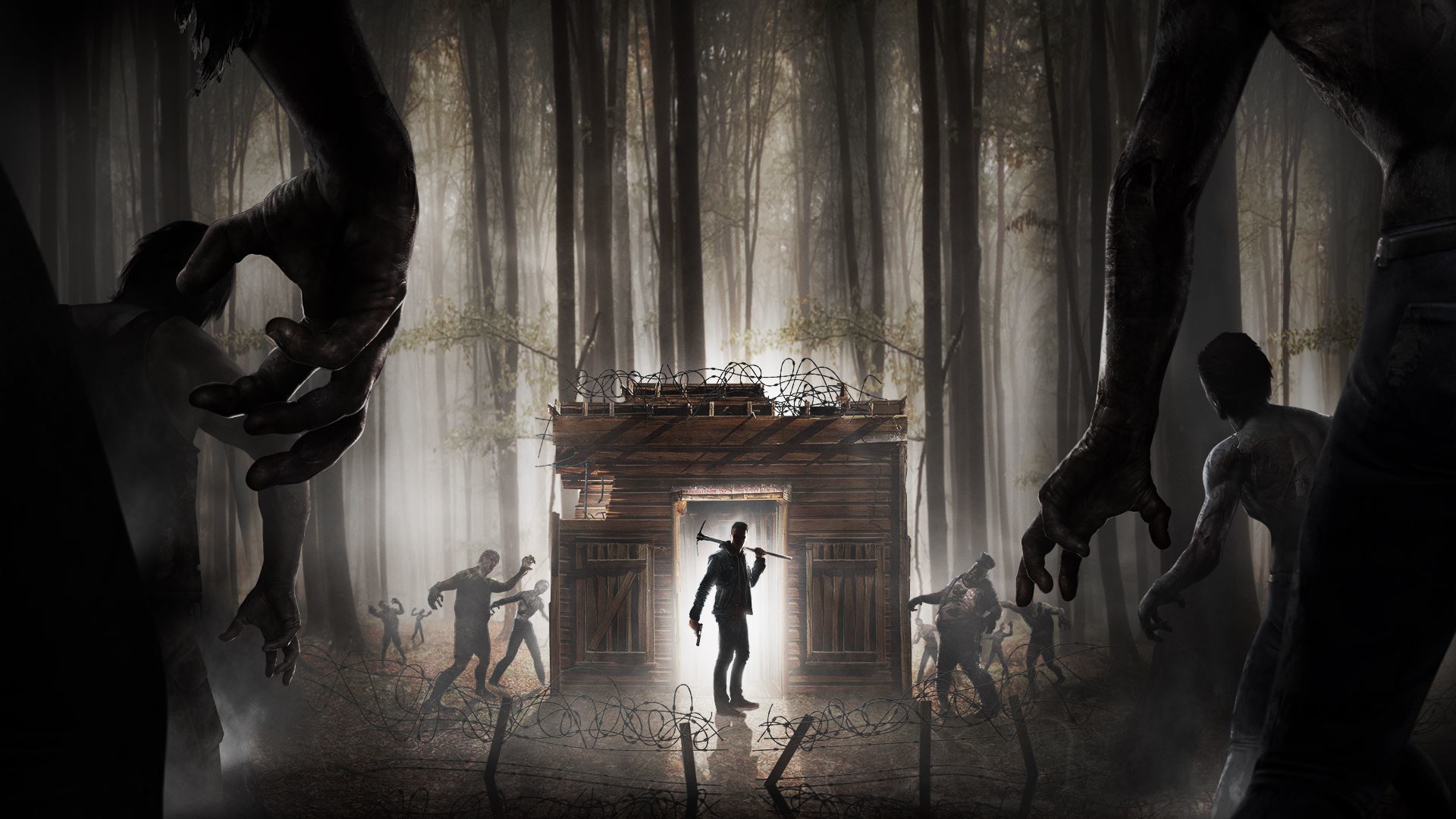
The Fun Pimps developed and published this open-world zombie survival game centered on a seven-day blood moon horde cycle. Co-op groups scavenge, craft, and fortify bases with traps and structural upgrades to survive escalating waves. Skill-based progression and workbench crafting create natural roles such as miner, builder, medic, or marksman. Random world generation and vehicle crafting support long-running server communities.
‘ARK: Survival Evolved’ (2017)
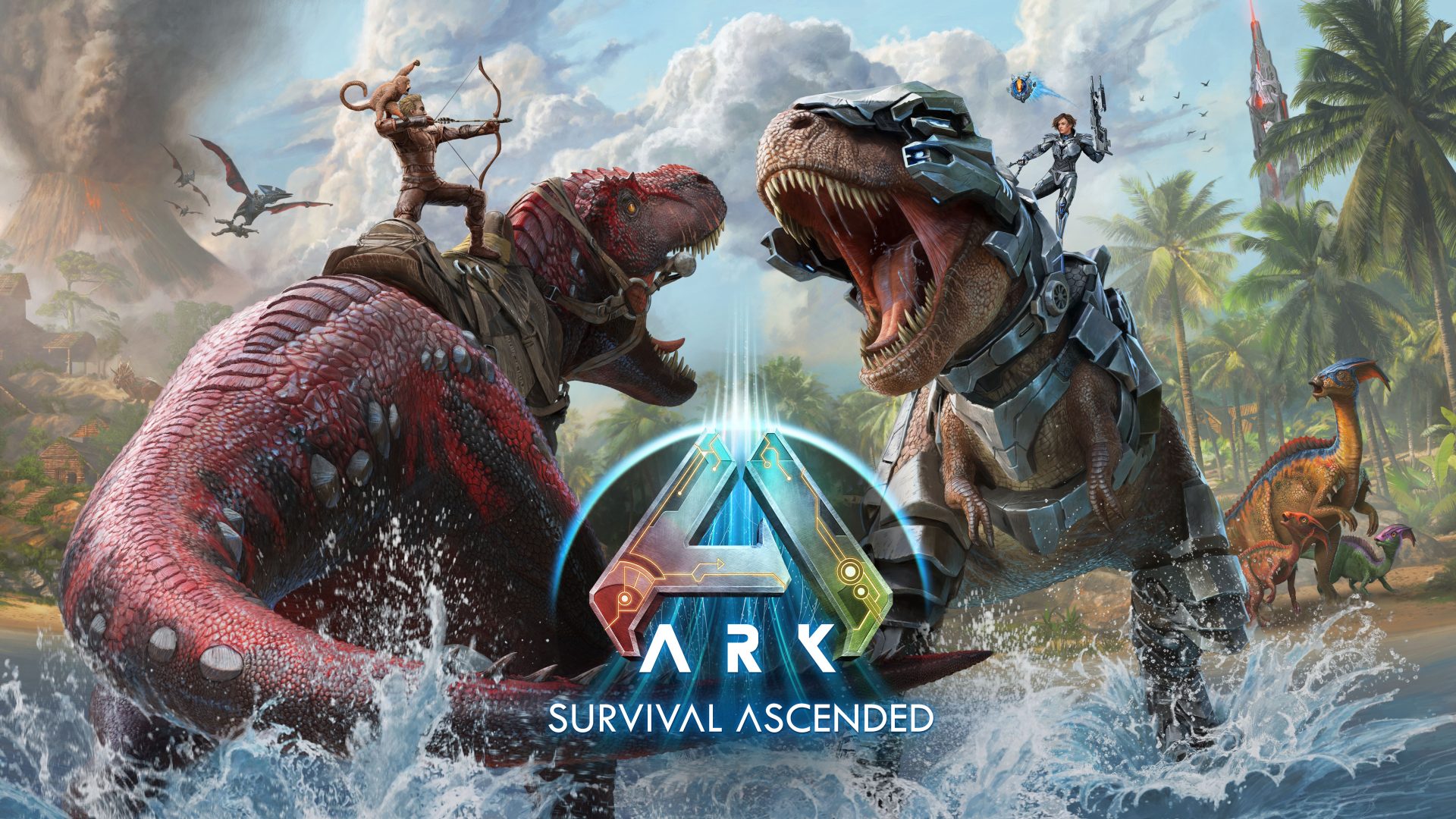
Studio Wildcard developed this dinosaur survival game, with publishing support from Studio Wildcard and partners. Teams tame creatures for transport, combat, and base defense across multiple maps with distinct biomes and boss arenas. Engram unlocks, breeding systems, and tech tiers—from primitive tools to Tek gear—structure long-term co-op goals. Dedicated servers and tribe permissions help manage large group bases and shared inventories.
‘Rust’ (2018)

Facepunch Studios developed and published this multiplayer survival game focused on base-building, raiding, and resource control. Co-op plays a key role in gathering, building secure compounds, and running monuments to acquire high-tier loot. Electricity, vehicle modules, and farming systems give groups complex projects that reward specialization. Official and community servers with regular wipes create fresh loops for coordinated teams.
‘The Forest’ (2018)

Endnight Games developed and published this survival-horror title with cooperative building and exploration. Players crash-land on a peninsula, gather materials, and construct defenses against hostile inhabitants while searching for story clues. Crafting emphasizes traps, fortifications, and stealth options that reward coordinated night runs. The co-op campaign supports shared progress and synchronized exploration through caves and keycard-gated areas.
‘Sons of the Forest’ (2023)

Endnight Games developed and published this sequel, expanding co-op survival with improved AI companions and deeper crafting. Groups explore an island, build modular bases, and manage seasons that affect food, temperature, and mobility. Procedural caves, enemy factions, and GPS mapping support coordinated expeditions and resource routes. Multiplayer supports base sharing, synchronized shelters, and collaborative story progression.
‘Deep Rock Galactic’ (2020)
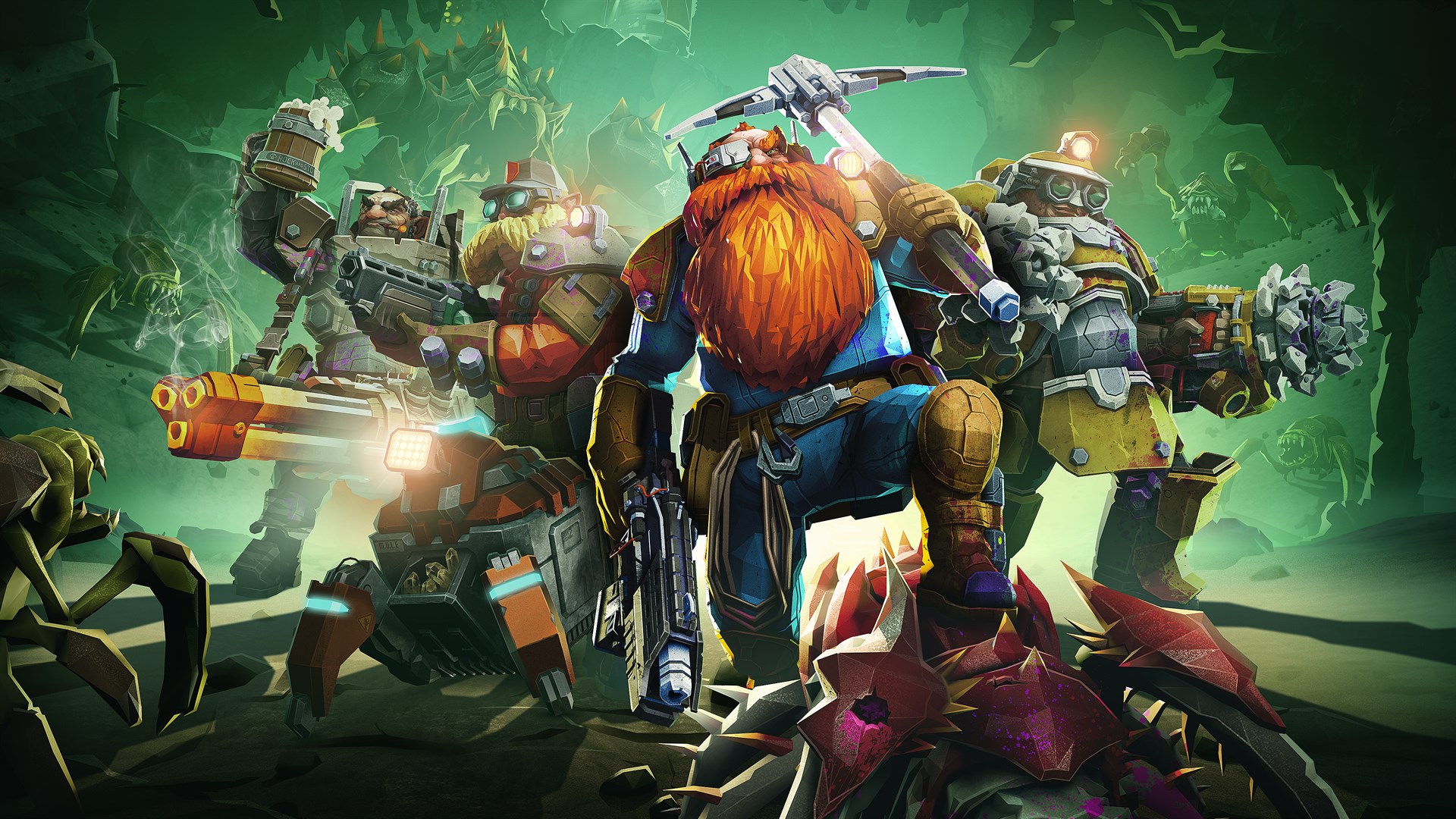
Ghost Ship Games developed this co-op extraction shooter, published by Coffee Stain Publishing. Four-player teams of dwarves choose classes with complementary tools—like drills, platforms, and turrets—to mine resources in destructible caves. Missions include mining, salvage, escort, and refinery objectives, with mutators altering hazards and enemy behavior. Shared progression and company assignments give squads clear goals across seasons.
‘Raft’ (2022)

Developed by Redbeet Interactive and published by Axolot Games, this ocean survival game supports seamless drop-in co-op. Players expand a floating base, purify water, cook food, and craft navigation tools while exploring story-driven islands. Progression adds engines, battery-powered devices, and advanced workstations that encourage division of labor. The chapter-based narrative provides clear co-op objectives without interrupting freeform building.
‘Project Zomboid’ (2013)
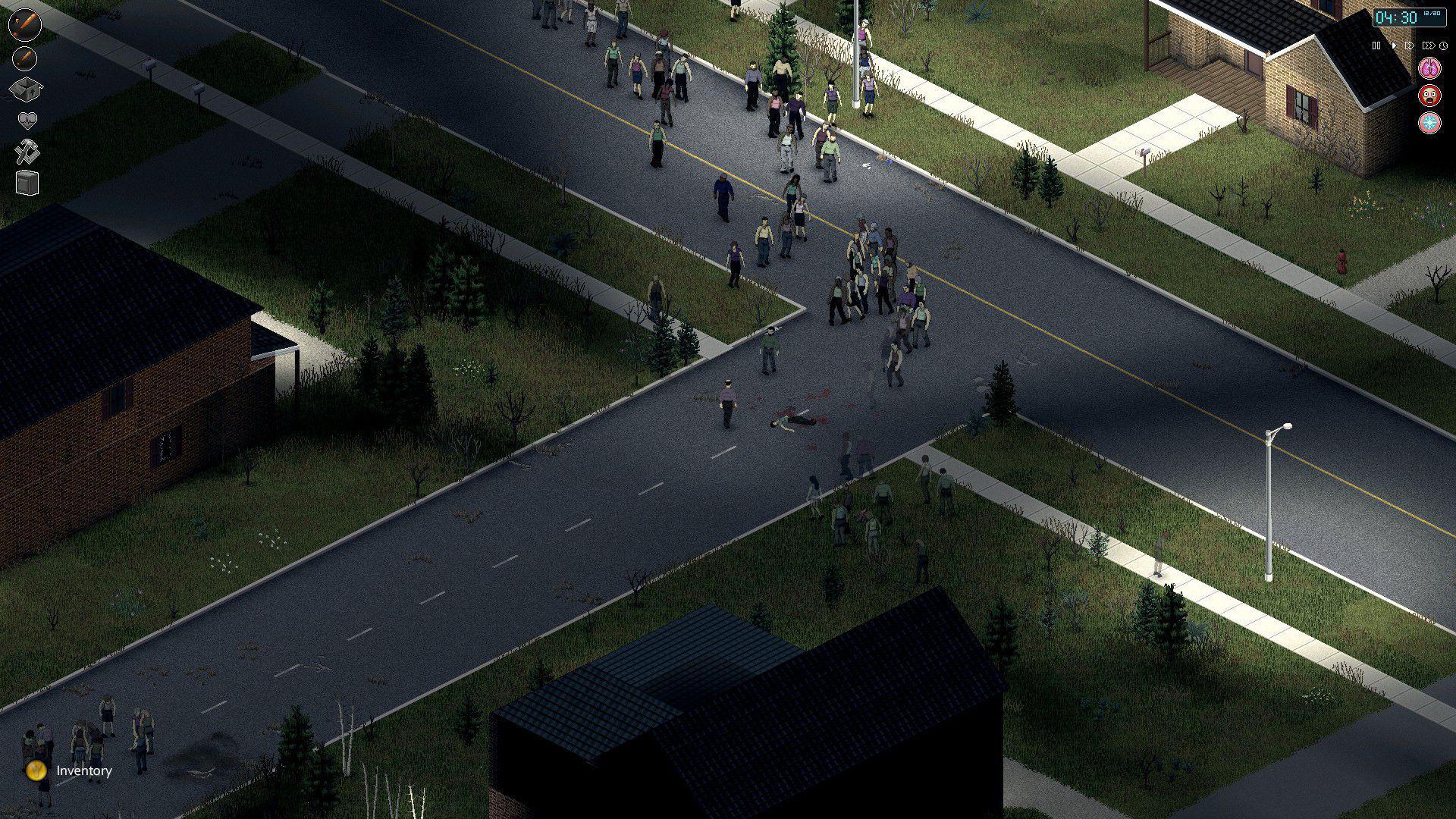
The Indie Stone developed and published this isometric zombie survival sim with robust server support. Co-op emphasizes base security, farming, carpentry, and medical skills while characters face persistent injuries and moodlets. Power and water shutoffs push groups to establish generators, rain collectors, and supply routes. Mod support and server settings let teams customize loot rarity, zombie behavior, and infection rules.
‘State of Decay 2’ (2018)
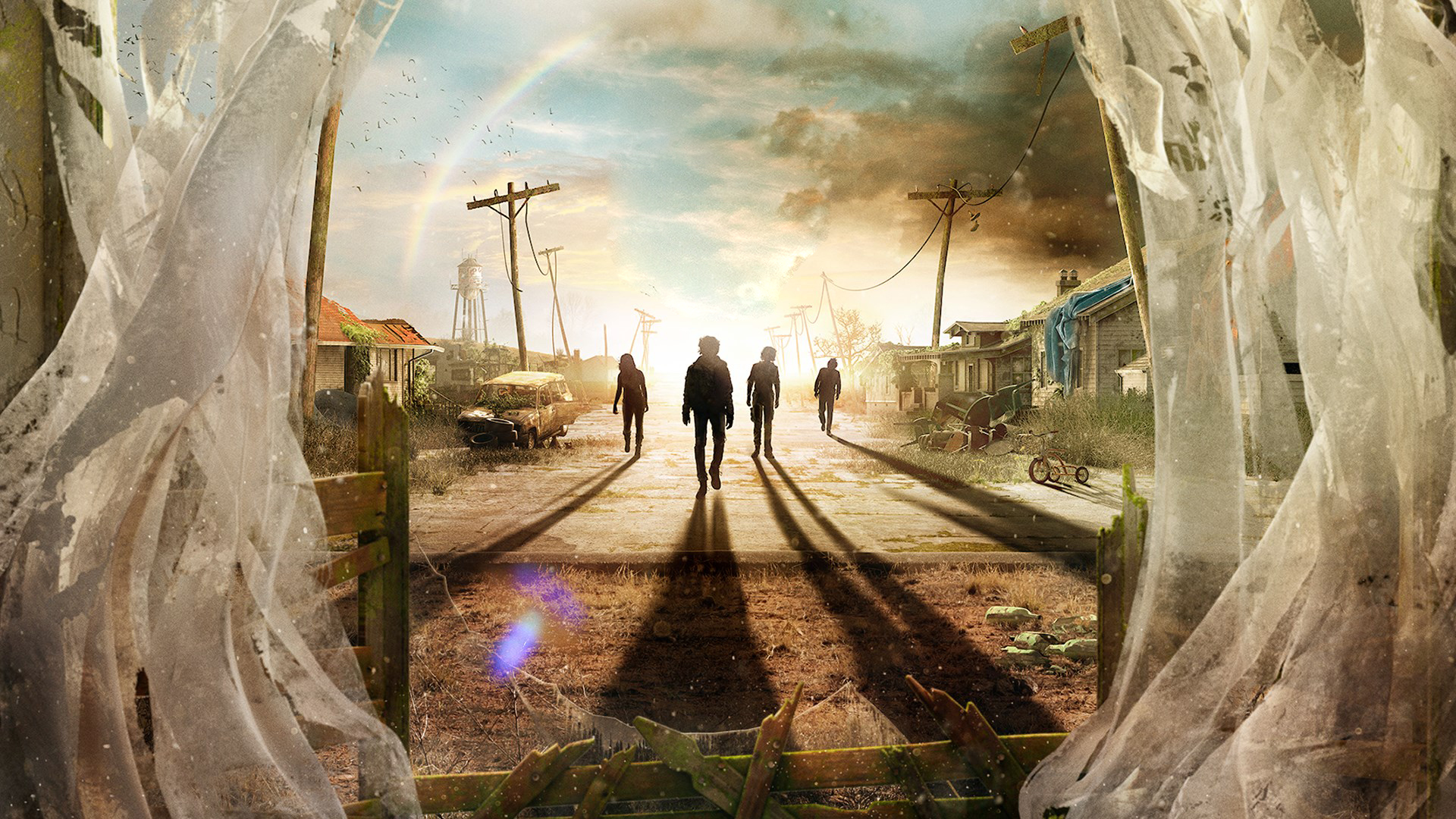
Undead Labs developed this survival management game, published by Xbox Game Studios. Up to four players cooperate in a host’s open world, managing a community with unique survivor traits and base facilities. Resource outposts, plague heart takedowns, and legacy goals give squads repeatable milestones across maps. The co-op flow allows guests to bring back rewards to their own communities after sessions.
‘Dying Light’ (2015)
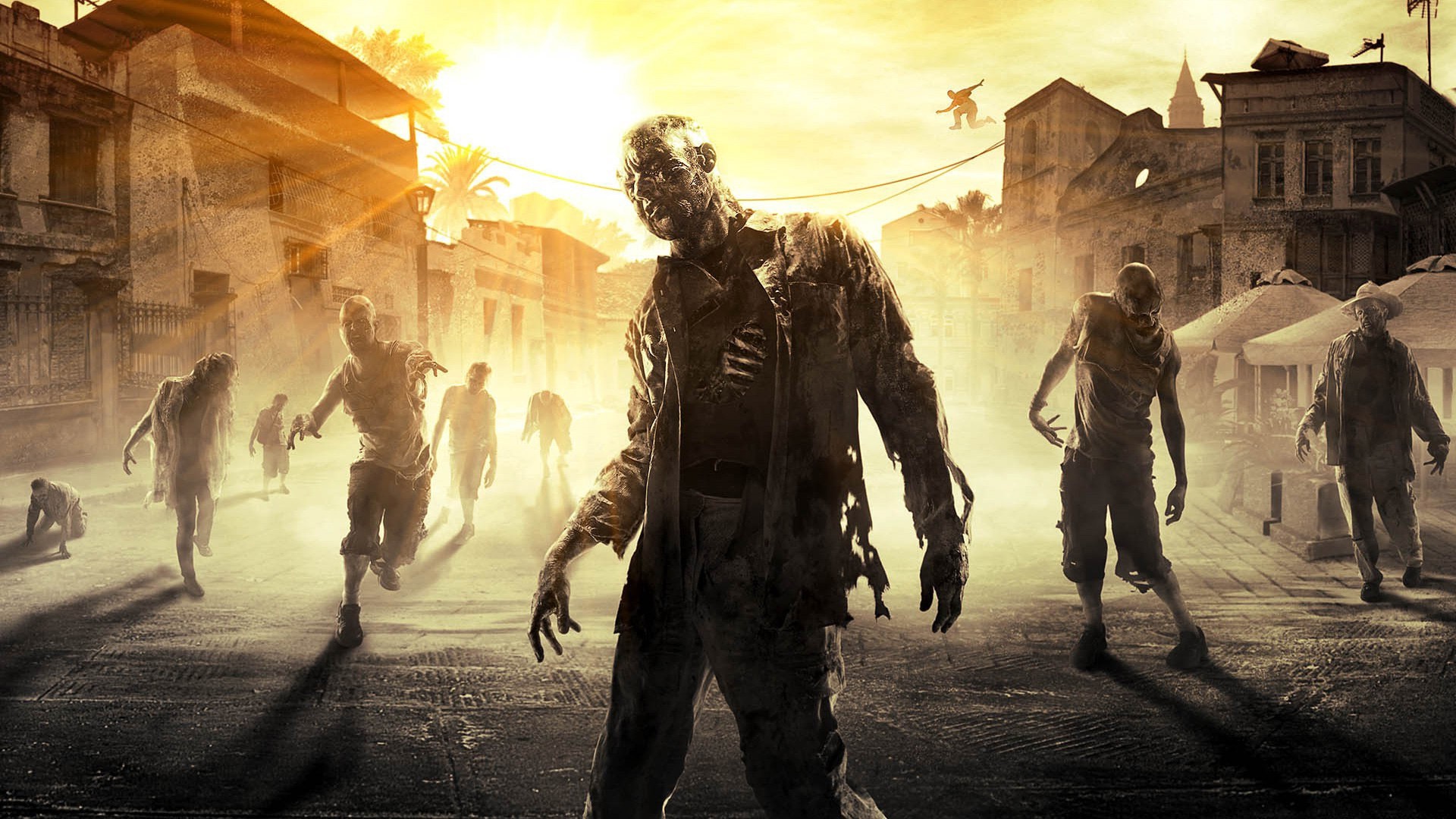
Techland developed this parkour-focused survival title, published by Warner Bros. Games. Four-player co-op runs through a day–night cycle where nighttime enemies become significantly more dangerous. Crafting, skill trees, and safehouse upgrades encourage shared scavenging and coordinated nighttime objectives. The ‘Be the Zombie’ mode adds asymmetrical sessions, but the main campaign is fully co-op.
‘Dying Light 2: Stay Human’ (2022)

Techland developed and published this sequel featuring four-player drop-in co-op across a sprawling city. Teams coordinate parkour routes, night hunts for rare loot, and faction-linked facilities that alter traversal and resource spawns. Weapon modding, inhibitors, and upgrade paths create complementary builds that help in GRE anomalies and nests. Cross-generation support and post-launch content keep co-op objectives varied.
‘Grounded’ (2022)

Obsidian Entertainment developed this “shrunken-in-the-yard” survival game, published by Xbox Game Studios. Co-op groups build bases among grass blades, craft tiered tools, and battle insects with elemental weaknesses. Milk Molars, labs, and story quests unlock upgrades and recipes that guide progression. Shared worlds and custom game settings make long-term cooperative saves easy to manage.
‘No Man’s Sky’ (2016)
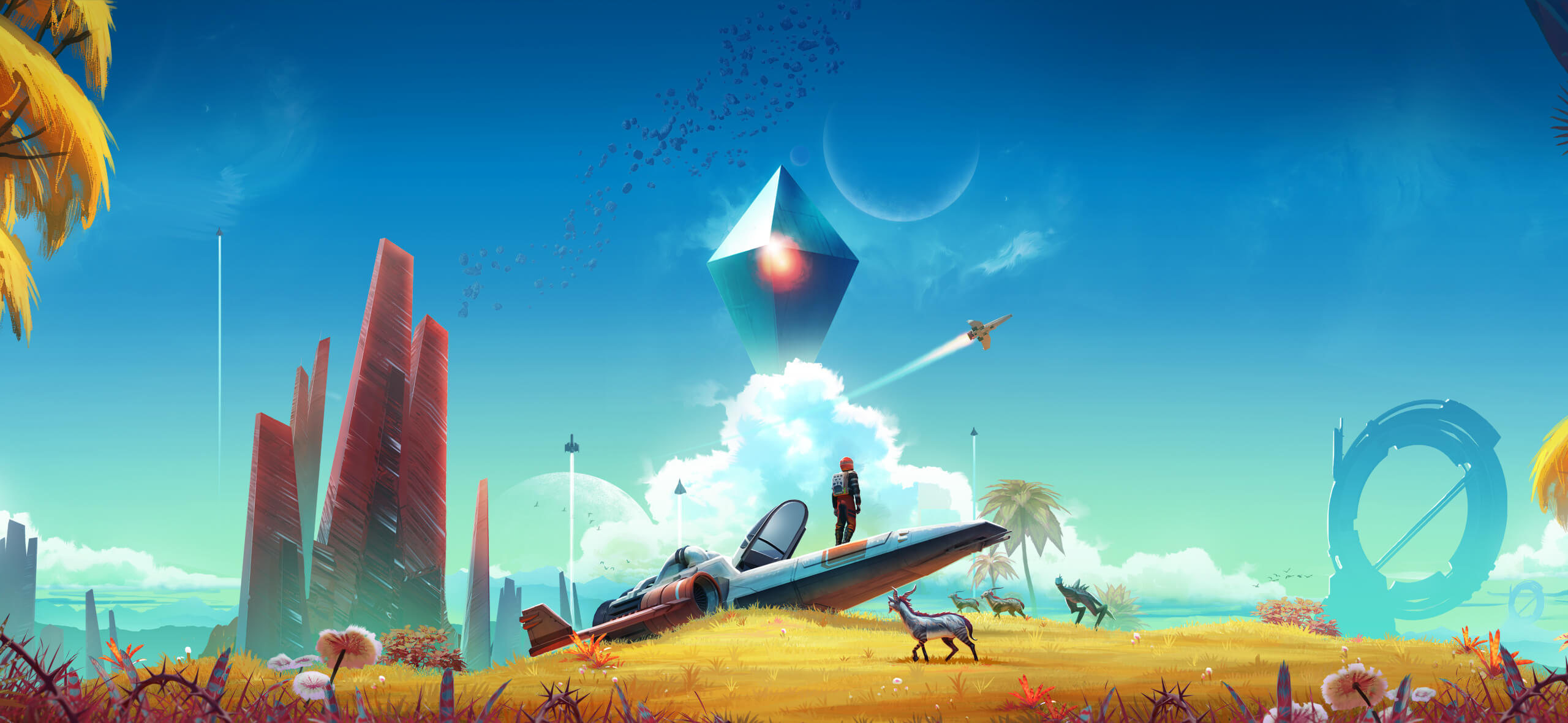
Hello Games developed and published this space survival sandbox with seamless four-player co-op parties. Survival mode tweaks hazards, inventory constraints, and resource scarcity while teams build planetary bases and freighters. Expeditions and community events add limited-time co-op goals, rewards, and shared milestones. Cross-play and persistent bases make collaborative exploration straightforward across platforms.
‘Conan Exiles’ (2018)
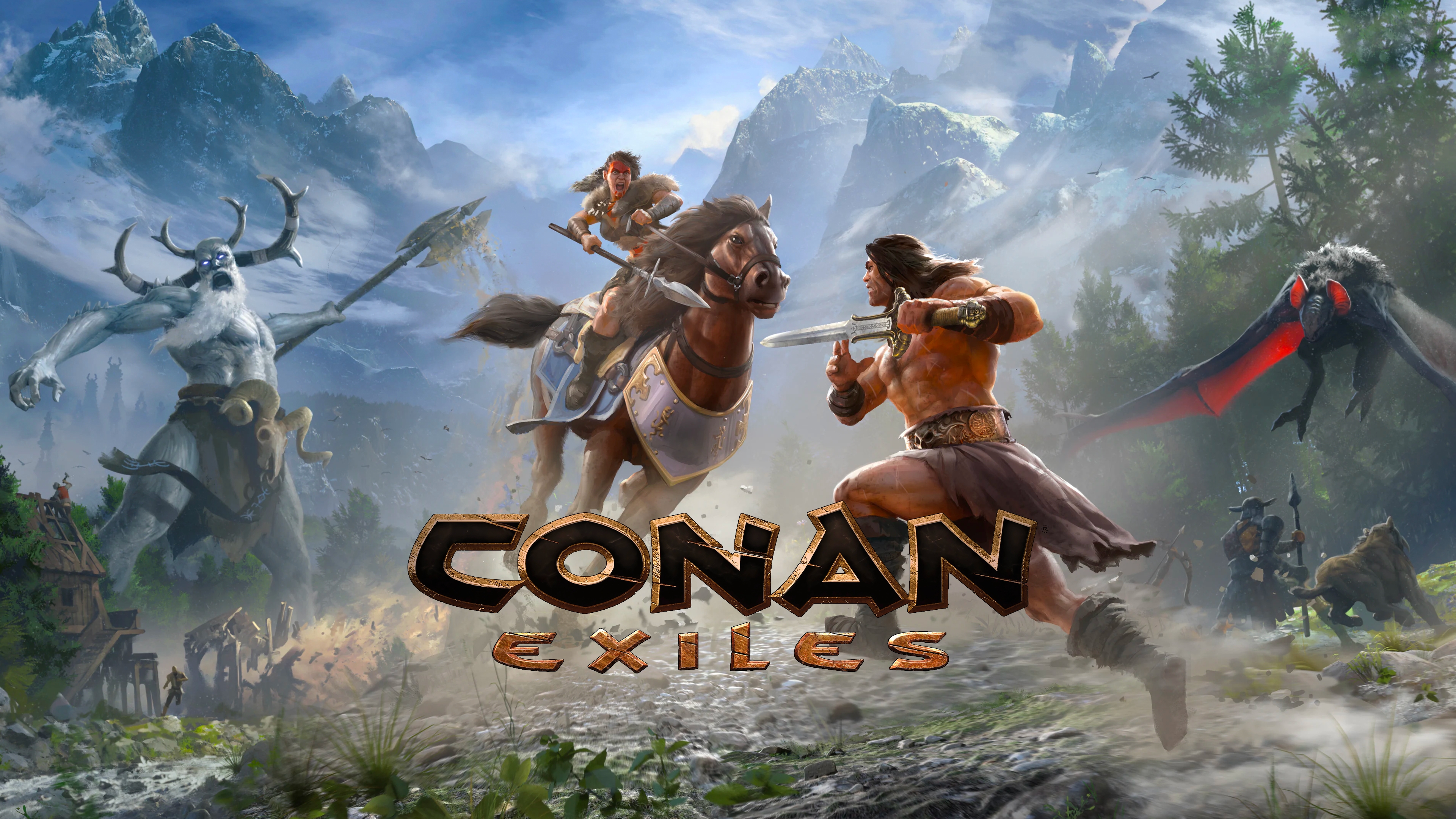
Funcom developed and published this open-world survival game set in the Conan universe. Co-op clans build fortified settlements, craft station tiers, and capture thralls that unlock recipes and combat roles. Dungeon-like vaults, world bosses, and map-room fast travel provide group objectives beyond base expansion. Private servers and admin tools let groups tune PvE or PvP emphasis.
‘Green Hell’ (2019)
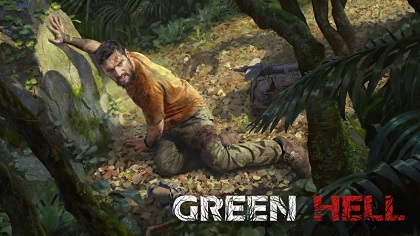
Creepy Jar developed and published this Amazon jungle survival sim with story and survival co-op modes. Teams manage sanity, injuries, and nutrition while crafting bandages, shelters, and tools from realistic materials. The cooperative story campaign supports synchronized progress through chapters and tribal encounters. Challenge modes and Spirits of Amazonia chapters add structured goals for groups.
‘Astroneer’ (2019)

System Era Softworks developed and published this space exploration survival-crafting game with up to four-player co-op. Players shape terrain, automate resource chains, and build rovers and shelters across multiple planets. Research bytes, modular base parts, and atmospheric harvesting guide progression through the tech tree. Dedicated servers and cross-platform options help maintain persistent cooperative saves.
‘Icarus’ (2021)
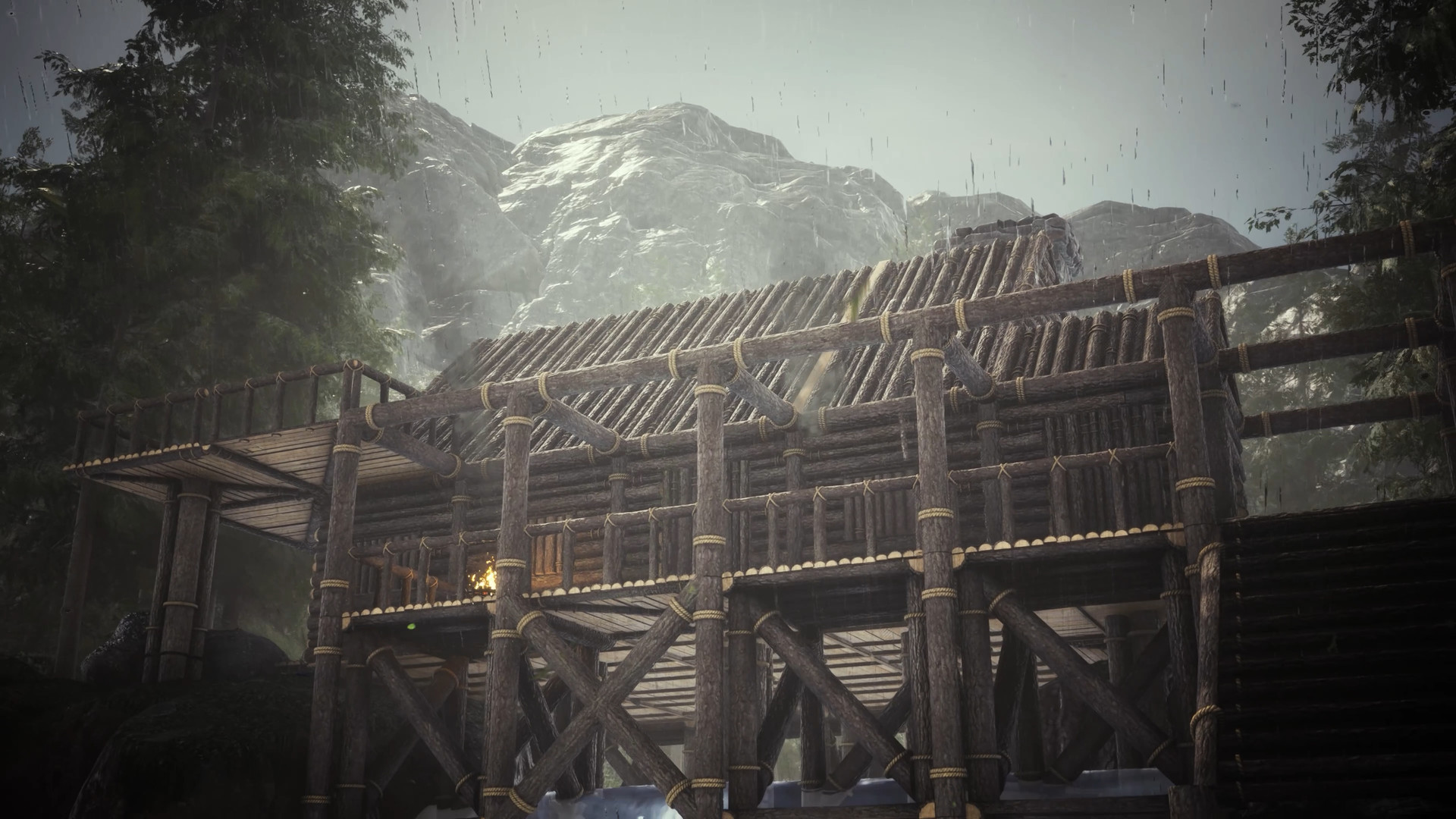
RocketWerkz developed and published this session-based PvE survival game set on a terraformed planet. Co-op teams select timed prospects, gather resources, and extract with blueprints that carry over to future runs. Talent trees and workshop equipment create defined roles like builder, hunter, or medic. Biome hazards and storms incentivize coordinated shelter construction and risk management.
‘V Rising’ (2024)

Stunlock Studios developed and published this vampire survival-crafting game with server-based co-op. Clans build castles, defeat bosses to unlock powers, and craft via station tiers tied to blood quality. PvE servers let groups focus on progression, farming, and late-game technologies like jewel systems. Dedicated servers and flexible rulesets support long-running cooperative worlds.
‘Palworld’ (2024)
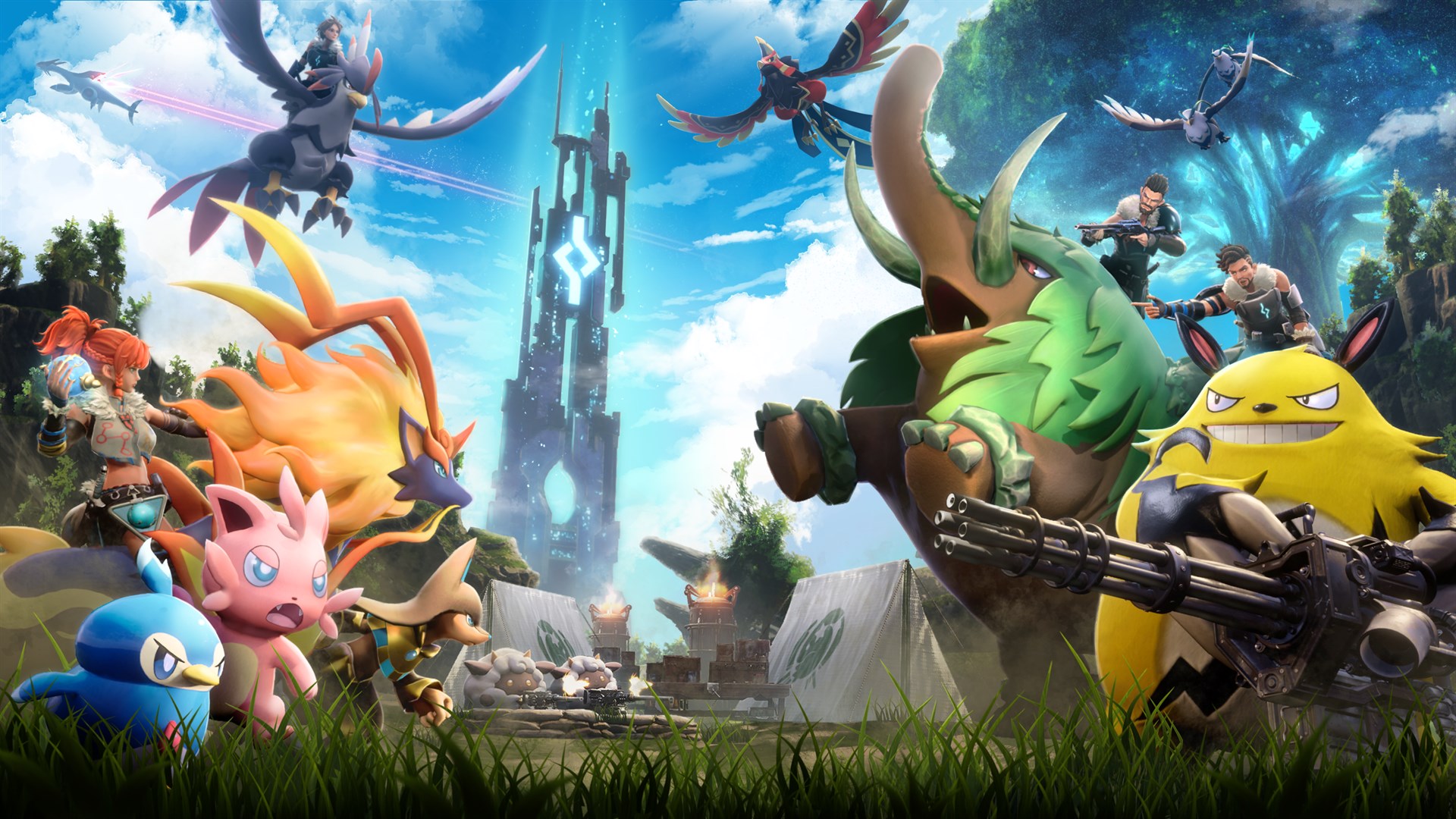
Pocketpair developed and published this creature-collecting survival-crafting title with online co-op. Players capture Pals that automate base tasks, power factories, and assist in combat and traversal. Tech progression unlocks electricity, breeding, and production chains that benefit from shared labor. Server support and building permissions make large group projects easier to coordinate.
‘Outward’ (2019)
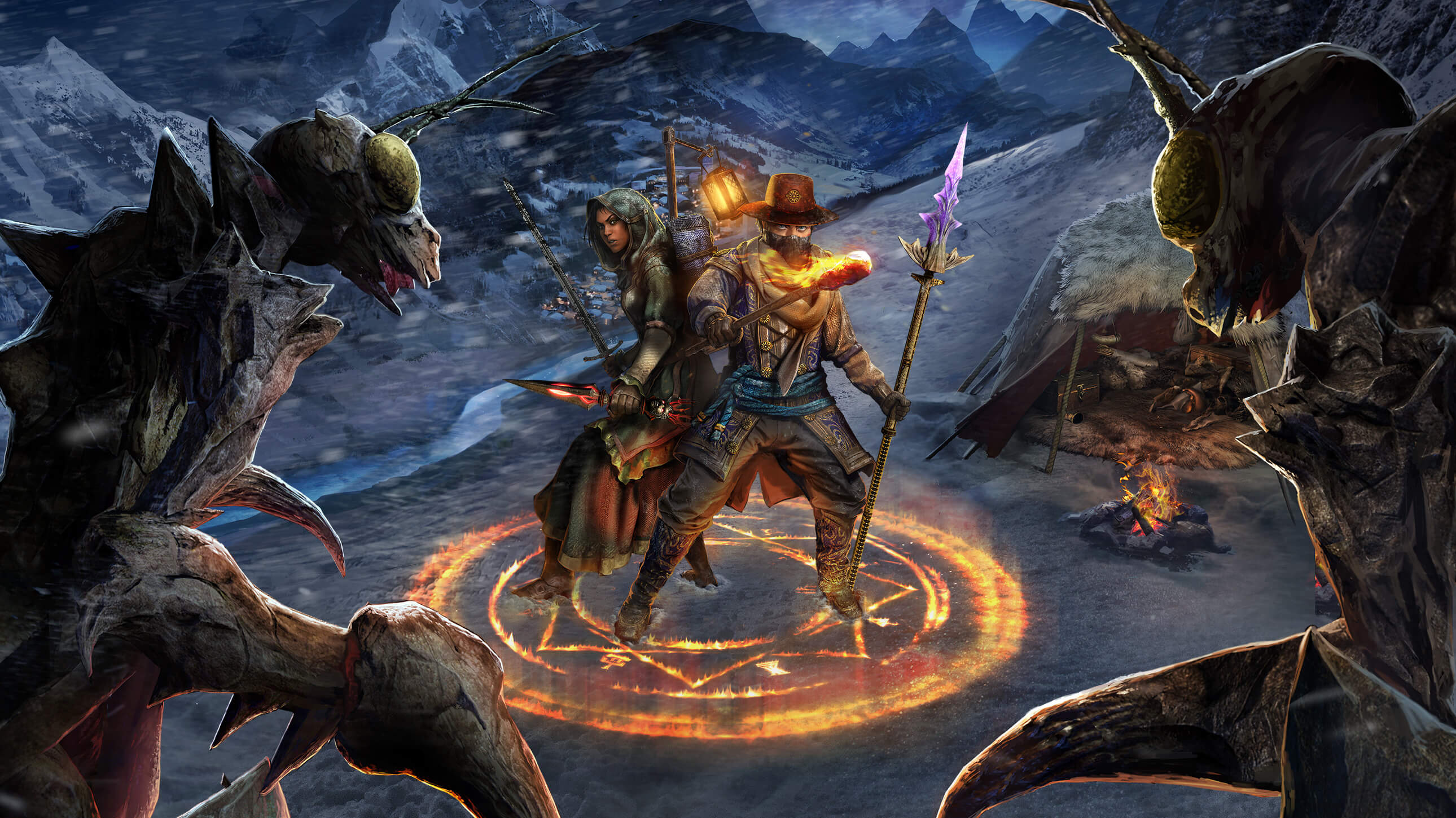
Nine Dots Studio developed this survival-focused RPG, published by Deep Silver. Two-player co-op—online or split-screen—structures travel, camp management, and stamina-based combat around preparedness. Characters manage hunger, temperature, and status effects, with crafting for alchemy, cooking, and gear. Faction questlines and region-specific dungeons provide clear cooperative objectives without level gates.
‘Enshrouded’ (2024)
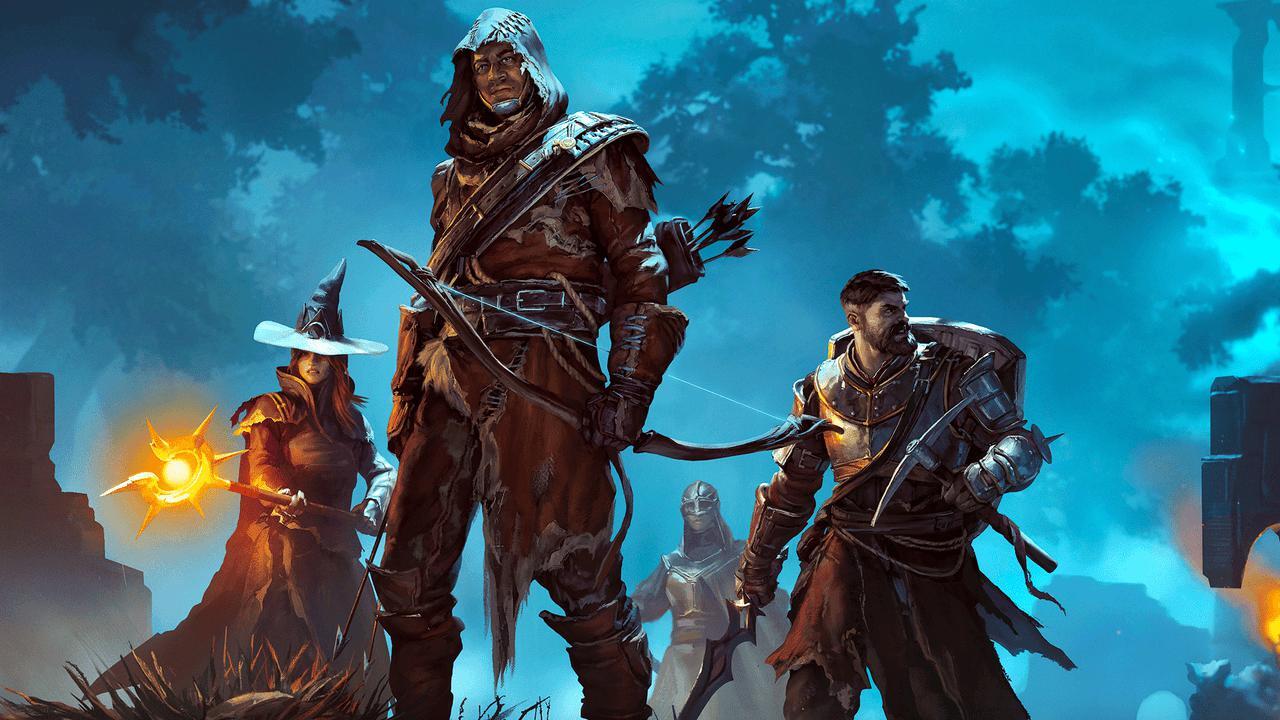
Keen Games developed and published this co-op survival action RPG with 16-player servers. Teams restore settlements, unlock NPC vendors, and progress through crafting benches while clearing shroud-covered zones. Skill trees, gliding, and modular building support role specialization and large base projects. World shards, fast travel, and boss keys give groups structured targets across biomes.
Tell us which co-op survival worlds you’ve been teaming up in lately—and what we should add next—in the comments!