


25 Closing Shots That Stay With You Long After the Credits

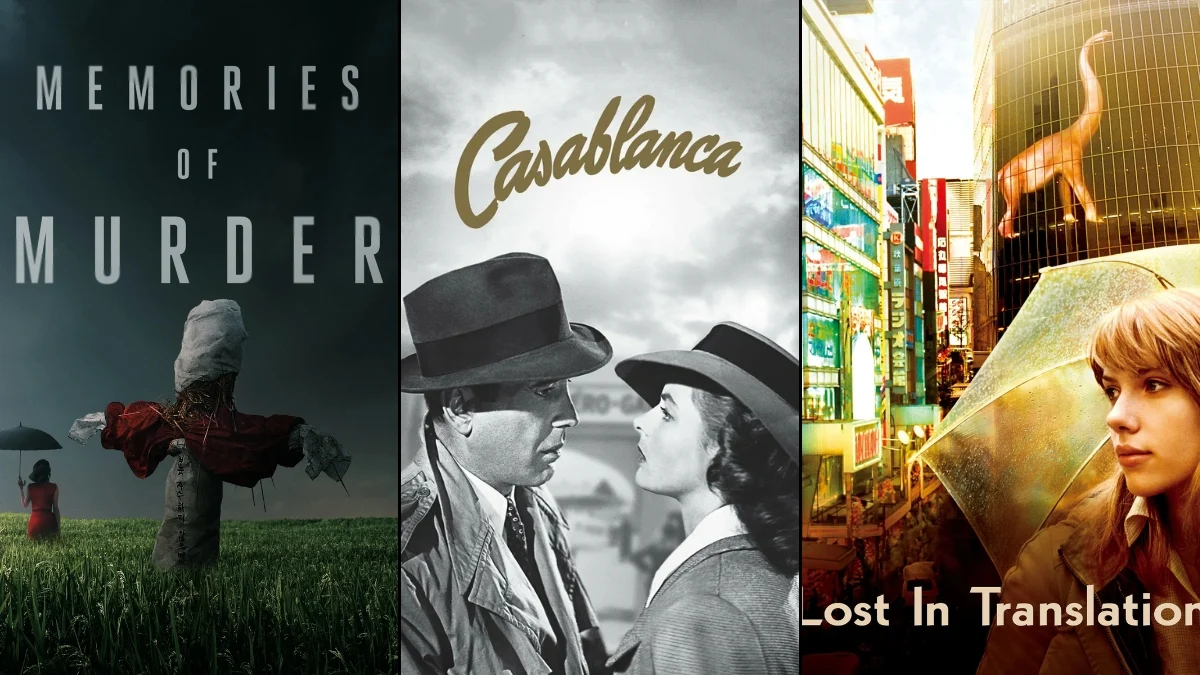


A truly great ending requires more than just narrative resolution or a final line of dialogue. The closing shot of a film serves as the final emotional seal that locks the story into the mind of the viewer. Directors utilize this last image to summarize themes or suggest an ambiguous future for the characters. These visual conclusions range from subtle facial expressions to grand scenic displays. The following films feature ending shots that have earned their place in cinematic history.
‘The Searchers’ (1956)
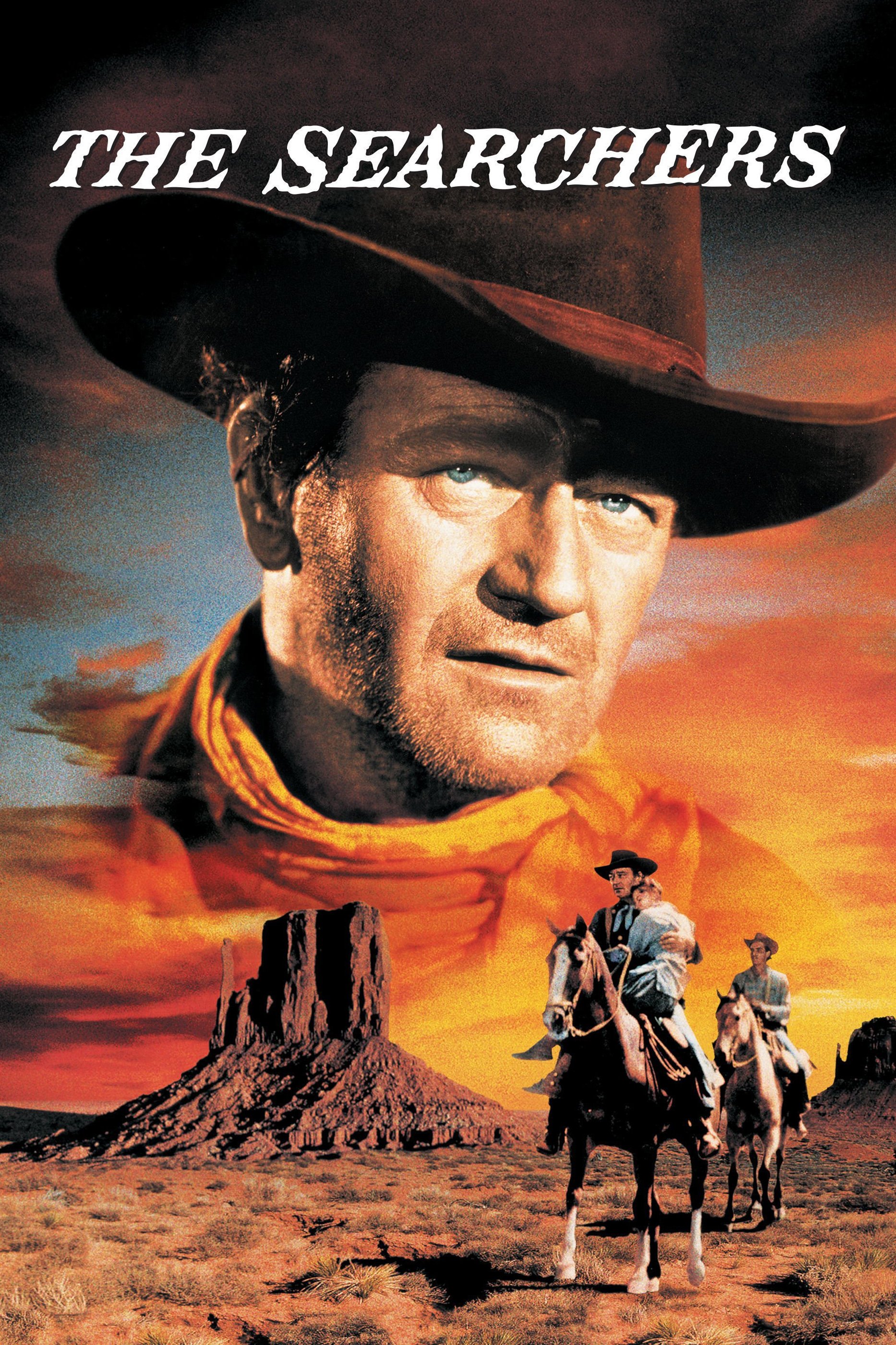
Ethan Edwards stands framed in a doorway while the family he helped rescue reunites inside the homestead. The visual composition isolates him from the domestic warmth and civilization he fought to restore but cannot join. He turns away to walk alone into the dusty wilderness as the door slowly shuts him out. This iconic image serves as a poignant bookend to the opening scene of the movie. It remains one of the most celebrated and analyzed shots in the Western genre.
‘The Graduate’ (1967)
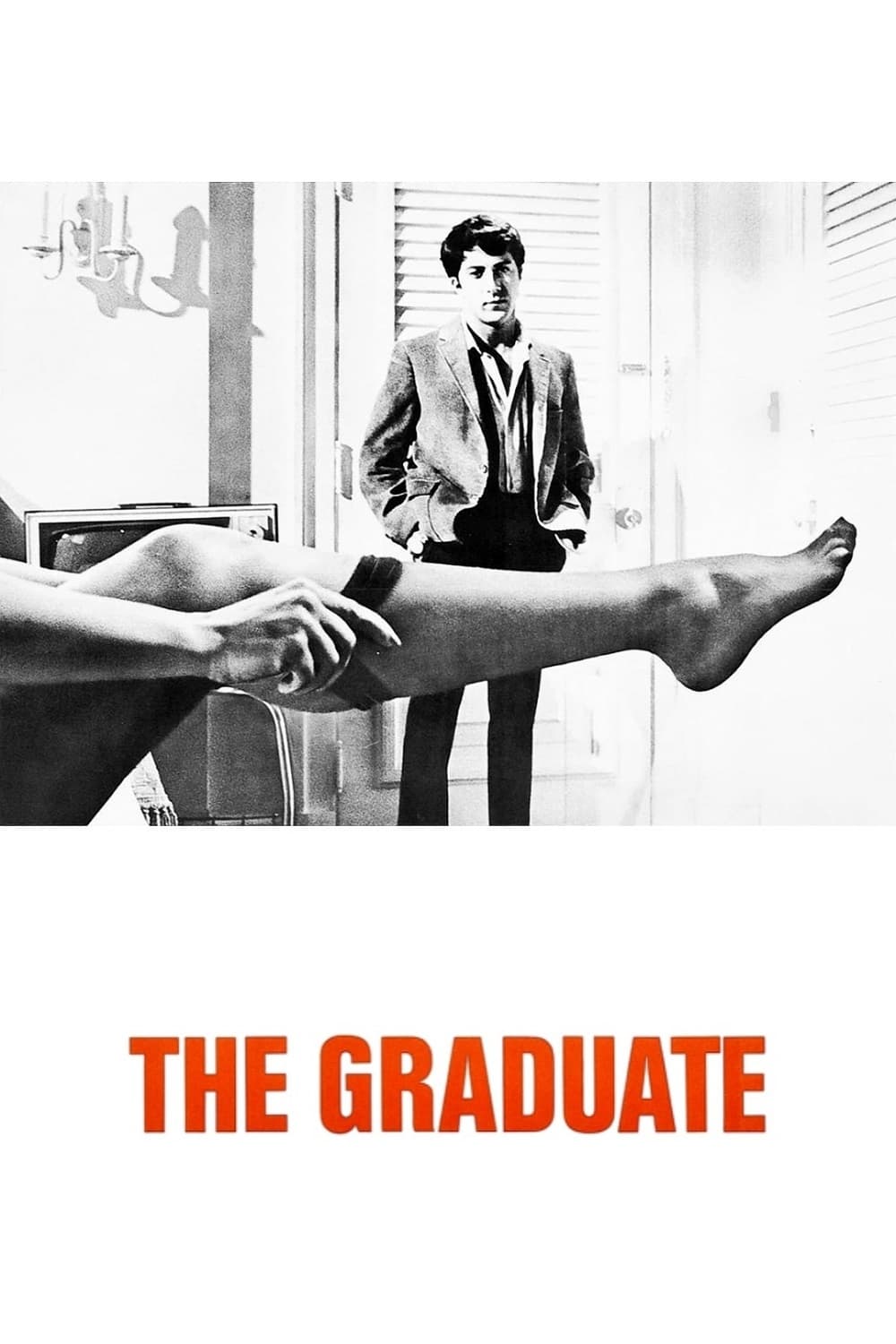
Ben and Elaine flee the church and hop onto a passing bus after their dramatic escape from her wedding. Their initial adrenaline and laughter fade as they sit in the back row surrounded by oblivious strangers. The camera lingers on their faces as their smiles slowly dissolve into expressions of uncertainty and fear. This uncomfortable long take forces the audience to consider the complicated reality of their impulsive decision. It effectively subverts the traditional happy ending trope found in romantic comedies.
‘The Godfather’ (1972)
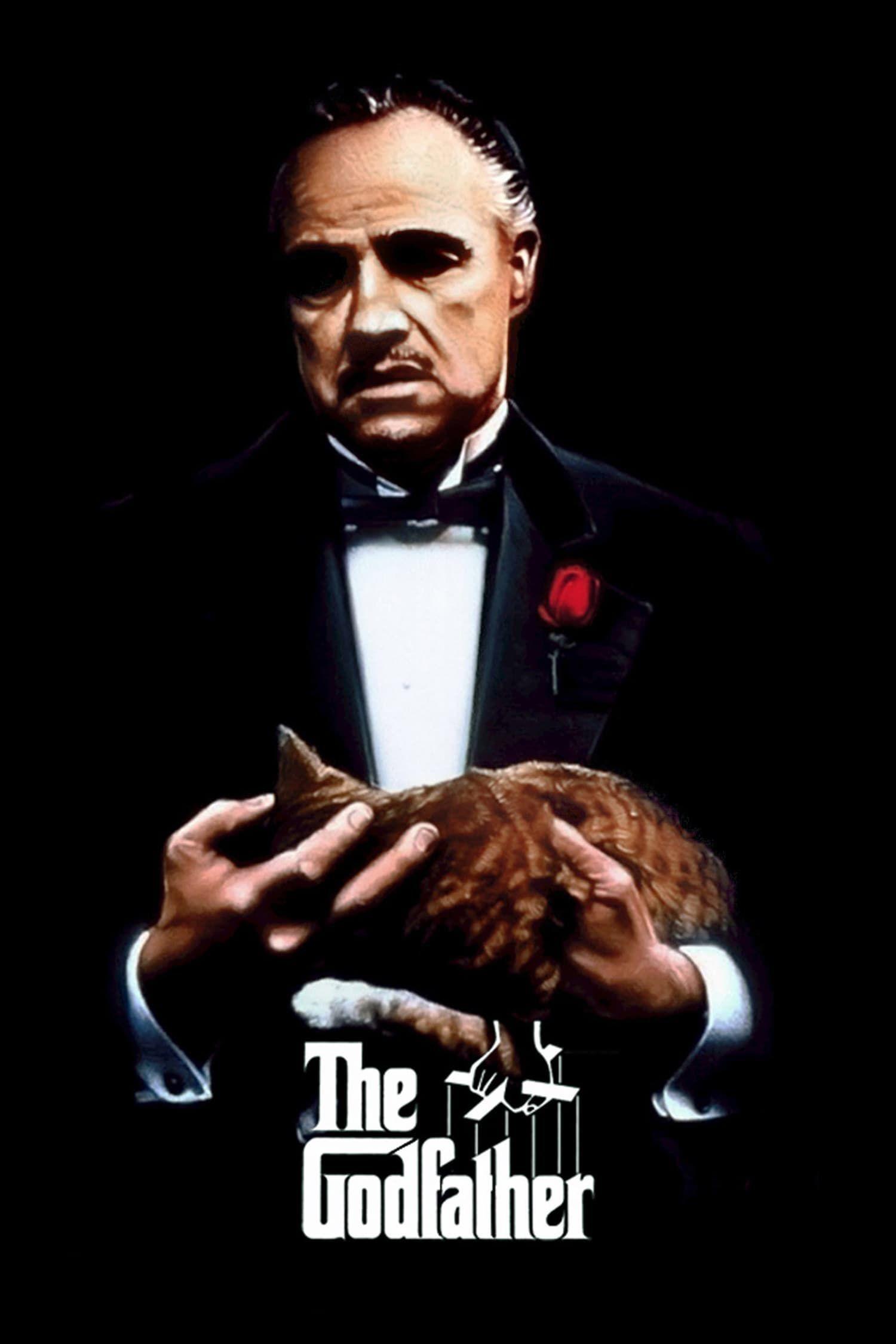
Michael Corleone assures his wife Kay that he is not responsible for the murders of his enemies. She leaves the room to fix a drink while his subordinates enter to pay their respects to the new Don. Kay looks back from the hallway as the office door is slowly closed in her face. This barrier physically and metaphorically shuts her out of his true life and criminal business. The shot confirms the completion of Michael’s moral transformation and his total descent into power.
‘Planet of the Apes’ (1968)

George Taylor rides his horse along the shoreline and discovers a massive structure half-buried in the sand. He falls to his knees in despair upon realizing the object is the ruins of the Statue of Liberty. The camera pulls back to reveal the full scale of the destruction and confirms he has been on Earth the entire time. This twist ending fundamentally shifts the context of the entire narrative preceding it. It stands as one of the most shocking visual reveals in science fiction history.
‘The 400 Blows’ (1959)
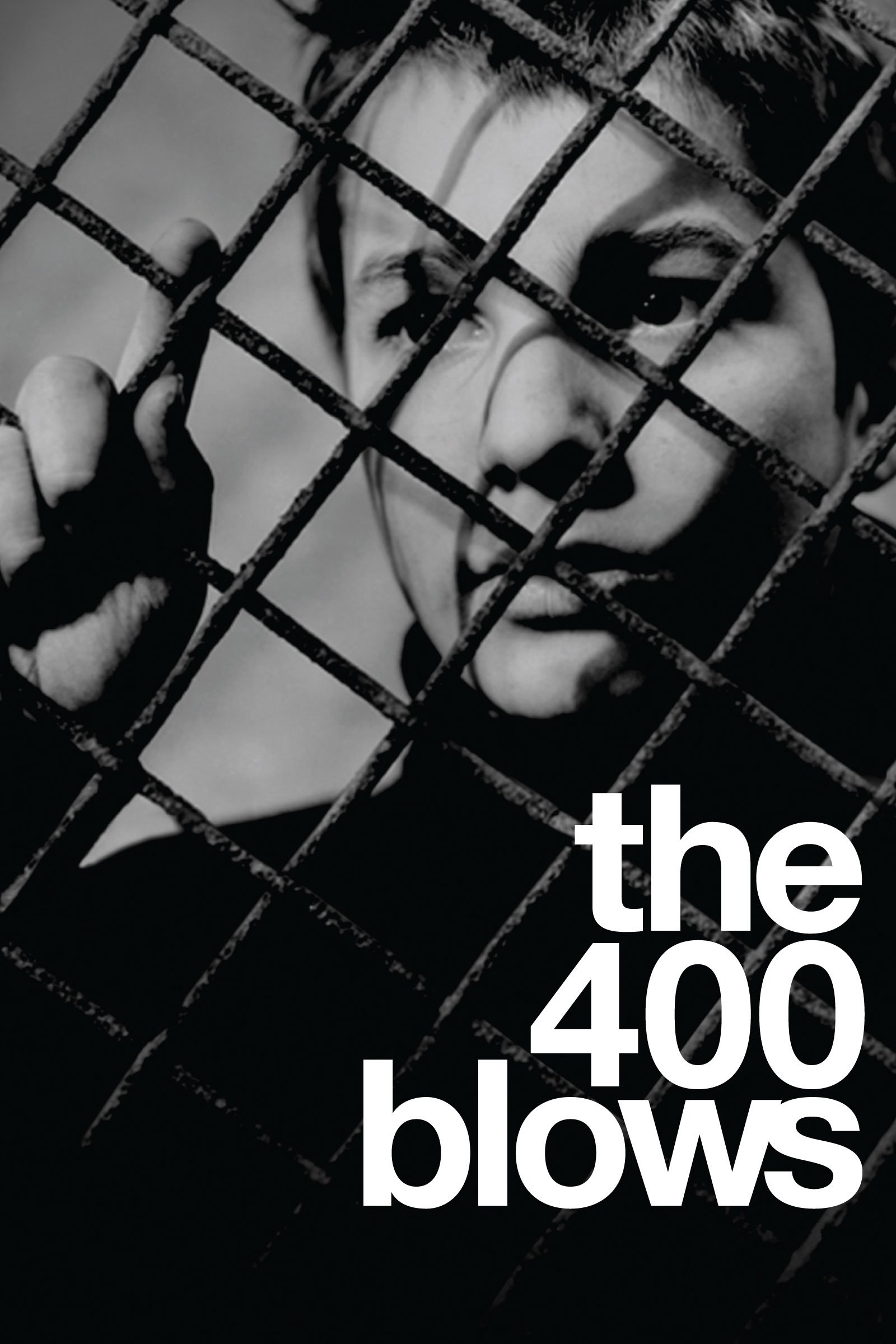
Young Antoine Doinel escapes from a detention center and runs endlessly toward the sea. He reaches the shoreline and turns around to face the camera directly. The film freezes on his expression of confusion and uncertainty regarding his future. This breaking of the fourth wall creates a haunting intimacy between the character and the audience. The freeze-frame ending became a defining stylistic choice of the French New Wave movement.
‘Inception’ (2010)
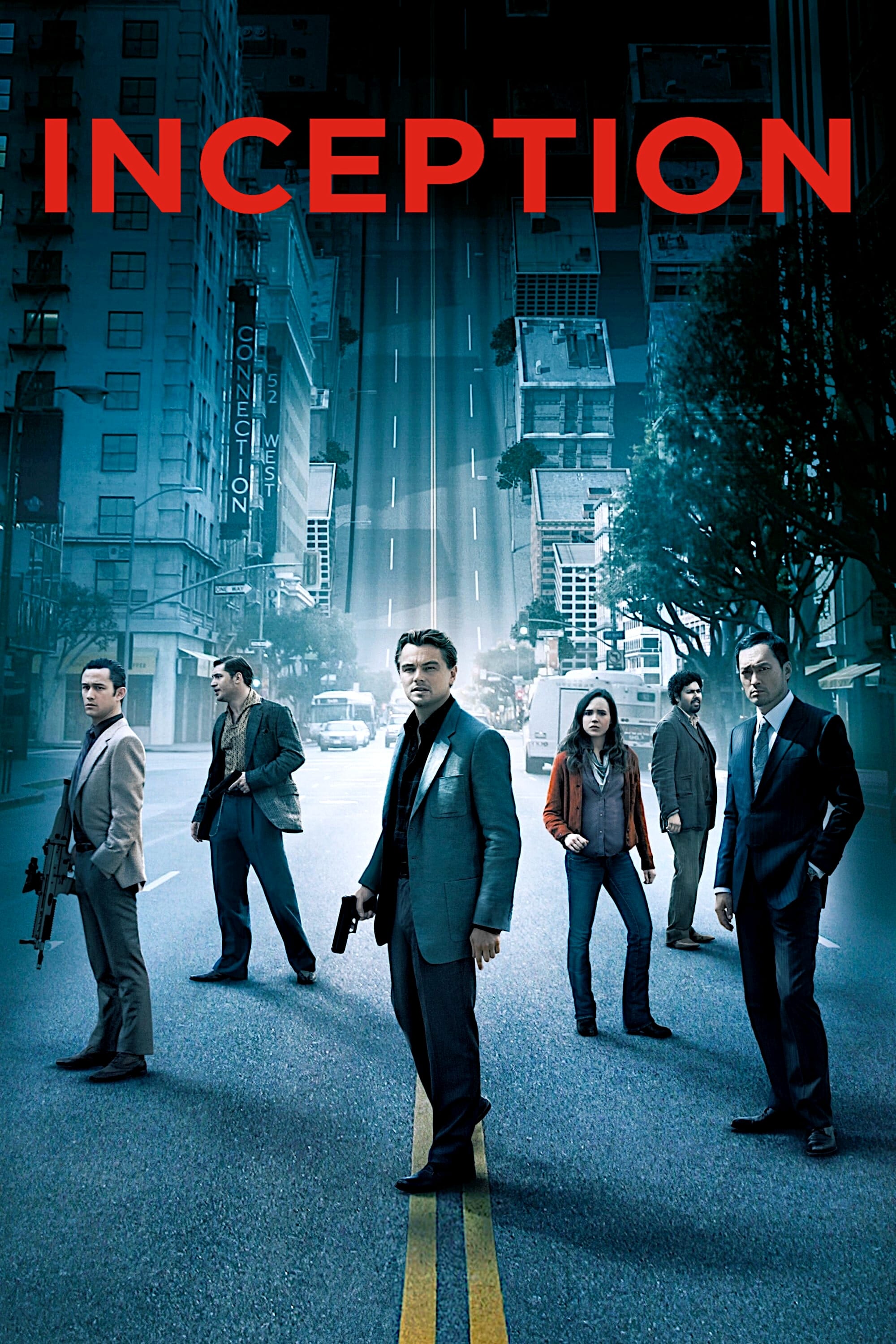
Cobb returns home to his children and spins his totem on the table to check his reality. He walks away to greet his family without waiting to see if the top falls over. The camera slowly pushes in on the spinning object as it wobbles slightly but does not topple before the screen cuts to black. This deliberate ambiguity leaves the audience debating whether he is awake or still dreaming. The unending spin forces viewers to question the nature of subjective reality.
‘2001: A Space Odyssey’ (1968)
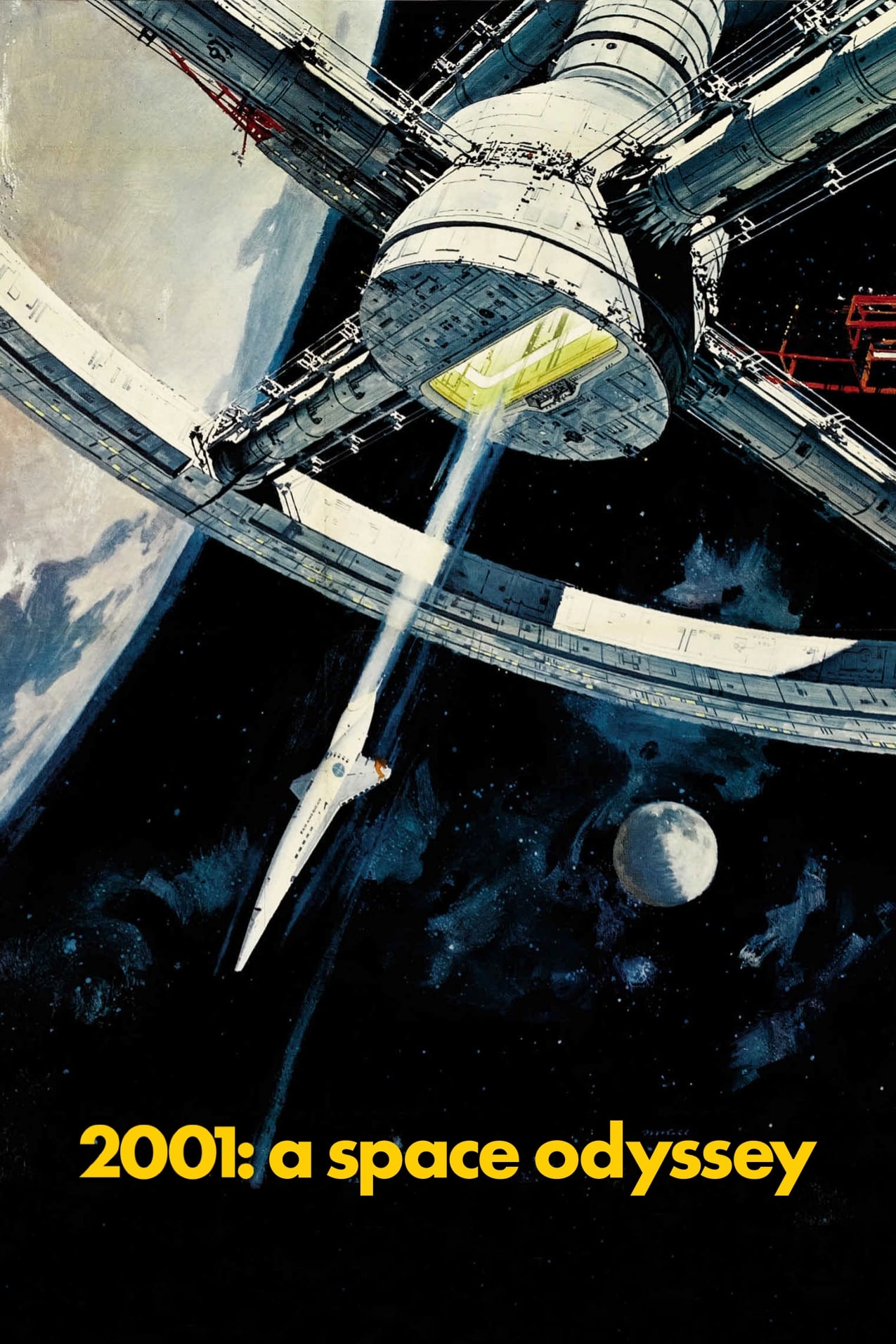
David Bowman undergoes a transformation beyond human comprehension after traveling through the Star Gate. He is reborn as a glowing fetus enclosed in an orb floating above the Earth. The Star Child turns its gaze toward the planet and the audience with an expression of supreme intelligence. This enigmatic image suggests the next step in human evolution and a new beginning for the species. Stanley Kubrick leaves the meaning open to interpretation rather than offering a clear explanation.
‘Fight Club’ (1999)
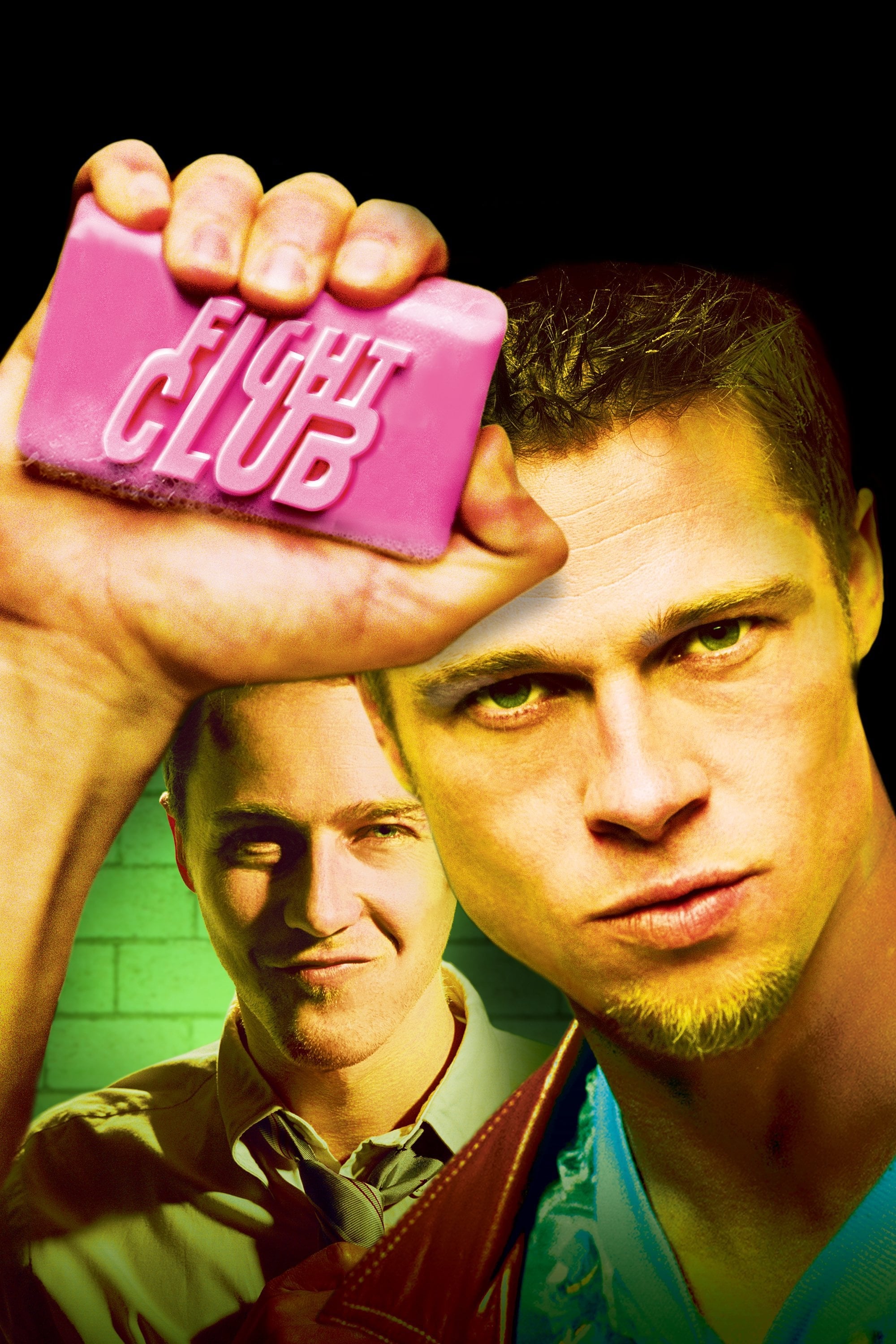
The Narrator stands holding hands with Marla Singer in a high-rise building overlooking the city. They watch through the large glass windows as surrounding skyscrapers crumble from controlled demolitions. The chaotic destruction unfolds to the sound of the Pixies playing in the background. This surreal moment signifies the complete collapse of the protagonist’s previous life and societal norms. It captures the anarchic spirit and dark humor that defines the entire film.
‘Casablanca’ (1942)
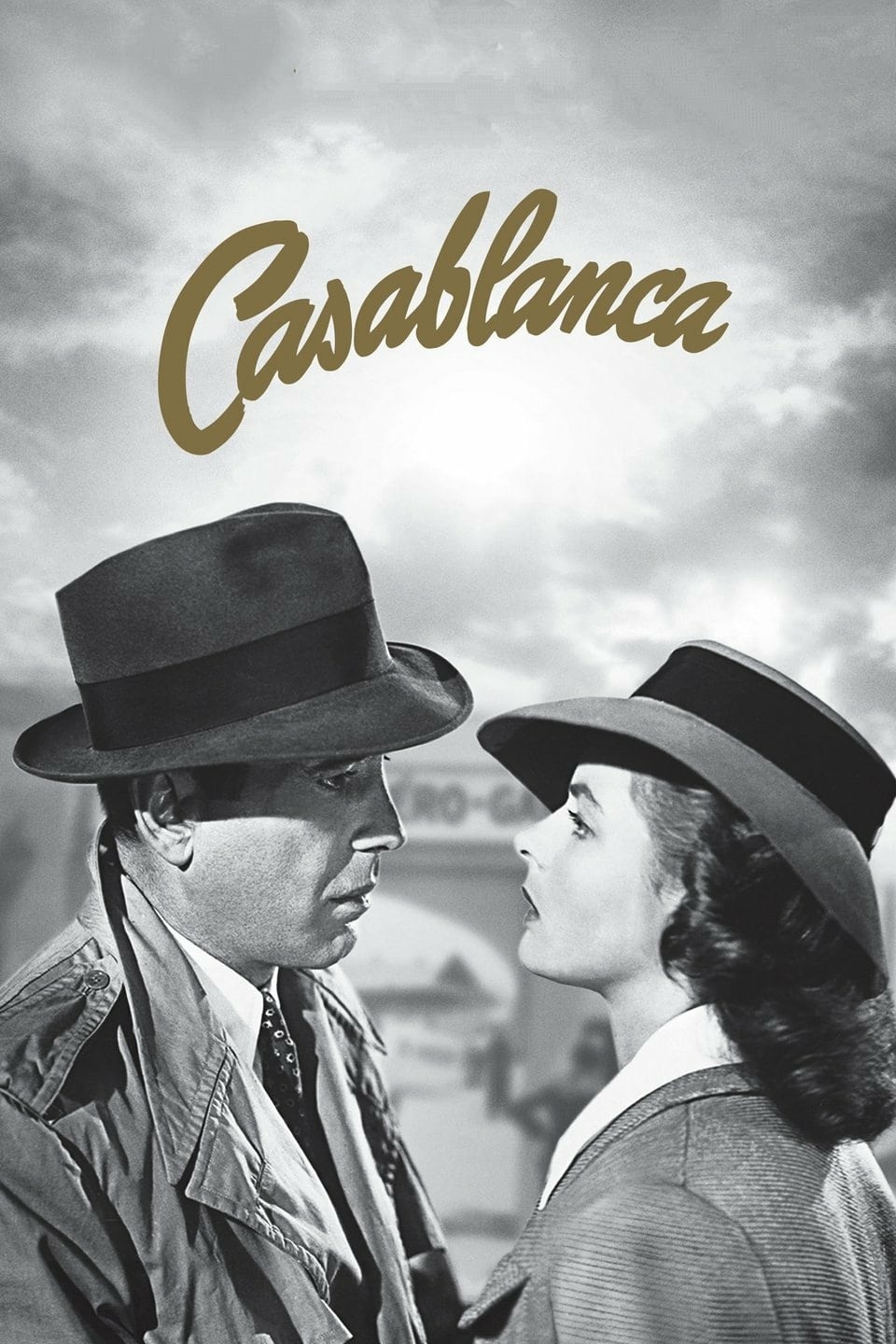
Rick Blaine and Captain Renault walk away together into the foggy night at the airport. Rick sacrifices his chance at love to join the fight against the Nazis. He cements their new alliance with the famous line about the beginning of a beautiful friendship. The two figures fading into the mist symbolize their commitment to a cause greater than themselves. This atmospheric shot provides a heroic and satisfying conclusion to the wartime romance.
‘There Will Be Blood’ (2007)
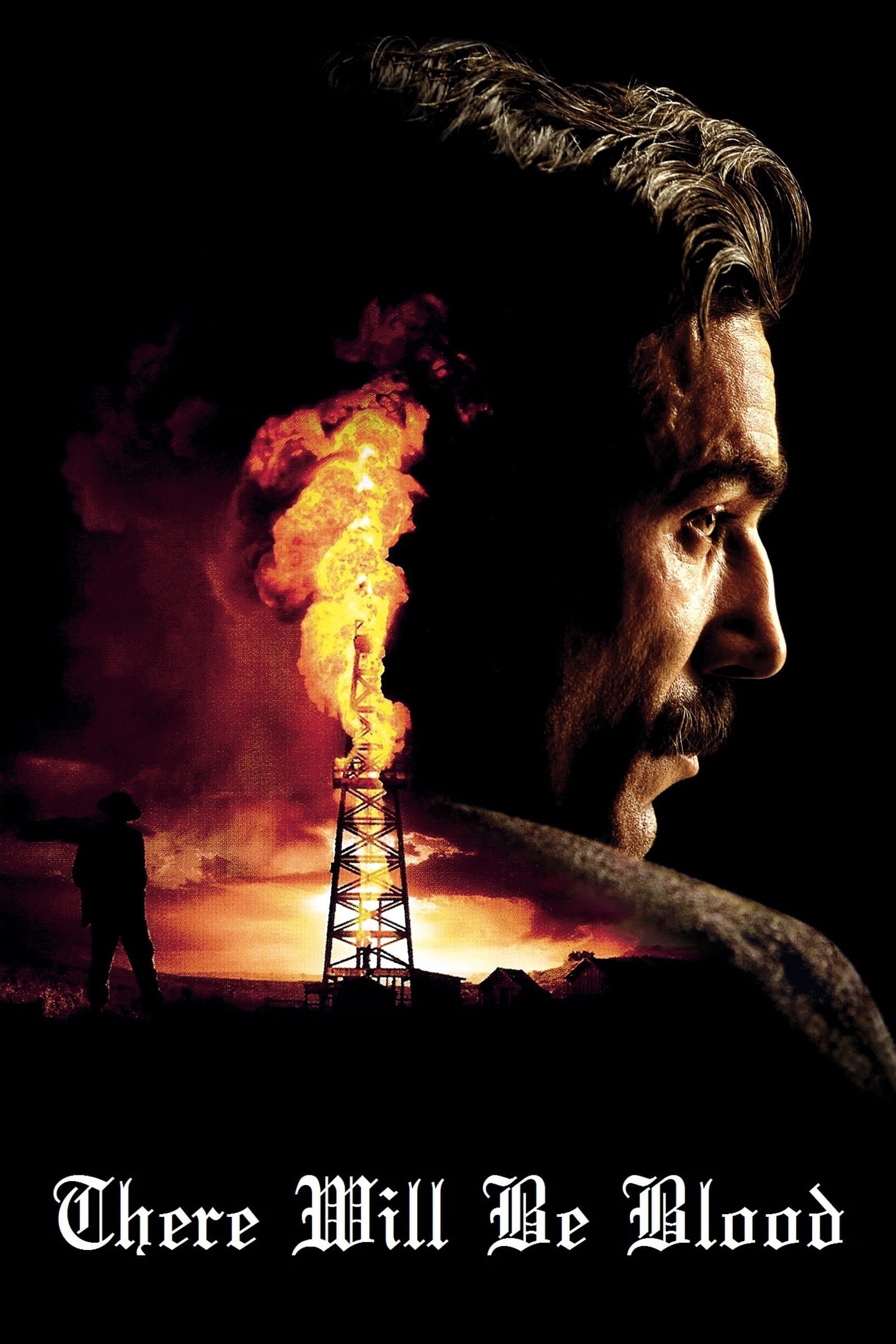
Daniel Plainview sits alone in his bowling alley after a violent confrontation with Eli Sunday. He announces that he is finished while his butler descends the stairs to witness the aftermath. The camera remains static as the upbeat orchestral score swells in contrast to the grim scene. This jarring juxtaposition emphasizes the hollowness of his material success and moral decay. The abrupt cut to black underscores the finality of his descent into madness.
‘Portrait of a Lady on Fire’ (2019)
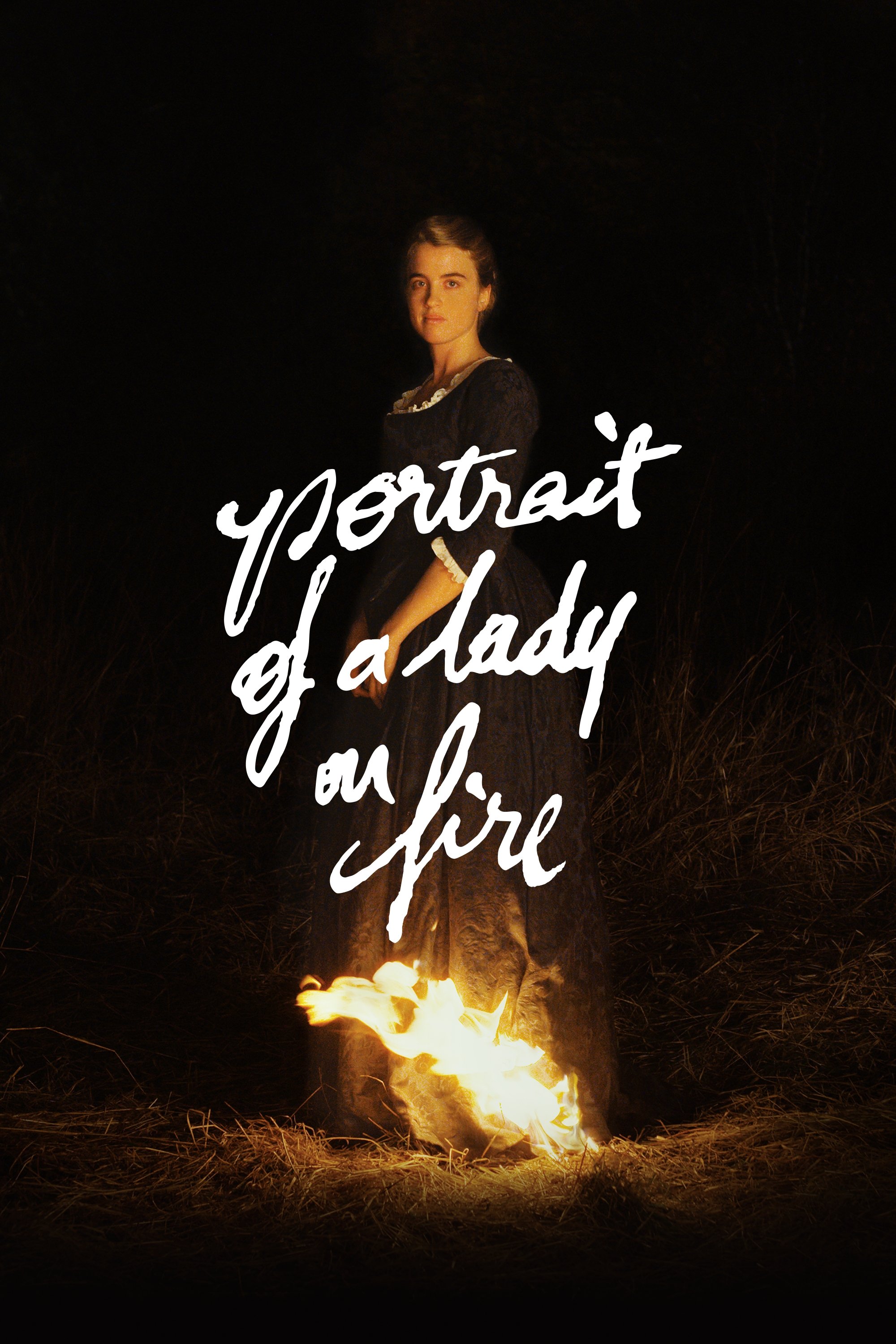
Marianne watches Heloise from across a theater balcony during a concert performance. The camera focuses entirely on the face of Heloise as she listens to Vivaldi’s music. She experiences a rush of emotions ranging from sorrow to joy while tears stream down her face. The long and uninterrupted take captures the enduring impact of their brief romance without them exchanging a word. It serves as a powerful testament to the memory of love and art.
‘Memories of Murder’ (2003)
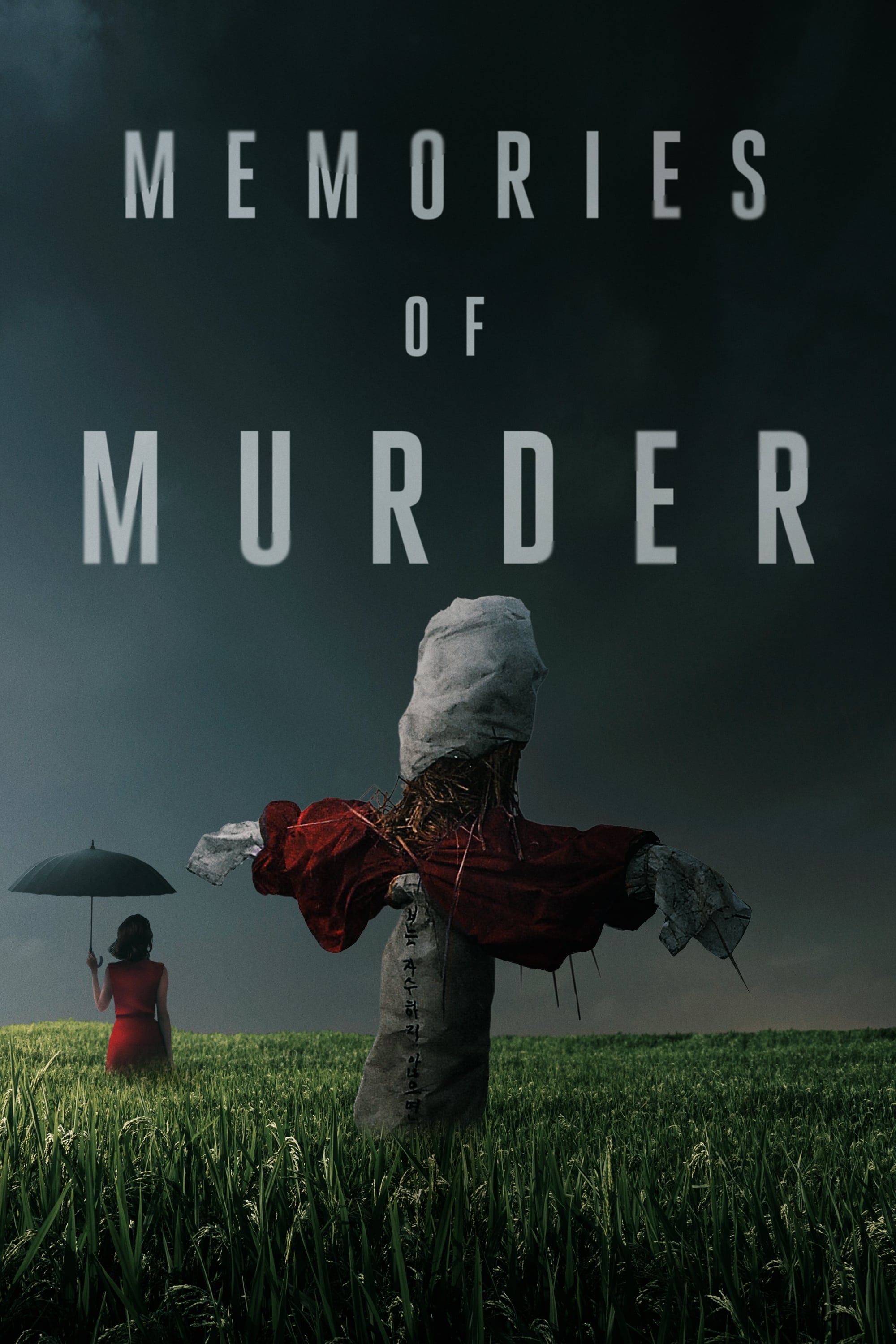
Detective Park Doo-man returns years later to the site where the first body was found. He learns from a young girl that the killer was just an ordinary-looking man who had visited the spot recently. Park turns and stares directly into the camera lens with a look of desperate realization. This breaking of the fourth wall is intended to look the real-life killer in the eye. It remains a haunting conclusion to a film about the elusive nature of truth.
‘The Breakfast Club’ (1985)

John Bender walks across the football field after parting ways with the other members of the detention group. He thrusts his fist into the air in a gesture of triumph and defiance. The frame freezes on his silhouette against the background of the school. This image captures the rebellious spirit of youth and the temporary victory over social cliques. It became the definitive visual symbol of 1980s teen cinema.
‘Before Sunset’ (2004)
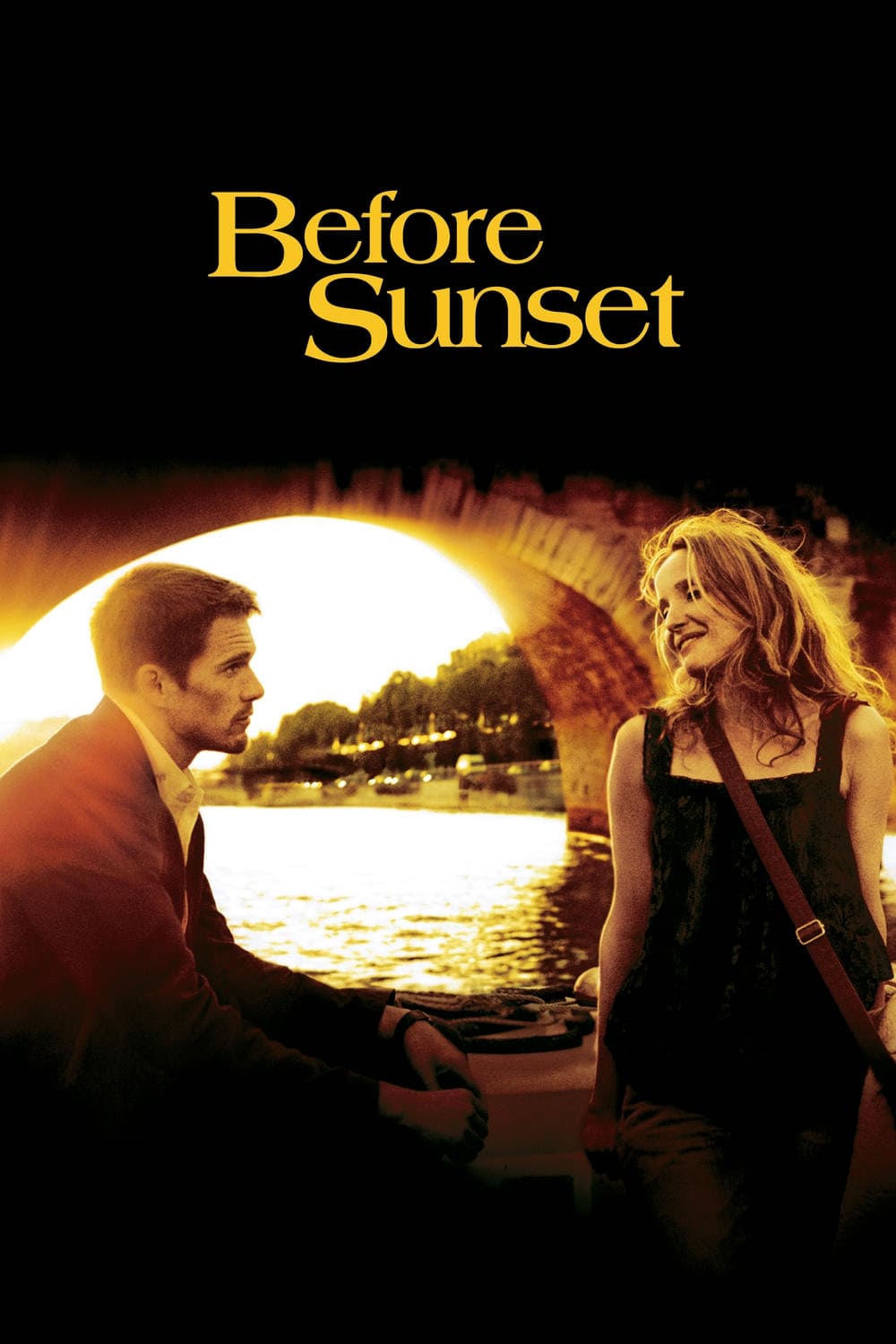
Celine dances in her apartment to a song by Nina Simone while Jesse watches from the couch. She tells him that he is going to miss his plane if he stays any longer. Jesse simply smiles and acknowledges that he knows he will miss the flight. The screen fades out on his contented expression as he chooses love over his obligations. This quiet moment resolves the tension built throughout the film with a perfect note of intimacy.
‘Psycho’ (1960)
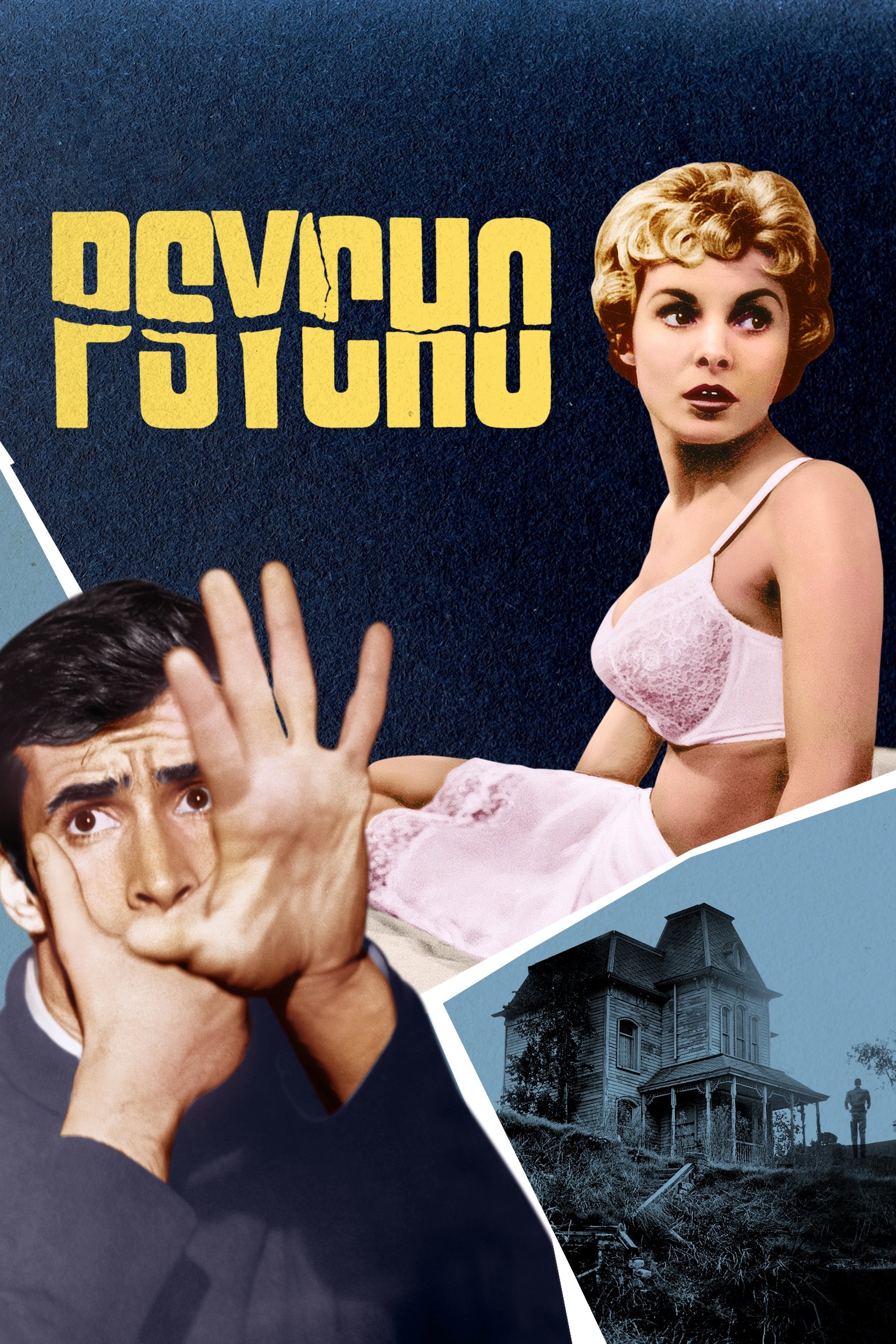
Norman Bates sits alone in a holding cell while his mother’s voice narrates his inner thoughts. He looks up slowly with a chilling smile as a fly lands on his hand. The image of his mother’s skeletal face is briefly superimposed over his own features. This double exposure visually confirms that her personality has completely consumed his mind. The final shot of the car being pulled from the swamp seals the grim secret forever.
‘The Truman Show’ (1998)
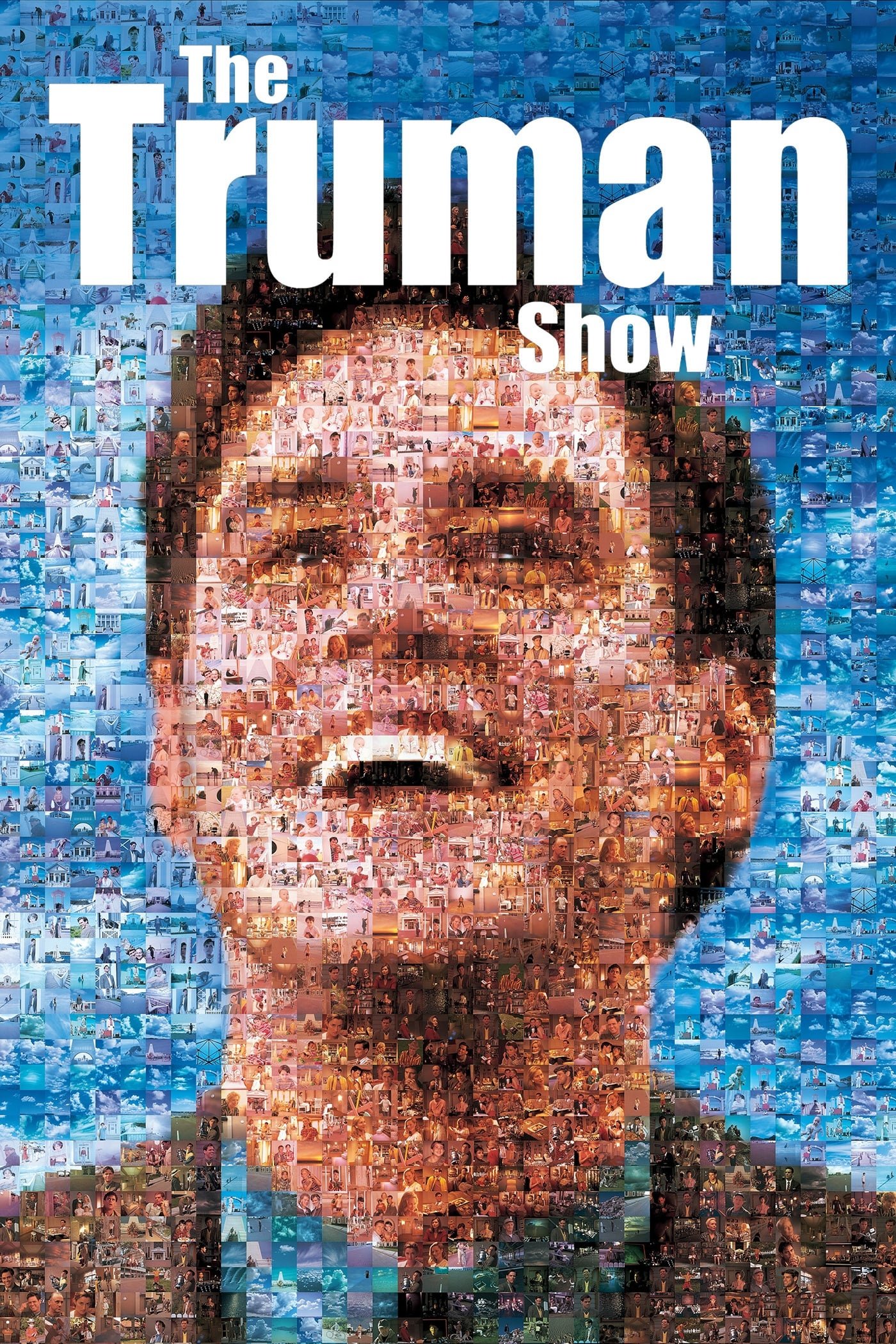
Truman Burbank reaches the edge of his artificial world and ascends the staircase to the exit door. He turns back to the camera and delivers his signature catchphrase to the creator of the show. He bows theatrically before stepping into the darkness of the real world. This act of defiance marks his transition from a controlled character to a free man. Viewers are left to cheer for his liberation while reflecting on their own voyeurism.
‘Heat’ (1995)
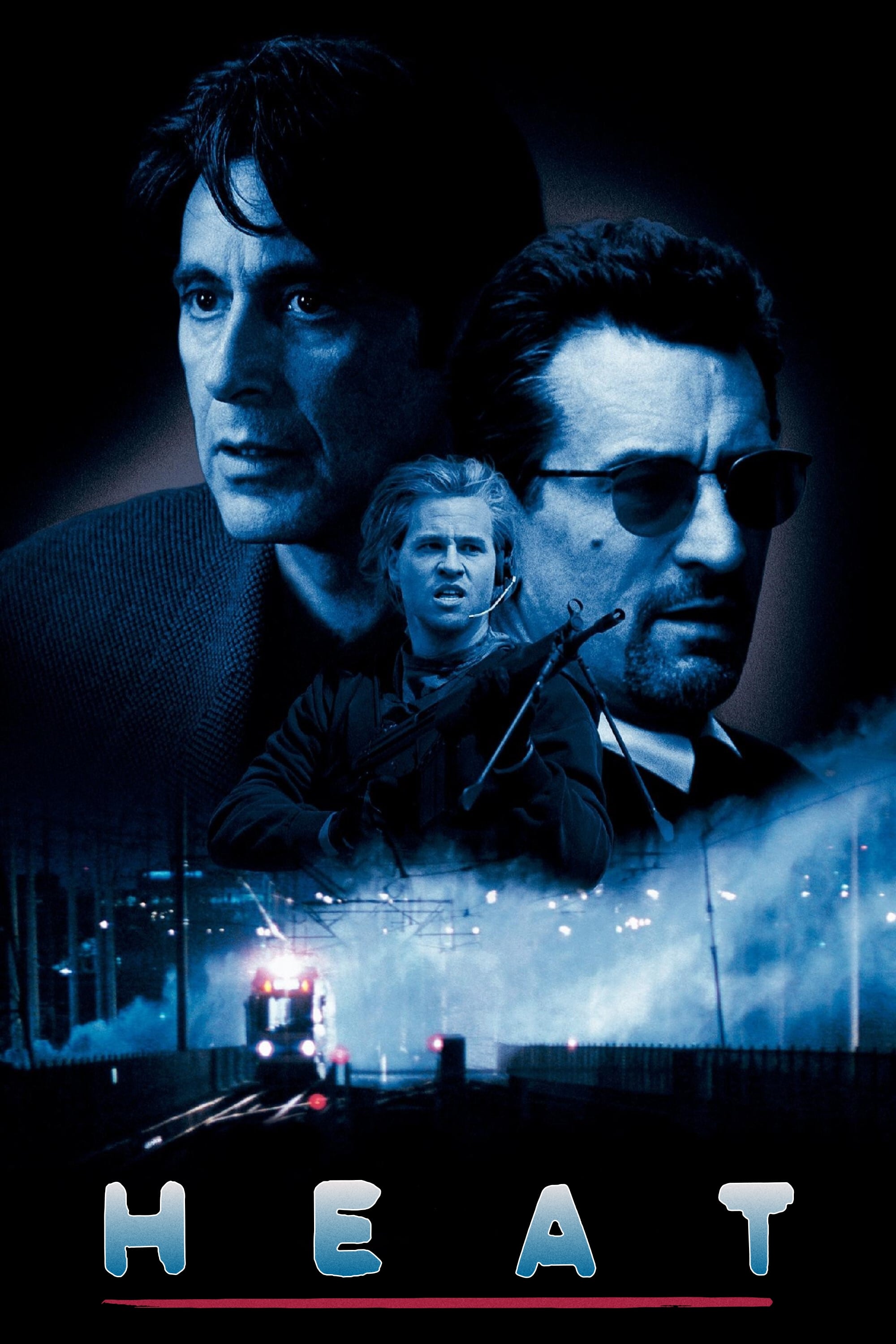
Lieutenant Vincent Hanna holds the hand of criminal Neil McCauley as he dies in a field near the airport. The two adversaries share a moment of mutual respect amidst the flashing runway lights. Moby’s ethereal music plays as the camera pans up to the night sky. The shot emphasizes the tragic connection between two men who were more alike than different. It provides a somber and dignified end to their violent cat-and-mouse game.
‘Whiplash’ (2014)

Andrew Neiman delivers a transcendent drum solo that finally earns the respect of his abusive instructor. Fletcher cues the final notes and the two share a look of intense understanding. The camera zooms in on Andrew’s face as he hits the final crash. This moment signifies that he has achieved greatness at the cost of his humanity and well-being. The abrupt cut leaves the audience breathless and conflicted about the victory.
‘La La Land’ (2016)
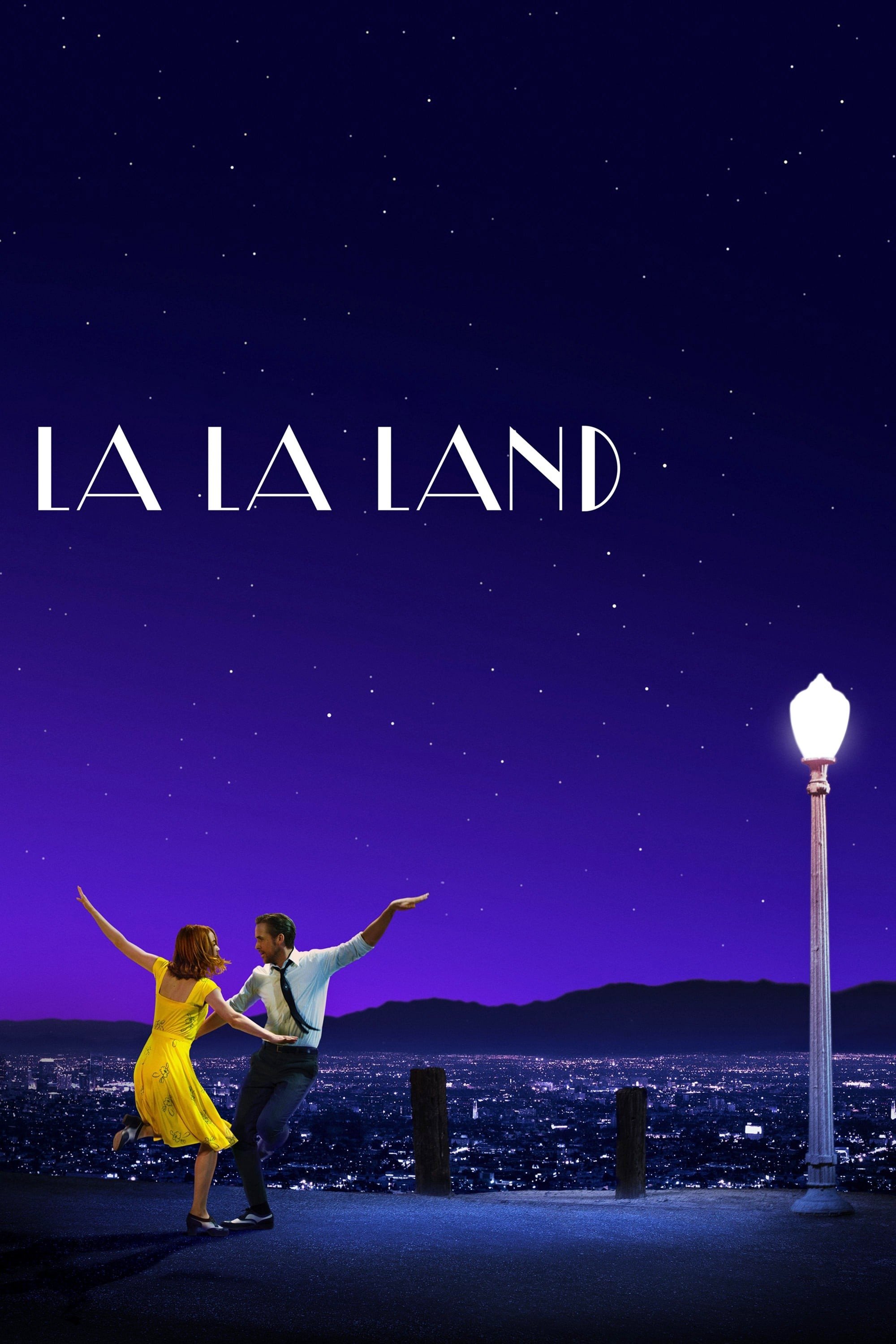
Mia and Sebastian share a glance across a crowded jazz club years after their relationship ended. They exchange a subtle nod that acknowledges the life they could have had and the dreams they supported in each other. Sebastian turns back to his piano to play the final note. The screen fades to black on this bittersweet acceptance of their separate paths. It perfectly encapsulates the film’s theme of balancing romantic love with artistic ambition.
‘Call Me by Your Name’ (2017)
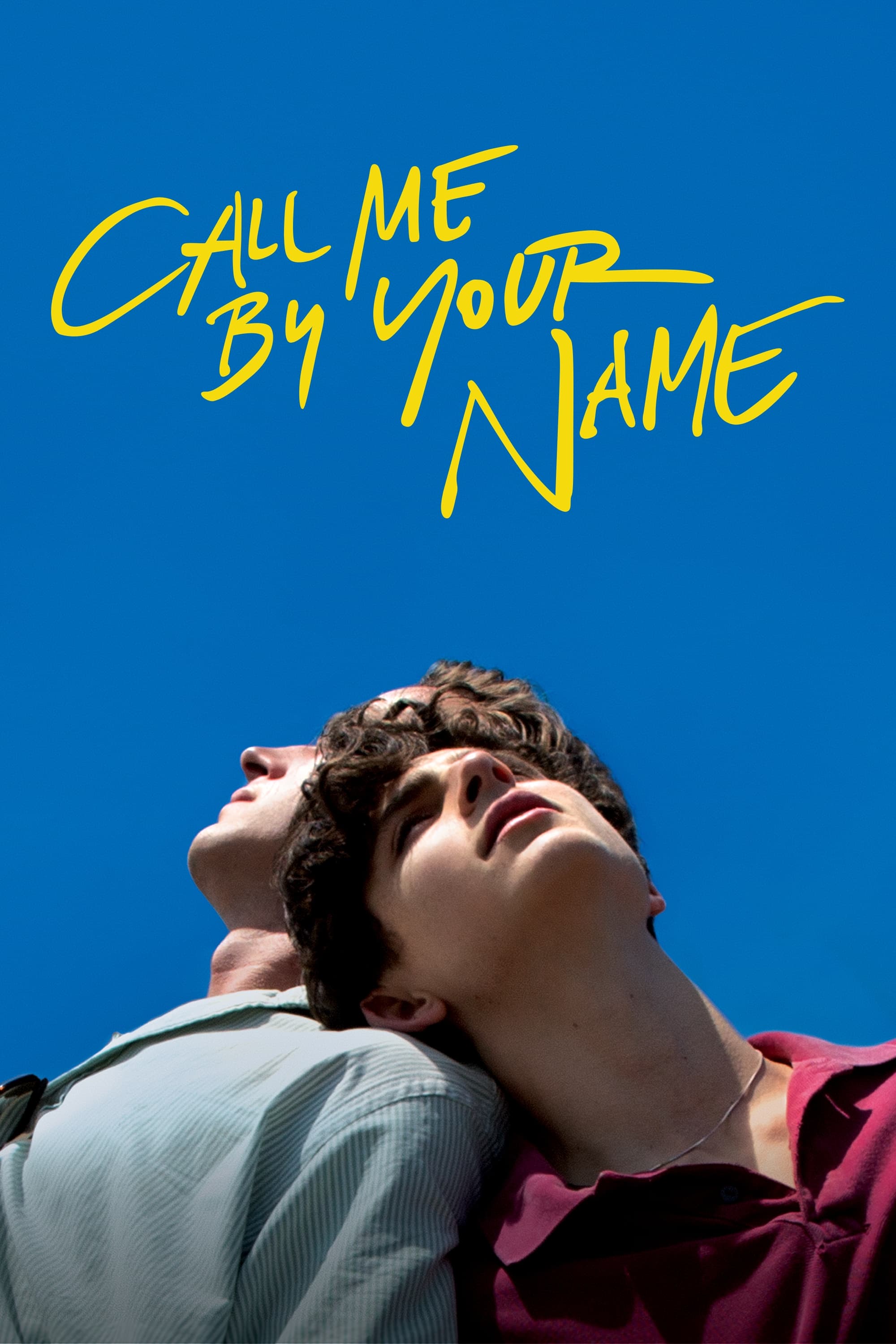
Elio sits in front of a fireplace after receiving the news that Oliver is engaged to be married. The camera holds a close-up on his face for several minutes as he processes his heartbreak. He cries silently while the sounds of his family preparing for dinner continue in the background. The flickering firelight illuminates his grief in a raw and unflinching manner. This ending honors the depth of his pain without rushing to offer artificial comfort.
‘Roma’ (2018)
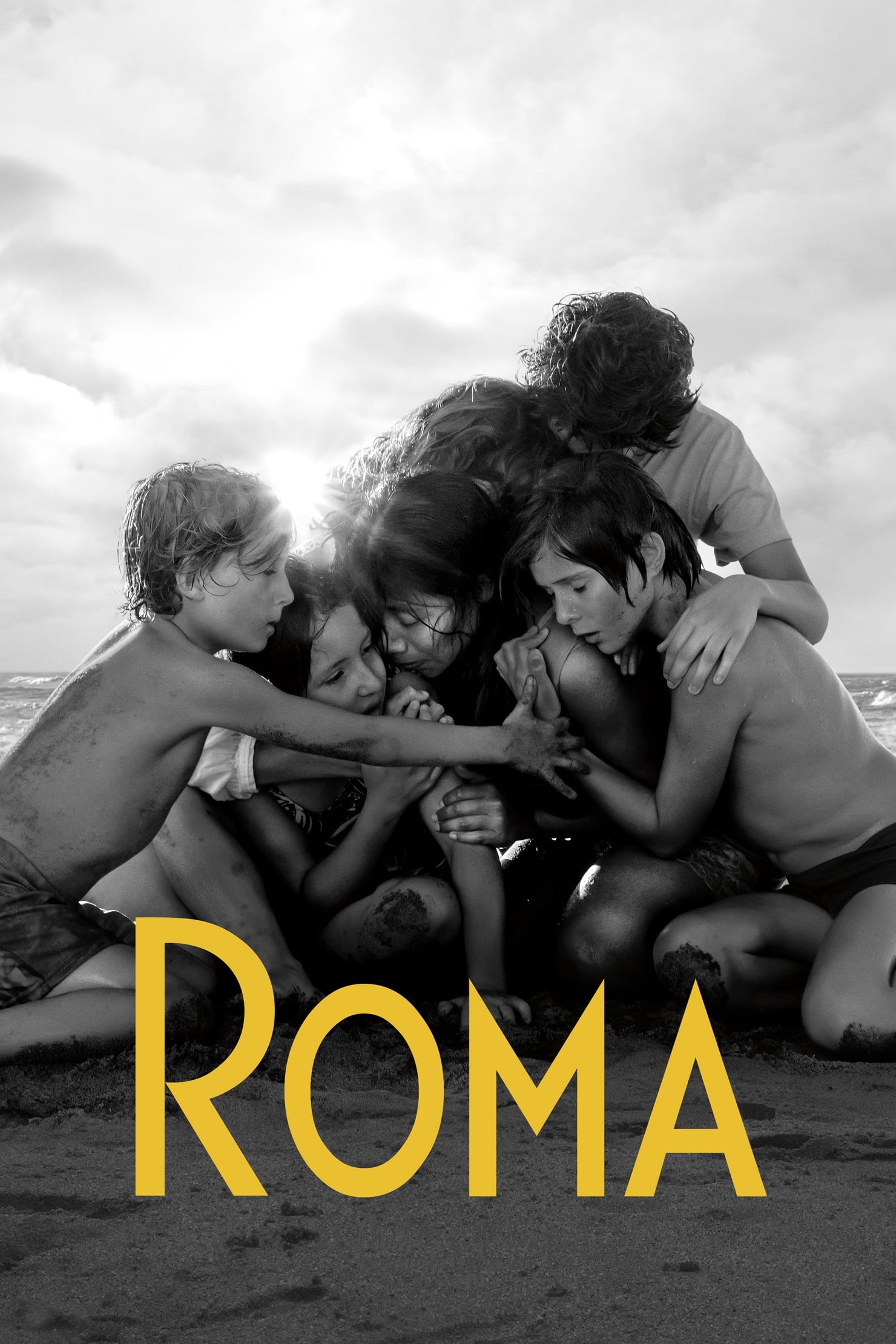
Cleo climbs the stairs to the roof of the house to wash clothes after the family returns from their trip. The camera tilts up to follow a plane flying across the sky. This visual connects back to the opening shot of the film where a plane was reflected in a puddle. The cyclical imagery suggests that life continues with its daily routines despite profound emotional changes. It highlights the resilience of the protagonist within her domestic world.
‘Cinema Paradiso’ (1988)

Salvatore sits alone in a screening room to watch the film reel left for him by his old mentor Alfredo. The footage is a montage of all the romantic kissing scenes that were censored by the church decades earlier. Salvatore tears up as he watches the display of passion he was once denied seeing. The sequence serves as a moving tribute to the power of cinema and enduring love. It provides a cathartic release for both the character and the audience.
‘The Shining’ (1980)
The camera moves slowly down a hallway in the Overlook Hotel toward a wall of photographs. It zooms in on a picture from a July 4th ball taken in the year 1921. Jack Torrance is revealed to be standing front and center in the historical image. This impossible presence suggests that he has always been the caretaker of the hotel. The haunting revelation adds a layer of supernatural inevitability to the horror.
‘Lost in Translation’ (2003)
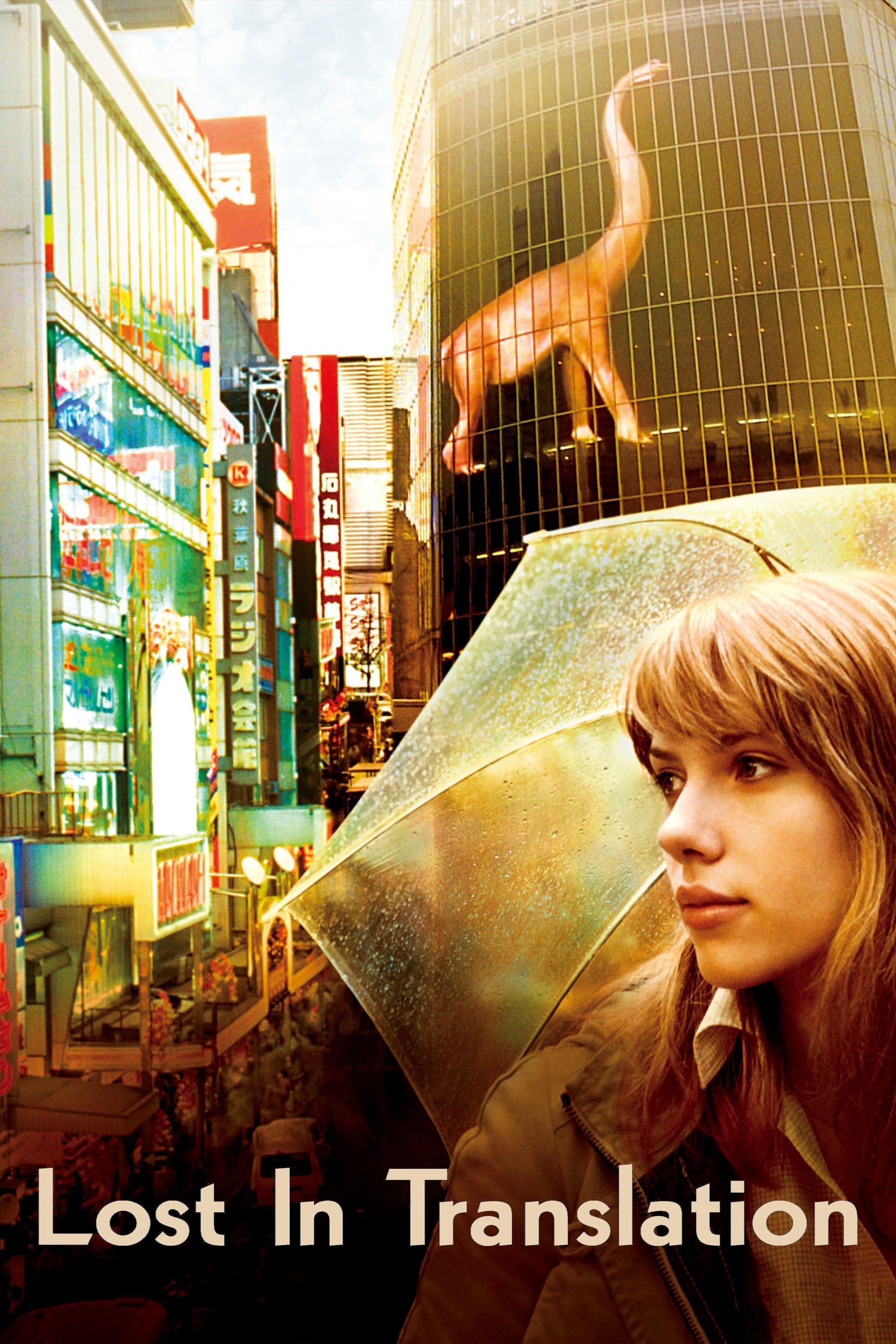
Bob Harris stops his taxi to chase after Charlotte in a crowded Tokyo street. He embraces her and whispers something inaudible into her ear before they part ways. She walks away with a tearful smile as he returns to his car. The ambiguity of his final words allows the audience to project their own meaning onto the moment. It perfectly captures the fleeting but profound connection between two lonely souls.
‘Rocky’ (1976)
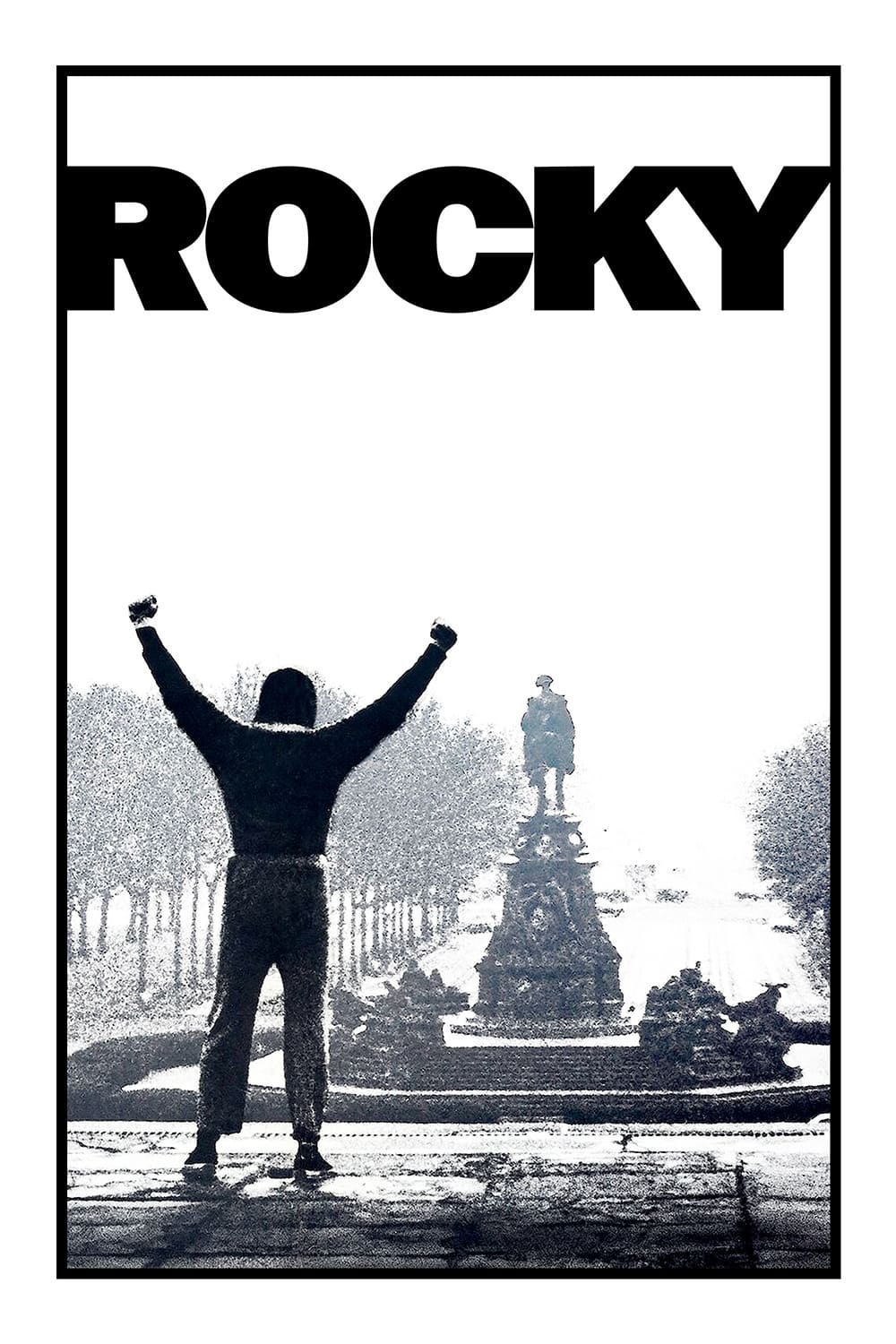
Rocky Balboa ignores the ringside announcers and the chaos of the crowd after the final bell rings. He shouts for Adrian until she manages to push through the people to reach him. The frame freezes on their embrace as they declare their love for one another. The ending focuses on his personal victory in going the distance rather than the result of the fight. It establishes the heart and humanity that became the franchise’s trademark.
Tell us which movie ending had the biggest impact on you by sharing your favorites in the comments.