


25 Directors Who Never Attended Film School

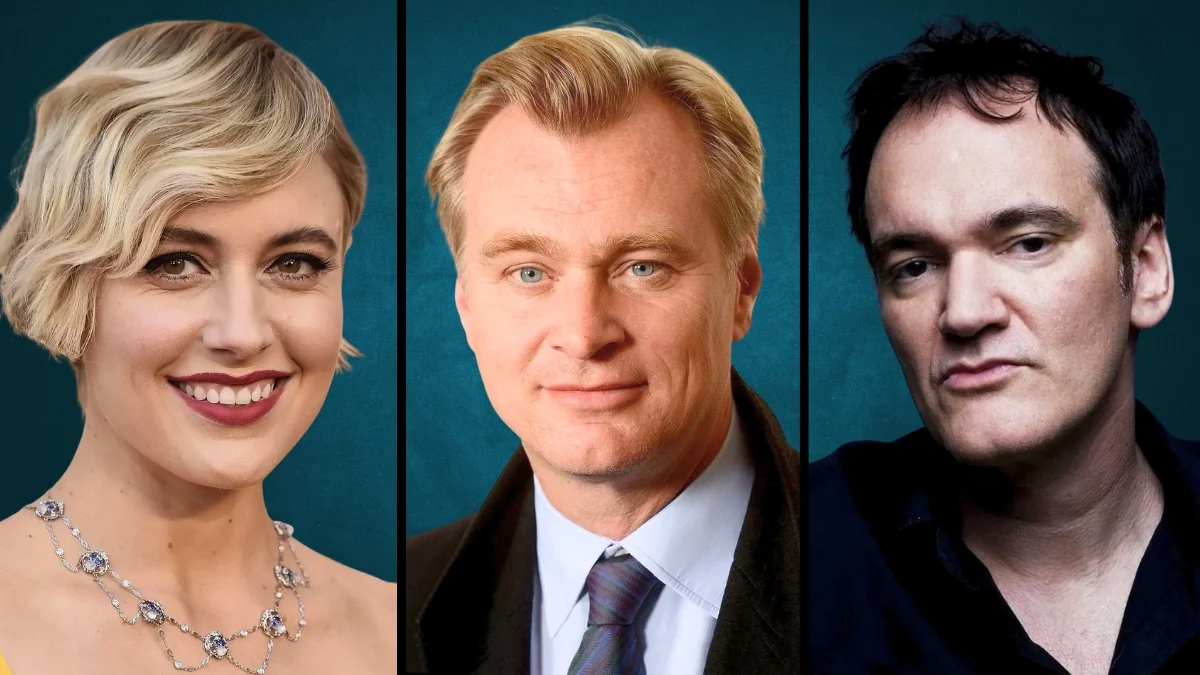


The path to success in Hollywood often seems to require a prestigious degree from a top tier cinematic institution. However many of the most influential and celebrated filmmakers in history bypassed traditional education to learn their craft through practical experience and independent study. These directors proved that creativity and a unique perspective can be just as valuable as a formal diploma. Their diverse backgrounds range from photography and journalism to engineering and philosophy. This list explores twenty five visionaries who redefined cinema without ever setting foot in a film school classroom.
Quentin Tarantino
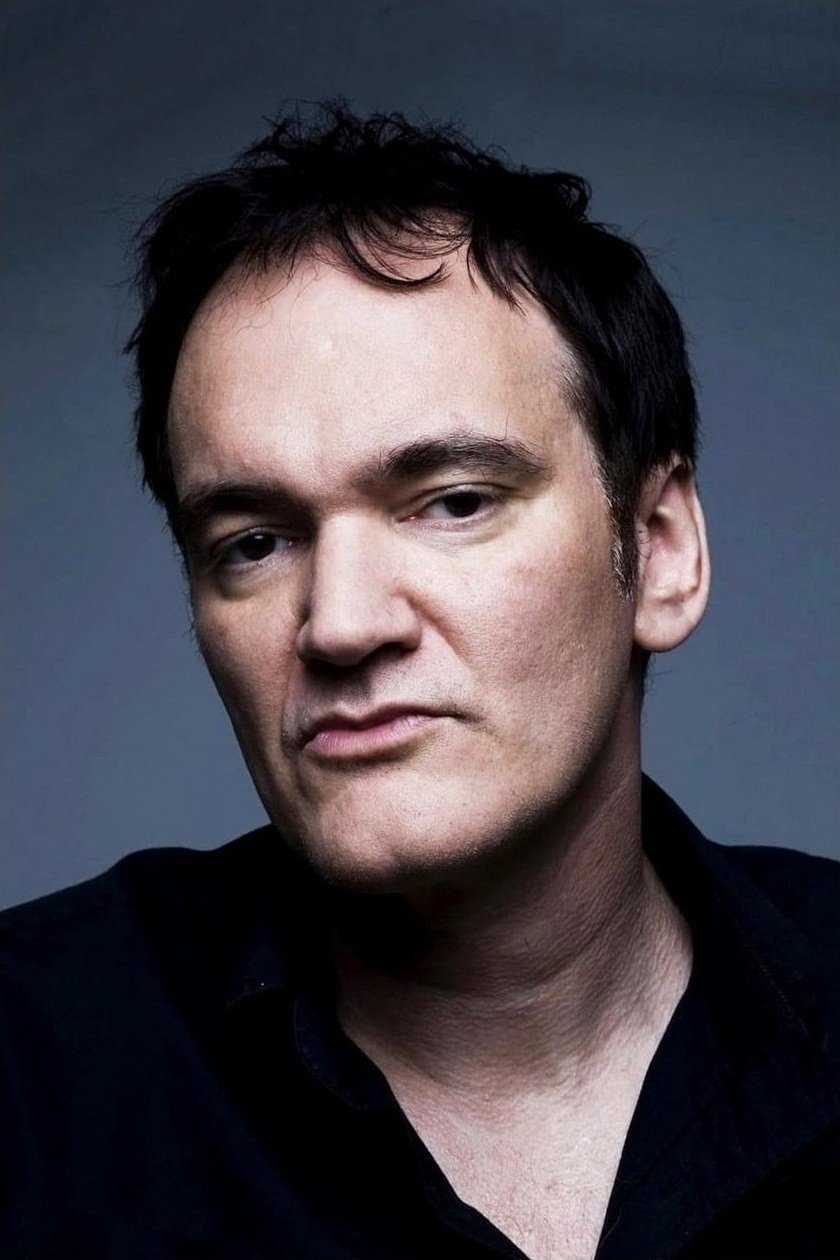
Quentin Tarantino worked at a video rental store in Manhattan Beach where he spent years studying cinema by watching thousands of movies. He gained extensive knowledge of various genres and styles during his time as a clerk. Instead of attending a formal film program he focused on writing screenplays like ‘True Romance’ and ‘Reservoir Dogs’ to break into the industry. His career launched after his debut feature premiered at the Sundance Film Festival. This self taught approach allowed him to develop a unique aesthetic that relies heavily on dialogue and non linear storytelling.
Christopher Nolan
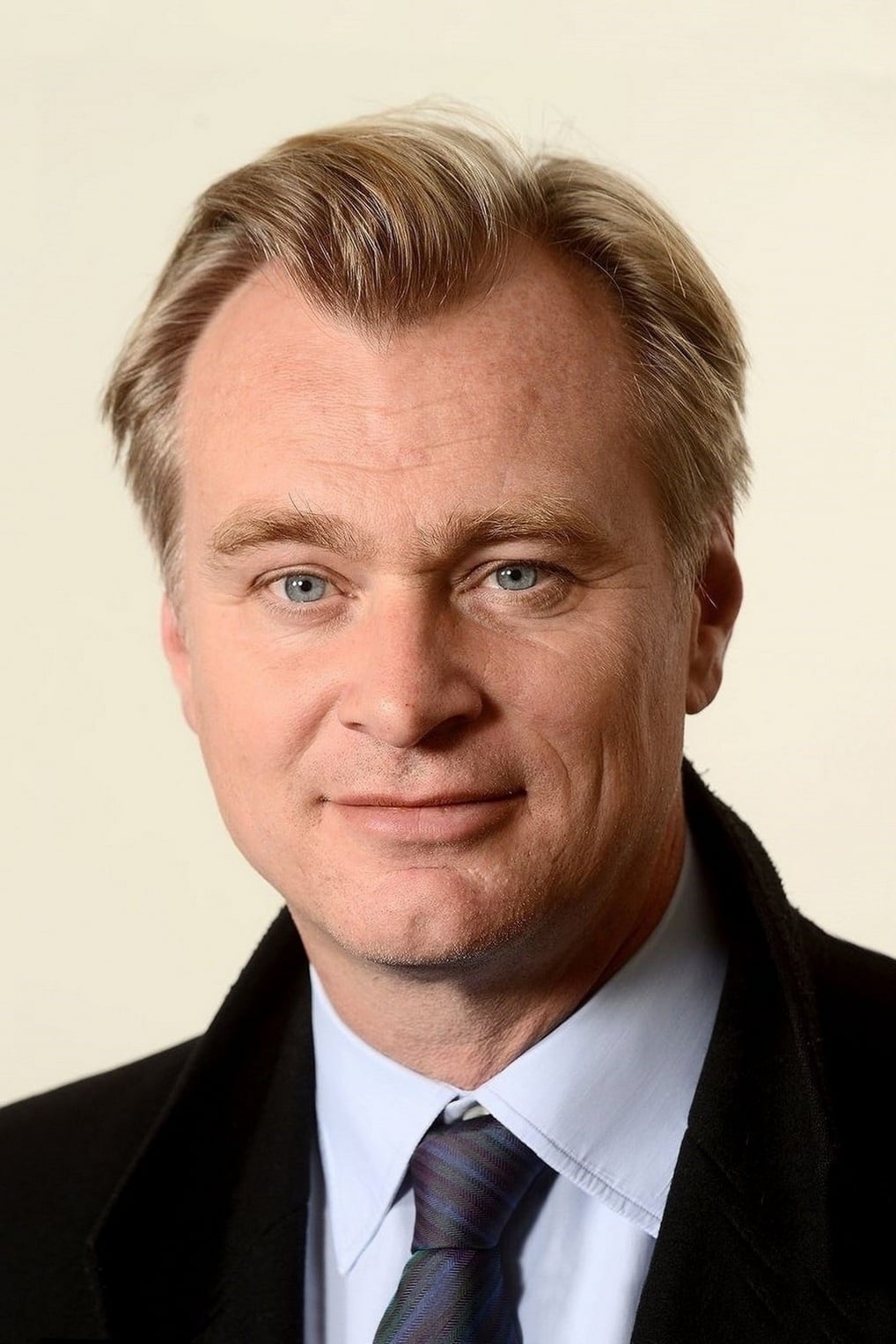
Christopher Nolan studied English Literature at University College London because the school provided access to film equipment for its students. He spent his college years making short films with the university film society while focusing on his academic degree. After graduating he directed his first feature length project ‘Following’ on a very limited budget with friends and family. This independent project led to the success of ‘Memento’ which established his reputation for complex narratives. His lack of formal cinematic training did not prevent him from becoming one of the most successful directors in modern history.
James Cameron
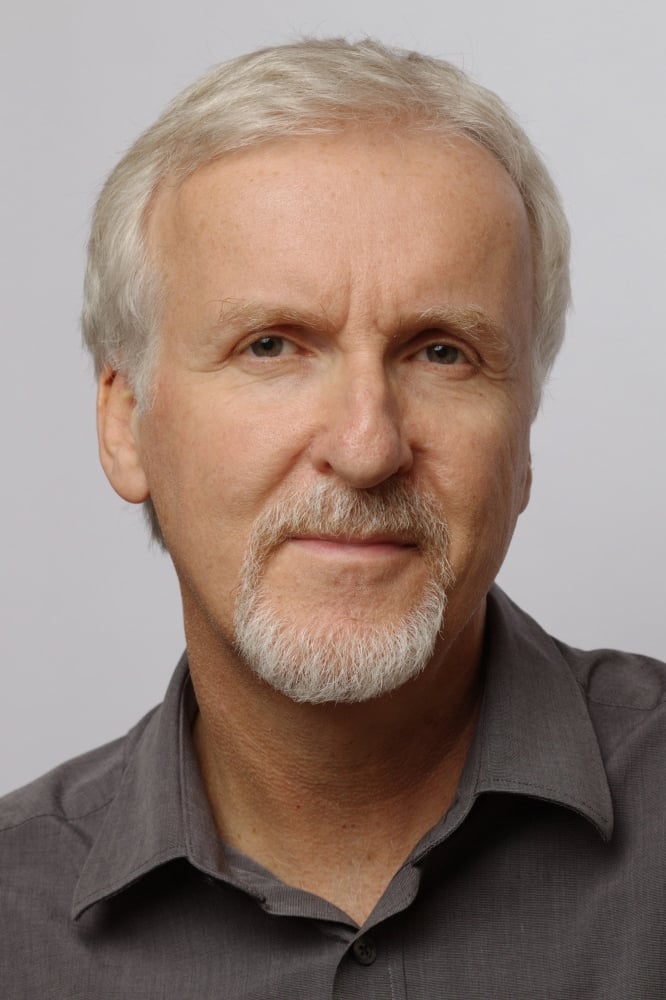
James Cameron started his professional life as a truck driver before deciding to pursue a career in the movie business. He spent hours in the library at the University of Southern California reading student theses on special effects and optical printing. His first major breakthrough occurred when he worked as a miniature model maker for Roger Corman. He eventually directed ‘The Terminator’ which proved his ability to handle big budget science fiction and action sequences. Cameron remains a pioneer in film technology despite having no traditional background in cinema production.
Stanley Kubrick
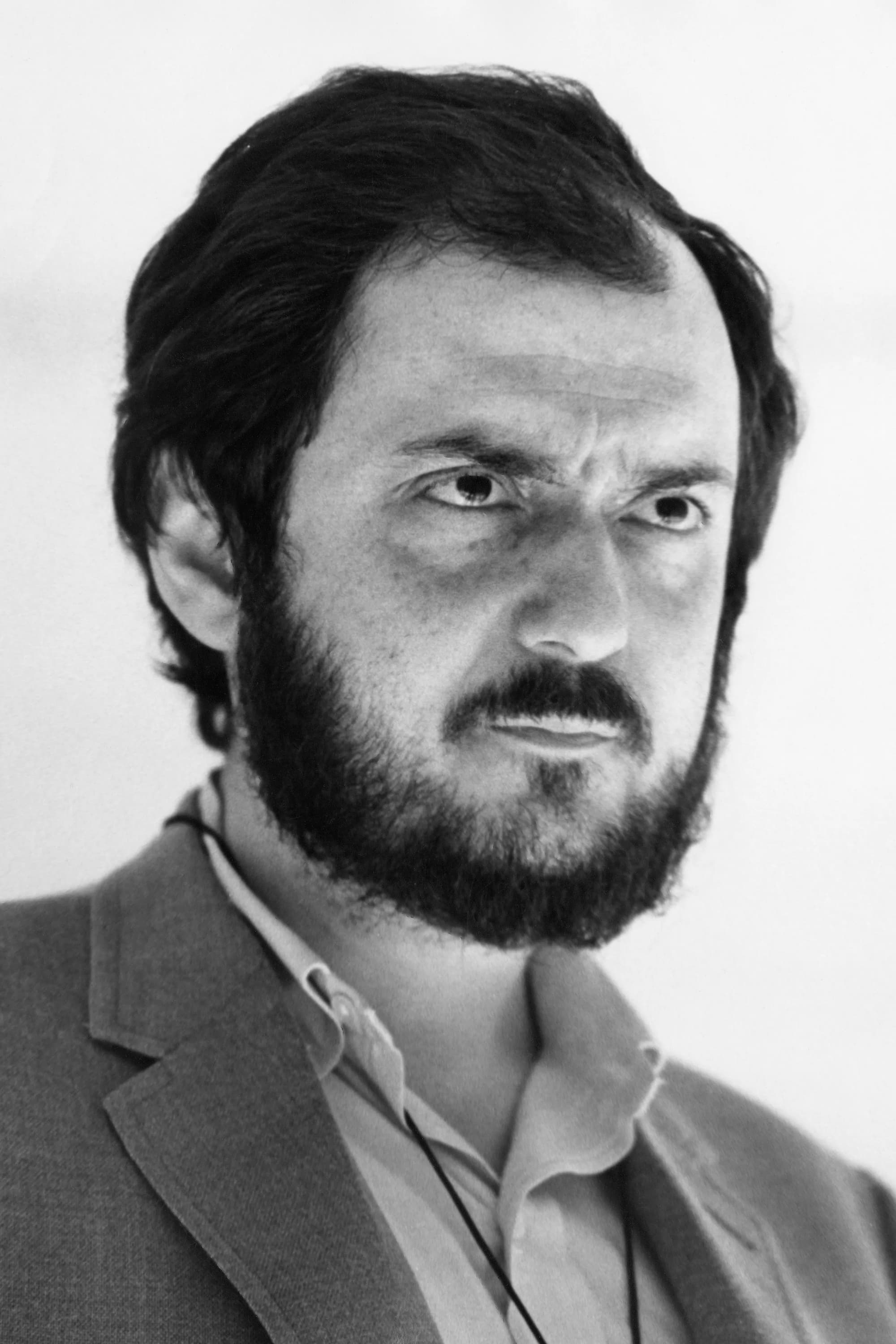
Stanley Kubrick worked as a photographer for Look magazine during his teenage years and early twenties. This experience provided him with a technical understanding of lighting and composition that defined his visual style. He used his savings to produce his first documentary shorts before moving on to feature films like ‘Fear and Desire’ and ‘Killer’s Kiss’. Kubrick became known for his perfectionism and his mastery of every technical aspect of the filmmaking process. He often operated the camera himself to ensure each frame matched his exact vision for movies like ‘2001 A Space Odyssey’.
Paul Thomas Anderson
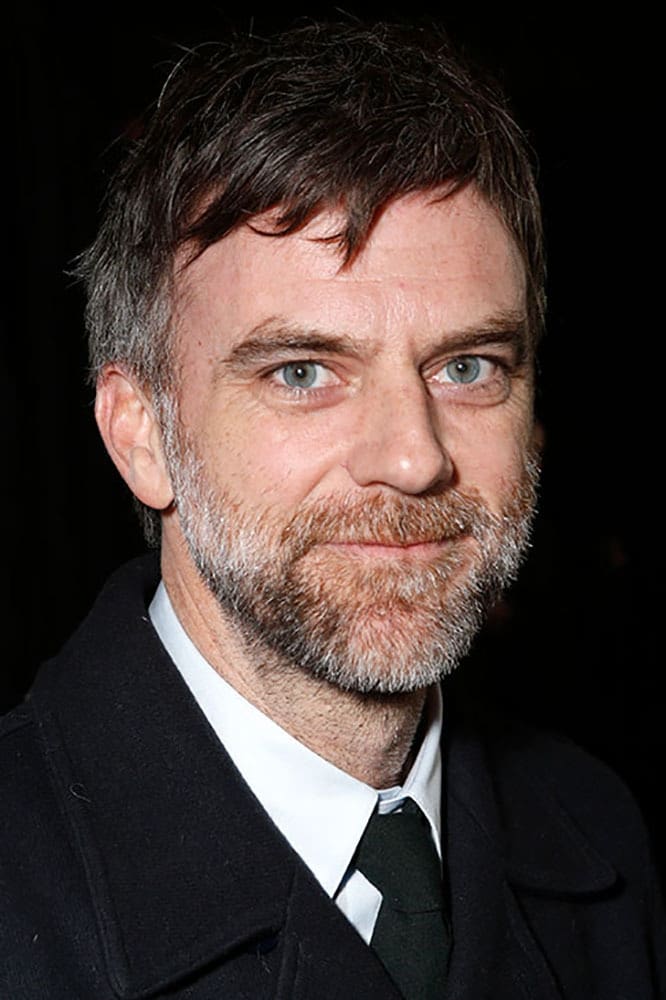
Paul Thomas Anderson attended New York University for only two days before deciding to quit and pursue filmmaking on his own. He used the money intended for his tuition to fund his first short film titled ‘Cigarettes and Coffee’. His career progressed through the independent circuit until he directed his breakout feature ‘Hard Eight’ in the mid nineties. He eventually gained international acclaim for epic dramas such as ‘Boogie Nights’ and ‘There Will Be Blood’. Anderson has frequently stated that he learned more from watching movies and listening to audio commentaries than from any classroom.
David Fincher
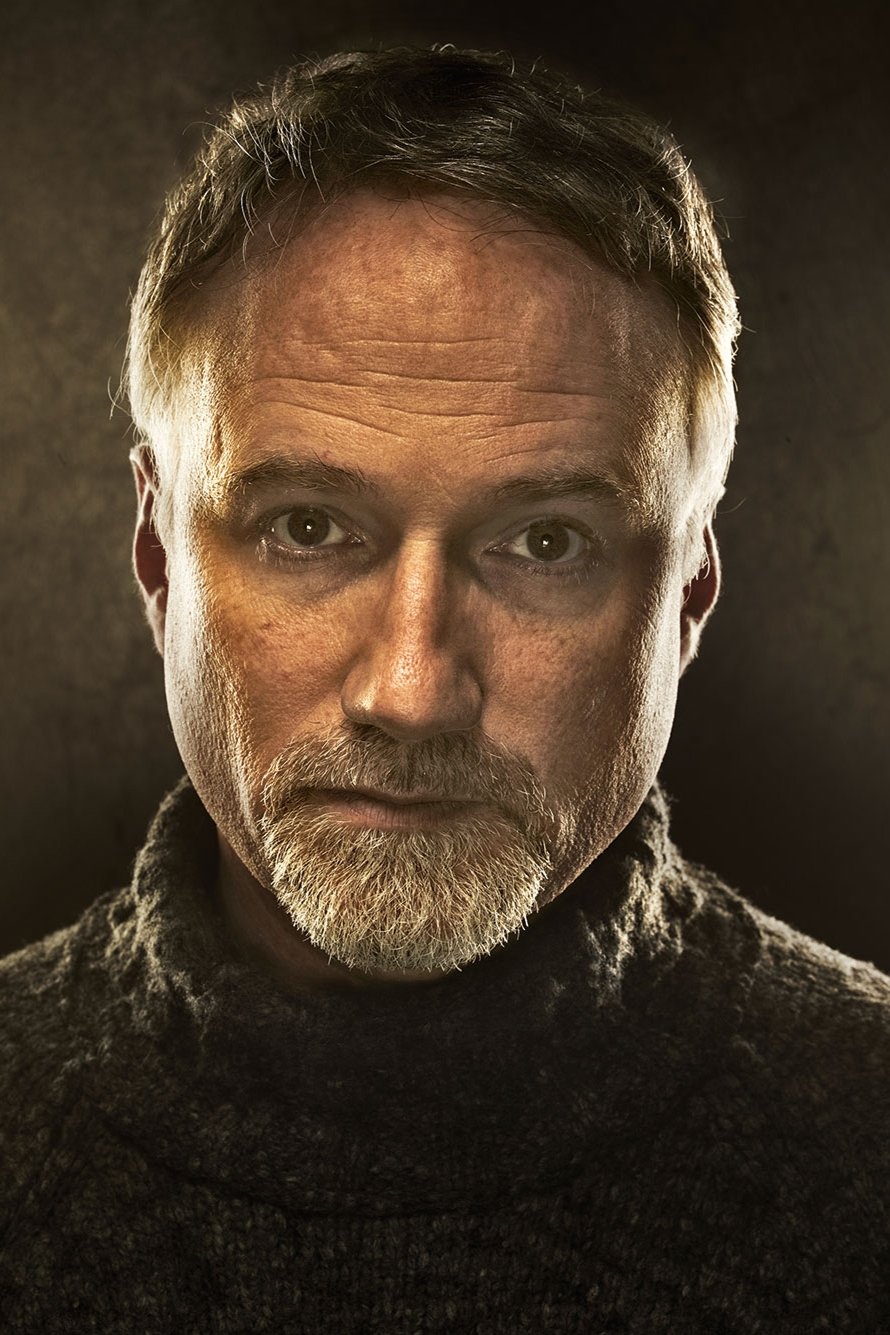
David Fincher chose to enter the industry by working for a visual effects house rather than enrolling in a film degree program. He spent years at Industrial Light and Magic where he contributed to legendary projects like ‘Return of the Jedi’. This practical experience gave him a deep understanding of technical precision and visual effects integration. He transitioned into directing music videos for major artists before making his feature debut with ‘Alien 3’. His meticulous approach to filmmaking is evident in highly acclaimed thrillers such as ‘Se7en’ and ‘The Social Network’.
Ridley Scott
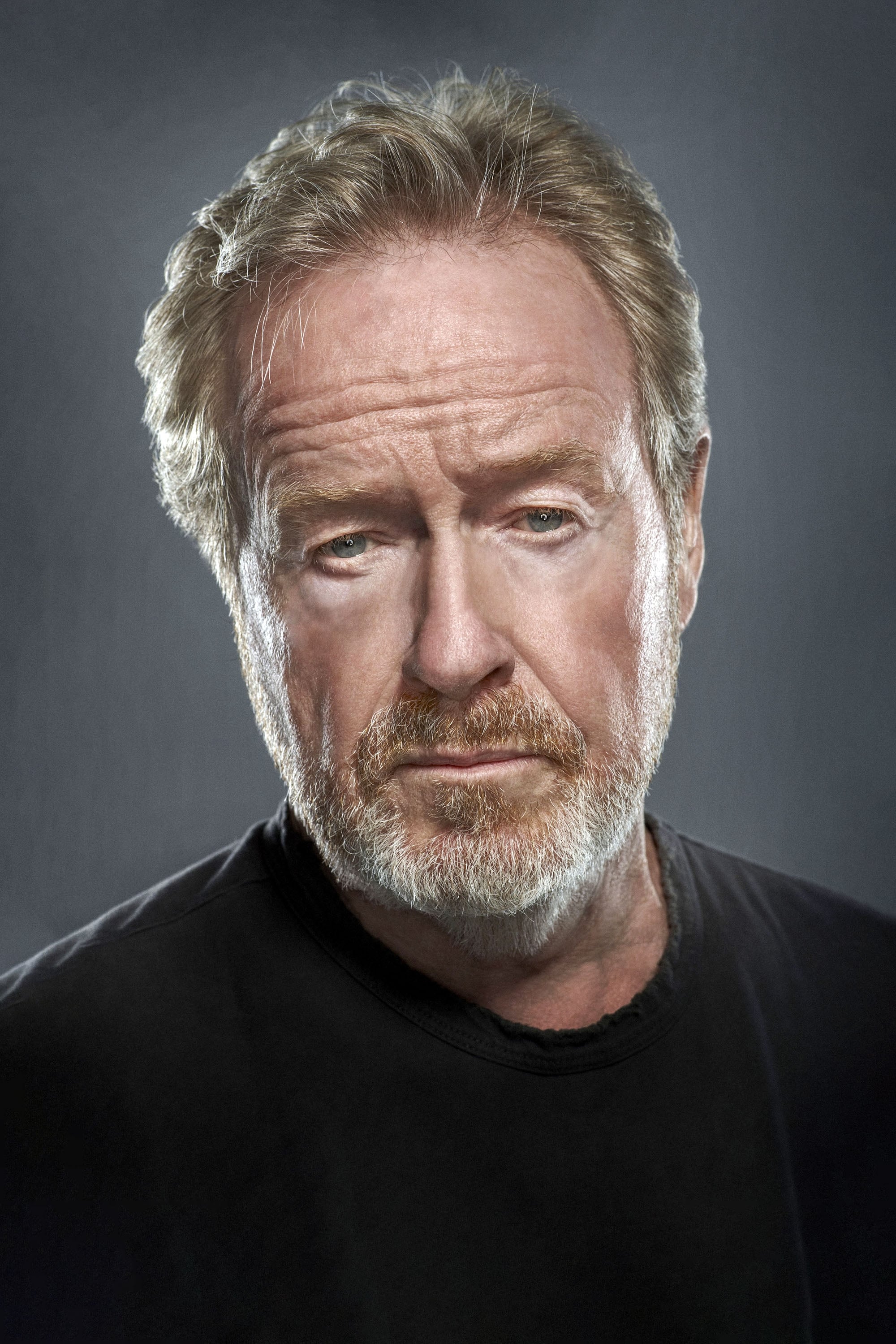
Ridley Scott studied graphic design at West Hartlepool College of Art and later at the Royal College of Art in London. He initially worked as a set designer for the BBC before moving into the world of television advertising. His background in art and design heavily influenced the atmospheric visuals found in ‘Alien’ and ‘Blade Runner’. He did not direct his first feature film until he was forty years old after a long career in commercial production. Scott remains one of the most influential visual stylists in the history of cinema.
Akira Kurosawa
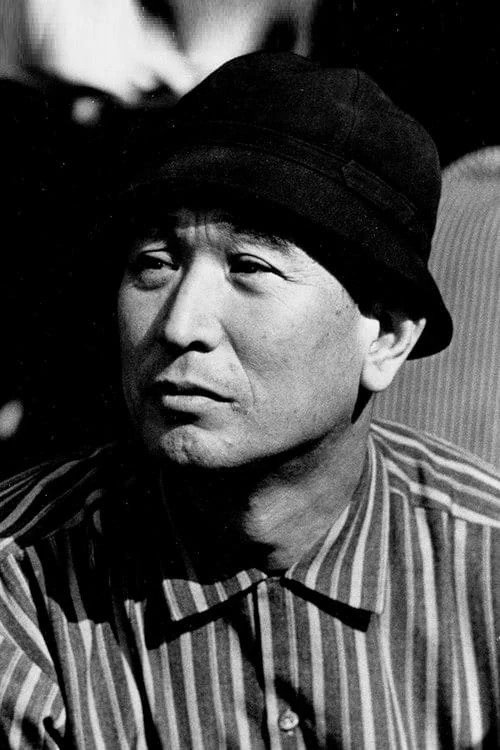
Akira Kurosawa originally trained as a painter and studied at the Doyusha Portrait Painting Institute. He entered the film industry as an assistant director at Photo Chemical Laboratories where he learned the craft through hands on experience. His artistic background influenced the composition and movement in masterpieces like ‘Rashomon’ and ‘Seven Samurai’. He often drew detailed storyboards that looked like paintings to communicate his vision to the crew. Kurosawa eventually became the first Japanese filmmaker to gain widespread international recognition.
Alfred Hitchcock
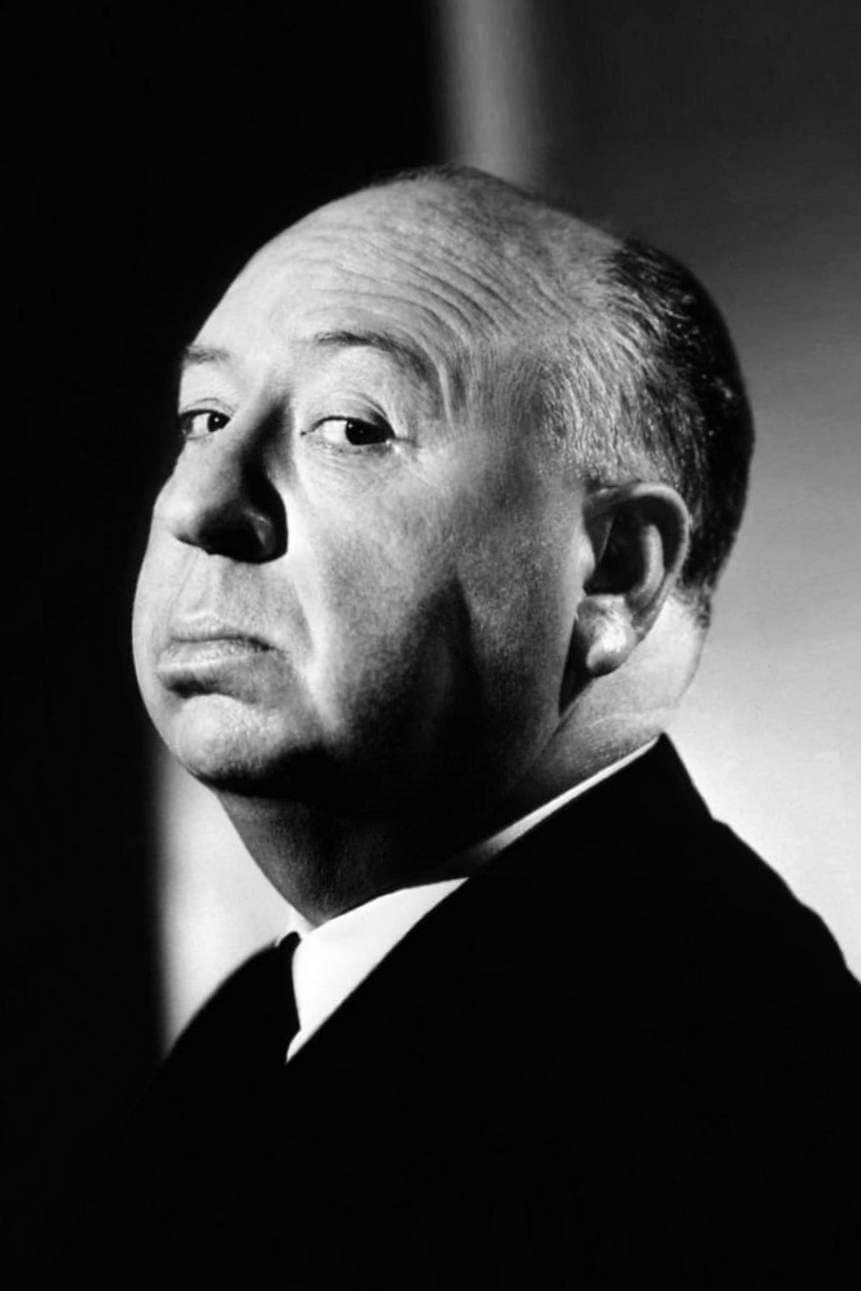
Alfred Hitchcock studied engineering and navigation at the London County Council School of Engineering and Navigation. He started his career in the film industry as a title card designer for silent movies. This role allowed him to observe various directors and learn the mechanics of visual storytelling from the ground up. He eventually became the Master of Suspense known for classics such as ‘Psycho’ and ‘Rear Window’. His background in technical drawing and engineering informed his precise use of storyboarding and camera placement.
Wes Anderson
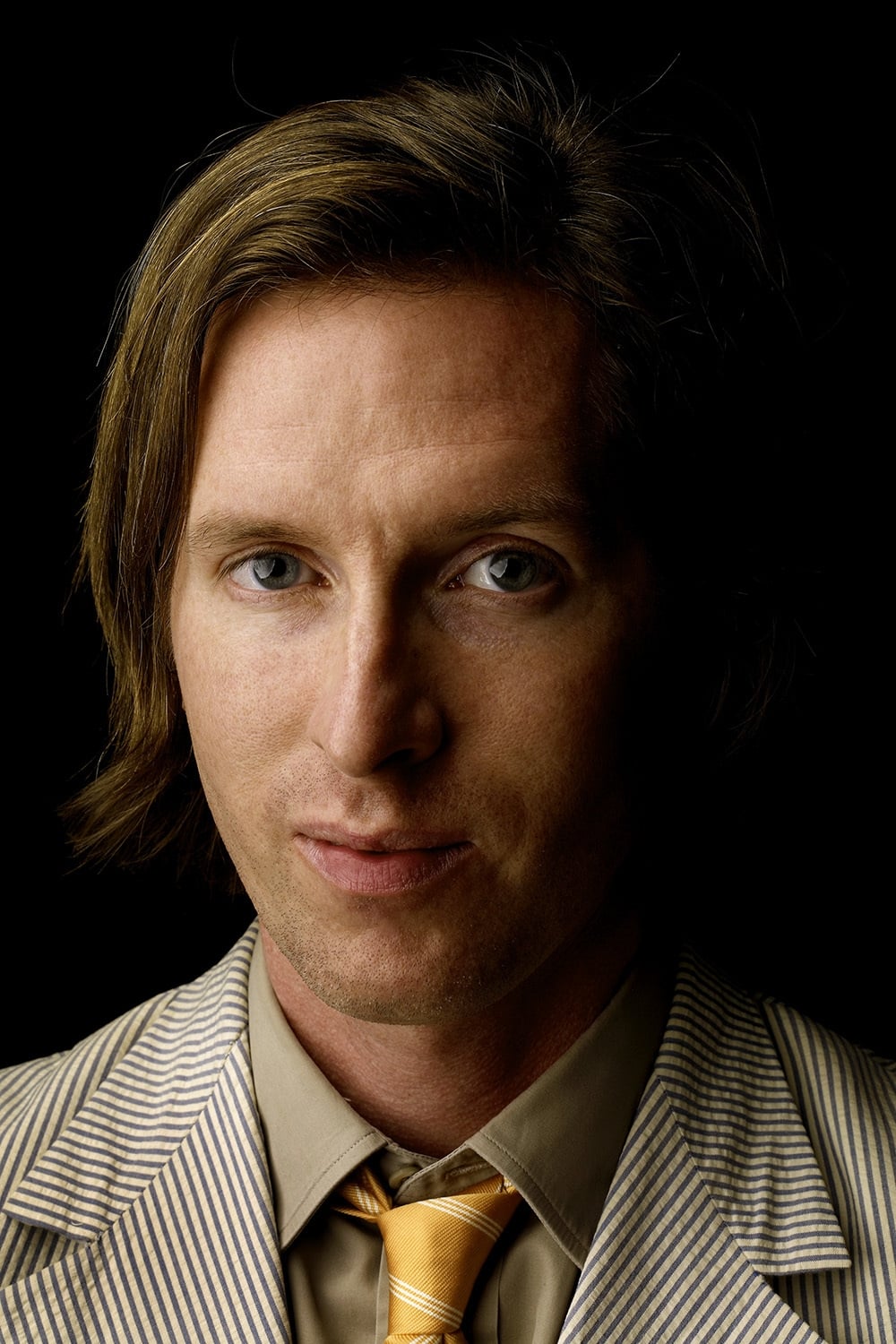
Wes Anderson earned a degree in philosophy from the University of Texas at Austin. He met his frequent collaborator Owen Wilson during his time at university where they began writing screenplays together. Their partnership resulted in the short film ‘Bottle Rocket’ which was later expanded into a feature film. Anderson developed a signature visual style characterized by symmetry and vibrant color palettes in movies like ‘The Grand Budapest Hotel’. He credits his distinct narrative voice to his literary and philosophical interests rather than formal film schooling.
Greta Gerwig
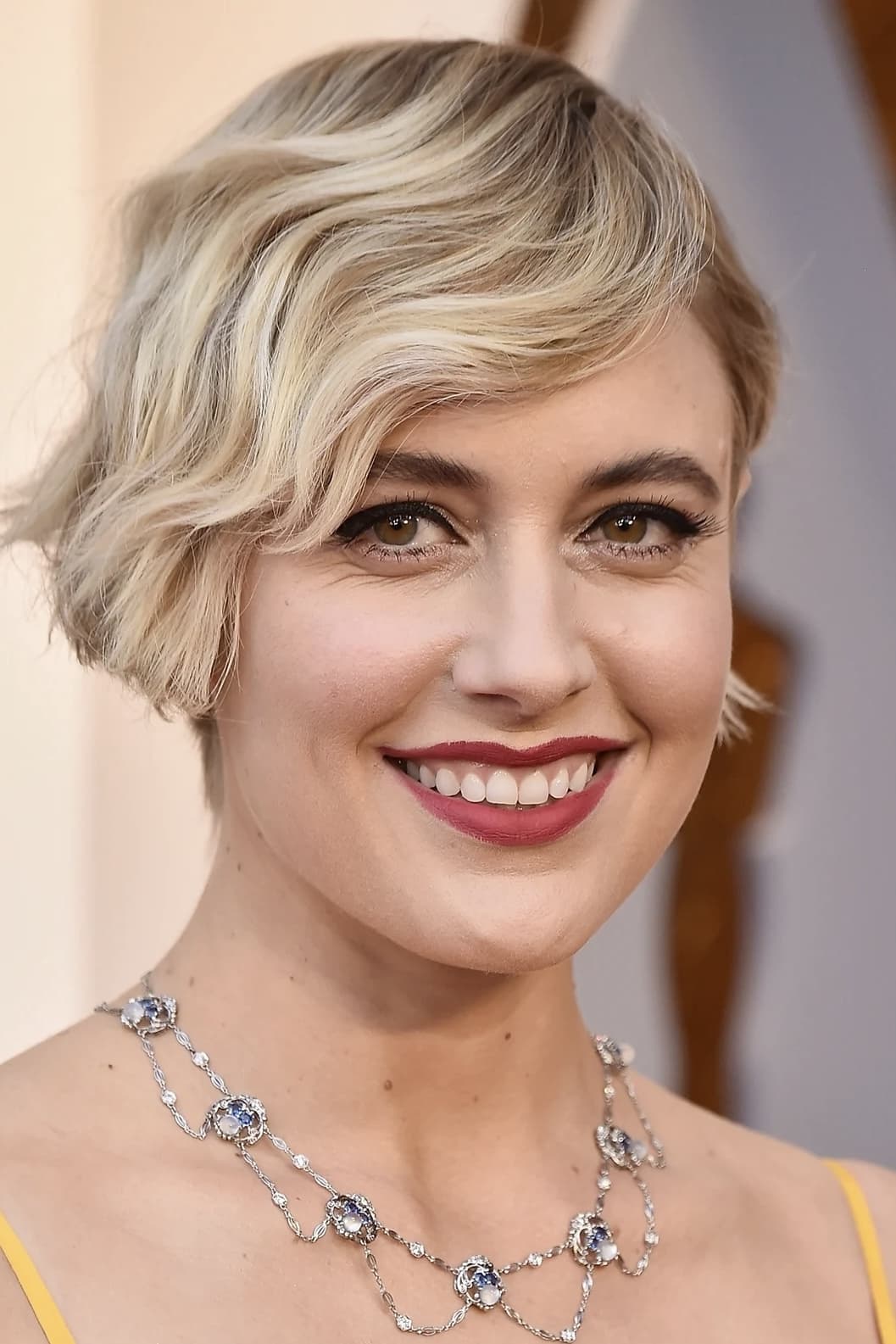
Greta Gerwig studied English and philosophy at Barnard College while performing in various theater productions. She initially planned to become a playwright but found success as an actress in the independent mumblecore movement. Her transition into directing began when she co wrote and co directed ‘Nights and Weekends’ before her solo debut with ‘Lady Bird’. She became one of the few women nominated for an Academy Award for Best Director early in her career. Her work often explores the complexities of female relationships and personal identity.
Ava DuVernay
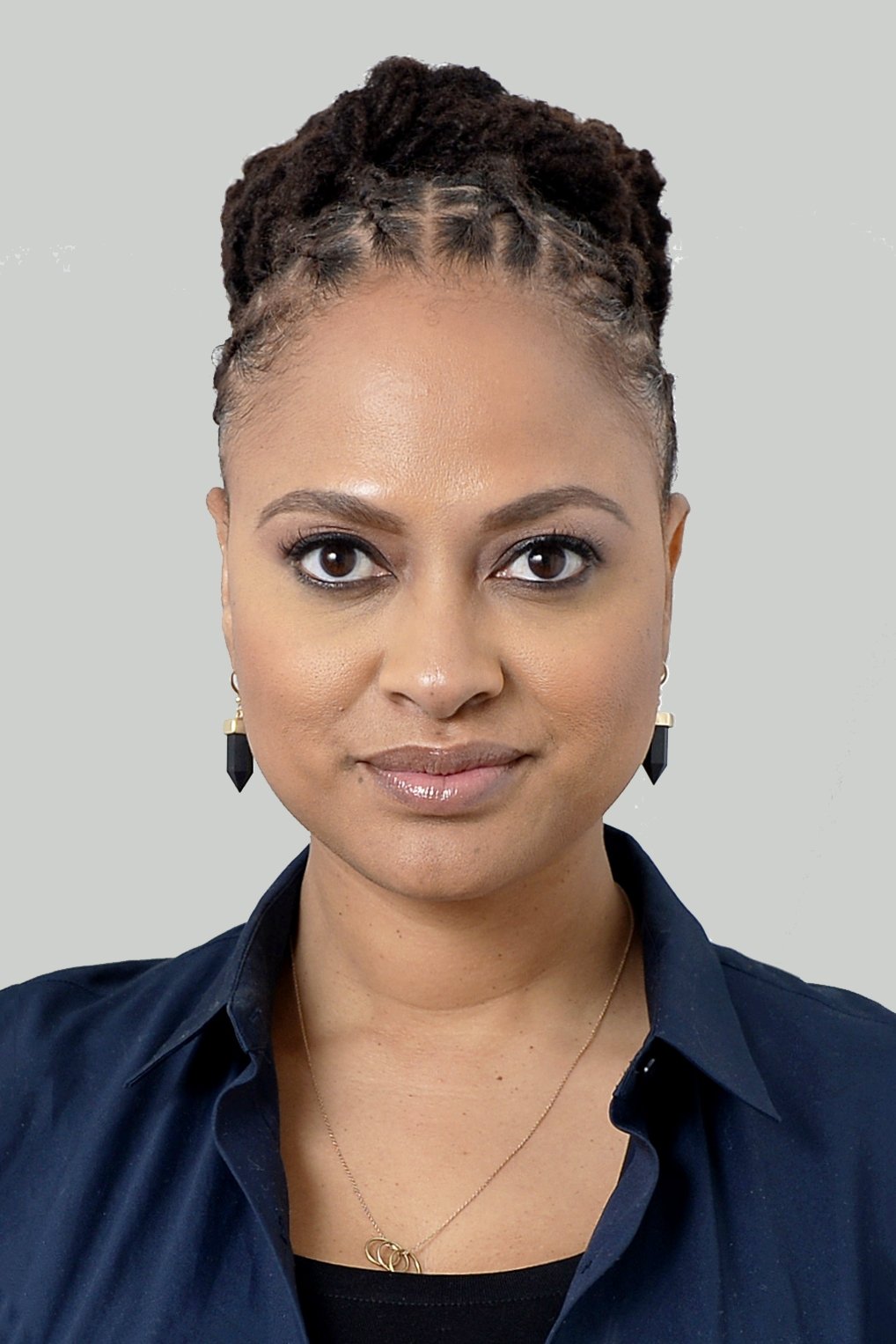
Ava DuVernay worked as a professional publicist and marketer in the entertainment industry for many years. She founded her own publicity firm and handled campaigns for several major Hollywood movies. She picked up a camera in her thirties to start making documentaries after being inspired by the sets she visited. Her feature film ‘Selma’ brought her widespread critical acclaim and established her as a powerful voice in contemporary cinema. She advocates for diversity and representation both in front of and behind the lens.
Richard Linklater
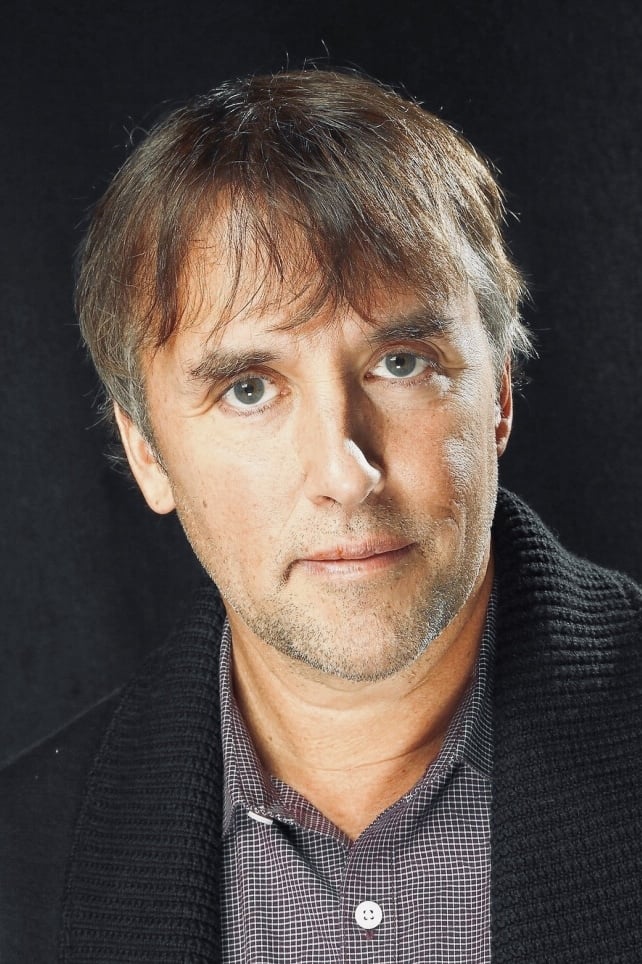
Richard Linklater is a self taught filmmaker who spent his time working on an offshore oil rig to save money for equipment. He used his earnings to purchase a camera and began making short films in his hometown of Austin. He founded the Austin Film Society to showcase independent cinema and foster a local community of creators. His breakout hit ‘Slacker’ demonstrated that a compelling story could be told without a traditional narrative structure. Linklater is now celebrated for his unique approach to time and character in the ‘Before’ trilogy.
Robert Rodriguez
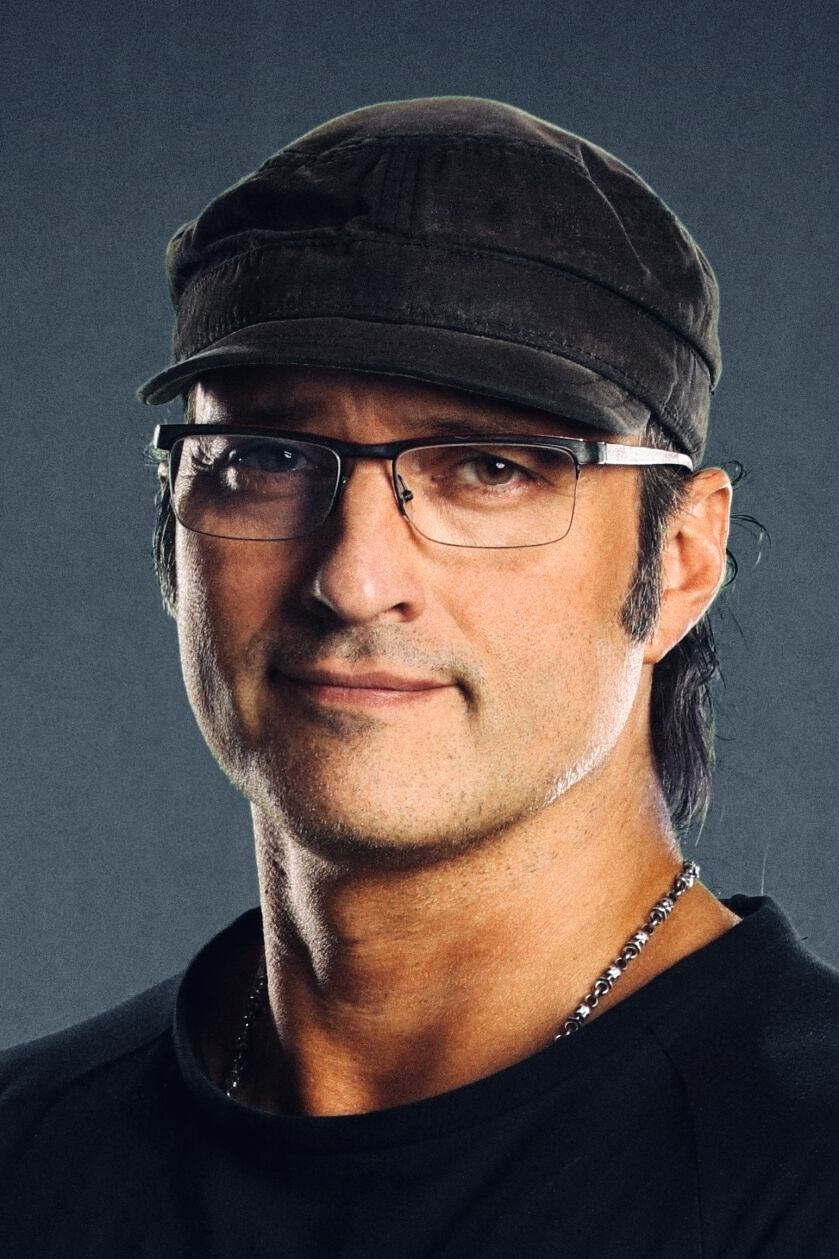
Robert Rodriguez learned the art of filmmaking by making countless home movies with his siblings in Texas. He famously funded his debut feature ‘El Mariachi’ by participating in medical testing experiments. He wrote a book called ‘Rebel Without a Crew’ to detail how he made the movie for only seven thousand dollars. This low budget success led to a prolific career directing high octane films like ‘Desperado’ and ‘Sin City’. He continues to advocate for independent creators by emphasizing technical skills and resourcefulness over expensive education.
Terry Gilliam
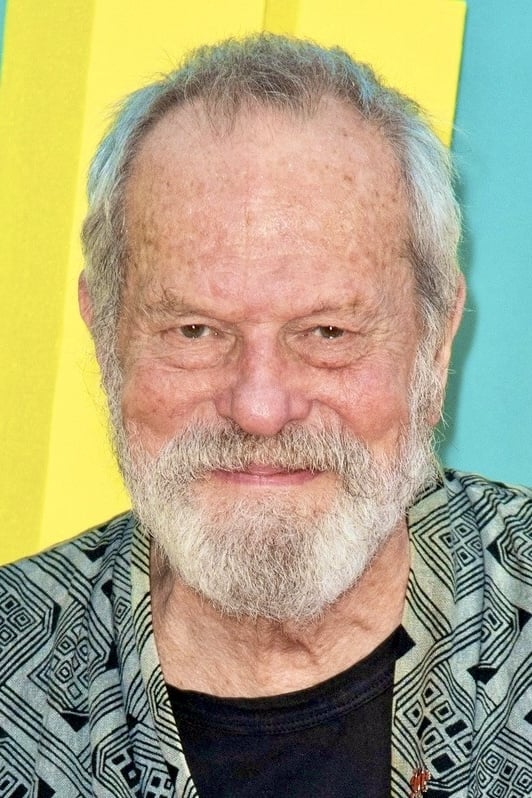
Terry Gilliam studied political science at Occidental College while contributing illustrations to the campus humor magazine. He moved to London and joined the comedy troupe Monty Python as an animator and performer. His experience creating surreal animations for ‘Monty Python’s Flying Circus’ paved the way for his career as a feature director. He is known for the imaginative and dark visual worlds of ‘Brazil’ and ’12 Monkeys’. Gilliam often relies on his background in art and satire to create his unique cinematic experiences.
Peter Jackson
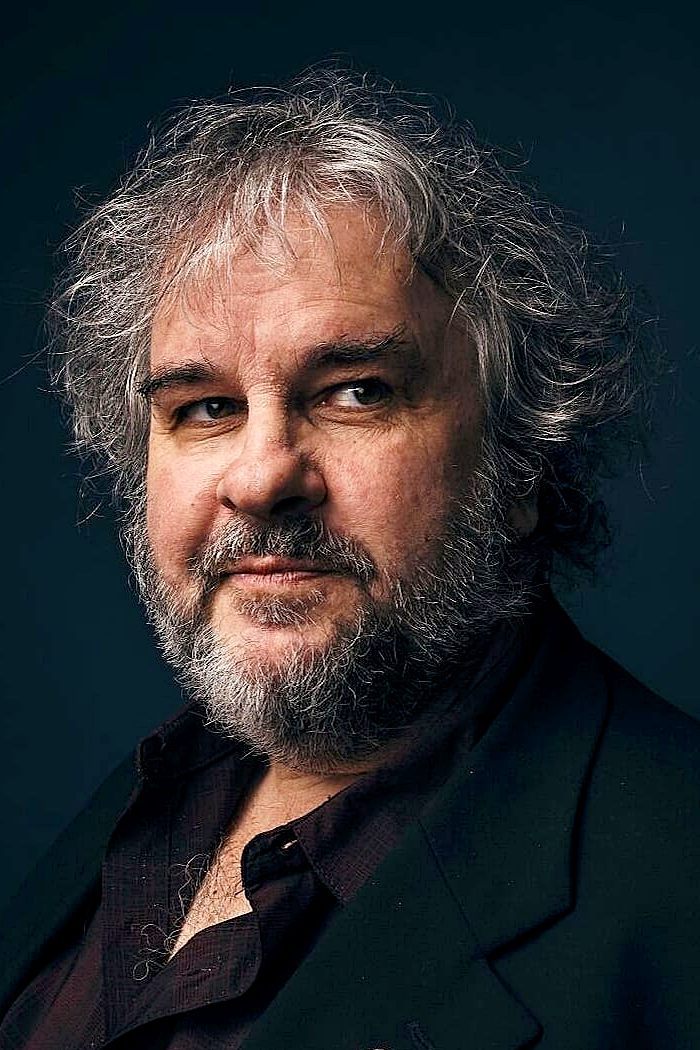
Peter Jackson began making short films with a Super 8 camera when he was a child in New Zealand. He left school at the age of sixteen to work as a photo engraver for a local newspaper. He spent his weekends filming the cult classic ‘Bad Taste’ over several years with his friends. His self taught skills in special effects and practical makeup eventually led to the massive undertaking of ‘The Lord of the Rings’ trilogy. Jackson has received multiple Academy Awards for his contributions to the fantasy genre.
Werner Herzog
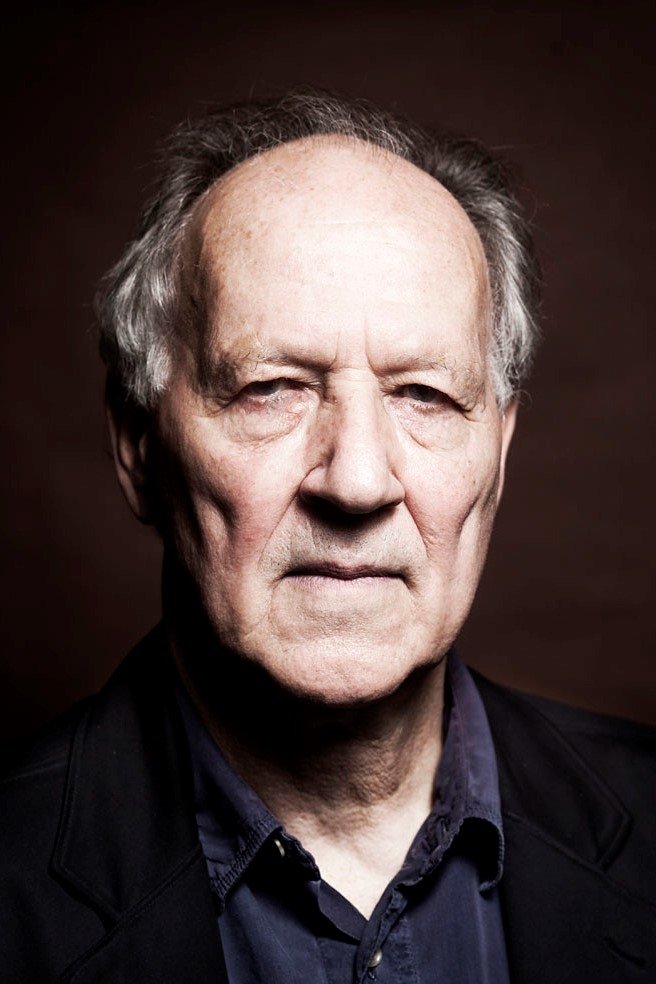
Werner Herzog never attended a film school and claims that he learned everything about cinema by watching movies and traveling. He famously stole his first 35mm camera from the Munich Film School because he believed he needed it more than they did. He has directed over sixty films including legendary titles like ‘Aguirre the Wrath of God’ and ‘Fitzcarraldo’. Herzog is known for his extreme dedication to realism and his unique philosophical perspectives on nature. He often encourages aspiring directors to read books and experience life instead of sitting in classrooms.
Sofia Coppola

Sofia Coppola studied fine arts and photography at the California Institute of the Arts but did not complete a film degree. She grew up on movie sets observing her father Francis Ford Coppola and experimenting with different forms of visual art. Her debut feature ‘The Virgin Suicides’ showcased her talent for creating atmospheric and melancholic narratives. She later won an Academy Award for Best Original Screenplay for her second film ‘Lost in Translation’. Her work is often praised for its distinct aesthetic and intimate exploration of celebrity culture.
Luc Besson
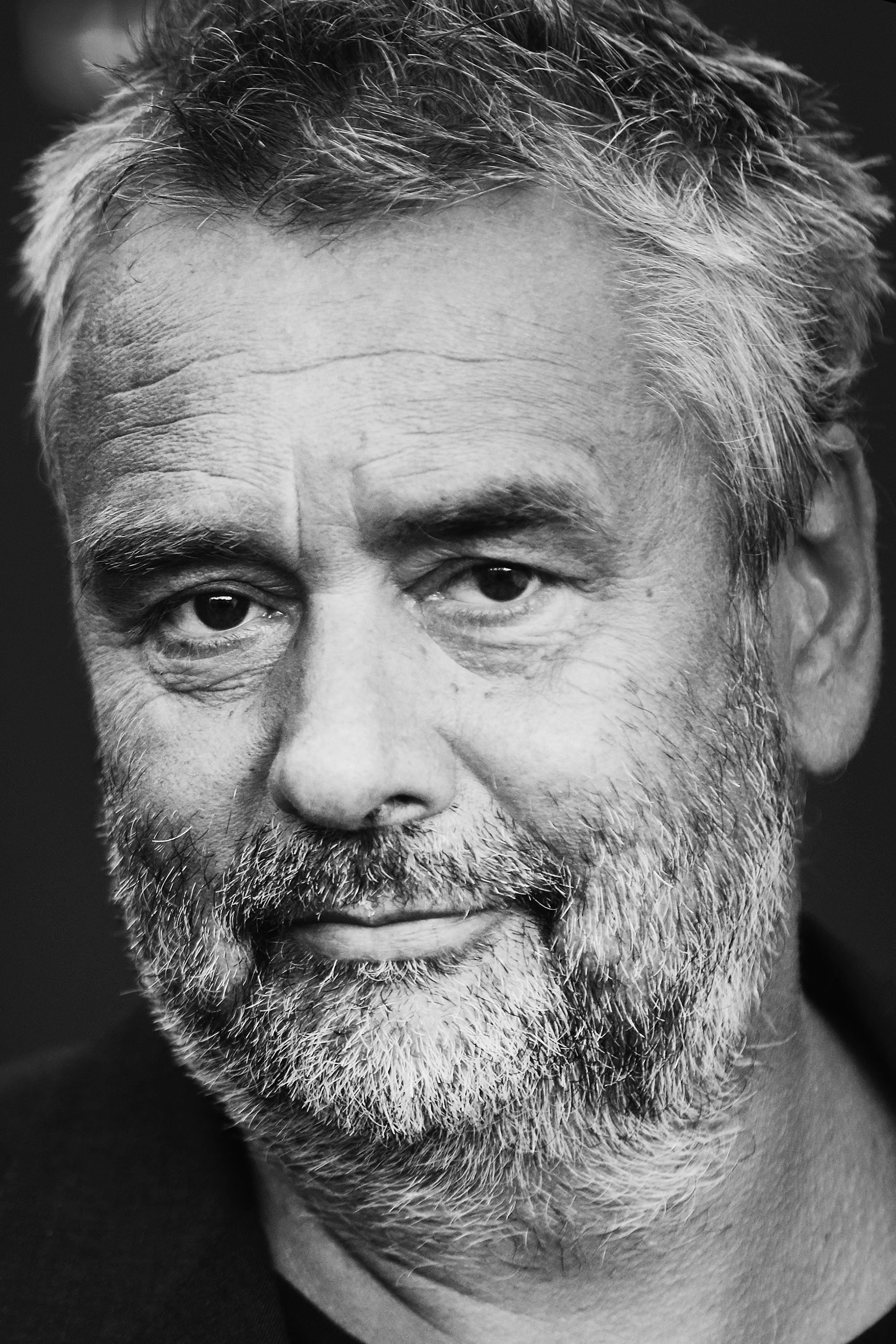
Luc Besson spent his youth traveling and working as an assistant on various film sets in France. He decided to pursue directing after realizing he enjoyed the creative process more than any other profession. He directed several short films before making his feature debut with the science fiction movie ‘Le Dernier Combat’. Besson became a major figure in the Cinéma du look movement with stylish hits like ‘Leon The Professional’. He eventually founded his own studio to produce and distribute a wide range of international action films.
Spike Jonze
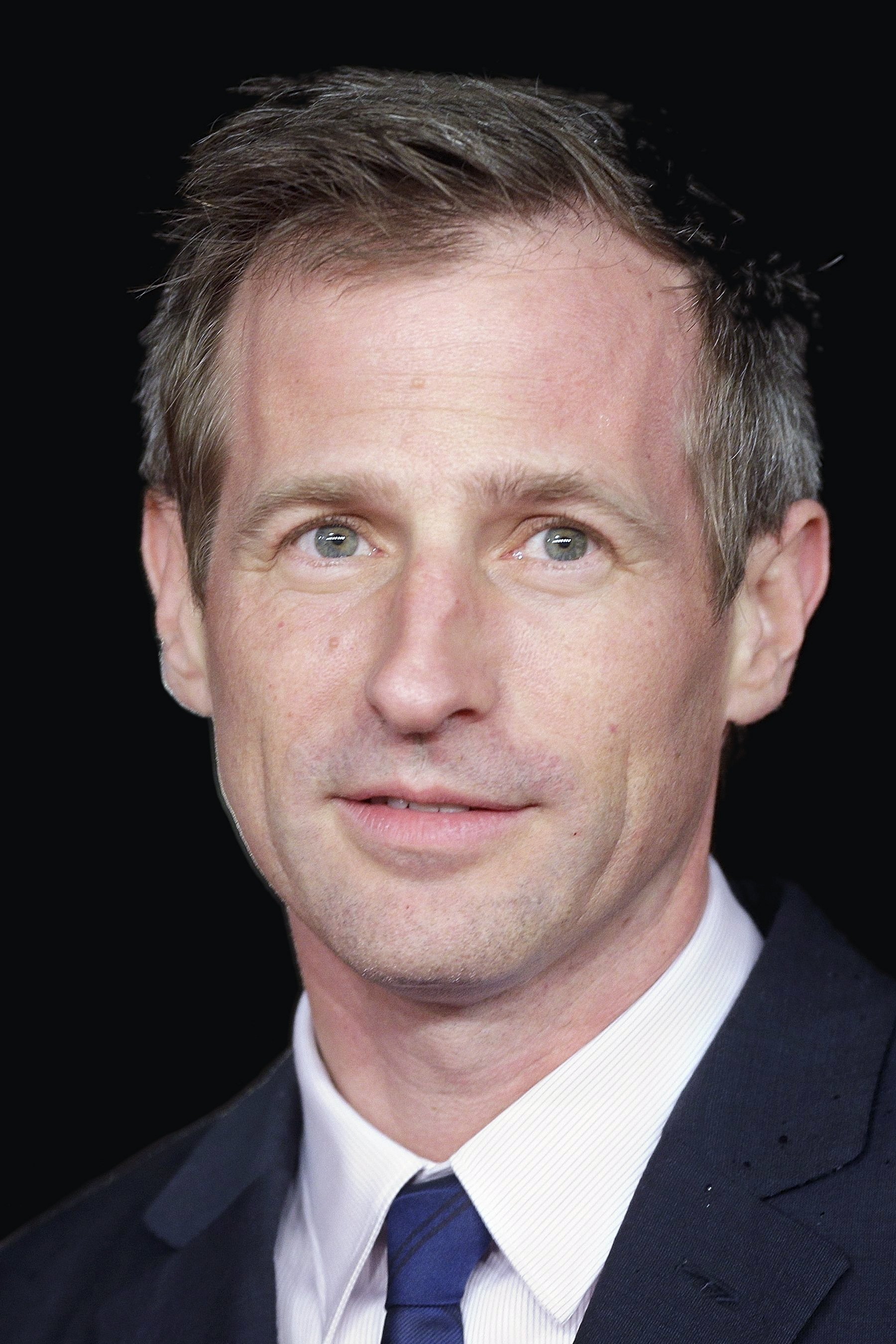
Spike Jonze began his career as a photographer for BMX and skateboarding magazines. He transitioned into directing music videos for iconic bands and artists during the nineties. His innovative approach to visual storytelling in music videos caught the attention of producers and led to his feature debut ‘Being John Malkovich’. He has since won an Academy Award for Best Original Screenplay for the science fiction romance ‘Her’. Jonze continues to work across multiple mediums including film and television and theater.
Lana Wachowski

Lana Wachowski dropped out of Bard College to work in the construction business with her sibling. She spent her free time writing comic books and developing screenplays while working manual labor jobs. Her professional directing career began with the neo noir thriller ‘Bound’ which demonstrated her technical skill. She achieved global fame with the groundbreaking science fiction trilogy ‘The Matrix’ which revolutionized action cinema. Her work often explores complex themes of identity and reality through ambitious visual effects.
Lilly Wachowski

Lilly Wachowski attended Emerson College before deciding to leave school to focus on creative projects. She worked alongside her sibling Lana to build a career in the film industry through perseverance and innovative writing. They gained recognition for their ability to blend philosophical concepts with high energy action sequences. After the success of their early films they continued to push boundaries with projects like ‘Cloud Atlas’. Lilly has since moved into television production while maintaining a distinct and visionary voice.
John Ford
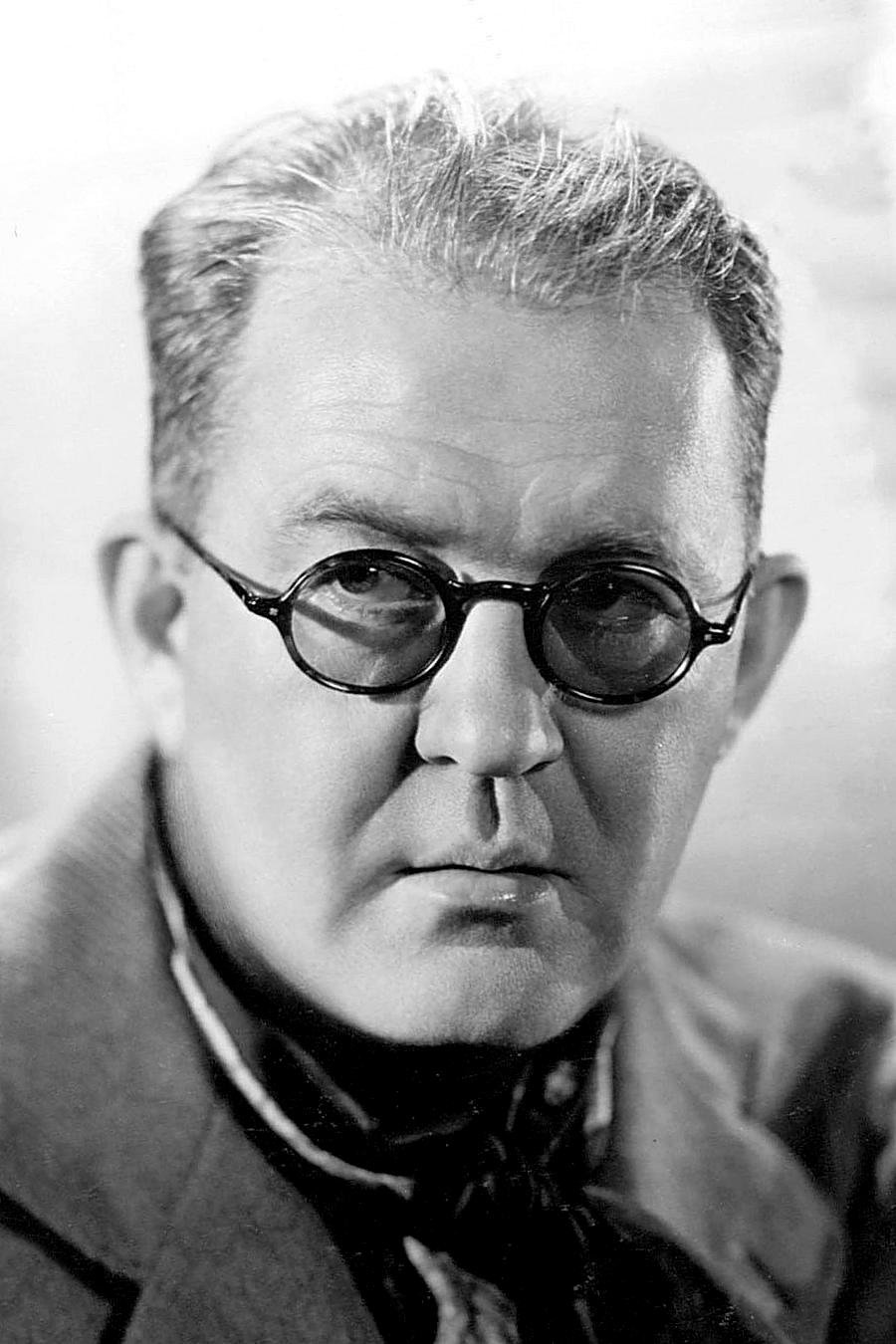
John Ford entered the film industry as an assistant and stuntman for his older brother Francis Ford. He learned every aspect of production by working on silent movie sets during the early twentieth century. He eventually became one of the most celebrated directors in history with classics like ‘The Searchers’ and ‘Stagecoach’. Ford won four Academy Awards for Best Director which remains a record in the category. His mastery of the Western genre was built on years of practical experience rather than academic study.
Sergio Leone
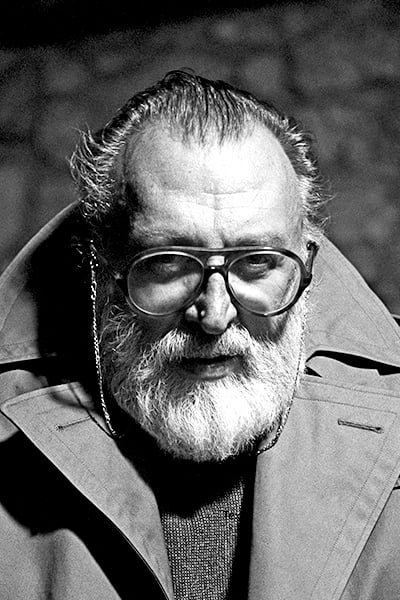
Sergio Leone grew up in a cinematic family and started working as an assistant director for famous filmmakers like Vittorio De Sica. He spent his early career learning the nuances of Italian cinema before creating the Spaghetti Western genre. His most famous works include ‘The Good the Bad and the Ugly’ and ‘Once Upon a Time in the West’. He is known for his use of extreme close ups and long takes to build tension. Leone influenced generations of filmmakers through his stylistic innovations and epic storytelling.
Terry George
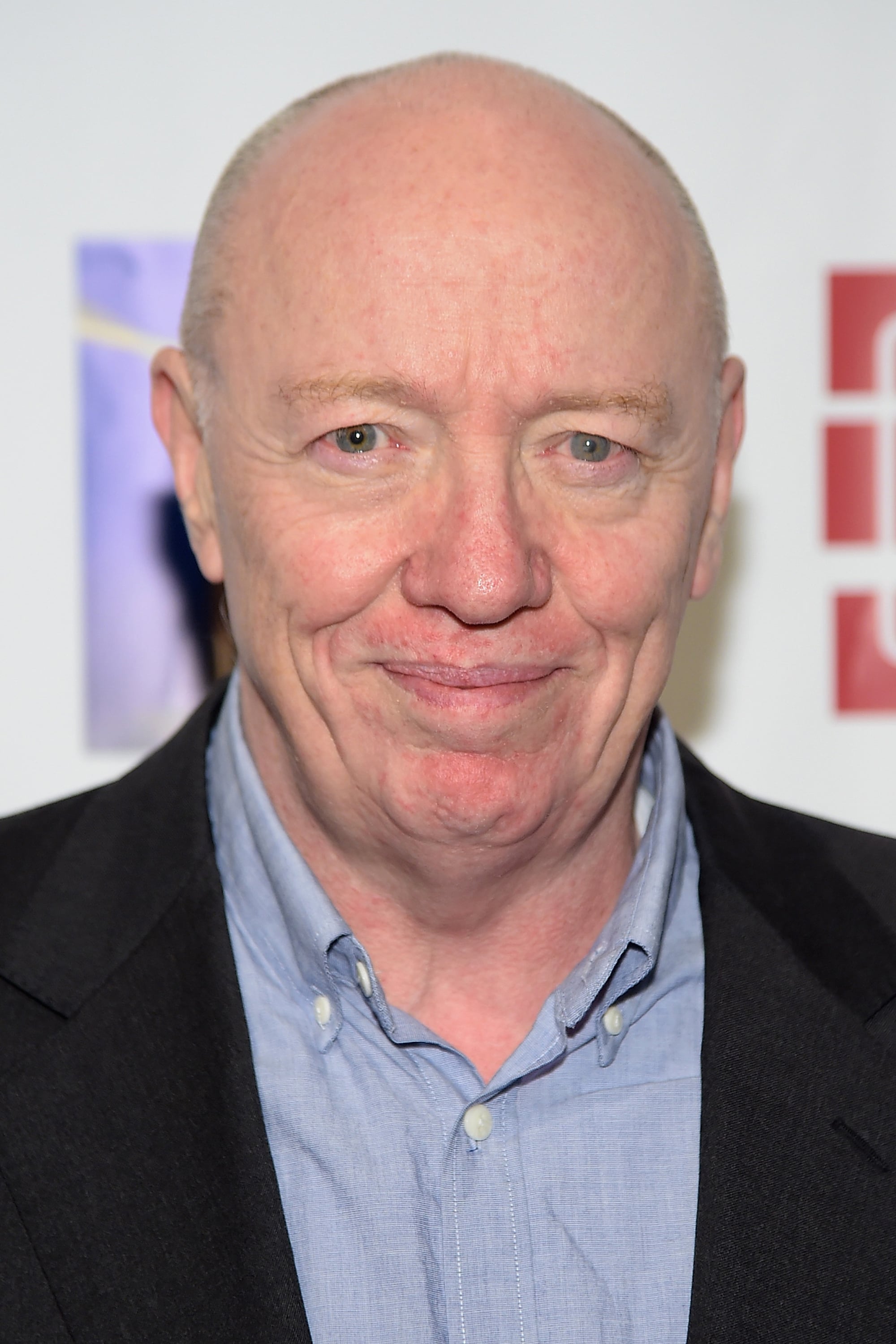
Terry George began his professional life as a journalist and playwright before transitioning into the world of film. He spent time writing for various publications and focusing on political stories in Northern Ireland. His background in research and storytelling led him to write the screenplay for ‘In the Name of the Father’. He eventually directed the critically acclaimed historical drama ‘Hotel Rwanda’ which received multiple award nominations. George uses his journalism experience to bring authenticity and emotional weight to his cinematic projects.
Share your favorite director from this list and tell us why their work resonates with you in the comments.