


25 Films That Used Symmetry for Psychological Depth

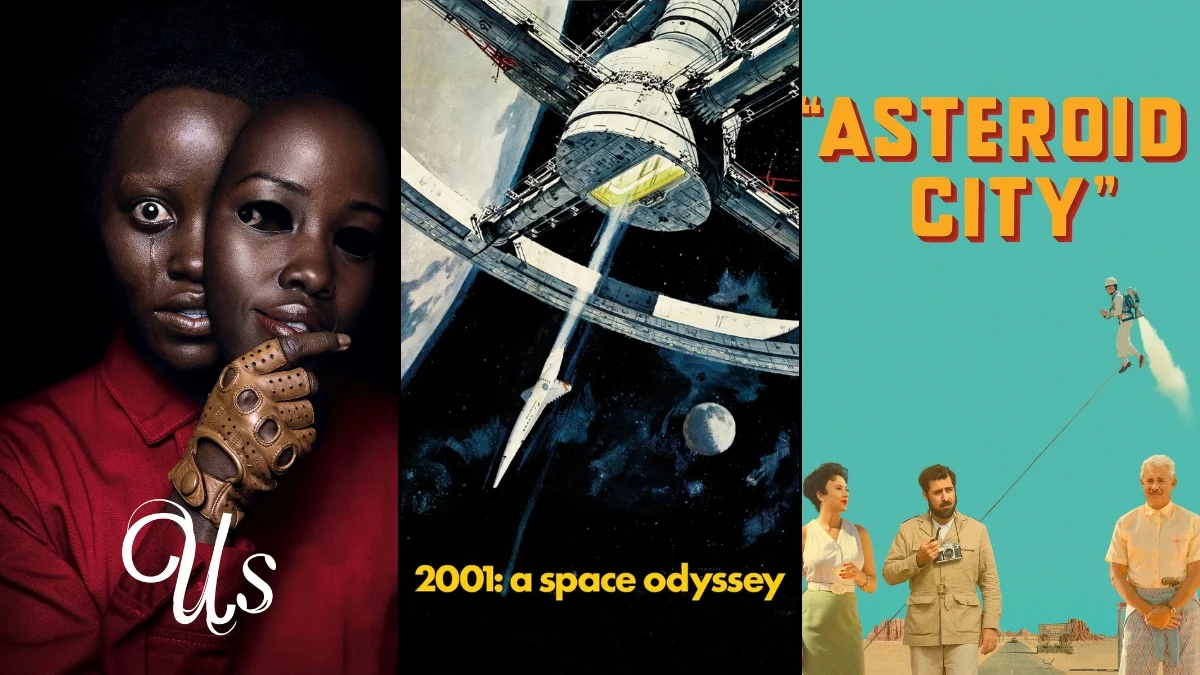


Filmmakers often utilize visual composition to manipulate how an audience perceives the stability of a narrative. Symmetrical framing can evoke feelings of comfort and order or generate a sense of unease and entrapment. This technique requires meticulous blocking and camera placement to ensure the subject remains perfectly balanced within the frame. The following films demonstrate how visual equilibrium can enhance the psychological impact of a story.
‘2001: A Space Odyssey’ (1968)
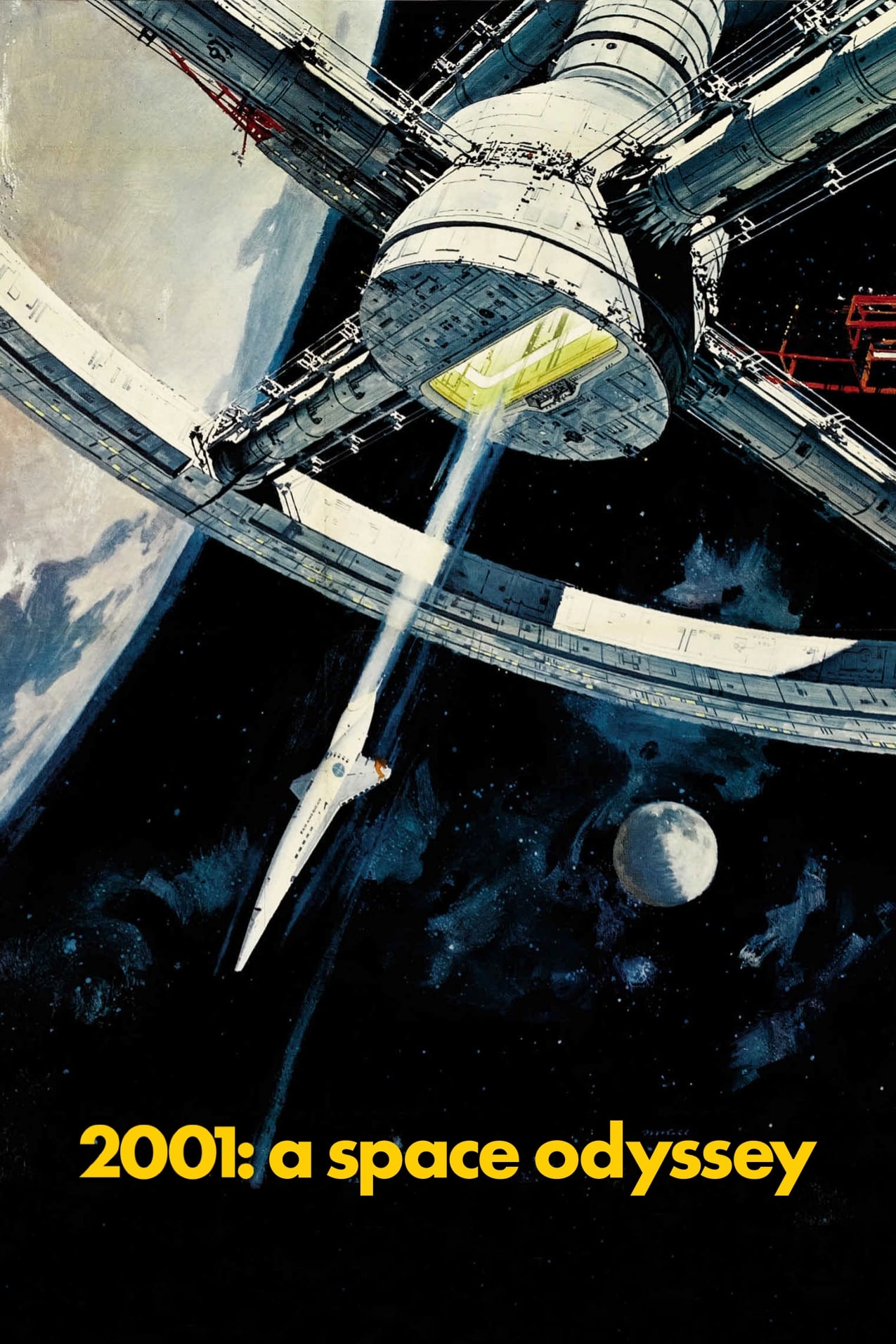
Stanley Kubrick utilizes strict one-point perspective to convey the sterility of space travel. The alignment of the spacecraft interiors emphasizes the dominance of technology over human emotion. HAL 9000 is frequently framed in the exact center of the shot to create an unblinking gaze. This visual precision mirrors the cold logic of the artificial intelligence controlling the mission. The symmetry creates a sense of unease regarding the vastness of the cosmos.
‘The Grand Budapest Hotel’ (2014)
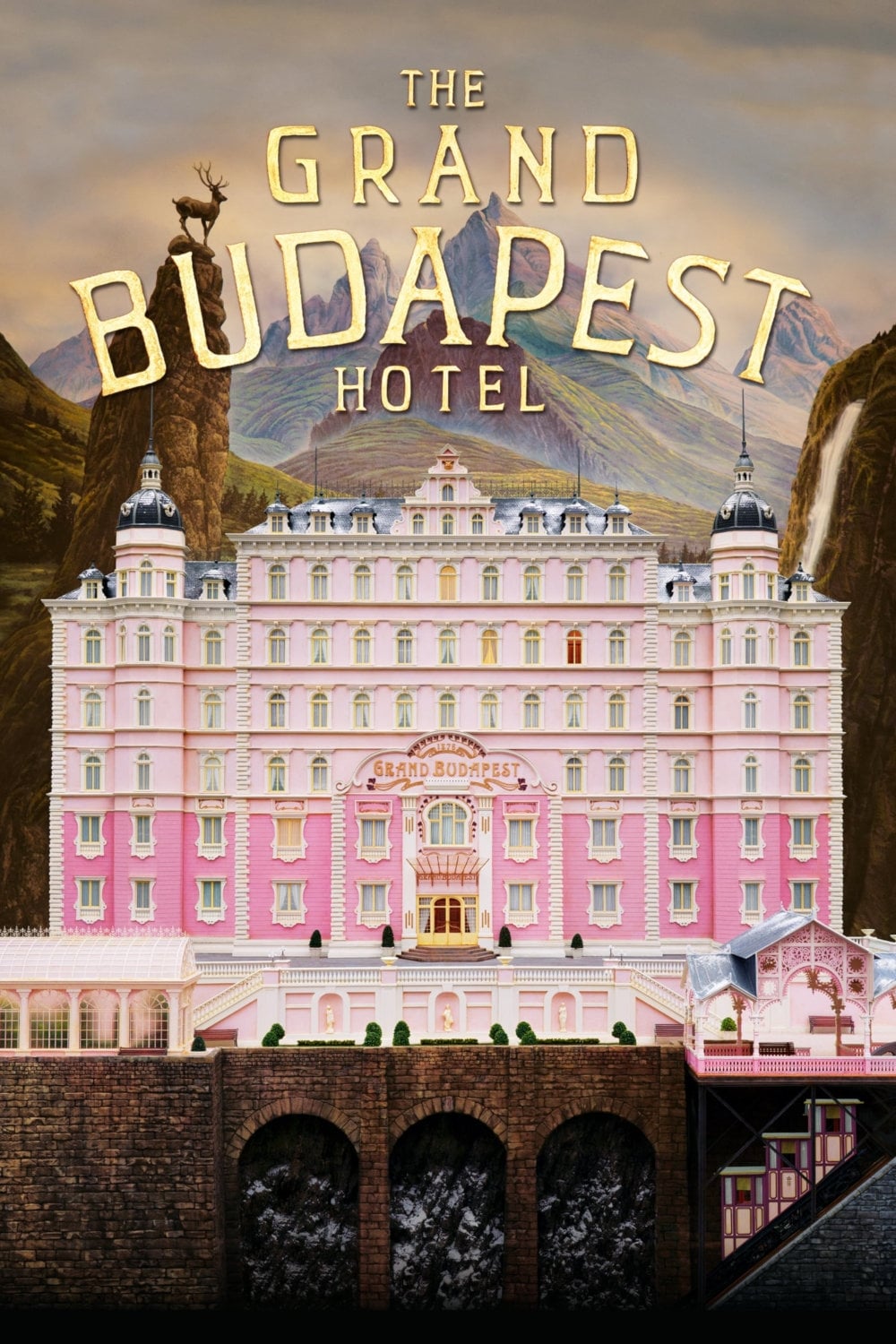
Wes Anderson employs his signature centered composition to create a storybook atmosphere for the narrative. The symmetrical framing transforms the hotel into a dollhouse where characters move with mechanical precision. This aesthetic choice provides a whimsical counterbalance to the underlying themes of war and loss. The visual order suggests a desperate attempt by the protagonist to maintain control in a crumbling world. Every shot feels like a moving painting designed to evoke nostalgia.
‘The Shining’ (1980)
The use of symmetry in the Overlook Hotel generates a subconscious feeling of entrapment for the viewer. Long hallways and identical carpet patterns draw the eye toward a vanishing point that suggests no escape. The framing of the twin girls emphasizes the supernatural doubling that haunts the location. Jack Torrance is often centered in the frame to highlight his isolation and growing madness. Kubrick uses this balance to make the unnatural elements feel undeniable and rigid.
‘Parasite’ (2019)
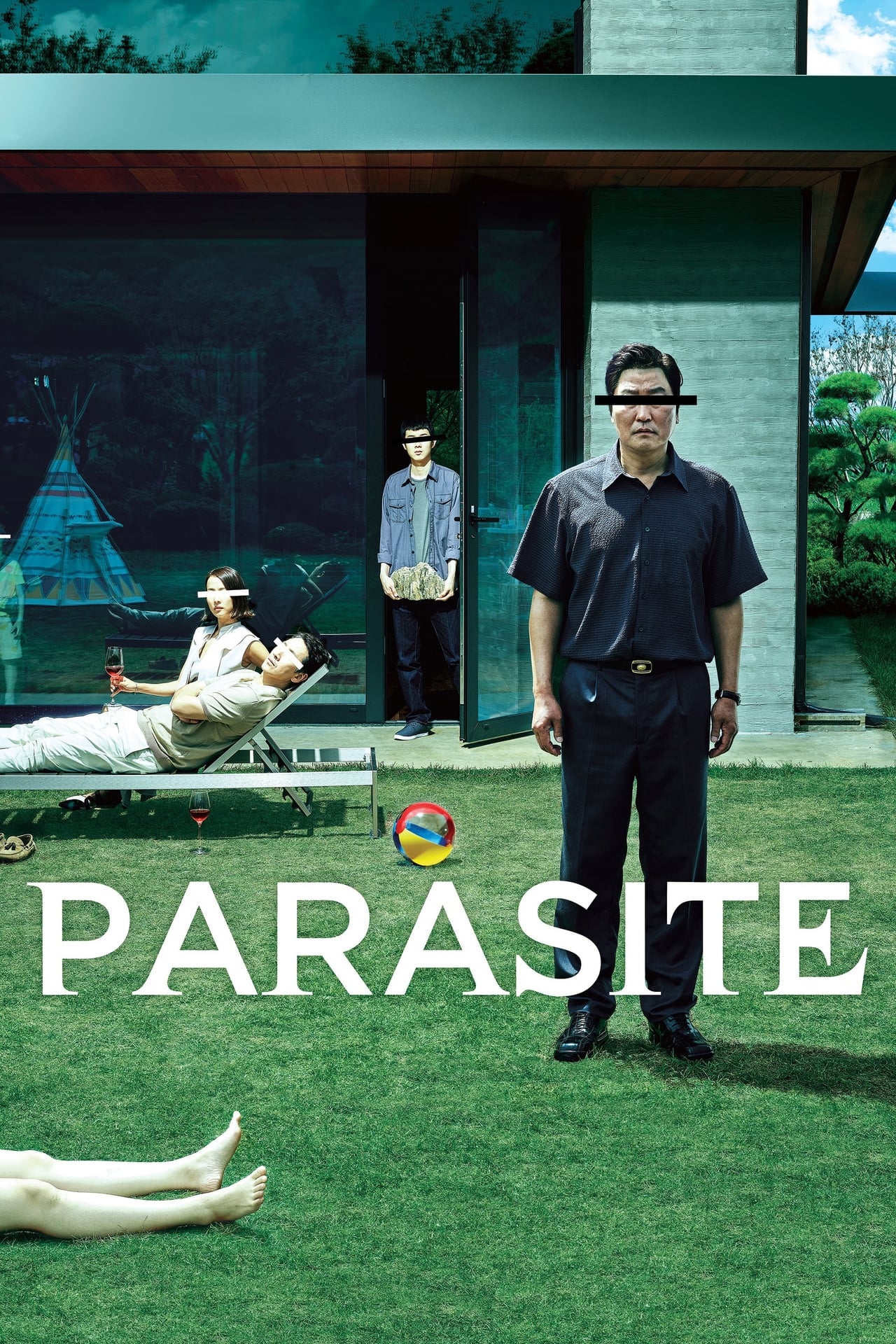
Bong Joon-ho uses lines and symmetry to delineate the strict social hierarchy between the two families. The architecture of the wealthy Park family home is shot to emphasize its pristine and balanced nature. In contrast, the Kim family is often framed in cluttered or lower spaces that disrupt this visual harmony. The composition visually reinforces the themes of class struggle and infiltration. Symmetry eventually breaks down as the chaos of the narrative unfolds.
‘Midsommar’ (2019)

The bright and open compositions of the Hårga commune mask the sinister nature of their rituals. Ari Aster uses geometric arrangements of people and tables to show the collective mind of the cult. The symmetry implies a predetermined fate for the outsiders who enter this closed society. Floral arrangements and architecture frame the protagonist to suggest she is being groomed for a specific role. The visual beauty makes the horror more jarring and psychologically effective.
‘Hero’ (2002)

Zhang Yimou utilizes color theory and perfect symmetry to explore different versions of the same truth. The architecture of the palace and the positioning of the armies convey the immense power of the Qin Empire. Martial arts sequences are choreographed with a balance that resembles a dance rather than a brawl. The framing highlights the philosophy that the individual is small compared to the unity of the land. Visual precision underscores the themes of sacrifice and order.
‘Moonrise Kingdom’ (2012)
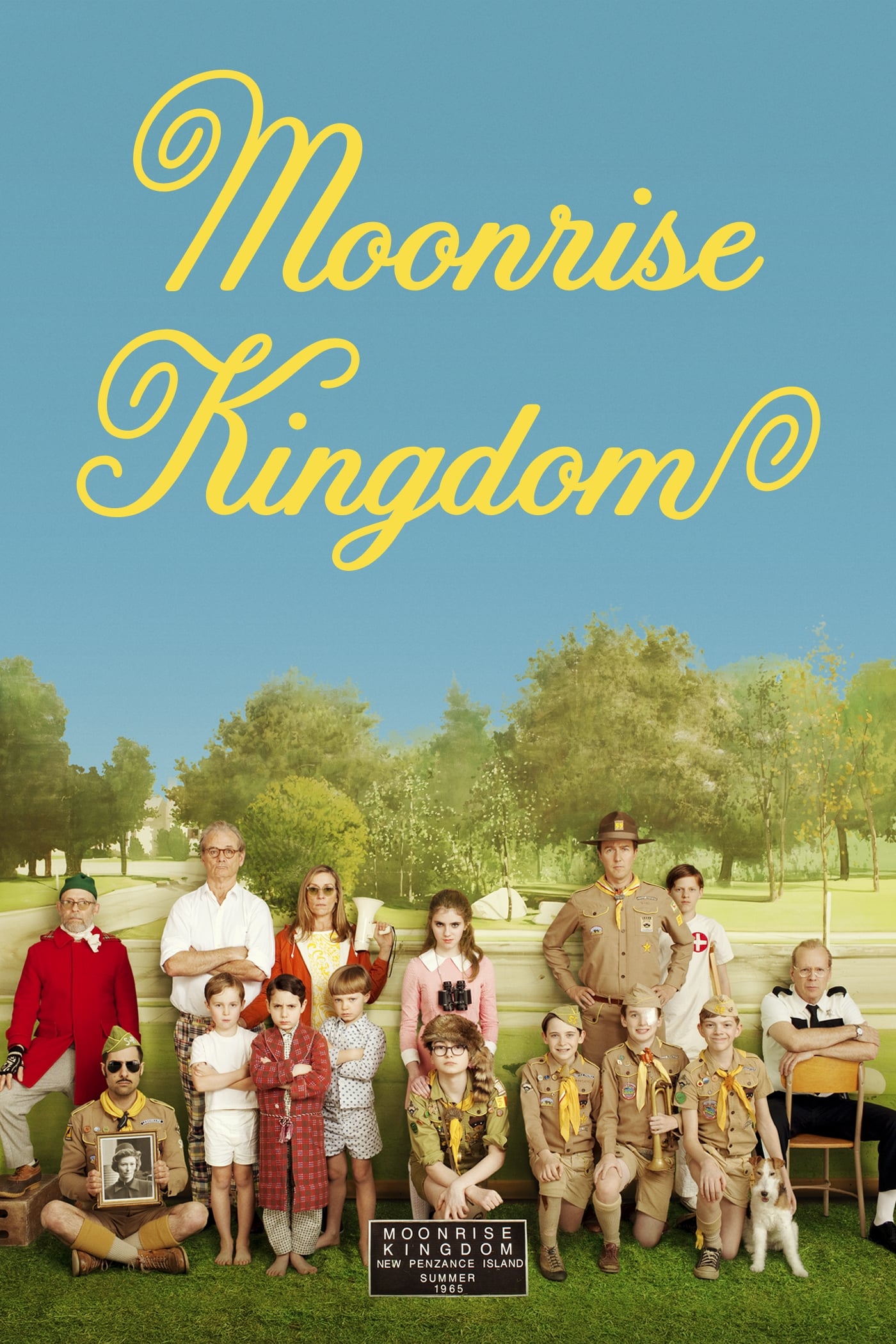
The symmetrical composition in this film reflects the innocent and direct worldview of its young protagonists. Wes Anderson uses the framing to organize the chaotic emotions of first love into a structured narrative. The wilderness is shot with the same rigidity as the interiors to create a magical realism effect. This style allows the audience to view the events through the focused lens of childhood adventure. The visual balance softens the troubled family dynamics present in the story.
‘The Killing of a Sacred Deer’ (2017)
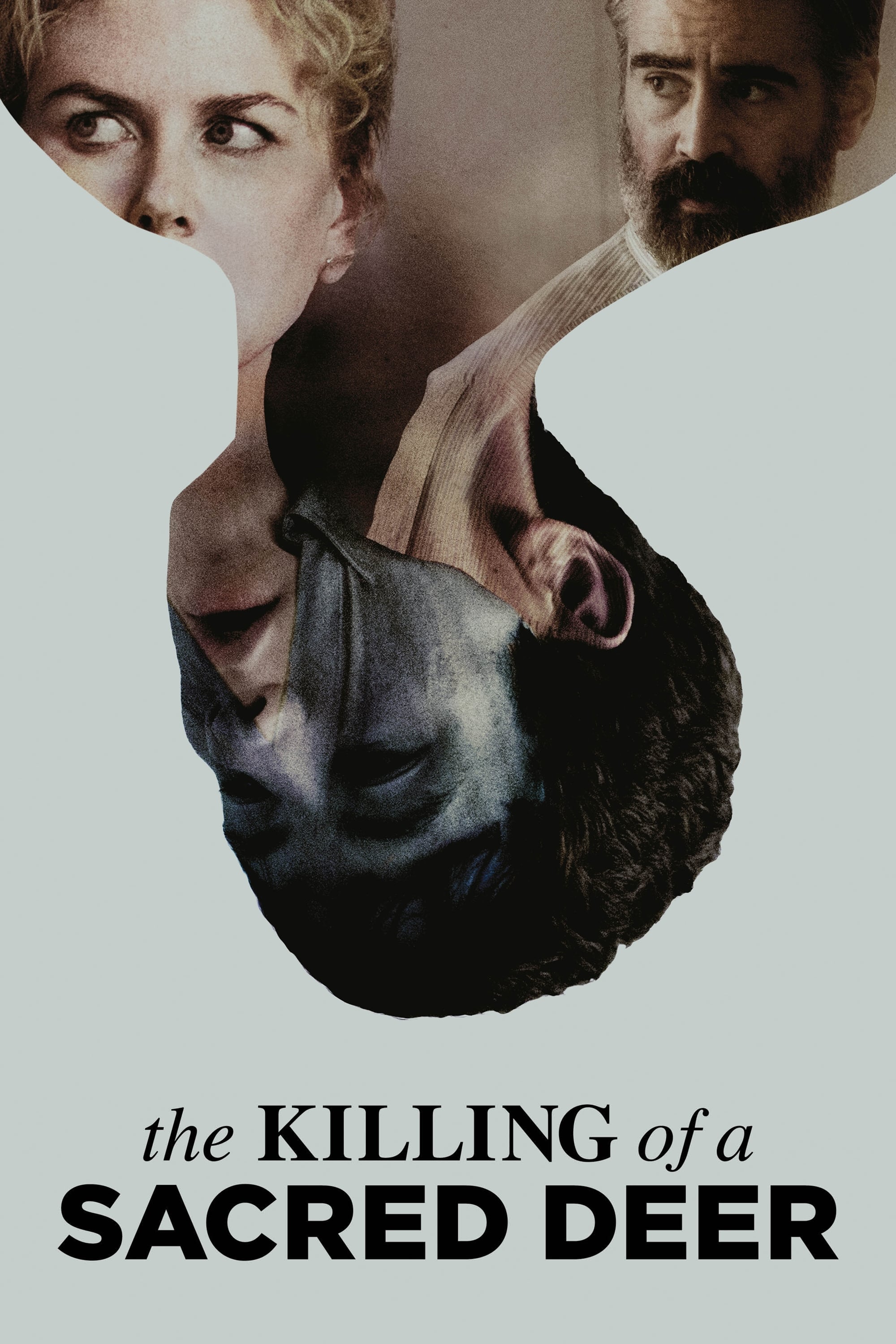
Yorgos Lanthimos uses clinical and wide shots to create a sense of detachment from the suffering on screen. The hospital corridors and domestic spaces are filmed with a rigidity that feels almost medical. This symmetry enhances the feeling that the characters are powerless against a cosmic justice. The camera often lingers on centered subjects to force the audience to confront the uncomfortable silence. The visual style reinforces the inevitable nature of the curse.
‘Mad Max: Fury Road’ (2015)

George Miller keeps the action centered in the frame to help the audience track the chaos of the high-speed chase. This technique allows for rapid editing without confusing the spatial geography of the scene. The symmetry of the war rigs and the desert horizon creates a mythic quality to the post-apocalyptic world. Characters are often framed centrally to emphasize their singular drive for survival. The visual clarity makes the physical stunts feel more impactful and grounded.
‘Us’ (2019)
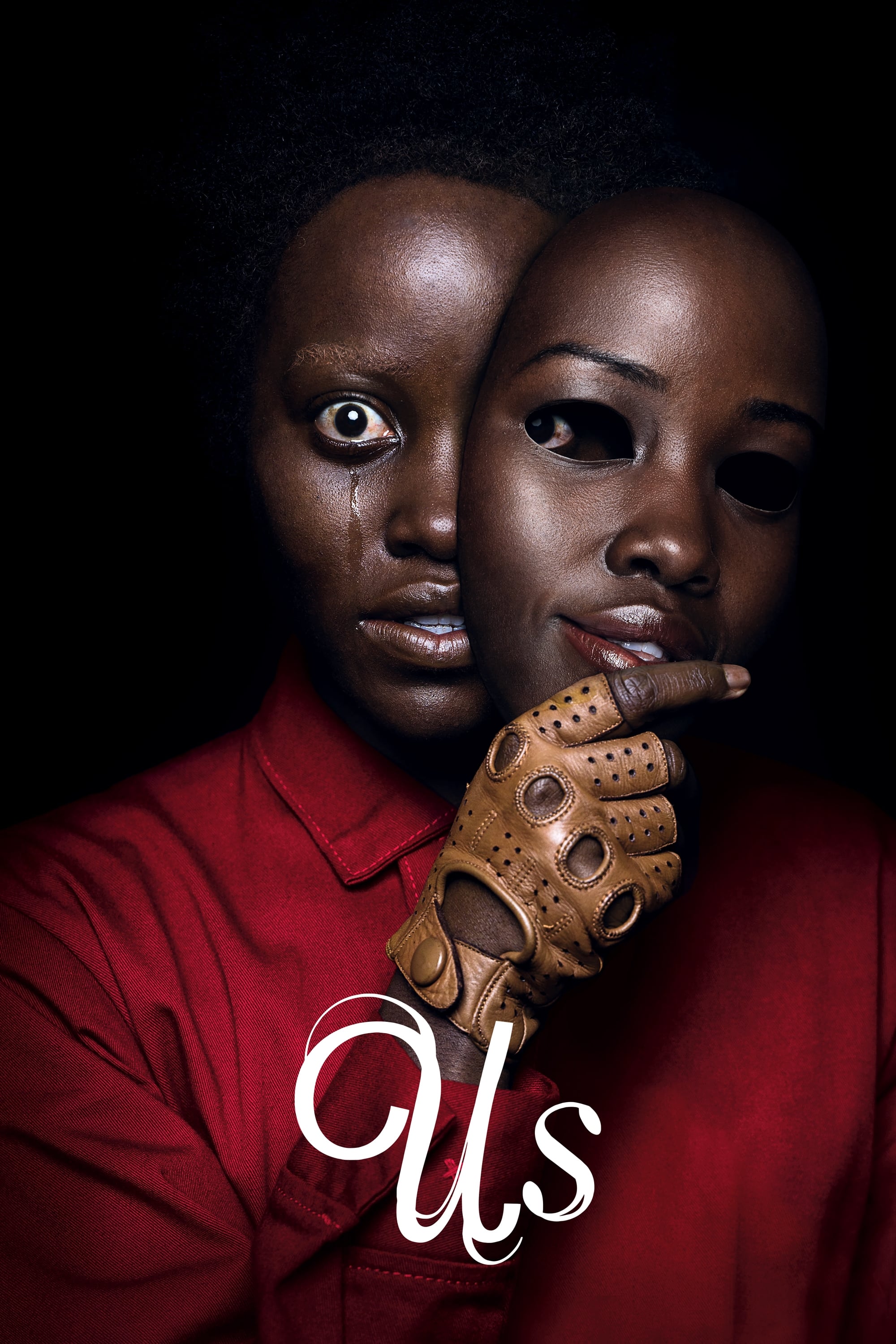
Jordan Peele uses visual symmetry to reinforce the theme of duality and doppelgängers. Reflections in mirrors and glass are used constantly to hint at the tethered world beneath the surface. The choreography of the fights often mirrors the movements of the opponents to show they are two halves of the same whole. The framing of the underground tunnels creates a tunnel vision that mirrors the obsession of the antagonists. This balance forces the viewer to question who is the true monster.
‘A Clockwork Orange’ (1971)
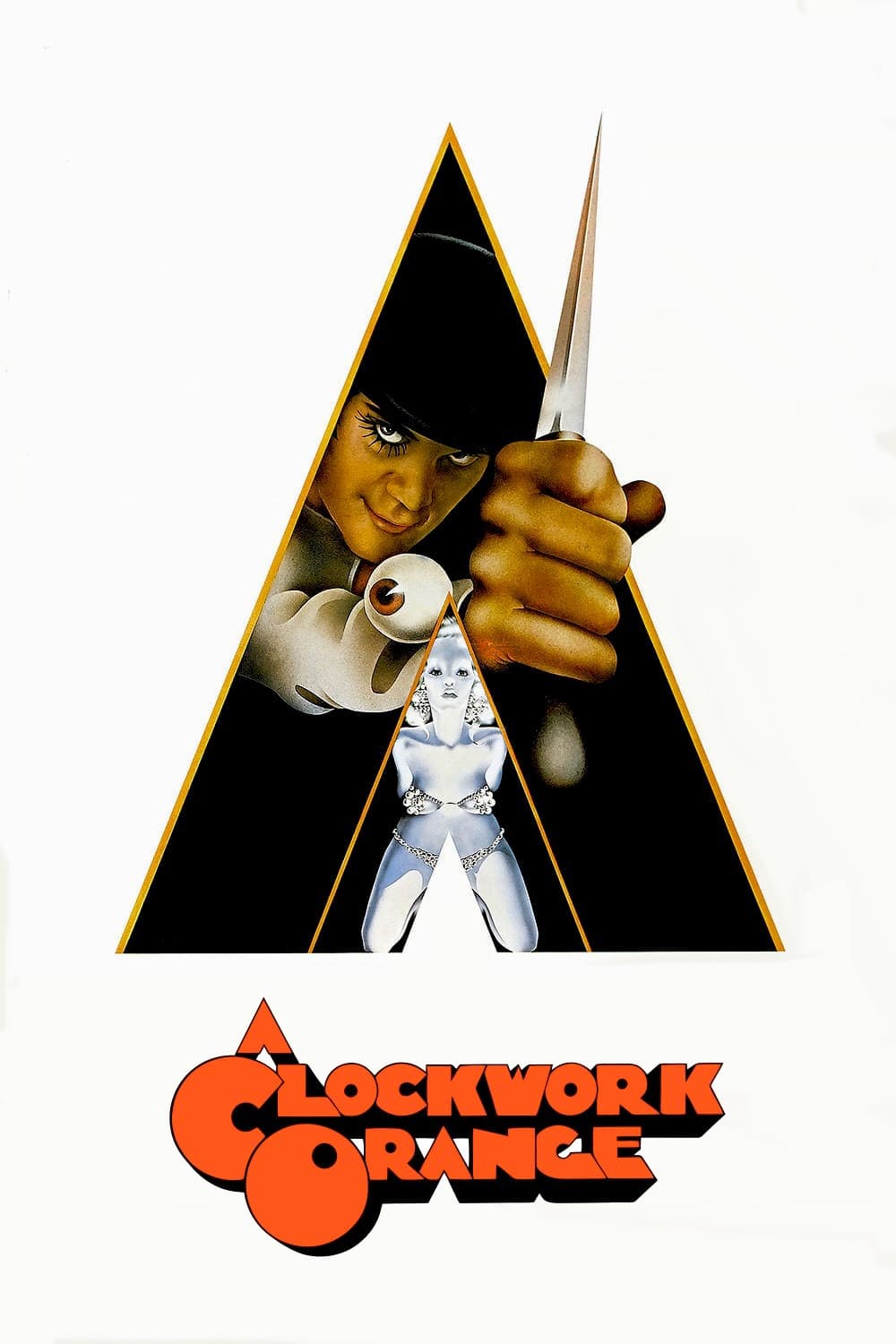
The film uses centered compositions to force the audience to become complicit in the acts of violence on screen. Alex DeLarge is frequently framed looking directly into the lens with a menacing stare. The symmetry of the futuristic architecture reflects the totalitarian desire for control and order. Kubrick contrasts this visual rigidity with the chaotic and immoral behavior of the main character. The result is a disturbing juxtaposition between high art and base brutality.
‘Black Swan’ (2010)
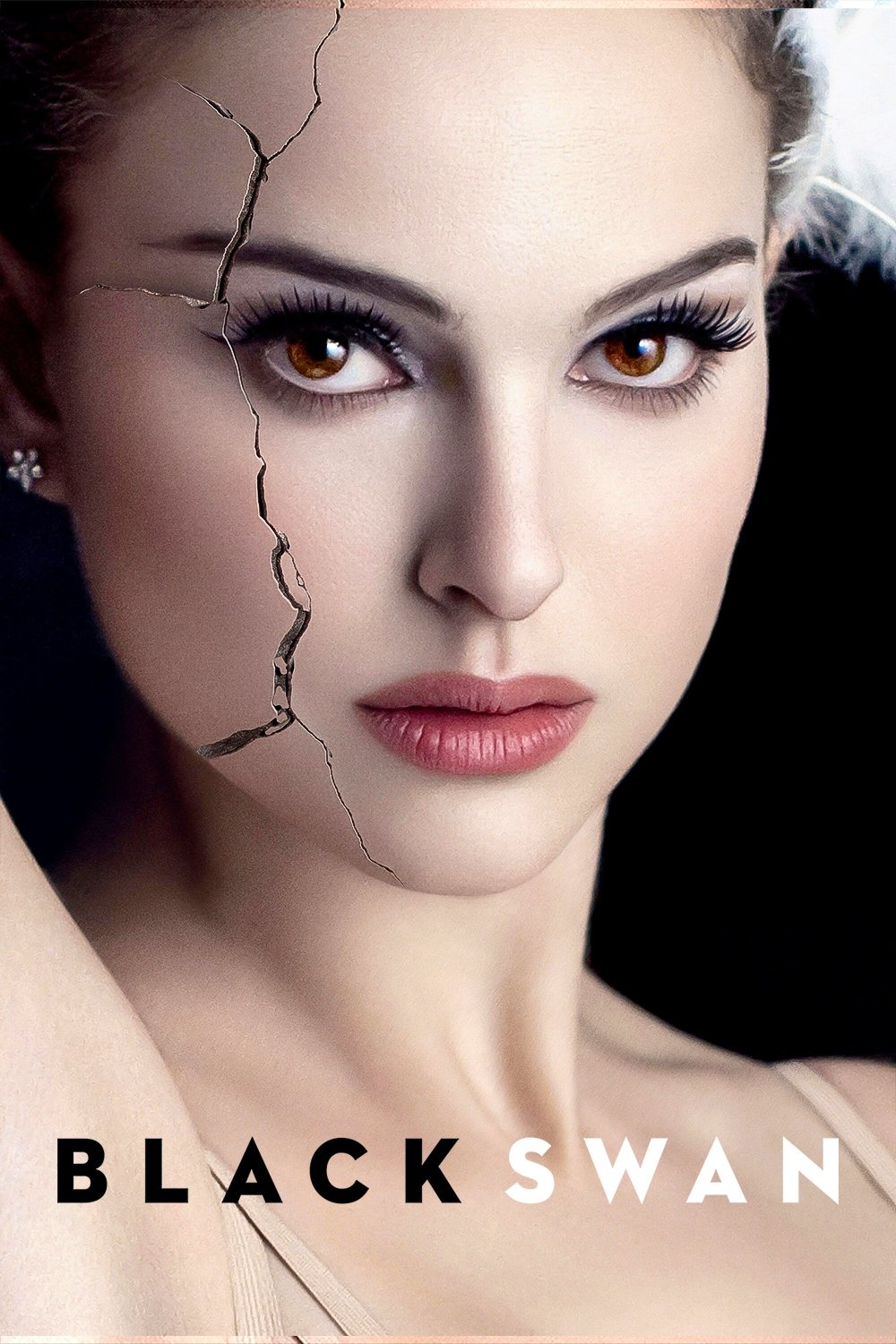
Darren Aronofsky uses mirrors and symmetrical staging to explore the fractured psyche of a ballerina. The visual doubling of the protagonist represents her internal battle between the white and black swan personas. The camera work often centers her head while the background spins to simulate her dizziness and confusion. This technique immerses the viewer in her deterioration and obsession with perfection. The symmetry breaks as her grip on reality completely dissolves.
‘Blade Runner 2049’ (2017)

The brutalist architecture of the future Los Angeles is shot with grand symmetry to emphasize the isolation of the protagonist. Roger Deakins uses lighting and geometric shapes to dwarf the characters within the frame. The visual balance suggests a world where nature has been completely replaced by artificial order. K is often centered in vast empty spaces to highlight his loneliness as a replicant. The precise composition gives the film a meditative and soulful quality.
‘The Royal Tenenbaums’ (2001)
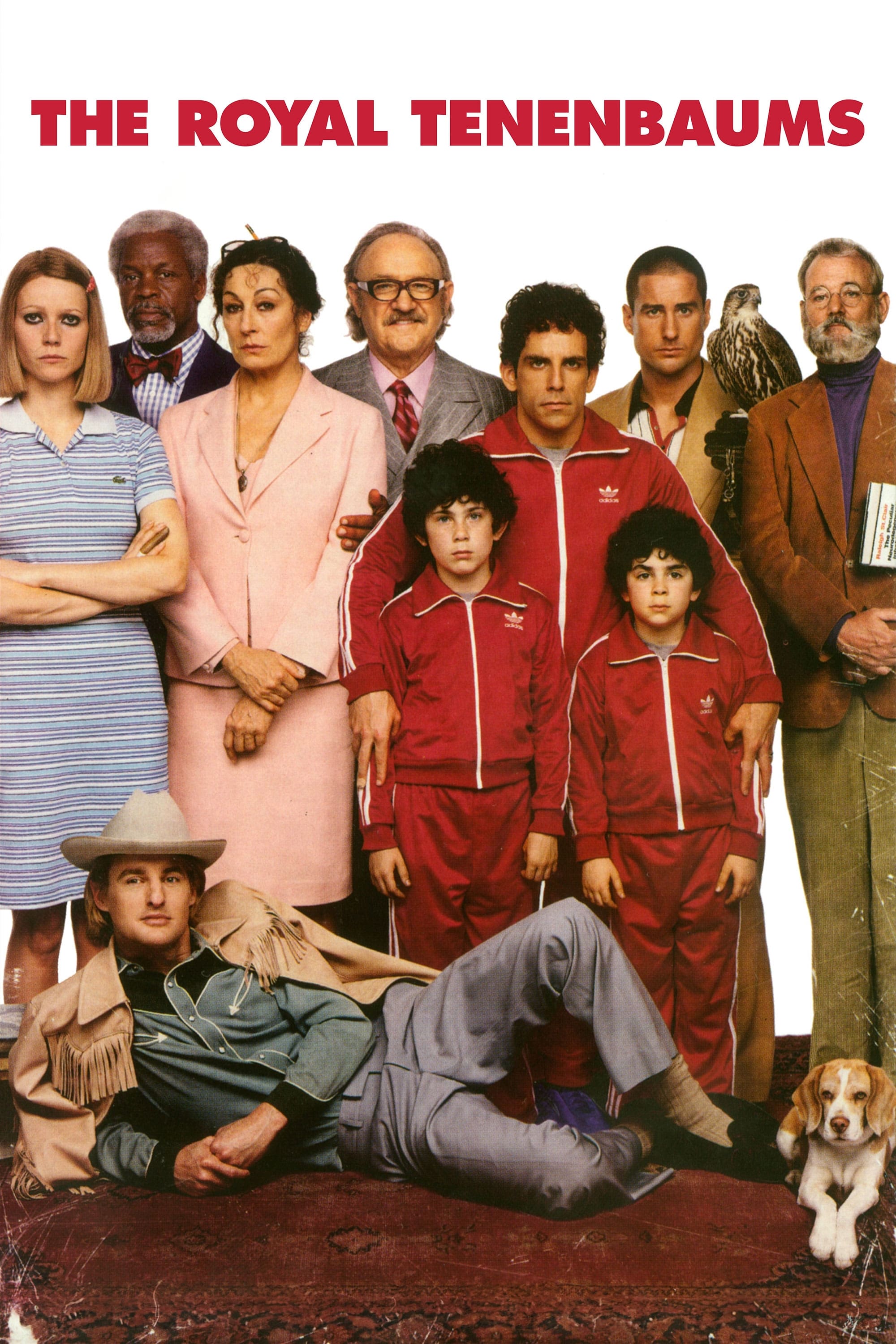
The film introduces its characters through symmetrical tableaus that resemble museum displays or book illustrations. This framing device establishes the family members as icons of their own past successes. The visual stagnation mirrors their inability to move forward in their personal lives. Wes Anderson uses this structure to create a tragicomic tone that balances humor with melancholy. The composition holds the eccentric family together even when they are emotionally distant.
‘Hereditary’ (2018)

The film opens with a shot of a dollhouse that perfectly transitions into a real bedroom to blur the lines of reality. Ari Aster uses this framing to suggest that the family has no control over their tragic destiny. The symmetry of the house interiors feels claustrophobic and constructed. Characters are often framed in doorframes or windows to look like trapped dolls. This visual motif enhances the feeling of dread and supernatural manipulation.
‘Lawrence of Arabia’ (1962)

David Lean uses the vast horizon line of the desert to split the frame with perfect symmetry. The sheer scale of the landscape is emphasized by placing small figures in the dead center of the shot. This composition highlights the isolation of Lawrence and the overwhelming power of nature. The visual balance creates an epic scope that matches the grandeur of the historical narrative. The desert becomes a character itself through this precise geometric framing.
‘Drive’ (2011)
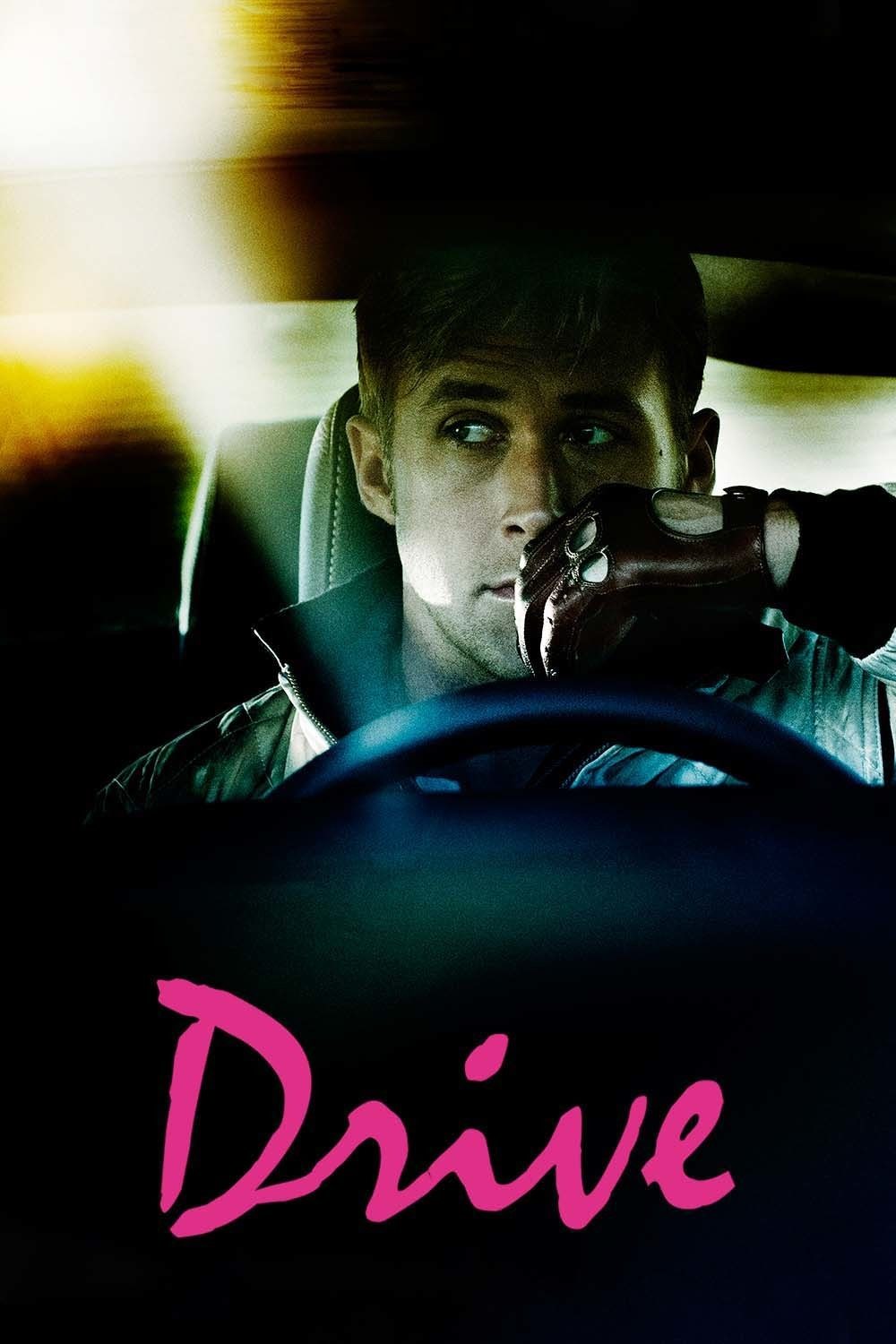
Nicolas Winding Refn uses a quadrant system to frame the Driver and emphasize his stoic nature. The car interiors are often shot with perfect symmetry to show the Driver’s control over his vehicle. Mirrors and windows are used to split the frame and show the duality of his gentle and violent sides. The visual precision matches the synthesizer soundtrack and the cool demeanor of the protagonist. This style elevates a simple crime story into an atmospheric mood piece.
‘Barry Lyndon’ (1975)
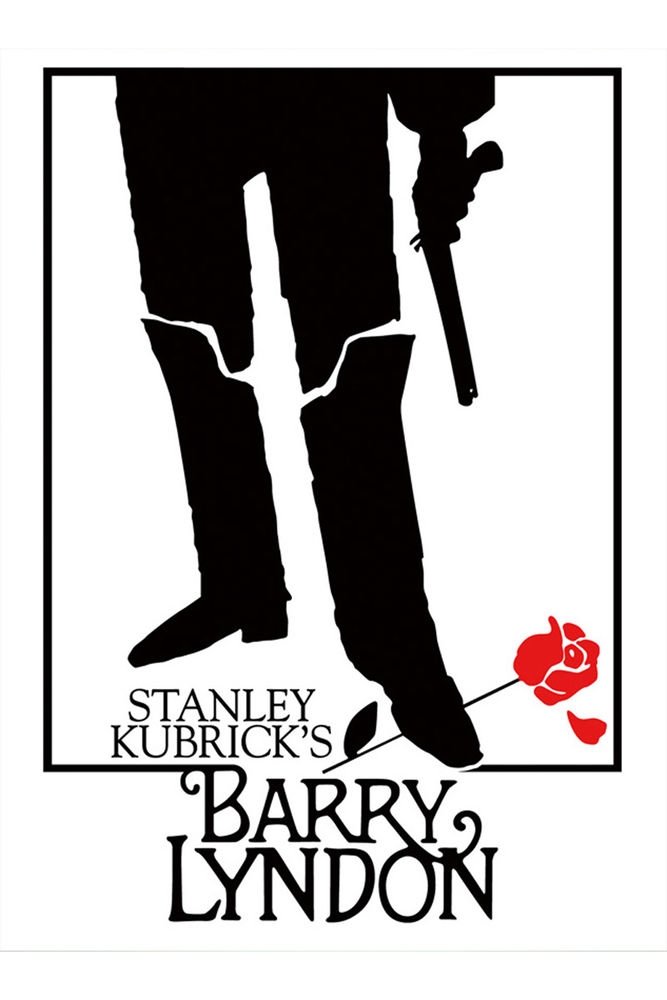
The film is shot to resemble 18th-century landscape paintings and portraits. Kubrick zooms out from centered subjects to reveal the immensity of their surroundings. The symmetry emphasizes the rigid social structures and etiquette of the time period. Characters often look like posed figures who are trapped by their societal roles. The natural lighting and balanced composition create a slow and hypnotic visual rhythm.
‘Oldboy’ (2003)
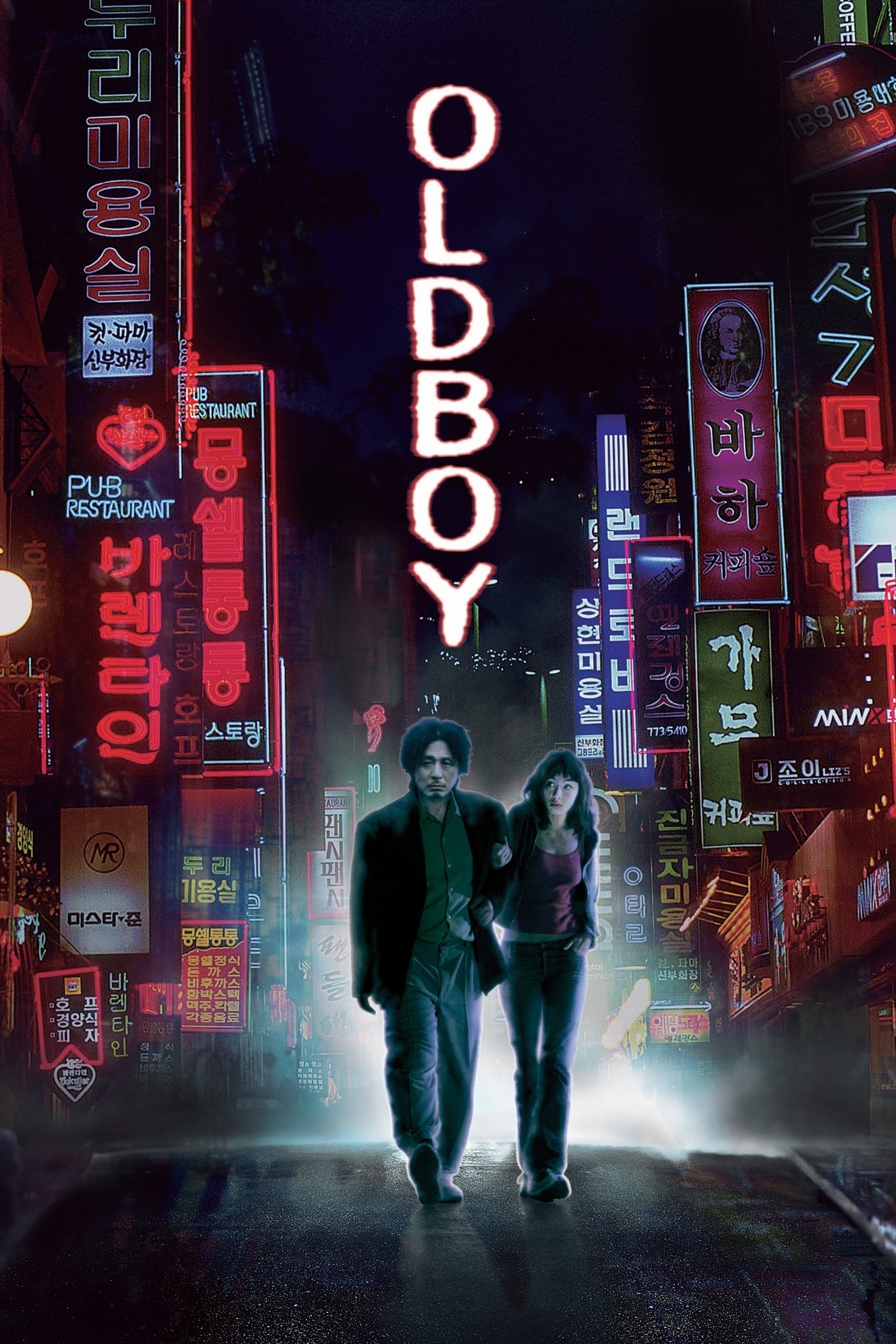
Park Chan-wook uses geometric patterns in wallpaper and architecture to create a dizzying effect. The famous hallway fight scene is shot from a flat side angle that maintains a video game-like symmetry. The framing often isolates the protagonist to emphasize his fifteen years of solitary confinement. Visual repetition is used to mirror the cycles of revenge and trauma. The stylized composition makes the extreme violence feel operatic.
‘Fantastic Mr. Fox’ (2009)
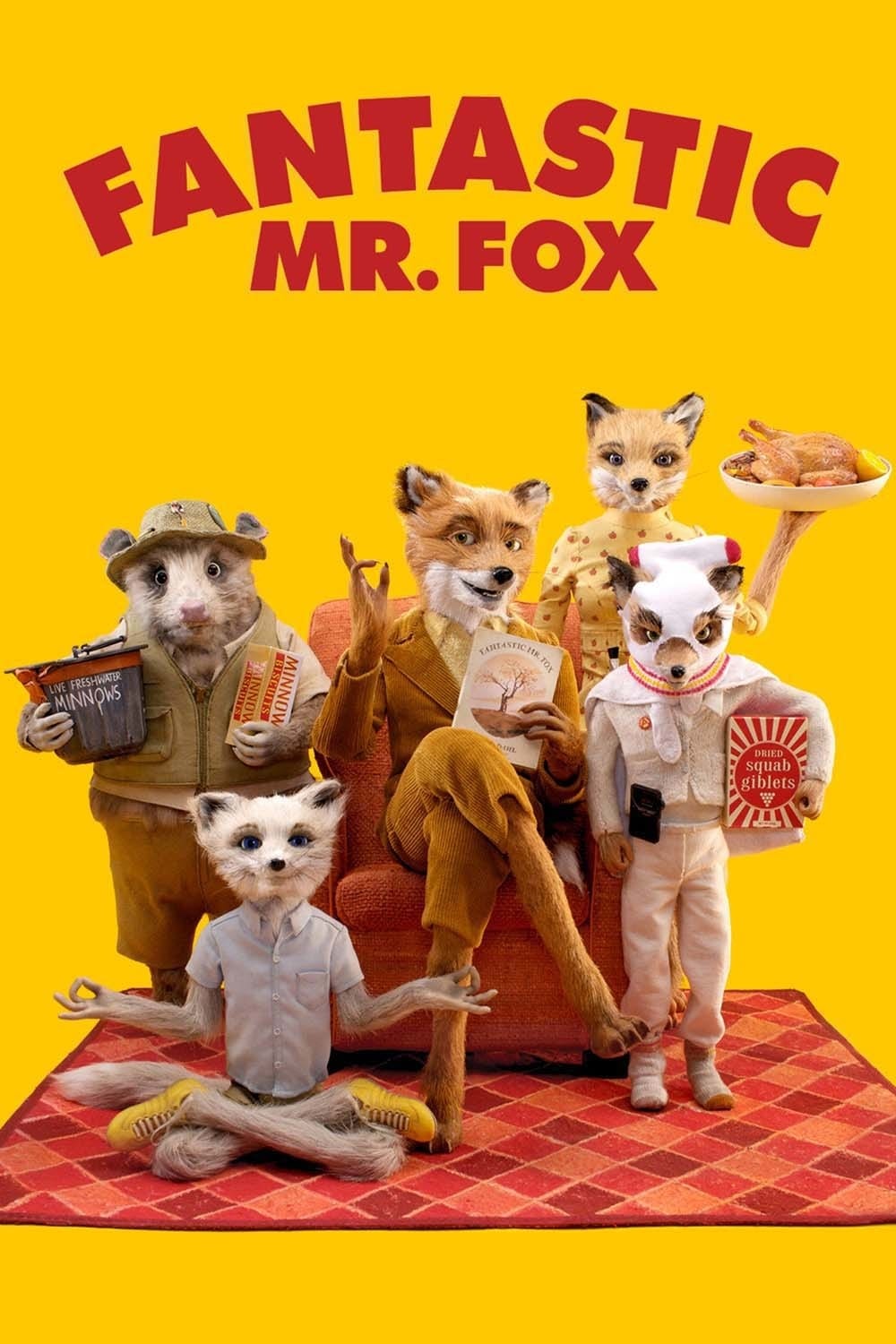
The stop-motion animation format allows for absolute control over the symmetry of every frame. The animals are frequently centered when speaking to create a direct connection with the audience. The horizontal tracking shots move with a mathematical precision that defines the geography of the world. This visual style translates the literary quality of the source material into cinema. The artificiality of the symmetry enhances the charm of the miniature world.
‘Melancholia’ (2011)
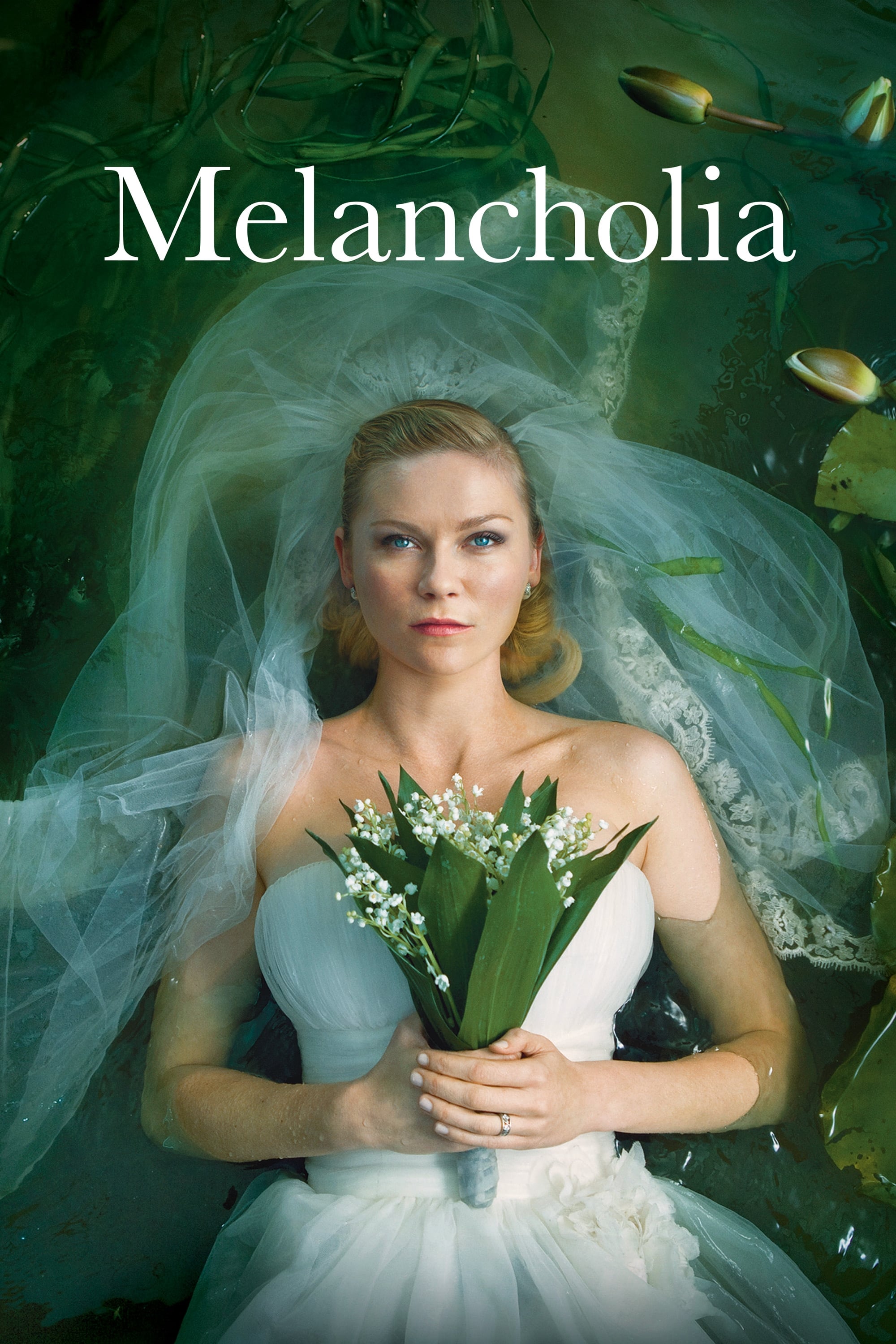
Lars von Trier uses the symmetry of the cosmos to contrast with the chaotic depression of the protagonist. The opening sequence features slow-motion tableaus that look like moving classical paintings. The alignment of the planets serves as a terrifying but beautiful ultimate deadline. Formal gardens and wedding lineups are shot to emphasize the hollowness of social rituals. The visual beauty makes the impending apocalypse feel peaceful rather than violent.
‘The Fall’ (2006)
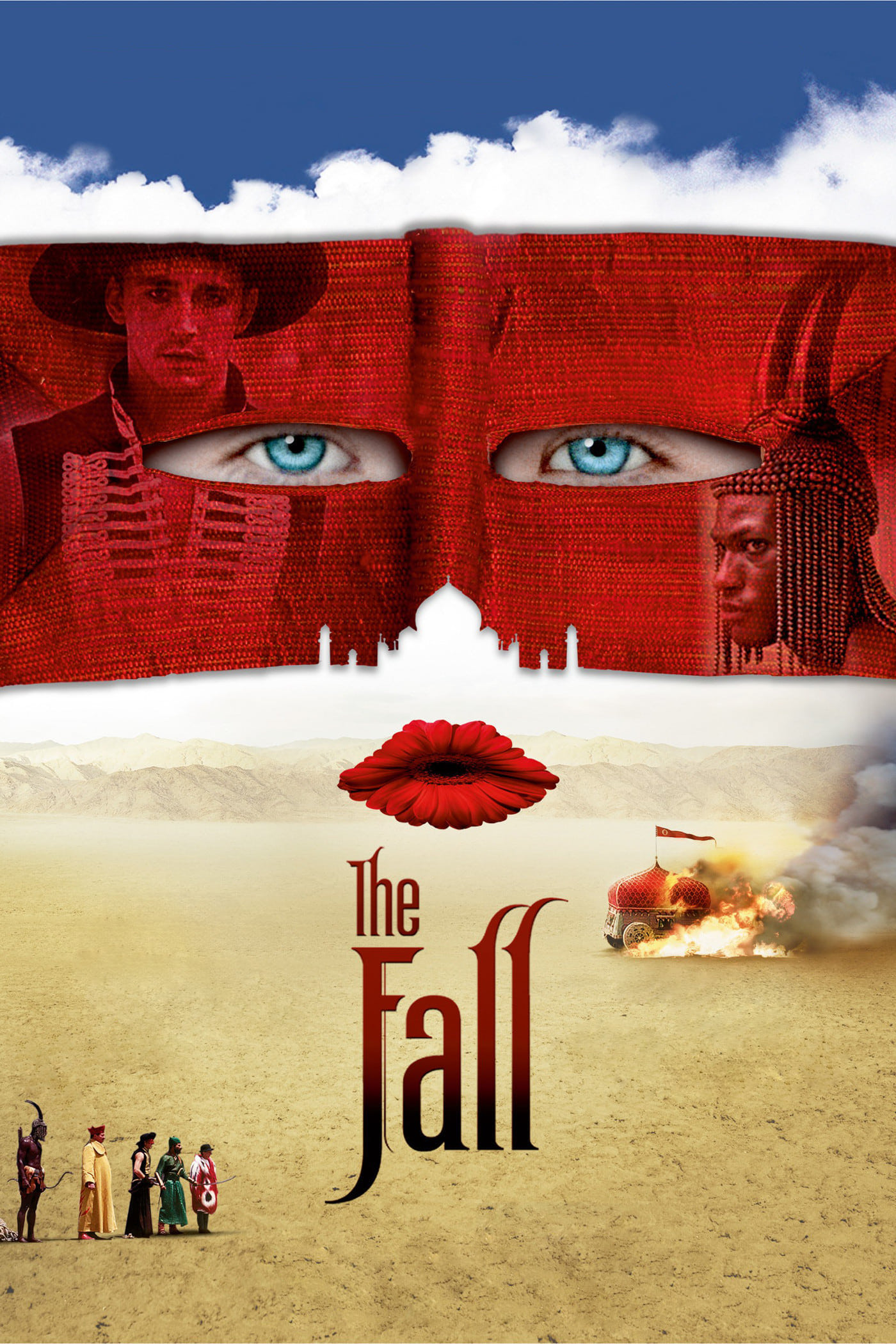
Tarsem Singh uses real-world locations with natural symmetry to create a fantasy landscape. The transition between the hospital and the story world is marked by vibrant colors and balanced composition. The framing turns architecture and deserts into surreal backdrops for the fable. Visual rhymes connect the reality of the injured stuntman with the fiction he invents. The symmetry serves to bring order to the protagonist’s broken physical and mental state.
‘Stoker’ (2013)

Park Chan-wook brings his precise visual style to this gothic thriller about a mysterious uncle. The staircase and the layout of the house are used to create visual parallels between the characters. Shots often mirror each other to imply a psychic connection or shared dark nature. The symmetry adds an erotic tension to the scenes of violence and discovery. The camera work transforms the domestic setting into a predatory environment.
‘Tron: Legacy’ (2010)
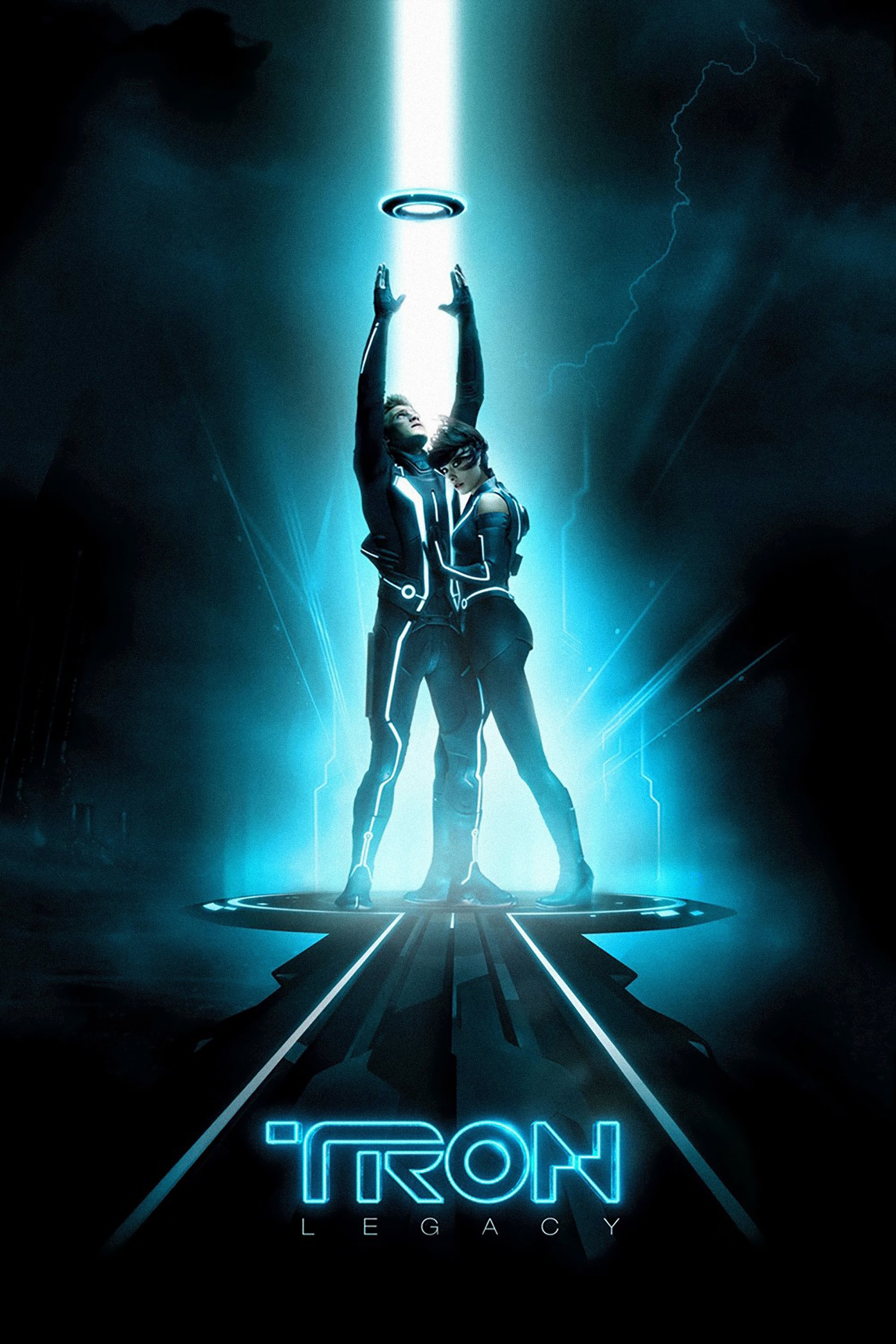
The digital world of the Grid is defined by perfect lines and neon symmetry. The architecture of the computer simulation creates a cold and fascist aesthetic. Characters are often framed against massive symmetrical backgrounds to show their insignificance in the system. The visual style reflects the villain’s obsession with creating a perfect universe. The clean lines contrast sharply with the chaotic humanity of the protagonists.
‘Asteroid City’ (2023)

The desert setting is transformed into a theatrical stage through rigorous symmetrical composition. Wes Anderson uses the flat horizon and arranged structures to emphasize the artificiality of the narrative layers. The framing highlights the isolation of the characters who are stuck in quarantine. The pastel color palette and balanced shots create a retro-futuristic postcard look. The visual order tries to make sense of the existential questions posed by the alien arrival.
Please share your thoughts on which film utilized visual symmetry most effectively in the comments.