

25 Games With The Smartest Stealth Design

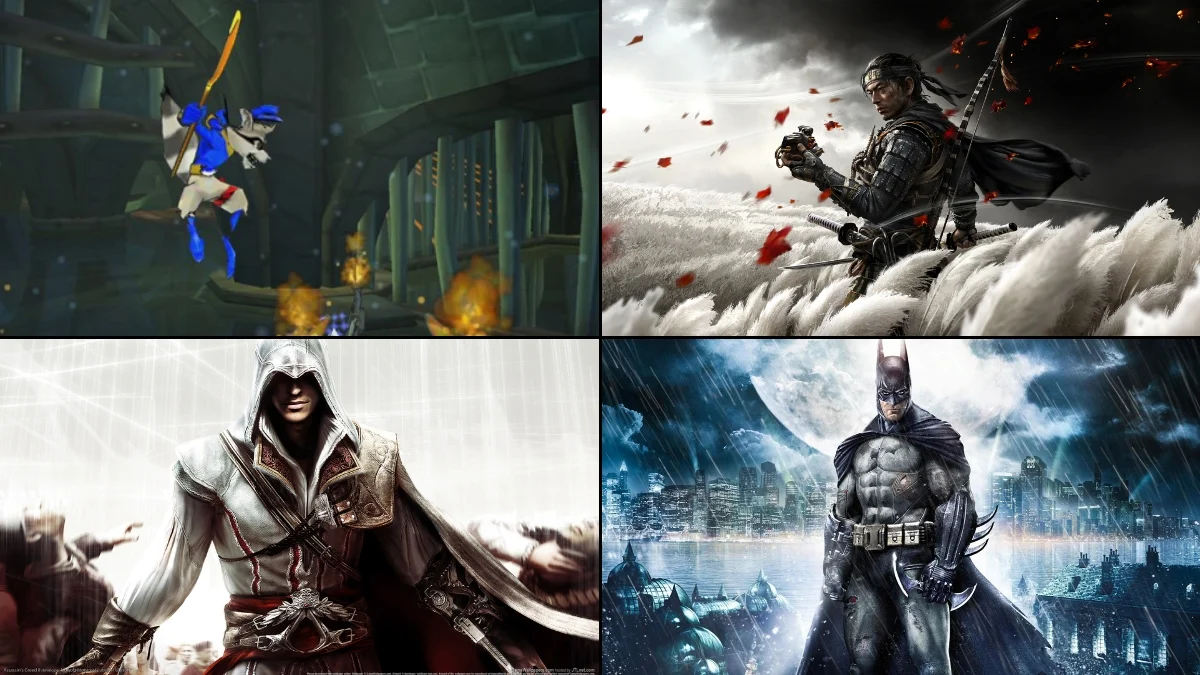


Stealth games live or die on the clarity of their systems—how light, sound, cover, AI behavior, and level layout speak to the player without breaking immersion. The picks below earned their reputation by giving you readable feedback, flexible tools, and environments that reward patience and creativity rather than brute force. From systemic sandboxes to tight side-scrollers, each entry shows a different way to make hiding, misdirection, and timing feel precise and fair. Along the way, you’ll also see who built these designs—developers and publishers that set the bar for sneaking smart.
‘Thief: The Dark Project’ (1998)
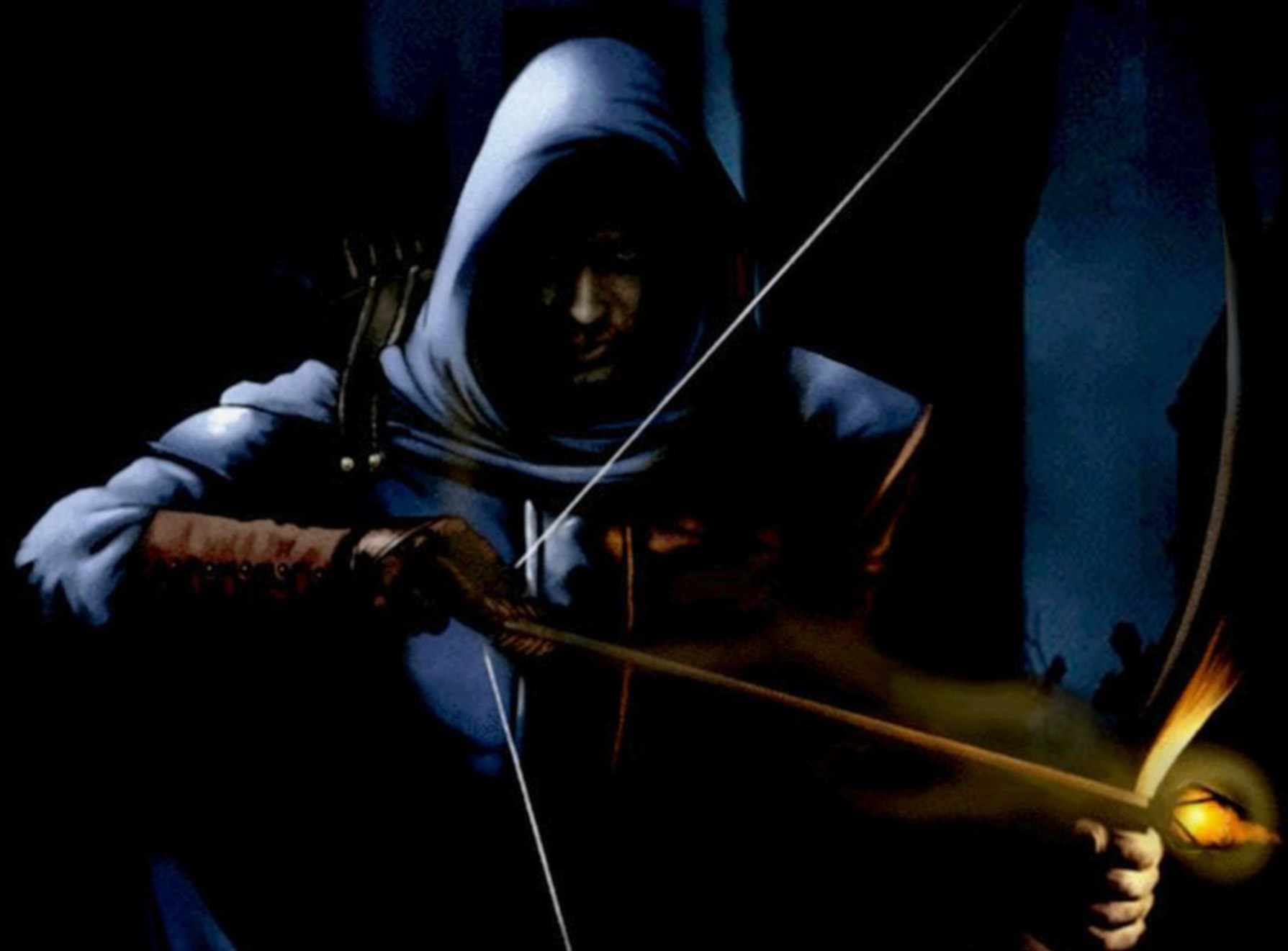
Looking Glass Studios used dynamic light and sound—tracked by a visible gem and distinct footstep surfaces—to make stealth an exact science rather than a guessing game, with Eidos Interactive publishing. Rope and water arrows let you shape the environment, turning vertical routes and torches into tools. Enemy AI followed clear states—idle, suspicious, alert—communicated through barks and animations. Missions offered multiple entrances, loot-driven exploration, and optional objectives that encouraged ghosting without forcing it.
‘Metal Gear Solid’ (1998)
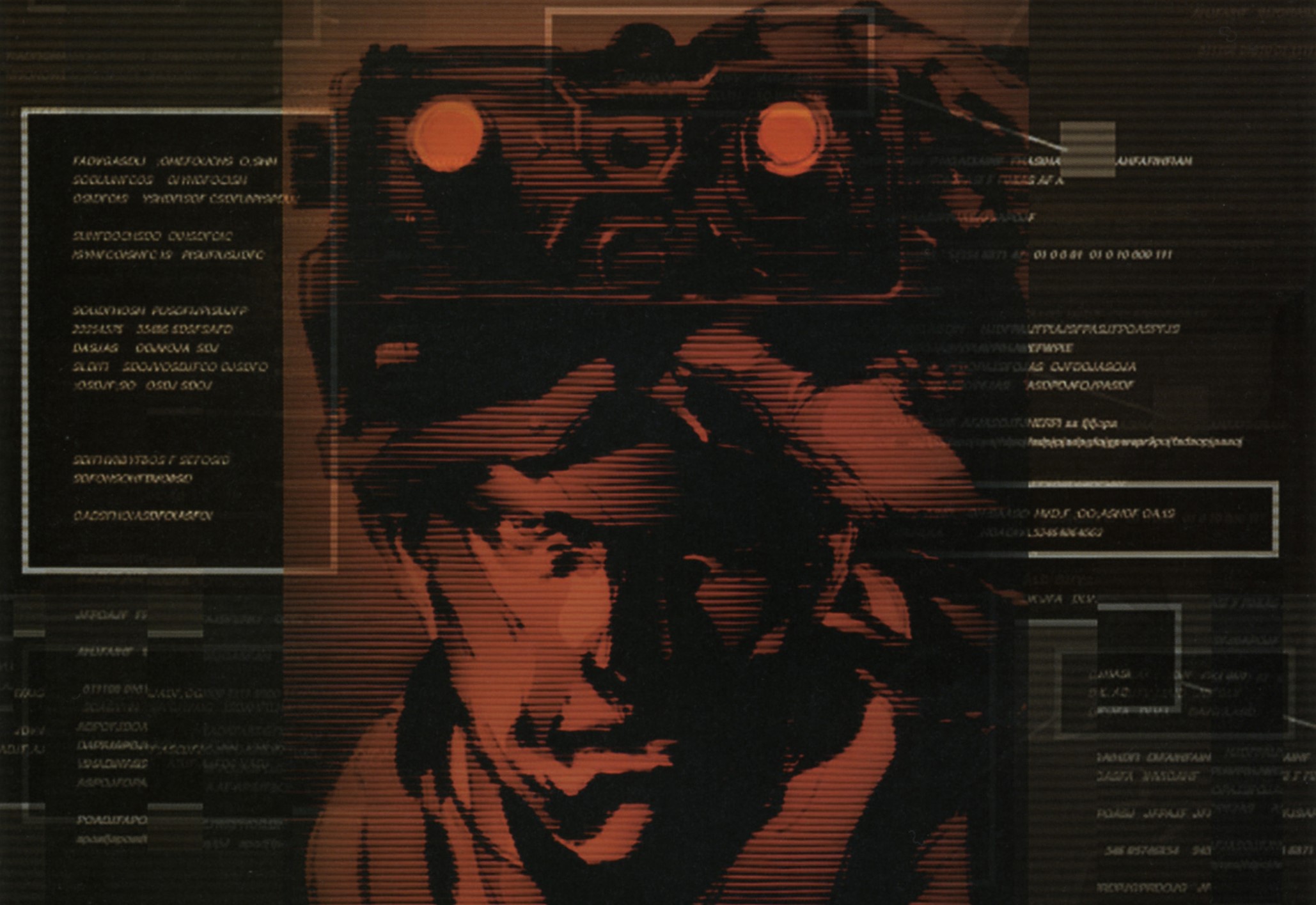
Konami Computer Entertainment Japan and publisher Konami established readable cone-based vision, radar feedback, and noise-baiting to structure stealth in top-down 3D spaces. Patrols, camera arcs, and vents created layered routes with deliberate risk-reward on every crawl and dash. Alert and evasion phases had predictable timers and search patterns, so recovery felt learnable. Gadgets like the Cardboard Box and SOCOM suppressor demonstrated how utility items can support stealth without breaking balance.
‘Tom Clancy’s Splinter Cell: Chaos Theory’ (2005)
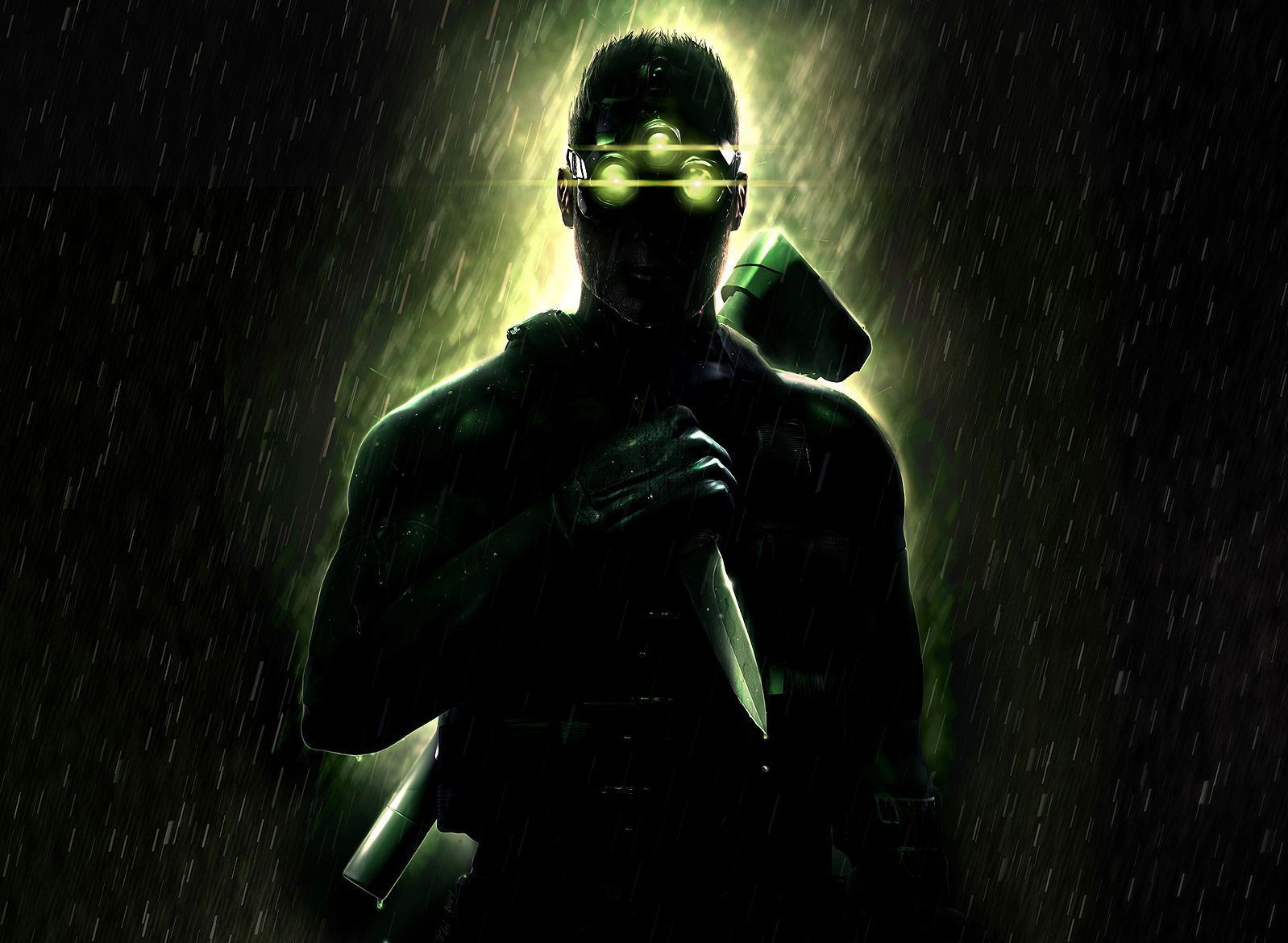
Ubisoft Montreal and Ubisoft fused a light meter with soft-shadow tech so players could measure exposure in real time. Sound propagation tracked stance, surface, and speed, letting you plan movement by listening and watching guards react. Levels supported multiple approaches—non-lethal knockouts, lethal tools, and gadget-based diversions—without punishing experimentation. AI escalated logically from curiosity to coordinated room clears, reinforcing the importance of darkness management.
‘Hitman’ (2016)

IO Interactive and Square Enix (later IO self-publishing) centered stealth on social disguise, trespass zones, and suspicion meters that telegraphed risk. Open “World of Assassination” sandboxes broadcast opportunities, access tiers, and routine patterns so you could map safe paths in real time. Sound and line-of-sight rules were consistent, making accidents and distractions dependable tools. Mastery tracks and escalation contracts pushed replayable stealth puzzles with transparent logic.
‘Dishonored’ (2012)
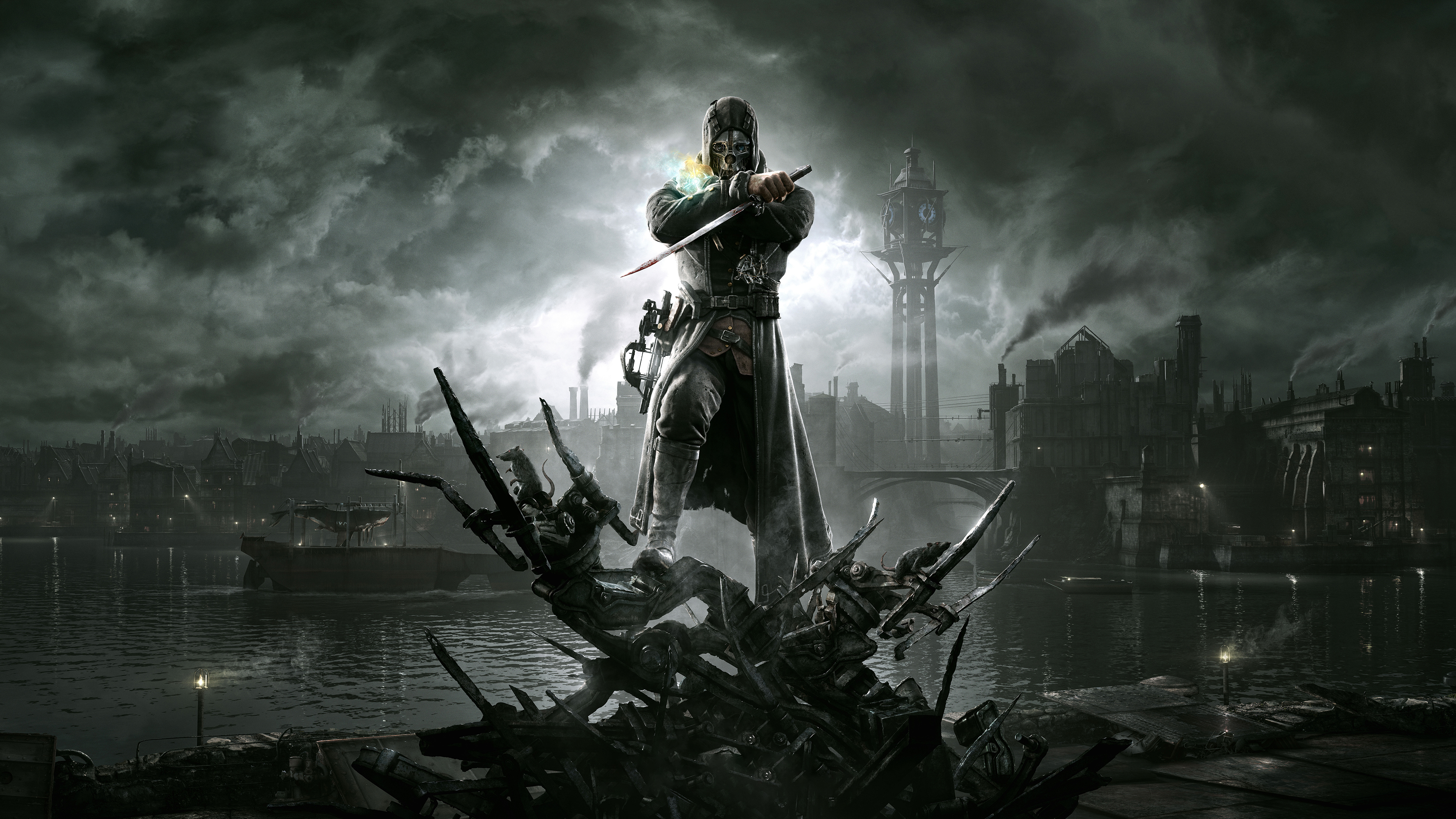
Arkane Studios and Bethesda Softworks built stealth around visibility cones, noise, and verticality, amplified by powers like ‘Blink’ and ‘Dark Vision’ that respect detection rules. Non-lethal paths, choke points, and body-hiding systems encouraged careful space management. Detection escalated in readable steps, and chaos tracking altered patrol density to reflect your approach. Levels such as the ‘High Overseer’ mission layered rooftops, interiors, and alleys to support route planning.
‘Deus Ex’ (2000)
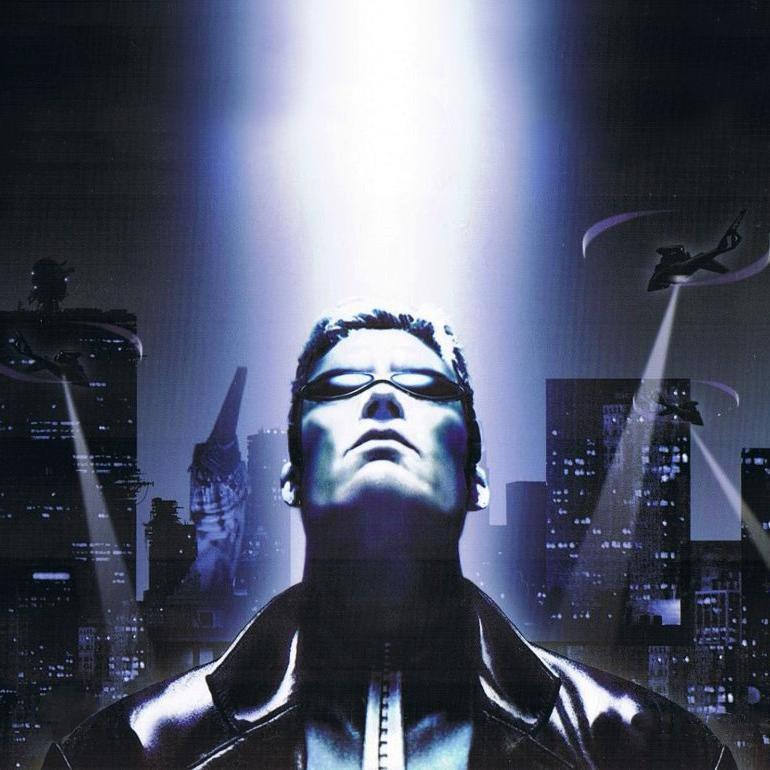
Ion Storm and Eidos Interactive framed stealth as an RPG toolkit—skills, augmentations, and silencers—operating on consistent sight and noise checks. Vent networks, shadows, and keycodes allowed bypasses without combat, while multi-solution doors reinforced systemic problem-solving. AI reacted to light switches, broken cameras, and open doors, signaling how your actions ripple through patrol logic. Non-linear hubs let you scout, scout again, and commit only when your plan felt safe.
‘Mark of the Ninja’ (2012)

Klei Entertainment and Microsoft Studios used silhouette art and explicit sound circles to show exactly what guards hear and see. Tools like noisemakers, traps, and line-cutting are predictable, enabling puzzle-like stealth without cheap surprises. Bodies, lights, and vantage points are resources you manage to sculpt patrol routes. Clear iconography—vision cones, noise radii, and alarm states—let precision platforming and stealth speak the same language.
‘Alien: Isolation’ (2014)
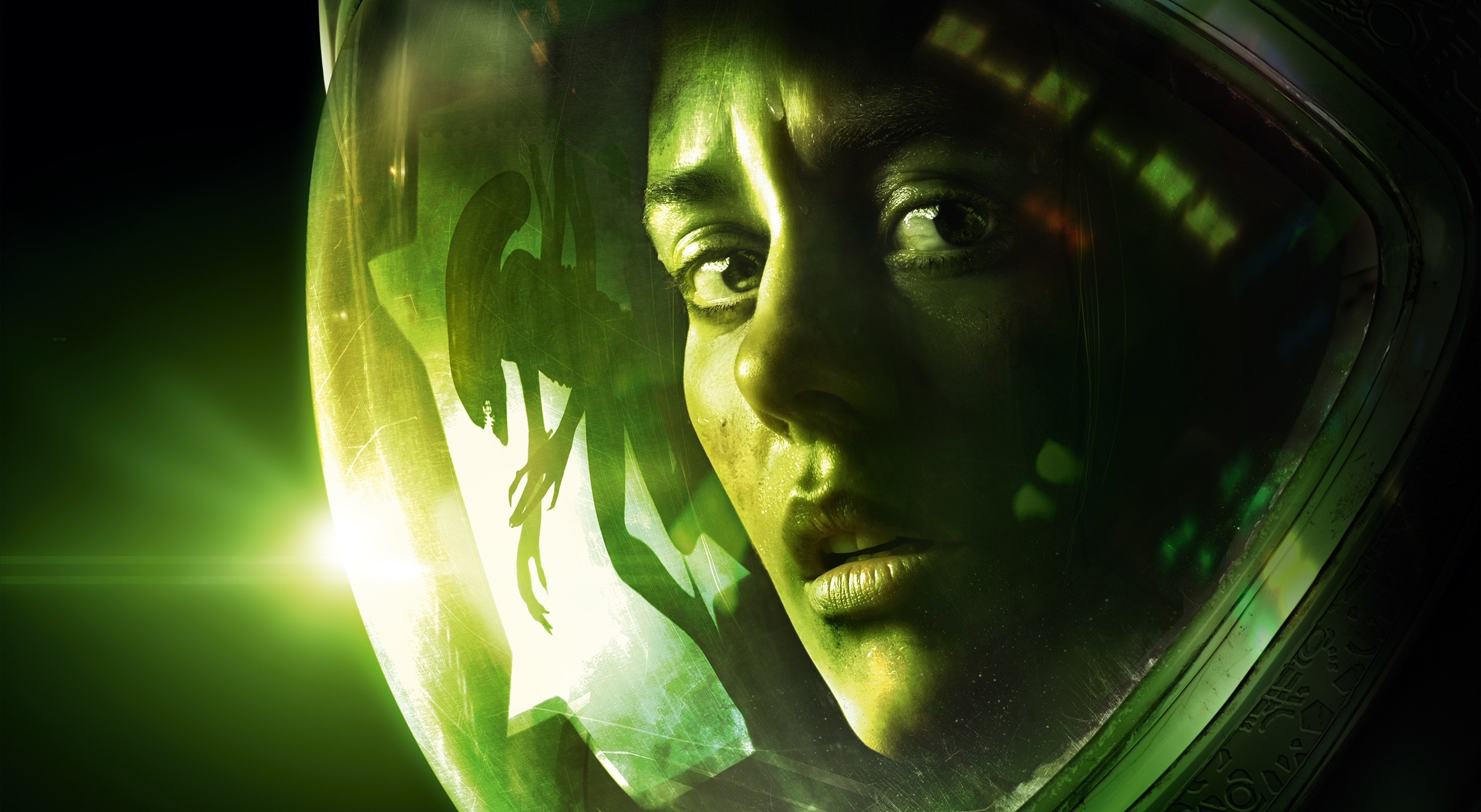
Creative Assembly and Sega built a single, systemic predator whose senses—sound, sight, and vent traversal—demanded disciplined movement and tool use. The motion tracker introduced an intentional blind-spot tradeoff: awareness versus tunnel vision. Noise propagation and scarce items turned every step into a risk calculation. Dynamic AI pacing ensured hide-and-seek cycles felt tense yet fair, with clear tells when the Alien switched from searching to hunting.
‘Tenchu: Stealth Assassins’ (1998)
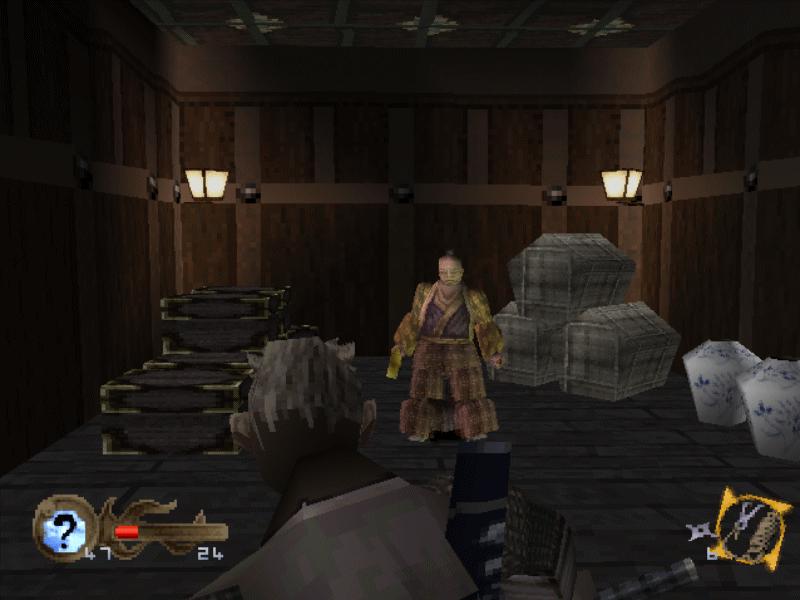
Acquire and Activision structured missions around rooftop routes, grappling hooks, and instant-feedback stealth kills. A visibility meter communicated exposure, while enemy awareness shifted through predictable stages. Item variety—rice balls, caltrops, smoke—supported escapes without trivializing detection. Scoring rewarded unseen approaches, encouraging players to internalize patrol rhythms and terrain.
‘The Chronicles of Riddick: Escape from Butcher Bay’ (2004)

Starbreeze Studios and Vivendi Universal Games made darkness a controllable asset using light switches and shadows to gate movement. AI tracked recent disturbances, creating windows to slip past rather than hard fail-states. Melee-centric stealth emphasized positioning and timing over gadgets. Level loops and vent networks taught safe routes through repeat exposure and consistent guard reactions.
‘Commandos 2: Men of Courage’ (2001)
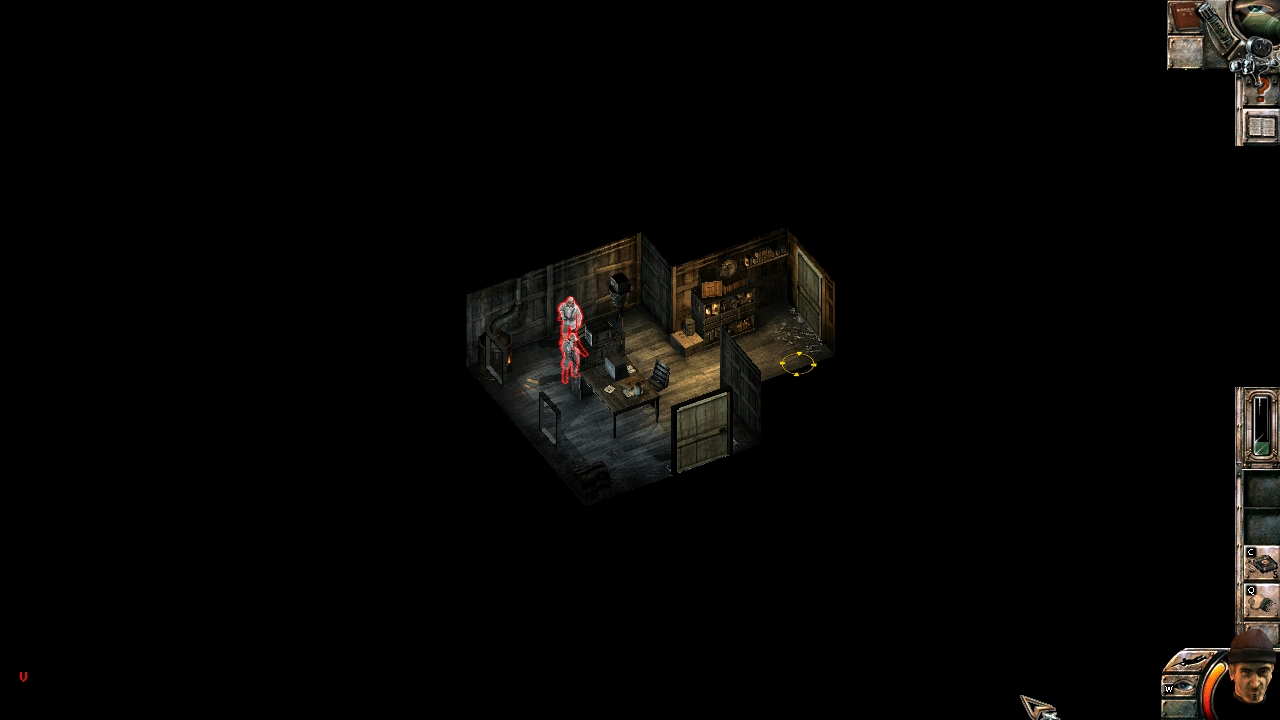
Pyro Studios and Eidos Interactive visualized enemy vision cones and hearing ranges in an isometric view for deterministic stealth. Class-based tools—decoys, uniforms, climbing—made each character a distinct solution set. Multi-entry objectives, body dragging, and line-of-sight blockers supported meticulous route planning. Quick-save design encouraged iteration without undermining the integrity of the systems.
‘Invisible, Inc.’ (2015)
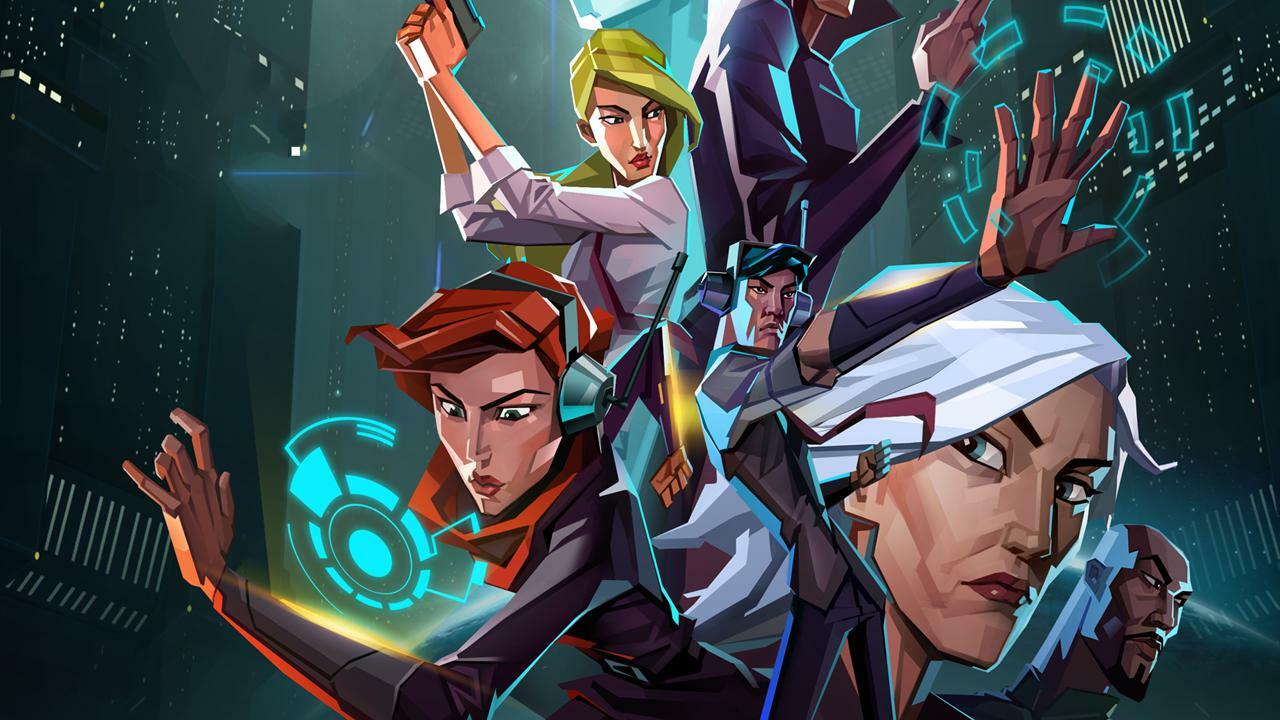
Klei Entertainment published a turn-based stealth framework where information—guard patrol previews, camera coverage, and power economy—drives safe decisions. Procedural levels remain fair via consistent rules for vision, sound, and alert escalation. Hacking adds a parallel stealth layer, letting you neutralize hazards without direct confrontation. Time-pressure from alarm tiers forces calculated risks rather than rote stalling.
‘Styx: Master of Shadows’ (2014)
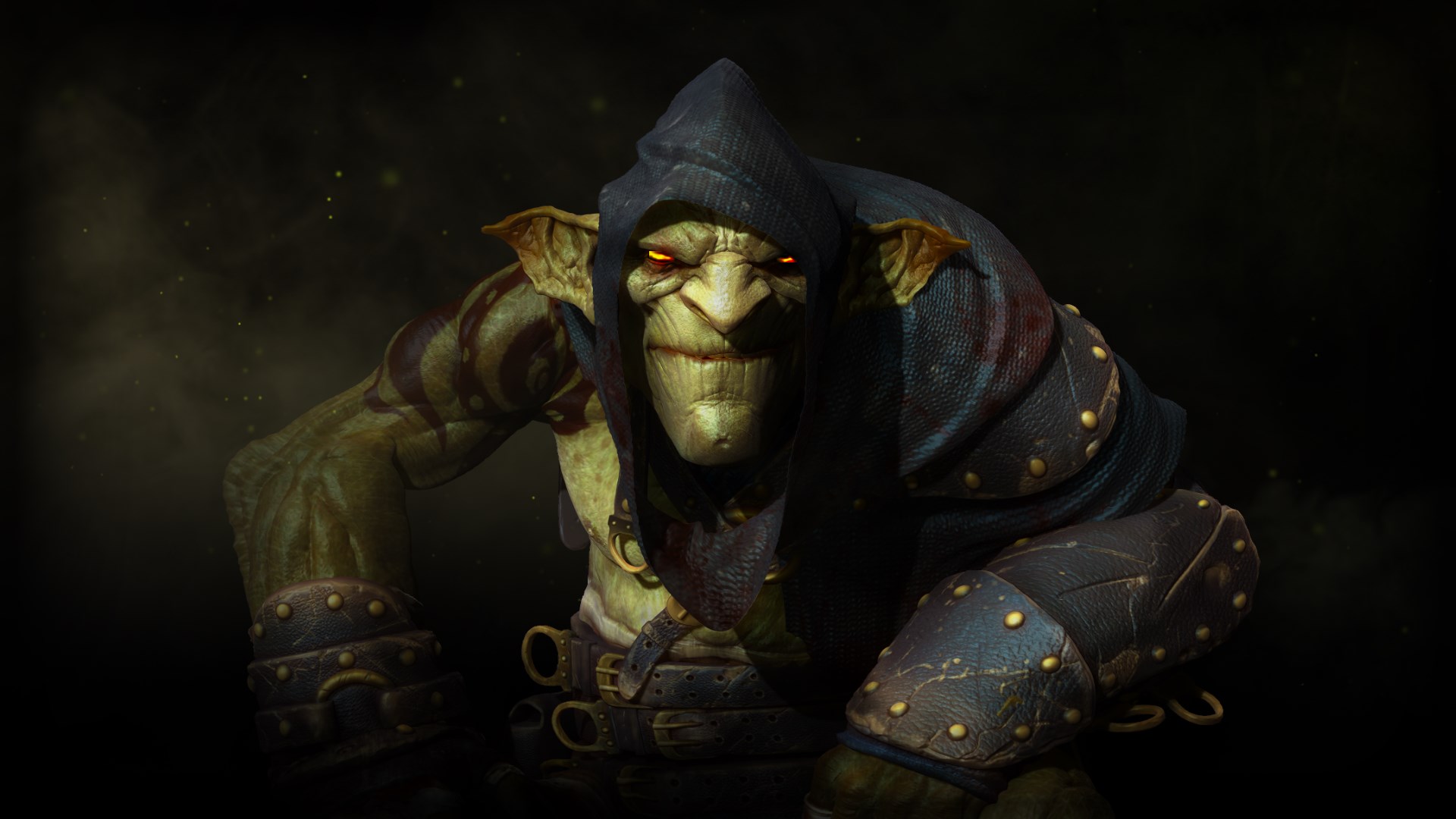
Cyanide Studio and Focus Home Interactive built stealth around vertical infiltration, corpse management, and shadow-driven invisibility. Enemies respond to sounds and missing lights with graded suspicion, giving space to recover. Cloning and acid vials add tactical options for distraction and cleanup. Non-linear maps promote route scouting, lockpicking, and key theft as core loops.
‘Batman: Arkham Asylum’ (2009)
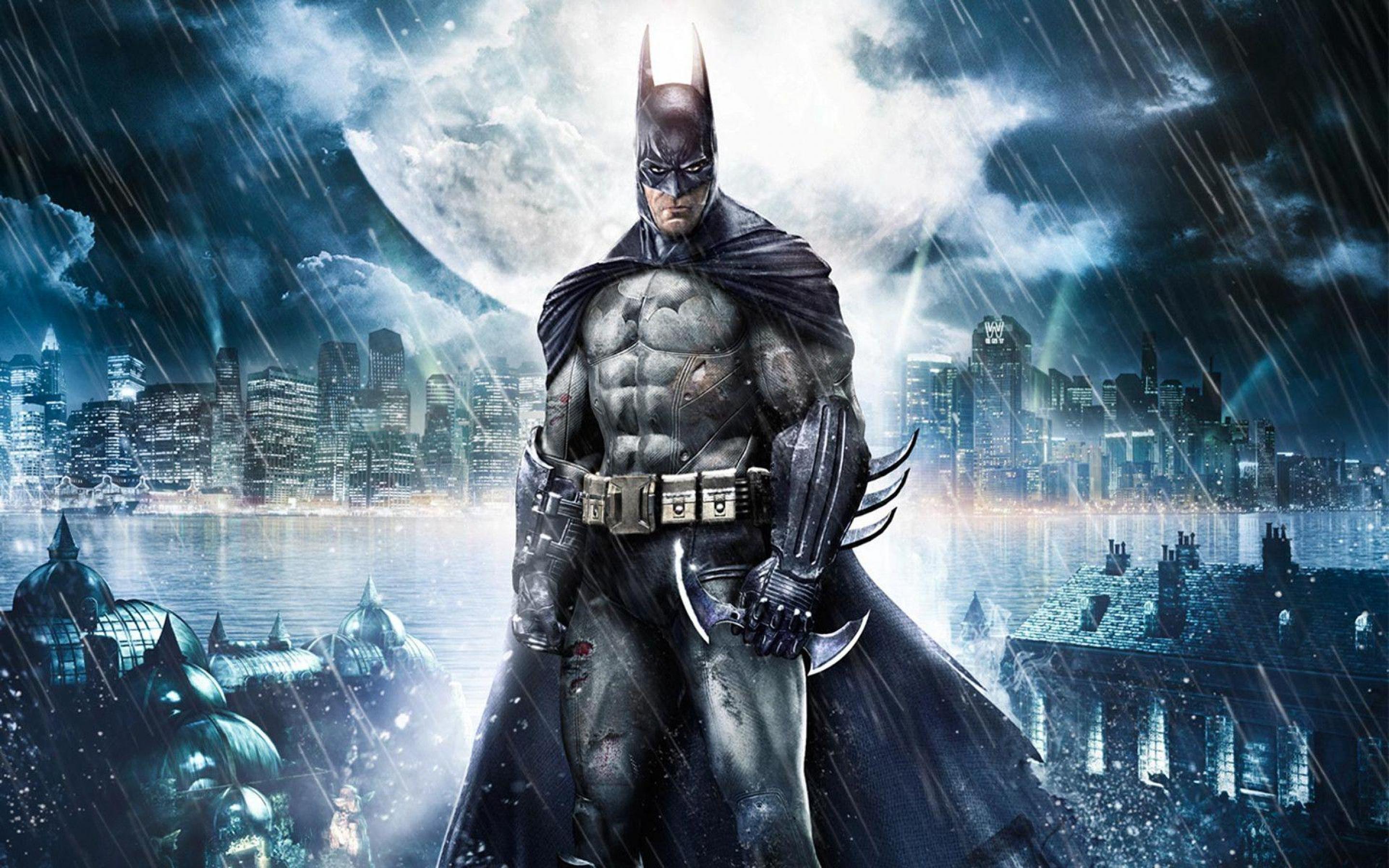
Rocksteady Studios and Warner Bros. Interactive Entertainment blended “predator rooms” with gargoyles, vents, and breakable line-of-sight to create readable stealth arenas. Detective Vision clarified guard positions, heart rates, and weapons—information that never breaks rules. Enemies escalate with mines and signal jammers, pushing you to rotate tactics. Fear takedowns and silent drops reward planning rather than speed.
‘Assassin’s Creed II’ (2009)
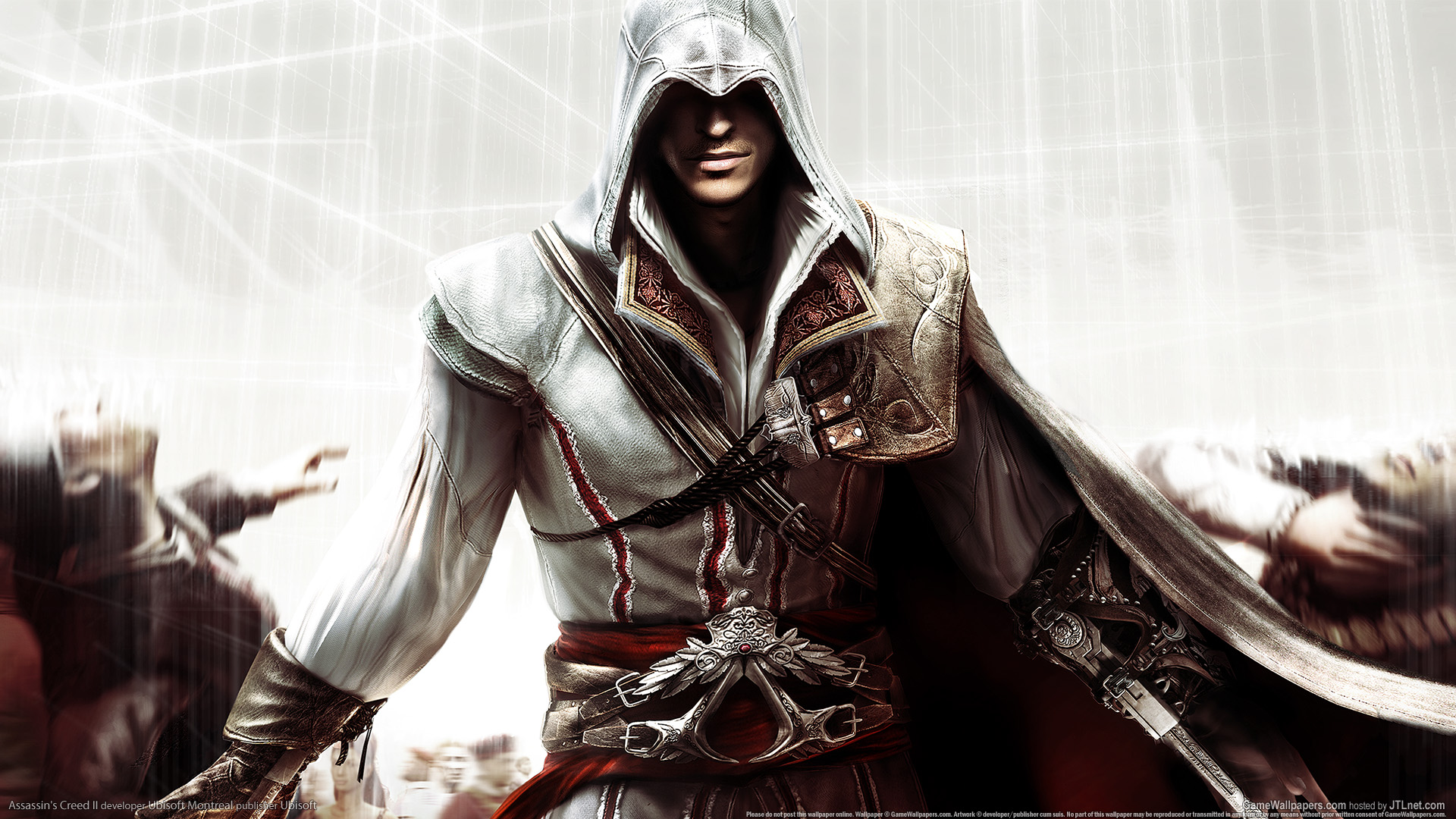
Ubisoft Montreal and Ubisoft advanced social stealth with blend groups, benches, and crowd camouflage that obey clear trespass rules. Notoriety and line-of-sight break mechanics ensured chases had consistent escape options. Rooftop guards, viewpoints, and patrol loops created layered pursuit and infiltration. Mission structures offered multiple entry vectors, aligning parkour systems with silent approaches.
‘Desperados III’ (2020)
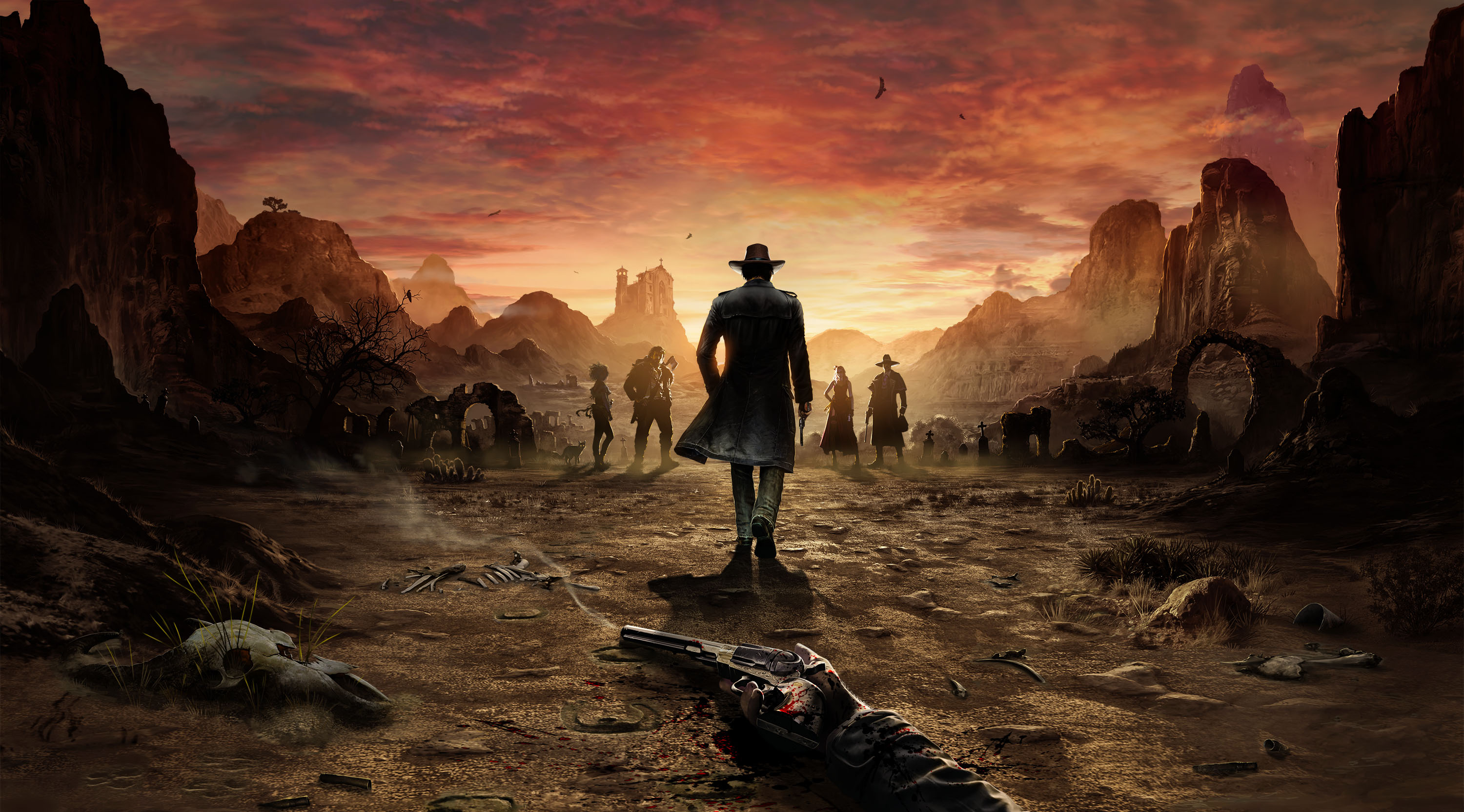
Mimimi Games and THQ Nordic revived real-time tactics stealth with synchronized actions, vision-cone overlays, and noise lures. Showdown Mode let you queue multi-character moves that resolve within clear detection windows. Terrain—bushes, verticality, and distraction props—supports deterministic planning. Enemy states and cone colors communicate suspicion versus hard detection at a glance.
‘Shadow Tactics: Blades of the Shogun’ (2016)
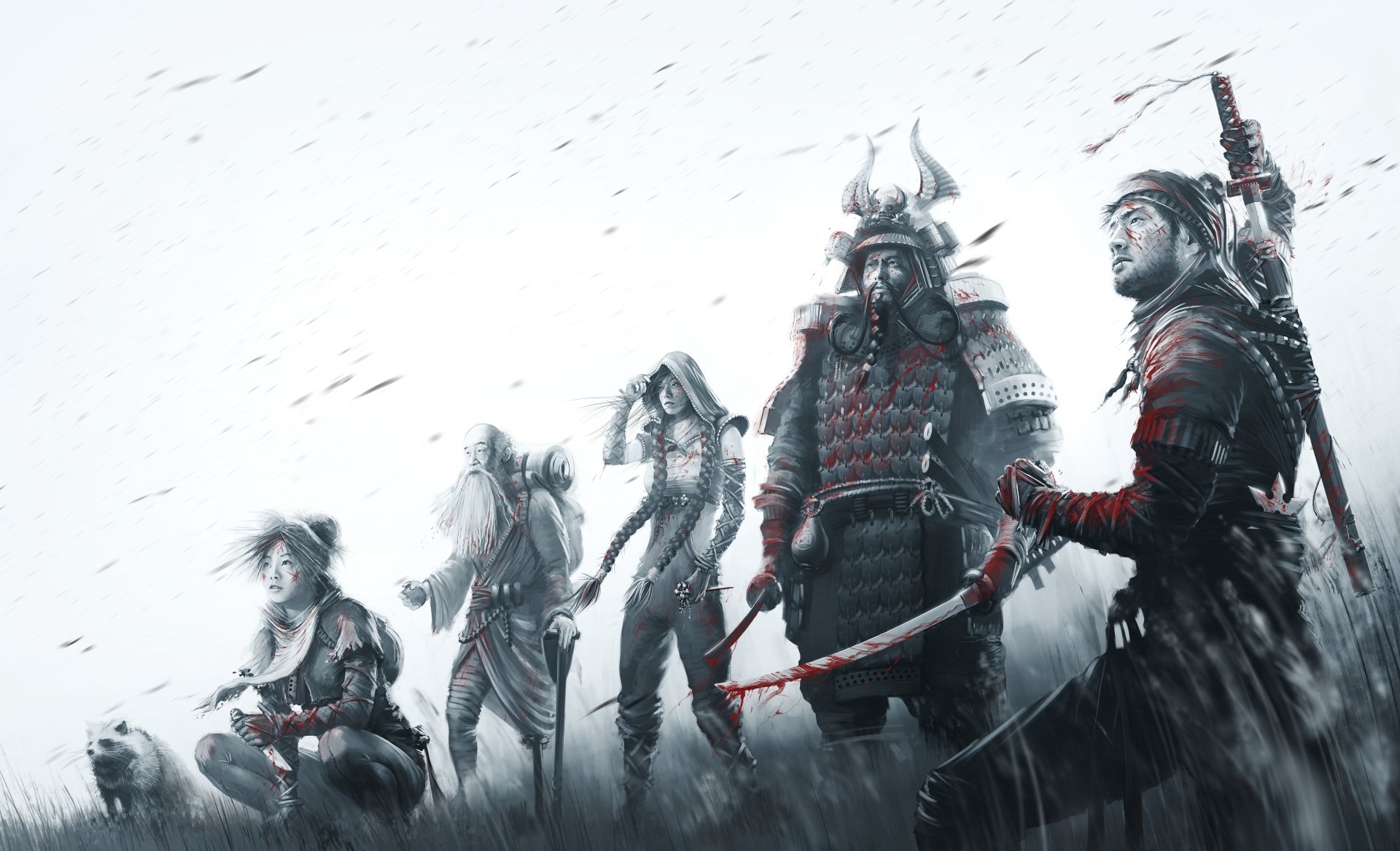
Mimimi Productions and Daedalic Entertainment emphasized overlapping cones, elevation, and noise to create clockwork infiltration puzzles. Character kits interlock—hook shots, traps, disguises—with strict but understandable rules. Quick-save prompts encourage deliberate iteration while preserving challenge. Environmental storytelling and patrol barks telegraph safe timing without UI clutter.
‘A Plague Tale: Innocence’ (2019)
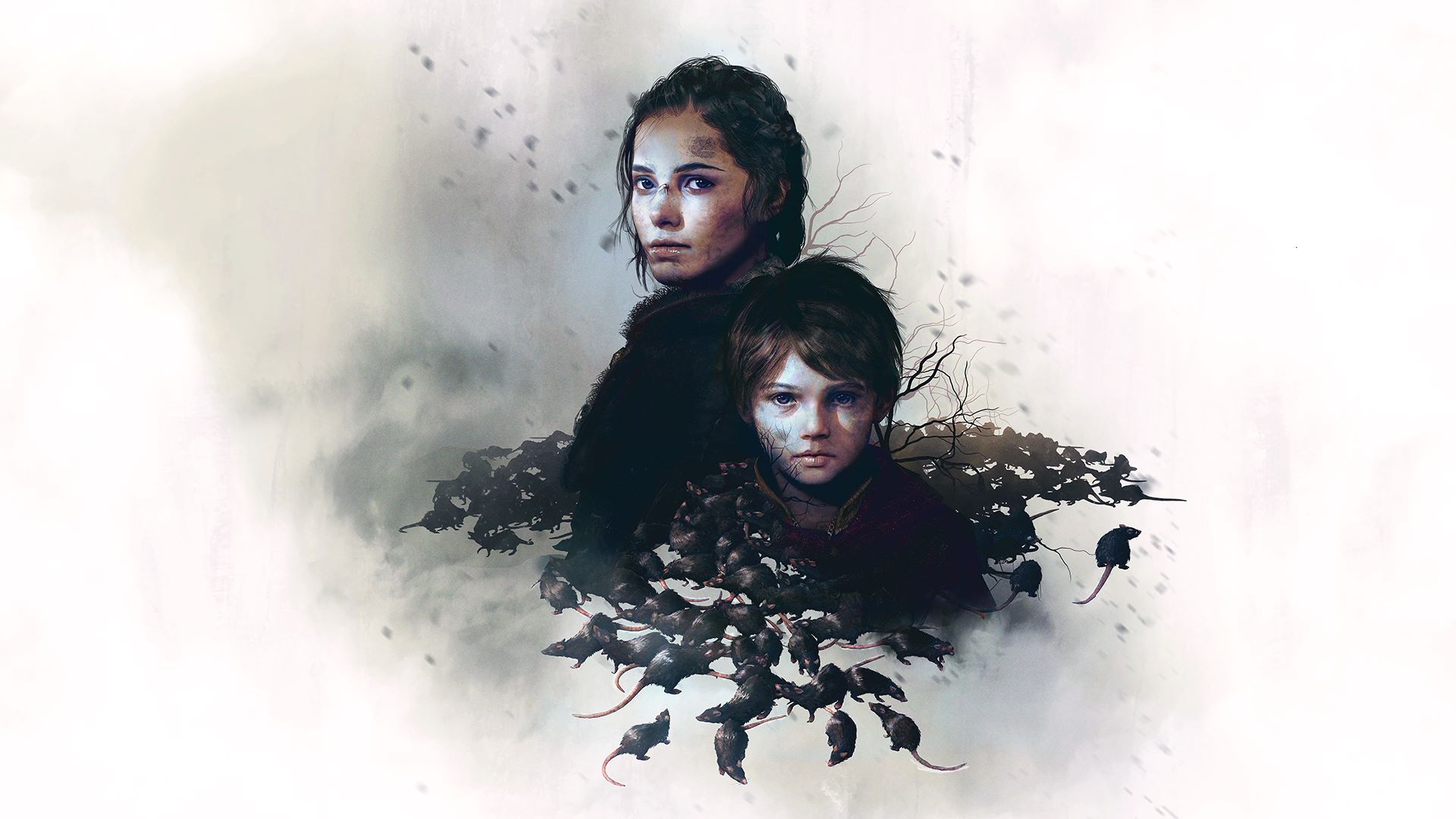
Asobo Studio and Focus Home Interactive used rat swarms, light sources, and guard armor states to script stealth with consistent counters. Torches and braziers create mobile safe zones that double as distractions. Enemy awareness escalates transparently from curiosity to search, allowing mid-encounter course correction. Level design funnels options—under carts, through tall grass—without removing agency.
‘Metal Gear Solid V: The Phantom Pain’ (2015)

Kojima Productions and Konami delivered systemic stealth across open fields with dynamic time-of-day, weather, and equipment permutations. Enemies adapt—helmets, NVGs, stronger patrols—based on your habits, but counters remain available. Sound meters, stance, and surface types make movement risk legible. Tools like the Fulton and cardboard decoys expand options without breaking detection logic.
‘Ghost of Tsushima’ (2020)
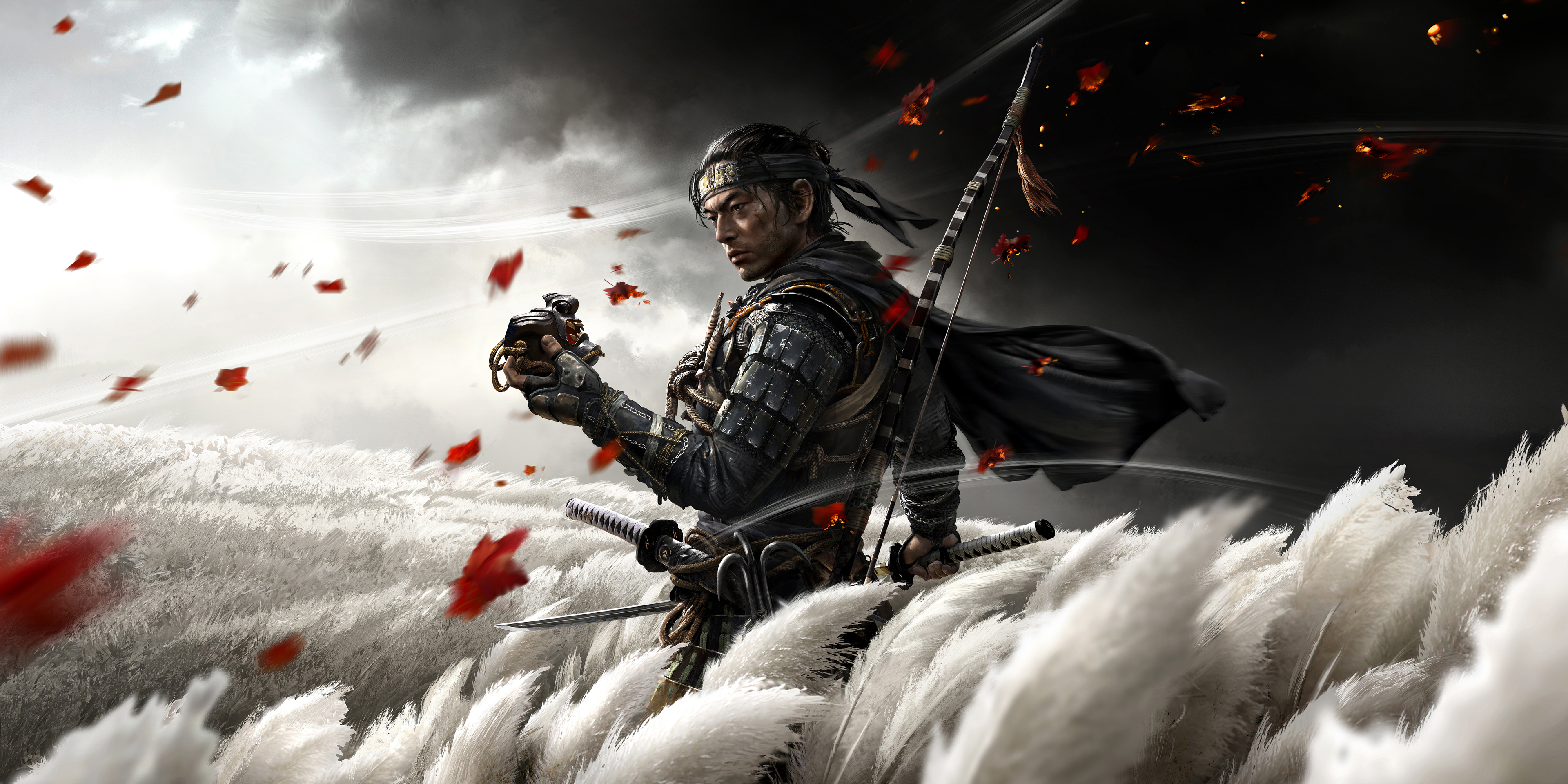
Sucker Punch Productions and Sony Interactive Entertainment paired grass, rooftops, and crawlspaces with clear line-of-sight and sound rules. Enemy alert states evolve from yellow suspicion to red combat, giving room to reset. Chain assassinations and wind chimes reinforce predictable stealth combos. Camps feature multiple ingress points, letting you case the area before committing.
‘Sly Cooper and the Thievius Raccoonus’ (2002)
Sucker Punch Productions and Sony Computer Entertainment used ring-tail platforming with guard cones, spotlights, and audible cues to teach stealth fundamentals. Alarm tiers and key theft encouraged planning routes through hazards. Gadgets like decoys and speed boosts fit within consistent detection rules. Levels offered collectible-driven exploration that rewarded clean, unseen movement.
‘Manhunt’ (2003)

Rockstar North and Rockstar Games structured stealth around audio lures, light manipulation, and cover silhouettes. Enemy AI tracked last-known positions and reacted to noise with graded searches. Execution tiers incentivized riskier timing without altering base detection logic. Urban arenas presented multiple flanking paths and hiding spots, enabling methodical advances.
‘Aragami’ (2016)
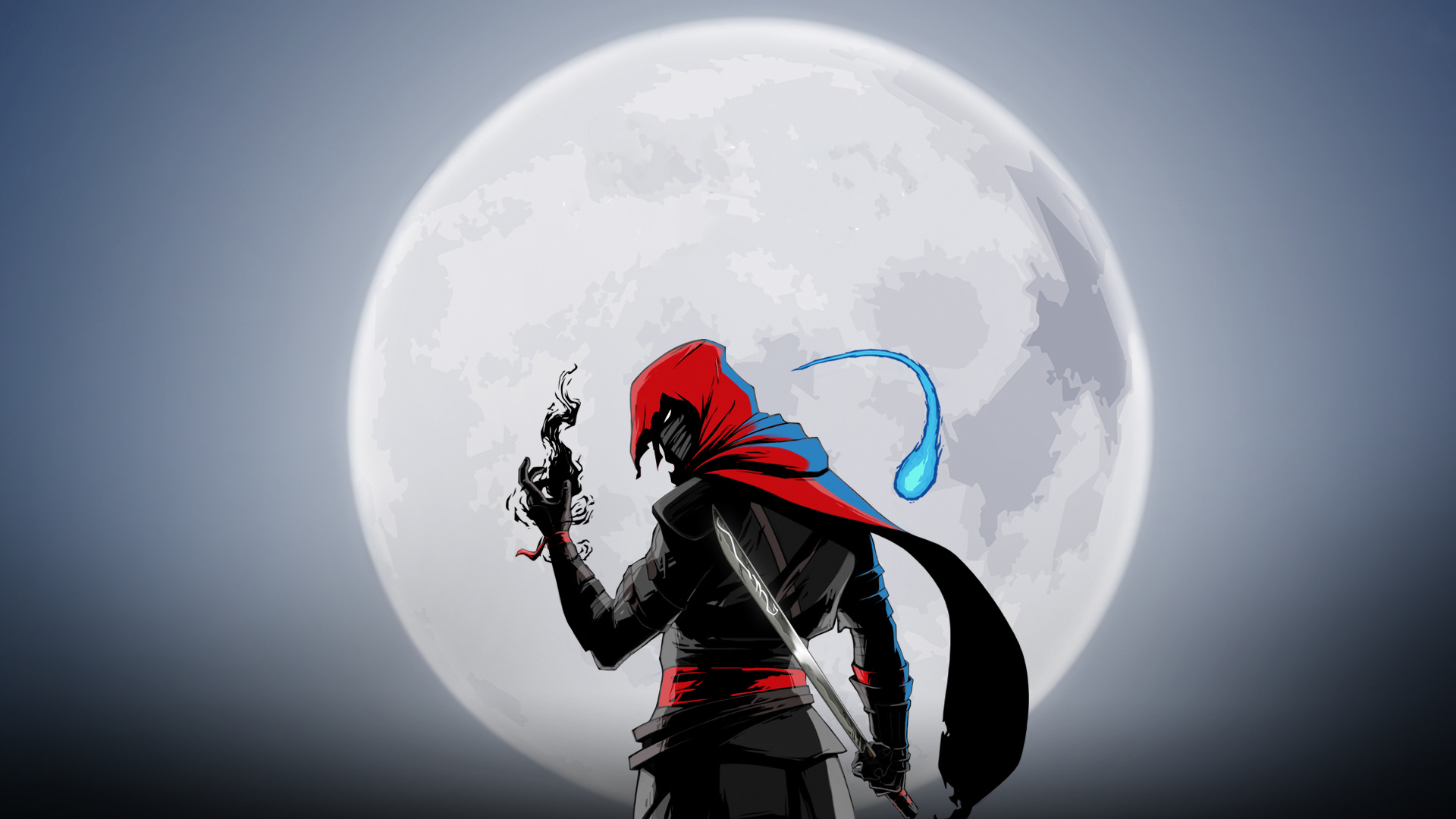
Lince Works and Maximum Games implemented shadow teleportation with line-of-sight and light-level constraints that are easy to read. Guard patrols, whistles, and lantern carriers provide predictable timings and counters. Body disposal and shadow creation make cleanup part of the plan, not an afterthought. Open compounds support alternate routes, collectible-gated shortcuts, and silent objectives.
‘The Last of Us Part II’ (2020)
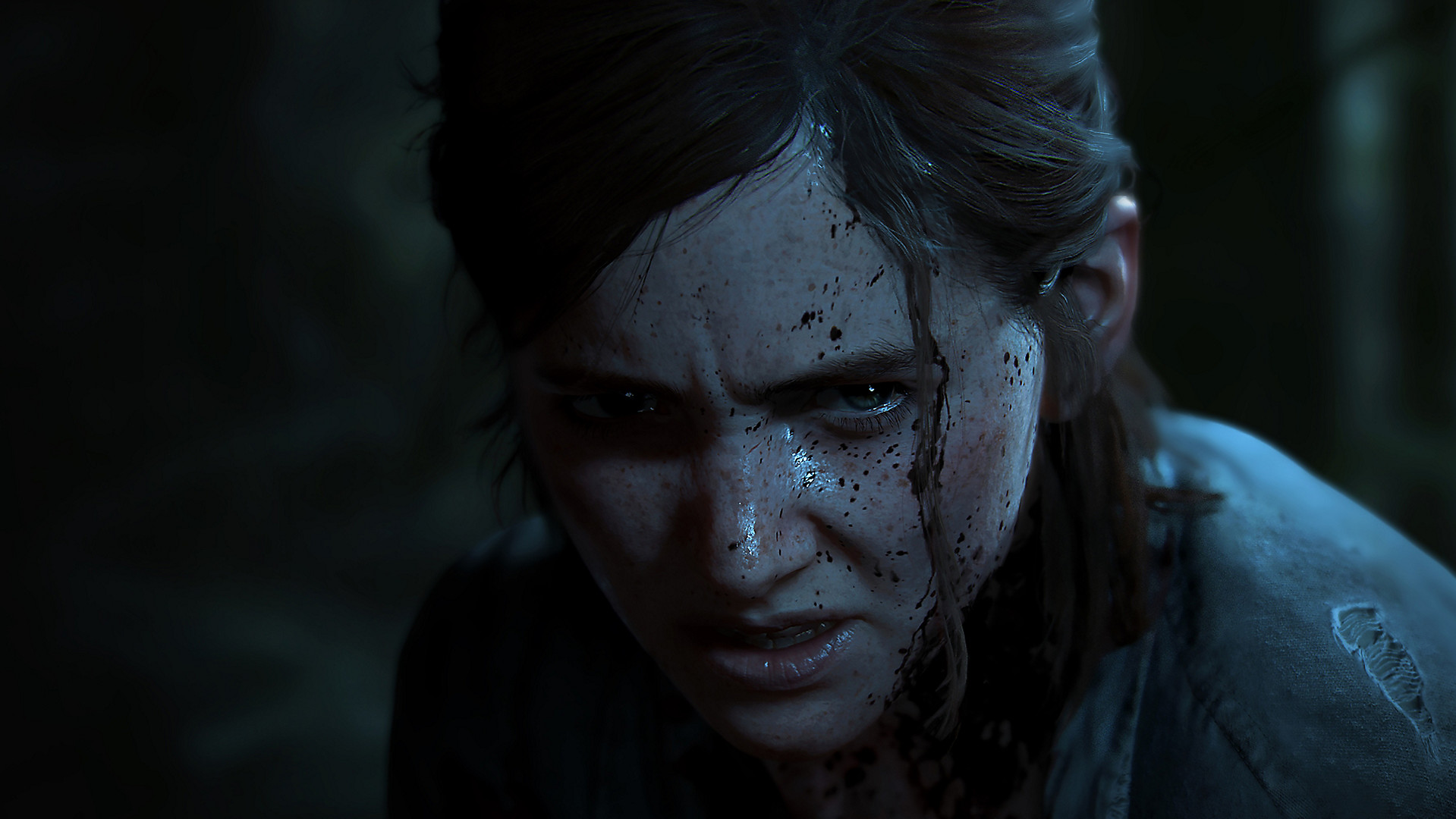
Naughty Dog and Sony Interactive Entertainment built stealth around prone movement, tall grass, and contextual silencers with clear audibility rules. Enemies coordinate flanks, call out last-seen locations, and employ dogs that track scent—mechanics with consistent counters like bottles and distractions. Modular arenas—homes, shops, yards—interlock to support crawl-space and window routes. Crafting ties into stealth timing, with upgrades improving suppression and stability without breaking detection.
‘Hitman: Blood Money’ (2006)

IO Interactive and Eidos Interactive refined disguise suspicion via proximity, restricted areas, and line-of-sight verification. Accident kills and sound-baiting are rule-bound, enabling precise manipulation without random fails. Crowd systems and multiple infiltration vectors make improvisation viable mid-mission. Clear feedback—warning meters and guard barks—supports recovery and reinforces learnable stealth loops.
Have a favorite stealth system we missed, or a mission that taught you something clever? Share your picks in the comments!