


25 TV Series That Hid Prop Easter Eggs Across Seasons



Production designers and showrunners often hide subtle details in the background of scenes to reward attentive viewers. These recurring props and visual cues can span entire seasons or foreshadow major plot twists. Dedicated fans spend hours analyzing frames to catch these fleeting glimpses of continuity. The following television series excelled at incorporating hidden objects and secret references throughout their runs.
‘Psych’ (2006–2014)
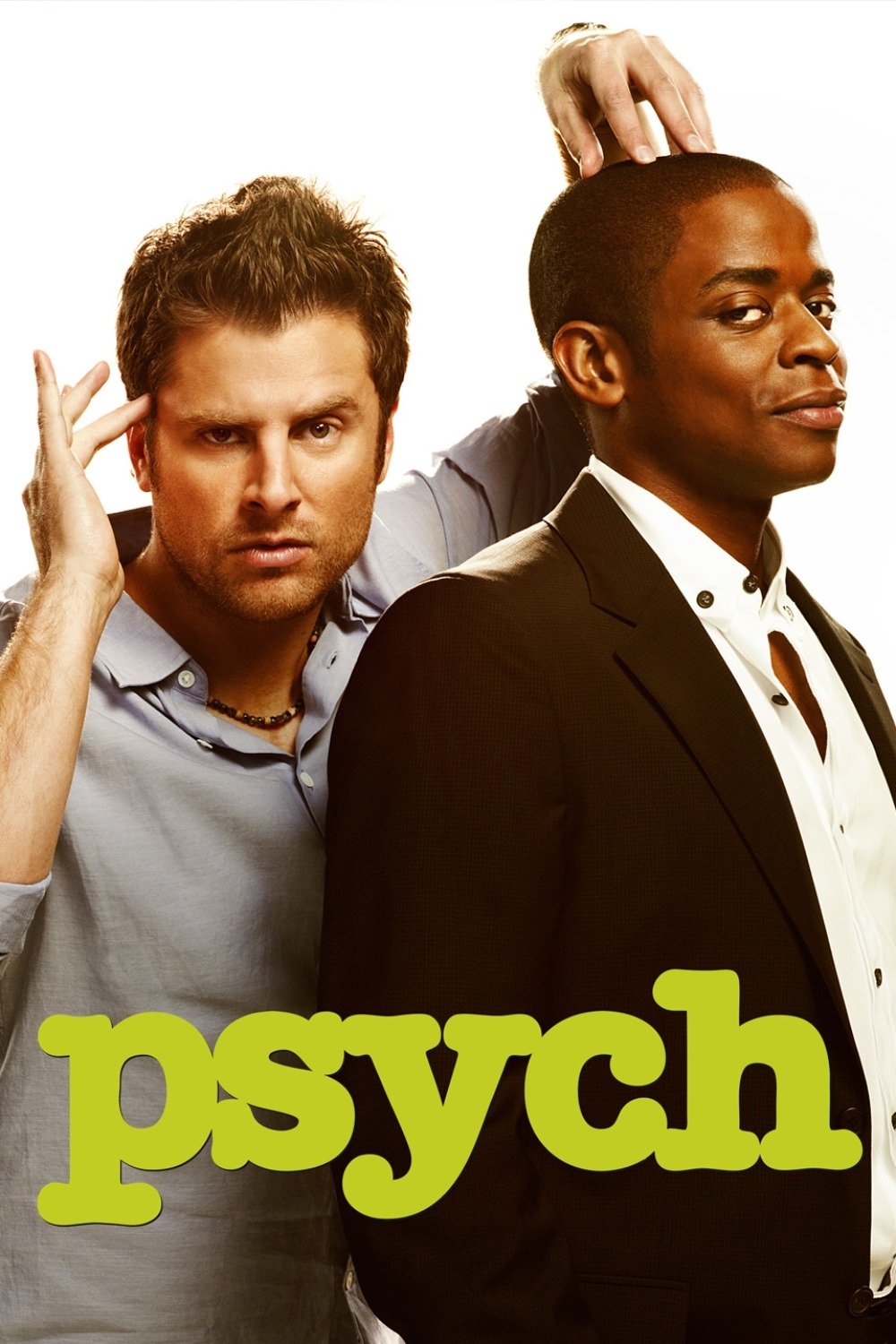
The creative team behind this detective comedy hid a pineapple in nearly every single episode of the series. This tropical fruit appears as a distinct prop on a table or sometimes as a print on an item of clothing. Fans created websites dedicated to logging the location of the pineapple in each broadcast. The show even launched a contest to encourage viewers to spot the fruit for prizes. It remains one of the most famous examples of a dedicated visual gag in television history.
‘Fringe’ (2008–2013)
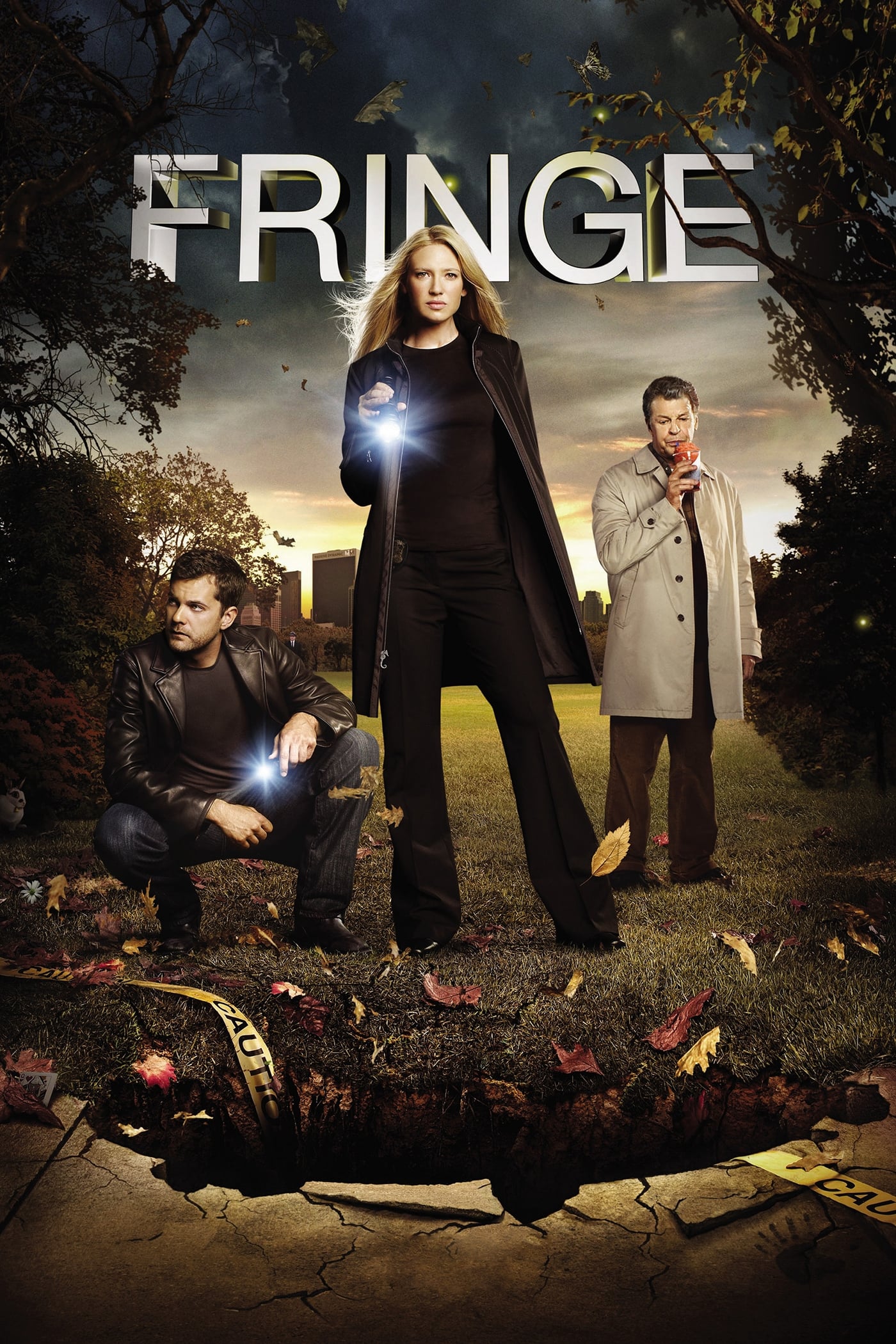
A bald and suit-clad figure known as an Observer appears in the background of every episode during the early seasons. These characters serve a significant narrative purpose that is revealed later in the series. The show also inserted special glyphs and symbols before commercial breaks that spelled out words related to the plot. Viewers had to decipher the code to understand the hidden messages each week. This engagement deepened the mystery elements of the science fiction procedural.
‘Community’ (2009–2015)
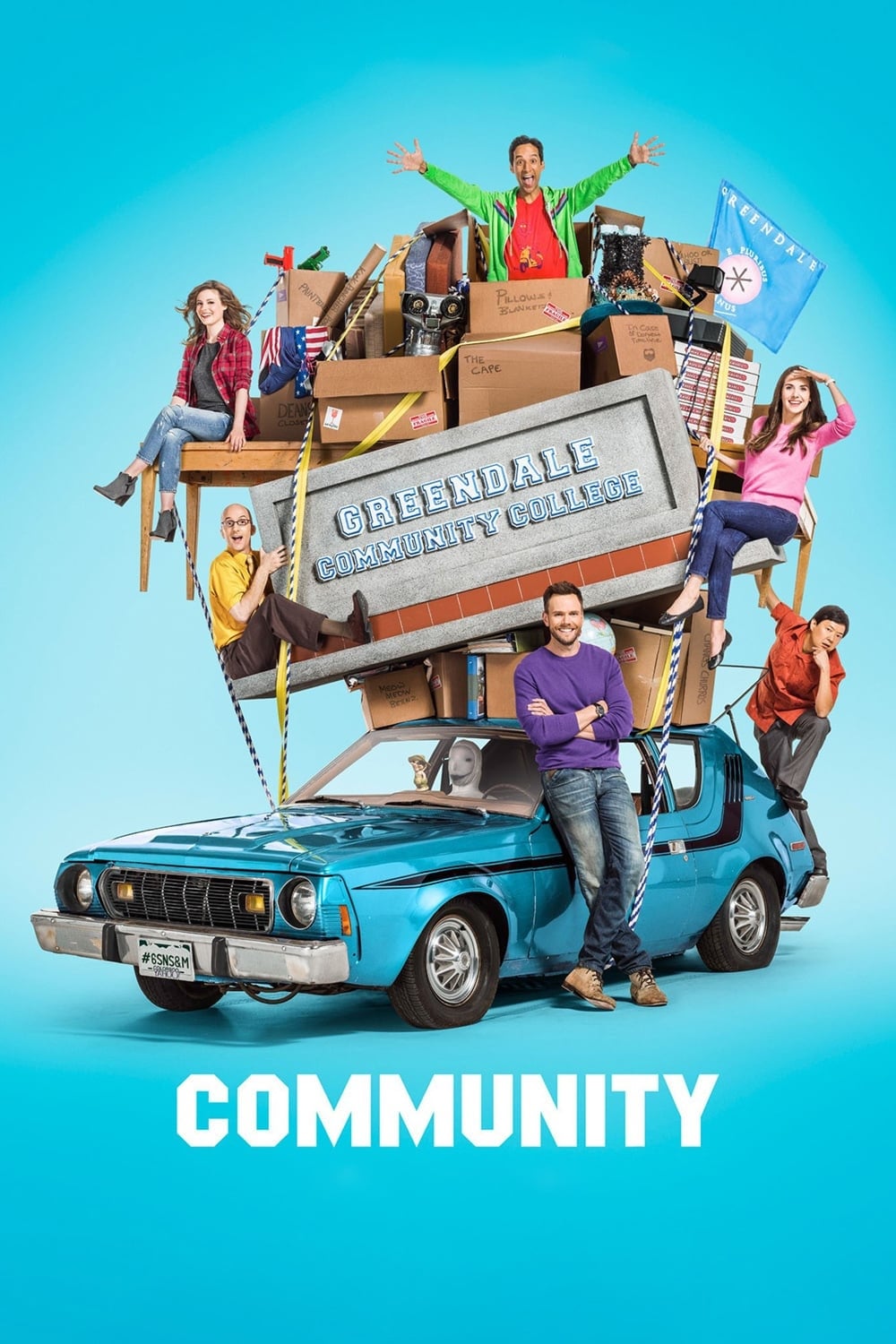
The writers constructed a joke that took three years to pay off involving the character Beetlejuice. Characters mentioned the name of the ghost once in the first season and again in the second season. When a character said the name for the third time in the third season the entity briefly walked through the background of the shot. This background gag demonstrated the extreme level of planning utilized by the showrunners. It stands as a testament to the layered comedy style of the series.
‘Friends’ (1994–2004)
A Magna Doodle board hanging on the door of the apartment occupied by Joey and Chandler featured different drawings in almost every episode. The sketches often reflected the plot of the current episode or referenced inside jokes among the crew. Crew members took turns creating the art that appeared on the small magnetic screen. Fans have cataloged every single drawing to find connections to the storylines. The board became an iconic piece of the set design over the decade.
‘Seinfeld’ (1989–1998)
Jerry Seinfeld is a well-known fan of the Superman comics and this passion manifested in the set decoration. A magnet or figurine resembling the Man of Steel is visible in his apartment in a vast majority of the episodes. The placement varies slightly but the superhero presence is a constant visual anchor in the living room. Characters frequently reference the hero in dialogue to complement the visual nod. This detail grounded the character of Jerry in the real interests of his performer.
‘Doctor Who’ (2005–Present)
The phrase Bad Wolf appeared as graffiti or text on various props throughout the first season of the revival. The repetition of these two words confused the Doctor and his companion until the season finale explained their origin. Showrunner Russell T Davies used this arc word technique to tie standalone adventures into a cohesive narrative. The words continue to appear sporadically in later seasons as a callback to that initial storyline. This method of foreshadowing became a staple for the long-running science fiction show.
‘Arrested Development’ (2003–2019)
The show constantly foreshadowed the loss of a hand by the character Buster through visual clues. Viewers can spot hand-shaped chairs or hook-shaped props in scenes featuring the character long before the accident occurs. Another recurring gag involves blue paint marks left on walls and furniture by Tobias Fünke. These smudges appear in the background as a subtle reminder of his failed attempts to join the Blue Man Group. The density of these visual jokes rewards repeat viewings.
‘South Park’ (1997–Present)
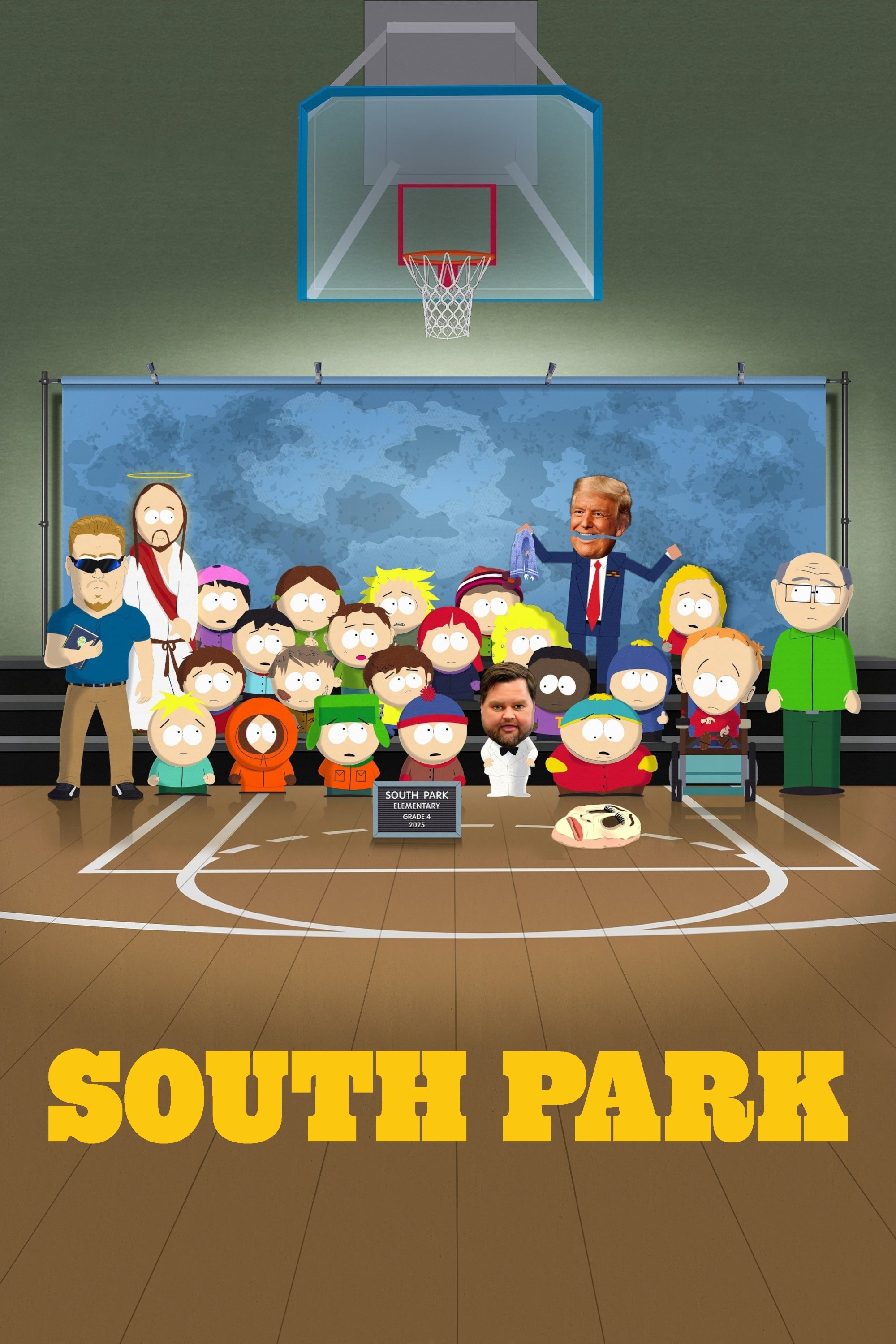
The animators hid an alien visitor in the background of many episodes throughout the early run of the series. These extraterrestrials blend into crowds or stand behind objects to avoid immediate detection. The inclusion of the aliens acknowledges the pilot episode which focused heavily on an alien abduction. Fans have spent years compiling screenshots of every sighting across the decades. The creators eventually stopped doing it as frequently but the tradition remains a favorite among hardcore viewers.
‘Adventure Time’ (2010–2018)
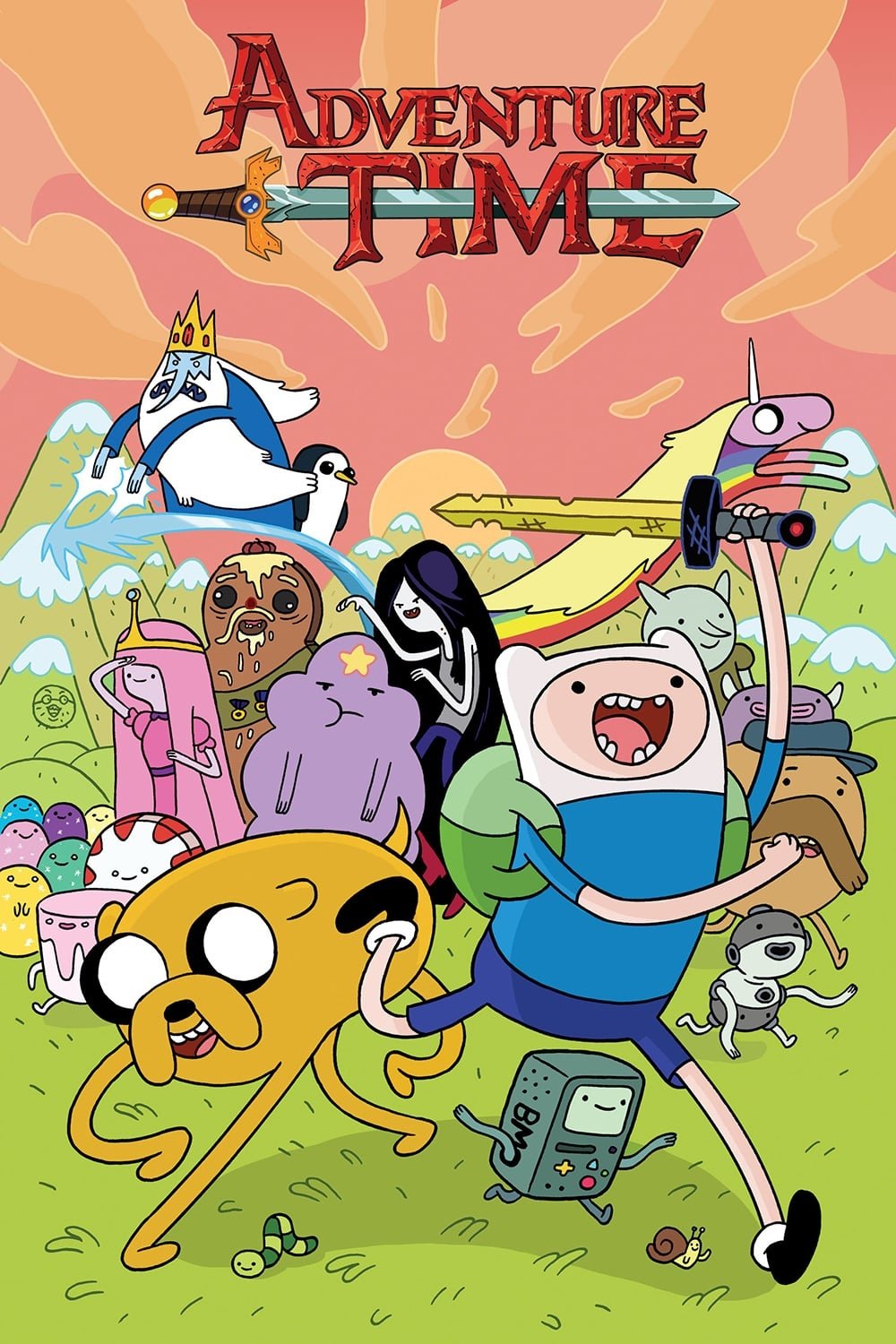
A small snail waves at the audience from a hidden location in every single episode of this animated fantasy. The snail usually appears for only a split second during a panning shot or in the corner of the frame. This character eventually plays a pivotal role in the plot when it becomes possessed by the Lich. The transition from a background Easter egg to a narrative device surprised many viewers. It serves as a prime example of how small details can impact the larger story.
‘Breaking Bad’ (2008–2013)
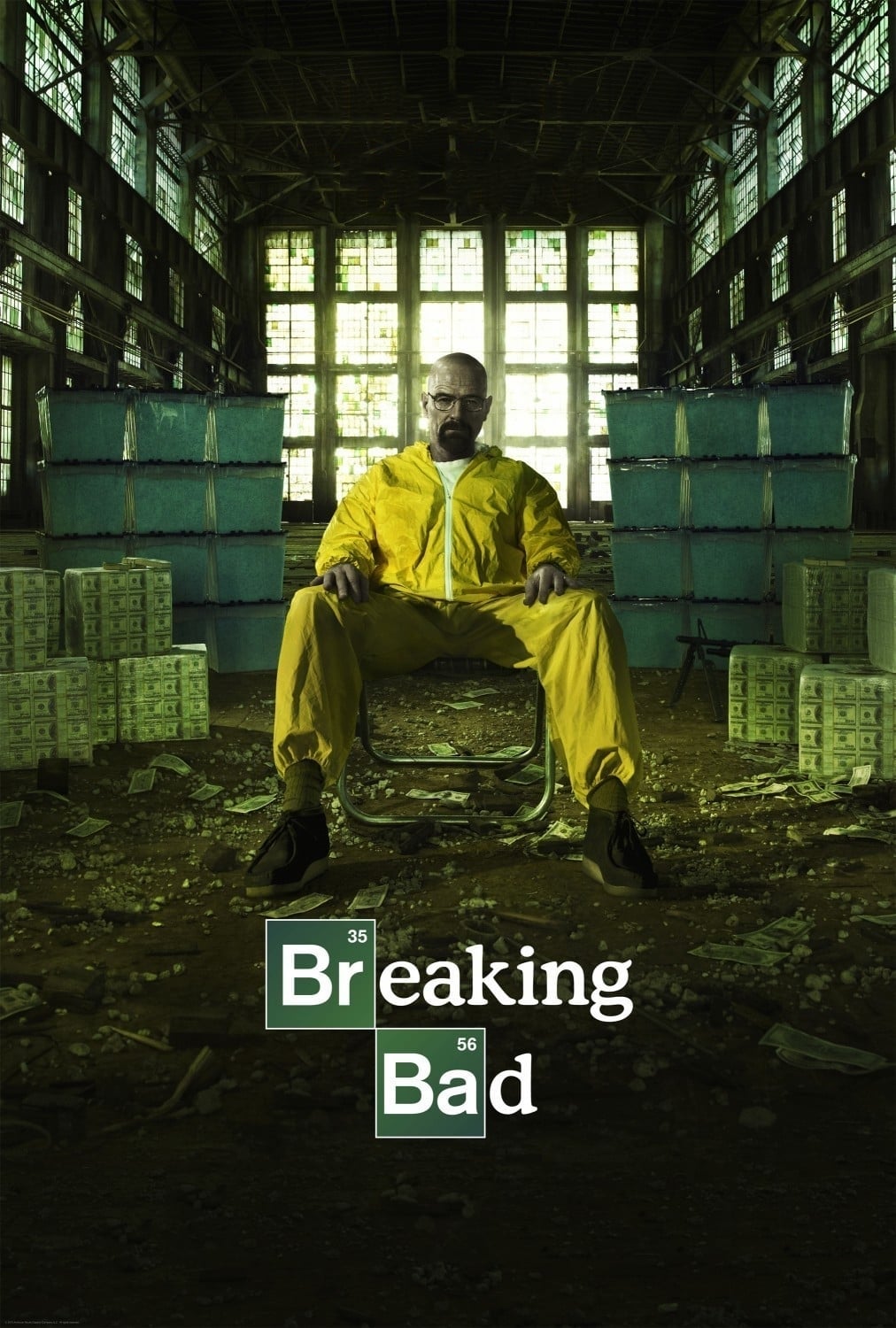
The color pink appears frequently in the second season to foreshadow a tragic plane crash. A pink teddy bear from the wreckage appears in flash-forwards and the protagonist often wears pink clothing during key moments. The damage to the teddy bear mirrors the physical injuries that the antagonist Gus Fring sustains later in the series. Creator Vince Gilligan used these color-coded props to create a subconscious sense of dread. The visual storytelling adds a layer of depth to the crime drama.
‘Futurama’ (1999–2023)
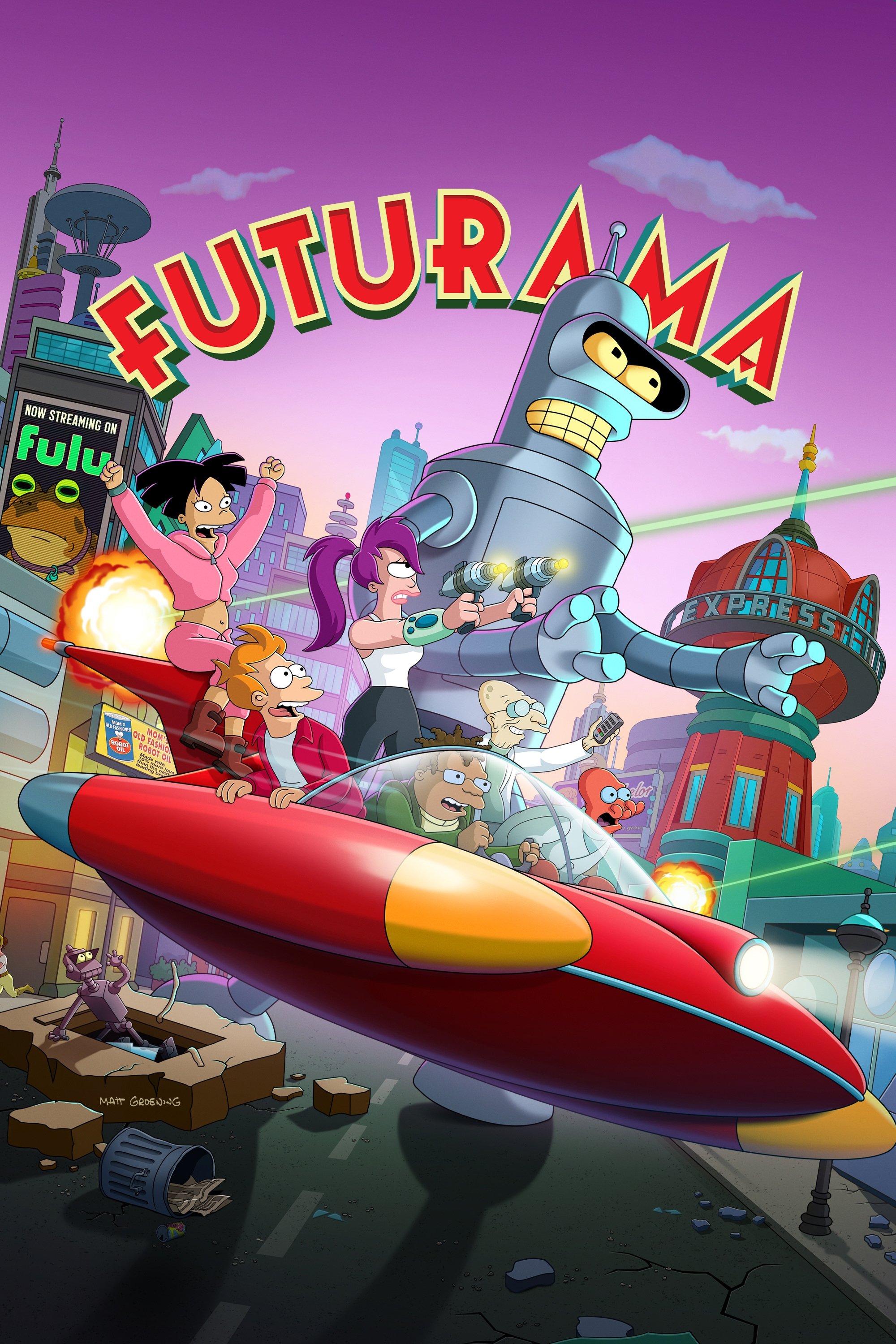
The shadow of the character Nibbler is visible in the pilot episode scenes set in the cryogenics lab. This detail reveals that Nibbler was responsible for freezing Fry and setting the entire series in motion. The writers planned this twist from the very beginning and inserted the shadow years before the reveal. The show returns to this specific moment multiple times to show different perspectives of the event. This consistency highlights the intricate plotting of the sci-fi comedy.
‘How I Met Your Mother’ (2005–2014)
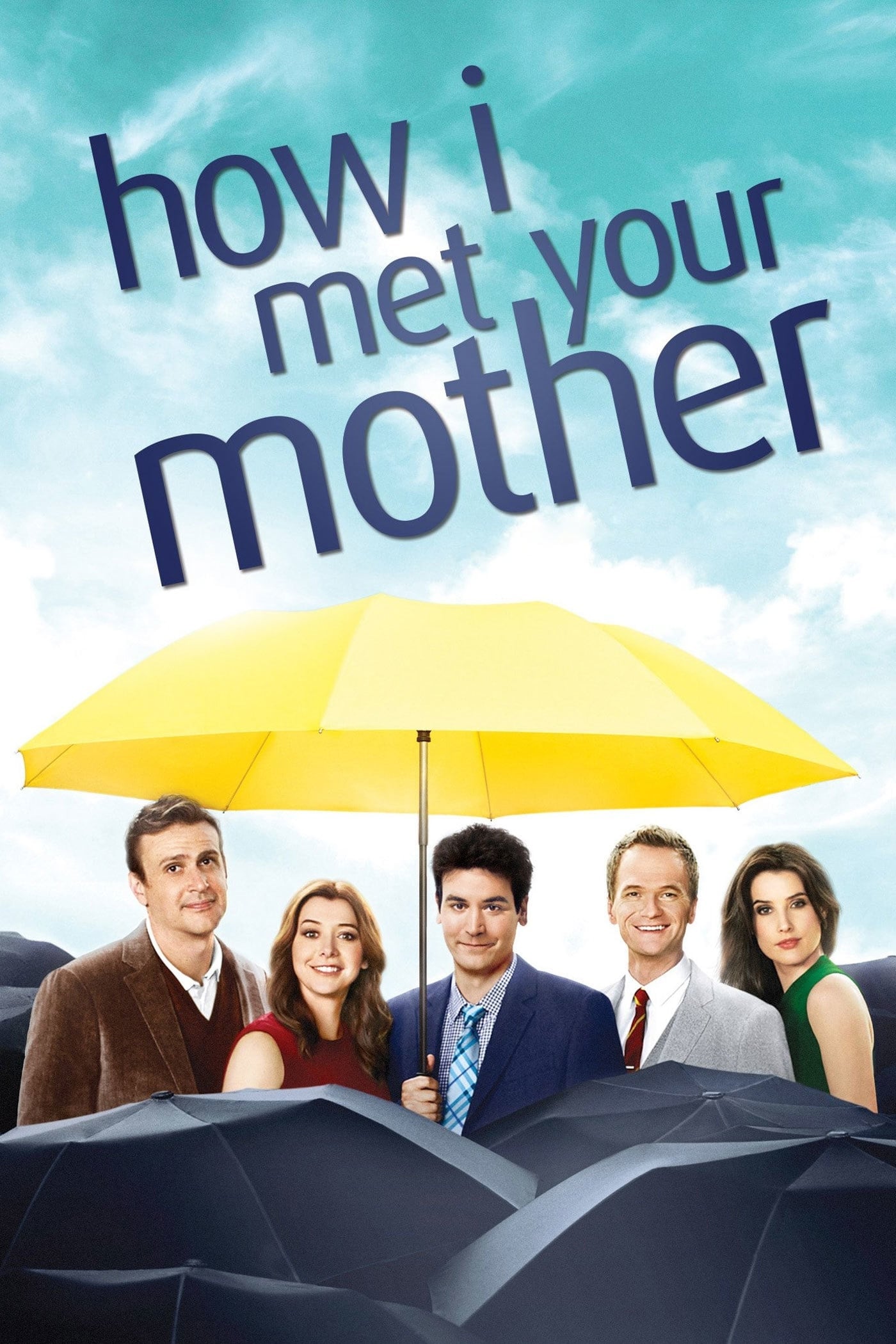
A countdown involving numbers appearing on props takes place throughout the episode titled Bad News. The numbers count down from fifty to one on objects like calendars and menus in the background. The countdown concludes with the main character receiving heartbreaking news about his father. This visual device prepares the audience for the emotional impact of the final scene. It remains one of the most effective uses of background props to build tension.
‘Lost’ (2004–2010)
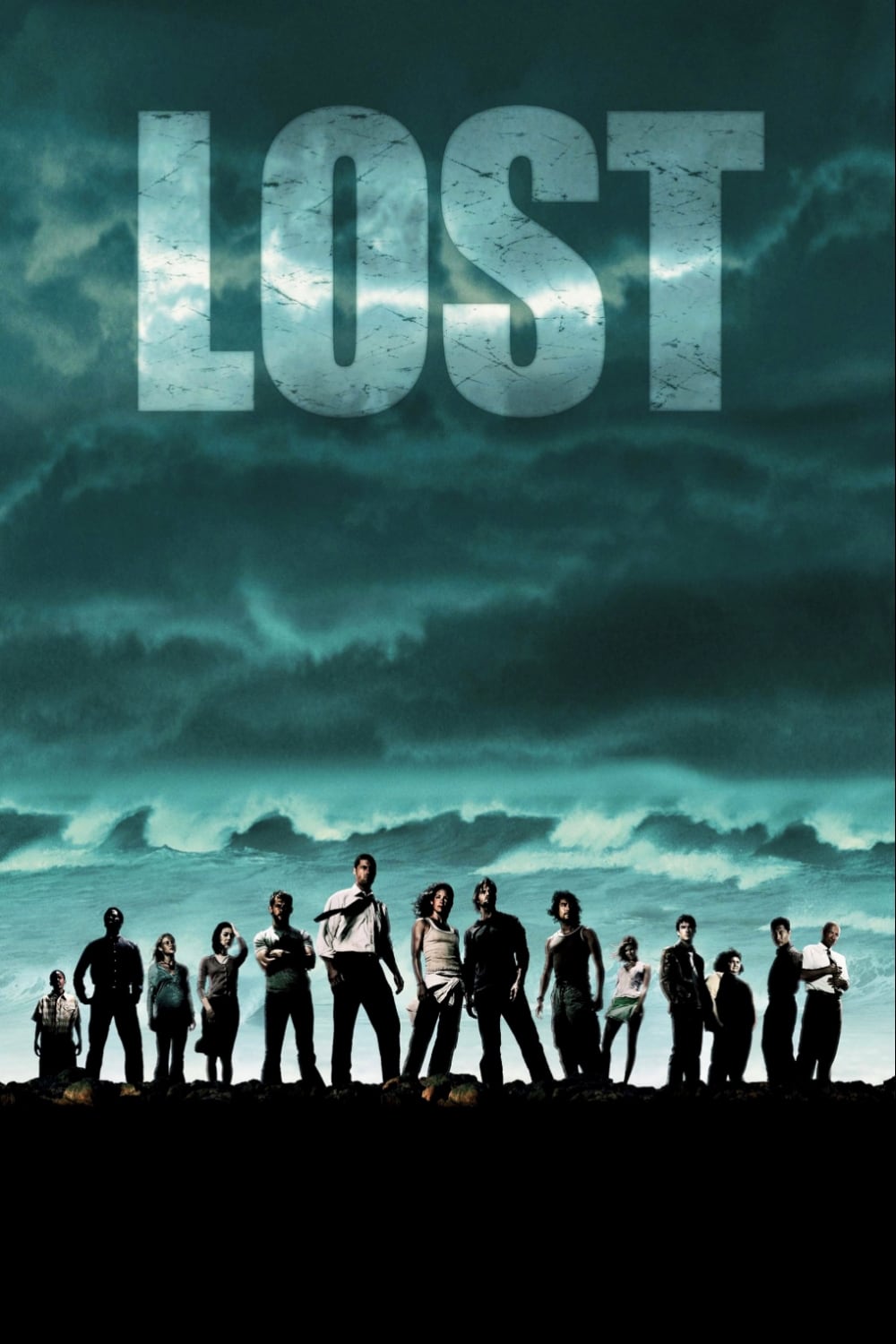
The numbers 4 8 15 16 23 42 appear on lottery tickets and hatches and countless other props. These digits form the core mystery of the island and the destiny of the survivors. The logo for the Dharma Initiative also appears on food and equipment to signal the history of the setting. Fans analyzed every appearance of the numbers to unlock the secrets of the mythology. The ubiquity of these symbols created an immersive alternate reality game for the audience.
‘Game of Thrones’ (2011–2019)
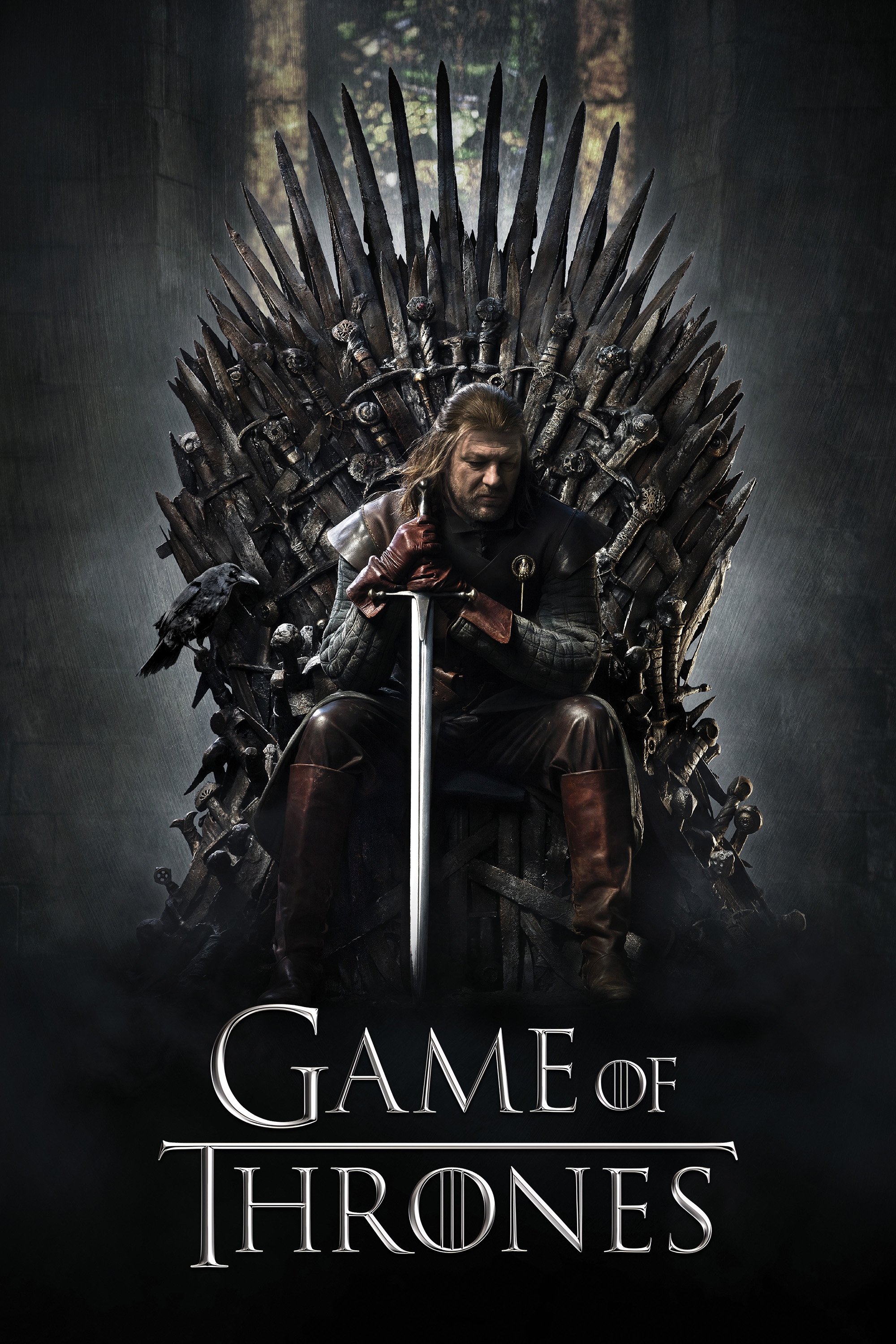
The animated opening sequence of the show changes every season and sometimes every episode to reflect the current plot. Locations on the map appear in ruins or display the sigil of the ruling family currently in power. This mechanical map serves as a prop that informs the viewer of the political landscape before the story begins. Subtle changes in the clockwork mechanisms indicate the destruction of cities like Winterfell. This evolving intro kept viewers updated on the shifting alliances of the realm.
‘The Haunting of Hill House’ (2018)
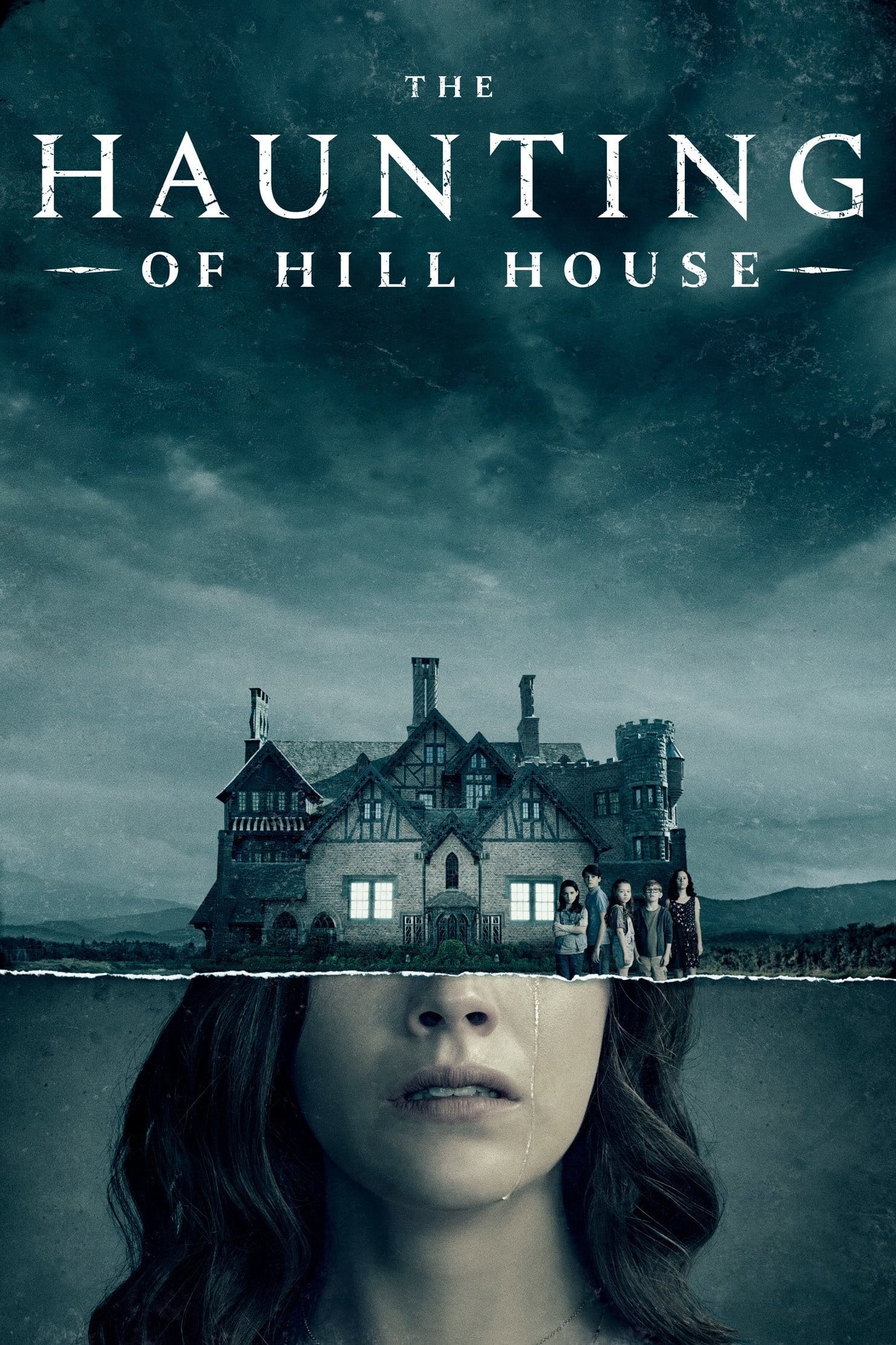
Director Mike Flanagan hid dozens of ghost actors in the background of shots throughout the limited series. These spirits stand still in shadows or behind furniture while the main characters remain oblivious to them. The hidden ghosts reinforce the idea that the house is watching the family at all times. Viewers often have to increase the brightness on their screens to spot the terrifying figures. This technique creates a pervasive atmosphere of unease without relying on jump scares.
‘Better Call Saul’ (2015–2022)
A stopper from a bottle of Zafiro Añejo tequila appears as a recurring token throughout the series. The fictional brand of liquor originally appeared in the parent show during a pivotal scene involving a poison plot. The stopper symbolizes the bond between Jimmy and Kim and their shared love of scams. It appears on desks and nightstands as a silent reminder of their complicated relationship. The prop bridges the timeline between the prequel and the original series.
‘Stranger Things’ (2016–Present)
The show utilizes imagery from Dungeons and Dragons to foreshadow the monsters that the children face. The Demogorgon game piece appears early in the first season to predict the arrival of the actual creature. Posters and toys in the background often reference 1980s pop culture that mirrors the current struggles of the characters. The production design relies heavily on period-accurate props to clue the audience in on thematic elements. These nostalgic items anchor the supernatural horror in a familiar reality.
‘Firefly’ (2002–2003)
A prop of Han Solo frozen in carbonite from Star Wars is visible in the background of multiple scenes. The set designers included this homage to acknowledge the inspiration for the space western genre. It usually appears tucked away in corners or on shelves in the cargo bay of the ship. Fans of the short-run series appreciate the nod to the most famous scoundrel in science fiction. The prop serves as a respectful wink between two beloved franchises.
‘Supernatural’ (2005–2020)
A small green army man is stuck in the ashtray of the 1967 Chevrolet Impala driven by the protagonists. The toy soldier was placed there by a character during a flashback to their childhood. It remains in the car for the duration of the series as a symbol of brotherly bond. The camera occasionally focuses on the toy to remind the audience of the history of the vehicle. This small plastic figure represents the emotional heart of the show.
‘The Walking Dead’ (2010–2022)
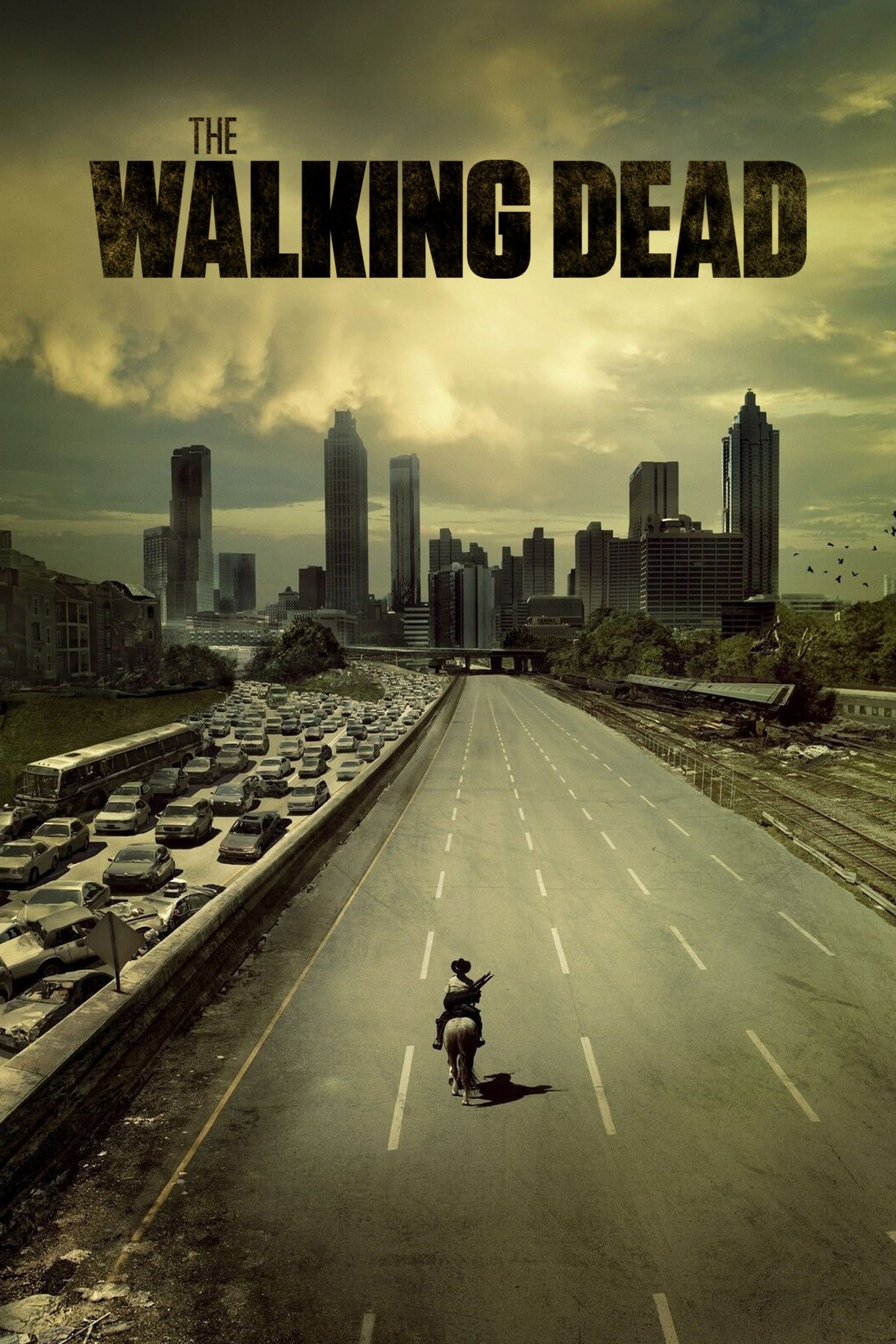
The main title logo on the opening credits decays and cracks more with each passing season. This visual degradation mirrors the collapse of society and the physical state of the zombies. The yellow background becomes darker and dirtier as the tone of the show grows bleaker. This subtle evolution signals the passage of time and the loss of hope. It stands as a clever piece of graphic design that evolves alongside the narrative.
‘BoJack Horseman’ (2014–2020)
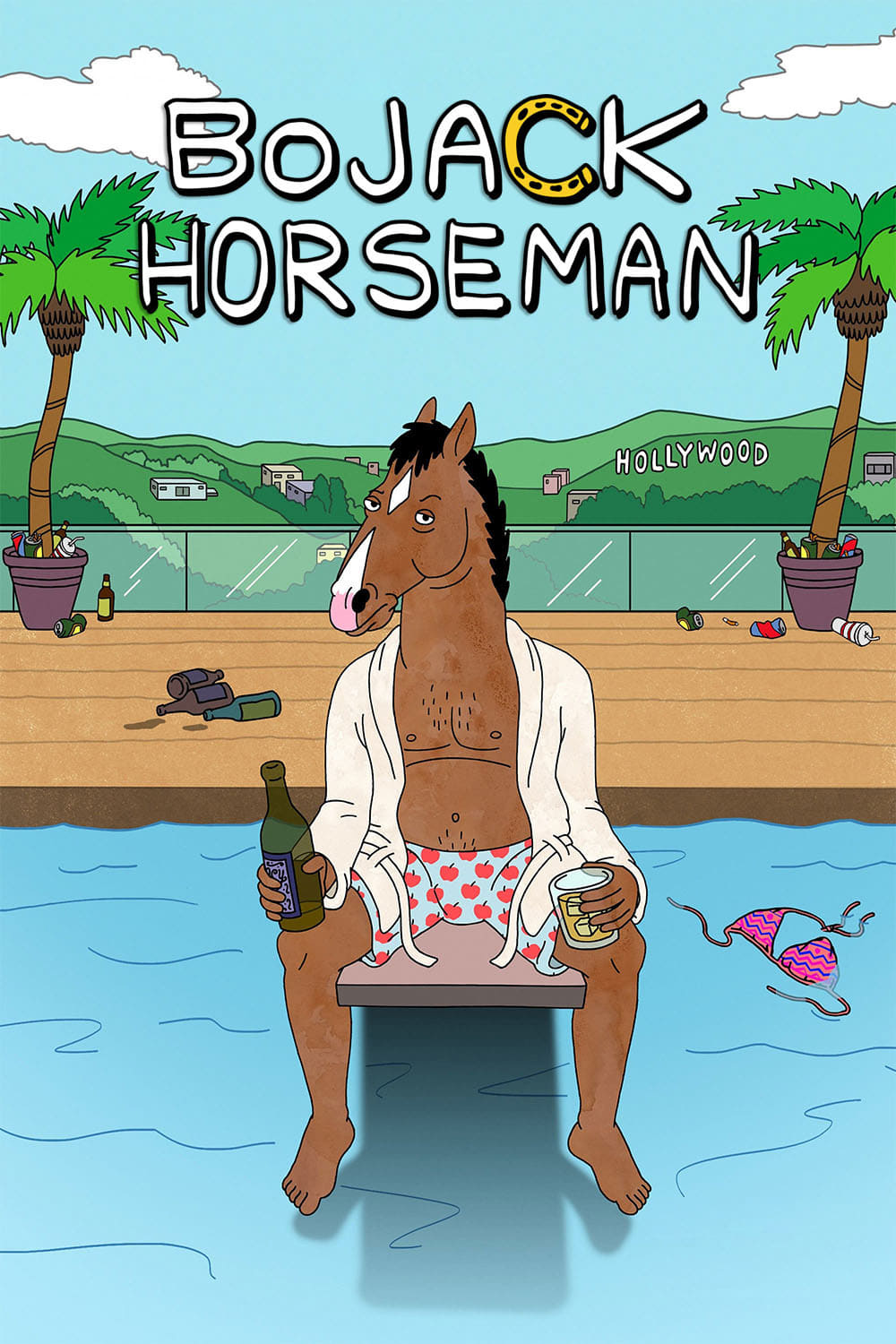
The animators maintained strict continuity with background damage and clothing throughout the seasons. If a character burns an ottoman in one episode the burn mark remains visible for the rest of the series. Characters wear shirts that reference events from previous episodes or display animal puns. This attention to detail creates a lived-in world that respects the consequences of character actions. The background jokes often require pausing to fully appreciate the wit.
‘Sons of Anarchy’ (2008–2014)
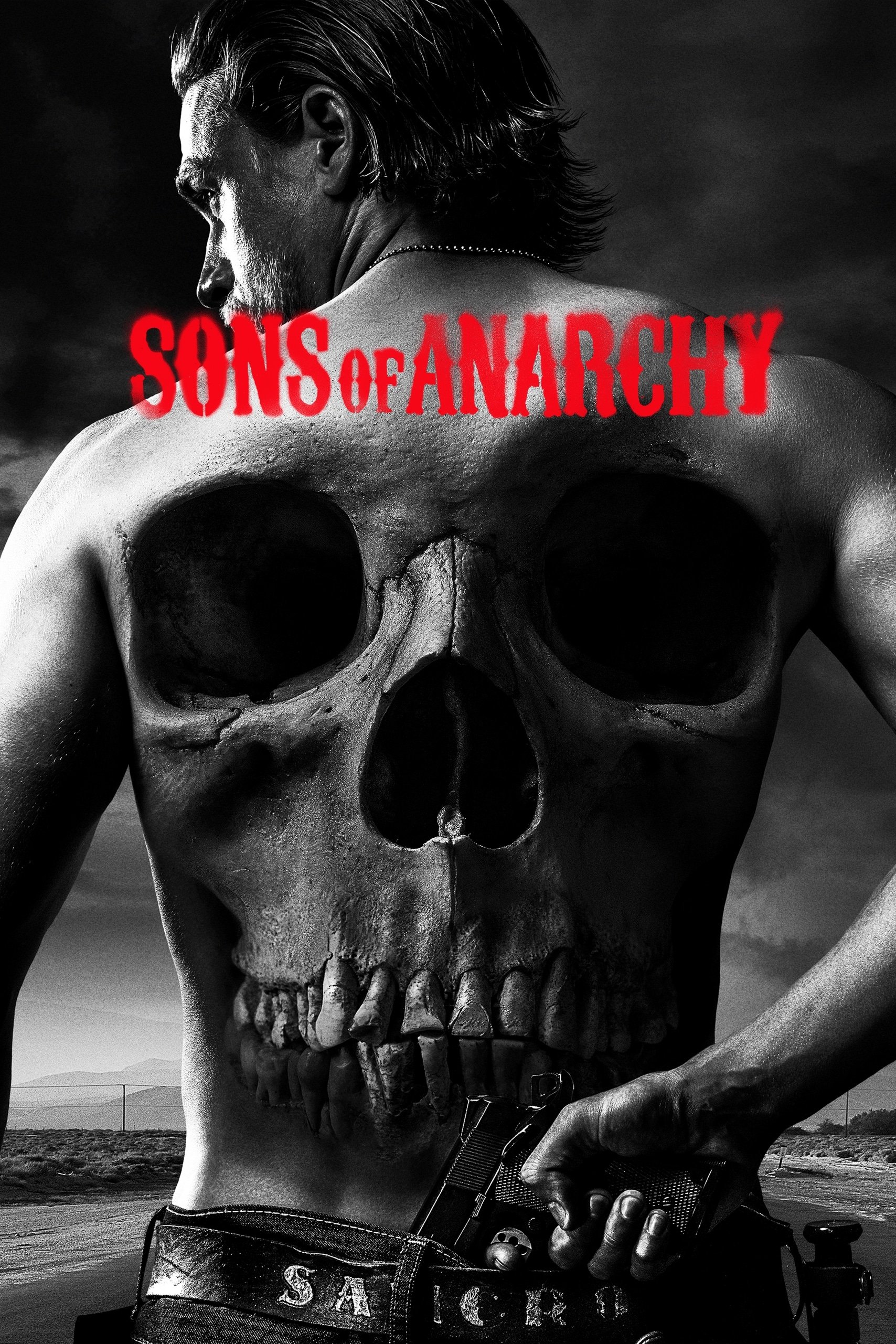
A mysterious homeless woman appears in the background of scenes whenever a main character faces a major life decision. She is often seen pushing a cart filled with specific items that relate to the history of the club. Her presence serves as a supernatural or symbolic guide for the protagonist Jax Teller. Fans debated her identity for years until the creator confirmed her spiritual significance. She acts as a grim reaper figure amidst the violent biker culture.
‘Westworld’ (2016–2022)
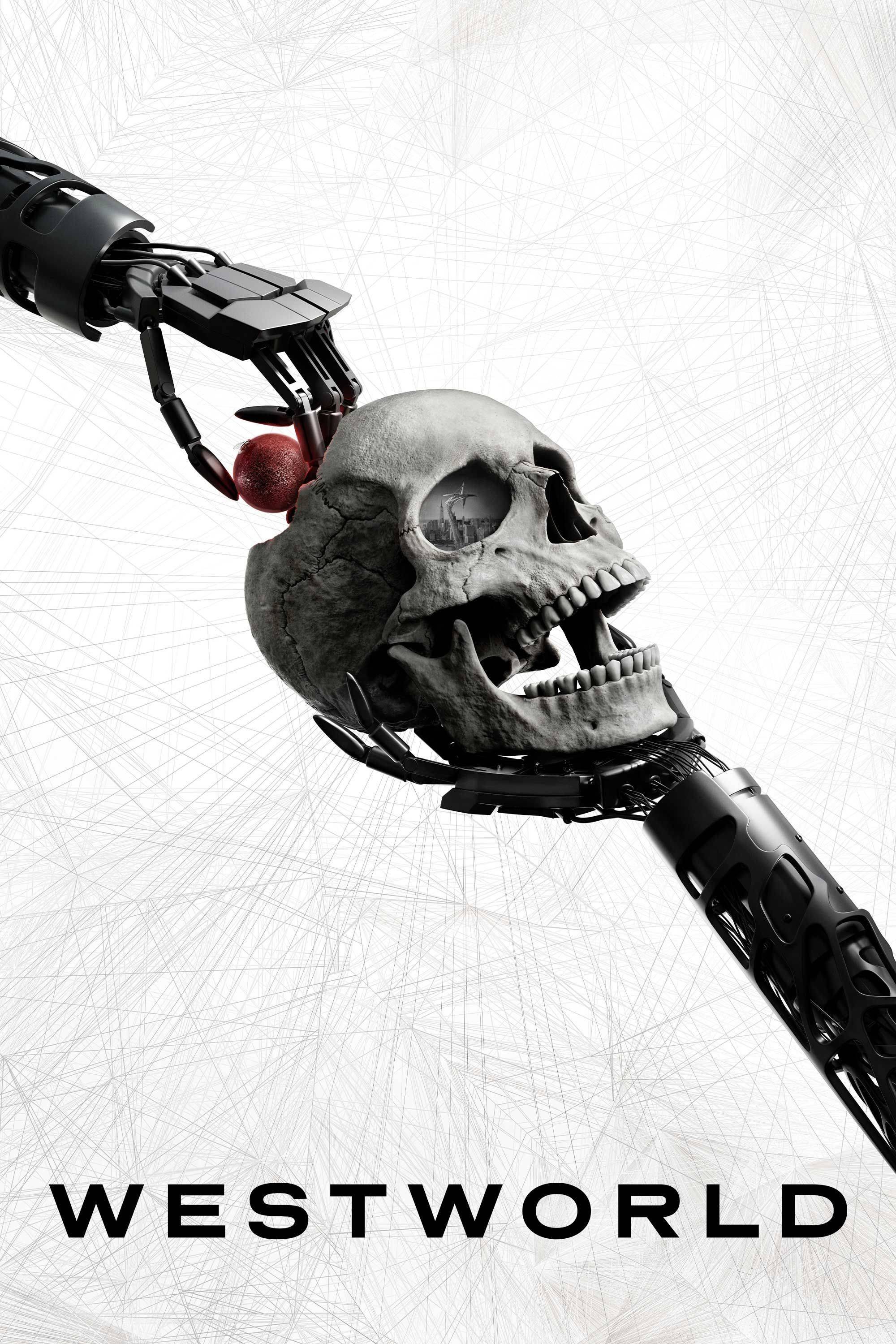
The symbol of a maze appears on scalps and in the dirt and on tarot cards throughout the first season. This icon represents the journey toward consciousness for the robotic hosts in the park. The production team hid the maze pattern in set designs and costumes to reinforce the central mystery. Viewers tracked the appearance of the symbol to predict which characters were awakening. The maze serves as both a physical map and a philosophical concept.
‘Hannibal’ (2013–2015)
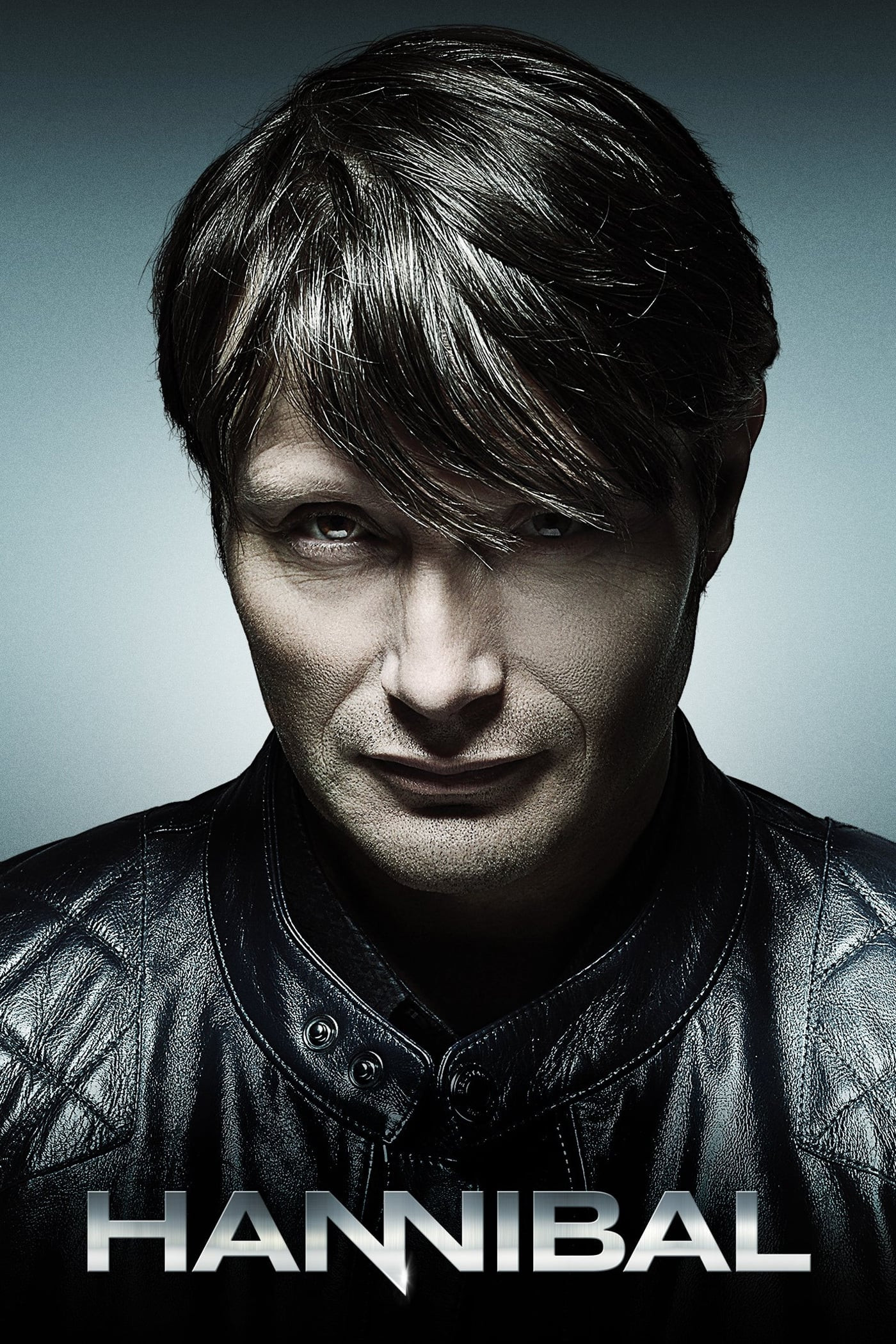
The image of a black stag appears in dreams and reflections and statues to symbolize the influence of Hannibal Lecter. This recurring motif connects the protagonist Will Graham to the darker nature of the cannibalistic doctor. The stag evolves into a feathered creature and other grotesque forms as the psychological state of the characters deteriorates. The visual metaphor replaces dialogue to convey the corruption of the mind. It remains a haunting artistic signature of the series.
‘Gravity Falls’ (2012–2016)
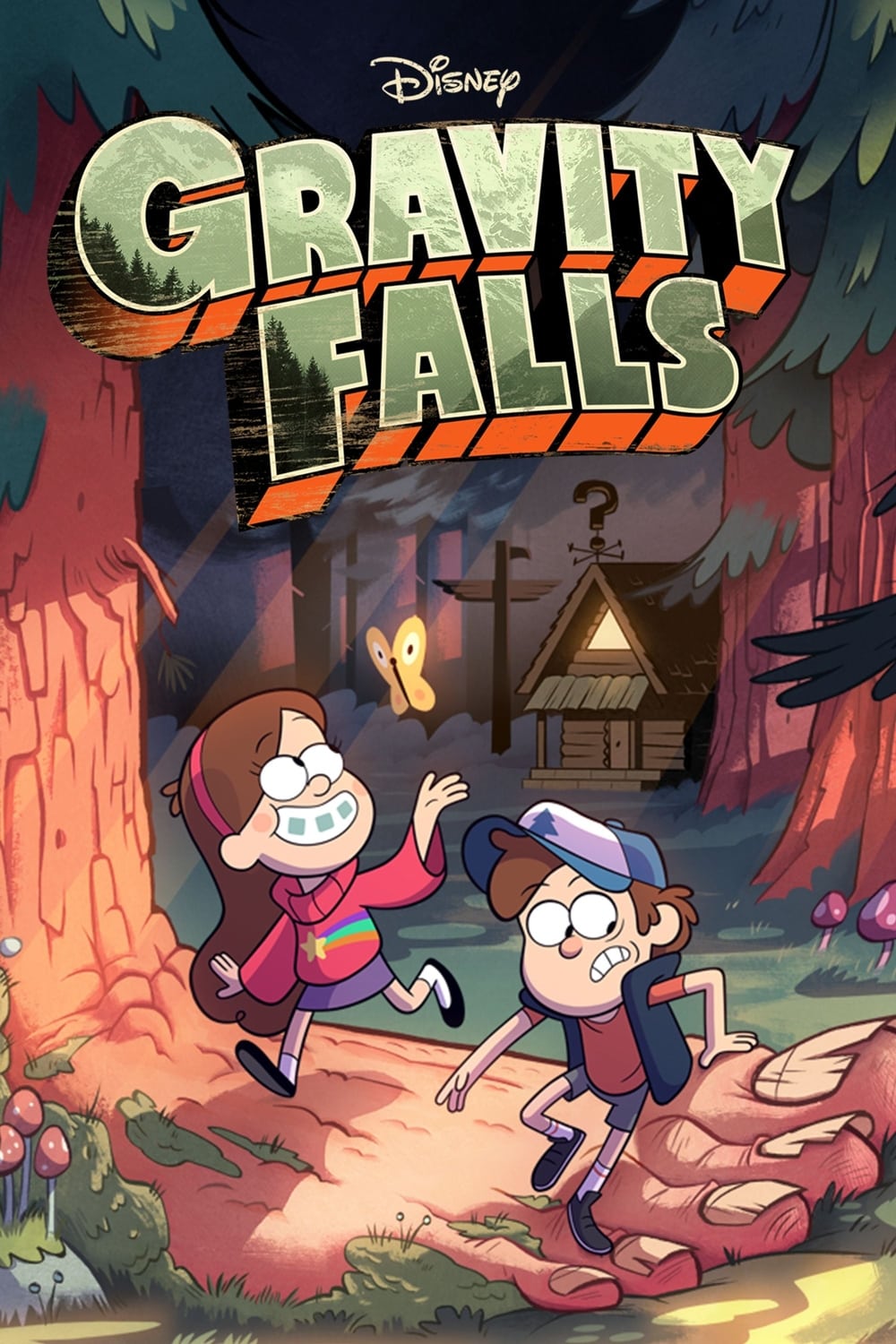
The creators hid a cryptogram in the credits of every episode that required a different cipher to solve. A character named Blendin Blandin also appears in the background of scenes to fix time anomalies. The triangular villain Bill Cipher is depicted in rugs and windows and drawings long before he becomes the main antagonist. These puzzles encouraged the target audience to engage with the show on a deeper level. The series set a high standard for interactive mystery storytelling in animation.
Tell us which of these hidden details you spotted first in the comments.