


25 TV Shows Critics Say Used Black Pain for White Character Growth




The portrayal of Black characters in television has frequently been scrutinized for a recurring trope where their suffering serves as a catalyst for the development of White protagonists. Critics argue that this narrative choice often treats Black trauma as a disposable plot device rather than a deeply explored experience belonging to the character themselves. This phenomenon, often referred to as “Black pain for White growth,” can marginalize diverse voices by centering the emotional reactions of White leads. By examining various series across different genres, media analysts have highlighted how these stories sometimes prioritize the moral enlightenment of some characters at the expense of others’ well-being. The following shows have been identified by critics as significant examples of this narrative pattern.
‘Orange Is the New Black’ (2013–2019)

In ‘Orange Is the New Black’, the death of Poussey Washington sparked significant debate among viewers and critics regarding the show’s direction. Many argued that the tragic demise of a beloved Black character was primarily utilized to drive the political awakening and radicalization of the White lead, Piper Chapman. The narrative focused heavily on the aftermath of the incident through the lens of the prison administration and the emotional responses of the White inmates. Critics observed that this creative choice sidelined the internal grief of the Black community within the prison to highlight systemic issues through a White perspective. This arc remains a central example in discussions about the narrative cost of using Black trauma for pedagogical purposes.
‘Game of Thrones’ (2011–2019)

The final season of ‘Game of Thrones’ faced intense backlash for its treatment of Missandei, the only prominent woman of color in the main cast. Her execution by Cersei Lannister was seen by many critics as a narrative tool meant to push Daenerys Targaryen toward her eventual descent into madness. Media commentators noted that Missandei’s character was denied a fully realized personal arc, ending her journey as a sacrificial lamb to trigger a White woman’s character shift. This decision was criticized for reinforcing tropes that use Black bodies to signify high stakes for White protagonists. The scene prompted a wider conversation regarding the lack of agency afforded to diverse characters in high-fantasy settings.
‘The Vampire Diaries’ (2009–2017)
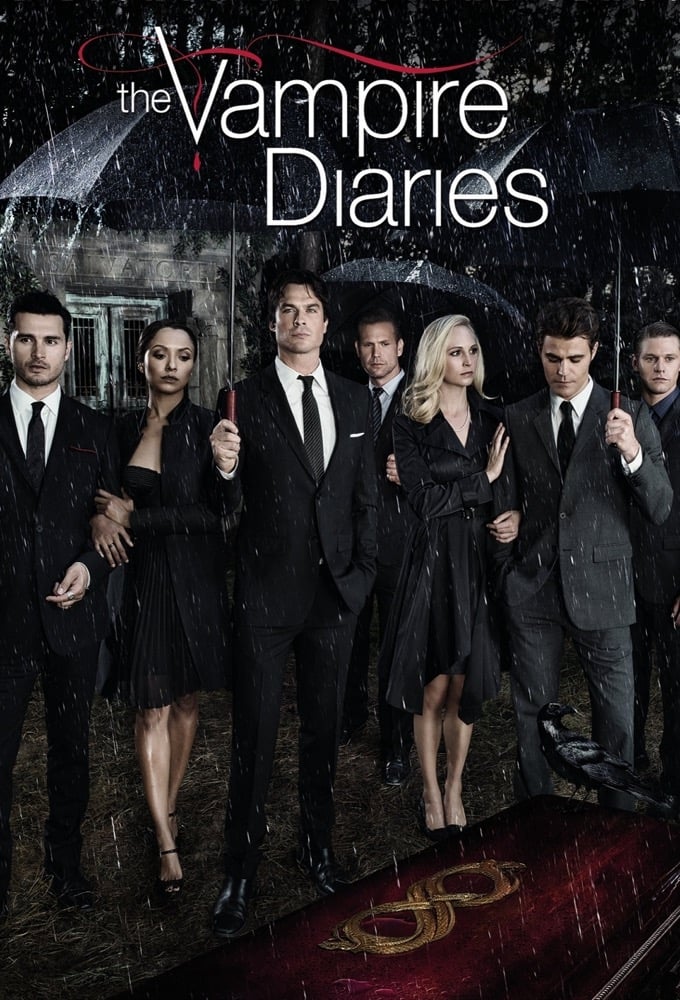
Throughout the run of ‘The Vampire Diaries’, the character of Bonnie Bennett was frequently put through extreme physical and emotional suffering. Critics have pointed out that Bonnie’s primary function in the plot was to use her magic to save her White friends, often at the cost of her own family and safety. Her trauma was rarely given the same narrative weight as the romantic or personal struggles of the show’s White leads. This pattern of self-sacrifice led many to view her character as a “magical negro” trope whose pain existed mainly to ensure the survival of the central cast. Fans and critics alike have noted that the show failed to provide Bonnie with a satisfying resolution that matched her sacrifices.
‘The Handmaid’s Tale’ (2017–Present)

While ‘The Handmaid’s Tale’ is lauded for its exploration of gender oppression, critics have noted that the show often ignores the intersectional reality of Black women. Characters like Moira and various unnamed Black Handmaids are shown enduring immense trauma that largely serves to highlight the stakes for the protagonist, June Osborne. Critics argue that the show uses Black suffering as background texture to emphasize the cruelty of the Gilead regime while focusing the emotional narrative on White motherhood. This aestheticization of Black pain has been described as a way to universalize a White woman’s experience without addressing the specificities of racial violence. The series has been challenged to provide more depth to its characters of color beyond their status as victims.
‘The Walking Dead’ (2010–2022)

‘The Walking Dead’ has been criticized for a pattern where Black characters are introduced only to be killed off shortly after, often to facilitate the growth of White leads. The death of Noah, for instance, served as a traumatic catalyst for Glenn Rhee and Nicholas, driving their moral conflict and eventual development. Critics identified a “one in, one out” trend where the arrival of a new Black character often signaled the imminent death of another. This cycle was seen as a way to provide emotional weight to the series without committing to long-term development for its Black cast members. The recurring use of Black death as a shock tactic has been a focal point of critical analysis for the series.
‘Grey’s Anatomy’ (2005–Present)

Critics have analyzed ‘Grey’s Anatomy’ for its treatment of Stephanie Edwards, whose traumatic exit was seen as a way to facilitate the development of the White doctors around her. Stephanie’s history of childhood illness and the subsequent loss of her career were presented in a manner that critics argued centered the learning experiences of her mentors. The show has also been scrutinized for how it handles the exit of other characters of color, such as Mina Okafor, whose professional struggles highlighted the administrative successes of White leads. Critics argue that while the show is diverse, it frequently places the emotional burden of systemic failure on its Black characters. This dynamic is often presented as a teaching moment for the White protagonists rather than a full exploration of Black resilience.
‘The Falcon and the Winter Soldier’ (2021)

‘The Falcon and the Winter Soldier’ introduced the character of Isaiah Bradley to explore the dark history of the Super Soldier serum. While the character provided a powerful commentary on racial injustice, some critics argued his trauma was used primarily to give Sam Wilson and Bucky Barnes a new sense of purpose. Isaiah’s history of experimentation and imprisonment served as a moral lesson for the White characters to understand the weight of the Captain America mantle. Critics noted that while the story was important, Isaiah himself remained largely a symbol of historical pain rather than a character with his own active resolution. This framing placed the burden of historical trauma on a Black character to refine the values of the White-led superhero landscape.
‘Little Fires Everywhere’ (2020)

In ‘Little Fires Everywhere’, the tension between Mia Warren and Elena Richardson is the central focus of the narrative. Critics have pointed out that Mia’s history of trauma and racial struggle is frequently contrasted with Elena’s privilege to foster Elena’s personal realizations. While the show attempts to critique White fragility, some analysts argue that Mia’s pain is often displayed to facilitate Elena’s slow understanding of her own biases. This dynamic puts the Black character in a position where her survival depends on the moral growth of a White woman. Critics have questioned whether the show centers Mia’s perspective enough to avoid the trope of using Black hardship as a lesson for White audiences.
‘The 100’ (2014–2020)

The death of Lincoln in ‘The 100’ is often cited as a prime example of a Black character being sacrificed for a White lead’s arc. His execution was the primary driver for Octavia Blake’s transformation into a darker, more ruthless leader known as “Blodreina.” Critics noted that Lincoln was one of the most moral characters in the series, and his sudden removal removed one of the few positive Black male representations. His suffering was utilized to give Octavia a reason to seek vengeance and eventually take power over the Grounders. This creative choice was criticized for prioritizing a White character’s descent into darkness over the life of a developed Black character.
‘The Resident’ (2018–2023)

‘The Resident’ faced criticism when Mina Okafor, a highly skilled surgeon and fan favorite, was written off the show after a series of professional and personal setbacks. Her departure was framed in a way that critics argued highlighted the resilience and systemic struggles of Black professionals, yet it ultimately served to clear the way for the White leads’ narratives. The trauma she faced regarding her immigration status and career sabotage was used to emphasize the ethical failings of the hospital’s administration. Critics noted that the White characters often emerged from these conflicts with renewed resolve, while Mina was forced to sacrifice her position. This was seen by some as a failure to protect the agency of its most talented Black character.
‘The Morning Show’ (2019–Present)

In ‘The Morning Show’, the character of Mia Jordan is subjected to professional exploitation and emotional manipulation within the workplace. Critics have observed that her pain regarding her past relationship with a disgraced anchor is often used to complicate the narrative of the White leads, Alex and Bradley. Mia’s struggle to maintain her integrity amidst corporate chaos serves as a backdrop for the moral dilemmas faced by the show’s primary White protagonists. Media analysts have pointed out that Mia’s resilience is frequently tested to provide stakes for the network’s internal power struggles. This positioning often relegates Black professional struggle to a supporting role in the broader drama of White career survival.
’13 Reasons Why’ (2017–2020)

The introduction of Ani Achola in ’13 Reasons Why’ was heavily criticized by fans and critics for how she was positioned in relation to the show’s central figures. Ani was used as a narrator and a moral compass whose primary role was to humanize the White antagonist, Bryce Walker. Critics argued that a Black character was being utilized to generate empathy for a character who had committed horrific acts against others. Her own personal development was sidelined in favor of her observations and emotional labor on behalf of the White cast. This was seen as a problematic use of a Black female lead to facilitate the redemption arc of a White male character.
‘Big Little Lies’ (2017–2019)

‘Big Little Lies’ has been scrutinized for its treatment of Bonnie Carlson, particularly in the first season where her character was significantly less developed than in the original novel. Critics noted that Bonnie was often a silent witness to the trauma of the other White women in the group. Her own internal struggles and backstory were largely excluded until the second season, making her the “outsider” who absorbed the group’s collective guilt. The climax of the first season used Bonnie’s physical intervention to resolve a conflict for the White protagonists, placing her in a state of legal and emotional jeopardy. Critics argued that this used Bonnie as a convenient tool for the survival and growth of the main ensemble.
‘Ginny & Georgia’ (2021–Present)

‘Ginny & Georgia’ explores the strained relationship between a biracial teenager and her White mother, but critics have noted how Ginny’s pain is handled. Ginny’s struggles with self-harm and racial identity are often portrayed through the lens of how they affect Georgia’s parenting or social standing. Some analysts argue that Ginny’s trauma is used to demonstrate the “unconventional” but ultimately protective nature of her White mother. This dynamic can sometimes center Georgia’s guilt or protective instincts over the specific racial trauma Ginny is experiencing. Critics have pointed out that this framing can inadvertently prioritize the White mother’s emotional journey over the daughter’s psychological health.
‘This Is Us’ (2016–2022)

‘This Is Us’ received critical acclaim, but it also faced discussions regarding Randall Pearson’s experience as a Black child in a White family. While the show eventually explored Randall’s identity in depth, critics noted that his early struggles were often framed around the emotional growth of his White parents and siblings. His trauma regarding his adoption and biological heritage frequently became a learning opportunity for Kevin, Kate, and Rebecca to address their own biases. Some analysts argued that the show’s “colorblind” approach in early seasons placed the burden of integration on Randall. This necessitated Randall’s constant emotional labor to bridge the gap between his reality and his family’s perception.
‘Lovecraft Country’ (2020)

‘Lovecraft Country’ was praised for its bold subversion of horror tropes, yet it was also criticized for its intense depictions of Black suffering. Critics specifically pointed to the character of Dee and the trauma she endured as a child, which some felt bordered on “trauma porn.” Her pain was often used to raise the stakes for the adult characters and to illustrate the pervasive nature of racial horror. While the show sought to highlight historical injustices, some commentators argued that the relentless nature of the violence against Black characters overshadowed their moments of joy. This led to a critical debate about whether the show relied too heavily on Black pain to convey its themes to the audience.
‘Succession’ (2018–2023)

In the high-stakes world of ‘Succession’, Black and Brown characters often occupy the periphery as service workers or background staff. Critics have highlighted how the Roy family’s disregard for these characters—referred to in one episode as “No Real Person Involved”—is a recurring theme. The legal and emotional fallout of incidents involving non-White characters is used to show the moral bankruptcy and eventual “growth” or decline of the Roy children. The suffering of these nameless or minor characters serves to illustrate the coldness of the protagonists without ever granting the victims their own narrative voice. This structural choice highlights the systemic erasure of Black pain within elite power circles.
‘Outer Banks’ (2020–Present)

‘Outer Banks’ features Pope Heyward as the moral and intellectual heart of the “Pogues,” yet critics have noted his arc often serves the larger group. Pope’s discovery of his ancestral heritage and the trauma of his family’s history provides the central mystery for the group’s treasure hunt. While this gives Pope a personal connection to the plot, some critics argue his family’s suffering is primarily a vehicle for the group’s adventure. His academic and social sacrifices are frequently sidelined when the White leads, John B and Sarah, face their own dramatic hurdles. Critics have pointed out that Pope’s pain is often the engine for the White characters’ financial and emotional gains.
‘Supernatural’ (2005–2020)

‘Supernatural’ has been critiqued for its high mortality rate among Black guest stars and recurring characters. Characters like Cassie Robinson or various Reapers were often introduced to provide a moral test or a momentary emotional stakes for Sam and Dean Winchester. Critics noted that these characters rarely survived their encounters or were relegated to roles that facilitated the brothers’ ongoing mission. The trauma of these characters served as a temporary obstacle or lesson before the show returned its focus to the Winchester family bond. This pattern led to accusations that the show viewed Black characters as disposable narrative assets in a White-led universe.
‘The Boys’ (2019–Present)

‘The Boys’ is known for its satirical take on superheroes, but critics have examined how it handles the trauma of characters like A-Train and Mother’s Milk. A-Train’s internal struggle with his racial identity and his brother’s injury are often used to complicate his role as a foil for the White leads, Hughie and Starlight. Similarly, Mother’s Milk’s generational trauma regarding Vought is utilized to give the team’s mission a sense of historical urgency. Critics have debated whether these arcs provide genuine depth or if they primarily serve to heighten the stakes for the main conflict between Billy Butcher and Homelander. The focus often remains on how the White leads navigate the moral gray areas created by these Black characters’ experiences.
‘Dear White People’ (2017–2021)

While ‘Dear White People’ focuses on Black students at a predominately White university, it has been scrutinized for how it handles White allyship. The character of Gabe Mitchell often undergoes a significant learning curve regarding his privilege, which is frequently sparked by the trauma experienced by Sam White. Critics have pointed out that Sam’s emotional exhaustion and public struggles are sometimes used as a pedagogical backdrop for Gabe’s growth as an ally. This framing can center the White character’s realization of systemic racism over the actual psychological toll on the Black characters. Some analysts suggest this reflects the very real burden Black people carry when educating their White peers.
‘Seven Seconds’ (2018)

‘Seven Seconds’ centers on the aftermath of a White police officer accidentally hitting a Black teenager and the subsequent cover-up. Critics noted that while the show focuses on the grief of the boy’s mother, Latrice, much of the narrative energy is spent on the moral decay and guilt of the White officers. The Black family’s pain serves as the moral foundation that allows the White characters to grapple with their own internal conflicts and systemic corruption. Some commentators argued that the focus on the “whodunnit” and the officers’ perspectives diluted the emotional impact of the Black family’s loss. This led to discussions about whether the series prioritized the White characters’ internal journeys over the Black victims’ humanity.
‘Dahmer – Monster: The Jeffrey Dahmer Story’ (2022)

The Netflix series ‘Dahmer’ was heavily criticized for its depiction of the real-life trauma suffered by the Black community in Milwaukee. Critics and victims’ families argued that the show focused more on Jeffrey Dahmer’s psychology than on the lives of the people he harmed. The character of Glenda Cleveland, a Black woman who repeatedly warned the police, was used to highlight the systemic failures of the era. However, critics pointed out that her ongoing trauma and fear were utilized as a dramatic device to build tension for the White protagonist’s story. The series sparked a massive debate regarding the ethics of using real-life Black pain for the entertainment and moral commentary of a broad audience.
‘Boardwalk Empire’ (2010–2014)

In ‘Boardwalk Empire’, Chalky White is a powerful leader in the Black community of Atlantic City, yet his arc is often intertwined with Nucky Thompson’s political needs. Critics have noted that the tragic events involving Chalky’s family and his eventual downfall were often used to highlight the shifting power dynamics in Nucky’s world. Chalky’s pain, including the loss of his daughter and his status, served as a poignant reminder of the era’s racial volatility but ultimately benefited Nucky’s narrative progression. While Chalky was a fan favorite, media analysts argued his story was frequently sidelined to make room for the internal conflicts of the White mobsters. This dynamic relegated Black struggle to a supporting role in the broader quest for White power.
‘The Flash’ (2014–2023)

Critics have frequently discussed the treatment of Iris West-Allen in ‘The Flash’, noting that her character often endures trauma to further Barry Allen’s development. Throughout the series, Iris has been targeted, kidnapped, or put in mortal danger to provide Barry with the motivation to improve his powers or change the timeline. Analysts have pointed out that Iris’s own professional aspirations and personal growth were often sacrificed to maintain the focus on Barry’s emotional journey. This pattern was seen as a way to use the Black female lead as a stakes-raising device rather than a character with her own independent agency. The critique highlights the ongoing struggle for diverse female leads to have arcs that are not solely dependent on a White male protagonist’s growth.
Please share your thoughts on these narrative trends and their impact on television storytelling in the comments.