


25 TV Shows That Failed Their Black Sidekicks with Lazy Writing



Television history is filled with iconic duos and ensemble casts where every member contributes to the success of the story. Scriptwriters often struggle to provide Black sidekicks with the same depth and development afforded to their white counterparts. These characters frequently fall into restrictive tropes such as the magical helper or the sassy best friend or the sacrificial lamb. They exist primarily to advance the plot for the main protagonist or to offer moral support without having their own internal lives explored. The following series demonstrate how lazy writing can reduce potential fan favorites to two-dimensional props.
‘The Vampire Diaries’ (2009–2017)
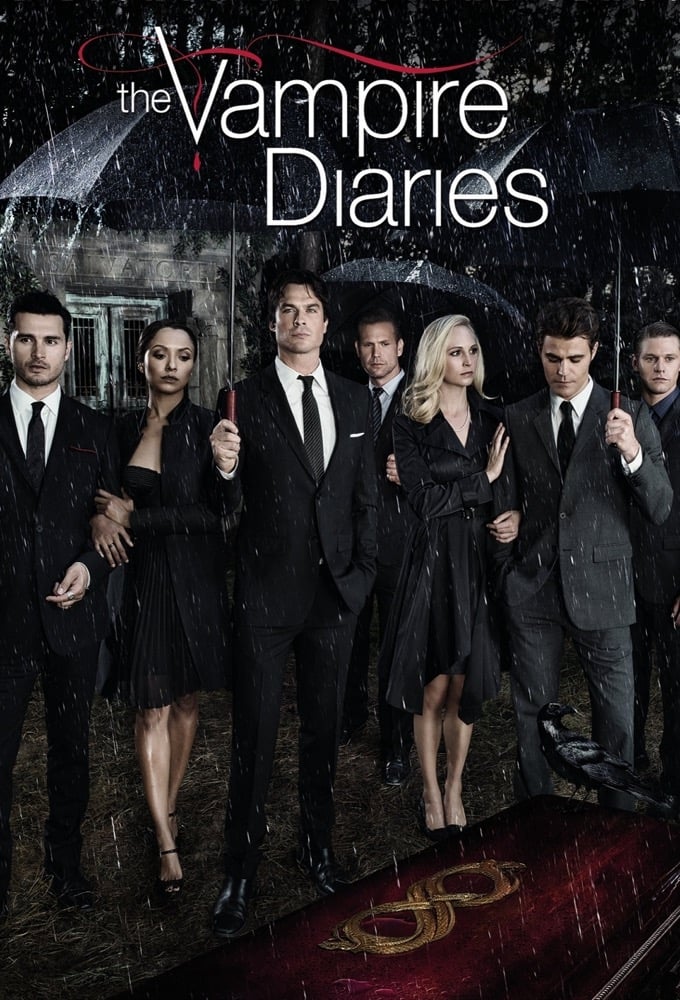
Bonnie Bennett served as the resident witch who constantly sacrificed her happiness to save her friends. The writers frequently used her trauma and pain merely as a plot device to further the development of the main trio. She would often disappear from the screen for episodes at a time only to return when a magical fix was required. Her romantic relationships were consistently cut short or ended in tragedy to keep her isolated. This pattern established her role as a tool for the narrative rather than a fully realized person.
‘Glee’ (2009–2015)

Mercedes Jones possessed a powerhouse voice that often rivaled or surpassed that of the show’s main protagonist. Scripts repeatedly sidelined her talent to focus on Rachel Berry and framed Mercedes as lazy or difficult when she demanded a spotlight. She was often relegated to the role of the sassy diva who provided big notes in the background of group numbers. The show rarely explored her life outside of the glee club or her supportive friendships with others. This treatment undermined her character’s ambition and immense skill set.
‘Game of Thrones’ (2011–2019)
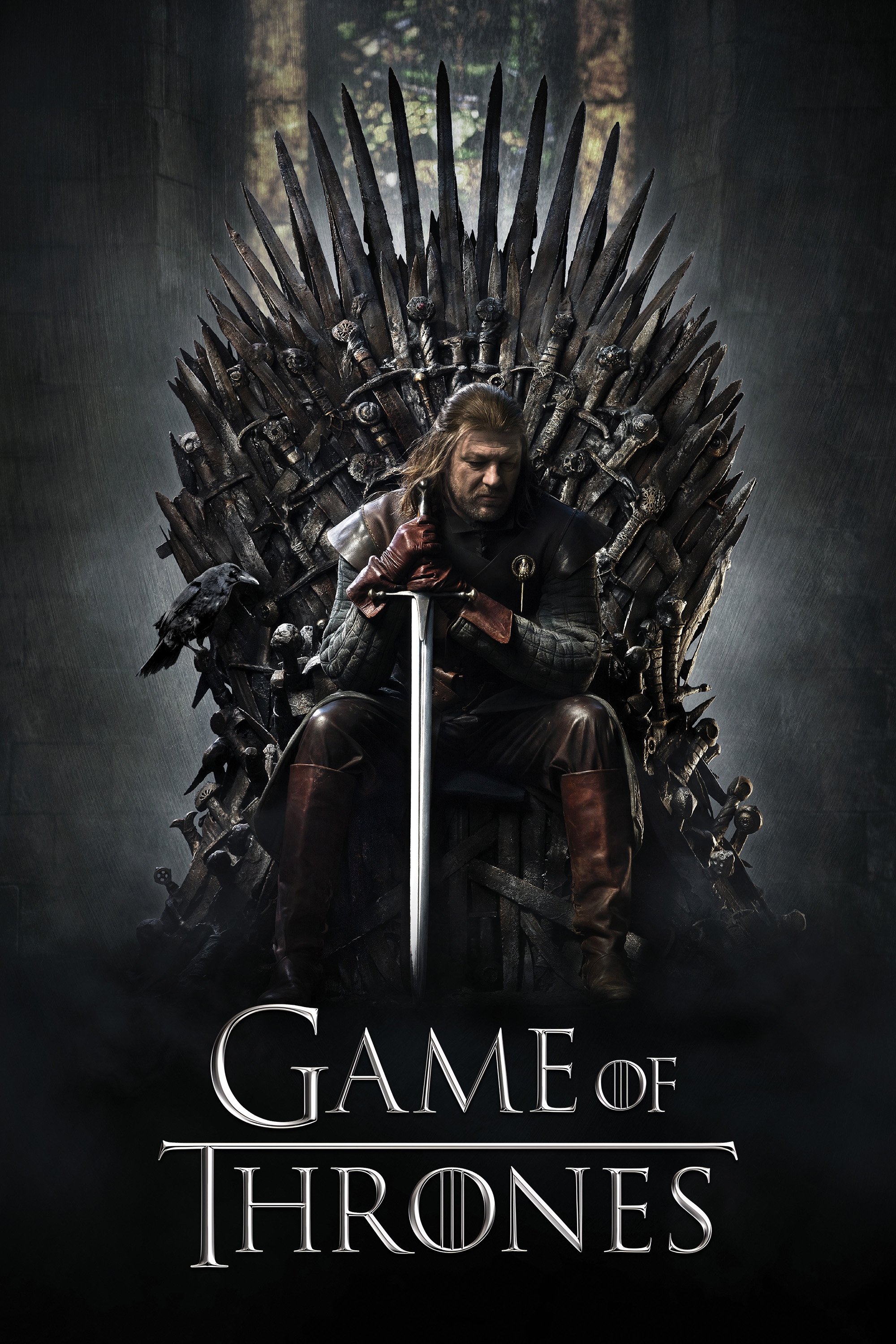
Missandei began her journey as a skilled translator and trusted advisor to Daenerys Targaryen. Her character growth stalled in later seasons as she became little more than a silent presence in the background of war councils. The writers ultimately used her death solely to trigger the emotional descent of her white savior queen. This narrative choice reduced a woman who survived slavery into a prop for another character’s rage. Her demise drew significant criticism for adhering to outdated tropes regarding the expendability of characters of color.
‘True Blood’ (2008–2014)

Tara Thornton endured an unrelenting series of traumatic events throughout the duration of the series. The writers defined her primarily by her abuse and her anger and her victimization without allowing her space to heal. She was frequently placed in situations where she had to be rescued by others or possessed by supernatural entities. Her eventual death happened off-screen and felt like an afterthought to the main storyline. The show failed to give her the complex arc of redemption and peace she deserved.
‘The Walking Dead’ (2010–2022)
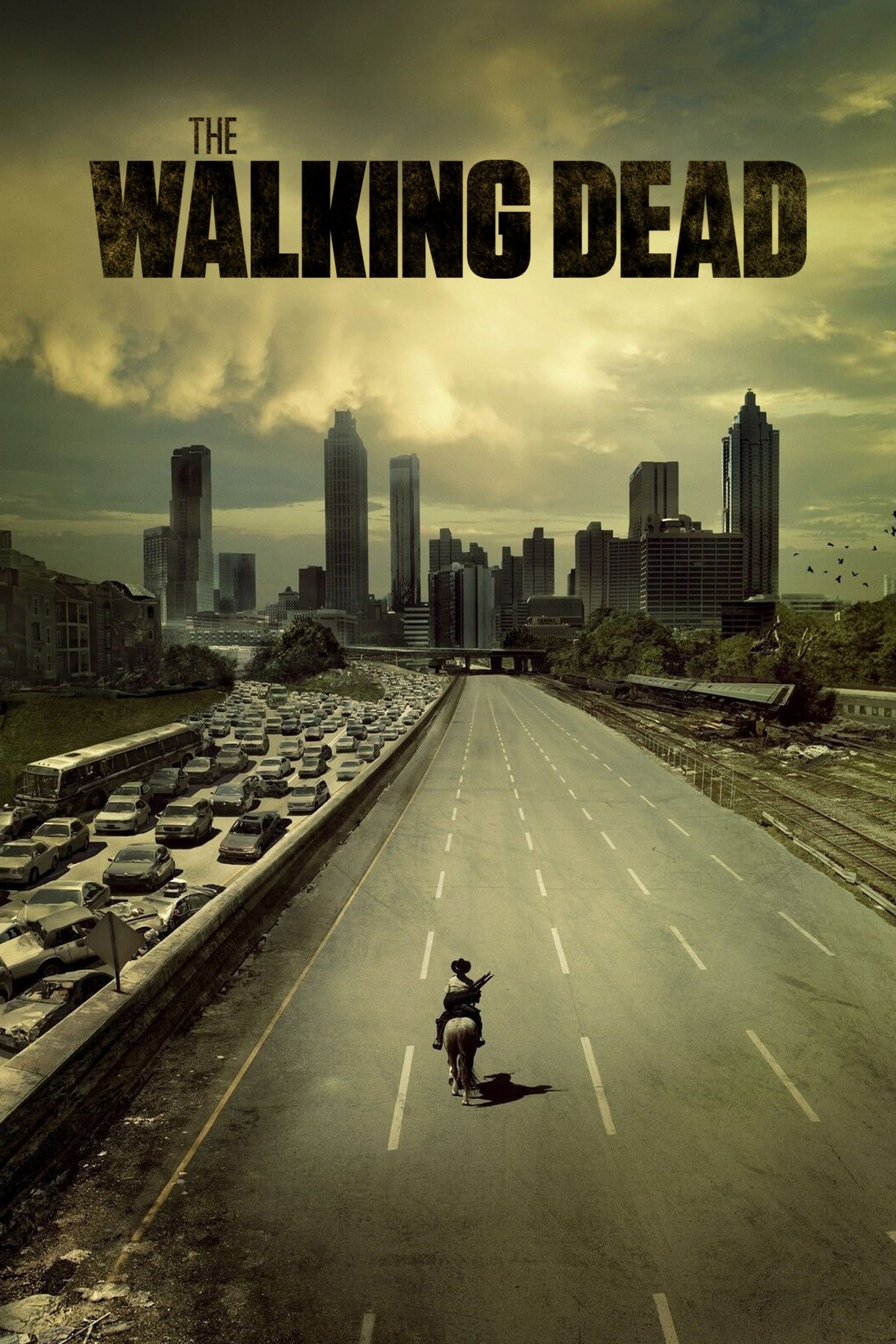
T-Dog was a survivor who managed to live through the initial outbreak but received almost no character development. He spent multiple seasons with very few lines of dialogue and no significant backstory to explain his motivations. His death was heroic but felt like a convenient way to thin the herd rather than a meaningful conclusion to an arc. The writers missed the opportunity to explore his perspective on the crumbling world around him. He remains a prime example of a character who was present physically but absent narratively.
‘Smallville’ (2001–2011)
Pete Ross started as Clark Kent’s loyal best friend and the first person to learn his secret. The writers struggled to integrate him into the growing mythology of the show and relegated him to the role of secret keeper. He was eventually written out of the series under the guise of protecting Clark’s identity. His departure left a void that highlighted how little the show had invested in his individual aspirations. Pete was a casualty of writers who could not envision a purpose for him beyond the protagonist’s shadow.
‘New Girl’ (2011–2018)

Winston Bishop arrived in the second episode as a replacement roommate and struggled to find a consistent personality for several seasons. The writers initially used him as a generic straight man to the quirks of the other loft residents. It took years for the show to lean into his eccentricity and give him a distinct comedic voice. Early storylines often forgot him or paired him off in C-plots that had no impact on the main narrative. He eventually became a fan favorite only after the writers stopped treating him as an afterthought.
‘Riverdale’ (2017–2023)
Josie McCoy and the Pussycats were introduced as a talented musical group with their own ambitions and local fame. The show frequently used them to provide musical interludes for other characters’ storylines without giving them substantive plots of their own. Josie was often tokenized as the ambitious artist but rarely interacted with the core mystery in a meaningful way. Her eventual exit to a spin-off felt like an admission that the main show had no idea what to do with her. The series wasted a charismatic performer on background decoration.
‘Saved by the Bell’ (1989–1993)
Lisa Turtle was the fashion-forward trendsetter of Bayside High but often played second fiddle to the main romantic entanglements. The writers typically gave her frivolous subplots about shopping or dating that lacked the emotional weight of her peers’ stories. She was rarely the center of the urgent moral dilemmas that defined the show’s educational moments. Her character was defined by her consumption and her wealth rather than her internal life. This superficial writing kept her from evolving beyond a stereotype of a teenage shopaholic.
‘Gossip Girl’ (2007–2012)
Vanessa Abrams was positioned as the artistic outsider who could see through the pretension of the Upper East Side. The writers quickly turned her into a judgmental antagonist who interfered in the relationships of the main characters. She was consistently villainized for actions that other characters committed without consequence. Her eventual departure from the series was unceremonious and left her character arc unresolved. The show seemed to resent her presence and systematically dismantled her moral high ground.
‘Buffy the Vampire Slayer’ (1997–2003)
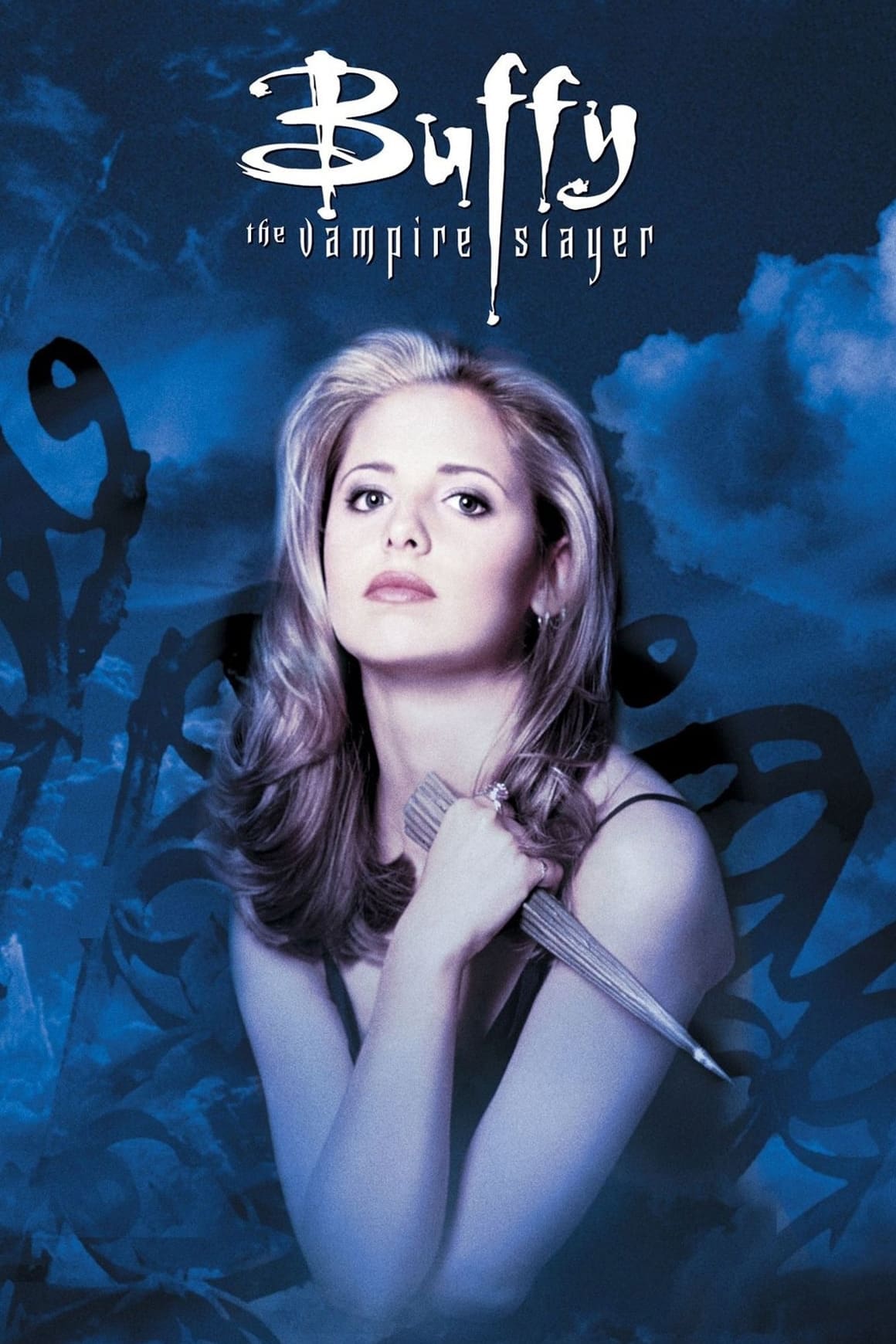
Kendra Young arrived as a fellow Slayer who had dedicated her entire life to her calling. The narrative used her rigidity as a foil to Buffy’s more relaxed approach to fighting evil. She was killed off quickly to raise the stakes for the protagonist and to introduce a different Slayer later on. Her death served strictly as a plot point to induce guilt and fear in the main character. The show missed the chance to explore the culture and training that created such a disciplined warrior.
‘The 100’ (2014–2020)

Wells Jaha was the son of the Chancellor and the moral compass of the original group of delinquents. The writers killed him off in the third episode to shock the audience and to harden the show’s female lead. His death eliminated the most significant connection to the established order and the show’s history on the Ark. It was a classic example of fridging a Black male character to further the development of a white protagonist. His potential as a leader was extinguished before it could ever be realized.
‘Supergirl’ (2015–2021)

James Olsen was introduced as a confident photojournalist and a potential love interest for the titular hero. The writers cooled on the romance and struggled to find a place for him within the superhero team. He was given a vigilante alter ego named Guardian that felt disconnected from the show’s main themes. His storylines often felt isolated from the rest of the cast as if he were in a different show entirely. He eventually left the series after years of inconsistent characterization.
‘Charmed’ (1998–2006)
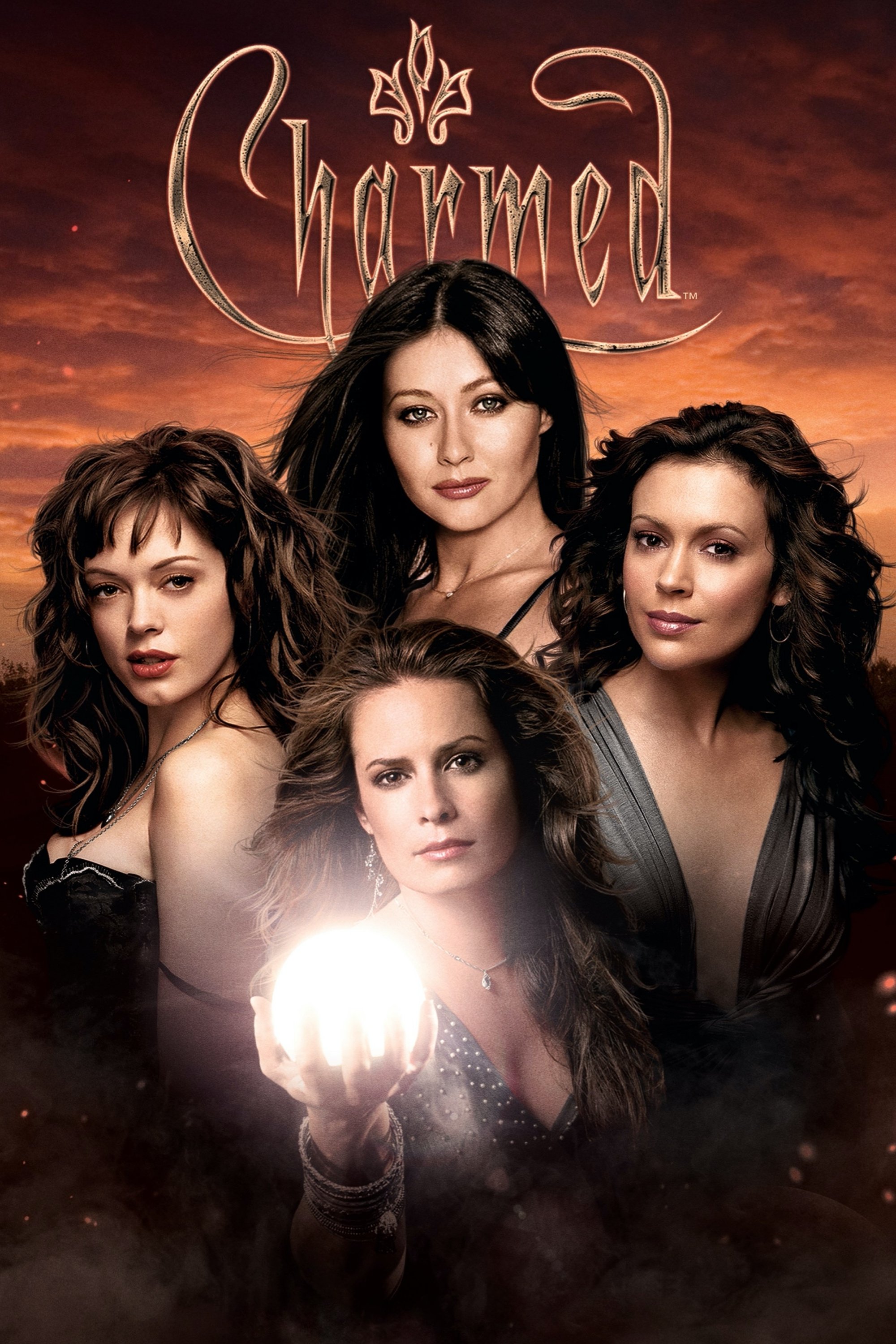
Darryl Morris was the loyal police inspector who constantly covered for the Halliwell sisters and their magical mishaps. He faced suspension and life-threatening danger and even a soul-stealing execution without ever being fully brought into the fold. The witches frequently took his assistance for granted and rarely showed concern for the impact magic had on his family. His exit from the show was quiet and fueled by his justifiable frustration with being used. The narrative treated him as a cleanup crew rather than a friend.
‘Sex and the City’ (1998–2004)

Louise appeared in the first film as an assistant to Carrie Bradshaw who was struggling to organize her life. Her character existed solely to fix Carrie’s problems and to help her mend her broken heart. She was depicted as a magical helper who had no flaws and seemingly no life outside of her employer’s needs. The script even gave her a convenient happy ending to remove her from the story once her purpose was served. It was a textbook example of the “Magical Negro” trope in a modern setting.
‘Friends’ (1994–2004)
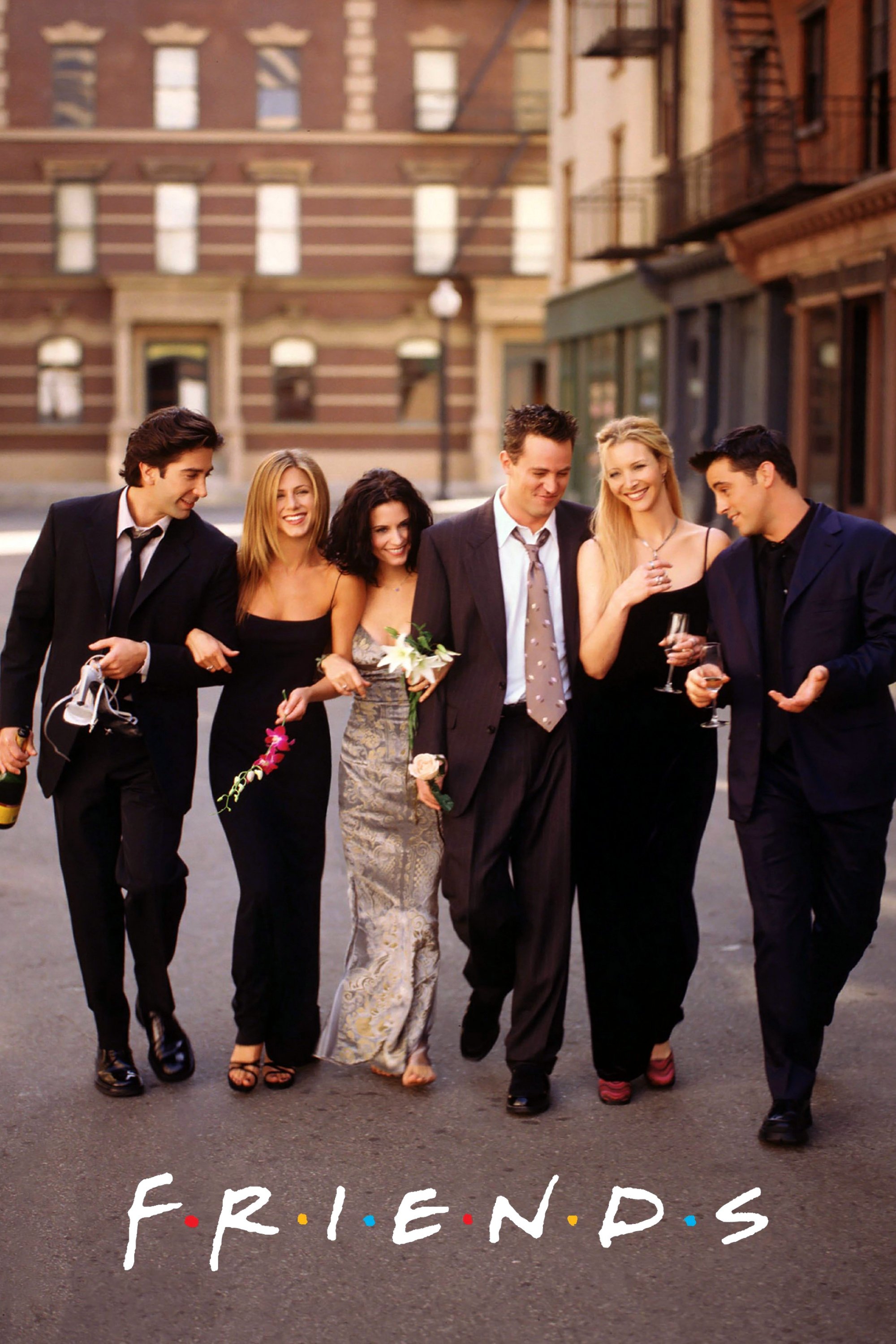
Charlie Wheeler was a brilliant paleontologist who dated both Joey and Ross during her brief stint on the show. The writers used her primarily as an obstacle to the romantic reunion of Ross and Rachel. She had little personality beyond her intelligence and her function as a romantic placeholder. Her exit was abrupt and involved her leaving Ross for an ex-boyfriend in a way that felt out of character. She was a plot device disguised as a love interest to delay the sitcom’s endgame.
‘Lost’ (2004–2010)
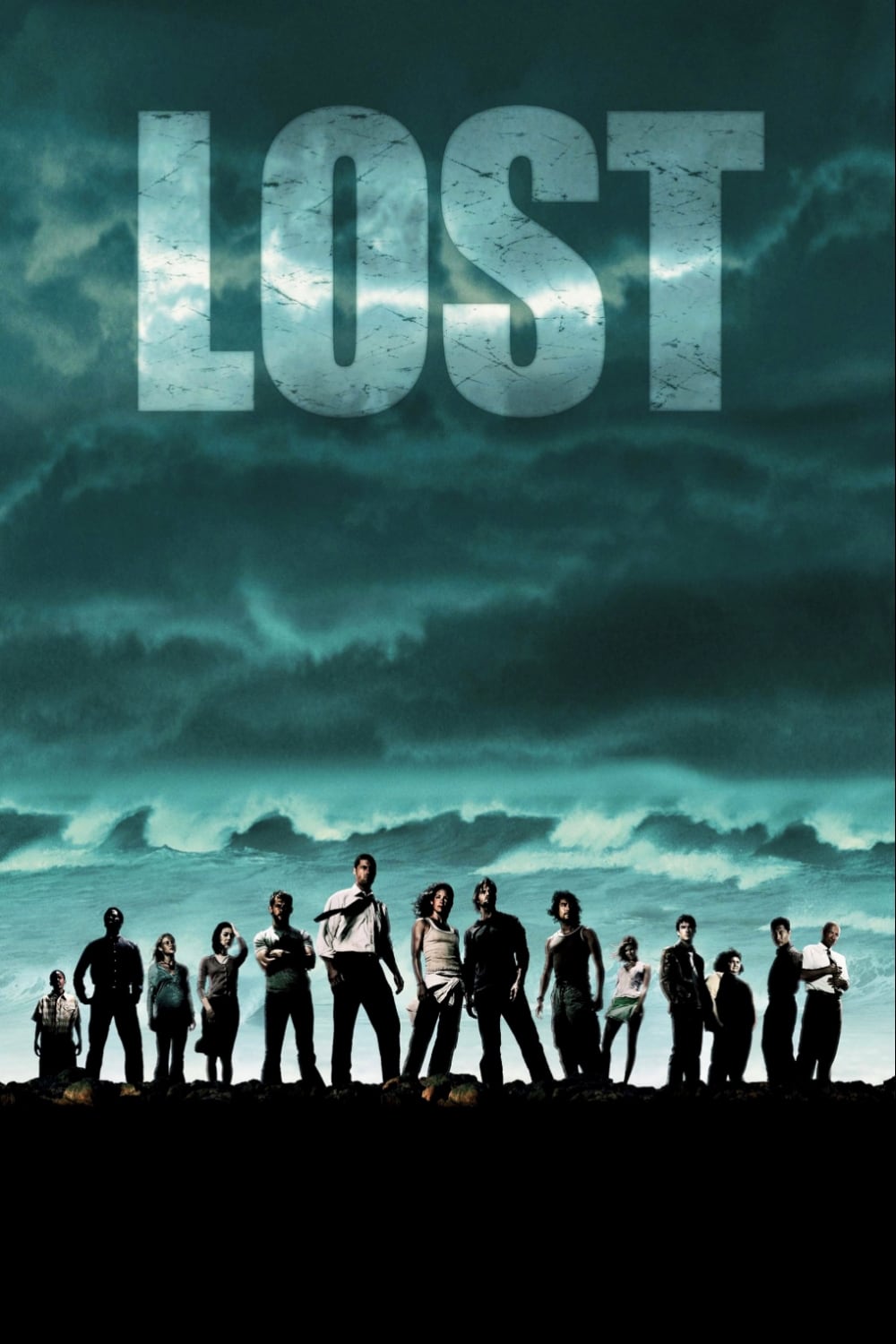
Michael Dawson and his son Walt were central to the mystery of the island in the early seasons. The writers wrote them into a corner by focusing entirely on Michael’s desperate shouting for his son. They were written out of the show after Michael betrayed his friends in a polarizing storyline. Walt was revealed to have special powers that were never fully explained or explored by the narrative. Their potential was squandered in favor of focusing on other survivors.
‘Gilmore Girls’ (2000–2007)
Michel Gerard was the sarcastic concierge who worked alongside Lorelai and Sookie at the inn. While his dry wit provided comedic relief he was rarely given storylines that did not involve his work or his diet. The show explored the personal lives of the other main staff members in depth while keeping Michel at arm’s length. He was often treated as a nuisance rather than a valued member of the inner circle. His loyalty to the inn was never reciprocated with narrative attention.
‘Teen Wolf’ (2011–2017)

Vernon Boyd was a quiet and stoic teenager who joined the werewolf pack seeking a sense of belonging. The show developed him very little before killing him off to demonstrate the cruelty of the season’s villains. His death was used to drive the angst of the main werewolf character rather than to honor Boyd’s life. He was treated as muscle for the pack rather than as a teenager with dreams and fears. The writers failed to utilize his potential as a grounding force for the group.
‘One Tree Hill’ (2003–2012)
Antwon “Skills” Taylor started as a background player on the terrifying River Court basketball team. He was gradually promoted to the main cast but mostly served as comedic relief or a sounding board for Lucas. His romantic relationships were often played for laughs or ended abruptly without much emotional fallout. The show rarely allowed him the dramatic heavy lifting given to the core five characters. He remained a supportive friend who sat on the sidelines of the main drama.
‘Pretty Little Liars’ (2010–2017)
Maya St. Germain was the first love interest for Emily Fields and helped her come to terms with her sexuality. The writers killed her off to introduce a mystery plot that ultimately had little to do with the main villain. Her death was a devastating blow to Emily but the show moved on from her memory relatively quickly. She was a vibrant character who was reduced to a body found in a backyard. Her narrative purpose was to tragicize the LGBTQ experience of the protagonist.
‘Family Guy’ (1999–Present)
Cleveland Brown was originally depicted as the slow-talking neighbor whose main trait was his passivity. The writers often made him the butt of racial jokes without giving him a distinct perspective or agency. He was considered so expendable that he was spun off into his own show which was eventually cancelled. Upon his return to the main series he slotted back into the background with little fanfare. He remains a character who exists to fill a seat at the bar.
‘Doctor Who’ (2005–Present)
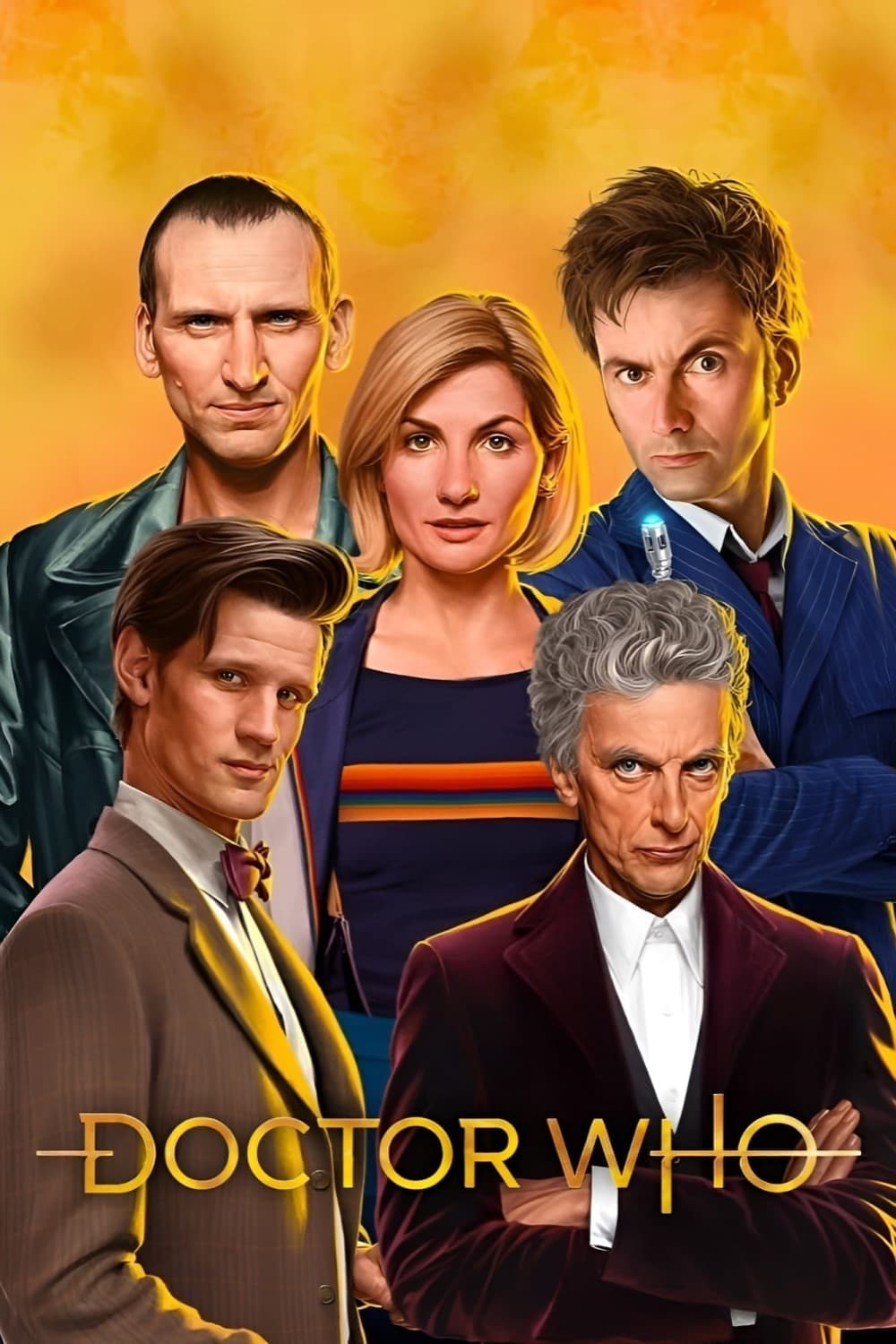
Martha Jones served as the Companion to the Tenth Doctor and was highly intelligent and capable in her own right. The writing constantly positioned her as a rebound for the Doctor who was still mourning his previous companion. She spent much of her tenure pining for a man who barely noticed her efforts to save him. Her competence was overshadowed by the narrative’s insistence on her unrequited love. She eventually left the TARDIS because she recognized she deserved better than second best.
‘Daria’ (1997–2002)

Jodie Landon was the only Black student at Lawndale High who had any significant speaking lines. She frequently commented on the pressure she felt to be the perfect model minority in a predominantly white town. While the show was self-aware enough to acknowledge her burden it rarely gave her episodes focused solely on her. She functioned as the voice of reason and diversity without being allowed to be messy or flawed like Daria. Her character was trapped by the very tokenism the show attempted to critique.
‘Stranger Things’ (2016–Present)
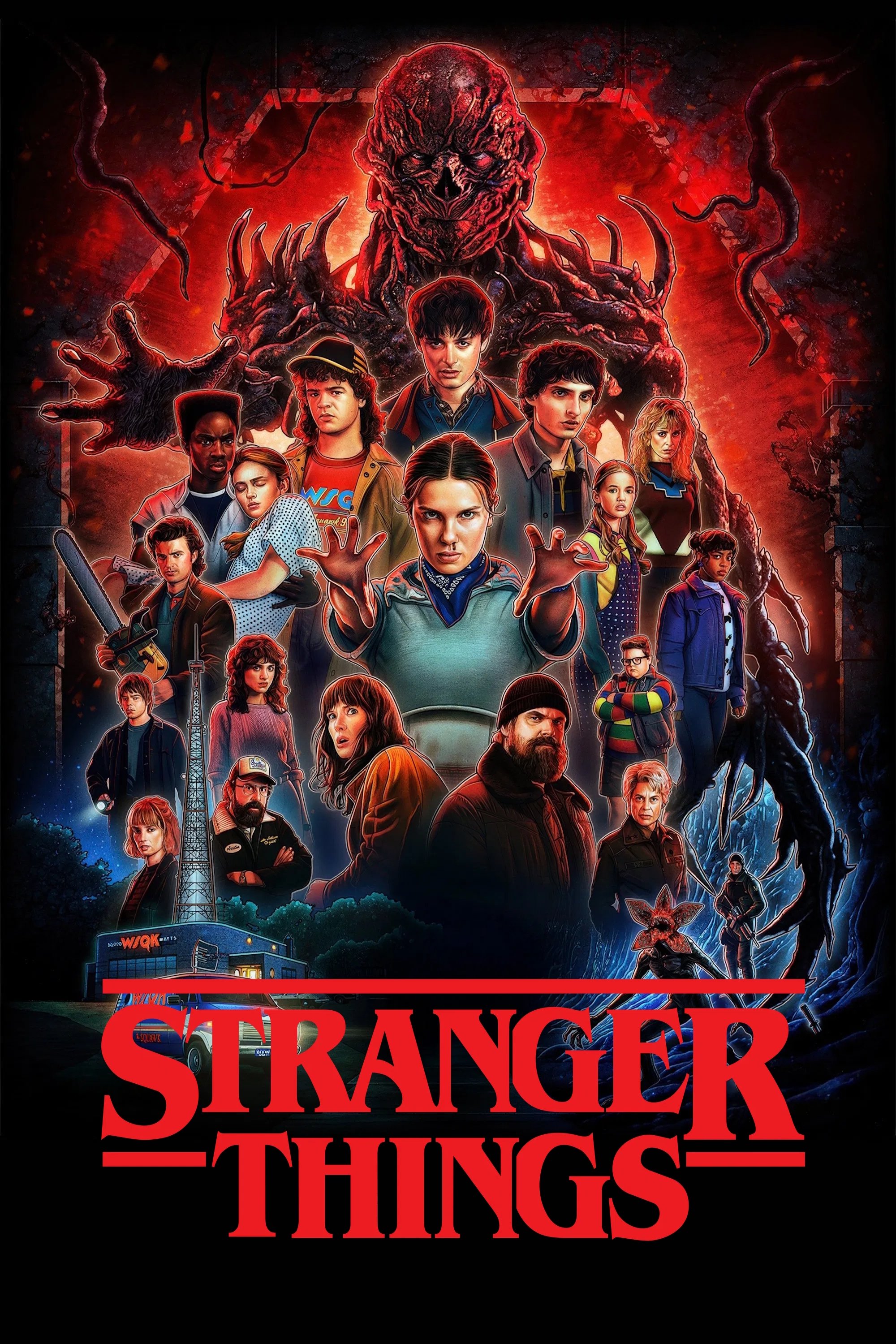
Lucas Sinclair was the skeptical member of the central party who initially distrusted the supernatural element. In the first season he was given significantly less screen time and backstory than his three white friends. The writers often used his skepticism to create conflict within the group rather than validating his concerns. While his characterization improved in later seasons his initial portrayal was that of an angry obstacle. He had to fight for his place in the narrative in a way the other boys did not.
Share your thoughts on which characters deserved better storylines in the comments.