


25 TV Shows That Predicted the Future



Television has often served as a window into the future by presenting technologies and events that eventually became reality. Many writers and creators used their imagination to explore what the coming decades might look like for society. From handheld gadgets to major political shifts these shows proved to be surprisingly accurate in their foresight. This list examines the most notable instances where the small screen managed to stay one step ahead of history.
‘The Simpsons’ (1989–Present)
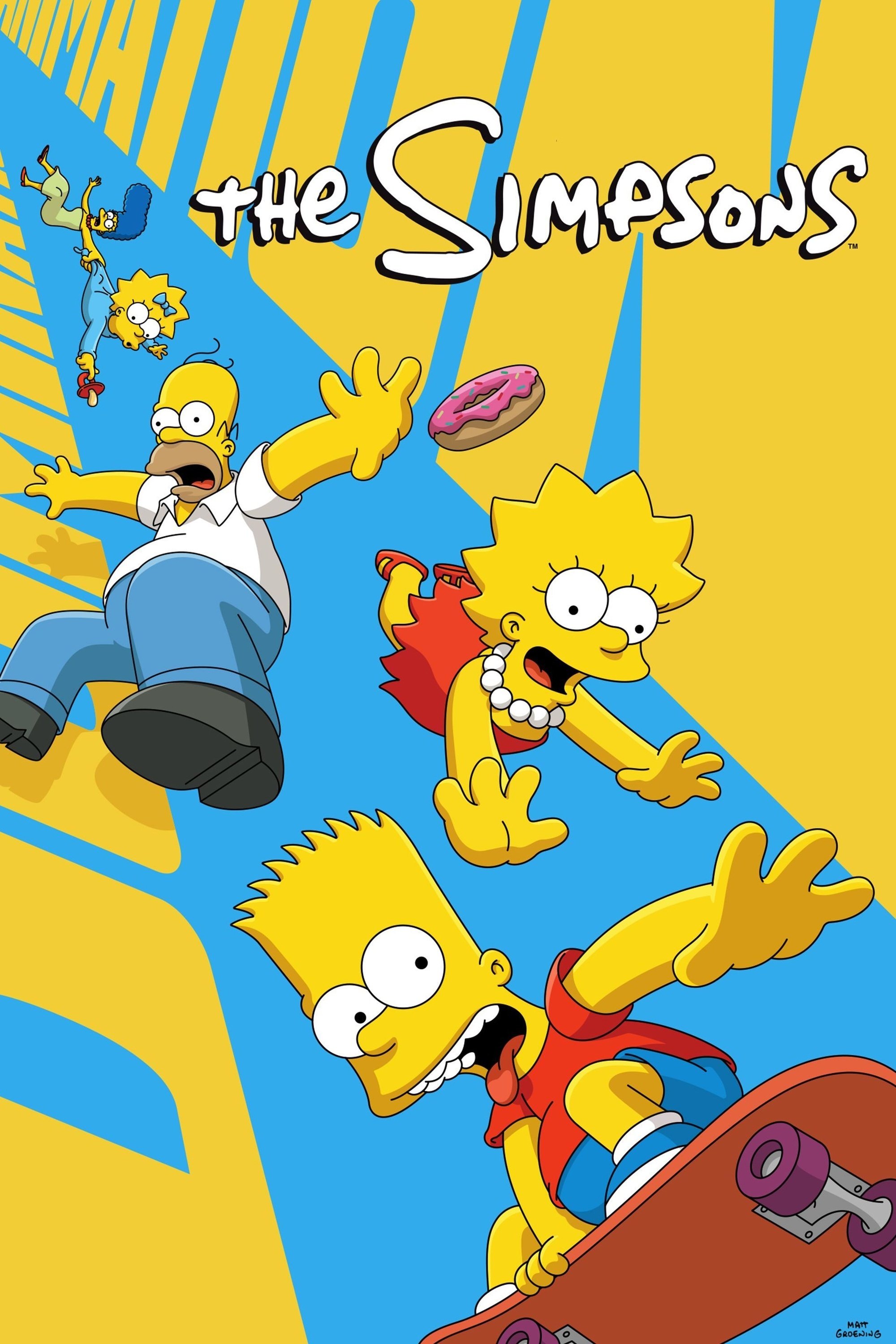
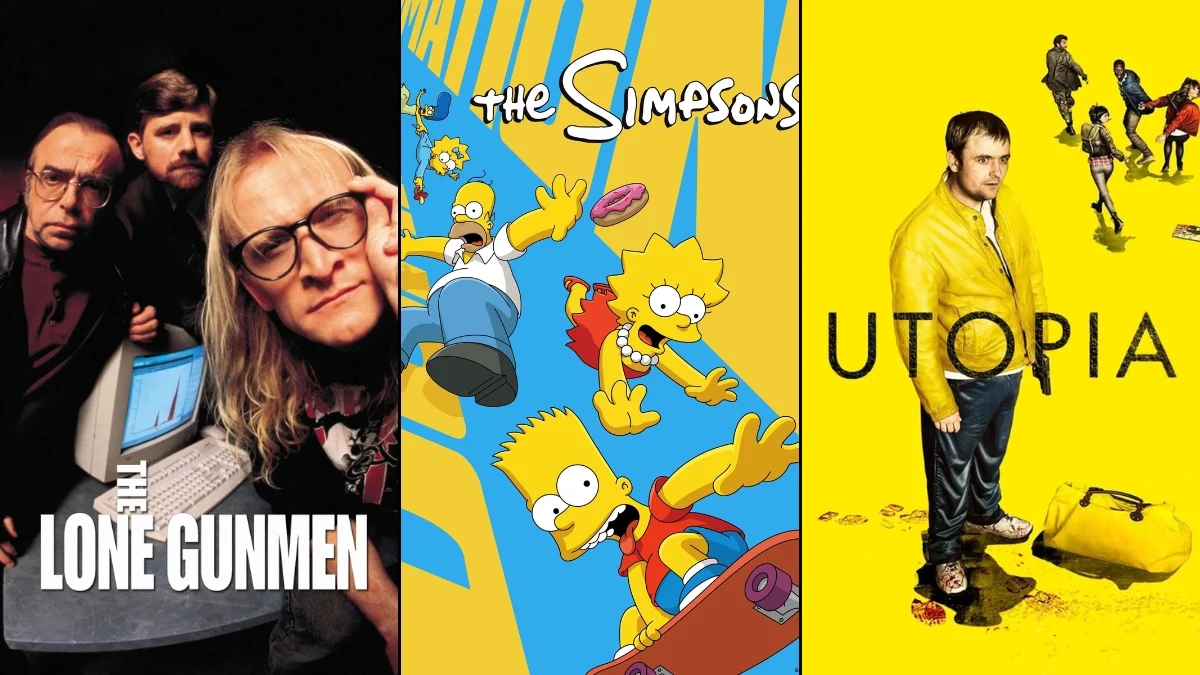
The animated series predicted that Donald Trump would become the President of the United States in an episode that aired in 2000. It also visualized the acquisition of 20th Century Fox by Disney many years before the deal was finalized. Writers famously included a scene with a brochure that many viewers believe foreshadowed the September 11 attacks. The show featured smartwatches and video chat technology long before these gadgets became part of daily life.
‘The Jetsons’ (1962–1963)
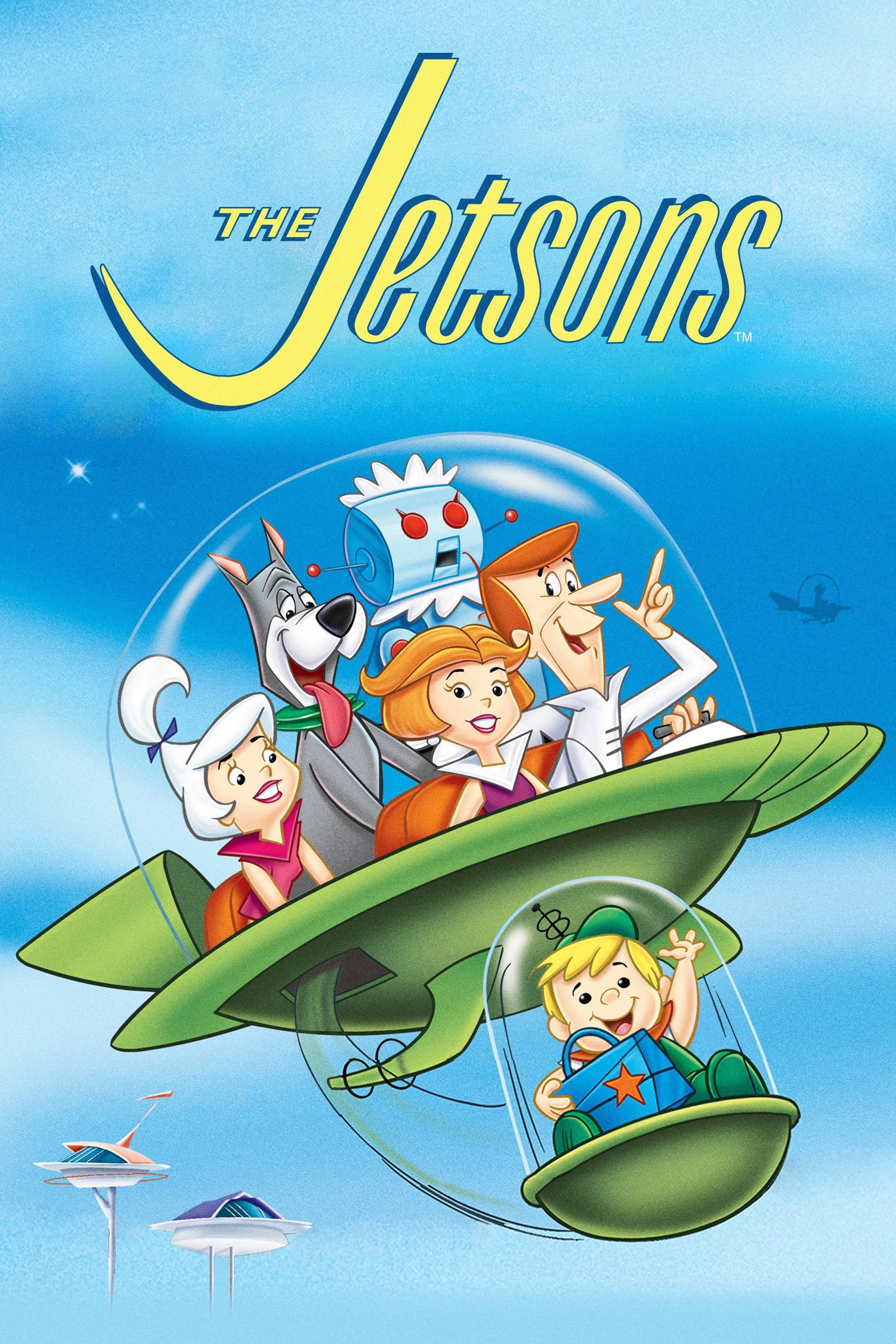
This futuristic cartoon introduced audiences to robotic vacuum cleaners and video conferencing in the early 1960s. Many of the gadgets used by the family are now commonplace in modern households around the world. The show also depicted people working from home through screens which is a reality for many workers today. Small details like smartwatches and pills that contain tiny cameras are now actual medical and consumer technologies.
‘Star Trek: The Original Series’ (1966–1969)
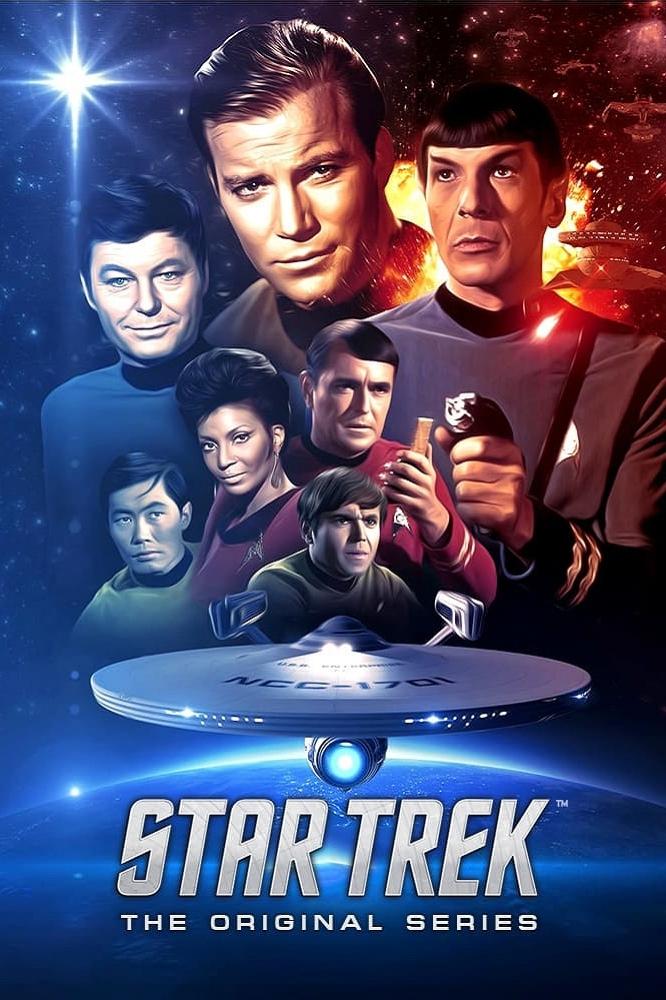
This iconic science fiction show introduced the concept of the communicator which paved the way for modern flip phones. Characters used tablets that resemble the iPads and other portable computers we use today for work and play. The crew utilized a universal translator that mirrors the real time translation apps available on modern smartphones. These technological predictions helped shape the development of actual consumer electronics in the late twentieth century.
‘The Lone Gunmen’ (2001)
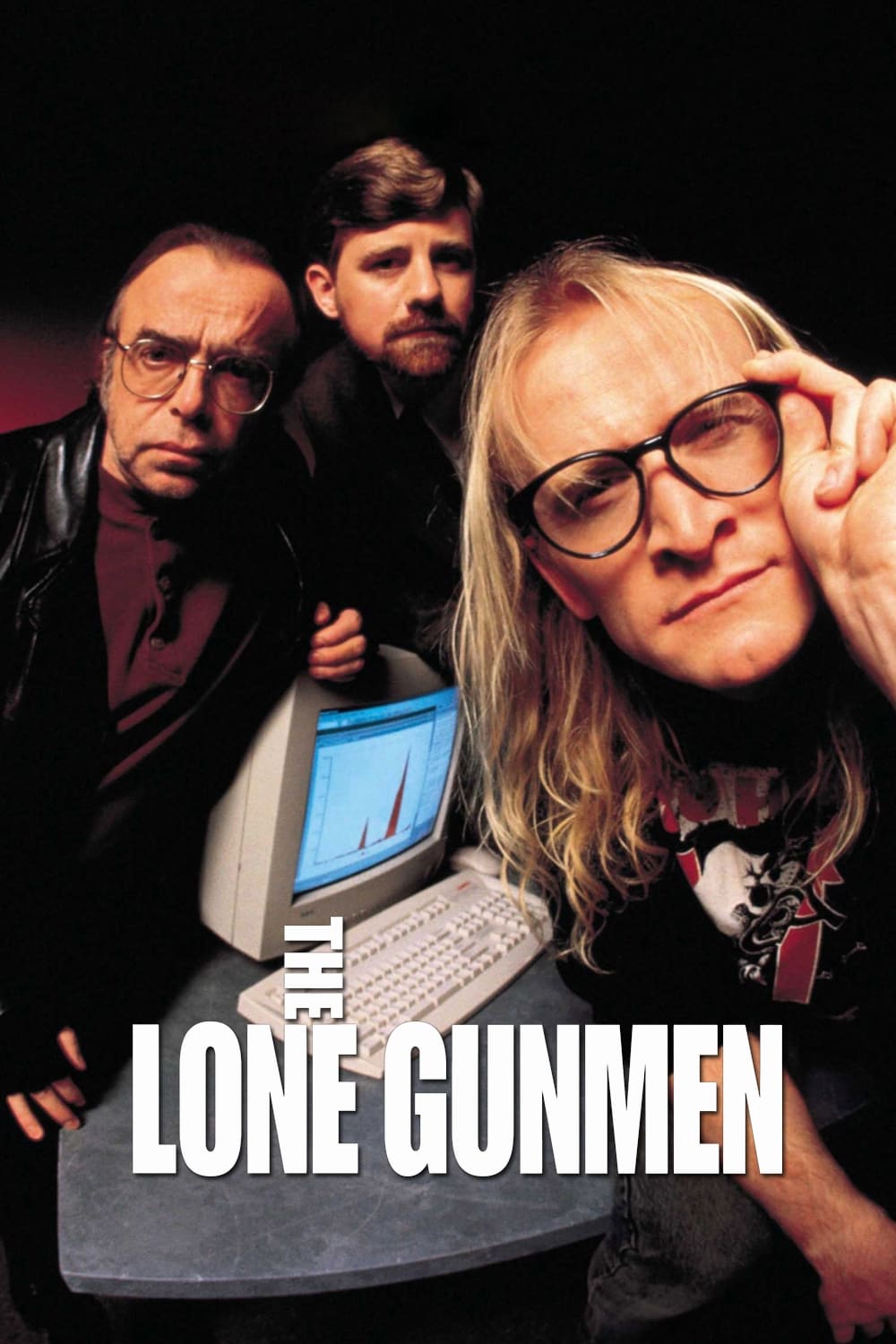
The pilot episode of this spin off show featured a plot involving a hijacked commercial airliner. In the story the plane was remotely controlled and targeted at the World Trade Center in New York. This episode aired in March of 2001 which was only six months before the tragic events of September 11 happened. The parallels between the fictional plot and the real events remain one of the most shocking coincidences in television history.
‘Black Mirror’ (2011–Present)
An episode titled Nosedive explored a social credit system where people rate each other for every interaction. This concept became reality when certain governments began implementing similar reputation based scoring for citizens. The show also featured robotic dogs that bear a striking resemblance to the machines now produced by technology companies. Each story serves as a warning about how current trends in technology could lead to unforeseen consequences in the future.
‘Parks and Recreation’ (2009–2015)
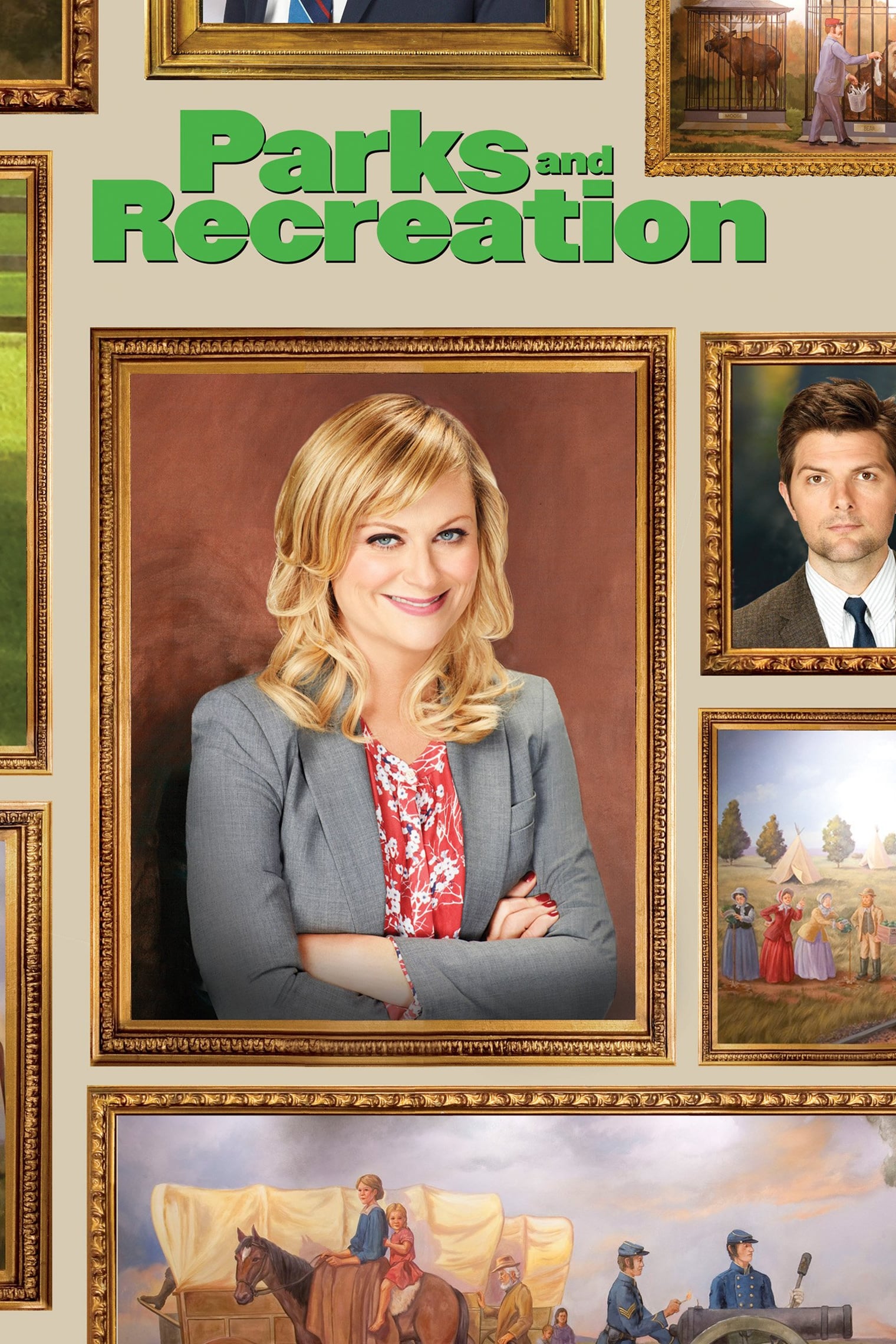
During the final season of the comedy series the characters visit Chicago in the year 2017. One character mentions that everyone is in a great mood because the Chicago Cubs finally won the World Series. This prediction came true in 2016 when the team ended their century long championship drought. The writers managed to guess the specific timeline for one of the most famous streaks in sports history.
‘Futurama’ (1999–Present)
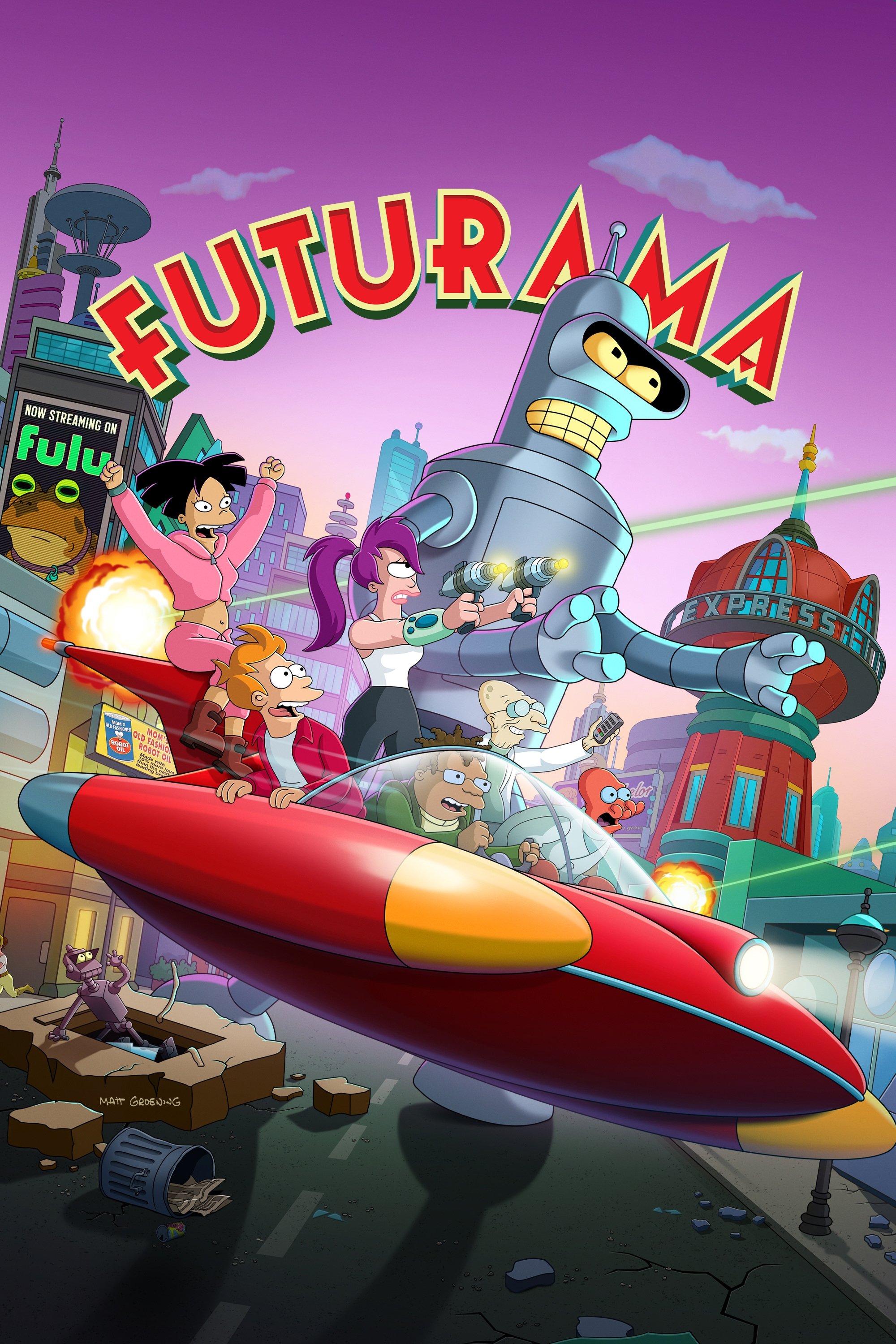
The show included a storyline about a disputed election that mirrored the Florida recount of 2000. It also featured the concept of virtual reality headsets that allow users to interact with digital worlds. The writers correctly anticipated the rise of massive internet advertisements that appear in the middle of dreams. Many of the inventions shown in the year 3000 are already starting to appear in our present day lives.
‘Quantum Leap’ (1989–1993)
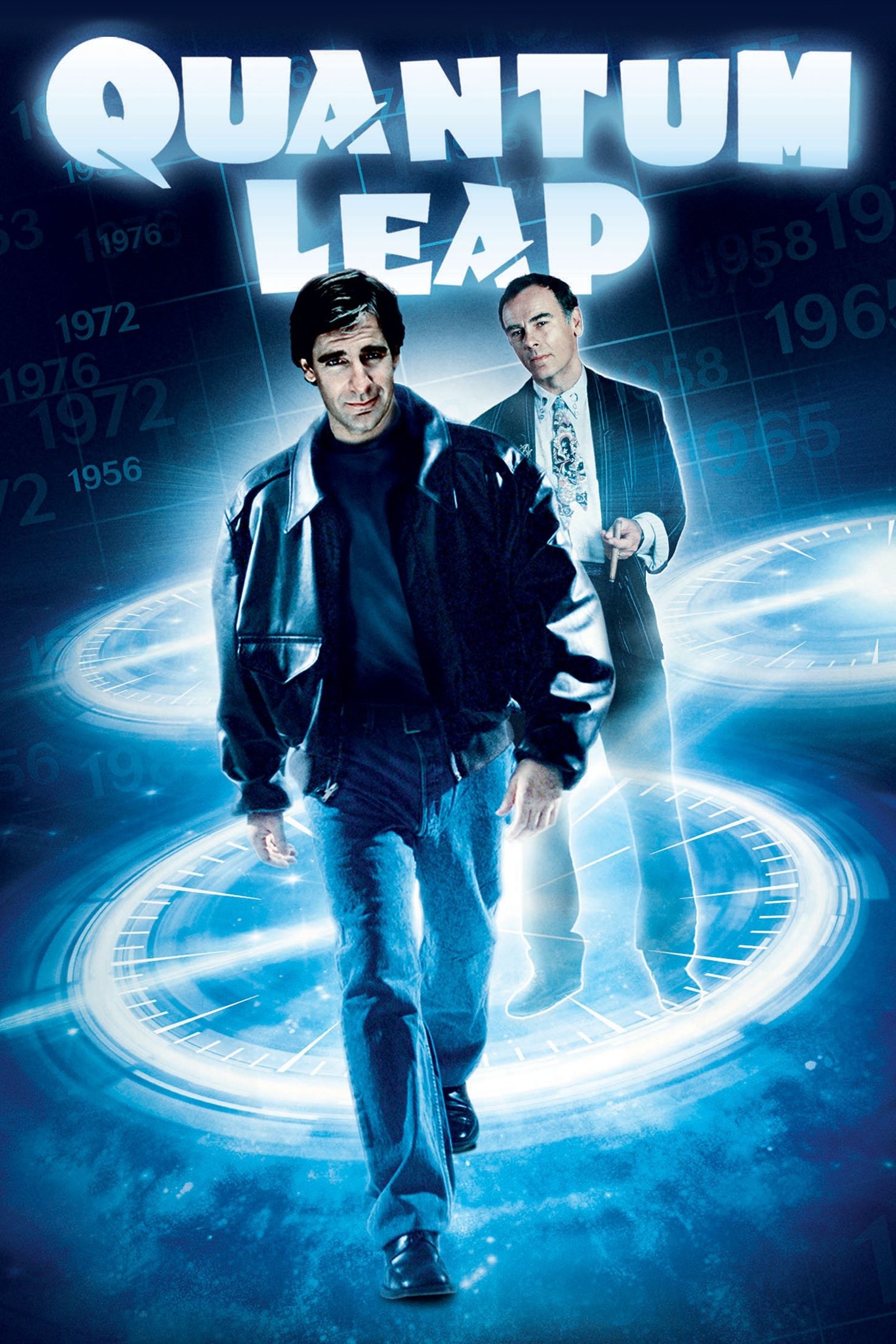
In an episode aired in 1990 the main character Sam Beckett mentions that the Steelers will win the Super Bowl. He specifically notes that they will be down by three points in the final minutes of the game. This exact scenario played out several years later during Super Bowl XXX in 1996. The specific score and outcome matched the dialogue in the show with remarkable precision.
‘Knight Rider’ (1982–1986)

The series focused on a high tech car named KITT that could drive itself and communicate with its owner. Today the automotive industry is rapidly developing autonomous vehicles that feature advanced artificial intelligence systems. The show also showcased a smartwatch that the protagonist used to remotely control and monitor his vehicle. Many of the features once considered science fiction in this show are now standard options in luxury cars.
‘The Twilight Zone’ (1959–1964)
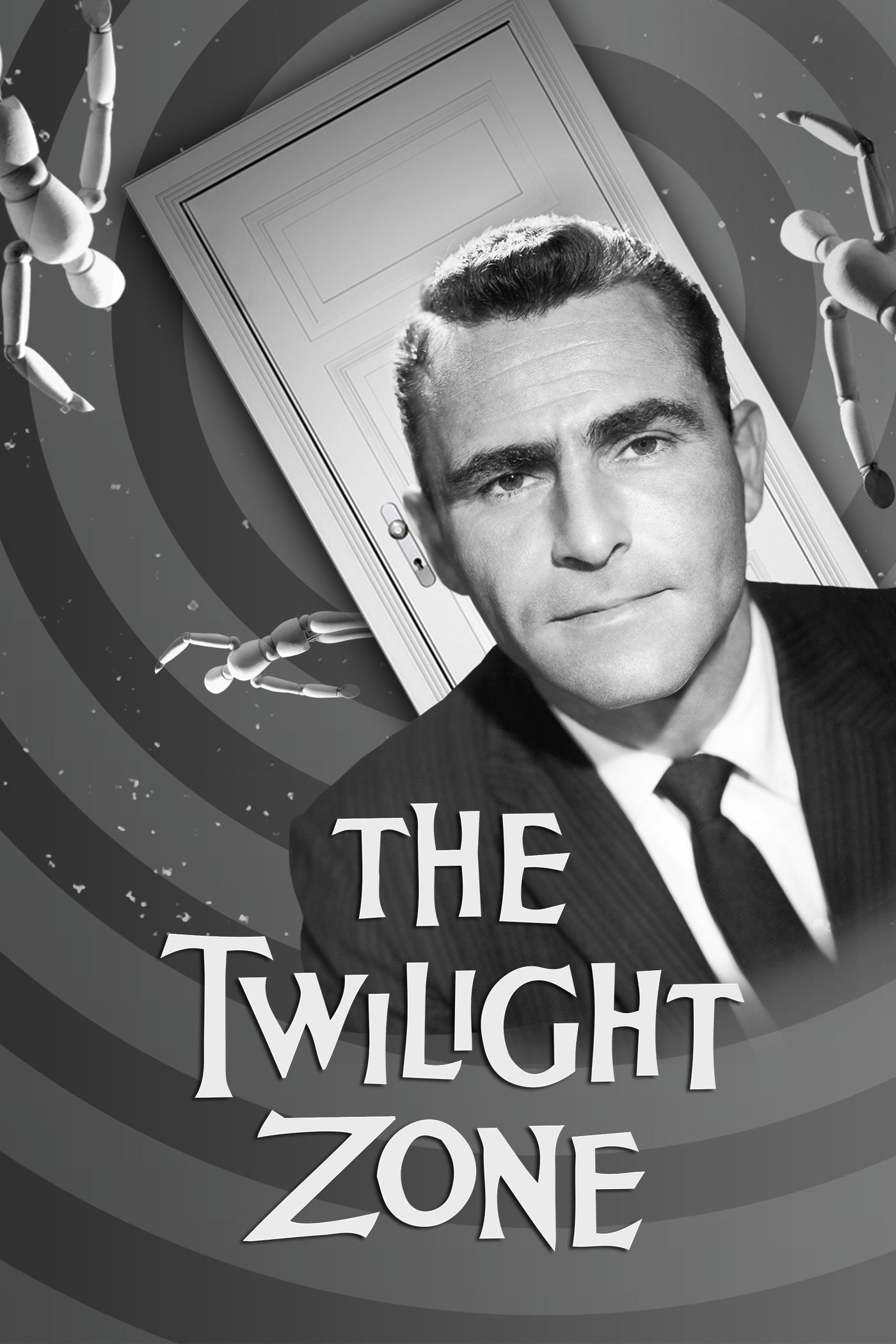
An episode from the original run predicted the rise of flat screen televisions and home security cameras. The show also explored the idea of people being obsessed with reality television and public fame. Some stories featured advanced computers that could manage every aspect of a domestic household environment. These tales captured the anxieties of the nuclear age while correctly identifying the next steps in consumer technology.
’30 Rock’ (2006–2013)
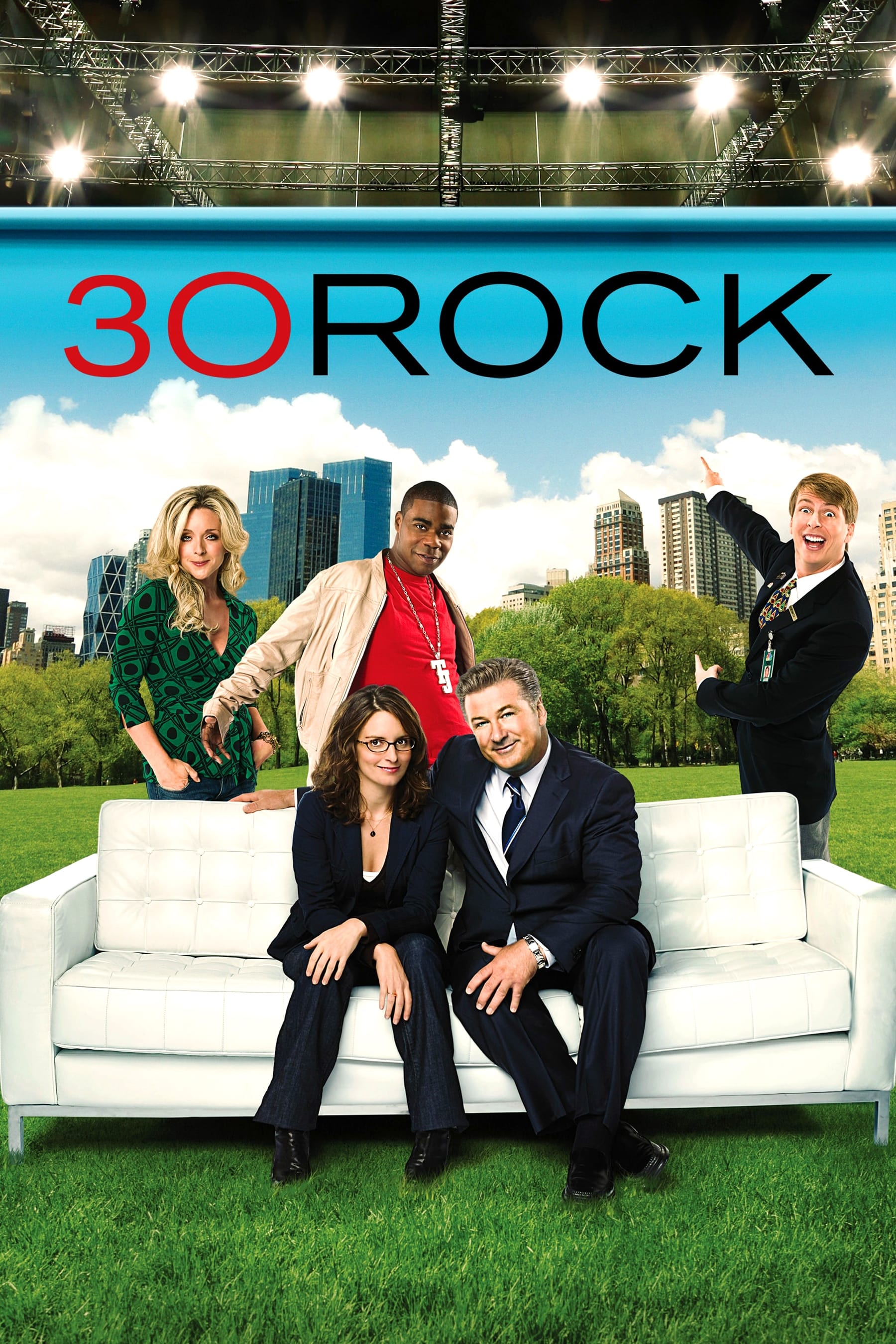
A joke in the show referenced the long standing rumors about the behavior of Bill Cosby towards women. This episode aired years before the public allegations led to his eventual conviction and prison sentence. The series also poked fun at the idea of a major network being bought by a massive cable provider. While the details were slightly different the consolidation of major media companies followed a similar path in reality.
‘The X-Files’ (1993–2018)
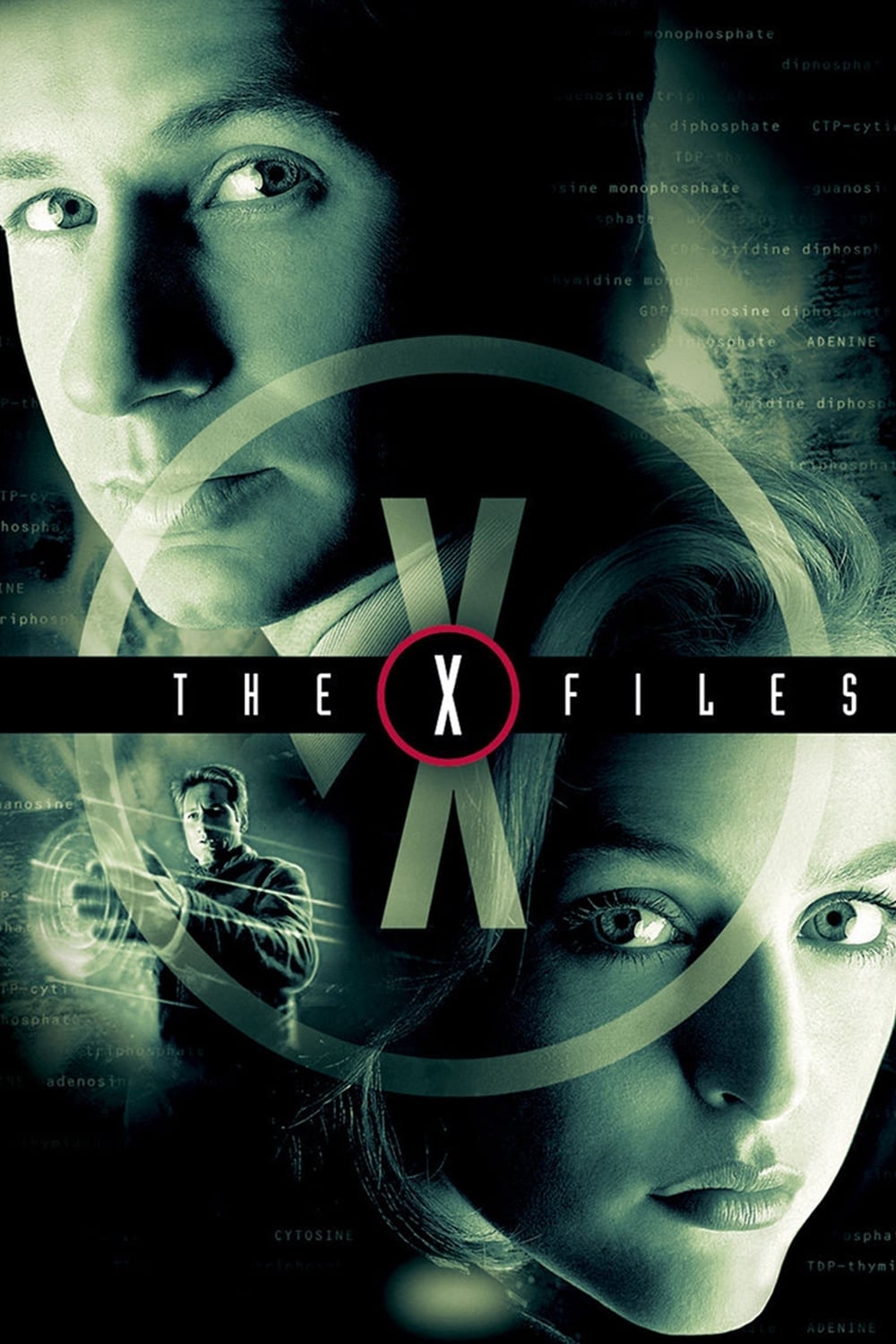
The series often focused on the idea of the government using technology to monitor the private lives of citizens. It featured the use of drones for surveillance and the collection of digital data by shadowy intelligence agencies. These themes were explored long before public debates about the National Security Agency became common in the news. The show correctly identified the shift towards a more connected and monitored global society in the twenty first century.
‘Scrubs’ (2001–2010)
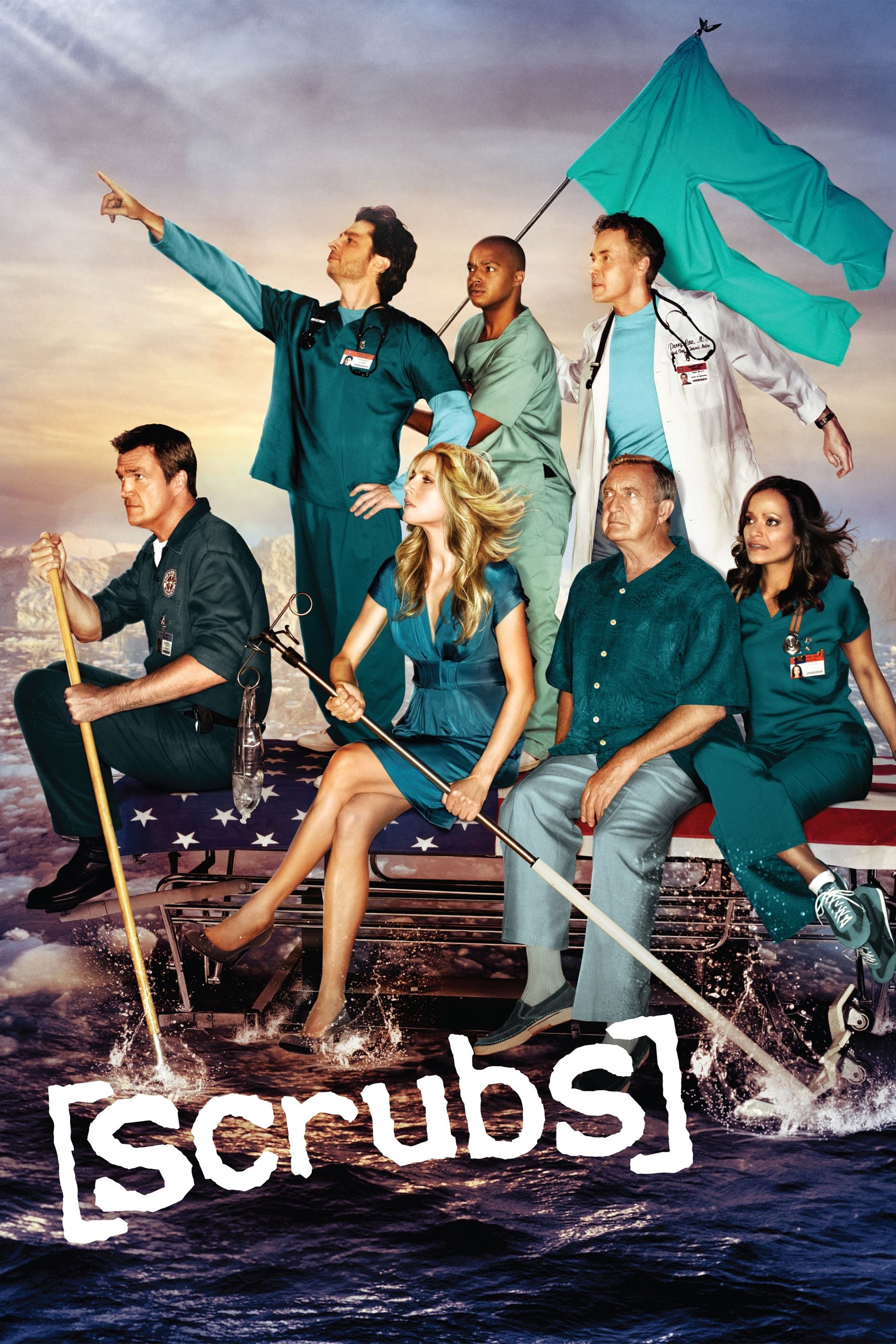
During a brief scene in 2006 a character played by Neil Flynn suggested that Osama bin Laden was in Pakistan. At the time most people believed the fugitive was hiding in the mountains of Afghanistan instead. The actual location where the leader was found in 2011 turned out to be a compound in Pakistan. This casual remark in a medical comedy became one of the most accurate geopolitical predictions on television.
‘Person of Interest’ (2011–2016)
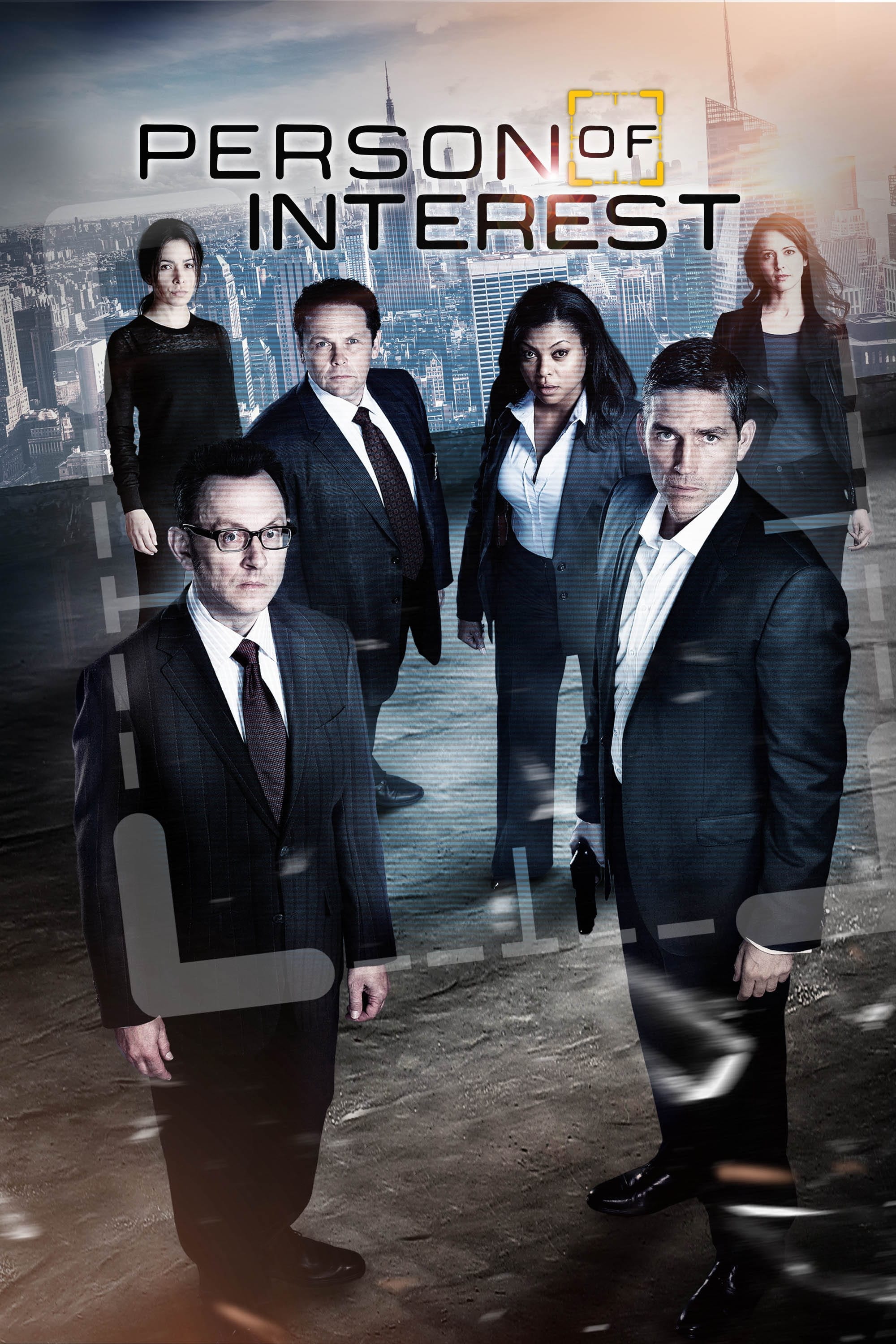
The plot revolves around a massive artificial intelligence system that tracks everyone through their digital footprints. It explored how the government could use metadata to predict and prevent crimes before they actually happen. Many of the surveillance methods shown in the series were confirmed to exist during the Edward Snowden leaks. The show provided a realistic look at the loss of privacy in an era dominated by big data and algorithms.
‘The Wire’ (2002–2008)
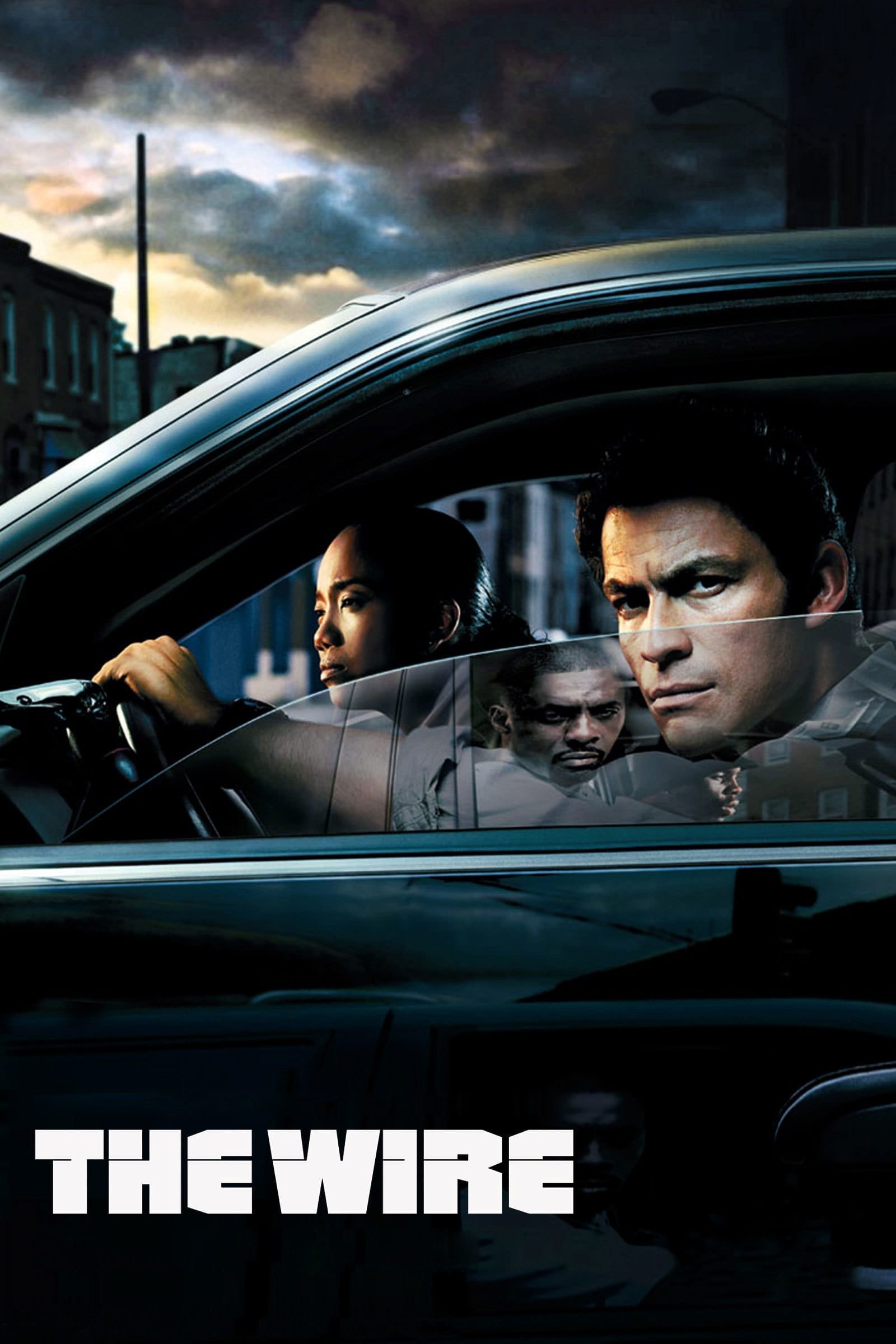
The series showcased the use of disposable burner phones by criminal organizations to avoid police detection. It also detailed the specific ways that law enforcement agencies track cell phone signals and locations. Many of the technological tactics used by both the police and the dealers became standard practice in real life. The gritty realism of the show extended to its accurate portrayal of the evolving world of digital communications.
‘Spooks’ (2002–2011)

An episode about a terrorist attack on the London transport system was filmed just before the 2005 bombings occurred. The producers had to decide whether to air the episode because the details were so similar to the real tragedy. The show often featured plotlines involving cyber warfare and domestic radicalization that later became national headlines. Its writers worked closely with consultants to ensure that the fictional threats mirrored the concerns of real intelligence agencies.
‘Arrested Development’ (2003–2019)
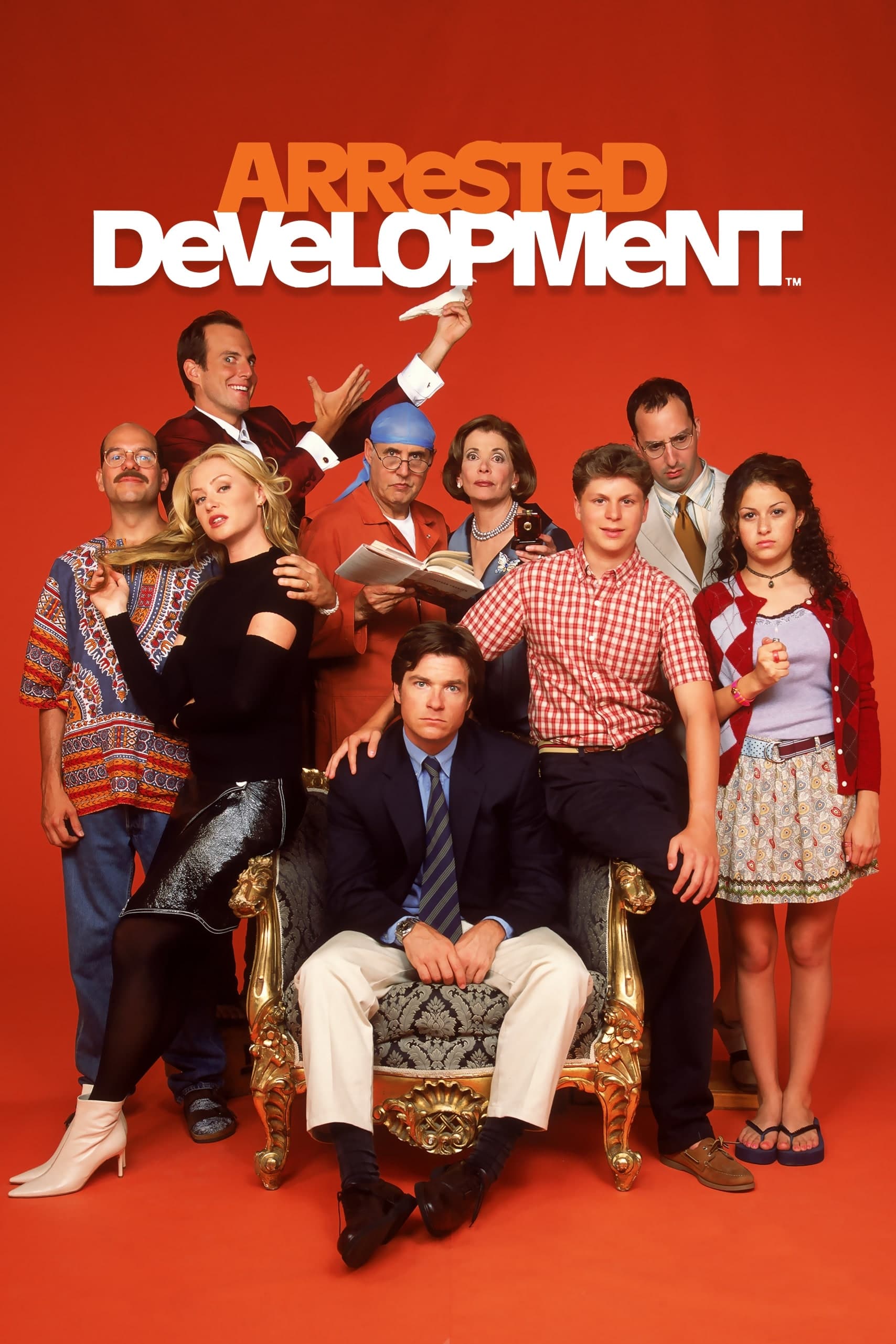
A major plot point in the later seasons involved the Bluth family trying to build a wall on the border. This storyline was written before the proposal became a central part of a real presidential political platform. The show used the idea of the wall to satirize the business and political climate of the time. It remains a notable example of the show reflecting political shifts before they reached the national stage.
‘Family Guy’ (1999–Present)
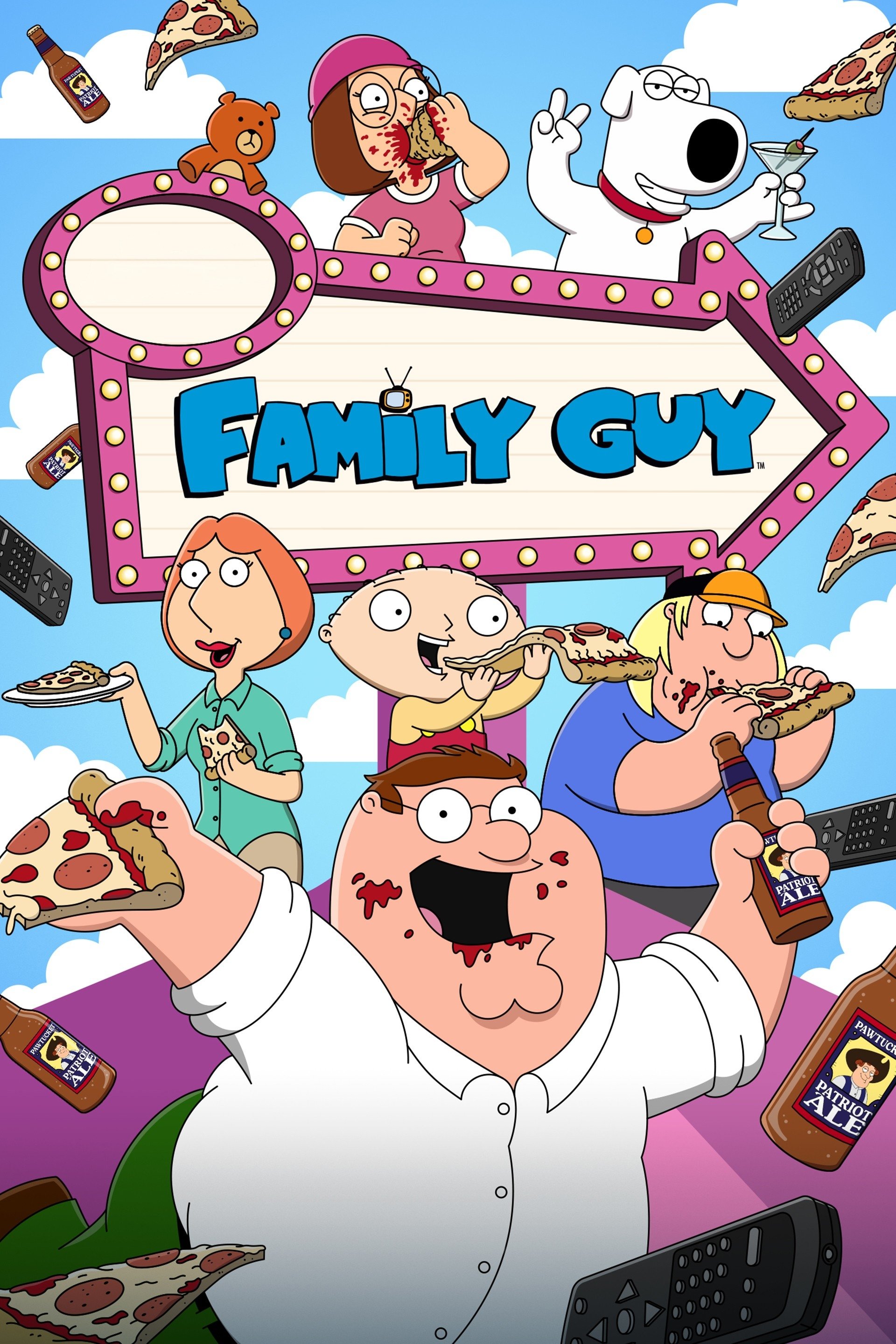
In an episode that aired in 2009 a character made a comment about Bruce Jenner becoming a woman. This was several years before Caitlyn Jenner publicly announced her transition and identity to the world. The show also made jokes about various celebrities that seemed outlandish but later proved to be true. These moments are often cited by fans as evidence of the show having a strange foresight regarding pop culture.
‘Utopia’ (2013–2014)
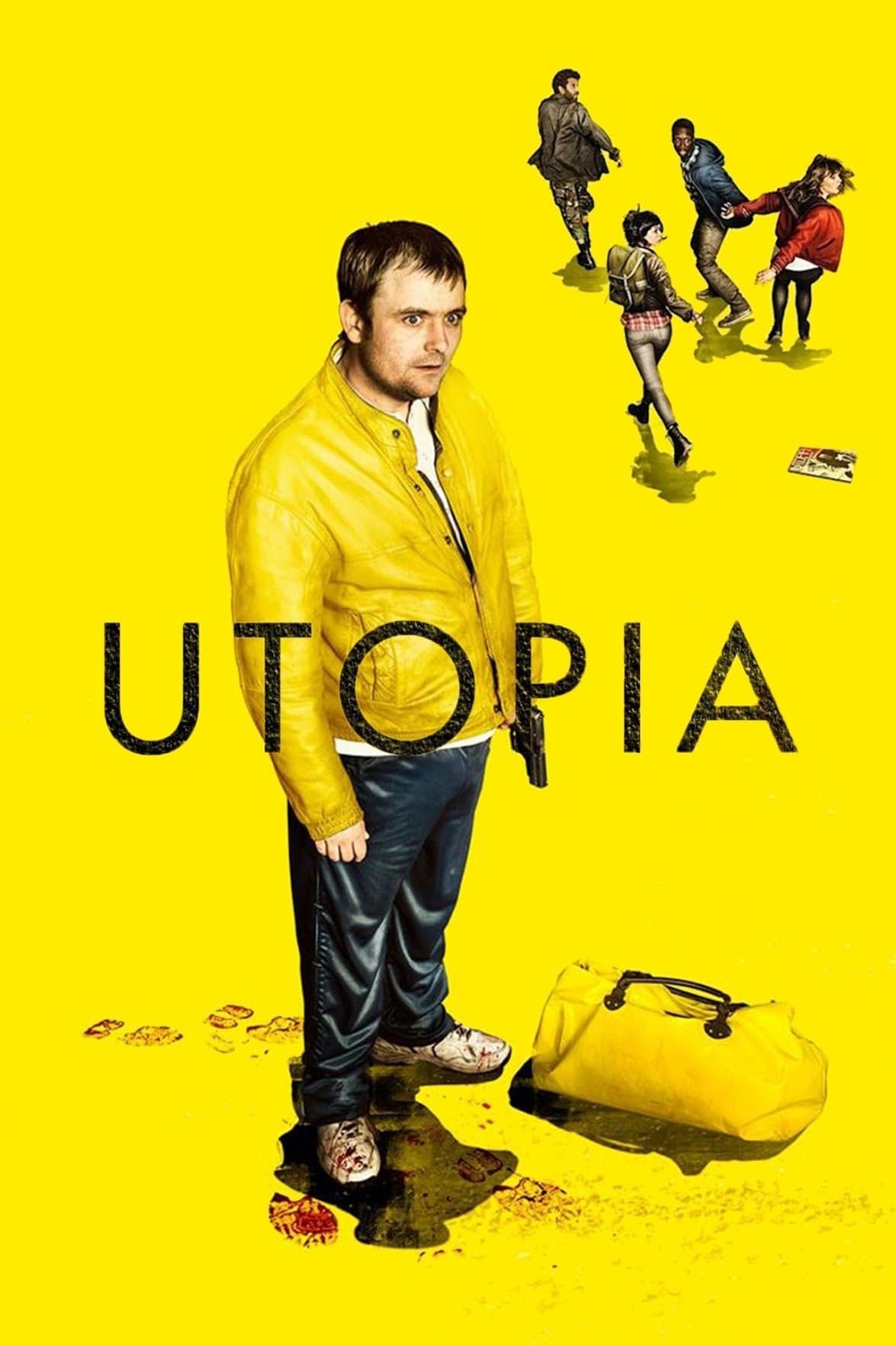
This British thriller focused on a group of people who find a graphic novel that predicts global disasters. The story involves a manufactured pandemic and the controversial rollout of a global vaccine program. Many viewers found the themes of the show to be extremely relevant during the health crises of the 2020s. The series accurately captured the paranoia and logistical challenges that define a major international medical emergency.
‘Thunderbirds’ (1965–1966)
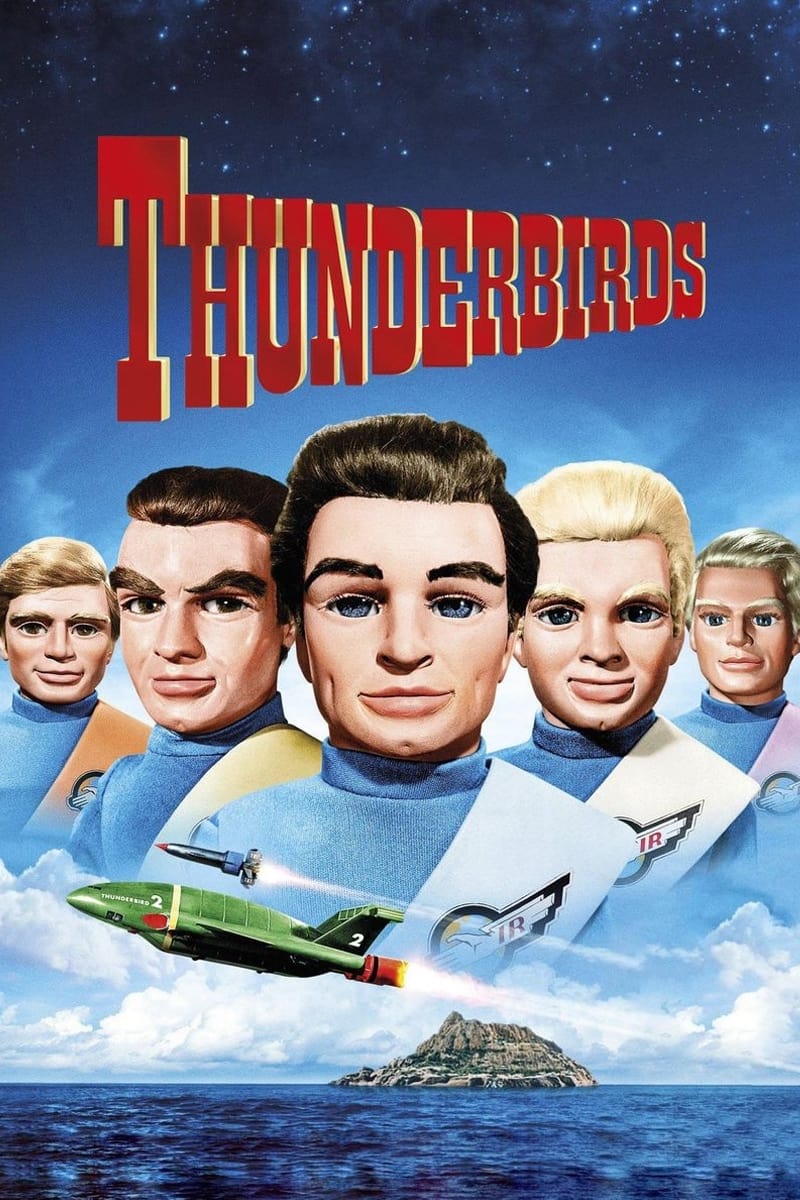
This classic series used marionettes to show a future where people could see each other while talking on the phone. It featured large wall mounted screens used for international video conferencing and tactical meetings. The show also imagined a world with vertical takeoff aircraft that are now becoming a reality in aviation. Its creative vision of the future influenced many designers and engineers who grew up watching the program.
‘Star Trek: The Next Generation’ (1987–1994)
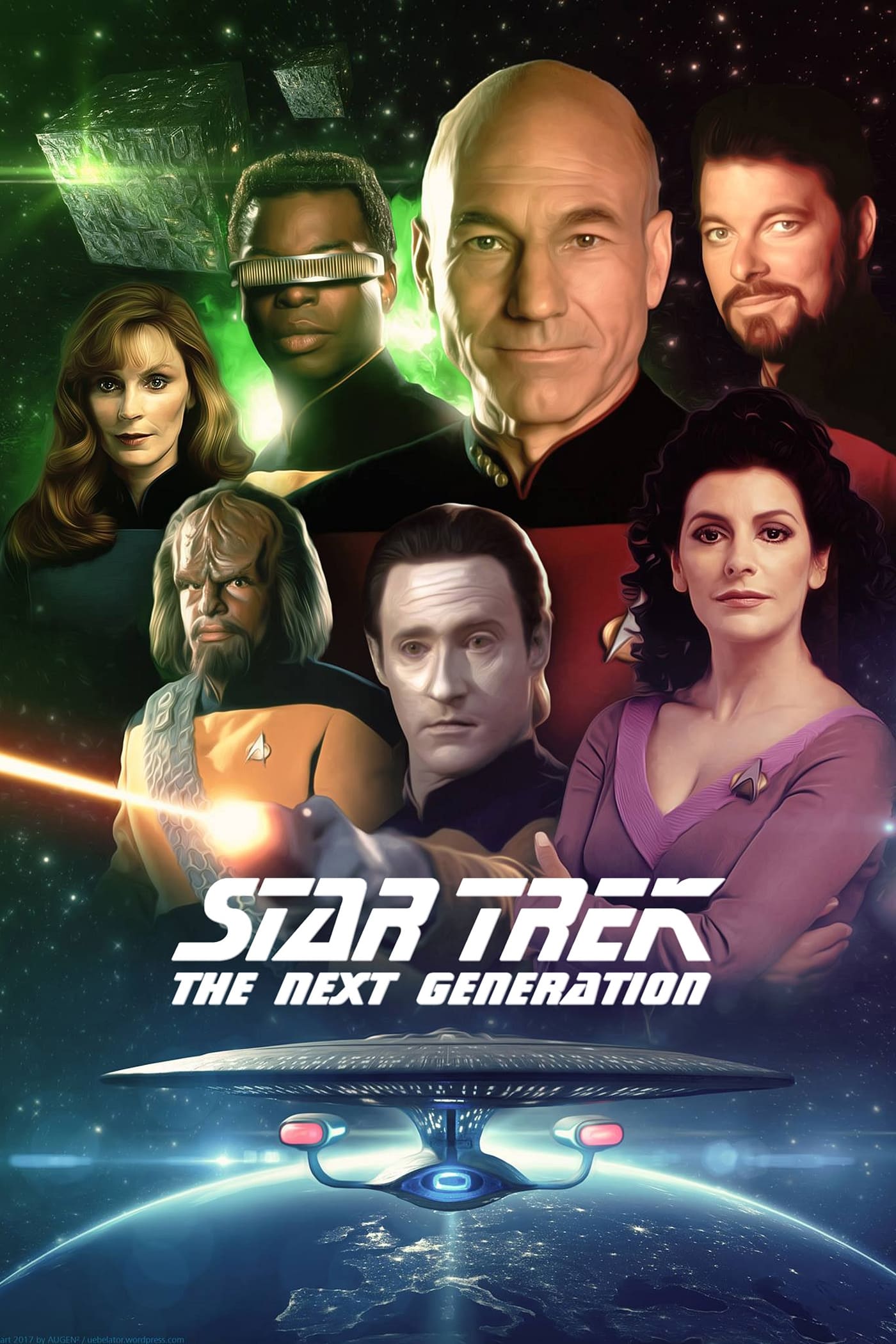
The crew of the Enterprise used personal access display devices which are clearly the precursors to modern tablets. These slim devices allowed characters to read reports and view data with simple touch based interfaces. The show also featured early versions of three dimensional printing through the replicators that could create food and tools. Many of the user interface designs seen on the bridge influenced the way real software is developed today.
‘Silicon Valley’ (2014–2019)
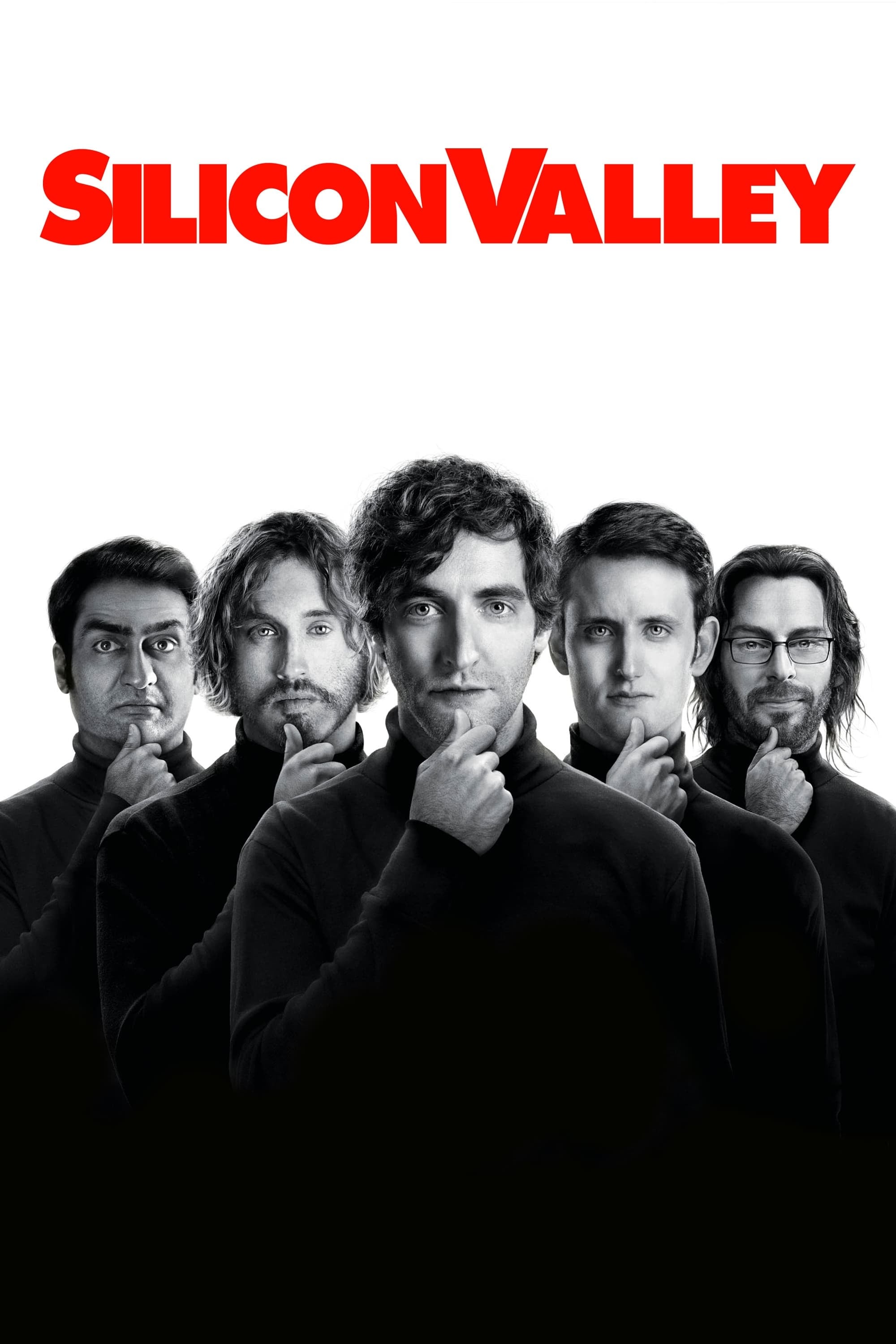
The show correctly predicted the rise of decentralized internet platforms and the volatility of the cryptocurrency market. One episode even featured a plot about a smart fridge that gets hacked and joins a botnet. The writers focused on the culture of tech startups and the way they would eventually dominate the global economy. Its satirical take on technology often highlighted real trends before they became mainstream news topics.
‘Max Headroom’ (1987–1988)
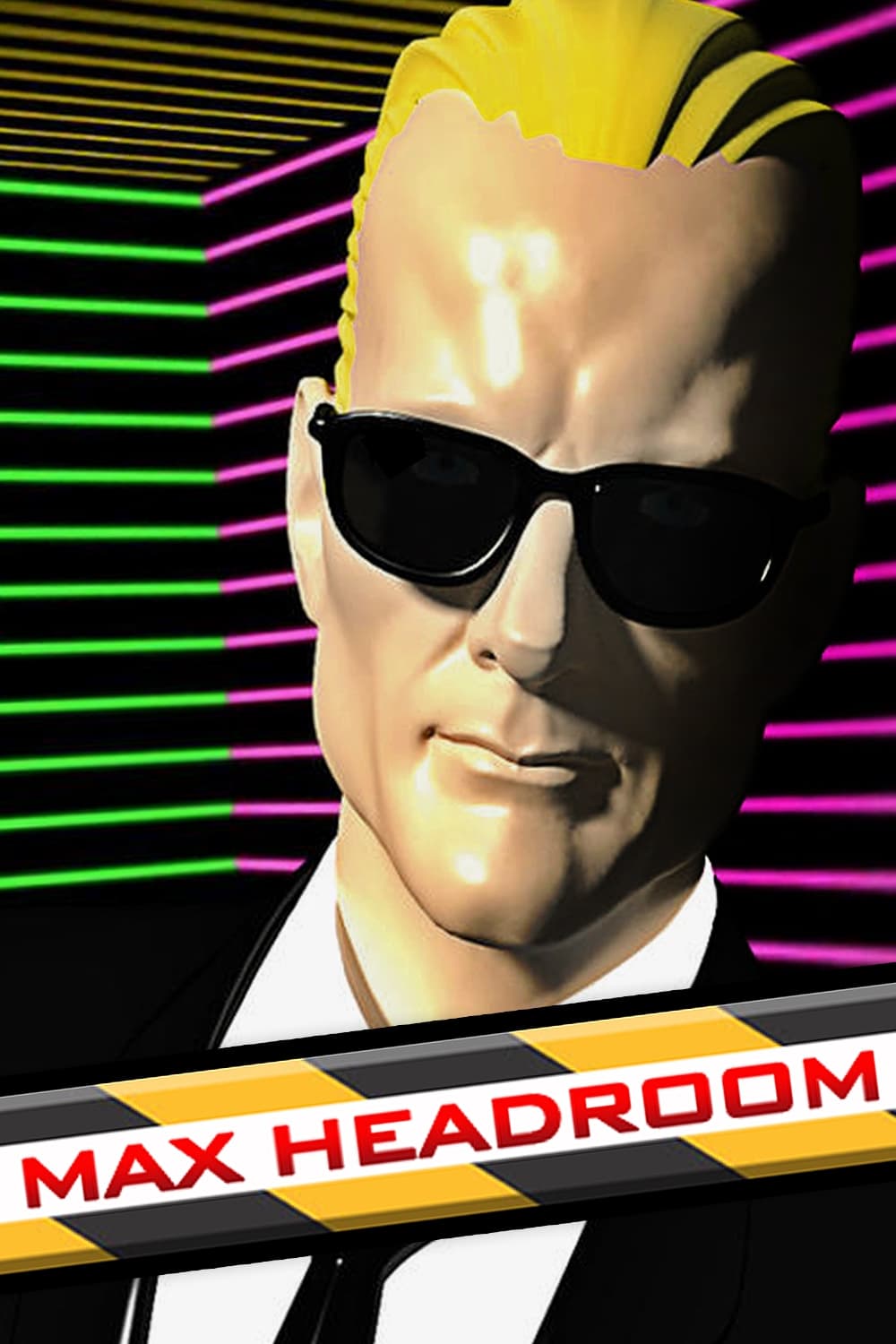
This show featured a world dominated by television networks and the creation of digital human personas. It explored the idea of computer generated characters that could interact with real people in a live broadcast. Today the use of deepfakes and artificial intelligence avatars is becoming a significant part of the media landscape. The series was ahead of its time in identifying the potential for digital media to manipulate public perception.
‘The Prisoner’ (1967–1968)
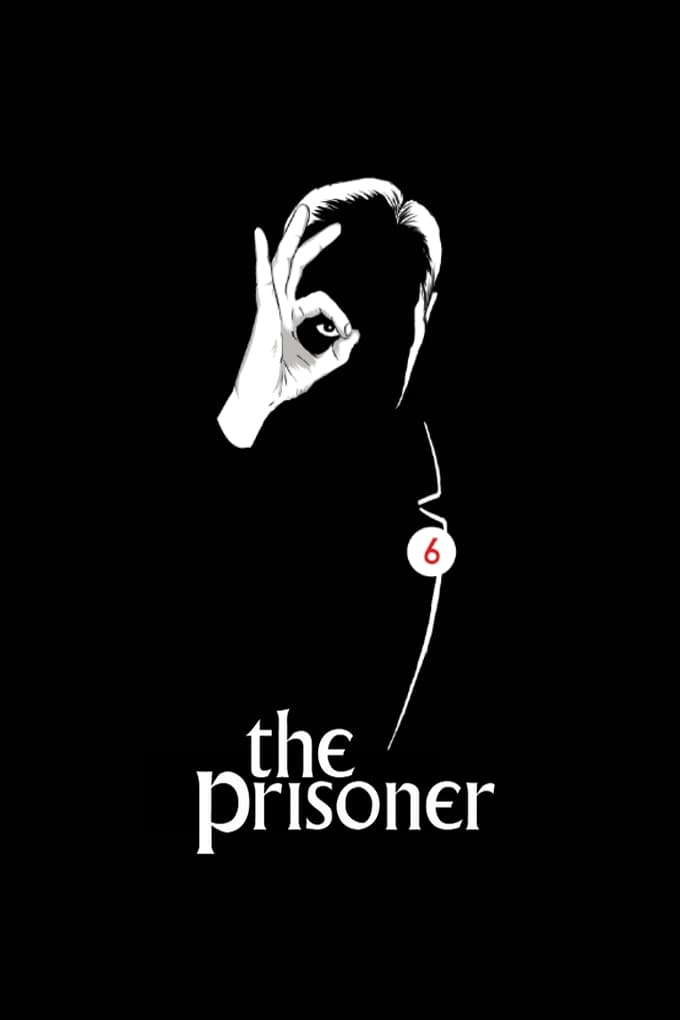
The series explored a high tech village where every move of the residents was monitored by hidden cameras. It anticipated the expansion of closed circuit television and the constant surveillance of public spaces. Characters were tracked by a central computer system that used personal data to keep them under control. These themes of lost anonymity and state oversight are more relevant now than when the show first aired.
‘Mr. Robot’ (2015–2019)
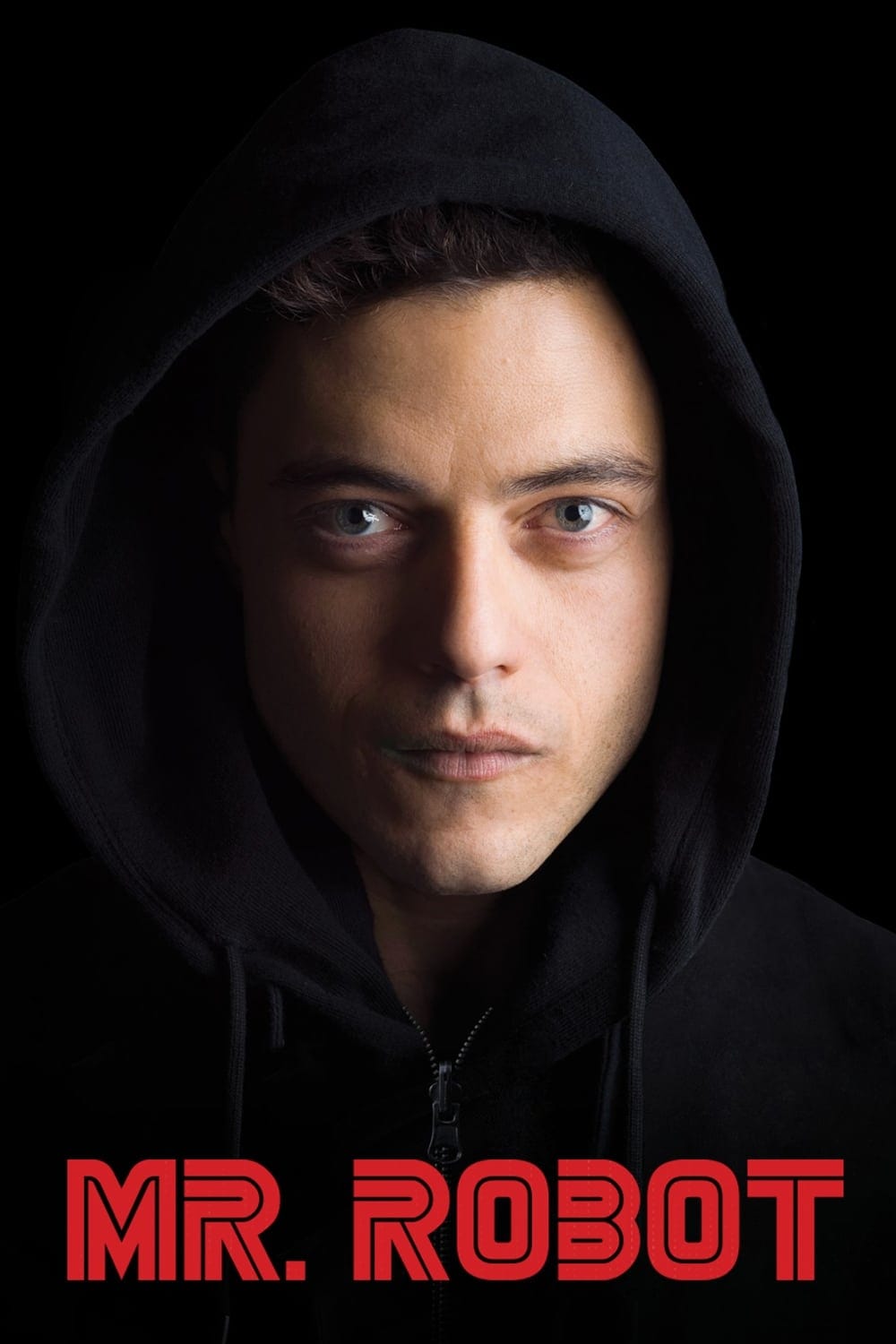
The series accurately depicted the methods used by hackers to infiltrate large corporations and government systems. It showed the vulnerability of the global financial system to digital attacks and the resulting economic chaos. Many of the technical details in the show were praised by security experts for their high level of realism. The show correctly predicted the increasing role of cyber warfare in international relations and corporate competition.
Tell us which of these television predictions surprised you the most by sharing your thoughts in the comments.