


25 TV Theme Songs You Still Hum Years Later



Television theme songs serve as the sonic handshake that invites viewers into a fictional world before the story begins. These musical compositions set the mood and establish the identity of the series within just a few seconds or minutes. Great themes often transcend the shows they accompany to become cultural landmarks that evoke instant nostalgia. The following list highlights twenty-five unforgettable introductions that have stayed in the minds of audiences long after the final credits rolled.
‘Cheers’ (1982–1993) – “Where Everybody Knows Your Name” by Gary Portnoy
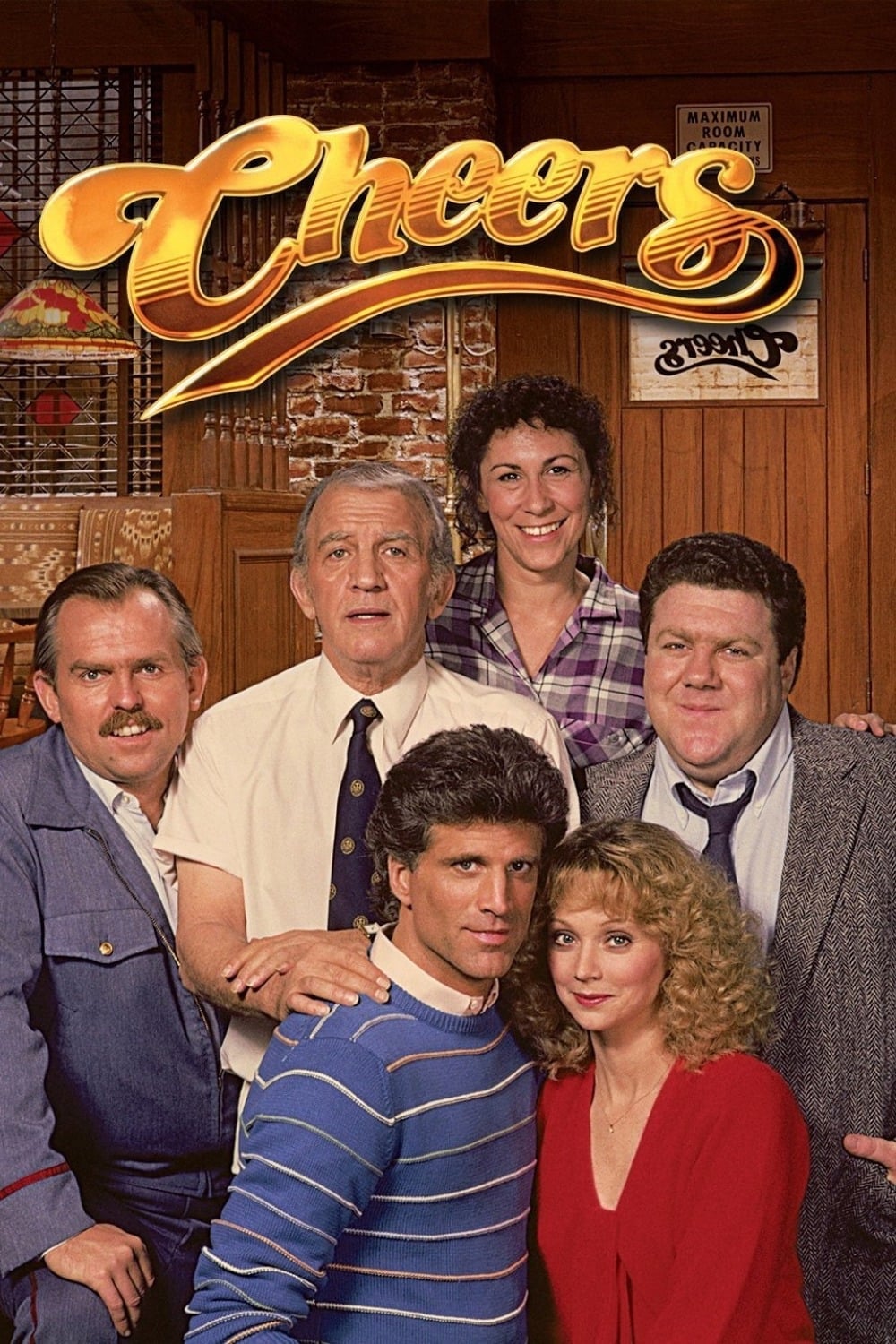
The opening piano notes immediately evoke the cozy atmosphere of the titular Boston bar where the locals gather. Gary Portnoy co-wrote and performed this track that captures the universal human desire for belonging and community. The lyrics describe the fatigue of modern life and the relief found in a place where people accept you without judgment. This recording became one of the most successful TV themes of all time and regularly appears on historical best-of lists.
‘Friends’ (1994–2004) – “I’ll Be There for You” by The Rembrandts
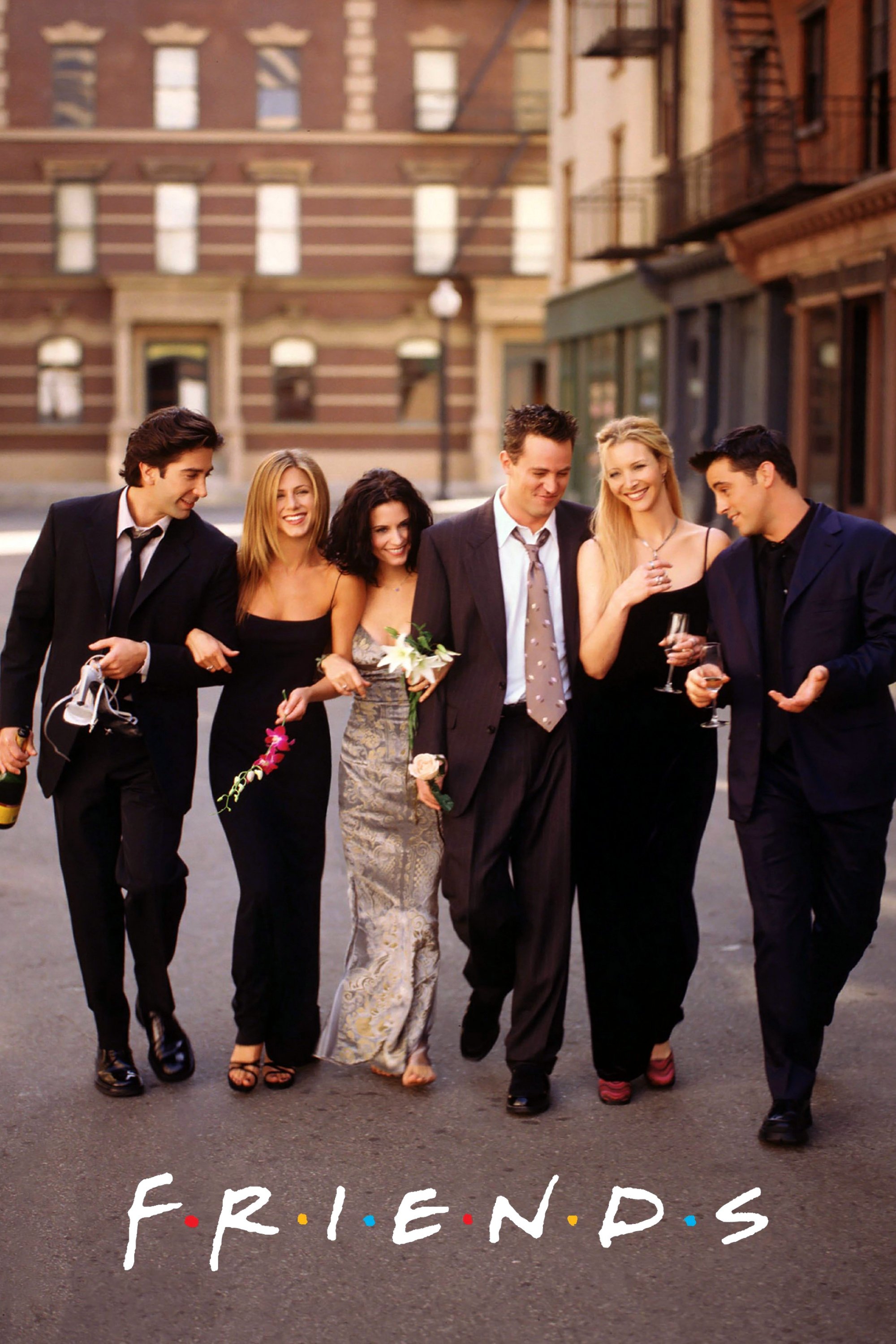
The producers of the show enlisted The Rembrandts to create a catchy pop rock anthem that reflected the energetic spirit of the sitcom. Four distinct claps in the rhythm section serve as a signature hook that fans instinctively mimic when they hear the song. The lyrics focus on the struggles of early adulthood while emphasizing the steadfast support found in close friendships. Radio stations played the full version of the track extensively during the height of the show’s popularity in the nineties.
‘The Fresh Prince of Bel-Air’ (1990–1996) – “Yo Home to Bel-Air” by DJ Jazzy Jeff & The Fresh Prince
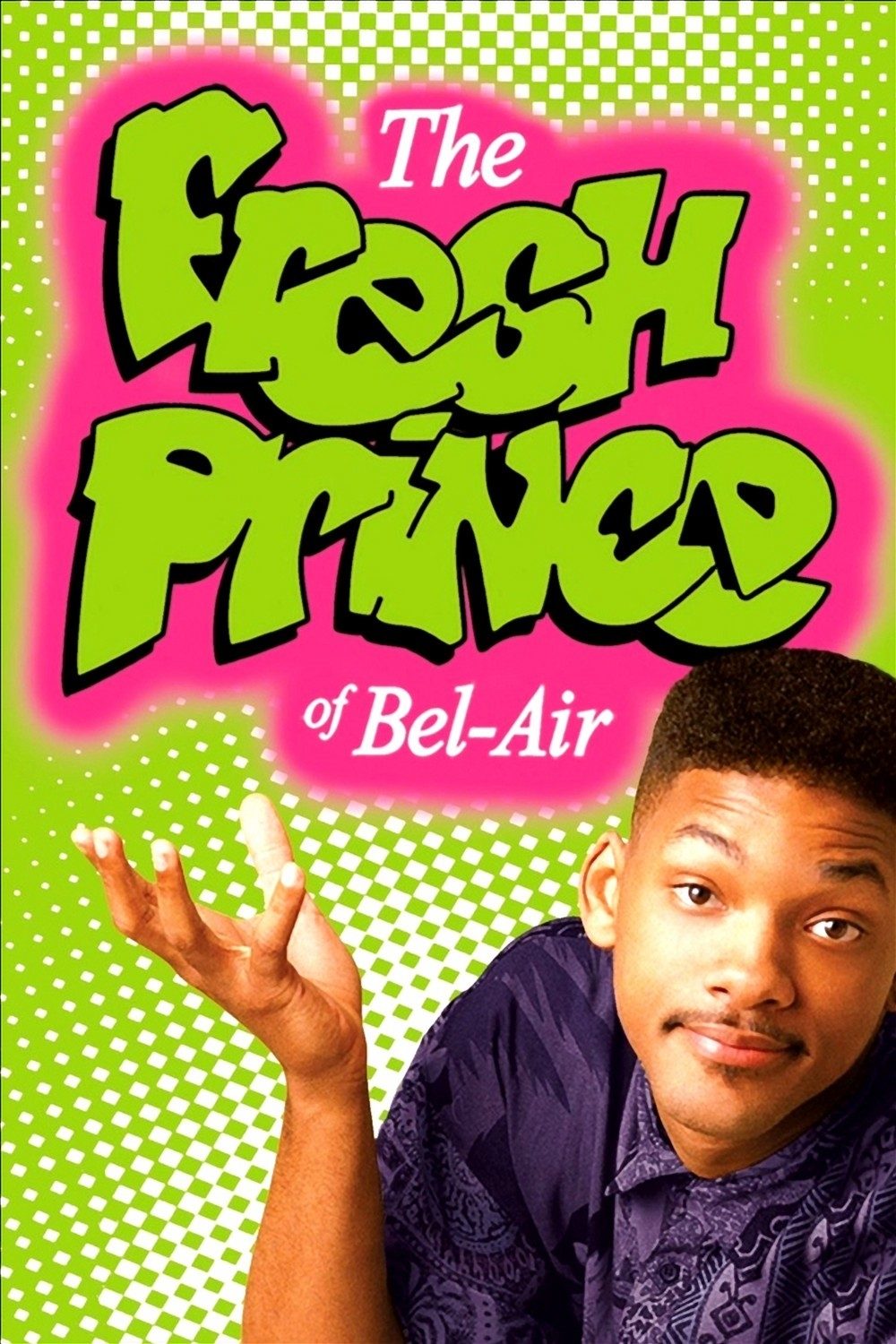
Will Smith performed and wrote the lyrics for this hip-hop introduction that explains the entire premise of the show in under two minutes. The narrative style of the rap details the character’s journey from West Philadelphia to a wealthy neighborhood in Los Angeles. Quincy Jones served as the executive producer for the series and oversaw the creation of this distinct musical opening. This theme song remains one of the most recited television intros in pop culture history.
‘The Golden Girls’ (1985–1992) – “Thank You for Being a Friend” by Cynthia Fee
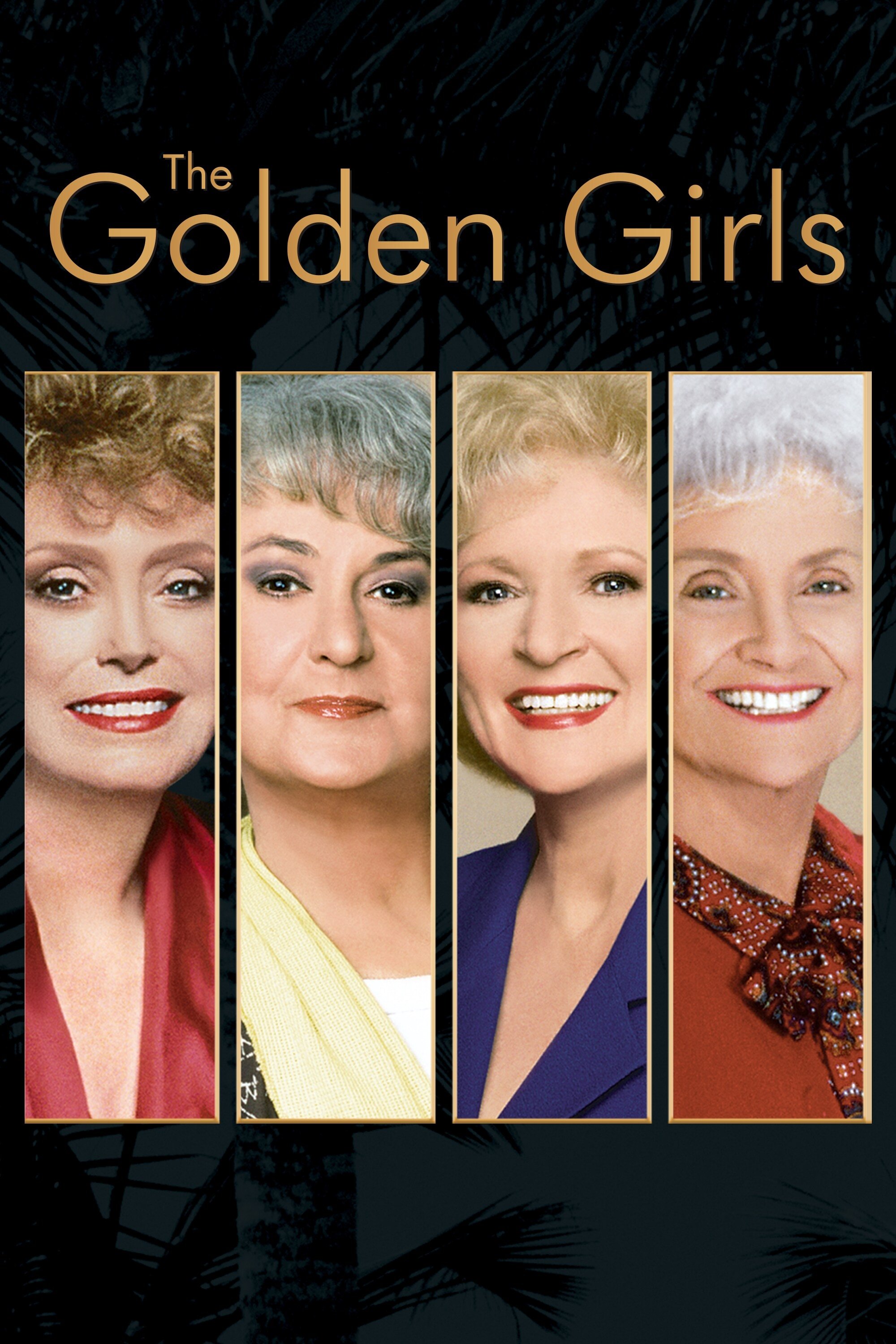
Andrew Gold originally wrote and recorded this soft rock song in the late seventies before it was covered for the sitcom. Cynthia Fee provided the vocals for the television version that celebrates enduring female friendship and loyalty. The gentle melody perfectly matches the heartwarming and comedic tone of the series about four women living together in Miami. Viewers associate the opening bars with the bond shared by the iconic characters Dorothy and Rose and Blanche and Sophia.
‘The Simpsons’ (1989–Present) – “Theme from The Simpsons” by Danny Elfman
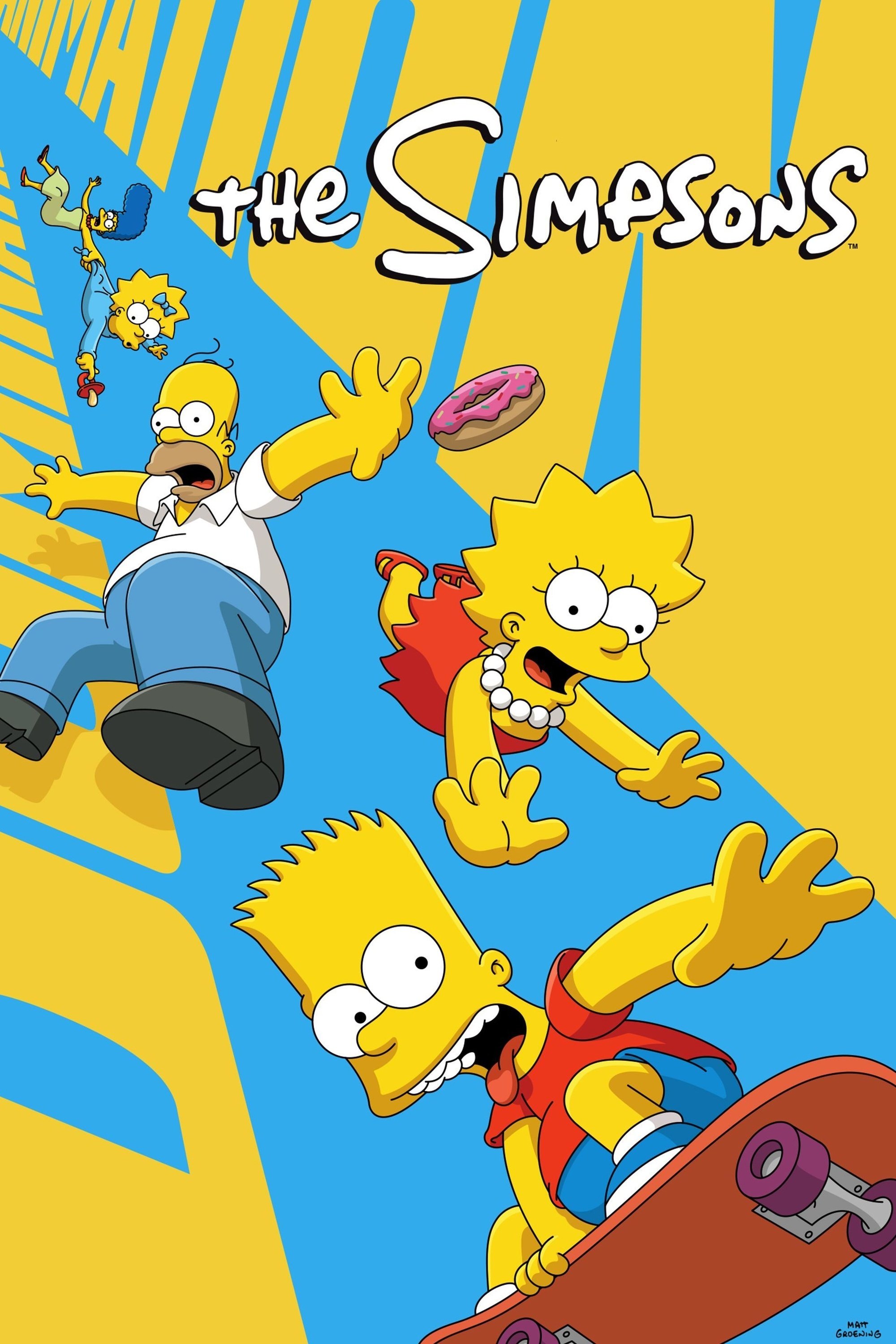
Danny Elfman composed this orchestral piece in a retro style after creator Matt Groening requested something that sounded quirky. The frantic tempo and xylophone runs accompany the ever-changing opening sequence that features a chalkboard gag and a couch gag. The composition uses a distinct Lydian mode which gives it a whimsical and slightly off-kilter feeling suitable for the animated family. It has become one of the most recognizable pieces of instrumental music in television history over the last three decades.
‘The Sopranos’ (1999–2007) – “Woke Up This Morning” by Alabama 3
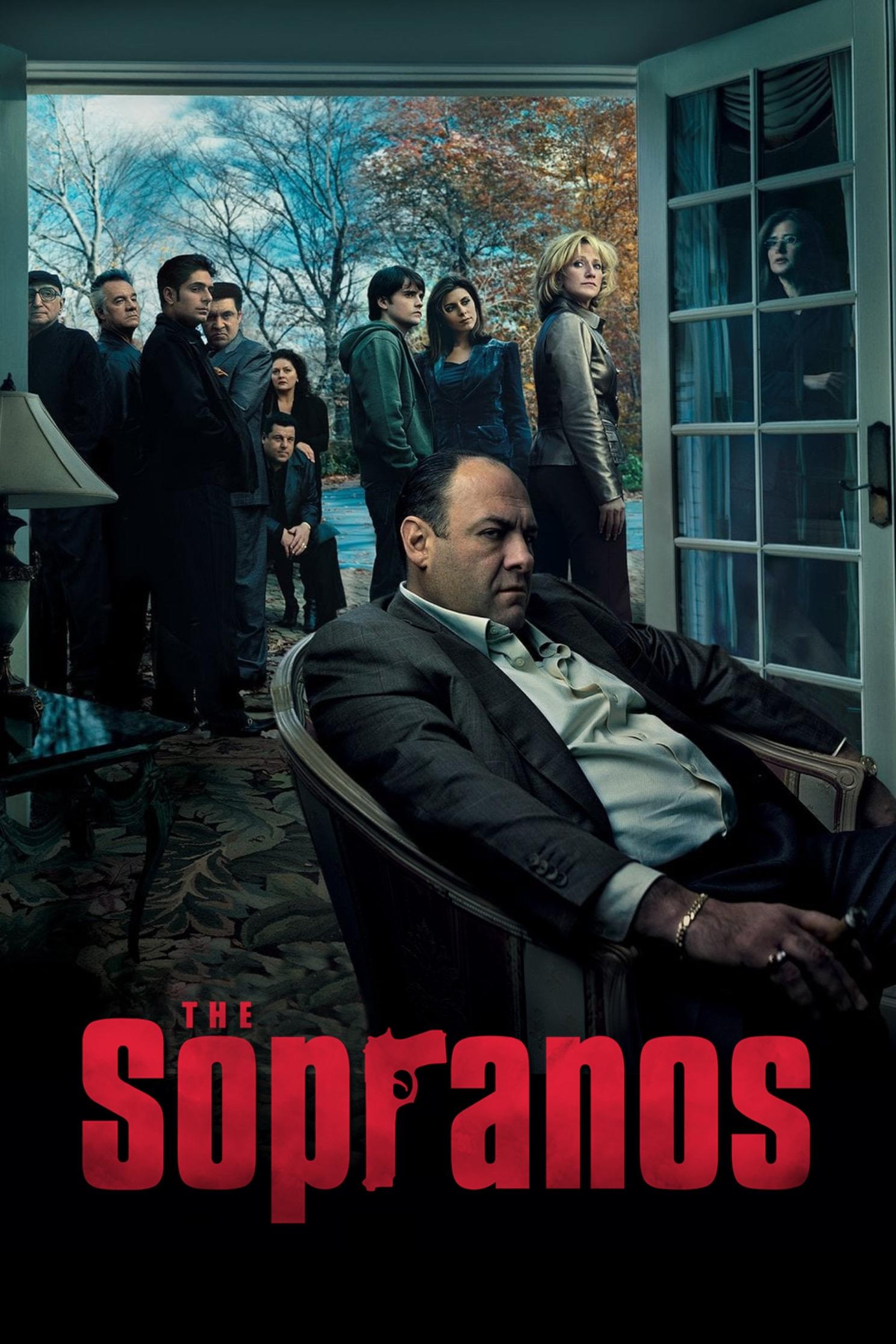
The British band Alabama 3 combined elements of blues and acid house to create this gritty track about crime and retribution. David Chase chose the song because the heavy bass and lyrics perfectly juxtaposed the suburban life of a mob boss. The opening sequence features Tony Soprano driving from New York City into New Jersey while smoking a cigar. This musical choice helped establish the cinematic and dark tone of the groundbreaking drama series.
‘Game of Thrones’ (2011–2019) – “Main Title” by Ramin Djawadi
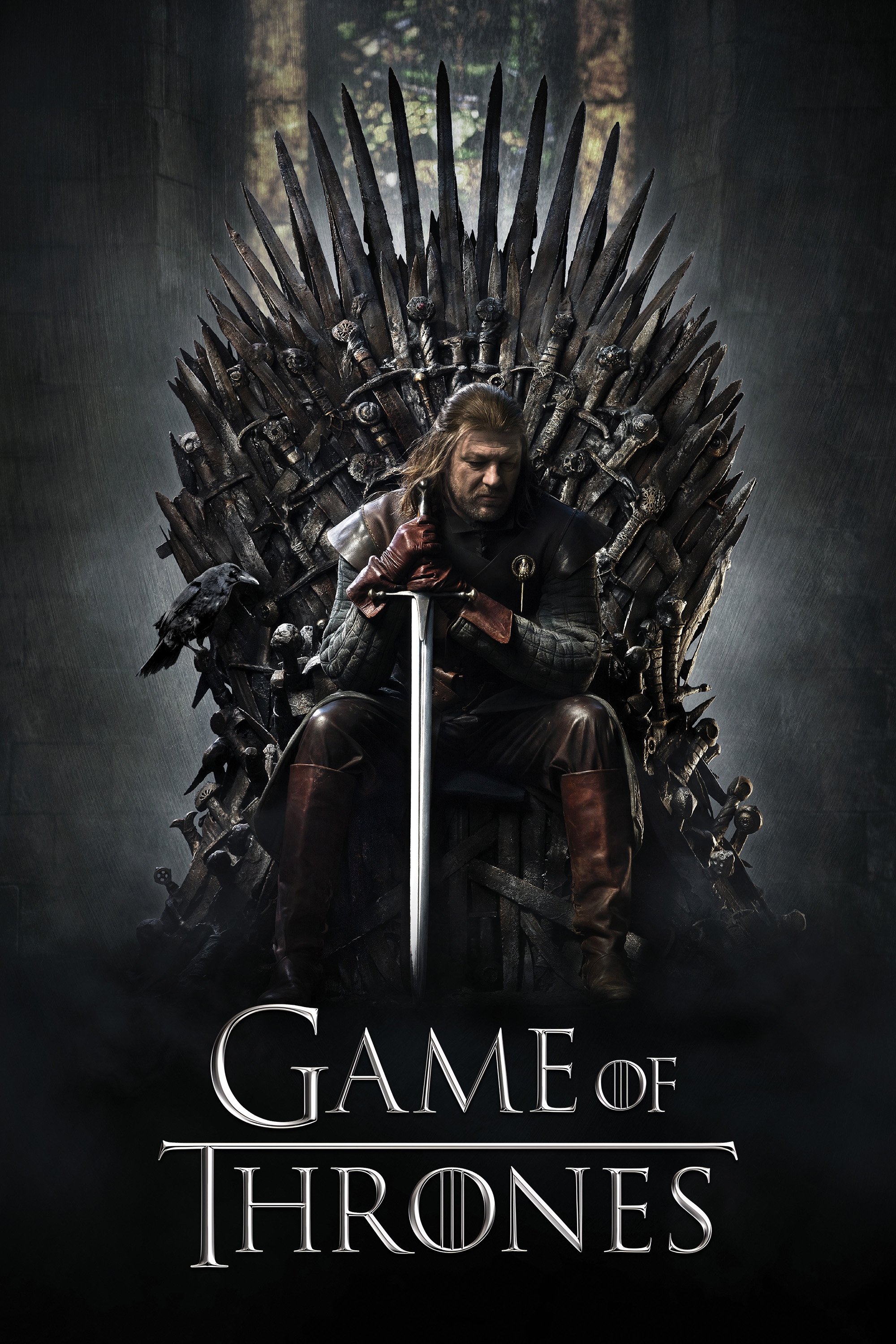
Ramin Djawadi composed this cello-heavy instrumental piece to reflect the epic scale and political intrigue of the fantasy series. The driving rhythm propels the viewer across a shifting map of the fictional continent of Westeros during the title sequence. Producers wanted a theme that avoided the standard flutes and violins often associated with the fantasy genre. The powerful melody builds in intensity and became synonymous with the massive cultural impact of the show.
‘The X-Files’ (1993–2018) – “The X-Files” by Mark Snow
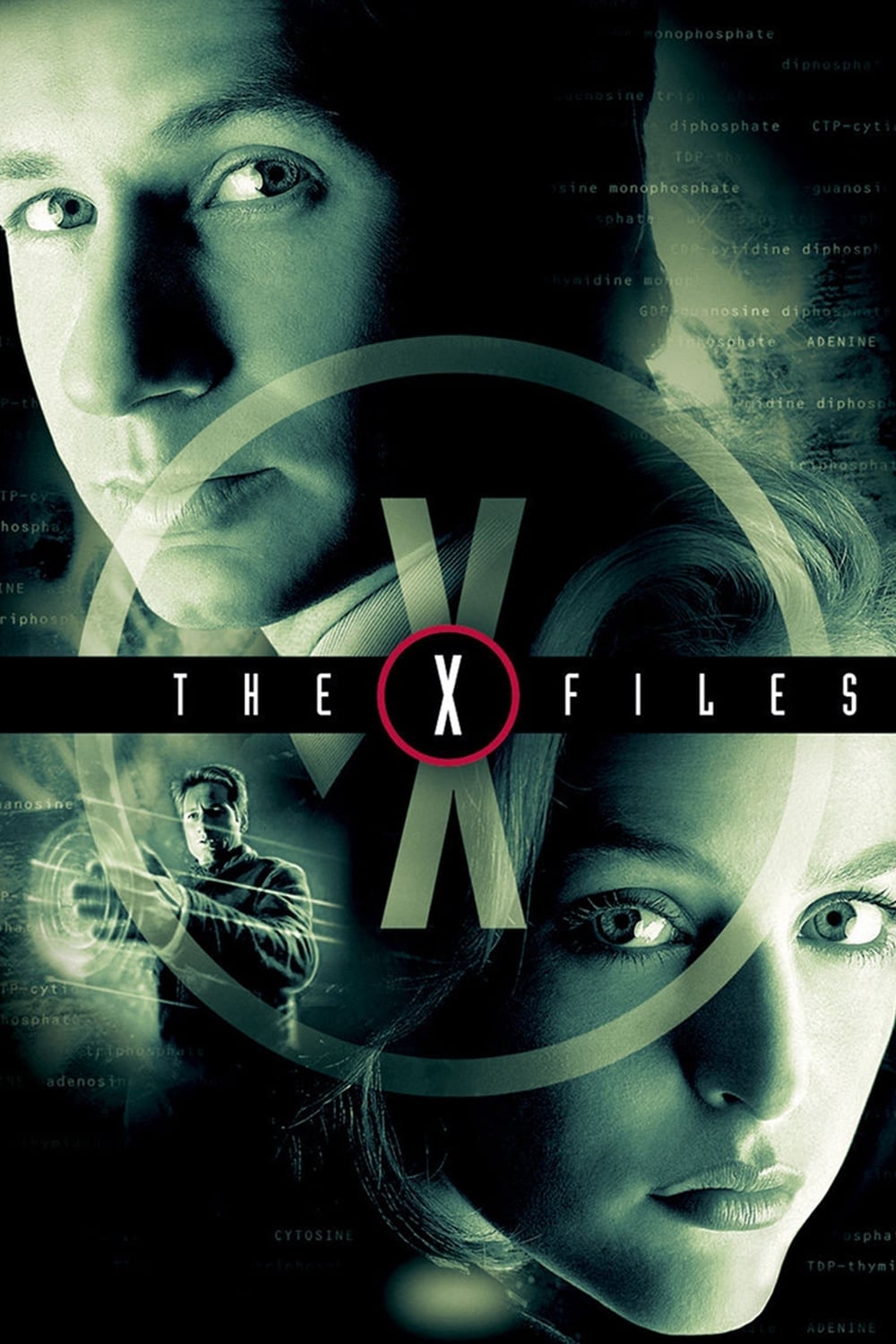
Mark Snow created this eerie instrumental theme using a synthesizer echo effect that sounded like a whistle. The composition effectively establishes the atmosphere of mystery and paranormal suspense that defines the series. A simple melody plays over shadowy images of UFOs and government badges during the opening credits. This haunting tune became a pop culture shorthand for conspiracy theories and alien encounters.
‘Full House’ (1987–1995) – “Everywhere You Look” by Jesse Frederick
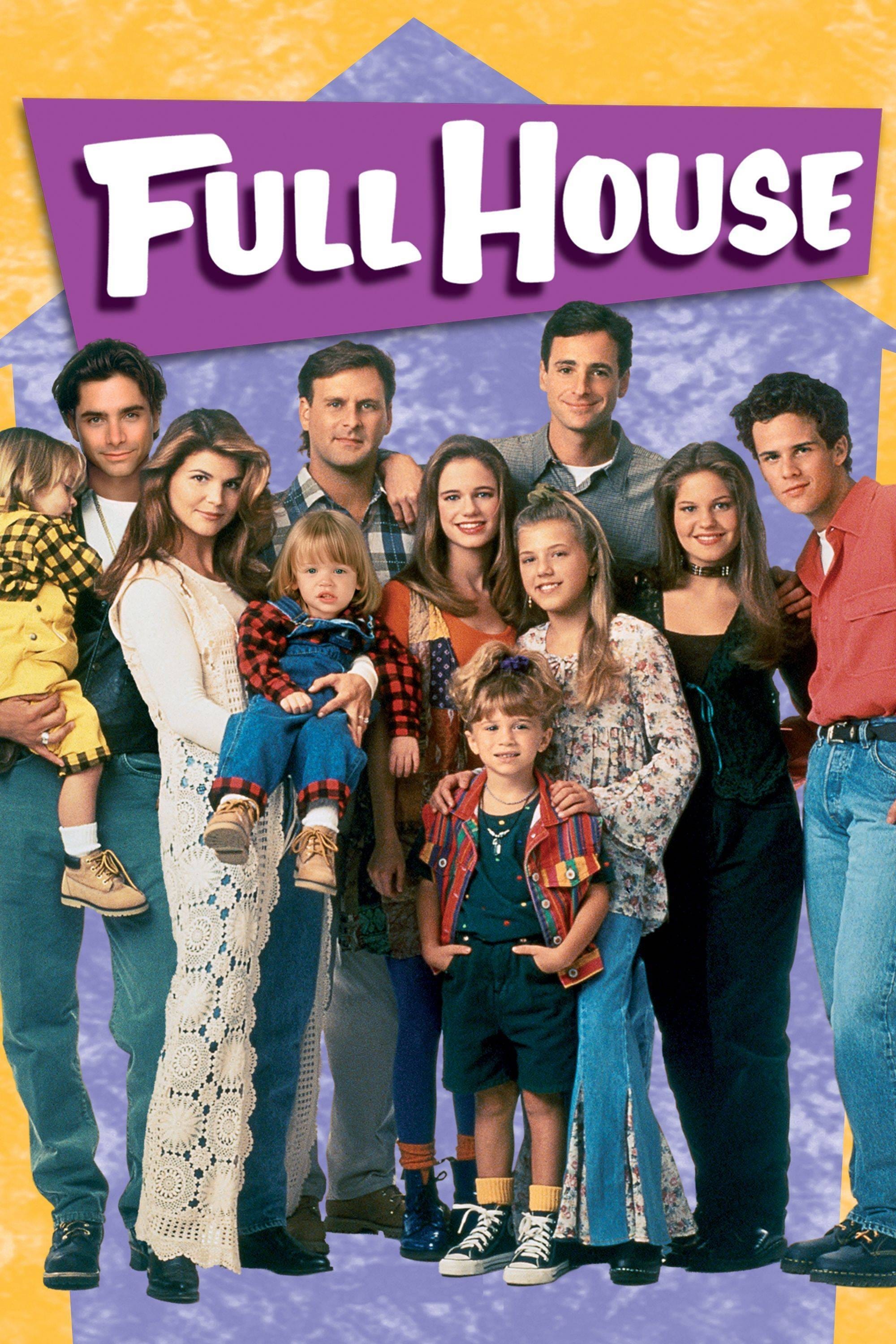
Jesse Frederick co-wrote and performed this upbeat song that embodies the wholesome family values of the sitcom. The lyrics speak to the comfort of having a support system and a light waiting at home during confused times. The opening sequence features the Tanner family driving across the Golden Gate Bridge in a convertible. This track remains a definitive example of the warm and fuzzy television themes prevalent during the late eighties.
‘Law & Order’ (1990–2010) – “Theme of Law & Order” by Mike Post
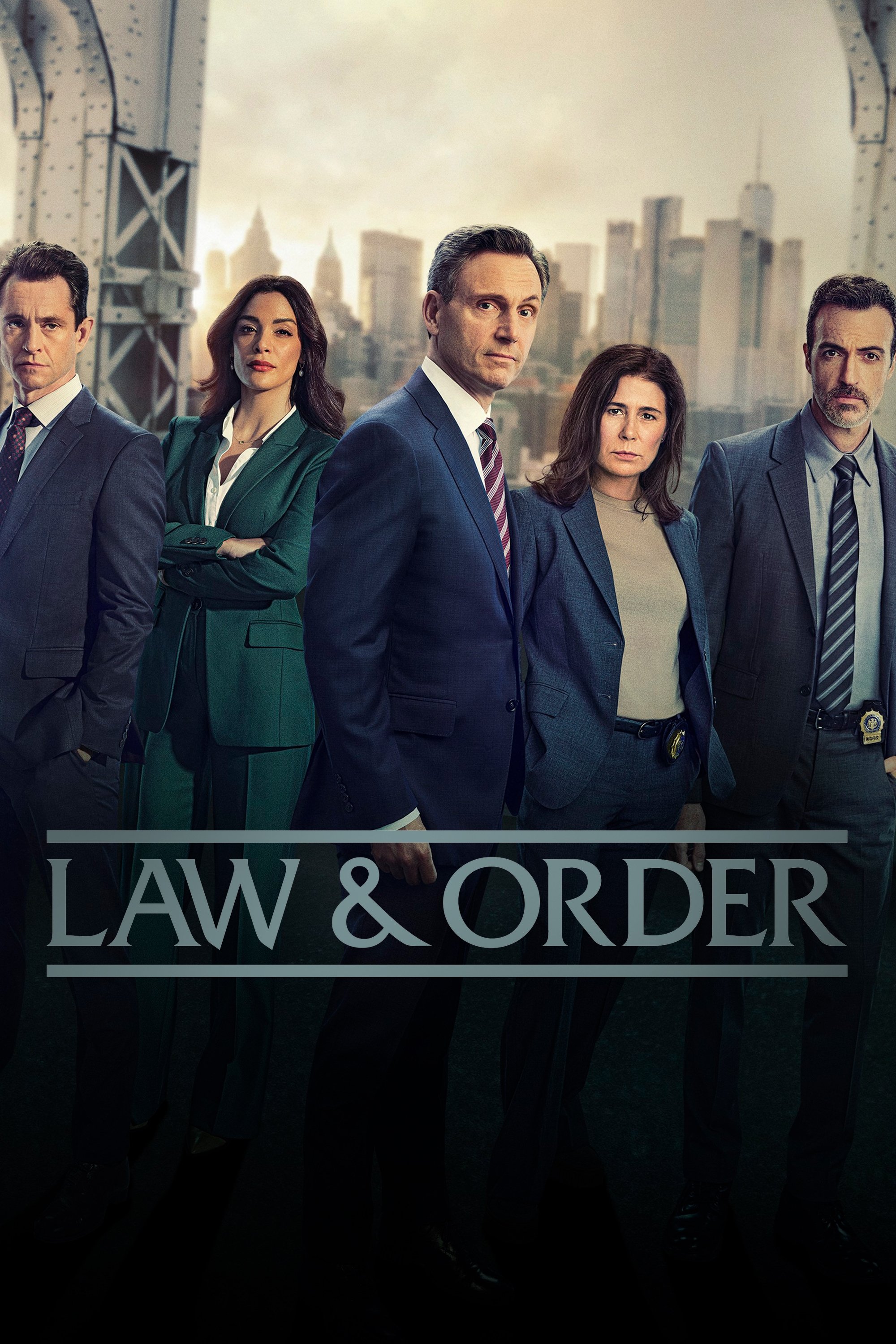
Mike Post combined electric piano with guitar and a synthesized clarinet to create this urgent and driving instrumental. The theme incorporates the famous sound effect known as the clang which marks scene transitions throughout the episode. The music conveys a sense of serious procedural drama that fits the police and legal focus of the narrative. This composition has accompanied thousands of episodes across the original series and its various spinoffs.
‘Stranger Things’ (2016–Present) – “Stranger Things” by Kyle Dixon and Michael Stein
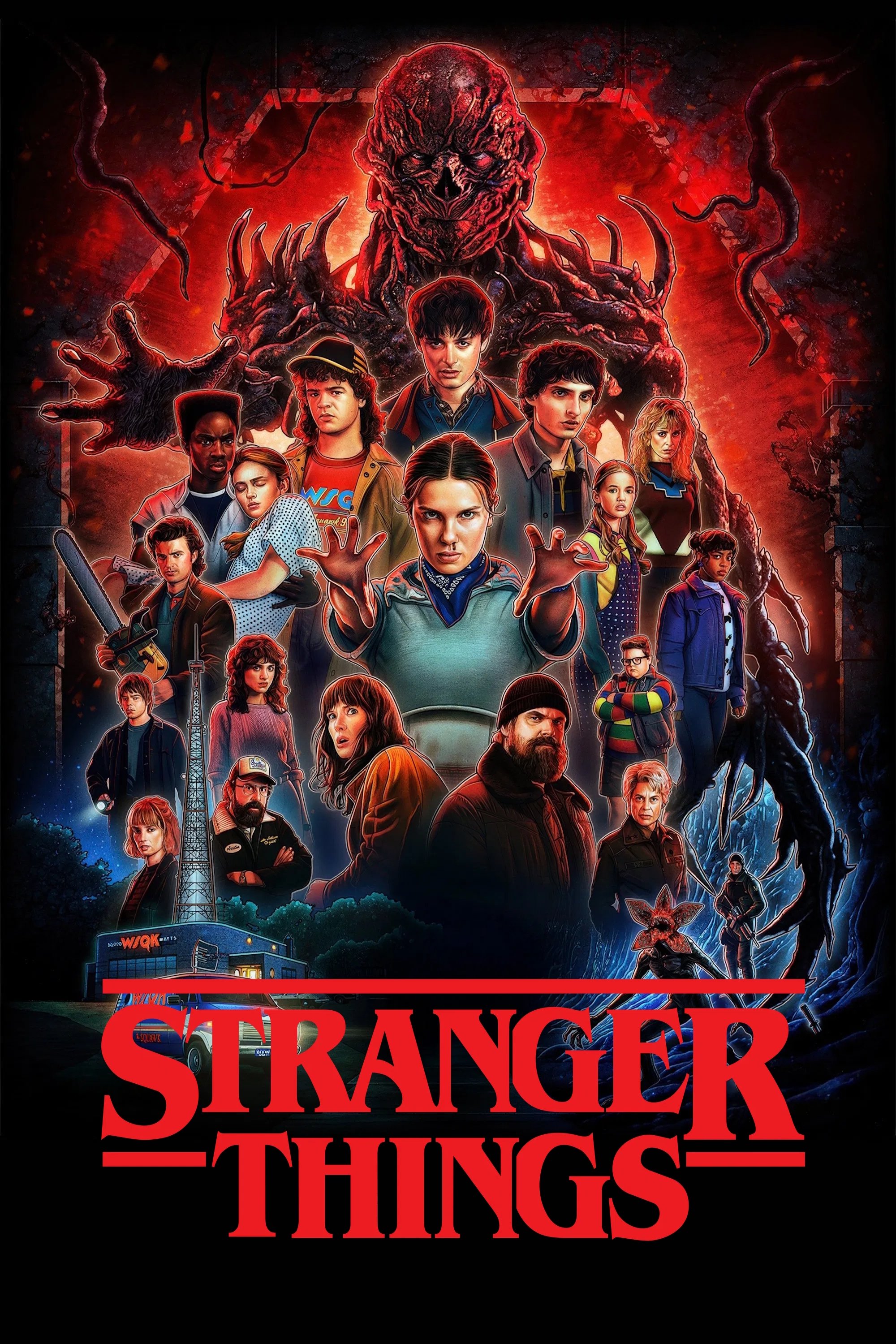
The electronic synthesizer duo S U R V I V E composed this retro track that pays homage to eighties horror and sci-fi cinema. The pulsating analog synth sounds create a feeling of dread and mystery that matches the supernatural plot. A red neon font slowly forms the title of the show while the heartbeat-like rhythm plays in the background. The theme played a major role in the resurgence of synthesizer music in popular culture.
‘MAS*H’ (1972–1983) – “Suicide Is Painless” by The Mash
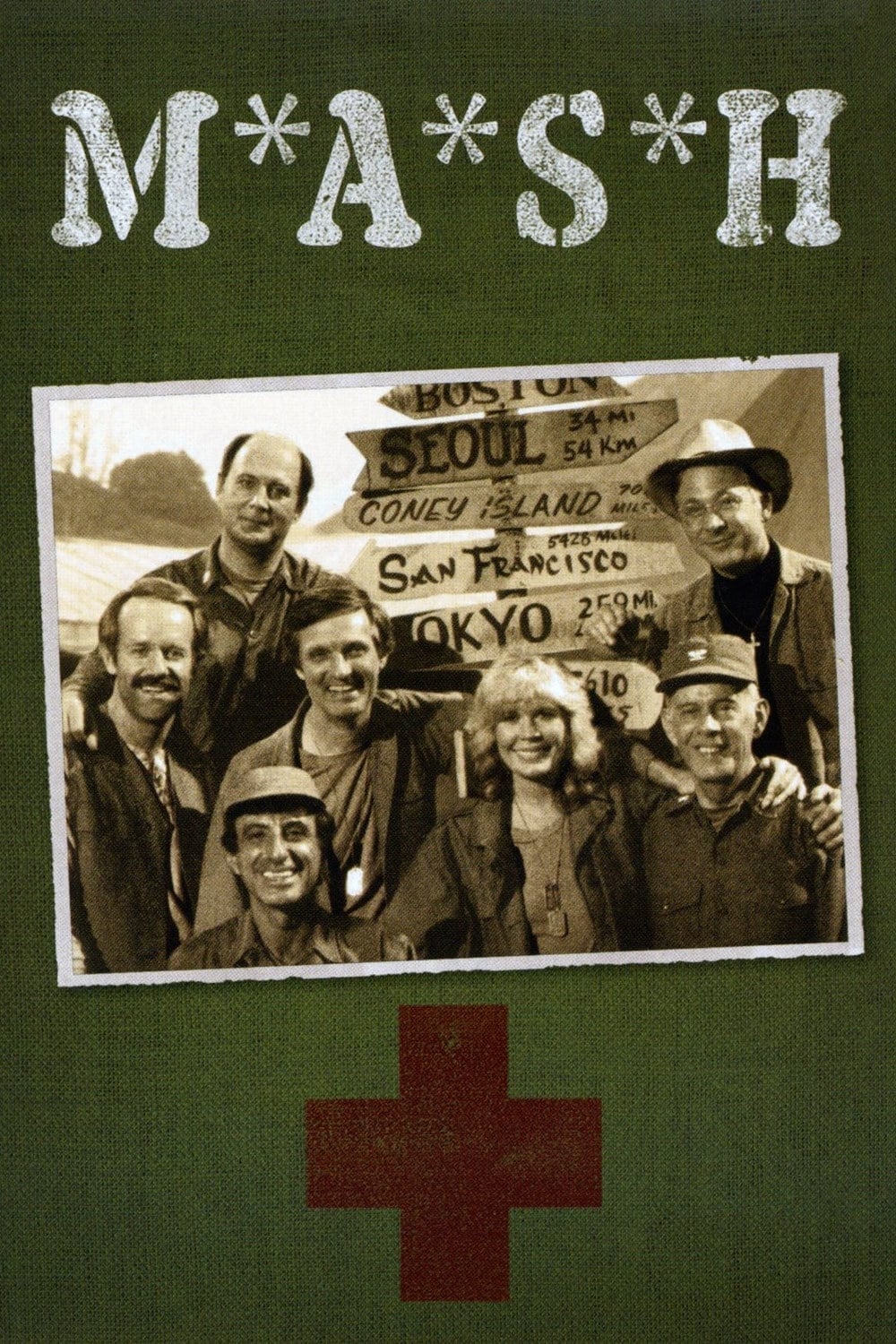
The instrumental version used for the television show features a melancholic acoustic guitar melody that contrasts with the comedic elements of the series. Johnny Mandel composed the music while the original lyrics were written by the son of director Robert Altman for the preceding film. The somber tone reminds viewers of the serious war setting despite the antics of the medical staff. It stands as one of the few television themes that originated from a major motion picture soundtrack.
‘The Big Bang Theory’ (2007–2019) – “The History of Everything” by Barenaked Ladies

Ed Robertson wrote this rapid-fire song that condenses billions of years of cosmic history into a brief introduction. The lyrics trace the formation of the universe from the initial explosion to the development of human civilization. The upbeat tempo and clever rhymes match the intellectual yet comedic nature of the show about physicists. The band recorded a full version of the song which contains additional verses about scientific evolution.
‘Gilmore Girls’ (2000–2007) – “Where You Lead” by Carole King and Louise Goffin
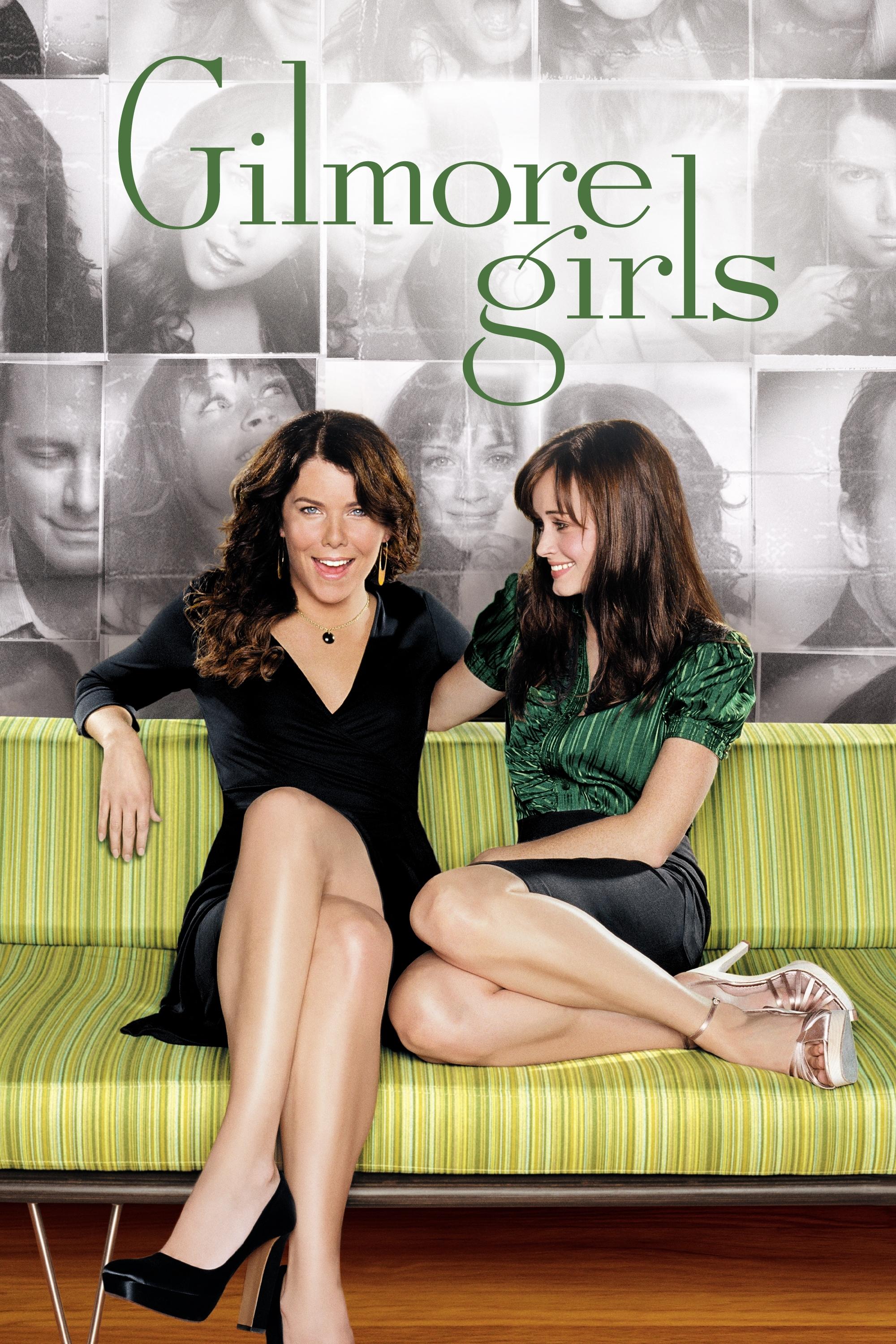
Carole King re-recorded her classic song from the seventies as a duet with her daughter specifically for this series. The lyrics about following someone anywhere perfectly reflect the tight bond between the mother and daughter protagonists. The soft rock sound complements the cozy small-town aesthetic of the fictional Stars Hollow setting. This theme song has become an anthem for mothers and daughters who watch the show together.
‘Succession’ (2018–2023) – “Succession (Main Title Theme)” by Nicholas Britell
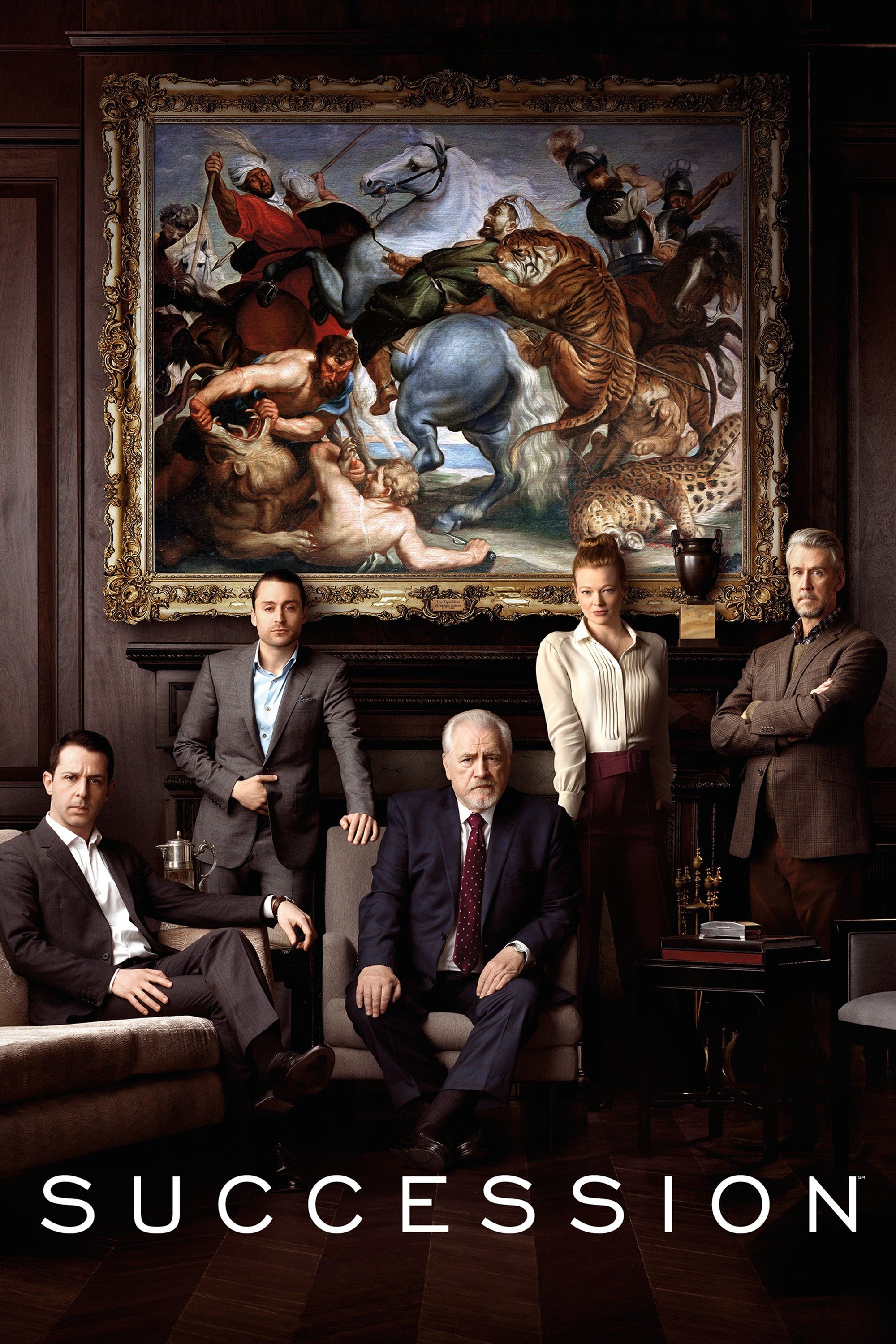
Nicholas Britell mixed classical piano orchestration with heavy hip-hop beats to represent the collision of old wealth and modern power. The discordant notes on the piano suggest the instability and dysfunction within the central Roy family. The music accompanies a title sequence that intercuts grainy home movies with shots of the New York skyline. This critically acclaimed composition captures the dramatic and satirical tone of the corporate dynasty saga.
‘Doctor Who’ (1963–Present) – “Doctor Who Theme” by Ron Grainer and Delia Derbyshire
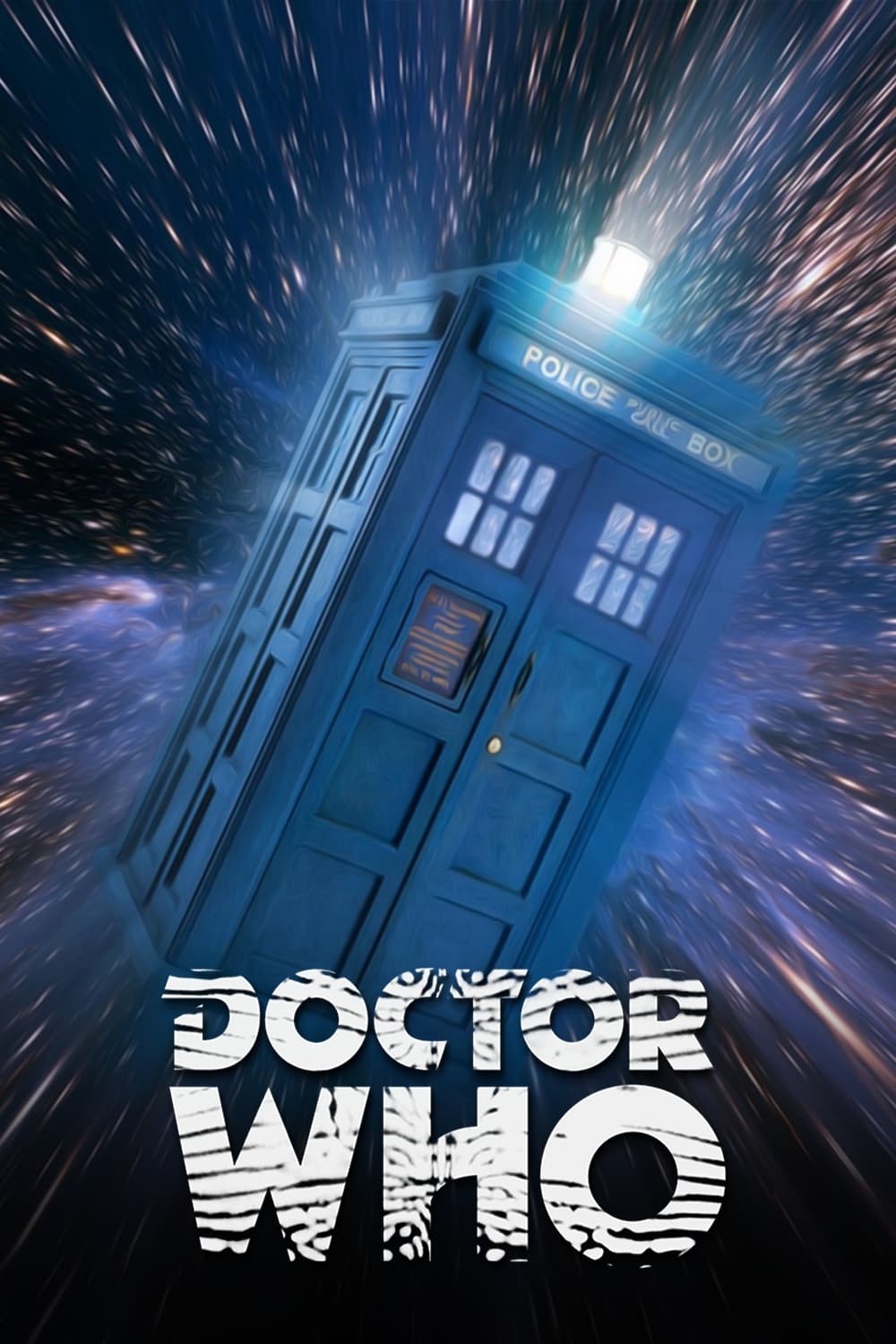
The BBC Radiophonic Workshop created this groundbreaking electronic piece using tape loops and oscillators long before synthesizers were common. Delia Derbyshire realized the composition by Ron Grainer and created a futuristic sound that terrified and fascinated generations of children. The swooping bass line and melody accompany the visual of the TARDIS traveling through the time vortex. It is widely considered one of the most significant pieces of electronic music ever produced.
‘Twin Peaks’ (1990–1991) – “Falling” by Julee Cruise
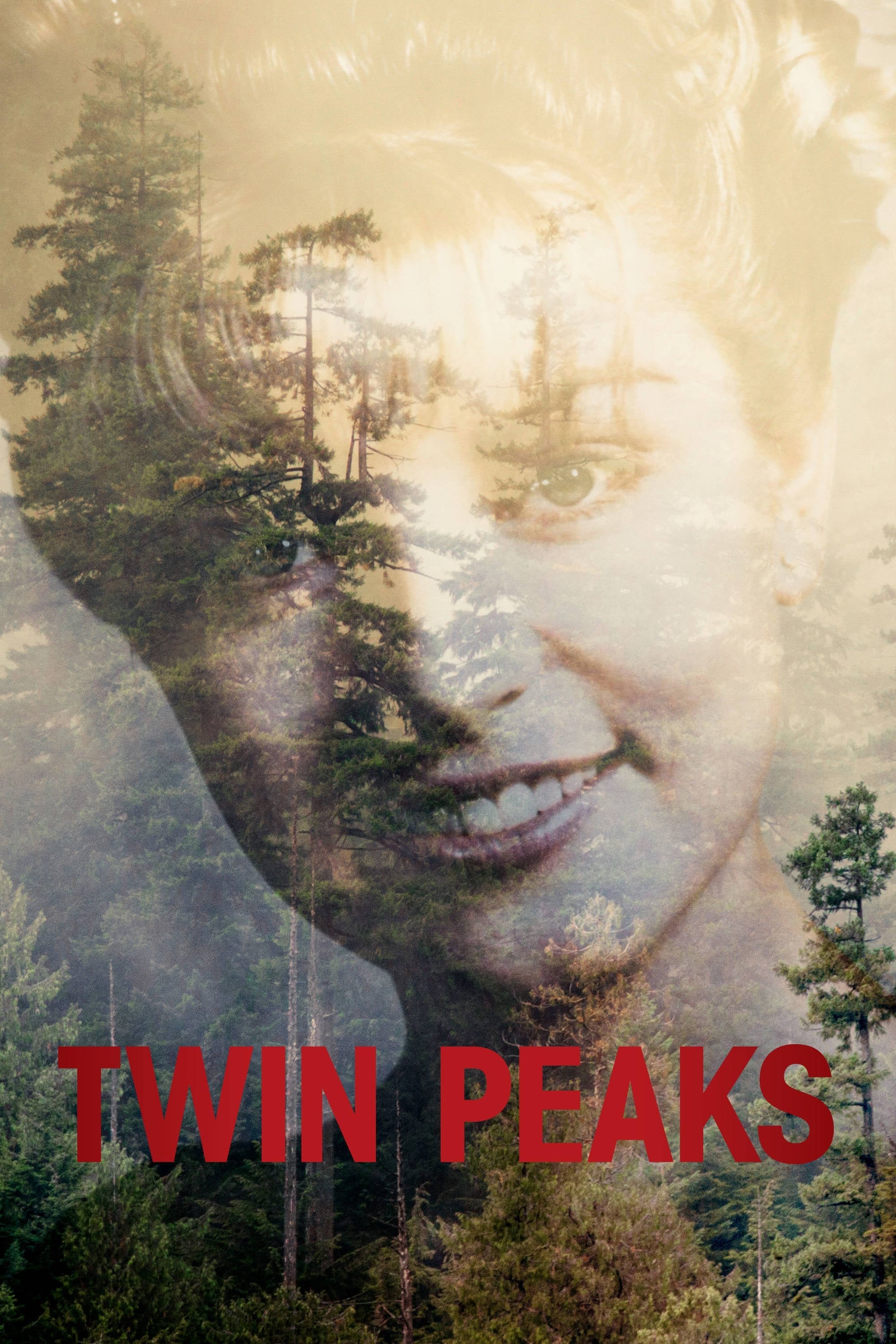
Angelo Badalamenti composed this dreamlike instrumental that uses a twangy baritone guitar and synthesized strings. The slow tempo and ethereal atmosphere perfectly set the stage for the surreal mystery of the series. The opening credits feature shots of a robin and the industrial machinery of a lumber mill. This haunting track won a Grammy Award and became a chart hit in several countries.
‘Malcolm in the Middle’ (2000–2006) – “Boss of Me” by They Might Be Giants
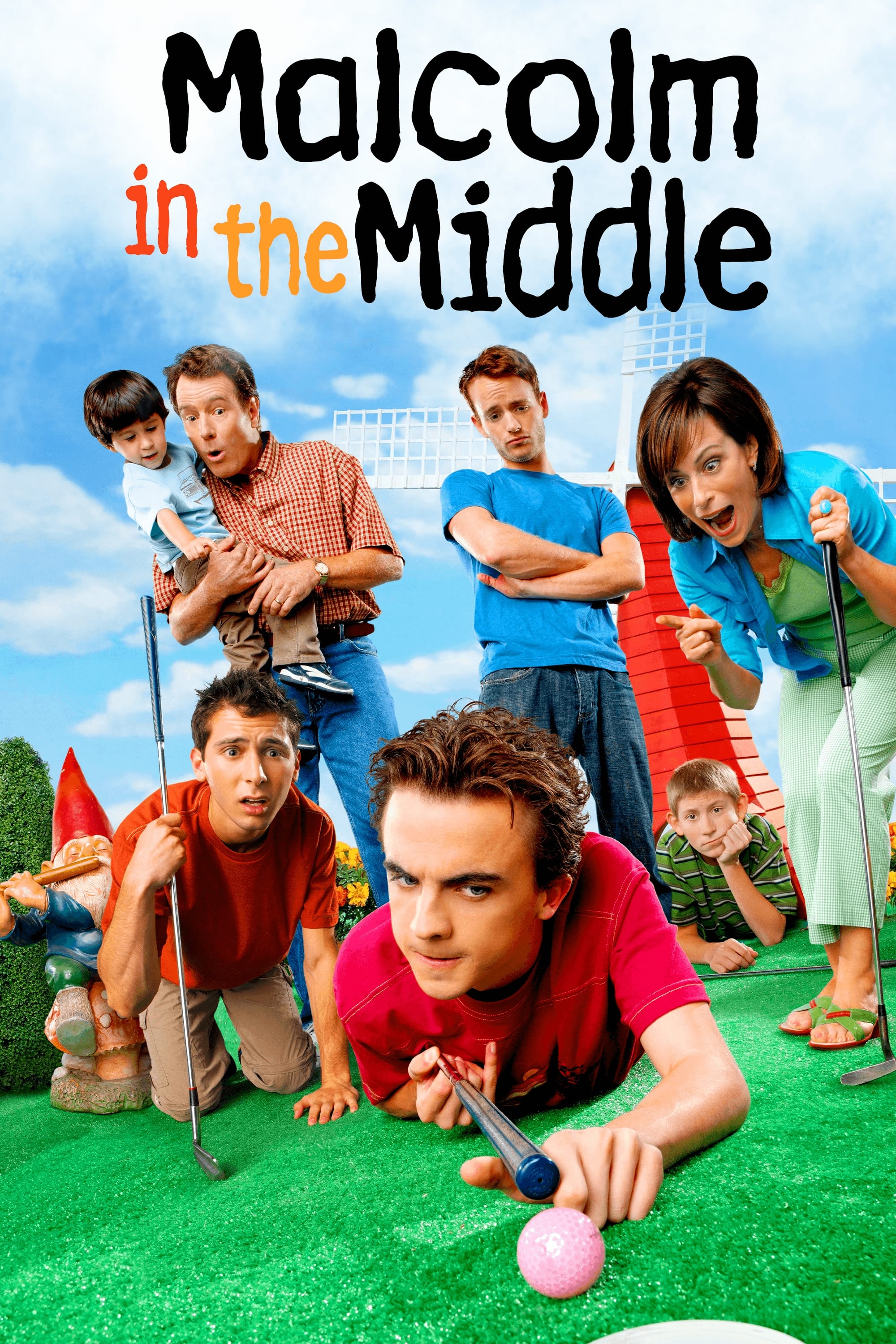
The alternative rock band They Might Be Giants won a Grammy Award for this energetic ska-punk track. The lyrics express the frustration of childhood and the chaotic dynamic between siblings who refuse to listen to authority. The fast-paced music matches the frenetic editing and visual style of the sitcom about a gifted boy in a dysfunctional family. “Life is unfair” serves as the concluding line that resonates with the struggles of the titular character.
‘Dawson’s Creek’ (1998–2003) – “I Don’t Want to Wait” by Paula Cole
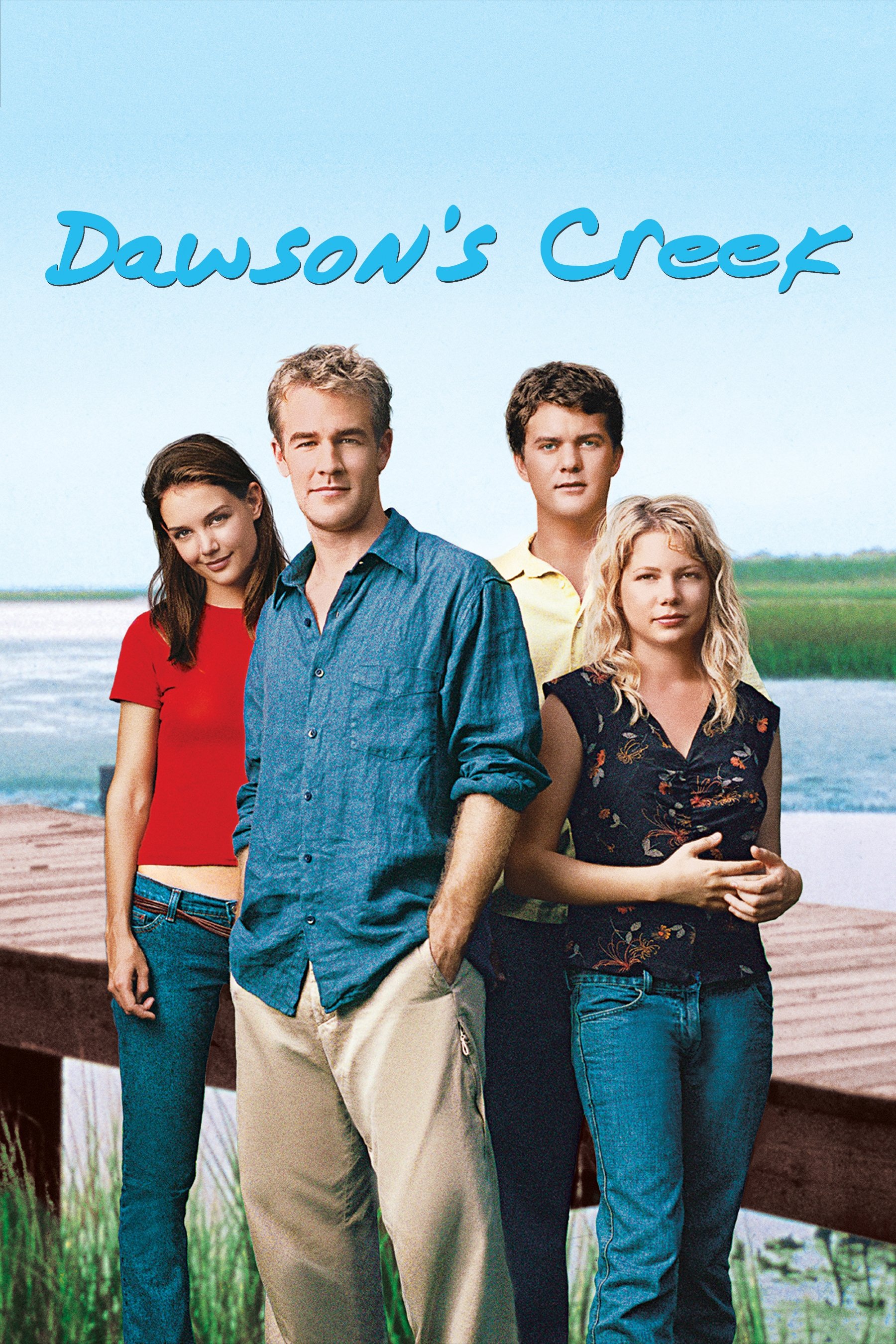
Paula Cole originally released this song as a single before it was selected as the opening theme for the teen drama. The passionate vocals and lyrics about understanding the past resonated with the emotional intensity of the teenage characters. It became the defining anthem for the WB network and the wave of teen dramas that followed in the late nineties. The song is so closely linked to the show that streaming services faced backlash when they temporarily replaced it due to licensing issues.
‘The O.C.’ (2003–2007) – “California” by Phantom Planet
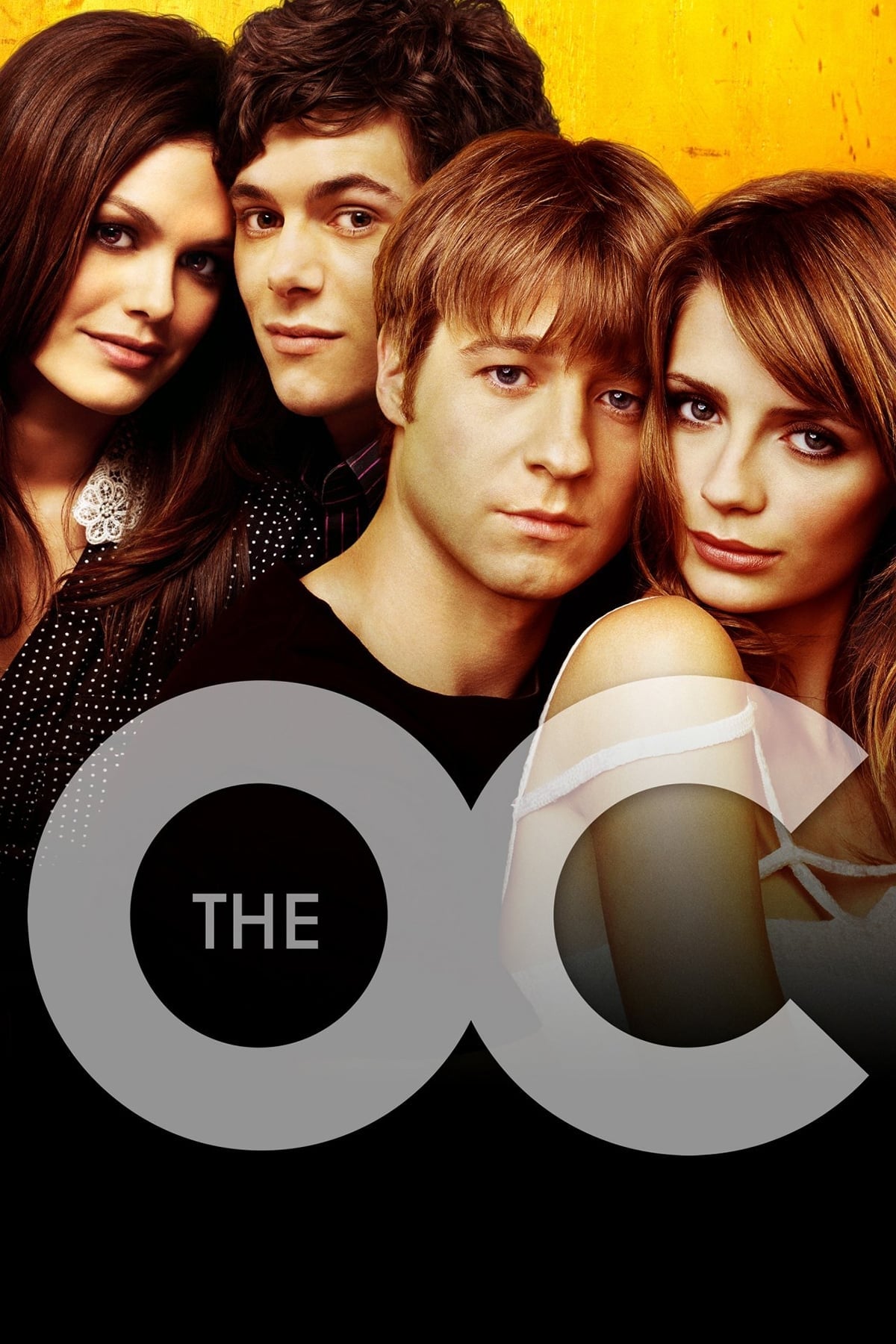
The driving drum beat and piano hook of this indie rock song capture the sunny yet angsty vibe of Southern California. The lyrics describe a journey back to the West Coast and align with the arrival of the protagonist in Newport Beach. The track helped propel Phantom Planet to mainstream recognition and defined the musical identity of the series. Listeners instantly associate the opening piano riff with the early two-thousands teen culture.
‘Happy Days’ (1974–1984) – “Happy Days” by Pratt & McClain

Charles Fox and Norman Gimbel wrote this rock and roll track to evoke the nostalgia of the nineteen-fifties era. The song lists the days of the week and encourages listeners to leave their cares behind for a time of enjoyment. It replaced “Rock Around the Clock” as the main theme and became a massive radio hit on its own. The jukebox sound creates an immediate connection to the diner setting where the characters often congregate.
‘Hawaii Five-O’ (1968–1980) – “Hawaii Five-O Theme” by The Ventures
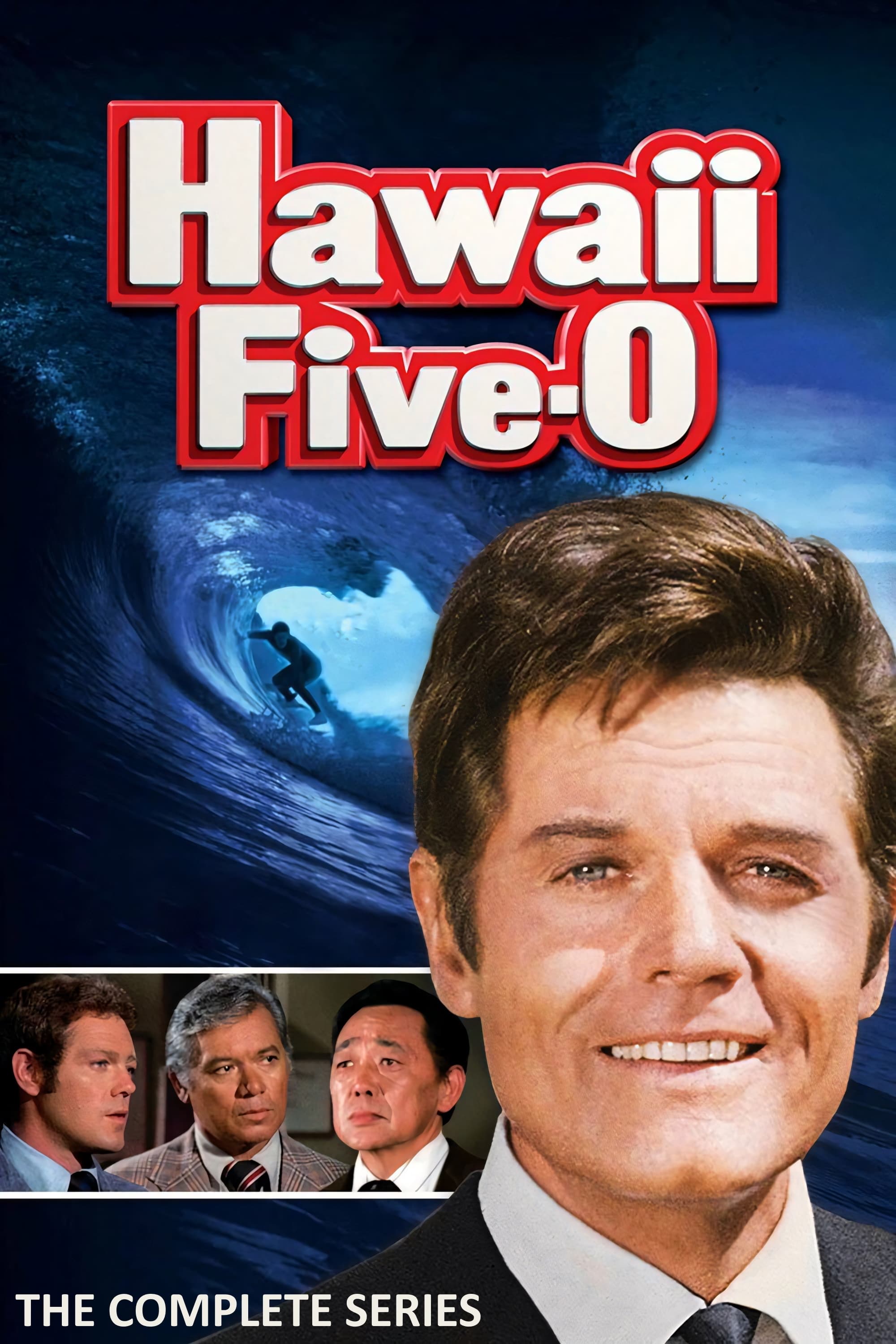
Morton Stevens composed this high-energy instrumental that features a driving drum solo and a powerful brass section. The Ventures recorded a surf rock version that climbed the pop charts and became a standard for guitar bands. The fast tempo accompanies the visuals of crashing waves and police action on the islands. It remains one of the most energetic and enduring action themes in television history.
‘Mission: Impossible’ (1966–1973) – “Theme from Mission: Impossible” by Lalo Schifrin
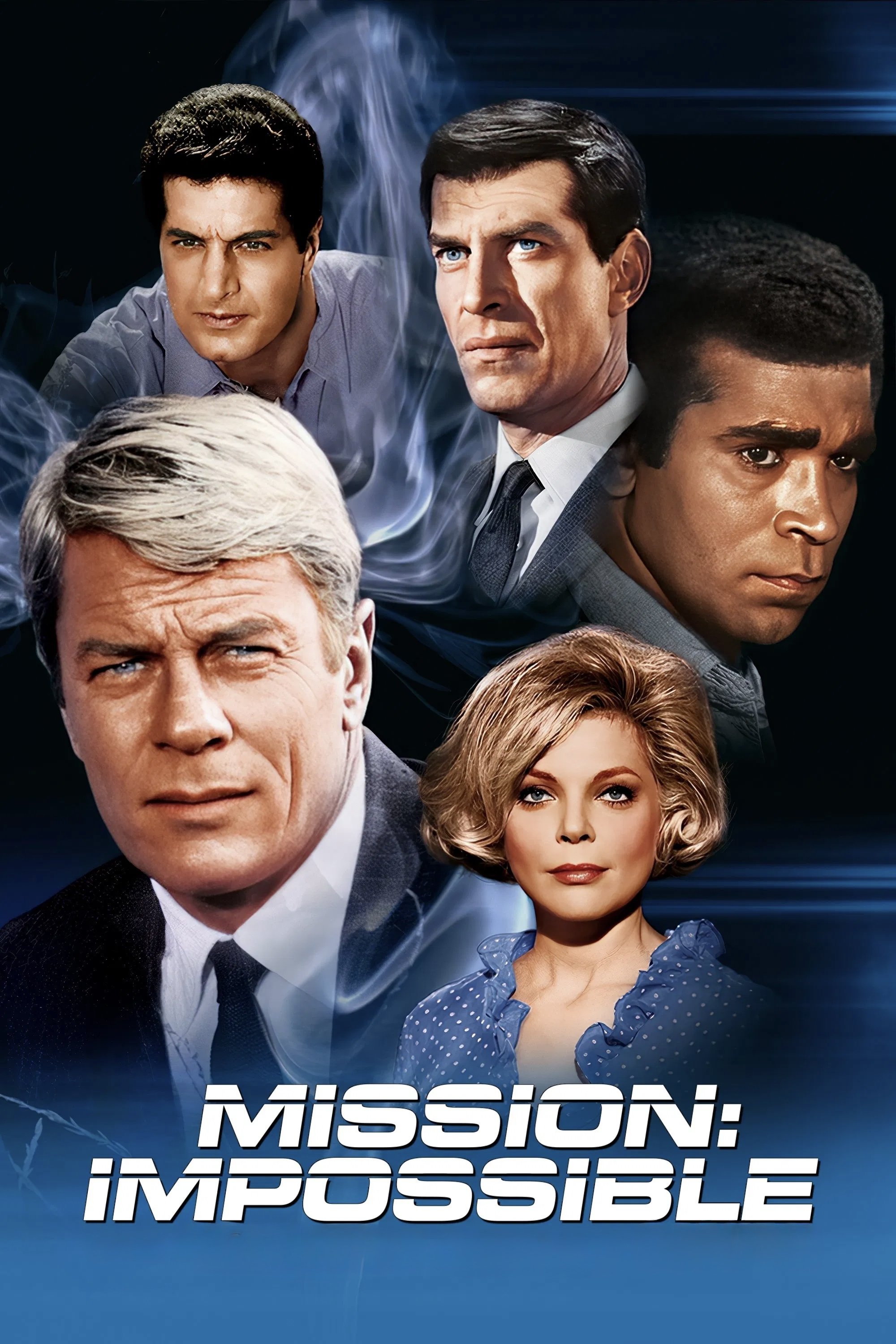
Lalo Schifrin composed this tense instrumental piece using a rare 5/4 time signature that gives it a distinct and driving rhythm. The burning fuse in the opening credits visualizes the urgency conveyed by the bongos and brass instruments. The theme has been rearranged and re-recorded for numerous film adaptations but the core melody remains unchanged. It is widely regarded as the gold standard for spy genre music.
‘SpongeBob SquarePants’ (1999–Present) – “SpongeBob SquarePants Theme” by Patrick Pinney
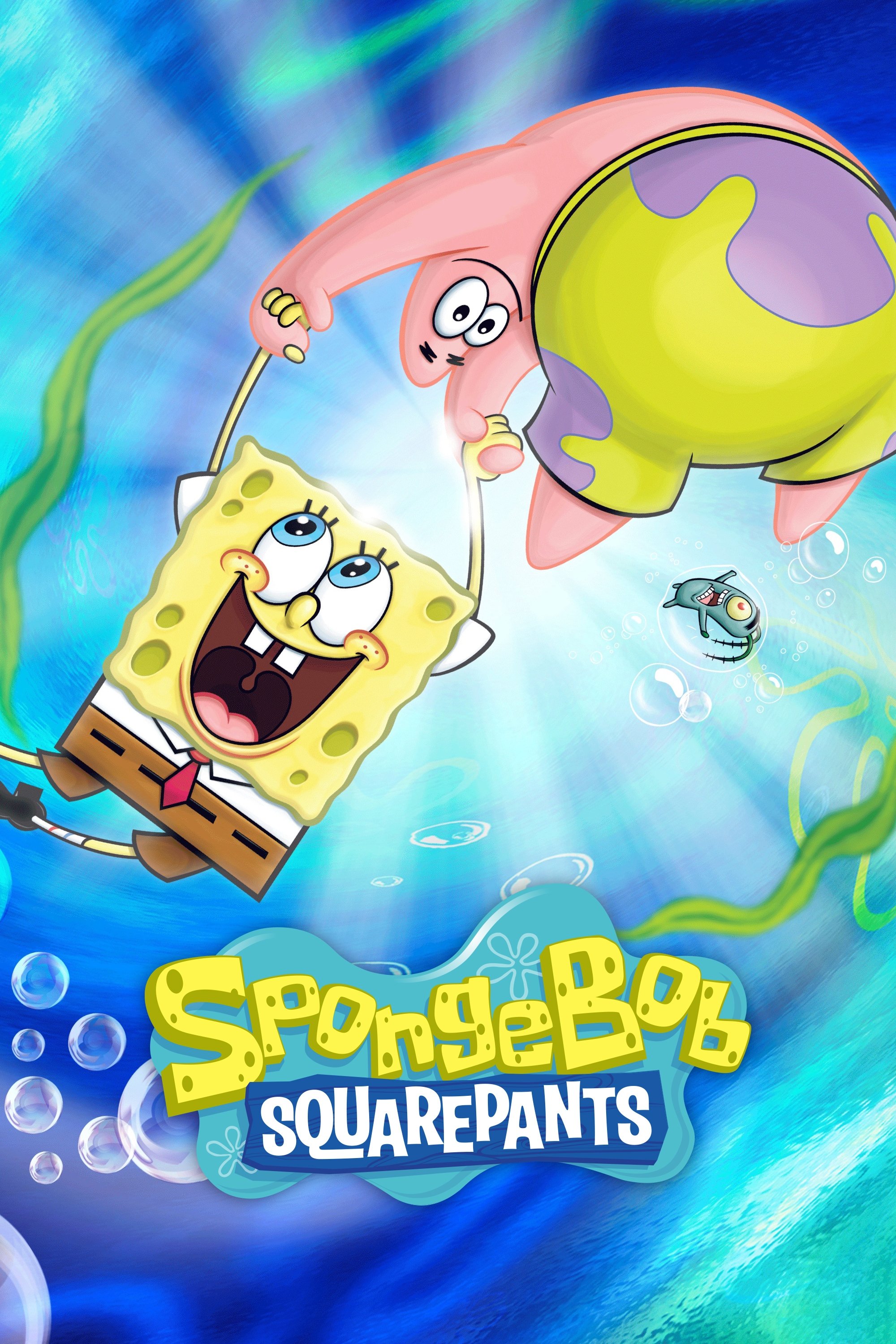
A sea captain asks if the children are ready before leading them in a call-and-response sea shanty. The simple melody and nautical lyrics introduce the main character and his physical traits to the audience. The song incorporates the sound of a flute that mimics a sailor’s hornpipe to establish the underwater setting. This tune is universally recognized by children and adults who grew up watching the animated series.
‘The Jeffersons’ (1975–1985) – “Movin’ on Up” by Ja’net DuBois
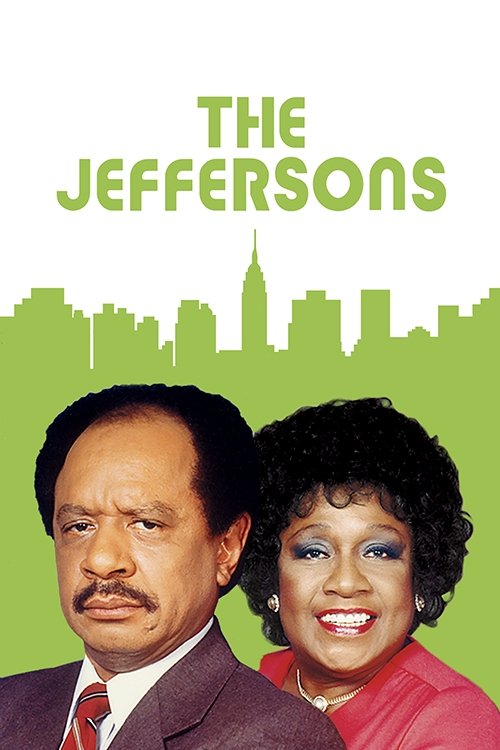
Ja’net DuBois co-wrote and sang this gospel-influenced track that celebrates the upward mobility of the main characters. The energetic choir and brass backing celebrate the move from a working-class neighborhood to a deluxe apartment in the sky. The lyrics express triumph and the joy of finally getting a piece of the pie after years of hard work. This theme song stands as a joyful anthem of success and perseverance.
Please share your favorite TV theme song from this list or any we missed in the comments.