


30 Actresses Who Absolutely Hated Their Own Character

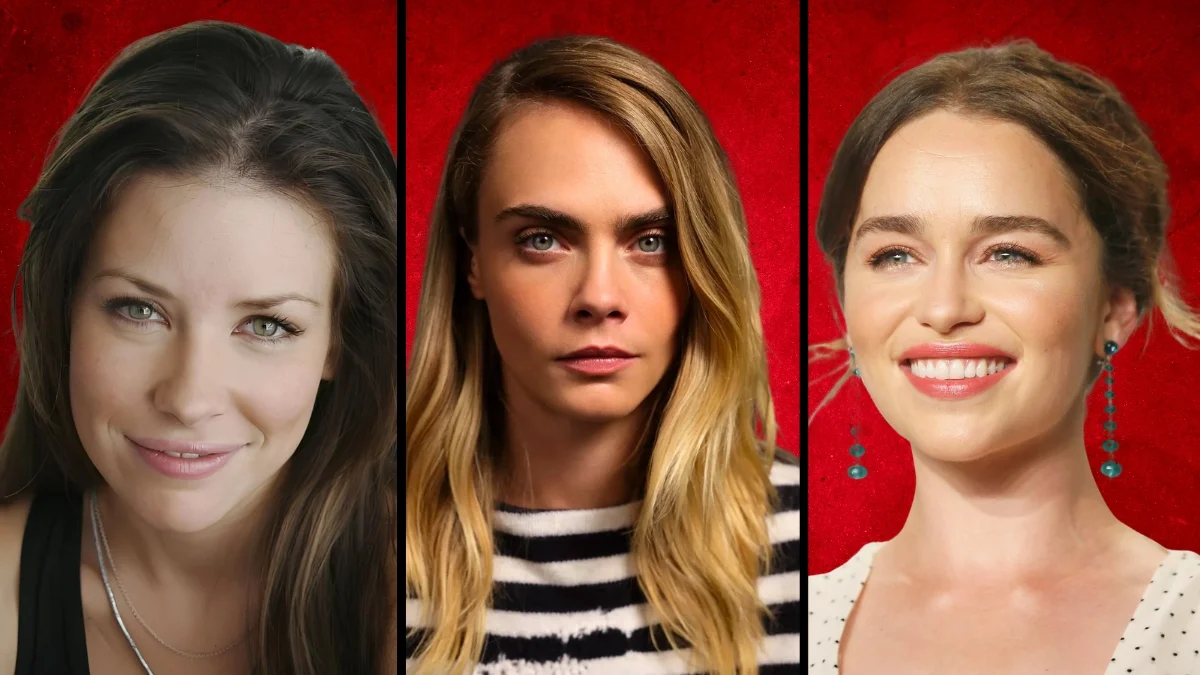


Sometimes the hardest part of acting isn’t the schedule or the stunts, it’s having to live inside a character you don’t agree with, don’t recognize, or flat-out don’t like. A few actresses have been unusually candid about that feeling, whether it showed up as moral discomfort, frustration with writing choices, or regret over how a role landed in the real world. Here are 30 of the clearest examples where the performer openly pushed back on the character she was known for.
Emilia Clarke
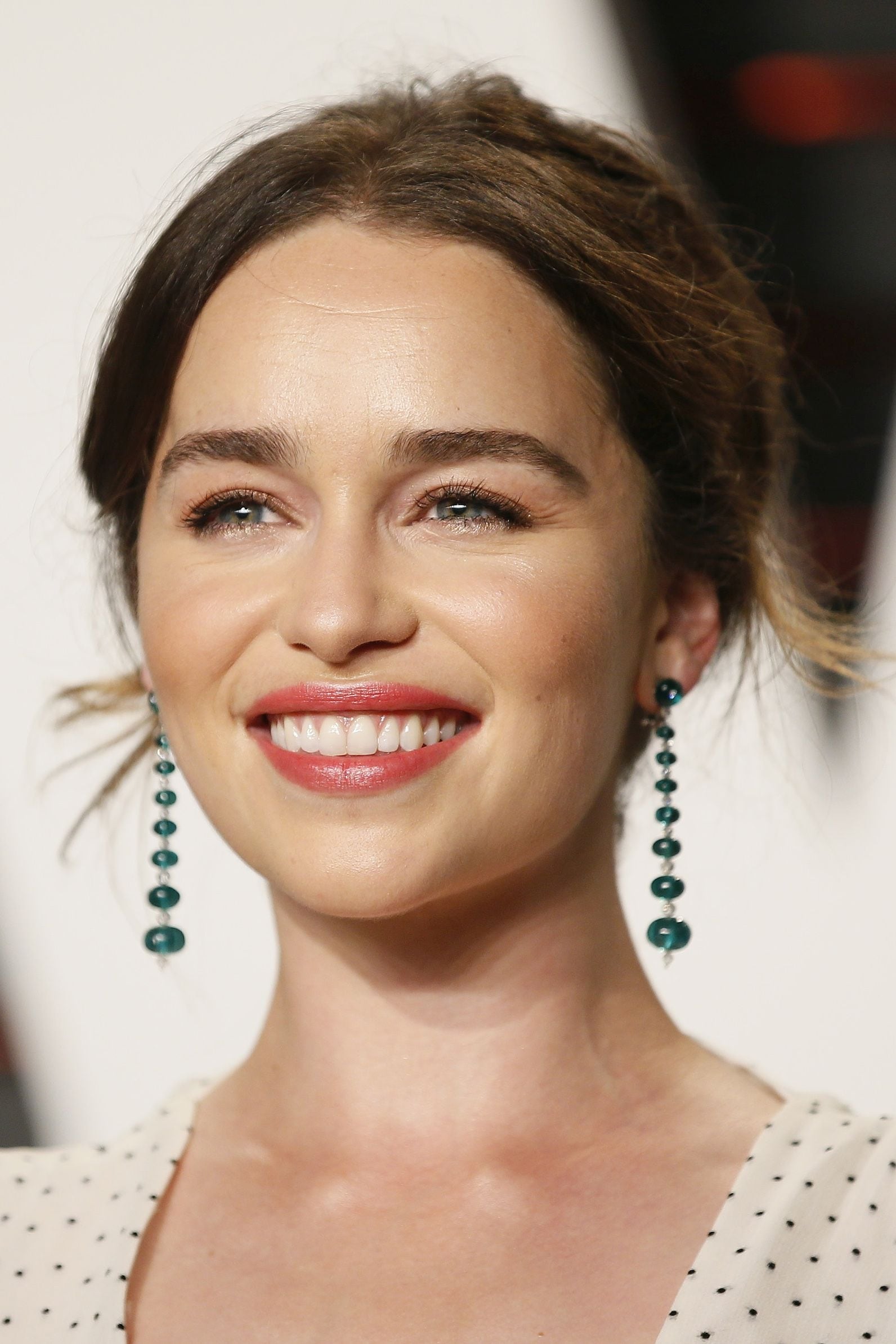
Emilia Clarke has said she regretted taking on Sarah Connor in ‘Terminator Genisys’ after watching the production grind down creatively. She described seeing the director’s experience turn miserable and said the set atmosphere made the job harder than it needed to be. She also noted she felt relieved the film didn’t lead to more sequels, which speaks to how strongly she wanted to move on from that version of the character.
Gwyneth Paltrow
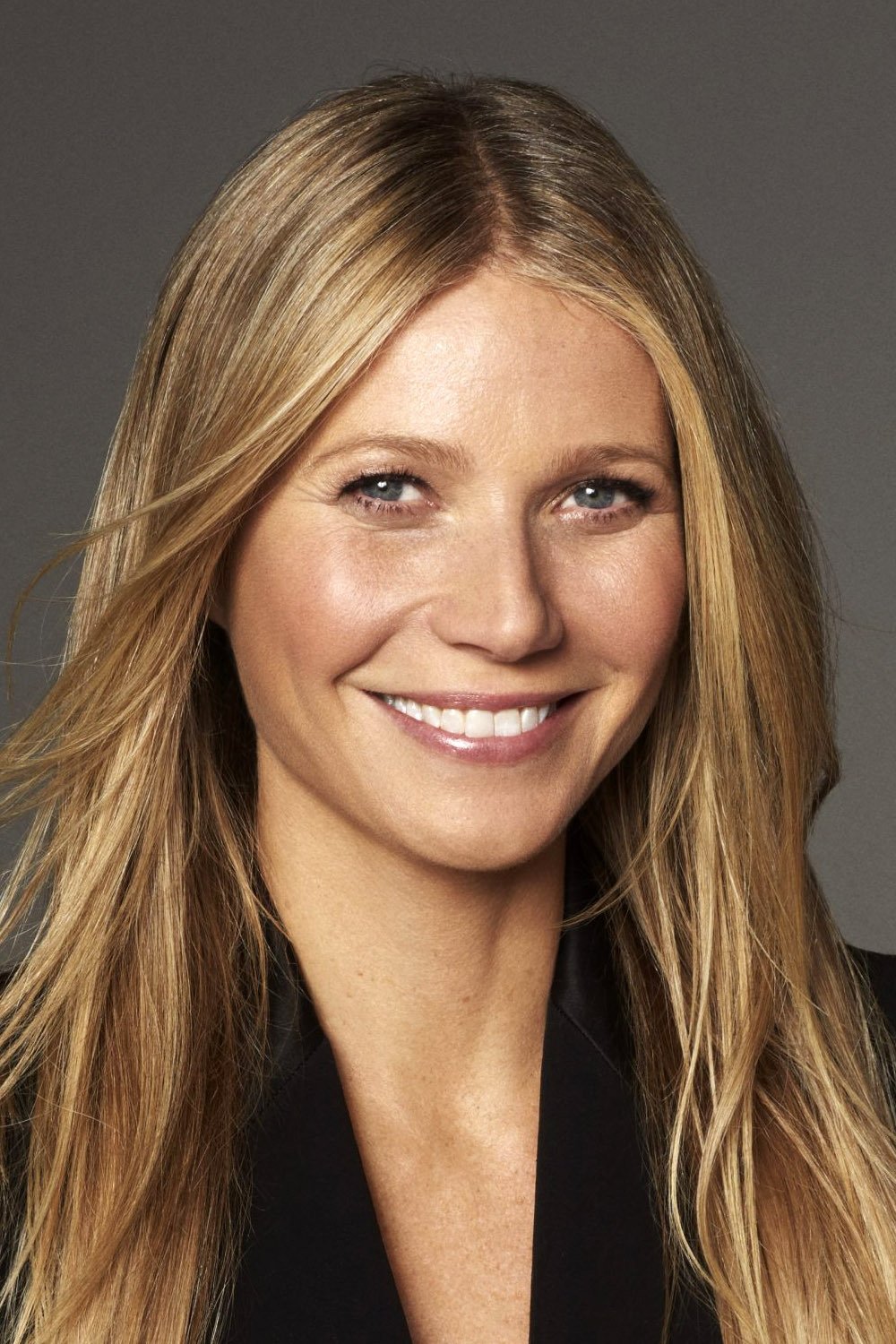
Gwyneth Paltrow has called her role as Rosemary in ‘Shallow Hal’ a “disaster” and talked about feeling humiliated by the experience. She described wearing the fat suit and noticing how differently people treated her in public when they perceived her as obese. Her criticism wasn’t just about the movie aging poorly, but about what the role exposed in real-world behavior toward women’s bodies.
Allison Williams
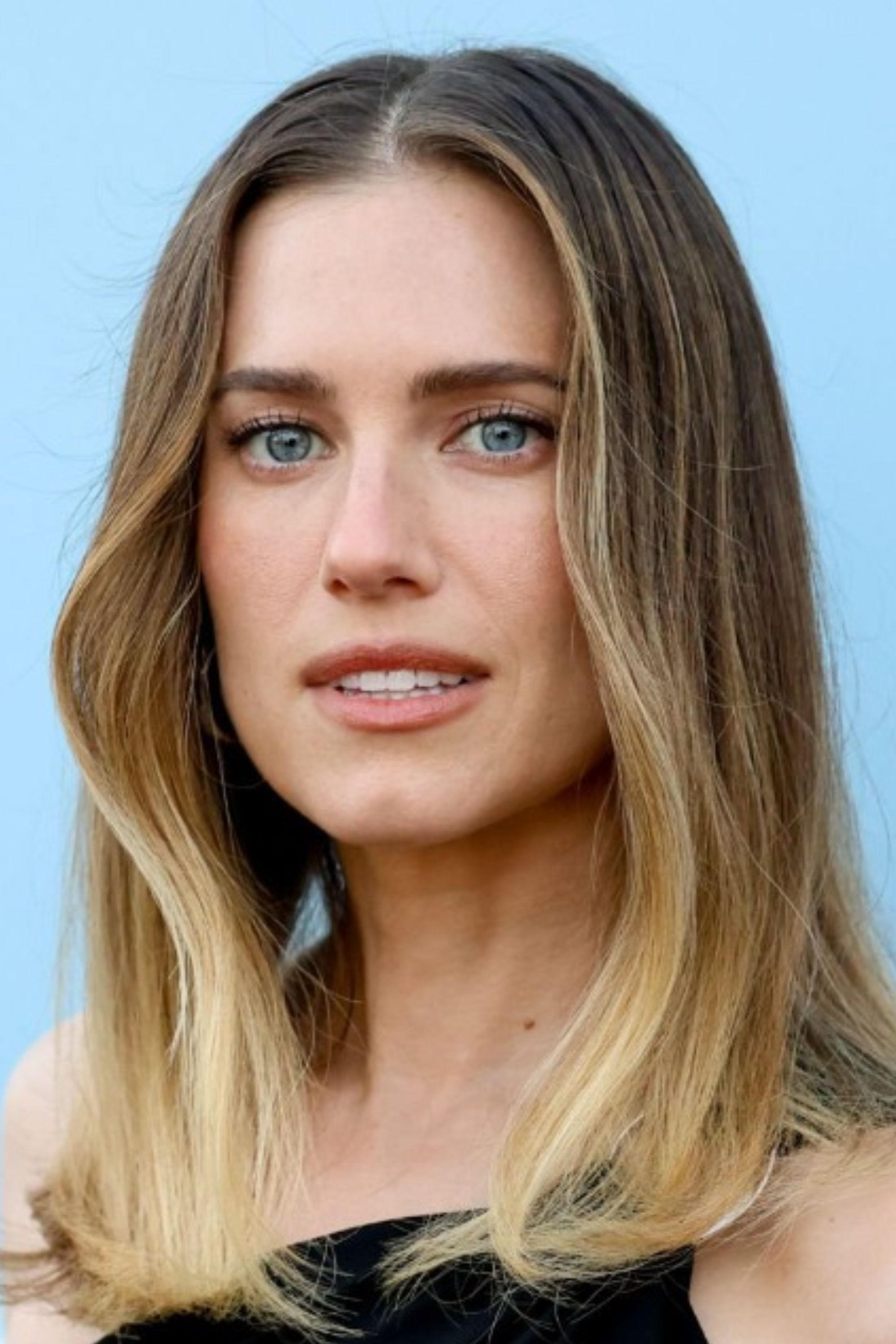
Allison Williams has been frank that she wouldn’t want to be friends with Marnie in ‘Girls’ in real life. She explained that some of Marnie’s choices felt so self-sabotaging that she had to consciously set aside her own judgment to play her honestly. She also said there were story turns where she personally didn’t want Marnie to go “down that road,” but had to commit anyway.
Kate Winslet
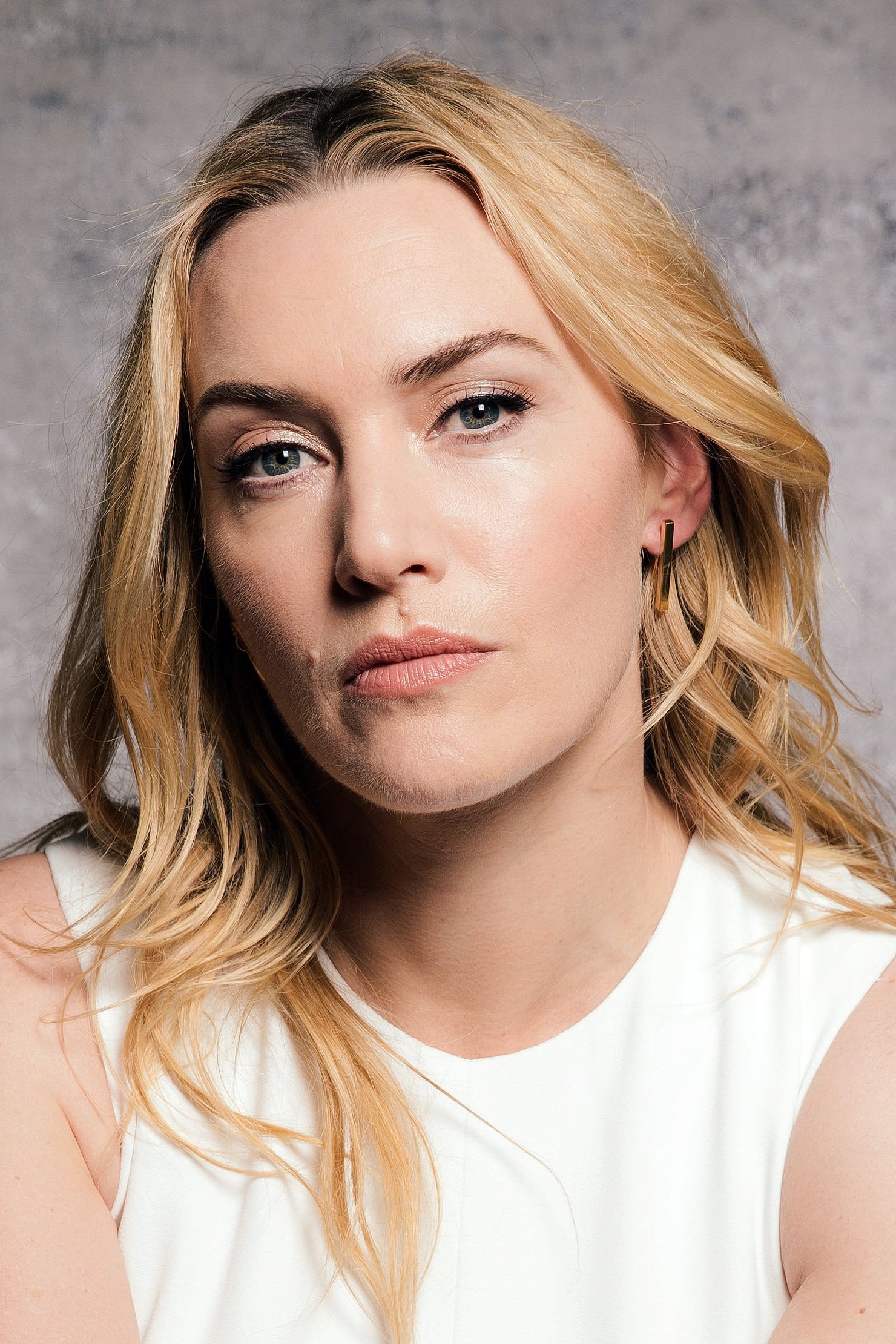
Kate Winslet has said she struggles watching her performance as Rose in ‘Titanic’ and has been openly critical of how she played the role. She pointed to specific things like her accent and delivery that make her want a do-over. In her case, the frustration is less about the character’s choices and more about not liking what she sees when she revisits the finished performance.
Megan Fox
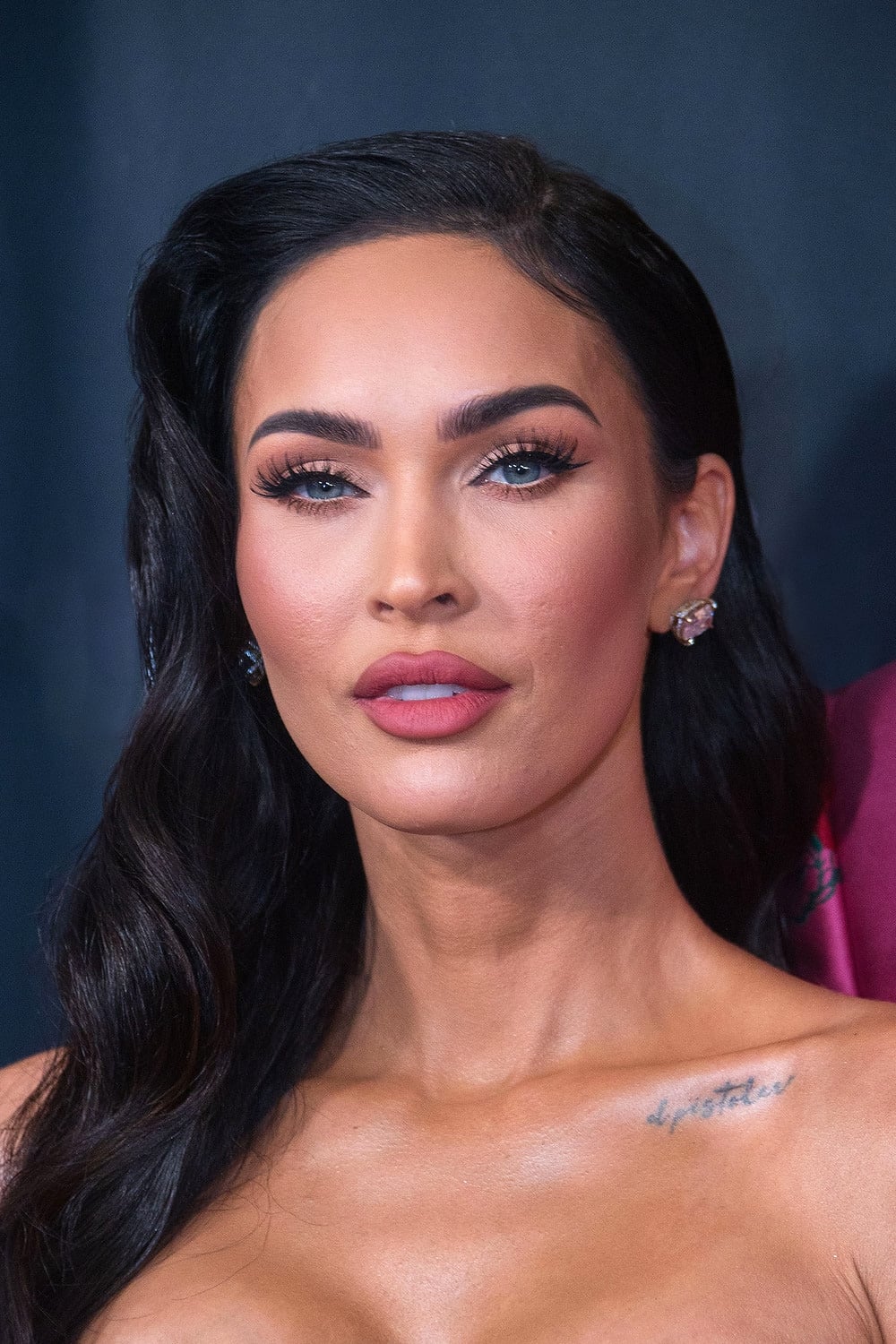
Megan Fox has talked about playing Mikaela in the early ‘Transformers’ films as something that was never really “about acting.” She described the role as largely requiring her to run, scream, or do both, and she pushed back on pretending otherwise in interviews. Her comments became part of a wider critique of how those characters were written and positioned on screen.
Cher
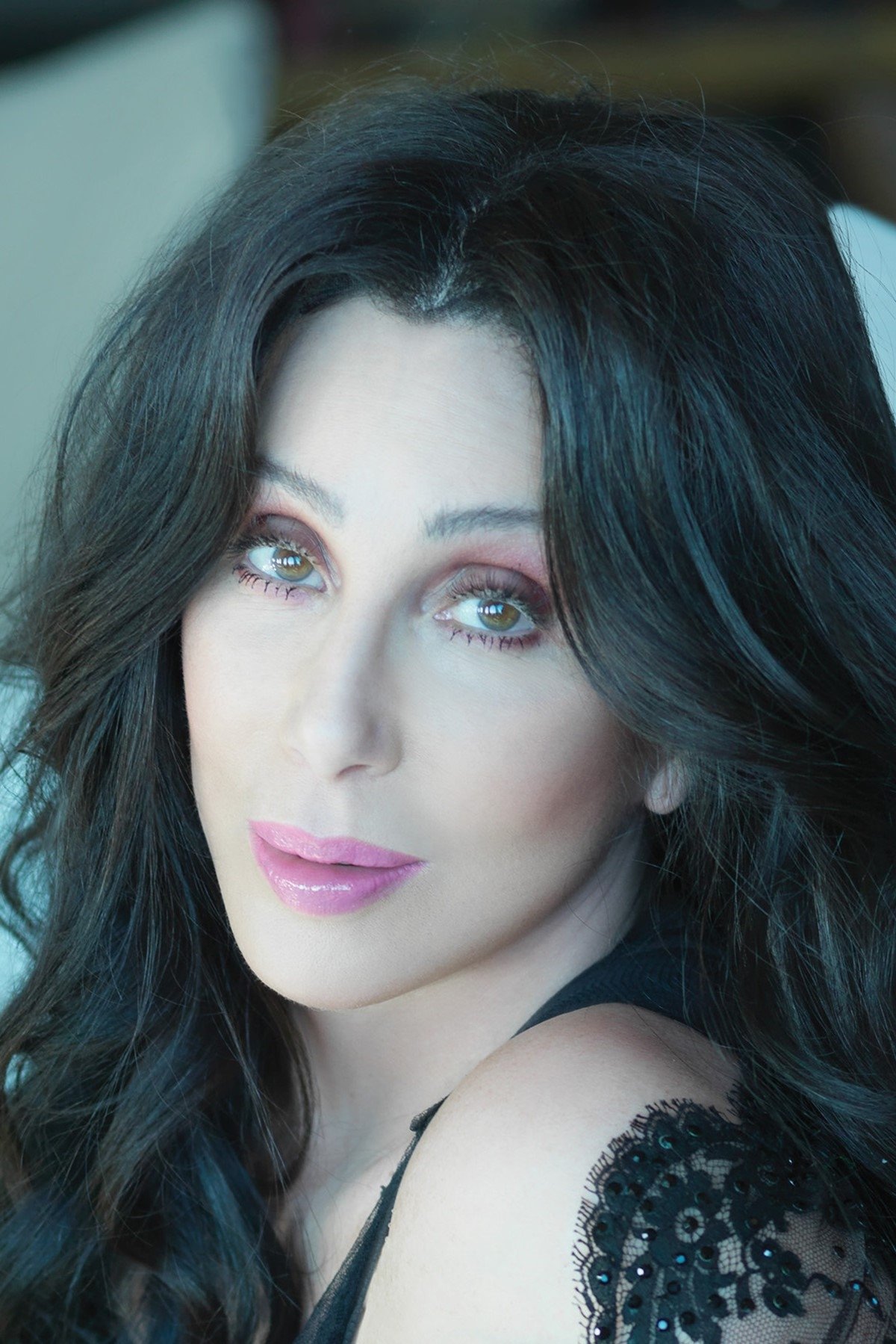
Cher has said her film ‘Burlesque’ could have been much better and openly blamed weak direction for holding it back. She described feeling that the production priorities were off, with more attention paid to dance numbers than to making scenes work dramatically. While she didn’t deny enjoying parts of the experience, she was clear that the final result didn’t live up to what the character and story could have been.
Katherine Heigl
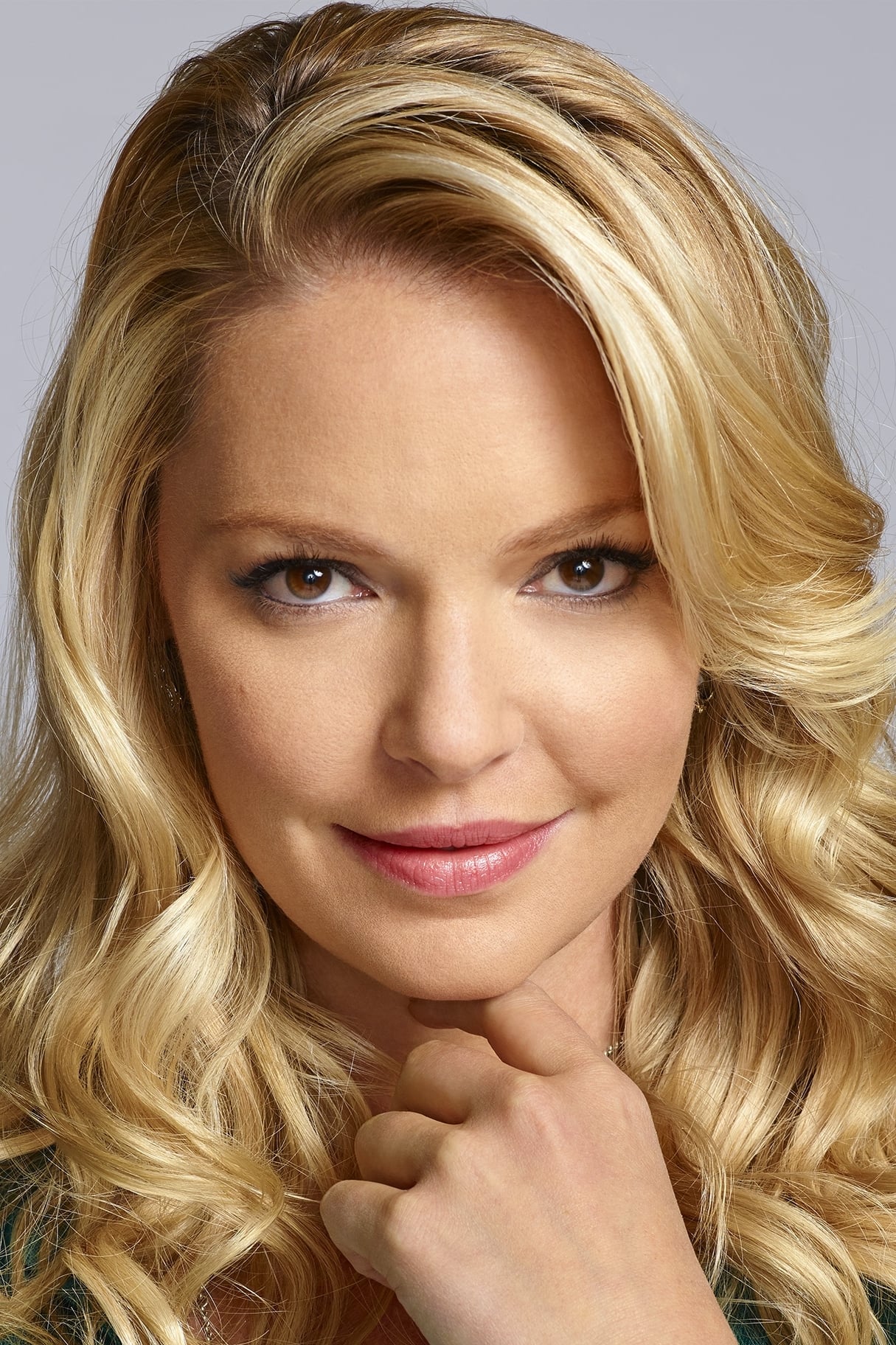
Katherine Heigl has said she had trouble with how her character Alison was portrayed in ‘Knocked Up’ and called the film’s treatment of women sexist. She described feeling like she was playing a “killjoy,” questioning why the women were framed as shrewish and uptight while the men were rewarded for immaturity. Her issue was specifically tied to the character’s tone and the larger message the role reinforced.
Jennifer Garner
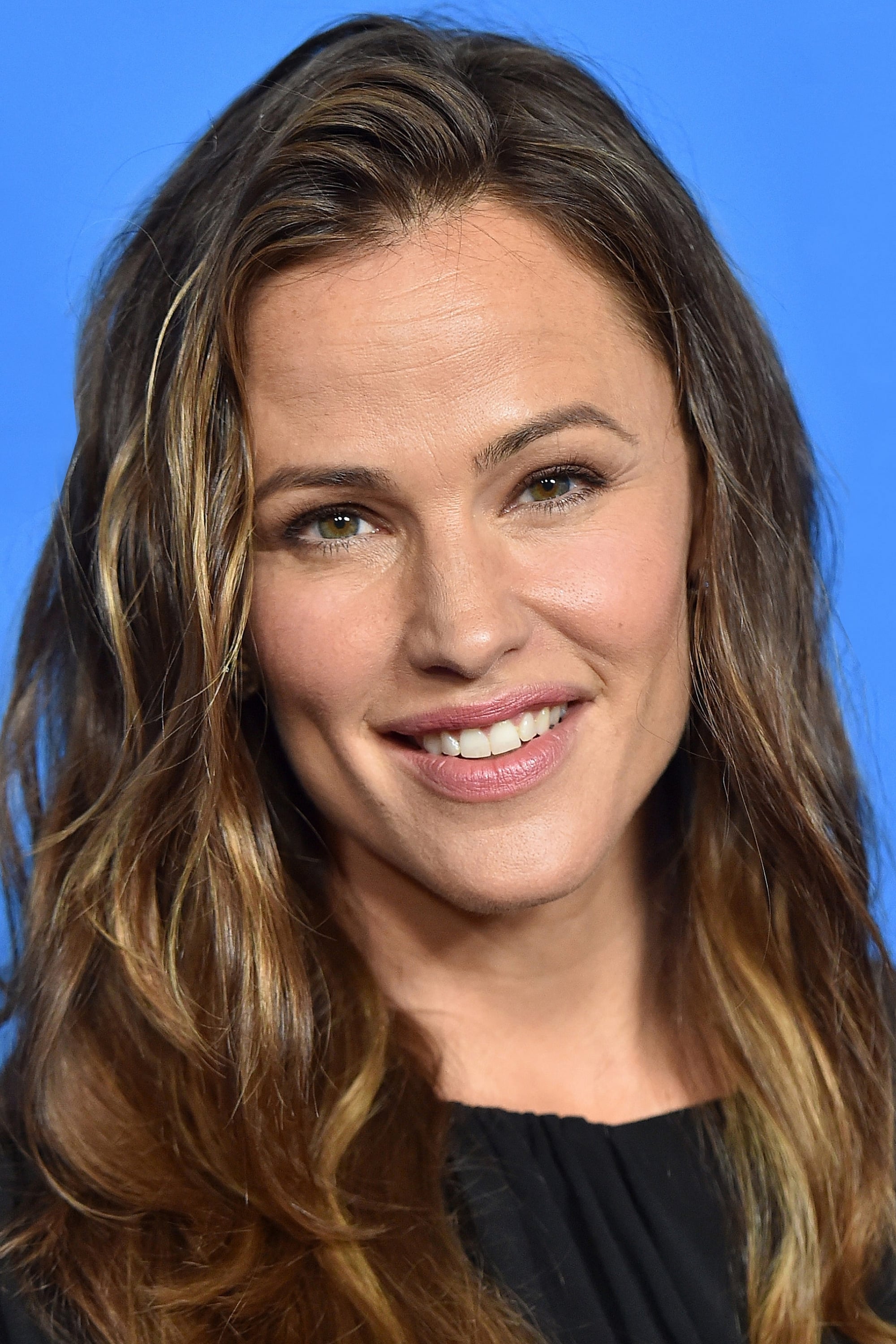
Jennifer Garner has been associated with calling ‘Elektra’ “awful,” and the story around it is that she felt boxed in by contractual obligations after ‘Daredevil.’ The key point is that her dissatisfaction wasn’t framed as a minor disappointment, but as a blunt rejection of how that character vehicle turned out. It’s one of the more direct examples of an actress not trying to sugarcoat a franchise spin-off tied to her name.
Sarah Jessica Parker
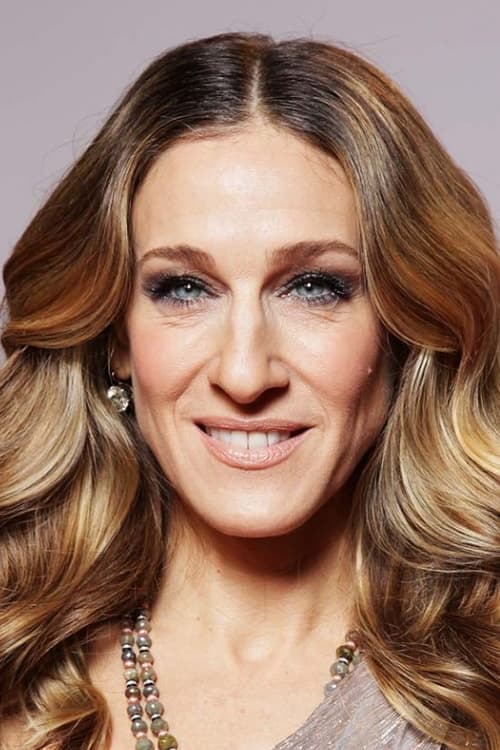
Sarah Jessica Parker has acknowledged that ‘Sex and the City 2’ fell short and said she understands why the film disappointed people. She pointed to being able to see the gaps in what worked versus what didn’t, which is rare candor for a lead revisiting a beloved character’s later chapter. Even while noting the movie’s commercial success, she didn’t dodge the creative criticism.
Mariah Carey
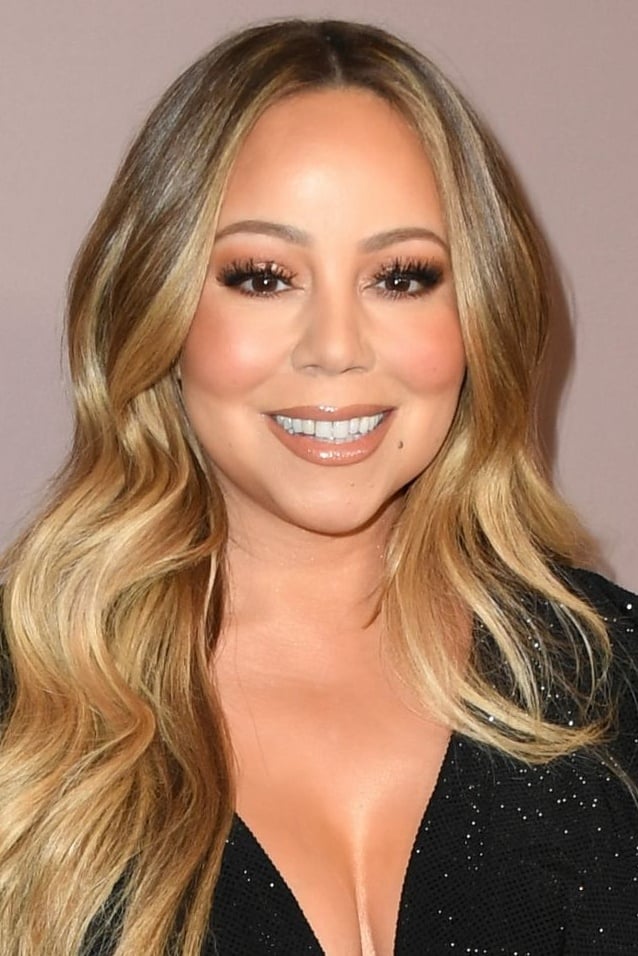
Mariah Carey has called appearing as herself in ‘Glitter’ her biggest regret and described the period around it as rough. Her comments focus on how the role and its fallout affected her momentum and public perception, not just a simple dislike of the film. When an artist frames a project as a career regret, that’s usually a sign the character or concept didn’t match what they wanted their work to represent.
Cara Delevingne
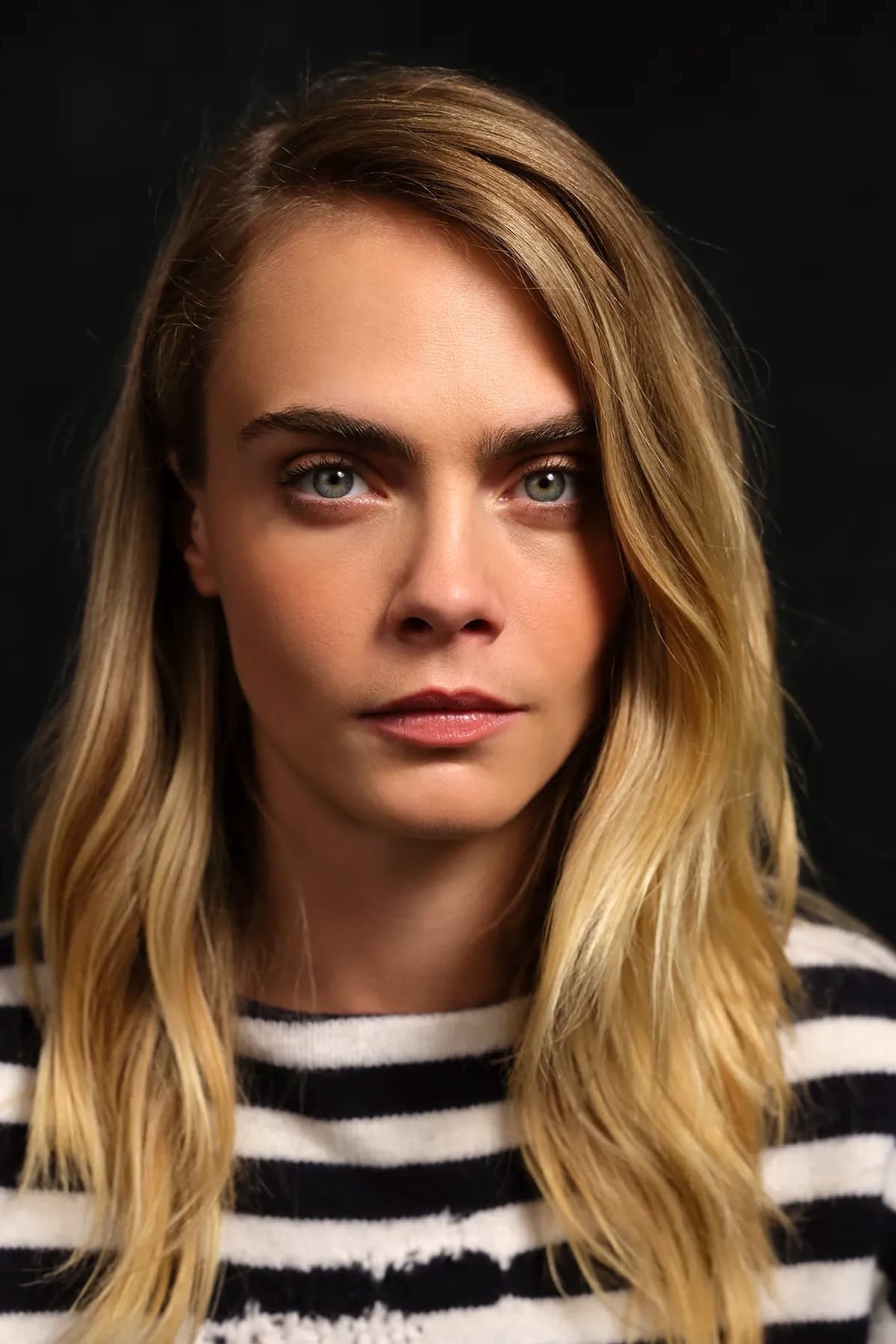
Cara Delevingne has been on record joking that she “hates” Margo when asked what she had in common with her character in ‘Paper Towns.’ Even if delivered with humor, the moment is notable because it shows how quickly she distanced herself from the character’s vibe in a public setting. It’s a reminder that press interviews sometimes produce the most unfiltered takes on a role.
Jennifer Lawrence
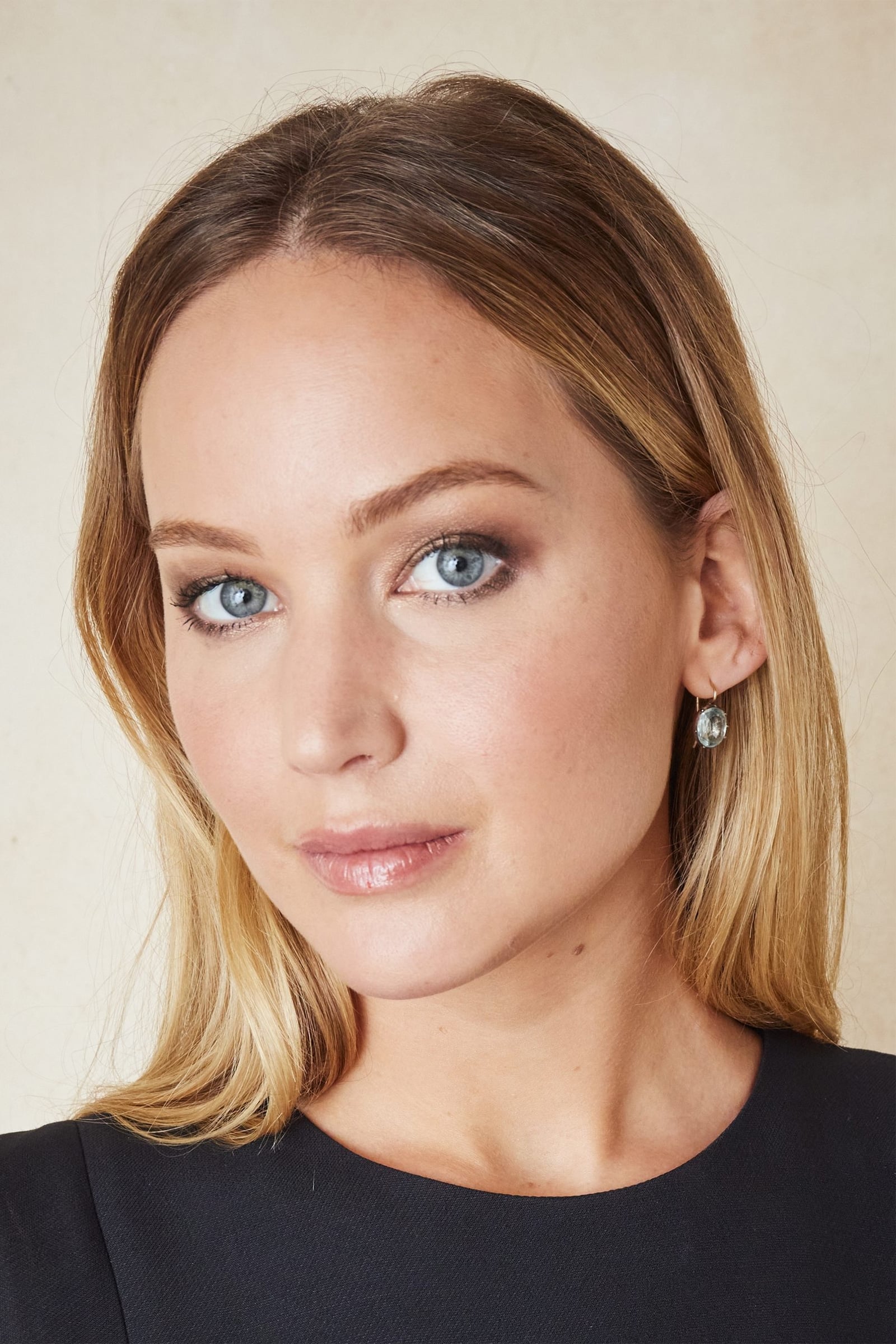
Jennifer Lawrence has said her first reaction to watching ‘Mother!’ was that the film might have gone too far. That response matters because her character is essentially the audience’s anchor, and she still felt shaken by what the role demanded and communicated. Even though she later defended the message, she didn’t pretend the character journey was comfortable or easy to stand behind emotionally.
Halle Berry
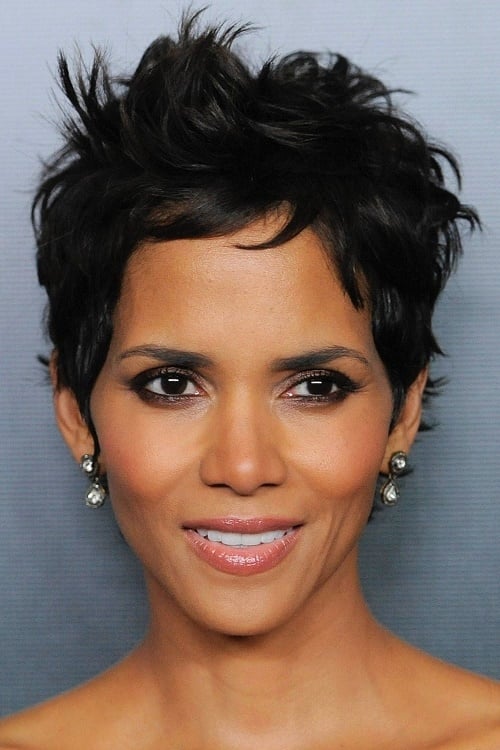
Halle Berry publicly trashed ‘Catwoman’ while accepting an award, thanking the studio for casting her in what she called a “god-awful” movie. The moment stands out because she didn’t separate herself from the project diplomatically, she treated it as a misfire she wanted on the record. When the lead says that out loud onstage, it’s about as close as it gets to an official “I hated this role” stamp.
Michelle Pfeiffer
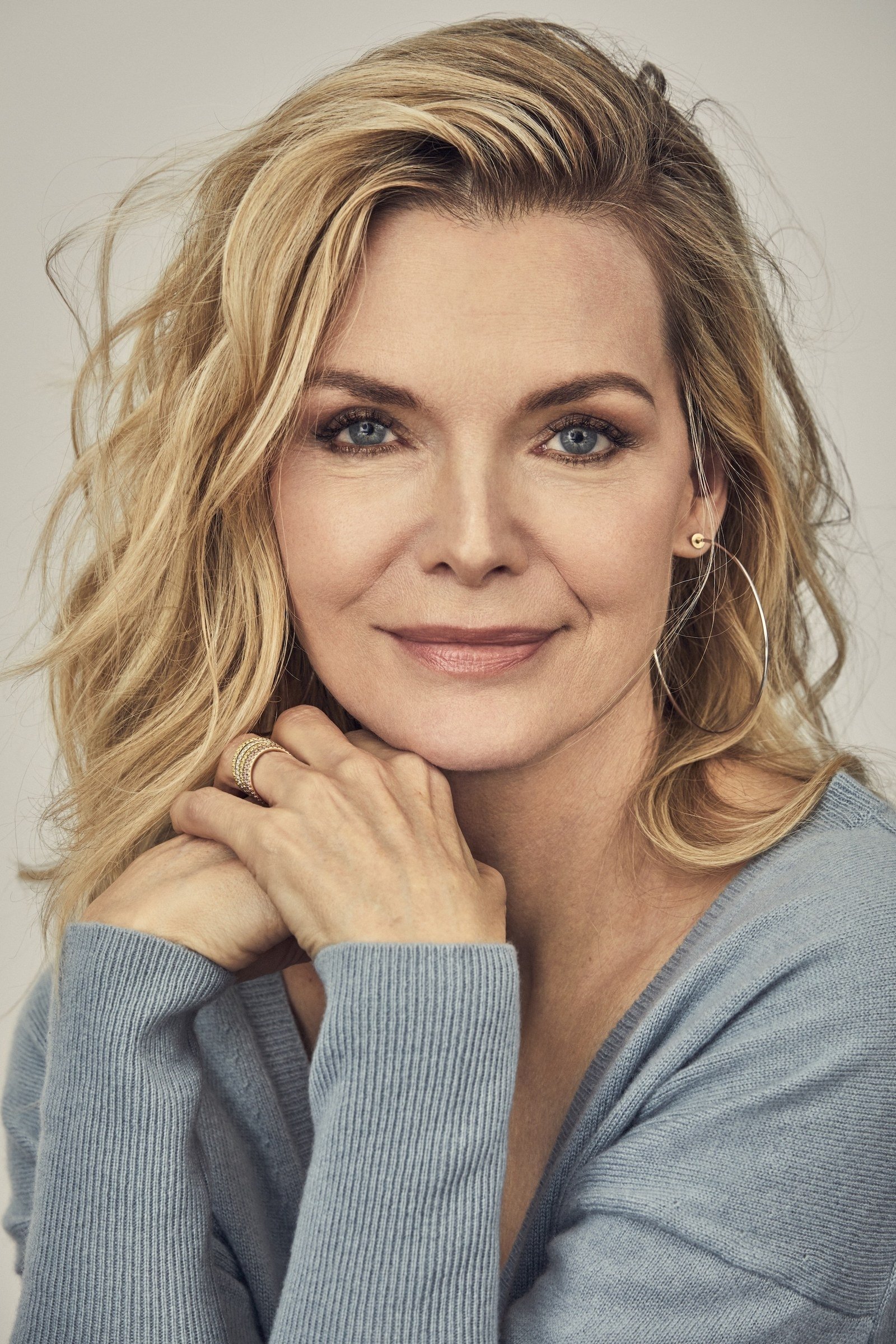
Michelle Pfeiffer has said she “hated” ‘Grease 2’ “with a vengeance” and couldn’t believe how bad it was. She framed it as a youthful decision made before she had the experience to judge projects properly. The dislike is blunt and memorable, and it’s specifically tied to how the character vehicle turned out on screen.
Miley Cyrus

Miley Cyrus has described the personal cost of being Hannah in ‘Hannah Montana,’ focusing on how the role pushed a narrow idea of what a girl should look like. She connected that experience to identity confusion when she wasn’t in the show’s daily transformation cycle. Even without saying she “hated” the character outright, her comments make it clear the character’s image came with consequences she resented.
Rooney Mara
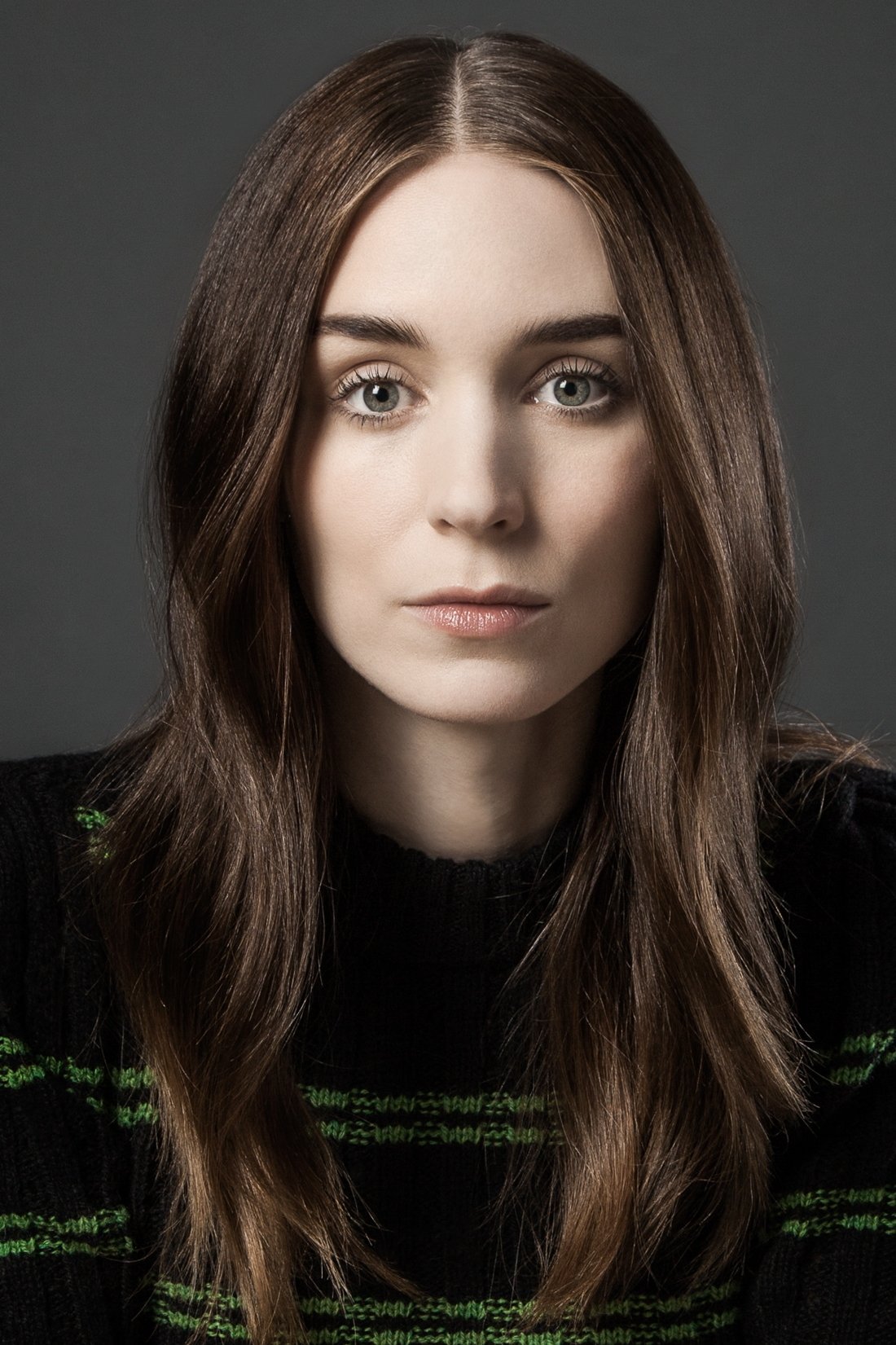
Rooney Mara has said she “hate, hate, hate[s]” being on the wrong side of the whitewashing conversation after playing Tiger Lily in ‘Pan.’ She explained that she understood why people were upset and said she never wanted to be in that position again. That’s not just mild regret, it’s a strong statement about how the character’s casting and framing made her feel afterward.
Evangeline Lilly
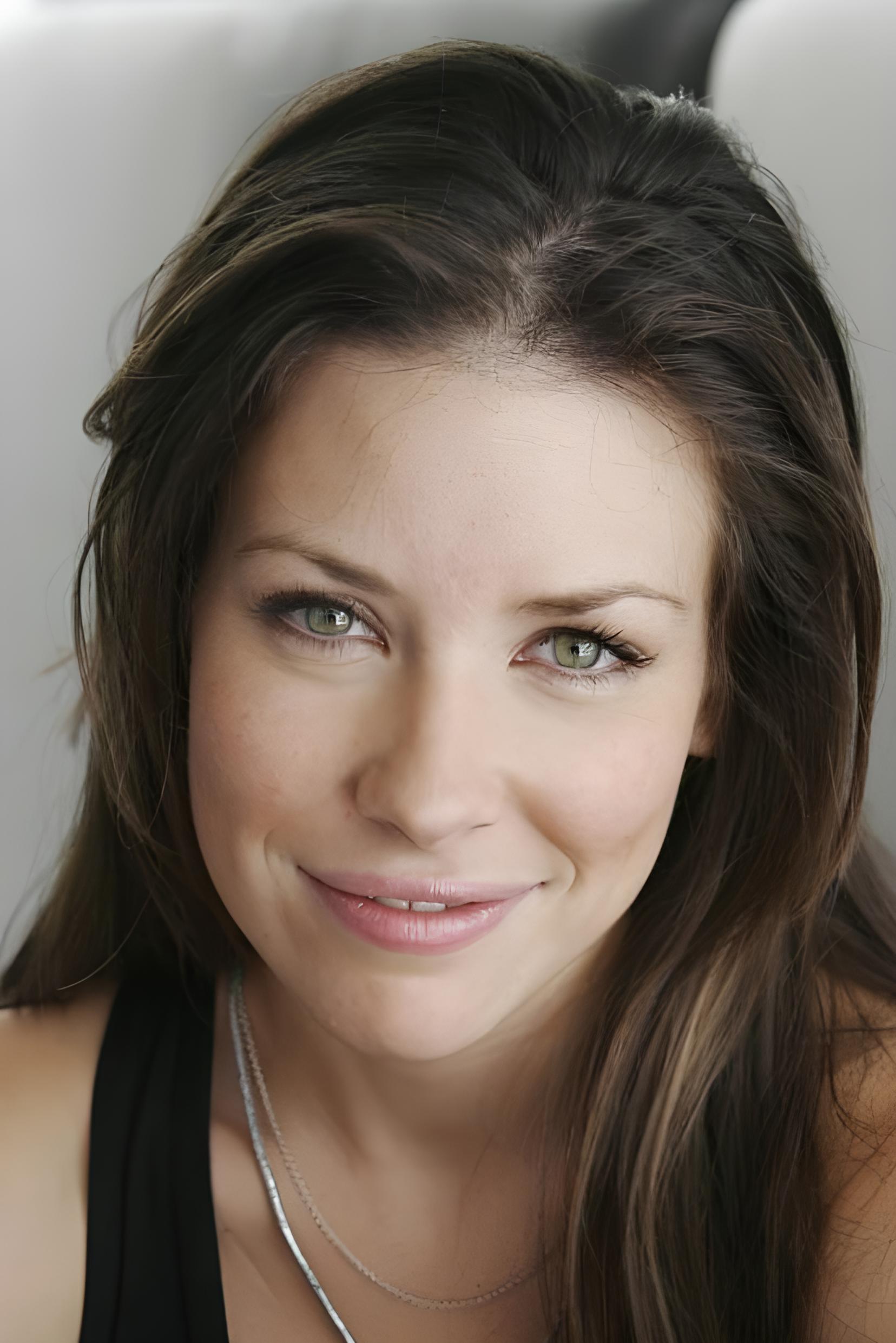
Evangeline Lilly has said she found Kate in ‘Lost’ increasingly “predictable and obnoxious” as the series went on. She described being irritated that the character shifted from having her own agendas to chasing two men around the island. It’s one of the clearest examples of an actress disliking her own character’s long-term development, not just a single storyline.
Blake Lively
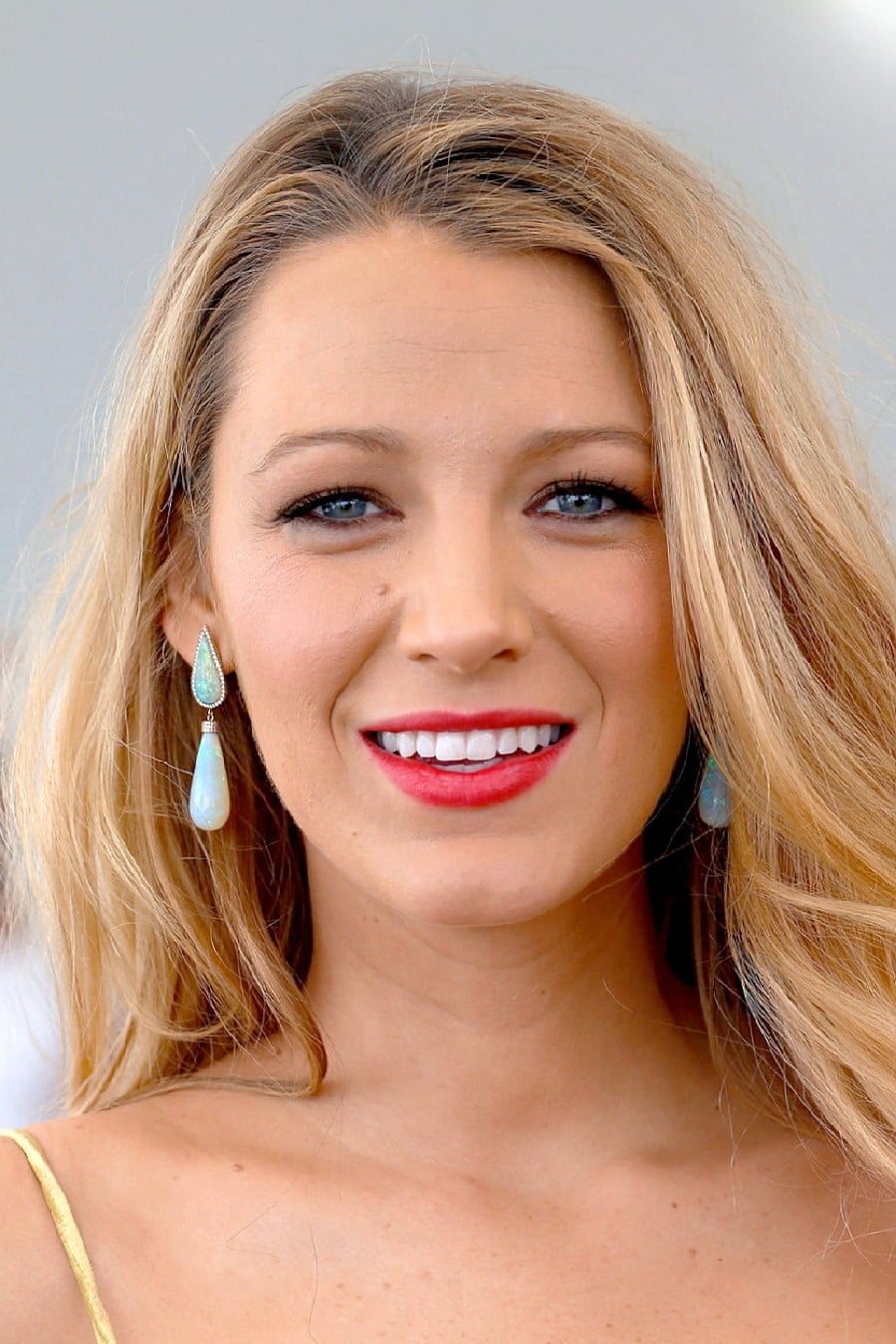
Blake Lively has said playing Serena in ‘Gossip Girl’ sometimes felt “personally compromising,” because she wanted to put a better message into the world. She also pointed to specific harmful things Serena does as examples of why the character could be difficult to stand behind. The key here is that her discomfort was moral, not technical, and she didn’t pretend the character’s choices were harmless fun.
Shailene Woodley
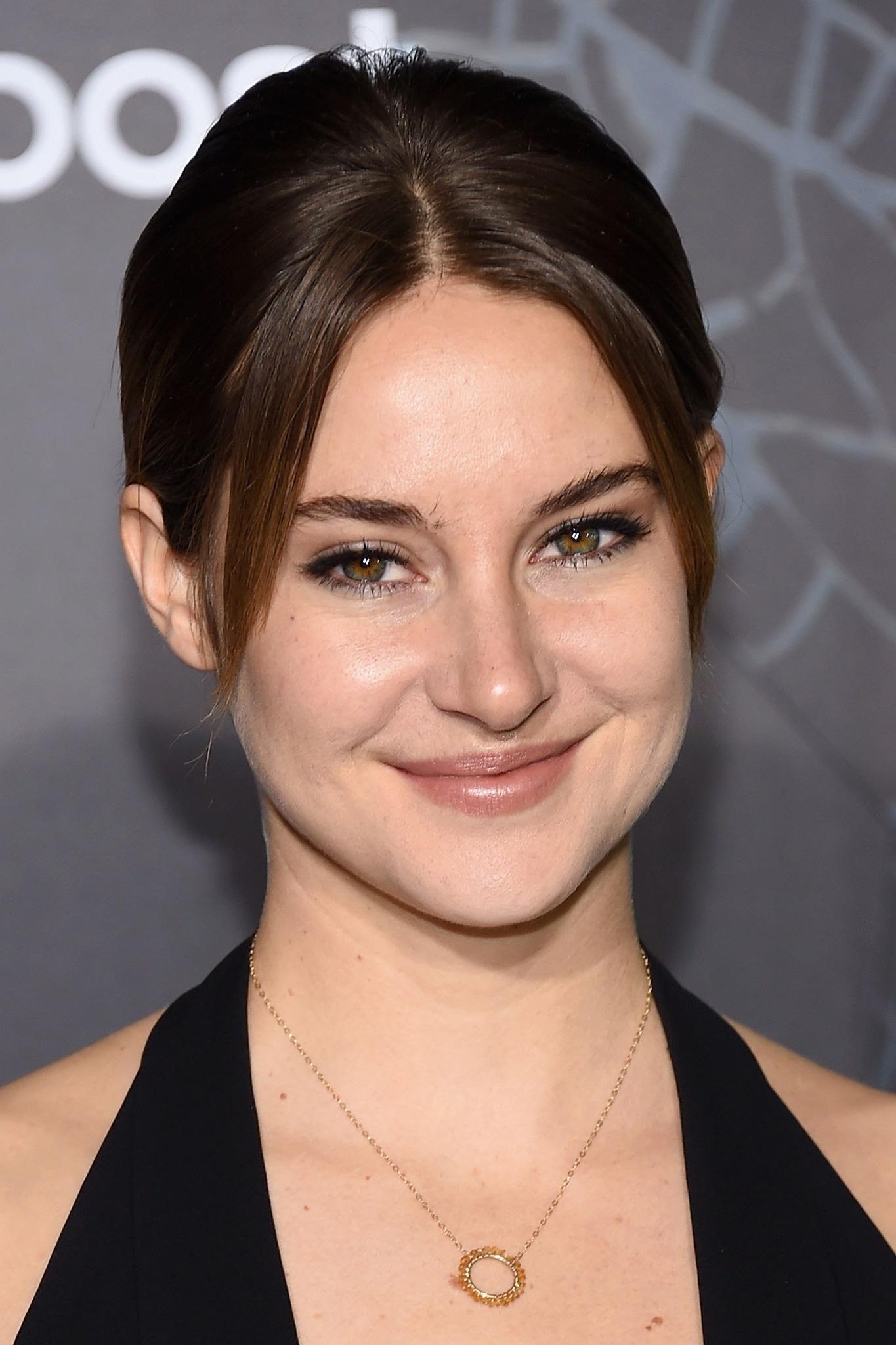
Shailene Woodley has said that toward the end of ‘The Secret Life of the American Teenager’ she felt the themes the show was “preaching” didn’t align with her integrity. She described how hard it was to keep showing up when she didn’t agree with the messages being sent to young viewers. That kind of mismatch can make an actor resent the character they’re helping deliver those themes through.
Connie Nielsen
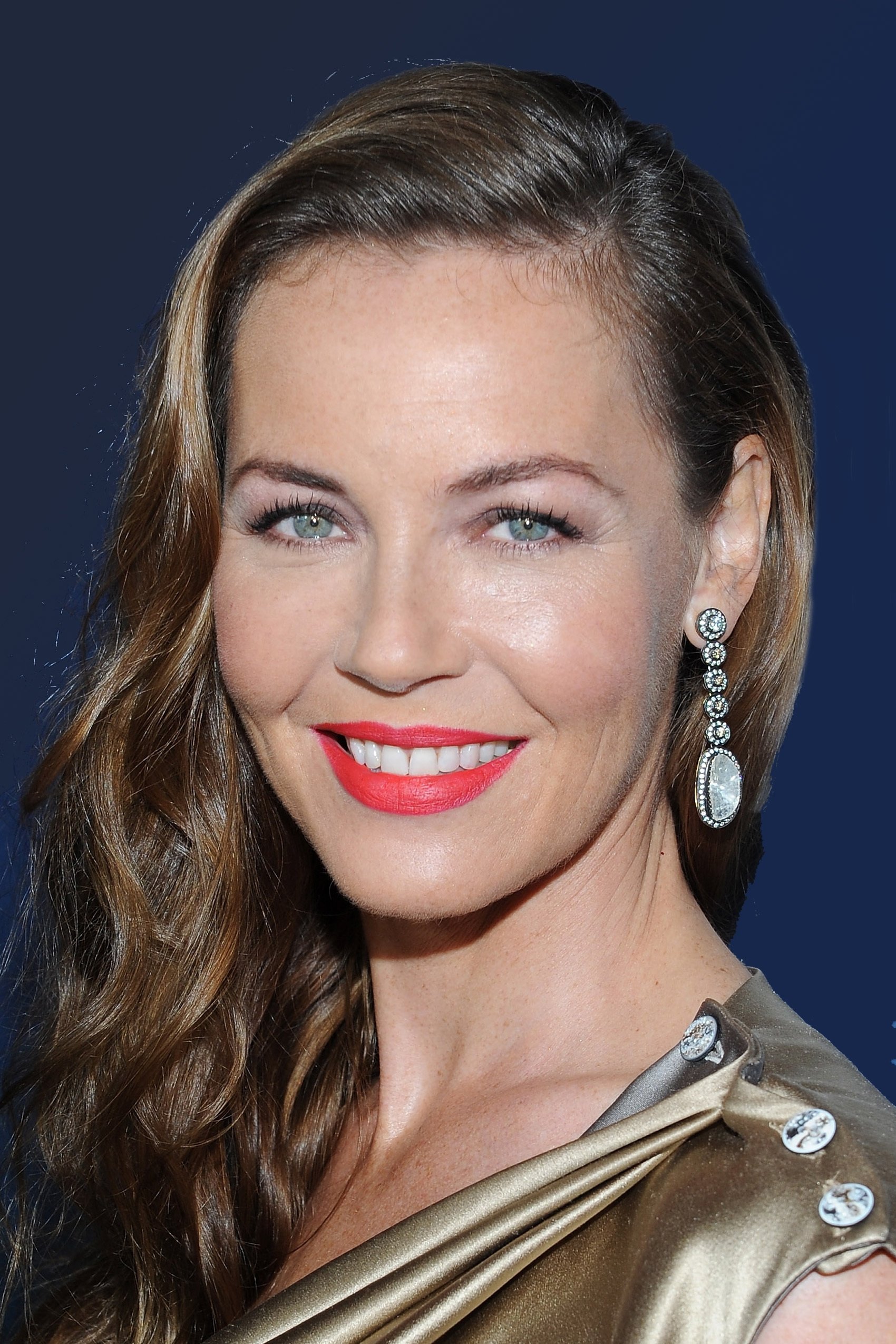
Connie Nielsen has said she “hated” her character in the final scenes of ‘Demonlover.’ Her comments are notable because they aren’t vague “mixed feelings,” but a direct emotional rejection of where the character ends up. When an actress uses that language, it usually signals she felt the character’s choices or fate crossed a line she couldn’t personally support.
Patricia Routledge
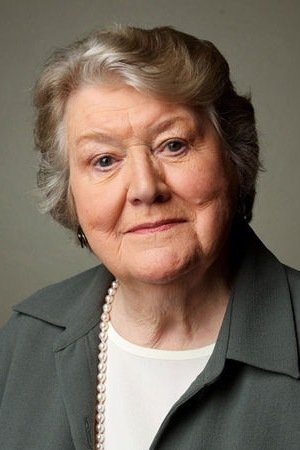
Patricia Routledge has said she couldn’t stand Hyacinth in ‘Keeping Up Appearances,’ describing the character as a type of person she didn’t like. That’s a useful reminder that comedy roles can still be psychologically tiring when the central persona is grating by design. In this case, the dislike is tied to Hyacinth’s social climbing and self-importance, not to the show’s success.
Helen Flanagan
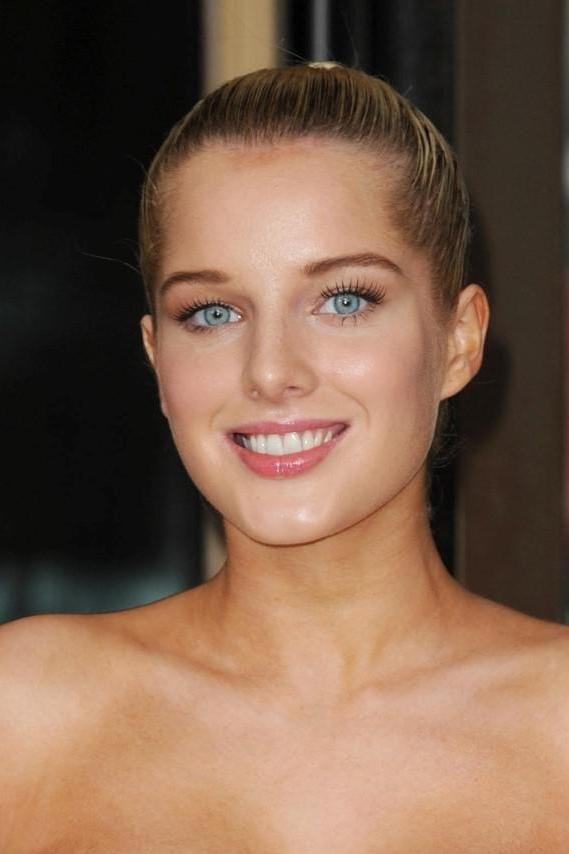
Helen Flanagan has said she hated playing Rosie in ‘Coronation Street’ at times, especially when the character was written to be nasty. That kind of soap role can require committing to behavior you wouldn’t defend in real life, day after day. Her comments reflect how playing an unpopular character can become draining when the story leans into antagonism.
Jessica Alba

Jessica Alba has talked about being directed in a way that discouraged her from expressing emotion while filming ‘Fantastic Four,’ including being told not to cry like that in a scene. That kind of experience can make an actor feel disconnected from the character’s internal life, because the performance is being pushed toward a “look” instead of a person. Even if her frustration was aimed at direction, it still shaped how she felt about what her character was allowed to be on screen.
Viola Davis
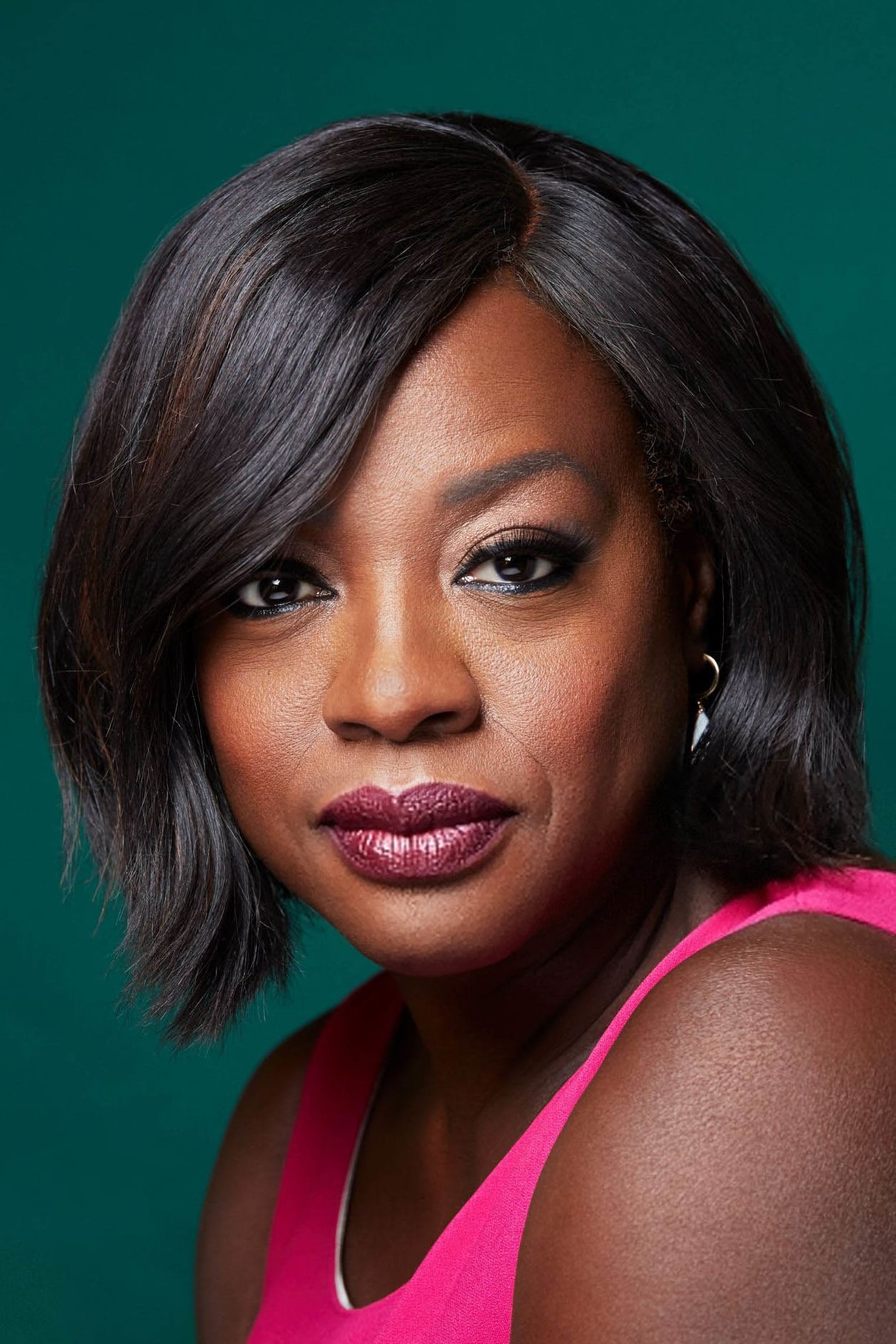
Viola Davis has said she regrets playing Aibileen in ‘The Help,’ explaining that the story didn’t ultimately center the voices it claimed to represent. She has pointed to the “white savior” framing as part of why the character’s perspective felt constrained rather than fully heard. Her criticism is especially important because it’s not about acting difficulty, but about what the character was used to do in the larger narrative.
Hunter Tylo
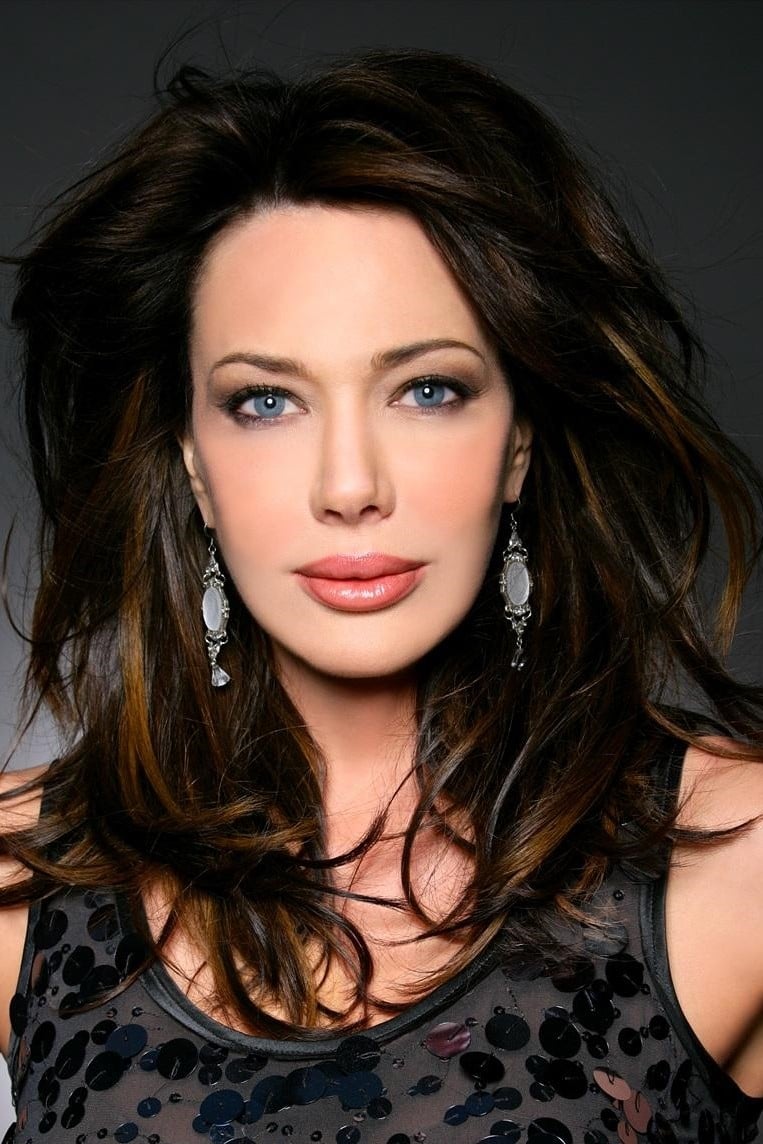
Hunter Tylo has been quoted saying she hated Marina Toscano on ‘Days of Our Lives’ and even dreaded going to work near the end of her run. She described the character as an antagonist that audiences disliked, and she also said she personally hated her too. It’s a straightforward case where the actress’s feelings matched the character’s reputation, and she didn’t try to soften the statement.
Eva LaRue
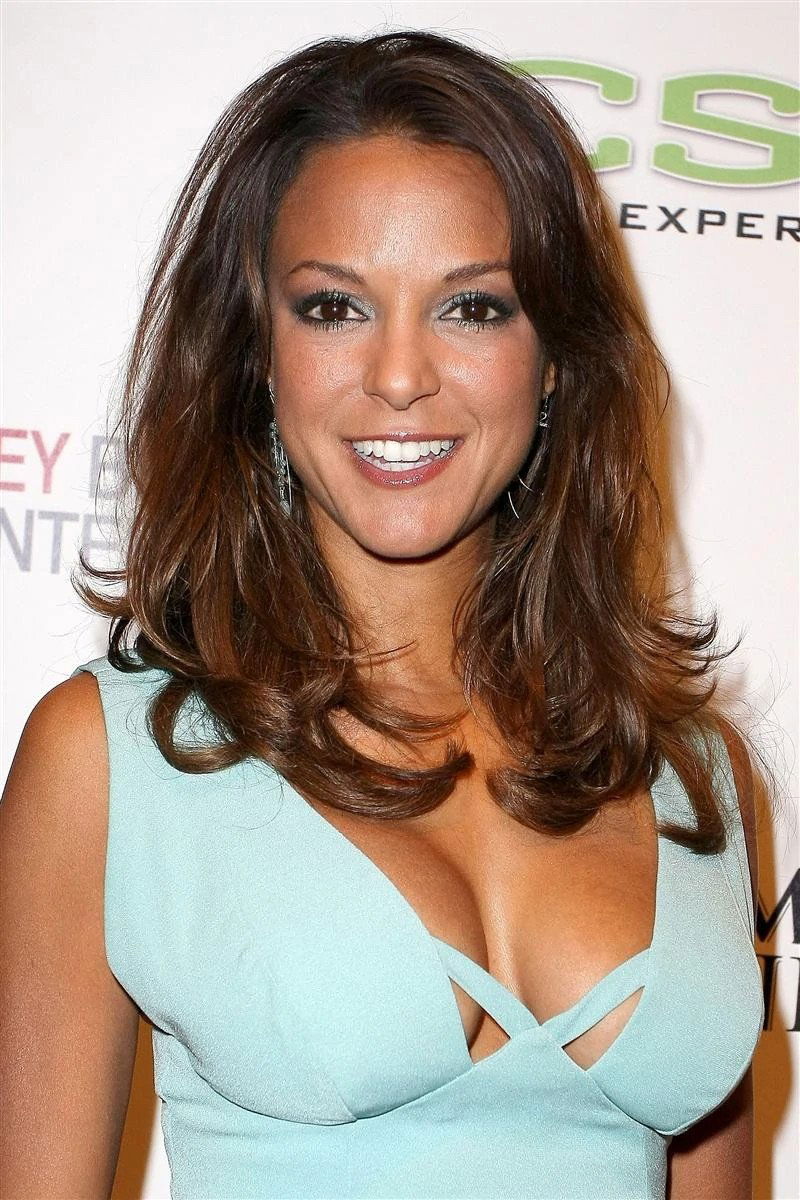
Eva LaRue has said that viewers “hated” her character Natalia on ‘General Hospital’ so intensely that attempts to rehabilitate the character didn’t land. She described feeling vilified and said the audience response made certain story directions impossible to sell. Even when an actor isn’t saying “I hated her,” that level of backlash can define how the performer experiences the character and the job.
Ella Purnell

Ella Purnell has talked about how people hating her character didn’t sting the same way because it wasn’t aimed at her performance. She framed it as evidence she was doing her job if the character provoked that reaction. While it’s a different angle than outright character-hate, it’s still a candid look at how it feels to be tied to a role that viewers can’t stand.
Michelle Williams
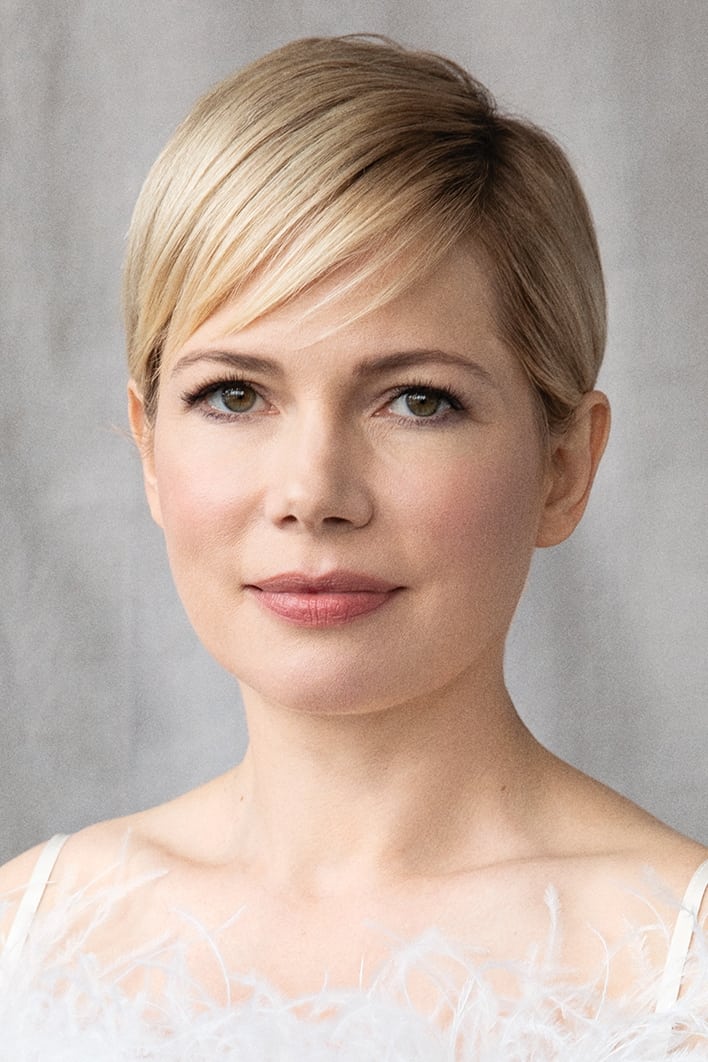
Michelle Williams has recalled the intensity of public criticism when “everybody hated” her character and how brutal the personal attacks became. She described the experience in terms of the emotional weight of being associated with a role people were furious at, even when that anger shouldn’t be directed at the actor. It’s an example of how a hated character can make the job feel hostile in a way that’s hard to separate from your own identity.
Jennette McCurdy

Jennette McCurdy has spoken about feeling embarrassed by the kind of projects she was known for as a teen, including her time playing Sam in ‘iCarly.’ She has described resentment around being pushed into a public persona and career path that didn’t feel like her choice. When an actor talks that way about the role that defined them, it often reflects a deep frustration with the character identity they were locked into.
Fantasia Barrino
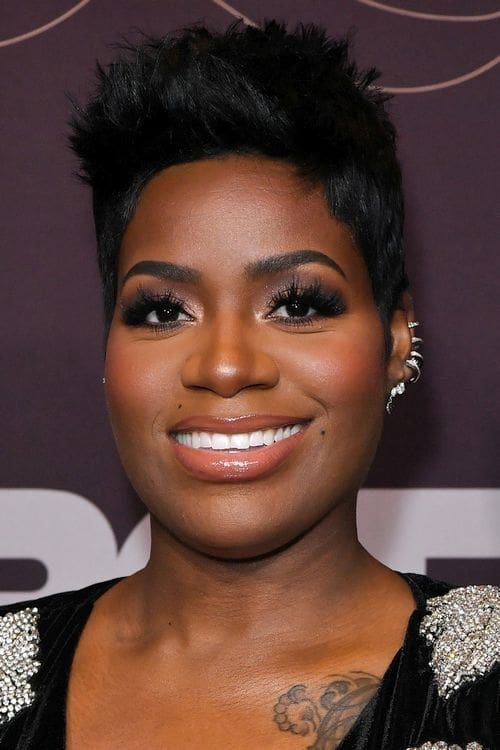
Fantasia Barrino has discussed how emotionally difficult it was to inhabit Celie in ‘The Color Purple,’ describing the experience as something she hated going through because of what the character endures. Roles built on sustained trauma can demand a kind of repeated emotional exposure that some performers later reject outright. In cases like this, the “hate” is less about the character as a person and more about the psychological cost of living in her circumstances.
Drop your own picks in the comments—who’s the most relatable example of an actress being honest about a character she couldn’t stand?