

30 Anime With the Most Confusing Endings



Anime has long been a medium that pushes the boundaries of storytelling, often venturing into surrealism and abstract philosophy. While many series conclude with clear resolutions, others choose to leave viewers with existential questions and non-linear narratives. These complex finales frequently require multiple viewings or deep dives into supplemental material to fully grasp the creator’s intent. From psychological thrillers to avant-garde experiments, these endings remain some of the most debated moments in animation history.
‘Neon Genesis Evangelion’ (1995–1996)
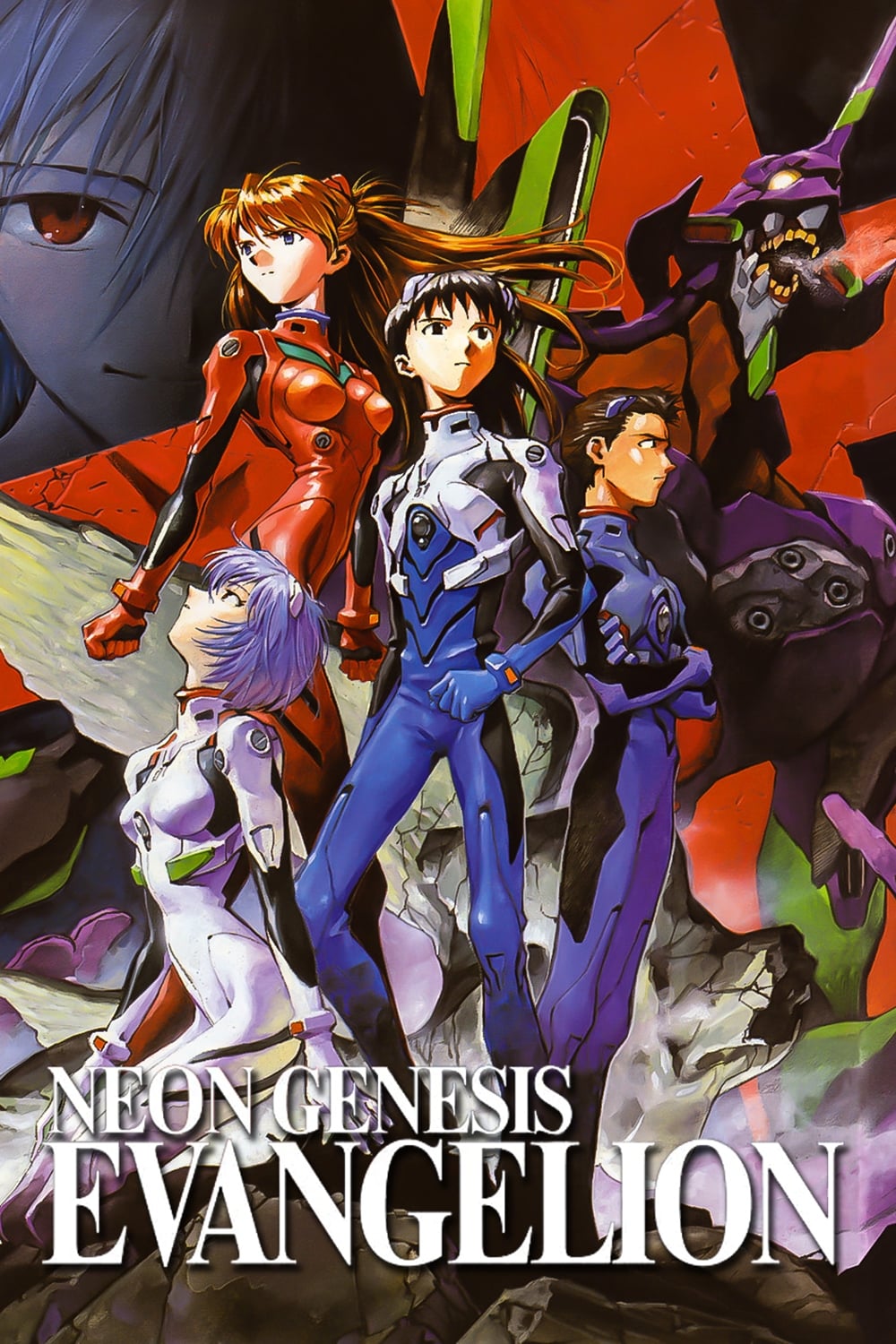
The final two episodes of ‘Neon Genesis Evangelion’ depart from the mecha action of the series to focus on the internal psyche of Shinji Ikari. Through a series of abstract vignettes and sketches, the characters undergo a psychological examination during the Human Instrumentality Project. This conclusion eschews a physical resolution to the war against the Angels in favor of a philosophical breakthrough regarding self-worth. Viewers are left to interpret the symbolic “congratulations” scene as a metaphor for personal growth or mental isolation.
‘Neon Genesis Evangelion: The End of Evangelion’ (1997)

The film ‘The End of Evangelion’ serves as a parallel ending to the original television run, depicting the physical manifestation of the Third Impact. It shows humanity dissolving into a collective sea of LCL as part of a global evolution initiated by the characters. The narrative concludes with a bleak and cryptic scene featuring Shinji and Asuka on a desolate beach. Its surreal imagery and psychological weight have sparked decades of academic and fan analysis regarding its ultimate meaning.
‘Serial Experiments Lain’ (1998)
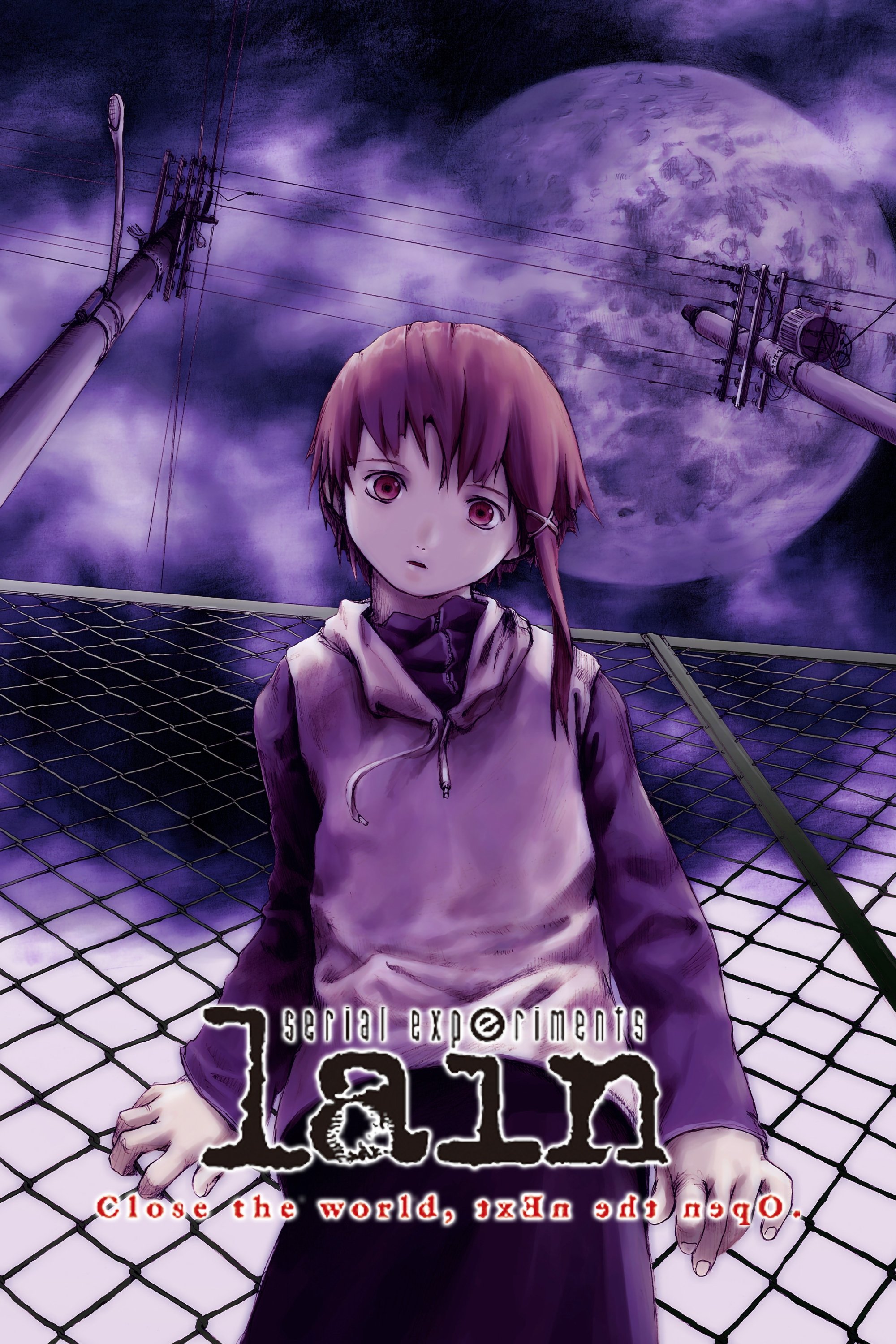
In ‘Serial Experiments Lain’, the protagonist Lain Iwakura navigates the increasingly blurred lines between the physical world and the digital realm known as the Wired. The finale sees Lain resetting the memories of the entire world to save her friend Alice while transcending her own physical form. By choosing to exist as an omnipresent entity, she becomes a god-like figure without a place in human society. The ending challenges viewers to define the nature of identity and existence in a hyper-connected age.
‘Angel’s Egg’ (1985)
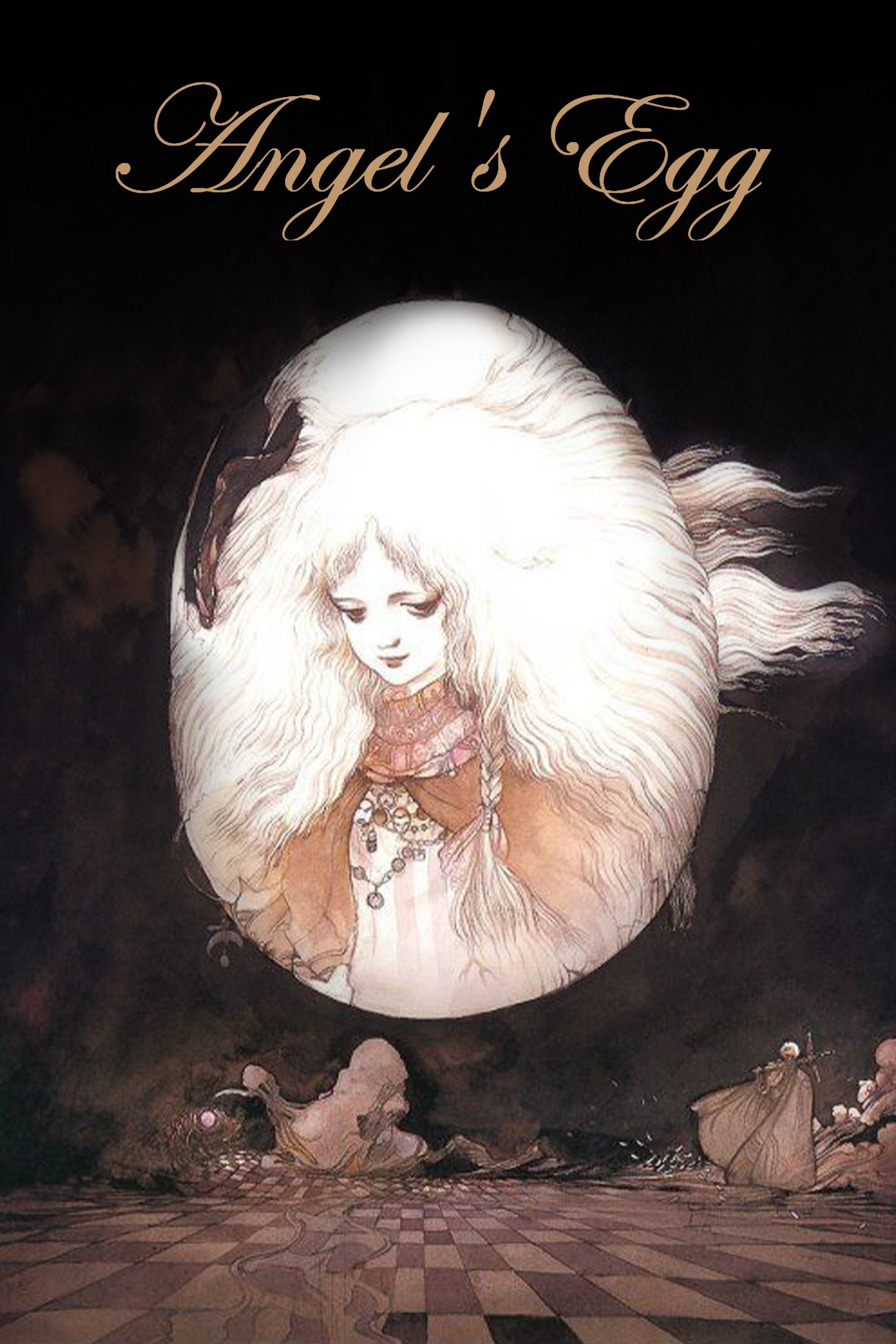
The film ‘Angel’s Egg’ is an avant-garde work that contains almost no dialogue, relying entirely on visual storytelling and atmosphere. After the young girl’s egg is broken by the mysterious man, the world undergoes a cataclysmic transformation. She falls into a body of water and her breath forms orbs that rise to the surface as she turns into stone. The final shot reveals the setting to be an inverted hull of a ship in a vast, dark ocean, leaving the religious and philosophical allegories open to wide interpretation.
‘Texhnolyze’ (2003)
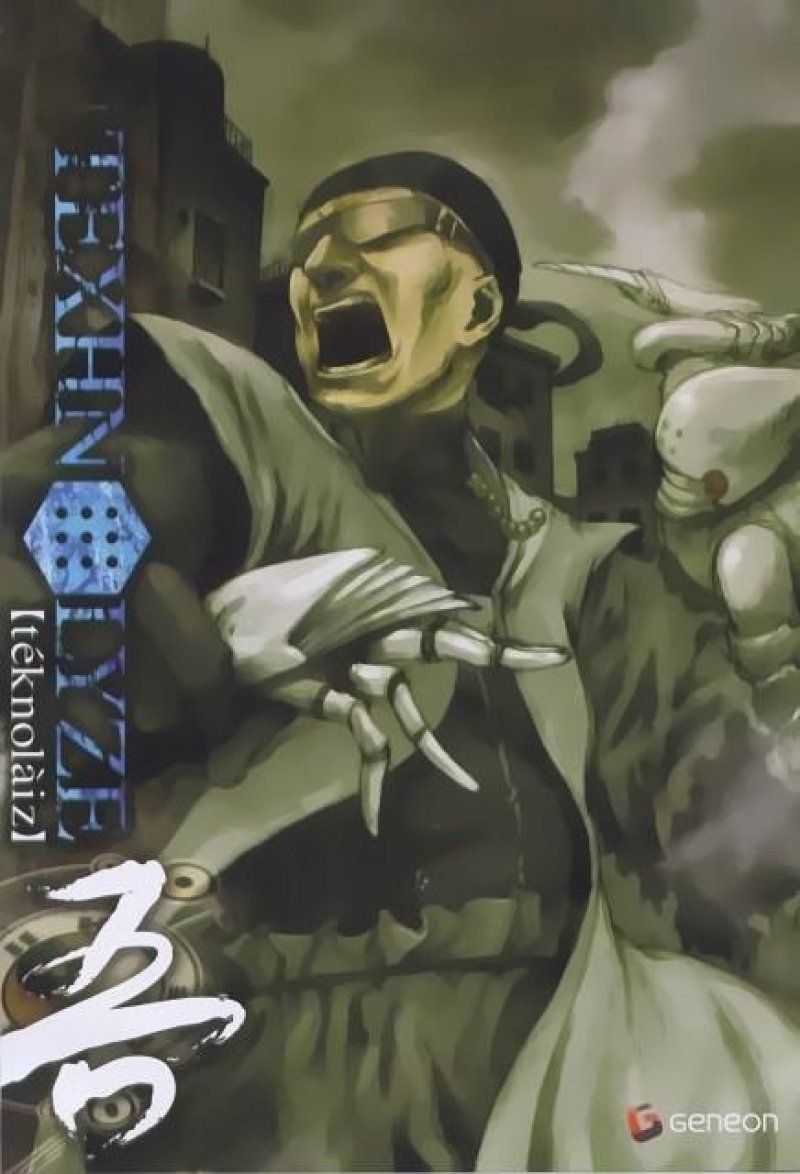
‘Texhnolyze’ concludes with an uncompromisingly bleak finale that sees the total collapse of the underground city of Lukuss. As the protagonist Ichise wanders the ruins, he discovers that the surface world has also stagnated into a state of emotionless near-extinction. The final scenes depict the end of humanity’s struggle, with Ichise alone in a silent, dark world. Its nihilistic tone and lack of hope offer a challenging conclusion that refuses traditional narrative closure.
‘Revolutionary Girl Utena’ (1997)
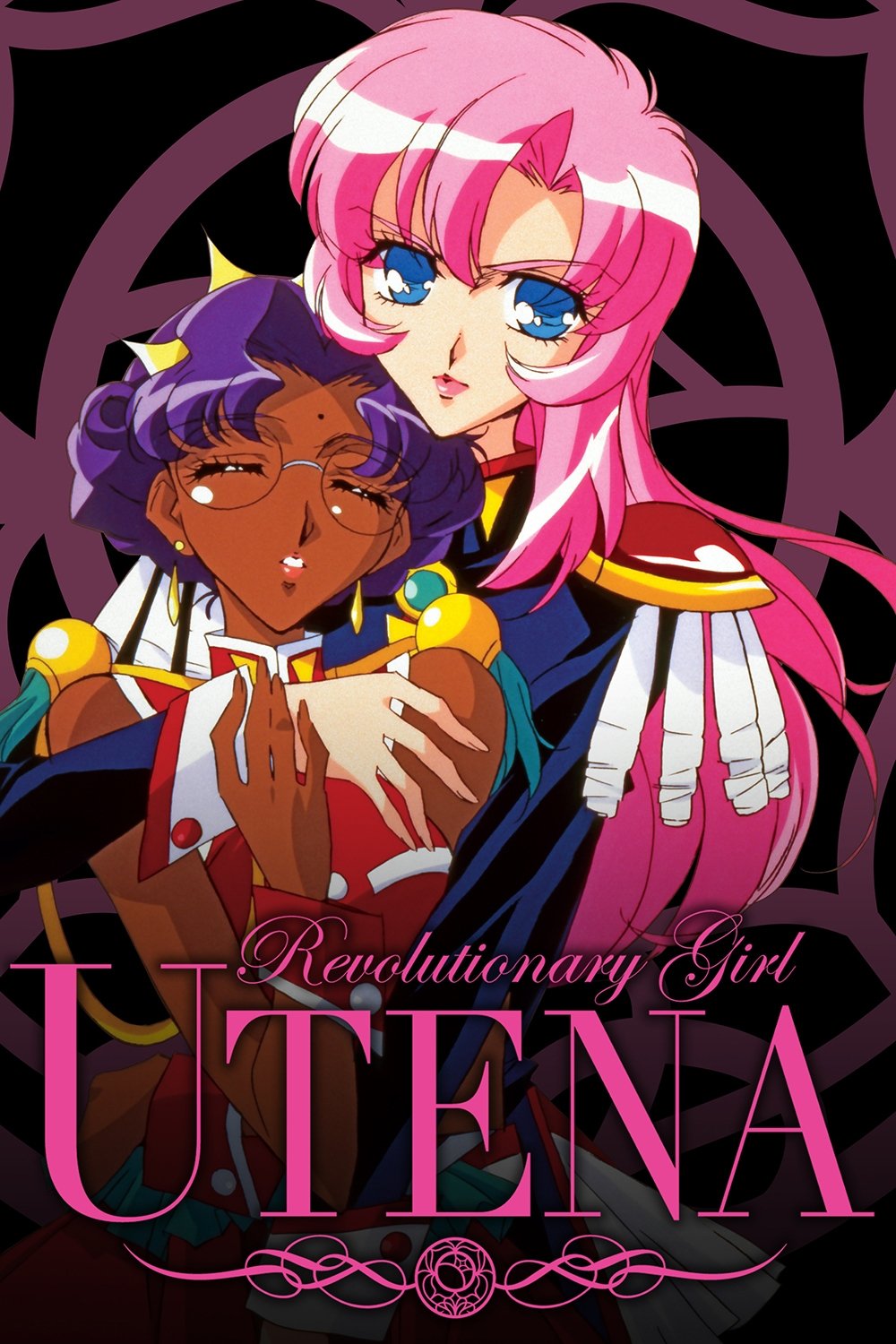
‘Revolutionary Girl Utena’ concludes with a surreal duel that transcends the physical setting of Ohtori Academy to challenge systemic cycles of abuse. Utena attempts to revolutionize the world by saving Anthy from the metaphorical “swords of hatred” that pin her down. The final scenes depict a departure from the academy that is more symbolic than literal, leaving the characters’ ultimate destination unknown. Its heavy use of abstract imagery ensures that the resolution remains a topic of intense discussion among fans.
‘Ergo Proxy’ (2006)
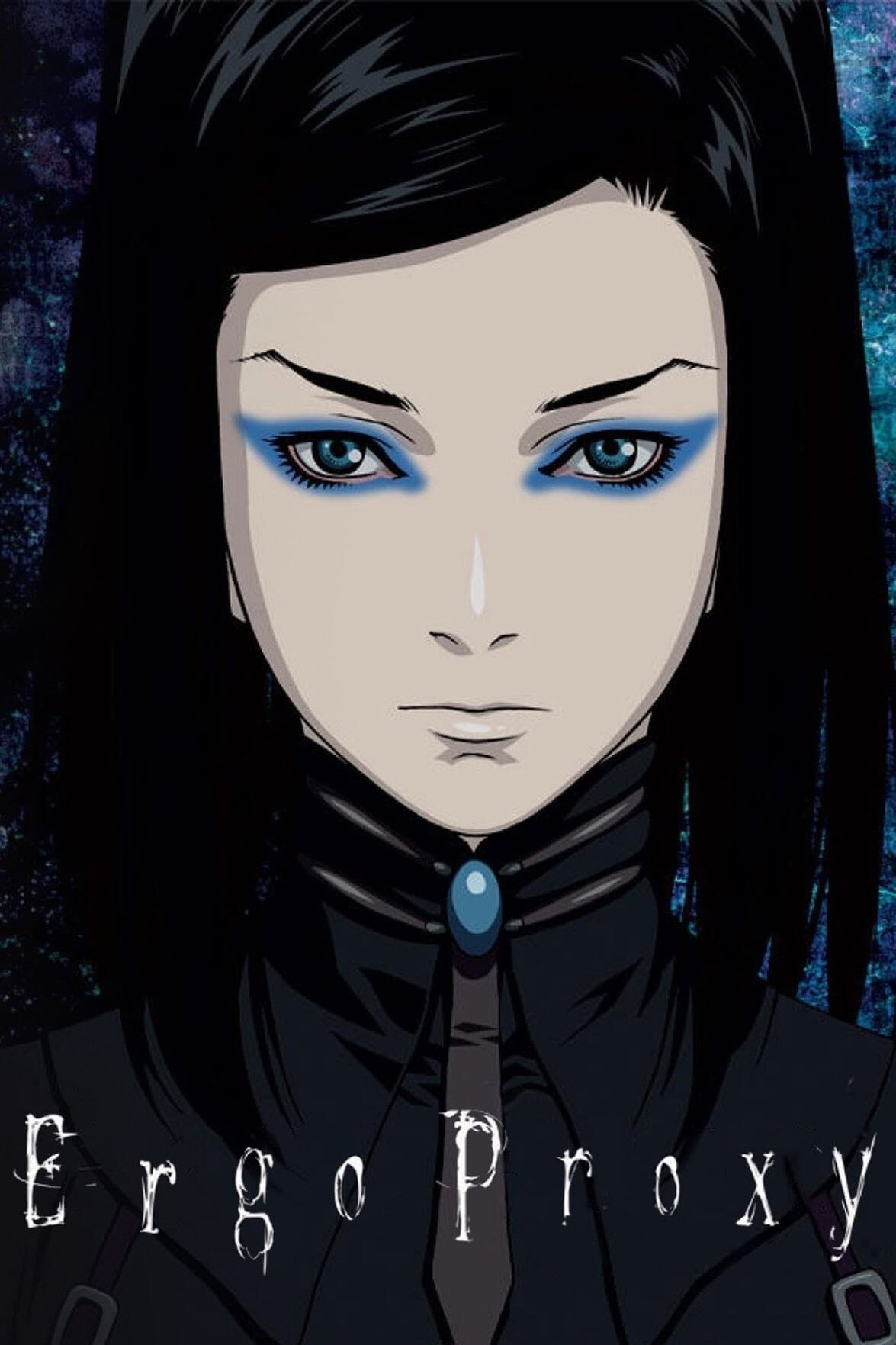
The ending of ‘Ergo Proxy’ reveals the true nature of the Proxies as biological agents created to facilitate the return of humanity to Earth. Vincent Law accepts his identity as a Proxy and prepares for a final confrontation with the creators returning from space. The narrative concludes with the destruction of the dome cities and a shift in the global status quo. The dense mythological world-building and philosophical dialogue make the final revelations difficult to parse on a first viewing.
‘The Big O’ (1999–2003)
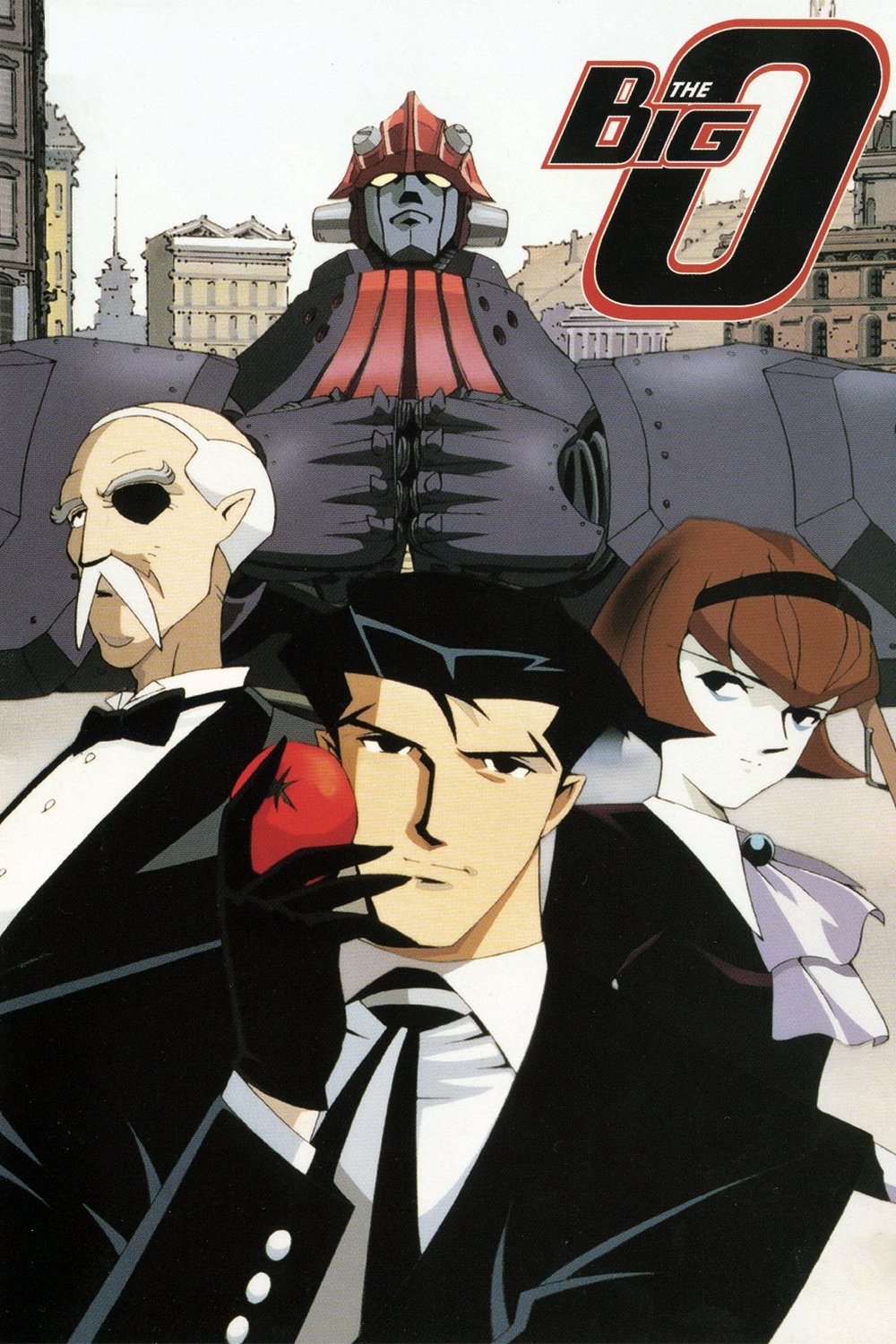
‘The Big O’ ends with a meta-narrative twist that suggests the city of Paradigm is actually a stage or a simulated reality. Roger Smith confronts the director of this reality, challenging the idea that the citizens are merely actors with forgotten memories. The world appears to reset or transform in the final moments, leaving the actual fate of the city ambiguous. This “breaking of the fourth wall” complicates the mecha-noir story by questioning the reality of the entire series.
‘Paprika’ (2006)
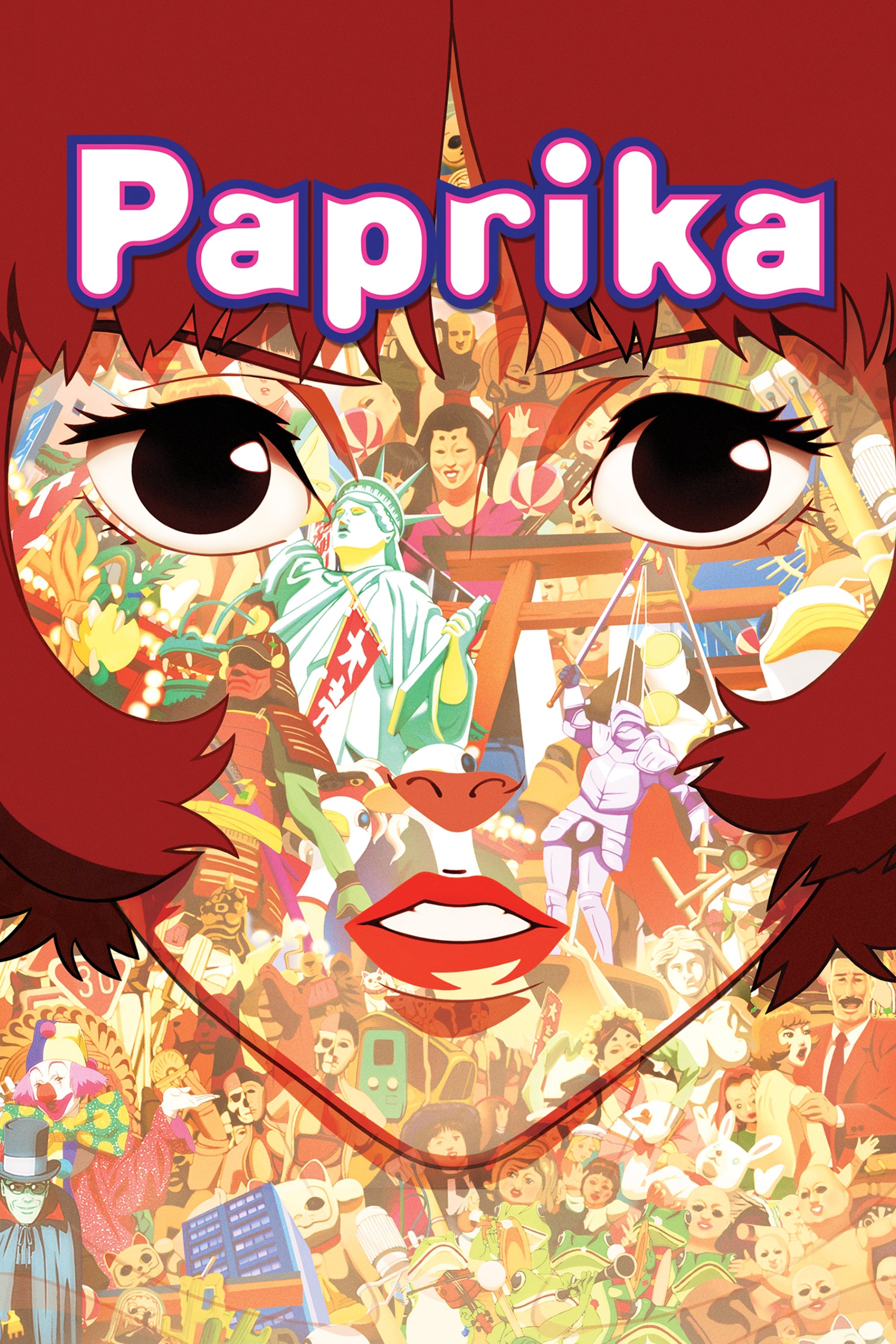
The film ‘Paprika’ features a climax where the dream world and reality merge into a single chaotic landscape. The protagonist must navigate shifting identities and impossible physics to stop a rogue chairman from controlling human consciousness. The ending involves a giant manifestation of Paprika consuming the darkness and restoring order to the world. However, the final scene shows the protagonist’s real-life counterpart purchasing a movie ticket, suggesting the cycle of dreams and fiction continues.
‘Paranoia Agent’ (2004)
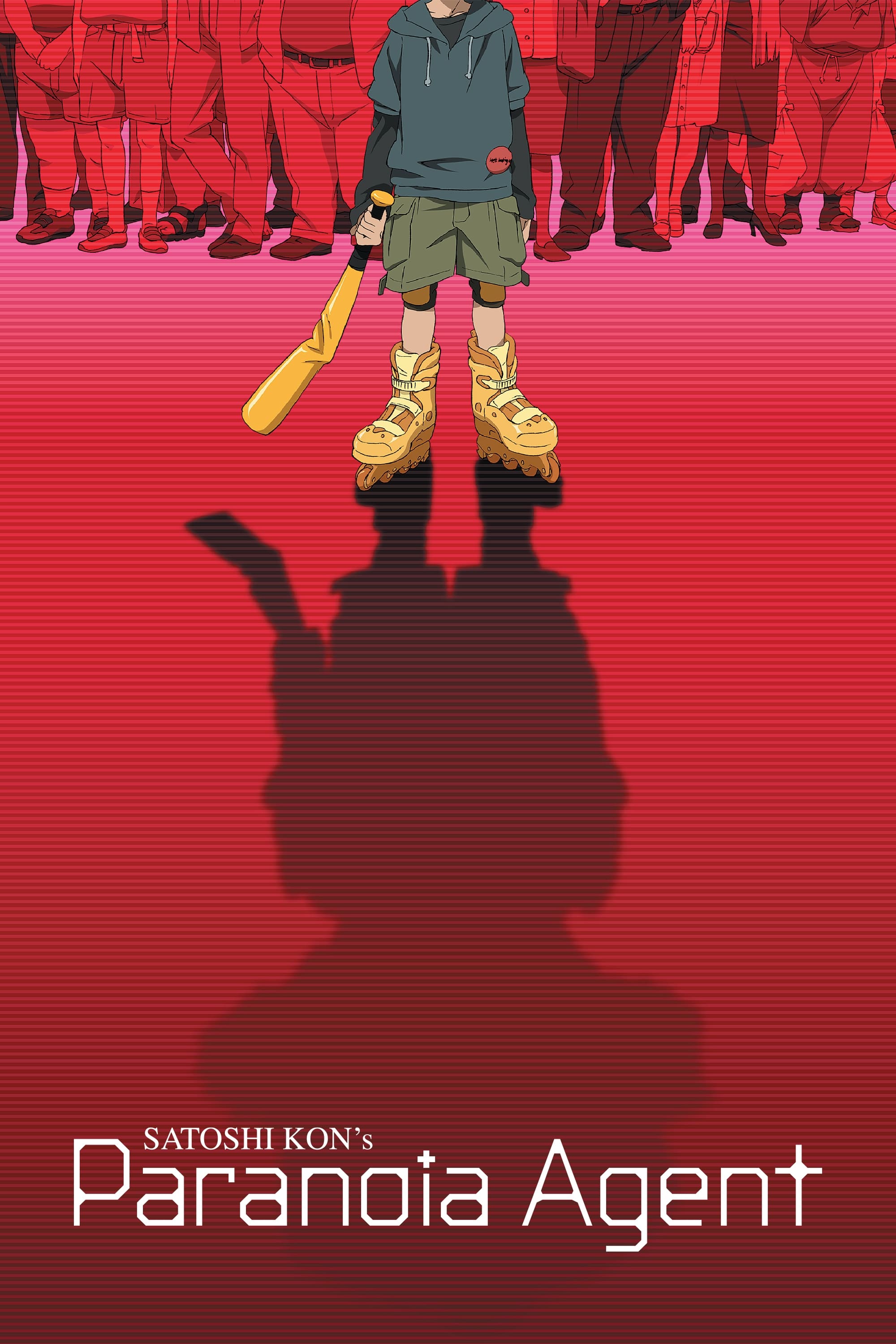
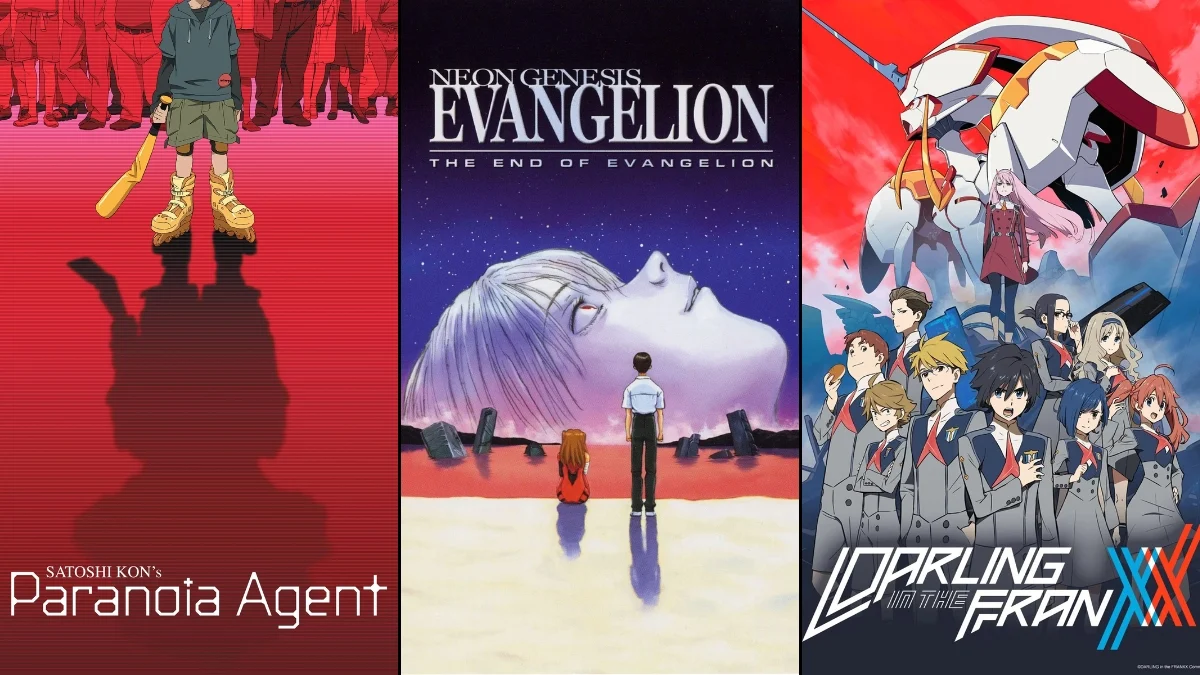
‘Paranoia Agent’ concludes by revealing that Lil’ Slugger is a collective hallucination born from societal stress and repressed guilt. The detective investigates the source of the phenomenon, leading to a surreal collapse of the urban landscape. The ending shows the cycle of anxiety beginning anew with a different manifestation, implying that the underlying social issues were never resolved. Its circular logic and psychological themes leave the audience questioning the boundary between mass hysteria and reality.
‘Penguindrum’ (2011)
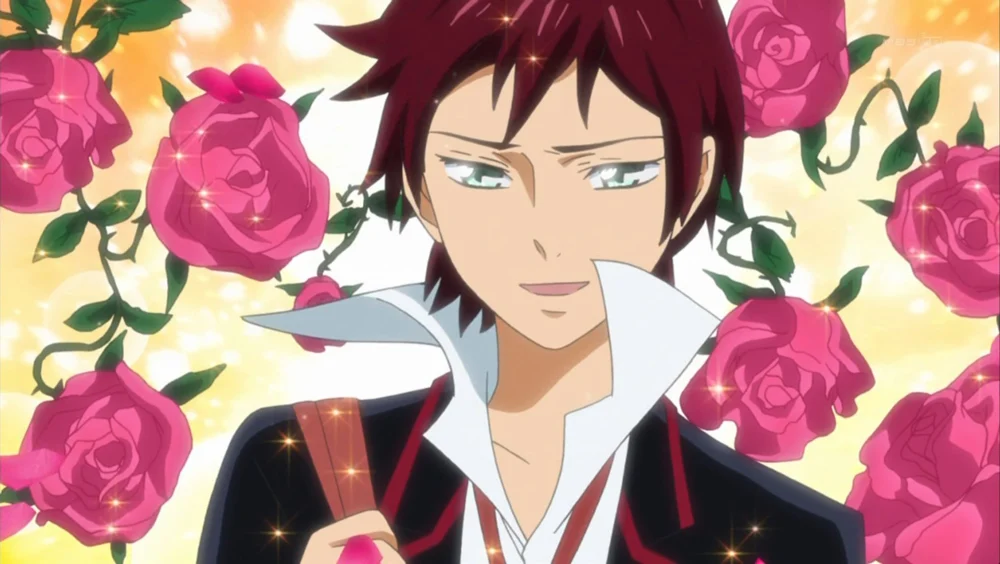
In ‘Mawaru Penguindrum’, the ending involves a metaphysical sacrifice to break the “shackles of fate” affecting the Takakura siblings. The protagonists undergo a transformation that rewrites the timeline, effectively erasing their existence from the memories of those they loved. This act of “sharing the fruit of fate” resolves the curse but leaves the characters in a state of spiritual transition. The heavy use of metaphors involving trains and penguins adds layers of complexity to the emotional resolution.
‘Puella Magi Madoka Magica the Movie Part III: Rebellion’ (2013)
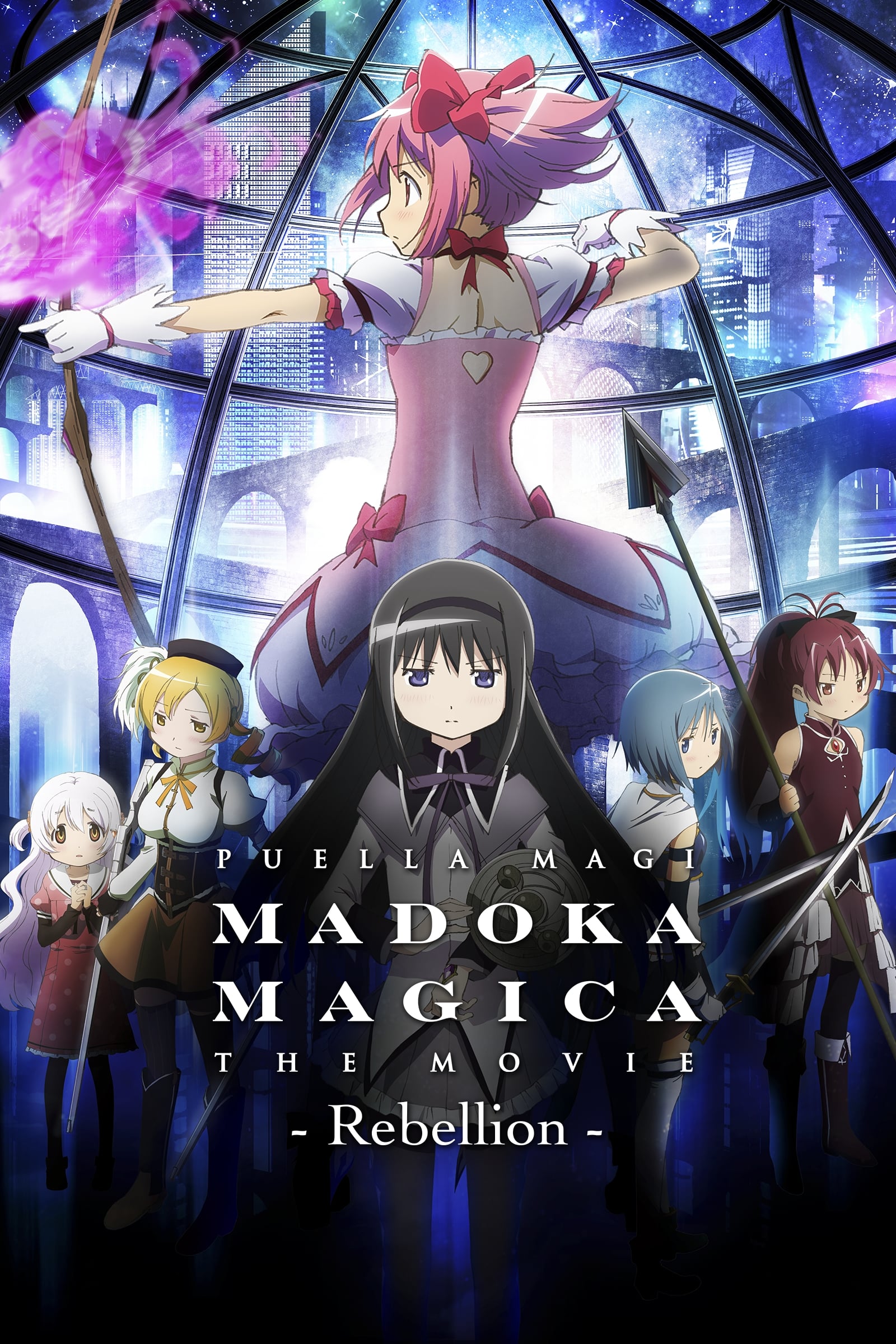
The ending of ‘Puella Magi Madoka Magica the Movie: Rebellion’ subverts the resolution of the original television series. Homura Akemi chooses to seize control of the Law of Cycles, effectively becoming a “demon” to keep Madoka in a state of human existence. She rewrites the universe once more, creating a world where the magical girls can live peacefully but under her absolute control. This moral ambiguity and the sudden shift in the cosmic balance left the franchise’s narrative in a state of flux.
‘FLCL’ (2000–2001)
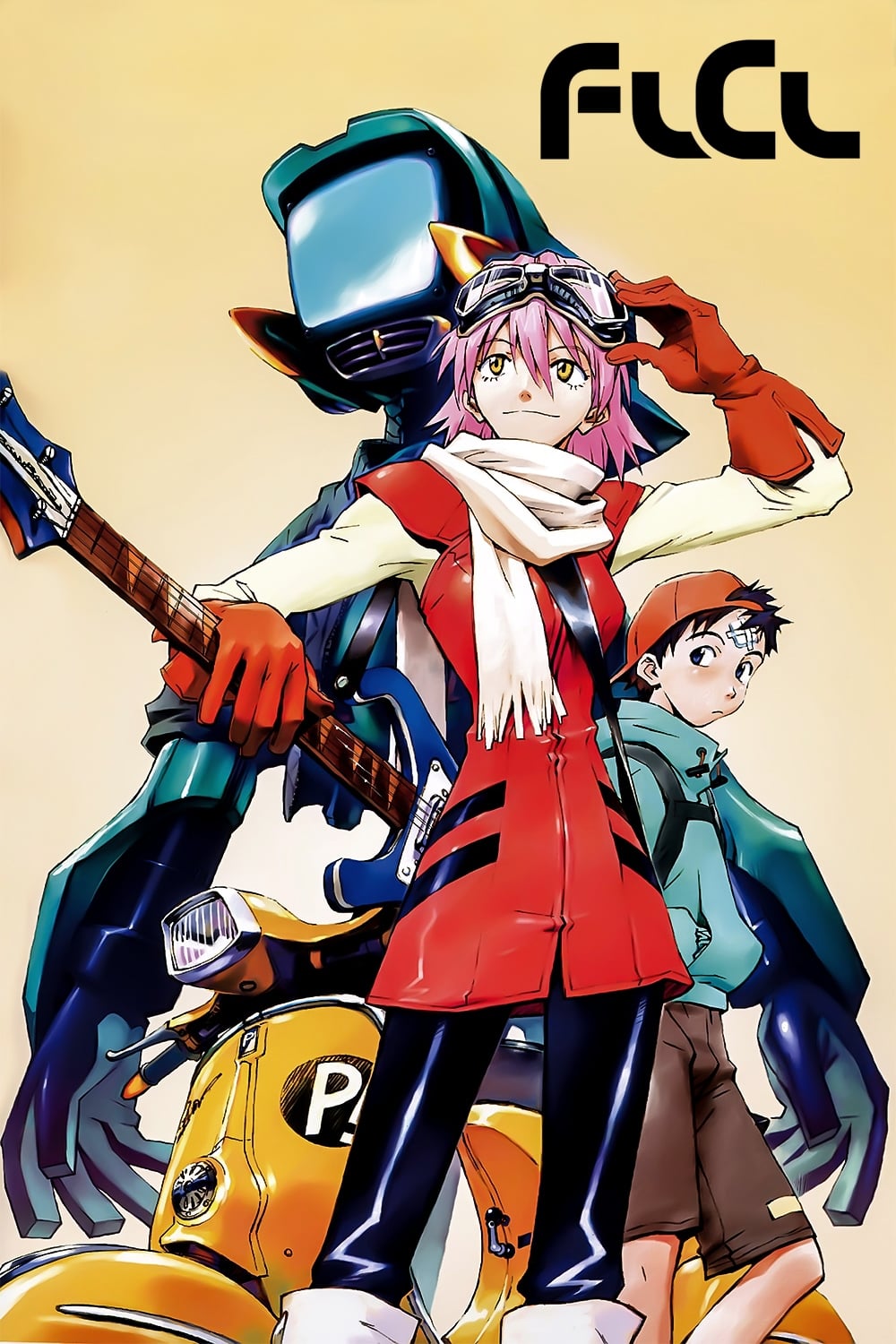
‘FLCL’ concludes with a massive battle involving the Medical Mechanica factory, which takes the shape of a giant iron. The protagonist Naota finally expresses his emotions, leading to the release of the Atomsk entity and the departure of Haruko Haruhara. While the town returns to a state of relative normalcy, the sudden escalation of cosmic events remains largely unexplained. The series uses its chaotic ending to symbolize the messy and confusing transition from childhood to adolescence.
‘Wonder Egg Priority’ (2021)
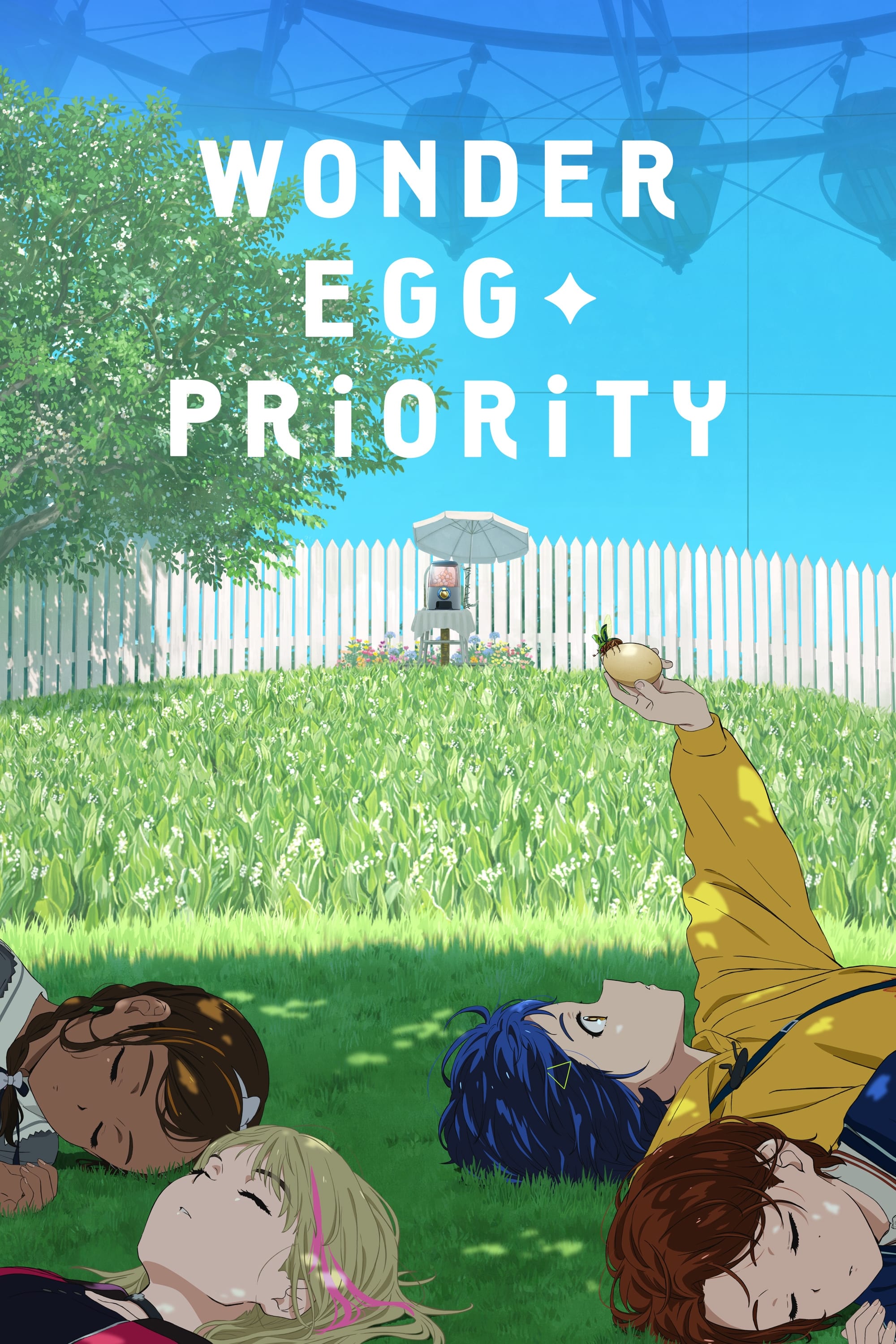
‘Wonder Egg Priority’ ends with a special episode that introduces the concept of parallel worlds and artificial intelligences competing for human souls. The protagonist Ai Ohto discovers the truth behind the “egg” system but is left with more questions than answers regarding her friends’ fates. Many plot threads involving the secondary characters and the primary antagonists remain unresolved or are addressed with abstract dialogue. The abrupt conclusion and shift in focus toward sci-fi tropes created significant confusion regarding the show’s core message.
‘Wolf’s Rain’ (2003–2004)
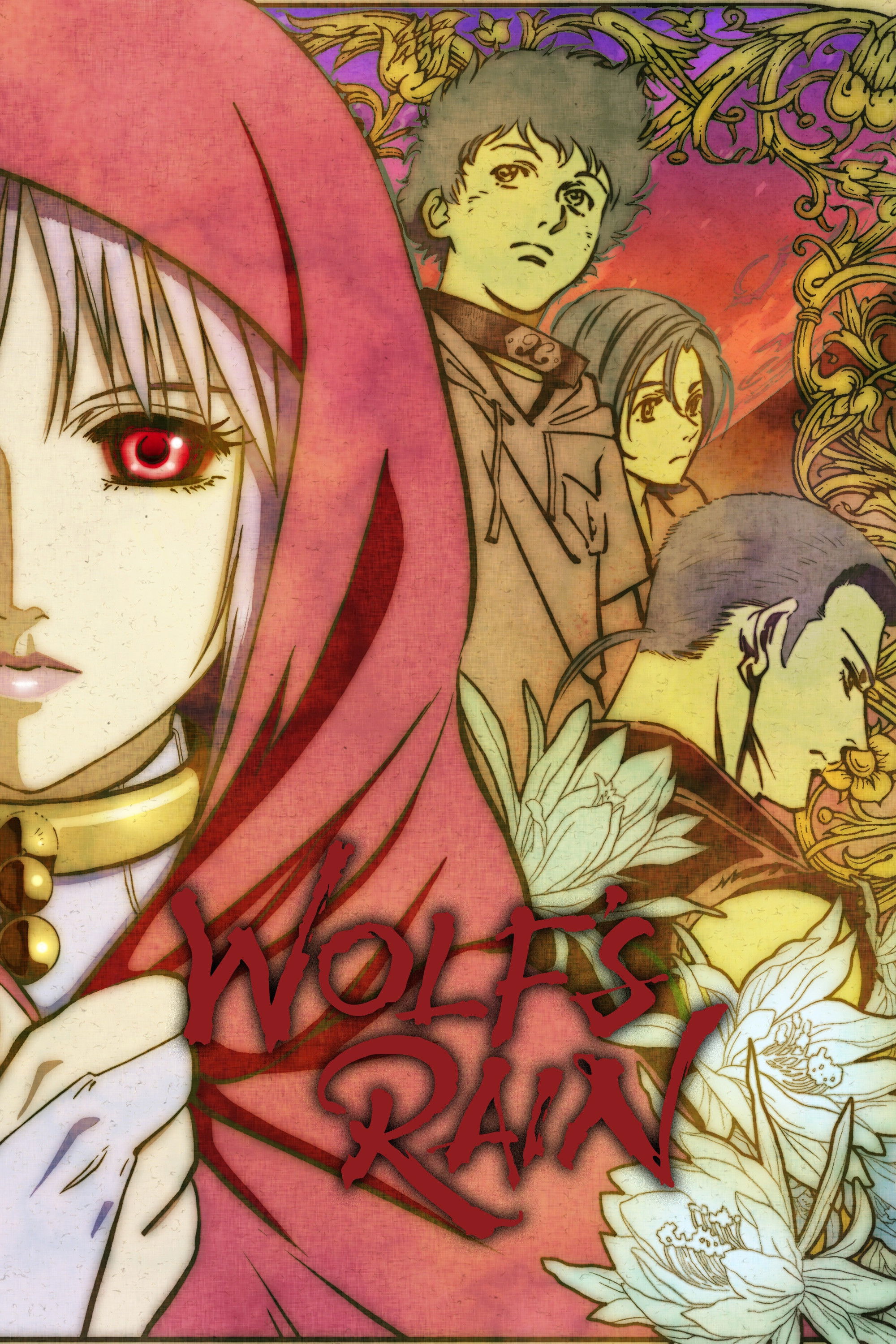
The ending of ‘Wolf’s Rain’, detailed in the final OVA episodes, depicts the literal end of the world as the characters seek “Paradise.” Most of the main cast dies during the journey, and the world is covered in snow as it undergoes a total reset. The final sequence shows the characters in a modern city, suggesting a reincarnation or a new cycle of existence. This cyclical nature of the world and the abstract portrayal of Paradise leave the ending open to various spiritual interpretations.
‘Akira’ (1988)
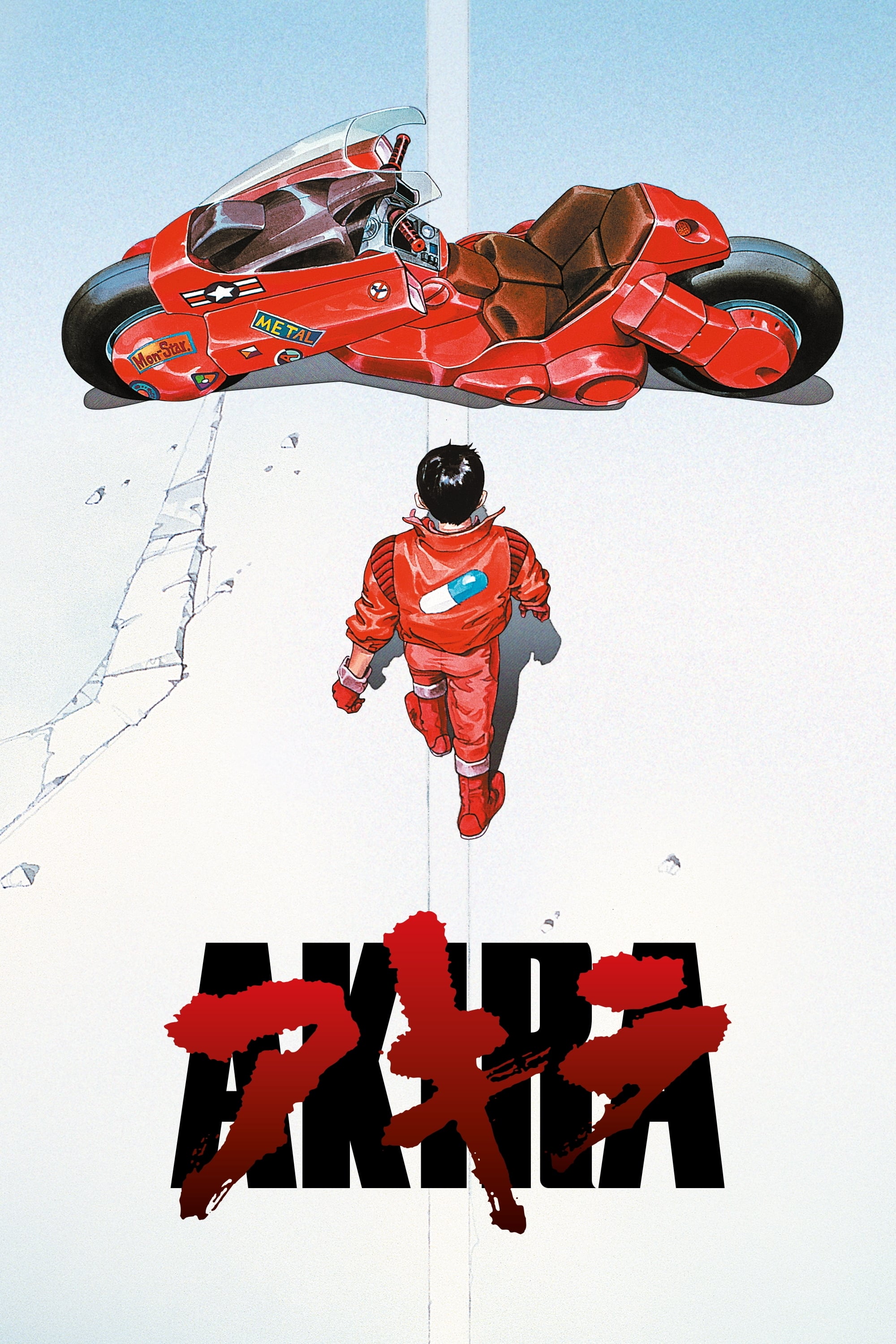
‘Akira’ concludes with Tetsuo losing control of his psychic powers and mutating into a massive, uncontrolled biological mass. Kaneda is caught in the middle of a massive energy explosion that mimics the Big Bang, orchestrated by Akira and the other psychics. The entities depart into another dimension or state of being, leaving Neo-Tokyo in ruins but potentially reborn. The final line of the film, “I am Tetsuo,” suggests a transcendence that is never fully explained to the audience.
‘Devilman Crybaby’ (2018)

In ‘Devilman Crybaby’, the story ends with the total extinction of the human race and the death of the protagonist, Akira Fudo. Satan, having won the war, realizes his love for Akira only after Akira has been killed, leading to a moment of profound grief. The world is then destroyed and reset by a divine intervention, implying a cycle of eternal suffering and punishment for Satan. This cosmic reset leaves the viewer with a sense of hopelessness and a lack of traditional narrative resolution.
‘Noein: To Your Other Self’ (2005–2006)

‘Noein: To Your Other Self’ deals with quantum mechanics and the existence of multiple timelines competing for survival. The ending involves the protagonist Haruka using her powers as the “Dragon Torque” to choose a reality where everyone can coexist. This process involves merging or discarding various timelines, leading to a complex visual sequence where the characters confront their alternate selves. The scientific and philosophical explanations for the resolution require a grasp of theoretical physics to fully understand.
‘RahXephon’ (2002)
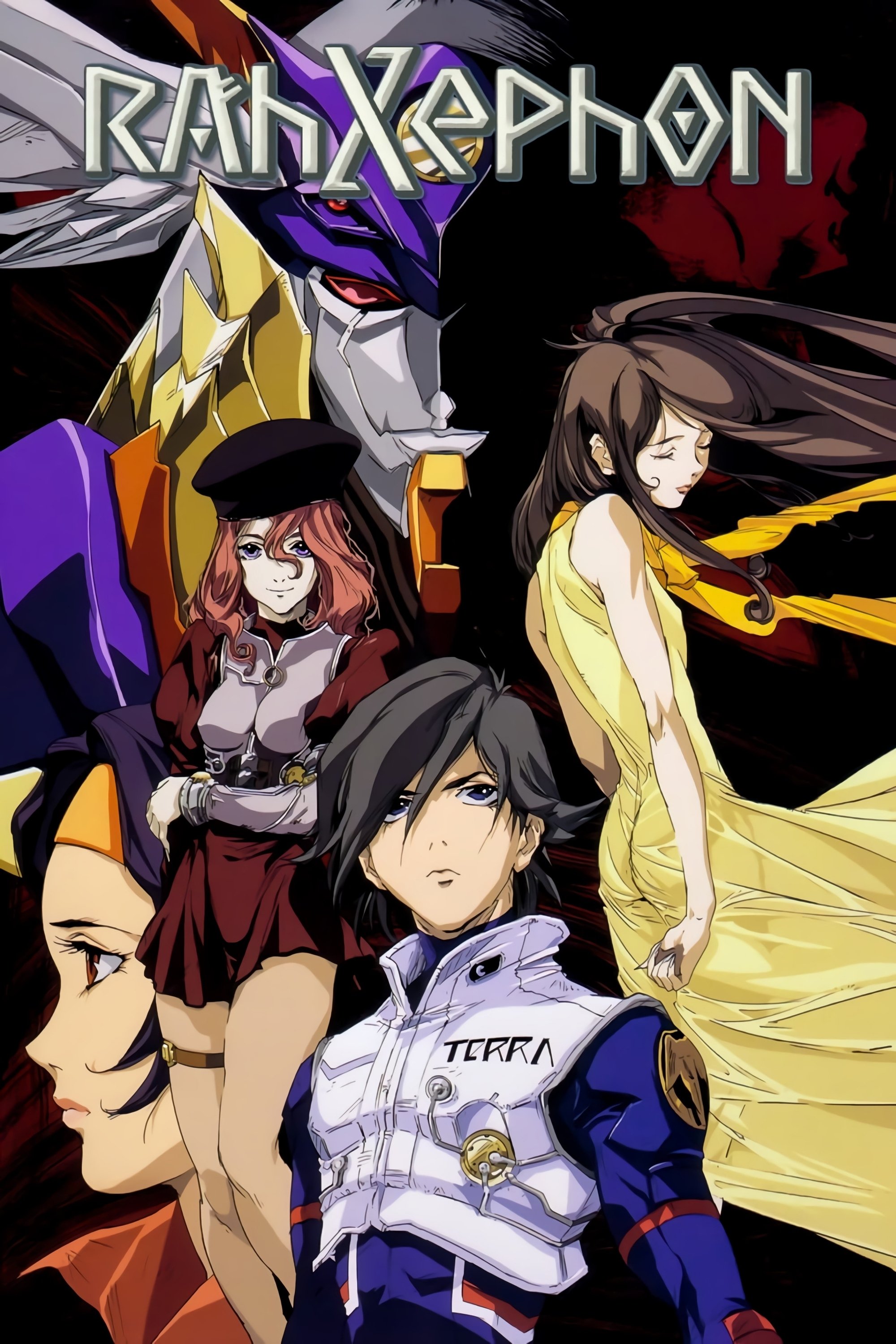
‘RahXephon’ features a finale where the protagonist Ayato Kamina uses the titular mecha to “tune the world.” This process involves a total restructuring of reality to fix the temporal and spatial distortions caused by the Mu. The ending is heavily symbolic, focusing on the protagonist’s love for Haruka and the merging of their souls into a new timeline. Like other avant-garde mecha series, the literal mechanics of the world-tuning are secondary to the abstract emotional resolution.
‘Boogiepop Phantom’ (2000)
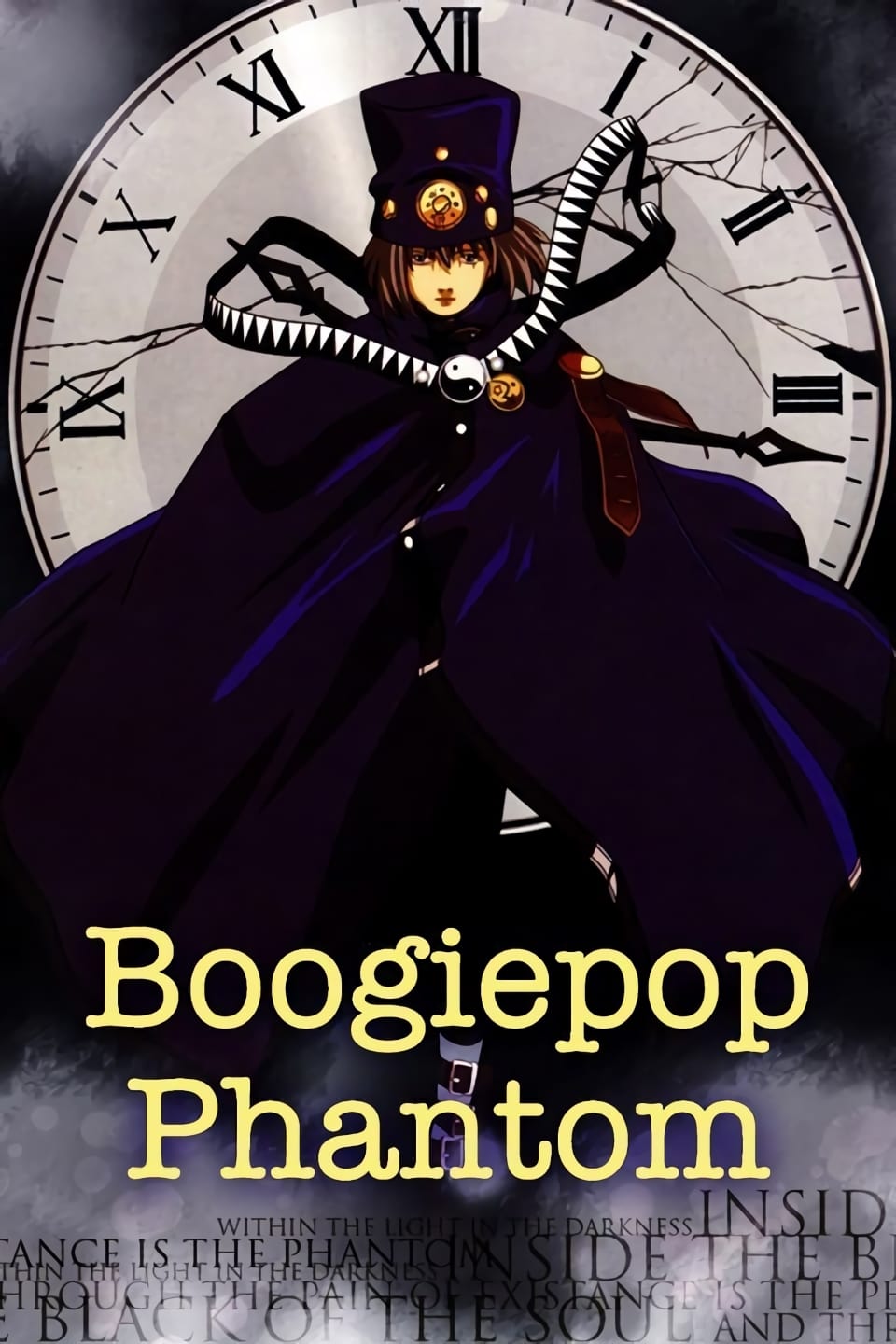
‘Boogiepop Phantom’ concludes by weaving together multiple non-linear perspectives on a supernatural event that occurred five years prior. The finale involves a pillar of light and the resolution of various characters’ lingering traumas and obsessions. Many of the supernatural elements are left unexplained, serving as metaphors for the isolation and anxiety of the youth. The fragmented storytelling style ensures that the final episode remains a puzzle that viewers must piece together carefully.
‘Mind Game’ (2004)
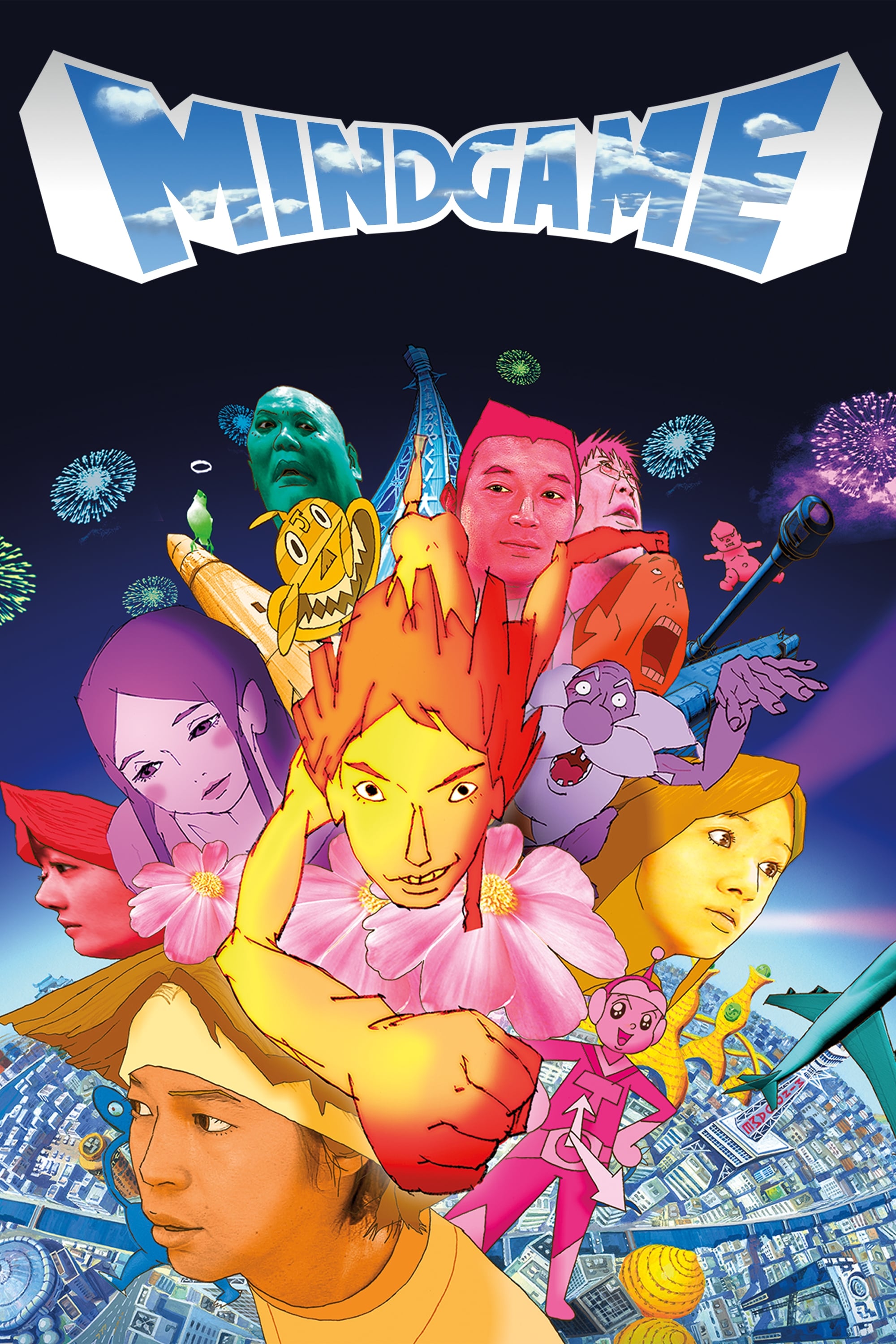
The film ‘Mind Game’ features a surreal and kinetic ending that sees the protagonists escaping from the belly of a giant whale. The narrative dissolves into a series of fast-paced, experimental animation styles depicting the infinite possibilities of the characters’ lives. It emphasizes the power of the human will to shape reality, but does so through a chaotic and non-linear sequence. The lack of a standard plot resolution in favor of a sensory explosion makes it a uniquely confusing experience.
‘Haibane Renmei’ (2002)
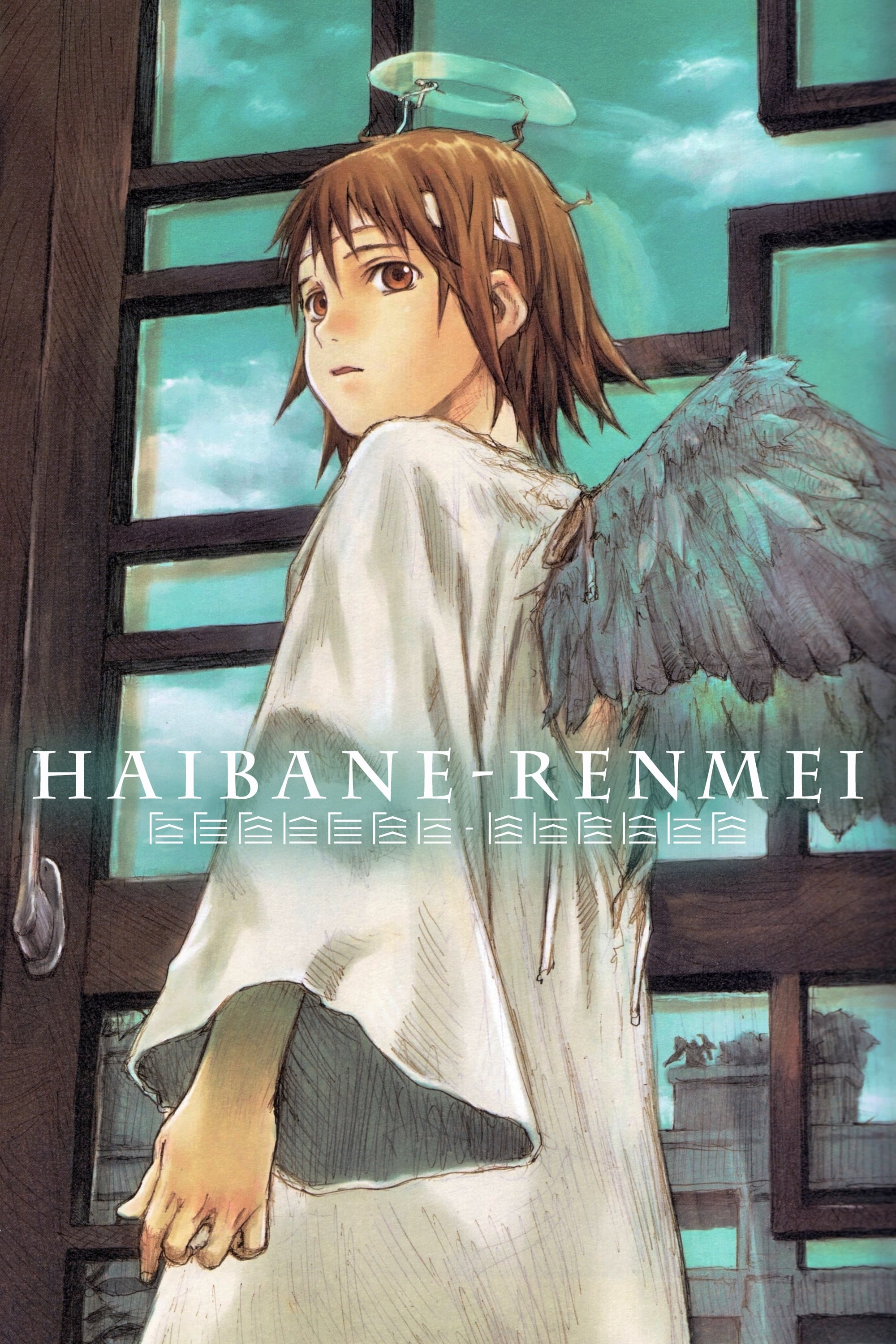
‘Haibane Renmei’ ends with Rakka attempting to save Reki from “sin-bound” isolation during the Day of Flight. The process involves overcoming deep-seated guilt and accepting the help of others within the walled city of Gie. While the emotional arc is clear, the origins of the Haibane and the nature of the world beyond the walls are never revealed. The series ends with a quiet departure that leaves the central mysteries of the setting completely intact.
‘Panty & Stocking with Garterbelt’ (2010)
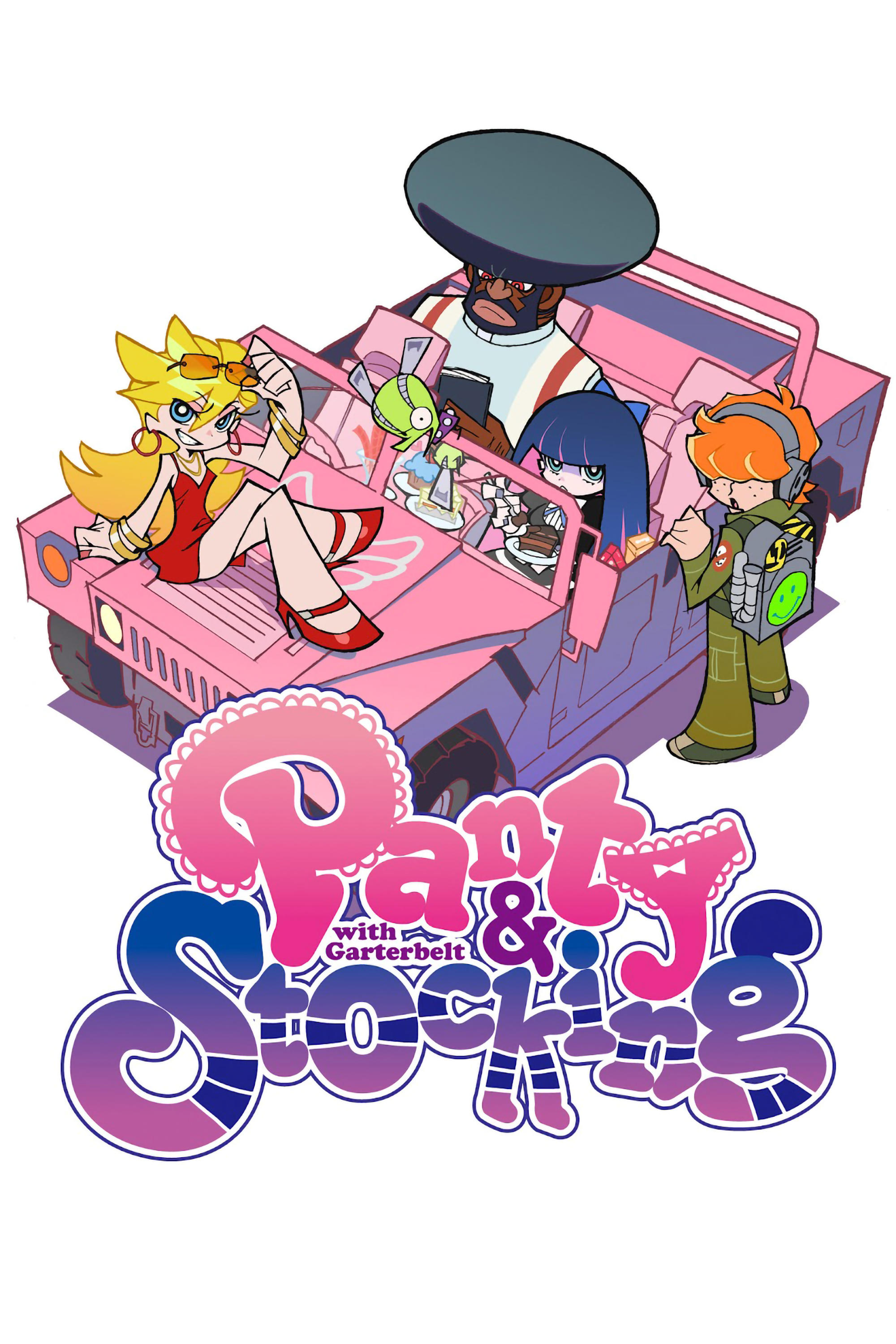
The conclusion of ‘Panty & Stocking with Garterbelt’ features a sudden and jarring twist during the final moments of the episode. After defeating the primary antagonist, Stocking reveals she is actually a demon and proceeds to slice Panty into hundreds of pieces. The series ends on a literal cliffhanger with the narrator promising a second season that did not materialize for over a decade. This subversion of the entire show’s premise was designed to shock and confuse the audience.
‘Guilty Crown’ (2011–2012)
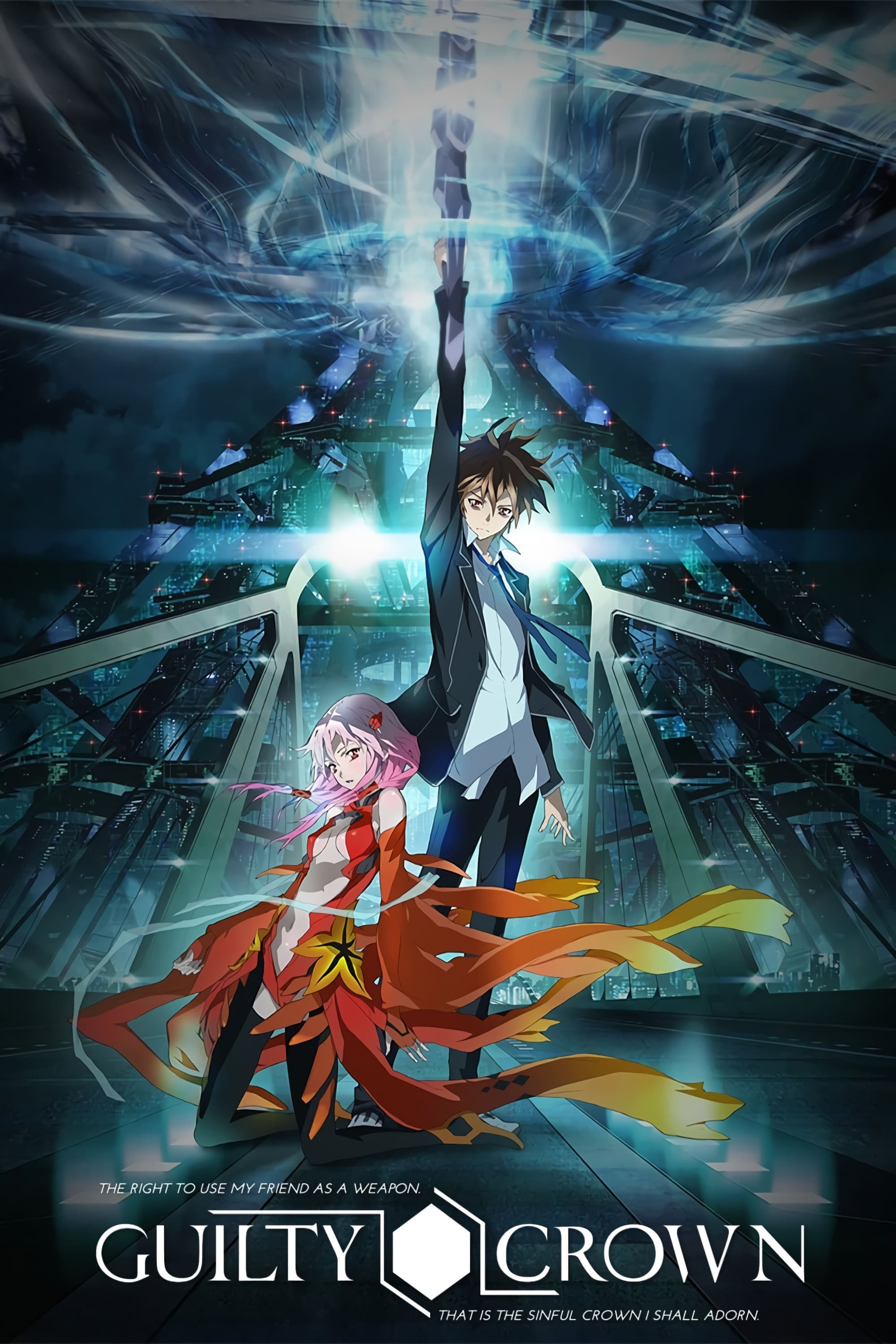
In ‘Guilty Crown’, the finale involves the protagonist Shu Ouma absorbing all the “Apocalypse Virus” and the “Voids” of humanity into himself. He intends to sacrifice his life to save the world, but Inori sacrifices herself in his place to take the burden. The final scenes show a blind and disabled Shu living in a restored world, listening to Inori’s music. The mechanics of the virus and the soul-transfer in the finale are often cited as being difficult to follow.
‘Gantz’ (2004)
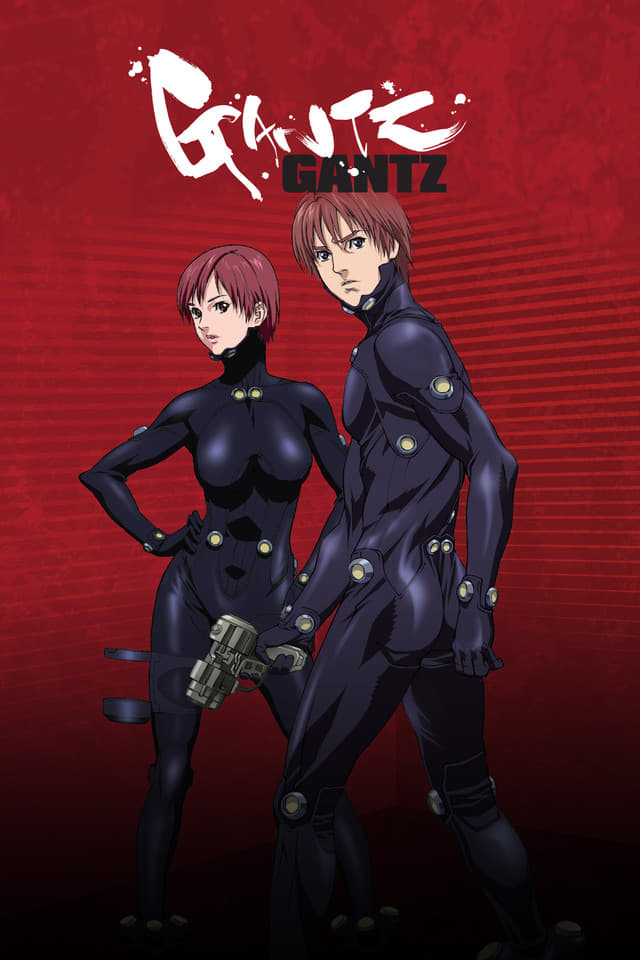
The ‘Gantz’ anime concludes with an original ending that differs significantly from the manga source material. The protagonist Kei Kurono is forced into a final game where he must fight for his life against impossible odds in a subway station. The series ends with a cryptic scene showing Kei facing down an oncoming train, with no clear indication of whether he survived or what the true nature of the Gantz system was. This lack of closure was a result of the anime catching up to the then-unfinished manga.
‘Claymore’ (2007)
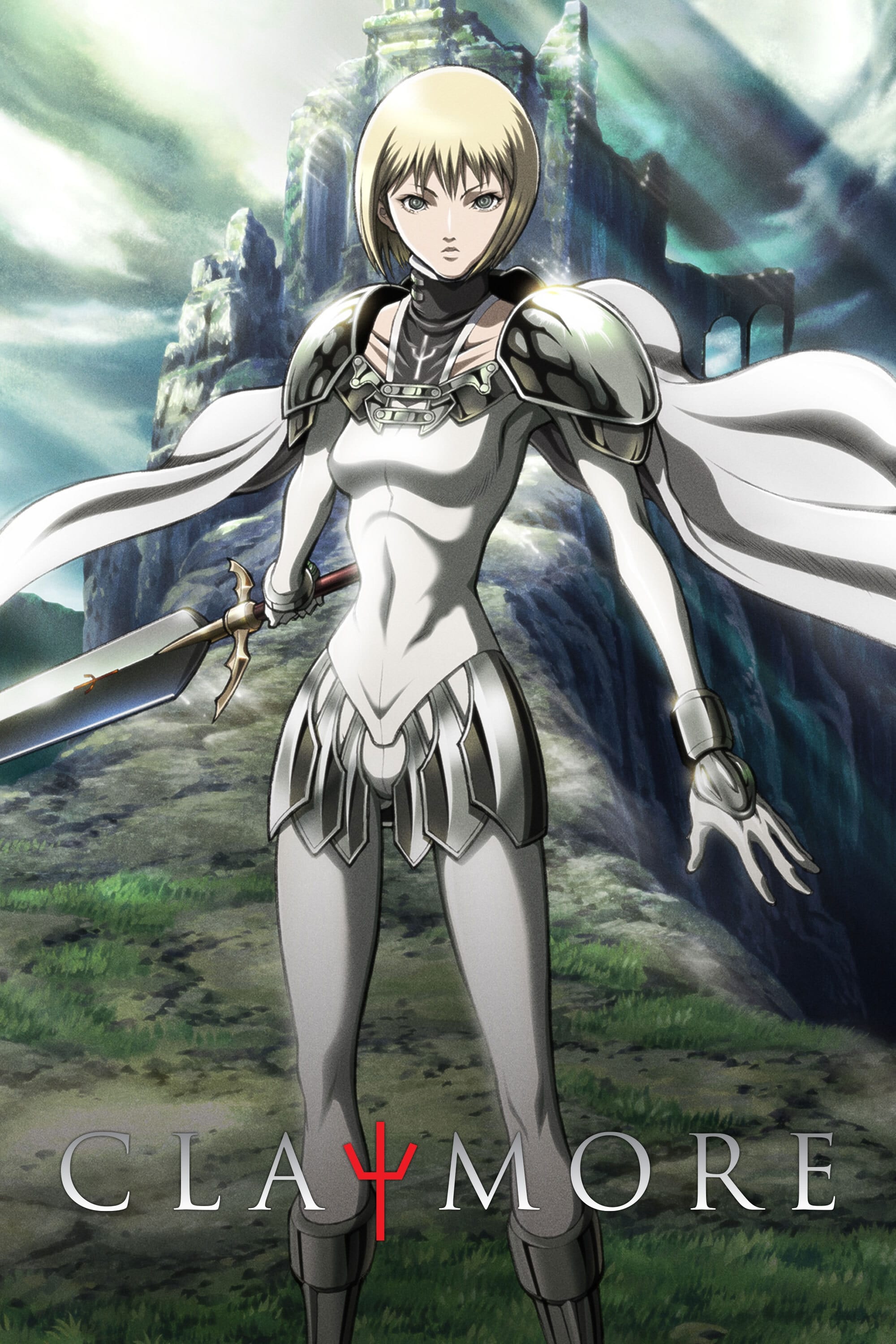
‘Claymore’ features an anime-only ending that culminates in a battle between Clare and Priscilla in a volcanic region. The conflict ends abruptly with Clare failing to kill her rival, who simply flies away after a moment of recognition. This conclusion left several major plot threads regarding the Organization and the nature of the Awakened Ones unresolved. Because the series did not continue, the ending remains a point of confusion for those expecting a definitive climax to the war.
‘Blue Gender’ (1999–2000)

The ending of ‘Blue Gender’ shifts the focus from a survival horror struggle against giant insects to a metaphysical discussion about Earth’s evolution. The protagonist Yuji learns that the Blue are a natural defense mechanism triggered by the planet itself to cull humanity. The finale involves a spiritual connection between the characters and the Earth, leading to a sudden shift toward environmental themes. This transition from a gritty war story to a philosophical conclusion felt disconnected to many viewers.
‘X’ (2001–2002)

‘X/1999’ concludes with a final battle between Kamui Shiro and Fuma Monou over the fate of the world. In the television version, Kamui chooses to sacrifice his life to create a “barrier” that protects the future of humanity, despite the inevitable pain involved. This resolution differs from the feature film version and the unfinished manga, leading to confusion among fans about the “true” ending. The heavy use of destiny-related dialogue and symbolic imagery makes the stakes feel abstract in the final moments.
‘Darling in the Franxx’ (2018)
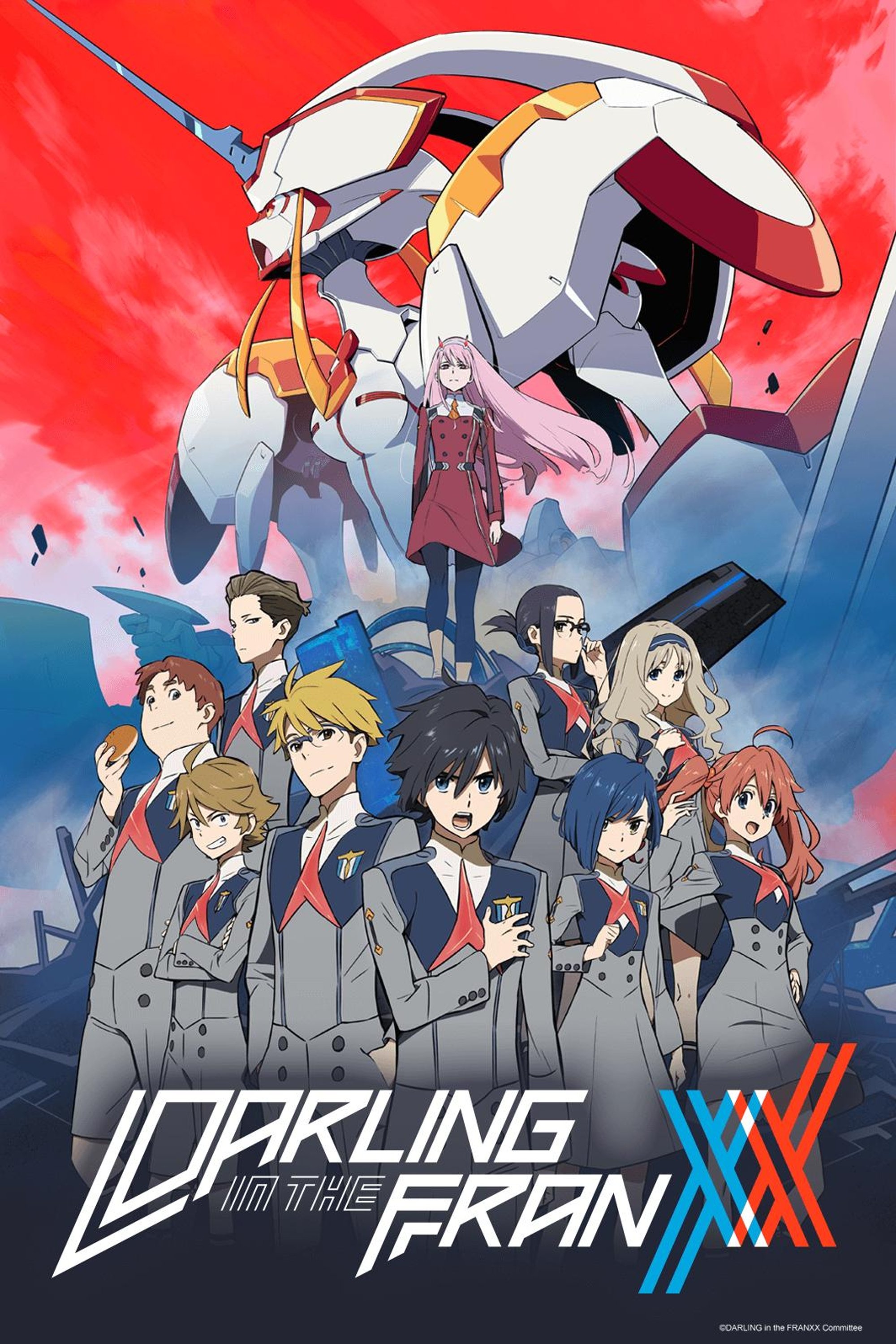
The finale of ‘Darling in the Franxx’ shifts the conflict from a localized rebellion to an intergalactic war against an alien entity known as VIRM. Hiro and Zero Two sacrifice their physical bodies to travel through a warp hole and destroy the enemy’s home world over thousands of years. The story then jumps forward in time to show the reconstruction of Earth and the eventual reincarnation of the protagonists as children. This sudden shift in scale and the introduction of extraterrestrial elements in the final act left many viewers questioning the narrative’s logic.
‘Perfect Blue’ (1997)

The film ‘Perfect Blue’ features a climax where the lines between the protagonist Mima’s reality, her acting roles, and her hallucinations completely dissolve. The viewer is forced to navigate multiple layers of perspective to identify the true killer and the nature of Mima’s breakdown. The final twist reveals the identity of the antagonist, but the transitions between scenes make it difficult to tell what was real and what was imagined. The closing line of the film leaves the audience wondering if Mima has truly recovered or if she is still lost in her persona.
Please share your thoughts on which of these anime endings left you the most puzzled in the comments.