

30 Overrated Horror Games Everyone Seems To Like



The horror genre has produced some of the most iconic experiences in gaming history, yet not every critically acclaimed title resonates universally with the community. While many games achieve massive commercial success and cultural ubiquity, retrospective analysis often reveals mechanical flaws or narrative shortcomings that polarize players. Examining these titles through the lens of technical design and gameplay loops provides a clearer picture of why certain “masterpieces” are viewed as overrated by a subset of enthusiasts. This list explores thirty prominent horror titles that, despite their popularity, have faced significant scrutiny for their perceived imbalances and repetitive elements.
‘Slender: The Eight Pages’ (2012)

Developed and published by Parsec Productions, this indie title task players with collecting eight notes in a dark forest while avoiding the Slender Man. While it became a viral sensation, critics often point out the lack of mechanical depth and the reliance on a singular, repetitive gameplay loop. The game’s difficulty is frequently attributed to random spawns rather than player skill, leading to frustration for some users. Despite its role in popularizing the “pursuer” subgenre, detractors argue its impact was more a result of internet culture than sophisticated game design.
‘Dead Island’ (2011)
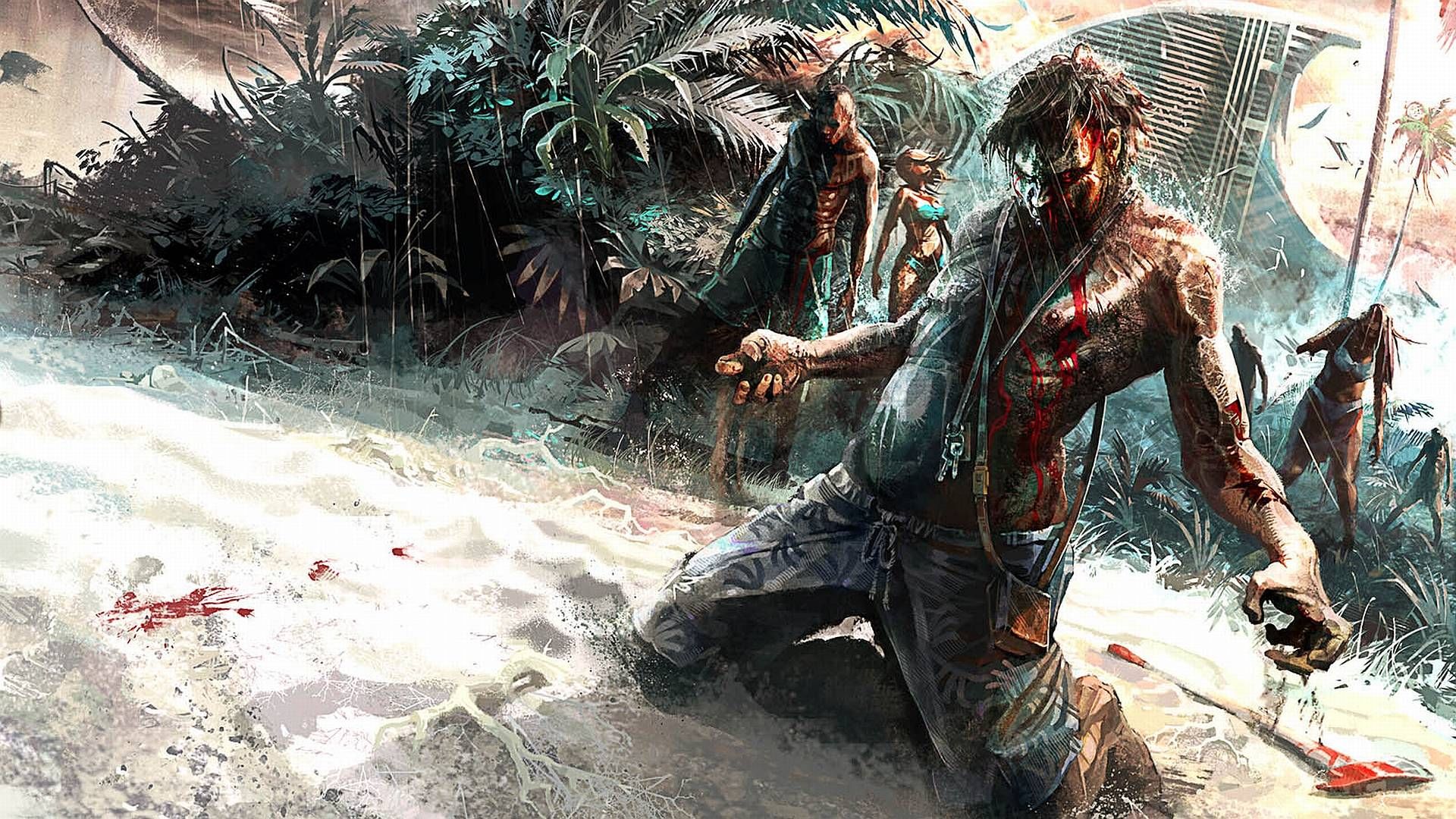
Developed by Techland and published by Deep Silver, this open-world zombie game gained massive hype following an emotional cinematic trailer. Upon release, players discovered a technical experience that many felt did not match the somber tone of its marketing. Common criticisms focus on the repetitive quest structure and a variety of bugs that hindered the survival experience during its initial launch. While the melee combat system was praised by some, others found the weapon degradation mechanics to be more tedious than immersive.
‘Hello Neighbor’ (2017)
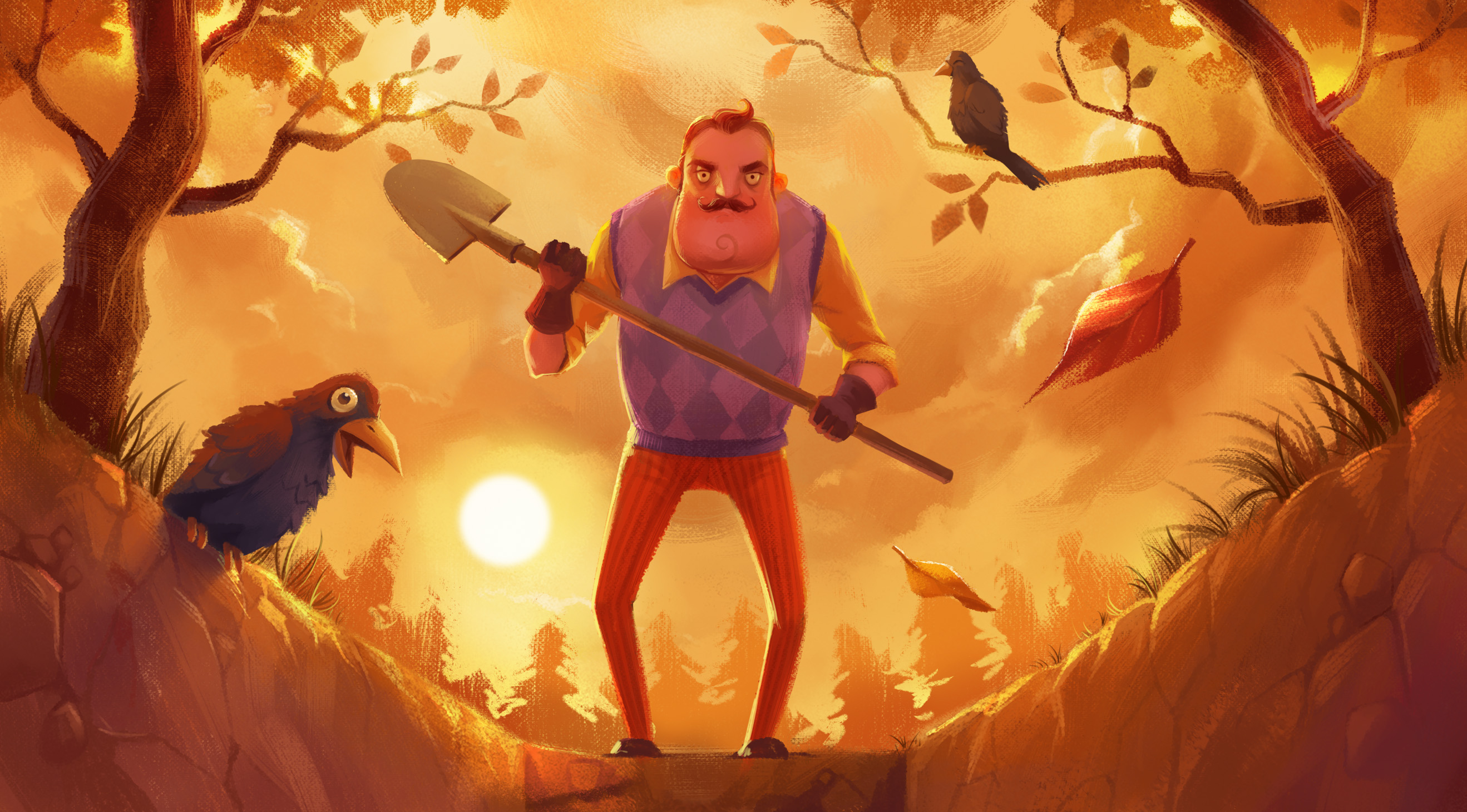
Developed by Dynamic Pixels and published by tinyBuild, this stealth horror game involves breaking into a neighbor’s house to uncover secrets. The game initially drew interest for its advanced artificial intelligence that purportedly learned from player behavior. However, many critics highlighted the inconsistent internal logic and physics-based puzzles that often felt unintuitive or broken. Despite a large following among younger audiences, the title is frequently cited for its lack of polish and confusing narrative progression.
‘Agony’ (2018)
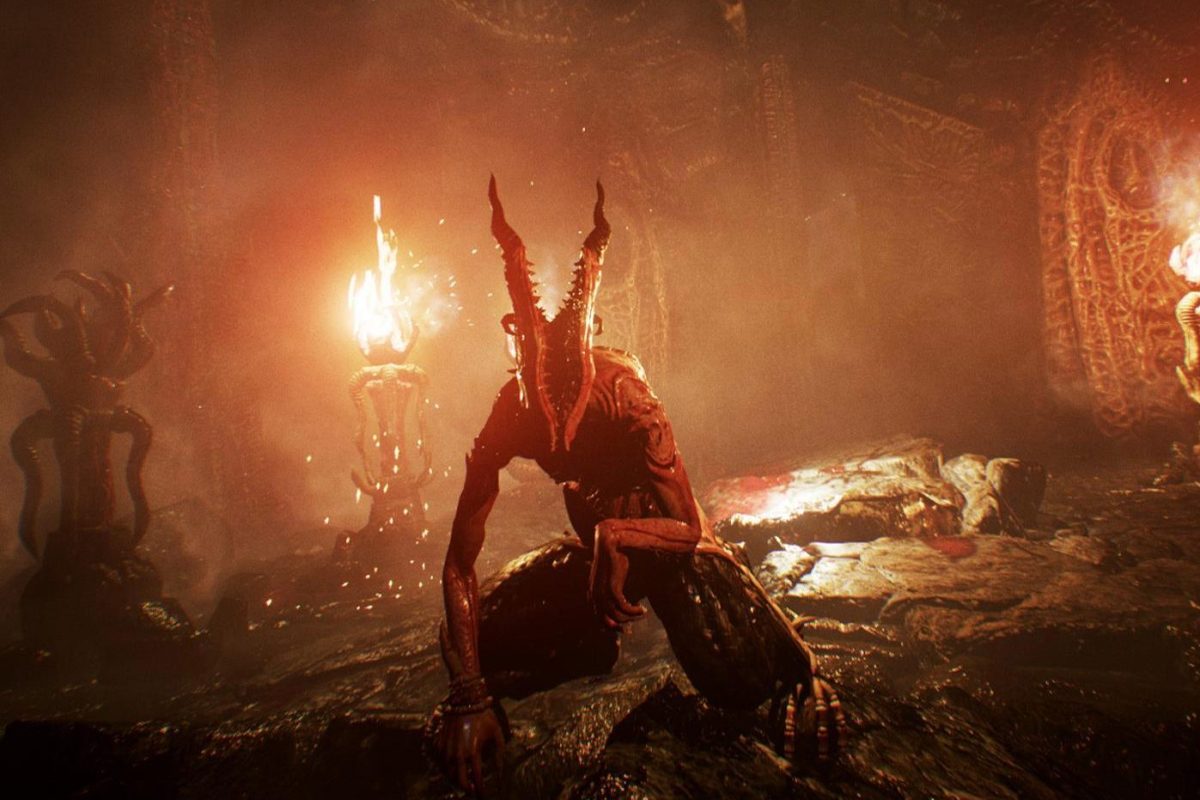
Developed by Madmind Studio and published by PlayWay, this title sought to provide a visceral depiction of Hell through a first-person survival lens. While the environmental art design received attention for its grotesque detail, the gameplay was widely panned for being clunky and frustrating. Reviewers noted that the stealth mechanics were poorly implemented, often leading to unavoidable deaths that felt unfair. The game’s focus on shock value was perceived by some as a distraction from its technical shortcomings and repetitive objectives.
‘Blair Witch’ (2019)
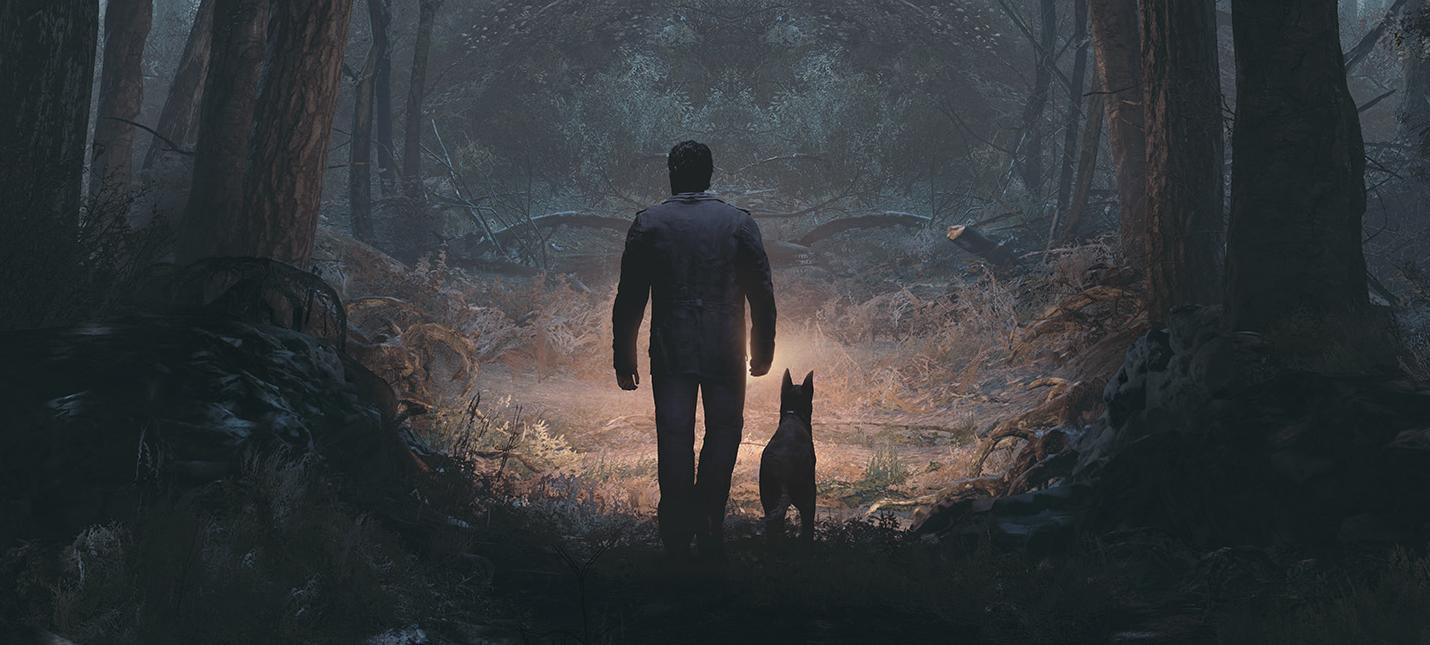
Developed by Bloober Team and published by Lionsgate Games, this title is based on the famous found-footage film franchise. Players navigate a shifting forest with a canine companion, utilizing a camcorder to solve environmental puzzles. Critics of the game often mention the repetitive nature of the navigation and the underwhelming execution of its psychological horror elements. While the relationship with the dog was a highlight for many, the late-game sequences were frequently described as overlong and mechanically thin.
‘Scorn’ (2022)
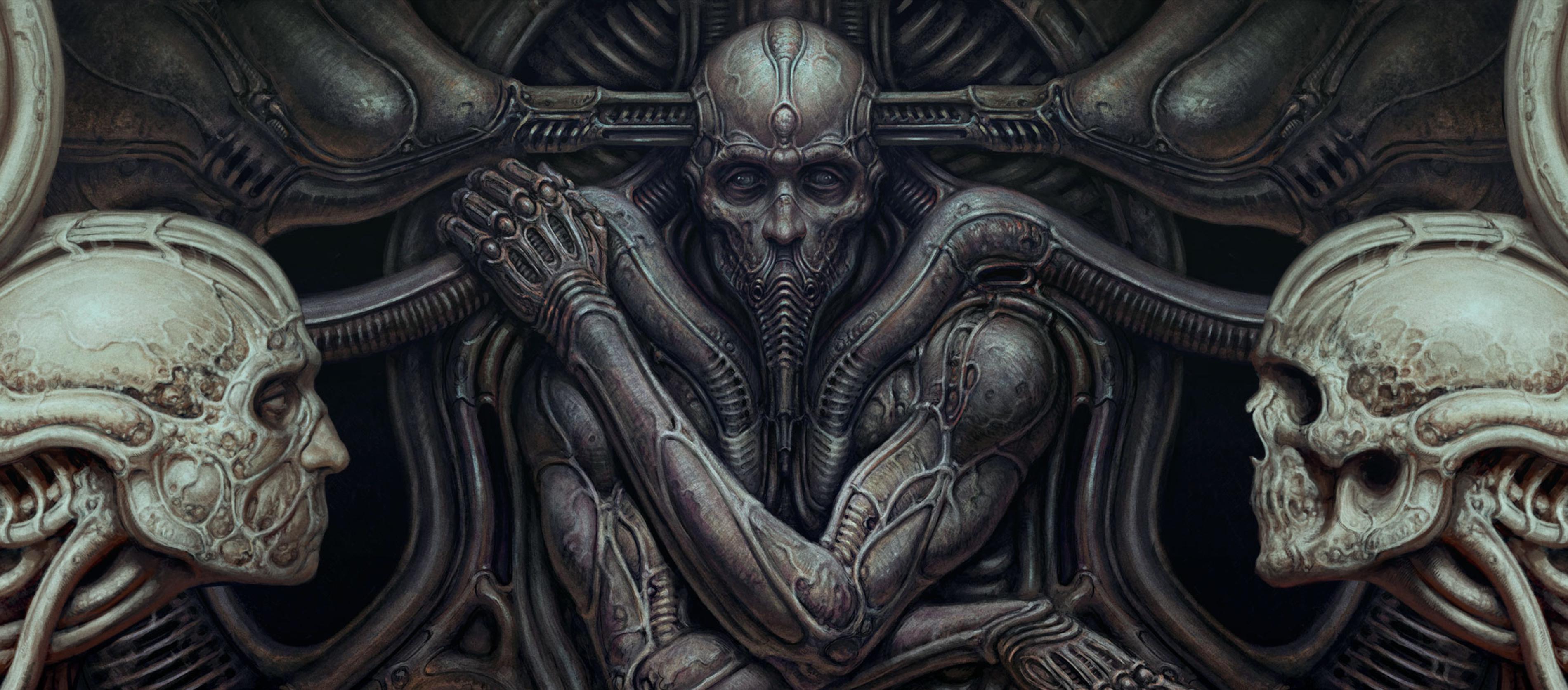
Developed by Ebb Software and published by Kepler Interactive, this game is heavily inspired by the biomechanical art of H.R. Giger. While the visual world-building is undeniably distinct, many players found the combat system to be intentionally cumbersome and frustrating. The puzzles often lack clear signposting, leading to long periods of aimless wandering through its grotesque corridors. Detractors argue that the game prioritizes aesthetic over engaging gameplay, making the experience feel more like a walking simulator with tacked-on combat.
‘The Callisto Protocol’ (2022)
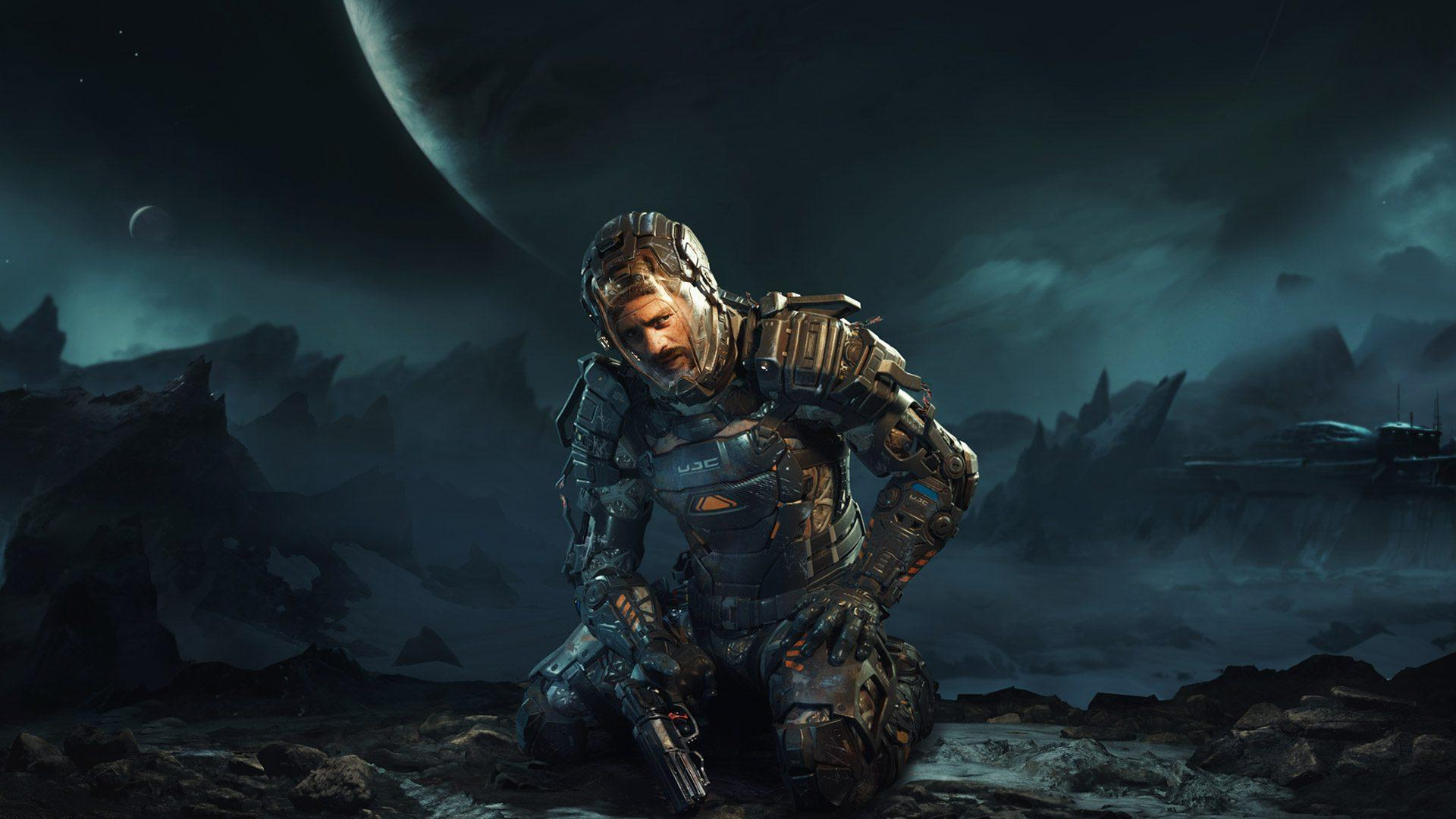
Developed by Striking Distance Studios and published by Krafton, this sci-fi horror title was marketed as a spiritual successor to ‘Dead Space’. Despite its high production values and impressive graphics, it faced criticism for its restrictive combat system that relies heavily on a simplistic dodging mechanic. The linear level design and lack of enemy variety were frequently cited as reasons why it failed to live up to its inspirations. Many fans of the genre felt the game lacked the tension and strategic depth found in its predecessors.
‘Layers of Fear’ (2016)
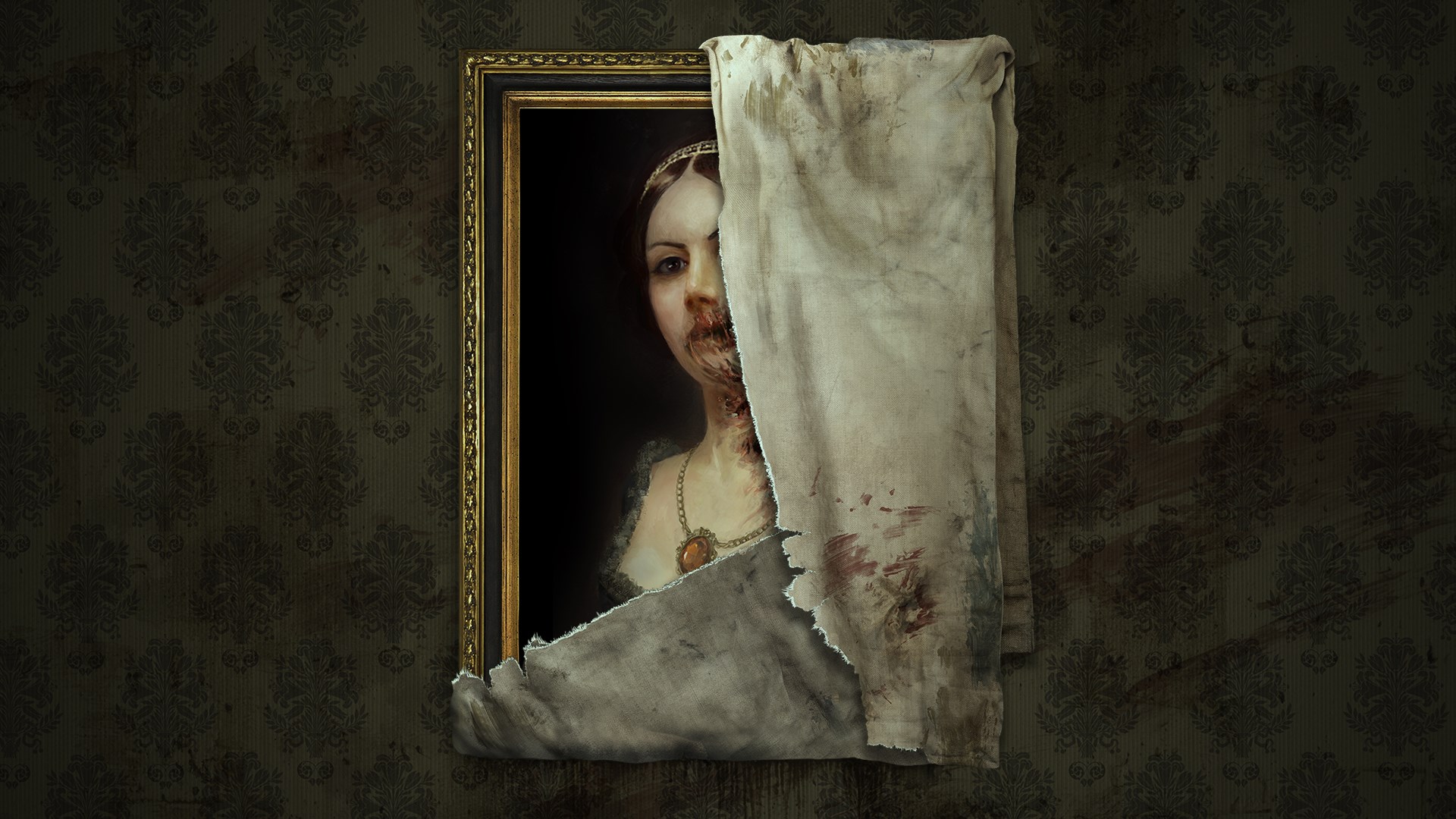
Developed by Bloober Team and published by Aspyr, this psychological horror game follows a disturbed painter through a shifting Victorian mansion. The “jump scare” heavy approach and the lack of traditional fail states led some critics to label it more of an “experience” than a game. While the visual transitions are creative, the gameplay consists almost entirely of walking and interacting with doors. Those seeking mechanical challenge often find the experience to be shallow and overly reliant on scripted events.
‘The Dark Pictures Anthology: Man of Medan’ (2019)
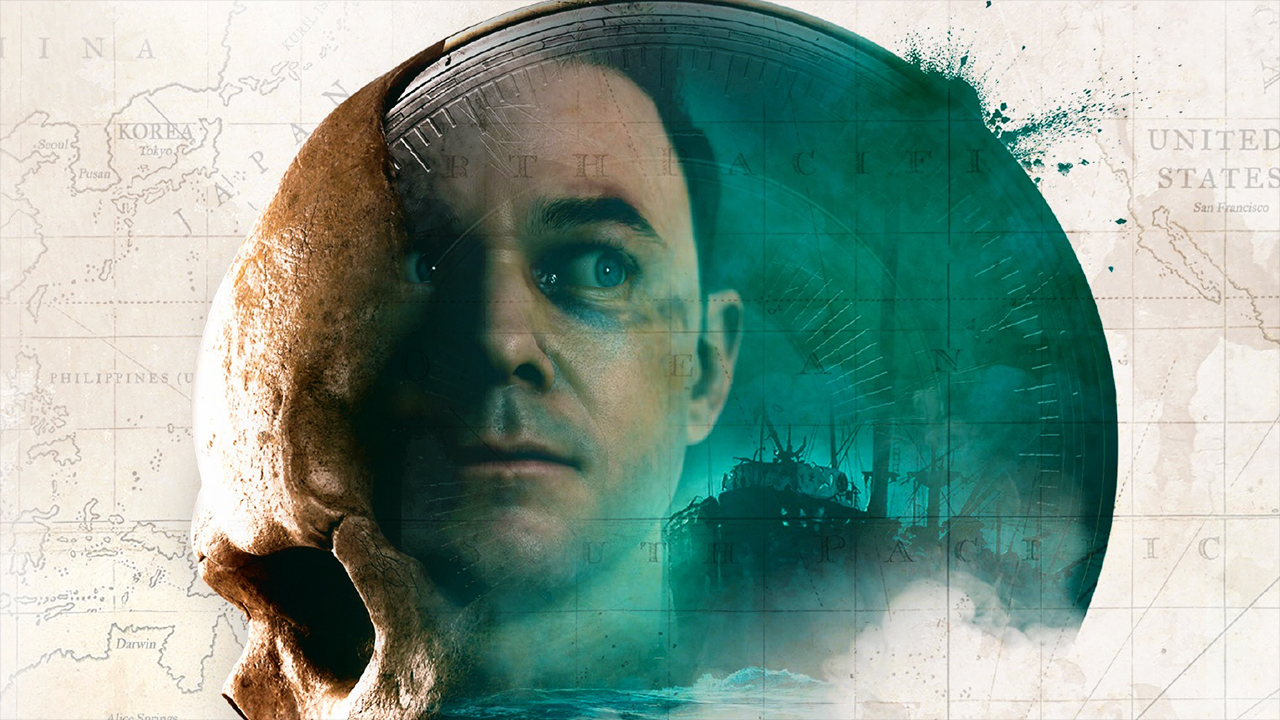
Developed by Supermassive Games and published by Bandai Namco Entertainment, this interactive drama follows a group of people trapped on a ghost ship. As the first entry in an anthology, it was compared heavily to the developer’s previous successes but was often found wanting in terms of character depth. Critics noted that the branching paths sometimes felt inconsequential and the dialogue could be jarringly paced. The technical performance at launch also hampered the cinematic immersion for many players.
‘Back 4 Blood’ (2021)
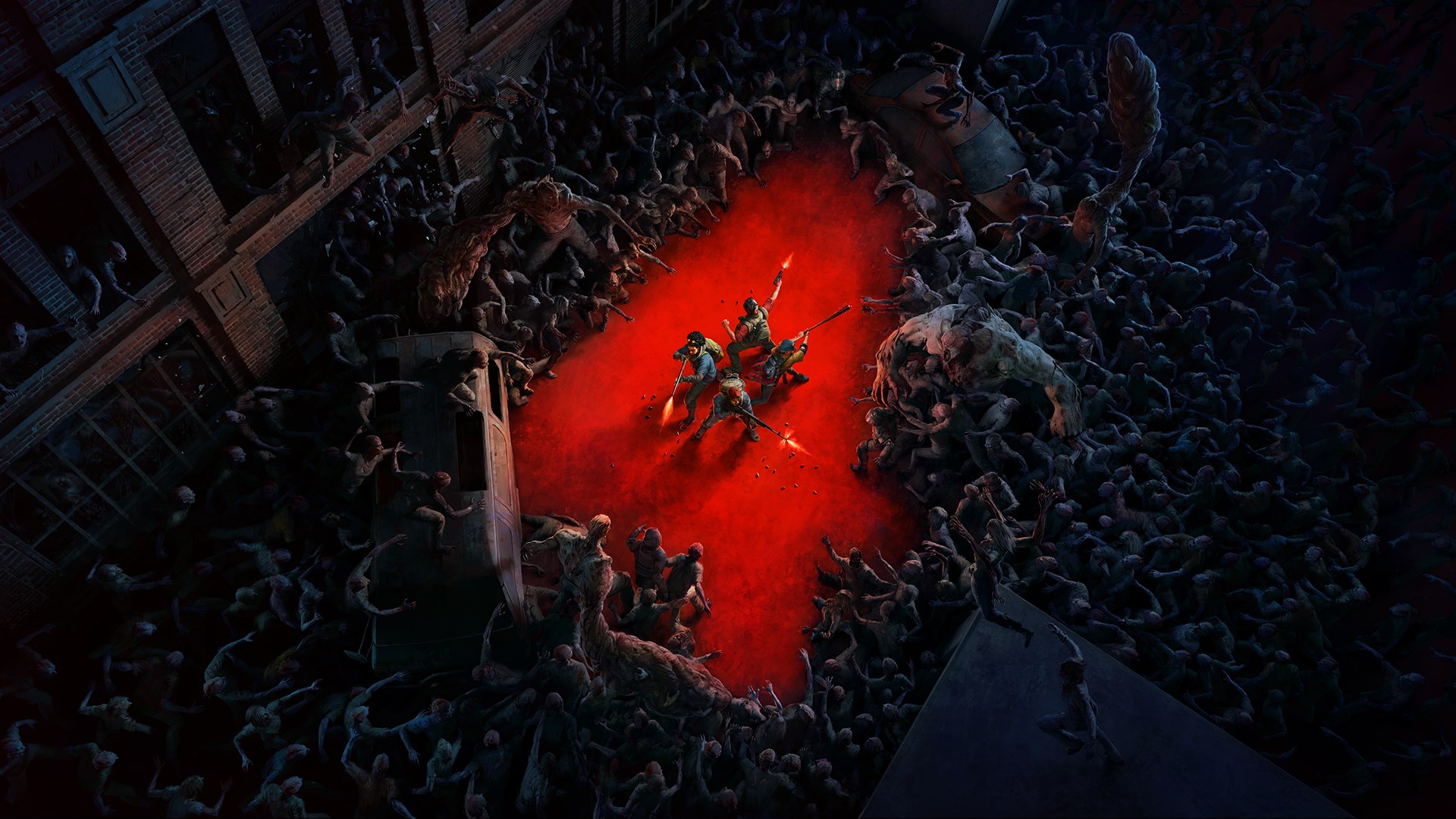
Developed by Turtle Rock Studios and published by Warner Bros. Games, this title was positioned as the definitive successor to the ‘Left 4 Dead’ series. While it introduced a card-based perk system to add variety, many players found the system to be overly complex compared to the streamlined fun of its inspiration. The difficulty spikes and the behavior of the special infected were common points of contention among the community. Despite its polished gunplay, some fans felt it lacked the enduring charm and modding support of the games it tried to emulate.
‘Resident Evil 6’ (2012)
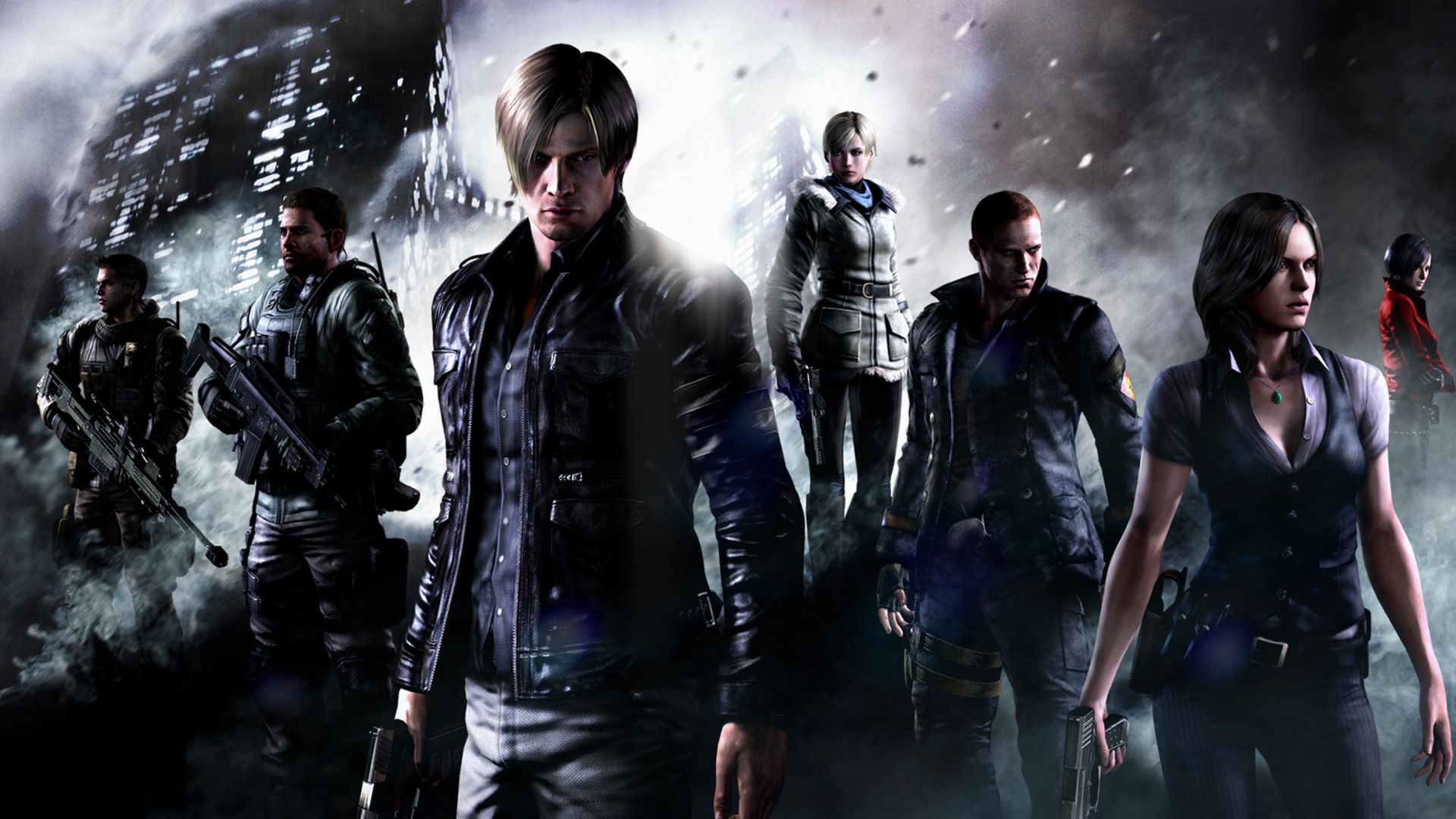
Developed and published by Capcom, this entry attempted to blend traditional horror with high-octane action across four different campaigns. The result was a game that many fans felt lacked a cohesive identity, drifting too far from the series’ survival roots. Critics frequently pointed to the excessive use of quick-time events and a cluttered user interface as major drawbacks. While it remains one of the best-selling titles in the franchise, it is often cited as the low point of the series in terms of atmospheric tension.
‘Dead by Daylight’ (2016)
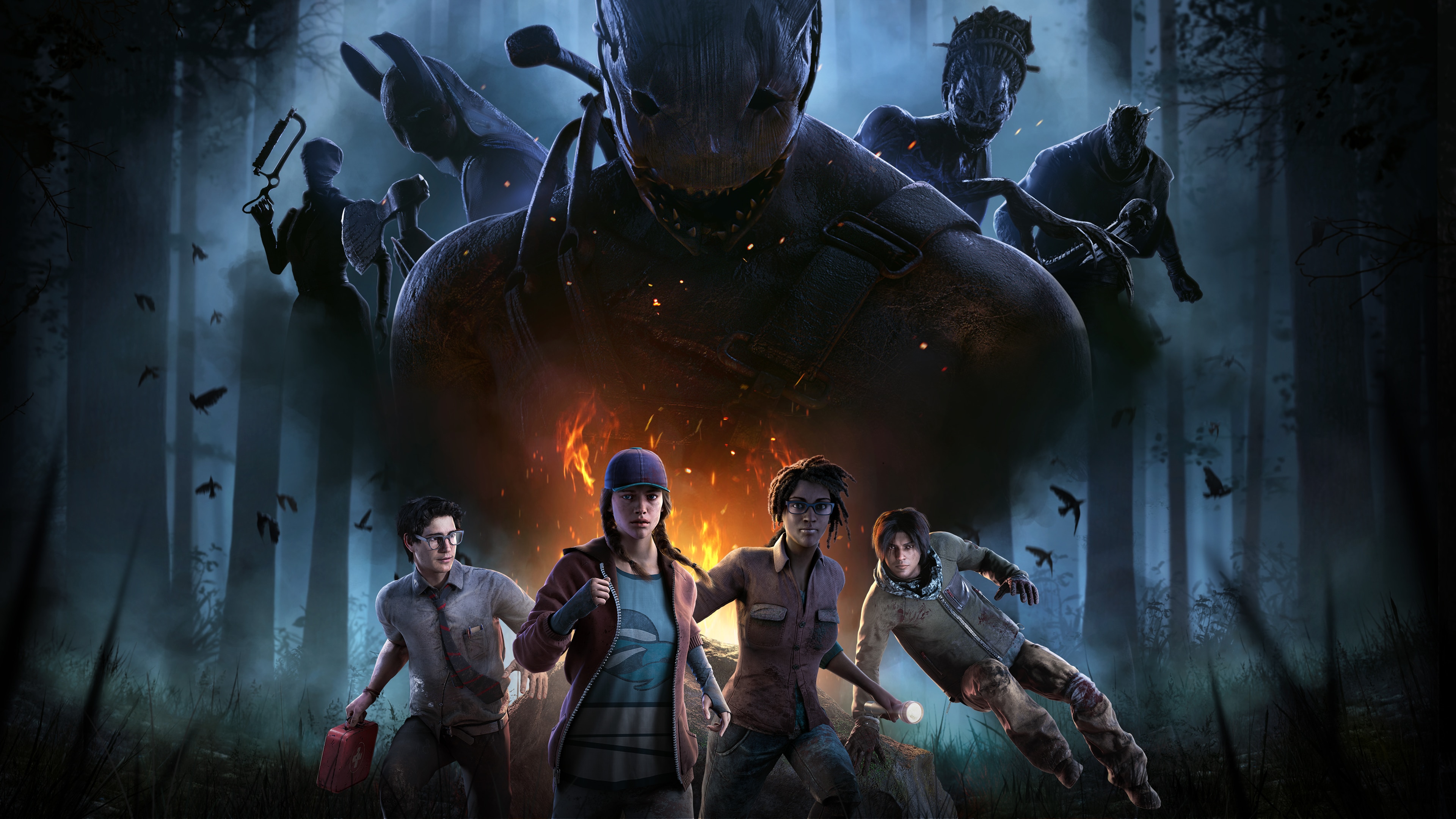
Developed and published by Behaviour Interactive, this asymmetrical multiplayer game features survivors trying to escape a variety of horror-themed killers. While it has maintained a massive player base, the game is frequently criticized for its repetitive gameplay loop and persistent balance issues. The community often highlights the “grind” required to unlock essential perks as a barrier to enjoyment for new players. Despite the inclusion of famous horror icons, the mechanical experience can often feel more like a competitive chore than a scary encounter.
‘Phasmophobia’ (2020)
Developed and published by Kinetic Games, this cooperative ghost-hunting title became an overnight sensation during the global pandemic. While the voice-recognition mechanics are innovative, critics argue that the gameplay can become highly formulaic once the ghost patterns are understood. The early access nature of the game means that bugs and visual assets can sometimes break the immersion of the hauntings. For many, the horror wears off quickly, leaving behind a repetitive loop of checking thermometers and writing in journals.
‘The Medium’ (2021)
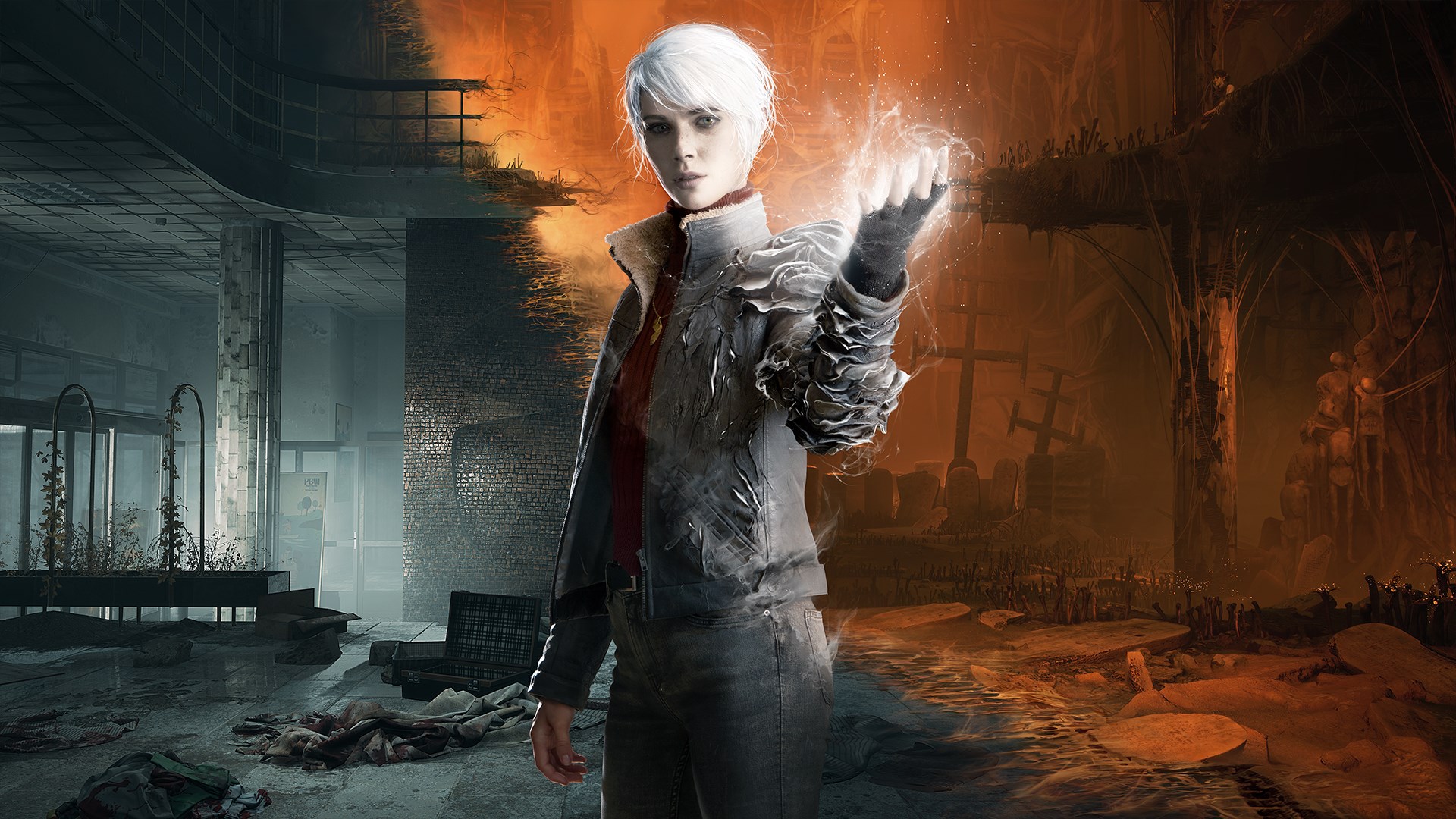
Developed and published by Bloober Team, this title features a unique dual-reality mechanic where players explore two worlds simultaneously. While technically impressive, the mechanic was often criticized for being underutilized in actual puzzle-solving. The fixed camera angles, intended to evoke classic horror games, were seen by some as an archaic choice that hindered navigation. Additionally, the narrative’s handling of sensitive themes received mixed responses from both critics and the general public.
‘Outlast’ (2013)
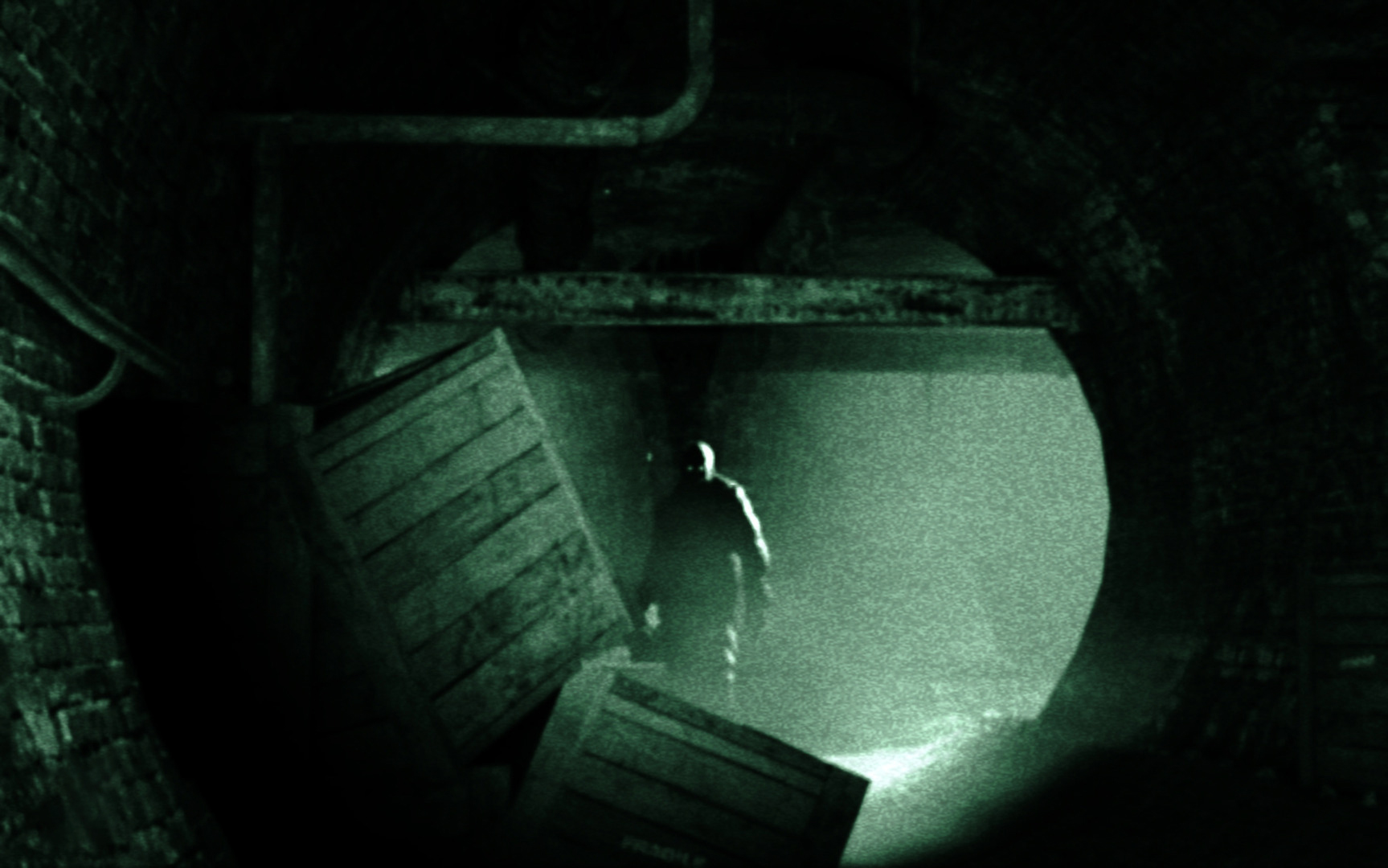
Developed and published by Red Barrels, this game revitalized the “hide and seek” subgenre by stripping the player of any defensive capabilities. While initially terrifying, detractors suggest that the game eventually devolves into a series of predictable patrol patterns. The reliance on loud noises and sudden jump scares is often cited as a cheap way to generate fear rather than building genuine dread. Over time, the mechanic of constantly changing batteries for the night-vision camera can feel more like a tedious errand than a survival necessity.
‘Amnesia: The Dark Descent’ (2010)

Developed and published by Frictional Games, this title is credited with changing the landscape of modern horror by focusing on stealth and sanity mechanics. However, some retrospective reviews argue that the puzzles are often obtuse and interrupt the flow of the narrative. The sanity effects, while thematic, can sometimes be visually distracting to the point of annoyance. While its influence on the genre is undeniable, some modern players find the pacing to be slower than contemporary standards allow.
‘Dying Light’ (2015)
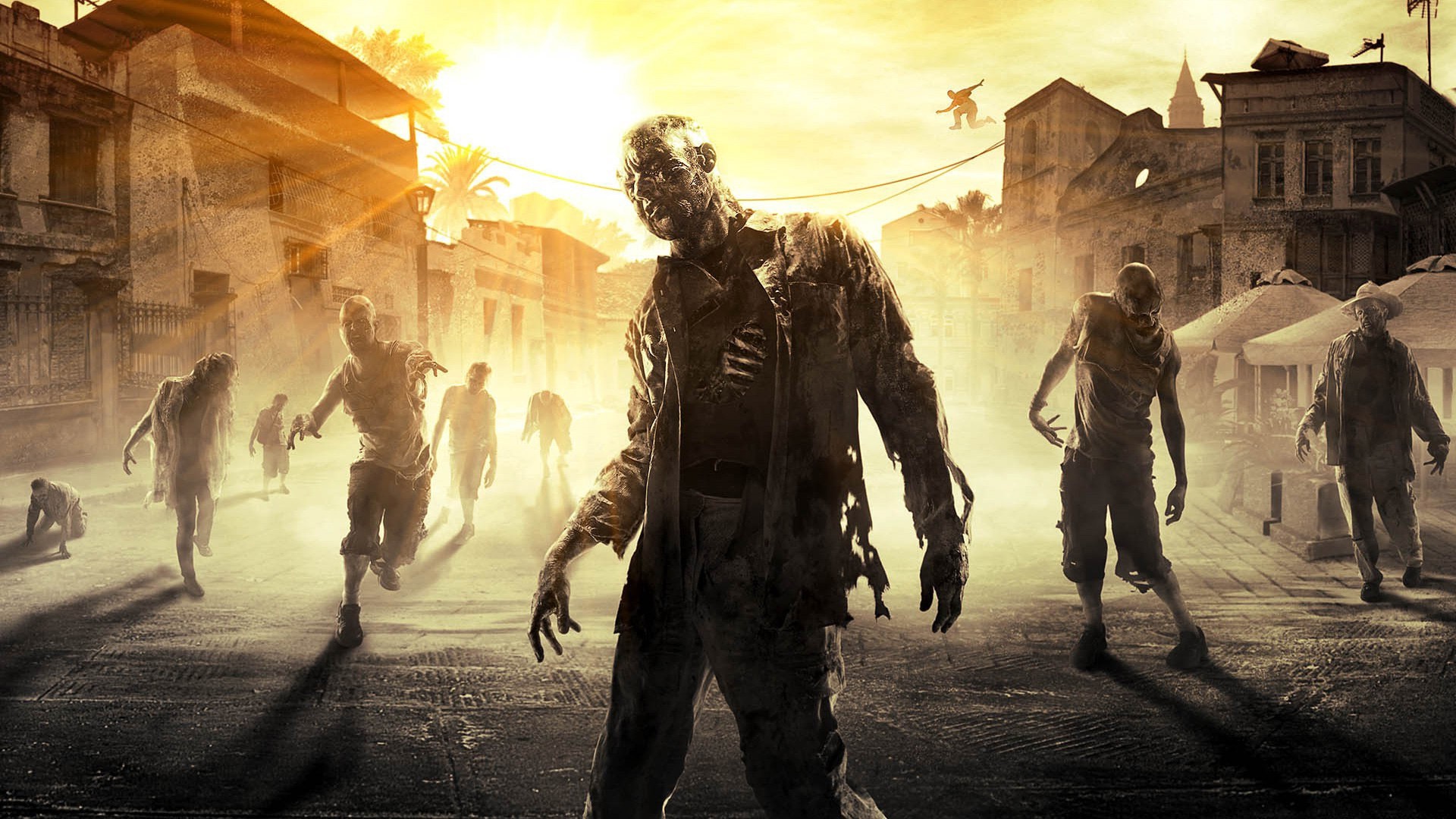
Developed by Techland and published by Warner Bros. Interactive Entertainment, this game combines parkour movement with zombie survival. While the movement system is highly praised, the narrative and character writing were often described as generic and predictable. Critics also pointed out that the combat can feel repetitive during the daytime cycles, with the true tension only appearing at night. The late-game transition into more gunplay-focused encounters was seen by many as a departure from its core strengths.
‘The Evil Within’ (2014)
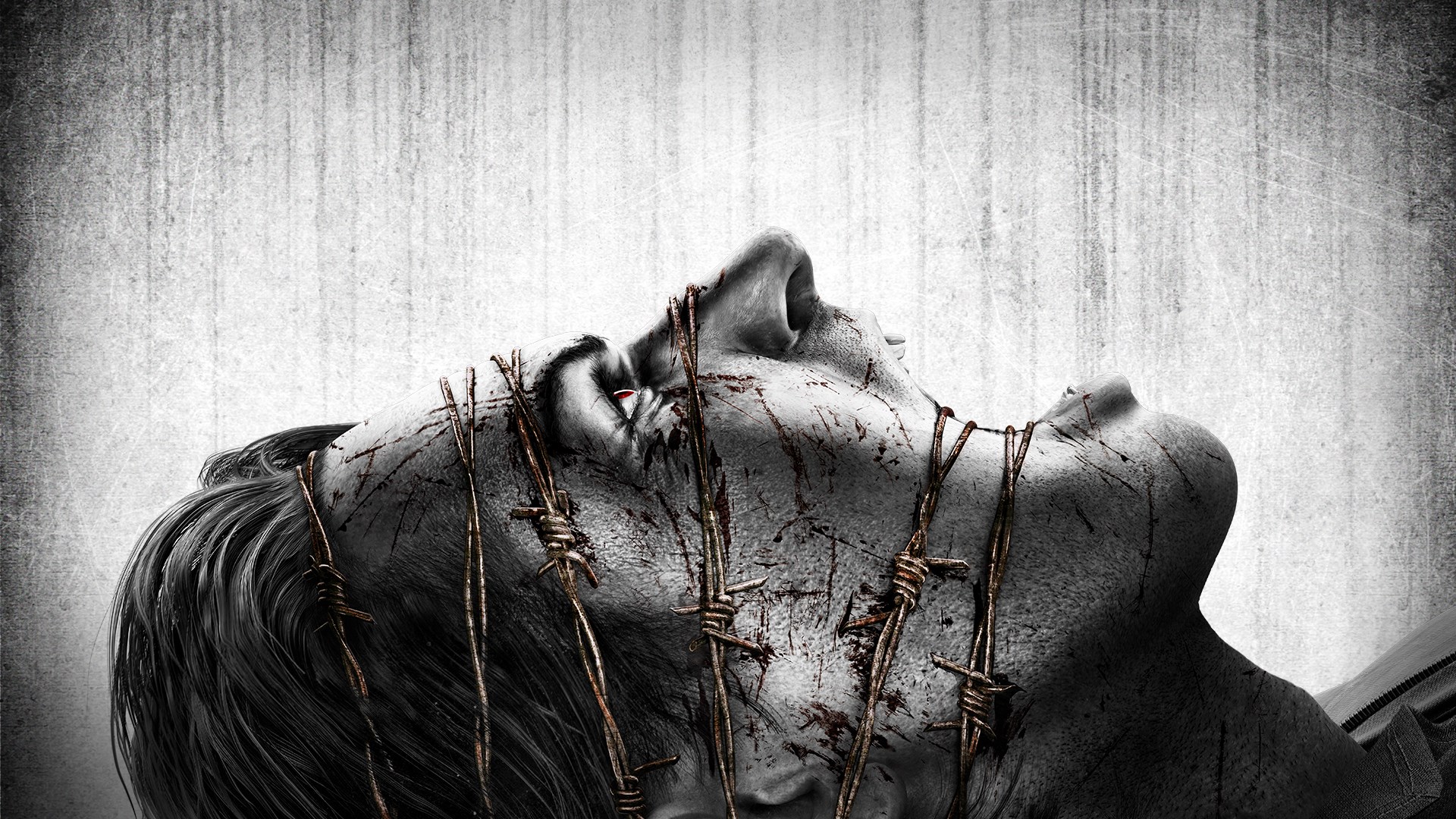
Developed by Tango Gameworks and published by Bethesda Softworks, this game marked the return of director Shinji Mikami to the survival horror genre. While it featured imaginative creature designs, the game was criticized for its technical performance issues and a highly convoluted plot. The letterboxed aspect ratio at launch was a particularly controversial choice that many felt restricted the player’s view unnecessarily. Despite its cult following, the balance between stealth and action was often perceived as inconsistent.
‘Alan Wake’ (2010)
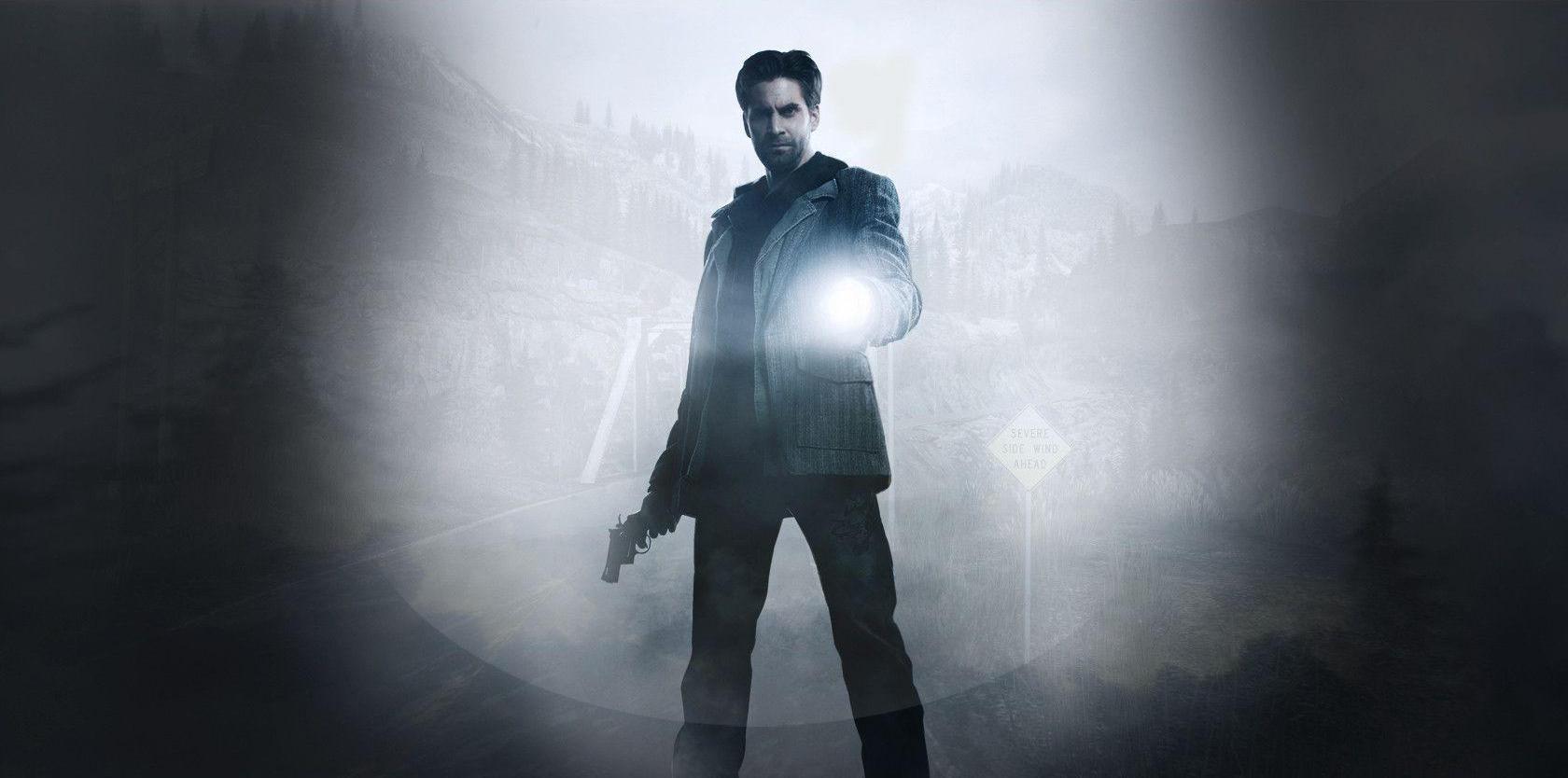
Developed by Remedy Entertainment and published by Microsoft Game Studios, this “psychological action thriller” tells the story of a writer whose stories come to life. While the narrative and Pacific Northwest setting are highly atmospheric, the combat revolves around a repetitive “light and shoot” mechanic. Many players found the encounter design to be monotonous, with the same enemy types appearing throughout the entire journey. Despite the strong storytelling, the actual gameplay loop is often cited as the weakest part of the experience.
‘Until Dawn’ (2015)
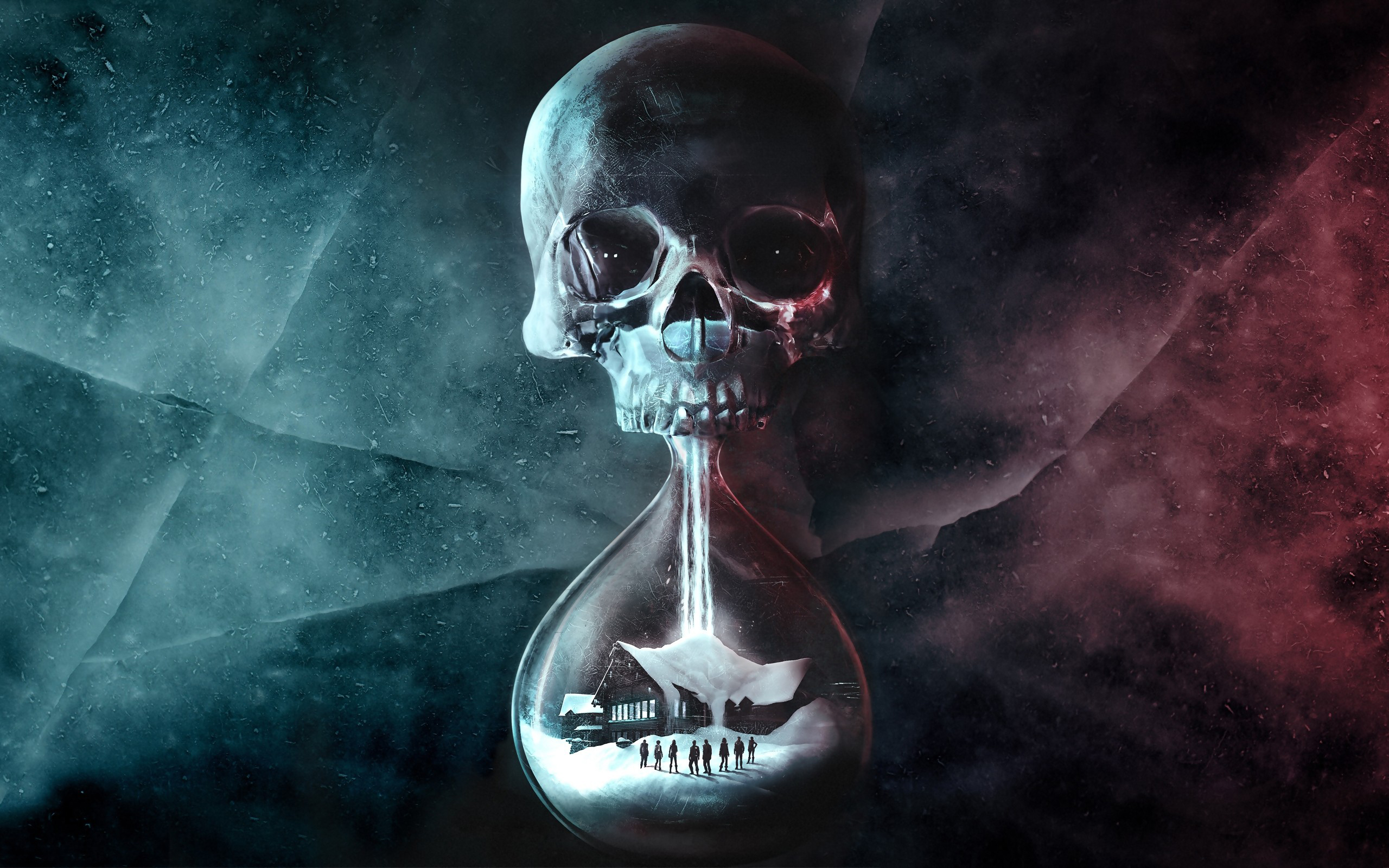
Developed by Supermassive Games and published by Sony Computer Entertainment, this title pays homage to teen slasher films through choice-based gameplay. While the “Butterfly Effect” system offers numerous variations, the gameplay primarily consists of walking and quick-time events. Critics have noted that many of the choices are illusory, leading to the same general outcomes regardless of player input. While it is an engaging cinematic experience, those looking for deep gameplay mechanics may find it lacking in substance.
‘Little Nightmares’ (2017)
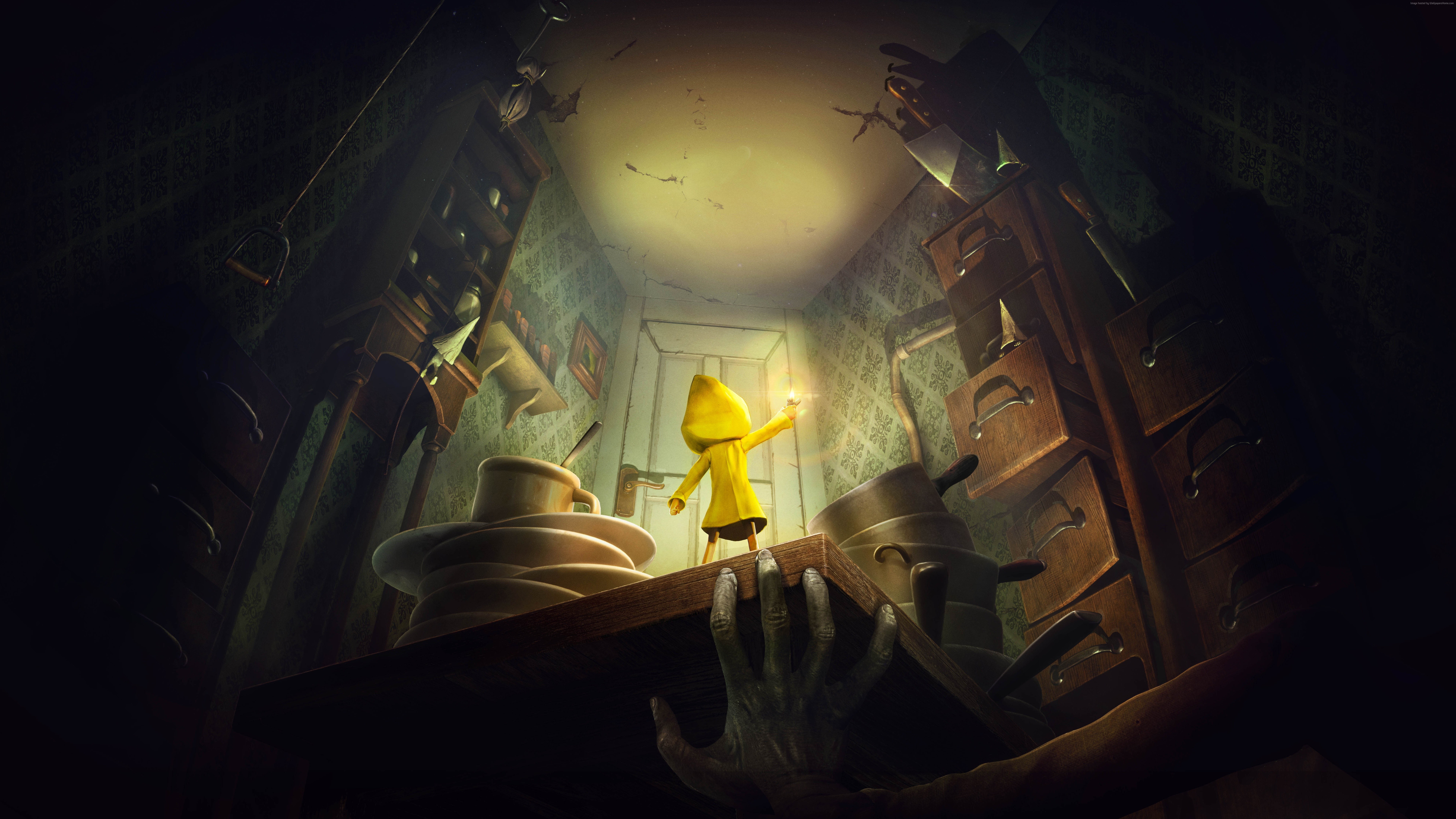
Developed by Tarsier Studios and published by Bandai Namco Entertainment, this puzzle-platformer is known for its unsettling art style and grotesque characters. However, the 2.5D perspective often leads to depth-perception issues, causing players to fall off ledges or miss jumps unintentionally. The trial-and-error nature of the encounters can sometimes lead to frustration, breaking the carefully crafted atmosphere. While visually striking, the mechanical precision required sometimes clashes with the game’s loose physics engine.
‘Silent Hill: Homecoming’ (2008)
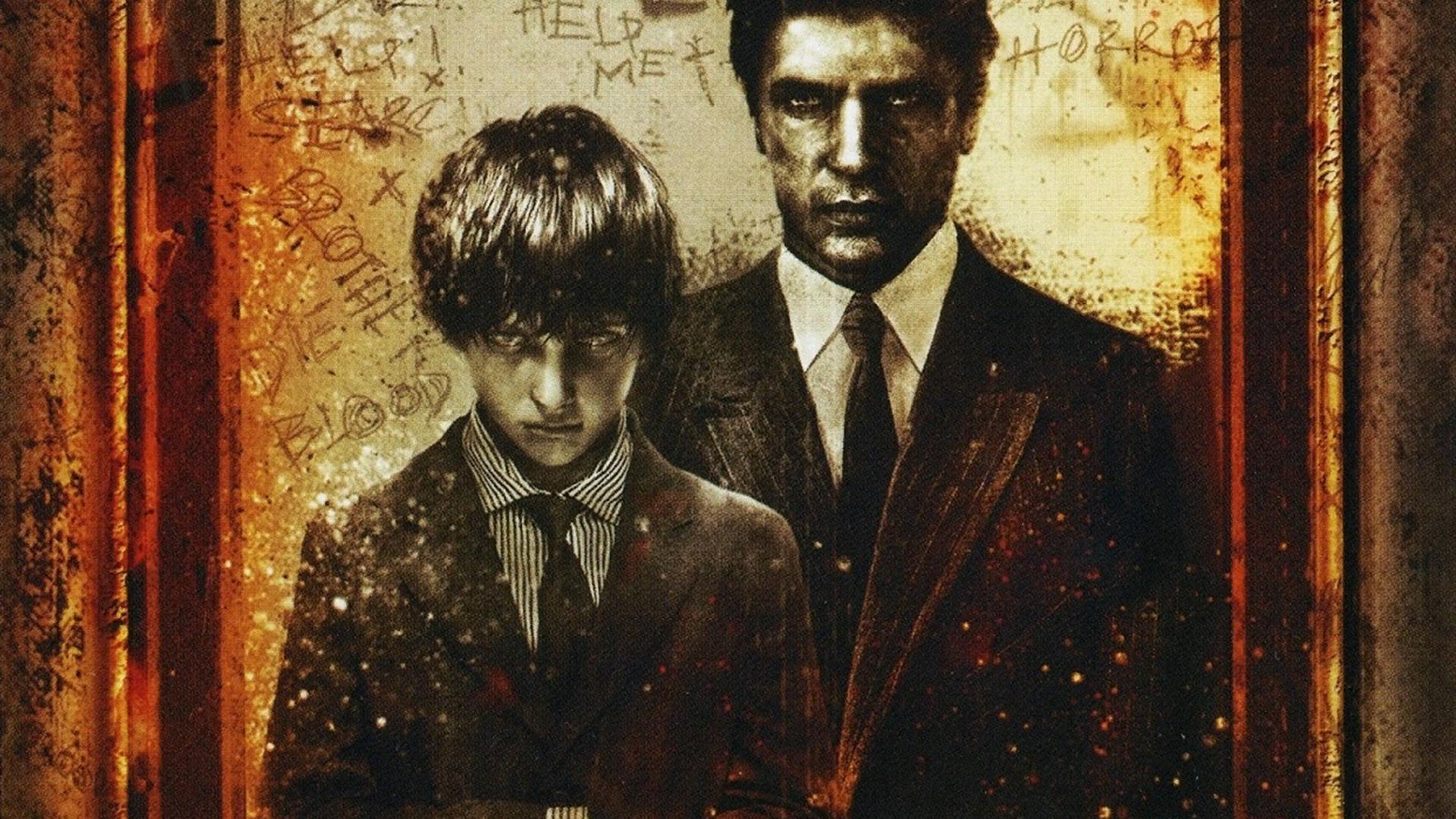
Developed by Double Helix Games and published by Konami, this entry attempted to westernize the ‘Silent Hill’ franchise with a greater emphasis on combat. This shift was largely rejected by longtime fans who felt the series should prioritize psychological depth over action. The game’s reliance on iconography from the ‘Silent Hill’ films rather than original ideas was seen as a lack of creativity. While it features some disturbing monster designs, the overall execution was viewed as a step down from the original Team Silent titles.
‘Resident Evil Village’ (2021)
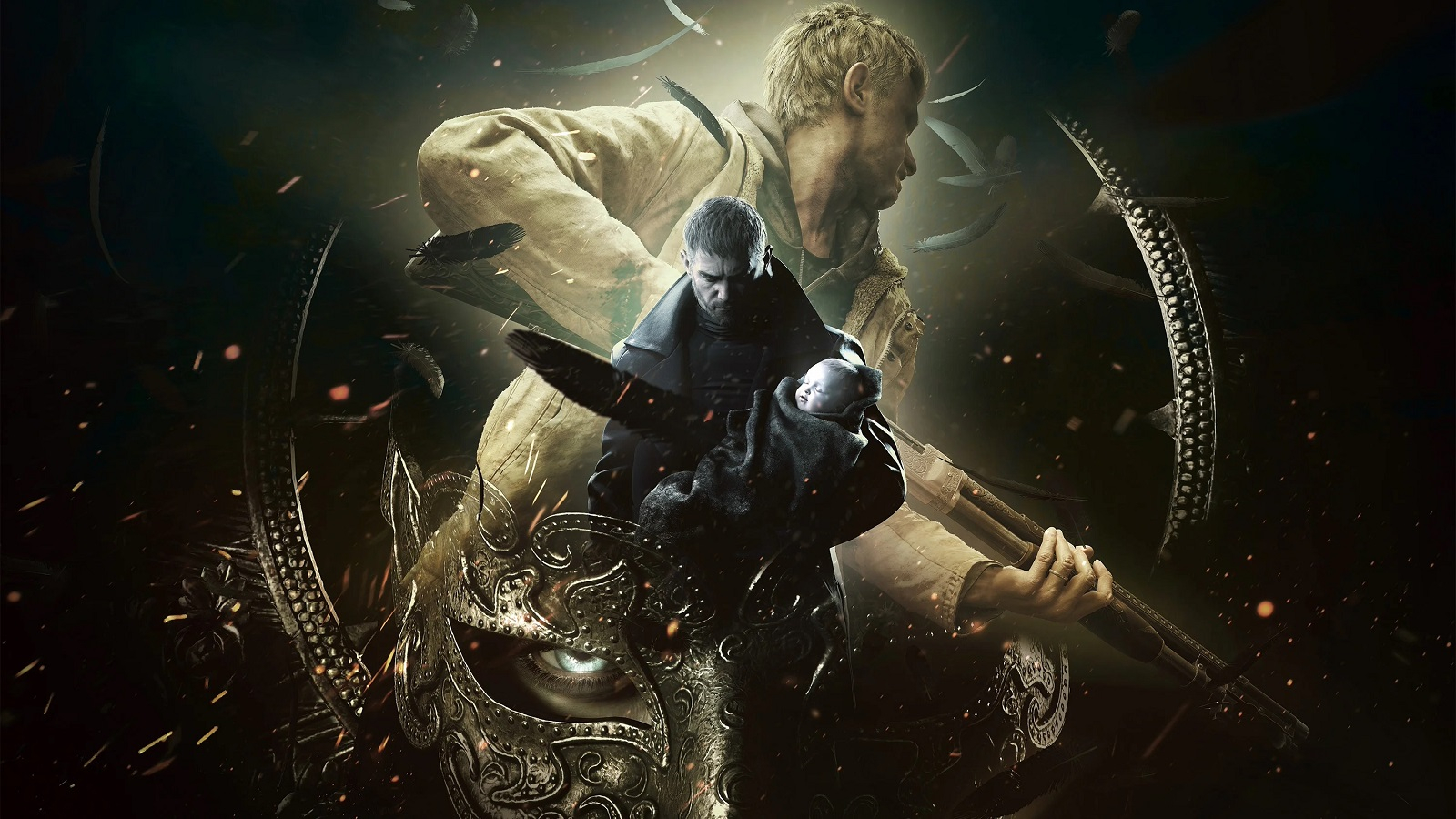
Developed and published by Capcom, this eighth mainline entry blends the first-person horror of its predecessor with the action-oriented pacing of ‘Resident Evil 4’. Critics often point out that the game’s four main zones are inconsistent in quality, with some feeling much more developed than others. The shift toward a more fantastical, action-heavy final act was polarizing for those who preferred the intimate horror of the Baker estate. Despite its popularity, some fans felt the protagonist’s characterization remained thin and unengaging.
‘BioShock’ (2007)
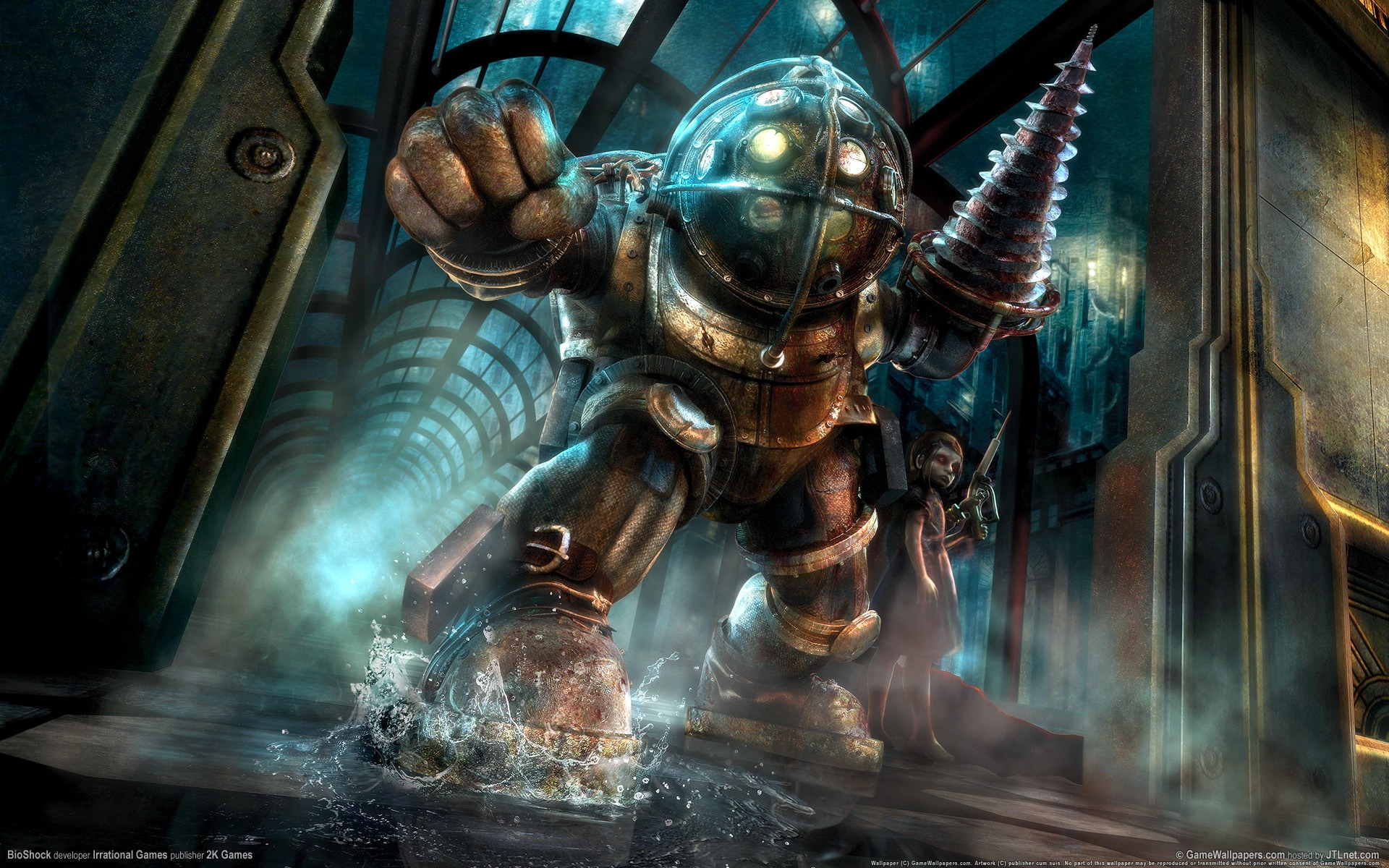
Developed by 2K Boston and 2K Australia and published by 2K Games, this title is celebrated for its narrative depth and the atmospheric city of Rapture. However, from a pure horror perspective, many argue the game loses its tension once the player becomes heavily armed with various powers and weapons. The “ludo-narrative dissonance” regarding the protagonist’s actions and the moral choices provided is a common point of academic critique. While a landmark in gaming, its status as a “horror” title is often debated by those who find its shooter elements too dominant.
‘Alien: Isolation’ (2014)
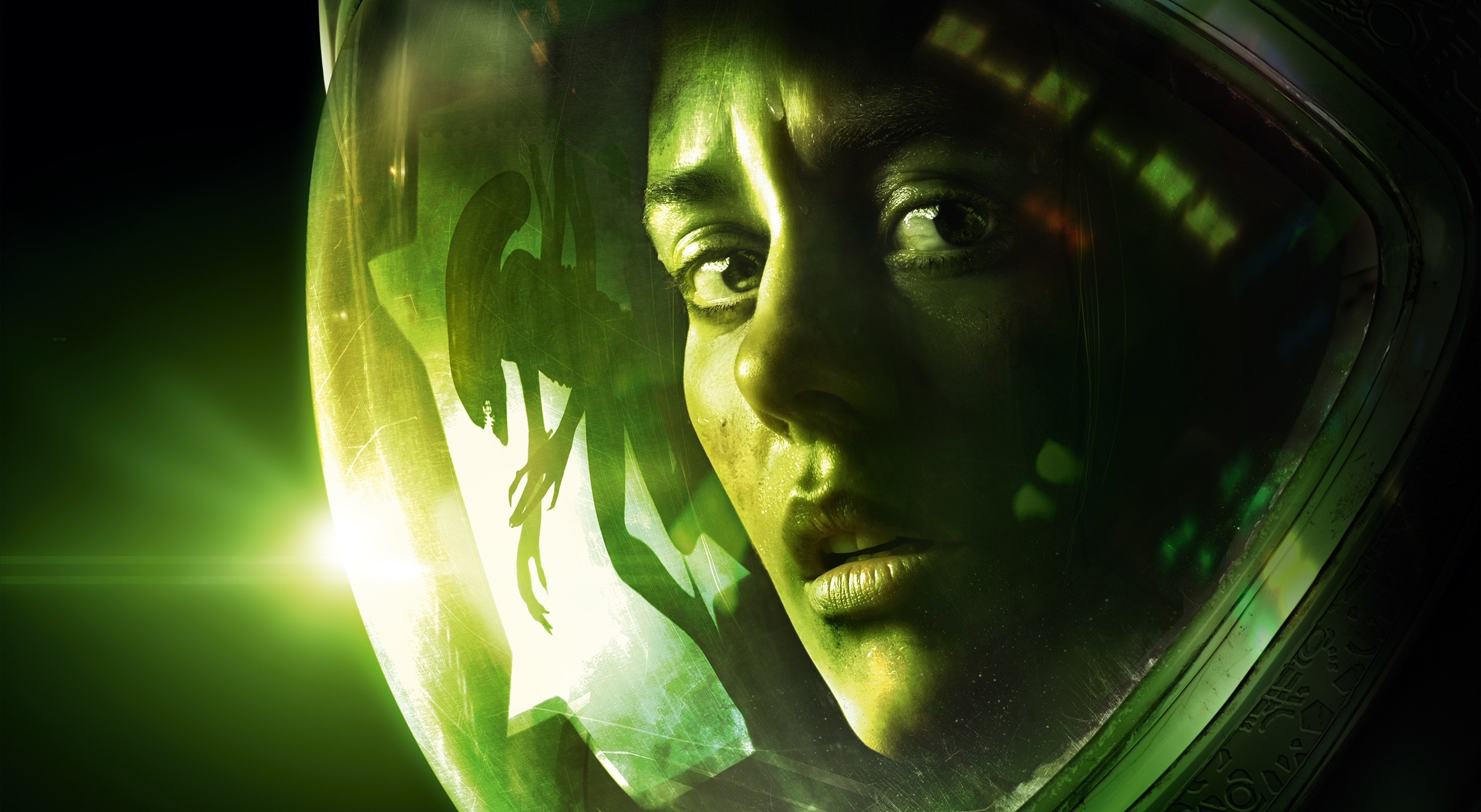
Developed by Creative Assembly and published by Sega, this game is praised for its faithful recreation of the original film’s aesthetic and its intelligent AI. A primary criticism, however, is the game’s excessive length, which many feel causes the tension to wear thin long before the conclusion. The human and android enemy encounters are often described as less interesting than the hide-and-seek segments with the Xenomorph. For some players, the unpredictability of the Alien can lead to unfair deaths that feel more like bad luck than a failure of strategy.
‘The Last of Us Part II’ (2020)
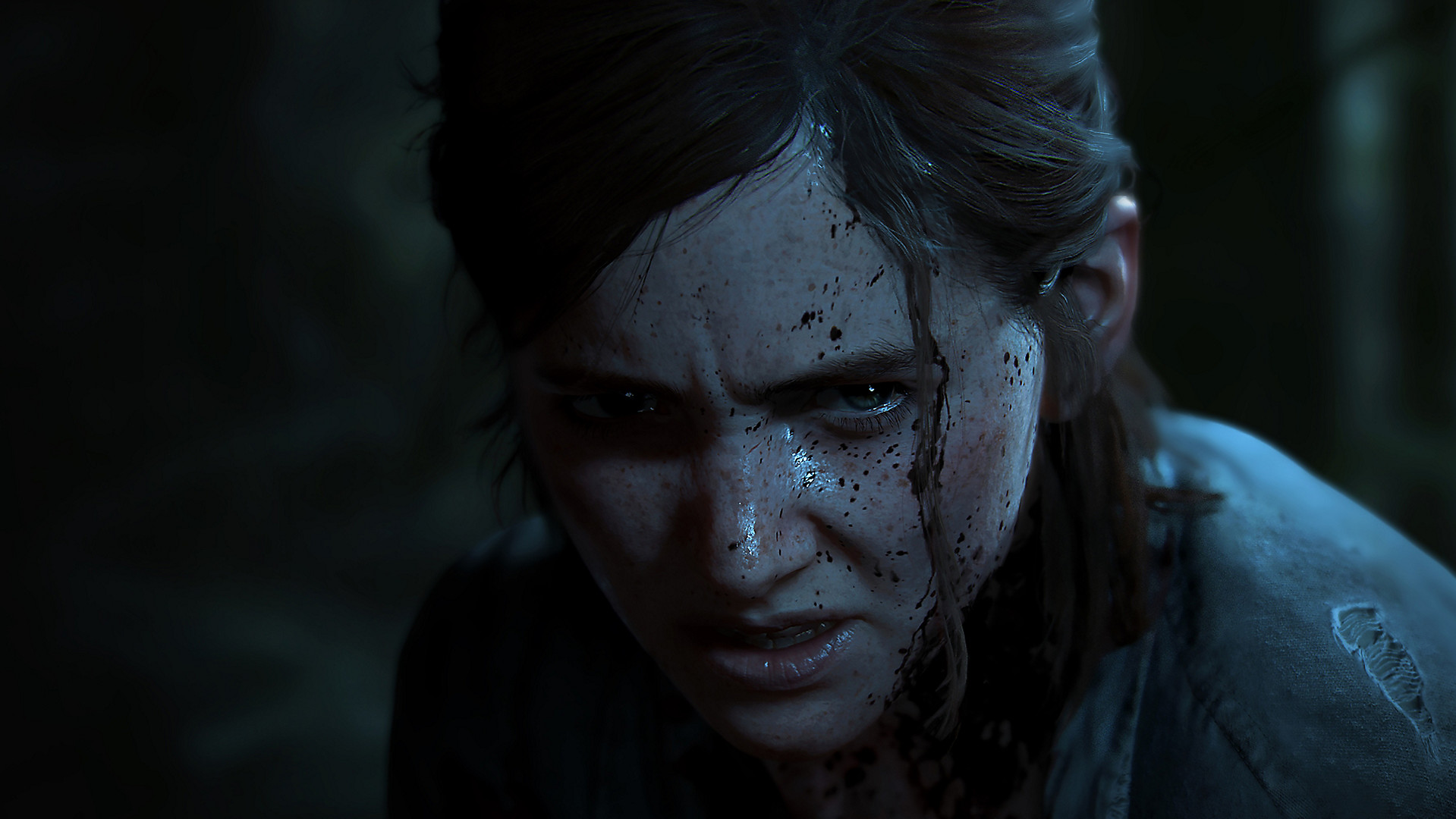
Developed by Naughty Dog and published by Sony Interactive Entertainment, this sequel is one of the most awarded games in history but remains highly divisive among players. While the technical achievements and combat mechanics are world-class, the narrative structure and character motivations were met with significant backlash. Critics of the game often cite the pacing as a major issue, with the story stretching over twenty-five hours. Despite its critical acclaim, the relentlessly grim tone was exhausting for a portion of the audience.
‘Left 4 Dead 2’ (2009)
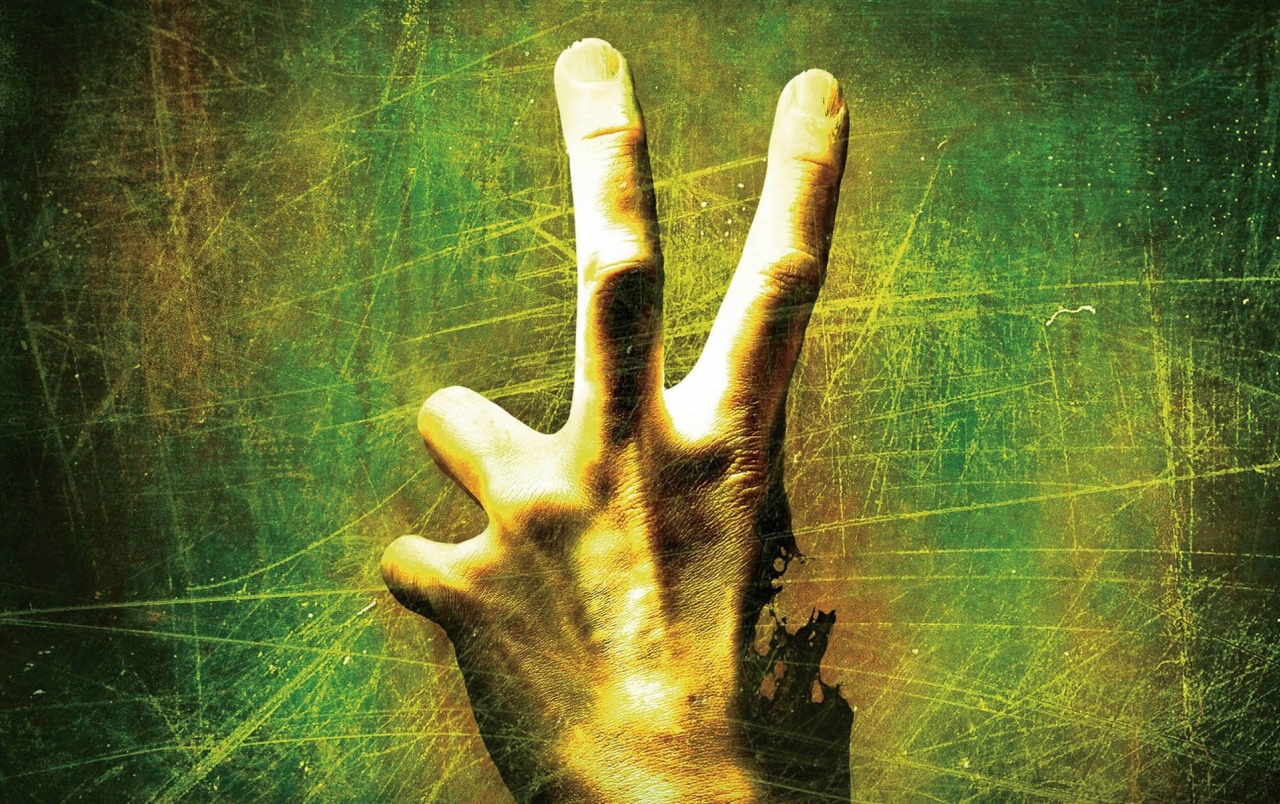
Developed and published by Valve, this cooperative shooter is a staple of the zombie genre and remains highly played today. Detractors, however, point out that it felt more like an incremental update to the first game rather than a full sequel, especially considering its release only one year later. The core gameplay loop has remained largely unchanged for over a decade, which some find repetitive in the modern landscape of gaming. While it perfected the “AI Director” concept, the lack of a formal progression system can make long sessions feel aimless.
‘Resident Evil 4 (Remake)’ (2023)
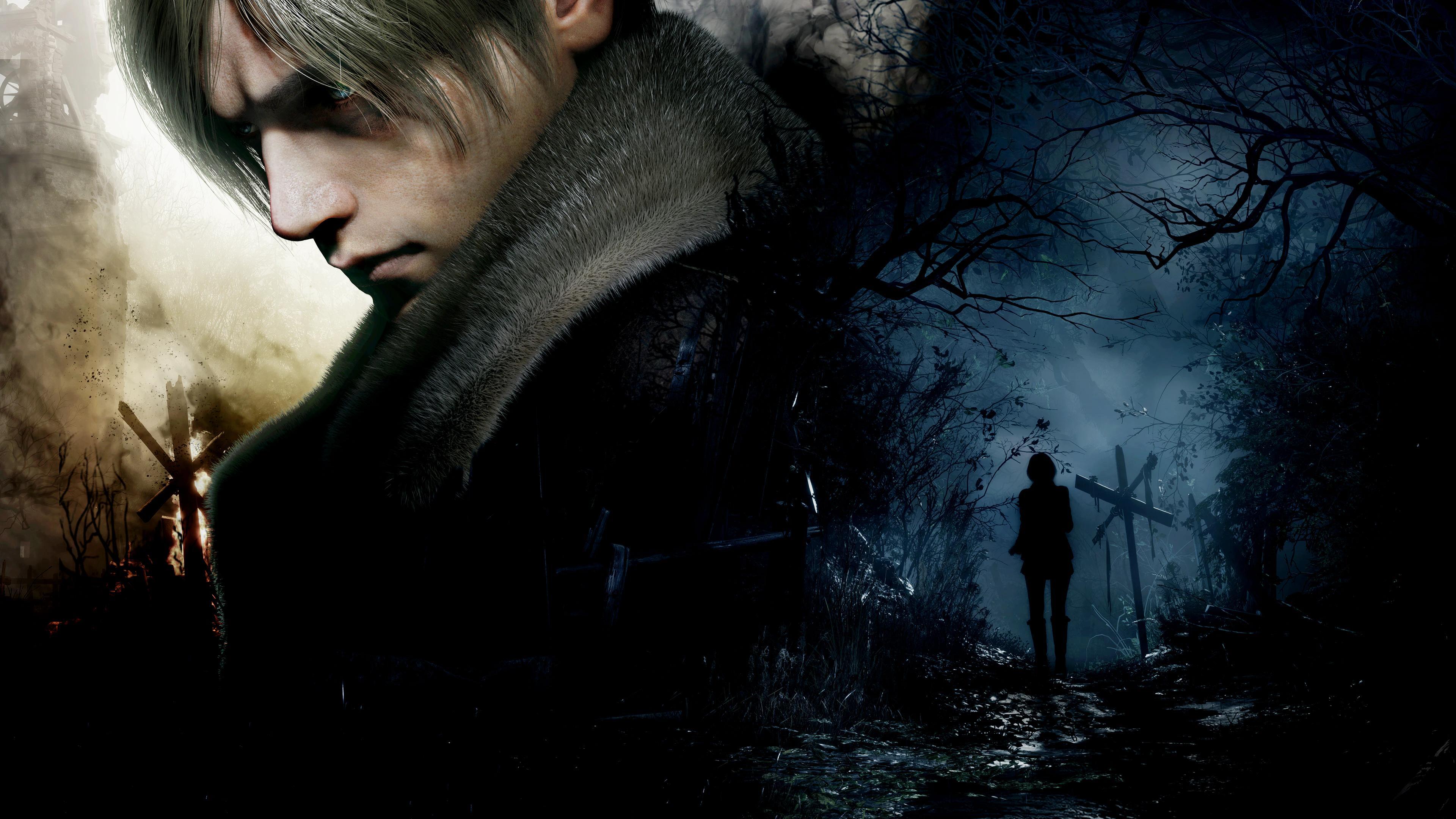
Developed and published by Capcom, this reimagining of the 2005 classic received near-universal praise for its modernized controls and updated visuals. However, some fans of the original argue that the remake loses some of the campy charm and unique pacing that made the first version a masterpiece. The addition of the knife-parry mechanic, while functional, changed the fundamental rhythm of combat in a way that some purists found less satisfying. Despite being a technical marvel, the debate continues over whether it was a necessary addition to the franchise.
‘P.T.’ (2014)

Developed by 7780s Studio (a pseudonym for Kojima Productions) and published by Konami, this “playable teaser” for the cancelled ‘Silent Hills’ became a legend after being removed from digital stores. While it is undeniably effective at generating dread, critics point out that the puzzles were intentionally obtuse to the point of being unsolvable without community guides. The “game” itself is a single looping hallway with very little mechanical interaction beyond walking and looking. Much of its status is attributed to its rarity and the “what could have been” factor rather than a complete gameplay experience.
‘Resident Evil 4’ (2005)
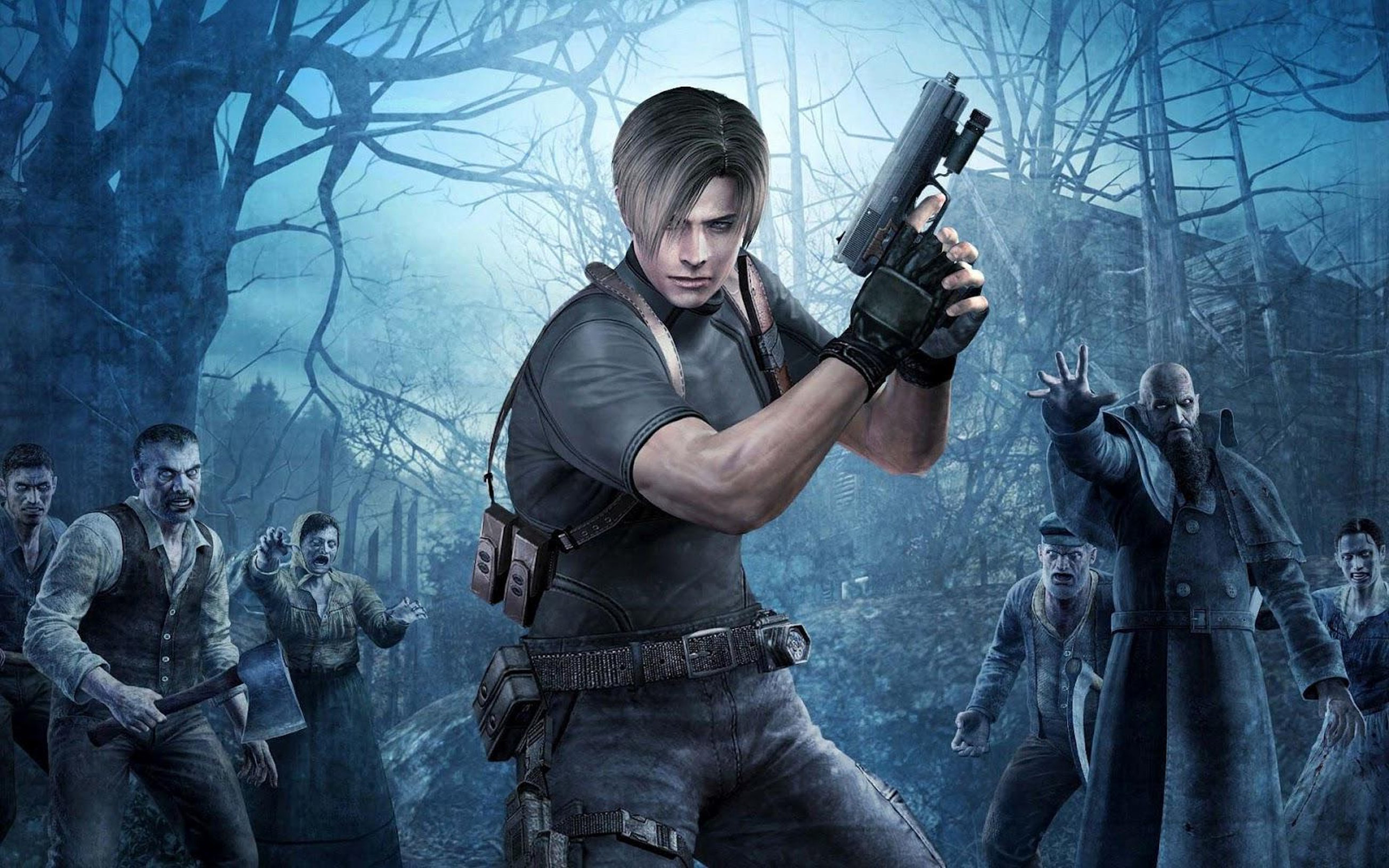
Developed and published by Capcom, this title is frequently cited as one of the greatest games ever made and a pioneer of the over-the-shoulder camera. Despite this, some horror enthusiasts argue it was the beginning of the end for the series’ survival horror roots, steering it toward action. The escort mechanics involving the character Ashley are often described as frustrating and a hindrance to the overall flow of the game. While it revolutionized the industry, the lack of traditional scares and the focus on “shooting galleries” makes it a controversial pick for the top of horror lists.
Share your own list of overrated horror titles in the comments.