

30 Overrated Open-World Games Everyone Seems To Like

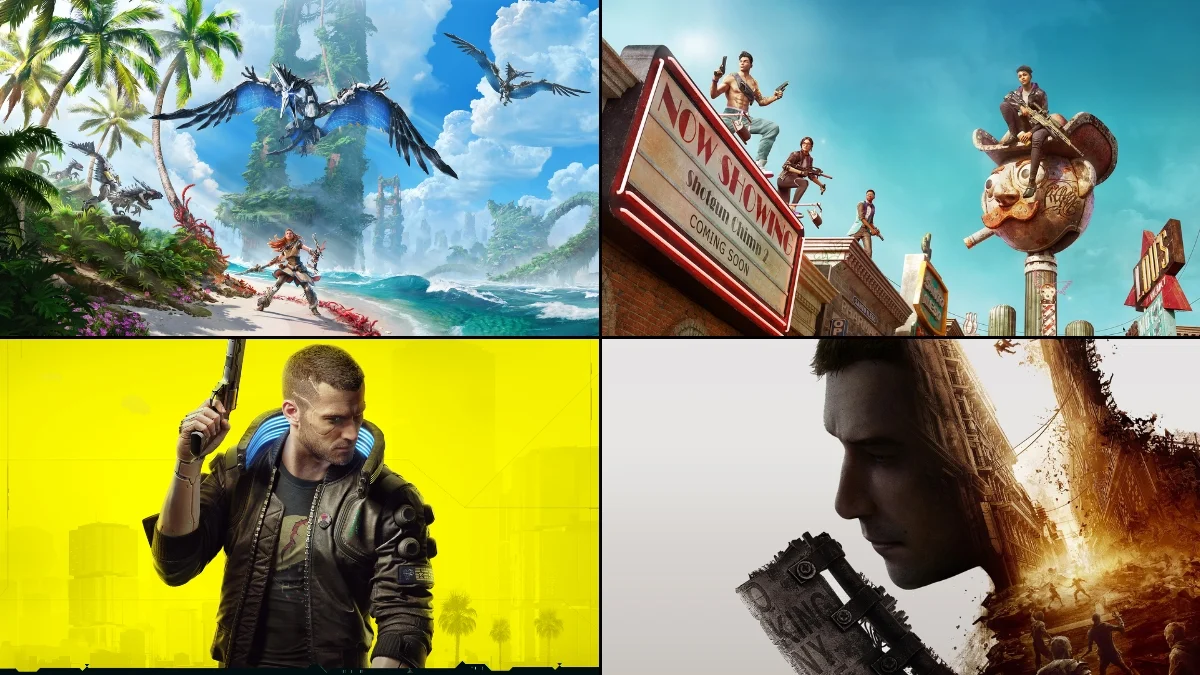


The open-world genre has become a staple of modern gaming, offering players vast landscapes and unparalleled freedom. While many of these titles receive critical acclaim and achieve massive sales, the initial enthusiasm often gives way to deeper scrutiny regarding their design and mechanics. Common critiques frequently focus on repetitive quest structures, technical limitations, or worlds that feel less reactive than promised. This analysis explores several highly popular open-world titles that have faced significant debate over their actual impact and execution.
‘Starfield’ (2023)
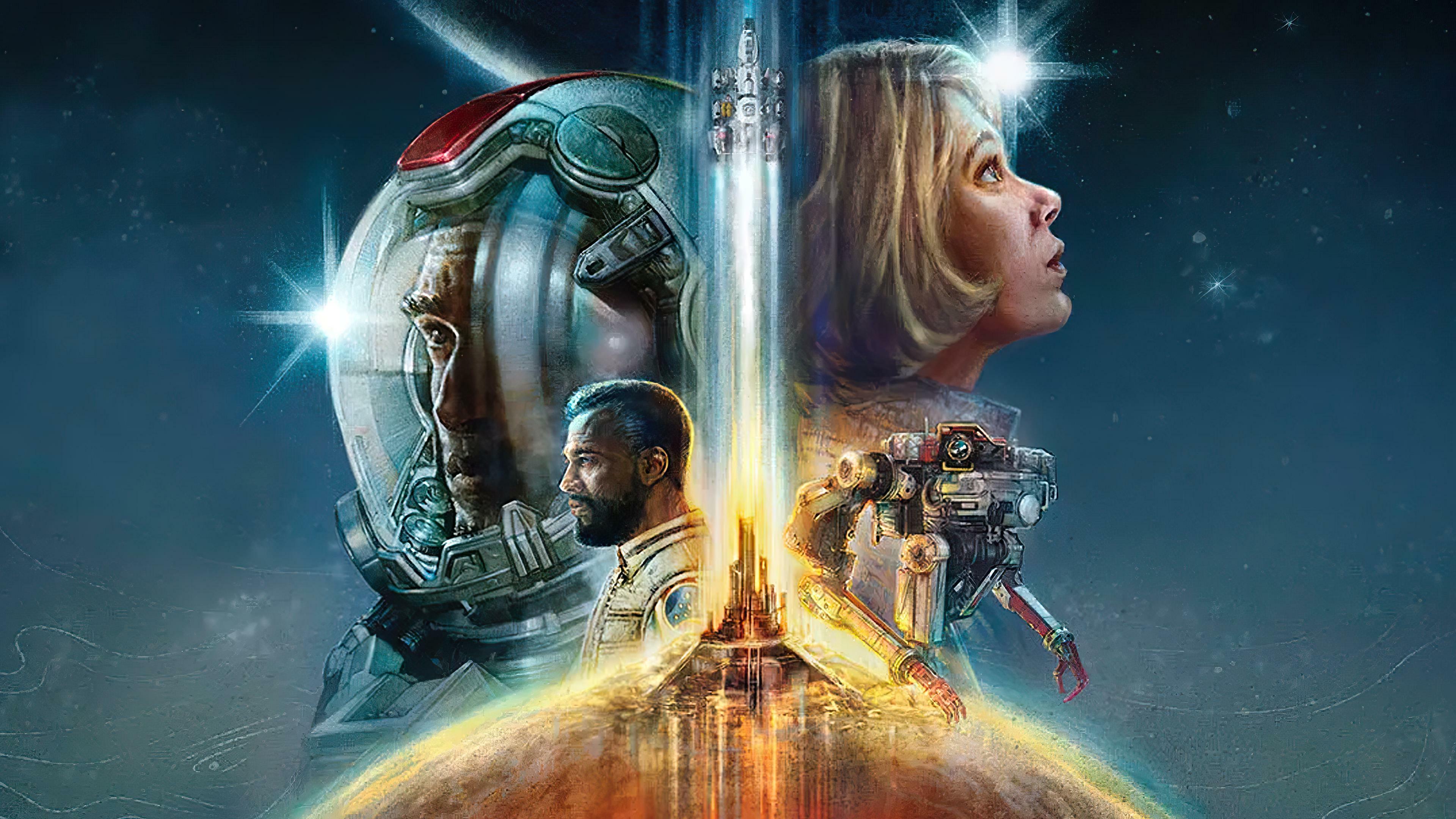
Developed by Bethesda Game Studios and published by Bethesda Softworks, ‘Starfield’ offers a massive galaxy with over 1,000 planets to explore. While the game features deep ship customization and various factions, many players pointed out the frequent loading screens that interrupt the seamless transition between space and land. The procedural generation of planets led to some criticism regarding the repetitive nature of environments and points of interest. Despite its commercial success on Xbox and PC, discussions often center on how its exploration compares to the studio’s previous established franchises.
‘The Legend of Zelda: Tears of the Kingdom’ (2023)
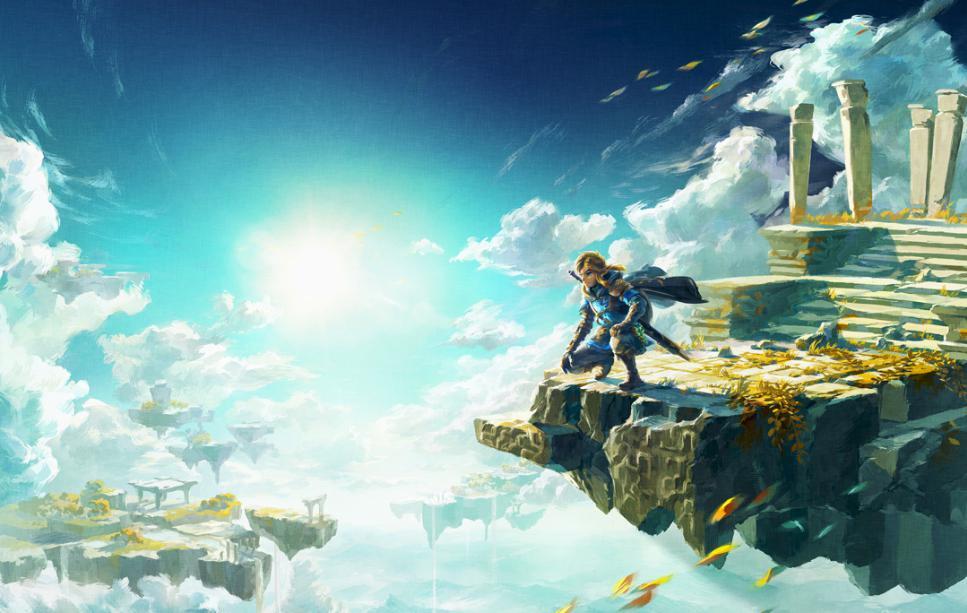
Nintendo developed and published ‘The Legend of Zelda: Tears of the Kingdom’ as a direct sequel to its 2017 predecessor. The game introduced the Ultrahand mechanic, allowing players to build complex machines and structures within the land of Hyrule. Critics and fans noted that the map remained largely the same as the previous game, leading to feelings of overfamiliarity despite the addition of sky and underground layers. Some players found the technical limitations of the hardware hindered the ambitious scope of the building systems.
‘Marvel’s Spider-Man 2’ (2023)
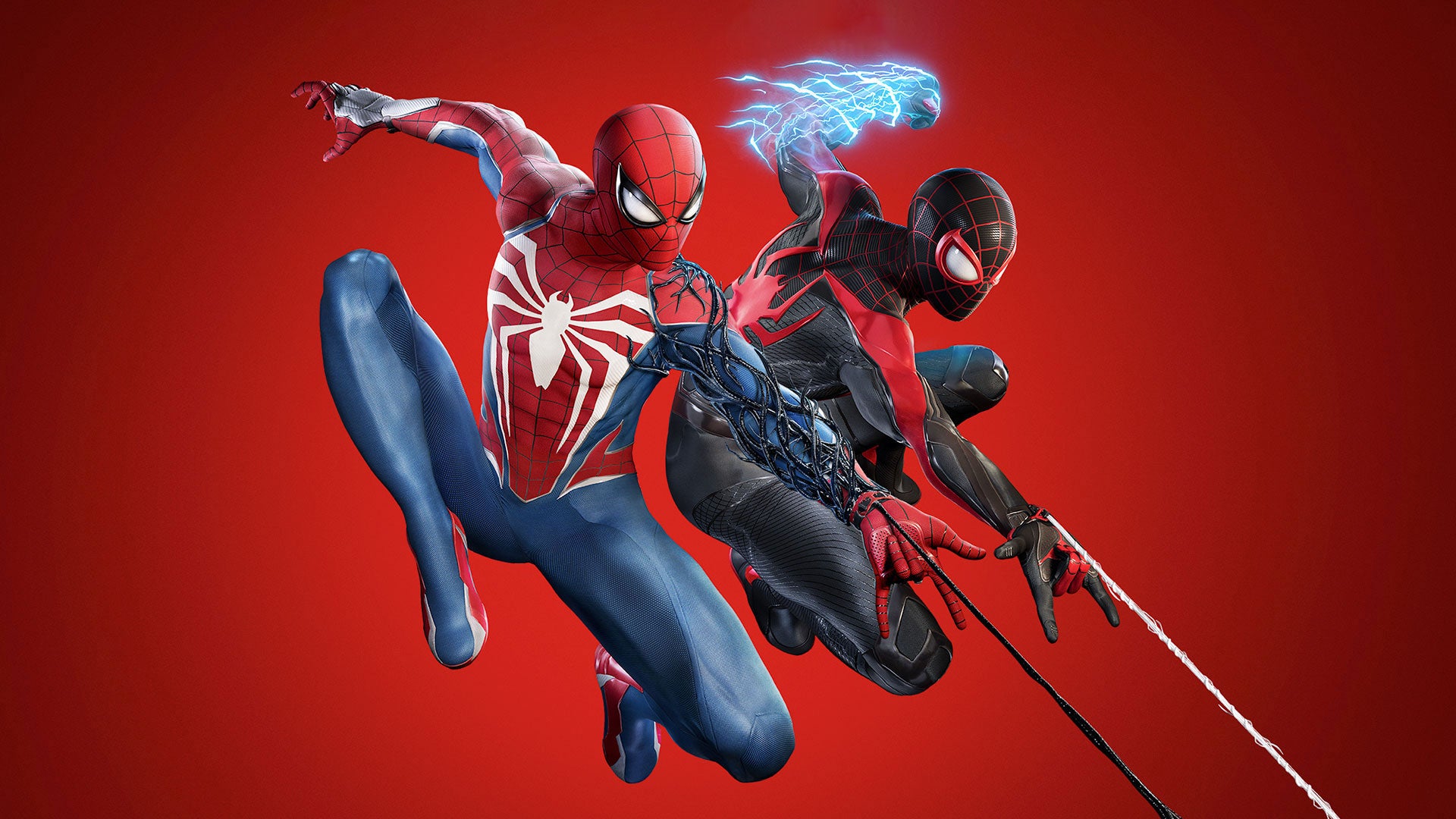
‘Marvel’s Spider-Man 2’ was developed by Insomniac Games and published by Sony Interactive Entertainment for the PlayStation 5. The sequel features both Peter Parker and Miles Morales as playable characters in an expanded New York City. While the traversal mechanics and combat were praised for their fluidity, some critics argued the open-world side content followed a predictable and repetitive formula. The length of the main campaign and the lack of innovation in mission design were common points of discussion among long-time fans of the series.
‘Hogwarts Legacy’ (2023)
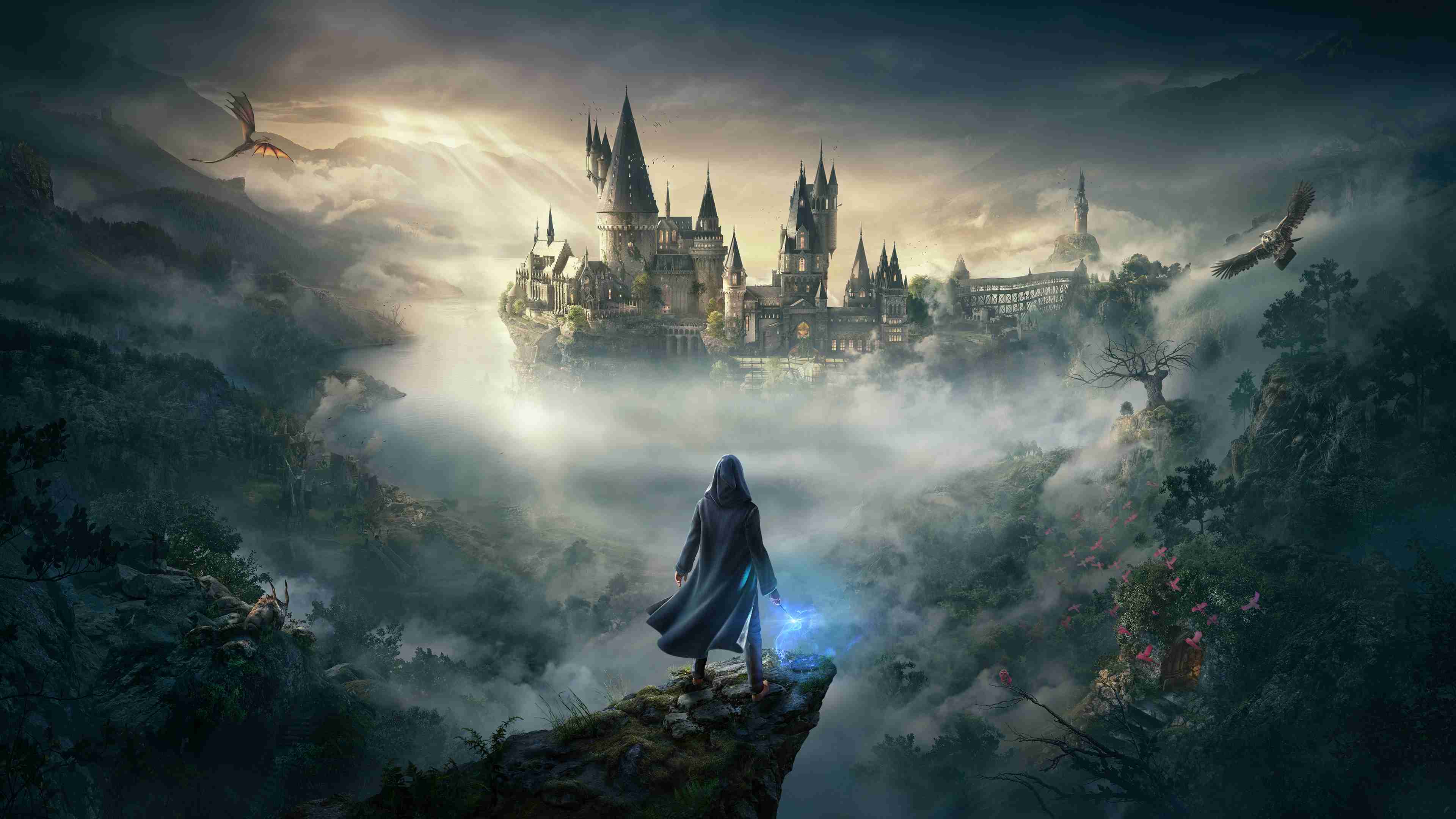
Developed by Avalanche Software and published by Warner Bros. Games, ‘Hogwarts Legacy’ allows players to experience life as a student at the famous wizarding school. The game successfully captured the aesthetic of the Wizarding World, but some players found the world outside the castle to be sparsely populated with meaningful activities. Repetitive puzzles, such as the Merlin Trials, were cited as filler content that padded the gameplay experience. The loot system and gear management also received criticism for being overly simplistic compared to other modern action role-playing games.
‘Elden Ring’ (2022)
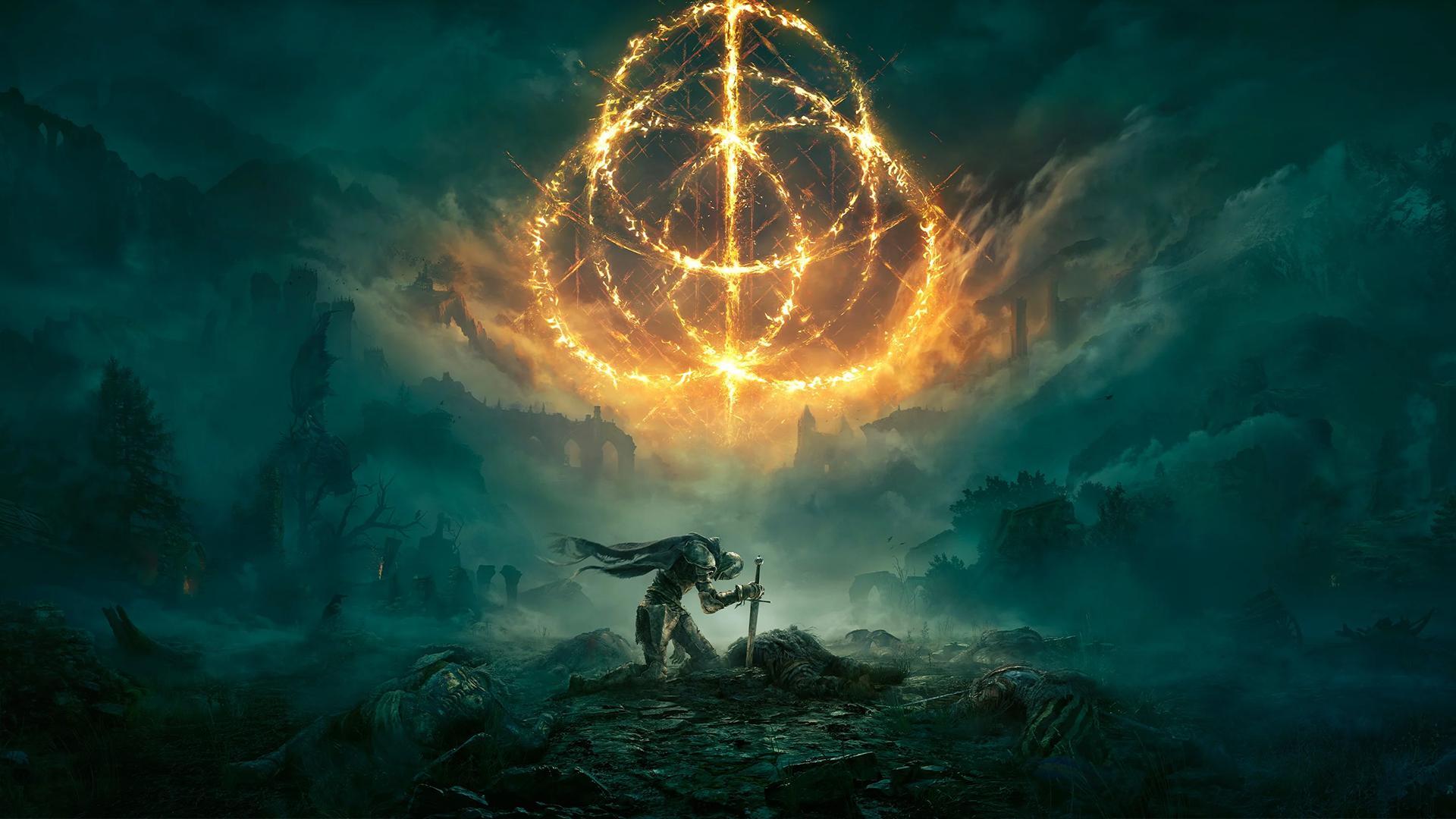
Developed by FromSoftware and published by Bandai Namco, ‘Elden Ring’ brought the challenging combat of the Souls series to a massive open world. The game received near-universal acclaim for its art direction and freedom of exploration in the Lands Between. Critics of the experience, however, often pointed to recycled boss encounters and a lack of clear narrative direction without external guides. Performance issues on certain platforms at launch also sparked discussions about technical polish in such a large-scale project.
‘Horizon Forbidden West’ (2022)
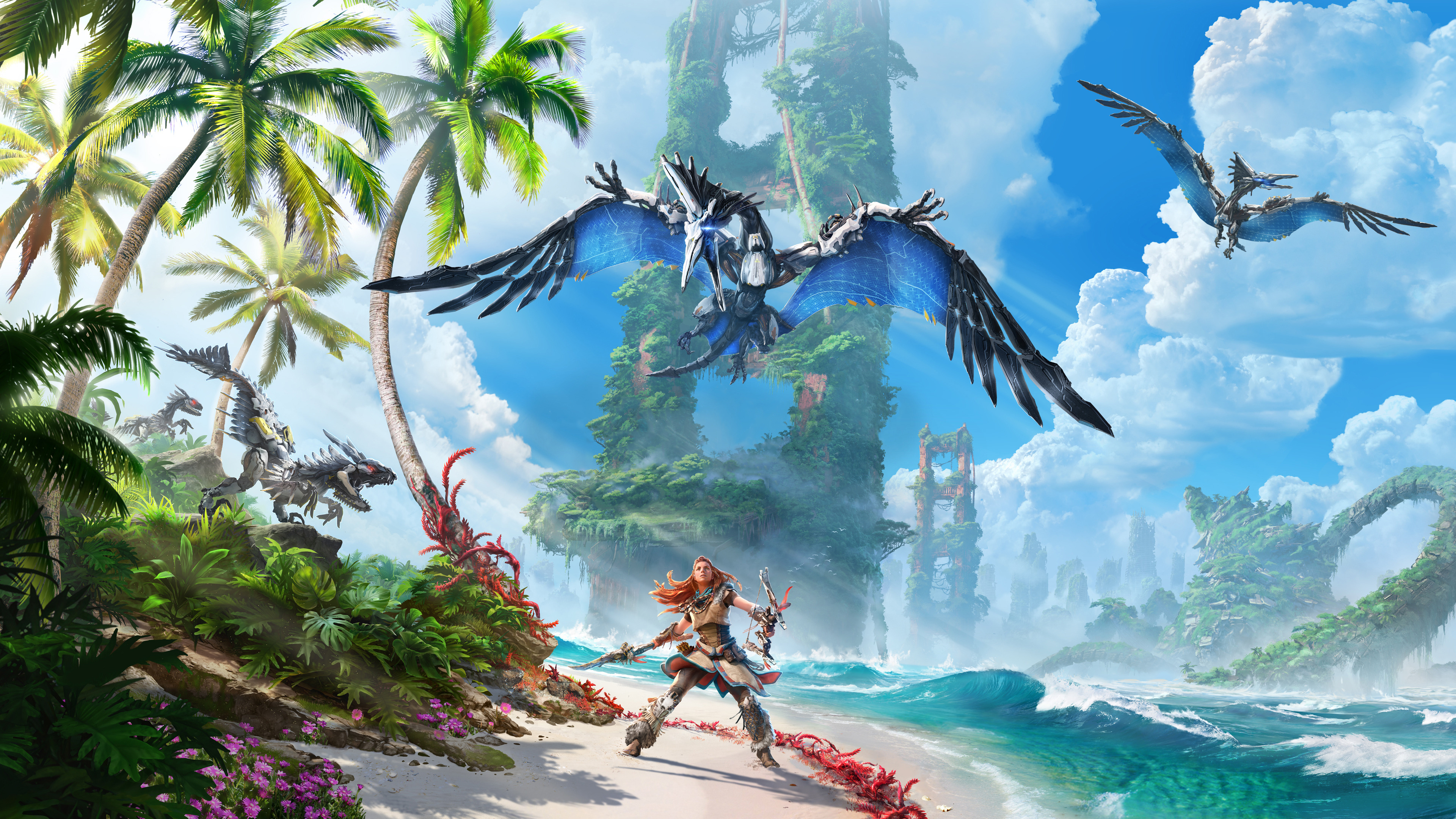
‘Horizon Forbidden West’ was developed by Guerrilla Games and published by Sony Interactive Entertainment. It continues the story of Aloy as she travels to the western frontier to stop a mysterious blight. While the visual fidelity and creature designs were widely lauded, some players felt the game suffered from “map clutter” common in many modern open-world titles. The sheer volume of icons and side activities led to critiques that the game felt more like a checklist than an organic adventure.
‘Dying Light 2 Stay Human’ (2022)
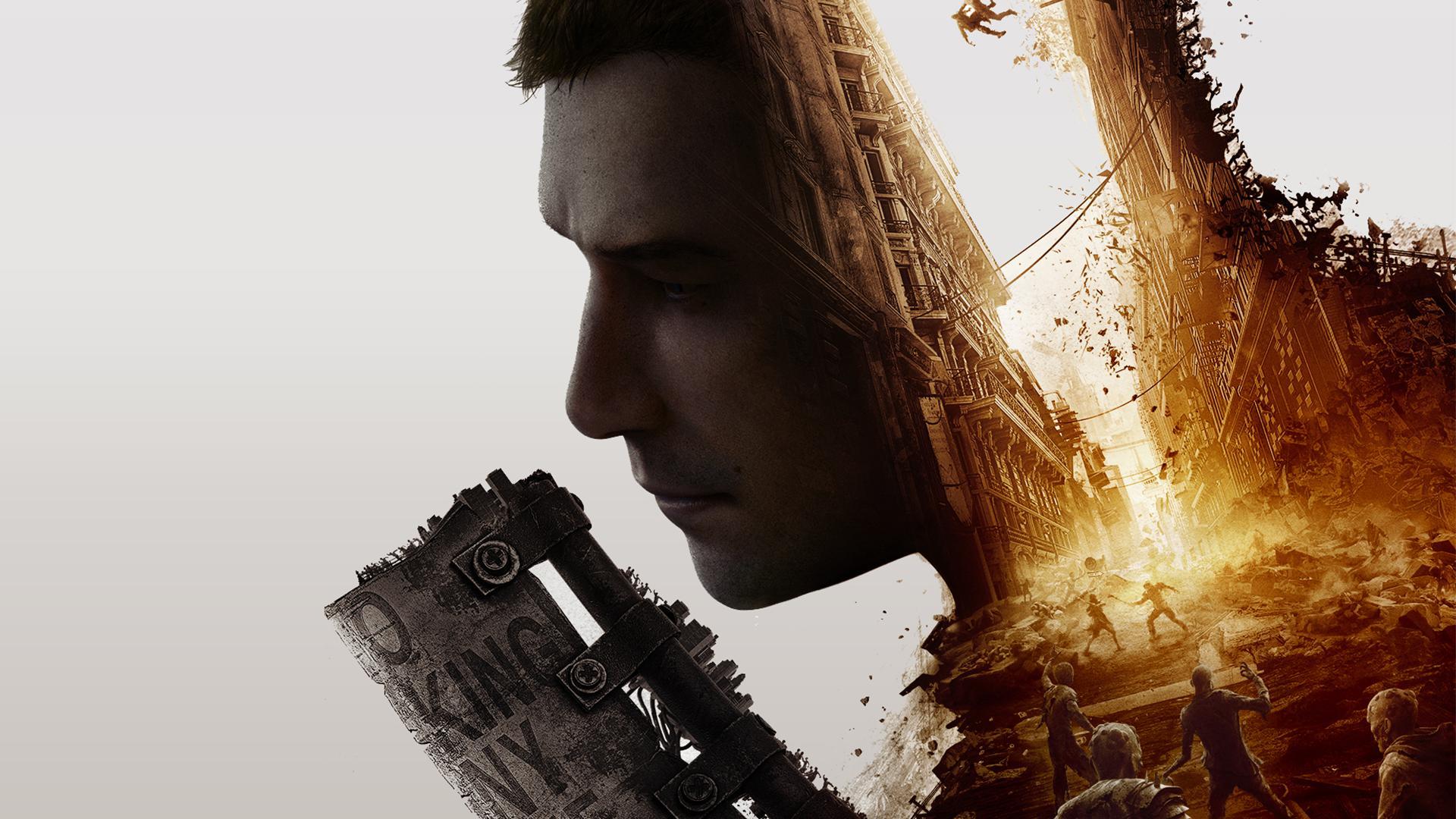
Developed and published by Techland, ‘Dying Light 2 Stay Human’ focuses on parkour-based movement in a post-apocalyptic city overrun by zombies. The game promised a narrative shaped by player choices, but many found the actual consequences to be less impactful than advertised. Some players noted that the combat and movement felt floatier than the original title, leading to a divided reception. Frequent bugs and technical issues at launch also detracted from the ambitious scope of the urban environment.
‘Saints Row’ (2022)
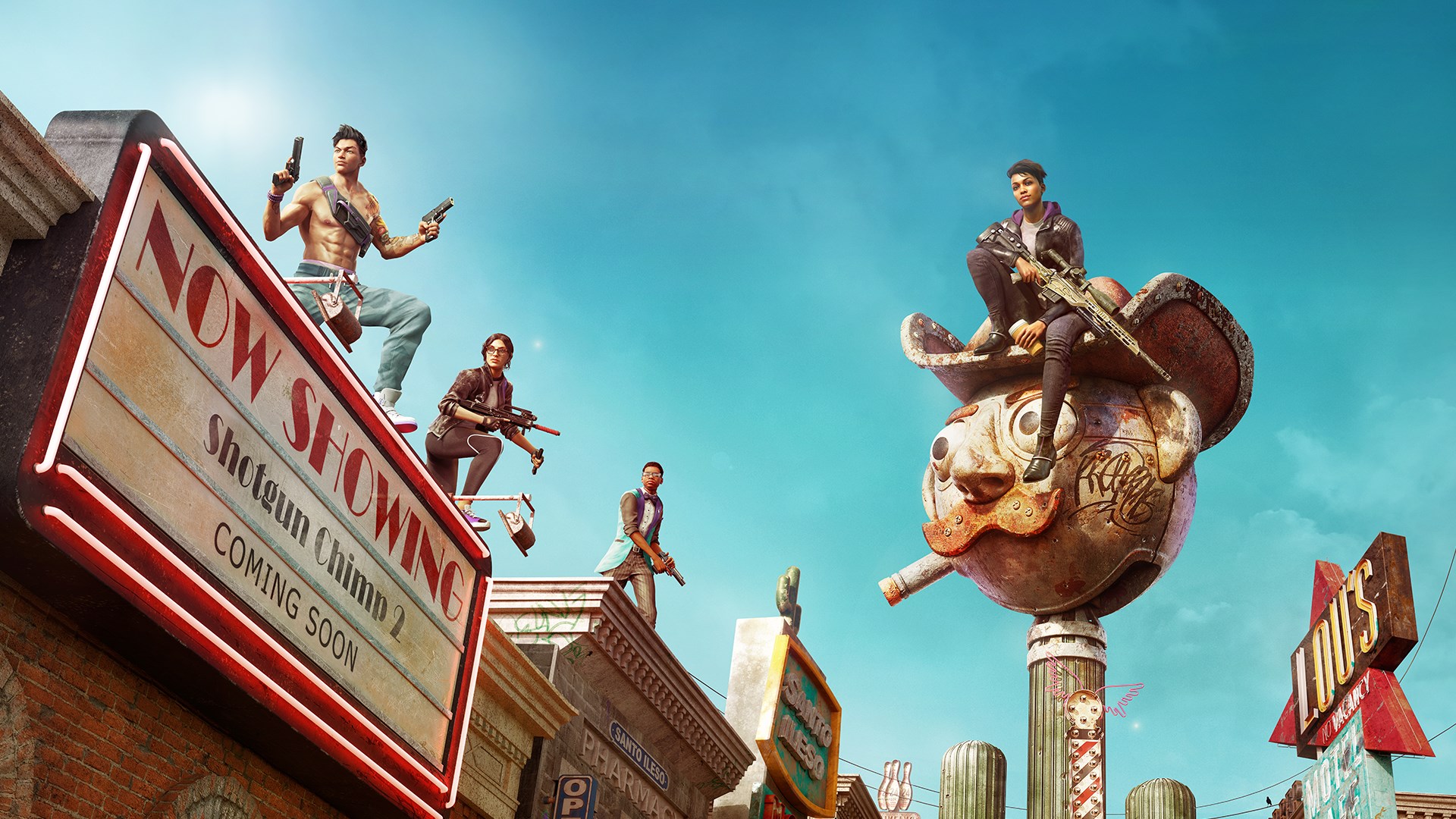
The 2022 reboot of ‘Saints Row’ was developed by Deep Silver Volition and published by Deep Silver. It aimed to provide a fresh start for the franchise with a new cast of characters in the city of Santo Ileso. Many players and critics found the humor and writing to be dated, failing to capture the charm of the earlier entries. The gameplay loop was also criticized for relying on mission structures that felt more suited to the previous generation of consoles.
‘Far Cry 6’ (2021)
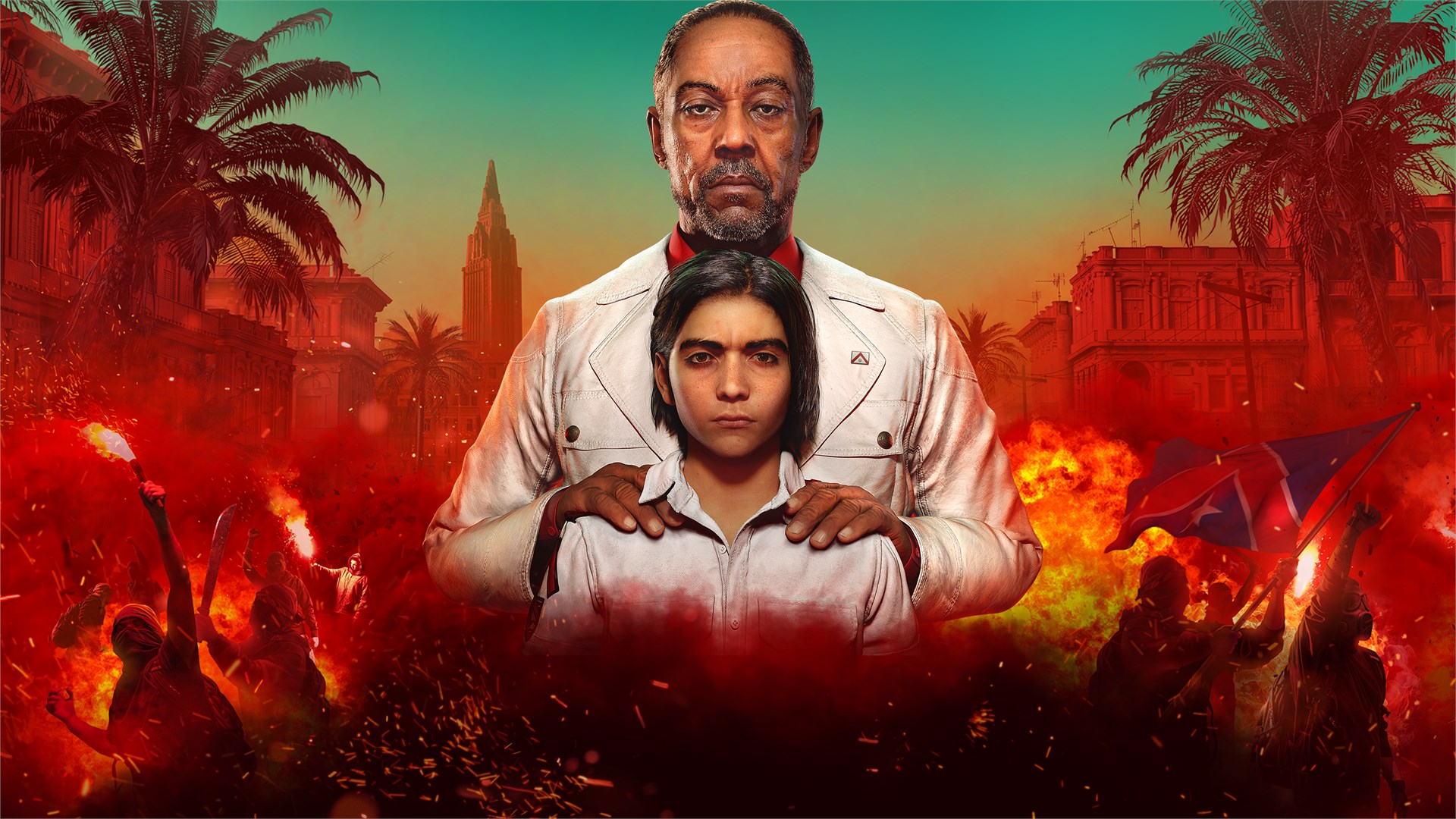
Developed and published by Ubisoft, ‘Far Cry 6′ takes place on the fictional Caribbean island of Yara under the rule of a dictator. While the performance of Giancarlo Esposito was a highlight, many players felt the gameplay formula remained stagnant. The introduction of leveled gear and specialized ammunition types was seen by some as an unnecessary complication of the series’ established stealth-action mechanics. The vast world was often described as beautiful but lacking in unique gameplay opportunities.
‘Cyberpunk 2077’ (2020)
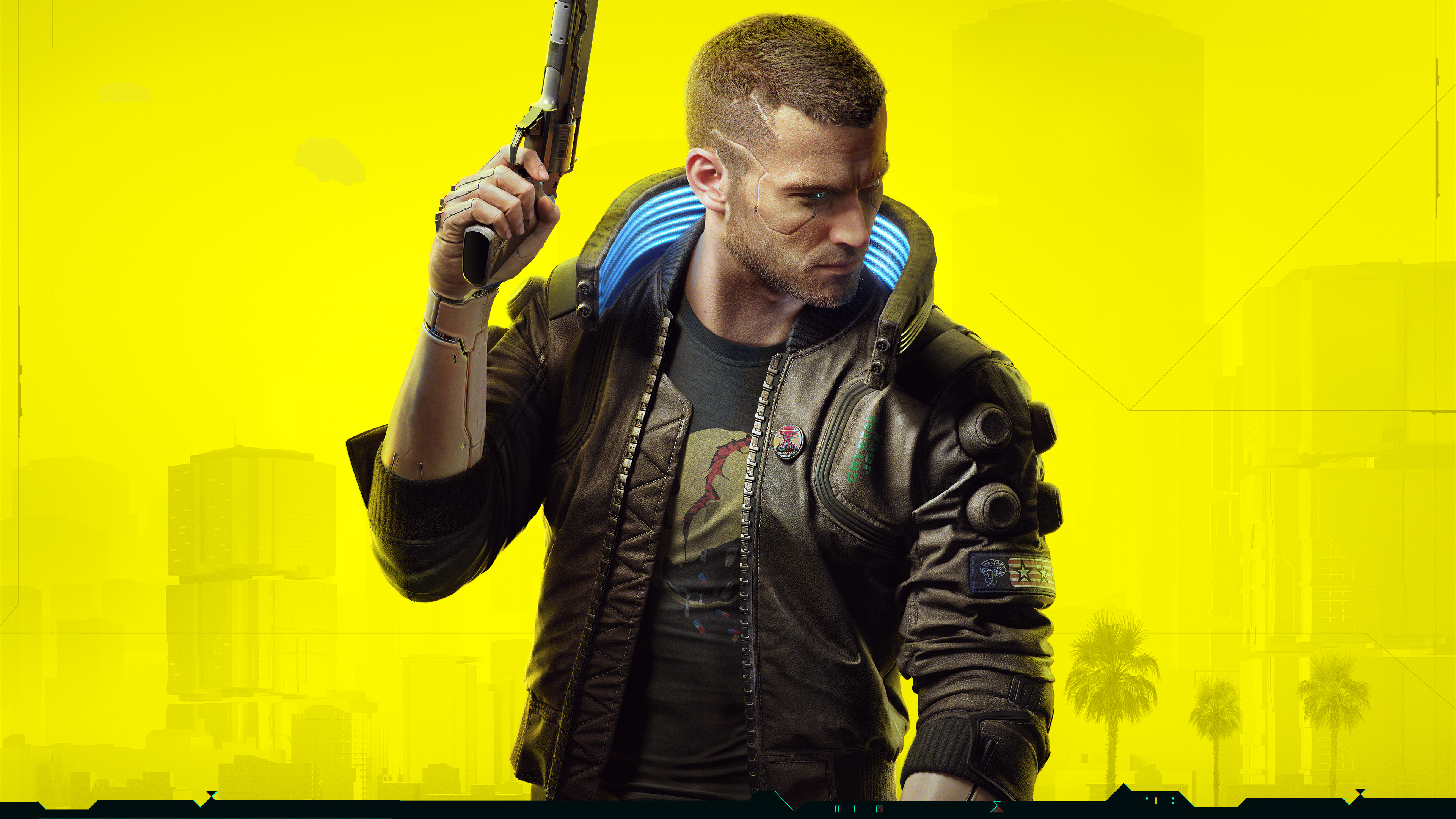
‘Cyberpunk 2077’ was developed and published by CD Projekt Red, promising a revolutionary open-world experience in Night City. Upon release, the game was heavily criticized for its numerous technical failures and poor performance on last-generation consoles. While updates have since improved the experience, critics noted that the world felt less interactive than early marketing materials suggested. The lack of branching narrative paths in the main story was also a point of contention for fans of the role-playing genre.
‘Assassin’s Creed Valhalla’ (2020)
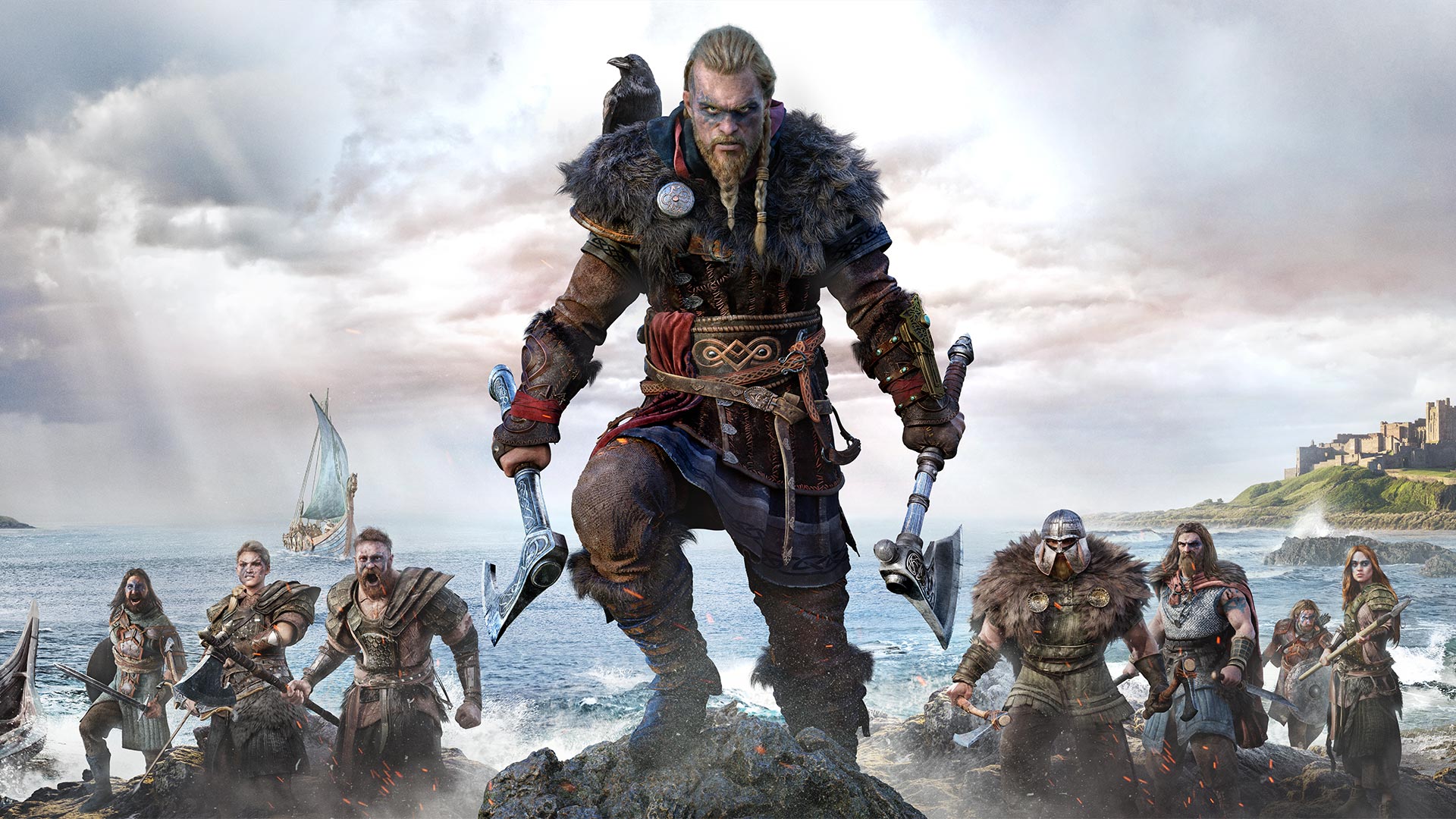
Developed and published by Ubisoft, ‘Assassin’s Creed Valhalla’ follows Eivor during the Viking invasion of England. The game is known for its massive scale and length, often taking players over 100 hours to complete. Some critics argued that the game suffered from significant bloat, with mandatory story arcs that felt like side content. The repetitive nature of the territory-conquest loop led to discussions about whether the series had become too large for its own good.
‘Ghost of Tsushima’ (2020)
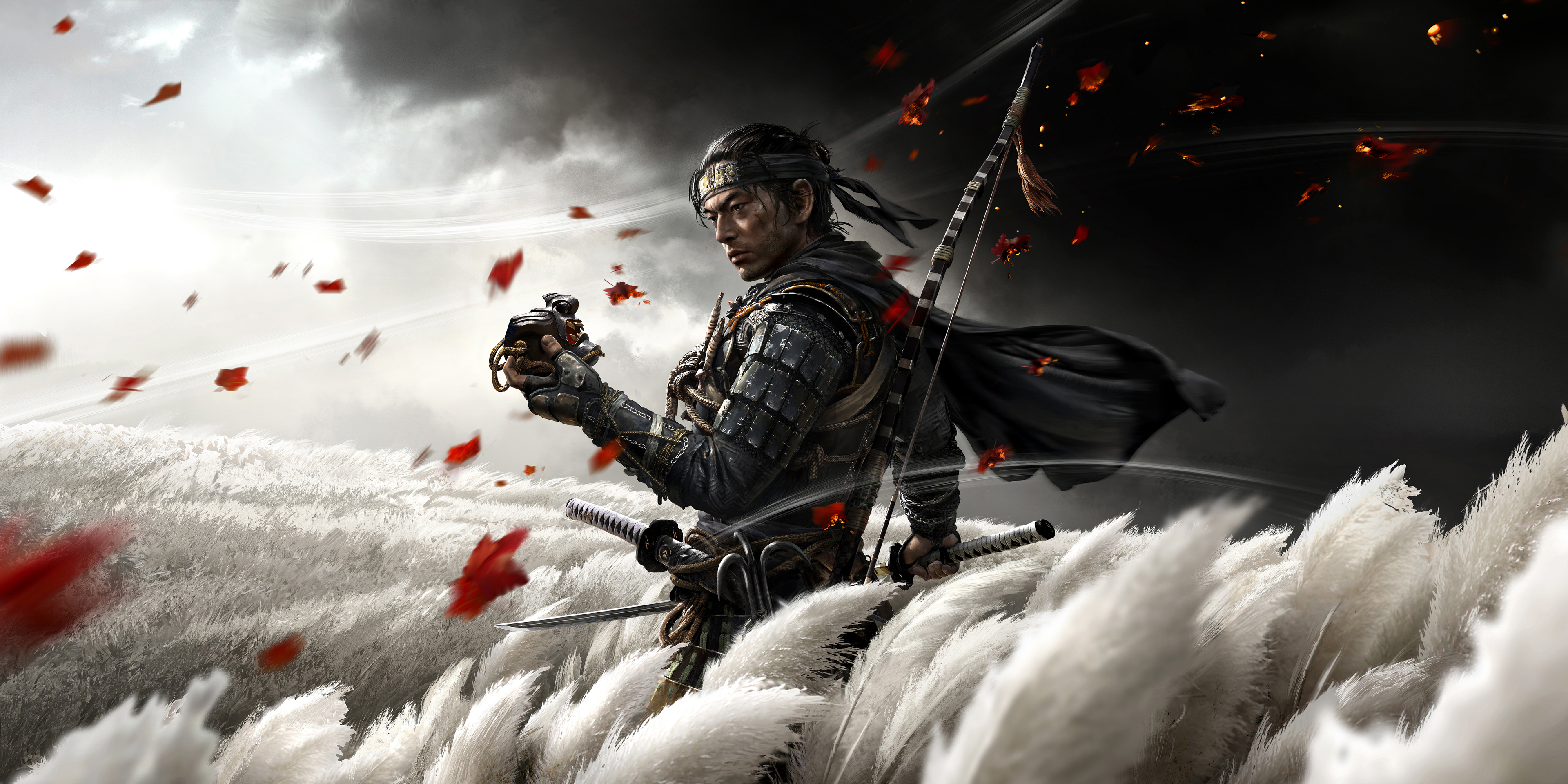
Developed by Sucker Punch Productions and published by Sony Interactive Entertainment, ‘Ghost of Tsushima’ tells the story of Jin Sakai defending his home from Mongol invaders. The game’s minimalist UI and art direction were highly praised for their immersion. However, some players pointed out that the mission variety was limited, often boiling down to tracking footprints or clearing out camps. The open-world activities, like following foxes or birds, were described by some as repetitive after the initial hours of play.
‘Watch Dogs: Legion’ (2020)
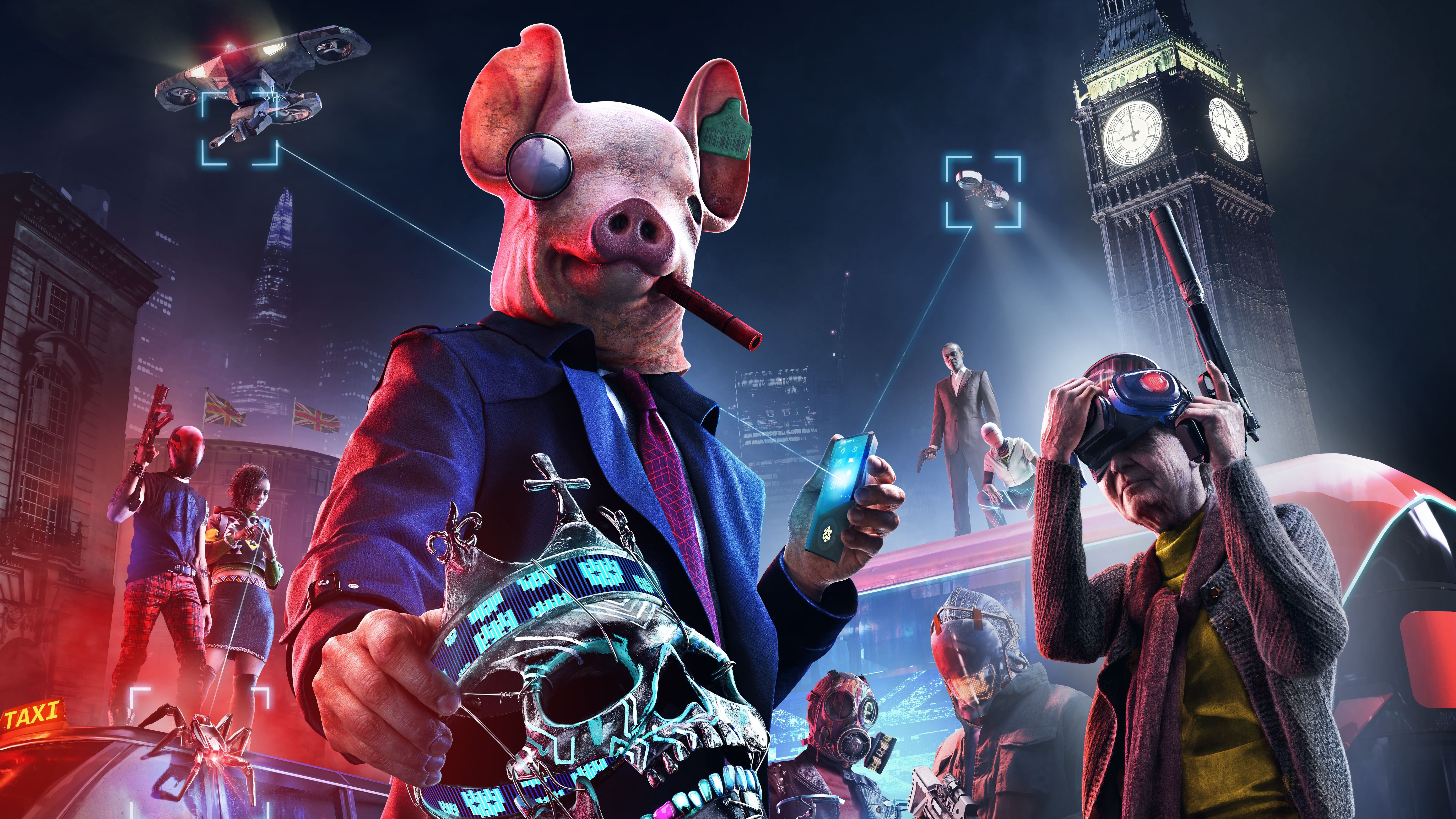
‘Watch Dogs: Legion’ was developed by Ubisoft Toronto and published by Ubisoft, featuring a futuristic London where any NPC can be recruited. This “play as anyone” mechanic was the game’s central selling point, but many found it led to a lack of character depth and a disjointed narrative. Without a central protagonist, the emotional stakes of the story often felt diminished for players. The repetitive nature of recruitment missions also became a point of criticism as the game progressed.
‘Genshin Impact’ (2020)
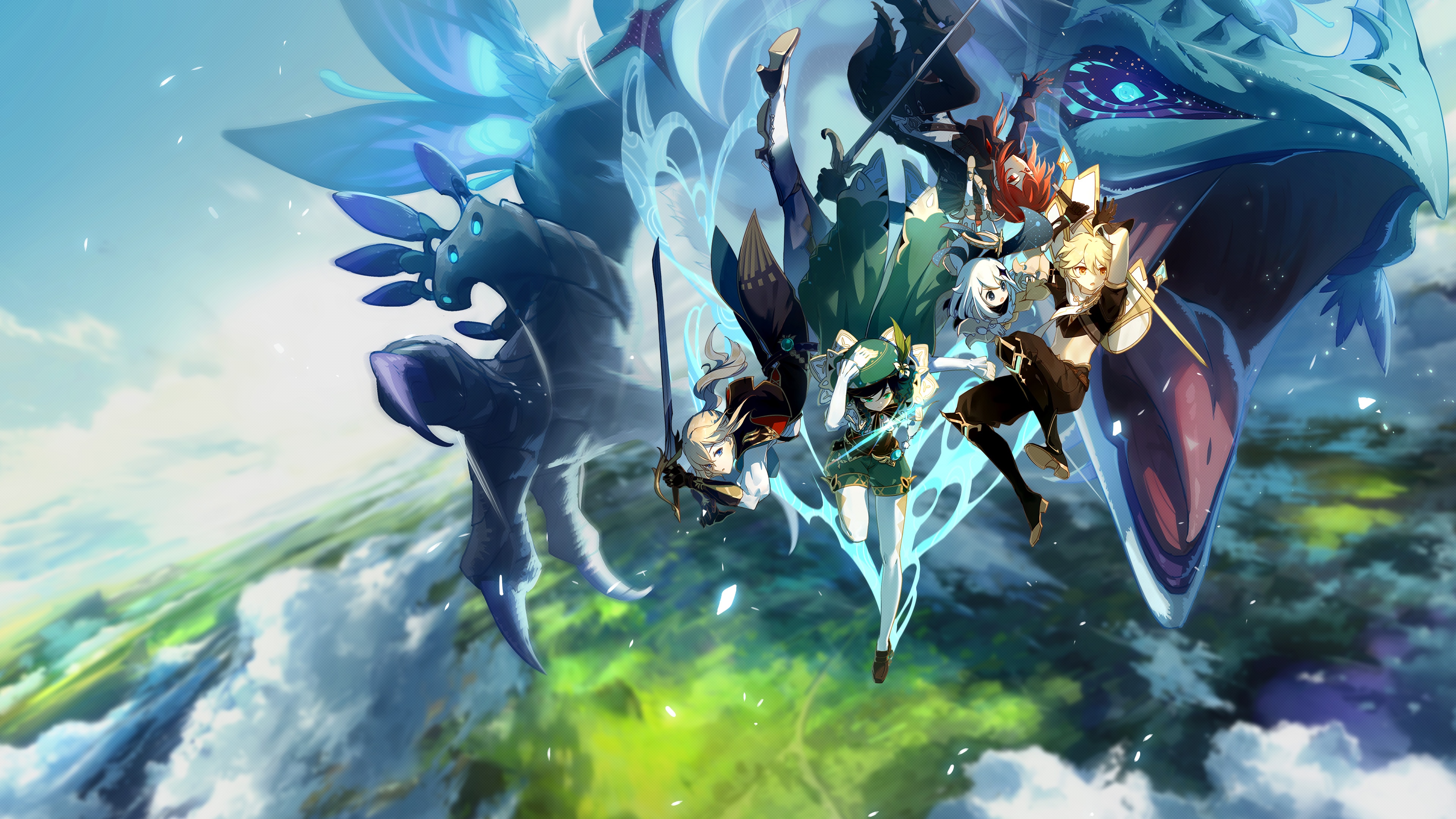
Developed and published by miHoYo, ‘Genshin Impact’ is a free-to-play open-world RPG that features a massive world and a rotating cast of characters. While the game offers high production values and frequent updates, the gacha monetization system has been a major point of debate. Some players found the late-game “grind” to be tedious and heavily gated by energy systems like Resin. The open world, though large, can feel empty once the primary treasure chests and puzzles are cleared.
‘Death Stranding’ (2019)
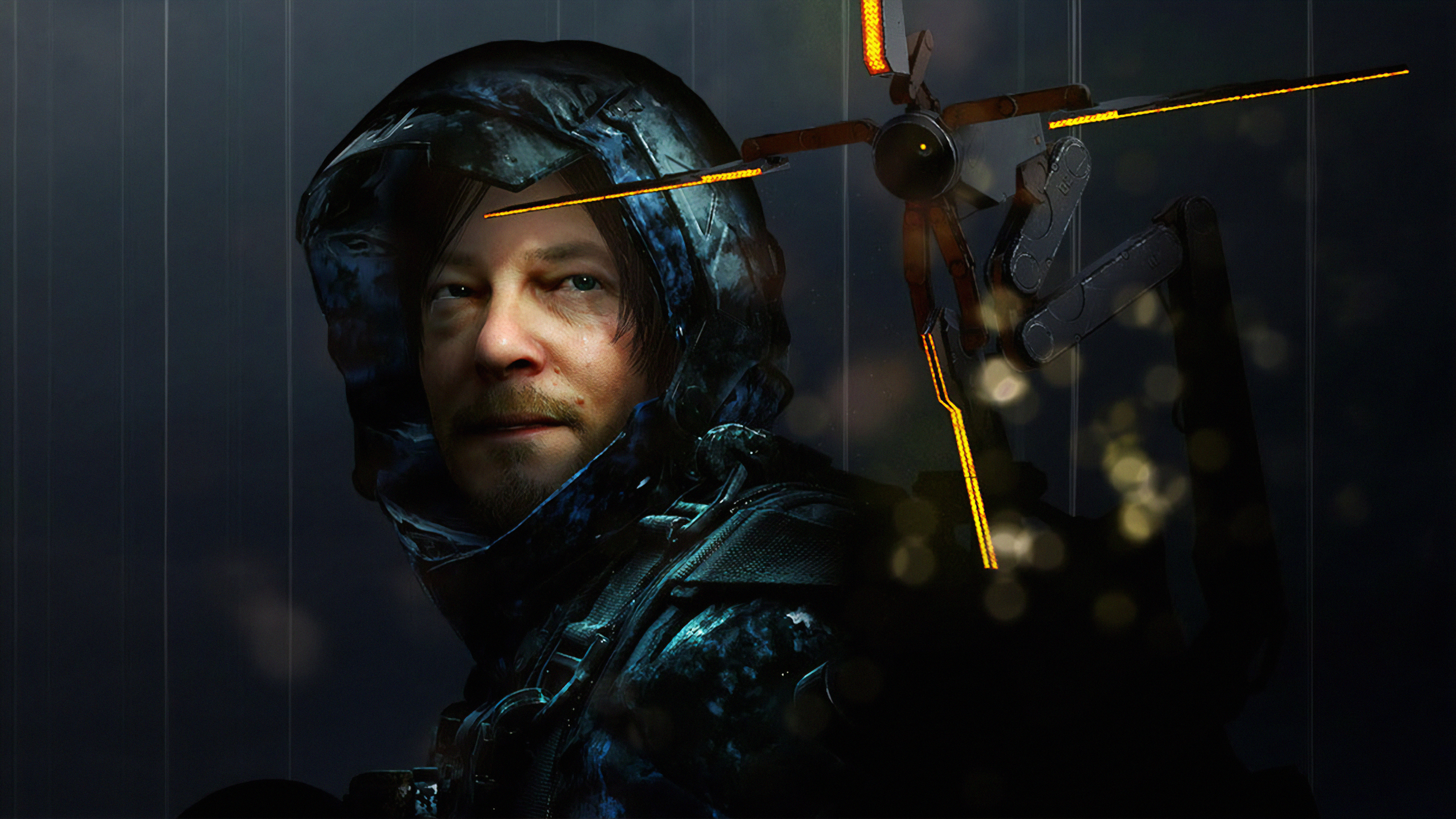
‘Death Stranding’ was developed by Kojima Productions and published by Sony Interactive Entertainment. The game focuses on Sam Porter Bridges delivering cargo across a fractured landscape to reconnect society. Its unique “strand” mechanics and focus on traversal logistics polarized the gaming community. Critics who found the game overrated often pointed to the repetitive “fetch quest” nature of the gameplay and the lengthy, exposition-heavy cutscenes.
‘Days Gone’ (2019)
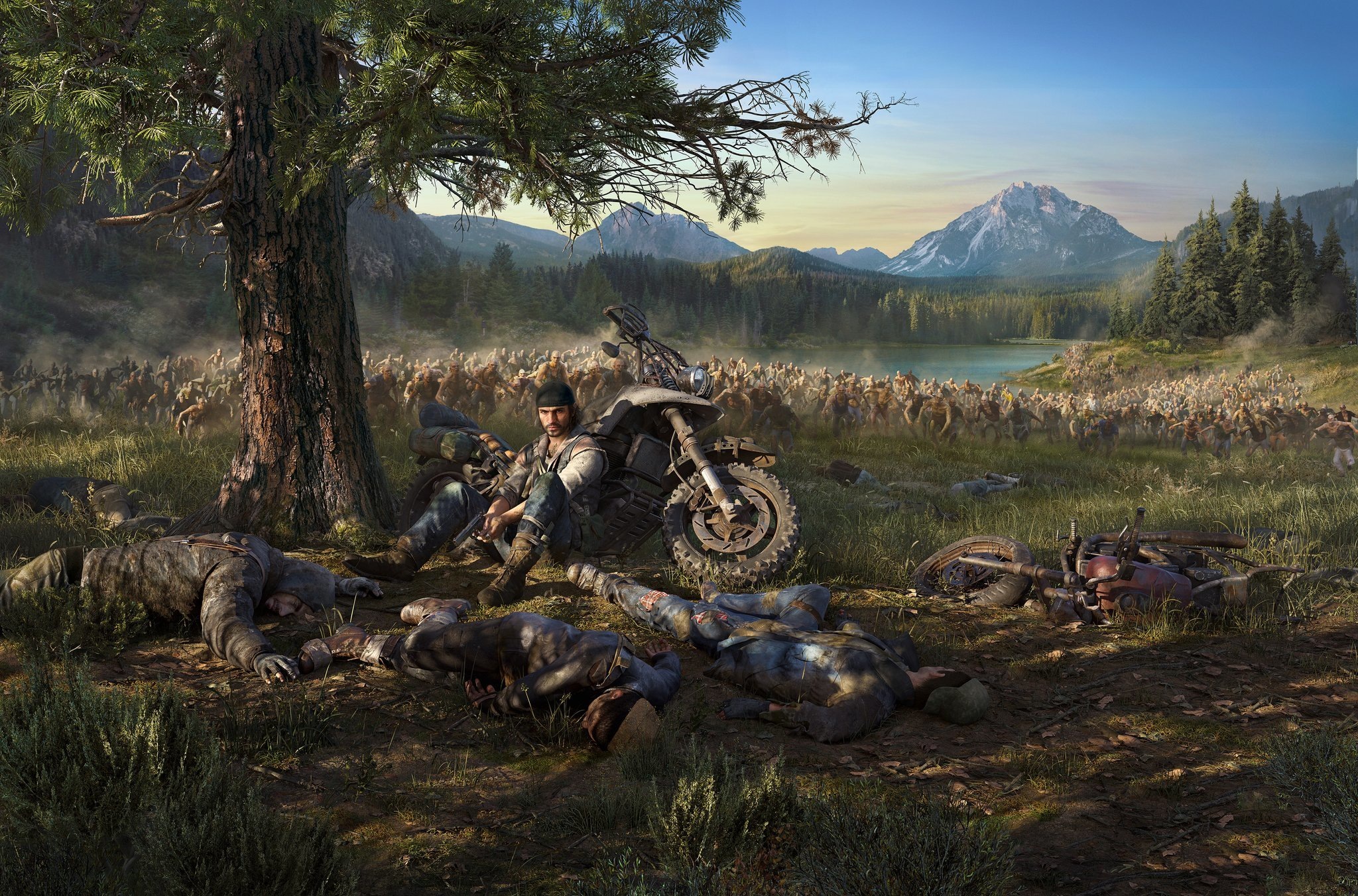
Developed by Bend Studio and published by Sony Interactive Entertainment, ‘Days Gone’ follows a drifter named Deacon St. John in a world infested with “Freakers.” The game was noted for its impressive horde technology, allowing hundreds of enemies to appear on screen. However, many critics found the story to be cliché and the protagonist difficult to relate to. The initial launch was also plagued by technical performance issues and a slow-paced opening act that discouraged some players.
‘Red Dead Redemption 2’ (2018)
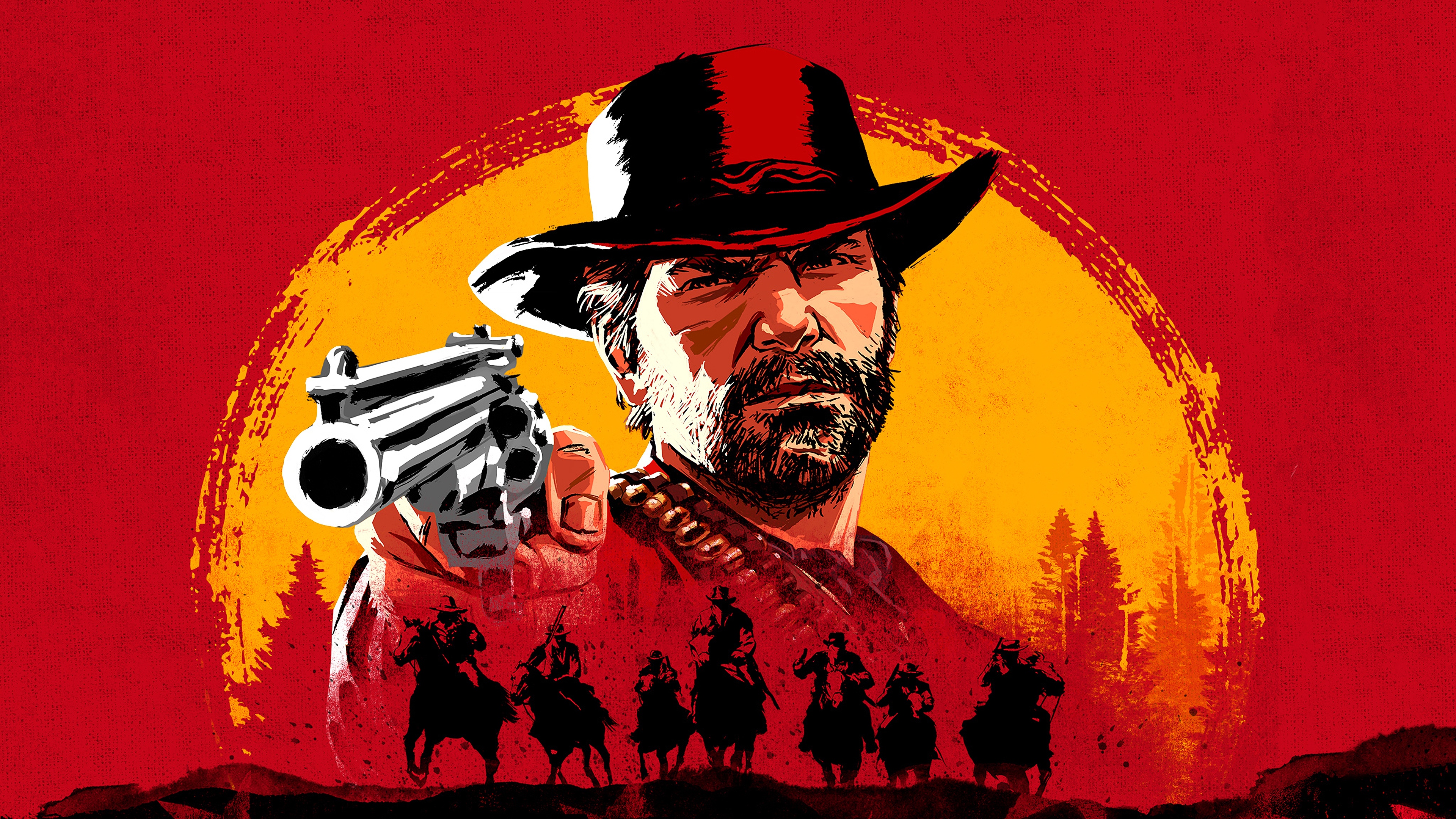
Developed and published by Rockstar Games, ‘Red Dead Redemption 2’ is a prequel focused on Arthur Morgan and the Van der Linde gang. The game is celebrated for its incredible detail, realistic animations, and emotional storytelling. Despite this, some players criticized the restrictive mission design, which often failed players for deviating from a specific path. The slow pacing and deliberate animations for every action were seen by some as a hindrance to the overall fun of the experience.
‘Assassin’s Creed Odyssey’ (2018)
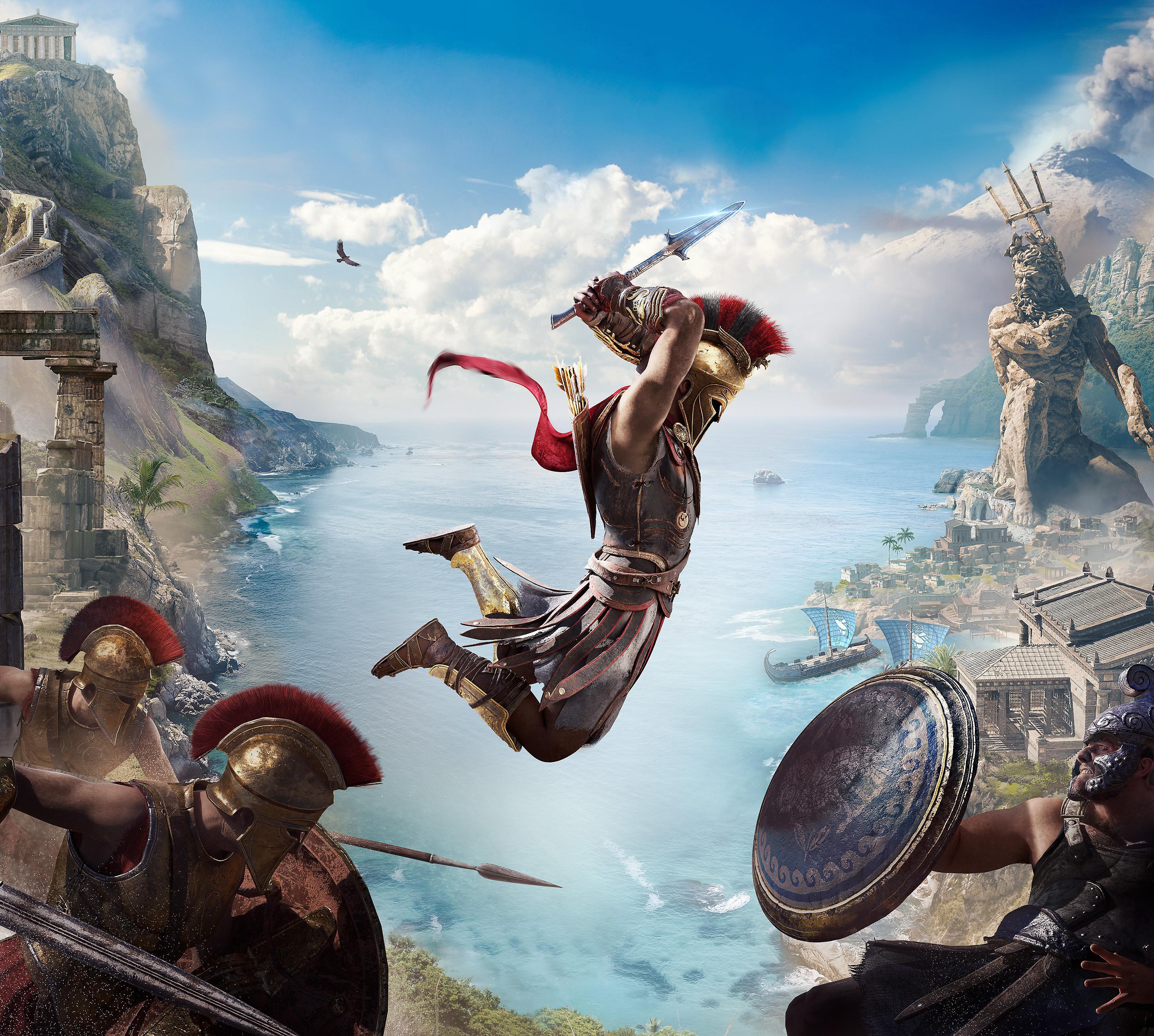
Ubisoft Quebec developed ‘Assassin’s Creed Odyssey’, taking the series to Ancient Greece. The game fully embraced RPG mechanics, including dialogue choices and branching endings. Critics often cited the game’s massive map as being filled with “busy work” and repetitive points of interest. The level-gating of main story missions forced players to engage in side content, which some felt broke the narrative momentum.
‘Marvel’s Spider-Man’ (2018)

‘Marvel’s Spider-Man’ was developed by Insomniac Games and published by Sony Interactive Entertainment for the PlayStation 4. The game featured a highly praised web-swinging mechanic that made navigating New York City enjoyable. However, the open-world activities, such as clearing out bases and collecting backpacks, followed a very traditional and some said uninspired formula. The forced stealth segments featuring Mary Jane and Miles Morales were also frequently cited as low points in the gameplay experience.
‘Just Cause 4’ (2018)
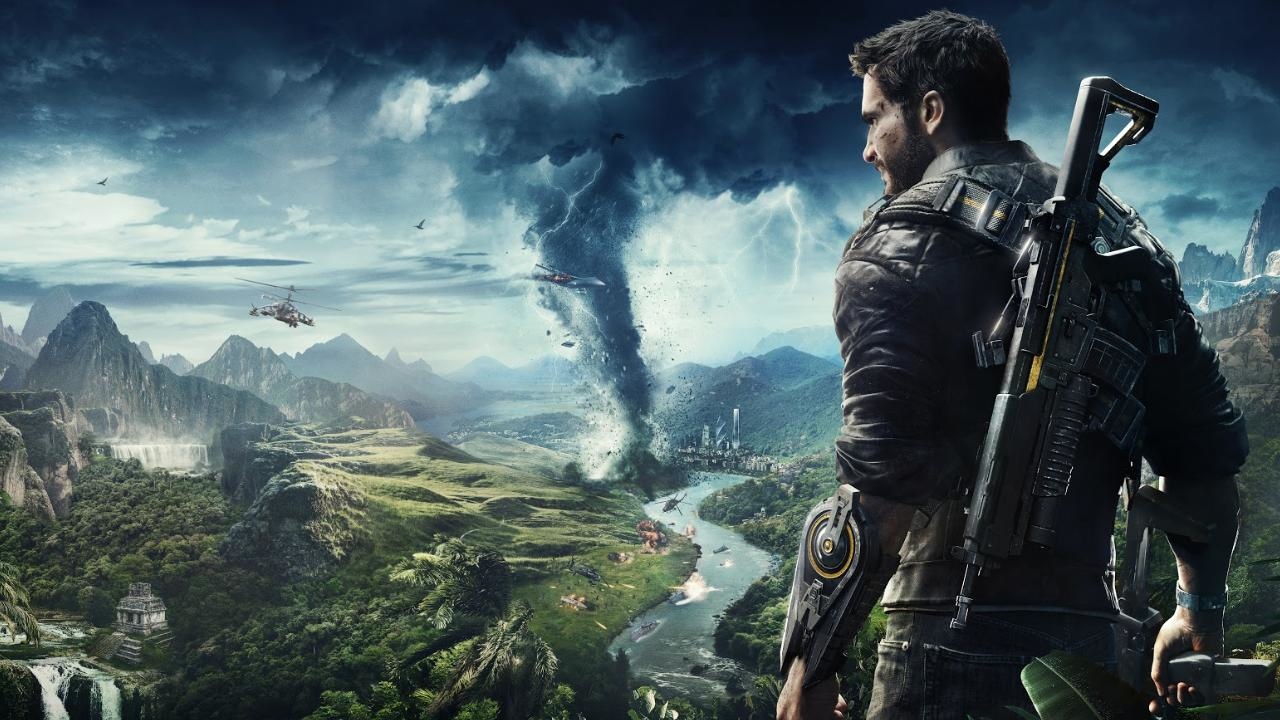
Developed by Avalanche Studios and published by Square Enix, ‘Just Cause 4’ continued Rico Rodriguez’s mission of chaotic destruction. While the game introduced weather effects like tornadoes, many fans felt it was a step down from the third entry. The graphics and performance at launch were criticized for being inconsistent across different platforms. The mission structure, which shifted away from total destruction to more objective-based tasks, was also poorly received by the core audience.
‘The Legend of Zelda: Breath of the Wild’ (2017)
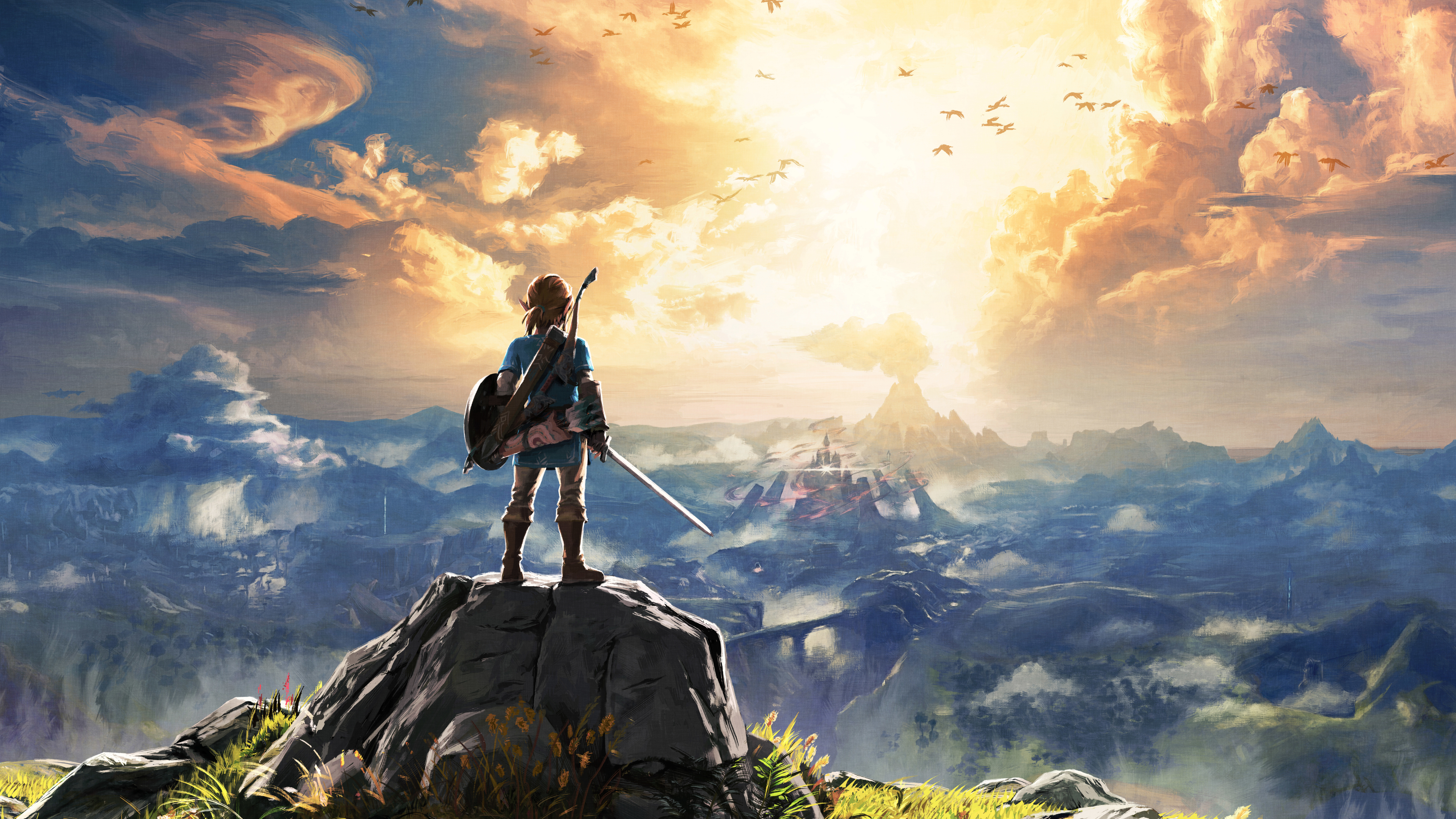
Nintendo developed and published ‘The Legend of Zelda: Breath of the Wild’ as a launch title for the Switch. It introduced a chemistry engine and physics-based puzzles that encouraged player creativity in the land of Hyrule. However, some players and critics highlighted the weapon durability system and the lack of traditional dungeons as points of frustration. The vast landscape was occasionally criticized for having large stretches of empty space between major objectives.
‘Horizon Zero Dawn’ (2017)
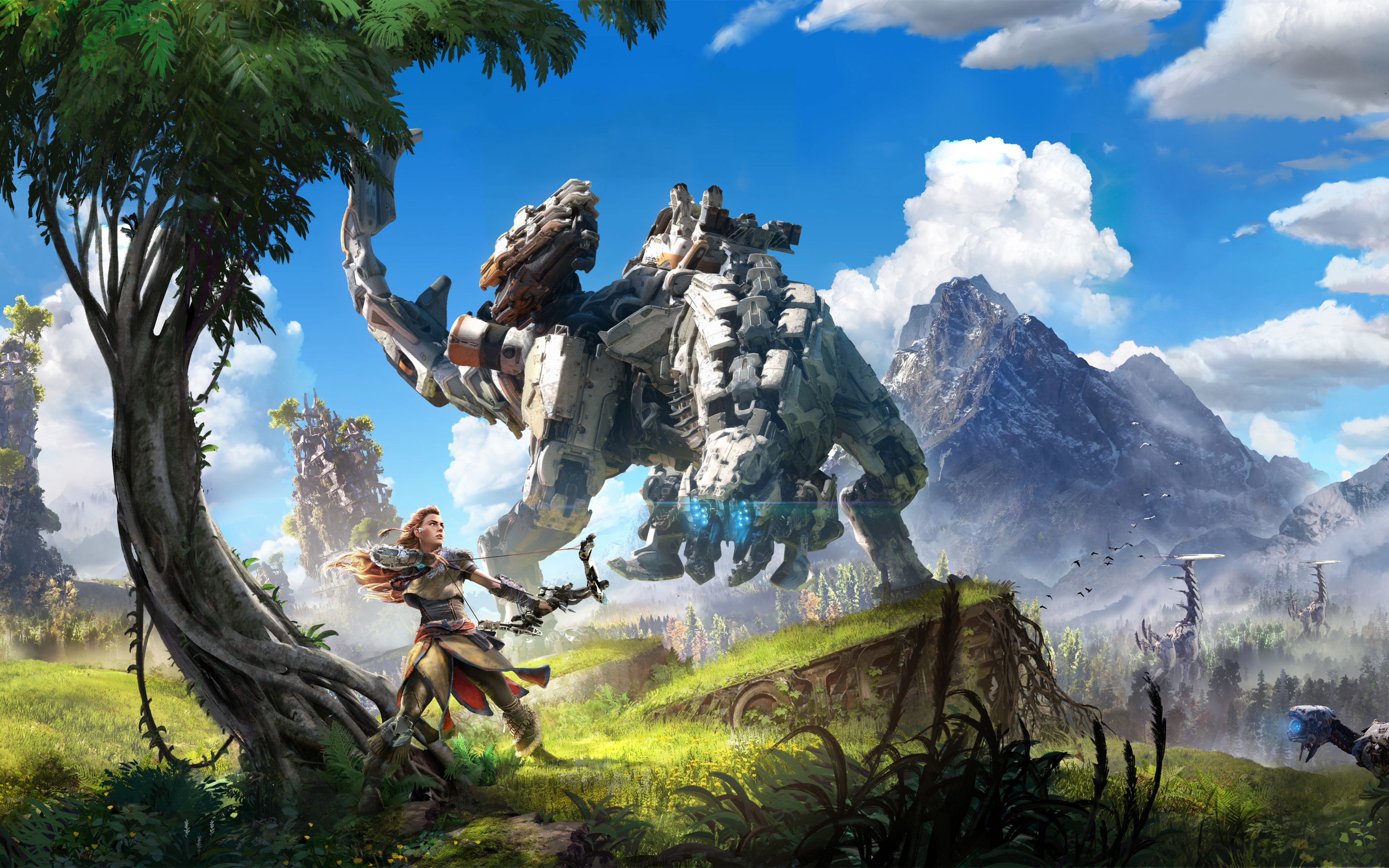
Developed by Guerrilla Games and published by Sony Interactive Entertainment, ‘Horizon Zero Dawn’ features a world where mechanical beasts roam the Earth. The combat against these machines was highly praised for its tactical depth. Conversely, the human-to-human combat and the static nature of the settlements were seen as less developed. Some critics noted that the open-world structure relied heavily on familiar tropes established by other franchises like ‘Far Cry’.
‘Middle-earth: Shadow of War’ (2017)
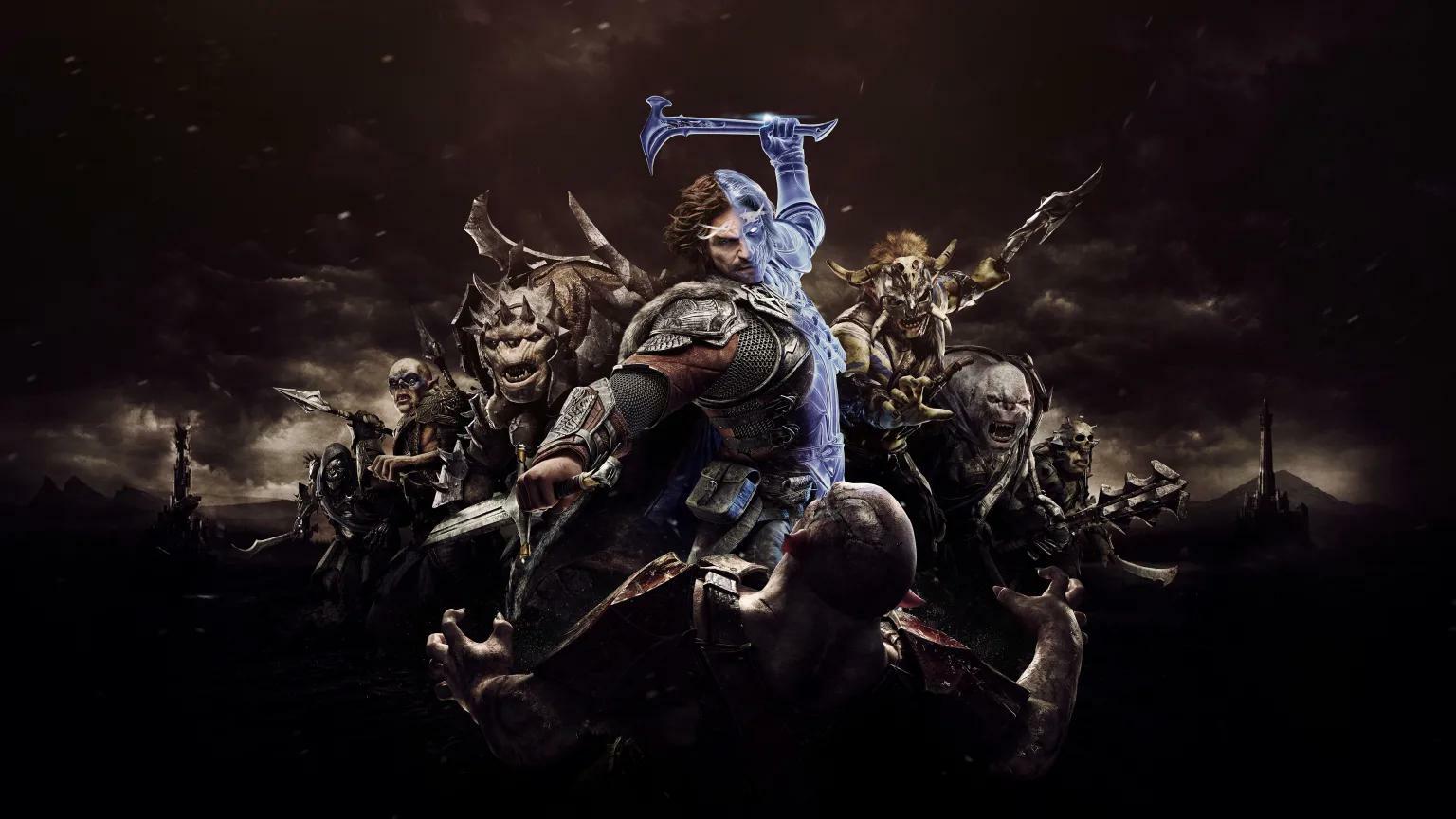
‘Middle-earth: Shadow of War’ was developed by Monolith Productions and published by Warner Bros. Games. It expanded on the Nemesis System, allowing players to build an army of Orcs to take over Mordor. The game faced significant backlash at launch due to the inclusion of loot boxes and a “grindy” final act. While the microtransactions were eventually removed, the repetitive nature of the fortress sieges remained a primary point of criticism.
‘No Man’s Sky’ (2016)
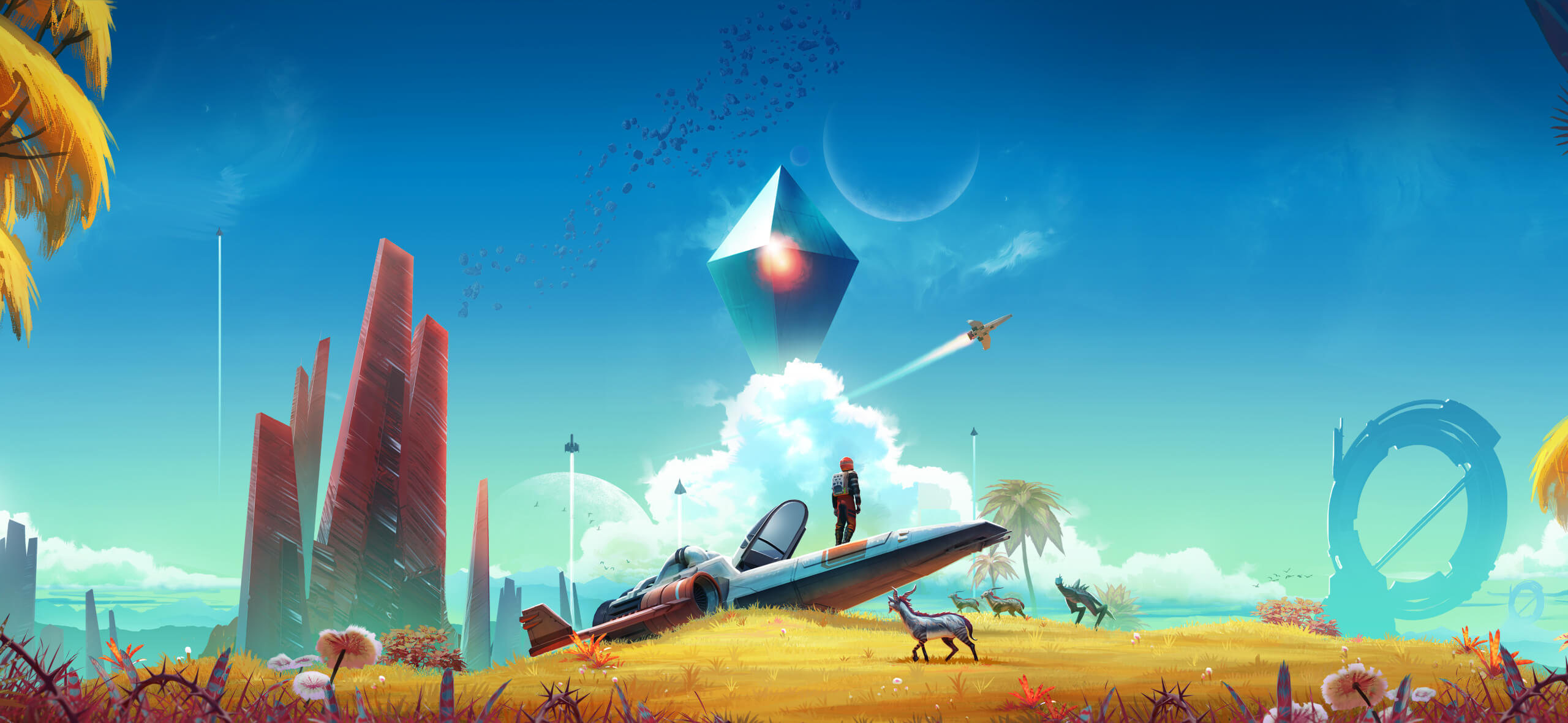
Developed and published by Hello Games, ‘No Man’s Sky’ promised an infinite universe of procedurally generated planets. At launch, the game was widely criticized for lacking many of the features promised in pre-release interviews, such as multiplayer. While the developers have since transformed the game through numerous free updates, the initial version is often cited as a prime example of overhyped open-world exploration. The core loop of resource gathering was also seen as repetitive by early players.
‘Final Fantasy XV’ (2016)
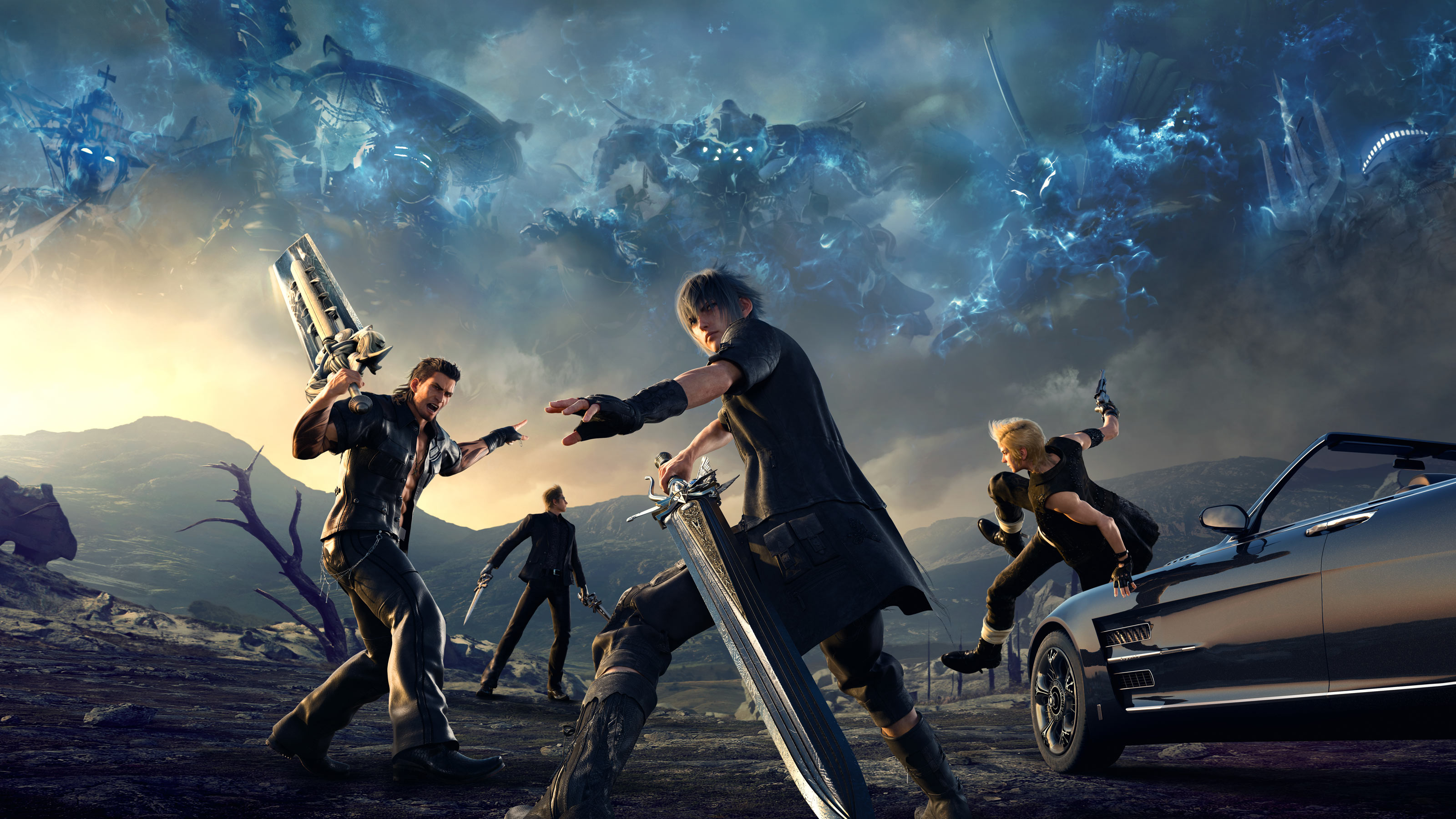
Developed and published by Square Enix, ‘Final Fantasy XV’ tells the story of Prince Noctis and his companions on a road trip across Eos. The game’s development lasted a decade, leading to high expectations that some felt were not fully met. The open world was beautiful but lacked meaningful side activities outside of hunting monsters and fishing. Critics also pointed out that the story felt disjointed, requiring players to watch a film and an anime series to fully understand the plot.
‘The Witcher 3: Wild Hunt’ (2015)
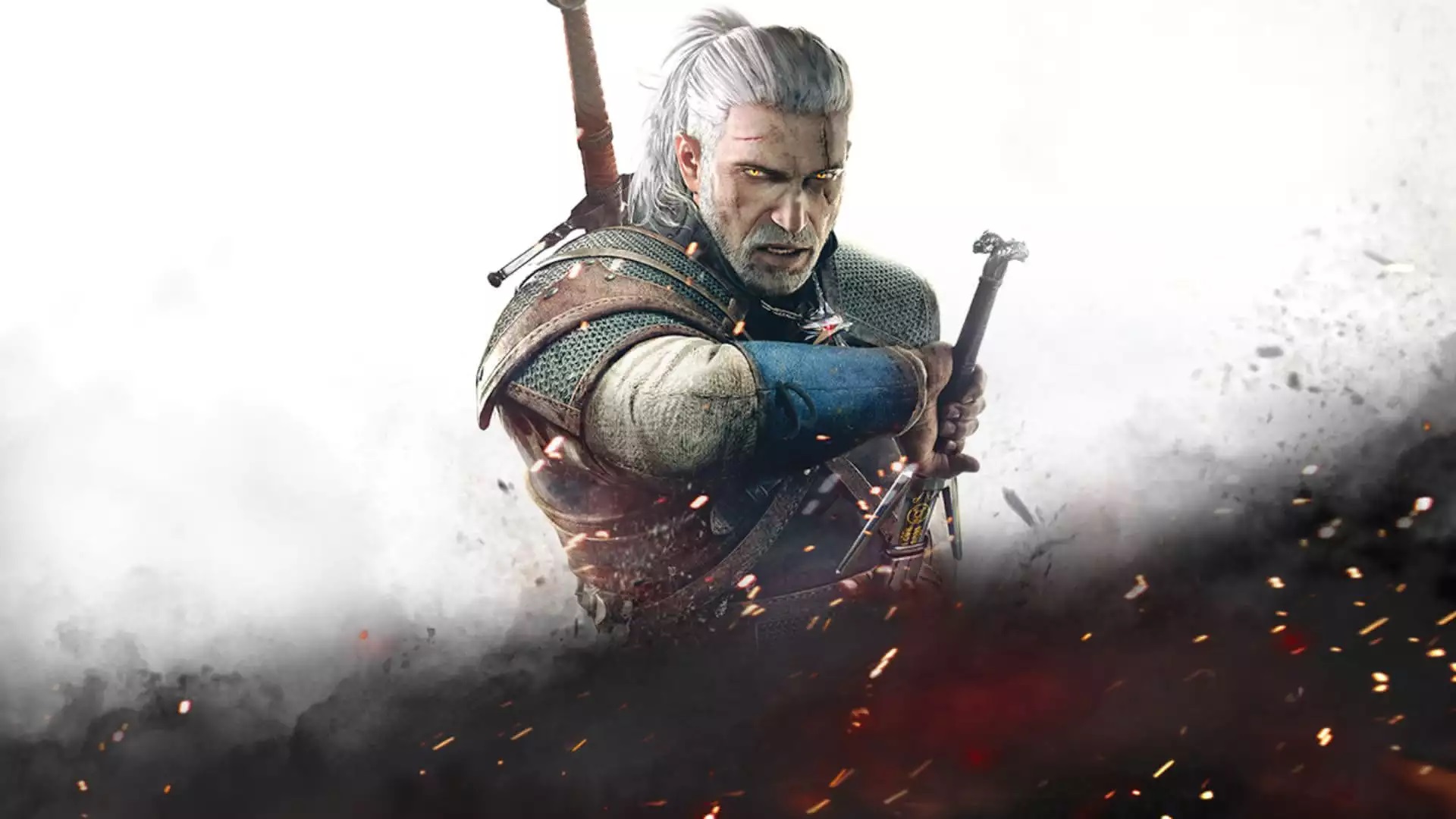
Developed and published by CD Projekt Red, ‘The Witcher 3: Wild Hunt’ is often hailed as one of the best RPGs ever made. Its storytelling and side quests set a new standard for the genre. However, some players found the actual combat mechanics to be stiff and less engaging than the narrative. The movement of Geralt was also a common complaint, often described as feeling clunky when navigating tight spaces or picking up items.
‘Fallout 4’ (2015)
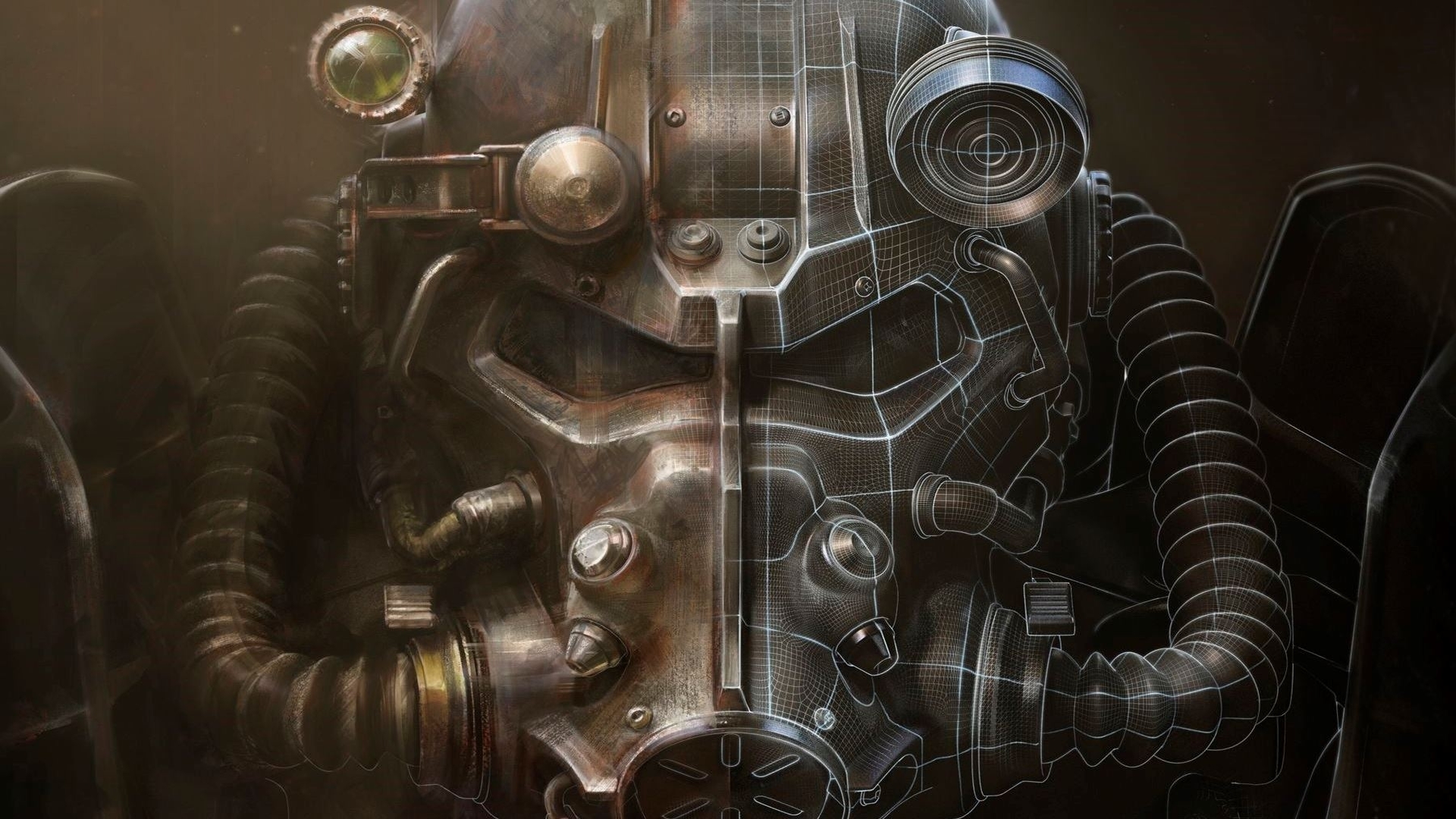
Bethesda Game Studios developed ‘Fallout 4’, set in the post-apocalyptic remains of Boston. The game introduced a robust settlement-building system that became a major part of the gameplay loop. Many fans of the series felt that the role-playing elements were watered down, particularly the simplified four-option dialogue wheel. The primary story was also criticized for lacking the narrative depth found in earlier titles like ‘Fallout: New Vegas’.
‘Mad Max’ (2015)
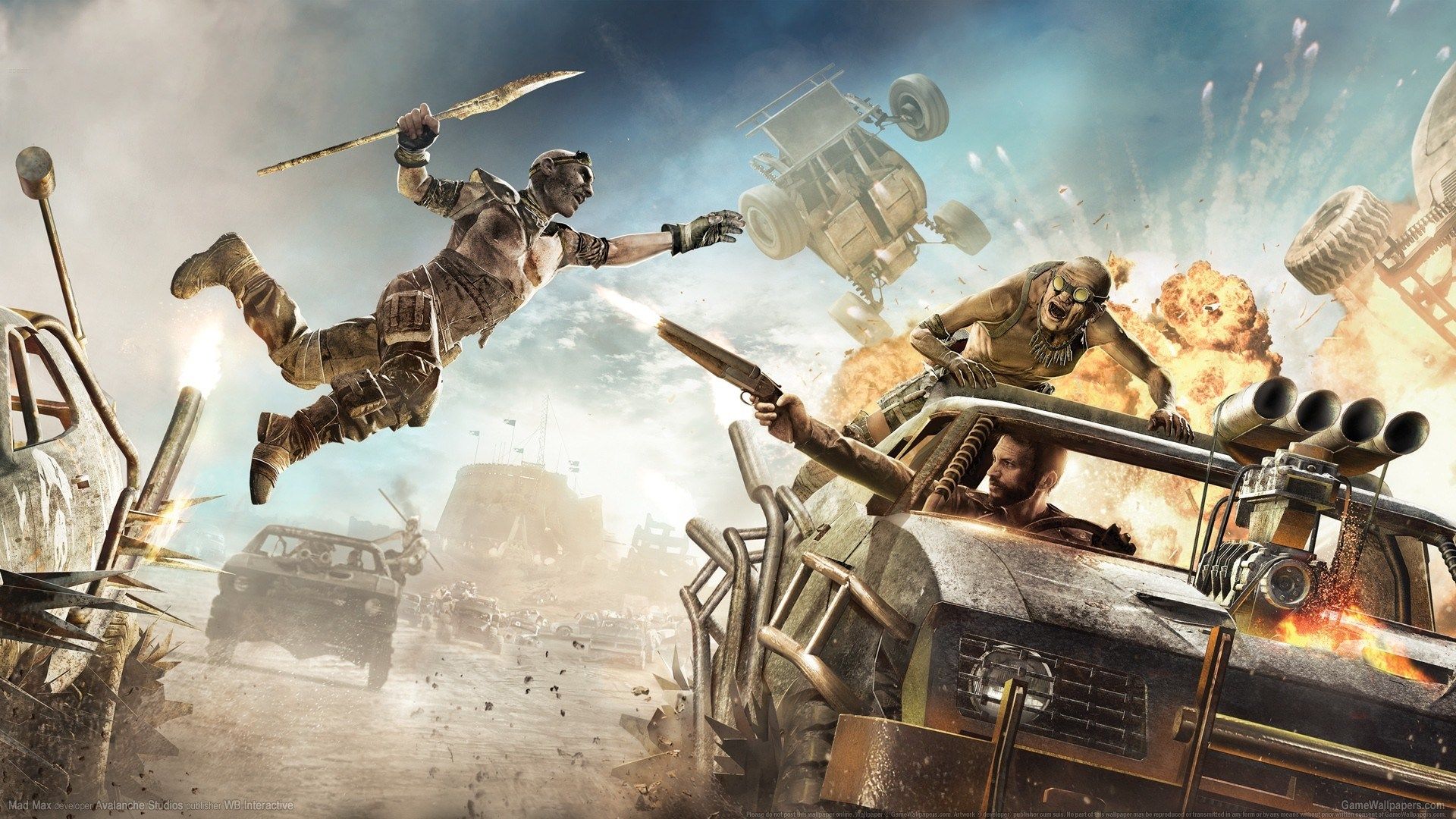
Developed by Avalanche Studios and published by Warner Bros. Games, ‘Mad Max’ offers vehicular combat in a sprawling wasteland. While the car customization and combat were solid, the on-foot exploration was often described as generic. Players spent a significant amount of time collecting “scrap” to upgrade their vehicle, which many found to be a tedious gameplay loop. The open world followed the typical structure of clearing out camps and towers, leading to a sense of repetition.
‘Dragon Age: Inquisition’ (2014)
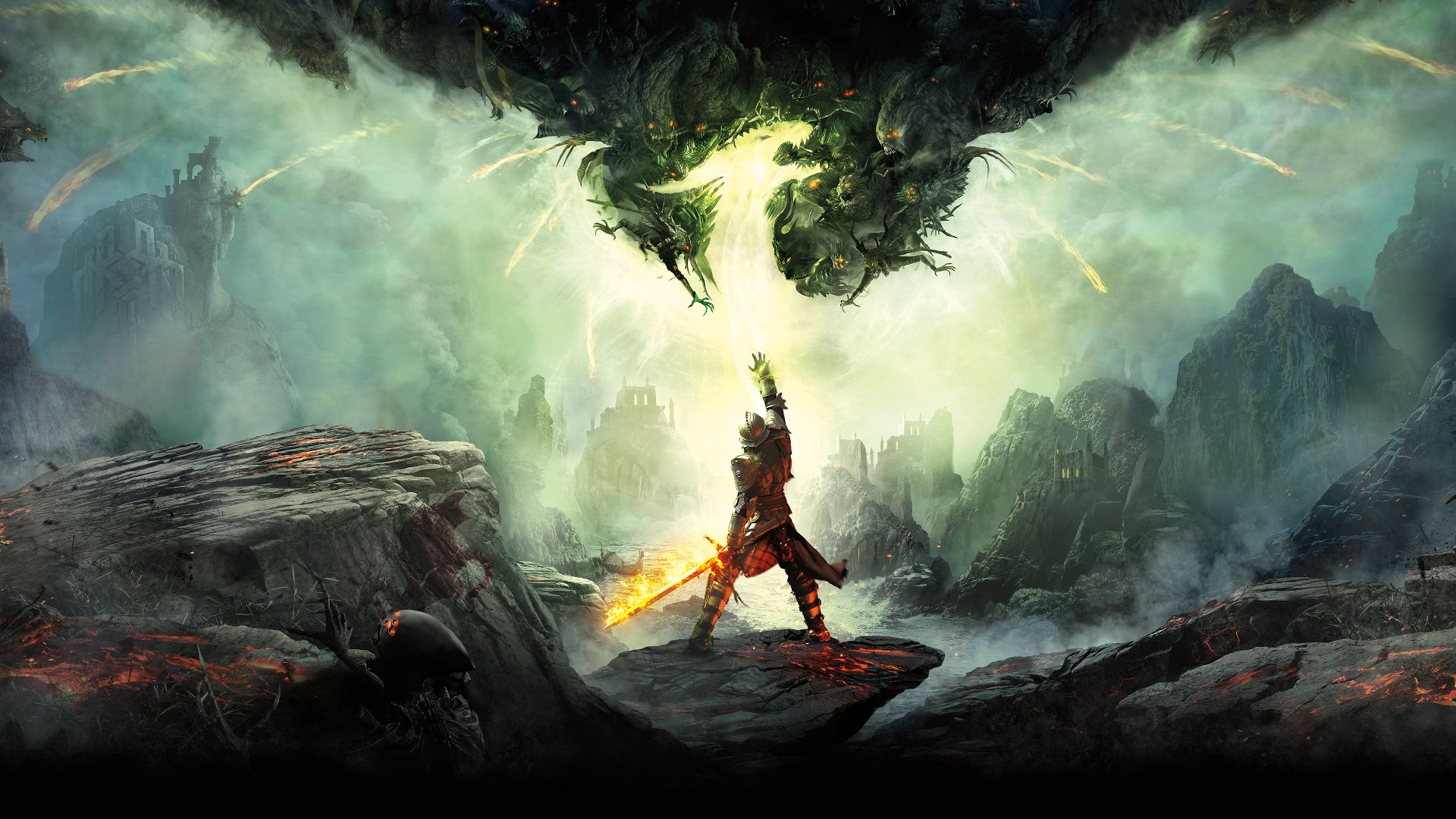
Developed by BioWare and published by Electronic Arts, ‘Dragon Age: Inquisition’ brought the fantasy series to a larger, more open scale. While the character interactions and lore were strong, the game was criticized for its “hinterlands” problem, where the first major area was filled with low-quality fetch quests. Many players felt that the open-world zones were too large and lacked the focused design of the series’ previous entries. The combat was also seen as a middle ground that didn’t fully satisfy fans of either action or tactical gameplay.
‘Grand Theft Auto V’ (2013)
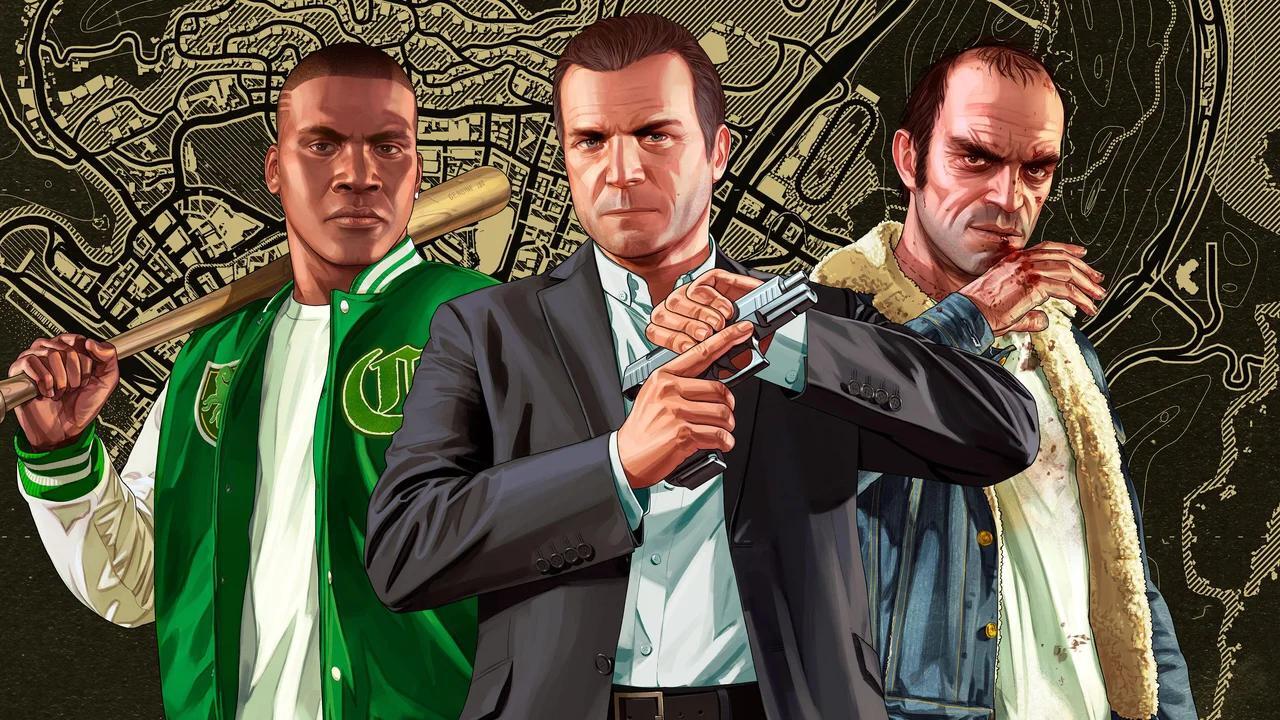
Rockstar Games developed and published ‘Grand Theft Auto V’, featuring three protagonists in the city of Los Santos. It is one of the best-selling games of all time and has seen releases across three console generations. Some critics argue that the open world, while highly detailed, serves primarily as a backdrop for the story and lacks meaningful interaction outside of scripted missions. The satirical tone of the writing has also been a point of debate, with some finding it increasingly dated over time.
Please share your thoughts on which open-world games you find to be the most overrated in the comments.