


30 Overrated Science Fiction Movies Everyone Seems To Like

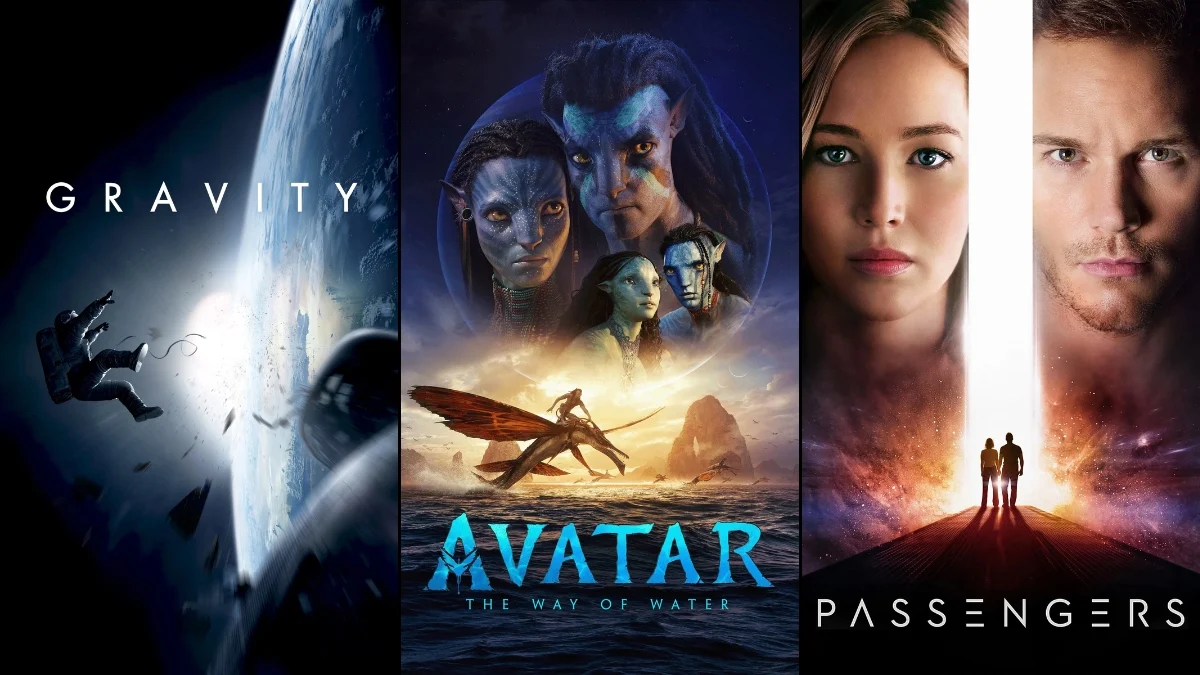


Science fiction remains one of the most popular genres in cinema due to its ability to explore complex themes and future possibilities. Many films within this category achieve massive commercial success and widespread critical acclaim upon their release. However, some audiences feel that certain titles do not live up to the immense praise they receive from the general public or media outlets. This list examines several high profile science fiction movies that have sparked debate regarding their true quality and lasting impact on the genre.
‘Avatar’ (2009)

A paraplegic Marine replaces his brother on the Na’vi inhabited moon of Pandora for a corporate mission. He finds himself drawn into the local culture and eventually leads a rebellion against the human military forces. The film set a global box office record upon release and utilized groundbreaking motion capture technology for its time. Despite its visual achievements, many critics have noted the story follows a familiar narrative structure found in earlier colonialist films.
‘Interstellar’ (2014)
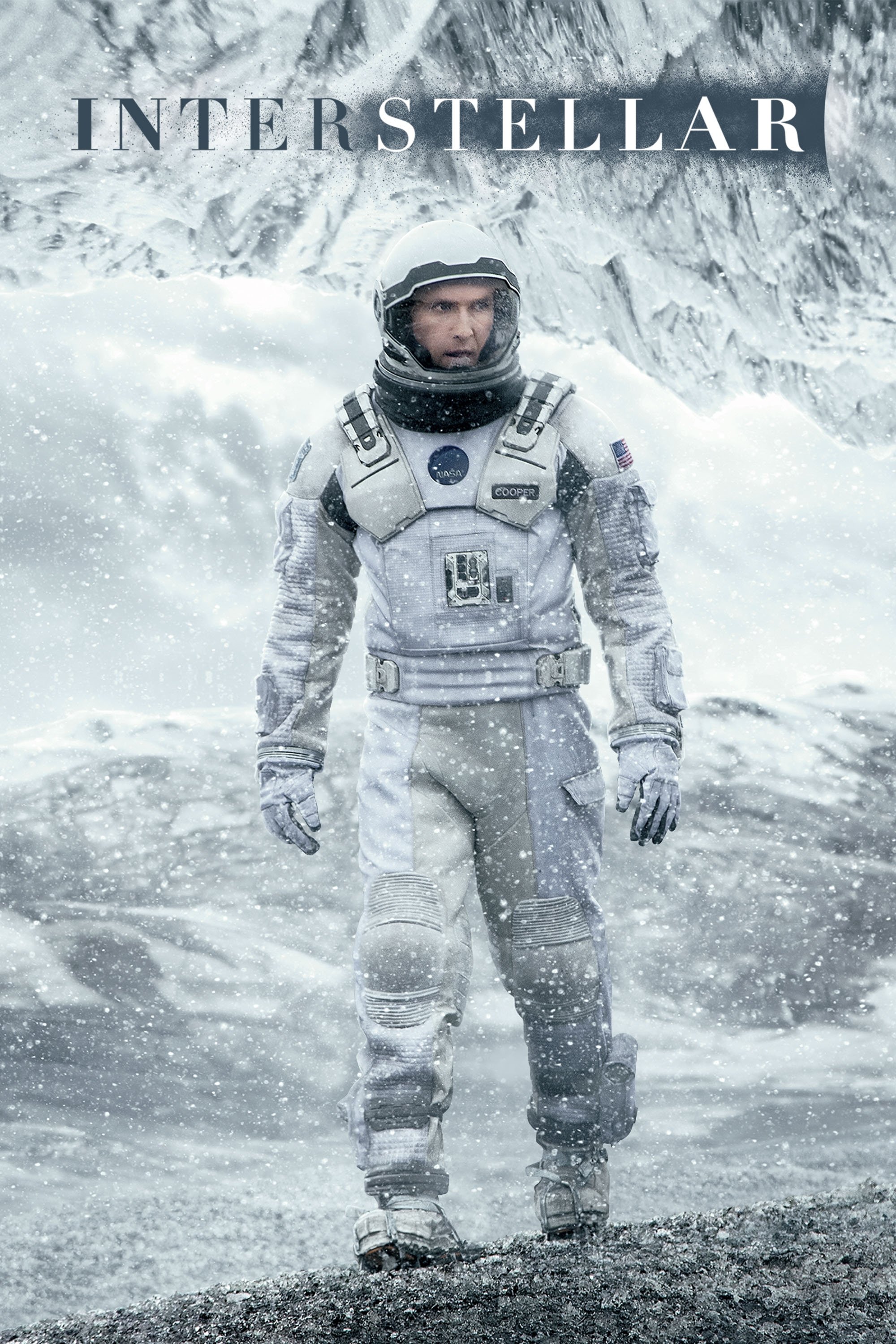
A team of astronauts travels through a wormhole in search of a new home for humanity as Earth faces environmental collapse. Joseph Cooper leaves his family behind to lead the mission across space and time to save the human race. The production relied heavily on scientific consultation to depict black holes and gravitational time dilation accurately. While the film received praise for its scale, some viewers found the emotional resolution and exposition to be heavy handed.
‘Inception’ (2010)
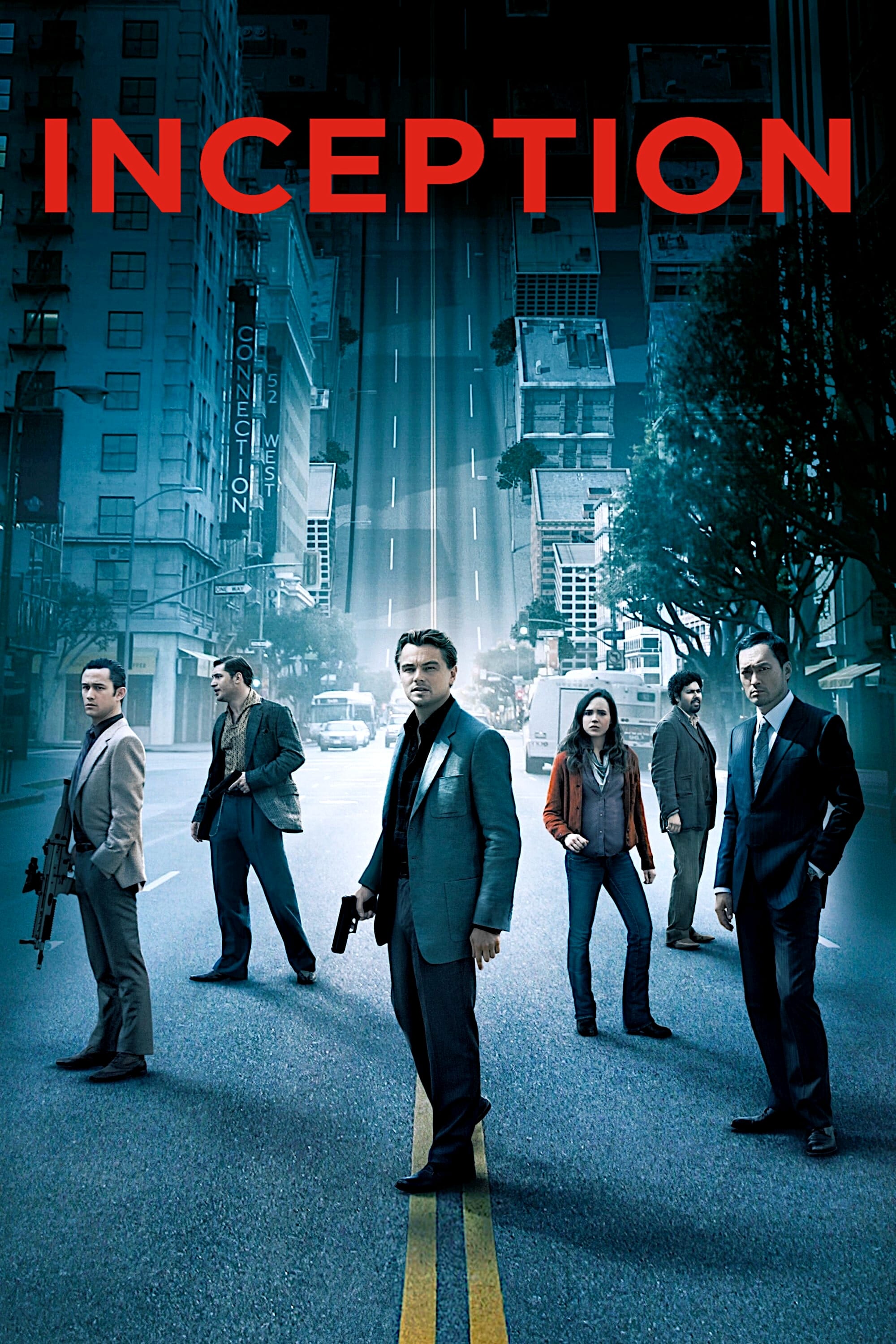
Dominic Cobb is a professional thief who steals information by infiltrating the subconscious of his targets during their dreams. He is offered a chance at redemption if he can perform the impossible task of planting an idea in a mark’s mind. The complex narrative layers multiple levels of dreaming within a high stakes heist structure. Fans often debate the ambiguous ending involving a spinning top and the nature of reality.
‘Gravity’ (2013)
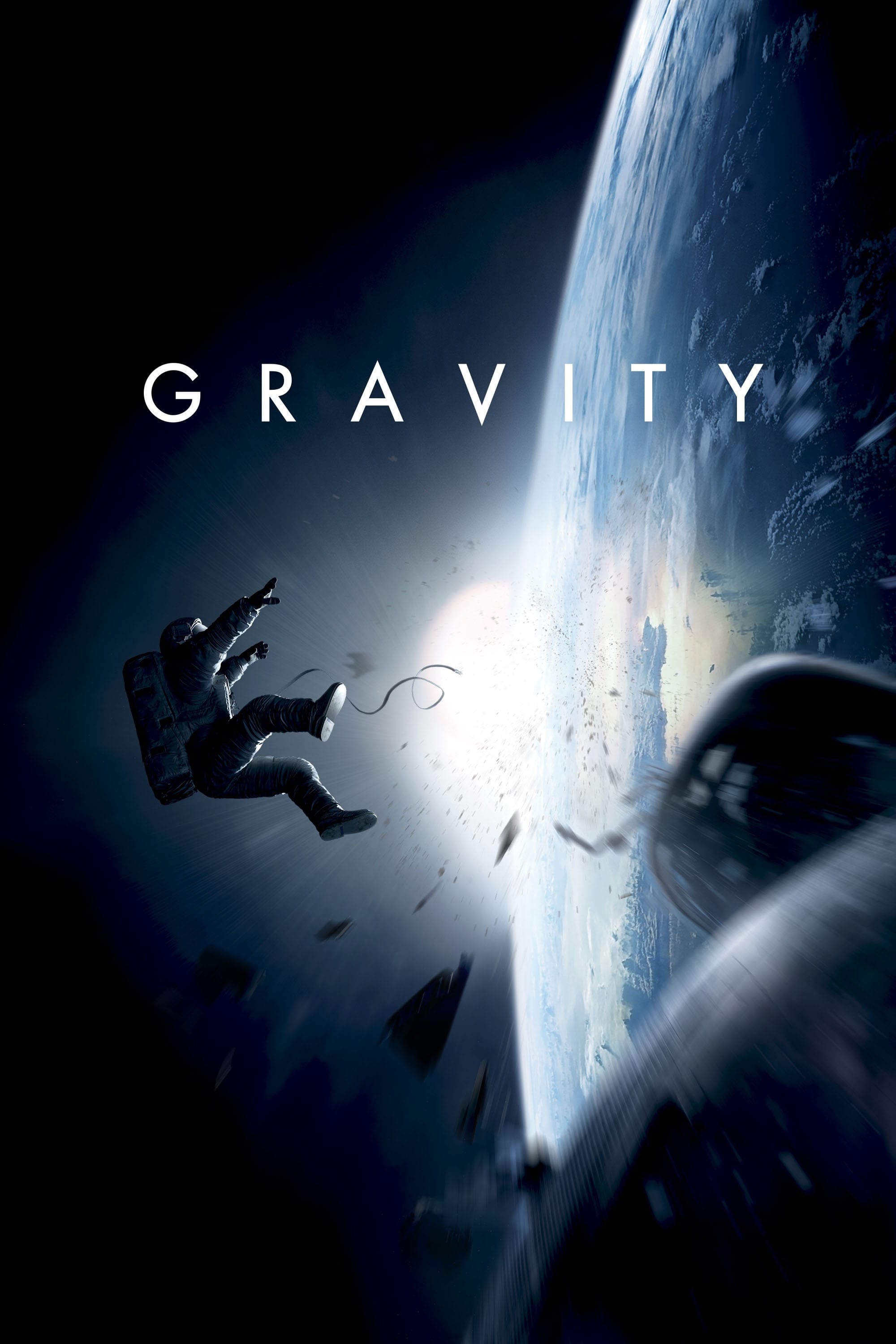
Two astronauts work together to survive after an accident leaves them stranded in space with no communication to Earth. Dr Ryan Stone must find a way to navigate between different space stations to return home safely. The film won several Academy Awards for its technical direction and cinematography. Some audience members pointed out scientific inaccuracies regarding orbital mechanics despite the immersive visual experience.
‘The Martian’ (2015)
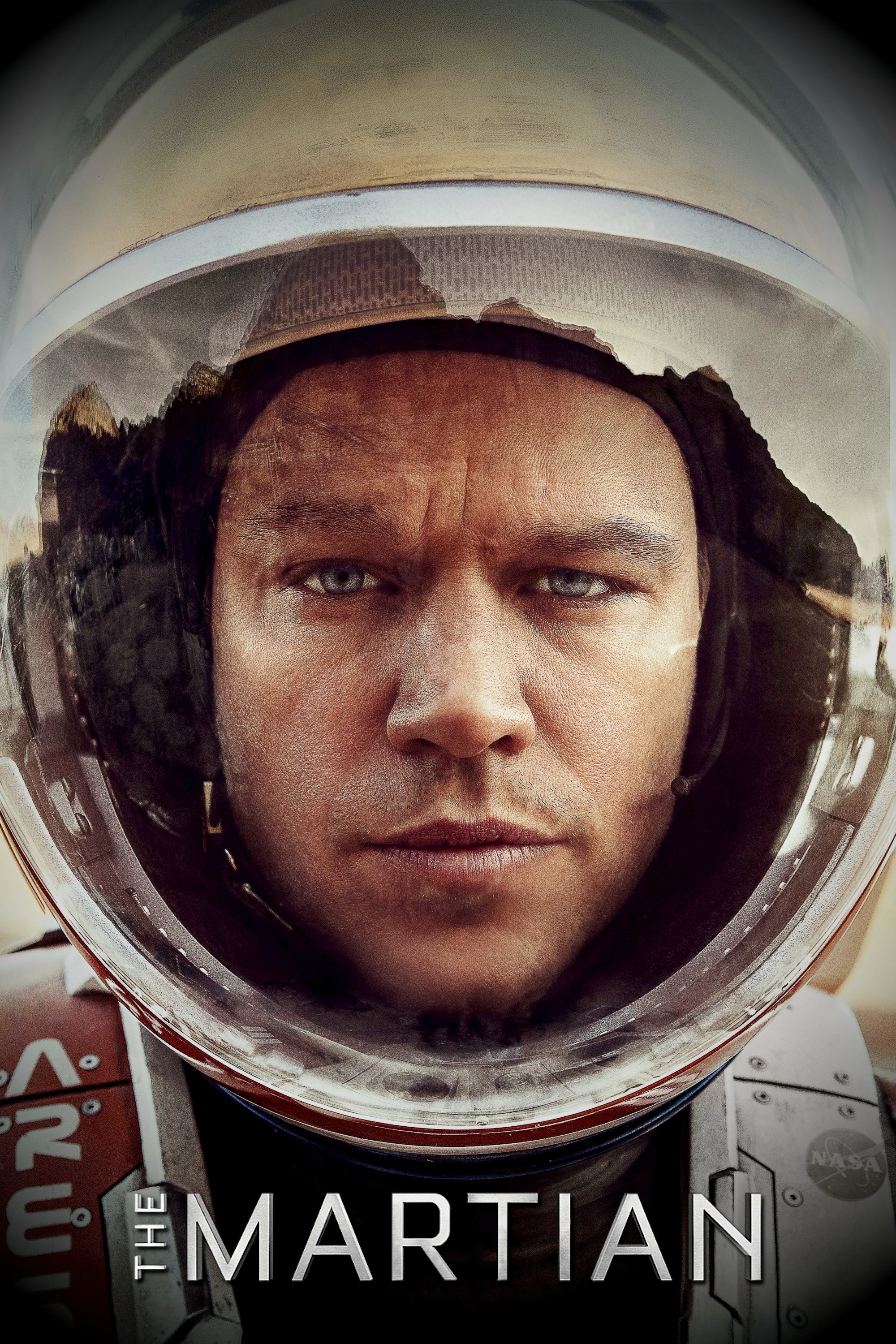
Astronaut Mark Watney is presumed dead and left behind on Mars after a fierce storm forces his crew to evacuate. He uses his botanical and engineering skills to survive on the desolate planet while NASA works on a rescue plan. The story focuses on human ingenuity and the collaborative effort required for space exploration. Many viewers enjoyed the optimistic tone, though some argued the stakes felt low due to the constant success of the protagonist.
‘Prometheus’ (2012)
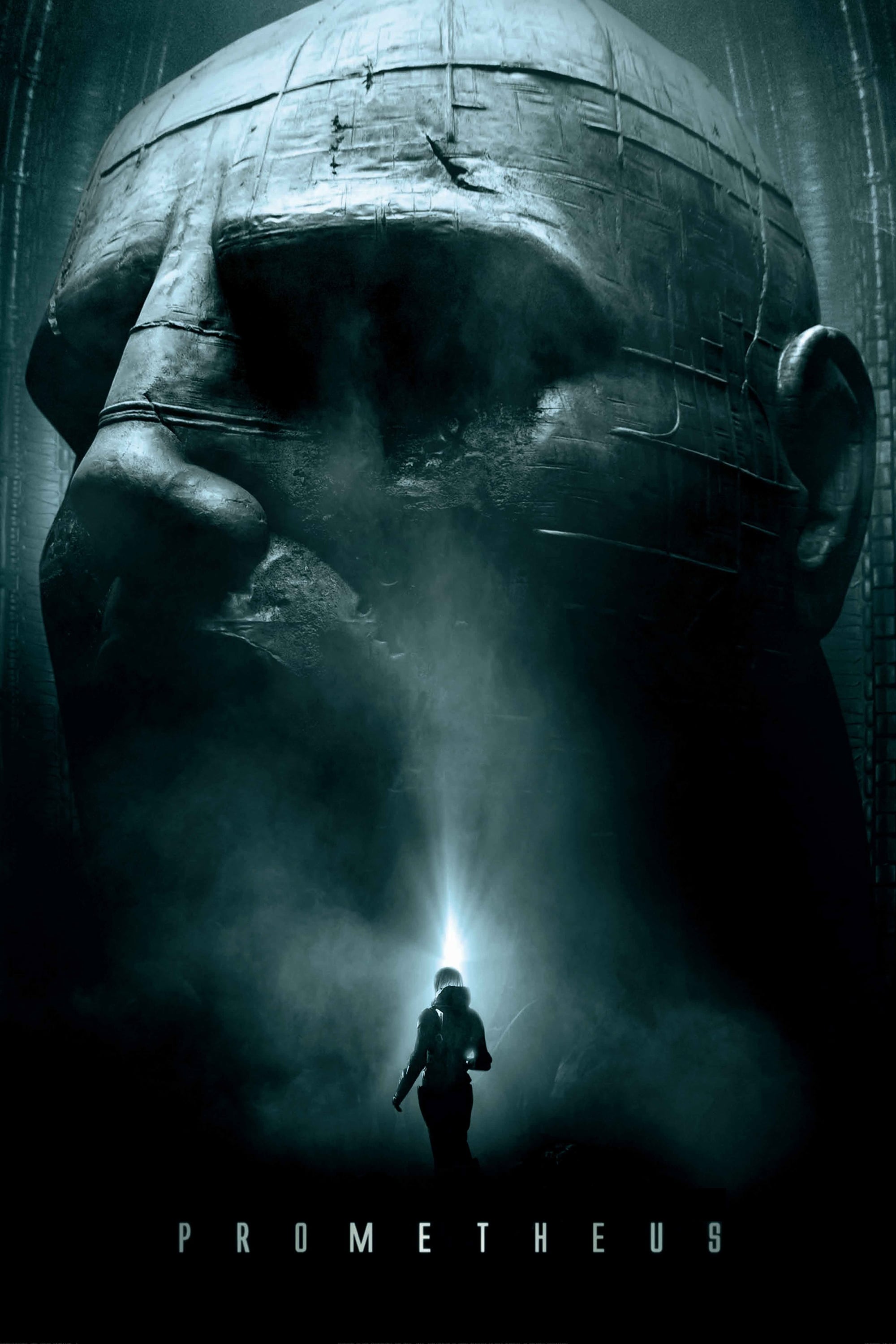
A team of explorers discovers a clue to the origins of mankind on Earth which leads them to a distant moon. They encounter a mysterious civilization that may hold the key to human creation or destruction. The film serves as a prequel to the ‘Alien’ franchise and explores philosophical themes about the nature of life. Critics often cited the questionable decisions made by the scientific crew as a major point of contention.
‘Tenet’ (2020)
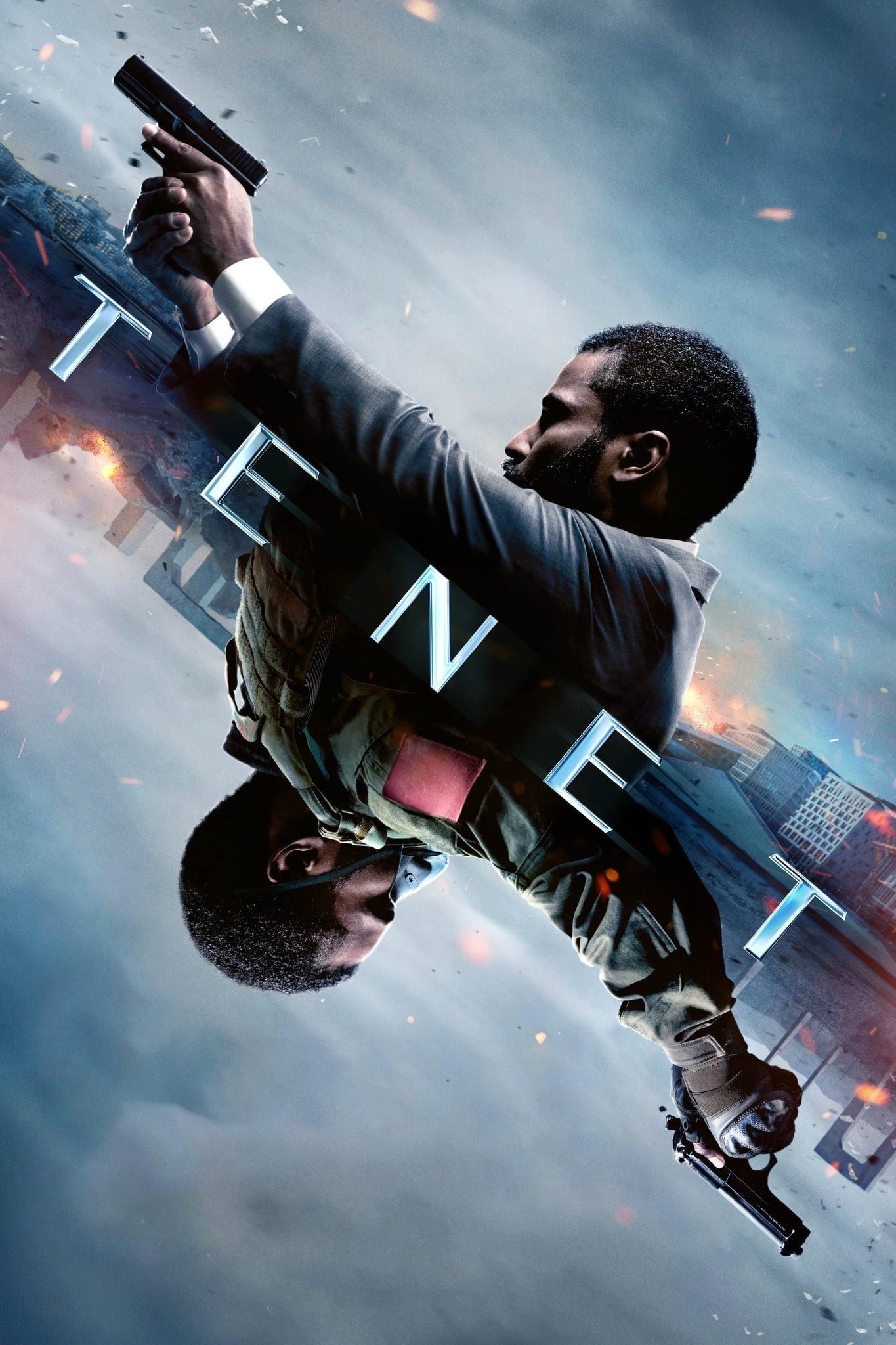
A secret agent is tasked with preventing a global catastrophe by mastering the art of time inversion. He navigates a world where objects and people can move backward through time to stop a Russian oligarch. Christopher Nolan directed the film with a focus on practical effects and a complex non linear structure. Many audiences found the sound mixing and temporal mechanics difficult to follow during the initial theatrical run.
‘Star Wars: The Force Awakens’ (2015)
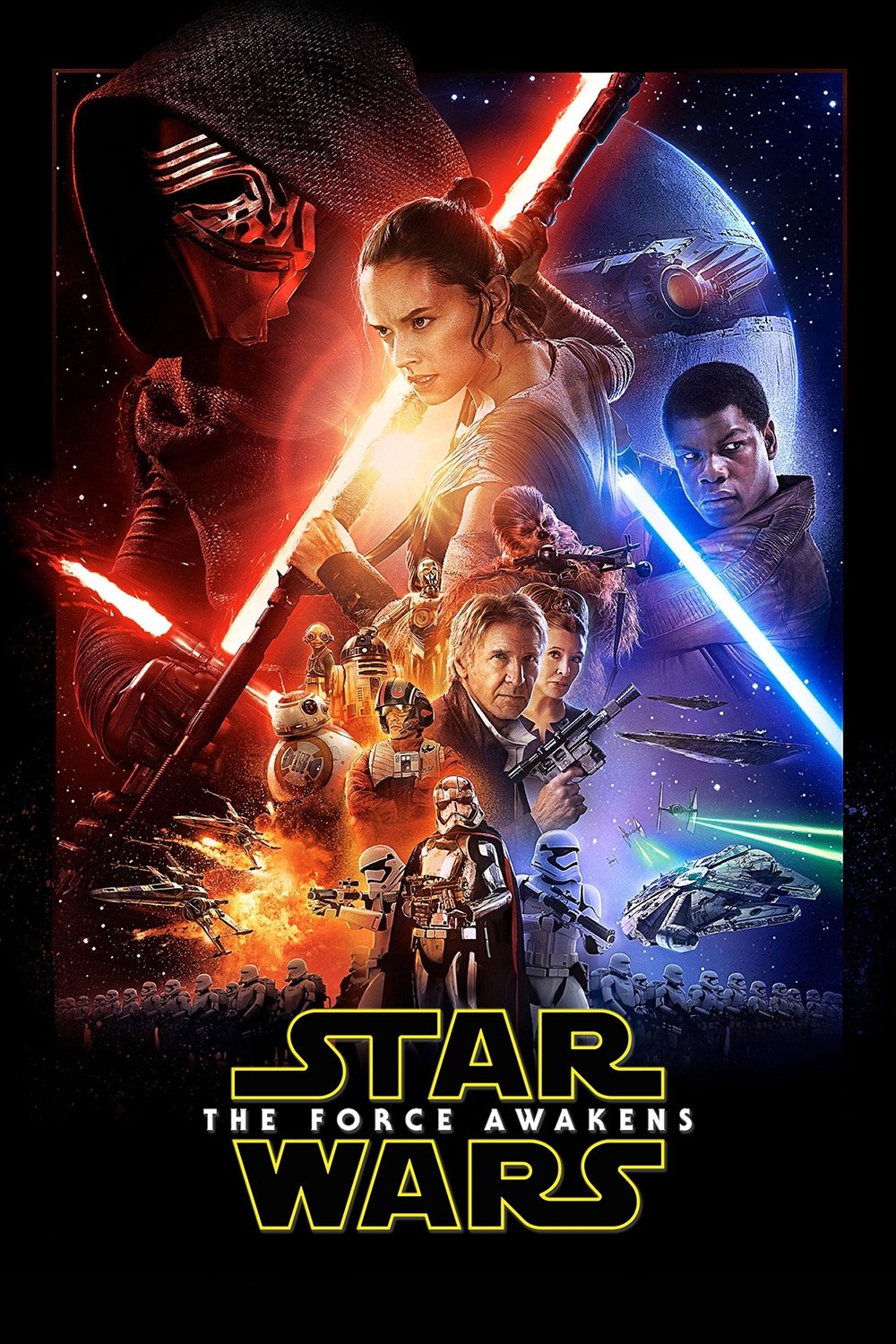
Thirty years after the defeat of the Galactic Empire a new threat arises in the form of the First Order. A scavenger named Rey joins forces with a defector and legendary heroes to find the missing Luke Skywalker. The film successfully relaunched the franchise for a new generation while breaking numerous box office records. Some long time fans felt the plot mirrored the original 1977 film too closely to be considered truly original.
‘Ready Player One’ (2018)
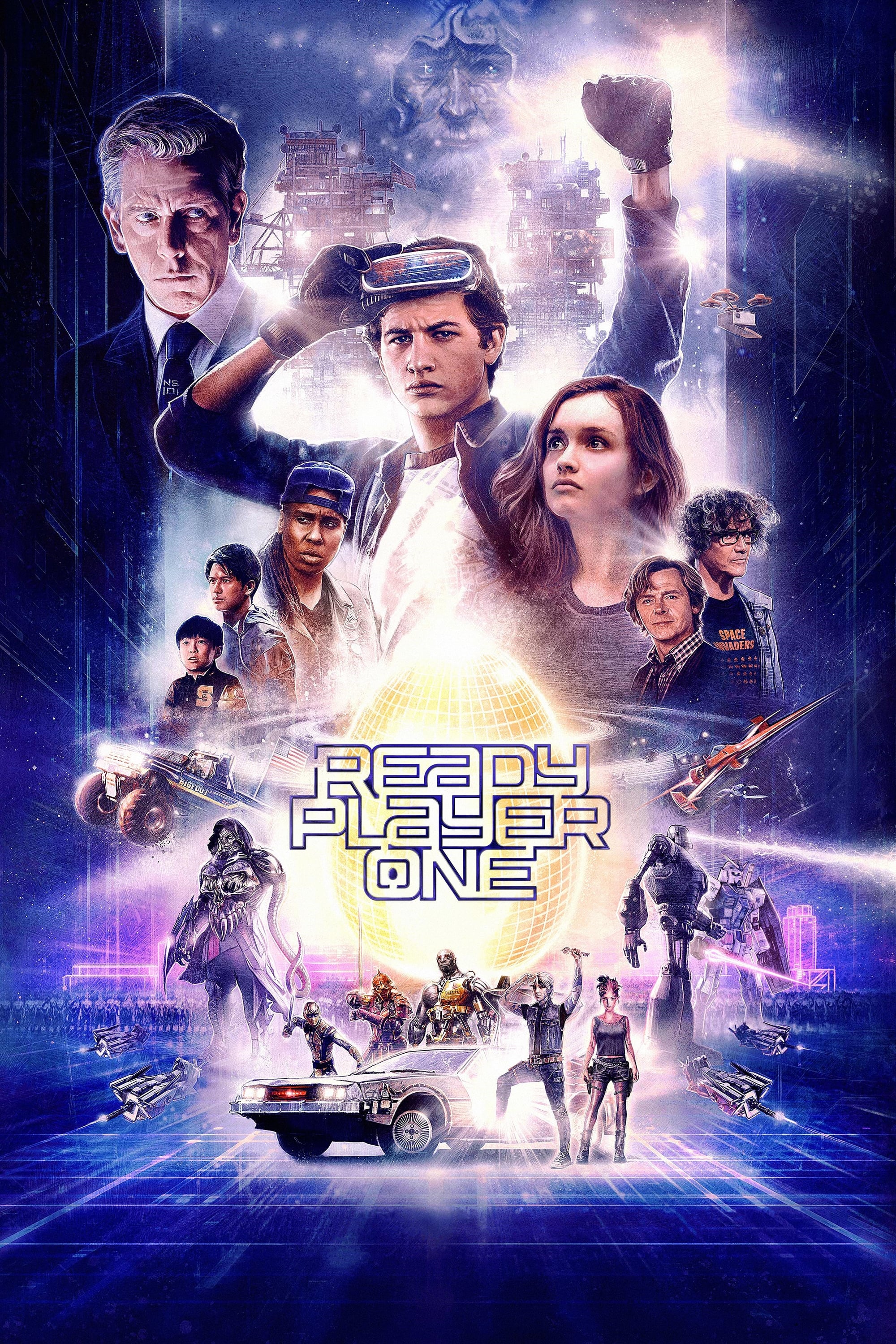
In a dystopian future where people escape reality through a virtual world called the OASIS, a teenager searches for a hidden Easter egg. The prize grants the winner full control over the digital universe and a massive fortune. Steven Spielberg filled the movie with countless pop culture references from the previous decades. While visually spectacular, the film received criticism for its reliance on nostalgia over deep character development.
‘Jurassic World’ (2015)
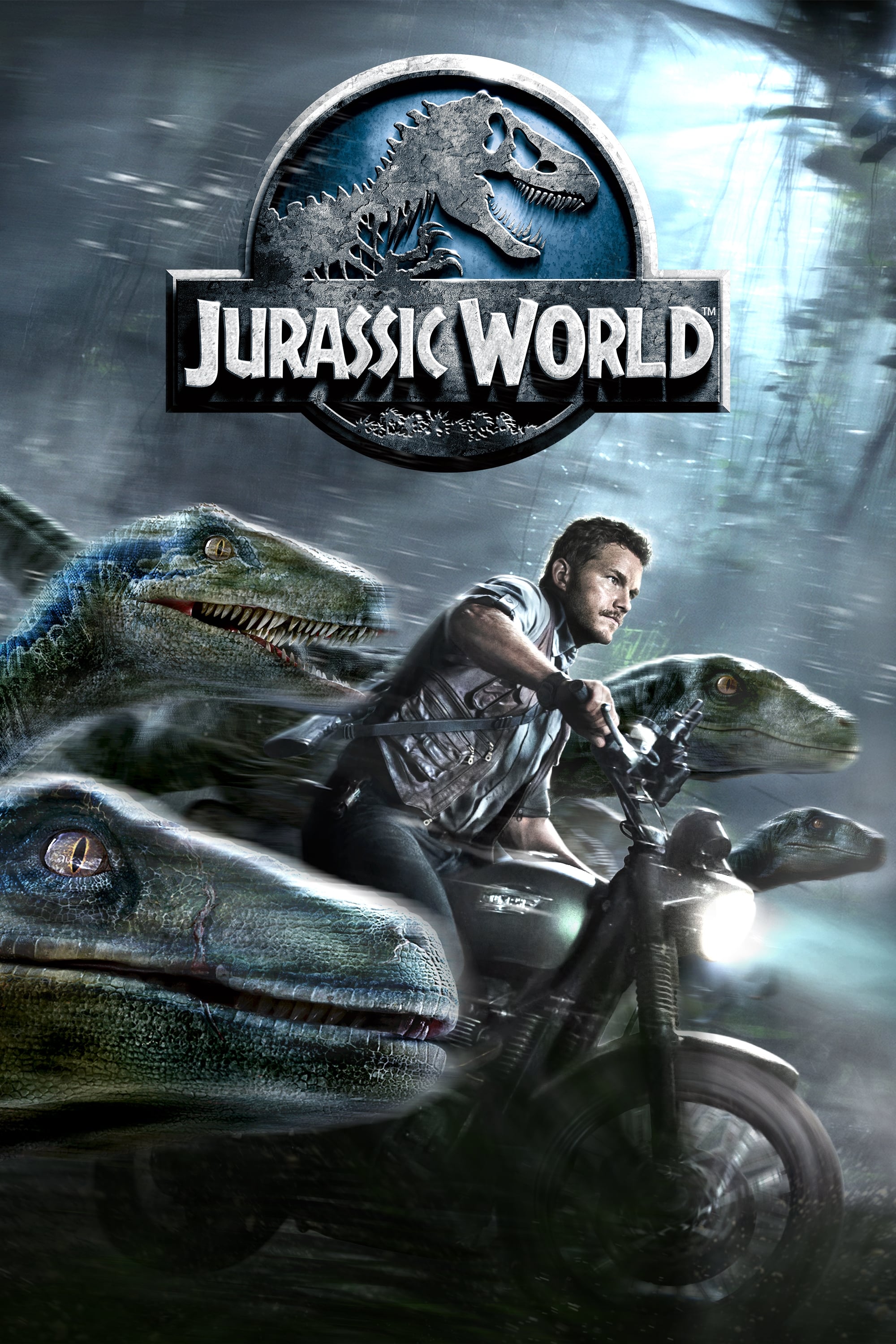
A new theme park built on the original site of Jurassic Park features a genetically modified hybrid dinosaur that escapes its enclosure. The park personnel must contain the creature before it causes mass casualties among the thousands of visitors. The movie became a massive commercial success and spawned several sequels in the following years. Many viewers felt the characters lacked the depth of the original cast from the first ‘Jurassic Park’ film.
‘Independence Day’ (1996)
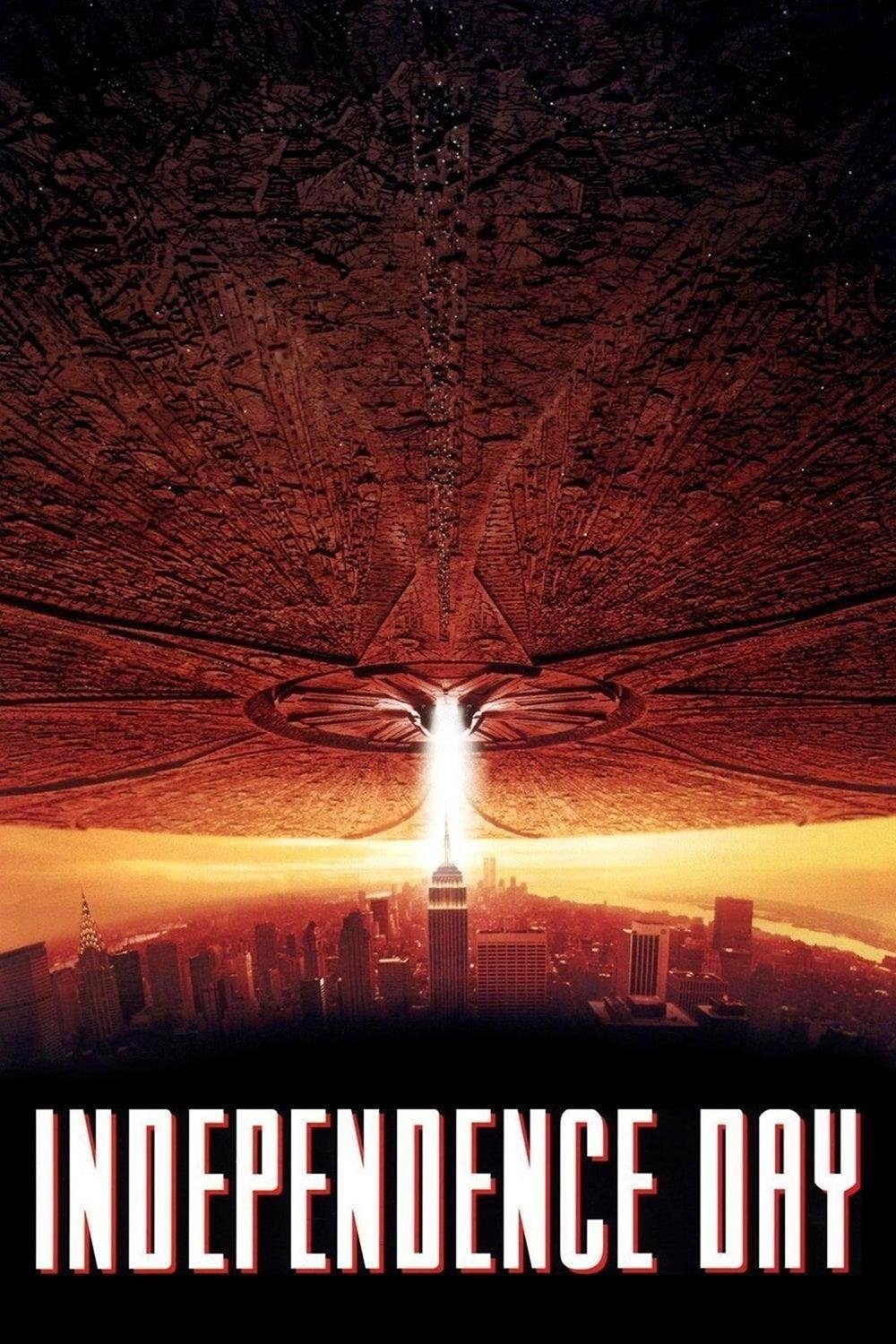
Alien spacecraft arrive over major cities across the globe and launch a coordinated attack on humanity. A pilot and a scientist work together to find a weakness in the alien technology before the world is destroyed. The film is known for its iconic destruction of the White House and its patriotic themes during the summer season. Despite its status as a massive blockbuster, some critics find the plot resolutions to be overly convenient and simplistic.
‘Armageddon’ (1998)
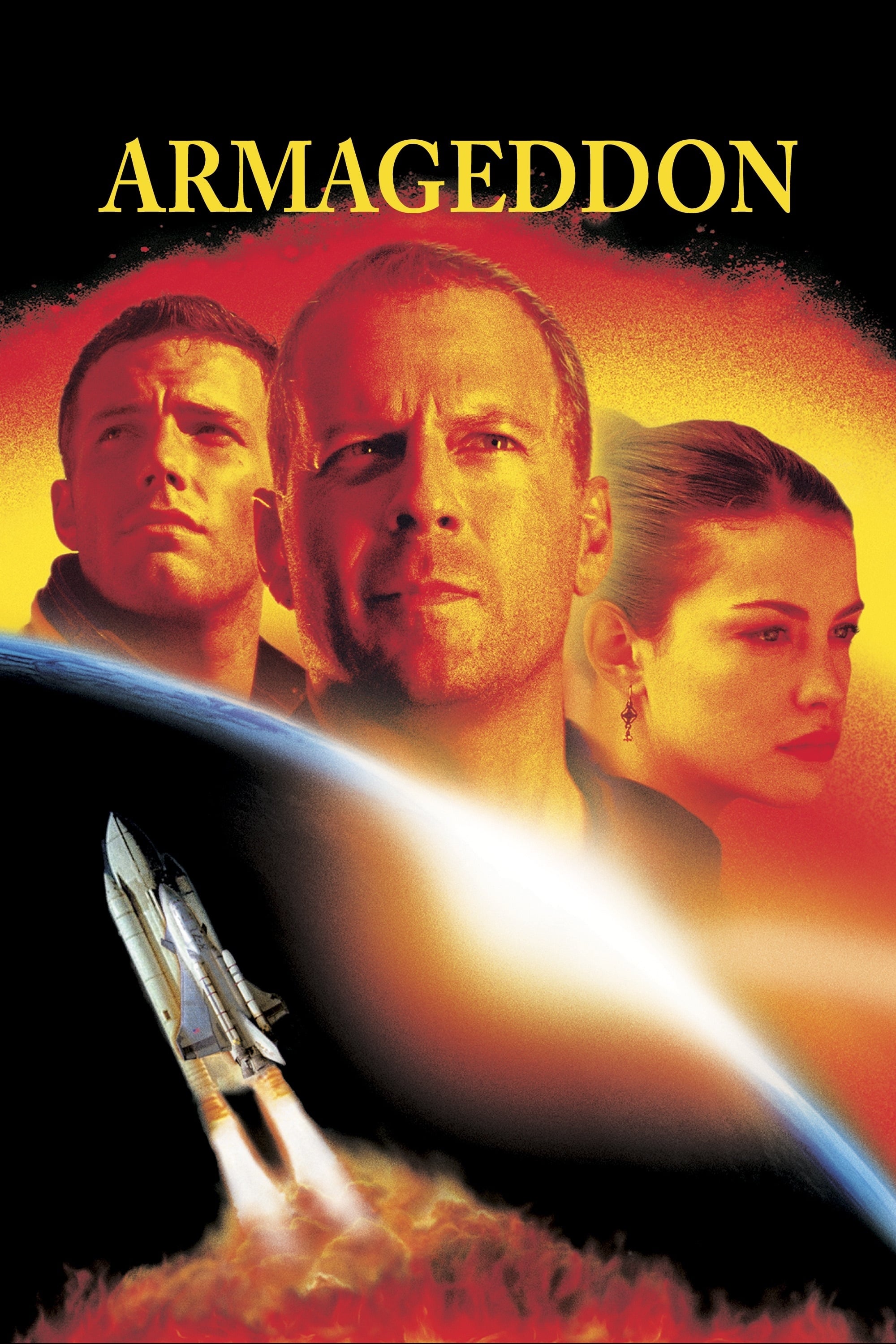
NASA recruits a team of deep sea oil drillers to land on an asteroid and plant a nuclear bomb to prevent a collision with Earth. Harry Stamper leads his crew into space for a high stakes mission that tests their resolve and survival skills. Michael Bay directed the film with high energy action sequences and a prominent power ballad soundtrack. Scientific experts have frequently criticized the premise of training drillers to be astronauts instead of the reverse.
‘Arrival’ (2016)
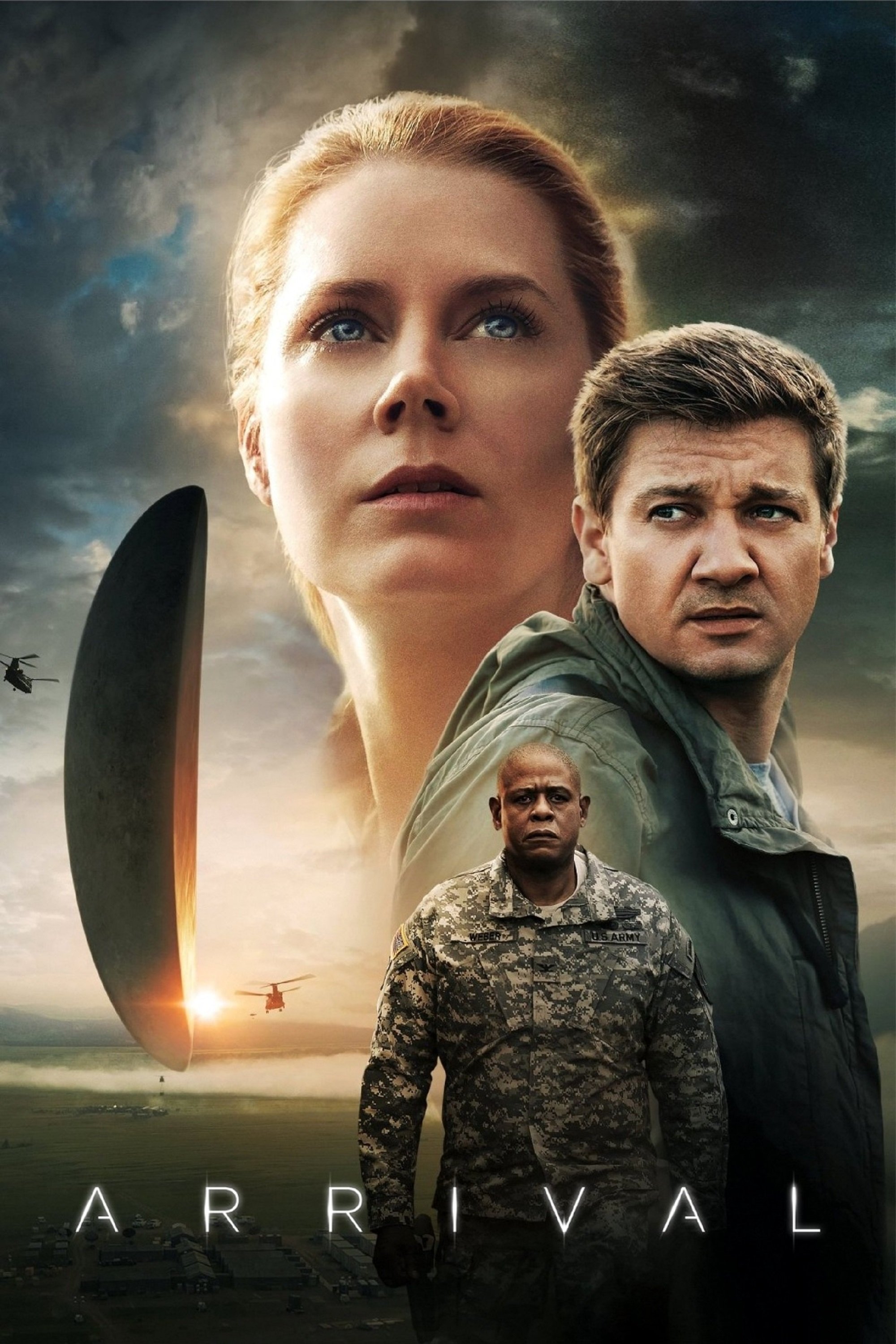
Twelve mysterious spacecraft land around the world, prompting the military to recruit a linguistics expert to communicate with the visitors. Louise Banks attempts to decipher the alien language to understand their true purpose on Earth. The story explores themes of time and grief through the lens of a first contact scenario. While widely acclaimed, some viewers found the slow pacing and cerebral nature of the plot to be less engaging than traditional science fiction.
‘Ad Astra’ (2019)
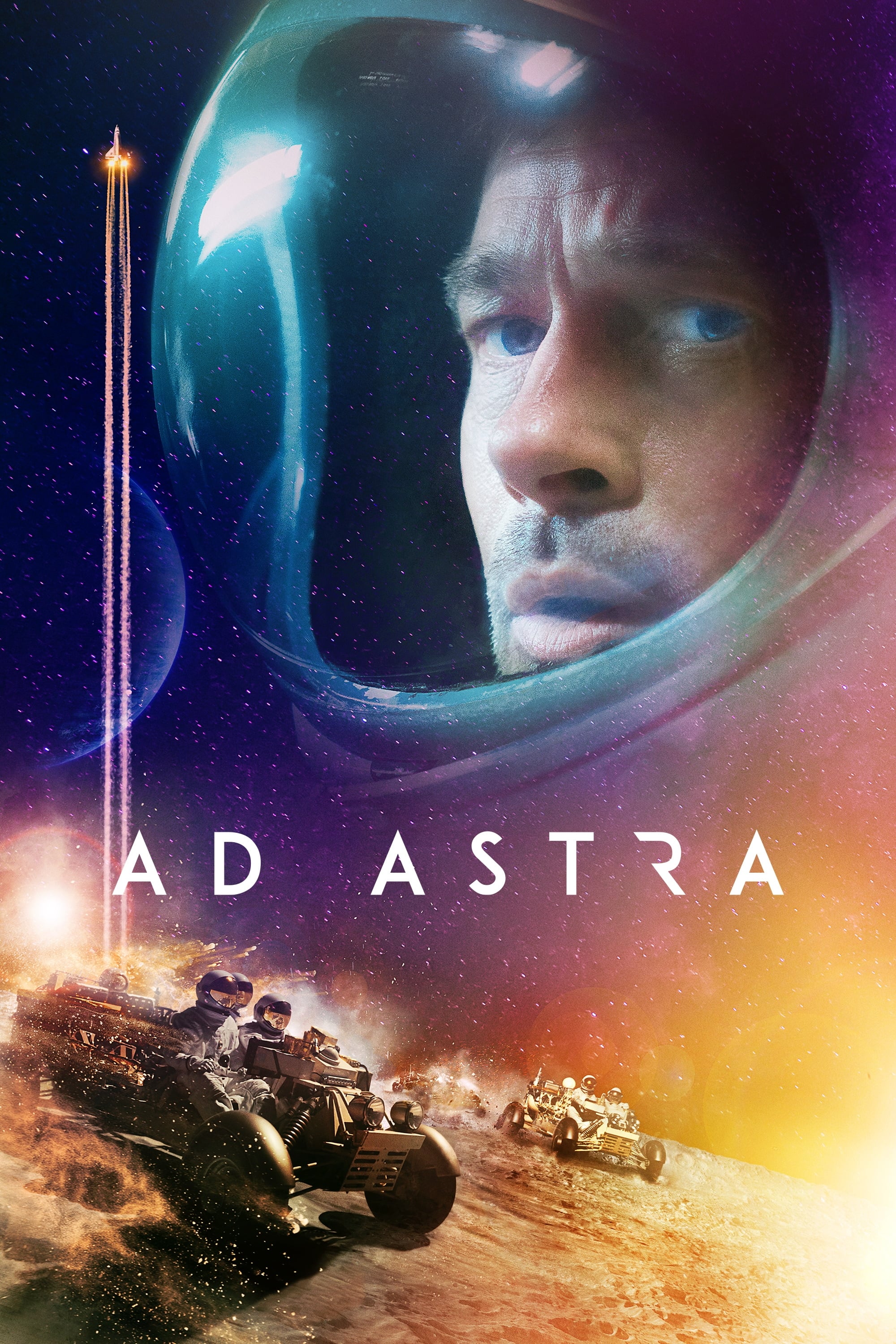
An astronaut travels to the outer edges of the solar system to find his missing father and stop a threat to humanity. Roy McBride deals with personal isolation and psychological trauma during his long journey across space. The film features a contemplative tone and focuses more on internal character struggle than action. Some audiences felt the marketing promised a more traditional space adventure than the somber drama provided.
‘Passengers’ (2016)
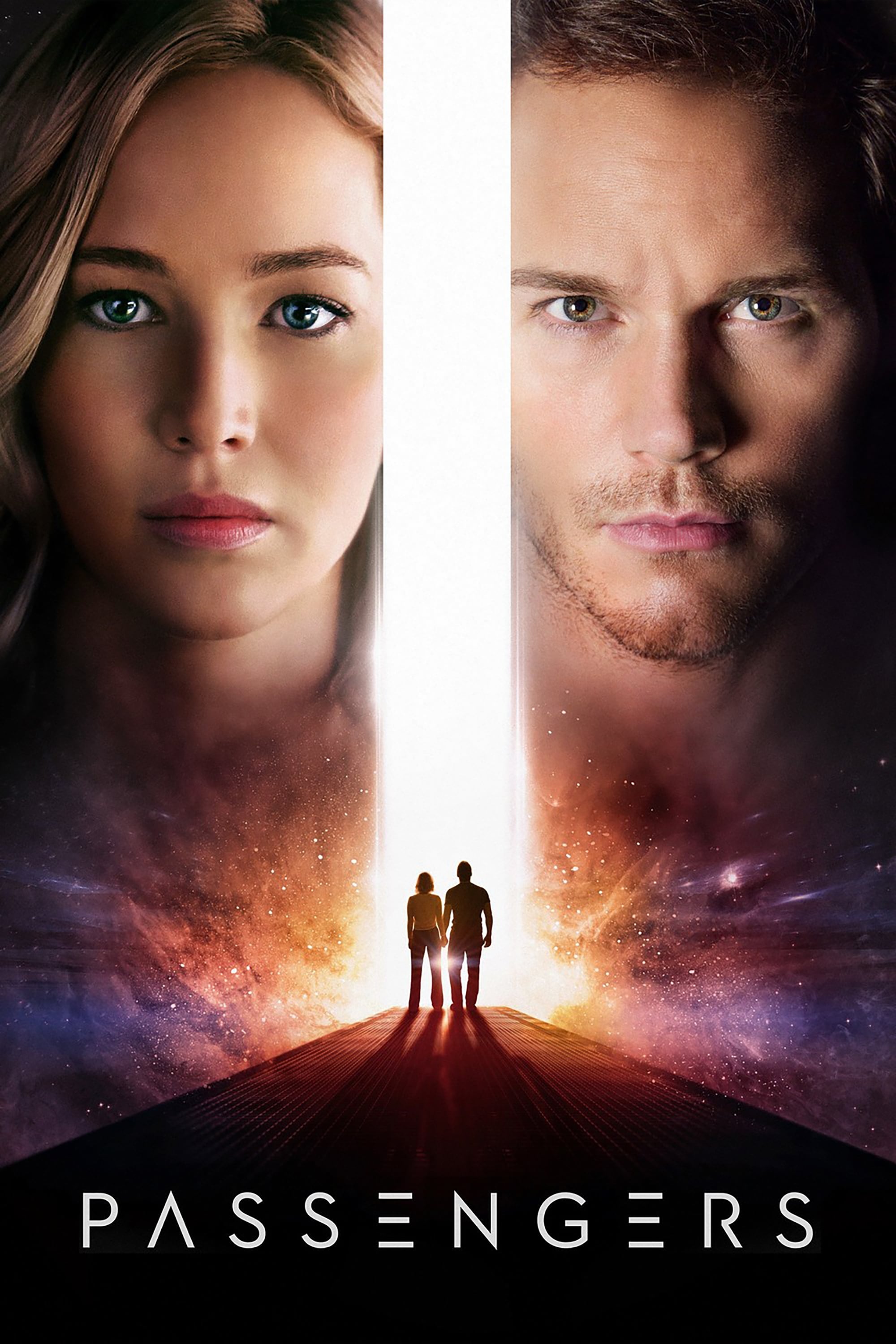
Two people wake up ninety years early during a deep space journey to a colony planet due to a malfunction in their sleep pods. Jim Preston faces a moral dilemma when he decides to wake up another passenger to avoid spending his life alone. The film stars Chris Pratt and Jennifer Lawrence in a high budget romantic setting. Many critics were troubled by the ethical implications of the protagonist’s actions, which they felt the story did not sufficiently address.
‘Elysium’ (2013)
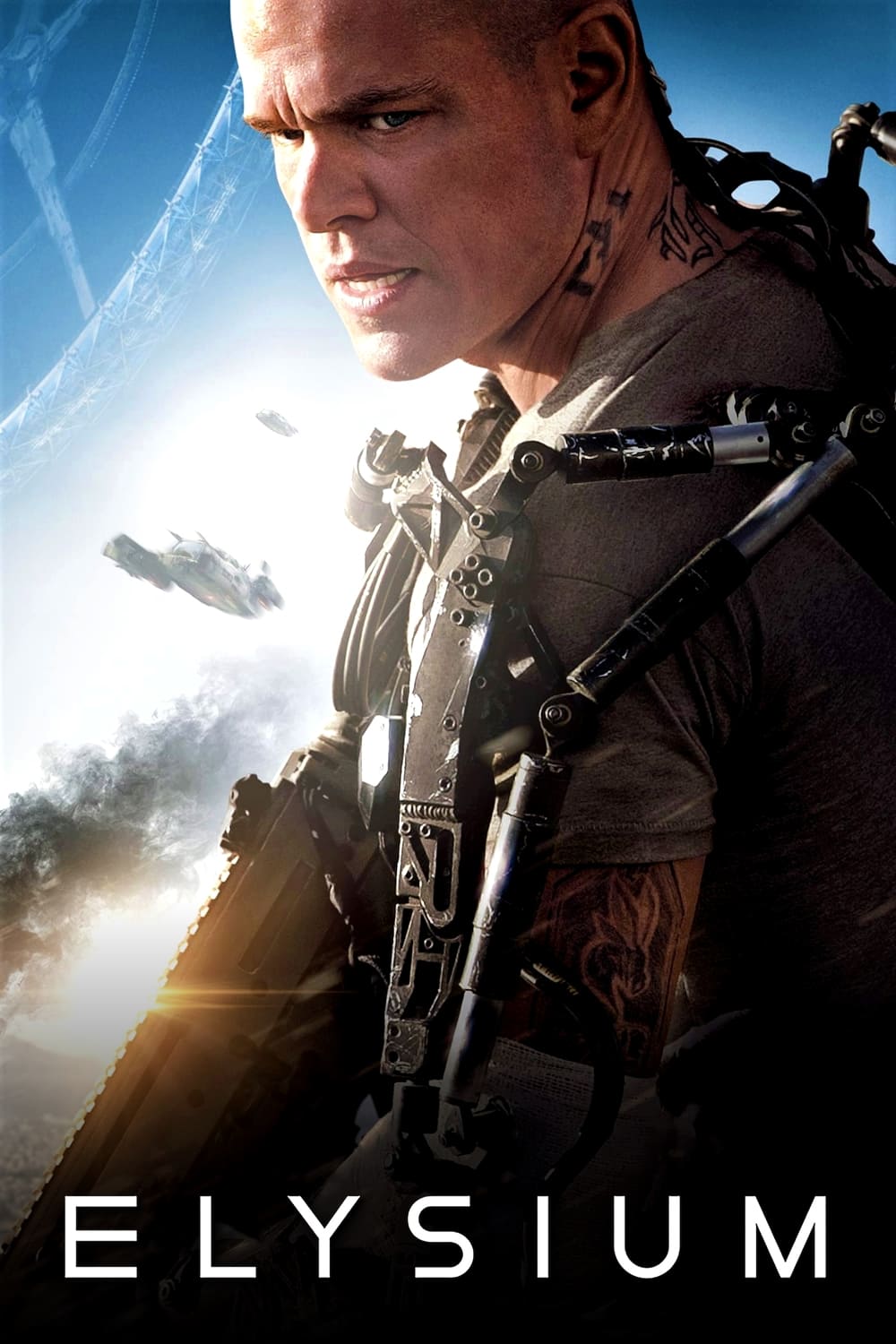
In a future where the wealthy live on a luxurious space station and the poor reside on a ruined Earth, a man attempts to bridge the gap. Max Da Costa takes on a dangerous mission to reach the station and secure medical treatment for himself and others. The film features social commentary regarding healthcare and immigration through a gritty lens. Despite the impressive production design, some viewers found the characters and themes to be somewhat one dimensional.
‘Oblivion’ (2013)
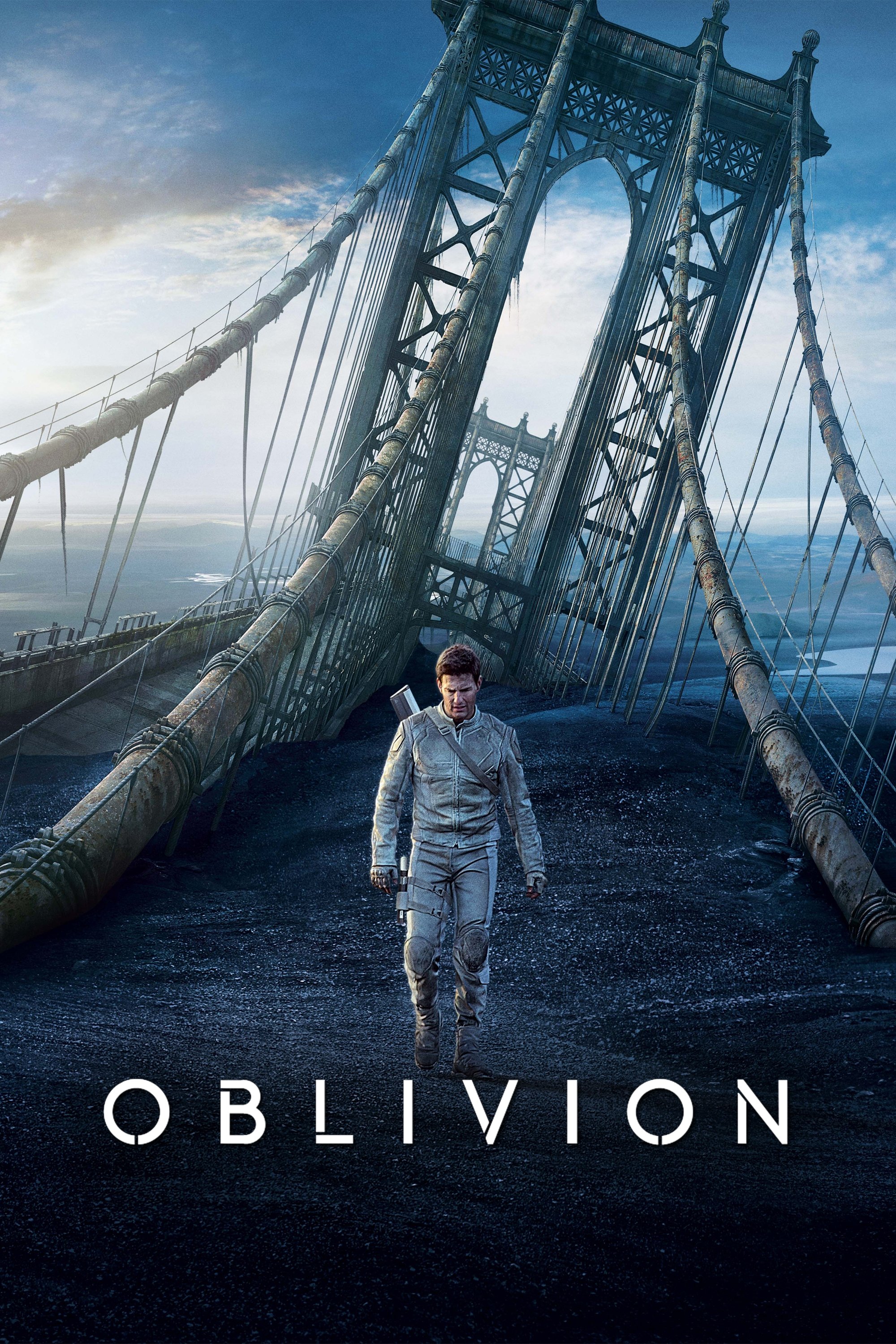
A drone repairman working on a desolate Earth begins to question his mission after rescuing a woman from a crashed spacecraft. Jack Harper discovers secrets about his past and the true nature of the alien invasion that devastated the planet. The movie is noted for its clean aesthetic and soundtrack by the electronic group M83. Some critics argued the story relied too heavily on tropes seen in other more successful science fiction films.
‘Sunshine’ (2007)
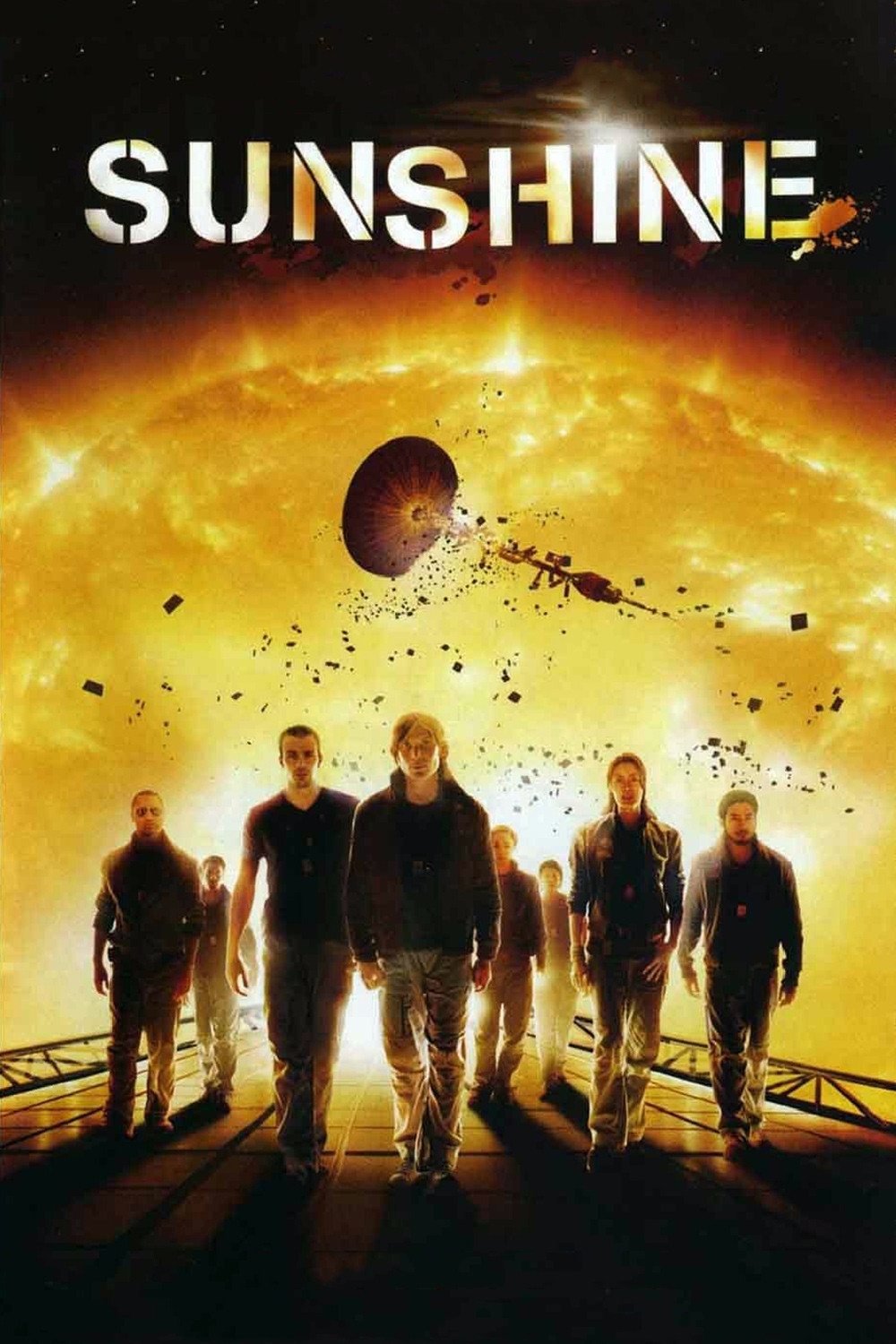
A crew of astronauts is sent on a mission to reignite the dying sun with a massive stellar bomb to save humanity. They face technical failures and interpersonal conflicts as they approach the center of the solar system. Danny Boyle directed the film, which features a blend of hard science and psychological horror. The third act shift into a slasher style narrative remains a polarizing point for many fans of the genre.
‘Looper’ (2012)
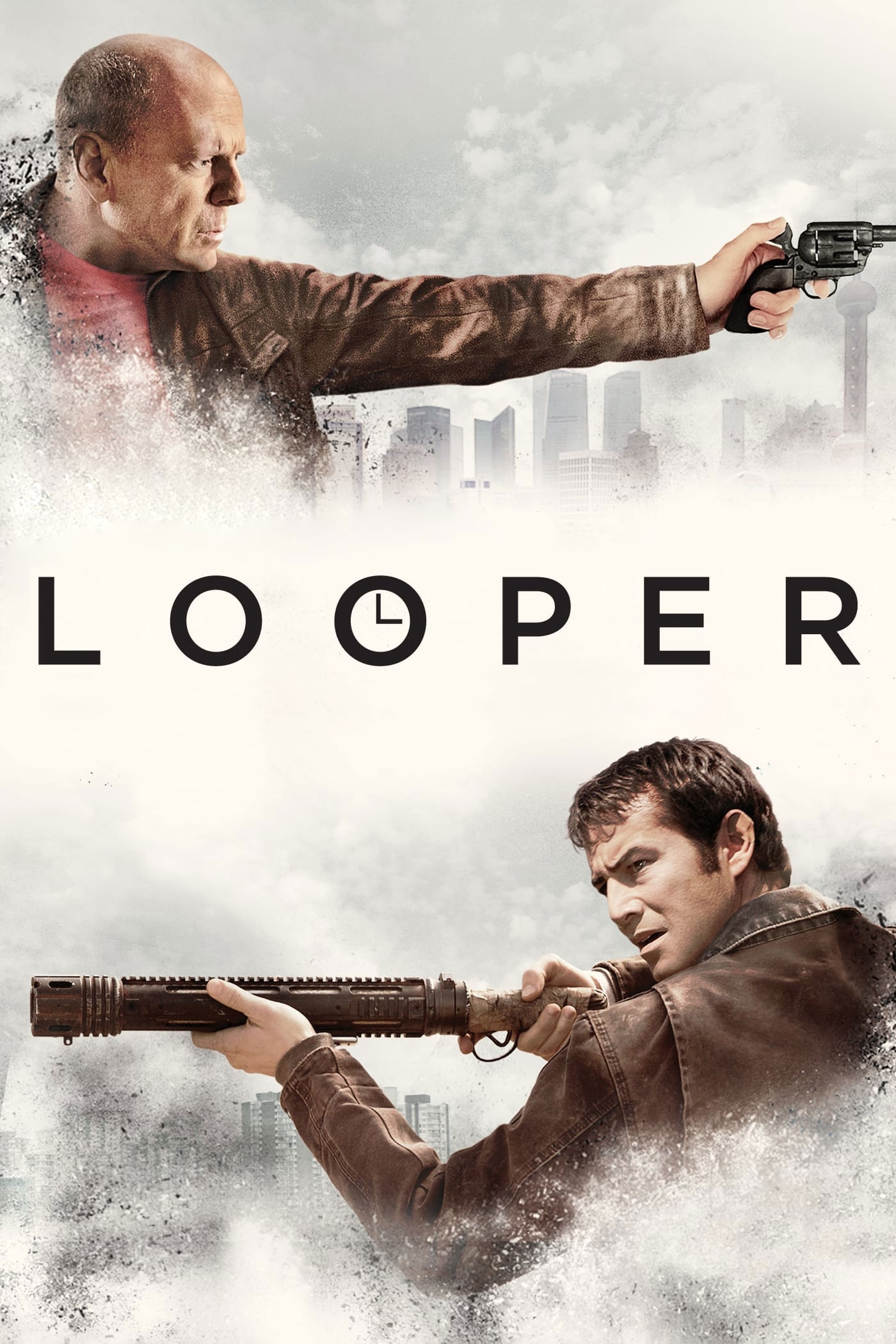
In a future where time travel is used by criminal syndicates, assassins called loopers kill targets sent back from the future. Joe finds himself in a predicament when his future self is sent back to be executed. The film explores the paradoxes of time travel and the consequences of one’s actions. While praised for its originality, some viewers felt the world building rules were inconsistent during the climax.
‘Minority Report’ (2002)
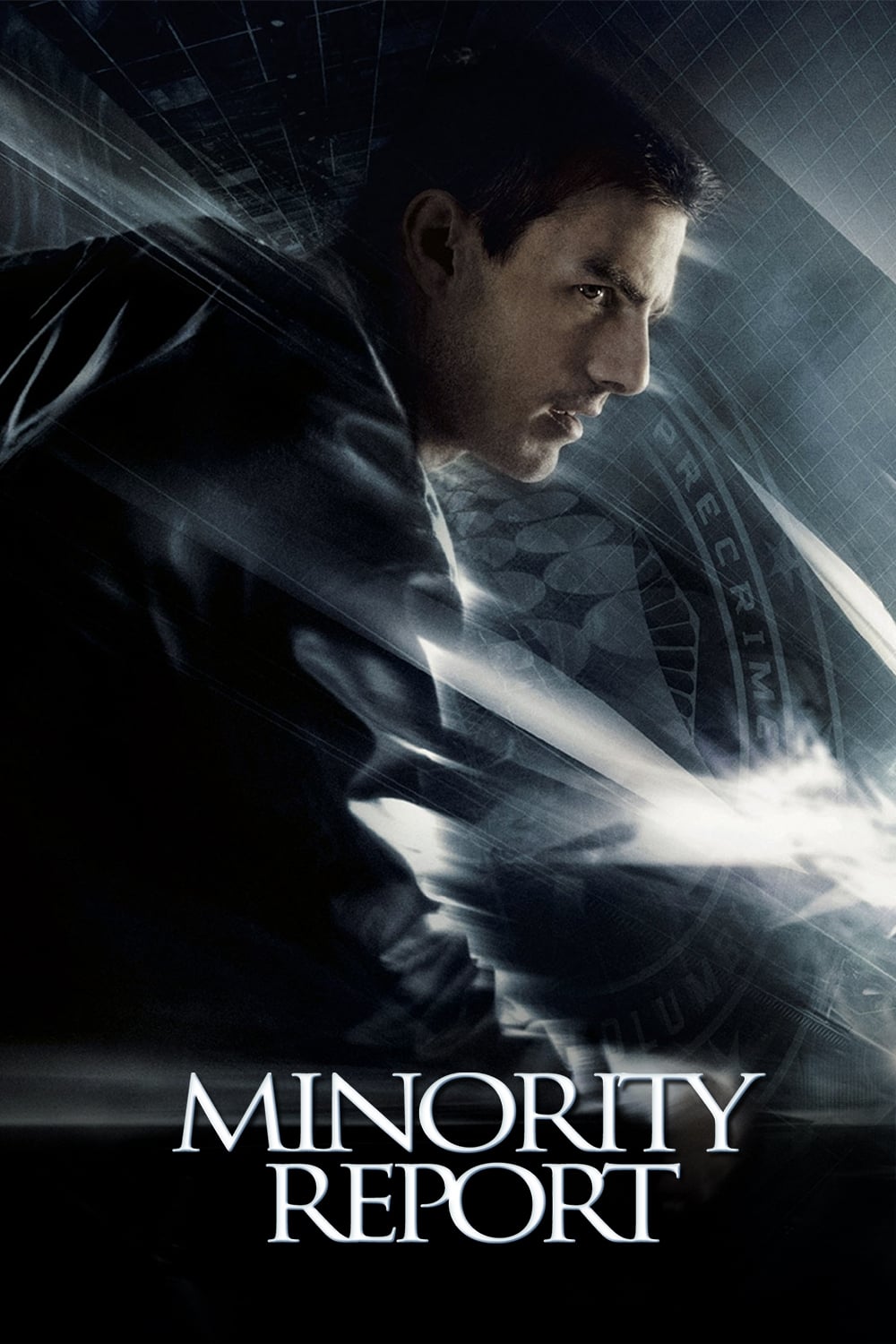
A specialized police unit uses psychic technology to arrest murderers before they commit their crimes. Chief John Anderton finds himself on the run when the system predicts that he will kill a man he has never met. Steven Spielberg directed this adaptation of a Philip K Dick story with a focus on surveillance and free will. Some critics believe the ending is too optimistic and contrasts with the dark tone established in the beginning.
‘I, Robot’ (2004)

A detective investigates a crime that he believes was committed by a robot despite the laws governing artificial intelligence. Del Spooner uncovers a conspiracy that threatens the safety of the entire human population. The film is loosely based on the works of Isaac Asimov and features significant product placement throughout the story. Many fans of the original literature felt the movie focused more on action than the complex ethics of the source material.
‘Men in Black’ (1997)
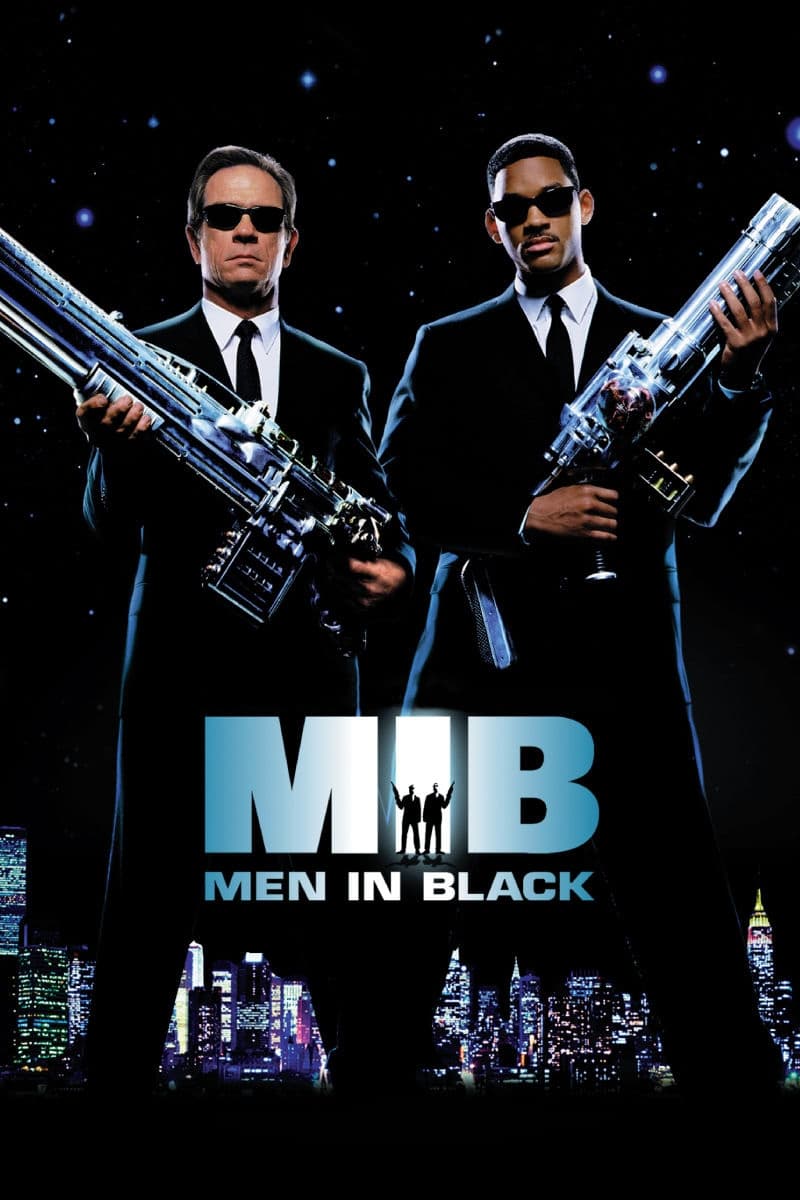
A secret organization monitors and polices extraterrestrial life living on Earth while keeping the public unaware of their existence. Agent J and Agent K team up to stop an intergalactic terrorist from destroying the planet using a specialized device. The film combined comedy and science fiction to become a major commercial hit during its summer release. Some viewers feel the subsequent sequels and spin offs have diluted the impact of the original premise.
‘Star Trek Into Darkness’ (2013)
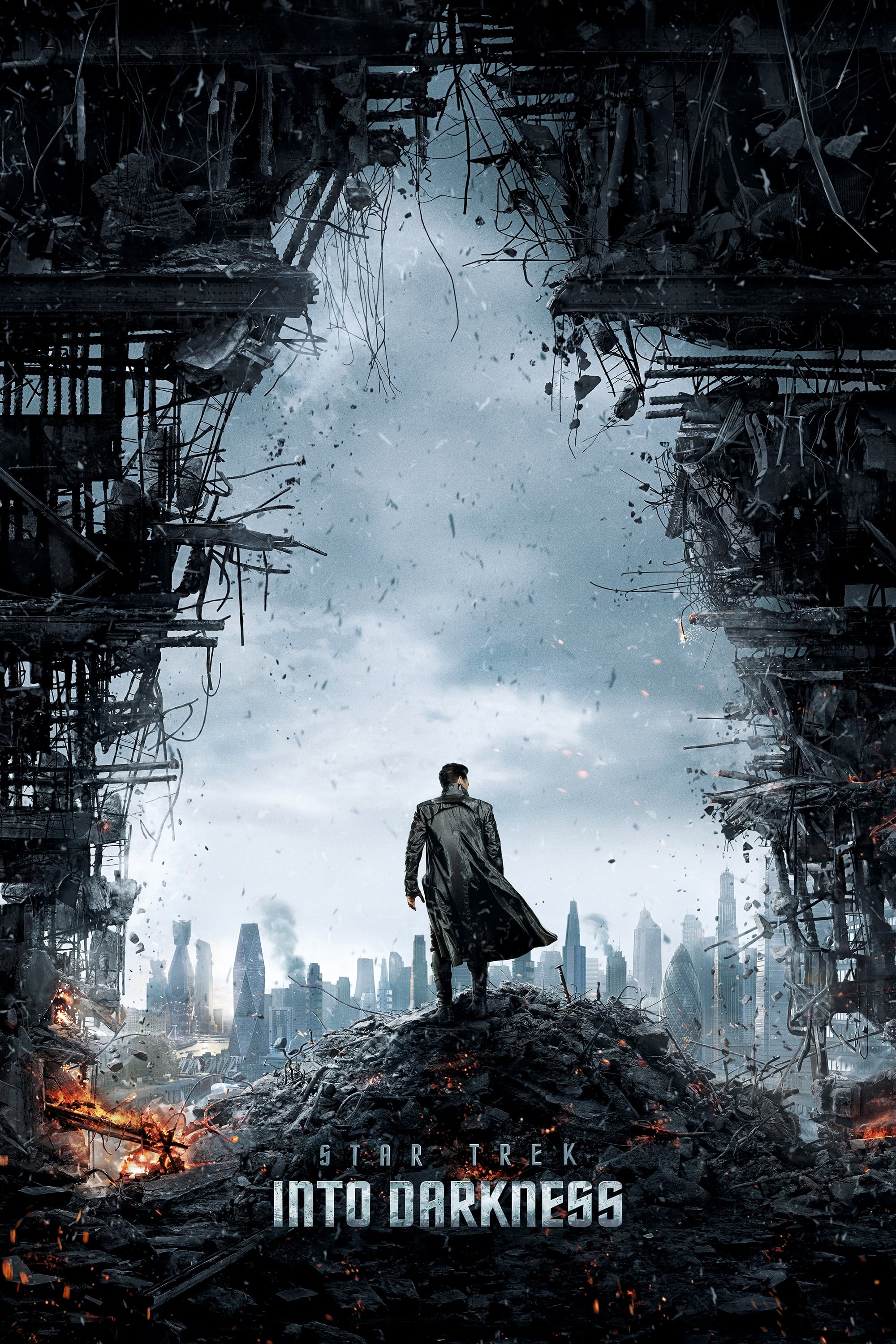
The crew of the Enterprise tracks a mysterious terrorist to a war torn world where they uncover a deeper conspiracy within Starfleet. Captain James T Kirk must lead his team through a personal vendetta that threatens the safety of the Federation. This sequel to the 2009 reboot was a box office success with high production values. Many long time fans were disappointed by the reuse of a classic villain and the similarities to previous entries in the series.
‘Pacific Rim’ (2013)
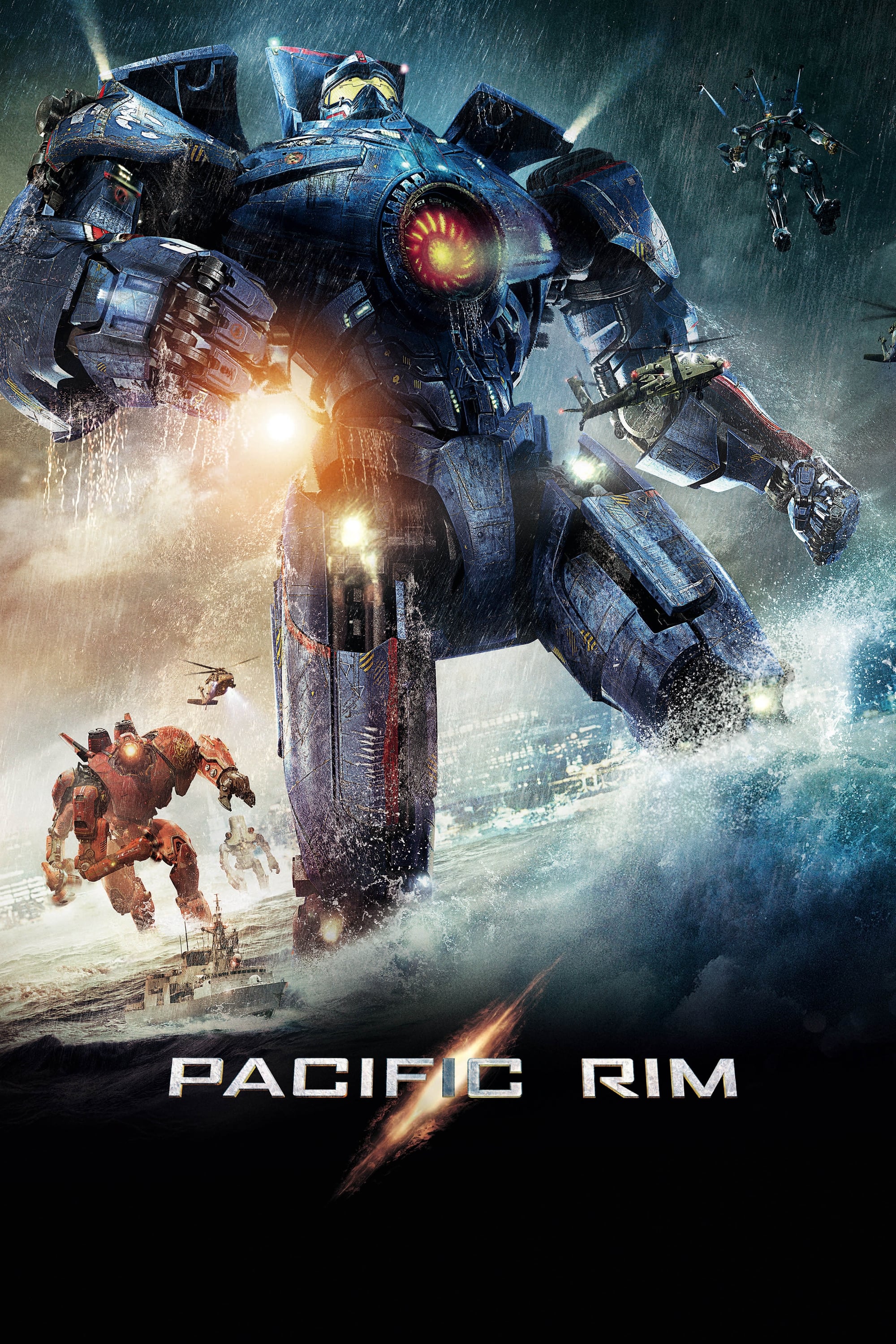
Giant monsters emerge from the ocean to attack humanity, prompting the creation of massive piloted robots to fight back. Raleigh Becket and Mako Mori must link their minds to operate a legendary machine for a final stand. Guillermo del Toro directed the film with a love for the kaiju and mecha genres. While visually vibrant, some audiences found the human characters to be less interesting than the spectacle of the battles.
‘District 9’ (2009)
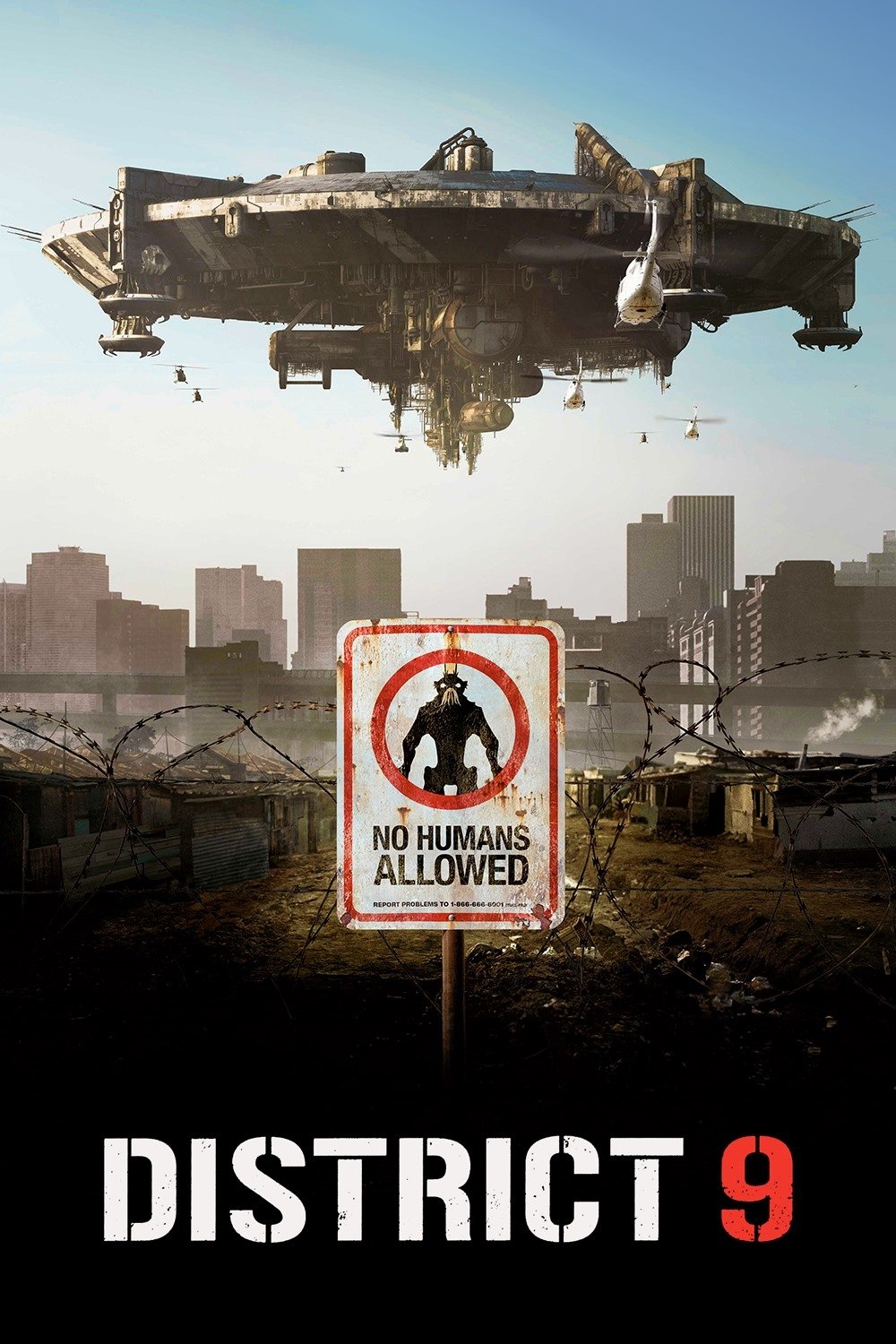
Extraterrestrials forced to live in slum conditions on Earth find an unexpected ally in a government agent who begins to transform into one of them. Wikus van de Merwe navigates a gritty landscape of corporate greed and xenophobia in South Africa. The film used a found footage style to enhance its sense of realism and political commentary. Some critics have suggested the narrative relies on a white savior trope despite its anti apartheid themes.
‘Avatar: The Way of Water’ (2022)
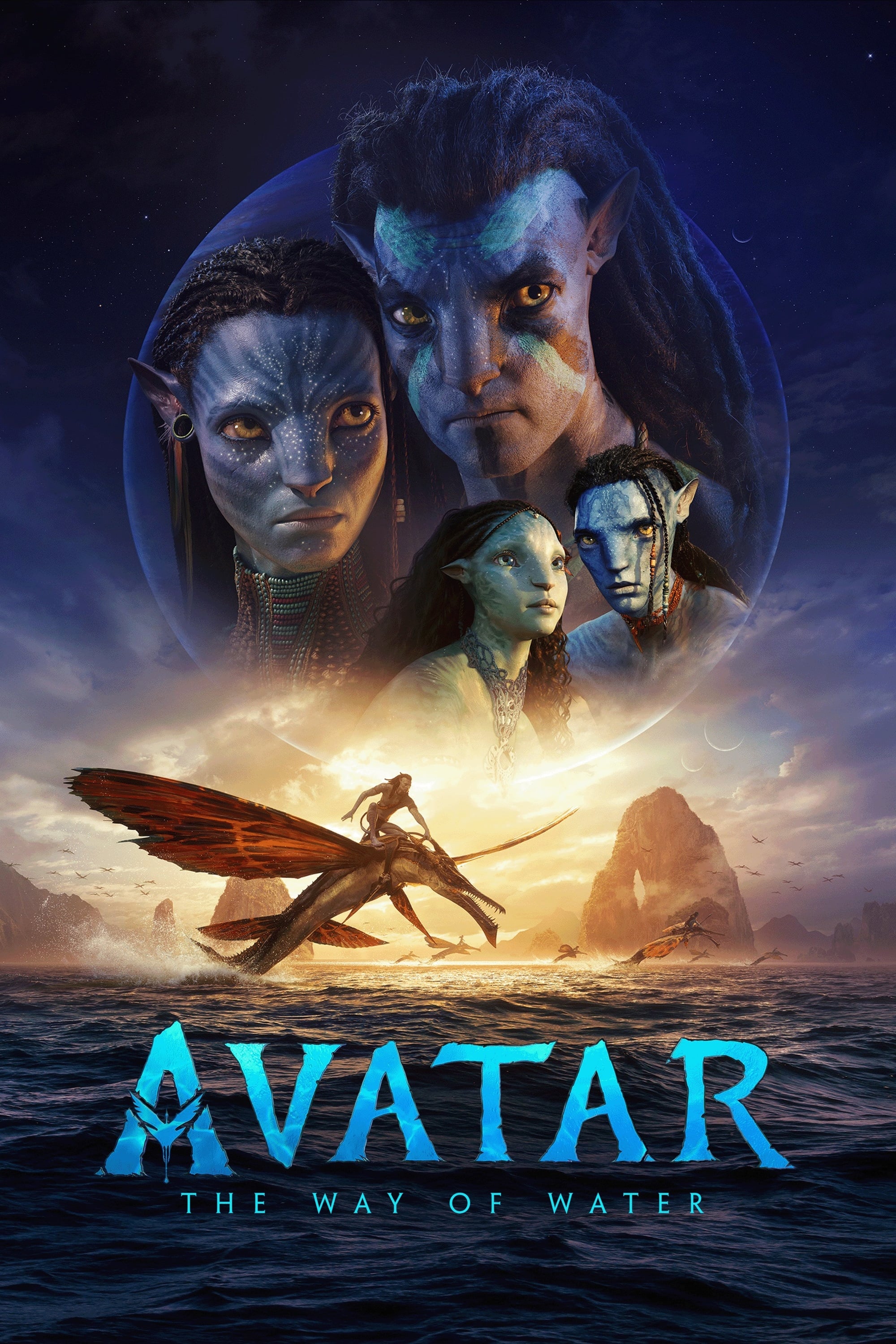
Jake Sully and Neytiri must flee their home and seek refuge with the water tribes of Pandora when the RDA returns to colonize the moon. The story focuses on the family unit and the importance of preserving the natural ecosystem. James Cameron spent years developing new underwater motion capture technology to bring the ocean world to life. Despite the massive financial success, some viewers felt the plot was essentially a repetition of the first movie.
‘Signs’ (2002)
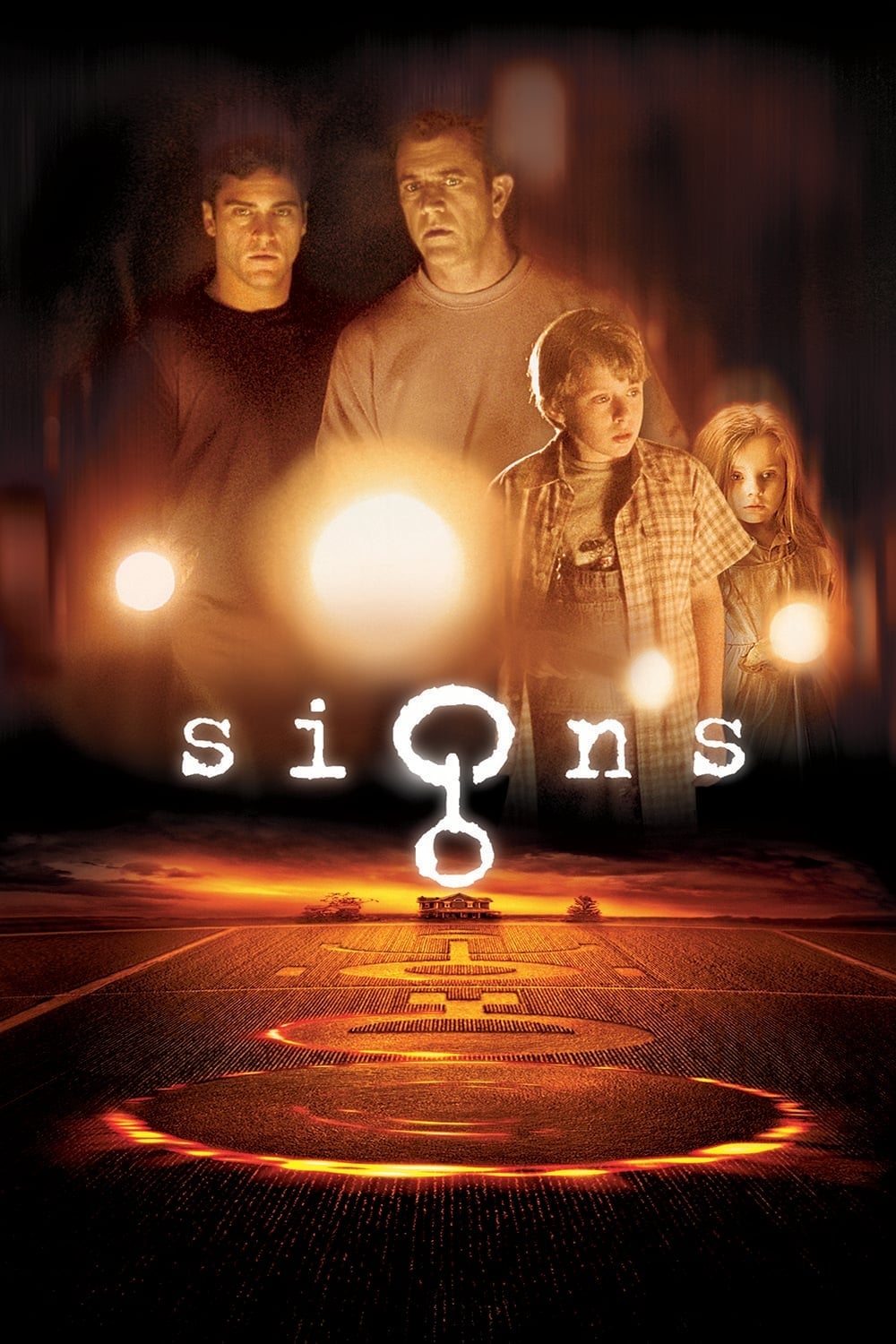
A former priest living on a farm discovers mysterious crop circles that signal the arrival of extraterrestrial beings. Graham Hess and his family prepare for an invasion while grappling with their personal faith and past tragedies. M Night Shyamalan directed the film with a focus on suspense and small scale tension. The biological weakness of the aliens revealed at the end remains a subject of ridicule for many science fiction enthusiasts.
‘War of the Worlds’ (2005)
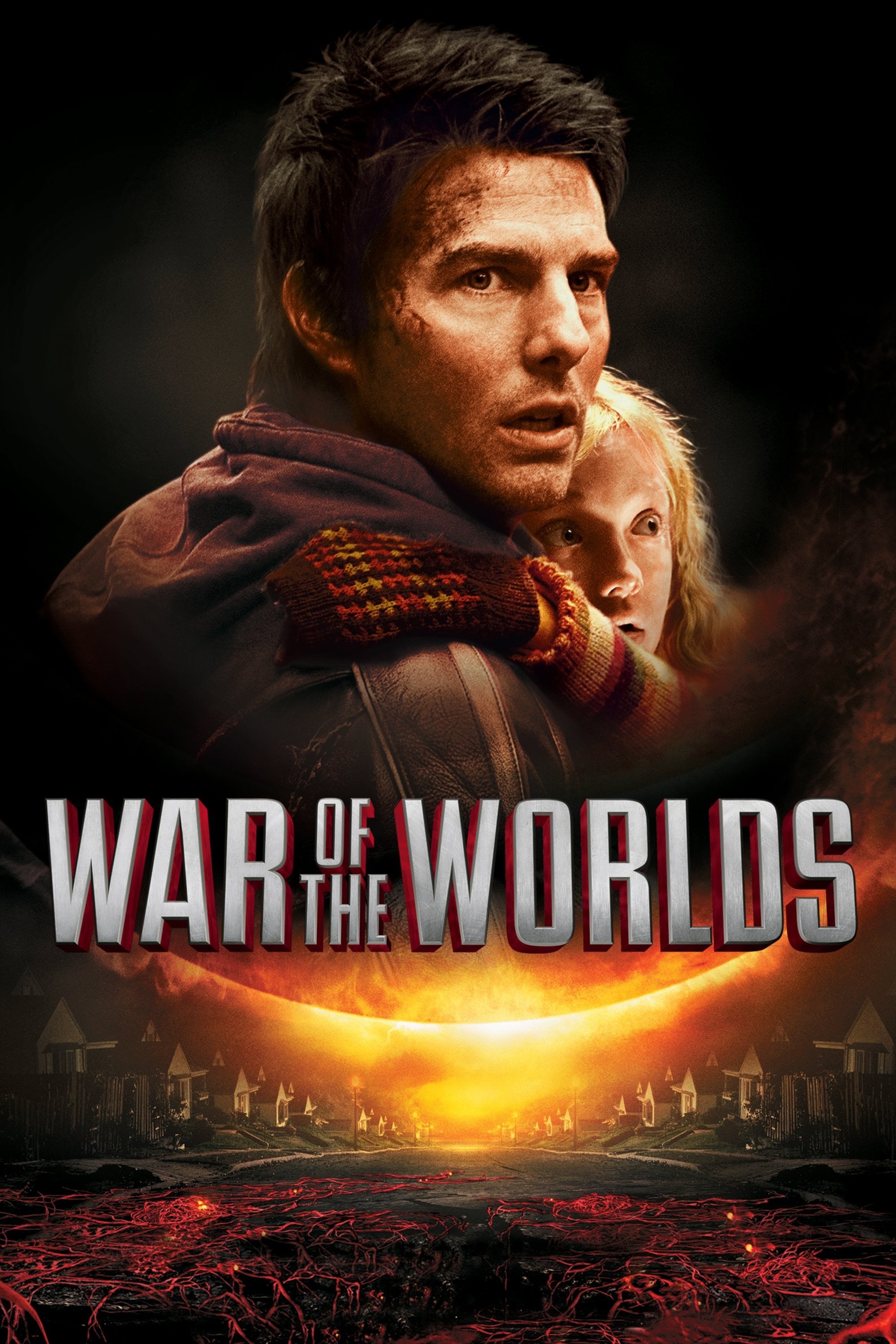
An ordinary man struggles to protect his children during a devastating alien invasion that targets human civilizations across the globe. Ray Ferrier witnesses the absolute power of the extraterrestrial tripods as he flees from the chaos. Steven Spielberg used the story to evoke imagery related to modern global anxieties and terror. Some viewers felt the ending was abrupt and lacked the weight of the destruction seen throughout the rest of the film.
‘Lucy’ (2014)

A woman accidentally gains superhuman abilities after a synthetic drug is absorbed into her bloodstream during a smuggling job. Lucy develops telekinesis and advanced intelligence as she accesses more of her brain capacity. The film explores the limits of human potential through stylized action and scientific theory. Many audience members were frustrated by the central premise based on the debunked myth that humans only use ten percent of their brains.
‘Cloud Atlas’ (2012)
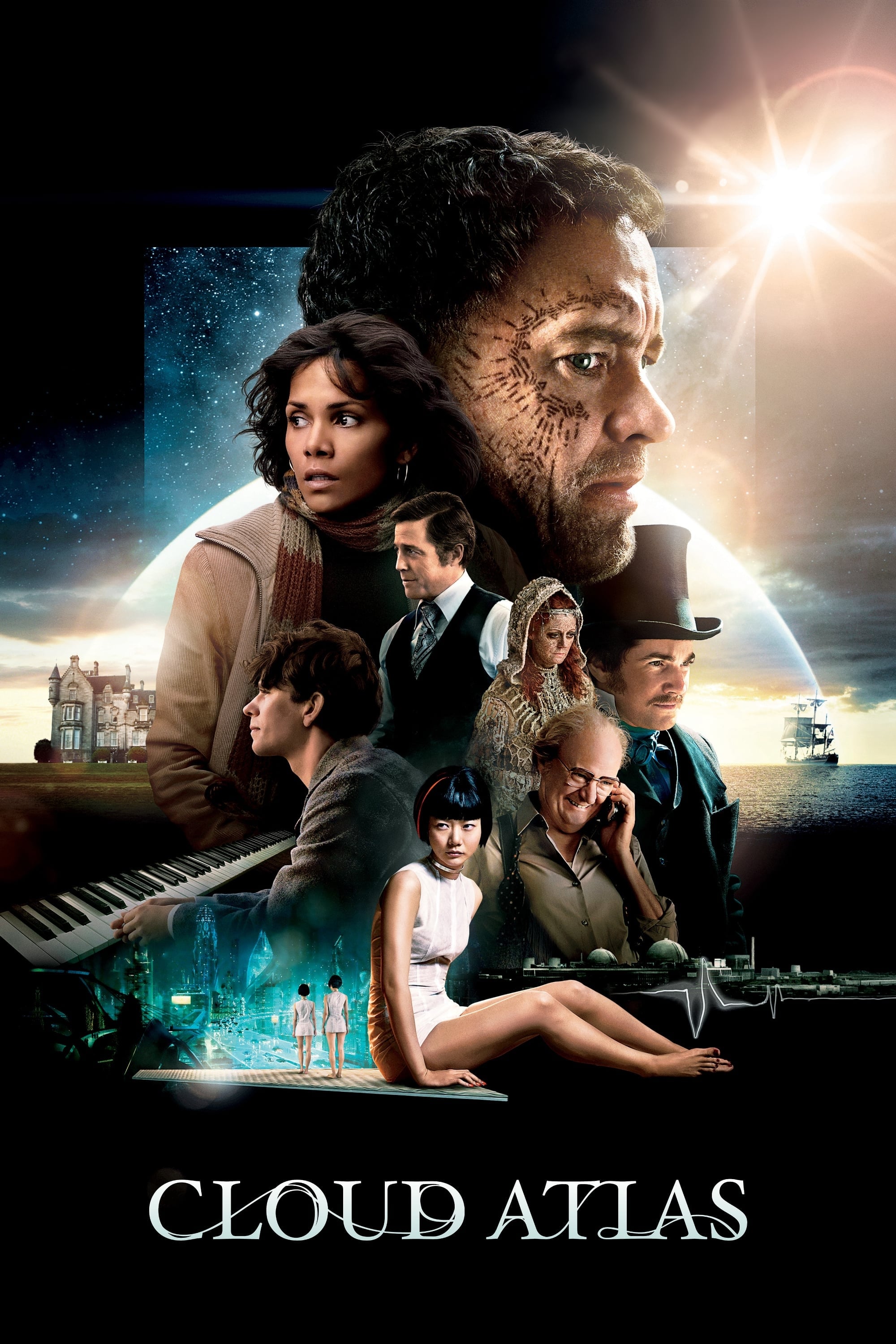
Six interlocking stories span across different time periods from the nineteenth century to a post apocalyptic future. The characters are linked by reincarnated souls and the recurring theme of human connection through time. The Wachowskis and Tom Tykwer directed this ambitious adaptation of the novel by David Mitchell. While some praised its scale, others found the frequent shifts in tone and the use of prosthetic makeup to be distracting.
Please share your thoughts on these science fiction films in the comments.