

30 Overrated Sports Games Everyone Seems To Like

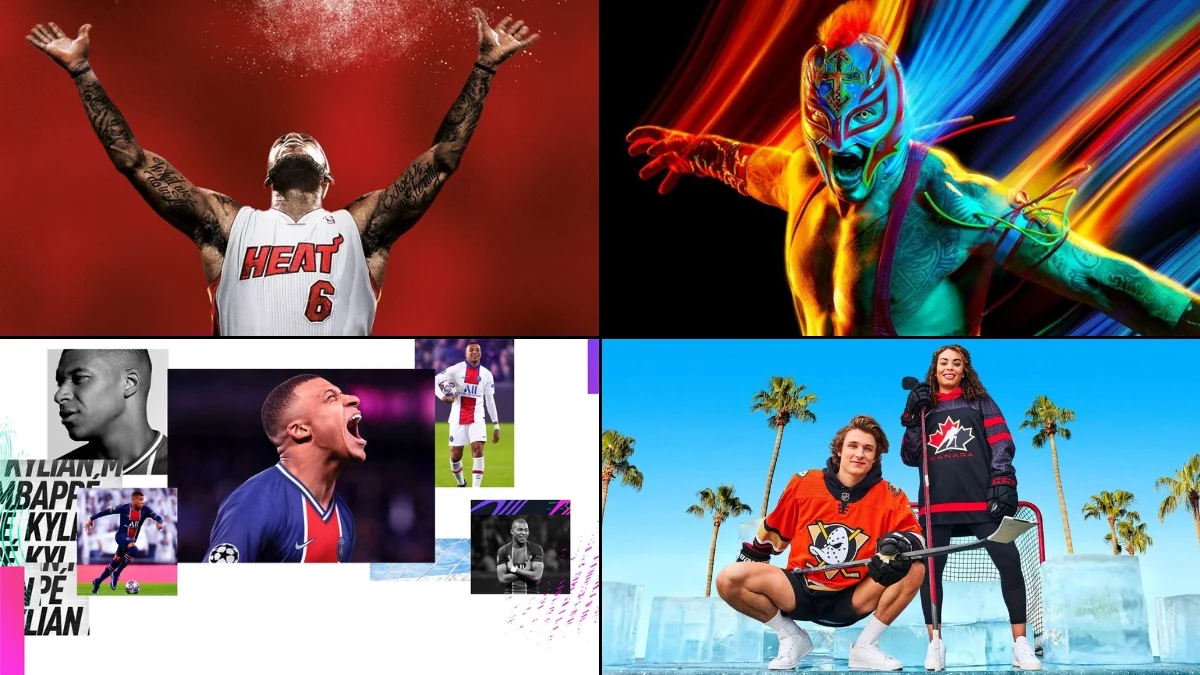


The sports gaming genre is defined by annual releases and massive commercial success, yet many popular titles face criticism for stagnating innovation. While fans continue to purchase these games in record numbers, certain installments have been identified as overvalued due to repetitive mechanics or aggressive monetization. These selections represent games that achieved high visibility and sales but often failed to meet the evolving expectations of the broader gaming community.
‘Madden NFL 21’ (2020)
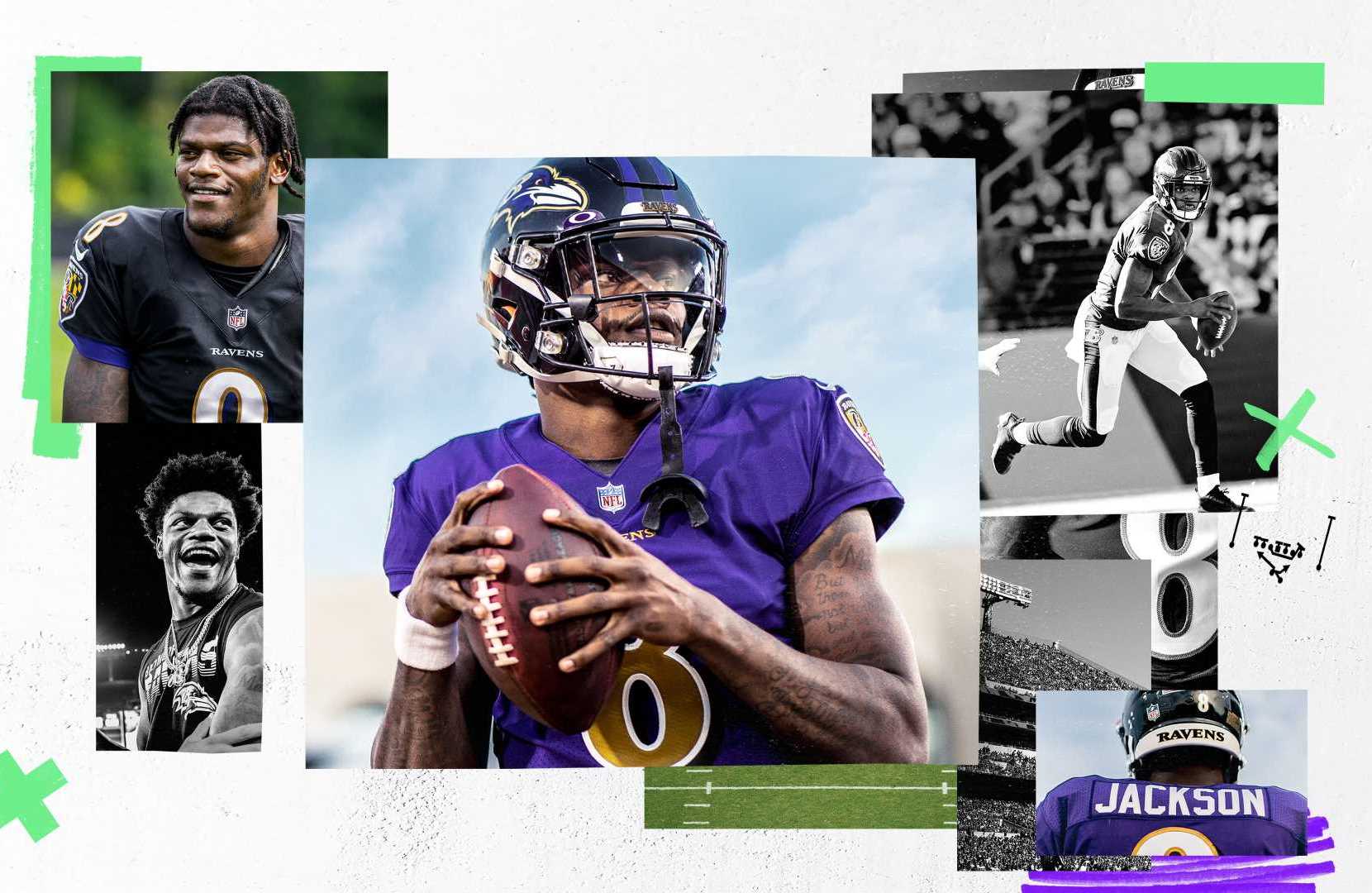
Developed by EA Tiburon and published by Electronic Arts, this title faced immediate backlash for its lack of substantial updates to the Franchise Mode. Players criticized the game for recycling assets from previous years while focusing on the arcade-style “The Yard” mode. Despite the negative reception on user review platforms, it remained a commercial powerhouse during its release window. The game’s reliance on the Frostbite engine also led to numerous technical glitches that impacted the overall simulation experience.
‘FIFA 21’ (2020)
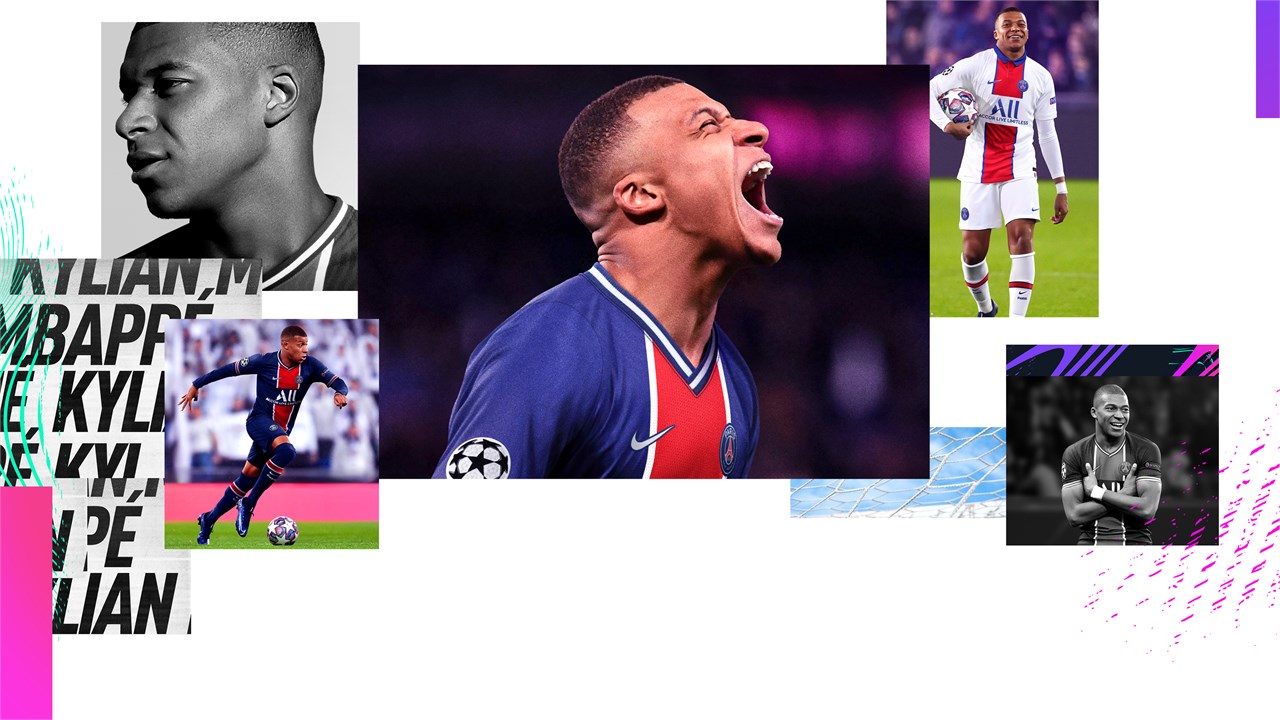
EA Canada released this installment with a heavy emphasis on the “Volta” street football mode and Ultimate Team updates. Many critics argued that the core gameplay remained virtually unchanged from the previous year, leading to accusations of the game being a glorified roster update. The continued focus on microtransactions within the Ultimate Team environment sparked significant debate regarding its fairness and long-term viability. Despite these recurring issues, ‘FIFA 21’ dominated global sales charts for several months.
‘NBA 2K21’ (2020)
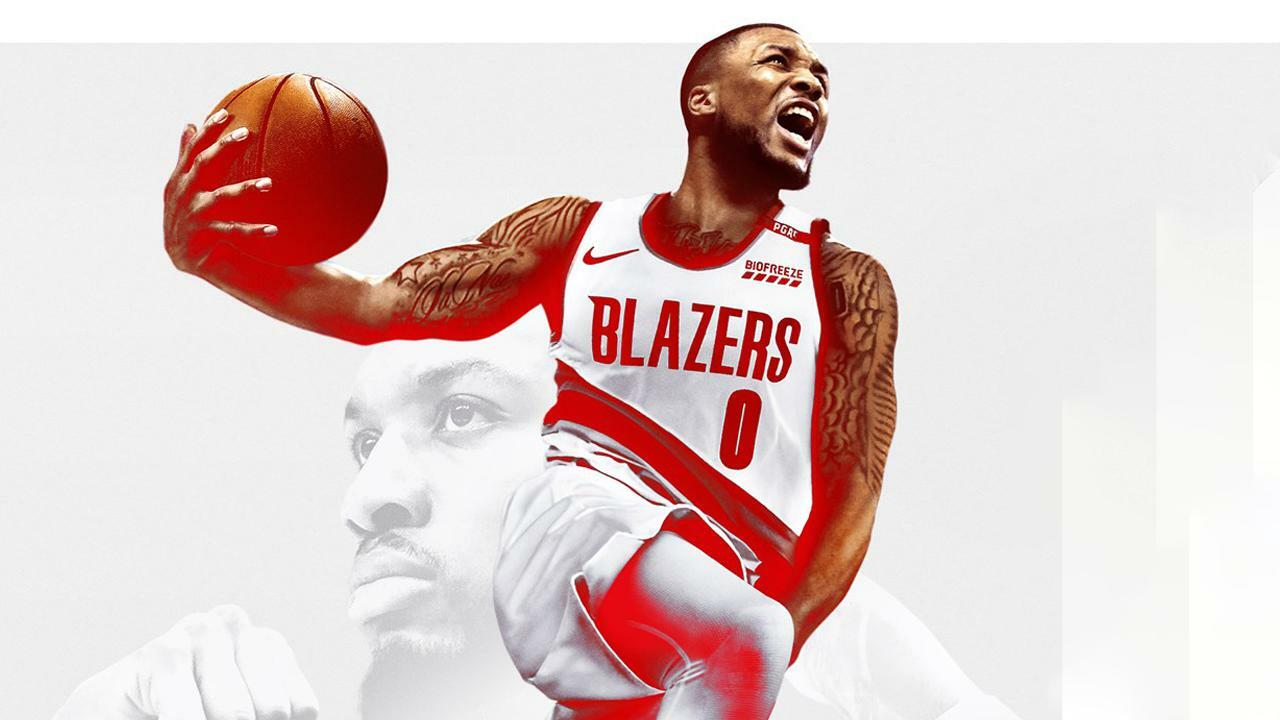
Visual Concepts and 2K Games introduced a new shot-stick aiming system that proved to be divisive among both casual and professional players. This entry was also the first in the series to debut on next-generation consoles with an increased retail price, leading to scrutiny over its value. The “MyCareer” mode continued to push players toward purchasing Virtual Currency to remain competitive in online play. While the graphical fidelity was praised, the perceived lack of innovation in core modes made it a target for criticism.
‘Wii Sports Resort’ (2009)
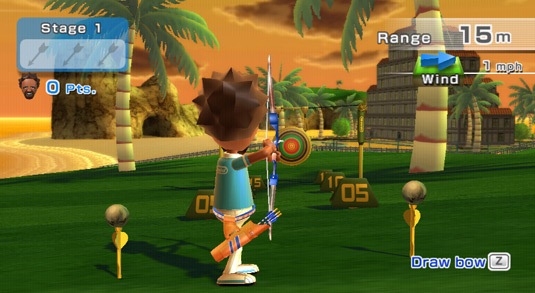
Nintendo EAD developed this sequel to the iconic ‘Wii Sports’, requiring the Wii MotionPlus accessory for enhanced precision. While the game offered a wider variety of activities like swordplay and archery, some fans felt the complexity moved away from the pick-up-and-play simplicity of the original. The requirement for extra hardware was seen as a barrier for entry for many casual families. Although it was a massive commercial success, many argued that the mini-games lacked the lasting depth of the series’ predecessor.
‘Mario Tennis Aces’ (2018)

Produced by Camelot and Nintendo, this game was praised for its vibrant visuals and the return of a dedicated story mode. However, the game was criticized at launch for a lack of content and limited online matchmaking options. Players found the central “Zone Shot” and “Zone Speed” mechanics to be overly dominant, sometimes overshadowing traditional tennis strategies. While updates eventually added more characters and modes, the initial excitement was tempered by these mechanical imbalances.
‘WWE 2K22’ (2022)
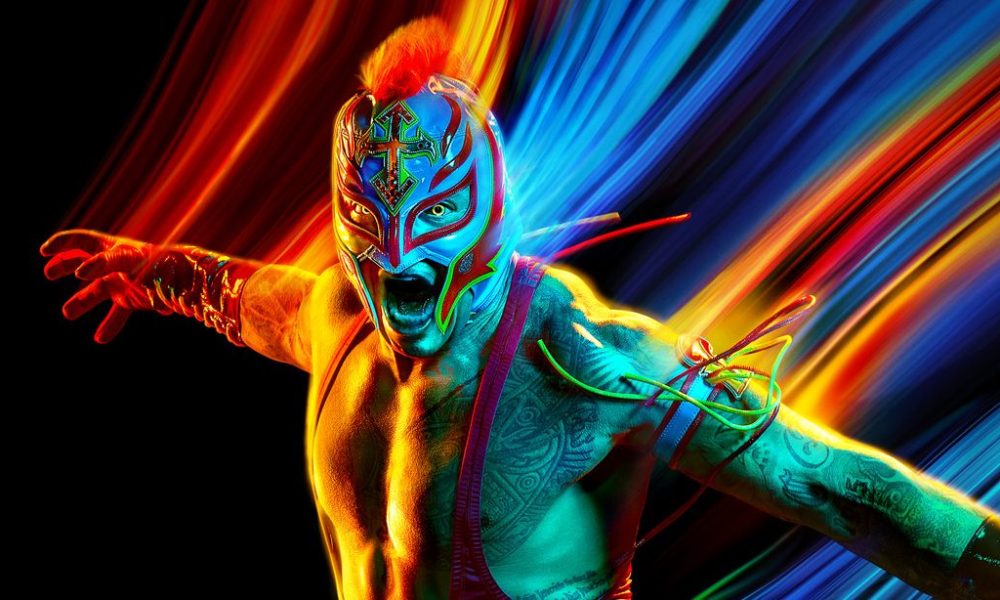
After a year-long hiatus, Visual Concepts and 2K Games marketed this title as a total redesign of the wrestling franchise. While it was a significant improvement over the disastrous ‘WWE 2K20’, many critics pointed out that it still suffered from legacy bugs and a shallow “MyGM” mode. The gameplay transitioned to a more combo-heavy system that some long-time fans felt was less authentic to professional wrestling. Despite being hailed as a return to form, it relied heavily on nostalgia rather than truly groundbreaking features.
‘MLB The Show 23’ (2023)

San Diego Studio and Sony Interactive Entertainment released this installment with the addition of the “Storylines” mode focusing on the Negro Leagues. While this historical content was universally praised, the core gameplay and “Road to the Show” mode remained largely identical to previous entries. Fans have noted that the graphical engine is beginning to show its age compared to other modern sports simulations. The game’s transition to a multi-platform release has also been criticized for slowing down technical innovation.
‘Tony Hawk’s Pro Skater 4’ (2002)
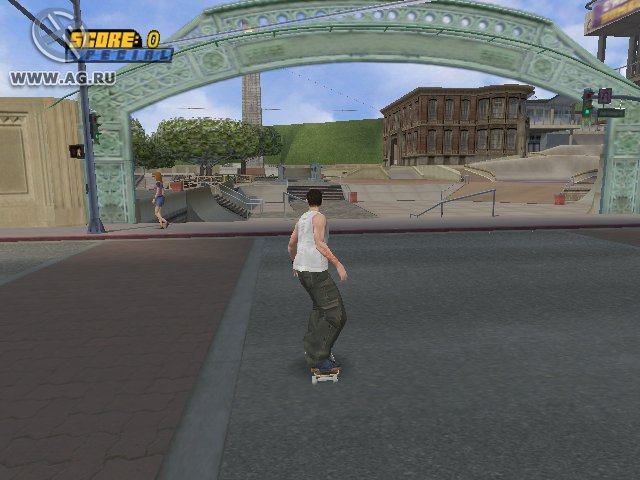
Neversoft and Activision shifted the series to an open-ended mission structure with this fourth installment. While it allowed for more exploration, some players felt that the removal of the iconic two-minute timer diluted the urgency and challenge of the previous games. The levels became increasingly large and sometimes felt empty compared to the dense designs of ‘Tony Hawk’s Pro Skater 3′. Though it received high critical scores, some purists believe it marked the beginning of the series’ identity crisis.
‘FIFA 19’ (2018)
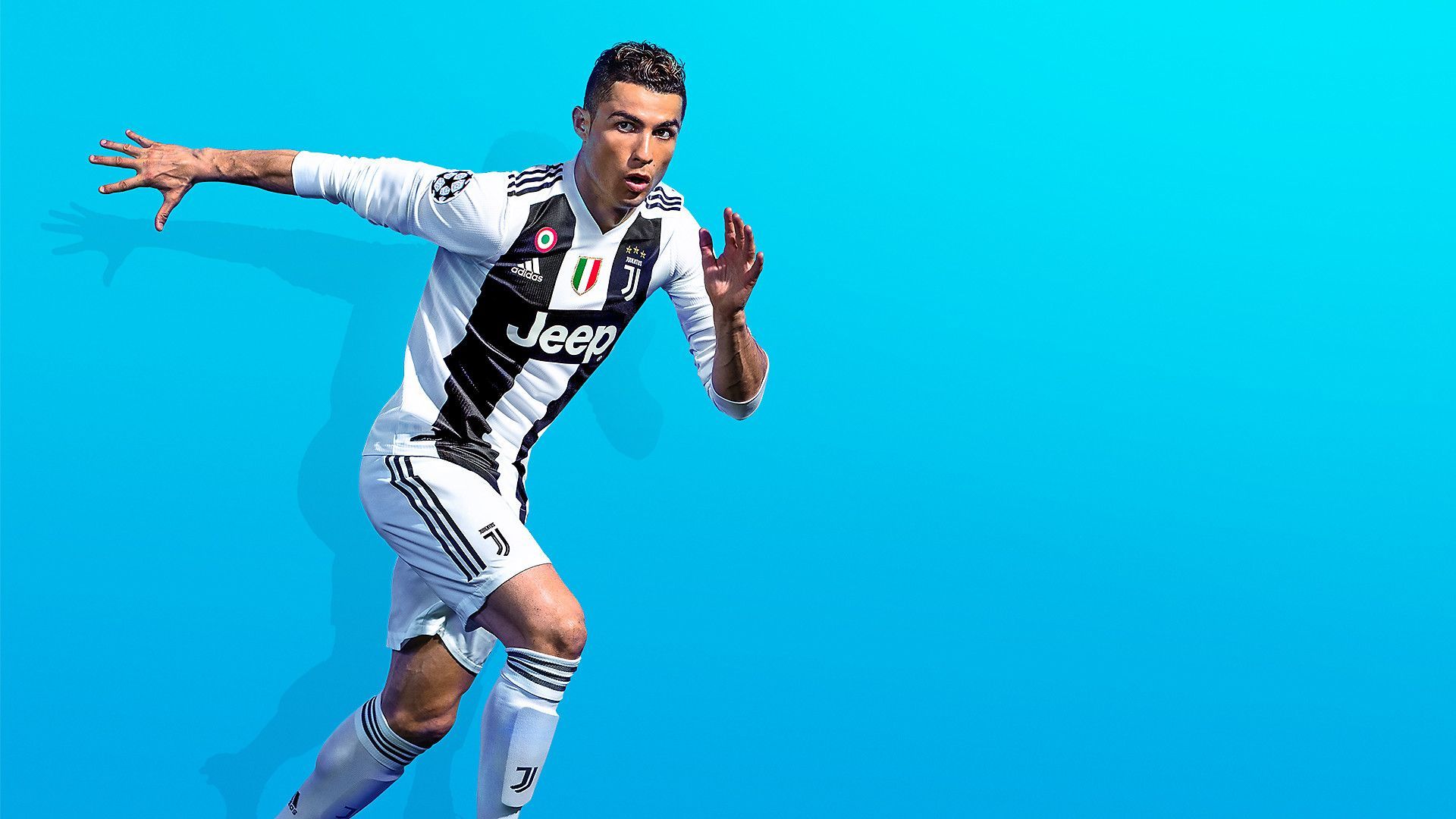
This entry by EA Canada was notable for finally securing the UEFA Champions League license, a major win for the Electronic Arts marketing team. However, the introduction of “Timed Finishing” was widely criticized for being a clunky and unnecessary addition to the shooting mechanics. Defensive AI was also viewed as being too automated, leading to a frustrating experience for competitive players. Many players felt the license was used as a distraction from a lack of meaningful gameplay progression.
‘NBA 2K18’ (2017)
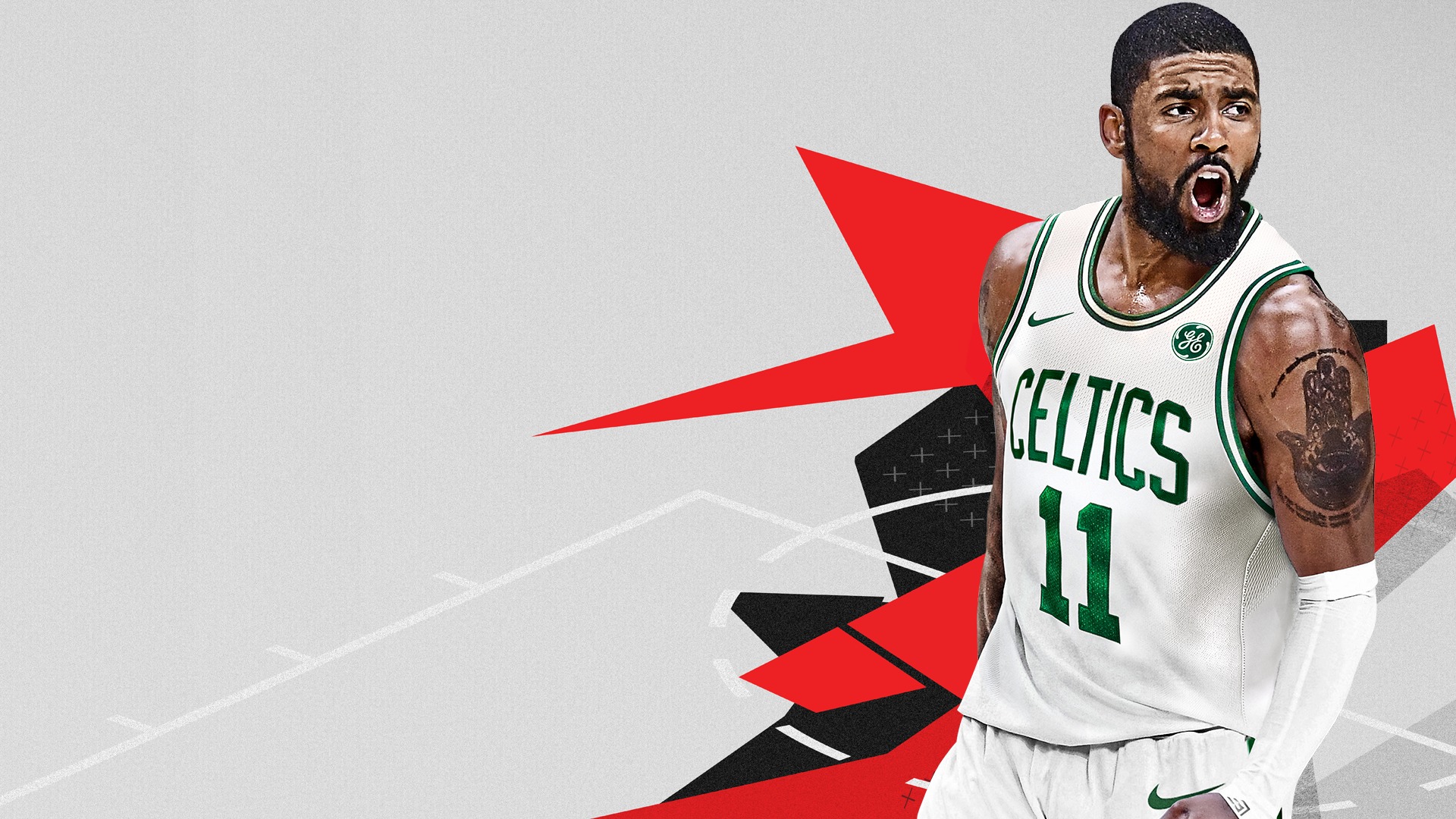
Visual Concepts and 2K Games introduced the “Neighborhood” in this version, combining various game modes into a single social hub. This move was criticized for making the game feel like a tedious “walking simulator” just to access basic menus and upgrades. The prevalence of microtransactions reached new heights, as players had to pay for basic cosmetic changes like haircuts. Despite high sales, it is often cited as the point where the series’ monetization became too intrusive for many fans.
‘Madden NFL 19’ (2018)
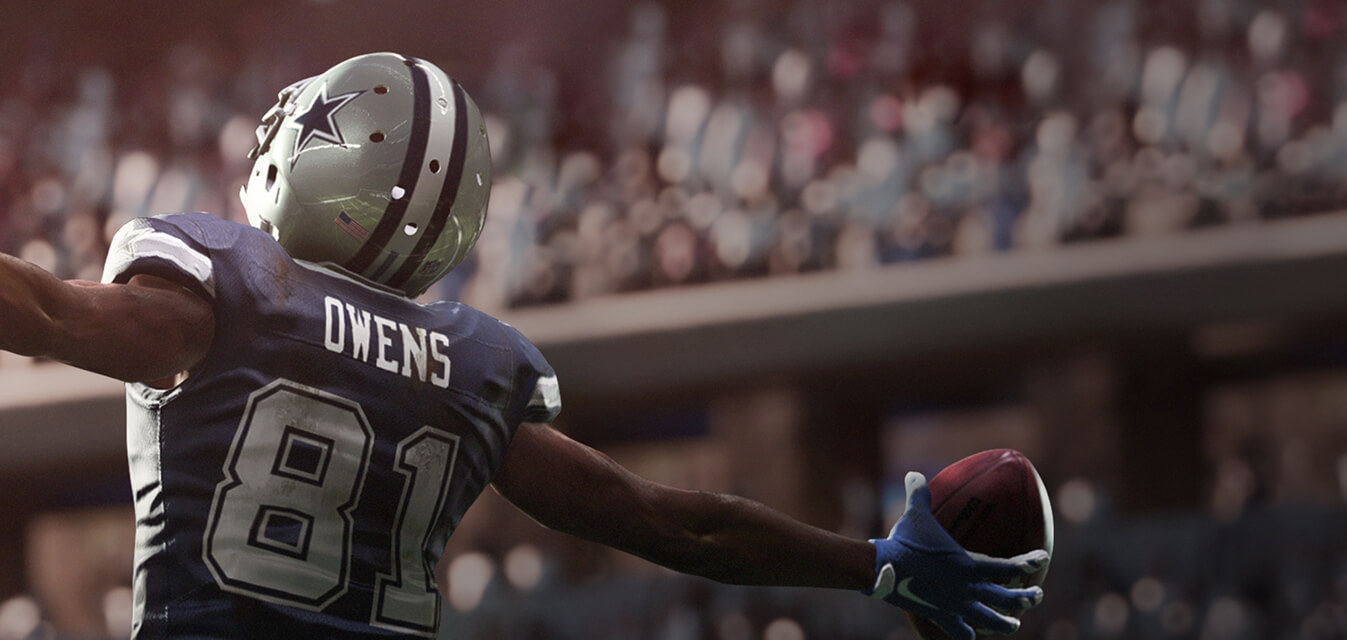
Developed by EA Tiburon and published by Electronic Arts, this game introduced the “Real Player Motion” tech to enhance animation quality. Unfortunately, this system was plagued by bugs at launch, causing players to move in unnatural and unpredictable ways. The game’s story mode, “Longshot: Homecoming,” was also criticized for offering less player agency than its predecessor. Many fans felt the game was a step backward in terms of polish and overall stability.
‘Skate 3’ (2010)
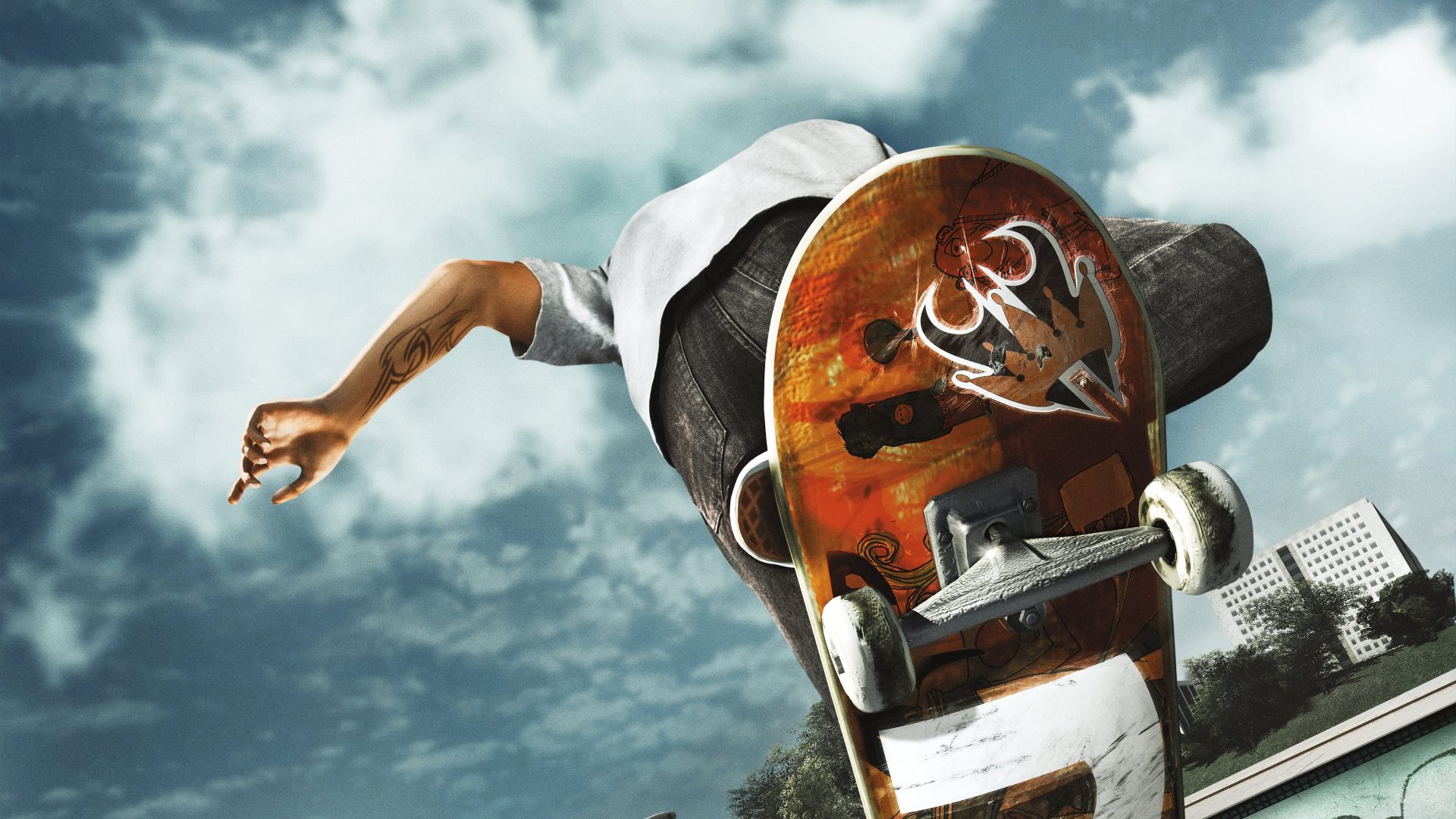
EA Black Box and Electronic Arts released this skating simulator which became a cult classic largely due to its intentional and unintentional physics glitches. While it is highly regarded for its “Hall of Meat” mode, critics often pointed out that the city of Port Carverton felt less cohesive than the locations in previous games. The focus on social features and team play was seen by some as a distraction from the pure skating experience. It remains popular through social media memes rather than its technical merits as a simulation.
‘Gran Turismo 7’ (2022)
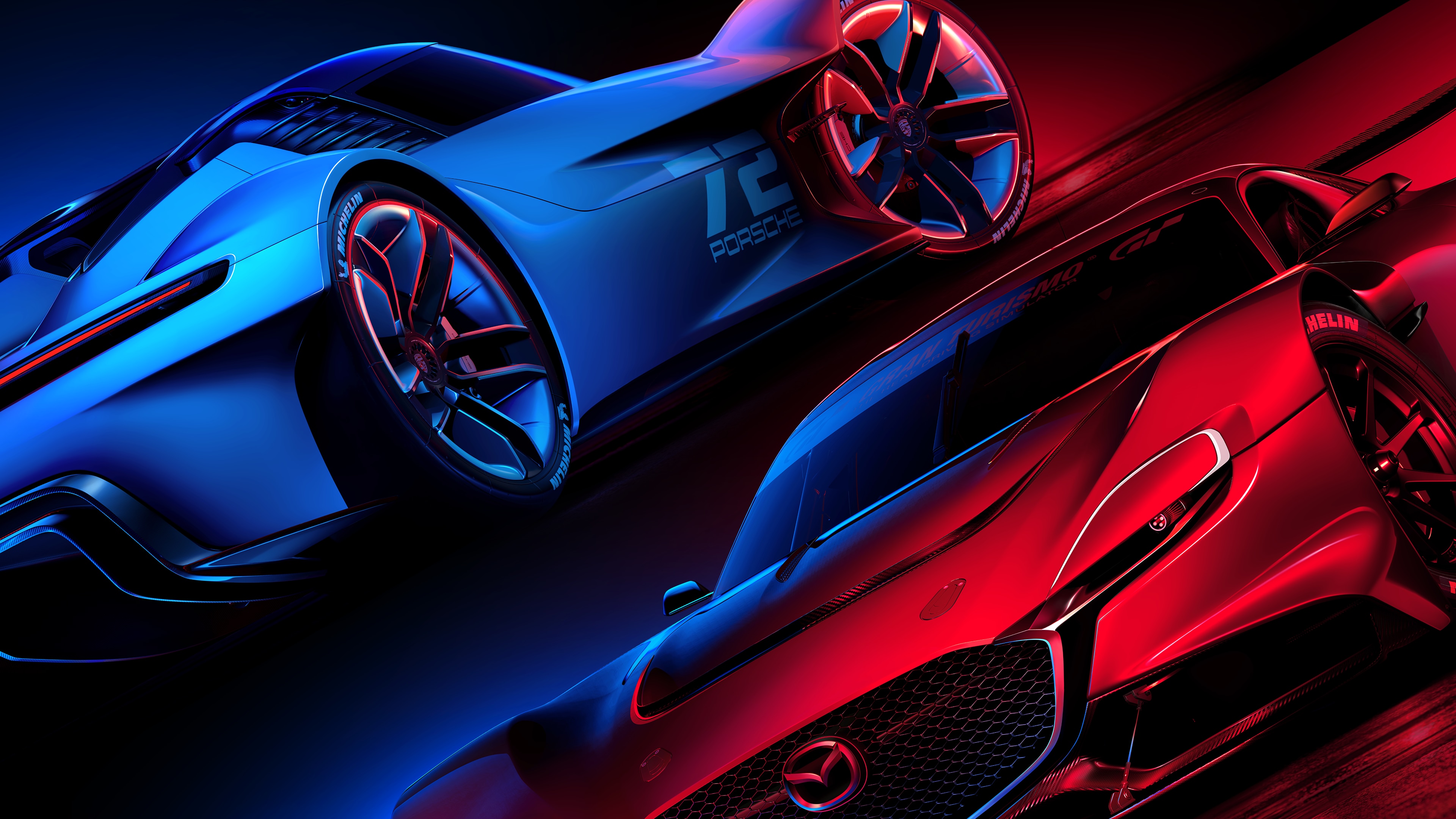
Polyphony Digital and Sony Interactive Entertainment launched this title as a celebration of car culture and automotive history. The game was heavily criticized shortly after launch for its aggressive microtransactions and an update that significantly reduced in-game race rewards. Players were frustrated by the “always-online” requirement for a primarily single-player experience. While the driving physics are top-tier, the economy and progression system left many fans feeling exploited.
‘Mario Strikers: Battle League’ (2022)
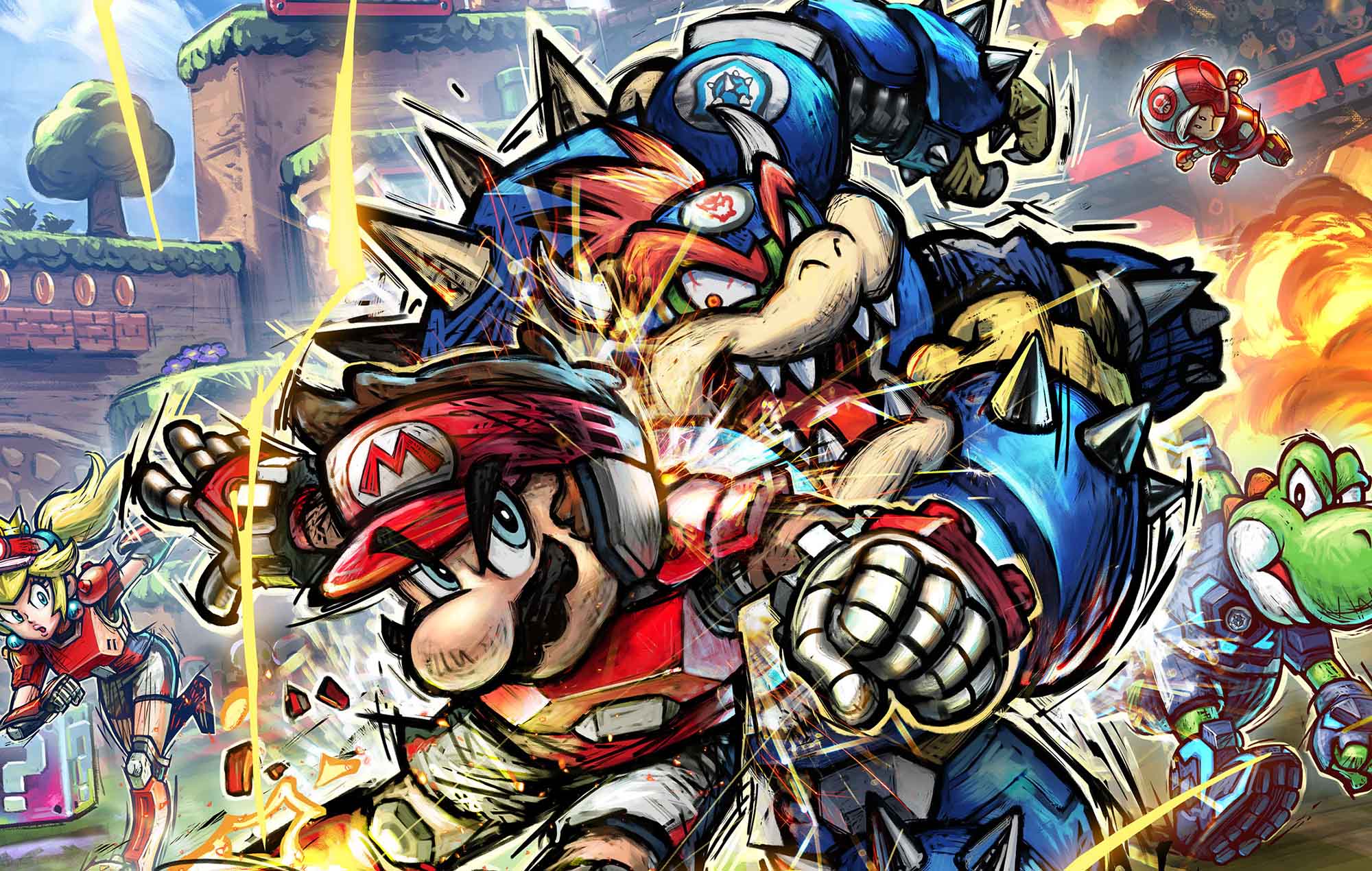
Next Level Games and Nintendo brought back the aggressive soccer spin-off after a long absence from the industry. Despite the fluid animations and tight controls, the game launched with a very small roster and a lack of varied stadium environments. Many fans felt that the content was being intentionally held back for future free updates, making the initial purchase feel incomplete. The online-focused “Strikers Club” mode did not provide enough substance for those looking for a robust single-player campaign.
‘F1 22’ (2022)
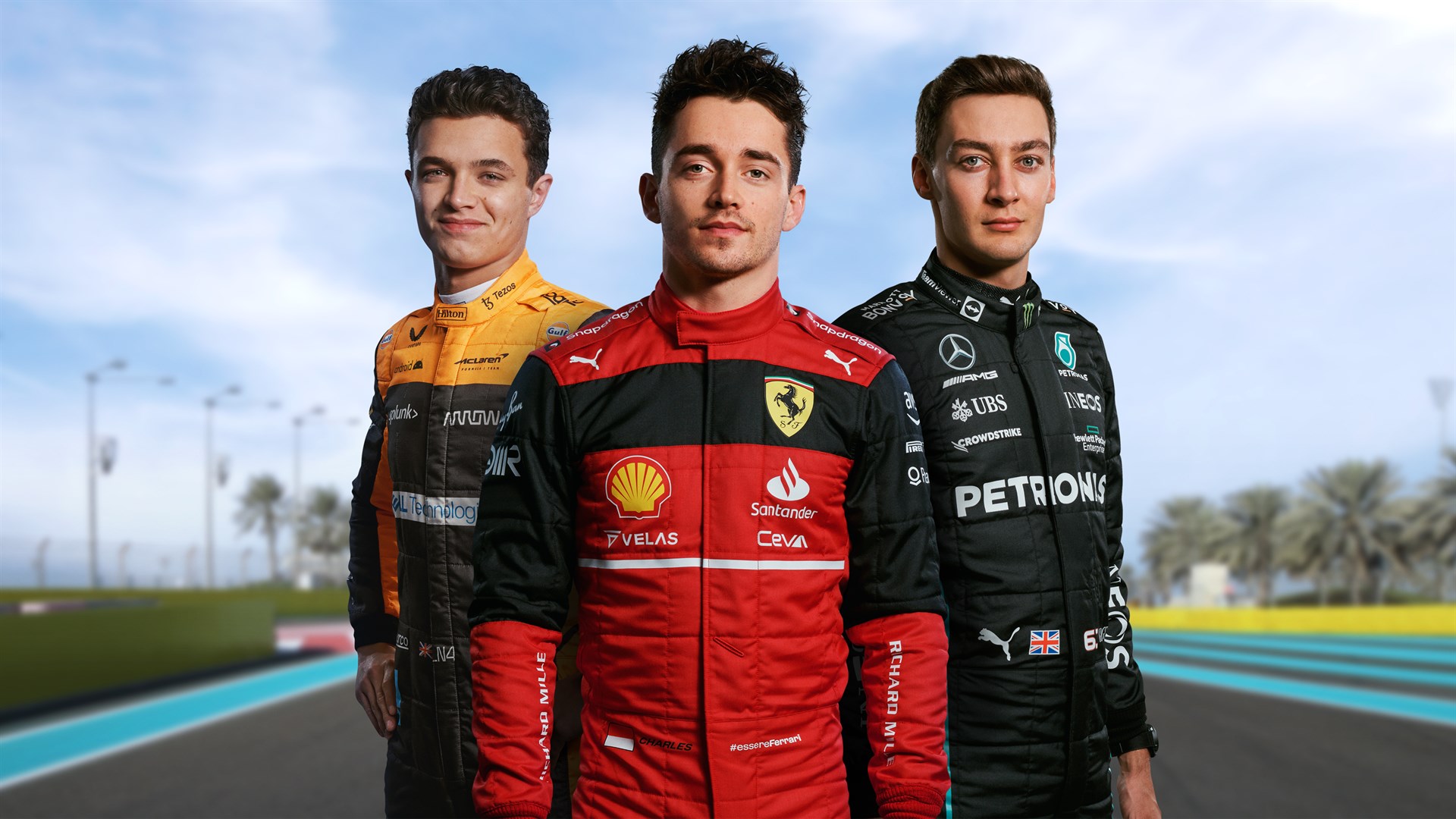
Codemasters and EA Sports introduced “F1 Life,” a feature that allowed players to customize a luxury hub with supercars and furniture. This addition was widely mocked for being irrelevant to the core Formula 1 racing experience that fans actually wanted. The game’s physics model for the new car regulations was also criticized for being overly difficult and prone to spinning out. While it remains the premier racing title for the sport, the focus on lifestyle items was viewed as a poor use of development resources.
‘UFC 4’ (2020)

EA Vancouver and Electronic Arts released this mixed martial arts game with a revamped clinch system and simplified grappling. Hardcore fans of the series felt the simplified controls took away the tactical depth that defined previous entries. The addition of flashy, arcade-style cosmetics like animal masks and emotes was also seen as a departure from the realistic tone of the sport. Despite selling well, it was criticized for not making enough improvements to the long-standing AI issues.
‘Tiger Woods PGA Tour 14’ (2013)

Developed by EA Tiburon, this installment featured a “Legends of the Majors” mode that allowed players to compete in historical eras. While the historical presentation was detailed, the core gameplay mechanics were beginning to feel stagnant after years of annual releases. The game also featured a significant amount of day-one downloadable content, which frustrated players who felt they were getting an incomplete package. Critics noted that the move toward a more simulation-heavy style made the game less accessible to casual fans.
‘WWE 2K15’ (2014)
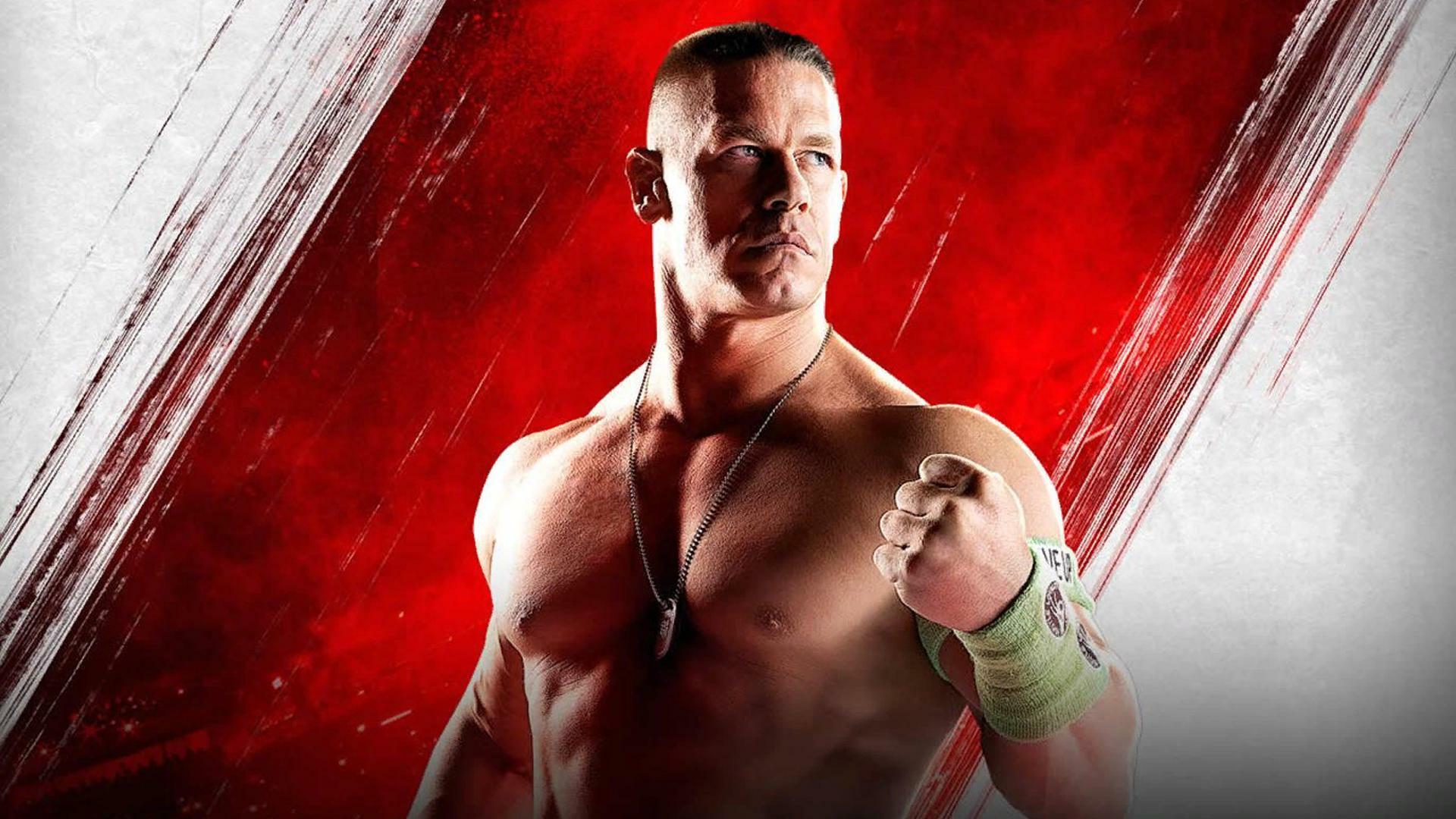
This was the first entry in the wrestling series developed for eighth-generation consoles by Yuke’s and Visual Concepts. While it looked significantly better than past titles, it removed a massive amount of features, including various match types and creation suite options. The gameplay was slowed down to mimic a broadcast style, which many fans found boring compared to the faster pace of older games. It is often remembered as a bare-bones experience that prioritized visuals over content.
‘Madden NFL 24’ (2023)

EA Tiburon and Electronic Arts marketed “Sapien Technology” as a way to provide more realistic player skeletons and movement. However, the game was still hampered by the same legacy code issues and animation clipping that have plagued the series for a decade. The AI’s decision-making in the closing minutes of games remained a point of frustration for the competitive community. Despite high engagement numbers, the lack of a true overhaul to the Franchise mode continued to be a major sticking point.
‘FIFA 23’ (2022)
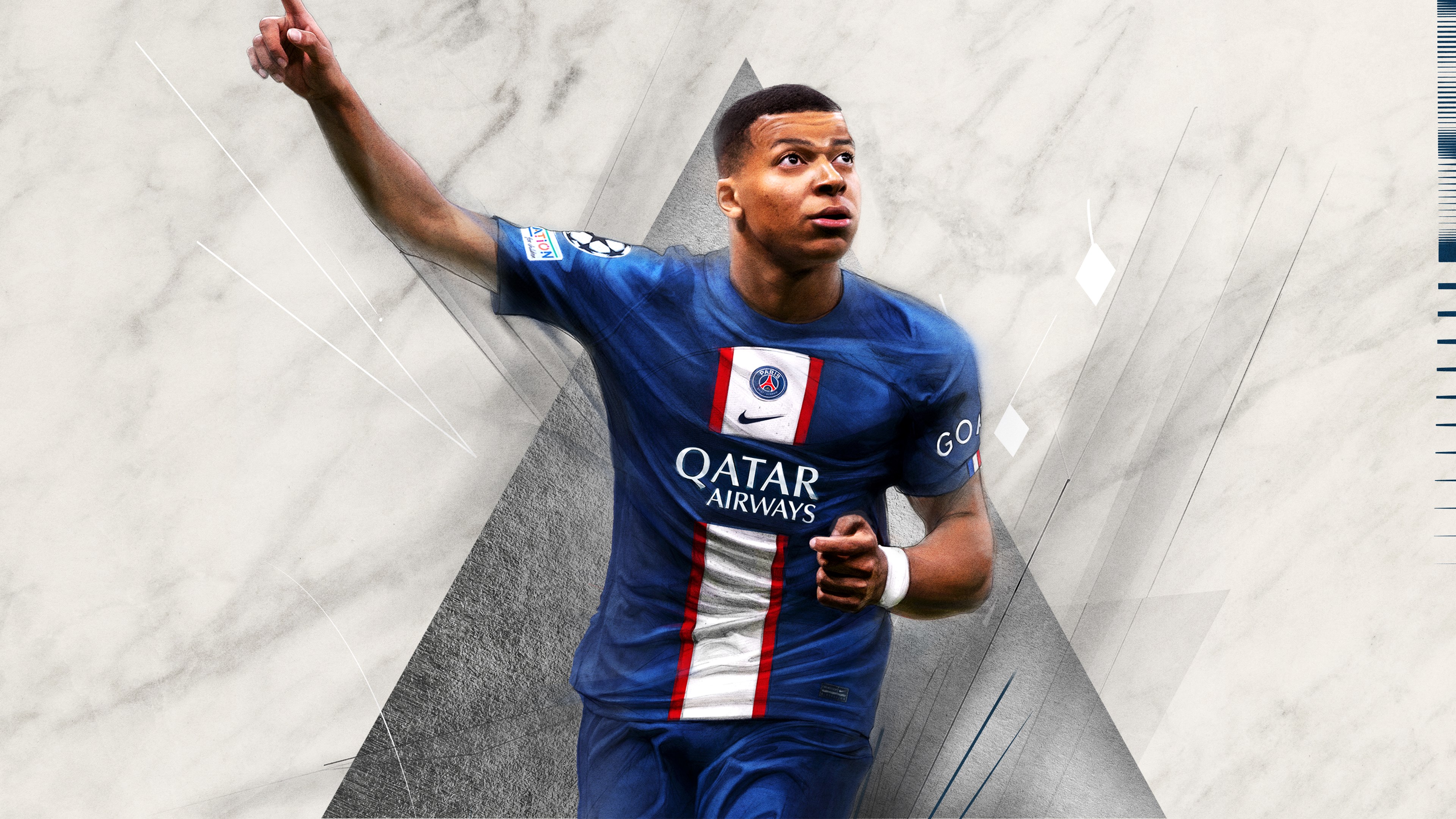
As the final game in the long-running partnership between EA and FIFA, expectations were high for this EA Canada production. The introduction of “Hypermotion 2” technology provided smoother animations but did little to change the overall feel of the game for many players. Power Shots were added as a new mechanic, but they were often criticized for being too powerful and unrealistic. The game felt like a safe, incremental update designed to bridge the gap to the rebranding of the series.
‘NBA 2K24’ (2023)
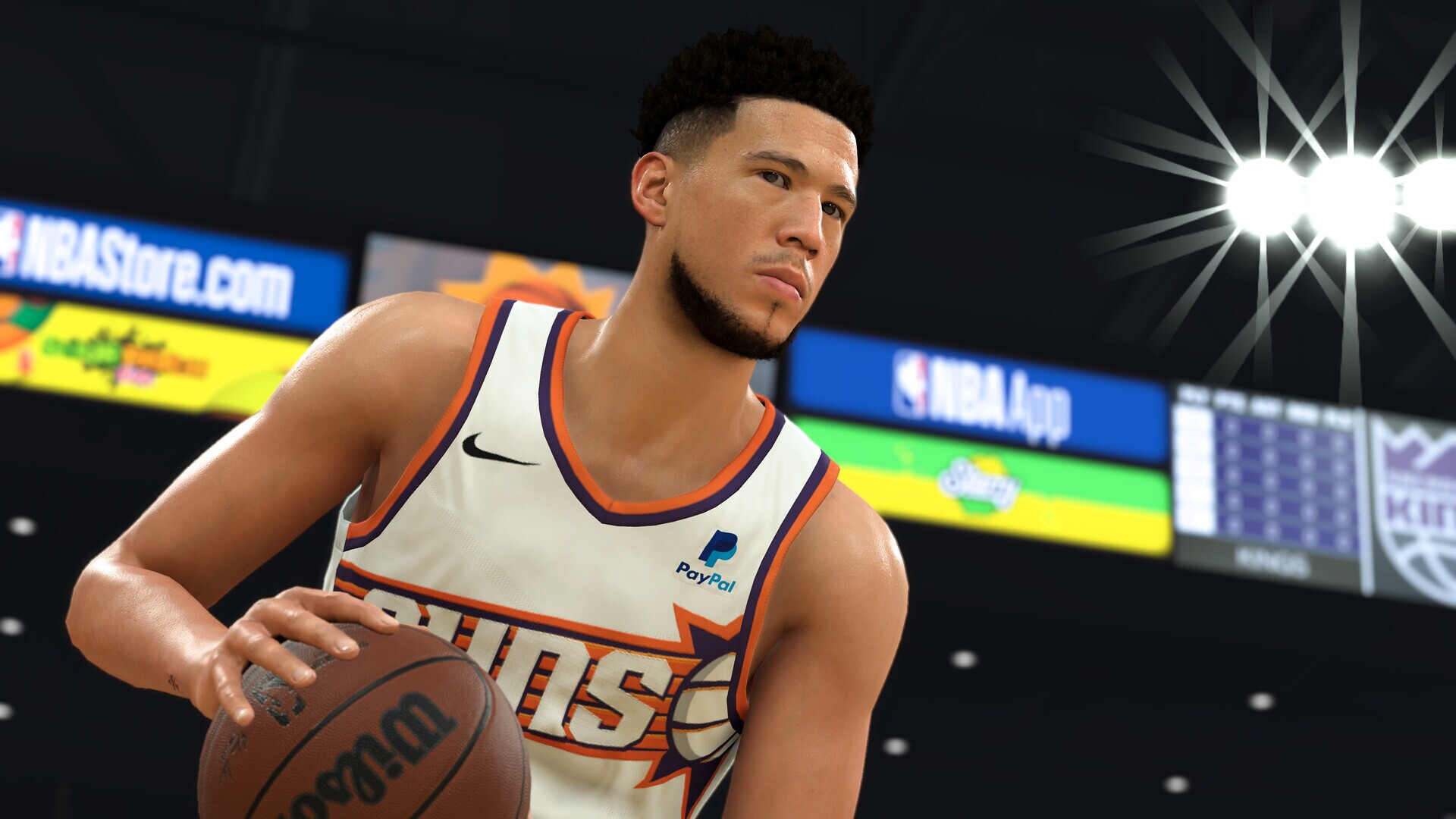
Visual Concepts and 2K Games featured Kobe Bryant on the cover and introduced the “Mamba Moments” historical mode. While the “ProPLAY” technology significantly improved the authenticity of player movements, the game was heavily criticized for its Season Pass implementation. Many players felt that the game had become a “full-priced free-to-play” title due to the extreme pressure to spend money on upgrades. This version saw some of the lowest user ratings in the history of the franchise despite strong mechanical foundations.
‘Mario Golf: Super Rush’ (2021)
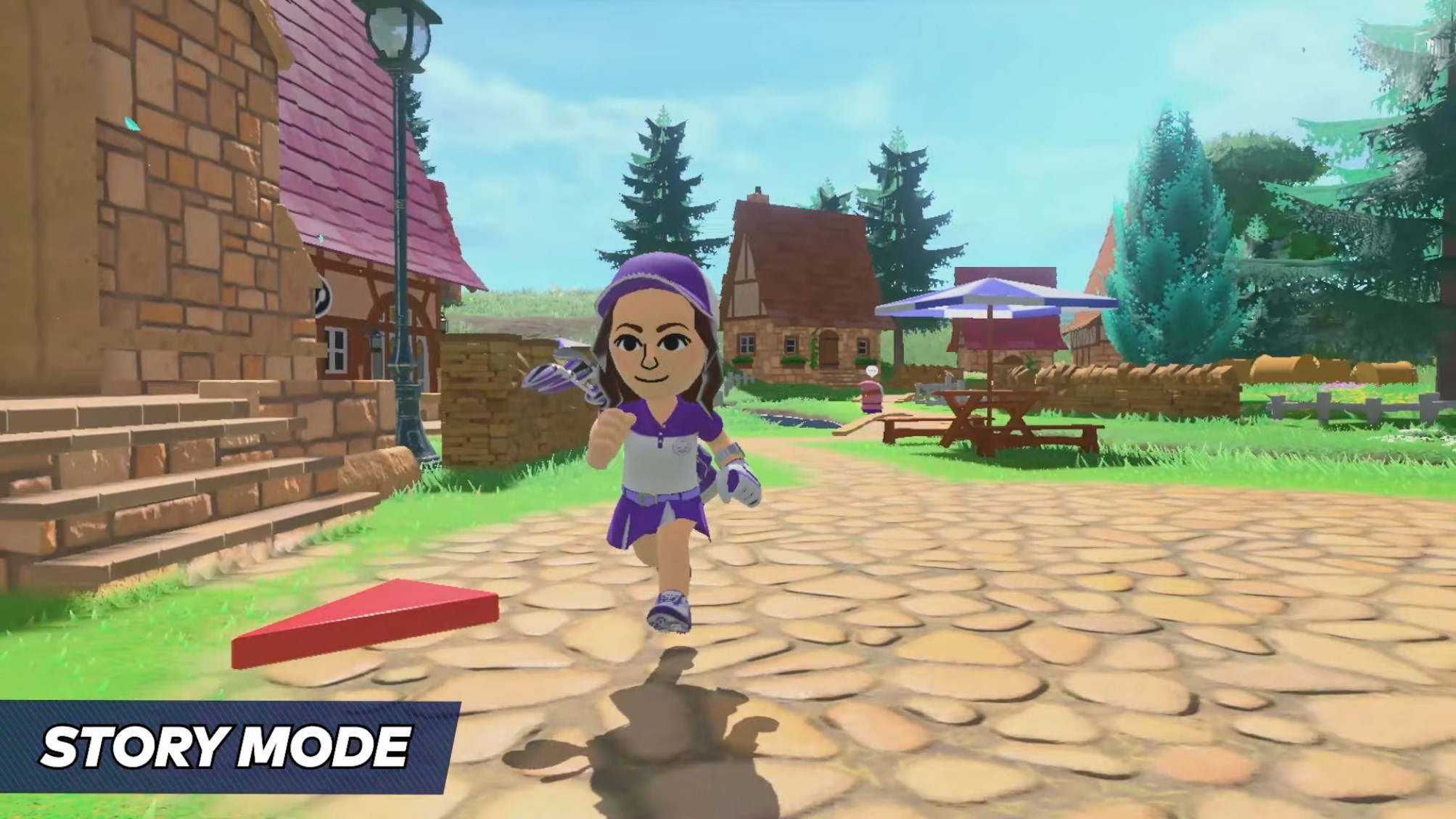
Camelot and Nintendo introduced “Speed Golf,” a mode where players race to their balls after every shot. While this was a fun novelty, the core golfing mechanics were simplified, losing some of the tactical depth found in previous ‘Mario Golf’ entries. The single-player “Golf Adventure” was criticized for being short and feeling more like a tutorial than a full campaign. Like other recent Nintendo sports titles, the lack of content at launch made the game feel overpriced to many long-time fans.
‘NHL 24’ (2023)
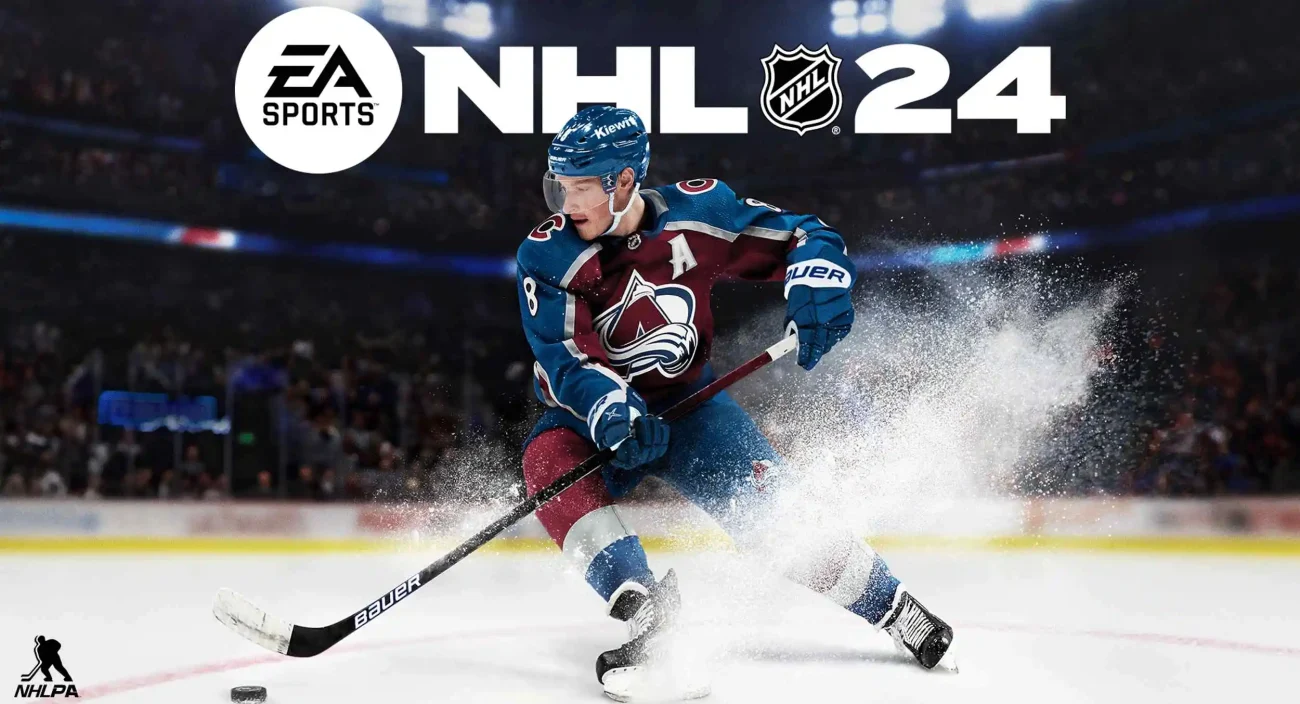
EA Vancouver and EA Sports implemented the “Exhaust Engine,” which rewarded sustained pressure in the offensive zone. While this was a creative idea, it led to balancing issues where defenders were left paralyzed by a lack of stamina too quickly. The game also shifted toward a “Battle Pass” system for its World of Chel mode, which was met with skepticism from the community. Despite the attempts at innovation, critics argued that the game’s core engine was in desperate need of a total rebuild.
‘NHL 15’ (2014)

The transition to the PlayStation 4 and Xbox One for EA Canada’s hockey series resulted in a game that was missing nearly half of its traditional modes. Features like the EA Sports Hockey League and a proper season mode were completely absent at launch. The game relied on its improved physics and presentation to carry the experience, but the lack of content was too significant for most fans to ignore. It is frequently cited as one of the most disappointing “next-gen” jumps in sports gaming history.
‘NBA Jam: On Fire Edition’ (2011)
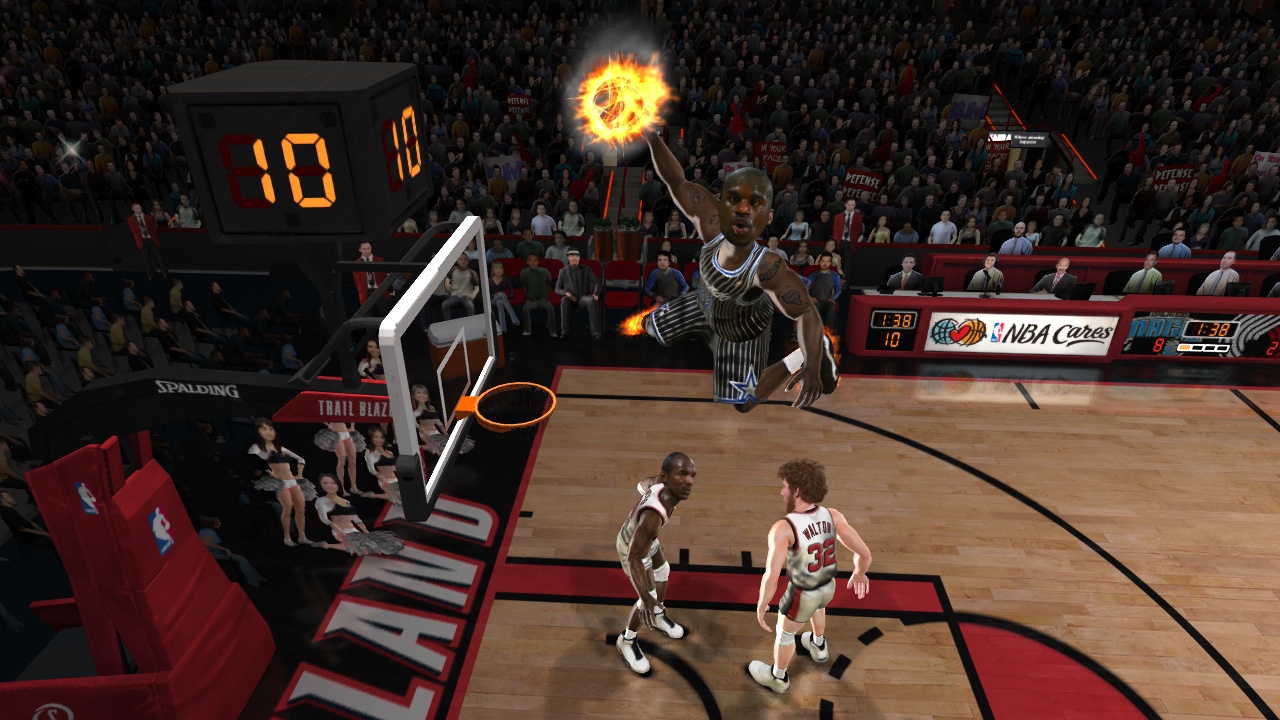
EA Canada released this digital-only update to the classic arcade basketball series with improved AI and a new progression system. While it captured the spirit of the original, some fans felt the “Real AI” system made the game frustratingly difficult compared to the fun-focused roots of the franchise. The gameplay didn’t evolve much from the 2010 reboot, making it feel redundant for those who already owned the previous version. It remains a popular title, but critics argue it didn’t do enough to justify its existence as a standalone release.
‘Madden NFL 17’ (2016)
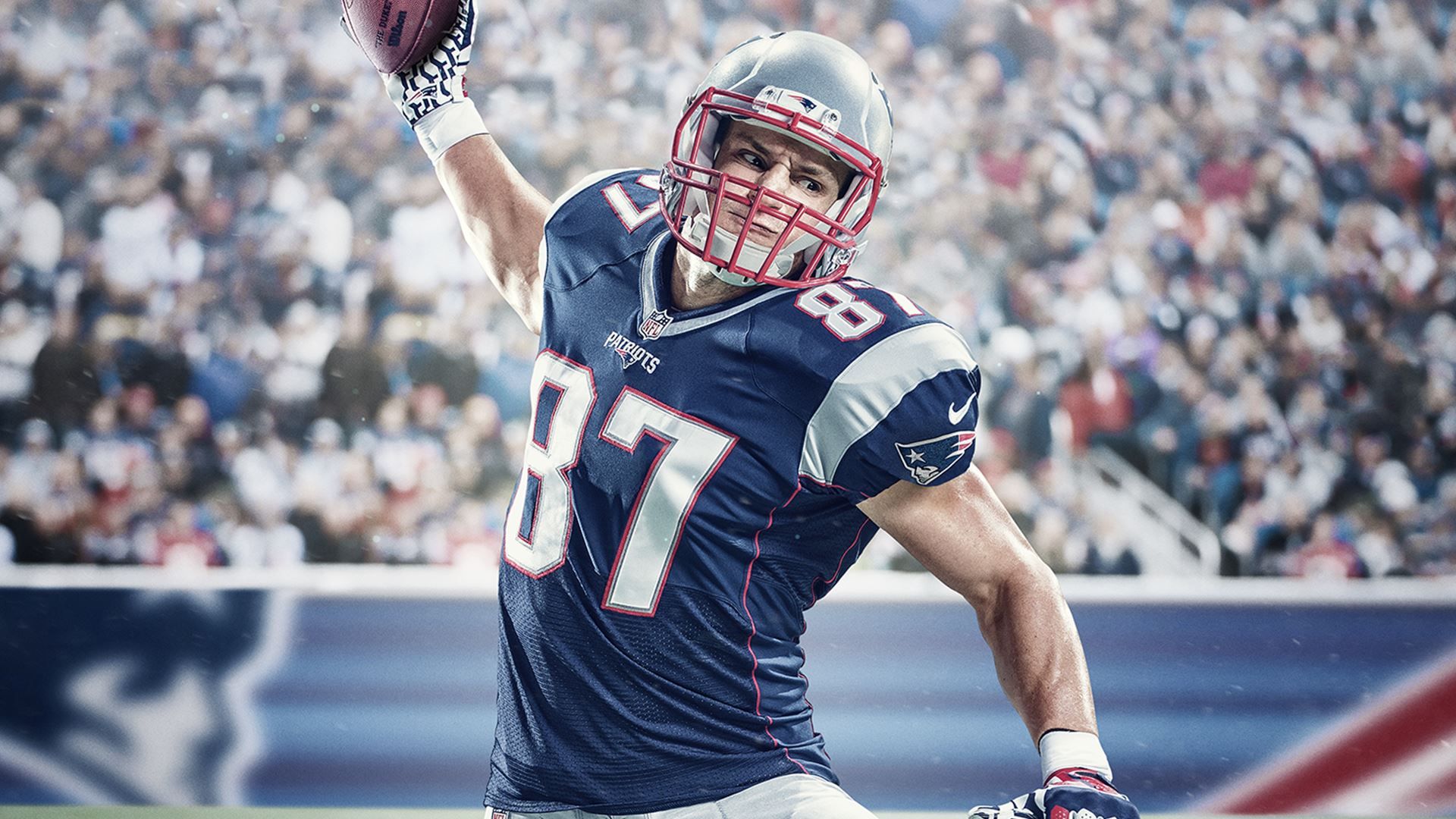
Developed by EA Tiburon, this entry focused on a major overhaul of the ground game and special teams mechanics. While the addition of new ball carrier moves was a positive step, the game was criticized for having a defensive AI that was easily exploited by certain plays. The “Draft Champions” mode, while popular, was seen by some as a way to push players toward the Ultimate Team ecosystem. Despite a solid critical reception, many fans felt it was just another year of minor tweaks without addressing core engine flaws.
‘FIFA 17’ (2016)

This was the first year EA Canada moved the series to the Frostbite engine and introduced the cinematic “The Journey” story mode. While the story of Alex Hunter was a fresh addition, the engine swap led to a significant number of collision glitches and physics issues. Many players felt the gameplay became more sluggish and “heavy” compared to the faster Ignite engine used previously. The game’s marketing focused heavily on the new engine, but the actual impact on gameplay was polarizing among the community.
‘NBA 2K14’ (2013)

The next-gen version of this Visual Concepts title was widely praised for its incredible graphics and the debut of the “Eco-Motion” engine. However, the game removed several features found in the previous generation’s version, including various historical teams and customization options. The “MyGM” mode was criticized for its rigid conversation system and the introduction of Virtual Currency requirements for basic management tasks. While visually stunning, it was a step back in terms of the depth fans had come to expect from the series.
‘NHL 23’ (2022)

EA Vancouver and EA Sports focused on cross-platform matchmaking and the introduction of female players to the Ultimate Team mode. While these were positive steps for inclusivity and player base connectivity, the actual gameplay was virtually indistinguishable from ‘NHL 22’. Fans pointed out that many of the same animations and AI bugs had persisted for several years without being addressed. The lack of a major new mode or significant mechanical shift led to a sense of fatigue among the dedicated player base.
‘TopSpin 2K25’ (2024)
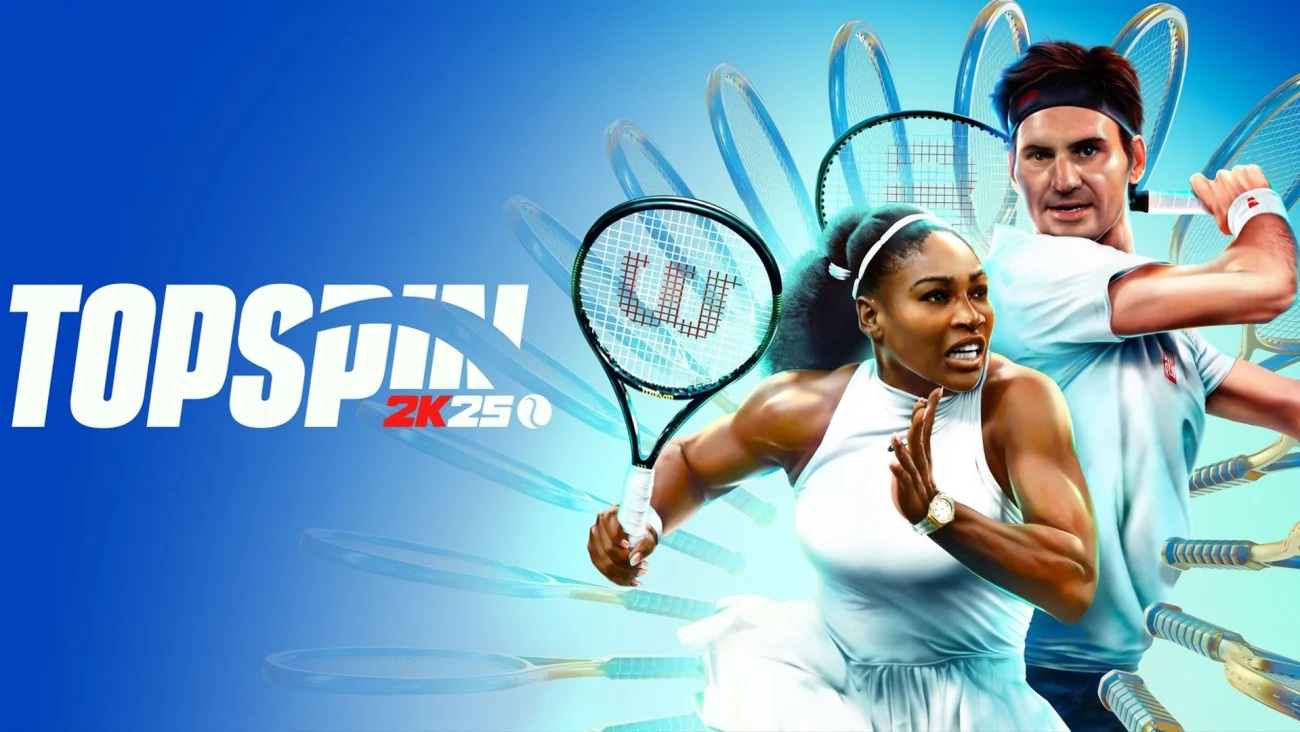
Hangar 13 and 2K Games revived the beloved tennis franchise after a thirteen-year absence from the gaming market. While the core tennis mechanics were praised for their realism and fluid motion, the game was criticized for its small roster of current players. The “MyCareer” mode required an internet connection even for single-player play, a decision that was widely panned by fans. Despite the excitement for the return of the brand, the heavy reliance on seasonal content and microtransactions overshadowed the gameplay for many.
Tell me which sports titles you believe are the most overrated in the comments.