

30 Overrated Strategy Games Everyone Seems To Like



The strategy genre has long been a pillar of gaming, offering deep tactical systems and complex narratives that challenge the intellect of its players. However, some of the most celebrated titles in the genre often face scrutiny from long-time fans for perceived flaws in balance, pacing, or accessibility. This list examines several high-profile strategy games that, despite their commercial success and critical acclaim, have been labeled as overrated by segments of the gaming community.
‘StarCraft II: Wings of Liberty’ (2010)
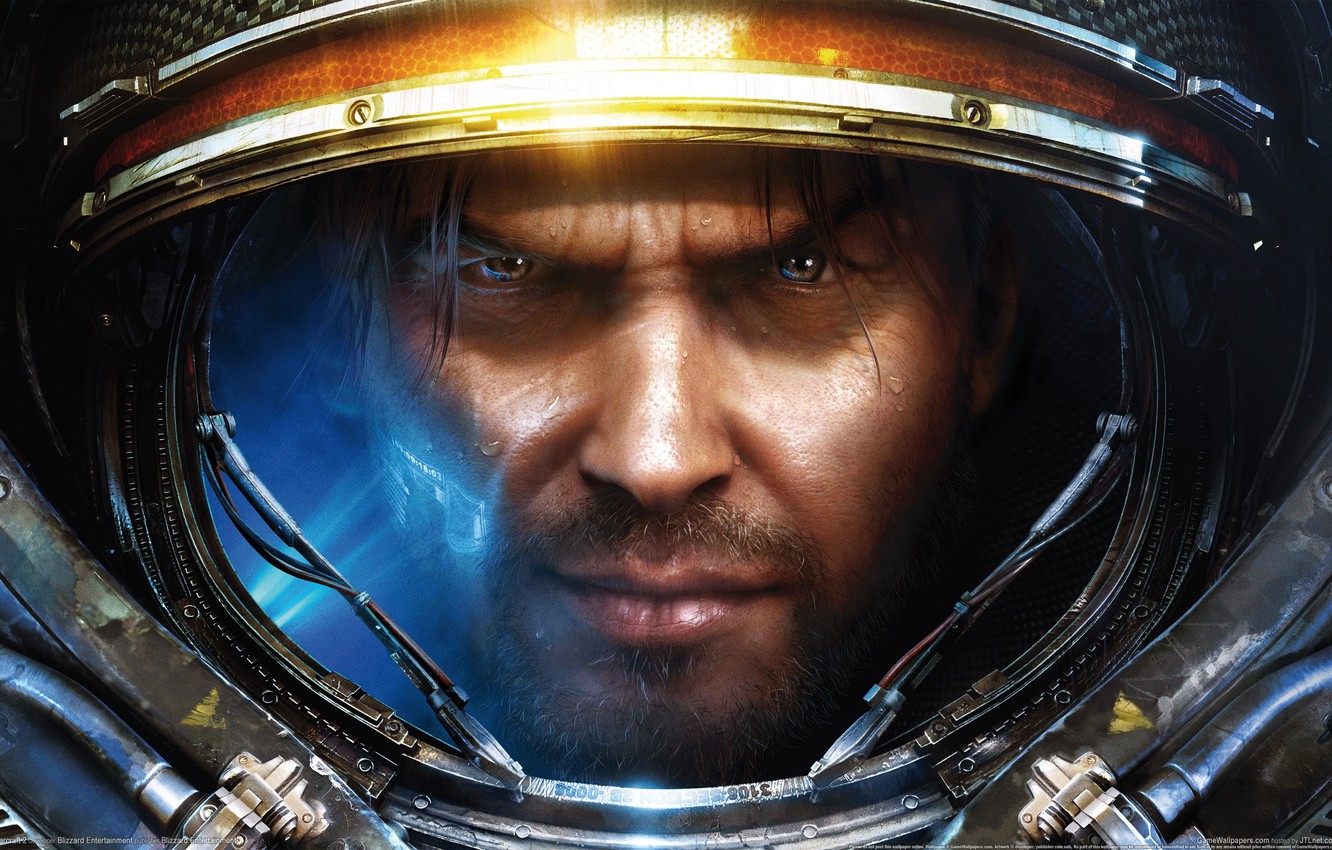
Blizzard Entertainment developed and published this highly anticipated sequel to the 1998 original. While critics lauded its polished production and cinematic campaign, some long-time players felt the focus on high-speed competitive play diminished the strategic variety of the first game. The story was also criticized for its shift toward a more conventional space-opera narrative compared to the grittier tone of its predecessor. Despite its commercial dominance, ‘StarCraft II: Wings of Liberty’ faced backlash for its lack of LAN support and the fragmentation of its multiplayer community into three separate releases.
‘Crusader Kings III’ (2020)
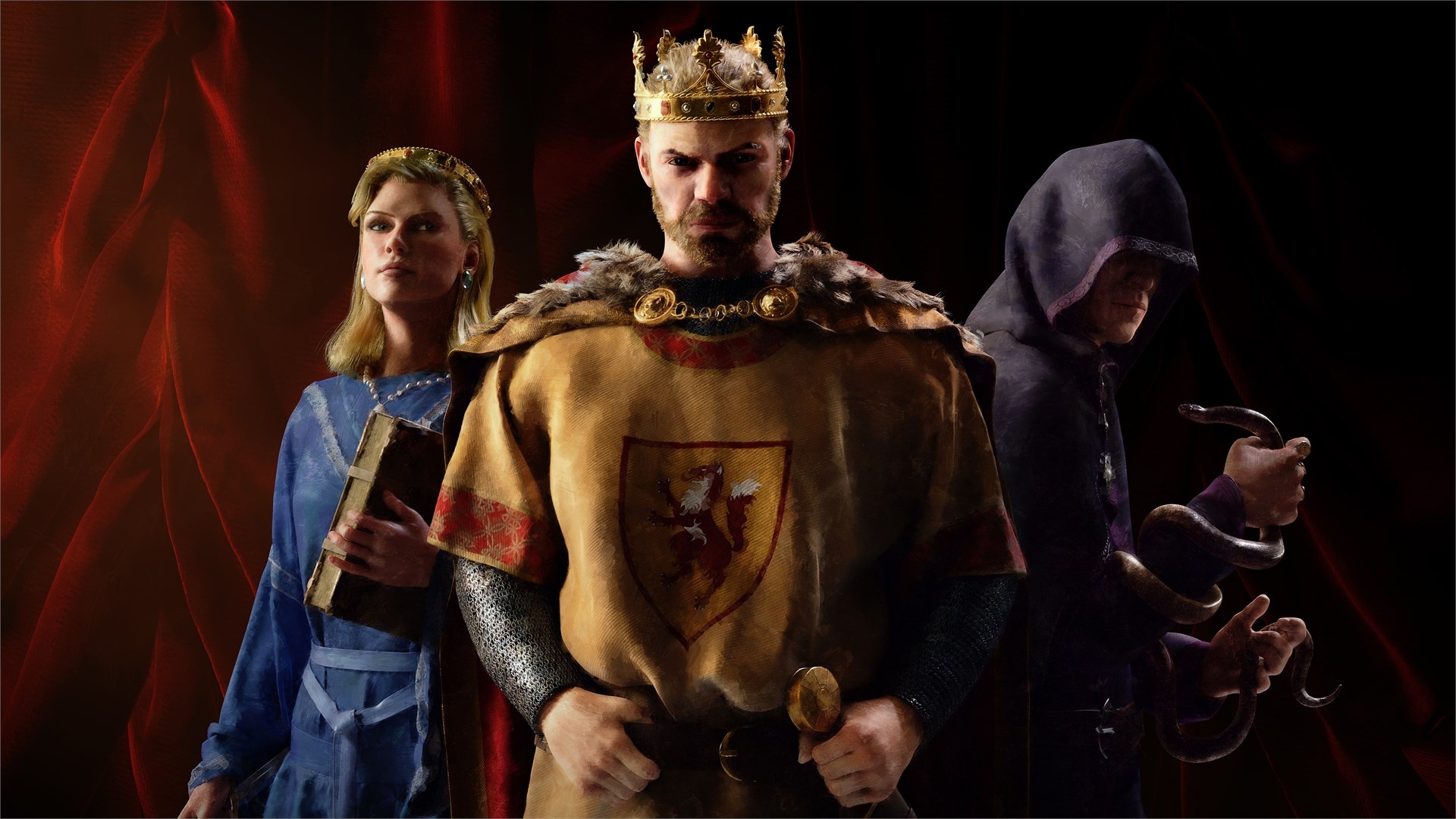
Developed and published by Paradox Interactive, this grand strategy title aims to make the complex world of medieval politics more accessible. Many veteran fans of the series argued that ‘Crusader Kings III’ launched with significantly less mechanical depth than the fully expanded second entry. The streamlined interface and focus on 3D character models were seen by some as prioritizing visual flair over historical simulation. While it received high review scores, the community often debates whether the simplified systems detract from the long-term challenge of the franchise.
‘Into the Breach’ (2018)
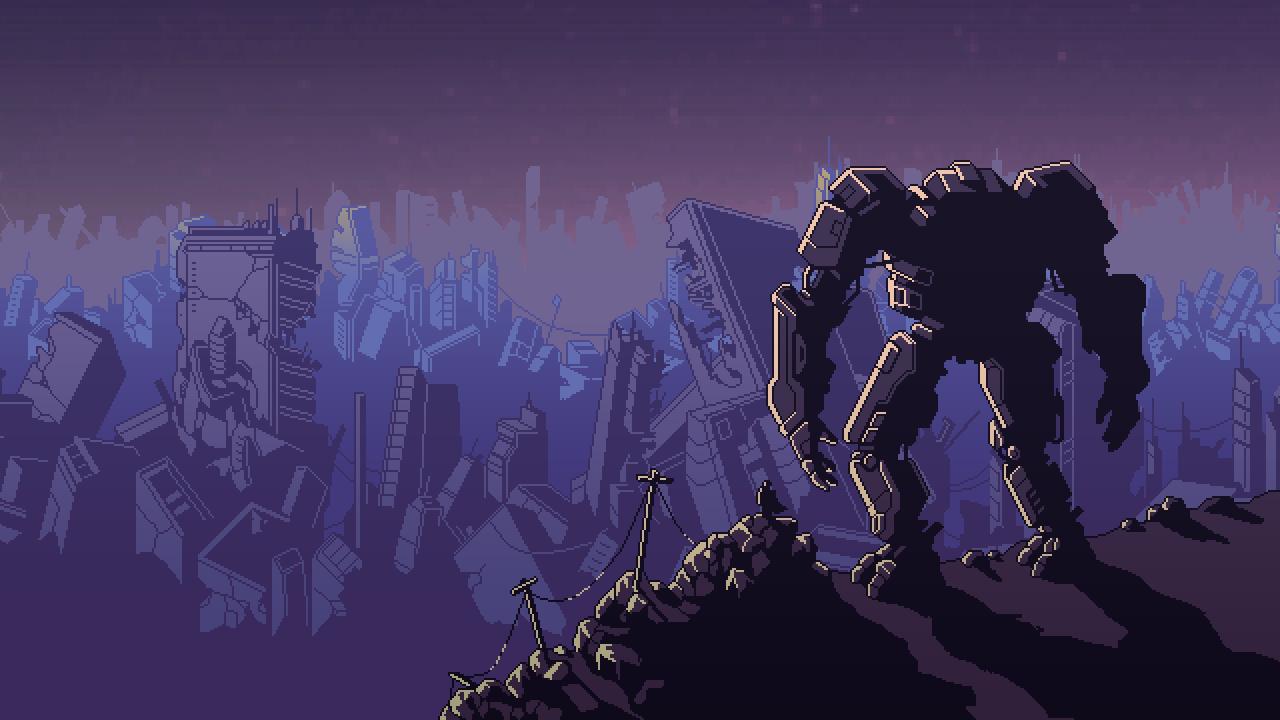
Subset Games followed up their success with ‘FTL: Faster Than Light’ by releasing this minimalist tactical strategy game. Players control powerful mechs to defend cities from alien threats on a small, grid-based battlefield. Some critics argued that the game feels more like a deterministic puzzle than a traditional strategy title, leaving little room for creative improvisation. The limited scope and repetitive nature of the encounters led some users to believe ‘Into the Breach’ received disproportionate praise compared to more expansive tactical games.
‘Dota 2’ (2013)
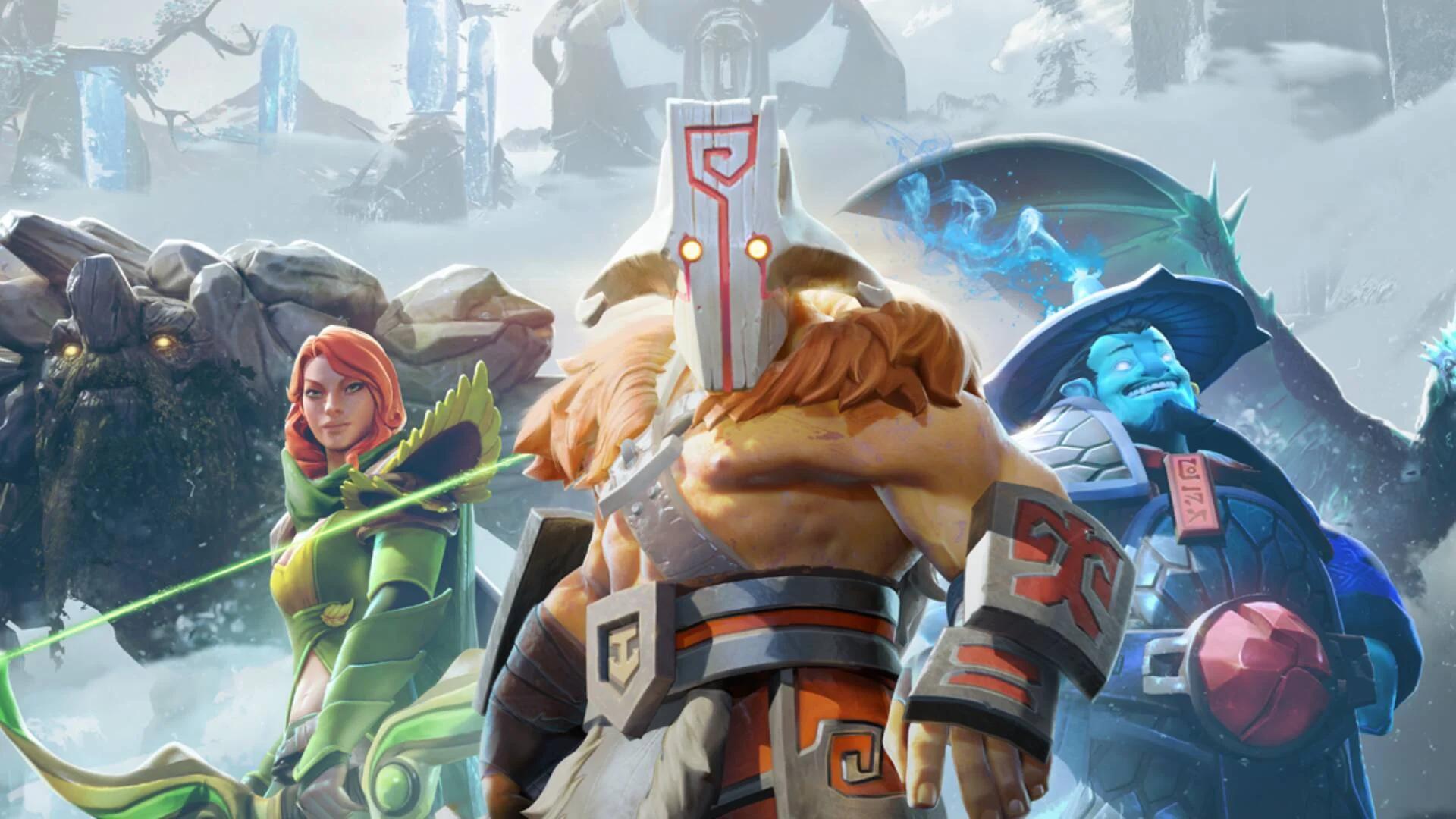
Valve Corporation developed and published this massive multiplayer online battle arena title, which evolved from a popular ‘Warcraft III’ mod. While it is celebrated for its deep complexity and massive professional esports scene, ‘Dota 2’ is often criticized for its incredibly steep learning curve and hostile community. Critics of its popularity point out that the game’s mechanics can feel archaic and overly punishing to new players. Many believe the game’s status is maintained more by its established legacy and massive prize pools than by modern, accessible game design.
‘Slay the Spire’ (2019)
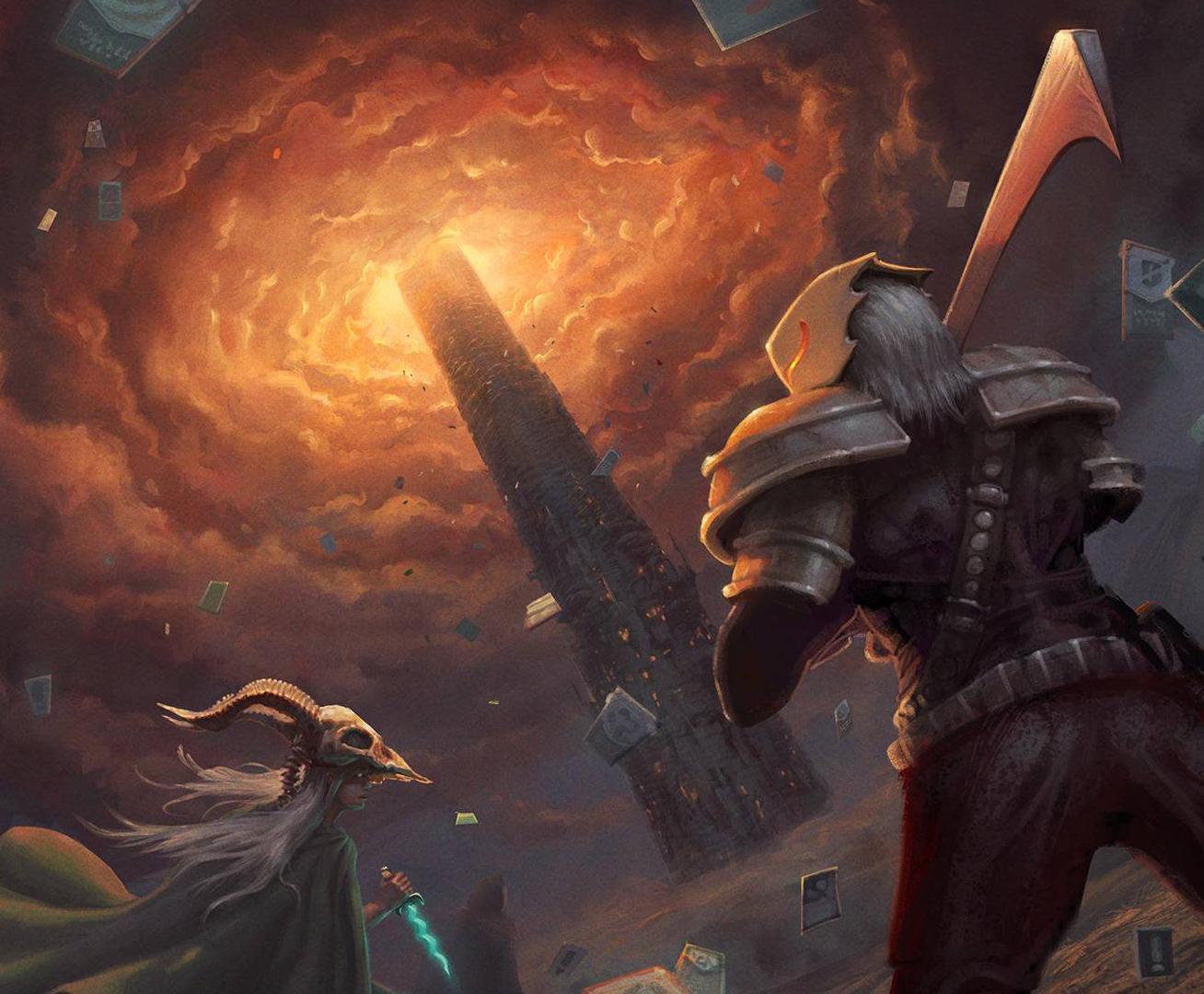
Developed by MegaCrit and published by Humble Games, this title popularized the roguelike deck-building subgenre. It challenges players to climb a shifting spire by collecting cards and fighting enemies in turn-based combat. Some players find the art style to be overly simplistic and the high-level gameplay to be excessively reliant on luck-of-the-draw. While ‘Slay the Spire’ is a commercial hit, critics suggest that its influence on the genre has led to a market saturated with derivative and less inspired clones.
‘Fire Emblem: Three Houses’ (2019)
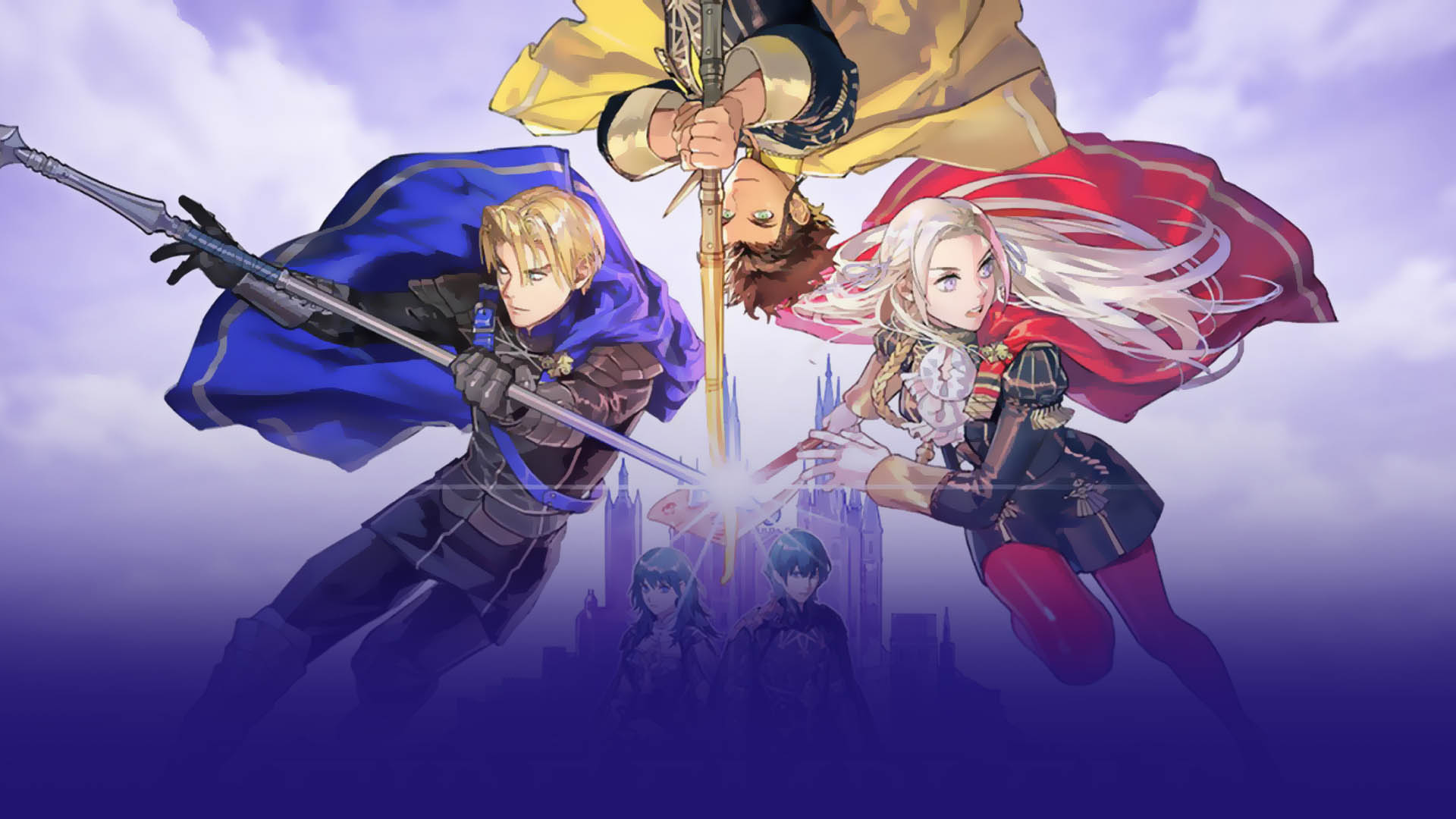
Intelligent Systems and Koei Tecmo developed this entry for the Nintendo Switch, while Nintendo handled its publication. The game introduced a significant social simulation aspect, allowing players to mentor students at a central monastery. Long-term fans of the series often criticize the repetitive nature of these monastery segments, which can distract from the tactical grid-based combat. Furthermore, the technical performance and environment textures were cited by some reviewers as being subpar for a high-profile first-party title like ‘Fire Emblem: Three Houses’.
‘Civilization VI’ (2016)
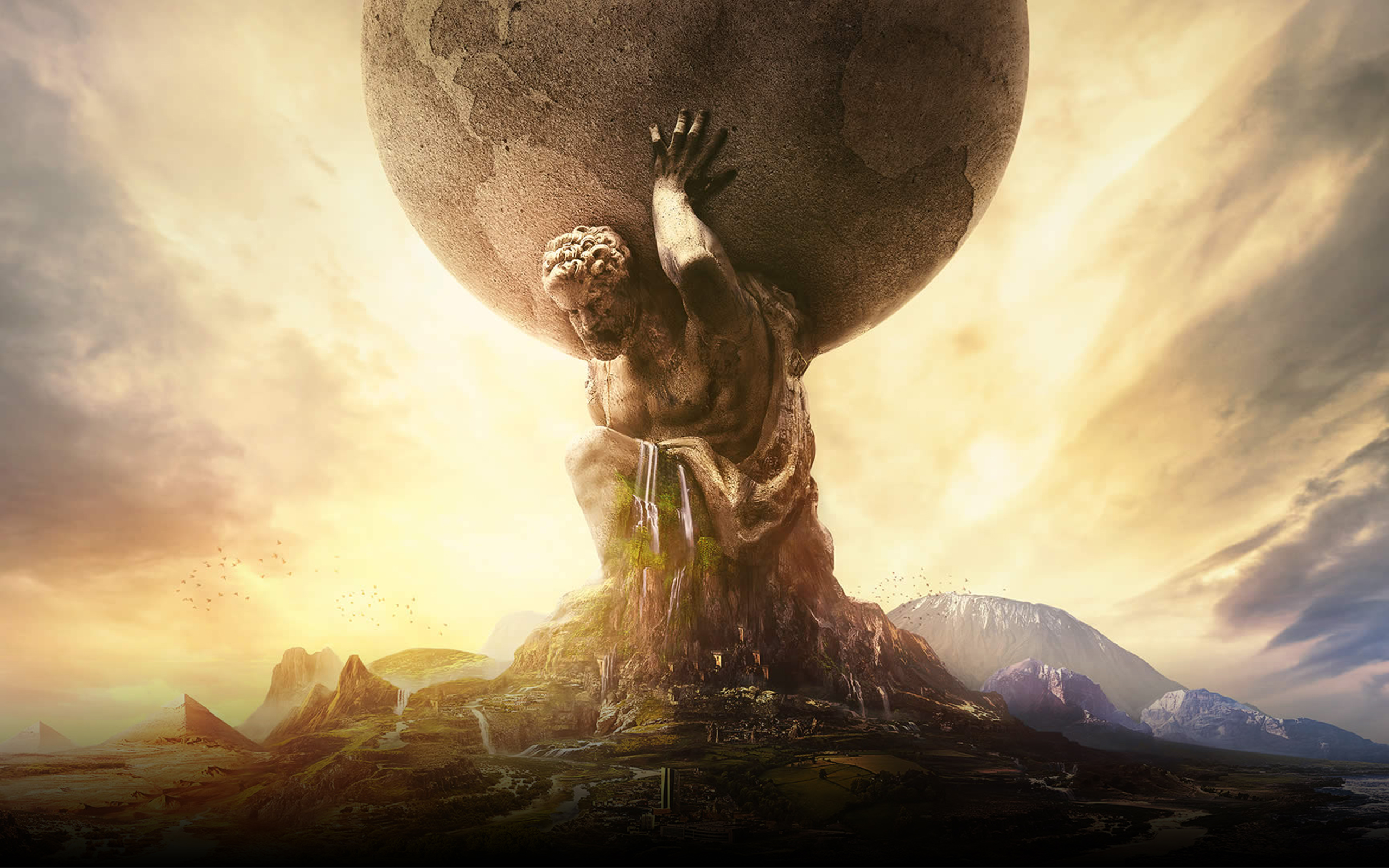
Developed by Firaxis Games and published by 2K Games, this installment introduced the “districts” system to the long-running 4X franchise. While the new mechanic added a layer of city planning, many players found the artificial intelligence to be incapable of managing the new systems effectively. The vibrant, cartoony art style was also a point of contention for those who preferred the more realistic aesthetic of previous entries. Critics often note that ‘Civilization VI’ requires several expensive expansions to reach the depth that its predecessor offered at a lower price point.
‘XCOM 2’ (2016)
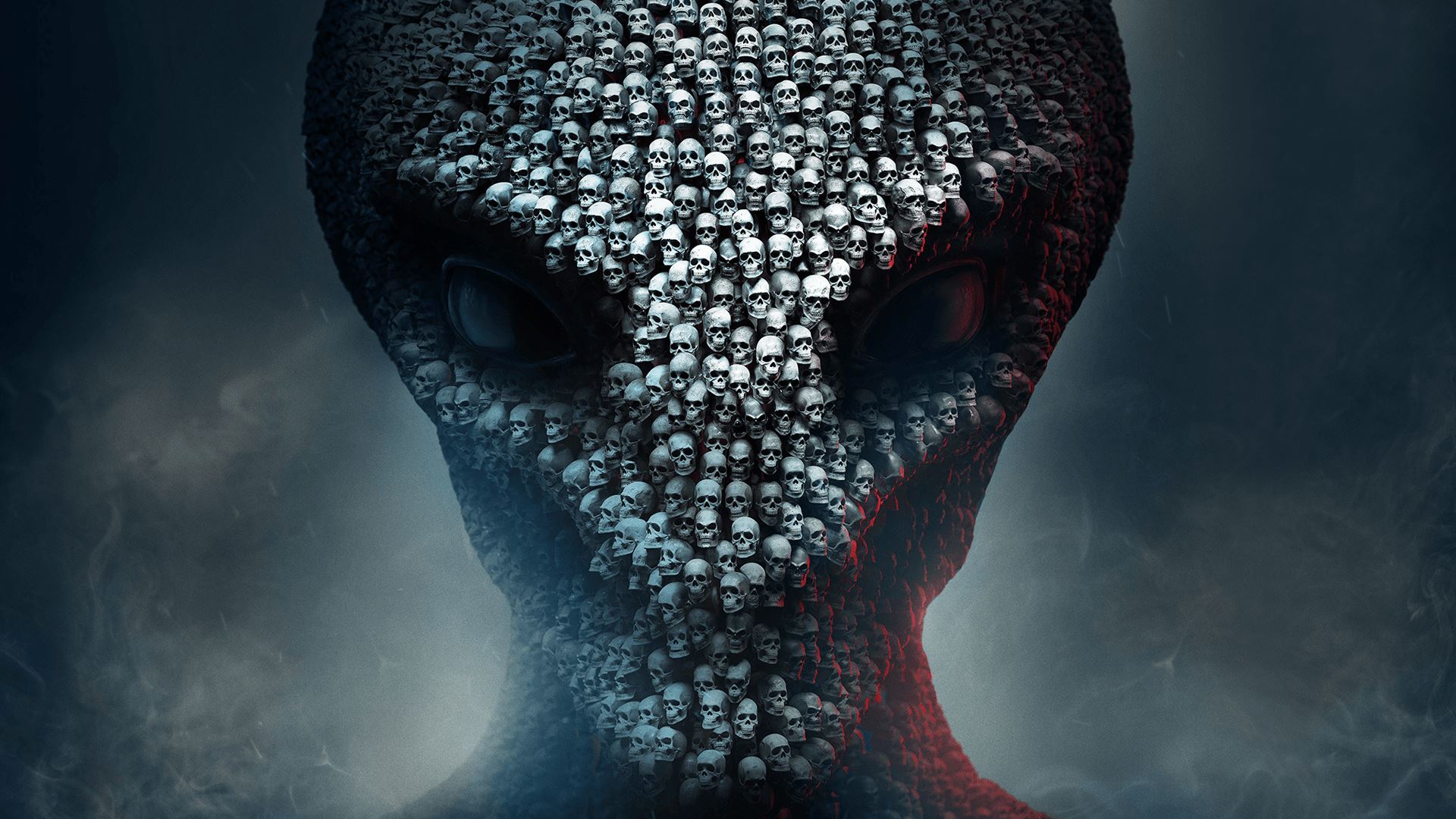
Firaxis Games and 2K Games collaborated again on this sequel, which flips the script by making the player an underdog resistance force. The game is famous for its brutal difficulty and its use of mission timers to force aggressive play. Some players found these timers to be an artificial way to create tension, limiting the slow, methodical approach that defined the first game. Additionally, ‘XCOM 2’ was criticized at launch for significant performance issues and bugs that hindered the tactical experience.
‘Hearthstone’ (2014)
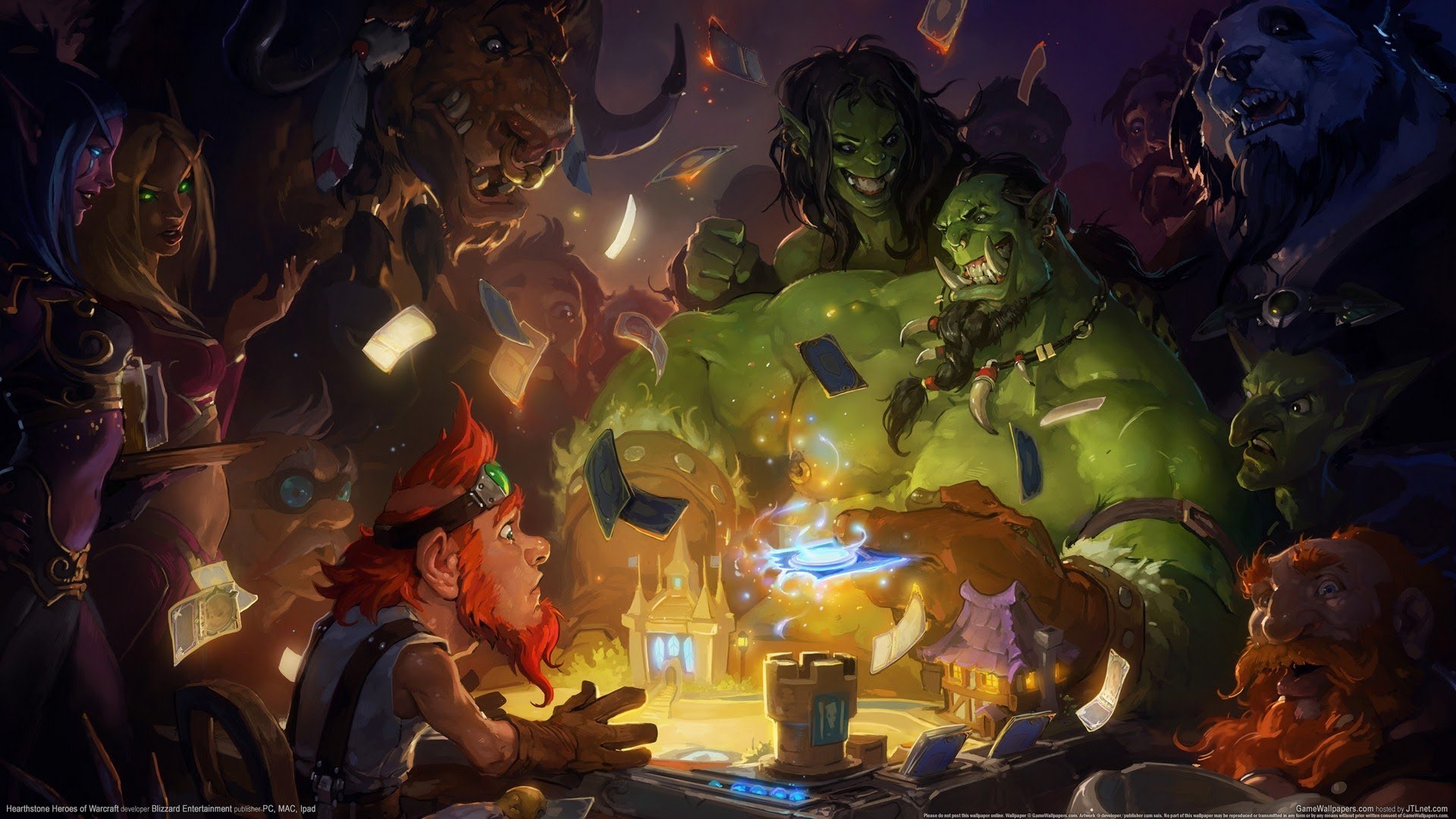
Blizzard Entertainment entered the digital collectible card game market with this title set in the ‘Warcraft’ universe. Its accessibility and high production values made it an instant success on both PC and mobile platforms. However, many players have criticized ‘Hearthstone’ for its heavy reliance on random number generation and its expensive monetization model. Over time, the game has been accused of power creep, where new cards render old collections obsolete, forcing players into a continuous cycle of spending.
‘Frostpunk’ (2018)
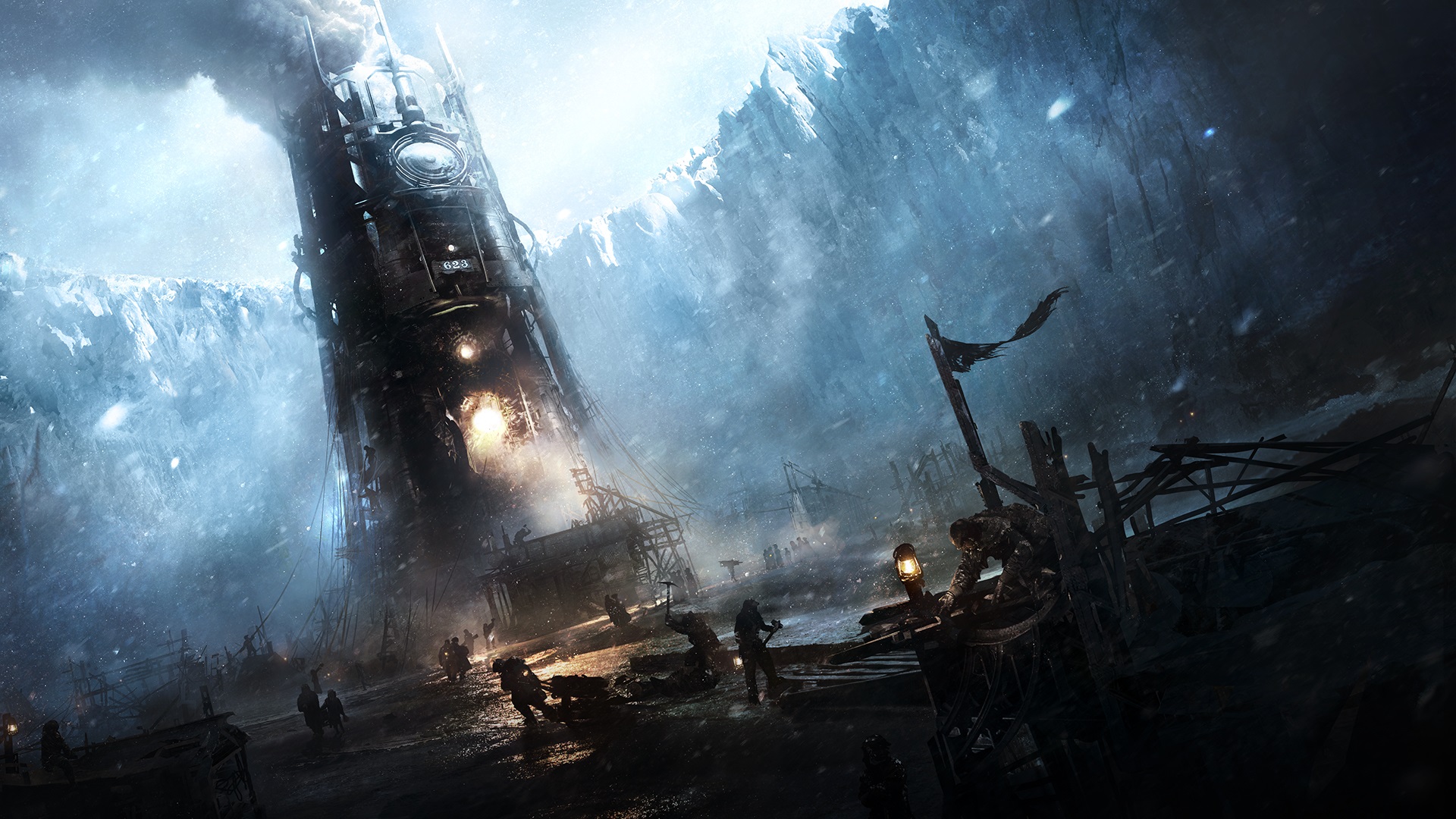
11 bit studios developed and published this society survival game that tasks players with managing a frozen city. The game is praised for its atmospheric storytelling and difficult moral choices. Critics, however, point out that once a player understands the optimal build order, the game loses much of its replayability and challenge. ‘Frostpunk’ is often described as a rigid experience where there is usually only one “correct” way to survive, which some feel undermines its strategic depth.
‘Europa Universalis IV’ (2013)
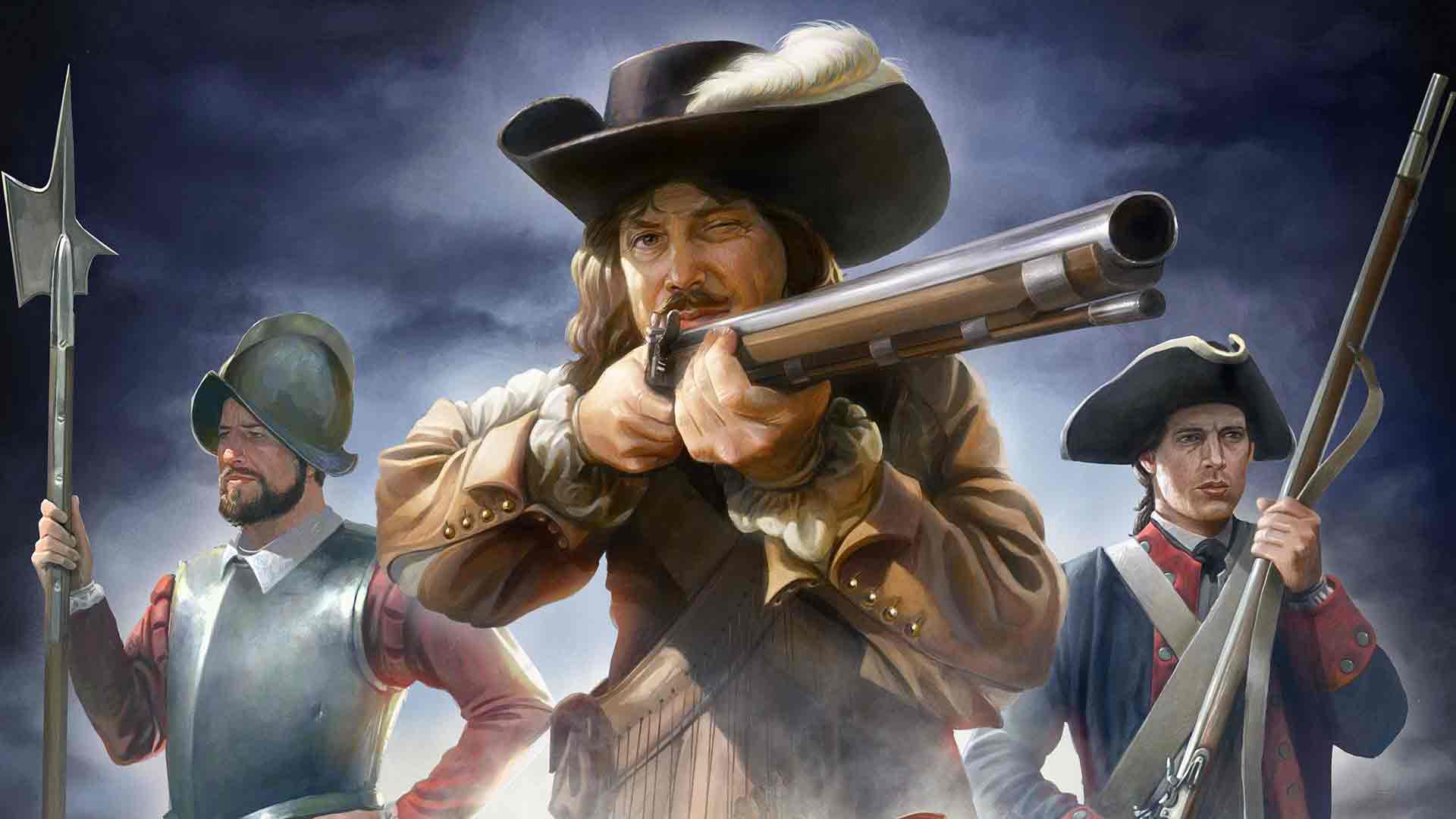
This grand strategy title was developed by Paradox Development Studio and published by Paradox Interactive. It offers an immense scope, allowing players to control any nation on Earth over several centuries. The primary criticism directed at ‘Europa Universalis IV’ is its aggressive DLC policy, which has resulted in a game that costs hundreds of dollars to experience in its complete form. New players often find the sheer volume of menus and mechanics overwhelming, leading some to call it a glorified spreadsheet simulator.
‘Total War: Warhammer II’ (2017)
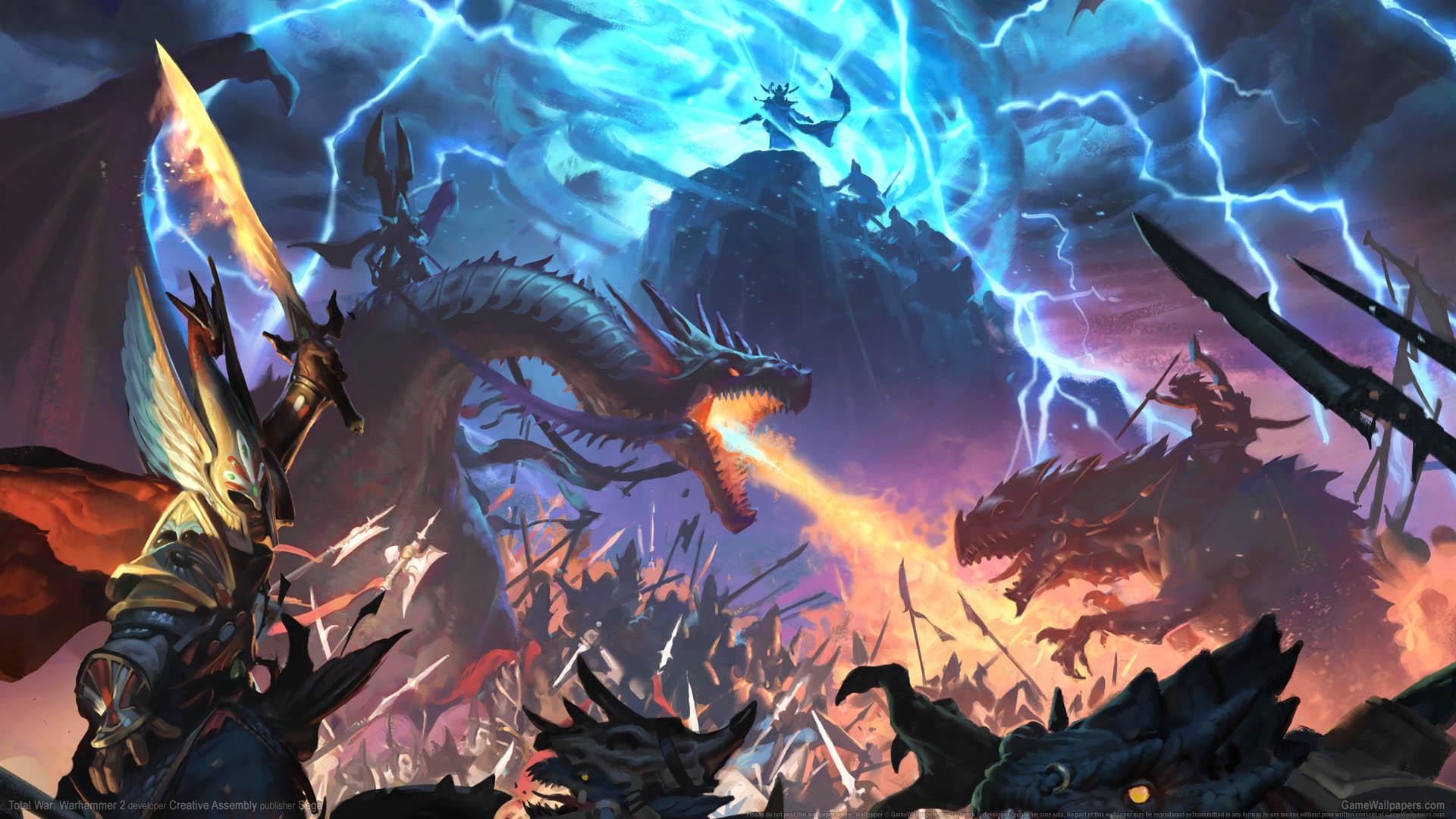
Creative Assembly developed this fantasy-themed entry in the ‘Total War’ series, with SEGA acting as the publisher. It brought the ‘Warhammer Fantasy’ world to life with diverse factions and powerful magic systems. Some fans of the historical entries felt the focus on hero units and monsters oversimplified the tactical infantry maneuvers the series was known for. Additionally, ‘Total War: Warhammer II’ was noted for its long loading times and poor performance during large-scale battles on anything but high-end hardware.
‘Pikmin 4’ (2023)
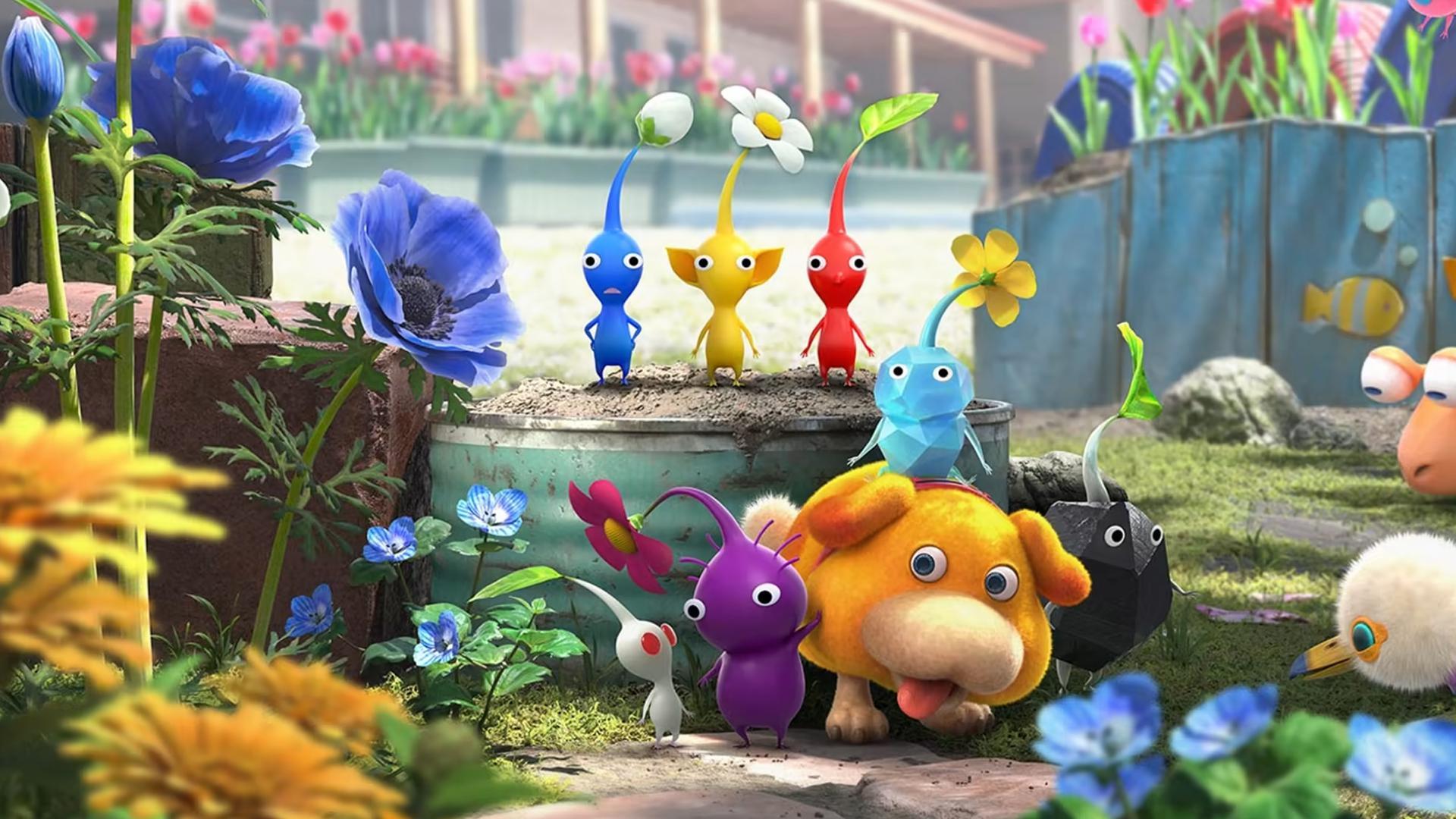
Nintendo developed and published this long-awaited sequel, which introduces a new canine companion named Oatchi. While the game was a critical success, some fans of the original trilogy felt the difficulty was significantly toned down. The removal of the strict time limits found in earlier games was seen by some as a move that lowered the stakes of the strategic planning. ‘Pikmin 4’ is frequently cited as being the most accessible in the series, but critics argue this came at the cost of the tension that made the franchise unique.
‘Desperados III’ (2020)
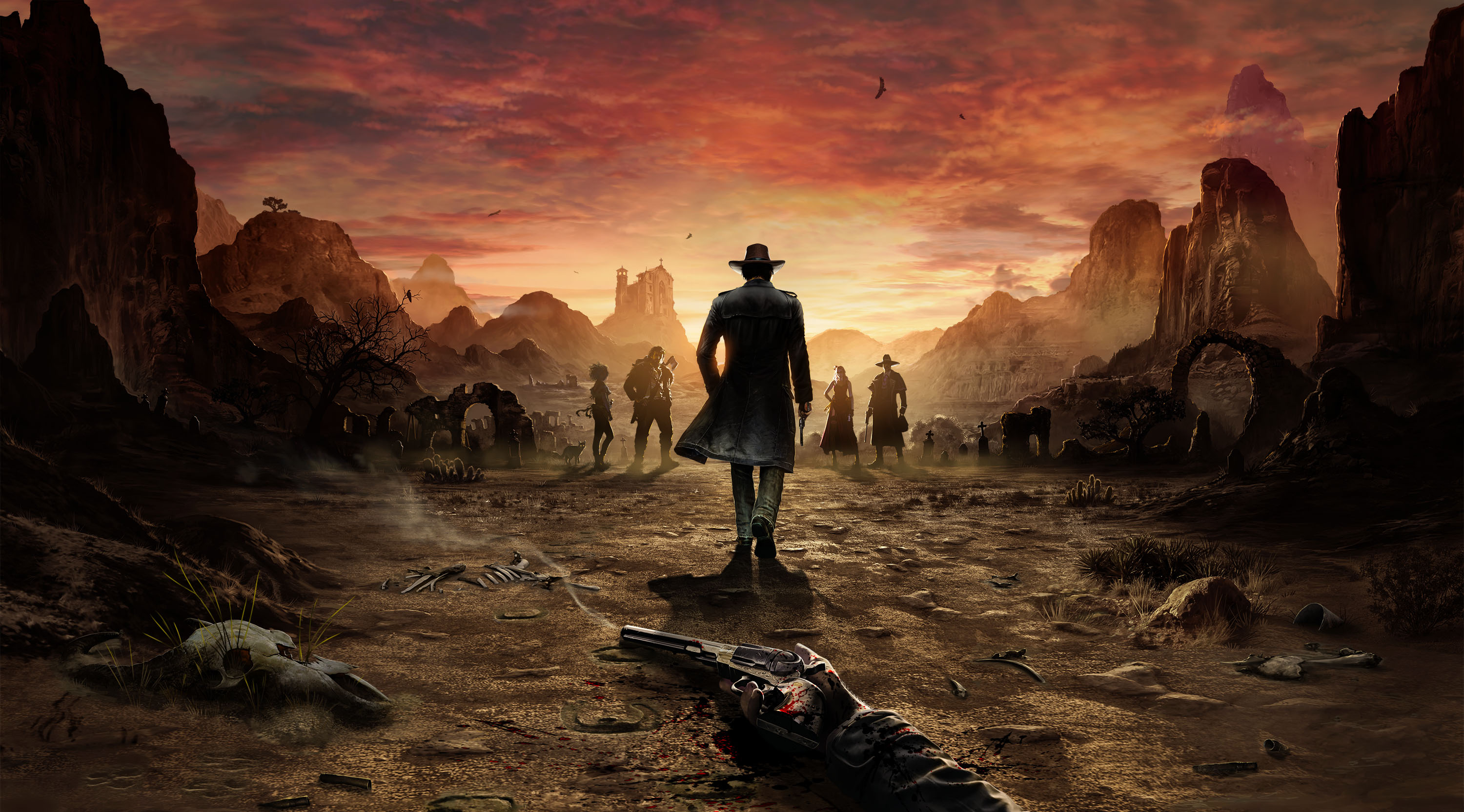
Developed by Mimimi Games and published by THQ Nordic, this real-time tactics game is set in the Wild West. It utilizes the same engine and mechanical core as the developer’s previous hit, ‘Shadow Tactics: Blades of the Shogun’. Some reviewers noted that ‘Desperados III’ felt more like a reskin of their previous work than a true evolution of the genre. While highly polished, the game’s rigid trial-and-error gameplay loop can be frustrating for players looking for more fluid strategic options.
‘Total War: Three Kingdoms’ (2019)
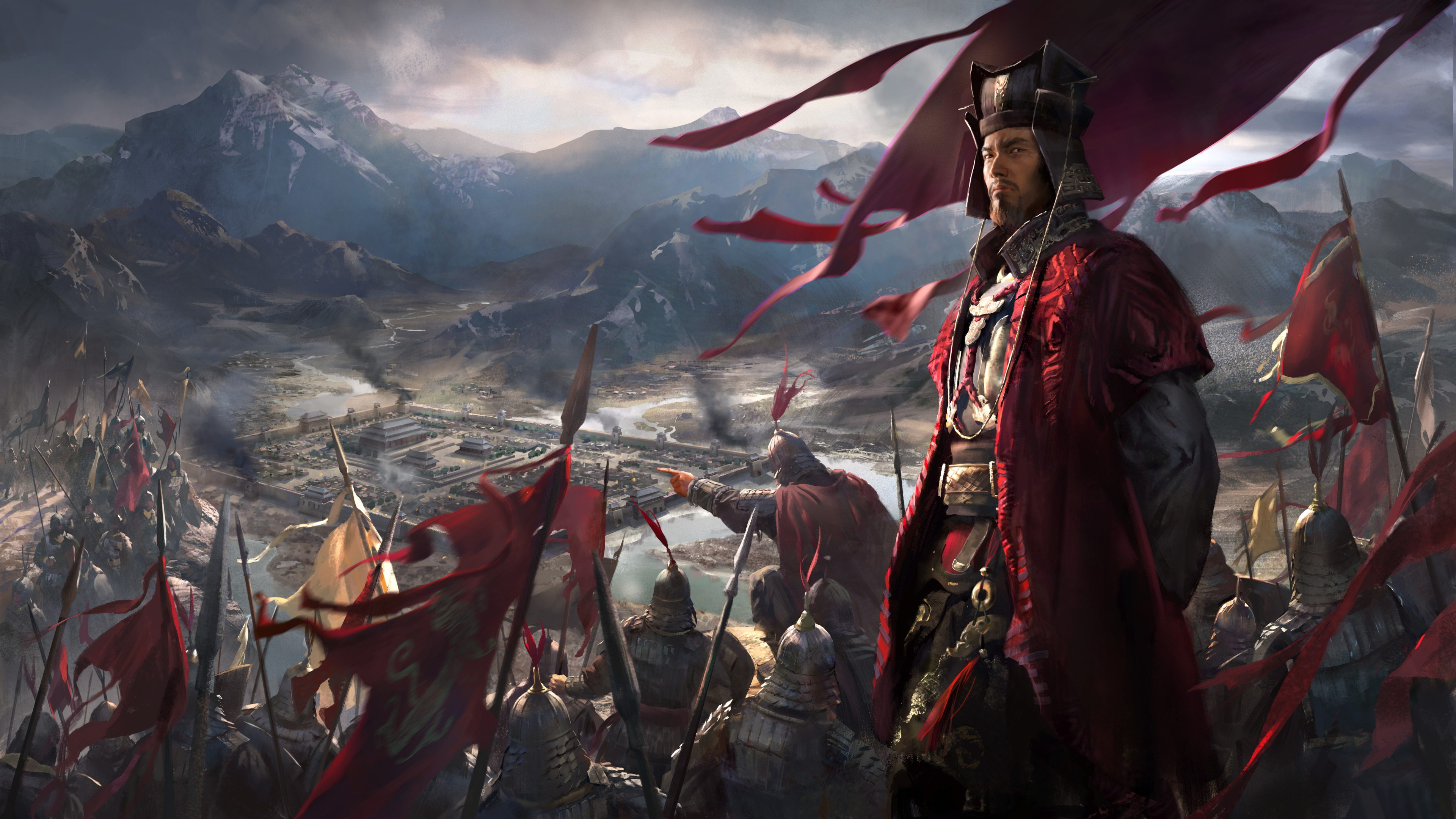
Creative Assembly and SEGA released this title set in ancient China, blending historical facts with romanticized legends. The game featured a deep diplomacy system that was initially praised by both critics and fans. However, ‘Total War: Three Kingdoms’ faced significant backlash when the developers abruptly ended support for the game to move on to a sequel. This left many bugs unresolved and promised expansions unreleased, causing the community to view the title as an incomplete and ultimately overrated project.
‘Mario + Rabbids Kingdom Battle’ (2017)
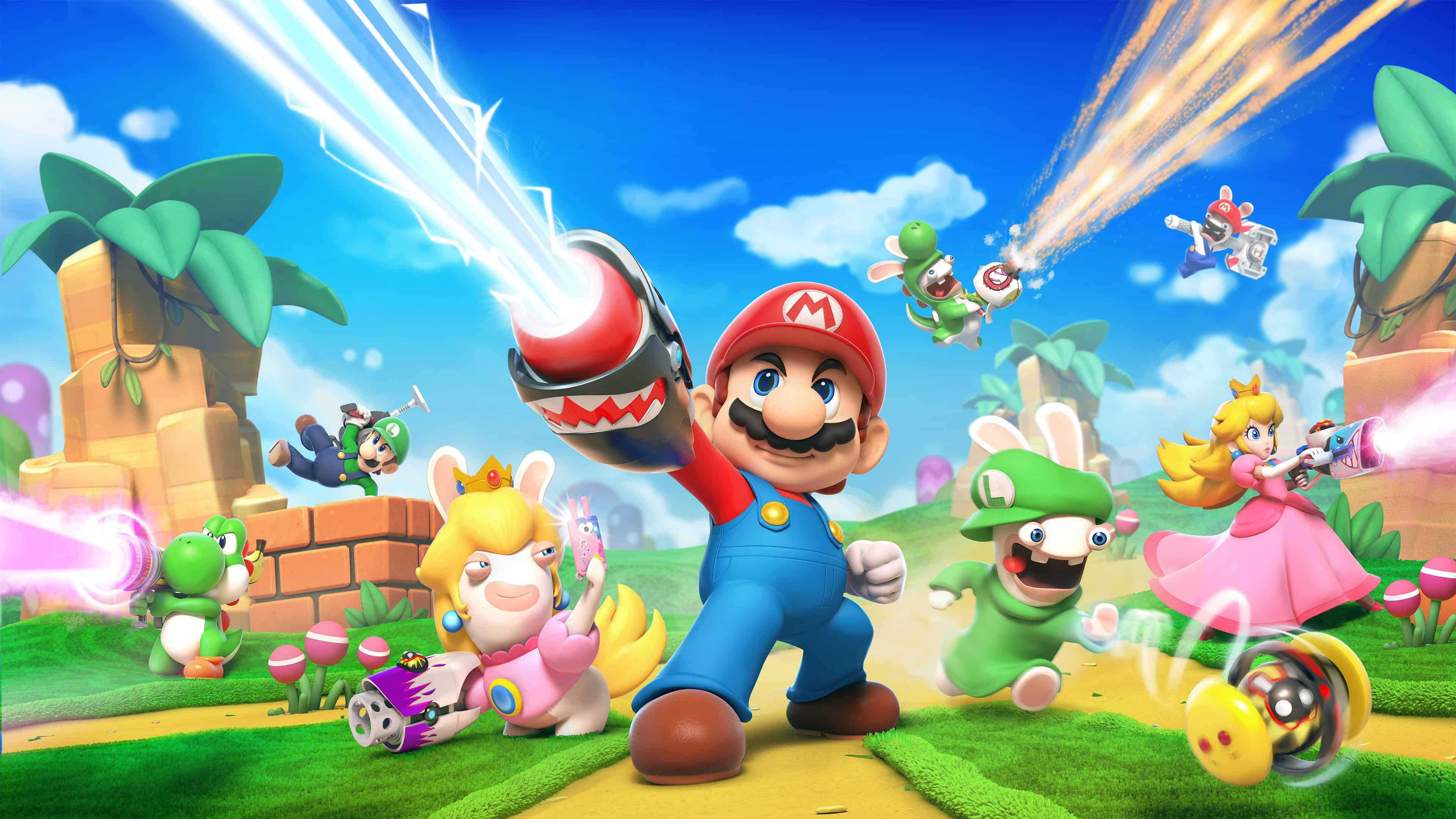
This unexpected crossover was developed by Ubisoft Milan and Ubisoft Paris and published by Ubisoft. It brings the ‘Mario’ cast into a turn-based tactical environment similar to ‘XCOM’. Critics of the game suggest that while it is a charming introduction to the genre, it lacks the depth and complexity required for long-term engagement. Some players found the puzzle segments between battles to be tedious and uninspired, detracting from the overall strategic experience of ‘Mario + Rabbids Kingdom Battle’.
‘Darkest Dungeon’ (2016)
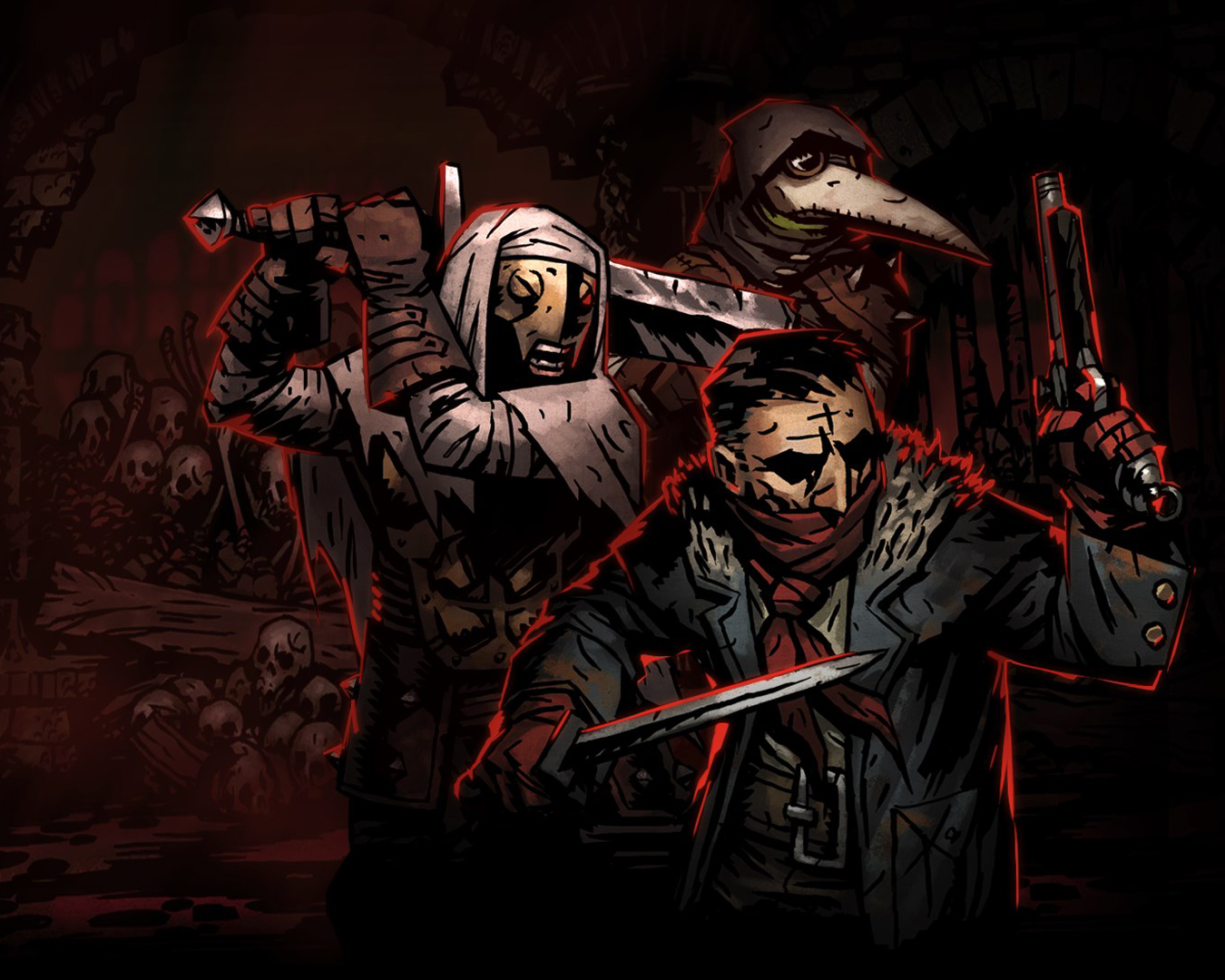
Red Hook Studios developed and published this gothic roguelike about the psychological stresses of adventuring. The game is well-known for its oppressive atmosphere and punishing difficulty. However, many players have criticized the game for being an “unfair” grind where progress can be wiped out by a single unlucky turn. Critics argue that ‘Darkest Dungeon’ relies too heavily on artificial difficulty and repetitive gameplay loops to extend its play time.
‘Marvel’s Midnight Suns’ (2022)
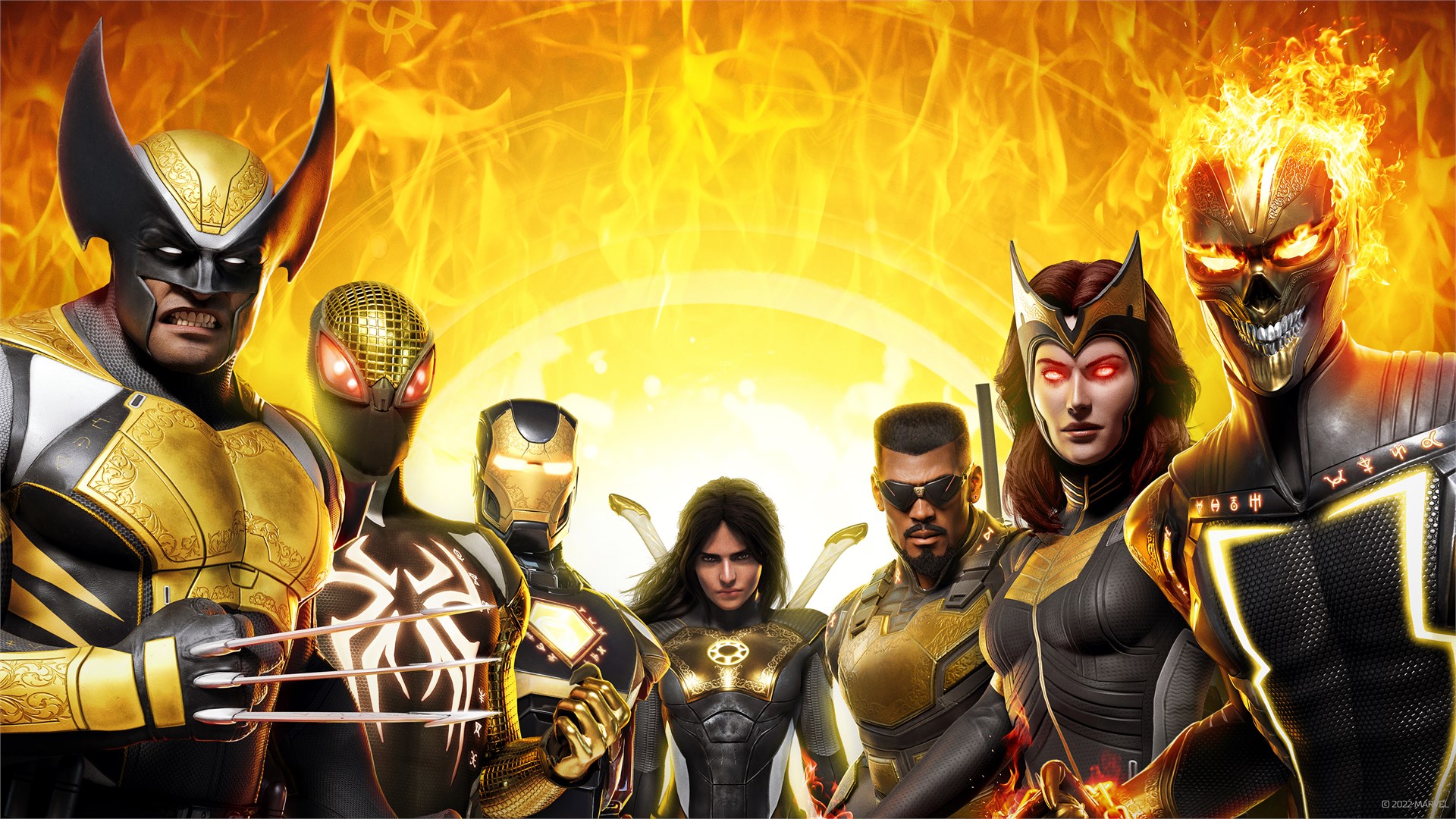
Firaxis Games and 2K Games collaborated on this tactical RPG featuring a roster of popular Marvel superheroes. The game combines card-based combat with a deep social simulation at a central base called the Abbey. Many players were polarized by the card mechanics, feeling they added too much randomness to a tactical game. Additionally, the long dialogue sequences and relationship-building mechanics were criticized for being poorly written and taking up too much of the game’s total length.
‘Age of Wonders 4’ (2023)
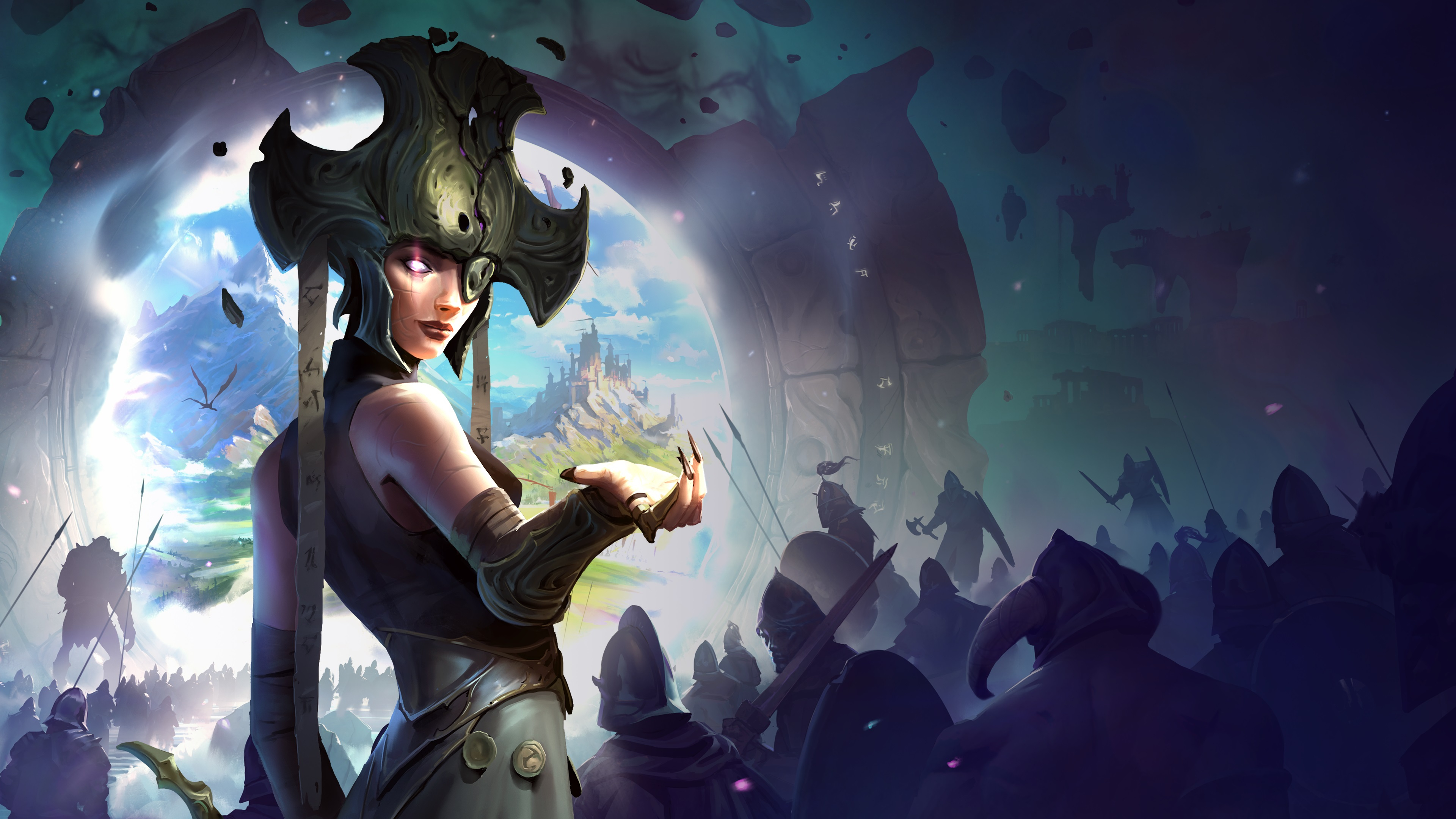
Developed by Triumph Studios and published by Paradox Interactive, this 4X strategy game allows players to create their own custom fantasy factions. While the customization options are vast, some players felt that the factions lacked the distinct personality found in earlier entries. The combat system, while functional, was criticized for being repetitive during the late-game stages. Some reviewers also pointed out that ‘Age of Wonders 4’ suffered from balancing issues that made certain magic tomes significantly more powerful than others.
‘Endless Legend’ (2014)
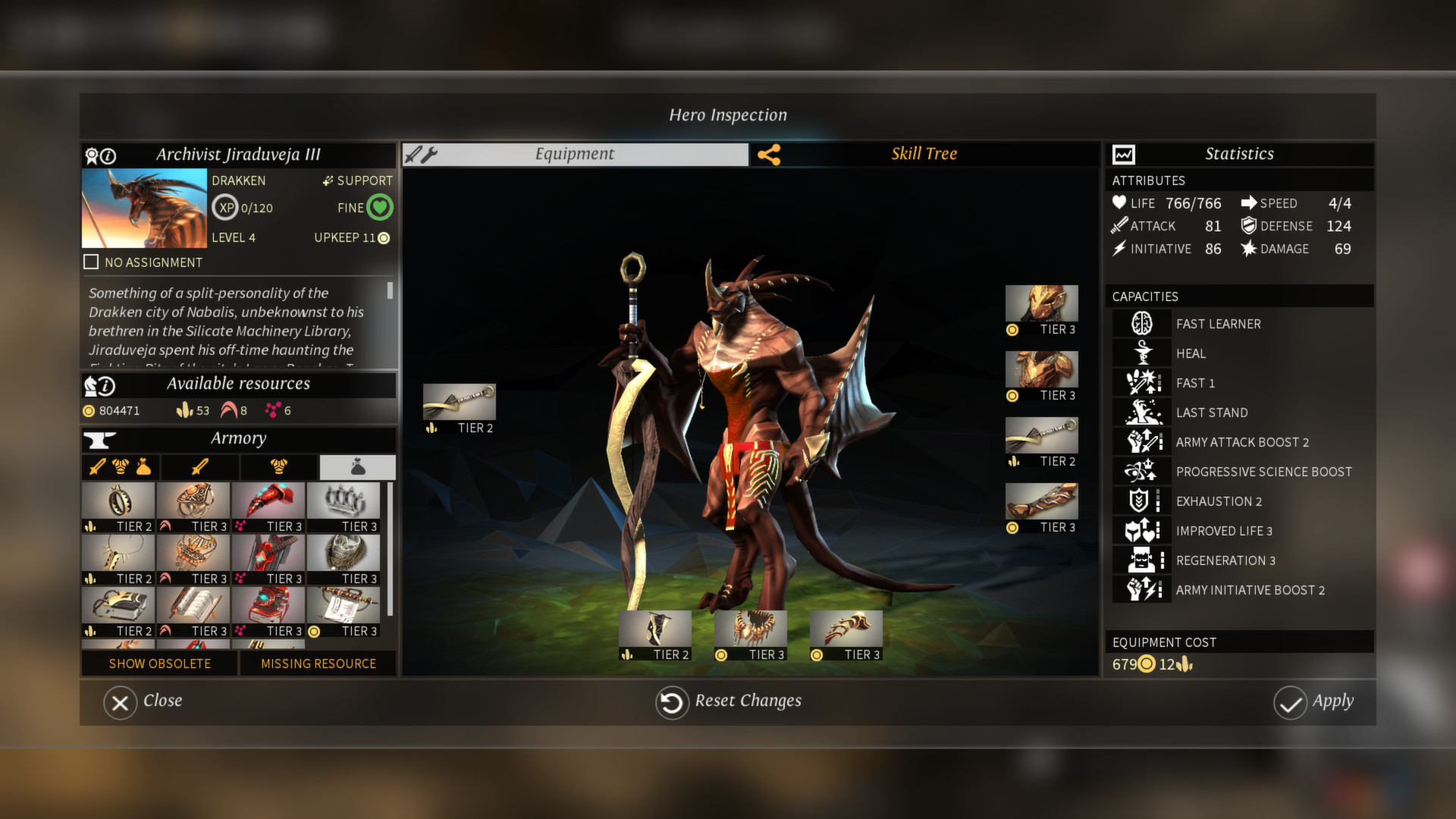
Amplitude Studios developed this fantasy 4X game, which was published by Iceberg Interactive and later SEGA. It is frequently praised for its unique art style and highly distinct asymmetrical factions. However, the combat system in ‘Endless Legend’ is often cited as its weakest point, as it offers very little direct control to the player. Critics have also noted that the artificial intelligence is often passive, failing to provide a significant challenge even on the highest difficulty settings.
‘Age of Empires IV’ (2021)
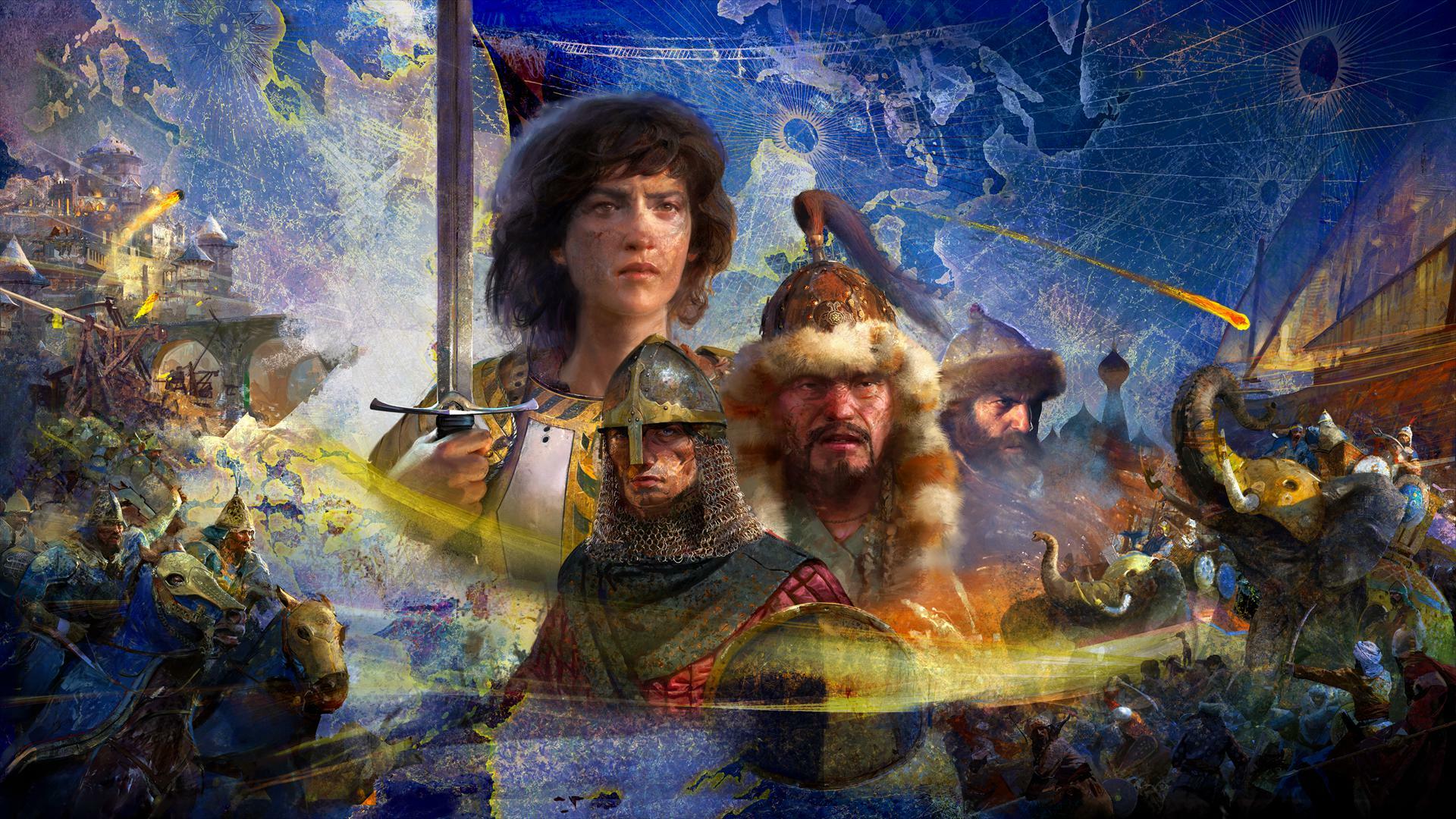
Relic Entertainment developed this long-awaited sequel for Xbox Game Studios and World’s Edge. The game aimed to return to the roots of the series by focusing on the Middle Ages. Some fans of ‘Age of Empires II’ felt that the new entry did not provide enough innovation to justify its existence over the definitive editions of previous titles. Furthermore, the limited number of civilizations at launch and the simplified visual style led some to believe ‘Age of Empires IV’ was a step backward for the franchise.
‘The Banner Saga’ (2014)
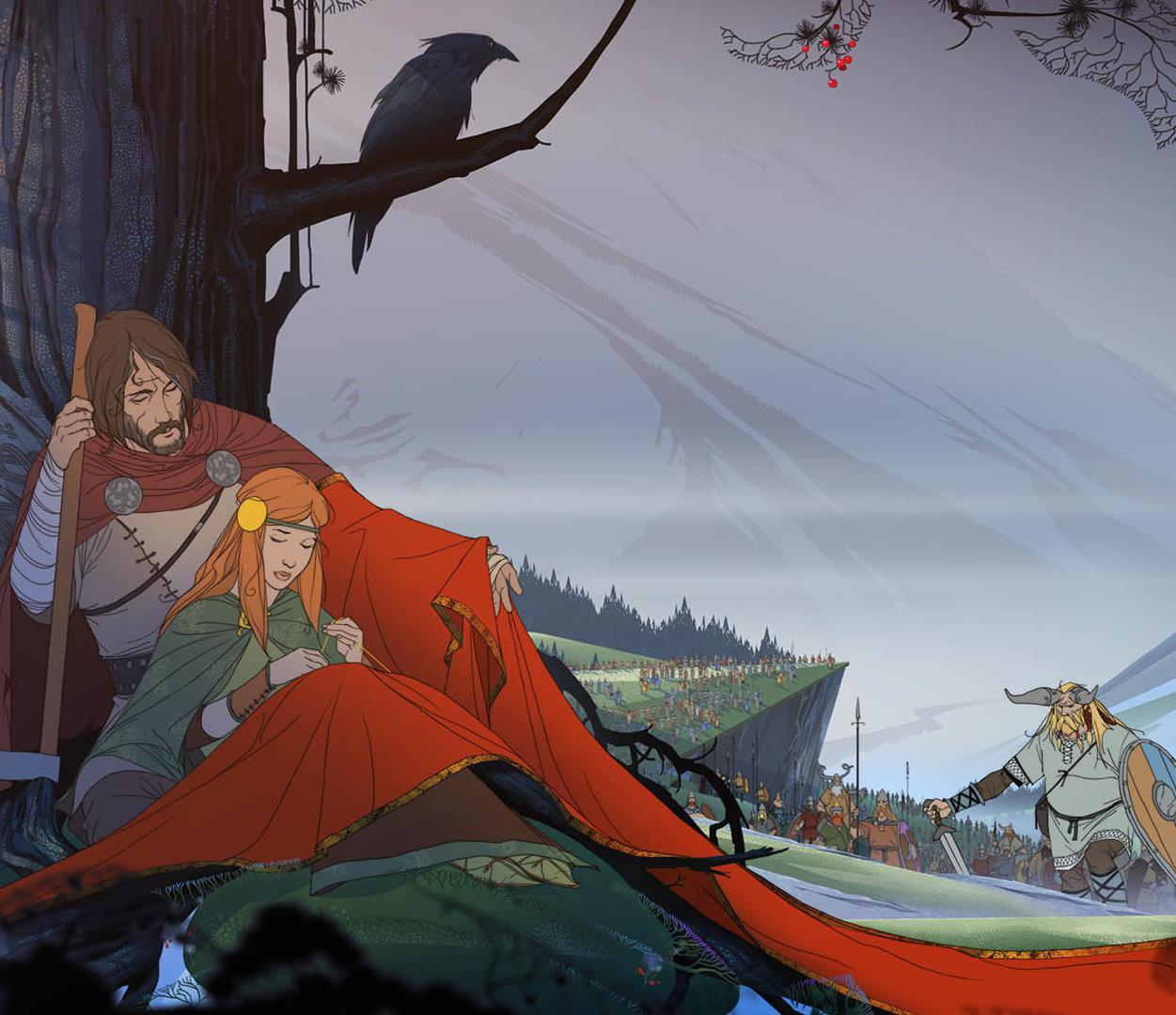
Developed by Stoic Studio and published by Versus Evil, this tactical RPG is known for its beautiful hand-drawn art and Viking-inspired setting. The game features a heavy focus on narrative choices that impact the survival of the player’s caravan. Critics of the game point out that the combat system can become monotonous, as the primary strategy usually involves lowering an enemy’s armor before attacking their health. Some players also felt that the consequences of their choices were often arbitrarily punishing rather than logically derived.
‘Northgard’ (2018)
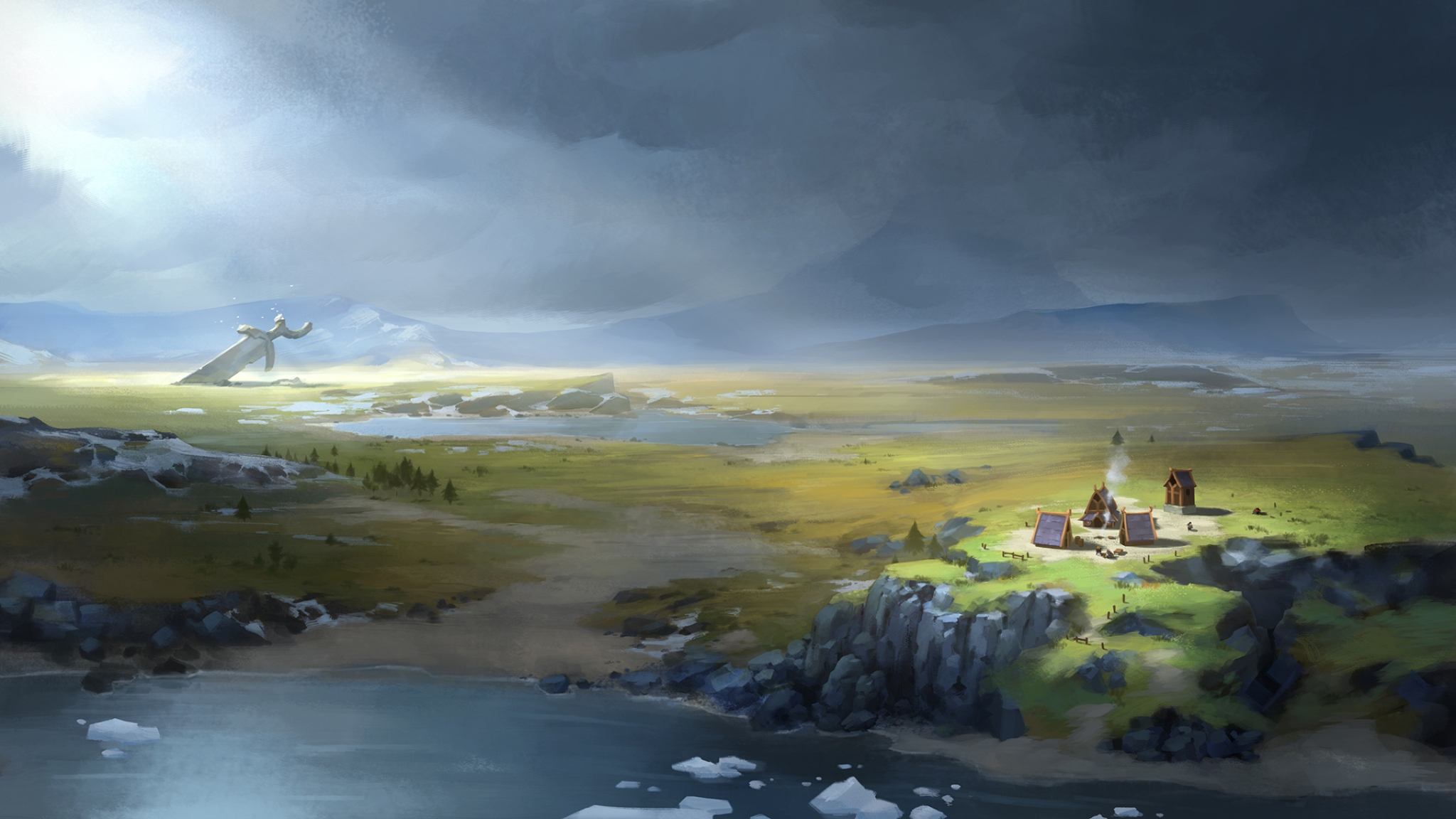
Shiro Games developed and published this strategy game based on Norse mythology. It blends elements of real-time strategy with 4X mechanics on a smaller, territory-based scale. While it found a large audience on both PC and consoles, some players found the game to be too simple compared to genre giants. The slow pace and reliance on managing survival resources rather than tactical combat led some to label ‘Northgard’ as a “lite” strategy game that lacks true depth.
‘Company of Heroes 2’ (2013)
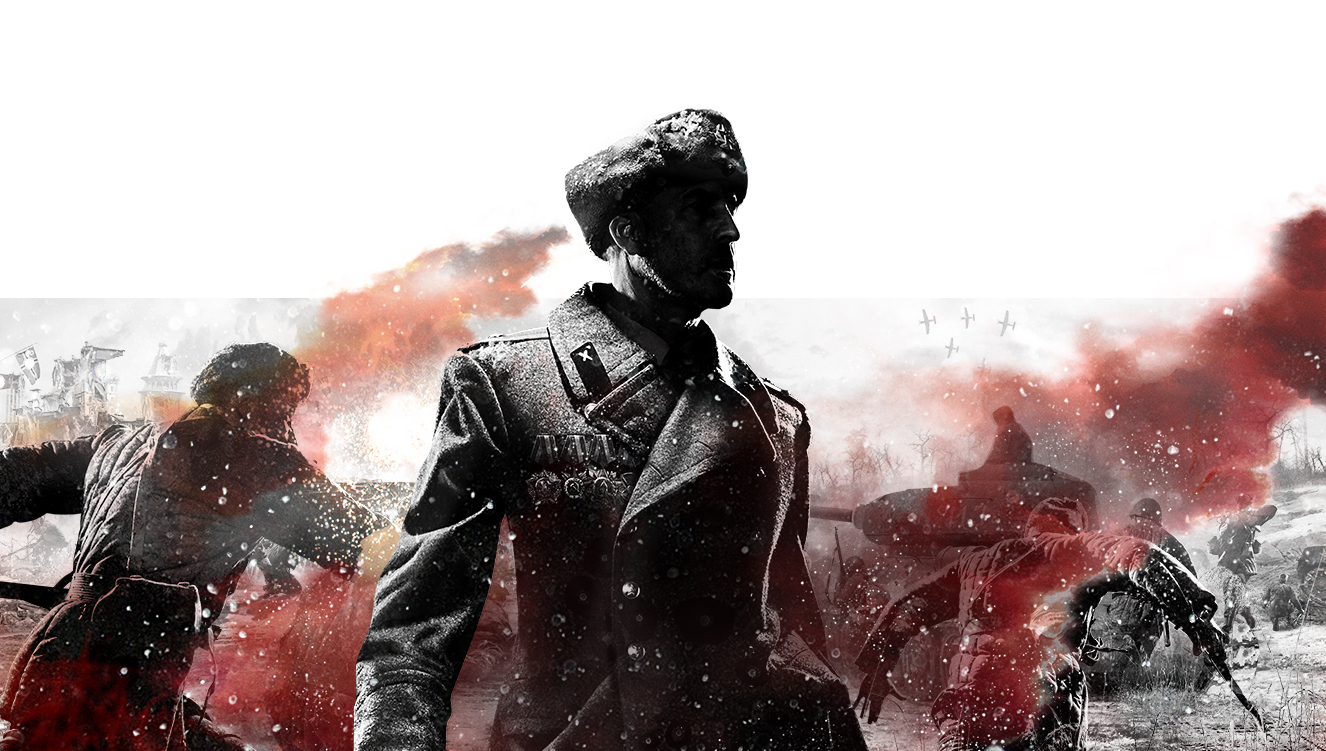
Relic Entertainment and SEGA released this sequel to the acclaimed World War II real-time strategy game. While it maintained the intense tactical combat of the original, it was heavily criticized for its historical inaccuracies and portrayal of the Soviet Union. At launch, the game was also bogged down by controversial microtransactions and a confusing DLC structure. Many fans still prefer the original title, viewing ‘Company of Heroes 2’ as an over-engineered and less focused follow-up.
‘Victoria 3’ (2022)

Paradox Development Studio developed this grand strategy game focused on the industrial revolution and global economics. Unlike its predecessor, it removed direct control over military units in favor of a front-line management system. This change was highly controversial among the fanbase, with many feeling it removed a core pillar of the strategy experience. Critics also noted that ‘Victoria 3’ launched with a UI that was difficult to navigate and an economic system that felt repetitive after a few hours of play.
‘Stellaris’ (2016)
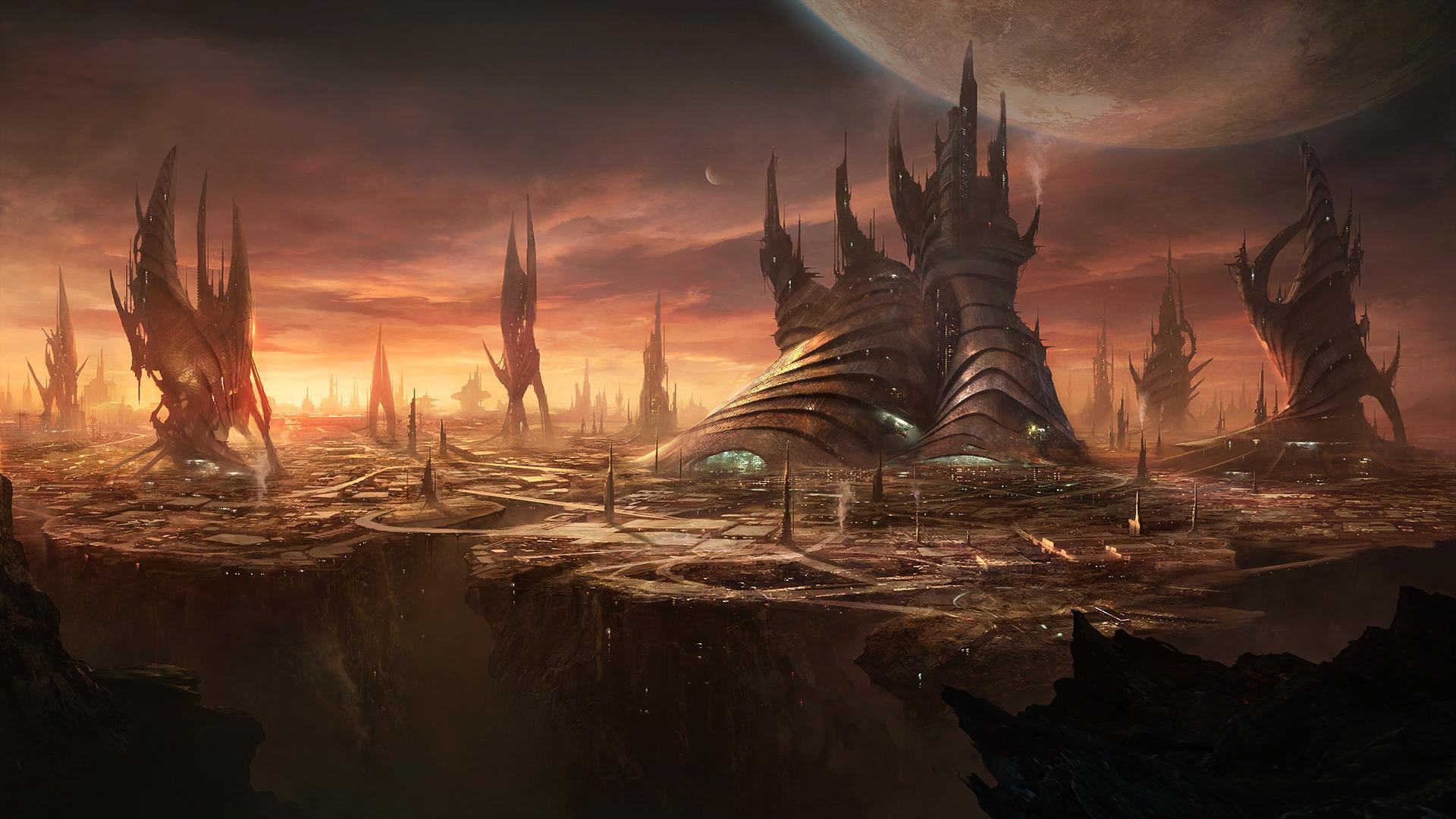
Developed and published by Paradox Interactive, ‘Stellaris’ allows players to build a galactic empire and interact with various alien species. The game has undergone numerous massive overhauls since its release, changing core mechanics like planetary management and travel multiple times. While these updates have added content, some players find the constant shifting of rules to be frustrating and counterintuitive. Critics also point out that the mid-game often feels like a tedious slog where very little of interest happens for long periods.
‘Warhammer 40,000: Dawn of War III’ (2017)
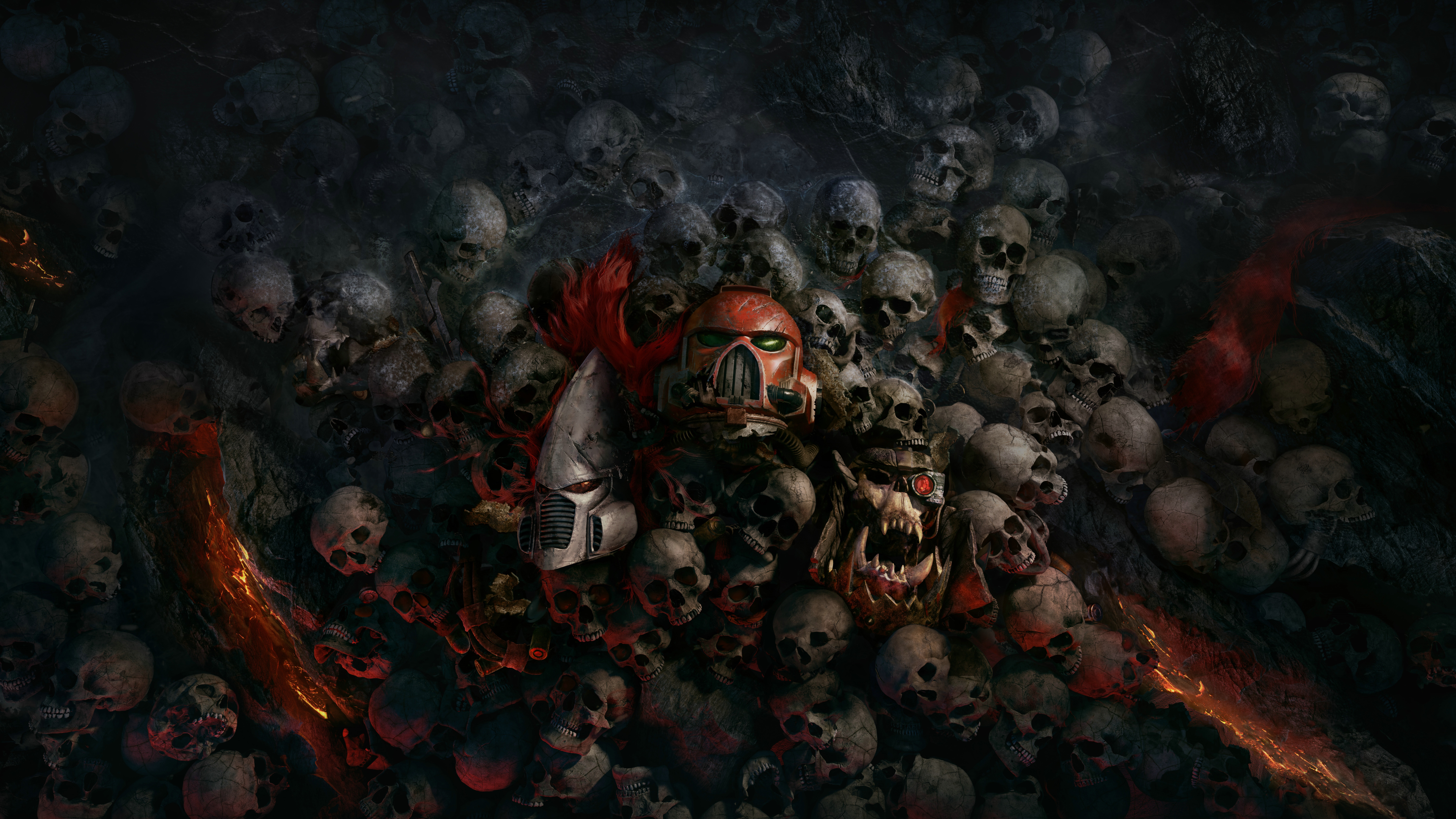
Relic Entertainment and SEGA attempted to blend the large-scale battles of the first game with the hero-focused tactical play of the second. The result was a title that many fans felt lacked the identity of either predecessor and leaned too heavily into MOBA-style mechanics. The simplified base building and focus on specific “lanes” on the map alienated the core RTS audience. ‘Warhammer 40,000: Dawn of War III’ was a commercial disappointment and is often cited as an example of trying to please too many audiences at once.
‘Humankind’ (2021)
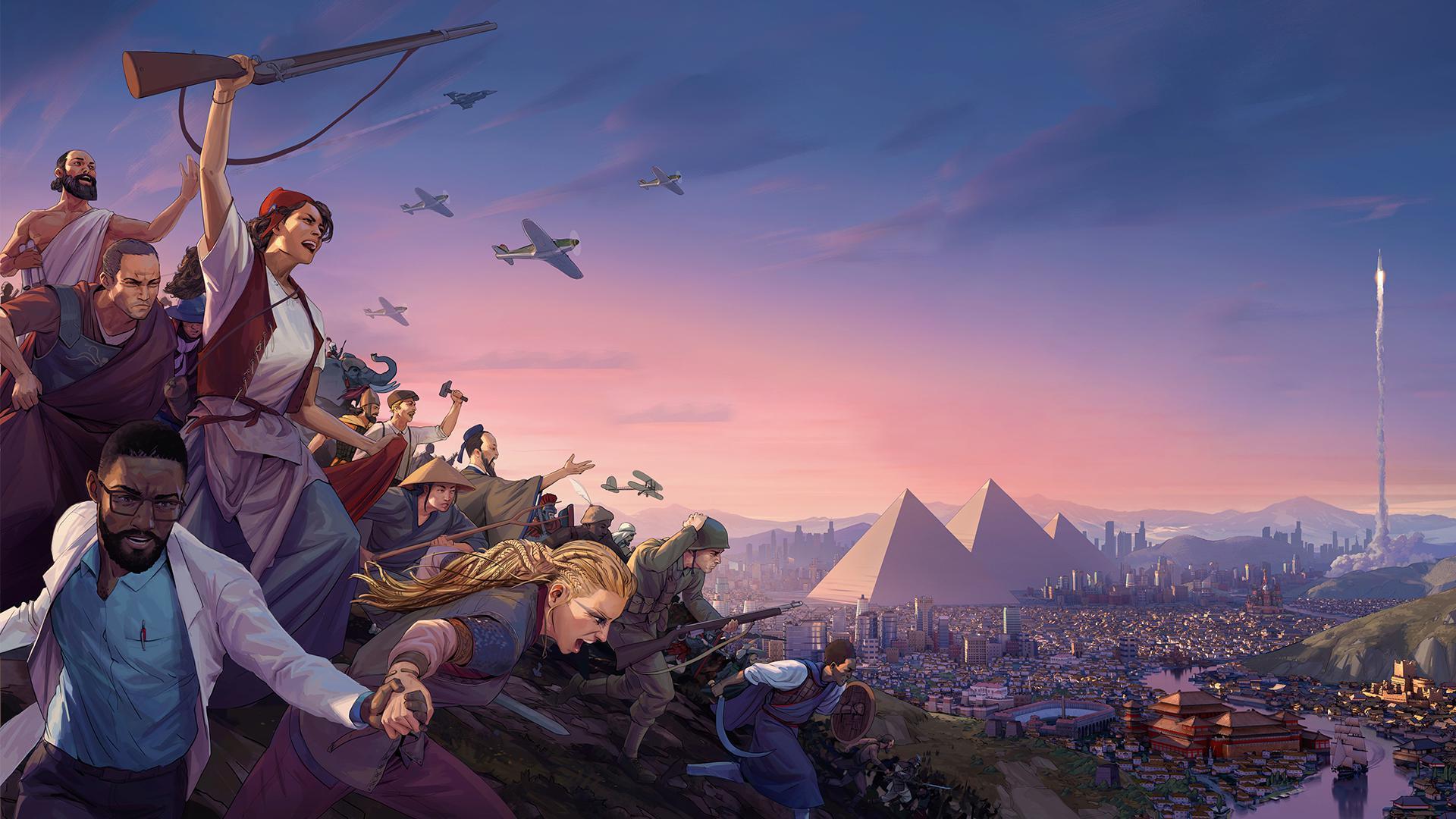
Amplitude Studios and SEGA released this 4X game as a direct competitor to the ‘Civilization’ series. Its main innovation allows players to switch cultures at every new era, theoretically creating a unique civilization history. In practice, many players found that this system led to a lack of national identity and made the game feel disjointed. Critics also noted significant balancing issues where certain culture combinations were vastly superior to all others, undermining the game’s strategic variety.
‘Homeworld 3’ (2024)

Blackbird Interactive and Gearbox Publishing released this long-delayed sequel to the classic 3D space combat series. While it features impressive visuals and innovative “megalith” terrain in space, some players felt the story was a significant step down from the original games. The pathfinding for ships was also cited as a major technical issue that could lead to frustrating tactical blunders. Despite the hype, many long-time fans found ‘Homeworld 3′ to be a shallow experience that failed to capture the atmosphere of the series’ roots.
‘Command & Conquer 4: Tiberian Twilight’ (2010)
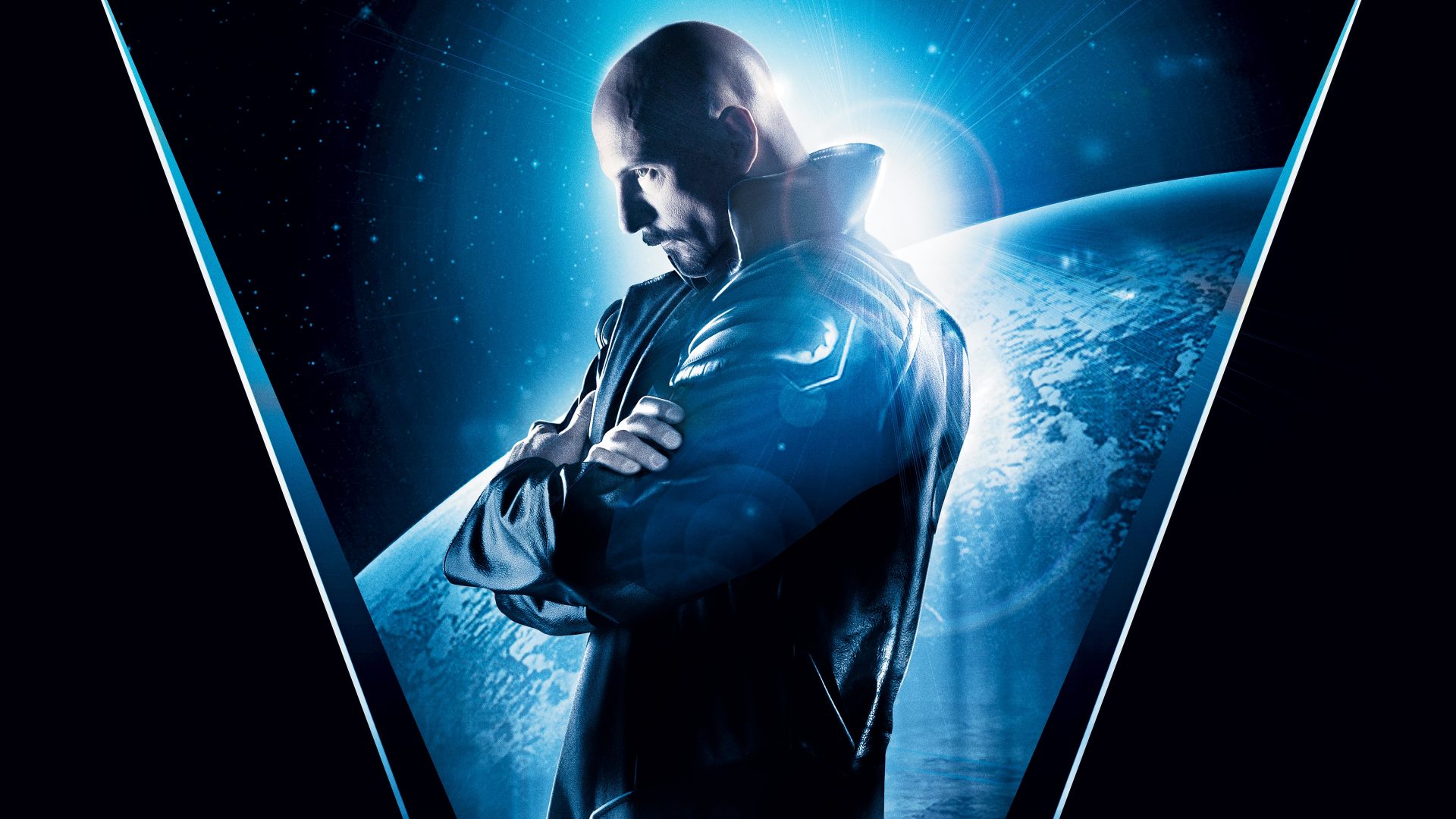
EA Los Angeles developed this final chapter in the Tiberium saga, which was published by Electronic Arts. The game completely removed base building and resource gathering, replacing them with a mobile “Crawler” unit and class-based combat. This radical departure from the series’ formula was universally panned by fans who felt the ‘Command & Conquer’ identity had been stripped away. Despite being part of a legendary franchise, ‘Command & Conquer 4: Tiberian Twilight’ is widely regarded as a failed experiment and one of the most overrated entries in strategy history.
Tell us which strategy games you believe are the most overrated by sharing your thoughts in the comments.