


35 TV Episodes That Were Banned From Airing For Being Too Offensive

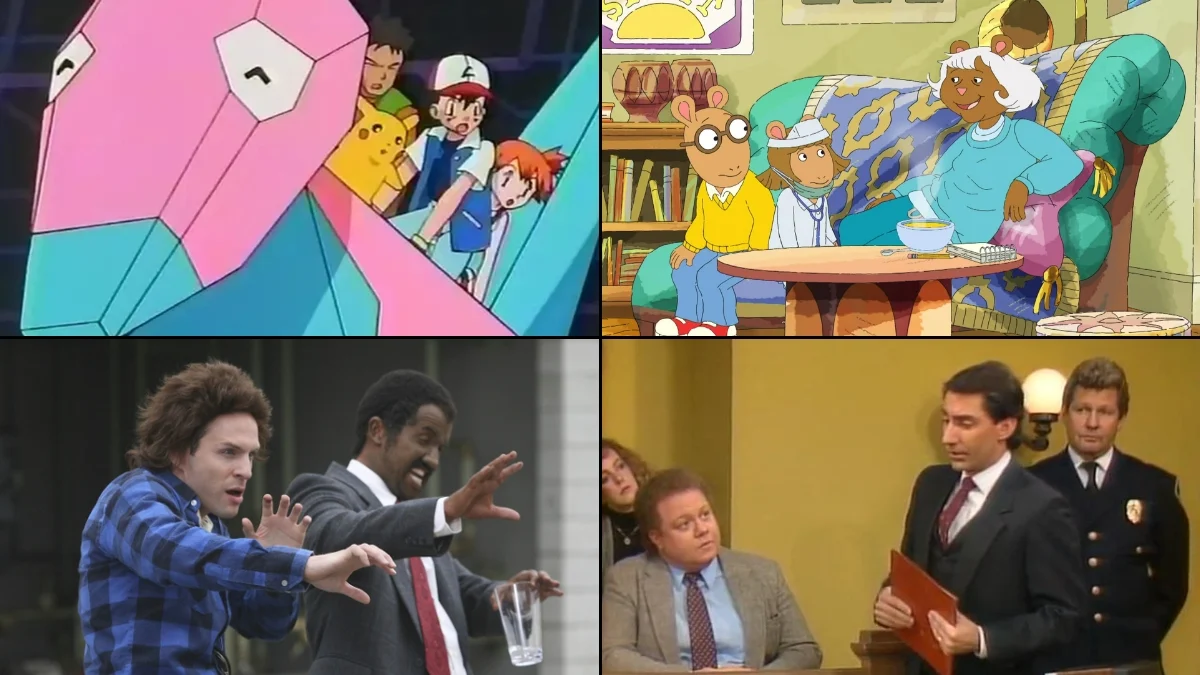


Television history is filled with moments where creators pushed the boundaries of what networks and audiences were willing to accept. While many controversial episodes eventually air with disclaimers, others are pulled from rotation, removed from streaming services, or banned entirely in specific regions. These decisions often stem from shifting cultural standards, concerns over graphic violence, or portrayals that are deemed insensitive or dangerous. From animated children’s shows to primetime sitcoms, the reasons for these bans provide a fascinating look into the evolution of media censorship and public sensitivity.
’30 Rock’ (2006–2013) – “Believe in the Stars”
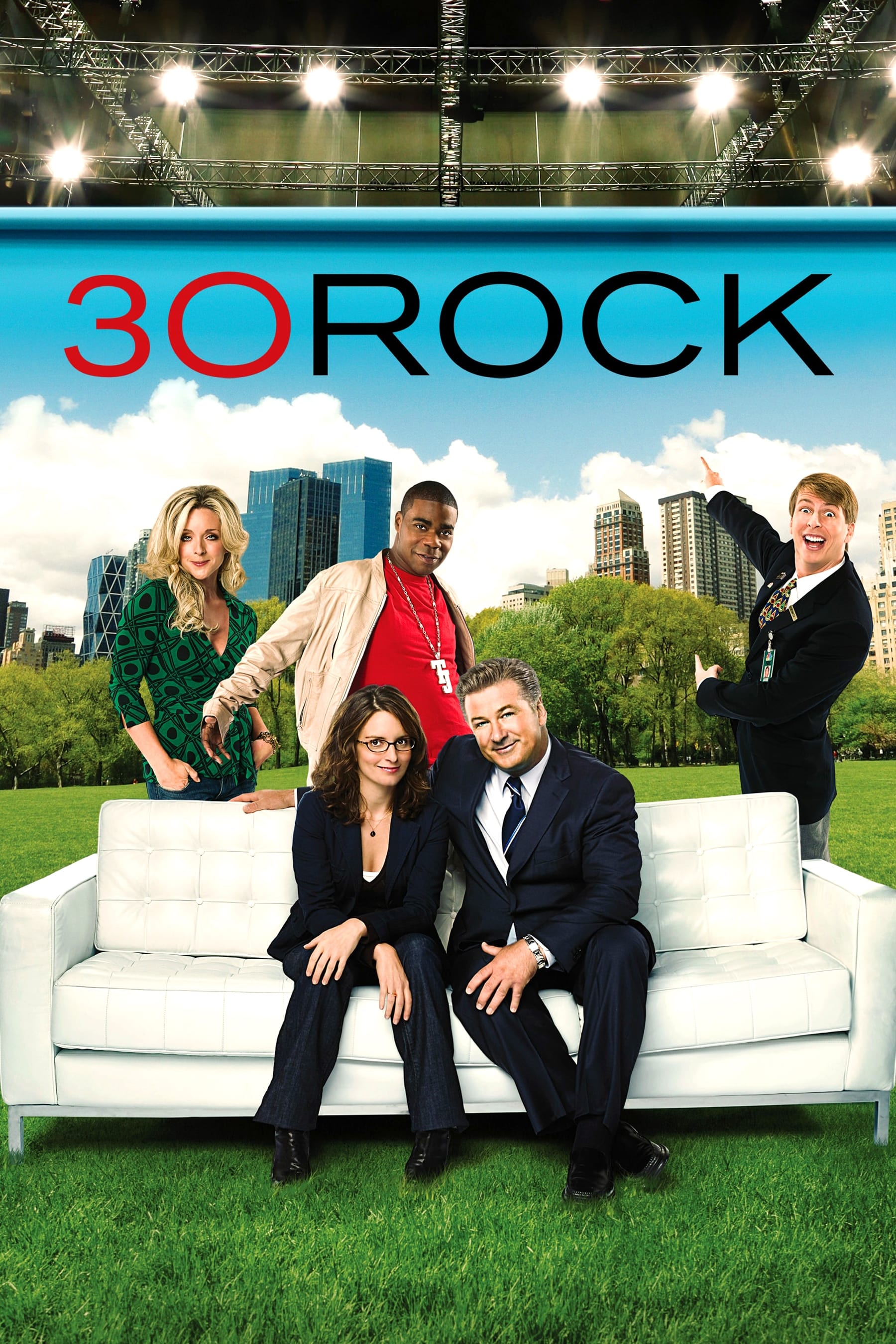
In this episode, Jenna Maroney and Tracy Jordan engage in a social experiment to determine who has a harder time in American society. Jenna dons blackface and a grey tracksuit to portray a Black man, while Tracy wears blonde hair and white makeup to portray a white woman. The episode was pulled from streaming platforms and syndication in 2020 at the request of showrunner Tina Fey. Fey expressed regret for the use of race-based humor that was intended to satirize performance but ultimately caused offense.
‘Arthur’ (1996–2022) – “The Great MacGrady”
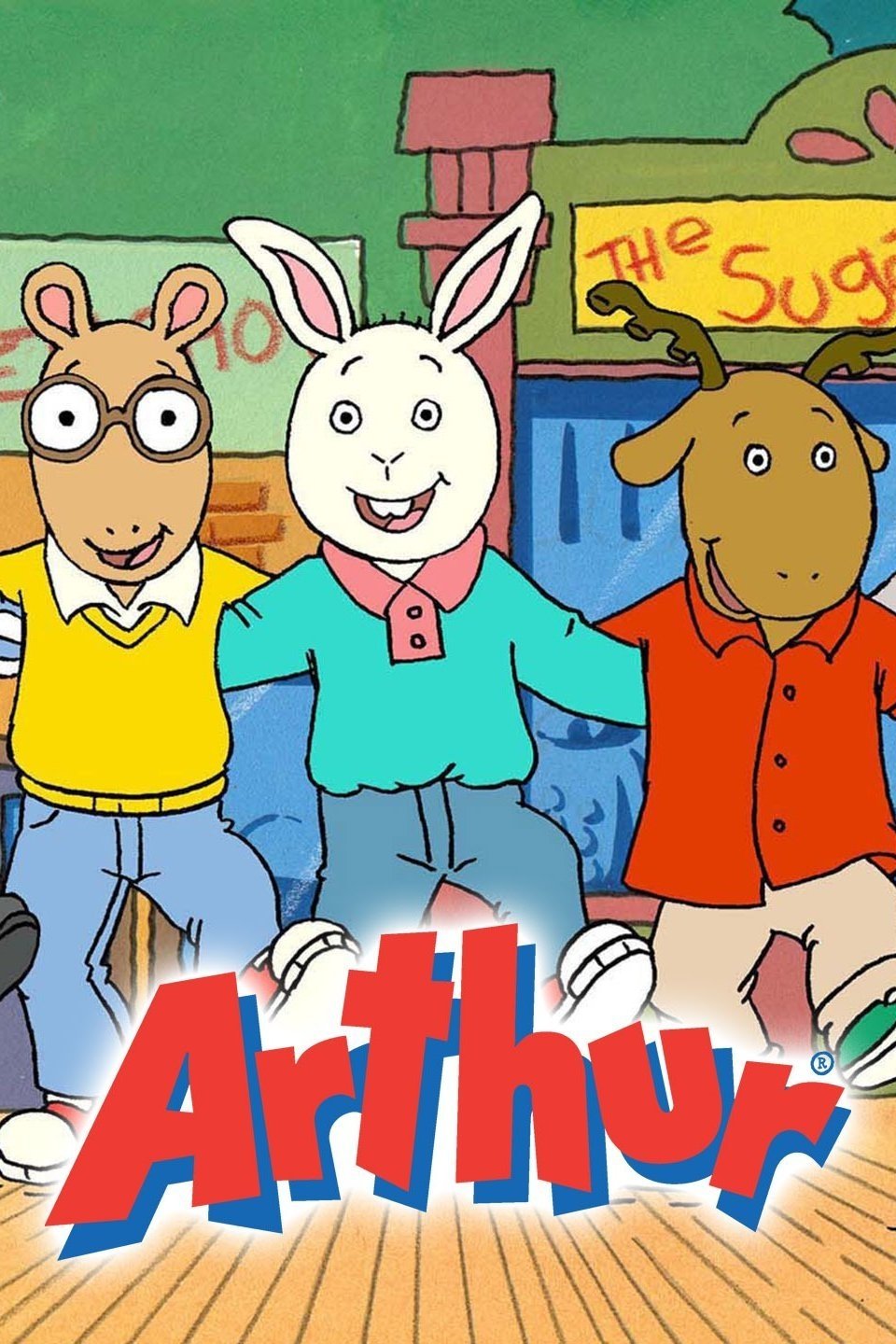
The original version of this episode featured a guest appearance by cyclist Lance Armstrong, who offers support to Mrs. MacGrady during her battle with cancer. Following the massive doping scandal that stripped Armstrong of his Tour de France titles, the episode was removed from rotation and digital stores. To preserve the episode’s message about coping with illness, the producers eventually re-animated Armstrong’s scenes. The new version replaced the disgraced athlete with Uncle Herb, allowing the episode to return to the air.
‘Beavis and Butt-Head’ (1993–1997) – “Comedians”
This early episode features the titular duo attempting to perform stand-up comedy, which results in them setting a comedy club on fire. Following the episode’s original airing, a fire in Ohio was blamed on a child imitating the characters’ behavior, leading to a tragic fatality. MTV responded by moving the show to a later time slot and removing all references to fire from the series. “Comedians” was pulled from rotation and was largely excluded from future home media releases for years.
‘Bluey’ (2018–Present) – “Dad Baby”
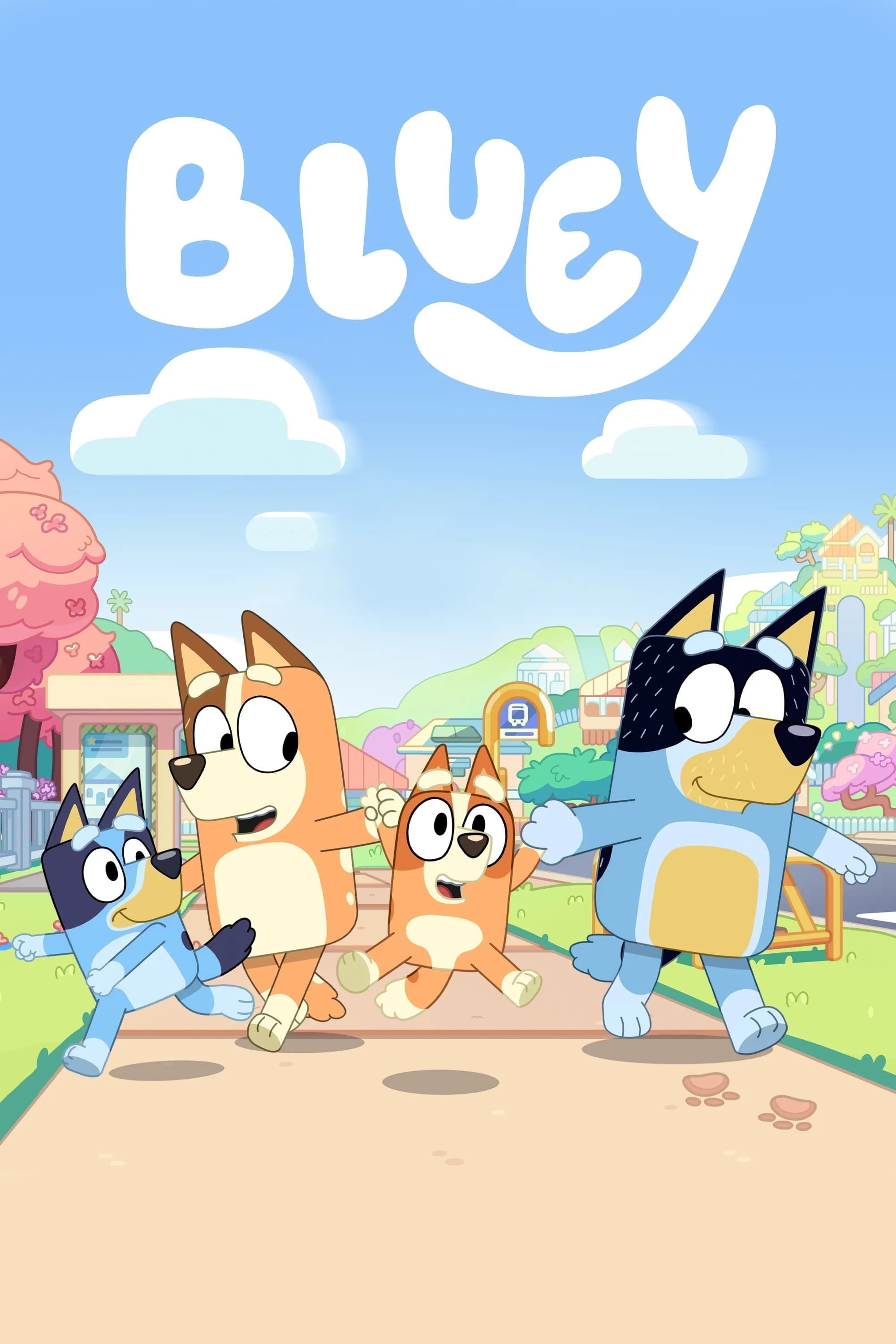
In this episode of the popular Australian children’s show, Bandit simulates pregnancy and childbirth using a baby carrier and his daughter Bingo. While the episode aired without issue in Australia and the United Kingdom, Disney+ opted not to include it in its global streaming library. The exclusion was reportedly due to concerns that the depiction of simulated birth was inappropriate for the platform’s target demographic in the United States. It remained unavailable on the service even as the show became a worldwide phenomenon among preschoolers.
‘Boy Meets World’ (1993–2000) – “If You Can’t Be With the One You Love”
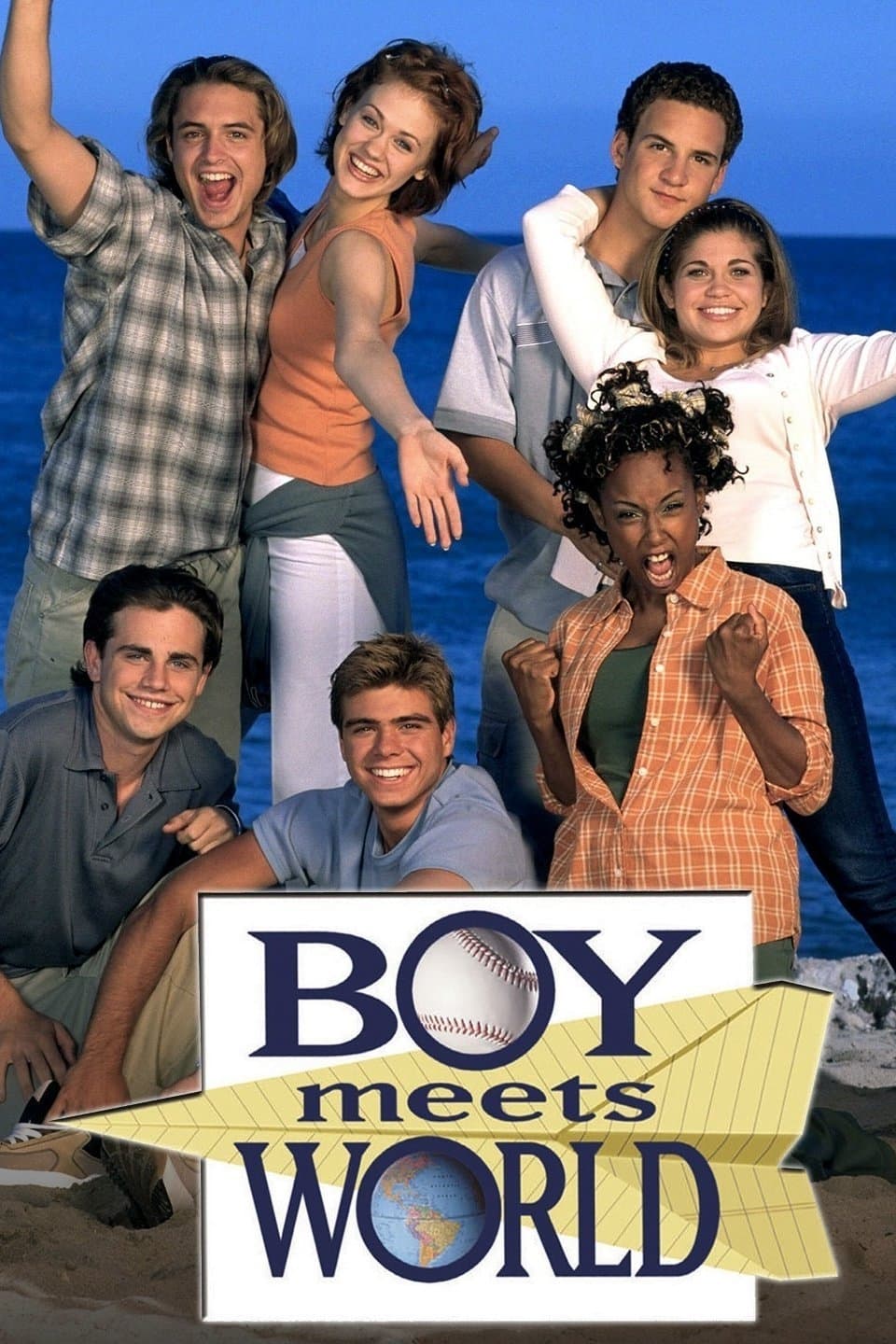
This season five episode focuses on Cory and Shawn experimenting with underage drinking at a party, which leads to Shawn developing a temporary dependency on alcohol. When ‘Boy Meets World’ moved into syndication on the Disney Channel, the network chose to ban this episode along with two others involving mature themes. The network felt the depiction of teen drinking and its consequences was too heavy for its younger audience base. It remained out of rotation on the channel for several years while other episodes aired regularly.
‘Buffy the Vampire Slayer’ (1997–2003) – “Earshot”
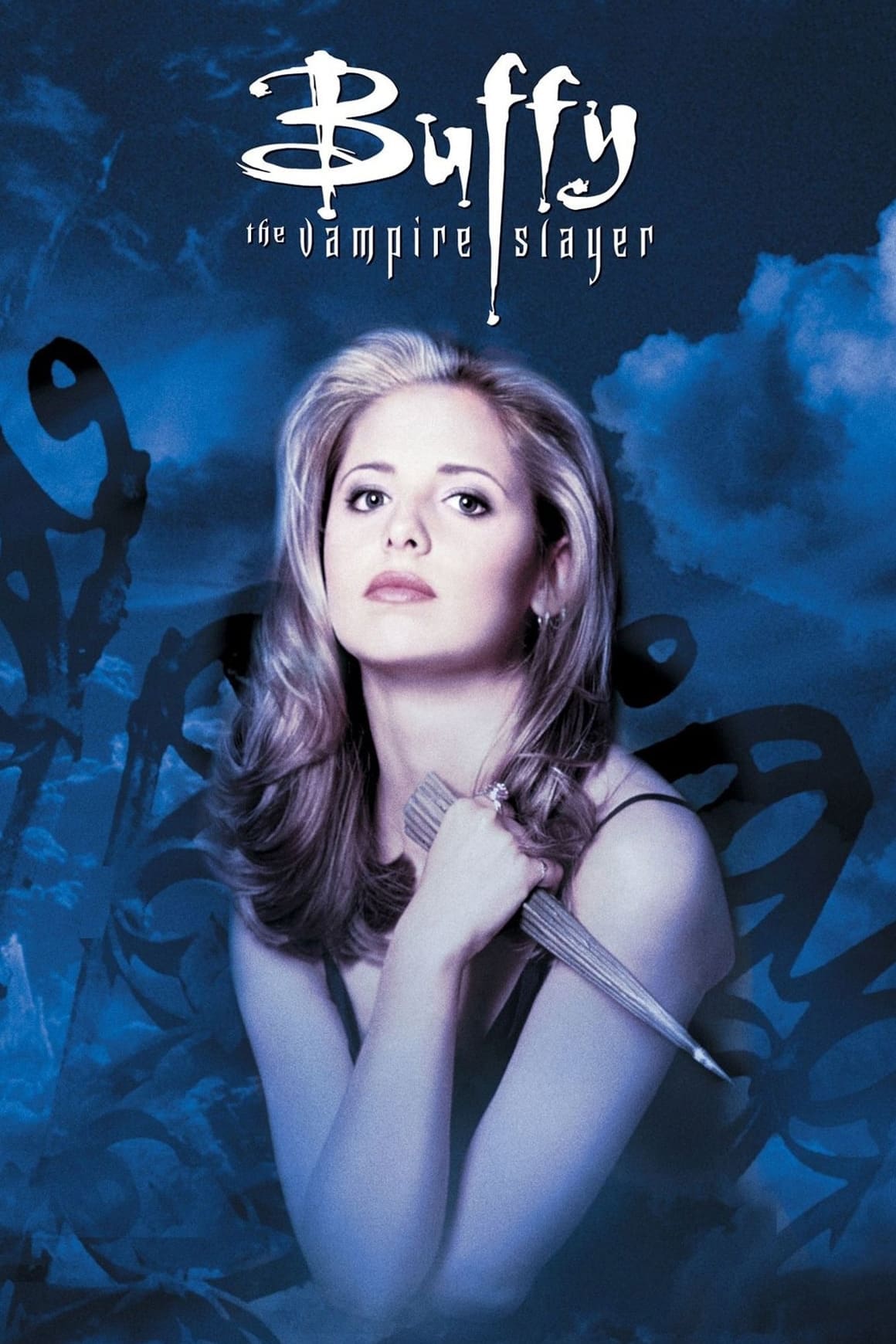
This episode features Buffy gaining the ability to hear people’s thoughts, leading her to believe a student is planning a mass shooting at Sunnydale High. Originally scheduled to air in April 1999, the broadcast was postponed indefinitely following the real-life tragedy at Columbine High School. The network felt the subject matter was too sensitive and potentially traumatizing for viewers in the immediate aftermath of the event. It did not air in the United States until several months later, well after the third season had concluded.
‘Community’ (2009–2015) – “Advanced Dungeons & Dragons”
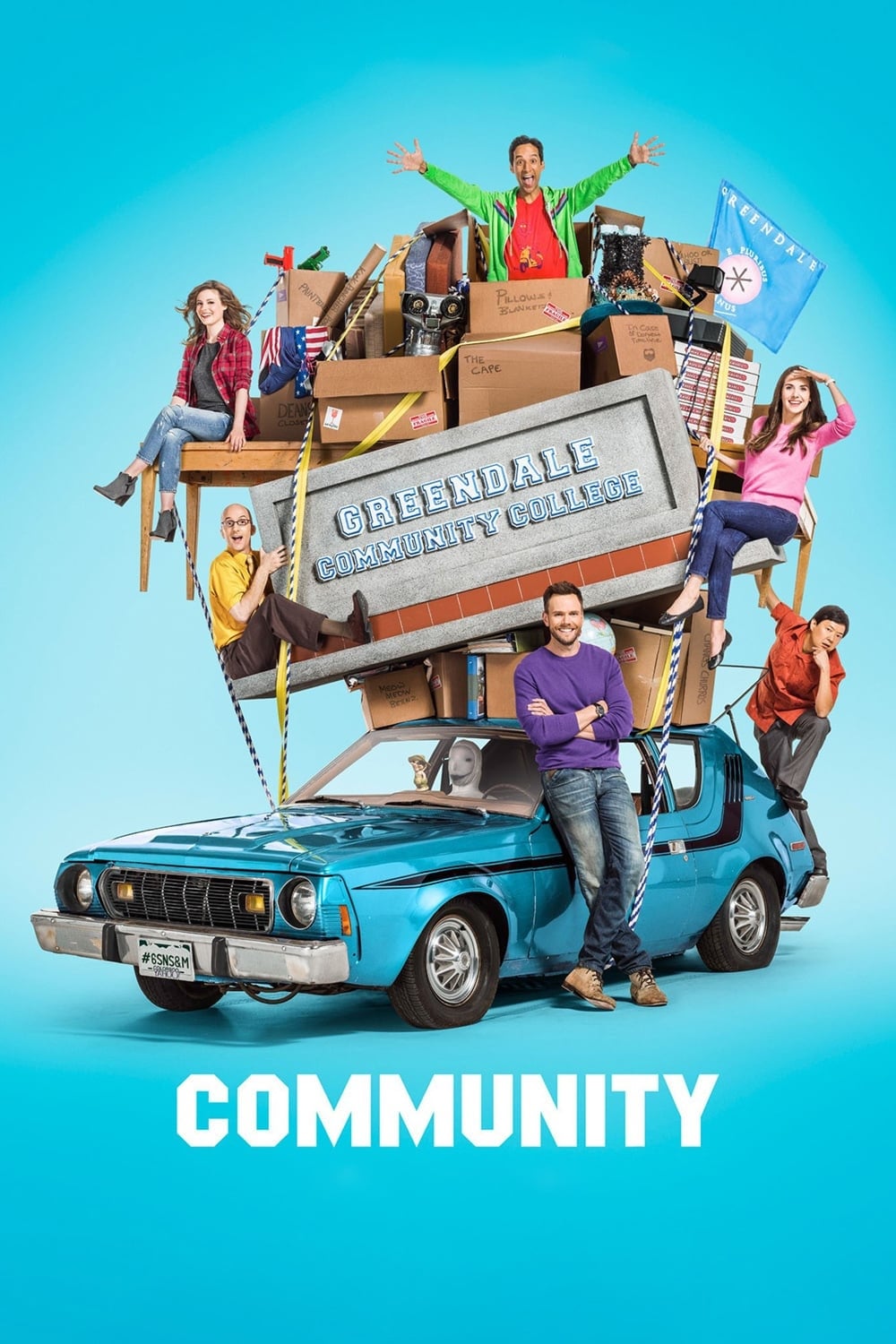
The study group holds a game of Dungeons & Dragons to help a lonely classmate, but the episode became controversial due to Ben Chang’s costume. Actor Ken Jeong appeared in dark makeup and a white wig to portray a “dark elf,” which many viewers and critics identified as blackface. In 2020, during a wave of streaming removals for similar content, Netflix and Hulu pulled the episode from their libraries. Despite being widely regarded as one of the show’s best installments, it remains absent from most major streaming platforms.
‘Cow and Chicken’ (1997–1999) – “Buffalo Gals”
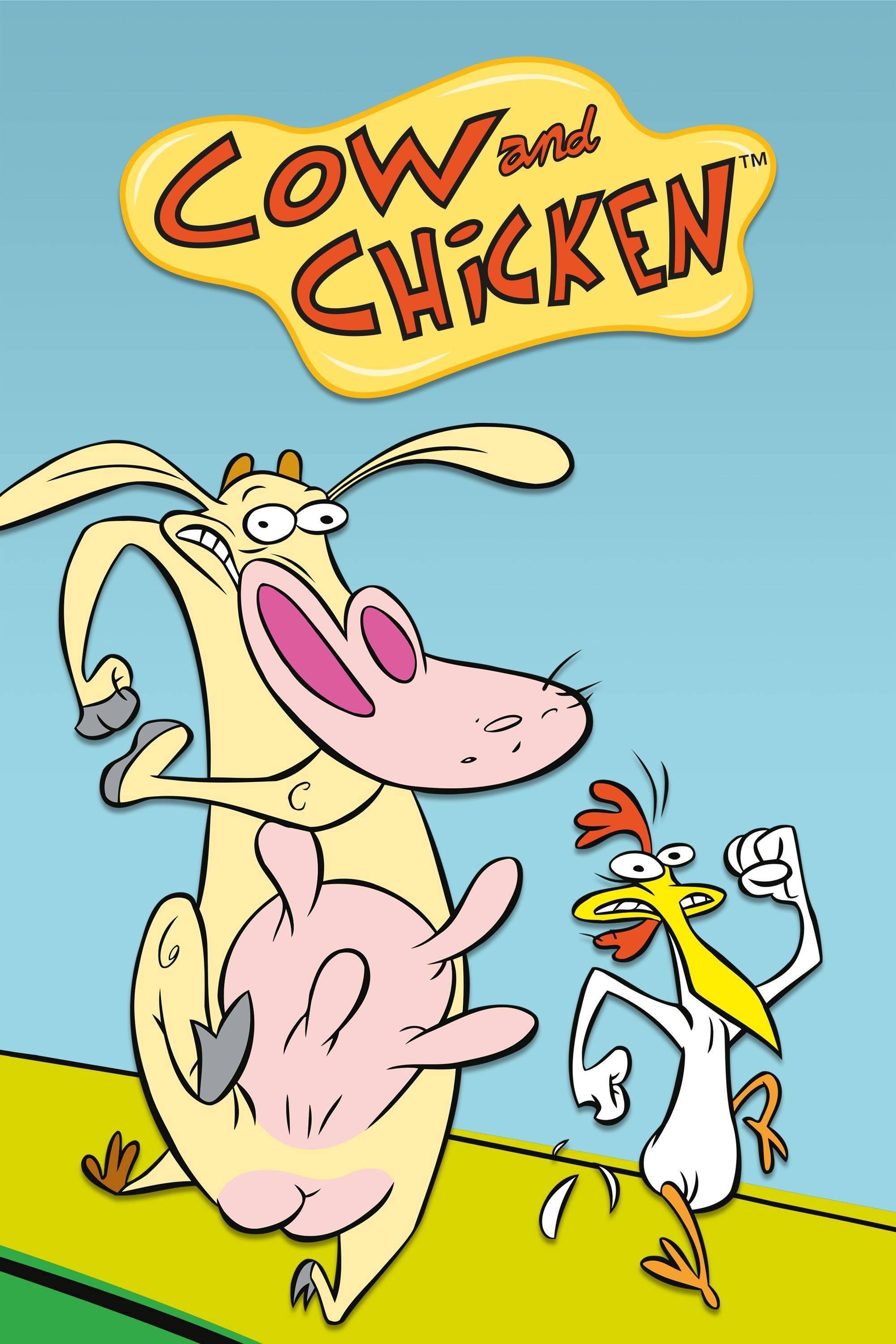
This episode introduces a gang of female bikers who break into homes to “chew the carpet,” a phrase intended as a suggestive double entendre. The characters and their behaviors were criticized for relying on crude stereotypes and inappropriate sexual innuendo for a children’s cartoon. After its initial broadcast on Cartoon Network, the episode was banned from future airings and replaced with a different segment in reruns. It is one of the few instances of a 1990s animated show being permanently pulled due to sexual content.
‘Dinosaurs’ (1991–1994) – “A New Leaf”
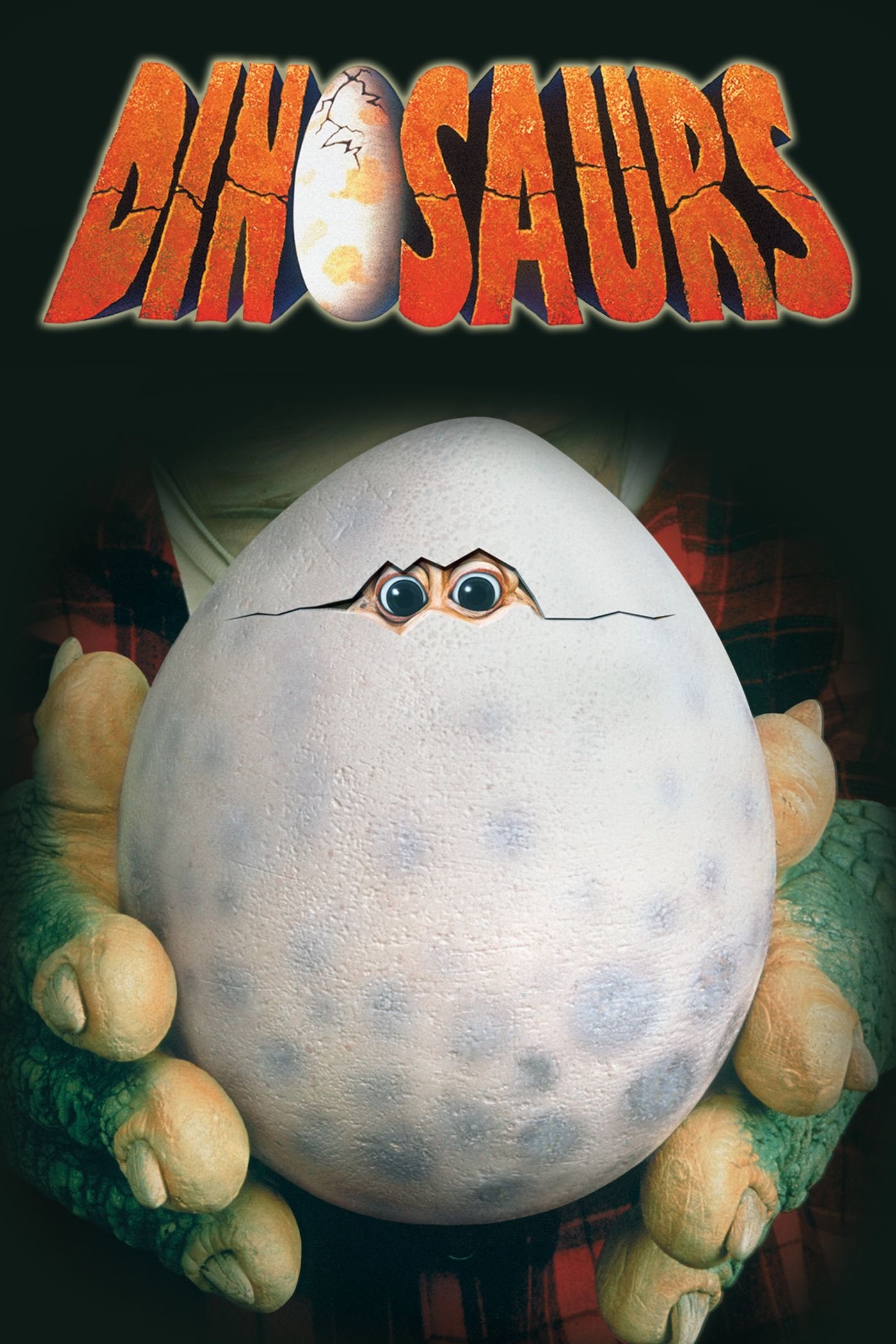
The Sinclair family discovers a mysterious plant that makes everyone who eats it feel happy and relaxed, serving as a clear metaphor for marijuana use. Robbie eventually warns the family about the dangers of the plant after realizing it makes them lazy and indifferent to their problems. Because of the heavy-handed drug parallels, the episode was banned from airing on the Disney Channel during the show’s syndication run. It was considered too mature for the network’s standards despite the show’s status as a family sitcom.
‘Family Guy’ (1999–Present) – “Partial Terms of Endearment”
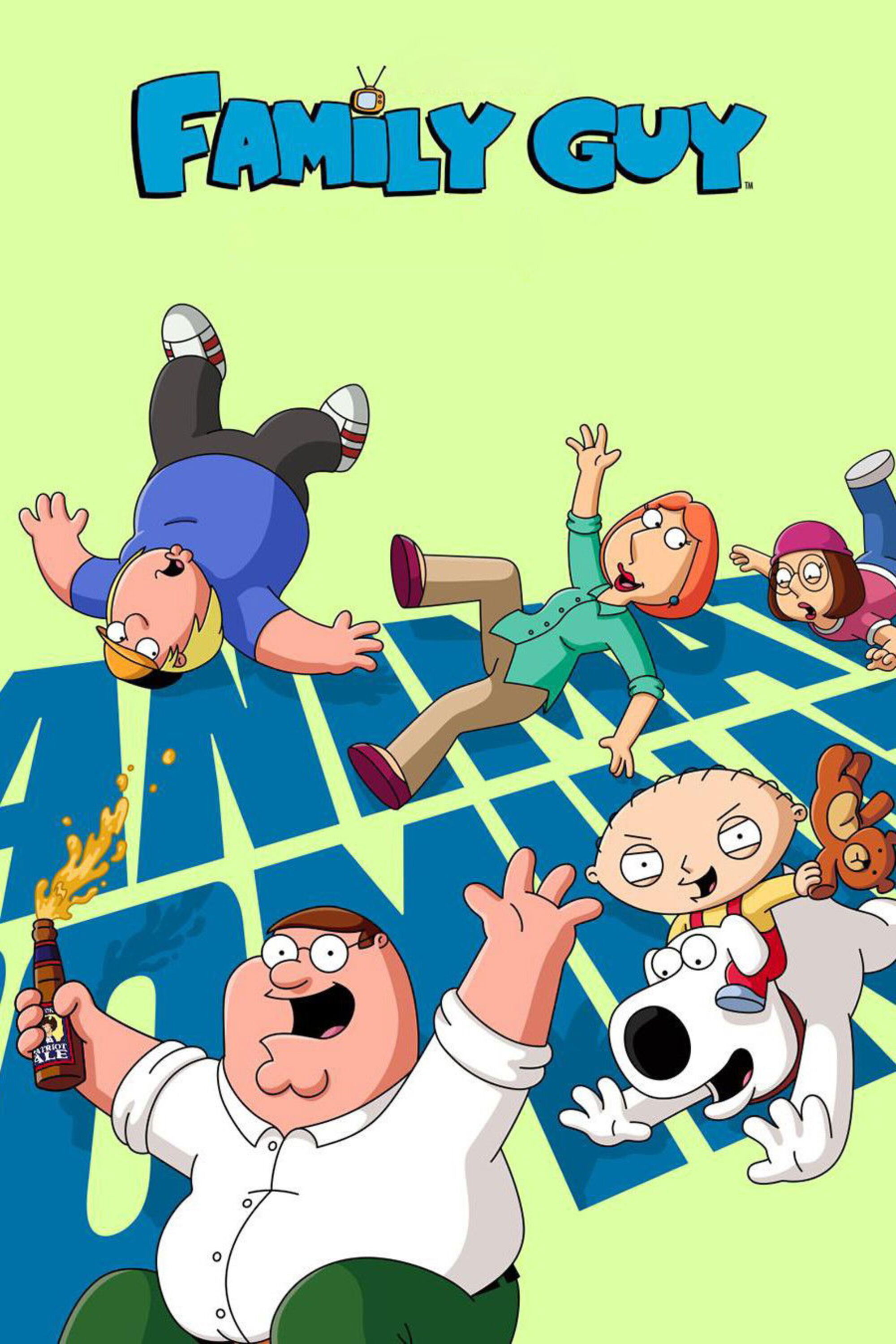
In this season eight episode, Lois Griffin agrees to act as a surrogate mother for a friend, but eventually decides to terminate the pregnancy after the friend dies. Fox refused to air the episode during its original run due to the sensitive nature of the abortion debate. It was eventually released on DVD and aired in other countries, but it remains one of the few episodes of the series never to broadcast on its home network. The creators have since referenced the ban as a badge of honor for the show’s irreverent style.
‘Family Guy’ (1999–Present) – “When You Wish Upon a Weinstein”
The plot follows Peter Griffin seeking a Jewish financial advisor because he believes Jewish people are inherently better with money. Fox executives feared the episode could be perceived as anti-Semitic and pulled it from the season three schedule. It sat on the shelf for years until it finally premiered on Adult Swim and was eventually added to the show’s DVD collections. Despite the initial concerns, the episode is often cited by fans as a satire of stereotypes rather than a promotion of them.
‘Hannibal’ (2013–2015) – “Oeuf”
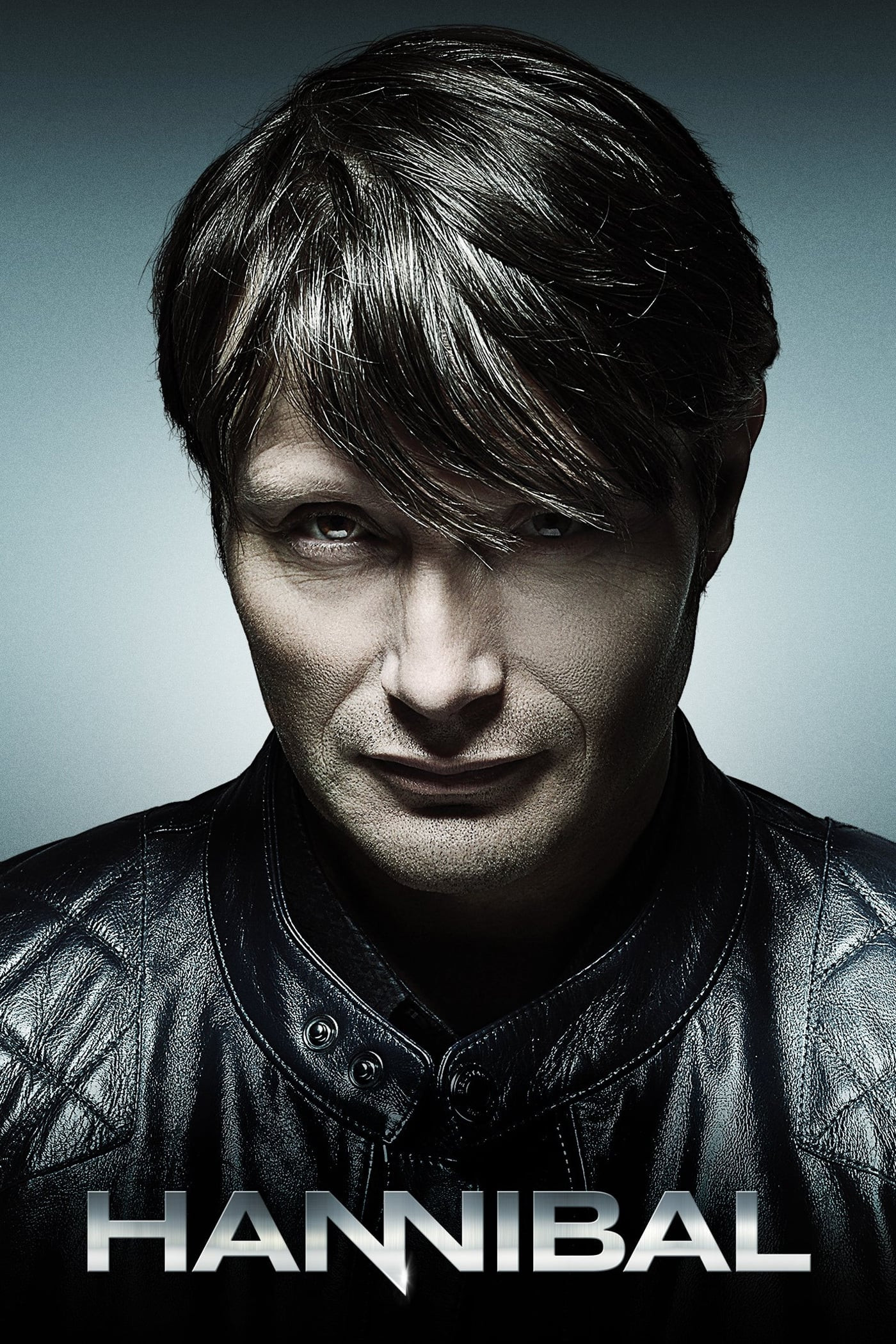
This episode features a storyline where a woman brainwashes children into killing their biological families to create “new” family units. Following the Sandy Hook Elementary School shooting, series creator Bryan Fuller requested that NBC pull the episode from the broadcast schedule. Fuller felt that airing scenes of children committing violent acts would be insensitive given the recent national tragedy. While the episode was released internationally and online, it was never broadcast on network television in the United States.
‘It’s Always Sunny in Philadelphia’ (2005–Present) – “Dee Day”
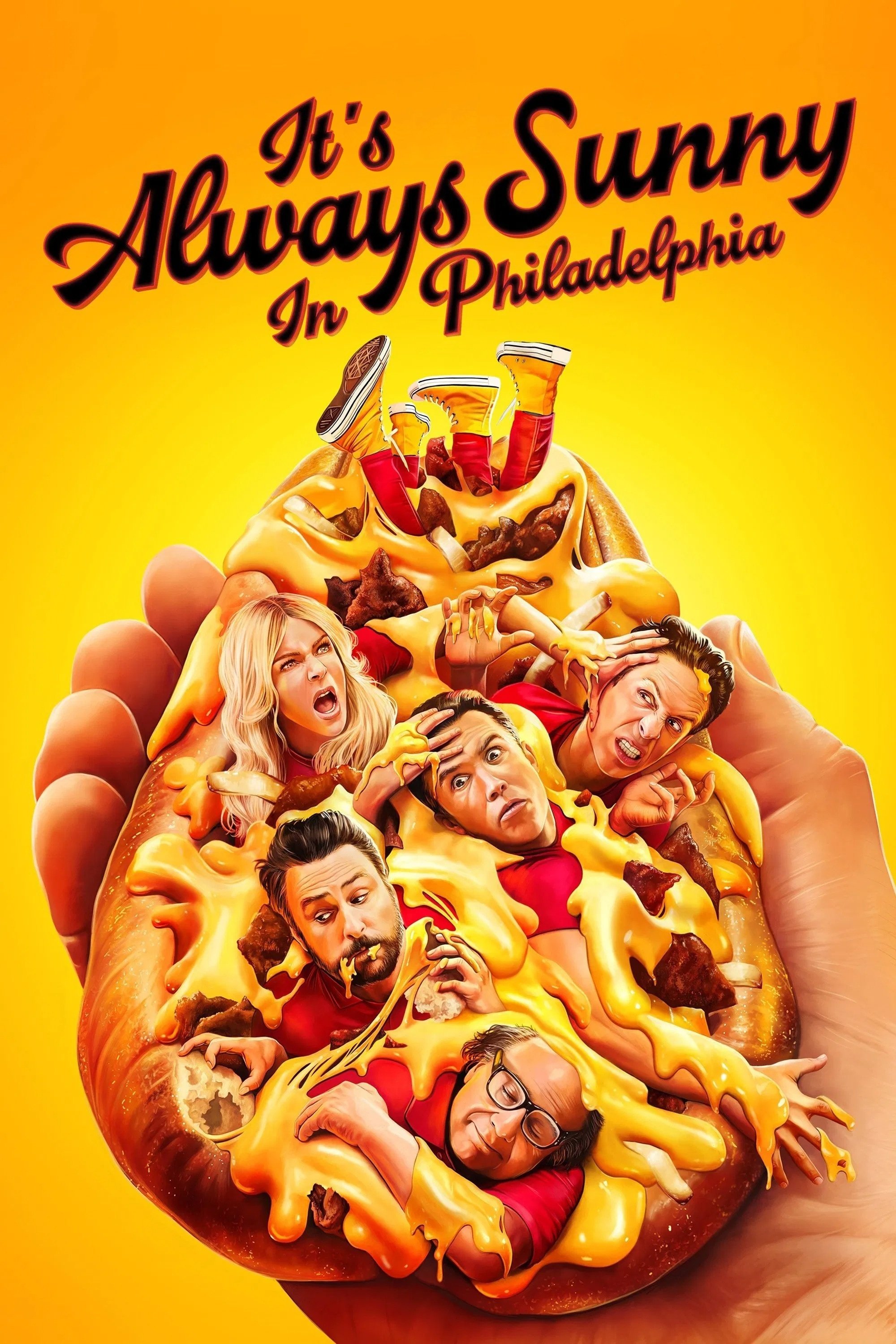
During this episode, the character Dee Reynolds forces the rest of the gang to participate in various racially insensitive characters she has created. This includes scenes where Frank Reynolds wears heavy makeup to portray a character from Dee’s repertoire. In 2020, the episode was scrubbed from Hulu along with several others that featured the use of blackface or brownface. It is currently unavailable to stream on the series’ primary home platform despite being a relatively recent installment.
‘It’s Always Sunny in Philadelphia’ (2005–Present) – “Dee Reynolds: Shaping America’s Youth”
The gang attempts to teach a high school class, leading to a discussion about the use of blackface in cinema. Mac and Dee eventually film a sequence for ‘Lethal Weapon 5’ where Mac appears in blackface to play the character of Roger Murtaugh. This episode was among the first to be removed from streaming services during a 2020 audit of offensive content in comedy series. The creators have since addressed the removals, noting the difficulty of balancing satire with potentially harmful imagery.
‘It’s Always Sunny in Philadelphia’ (2005–Present) – “The Gang Makes Lethal Weapon 6”
Building on a previous storyline, the characters produce a full-length amateur sequel to the ‘Lethal Weapon’ franchise. The episode features multiple instances of the main cast using blackface to portray various characters from the film series. Like other episodes featuring similar content, it was pulled from Hulu and other digital platforms in 2020. The removal was part of a broader industry-wide response to the use of racial caricatures in television history.
‘Married… with Children’ (1987–1997) – “I’ll See You in Court”

In this episode, Al and Peggy Bundy discover they were being secretly recorded during a stay at a motel. The episode was pulled from the original broadcast schedule after a campaign by activist Terry Rakolta against the show’s “lewd” content gained national attention. It remained unaired in the United States for over a decade, finally premiering in 2002 on the FX network. By the time it aired, the controversial content was considered relatively mild compared to contemporary sitcoms.
‘Mister Rogers’ Neighborhood’ (1968–2001) – “Conflict”
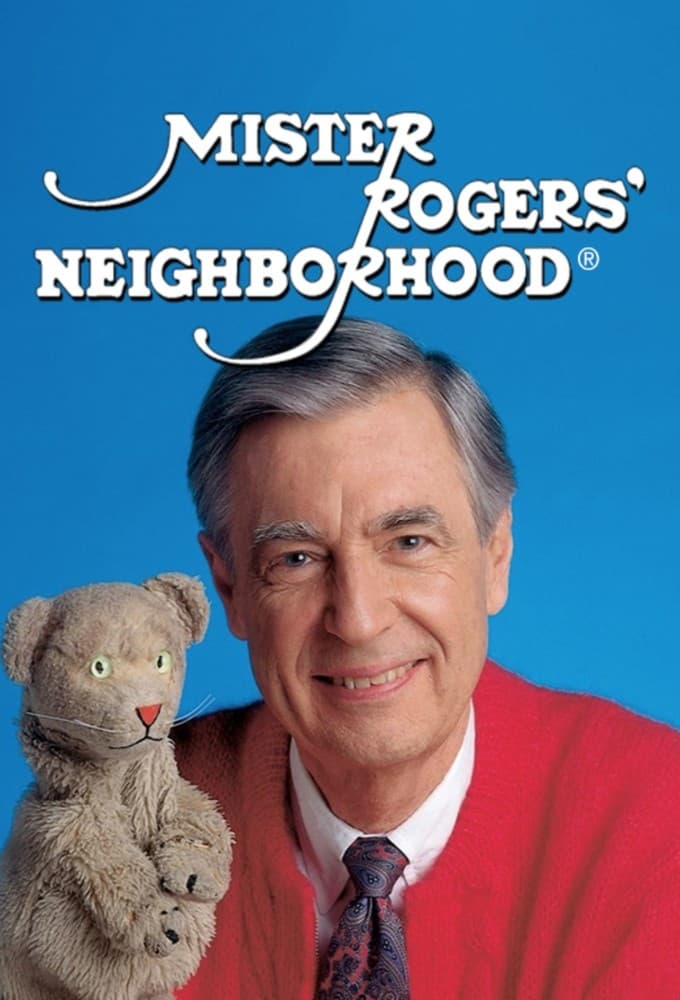
This five-episode story arc from 1983 addresses the fear of war and the potential use of bombs within the Neighborhood of Make-Believe. King Friday becomes convinced that a neighboring kingdom is building bombs, leading to a period of paranoia and military buildup. While intended to help children process the anxieties of the Cold War, the episodes were eventually pulled from the rotation of reruns. They were deemed too frightening and politically heavy for the show’s intended audience of very young children.
‘Peppa Pig’ (2004–Present) – “Mister Skinnylegs”
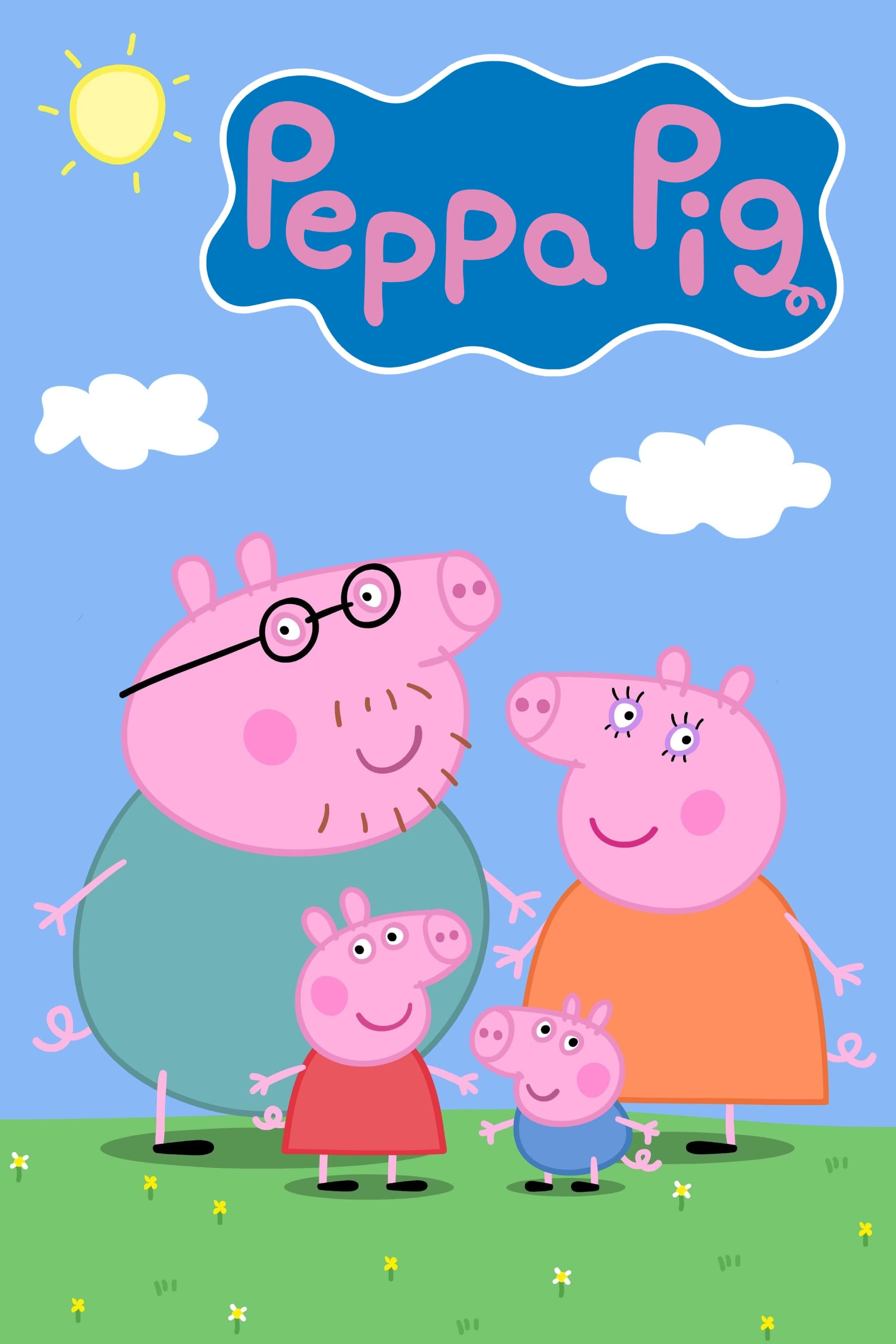
The episode features Peppa and her brother George befriending a spider to learn that the creatures are “very small” and “cannot hurt you.” While harmless in its native United Kingdom, the episode was banned from broadcast in Australia by the ABC. In Australia, many common spiders are highly venomous and potentially lethal, making the episode’s message dangerous for local children. The network determined that encouraging kids to play with spiders posed a significant safety risk.
‘Pokémon’ (1997–Present) – “Beauty and the Beach”
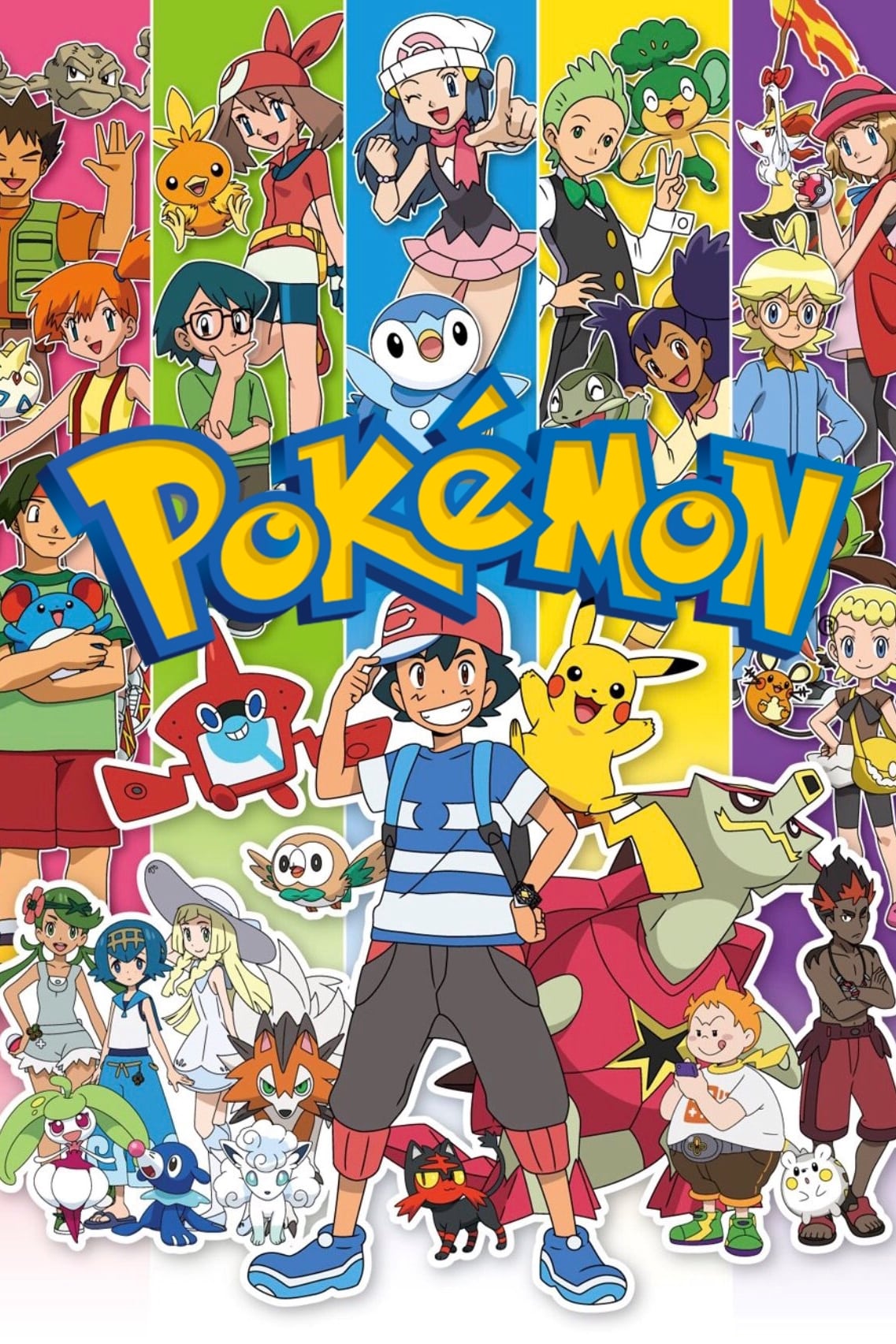
This episode features a beauty contest where the character James from Team Rocket wears an inflatable bodysuit to give himself large breasts. The scene was intended for comedic effect in Japan but was deemed highly inappropriate for children’s television in the United States. The episode was initially skipped entirely during the English dub’s first run. A heavily edited version later aired on Kids’ WB, but the original footage remains banned and excluded from official Western releases.
‘Pokémon’ (1997–Present) – “Dennō Senshi Porygon”
Often referred to as “Electric Soldier Porygon,” this episode is infamous for causing a mass medical event in Japan. A scene featuring rapid red and blue strobing lights triggered seizures, headaches, and nausea in hundreds of children across the country. The incident, known as the “Pokémon Shock,” led to the episode being permanently banned worldwide. It has never been broadcast again in any country and is credited with changing global animation safety standards regarding flashing lights.
‘Pokémon’ (1997–Present) – “The Legend of Dratini”
In this episode, a safari zone warden repeatedly points a gun at Ash Ketchum and his friends while threatening them. The excessive and realistic use of firearms was considered too violent for the show’s target audience in the United States. As a result, the episode was banned from the English dub, causing a significant continuity error for Western fans. Because Ash catches thirty Tauros during this episode, viewers were confused when the Pokémon suddenly appeared in his possession in later chapters.
‘Seinfeld’ (1989–1998) – “The Puerto Rican Day”
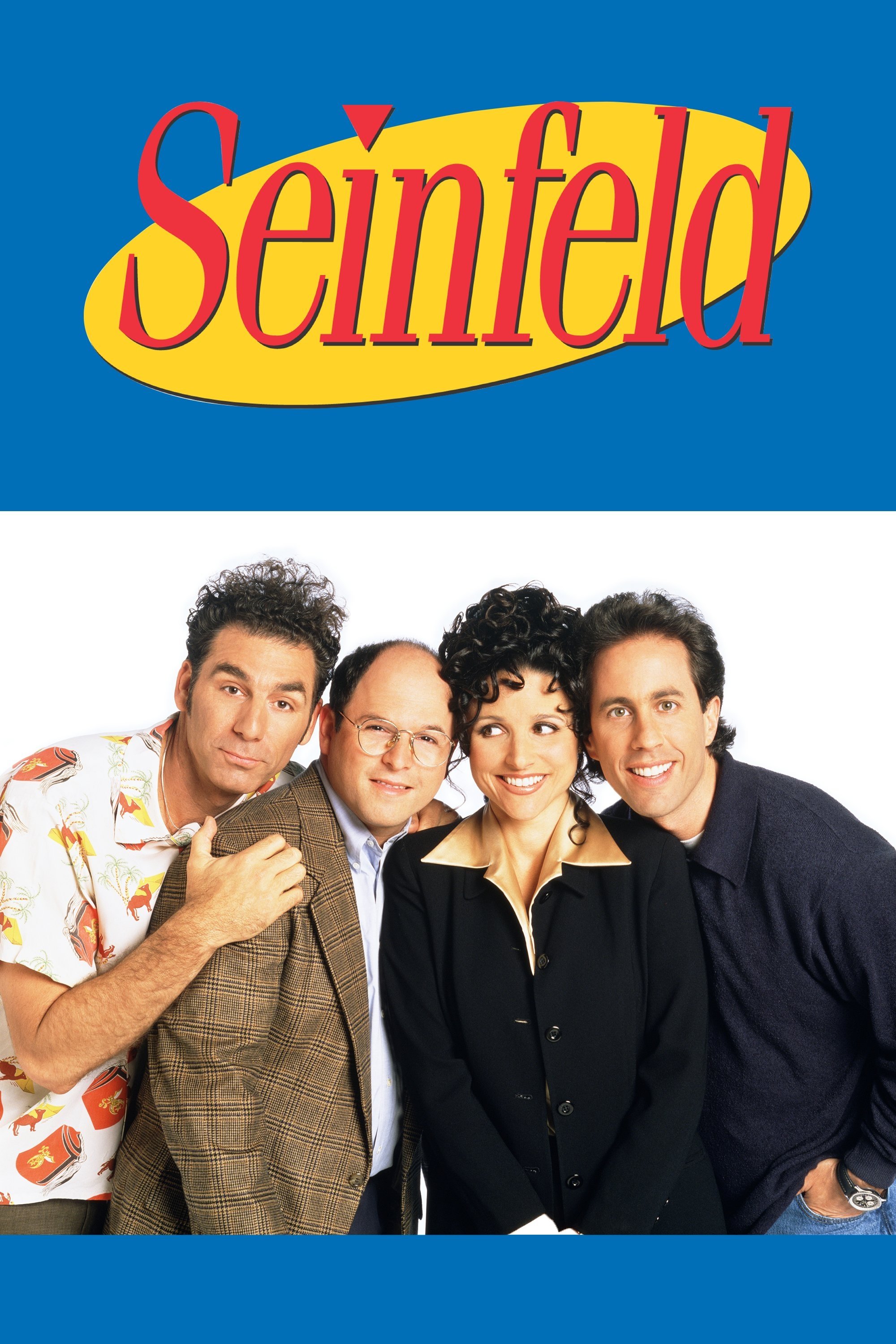
The plot involves the main characters getting stuck in traffic during the annual Puerto Rican Day Parade in New York City. Controversy erupted when Kramer accidentally sets fire to a Puerto Rican flag and then proceeds to stomp on it to put out the flames. Following the original broadcast, NBC received a formal protest from the National Puerto Rican Coalition and subsequently issued an apology. The episode was pulled from syndication for several years before eventually returning to the air with some edits.
‘Sesame Street’ (1969–Present) – “Snuffy’s Parents Get a Divorce”
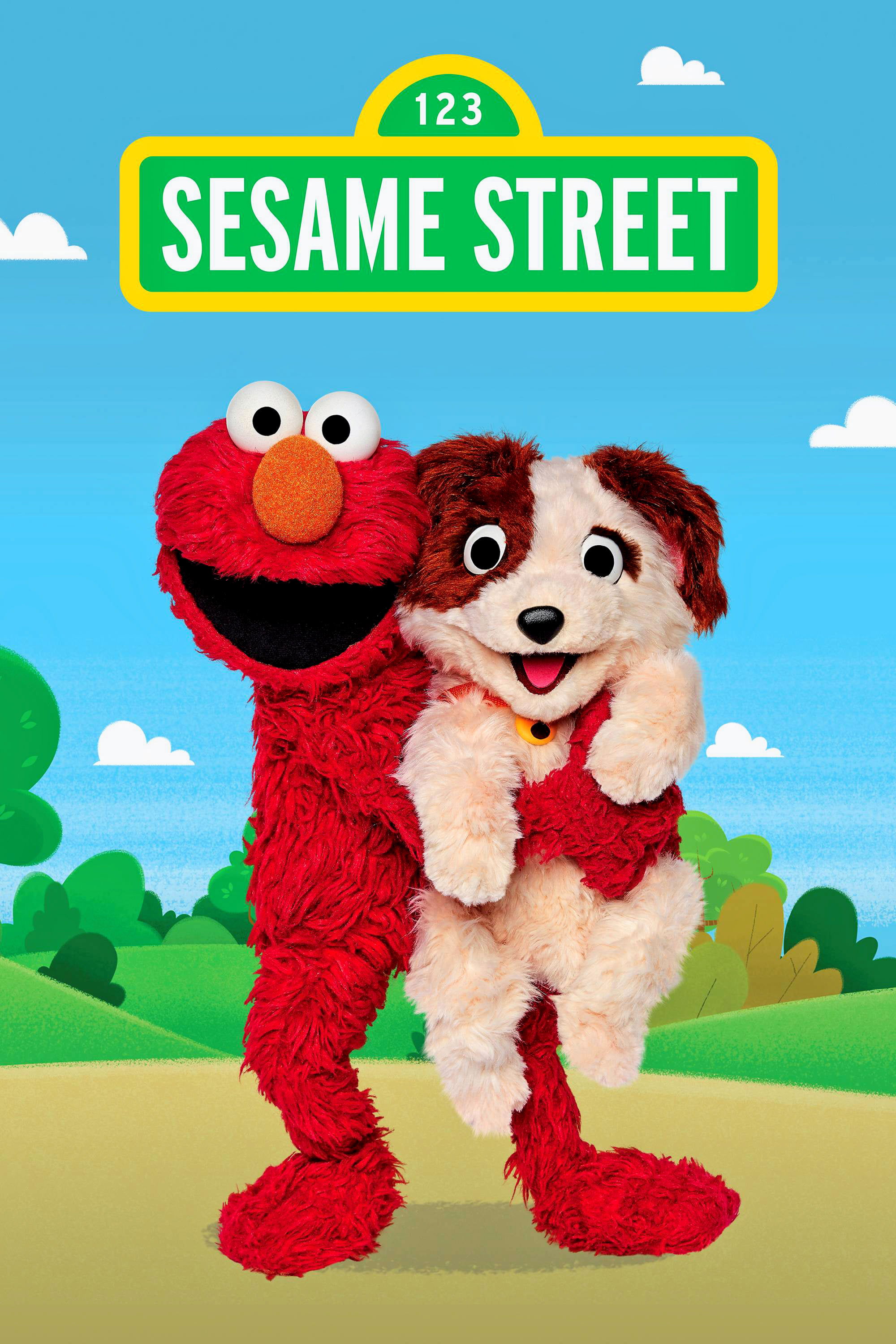
Produced in 1992, this episode was designed to help children understand the concept of divorce through the character of Mr. Snuffleupagus. During test screenings, however, children were found to be deeply distressed by the idea that Snuffy’s parents would no longer live together. Many kids feared their own parents might do the same or that Snuffy was being abandoned. Because the episode failed to meet its educational goals without causing trauma, ‘Sesame Street’ producers decided to never air it.
‘South Park’ (1997–Present) – “200”
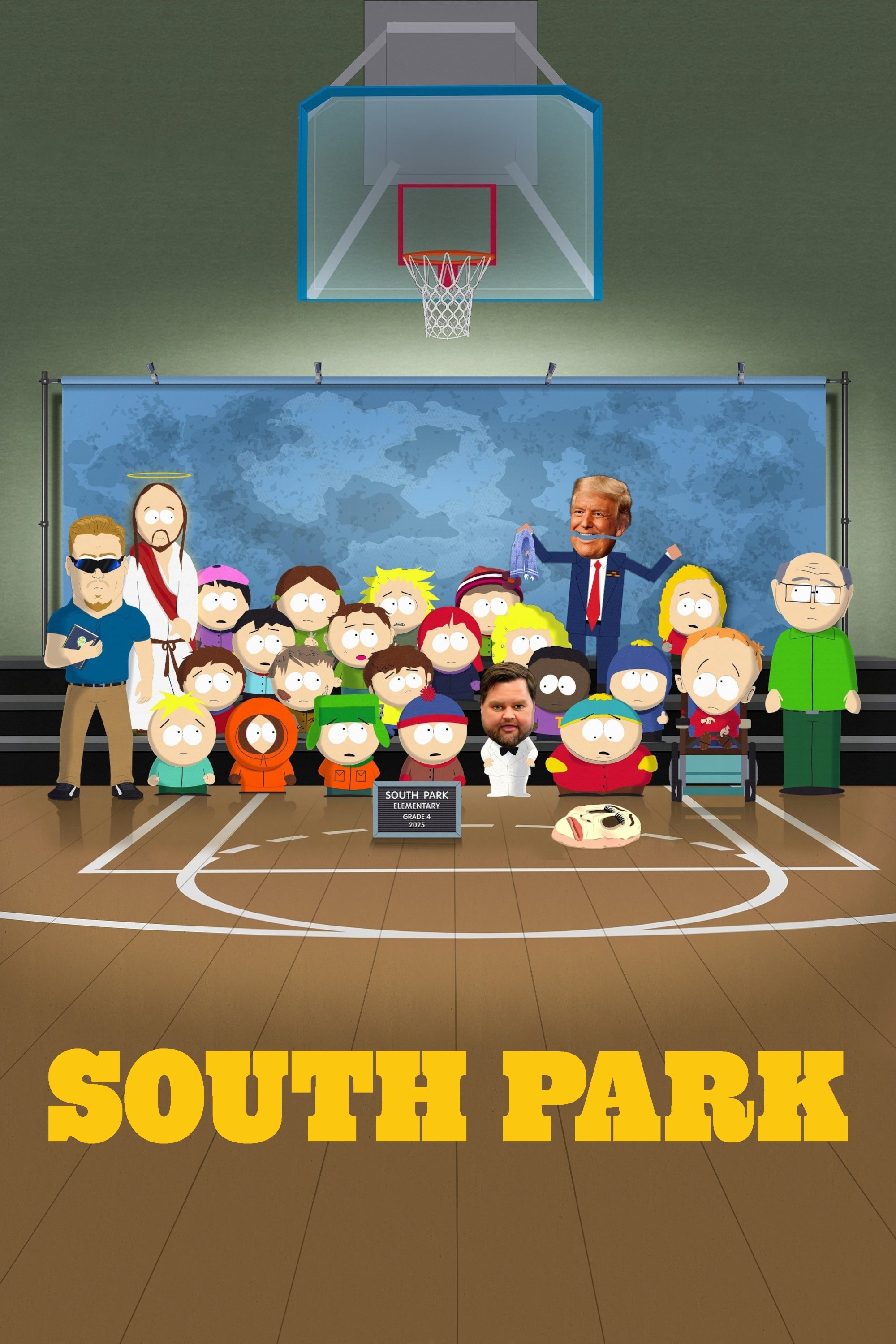
To celebrate the show’s landmark 200th episode, the creators brought back many of the celebrities and characters they had lampooned over the years. The plot centers on a group of celebrities demanding to see the Prophet Muhammad to steal his “goo,” which supposedly grants immunity from ridicule. Due to a religious prohibition against depicting the Prophet, the episode sparked significant backlash and threats from extremist groups. It was heavily censored during its initial airing and was later pulled from all streaming platforms and future reruns.
‘South Park’ (1997–Present) – “201”
As the conclusion to the previous episode, “201” features a final showdown involving a mecha-Barbra Streisand and a ginger separatist group. The episode was broadcast with every mention of Muhammad’s name and his entire closing speech bleeped out by the network. Comedy Central later removed the episode from circulation entirely following death threats directed at the show’s creators, Trey Parker and Matt Stone. Like its predecessor, “201” remains officially unavailable on streaming services like Max and the ‘South Park’ website.
‘South Park’ (1997–Present) – “Super Best Friends”
This early episode features a team of religious figures, including Jesus, Buddha, and Muhammad, working together as a superhero group. While it aired without incident in 2001, it was pulled from syndication and streaming nearly a decade later following the controversies surrounding episodes “200” and “201.” The creators had previously depicted Muhammad in this episode without any censorship or backlash. However, the shifting political climate and security concerns eventually led the network to scrub the episode from its library.
‘SpongeBob SquarePants’ (1999–Present) – “Kwarantined Krab”
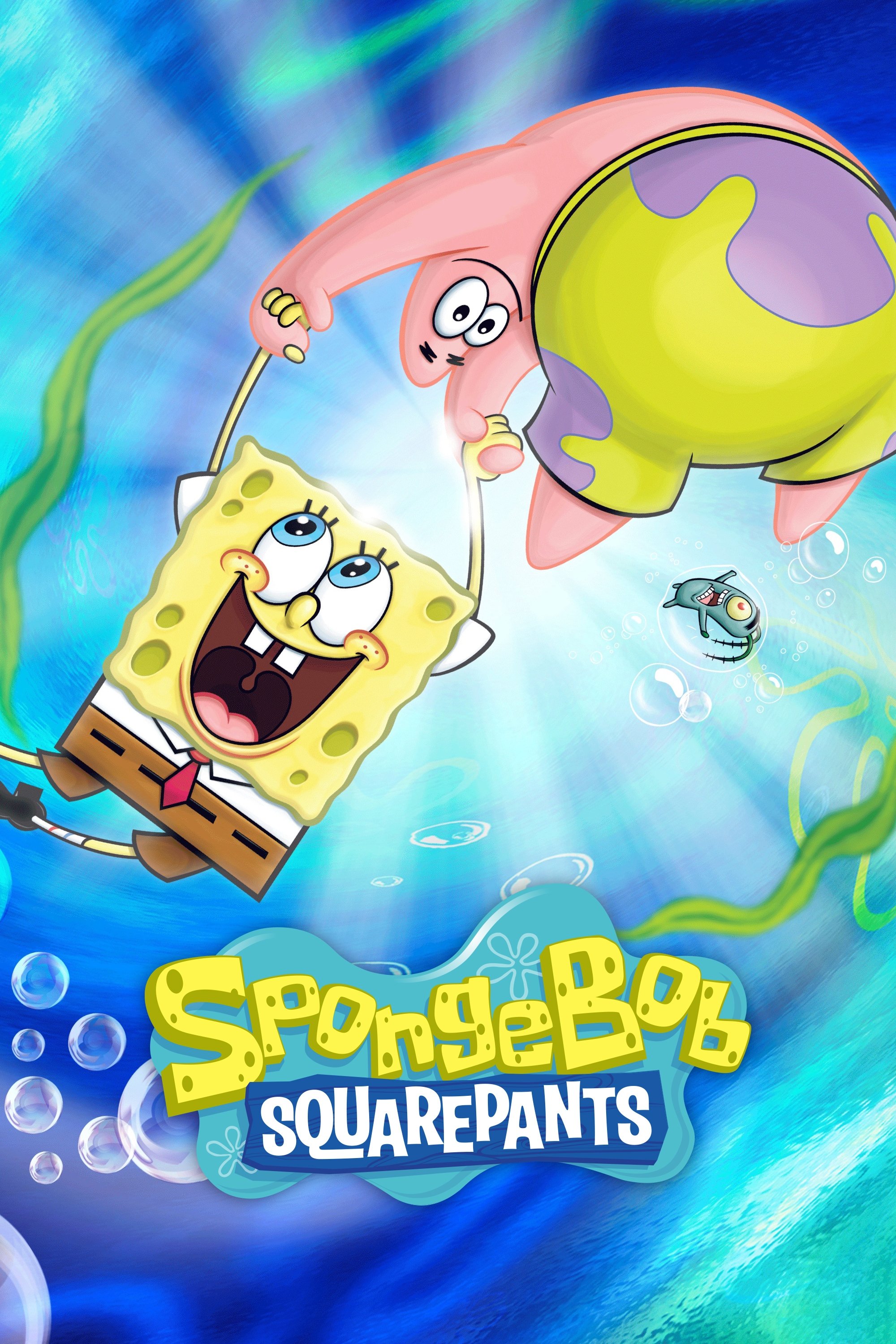
Scheduled to air in 2020, this episode involves a health inspector finding a case of the “Clam Flu” at the Krusty Krab, leading to a forced quarantine. Nickelodeon pulled the episode from the broadcast schedule due to sensitivities surrounding the real-world COVID-19 pandemic. The network felt that a storyline about a viral outbreak and social isolation was inappropriate for children at that time. While it has aired in some international markets, it remains largely excluded from the show’s rotation in the United States.
‘SpongeBob SquarePants’ (1999–Present) – “Mid-Life Crustacean”
In this episode, Mr. Krabs joins SpongeBob and Patrick for a “night on the town” to feel young again, which culminates in a “panty raid.” The trio breaks into a woman’s house to steal her underwear, only to discover they have broken into Mr. Krabs’ mother’s home. In 2018, Nickelodeon removed the episode from its rotation and streaming platforms like Paramount+. A representative for the network stated that the episode’s content was no longer appropriate for a children’s audience.
‘Star Trek’ (1966–1969) – “Patterns of Force”
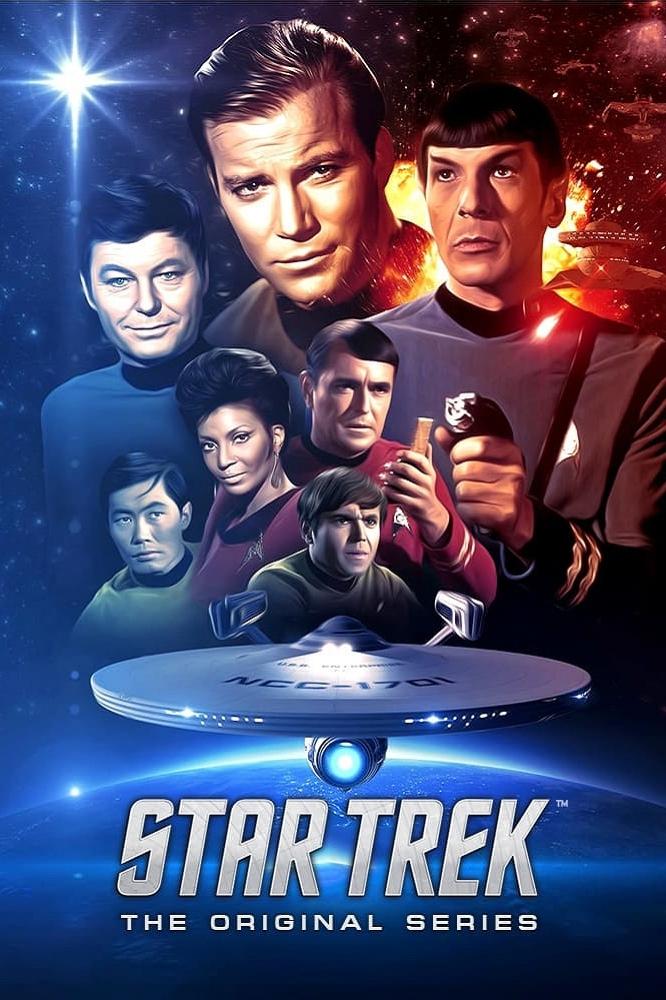
The crew of the Enterprise visits a planet where a Federation observer has recreated a society modeled after Nazi Germany. While the episode was intended to serve as a cautionary tale about the dangers of totalitarianism, it featured extensive use of Nazi uniforms and swastikas. Consequently, the episode was banned in Germany for decades due to strict laws regarding the display of Nazi imagery. It did not air on German television until 1995, and even then, it was broadcast late at night with a mature rating.
‘Star Trek: The Next Generation’ (1987–1994) – “The High Ground”
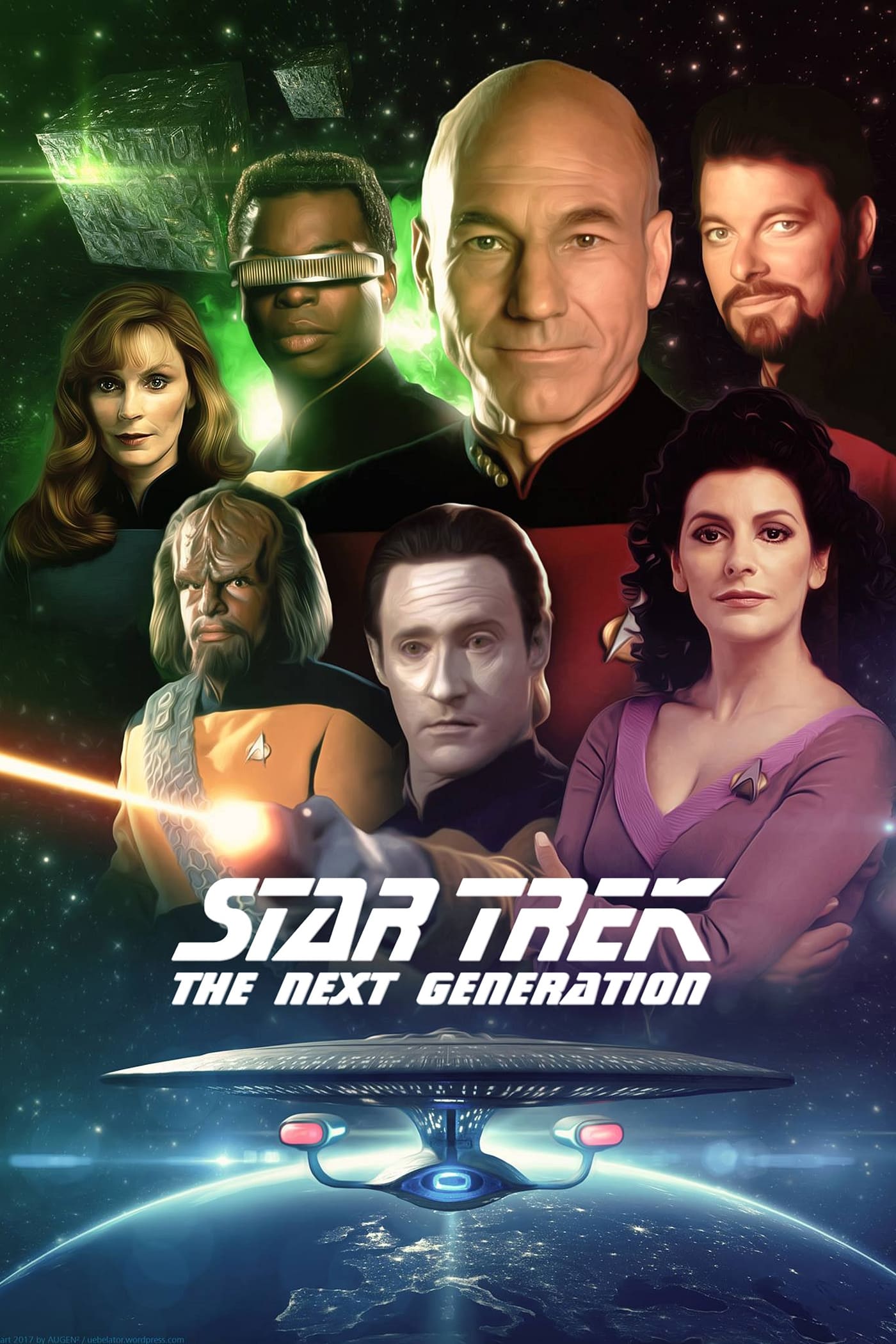
This episode deals with the ethics of terrorism and political struggle when Dr. Beverly Crusher is kidnapped by a separatist group. During a discussion about successful historical revolutions, the character Data mentions the “Irish Unification of 2024” as an example of a successful armed rebellion. This line caused the episode to be banned by the BBC and Irish broadcasters for many years during the period of political conflict known as the Troubles. It was not broadcast unedited in the United Kingdom or Ireland until the mid-2000s.
‘The Golden Girls’ (1985–1992) – “Mixed Blessings”
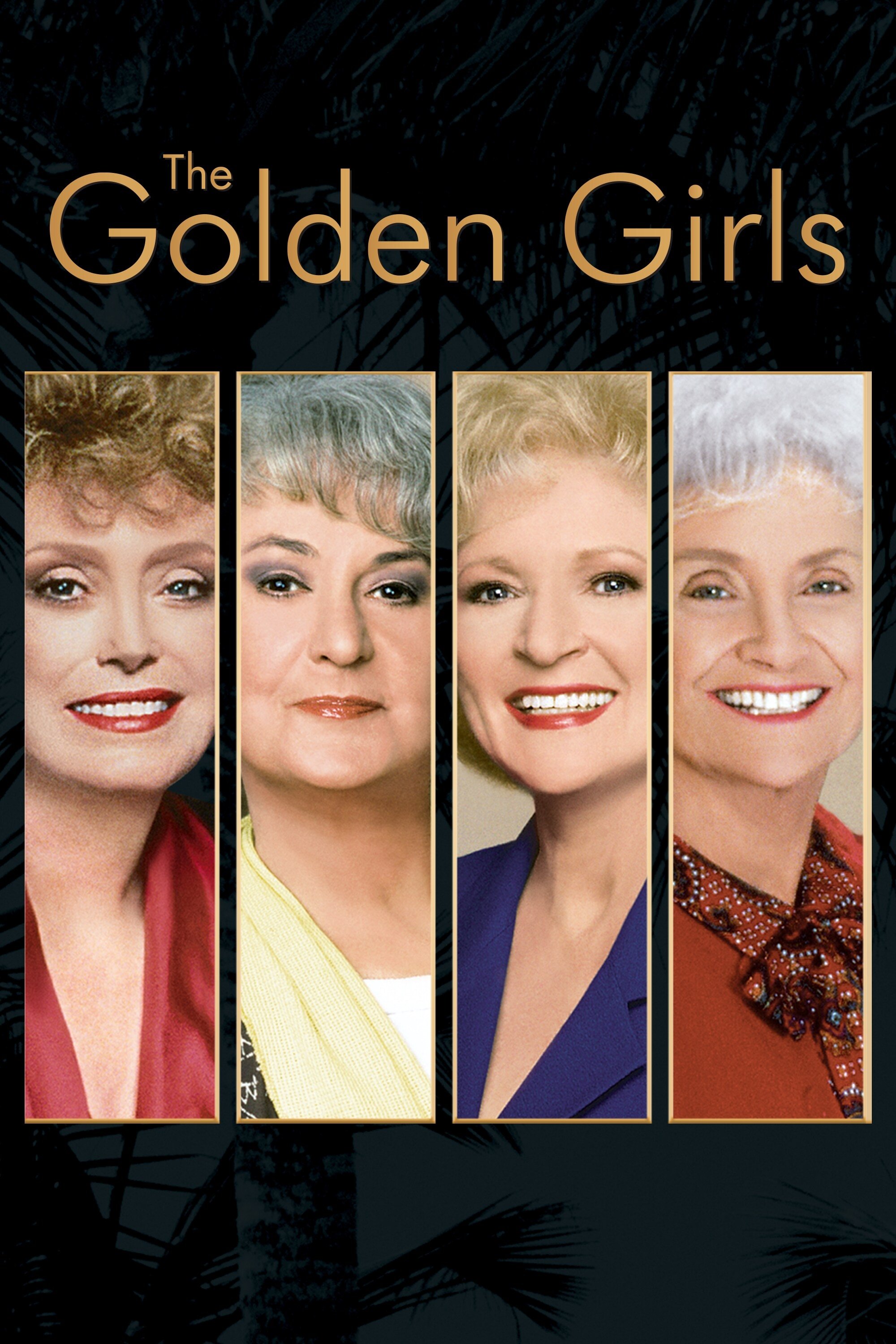
The plot involves Dorothy’s son Michael planning to marry an older Black woman, a situation that causes tension between the families. In one scene, Rose and Blanche appear with mud masks on their faces, which is mistaken for blackface by the visiting family. Hulu pulled the episode from its streaming library in 2020 during a broader review of potentially offensive content. Many fans argued the scene was a misunderstanding within the show’s narrative, but the platform maintained its decision to remove it.
‘The Ren & Stimpy Show’ (1991–1996) – “Man’s Best Friend”
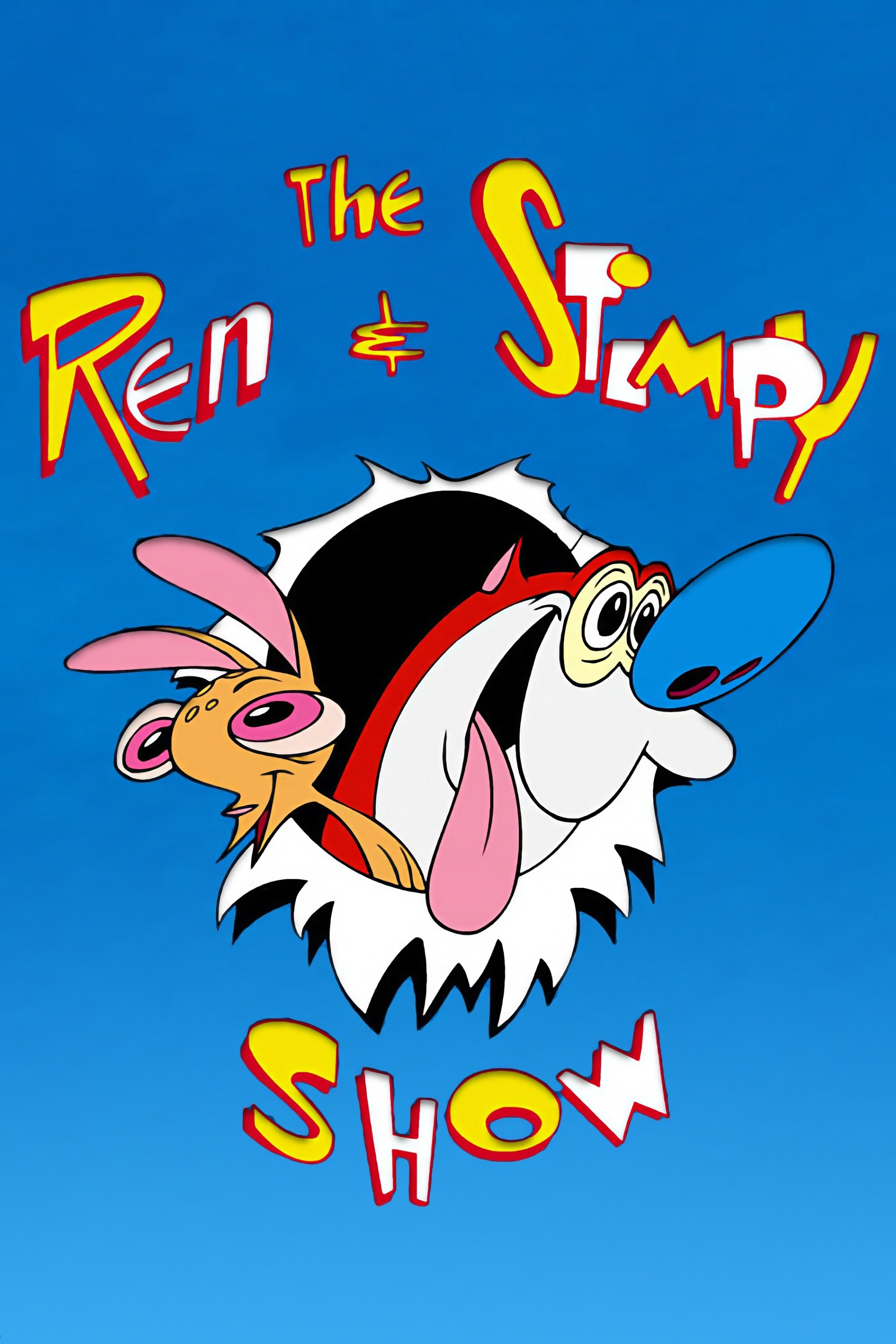
Nickelodeon famously fired creator John Kricfalusi after he produced this episode, which was deemed far too violent for the network. The story features Ren brutally beating a character named George Liquor with an oar in a graphic and prolonged sequence. The network refused to air the episode, and it remained shelved for years until the series was revived for a more adult-oriented run on Spike TV. It is often cited as the breaking point in the relationship between the creator and the studio.
‘The Simpsons’ (1989–Present) – “Stark Raving Dad”
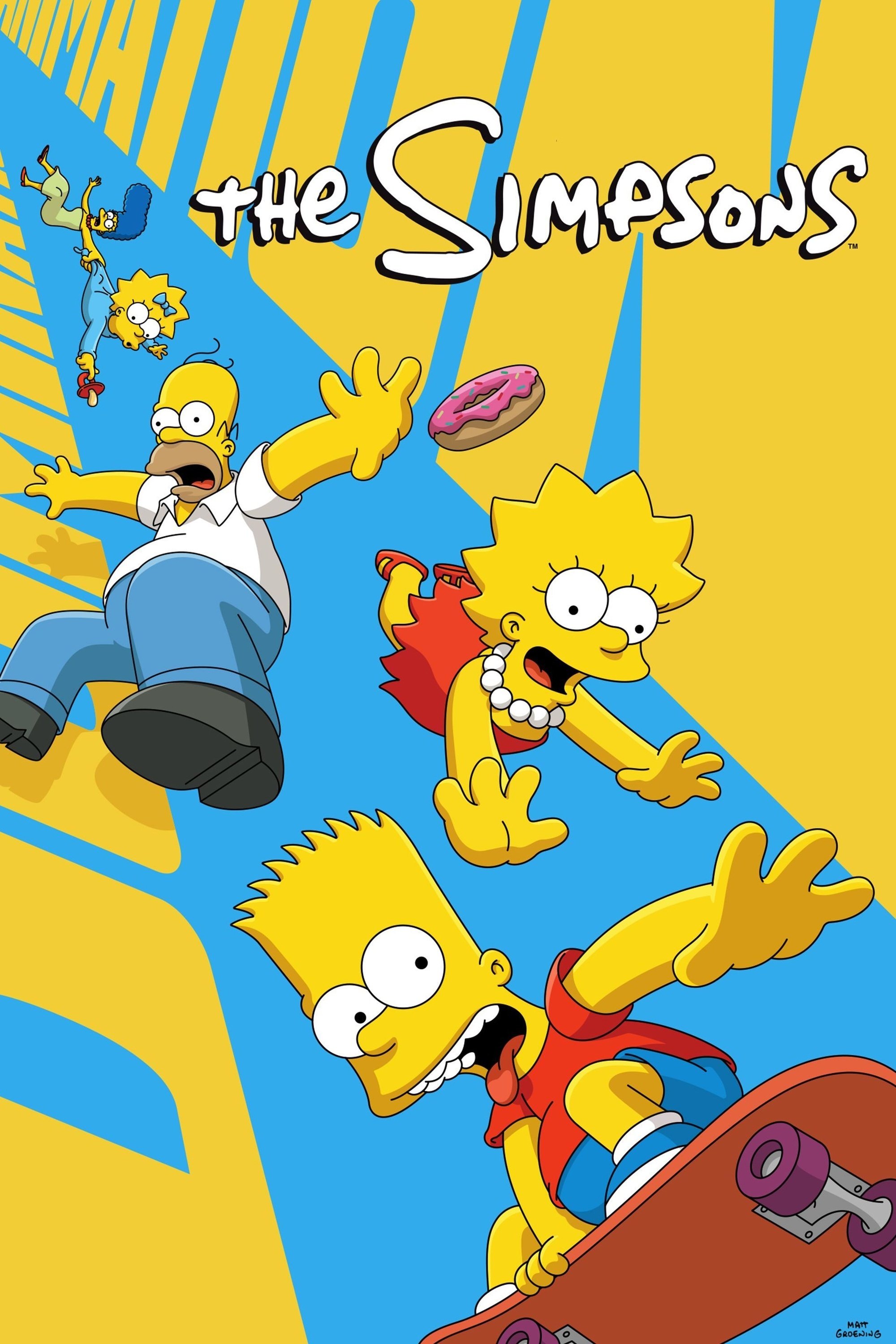
This classic episode features a character named Leon Kompowsky who believes he is Michael Jackson, with Jackson providing the uncredited voice for the role. In 2019, following the release of the documentary ‘Leaving Neverland’, the producers of ‘The Simpsons’ decided to pull the episode from all platforms. The documentary detailed allegations of child sexual abuse against Jackson, leading the showrunners to feel that keeping the episode in rotation was inappropriate. It has since been removed from Disney+, digital stores, and future physical media reprints.
‘The Twilight Zone’ (1959–1964) – “The Encounter”
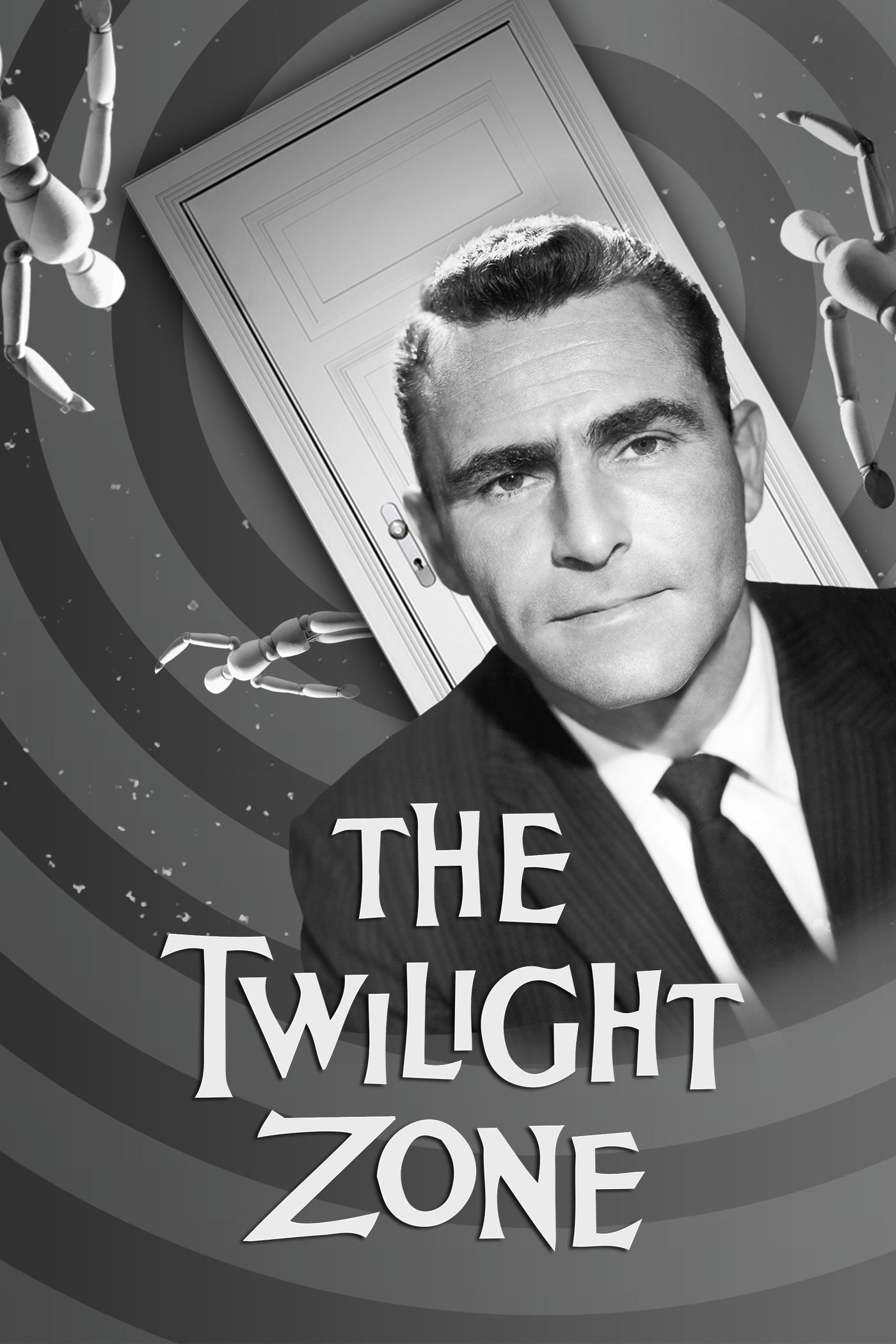
Starring George Takei and Neville Brand, this episode depicts a tense confrontation between a World War II veteran and a young Japanese-American man. The dialogue includes racial slurs and addresses themes of historical guilt and ethnic resentment related to the war. Following its original broadcast in 1964, the episode was pulled from syndication due to complaints from Japanese-American advocacy groups. It remained largely unseen for over fifty years before finally being released on DVD and returning to specialized cable networks.
‘The X-Files’ (1993–2018) – “Home”
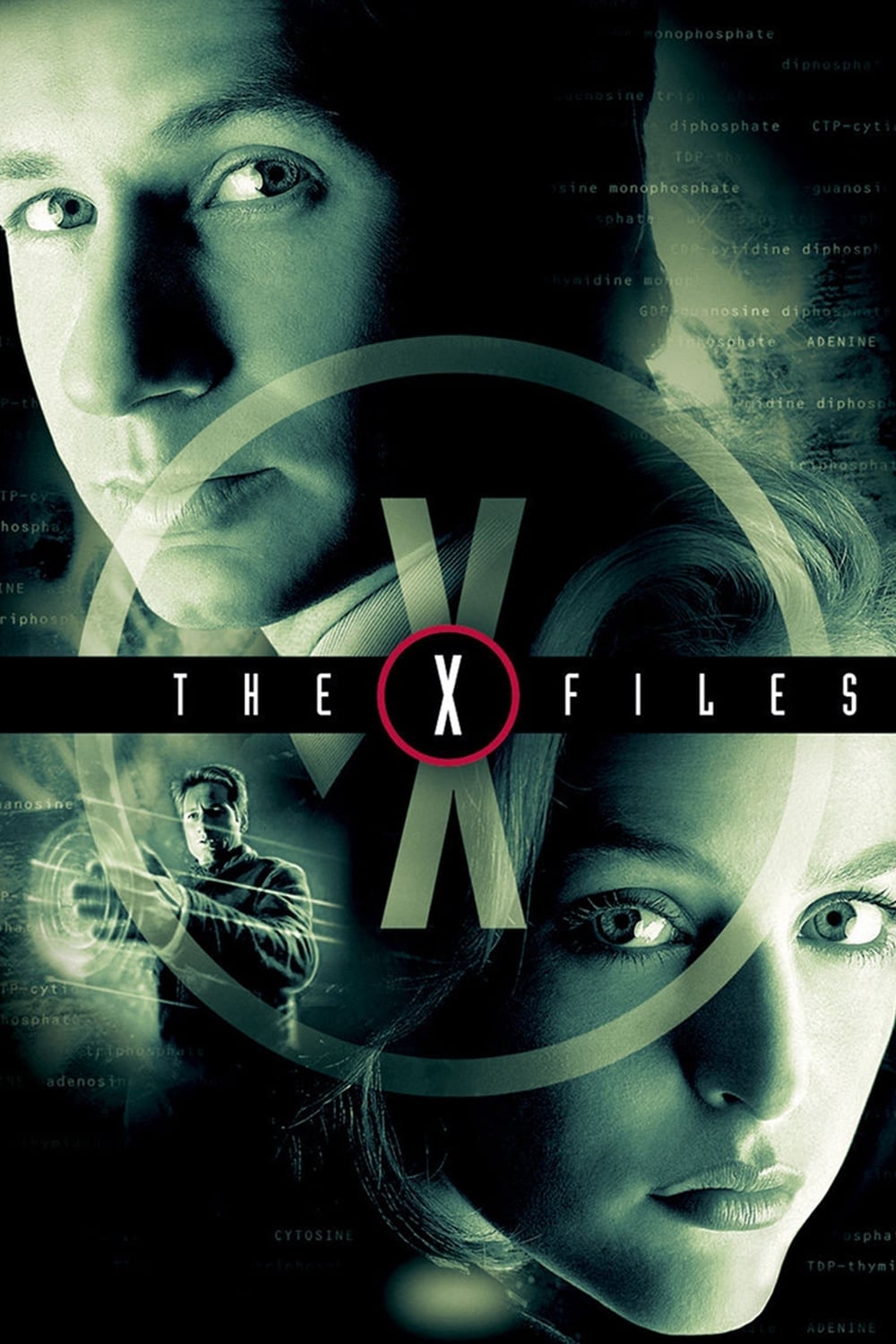
This episode follows Mulder and Scully as they investigate a family of inbred outcasts in a rural Pennsylvania town. Featuring themes of infanticide and graphic violence, it was the first episode of the series to receive a TV-MA rating. After its initial broadcast, Fox executives were so disturbed by the audience’s reaction that they banned the episode from ever being repeated on the network. It eventually found a second life on cable and in home media, where it is now considered one of the series’ most iconic hours.
Which of these controversial television bans surprised you the most, and do you think they were justified? Share your thoughts in the comments.