


5 Things About ‘Kong: Skull Island’ That Made Zero Sense and 5 Things That Made Perfect Sense

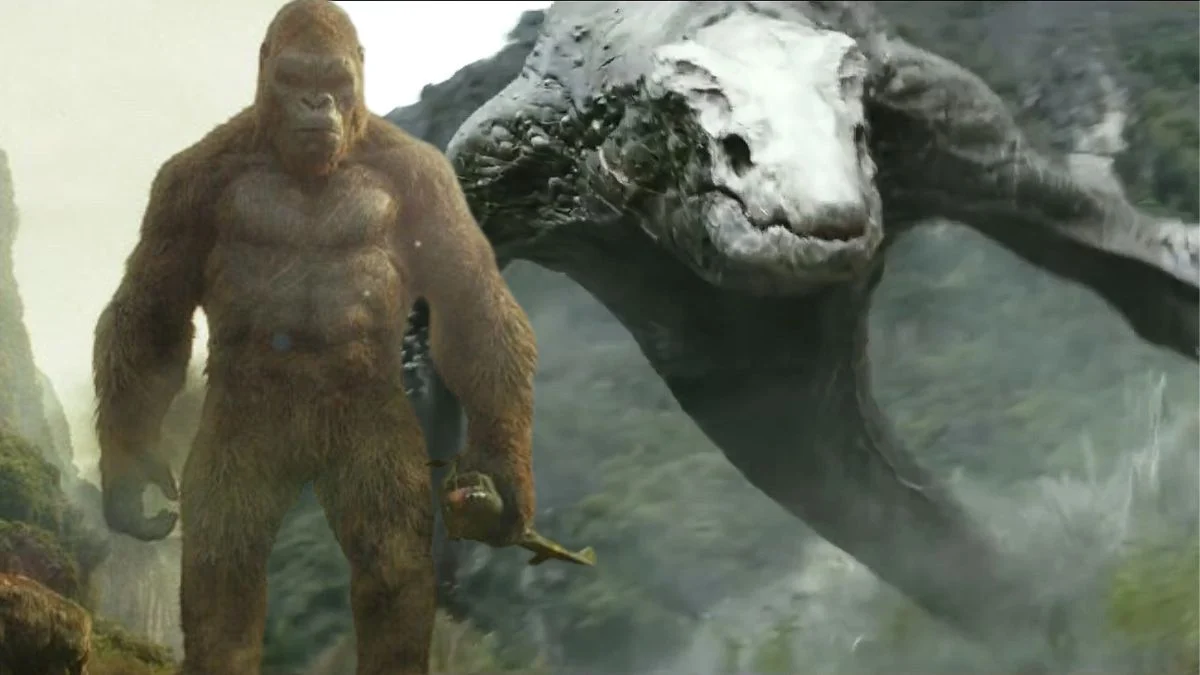


“Kong: Skull Island” (2017) is a monster movie that brings King Kong back to the big screen with action, adventure, and a new take on the iconic creature. It’s set in the 1970s, following a team of explorers and soldiers who venture to a mysterious island and face its dangers, including the massive Kong. While the film delivers stunning visuals and thrills, some parts left audiences scratching their heads, while others felt spot-on.
The movie tries to balance science fiction, monster battles, and human drama, but not everything adds up. Some plot points and character choices seem confusing or unrealistic, even for a monster flick. At the same time, the film nails certain elements, making them believable and exciting. Let’s break down five things that made zero sense and five that made perfect sense.
Monarch’s Plan Makes Zero Sense
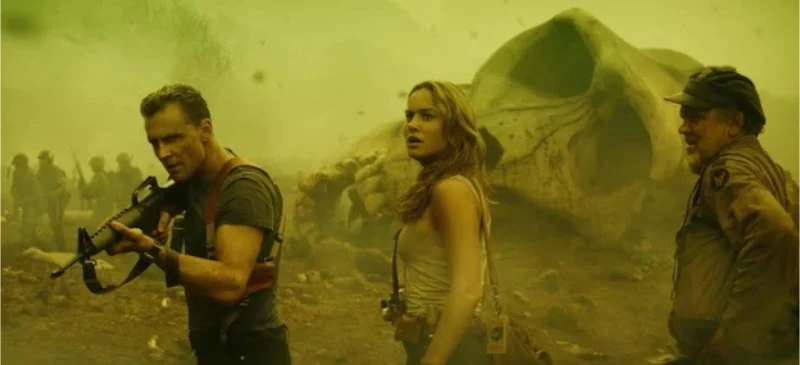
The secret organization Monarch sends a team to Skull Island without clear goals. They know the island is dangerous but don’t prepare for giant creatures like Kong. The team includes scientists, soldiers, and a photographer, but Monarch doesn’t explain why they’re all needed. It feels like they’re sent to die without a real plan.
This lack of preparation is baffling. Monarch has studied mysterious creatures for years, yet they send helicopters into a storm-filled island without proper research or backup. The mission feels rushed, and the movie doesn’t explain why Monarch takes such a risky approach.
Kong’s Size Makes Perfect Sense
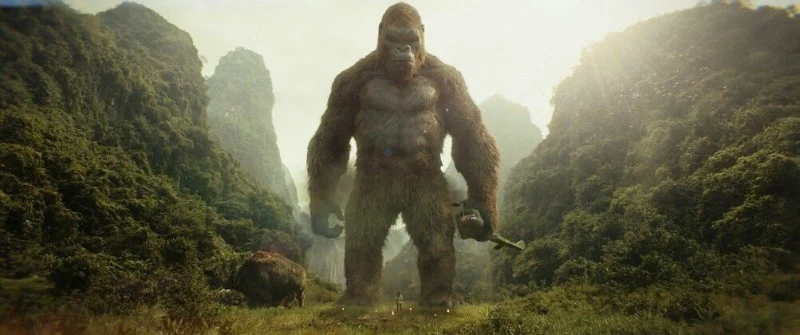
Kong is massive in this film, towering over helicopters and other creatures. His size fits the story’s goal of making him a god-like figure on the island. The filmmakers wanted Kong to feel like a protector and a threat, and his huge scale sells that idea perfectly.
His size also matches the ecosystem of Skull Island. The island has giant creatures, so Kong needs to be big to survive and dominate. The movie shows him fighting off massive monsters, and his scale makes those battles believable and epic.
The Tracker’s Survival Skills Make Zero Sense
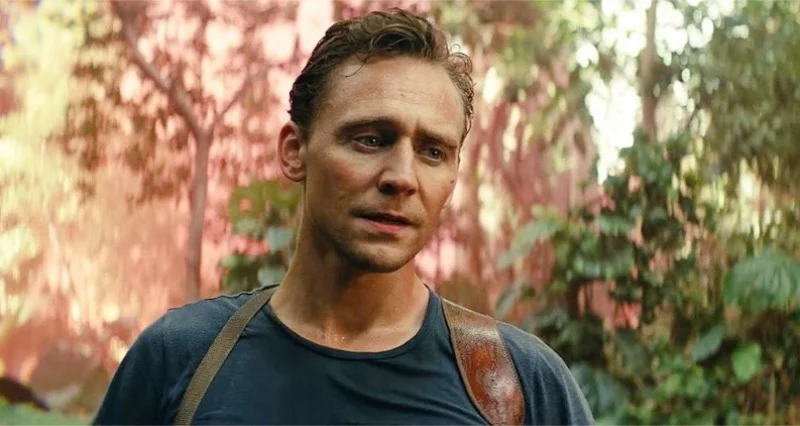
John C. Reilly’s character, a World War II pilot stranded on the island, survives for decades among giant monsters. He’s friendly and quirky, but the film doesn’t show how he avoids being eaten or crushed. His survival feels like a plot convenience rather than a realistic outcome.
He builds a boat, makes a home, and even befriends locals, but the movie skips over how he manages this. With no weapons or training, his ability to live among deadly creatures for so long feels unbelievable and unexplained.
The Island’s Ecosystem Makes Perfect Sense
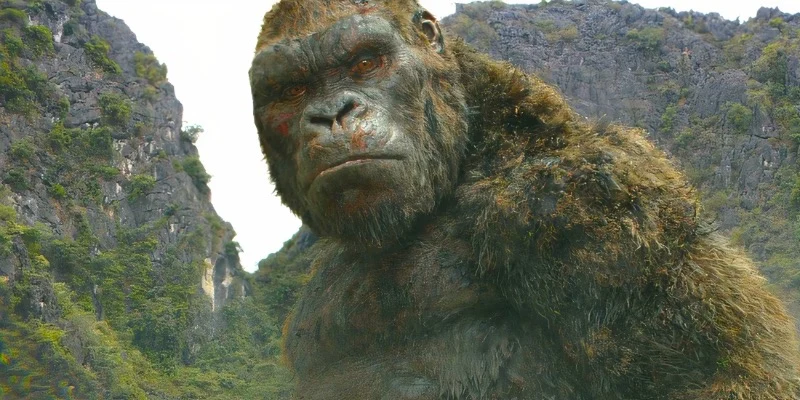
Skull Island is a wild, dangerous place with giant creatures and unique wildlife. The film shows a balanced ecosystem where Kong rules as the apex predator, keeping other monsters in check. This setup makes sense for a hidden island untouched by the modern world.
The creatures, like the Skullcrawlers, fit into the food chain. Smaller animals and plants add depth to the environment. The movie’s attention to the island’s natural order makes it feel like a real, living place, even with its oversized inhabitants.
The Scientists’ Behavior Makes Zero Sense
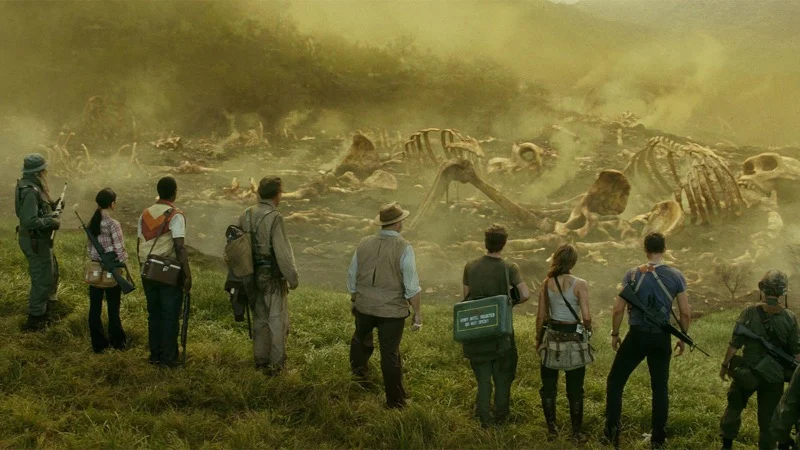
The scientists, like those played by John Goodman and Corey Hawkins, act recklessly. They push to explore the island despite clear dangers, ignoring warnings from soldiers and locals. Their decisions feel driven by plot needs, not logic.
For example, they demand to set up equipment in monster-filled areas without protection. Scientists should prioritize safety and data, but these characters act like thrill-seekers. Their choices lead to disasters that could’ve been avoided with basic caution.
The 1970s Setting Makes Perfect Sense
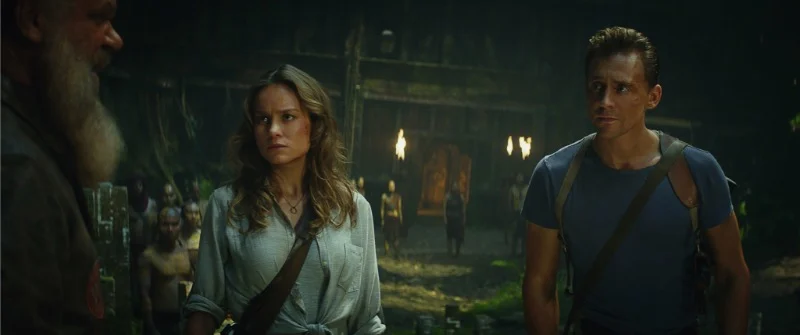
The film’s 1970s backdrop, with its Vietnam War-era vibe, fits the story perfectly. The time period adds tension, as the characters are war-weary soldiers and civilians caught in a new conflict. The era’s technology, like helicopters and radios, feels authentic and limits their ability to escape easily.
The music, fashion, and attitudes of the time also enhance the film’s tone. Classic rock tracks and retro gear give the movie a distinct style. The setting grounds the fantastical elements in a believable historical context.
The Photographer’s Role Makes Zero Sense
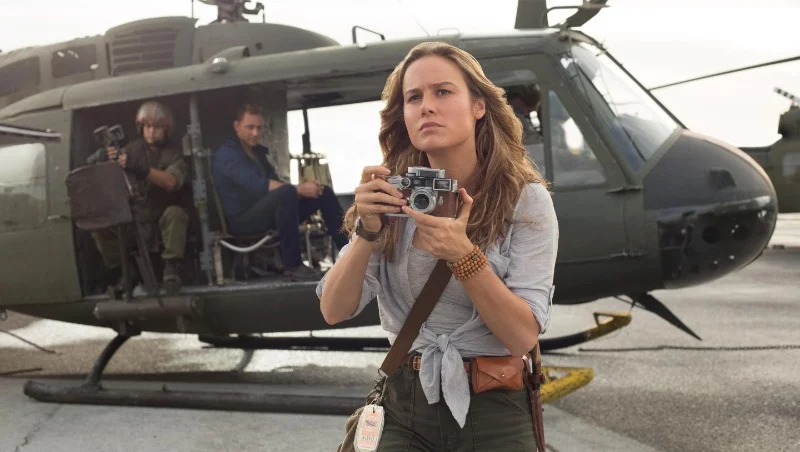
Brie Larson’s character, a war photographer, joins the mission but has no clear purpose. She takes photos, but the film doesn’t show why her skills are needed on a secret expedition. Her presence feels like an excuse to add a big-name actor.
She wanders into dangerous situations without contributing much to the team’s survival. Unlike the soldiers or scientists, her role lacks a logical reason. The movie tries to make her a hero, but her actions don’t justify her being there.
Kong’s Connection to Humans Makes Perfect Sense
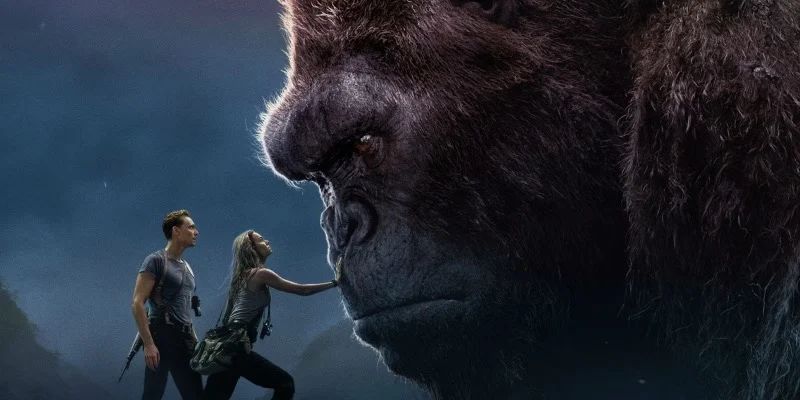
Kong shows a bond with some human characters, especially Brie Larson’s photographer and Tom Hiddleston’s tracker. This connection makes sense because Kong is portrayed as intelligent, not just a mindless beast. He recognizes their attempts to help him and responds with restraint.
The film builds this bond subtly, showing Kong’s emotions through his eyes and actions. It feels natural that a creature as smart as Kong would notice humans who don’t attack him. This adds depth to his character and makes him more than a monster.
The Soldiers’ Tactics Make Zero Sense
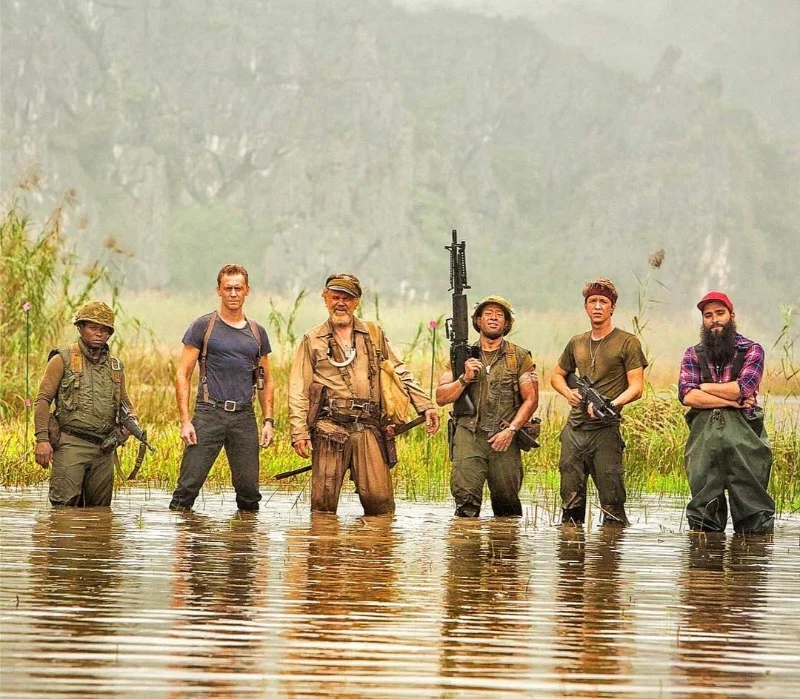
The military team, led by Samuel L. Jackson’s character, uses terrible strategies against Kong and other creatures. They fly helicopters directly into danger and shoot at Kong without understanding his strength. Their actions lead to heavy losses early on.
Even after seeing Kong’s power, they keep fighting instead of retreating or studying him. For a seasoned military unit, their lack of strategy or adaptation feels unrealistic. The movie sacrifices logic to create chaotic action scenes.
The Skullcrawlers’ Design Makes Perfect Sense
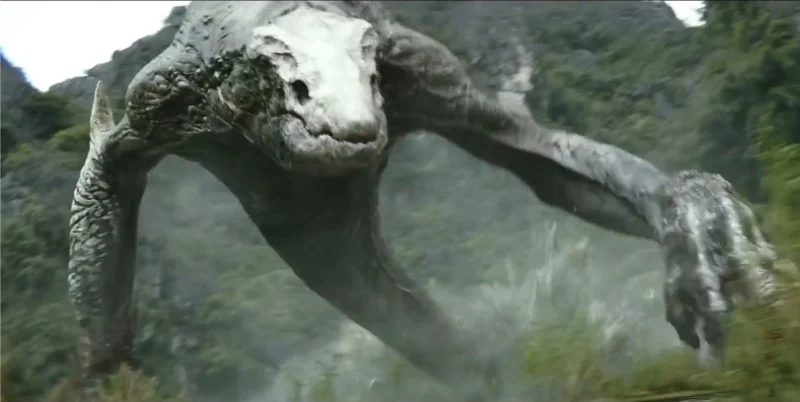
The Skullcrawlers, the film’s main antagonists besides Kong, have a creepy, practical design. Their snake-like bodies and skull-like heads make them fast and terrifying predators. The design fits their role as relentless threats that challenge even Kong.
Their behavior also feels natural for the island’s ecosystem. They’re shown as opportunistic hunters, attacking when Kong is distracted. The movie uses their simple but effective design to create tension and believable danger.
What’s your take on the highs and lows of “Kong: Skull Island”? Drop your thoughts in the comments below!